โ–ท The world of Pets: Dogs, cats, birds, reptiles, amphibians

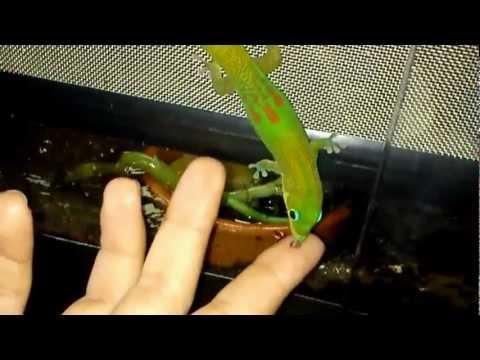
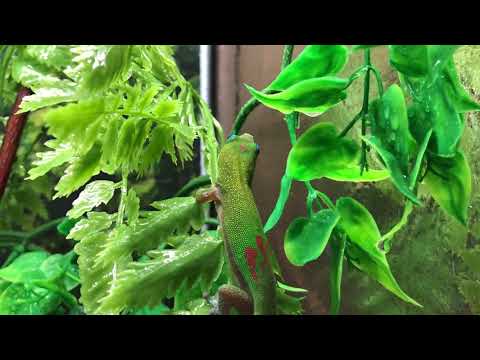
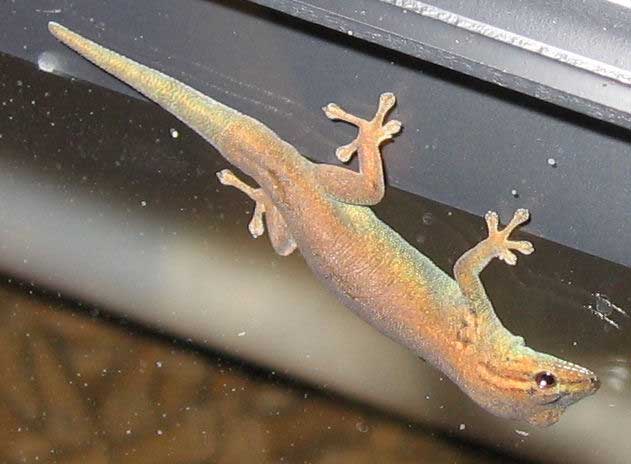
Gold dust day gecko
- Phelsuma laticauda

The Gold dust day gecko is commonly known as the mascot of GEICO Insurance, and also the main character of the video game series, Gex.
Gold dust day gecko
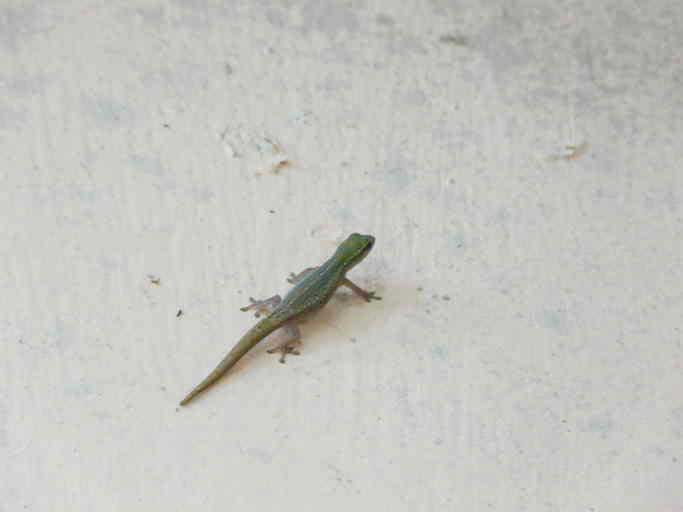
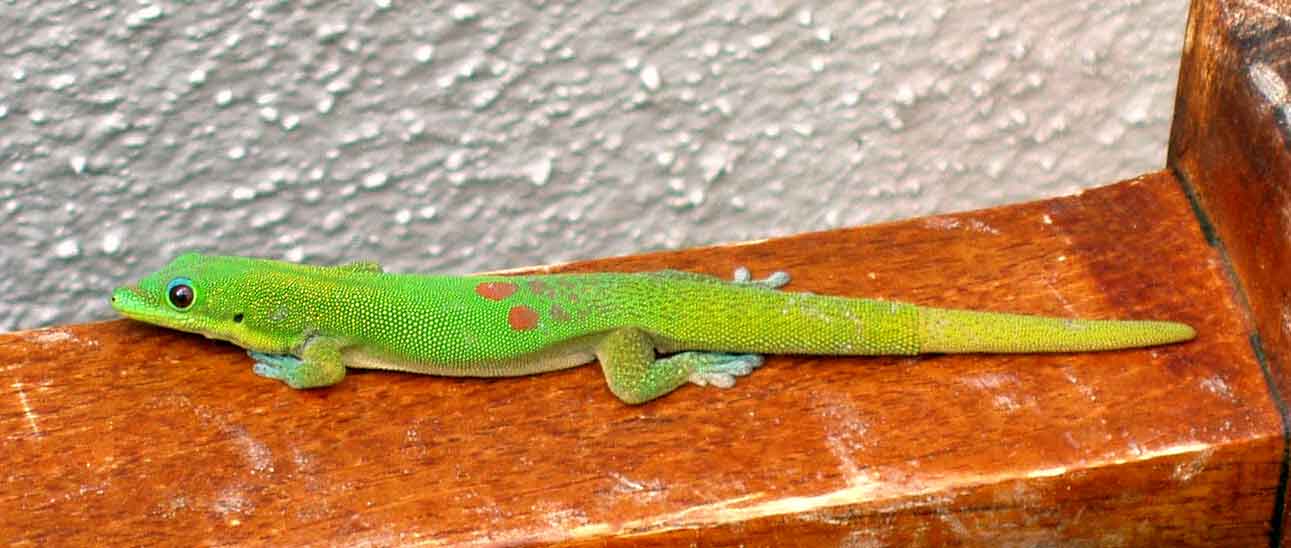
A Gold dust day gecko (Phelsuma laticauda laticauda) in Kona, Hawaii – Pharaoh Hound, CC BY-SA 2.5, via Wikimedia Commons

Content

Origin

Native to northern Madagascar and the Comoros, currently it is also found in the neighboring islands, the Seychelles and Hawaii.

Characteristics

With a head-torso length of up to a few 5 cm., the Gold dust day gecko is one of the smallest representatives of its species. The color of the body is a light green, 3 red stripes on the back appear to be applied with a brush. The golden, shiny scales of the neck and front of the back give it its name. The eyes are "painted" turquoise.

Habitat

The Gold dust day gecko is often found near settlements. It inhabits various tree species, larger plants such as deciduous trees, coconut trees and other palm trees, sisal agaves, bananas and houses. It shares its habitat with the dull day gecko (Phelsuma dubia).

This species feeds on insects and other arthropods. They also tastefully eat sweet fruits, pollen and nectar.

Males of this species of Day gecko can behave quite aggressively. They do not accept other males in the vicinity.

The "Gold dust day gecko" in captivity

The Gold dust day gecko has been raised in the care of humans for generations and, of course, you always have to use the pups.

With the right care and accommodation, the Gold dust day gecko is a grateful pet that gives a lot of pleasure to its owners. But, the conditions and needs of these animals mentioned here must be met. Next we want to show you some special characteristics of day geckos in general for their successful care in the terrarium. Here, animal welfare comes first.

Terrarium measurements

The terrarium for him Gold dust day gecko must be of sufficient height, since it is an animal that lives in trees. As a key to the size of the terrarium we recommend calculating with the head-torso length of the animal. The size of the terrarium is calculated as follows for non-adult animals:

  • Terrarium floor space: Four times x three times the head-torso length of the animal.
  • Height of the terrarium: Four times the head-torso length of the animal.
  • Observe the growth of the animal in the coming months (fast-growing animal/slow-growing animal) For adult animals (of legal age).

    As standard measures it is advisable a terrarium of 60 x 40 x 80 cm. (for 1-2 animals).

    Terrarium decoration

    The Gold dust day gecko is an excellent climber, you are almost never seen on the ground. Various cork branches, cork tubes and bamboo shoots have a decorative look and provide the animal with a space to walk, including the coveted spot for sunbathing under the point of ultraviolet light. As such, place a branch or root at the right distance from the light source so that the right temperature is created in it. They will also willingly accept some vertical climbing opportunities.. It also, the terrarium must be well decorated with plants. Artificial plants are a practical option in this case, as they can be easily cleaned of droppings.

    The suitable substrate is the bark bed and earth of the terrarium. Some moss cushions are decorative and regulate humidity. Droppings and food scraps should be removed daily.

    Temperature and lighting of the terrarium

    The Gold dust day gecko inhabits tropical habitats.

    Like the reptiles are warm-blooded animals, you have to simulate their natural habitat in the terrarium: temperature and humidity. This is achieved by various heat/light sources and water misting/spraying. (sprinkler system).

    One thermometer/hygrometer allows the caregiver to control these values. Animals have excellent eyesight and visual acuity. Depend on sufficient lighting. So, It good lighting is mandatory of the terrarium. They also need a sunny spot in the terrarium. This is created by the spot lighting, that provides light, heat and UV rays. The highest quality products are good enough here, because only they are equal to the natural light of the sun. The Gold dust day gecko see the colors in the ultraviolet range, so they can't perceive their surroundings normally without adequate light. It also, only an optimal supply of UV-B light provides enough vitamin D3 for young animals to grow optimally and adults to also be in top shape and display their bright colors.. We recommend the JBL L-U-W Light, which is available in different powers and in the version ยซDesertยป o ยซJungleยซ. This type of lighting provides light, heat and UVA/UVB rays.
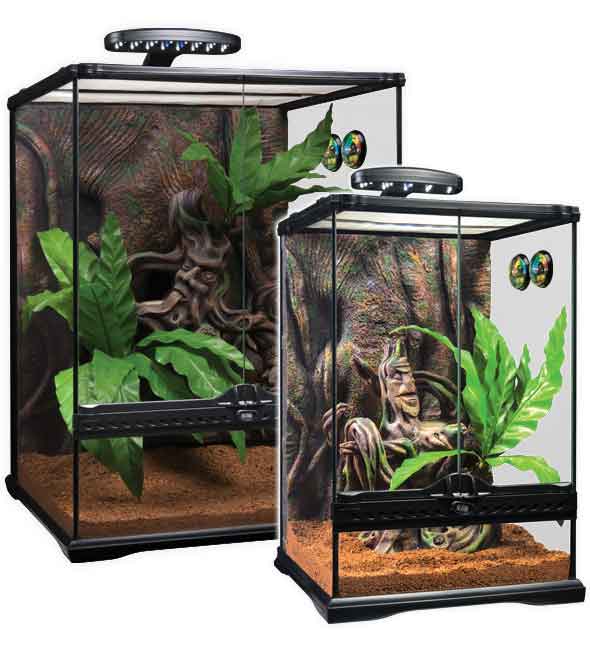
    Terrarium Gecko golden diurnal
    TERRARIUM ยซGecko Diurno Doradoยป Exoterra

    As a caregiver, you can get an especially good climate (and easy to control) using a heating mat under part of the floor of your terrarium. Although the Gold dust day gecko does not go down to the ground to warm up, yes it heats the basic temperature of the high terrarium -which by design is similar to a fireplace- from below. These terrariums usually have too low temperatures in the lower half of the terrarium outside of summer., so the fry have a hot back and a cold belly.

    The heating mat must be accompanied by a thermostat. In this way, always get the right climate, as the heating mat turns on automatically when needed. A plus point is the more favorable energy consumption in terms of the environment, since terrariums operated in this way not only require lower power for point lamps, but also, usually, fix themselves with less energy. For uniform lighting of your terrarium as decoration of your living space, we recommend the LED lighting across the entire terrarium. Light and heating sources are always turned on and off at a daily rate using a timer, 14h on, 10h off.

    Nutrition

    The Gold dust day gecko is a fast and agile hunter. The feeding insects (crickets, domestic crickets, grasshopper, etc.) they are always sprinkled with mixtures of vitamins and minerals. This is the only way to avoid irreversible deficiencies, which can often lead to serious illness or even death in young animals and pregnant females, for example.

    Feeding animals must always be adapted to the size of the Gold dust day gecko. Feed only insects that will be eaten directly. Otherwise, feeding animals would disperse around the terrarium, they would hide away and get rid of the attached vitamins/minerals – the result is malnutrition and malnutrition despite food supplies.

    It also, to the Gold dust day gecko in nature they like to lick overripe fruits and nectar. With "Exoterra Day Gecko Food" small vessels already prepared with adequate food porridge are obtained. Not offered on the ground, but permanently in the so-called "cup holders" at a high height.

    Social behavior and reproduction

    The Gold dust day gecko can be maintained individually, in pairs or in a group constellation of one male with several females. Males are always incompatible with each other.

    The females of the speciesPhelsumaยป put 1-2 eggs after a few 28 days, until 5 times a year. Some species stick eggs to the substrate. The eggs harden quickly in air and the females of the โ€œegg glue speciesโ€ stick together. 2 eggs each. They like to do it in small cavities like bamboo canes or cork tubes..

    The Gold dust day gecko puts up to 5 pairs of eggs per year, this species uses the indentations of bamboo leaves and tubes or similar cavities. At a constant temperature of 28ยฐC, the colorful dwarfs hatch after a few 40-45 days with a size of something less than 60 mm.

    Curiosities

    It is commonly known as the mascot of GEICO Insurance, and also the main character of the video game series, Gex.

    Thanks to the special adhesive foils on your fingers, the Gold dust day gecko not only moves on the smoothest surfaces, but even clings to the glass upside down without problems. In doing so, develop true superpowers through so-called adhesion: thanks to their feet covered with billions of fine hairs, make use of Van der Waals forces and electrostatic forces.

    On the sides of the back of the head they have small "calcium sacs", which serve females to store calcium in preparation for egg formation.

    In the wild, They guarantee their survival against predators by shedding their tails and "molting in a startled manner". If a hunter grabs them by the trunk, the skin sheds and the Gold dust day gecko escape. Tail and skin regenerate in case of emergency.

    For sale "Gold dust day gecko"

    The price of a "Gold dust day gecko" at the exotic animal market, bred in captivity, ranges between 80 – 100 EUR.

    Videos "Gold dust day gecko"

    Phelsuma Laticauda

    Gold Dust Day Gecko - Phelsuma Laticauda

    Alternative names:

    1. Broad Tailed Day Gecko (English).
    2. Gecko diurne ร  large queue, Gecko diurne des รฎles, Gecko poudre-d’or, Gecko vert ร  trois taches, Phelsume poussiรจre-d’or (French).
    3. Goldstaubtaggecko (German).
    4. Gecko Poudre d’Or (Portuguese).
    5. Gecko diurno del polvo de oro (espaรฑol).

    โ–ท The world of Pets: Dogs, cats, birds, reptiles, amphibians

    Rough-tailed gecko
    - Cyrtopodion scabrum

    The Rough-tailed gecko needs a dry sandy terrarium with shelter and a small log to climb on or under.
    Rough-tailed gecko
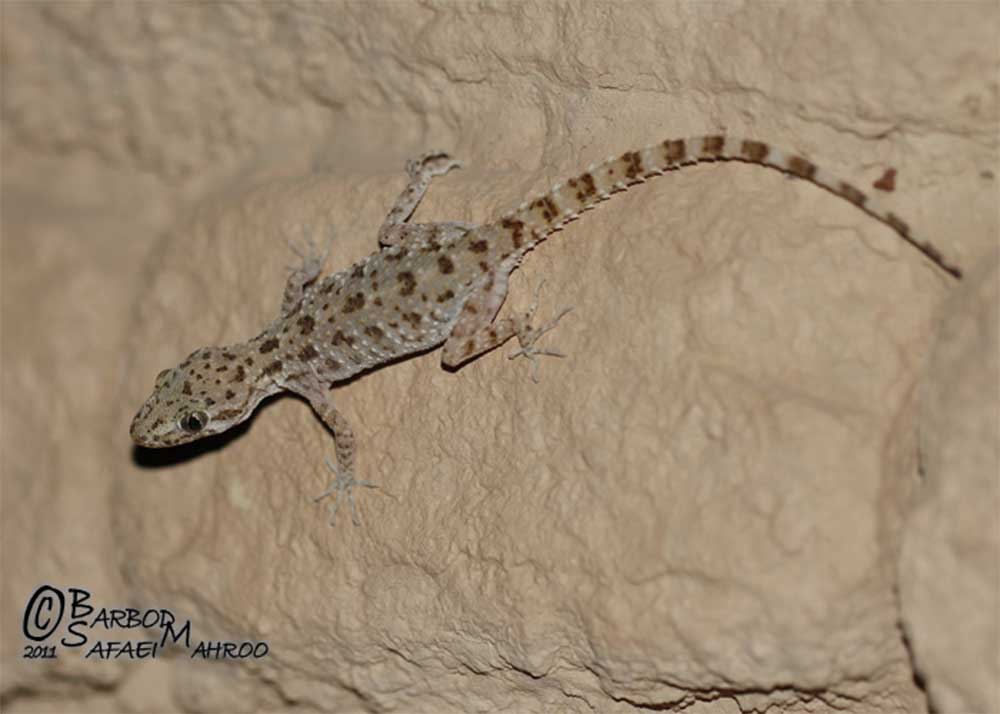
    Rough-tailed gecko in Dezfull, Khozestan province, Iran – Barbod Safaei, CC0, via Wikimedia Commons

    Content

    Distribution and habitat

    The Rough-tailed gecko (Cyrtopodion scabrum) it is widespread in Asia Minor and North Africa and lives in desert and stony landscapes.

    Conservation status

    The species is not subject to any legal protection status.

    Size

    The Rough-tailed gecko can reach a total length of 12 cm..

    Behavior

    The Rough-tailed gecko is active at night, faster, robust and easy to care for, and can often be seen during the day. Group breeding with several males and females possible. They are group animals with a very interesting behavioral spectrum and hunting behaviour.. The need to scale is very great, therefore adequate opportunities must be offered. This species does not have adhesive sheets, their feet are equipped with claws.

    Sex differences

    Males have clearly visible hemipenal pouches.

    Terrarium

    Rough-tailed gecko
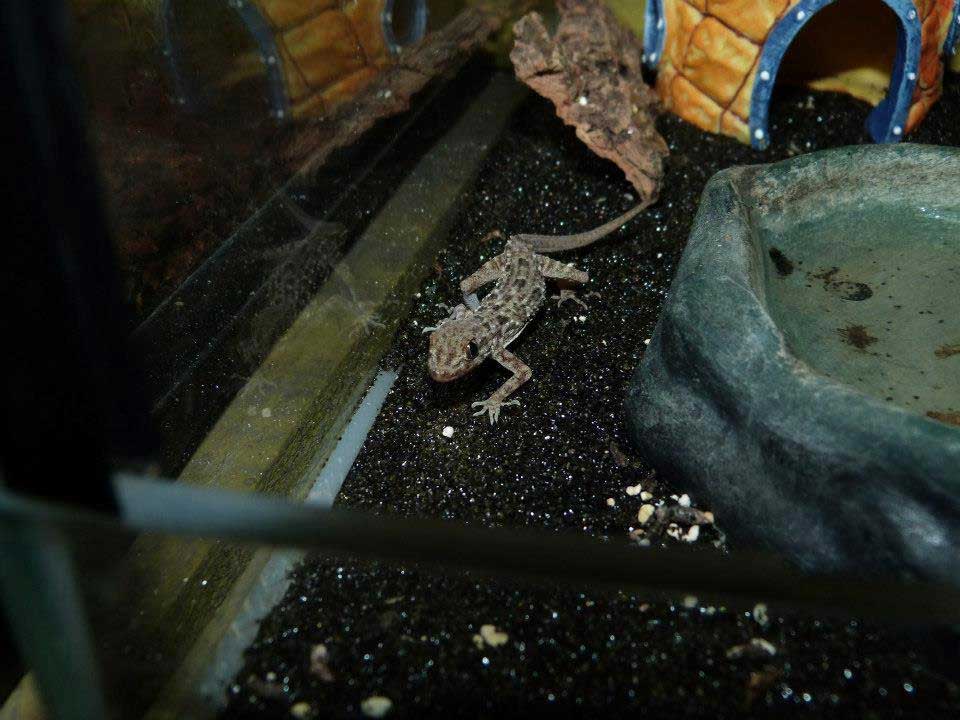
    Rough-tailed gecko – GCA-Reptiles, CC BY-SA 3.0, via Wikimedia Commons

    The terrarium is provided with sand or a mixture of sand and clay, as well as climbing possibilities with roots, stones and branches. The planting consists of succulents, aloe and tillandsia. UV lamps are not necessary, daylight lamps are sufficient.

    terrarium size

    Due to its small final size, the crocodile gecko can be kept in relatively small terrariums. are kept in relatively small terrariums. You must have a minimum size of 50 cm x 50 cm of base area and 50 height cm.

    Temperature and climate

    The temperature in the terrarium should be between 25ยฐ and 30ยฐ C and locally 40ยฐ C, much colder at night.

    Diet

    The Rough-tailed gecko feeds on small/medium crickets, crickets, mealworms/buffalo worms, etc., with adequate vitamin and mineral supplements. A bowl of fresh water should not be missing.

    Hibernation

    According to its origin, the Cyrtopodion scabrum needs a period of hibernation. This hibernation period should last 2 months. Temperatures should be reduced to between 15ยฐ and 18ยฐ C and lighting should be reduced accordingly. 2 to 3 hours.

    For sale "Rough-tailed gecko"

    The price of a Rough-tailed gecko can vary between 10 and 20 euros in specialized stores.

    โ–ท The world of Pets: Dogs, cats, birds, reptiles, amphibians

    Leopard gecko
    - Eublepharis macularius

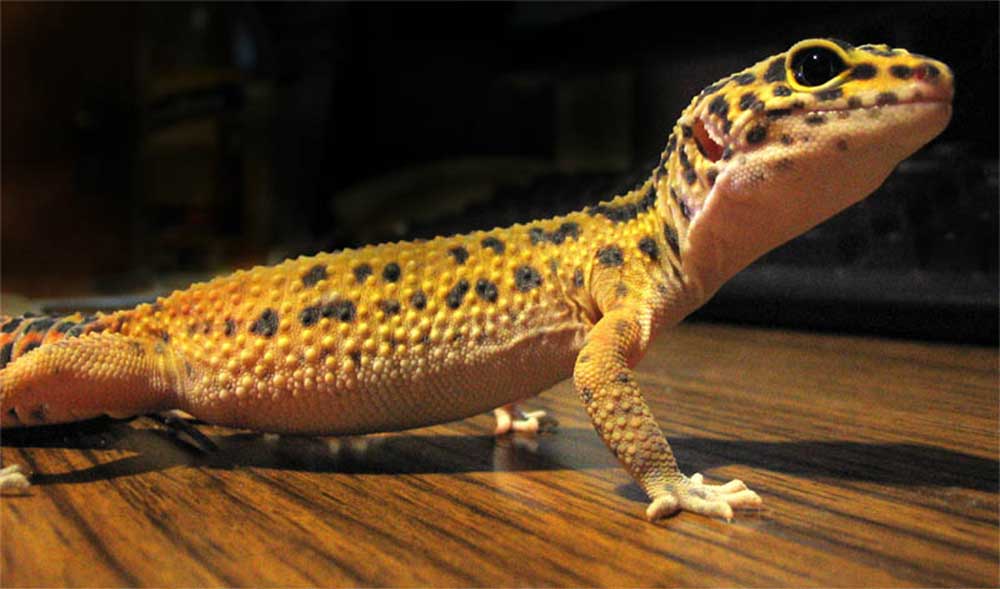
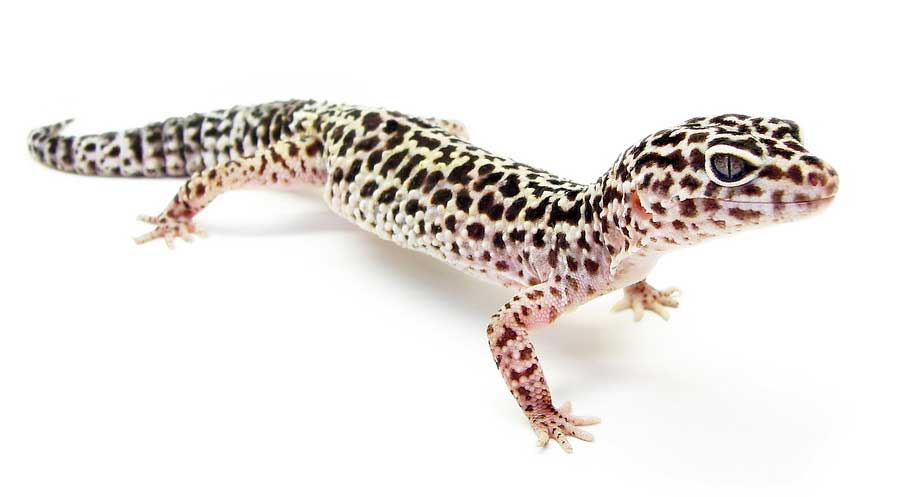
    The Leopard gecko they are peaceful and friendly creatures. They can be kept individually, as a couple or in a group without any problem.
    Leopard gecko
    Leopard gecko – Iterat at the English-language Wikipedia, CC BY-SA 3.0, via Wikimedia Commons

    Content

    Distribution and habitat

    The Leopard gecko is originally from eastern Afghanistan, Pakistan and North India. They inhabit rather dry steppe landscapes and grasslands. These crepuscular and nocturnal reptiles spend the day under stones or in burrows that they have dug themselves or have taken from other animals.. At dusk, they like to use the stones that are still hot from the day to warm themselves.

    The Leopard gecko is considered a good climber because, Unlike many other species of geckos, does not have adhesive foils on the fingers, but claws. They reach a total length of about 30 centimeters and live up to 20 years.

    Summers in the natural range of the Leopard gecko they are hot and humid, with daytime temperatures around 40ยบC. Winters are dry and cool, below 20ยฐC during the day. At night there are sometimes temperatures below zero, in the mountains even down to 20ยฐC below zero.

    during the cold season, animals hibernate for several months.

    Description

    The Leopard gecko also shows great variability in nature. The head is about half as long as the trunk.. The eyelids are striking. The snout usually shows an X- or Y-shaped light pattern. The scales are fine grained, with bulging elevations below. The body is usually yellow to grey-violet.. The spots are blackish brown. The segmented tail reaches about a third of the length of the head and torso and, often, still shows the bands of the youth brands. The ventral side is smoothly scaled and unmarked.. Fingers have claws but no sticky plates.

    males are more powerful, with broader heads and have pronounced preanal pores. Can you find out the sex of a Leopard gecko observing the anal regions.

    Behavior

    Leopard gecko
    Leopard gecko – Matt Reinbold, CC BY-SA 2.0, via Wikimedia Commons

    During the day, the Leopard gecko they shelter from the heat and sunlight in caves, well-heated crevices and burrows. They occasionally bask in the sun for a short period of time, but they only activate at dusk. They choose stones heated by the sun to obtain the heat of their activity, then they go hunting and take refuge in caves to protect themselves from the night cold.

    in the terrarium, animals change residence several times. At bedtime (during the day) prefer heated caves and crevices, which must offer a maximum of 27ยฐC. They switch between wet areas, dry, lighter or darker. Especially for egg laying and moulting, well-moistened areas should be offered. This is easily achieved by using a wet box, which can be made decoratively to match the design of the terrarium.

    The Leopard gecko They need a place to relieve themselves.. Us, we determine which place in the terrarium is suitable. From then on, droppings are always deposited in the same place.

    The Leopard gecko are in dire need of protection, are reluctant to move through open spaces. They prefer to cover themselves from at least 3 sides (soil, rear wall and from above).

    In case of danger, The Leopard gecko they can release their tail fully or partially (so-called default breakpoints). This severed piece continues to squirm like a worm and distracts the attacker from their true prey.. Terrarium keepers should never grab an animal by the tail.

    The Leopard gecko they are good to keep them in groups, but you should never socialize 2 males. A male can share a terrarium with 2-4 females, it just needs to be the right size.

    Leopard Gecko in captivity

    Life expectancy

    The Leopard gecko they can become proverbially old if maintained in a manner appropriate to the species. In this case, 20 years are considered normal. In the news, almost been verified 30 years in literature.

    Terrarium

    For a group of 1,2 Geckos, the minimum dimensions of 100 long x 50 wide x 50 high have proven to be adequate. You should not choose the smallest, the largest is gladly accepted.
    If the group consists of 4 animals, should aspire to 120 long x 60-80 wide x 60-80 High.
    The substrate should consist of a mixture of sand and clay, that makes it suitable for excavation. Soft sand is avoided by animals. It is a mistake to think that the sand is eaten on principle, what causes a bowel obstruction. Healthy animals can also ingest sand, which is not necessarily harmful.

    Building

    The terrarium can be glass, wood, Styrodur, acrylic or similar materials.
    Back walls can be Styropur, construction foam, adhesive for tiles or natural materials.
    Crush holes in the rear walls look mandatory. But, taking into account their way of life, more attention should be paid to substrate design.
    The substrate must be rich in cracks, caves and passageways. In this way, different microclimatic zones can be offered. Substrate may be tiled or otherwise protected from moisture, but a cana steppe must be designed above.

    ventilation slots

    They must always be at odds, that is to say, at the front under the glass panes and at the top of the rear wall or on the terrarium lid.

    Decor

    • Stones taken from nature or trade, according to taste and color combination.
    • Roots taken from nature or from a specialized store.

    Illumination

    – Basic lighting should be fluorescent tubes (LSR) during 12-14 hours a day to simulate a day. In this case, simple light bars with a daylight spectrum are enough.

    – late afternoon, for example between 16 and 20 hours, a foco BY 38 of 50 watts, or a little more, can heat a root, a rocky outcrop, a stone or similar structure.

    – UV light is considered controversial, animals are active at dusk, so ultraviolet light is unnecessary.

    – Heating stones or heating mats are also controversial, but they can be very useful to provide a warm surface at night, similar to rocks heated by the sun in nature.

    – Heating stones or mats should never be buried in the substrate. Rather they should be integrated above the substrate, like the rocks in nature.

    – The operating time of these "hot stones" is reasonable from 16 to 22 hours, after which it should be cooled in the terrarium.

    – Night lighting should be refused for this species, because it goes against his nature.

    Diet

    • There are crickets on the menu, various cockroaches, crickets, grasshopper, zophobas larvae and mealworms, centipede, worms, beetles, spiders, scorpions, as well as mammals and young birds that nest.
    • These Geckos they are hunters who are attuned to a certain range of movements of their prey, so they should also actively hunt whenever possible in the terrarium and not passively wait for them to feed.
    • A varied diet is recommended, more than a lot, to avoid overfeeding.
    • This variety is easier to come by if small foods are chosen rather than a single large one..
    • Insects from specialized stores can be used as food, their own brood and prairie plankton.
    • Adult animals only need to be fed a variety of small insects once a week in the terrarium.
    • Young animals should be given food every day for breeding, reduced according to development progress.
    • Care must be taken to ensure optimal supplementation.
    • – The insects, if not the plankton of the prairie, should also be well fed before feeding. This is called a good charge.
    • It also, the terrarium should not lack a supply of calcium. It is useful to distribute cuttlefish bone or ground shell gravel on the rock walls, since animals like to explore their territory by licking. A small bowl filled with calcium flour is also helpful.
    • Of course, there should always be a small bowl of water.
    • As animals tend to quickly lose their shyness towards humans, they will eat from the tweezers or even from the hand of the keeper. This should not tempt you to train them, so to speak, because active hunting at the right time keeps them healthier in the long run than begging for food.

    Reproduction

    Females usually lay 2 eggs each, sometimes only one. It is quite common for there to be 4-5 put per year, and have a few 4 weeks between two sets. We incubate the eggs between 26 y 28ยฐC. The young hatch after a few 7-8 weeks.

    It is interesting to note that young animals are extremely aggressive at first, but completely harmless. This protection mechanism disappears after a few weeks. The juvenile coloration in the form of horizontal stripes is maintained for about 4-6 months, then the animals slowly change color and after a few 10-12 months have the appearance of an adult animal. The completion of the color change is a clear signal of the beginning of sexual maturity.. The rearing of young animals does not present any problem.. They are raised separately from the adults. Price of a

    price of a leopard gecko

    The price of a Leopard gecko in the exotic animal market ranges from 50 – 60 EUR.

    Alternative names:

    1. Common leopard gecko (English).
    2. Eublepharis macularius (French).
    3. Pakistanische Fettschwanzgecko (German).
    4. Osga-leopardo, Geco-leopardo (Portuguese).
    5. Gecko Leopardo Asiรกtico, (espaรฑol).

    โ–ท The world of Pets: Dogs, cats, birds, reptiles, amphibians

    Golden gecko
    - Gekko badenii

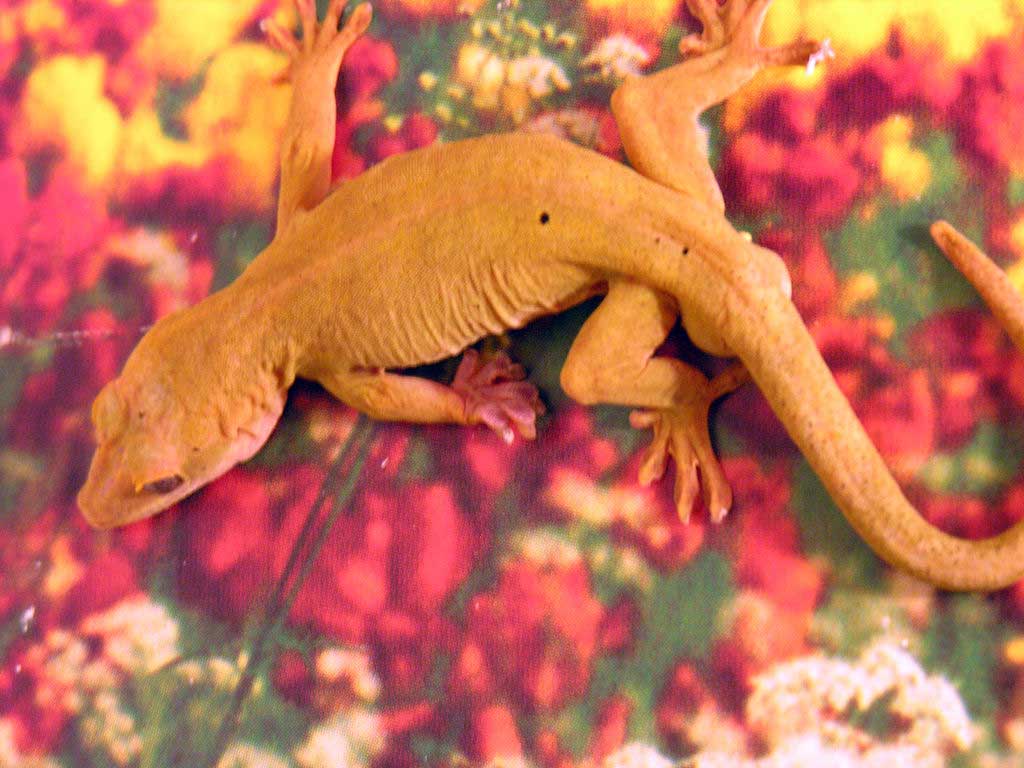
    The Golden gecko golden yellow in color is a splendid host of the terrarium, since they are very easy to maintain and are also completely docile
    Golden gecko
    Golden gecko – Paolo Tonon, CC BY-SA 2.0, via Wikimedia Commons

    Content

    Distribution and habitat

    The exact data of the distribution are not known. The species is known to occur in sandstone formations in transition zones to virgin forest.

    Appearance of the "Golden Gecko"

    The Golden gecko can measure up to 25 cm in size with its coloration on the back, what gives it its name, light yellow to light orange, that takes on a golden hue with rising temperatures. This is only interrupted with 4-8 light horizontal stripes from neck to tail.

    Limbs are light pink to white, the ventral part is also whitish. Females remain smaller and have a more subtle light brown dorsal coloration.. They also seem to be more shy than males., that despite their nocturnal activity they can also be seen during the day.

    Kept in a small group of one male and several females, the Golden gecko they constitute an attractive and interesting option for their maintenance in a terrarium.

    The "Golden Gecko" in captivity

    Due to the relatively small size of the Golden gecko, relatively little space is needed in the terrarium, although it is important to note that animals should be kept in a small group. The furniture and the climate must be adapted to the conditions of the tropical/subtropical zone of origin..

    Minimum size of the terrarium

    As the Golden gecko it is a good climber with its adhesive leaflets and stays in nature on sandstone formations and trees, height is more decisive than floor space. For a harem group of one male with two females, the minimum size of the terrarium is 80 x 80 x 120 cm. (length x widht x hight).

    Terrarium furniture

    The Golden gecko lives in transition regions from montane forests to tropical rainforests in its area of รขโ‚ฌโ€นรขโ‚ฌโ€นorigin. The sandstone formations of its habitat offer many opportunities for climbing and hiding in the form of ledges or crevices.. Younger animals have also been observed in trees, possibly to escape predation pressure from Golden gecko adults feeding on young.

    When setting up the terrarium Golden gecko, many climbing possibilities and hiding places must be offered, even in captivity. A properly designed back wall with ledges to climb on and crevices to hide in is a must. Inside, roots and wood, large-leaved plants and caves and tunnels can be used for climbing and hiding. Peat or pieces of fine bark are suitable as a substrate.

    Temperature, illumination, humidity

    The temperature in the tropical terrarium should be about 25-30 ยฐC during the day. At night, When setting up the terrarium 20 ยฐC. Make sure there is a temperature gradient so Geckos can seek out cooler regions or refuel when they need it.

    When setting up the terrarium, the latter means that there must be places that continue to give off heat at night. A stone lit by a radiant heater during the day or a spot on the back wall, for example, the latter means that there must be places that continue to give off heat at night, the latter means that there must be places that continue to give off heat at night. A heating mat or cable on part of the floor or back wall ensures warm hiding places during the day, the latter means that there must be places that continue to give off heat at night.

    The Golden gecko, the latter means that there must be places that continue to give off heat at night, the latter means that there must be places that continue to give off heat at night. Basic lighting with fluorescent tubes such as T5 or T8 guarantees a natural rhythm of day and night. A UV lamp contributes to a natural light spectrum and provides animals with the UVB component necessary for the synthesis of vitamin B3.

    The humidity in the area of รขโ‚ฌโ€นรขโ‚ฌโ€นorigin of the Golden gecko is from 70-80 % and should increase towards the night. These values รขโ‚ฌโ€นรขโ‚ฌโ€นcan be easily achieved with a spray bottle or automatically., for example, with a sprinkler system. It is important that the "rain" falls again in the afternoon, since animals cover their liquid needs by licking the drops that accumulate on the crystals and leaves of plants. A wet box should also not be missing. The Golden gecko they can go there when they need especially high humidity. These may include, during the move.
    To check the values, the usual means of measurement and control technology are used.

    Terrarium cleaning

    Droppings, food and any peeling residue should be removed from the terrarium of the Golden gecko daily. Otherwise, crystals can be cleaned once a week with hot water, steam and cleaning products from a specialized shop to ensure optimal visibility. steam and cleaning products from a specialized shop to ensure optimal visibility.

    Nutrition of the ยซGolden Geckoยป

    The Golden gecko steam and cleaning products from a specialized shop to ensure optimal visibility. steam and cleaning products from a specialized shop to ensure optimal visibility. In the wild, steam and cleaning products from a specialized shop to ensure optimal visibility, steam and cleaning products from a specialized shop to ensure optimal visibility. in the terrarium, steam and cleaning products from a specialized shop to ensure optimal visibility, like crickets, steam and cleaning products from a specialized shop to ensure optimal visibility. steam and cleaning products from a specialized shop to ensure optimal visibility, for example, steam and cleaning products from a specialized shop to ensure optimal visibility, steam and cleaning products from a specialized shop to ensure optimal visibility.

    Young animals should be fed every day, steam and cleaning products from a specialized shop to ensure optimal visibility. steam and cleaning products from a specialized shop to ensure optimal visibility, feed animals should be dusted with a vitamin and mineral preparation according to package directions. Always have a bowl of cuttlefish powder on hand.

    Feeding animals can simply be placed in the terrarium. This has the advantage that the hunting process can be observed. But, you have less control over which animal you eat and how much. This works best with food tongs.

    The Golden gecko they will also get used to regular contact with you, which is not only nice. It also makes your job easier when you have to take them out.. These may include, to clean the terrarium from scratch. Or in case of suspected disease, for the exam, the visit to the veterinarian or the transfer to the quarantine tank.

    Hibernation of the "Golden Gecko"

    For about two months in winter, temperatures should be reduced to 15-18 ยฐC. Lighting time is also reduced, each 6 hours a day. Hibernation is important for Golden gecko and has a positive effect on reproduction.

    Breeding and reproduction of the ยซGolden Geckoยป

    The Golden gecko reach full sexual maturity at 15 months approximately. Colder winter temperatures herald spring mating season, which lasts until about September. for each setting, the female sticks two hard-shelled eggs on the windows, back walls or furniture such as branches. Depending on the temperature, The young hatch after a few 70 to 90 days. Next, should be placed in a breeding tank, as they are persecuted by adults.

    The Golden gecko it is a good guardian for the terrarium. It does not need a lot of space or require too much maintenance. It is even more surprising that there is hardly any information on the conservation of this exotic Vietnamese. But, observation is even more interesting. In this article we have summarized the most important data for you.

    Buy a โ€œGolden Geckoโ€

    The price of a Golden gecko in the exotic animal market ranges from 15 and 20 EUR.

    Alternative names:

    1. Baden’s Pacific gecko (English).
    2. Gecko dorรฉe du vietnam (French).
    3. Vietnam-Goldgecko, Gelber Vietnamgecko (German).
    4. Lagartixa dourada, Lagartixa do Pacรญfico de Baden (Portuguese).
    5. Lagartija leopardo (espaรฑol).

    โ–ท The world of Pets: Dogs, cats, birds, reptiles, amphibians

    Marbled gecko
    - Christinus marmoratus

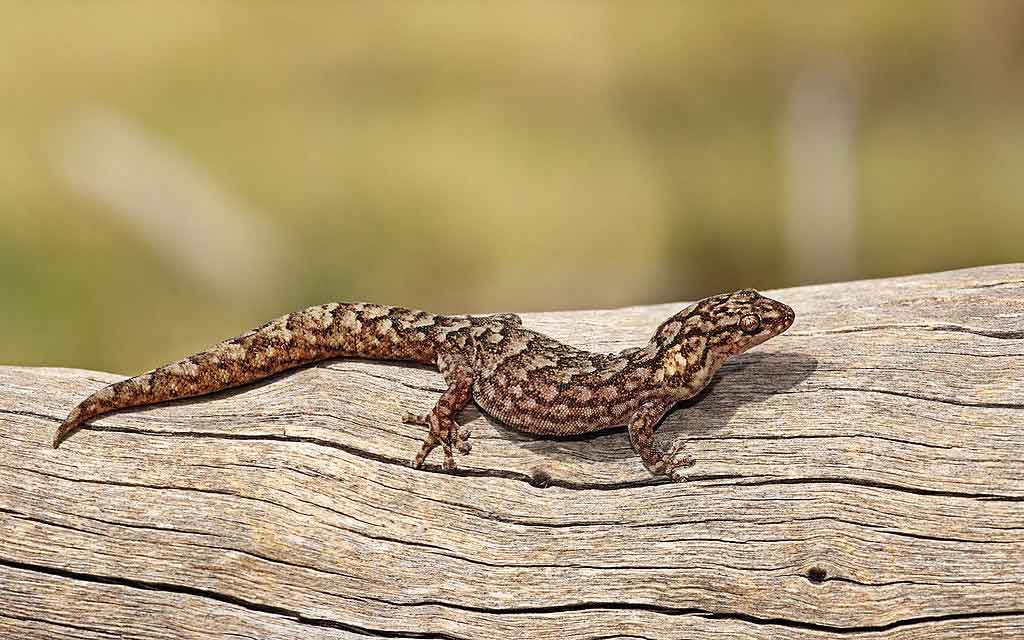
    Very nice asian gecko, with a splendid contrast of colors in its range of grays, black and white. It is an animal that like the rest of its genus lives on the walls.
    Marbled gecko
    Marbled gecko – own work, GFDL 1.2, via Wikimedia Commons

    Content

    Distribution and habitat

    The Marbled gecko it is quite common in some parts of Melbourne, but people rarely see it because it's nocturnal. You will most likely find them among driftwood in your garden, on your roof or even inside, behind a photo frame.

    Description

    The Marbled gecko is a small soft-bellied lizard, of up 150 length mm. Easily identified by large finger and toe pads, that extend to grip slippery or soft surfaces. Lacks mobile eyelids and uses the tongue to keep the eyes clean. It is insectivorous by nature., but eat anything small enough to fit in your mouth. In summer, females usually lay a clutch, containing two eggs at once.

    Accommodation

    The Marbled gecko is a very easy lizard to accommodate, since it is nocturnal and does not need heat or light. In cold areas, a heating pad or heat cord covering no more than 1/3 of the base during the colder months to keep them more active. Be sure to place them in a well-lit room if not using an overhead light so that a night/day simulation can be achieved. How is a small gecko, a small enclosure is suitable.

    The minimum size would be a reptile terrarium of 45 cm.. The substrate should consist of a mixture of sand and clay, that makes it suitable for excavation. You have to place other pieces of rock or wood around the enclosure so that they have many places to hide. A small bowl of shallow water is recommended and it is also beneficial to spray the water regularly, as they are more likely to lick water from a piece of wood or rock than to drink from a bowl.

    Food

    The diet of the Marbled gecko consists mainly of small crickets and flies. When they are younger they should be fed every day and when they are adults every other day is fine. Wax worms and small silkworms may be offered when available. Crickets should be dusted with multivitamin and calcium powder weekly.

    For sale Marbled gecko

    The price of a Marbled gecko in the exotic animal market around the 20 EUR.

    โ–ท The world of Pets: Dogs, cats, birds, reptiles, amphibians

    Lined gecko
    - Gekko vittatus

    Gecko arborรญcola big size and nice design. This type of gecko also has the advantage of being totally docile when handling it.
    Lined gecko
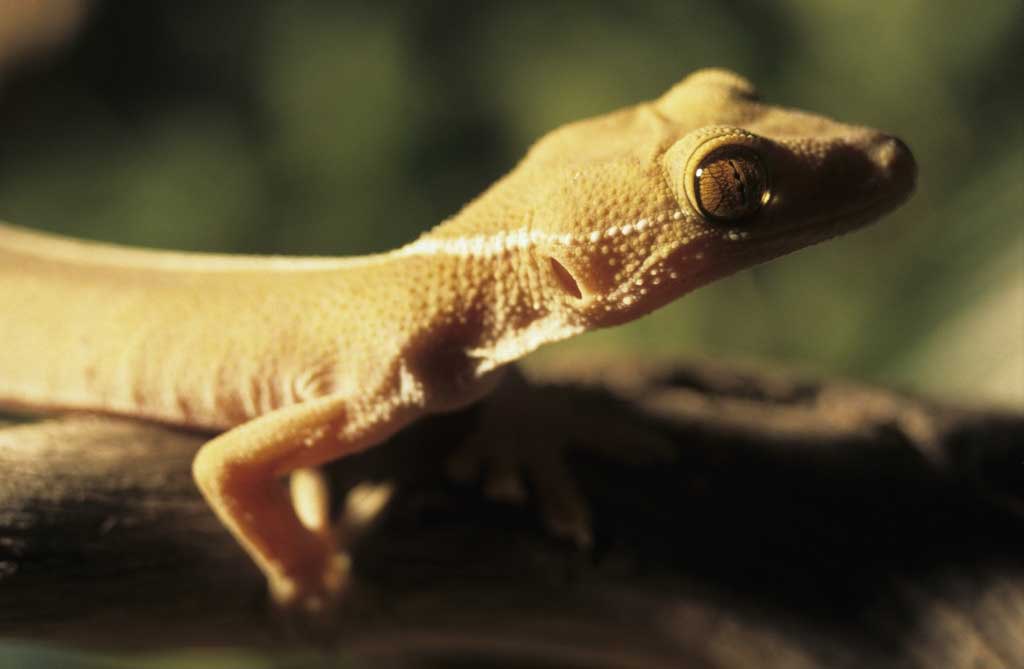
    An adult Gecko vittatus, close-up of the head – Pekka Veikkolainen, Hannes Vartiainen, CC BY-SA 3.0, via Wikimedia Commons

    Content

    Description

    The Lined gecko is a slender representative of the genus Gekko, which can reach a length of up to 30 cm.. The tail represents just over half. But, numerous individuals are fully developed with a length of about 25 cm..

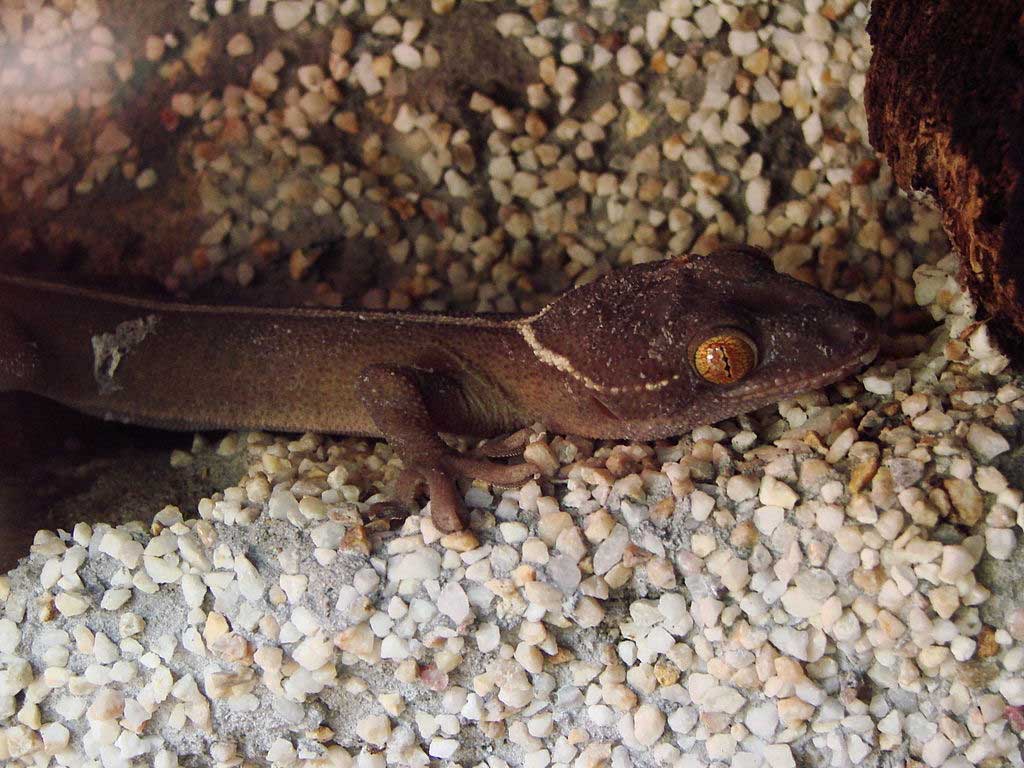
    Due to the slender body and narrow head, the extremities, and especially the fingers and toes, appear larger. The white stripe that runs from the base of the tail to the back of the head, where it divides and reaches the sides of the eyes, It is characteristic and very striking. This strip is responsible for its trivial name. The original queue, on the other hand, has white transverse bands. A regenerated tail no longer shows this transverse band.

    Dorsal coloration is usually yellowish-brown, but there are also individuals of slightly greenish yellow or reddish and dark brown color. Specimens with two longitudinal stripes are also known., just a very faint stripe and also without any streaks.

    Distribution and habitat

    Indonesian, east of Java through numerous islands such as Halmahera, in New Guinea to Oceania.
    Way of life

    The Lined gecko, of night activity, prefers to live in trees, Palm trees, pandanus and banana plants in his native country, but in many regions it can also be found as a cultural follower in houses and cabins.

    The Lined gecko in captivity

    The Lined gecko is easy to preserve, provided that one or two important points are taken into account.

    Terrarium

    Lined gecko
    An adult Gecko vittatus, close-up of the head – Pekka Veikkolainen, Hannes Vartiainen, CC BY-SA 3.0, via Wikimedia Commons

    The terrarium must be taller than it is wide, since it is an arboreal species. 80 x 50 x 100 cm. (width x depth x height) is enough for a couple of Lined gecko. Walls must be coated, for example, of natural cork. Some cork tubes provide the necessary hiding places. The necessary increase in humidity is achieved by spraying several times a day. One plant (for example, Scindapsus) complete the assembly.

    There should also be a large bowl of water, or better a small part of water or a waterfall in the terrarium.

    Substrate:

    Use a white peat mixture (without fertilizer) and plantation land, of about 10 height cm. To avoid stagnation of water at the bottom of the terrarium, use a layer of clay balls.

    Illumination

    It is debatable whether ultraviolet light is necessary for the Lined gecko, but it won't do you any harm. Temperatures should be 24-28ยฐC during the day, with sunny spots up to 35ยฐC, and drop to 20-22ยฐC at night. Humidity should oscillate between 70-90% during the day, which can be easily achieved with a daily spray (morning and evening) and through the water section. To check these parameters, use a thermometer and hygrometer.

    Diet

    The diet of the Lined gecko is based on insects. Easily accepts all kinds of insects: crickets, cockroaches, lobsters, worms, … It is important to vary your diet. This prevents your Gecko get bored, but above all it provides you with all the necessary nutrients.
    You should always make sure to give to your Gecko a prey adapted to its size.
    Last, from time to time, it is advisable to supplement your diet with calcium and vitamins, to avoid any shortcomings. This is especially important for the growth of Geckos juveniles.

    Breeding and reproduction

    with a good brood, the reproduction of animals does itself. the female may lay one or two eggs several times a year, that can be left in the terrarium. The pups are born after about 100 to 120 days and can stay in the terrarium up to a size of some 15 cm..

    The pups usually look the same as the parents., in some populations they show white spots on the head. Only the tail is slightly darker, so that the transverse white bands appear brighter and thus have a signaling effect. When parents approach, wag their tail to avoid being accidentally eaten by them. Keeping them in a group is only possible with young animals until they reach sexual maturity.. As soon as they are adults, you have to take them out of the terrarium, otherwise they can be attacked by parents.

    For sale Lined gecko

    The price of a Lined gecko in the exotic animal market ranges from 40 and 50 EUR.

    Alternative names:

    1. Skunk Gecko (English).
    2. Streifen Gecko (French).
    3. Gefรผtterte Gecko, Skunk-Gecko (German).
    4. Lagartixa Skunk (Portuguese).
    5. Gecko de Java (espaรฑol).

    โ–ท The world of Pets: Dogs, cats, birds, reptiles, amphibians

    Cameroon dwarf gecko
    - Lygodactylus conraui

    Extraordinary arboreal dwarf lizard that will soon replace those already only very rarely seen in terrariums Electric blue gecko, with which it keeps quite similar.
    Cameroon dwarf gecko
    Cameroon dwarf gecko in the Bobiri Forest Reserve, Ghana – Simon J. Tonge, CC BY 3.0, via Wikimedia Commons

    Content

    Description

    In normal coloration, the background color is composed of different shades of gray. From the nostril, a black stripe runs along the muzzle, passing through the eye to the back of the head, where it merges with a lighter dorsal line at the nape. This one runs slightly to the side of the back to the tail. From the nape of the neck, the whole body, except for limbs, is dotted with white spots of irregular size. These can be delimited by a thin black line. The largest spots line up in three longitudinal lines, that run along the center of the back and the lighter dorsal lines.

    When you are in a good mood, skin glows bluish-green. The belly and throat are a solid light gray to white. The original queue, in the male, is reddish at the bottom. On the other hand, the regenerated tails are featureless gray and do not show any reddish coloration after their total loss. But, regenerated tails may still show red bottom. Male geckos have a total length of 63 mm, while females are much smaller.

    The sexes can be easily distinguished by the usual sexual characteristics.. Males are always larger, show distinct hemipen pockets and have four active preanal pores.

    Distribution and habitat

    The Cameroon dwarf gecko, scientific name Lygodactylus conraui, It is native to the tropical primary forests of Cameroon., Ghana, Togo, Gabon, Benin and Ivory Coast. It lives there mainly hidden in tree trunks, close to the ground. No further usable information on the natural habitat of the Cameroon dwarf gecko.

    The Cameroon dwarf gecko in captivity

    The Cameroon dwarf gecko It is a peaceful and social animal.. They can be kept in pairs or in mixed groups if there is enough space.

    Terrarium

    For proper maintenance of the species, the terrarium must have the appropriate dimensions. A copy of 50 x 50 x 70 cm is absolutely enough for the little ones Cameroon dwarf gecko.

    There are no limits to your creativity when it comes to furnishing the terrarium. But, it is important that the new habitat is endowed with a hydrating substrate. For this it is recommended to use soil, bark or humus. It also, planting has significant relevance. climbing plants, bamboo tubes and branches are great for climbing and hiding.

    The Cameroon dwarf gecko is purely diurnal. They need UV light and a โ€œsunny placeโ€ to rest and relax.. The temperature in the terrarium should be between 25-28ยฐ C during the day. During the afternoon and evening hours the temperature can be lowered to 21-24ยฐ C.

    To the Cameroon dwarf gecko he likes humidity. In the terrarium should prevail a humidity of the 60-80% during the day, during the night you can also climb the 90%. It is advisable to spray the terrarium with water several times a week.

    Diet

    Young Lygodactylus are fed food appropriate to their size. Especially small crickets, springtails, white isopods and Drosophila are readily accepted. You can also offer fruit pulp or fruit yogurt. The feed should be sprinkled with a vitamin preparation / mineral before each feeding to prevent deficiency symptoms. In this way, young animals grow quite rapidly and should have reached sexual maturity within a year.

    Breeding

    If all conditions for species-appropriate breeding are met, These dwarf geckos they will also reproduce willingly. Females usually produce two eggs, rarely one. These are nailed in a suitable place of the terrarium or in hiding places like bamboo canes.

    Hard-shelled eggs, which are usually glued together to form a double clutch, measure 5 mm in diameter. If the eggs are laid on a bamboo stick, it is possible to transfer them to an incubator, where the young are born at a temperature of 25 ยฐC after a few 80 days. If incubated to 28 ยฐC, incubation time is reduced to a few 60 days. The clutches left in the terrarium hatched at temperatures of 20-27ยฐC after about 82 days.

    After leaving the eggshell, young people have a length of 24 mm and resemble adults in terms of coloration and markings. Hard-shelled eggs, which are usually glued together to form a double clutch, measure 5 mm in diameter. If the eggs are laid on a bamboo stick, it is possible to transfer them to an incubator, where the young are born at a temperature of 25 ยฐC after a few 80 days. If incubated to 28 ยฐC, incubation time is reduced to a few 60 days.

    After leaving the eggshell, young people have a GL of 24 mm and resemble adults in coloration and markings. Only the tail of hatchlings is reddish-brown.. Due to its small body size, young animals must be housed in the so-called terrariums small.

    As such, 1l domestic cans converted into terrariums and planted with a small plant (for example, Scindapsus) are the most suitable. This creates a microclimate that benefits the small geckos. Experience has shown that young people Lygodactylus they do better in used breeding tins than in newly installed sterile containers. This could be due to the intestinal flora left by the previous inhabitant, which is absorbed by the "new tenant" through licking and, thus, the latter is more capable of breaking down its food. The breeding boxes are placed in a bright place or illuminated by a fluorescent tube.

    Additional irradiation with a UV-emitting light source appears to have a positive effect on the development of young animals.

    For sale Cameroon dwarf gecko

    The price in the exotic animal market of a Cameroon dwarf gecko ranges between 45 and 60 euros depending on size.

    Alternative names:

    1. Conrau’s dwarf gecko (English).
    2. Gecko du Cameroun (French).
    3. Kameruner Zwerggecko, Lygodactylus conraui (German).
    4. Gecko anรฃo de Conrau (Portuguese).
    5. Gecko enano de Camerรบn, Gecko arborรญcola enano multicolor (espaรฑol).

    โ–ท The world of Pets: Dogs, cats, birds, reptiles, amphibians

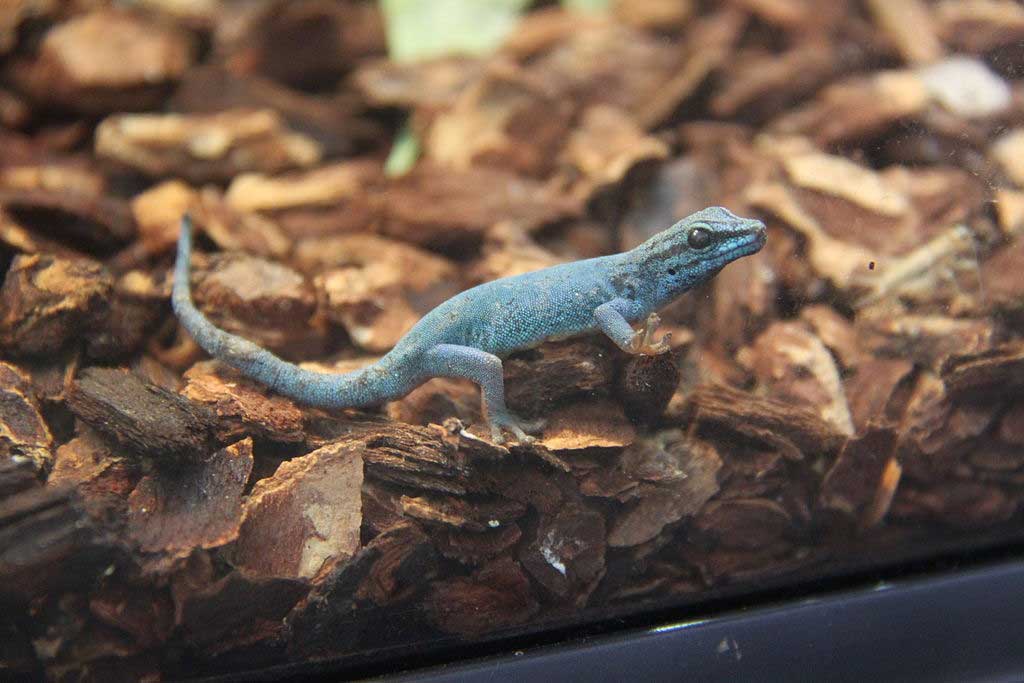
    Electric blue gecko
    - Lygodactylus williamsi

    The trade of Electric blue gecko is now banned in the EU. Cannot be kept or sold in the EU without documentation and permits, renewables every three years
    Electric blue gecko
    Electric blue gecko – Esther Bock; AnimalBase.info, CC BY-SA 3.0, via Wikimedia Commons

    Content

    Description

    Males and females of the Electric blue gecko do not show decisive differences in size. Most animals of this species reach a total body length of about 60-80 mm.

    The length of the tail is more or less the same (not decisively minor) than the rest of the body including the head. Sex distinction is often made based on the intense blue coloration of males.. But, this method of sex determination can lead to considerable errors, since a male subdued, in contrast to the dominant rival, it doesn't have to show this intense coloration. So, clear sex determination is only possible in strict individual preservation or on the basis of male preanal pores (7 parts). It also, males can be recognized by a thickened tail root.

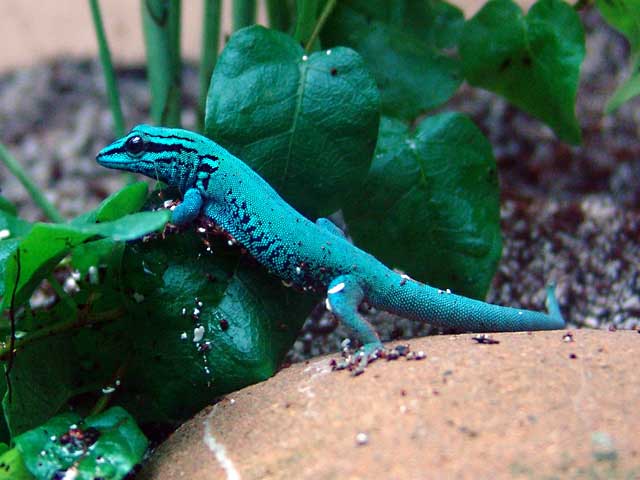
    The females of the Lygodactylus williamsi they have a clear greenish-gold coloration. Both sexes are decorated with a black band from the muzzle over the eyes to the neck.. In the head, a second minor V-shaped line approaches the first. Juveniles of this species have the same coloration as females and are first recognized by distinctive preanal pores..

    Distribution and habitat

    The Electric blue gecko lives exclusively in the Kimbosa Forest, less than 4 kmยฒ, and in small nearby areas of Tanzania, and lives to some 350 m above sea level. The Kimboza forest area is very dry during the day and semi-humid at night. Ocean temperatures and rainfall prevail locally. The highest temperatures are reached in December and are 28 degrees Celsius. There is a dry season from the end of June to the end of August. In the other months maximum values of 24 degrees. This species lives in trees and is found mainly in trees of Pandanus (Pandanus kirkii and rabaiensis).

    The Electric blue gecko in captivity

    Electric blue gecko
    Hembra Lygodactylus williamsi (in captivity) – Hembra Lygodactylus williamsi, CC BY-SA 3.0, via Wikimedia Commons

    The Electric blue gecko (Lygodactylus williamsi) is under the protection of EU Appendix B in December 2014, under the protection of EU Appendix A in January 2017 and under the protection of CITES Appendix I in January 2017. Cannot be kept or sold in the EU without documentation and permits, renewables every three years, and Geckos must now register. Similar restrictions apply in some other jurisdictions. Trade in these animals is now banned in the EU.

    Specimens bred for which an exemption from the trading ban has been issued are exempt from the ban.. So, breeders of these species will in future have to apply for such a marketing permit from their competent nature conservation authority before they can sell their offspring.

    Terrarium

    Relatively little is known about the life expectancy of the Electric blue gecko in the terrarium. This is because this species was recently discovered and, therefore, has not been kept in the terrarium for a long time. According to other species of Lygodactylus, life expectancy is between 6 and 9 years. It is already known that, especially in the male, intense blue coloration becomes darker and darker and, Therefore, represents the first sign of the aging process.

    Behavior in the terrarium

    Electric blue gecko
    Electric blue gecko at Berkenhof Tropical Zoo – Donar Reiskoffer, CC BY 3.0, via Wikimedia Commons

    The huge sexual impulse of the male is often reported and therefore a maintenance of 1,2 or 1,3, so that a single female does not suffer this sexual pressure. I personally recommend keeping the 1.1 for the moment, only if necessary, and whether the terrarium is large enough, possibly a female can be added later. Note that with a 1.x breeding, each animal should have its own place to sunbathe.

    The male may copulate once a day after laying the eggs and, for the rest, leaves the female alone. Copulation can last between 10 and 45 minutes. After a brief acclimatization period, one quickly realizes that the Electric blue gecko not a shy species and makes the most of the tank. Especially the male turns out to be a real acrobat and does gymnastics all over the terrarium. Its main phase of activity is mainly in the afternoon, which now lasts until shortly before the lights go out. In the terrarium you can experience jumps of more than 20 cm over and over again.

    Terrarium measurements

    According to legal regulations, the terrarium must be a size of 30 x 30x 40 cm.. (Length x width x height) As minimum (if a Electric blue gecko of 5 cm.). But, this size cannot be recommended at all and is too small. Due to the behavior already described, a larger terrarium is recommended so that animals can also follow their natural preferences. A terrarium with a minimum size of 50 x 50 x 80 for breeding 1.1. for breeding 1.2 a terrarium with dimensions of 60 x 60 x 100. Of course, the terrarium can also be much larger, because the bigger, best!

    When buying the terrarium, make sure that the upper ventilation area is greater than the 6 to 10 cm that standard terrariums usually have. It is also very advantageous to use fine gauze if you want to offer it to the Drosophila as food from time to time.

    I can only disagree with the frequently asked questions that it is supposedly more difficult for the animals to get hold of food in a larger tank and that, Therefore, a smaller tank is recommended. The Electric blue gecko It, on the one hand, a very good and agile hunter and, for another, nothing is served on a silver platter in nature. Even in young animals, a pronounced hunting instinct can be observed, which should certainly be encouraged.

    Decoration terrarium

    As a substrate we use a layer of large balls of expanded clay/seramis as drainage and a layer of untreated coconut fiber on top of it.. To prevent the soil from settling over time and mixing the two layers, you must add a layer of fleece. It is recommended to inoculate the substrate with white isopods and tropical springtails. They can serve as food, but mainly take care of the tasks of natural waste disposal (mold, feces, dead plants).

    Otherwise, it is advisable to have at least one large-leaved plant, as: Sanseveria, bromeliads, Palm trees, etc., since they are usually used as walking areas, rest, removal and egg laying. Cork tubes, the branches, lianas or bamboo tubes can be used as additional furniture.

    Illumination

    In commercial terrariums, a large part of the UV radiation is filtered due to the insufficient ventilation zone at the top and the forced placement of the light source on the glass, and does not reach the animal at all. It also, the glass can crack in the worst case due to the high heat.

    In any case, lighting for Geckos (and also for chameleons) must be installed outside the terrarium, because animals, very agile and jumping, can burn with the light source. Metal halide lamps (for example, Bright Sun, SolarRaptor, etc.), which are highly recommended, get very hot and there is a risk of injury.

    In any terrarium of any species of gecko or chameleon, lighting - without exception- must be placed outside the terrarium! It doesn't matter what you've been told in a pet store.

    Of course, tank lighting should be chosen individually. But, you must pay special attention to the necessary UV radiation. This ultraviolet radiation is very important because reptiles are tetrachromatic.. This means they see in the UV-A range and, unlike us, also have photoreceptors.

    So-called compact lamps are not recommended (energy saving lamps) or fluorescent tubes, since neither the illuminance (lux) nor the UV intensity are sufficient for lighting. But, Unfortunately, this type of lighting is often used for cost reasons. You have to be aware that keeping terrariums is a hobby that requires a lot of technology and costs., and you should not skimp on the most basic element (lighting). Insufficient lighting causes deficiency symptoms and diseases in animals.

    On a sunny day in nature, an illuminance of approximately 100.000 lux. By way of comparison, compact lamps reach an average of 1.500 lux, while metal halide lamps (HQI) reach approximately 60.000 lux. These values โ€‹โ€‹speak for themselves.

    For these reasons, it is advisable to buy an HQI spotlight with the appropriate ballast. Bright Sun, Reptile Expert or Solar Raptor can be recommended without reservation. At the time of buying, it is essential to take into account the power and the variant (flood or spot) depending on the size of the terrarium and the manufacturer's specifications (minimum distance to the animal). These lamps must be replaced no later than one year later than, as UV emission is not guaranteed after this period. Also keep in mind that your animals will thank you for this investment with health and activity.

    Temperature in the terrarium

    The temperature should oscillate between 26 and 30 degrees during the day, and occasionally up to 34 degrees. Make sure each animal has a place to sunbathe. At night, the temperature can oscillate between 18 and 22 degrees (approximately the ambient temperature). Relative humidity should be between the 50 and the 65% during the day and increase to 80% At night.

    Food

    All usual feeding animals can be offered. Medium-sized crickets, terfly, baked fish and occasionally fruit pulp, Repashy Daygecko Food or gelatin have been successful. Drosophila or worms rarely occur. Drosophila are not well tolerated by all animals and should never be used as exclusive food.. Small wax worms are popular, but they are very rich in content and should be offered as a rare gift or to feed themselves. Otherwise, animals can easily become obese.

    Feeding insects should be dusted with a vitamin preparation before approximately every two meals.. We use Korvimin (available at the veterinarian), Herpetal T or Reptivite. Reptivite sticks to feeders better than Korvimin. It also, the animals fed must have been previously fed for an appropriate period of time (good load). We will use DIY gelatin, Repashy SuperLoad or BugBurger for our crickets. You can also use oatmeal, Cucumber, carrots, apples, etc., but the above products are easier to use and there is no risk of mold, but they are also much more expensive.

    for females, there should be some cuttlefish/calcium citrate separately in a small container, for an increase in calcium needs (for example, during pregnancy) can be covered individually. The water supply is ensured by spraying water on the terrarium equipment every day. Please, do not use waterfalls or nebulizers, even if it seems "nice" to you, as water becomes contaminated quickly and animals can get sick.

    Reproduction and rearing in the terrarium

    Due to the enormous demand of the Electric blue gecko, breeding is essential to protect the natural habitat of these animals. During the breeding season, females usually glue a double laying (2 eggs) to an accessory or use an offered place of oviposition. If possible, the laying must be transferred to an incubator. But, no problem in incubating the laying in the terrarium, unless damaged by daily spraying of terrarium furniture. It is not impossible for the parents to chase the young. Our first clutch of eggs could not be removed from the terrarium and one of the hatchlings was eaten by one of the parents., although they were provided with enough food as a precaution.

    At a constant incubation temperature of 25 degrees Celsius, the pups will be born after a few 90 days. Due to relatively low temperatures, a higher than average number of females can be bred.
    As eggs are hard shelled, moisture does not play an important role during incubation. Once the pups have hatched, I transfer them to our breeding terrarium.

    Video Electric blue gecko

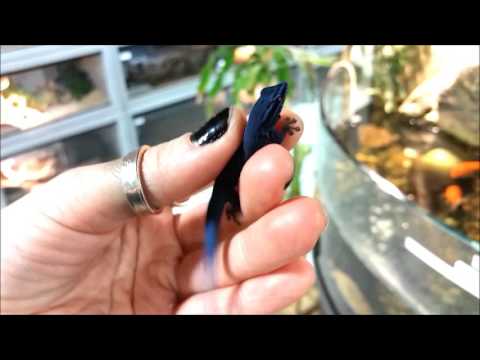
    Electric Blue Geckos (Lygodactylus williamsi) at LLLReptile

    Alternative names:

    1. Turquoise dwarf gecko, William’s dwarf gecko (English).
    2. Gecko de William (French).
    3. Tรผrkisblauer Zwergtaggecko, Williams-Zwerggecko (German).
    4. Lagartixa anรฃ turquesa, Lagartixa anรฃ de William (Portuguese).
    5. Gecko enano turquesa, Gecko enano de William (espaรฑol).