โ–ท The world of Pets: Dogs, cats, birds, reptiles, amphibians

Olive-shouldered Parrot
Aprosmictus jonquillaceus

Olive-shouldered Parrot

Content


Anatomy-parrots

Description

35 cm.. length and 130 g. of weight.

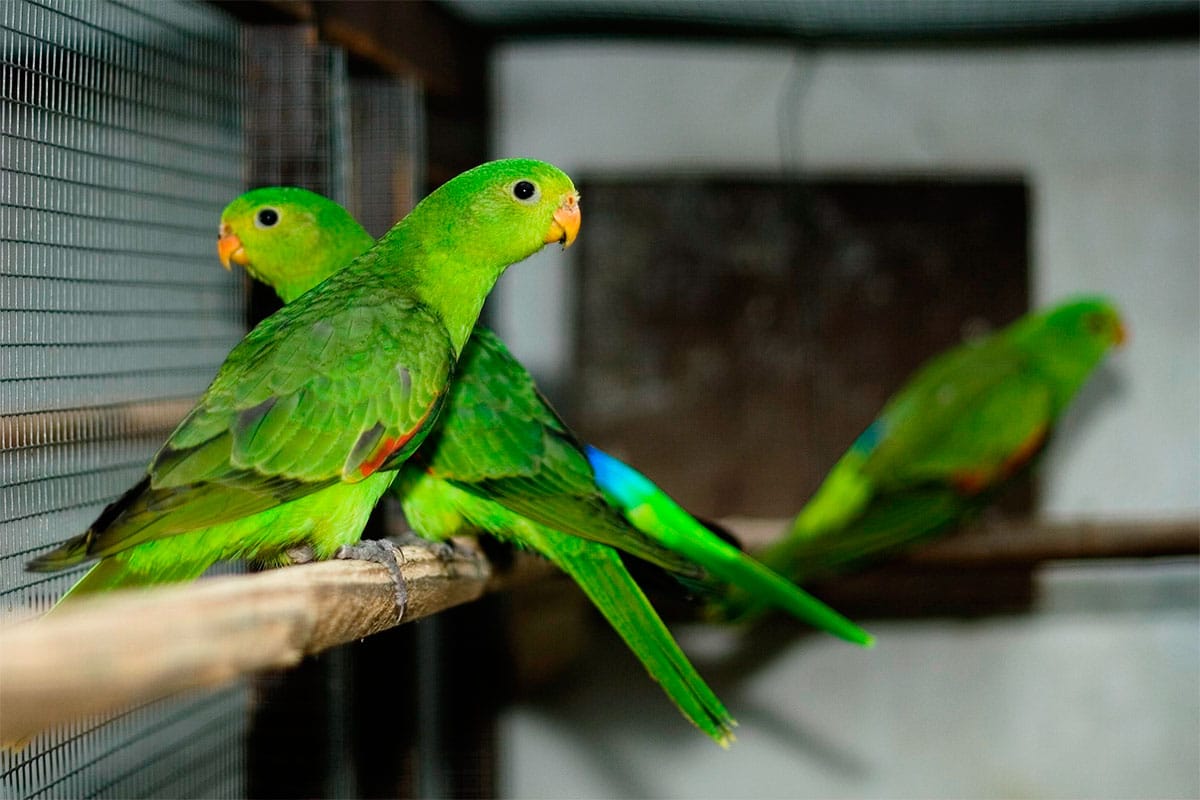
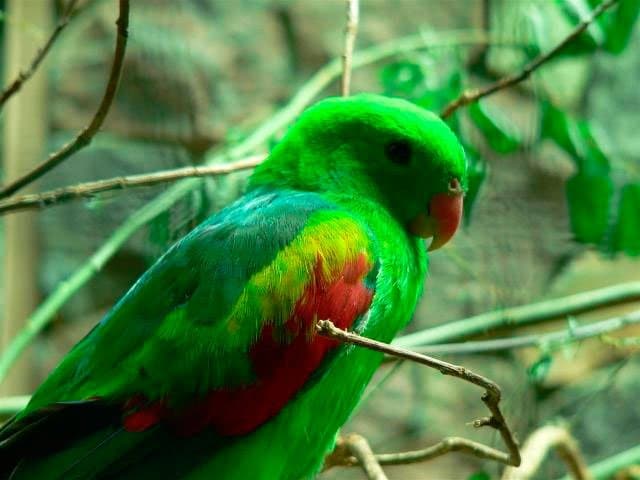
The Olive-shouldered Parrot (Aprosmictus jonquillaceus) has the head bright pale green. "Mantle" and back darker green color that the of the head and underparts, showing a blue diffusion; rump bright teal pale. Uppertail brighter yellowish green.

Upper, the wing feathers with small coverts fused in color yellow-green; Blue dark greenish in the curve of the wings; outer median coverts bright Scarlet, feathers interiors lit of color green yellowish with a bit of red in the tips. Large external coverts scarlet, feathers interiors light green, some showing red ends; some feathers turquoise green on the edge of the carpus; primary coverts Green with broadcasting blue at the tips of the vane outer; secondary green medium, primaries medium green with blue diffusion in the coats of the feathers outermost. Wing feathers brighter yellowish green; underside of flight feather black. The underparts light green, more yellowish in them the thighs and undertail-coverts. Upper, the tail of color green dark with edges of color yellow, and with vane yellowish external to the lateral feathers; undertail, the tail of color Brown blackish with tips yellow, and with yellowish diffusion in vane outside of lateral feathers.

Bill orange red, with yellow tip; irises orange: legs blackish gray.

The female lacks of the broadcast Blue in the the mantle, shows less contrast between the head and the the mantle, limb yellowish to them greater coverts red, and have them irises more Brown.

Immature has green, No greenish-yellow, in the wing-coverts and irises of Brown pale.

Subspecies description

  • Aprosmictus jonquillaceus wetterensis

    (Salvadori, 1891) – The male as the nominal but the coverts wing lower and Middle are of color green washed with yellow; the mantle and top of the back pale green, with less blue markings; less red on the outer half and the secondary wings covers; smaller.

    The female is like the female of the nominal species, but the uppertail-coverts darker green; slightly smaller in size.

    The youth as the youth of the nominal species, but with the uppertail-coverts darker green; smaller.


  • Aprosmictus jonquillaceus jonquillaceus

    (Vieillot, 1818) – The nominal

Habitat:

In Timor the species is found in forests, acacia savannas, primary and secondary forest, from sea level to the 2.200 m (2.600 meters altitude extreme). In Wetar, observed in 1990 in recently logged forests, near the coast.

The ecology of the species is probably similar to that of the Red-winged Parrot, but it is not well known; observations of birds that fly involve couples and small flocks. A couple allowed a closer approach, observing her in silence to three meters high in a big tree.

Reproduction:

Their reproductive habits are unknown, probably similar to the of the Red-winged Parrot.

Food:

Probably similar to the of the Red-winged Parrot: seeds, fruit, flowers and insects; in the mangroves, the mistletoe is your favorite food.

Distribution:

Size of the area of distribution (reproduction / resident): 28.500 km2

Endemic and quite common in Timor (for example, about Camplong, Kupang, Lelogama, Mutis and Dili), Wetar and Roti.

The world population is estimated at around 10.000 specimens and it is probably stable, although like most Indonesian parrots the species is vulnerable to capture and habitat loss. A moderate number in captivity.

Subspecies distribution:

Conservation:


Near-threatened


โ€ข Current IUCN Red List category: Near threatened

โ€ข Population trend: Decreasing

The total population has been estimated at 10,000 individuals (Lambert et to the., 1993), probably including mature individuals 6,700.

The population is suspected that it may be declining due to the continuous destruction of the habitat and unsustainable levels of exploitation.

Ongoing conservation actions

Appendix II of CITES. Quotas were imposed during the Decade zero of 1990 while uncertainty existed about the total population size, but these are not met.

Conservation Actions Proposed

โ€ข Review estimates of the population of the species and review the impact of trade on their numbers..
โ€ข Determine if declines are still evident.
โ€ข Protect areas of suitable habitat.

"Olive-shouldered Parrot" in captivity:

Game, with low noise level, aggressive with other birds. You can require deworming.

Very rare in captivity

Alternative names:

Olive-shouldered Parrot, Jonquil Parrot, Olive shouldered Parrot, Timor Parrot, Timor Red-winged Parrot (ingles).
Perruche jonquille (French).
Timorsittich, Timor Sittich (German).
Periquito-de-asa-vermelha-de-timor (Portuguese).
Papagayo de Timor (espaรฑol).

scientific classification:

Order: Psittaciformes
Family: Psittaculidae
Genus: Aprosmictus
Scientific name: Aprosmictus jonquillaceus
Citation: (Vieillot, 1818)
Protonimo: Psittacus jonquillaceus

Images "Olive-shouldered Parrot"

————————————————————————————————

ยซTimor parrotยป (Aprosmictus jonquillaceus)


Sources:

Avibase
– Parrots of the World โ€“ Forshaw Joseph M
– Parrots A Guide to the Parrots of the World – Tony Juniper & Mike Parr
– Birdlife

Photos:

(1) – Aprosmictus Jonquillaceus – LoroMania

Sounds: Mike Nelson (Xeno-canto)

โ–ท The world of Pets: Dogs, cats, birds, reptiles, amphibians

Red-winged Parrot
Aprosmictus erythropterus

Red-winged Parrot

Content


Anatomy-parrots

Description

30 to 33 cm.. length between 120 and 210 g. of weight.

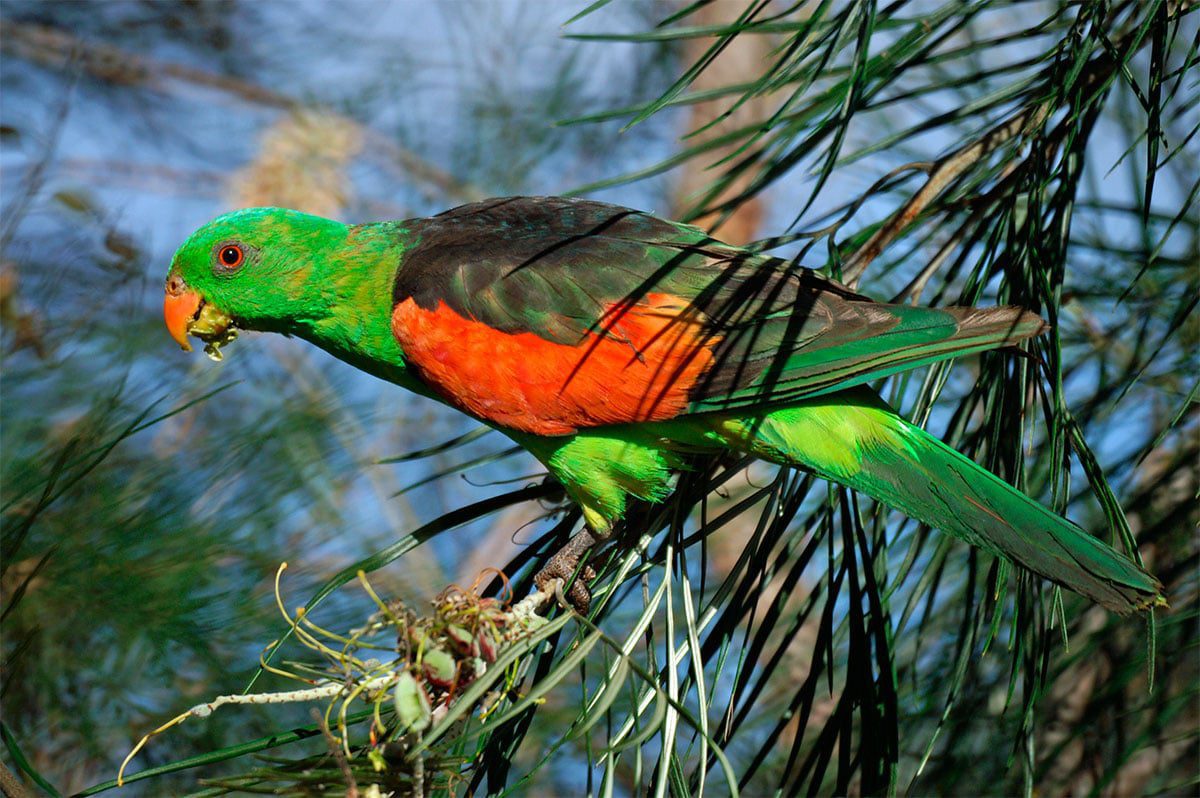
The Red-winged Parrot (Aprosmictus erythropterus) has the head of color green bright with brightness blue green in the crown and nape. Mantle, back and scapulars black. Area low of it back and rump brilliant blue, more clear towards the tail; uppertail-coverts of color green yellowish with broadcasting yellowish at the base. Curve of the wing yellow-green light. Carpal edge blackish. Upper, the wing-coverts, bright Scarlet. Tertiary and primaries marked in black on vane inner, green in vane outer; secondaries also bathed in black in vane outer; primary coverts of color green dark bathed in black. Under, the wing-coverts green. The underparts bright, pale and slightly yellowish-green. Upper, the tail Green dark with tips of color yellow and lateral feathers Blackish in vane internal with yellow tips; undertail, the tail Blackish with tips pale.

Bill coral red; irises reddish brown; legs grey-black.

Female It is predominantly green with a small red spot in the wings (only a point apical on coverts major interiors, but the increase in the external; restricted to the outer feathers of the median) that of the male, and it ain't got no black on it the mantle; vane outside of outer secondaries black. The Green is also more off, and a bit more yellowish in them underparts. The rump is of a blue more off, and the glitter blue in it crown and nape of the male, is absent in the female. Under, the tail has tips yellowish and touches of color pink.

The immature they are similar to the females, but with a irises more Brown and bill yellow from the beginning. Young males attain adult plumage in the third annual moult, but black can show the mantle feathers before this.

Description 3 subspecies

  • Aprosmictus erythropterus coccineopterus

    (Gould) 1865 – Male with more blue in it crown and nape. Both sexes slightly paler, and the female also more off the Green that it nominal species.


  • Aprosmictus erythropterus erythropterus

    (Gmelin) 1788 – The nominal.


  • Aprosmictus erythropterus papua

    (Mayr & Rand) 1936

Habitat:

Resident, Although nomads in the edges of the range. Is semiarid and subtropical forests of eucalyptus and casuarina, boedes of the Woods, riparian forests, thickets of acacia, mangroves, agricultural fields, scrub Cypress pine (Callitris), and the lowlands of the Savannah.

On the inside of Australia are mainly linked to the extension of wooded of the systems fluvial.

They are usually found in small groups of up to fifteen birds, rarely reach more of 50 individuals in a single flock. The largest groups are likely to form late in the breeding season when family groups gather at feeding grounds..

The species is common and conspicuous, but not particularly accessible; When resent, birds can fly some distance, often making strong sounds.

Sometimes associated with the Pale-headed Rosella and Mallee Ringneck, and they feed under the trees, Although it is more usual to see them on Earth to drink.

Reproduction:

The nesting You can start early, in the months of April or may in the North, but august to february is the main breeding season in the south. During the courtship, the male perches near the female, exposing your blue rump, and making sounds.

The nest normally found in a eucalyptus, and the eggs are put into a deep hole covered with scrap wood. Three to six white eggs are They incubated for around 20 days by the female, which is fed by the male until the eggs hatch. The young are cared for by both parents and they leave the nest in a five weeks.

Food:

The diet It includes seeds, fruit, flowers and insects; in the mangroves, the mistletoe (Loranthus) is your favorite diet.

Distribution:

Size of the area of distribution (reproduction / resident): 5.230.000 km2

The Red-winged Parrot (Aprosmictus erythropterus) are confined in Australia, in the coastal districts of the southeast of Irian Jaya (Indonesian) and in the Western Province (Papua New Guinea).

In New Guinea, the species is restricted to the region between the rivers Digul and Fly.

In Australia extends from about Broome, in Western Australia (registered West of Anna Plains, and southwest of the Cordillera de Edgar) through the Kimberley region, including some islands on the coast (Buccaneer and Bonaparte archipelago, Islands Osborne and Sir Graham Moore, and Admiralty Gulf Islands) in the Northern Territory, about Nicholson.

Extends northward up to the peninsula of cobourg and to the South, at the turn of the Cordillera Camfield and Dunmarra Roadhouse, reaching some coastal islands, including Melville and Groote Eylandt.

Extends to the East in Queensland, in the nicholson river, are distributed in the Cape York Peninsula, with records by the coast, about Rockhampton (occasional southernmost), and reaching inside, about Dajarra, to the South of Mount Isa and Southeast, through the lower part of the diamond river, Windorah, Quilpie, Mitchell and San Jorge.

On the inside of New South Wales the end points of the range are in Inverell in the East, Gunnedah, Dubbo and Mudgee in the South and There is a, Menindee and Broken Hill, near the southern border of Australia.

They are also in the North, in the basin of the darling river, and have been recorded in the South-East of Australia, around the Lake Eyre and North of Cooper Creek.

Wandering individuals have been recorded in Renmark and Victory Downs, In this last, possibly from an exhaust.

Leaks have also been observed in Sydney and Melbourne.

The species is common in suitable habitats, except at their range limits.

The world's population is above the 100.000individuals and the species is considered secure.

A moderate number of captive.

Protected by law.

Distribution 3 subspecies:

  • Aprosmictus erythropterus coccineopterus

    (Gould) 1865 – South of New Guinea and Western Australia, to the East through the northern territory of the Cape York Peninsula, Queensland


  • Aprosmictus erythropterus erythropterus

    (Gmelin) 1788 – The nominal


  • Aprosmictus erythropterus papua

    (Mayr & Rand) 1936 – South of New Guinea

Conservation:


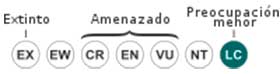
minor concern


โ€ข Current category of the Red List of the UICN: Least concern

โ€ข Population trend: Growing

The size of the world population It has not been quantified, Although it is estimated very above the 100.000 specimens.

The species, according to sources, is usually common and locally abundant (pit et to the. 1997).

The population is suspected that it may be in decline due to ongoing habitat destruction.

"Red-winged Parrot" in captivity:

Fairly common in Australia, not so much in other places.

Active, Acrobat; they require a large birdhouse with plenty of hangers. The male can become aggressive with the female.
Quite quiet and shy.

Una muestra viviรณ 24,4 years in captivity.

Alternative names:

Red-winged Parrot, Red winged Parrot (ingles).
Perruche รฉrythroptรจre, Perruche erythroptรจre (French).
Rotflรผgelsittich, Rotflรผgel-Sittich (German).
Periquito-de-encontro-vermelho (Portuguese).
Papagayo Alirrojo, Papagayo de Alas Rojas (espaรฑol).


scientific classification:

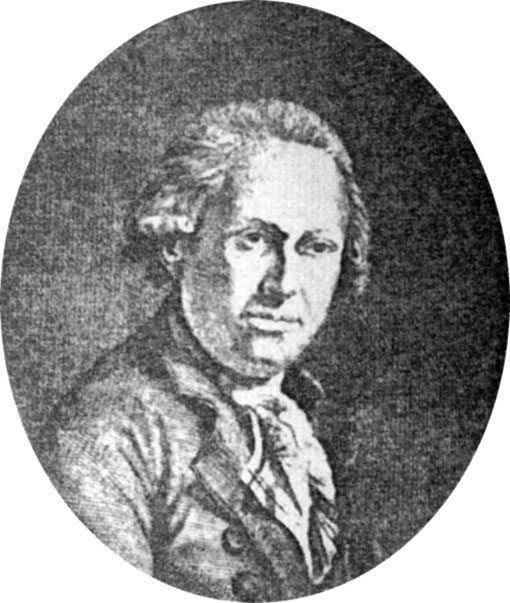
Gmelin Johann Friedrich

Order: Psittaciformes
Family: Psittaculidae
Genus: Aprosmictus
Scientific name: Aprosmictus erythropterus
Citation: (Gmelin, JF, 1788)
Protonimo: Psittacus erythropterus


Images ยซPapagayo Alirrojoยป:

Videos "Red-winged Parrot"

————————————————————————————————

ยซPapagayo alirrojoยป (Aprosmictus erythropterus)

Sources:

Avibase
– Parrots of the World โ€“ Forshaw Joseph M
– Parrots A Guide to the Parrots of the World – Tony Juniper & Mike Parr
– World Parrot Trust – parrots.org
– Birdlife

Photos:

(1) – By David Cook Wildlife Photography from Wamboin, NSW, Australia [CC BY 2.0], via Wikimedia Commons
(2) – By Jan Harenburg (Own work) [CC BY 3.0], via Wikimedia Commons
(3) – Aprosmictus erythropterus erythropterus – Orde Psittaciformes – Papegaaiachtigen
(4) – Red-Winged Parrot (Aprosmictus erythropterus) Male – Pine Creek, M. 7. – encimages
(5) – ยซAprosmictus erythropterus-Australia-pair-8" Of Kitykat79 – originally posted to Flickr as King Parrots!. With license CC BY 2.0 Transact Wikimedia Commons.
(6) – A painting of two Red-winged Parrots (originally captioned ยซPlatycercus erythropterus. Crimson-winged parraket. 1. Male. 2.Female.ยป) by Edward Lear 1812-1888. The painting shows a female behind young male by Edward Lear [Public domain], via Wikimedia Commons

Sounds: Peter Woodall (Xeno-canto)