▷ The world of Pets: Dogs, cats, birds, reptiles, amphibians
Common musk turtle
- Sternotherus odoratus
Origin: United States and Canada
Gender: Sternotherus
Life expectancy: 30 - 50 years
Length: 10 cm.
The Common musk turtle owes its name musk (colloquially stinky) to their musk glands, with whose help it can secrete a strongly scented secretion to scare away predators.
Sternotherus odoratus × Sternotherus carinatus hybrid – Laurent Lebois, CC BY 2.0, via Wikimedia Commons
Content
Origin / Distribution
The Common musk turtle (Sternotherus odoratus), It has a fairly wide distribution area., extending north into the eastern half of the US. (Illinois, Wisconsin, hasta Maine) and south into southern Canada (Quebec, Ontario) to Florida and west to central Texas.
Characteristics / Appearance
The carapace of adults is dark brown., dark gray to black and has no markings. It is evenly curved, narrow and elongated. In juveniles a pattern of dark spots is visible. Juveniles also have three characteristic keels, that disappear with age.
The plastron is small and cross-shaped. (bikini shell), and the color can range from light beige to full black. In this species, connective tissue sutures are especially prominent.
The head, legs and other soft tissue are light gray to black, although coloration changes with age. On the sides of the head there are two yellow stripes that vary depending on the specimen., one above and one below the eye from the tip of the nose to the neck (sometimes with a connection behind the eye). These stripes can fade or disappear completely with age.. There is a pair of barbels on the chin, sometimes there may be a second pair.
The Common musk turtle can reach a size of 13,7 cm., but in most cases it only measures between 7,5 and 10 cm., and both sexes are about the same size.
Habitat
Inhabits all types of fresh water, like lakes, ponds, rivers, swamps and canals, and prefers slow-moving waters with sandy bottoms. The species prefers shallow water areas. Despite its undemanding character, does not tolerate brackish water.
Behavior
The Common musk turtle belongs to the genus Sternotherus and it looks a lot like Striped mud turtle of the gender Kinosternon at first sight. unlike the turtles Kinosternon, that they can close their abdominal shell with the help of two hinges, the Common musk turtle has a retracted abdominal shell and is not hinged. This makes them more mobile and they compensate for the lack of protection by being more aggressive.. when they are threatened, give off a strong, unpleasant odor, what gives them their name.
The Common musk turtle is active in the morning and at night. Land rides are popular at night. Other species of Sternotherus are more active during the day.
Threats to the species
State of conservation ⓘ
Minor Concern ⓘ(UICN)ⓘ
Although the Common musk turtle does not have federal conservation status in the US. and is fairly common throughout most of its range, has decreased markedly in some areas, and appears to be more sensitive than some native species to human degradation of wetlands. It is listed as a threatened species in the state of Iowa.. It is listed as an endangered species in Canada., and is protected by the federal Species at Risk Act (SARA). It is also protected under the Ontario Endangered Species Act.. In this part of its range, only wetlands with minimal human impact have robust populations. The mortality of reproductive females on roads can be one of the problems associated with human development.
The "Common musk turtle" in captivity
Aquaterrarium
Depending on the size or age of the Common musk turtle, the aquarium should measure between 80 x 40 cm. and 100 x 50 cm., more space never hurts. The water level should initially be about 5 cm for small pups, the Common musk turtle adult prefers some 30 cm.. Animals like to run through the sandy substrate, but also climb to the surface of the water in the indoor furniture or swim freely in the water. Consequently, exuberant planting and good structuring with root wood or non-slip stones up to the surface must be carried out. Occasionally, turtles use furniture that protrudes from the water to sunbathe, although much less frequently than, for example, the ornamental turtles. Furniture also creates important hiding and resting places..
Females should be offered a sandy, partially planted area of land for egg laying.
Lighting and temperature of the aquaterrarium
A lamp, for example HQI, should hang above to heat the area to 35-40°C. The species also likes to use the area to rest. This species also likes to use the area for nocturnal terrestrial excursions..
During the period of activity, The water needs to reach a temperature of 22 a 26°C, which is why, depending on ambient temperature, a heating rod must be used. A rest phase in winter of about 3 months at about 10°C is suitable for the species and is necessary to keep it healthy in the long term. This value is only indicative due to the large distribution area. Animals from the north of the distribution area have to enter torpor at a water temperature of 4°C – 5°C, animals in southernmost areas hibernate mostly at 10°C – 15°C.
A sufficiently sized filter ensures clear water and serves the health of the turtles..
In the middle of summer, the Common musk turtle can also be kept in secure outdoor enclosures if provided with gently sloping edges and plenty of greenery. But, in these conditions, animals cannot be observed regularly and, Therefore, are difficult to control.
Maintenance of the "Common musk turtle"
Common musk turtle, Reid Park Zoo, Tucson. Underwater, in aquarium. This turtle curiously uses its tongue to breathe underwater – David Bygott – Flickr
The Common musk turtle is a solitary animal, so adult males should generally be kept solitary. It is also recommended to keep females individually.. If two or more females are kept together, aggression and stress among lower animals are very likely, Therefore, close observation is necessary. Then, it may be necessary to separate the animals and set up another tank.
To keep the Common musk turtle as appropriate as possible to the species, we recommend the following conditions.
air temperature: 25° a 26°C
Minimum size of the terrarium: 200 litres
Outside maintenance
The Common musk turtle can be kept in a garden pond from May to October. The pond should have a shallow shore and be sunny, as this particular species likes to bask in shallow water. It also, Don't rule out a large, powerful aquarium heater in the event of bad weather and the temperature drops below 10 degrees Celsius for a long period of time. The enclosure must be relatively high, Since the Common musk turtle it is a very good climber; concrete blocks and palisades can be used for this. It is essential that crystals or the like are not used, since of the turtles they will try to cross the transparent barrier constantly.
Food
The Common musk turtle feeds mainly on animal feed, consisting of dry food for turtles, worms, meat and fish strips. But, fruit and salad should also be offered occasionally.
Reproduction
The breeding season is mainly from April to May and from September to October.. Like this, can be put from 2 to 4 clutches of eggs by season. The stalls are usually 1 to 5 eggs, Although they can reach 10 eggs. under natural conditions, The incubation period lasts between 65 and 86 days, but can also reach 107 days in unfavorable cases.
Buy one "Common musk turtle"
The Common musk turtle, by breeding in large numbers on US breeding farms., is frequently and cheaply available commercially. This encourages ill-considered impulse purchases, which means that the number of unwanted animals that are given away is very high.
The price of the "Common musk turtle" in the exotic animal trade ranges from 40 – 70 EUR.
The Furcifer pardalis, also known as Panther chameleon, are native to the island of Madagascar. They are distributed throughout the island, but they are locally abundant on the coasts of the center-east, northeast, north and northwest. The Furcifer pardalis they have also been introduced in areas such as Reunion and Mauritius.
Characteristics / Appearance
The most fascinating feature that has the Panther chameleon is its extraordinarily vibrant coloration. Adult chameleons are sexually dimorphic and males are recognized by their larger size, the swollen base of the tail indicating the presence of hemipenes, and have a wide range of coloration and patterns. Females are identified by being more uniformly pale green or pink in color, smaller, with a thinner tail base and sometimes with eggs detectable through the walls of the body. Adults can reach a length of 23 cm.. It is much more difficult to distinguish the sex of juvenile chameleons of less than 6 months of age due to their smaller size, its dull coloration and lack of hemipenial protrusion in males.
The coloration and pattern of the Panther chameleon varies significantly depending on its origin or location. Normally, the Panther chameleon of the Malagasy island Nosy Be are bluish green, emerald green or have a turquoise body. Northwest coast males are usually bright pink, with a yellowish-white stripe along the sides; this is commonly referred to as "the pink panthers". Males may also be orange, red and dark green, with a large variation of spots, streaks and/or bands around the head and eyes.
The Panther chameleon lack a vomeronasal organ, an auxiliary olfactory sensory organ found in many animals. They also have no outer or middle ear, suggesting chameleons might be deaf. Chameleons have specialized tongue-like feet called zygodactyls.. On each foot, all five fingers are merged into a two-digit group and a three-digit group. On the front feet, the group of three toes is on the inside of the foot, and the group of two fingers is on the outside. This is reversed in the back foot, which gives them a secure and strong grip and allows them to maneuver horizontally or vertically in a wide variety of vegetation or structures. These specialized feet allow chameleons to hold on tightly to narrow branches.. The sharp claws on each finger help them climb and grip surfaces they can't hold on to tightly., like tree trunks.
Habitat
The Panther chameleon it inhabits mainly dry deciduous lowland forests, near belts of thin trees that line rivers and roads. This particular species seems to prefer open habitats that are not excessively shaded.. Scientists believe this is due to the need to colonize open spaces where they can sunbathe and males can use visual cues aimed at females. (during courtship) or for males to establish territories. Male panther chameleons also have a greater elevation range than females, most likely for territorial reasons.
Behavior
In general, the social structure of the Panther chameleon It is little known. It is known that the Furcifer pardalis, like most chameleons, is solitary and territorial, regardless of age or gender. Males tend to have larger distribution areas than females. Males often do not tolerate other males invading their shrub or tree of residence and will defend their territory by participating in an exhibition., chasing and possibly seriously injuring an intruding male. Hostility increases during the breeding season. It is not known whether females of Panther chameleon are intolerant of other females in general or only at nesting sites.
Chameleon eyes do not contain the melanin rods and pigments needed for night vision, which is why Furcifer pardalis is diurnal.
Reproduction
The females of Panther chameleon gestate fertilized eggs during 2 or 3 weeks. The young usually take between 6 months and a year to come out of the eggs. From that moment on, the offspring take others 6 months until they are sexually mature and have developed the coloration and size of an adult.
Courtship usually begins with displays by males. This usually includes the display of bright colors and a series of head movements that shake as they move towards the female.. Some males move slowly, with a choppy or spasmodic step, but others move very quickly and can be aggressive with females. Females that are not receptive or are gravid may run away or face the male chasing them with their mouths open while theirs., they stand on the hind legs and swing to discourage the male's advances. If the female seems interested, the male will mount it by grabbing its flanks and it will be placed to the right or left of its body.. Copulation takes place when the male everteja the closest of his two hemipens and introduces it into the cloaca of the female. Some species copulate for a few minutes and others for several hours, after which they usually follow different paths.
There is little information on the mating systems of the Panther chameleon, but some researchers have observed mating behavior consistent with serial polygyny. Studies in captivity of the Furcifer pardalis have shown that males have wider ranges than females. Females usually stay in a small area and are visited by males during the breeding season. This species has a slight pair bond, which consists of the males deciding to remain in the territory of the female for a period after breeding and probably defend this female from other males. Females that have already mated have shown aggressive behaviors towards successive males that walk through the territory. The successful male stays with the female for a brief period after mating and then continues to roam, probably looking for another partner.
Polygynous mating system
In most places, reproduction occurs between January and May, but this may vary geographically. Females in some areas can breed several times a year. After mating, the period of hard gestation of 3 to 6 weeks. Females dig burrows by digging with their front legs and then backing up on them to deposit 10 to 46 eggs. When they finish, bury eggs, fill in the tunnel and trample the earth to hide the location of the nest. Some females drag leaves and twigs over the place. This is the last act of motherhood of a chameleon, and their offspring shall be independent at birth. The young come out by opening a star-shaped opening at the end of the eggshell with the egg tooth., a sharp, calcified bump at the tip of the upper jaw that then comes off. The young weigh between 0,25 and 0,75 g at birth. Juveniles reach reproductive maturity at 6 months of age.
Females and males of the Furcifer pardalis show no more parental investment than creating and depositing eggs. The mother will try to protect the buried eggs from predators by hiding the location of the nest with twigs and leaves., but that is their last participation and the offspring will be independent immediately after hatching.
The females of Panther chameleon invest a lot of time and energy in making sure their young develop fully. The success of chameleon pups depends largely on the adequate amount of vitamin D from the mother during gestation. Ultraviolet light is known to (UV) the sun produces vitamin D in the skin of many vertebrates, like panther chameleons. UV-induced vitamin D serves as a signal in the body to help adjust the calcium-phosphorus balance in the body. Its main function is to stimulate calcium uptake from the intestine and reduce calcium reabsorption from bone. Eggs do not hatch if the mother does not have an adequate amount of vitamin D, either by exposure to UV rays or by food intake, because you can't supply enough vitamin D to your eggs to make it easier for developing embryos to form their skeleton. An important discovery made in recent years was that females seem to be able to perceive their internal vitamin D status., recognize an external source of UV rays and voluntarily expose themselves to that source when they have a vitamin D deficiency. On the other hand, choose to avoid elevated UV sources when they have enough vitamin D.
Food
The Furcifer pardalis they are considered opportunistic hunters because they wait for prey to pass within reach of their long tongues. They feed mainly on terrestrial invertebrates and, very rarely, of plant material. They have the ability to turn and focus their eyes separately to observe two different objects simultaneously.. This allows them to have an arc of vision 360 degrees around their body while remaining completely still and camouflaged. When the prey is in sight, both eyes can focus in the same direction, providing acute stereoscopic vision and depth perception.
Chameleons have very unique languages specialized in capturing their prey.. An extensive study carried out in the year 2000 revealed the complexities of chameleon language functioning. Prey capture was often attributed only to adherence to the lingual pad., but now scientists believe that the speed and shape of the tongue also create a suction device.. The hyoid bone is a piece of cartilage that extends into the mouth from the throat bones. (called hyaline apparatus) and is attached to the long tongue of the chameleon. This is where the tongue rests when not in use. The tongue is thrown from the hyoid bone with the use of ringed muscles on the tongue. This complex structure is made up of cartilage, muscles, nerves, glands and tissues that work together to create an incredibly fast and effective tongue to grab your food.
Life expectancy
Although males can exceed five years of age in captivity, most Panther chameleon wilderness only survives one or two years after maturity. Females have a shorter half-life in the wild and in captivity due to the stress of reproduction and oviposition..
Threats to the species
The Panther chameleon is one of the most sought-after chameleon species in the international pet trade due to its beautiful coloration and the success of its captive breeding..
Tighter trade quotas have been applied and recent export levels are within a sustainable range. There is currently little risk to this chameleon species, apart from the threat of continued habitat loss and modification.
The local population uses relatively little of the Furcifer pardalis within its range. Chameleons are not used very often in the local kitchen. But, Furcifer pardalis is caught and sold in the international trade of live animals. United States, Europe and Asia are the main participants in this traffic.
The "Panther chameleon" in captivity
The terrarium
The Panther chameleon is kept in a tall terrarium, but does not require as much ventilation as other chameleon species. These animals must be kept individually. The terrarium must have at least 100 x 60 x 150cm. Higher would be better.
Food
The diet of the Panther chameleon consists mainly of insects such as crickets, crickets, grasshopper, flies, fruit flies, cockroaches, rarely wax moth caterpillars… but be careful when feeding him!! These animals gain weight easily and can develop gout. It also, feeds with leaves, colorful flowers, or possibly some fruit.
no lettuce, iceberg lettuce or similar, since its calcium-phosphorus content is unfavorable. And cabbage or spinach should rarely be fed oxalic acid….
Additional vitamin and mineral supplements are recommended.
Lighting and temperature
The temperature in the terrarium of the Panther chameleon should be 22-28°C (locally 35-40°C) during the day and between 16-22°C at night. The humidity should be 60-80% and around the 100% At night.
In the terrarium of a Panther chameleon there must be numerous possibilities to climb, preferably a tree (Ficus benjamina), remained, other plants, cork tubes and bark, which also offer hiding places.
Good lighting and ultraviolet light (30% of UVA rays and 5-10% UVB) are necessary for your well-being, as well as a place to sunbathe. UV radiation is very important and necessary. In the case of females, it is necessary to provide a suitable place for laying eggs or several possibilities.
A spray system can be installed in the terrarium, that sprays water repeatedly (about three to four times a day), or a nebulizer can be installed in the terrarium. For fluid intake, a dropper must be installed that is always cleaned.
Hibernation
The Panther chameleon it is usually more inactive in winter and here you can simulate a kind of hibernation by lighting. Reduce daily lighting time by two to three hours over a period of about two months. Hibernation is very important for animals to regulate body functions and stay healthy. But here you have to observe the animals well to see if they are prepared for rest.. This can be noticed in the behavior when the animal calms down on its own in autumn..
Reproduction
The Panther chameleon puts up to 46 eggs. They are quite aggressive animals, so you have to be careful when mating. Raising young animals individually in small terrariums.
It is essential to provide enough calcium and vitamins in breeding.
Housing conditions
To keep the Furcifer pardalis (Panther chameleon) we recommend creating the following conditions. Especially regarding the minimum size, we ask you to keep in mind that optimal conditions can only be achieved in much larger terrariums.
temperatures during the day: 22° to 28 °C (locally 35-40°C)
Night temperatures: 16-22°C
Humidity: 60-80% during the day and approx. 100% At night)
Minimum size of the terrarium: from 120x60x150cm for an animal (better higher)
Buy one "Panther chameleon"
The price of a "Panther chameleon" at the exotic animal market, ranges between 300 – 500 EUR.
▷ The world of Pets: Dogs, cats, birds, reptiles, amphibians
Western spiny-tailed iguana
- Ctenosaura pectinata
Origin: Mexico
Gender: Ctenosaura
Life expectancy: 10 years in captivity
Length: 1,3 m (Including the queue)
The Western spiny-tailed iguana (Ctenosaura pectinata) It is one of the largest members of the Spinytail iguanas (Ctenosaura) and can reach a body length of about 140,0 centimeters
Known as the Western spiny-tailed iguana, although it is distributed from the southern U.S.. UU. to Panama. Photo of the coast of southwestern Mexico – Dick Culbert from Gibsons, B.C., Canada, CC BY 2.0, via Wikimedia Commons
Content
Origin / Distribution
The Western spiny-tailed iguana (Ctenosaura pectinata) is originally from western Mexico. Its distribution area extends from Sinaloa to Oaxaca.. It was introduced in Brownsville (Texas) and in South Florida. There are several feral populations. On the southeast coast of Floria, the western Mexican black iguana is found on Key Biscayne, Hialeah and in Broward County. It has also been sighted off the southwestern coast of Florida., on the island of Gasparilla. It is estimated that there are currently 12.000 iguanas on this island. Over the years 70, some animals from homes were released into the wild. These iguanas are considered a nuisance on Gasparilla Island because they eat ornamental flowers and shrubs., as well as the nesting birds and turtle eggs.
Other synonyms
Cyclura pectinata – Wiegmann, 1834
Cyclura pectinata – Duméril & Bibron, 1837
Ctenosaura pectinata – Gray, 1845
Ctenosaura brevirostris – Cope, 1886
Ctenosaura teres brachylopha – Cope, 1886
Ctenosaura brachylopha – Bailey, 1928
Ctenosaura parkeri – Bailex, 1928
Ctenosaura pectinata – Smith & Taylor, 1950
Ctenosaura pectinata – Conant & Collins, 1991
Ctenosaura pectinata – Liner, 1994
Ctenosaura (Ctenosaura) pectinata – Köhler et to the., 2000
The Western spiny-tailed iguana (Ctenosaura pectinata) It is one of the largest members of the Spinytail iguanas (Ctenosaura) and can reach a body length of about 140,0 centimeters, the female being smaller than the male, reaching a body length of about 100,0 centimeters. The head has an elongated and flat shape. The eyes are in a fairly large socket and are covered by an upper and lower lid with small granular scales.. From the upper edge of the eye, a series of larger scutes extend to the snout, forming a border that abruptly separates the lateral surface of the head from the superior. The nostril lies above the anterior end of this crest. The supraorbital scutes are separated from this border by smaller ones and are also surrounded above by a row of smaller scutes.. Between the supraorbital scutes extends a row of large arched scutes on each side. Both rows touch between the eyes, but they diverge anteriorly and posteriorly so that they are separated in front and behind the eyes by several smaller scutes. The scutes of these rows have a longitudinal keel. the front shields, that cover the snout, they are usually adorned with three keels each, that usually always take the longitudinal direction of the animal in the upper part. The nape shields are smooth and surround a large central nuchal shield.. Most of the nine superior labial shields have a longitudinal groove and, therefore, they seem to be double keeled. The lower labial shields have a similar groove.
These are followed, down, four rows of smaller, elongated scutes on each side, and the space between them, below, it is covered by even smaller and equally smooth scutes. The scales on the back are made up of very small, flat scales.. The scales of the abdomen are rhombic., much larger than those on back and each with a longitudinal keel. A sharp skin fold runs down the back of the thigh. The scales on the underside of the lower leg are keeled and larger than the rounded, keeled scales on the upper leg.. Tail scales are about the size of the upper and lower ventral scales, hexagonal and keeled. The male has a dorsal crest that continues to the tail.. A powerful double chin is also clearly seen in the head area, although it can not be inflated. Seems like it's just for show. Juveniles are predominantly gray-green in color. This coloration serves as camouflage and makes them not so easy for natural enemies to find.. Coloration of adults varies from brown, grey-brown and grey-black. The back usually has dark bands. But, black drawings may also appear on a gray-brown background coloration.
It is a species of diurnal habits that lives in humid environments of the Pacific coasts, in the middle deciduous forest, low deciduous and in thorny scrub. The Western spiny-tailed iguana usually found in ravines near streams, their favorite places are rocky places on dry land; also climbs trees and many individuals live in branches and hollow trunks. It is also mentioned that it lives in rocky places in the low jungle and on the coast., although it also usually lives in tropical oak forests and pastures.
The registered localities where this species is distributed are close to tourist places, so federal roads and highways have been built, as well as roads for access to forest support; this has contributed to habitat fragmentation through deforestation, In addition, there is a high population explosion, livestock and forestry development, inappropriate use of resources and degradation of natural habitats due to urbanization.
Takes refuge between rocks when someone approaches, in the treetops, between hollow logs, and tree hollows .
It is a species that lives in the humid environments of the Pacific coast, in an average deciduous forest that presents an open canopy, where most of the trees lose their leaves and the maximum height they reach is less than 20m. in low deciduous jungle, What is a plant community? 4 at 15m height where more than 75% of the species lose their leaves during the dry season; and in thorny scrub where they present a physiognomy composed of ramifications (very broken and elongated) covered with spines, the dominant species are: ocotillo, huizache and mesquite.
Behavior
The Western spiny-tailed iguana is generally considered aggressive and belligerent. This is especially manifested in the colonies, where the males fiercely defend their small territories. In doing so, they swipe with their tails or even bite. Although they live mainly on land, they are also excellent climbers. It prefers a rocky habitat with many crevices where it can hide.. It also, the Western Mexican Black Iguana is diurnal and can move quite quickly, thus escaping from their natural enemies.
If you feel cornered, can also defend. If one male gets too close to another and his territory, it often comes to a fierce fight. aggressiveness is expressed, in particular, with vigorous head bobbing and tail slapping. The reason for territorial defense is clear. The more exposed the location of the territory, the greater the chances of mating with a female. The best places are claimed by the adult males.
Diet
The Western spiny-tailed iguana it is basically omnivorous. Especially when he's young, eat mostly animal-based foods, besides the vegetables. This includes insects, crustaceans, birds, their young and eggs, amphibians and small rodents. Plant foods especially include legumes, ripe fruits and various vegetables. Cannibalism is not unknown to the Western spiny-tailed iguana. Adult animals do not even stop at smaller conspecifics. But, the Western spiny-tailed iguana adults feed mainly on plants.
Reproduction
The Western spiny-tailed iguana reaches sexual maturity at three to four years of age. Mating takes place in spring. during mating, the hemipenis of the male becomes visible, that hides protectively in a skin fold of the cloaca outside of mating season. During mating itself, the hemipenis is pushed out of the skinfold by muscle contraction and fills with blood until it swells. Now the sperm are released into the female's cloaca through the hemipenis. After successful fertilization, the female looks for a protected place shortly before the end of gestation and begins to dig a hole. puts up 50 eggs in this pit. After laying the eggs, the pit is carefully closed. The female stays near the clutch for some time., protecting her from natural enemies and other females. After between 90 and 120 days, young lizards hatch from their eggs. The young in a clutch are usually all born in one week.. They are alone from the start, since the females do not take care of their young. If they survive the early years, can reach a considerable age. Due to the numerous natural enemies, only a part of the born animals get it.
Threats to the species
State of conservation ⓘ
Minor Concern ⓘ(UICN)ⓘ
This species is classified as «Least concern» by the IUCN Red List , but the species is included in the Mexican Red List NOM-059-2001 as threatened and is currently illegal to hunt in Mexico.
The main threats to Western spiny-tailed iguana are habitat destruction, hunting for meat and skin, domestic and international illegal pet market, hybridism by introduction of similar species, removal by invasive species (for ex. cats), elimination by confusion as a poisonous species and drastic habitat changes in small-range species.
The dry forests where small species live consistently suffer changes in land use due to livestock, that eliminates tree species that represent the only habitat available to them.
Every effort should be made to acquire captive-bred animals, since they are usually more resistant and less skittish, and your purchase helps reduce pressure on wild populations.
There are introduced populations of the Black iguana (Ctenosaura similis) and of the Western spiny-tailed iguana (Ctenosaura pectinata) in Florida, and many of these two species are sold in the pet trade.
The terrarium
The requirements of the terrarium for the Western spiny-tailed iguana vary depending on the size of the iguana you have. Below are recommended minimum enclosure sizes for a single Western spiny-tailed iguana or a couple:
Western spiny-tailed iguana smaller that measures less than 45 full length cm: 90 cm long, 60 cm wide and 60 centimeters tall.
larger species, 180 cm long by 60 cm wide and 80 centimeters tall.
Lighting and temperature
The Western spiny-tailed iguana he is a sun-loving saurian. Outdoor enclosures are ideal for them. Indoor enclosures must have full-spectrum lamps along two-thirds or the entire length of the enclosure, plus a sun light bulb (the two, depending on cage size) at one end. To get the most benefit from full spectrum lights, sun shelves or other places should be located no more than 25 cm from the(s) lightbulb(s).
The ambient temperature in the enclosure should be between 25 °C y 30 °C and the sunny areas must reach between 35 °C y 40 °C.
Substrate and accessories
You can use the cypress substrate. Rabbit pellets can also be used, but you don't have to nebulize them. Provide plenty of branches and/or cork boards for your Western spiny-tailed iguana can climb. There should also be several hiding places, as cork bark holes of suitable size. It is good to include live edible plants, like hibiscus, whose flowers and leaves are edible. Buy the plants at least 30 days before you are going to use them, since many systemic pesticides and fertilizers can remain active in plants and soil for at least 30 days.
Food
Food at Western spiny-tailed iguana adult with a wide range of foods, like mixed greens, grated carrots, mulberry and hibiscus leaves, and edible wild plants such as purslane, the Clover, the dandelions, vegetables and flowers. Seasonal fruits and vegetables may also be offered. Give the hatchlings and juveniles of Western spiny-tailed iguana the same diet as adults, except that you can also provide them with some insects, mostly crickets half the size of the young lizards' heads. They can also be offered to Zoophobas, tomato hornworms and silkworms. Calcium and vitamin supplements should be given two or three times a week (pregnant females should receive calcium supplements daily). There are also dry commercial diets for iguanas.
The preferred method of irrigation is water misting, especially for the pups Western spiny-tailed iguana, since they will drink the drops of the plants. You can also have a water dish inside the enclosure; make sure it's heavy enough so it doesn't tip over. Misting in the water dish can help draw your Iguana's attention to it. Do not vaporize if you use rabbit pellets as a substrate.
Management of the "Western spiny-tailed iguana"
A good way to build trust and calm the new Western spiny-tailed iguana is to feed it by hand. Once they are comfortable with your presence and take the food from your fingers, you can start taking them. when picking up one Western spiny-tailed iguana, it is best to approach slowly and place your hand palm up in front of the lizard. Try putting your other hand behind the iguana and gently bring it closer to your hand. Never hold the animal by the tail, because it can break. Each Western spiny-tailed iguana is different. Some are so tame and curious that they seem to enjoy human interaction.. Others are a bit elusive and require a little more patience when interacting.. Any Western spiny-tailed iguana one that doesn't like being handled will still make a good show animal.
Buy one "Western spiny-tailed iguana"
It is very difficult to find one "Western spiny-tailed iguana" bred in captivity. if you find it, they can ask up to 3000 euros for an individual of this species. Make sure you have all the papers in order and that you have passed all the health checks.
Videos "Western spiny-tailed iguana"
SEE AND BUY - Black spiny-tailed iguana Ctenosaura pectinata piebald
The Golden tree snake (Chrysopelea ornata) It is the one with the largest area of distribution.. It is located in the Philippines, Nepal, Sri Lanka, Myanmar, Thailand, Viet Nam, Bangladesh and the Indian states of Gujarat, Kerala, Bihar, West Bengal, Odisha and Madhya Pradesh.
Subspecies
The following are recognized as valid:
Chrysopelea ornata ornata (Shaw, 1802)
Chrysopelea ornata ornatissima Werner, 1925
Chrysopelea ornata sinhaleya Deraniyalaga, 1945
Characteristics / Appearance
There are three subspecies of the Golden tree snake. The Chrysopelea ornata has two main forms of color, determined largely by geographic location. In Sri Lanka and in the south of its range in India, the snake is mainly greenish-yellow or pale green. The second color variety, what happens in southeast asia, lacks reddish vertebral spots and has less prominent black crossbars. The head of this snake is quite flat, with a thin neck and an atypical blunt nose, and big eyes that are sometimes red depending on the angle. They can measure up to 140 cm.. The snake has rear fangs, which means that once the snake has grabbed its prey it will not let go and it will not be able to escape.
Habitat
The Golden tree snake is accustomed by nature to tree life (on the floor) in tropical jungles, dry deciduous forests, plantations, agricultural areas and rural gardens. Like her relative Chrysopelea paradisi, this snake is able to glide through the air. The snake can climb to considerable heights in trees or even on the walls of buildings.. They are very often seen climbing coconut trees or vertical rock walls in curves, using their scales to cling to surfaces.
Behavior
This Golden tree snake it is diurnal and, despite being slightly poisonous (not harmful to human unless allergic), it has been observed to kill some of its prey by crushing it and breaking its neck. The snake is said to be shy and quick. Usually, the snake is impossible to catch when humans come into contact with it in apartments and houses. The snake is very common and it is solitary, but can live close to its own kind without being attacked. like carnivore, the Golden tree snake feeds on small geckos, lizards, Tokay gecko (Gekko gecko), rodents, bird eggs, insects, other snakes occasionally and bats.
The Golden tree snake it is one of the few “flying snakes”. These snakes can't really fly, but they slide to some extent flattening their body, forming a wide cavity with its belly, and spinning in the air as they jump from high branches. It is believed that this behavior helps them to move through the forest, catch prey and as a defense mechanism against predators. They can go up to 100 m in a single jump if they start from a tall enough tree.
Reproduction
Little is known about the breeding habits of the Golden tree snake because no one seems to get him to mate while he's in captivity. Mating season is in June and the snake chooses holes and crevices in tall trees to perch and lay eggs.. Being oviparous, places of 6 to 12 elongated eggs in May-June, that hatch in June. The pups measure between 11 and 15 cm long.
Type of poison and consequences of the bite
It is mainly a less strong poison, which however can cause unpleasant consequences, but it is not fatal to humans.
Local pain may occur, swelling and edema at the site of the bite. It also, nausea may appear, vomiting and a general feeling of being unwell.
But, a healthy adult person is not likely to experience major or long-term side effects.
But, there may be a risk of death in allergic people; such a state of shock would have to be treated immediately.
As the venomous teeth of this species are situated far back in the mouth, you would have to go deep into the animal's mouth (for example, with one finger) to be bitten.
In some cases, "massages" the venom into the body of its prey as a digestive aid.
Threats to the species
The Golden tree snake Is a predator, so their presence helps regulate the number of lower level species, which will prevent populations from growing exponentially.
in asian countries, the Golden tree snake is captured, it is cooked and sold as food, and is also captured and sold in the pet trade. But the main impact on this species is deforestation and urbanization, where tree removal impacts their ability to hunt and capture prey.
The "Golden tree snake" in captivity
The terrarium
The species must be able to retreat and, according to some owners, it is almost always hidden. But, the terrarium should not be too large for control reasons. It can be a plastic terrarium 80 x 60 x 80 cm..
Important: elevated hiding places, many plants and fine climbing branches, high and slightly moist substrate, for example, coconut fiber or other loose and absorbent substrate, elevated water bowl, daylight, possibly even spotlights for a few hours. During the day 26-29 °C, At night 22-24 °C, humidity 70-80 %, spray at least every other day.
Food
Lizards, rodents, young birds. Females can relatively easily get used to mice, mice with too much hair can cause digestive failure. The males tend to reject them., and mouse pup weathering trials are still pending.
Breeding and reproduction
Can be kept in pairs or groups. It is useful the rainy season in summer, at least two broods a year with 6-20 possible eggs, that hatch after 70-90 days to 25-30 °C. The young probably feed on gecko tails., insect trials are pending. Attempts to force-feed the pups, they usually fail. It is best to raise your own feeding geckos, for example with juvenile geckos (Lepidodactylus lugubris).
Buy one "Golden tree snake"
The price of a "Golden tree snake" at the exotic animal market, ranges between 200 – 400 EUR.
Videos "Golden tree snake"
Golden tree snake, Chrysopelea ornata, feeding on a gecko in Thailand
Like most of the lizards in his family, the Green anole shows pronounced sexual dimorphism.
The male of the Green anole measure about 20 cm when fully grown, with a head-torso length of 8 cm., While the females are somewhat smaller, with a maximum of 18 cm and a head-torso length of 7 cm.. They have a slim build with a pointed head, that is very skinny, especially in the female 3-4 cm smaller.
The Green anole can move eyes independently and change color from green to brown, what has earned him the name of American chameleon. Body color changes depending on mood and activity, although it should be noted that females are usually darker than males. These may include, when the animals sunbathe, darken to absorb more heat.
The throat pouch of this species is red., what gives it its name. The common opinion that females do not have this bag in the throat is wrong. But, it is much smaller than that of the male and is hardly used. The throat pouch is opened by the hyoid apparatus in both males and females.. The average age is 3 to 5 years, but animals can easily live up to 8 years in captivity.
Origin
Originally, the Green anole comes from the southeastern United States. There it is native from Florida west, through Alabama and Louisiana, to texas, and from there to southern Oklahoma. From Oklahoma east, passing through Arkansas and Tennessee, to southern Virginia. The genetic studies of Green anole suggest that their ancestor lived in Cuba and arrived in the southeastern United States (Florida) by sea.
Another population has been found in Hawaii, but this is due to displacement by humans. There they are so widespread due to the lack of natural predators that they have become a threat to native animals.
Outside United States, colonize large areas of northeastern Mexico and several Caribbean islands. They must have reached the latter through human introduction.
They must have reached the latter through human introduction, the Green anole They must have reached the latter through human introduction. They must have reached the latter through human introduction.
The Green anole lives in small groups with a clear hierarchy. They must have reached the latter through human introduction, They must have reached the latter through human introduction, They must have reached the latter through human introduction. They must have reached the latter through human introduction, They must have reached the latter through human introduction. They are shy animals that escape and are chased by many hunters. (birds Raptors, cats, etc.). But, They must have reached the latter through human introduction, They must have reached the latter through human introduction. They must have reached the latter through human introduction. But the throat bag also inflates during courtship..
The male rarely avoids a fight with his conspecifics.. The Green anole is very territorial, the first consequence of the intrusion is probably the threatening gesture of the territorial owner. Lifts throat bag and sometimes nods. If the weaker male does not run away or if the opponents are just as strong, a fight breaks out. The first attack is launched by the owner of the territory.
There are two types of males: The lightest males, which are mainly based on speed and threatening gestures with the throat bag in fights, and the heaviest males, which are mainly based on your strongest bite.
The consequences are varied., scratch injuries and bite wounds are always present. Less common are bone fractures and joint dislocations.
Diet
The Green anole actively feeds on small arthropods, like crickets, grasshopper, flies, worms, mealworms and moths. Spiders also eat. Basically, they will eat any insect that fits in their mouth. The Green anole he's an ambush hunter. When it detects a prey animal with its eyes, waits until it's in range, then jumps to it. Often catches prey from the side, but then you have to turn it upside down to swallow it, Why do anoles have no teeth?, but only small hooks with which they hold the prey. They tend to eat larger prey with their heads down..
One of the most interesting behaviors of the Green anole is the courtship. When a male sees a female, he presents himself to her by his most beautiful side. It is usually bright green. The male positions himself clearly visible to the female and begins with the typical head tilt.. To enhance the effect, raise and lower the entire torso as if doing push-ups. It also, throat vane constantly folds in and out like a flashing light.
The female indicates that she is ready to mate by nodding her head., which gives rise to a brief but very beautiful mating dance between the two.
The next step is for the male to chase the female.. Once you've caught it, clings to the female's neck with a bite (bite on the neck). Mating itself lasts a few minutes. during mating, the male, still secured by neck bite, he wraps himself around the female and gets carried away by her.
The female then buries an egg in the ground.. How can sperm be stored?, can lay an egg at intervals of a few 14 days. Since he only carries one ready egg in his body at a time, the agility of the female is maintained during the gestation period. Immediately after egg laying, a distinctive slit can be seen on the female.
Depending on the temperature, fully developed young hatch after 35-40 days (approx.. 30 degrees) until 55-60 days (approx.. 20-25 degrees).
The breeding period extends from March to September.
The Green anole it is relatively easy to keep in a terrarium. The most important point to remember is that you can never keep two males together.. The most important point to remember is that you can never keep two males together., The most important point to remember is that you can never keep two males together.. The most important point to remember is that you can never keep two males together., The most important point to remember is that you can never keep two males together., as otherwise she might be too stressed by the male's mating frenzy.
The most important point to remember is that you can never keep two males together., The most important point to remember is that you can never keep two males together., The most important point to remember is that you can never keep two males together.. The most important point to remember is that you can never keep two males together., The most important point to remember is that you can never keep two males together., so that the individual does not get too stressed. But, the terrarium should be structured in such a way that individual animals can avoid each other or several territories are possible.
Terrarium measurements
As the Green anole leads a farming life, the terrarium must be tall. The absolute minimum height must be 60 cm., that is to say, usable height. This does not include the substrate or lighting. For a couple of Green anole the minimum size of the terrarium is 60 x 40 x 60 (length x widht x hight), but i think you can only get by with this height if you mean the actual usable height. In any case, 80 cm or even more is better.
For a larger group of animals, the terrarium must be, of course, largest. For 4-5 animals I think 80 x 50 x 80 cm is the absolute minimum.
Terrarium Features
It is important that the terrarium tolerates the subtropical climate. So, glass terrariums are ideal. Wooden terrariums can be used without problems if the wood has been made weatherproof with a waterproof varnish. It is important to ensure that the varnish does not emit any toxic substance. Varnishes with the environmental angel in connection with the designation suitable for young children are the right choice.
It also, the terrarium must have sufficient ventilation to avoid waterlogging. The chimney effect is essential, that is to say, that there are ventilation zones in the lower front and upper back. It has been found to be a good idea to first provide very generous ventilation zones when building the terrarium, and re-cover if humidity is too low.
Terrariums that open at the front are ideal, since the animals are not immediately frightened when the terrarium is opened. If the opening is at the top, the Green anole can see humans as enemies and immediately flee when fed.
Of course, the terrarium must be leak proof. This applies to both Green anole like food. Both small crickets and small flies fit through almost any gap.
Terrarium furniture
As the Green anole it is a very agile animal that leads a strictly agricultural life, the terrarium must be, of course, designed for your needs.
The most important thing is that there are enough climbing opportunities. The Green anole they prefer horizontal and vertical branches that are about the same diameter as the circumference of the animal's body, or a little thicker. Ideally, there should also be some thick branches, as they are ideal as privacy screens against congeners.
I recommend lining the side walls and the back wall with natural cork boards or pressed cork. They are very popular with my animals and also make the terrarium look more natural. These panels are very easy to fix with silicone for aquariums.. But, you have to be careful that there are no hiding places for crickets, since a cricket that bites hard in the terrarium can cost a lot of nerves.
Instead of using cork boards, you can also create a back wall with Styrofoam and tile adhesive. But, this back wall must not look like a rock, but rather a bark. At least my animals don't like to stay on the parts of the back wall that look like rocks.
The Green anole requires little of the substrate. Animals only use it to lay their eggs.. Forest land from a deciduous forest is well suited, since the small insects and microorganisms it contains act as a cleaning column in the terrarium. You can also use uncomposted potting soil or soil and rattan mixes. You can also use beech wood chips or similar, but in that case suitable places for laying eggs should be provided.
The substrate must have at least 7-8 height cm, preferably more, so that the females can bury their eggs well.
The tank must be well planted. There must be bushy plants in which animals can become completely invisible and at the same time serve as a visual screen between the different basking areas. This facilitates the formation of different territories (especially if several females are kept), and a female can thus escape the constant mating attempts of the male.
Plants with large leaves should also grow in the terrarium, since this species likes to use its leaves to sunbathe and hunt. But, you have to be careful with these plants so that they do not darken the entire tank.
Bromeliads are beautiful and very useful plants. these plants, which mostly grow epiphytically, stick to branches or back wall. The water that accumulates in the funnels is easily used by the Green anole like drinking water, while the water bowls are mostly ignored. It also, the long leaves of bromeliads are often used as a place to sleep.
climbing plants, like ivy, they also look great in the terrarium.
Basically, real plants must be used, as they are very useful to maintain moisture. But, as the Green anole does not feed on plants, artificial ones can also be used. No need to worry about the toxicity of different plants. You just have to pick the plants you like, that tolerate the climate of the terrarium and that can support the weight of the Anolis. The only thing to keep in mind is that the plants do not have thorns or spikes, since the anolis they can hurt themselves with them.
In any case, All plants should be thoroughly washed several times over a period of 2 to 3 weeks before introducing them into the terrarium, as purchased plants may contain fertilizer and pesticide residues on the leaves. Like the anolis lick the drops of water from the leaves, these could cause poisoning.
for planting, do not use additional pots, but plant directly in the substrate. This has the disadvantage that it is much more difficult to remove individual plants from the tank. (for example, because the plant has grown too much).
In short, not enough escalation opportunities can be created for the Green anole. The terrarium is ideally set up when the animals can bask directly under the hot spots on the free branches, that is to say, without planting, but they can escape into the bushes at any time.
Waterfalls or streams are only recommended to a limited extent, as they cause the humidity to rise very quickly. If you still want to use them, you have to pay close attention to climate data, because you often only notice bad maintenance parameters when it's too late.
The tank must be cleaned regularly (approximately every 1 or 2 weeks) to remove fallen leaves, uneaten dead food and large pieces of feces. A complete cleaning is only necessary once a year at most. Keep in mind that any work in the terrarium causes stress in the Anolis. Of course, this stress should be kept as low as possible, since excessive stress can lead to the death of animals, or at least to very shy animals.
Contrary to many opinions, the Anolis carolinensis does not live in tropical regions, but lives in subtropical zones. Thus, are often kept too wet. The humidity should be between 40% and the 60% during the day. Ideally, there should be a gradient in the terrarium. To get this moisture, it is very useful to use real plants, as they provide constant humidity. As such, the terrarium should be sprayed with water once or twice a day with a plant sprayer. More frequent spraying should only be done in extremely dry rooms. a hygrometer, that can be placed at various points in the terrarium, should be part of the basic equipment to be able to check the humidity daily. At night, values ​​can increase up to 80%, which normally occurs on its own due to the overnight drop in temperature.
Correct temperatures should be fairly easy to achieve in rooms with a normal room temperature. The basic temperature in the terrarium should be about 24 degrees, although there must also be cooler places, at around 22 degrees, and warmer places, until 35-40 degrees. Above all, the place with 35-40 degrees should not be missing in any case. The best way to create it is with a reflector light bulb, since animals associate light with heat. This sunny place is visited again and again throughout the day to recharge.
It is important that there is a temperature gradient inside the terrarium. This can be achieved very well, for example, placing the hot spot too far to one side. The other side is automatically cooled. In the tall terrariums, temperature gradient is due to height. In a collective room, there should not be a single point of sunlight, and the different basking points must be separated by a screen (for example, a bushy plant).
At night, temperatures should drop to 3 and 5 degrees.
In winter, there should be a hibernation period of 2-3 months. The temperature should be between 16-17 degrees in the terrarium. A place in the sun is not necessary during this time. Cool basements and unheated rooms are especially suitable for hibernation.
Terrarium lighting
As the Green anole he is a true sun worshiper, who likes to stay on top of bushes and treetops, Sufficient lighting is very important..
Types of light
as basic lighting, HQI lamps do a very good job. For a tank of 80 x 50 x 100 (length x widht x hight), should use at least a 70W HQI bulb. Preferably one with a wide spread reflector.
You can also use T5 fluorescent tubes instead of HQI lamps. They also provide a lot of light.
Both HQI lamps and T5 tubes produce relatively little heat and convert a large amount of energy into light., so you can keep energy consumption to a minimum with these lamps. This means that the somewhat higher purchase price compared to normal fluorescent tubes is quickly offset.. HQI lamps can often be purchased very cheaply at Ebay.
If required, This means that the somewhat higher purchase price compared to normal fluorescent tubes is quickly offset.. But, I would need at least 8 This means that the somewhat higher purchase price compared to normal fluorescent tubes is quickly offset. 60 This means that the somewhat higher purchase price compared to normal fluorescent tubes is quickly offset.. Since each of these tubes requires 18 W, you would need almost twice as much electricity as with a HQI bulb of 70 W, and you would still have darker lighting. This means that the somewhat higher purchase price compared to normal fluorescent tubes is quickly offset. 8 tubes would also be more or less in the same price range as a used HQI bulb, This means that the somewhat higher purchase price compared to normal fluorescent tubes is quickly offset.. It also, HQI and T5 provide a much better color spectrum than normal fluorescent tubes and last much longer.
In addition to basic lighting, additional heat sources must be created. This can be achieved directly under the HQI spotlight or by using simple reflector bulbs from the DIY store.. Due to the risk of burns, the points of the terrarium must have a maximum of 40W or be protected with a basket. In most cases, 40 watts are enough. temperatures of approx. 35-40 degrees under the lights.
The last thing you need is a source of UV-A and UV-B. You can use a fluorescent tube from a terrarium store or a specially developed UV energy saving bulb for terrariums. In principle, Keep in mind that UV radiation is filtered through glass.. So, if you have a terrarium with a glass lid, the UV lamp must be placed inside the terrarium. Even the perforated plate used in most standard terrariums filters out much of the UV light. Only the gauze allows the passage of light.
It is important to note that UV radiation fades very quickly. So, animals must be able to bask in the sun at a very close distance, less than 30 cm.. It also, these UV lamps lose their effect very quickly, so they have to be replaced approximately every half a year.
Another alternative to provide animals with UV light is short-term irradiation with the Osram Vitalux. Irradiate the animals every 2-3 days for a few 30 minutes. Be sure to respect the minimum distance indicated in the instructions, since this lamp is very powerful.
You can also do without UV light altogether. Animals need ultraviolet light to produce vitamin D3. This vitamin has to be fed anyway. But, a reasonable UV light gives you the assurance that the animals are getting enough vitamin D3, so I wouldn't want to do without that font.
Lighting duration
The basic lighting should be on a few 12 hours a day. The first advertisement is on during 10 hours a day. I light more points every hour until the 4 dots are on. The lights turn off again at hourly intervals. This simulates a daily routine. UV lighting burns for 8 hours a day. I use simple mechanical timers for automation.
In autumn, the lighting time is gradually reduced. During the 2-3 months of winter inactivity, only a few fluorescent tubes are on for a few 8 hours a day.
Captive diet
Their diet includes smaller prey, like flies, crickets or peas. Ideally, they should be pollinated with vitamins and minerals..
For sale "Green anole"
The price in exotic pet stores of a Green anole round the 20 EUR. We have to make sure that our Green anole comes from captive breeding, as wild-caught animals often die due to improper care, and only very rarely are hatchlings successful in the terrarium, so I would advise anyone who is not really versed in terraristics not to buy them.
Alternative names:
1. Carolina anole, Carolina green anole, American anole, American green anole, North American green anole, red-throated anole, American chameleon (English).
2. Anole américain, Anole à gorge rouge, Caméléon américain (French).
3. Amerikanisches Chamäleon, Grüner Anolis (German).
4. Anolis Verde del Noreste, Lagarto Verde Anole (Portuguese).
5. Camaleón norteamericano, Falso camaleón, Anolis verde de Carolina (español).
▷ The world of Pets: Dogs, cats, birds, reptiles, amphibians
Spiny-tailed lizards
- Uromastyx
Origin: Africa, Asia central, Middle East and India
Gender: Uromastyx
Life expectancy: 10 - 20 years
Length: 25 - 75cm.
The Spiny-tailed lizards They have perfectly adapted to their natural habitat and the conditions that prevail there, like heat and drought.
The group of Spiny-tailed lizards (Uromastyx) who inhabit the desert comprises near 20 African and Asian species. The Spiny-tailed lizards They have perfectly adapted to their natural habitat and the conditions that prevail there, like heat and drought. Their natural behavior includes the excavation of complex systems of passageways and burrows to which they are removed when necessary..
Among the most popular species are the Ocellated spinytail (Uromastyx ocellata), the Ornate mastigure (Uromastyx ornata), the Egyptian spiny-tailed lizard (Uromastyx aegyptis), the North African mastigure (Uromastyx acanthinura) and Saharan spiny-tailed lizard (Uromastyx geyri). The animals are very demanding to maintain and are not suitable for beginners in terraristics..
All species of Spiny-tailed lizards are subject to species protection legislation. Are subject to registration and proof of origin is required. Buying wild-caught specimens in favor of captive-bred should always be avoided.
Sex differences
Especially in young animals, the sexes are often difficult to distinguish. Sexually mature males usually have distinctive pores on the inside of the thighs, a thickened tail base and, depending on the species, more intense coloration in some parts of the body.
Behavior
The Spiny-tailed lizards show very different levels of intraspecific aggression. Animals can be kept alone or in pairs, in compatible species (for example, the Saharan spiny-tailed lizard – Uromastyx geyri) also in small harems (a male with 2 – 3 females) or groups of females. Animals should be about the same size. Males are usually incompatible with each other. If aggressions occur during socialization, animals must be separated immediately and, as experience has shown, permanently.
The Spiny-tailed lizards are diurnal.
The "Spiny-tailed lizards" in captivity
Terrarium
The minimum dimensions of a terrarium for Spiny-tailed lizards are given in relation to head-torso length (tailless). For each additional lizard, the floor area should be increased by 15 %. For two animals of a medium-sized species such as the Saharan spiny-tailed lizard (Uromastyx geyri), a terrarium of at least 100 x 80 x 60 cm.. But, in the interest of active animals, terrariums should be considerably larger.
Initial team
Reptile terrarium
Spotlight with UV component and basic lighting
Spray bottle for terrariums or irrigation system
Thermometer and hygrometer
Substrate (mixture of clay and sand)
Furniture, for example, estate, caves, stones
Water bowl
Insects, mineral preparation
Terrarium temperature
Like warm-blooded animals, the Spiny-tailed lizards need a temperature gradient in the terrarium that allows them to reach their optimal body temperature. The ideal is to imitate in the terrarium the natural conditions of the dry regions of Africa and Asia, with areas of bright sun and areas of cooler shade. As such, a powerful heat radiator with UV components is installed on one side of the terrarium, that guarantees strong localized heating at 45 – 50 °C. The other zones should have a temperature of 25 to 30 °C. At night, the temperature of the terrarium should drop slightly for many species.
Terrarium humidity
The humidity should be between the 30 and the 40 %, depending on the species, and may increase slightly at night. This can be achieved by spraying the terrarium with warm water or using a sprinkler system..
Important: In a small area of ​​the terrarium, the substrate should always be slightly moist. Here too wet and collapse-proof burrows should be created. Precise thermometers and hygrometers are needed to measure temperature and humidity.
Terrarium lighting
For proper maintenance of the species, the Spiny-tailed lizards need a lot of light, with a daily lighting period of 12 to 14 hours. At the same time, each animal must have access to resting areas of sufficient size at all times. In addition to a high intensity of light, an adequate supply of UV-A and UV-B radiation must be ensured.
The Spiny-tailed lizards need a lot of ultraviolet light. How light sources emit less and less UV radiation over time (see manufacturer's instructions), must be replaced regularly. Lighting should be placed out of the reach of animals (attention: normal glass is impervious to UV-B rays) or animals must be protected from burns with a closed wire basket.
Terrarium furniture
Thin back wall terrarium 120 x 60 cm brown resin
Stable rock constructions (also imitations), roots and/or branches have proven suitable as furniture. The furniture must be well installed in the terrarium so that the animals can not be harmed by digging underneath, for example. It also, various hiding places (cork tubes, caves) and a shallow bowl of water, in which animals can also bathe, are part of the basic equipment.
A mixture of sand and clay without dust is suitable as a substrate, that you must have at least 20 cm height for small species, so that animals can dig tunnels as they would in nature.
Food
In the wild, the Spiny-tailed lizards feed on plants and animals.
While the proportion of food of animal origin should remain among the 50 and the 80 % for young animals, adult animals should be fed a 80 – 90 % of plant foods and only receive food of animal origin 1 – 2 times a week.
The right foods are the grass of the meadows (for example, dandelion, chickweed), romaine lettuce and very small amounts of zucchini, grated carrots or cucumbers. Fruit should not be offered.
Most lizards readily accept a mixture of seeds (for example, mixtures for exotic or large parakeets). Live insects, like grasshoppers, cockroaches or crickets, sprinkled with a mineral preparation, are suitable as animal feed to prevent deficiency symptoms.
Mealworms should be avoided, the zophobas, wax moths or baby mice for their high fat content. Fresh water must be available at all times.
Attention: the Spiny-tailed lizards tend to become obese.
Care
Food scraps, molts and droppings should be removed daily. The water bowls should also be cleaned daily and filled with fresh water.
Animal health must be monitored daily. The most common health problems in Spiny-tailed lizards are skin mites, lip crust, fatty degeneration and softening of the bones. In case of anomalies, a reptile vet should be consulted. It is recommended to perform fecal examinations once a year to detect endoparasites..
The intestinal flora of Spiny-tailed lizards usually includes salmonella, that are harmless to animals, but they can cause disease in humans. Simple hygiene measures (wash your hands well, etc.) can reliably prevent infection.
Acclimatization and handling
Reptiles are observation animals and company NO. In the first days in his new home, animals need to rest to get used to their new environment.
Animals should only be captured when necessary. The easiest way to do this with young animals is with a pitcher or landing net.. Larger animals can be held with the bare hand behind the head.
Be careful: the Spiny-tailed lizards can bite hard.
Basically, lizards should never be held or fixed by the tail.
Special features
Depending on its origin, the Spiny-tailed lizards hibernate to a greater or lesser extent in nature, during which they are lethargic and do not usually eat. For selective hibernation, lighting duration can be gradually reduced in autumn until turned off. After 1 or 2 months of actual hibernation, lighting gradually increases again. Before starting hibernation, the health of the animals should be checked by a veterinary fecal examination.
List of "Spiny-tailed lizards" for maintenance in captivity
We must make sure that our "Spiny-tailed lizards" have not been caught in their natural environment. There are many protected species, therefore, It is important that the animals that we are going to acquire come from captive breeding.
Origin: Northeast Africa Gender: Uromastyx Life expectancy: 20 years in captivity Length: 28 cm.
The Ocellated spinytail is native to northeastern Africa, where it can be found in southern Egypt, Sudan, Eritrea, Djibouti, Ethiopia (near the border with Somalia) and north-western Somalia.
Origin: Middle East, Egypt, Israel, Saudi Arabia and Yemen. Gender: Uromastyx Life expectancy: 20 years in captivity Length: 32 - 37 cm.
The Ornate mastigure (Uromastyx ornata) is included in the Appendix 2 of the Washington Convention on International Trade in Endangered Species of Wild Fauna and Flora.
Origin: north west africa Gender: Uromastyx Life expectancy: 20 years Length: 45 cm.
The North African mastigure It is one of the most representative reptiles of the Sahara desert. It is medium in size: can measure more than 45 cm and weigh around
Origin: Algeria, Mali and Nigeria Gender: Uromastyx Life expectancy: 20 years Length: 35 cm.
The Saharan spiny-tailed lizard it is a relatively small and slender species for the genus, with an average total length (including the queue) of about 34 cm..
▷ The world of Pets: Dogs, cats, birds, reptiles, amphibians
Hermann's tortoise
- Testudo hermanni
Origin: Spain, France, Italy
Gender: Testudo
Life expectancy: 70 years
Length: 20 cm.
The Hermann's tortoise You can live up 70 years. This should be taken into account when buying a young animal: who will keep my animal then?
Testudo hermanni boettgeri – Wikimedia
Content
Origin
The Hermann's tortoise (Testudo hermanni) has a wide distribution area. It is located in eastern Spain, the south of France, the Balearic Islands, Corsica, Sardinia, Sicily and Southern and Central Italy (Tuscany). The eastern population (Testudo hermanni boettgeri) is located in Serbia, Kosovo, North Macedonia, Romania, Bulgaria, Albania, Turkey and Greece, while the (Testudo hermanni hercegovinensis) populates the coasts of Bosnia and Herzegovina, Croatia and Montenegro.
Characteristics and description
Turtles Testudo hermanni boettgeri grow to 25 cm.. The Testudo hermanni hermanni comes to measure between 15 and 18 cm and is still quite small relative to the other species.
In general, the Hermann's tortoise is a small or medium-sized turtle. The ventral shell of animals is rigid in both males and females. The dorsal shell has a good curvature. A bird's eye view, the Hermann's tortoise appears oval.
A distinctive feature of these turtles is the split tail shield. The color yellow-olive background and black spots on shields distinguish animals. When they are young, Spots can be compared to a "lock eye". But, marks decline over the years and are barely recognizable as such in old age. Their Paws they have five claws and fairly large scales. In the back, there are only four claws. To distinguish well the Hermann's tortoise of the Greek tortoise (Testudo graeca), note the absence of the horn cone between the tail and hind legs.
Testudo hermanni hermanni in Mallorca – Orchi, CC BY-SA 3.0, via Wikimedia Commons
sexual characteristics
Males and females have a nail. At the age of four to six years the sexual characteristics of animals are formed. Adult males have a much thicker tail root. It also, males develop a very pronounced nail when they are older. The concave ventral carapace is one of the best features to distinguish the sexes.. Females are heavier than males and also larger. The cloaca of females is closer to the body and the abdominal shell is flat.
Growth of animals
The Hermann's tortoise grows quite linearly during the first six years. Gain approximately one centimeter per year in carapace length. But, after six years growth slows down a bit. The animals then grow around a 30% per year compared to the previous ones. I.e., only 60 to 70 mm. From the tenth to the twelfth year, animals win between a 5 and 15% of growth and weight. The older the animals are, less noticeable the growth of its size. Also the weight almost does not increase. If you feed too much, the animal can also grow much faster. But, this can lead to obesity and organ damage. It also, the shell becomes very developed with humps.
Weight of the "Mediterranean turtle"
Such a turtle, when you have grown up, weighs between 950 and 1100 g.. Animals of up to 1800 g., which however are not too heavy, but they also seem to be somewhat larger. Differences always occur in nature and in captivity and are not a cause for concern. Only animals too "fat" usually stop being healthy and have the weakened organs.
Until the first autumn, the Hermann's tortoise earns approximately the 100% of your birth weight. Animals that were born with 16 g and weigh 32 g in autumn. Especially in the first three months the weight gain is very high, but it also depends on the food available in the outdoor enclosure. For the second autumn, another one is added 50% of the previous weight. And this is how weight gain develops during the first five or six years. Then, it is increasingly reduced until the animals are fully adult.
Habitat
The preferred habitats of the Hermann's tortoise are sunny and dry. But, also lives in slightly humid areas, for example, in areas of open forest, forest edges, dune landscapes with lots of vegetation, But especially in landscapes of thickets such as the "maquis" or the "Garriga". Even in orchards or on the fringes of agricultural land, you can always find these turtles.
The "Hermann's tortoise" in captivity
The Hermann's tortoise is one of the most popular of those kept in captivity. They are also one of the turtles about which more information can be found in the literature and the media.. Unfortunately, this also creates big problems. Turtles are sometimes given away on birthdays. Recipients often have no knowledge about animals and, sometimes, the conditions of tenure are completely wrong.
Maintenance
The Hermann's tortoise is a turtle that stays outdoors all year round, where it also goes into hibernation once a year. One terrarium It has no place in the possession of these animals at all or only serves as a "quarantine" station for sick animals that expect to be cured and are immediately returned to nature.
Young animals of the first three years must have a greenhouse of at least one square meter, abroad, other 2 or 3 square meters. More space is very laudable, but it's also complicated. Always watch young animals and if the area is too large, animals will be buried in too many places where they cannot be found. This makes it difficult, for example, lock them in the greenhouse At night.
Temperature and humidity
Young animals live in a fairly humid environment. The substrate it must be sprayed again every day and the animals can also be slightly moistened every day. It also, there should always be moist moss so that the animals can crawl if necessary. The humidity is especially important for young animals. This allows a nice smooth shell to grow.. In this way, the water balance of the animals remains stable. The Water, in the form of drinkers and bowls for bathing, must always be available in the greenhouse and in the outdoor enclosure, and must be fresh at all times. The Daily water changes are mandatory. No need to bathe animals. Turtles bathe at will. The only exception is a week after hibernation. Here the animals bathe once during 10 or 20 minutes in warm water.
The Temperatures in the outdoor enclosure do not influence to keep them outdoors, as animals do not have access to the outside if temperatures are too low (below 12 °C). In this phase (spring and late autumn), animals continue to hibernate or remain in the cold frame. In the greenhouse, the temperature must be at least 20 °C during the day and not less than 14 °C at night. At these temperatures, turtles have a healthy life during the transition period. In summer, When the greenhouse is open all the time, temperatures only depend on nature. What offers turtles a natural life and appropriate to their species.
What does the "Hermann's tortoise"?
The Hermann's tortoise it is herbivorous. Prefer dried herbs and grasses. The diet can also be completed with fresh vegetables. The food should not be too high in protein, as animals will grow too fast and this can lead to deformities in the shell.
The Hermann's tortoise is a solitary animal in the wild, but sometimes it can appear in small groups. The sexes can be distinguished quite easily. The tail of females is shorter and thicker. The abdominal shell of males is slightly curved inward. Males are very territorial. You can have one male with three females. Animals should not be able to see each other all the time. Since Hermann's tortoise must subsequently be kept outside, this can be done well with a planting of small bushes and bushes.
After several months of hibernation, mating usually occurs (rarely in the previous autumn). The females lay from 3 to 10 eggs one to three times a year. The young hatch after 55 to 75 days.
Buy one "Hermann's tortoise"
The price of a "Hermann's tortoise", bred in captivity, in the exotic animal market ranges from 130 – 200 EUR, depending on its size.
Legislation
State of conservation ⓘ
Near Threatened ⓘ(UICN)ⓘ
The subspecies T. h. hermanni is included in the Red List of the IUCN of species threatened with extinction, like all species in the genus Testudo. The Hermann's tortoise it is protected by the Berne Convention.
It is also included in the CITES and in the directive 1332/2005 of the European Community, so that the capture of wild specimens is absolutely prohibited and the breeding and trade of specimens in captivity is regulated.
Curiosities
The Hermann's tortoise You can live up 70 years. This should be taken into account when buying a young animal. It is advisable to think about inheritance when buying: who will keep my animal then?
How many years does the Hermann's tortoise?
The Hermann's tortoise You can live up 100 years in captivity. Every homeowner should have at least 70 years if turtles are kept well, as they reach this age without problems in nature. On rare occasions, the Hermann's tortoise can live longer than 100 years.
How much does theHermann's tortoise?
The Hermann's tortoise reaches to measure up to 25 cm.. The size of a specimen also depends on the exact subspecies of the Hermann's tortoise, as well as their sex. Female turtles grow larger than males and are also heavier. They belong to the species of medium-sized turtles.
The Hermann's tortoise goes into hibernation?
Yes, the Hermann's tortoise goes into hibernation every year after birth. Usually starts in November and ends at most in May, but in Europe it is usually already in April. So, turtles are in hibernation for four to five months each year.
1. Western Hermann’s tortoise (T. h. hermanni), Eastern Hermann’s tortoise (T. h. boettgeri) (English).
2. Tortue des Maures (French).
3. Mittelmeerschildkröte (German).
4. Tartaruga de Hermann (Portuguese).
5. Tortuga de Hermann (español).
▷ The world of Pets: Dogs, cats, birds, reptiles, amphibians
Spot-legged wood turtle
- Rhinoclemmys punctularia
Origin: Brazil, French Guiana, Guyana, Suriname, Trinidad and Tobago and Venezuela.
Gender: Rhinoclemmys
Life expectancy: 20 years
Length: Until 28 cm.
The Spot-legged wood turtle it is a semi-aquatic species. Lives most of the time in swamps, coastal streams and marshes.
Rhinoclemmys punctularia photographed in the surroundings of Kourou (French Guiana) – Hervébreton, CC BY-SA 3.0, via Wikimedia Commons
Content
Origin / Distribution
The name Rhinoclemmys is derived from the Greek words rhinos (nose, snout, bill, bill) and klemmys (Turtle, Turtle). The name alludes to the protruding snout that some individuals of the type species have..
The Spot-legged wood turtle (Rhinoclemmys punctularia) It is distributed in eastern Colombia., Venezuela, Trinidad, Tobago, Guyana, French Guiana, Suriname, NE of Brazil (Tocantins, For, amazon, Bay, maranhão, to the lower course of the Tapajós River, Rio de Janeiro)
Characteristics / Appearance
The shell is dark brown to black.. Limbs are orange-yellow with scattered black spots. The male is slightly smaller than the female and has a longer, slightly concave plastron and thicker tail.. Middle dorsal keel. red head pattern, yellow or green formed by two longitudinal or horseshoe-shaped stripes. Heavily webbed feet.
It is a semi-aquatic species. Lives most of the time in swamps, coastal streams and marshes. In Brazil it lives along the coast of Pará and in open areas along the Amazon River to the lower Tapajós.. Avoid high salinity and strong currents.
Food
Omnivores, seek both animal and plant foods. Foraging and feeding can occur both in water and on dry land.
while they feed, they bite into their food using their front limbs not only to pull and break larger amounts of food, but also to maneuver the food in their mouths.
Reproduction
They lay an average of two very large brittle-shelled elongated eggs. They make several layings in a season. The incubation period can last up to three months.. Sex is determined by temperature. The eggs are covered with leaf litter or hidden among vegetation and roots..
Behavior
Mainly active at night, but is known to bask and be active during the day.
Threats to the species
This species is consumed only locally, but there is evidence that it is widely consumed or kept as a pet and sold on the black market.
It was classified in 2012 like least concern in the new Scientific Assessment of the Risk of Extinction of the Brazilian Fauna. To date, it has not been necessary to create any conservation program for this species.
The "Spot-legged wood turtle" in captivity
It is a rarely imported species., so there is not much information about their care in captivity.
Aquaterrarium
For proper maintenance and care of the Spot-legged wood turtle, an aquarium with an integrated terrestrial part or an aquaterrarium is recommended. The aquarium must have a rim length of at least 150 cm.. The substrate of the aquatic part must be designed as a tropical forest. The lush plantation, foliage and humus can serve you.
The Spot-legged wood turtle It is native to tropical regions.. So, it is mandatory to have a heated aquarium. Reptiles prefer a water temperature between 25 and 30 degrees centigrade with a pH value between 6,0 and 8,0. It is advisable to install a UV lamp so that the turtles sunbathe.
Under no circumstances will we let these turtles hibernate. If temperatures drop below 20ºC, may start to show symptoms of breathing problems.
Buy one "Spot-legged wood turtle"
The price of a "Spot-legged wood turtle" at the exotic animal market, ranges between 90 – 120 EUR.
Imported animals must be kept in quarantine, and be dewormed.
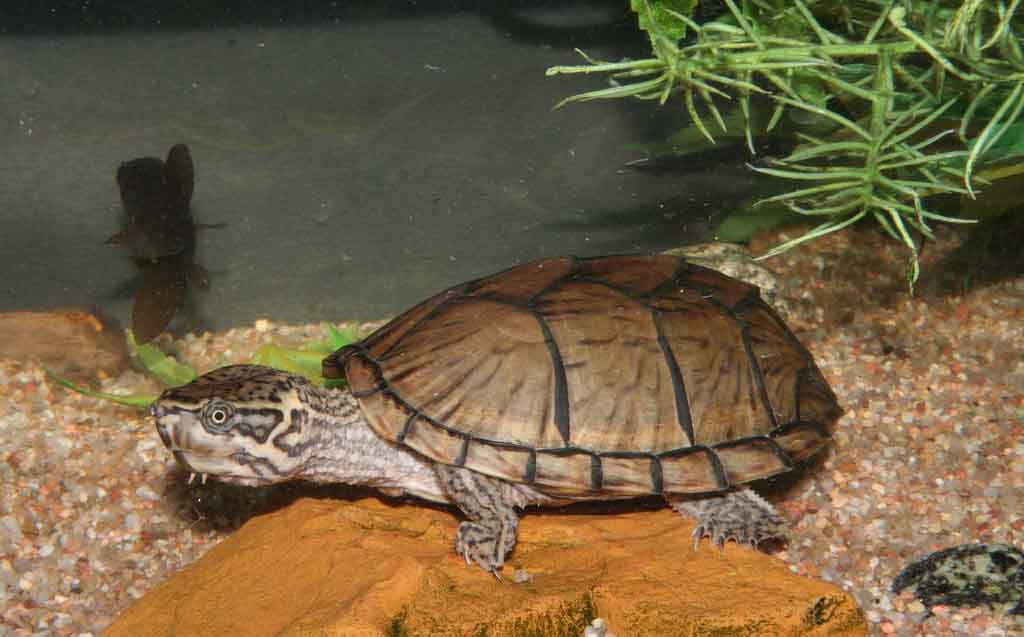
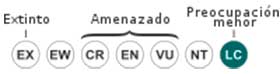 Minor Concern ⓘ
(UICN)ⓘ
Minor Concern ⓘ
(UICN)ⓘ
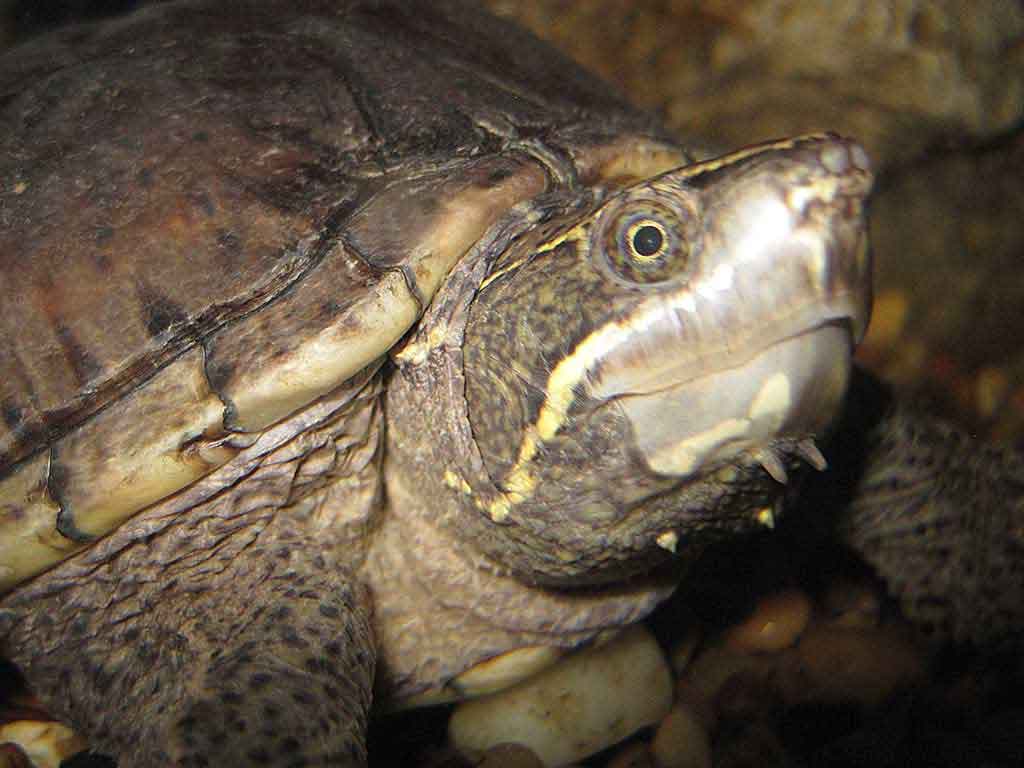

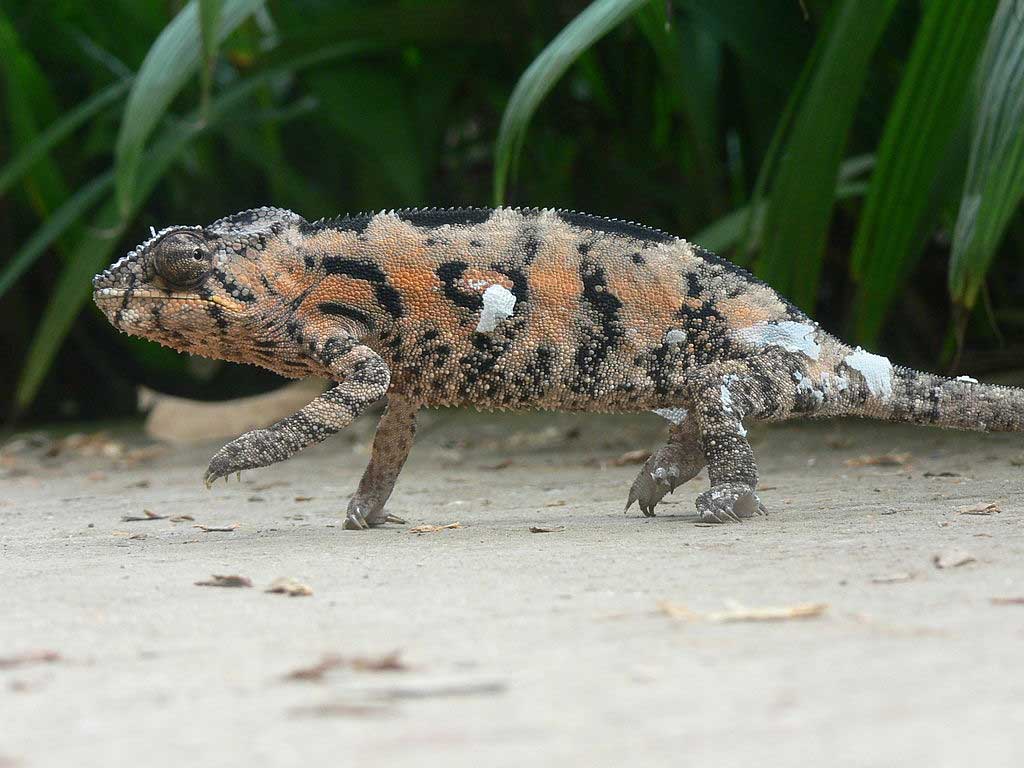


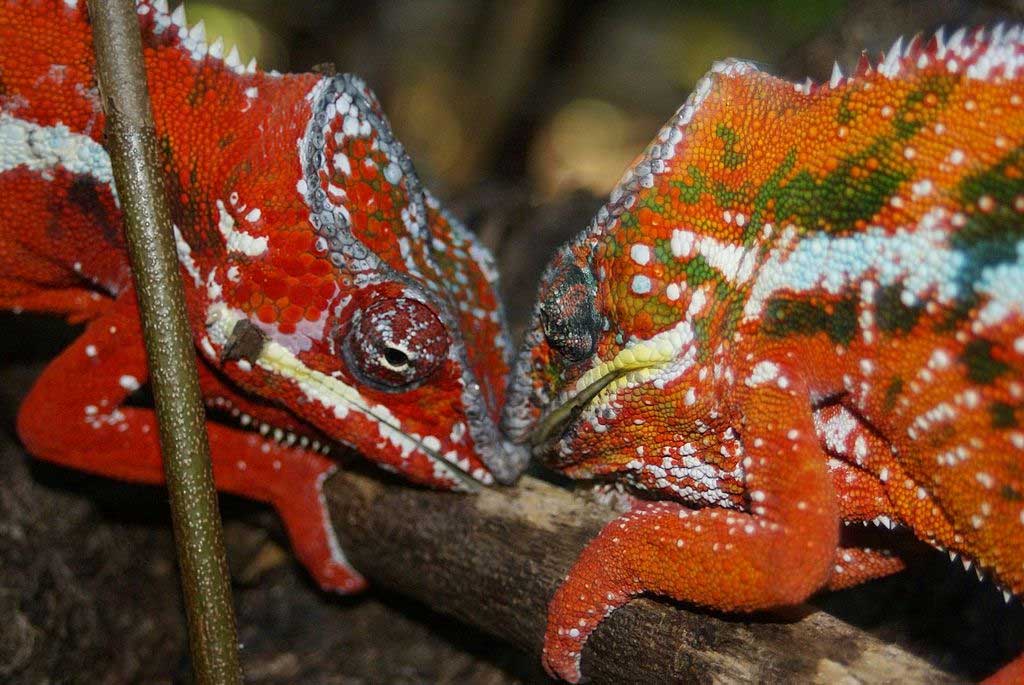


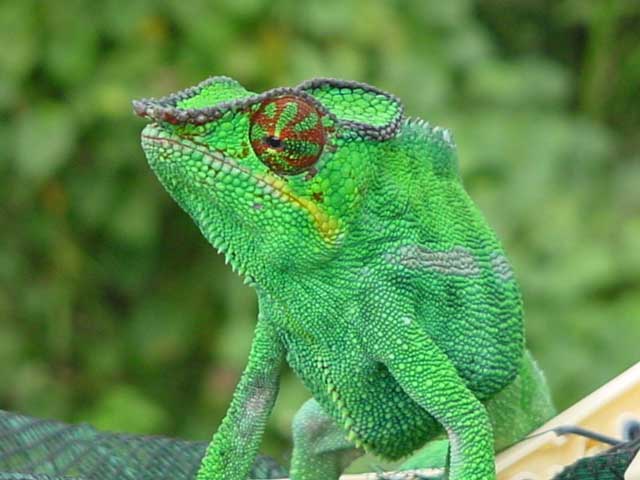


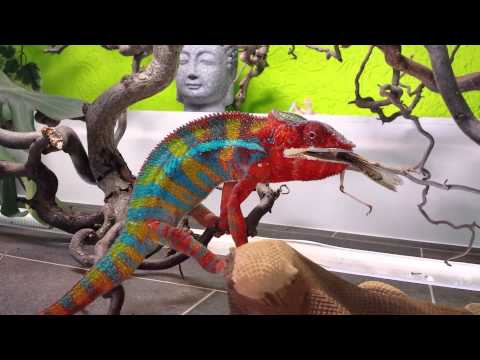
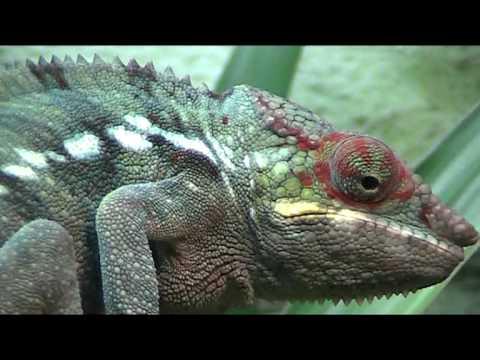
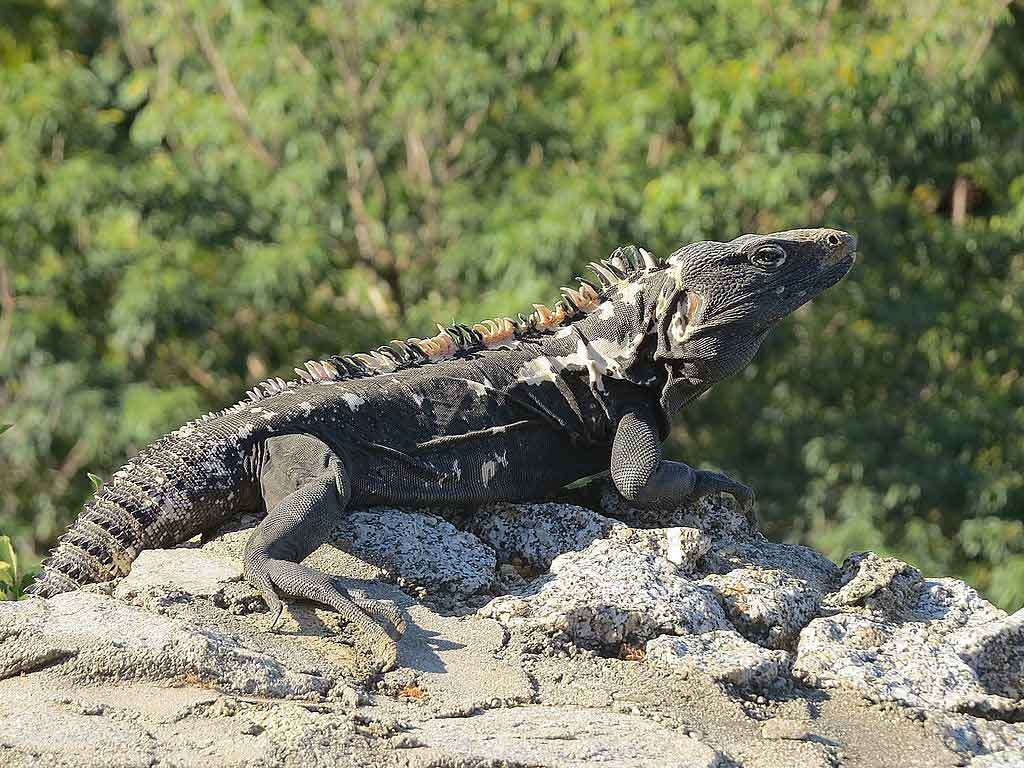
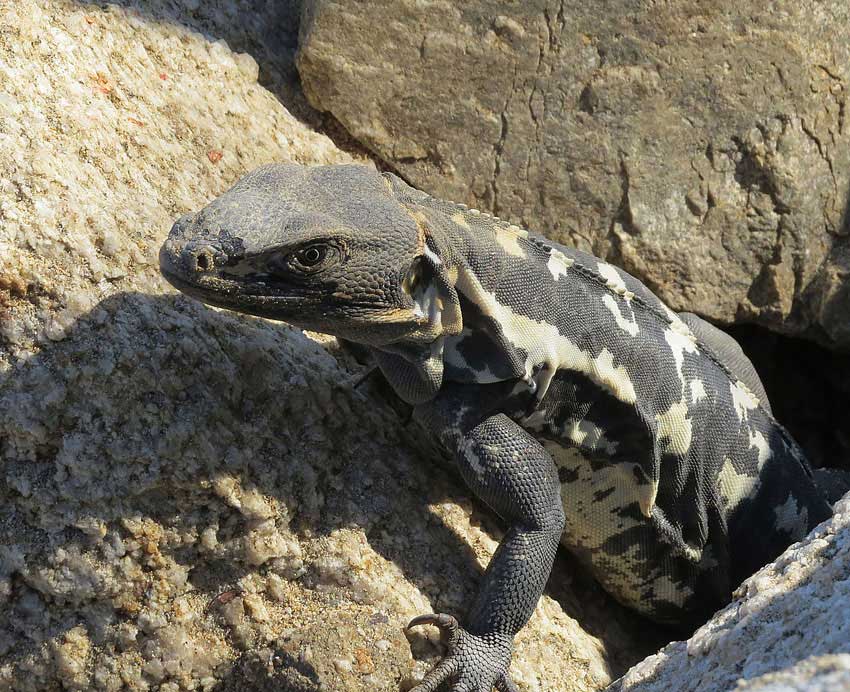
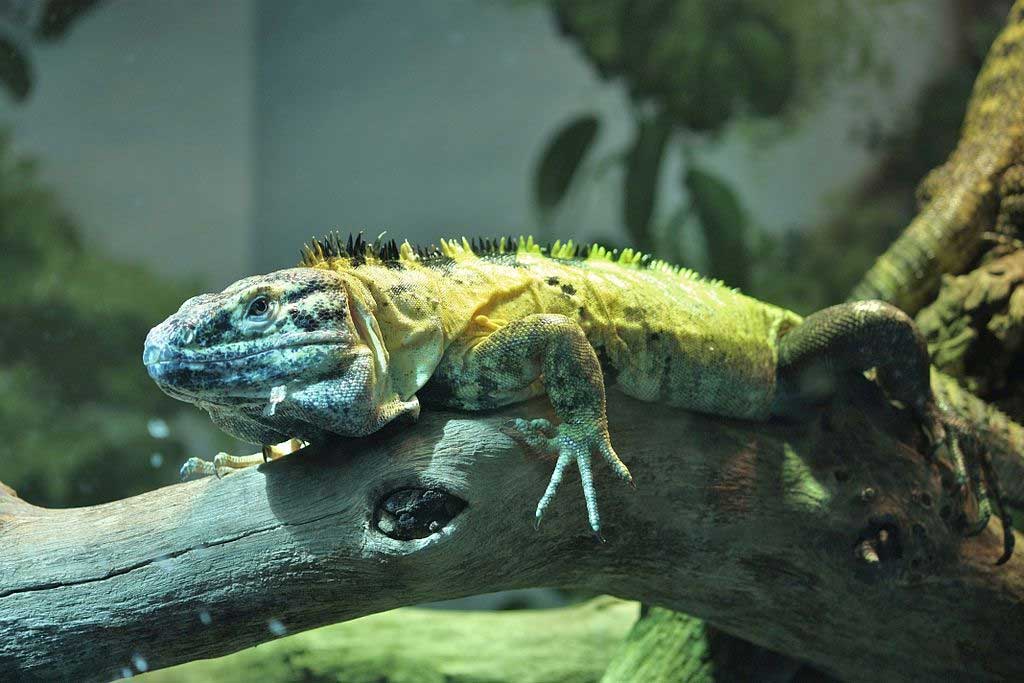
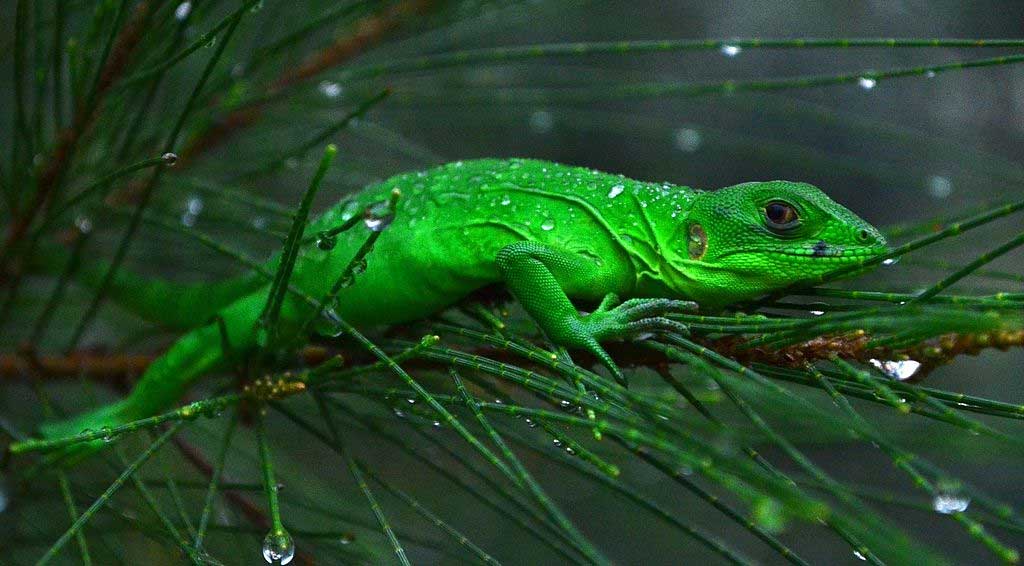


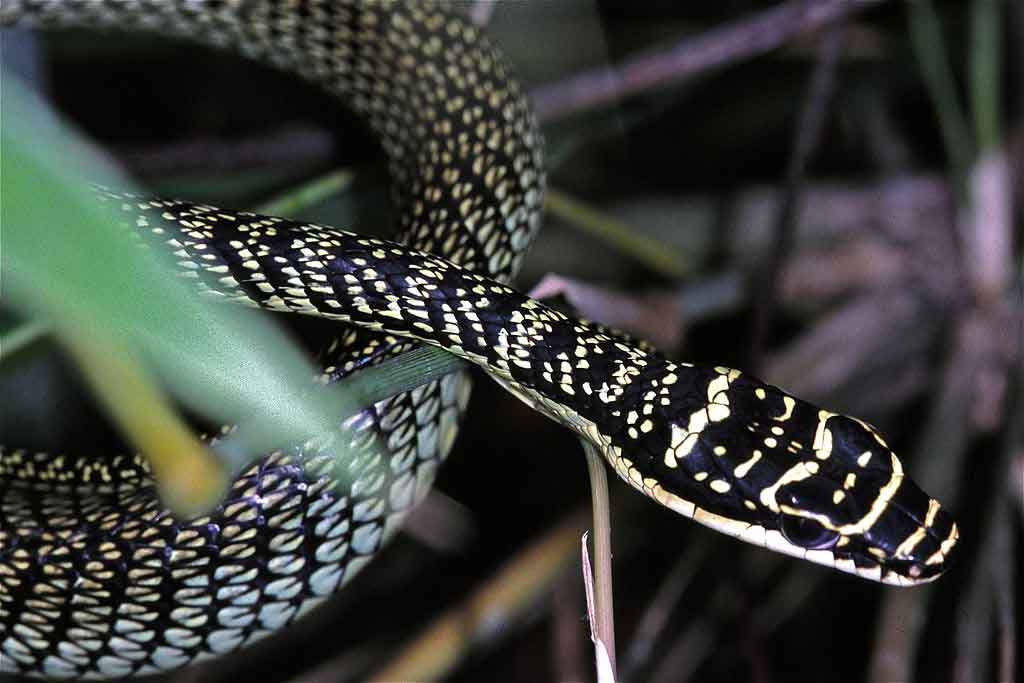


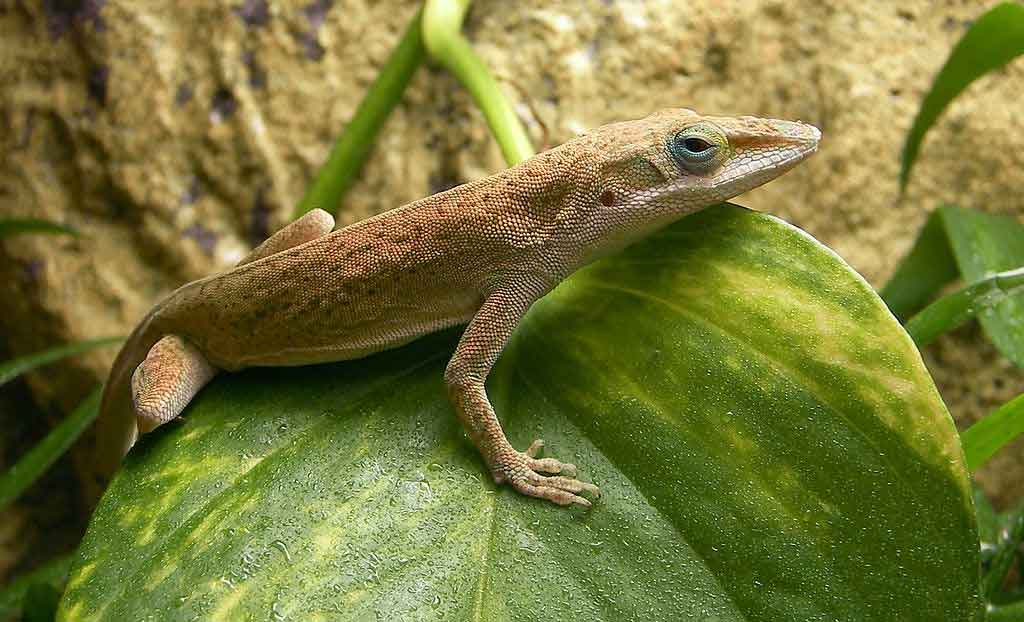
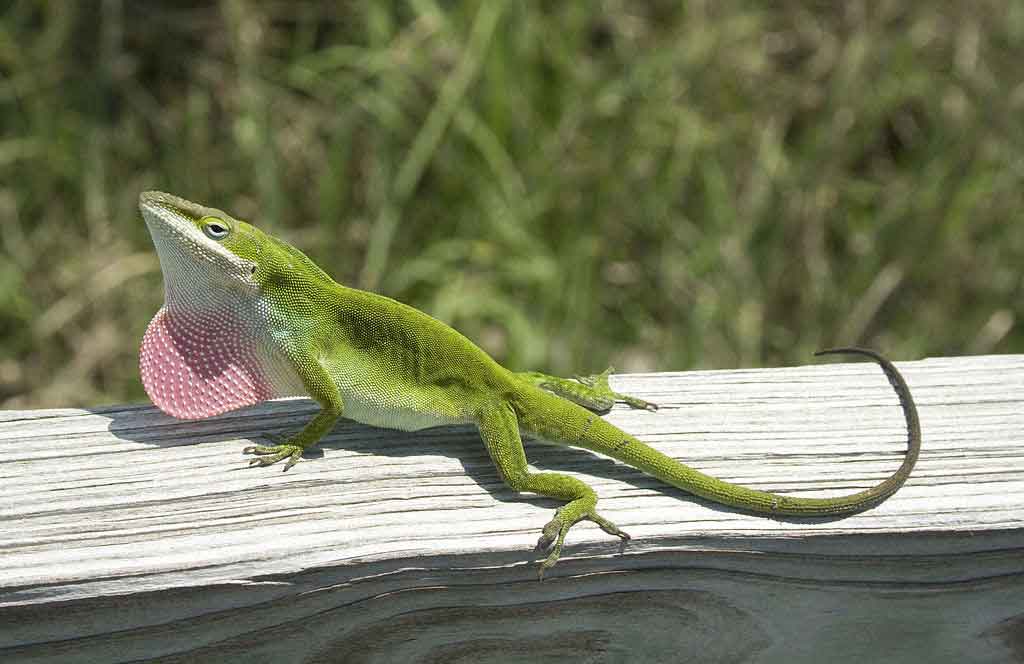
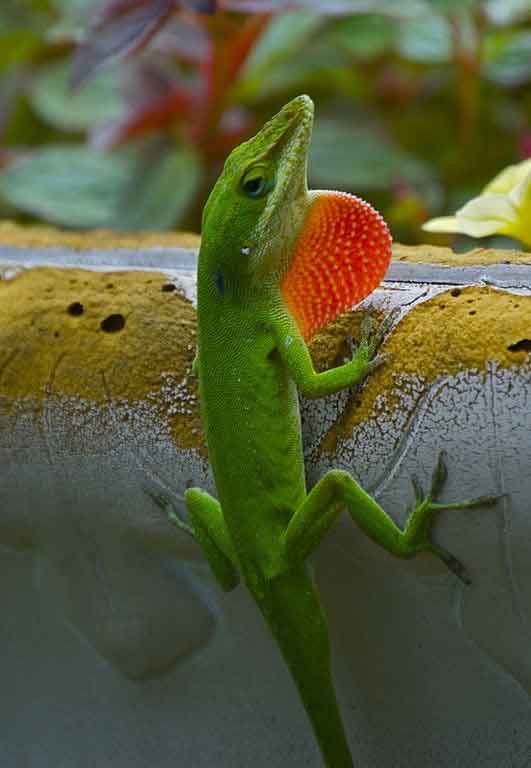
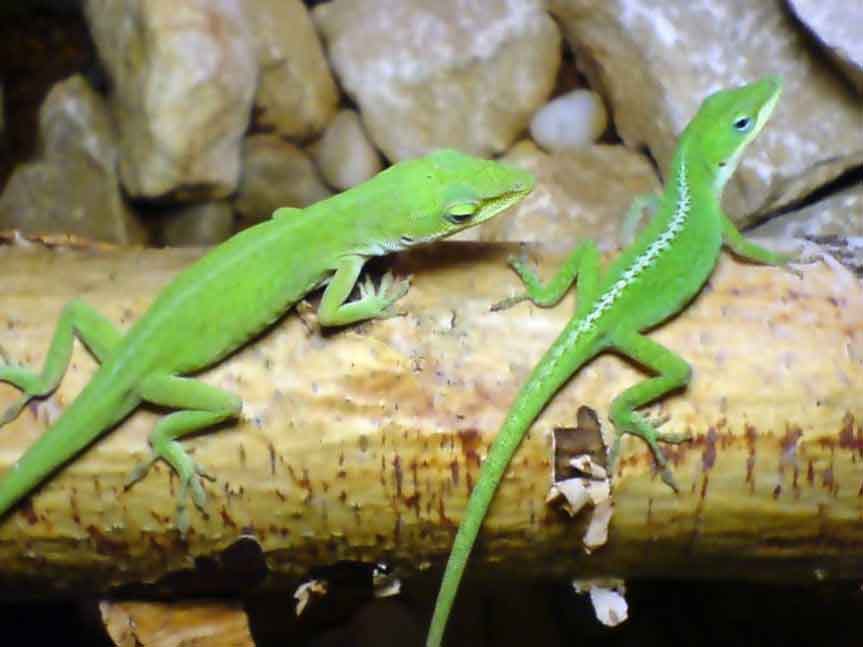
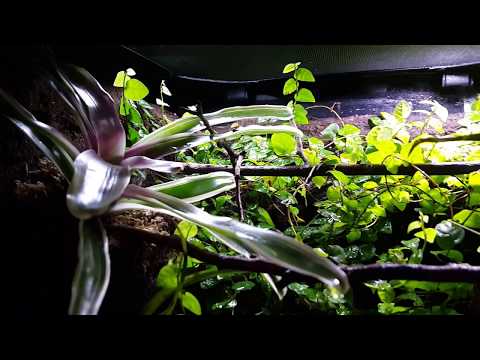

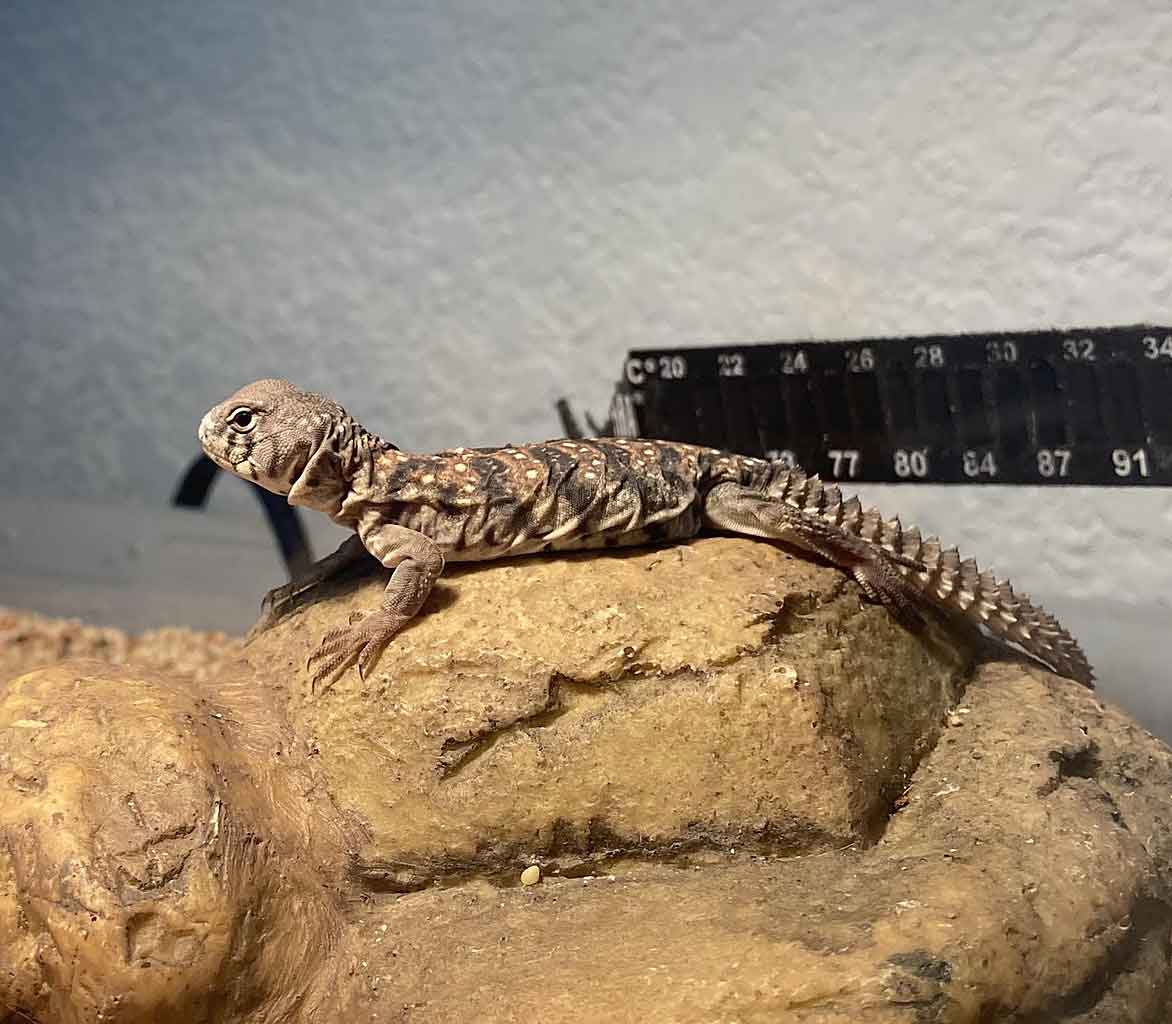
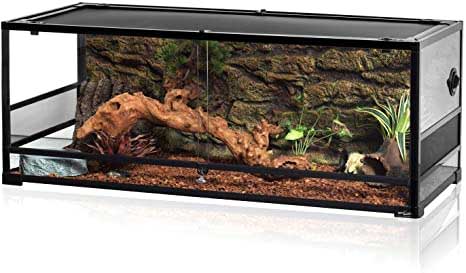


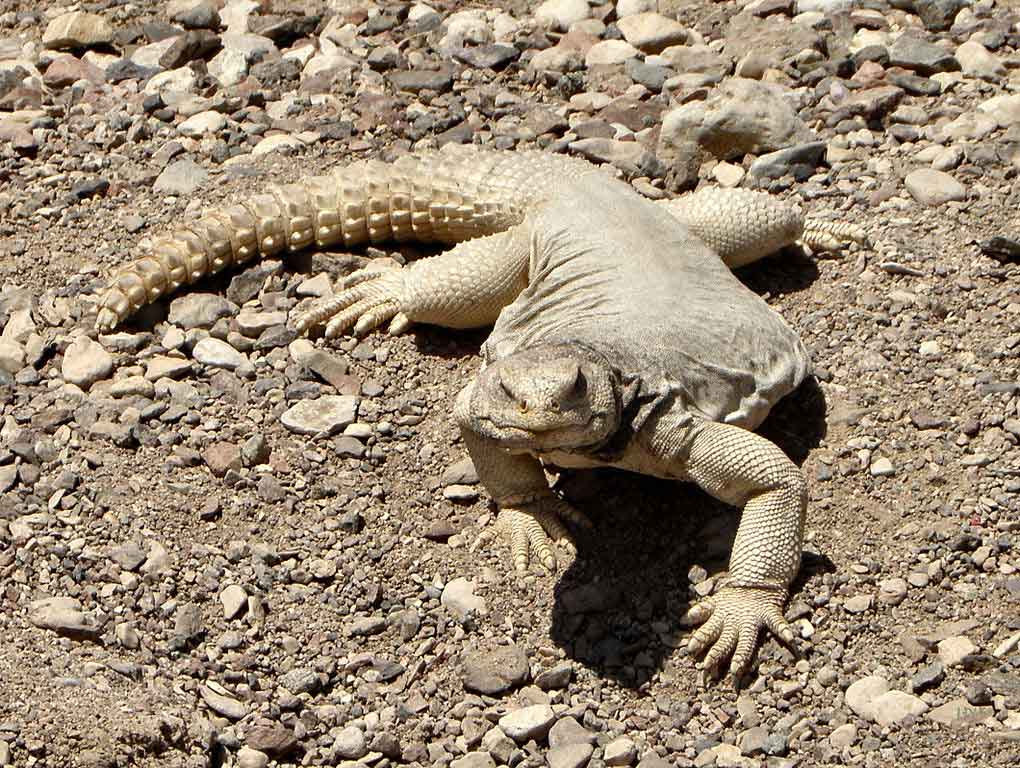
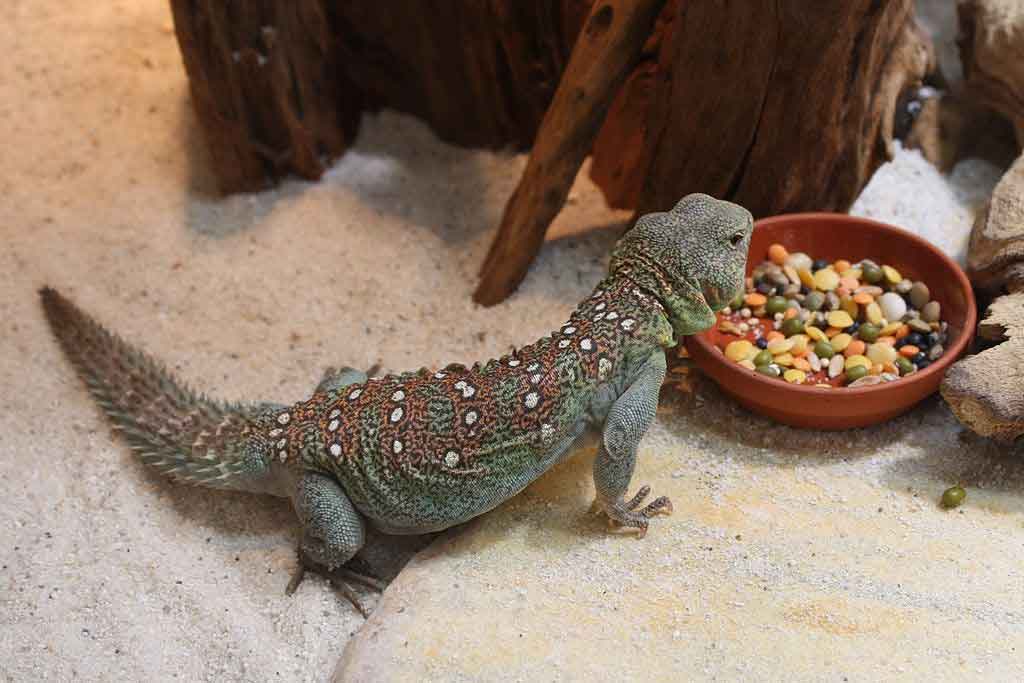
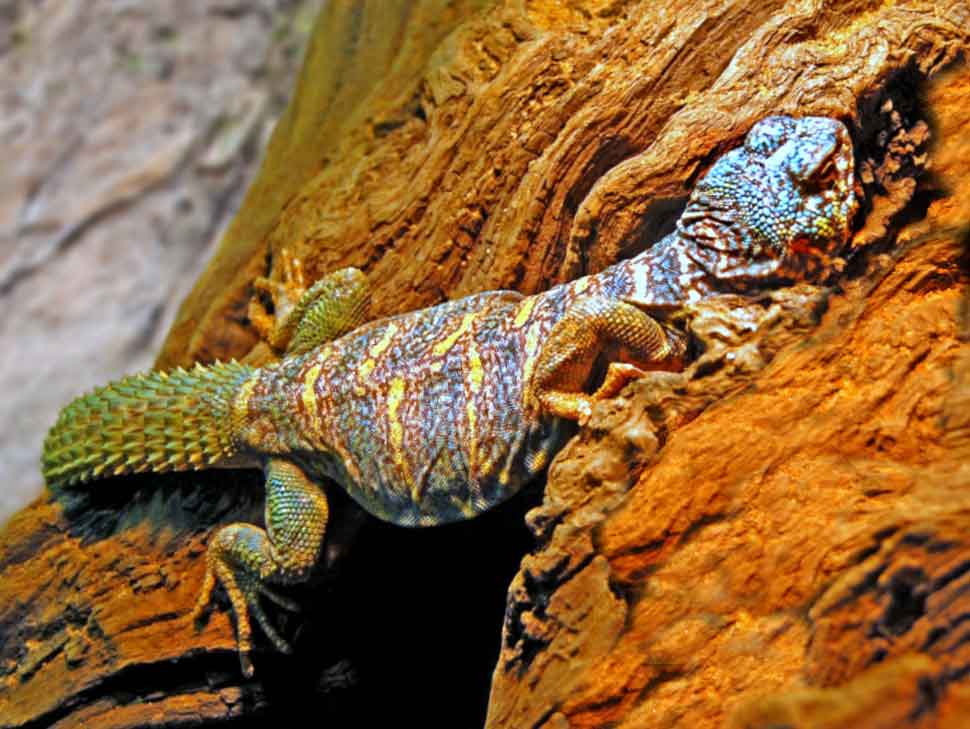
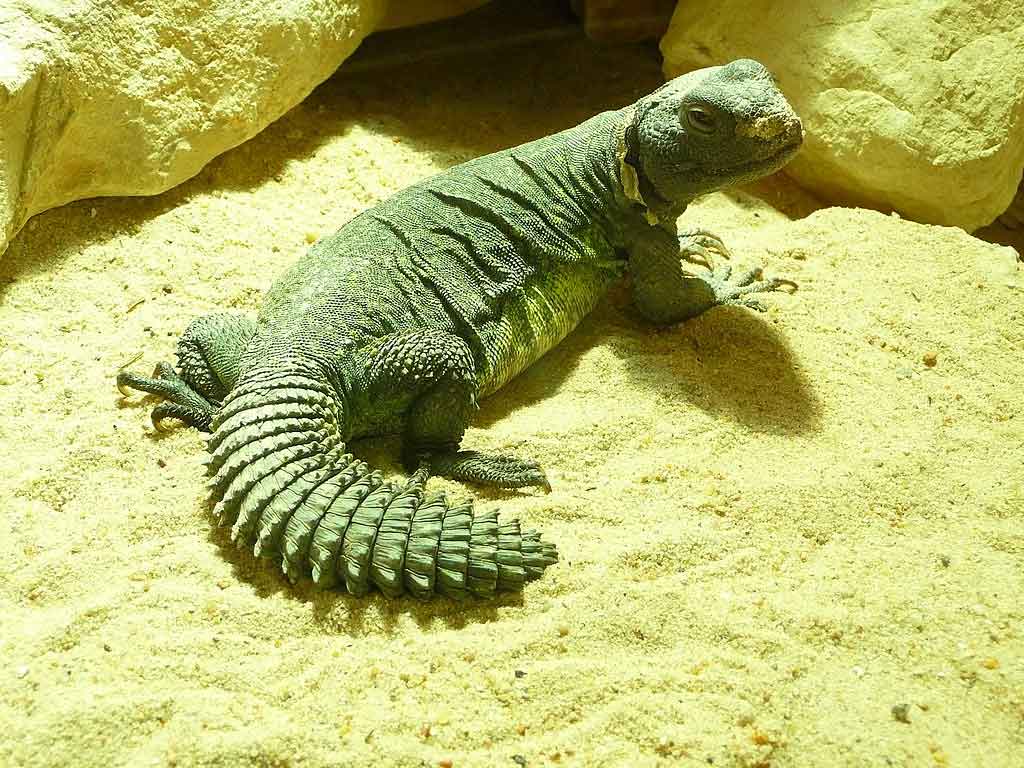
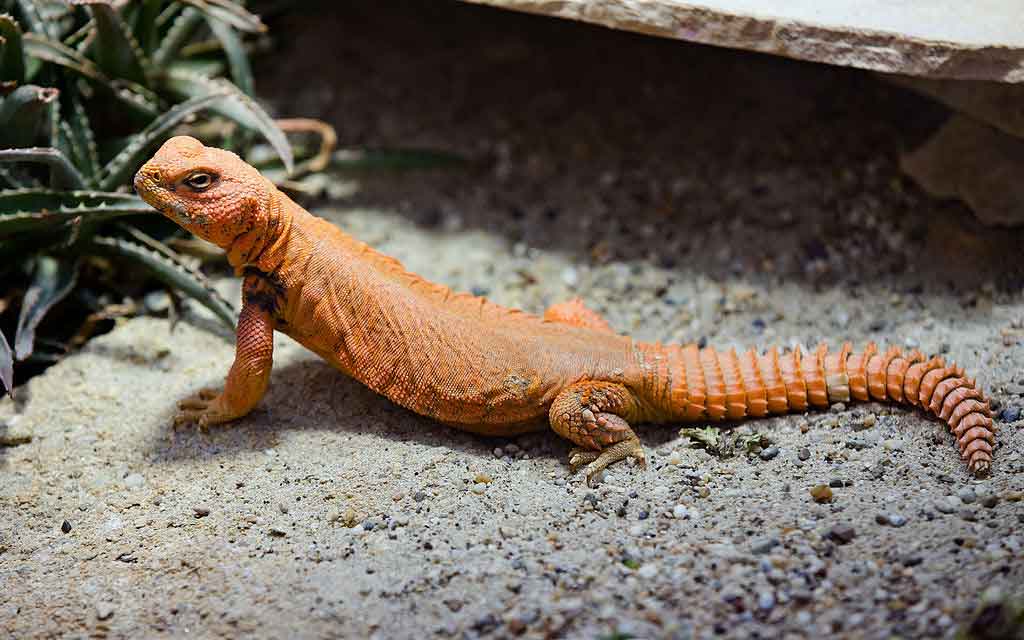
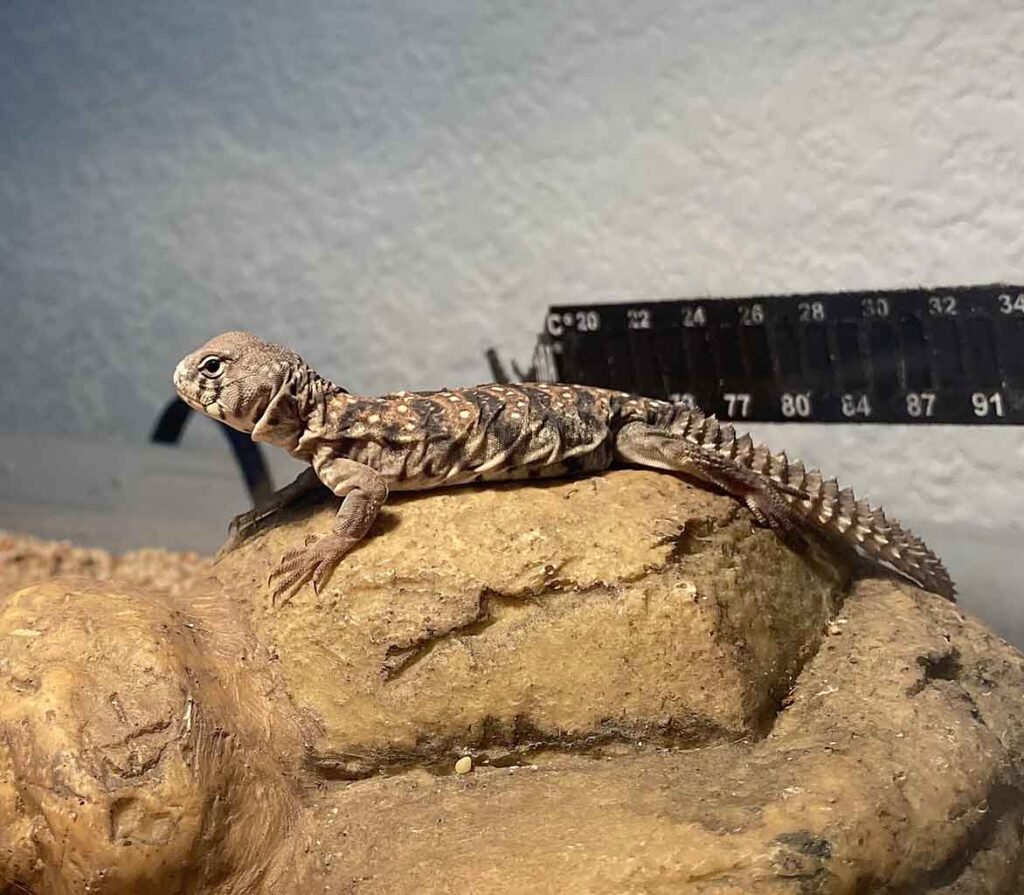
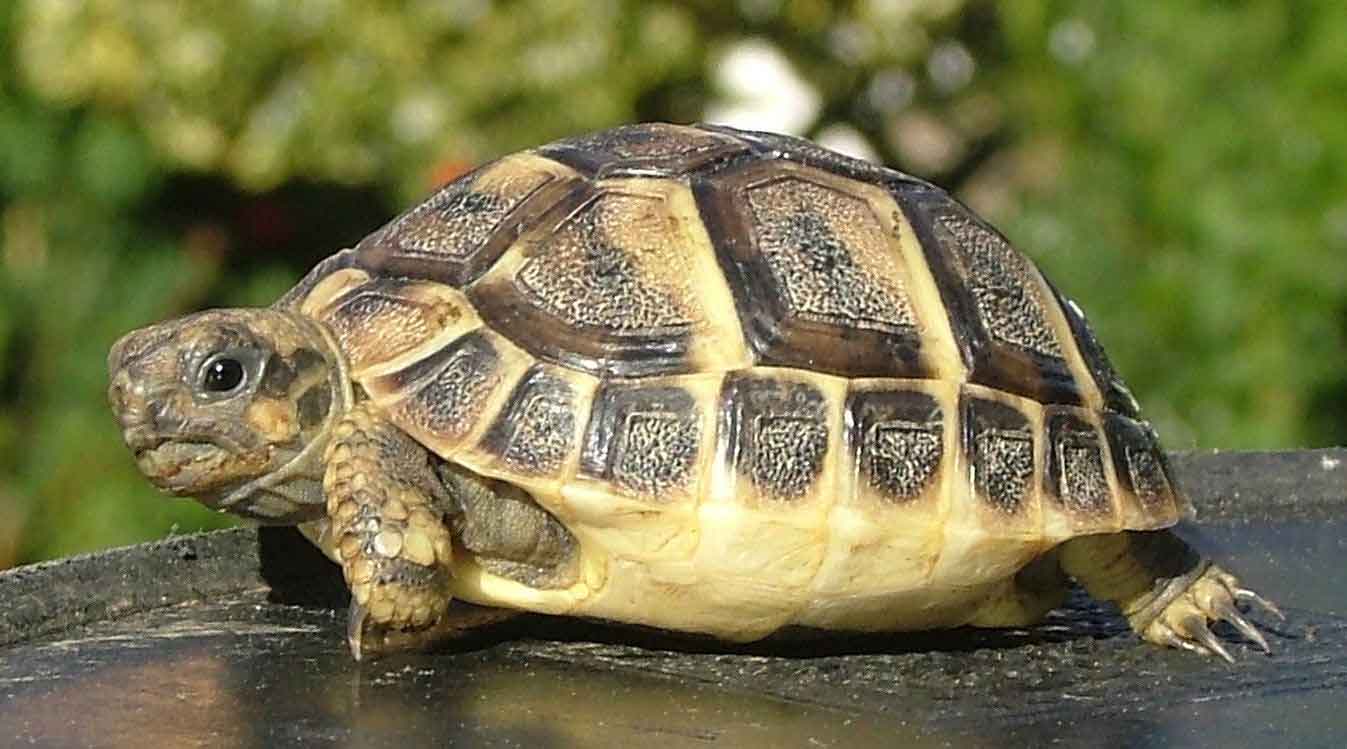
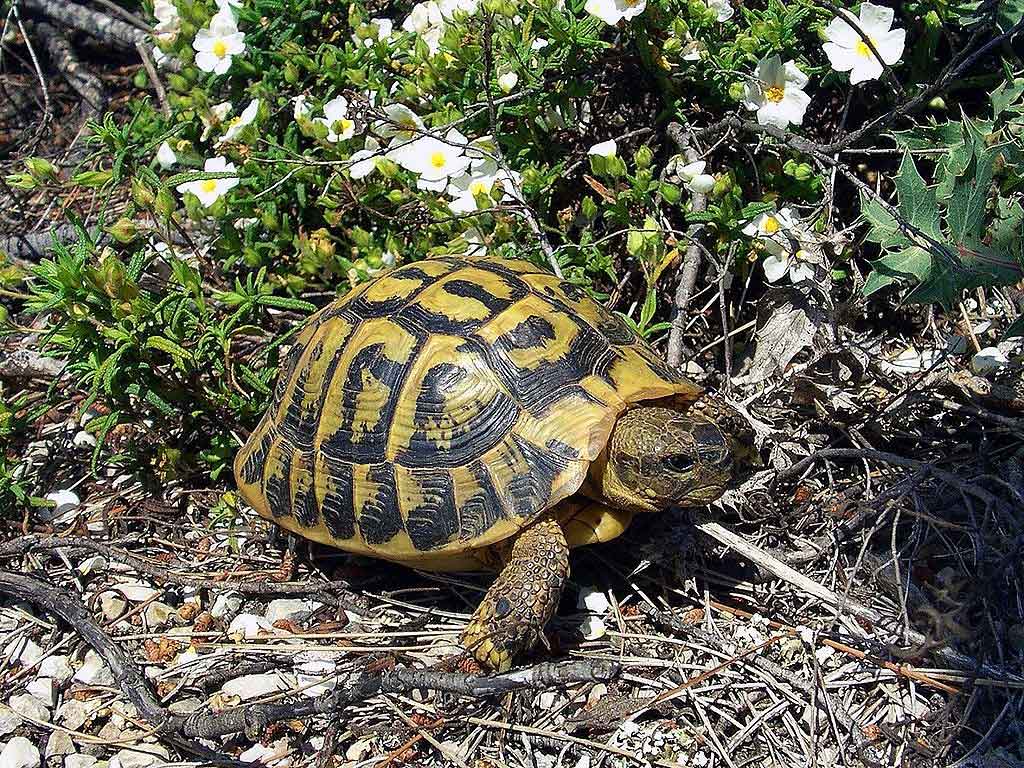
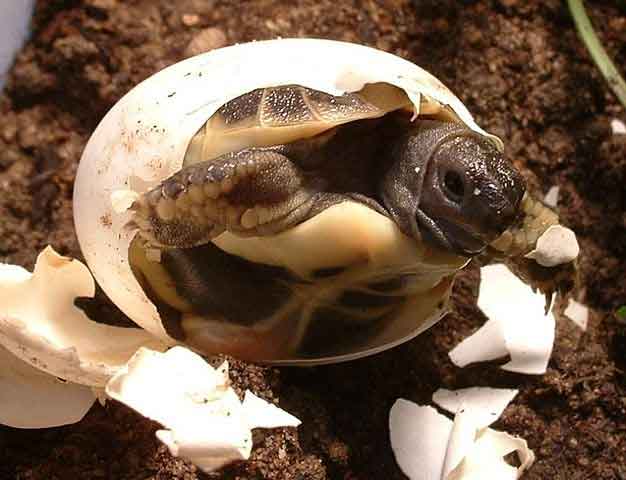

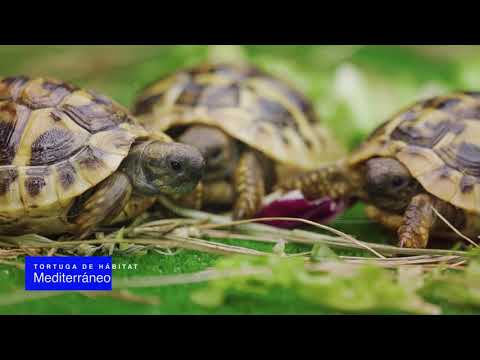
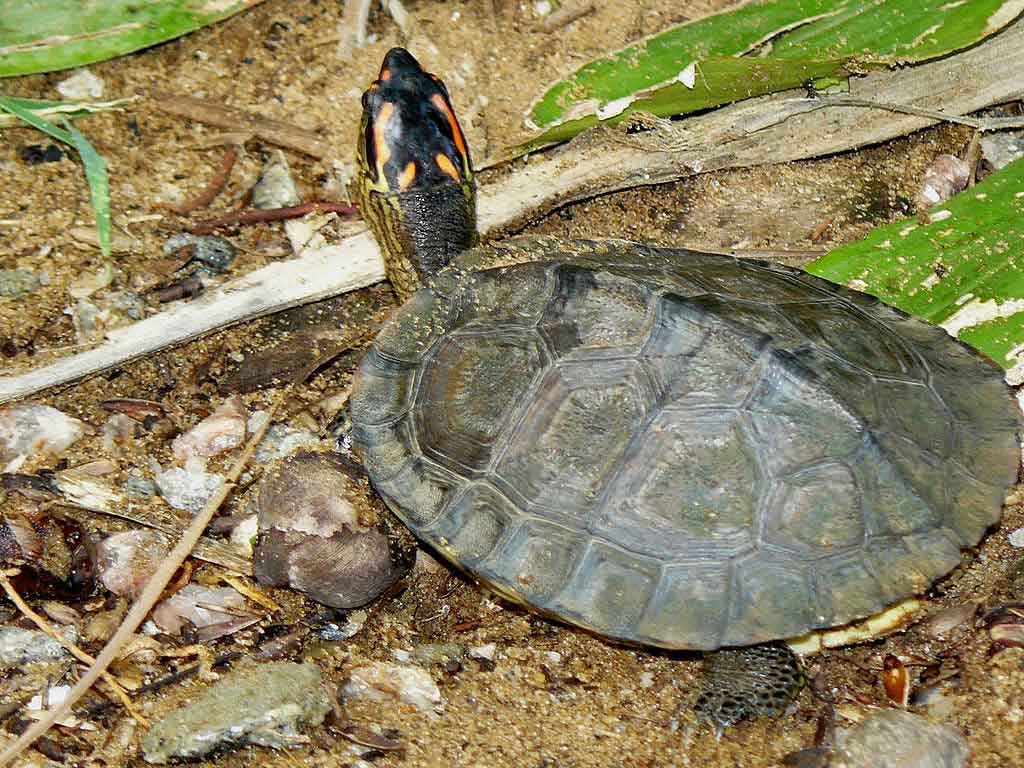
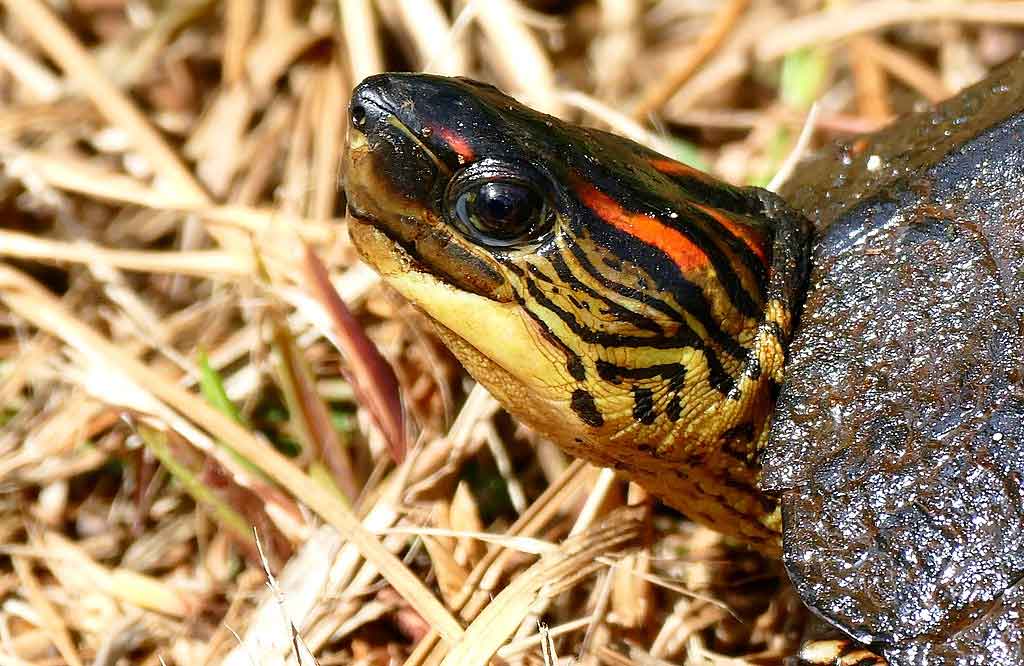
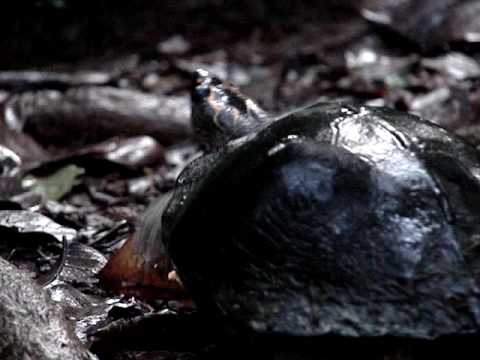


.jpg)

.jpg)
.jpg)

_(7796643322).jpg)


_with_red_throat_expanded.jpg)
_by_Robert_Michniewicz.jpg)


_(38589492064).jpg)