▷ The world of Pets: Dogs, cats, birds, reptiles, amphibians
Oriental wolf snake
- Lycodon capucinus
Origin: Indo-Australian Archipelago
Gender: Lycodon
Life expectancy: 15 years
Length: 40-80 cm.
Although the Oriental wolf snake it is poisonous, this poison is relatively mild. Even when they bite humans, the impact is usually not harmful.
Lycodon capucinus. Male from the city of Same, Manufahi Distict. Mark O’Shea, CC BY 3.0, via Wikimedia Commons
Content
Origin / Distribution
The Oriental wolf snake (Lycodon capucinus) this species is known to occur in Myanmar, Thailand, Laos, Cambodia, Viet Nam, south china, Peninsular Malaysia, Singapore, Philippines and the Indonesian islands of Sumatra, Borneo, Java, Bali, Sulawesi and the Lesser Sundas.
Characteristics / Appearance
Its body is relatively slim and its flattened head is larger than its body.. Its dorsal skin is brown, with yellowish markings forming a nominally "reticulated" pattern. There is a pale yellow band around the neck, and the suprablabial labial scales are also yellowish. His underside is pale.
Habitat
The Oriental wolf snake it is a lowland forest species. Its habits are both terrestrial and arboreal and it can be found, for example, in the dark crevices of fig and other trees.
The species is also known as domestic snake, since it usually lives in old properties, such as colonial-era bungalows and buildings near wooded areas. In these places, it is supposed to feed on domestic geckos.
Behavior
Although the Oriental wolf snake it is poisonous, this poison is relatively mild. Even when they bite humans, the impact is usually not harmful. Most bites cause pain and swelling, and do not cause any serious harm. It is a rather nervous snake when it is picked up or handled and will not hesitate to bite. It can also move its tail in a back-and-forth motion much like a rattlesnake when threatened..
It is a fossil animal, who loves digging in the dirt, but most often found in open ground, on rocks or in low vegetation. Sometimes shows semi-arboreal behavior. It's a nocturnal creature, more active at night, but it is also observed during sunrise, and climb the walls of any building. Most captive specimens become tame after some time and with proper handling.
Food
The Oriental wolf snake is carnivorous. They feed mainly on small lizards, as the Geckos, and they are also among the main predators of the skinks. They can also eat small frogs, If they are available.
Reproduction
Little is known about the reproductive habits of the Oriental wolf snake. Usually, put between 3 and 11 eggs per clutch. The young are born fully developed and are totally independent at birth.
Threats to the species
State of conservation ⓘ
Minor Concern ⓘ(UICN)ⓘ
The IUCN has classified this species asLeast concern«. Although it is a very common snake, rarely seen. The continuing destruction of primary and secondary forests, the conversion of fertile land into agricultural and residential areas, as well as the indiscriminate killing of human beings can threaten the survival of this animal.
It is endangered in many parts of mainland Asia and peninsular Southeast Asia..
on christmas island, which is part of Australia, where it was introduced around 1982, It is an invasive species that threatens some native species such as the Mangrove skink or, in the case of Cryptoblepharus egeriae, has already caused its extinction in the wild. In Timor Oriental, The species was introduced in the 1980s. 1960 and in 2018 first observed in New Guinea. It may also have spread to Micronesian islands.
The "Oriental wolf snake" in captivity
The Oriental wolf snake not a good pet, gets nervous when handled by humans and bites if threatened. They are also difficult to feed in captivity because they often eat lizards., frogs and skinks.
The terrarium
This species is relatively small, so it does not require very large habitats. Since they dig under the ground, it is important to provide them with several different hiding places and a soft substrate to burrow in, like the sand. These snakes do not eat small mammals, and you have to feed them with lizards, skinks, frogs or other natural prey.
Buy one "Oriental wolf snake"
The price of a "Oriental wolf snake" at the exotic animal market, oscillates on the 200 EUR.
1. Oriental wolf snake, Common Wolf Snake (English).
2. Serpent-loup Oriental, Serpent-loup commun (French).
3. Kapuzen-Wolfszahnnatter (German).
4. Serpente lobo oriental, Cobra-lobo comum (Portuguese).
5. "Serpiente lobo oriental", Serpiente lobo común (español).
▷ The world of Pets: Dogs, cats, birds, reptiles, amphibians
Corn snake
- Pantherophis guttatus
Origin: United States
Gender: Pantherophis
Life expectancy: 20 years
Length: 130 cm.
The Corn snake also known as Red rat snake. It is believed that the common name "Corn Snake" has its origin in the fact that these snakes are commonly found in agricultural fields., like cornfields, while hunting prey.
Corn snake – Wikimedia
Content
Origin / Distribution
The Corn snake (Pantherophis guttatus) can be found in the eastern United States, from southern New Jersey to south, passing through Florida, to western Louisiana and parts of Kentucky. But, the Corn snake is most abundant in Florida and the southeastern United States.
Characteristics / Appearance
The Corn snake has a beautiful pattern of brown to red spots on a gray background, brown to orange-red. The belly of the corn snake is white with steel-blue to black spots. There is a V-shaped pattern on the head. The rump is thin and the head small compared to the body, with a round pupil and only slightly separated from the body.
Habitat
The Corn snake can be found in groves, rocky slopes, Meadows, Plots, barns and abandoned buildings.
Behavior
Corn snake
The Corn snake is mainly nocturnal, but usually active in the early afternoon. They easily climb trees and enter abandoned buildings in search of prey. But, they are very stealthy and spend most of their time underground prowling the burrows of rodents.. They also usually hide during the day under loose bark and under logs., rocks and other debris. Not much is known about the reproductive behavior of the Corn snake.
Reproduction
The breeding season of the Corn snake goes from March to May. Snakes are oviparous and deposit a clutch of 10 to 30 eggs between the end of May and July. Eggs are laid on rotten stumps, piles of decaying vegetation or other similar places where there is enough heat and moisture to incubate them. Eggs are not cared for by adult snakes. Once put, the gestation period of the eggs is 60 to 65 days at approximately 28º. Eggs hatch sometime between July and September. The pups measure between 25 and 38 cm long and mature in 18-36 months.
Food
The Corn snake does not usually feed every day. Usually, are fed every few days, More or less. The young tend to feed on lizards and tree frogs, while adults feed on larger prey, like mice, Rats, birds and bats. They are constrictors, which means they use their coils to choke their food before eating it.. First of all, the Corn snake bites its prey to grab it firmly and, then, quickly envelops the victim with one or more spirals of their body. The snake squeezes hard until it suffocates the prey. Then he swallows the food whole., usually headfirst. But, the Corn snake swallowing small live prey.
Threats to the species
State of conservation ⓘ
Minor Concern ⓘ(UICN)ⓘ
The Corn snake is often confused with the Copperheads and sometimes she is killed for it. It also, due to his docile temperament, are usually kept as pets. Sometimes they are caught in the wild to sell as pets.. But, there are many snake breeders, so wild capture does not pose a serious threat to this species.
The Corn snake is not an endangered species. But, are listed by the state of Florida as a Species of Special Concern because they face habitat loss and destruction in the lower Florida Keys.
The "Corn snake" in captivity
The Corn snake is the secret queen among terrarium animals. For many years they have been among the most popular and well-known snakes for the terrarium. The reasons are multiple. May be due to attractiveness, the tranquility or ease of maintenance of reptiles. If you are thinking of acquiring a snake, the Corn snake it's a good option. These exotics are ideal for the first steps in the exciting world of terraristics.
The terrarium
The Corn snake is the ideal cohabitant. They are visually appealing, interesting to see, calm, cozy and only demand little from their surroundings. A pet dream! Thus, it is not surprising that more and more terrarium aficionados are acquiring a Corn snake. Beginners, in particular, benefit from the exotic easy care.
As the animal should not roam freely on the floor, you, as owner, you need a terrarium. This must have minimum dimensions of 100 x 50 x 70 cm for the benefit of the animal. But, this information is not set in stone. Depends on the size and number of reptiles. Large animals or a group of corn snakes will require, of course, a larger terrarium.
Behavior in terrarium
The Corn snake is twilight and nocturnal. At night they usually roam the terrarium for hours in search of prey. In spring, which is also the mating season, are also active during the day. If animals are well kept, are already sexually mature by the age of two or three. The Corn snake can live on 12 to 15 years. The record is 25 years!
Terrarium interior design
The interior design of the terrarium should reflect the natural habitat of the Corn snake (Pantherophis guttatus). A terrarium earth substrate, bark mulch or bark bed can serve you here. Avoid sand that is too fine. But, mixed with coconut fiber, coarse beach sand is a very good substrate. Suitable hiding places are overturned pots and flat stones, as well as the pieces of bark.
To the Corn snake likes to climb a lot. This behavior must be taken into account when designing the terrarium. It is advisable to offer climbers isolated climbing opportunities. Here we refer explicitly to wood or roots. It also, in the terrarium there should be a drinker with fresh water.
Socialization:
The Corn snake is a very calm and peaceful creature. Flatmates accepted. These beautiful exotics can easily be maintained individually, in pairs or in groups with several congeners. There is also no danger to you as a human. The Corn snake is not poisonous.
Temperature and humidity:
To the Corn snake likes warmth and comfort. During the day, the temperature in the terrarium should be between 24 and 27 degrees Celsius. At night the temperature can be 5 colder degrees. A radiant heater is absolutely enough. No additional floor heating needed. The humidity should be between 50 and the 60 %. To increase humidity, it is recommended to spray the terrarium at regular intervals.
An environment that is too dry can lead to problems during molting.
Food:
The food and nutrition of the Corn snake it's very simple. Animals effortlessly accept food (mice and rats). Most owners give their vipers frozen food.
Reproduction
Some 4 weeks after fertilization, females put between 10 and 20 eggs. The eggs, very soft at first, they are usually glued. It is not recommended to separate eggs, as they could be damaged quickly. So, it is advisable to transfer the glued parts to the incubator in one piece. If you wait too long, eggs can stick to the terrarium or furniture and it is not safe to remove them. Fill the cavities between the eggs with dried vermiculite.
At 27°C the incubation time is about 80 days, at higher temperatures about 10-15 days less. But, constant temperatures above 30 degrees. Shortly before hatching, eggs reach a size of about 4,5 cm.. We will keep young animals individually. This prevents stress from animals and allows for better care..
Variations
After many generations of selective breeding , the Corn snake Bred in captivity is found in a wide variety of different colors and patterns. These result from the recombination of dominant and recessive genes that encode proteins involved in development., maintenance or function of chromatophores . New variations, or morphs, are available each year as breeders gain a better understanding of the genetics involved.
Buy one "Corn snake"
Before buying animals, find out if there are any special legal regulations that must be respected.
The price of a "Corn snake" at the exotic animal market , ranges between 80 – 120 EUR.
Videos "Corn snake"
Pantherophis guttatus Elaphe guttata Corn Snake Part 02
The Reticulated python (Malayopython reticulatus) it is native to Southeast Asia and western Bangladesh to southeastern Vietnam and on the Indo-Pacific islands west of New Guinea.. Other reports have shown the presence of the Reticulated python in eastern Sudan Africa and in northern Queensland and the Northern Territory in Australia. This species has been introduced to South Florida, as a direct result of the negative effects of pet importation.
Characteristics / Appearance
The Reticulated python is light yellowish to brown on the dorsal part of its body, with black lines extending from the ventral area of the eyes diagonally to the muzzle. Sometimes there is another black line on the snake's head that extends from the end of the muzzle to the base of the skull or nape of the neck.. Along the back of the Reticulated python there is a repeated pattern of black X's that create diamond-shaped patterns. Younger pythons have been reported to have latitudinal lines with black-rimmed spots along their body..
One way to distinguish this species from similar ones is to examine the upper jaw near the front of the muzzle.. The reticulated python has the presence of a suborbital portion of the maxilla (upper jaw) that lacks a lateral or protruding figure.
In general, this species has shown that females grow much larger than males in terms of size and weight.. The average female can grow up to 6,09 m and 90 kg in contrast to the male who has an average of 4,5 m long and up to 45 kg.
Life expectancy
Reticulated Python head. Photo taken at Serpentarium Blankenberghe BELGIUM. Natural biotope: rainforests of Asia. Goalsurfer, CC BY-SA 3.0, via Wikimedia Commons
The Reticulated python it is rarely found in captivity and is more commonly found in the wild. Its large size makes it difficult to provide an area large enough to keep a healthy python in captivity.. But, on average, the Reticulated python lives longer in captivity because their environment and food sources are well maintained in a controlled area.
The longest known life of a Reticulated python in captivity is 32 years. This species may have difficulty finding adequate food sources and environmental protection., which may explain why the life of a wild reticulated python is shorter than that of those in captivity. The longest life of a Reticulated python wild is from 23 years compared to 32 years in captivity.
Developing
After laying the eggs, the female python incubates them in a nest for a while 90 days until they are ready to hatch. Newborn reticulated pythons use a specialized element called egg tooth, located on the upper lip, to open the eggshell. The young measure approximately 60 cm in length and weigh some 140 g.. Immediately after hatching, the python sheds from the skin. Then it will begin to hide and wait for rodents and small birds to prey on..
Habitat
The Reticulated python it lives mainly in tropical rainforests, wetlands and grassland forests, at a height of 1200-2500m. The temperature necessary for the correct gestation and survival of the reticulated python should be between ≈24º C and ≈34º C with large amounts of moisture present. The Reticulated python requires an area near an area of water to protect itself, as well as to succeed in predation. Pythons use water as protective camouflage to hide before ambushing their prey. Similar behavior is observed in wetlands, where these species are able to hide under the undergrowth to ambush their prey.
Behavior
It is known that the Reticulated python occupies areas that usually have a present or nearby water source. This allows you better movement due to its large size. Through the process of lateral progression, the snake is able to contract the muscles and release the muscles simultaneously to create the most commonly recognized serpentine pattern..
Due to the large size of this snake, rectilinear movement, a type of movement in which the snake contracts its body and then unfolds in a linear motion, is most commonly observed because it allows its large size to move more quickly. Using the technique of constriction and deployment a python can climb trees. This is more common in smaller, younger individuals..
Using a similar body movement, the Reticulated python, like all snakes, you must shed your skin to repair wounds or during the developmental stages of life. The molting of skin of snakes is necessary to facilitate the growth of their bodies. These snakes have an indeterminate growth.
Reproduction
Reticulated python (Malayopython reticulatus). Kaeng Krachan District, Phetchaburi Province, Thailand – Rushenb, CC BY-SA 2.0, via Wikimedia Commons
The male of the Reticulated python uses vibrations to signal its mating status to the female, that you will choose whether to mate or not. If she decides to mate, the male of this species rubs his body on the female and rubs her with his spurs. Spurs are vestigial hind limbs found in your abdomen. When the female is ready, will raise the tail and mating will occur. The female python can keep the male's sperm inside her until a later date., if weather conditions are not favorable. Females can also have several males mate with them in the same season..
Although it is uncommon, parthenogenesis has been documented in captive pythons. Parthenogenesis is the process of mating without a male. The female fertilizes an egg inside, creating an offspring with identical DNA. It is an adaptation to reproduce even when there are no males.
It is said that the breeding season of the Reticulated python focuses on the months of February and March. Shortly after winter pythons begin to prepare for breeding due to the increase in temperature and the promising summer heat. In most areas it depends on geography due to the need for warmer climates. So that, pythons reproduce according to the climate change of the specific area they inhabit.
The breeding area that is inhabited must be rich in prey so that the female can have offspring. So, the Reticulated python needs a normally undeveloped and uninhabited area to maintain high reproductive performance. The viability of eggs depends on the mother's ability to protect and incubate them, as well as high humidity levels. Adult pythons are usually ready to breed once the male has reached a 2,5 meters in length and some 3,0 meters for females. This is in the range of 3-5 years for both sexes.
If the food is abundant, the female of Reticulated python can have up to one clutch a year. In areas and seasons when food is not as abundant, the size and frequency of the clutches is one clutch each 2 or 3 years. The Reticulated python reproduces more frequently in areas of higher temperature for better gestation. In a year of breeding, a single female can produce 8 to 107 eggs, but the number is usually 25 to 50. The average mass at birth is 0,15 g (rank 0,12-0,17 g). The independence of the offspring is immediate.
Food
It is known that the Reticulated python it feeds mainly on mammals and bird species found in its geographical range. Documented prey types include small bats, tree shrews , and Cervidae deer, even Malay bears (Helarctos malayanus).
The Reticulated python it is considered the snake most likely to consume a human being due to the numerous attacks on people in the wild and the attacks on the owners by this species. Through the organs of the fossa, specialized organs in certain species of snakes that detect radiant heat, the Reticulated python detects the location of the dam by the temperature relationship of the dam with the surrounding area. This allows the python to detect prey and predators without necessarily seeing them..
Threats to the species
State of conservation ⓘ
Minor Concern ⓘ(UICN)ⓘ
The Reticulated python is not endangered, However, according to CITES Appendix II, the trade and sale of your skin are regulated to ensure that your survival is not compromised. This species is not on the IUCN Red List.
However, the Reticulated python is one of the most hunted snakes worldwide. Due to its large size, this species is hunted and sold internationally for its fur throughout the year. Apart from the skin, the Reticulated python it is so large in size that it is also hunted and sold for its meat..
The "Reticulated python" in captivity
A large reticulated Python feeding on 5 chickens at Taman Mini Indonesia Indah Reptile Park, Jakarta, Indonesian. Gunawan Kartapranata, CC BY-SA 3.0, via Wikimedia Commons
The great demand for exotic animals has grown, what makes the Reticulated python be captured in the pet market to be sold all over the planet.
It is important to remember that a Reticulated python Adult is technically capable of causing injury or death to a human being, However, attacks in nature are rare, and even rarer attacks in captivity, as long as the snake is well accustomed to manipulation, safely maintained and well fed.
The terrarium
You won't be surprised that you have to increase the size of your vivarium as your cross-linked grows., as well as making sure that the glass fronts are the most resistant, with locks to ensure there are no escapes or unauthorized access to the snake in your absence.
The Reticulated python, like all snakes, they start out quite small when they are young, so any small or medium-sized land or tree nursery should be suitable, provided that the necessary heating equipment can be installed to reach those pleasant subtropical temperatures.
But as they grow and get bigger., you will have to change to the biggest vivariums you can, and consider the possibility of a custom-made vivarium to provide adequate accommodation, just make sure you invest in a sturdy glass!
Heating and lighting
Most caregivers agree that a Reticulated python you will enjoy more of an environment with a temperature gradient around the 29 degrees Celsius, that allows you to move to the hot side or to the cold side to thermoregulate depending on how you feel.
Although this temperature can be achieved with thermal carpets, most like to keep at least the hot end of their enclosures warm with a point lamp connected to a reliable thermostat to keep it within range.. But, do not forget to use a bulb protector, otherwise you Reticulated python could get too close.
Substrate
The driest substrates, like aspen, are usually the best, and some people even use unprinted paper, although we can't say that this makes the enclosure look great. The substrate of the Reticulated python should be changed relatively frequently when you relieve yourself, that in adulthood can be of large proportions.
Food and feed
As with most snakes, we recommend that you feed your Reticulated python outside of its normal enclosure to help dissociate your incoming hand with feeding, helping your snake know the difference between handling and feeding and helping to avoid being "tagged", which is a little worse than usual with this species.
As a general rule, it is best to feed your Reticulated python with a frozen rat, or later with a rabbit of comparable size to yours, and repeat this every 7 to 10 days on average.
Most homeowners get to buy a second freezer for their home, as frozen rats and rabbits are cheaper when purchased in bulk and stored.
Buy one "Reticulated python"
The price of a "Reticulated python" at the exotic animal market, depends on its sizes and the rarity of its color.
A brood of "Reticulated python" can be sold for a price between 300 – 400 EUR, while adult snakes approach the 1000 EUR.
Questions and answers about the "Reticulated python"
A member of wildlife rescue removes a Reticulated Python from 4 meters in bangkok, Thailand. vvar, CC BY-SA 4.0, via Wikimedia Commons
Has a Reticulated Python ever killed someone??
like all pythons, is a non-poisonous constrictor. The Reticulated python have killed adults (and, in at least two cases, have eaten them).
What are the predators of a "Reticulated python"?
King cobras and crocodiles feed on the Reticulated python. Eggs and young pythons are vulnerable to predators, like hawks, the eagles, herons and small mammals.
Why the "Reticulated python" it is called reticulated?
The Reticulated python usually reaches a length of more than 4 m. Its color pattern comprises a complex diamond-shaped pattern that extends along the back.. This pattern in the form of a network is the origin of its name, since "cross-linked" means network.
How fast can a reticulated Python move??
This type of movement works both on the ground and in trees.. But, pythons can't move very fast: only 1 mile per hour (1,6 kilometres per hour) on open ground. But since they don't have to chase their food, don't need to move quickly.
What's bigger, the green anaconda or the Reticulated Python?
The green anaconda of South America, member of the boa family, It, kilo per kilo, the largest snake in the world. Your cousin, the Reticulated python, may reach a slightly longer length, but the enormous circumference of the anaconda makes it almost twice as heavy.
Do Reticulated Pythons Climb Trees??
An oversized snake has shown its unique ability to climb trees and is as fascinating as it is slightly disconcerting.. Filmed in what is believed to be Thailand, the body of the snake, that has been identified as a Reticulated python, is rolled around the trunk of a tree.
How long is the longest Reticulated python??
The Reticulated python longer than is known was found in 1912 and measured the staggering number of 10 m, that is to say, more than half the length of a bowling alley and makes this snake longer than the height of a giraffe.
Does the Reticulated Python bite??
The Reticulated python bite first. Next, "literally in a few seconds", envelops a person's body with its powerful spirals, cutting off blood circulation to the brain, blocking the airways and preventing the chest from expanding. For one or all of these reasons a person would die quickly..
How long can a reticulated Python hold its breath??
They are also excellent swimmers, and can remain submerged up to 30 minutes before surfaced to take in air.
How long can a reticulated Python go without eating?
A Reticulated python adult can survive up to 6 months without eating, but such a long period can be disastrous for the health of the reptile.
Is an aggressive Reticulated Python?
The Reticulated python It is a large predatory animal.. As such, they prefer large prey, among which humans are known to be, so they should be considered aggressive.
How do you manage the Reticulated Python??
The Reticulated python young, bred in captivity, it is the easiest to tame. Once the snake is taken out of its cage, hold it in your hands and allow it to crawl through your fingers. Spending time with a young retic acclimatizes her to his touch, smell and company
Videos "Reticulated python"
Feeding a Reticulated Python | Secrets of the Zoo: Down Under
▷ The world of Pets: Dogs, cats, birds, reptiles, amphibians
Checkered garter snake
- Thamnophis marcianus
Origin: United States, Mexico, Guatemala, Belice, El Salvador, Honduras, Nicaragua and Costa Rica
Gender: Thamnophis
Life expectancy: 15 years
Length: 45 - 90 cm.
This species has a calm character. When the Checkered garter snake feels threatened, usually flees.
(Thamnophis marcianus marcianus) from Hidalgo County, New Mexico, USA. – Andrew DuBois – Flickr
Content
Origin / Distribution
The Checkered garter snake (Thamnophis marcianus) is commonly found in the United States, Mexico and some parts of Central America. In United States, are found in Southwestern California, southwestern Arizona and southern New Mexico. In Mexico, have been found as disjoint populations along the Rio Grande, Veracruz, Juchitán de Zaragoza, Tabasco and the center of the Yucatan Peninsula. In Central America, have been found in Tegucigalpa, Honduras; Lake Nicaragua and Managua, Nicaragua; northeastern Costa Rica; The Estrus, Guatemala and Orange Walk, Belice.
Characteristics / Appearance
The Checkered garter snake it gets its common name from the checkered pattern of light black and gray spots along its body.. Both females and males have the same pattern. They have pale yellow stripes along their spines and sides, while its ventral sides are cream-colored. Their heads are olive green with a single thick black line on the neck.. Your body may be gray, brown, oliva, tanned or albino. They have 21 rows of keel-shaped dorsal scales.
Adults weigh an average of 60 g, but they can come to weigh between 31 and 122 g. Adults, can measure between 45 and 106 cm., but the average for adults is 55 cm. (including the queue). The average length of the tail is 16 cm.. The tip of the tongue is black and the rest is a deep red. On the head they have a pale yellow crescent in front of the neck. The females of the Checkered garter snake are bulkier and longer than males, that are thinner and shorter. Females measure an average of 82 cm and weigh 81 g, while males measure 51 cm and weigh 51 g.
The Checkered garter snake measured between 15 and 20 cm. (including the queue) at birth. Juveniles have the same checkerboard patterns as adults.
Habitat
The Checkered garter snake it inhabits areas ranging from sea level to elevations of 2.200 m. It can be found in a variety of habitats ranging from wetlands. (for example, humid tropical forests) to the drylands (deserts and dry forests). They are located in or near water sources such as rivers, ponds, Springs, ditches and lakes. When they are in the grasslands, tend to dig under rocks, logs and thick vegetation. They can also be found in courtyards and gardens. Their populations are shifting westward, traveling along irrigation canals.
From November to the end of February, hibernates at a temperature between 10 and 15° C.
Mating takes place between March and April. From June to August you can give birth to more than 30 live offspring.
Behavior
This species has a calm character. When the Checkered garter snake feels threatened, usually flees. If escape is not possible, defend themselves by threatening and, if that doesn't work, Biting. A last defensive technique that can be used by the Checkered garter snake is emptying your glands and often defecating at the same time. This releases a very unpleasant smell.
Reproduction
The Checkered garter snake begins mating in spring – as soon as it comes out of hibernation at the end of March- until the beginning of April. When it's time to mate, females stop eating and groups of males emit strong pheromones so that females can find them. Once a female has mated, her partner goes to find another female to inseminate her. Females also have the ability to store sperm.
In the North, mating occurs in burrows, where temperatures are warmer; temperatures below 10 °C may cause death or neurological disorders. In the South, when temperatures are 15 at 30°C, reproduction is usually more successful. When they finish mating, females can store sperm or fertilize immediately after mating. Its gestation period is normally 80 to 105 days. Females give birth to a clutch from between 6 and 35 offspring between the months of July and September. Ford and Karges (1987) studied cage snakes in south Texas and northeastern Mexico, and hypothesized that some females may have two clutches a year.. Although they do not support it directly, his anecdotal evidence was the discovery of "fully developed" offspring at two points in the season.: April and September.
Males reach sexual maturity at 1,5 years, while females do it to the 2 years. As soon as they are born they are already independent. At birth, the Checkered garter snake weighs an average of 13 g.
The males of the Checkered garter snake have no parental involvement beyond the act of insemination. Females carry and protect their young in their body until they are born. Once born mothers do not provide more parental care.
Food
Diet Checkered garter snake consists of a wide variety of animals, like worms, mice, fish, lizards, slugs, amphibians and eggs. Types of amphibians they eat include tadpoles, adult frogs and salamanders. They hunt small prey in ditches and streams using smell and sight. When kept in captivity, eat thawed mice or other snakes.
Threats to the species
State of conservation ⓘ
Minor Concern ⓘ(UICN)ⓘ
The Checkered garter snake is classified as a species of "Least Concern" on the IUCN Red List. They do not have special status on the U.S. federal list, in CITES or on the State of Michigan's list.
Most of the populations of the Checkered garter snake throughout their range are stable, but a few disjoint populations in Mexico could be threatened. Several emerging threats include excessive use of pesticides (that can eliminate prey species or bioaccumulate in snakes), the loss of amphibious prey in Mexico and habitat loss.
In some cases, the Checkered garter snake already inhabits protected land (for example, national parks) and there are captive breeding colonies in Mexico. They are also somewhat common in the pet trade., because they are easy to keep in captivity and quite docile. It is believed that the Checkered garter snake is increasing its range following irrigation ditches (in correlation with the expansion of agricultural practices).
The Checkered garter snake is active throughout the day. This species is usually more active than most domestic snakes.. During the coolest hours of the day they travel their territory in search of food.
The terrarium
Minimum enclosure size for a couple: 80 x 50 x 50 cm..
Surface: 0,5 m2
Daytime temperature: 24-28º
Night temperature: 18-22º
Daylight hours: 12 hours
Humidity: 40% -60%
Land cover: newsprint, humus or sand
Diet
You can choose between offering live or dead prey. It is advisable to offer dead food. This is more practical and prevents the animal that serves as your food from harming your snake.. It also, it is recommended to offer the food with a clamp and do it outside the enclosure. This ensures that her hand is not exposed as food and prevents it from clinging to your hand while you feed it.. If you choose to feed it with live food, you should watch while feeding it. This is because two snakes that have the same prey can injure each other and, sometimes, even eating each other. The ideal prey is as wide as the widest part of the snake.
Cleaning
A hygienic living environment is important to maintain the health of your Checkered garter snake. As such, it is necessary to clean the enclosure regularly. Cleaning once a week is enough. To prevent the accumulation of bacteria, you have to clean and disinfect the entire terrarium a couple of times a year.
Management
This variety has a calm character and is usually easy to handle. But, you have to take into account some things when handling it. Never squeeze the Checkered garter snake when handling it, as the rotating links are fragile and can break easily. It is best to let the snake rest comfortably in the hand. Also make sure your hands are washed and don't smell like food..
Buy one "Checkered garter snake"
When buying, preferably choose young offspring. Animals caught in the wild are usually infected with parasites (internal and/or external), are habitual carriers of diseases and are very sensitive to stress.
Its price in the exotic animal market ranges from 50 – 100 EUR.
1. Checkered garter snake (English).
2. Serpent jarretière à damier (French).
3. Karierte Strumpfbandnatter, Bunte Strumpfbandnatter, Schachbrettnatter (German).
4. Cobra-liga quadriculada, Serpente de liga quadriculada (Portuguese).
5. "Culebra listonada manchada", Sochuate, Culebra de agua, Culebra Jarretera Ajedrezada (español).
▷ The world of Pets: Dogs, cats, birds, reptiles, amphibians
Eastern kingsnake
- Lampropeltis getula
Origin: United States, Mexico
Gender: Lampropeltis
Life expectancy: 25 years
Length: 100 - 140 cm.
Primary habitat varies by subspecies. The Eastern kingsnake can be found in forests, Meadows, deserts and urban areas.
oven «California king snake» (Lampropeltis getula californiae) taken at Coyote Hills Regional Park in the San Francisco Bay – Calibas, CC BY-SA 3.0, via Wikimedia Commons
Content
Origin / Distribution
The Eastern kingsnake (Lampropeltis getula) it is one of the only species of king snakes found in most of North America.
There are seven subspecies of Lampropeltis getula in North America.
The Lampropeltis getula getula (Eastern kingsnake) found on the east coast of North America, from southern New Jersey and southeastern Pennsylvania to eastern parts of West Virginia, southwest to Mobile Bay, Alabama, and east to northern Florida.
The Lampropeltis getula floridana (Florida kingsnake) is located on the Florida panhandle south of Dade County.
Lampropeltis getula californiae (California kingsnake) is restricted to southwestern California and Baja California. in the Canary Islands (Spain), is considered an invasive species, being the native lizard of Gran Canaria, prey of that species.
Lampropeltis getula holbrooki (Speckled kingsnake) is located in southwestern Illinois, eastern Iowa and south-central Alabama.
The Lampropeltis getula nigra (Black kingsnake) lies west of the Appalachian Mountains and east of the Mississippi River; this includes the region from West Virginia to southern Ohio, southeastern Illinois and northern Alabama.
The Lampropeltis getula splendida (Desert kingsnake) would originate from Texas, Arizona and New Mexico, United States.
The Lampropeltis getula nigrita (Mexican black kingsnake) found in southern Arizona and northwestern Mexico.
Subspecies overlap and interbreed in several different regions of North America.
Subespecies Lampropeltis getula
Lampropeltis getula getula (Eastern kingsnake)
Lampropeltis getula floridana (Florida kingsnake)
Lampropeltis getula californiae (California kingsnake)
Lampropeltis getula nigrita (Mexican black kingsnake
Characteristics / Appearance
Since the physical description of Lampropeltis getula varies greatly between subspecies, Each of them will be described separately.. One measurement they all share is the length of the pups.: of 20 to 28 cm al nacer. The adults of the Eastern kingsnake (L. g. getula) They can reach a length of 61 to 153 cm.. They are big snakes, solid and shiny black with yellow crossbars (sometimes white) stretching along the snake. The head is solid black with several yellow or white spots decorating the scales on the head..
The Speckled kingsnake (L. g. holbrooki) can reach a length of 51 to 132 cm in adulthood. They are black with yellow "flecks" on their scales and along them. The underside is pale yellow to white with some of the black scales curling on the sides..
The California kingsnake (L. g. california) can reach a length of 91 to 106 cm.. They have white crossbars that intersect with black spots along the back.. The head is normally white with a black upper part and some black scales on the side..
The Florida kingsnake adult (L. g. floridana) can measure between 106 and 138 cm.. The only major difference between Florida and Eastern garter snakes is that they have 60 transverse bands, while the eastern ones only have 30. The belly is pale yellow with alternating "zigzag" patterns of black scales..
The Black kingsnake (L. g. nigra). Adult specimens reach an average size of 90 to 122 centimeters in total length, with some reaching maximum total lengths of 147 to 183 centimeters. It is generally similar to L. getula getula, although it can be distinguished by its geography and appearance. Has a black body interspersed with widely spaced yellow or cream-colored specks, larger and more numerous along sides. the back, in some cases, it has no drawings and in others it has crossed bands. The belly shows a black and yellow checkered pattern (or cream). The ventral scales range from 197 and 222 in both sexes, and the subflows between 45 and 59 in males and 37 and 51 in females.
The Desert kingsnake (L. g. splendida) can reach from 123 to 153 cm.. The shiny back of the snake is black or very dark brown., finely mottled blanco or amarillo. These pale specks form vaguely defined narrow vertebral crossbands, between which the intervening rectangular areas are black. Pale yellow scales may predominate along lower sides. The abdomen of adult and young snakes is mostly black, with white or pale yellow spots marking outer ends of ventral plates. The smooth dorsal scales are arranged in 23 to 25 rows in the middle of the body and the anal plate is not divided.
The Mexican black kingsnake (L. g. nigrita) can reach a length of 106 to 132 cm.. They are black and shiny, with approximately 75 thin yellow crossbars. This subspecies also has yellow spots on the black scales that run down the sides of the snake..
Life expectancy
Little information is available on the longevity of Eastern kingsnake in its natural environment. Most of the available information comes from captive snakes. The Eastern kingsnake older wild had 9 years (reported in 1937). The Eastern kingsnake longest in captivity had 33,3 years.
Habitat
Primary habitat varies by subspecies. The Eastern kingsnake can be found in forests, Meadows, deserts and urban areas. The microhabitats of most subspecies include: under the wood, in rubbish heaps, barns, along stone walls, on sunny embankments, in stump holes or sunny clearings.
The coastal subspecies, as the Florida kingsnake and some Eastern king snakes, can be found along the edges of swamps, marshes and levees. Other subspecies, as the California kingsnake and Mexican black kingsnake, limited to arid areas. Elevation also varies by subspecies. These may include, the California kingsnake has the widest lifting range, from the Pacific coast to the 915 m. The Eastern kingsnake (123 to 305 m) and Black kingsnake (153 to 305 m) share similar limited elevation ranges. The Speckled kingsnake can be found at elevations up to 610 m.
The Eastern kingsnake it is diurnal. Its annual activity period is between the end of March or the beginning of April and October and the beginning of November.. They hibernate during the winter in caves., cracks in the rocks, mammal burrows, hollow logs and on old stumps. During the cooler days of spring and fall they can be found outside during the day basking in the sun.. They spend most of the day under leaf litter and other debris and spend the rest of the time traveling, sunbathe and hunt. The Eastern kingsnake not limited to the ground, but can climb trees and swim quite well. Fights between males are common (during mating season).
Developing
Snake eggs have a large amount of yolk that contains the fats and carbohydrates necessary for the development of the embryo.. Towards the final stages of development, the snake fetus absorbs the yolk. It also, the embryo extracts part of the calcium for the egg shell and uses it to form its skeleton. Once the skeleton is formed, the shell becomes thinner and more flexible. Oxygen exchange decreases over time, which in turn drives the hatchling out of the egg, using the "tooth" of the deciduous egg in the nose.
after hatching, the young remain in the nest until they shed their skin for the first time. This usually lasts about a week. Next, the hatchlings scatter. Information on the period after hatching is scarce.. The Eastern kingsnake reaches sexual maturity at about half its maximum potential size, between 60 and 92 cm.. In captivity, can reach sexual maturity much earlier due to abundant food source and limited parasites and disease.
Reproduction
The males of the Eastern kingsnake compete for females. If two males are in the same area, both raise their heads, the neck and the front of the body and intertwine them. The males then try to press each other to the ground.. The losing male will withdraw and curl up in a prone position with his head resting on the ground.. The victorious male will return to the female waiting nearby and copulate.. Males are able to find females through pheromone trails.. when they mate, males lie on top of females and bite their necks. Next, males curl their tails under females until their vents line up. The male uses his hemipenis to enter the female's cloaca.. Copulation can last from several minutes to several hours.
The Eastern kingsnake appears in spring, allowing females to lay their eggs when the weather is still warm enough for proper incubation. Its gestation period is about 60 days. In the hottest climates (for example, Florida), courtship can start as early as March. In the northern parts of the range, courtship is delayed until April or May.
A female can produce a single clutch of multiple pairs.. Females can also produce more than one clutch per season as a result of more than one mating.. The female chooses the nesting site., which can include rotten logs and stumps, as well as piles of sawdust. The Eastern kingsnake breeds annually and has been known to produce more than one clutch per season. The breeding season is between March and August. The average number of offspring is 10 eggs per clutch (between 3 and 24). The average gestation period for females is 60 to 62 days (range of 50 to 80 days). The young can weigh between 9 and 14 g.. Females reach sexual maturity between the 2 and 4 years. Males reach sexual maturity between 1 and 4 years.
after intercourse, male will leave female and not return to help with parental care. After the female lays her eggs, will disperse and will not return to the nest.
Food
The diet of adults Eastern kingsnake varies between subspecies and is very wide, but published reports are available on some representative subspecies. The Eastern kingsnake and of Florida they feed mainly on other snakes, including poisonous (coral vipers, copper heads, massasaugas and rattles), the Eastern garter snakes (Thamnophis sirtalis), the Northern water snakes (Nerodia sipedon), the Ring-neck snakes (Diadophis punctatus), the Smooth earth snakes (Virginia valeriae) and Worm snakes (Carphasphis amonenus). They also feed on Five-lined skinks (Plestiodon fasciatus), the White-footed mice (Peromyscus leucopus) and the eggs of the Northern bobwhite quail (Colinus virginianus).
The Eastern kingsnake listed as a "species of concern" on the US federal list. This may be because the Florida kingsnake, L. g. floridana, is in decline. Among the reasons for the decline are anthropogenic causes due to the extensive pet trade, road deaths and habitat loss.
The fire ants invasive (Solenopsis invicta) are also harming the populations of L. g. floridana by competing for food sources such as turtle eggs.
Benefits for the human being
The Eastern kingsnake it is one of the most popular snakes to keep as a pet, Next to the Boa constrictor. They play an important role in controlling poisonous snake populations, that can pose a threat to humans.
The Eastern kingsnake or lampropeltis getula is one of the most common snakes in the United States, at least for a good reason: it is relatively easy to maintain.
Due to its presence throughout North America, he has no problem living in captivity and is used to humans.
It was one of the first captive-bred snakes.
The terrarium
First of all, these snakes eat other snakes, so ONLY ONE snake per Terrarium
For one Eastern kingsnake baby, you can choose a terrarium of dimensions 60 x 40 x 40 cm.. For one Eastern kingsnake adult, choose at least one vivarium of dimensions 80 x 40 x 40 cm.. Make sure it has a secure, leak-proof opening. If there is a weak point, the Eastern kingsnake will find it and escape.
Caveat: Do not keep together Eastern kingsnake juveniles or adults, since they could eat each other.
In the case of females, cohabitation can be considered once they have reached a medium size (90 cm.).
But, separate them to feed them.
What to put in your terrarium?
Place a hiding place in your nursery, a container of water (see humidity section below) and non-toxic plant ornaments (synthetic soles in case of doubt).
Temperature and lighting
The Eastern kingsnake does not need special lighting if the cage is in a room with natural light. Otherwise, use a light bulb, that will mimic natural sunlight.
Be careful not to place the cage in or near a window where it is getting direct sunlight., otherwise it could get too hot and be fatal to your Eastern kingsnake.
What temperature is ideal for a Eastern kingsnake?
The temperature for a Lampropeltis getula during the day is 27 at 30°C at hot spot, and 24°C at the cold point. At night, the temperature is 24°C in the hot spot and 22-23°C in the cold spot.
The Eastern kingsnake thermoregulates in nature. They move to find and hold (when they can) a preferred temperature. being cold blooded, get the temperature of their environment. In captivity, options are limited to what is offered. So, must have a hot and a cold end of his cage.
There are many heaters, pads, cables and tapes available to do it. Some people use lamps for warmth, but this is not an efficient use of energy and has its drawbacks.
What substrate do I use for a Eastern kingsnake?
The ideal substrates for Eastern kingsnake are : reptile mat, and natural bark.
Feed them in another box to prevent them from swallowing the substrate, o leave food on newspaper or paper towels.
Avoid, at all costs, cedar-based sand or chips, since sand favors the growth of bacteria and cedar is toxic to reptiles and could cause your snake serious respiratory problems.
what does one eat Eastern kingsnake?
In the wild, the Eastern kingsnake eats almost any animal or bird small enough to swallow whole, including other snakes.
In captivity, ofréceles rodents like little mice (they are the most affordable and easy to get). Usually, snakes are given freshly thawed or "freshly" dead mice. Live mice can do a lot of damage to your snake, or even kill her!
Feed her twice a week when she is growing, and once a week when it reaches adult size.
Regarding the size, it is better not to exceed the diameter of the snake's body. You should also not handle your snake until it has finished completely digesting its food..
What type of humidity is ideal for Eastern kingsnake?
Place a container of water deep enough for your snake to bathe half of its body, and without the water overflowing in the cage.
This will help to get the necessary humidity (higrometría) for your snake: 60%. Calculate it with a hygrometer.
Management and temperament Eastern kingsnake
Although it is bred in captivity, the Eastern kingsnake can be aloof and fearful of humans. May defecate or urinate on you when you pick it up. This is a natural behavior to deter you (as a potential predator) to eat it. If you see that it is in “S”, don't get too close, is in attack mode (like an abo in pokemon).
With regular and gentle treatment, your lampropeltis will feel more and more safe with you. Caress, moving away from his face, with a bit of friction to slow down their shaking, is the best way to start handling it.
molt of the Eastern kingsnake
The Lampropeltis Getulus if changes each 2-3 months approximately. It's easy enough to see when this is the case: your eyes will have a white or bluish "glassy" appearance. Your snake will take a few days to completely shed its skin., so it is likely that he will do it in his hiding place. Check that everything is going well and that he is still eating/pooping during this period. Do not handle your snake when it is about to shed.
If you see that it is difficult for it to detach from the skin and dry pieces stick to the scales, consider giving him a quick bath at room temperature to help him shed any remaining skin.
Buy one "Eastern kingsnake"
The California kingsnake it is the most popular subspecies among fans of terrarium animals. Its price in the exotic animal market ranges from 150 – 200 EUR.
Videos "Eastern kingsnake"
🐍 California Kingsnake (Lampropeltis california) - Information, care..etc 🐍
1. Eastern kingsnake, Common kingsnake, Chain kingsnake (English).
2. Serpent roi (French).
3. Kettennatter, Ketten-Königsnatter (German).
4. Cobra-real oriental, Cobra-real comum, Cobra-real de cadeia (Portuguese).
5. "Serpiente real común", Serpiente rey del este, Serpiente rey de la cadena, Serpiente rey oriental (español).
▷ The world of Pets: Dogs, cats, birds, reptiles, amphibians
Amazon tree boa
- Corallus hortulanus
Origin: Colombia, Venezuela, Guiana, Suriname, French Guiana, the brazilian amazon, Ecuador, Peru and Bolivia
Gender: Corallus
Life expectancy: 20 years in captivity
Length: 1,5 - 2 m
The Amazon tree boa it is a popular pet with snake fanciers and is a fairly common export in the pet trade.
Amazon tree boa – Tambopata, Mother of God, Peru. – Geoff French, CC BY 2.0, via Wikimedia Commons
Content
Origin / Distribution
There are two subspecies of Amazon tree boa. Corallus hortulanus hortulanus is found in the Guianas, the Amazon and southeastern Brazil (to the Tropic of Capricorn). Corallus hortulanus cooki is found in southern Central America, the north of Colombia, the north of Venezuela, Trinidad and Tobago and the southern Windward Islands (San Vicente and the Bank of Granada).
Characteristics / Appearance
The Amazon tree boa is well known for its highly variable color and patterns. They have small vestigial hind limb remnants in the cloacal region. Its base color varies from pale tan to black., with yellowish and reddish hues. They are marked by a series of spots or bands that are usually wider in the middle of the back.. The head has five dark stripes that extend from the eyes..
The color of the belly is also variable, from cream to reddish brown, and with or without darker markings. Eyes may be yellow, grayish or reddish, and they have a reflective membrane that makes them shine at night. the tongue is black. Males and females are similar in size and markings.. Its length varies between 525 and 1880 mm, usually between 1200 and 1500 mm.
Life expectancy
There are no records of longevity in the literature. The half life of Amazon tree boa in captivity is about 20 years.
Habitat
The Amazon tree boa found in a wide variety of habitats. They are common in arboreal regions with high humidity, especially in the Amazon rainforest. They can also be found in dry areas, such as savannas or dry forests.
Most of the Corallus hortulanus specimens studied are found at 1 or 2 m or more from the ground in trees or other vegetation. They have also been observed active on the ground. The Amazon tree boa also relatively common along rivers.
Behavior
Corallus hortulanus at the João Moojen Zoology Museum (Museum of Zoology João Moojen, MZUFV) at the Federal University of Viçosa (UFV), in Viçosa-MG, Brazil. – Mateus S. Figueiredo, CC BY-SA 4.0, via Wikimedia Commons
The Amazon tree boa it is a notoriously aggressive species. when threatened, bites and curls. when it is handled, can form a ball, contract and twist the body. They are solitary and can be active both at night and during the day..
Reproduction
Courtship behavior consists of “tail wagging” around the enclosure. Once it has started, the male and female introduce themselves and the courtship behavior of the male will induce ovulation in the female. Females are also more receptive to mates if they are introduced soon after a molt.. Between March and April, the couple will have begun to actively copulate. Snakes will copulate several times during this period.
In captivity it is possible for a female to mate with several males., although not recommended, since the males usually become very aggressive and fight each other. In some cases, high levels of aggressiveness have been observed among males, which has caused a dangerous situation for the female.
In the Amazon tree boa, ovulation occurs in the female several weeks after copulation. During the gestation period, females seek out areas with direct sunlight or other warm areas to bask in the sun. The Amazon tree boa gives birth to live young. The gestation period is 6 to 8 months. Newborns shed their skin between 8 and 14 days after birth. After a few 3 years, the Amazon tree boa reaches sexual maturity.
Once the pups are born, are immediately independent of their mother. The males of the Amazon tree boa they do not contribute to the care of their young.
Food
It has been reported that the Amazon tree boa feeds on birds (including Chloroceryle inda, Coereba, Elaenia), bats (probably Phyllostomus bicolor, Myotis), frogs (Elachistocleis), rodents (Akodon, Mus, Rattus), lizards (Anolis, Basiliscus, Iguana) and marsupials (Marmosa). These observations suggest that the Amazon tree boa has a wide diet of mainly vertebrate prey.
The Amazon tree boa hunts at night using its infrared sensitivity or during the day using vision. They are typically ambush hunters, settling on a branch with the front of its body hanging in an S-shaped curve of the branch. They can attack prey that are at a surprising distance from them. Prey are often pushed off the tree branch when struck, in which case the snake will pick up the body by coiling on it.
Threats to the species
State of conservation ⓘ
Minor Concern ⓘ(UICN)ⓘ
Threats to the population
The Amazon tree boa not currently considered threatened, However, continued collection for the pet trade could affect their numbers in the future.
population number
According to the IUCN, the Amazon tree boa it is locally common and is widespread throughout its range, but no global population estimate is available. In the news, this species is listed as Least Concern (LC) on the IUCN Red List and their number is stable.
ecological niche
The Amazon tree boa plays an important role in its ecosystem, as it helps to control the populations of vertebrates on which it feeds.
The "Amazon tree boa" in captivity
The Amazon tree boa it is a popular pet with snake fanciers and is a fairly common export in the pet trade. In 2002 some were exported 3.000 of these live snakes from Guiana and 1.902 from Suriname in the same year (CITES 2002).
The Corallus cookii was once an object of trade. But, this type of tree boa is only native to one island (San Vicente), that has stopped exporting herpetofauna for commercial purposes.
The terrarium
terrarium for "Amazon tree boa"
🐍 Good Amazonian Tree (Corallus hortulanus) - The multicolored boa 🐍
In general, these snakes do well in captivity and are easy to care for in a terrarium. Adult animals need a terrarium of at least 60 x 45 x 60 cm per animal. Large specimens should be housed in a more spacious enclosure.
Decor
Provide adequate shelter, especially in the upper part of the terrarium. Use lots of horizontal branches and hang plants between them where animals can hide. You can also use hollow cork logs for them to climb and hide. Animals will almost never spend time on the ground, but a good soil captures residues and facilitates the maintenance of higher humidity. Think, for example, in a coco peat soil mixed with bark and leaves and/or moss.
Temperature and humidity
Young animals need high humidity throughout the year, while adults naturally have a drier period from August to October. High humidity is especially necessary for younger animals to ensure they shed properly. If this species is kept too dry, it usually sheds its skin in parts and it is not uncommon for remains of the old molt to remain attached to the tail. If these debris go unnoticed the circulation at the tip of the tail can be cut off and it could die and fall off..
The average temperature should be 25C on the cool side and 27C / 29C on the warmer side. Of course, they are not basking animals and to thermoregulate they move between warmer and cooler sections in the forest or garden. in the terrarium, this usually means that the temperatures in the highest section of the terrarium are higher than those in the lower parts. So, make sure there are plenty of places to climb and hide in all areas and sections of the terrarium. Heating can be done with a solar point (ceramic) or a thermal panel against the roof of the terrarium. Make sure that you Amazon tree boa cannot come into contact with the lamp or can curl around it, as this can cause a burn.
Yes, you Amazon tree boa it's a lot on the ground, this may be due to health problems, to excessive temperatures in the upper part or to the lack of hiding places in the upper layers of the terrarium. Note that also pregnant females usually lie on the ground before giving birth..
Illumination
The Amazon tree boa lends itself well to a bioactive setup. In this case, it is best to use an LED or fluorescent tube to illuminate the enclosure. illuminate from 11 to 13 hours a day.
Diet
The Amazon tree boa it is very easy to feed, if it moves and is hot it will be prey. Young animals can be fed pinkies which are replaced by fuzzys as they grow. When they reach 12 months of age usually feed on prey such as the jumping mouse. Adult animals feed well on a diet of adult mice and chicks.. Make sure the dam is not too big, since they are very thin snakes. Hatchlings and juveniles can be fed once a week, While the (sub)adults can feed on one prey every 14 days.
Buy one "Amazon tree boa"
The price of a "Amazon tree boa" at the exotic animal market, ranges between 300 – 600 EUR.
1. Amazon tree boa, Macabrel, Cook’s tree boa, common tree boa, Garden tree boa (English).
2. Boa d’Amazonie, Boa de cook (French).
3. Hundskopfboa, Gartenboa (German).
4. Suaçubóia, cobra-de-veado (Portuguese).
5. "Boa arborícola amazónica", Cascabel dormillon, Boa arborícola (español).
▷ The world of Pets: Dogs, cats, birds, reptiles, amphibians
Indian python
- Python molurus
Origin: India
Gender: Python
Life expectancy: 25 years
Length: 6 m
The Indian python it is the dream snake for many terrarium keepers. His attractive appearance, its imposing size and its temperament, generally quiet, contribute significantly to this popularity.
Indian python (Python molurus molurus) at the San Diego Zoo, EE.UU. – Tigerpython, CC BY-SA 3.0, via Wikimedia Commons
Content
Origin / Distribution
The Indian python(Python molurus) stretches across the lower half of the Asian continent. The western limit of the species is believed to be the Indus Valley. It can extend to the north, in Quingchuan county of Sichuan province (China), and to the south, in Borneo.
The Indian python appears to be absent from the Malay Peninsula. It has not yet been determined whether the populations scattered across several of the smaller islands are native or feral populations. (escaped pets).
There are two recognized subspecies of Python molurus that are separated by their geographical distribution area and by certain physical characteristics:
Python molurus bivittatus, (burmese python) Kuhl, 1820. The larger of the two. thought to range from Myanmar east through South Asia to China and Indonesia. It is not present on the island of Sumatra. Introduced specimens have been seen in the Florida Everglades.
Python molurus molurus (Linnaeus, 1758). She is native to India, Pakistan, Sri Lanka y Nepal.
Characteristics / Appearance
The Indian python splits into two recognized subspecies, that can be distinguished by their physical characteristics. The burmese pythons, P. molurus bivitatus, They can reach a length of about 7,6 m (25 feet), and can weigh up to 137 kg (300 pounds). The Indian python, P. molurus molurus, smaller, reaching a maximum of 6,4 m (21 feet) of length and a weight of 91 kg (200 pounds). The skins of both subspecies are marked with a mosaic-like rectangular pattern that runs the entire length of the animal.. P. molurus bivitatus has a darker color, with shades of brown and dark cream colored rectangles stretching out on a black background. This subspecies is also characterized by an arrow-shaped mark present on the top of the head., which starts the pattern. P. molurus molurus has similar markings with light brown and tan rectangles set against a typically cream background. P. molurus molurus he only has a partial arrow-shaped mark on the top of his head. Each scale of P. molurus molurus is one color.
The Indian python it is dimorphic, being the females of both subspecies longer and heavier than the males. Males have cloacal spurs., or vestigial limbs, larger than females. The cloacal spurs are two projections, one on each side of the anal opening, which are believed to be extensions of the hind limbs.
Habitat
The Indian python found in a variety of habitats including tropical forests, river valleys, forests, scrub, grassy swamps and semi rocky foothills. They are usually found in habitats with areas that can provide sufficient cover. This species is never found very far from water sources and seems to prefer very humid terrain..
Behavior
Indian python, Python molurus molurus, Family: Boidae, Location: Germany, Stuttgart, Zoo Garden – Holger Krisp, CC BY 3.0, via Wikimedia Commons
The Indian python is a solitary species. Mating is the only time these snakes are commonly found in pairs.. The Indian python usually moves only when food is scarce or when threatened. They can stalk their prey, first locating them by their scent or sensing the body heat of the prey with their thermal pits, and then following the trail. These snakes are mainly found on the ground, but sometimes they climb trees. The Indian python also often found in or near water. They are expert swimmers and can remain submerged without breathing for up to thirty minutes at a time.. During the colder months, starting in October and ending in February, the Indian python remains hidden and usually enters a brief period of hibernation until the temperature rises again.
Developing
the breeding of Indian python it is precocial when it is born. They become independent shortly after hatching.. They reach sexual maturity between 2 and 3 years of age, as long as they have the right body weight.
Reproduction
The Indian python reaches sexual maturity between 2-3 years of age, as long as you have the right body weight. At that time the courtship behavior can begin. During courtship, the male surrounds the female with his body and runs his tongue repeatedly over her head and body. Once they line their sewers, the male uses his vestigial legs to massage the female and stimulate her. Next, the female raises her tail for the male to insert a hemipenis (has two) in the female's cloaca. This process lasts between 5 and 30 minutes. About 3-4 months later, the female lays up 100 eggs, each weighing up to 207 g.. Right now, the female often coils around the eggs to prepare for the incubation period. Incubation lasts between 2 and 3 months.
during incubation, the female of Indian python uses muscle contractions or "chills" to raise your body temperature slightly above the temperature of the surrounding air. It is very rare for the mother to abandon the eggs during incubation.. Once the eggs hatch, pups quickly become independent.
Food
The Indian python is carnivorous. Their diet consists mainly of live prey. Their staple foods are rodents and other mammals.. A small part of their diet consists of birds, amphibians and reptiles. when looking for food, the Indian python stalk its prey, ambush or carrion. These snakes have very poor eyesight. To make up for this, the species has a highly developed sense of smell, and heat pits within each scale along the upper lip, that feel the heat of the nearby prey. The Indian python kills its prey by biting and constricting it until it suffocates. Then they swallow the prey whole. To accomplish the feat of swallowing prey, it dislocates its jaw and stretches its highly elastic skin around the prey.. This allows these snakes to swallow food much larger than their own heads.. In cases of scavenging there is no constriction of the prey
Life expectancy
Half life in captivity 15,8 years
Threats to the species
State of conservation ⓘ
Minor Concern ⓘ(UICN)ⓘ
The Indian python(Python molurus) It is listed by the IUCN as low risk., near-threatened. Since the 14 in June of 1976, P. molurus is listed by the United States ESA as endangered throughout its range. The subspecies P. molurus molurus is listed as endangered in Appendix I of CITES. Other subspecies of P. molurus are included in Appendix II, Like all other species of Pythonidae.
There is a large number of exports for the pet trade. The skin of the Indian python is highly valued in the fashion industry due to its exotic appearance. In its native range it is also hunted as a food source.
The Indian python it is the dream snake for many terrarium keepers. His attractive appearance, its imposing size and its temperament, generally quiet, contribute significantly to this popularity.
This species is listed in Appendix A of the European Species Protection Ordinance and you can't have it without permission. Many countries have also created legal breeding requirements so that the Indian python, as potentially dangerous wild animals, is cared for properly and competently and do not pose a danger to the public.
The terrarium
The most important thing is that the host enclosure contains the snake safely. After all, post requirements are less important once the snake has disappeared into that hole in the wall behind the washing machine because you forgot to secure it properly.
The size of the terrarium should be large enough to allow the snake a reasonable amount of movement., but small enough to allow precise temperature and humidity control. The Indian python it is a terrestrial snake that spends most of its time on the ground, so the floor space of your enclosure will be more important to the animal than the height of the cage.
A brood of Indian python You will need the space equivalent of a reptile terrarium of 40 litres. Larger individuals will need more space, of course. an animal of 90 kg will need a floor space of at least 250 cm x 120 cm.. I recommend that the enclosure have a floor space equivalent to four to six times the area of the snake itself when in a flat coil. The cage should also have a door that allows easy access and can be closed safely.. A glass or plexiglass window is also important to be able to see. Some ventilation is desirable., although not as much as you might initially think. Heat and moisture are easily lost through the vents, especially those in the upper part of the enclosure. Small vents located on the sides of the cage will allow for proper air exchange.
Timber, plastic and glass are acceptable materials for terrarium construction. Enclosures constructed of ABS plastic can be used, that have a smooth, nonporous finish that allows for easy cleaning and sterilization. Snake habitat products can make this difficult, so sometimes simplicity is the best option. All corners and edges must be rounded, so there are no hard-to-clean areas. Terrariums are light, have large tempered glass viewing areas and, the best of all, someone has already done. Regular and spot cleaning with proper reptile cleaning supplies is required.
Substrate
There are several decent substrates for snakes available. It is virtually impossible to provide a naturalistic vivarium for a large ball python., unless the strongest materials are used. Substrates are generally selected for utility rather than aesthetics. Newspaper is absorbent, fairly sterile and easy to get. Various woods are also acceptable, chips and crushed substrate products, although they tend to get dirty in humid environments.
Heating and lighting
The Indian python prefer temperatures of about 26 Celsius degrees. Slightly cooler temperatures are allowed at night. In fact, cooler night temperatures are essential for the breeding of the Indian python, in case you want to undertake this task.
Since the Indian python requires temperatures above what we consider comfortable in our homes, it is necessary to increase the temperature of the enclosure with a supplementary heat source. This heat can be provided in various ways. It is preferable to use a heating pad, like the Zilla heating pad, or heat tape under the enclosure. Heating pads or under-enclosure heaters are available at many pet stores that carry supplies for reptiles.. Provide safe and even heating for the smallest rooms. Thermal tape is also available and serves the same purpose, although it allows more flexibility to heat larger areas more economically. There are also various types of heat lamps for snakes., that are effective. There are many types of reptile heat lamps and accessories to choose from..
But, it is important to give the snake some option to determine its own temperature. In the wild, the animal could thermoregulate by moving freely between warmer and cooler zones. These options are limited in captivity, but by proper heater placement, it is possible to give the snake some control over its own temperature. Must have a hot side and a cold side. The hot side is specific to each species. Maximum thermal gradient can be obtained by placing the heater at one end of the enclosure rather than in the center. The snake will get hotter closer to the heater and will get cooler as the distance from the heater increases. This will give the snake a greater range of options to regulate its own temperature..
It should be noted that the heater has two purposes. Provides a warm zone for the snake to increase its body temperature, but it also provides heat that increases the ambient temperature of the enclosure. Depending on the type, the size and construction of the terrarium, the heat loss from the cage and the temperature of the air outside the cage, the heater may need to be much hotter than the average temperature of the enclosure itself. This is cause for alarm for many newbies. It is perfectly acceptable to have a temperature of 38 degrees Celsius or more directly above (or below) from the heat source if this is necessary to maintain the desired room temperature. But, always make sure the snake can retreat to a cooler area when it sees fit.
The room temperature can be regulated in several ways. In the first and most primitive, temperature can be controlled by initially selecting a heater with a wattage that provides the acceptable amount of heat. If the environmental conditions outside the enclosure are constant and the power of the heater is the same, the temperature inside the cage should also be. It is difficult to select a heater with exactly the necessary heat output, and the constant conditions outside the terrarium are not always as constant as they could be. A rheostat or dimmer switch can adjust the heat output of a heater by adjusting the power input, the other problem can be overcome by using a controller with a feedback system.
Since a thermostat monitors the temperature of the enclosure and activates the heater to add heat when appropriate, is by far the best method for controlling cage temperature. There are two types of thermostats on the market for use in animal related applications. Conventional on/off type works like your home thermostat; senses when the temperature has dropped below a certain level and directs the heater to add heat until the set temperature is reached, such as the Zilla Terrarium Reptile Habitat and Heat Controller. A proportional thermostat is much like a rheostat with a feedback system.. Thermostat continuously monitors temperature and makes slight adjustments to heater electrical current. in this guy, the heat is always on, but only to the level necessary to maintain the set temperature. Proportional thermostats eliminate fluctuations caused by cycling on and off of conventional type thermostats and provide continuous heat from the heat source. The Indian python wild lives in areas of high humidity, and captive animals require the same. Adding heat to the enclosure can dry it out and measures must be taken to retain moisture.. A well built terrarium, with a container for water and a minimum of ventilation grilles, should keep the relative humidity above the 60 per cent, approximately. Wooden terrariums must be painted and sealed.
Mesh-top terrariums are difficult to regulate. Heat rises and escapes through the top, which requires additional heat to maintain the proper temperature, which dries out the enclosure even more. Terrariums should have lids that limit heat and moisture loss.
Feeding of the Indian python
feed the Indian python it's quite simple. I feed a proper size meal whenever the snake is hungry. The breeding of the Indian python can an adult mouse eat during its first feeding, which is surprising to many novice snake keepers. Several sensory systems are at work in a python when it feeds. First of all, the food should smell like something to eat. In second place, the food must move in the form of a potential meal. And third, the food must be warmer than its surroundings. The Indian python eats only warm-blooded prey and has sensory organs (pits) to detect the slight amount of heat generated by the body from a potential food. A combination of these factors appears to be important in eliciting a feeding response in the newborn Python.. Pink mice don't normally move in a way that would interest a baby python., and although I think they must smell like mice, do not generate and retain body heat very well.
Once a baby python has had its first meals, it may learn behaviors that allow it to recognize and eat pre-killed food items, or even chicken parts or processed snake food. It is sometimes recommended to feed snakes only dead food to avoid potential injuries that could be inflicted by the struggling prey item.. It's important to remember, However, that nearly every meal taken by a python in the history of the species has been live. Nature has prepared them well to deal with the possible problems associated with. But, frozen and pre-cut food makes things easier for us, and perhaps that should be the most important consideration.
As the snake grows, will need more food, of course. During the first meals, a mouse offered once or twice a week will suffice. But, soon the snake will need more than one mouse at each meal. When the snake regularly eats several mice per meal, try to offer him a little rat. When a Indian python measure some 1 Metro, should be able to take a medium rat; with 1,5 m, a large rat would be appropriate. There is a young rabbit that is equivalent in mass to a very large rat; substitute one of these as the snake grows, and increase the size of the rabbits as the snake increases in size. Chickens are also a good source of food; the Indian python newborn can eat a day old chick, and to the 3 meters can eat an adult chicken.
Water for the Indian python
The Indian python should always have access to fresh water. A heavy ceramic bowl, It works well. It is not necessary for the snakes to be able to submerge in the water dish.
Management and temperament Indian python
The Indian python, due to its docile nature and undemanding requirements, it is one of the most suitable snakes as a captive animal.
Snakes only have limited reasoning ability. Trust me, this statement is quite generous. Keepers can condition a snake to think (I am generous again) that every time the door of her cage is opened she will be fed. If the snake is infrequently handled and most of its interaction with its handler occurs during feeding time, This conditioning is reinforced. with the big snakes, especially, it is important that the snake learns to differentiate the time to eat from other times, and you from his dinner. The thought processes that have brought you to your current situation will matter little when the mouth of your snake clings to your forearm.. What this means is that it is a very good idea to be aware of your snake's location and orientation when feeding or when servicing its cage.. If a snake is hungry when I open the cage, I tap her on the nose with a rolled up newspaper. This is usually enough to let you know it's not time to eat.. It is also best not to house more than one snake per cage., and it is essential not to feed more than one snake in a cage at the same time.
Buy one "Indian python"
The Indian python is available in a variety of colors and patterns, with new traits and combinations of traits that are available more frequently. They are usually available from captive breeders or online reptile stores.. It is important to check local laws and regulations regarding the species.
The price of a baby of this species ranges from 100 and 200 EUR.
Videos "Indian python"
Indian Rock Python or Python molurus, with porcupine quill stuck in his body
1. Indian python, Black-tailed python, Indian rock python, Asian rock python. (English).
2. Python indien (French).
3. Heller Tigerpython (German).
4. Píton-indiana (Portuguese).
5. "Pitón de la India" (español).
▷ The world of Pets: Dogs, cats, birds, reptiles, amphibians
African house snake
- Boaedon fuliginosus
Origin: West Africa
Gender: Boaedon
Life expectancy: 20 years
Length: 60 - 120 cm.
The African house snake inhabits arid areas near the Atlantic coast, plains with formations of euphorbias and other bushes.
African house snake (Lamprophis fuliginosus) at the louisville zoo – Ltshears, CC BY-SA 3.0, via Wikimedia Commons
Content
Origin / Distribution
They have been given the trivial name of African house snake because it is very common to find them in the vicinity and also inside houses.
The Boaedon fuliginosus lives in Africa west and south of the Sahara. It reaches Morocco in the northwest, Somalia in the northeast and South Africa in the south.
Characteristics / Appearance
The females reach a total length of around one meter and are also stronger than the males.. They only grow half as thick and are fully developed at 60-80 cm.. Color ranges from dark brown to light brown, and lighter colored animals often have a pattern of spots on the anterior third. The light stripe on the right and left side of the head is characteristic. But, there are also specimens in which the stripe can extend almost to the middle of the body.
Habitat
The African house snake inhabits arid areas near the Atlantic coast, plains with formations of euphorbias and other bushes, areas with scattered bushes and trees, rocky coastal areas, including habitat with very little shrubby size, etc.
In their natural habitats, they feed mainly on medium-sized mammals and bats.
Behavior
In terms of the behavior, the African house snake will try to flee if threatened, but he can also adopt his well-known bullying behavior, raising the head and neck and flattening it to form a cap or hood.
Threats to the species
The main causes of mortality for this species could be road accidents and death in other infrastructures in which they fall, becoming trapped and ultimately dying by drowning or starvation, like empty pools. Direct deaths at the hands of people and possible captures for trafficking and sale of animals could also be of some relevance..
The "African house snake" in captivity
So that these terrarium animals are worthily kept in captivity, Terrariums with minimum dimensions of 150 x 60 x 60 cm.. The snakes measure up to 120 cm long in females (until 80 cm in males) and can be kept individually or in a group. They are non-venomous animals.
The terrarium
Keeping snakes as pets is quite easy, as they have no special humidity or temperature requirements.
The African house snake it is not a climbing snake, which does not mean that there should not be branches in the enclosure. In some cases they are also found in the upper zone, since it is warmer there because of the lighting. Temperatures should not drop below 18-20°C at night and around 25-28°C during the day. Locally, a spotlight can be used for a warm spot, where the temperature can then be about 35°C. A cork tube for hiding and a water container complete the terrarium equipment. To make it more attractive and have more moisture, I should also place a climbing plant (for example, a philodendron) in the container.
Buy one "African house snake"
The price of a "African house snake" at the exotic animal market, ranges between 80 – 100 EUR.
Videos "African house snake"
Boaedon fuliginosus, Parc National du Diawling, Mauritania
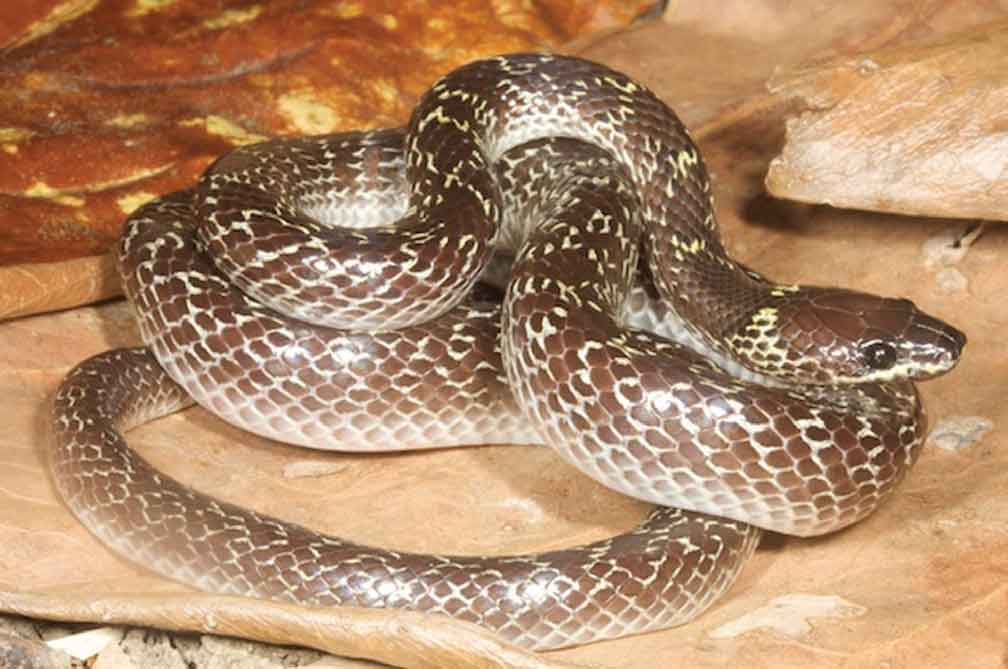
 Minor Concern ⓘ
(UICN)ⓘ
Minor Concern ⓘ
(UICN)ⓘ

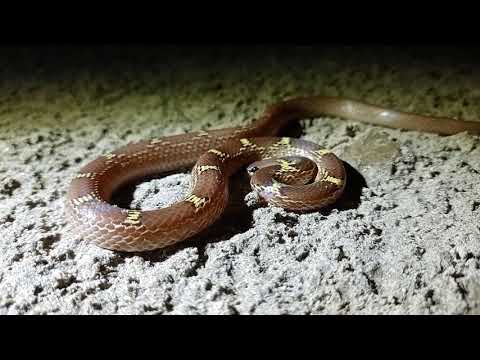
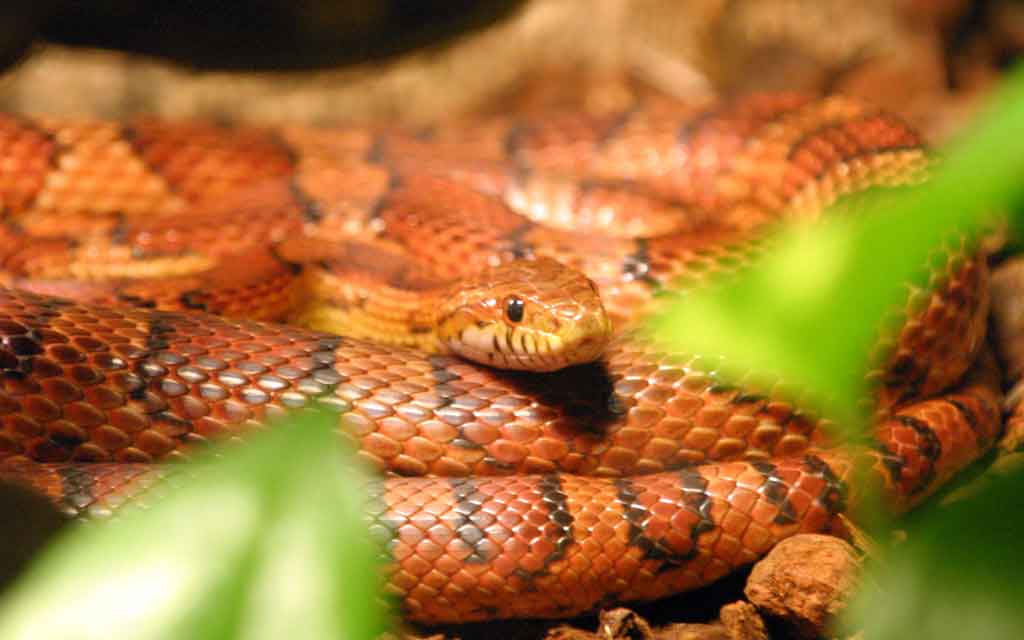
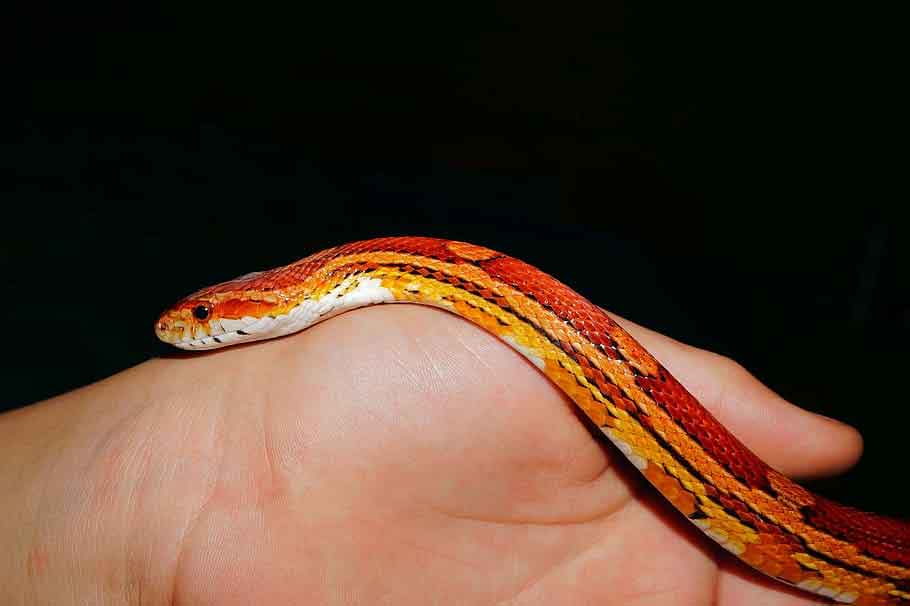
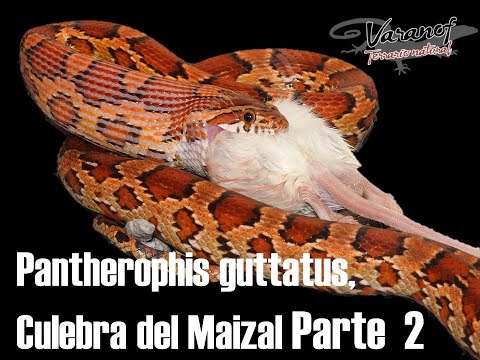

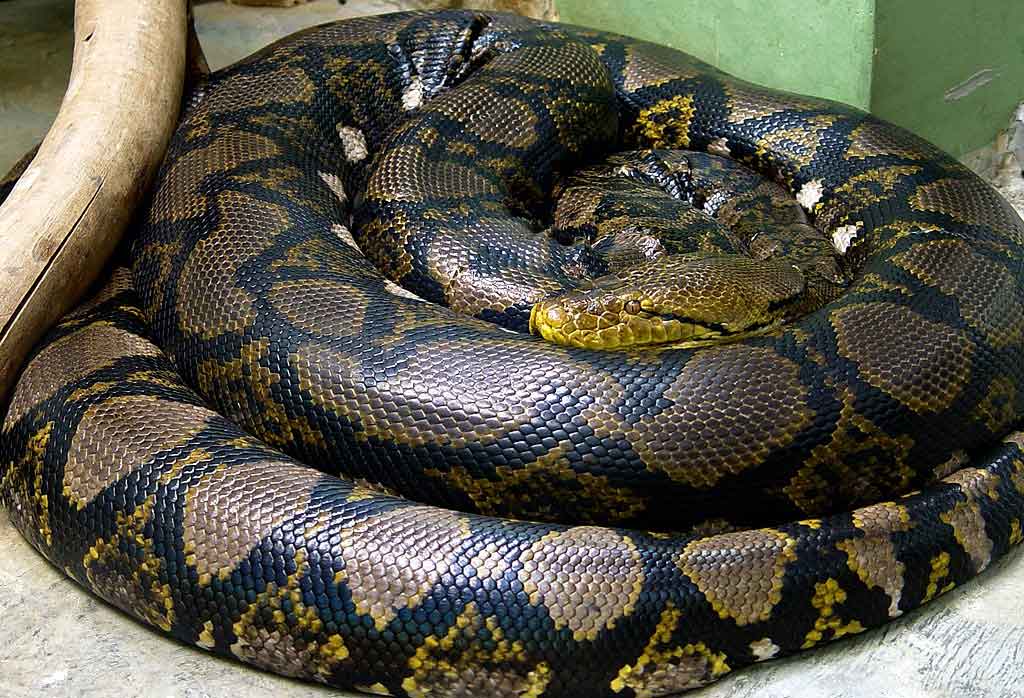

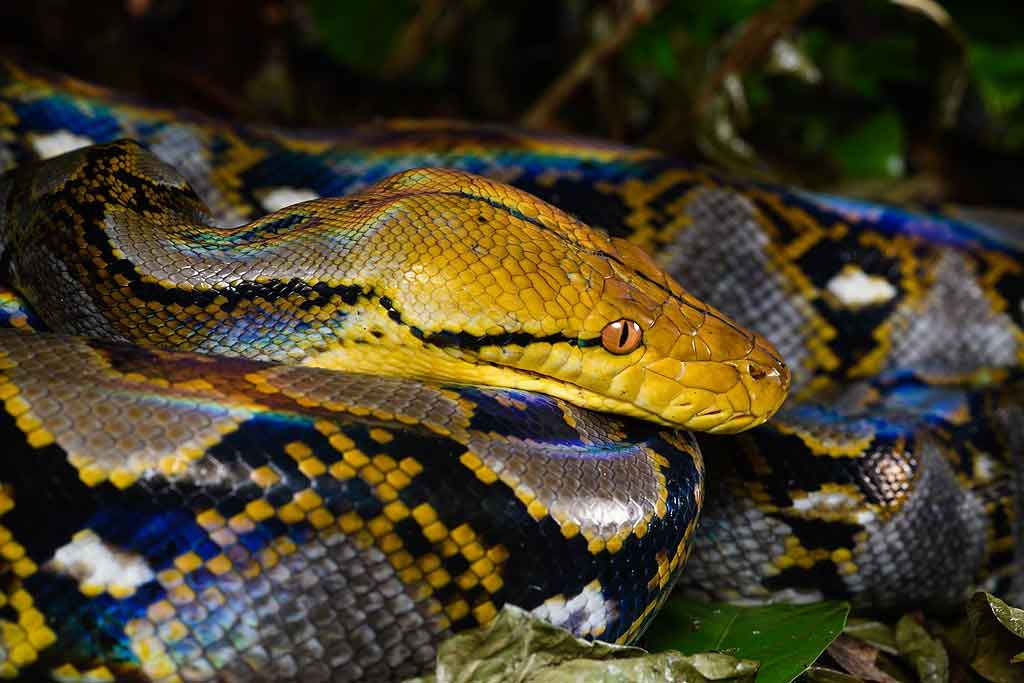
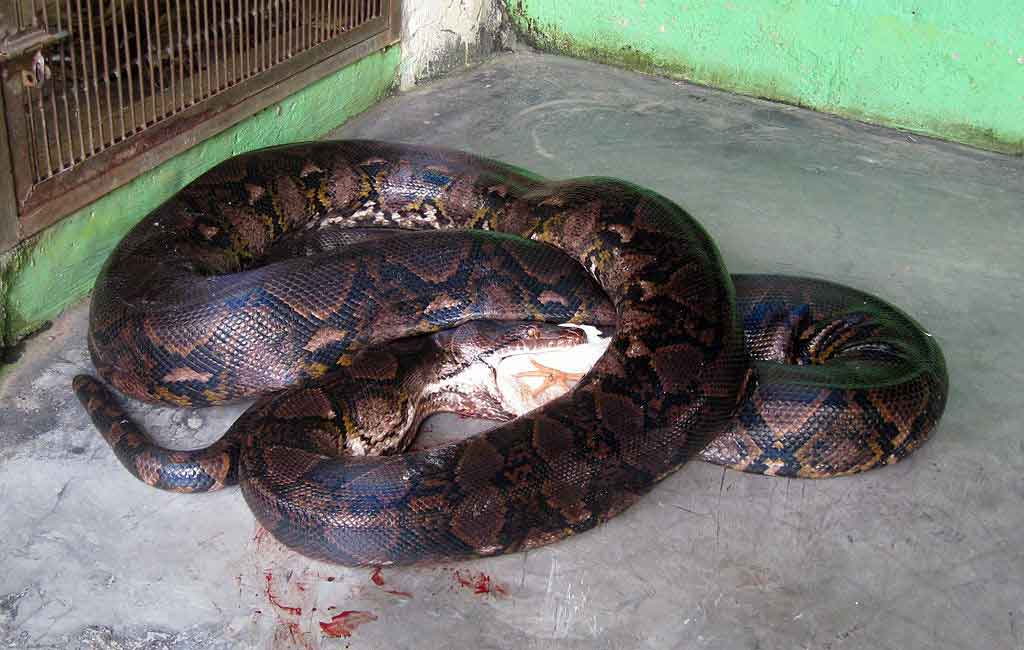
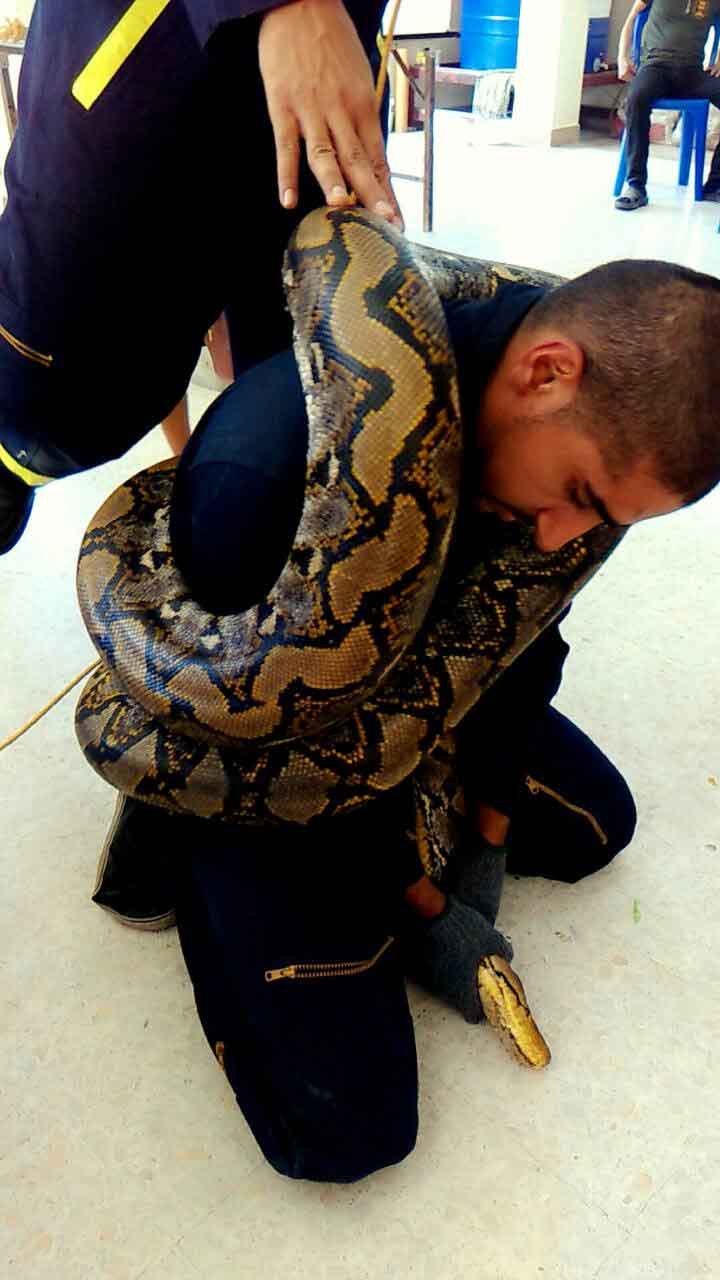
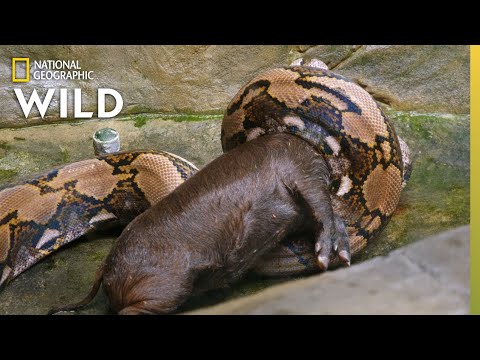
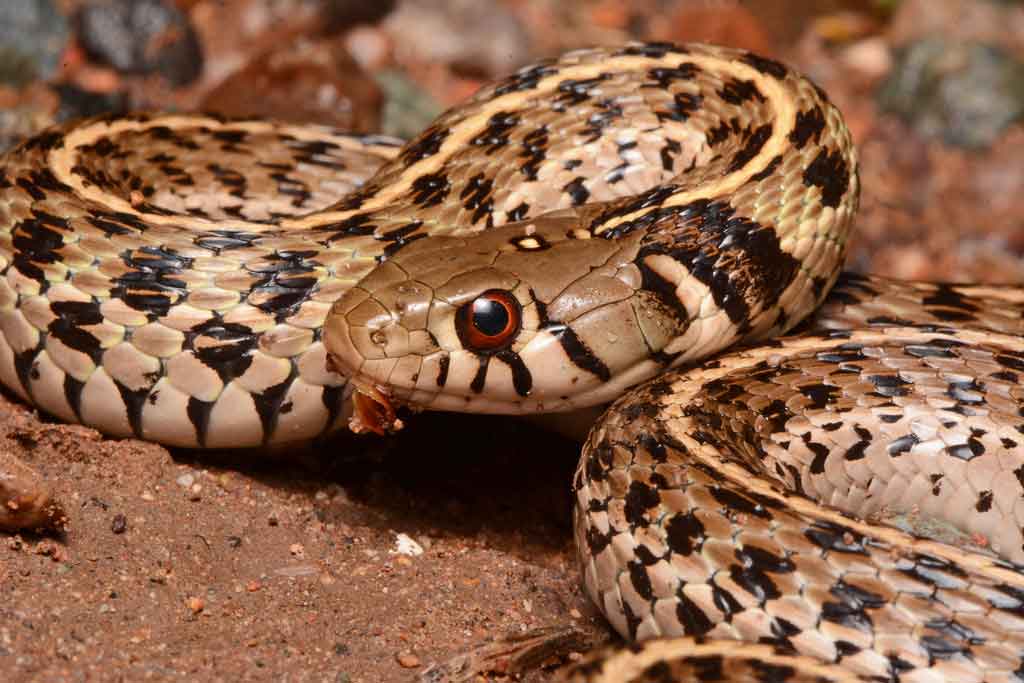
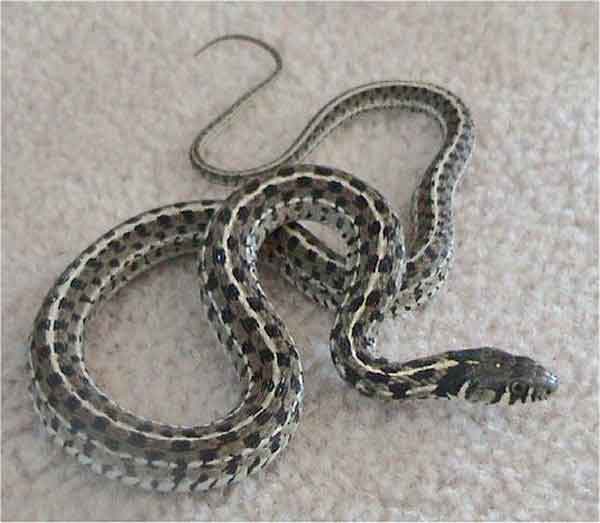

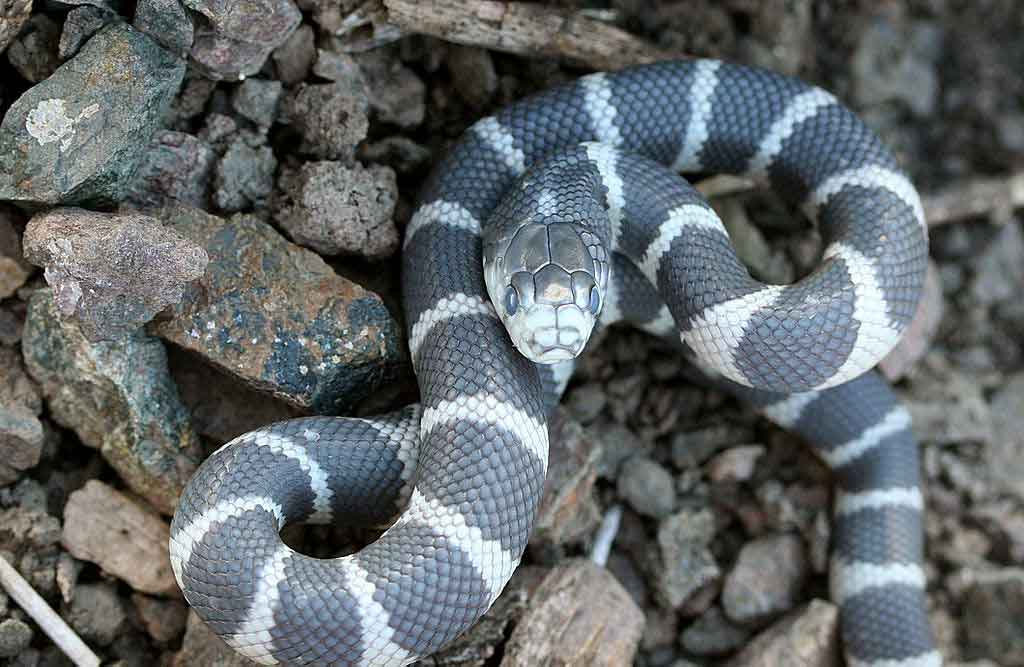


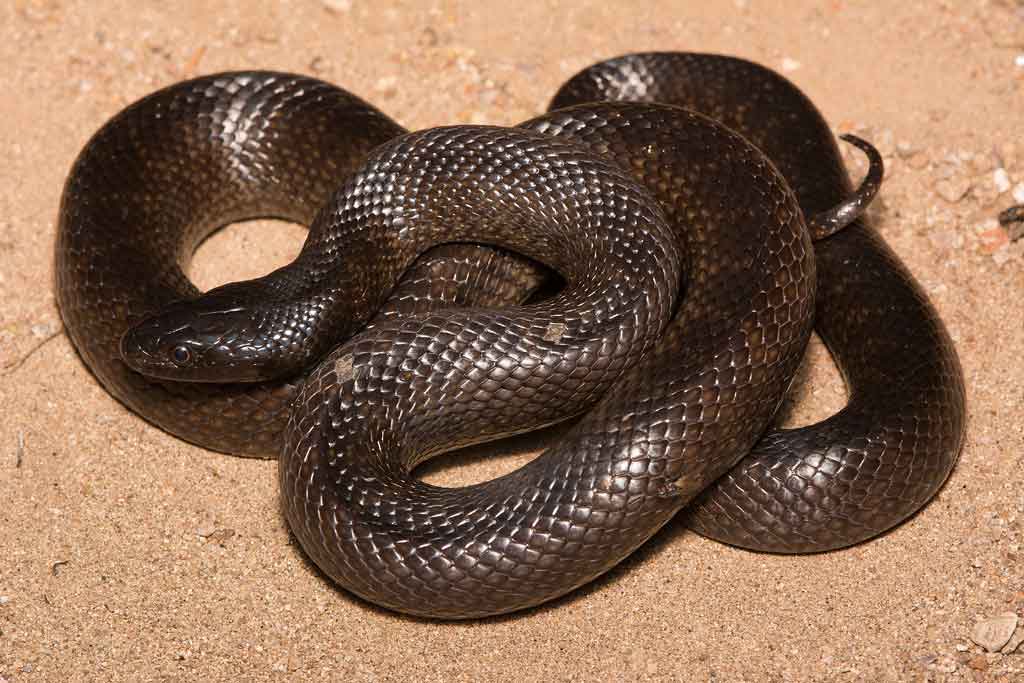
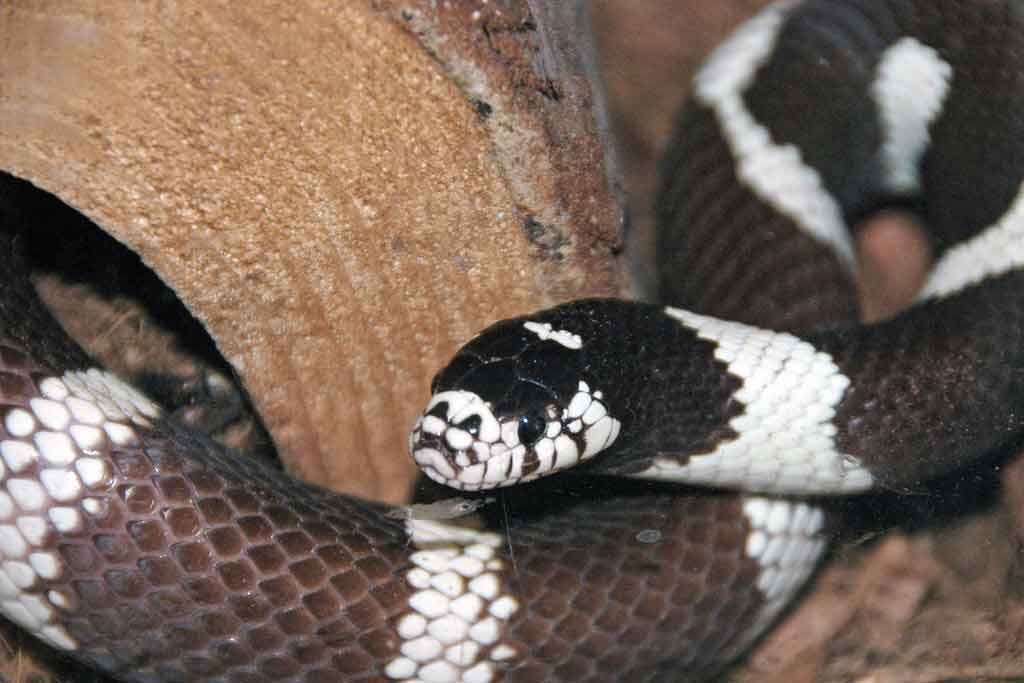


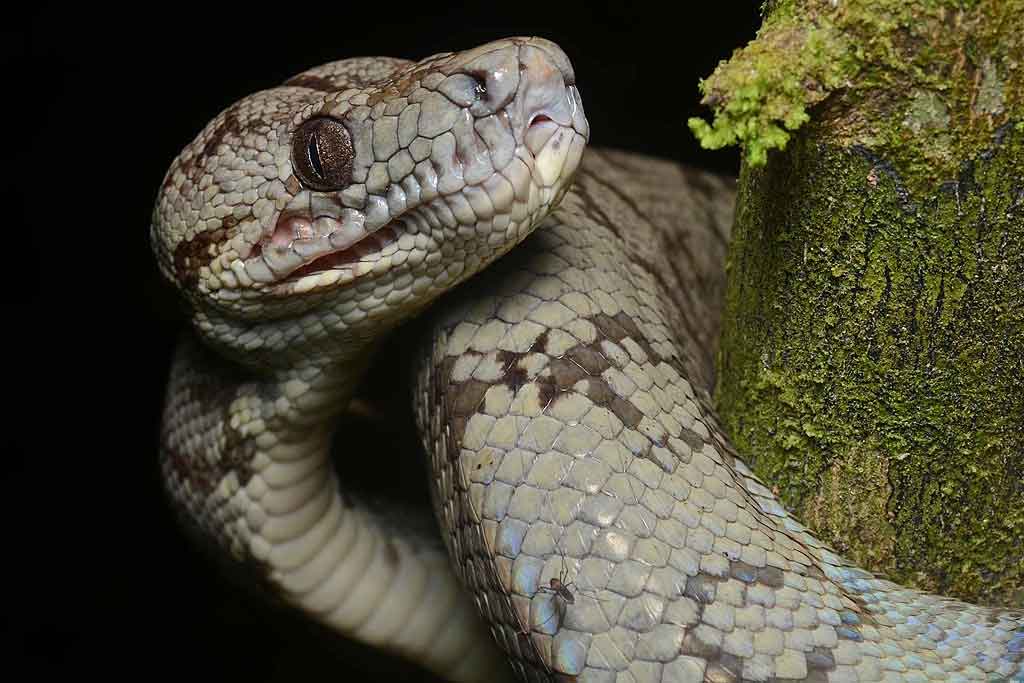
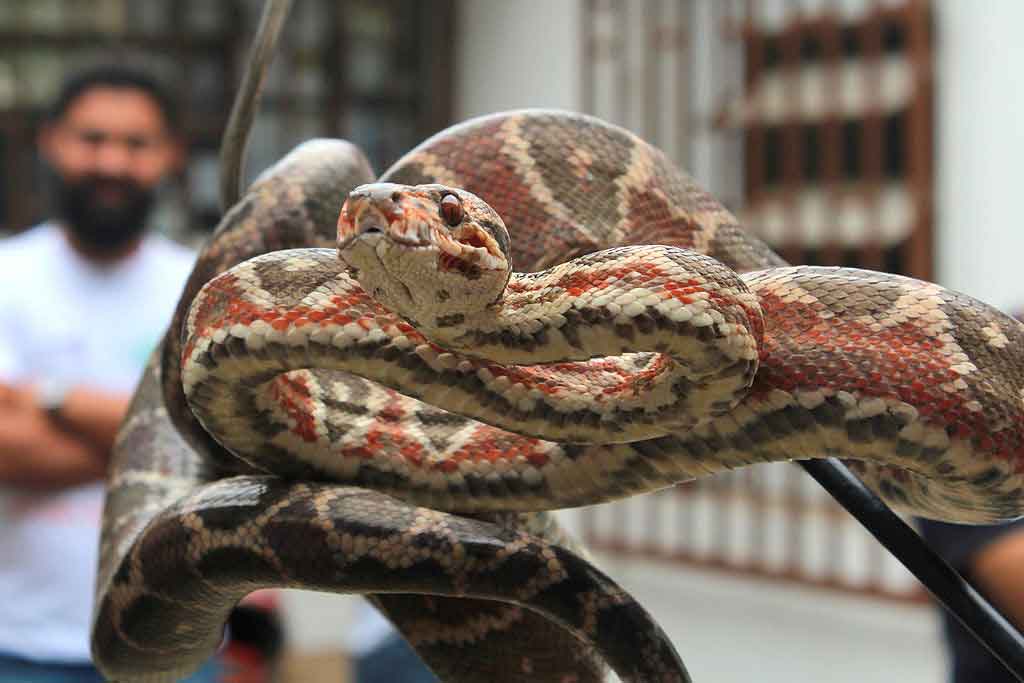
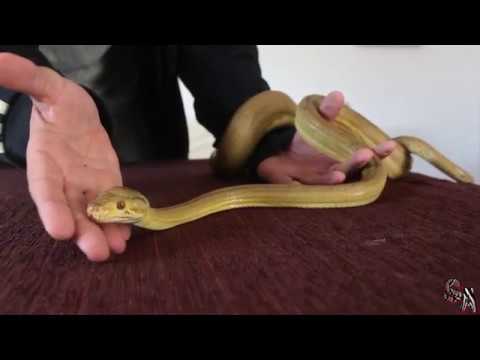
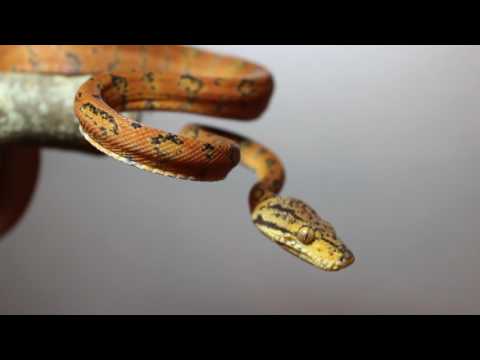
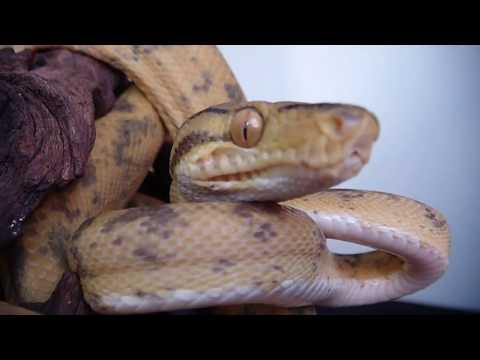
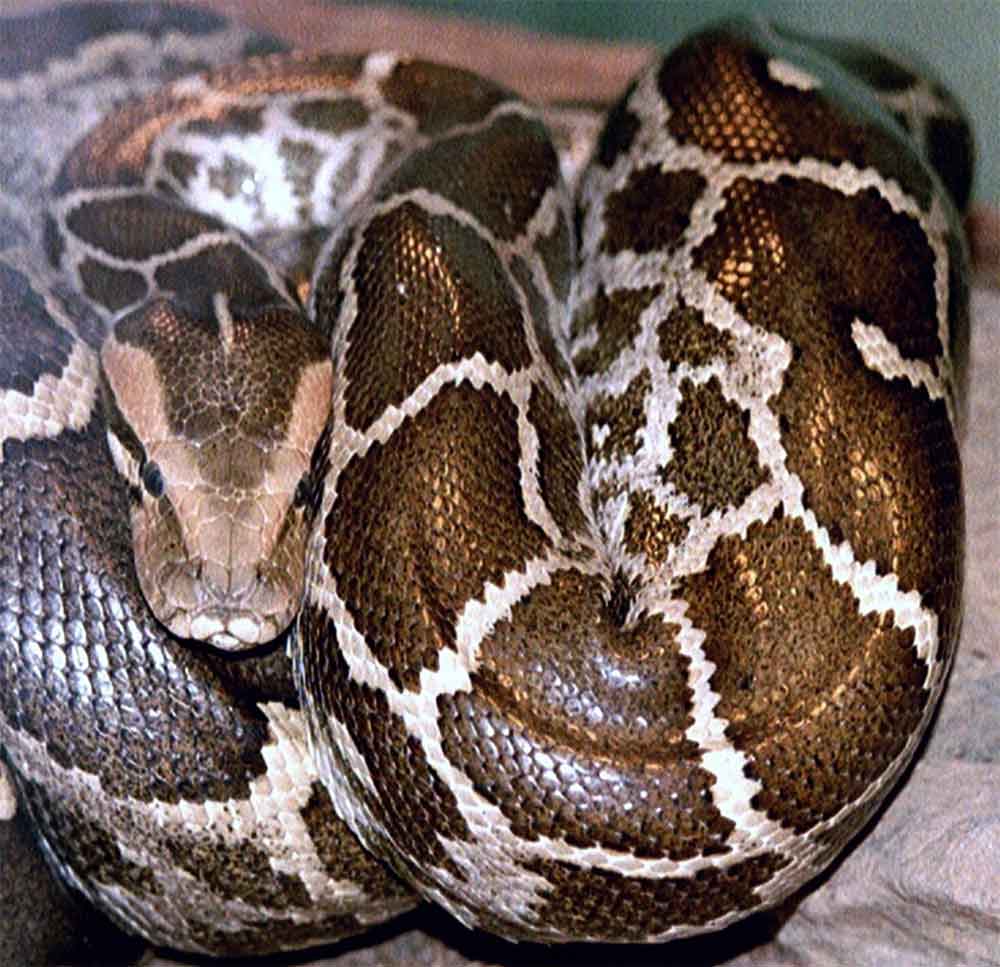
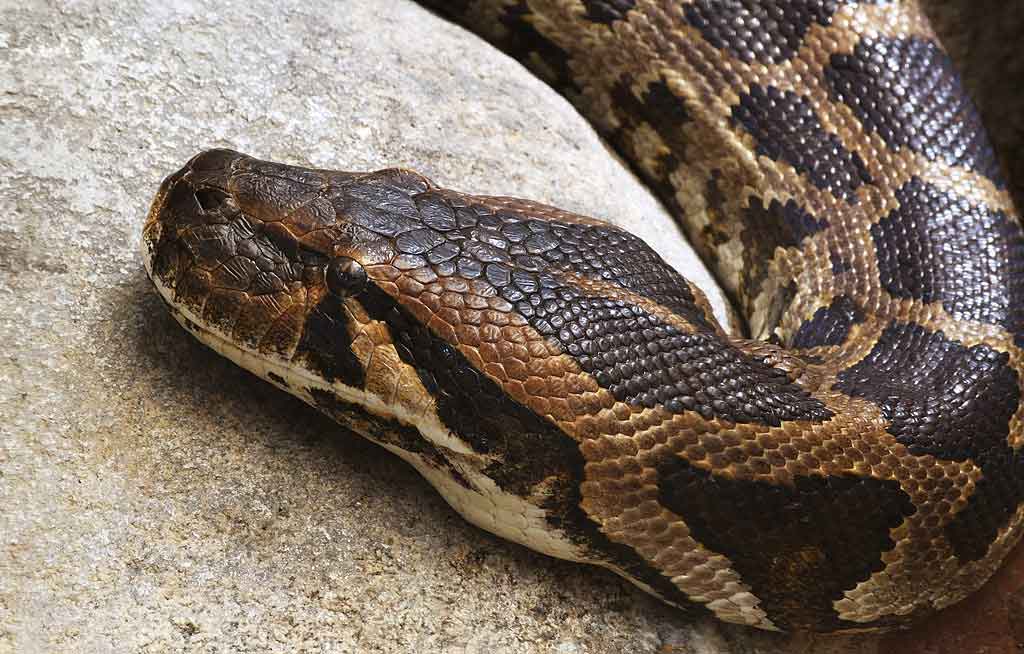
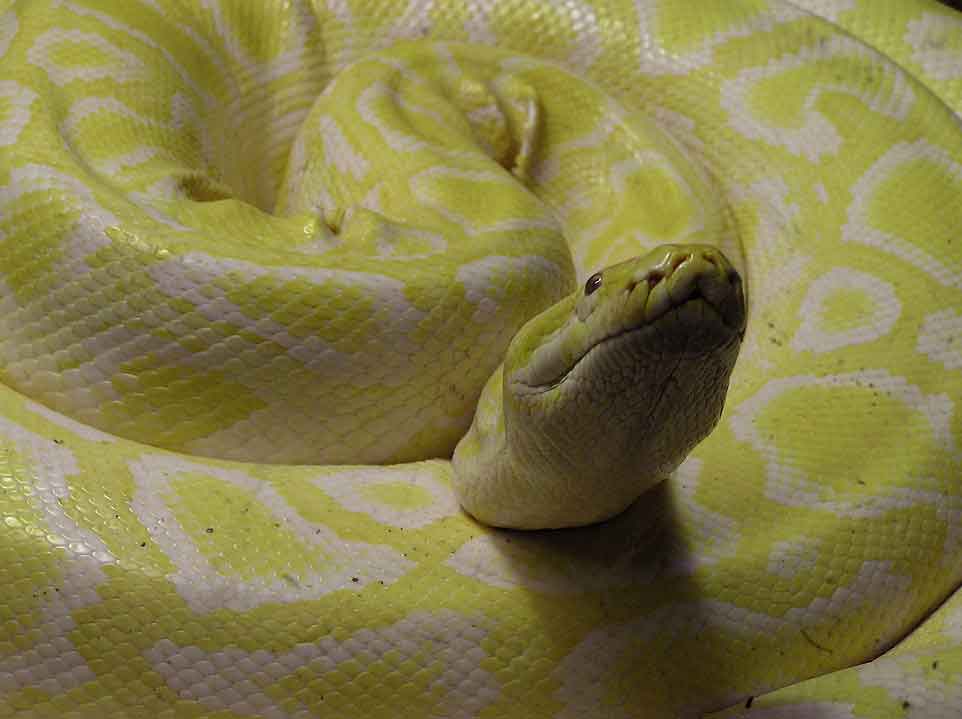
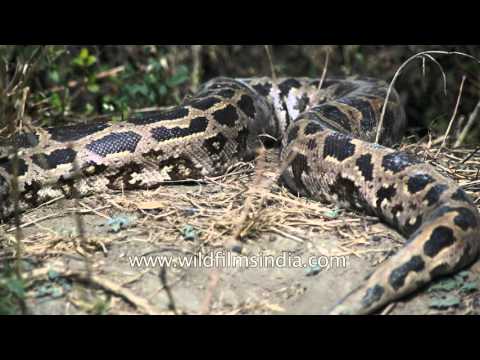

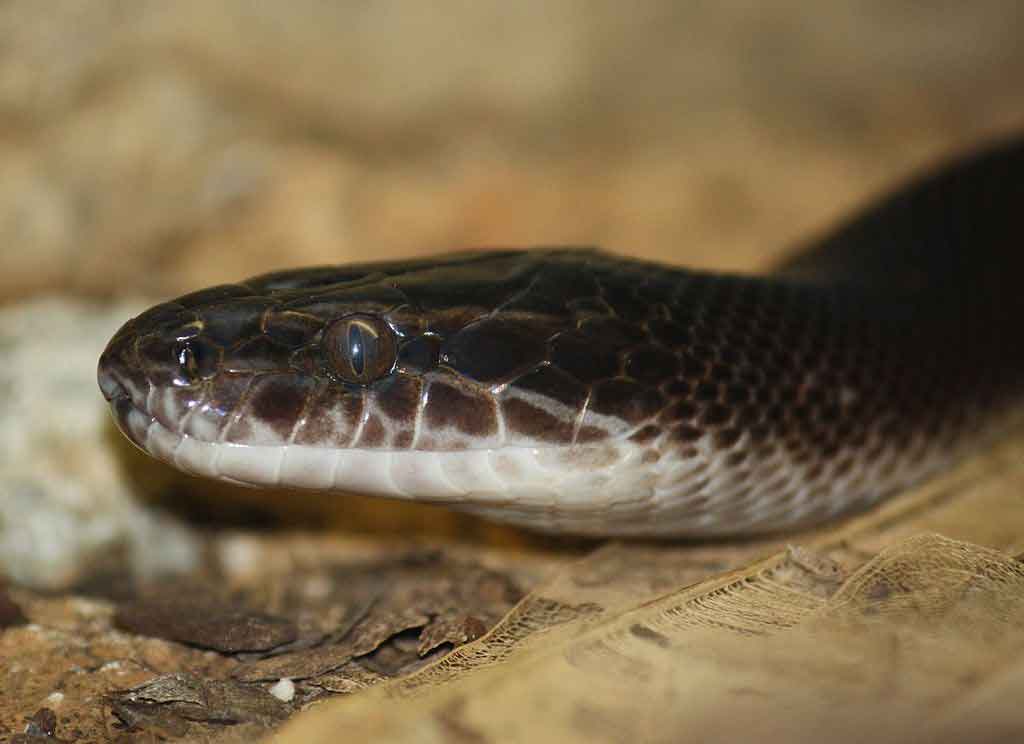
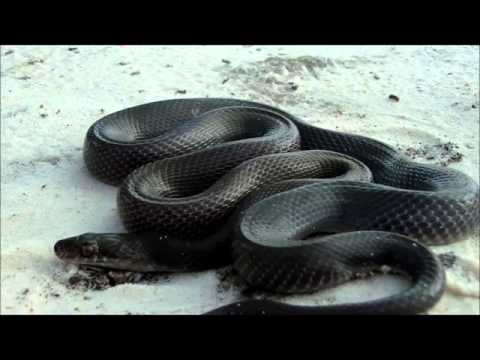

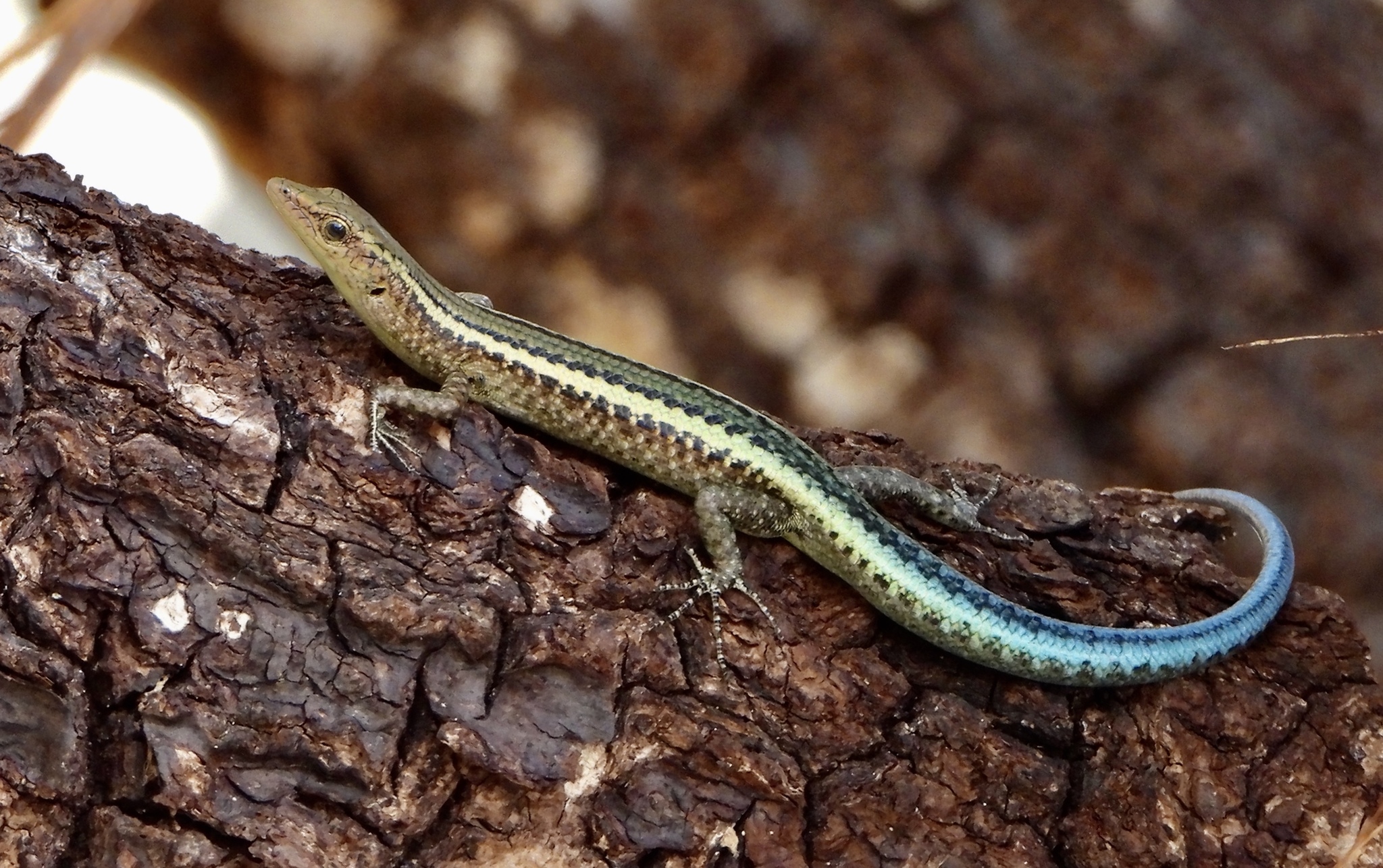


.jpg)


