Content |
|---|
I. Introduction:
A. Kiwi is an endemic non -flying bird of New Zealand.
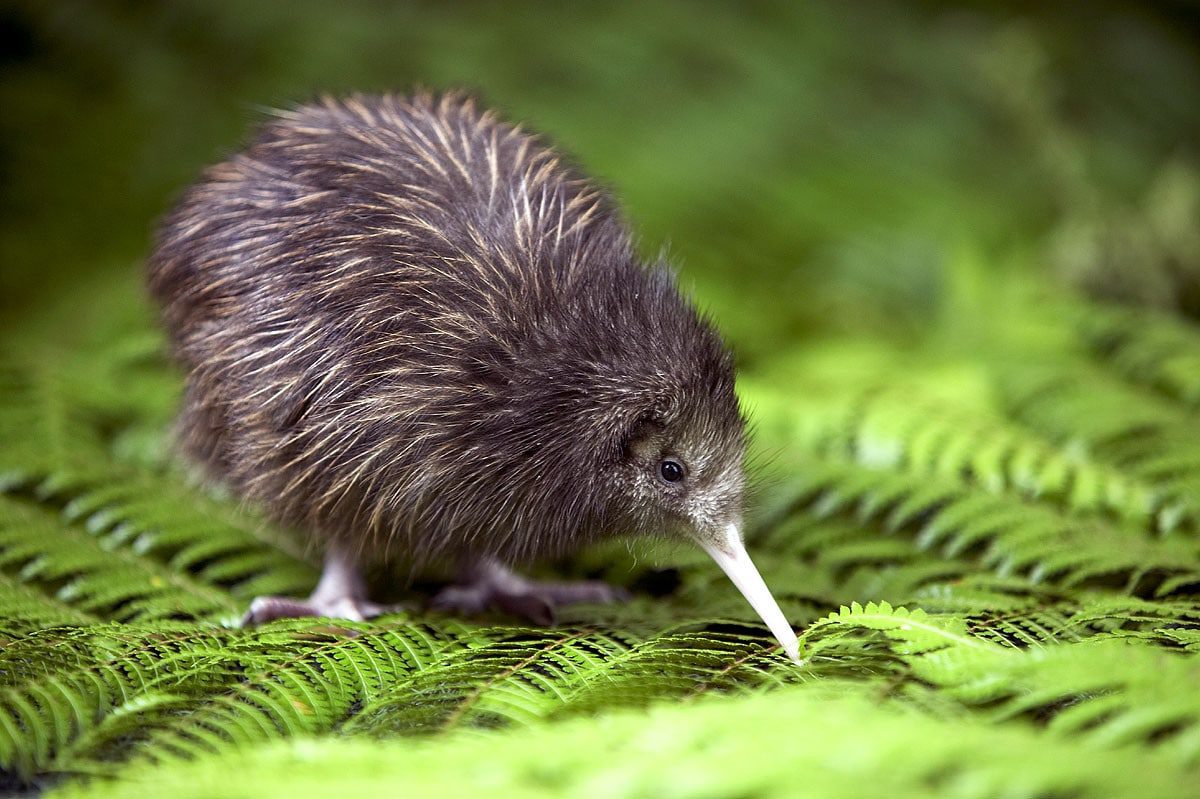
B. General characteristics include small size, dense plumage and a long beak.
(II). Taxonomic classification:
A. It belongs to the Animalia Kingdom and the birds birds, The words Apterygiformes.
B. Familia apterygidae, Genre Apteryx, With various species such as Apteryx Australis and Apteryx Tencli.
III. Habitat and distribution:
A. It is mainly found in forests and bushes.
B. Exclusive distribution in New Zealand, with species adapted to specific regions.
(IV). Physical Characteristics:
A. Small size, about 40 height cm.
B. Brown plumage and fur similar to that of a kiwi, Adapted to camouflage.
C. Long and curved beak, used to probe the ground in search of insects.
V. Behavior and reproduction:
A. Nocturnal and terrestrial, With omnivorous eating habits.
B. Reproduction strategies include large eggs in proportion to the size of the bird.
C. Shared parental care between male and female.
VI. Conservation status:
A. Threats include introduced predators and habitat loss.
B. Conservation programs involve the creation of sanctuaries and predatory control.
C. Studies and follow -up to monitor the population and health of species.
VII. Interaction with the human being:
A. Cultural importance in Maori mythology.
B. Tourist attraction in New Zealand, With opportunities for bird observation.
C. Preservation in local culture and protection measures.
VIII. Curiosities:
A. Kiwi is known for being the New Zealand national bird.
B. It has one of the largest eggs in proportion to body size.
C. Contributions to science include studies on evolution and adaptation of non -flying birds.