โ–ท The world of Pets: Dogs, cats, birds, reptiles, amphibians

Feeding reptiles
reptiles in captivity

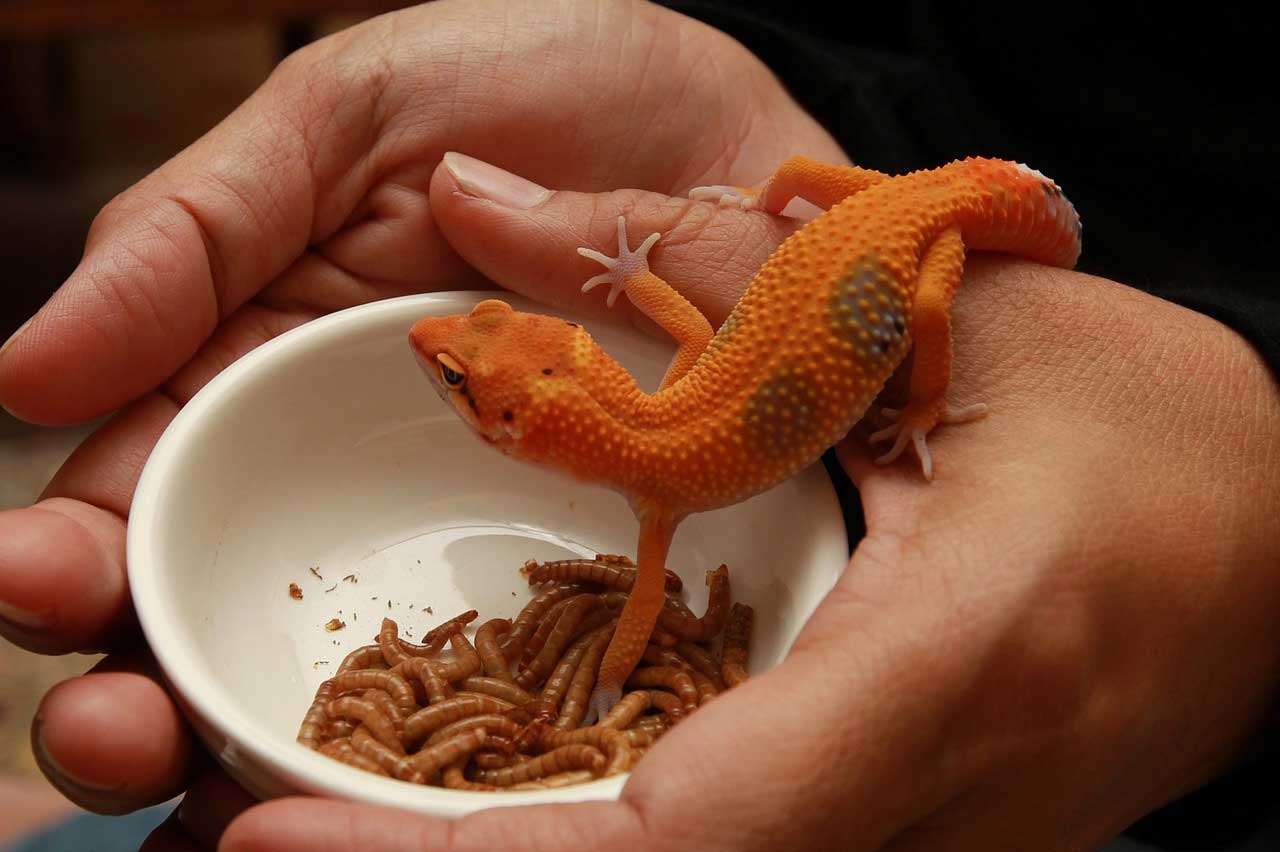
Lizard eating

Content

Each species of reptile has specific feeding requirements manifested in digestive and metabolic adaptations, that define water requirements, calories and nutrients; they also follow an annual nutrition cycle, which relates to climatic/environmental conditions. (1)

The reptiles in captivity their diet is unlikely to be the same as they would be in the wild, so nutritional problems are frequent when providing poor diets, Inappropriate, unbalanced or excessive, resulting in accelerated growth and obesity among other things; added to this, the stress of captivity adversely affects food intake and nutrient utilization. However, a diet connects and a good management in the diet, can be used to effectively minimize the effects of stress, either by captivity, disease or surgical procedure. Being a base the diet that imitates the one that the animals would find in freedom. (2)

The quantity and quality of food It is important, so they should be fed with food of the highest quality: fresh food being the ideal: as old foods can become contaminated with bacteria and fungi. Low metabolic rate and high efficiency in the conversion of reptile food, frequently leads to overfeeding of captive specimens, the amount of food provided should at least ensure normal growth or maintenance of the weight of the animal (3).

The frozen food for more than 6 months are inappropriate, as they lose their nutrients: however, short freezing periods increase the digestibility of some plants, although this cannot be applied to fish, as it reduces its thiamine content. Cooking food softens it: however it is recommended to give uncooked food, especially to the herbivorous reptiles (4).

Unlike mammals, reptiles decrease their energy expenditure at low temperatures (5).

1.-Importance of temperature in digestion

Being creatures ectothenics โ“˜ your body temperature is affected by ambient temperature, because of this, food intake, digestion, nutrient absorption and metabolic rate changes.

Therefore,, a reptile in a cold environment lowers its metabolic activity. consequently decreases your intake of food and water (many species stop feeding when outside the 20-32ยฐC range): decreases nutrient absorption and digestion, ceasing once temperature drops to 6ยฐC; which gives rise to the putrefaction of intake.

Absorption of putrefactive toxic products, can be causing mortality during hibernation or syndromes such as paresia โ“˜ of the later members. So reptiles must be kept in their appropriate temperature range so that they can carry out a correct digestion, unless preparations are made for hibernation, in which case the animal will be no longer fed to avoid the aforementioned problems (6).

In the case of the Turtles poor digestion and constipation are life-threatening conditions: as it increases intestinal distention compressing the lungs and most of the blood vessels, due to its anatomical position (7).

On the other hand the undernourished reptiles in a vivarium that has a warm temperature, lose weight quickly due to a high metabolic rate: however, prolonged undernourishment with a warm climate leads the animal to present starvation evidenced by the state cachexia โ“˜ of the animal and the decrease in metabolic rate despite the temperature (8).

2.-Nutrients needed according to the type of diet

The digestive tract of reptiles varies from relatively coitus and simple to digestion and absorption in the small intestine (carnivores), to a long one for fermentation in the large intestine (herbivores). carnivores (including insectivores) use protein and fat as a source of energy: herbivores use soluble carbohydrates and fermented fiber: while omnivores use the 3 sources (9).

2.1.- Carnivores
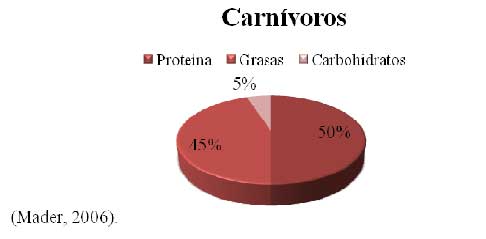
Fig.3. Nutrient consumption in percentage from highest to lowest of herbivorous reptiles

Healthy carnivores consume large amounts of protein (25-60% of Metabolizable Energy [EM]) and fat (30-60% of MS) (see Fig.l). Carbohydrate intake is limited to those found in herbivorous prey. Carnivorous reptiles require high quality protein, which is irrelevant when feeding on full prey: however it is critical in reptiles that need assisted feeding. Non-Meat Sources of Protein, like corn gluten, soy and casein are unsuitable, as well as diets for dogs and cats, since as proteins they contain some of the previous elements: they also require additional nutrients to the diet such as the amino acid taurine and fatty acids such as arachidonic acid (10).

2.2.-Omnivores

Fig.2. Nutrient consumption in percentage from highest to lowest of adult omnivorous reptiles

The omnivorous reptiles tend to consume more protein and fat when they are juveniles than as adults (e.g.. Red-eared turtle (Trachemys scripta) and Bearded dragons (Pogona barbata)), so the recommendations for animals that carry this type of diet is that they maintain a meat-based diet when they are juvenile and gradually introduce and increase the amount of plant matter as the growth of the animal decreases, a small amount of meat can be maintained throughout the life of the animal (see Fig.2) (11).

In some situations it is beneficial to limit protein intake, since limiting nitrogen consumption inhibits the development of nitrogen oval follicles pre-hibernal, egg production is stimulated when turtles have protein reserves, this also applies to other reptiles that mature their follicles in this way (12).

2.3.- herbivores
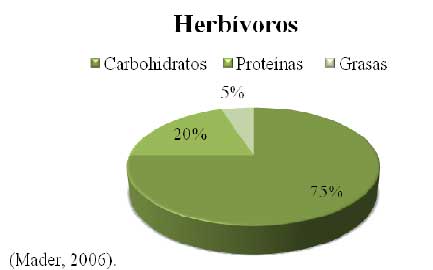
Fig.3. Nutrient consumption in percentage from highest to lowest of herbivorous reptiles

Healthy herbivores consume a 15-35% of protein MS, less than 10% in fat and more than 50% in carbohydrates (see Fig.3). Fiber intake goes from 15% to the 40% of dry matter, this fiber is fermented in the large intestine where it is converted into chain fatty acids, which nourish the enterocytes and provide them with energy.

The herbivorous reptiles have large proximal colon, in addition to having several septa and valves (this last in iguanas), which are associated with subsequent fermentation and decrease the passage of fiber, which gives time for good digestion of cellulose by symbiont bacteria and protozoa: it is believed that the Nematodes as pinworms โ“˜ and attractidae โ“˜ in iguanas, help mix and break down food and even regulate intestinal flora.

The reptiles can get from 23-64% of its digestible energy from fiber: lack of fiber in the diet or excess in fast-fermenting carbohydrates can lead to a detrimental change in the intestinal flora, Likewise, excess fiber limits calorie intake and inhibits the absorption of minerals.. (13)

The protein requirements of the herbivorous reptiles range from a 14-35% of Dry Matter. The amount of protein tolerated is not well documented and its requirements vary according to quality and quantity, nitrogen excretion and its effects at the renal level lead to conservative estimates.

The highest percentage of protein is recommended for growth and when the animal is stressed. It has been shown that the food selected by iguanas free-living is richer in protein (13-33%) than the one they reject (7-17%) and it has been shown that the iguanas tend to grow better when they have a diet with a 25% of dry matter corresponding to a 5-8% protein.

The protein requirements tend to decrease around the 24 months of age. Plant proteins do not have enough essential amino acids (lysine, methionine, cystine, tryptophan and threonine) and vary in their amino acid content; while high-quality animal protein contains the optimal proportions, however it contains fat, phosphorus and purines, which can cause gout. Even so, there are plants with high levels of purines (50-150mg l00g) like asparagus, whole grain cereals, cauliflower, beans, peas, Spinach, wheat mushrooms and germ (14).

The herbivorous reptiles will have digestive problems if the diet contains more than 12% of fat (15).

3.- Water

All the captive reptiles must have access to water. The way to administer it will be according to the requirements of the species, for example certain lizards need to see the reflection of light in water droplets to drink it, some lizards and Snakes may not accept water in containers; but usually lick small amounts of water, as drops on foliage; so water is provided by drip systems, can be a mist injector or bottles with sprinkler (1 or 2 times a day). There are devices on the market to offer water in this way, for example the ยซbig dripper" and the "Little dripperยป (see humidity section) (16).

In species that take water from containers, it will be ensured that it is large enough to allow the reptile to bathe in it., for the land turtles the water level should be shallow, it is recommended to reach the plastrรณn โ“˜; for iguanas and Snakes it can be a little deeper, to these the baths also help them with the molting of skin, stimulate defecation and drinking (see Fig. 7 and 8).

Immersion baths can be carried out by the owner in case an area for this purpose cannot be placed inside the terrarium; bathrooms should be every 5-10 days and diary in newborns.

When reptiles are placed in immersion baths they have the ability to drink water in their cloaca, this is known as "cloaca drinkingยซ, however this should not replace the oral beverage form, because it cannot correct the balance of extracellular fluids (17).

Some animals refuse to drink water from plastic containers, this may be because they change the taste of the water or give it a certain smell., this is corrected by changing the plastic container to a glass container, stainless steel or ceramic (18).

The water provided must be clean, preferably use bottled water, tap water is chlorinated, so its immediate use is not recommended because chlorine can harm the animal, the water should be left to stand 24 hrs to make chlorine harmless, if the quality of the water is doubted, it can be chlorinated, Adding 2-4 liter drops and then let it sit as mentioned above (19).

4.- Types of food

4.1.- Vertebrate prey

The most common prey are mice and rats of various sizes and ages, other prey on offer include fish, frogs, toads, lizards, Snakes, chickens, finches, ducks, Gerbils, rabbits and guinea pigs.

For the carnivores, whole dam provides essential amino acids and high-quality protein, as well as lipids, trace vitamins and minerals. Healthy and well-fed prey are considered complete and balanced. You have to offer 2 to more different species of prey, as there are differences in nutrient content between vertebrate prey: dependency on a single prey is common in snakes and may be unavoidable (20).

The nutritional composition of the prey is affected by age, health, diet and environment, for example old mice may be obese or underweight: when they are obese they usually contain more than 50% of fat in your body, which leads to the predator suffering from nutritional deficiencies and obesity.

When the prey is losing weight, provides the predator with excess minerals and few calories, leading to low energy intake. Studies have been done regarding the nutritional quality of the โ€œpinkiesโ€ (newborn mice), so far it is only known that they provide enough calcium and vitamin A, however more information is needed, reptiles fed with โ€œpinkiesโ€ should supplement their diet with supplemental invertebrates or adult vertebrates, to ensure a complete diet (21).

There is a risk that both wild and commercial prey can transmit parasites and pathogenic organisms to reptiles., one measure that is suggested to prevent infection of the animal is freeze and thaw the prey before providing it to the animal.

A problem of giving live prey is that they can seriously hurt reptiles through scratches and bites (see fig. 93) so it is better to give dead prey, rodents that have around 2.5 weeks (eyes open and hairy) they must be slaughtered before being offered to the reptile (22).

The freshly killed prey they are just as nutritious as live prey and freezing for short periods does not destroy the nutrients, while foods frozen for more than 6 months result in odor deterioration, flavor and texture (the fat becomes rancid and alters the flavor) and labile nutrients are lost; The degree of hydration of the prey and a thawing method that preserves the humidity of the animal should also be taken into account., because carnivorous reptiles not only depend on their prey as a source of nutrients but also on how water fountain (23).

The choice of kind of rodent what you eat is important; for example one royal python (Pvthon regius) it will first devour a gerbil which is more like a wild mouse, than an albino or colored mouse (24).

Some species are difficult to feed in captivity as their feeding is specialized: for example there are snakes like the arboreal Jackson (Thrasops jacksonii) that only feeds on lizards, the american garter snake (Thamnophis spp.) or water snake (Natrix spp.) they feed on large fish such as lucio, Therefore, they must be fed with fish of a similar size to what they would eat in the wild. (25).

The recommendations for prey size is to give large prey to large animals and small prey to small animals. One measure that can be taken into consideration is that the size of the prey must be 10 to the 30% of the body mass of the predator (26).

4.2.- Invertebrate Prey
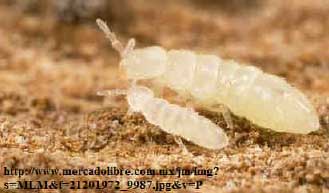
Fig.4. Springtails are ideal for small insectivorous reptiles..

In the market you can find invertebrates such as crickets, tenebrios, zophobas, silkworms and butterflies, wax worms and moths, cockroaches, flies, fruit flies, worms, caterpillars and springtails (springtails) (see Fig.4). of free life, crickets can be obtained, chapulines, katydids, beetles, praying mantis, stick insects, lobsters, snails, mealybugs, etc. Knowledge of the biology of invertebrate prey; as well as its maintenance is important if you want to maintain and reproduce (27).

Many species provide at least 30% of protein MS, 40% of fat and less than 15% of carbohydrates, however the invertebrates that are sold in pet stores are uneaten: so they do not contain optimal levels of fat, protein and other nutrients. Invertebrate protein quality is equal to or better than soy protein; but it is less than milk albumin, which is ideal.

It is believed that in insectivorous reptiles, just like in chickens, your diet is limited arginine โ“˜ and metionina โ“˜, especially the arginine due to its low synthesis in the uric acid cycle (28).

It is recommended add supplements to the external surface of invertebrates as calcium and vitamins before giving them to the reptile, because invertebrates have a low calcium content (except for snails and earthworms that ingest calcium-rich soil), which prevents nutritional deficiencies, however, the fact that they are given sprinkled insects does not rule out deficiencies or toxicity (29).

Generally in reptiles that are fed daily, it is recommended that their feed be dusted once or twice a week, supplementation decreases as the animal grows. Insects that have been in contact with pesticides or herbicides should be avoided; the size of the prey to offer should not be greater than the width of the predator's head (30).

The insects must be alive at the time of giving them to the reptiles, since the movement of prey stimulates predation behavior, it is recommended to give variety to the diet (snails, slugs, beetles, mantis, flies, moths) and not be pigeonholed 1 or 2 elements, They must also be healthy and well nourished to be of benefit to the predator.. Insects that have not been ingested should be removed from the terrarium as they can attack the reptile.. Avoid fireflies and butterflies as they are toxic (31).

4.3.- Green matter

The proportions of green leaves, fruits and vegetables vary between species; for example, desert and arid climate species tend to accept and metabolize hay better, cacti and dried fruits and your fiber intake should be 15% of dry matter; the fruit in these species is often rapidly fermented, can lead to lactic acidosis or diarrhea; In addition to reducing the amount of fiber.

In contrast, reptiles from tropical climates prefer sweeter foods and tolerate a greater amount of fruit in their diet and their intake of fiber is lower.. Many reptiles are oriented by the color of food, liking those that have red colors, yellow and orange; they really like strawberries, apples, pumpkins, bananas, mango and sweet potatoes (32).

  • Green leafy vegetables: there are a lot of salads which include endive. Escarole, Cos, amaranth, cabbage cabbage, dandelion, Kale, mustard greens, Spinach, in stores they already sell some chopped and packaged salads and one that herbivorous reptiles really like is the spring mix. Common lettuce should not be among the main elements of the diet, because it is not very nutritious (all types of lettuce need supplementation). however they are nutritionally better than most feints (33).
  • Other vegetables: carrots, Peppers, pumpkins and sweet potatoes give a lot of color and are tasty, legumes are a good source of calcium and protein like beans, alfalfa and peas (34).
  • Fruits: Most of the tropical reptiles eat fintas among the favorites are the banana, mango and papaya, other feints are the apple, fig, guava, Kiwi, melon, peach, pear. pineapple, grapes and watermelon. Many enjoy berries like blackberry, blueberry, Blackberries, raspberry, and strawberries (35).
  • Leaves and saplings: Land turtles and iguanas feed on clovers, dandelion, grape leaves, Hibiscus, roses, pothos or telephone and nasturtium (36).
  • Hay: provides the 25-40% of crude fiber, however the qne found in trade provide less than half, there are commercial hay in pet stores, They can also be obtained in foragers, you can also buy products that contain fiber such as cellulose, bran (may irritate the large intestine) or psyllium (37).
  • Pastures: the land turtles that are allowed to graze are not selective and can ingest pastures such as Timothy, Orchard, Johnson and Kentucky bluegrass, large species can ingest cacti, shrubs and vines (38).

Care should be taken with plants that contain oxalatos โ“˜, for example: Spinach, rhubarb (NEVER high levels of oxalates), Col, potato already, beet, among others.

The oxalates leave calcium and trace minerals unavailable for absorption; deficiencies occur when this type of plant predominates in the diet: likewise there are goitrogenic plants which contain thiocyanates (Cabbages, mustard, turnip and other crucifers) that cause goiter or hypothyroidism by making iodine unavailable.

In addition to this, herbivorous reptiles present problems because their owners base their diet on lettuce, cucumber and tomato, which have a calcium-phosphorus ratio lower than 1:1, They have a high water content and are not very nutritious, so some type of supplement is necessary and they should be complemented with other more nutritious foods.; to learn more about these problems and their treatments see the section corresponding to nutritional diseases (39).

To avoid the above problems, a well-balanced diet supplemented with calcium is recommended., vitamins, minerals, iodized salt or kelp (care must be taken not to overdose, as goiter will also occur, it is suggested that the amount to be administered be one quarter to one third of the recommended daily intake in humans; which is about 60ug [without taking into account growth or reproduction] or can be given around 0.3 mcg or g / kg / day) (40).

There are plants that are toxic to reptiles, especially to herbivores, so it is recommended to review the annex on poisonous plants (41).

All green matter should be thoroughly washed and disinfected before being given to reptiles and leaves that are already withered are discarded., the food must be chopped to a size suitable for the consumption of the animal, many animals like to fill their food with soil so care will be taken to avoid fecal contamination, most prefer flat plates to bowls (42).

4.4.- Commercial diets

Theoretically the commercial diets are a way to provide a complete and balanced diet, and they are good as long as they meet the adequate supply of calories and essential nutrients for the species in question; so not all of them meet the requirements, since they lack scientific studies and most of the time the components do not correspond to what the label says (43).

  • Pellets for carnivores: all carnivores need to feed on prey, but they can get used to pellets. The pellets designed for trout have a high protein and fat content, pellets designed for koi tents and catfish are moderate in protein and fat, the main ingredient of these pellets is fish meat. Some products do not add essential vitamins and minerals and in some cases the extrusion and pelletizing processes partially destroy the labile vitamins.; therefore supplementation is recommended. Also so that the carnivorous reptiles accept the pellets must be presented to them from a young age. In the market you can find frozen dams: mice, Rats, rabbits, chicks and quails of different sizes and guarantee good nutrition and freshness of prey.
  • Pellets for omnivores and herbivores: these products contain animal and vegetable ingredients, most contain coloring and flavoring to increase acceptance. Most pellets contain a minimal amount of water (10-12%) compared to fresh salads (85-92%) and insects (60-70%); so pellet-fed reptiles have a lower water intake. Between the pellet ingredients we can find corn, soy, chicken meat, alfalfa and wheat, the nutritional deficiencies of some brands of pellets are compensated with pellets of various shapes and colors, that make them attractive to the owner, but they do not nourish the animal. Plant-based pellets have a 10-12% of fat, while salads contain even less and insects contain between 30 to 60%. Fat is important to omnivores as it provides the calories needed for growth., reproduction and essential fatty acids for the development of vital tissues such as the brain (44).

    Now you can find canned insects raised on farms, which have been subjected to a cooking process within the same can, to maintain its nutritional value, taste and aroma, we can find, silkworms, snails, grasshopper, crickets and tenebrios; likewise for herbivorous reptiles, we find canned fruits like papaya, mango and banana.

4.5.- Supplements

The vitamins and minerals should be added to insect-based diets, salads and vertebrates eviscerated or boneless. Vitamin D3 should be included in the diet, unless the reptile spends most of the time exposing unfiltered sunlight or has broad-spectrum spotlights; calcium supplements usually include vitamin D, cholecalciferol or vitamin D3 may be present on labels as cholecalciferol, animal sterol, D-activated animal sterol, irradiated animal sterol or vitamin D3, it should not be assumed that the term vitamin D in the ingredient list is actually vitamin D since it may be vitamin D2 which is unavailable to reptiles..

Adding supplements to water is not recommended as vitamins break down and water intake is affected.; Likewise, its addition to salads can reduce its palatability.; even so it is preferred that they be added to food than to water (45).

The calcium can be provided in the form of lime in stone (38% calcium) or calcium salts: carbonate (40% calcium), lactate (18% calcium) and gluconate (9% calcium); also as eggshell powder (contains high levels of calcium and is safe). The calcium and phosphorus can be supplemented with ground bone (24% calcium and 12% phosphorus) and dicalcium phosphate (18-24% calcium and 18% phosphorus) (46).

The calcium salts they are available in the form of tablets and can be placed in the chest and abdominal cavity of the, vertebrate prey or can be ground and sprinkled on prey and salads. Certain vitamins are broken down by light and moisture so the shelf life of most supplements is restricted to a few months after manufacture, for this reason it is not recommended to use products that do not have an expiration date. Supplements should be stored in a cool, dark place (47) (Mader, 2006).

Most reptile owners like their pets to show off their colors to the fullest and the market has taken it upon themselves to satisfy that need by creating gels that are added to food, containing beta carotenes and antioxidants, that increase the intensity of the color.

Sources:
Corral Gutiรฉrrez, Karla Marina. (2009). ยซDevelopment of a manual and interactive disk on nutrition, "Frequent installations and diseases in reptiles used as pets". (Bachelor's Thesis). National Autonomous University of Mexico, Faculty of Higher Studies Cuautitlรกn, UNAM. Retrieved from https://repositorio.unam.mx/contenidos/3449228
Bibliography:
(1) (Mader. 2006: McArthur et al. 2004).
(2) (Alderton. 2002: Beynon and Cooper. 1999: Mader. 2006: McArthur et al. 2004).
(3) (Mader. 2006: UNAM Diploma in Medicine and Wildlife Management. 1993).
(4) (Mader. 2006; UNAM Diploma in Medicine and Wildlife Management. 1993).
(5) (Mader. 2006).
(6) (Alderton. 2002: Mader. 2006: McArthur et al. 2004).
(7) (Girling and Raiti. 2004).
(8) (Mader. 2006).
(9) (Mader. 2006).
(10) (Mader. 2006).
(11) (Girling and Raiti. 2004: Mader. 2006).
(12) (Girling and Raiti. 2004).
(13) (Alderton. 2002: Girling and Raiti. 2004: Mader. 2006).
(14) (Girling and Raiti. 2004: Mader. 2006).
(15) (Girling and Raiti. 2004: Mader. 2006)
(16) (Hoff et al.. 1984: Mader. 2006: UNAM Diploma in Medicine and Wildlife Management. 1993).
(17) (Beynon and Cooper. 1999: Hoff et al.. 1984: Mader. 2006).
(18) (Mader. 2006).
(19) (Mader. 2006).
(20) (Mader, 2006: Merck Veterinary Manual, 2007).
(21) (Mader, 2006: Merck Veterinary Manual, 2007).
(22) (Mader, 2006: Merck Veterinary Manual, 2007).
(23) (They feed on large fish such as. 1995; Mader, 2006; Merck Veterinary Manual. 2007; They feed on large fish such as, 1993).
(24) (Beynon and Cooper. 1999).
(25) (Beynon and Cooper, 1999, Girling and Raiti, 2004; Merck Veterinary Manual, 2007).
(26) (Mader, 2006).
(27) (Mader. 2006).
(28) (Mader, 2006).
(29) (Mader, 2006; UNAM Diploma in Medicine and Wildlife Management. 1993).
(30) (Mader. 2006).
(31) (IMFAC. Practical Medicine Course in Non-Conventional Companion Species. 2006; Mader. 2006; UNAM Diploma in Medicine and Wildlife Management. 1993).
(32) (Mader, 2006).
(33) (Mader. 2006).
(34) (Mader. 2006).
(35) (Mader. 2006).
(36) (Mader. 2006).
(37) (Mader. 2006).
(38) (Mader. 2006).
(39) (Beynon and Cooper, 1999: Mader. 2006; Syria et al., 2002).
(40) (Hoff et al., 1984; Mader, 2006: McArthur et al. 2004: UNAM Diploma in Medicine and Wildlife Management. 1993).
(41) (Mader, 2006).
(42) (Mader, 2006).
(43) (Girling and Raiti, 2004; Mader, 2006; UNAM Diploma in Medicine and Wildlife Management, 1993).
(44) (Girling and Raiti, 2004; Mader, 2006).
(45) (Mader, 2006).
(46) (Mader, 2006; UNAM Diploma in Medicine and Wildlife Management, 1993).
(47) (Mader, 2006).

โ–ท The world of Pets: Dogs, cats, birds, reptiles, amphibians

Thick-tailed gecko
- Underwoodisaurus milii

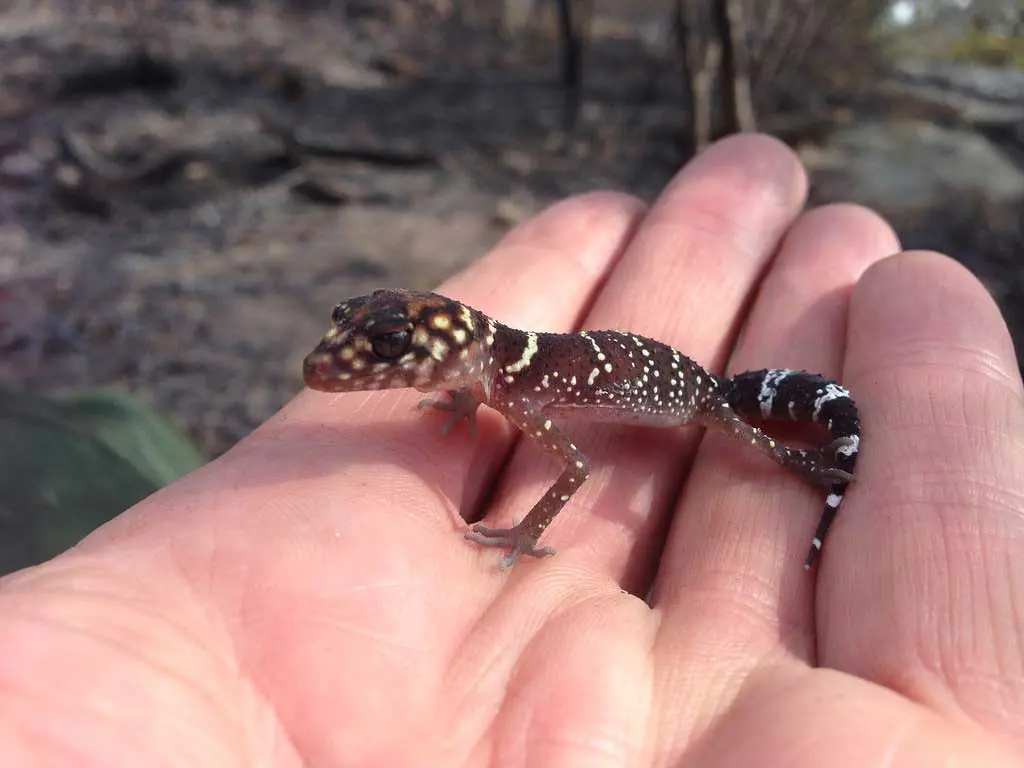
The Thick-tailed gecko They have the nickname "Barking Gecko" because they can make the corresponding sounds. If they feel upset, may complain loudly and threaten. But they are completely harmless..
Thick-tailed gecko
A "Thick-tailed Gecko"(Underwoodisaurus milii) North Sydney – Tnarg 12345 at the English-language Wikipedia, CC BY-SA 3.0, via Wikimedia Commons

Content

Origin

The Thick-tailed gecko (Underwoodisaurus milii) is found in the Southern regions of Australia. Its distribution in Western Australia extends to the southwest, the gold fields, the wheat belt and the nullarbor regions to the east, and to Shark Bay in the north. It is also found in the Abrolhos of Houtman and in the Recherche Archipelago.

Characteristics

This interesting species of Gecko inhabits the soil and is crepuscular/nocturnal.

The Thick-tailed gecko You can live up 10 years. It is reddish-brown with bands of white and yellow spots, and a paler belly. Usually reaches a total length (including the queue) of 120-140 mm. The original tail is black with several pale bands, but the regenerated tail has little drawing.

Habitat

The Thick-tailed gecko is found in rocky outcrops, and is slightly more cold tolerant than many other Australian gecko species. It is nocturnal and shelters under rocks or in burrows during the day..

The "Thick-tailed gecko" in captivity

Terrarium

The terrariums for him Thick-tailed gecko must have sufficient floor space, since it is an animal that lives on the ground. As a key to the size of the terrarium we recommend calculating with the head-torso length of the animal.

The size of the terrarium is calculated as follows for non-adult animals:

  • Terrarium floor space: Four times x three times the head-torso length of the animal.
  • Height of the terrarium: Four times the head-torso length of the animal.
  • Observe the growth of the animal in the coming months (fast-growing animal/slow-growing animal). A terrarium of at least 50 x 50 x 50 cm..

    Terrarium design

    The equipment of the terrarium for him Thick-tailed gecko corresponds to that of Australian dry forests. Arranged around caves -in principle, each animal must have its own shelter-, may seem somewhat stony.

    A little dry wood is also very decorative and expands the habitat of animals, as they also like to climb.
    The substrate Suitable is terrarium sand and mineral granules such as Hobby Terrano Calcium, mixed with a little crust. There is also special sand for caves and burrows, which allows animals to make their own tunnels and burrows and maintains their shape.

    Some artificial plants steppe or semi-desert character are hygienic and decorative in this landscape. The so-called "wet box" is filled with moist moss and the animals like to use it as a "steam sauna" before molting.. The Gecko drink water from a shallow bowl. Droppings and food scraps should be removed daily.

    Terrarium lighting

    The Thick-tailed gecko is native to Australia. Although they are twilight and nocturnal, from time to time it happens that these species of geckos sunbathe, and then they willingly accept a dose of ultraviolet rays.

    How reptiles are thermal animals, you have to emulate their natural habitat in the terrarium: temperature and humidity. This is achieved with various heat/light sources and by spraying water.. One thermometer/hygrometer allows the caregiver to control these values. It also, only an optimal supply of UV-B light provides enough vitamin D3 for young animals to grow optimally and adults to also be in top shape.. We recommend the JBL L-U-W Light, which is available in various powers and in the "Desert" version. This type of lighting provides light, heat and UVA/UVB rays.

    As a caregiver, can get an especially good climate (and easy to control) using a heating mat under part of the floor of your terrarium. In this way, heat the basic temperature from below and provide warm areas both in the sand and in nature. The heating mat must be accompanied by a thermostat. In this way, always get the right climate, as the heating mat turns on automatically when needed. A plus point is the more favorable energy consumption in terms of the environment, since terrariums operated in this way not only require lower power for point lamps, but also, usually, fix themselves with less energy.

    For uniform lighting of your terrarium as decoration of your living space, we recommend the LED lighting across the entire terrarium. Light and heating sources are always turned on and off at a daily rate using a timer, 14h on, 10h off.

    Food

    Thick-tailed gecko
    Underwoodisaurus milii, thick-tailed gecko – by Doug Beckers

    The Thick-tailed gecko is a silent insect hunter. They follow their prey in sight, only to pounce on her "in the last meter". Insects that serve as food (crickets, grasshopper, etc.) are always sprinkled with mixtures of vitamins and minerals. This is the only way to avoid irreversible deficiencies, which can often lead to serious illness or even death in young animals and pregnant females, for example.

    The feed animals must always be adapted to the size of the gecko. Feed only insects that will be eaten directly. Otherwise, feeding animals would disperse in the terrarium, they would hide away and get rid of the attached vitamins/minerals – the result is malnutrition and malnutrition despite food supplies.

    Social behavior and reproduction

    The Thick-tailed gecko can be kept individually or in a group of a male with several females. Males are very territorial and always incompatible with each other..
    One hibernation period of 2-3 months at room temperature favors reproduction. The females then put 2 soft-shelled eggs in a moist substrate up to three times a year. The โ€œwet boxโ€ described above is ideal for this purpose.. A 26-27ยฐC, the pups take a few 65 days to hatch.

    Curiosities

    These animals have the nickname "Barking Gecko" because they can make the corresponding sounds. If they feel upset, may complain loudly and threaten. But they are completely harmless..
    For the caregiver's advantage, the Thick-tailed gecko usually always use the same corner of the terrarium to defecate.
    A moonlight lamp allows you to observe the inhabitants of the terrarium at dusk without disturbing them.

    For sale "Thick-tailed gecko"

    The price of the "Thick-tailed gecko" in the exotic animal market, bred in captivity, ranges between 70 – 140 EUR.

    Videos "Thick-tailed gecko"

    Thick-tail gecko enclsure

    Repashy Grub Foot Reptile VS Underwoodisaurus milii

    Alternative names:

    1. Barking gecko, Australian thick-tailed (English).
    2. Gecko aboyeur d’Australie (French).
    3. Underwoodisaurus milii (German).
    4. Lagartixa latindo (Portuguese).
    5. Gecko de cola gruesa, Gecko ladrido (espaรฑol).

    โ–ท The world of Pets: Dogs, cats, birds, reptiles, amphibians

    Toadhead turtle
    - Mesoclemmys gibba

    The Toadhead turtle It is a shy species with nocturnal and aquatic habits that prefers the bottom of bodies of water.. These turtles change their diet as they mature.
    hideous galapagos
    Toadhead turtle – Leandro J.C.L. Moraes, Alexander P.. of Almeida, Raphael of Fraga, Rommel R. Zamora, Renata M. Pirani, Ariane A.A. Silva, Vinรญcius T. oak, Marcelo Gordo, Fernanda P. Werneck., CC BY-SA 4.0, via Wikimedia Commons

    Content

    Origin / Distribution

    The Toadhead turtle (Mesoclemmys gibba) it is a smaller representative of the South American necked turtles (Chelidae). These animals have been known to science and the hobby for a long time, but unfortunately they have not been sufficiently investigated so far.

    Its distribution is in a wide area of รขโ‚ฌโ€นรขโ‚ฌโ€นSouth America., in Peru, Ecuador, Colombia, Venezuela, Trinidad, Guyana, Suriname, Paraguay and parts of Brazil.

    In any case, in Europe mainly animals with Guyanese and Surinamese ancestry are kept.

    Characteristics / Appearance

    The Toadhead turtle is small, with a carapace length of 15-18 cm in males and 18 cm in females. In this species, sexual dimorphism is not very evident., although males tend to have longer tails and a more forked plastron at the level of the anal scutes. In Venezuela, individuals with a carapace length of up to 23 cm..

    Its head is narrow compared to other species of the same genus, back of head lined with small granules; two short barbules on chin, whose length is not greater than the size of the eye; broad, flattened carapace with a serrated-looking vertebral carina, which is smaller in adults; vertebral scutes wider than long, the third and fifth have an inconspicuous posterior projection towards the keel; the intergular shield completely divides the gulars, but not to the humerals; scales between orbit and eardrum smaller than those on top of head; webbed feet with 5 nails on the forelimbs and 4 in the later;

    Habitat

    These turtles live in rivers, as well as in its tributaries and floodplains in the tropics. They are good swimmers and probably quite nocturnal.. Due to its distribution area, the Toadhead turtle it is active all year round and does not need to hibernate.

    Behavior

    Toadhead turtle
    Transpantaneira, poconรฉ, Mato Grosso, BRAZIL – Bernard DUPONT from FRANCE, CC BY-SA 2.0, via Wikimedia Commons

    It is a shy species with nocturnal and aquatic habits that prefers aquatic bottoms.. These turtles change their diet as they mature: juveniles have an omnivorous diet and become more carnivorous as they grow. Some plants have been reported in the diet of juveniles., like the fruits of the palm Mauritia flexuosa and grasses of the species Pennisetum purpureum and Sacharum sinensis; while adults consume fish, Tadpoles, crustaceans, larvae of aquatic insects and other small invertebrates. To build nests, they dig in well-shaded clay soils., close to bodies of water, or at the base of tree trunks. The nests consist of 2-4 eggs longer than wide and hard-shelled. As a defense mechanism against predators, these turtles expel a strong musky odor and bite.

    Threats to the species

    throughout its range, Little is known about their ecology and the status of their populations., reason why it has not been evaluated by the IUCN. In any case, the destruction, habitat fragmentation and pollution are its biggest threat.

    The "Toadhead turtle" in captivity

    Aquaterrarium

    The Toadhead turtle tends to socialize well with fish and even with shrimp, but they break the shell of the snails and eat them right away. Estas humpback turtles tend to be shy when kept with other species, and stress in combination with too high a pH value of the water can sometimes lead to skin problems. So, it is recommended to raise the young individually or in small groups of 3 to 5 animals in spacious tanks with lots of cover, and check regularly if they are stressed.

    A tank is recommended. 120 x 50 x 60cm minimum to maintain a couple, although males may be better housed separately. The water temperature should vary between 24-28ยฐC. Due to its tropical origin, animals don't hibernate, but they should not be kept in the pond either.

    Food

    The species feeds almost entirely carnivorously.. This means that only food of animal origin is accepted, except for bananas and sweet berries. The carnivorous component must consist of insect larvae, snails, crustaceans, mussels, worms and insects. Pellets can also be added to this species to prevent deficiency symptoms. (vitamin deficiency, etc.). The shell of cuttlefish as a source of calcium is convenient to keep in our aquaterrarium.

    Reproduction

    As long as a couple stays, will eventually reproduce. The females lay from 1 to 5 hard shell eggs. These should not be incubated too wet. At a constant temperature of 28 degrees Celsius, the animals hatch after a few 150 days; in the nature, the eggs need between 150 and 180 days. This has to do with the slower development of embryos due to fluctuating temperatures.. A fluctuating incubation between 24-29 degrees. In this case, young animals hatch with more vitality.

    Buy one "Toadhead turtle"

    The price of a "Toadhead turtle" at the exotic animal market, ranges between 90 – 120 EUR.

    Videos "Toadhead turtle"

    Mesoclemmys gibba

    Turtles in Ibbenbรผren - A small summary

    Alternative names:

    1. Toadhead turtle, Gibba turtle, Lesser toad-headed turtle (English).
    2. Tortue bossue (French).
    3. Buckelschildkrรถte, Gibba-Schildkrรถte, Krรถtenkopfschildkrรถte (German).
    4. Tartaruga gibba, Tartaruga toadhead, Cรกgado-de-poรงas-da-floresta (Portuguese).
    5. Ashna charapitas , Asna charapas , Hediondas , Galรกpago hediondo , Charapitas de aguajal , Charapitas de cananguchal , Charapitas de altura , Curizas, Tortuga cabeza de sapo (espaรฑol).

    โ–ท The world of Pets: Dogs, cats, birds, reptiles, amphibians

    Chameleons
    - Chamaeleonidae - Maintenance in captivity

    Chameleons are the artists of the transformation of the animal kingdom: Depending on your state of mind, may change color and shape.
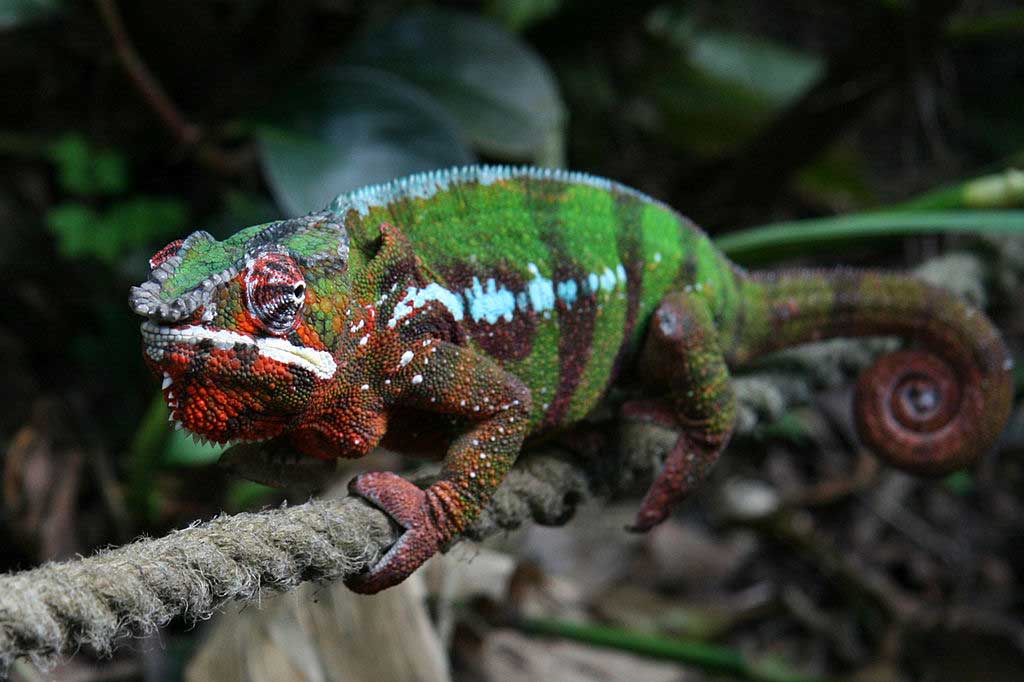
    Panther chameleon
    Panther chameleon at Zurich Zoo, Switzerland – Marc Staub, CC BY-SA 2.0, via Wikimedia Commons

    Content

    What do chameleons look like??

    The Chameleons belong to reptiles (crawlers) and they look like lizards: Have an elongated body, four legs and a long tail.

    The smallest species only measure three and a half centimeters, the largest reach a meter.

    Attention is drawn to the crest of the back and the protrusion in the form of a head helmet.

    Some even have small horns in their nose..

    His eyes are unmistakable: they are big, protrude from the head like small balls and can move independently in different directions. With them, some species can see clearly up to a kilometer away.

    As the top layer of scaly skin is hard, can't grow. So, chameleons have to shed their skin regularly. To make it easier to shed your old skin, animals are often rubbed against branches or stones.

    The Chameleons are perfectly adapted to living in trees.

    They can grip well even in windy conditions because their hands and feet have been transformed into real tweezers.:

    The toes and fingers are fused two by two and three by three.

    The bunch with all three toes or fingers points inward, the two points outward.

    The tail also serves to hold: can wrap the branches and additionally secure the animal.

    That is why it is also especially stable and cannot break and grow back as in other lizards..

    Males and females are distinguished by the heel spur: it is a process on the back of the leg that only males have.

    One of Madagascar's best-known chameleons, for example, is the Panther chameleon (Furcifer pardalis).

    Males come to measure between 40 and 52 centimeters, the females up 30 centimeters.

    Depending on the area of origin, have very different colors.

    Males are green to turquoise in color and have light stripes, sometimes red, on the sides of the body. Females are usually more discreet.

    Although the Panther chameleon originally found only in Madagascar, it was also introduced by man to the islands of Mauritius and Reunion, located east of Madagascar in the Indian Ocean.

    Where do chameleons live??

    The Chameleons they are only found in the so-called Old World, that is to say, in Africa, Southern Europe and South and Southwest Asia.

    Chameleons are arboreal: they stay mainly in the branches of trees and shrubs, sometimes also in the low weeds.

    Species that live in regions where there are few plants are adapted to living in the soil.

    What species of chameleons exist?

    There are some 70 chameleon species. On the island of Madagascar, off the coast of southeast Africa, lives a particularly large number of different species.

    How many years do chameleons live?

    In a terrarium, chameleons live four to five years. It is not known how many years they live in the wild.

    What does a chameleon eat??

    The Chameleons they feed mainly on insects.

    His favorite food is grasshoppers, but also other insects and small lizards.

    in the terrarium, feed them with insects, meal worms, caterpillars and earthworms. Larger chameleons even eat young mice.

    Wild chameleons get water by licking leaf spray in the morning.

    Chameleons in captivity

    The terrarium

    One of the most common chameleons in terrariums is the Chameleon of Yemen. It comes from a high valley (until 2.000 m) from Yemen, in the south of the Arabian Peninsula, where it lives in shrubs and trees.

    The Chameleon from Yemen come to measure some 60 centimeters, females only a little more than 40 centimeters. But, animals kept in terrariums remain smaller.

    The Panther chameleon it is also usually held in terrariums. Comes from the tropical island of Madagascar, where there are dry seasons every year. Thus, this species tolerates better than others fluctuations in temperature and humidity in the terrarium.

    But like the Chameleons they are quite demanding solitaires, they are not animals suitable for pampering. It's best to keep them alone.

    Males don't get along with each other at all, rather you can put two females together in a very large terrarium.

    The Chameleons need a lot of space. The terrarium must be one meter long, one meter wide, at least 50 centimeters deep and, above all, high altitude, as chameleons like to climb.

    The enclosure should be provided with many branches and plants. Normal sand is suitable as soil.

    The Chameleons need heat: the temperature must be 25 at 32ยฐ C, and at night of 15 at 18ยฐ C. A special lamp in the terrarium provides the necessary heat.

    Chameleon Care Plan

    Water should be sprayed into the terrarium once a day to keep the humidity high enough.

    The Chameleons they should only be fed every two or four days. Receive crickets, flies, grasshoppers and occasional mealworms. Before feeding them, insects are sprinkled with a mixture of vitamins and minerals.

    To drink, chameleons lick plant water or give it to them on a shallow plate.

    How does a chameleon live??

    The Chameleons they are solitary animals and live in trees because there they can camouflage themselves especially well. But, predators, such as snakes or birds of prey, they cannot be chased away by the play of colors. And chameleons can't run away quickly either.. Avoid attacks by camouflaging themselves: with its spasmodic gait, imitate leaves that move back and forth in the wind. This makes animals appear much clumsier than they are.: Chameleons make excellent climbers. They roll up their long prehensile tail, that is normally coiled into your body, around the branches; this gives them additional support.

    With your climbing toes, cling to branches like tweezers. But, these lizards fall off the tree from time to time, but they do it on purpose: if an enemy gets too close, the dead are made and dropped. No harm is done in the process: inflate their huge lungs and thus cushion the fall, as if they had tied a thick pillow.

    How do chameleons reproduce??

    The Chameleons they are also quarrelsome loners in the mating season. This occurs when several males fight fiercely for a female.; but males and females also quarrel with each other, sometimes even during mating.

    The females of chameleon put between 30 and 40 eggs. They have a soft, apergaminated shell and bury themselves in the hot earth.

    After a few months โ€“ this varies by species and habitat- the young hatch.

    They are immediately independent and hunt small insects. Some species of chameleons give birth to live young: here the eggs develop in the womb of the female of the chameleon.

    To prevent too many from living Chameleons in the same area, the young quickly go out on their own and search for their own territory.

    The young do not yet have a color as defined as that of their parents, but when they turn one they are already adults and can have their own offspring.

    How do chameleons hunt?

    Chameleons usually sit quietly on a branch and be on the lookout for their prey.. If an insect gets close enough, catches him in an instant with his long tongue.

    It is thickened like a club at the end and has two leaf-shaped lobes with which the prey is grasped..

    This so-called tongue shot is so fast that it is almost invisible..

    What's so special about chameleons??

    When the Chameleons males are "in love", are more colorful. Try to impress the ladies with this colorful show. In general, change color depending on your mood, and that in a few minutes. It's as if animals talk to each other in this way..

    If they are afraid, for example during a fight over a female, many species change to black. This points to the rival: My opponent feels inferior and prefers not to fight. If, on the other hand, lizards are eager to attack, turn red. This then means something like: "Get lost or you'll get it!!ยป. It also, animals change their skin tone based on temperature and time of day.

    In the morning, adopt darker shades to warm up, because dark colors absorb more light and skin, Therefore, absorbs more heat. After a long, hot day, animals are rinsed to cool off.

    For a long time it was a mystery how the Chameleons change color so quickly. Scientists discovered it just a few months ago: Tiny blocks of glass in the skin of lizards are responsible for the chromatic frenzy. When light hits these blocks, reflect it in color.

    The fact that the color changes is due to the fact that the distances between the crystals change according to the mood of the chameleon. Yes a Panther chameleon (Furcifer pardalis), is relaxed, for example, the blocks are close together and glow blue. When the animal is excited, separate and glow red.

    List of chameleons for maintenance in captivity

    No entries found.

    โ–ท The world of Pets: Dogs, cats, birds, reptiles, amphibians

    Cuban iguana
    - Cyclura nubila

    As the largest member of its kind, the Cuban iguana (Cyclura nubila) reaches a total length of 150 cm and a head-torso length of 70 cm..
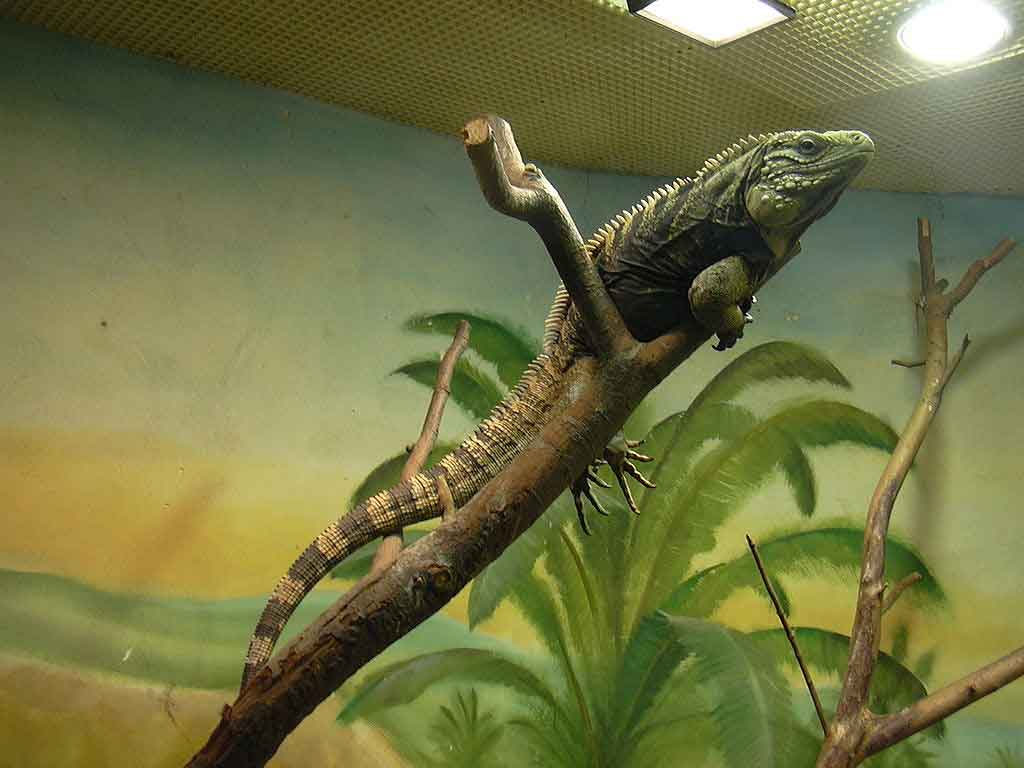
    Cuban iguana
    Cuban iguana (Cyclura nubila nubila) at Zoo รšstรญ nad Labem, Czech Republic – Miraceti, CC BY-SA 3.0, via Wikimedia Commons

    Content

    Origin / Distribution

    The Cuban iguana (Cyclura nubila) it is found in the rocky coastal areas of Cuba and in the 4.000 islets surrounding the Cuban mainland, including the Isle of Youth, off the southern coast, which has one of the most robust populations. Populations are found on islets along the north and south coasts and in protected areas on the mainland.. [These include the Guanahacabibes Biosphere Reserve in the west., the Desembarco del Granma National Park, Hatibonico Wildlife Refuge, the Punta Negra-Quemados Ecological Reserve and the Delta del Cauto Wildlife Refuge, all in eastern Cuba. [According to Allison Alberts, San Diego Zoo Ecologist, among the many species of fauna at the base, ยป the Cuban iguana (Cyclura nubila) is one of the largest, certainly the most visible and certainly the most charismatic.". It seems that no one completes a period of service at Guantanamo without meeting these prehistoric-looking giants.". An unusual incident occurred when a detainee at the prison assaulted a guard with a bloodied tail ripped from a Cuban iguana in 2005.

    The subspecies, Cyclura nubila caymanensis, it is endemic to the "sister islands" of Little Cayman and Cayman Brac. The population in Cayman Brac is less than 50 of these animals and Small Alligator keeps 1.500. A feral population of C has been established in Grand Cayman. n. caymanensis.

    The Cuban iguana makes its burrow near cacti or thistles, sometimes even within the cactus itself. These thorny plants offer protection and their fruits and flowers offer food to iguanas.. In areas without cacti, lizards make their burrows in dead trees, hollow logs and limestone cracks.

    In the middle of the Decade of 1960, a small group of Cuban iguanas was released from a zoo on Magueyes Island, southwest of Puerto Rico, forming an independent feral population. As of the year 2000, there has been talk of eliminating or relocating this iguana population by the U.S. Department of the Interior. This feral population is the source of the 90% of captive Cuban iguanas found in private collections.

    Characteristics / Appearance

    As the largest member of its kind, the Cuban iguana (Cyclura nubila) reaches a total length of 150 cm and a head-torso length of 70 cm.. Males are much larger than females and have large pores on their thighs through which they release pheromones. Both sexes have a dorsal crest. The scales of the muzzle are enlarged and bulging, but they do not form "horns". Skin color varies from dark gray to brick red in males, and is olive green with dark bands in females. Feet are blackish.

    Habitat

    The Cuban iguana prefers to live in coastal and rocky areas covered with shrubs, holly and opuntia. Animals feed on plant material such as leaves, flowers or fruits. The Cuban iguana is oviparous. Egg clutches consist of 5-11 eggs, that hatch after 77-92 days at an ambient temperature of approximately 30ยบC and have a length of 27-32 cm..

    Conservation

    State of conservation โ“˜


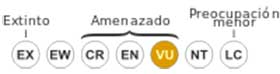
    Vulnerable Vulnerable โ“˜ (UICN)โ“˜

    Since 1999, all major concentrations of iguanas, except one, are partially or fully protected by the Cuban government. Although there is no captive breeding program in Cuba, the National Center for Protected Areas has suggested that it will explore this avenue in the future.. In 1985, the Cuban government issued a commemorative peso with a Cuban iguana on the front of the coin in an attempt to raise awareness about this animal.

    The Cuban iguana is well established in public and private collections. Many zoos and private individuals keep them in captive breeding programs, minimizing the demand for wild-caught specimens for the pet trade. [The Cuban iguanas are listed as ยซvulnerableยป in the The IUCN Red list, as well as the predominant Cuban subspecies, while the subspecies of the Cayman Islands is "critically endangered". The total population in Cuba is estimated between 40.000 and 60.000 individuals, and the feral population on Magueyes Island is estimated at more than 1.000..

    Indirectly, the status of the Cuban iguana under the U.S. Endangered Species Act. USA. came to American jurisprudence. In the autumn of 2003, Attorney Tom Wilner had to persuade U.S. Supreme Court justices. USA. to accept the case of a dozen Kuwaiti detainees who were isolated at Guantanamo Bay (Cuba), no fees, no hearing and no access to a lawyer. [According to Peter Honigsberg, Professor of Law at the University of San Francisco, Wilner unsuccessfully presented two arguments to the Court to hear his case.; in his third argument he changed tactics by mentioning U.S. law and the Cuban iguana. Wilner argued that "anyone, including a federal official, violating the Endangered Species Act by harming an iguana at Guantanamo, can be fined and prosecuted". But, the government argues that U.S. law does not apply to protect human prisoners found there.". According to Honigsberg, the Supreme Court agreed to hear the case because of this argument.

    Unlike other Antillean islands where iguanids are found, iguana meat consumption was never widespread in Cuba. Some fishing communities may have practiced it at some point., but for the most part the animal was not consumed by Cubans. According to naturalist Thomas Barbour in 1946, this was based on superstitious beliefs suggesting that iguanas emit a dark fluid reminiscent of the black vomit of yellow fever victims when they are killed..

    One of the main threats to iguanas throughout the Caribbean is cats.. In Guantรกnamo they consume an incalculable number of iguana pups every year.

    In 1993, the San Diego Zoo experimentally tested the usefulness of ahead-startingยป for newborn Cuban iguanas with funding from the National Science Foundation Conservation and Restoration Biology Program. ยซHead-startingยป is a process by which iguana eggs are born in an incubator and animals are protected and fed during the first 20 months of his life. The purpose is to get animals to a size where they are better able to flee or fight predators.. This technique was originally used to protect newborn sea turtles, to Galapagos land iguanas and to the Ctenosaura bakeri on the island of รštila, but Alberts first used it in a kind of Cyclura with the Cuban iguana. The goal was not only to help the Cuban iguana population., but to test the overall effectiveness of headstarting as a conservation strategy for other critically endangered Cyclura species.

    According to Alberts, the strategy was successful when the released iguanas reacted to predators, they sought food and behaved like their free-born congeners.. This strategy has been applied with great success with other species of Cyclura and Ctenosaura endangered in the West Indies and Central America, in particular the Jamaican iguana (Cyclura collei), the Blue iguana of Grand Cayman, the Ricord's ground iguana (Cyclura ricordi), the Allen Cays rock iguana (Cyclura cychlura inornata), the Acklins ground iguana (Cyclura rileyi nuchalis) and Anegada rock iguana (Cyclura pinguis).

    The "Cuban iguana" in captivity

    Cuba exported 122 wild-caught specimens and the Cayman Islands 14. The last export took place in 2009. in the same period, export was recorded 109 captive bred animals around the world. From them, 56 came from the Czech Republic.

    The terrarium

    Males and females are extremely aggressive towards each other outside of mating season. So, good terrarium structure and escape possibilities are necessary. Animals must have a pool at their disposal. Temperature and humidity should vary throughout the day.

    According to the opinion of reptile experts, a terrarium for a couple should have at least 5 times the length, 4 times the width and 3 times the height of the animals head-torso length. For each additional animal, a is added 15% to the basic surface.

    Buy one "Cuban iguana"

    It is a protected species, even so we have found copies on the internet, supposedly, of "Cuban iguana" At a price of 40 EUR. Dodax

    Videos "Cuban iguana"

    Cuban iguana (Cyclura nubila) - cuban iguana

    Cuban Rock Iguana (Cyclura nubila) Prague Zoo Cuban Rock Iguana

    Alternative names:

    1. Cuban iguana, Cuban rock iguana, Cuban ground iguana (English).
    2. Iguane terrestre de Cuba (French).
    3. Kubaleguan, Kubanische Felsenleguan, Kubanischer Grundleguan, Kubanischer Leguan (German).
    4. Iguana-cubana (Portuguese).
    5. "Iguana cubana" (espaรฑol).

    โ–ท The world of Pets: Dogs, cats, birds, reptiles, amphibians

    African house snake
    - Boaedon fuliginosus

    The African house snake inhabits arid areas near the Atlantic coast, plains with formations of euphorbias and other bushes.
    African house snake
    African house snake (Lamprophis fuliginosus) at the louisville zoo – Ltshears, CC BY-SA 3.0, via Wikimedia Commons

    Content

    Origin / Distribution

    They have been given the trivial name of African house snake because it is very common to find them in the vicinity and also inside houses.
    The Boaedon fuliginosus lives in Africa west and south of the Sahara. It reaches Morocco in the northwest, Somalia in the northeast and South Africa in the south.

    Characteristics / Appearance

    The females reach a total length of around one meter and are also stronger than the males.. They only grow half as thick and are fully developed at 60-80 cm.. Color ranges from dark brown to light brown, and lighter colored animals often have a pattern of spots on the anterior third. The light stripe on the right and left side of the head is characteristic. But, there are also specimens in which the stripe can extend almost to the middle of the body.

    Habitat

    The African house snake inhabits arid areas near the Atlantic coast, plains with formations of euphorbias and other bushes, areas with scattered bushes and trees, rocky coastal areas, including habitat with very little shrubby size, etc.

    In their natural habitats, they feed mainly on medium-sized mammals and bats.

    Behavior

    In terms of the behavior, the African house snake will try to flee if threatened, but he can also adopt his well-known bullying behavior, raising the head and neck and flattening it to form a cap or hood.

    Threats to the species

    The main causes of mortality for this species could be road accidents and death in other infrastructures in which they fall, becoming trapped and ultimately dying by drowning or starvation, like empty pools. Direct deaths at the hands of people and possible captures for trafficking and sale of animals could also be of some relevance..

    The "African house snake" in captivity

    So that these terrarium animals are worthily kept in captivity, Terrariums with minimum dimensions of 150 x 60 x 60 cm.. The snakes measure up to 120 cm long in females (until 80 cm in males) and can be kept individually or in a group. They are non-venomous animals.

    The terrarium

    Keeping snakes as pets is quite easy, as they have no special humidity or temperature requirements.

    The African house snake it is not a climbing snake, which does not mean that there should not be branches in the enclosure. In some cases they are also found in the upper zone, since it is warmer there because of the lighting. Temperatures should not drop below 18-20ยฐC at night and around 25-28ยฐC during the day. Locally, a spotlight can be used for a warm spot, where the temperature can then be about 35ยฐC. A cork tube for hiding and a water container complete the terrarium equipment. To make it more attractive and have more moisture, I should also place a climbing plant (for example, a philodendron) in the container.

    Buy one "African house snake"

    The price of a "African house snake" at the exotic animal market, ranges between 80 – 100 EUR.

    Videos "African house snake"

    Boaedon fuliginosus, Parc National du Diawling, Mauritania

    Baby snakes

    Alternative names:

    1. African house snake (English).
    2. Serpent des maisons africain, Serpent des maisons (French).
    3. Braune Hausschlange, Afrikanische Hausschlange, Hausschlange (German).
    4. Cobra domรฉstica africana, Cobra domรฉstica marrom (Portuguese).
    5. "Culebra de casa africana", Culebra comรบn africana, Culebra africana de las casas (espaรฑol).

    โ–ท The world of Pets: Dogs, cats, birds, reptiles, amphibians

    Everything You Need to Know About Caring for Mosaic Axolotls

    Mosaic Axolotls

    Content

    If you are an aquarist looking to diversify from keeping the regular fish, an axolotl is a unique type of fish to keep as a pet. This walking Mexican fish is fantastic, and with its baby face features that make it seem like it's smiling, you'll forever enjoy looking at it.

    Axolotls come in a wide array of colors, such as white, green, red, brown, and blue, enhancing the aesthetics of your home. The only thing that will seem like a hassle is creating their aquarium. Axolotls are not exclusively aquatic; they enjoy walking on the aquarium floor, so they'll need plenty of space. Let's look at the various types of axolotl and the things you'll need to do to care for one..

    Types of Axolotl

    There are various types of axolotls, all named according to their colors. These include:

    • White albino
    • Leucistic
    • Piebald
    • Golden albino
    • Copper
    • Mosaic
    • Lavender
    • Black melanoid
    • Firefly

    Irrespective of the many types, the methods of caring for them are pretty much the same. This article focuses mostly on Mosaic Axolotls.

    What is a Mosaic Axolotl?

    The mosaic axolotl is rare and very hard to find in stores. And if you happen to find one, you probably won't meet the price. Mosaic axolotls are created when two sets of genes are fused: one from the albino axolotls and the other from the dark or wild axolotls.

    You may wonder why the resulting salamander can't have two colors, black and white. No, the result of fusing the two eggs is a beautiful and unique walking Mexican Fish with black, white, and golden spots; sometimes, your mosaic Axolotl will sport some red or purple gills to enhance its special appearance.

    How Much is a Mosaic Axolotl?

    It's pretty hard to find a mosaic axolotl in a pet store, making their price very steep. The next rare walking Mexican fish is the enigma axolotl, whose price is about 1.500 $, so you can be sure that if you find mosaic axolotl, the price will be higher. You may ask, why are mosaic axolotls rare? Because it's a pretty rare genetic combination.

    How Do You Get a Mosaic Axolotl?

    he mosaic Axolotl is not easy to get as you'd have to fuse two sets of genes one from the albino axolotl and the other from the dark or wild Axolotl. And the resulting axolotls have black, white, and golden spots with their gills spotting red and white stripes to enhance their appearance.

    The female mosaic axolotls are slightly different from the males, as the males have a longer body length than the females. If you look closer, you'll notice that the males have larger vents and deeper vertical grooves on the sides.

    How Long Do Mosaic Axolotls Live?

    Mosaic axolotls are slow-growing sea creatures and gain most of their body mass in the first 2 years of their life. But, their ability to undergo metamorphosis makes it possible for them to grow for the rest of their lives. This makes it economical to keep Axolotl as a pet, as they will last a while.

    Like every other Axolotl, mosaic axolotls have a long lifespan, of about 10 to 15 years. They can live longer, provided with optimal living conditions and a healthy diet. But, if you offered poor tank conditions and nutrition, they would die faster, as these conditions would make them susceptible to diseases.

    Tank Size and Setup

    To keep a mosaic axolotl as a pet, you have to consider their living conditions. Mosaic axolotls are aquatic, so they live in water; you'll have to set up their tank accordingly.

    Mexican walking fish are unlike other fish, as they have a long body, which grows up to 18 inches. But, Mosaic axolotls' body length ranges between 7 and 9 inches. So, you will need a large tank to allow them to walk freely, as they are not exclusive swimmers.

    The best tank size for one mosaic Axolotl is 20 gallons; ensure it has a lid to prevent it from jumping out. You'd have to size up if you want to add tank mates. Ensure the tank is sturdy and durable to withstand the weight of an axolotl, as an adult weighs between 5 and 12 ounces. Note that food and water are the main contributors to the growth and development of your axolotl.

    Tank Setup

    You must set up the tank to mimic their natural habitat. As such, you need to ensure the water conditions are the same as wild ones.

    • Substrate

    In their natural habitats, axolotls spend most of their time at the bottom. They love walking on the floor of the lake or river rather than swimming, so you'd have to pay extra care to the type of substrate.

    The best substrate for axolotls is sand; avoid gravel. This is because axolotls tend to swallow the substrate, so if you use gravel, you risk causing internal damage. And if you do use rocky substrate, ensure the pieces are pretty small.

    • Filtration

    Mosaic axolotls thrive when the water is clean. Ensure that the tank is outfitted with a filtration system that does not make much noise, as they prefer still water. You cannot use a standard canister filter; the best filters in this situation are the hang-on-back with the low-flow head, as they break the current to ensure minimal water movement.

    Axolotls produce a large amount of waste, so having a high-quality filter is paramount. It also, And you'd also have to change about 20% of the water per week to maintain the water parameter. You'll have to change the filter once in a while.

    Axolotl Care

    Provide optimal care if you want your mosaic axolotl to live to its full lifespan. This includes taking care of their water conditions and food. You'll also have to know all the ailments they are susceptible to and monitor for these conditions.

    Water Conditions

    An essential factor about caring for mosaic axolotls is checking the water conditions and ensuring they are optimal. Axolotls are sensitive to water changes, as they have permeable skin. Always ensure that the water conditions are within acceptable levels, as it could be bad for their health otherwise.

    In the wild, axolotls love staying in warm water, so ensure that the water in the tank is as close to their natural habitat by maintaining the temperature between 60 and 64 degrees Fahrenheit. The pH levels should range between 6,5 and 7,5. The degree of water hardness should be between 7 and 8.

    Conduct regular tests on the water to ensure the water is always in optimal condition. And if you notice a shift, adjust accordingly.

    Food and Diet

    In the wild, axolotls are not picky, as they feed on everything, from snails to small fish, plants, and other amphibians. But, their diet is customized in captivity to meet their dietary needs.

    Then, So, what do you feed a mosaic axolotl?

    It's pretty easy to feed a mosaic axolotl in captivity, as you just need to give them a balanced diet of live food, frozen food, and pellets.

    Some of the live foods for your Axolotl include water fleas, brine shrimp, blackworms, and bloodworms. These live foods are protein-rich. You can opt to grow your own live food to reduce the chance of introducing diseases. You can get pellets from an online retailer or your local pet store.

    You must have a feeding schedule to avoid over- or underfeeding your Axolotl. Juvenile axolotls should be fed every day with a small amount of food. But, However, adult axolotls should be fed about 3 times weekly for 5 to 10 minutes. The feeding days are spaced to give your walking Mexican fish time to digest the food.

    You can drop small pieces of food in the tank or use forceps and tweezers to feed your axolotl. You can get their attention by waving the food near their face or lightly tapping the tank to notify them it's time to eat. Ensure that the foods are not big enough to pose a choking or digestive issue.

    Health Problems

    Although they are hardy animals due to their regenerative superpower, they are prone to stress-related illnesses, especially ones brought about by poor water conditions.

    Poor water conditions can cause your axolotl to contract bacterial and fungal infections, manifesting in sores, skin irritation, and inflammation.

    Your Axolotl may also encounter impaction when they swallow a large piece of gravel, which impairs digestion, calling for surgery. Ammonia buildup in the tank due to improper filtration also causes damage to the gills, resulting in breathing difficulties and, sometimes, sometimes, brain damage.

    So, avoid all these problems by maintaining a clean habitat. You can do this by checking the water parameters, adjusting accordingly, and changing 20% of the water weekly.

    Are Mosaic Axolotls Real?

    Mosaic axolotls are as real as any other axolotl; it's just that breeding them is very difficult.

    Tank Mates

    You can keep mosaic axolotls with other axolotls. But, remember their cannibalistic nature, as some may fight and lose limbs. Thus, it's better to have a single axolotl.

    Final Thoughts

    If you are looking for a fun and unique aquarium pet, axolotls are your best bet. Not only do they have a smiling baby face, but they come in an array of colors, so you can choose the one you want. The mosaic axolotl is pretty rare and has stunning hues featuring black and white with golden flecks, and their gills can be seen to have red and purple stripes.

    โ–ท The world of Pets: Dogs, cats, birds, reptiles, amphibians

    Common blue-tongued skink
    - Tiliqua scincoides

    Common blue-tongued skink

    Its coloration ranges from gray to brown with perpendicular dark bands. reaches 60 cm in length and its is a popular species for keeping in captivity, coming to live 25 years. Dry terrarium, not desert.

    Price ranges from 180 and 250 EUR.