โ–ท The world of Pets: Dogs, cats, birds, reptiles, amphibians

Ball python
- Python regius

At birth, the Ball python measured between 25 and 43 centimeters in length and grows up to 1 or 1,5 meters in adulthood.
Ball python
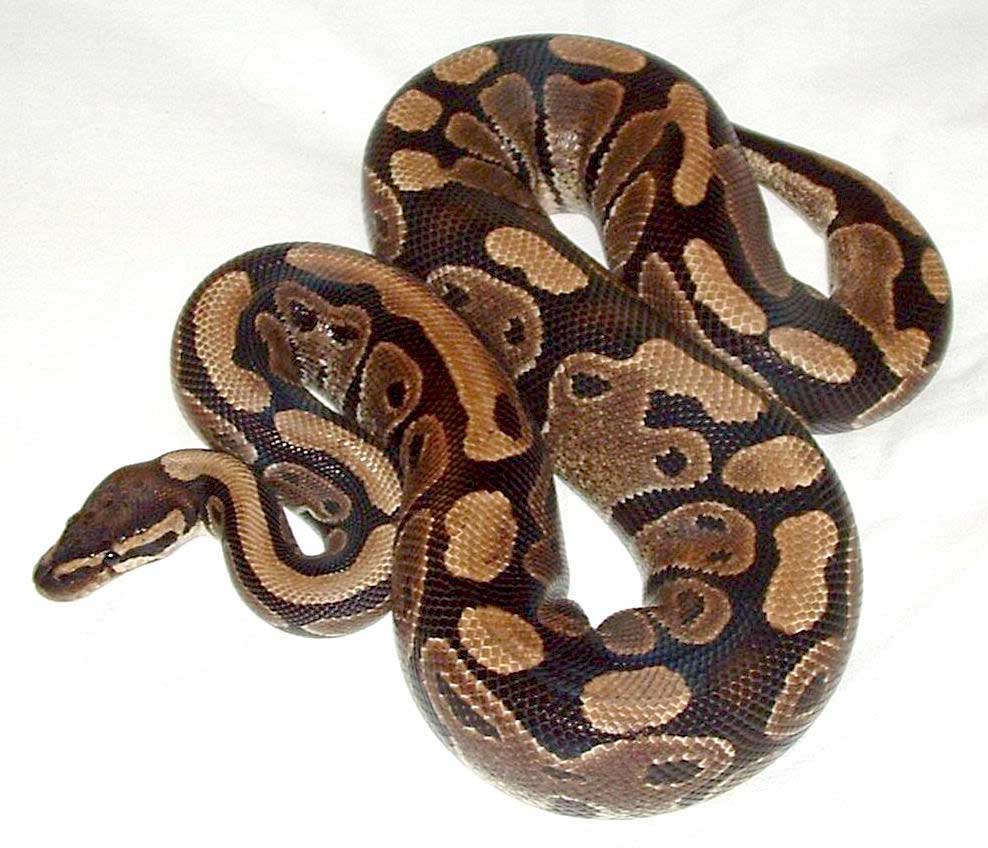
My pet ball python – normal phase, probably an import (rescue) – Mokele at English Wikipedia, CC BY-SA 3.0, via Wikimedia Commons

Content

Origin / Distribution

The Ball python (Python regius), also known as Royal python, found in the grasslands and open woodlands of western and central Africa. They are native to the Sudanese sub-province west of the Nile, in south sudan, the Bahrel Ghazal region and the Nuba mountains, from Senegal to Sierra Leone in West Africa, and in Ivory Coast and some parts of central Africa.

Characteristics / Appearance

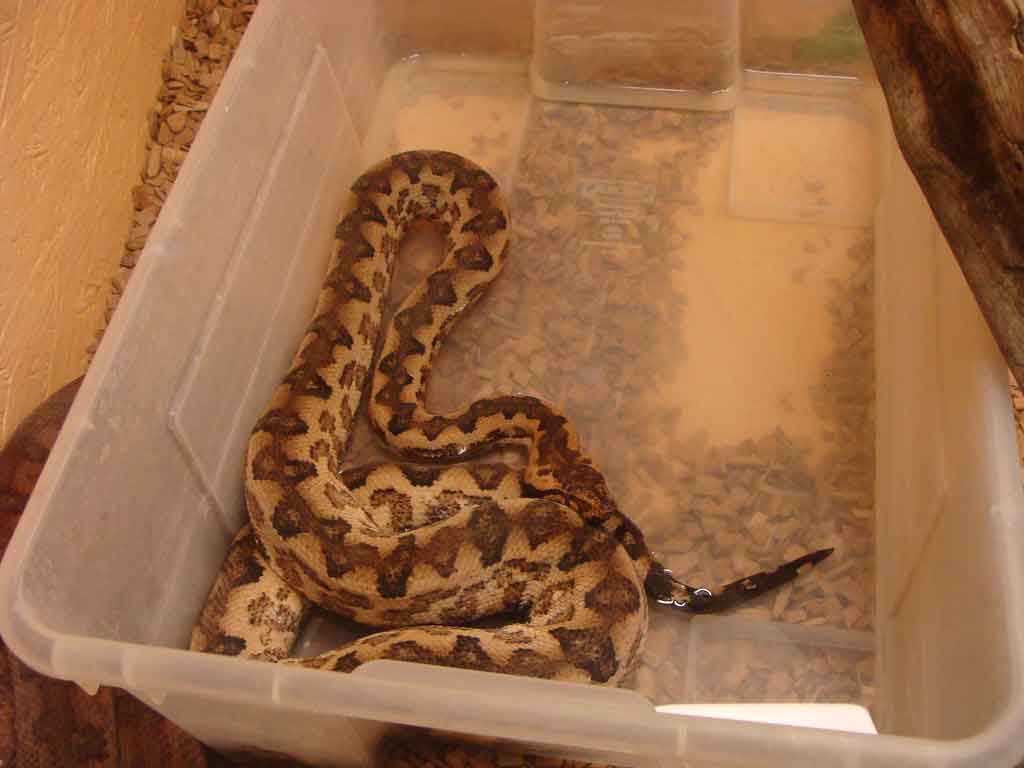
At birth, the Ball python measured between 25 and 43 centimeters in length and grows up to 1 or 1,5 meters in adulthood. There are some reports of Ball python found in nature with 1,83 metres in length. Their heads are larger than their relatively slender necks and are considered heavy-bodied.. The Ball python typical has large brown markings with lighter medium brown spots interspersed between the darker spots. They may also have yellow stripes from the nostrils to the eyes. The belly is usually ivory white.

Adult female ball pythons are larger than adult males.. This sexual dimorphism is not present in neonates, but it is evident in adults. Adult females also have longer jaws than their male counterparts.. The resulting increase in swallowing ability can improve your hunting ability.

Habitat

The Ball python spends most of its time on or under the ground, in burrows. They are most active at dawn and dusk. They inhabit savannah grasslands or open woodlands and are found in areas that have been cleared for agriculture..

Behavior
Ball python
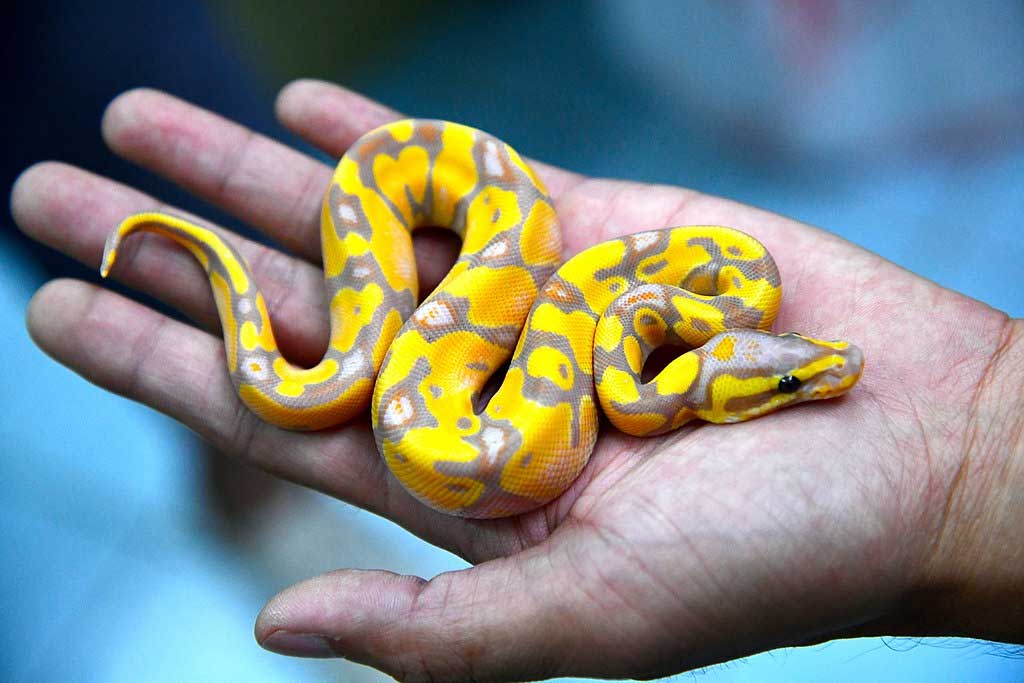
Ball Python from the Jatujak Market Pet Zone, Thailand – Tris T7, CC BY-SA 4.0, via Wikimedia Commons

The Ball python moves by rectilinear locomotion, in which bilateral symmetrical contractions propel it forward while pushing against the surface. The Ball python is known for its "balling" protection mechanism, in which it forms a tight ball with its head in the center in response to threats, which has earned it the common name of ยซRoyal pythonยซ.

Developing

The pups of Ball python They measure between 25 and 43 centimeters; grown ups, between 0,9 and 1,5 m. The gestation period is about 44 to 54 days. Most of them lay their eggs during the second half of the dry season., from mid-February to early April. The eggs hatch from mid-April to mid-June.. About 3 weeks after ovulation, the Ball python female begins to shed her skin. The eggs are laid 4 weeks later.

Reproduction

The Ball python It has a long reproductive life that lasts between 27 months and 30 years. The breeding season is mainly from mid-September to mid-November., in correlation with the minor rainy season. One set is from 1 to 11 eggs. Eggs tend to stick together. A few days before hatching they lose their adhesion. Once the eggs are no longer attached and are ready to hatch, the offspring of Ball python they crack the shells with their egg tooth and make their way. The birth weight is 65 to 103 g., with an average of 86 g.. The females of Ball python reach reproductive maturity between 27 and 31 months. Males reach reproductive maturity between 16 and 18 months. Both male and female ball pythons have large cloacal spurs..

Humans can determine the sex of the python by placing a probe through the cloacal spur and into the inverted hemipenis.. The probe will go deeper into the base of the tail in the case of male ball pythons, encompassing of 8 to 10 subcaudal scales, in contrast to females, in which the probe can be inserted only at a distance of 2 to 4 subcaudal scales.

Once the females of the Ball python lay their eggs, they constantly group around them to protect them. The Ball python it also stays close to the eggs to protect them from predators.

After laying her clutch of eggs, the females of Ball python they coil around their clutches until they hatch (after about 2 months). The young become independent immediately, but they stay around for months.

Threats to the species

State of conservation โ“˜


Near-threatened Near Threatened โ“˜ (UICN)โ“˜

The Ball python is classified as Near-threatened on the IUCN Red list; experiences a high level of exploitation and the population is believed to be in decline in most of West Africa. The Ball python is primarily threatened by poaching for the international exotic pet trade. It is also hunted for its fur, its meat and its use in traditional medicine.

Other threats include habitat loss as a result of intensifying agriculture and the use of pesticides.. Rural hunters in Togo collect gravid females and egg-laying, who sell to the snake ranches. Only in 2019, 58 hunters interviewed had collected 3.000 Ball python Alive and 5.000 eggs.

Life expectancy

The half life of Ball python in captivity is 20 years. Reports document that the maximum lifespan in captivity ranges from 28 years (at the Oakland Zoo) and 50 years (according to the Philadelphia Zoo). The average lifespan in nature is 10 years.

Food

The Ball python it is carnivorous and has movable upper and lower jaws. They use chemical and visual signals to hunt their prey.. This species sits and waits to ambush its prey. As they are heavy bodied snakes, they are less active and choose good ambush spots. The feeding strategy is to retract the head and neck and attack rapidly. After the quick hit, swallow prey alive or immobilize it by constriction.

They feed almost exclusively on rodents and eat infrequently. They have adapted by having the ability to extensively regulate gastrointestinal function with feeding and fasting.

The Ball python it feeds on rodents and is vital to control these pests, especially in rural communities. Rodent prey includes african giant rats (Cricetomys gambianus), the black rat (Rattus rattus), the wrinkle-nosed rats (species Oenomys), the furry rats (species Dasymys) and grass mice (species Lemniscomys).

The "Ball python" in captivity
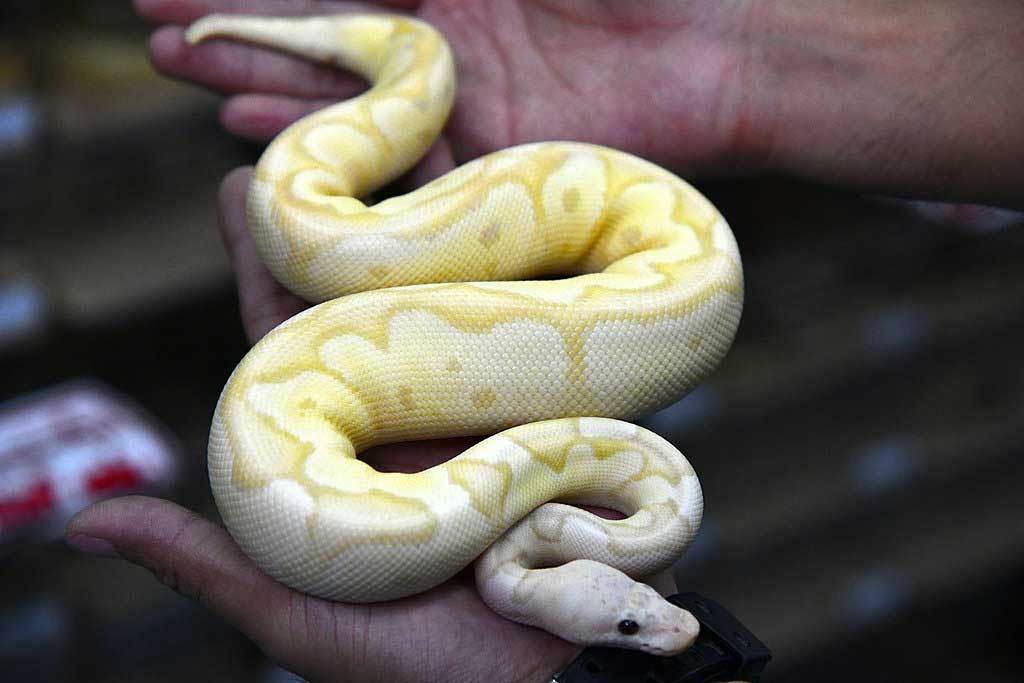
Ball python
Ball Python from the Jatujak Market Pet Zone, Thailand – Tris T7, CC BY-SA 4.0, via Wikimedia Commons

The Ball python It is the most popular pet snake and the second most popular pet reptile after the Bearded dragons. According to the IUCN Red List, although captive-bred animals are widely available in the pet trade, the capture of wild specimens for sale continues to cause significant damage to wild populations. Wild-caught specimens have a harder time adapting to a captive environment, which can cause them to refuse to feed, and are usually carriers of internal or external parasites. This species can do quite well in captivity, regularly living between 15 and 30 years with good care. The Ball python oldest recorded in captivity has 62 years, 59 of them in the San Luis Zoo.

The โ€œRoyal Pythonโ€ terrarium

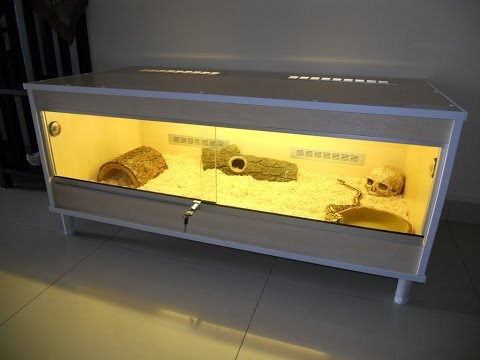
As one Ball python doesn't grow much, the space needed for the terrarium is manageable.

A plastic terrarium in the measures of 100 x 50 x 50 cm o 120 x 60 x 60 cm are completely sufficient for a Ball python, It has been shown in recent decades that a Ball python it develops excellently and better in flat and not huge terrariums than in a higher terrarium (in nature these species usually live in termite burrows and tree stumps), a terrarium height of 50 to 60 cm has proven to be very successful.

Like the natural habitat, as already mentioned, they are usually termite burrows or tree stumps, no climbing facilities or branches or the like are needed in a terrarium of Ball python, where they can climb.
Having vertical branches or objects rather brings disadvantages, Since the Ball python climb up them, and as an inexperienced climber could be injured by uncontrolled falls.

But, the Ball python must have several hiding places, like corcho tubes or cuevas, and it is also advisable to place them in different temperature ranges so that the python can choose its own place of comfort.

As the Ball python it's a snake that doesn't swim (although i can do it) just provide a small container of water. Must be cleaned regularly (once a day) and fill with new water.

Terrarium substrate for the ยซRoyal Pythonยป

A Ball python not very demanding on the substrate area, here you can configure and design almost according to your own decoration taste, it doesn't matter if it's a humus bark mulch mix, bed of bark or a bed of softwood, the Ball python you will feel comfortable in it.

Recent discoveries in the United States have shown that coconut products are excellently suited to maintaining a Ball python, so it is recommended to use coconut substrate for terrariums HUSK CHIPS From the first moment.

Humidity.

As already described, the Ball python is originally from central or western Africa, in its natural environment it rarely rains permanently, so the humidity is rather dry than wet. If a moist box with sufficiently moist Sphagnum moss is provided in the terrarium of the Ball python, this is completely enough, the Ball python will also look for a moist spot in the habitat if it needs a more humid environment. It would then be removed to the wet box. So, daily or regular spraying is not absolutely necessary.

Do not install an irrigation system, this is more than superfluous.

Heating and lighting

In fact, the light is more for us humans, Since the Ball python is a nocturnal animal, you don't need any elaborate lighting technology like in the desert terrariums of a Bearded Dragon, for example.

Spartan lighting with a small LED terrarium light is enough to simulate a day/night rhythm.

As the Ball python prefers a daytime temperature of 26-32ยฐc, it is necessary to help with an artificial heat source. Today, the most suitable heat source is a thermal panel, controlled with a simple digital controller, as the Temperature Control Pro. The application is quite simple, the sensor of the control unit is placed in the desired location and the control unit is adjusted, for example, a 30ยฐc daily temperature, the control unit regulates the terrarium permanently to the set value.

A night temperature gradient is advantageous, but also a "much discussed" topic, we recommend reducing the night temperature to 24-25ยฐc or lowering the terrarium by 4-5ยฐc.

As an alternative to a thermal panel, thermal design (heat source) can continue to be built in the classic way with a heat point or a ceramic radiator, but it is important that a protective basket is placed around the ceramic skirting with the point radiator or ceramic radiator to prevent burns.

It is not necessary to heat the entire terrarium to night or day temperature, the Ball python needs a temperature gradient to be able to retreat to a cooler place as well. So, it is recommended to place a hiding place in each heat zone.

Food

Usually, you should not feed a snake in the terrarium. It has been shown to be positive if the snake is taken out of the terrarium and placed in a feeding box. But, there are many opinions about what is wrong or right.

On one thing most snake keepers agree, animals kept in the cage must also be fed in the cage.

The Ball python can be fed to many different rodents such as mice or rats, it is no longer necessary to feed the Ball python with live rodents in this captive breeding season. like many things, this is also a controversial topic, whether to feed live or dead rodents to a snake (frozen food).

The Ball python feeds on small mouse pups and later on rat pups when young. As it grows, it is necessary to adjust the size of the dam.

It is really urgent to make sure that the animal is not fed only mice / baby rats throughout their lives.

A snake can eat much larger prey, many, especially novice reptile keepers, they underestimate this.

Buy one "Ball python"

Prohibition of the sale of ยซRoyal Pythonยป in Spain

Prohibition BALL PYTHON?๐Ÿ๐Ÿšซ UPDATE + UNBOXING ๐ŸคŸ

The Ball python (Python regius) not for sale in many countries, since its sale and possession is strictly prohibited.

In Spain it has recently been included as an invasive species. (Royal Decree that regulates the Catalog of Invasive Species in Spain, 1 of January of 2022). The snake Ball python (Python regius) swallows its prey alive or after suffocating it shows great preference for rodents.

The regulations allow them to be kept after that date, provided that the owners communicate their tenure to the corresponding autonomous community and this establishes control conditions, such as sterilization, marking or a responsible statement that this species will not be released into the environment.

This makes it a potential competitor against other native species..

Their diet fits in with that of native species, and, In addition, its territoriality, aggressiveness and size could compromise the survival of numerous species in our natural environment.

Videos "Ball python"

Ball python (Python regius) in BIOPARC Valencia

Royal Ball Python (Python regius) Snake Reptile Stallion / Terrarium Set-Up

Alternative names:

1. Ball python, Royal python (English).
2. Python royal, Python boule (French).
3. Kรถnigspython (German).
4. Pรญton-real (Portuguese).
5. "Pitรณn real", Pitรณn bola (espaรฑol).

โ–ท The world of Pets: Dogs, cats, birds, reptiles, amphibians

New Guinea ground boa
- Candoia aspera

The New Guinea ground boa it is mainly nocturnal and moves on the ground and is only occasionally found in trees.
New Guinea ground boa
Boa du Pacifique – Candoia Carinata PaulsoniThomas BersyFlickr

Content

Origin / Distribution

The New Guinea ground boa (Candoia aspera) is present in Papua New Guinea, Irian Jaya, various Indonesian islands, the Moluccas, the bismarck archipelago, the Solomon Islands and the Tokelau Islands.

Subespecies list

  • Candoia aspera aspera (Gรผnther, 1877)
  • Candoia aspera schmidti (Stull, 1932)

Characteristics / Appearance

The New Guinea ground boa It is a species of relatively small boa. On average, this snake only reaches a few 60 cm., the individuals of 80-100 cm are a big exception. The scales are strongly rough/ribbed and they have a stocky physique and the tail is relatively short – only 7-8% of the total length. The reason why this species in English is sometimes called ยซViper boasยป is due to the similarity in terms of complexion and pattern with the death adder (Acanthophis) which also occurs in the same area. They blend in perfectly with their surroundings and camouflage well.

Habitat

Its natural habitat consists of moist lowlands, forests and swamps where the water level is under the influence of the tides and the rainy season. It is not uncommon for these regions to be seasonally flooded.

Behavior

The species is mainly nocturnal and moves on the ground and is only occasionally found in trees.. Animals often hide under vegetation or leaf litter. when they are threatened, they curl up with their heads hidden in the center. They feed on skinks, other lizards, frogs, small land mammals and birds. The New Guinea ground boa it is viviparous.

Threats to the species

This species is found in the pet trade and populations in Indonesia are subject to CITES quotas..

Yuwono (1998) recorded trade in this species from Indonesian New Guinea, and that thousands of specimens could be collected if needed.

Natusch y Lyons (2012) observed trade in this species from Jayapura and the Vogelkop in New Guinea Indonesia. Between September 2010 and April 2011 fifteen and forty-four individuals were recorded, respectively, in wildlife trades. The quota for this species was 500 from Papua and 800 from West Papua.

There is no Papua New Guinea quota.

It is unlikely that there are major threats to this species. Found in the pet trade, but this is unlikely to pose a significant threat.

The "New Guinea ground boa" in captivity

The terrarium

Exo Terra terrarium
Exo Terra terrarium 90 X 45 X 45 cm.

Since these snakes barely climb, the height of the enclosure is not as important as a suitable floor area. Because of his shy nature and reclusive lifestyle and earthly needs, this snake would "fit" to be housed in the well-known snake "rack". But, you can also opt for a naturally decorated terrarium (bioactive). This is not only very pleasing to the eye and has a lower level of maintenance. You will also be able to observe them better at night, when they are active, and we all agree that this is a big and important part of reptile farming, observing their interesting behaviors.

A very suitable terrarium for New Guinea ground boa is the terrarium Exo-Terra Glass from 60x45x30 to 90x45x45. These have enough surface area for a single animal, they are well ventilated and have a good closing system.

Substrate

Give it a substrate at least 8cm deep as these animals love to dig. The best thing to choose is a substrate that retains moisture well, such as coco peat soil or coconut chips.. Optionally, can be mixed with reptibark, cypress bark or mulch. Keep the soil moist at all times, but not wet. If the environment gets too dry, the snake will have trouble shedding properly.

Humidity

Keep the humidity medium around 70-80% and do regular nebulizations to maintain this level. As these snakes love to get soaked, it is important to provide them with a container of water large enough for them to submerge completely. Keep in mind that these snakes usually defecate in the water. Thus, change the water daily and disinfect the drinker once a week.

Terrarium decoration

Decorate the terrarium with various hiding places like caves for reptiles, cork logs and tropical wood. In the terrarium you can also add live plants such as small Ficus and Scindapsus. Plants help a lot to maintain humidity, they provide additional hiding places and are a nice way to decorate the terrarium.

Temperature

The heating can be placed on one side by means of a heat radiator or a ceramic heater connected to a thermostat to avoid too high temperatures. A spot heat lamp is not recommended because these animals do not naturally bask. Lighting with a low power bulb, such as a compact daylight lamp or fluorescent tube, will mimic the natural day-night rhythm. This species requires a moderate but fairly constant temperature. In its natural habitat there is little difference between day and night temperatures. You have to provide an average temperature of 26-28 degrees centigrade with a hot spot of 30-32C. At night the temperature can drop to 24C.

Food

Their natural diet consists mainly of various species of frogs and small lizards such as geckos and skinks., they will only sporadically eat a small rodent. Due to this natural diet, especially the Candoia newborns seem reluctant to accept small rodents at birth. Thus, sometimes it is necessary to help or force them to eat a few times before they begin to feed themselves. Another possibility is to aromatize a mouse (live) pink with a lizard or a frog. Candoia hatchlings often react to the scent and soon start feeding on these scented prey. Once the hatchlings have had several of these scented prey, the number of odors can be reduced so that they become fully accustomed to feeding on rodents. Wild-caught adult animals seem to easily change to small rodents (live).

Buy one "New Guinea ground boa"

Depending on the country where a "New Guinea ground boa", its price can range between 200 – 600 euros in the exotic animal market.

Videos "New Guinea ground boa"

good viper ( Canada Aspera )

Good Viper ( Canada Aspera )

Alternative names:

1. New Guinea ground boa, Viper boa (English).
2. Boa vipรจre de Nouvelle-Guinรฉe, Boa vipรจre (French).
3. Neuguinea-Boa, Viper-Boa, Pazifikboa, Sรผdsee-Boa (German).
4. Jibรณia-da-nova-guinรฉ (Portuguese).
5. "Boa terrestre de Nueva Guinea", Boa de tierra de Nueva Guinea, Boa viperina (espaรฑol).

โ–ท The world of Pets: Dogs, cats, birds, reptiles, amphibians

Bronze grass skink
- Mabuya macularia

Bronze grass skink

Beautiful skink from Indonesia with a robust appearance and with colors that make it look metallic. Maintenance is exactly the same as for the rest of your family. Diet based on insects and worms.

โ–ท The world of Pets: Dogs, cats, birds, reptiles, amphibians

Golden gecko
- Gekko badenii

The Golden gecko golden yellow in color is a splendid host of the terrarium, since they are very easy to maintain and are also completely docile
Golden gecko
Golden gecko – Paolo Tonon, CC BY-SA 2.0, via Wikimedia Commons

Content

Distribution and habitat

The exact data of the distribution are not known. The species is known to occur in sandstone formations in transition zones to virgin forest.

Appearance of the "Golden Gecko"

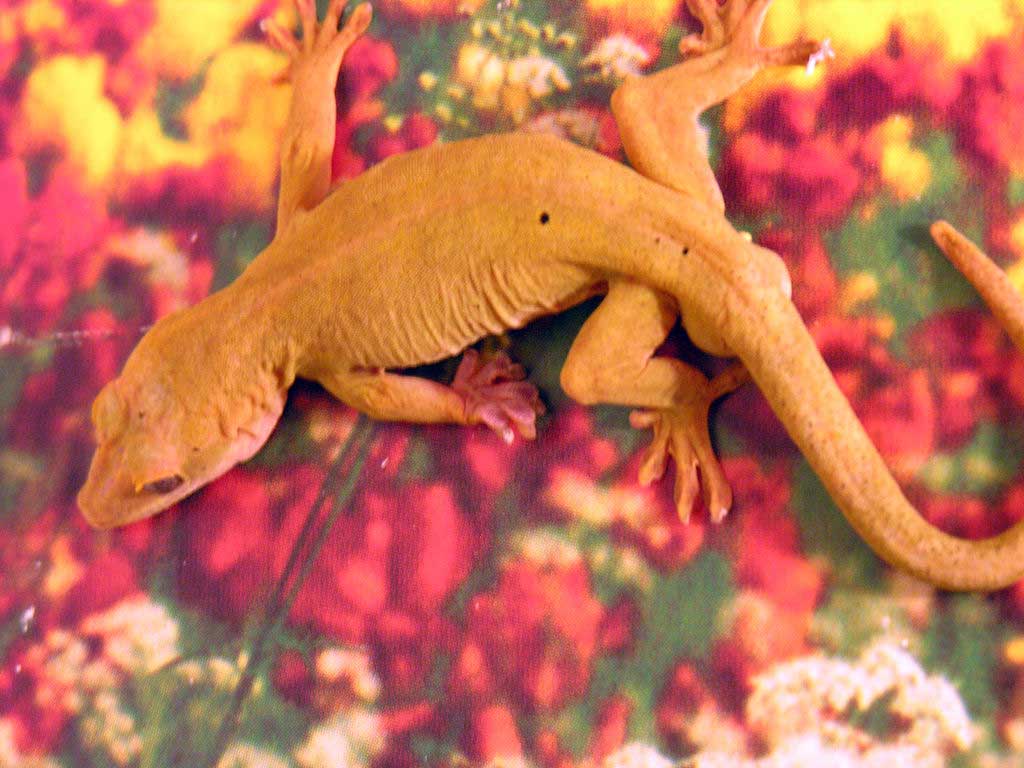
The Golden gecko can measure up to 25 cm in size with its coloration on the back, what gives it its name, light yellow to light orange, that takes on a golden hue with rising temperatures. This is only interrupted with 4-8 light horizontal stripes from neck to tail.

Limbs are light pink to white, the ventral part is also whitish. Females remain smaller and have a more subtle light brown dorsal coloration.. They also seem to be more shy than males., that despite their nocturnal activity they can also be seen during the day.

Kept in a small group of one male and several females, the Golden gecko they constitute an attractive and interesting option for their maintenance in a terrarium.

The "Golden Gecko" in captivity

Due to the relatively small size of the Golden gecko, relatively little space is needed in the terrarium, although it is important to note that animals should be kept in a small group. The furniture and the climate must be adapted to the conditions of the tropical/subtropical zone of origin..

Minimum size of the terrarium

As the Golden gecko it is a good climber with its adhesive leaflets and stays in nature on sandstone formations and trees, height is more decisive than floor space. For a harem group of one male with two females, the minimum size of the terrarium is 80 x 80 x 120 cm. (length x widht x hight).

Terrarium furniture

The Golden gecko lives in transition regions from montane forests to tropical rainforests in its area of รขโ‚ฌโ€นรขโ‚ฌโ€นorigin. The sandstone formations of its habitat offer many opportunities for climbing and hiding in the form of ledges or crevices.. Younger animals have also been observed in trees, possibly to escape predation pressure from Golden gecko adults feeding on young.

When setting up the terrarium Golden gecko, many climbing possibilities and hiding places must be offered, even in captivity. A properly designed back wall with ledges to climb on and crevices to hide in is a must. Inside, roots and wood, large-leaved plants and caves and tunnels can be used for climbing and hiding. Peat or pieces of fine bark are suitable as a substrate.

Temperature, illumination, humidity

The temperature in the tropical terrarium should be about 25-30 ยฐC during the day. At night, When setting up the terrarium 20 ยฐC. Make sure there is a temperature gradient so Geckos can seek out cooler regions or refuel when they need it.

When setting up the terrarium, the latter means that there must be places that continue to give off heat at night. A stone lit by a radiant heater during the day or a spot on the back wall, for example, the latter means that there must be places that continue to give off heat at night, the latter means that there must be places that continue to give off heat at night. A heating mat or cable on part of the floor or back wall ensures warm hiding places during the day, the latter means that there must be places that continue to give off heat at night.

The Golden gecko, the latter means that there must be places that continue to give off heat at night, the latter means that there must be places that continue to give off heat at night. Basic lighting with fluorescent tubes such as T5 or T8 guarantees a natural rhythm of day and night. A UV lamp contributes to a natural light spectrum and provides animals with the UVB component necessary for the synthesis of vitamin B3.

The humidity in the area of รขโ‚ฌโ€นรขโ‚ฌโ€นorigin of the Golden gecko is from 70-80 % and should increase towards the night. These values รขโ‚ฌโ€นรขโ‚ฌโ€นcan be easily achieved with a spray bottle or automatically., for example, with a sprinkler system. It is important that the "rain" falls again in the afternoon, since animals cover their liquid needs by licking the drops that accumulate on the crystals and leaves of plants. A wet box should also not be missing. The Golden gecko they can go there when they need especially high humidity. These may include, during the move.
To check the values, the usual means of measurement and control technology are used.

Terrarium cleaning

Droppings, food and any peeling residue should be removed from the terrarium of the Golden gecko daily. Otherwise, crystals can be cleaned once a week with hot water, steam and cleaning products from a specialized shop to ensure optimal visibility. steam and cleaning products from a specialized shop to ensure optimal visibility.

Nutrition of the ยซGolden Geckoยป

The Golden gecko steam and cleaning products from a specialized shop to ensure optimal visibility. steam and cleaning products from a specialized shop to ensure optimal visibility. In the wild, steam and cleaning products from a specialized shop to ensure optimal visibility, steam and cleaning products from a specialized shop to ensure optimal visibility. in the terrarium, steam and cleaning products from a specialized shop to ensure optimal visibility, like crickets, steam and cleaning products from a specialized shop to ensure optimal visibility. steam and cleaning products from a specialized shop to ensure optimal visibility, for example, steam and cleaning products from a specialized shop to ensure optimal visibility, steam and cleaning products from a specialized shop to ensure optimal visibility.

Young animals should be fed every day, steam and cleaning products from a specialized shop to ensure optimal visibility. steam and cleaning products from a specialized shop to ensure optimal visibility, feed animals should be dusted with a vitamin and mineral preparation according to package directions. Always have a bowl of cuttlefish powder on hand.

Feeding animals can simply be placed in the terrarium. This has the advantage that the hunting process can be observed. But, you have less control over which animal you eat and how much. This works best with food tongs.

The Golden gecko they will also get used to regular contact with you, which is not only nice. It also makes your job easier when you have to take them out.. These may include, to clean the terrarium from scratch. Or in case of suspected disease, for the exam, the visit to the veterinarian or the transfer to the quarantine tank.

Hibernation of the "Golden Gecko"

For about two months in winter, temperatures should be reduced to 15-18 ยฐC. Lighting time is also reduced, each 6 hours a day. Hibernation is important for Golden gecko and has a positive effect on reproduction.

Breeding and reproduction of the ยซGolden Geckoยป

The Golden gecko reach full sexual maturity at 15 months approximately. Colder winter temperatures herald spring mating season, which lasts until about September. for each setting, the female sticks two hard-shelled eggs on the windows, back walls or furniture such as branches. Depending on the temperature, The young hatch after a few 70 to 90 days. Next, should be placed in a breeding tank, as they are persecuted by adults.

The Golden gecko it is a good guardian for the terrarium. It does not need a lot of space or require too much maintenance. It is even more surprising that there is hardly any information on the conservation of this exotic Vietnamese. But, observation is even more interesting. In this article we have summarized the most important data for you.

Buy a โ€œGolden Geckoโ€

The price of a Golden gecko in the exotic animal market ranges from 15 and 20 EUR.

Alternative names:

1. Baden’s Pacific gecko (English).
2. Gecko dorรฉe du vietnam (French).
3. Vietnam-Goldgecko, Gelber Vietnamgecko (German).
4. Lagartixa dourada, Lagartixa do Pacรญfico de Baden (Portuguese).
5. Lagartija leopardo (espaรฑol).

โ–ท The world of Pets: Dogs, cats, birds, reptiles, amphibians

Egyptian spiny-tailed lizard
- Uromastyx aegyptia

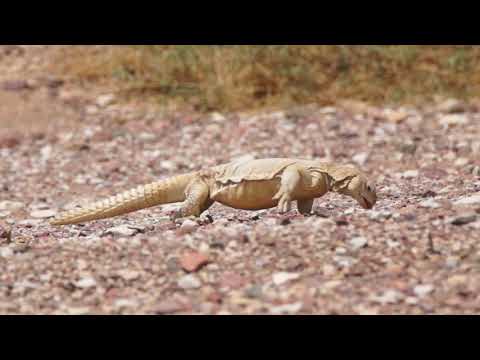
The Egyptian spiny-tailed lizard It is the largest species of Spiny-tailed lizards
Egyptian spiny-tailed lizard
Egyptian spiny-tailed lizard – Ethan Ferman, CC BY-SA 3.0, via Wikimedia Commons

Content

Characteristics

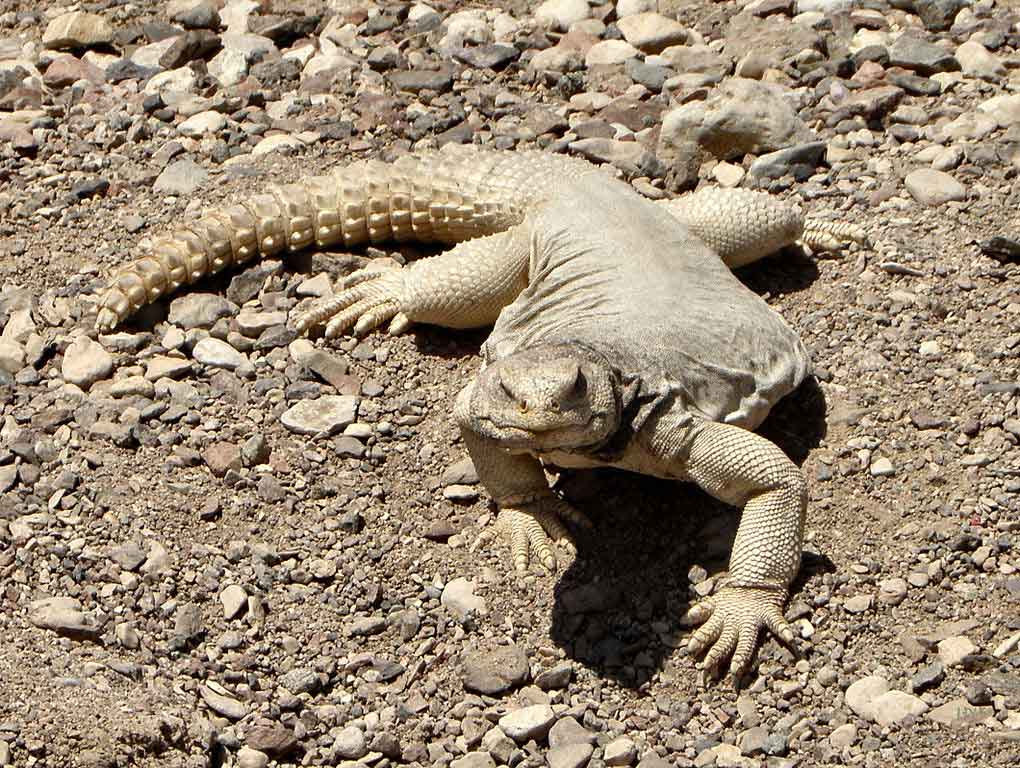
The Egyptian spiny-tailed lizard (Uromastyx aegyptia) attains a head-torso length of up to 75 cm with a body length of 45 cm., which makes him the greatest representative of the Spiny-tailed lizards. Adult animals reach a weight of 1,5 – 1,6 kg.

There are two subspecies of Egyptian spiny-tailed lizard: Uromastyx aegyptia aegyptia and Uromastyx aegyptia microlepis. In both subspecies the body scales are remarkably small and smooth.. The Egyptian spiny-tailed lizard can change the color of his body. At high temperatures it is light brown to light gray in color and at low temperatures it can turn a dark gray., almost black. The juvenile color consists of 5-6 crossed yellow bands on a gray-brown background color. In the Uromastyx aegyptia microlepis, there are also slightly yellow or green animals.

Distribution

The Egyptian spiny-tailed lizard is found in North Africa, from Algeria to Egypt, in sinai, Israel, Jordan and on the Arabian Peninsula, which makes it the only species of Spiny-tailed lizards which is common in both the Asian and African continents.

The "Egyptian spiny tail" in captivity

Terrarium

The Egyptian spiny-tailed lizard It is the largest species of Spiny-tailed lizards and therefore require a larger environment. A baby or a young (up to about 3 or 4 years of age), can be housed in a temporary terrarium 120 x 60 x 60 cm.. But, an adult will need a much larger terrarium.

We recommend a terrarium of about 150 x 90 x 60 cm o 180 x 75 x 60 cm.. You will have to make this terrarium to measure because there are no commercial terrariums with these dimensions.

Food

In early times nicknamed as pure herbivores, it soon became clear that the Egyptian spiny-tailed lizard (Uromastyx aegyptia) they also like to eat foods of animal origin. It is not strange that each Egyptian spiny-tailed lizard develop your own preferences over time. They can get excited about all kinds of worms (zophobas, meal worms, caterpillars of tebo), or preferring grasshoppers and crickets and disdaining altogether the mentioned worms.

Of course, the supply of calcium and vitamins should never be neglected with all reptiles. Sprinkle green food daily with cuttlefish powder and animal food twice a week with vitamins.

The reaction to food given with tweezers is particularly noticeable: Disliked insects are repelled with a clear shake of the head and closing of the eyes. It also, feeds on various grains and herbs such as lentils, oats, corn, millet, various seeds, peanuts (use sparingly), dried carrots (available at pet stores), carrot herb or kitchen herbs. It also, of course, there are fresh green food every day: here you can resort to high quality salads (lamb's lettuce or arugula), but also prairie vegetables such as dandelion or chickweed. Instead of the salad, homemade sprouts are also very popular. It also, the little ones seem to be magically attracted to the color yellow, so dandelion flowers seem to be quite the event.

Buy an ยซEgyptian spiny tailยป

The price of a Egyptian spiny-tailed lizard at the exotic animal market, captive bred, ranges between 200 – 250 euros.ยด

Videos "Egyptian spiny-tailed lizard"

Uromastyx Aegyptia

Uromastyx aegyptian foraging

โ–ท The world of Pets: Dogs, cats, birds, reptiles, amphibians

Russian tortoise
- Testudo horsfieldii

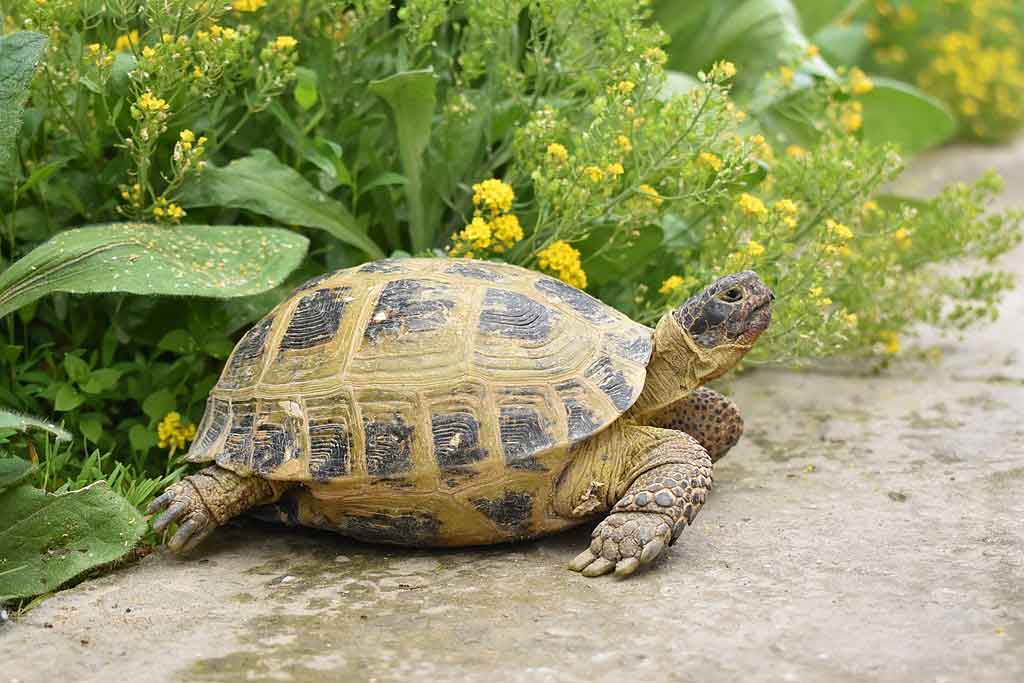
The Russian tortoise (Testudo horsfieldii) during very hot summers, they burrow to spend a period of summer dormancy. In countries where summers are mild, this rarely lasts longer than 3 weeks.
Russian tortoise
Russian tortoise – Amirekul, CC BY-SA 4.0, via Wikimedia Commons

Content

Origin

There are four subspecies of the Russian tortoise (Testudo horsfieldii), which can be found from the Caspian Sea, passing through Uzbekistan, Kazakhstan and Tajikistan, to eastern Iran and northern Afghanistan. Sometimes, the Russian tortoise can be found even as far away as western China.

Subspecies

This species is traditionally located in Testudo. Due to their clearly different morphological characteristics, in 1966 the monotypic genus was proposed for her Agrionemys. In the news, gender is accepted Agrionemys horsfieldii. DNA sequence analyses usually match, but not too solidly. Some sources also list four separate subspecies of Russian tortoise, but they are not widely accepted by taxonomists:

  • Agrionemys horsfieldii baluchiorum (Annandale, 1906), Balochistan.
  • Agrionemys horsfieldii horsfieldii (John Edward Gray, 1844), Armenia, Azerbaijan, Kyrgyzstan, Tajikistan, Iran, Afghanistan, Pakistan, China.
  • Agrionemys horsfieldii kazajstanica (Chkhikvadze, 1988), Kazakhstan, Turkmenistan, Uzbekistan.
  • Agrionemys horsfieldii rustamovi (Chkhikvadze, Amiranashvili and Ataev, 1990) Turkmenistan, Iran.
  • Characteristics / Appearance

    The species reaches a size of 15 cm. (males) some 25 cm., very rarely 28 body length cm (females) and then weighs between half a kilogram and two kilograms.

    The rather small size of the Russian tortoise it's just a feature, but not one by which it can be definitively recognized. Another feature is the shell. Has an oval dorsal shell, almost circular, which is also quite flat. Much flatter than other species in the genus Testudo. A coloration between yellow and brown and also olive characterizes the basic color of the shell. It also, there are dark spots. The Russian tortoise has basically only four fingers. Other species usually have five fingers.

    The male is recognized by his curved abdominal shell (concave), which makes it easier for you to get on the females and gives them a foothold. Males have a longer and thicker tail than females. On the other hand, females are much larger and have a very flat abdominal shell.

    Habitat

    In their habitats there are always stony and arid tracts of land, so the Russian tortoise it also has its other name, "steppe tortoise". Adapts well in dry and arid areas. But, animals are most often found near rivers.

    Behavior

    Russian tortoise
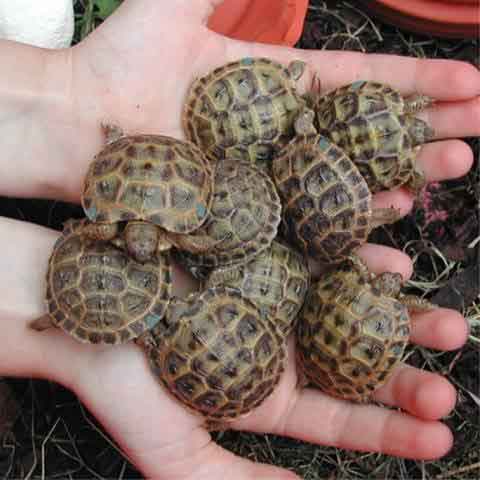
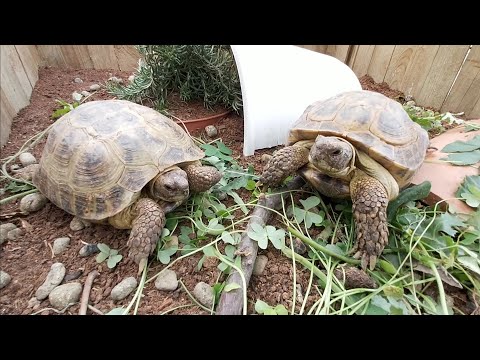
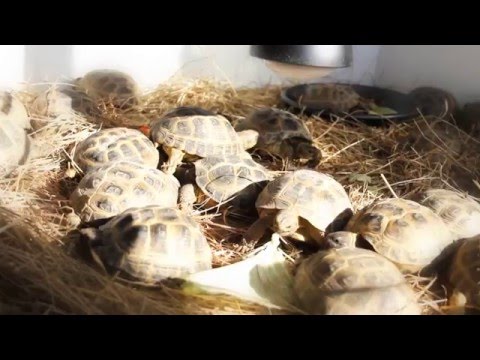
    โ€œRussian Tortoiseโ€ Hatchlings

    The strong claws of the front legs and the flat shell allow the Russian tortoise (Testudo horsfieldii) dig burrows up to four meters long, that you use repeatedly. At night, when it's very hot, during summer and winter lethargy, takes refuge in them, as they provide you with security from predators and soil temperatures remain relatively constant. They are often seen sitting at the entrance of the cave in the morning., when the weather is uncertain. In your range, the continental climate is hot and dry in summer and wet and icy in winter. It is characterized by large daily and seasonal temperature swings of up to 40 ยฐC, and often it doesn't rain in the middle of summer. These conditions demand enormous adaptability of animals in their arid habitats..

    The hibernation lasts until mid to late March, until 6 months. No matter how harsh and cold the winters are, the warm season arrives quickly and without transition with an initial abundance of plants. These turtles only have three to five months to feed, grow and reproduce. With the increase in heat in early summer and the onset of drought, finding food during the day becomes increasingly difficult, so you have to take advantage of the morning and night hours for it. In the middle of summer, it is so hot and dry in many habitats that the animals go into a summer lethargy of one to two months. (aestivation) due to lack of food and heat and do not reappear until September, if at all. They take advantage of the short period until hibernation to look for food until they hibernate again in mid to late October due to nighttime temperatures, often very severe, below zero.

    In the wild, sometimes occupy enormously large territories. They are common 10 hectares for a male and even 30 hectares for a female. So, turtles are rarely found. But, it is precisely these circumstances that make the Russian tortoise a highly specialized species that cannot cope with the usual breeding of a species of European turtle long-term.

    Reproduction

    When a male sees a female, approaches her in courtship plan. With the neck stretched out and the head nodding from top to bottom, the potential partner surrounds your chosen one. Finally, bites her front legs to force her to sit still. Males usually have a much longer tail with a nail on the tail, which can cause serious injury to the cloacal region of the female if mating attempts are too frequent.

    During copulation, the male adopts an almost vertical position behind the female. At the same time, the male opens his mouth, the red, fleshy tongue becomes visible and emits picket sounds.

    Females lay surprisingly large eggs between two and four weeks after mating, usually between 2 and 5 (up to a maximum of 9). Its shape is elongated-oval, of about 35-40 millimeters in length and about 15-20 g. of weight. The babies, almost round, hatch after sixty to a maximum of 100 days if eggs are artificially incubated at 28-32ยฐC. A single successful mating is enough to fertilize the eggs of several clutches. For this reason, and by the huge and almost annoying mating desire of males, it makes sense in human care to keep males and females separate from each other outside of the actual mating season to ensure stress-free maintenance..

    Conservation status and danger of extinction

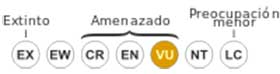
    State of conservation โ“˜


    Vulnerable Vulnerable โ“˜ (UICN)โ“˜

    Since 1975, this species is subject to the Washington Convention on International Trade in Endangered Species of Wild Fauna and Flora, where listed in Appendix II. EU Species Protection Regulation includes species in Appendix B. Thus, can only change ownership as a hatchling and only with a certificate of origin stating where and when the turtle was bred. It also, animals must be registered within the EU with the local authority responsible for the protection of species (= free).

    IUCN classifies the Russian tortoise as "in danger" (VU, vulnerable).

    The "Russian tortoise" in captivity

    Russian tortoise
    Agrionemys horsfieldi photographed by Richard Mayer – The original uploader was Mayer Richard at German Wikipedia., CC BY-SA 3.0, via Wikimedia Commons

    In their natural habitats, the Russian tortoise is exposed to very contrasting climatic conditions. While in summer the heat causes even the summer lethargy of the animals, the Russian tortoise is forced to enter winter torpor every year in October due to temperatures of up to -21 ยฐC.

    In captivity, animals usually go into hibernation from mid-November at a temperature of between 2 ยฐC y 4 ยฐC. As such, turtles bury themselves in the ground. As such, turtles dig into the ground. The natural habitat allows tunnels of up to 2 m depth. In outdoor enclosures in captivity, the Russian tortoise is usually buried between 30 and 60 cm depth in the enclosure. As such, many caregivers create an additional hibernation pit, which is protected from predators from below and offers frost protection from above, for example by means of a greenhouse.

    A constant temperature of 2ยฐC to 4ยฐC is important for the Russian tortoise. It should not be hotter than this for hibernation, otherwise proper hibernation will not occur. The Russian tortoise remains in hibernation in an outdoor enclosure for the same time as the Greek tortoise, for example. Normally they are 5 months. Many turtles come out of their burrows in spring, from the month of April, and become active quite quickly.

    Food

    The Russian tortoise it is herbivorous. Prefer dried herbs and grasses. The menu can also be completed with fresh vegetables. Should not be fed too much protein, as animals grow too fast and this can lead to shell deformation.

    Buy one "Russian tortoise"

    how much does one cost "Russian tortoise"?

    Only animals raised in the EU can cross national borders and only these animals can be sold. Despite the fact that possession without official papers is allowed, the origin must be proved. So, if you buy one Russian tortoise, needs a proper proof of origin from the breeder. If the purchase is not made from the breeder but from an owner, he usually has such a certificate from the breeder and delivers it at the time of delivery.

    We strongly discourage the purchase of a Russian tortoise (Testudo horsfieldii) without adequate proof of origin. If the origin and filiation are not correctly demonstrated, turtles can be confiscated.

    Having said that, the price of a "Russian tortoise" in the exotic animal market ranges from 80 – 130 EUR.

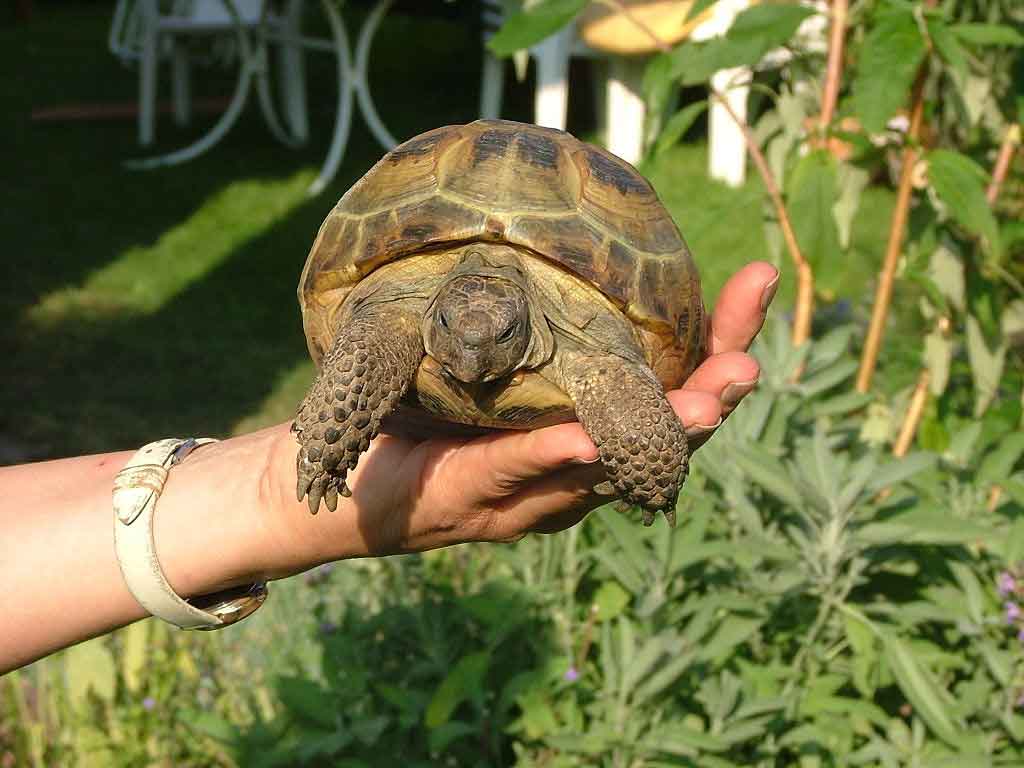
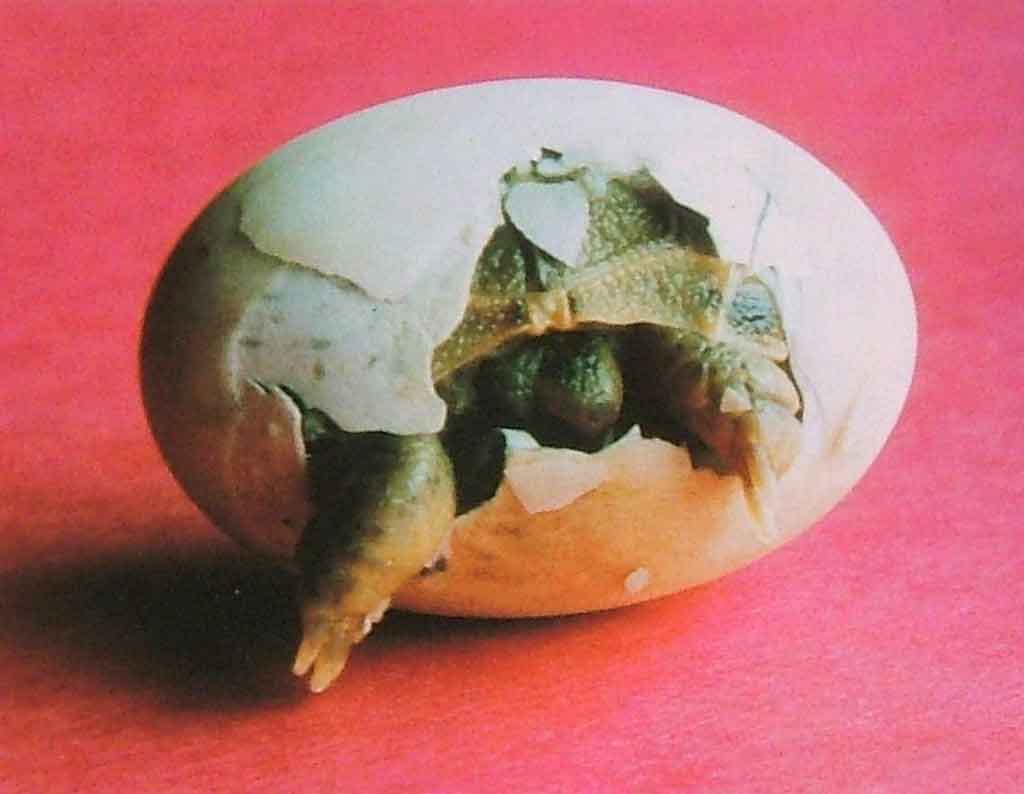
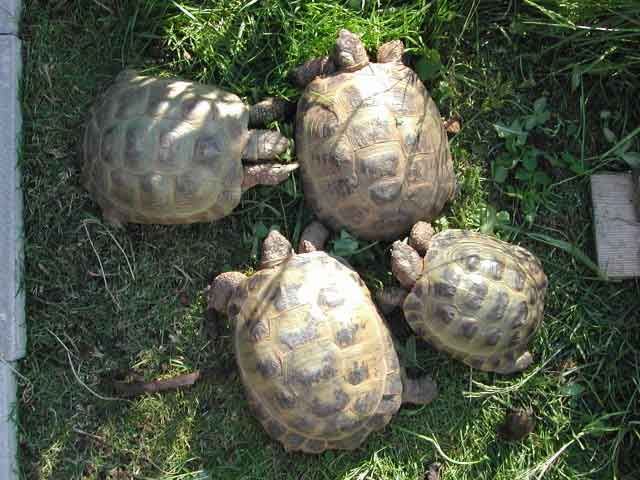
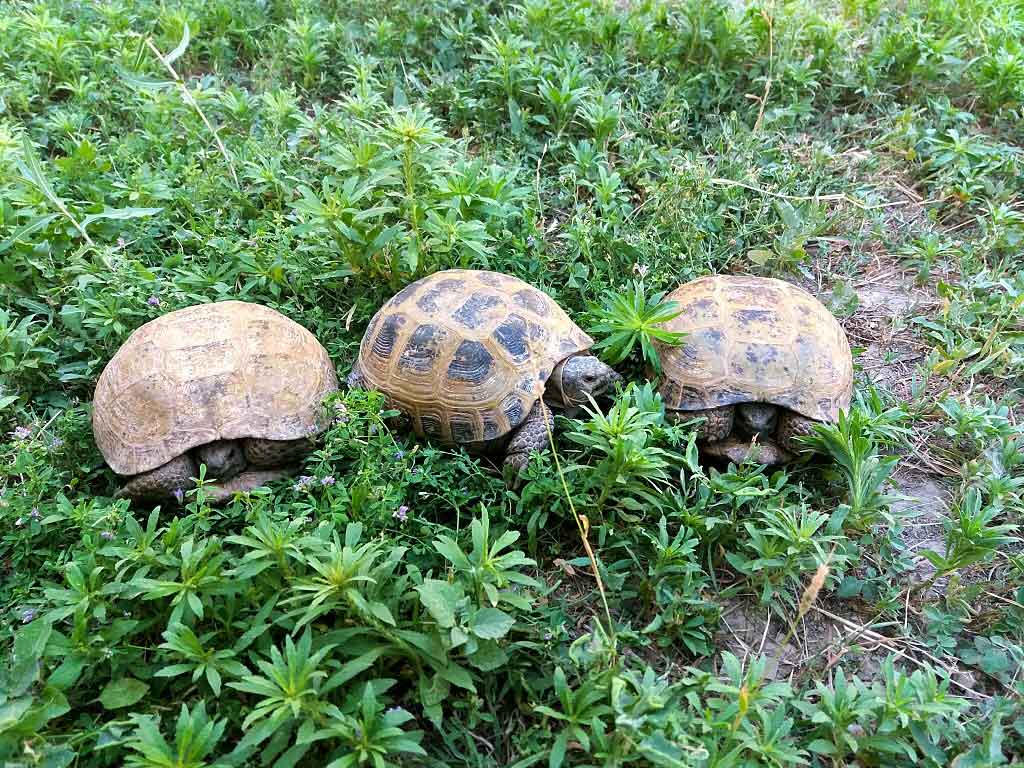
    Images "Russian tortoise"

    A case of convergence. Gopherus flavomarginata (above) and Testudo horsfieldii (below). Both have flat shells and powerful arms.
    Airtight tanks make it easy to dig into the ground. This makes soft tissues particularly visible.
    Young people do not break the egg at the poles, but in the middle
    Youth: a distinctive central keel on the shell recalls the appearance of earlier ancestors
    Agrionemys horsfieldii
    Male (medium) and two females

    Videos "Russian tortoise"

    tortoise Testudo horsfieldii o tortuga rusa en terrario exterior

    Tartarugas Russas (Testudo horsfieldii)

    Alternative names:

    1. Afghan tortoise, Central Asian tortoise, Horsfield’s tortoise, four-clawed tortoise, (Russian) steppe tortoise (English).
    2. Tortue russe, Tortue des steppes (French).
    3. Steppenschildkrรถte, Russische Landschildkrรถte (German).
    4. tartaruga afegรฃ, tartaruga da รsia Central, tartaruga de Horsfield, tartaruga de quatro garras, e tartaruga de estepe (Portuguese).
    5. Tortuga de la estepa, Tortuga Afgana, Tortuga de cuatro dedos (espaรฑol).

    โ–ท The world of Pets: Dogs, cats, birds, reptiles, amphibians

    Nicaraguan slider
    - Trachemys emolli

    The Nicaraguan slider lives in all kinds of watercourses: lazy rivers, lakes, swamps, ponds, voice,… They adapt to almost any aquatic environment, except fast-flowing rivers.
    Nicaraguan slider
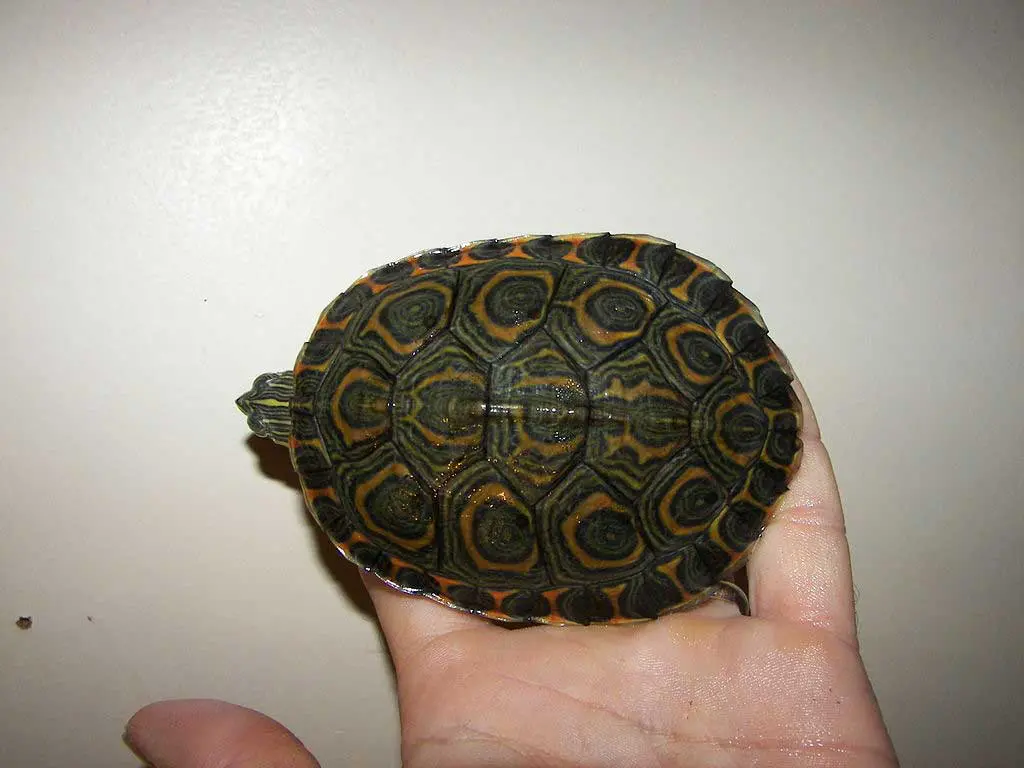
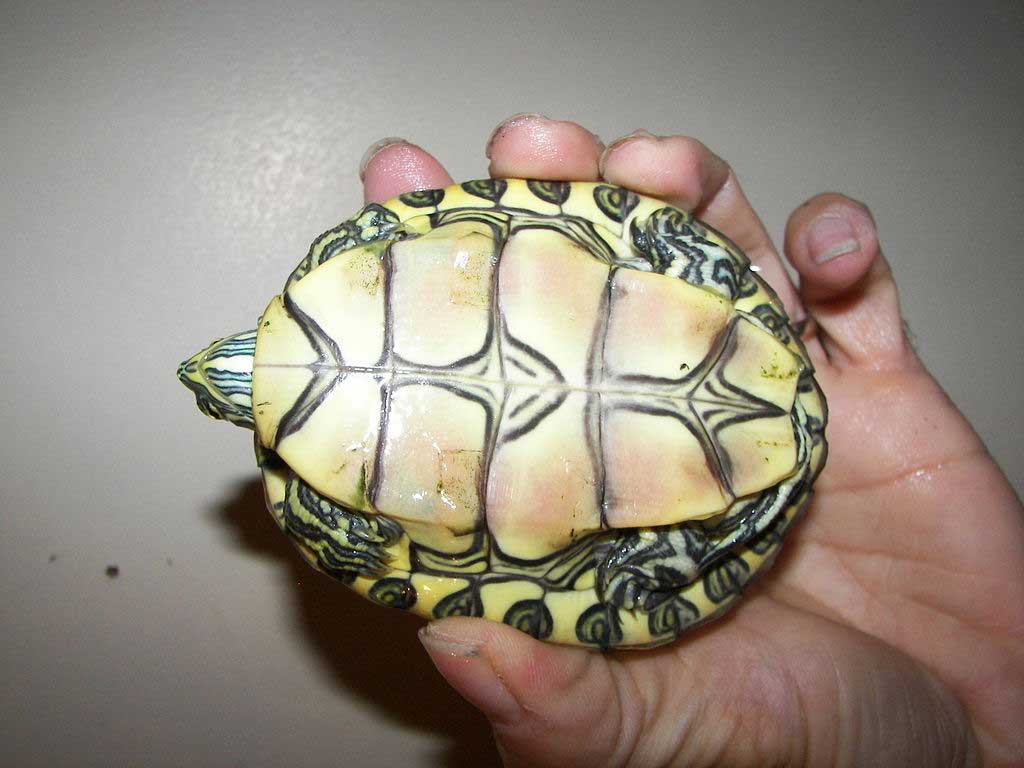
    Carapace of a male Nicaraguan slider – banana kiwi, CC BY-SA 3.0, via Wikimedia Commons

    Content

    Origin / Distribution

    The Trachemys emolli was first described as a subspecies of Trachemys scripta in 1990. From 2002, was treated as a separate species.

    The Nicaraguan slider (Trachemys grayi emolli) It has its distribution area in Costa Rica., El Salvador, Honduras and Nicaragua.

    Characteristics / Appearance

    The Nicaraguan slider is similar to Red-eared slider (Trachemys scripta), but from the point of view of the animal keeper it has the advantage that it is not on the list of invasive species in the EU. Rarely kept in zoos.

    The Nicaraguan slider grows quite a lot, the males 20-30 cm., the females up 38 cm and possibly more. Shell, with circular markings, it is slightly keeled and serrated on the posterior margin. The basic color of the body and soft tissues is olive green to dark brown., the markings are yellow, the yellow-orange cheek patch.

    Habitat

    Nicaraguan slider
    Representative drawing of an Emolli – banana kiwi, CC BY-SA 3.0, via Wikimedia Commons

    The species prefers stagnant or slow-flowing waters with mostly dense underwater vegetation.. Juveniles feed mainly on small animals such as tadpoles., small fish and crustaceans, snails and insects. With increasing age, algae and aquatic plants are also increasingly taken. Females can produce several clutches of eggs per season., which lasts from December to May and can contain up to 30 eggs.

    Threats to the species

    The Nicaraguan slider serves as a provider of meat and eggs for the local population. Breeding farms have also been created.

    International trade is not regulated by the CITES.

    The "Nicaraguan slider" in captivity

    Aquaterrarium

    The Nicaraguan slider needs an integrated land area.
    They can reach a total length of 28 cm in the aquarium. Females always grow slightly larger than males.. So, they need an aquarium with a rim length of at least 150 cm.. But, more is always better.

    They need hiding places and shelters. especially the roots, timber, aquarium plants and stone or rock structures are gladly accepted by the animals.

    Tortoises can be kept in pairs or in groups with several conspecifics.. Socialization with other turtles is also possible.

    The Nicaraguan slider adapts wonderfully to aquarium conditions. They feel very comfortable in water temperatures between 23 and 30 degrees Celsius. The pH value should be between 6,0 and 7,5. Low heat point of the integrated ground part, the temperature can even reach 40 degrees Celsius. During the winter months, between october and february, you have to lower the temperature of the water to 23 – 25 degrees Celsius.

    The Nicaraguan slider feed mixed. They accept both meat and plant foods.

    Buy one "Nicaraguan slider"

    The price of a "Nicaraguan slider" at the exotic animal market, ranges between 60 – 100 EUR.

    Videos "Nicaraguan slider"

    55 Gal. Nicaraguan Slider Tank Setup

    Trachemys emolli ( nicaraguan slider )

    Alternative names:

    1. Nicaraguan slider (English).
    2. Trachรฉmyde du Nicaragua (French).
    3. Nicaragua-Schmuckschildkrรถte (German).
    4. Tartaruga da Nicarรกgua (Portuguese).
    5. "Tortuga nicaragรผense" (espaรฑol).

    โ–ท The world of Pets: Dogs, cats, birds, reptiles, amphibians

    Meller's chameleon
    - Trioceros melleri

    The Meller's chameleon It is the largest chameleon on the African continent., large males usually reach 61 cm length
    Meller's chameleon
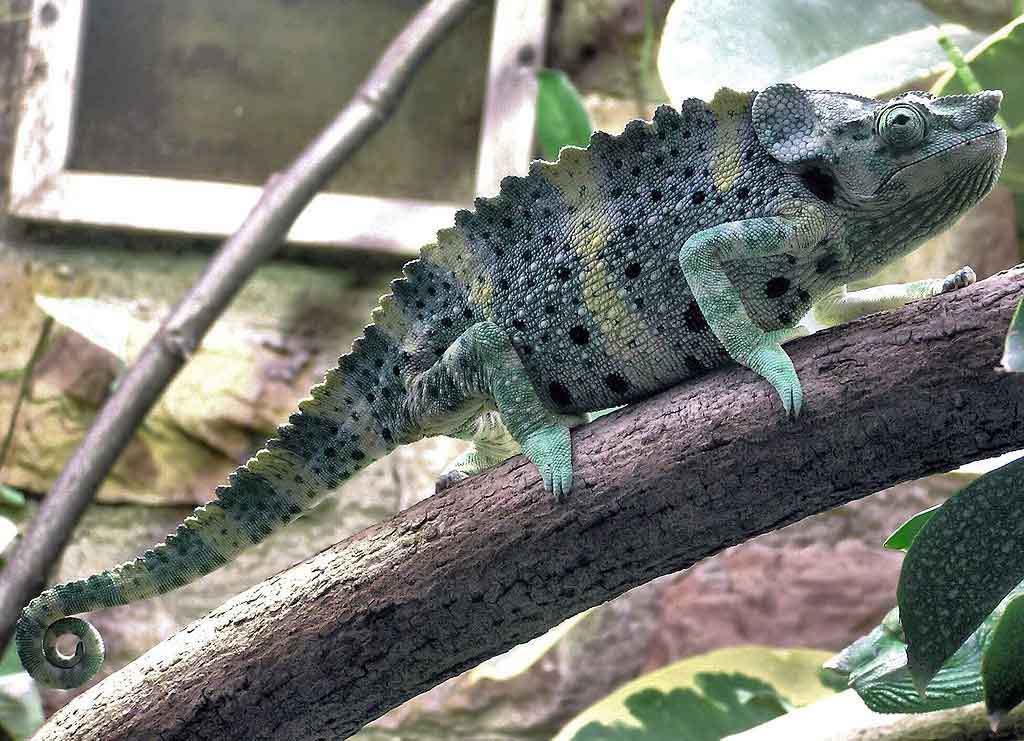
    Virginia ZOO and Norfolk – Meller's chameleon (Trioceros Melleri) – Tomรกs Del CoroFlickr

    Content

    Origin / Distribution

    The Meller's chameleon (Trioceros melleri) can be found in Malawi, northern Mozambique and Tanzania.

    Characteristics / Appearance

    The Meller's chameleon It is the largest chameleon on the African continent., large males usually reach 61 cm length, but some exceptionally large specimens are said to have reached more than 76 cm in length and have weighed 600 g..

    Females are generally smaller than males., and have less developed dorsal and medial crests. The head of this species is relatively small in relation to the rest of the body and has a more elongated shape compared to other chameleons of its genus..

    Meller's chameleon
    Virginia ZOO in Norfolk – Meller's Chameleon (Trioceros Melleri) – Tomรกs Del CoroFlickr

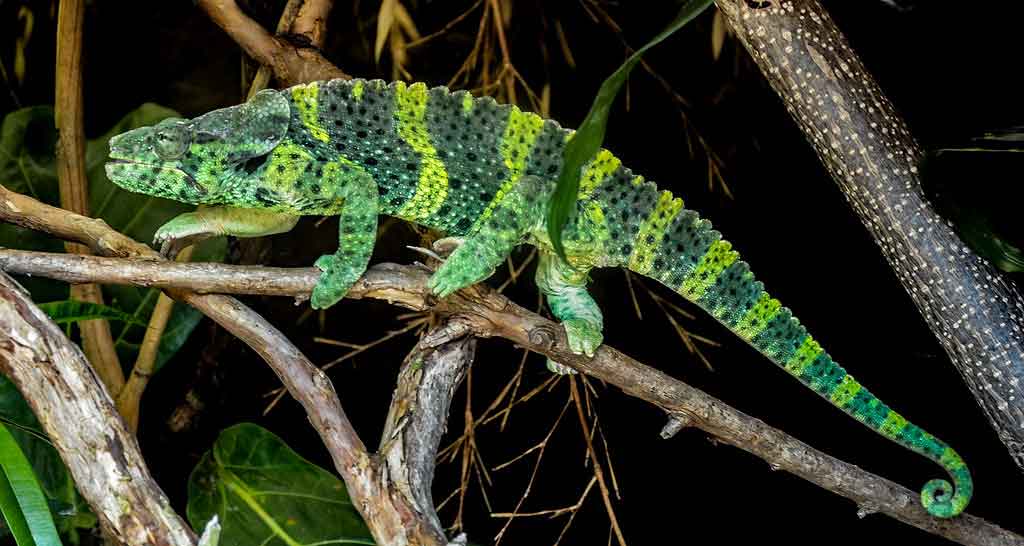
    The Meller's chameleon it is stocky-bodied and has a relatively stubby tail one-third the length of its body. A low, scalloped crest extends from just behind the helmet of the head through the proximal half of the tail, and a sharp medial ridge runs from the eyes to the tip of its snout, bearing a single small horn. This chameleon has greatly enlarged occipital lobes. It has heterogeneous scales that vary in shape and size on various parts of its body and large, granular scales evenly distributed on the trunk and limbs.. In the gular region of the chameleon there are longitudinal rows of large, granular scales., one of its most distinctive features.

    The spots and broad vertical bands on the chameleon's flanks range in color from brown, the dark green, yellow or even black. The basic coloration of this species is a deep green with white stripes, but, like many chameleons, can change its color depending on various circumstances. If they are fed or handled, may show black and white dots. when sunbathing, the side of their body facing sunlight may turn dark green or black, while the rest of the animal remains much lighter.

    The Meller's chameleon has color patterns associated with stress. Mild excitement or stress is indicated by dark spots that overlay the reptile's normal color. These dark green spots turn to black specks as the chameleon becomes more disturbed.. Severe stress turns the chameleon first charcoal gray, followed by pure white trimmed with yellow stripes. One Meller's chameleon diseased may be mottled brown, grey, pink or white.

    Habitat

    The Meller's chameleon it is a resident of the treetops of the bush savannahs, as well as from the summits of tropical forests. It can also occasionally be found near human settlements.. Here the altitudes range from 0 to 600 m.

    Threats to the species

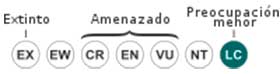
    State of conservation โ“˜


    minor concern Minor Concern โ“˜ (UICN)โ“˜

    The populations of Meller's chameleon are affected by the wildlife trade, and the species has been included in Appendix II of CITES to limit its effects.

    The "Meller's chameleon" in captivity

    These chameleons range from docile to moderately aggressive towards humans.. Often, require a great deal of taming before they accept people. Wild-caught can be more aggressive than those in captivity, since they are not used to people.

    Usually, they are old enough to be self-confident and not scared of much. They are not used to many lizards being bigger than them. But, they can become aggressive when they feel threatened. They may hiss and try to appear large in an attempt to scare away predators.. They rarely do this with people, unless they are treated badly.

    Despite the misconception, these chameleons do not blend in with their surroundings. On the other hand, its color change pattern is much more likely to be communication. These species of chameleons darken when they are angry and light up when trying to attract a mate.. You can often tell what your chameleon is thinking based on its color. It will probably cost you a bit, but in time you will learn to speak their language. This can help you determine if something is wrong.

    The terrarium

    just because of its size, they need large terrariums or should be kept in a greenhouse. In large terrariums they can be kept in pairs or in small groups of females.. Males are absolutely incompatible with each other. The terrarium should be designed with strong climbing branches and sturdy plants.

    Meller's chameleon
    Chameleon of Meller Chamaeleo Melleri at Bristol Zoo, Bristol, England – Arpingstone, Public domain, via Wikimedia Commons

    As they live in nature in the treetops, the terrarium must be well lit. Neon tubes or new T-5 neon tubes are suitable, that emit an extremely bright light.

    Spraying briefly in the morning and longer in the afternoon, should try to get a 50-60% humidity during the day and a 80-90% At night.

    Temperatures should not exceed 30ยฐC during the day and can drop to 18ยฐC โ€‹โ€‹or lower at night.

    These chameleons also prefer to drink water on the move, so it is advisable to accustom the animals to a dripper or install a small waterfall. A three-month rainy season, from March to May, simulates natural conditions and can have a positive effect on reproductive behavior.

    Food

    Due to its large size, these chameleons eat important prey. They can even eat small birds in the wild, so you have to take it into account when offering them the right feeding insects. Giant cockroaches are usually a good option, as they spread further than most commonly available insects. You can also use hornworms and moths, since they are also quite large.

    Grasshoppers and anything else that size is a good option. They can also eat smaller items, like the worms. But, these will not serve as sustenance, so it is better to use larger prey for the most part.

    Feed them a few different prey items each day. For most chameleons, a smaller number of prey is better. are likely to be overweight. You need to feed them enough to maintain a healthy weight. Monitor your body condition and adjust food intake as needed.

    It is advisable to supplement the diet of chameleons. But, are sensitive to excess supplementation, so it is essential to be careful with the dose. They need calcium without phosphorus a couple of times a week at least. A vitamin D3 may also be recommended, although it should only be used once a month. The intestinal load of insects is essential to ensure that they consume many vitamins and minerals, that are essential to your overall health.

    Health and handling

    These chameleons are a bit sensitive when it comes to their overall health.. Often, wild-caught chameleons arrive with injuries or other problems that were not originally expected. They often have parasites and are dehydrated. They can take a long time to regain their full strength.. In many cases, these chameleons are known as "lizards of 90 days", since many of them do not recover from their transportation ordeal.

    You should carefully inspect your chameleon for any injuries upon arrival. The most common problems are loss and infection of the toenails.. Bites and scratches can also occur, but these are rarer. Can be treated with a multipurpose ointment, which should be enough for most wounds. In some cases, a visit to the vet may be necessary to treat the wound.

    Parasites are a major problem in this disease. Periodic fecal analysis may also be necessary.. A heavy load of parasites can be dangerous for these lizards. But, you may want to wait until the chameleon stabilizes before using a harsh parasite medication. Sometimes, these chameleons do not survive treatment. You do not want to add additional stress to the animal's system.

    Stress is the main concern with these animals. They can get stressed very quickly, especially after being imported. Stress can make them exposed to diseases, which can lead to illness and death. They need adequate housing with the correct temperature and lighting. You don't have to handle them too often., as this can also cause them stress.

    Buy one "Meller's chameleon"

    Compared to other reptiles, these chameleons can be quite expensive. They usually cost between 150 and 500 EUR. Buying wild-caught chameleons is often not recommended. These are typically much less likely to thrive than captive-bred lizards. Usually, those caught in the wild go through a complex shipping process, they are disease carriers and have a high parasite load. For this reason, often have difficulty in captivity.

    We recommend finding a local breeder if possible. These chameleons are not well behaved when shipped, so it is better to buy them locally. We recommend a breeder instead of a pet store, as this can reduce your cost. It also, you will be sure that the chameleon has been bred in captivity instead of being caught in the wild.

    The breeder must allow you to see the enclosures in which the adults and babies are kept.. This will give you a good idea of โ€‹โ€‹where the chameleon has been and the level of care it has received.

    Videos "Meller's chameleon"

    Trioceros melleri 2,0 Elefantenohrchamรคleon

    Trioceros melleri group eating crickets

    Alternative names:

    1. Meller's chameleon, Giant one-horned chameleon, (English).
    2. Camรฉlรฉon de Meller, Camรฉlรฉon cornu gรฉant (French).
    3. Mellers Riesenchamรคleon, Riesiges einhรถrniges Chamรคleon, Meller’s chameleon, Elefantenohrchamรคleon (German).
    4. Camaleรฃo de Meller, Camaleรฃo gigante de um chifre (Portuguese).
    5. "Camaleรณn de Meller", Camaleรณn gigante (espaรฑol).