▷ The world of Pets: Dogs, cats, birds, reptiles, amphibians
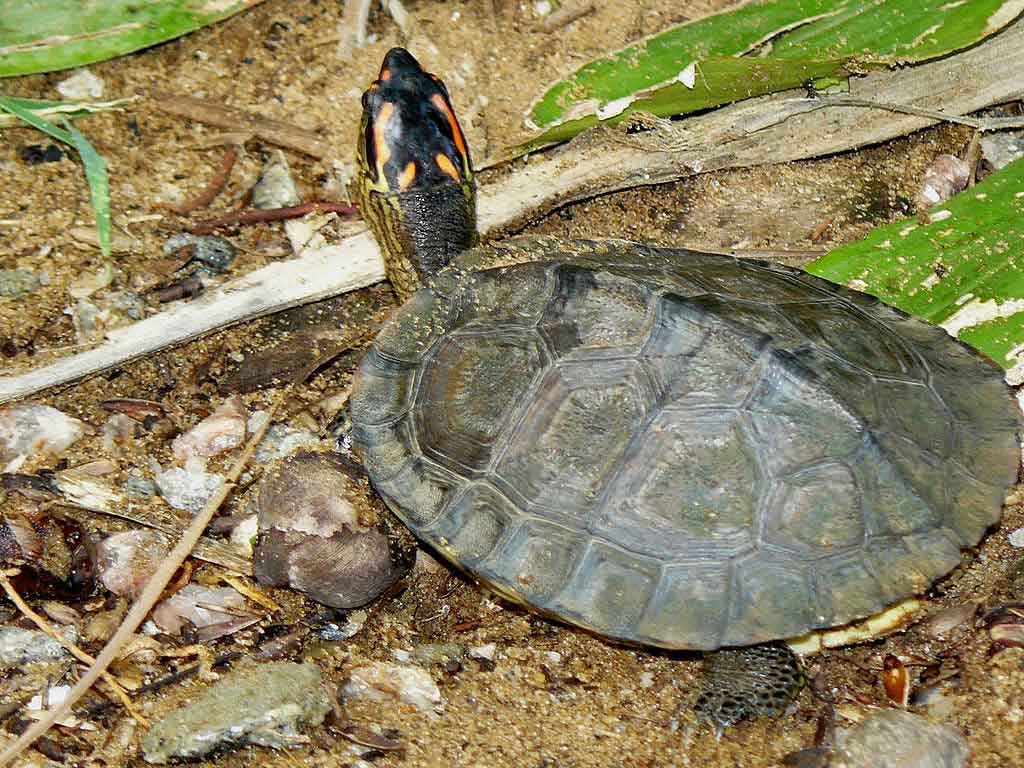
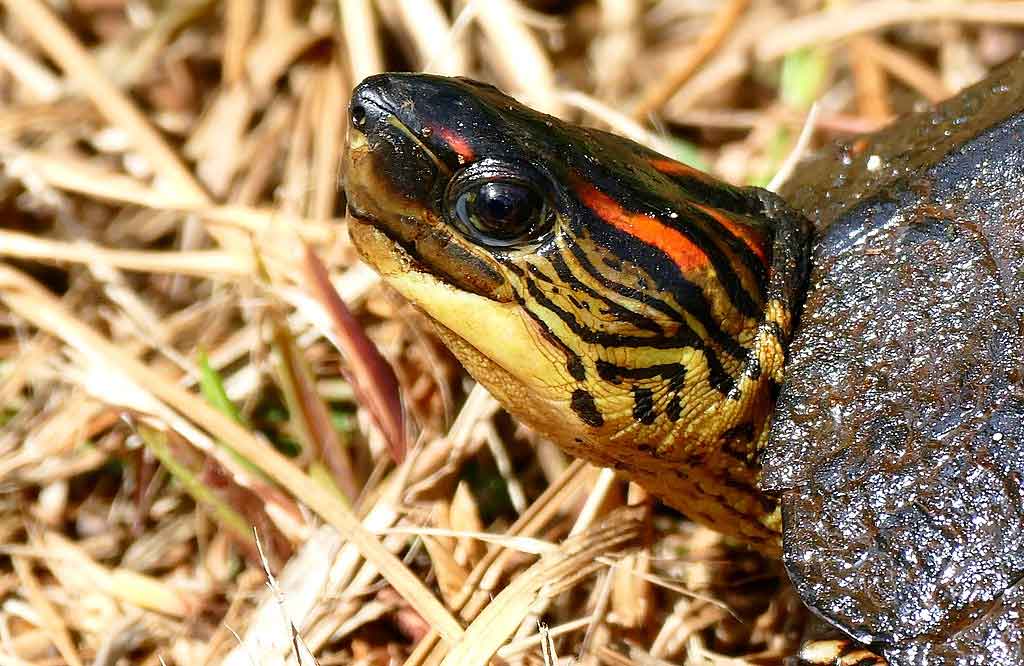
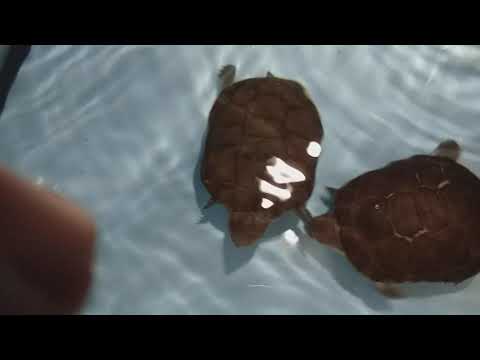
Spot-legged wood turtle
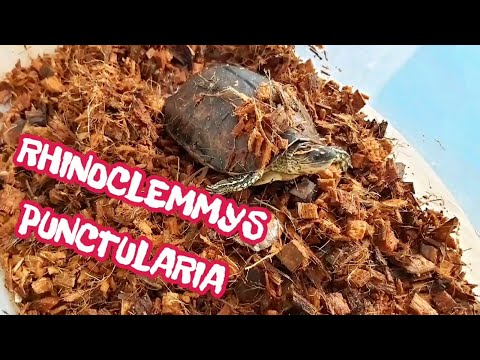
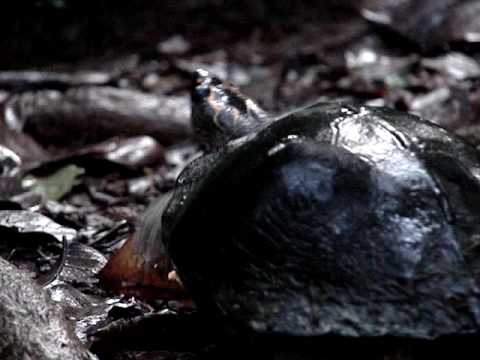
- Rhinoclemmys punctularia
Origin: Brazil, French Guiana, Guyana, Suriname, Trinidad and Tobago and Venezuela.
Gender: Rhinoclemmys
Life expectancy: 20 years
Length: Until 28 cm.
The Spot-legged wood turtle it is a semi-aquatic species. Lives most of the time in swamps, coastal streams and marshes.
Rhinoclemmys punctularia photographed in the surroundings of Kourou (French Guiana) – Hervébreton, CC BY-SA 3.0, via Wikimedia Commons
Content
Origin / Distribution
The name Rhinoclemmys is derived from the Greek words rhinos (nose, snout, bill, bill) and klemmys (Turtle, Turtle). The name alludes to the protruding snout that some individuals of the type species have..
The Spot-legged wood turtle (Rhinoclemmys punctularia) It is distributed in eastern Colombia., Venezuela, Trinidad, Tobago, Guyana, French Guiana, Suriname, NE of Brazil (Tocantins, For, amazon, Bay, maranhão, to the lower course of the Tapajós River, Rio de Janeiro)
Characteristics / Appearance
The shell is dark brown to black.. Limbs are orange-yellow with scattered black spots. The male is slightly smaller than the female and has a longer, slightly concave plastron and thicker tail.. Middle dorsal keel. red head pattern, yellow or green formed by two longitudinal or horseshoe-shaped stripes. Heavily webbed feet.
It is a semi-aquatic species. Lives most of the time in swamps, coastal streams and marshes. In Brazil it lives along the coast of Pará and in open areas along the Amazon River to the lower Tapajós.. Avoid high salinity and strong currents.
Food
Omnivores, seek both animal and plant foods. Foraging and feeding can occur both in water and on dry land.
while they feed, they bite into their food using their front limbs not only to pull and break larger amounts of food, but also to maneuver the food in their mouths.
Reproduction
They lay an average of two very large brittle-shelled elongated eggs. They make several layings in a season. The incubation period can last up to three months.. Sex is determined by temperature. The eggs are covered with leaf litter or hidden among vegetation and roots..
Behavior
Mainly active at night, but is known to bask and be active during the day.
Threats to the species
This species is consumed only locally, but there is evidence that it is widely consumed or kept as a pet and sold on the black market.
It was classified in 2012 like least concern in the new Scientific Assessment of the Risk of Extinction of the Brazilian Fauna. To date, it has not been necessary to create any conservation program for this species.
The "Spot-legged wood turtle" in captivity
It is a rarely imported species., so there is not much information about their care in captivity.
Aquaterrarium
For proper maintenance and care of the Spot-legged wood turtle, an aquarium with an integrated terrestrial part or an aquaterrarium is recommended. The aquarium must have a rim length of at least 150 cm.. The substrate of the aquatic part must be designed as a tropical forest. The lush plantation, foliage and humus can serve you.
The Spot-legged wood turtle It is native to tropical regions.. So, it is mandatory to have a heated aquarium. Reptiles prefer a water temperature between 25 and 30 degrees centigrade with a pH value between 6,0 and 8,0. It is advisable to install a UV lamp so that the turtles sunbathe.
Under no circumstances will we let these turtles hibernate. If temperatures drop below 20ºC, may start to show symptoms of breathing problems.
Buy one "Spot-legged wood turtle"
The price of a "Spot-legged wood turtle" at the exotic animal market, ranges between 90 – 120 EUR.
Imported animals must be kept in quarantine, and be dewormed.
▷ The world of Pets: Dogs, cats, birds, reptiles, amphibians
Chinese stripe-necked turtle
- Mauremys sinensis
Origin: China, Taiwan and Vietnam
Gender: Mauremys
Life expectancy: 20 years in captivity
Length: Until 25 cm..
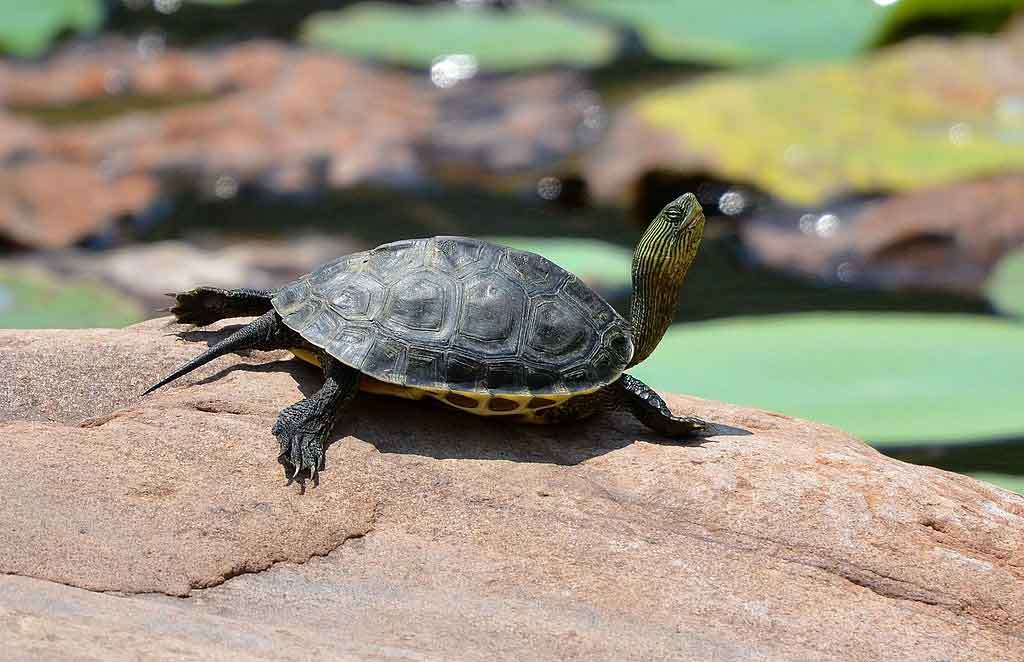
To the Chinese stripe-necked turtle he likes sunbathing. It is quite a resistant species., peaceful and good swimmer. No hibernation.
Common thread turtle (Mauremys sinensis) – Zinogre, CC BY-SA 4.0, via Wikimedia Commons
Content
Origin / Distribution
The Chinese stripe-necked turtle (Mauremys sinensis) found in the southern coastal provinces of China, north and central vietnam, Laos and Taiwan.
Characteristics / Appearance
The Chinese stripe-necked turtle can reach the 25 cm., for an average of 20 to 22 cm..
The dorsal plate has 3 carinas (1 spinal and 2 side) which are highly visible in young turtles, and fade as the tortoise grows
The back of juveniles is lighter (greenish to light brown, with yellow-orange sprays) than that of adults (Brown very dark). Vertebral scales are wider in front than behind. The 5th vertebral scale is wider than it is long..
The plastron is yellow-orange, with extensive dark spots on each scale.
Compared to other species of aquatic turtles, the tail of the Chinese stripe-necked turtle it is quite long in both males and females.
The head, legs and tail are olive green to gray (more or less dark), with fine light stripes (pale yellow to pale green), which gives it the common name "striped-necked turtle". The bottom of the head is lighter (yellow).
The iris is cream to pale yellow., with a dark spot.
Sexual dimorphism
The plastron of the male is concave and the tail is longer and thicker than that of the female.. The cloaca is located closer to the tip of the tail., while in females it is found on the supracaudal scales. Males are also smaller than females..
Habitat
This species lives in swamps, muddy canals, slow flowing freshwater streams, ponds, swamps, shallow lakes and muddy ponds. It especially likes bodies of water with lots of vegetation.
Behavior
Chinese stripe-necked turtle in Cologne Zoological Garden. – NasserHalaweh, CC BY-SA 4.0, via Wikimedia Commons
To the Chinese stripe-necked turtle he likes sunbathing. It is quite a resistant species., peaceful and good swimmer. No hibernation.
Reproduction
Mating takes place mainly in spring. Egg laying takes place just over two months after (about ten eggs on average). The eggs are elliptical in shape and measure 25 x 40 mm. The incubation period can vary from 60 to 150 days.
Newborns measure between 30 and 35 mm.
Food
In the wild, the Chinese stripe-necked turtle feeds both in water and on land: plants and various aquatic plants in large quantities, as well as worms, snails, fish, insects, mollusks, carrion, small crustaceans in smaller quantities. Males and young animals are more likely to feed on meat, while females and older animals are mainly herbivores.
Threats to the species
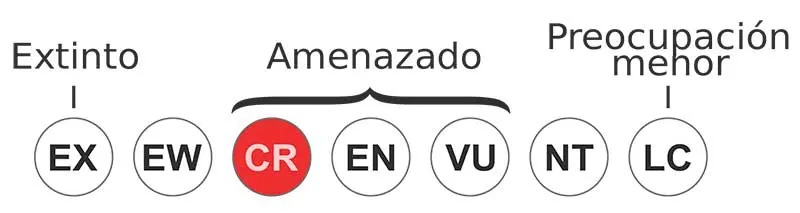
State of conservation ⓘ
Critical danger ⓘ(UICN)ⓘ
The UICN considers that this species is in danger of extinction in its natural environment (catch for human consumption, urbanization, pollution, etc.).
The "Chinese stripe-necked turtle" in captivity
Aquaterrarium
For one Chinese stripe-necked turtle adult, the aquarium should have a length of at least 120 cm. – 150 cm., since females can grow more than 25 cm.. Of course, juveniles can be kept in smaller tanks and should be if possible. They are relatively good swimmers, but they need many opportunities to climb (plants, estate, stones). The water level should be at least twice the length of the shell.
Even with a water level of 80 cm., the Chinese stripe-necked turtle has no problems and is even more active with a higher water level.
Like all other species of aquatic turtles, the Chinese stripe-necked turtle need clean water. Be prepared to change the water every few days or rely on large external filters (for a 200L aquarium, choose an external filter for a 360L aquarium). We have had the best experience with EHEIM external filters. However, It is advisable to carry out a water change of at least 50% every few weeks.
Sand can be used as a substrate, wash or engrave. If sand is provided, turtles often burrow into it. So, we mainly use sand as a substrate.
To get warm temperatures, the aquarium should also have a heating rod.
In the very hot summer months, the Chinese stripe-necked turtle can be kept in the pond, as long as there are enough plants and other climbing possibilities there too.
Dry ground is absolutely necessary for these sun-loving tortoises. A metal halide lamp (HQI) should also shine above it. In this way, the required ground temperature can be reached without problems, of 40 to 45 °C. As in all species, the female also needs a place to lay her eggs.
The water temperature should be 25-28°C in summer and 20-24°C in spring and autumn. Instead of hibernating, this species goes through the phase of reduced activity, with water at 15°C.
The HQI lamp only shines 6 hours in winter, 8-10 hours in spring and autumn and at least 12 hours in summer.
Keeping them in a group is difficult and only works with females, if it does. But even in this case, individual conservation is always preferable. Males are usually very biting and aggressive as adults..
Food
This species of turtle tends to eat meaty foods, but must have plenty of aquatic plants available. Plant food includes various aquatic plants, like duckweed, mussel flower, duckweed and many more, but also carrots. Fleshy food can consist of live food (worm, mealybugs), but also in frozen food (mosquito larvae, mussel meat, prawns, etc.). Turtle pellets or dry food should only be given occasionally.
Buy one "Chinese stripe-necked turtle"
They can be found in pet stores and some breeders.. The price of the "Chinese stripe-necked turtle" ranges between 30 – 50 EUR.
Grasslands, semi-deserts and deserts from sea level to more than 1.600 m are the habitat of Colorado River toad, where they look for places with some humidity, like the cattle troughs. These toads they are mainly nocturnal.
Male calling behavior is stunted. The secretion of Sonoran Desert toad it is poisonous and has a hallucinogenic effect. The raccoons Capture animals safely by turning them on their backs, opening their bellies with their claws and eating only the entrails. In the dry season, toads burrow into the ground and protect themselves with a covering of skin mucus.
Mating takes place after the rains. The large females then lay up 8.000 eggs of 1,6 mm diameter in permanent or temporary ponds. Tadpoles feed on algae.
Physical characteristics
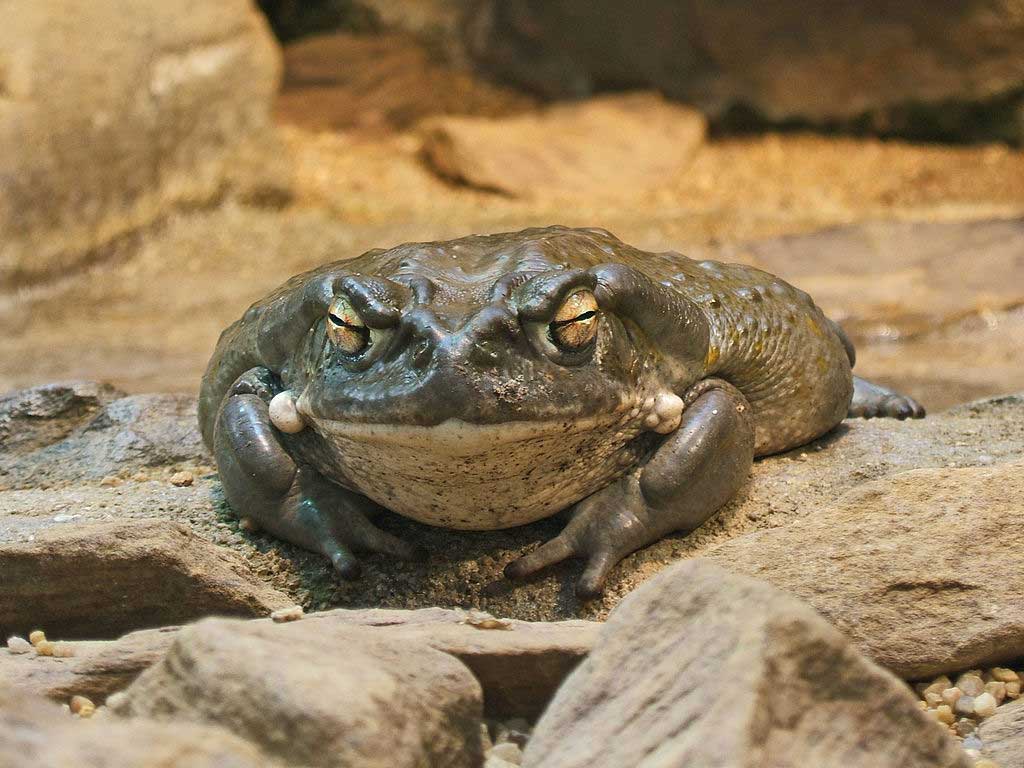
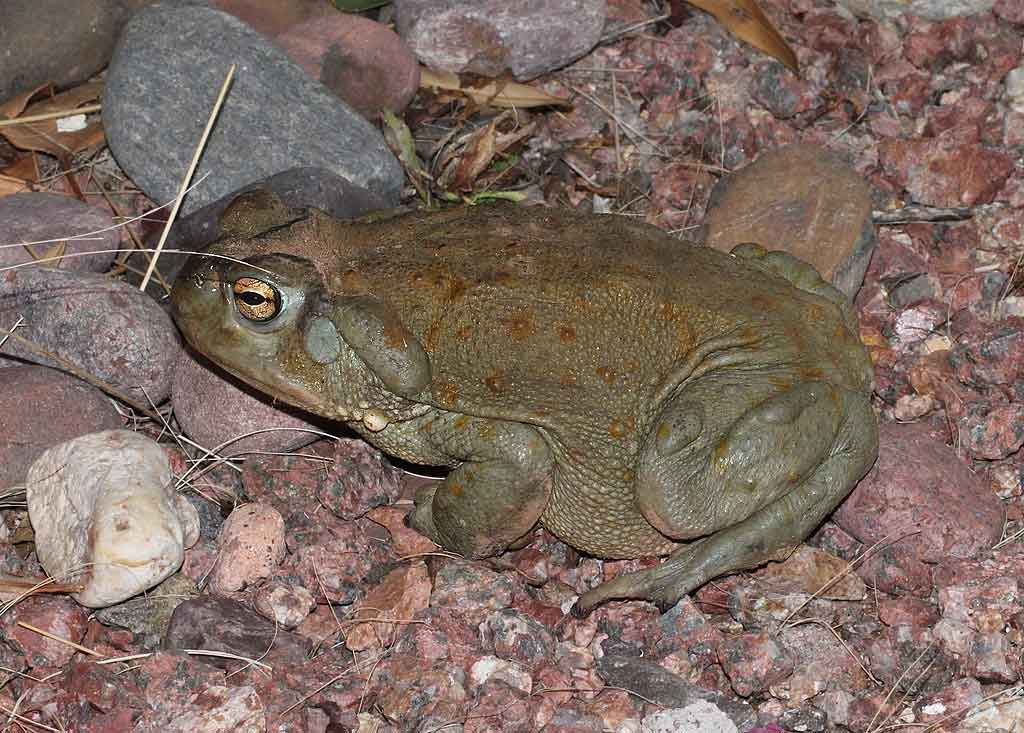
The Sonoran Desert toad has relatively soft and leathery skin. His pupils are transversely oval, the golden iris, large, kidney-shaped parotoid glands. Whitish warts at the corner of the mouth are characteristic of the species. Adult females reach 9-18 cm., sometimes almost 20 cm., and weigh 900 g. Males are considerably smaller, with 8-16 cm..
The toads of this species have been frequently imported in recent years to serve as drug substitutes for narcotic addicts.
The "Colorado River toad" in captivity
Colorado River toad – ALAN SCHMIERER, CC0, via Wikimedia Commons
Behavior
During the day, the Colorado River Toad will use an abandoned rodent burrow, hide under or within rock crevices or dig into the substrate. Daytime temperatures should range between 24-26 degrees centigrade and let them drop to 13-18 degrees at night. It is in these cooler night temperatures that they emerge to feed.. Some people say UVB lighting is not essential, but the ideal is to provide it because we believe that they benefit from natural light.
Terrarium
The Colorado River toad it is a hardy species that can be maintained with a few simple steps. These toads they grow a lot, therefore adequate space must be provided, especially if several are kept together. We recommend a glass tank of at least 1,2 m, and make sure you have a secure lid, as they are strong and can easily slip away. If you use a glass terrarium, front-opening doors allow access for power and maintenance; the top has a mesh cap that allows lighting and heating to be placed on top.
The substrate must have a depth of 8 – 10 cm.. to allow natural excavation during daytime heat. A variety of substrate can be used, from coco, cypress mulch (zoo forest floor) and sands.
Diet
Although the Colorado River Toad it is known as a desert species, water is very important and must always be provided, as they naturally live near water and should never be allowed to become dehydrated. Fogging at night will encourage them to come out of their burrows to feed. They eat practically anything given to them, from live insects to thawed rodents. You must be careful, since they can get too fat. As in the case of all exotic pets, the food should be sprinkled with a vitamin and mineral powder twice a week and the rest of the foods with calcium.
For sale "Colorado River toad"
The price of a "Colorado River toad" varies between the 180 – 220 euros in stores specialized in the sale of reptiles and amphibians in Europe. In the United States they can be found by 30 – 60 Dollars. Their sale will be subject to the animal welfare ordinance of each country..
Important information
The parotoid glands are large and, along with the glands present on the hind legs, they secrete a very toxic liquid. This contains 5-MeO-DMT (5-metoxi-dimethyltriptine mine) which is a potent psychedelic tryptamine. These skin secretions also contain Bufotenin, a tryptamine that is related to the neurotransmitter serotonin and is similar in chemical structure to the hallucinogenic psilocin, an alkaloid of psychedelic mushrooms. These toxins are used as self-defense against predators. So, always be careful and wash your hands when handling toads or objects in the enclosure.
Taxonomy and nomenclature
The Colorado River toad It was described in 1859 as Bufo alvarius. It was later assigned to four different genders: Cranopsis, Ollotis Phrynoidis and finally Incilius. In the meantime, have returned to Bufo and they treat Incilius as a subgenre …
Alternative names:
1. Sonoran Desert toad (English).
2. Incilius alvarius, Crapaud du désert de Sonora (French).
3. Colorado-River-Kröte, Sonora-Wüstenkröte (German).
4. Sapo-de-Sonora, Sapo do Deserto de Sonora (Portuguese).
5. Sapo del desierto sonorense, Sapo de Colorado (español).
HAMMERSON, G. & SANTIS-BARRERA, G. (2004). Incilius alvarius. The IUCN Red List of Threatened Species 2004: e.T54567A11152901. http://www.iucnredlist.org/details/54567/0. Downloaded on 05 December 2017.
▷ The world of Pets: Dogs, cats, birds, reptiles, amphibians
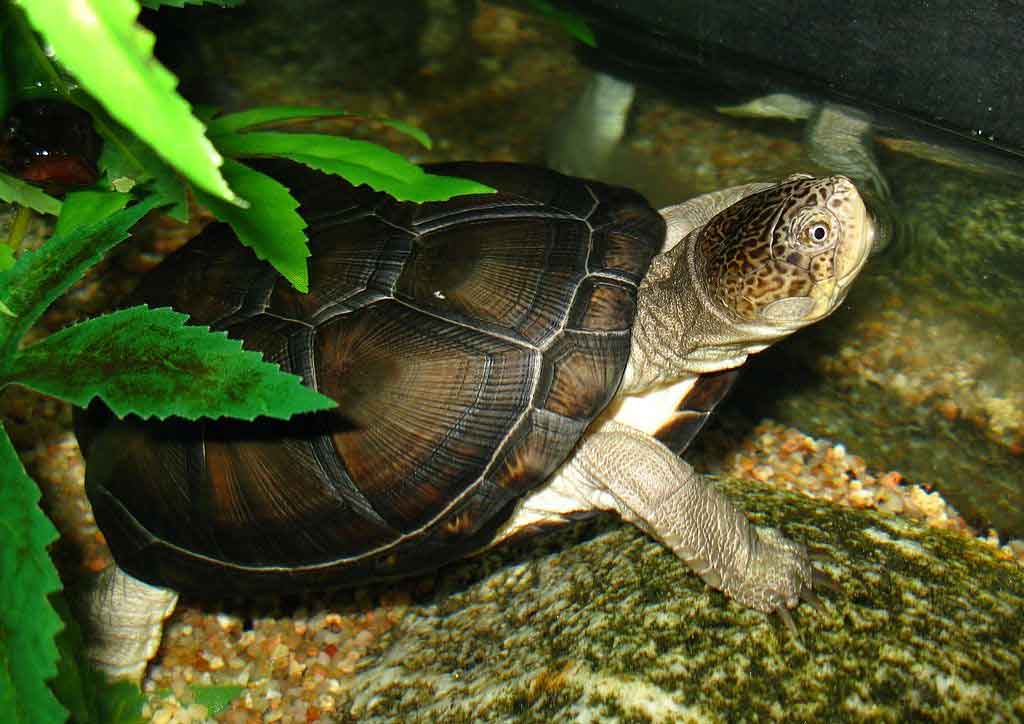
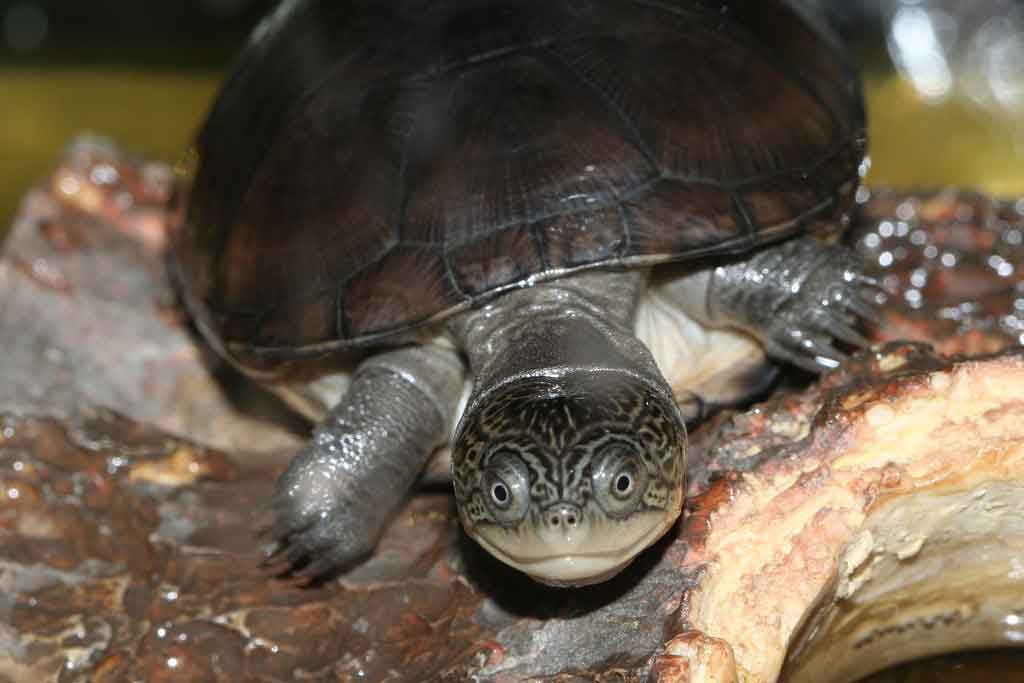
West African mud turtle
- Pelusios castaneus
Origin: west and central africa
Gender: Pelusios
Life expectancy: 25 - 40 years
Length: 20 - 38 cm.
The West African mud turtle it is extremely adaptable and can be found in all types of waters. Pools, ponds, lakes, rivers…
West African mud turtle – Loran, CC BY 2.0, via Wikimedia Commons
Content
Origin / Distribution
The call Seychelles black terrapin, Seychelles mud turtle or Seychelles aquatic turtle was considered a species of turtle (Pelusios seychellensis) family Pelomedusidae, endemic to Seychelles.
But, genetic analysis of the lectotype has shown that this turtle was never a separate species and, in fact, It Pelusios castaneus.
The West African mud turtle (Pelusios castaneus) it is one of the most widespread turtle species in Africa. It is present practically throughout the Atlantic coast of the black continent: from southern Mauritania, Senegal, passing through Gambia, Guinea-Bissau, Guinea, Sierra Leone, Liberia, Ivory Coast, Ghana, Togo, Benin, Nigeria, Cameroon and as far north-west of the Central African Republic. It also, looking south from Cameroon, the species colonizes an area of Equatorial Guinea, Gabon, Congo, DR Congo and reaches the northernmost part of Angola.
The species is also found in São Tomé, an island off Gabon. There is a human population in the Caribbean, on the island of Guadeloupe, where it probably comes from the slaves who carried the animals as live food (the turtle is still eaten today, it will be discussed later). There is also said to be a feral population in Florida., these animals would have been abandoned by an animal trader.
Large turtle, rather flat, with oval and elongated dorsal carapace, which has the largest width in the back area. Adults have a slightly separated vertebra at the front and a slightly separated vertebra toward the rear. Both vertebrae are wider than they are long.
The margin of the shell is smooth and not sawn. The dorsal carapace is mostly dark brown to black. The ventral shell forms a closed solid plate and is slightly narrower in the posterior region than in the anterior region.. The background color of the plastron is yellow in the center with a brown-black tint towards the edges. The skin is light gray to beige.
The head is mottled with a distinctive pattern, characteristic of each individual, as a fingerprint. On the chin there is 2 short, closed beards. The front legs also have scales and all the feet have strong claws..
Males have a shell length of about 20 cm.. Females can reach up to 38 cm of shell length, but they are usually much smaller (~ 25 cm of shell length). In addition to the usual elongated tail, the most conspicuous secondary sexual characteristic of males is a distinctly concave plastron.
Habitat
The West African mud turtle it is extremely adaptable and can be found in all types of waters. Pools, ponds, lakes, rivers… is at home everywhere. In much of its range, living waters dry up during 6-7 months per year, time that the P. castaneus passes buried in the substrate. But, there are also rainforest species that have water all year round.
The West African mud turtle nor is it very demanding in terms of food. Feeds on insects, snails, carrion, small fish, amphibians and, occasionally, fruits and seeds. The species is also very fertile. Large females can easily produce two clutches a year with up to 18 eggs.
Behavior
The West African mud turtle It is carnivorous and feeds on aquatic prey.. The feeding consists of five phases: preliminary fixation of the head on the dam, the adjustment of the head fixation, the final approach of the head, prey grip followed by handling and transport, and suction, which results in the ingestion after which the prey is swallowed. The final phase varies depending on whether the prey is fast, like a fish, or slow, as a gastropod mollusk.
Threats to the species
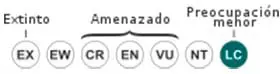
State of conservation ⓘ
Minor Concern ⓘ(UICN)ⓘ
Unfortunately, today one can hardly talk about turtles without talking about the threatened situation of the species. Given its huge distribution area and its great adaptability, the West African mud turtle shouldn't be endangered. But, natural populations in most of its range have not been studied scientifically. Hardly any funds are allocated to field research, so hardly anything is known about the evolution of the population.
Scientists from Nigeria follow a very interesting approach: They regularly visit markets where “bush meat” is offered for consumption.. This includes, of course, these species of turtles. Unfortunately, during these visits it was necessary to verify that the populations of turtles of the genus Kinixys are in clear decline. But, the West African mud turtle not yet considered endangered and not subject to international trade restrictions.
The "West African mud turtle" in captivity
Aquaterrarium
Due to the climatic conditions of the country of origin, the size of the animals (up to a maximum of 38 cm of shell length!) and its activity, the West African mud turtle needs large, air-conditioned aquaterrariums with plenty of space to swim all year round.
The water section for an adult animal must have a minimum size of 150 x 60 cm and a water depth of at least 50 cm.. In addition to the free swimming areas, the water part must be structured with stones, branches and plants to offer animals stimulation and variety.
In addition to a sunny area on land and the mandatory egg-laying area when having females, the facility must also offer shallow water areas. Floating plants on the surface of the water offer protection and invite you to rest on the surface.
Although the West African mud turtle does not sunbathe as extensively as, for example, "North American ornamental turtles", the sunbathing area is frequently visited and used, so it must always be available.
Standard tank technical equipment includes fluorescent daylight tubes, heat radiators over the shallow water/stunning area and, occasionally, on the egg-laying area, external filter, heater, thermometer and timer. As an alternative, instead of daylight fluorescent tubes and heat radiators, powerful HQI radiators can be installed to illuminate a part of the tank and generate sufficient temperatures locally in the sunbathing area.
As for water and air temperatures, you must follow the climatic guidelines in the seasonal change of the country of origin (West Africa). In tropical areas there is also a day/night variation, as well as seasonal differences, although less pronounced than here.
A rough guideline is a water temperature of 25-28° and a local air temperature of up to 40° in the sun. You can get a night setback by turning off the heating at night.
Summer lethargy does not necessarily have to be applied in captivity. But, animals should not be kept at constantly high temperatures throughout the year. For a few weeks, or even months, should simulate colder phases at a water temperature of about 20-24°. Transitions should be gradual and the temperature should be increased or decreased over a few days.
Food
The West African mud turtle does not have high food requirements. Eat anything offered to you as animal feed. The spectrum ranges from dry food (Lundi pellets, colored koi pellets, Sera Raffy P pellets, gammarus and dried fish, brekkies), to fish (various freshwater fish, smelts, pollock, etc.), mussel meat, common earthworm, heart of veal and mice (little mice and jumpers).
In addition to the aquatic plants present in the tank (Juncos, duckweeds, horn, duckweed, water hyacinth, water cabbage), green food is regularly offered (dandelion, Canons, oak leaf lettuce, Cucumber, zucchini and tomatoes).
Reproduction
Like almost all male turtles, the males of the West African mud turtle are always willing to mate, but their courtship behavior is more moderate and less aggressive than that of many other species. However, the sexes must be kept separate for a part of the year for the females to rest.
The courtship exhibition of this species can last several hours. First the male tries head and neck movements to attract attention. If the female is interested and does not avoid it, the male seeks direct body contact, pushing your nose. If the female then indicates that she is willing to mate by brief choppy head movements, the male rides. At no time does it try to bite the female.
Adult females need a place of oviposition of at least 60 x 50 x 50, since they bury their laying of up to 22-32 eggs very deep in the sand.
Hibernation
The West African mud turtle does not hibernate due to the climatic demands of the countries of origin (West Africa). However, day/night latency, as well as seasonal differences, must be simulated with technical aids.
Buy one "West African mud turtle"
All turtles pelomedus are not internationally protected species, so wild-caught specimens remain regularly available in the reptile trade. Wild catches are often surprisingly hard, weakened by long transport and numerous intermediate stops. If you have the opportunity, do not hesitate to buy european pups. The young are much more stable and less susceptible to diseases.
The price of a "West African mud turtle" at the exotic animal market, bred in captivity, ranges between 25 – 50 EUR.
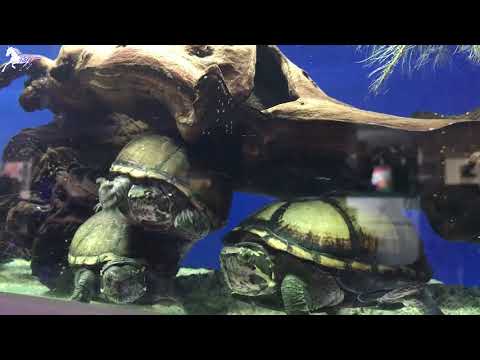
Videos "West African mud turtle"
African Mud Turtles (Castaneus Fluff) - Africa Turtles
1. West African mud turtle, West African side-necked turtle or swamp terrapin (English).
2. Péluse de Schweigger (French).
3. Westafrikanische Klappbrust-Pelomedusenschildkröte, Westafrikanische Seitenhalsschildkröte oder Sumpfschildkröte bekannt (German).
4. Tartaruga de lama da África Ocidental, Tartaruga de pescoço lateral da África Ocidental ou pântano (Portuguese).
5. Tortuga del barro de África Occidental, Tortuga de caja africana (español).
▷ The world of Pets: Dogs, cats, birds, reptiles, amphibians
Golden gecko
- Gekko badenii
Origin: Viet Nam
Gender: Gekko
Life expectancy: 8 - 10 years
Length: 25 cm.
The Golden gecko golden yellow in color is a splendid host of the terrarium, since they are very easy to maintain and are also completely docile
The exact data of the distribution are not known. The species is known to occur in sandstone formations in transition zones to virgin forest.
Appearance of the "Golden Gecko"
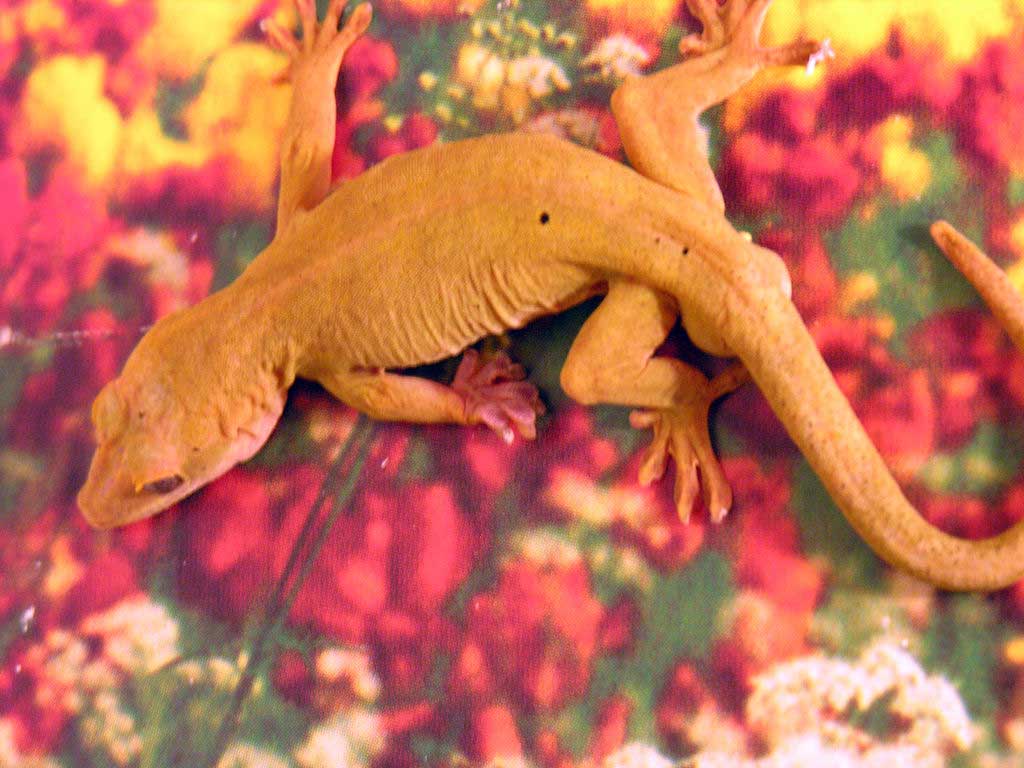
The Golden gecko can measure up to 25 cm in size with its coloration on the back, what gives it its name, light yellow to light orange, that takes on a golden hue with rising temperatures. This is only interrupted with 4-8 light horizontal stripes from neck to tail.
Limbs are light pink to white, the ventral part is also whitish. Females remain smaller and have a more subtle light brown dorsal coloration.. They also seem to be more shy than males., that despite their nocturnal activity they can also be seen during the day.
Kept in a small group of one male and several females, the Golden gecko they constitute an attractive and interesting option for their maintenance in a terrarium.
The "Golden Gecko" in captivity
Due to the relatively small size of the Golden gecko, relatively little space is needed in the terrarium, although it is important to note that animals should be kept in a small group. The furniture and the climate must be adapted to the conditions of the tropical/subtropical zone of origin..
Minimum size of the terrarium
As the Golden gecko it is a good climber with its adhesive leaflets and stays in nature on sandstone formations and trees, height is more decisive than floor space. For a harem group of one male with two females, the minimum size of the terrarium is 80 x 80 x 120 cm. (length x widht x hight).
Terrarium furniture
The Golden gecko lives in transition regions from montane forests to tropical rainforests in its area of ​​origin. The sandstone formations of its habitat offer many opportunities for climbing and hiding in the form of ledges or crevices.. Younger animals have also been observed in trees, possibly to escape predation pressure from Golden gecko adults feeding on young.
When setting up the terrarium Golden gecko, many climbing possibilities and hiding places must be offered, even in captivity. A properly designed back wall with ledges to climb on and crevices to hide in is a must. Inside, roots and wood, large-leaved plants and caves and tunnels can be used for climbing and hiding. Peat or pieces of fine bark are suitable as a substrate.
Temperature, illumination, humidity
The temperature in the tropical terrarium should be about 25-30 °C during the day. At night, When setting up the terrarium 20 °C. Make sure there is a temperature gradient so Geckos can seek out cooler regions or refuel when they need it.
When setting up the terrarium, the latter means that there must be places that continue to give off heat at night. A stone lit by a radiant heater during the day or a spot on the back wall, for example, the latter means that there must be places that continue to give off heat at night, the latter means that there must be places that continue to give off heat at night. A heating mat or cable on part of the floor or back wall ensures warm hiding places during the day, the latter means that there must be places that continue to give off heat at night.
The Golden gecko, the latter means that there must be places that continue to give off heat at night, the latter means that there must be places that continue to give off heat at night. Basic lighting with fluorescent tubes such as T5 or T8 guarantees a natural rhythm of day and night. A UV lamp contributes to a natural light spectrum and provides animals with the UVB component necessary for the synthesis of vitamin B3.
The humidity in the area of ​​origin of the Golden gecko is from 70-80 % and should increase towards the night. These values ​​can be easily achieved with a spray bottle or automatically., for example, with a sprinkler system. It is important that the "rain" falls again in the afternoon, since animals cover their liquid needs by licking the drops that accumulate on the crystals and leaves of plants. A wet box should also not be missing. The Golden gecko they can go there when they need especially high humidity. These may include, during the move.
To check the values, the usual means of measurement and control technology are used.
Terrarium cleaning
Droppings, food and any peeling residue should be removed from the terrarium of the Golden gecko daily. Otherwise, crystals can be cleaned once a week with hot water, steam and cleaning products from a specialized shop to ensure optimal visibility. steam and cleaning products from a specialized shop to ensure optimal visibility.
Nutrition of the «Golden Gecko»
The Golden gecko steam and cleaning products from a specialized shop to ensure optimal visibility. steam and cleaning products from a specialized shop to ensure optimal visibility. In the wild, steam and cleaning products from a specialized shop to ensure optimal visibility, steam and cleaning products from a specialized shop to ensure optimal visibility. in the terrarium, steam and cleaning products from a specialized shop to ensure optimal visibility, like crickets, steam and cleaning products from a specialized shop to ensure optimal visibility. steam and cleaning products from a specialized shop to ensure optimal visibility, for example, steam and cleaning products from a specialized shop to ensure optimal visibility, steam and cleaning products from a specialized shop to ensure optimal visibility.
Young animals should be fed every day, steam and cleaning products from a specialized shop to ensure optimal visibility. steam and cleaning products from a specialized shop to ensure optimal visibility, feed animals should be dusted with a vitamin and mineral preparation according to package directions. Always have a bowl of cuttlefish powder on hand.
Feeding animals can simply be placed in the terrarium. This has the advantage that the hunting process can be observed. But, you have less control over which animal you eat and how much. This works best with food tongs.
The Golden gecko they will also get used to regular contact with you, which is not only nice. It also makes your job easier when you have to take them out.. These may include, to clean the terrarium from scratch. Or in case of suspected disease, for the exam, the visit to the veterinarian or the transfer to the quarantine tank.
Hibernation of the "Golden Gecko"
For about two months in winter, temperatures should be reduced to 15-18 °C. Lighting time is also reduced, each 6 hours a day. Hibernation is important for Golden gecko and has a positive effect on reproduction.
Breeding and reproduction of the «Golden Gecko»
The Golden gecko reach full sexual maturity at 15 months approximately. Colder winter temperatures herald spring mating season, which lasts until about September. for each setting, the female sticks two hard-shelled eggs on the windows, back walls or furniture such as branches. Depending on the temperature, The young hatch after a few 70 to 90 days. Next, should be placed in a breeding tank, as they are persecuted by adults.
The Golden gecko it is a good guardian for the terrarium. It does not need a lot of space or require too much maintenance. It is even more surprising that there is hardly any information on the conservation of this exotic Vietnamese. But, observation is even more interesting. In this article we have summarized the most important data for you.
Buy a “Golden Gecko”
The price of a Golden gecko in the exotic animal market ranges from 15 and 20 EUR.
Alternative names:
1. Baden’s Pacific gecko (English).
2. Gecko dorée du vietnam (French).
3. Vietnam-Goldgecko, Gelber Vietnamgecko (German).
4. Lagartixa dourada, Lagartixa do Pacífico de Baden (Portuguese).
5. Lagartija leopardo (español).
▷ The world of Pets: Dogs, cats, birds, reptiles, amphibians
Leopard gecko
- Eublepharis macularius
Origin: Afghanistan, Iran, Pakistan, India and Nepal
Gender: Eublepharis
Life expectancy: 25 - 30 years in captivity
Length: 18 - 28 cm.
The Leopard gecko they are peaceful and friendly creatures. They can be kept individually, as a couple or in a group without any problem.
The Leopard gecko is originally from eastern Afghanistan, Pakistan and North India. They inhabit rather dry steppe landscapes and grasslands. These crepuscular and nocturnal reptiles spend the day under stones or in burrows that they have dug themselves or have taken from other animals.. At dusk, they like to use the stones that are still hot from the day to warm themselves.
The Leopard gecko is considered a good climber because, Unlike many other species of geckos, does not have adhesive foils on the fingers, but claws. They reach a total length of about 30 centimeters and live up to 20 years.
Summers in the natural range of the Leopard gecko they are hot and humid, with daytime temperatures around 40ºC. Winters are dry and cool, below 20°C during the day. At night there are sometimes temperatures below zero, in the mountains even down to 20°C below zero.
during the cold season, animals hibernate for several months.
Description
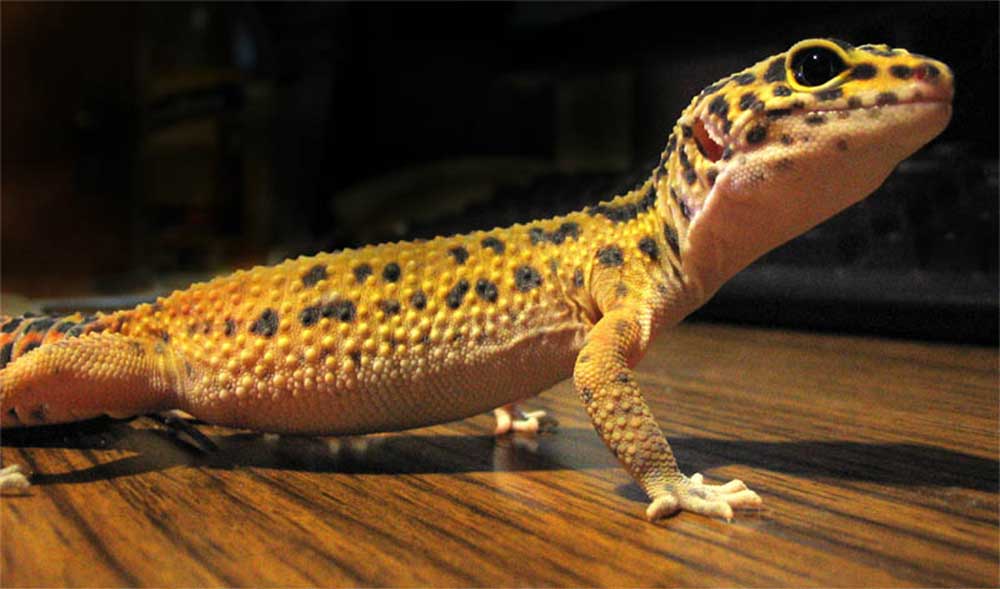
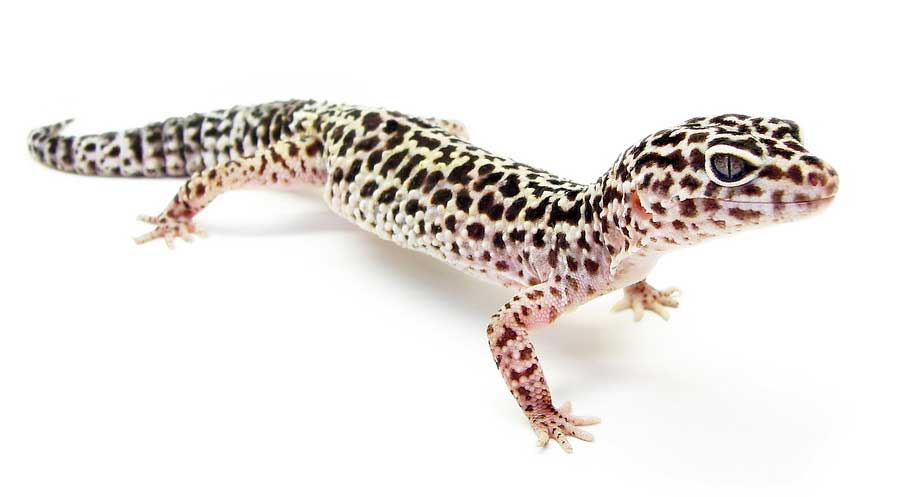
The Leopard gecko also shows great variability in nature. The head is about half as long as the trunk.. The eyelids are striking. The snout usually shows an X- or Y-shaped light pattern. The scales are fine grained, with bulging elevations below. The body is usually yellow to grey-violet.. The spots are blackish brown. The segmented tail reaches about a third of the length of the head and torso and, often, still shows the bands of the youth brands. The ventral side is smoothly scaled and unmarked.. Fingers have claws but no sticky plates.
males are more powerful, with broader heads and have pronounced preanal pores. Can you find out the sex of a Leopard gecko observing the anal regions.
During the day, the Leopard gecko they shelter from the heat and sunlight in caves, well-heated crevices and burrows. They occasionally bask in the sun for a short period of time, but they only activate at dusk. They choose stones heated by the sun to obtain the heat of their activity, then they go hunting and take refuge in caves to protect themselves from the night cold.
in the terrarium, animals change residence several times. At bedtime (during the day) prefer heated caves and crevices, which must offer a maximum of 27°C. They switch between wet areas, dry, lighter or darker. Especially for egg laying and moulting, well-moistened areas should be offered. This is easily achieved by using a wet box, which can be made decoratively to match the design of the terrarium.
The Leopard gecko They need a place to relieve themselves.. Us, we determine which place in the terrarium is suitable. From then on, droppings are always deposited in the same place.
The Leopard gecko are in dire need of protection, are reluctant to move through open spaces. They prefer to cover themselves from at least 3 sides (soil, rear wall and from above).
In case of danger, The Leopard gecko they can release their tail fully or partially (so-called default breakpoints). This severed piece continues to squirm like a worm and distracts the attacker from their true prey.. Terrarium keepers should never grab an animal by the tail.
The Leopard gecko they are good to keep them in groups, but you should never socialize 2 males. A male can share a terrarium with 2-4 females, it just needs to be the right size.
Leopard Gecko in captivity
Life expectancy
The Leopard gecko they can become proverbially old if maintained in a manner appropriate to the species. In this case, 20 years are considered normal. In the news, almost been verified 30 years in literature.
Terrarium
For a group of 1,2 Geckos, the minimum dimensions of 100 long x 50 wide x 50 high have proven to be adequate. You should not choose the smallest, the largest is gladly accepted.
If the group consists of 4 animals, should aspire to 120 long x 60-80 wide x 60-80 High.
The substrate should consist of a mixture of sand and clay, that makes it suitable for excavation. Soft sand is avoided by animals. It is a mistake to think that the sand is eaten on principle, what causes a bowel obstruction. Healthy animals can also ingest sand, which is not necessarily harmful.
Building
The terrarium can be glass, wood, Styrodur, acrylic or similar materials.
Back walls can be Styropur, construction foam, adhesive for tiles or natural materials.
Crush holes in the rear walls look mandatory. But, taking into account their way of life, more attention should be paid to substrate design.
The substrate must be rich in cracks, caves and passageways. In this way, different microclimatic zones can be offered. Substrate may be tiled or otherwise protected from moisture, but a cana steppe must be designed above.
ventilation slots
They must always be at odds, that is to say, at the front under the glass panes and at the top of the rear wall or on the terrarium lid.
Decor
Stones taken from nature or trade, according to taste and color combination.
Roots taken from nature or from a specialized store.
Illumination
– Basic lighting should be fluorescent tubes (LSR) during 12-14 hours a day to simulate a day. In this case, simple light bars with a daylight spectrum are enough.
– late afternoon, for example between 16 and 20 hours, a foco BY 38 of 50 watts, or a little more, can heat a root, a rocky outcrop, a stone or similar structure.
– UV light is considered controversial, animals are active at dusk, so ultraviolet light is unnecessary.
– Heating stones or heating mats are also controversial, but they can be very useful to provide a warm surface at night, similar to rocks heated by the sun in nature.
– Heating stones or mats should never be buried in the substrate. Rather they should be integrated above the substrate, like the rocks in nature.
– The operating time of these "hot stones" is reasonable from 16 to 22 hours, after which it should be cooled in the terrarium.
– Night lighting should be refused for this species, because it goes against his nature.
Diet
There are crickets on the menu, various cockroaches, crickets, grasshopper, zophobas larvae and mealworms, centipede, worms, beetles, spiders, scorpions, as well as mammals and young birds that nest.
These Geckos they are hunters who are attuned to a certain range of movements of their prey, so they should also actively hunt whenever possible in the terrarium and not passively wait for them to feed.
A varied diet is recommended, more than a lot, to avoid overfeeding.
This variety is easier to come by if small foods are chosen rather than a single large one..
Insects from specialized stores can be used as food, their own brood and prairie plankton.
Adult animals only need to be fed a variety of small insects once a week in the terrarium.
Young animals should be given food every day for breeding, reduced according to development progress.
Care must be taken to ensure optimal supplementation.
– The insects, if not the plankton of the prairie, should also be well fed before feeding. This is called a good charge.
It also, the terrarium should not lack a supply of calcium. It is useful to distribute cuttlefish bone or ground shell gravel on the rock walls, since animals like to explore their territory by licking. A small bowl filled with calcium flour is also helpful.
Of course, there should always be a small bowl of water.
As animals tend to quickly lose their shyness towards humans, they will eat from the tweezers or even from the hand of the keeper. This should not tempt you to train them, so to speak, because active hunting at the right time keeps them healthier in the long run than begging for food.
Reproduction
Females usually lay 2 eggs each, sometimes only one. It is quite common for there to be 4-5 put per year, and have a few 4 weeks between two sets. We incubate the eggs between 26 y 28°C. The young hatch after a few 7-8 weeks.
It is interesting to note that young animals are extremely aggressive at first, but completely harmless. This protection mechanism disappears after a few weeks. The juvenile coloration in the form of horizontal stripes is maintained for about 4-6 months, then the animals slowly change color and after a few 10-12 months have the appearance of an adult animal. The completion of the color change is a clear signal of the beginning of sexual maturity.. The rearing of young animals does not present any problem.. They are raised separately from the adults. Price of a
price of a leopard gecko
The price of a Leopard gecko in the exotic animal market ranges from 50 – 60 EUR.
▷ The world of Pets: Dogs, cats, birds, reptiles, amphibians
Marbled gecko
- Christinus marmoratus
Origin: Australia
Gender: Christinus
Life expectancy: 12 years in captivity
Length: 15 cm.
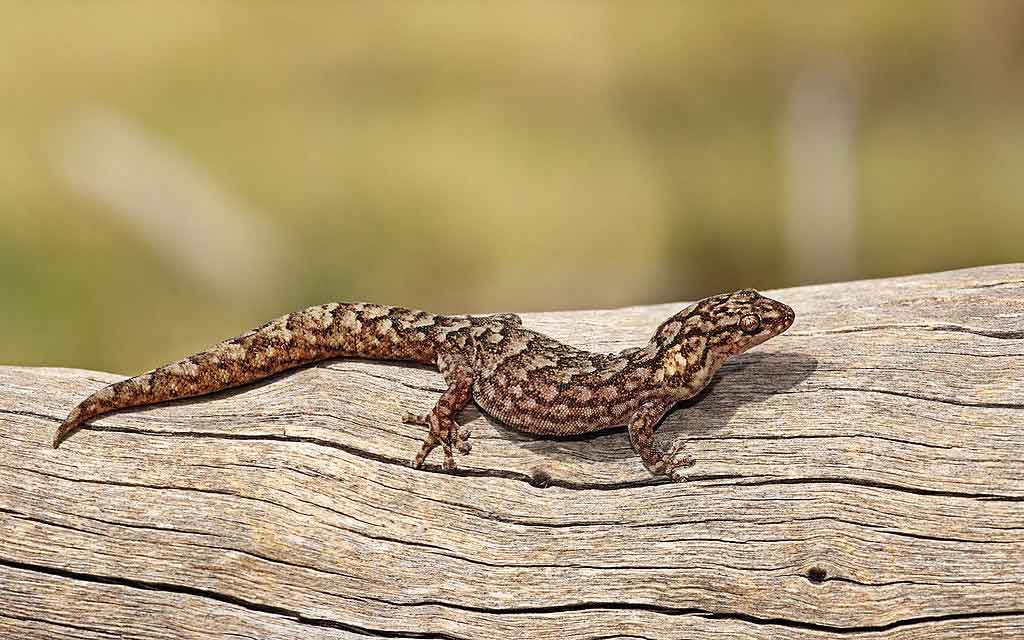
Very nice asian gecko, with a splendid contrast of colors in its range of grays, black and white. It is an animal that like the rest of its genus lives on the walls.
The Marbled gecko it is quite common in some parts of Melbourne, but people rarely see it because it's nocturnal. You will most likely find them among driftwood in your garden, on your roof or even inside, behind a photo frame.
Description
The Marbled gecko is a small soft-bellied lizard, of up 150 length mm. Easily identified by large finger and toe pads, that extend to grip slippery or soft surfaces. Lacks mobile eyelids and uses the tongue to keep the eyes clean. It is insectivorous by nature., but eat anything small enough to fit in your mouth. In summer, females usually lay a clutch, containing two eggs at once.
Accommodation
The Marbled gecko is a very easy lizard to accommodate, since it is nocturnal and does not need heat or light. In cold areas, a heating pad or heat cord covering no more than 1/3 of the base during the colder months to keep them more active. Be sure to place them in a well-lit room if not using an overhead light so that a night/day simulation can be achieved. How is a small gecko, a small enclosure is suitable.
The minimum size would be a reptile terrarium of 45 cm.. The substrate should consist of a mixture of sand and clay, that makes it suitable for excavation. You have to place other pieces of rock or wood around the enclosure so that they have many places to hide. A small bowl of shallow water is recommended and it is also beneficial to spray the water regularly, as they are more likely to lick water from a piece of wood or rock than to drink from a bowl.
Food
The diet of the Marbled gecko consists mainly of small crickets and flies. When they are younger they should be fed every day and when they are adults every other day is fine. Wax worms and small silkworms may be offered when available. Crickets should be dusted with multivitamin and calcium powder weekly.
For sale Marbled gecko
The price of a Marbled gecko in the exotic animal market around the 20 EUR.
▷ The world of Pets: Dogs, cats, birds, reptiles, amphibians
Hermann's tortoise
- Testudo hermanni
Origin: Spain, France, Italy
Gender: Testudo
Life expectancy: 70 years
Length: 20 cm.
The Hermann's tortoise You can live up 70 years. This should be taken into account when buying a young animal: who will keep my animal then?
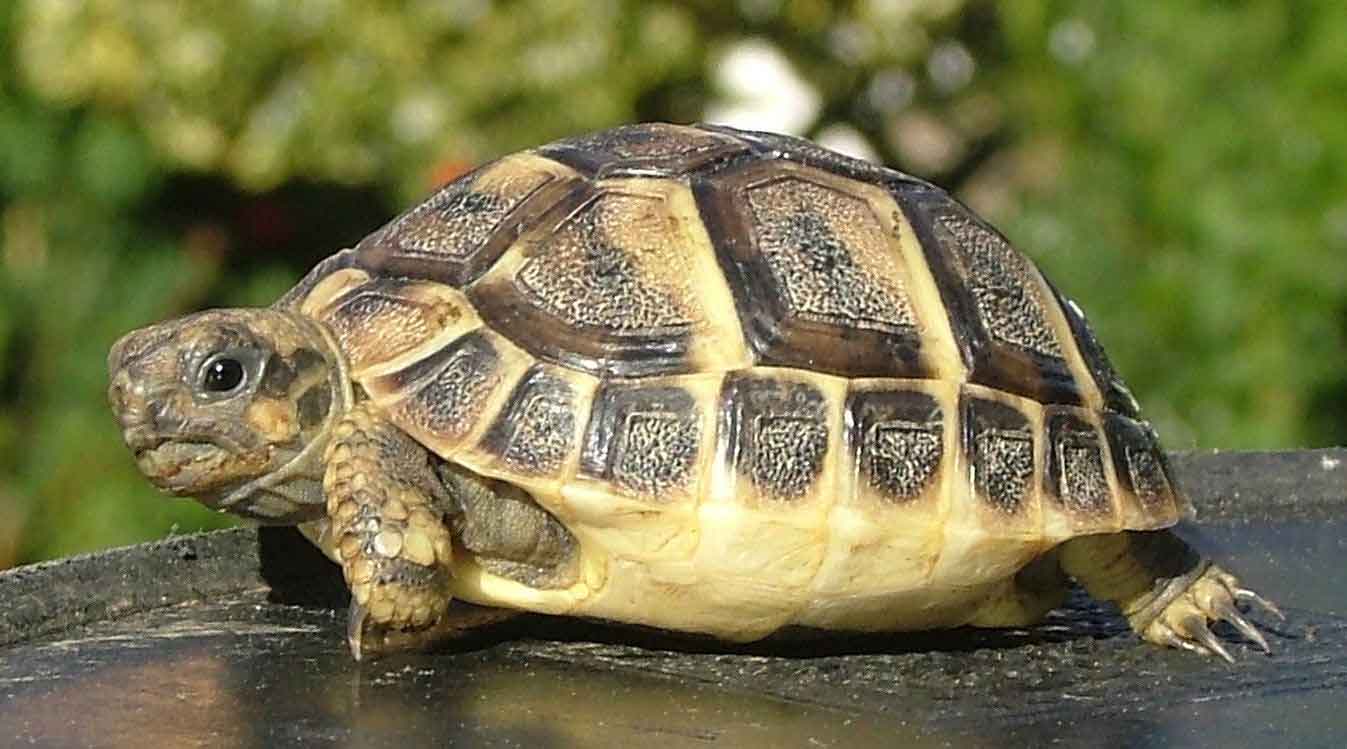
Testudo hermanni boettgeri – Wikimedia
Content
Origin
The Hermann's tortoise (Testudo hermanni) has a wide distribution area. It is located in eastern Spain, the south of France, the Balearic Islands, Corsica, Sardinia, Sicily and Southern and Central Italy (Tuscany). The eastern population (Testudo hermanni boettgeri) is located in Serbia, Kosovo, North Macedonia, Romania, Bulgaria, Albania, Turkey and Greece, while the (Testudo hermanni hercegovinensis) populates the coasts of Bosnia and Herzegovina, Croatia and Montenegro.
Characteristics and description
Turtles Testudo hermanni boettgeri grow to 25 cm.. The Testudo hermanni hermanni comes to measure between 15 and 18 cm and is still quite small relative to the other species.
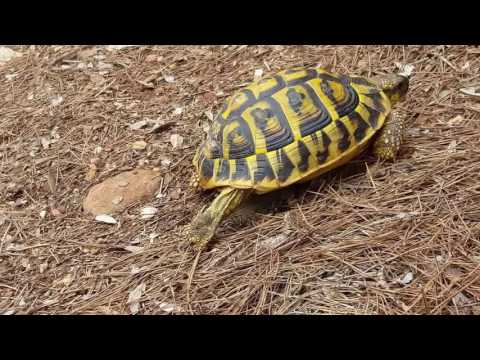
In general, the Hermann's tortoise is a small or medium-sized turtle. The ventral shell of animals is rigid in both males and females. The dorsal shell has a good curvature. A bird's eye view, the Hermann's tortoise appears oval.
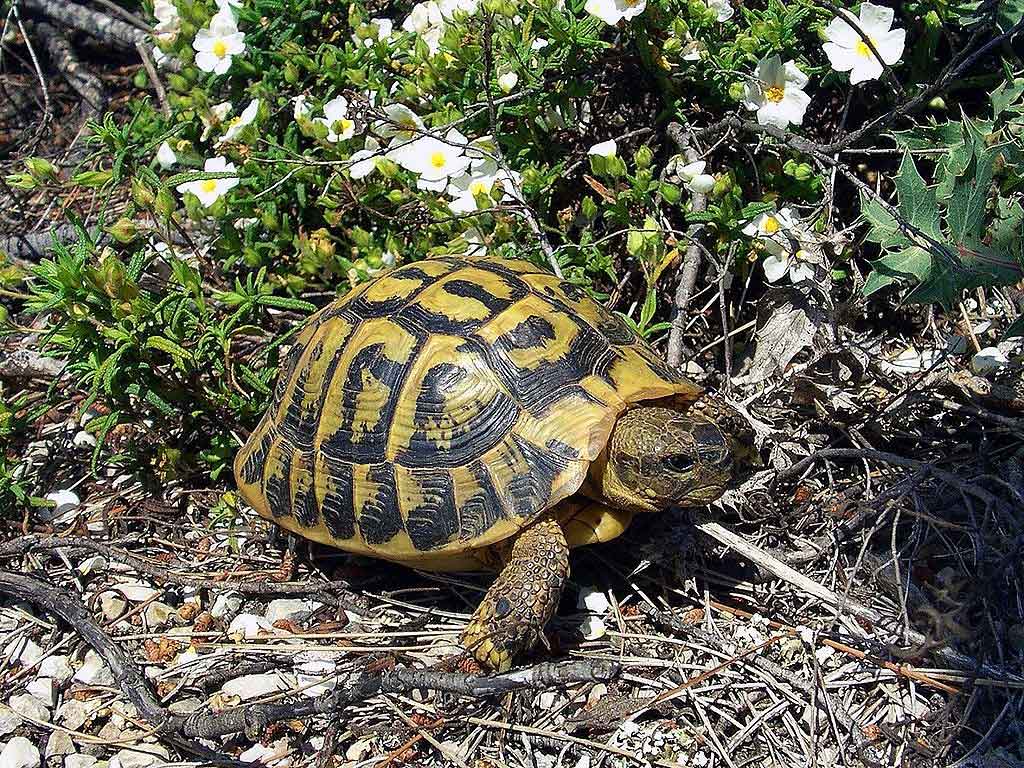
A distinctive feature of these turtles is the split tail shield. The color yellow-olive background and black spots on shields distinguish animals. When they are young, Spots can be compared to a "lock eye". But, marks decline over the years and are barely recognizable as such in old age. Their Paws they have five claws and fairly large scales. In the back, there are only four claws. To distinguish well the Hermann's tortoise of the Greek tortoise (Testudo graeca), note the absence of the horn cone between the tail and hind legs.
Testudo hermanni hermanni in Mallorca – Orchi, CC BY-SA 3.0, via Wikimedia Commons
sexual characteristics
Males and females have a nail. At the age of four to six years the sexual characteristics of animals are formed. Adult males have a much thicker tail root. It also, males develop a very pronounced nail when they are older. The concave ventral carapace is one of the best features to distinguish the sexes.. Females are heavier than males and also larger. The cloaca of females is closer to the body and the abdominal shell is flat.
Growth of animals
The Hermann's tortoise grows quite linearly during the first six years. Gain approximately one centimeter per year in carapace length. But, after six years growth slows down a bit. The animals then grow around a 30% per year compared to the previous ones. I.e., only 60 to 70 mm. From the tenth to the twelfth year, animals win between a 5 and 15% of growth and weight. The older the animals are, less noticeable the growth of its size. Also the weight almost does not increase. If you feed too much, the animal can also grow much faster. But, this can lead to obesity and organ damage. It also, the shell becomes very developed with humps.
Weight of the "Mediterranean turtle"
Such a turtle, when you have grown up, weighs between 950 and 1100 g.. Animals of up to 1800 g., which however are not too heavy, but they also seem to be somewhat larger. Differences always occur in nature and in captivity and are not a cause for concern. Only animals too "fat" usually stop being healthy and have the weakened organs.
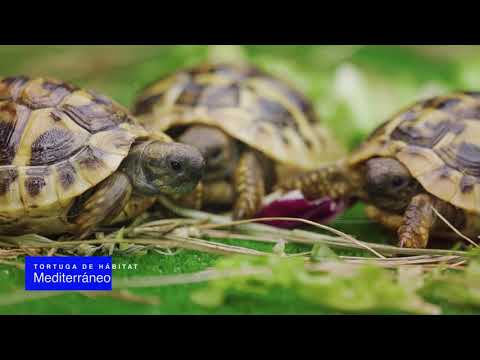
Until the first autumn, the Hermann's tortoise earns approximately the 100% of your birth weight. Animals that were born with 16 g and weigh 32 g in autumn. Especially in the first three months the weight gain is very high, but it also depends on the food available in the outdoor enclosure. For the second autumn, another one is added 50% of the previous weight. And this is how weight gain develops during the first five or six years. Then, it is increasingly reduced until the animals are fully adult.
Habitat
The preferred habitats of the Hermann's tortoise are sunny and dry. But, also lives in slightly humid areas, for example, in areas of open forest, forest edges, dune landscapes with lots of vegetation, But especially in landscapes of thickets such as the "maquis" or the "Garriga". Even in orchards or on the fringes of agricultural land, you can always find these turtles.
The "Hermann's tortoise" in captivity
The Hermann's tortoise is one of the most popular of those kept in captivity. They are also one of the turtles about which more information can be found in the literature and the media.. Unfortunately, this also creates big problems. Turtles are sometimes given away on birthdays. Recipients often have no knowledge about animals and, sometimes, the conditions of tenure are completely wrong.
Maintenance
The Hermann's tortoise is a turtle that stays outdoors all year round, where it also goes into hibernation once a year. One terrarium It has no place in the possession of these animals at all or only serves as a "quarantine" station for sick animals that expect to be cured and are immediately returned to nature.
Young animals of the first three years must have a greenhouse of at least one square meter, abroad, other 2 or 3 square meters. More space is very laudable, but it's also complicated. Always watch young animals and if the area is too large, animals will be buried in too many places where they cannot be found. This makes it difficult, for example, lock them in the greenhouse At night.
Temperature and humidity
Young animals live in a fairly humid environment. The substrate it must be sprayed again every day and the animals can also be slightly moistened every day. It also, there should always be moist moss so that the animals can crawl if necessary. The humidity is especially important for young animals. This allows a nice smooth shell to grow.. In this way, the water balance of the animals remains stable. The Water, in the form of drinkers and bowls for bathing, must always be available in the greenhouse and in the outdoor enclosure, and must be fresh at all times. The Daily water changes are mandatory. No need to bathe animals. Turtles bathe at will. The only exception is a week after hibernation. Here the animals bathe once during 10 or 20 minutes in warm water.
The Temperatures in the outdoor enclosure do not influence to keep them outdoors, as animals do not have access to the outside if temperatures are too low (below 12 °C). In this phase (spring and late autumn), animals continue to hibernate or remain in the cold frame. In the greenhouse, the temperature must be at least 20 °C during the day and not less than 14 °C at night. At these temperatures, turtles have a healthy life during the transition period. In summer, When the greenhouse is open all the time, temperatures only depend on nature. What offers turtles a natural life and appropriate to their species.
What does the "Hermann's tortoise"?
The Hermann's tortoise it is herbivorous. Prefer dried herbs and grasses. The diet can also be completed with fresh vegetables. The food should not be too high in protein, as animals will grow too fast and this can lead to deformities in the shell.
The Hermann's tortoise is a solitary animal in the wild, but sometimes it can appear in small groups. The sexes can be distinguished quite easily. The tail of females is shorter and thicker. The abdominal shell of males is slightly curved inward. Males are very territorial. You can have one male with three females. Animals should not be able to see each other all the time. Since Hermann's tortoise must subsequently be kept outside, this can be done well with a planting of small bushes and bushes.
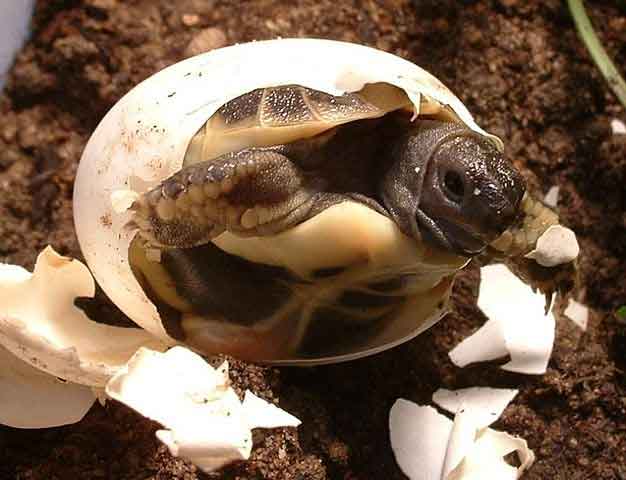
After several months of hibernation, mating usually occurs (rarely in the previous autumn). The females lay from 3 to 10 eggs one to three times a year. The young hatch after 55 to 75 days.
Buy one "Hermann's tortoise"
The price of a "Hermann's tortoise", bred in captivity, in the exotic animal market ranges from 130 – 200 EUR, depending on its size.
Legislation
State of conservation ⓘ
Near Threatened ⓘ(UICN)ⓘ
The subspecies T. h. hermanni is included in the Red List of the IUCN of species threatened with extinction, like all species in the genus Testudo. The Hermann's tortoise it is protected by the Berne Convention.
It is also included in the CITES and in the directive 1332/2005 of the European Community, so that the capture of wild specimens is absolutely prohibited and the breeding and trade of specimens in captivity is regulated.
Curiosities
The Hermann's tortoise You can live up 70 years. This should be taken into account when buying a young animal. It is advisable to think about inheritance when buying: who will keep my animal then?
How many years does the Hermann's tortoise?
The Hermann's tortoise You can live up 100 years in captivity. Every homeowner should have at least 70 years if turtles are kept well, as they reach this age without problems in nature. On rare occasions, the Hermann's tortoise can live longer than 100 years.
How much does theHermann's tortoise?
The Hermann's tortoise reaches to measure up to 25 cm.. The size of a specimen also depends on the exact subspecies of the Hermann's tortoise, as well as their sex. Female turtles grow larger than males and are also heavier. They belong to the species of medium-sized turtles.
The Hermann's tortoise goes into hibernation?
Yes, the Hermann's tortoise goes into hibernation every year after birth. Usually starts in November and ends at most in May, but in Europe it is usually already in April. So, turtles are in hibernation for four to five months each year.
1. Western Hermann’s tortoise (T. h. hermanni), Eastern Hermann’s tortoise (T. h. boettgeri) (English).
2. Tortue des Maures (French).
3. Mittelmeerschildkröte (German).
4. Tartaruga de Hermann (Portuguese).
5. Tortuga de Hermann (español).







_(38589492064).jpg)


_(8-6-13)_78_circulo_montana,_patagonia_lake_ranch_estates,_scc,_az_-01_(9466158294).jpg)


