โ–ท The world of Pets: Dogs, cats, birds, reptiles, amphibians

Yellow-tailed black cockatoo
Calyptorhynchus funereus

Yellow-tailed black cockatoo

Content

Description

55 to 65 cm.. length and a weight of up to 900 g..
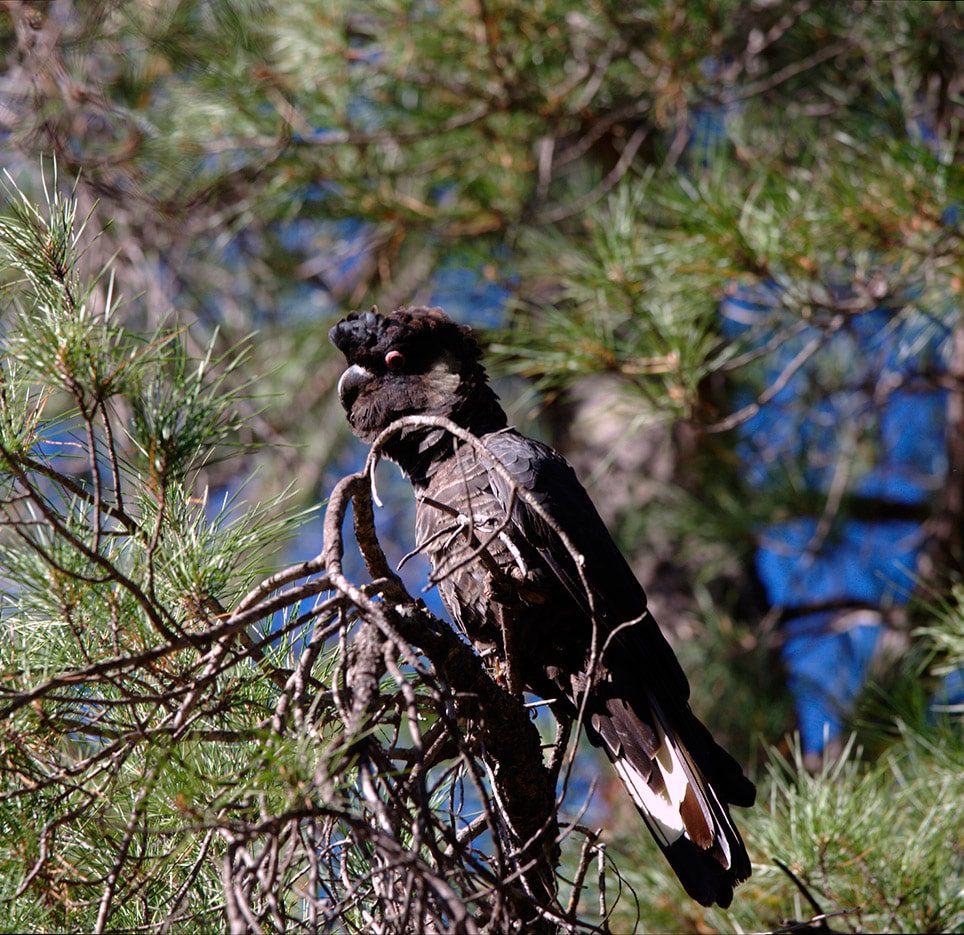
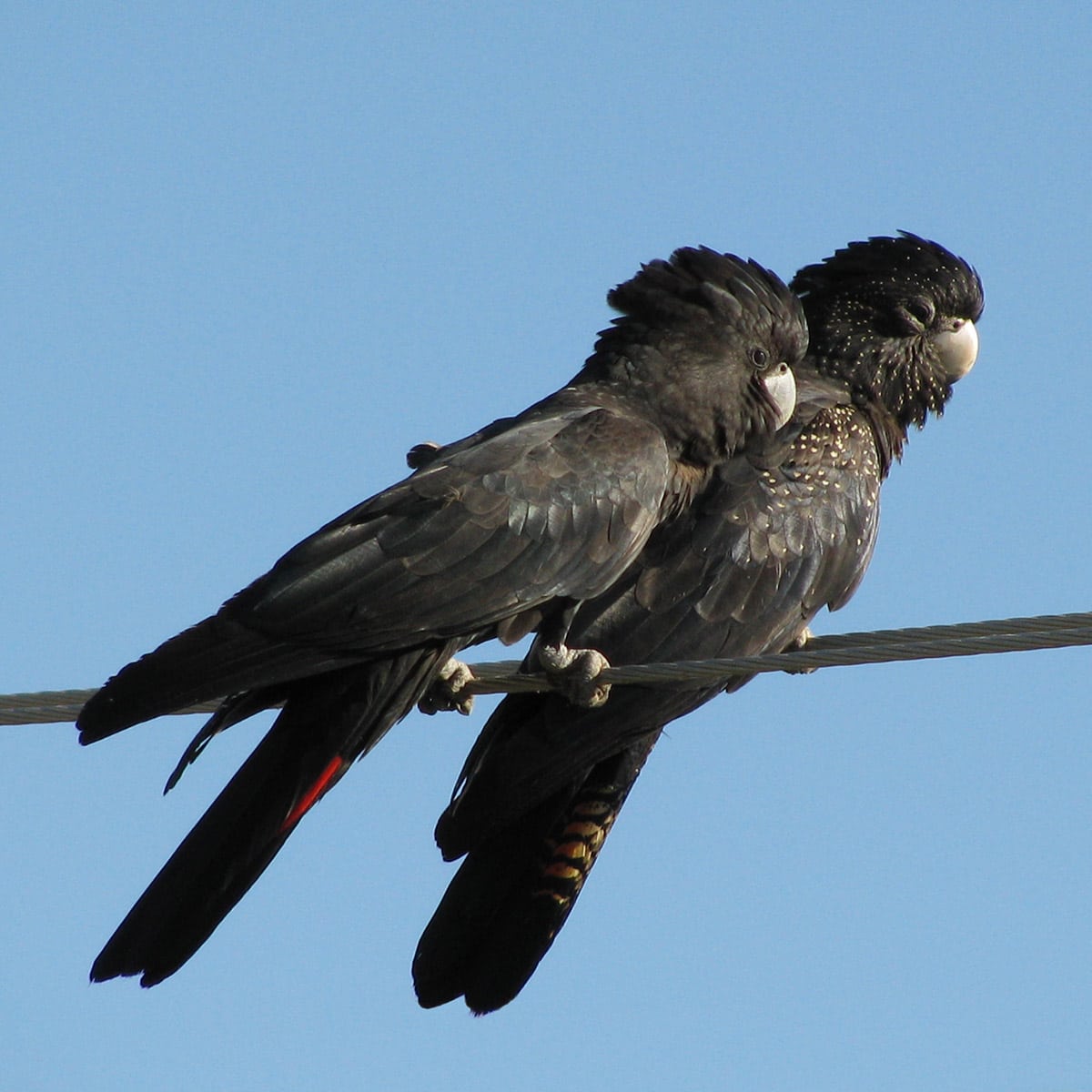
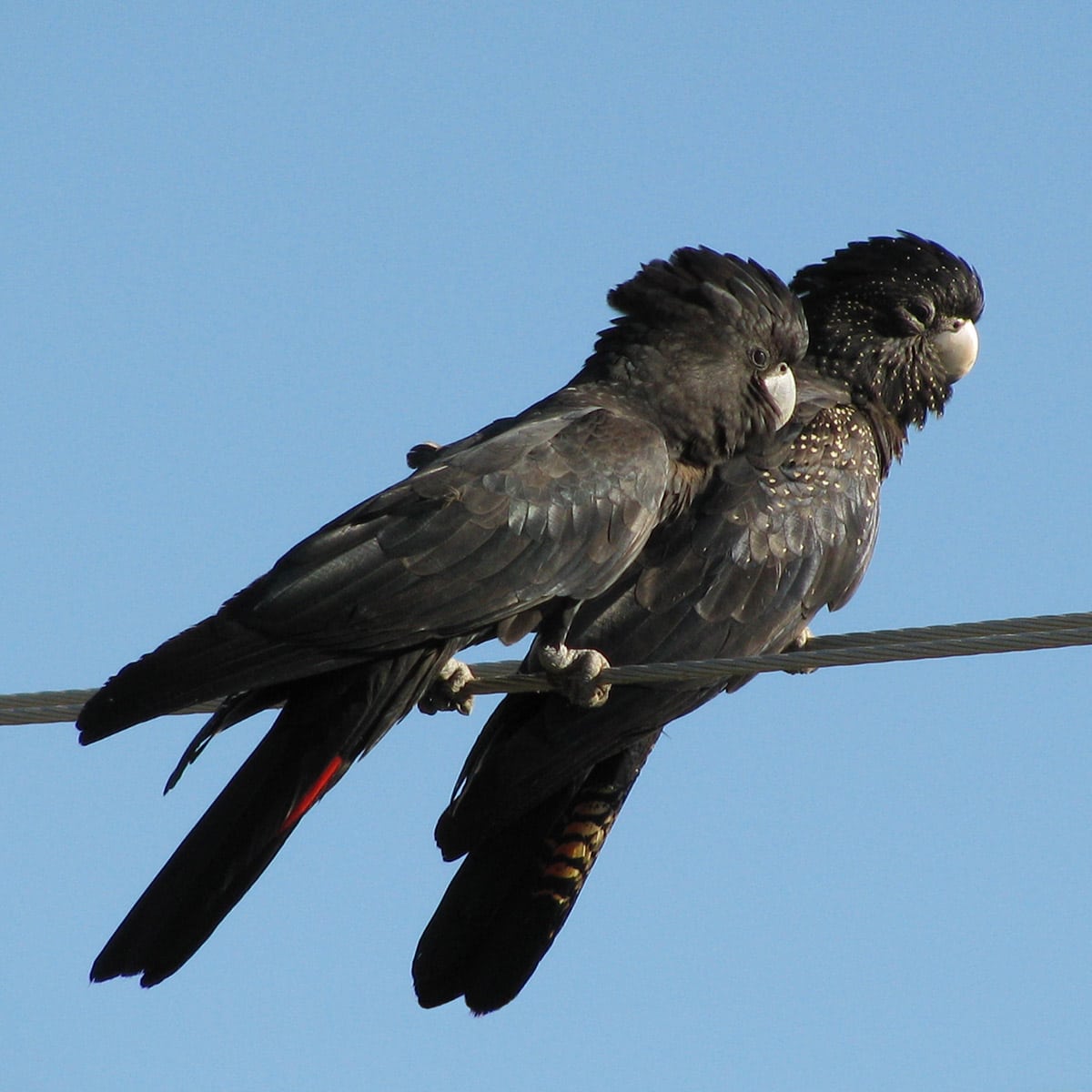
The Yellow-tailed black cockatoo (Calyptorhynchus funereus) stands out clearly by its plumage mostly black, patch yellow in cheek and yellow panels in tail.

The body feathers They are lined with yellow giving it a scalloped appearance. It has a crest short and moving on top of her head.
The female It has a yellow stain on the cheek more defined and larger than the male, Bello to singr pale gray (Pink in males)
The juveniles has plumage duller overall.
The bill top of immature male black obscures two years old, While the lower peak black four years.

Description 3 subspecies

  • Calyptorhynchus funereus funereus

    (Shaw, 1794) – Nominal. Larger and tail longer dark mottled.


  • Calyptorhynchus funereus whiteae

    (Mathews, 1912)


  • Calyptorhynchus funereus xanthanotus

    (Gould, 1838) – Smaller size, tail shorter dark mottled.

Habitat:

Variety of types habitats, including forests of eucalyptus, heaths, subalpine areas, pine plantations and occasionally in urban areas.
They are often seen flying in pairs or trios formed by a pair and their young., although outside the breeding season they can join in more numerous flocks.

Reproduction:

have a long breeding season, that varies throughout its range, although Tasmania in general it is from October to February. Both sexes construct the nest in holes of mature trees, high, generally eucalyptus. Fill the hole of wood chips. The same tree can be used for many years.

One or two eggs form a clutch. Only the female incubates the eggs, While the male supplies the food. Both parents help rear the chicks, Although usually only one chick survives. The chicks leave the nest about three months after hatching and remain in the company of their parents until the next breeding season.

Food:

Seeds native trees, terrestrial plants and pine cones. Some insects also part of their diet. Unlike other cockatoos, a significant proportion of the diet up wood borers worms. The bird put his ear against the surface of dead trees to hear the sound of worms. If a worm is detected, the bird will use their powerful beaks to pull pieces of the tree until you get to the meal, often leaving a pile of wood chips at the base of the tree. These scars on dead trees are a common sight in the forests of Tasmania.

Distribution:

Size of its range (breeding/resident ): 2.700.000 km2

It is up to the 2000 meters throughout Southeast Australia, from South Eyre Peninsula to the east-central Queensland.
Your number is declining in parts of its range due to habitat fragmentation and loss of large trees used for breeding.
In Tasmania is common and nomadic. They can be seen in many parts of the state and in the larger islands Bass Strait.

Distribution 3 subspecies

Conservation:

State of conservation โ“˜


minor concern Minor Concern โ“˜ (UICN)โ“˜

โ€ข Current category of the Red List of the UICN: Least concern.

โ€ข Population trend: Stable.

This species has a very large range, and therefore not approaching the threshold of vulnerable. Not threatened worldwide. CITES II. As with most other cockatoos, its long-term existence depends on the continued availability of hollow trees for nesting,

The population is estimated at at least 25.000 birds.

The population trend appears to be stable.

"Yellow-tailed black cockatoo" in captivity:

In the poultry industry this species is extremely rare and expensive. In Australia It has attained breed in captivity.
Like all cockatoos, they come to live over 40 years.

Alternative names:

– Yellow-tailed Black-Cockatoo, Black Cockatoo, Common Black-Cockatoo, Funeral Cockatoo (English).
– Cacatoรจs funรจbre, Cacatoรจs noir ร  queue jaune (French).
– Gelbohrkakadu, Gelbschwanz-RuรŸkakadu, RuรŸkakadu (German).
– Cacatua-negra-de-cauda-amarela (Portuguese).
– Cacatรบa Fรบnebre Coliamarilla, Cacatรบa Fรบnebre de Cola Amarilla (espaรฑol).

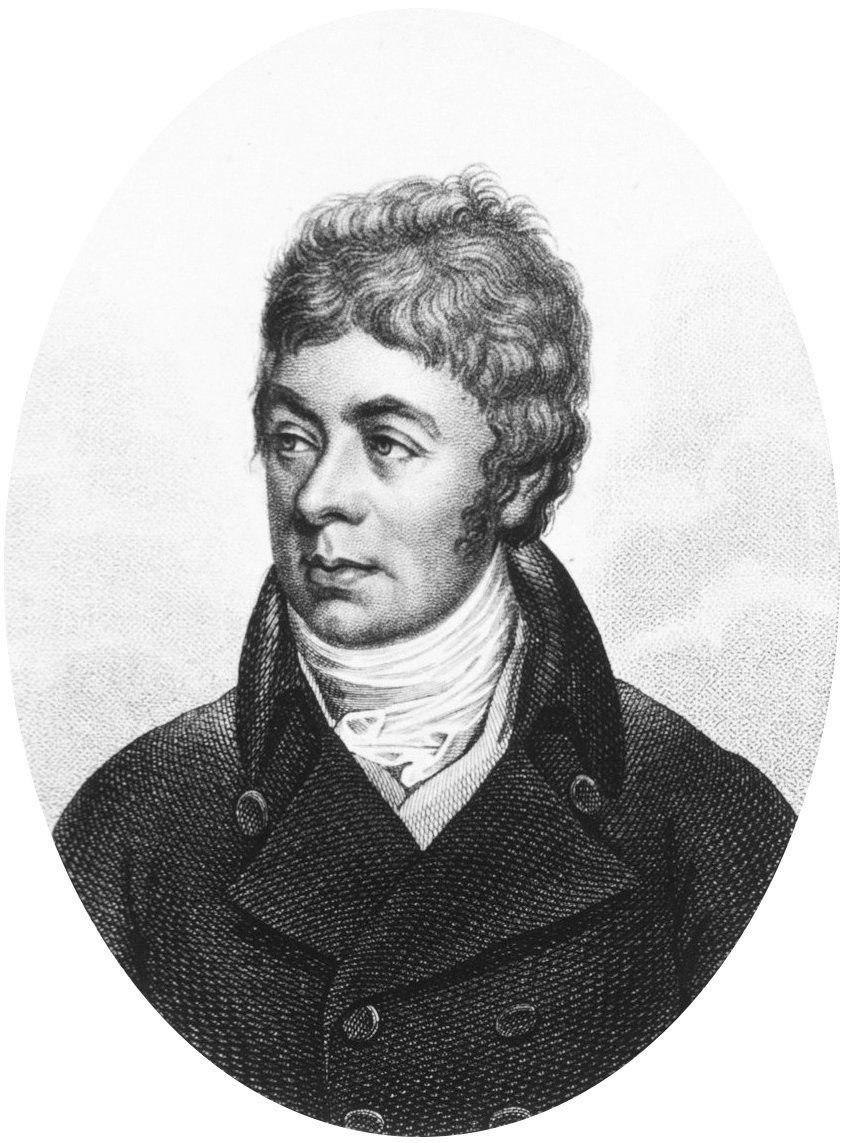
George Shaw
George Shaw

scientific classification:


– Order: Psittaciformes
– Family: Cacatuidae
– Genus: Calyptorhynchus
– Scientific name: Calyptorhynchus funereus
– Citation: (Shaw, 1794)
– Protonimo: Psittacus funereus


Images Cockatoo Fรบnebre Coliamarilla:


Sources:

– www.parks.tas.gov.au
– avibase
– Birdlife

– Photos: David Cook

– Sounds: Nigel Jackett
โ–ท The world of Pets: Dogs, cats, birds, reptiles, amphibians

Short-billed black cockatoo
Zanda latirostris

Short-billed black cockatoo

Content

Description

54 to 56 cm.. height and a weight between 520 and 790 g.
The Short-billed black cockatoo (Zanda latirostris) It is a large black cockatoo..

It has great bill black, crest erectile, white spot in the area ear and white panels on the tail. The female It is similar except patch area ear large and slightly yellowish white.
The immature Similar to adult female.
Closely related to Baudin's black cockatoo (Zanda baudinii). They were formerly treated as a single species.

Habitat:

Mainly inhabits in native forests eucalyptus and shrubland or heathland. Visit temporarily plantations exotic pines.
Sometimes you see them in cities or at the edges of roads. It is also a visible visitor to the gardens containing native plants with hard fruits around Perth.

Usually they see them in groups of three or in small flocks, but occasionally gather in large flocks composed of hundreds or, exceptionally, thousands of birds. Sometimes it is associated with Baudin's black cockatoo (Zanda baudinii) wave Red-tailed black cockatoo (Zanda Banksia) in places where food is plentiful.

The species is said to be Residents in areas of high rainfall They are retaining much native vegetation and are emigrants of the driest regions and places where most of the native vegetation has been removed.

Reproduction:

They do not breed until they are at least four years old..
Adult birds They mate for life, and stay together throughout the year.
Reproduction occurs mainly in the region Wheatbelt, northwest of the Stirling Range about Three Springs, but it has also recorded on the coastal plain in the South West, about Bunbury.
The reproductive activity It is limited to eucalyptus forests. They make their nests in large holes in the top of the eucalyptus.

The eggs They are white or cream, and they have no marks. Son incubated by female only, for a period of 28 to 29 days. The nestlings are fed by both parents, Although during the first 10 to 14 days after hatching they are fed exclusively by the female.

Adults return to the same breeding area each year.

Food:

It feeds mainly from seeds and occasionally nectar, fruit and insect larvae.

Distribution:

Size of the area of distribution (reproduction / resident): 196.000 km2

Endemic southwest Australia.

Conservation:

State of conservation โ“˜


Endangered Endangered โ“˜ (UICN)โ“˜

โ€ข Current category of the Red List of the UICN: In danger of extinction.

โ€ข Population trend: Decreasing.

On the basis of the distribution of birds during the breeding season, the total population of the Short-billed black cockatoo it has been estimated that is between the 11 000 and 60 000 birds, although there are those who affirm that its population could count on less than 10 000 birds.

The decline of this species It is mainly due to the loss and fragmentation of habitat. This has been caused by the clearing of native vegetation, mainly for agricultural purposes, Since the mid-20th century.

No specific information available on future changes in population size. But, the range of the species is thought to continue to contract for some time, which leads to a concomitant decrease in population size.

"Short-billed black cockatoo" in captivity:

A program captive breeding It was established in 1996 by the Department of Conservation and Land Management (CALM), in association with poultry farmers and licensed Zoo of Perth.
The genetic diversity of the captive population is enhanced by an 'abandoned' program’ that rehabilitates injured birds in the wild and then incorporates them into captive breeding.

Some eggs and chicks are caught illegally for sale in the markets of poultry. Although the demand for the species is said to have declined over the past decade, high market prices (approximately 3.000 dollars per bird and 5,000 $ couple) together with the scarce success of breeding captive birds, They suggest that Illegal take of this cockatoo will continue to be a continuing threat to the survival of this species..

scientific classification:

– Order: Psittaciformes
– Family: Cacatuidae
– Genus: Zanda
– Scientific name: Zanda latirostris
– Citation: Carnaby, 1948
– Protonimo: Zanda latirostris

Alternative names:

– Slender-billed Black-Cockatoo, Carnabyโ€™s Black Cockatoo, Mallee Cockatoo, Short-billed Black Cockatoo, Mallee Cockatoo, Short-billed Black Cockatoo, (English).
– Cacatoรจs ร  rectrices blanches, Cacatoรจs de Carnaby (French).
– Carnabys WeiรŸohr-Rabenkakadu, WeiรŸschwanz-RuรŸkakadu (German).
– Cacatua-negra-de-bico-curto (Portuguese).
– Cacatรบa Fรบnebre de Pico Corto, Cacatรบa Fรบnebre Piquicorta (espaรฑol).

Images Black-billed Black Cockatoo:


Species of the genus Zanda
  • Zanda funerea
  • —- Zanda funeral funeral
  • —- Zanda funerea whiteae
  • —- Zanda funerary xanthanota
  • Zanda baudinii
  • Zanda latirostris

  • Sources:
    – Avibase
    – Parrots of the World โ€“ Forshaw Joseph M
    – Parrots A Guide to the Parrots of the World – Tony Juniper & Mike Parr
    – Birdlife

    – Photos: Wikipedia, lostandcold (Flickr), Rabenkakadus โ€“ Wikipedia, Gnangarra…commons.wikimedia.org

    – Sounds: Nigel Jackett

    โ–ท The world of Pets: Dogs, cats, birds, reptiles, amphibians

    Baudin's black cockatoo
    Zanda baudinii

    Baudin's black cockatoo

    Content

    Description

    50 to 57 cm.. height and weight between 560 and 770 g.
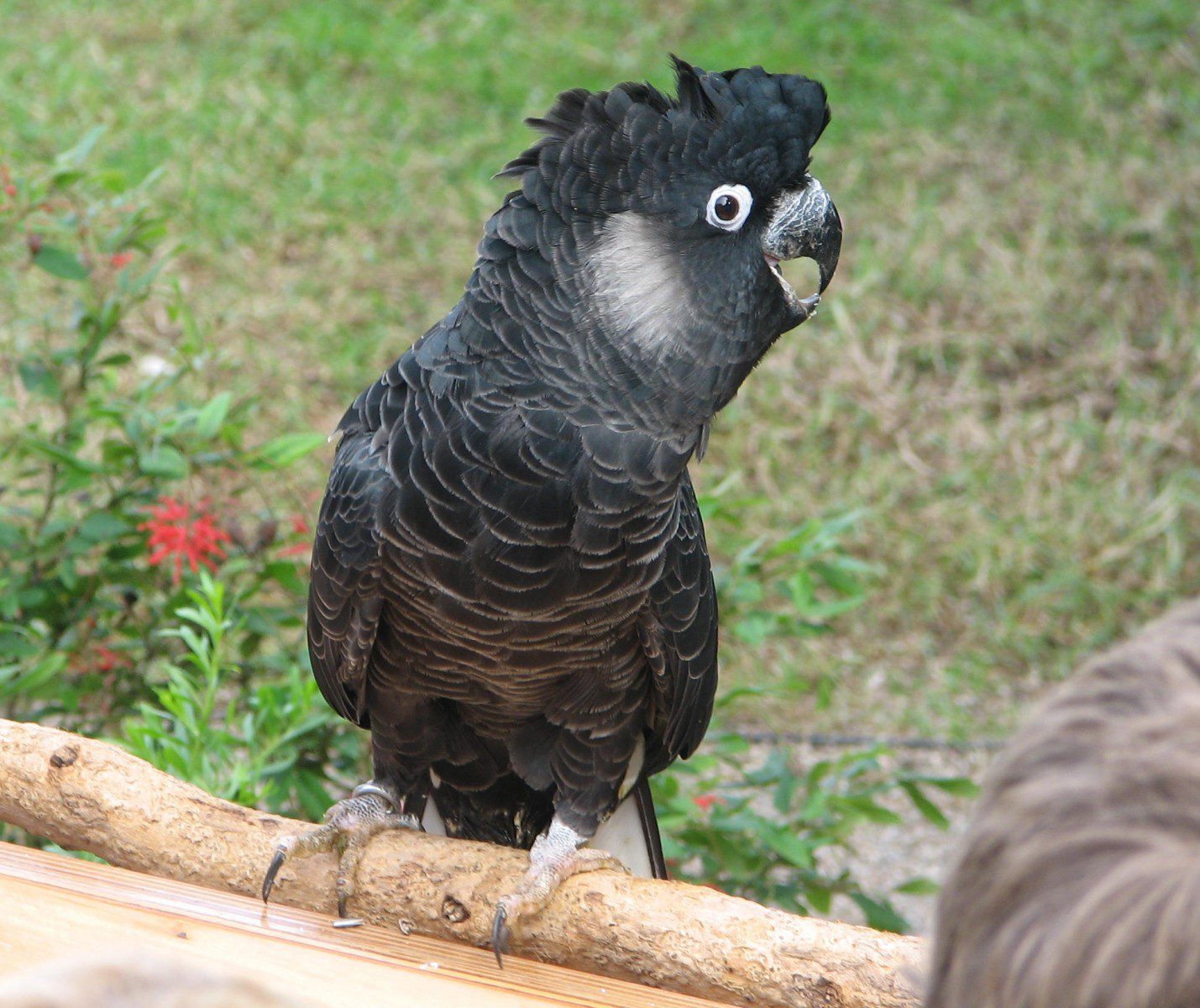
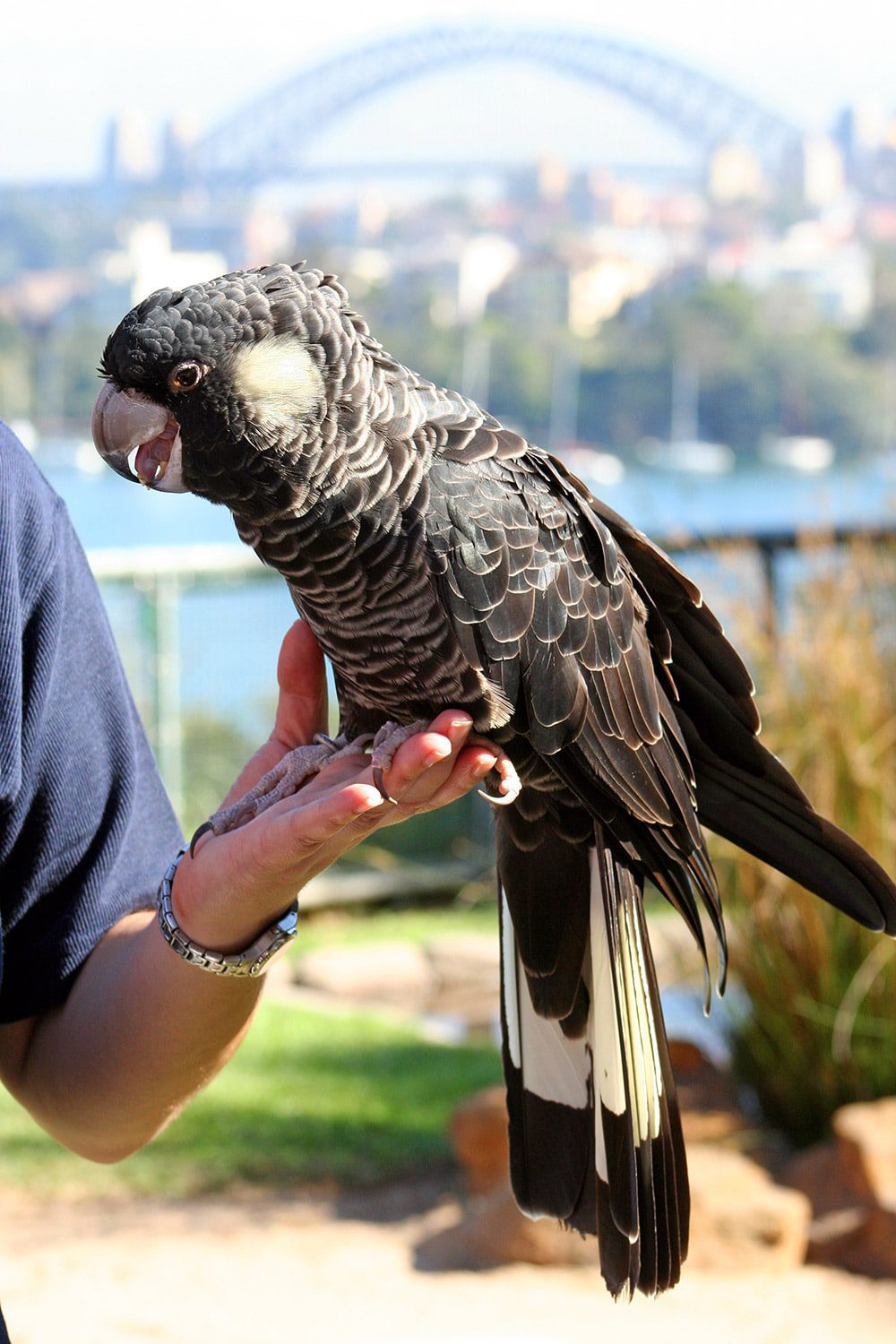
    to Baudin's black cockatoo (Zanda baudinii) is almost entirely of black, with whitish margins in the feathers, patches rounded on them ear-coverts (yellowish to white in the female and Brown to grey in the male), white rectangular panels in the tail.
    has a powerful bill (with greatly elongated upper jaw), Black in the male and white-gray color with a black color in the female tip.
    Iris dark brown surrounded by a eye ring Red in the male and female grey.
    Tail rounded, crest Erectile and legs greys. birds youth are like adults in appearance, but the bill of the male juvenile is equal to the of the of the female adult. The bill the juvenile male begins to darken after the second year.

    Habitat:

    Its natural habitat is the dense forests dominated by the Marris (Corymbia calophylla) in the extreme southwest of Australia.

    Gregaria, is often seen in groups of three, a pair of adults with a young, or in small groups. Occasionally they gather in large flocks of up to 300 birds during the non-breeding season, usually in places where food is abundant.

    Reproduction:

    Very little is known about the reproductive biology This cockatoo, such as their reproduction area, nesting events calendar, the nest tree, Characteristics of holes for nests, implementation size, incubation period, incipient and successful nesting period.

    Little is known about their reproductive cycle because nests are extremely difficult to locate.. Most of the characteristics of the biology of the species are inferred from the Short-billed black cockatoo.

    They show a strong union of couple and probably is pair of by life. They remain together throughout the year, except when the female is incubating eggs. Probably they begin to breed at the age of four. The species breeds in late winter and spring, from August to November or December. Copulation probably takes place three days before laying. The female lays one or two white eggs and you can lay an egg of replacement if the first since egg fails. The incubation lasts a few 29 days and only the female incubates them. The chicks remain in the nest for a maximum of 16 weeks.

    The nests are composed of a layer of wood chips, built in large hollow in the high eucalyptus, 30 to 40 cm. in diameter and more than 30 depth cm.

    Food:

    Are fed mainly from the seeds of MARRI and Karri. They are also fond of the rending of wood, Apart from pierce the bark of trunks in search of larvae. Apple trees and pear trees are frequently visited to enjoy its fruits.

    Distribution:

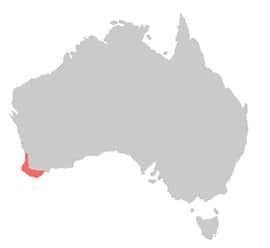
    Confined in the South-West of Western Australia, especially among Perth, Albany and Margaret River.

    Distribution Long-billed Black-billed Cockatoo

    Small captive populations in the Melbourne Zoo, in the Healesville sanctuary in Victoria, and in the Zoo of Perth. The species is bred in captivity with great difficulty.

    Conservation:

    State of conservation โ“˜


    Vulnerable Vulnerable โ“˜ (UICN)โ“˜

    In Australia is listed as Vulnerable by the law on protection and conservation of biodiversity for the environment.

    The total population of the species is estimated at 12.500 individuals, with one downward trend.
    Before the inclusion of the threatened species, the annual reproductive rate was of 0,6 per couple, too low to replace the large number of birds that were killed by horticulturists to protect their crops. It is now illegal to shoot these birds, However is it still done.

    In captivity:

    Appears in the Appendix II of CITES, what limited international trade in the species. Itร‚ยดs illegal capture These wild birds, a penalty of up to 10,000 $. This cockatoo is protected under the Wildlife Conservation Act of Australia.

    Alternative names:

    – Baudinโ€™s Black Cockatoo, Long-billed Black Cockatoo, White tailed Black Cockatoo (English).
    – Cacatoรจs de Baudin (French).
    – Langschnabel-RuรŸkakadu, WeiรŸohr-Rabenkakadu (German).
    – Cacatua-negra-de-bico-longo (Portuguese).
    – Cacatรบa Fรบnebre de Pico Largo, Cacatรบa Fรบnebre Piquilarga (espaรฑol).

    scientific classification:

    – Order: Psittaciformes
    – Family: Cacatuidae
    – Scientific name: Zanda baudinii
    – Genus: Zanda
    – Citation: Lear, 1832
    – Protonimo: Zanda Baudinii

    Images:


    Species of the genus Zanda
  • Zanda funerea
  • —- Zanda funeral funeral
  • —- Zanda funerea whiteae
  • —- Zanda funerary xanthanota
  • Zanda baudinii
  • Zanda latirostris

  • Sources:
    – Avibase, Australian Government
    – Photos: Long-billed Black-cockatoo, Taronga Zoo, Sydney, Wikipedia, Goura (zoochat.com),
    – Sounds: Chris Benesh (controles-canto.org)