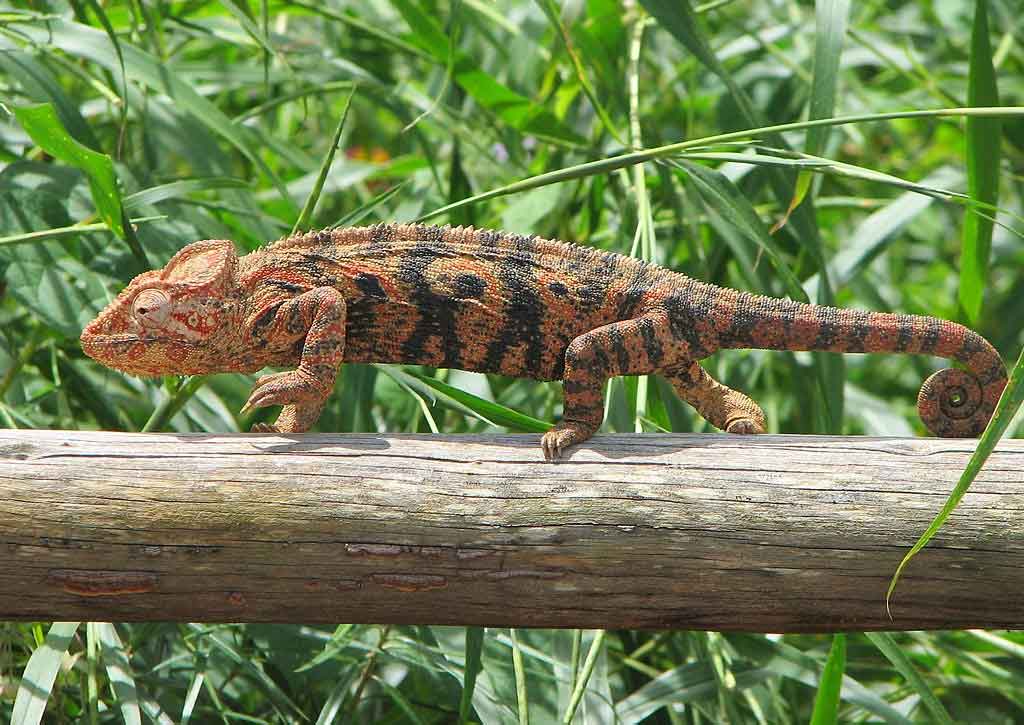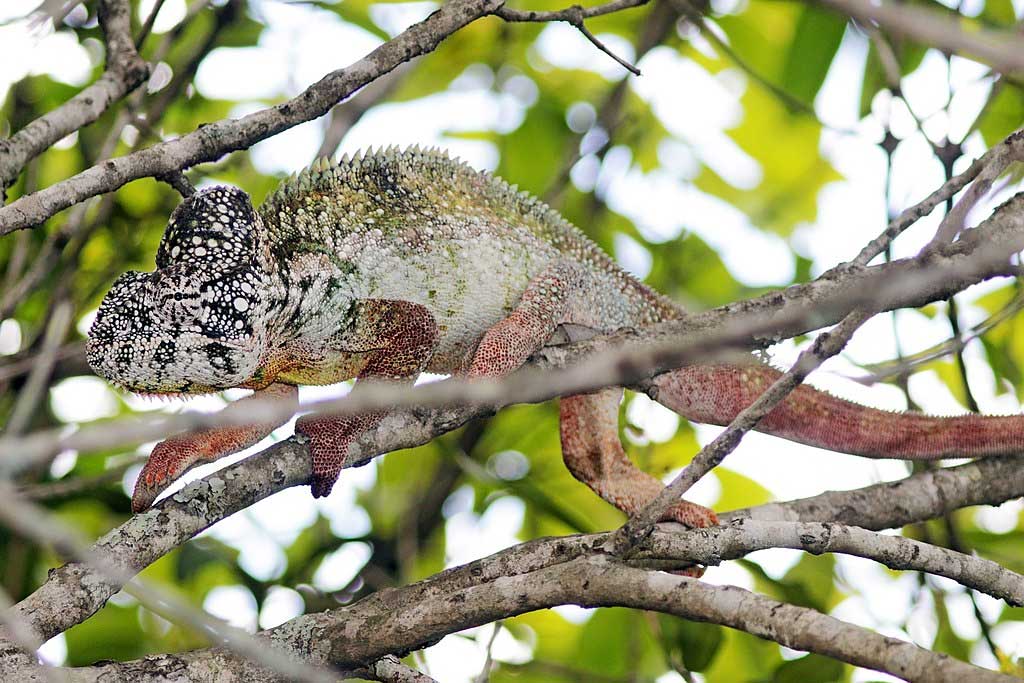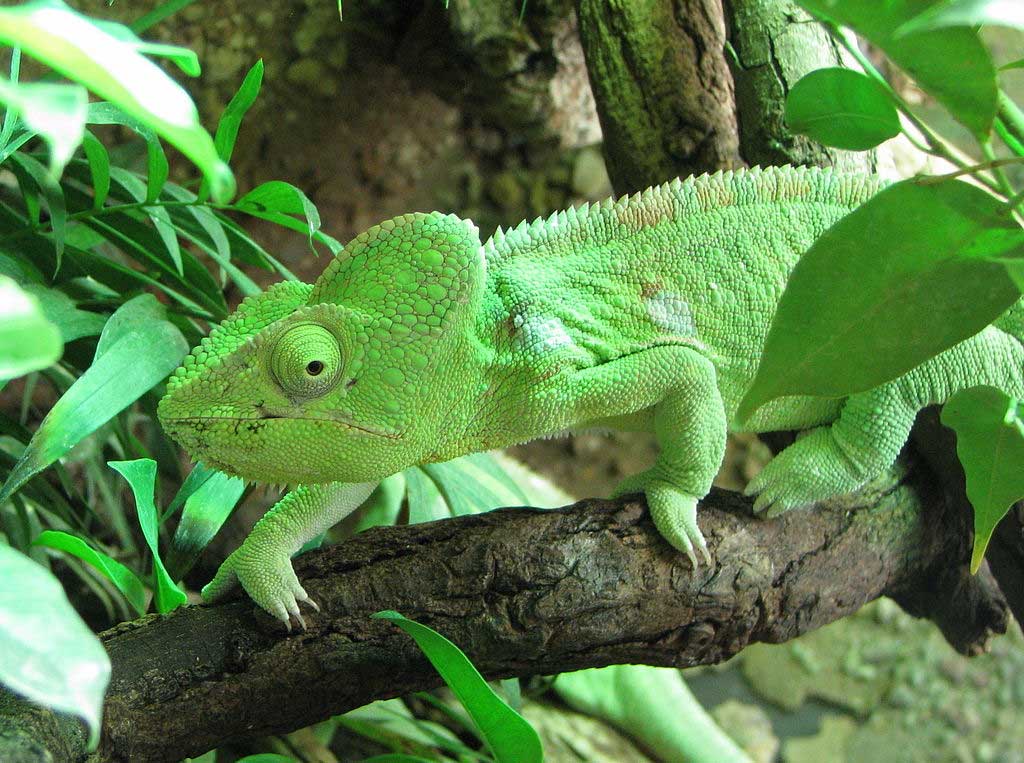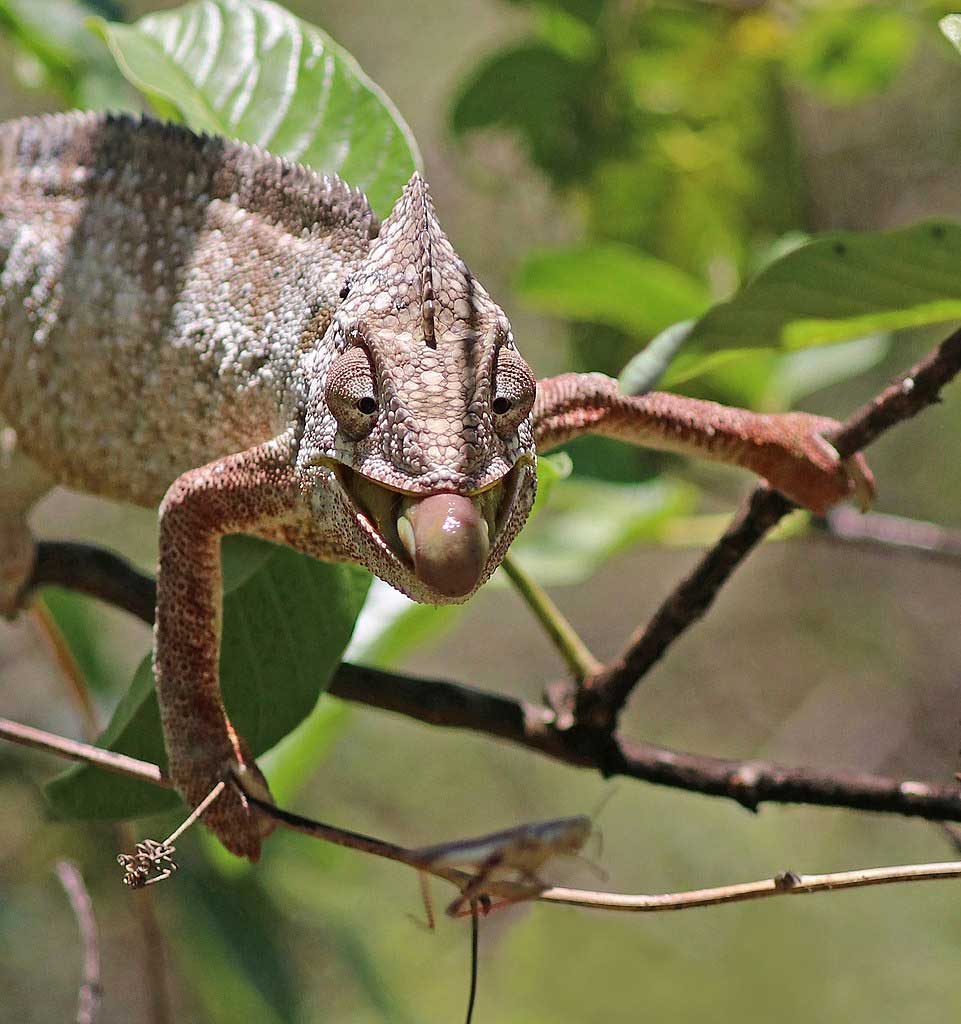
โ–ท The world of Pets: Dogs, cats, birds, reptiles, amphibians

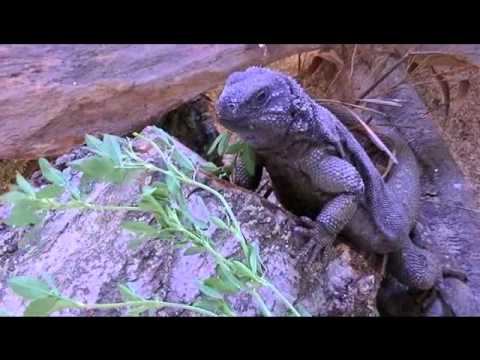
Angel Island chuckwalla
- Sauromalus hispidus

The Angel Island chuckwalla it is the second largest species of the genus Sauromalus (chuckwallas), reaching 44 cm of body length and 64 full length cm
Angel Island chuckwalla
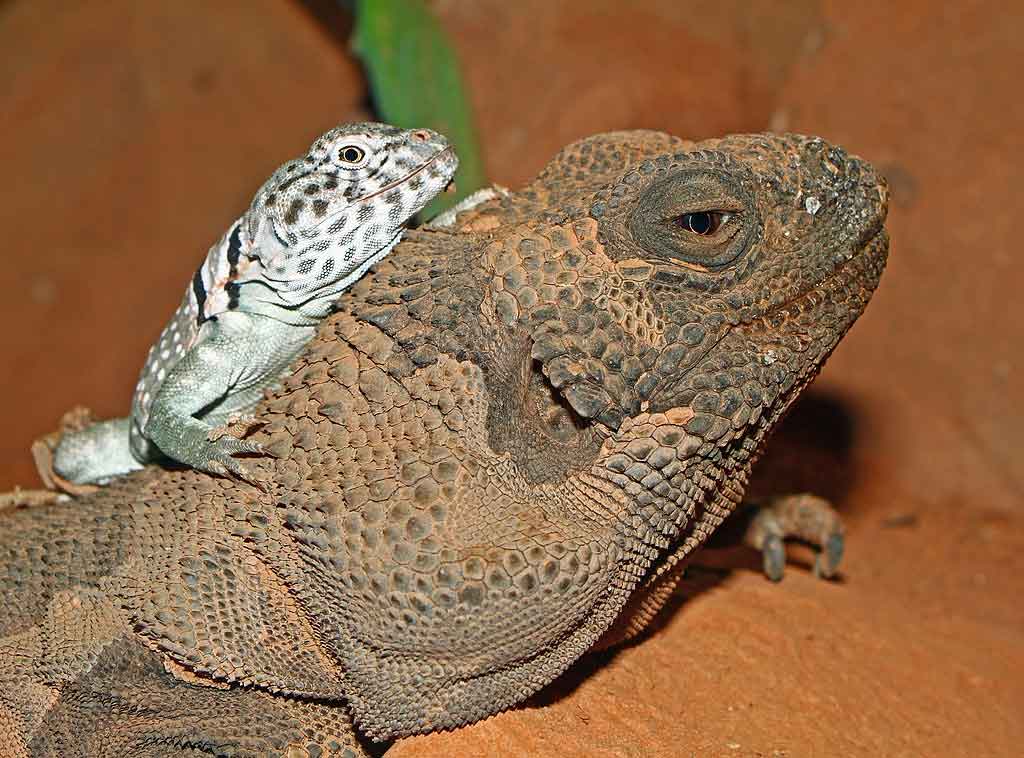
A common collared lizard, (Crotaphytus collaris) sitting in a Angel Island chuckwalla (Sauromalus hispidus;) Reptilium Landau, Germany – H. Zell, CC BY-SA 3.0, via Wikimedia Commons

Content

Origin / Distribution

The Angel Island chuckwalla (Sauromalus hispidus) it is found in the northwestern islands of the Gulf of California (Mexico): Guardian angel, Granite, Mejia, Pond, Saint Lawrence North, South San Lorenzo and smaller islets in the Bay of Los Angeles (Horse's head, Window, Louse, Arrow, Mitlรกn and Coronado). These islands make the west cool and mild in winter and hot in summer..

Characteristics / Appearance

The Angel Island chuckwalla it is the second largest species of the genus Sauromalus (chuckwallas), reaching 44 cm of body length and 64 full length cm, and weighing up to 1,4 kg. It is considered a gigantic species, as it is two to three times the size of their counterparts on the continent. Its body color is a dark brown color with black transverse bands that fade into a solid darker brown to black color as the animal ages..

Habitat

The vegetation is dominated by xerophytic plants. Characteristic are the large cardon cactus (Pachycereus pringlei) and creosote bushes (Larrea tridentata).

The Angel Island chuckwalla it is present in all the smaller islands, but generally prefers the vicinity of rocky areas where animals find their hiding places.

But, due to the influence of the sea, humidity is generally higher than in mainland parts of the Sonoran Desert and rises sharply at night, with occasional early morning mists. Extreme temperatures are a minimum of 8 ยฐC and a maximum of 43 C.

Behavior

When two adults meet, they occasionally flatten on their sides and threaten each other with typical iguana โ€œshovesโ€ and head nods. But, the animals do not come any closer and move to another rock after a short time.

Also striking is the general absence of any flight reaction towards humans..

Once the morning mist has cleared (between the 8 and 10 in the morning), the Angel Island chuckwalla appears on rocks to warm up in the sun. After the first sunbaths in the morning, many of the observed animals migrate to the canyon, where they feast on growing strawberries.

In the afternoon there is a second phase of activity, in which many animals go back into the canyon and look for food there.

Threats to the species

State of conservation โ“˜


Endangered in danger โ“˜ (UICN)โ“˜

The Angel Island chuckwalla (Sauromalus hispidus) has recently been assessed by the IUCN Red List of Threatened Species in 2018. Sauromalus hispidus is listed as In danger under criterion B1b

The "Angel Island chuckwalla" in captivity

The islands of the distribution area of โ€‹โ€‹the Angel Island chuckwalla have been protected by the Mexican government through the decree of the 2 in August of 1978 as "Reserve and Refuge for Migratory Birds and Wild Fauna". It also, Mexican legislation prohibits in principle the capture of reptiles for commercial purposes from 1952.

The Environmental Protection Law of 1988 establishes in principle that the taking of reptiles from the wild for commercial purposes is permitted under certain conditions, but until 1993 at least, there were no application guidelines for it, and the Mexican government had not issued a single permit for Baja California or the islands of the Gulf of California.

In the Decade of 1970, the giant chuckwallas (mainly Sauromalus varius, but also Sauromalus hispidus) were captured for the pet trade. MELLINK (1993) points out that illegal collection activities continue and that this also affects the Angel Island chuckwalla. While the Sauromalus varius is included in Appendix I of the WA, There is no international protection status for the Angel Island chuckwalla (Sauromalus hispidus).

It follows that at least most of the giant chuckwallas circulating in the terrarium trade must be illegally harvested animals.; this applies to all animals originating from Baja California or from the islands of the Gulf of California. The Angel Island chuckwalla (Sauromalus hispidus) it is rare in the international pet trade, but regularly shows up there at fairly high prices as claimed pups (in july 2001 the species was offered by two dealers in Germany). In U.S.A. the Angel Island chuckwalla (Sauromalus hispidus) is maintained and reproduced by at least three private owners.

The terrarium

Angel Island chuckwalla
Angel Island chuckwalla – Reptilium Landau, Germany – H. Zell, CC BY-SA 3.0, via Wikimedia Commons

The data indicated here are those corresponding to HEIKO WERNING, a breeder of "Angel Island chuckwalla"

Temperatures, illumination, heating

All the animals were always kept together in the same terrarium.. Initially I housed them in a terrarium of 150 x 200 x 200 cm. (wedged in a corner of the flat with diagonal walls, hence it only has average measurements), which was lit by an HQI burner of 150 W y luz natural (a "terrarium wall" was an exterior window).

The "terrarium wall" was an exterior window). a focus of 100 W, shining from a distance of about 30 cm on a platform of artificial rock, served as a hot island. Another local heat source was the HQI lamp ballast, which was mounted on the ground and covered by a metal plate. In both heat islands the temperatures were 40-50 C, The ambient temperature in the terrarium varied between 25 and 35 C, depending on the measuring point. In summer, temperatures could rise above (up to about 40 ยฐC ambient temperature), in autumn and spring they were below (up to about 20 ยฐC ambient temperature). At night, values โ€‹โ€‹dropped at room temperature (normally 18-22 C). The duration of artificial lighting was 14 constant daily hours outside the winter rest period; the total length of the day varied throughout the year depending on daylight hours in Berlin due to light from outside. In winter, artificial light sources were turned off for a period of 8 to 12 weeks, so that the values โ€‹โ€‹dropped to room temperature throughout the day and only natural light from outside illuminated the terrarium.

Furniture and design

The terrarium was furnished with artificial rock constructions made of Styrofoam, which were covered with wood glue and then sanded. The artificial rocks manufactured in this way turned out to be quite resistant., even to the mighty claws of the chuckwallas. Several vertical and horizontal "cracks" in the Styrofoam served as hiding places for the lizards, what they used at night, sometimes during the day when it was hot in summer and to hibernate in autumn and winter. The slits were designed in such a way as to provide a comfortable shelter for the animals., but at the same time they always offered contact surfaces from above and below. Sand available on the market was used as substrate., and the set-up was completed with a large climbing branch that almost filled the room and reached just below the HQI spotlight.

In 1999 I move house, and as the new terrarium originally intended for the chuckwallas could not be completed at the moment, they had to move to a much smaller enclosure. They are now kept in a terrarium of 150 x 70 x l00 cm, with whom he had already had a good experience in the maintenance and breeding of common chuckwallas (Sauromalus obesus BAIRD, 1859) (WERNING 1998) and that animals still inhabit today.

Two fluorescent lamps 60 W, a focus of 60 W shining on an artificial rock platform from a distance of 30 cm., and the UV lamp ยซOsram Ultra Vitalux" from 300 W, which is mounted on the lid and burns irregularly once or twice a day for 1-4 hours from a distance of about 60 cm., serve as lighting. This terrarium is also mainly equipped with artificial rocks (made of polystyrene and polyurethane foam, again painted with wood glue and then sanded). Borders and cork boards serve as additional structural and concealing elements. The temperature and lighting regime is similar to that described above, with the exception that there is hardly any natural light.

The tenarium is watered at irregular intervals at night.

Water is usually available in a small bowl. Animals have never been observed drinking.

Food
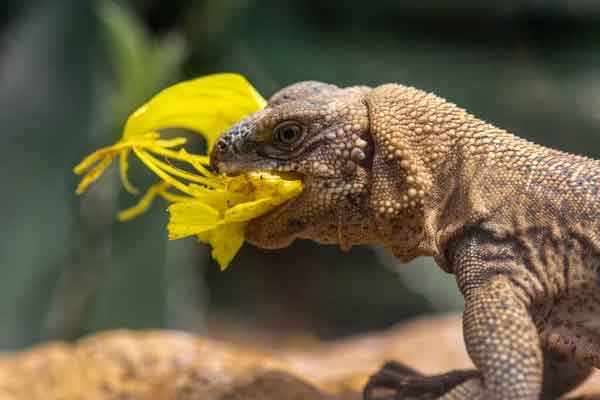
Angel Island chuckwalla
Photos of Sauromalus from | Depositphotosยฎ

According to the herbivorous way of life, I feed my chuckwallas almost exclusively with plant foods. They are fed an average of three to five times a day at will, that is to say, animals receive the amount of food they eat throughout the day. The main ingredient is lettuce, which has a very high calcium content compared to other leaf lettuce. From the beginning, constituted between 2/3 and 80% of the ration. If this lettuce is not available in season, a mixture of green lettuce, iceberg lettuce and other leaf lettuce (trade name "mixed lettuce") served as main food.

This basic diet is supplemented with other plant foods (mainly banana, Cucumber, tomato, chickweed, Apple, strawberries, grapes, carrots); occasionally I also offer food for animals (young mice, grasshopper, zophoba larvae). Juveniles still do not accept animal food; only at the age of 2-3 years showed for the first time a cautious interest. The Sauromalus hispidus adults from about five years of age, on the other hand, they pounce on all offered food with great avidity and clearly prefer it to any type of vegetable food.

Plant feeds were generally mixed with a mixture of vitamins and minerals. There was no exact dose, but they mixed 1-2 ml of the preparation with the green food in approximately three out of four meals as a well-tested empirical value from the care of the Dipsosaurus dorsalis and Common chuckwalla Sauromalus ater.

I feared giving the animals too many vitamins and reduced the addition to every one or two weeks, but I also offered them crushed egg shells and pieces of cuttlefish so that they could meet their calcium needs on their own.. After wintering 1999/2000, clear symptoms (hind leg lameness, slight deformation of the bones) showed that three of the four juveniles of 1997 suffered from a calcium deficiency. A diagnostic examination with rontographs confirmed the suspicion. Two animals died shortly after, one of them could be saved with the administration of vitamin D by the veterinarian. Hind leg injury healed almost completely, the animal returns to normal mobility and shows only slight changes in movement compared to other animals. Since then, the animal has been fed again with a mixture of vitamins and minerals, as described above.

Mating
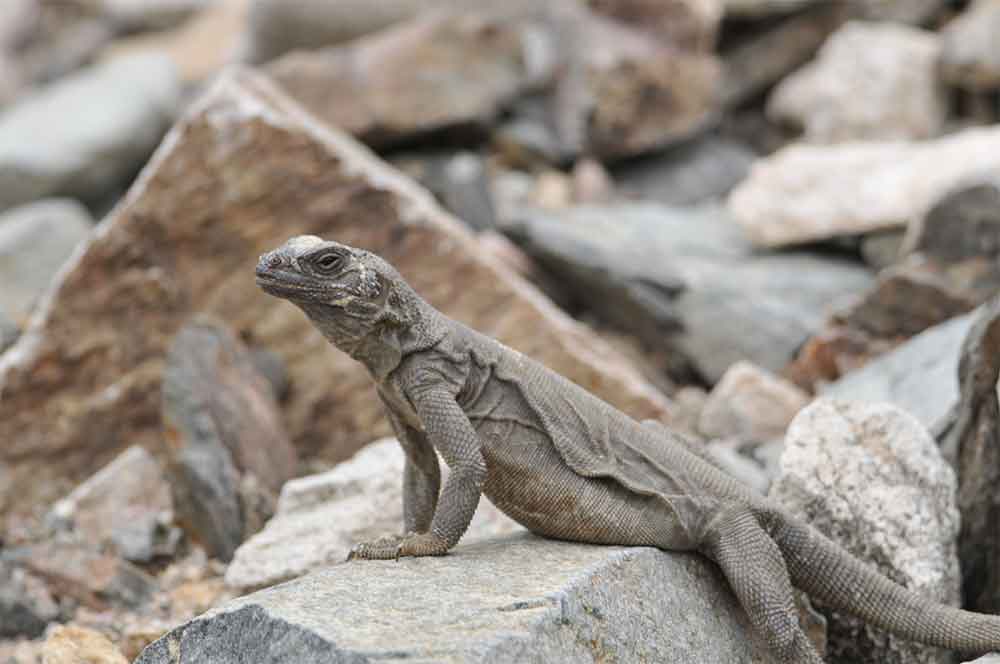
Angel Island chuckwalla
Angel Island chuckwalla – colombia.inaturalist.org

In winter 1999/2000 the animals hibernated from early December to early February. From April 2000, the two adult males displayed completely different behavior. They threaten each other several times a day by flattening on the side and nodding their heads. They stood facing each other, leaning towards each other, so that the two animals together formed almost a circle. after a few nods, they started hitting each other with their tails. Either one of the males ran away, or a few flicks of the tail caused one of the animals to run towards the other and try to bite, what was partially successful. The second male then fled and was chased by the winner through the tenarium for some time., sometimes for several minutes, until finally he left her and the situation relaxed for a while.

In May, these fierce fights, which in two cases resulted in smaller but bloody bite wounds, could be seen almost every hour. But, while they fed, the two males continued to ignore each other and fed together without disturbing each other. If the superior male stood directly in front of the adult female during the chase, he left the adversary and impressed his partner by nodding his head. The 15.5.2001 mating was observed. It took place on the highest rock platform in the corner of the tenaria, illuminated by spotlight. The male had bitten the female's neck in typical iguana fashion and pushed her cloaca below that of his mate.. As I only arrived during copulation, I can't tell how long it lasted. Some 60 Seconds later, the male abandoned the female and a large drop of sperm from the female came out of his cloaca. No more matings could be observed, but the rivalry between the two males remained just as intense until June, and there were repeated clashes between the two until hibernation. In 2001, on the other hand, only very isolated fights without biting attacks were observed between the males.

After observed mating, the female showed a large appetite and quickly gained visibly in body size.

The eggs were visible under the skin when the animal was at rest.. About a week before egg laying, the female began to dig in several places of the ten-ario. In the ten-arium itself there is an artificial rock cavity made of Styrofoam (a few 15 x 30 x 15 cm.), that I have now filled up 2/3 with moist potting soil. The 14.06.2000 The female laid nine eggs of about 40 x 22 mm. It remained in the cavity for about a day. Then, not only was the egg well of the cavity filled with substrate, but the female pushed all the substrate of the terrarium on the artificial cavity, so that it finally disappeared under a mountain of substrate. Eggs were removed shortly after laying and placed in a Styrofoam box converted into an incubator., as described by WERNING (1995). Once the eggs are removed, the female scratched the cavity again to close it completely. For a week or so, seemed to guard the nest cavity and continued to move material up the mountain.

The incubation substrate was moist sand., with which he had already had good experience in laying eggs in the Chacahuala del Noroeste Sauromalus ater. I adjusted the humidity of the substrate with the "safe instinct" that I had already acquired with the other Chuckwallas. The sand is moist but not wet, humidity reaches approx. 90-95 % due to evaporation above the heat source in the brood box. Half of the eggs were buried in the substrate. No light enters the incubator except during controls.

During the first four weeks I incubated at 30ยบC, the remaining 6,5 weeks at 32ยบC. One egg died after about four weeks for no apparent reason. He seemed to have suddenly lost tension; had softened and yielded. The opening showed that she was fertilized. another egg, after eight weeks of incubation, also collapsed a bit and was without tension. Then I increased the humidity of the substrate a little, the egg recovered after a few days and was plump and firm again.

The 01.09.2000 the first eggs hatched. The 03.09.2000 the eight pups were born. The incubation period was, Therefore, of 80 to 83 days. CARL & JoNES (1979) inform of 94-99 days to 29-31 incubation temperature ยบC. In my case, all the young animals first scratched the egg, from which the clear came. Only hours later they took the head out of the egg, followed by the upper body after a few more hours. The pups took a 24 hours to finally hatch. All hatchlings still had a large yolk sac, that were completely reabsorbed during the 48 following hours. During this time I left them in the incubator. The pups measured between 5,5 and 6,1 cm. in length and between 10,1 and 12,3 cm.. So, hatchlings were much smaller than previously reported in the literature (CARL & JoNES 1979: 7,2 cm., SYLBER 1985: 7,1 cm.). Egg sizes also remained below literature values. (CARL & JoNES 1979: 44 x 29 mm, SYLBER 1985: 50 x 35 mm), the smallest clutch size known so far was given by CASE (1982) with 14. But, according to the same author, the smallest female known so far to have reproduced, with a length of 24 cm., was already considerably larger than my female with 18 cm..

Breeding

The newborn pups seemed very weak and barely moved, so I feared that they would not be viable. Once the yolk sac is completely reabsorbed, I placed them in the breeding room. In a few minutes they cheered, they ran around the tank, they caressed all the furniture and even nibbled on a piece of wood from a root.

The average breeding terrarium 100 x 60 x 50 cm and was equipped with two fluorescent lamps of 40 W and a focus of 60 W that illuminated a root from a distance of about 20 cm.. It also, juveniles were irradiated several times a week for 1-2 hours with an Osram Ultra Vitalux lamp.

The glass of the terrarium was replaced by a grid so that the UV rays were not filtered and the lamp was placed at a few 50 cm in front of tenarium. Young animals reacted immediately to radiation. They reached out and clung to the net to get as close to the radiation source as possible.. when they had enough, they gradually retreated to their hiding places.

In addition to the root mentioned, a small artificial rock from the shops and a stack of compressed cork sheets arranged in such a way that there were enough indentations to hide were used as furniture. The back and side walls are pasted over with decorative cork boards, which allowed the animals to climb the walls a little, although the little ones are already quite clumsy when climbing vertical surfaces. I initially chose quartz sand as the substrate, but after discussing with two terrarium keepers I decided to use only cellulose cloths (kitchen towels), as they both reported for their experience of death traps in young Uromastyx and Sauromalus, that had occurred due to clogging as a result of massive ingestion of sand.

feeding the little girl Angel Island chuckwalla did not cause any problems. From the first day in the breeding terrarium they ate all the vegetable food that was offered to them.. Feeding was similar to that of adults.. From the beginning, small crickets were offered, wax moth caterpillars and cockroaches for interest, but the chuckwallas ignored them. Today, they do not accept food of animal origin.

In December, the little ones chuckwallas were subjected to a three-week "mini-hibernation" with the lights off and at room temperature (a few 20 C).

At four months, I moved the young animals to a larger terrarium (150 x 70 x 100 cm.). So far no interactions between the animals have been observed., apart from occasional mutual nods. But, a young man lagged behind in growth. Only too late did I realize I wasn't eating enough. when i split it, he was already refusing food and died shortly after at five months. After nine months there were two more losses. One was apathetic and separated. Although he kept eating, died after a few days. The same day, another animal in the group died without any previous signs of disease. The necropsy revealed a massive salmonella infestation in both animals as the probable cause.. The swabs from the other animals showed the same results., and an antibiogram revealed the sensitivity of microorganisms to Baytril. treatment with Baytril was carried out successfully under veterinary supervision.

Buy one "Angel Island chuckwalla"

When buying a reptile with these characteristics, it is an obligation to make sure that the store where it is sold is certified and has the necessary permits according to the law so that you do not have any type of problem., if it complies and is in order, you make sure to buy an animal that is not in danger of extinction since they are surely from specialized farms for the sale of this particular species.

Please be aware and for no reason acquire animals in clandestine shops illegally or on the black market.. Since you favor the disappearance of species that are in danger of extinction.

Videos "Angel Island chuckwalla"

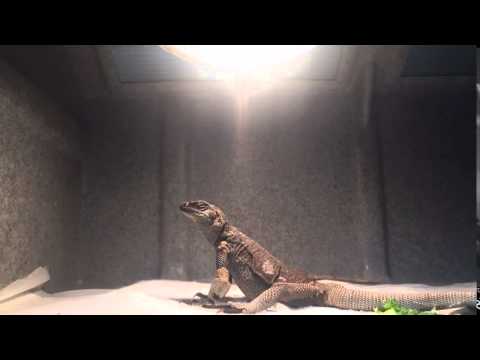
SAUROMAL HAIRY (chuckwalla).wmv

Angel Island Chuckwalla(chuckwala)

Alternative names:

1. Angel Island chuckwalla, Spiny chuckwalla (English).
2. Chuckwalla รฉpineux (French).
3. Angel Island Chuckwalla, Stachelige Chuckwalla (German).
4. Chuckwalla espinhosa, Angel island chuckwalla, Ilha dos Anjos chuckwalla (Portuguese).
5. "Iguana espinosa", Chacahuala de la Isla Angel de la Guarda (espaรฑol).

โ–ท The world of Pets: Dogs, cats, birds, reptiles, amphibians

Sunbeam snake
- Xenopeltis unicolor

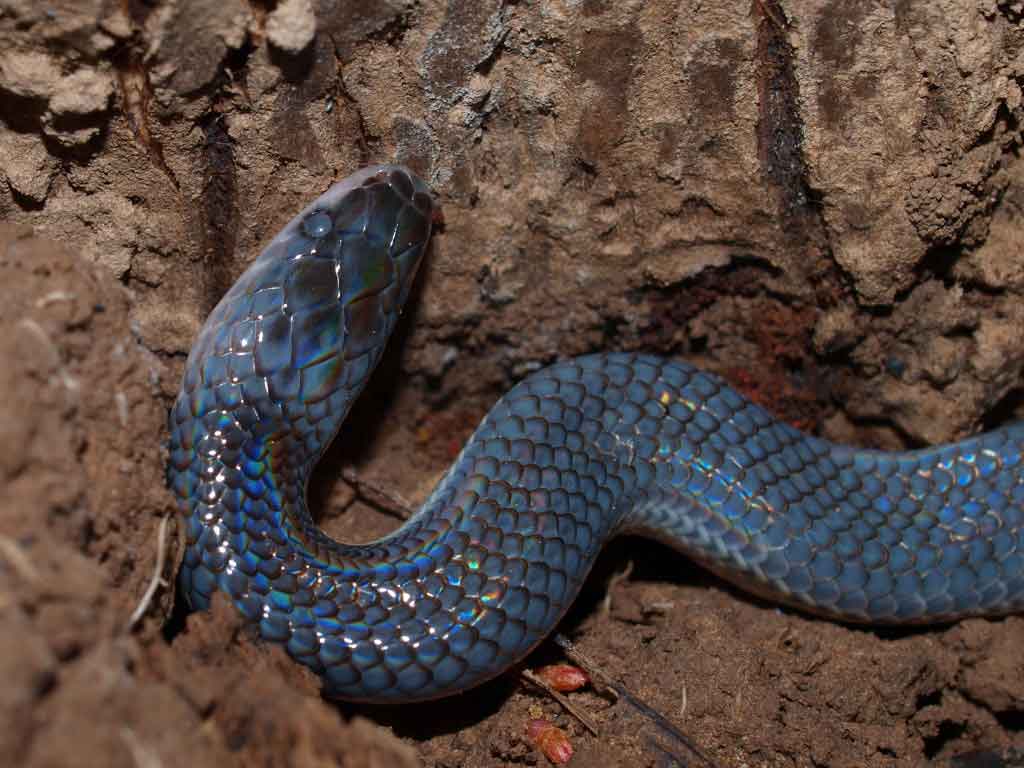
The Sunbeam snake They are constrictors and kill their prey by suffocating them in their muscular coils..
Sunbeam snake
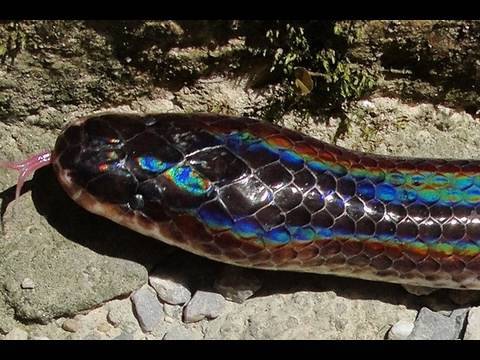
This close-up clearly shows the characteristic highly polished iridescent scales. – Bochr, CC BY-SA 3.0, via Wikimedia Commons

Content

Origin / Distribution

The Sunbeam snake (Xenopeltis unicolor) is located in China (Guangdong y Yunnan), Myanmar, the Andaman and Nicobar Islands, Viet Nam, Laos, Cambodia, Thailand, west malaysia, la isla de Penang, the island of singapore, East Malaysia (Sarawak), Indonesian (the Riau archipelago, Bangka, Billiton, Sumatra, We, Simalur, Nias, the Mentawai Islands of Borneo, Java and Sulawesi) and the Philippines (Balabac, Bongao, Jolo and Palawan). The indicated type locality is "Java".

Characteristics / Appearance

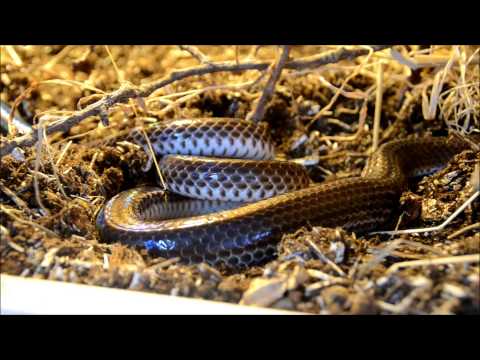
The Sunbeam snake grows to an average of 1 m. The head is wedge-shaped and narrow., with little delineation of the neck, which makes it easy to push along the ground. Its most defining characteristic is its iridescent scales., highly polished, which give this snake its common name. They have a layer of dark pigmentation just below the surface on each scale that enhances the iridescence.. The young look very similar to the adults., except that they have a strong white "collar" of scales evident just below the head. This coloration fades during the first year,

It is a primitive form of snake with python characteristics; the family to which he belongs is still the subject of debate.

Habitat

This lowland snake lives in forests, swamps and bushes. The species can be found in both disturbed and undisturbed areas., including urban environments, paddy fields and other agricultural areas, as well as the tropical forest. These snakes are most often found in disturbed areas, such as gardens adjacent to secondary forest. In Vietnam the snake is cosmopolitan among 100 and 2.000 m above sea level, but seems to prefer forested mountain valleys, with rocky areas near streams. The snake spends most of its time underground and only emerges at night or during heavy rains in the wet season..

Behavior

These snakes are constrictors and kill their prey by suffocating them in their muscular coils.. They are fossils and spend most of their time underground.. They can bite easily if handled roughly, but most of the time they only try to escape if they are caught. They have also been observed to vibrate their tail like a rattlesnake when threatened..

Food

The diet is varied and consists mainly of frogs, reptiles, including other snakes, and small mammals.

Reproduction

Oviparous, females lay up 10 eggs at a time.

Threats to the species

State of conservation โ“˜


minor concern Minor Concern โ“˜ (UICN)โ“˜

The Sunbeam snake (Xenopeltis unicolor) was assessed on the IUCN Red List of Threatened Species in 2011. The Xenopeltis unicolor figure as of Least concern.

It is generally a common species. It is described as very common in Vietnam, and is also common in Myanmar.

No specific conservation measures known for the species, although found in protected areas in Vietnam and Myanmar, and presumably throughout its range. In Thailand the species is protected by law.

The "Sunbeam snake" in captivity

This species is taken from the wild for the pet and fur trade..

The terrarium

terrarium size

minimum requirement 1 x 0,5 x 0,5 of the total length of the animals for a pair.

Temperature

Soil temperature should be between 26-28 ยฐC, with local heating up to 33 ยฐC. Baja a 22 ยฐC at night. The basic temperature can be reached well with, for example, Thermo Mat. But, this should be very weak. Otherwise, it is better to use a spotlight.

Humidity

60-80%, also above the 90%; proper substrate moisture is most important. To create the ideal conditions, it is recommended to use musgo Sphagnum. This creates loose, airy hiding places that retain moisture optimally..

Illumination

Daylight fluorescent tubes, for example, Daylight Sun ECO in combination with the light strip.

Substrate

Loose and absorbent substrate such as Jungle Bedding, Snake Bedding or Eco Bark. Never use gravel or sand. The snake must be able to bury itself.

Furniture

Create lots of hiding places, for example, with stones, cork roots and bits. A shallow bowl of water should not be missing. Climbing branches are not necessary.

Food

Mice, rats and other rodents of adequate size.

Buy one "Sunbeam snake"

The price of a "Sunbeam snake" at the exotic animal market, ranges between 120 – 160 EUR.

Videos "Sunbeam snake"

Sunbeam Snake a Rainbow Snake with Rainbow Colors ๐Ÿ‡น๐Ÿ‡ญThailand VLOG | ThaiPulseCom

rainbow snake (Xenopeltis unicolor) many

Alternative names:

1. Sunbeam snake (English).
2. Serpent arc-en-ciel (French).
3. Regenbogen-Schlange (German).
4. Cobra solar (Portuguese).
5. "Serpiente rayo de sol", Serpiente iridiscente asiรกtica (espaรฑol).

โ–ท The world of Pets: Dogs, cats, birds, reptiles, amphibians

African clawed frog and Common Surinam toad
- Xenopus laevis and Pipa pipa

The African clawed frog was bred for decades to perform pregnancy tests and thus spread throughout the world.
Xenopus laevis
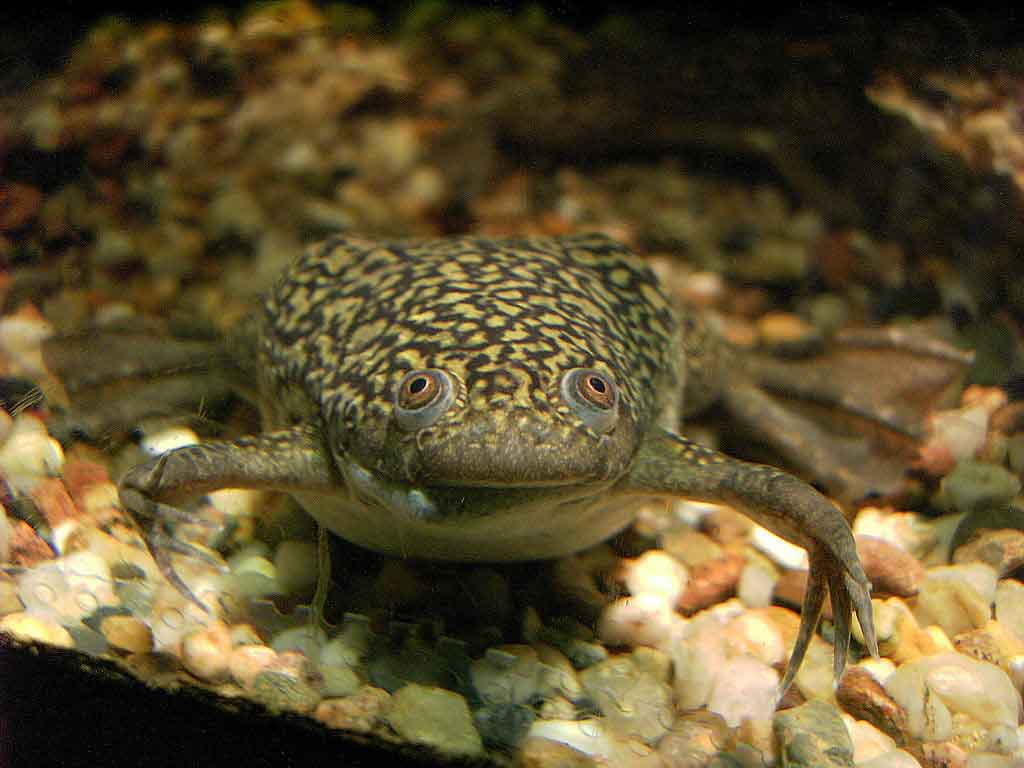
common clawed frog (Xenopus laevis) from Africa – Ben Rschr, CC BY-SA 3.0, via Wikimedia Commons

Content

The African clawed frog (Xenopus laevis) and the Common Surinam toad (Pipa pipa) belong to the family of tongueless frogs (Pipidae) and they do not come out of the water even as adults.

The African clawed frog reaches about 13 cm and is often used in research, as well as the popular African dwarf frog of the gender Hymenochirus.

The South American counterpart is the Common Surinam toad (Pipa pipa) that gets to measure 17 cm., and the Sabana Surinam toad (Pipa parva), which is still small. In addition to many babies, there are also specimens captured in the wild (especially Hymenochirus and Pipa pipa). Wherever possible, specimens bred in captivity should be used. The African clawed frog and Common Surinam toad are not subject to species protection legislation.

Sex differences

Distinguishing between the sexes is difficult and, if anything, only possible in sexually mature animals. The males of the Sabana Surinam toad have enlarged glands under the armpits during mating season; the males of the African clawed frog develop heat calluses on the inside of the arms. In the Common Surinam toad, females can be safely identified by carrying the eggs on their back, which is swollen like a backpack.

Behavior

The African clawed frog and Common Surinam toad do not show a defined territorial behavior. Animals are peaceful with each other and can keep to themselves, in pairs or groups, although you have to be careful that its size is uniform, since much smaller animals could be considered as food.

The African clawed frog and Common Surinam toad are mainly twilight or nocturnal.

Aquarium

Common Surinam toad
"Suriname Toad" at the Steinhart Aquarium in San Francisco – Stan Shebs, CC BY-SA 3.0, via Wikimedia Commons

As the mentioned species live almost exclusively in water, an aquarium is suitable to keep them. For the African dwarf frog and the Sabana Surinam toad should measure at least 60 x 40 x 30 cm and for larger species 100 x 50 x 50 cm. (length x widht x hight) for up to 4 adult animals.

Water values รขโ‚ฌโ€นรขโ‚ฌโ€นfor African clawed frog: temperature 18 – 28 ยฐC, pH 6,0 – 8,0, total hardness up to 30 ยฐdGH. For the Common Surinam toad, the temperature must be at least 24 ยฐC, pH value less than 7,0 and hardness less than 15 ยฐdGH. Water temperature can be controlled by aquarium heating rod or external thermal filter. The heating rod must be installed so that it cannot burn the frogs. An accurate thermometer is needed to measure temperature.

The aquarium must be covered without gaps (otherwise the animals can get out, what his certain death means) and equipped with an aquarium filter. Especially for the smaller species, make sure the current is not too strong. The water level must be at least 25 cm..

In addition to breathing through the skin, animals occasionally rise to the surface of the water to breathe; therefore, care must be taken to ensure a sufficient distance between the water surface and the deck. Floating plants, pieces of cork or roots that reach above the waterline are important in providing animals with structures on the surface of the water. The facility must offer sufficient shelter possibilities; for this they are suitable, for example, the roots of wood, the cave-shaped hiding places, as well as dense vegetable masses. It is recommended to use fine sand as a substrate, as gravel can cause injury to sensitive mucous membranes. A floating green roof provides the necessary shade. The African clawed frog and Common Surinam toad they should not live with fish or crustaceans (for example, prawns, River Crabs), that could hurt amphibians.

Diet

The African clawed frog and Common Surinam toad they eat exclusively food of animal origin. Live food is preferred, for example, earthworms of various sizes or red gnat larvae. Frozen foods are also eaten with pleasure. The African clawed frog in growth they also eat fish. Pet stores also offer pellets specially adapted to the needs of the African clawed frog and Common Surinam toad, that are well accepted once you get used to them.

Caution: These species are not particularly active and often tend to become obese.. In the case of adult animals, it is enough to feed them every two or three days.

Care

For the operation of an aquarium, a filter of sufficient dimensions is always necessary. The filter should be checked regularly and cleaned if necessary. Animals sometimes react sensitively to increased germ contamination of the water. A regular and weekly partial water change of (at least) the 25 % removes pollutants and increases the welfare of frogs. Regular padding of the substrate also helps reduce water contamination. Warm and stagnant water should be used for water changes; However, water treatment agents should not be used for amphibians.

The most important water parameters for the well-being of frogs -such as temperature, the pH, ammonium / ammonia, nitrite, nitrate and carbonate and total hardness- should be checked regularly.

Animal health must be monitored daily. The most common health problems are skin changes and wasting or fat degeneration.. In case of anomalies, an amphibian vet should be consulted.

Acclimatization and handling

When i get home, the first thing to do is turn off the aquarium lighting. Next, The carry bag can be placed on the surface of the water during 10 – 15 minutes to adjust temperature. Next, open the bag and carefully add as much aquarium water as there is transport water in the bag. Next, animals can be introduced carefully. For a gentle acclimatization, the light should be turned off until the next morning.

Amphibians are animals of pure observation and should NOT be petted. In the first days in his new home, animals need adequate rest to get used to their new environment. Fine mesh and slightly deeper nets are suitable for capturing animals. Catching them by hand carries a high risk of injury to the animals.

Special features

The African clawed frog was bred for decades to perform pregnancy tests and thus spread throughout the world. All clawed frogs are considered carriers of the dangerous chytrid fungus, partly responsible for global amphibian mortality. So, the animals themselves, as well as the objects and water in your aquarium, should not come into contact with other amphibian populations.

โ–ท The world of Pets: Dogs, cats, birds, reptiles, amphibians

Lined gecko
- Gekko vittatus

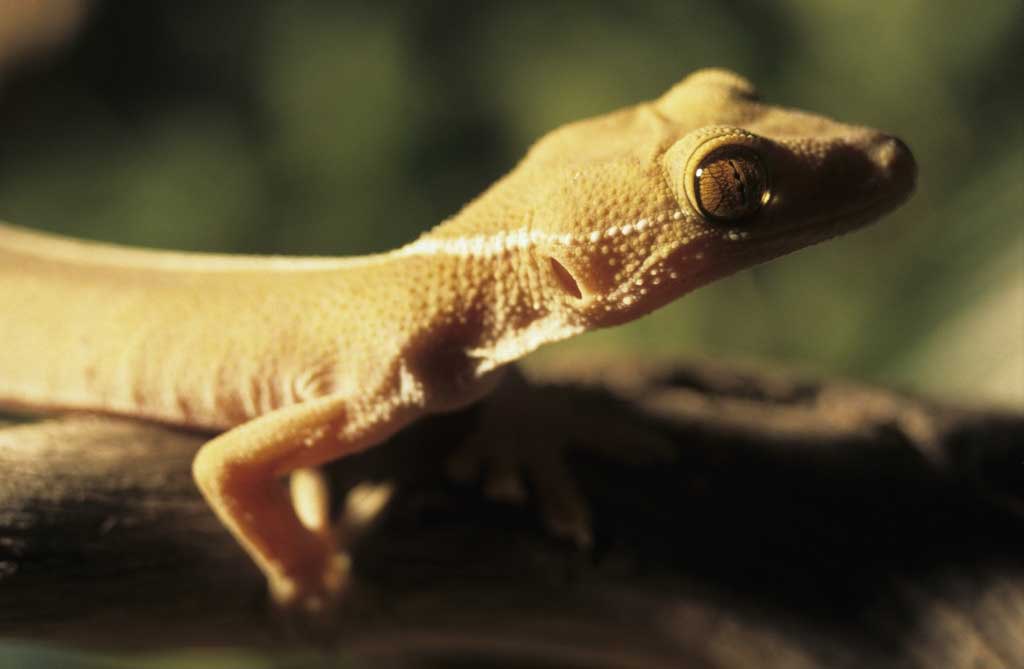
Gecko arborรญcola big size and nice design. This type of gecko also has the advantage of being totally docile when handling it.
Lined gecko
An adult Gecko vittatus, close-up of the head – Pekka Veikkolainen, Hannes Vartiainen, CC BY-SA 3.0, via Wikimedia Commons

Content

Description

The Lined gecko is a slender representative of the genus Gekko, which can reach a length of up to 30 cm.. The tail represents just over half. But, numerous individuals are fully developed with a length of about 25 cm..

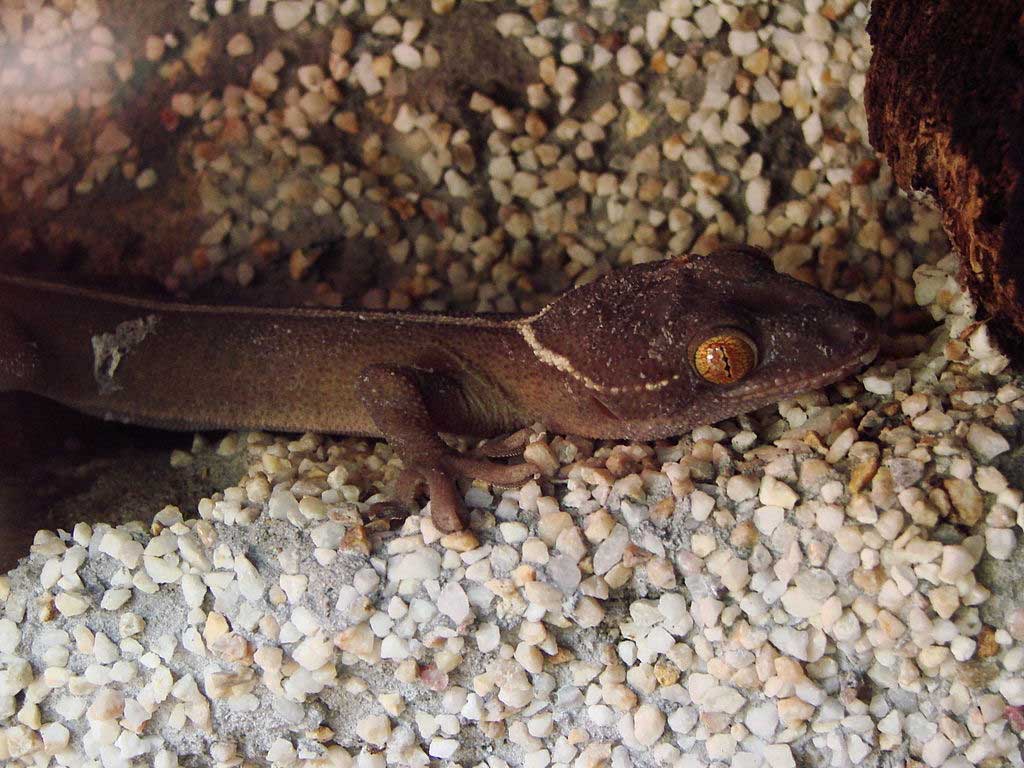
Due to the slender body and narrow head, the extremities, and especially the fingers and toes, appear larger. The white stripe that runs from the base of the tail to the back of the head, where it divides and reaches the sides of the eyes, It is characteristic and very striking. This strip is responsible for its trivial name. The original queue, on the other hand, has white transverse bands. A regenerated tail no longer shows this transverse band.

Dorsal coloration is usually yellowish-brown, but there are also individuals of slightly greenish yellow or reddish and dark brown color. Specimens with two longitudinal stripes are also known., just a very faint stripe and also without any streaks.

Distribution and habitat

Indonesian, east of Java through numerous islands such as Halmahera, in New Guinea to Oceania.
Way of life

The Lined gecko, of night activity, prefers to live in trees, Palm trees, pandanus and banana plants in his native country, but in many regions it can also be found as a cultural follower in houses and cabins.

The Lined gecko in captivity

The Lined gecko is easy to preserve, provided that one or two important points are taken into account.

Terrarium

Lined gecko
An adult Gecko vittatus, close-up of the head – Pekka Veikkolainen, Hannes Vartiainen, CC BY-SA 3.0, via Wikimedia Commons

The terrarium must be taller than it is wide, since it is an arboreal species. 80 x 50 x 100 cm. (width x depth x height) is enough for a couple of Lined gecko. Walls must be coated, for example, of natural cork. Some cork tubes provide the necessary hiding places. The necessary increase in humidity is achieved by spraying several times a day. One plant (for example, Scindapsus) complete the assembly.

There should also be a large bowl of water, or better a small part of water or a waterfall in the terrarium.

Substrate:

Use a white peat mixture (without fertilizer) and plantation land, of about 10 height cm. To avoid stagnation of water at the bottom of the terrarium, use a layer of clay balls.

Illumination

It is debatable whether ultraviolet light is necessary for the Lined gecko, but it won't do you any harm. Temperatures should be 24-28ยฐC during the day, with sunny spots up to 35ยฐC, and drop to 20-22ยฐC at night. Humidity should oscillate between 70-90% during the day, which can be easily achieved with a daily spray (morning and evening) and through the water section. To check these parameters, use a thermometer and hygrometer.

Diet

The diet of the Lined gecko is based on insects. Easily accepts all kinds of insects: crickets, cockroaches, lobsters, worms, … It is important to vary your diet. This prevents your Gecko get bored, but above all it provides you with all the necessary nutrients.
You should always make sure to give to your Gecko a prey adapted to its size.
Last, from time to time, it is advisable to supplement your diet with calcium and vitamins, to avoid any shortcomings. This is especially important for the growth of Geckos juveniles.

Breeding and reproduction

with a good brood, the reproduction of animals does itself. the female may lay one or two eggs several times a year, that can be left in the terrarium. The pups are born after about 100 to 120 days and can stay in the terrarium up to a size of some 15 cm..

The pups usually look the same as the parents., in some populations they show white spots on the head. Only the tail is slightly darker, so that the transverse white bands appear brighter and thus have a signaling effect. When parents approach, wag their tail to avoid being accidentally eaten by them. Keeping them in a group is only possible with young animals until they reach sexual maturity.. As soon as they are adults, you have to take them out of the terrarium, otherwise they can be attacked by parents.

For sale Lined gecko

The price of a Lined gecko in the exotic animal market ranges from 40 and 50 EUR.

Alternative names:

1. Skunk Gecko (English).
2. Streifen Gecko (French).
3. Gefรผtterte Gecko, Skunk-Gecko (German).
4. Lagartixa Skunk (Portuguese).
5. Gecko de Java (espaรฑol).

โ–ท The world of Pets: Dogs, cats, birds, reptiles, amphibians

Saharan spiny-tailed lizard
- Uromastyx geyri

The Saharan spiny-tailed lizard it is a relatively small and slender species for the genus, with an average total length (including the queue) of about 34 cm..
Saharan spiny-tailed lizard
Saharan spiny-tailed lizard, Flower Gardens Hirschstetten in Vienna, Austria.

Content

Origin

The Saharan spiny-tailed lizard (Uromastyx geyri) is a lizard native to the north of Mali, southern Algeria and northern Niger. Two different color shapes are known (red or yellow).

Characteristics

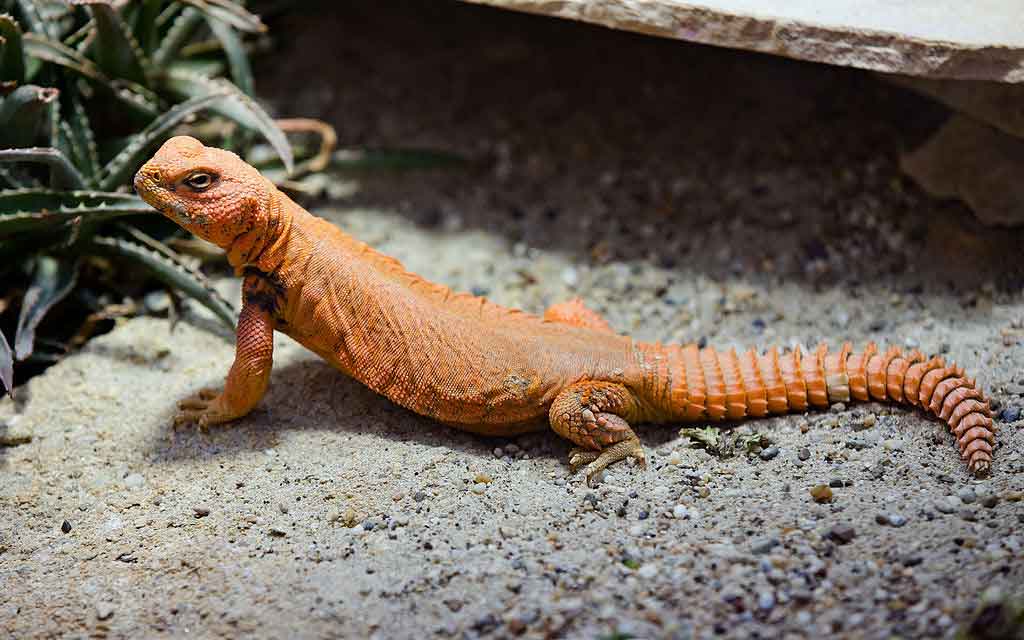
The Saharan spiny-tailed lizard it is a relatively small and slender species for the genus, with an average total length (including the queue) of about 34 cm.. This lizard is usually beige or orange with lighter spots.

It is one of the brightest colored species in the genus. Uromastyx. There are two colors of the Uromastyx geyri, the "red" and "yellow" variety, being the color its only difference.

The variety red it is often reddish in color almost solid to orange neon pumpkin, and the yellow phase is in or near a neon range. Females are a paler color than males, showing more variations of tan coloration and much less coloration in the belly, as well as less vivid patterns, most females have a simple "freckle" on their back.

The Saharan spiny-tailed lizard are medium-sized lizards, many of them with an average of 28-36 cm of total length and a weight of 250 grams or more as adults.

The "Saharan spiny-tailed lizard" in captivity

Terrarium

The Saharan spiny-tailed lizard they are very territorial in nature and keeping one male and several females is only possible in a large terrarium. It is best to keep them in pairs..

  • temperatures during the day: from 28ยฐ to 35ยฐC (locally approx. 45ยฐC)
  • Night temperatures: 18-22ยฐC
  • Humidity: 40-60
  • Minimum size of the terrarium: starting at 140 x 100 x 120 cm for a couple

The terrarium must be furnished with numerous stones, some climbing possibilities such as thick branches, cork or bark tubes, which also offer many hiding places. To maintain this species properly, the terrarium needs a substrate of at least 20-30 height cm. Spray a little several times a week.

Illumination

For your well-being, good lighting and ultraviolet light are necessary (30% of UVA rays and 10-12% UVB), as well as a place to sunbathe. UV radiation is extremely important and absolutely necessary. In the case of females, it is absolutely necessary to have a suitable place for laying eggs or with several possibilities.

A lighting period of up to 14 hours a day (except during hibernation).

Hibernation

You have to let the animals hibernate for three or four months. As such, the Saharan spiny-tailed lizard they need between 12 y 18ยฐC. Hibernation is very important for animals to regulate their bodily functions and stay healthy. It's also a good way to prevent obesity.

Food

The diet of the Saharan spiny-tailed lizard includes banana, vine leaves, dandelion, margaritas, clover, pamplinas, sometimes kitchen herbs and grains like corn, rice, millet, sunflower seeds and others. Young animals feed up to a 75% of animals. These may include, crickets, grasshopper, cockroaches, sometimes zophobas and other live food. Adults should be fed little or no animal food to prevent fatty degeneration..

no lettuce, iceberg lettuce or similar, since its calcium-phosphorus content is unfavorable. And cabbage or spinach should only be provided rarely because of oxalic acid.…

Fruit should also be provided only in moderation., if it is accepted.

Additional vitamin and mineral supplements are recommended.

For liquid intake, you can place a bowl of water that is cleaned daily.

Reproduction

Winter rest is very important for the young. The "Saharan spiny-tailed lizard" lay eggs. These should not be incubated too wet, otherwise they will easily turn into fungi. Young Uromastyx geyri can be raised together in a group for up to two years, provided they are compatible. It is absolutely necessary to take enough calcium and vitamin supplements.

For sale "Saharan spiny-tailed lizard"

The price of a Saharan spiny-tailed lizard, captive bred, at the exotic animal market, ranges between 100 – 120 EUR.

Video "Saharan spiny-tailed lizard"

Uromastyx Geyri oranges eating flowers 03 2014

Alternative names:

1. Geyr’s dabb lizard, Geyr’s spiny-tailed lizard, Sahara mastigure, Saharan spiny-tailed lizard, Yellow Niger Uromastyx, Saharan yellow uromastyx. (English).
2. Lรฉzard de Geyr, Lรฉzard ร  queue รฉpineuse de Geyr, Mastigure du Sahara, Lรฉzard ร  queue รฉpineuse du Sahara, Uromastyx jaune du Niger, Uromastyx jaune du Sahara. (French).
3. Geyr-Krusteneidechse, Geyr-Stacheleidechse, Sahara-Mastigure, Sahara-Stacheleidechse, Gelber Niger-Uromastyx, Sahara-Gelb-Uromastyx (German).
4. Lagarto do Geyr, lagarto de cauda espinhosa do Geyr, mastigure do Sara, lagarto de cauda espinhosa do Sara, Uromastyx amarelo do Nรญger, uromastyx amarelo do Sara (Portuguese).
5. Lagarto de cola espinosa de Geyr, Lagarto de cola espinosa de Geyr, Mastigure del Sahara, Lagarto de cola espinosa del Sahara, Uromastyx amarillo del Nรญger, Uromastyx amarillo del Sahara (espaรฑol).

โ–ท The world of Pets: Dogs, cats, birds, reptiles, amphibians

Leopard tortoise
- Stigmochelys pardalis

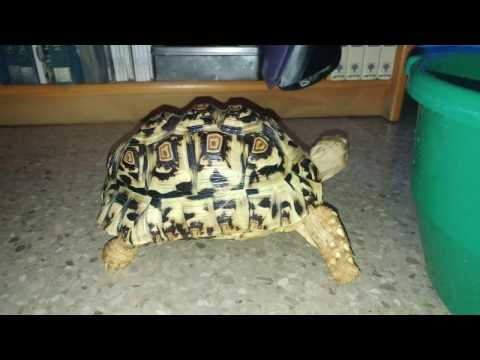
The Leopard tortoise it is a magnificent representative of African tortoises in terms of shell. Young animals in particular have a fantastic spot pattern, reminiscent of a leopard, that's where its name comes from.
Leopard tortoise
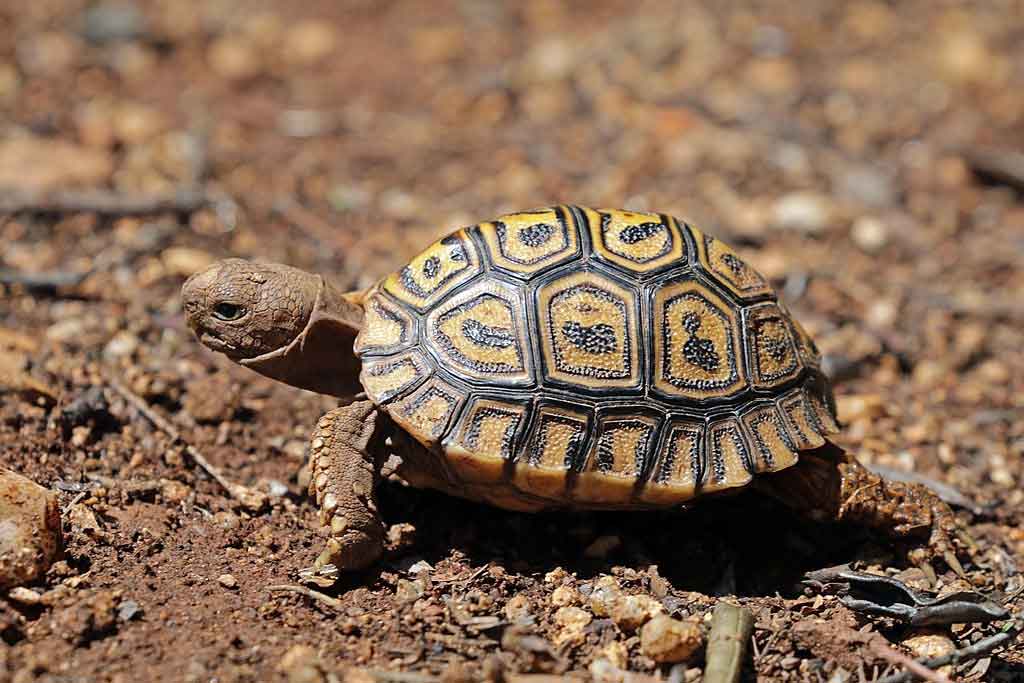
Leopard tortoise (Stigmochelys pardalis) juvenile, Walter Sisulu Botanical Gardens, Roodepoort, South Africa – Charles J. Sharp, CC BY-SA 4.0, via Wikimedia Commons

Content

Origin

The Leopard tortoise has been the subject of several revisions. Different authors have placed it in Geochelone (1957), Stigmochelys (2001), Centrochelys (2002) and Psammobates (2006). More recently, the consensus seems to have been established in Stigmochelys, a monotypic genus. There has been much debate about the existence of two subspecies, Stigmochelys pardalis pardalis and Stigmochelys pardalis babcocki, but recent work does not support this distinction.

Stigmochelys is a combination of Greek words: stigma which means "brand" or "tip" and chelone What does "turtle mean". the specific name pardalis comes from the Latin word pardus, which means ยซleopardยป, and refers to leopard-like spots on the turtle's shell.

The Leopard tortoise is located in the following 17 countries: Ethiopia, Angola, Botswana, Djibouti, Kenya, Malawi, Mozambique, Namibia, Zambia, Zimbabwe, Somalia, Sudan, South Africa, South Sudan, Swaziland, Tanzania, Uganda.

Characteristics / Appearance

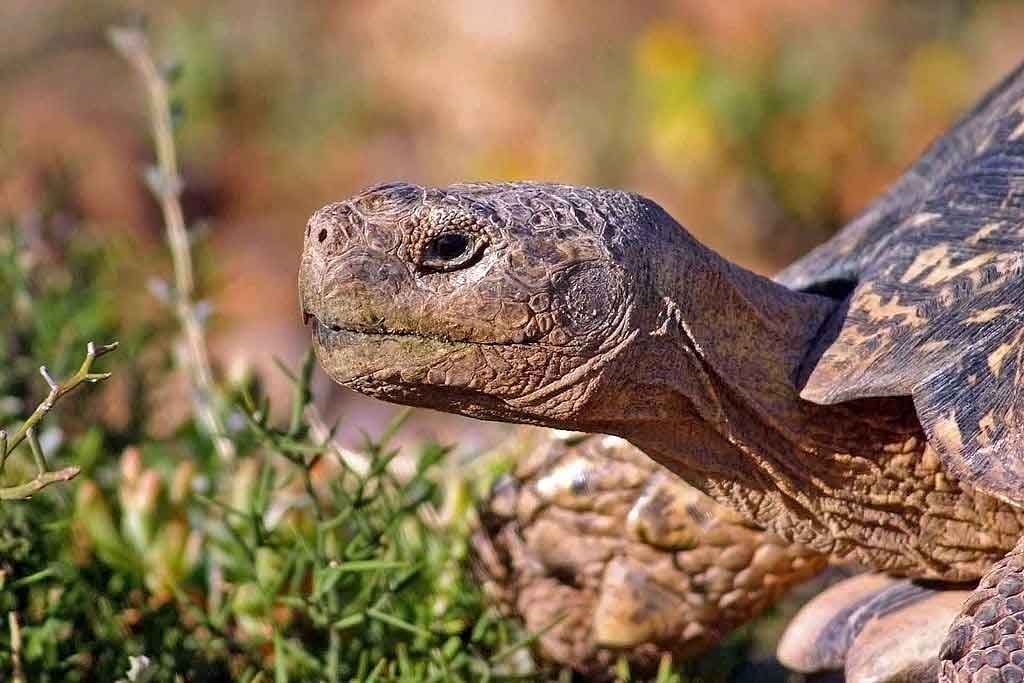
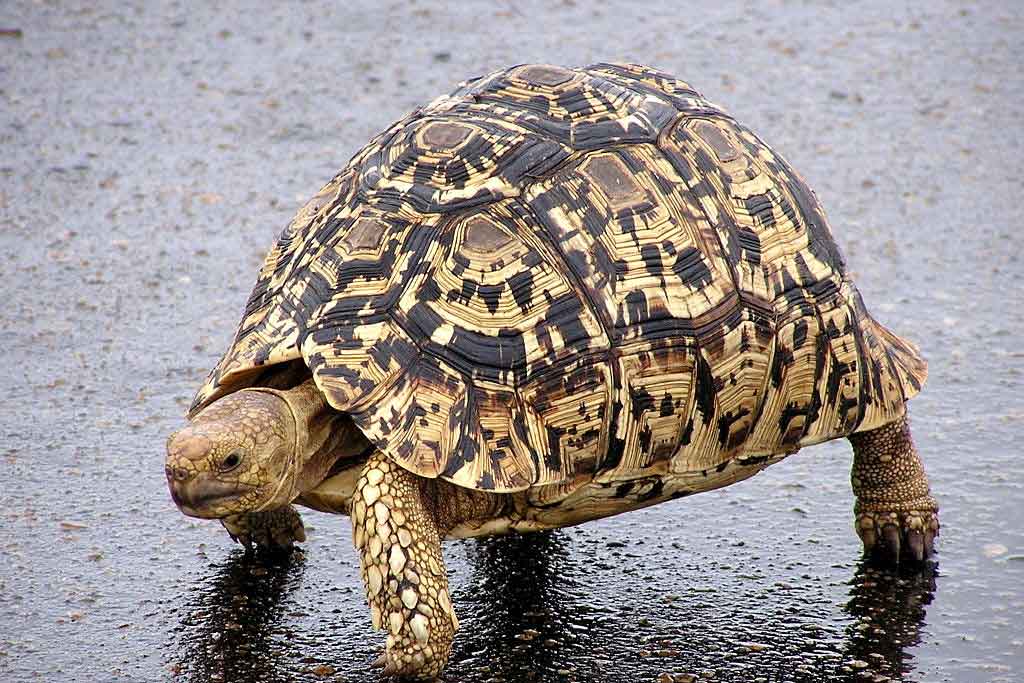
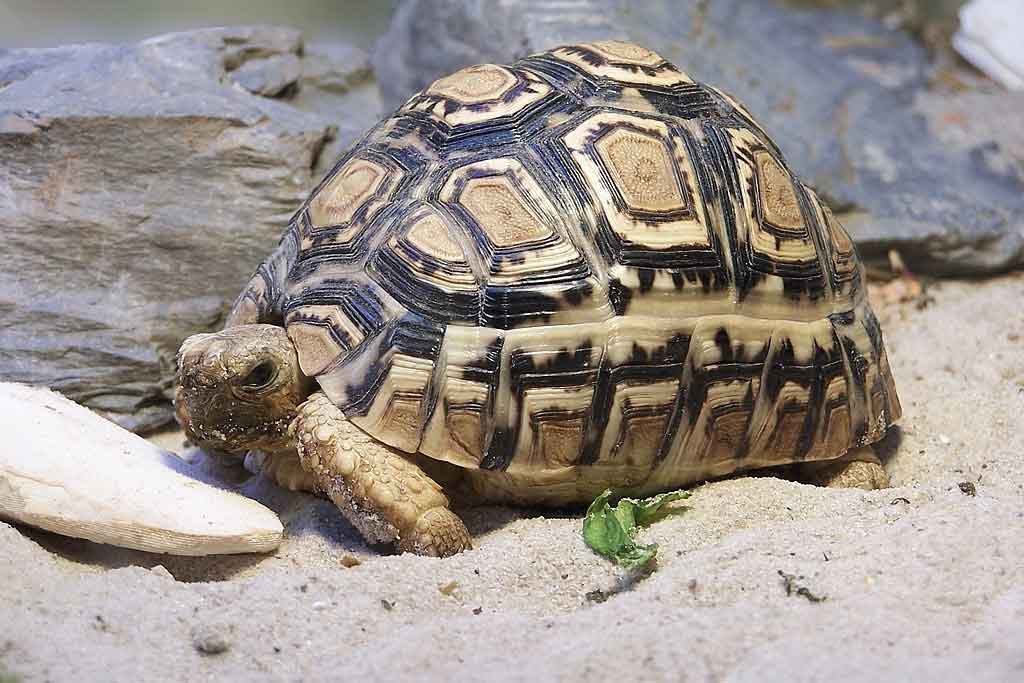
The Leopard tortoise adult has a dorsal shell elongated and strongly curved. It is yellowish to light brown and is covered with irregular dark spots or stripes.. This characteristic coloration gave the species its name.. Unlike many other turtles, the Leopard tortoise no shield on the back of its neck. The legs and head are yellowish to light brown. Rarely do individual dark spots appear on them. The Paws they are covered with large scales and each hind leg has a cone-shaped spur. Equipped with powerful claws, the legs are the ideal tool for digging.

In the youth the coloration of the shell is clearly lighter, with dark spots in the center of the shield. These high-contrast patterns can also sometimes be found in abdominal armor.. The size difference is used to differentiate the sexes, just like the size of the queue. Male animals are usually smaller than their female counterparts and have a stretched body with a longer tail., which is also significantly thicker at the root. It also, the male's abdominal breastplate is slightly curved inward. The claws of the hind legs of females are particularly strong.

  • The life expectancy of these reptiles are around the 50-60 years.

The subspecies

The Leopard tortoise are divided into two subspecies, the Leopard tortoise of East Africa and the Leopard tortoise from South Africa. The clearest distinguishing feature of both species is the coloration of the posterior layer.. In East African species, the basic color is weaker and darker. Juveniles have very few or no dark spots on both the belly and dorsal shell. The South African species has a flatter back and brighter colors.

Habitat

The Leopard tortoise (Stigmochelys pardalis) it is not very demanding in terms of its habitat. Its distribution extends throughout the East African region to South Africa and Namibia.. It is found in warm semi-deserts, dry savannas and rainfed areas. There are even populations more than 2.000 meters above sea level. Only dense forest areas cannot be colonized due to the mass and slowness of reptiles. Daytime temperatures of 28 to 40 degrees centigrade and night temperatures up to 21 degrees Celsius provide optimal living conditions for animals.

Behavior

The Leopard tortoise, like all reptiles, he is a cold blooded animal. They do not have a constant body temperature and adapt to room temperature. Behavior patterns are greatly influenced by this characteristic. According to the corresponding daytime temperatures, animals are forced to look for hiding places in the shade. In dry areas, thorny or grassy shrubs fulfill this function. Otherwise, turtles also look for abandoned animal burrows or rocks. At certain intervals, especially during periods of drought when food is scarce, take longer breaks of their own free will. These periods can last up to several weeks.. Then, food intake is minimized and body temperature may drop below 18 degrees.

Turtles are not nomadic. The only specimen moves in an area of โ€‹โ€‹about 400 hectares without forming territories. But, due to its slowness, they only use a part of this surface. The proportion of females and males is practically the same, and males usually use much smaller territories than females. The Leopard tortoise he is a peaceful animal. There are no territorial fights between congeners.

Food

The excellent adaptation to its habitat allows the Leopard tortoise manage your water balance very sparingly. It usually ingests the necessary amounts with its food and has regulatory bodily functions that allow it to store greater amounts of water in its body.. Their diet consists almost exclusively of plants. Prefers grass, thistles, lily plants and prickly pear.

Reproduction

The Leopard tortoise lives in different climatic zones. Mating behavior adapts to the respective climatic conditions, but it usually takes place in the spring or summer months. Males, otherwise peaceful, they now try to scare away their companions who court the females. They do this by ramming the shells of their opponents.. With the same ritual, female turtles are asked to stop and stick their heads and legs in. Next, mating takes place. The loud gasps emitted are characteristic of the mating ritual in many species of turtles..

Reptiles are not dedicated to the care of the young. Females dig a pit with their hind legs in which they lay eggs. The number per clutch varies greatly and is usually between 10 and 20 eggs. Three to six clutches of eggs are laid per year with an average interval of about 25 days. After placement, the pit is carefully closed. The duration from egg laying to hatching of the young is influenced by many factors.. Temperature and humidity influence the length of the incubation period, that can last from 120 to 450 days. Young turtles measure about five centimeters and have a hemispherical dorsal shell..

Threats to the species

State of conservation โ“˜


minor concern Minor Concern โ“˜ (UICN)โ“˜

The Leopard tortoise Adult has few natural enemies in its habitat. In addition to the hyena and the lion, man is the greatest of them. With its regulatory interventions in the environment, threaten reptile habitat in some areas. Overgrazing, slash-and-burn agriculture, urban expansion and fencing of grazing areas are the main causes of population decline. In some regions the meat of turtles is consumed and body parts are used to produce medicines.. Every year thousands of animals are collected for the international pet trade and shipped all over the world.. Black traders have also discovered this market and try to sell their products through dark channels.. Customs authorities seize large quantities of Leopard tortoise smuggled.

But, the greatest threat is to the clutches of eggs and young. Nests are often raided by small mammals, birds, snakes or even by humans. Young animals also constantly face the dangers of stray dogs and cats., birds of prey, snakes or rats. The Leopard tortoise is not considered endangered in its species and can be acquired in for maintenance in captivity without prior permission. But, according to the European Species Protection Regulation, the acquisition must be notified to the competent authorities. The same provisions of the official notification requirement apply to breeding, delivery, the death and transfer of animals.

The "Leopard tortoise" in captivity

Leopard tortoise
The head of a "leopard turtle" (Stigmochelys pardalis) at Addo Elephant Park, South Africa – Charles J. Sharp, CC BY 3.0, via Wikimedia Commons

Reproduction

Reproduction can begin once animals have reached sexual maturity, that occurs to some 20 – 25 centimeters of carapace length. Mating usually begins in spring with the behavior already described. After a gestation period of several months, females bury their eggs in a warm, moist spot in the ground in late summer. Stress, such as transfers, should be avoided at all costs in pregnant females. after sunset, eggs can be carefully removed from the ground. Half buried in loose sand, now they are placed in the incubator. The temperature should be 30 constant degrees centigrade and the humidity should not drop below 65%. After 150 to 300 days, the first pups are born. In the first weeks, they also need cooler, moister areas than adult animals.

When a Leopard tortoise, one or more individuals should be selected from a breeding stock for health reasons. Specimens caught in the wild are usually carriers of parasites and very susceptible to contracting diseases due to the stress of the long journey.. Deformation and softening of the shell, diseases of the internal organs and respiratory infections are the most common.

The breeding of a Leopard tortoise it's quite expensive. Heating, feeding and the various devices to create an environmental climate suitable for the species at all times of the year, as well as the large space that animals need, place high demands on the owner. But, this species is one of the most beautiful and imposing representatives of turtles and the lover of these animals is compensated daily by its sublime vision.

Maintenance of the "leopard turtle"

The Leopard tortoise is eager to move and run. This guarantees them a digestion that works. For this reason and for its size, only sufficiently sized rooms are adequate to maintain them. In this case, you have to take into account the climatic conditions to which the animals are accustomed. A permanent ambient temperature of 30 degrees and the supply of ultraviolet light in the wave range around 300 nm are prerequisites for keeping animals appropriate to the species. Turtles need ultraviolet light to synthesize vitamin D, that is essential for life. The ideal is to divide the room into several climatic zones so that the animals find a place with the most pleasant ambient temperature.

The Leopard tortoise must be kept in pairs. A mixture of sand and peat is suitable as a substrate. Do not forget the creation of hiding places. Hollow tree trunks or haystacks are useful furniture here. Of course, a bowl of water for drinking and bathing is part of the basic equipment.

Food

When it comes to feeding, pay attention to seasonal peculiarities. Winter corresponds to the dry season in the natural habitat of animals. Consequently, food should consist of dried grass and dried herbs. In summer, wild plants such as hibiscus are recommended, Dandelion, thistles and all wildflowers, from violets to petunias. Cultivated plants, like fruits, lettuce or vegetable leaves, should be the exception in the diet. Under no circumstances should turtles be fed animal products or, for example, with cottage cheese, fruit and pasta.

Reproduction

The breeding of the Leopard tortoise also requires further expansion. If you buy one Leopard tortoise young after hatching, you have some 4 years to think about the later habitat in winter and summer. From then on the animal is already quite large and is already oversized for a very large terrarium in winter. Outer space must have at least 50 m2 and the winter space should not be less than the limit of 10 m2. The Leopard tortoise adult needs more than 100 square meters outdoors. Until then there are some 4 years longer. And don't forget that, no matter how big a room is in winter, it must always be heated to 30 ยฐC.

To be taken into account

The Leopard tortoise has a strong tendency to slouch. Unfortunately, it is not yet possible to say exactly why this is so. Animals are not kept in captivity very often and, if they do, most of the time only by people who have no means to investigate hump formation. Breeders have been observing the phenomenon for years and again and again they manage to breed one Leopard tortoise no hump formation. But, it is not known why, because the animals grew normally like other turtles, which in turn have hump formation.

Completely smooth shells are almost never found in the Leopard tortoise in captivity. On the other hand, in the natural habitat, almost all animals are completely smooth and of great beauty. So that your own animal grows healthy and has a long life, you just have to be very careful with the diet.

Important tips against the formation of humps

The Leopard tortoise young must have a higher humidity and grow in a rather moist soil. Make sure the floor is not misted with moisture more than once a day. Animals should not grow "wet". From the 3 years, animals prefer to grow dry. As in nature. Water must always be available. It is necessary to ensure that the animals do not bathe several times a day. Otherwise, they will absorb too much fluid and develop humps.

In winter, the diet of the Leopard tortoise limited to dry wild grasses that were raised in winter quarters but stopped being watered at some point. Thus, wild herbs dry out in the hot summer, just like in nature. Our winter is the African summer of turtles: do not forget it. There is also straw and plenty of hay in the enclosure. Animals feed on this. Water must always be available, but may run out during the day and should not be refilled. It is only refilled the next day, when everything gets fresh anyway.

The temperature should always be 30 to 33 degrees in the "winter" and 45 degrees (tank surface) under heat sources. If you have the possibility, should reach maximum temperature at noon and cool down again at night. The temperatures of 19 to 22 degrees should be maintained at night. In no case should this temperature be lowered, or surpass it.

In summer, animals eat everything they find outdoors. Unlike many other turtles, to the Leopard tortoise also likes to feed on grass. But, they like to harvest it themselves and don't allow it to be presented to them. So, those who do not let their animals run freely in the garden must plant grass in the enclosure. The grass should be nice and green from April/May to the end of September. Then, the animals usually return to the inner enclosure and then the African summer begins.

The humps of the Leopard tortoise they are not always synonymous with bad breeding. If less or no humps are created it's great. But, if humps develop, no one's heart is broken and animals don't have to be worse off. Unfortunately, there is no exchange of experiences for the Leopard tortoise.

Buy one "Leopard tortoise"

The price of a "Leopard tortoise" at the exotic animal market, ranges between 130 – 200 euros when it is a baby, being able to get to the 500 euros depending on their size and shell.

Images "Leopard tortoise"

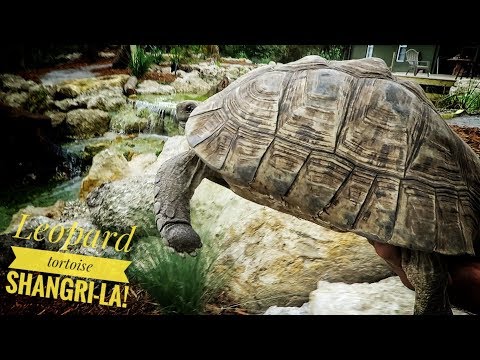
Panther turtle in the Kruger National Park, South Africa
S. pardalis, very high back (Photo M.Proot)
S. pardalis, relatively flat (Photo M.Proot)
Young breeding animal, of about three years.

Videos "Leopard tortoise"

Geochelone pardalis - Leopard tortoise

The NEW Leopard Tortoise Habitat RULES!

โ–ท The world of Pets: Dogs, cats, birds, reptiles, amphibians

Mississippi map turtle
- Graptemys pseudogeographica kohni

The Mississippi map turtle it is a popular pet among aquarists and is very pleasant to watch.
Mississippi map turtle
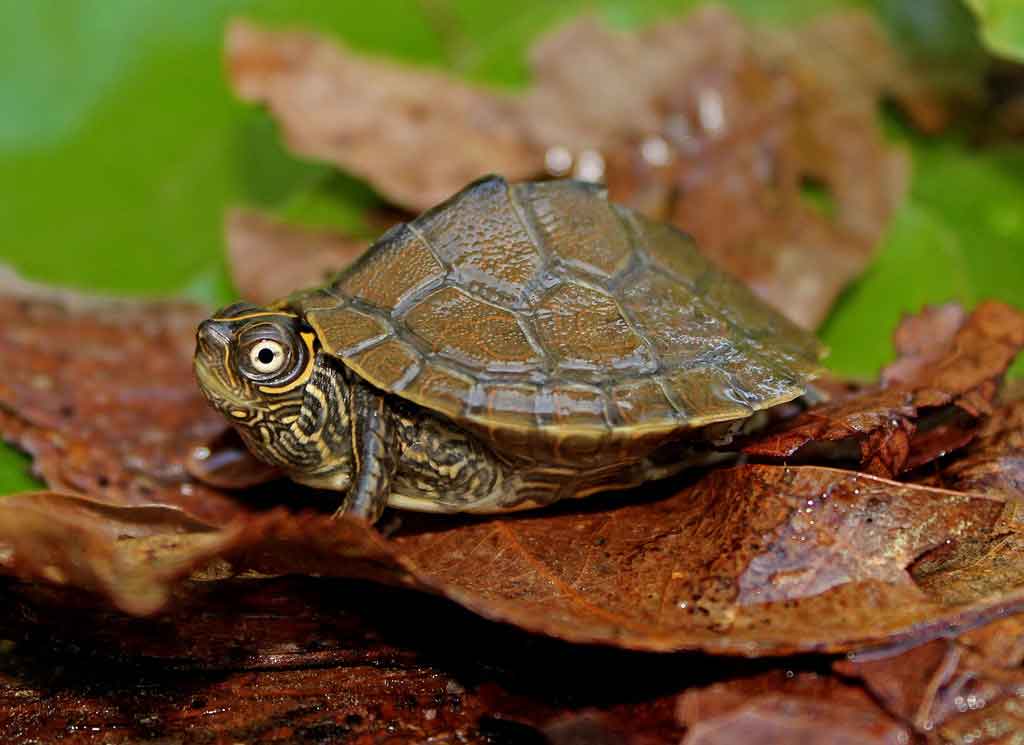
Mississippi map turtle (Graptemys pseudogeographica kohni) – Peter PaplanusFlickr

Content

Origin / Distribution

The Mississippi map turtle (Graptemys pseudogeographica kohni) found along the Mississippi River and its tributaries, from Illinois and Missouri south.

Characteristics / Appearance

In the Mississippi map turtle (Graptemys pseudogeographica kohnii), two prominent lines also run from the neck towards the eye and bend there, but then they go much further and enclose the eye in the shape of a crescent or a sickle. The circular markings on the head are relatively small and occur almost exclusively on the chin. Neck stripes do not touch the eye, because there is already the drawing in the shape of a sickle around. The iris is white and only rarely has a dark line. The beak is colorless to whitish.. Leg and neck lines are evenly thick, with lighter and darker lines.

Threats to the species

State of conservation โ“˜


minor concern Minor Concern โ“˜ (UICN)โ“˜

This species faces several threats, such as destruction of egg nests by animals and insects, falling into gillnets and shooting. The Mississippi map turtle, like the Red-eared slider (Trachemys scripta elegans), have also been collected for the pet trade.

All Map turtles are included in CITES Appendix III and in Appendix C of the EU Species Protection Regulation. But, they do not need any documents when trading within the EU and are not subject to declaration.

The "Mississippi map turtle" in captivity

Aquaterrarium

The Mississippi map turtle can reach a maximum size of about 20 cm in the aquarium. Females grow considerably larger than males. For the maintenance and care of aquatic turtles, A tank with a minimum length of 150 cm.. It is important that the water level is very high. In this way, your turtles will be able to swim wonderfully in it. In addition to the water level, a part of soil must also be integrated into the aquarium. can be plastic, stone or cork. Your turtles can sit on it and sunbathe. It is recommended to use sand or fine gravel as a substrate in the aquarium. It also, must offer your Mississippi map turtle roots or stone structures. These decorations provide good structure in the tank and create a natural habitat..

The Mississippi map turtle is a solitary animal. This will not change in the aquarium. Animals should ideally be kept individually.

The Mississippi map turtle optimally adapts to the values โ€‹โ€‹of the water in the tank. They feel comfortable in waters with temperatures between 25 and 28 degrees centigrade and a pH value between 6,0 and 8,0. During the winter months, the water turtle hibernates. During this time, the water temperature should be reduced to 4 – 12 Celsius degrees. "On land, the temperature should be about 40 degrees Celsius. A metal halide lamp can be very useful in this case.

Food

Mississippi Humpback Turtles Prefer a Varied Diet. It can be live food, frozen, dry the vegetable.

Reproduction of the Mississippi map turtle in the aquarium

The Mississippi map turtle (Graptemys pseudogeographica kohni) has already been successfully bred in the aquarium. Plastic boxes are recommended as egg laying sites.

Buy one "Mississippi map turtle"

The price of a "Mississippi map turtle" at the exotic animal market, ranges between 30 – 70 EUR

Videos "Mississippi map turtle"

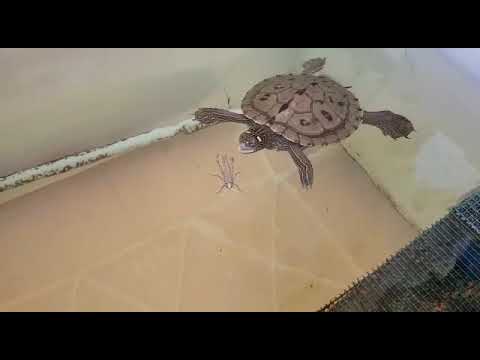
Mississippi map turtle (Graptemys pseudogeographica kohni ) having a lobster for lunch

Turtle Shack Unboxing: Mississippi Map Turtle

Alternative names:

1. Mississippi map turtle (English).
2. Tortue gรฉographique du Mississippi (French).
3. Mississippi-Hรถckerschildkrรถte (German).
4. Tartaruga do mapa do Mississippi (Portuguese).
5. "Tortuga Mapa del Mississipi" (espaรฑol).

โ–ท The world of Pets: Dogs, cats, birds, reptiles, amphibians

Malagasy giant chameleon
- Furcifer oustaleti

The Malagasy giant chameleon is considered the longest chameleon in the world (although exceptionally longer adults such as the Parson's chameleonCalumma parsonii).
Malagasy giant chameleon
Oustaletโ€™s chameleon, Ambalavao, Madagascar. The image shows the different groupings of the front and hind toes. this is a male – Bernard Gagnon, CC BY-SA 3.0, via Wikimedia Commons

Content

Origin / Distribution

The Malagasy giant chameleon (Furcifer oustaleti) is endemic to Madagascar, where is the most widespread chameleon species. It has been recorded in all parts of the island at a variety of dry and wet sites at all elevations.. A localized population introduced into Kenya is probably extinct.

Characteristics / Appearance

Considered the longest chameleon in the world (although exceptionally longer adults such as the Parson's chameleonCalumma parsonii). This species reaches lengths close to 70 cm., and is also the second heaviest member of the family (after the Parson's chameleon). But, many specimens found are likely to be adults or smaller subadults. The helmet is high, with a pronounced parietal crest. Rostral ridges are present and extend to the tip of the muzzle, but do not connect. A lateral crest is present but poorly developed.

The most important diagnostic feature is the Crest Ridge, which extends to the vent and consists of 45 or more short, triangular spines with a regular space between them. Ventral and gular ridges are present, but they are not connected to each other.

Malagasy giant chameleon
Oustaletโ€™s chameleon (Furcifer oustaleti) female, Andasibe, Madagascar – Charles J. Sharp, CC BY-SA 4.0, via Wikimedia Commons

The coloration in both sexes is usually gray or brown, although females are usually more showy and may show a red coloration on the head and limbs. But, females may be variable with a yellow or mottled coloration, and in some cases can be largely green. The pattern may include a row of four large circles of dark edges along the flanks., although a white line is absent in contrast to the Carpet chameleon (Furcifer Lateralis). There are often indistinct dark vertical bands on the flanks. The absence of a white stripe on the central part of the body is considered diagnostic, but see the warning in Taxonomy below.

taxonomy

The Malagasy giant chameleon belongs to a species complex consisting of three recognized species; However, the variation between populations and the wide distribution of both the Malagasy giant chameleon as of the Warty chameleon (Furcifer verrucosus) suggest that both may represent multiple cryptic species. In a population found by the author during fieldwork, animals assigned to Furcifer oustaleti (a diagnosis subsequently supported by Frank Glaw) consistently showed a small size, unusual coloration and pattern; Unlike in the F. oustaleti Typical, sometimes there was a white stripe in the central part. Since these animals coexist with the F. oustaleti Typical, it is not clear whether they represent a distinct population or species, or if this coloration and pattern is a constant feature of the subadults of this population.

Habitat

In Madagascar, the Malagasy giant chameleon It is distributed in the coastal lowlands. It is found throughout the island, but its appearance in the eastern part of Madagascar is linked to relatively high temperatures. Being a species well adapted to the warm climate of the savannah, benefits from human changes to the landscape (deforestation). It is said that there is an abandoned population in Kenya (ngong forest, near Nairobi) and that a breeding population also exists in South Florida.

Behavior

Malagasy giant chameleon
Madagascar giant chameleon in Prague zoo – dragus, CC BY-SA 3.0, via Wikimedia Commons

The Oustaletโ€™s chameleon (Furcifer oustaleti), also known as Malagasy giant chameleon, leads a mainly sedentary life. Moves very slowly, or does not move at all, for long periods of time, allowing you to conserve energy and stay out of sight of predators, and also be himself a predator. When an insect passes, an unsuspecting lizard or small bird, his very long sucker-tipped tongue is launched to catch him. Language, which is loaded with springs and shoots forward like an arrow bow, can extend to almost twice the length of the entire chameleon.

Diet

Until recently chameleons were thought to be totally carnivorous.. Recently, Takahashi (2008) reported the first confirmed case of herbivory in the Furcifer oustaleti, who was observed to select and consume fruits from the bushes Grangeria porosa, Chassalia princei and Malleastrum gracile.

Reproduction

The maximum and average sizes of the layings are unknown, but it is known that females can put at least 61 eggs in a single laying, with a combined weight of 56 g. This registration is from February, but no other information is available on the length of the breeding season.

Gestation lasts a few 40 days and animals reach sexual maturity one year after hatching.

Threats to the species

State of conservation โ“˜


minor concern Minor Concern โ“˜ (UICN)โ“˜

Apart from a small number legally exported as pets, the Malagasy giant chameleon is endemic to Madagascar, where it enjoys a stable population in various habitat types.

They are also found in a number of protected national parks across the country., but they are abundant enough across the country to earn the conservation status of ยซleast concernยซ.

The "Malagasy giant chameleon" in captivity

Malagasy giant chameleon
Malagasy giant chameleon(Furcifer oustaleti) male feeding, Anja Community Reserve, Madagascar – Charles J. Sharp, CC BY-SA 4.0, via Wikimedia Commons

Chameleons are usually considered easily excitable animals. It is notorious that, in some particularly territorial species, the constant vision of a congener (for example, when two animals can be seen in adjacent terrariums) can lead to stress-related kidney failure and, Therefore, death! But, the Malagasy giant chameleon is a comparatively peaceful and quiet representative of the chameleon clan. Males do not get along with each other, and pregnant females are strictly solitary. But in terrariums large enough (a greenhouse is, of course, more suitable in view of the size of animals), these chameleons can be kept in pairs. The Malagasy giant chameleon it also shows this coldness towards humans.. Even if they are carefully caught in the hand, do not get too excited. The threatening mouth opening, that we know of many other chameleons, it only occurs with the Malagasy giant chameleon if you are provoked a lot. Field researchers say you can normally put a Malagasy giant chameleon on the shoulder; will stay there quietly for hours.

Since the Malagasy giant chameleon is comparatively common, the local population likes to take advantage of the voracity of these chameleons and put them in their gardens, where they eat unwanted animals up to the size of a mouse and thus keep them at bay.

The terrarium

To the Malagasy giant chameleon all the usual principles of chameleon care apply to you. This includes the need for relatively large feeding., What, However, is easy to satisfy for this species, since animals will eat all the usual food bugs, like crickets, domestic crickets, grasshoppers and zofas, as well as young nest mice; in the nature, small birds and reptiles are also eaten.

All insects that serve as food should always be sprinkled with one of the vitamin lime powders available on the market.

The need to drink water, which is also high, makes the care of chameleons always time-consuming, since most animals do not easily learn to drink from bowls. So, chameleons must be given to drink at least every other day with a pipette. But, there are some tricks to avoid it. Many chameleon caregivers use drip drinkers, of which a drop of water drips into a collection container placed underneath at intervals of 1-2 seconds. Chameleons recognize this simulated "rainwater" and drink. The most natural way to give chameleons a drink is by spraying the water that animals collect from the leaves of plants., etc. But this is also labor-intensive and can cause the terrarium to get too wet.. An elegant way is to install an artificial waterfall with a small aquarium pump. But, these systems are somewhat prone to failure and the pumps always break down โ€“ as in Murphy's Law- when you least need it, for example, during the holidays. A very clever way to make water move in the drinker and, therefore, that chameleons recognize it, is to aerate the container with an aquarium air pump available on the market. Simply hang the air hose in the bucket and adjust the air supply so that about two air bubbles per second come out of the hose.. A pleasant side effect of this method of watering is that it simultaneously increases the humidity of the terrarium, which should also be around the 70% of relative humidity for the Malagasy giant chameleon during the day; At night, humidity can rise up to 100%.

Due to their natural habits, the Malagasy giant chameleon can be classified as one of the easiest chameleon species to care for, as it does not react immediately with discomfort and subsequent illnesses if it gets too hot in the terrarium.

Daytime temperatures should range between 22 and 28ยฐC, and under the spot they can rise up to 45ยฐC. But, you always have to make sure that the animals can go to a relatively cool and well-ventilated place in the terrarium..

Reproduction

The female puts up 61 eggs after a gestation period of about six weeks. Eggs take between 210 and 280 days to hatch at an incubation temperature of about 28ยฐC. Many breeders use vermiculite as a breeding substrate. Juveniles grow very quickly and reach sexual maturity at one year of age. In general, care and breeding are similar to those known Panther chameleon (Furcifer pardalis).

Buy one "Malagasy giant chameleon"

Although they are the largest chameleons, The "Malagasy giant chameleon" not necessarily one of the most expensive. You can find one in specialized stores for prices ranging from 150 – 300 EUR.

Videos "Malagasy giant chameleon"

Oustalets Chameleon (Furcifer oustaleti) Hand-Feeding

Furcifer oustaleti, Oustalet's Chameleon in central west Madagascar

Alternative names:

1. Malagasy giant chameleon, Oustalet’s chameleon, Malagasy giant chameleon (English).
2. Camรฉlรฉon gรฉant de Madagascar, Camรฉlรฉon d’Oustalet (French).
3. Riesenchamรคleon, Madagaskar-Riesenchamรคleon (German).
4. Camaleรฃo malgaxe gigante, Camaleรฃo do Oustalet (Portuguese).
5. "Camaleรณn gigante de Madagascar", Camaleรณn de Oustalet (espaรฑol).