▷ The world of Pets: Dogs, cats, birds, reptiles, amphibians
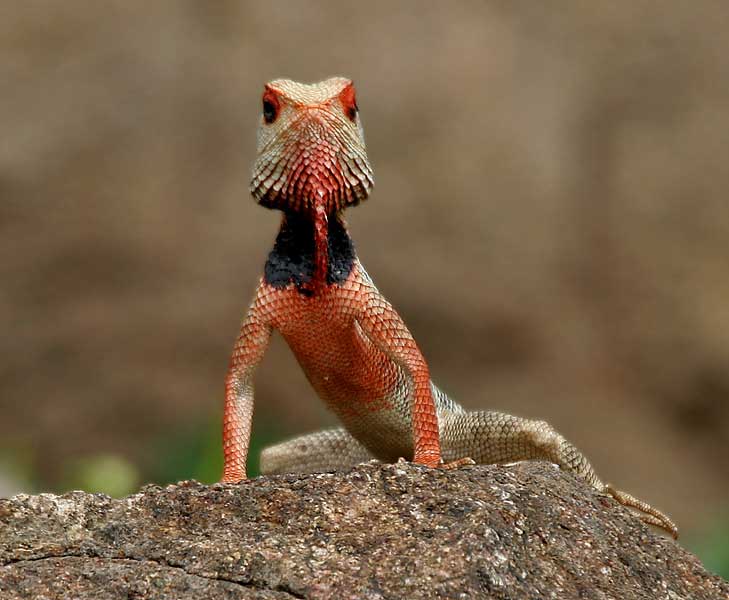
Oriental garden lizard
- Calotes versicolor
Origin: Afghanistan , Pakistan , Nepal , Bhutan , India , Sri Lanka , Bangladesh , Myanmar , Thailand , Malaysia , Viet Nam , Cambodia , Laos , China (South), Indonesian ( Sumatra ) and Singapore.
Although the Oriental garden lizard can be found relatively frequently and at a fairly low price in the trade, not easy to raise, so many wild-caught animals are still being sold.
I don't know why this beautiful reptile is called Oriental garden lizard, It may be because of the red pouch in the throat or, according to population, for his red head, but this lizard is not a Bloodsuckers. The Oriental garden lizard lives from eastern Iraq to southeast Asia in various habitats, diurnal animals live mainly on insects, small invertebrates and vertebrates to mice, only rarely do they eat plant foods.
Description
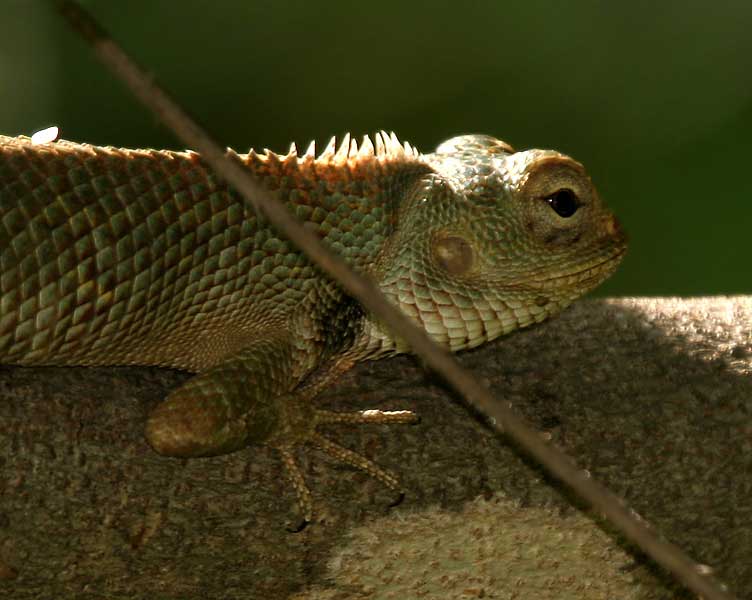
The Oriental garden lizard (Calotes versicolor), found in open areas with shrubs and trees, often also in human settlements. They are usually solitary animals, since males are very territorial and females also react aggressively to other congeners. Males have a dorsal crest that extends from the nape to the root of the tail.. Coloration varies, usually have a yellow head and red throat. The transverse bands, which can be light or dark, are visible on the back.
Sexual dimorphism
Blood-sucking tree dragon in Narsapur, Medak district, Andhra Pradesh, India. – J.M.Garg, CC BY 3.0, via Wikimedia Commons
Males have a distinctive dorsal crest that extends from the back of the head to the root of the tail.. Older specimens have a more massive head and a thicker tail root.. Animals show a remarkable ability to change color. In general, males are less contrasted than females.
The splendid coloration of the male is characteristic. At first there is a pale yellowish coloration of the head and a greenish yellow neck and back. The neck and back end up changing color to a dark blackish brown, while the throat and head stand out for their intense red coloration. A black band emerges from the throat to the cheeks. Limbs become very dark, while the tail clears. Females have a short nuchal crest.
The "Oriental garden lizard" in captivity
Although the Oriental garden lizard can be found relatively frequently and at a fairly low price in the trade, not easy to raise, so many wild-caught animals are still being sold. Unfortunately, these beautiful animals are often kept incorrectly. The Oriental garden lizard must be kept in pairs or groups with one male and several females
Its terrarium it must be big. A length of 180-200 cm., a height of 130 cm and a depth of 70 cm..
In principle, the caregiver of terrarium you can design the tank as you like. It is important that there is plenty of room to climb and that the relative humidity is not less than the 70%. In the warmest place, lizards need a temperature of around 40°C.
for breeding, it is important to have males and females of the same range. Otherwise, there will be no synchronization in sexual maturity and reproduction will remain an unfulfilled dream.
A single female from the population shown here from Vietnam produced no less than 25 eggs! So, breeding can be quite productive.
You can only have one male per terrarium, otherwise there will be murder and manslaughter. terrarium is big enough, can be kept 2-3 females, but it is safer to keep them in pairs.
Diet
Any live food available on the market corresponding to its size can be used as food for the Oriental garden lizard, but baby mice are used very rarely, if they are used. Of course, the diet must be varied and always well pollinated. To cover the low need for plant food, suitable plants can be planted in the terrarium, preferably in pots.
Breeding
After the "dry period", the males will begin to mate, so its coloring is especially attractive, and if they keep well, mating will also occur. The females will put up 20 eggs that must be incubated for about 80 days. Juveniles should be kept as adults, with live food appropriate to its size.
For sale "Oriental garden lizard"
The price of a "Oriental garden lizard" ranges between 15 – 20 EUR.
Alternative names:
1. Oriental garden lizard, Eastern garden lizard, Indian garden lizard, Common garden lizard, Bloodsucker, or Changeable lizard (English).
2. Agame versicolore, Galéote versicolore, Lézard arlequin, Agame arlequin (French).
3. Blutsaugeragame, Verschiedenfarbige Schönechse bezeichnet (German).
4. Lagarto-de-Jardim-Oriental, Lagarto comum do jardim, Lagarto jardim indiano (Portuguese).
5. Lagarto bosque de Emma versicolor, Lagarto de jardín Oriental (español).
▷ The world of Pets: Dogs, cats, birds, reptiles, amphibians
Turtle feeding
What do turtles eat in the terrarium?
The Turtles they can be carnivorous, omnivorous or herbivorous and there are some species that change their diet as they grow and tend to go from a carnivorous diet to a more omnivorous one.
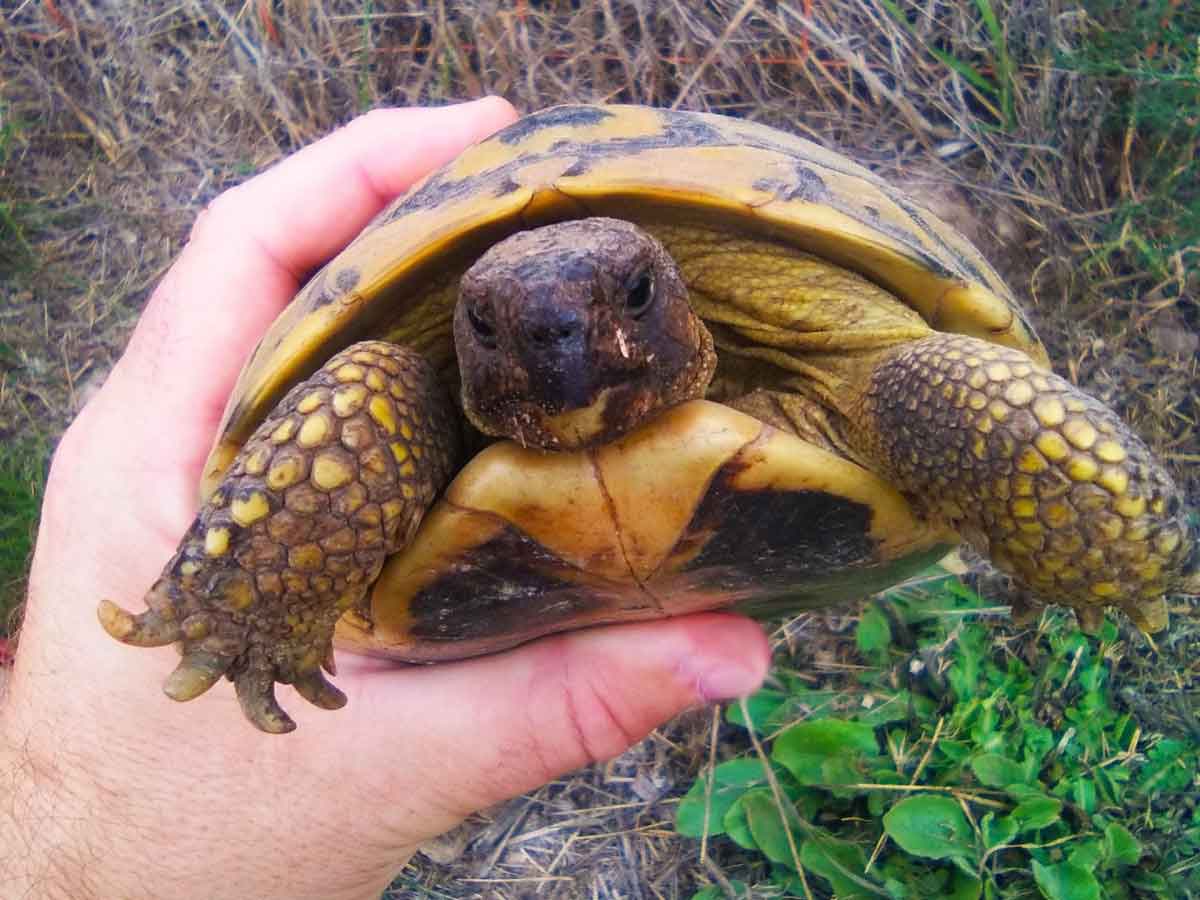
Even if they seem like it, are not porcelain …, are real, alive and well alive – Get this image at: Flickr
Content
TABLE 1
Classification of Some Turtles Terrestrial according to their Diet
herbivores
Omnivores
Sulcata turtle
Box Turtles
Leopard Turtle
Terrapenes Turtles
Yellow-footed turtle
Articulated Turtles
Radiated Turtle
Some Asian box turtles
Chilean turtle
Turtles of the species Testudo
Turtle feeding (chelonians)
The pets, which are very popular today, place high demands on people. Especially when it comes to maintaining and feeding, it is very important to know the conditions in the areas of origin of the turtles and to orient oneself on them. although Turtles can live up to very old, unfortunately it is not uncommon for them to live a few years in captivity. The proper feeding of the species is, therefore, an indispensable factor for successful maintenance. In contrast, incorrect nutrition of turtles is the most common cause of illness and death.
Its original habitat consists of arid and dry landscapes. There, the Turtles you will find slow-growing plants very rich in minerals, trace elements, vitamins, crude fibres and fodder. If you look at this habitat, it is clear that our lush, protein-rich meadows, fruits, cultivated lettuce and vegetables are not part of your natural food supply.
The intestines cannot properly digest this overly soft and sugary food. Even the occasional feeding with fruits, Salads and vegetables lead to an altered balance of microorganisms in the gut. This imbalance in the intestine sometimes leads to severe diarrhea. What, Unfortunately, turtles are not able to distinguish between healthy and unhealthy foods, tomatoes, salads and vegetables are tastefully eaten. The drop, constipation, shell and fatty liver deformities and even death are often the result.
The Turtles they can be carnivorous, omnivorous or herbivorous and there are some species that change their diet as they grow (see tables 1 and 2); for example the aquatic turtles of the gender Trachemys tend to go from a carnivorous to a more omnivorous diet as they grow older; becoming adult vegetarians. This is a reflection of changing dietary requirements, from its phase of greatest development to maturity.
An appropriate one turtle nutrition (chelonians) allows adequate growth, shell conformation and reproductive capacity (48).
Turtle feeding (chelonians) omnivorous
TABLE 2
Classification of Some Aquatic Turtles according to your Diet
herbivores
Omnivores
carnivores or predominantly carnivorous
There are very few aquatic turtles herbivores like Indian Roof Turtle
Painted Turtles
European Pond Turtle
Adult Emidids of North America
Spotted Turtle along with the other species of Clemmys
Crocodile and alligator turtle
Map turtles
Tortuga Mata mata
Swamp Turtles
Soft-shelled turtles
Red-eared turtle
Shield turtle
Turtles of the genus Phrynops
Long-necked turtles
South American turtles of the gender Platemys
Most of the omnivorous chelonians they are mainly carnivorous during their youth, but as they mature they increase their consumption of plant matter. It is suggested that their diet in captivity contains plant and animal matter in proportions of 75:25 to 90:10 (49).
In the wild, omnivorous species have access to a wide variety of live foods., frequently insects such as earthworms, snails, slugs, one hundred feet, Pupae, worms, mealybugs, crickets, etc. To get a better idea of the components that a diet may contain for these species in captivity it is recommended to see the table 3 and 4 (50).
TABLE 3
Recommended Components for the Diet of Omnivorous Terrestrial Turtles
Worms, slugs, snails, myriopods, mealybugs, among other invertebrates
Pinkies (newborn mice)
Skinned and chopped adult mouse
Vegetables and pastures (fungi, lettuce)
fallen fruit (bananas, Peaches, tomatoes)
(McArthur et al, 2004).
TABLE 4
Recommended Components for the Omnivorous Water Turtles Diet
Pellets for turtles (Tortuguetas [Petmmal], ReptoMin®sticks [Tetra])
Green leaves
Fruits
Low-fat canned dog food
Low-fat rehydrated dog kibble
Pellets for pond fish
Raw whole fish
Fresh meat (liver)
Insects (red worms, tubifex worms, artemias)
Prawns
Since insects contain more phosphorus than calcium (especially the larvae), should be supplemented with vitamins and minerals (calcium), to avoid the presence of nutritional deficiencies. So insects should be fed a diet rich in vitamins and minerals especially calcium, 24h before being offered to the reptile; this is known as "gut loaded" in English, and moments before offering them should also be sprinkled. Occasionally they may be provided with a small amount of meat, fish or dog food «LIGHT» (Normal foods are high in fat), in order to maintain a balanced diet (51).
The frequency of inclusion of animal matter in the diet, depends on the lifestyle of the animal and the degree of meat consumption of the species, excessive amounts of cat food, dogs or monkey, cause metastatic mineralization problems; as it contains high levels of vitamin D3. Most omnivores will refuse to eat fresh vegetables and fruits., showing preference for mature plant material (52).
As for aquatic turtles, they also develop well with a suitable combination of animal and plant material, dried shrimp lack an adequate balance of vitamins and minerals, while greasy fish in large quantities produce steatosis, fatty liver and vitamin B deficiency due to excess thiaminases. So a proper diet is based on a balance of ingredients, a small amount of low-fat dog food can be given 1 once a week occasionally, and natural ingredients should always be preferred (53).
It should be remembered that high-protein diets have a higher content of phosphorus in relation to calcium, so they should be supplemented with calcium (e.g.. Calciosol with fixative) and some fish contain thiaminases, so you also have to supplement with vitamin B1 (e.g.. Thiaminal B-12, Benerva®. Roche Laboratories), to ensure intake (because the animals feed in the water and the supplements are lost) it is recommended to liquefy all the ingredients and then add grenetin to the mixture, to make a gelatin which prevents the loss in the water of calcium and vitamins ensuring its consumption (54).
The key is to prevent animals from being pigeonholed with one or two foods., as they frequently become addicted to meat or fish; which results in a poor diet. It is important to have a separate tank from the main tank so that the animals are transferred to it at feeding time and thus reduce the contamination of the water in the main tank. (55).
Adequate proportions of a diet for red-eared turtles, painted and swamp turtles and stinky:
Turtle
60-70% animal matter: sofobas, crickets, waxworm larvae, common earthworm, tubifex, Anemias, aquatic snails, small fish, trout pellets or low-fat dog kibble, avoid using raw or cooked meat, especially in juveniles due to its low calcium content, tubifex and snails can bring parasites.
20-30% green leafy vegetables or aquatic plants.
In the wild they feed on snails, slug, insects, crabs, other aquatic invertebrates, Tadpoles, small fish, carrion, algae and aquatic plants, and as mentioned at the beginning, juvenile omnivorous turtles are more carnivorous and become more herbivorous as they mature. Adults can be fed from 2-3 times a week and only give them an amount of food that they can eat in a 30-40 minutes, it is recommended to give aquatic plants such as duckweed, water lettuce, Water hyacinth along with other aquatic plants and swamp plants, which form a substantial part of adult diets (56).
Feeding of herbivorous turtles
Microbial fermentation of intake occurs in the large intestine, microorganisms digest parts of the intake such as cellulose that the host cannot digest and this flora produces additional protein derivatives by modifying the plant material (57).
The diet of herbivorous reptiles should contain:
High-fiber vegetables that make up most of the diet.
It must be rich in certain minerals such as calcium.
Rich in vitamins such as vitamin A and D3.
Must have an adequate calcium and phosphorus balance, which must be at least 1.5-2: 1 That: P. wild chelonian diets contain at least one radius Ca: P of 4: 1.
Adequate water content.
Low phosphorus.
Low in fats and oils.
low in protein.
Low in thiocyanates, oxalates and phytates. (58).
Should be high in slow-digesting carbohydrates (e.g.. cellulose) and low-carb, high-digesting (e.g.. Feints)
Requirements are easily met when fed with wild plants, like flowers, pastures and weeds (be sure they are free of pesticides and pests), as store-bought greens are often high in protein and low in fiber compared to natural forages. Turtles can graze on their own if they are provided with adequate space for this., without the presence of poisonous plants, even so your diet should be supplemented, the species that benefit most from grazing are the leopard turtles and sulcata (59).
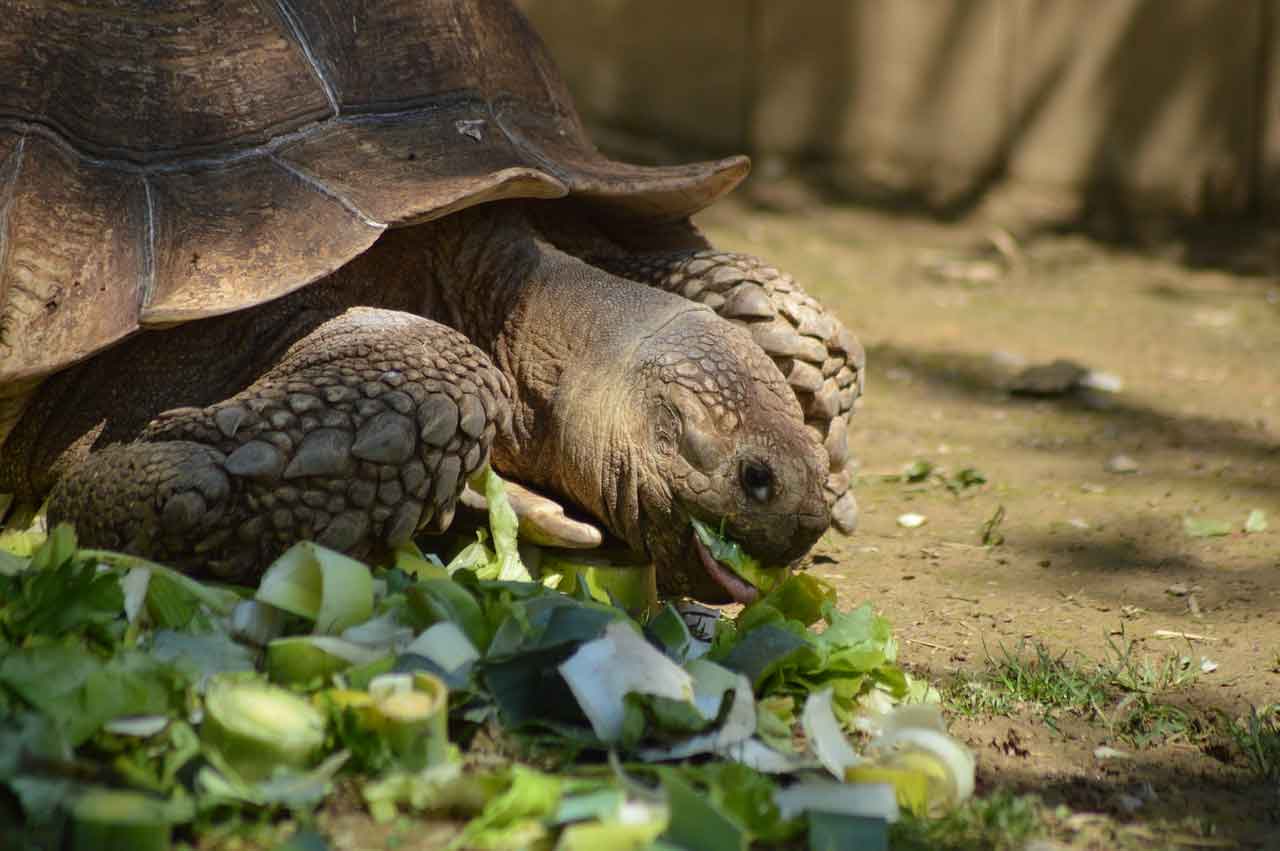
The Turtles have food preferences and will only eat 1 or 2 food to the exclusion of others, which can bring deficiencies. To reduce selective feeding it is recommended to liquefy the food, which is supplemented with vitamins and minerals (e.g.. Vitafort-A and Calciosol with fixative) (see Fig. 5), diet ingredients should be fresh and raw. Food must be washed very well to remove pesticide residues (60).
Fig. 5. Turtle eating a supplemented salad.
Animal protein should not be offered (see table 5) to herbivorous reptiles as it can affect the intestinal flora and predispose to hyperuricemia and therefore to gout, In addition to causing accelerated and abnormal growth in juvenile reptiles (61).
TABLE 5
Foods to Avoid herbivorous reptiles
Cat food
Meat
Dog food
Bread
Milk
Cheese
Refried beans
Bacon
Ham
Recovery diets for mammals (a/d Hill’s)
Insects: worms, sofobas, tenebrios
Meat
To mention a few (McArthur et al, 2004; Walls, 1998).
Although pellet-based diets are very popular, some authors do not recommend them as the majority part of the diet, especially in juvenile animals since they provide them with accelerated growth as most are high in protein (>45%), which is detrimental to growth in juveniles, as the shell is deformed; its use in adults is also of dubious benefit to some; however it all depends on the quality and quantity of the ingredients (62).
As mentioned earlier in the green matter section, care should be taken with vegetables containing oxalates and thiocyanates (see table 6), since depending on the amount of these in the diet mineral deficiencies can occur (iodine and calcium) (63).
The herbivorous turtles differ from each other regarding their preferred intake of fiber, Mediterranean turtles are ramoneadoras so they will be better off if they are allowed to ram in gardens with herbaceous plants; While the leopard turtles and sulcata are better off with a diet high in grasses and hay (70-75%) because they require a higher intake of fiber, although it has been seen that in the wild some eat a greater amount of herbaceous plants, it has also kept a record of growth in freedom that can serve as a captive turtle guide, young and subadults grow 7mm/month, adult females grow 5.7mm/month and adult males 3.2mm/month (64).
A diet recommendation for herbivorous tortoises is:
Mediterranean turtles: 25% rubiaceae (Nubia, white gallium, coffee family), 22% legumes (bean, peanut, broad bean, lentil, soy, pea and chickpeas), 10% asteraceae or compounds (lettuce, Sunflower, endive, chicory, daisy, chamomile and safflower), 8% ranunculaceae (be careful with these because many are toxic like aconite, knight spur and adonis), these can be grown at home to ensure they are pesticide-free and it is recommended that it be in calcium-rich soils to ensure that the plants have a high content of this mineral..
Leopard and sulcata turtles: their diet is similar to that of Mediterranean turtles, but with a higher proportion of pastures (20%) such as achicalada alfalfa and good quality Timothy grass hay (65).
In general, the food should be provided ad libitum per meal. The newly hatched specimens and up to their juvenile stage should eat 2 times per day, chopping the food to obtain particles of the appropriate size. Juveniles and adults can be fed once a day and both juveniles and adults should have access to fresh water for both drinking and bathing. (66).
Canned and dehydrated herbivore diets are commercially available and a small portion may be used in the omnivore diet. (67).
Sources:
Corral Gutiérrez, Karla Marina. (2009). «Development of a manual and interactive disk on nutrition, "Frequent installations and diseases in reptiles used as pets". (Bachelor's Thesis). National Autonomous University of Mexico, Faculty of Higher Studies Cuautitlán, UNAM. Retrieved from https://repositorio.unam.mx/contenidos/3449228
Bibliography:
(48) (Alderton, 2002; Beynon and Cooper, 1999; McArthur et al, 2004).
(49) (Alderton, 2002; Girling and Raiti, 2004; Mader, 2006; Merck Veterinary Manual, 2007; McArthur et al, 2004).
(50) (McArthur et al, 2004; Wissman M. A., 2003).
(51) (McArthur et al, 2004; UNAM Diploma in Medicine and Wildlife Management, 1993).
(52) (McArthur et al, 2004).
(53) (McArthur et al, 2004).
(54) (Girling and Raiti, 2004; McArthur et al, 2004).
(55) (Girling and Raiti, 2004; McArthur et al, 2004).
(56) (Girling and Raiti, 2004; McArthur et al, 2004).
(57) (McArthur et al. 2004).
(58) (Girling and Raiti, 2004; McArthur et al, 2004).
(59) (Mader, 2006; McArthur et al, 2004).
(60) (McArthur et al, 2004; Wissman M. A., 2003; Syria et al., 2002; Walls, 1998).
(61) (McArthur et al, 2004).
(62) (McArthur et al, 2004).
(63) (Mader, 2006).
(64) (Girling and Raiti, 2004).
(65) (Girling and Raiti, 2004).
(66) (IMFAC, Practical Medicine Course in Non-Conventional Companion Species, 2006; McArthur et al, 2004).
(67) (Wissman M. A., 2003).
▷ The world of Pets: Dogs, cats, birds, reptiles, amphibians
Gold dust day gecko
- Phelsuma laticauda
Origin: Madagascar
Gender: Phelsuma
Life expectancy: 4 - 8 years
Length: 10 - 13cm.
The Gold dust day gecko is commonly known as the mascot of GEICO Insurance, and also the main character of the video game series, Gex.
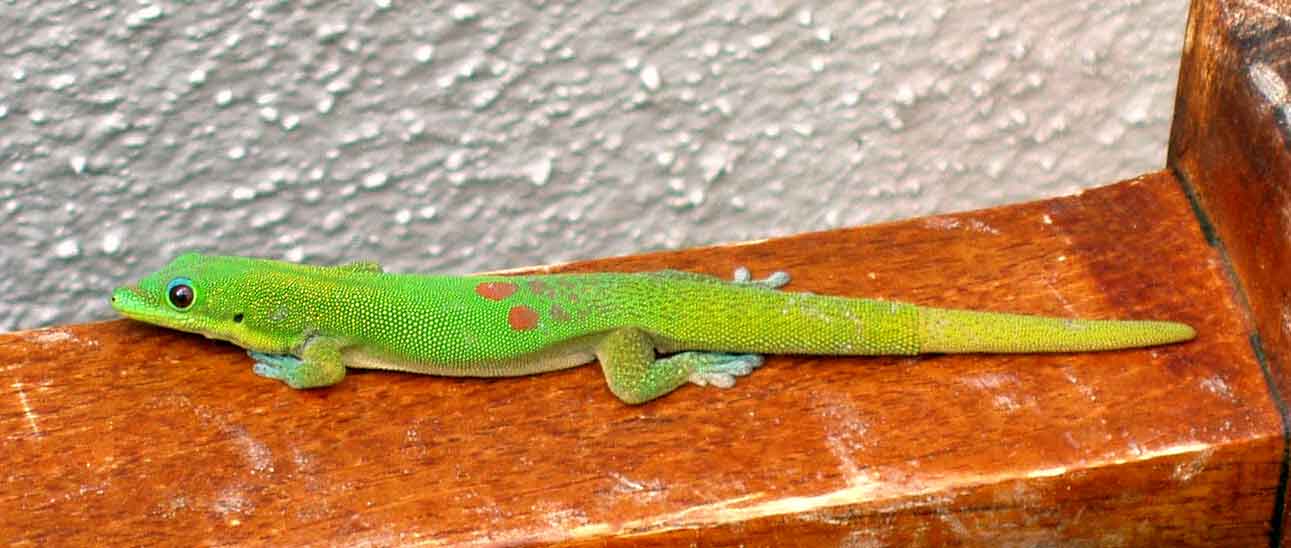
A Gold dust day gecko (Phelsuma laticauda laticauda) in Kona, Hawaii – Pharaoh Hound, CC BY-SA 2.5, via Wikimedia Commons
Content
Origin
Native to northern Madagascar and the Comoros, currently it is also found in the neighboring islands, the Seychelles and Hawaii.
Characteristics
With a head-torso length of up to a few 5 cm., the Gold dust day gecko is one of the smallest representatives of its species. The color of the body is a light green, 3 red stripes on the back appear to be applied with a brush. The golden, shiny scales of the neck and front of the back give it its name. The eyes are "painted" turquoise.
Habitat
The Gold dust day gecko is often found near settlements. It inhabits various tree species, larger plants such as deciduous trees, coconut trees and other palm trees, sisal agaves, bananas and houses. It shares its habitat with the dull day gecko (Phelsuma dubia).
This species feeds on insects and other arthropods. They also tastefully eat sweet fruits, pollen and nectar.
Males of this species of Day gecko can behave quite aggressively. They do not accept other males in the vicinity.
The "Gold dust day gecko" in captivity
The Gold dust day gecko has been raised in the care of humans for generations and, of course, you always have to use the pups.
With the right care and accommodation, the Gold dust day gecko is a grateful pet that gives a lot of pleasure to its owners. But, the conditions and needs of these animals mentioned here must be met. Next we want to show you some special characteristics of day geckos in general for their successful care in the terrarium. Here, animal welfare comes first.
Terrarium measurements
The terrarium for him Gold dust day gecko must be of sufficient height, since it is an animal that lives in trees. As a key to the size of the terrarium we recommend calculating with the head-torso length of the animal. The size of the terrarium is calculated as follows for non-adult animals:
Terrarium floor space: Four times x three times the head-torso length of the animal.
Height of the terrarium: Four times the head-torso length of the animal.
Observe the growth of the animal in the coming months (fast-growing animal/slow-growing animal) For adult animals (of legal age).
As standard measures it is advisable a terrarium of 60 x 40 x 80 cm. (for 1-2 animals).
Terrarium decoration
The Gold dust day gecko is an excellent climber, you are almost never seen on the ground. Various cork branches, cork tubes and bamboo shoots have a decorative look and provide the animal with a space to walk, including the coveted spot for sunbathing under the point of ultraviolet light. As such, place a branch or root at the right distance from the light source so that the right temperature is created in it. They will also willingly accept some vertical climbing opportunities.. It also, the terrarium must be well decorated with plants. Artificial plants are a practical option in this case, as they can be easily cleaned of droppings.
The suitable substrate is the bark bed and earth of the terrarium. Some moss cushions are decorative and regulate humidity. Droppings and food scraps should be removed daily.
Temperature and lighting of the terrarium
The Gold dust day gecko inhabits tropical habitats.
Like the reptiles are warm-blooded animals, you have to simulate their natural habitat in the terrarium: temperature and humidity. This is achieved by various heat/light sources and water misting/spraying. (sprinkler system).
One thermometer/hygrometer allows the caregiver to control these values. Animals have excellent eyesight and visual acuity. Depend on sufficient lighting. So, It good lighting is mandatory of the terrarium. They also need a sunny spot in the terrarium. This is created by the spot lighting, that provides light, heat and UV rays. The highest quality products are good enough here, because only they are equal to the natural light of the sun. The Gold dust day gecko see the colors in the ultraviolet range, so they can't perceive their surroundings normally without adequate light. It also, only an optimal supply of UV-B light provides enough vitamin D3 for young animals to grow optimally and adults to also be in top shape and display their bright colors.. We recommend the JBL L-U-W Light, which is available in different powers and in the version «Desert» o «Jungle«. This type of lighting provides light, heat and UVA/UVB rays.
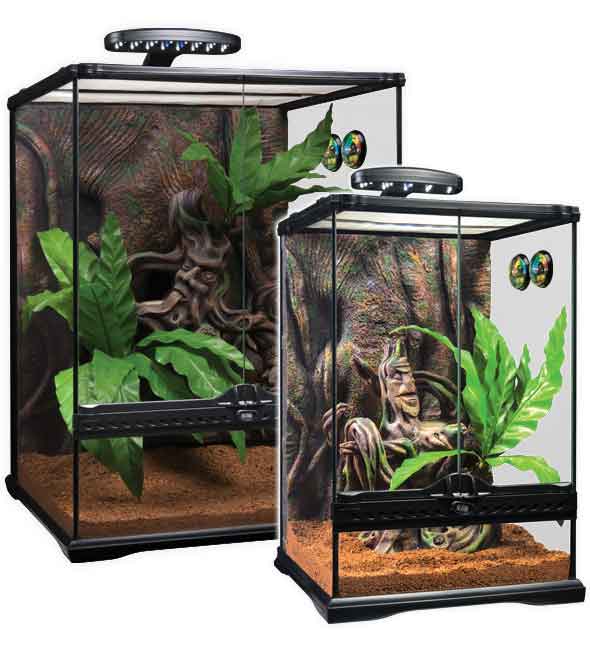
TERRARIUM «Gecko Diurno Dorado» Exoterra
As a caregiver, you can get an especially good climate (and easy to control) using a heating mat under part of the floor of your terrarium. Although the Gold dust day gecko does not go down to the ground to warm up, yes it heats the basic temperature of the high terrarium -which by design is similar to a fireplace- from below. These terrariums usually have too low temperatures in the lower half of the terrarium outside of summer., so the fry have a hot back and a cold belly.
The heating mat must be accompanied by a thermostat. In this way, always get the right climate, as the heating mat turns on automatically when needed. A plus point is the more favorable energy consumption in terms of the environment, since terrariums operated in this way not only require lower power for point lamps, but also, usually, fix themselves with less energy. For uniform lighting of your terrarium as decoration of your living space, we recommend the LED lighting across the entire terrarium. Light and heating sources are always turned on and off at a daily rate using a timer, 14h on, 10h off.
Nutrition
The Gold dust day gecko is a fast and agile hunter. The feeding insects (crickets, domestic crickets, grasshopper, etc.) they are always sprinkled with mixtures of vitamins and minerals. This is the only way to avoid irreversible deficiencies, which can often lead to serious illness or even death in young animals and pregnant females, for example.
Feeding animals must always be adapted to the size of the Gold dust day gecko. Feed only insects that will be eaten directly. Otherwise, feeding animals would disperse around the terrarium, they would hide away and get rid of the attached vitamins/minerals – the result is malnutrition and malnutrition despite food supplies.
It also, to the Gold dust day gecko in nature they like to lick overripe fruits and nectar. With "Exoterra Day Gecko Food" small vessels already prepared with adequate food porridge are obtained. Not offered on the ground, but permanently in the so-called "cup holders" at a high height.
Social behavior and reproduction
The Gold dust day gecko can be maintained individually, in pairs or in a group constellation of one male with several females. Males are always incompatible with each other.
The females of the speciesPhelsuma» put 1-2 eggs after a few 28 days, until 5 times a year. Some species stick eggs to the substrate. The eggs harden quickly in air and the females of the “egg glue species” stick together. 2 eggs each. They like to do it in small cavities like bamboo canes or cork tubes..
The Gold dust day gecko puts up to 5 pairs of eggs per year, this species uses the indentations of bamboo leaves and tubes or similar cavities. At a constant temperature of 28°C, the colorful dwarfs hatch after a few 40-45 days with a size of something less than 60 mm.
Curiosities
It is commonly known as the mascot of GEICO Insurance, and also the main character of the video game series, Gex.
Thanks to the special adhesive foils on your fingers, the Gold dust day gecko not only moves on the smoothest surfaces, but even clings to the glass upside down without problems. In doing so, develop true superpowers through so-called adhesion: thanks to their feet covered with billions of fine hairs, make use of Van der Waals forces and electrostatic forces.
On the sides of the back of the head they have small "calcium sacs", which serve females to store calcium in preparation for egg formation.
In the wild, They guarantee their survival against predators by shedding their tails and "molting in a startled manner". If a hunter grabs them by the trunk, the skin sheds and the Gold dust day gecko escape. Tail and skin regenerate in case of emergency.
For sale "Gold dust day gecko"
The price of a "Gold dust day gecko" at the exotic animal market, bred in captivity, ranges between 80 – 100 EUR.
1. Broad Tailed Day Gecko (English).
2. Gecko diurne à large queue, Gecko diurne des îles, Gecko poudre-d’or, Gecko vert à trois taches, Phelsume poussière-d’or (French).
3. Goldstaubtaggecko (German).
4. Gecko Poudre d’Or (Portuguese).
5. Gecko diurno del polvo de oro (español).
▷ The world of Pets: Dogs, cats, birds, reptiles, amphibians
Chinese stripe-necked turtle
- Mauremys sinensis
Origin: China, Taiwan and Vietnam
Gender: Mauremys
Life expectancy: 20 years in captivity
Length: Until 25 cm..
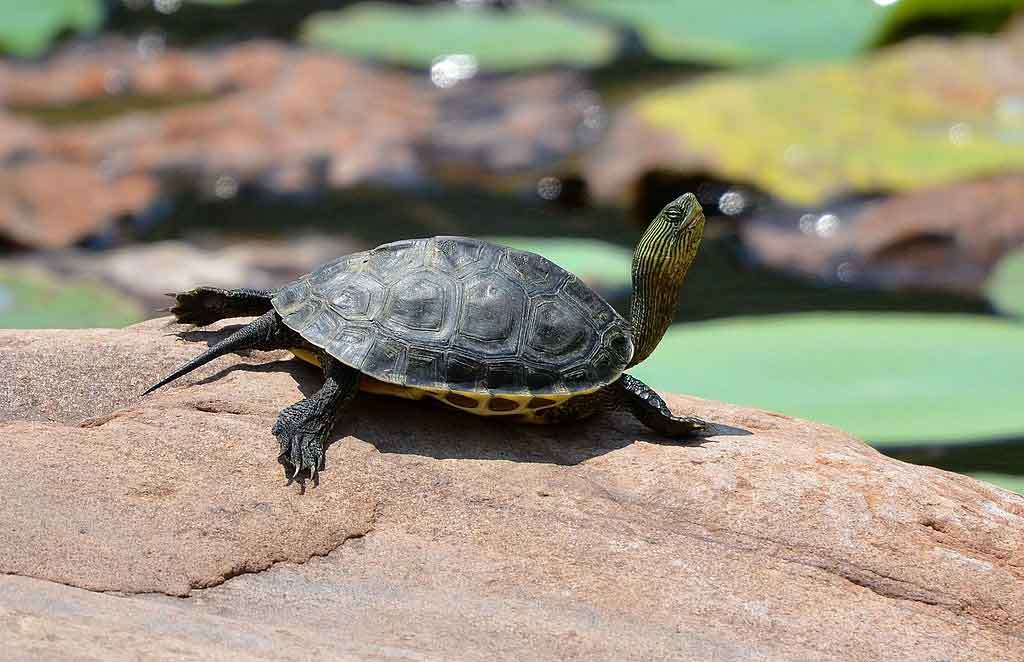
To the Chinese stripe-necked turtle he likes sunbathing. It is quite a resistant species., peaceful and good swimmer. No hibernation.
Common thread turtle (Mauremys sinensis) – Zinogre, CC BY-SA 4.0, via Wikimedia Commons
Content
Origin / Distribution
The Chinese stripe-necked turtle (Mauremys sinensis) found in the southern coastal provinces of China, north and central vietnam, Laos and Taiwan.
Characteristics / Appearance
The Chinese stripe-necked turtle can reach the 25 cm., for an average of 20 to 22 cm..
The dorsal plate has 3 carinas (1 spinal and 2 side) which are highly visible in young turtles, and fade as the tortoise grows
The back of juveniles is lighter (greenish to light brown, with yellow-orange sprays) than that of adults (Brown very dark). Vertebral scales are wider in front than behind. The 5th vertebral scale is wider than it is long..
The plastron is yellow-orange, with extensive dark spots on each scale.
Compared to other species of aquatic turtles, the tail of the Chinese stripe-necked turtle it is quite long in both males and females.
The head, legs and tail are olive green to gray (more or less dark), with fine light stripes (pale yellow to pale green), which gives it the common name "striped-necked turtle". The bottom of the head is lighter (yellow).
The iris is cream to pale yellow., with a dark spot.
Sexual dimorphism
The plastron of the male is concave and the tail is longer and thicker than that of the female.. The cloaca is located closer to the tip of the tail., while in females it is found on the supracaudal scales. Males are also smaller than females..
Habitat
This species lives in swamps, muddy canals, slow flowing freshwater streams, ponds, swamps, shallow lakes and muddy ponds. It especially likes bodies of water with lots of vegetation.
Behavior
Chinese stripe-necked turtle in Cologne Zoological Garden. – NasserHalaweh, CC BY-SA 4.0, via Wikimedia Commons
To the Chinese stripe-necked turtle he likes sunbathing. It is quite a resistant species., peaceful and good swimmer. No hibernation.
Reproduction
Mating takes place mainly in spring. Egg laying takes place just over two months after (about ten eggs on average). The eggs are elliptical in shape and measure 25 x 40 mm. The incubation period can vary from 60 to 150 days.
Newborns measure between 30 and 35 mm.
Food
In the wild, the Chinese stripe-necked turtle feeds both in water and on land: plants and various aquatic plants in large quantities, as well as worms, snails, fish, insects, mollusks, carrion, small crustaceans in smaller quantities. Males and young animals are more likely to feed on meat, while females and older animals are mainly herbivores.
Threats to the species
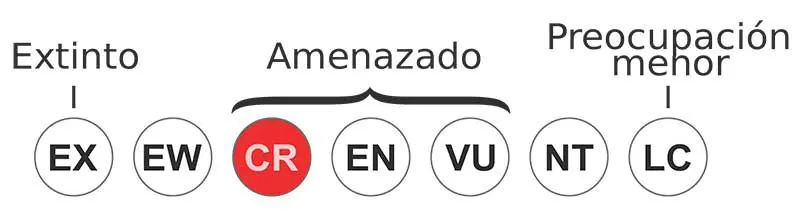
State of conservation ⓘ
Critical danger ⓘ(UICN)ⓘ
The UICN considers that this species is in danger of extinction in its natural environment (catch for human consumption, urbanization, pollution, etc.).
The "Chinese stripe-necked turtle" in captivity
Aquaterrarium
For one Chinese stripe-necked turtle adult, the aquarium should have a length of at least 120 cm. – 150 cm., since females can grow more than 25 cm.. Of course, juveniles can be kept in smaller tanks and should be if possible. They are relatively good swimmers, but they need many opportunities to climb (plants, estate, stones). The water level should be at least twice the length of the shell.
Even with a water level of 80 cm., the Chinese stripe-necked turtle has no problems and is even more active with a higher water level.
Like all other species of aquatic turtles, the Chinese stripe-necked turtle need clean water. Be prepared to change the water every few days or rely on large external filters (for a 200L aquarium, choose an external filter for a 360L aquarium). We have had the best experience with EHEIM external filters. However, It is advisable to carry out a water change of at least 50% every few weeks.
Sand can be used as a substrate, wash or engrave. If sand is provided, turtles often burrow into it. So, we mainly use sand as a substrate.
To get warm temperatures, the aquarium should also have a heating rod.
In the very hot summer months, the Chinese stripe-necked turtle can be kept in the pond, as long as there are enough plants and other climbing possibilities there too.
Dry ground is absolutely necessary for these sun-loving tortoises. A metal halide lamp (HQI) should also shine above it. In this way, the required ground temperature can be reached without problems, of 40 to 45 °C. As in all species, the female also needs a place to lay her eggs.
The water temperature should be 25-28°C in summer and 20-24°C in spring and autumn. Instead of hibernating, this species goes through the phase of reduced activity, with water at 15°C.
The HQI lamp only shines 6 hours in winter, 8-10 hours in spring and autumn and at least 12 hours in summer.
Keeping them in a group is difficult and only works with females, if it does. But even in this case, individual conservation is always preferable. Males are usually very biting and aggressive as adults..
Food
This species of turtle tends to eat meaty foods, but must have plenty of aquatic plants available. Plant food includes various aquatic plants, like duckweed, mussel flower, duckweed and many more, but also carrots. Fleshy food can consist of live food (worm, mealybugs), but also in frozen food (mosquito larvae, mussel meat, prawns, etc.). Turtle pellets or dry food should only be given occasionally.
Buy one "Chinese stripe-necked turtle"
They can be found in pet stores and some breeders.. The price of the "Chinese stripe-necked turtle" ranges between 30 – 50 EUR.
1. Chinese stripe-necked turtle, Golden thread turtle (English).
2. Emyde à cou rayé, Emyde de Chine (French).
3. Chinesische Streifenschildkröte, Bunte Streifenschildkröte (German).
4. Tartaruga chinesa de pescoço listrado, Tartaruga de fio dourado (Portuguese).
5. Tortuga de hilo dorado, Tortuga de cuello rayado, Tortuga ocadia (español).
▷ The world of Pets: Dogs, cats, birds, reptiles, amphibians
Veiled chameleon
- Chamaeleo calyptratus
Origin: Yemen, Saudi Arabia
Gender: Chamaeleo
Life expectancy: 7 years
Length: Until 20 cm.
Depending on local origin, males of Veiled chameleon reach a length of 35 to 60 centimeters, the females of 20 to 45 centimeters.
Chamaeleo calyptratus, Chamaeleonidae, Veiled chameleon; Staatliches Museum of Natural Sciences, Karlsruhe, Germany – Chamaeleo calyptratus, Chamaeleonidae, Veiled chameleon; Staatliches Museum of Natural Sciences, Karlsruhe, Germany
Content
Origin / Distribution
The Chamaeleo calyptratus (Veiled chameleon) is a lizard native to Yemen and southern Saudi Arabia. There are local variants with different colors.
Characteristics / Appearance
Depending on local origin, the males reach a length of 35 to 60 centimeters, the females of 20 to 45 centimeters. Adults have a hoof-shaped parital crest on their head, which is flattened on the side and heads backwards. This helmet is not only much larger in males, up to eight centimeters in height, but also much more striking than that of females. They also develop a characteristic calcaneal spur on the heels of the hind legs., which may be seen as a bump in young males shortly after hatching.
In the course of growth, a thickening of the tail area in the cloaca is added. The coloration of both sexes depends mainly on mood and varies greatly. The color spectrum of your (i)chromatophores includes green, the brown, the blue, the target, the black, yellow and orange, as well as many intermediate tones. The basic coloration of males is usually dominated by green tones. On the flanks there are usually three, rarely four or five, vertical stripes, wide and yellow, often with fine brown edges, to which darker horizontal spots may be attached (brown). Females usually show paler shades between green and brown, often with irregular yellow spots. The structure of the body, especially typical eye adaptations, the language, tail and legs, correspond to the typical structure of the Chamaeleonidae.
Habitat
The species inhabits an extensive and climatically heterogeneous range in the south of the Arabian Peninsula. In this area several local forms have evolved that differ significantly in color and size, and those living in the north outnumber those in the south in size and color. Some of them inhabit very different habitats.. They are found both on the dry plateaus and poor in vegetation of Yemen and Saudi Arabia as on the slopes of the vegetation-rich mountains of southern Yemen. Even in the tropical to subtropical climate of the province of Seize, that belongs to Saudi Arabia and, with an annual rainfall of 2000 Mm, It is the wettest and most vegetated area of the Arabian Peninsula, There are Chameleons from Yemen, represented here by the subspecies Chamaeleo calyptratus calcalifer.
Behavior
Veiled chameleon – Karlsruhe State Museum of Natural History, Germany – H. Zell, CC BY-SA 3.0, via Wikimedia Commons
Males are the typical loners who defend their territory against any other male. During conflicts they show a typical threat pattern. Animals flatten their body and inflate the throat pouch. Nod their heads, make wheezing sounds when they have their mouths open and wag their tail in and out. The body slowly swings back and forth, revealing the most garish colors. If this display behavior does not have the desired effect, can lead to fights in which animals can be seriously injured. This occurs especially when the lower male lacks the possibility of retreating.. Males as young as four months old behave aggressively toward each other. Females are more compatible with each other.
Diet
Like all chameleons, the Veiled chameleon feeds mainly on small animals. Mainly, "shoot" a wide variety of insects with their tongue. But, nor do they disdain vertebrates to the size of half-grown mice. In addition to food of animal origin, plant foods are ingested, especially in the form of succulent leaves, such as those of various species of Kalanchoe. This plant food serves, among other things, to complement the water balance, and water, whether it is available in mostly steppe habitats, also drunk. It usually licks the leaves in the form of dew. In the first months, the Chameleons of Yemen need a lot of food, as they grow very fast during this period. In some cases, four-month-old males can reach a length of 30 centimeters.
Reproduction
When a male meets a female, flattens your body to the maximum, swings back and forth, rolls its tail rhythmically up and down and displays a magnificent mating show. If the female is not ready to mate, becomes intensely dark and threatens the male with his mouth open. If the male does not retreat, can be seriously injured by the female, although it does not defend itself because it is blocked by a kind of bite inhibition. In the wild, the female is ready to mate once a year. It is then recognized by a turquoise blue coloration in the upper back. The male who courts chases the female who is willing to mate, giving him violent blows on the flank. Mating, which is repeated several times a day, hard between 10 and 30 minutes and usually takes place over a period of three to four days, in exceptional cases even two weeks.
The female indicates subsequent pregnancy with yellow and turquoise blue spots on a dark green background, almost black. After an average period of 20 to 30 days, in exceptions up to 50 days, the female digs a tunnel-shaped burrow, at the end of which the eggs are laid, an average of 30 to 40 (maximum up to 100), of about 15 millimeters long and 10 millimeters wide. Then, this burrow closes. Depending on the temperature (of 20 to 30 degrees Celsius), the offspring of 55 to 75 millimeters in length hatch after five to nine months. At a constant temperature of 28 degrees Celsius, males and females hatch after about six months, while at an incubation temperature consistently higher than 30 degrees Celsius, almost only males hatch. This is obviously a temperature-dependent sex formation.. It also, young animals appear to coordinate or synchronize their hatching, since normally all animals of a clutch are born on the same day. Split but incubated clutches in the same conditions are usually born on completely different days.
Threats to the species
The Veiled chameleon has the protected status of the Washington Convention on the Protection of Species II, Appendix B and, therefore, is notifiable to the owner of the terrarium at the time of acquisition.
The "Veiled chameleon" in captivity
The Yemeni chameleons can become very confident and meek.
The terrarium
The Veiled chameleon it is kept in a high terrarium with very large ventilation areas. These animals must be kept individually. The terrarium must have at least 130 x 60 x 180cm. Higher would be better. Animals need a lot of fresh air, but without drafts.
In the terrarium of a Veiled chameleon there must be many possibilities to climb, preferably a tree (Ficus benjamina), remained, other plants, cork and bark tubes, that also offer places to hide.
Temperature and lighting
The temperature in the terrarium should be 28-32°C during the day (locally, about 40°C) and between 18-22°C at night. The humidity should be 50-60% and around the 80% At night.
For your well-being, good lighting and ultraviolet light are necessary (30% of UVA rays and 5-10% UVB), as well as a place to sunbathe. UV radiation is very important and necessary. In the case of females, a suitable place for egg laying must be provided.
A spray system can be installed in the terrarium, spraying some water in the morning and evening. For fluid intake, a dropper must be installed, that is always cleaned.
Food
The diet of the Veiled chameleon consists mainly of insects such as crickets, crickets, grasshopper, flies, fruit flies, cockroaches, and rarely wax moth caterpillars – but be careful when feeding! Animals gain weight easily and can develop gout. It is convenient to supplement your diet with fruit.
no lettuce, iceberg lettuce or similar, since its calcium-phosphorus content is unfavorable. And cabbage or spinach should rarely serve as food for them by oxalic acid.….
Additional vitamin and mineral supplements are recommended.
Reproduction
Adult chameleons are only given animal food every two to three days. This can prevent females from laying eggs too often or even having difficulty laying eggs due to the development of unfertilized eggs. . Females can often be kept together in spacious terrariums. Keeping them in pairs is rarely permanent and should only be tried when females have reached the age of one year to avoid premature pregnancy.. Pregnant females should be separated from males and moved to a terrarium with a slightly moist substrate of at least 30 centimeters deep.
Hibernation
You have to let the Veiled chameleon hiberne for two or three months. Animals need a temperature of 20-25°C. Hibernation is very important for animals to regulate their bodily functions and stay healthy.
Buy one "Veiled chameleon"
The price of a "Veiled chameleon" in the exotic animal market ranges from 70 – 120 EUR.
Videos "Veiled chameleon"
(Guide) YEMEN CHAMELEONS 🦎 Chamaeleo calyptratus ► Feeding and Care 🦎 🦎 🦎
▷ The world of Pets: Dogs, cats, birds, reptiles, amphibians
Blue iguana
- Cyclura lewisi
Origin: Grand Cayman
Gender: Cyclura
Life expectancy: Up to the 70 years
Length: 51 - 76 cm. (No queue)
The Blue iguana (Cyclura lewisi) came to have only between 10 and 25 specimens in the wild.
Grand Cayman blue iguana (Cyclura lewisi) on rocks – or palsson, CC BY 2.0, via Wikimedia Commons
Content
Origin / Distribution
The Blue iguana (Cyclura lewisi), is endemic to the Caribbean island of Grand Cayman. Formerly they were widespread in the dry and coastal habitats of the entire island., but due to severe habitat loss and predation, now they are only found in the High Rock-Battle Hill area, east and south of the Queen's Highway.
Characteristics / Appearance
The Blue iguana is one of the largest lizards in the Western Hemisphere, as it weighs more than 11 kg and measures more than 1,5 m from head to tail. Males are usually larger than females. The length of the snout can measure up to 51,5 cm in males and 41,5 cm in females, and the tail is of equal length.
The Blue iguana characterized by uniform, stiff dorsal spines and a spineless dewlap. His body is covered in scales, and some enlarged scales are present on the head region. Young iguanas have a gray base color with alternating dark gray and cream chevrons.. as they mature, the youthful pattern fades, and the base color of the hatchlings is replaced by a blue-gray base complexion. Some dark scutes are preserved in adulthood. This blue-gray color is typical of land iguanas when resting. But, these iguanas are best known for the stunning shades of turquoise blue they take on during mating season. For this reason, the Cyclura lewisi is also known as the Blue iguana.
Life expectancy
It is believed that the Blue iguana It is one of the longest living lizard species.. In the wild, they are believed to reach ages of at least 25 to 40 years. But, these iguanas can get much older when kept in captivity. The longest-living member of this species was a captive iguana known as "Godzilla" which survived for a few 69 years. But, it is doubtful that wild iguanas can survive to that age, since Godzilla needed extraordinary maintenance in the years before his death.
The Blue iguana lives on the ground and can occupy various habitats, like forests, grasslands and coastal regions, as well as human-modified habitats. They are found primarily in natural xerophytic thickets and along interfaces between farm clearings and dry canopy forest.. Farms provide a variety of resources such as vegetation, fallen fruit and soil to nest.
The Blue iguana spends its nights in shelters such as caves and crevices found within weathered rocks, usually heavily eroded limestone. Although iguanas preferentially select the natural rocky substrate to take refuge, they also use artificial shelters such as piles of construction material and spaces under buildings. While adults are mainly terrestrial, younger individuals tend to be more arboreal. Occasionally, the Blue iguana It can take refuge in the hollows of trees or exposed in the branches of the same..
Behavior
The Blue iguana spend most of the day sunbathing. They are primarily inactive with low to moderate alertness between morning rising and evening retreat.. during activity, iguanas mainly forage, they travel and inspect the substrates, including withdrawals and feces. Iguanas are active for longer periods of time during the summer. Because they are ectothermic, increased sunlight and higher temperatures during the summer allow iguanas to maintain optimal body temperature for a longer period each day.
Reproduction
The Blue iguana it's lonely, except during mating season. Mating is generally polygamous, but some individuals can also be promiscuous or monogamous. During the breeding season, the home range of a dominant male frequently overlaps that of one or more females.
During the breeding season, the Blue iguana takes on a deep blue color. In the spring, hormones spike and males begin to assert their dominance. Males lose weight during this time, since they dedicate their energy to reproduction and to dominating other males. Males expand their territorial range, trying to grab as many female territories as possible. Males in overlapping territories challenge each other and, In most cases, smaller iguanas flee from larger individuals. Physical contact and fights are infrequent and usually limited to individuals of similar size. Fights can be fierce and bloody. the toes, the tips of the tail, crest spines and bits of skin can be torn off in combat.
In March, the abdomen of females Blue iguana It is swollen, since their eggs have formed inside. They do not become receptive to breeding until late April. Females generally avoid males until they begin mating in May., retreating to their holes in the rock when the males are near. Gravid females reduce food intake about two weeks before oviposition, as their digestive tract is compressed by the expanding egg mass. Activity levels also increase during this time.
Copulation is preceded by a mating ritual. The male nods his head and circles behind the female.. Grab the female's neck and try to hold her. The male passes his tail under the female's and positions himself for intromission.. Copulation rarely lasts more than 30 to 90 seconds, and a pair rarely mates more than once or twice a day. Pregnant mature females show a distended abdomen, and the outline of individual eggs can be seen.
At the end of the receiving period, the females of the Blue iguana becomes intolerant of males and drives them out of their territories. The females become so aggressive, in fact, that a female can successfully chase away males much larger than herself.
The Blue iguana lays its eggs in a nest chamber that is excavated about 30 cm below ground surface. while they are in the nest, the eggs absorb moisture from the earth. Little by little they are filled until they are tight and with a slight pressure. On average, the eggs of this iguana are among the largest of all lizards. The eggs hatch in 65 to 100 days, depending on the temperature. The hatching process can take more than 12 hours. Hatchlings slice through the leathery shell of the egg with a microscopic "egg tooth" at the tip of the jaw.
It takes the combined effort of many hatchlings to get out of the nest chambers.. Times, the Blue iguana does not emerge from next chamber until two weeks after hatching. During this time, the young survive with the rest of the egg yolk stored in their abdomen. They can live on the remains of the yolk for weeks before needing to feed or drink..
Young iguanas are independent after hatching. They are usually arboreal and spend most of their young lives in trees to avoid terrestrial predators..
The breeding season of the Blue iguana hard of 2 to 3 weeks, between the end of May and mid-June. Oviposition occurs approximately 40 days after fertilization, usually during the months of June and July. The females lay from 1 to 22 eggs every year. The size of the clutch varies with the age and size of the females. Older and larger females are able to produce more eggs. The eggs are incubated in the nest chamber that is dug to some 30 centimeters below the soil surface. The incubation period ranges from 65 and 90 days. The temperature inside the nest remains relatively constant between 30 and 33 degrees Celsius throughout this period. The Blue iguana it usually begins to reproduce around the 4 years of age in captivity. In the wild, reach sexual maturity among the 2 and 9 years of age.
The Blue iguana is mainly herbivorous, consuming mainly vegetable matter of at least 45 plant species of 24 different families. The leaves and stems are the most consumed, while the fruits, nuts and flowers are consumed in less quantity. Carnivory makes up a small percentage of the diet. This includes predation on invertebrates such as insects, slugs and moth larvae. Specimens of iguanas have also been observed ingesting small rocks, tierra, feces, pieces of molt and mushrooms.
Threats to the species
State of conservation ⓘ
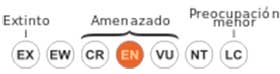
in danger ⓘ(UICN)ⓘ
The Blue iguana it is one of the fastest disappearing and endangered species on Earth. The decline of these iguanas on Grand Cayman probably began in pre-Columbian times., when they were hunted for food by the native Indians of the Arawak and Lucayan tribes. The most serious decline began with the European colonization of the Cayman Islands. As the human population increased, habitat was cleared for agriculture and the construction of homes and businesses. In the news, Habitat loss is the main factor threatening the extinction of the Blue iguana. Vehicle road construction has led to further habitat destruction and has brought fast-moving traffic to remnant habitats. This occasionally results in his death from vehicles.
(Blair, 1991; Burton, 2004to; «ARKive Images of Life on Earth», 2011)
Another great threat associated with European colonization was the introduction of invasive species on the island., like cattle, the goats, the pigs, the rats, cats and dogs. The Blue iguana faces predation or competition from these introduced animals. Less often, iguanas can be illegally trapped or shot by farmers who perceive the iguanas as a threat to their crops.
(Blair, 1991; Burton, 2004to; Burton, 2009; «ARKive Images of Life on Earth», 2011)
The National Trust for the Cayman Islands established the Recovery Program Blue iguana in 1990. This conservation program incorporates research, habitat protection, captive breeding, reintroduction and conservation education. Despite the protection of 2000 acres of dry mangrove forests and wetlands within the Cayman Islands, protected lands suitable for Blue iguana they are very scarce.
(«Blue Iguana Recovery Program, Grand Cayman, Cayman Islands, British Indies», 2011; Burton, 2004to)
The Recovery Program Blue iguana has successfully bred this species in captivity since 1990. Members of this species breed to 2 years old and are released at the Queen Elizabeth II Botanic Park in Grand Cayman. These young iguanas help complement existing wild populations and also establish new wild populations in protected areas..
(«Blue Iguana Recovery Program, Grand Cayman, Cayman Islands, British Indies», 2011; Burton, 2004to)
The Blue iguana is fully protected by local law and is considered critically endangered by the IUCN. It is illegal to kill, capture or keep members of this species in captivity. It also, international trade in this species is prohibited, as it is included in Appendix I of the Convention on International Trade in Endangered Species (CITES).
(Burton, 2004to; «ARKive Images of Life on Earth», 2011)
This species of intense blue color came to have only between 10 and 25 specimens in the wild.
Currently, after years of intensive work, have already been released near 500 captive-bred specimens.
The "Blue iguana" in captivity
The Blue iguana served in his day as food to the natives of the island. In the news, this species is a great attraction for ecotourists. Times, the Blue iguana is captured illegally, sold and kept as a pet.
Buy one "Blue iguana"
If we make inquiries on the Internet related to where or how to buy a Blue iguana, we will find that the search engine shows us some results.
Devoting a few minutes to reviewing these results we can see that they are mostly other species, put up for sale as blue iguanas.
In some cases it may be due to the seller's own ignorance, who does not know how to differentiate between the different species of iguanas. In others, it can be directly a malicious deception.
Even if they were actual specimens of Blue iguana and regardless of the price they ask for them, we must not forget that it is a species in serious danger of extinction.
Videos "Blue iguana"
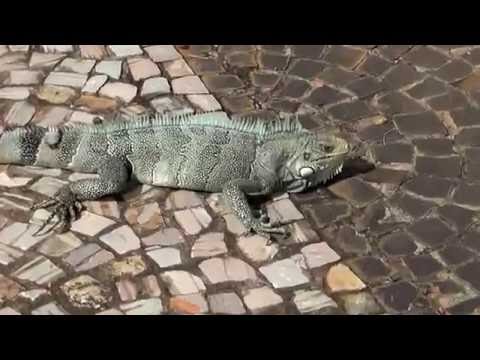
GREEN IGUANA: In the sunbathing in the morning (IGUANA IGUANA), GREEN IGUANA, CHAMELEON.
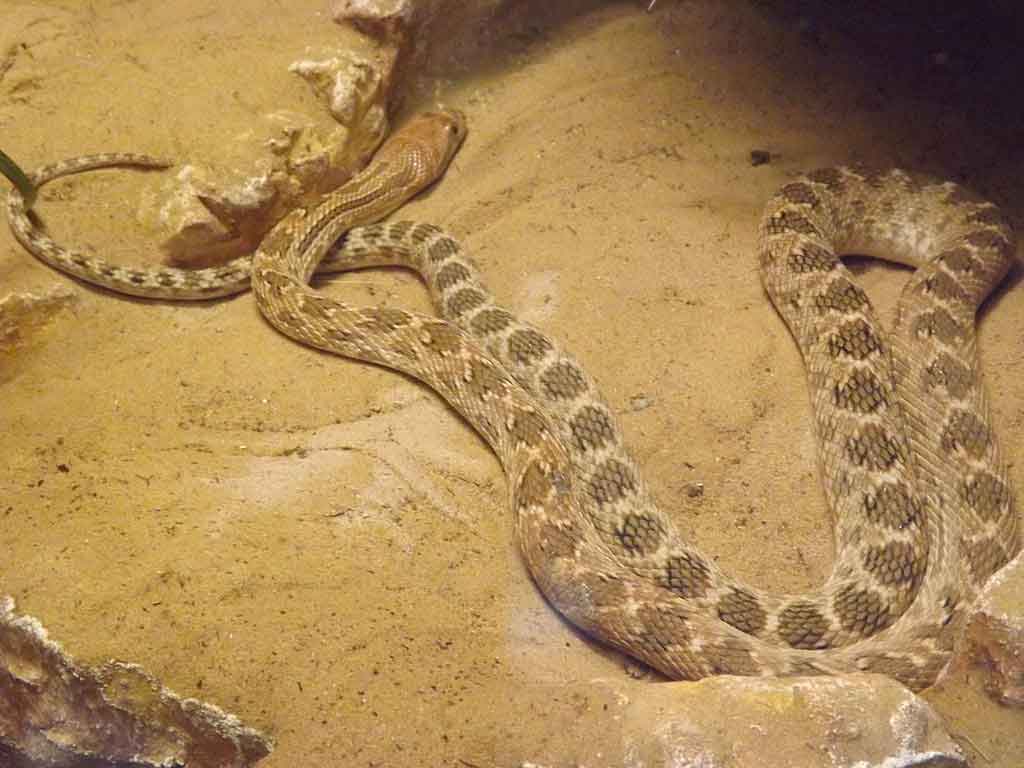
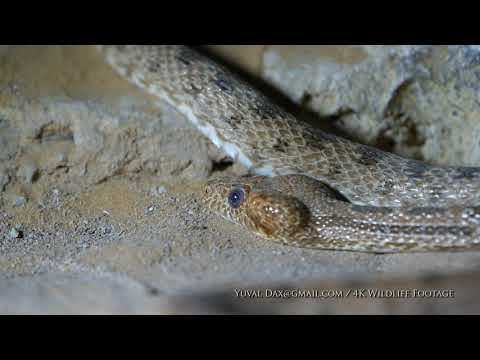
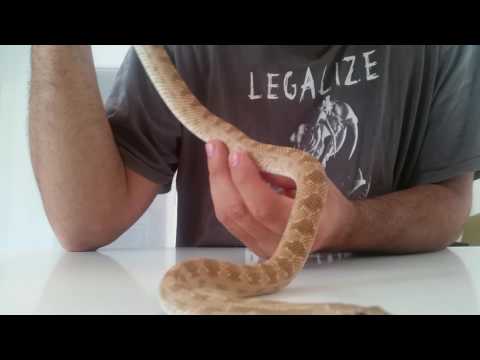
Quite large, reaching some 150-200 cm length. the head of the Diadem snake is elongated, slightly triangular and clearly separated from the neck.
A Clifford's Serpent (Spalerosophis diadema cliffordi) at the Jerusalem Biblical Zoo – SuperJew, CC BY-SA 4.0, via Wikimedia Commons
Content
Origin / Distribution
The Diadem snake (Spalerosophis diadema) inhabits from northwestern Africa and Asia Minor, through the Arabian Peninsula to Pakistan, Nepal and North India.
Three subspecies of S. diadema, including the nominotypic subspecies, and are found as follows.
Spalerosophis diadema cliffordi (Schlegel, 1837) – from Morocco to Egypt and Israel (type locality: Tripoli, Libya)
Spalerosophis diadema diadema (Schlegel, 1837) – in India, Pakistan (type locality: near "Bombay", India)
Spalerosophis diadema schiraziana (Jan, 1865) – Zagros Mountains and the Bushire region in western Iran, east to southern Turkmenistan in Afghanistan and India; Pakistan (type locality: Shiraz, Iran)
Characteristics / Appearance
Quite large, reaching some 150-200 cm length. The head is elongated, slightly triangular and clearly separated from the neck. The eyes are large, with a round pupil that constricts to a point in bright light. Basic coloration varies, can be gray, yellow, ocher or reddish with red or brown spots on the middle of the back and smaller spots on the flanks.
Habitat
The Diadem snake lives in the ground, often found under stones, in rock crevices or rodent burrows, feeding on lizards and small rodents. Largely diurnal in spring, hunt at night in summer, mainly mice and rats. hibernate during 2-3 months. Mating takes place in May. They are of 2 to 16 eggs, glued together to form a clutch. The young hatch after about four months.
Behavior
The Diadem snake it is not dangerous for humans, or it is very little. The poison has only a weak toxic effect. They mainly live in rocky deserts. During periods of rest, they seek refuge in the burrows of rodents.. They are both day and night, according to the season of the year.
Reproduction
Mating season usually begins shortly after hibernation, which is usually from March or April. Shortly after successful mating, the female lays between 5 and 10 eggs, rarely more, in a shallow depression in the ground, depending on age and nutritional status. Depending on the ambient temperature, The young are born after 60 to 90 days. They have a hatching length of 27 to 30 centimeters and fend for themselves immediately after hatching. The female does not take care of the young.. At the beginning, young snakes feed mainly on small lizards and other small animals. Under favorable circumstances and depending on the subspecies, life expectancy is 13 to 15 years.
Threats to the species
The species is not listed on the IUCN Red List, what should be checked.
International trade is not regulated by CITES.
The "Diadem snake" in captivity
The terrarium
The Diadem snake can reach a maximum length of 150 cm and live until 15 years. For this large exotic species, a terrarium of at least 150 x 75 x 50 cm.. A mixture of sand and bark mulch is suitable as a substrate. Spalerosophis diadema also likes climbing facilities and hiding places. stone or rock structures, roots or branches are suitable for it.
The daytime temperature should be between 25 and 30°C with low humidity (the ventilation of the terrarium is more important than the humidity). The night temperature should be reduced to 24°C. The Diadem snake during the winter months 2-3 months and the temperature should be between 10 y 16°C. Humidity, for its part, should be about 60 %.
The Diadem snake feeds on lizards and small rodents. The size of the food depends on the size of the snake. We feed the snakes with frog mice.
breeding of the Diadem snake in the terrarium
The Diadem snake (Spalerosophis diadema) has already been successfully bred in the terrarium. females lay eggs. A clutch can contain some 10 eggs. After 2 to 3 months, hatchlings hatch.
Buy one "Diadem snake"
The price of a "Diadem snake" at the exotic animal market, ranges between 150 – 200 EUR.
1. Diadem snake, Royal snake (English).
2. Couleuvre à diadème (French).
3. Diademschlange, Königsschlange (German).
4. Cobra diadema, Cobra real (Portuguese).
5. "Serpiente de Diadema", Serpiente real, Culebra de Diadema (español).
▷ The world of Pets: Dogs, cats, birds, reptiles, amphibians
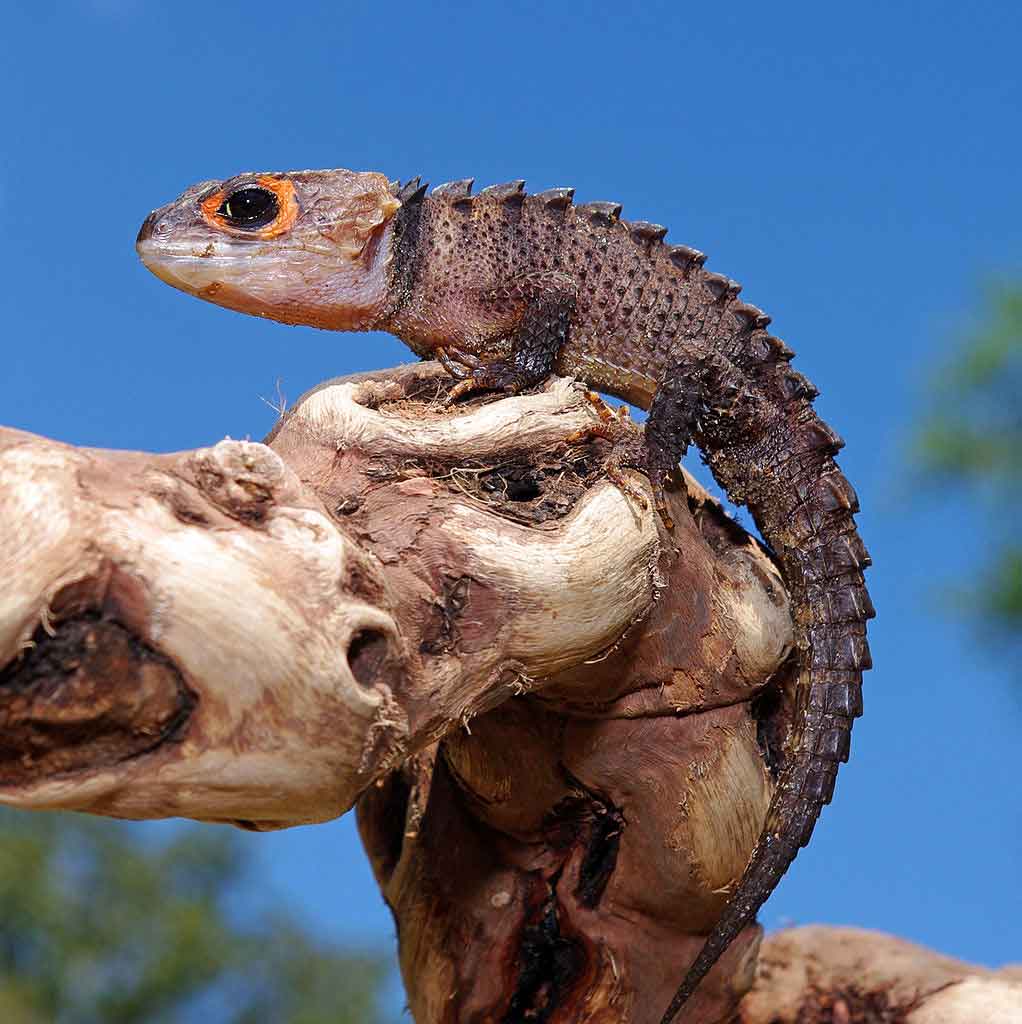
Red-eyed crocodile skink
- Tribolonotus gracilis
Origin: Indonesia and Papua New Guinea
Gender: Tribolonotus
Life expectancy: 10 - 12 years
Length: 17 - 20 cm.
Precious and very rare Indonesian lizard that nowadays is very difficult to find. It likes humid places so we will put a terrarium preferably with moss and a small bathtub in which it can get into, since he likes to even immerse himself completely. Tº aprox. of 27ºC. Insects.








_in_AP_W_IMG_9906.jpg)
_W_IMG_1259.jpg)


.jpg)
