โ–ท The world of Pets: Dogs, cats, birds, reptiles, amphibians

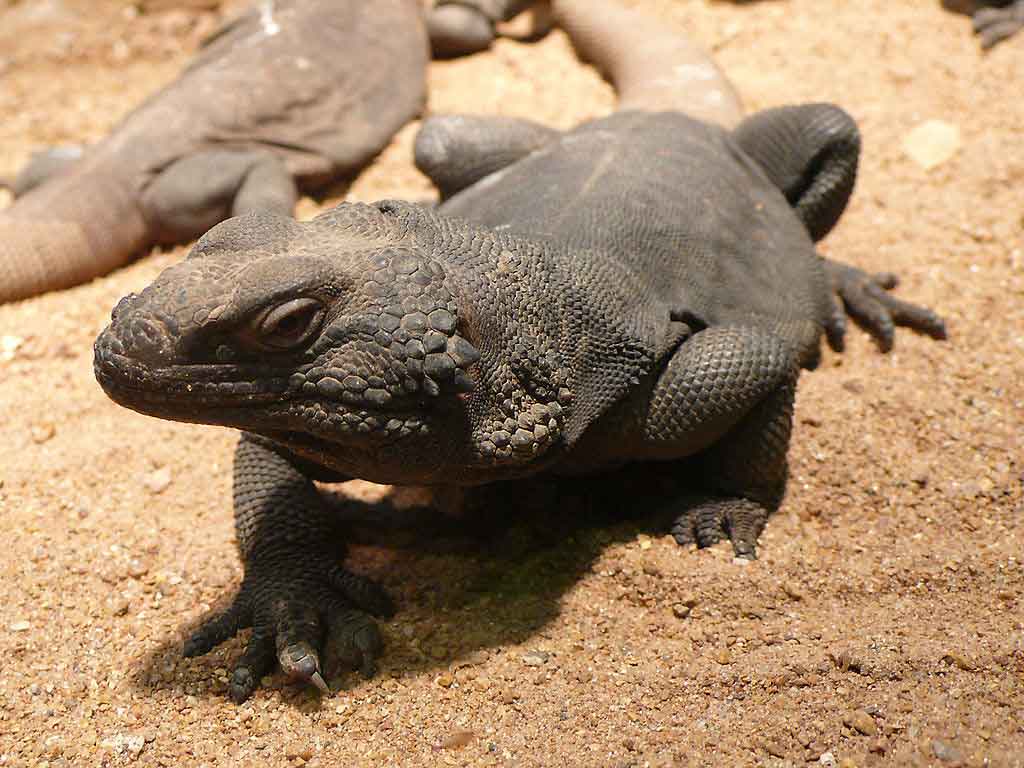
Common chuckwalla
- Sauromalus ater

The Common chuckwalla found in deserts, where the air is warm and dry (of 9 to 45 degrees Celsius).
Common chuckwalla
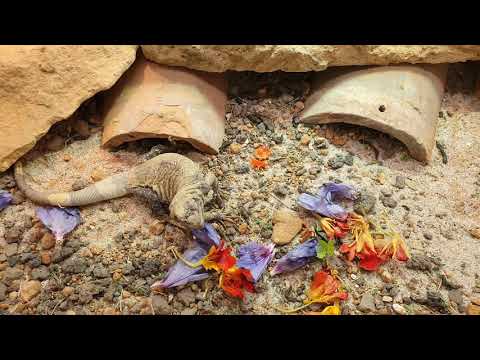
Common chuckwalla (Sauromalus ater) – TimVickers, Public domain, via Wikimedia Commons

Content

Origin / Distribution

The Common chuckwalla (Sauromalus ater) It inhabits the deserts of the western United States and Mexico and in 30 known islands of the Gulf of Mexico. In particular, the Mojave and Sonoran deserts are known to have thriving populations of chuckwallas. They can be found as far west as southeastern California and Nevada, and are abundant in Arizona, New Mexico, Texas, Utah and parts of Colorado.

Characteristics / Appearance

The Common chuckwalla it is a stocky lizard with loose folds of skin near the neck, shoulders and stomach. The skin is covered with hard scales, and the largest are between the nose and the eyes. They have five fingers on each end and the tail is rounded at the tip.. Head color can range from dark brown and gray to dark yellow. Color variation depends on geographic location, the temperature, environment and mood. The tail is thicker near the body and tapers towards the tip.. Males are slightly larger than females and, in some cases, have different scale patterns and head shapes. Females may have a slightly narrower snout and head.. There is also variation in color, juveniles and females have lighter markings than males. The average weight is 245 g. (range of 24 to 315 g.), although males are usually heavier than females. The average length of the head is 35,5 mm and its greatest width is 33,2 mm. The mean length of the snout is 162 mm (range of 80 to 197 mm) and the tail length is 182 mm. Almost half of the length corresponds to the tail.

Habitat

The Common chuckwalla found in deserts, where the air is warm and dry (of 9 to 45 degrees Celsius). They are found in deserts with rocks and crevices to hide in., as areas of ancient lava flows, rocky slopes and outcrops. They use burrows and underground cracks to hibernate in winter.. They inhabit insular and coastal environments. These lizards require a moderate amount of vegetation and foliage in the habitat in order to sustain themselves.. The Common chuckwalla can be found between sea level and 1400 m above sea level.

Behavior
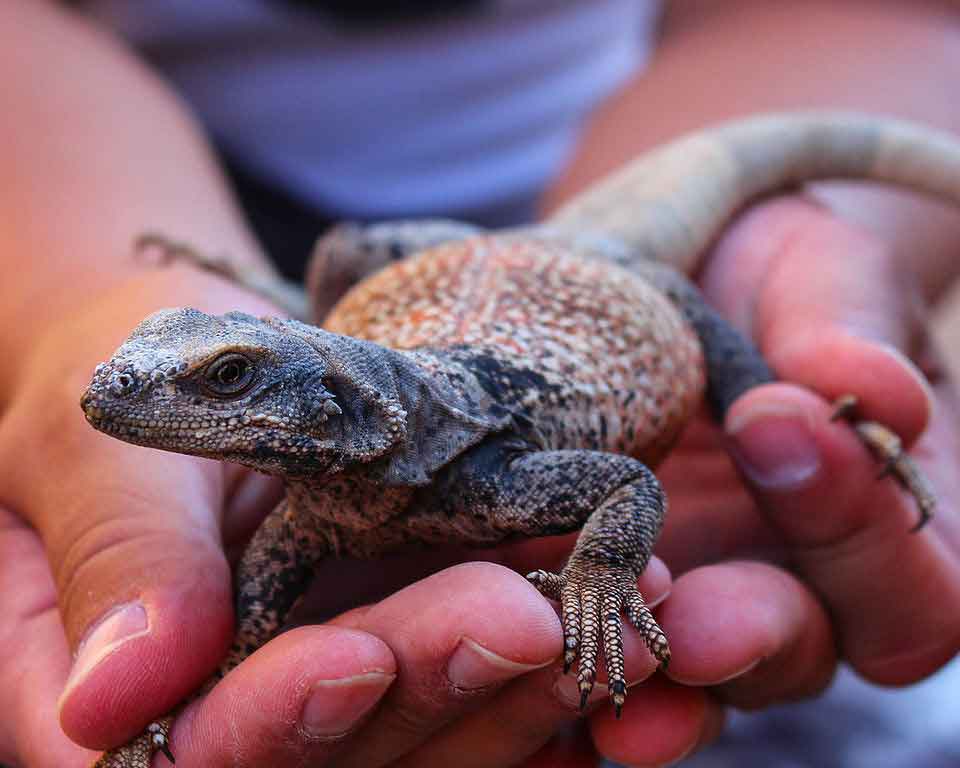
Common chuckwalla
Chuckwalla (Sauromalus ater), San Bernardino County, AU – Connor Long, CC BY-SA 4.0, via Wikimedia Commons

The Common chuckwalla it is mainly solitary and diurnal. They leave rock shelters during the day to eat foliage, but they usually stay close to their shelters. They are active from mid-March to mid-August, but they can aestivate in the summer months when food is scarce. From November to March they can go through brumation (similar to hibernation, but observed in ectotherms). They are active for a 8 hours a day, usually between 06:30 and 19:00. The activity of the Common chuckwalla is greater among 9:15 and 11:30. To avoid overheating, they move in and out of the shade and adopt different orientations towards the sun. Most of their time is spent basking on rocks when they are not foraging for food.. They take refuge in cracks and shallow holes during the hottest part of the day and use these cracks to avoid predators.. Males are territorial and fight over territory and females. The females are not hostile to each other, but the hierarchies of males and females are based on the size.

Developing

After a gestation period of one month, females lay eggs in an underground nest. Once the Common chuckwalla come out of the egg, begin to grow at a rate of about 17 mm per year. The Common chuckwalla abandons its young after hatching and the young are independent at that time. They reach sexual maturity around 2 or 3 years. Reaching adult size takes a few 25 years, after which they continue to grow but at a significantly slower rate, of about 5,5 mm per year. Growth rate is related to food abundance. The Common chuckwalla grows more in spring and summer, when the temperature is high and food is plentiful. La muda, or detachment of the epidermis, also occurs in spring, when the growth rate is high.

Reproduction

the courtship of the Common chuckwalla is that males attract females by their size or persistence. Males usually have several females living in their territory and mate with them.. The males of the Common chuckwalla use head movement, the licks, the circles, the pushes, jaw rubs and other methods to persuade females to mate. Females allow copulation if they determine the male is desired., males can prevail if they are big and forceful. During copulation, males use their mandibles to grasp females by the loose skin on the nape of the neck. Mating usually takes place in early spring, after hibernation. Both sexes have multiple partners year after year. Males compete for females by biting and head-butting..

The Common chuckwalla breeds between April and August, when food is more abundant. When females are receptive, your ovaries enlarge. Males produce sperm each year., while females produce eggs every two years, average. Males reach sexual maturity when they reach 125 mm length at snout, that is to say, to the 2 years of age. Females reach sexual maturity at the same length, but they may take 2 to 3 years to reach it. The average clutch size per breeding season varies from 5 to 16 eggs and the annual reproductive frequency of each female varies greatly from year to year depending on food availability and rainfall. Some females produce two separate clutches., others produce none. The females incubate the eggs until they hatch.. The incubation period lasts about 35 days (range of 33 to 50 days). The hatching mass range of eggs is 6,0 to 9,6 g.. Larger females produce clutches more often than smaller females.. But, smaller females may breed in consecutive years.

Females prepare an underground nest in an area with dry soil that is unlikely to be disturbed.. The females protect their eggs from predators and other threats while they incubate them.. But, after hatching, females no longer care for their young. Males do not provide parental care.

Food

The Common chuckwalla It is herbivorous and feeds on perennial and annual plants.. Their diet is usually high in fiber and low in fat and protein. Annual plants make up the 60% your diet in the summer months, while the perennials suppose the 40%. When annual plants die in winter, perennials become their main food source. They have been observed feeding on the leaves and fruit of creosote bushes in the summer months. (Pasture tridentate), as well as some insects that reside in the vegetation they eat. The (Oenothera clavaeformis) and the desert ambrosia (Franseria dumosa) are the main plants in the diet of the Common chuckwalla. In captivity they feed on various vegetables, fruits and flowers. They obtain water from the plants they eat and produce it metabolically.

Life expectancy

The Common chuckwalla usually live 10 years or more, if the right conditions are met, limited predation and adequate food availability. The half-life in nature is estimated to be about 15 years. Although there is considerable variability from year to year, Survival in the first year is estimated to be 38%. The mortality of the eggs is the one that most affects the survival of animals less than one year old. Those who survive beyond one year experience a median survival of 75% annual. The Common chuckwalla oldest known in nature had 30 years. The Common chuckwalla oldest in captivity lived to be 65 years.

Threats to the species

State of conservation โ“˜


minor concern Minor Concern โ“˜ (UICN)โ“˜

The populations of Common chuckwalla are protected by national parks and, course, for its remote habitat (rugged terrain and harsh climate). Trends toward development in desert areas of the United States and parts of Mexico are affecting the habitat of the Common chuckwalla; However, the status of the population as a whole has been reported as large and stable.

The commercial sales of Common chuckwalla have not shown any major impact on the species as a whole, but some subspecies are locally threatened by overharvesting and habitat degradation. The South Mountain Subpopulation, near phoenix (Arizona), is in the spotlight because it has a unique color pattern that is desirable for the pet trade. The Colorado River Dam has greatly reduced the populations of Common chuckwalla in the Glen Canyon area, in Utah, and goat herding activities, sheep and donkeys have shown a small negative impact. In general, the IUCN classifies the Common chuckwalla like "Least concernยป due to the wide distribution of the population and the absence of immediate threats. Although the total size of the population is not known, it is estimated that the total size of the adult population could be 100.000 or more.

The "Common chuckwalla" in captivity
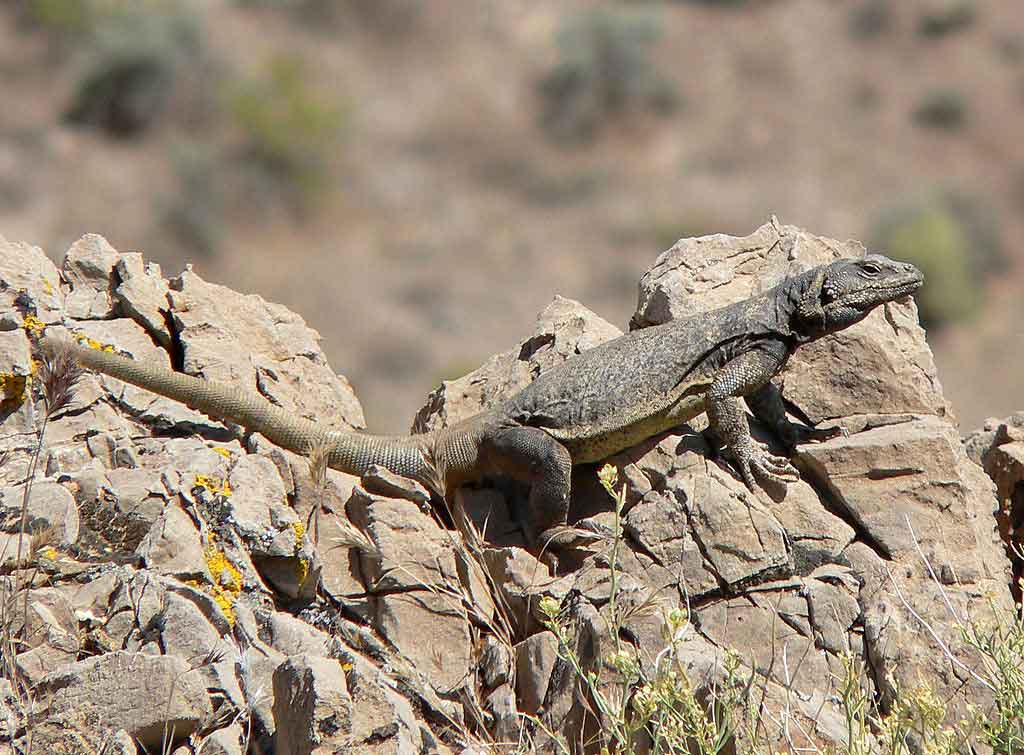
Common chuckwalla
Sauromalus ater (chuckwalla) and Columbia Pass, Spring Mountains, on from nevada – Stan Shebs, CC BY-SA 3.0, via Wikimedia Commons

The terrarium

The necessary size of the terrarium for a "Common chuckwalla" is of 120 cm long x 100 cm wide x 60 cm high or 120 cm long x 60 cm wide x 100 centimeters tall, respectively. The terrarium consists of a combination of wood and glass. Inside the terrarium there may be a self-made rear wall with many protrusions and indentations. The Common chuckwalla use almost exclusively the back wall and rarely stay on the ground. There may be a large ventilation area at the front under sliding glass over the entire length of the terrarium. in addition, about half of the lid consists of a ventilation zone to ensure the necessary ventilation.

Furniture

The terrarium substrate consists of a mixture of Lucky Reptile Desert Bedding and shell sand. To some Common chuckwalla they like to eat the small pieces of crushed rock from the shell. There can also be multiple roots, cork tubes, stones and branches in the terrarium. Live plants are eaten immediately, so you should no longer use real plants for decoration. Stones and heavy objects must be firmly anchored, since the animals like to undermine everything and then there is danger of collapse.

Lighting and temperature

Light is a crucial factor in keeping and rearing these lizards.. The terrarium can be illuminated with two T9 fluorescent tubes of 38W each.. Two Solar Raptors 70W serve as heat and UV source. It also, every hour a SolarGlo 150W from Exoterra.
The temperature in the terrarium ranges between 26ยฐC and 30ยฐC. Temperatures of up to 42ยฐC are reached under the radiators. The humidity is around 40% during the day and go up to the 60% At night.

Food

The Common chuckwalla Adult feeds almost exclusively on plants.. Juveniles occasionally hunt grasshoppers, crickets and worms. It is important to feed the animals with a varied diet so that there is no imbalance in the mineral balance. Vegetable food is given daily. During the week, they can have a fast day. What must never be forgotten is to regularly supplement the diet with a vitamin preparation.

You can give them grated carrot, all kinds of lettuce, dandelion and its flowers, Cucumber, cooked rice, zucchini, Peppers, strawberries, raspberries, grated apple and rarely banana. Caution. Please, don't feed them cabbage, as this causes life-threatening flatulence. as with all animals, you have to try what and how much they like to eat. In principle, you can't overfeed them with vegetables, so you always have to have something available.

A great gift is assorted sprouts that you can grow yourself on the windowsill. As such, I spread the lentils, wheat and millet in a container with moist soil and water them daily. after only three days, you can see the first spikes growing out of the ground. After a week and a half or two, the chuckwallas get the bowl with the fresh green.

There is also always a bowl with various grains, like red and brown lentils, special dry food for herbivores, pumpkin seeds and sunflower seeds.
Of course, a bowl of water should not be missing either.

Hibernation

Hibernation is an important part of the life of the Common chuckwalla all the years.

At the end of October / beginning of November, animals become increasingly lethargic and reduce their food intake.

Light duration is reduced from 12-14 to 5 hours a day for weeks while minimizing feeding.

During this time, just offer more water.

for the final hibernation, the animals are moved to a terrarium, similar to turtles.

The optimum temperature is between 12 โ€“ 10 degrees.

They wake up slowly in mid to early March.

The hibernation of Common chuckwalla it is a somewhat difficult matter, since the animals should not wake up too early.

This means that the process of lowering lighting and temperature, as well as upload it, must be done very slowly.

Buy one "Common chuckwalla"

The "Common chuckwalla" not an easy reptile to find. Its price in the exotic animal market ranges from 200 – 300 EUR. It is important that your acquisition comes from animals bred in captivity to preserve their status in the natural environment.

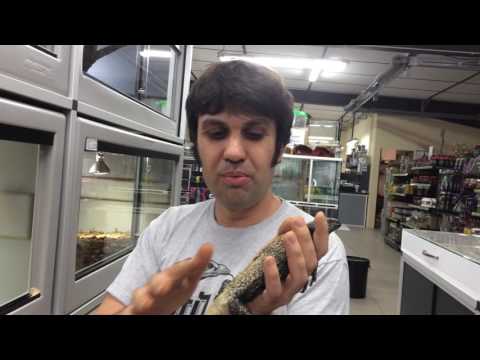
Videos "Common chuckwalla"

Chuckwalla Red back - Sauromalus ater

Presentation of Sauromalus ater

Alternative names:

1. Common chuckwalla (English).
2. Chuckwalla (French).
3. Chuckwalla (German).
4. Chuckwalla comum (Portuguese).
5. "Chacahuala del Noroeste" (espaรฑol).

โ–ท The world of Pets: Dogs, cats, birds, reptiles, amphibians

Arboreal ratsnake
- Gonyosoma oxycephalum

The Arboreal ratsnake it is diurnal and lives exclusively in the trees of the tropical forest, especially near bodies of water and mangroves.
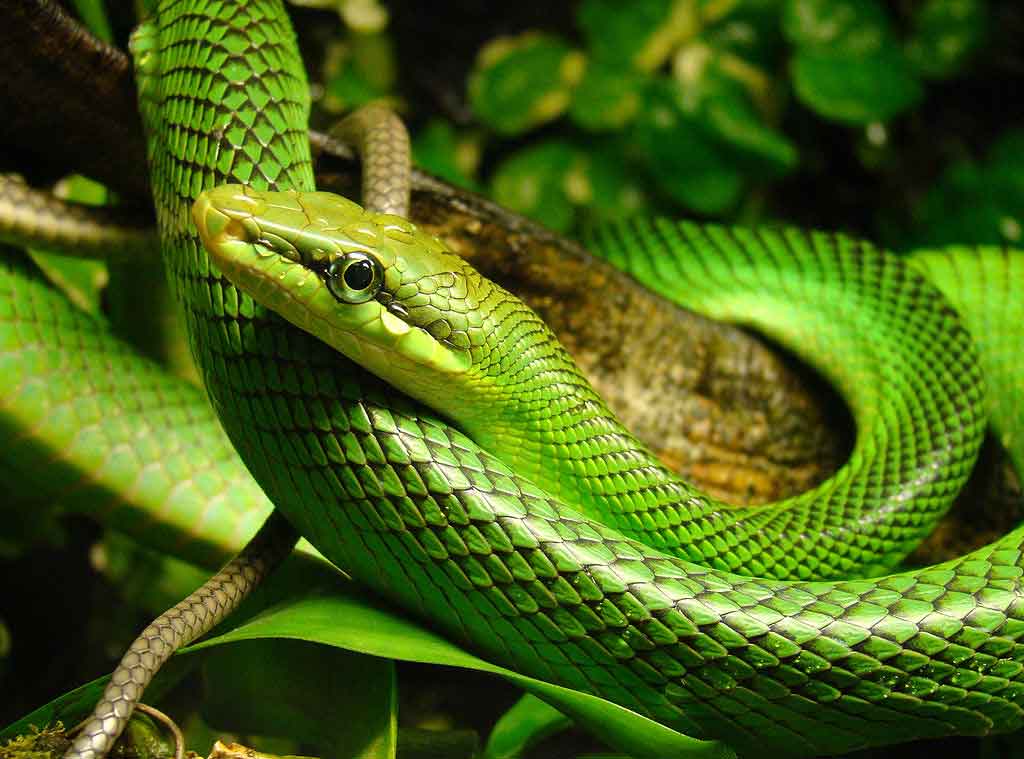
Gonyosoma oxycephalum
Gonyosoma oxycephalum, a snake that lives in trees and caves in Southeast Asia – Bjรธrn Christian Tรธrrissen, CC BY-SA 4.0, via Wikimedia Commons

Content

Origin / Distribution

The Arboreal ratsnake (Gonyosoma oxycephalum) it is found in southeast asia.

  • Indonesian (Bangka, Belitung, Java, Kalimantan / Borneo, Karimata, Legundi, Lombok, Mentawai Islam, natuna islands, Nias, Panaitan, Riau archipelago, A book, Sumatra, Tambelan archipelago).
  • Malaysia (Malaysia and East Malaysia, Tioman Island).
  • singapore island, Isla de Penang.
  • India (Islas Andaman)
  • Myanmar.
  • Thailand (including Phuket), Cambodia, Laos, Viet Nam.
  • Philippine Islands (Balabac, Bohol, Catanduanes, Hole, Luzon, Blacks, Palawan, Sulu Archipelago, Surigao del Sur).

  • The type locality is Indonesian: Java.

    Formerly, the Arboreal ratsnake included in the genus Pantherophis, similar to the Corn snake. This snake is not poisonous.

    Characteristics / Appearance

    Females usually reach about 170, and rarely even 240 cm length, while the males are somewhat smaller. The snake has a basic coloration that can range from greenish yellow to olive.. The bottom is usually lighter than the top. The tail is reddish brown and highly contrasted, which also indicates the English name โ€œRed-tailed Green Ratsnakeโ€.

    The Arboreal ratsnake has a black eye band and a round pupil. Language, usually black and forked as in all snakes, may have a blue margin.

    this snake, due to its mainly arboreal lifestyle, has developed strong and rough scales on its upper part, which are useful when climbing trees. The black pattern of these scales varies depending on the individual.. This type of snake has between 23 and 27 dorsal scale rows in the middle of the body and between 8 and 11 supralabiales, 2 of which usually touch the orbit. the anal scale (shield anale) is divided. On average it has 245 (240-249) precaudal vertebrae, that is to say, pre-queue.

    Habitat

    The Arboreal ratsnake it is diurnal and lives exclusively in the trees of the tropical forest, especially near bodies of water and mangroves.

    Behavior

    If it bothers you, usually bite immediately. when shaken, the tail of the Arboreal ratsnake is in constant motion.

    Food

    In the wild, the Arboreal ratsnake feeds mainly on arboreal mammals and bats. It can even capture small birds from the air thanks to its speed. Kills prey animals by intertwining them. Its predators are mainly serpentine harriers. (Spilornis).

    when threatened, the Arboreal ratsnake you can inflate your neck, possibly due to their large tracheal lungs, making her look bigger.

    Reproduction

    Information on when these animals reach sexual maturity varies between 2 and 4 years. The Arboreal ratsnake it is oviparous and lays between 5 and 12 cylindrical eggs between September and January. The babies, that hatch after 95-125 days, measure 45 cm and weigh between 20 and 25 g at โ€‹โ€‹hatching. During the first months of life, young snakes feed on small lizards and frogs.

    Threats to the species

    State of conservation โ“˜


    minor concern Minor Concern โ“˜ (UICN)โ“˜

    The Arboreal ratsnake has recently been assessed by the IUCN Red List of Threatened Species in 2011 and classified as Least Concern.

    Due to high catch rates in some parts of its range, you are likely suffering from a local population decline, but the impact of this activity on the global population is unknown.

    The "Arboreal ratsnake" in captivity

    The Arboreal ratsnake usually kept in terrariums. It is also a common species in zoos. This species of snake can live up to 15 years in captivity.

    Young arboreal snake eats young mice in captivity, while adults prefer to feed on adult mice, chicks and small rats.

    The terrarium

    A "Arboreal ratsnake" baby, feeding.

    red-tailed green ratsnake ( Gonyosoma oxycephalum ) baby feeding

    The Arboreal ratsnake needs a sufficiently large and tall terrarium with many branches, cork tubes as hiding places and a large water reservoir.

    Planting can only be done with large and robust plants, but you are, sooner or later, will be damaged by adult snakes. That is why large artificial plants are recommended, as they are easier to clean.

    During the day, animals should be offered a heat source of about 30ยฐC and a basic temperature of 26-30 degrees in the terrarium. At night, temperature can drop to 22 ยฐC no problem. But, not below 18ยฐC. Young animals are very active and should have a spacious terrarium for their size.. The older the animals, more active they become.

    In very hot summers they spend a lot of time in the water or on the ground. You have to increase the humidity in the terrarium a little by spraying (70%-80%). They also take the opportunity to drink. The main food of Arboreal ratsnake they are clearly the birds, but they also eat lizards and mammals. So, they can feed very well with young mice and rats.

    Reproduction

    Clutches usually contain between 8 and 12 eggs, that should be transferred immediately to the incubator. The incubation period is 90-120 days. Incubation temperatures should not exceed 30ยฐC, otherwise the embryos may suffer malformations or die. Young animals already measure around 45 cm., sometimes even 50 cm when hatched.

    It always happens that some do not willingly eat mice. Then you have to force feed them., but it is better to offer them chicks. Multi-breasted gerbil or mouse pups may also be successful. Voluntary and independent feeding is always preferable to force feeding.

    Buy one "Arboreal ratsnake"

    The captive development of a "Arboreal ratsnake" it is usually complicated because it is a difficult snake to acclimatize, most develop respiratory problems and carry internal parasites. For this reason, the few that are born in captivity have a high price., around 300 – 400 EUR.

    Videos "Arboreal ratsnake"

    Beautiful asian snakes - Gonyosoma oxycephalum

    Ep.29 - Les Gonyosoma oxycephalum de GuttOpia.Com

    Alternative names:

    1. Arboreal ratsnake, Red-tailed green ratsnake, Red-tailed racer (English).
    2. Serpent ratier des mangroves, Serpent ratier vert ร  queue (French).
    3. Spitzkopfnatter, Rotschwanznatter, Grรผnnatter (German).
    4. Cobra-rato arbรณrea, Cobra-verde de cauda vermelha, Corredor de cauda-vermelha (Portuguese).
    5. "Serpiente de rata arbรณrea", Ratsnake arbรณreo, Corredor de cola roja, Ratsnake verde de cola roja, Serpiente arborรญcola cola roja, Serpiente de rata verde de cola roja (espaรฑol).

    โ–ท The world of Pets: Dogs, cats, birds, reptiles, amphibians

    Skinks
    Family: Scincidae

    The lizards resembling Skinks first appear in the fossil record about 140 millions of years, during the early Cretaceous , mainly in the form of mandibles that look very much like Skinks. The definitive fossils of skink show up later, during the Miocene period.
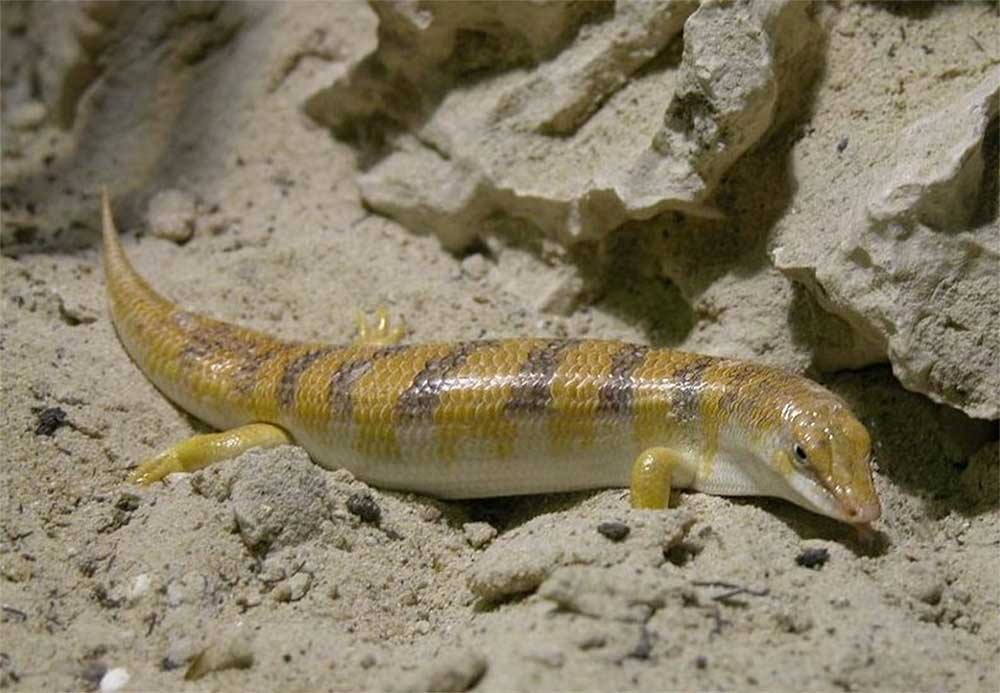
    Sand fish
    Sandfish (Scincus scincus) by Wilfried Berns, CC BY-SA 2.0 OF, via Wikimedia Commons

    Content

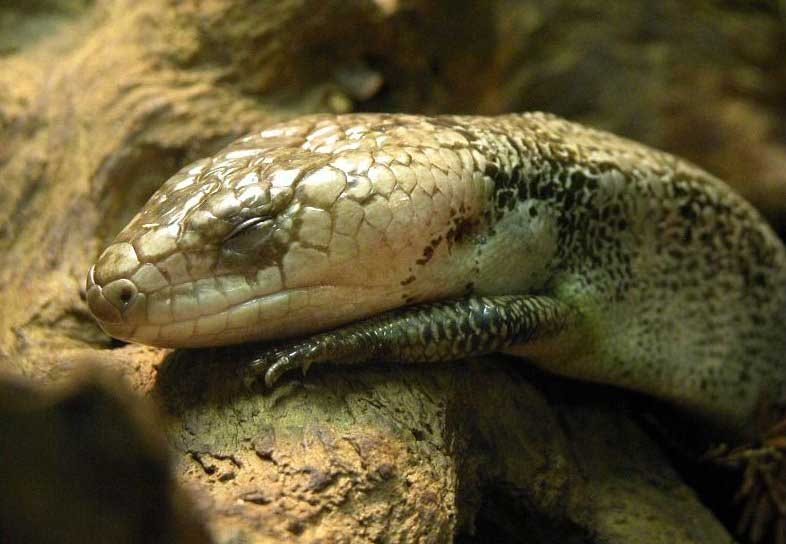
    The skinks (Scincidae) they are the largest family of lizards, with more than 1.500 species, understands the escincos, skins, corners or skinks. Most of the skinks They are characterized by a round, cylindrical body that blends smoothly into the neck and small, smooth scales.. Most species live on the ground and have comparatively short legs. But, there are also arboreal representatives, as well as subterranean species that completely lack legs. Among the species that are frequently offered, and that live mainly on the ground, are the Sand fish (Scincus scincus), the African five-lined skink (Trachylepis) and the fire skink (Lepidothyris fernandi). These species are not usually subject to species protection legislation. Buying wild-caught species should always be avoided in favor of captive-bred species.

    Sex differences

    Difficult or impossible to recognize depending on the species, for example, the Sand fish (Scincus scincus). In some species, sexually mature males have a more splendid coloration.

    Behavior

    The skinks they are mostly nocturnal; even diurnal species tend to live very hidden. Many species can stand alone, in pairs or in small harems (a male with 2 – 4 females). Males are usually incompatible with each other. If aggressions occur during socialization, animals must be separated immediately and, as experience has shown, permanently.

    Suitable accommodation

    The minimum dimensions of a terrarium for the skinks of the terrestrial species mentioned are given as a function of head-torso length (tailless) of the animals, being the proportion 6 x 4 x 3 times that length (length x widht x hight) for 2 animals. Like this, a terrarium for up to two Sand fish should have at least the dimensions of 80 x 50 x 40 cm.. For each additional animal, the floor area should be increased by 15 %.

    like cold blooded animals, the skinks need a temperature gradient in the terrarium that allows them to reach their optimal body temperature. Ideally, mimic natural conditions with sunny areas and cooler shaded areas in the terrarium. As such, is installed on one side of the terrarium a powerful heat radiator with UV components, that guarantees strong localized heating at 35 – 40 ยฐC. Other areas can be heated to 24 ยฐC. The other zones may have a temperature of 24 to 28 ยฐC. At night, the temperature of the terrarium should drop slightly for most species. The basic temperature can be generated through room temperature or with thermal mats. Heating mats should always be installed outside the terrarium and heat a maximum of one third of the floor surface; the desired temperature can be adjusted with the help of a thermal controller.

    The humidity should be around the 60%, the fire skink needs higher humidity ( to 80%). This can be achieved by spraying the terrarium with warm water or using a sprinkler system.. Precise thermometers and hygrometers are needed to measure temperature and humidity.

    The duration of the illumination should be 10 to 14 hours. How light sources emit less and less UV radiation over time (see manufacturer's instructions), must be replaced regularly. The lighting should be placed out of the reach of skinks (note: normal glass is impervious to UV-B rays) o the animals must be protected from burns by a closed metal mesh basket.

    Except for the Sand fish (Scincus scincus), the land of terrarium or the coco substrate, which should always be kept slightly moist, are suitable as a substrate. It is also important to provide many shelters and hiding places in the form of cork tubes., chunks of bark, stones and roots. Natural planting creates additional retreat possibilities and ensures uniform and increasing humidity. To much skinks that live on the bottom also like to climb. As such, you have to cover 2, preferably 3, sides of the terrarium with cork or similar. The vertical climbing zones and the horizontal resting zones, like roots, remained, etc., have proven useful as additional furniture. A shallow water bowl is also part of the basic equipment.

    The Sand fish (Scincus scincus) is purely ground dweller and can be well kept in a terrarium with sandy bottom and sink-proof stone structures. For excavating species, the height of the substrate must be at least equal to the length of the head, for example, at least 15 cm for him Sand fish.

    Diet

    In the wild, the mentioned species feed mainly on small invertebrates. The suitable animal food is live insects (crickets, domestic crickets, Little grasshoppers, cockroaches, etc.), which are sprinkled with a mineral preparation to avoid deficiency symptoms. Mealworms or wax moths can only feed you sparingly due to their high fat content, since the Sand fish (Scincus scincus), in particular, you tend to overeat mealworms.

    Fresh water must be available at all times. Young animals should be fed daily; for adult specimens, are enough 2 or 3 feedings per week. Many animals also like to eat soft, ripe fruit or fruit pulp., which can be well enriched with vitamins and minerals. Here we must insist on strict hygiene, since these feed spoil quickly.

    Breeding

    Although most species of Skinks They are oviparous and lay eggs in clutches., around the 45% of the species of Skinks they are viviparous in one sense or another. Many species are ovoviviparous, the babies (skinklets) develop lecithotrophically in eggs that hatch within the mother's reproductive tract and emerge as live hatchlings.

    in some genres, However, as Tiliqua and Corucia , the young that develop in the reproductive tract obtain their nourishment from a mammal-like placenta attached to the female, unequivocal examples of "viviparous matrotrophy". It also, a recently described example in the species Trachylepis ivensi is the most extreme to date: a purely reptilian placenta directly comparable in structure and function to a eutherian placenta.
    Clearly, this viviparum has repeatedly developed independently in the evolutionary history of the Scincidae and the different examples are not ancestral to each other. In particular, placental development of any degree in lizards is phylogenetically analogous, instead of counterpart, to functionally similar processes in mammals.

    Care

    Food scraps, molts and droppings should be removed daily. The water bowls should also be cleaned daily and filled with fresh water.

    Animal health must be monitored daily. The most common health problems in skinks are skin mites, emaciation, tail injuries, fecal changes and softening of the bones. In case of anomalies, a reptile vet should be consulted. It is recommended to perform fecal examinations once a year to detect endoparasites.

    The intestinal flora of skinks usually includes salmonella, that are harmless to animals, but they can cause disease in humans. Hygiene measures (wash your hands well, etc.) can prevent infection.

    Acclimatization and handling

    In the first days in his new home, animals need adequate rest to get used to their new environment. Reptiles are animals of pure observation and should NOT be petted.

    Animals should only be captured when necessary. The easiest way to do this with young animals is with a pitcher or landing net.. Larger animals can be held with the bare hand behind the head. Basically, lizards should never be held or fixed by the tail.

    Special features

    Some skinks they can drop their tail in case of danger; therefore, you must be extremely careful when picking them up and never grabbing them by the tail.

    Species that live on the ground tend to move - like snakes- with undulating movements.

    Other representatives of the skinks, as the Shiny skink from Indonesia to (Mabuya macularia) or the East Indian brown mabuya (Mabuya [Eutropis] multifaceted). Their breeding conditions differ in part significantly from the species described.

    List of "scissions"


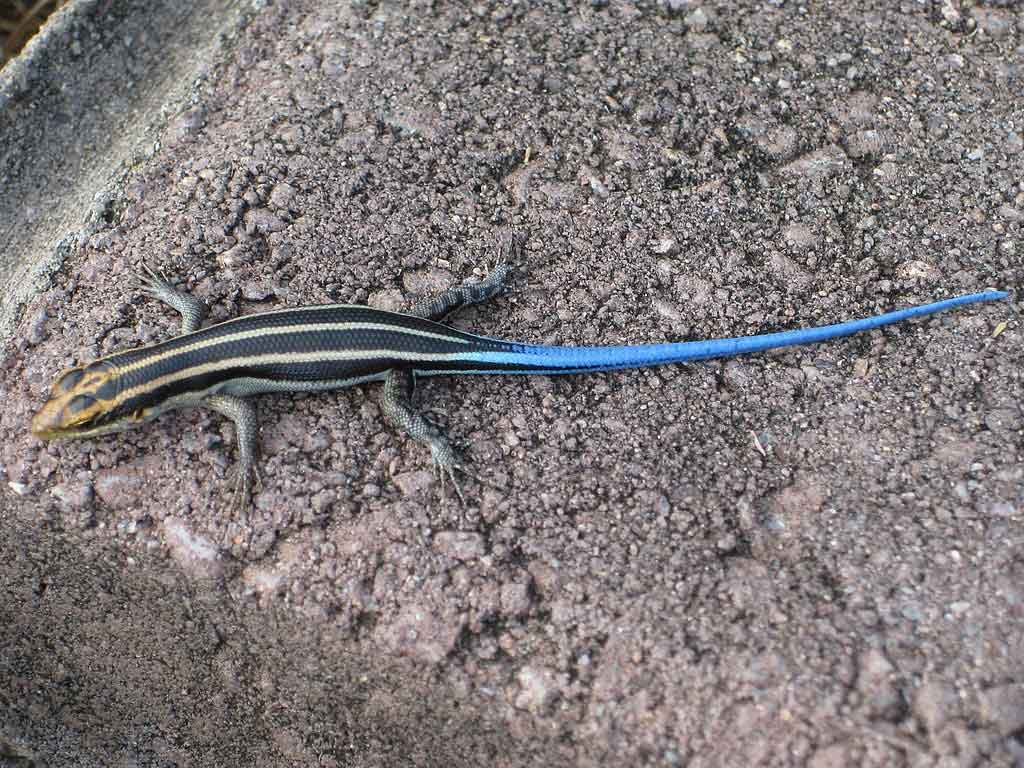
    1 African five-lined skink

    African five-lined skink

    Nice small lizard of the family of the escindidos. As you can see, full of the stripes that give it its name and a beautiful blue tail. They are animals to have in a community terrarium

    ... Read more

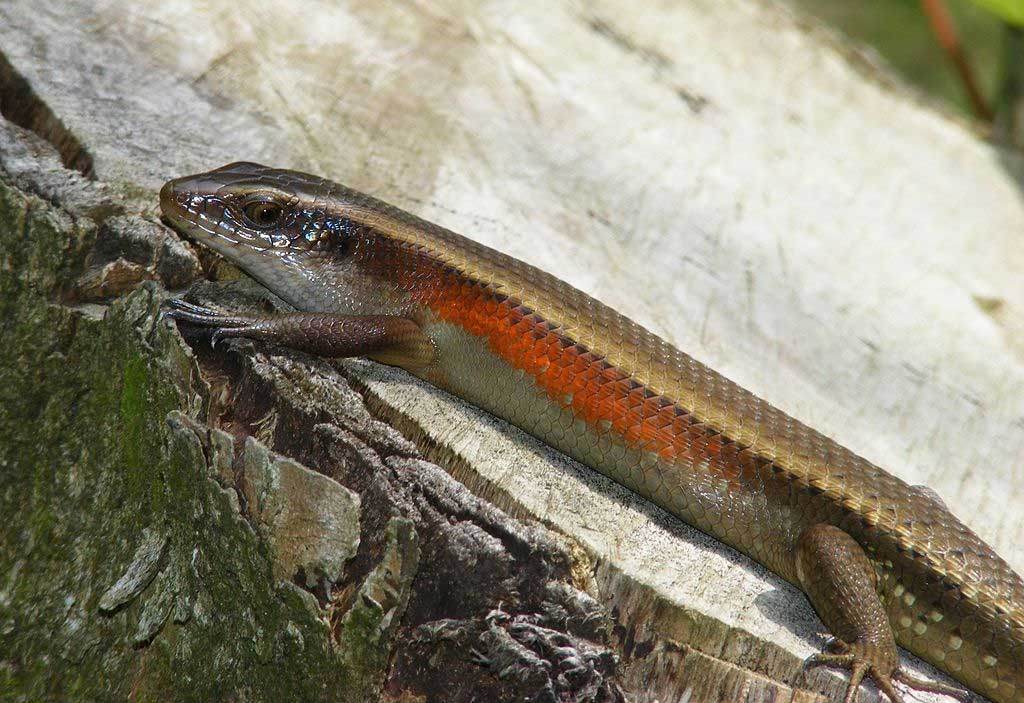
    2 Bronze grass skink

    Bronze grass skink

    Beautiful skink from Indonesia with a robust appearance and with colors that make it look metallic. Maintenance is exactly the same as for the rest of your family. Feeding based on insects and

    ... Read more

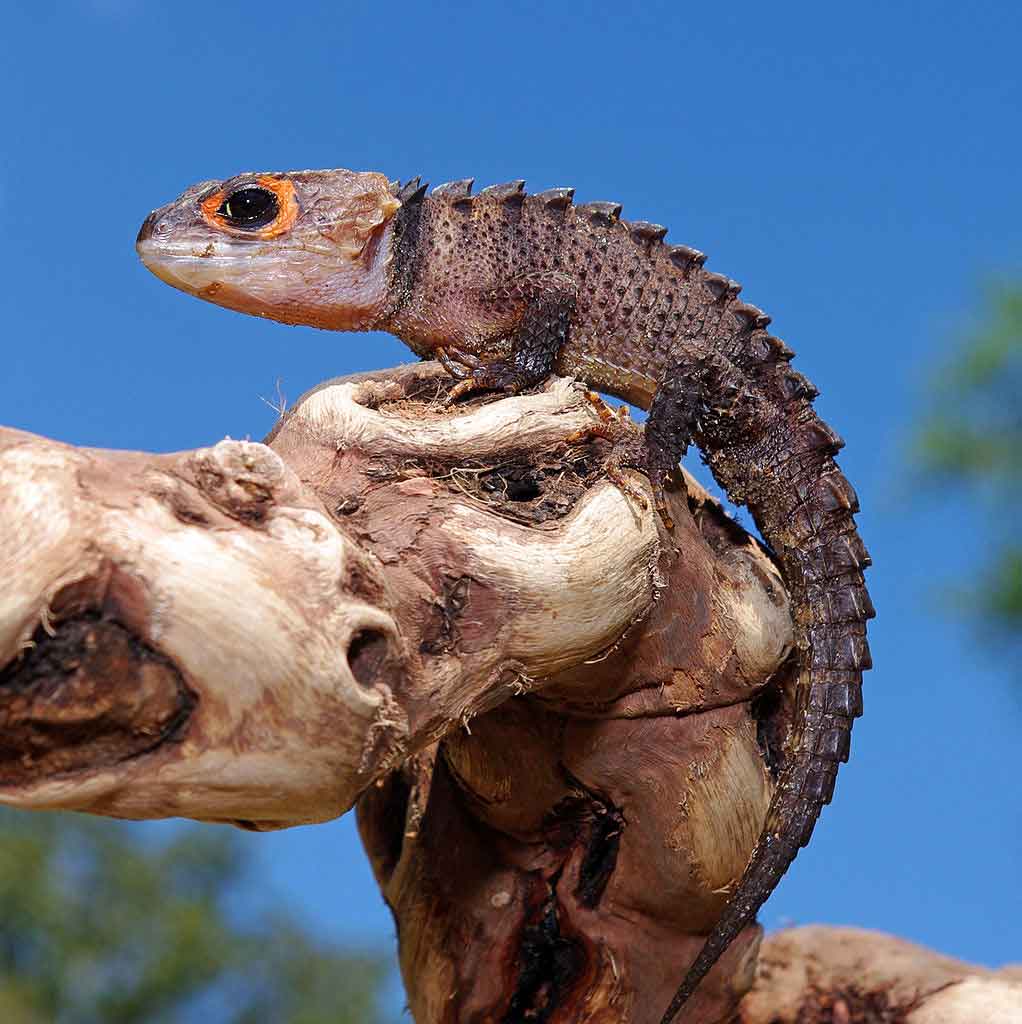
    3 Red-eyed crocodile skink

    Red-eyed crocodile skink

    Precious and very rare Indonesian lizard that nowadays is very difficult to find. He likes humid places so we will put him in a terrarium, preferably with moss and a small bathtub in

    ... Read more

    4 Indonesian blue-tongued skink

    Indonesian blue-tongued skink

    awesome lizards. This species is one of the best to keep as it is one of the calmest and most manageable. very easy animals, as they feed on everything, insects, mice, fruit, canned meat, etc.

    ... Read more

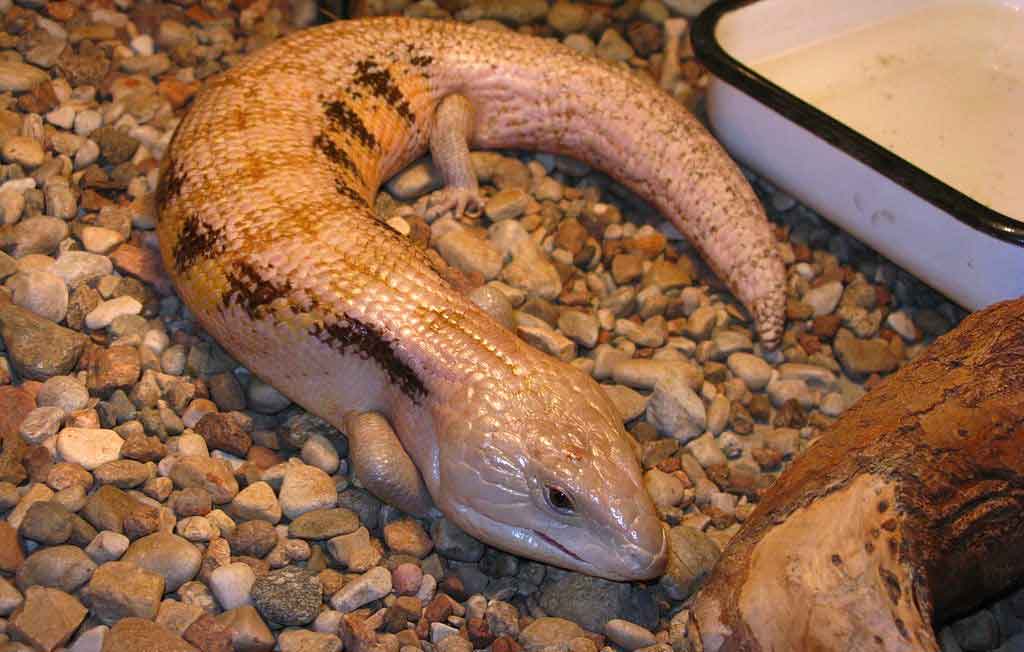
    5 Common blue-tongued skink

    Common blue-tongued skink

    Its coloration ranges from gray to brown with perpendicular dark bands. reaches 60 cm in length and its is a popular species for keeping in captivity, coming to live 25 years. Terrarium

    ... Read more

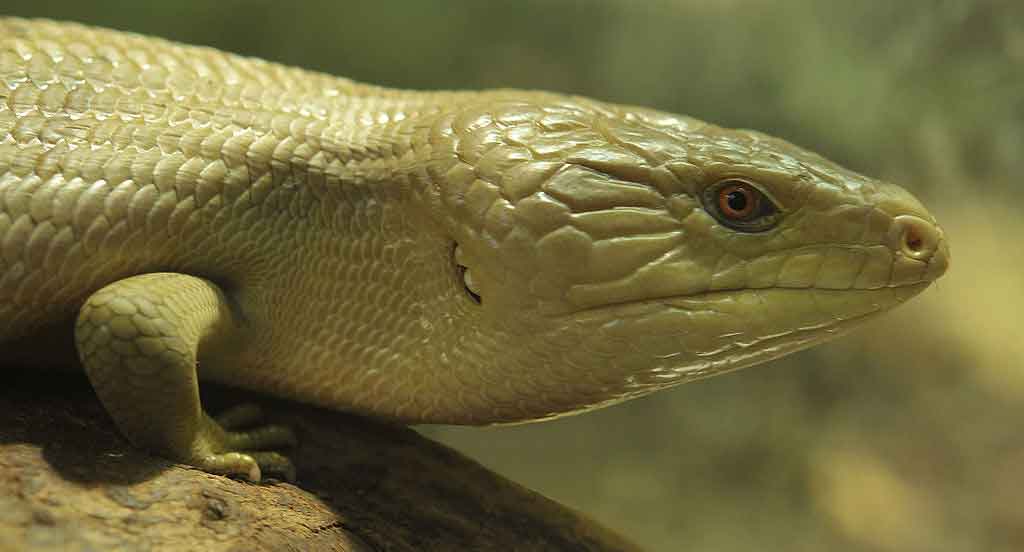
    6 Pink-tongued skink

    Pink-tongued skink

    The Pink-tongued skink it is a forest animal so in the terrarium we will put some humidity. very easy maintenance.

    Pink-tongued skink – The original uploader was

    ... Read more

    7 Peters's banded skink

    Very rare and very little seen niger skink. It is an animal of terrestrial customs and dry areas, desert and semi-desert type Sahel. The diet is based on insects. It suits

    ... Read more

    8 East Indian brown mabuya

    East Indian brown mabuya

    Another species of this genus so docile and friendly from Southeast Asia. They are just as easy to maintain as the others. It is advisable to put a little humidity in the terrarium so that they remain

    ... Read more

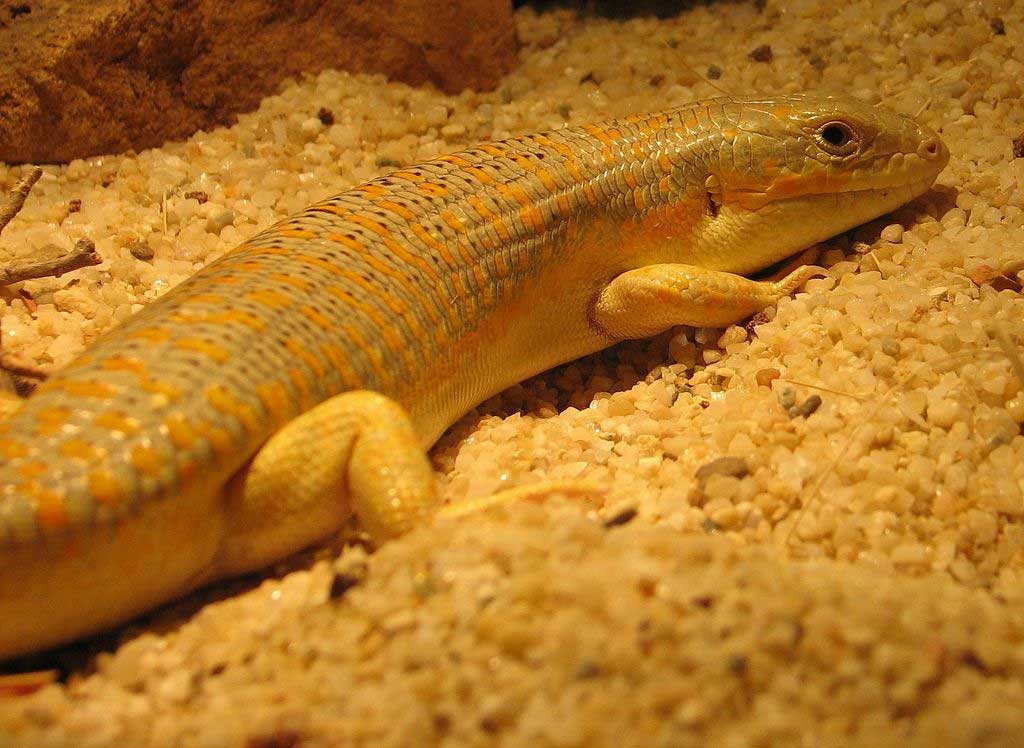
    9 Schneider's skink

    Schneider's skink

    The great skink North Africa and one of the most beautiful we can find, since the orange colors on the back with the yellow sides make it a

    ... Read more

    โ–ท The world of Pets: Dogs, cats, birds, reptiles, amphibians

    Rough-tailed gecko
    - Cyrtopodion scabrum

    The Rough-tailed gecko needs a dry sandy terrarium with shelter and a small log to climb on or under.
    Rough-tailed gecko
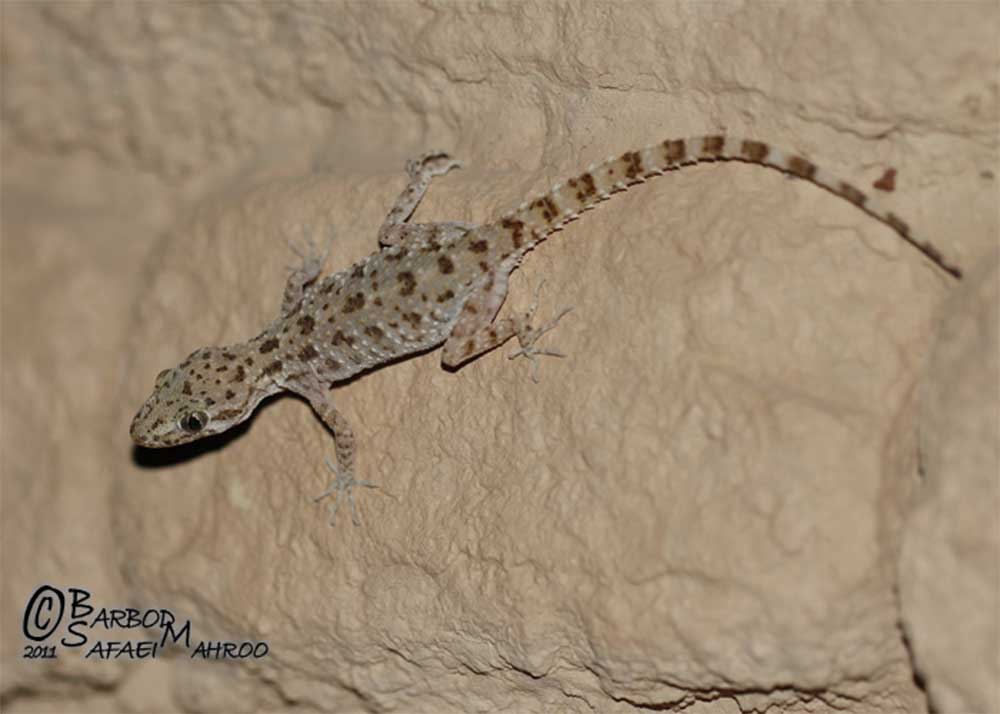
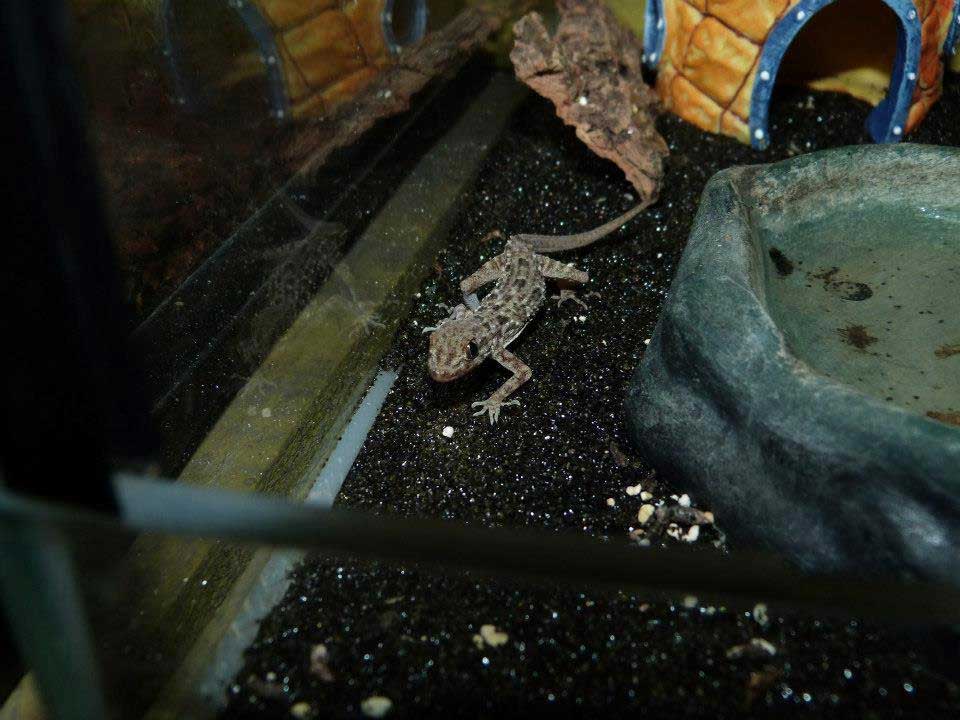
    Rough-tailed gecko in Dezfull, Khozestan province, Iran – Barbod Safaei, CC0, via Wikimedia Commons

    Content

    Distribution and habitat

    The Rough-tailed gecko (Cyrtopodion scabrum) it is widespread in Asia Minor and North Africa and lives in desert and stony landscapes.

    Conservation status

    The species is not subject to any legal protection status.

    Size

    The Rough-tailed gecko can reach a total length of 12 cm..

    Behavior

    The Rough-tailed gecko is active at night, faster, robust and easy to care for, and can often be seen during the day. Group breeding with several males and females possible. They are group animals with a very interesting behavioral spectrum and hunting behaviour.. The need to scale is very great, therefore adequate opportunities must be offered. This species does not have adhesive sheets, their feet are equipped with claws.

    Sex differences

    Males have clearly visible hemipenal pouches.

    Terrarium

    Rough-tailed gecko
    Rough-tailed gecko – GCA-Reptiles, CC BY-SA 3.0, via Wikimedia Commons

    The terrarium is provided with sand or a mixture of sand and clay, as well as climbing possibilities with roots, stones and branches. The planting consists of succulents, aloe and tillandsia. UV lamps are not necessary, daylight lamps are sufficient.

    terrarium size

    Due to its small final size, the crocodile gecko can be kept in relatively small terrariums. are kept in relatively small terrariums. You must have a minimum size of 50 cm x 50 cm of base area and 50 height cm.

    Temperature and climate

    The temperature in the terrarium should be between 25ยฐ and 30ยฐ C and locally 40ยฐ C, much colder at night.

    Diet

    The Rough-tailed gecko feeds on small/medium crickets, crickets, mealworms/buffalo worms, etc., with adequate vitamin and mineral supplements. A bowl of fresh water should not be missing.

    Hibernation

    According to its origin, the Cyrtopodion scabrum needs a period of hibernation. This hibernation period should last 2 months. Temperatures should be reduced to between 15ยฐ and 18ยฐ C and lighting should be reduced accordingly. 2 to 3 hours.

    For sale "Rough-tailed gecko"

    The price of a Rough-tailed gecko can vary between 10 and 20 euros in specialized stores.

    โ–ท The world of Pets: Dogs, cats, birds, reptiles, amphibians

    Ocellated spinytail
    - Uromastyx ocellata

    The Ocellated spinytail is native to northeastern Africa, where it can be found in southern Egypt, Sudan, Eritrea, Djibouti, Ethiopia (near the border with Somalia) and north-western Somalia.
    Tail hawthorn ocellated
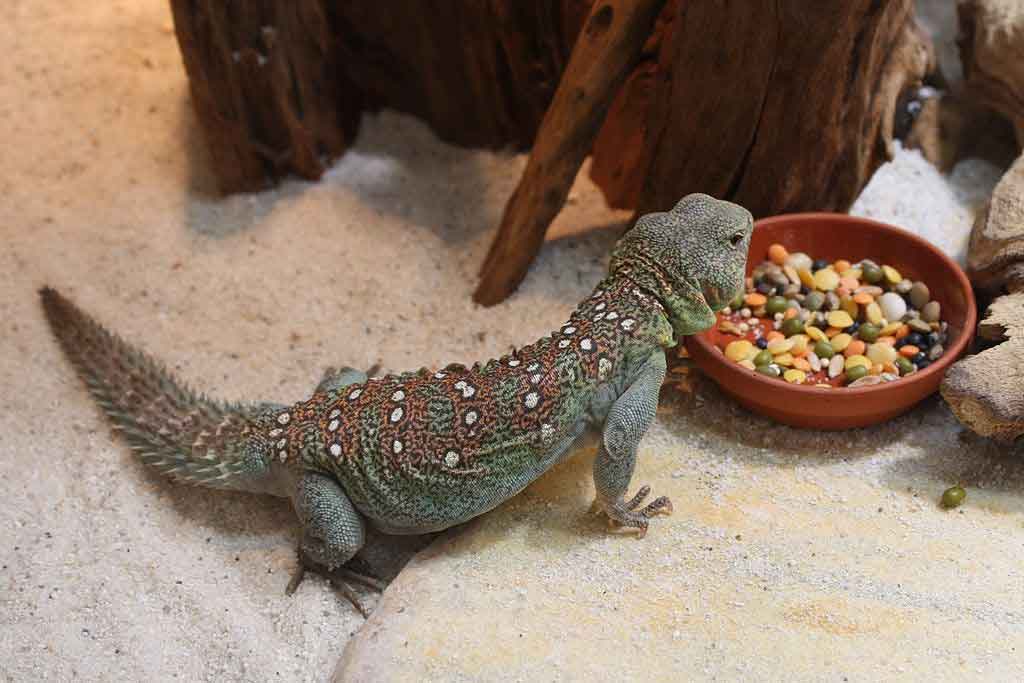
    Uromastyx ocellata (male) 3-4 years in terrarium – RaSaX, CC BY 3.0, via Wikimedia Commons

    Content

    Characteristics:

    The Ocellated spinytail reaches a total length of 30 cm., with a head-torso length of some 16,5 cm and a tail length of 13,5 cm.. So, is one of the smallest species in the genus of Spiny-tailed lizards. It is, because, of one of the smallest species in the genus of Spiny-tailed lizards.

    A characteristic feature of this species is the back decorated with white spots on the eyes on a reddish background.. Males tend to be more colorful. Its head and rump are reddish or greenish in color. The belly usually remains white or yellowish, especially in females. Coloration may vary, depending on heat and light exposure. The claws of the Ocellated spinytail they are especially pronounced for digging underground burrows in which it remains overnight as a diurnal animal.. The tail is endowed with pointed scales. Serves as a defense against predators.

    The Ocellated spinytail lives both alone and in smaller groups. They do not hibernate but, during the winter months, if they do it.

    Terrarium:

    Savannah terrarium (dry terrarium subtype) with excavable substrate of 15-30 height cm. Sturdy stone climbing structures and caves below. The recommended terrarium size to keep the Ocellated spinytail (Uromastyx ocellata) adult in pairs is about 100 x 70 x 50 cm..

    • Pulverize 2-3 times a week in the terrarium.
    • Temperature 27-30ยฐC, at night 16-20ยฐC, sunny islands 40-45ยฐC.
    • Humidity 50-60%.
    • Up to lighting 14 hours. UV irradiation required.

    Maintenance:

    It is recommended to keep the Ocellated spinytailto (Uromastyx ocellata) in pairs. High temperatures are important for digestion, moderate feeding against fat degeneration of the organs. Hibernate during 3 meses a 10-15ยฐC.

    Diet:

    Vine and banana leaves, sunflower seeds, cereal grains, corn, rice, millet. Rarely animal feed.

    Behavior:

    To the Ocellated spinytail (Uromastyx ocellata) likes to dig and climb well. This species defends themselves with tail blows. Like all species of Uromastyx, excrete excess salts through the nasal glands.

    Reproduction:

    The Ocellated spinytail (Uromastyx ocellata) puts between 10 and 23 eggs.

    Buy a "oversized spiny tail"

    The price of a Ocellated spinytail bred in captivity in the exotic animal market ranges from 250 – 300 EUR.

    Alternative names:

    1. Ocellated spinytail (English).
    2. Fouette-queue ocellรฉ (French).
    3. Geschmรผckte Dornschwanzagame (German).
    4. Cauda espinhosa ocelada (Portuguese).
    5. Cola espinosa ocelada (espaรฑol).

    โ–ท The world of Pets: Dogs, cats, birds, reptiles, amphibians

    Marginated tortoise
    - Testudo marginata

    The Marginated tortoise You can live up 100 years. This should be taken into account when buying a young animal. It is advisable to think about inheritance when buying: who will keep my animal then?
    Marginated tortoise
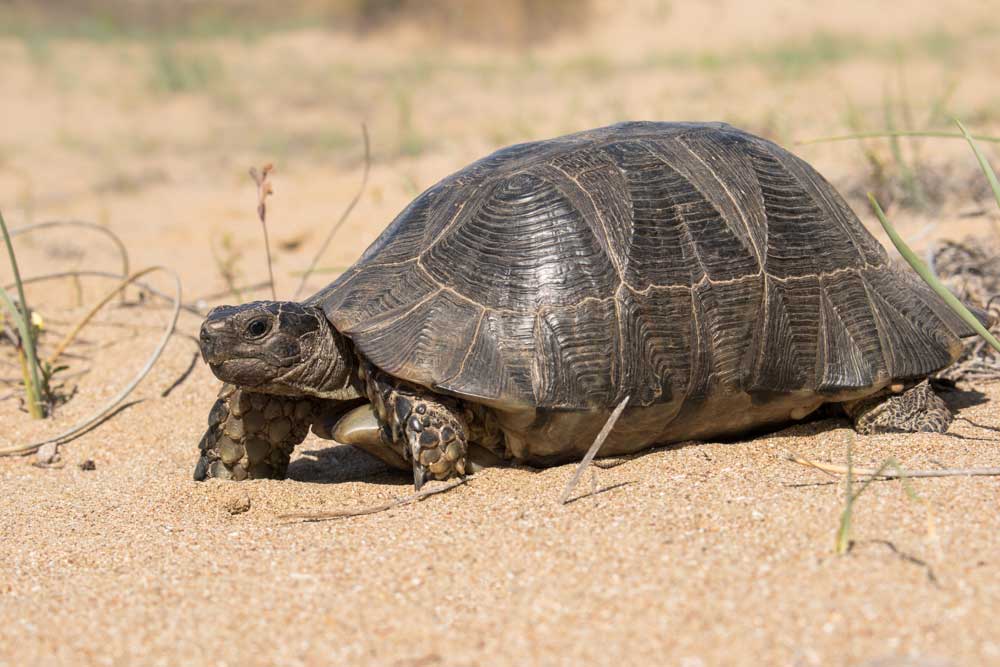
    A Marginated tortoise in Achaea, Greece – Konstantinos Kalaentzis, CC BY-SA 4.0, via Wikimedia Commons

    Content

    Origin

    Their presence extends from southern Greece to Albania. In Greece, especially from the Peloponnese to Olympus. In the northeast of Sardinia this type of turtle has also been installed. Now you can see the Marginated tortoise in Italy. But, Italian specimens are considered released specimens.

    Characteristics / Aspect

    It is the largest European tortoise, and also the largest of the genre Testudo, can weigh more than 5 kg and measure more than 35 cm length.

    The Marginated tortoise has the posterior marginal scutes well extended backwards and sometimes slightly curved. Otherwise, the shell of the Marginated tortoise it is quite elongated. halfway up, a kind of waist can be seen in many animals.

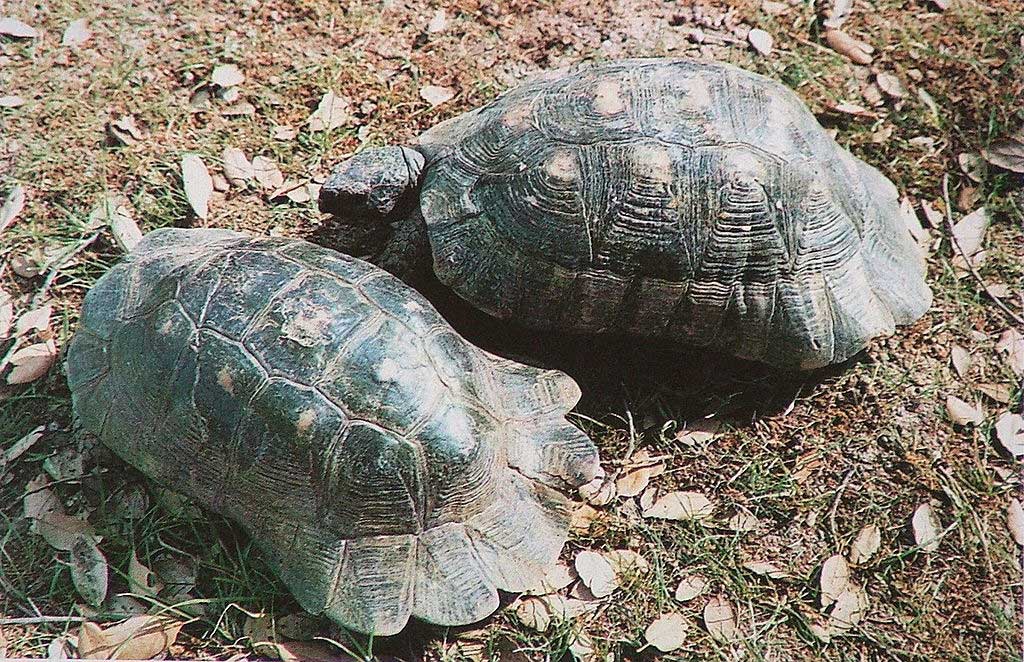
    These turtles have a very dark shell, in adults the background color is almost black. The shell has light spots. Very bright triangular spots can be found on the ventral carapace. Animals that have not yet reached sexual maturity and still count as juveniles usually have a rather rounded shell and not elongated. The color is also much lighter. As the broad scutes on the trailing edge only appear when they are larger, young animals can be recognized by their absence.

    Habitat

    Testudo marginata
    Testudo marginata

    The habitat of the Marginated tortoise found more in mountainous regions. Males and females live at altitudes up to 1.600 m. At this point it is important to maintain a sufficient temperature. This is where the Marginated tortoise benefits from its dark-colored shell, which directly absorbs the heat of the smallest rays of the sun and causes the body temperature to rise.

    Food

    In its habitat it feeds mainly on plants that grow in the meadows of the Mediterranean regions.. The females that carry eggs, as well as the youth, they also feed on animal proteins from earthworms and snails. Turtles prefer to forage for food in the morning.. At noon, when is hot, they hide in the shade and wait for the afternoon temperatures to rise.

    Their diet consists mainly of plants that are low in protein but rich in crude fiber.. Typical plants for fodder Marginated tortoise are the dandelion, Swiss cheese plant (Monstera deliciosa), wild mallow, the kidney vetch, calendula and nettle. Grass or hay is also mixed with animal feed.

    Hibernation

    The hibernation is an important issue for Marginated tortoise. in the habitat, they go into hibernation during the cold season. But, they interrupt it on warm days and continue it afterwards. Unlike Greek tortoise, the Testudo marginata does not necessarily go into hibernation for several months without interruption.

    Breeding / Reproduction

    Immediately after the hibernation, the turtle begins to mate and this is noticeable, among other things, by the vehemence with which the males pursue the female and urge her to reproduce. For the females to give in, repeatedly and inexorably surrounds them and bites them on the legs. Through an intense thrust, the males further harass the females until they finally bring them up. Reproduction is marked by the distinctive sounds of the male. During this time, the female only stretches her head laterally upwards.

    The female buries the eggs in suitable places in a burrow that she digs beforehand.. to the burrow, the female needs soft soil that is suitable for digging. If the soil is too hard, you can soften him by draining water from his anal bladder. Only when the burrow is ready, the eggs are carefully laid and rolled to the end of the burrow. After the laying of the last egg, the burrow closes again and an incubation period of about 100 days. The Marginated tortoise puts up to 15 eggs per clutch and can create up to three clutches in a season. If you want to breed yours in captivity, can expect the first pups after only 60 incubation days. Breeding takes place at 31,5 constant degrees.

    Conservation

    State of conservation โ“˜


    minor concern Minor Concern โ“˜ (UICN)โ“˜

    The Marginated tortoise (Testudo marginata) is at risk of disappearing in the wild mainly due to anthropogenic factors such as: mechanized agriculture and the use of pesticides, the traffic, the forest fires, the destruction of the environment, the wild urbanization, illegal capture and the threat of new predators. The capture of turtles as food for humans seems non-existent although it existed in the past, the current priority for the conservation of the species is the conservation of its habitat, heavily damaged by the spread of agriculture and urbanization, especially for mass tourism.

    The "Marginated tortoise" in captivity

    Maintenance

    The Marginated tortoise (Testudo marginata) he is a very nice tortoise to keep. It is important to keep the turtle in an outdoor enclosure and never in a terrarium. – the animal grows too much for it and a terrarium does not offer the necessary conditions to keep it. In an outdoor enclosure, a cold enclosure or a greenhouse, both equipped with technology such as heat lamps. The outdoor enclosure must have at least 10 square meters for an adult animal. The food consists of all the wild herbs that can be found in nature. It is advisable to create a self-sufficient diet by planting and growing wild herbs in the enclosure.

    Greenhouse

    The Marginated tortoise It, by nature, a species that lives in the soil. As a key to the size of the greenhouse we recommend calculating with the length of the animal's carapace. The carapace is the dorsal. The size of the terrarium is calculated as follows for non-adult animals:

    • Greenhouse floor space: eight times x four times the length of the animal's carapace.
    • greenhouse height: Twice the length of the animal's carapace, but not less than 25 cm..

    Observe the growth of the animal in the coming months (fast-growing animal/slow-growing animal) For adult animals (of legal age).

    What substrate, it is recommended to create different areas. A turtle bed made directly for turtles, a sandy area slightly mixed with calcium gravel (as it is digestible), pine bark and firm clay soil. So the animals have different areas, which are also used differently. They like to bury themselves in the turtle bed when it is slightly damp.. Small roots or stone slabs complete the decoration. Please, make sure this decoration is installed in such a way that it cannot be raised too high. Turtles like to climb, but not very well, of course, and constantly falling on your back stresses animals too much. Vegetable ornaments are eaten, so use artificial plants.

    Food

    In captivity, care should be taken to ensure a balanced diet. Ideally, only use fresh plants from nature. To ensure that the diet of the Marginated tortoise be varied, it is recommended to selectively cultivate wild herbs. This can also be done directly in the turtles' outdoor enclosure so they can feed themselves..

    with special seeds, various wild grasses can be sown from spring to fall.

    Buy one "Marginated tortoise"

    The price of a "Marginated tortoise" at the exotic animal market, bred in captivity, ranges between 130 – 200 EUR, depending on its size.

    Videos "Marginated tortoise"

    Marinated tortoise (Testudo marginata) - Marginated Tortoise or Margined Tortoise

    Tortuga Testudo Marginata Paradis Pets 2021

    Alternative names:

    1. Dwarf marginated tortoise (English).
    2. Marginata, Tortue marginata (French).
    3. Breitrand-Schildkrรถte (German).
    4. Tartaruga-dentada (Portuguese).
    5. Tortuga de Grecia (espaรฑol).

    โ–ท The world of Pets: Dogs, cats, birds, reptiles, amphibians

    False map turtle
    - Graptemys pseudogeographica

    The False map turtle is a strong swimmer and prefers rivers and large streams with moderate currents.
    False map turtle
    False map turtle (Graptemys pseudogeographica) – Peter Paplanus, CC BY 2.0, via Wikimedia Commons

    Content

    Origin / Distribution

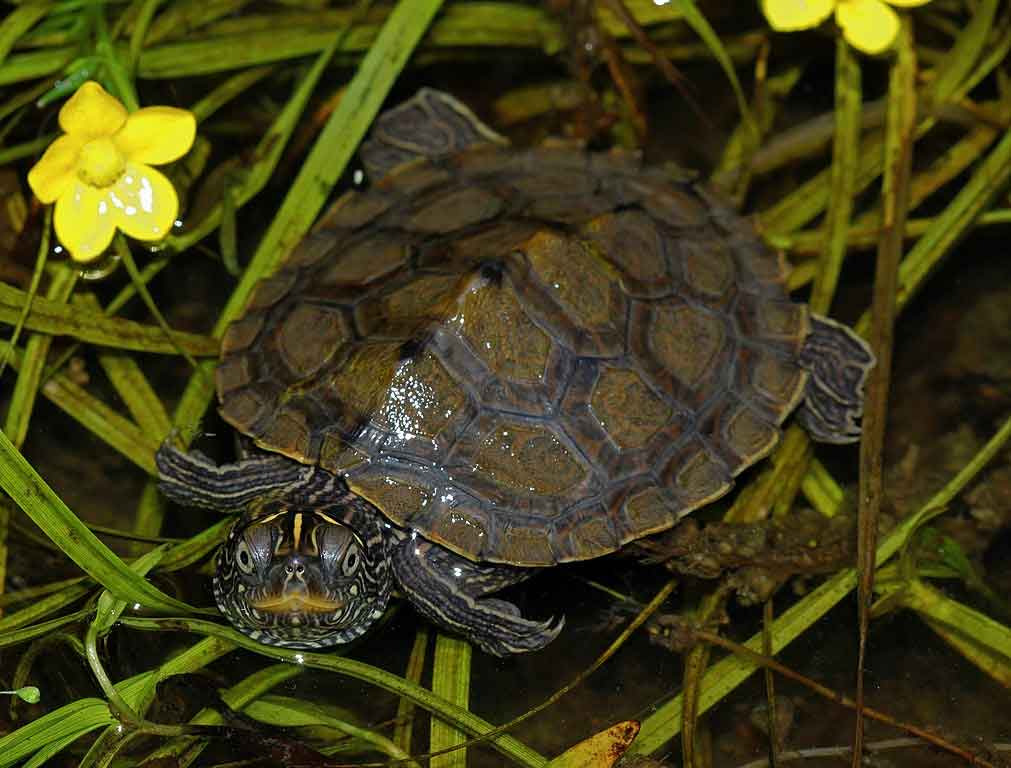
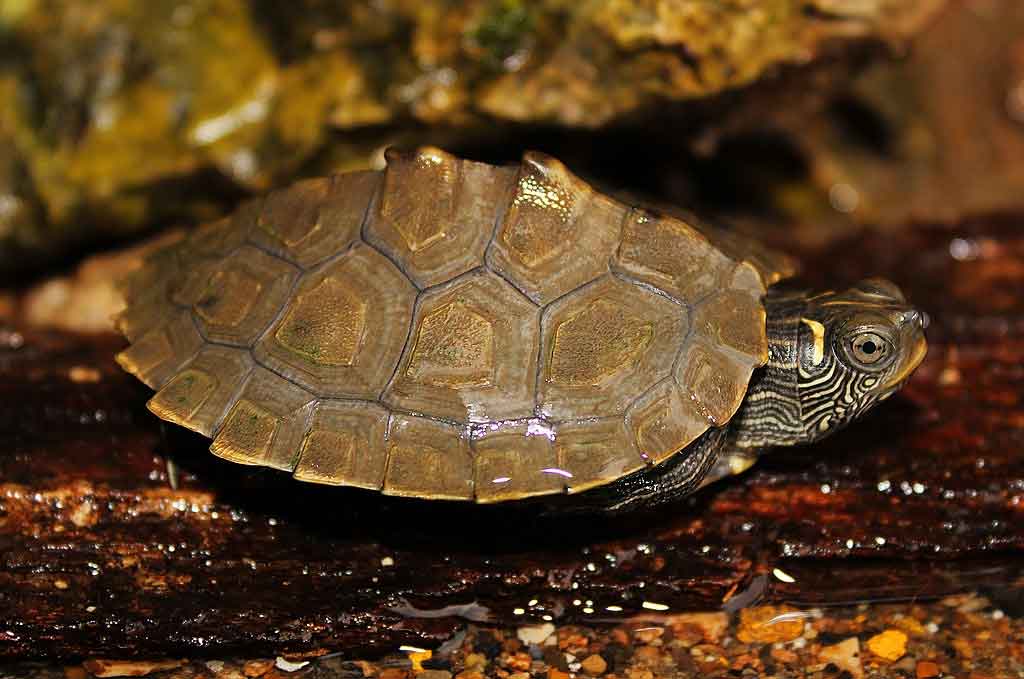
    The False map turtle and Mississippi map turtle belong to the same species, but they are different subspecies.

    Gender: Graptemys (Map turtles)
    Species: Graptemys pseudogeographica (False map turtle)

    • Subspecies: Graptemys pseudogeographica pseudogeographica (False map turtle)
    • Subspecies: Graptemys pseudogeographica kohnii (Mississippi map turtle)

    The subspecies with which the species was originally described is called nominal form. In the case of the named form, the species name is used twice. In this case it is Graptemys pseudogeographica pseudogeographica, the False map turtle. The second subspecies is Graptemys pseudogeographica kohnii., the Mississippi map turtle.
    The Map turtles they are sun worshipers

    The False map turtle (Graptemys pseudogeographica), lives in large streams of the Missouri and Mississippi river systems, ranging from ohio, Indiana, Illinois, Wisconsin, Minnesota, through the Dakotas south to southwestern Alabama, southern and western Mississippi and Louisiana. The False map turtle also lives in various other river systems of southwestern Louisiana and eastern Texas.

    Characteristics / Appearance

    Unfortunately, the Map turtles not offered in pet stores neatly separated by species. They are mostly a mixture of Graptemys p. pseudogeographica, Graptemys p. kohnii and Graptemys ouachitensis. Estas Map turtles they are distinguished by the markings on their head. in the three, head markings consist of yellowish to ivory lines on a dark gray background.
    The typical mix of Map turtles from the pet store

    In the False map turtle (Graptemys pseudogeographica pseudogeographica) there are two slightly thicker stripes on the head behind the eyes, coming out of the nape and bending to the side behind the eye. Under the eyes and around the mouth there are many spots, but they are barely thicker than the stripes. A few stripes come out of the neck and reach the eye. The iris of the eye is light brown to beige in color and is cut horizontally by a black line. The beak is light to dark yellow.. Leg and neck lines are slightly finer in this subspecies than in the other two.

    In the Mississippi map turtle (Graptemys pseudogeographica kohnii), two prominent lines also run from the neck towards the eye and bend there, but then they go much further and enclose the eye in the shape of a crescent or a sickle. The circular markings on the head are relatively small and occur almost exclusively on the chin. Neck stripes do not touch the eye, because there is already the drawing in the shape of a sickle around. The iris is white and only rarely has a dark line. The beak is colorless to whitish.. Leg and neck lines are evenly thick, with lighter and darker lines.

    False map turtle
    False map turtle – Peter Paplanus from St. Louis, Missouri, CC BY 2.0, via Wikimedia Commons

    In the Ouachita map turtle (Graptemys ouachitensis) there are two yellow-orange spots on the head, behind the eyes, which are between oval and square. These spots have a dark border. From these points there are no lines towards the neck. under the eyes, under the corners of the mouth and on the chin, under the tip of the beak, there are circular marks, which are clearly larger than in the first two Map turtles. The diameter is clearly greater than the thickness of the neck lines. Starting from the neck, one to three lines reach the eye. The iris is white and usually has a thin black line that crosses it horizontally.. The beak is colorless to whitish.. In the Ouachita map turtle adults the lines are usually reddish, instead of yellowish, but not always. In the lines of the legs and neck, light and dark lines are of different thickness.

    Size and weight of the โ€œMap Turtleโ€

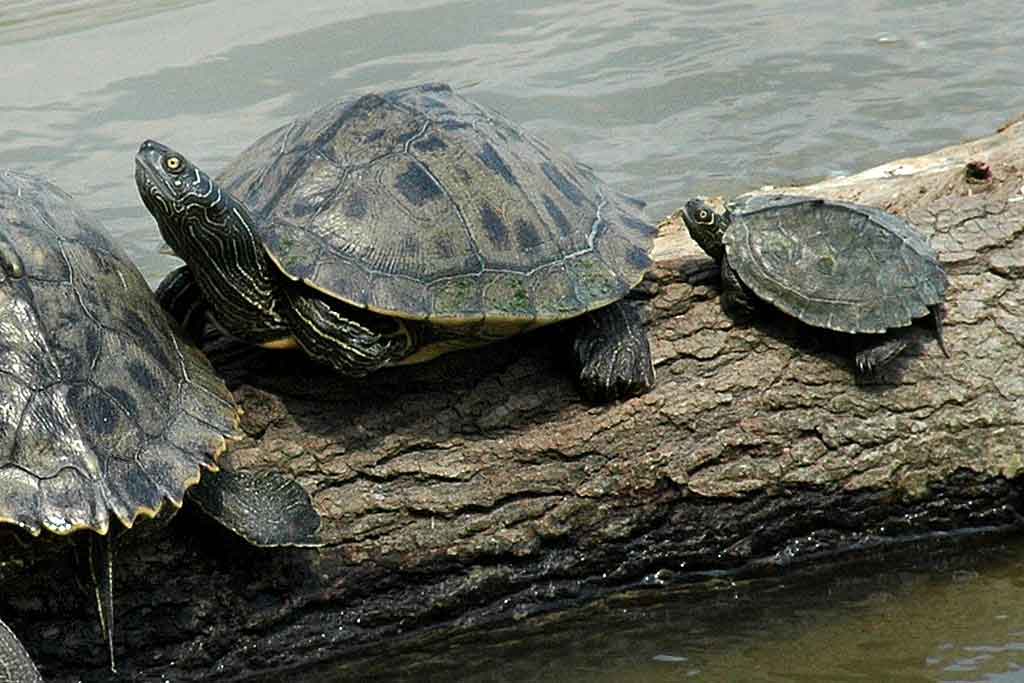
    Females can reach up to 27 cm of shell length. The males are still pleasantly small, with a maximum of 15 cm.. Adult females usually measure between 21 and 25 cm and weigh between 1,1 and 1,8 kg. The adult males of Graptemys pseudogeographica they are smaller, of 11 to 15 cm., and also weigh only 140-370 g.
    Males are still much smaller than females.

    The Ouachita map turtle (Graptemys pseudogeographica kohnii) must remain minimally smaller than the False map turtle (Graptemys pseudogeographica pseudogeographica)

    Habitat

    The Map turtles are typical inhabitants of large rivers, but they also live in lakes and ponds. They prefer waters with abundant underwater plants, lots of sunbathing spots and shallow streams.

    Behavior

    The False map turtle is a strong swimmer and prefers rivers and large streams with moderate currents, containing aquatic vegetation, as well as floating logs. It is also comfortable in deep and fast water. Turtles are present in the elbow lakes and in the swamps, but they are absent from the lakes, ponds or small streams. Rest is important for these turtles, and can even be found on steep and slippery logs.

    Food

    Food components of the females of Map turtles in the nature (according to LINDEMAN 2013):

    • Molluscs 22 %
    • Fish 6 %
    • Caddisfly larvae 2 %.
    • May flies 11 %
    • Dragonflies 0,4%.
    • Plants 55 %
    • Other 4 %

    According to VOGT (1981), the 42 % of the diet of adult females Graptemys pseudogeographica consists of plants (Vallisneria, Potamogeton, Lemna and algae), followed by molluscs and flies. While the males feed mainly on insects and do not eat plants.

    Sex determination

    In the Map turtles, the claws on the front feet are not a reliable feature to distinguish between the sexes. To distinguish males from females, the Map turtles must have a carapace length of at least 10 cm.. Prior to that, all look like females.

    In the Map turtles male, the tail is much longer and also somewhat thicker. They are said to have a "fifth leg". The cloaca is situated well outside the shell when the tail is extended.. In females the tail is relatively short.. The cloaca is approximately level with the edge of the carapace when the tail is extended..

    Reproduction

    Mississippi map turtle
    Mississippi map turtle (Graptemys pseudogeographica kohni), adult female left, adult male right, photographed on site, Trinity River, Liberty Co., Texas (20 in April of 2007)

    Males reach sexual maturity at 7-9 carapace length cm. Females reach sexual maturity much later, to the 18 carapace length cm. Mating can take place in the fall or spring.. After a single mating, females lay one to four clutches per season. Each nest consists of 2 to 22 eggs. The number of eggs per clutch in the Graptemys p. pseudogeographica is usually greater than Graptemys p. kohnii.

    The higher the incubation temperature, more shell abnormalities hatchlings will have.

    The incubation temperature can be between 25 and 32 ยฐC. If you want more male offspring, hatching temperature of 25 ยฐC. But, to 30 ยฐC, more females are born. The warmer the incubation, the quicker the little turtles will be born. It usually takes between 50 and 80 days.

    Threats to the species

    State of conservation โ“˜


    minor concern Minor Concern โ“˜ (UICN)โ“˜

    This species faces several threats, such as destruction of egg nests by animals and insects, falling into gillnets and shooting. The False map turtle, like the Red-eared slider (Trachemys scripta elegans), have also been collected for the pet trade.

    All Map turtles are included in CITES Appendix III and in Appendix C of the EU Species Protection Regulation. But, they do not need any documents when trading within the EU and are not subject to declaration.

    The "False map turtle" in captivity

    Aquaterrarium

    The Map turtles It is native to large rivers and lives in areas of slow flow.. Thus, they need an aquarium with plenty of room to swim. For one or three adult females, should have 160 x 60 x 60 cm and a water level of 40-50 cm.. Of course, can also be higher. The Map turtles male is still much smaller, can be kept very well in an aquarium of dimensions 100 x 40 x 50 cm., that is to say, a standard aquarium of 200 litres. for the pups, the aquarium can be smaller at first. If you buy pups from a pet store or breeder, I would start with an aquarium of at least 80 cm to avoid having to buy new aquariums.

    Aquaterrarium decoration

    The assembly of aquaterrarium can be simple, because the Map turtles they mostly need space to swim. A thin layer of sand or other substrate can be placed on the bottom. You can create some structure with a few roots or pretty stones. A cave is also popular with Map turtles, for example, halved clay pots or a wall-mounted terracotta pot are suitable.

    Planting in the aquarium is difficult. females eat plants. Males eat fewer aquatic plants, so you can try. But the males also burrow into the substrate, so it is not worth planting them. But, you can try plants that float freely in the water, as the Anthocerotophyta and Elodea. Basically, all aquatic plants that occur as food plants are suitable for planting.

    Clean water is immensely important to the Map turtles. So, good filters are recommended. The water should also be changed regularly.

    Terrestrial part

    The Map turtles they have sensitive shells. So, the land part should not be made of stones. Wood in any form is much more suitable. For young turtles and males, just an area of โ€‹โ€‹land made with a willow or cork bridge.

    Sexually mature females need the opportunity to lay eggs.. Females that have never had contact with a male can also form eggs and should be given the opportunity to lay them on land.. Otherwise, there is a risk that eggs will be laid. Turtles do not lay their eggs in the water., but they bury them in the ground. The egg-laying area for Map turtles must have a minimum area of 50 x 30 cm and a substrate height of 30 cm..

    Illumination

    The Map turtles they are hungry for light. They need high-quality lighting. A Map turtles will not be happy with cheap lamps and a fluorescent tube. The only sensible lighting for these tortoises is a metal halide lamp with a UV component. (also abbreviated as hqi). These lamps are not only very bright, they also provide the vital UV-B light that is necessary for the formation of vitamin D. They also get very hot, so it can be achieved 40-45 ยฐC required on land if the distance is adequate.

    for the juniors, is enough a hqi of 35 watts, for example the SolarRaptor HID Lamp Set incl. ECG + ClampLamp* or the Exo Terra Sun Ray Lighting Complete Set*. For females it should be a lamp 70 watts, I recommend the following complete set: Lucky Reptile Bright Sun Set Turtle*.

    Food

    If the diet in the wild is known, food is actually quite simple. The Map turtles they can also eat all this in the aquarium. Use brown shrimp and other dry foods such as water fleas and mosquito larvae as a staple. It also, the Map turtles they are happy to eat frozen food, like red mosquito larvae and mussels. Mussels belong to the molluscs and are also widely eaten in the wild. the living food, like earthworms and isopods, should also be on the menu regularly.

    The Map turtles they eat in the water, just throw the food in the water!

    The proportion of vegetable food must be at least 40 % for the females of Map turtles. algae and aquatic plants (for example, duckweed) are particularly suitable for it. If you don't have enough aquatic plants, dandelions and other wild herbs are a good alternative. Otherwise, it is also possible to feed them with lettuce. Males and youngsters should also be offered plants regularly. The young also eat plants. The adult males of the Map turtles they barely eat them.

    Yes the Map turtles do not accept plants well (especially the males), you can also occasionally use the pellets Sera’s Turtle Adult Nature* to provide crude fiber. These duckweed pellets contain more crude fiber than other terrapin sticks.

    The Map turtles are very prone to vitamin A deficiency. To avoid this, you have to give them grated carrot once a week.

    While young animals can be fed once a day during their first year of life, the Map turtles Older animals should only be fed pet food or pellets three to four times a week.. Otherwise, turtles will grow too fast. The amount of food should be such that it is finished after 10 minutes. Plants must always be available, a tortoise can eat whatever it wants.

    For calcium supply, a piece of cuttlefish must always be floating in the water.

    Temperature and hibernation

    False map turtle
    False Map Turtle (Graptemys pseudogeographica) – Josh MoreFlickr

    The two subspecies of Graptemys pseudogeographica have a wide distribution area. The False map turtle (Graptemys p. pseudogeographica) is further north, so it must hibernate a 4-8 ยฐC for five months. The Mississippi map turtle (Graptemys p. kohnii) inhabits southern part of range. Thus, only hibernates for three months 10-15 ยฐC.

    Aquaterrarium with several turtles

    The Map turtles, like all aquatic turtles, they are actually solitary animals. So, keep one Map turtles is appropriate for the species and recommended. But, if you want to keep several turtles together, all must be female. females get along better. Groups of three or more animals work very well.

    When keeping a group, it should always be possible to remove a turtle from the group in case of stress or bite.

    The Map turtles male should be kept separate from females. Otherwise, their constant mating attempts will make the females too nervous. The males of the Map turtles are often surprisingly compatible with each other, and it is often possible to keep several males together.

    keep at Map turtles in a pond

    The Map turtles not usually suitable for keeping in a garden pond. It's just too cold for them and the sunshine period is too short.. This leads first to shell necrosis and then to liver and kidney problems.. if you want to have Map turtles in a pond, the northernmost subspecies in particular is reasonably possible. It's about the False map turtle (Graptemys p. pseudogeographica).

    Buy one "False map turtle"

    The price of a "False map turtle" at the exotic animal market, ranges between 30 – 70 EUR

    Videos "False map turtle"

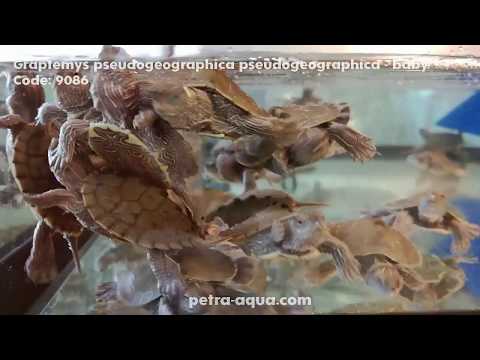
    9086 Graptemys pseudogeographica pseudogeographica

    Alternative names:

    1. False map turtle, Sawback (English).
    2. Fausse tortue gรฉographique (French).
    3. Falsche Landkarten-Hรถckerschildkrรถte, Falsche Landkartenschildkrรถte (German).
    4. Falsa Tartaruga Corcunda (Portuguese).
    5. "Tortuga falso mapa", Falsa Tortuga Mapa (espaรฑol).

    Sources:

    Ernst, C. H. & J. E. Lovich (2009): Turtles of the United States and Canada – Second Edition. – The John Hopkins University Press (Baltimore): 827 pp.

    Gibbons, J. W. & J. E. Lovich (1990): Sexual dimorphism in turtles with emphasis on the slider turtle (Trachemys scripta). – Herpetol. Monogr. (4): S. 1-29.

    Lindeman, P. V. (2013): Map Turtle and Sawback Atlas – Ecology, evolution, distribution and conservation. – University of Oklahoma Press (Norman), 460 p.*.

    Vogt, R. C. (1981): Food partitioning in three sympatric species of map turtles, genus Graptemys (Testudinata, Emydidae). – American Midland Naturalist (105): pp. 102-111.

    โ–ท The world of Pets: Dogs, cats, birds, reptiles, amphibians

    Brygoo's chameleon
    - Brookesia brygooi

    The Brygoo's chameleon it is a small to medium sized chameleon, earthy brown to blend in with leaf litter.
    leaf chameleon (Brookesia brygooi), South Center of Madagascar – GRID-ArendalFlickr

    Content

    Origin / Distribution

    The Brygoo's chameleon (Brookesia brygooi) it is endemic to southwestern Madagascar, where its type locality is Analavelona, in the province of Fianarantsoa, in south-central Madagascar.

    Characteristics / Appearance

    The Brookesia Chameleons they are some of the smallest reptiles in the world: one of the species reaches a maximum length of just over an inch (30 mm). These tiny creatures are found in the leaf litter of tropical rainforests and dry deciduous forests across much of Madagascar..

    The Brygoo's chameleon it is a small to medium sized chameleon, earthy brown to blend in with leaf litter.

    Habitat

    It is located at an altitude between 20 and 571 m above mean sea level, and in an area of 147.782 square kilometers. Details about the true population of the Brygoo's chameleon, although it is known to be very widespread.

    Behavior

    The Brookesia they feed on small insects and respond with their camouflage to hide from predators. When resent, these chameleons play dead in an effort to look like a fallen leaf.

    Brookesias are easier to find at night, when they sleep on the leaves of small bushes.

    Threats to the species

    Because it is widespread and commonly found in protected areas, was listed as Least concern by the International Union for Conservation of Nature.

    The "Brygoo's chameleon" in captivity

    The terrarium

    Minimum measurements are 60 x 31 x 46 cm..

    Behavior

    Males can become territorial and separate from other males. It is usually meek, but frequent handling stresses the animal. It is usually quite docile and shy. The species is diurnal.

    captive environment

    Use full spectrum lighting 12 to 14 hours a day. Provide multiple climbing areas on branches, trunks and plants. This species likes dense foliage to hide when climbing.

    Temperature

    The daytime temperature should be between 23 – 27 degrees C. Maintain night temperature between 20 – 2 degrees C.

    Humidity

    This species requires moderate to high humidity levels.

    Water requirements

    Provide a large, shallow container for drinking and soaking. Provide a constant running or trickling water supply. The enclosure must be well ventilated.

    Nutritional requirements

    This species is carnivorous (like meat). eat small insects, flies, mosquitoes and insect larvae. Always offer variety for proper nutrition. Sprinkle food with calcium and vitamins.

    Buy one "Brygoo's chameleon"

    It's probably the leaf chameleon What is most legally exported from Madagascar. Specimens of this species can be found relatively easily in specialized stores.. Its price in the exotic animal market ranges from 120 – 150 EUR.

    Videos "Brygoo's chameleon"

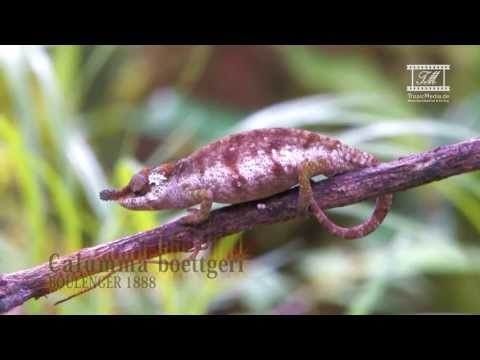
    Calumma boettgeri (Boulenger 1888)

    Brookesia ambreensis (Raxworthy & Nussbaum, 1995)

    Alternative names:

    1. Brygoo's chameleon, Brygoo’s pygmy chameleon, Leaf chameleon (English).
    2. Camรฉlรฉon feuille de Brygoo (French).
    3. Brygoos Chamรคleon, Brygoos Pygmรคenchamรคleon, Blattchamรคleon (German).
    4. Camaleรฃo de Brygoo, Camaleรฃo pigmeu de Brygoo, Camaleรฃo de folha (Portuguese).
    5. "Camaleรณn pigmeo de Brygoo", Camaleรณn de Brygoo, Camaleรณn de hoja, Camaleรณn pigmeo malgache (espaรฑol).