▷ The world of Pets: Dogs, cats, birds, reptiles, amphibians

Spiny-tailed lizards
- Uromastyx

The Spiny-tailed lizards They have perfectly adapted to their natural habitat and the conditions that prevail there, like heat and drought.
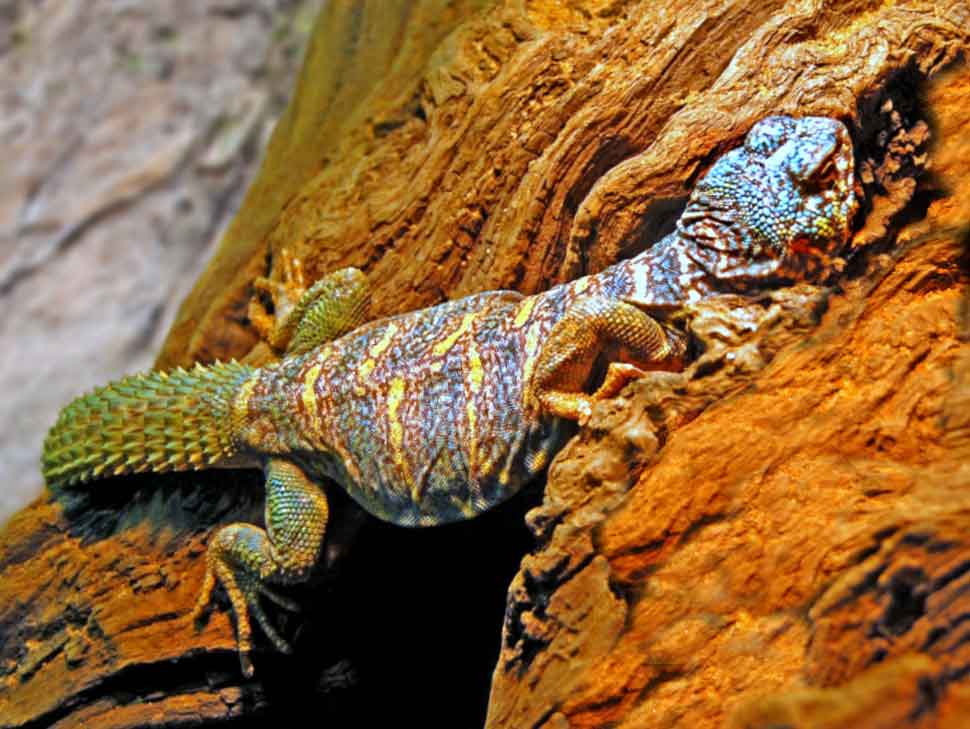
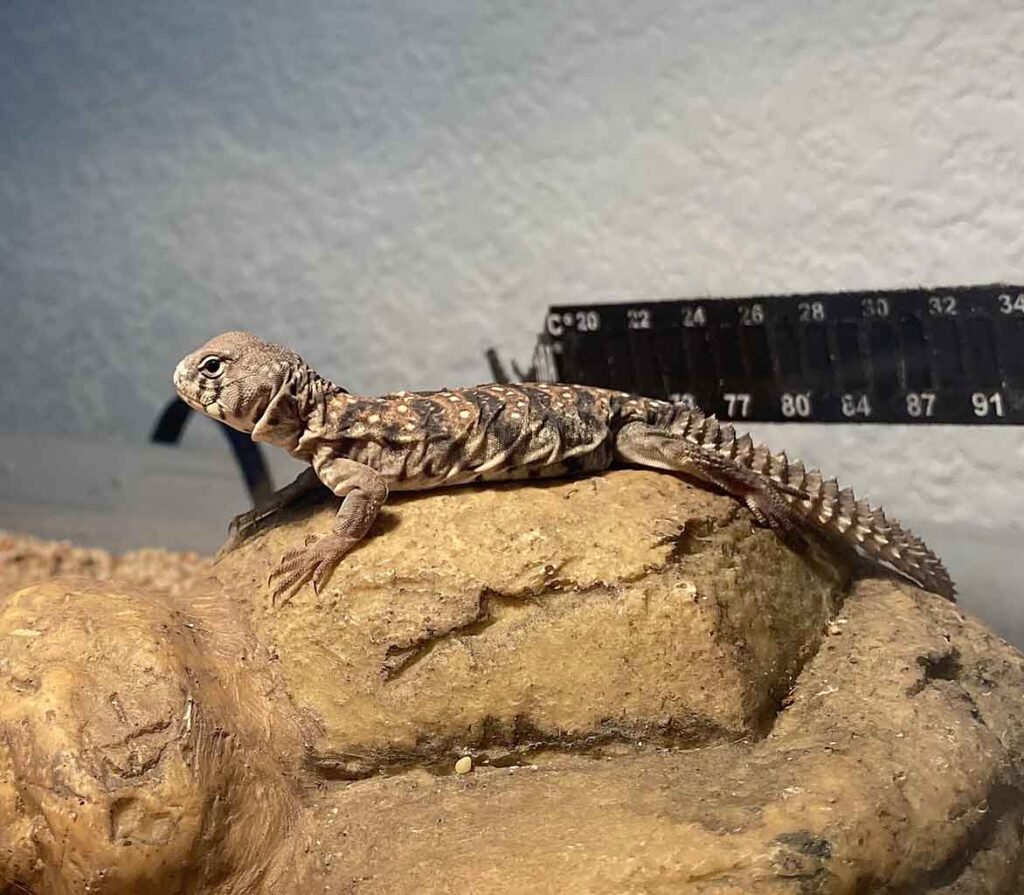
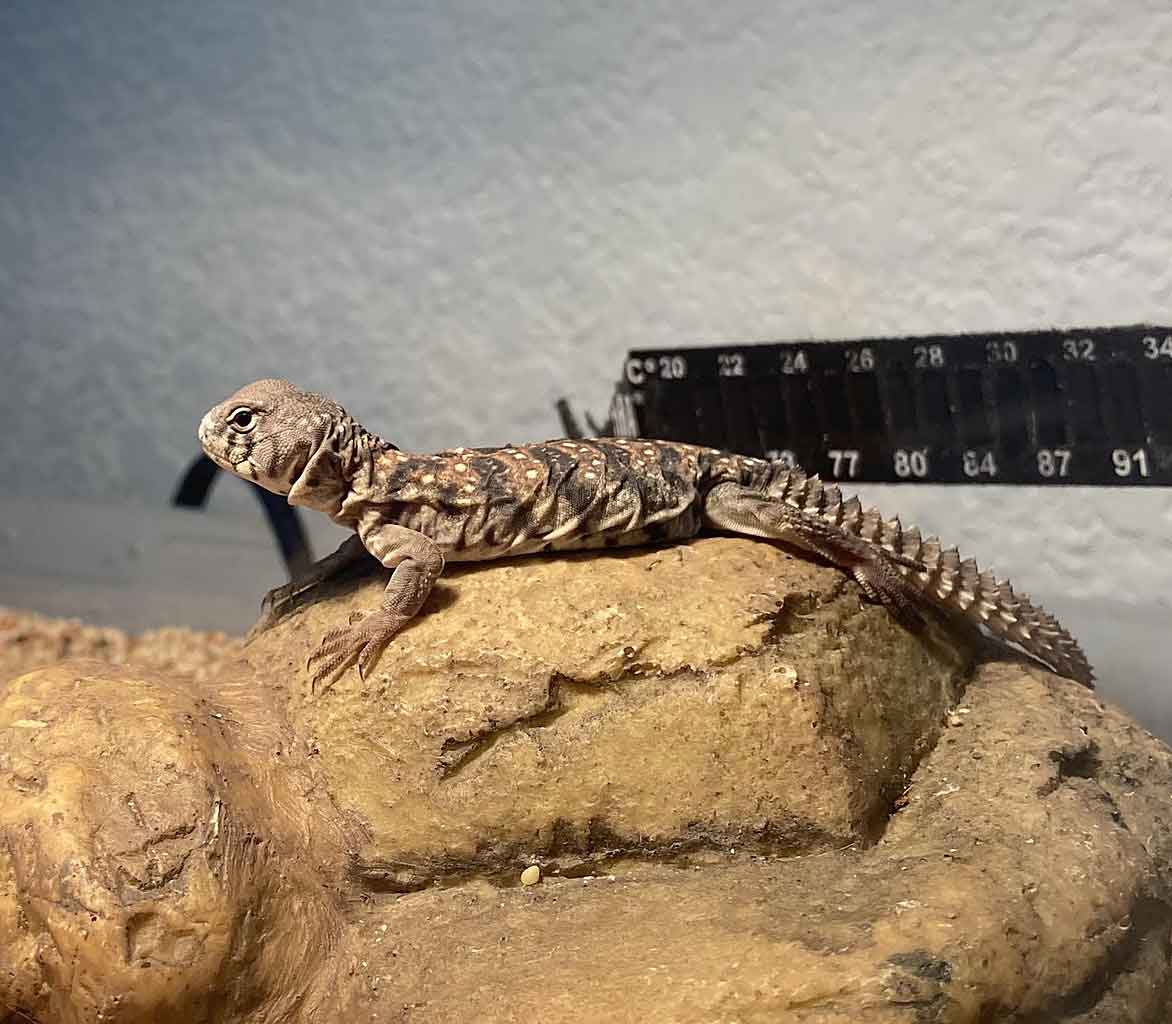
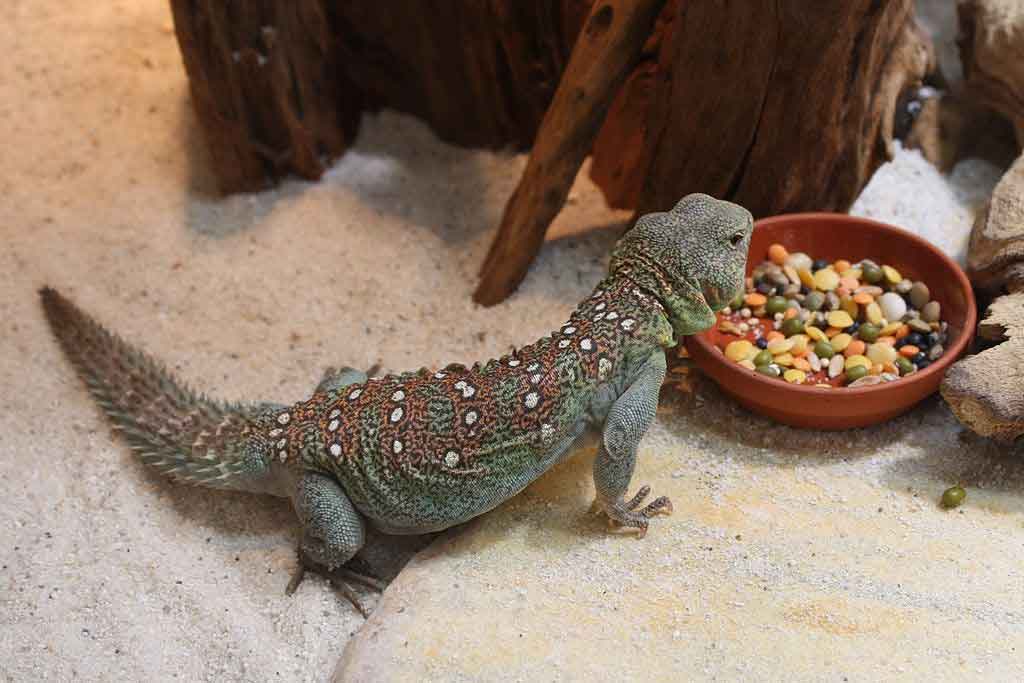
Ocellated spinytail
Uromastyx ocellata juvenile – Deadbilly6, CC BY-SA 4.0, via Wikimedia Commons

Content

The group of Spiny-tailed lizards (Uromastyx) who inhabit the desert comprises near 20 African and Asian species. The Spiny-tailed lizards They have perfectly adapted to their natural habitat and the conditions that prevail there, like heat and drought. Their natural behavior includes the excavation of complex systems of passageways and burrows to which they are removed when necessary..

Among the most popular species are the Ocellated spinytail (Uromastyx ocellata), the Ornate mastigure (Uromastyx ornata), the Egyptian spiny-tailed lizard (Uromastyx aegyptis), the North African mastigure (Uromastyx acanthinura) and Saharan spiny-tailed lizard (Uromastyx geyri). The animals are very demanding to maintain and are not suitable for beginners in terraristics..

All species of Spiny-tailed lizards are subject to species protection legislation. Are subject to registration and proof of origin is required. Buying wild-caught specimens in favor of captive-bred should always be avoided.

Sex differences

Especially in young animals, the sexes are often difficult to distinguish. Sexually mature males usually have distinctive pores on the inside of the thighs, a thickened tail base and, depending on the species, more intense coloration in some parts of the body.

Behavior

The Spiny-tailed lizards show very different levels of intraspecific aggression. Animals can be kept alone or in pairs, in compatible species (for example, the Saharan spiny-tailed lizard – Uromastyx geyri) also in small harems (a male with 2 – 3 females) or groups of females. Animals should be about the same size. Males are usually incompatible with each other. If aggressions occur during socialization, animals must be separated immediately and, as experience has shown, permanently.

The Spiny-tailed lizards are diurnal.

The "Spiny-tailed lizards" in captivity

Terrarium

The minimum dimensions of a terrarium for Spiny-tailed lizards are given in relation to head-torso length (tailless). For each additional lizard, the floor area should be increased by 15 %. For two animals of a medium-sized species such as the Saharan spiny-tailed lizard (Uromastyx geyri), a terrarium of at least 100 x 80 x 60 cm.. But, in the interest of active animals, terrariums should be considerably larger.

Initial team
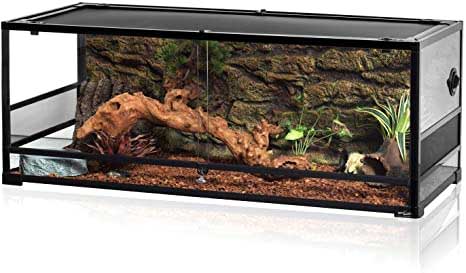
Reptile terrarium
Reptile terrarium
  • Spotlight with UV component and basic lighting
  • Spray bottle for terrariums or irrigation system
  • Thermometer and hygrometer
  • Substrate (mixture of clay and sand)
  • Furniture, for example, estate, caves, stones
  • Water bowl
  • Insects, mineral preparation

Terrarium temperature

Like warm-blooded animals, the Spiny-tailed lizards need a temperature gradient in the terrarium that allows them to reach their optimal body temperature. The ideal is to imitate in the terrarium the natural conditions of the dry regions of Africa and Asia, with areas of bright sun and areas of cooler shade. As such, a powerful heat radiator with UV components is installed on one side of the terrarium, that guarantees strong localized heating at 45 – 50 °C. The other zones should have a temperature of 25 to 30 °C. At night, the temperature of the terrarium should drop slightly for many species.

Terrarium humidity

The humidity should be between the 30 and the 40 %, depending on the species, and may increase slightly at night. This can be achieved by spraying the terrarium with warm water or using a sprinkler system..

Important: In a small area of ​​the terrarium, the substrate should always be slightly moist. Here too wet and collapse-proof burrows should be created. Precise thermometers and hygrometers are needed to measure temperature and humidity.

Terrarium lighting

For proper maintenance of the species, the Spiny-tailed lizards need a lot of light, with a daily lighting period of 12 to 14 hours. At the same time, each animal must have access to resting areas of sufficient size at all times. In addition to a high intensity of light, an adequate supply of UV-A and UV-B radiation must be ensured.

The Spiny-tailed lizards need a lot of ultraviolet light. How light sources emit less and less UV radiation over time (see manufacturer's instructions), must be replaced regularly. Lighting should be placed out of the reach of animals (attention: normal glass is impervious to UV-B rays) or animals must be protected from burns with a closed wire basket.

Terrarium furniture

Rear wall terrarium
Thin back wall terrarium 120 x 60 cm brown resin

Stable rock constructions (also imitations), roots and/or branches have proven suitable as furniture. The furniture must be well installed in the terrarium so that the animals can not be harmed by digging underneath, for example. It also, various hiding places (cork tubes, caves) and a shallow bowl of water, in which animals can also bathe, are part of the basic equipment.

A mixture of sand and clay without dust is suitable as a substrate, that you must have at least 20 cm height for small species, so that animals can dig tunnels as they would in nature.

Food

In the wild, the Spiny-tailed lizards feed on plants and animals.

While the proportion of food of animal origin should remain among the 50 and the 80 % for young animals, adult animals should be fed a 80 – 90 % of plant foods and only receive food of animal origin 1 – 2 times a week.

The right foods are the grass of the meadows (for example, dandelion, chickweed), romaine lettuce and very small amounts of zucchini, grated carrots or cucumbers. Fruit should not be offered.

Most lizards readily accept a mixture of seeds (for example, mixtures for exotic or large parakeets). Live insects, like grasshoppers, cockroaches or crickets, sprinkled with a mineral preparation, are suitable as animal feed to prevent deficiency symptoms.

Mealworms should be avoided, the zophobas, wax moths or baby mice for their high fat content. Fresh water must be available at all times.

Attention: the Spiny-tailed lizards tend to become obese.

Care

Food scraps, molts and droppings should be removed daily. The water bowls should also be cleaned daily and filled with fresh water.

Animal health must be monitored daily. The most common health problems in Spiny-tailed lizards are skin mites, lip crust, fatty degeneration and softening of the bones. In case of anomalies, a reptile vet should be consulted. It is recommended to perform fecal examinations once a year to detect endoparasites..

The intestinal flora of Spiny-tailed lizards usually includes salmonella, that are harmless to animals, but they can cause disease in humans. Simple hygiene measures (wash your hands well, etc.) can reliably prevent infection.

Acclimatization and handling

Reptiles are observation animals and company NO. In the first days in his new home, animals need to rest to get used to their new environment.

Animals should only be captured when necessary. The easiest way to do this with young animals is with a pitcher or landing net.. Larger animals can be held with the bare hand behind the head.

  • Be careful: the Spiny-tailed lizards can bite hard.

Basically, lizards should never be held or fixed by the tail.

Special features

Depending on its origin, the Spiny-tailed lizards hibernate to a greater or lesser extent in nature, during which they are lethargic and do not usually eat. For selective hibernation, lighting duration can be gradually reduced in autumn until turned off. After 1 or 2 months of actual hibernation, lighting gradually increases again. Before starting hibernation, the health of the animals should be checked by a veterinary fecal examination.

Videos "Spiny-tailed lizards"

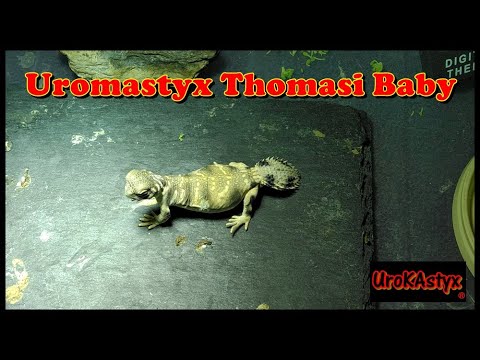
Uromastyx Thomasi Baby (Rambo)

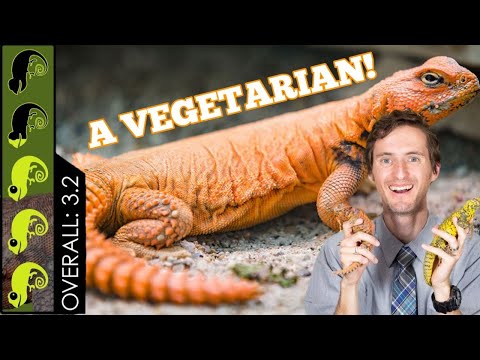
Uromastyx, The Best Pet Lizard?

Alternative names:

1. Spiny-tailed lizards, Uromastyces, Mastigures, Dabb lizards (English).
2. Lézards à queue épineuse, Uromastyces, Mastigures, Lézards Dabb (French).
3. Stachelschwanz-Eidechsen, Uromastyces, Mastiguren, Dabb-Eidechsen (German).
4. Lagartos de cauda espinhosa, Uromastyces, Mastigures, Dabb lagartos (Portuguese).
5. Lagartos de cola espinosa, Uromastyces, Mastigures, Lagartos Dabb (español).

List of "Spiny-tailed lizards" for maintenance in captivity

We must make sure that our "Spiny-tailed lizards" have not been caught in their natural environment. There are many protected species, therefore, It is important that the animals that we are going to acquire come from captive breeding.

1 Egyptian spiny-tailed lizard
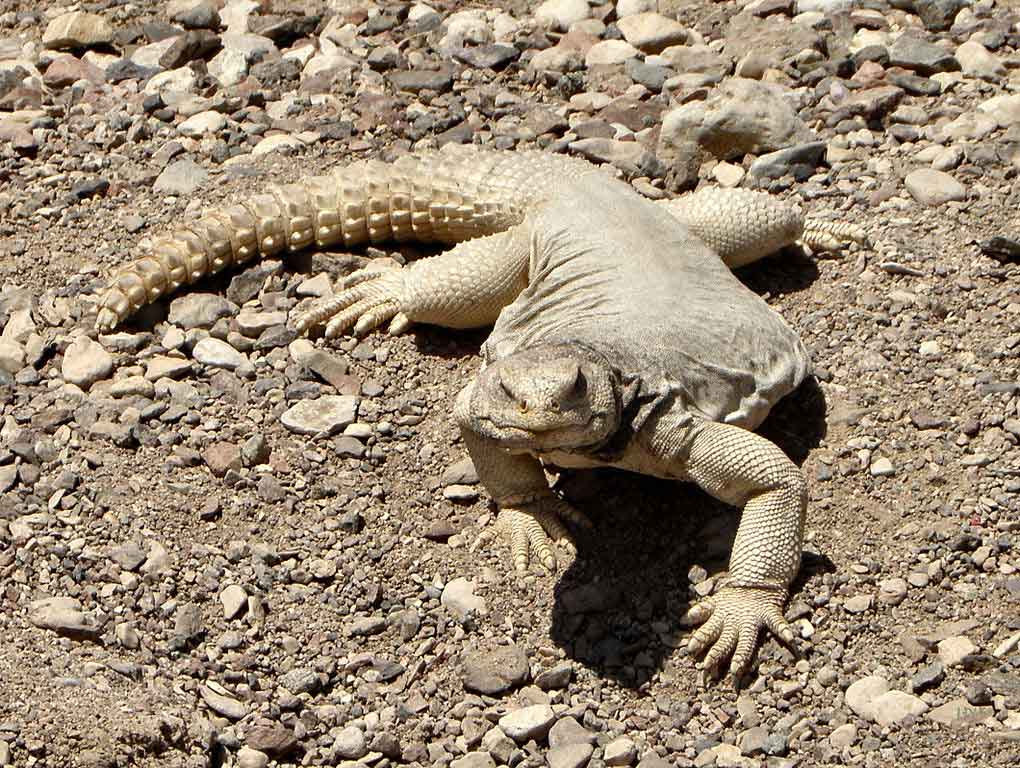
Egyptian spiny-tailed lizard

The Egyptian spiny-tailed lizard It is the largest species of Spiny-tailed lizards

Egyptian spiny-tailed lizard –

... Read more

2 Ocellated spinytail
Tail hawthorn ocellated

The Ocellated spinytail is native to northeastern Africa, where it can be found in southern Egypt, Sudan, Eritrea, Djibouti, Ethiopia (near

... Read more

3 Ornate mastigure

Ornate mastigure

The Ornate mastigure (Uromastyx ornata) is included in the Appendix 2 of the Washington Convention on International Trade in Endangered Species

... Read more

4 North African mastigure
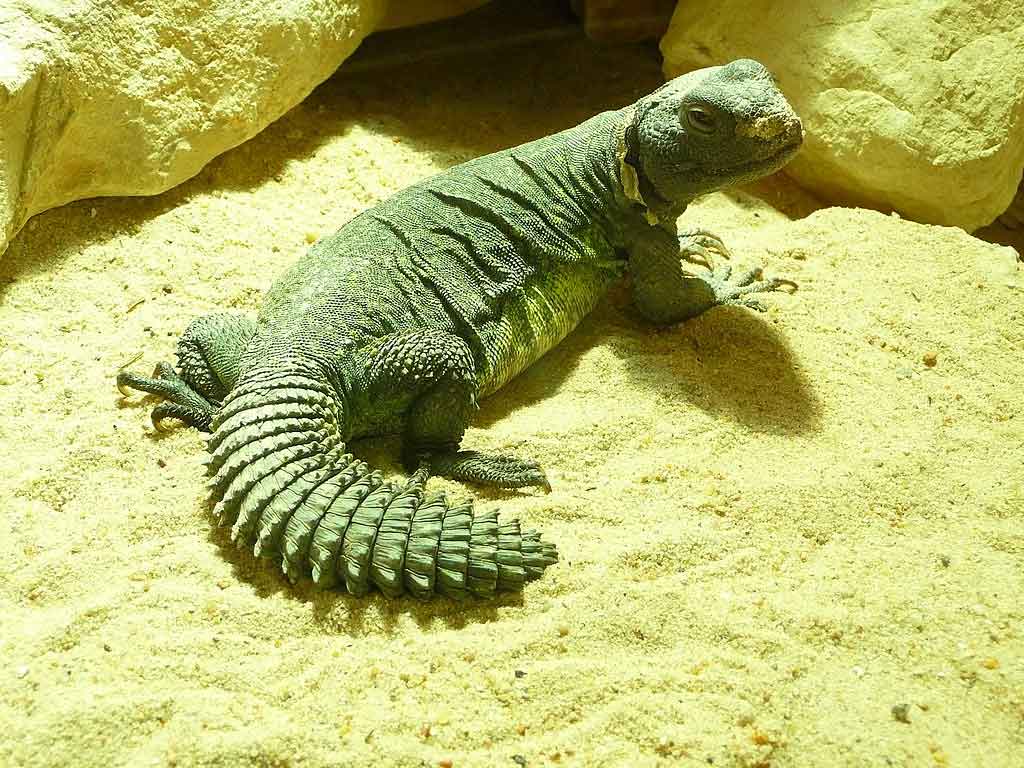
North African mastigure

The North African mastigure It is one of the most representative reptiles of the Sahara desert. It is medium in size:

... Read more

5 Saharan spiny-tailed lizard
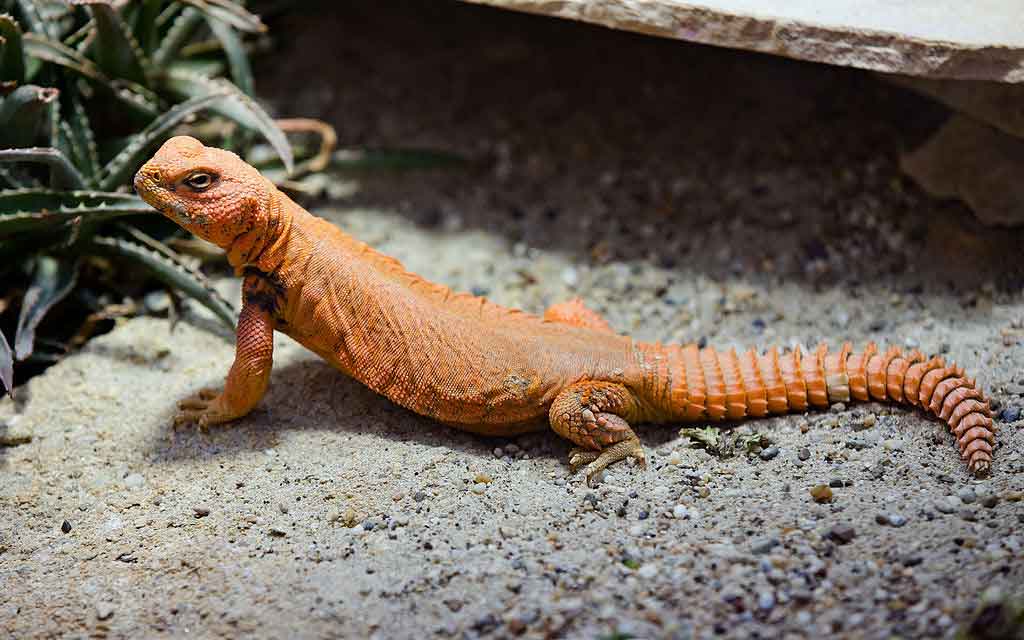
Saharan spiny-tailed lizard

The Saharan spiny-tailed lizard it is a relatively small and slender species for the genus, with an average total length (including the

... Read more

6 Spiny-tailed lizards

Ocellated spinytail

The Spiny-tailed lizards They have perfectly adapted to their natural habitat and the conditions that prevail there, such as heat and

... Read more
▷ The world of Pets: Dogs, cats, birds, reptiles, amphibians

True toad and Narrow-mouthed frogs
- Bufonidae and Microhylidae

some species (for example, the Phrynomantis and more toads) can produce a poisonous skin discharge and should never be handled with bare hands.
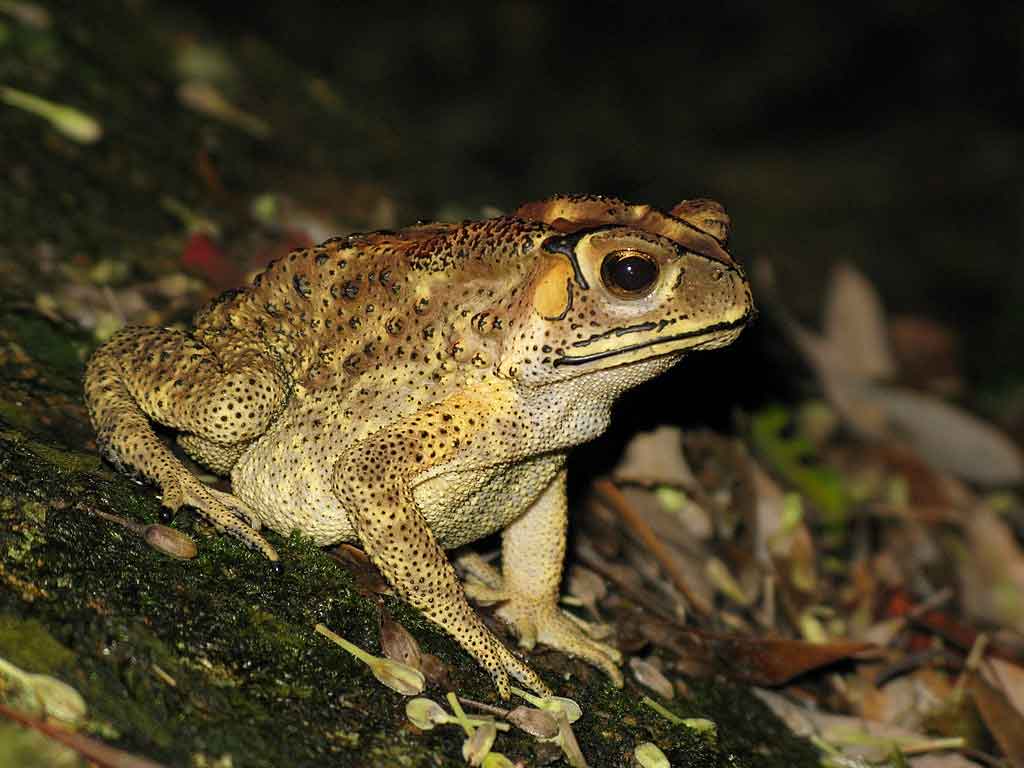
common asian toad
common asian toad (Duttaphrynus melanostictus)

Content

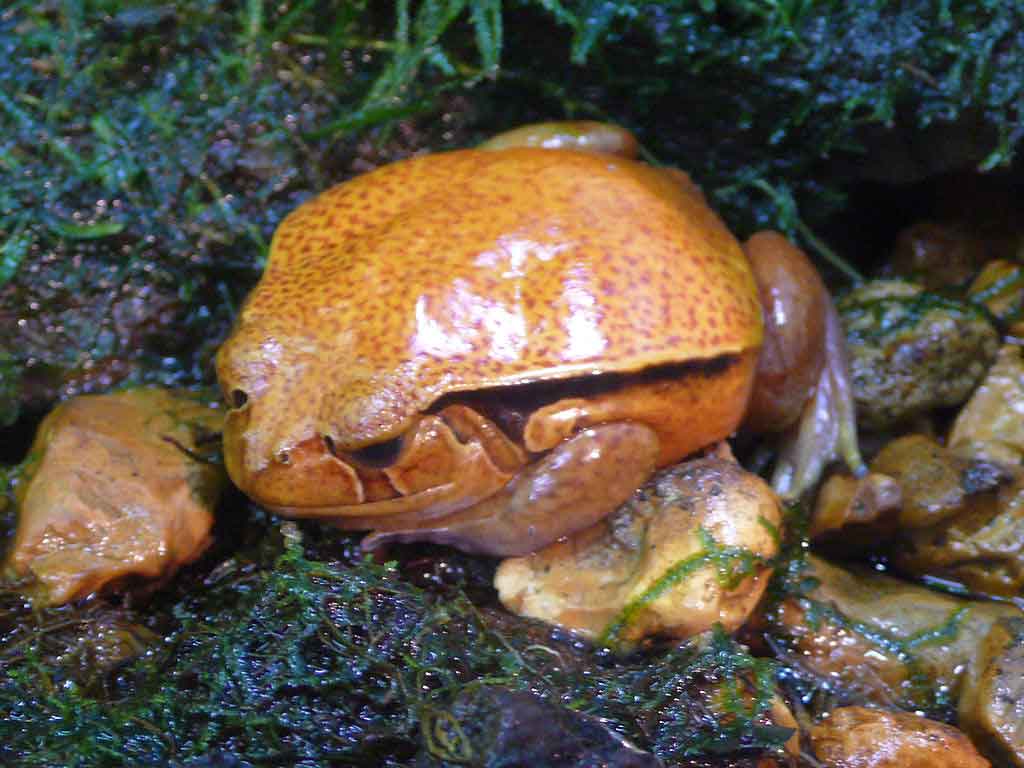
Several representatives of the Toads (Bufonidae) and narrow-mouthed frogs (Microhylidae) are regularly offered in pet stores. The toads Frequently encountered are the following the common asian toad (Duttaphrynus (Bufo) melanostictus) and the North American green toad (Anaxyrus (Bufo) debilis), as well as the false tomato frog (Dyscophus guineti), the Banded bullfrog (Kaloula pulchra) and banded rubber frog (Phrynomantis bifasciatus). Buying wild-caught specimens in favor of captive-bred should always be avoided.

Sex differences

Differentiation of the sexes is only possible in sexually mature animals. The males are usually smaller and in many species they develop calluses on the toes of the front legs.. Males ready to mate call, sometimes very strongly and persistently.

Behavior

The True toad and Narrow-mouthed frogs do not show pronounced social behavior. Most of them are peaceful with each other and can be kept individually, in pairs or groups. But, animals must not differ significantly in size.

The True toad and Narrow-mouthed frogs are mostly crepuscular or nocturnal.

Terrarium

false tomato frog
Rana tomate de Madagascar – TimVickers, Public domain, via Wikimedia Commons

Most species like to burrow and need a substrate of corresponding height. One terrarium for a single specimen of the smallest species (for example, the green dwarf toad) should have a floor space of at least 30 x 40 cm., for various animals of 60 x 40 cm.. In the case of the larger species (as the common asian toad, very active), the terrarium should not measure less than 80 x 50 cm. (length x WIDTH) for a single animal or 100 x 50 cm for several specimens. For species that grow a lot (for example, the Cane toad – Rhinella marina), are needed terrariums much bigger. Height terrarium (at least 30 cm.) not especially important for animals that live on the ground.

Fluorescent tubes with a daily lighting time of 10 to 12 hours are suitable for lighting. The optimum is a slight temperature gradient in the terrarium of about 23 – 28 °C with a humidity of 70 % approximately. This can be achieved by spraying the terrarium daily.. At night, the temperature should drop a bit for many species (normally not below 20 °C) and, at the same time, humidity should rise to 90 – 95 %. For the basic temperature, weak heating mats can be used, installed outside the terrarium. They can be used to heat the floor (at most one third of the soil surface!) or the walls. With the help of a thermocontroller, the heating mat can be specifically controlled to prevent overheating. Precise thermometers and hygrometers are needed to measure temperature and humidity.

The height of the excavatable substrate (for example, a terrarium soil mix, bark mulch, moss) must allow animals to fully excavate. The substrate should be slightly damp after daily spraying and should never dry out completely.. We must also avoid waterlogging.

Additional withdrawals (for example, coconut shells), a shallow water basin and natural planting complete the assembly.

Diet

Animals prefer to feed on live insects (crickets, crickets, grasshopper, cockroaches, etc.), worms and slugs. Regular administration of a mineral supplement ensures healthy bone growth. Mealworms, zophobas and wax moths should be fed only rarely due to their high protein and fat content.

Caution: many True toad and Narrow-mouthed frogs tend to gain weight. In the case of adult animals, it is enough to feed them every two or three days.

Care

Food scraps and feces should be removed daily. Animals usually defecate in their own hiding place, so the substrate must be changed regularly. The water bowls should also be cleaned daily and filled with fresh water.

Animal health must be monitored daily. The most common health problems in frogs are softening of the bones, emaciation or fatty degeneration and, above all, changes in the skin (for example, red discoloration of the skin). If there is any abnormality, consult a veterinarian who is familiar with amphibians.

Acclimatization and handling

Amphibians are animals of pure observation and should NOT be petted. In the first days in his new home, animals need some rest to get used to their new environment.

Due to the sensitivity of your skin, amphibians should only be touched in exceptional cases. Only the largest animals can be caught directly by hand. The use of disposable gloves is recommended (moistened). The smallest animals, on the other hand, should always be captured with the help of plastic containers or similar.

Special features

some species (for example, the Phrynomantis and more toads) can produce a poisonous skin discharge and should never be handled with bare hands. Protective gloves should be used for the care and handling of animals..

Attention: all native amphibian species are protected species and should not be taken from the wild. At the 17th CITES Conference of the Parties, held in the fall of 2016, the false tomato frog (Dyscophus guineti) came under the protection of the species (Appendix II). This regulation will soon be transferred to European legislation (obligation to inform, proof of origin required).

▷ The world of Pets: Dogs, cats, birds, reptiles, amphibians

Tree frogs
- Hylidae

The tree frog has a slightly toxic skin discharge that can cause irritation when it comes in contact with human skin.
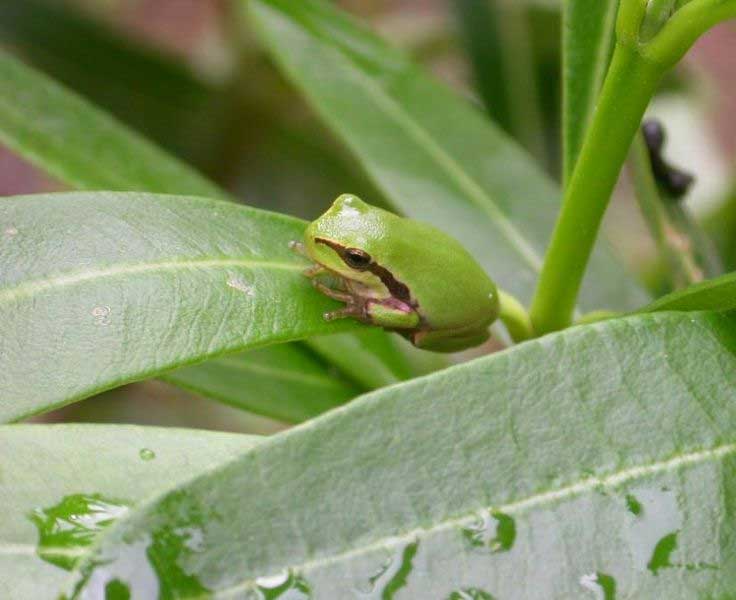
Tree frog
Tree frog – Kentlat, CC BY-SA 3.0, via Wikimedia Commons

Content

The tree frogs they are found worldwide in a wide variety of species and have characteristic sticky discs on their toes. These excellent climbers mainly inhabit trees and shrubs.

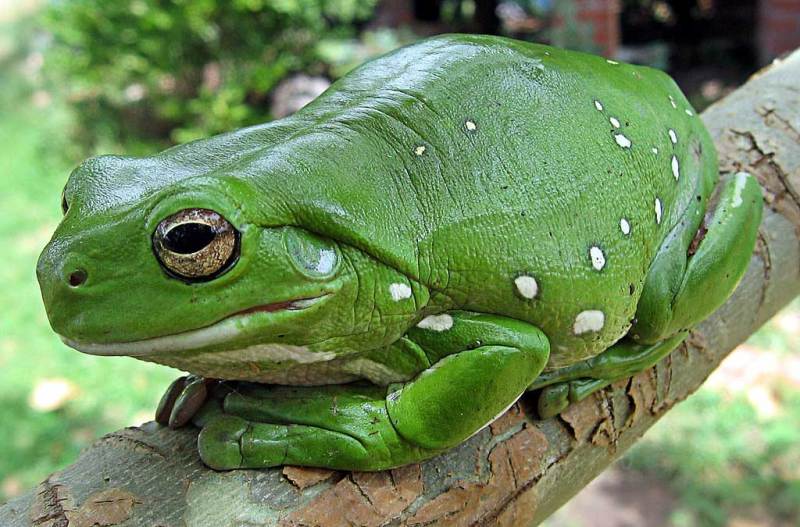
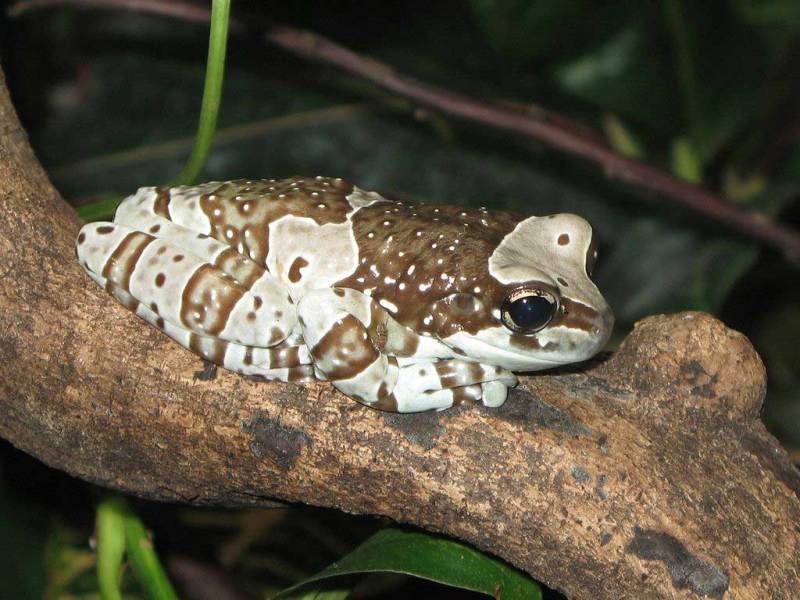
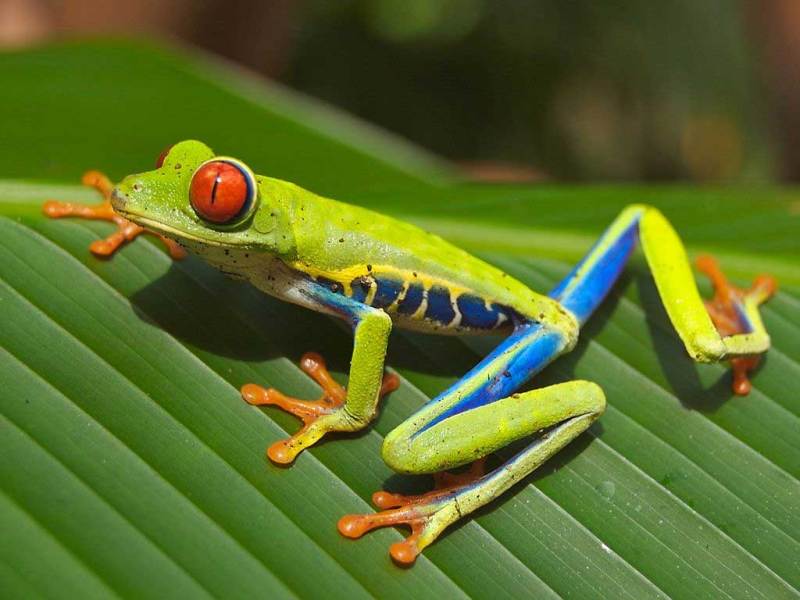
Among the most popular species are the American green tree frog (Hyla cinerea), the gray treefrog (Hyla versicolor), the Australian green tree frog (Litoria caerulea), the mission golden-eyed tree frog (Trachycephalus resinifictrix), the northern orange-legged leaf frog (Phyllomedusa hypochondrialis) and red-eyed tree frog (Agalychnis callidryas).

These species, as well as some others tree frogs, increasingly offered as captive breeds; However, wild-caught frogs are still common on the market. Wherever possible, you have to opt for species bred in captivity.

Images "Tree frogs"

Sex differences

The sexes can be distinguished in many species by the coloration of the throat, which is usually more striking (yellowish to black) in sexually mature males than in females (from white to gray). Females tend to grow slightly larger than males.. Males ready to mate call, sometimes very strongly and persistently.

Behavior

The tree frogs do not show social behavior and can stand alone, in pairs or groups in well structured terrariums. Do not socialize different species or animals with clear differences in size. Each animal must have enough places to sit, rest and hide. The tree frogs they are mainly twilight and night.

Terrarium

Red-eyed green frog
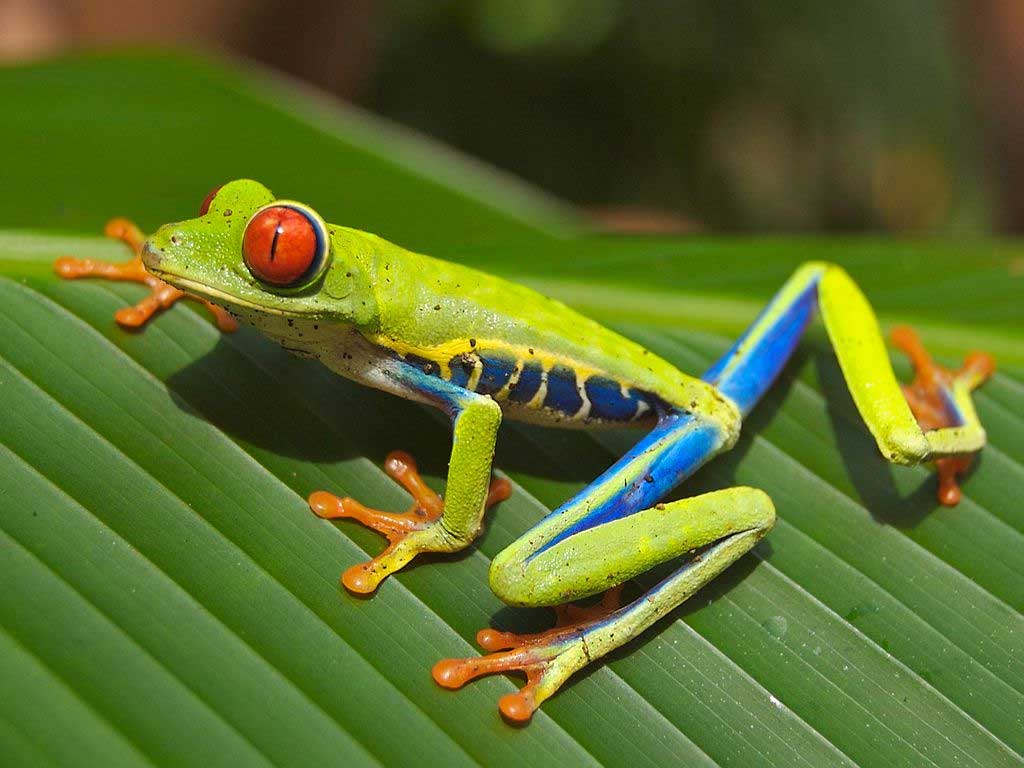
Red-eyed green frog (Agalychnis callidryas), photographed near Jaco Beach in Costa Rica – Careyjamesbalboa (Carey James Balboa), Public domain, via Wikimedia Commons

One terrarium for tree frogs must always be tall enough, for example, 60 x 40 x 60 cm. (length x widht x hight) for smaller species, as the American green tree frog (Hyla cinerea), and 100 x 40 x 80 cm. (length x widht x hight) for larger frogs like the Australian green tree frog (Litoria caerulea), each for a maximum of 4 animals. Caution: non-acclimatized animals tend to jump against the glass with great force and injure themselves, especially on the head and muzzle.

Fluorescent tubes with a daily lighting time of 10 to 12 hours are suitable for lighting. The temperature can be regulated with the help of a suitable heating mat, which is fixed to the rear wall from the outside. For most species, a slight temperature gradient in the terrarium of about 22 to 28 °C (max. 24 °C for subtropical species) with a humidity of 60 to the 70 %. At night, the temperature should drop to about 20 °C; at the same time, humidity can rise up to 90 or the 95 % for tropical species. This can be achieved by spraying the terrarium with warm water or using a sprinkler system.. For the basic temperature, weak heating mats can be used, installed outside the terrarium. They can be used to heat the floor (at most one third of the soil surface!) or the walls. With the help of a thermocontroller, the heating mat can be specifically controlled to prevent overheating. Precise thermometers and hydrometers are needed to measure temperature and humidity.

For climbing animals, 2, preferably 3 sides of the terrarium should be covered with cork or similar. climbing facilities, like roots, lianas, remained, etc., have proven their effectiveness. Hollow bamboo sticks and cork tubes are popular hiding places. Depending on the species, a shallow water basin in which animals can also bathe or a larger basin of water (for example, for the Australian green tree frog – Litoria caerulea) it is also part of the basic equipment. Terrarium soil or coconut substrate are suitable as a substrate. The substrate should always be kept slightly moist. Natural planting creates additional retreat possibilities and ensures uniform and increasing humidity.

Diet

The tree frogs they feed exclusively on small live animals. The insects (crickets, crickets, Little grasshoppers, etc.) make up the main part of your diet, but many species also like to eat worms or slugs. Regular administration of a mineral supplement ensures healthy bone growth. Mealworms, Zophobas or wax moths should only be fed rarely due to their high protein and fat content. For the adults of the larger species it is sufficient to feed each 2 or 3 days. The Australian green tree frog – Litoria caerulea) you tend to become obese due to your lazy lifestyle

Care

Food scraps and droppings should be removed daily. The water bowls should also be cleaned daily and filled with fresh water.

Animal health must be monitored daily. The most frequent health problems in the tree frogs are the softening of the bones, emaciation and changes in skin and stools. If there is any abnormality, consult a veterinarian who is familiar with amphibians.

Acclimatization and handling

Amphibians are animals of pure observation and NOT must be caressed. In the first days in his new home, animals need adequate rest to get used to their new environment. Due to the sensitivity of your skin, it is recommended to capture the tree frogs only with the help of small containers.

Special features

The tree frog has a slightly toxic skin discharge that can cause irritation when it comes in contact with human skin (protective gloves!).

According to the area of ​​origin, controlled hibernation can have a vitality-boosting effect. American and Asian tree frog species from temperate climates should not be placed in the garden pond under any circumstances, since there is a danger that the fauna will be distorted.

Attention: all native amphibian species are protected species and should not be taken from the wild. But, most species of tree frogs Non-native species are not subject to the species protection law. But, the red-eyed tree frog (Agalychnis callidryas), for example, is subject to registration and proof of origin is required.

▷ The world of Pets: Dogs, cats, birds, reptiles, amphibians

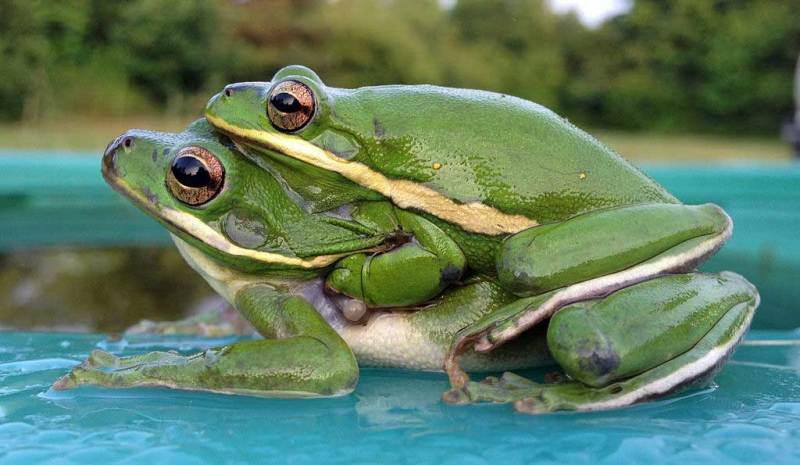
Green puddle frog
- Occidozyga Lima

The Green puddle frog It is a nice guest for the aquaterrarium and very easy to maintain..
Green puddle frog
Green puddle frog in a water filled ditch near Angkor temples – Thomas Brown, CC BY 2.0, via Wikimedia Commons

Content

Habitat and way of life

This small animal has a huge range that includes Cambodia, China, Hong Kong, India (West Bengal), Indonesian, Laos, Malaysia, Burma, Thailand and Vietnam. But, the species is not equally common everywhere. In some parts of its area of distribution, the frog is a common amphibian, but in West Bengal it seems to be much less common, since in a scientific work on the amphibian fauna of the state, the author could only rely on bibliographic references: There was not a single preserved specimen! Admittedly, this may simply have to do with the fact that the Green puddle frog it is often overlooked due to its small size and also has no economic utility. In hong kong, the population, once rich in individuals, would have sunk almost completely for unknown reasons. Frogs are imported for the pet trade from Indonesia, where they are found in large numbers and, Therefore, can be bought in this country for little money.

There are frogs that spend their entire lives underwater. Among them are the vivacious African clawed frog and Common Surinam toad. They emerge from the water only exceptionally and briefly and rise to the surface only to breathe.

There are also frogs that are usually out of the water, but far enough away from her to reach the wet element with a jump. This includes the Edible frog (Pelophylax kl. esculentus), which is native to Central Europe.

The ubiquitous green companion lives like a hunter and lurks on land, sitting on driftwood or lily pads looking for insects, that catches in a jump. On land, the animal does not move unnecessarily; land struggles with peers and all social behavior take place in the water.

The Green puddle frog has developed a third form of aquatic life. Floats on the surface of the water for most of its life. Only occasionally comes out of the water and crawls on a floating leaf or something similar.

The Green puddle frog hunt above and below the surface of the water. It swims towards the small insects that fall to the surface of the water and captures them with its agile tongue. You can also find submerged worms, as the tubifex, and often puts them in his mouth with the help of his front paws, How do you know about the African clawed frog. The bulging eyes are not only used to recognize prey, but also to detect enemies. Many snakes, birds or even larger species of frogs try to kill the little one Green puddle frog.

Physical characteristics

"Green puddle frog"

Rana verde del charco
Green puddle frog – Axel Kwet, CC BY-SA 2.5, via Wikimedia Commons

A frog with a size of approximately 3,5 cm.. The colors of the specimens vary in greenish/beige colors, plus dark staining. There are also specimens with scratched marks on the back. In this group of frogs the abdominal area is pale and without drawing. As these frogs also like to float on the surface of the water, they are often compared to African clawed frog. But, if you look closely, this is only true for the hind legs. Here are the characteristic webbed toes. The front legs of the Green puddle frog with his fingers are much more similar to those of the African clawed frog. The flattened shape of the body of the Green puddle frog with his fingers are much more similar to those of the African clawed frog not found at all in Javanese swimming frog.

Care and accommodation

Taking care of these cute animals is easy. They do not have special demands regarding the composition of the water or the food. One Aquarius standard of 60 x 30 x 30 cm is enough for the care of 6-12 specimens. Males sometimes fight with each other, what is interesting to observe, because it looks like a boxing match when the animals are floating on the surface of the water and attack the opponent with their front legs. But, because it looks like a boxing match when the animals are floating on the surface of the water and attack the opponent with their front legs.

The Aquarius because it looks like a boxing match when the animals are floating on the surface of the water and attack the opponent with their front legs, because it looks like a boxing match when the animals are floating on the surface of the water and attack the opponent with their front legs (because it looks like a boxing match when the animals are floating on the surface of the water and attack the opponent with their front legs) Must be from 5-7 cm., because it looks like a boxing match when the animals are floating on the surface of the water and attack the opponent with their front legs 8-10 cm.. because it looks like a boxing match when the animals are floating on the surface of the water and attack the opponent with their front legs, because it looks like a boxing match when the animals are floating on the surface of the water and attack the opponent with their front legs. Any openings in the cover should be covered with filter wadding..

In the tense air of this aquaterrarium, many plants thrive excellently, as the burhead (Echinodorus) or -more bioptic- the water trumpet (Cryptocoryne). It also, should add some floating plants, as the water lettuce (Pistia) or the West Indian spongeplant (Limnobium laevigatum), that will soon bloom.

Until the plants really grow, you should place a piece of decorative cork on the surface of the water so that the animals can find a resting area if they wish.

Tank lighting - a neon tube is enough- will raise the air temperature to 28-32°C during the day. At night, when the lights go out, the air temperature drops to room temperature. This fully corresponds to natural conditions and is beneficial to the health of animals.. Additional heating is only necessary if the temperature drops below 18°C.

Green puddle frog
Puddle Green Frog Darmaga, Bogor, West Java, Indonesian – W.A. Djatmiko (Wie146), CC BY-SA 3.0, via Wikimedia Commons

Behavior

Your behavior is highly confident after a short time. They position themselves on floating plants or float under the surface of the water. When two frogs get close to each other, sometimes a kind of "chest tightening" occurs. Next, front legs flap. Looks like a mini boxing match. These frogs are also usually very agile.

Groups of frogs with a small number are not recommended for large tanks. These small animals quickly "lose" themselves from the viewer's eyes.. These frogs are very communicative. When they approach the aquarium, they emit bright screeches. they emit bright screeches. Surprisingly, they emit bright screeches. they emit bright screeches, they emit bright screeches. they emit bright screeches. These Javan swimming frogs then chase after edible insects that have been brought onto floating plants.. they emit bright screeches.

Diet

All small insects can serve as food, as the fruit flies (Drosophila), the little crickets (Acheta domesticus) or the aphids. It is very interesting to observe the underwater hunting, for which the large water fleas (Daphnia magna), the live larvae of red mosquito or the Tubifex.

Reproduction

The Green puddle frog can reproduce throughout the year, but at least for the animals that are currently imported from Indonesia, our winter (from November to February) seems to be the preferred breeding season. Males grab females by the waist. Eggs -may be between 50 and several hundred, depending on the size and condition of the female- have a diameter of 0,6 to 1,1 mm. Tadpoles are light olive in color and have a dark stripe around the tail. They eat commercial flake food for ornamental fish. Tadpoles reach a length of up to 3,9 cm in metamorphosis. In the terrarium, a lifetime of more than 5 years, well above the natural life expectancy of animals in the wild.

Alternative names:

1. Rough-skinned floating frog, Pearly skin puddle frog, or Pointed-tongued floating frog (English).
2. Grenouille flottante à langue pointu (French).
3. Java-Schwimmfrösche (German).
4. Occidozyga lima (Portuguese).
5. Ranita asiatica, Rana rugosa de charco, Rana flotante de Indonesia (español).

▷ The world of Pets: Dogs, cats, birds, reptiles, amphibians

Oriental fire-bellied toad
- Bombina orientalis

Bombina orientalis

Content

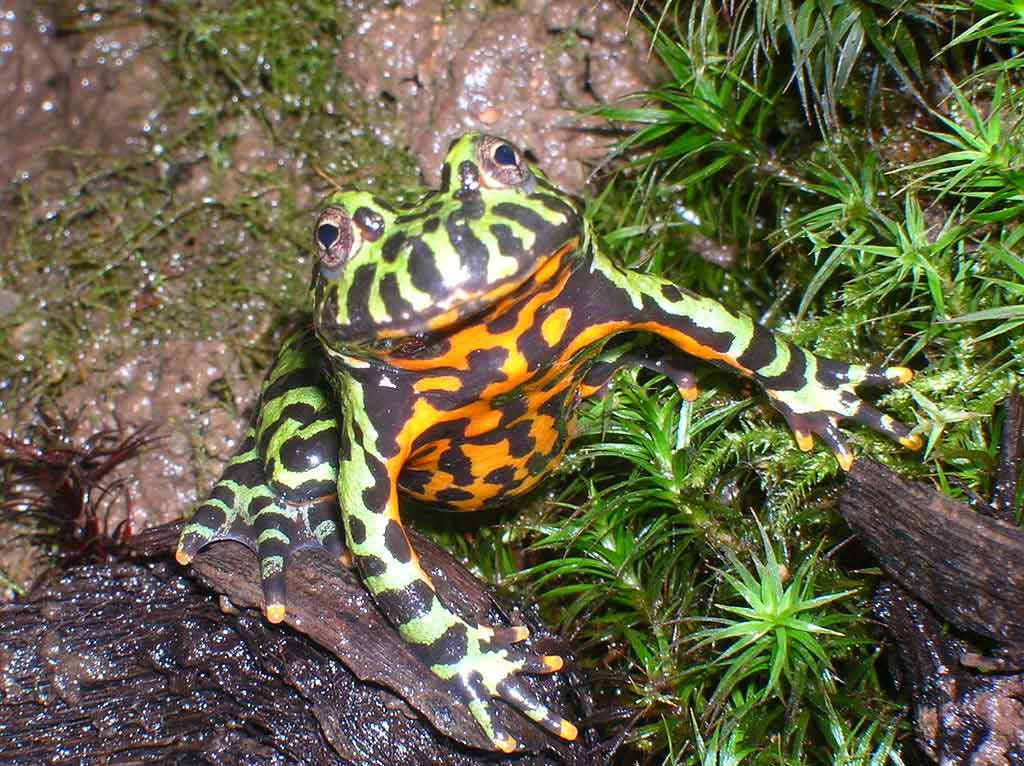
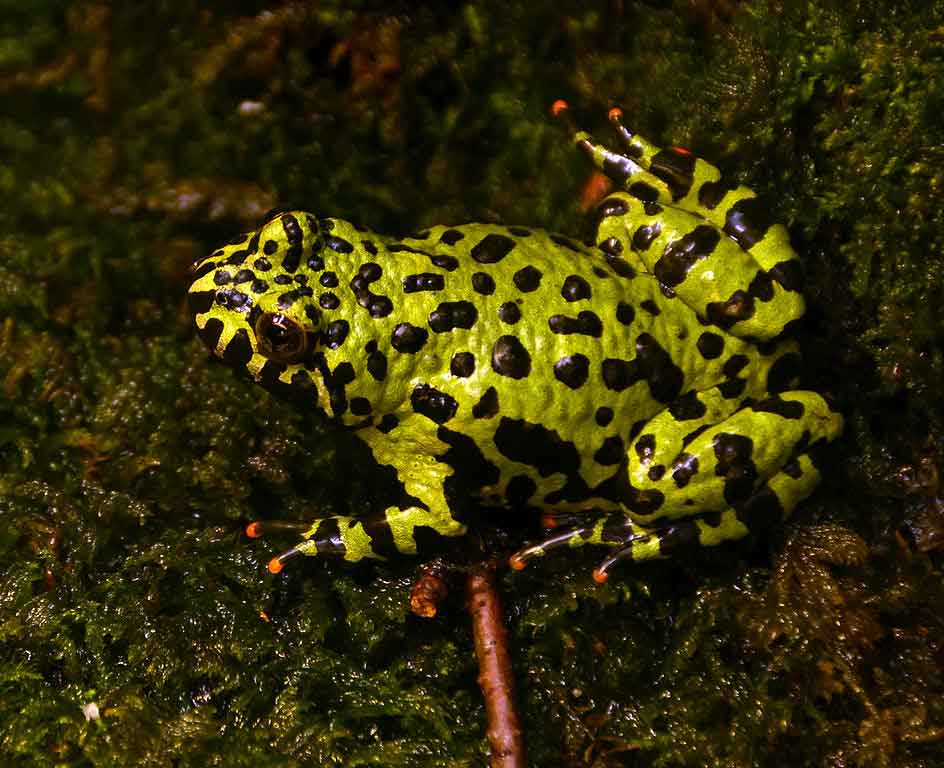
The Oriental fire-bellied toad (Bombina orientalis), attractive colors, It is one of the most common amphibian species.. Its range covers large areas of East Asia, from korea, passing through northeast China, to eastern Siberia, where you prefer to live in microwaters (shallow) no major currents. The Oriental fire-bellied toad it's easy to breed, but still often offered as wild catch. Wherever possible, captive breeding should be used.

Due to the risk of confusion with the "native Fire-bellied Toad" and protected, the Oriental fire-bellied toad it is also subject to species protection legislation. Animals are not subject to registration; However, proof of origin is required.

Sex differences

Differentiation between the sexes is only possible in sexually mature animals. Males webbed feet reach to fingertips; in females, usually stronger, they are less developed. Males ready to mate call insistently and develop clearly visible heat calluses on the front legs..

Behavior

The Oriental fire-bellied toad does not show pronounced social behavior. The animals are peaceful with each other and can be kept individually, in pairs or groups. The Oriental fire-bellied toad does not have pronounced activity hours, so it can also be observed well during the day.

Terrarium

Oriental fire-bellied toad
"Fire-bellied toad" – “Reptiles of the world” exhibition at Palexpo, in Geneva, in October 2014 – Vassil, CC0, via Wikimedia Commons

As the Oriental fire-bellied toad leads a lifestyle closely linked to water, it is suitable for keeping in a terrarium with a large water basin, in an aquarium or even an aquarium with a terrestrial part. The tank should not be less than 60 x 40 x 50 cm. (length x widht x hight) for a maximum of 4 adult animals. Approximately half of the surface should be designed as land part.

The aquarium must be completely covered, since animals are good climbers. Fluorescent tubes with a daily lighting time of 10 to 12 hours are suitable for lighting. The land part must be provided with sufficient withdrawal possibilities, for example, roots and cave-like hiding places (for example, coconut shells). An absorbent substrate is recommended (for example, coconut substrate, terrarium or moss soil) as a substrate for the terrarium, which should always be kept slightly moist (but not wet). Natural planting provides more hiding places and increases humidity. Aquatic and floating plants support toads in the aquatic part; there must be an easy way out of the water (for example, by flat stones or roots). Sand or rounded aquarium gravel are suitable as a substrate. Stones or roots that protrude slightly from the water are easily accepted.

The air and water temperature should be 23 to 25 °C during the day and drop to about 20 °C at night. The water temperature can be regulated by an aquarium heater or an external thermal filter. The heating rod must be installed so that it cannot burn the frogs. The humidity must not drop below the 60 % and must rise above the 80 % At night. Precise thermometers and hygrometers are needed to measure temperature and humidity. Other water values: pH 6,0 – 8,0, total hardness up to 30 °dGH.

The Oriental fire-bellied toad should not be kept with fish or crustaceans (for example, River Crabs), that could harm amphibians.

The Oriental fire-bellied toad hibernates in the wild, during which animals withdraw and do not usually eat. For a directed hibernation, lighting temperature and duration can be gradually reduced in autumn. Next, animals hibernate at temperatures of about 10 ° C during 1 or 2 months, after which normal housing conditions are gradually restored. Before starting hibernation, the health of the animals should be checked by a veterinary fecal examination.

Diet

The Oriental fire-bellied toad prefers to feed on live insects (crickets, crickets, flies) and worms (small earthworms), offered in the terrestrial part of the terrarium. Regular administration of a mineral preparation ensures healthy bones.

Caution: As the Oriental fire-bellied toad not usually very active, tends to gain weight. In the case of adult animals, it is enough to feed them every two or three days.

Care

Oriental fire-bellied toad
“Fire-bellied Toad” at Smithsonian National Zoological Park – Photo by David J. pole, CC BY-SA 4.0, via Wikimedia Commons

Food scraps and droppings should be removed daily. You also have to check the status of the water section daily and renew it completely if it is dirty., as well as performing a partial water change at regular intervals. The use of water treatment products for amphibians should be avoided. Using an aquarium filter can improve water quality and extend the water change interval.

Animal health must be monitored daily. The most frequent health problems in the Oriental fire-bellied toad are the changes in the skin, softening of bones and emaciation or fatty degeneration. If there is any abnormality, consult a veterinarian who is familiar with amphibians.

Reproduction

Mating occurs in spring, when the weather warms up and the rains increase. Males call out to females with a soft coo. They jump on the back of any other fire-bellied toad that passes, which sometimes causes confusion between males, but it rarely leads to fights. The females put between 40 and 100 eggs in a large group, usually around submerged plants near the water's edge. The tadpoles hatch from the eggs in 3-10 days, depending on the water temperature. The larvae begin to develop at 6-8 weeks, and are completely metamorphosed and begin to venture ashore after 12-14 weeks.

Acclimatization and handling

Amphibians are animals of pure observation and should NOT be petted. In the first days in his new home, animals need adequate rest to get used to their new environment. If required, animals must not be caught by hand, but with the help of plastic boxes or similar.

Special features

The Oriental fire-bellied toad NOT suitable for keeping in garden ponds, since either it does not survive the winter or there is a risk of distortion of the fauna due to migratory animals. Occasionally, deviated color shapes offered (for example, albino animals, blue, yellow or pink), whose conservation does not differ from that of animals of normal color

What is the price of a Oriental fire-bellied toad?

The price of Oriental fire-bellied toad ranges between 25 and 30 EUR.

Alternative names:

1. Bombina orientalis (English).
2. Crapaud sonneur oriental (French).
3. Orientalische Rotbauchunke (German).
4. Sapo tuti (Portuguese).
5. Sapillo de vientre de fuego oriental, (español).

▷ The world of Pets: Dogs, cats, birds, reptiles, amphibians

Poison dart frog
- Dendrobatidae

All climbing frogs are subject to species protection legislation and require confirmation of origin.
Poison dart frog
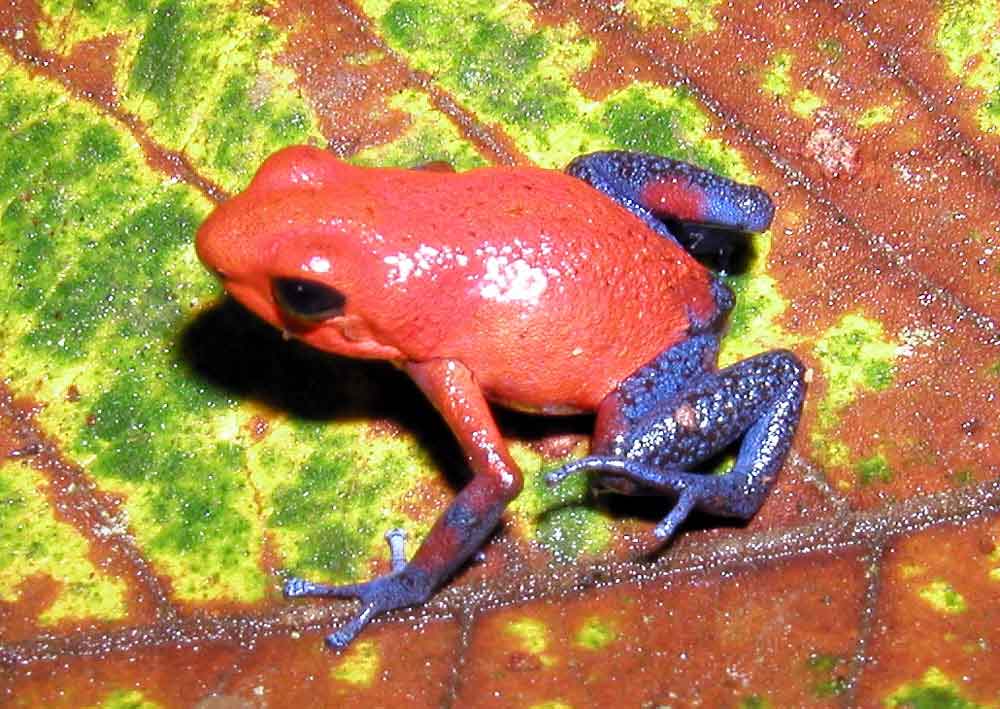
Oophaga pumilio (formerly known as Dendrobates pumilio), a poison dart frog, from Costa Rica, Central America – No machine-readable author provided. Pstevendactylus~commonswiki assumed (based on copyright claims)., Public domain, via Wikimedia Commons

Content

The "tree climbing frog" or Poison dart frog (Dendrobatidae) lives mainly in the rainforests of South and Central America. Due to its colorful, their diurnal lifestyle and their interesting reproductive strategy -the parents take care of their offspring-, many species are very popular and are regularly bred in local forms of various colors.

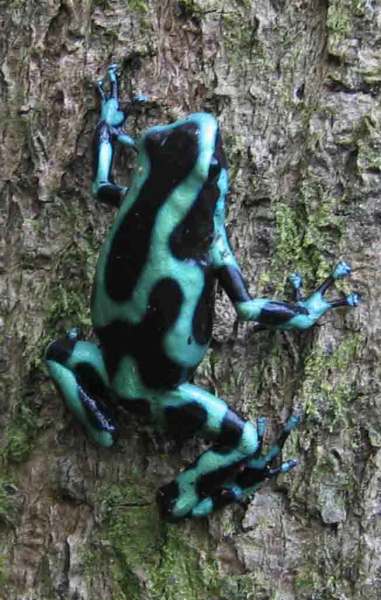
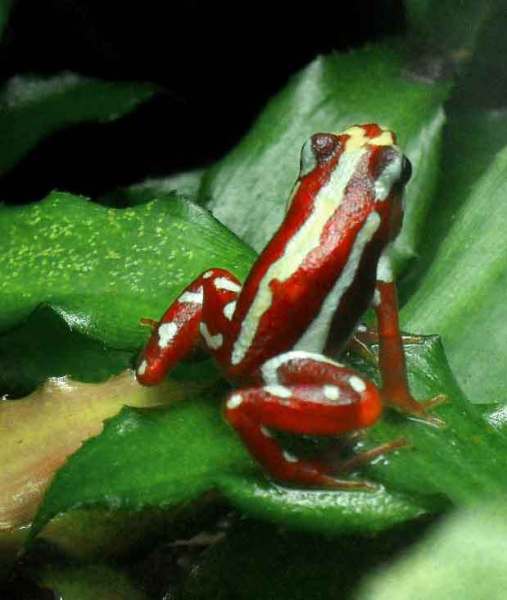
Some popular species are, for example, the Dyeing poison dart frog (Dendrobates tinctorius), the Green and black poison dart frog (Dendrobates auratus), the Yellow-banded poison dart frog (Dendrobates leucomelas), as well as the Anthony's poison arrow frog (Epipedobates anthonyi), the terrible Golden poison frog (Phyllobates terribilis) and Strawberry poison-dart frog (Oophaga pumilio).

Many other species of different genera can be found as offspring in trade.

Sex differences

It is not easy to distinguish the sexes from the Poison dart frog. Females tend to be larger, stronger build and with sticky discs on fingers smaller than males. Males who are ready to mate make a trill.

Behavior

The Poison dart frog can raise itself, as a couple or in a group. The association of several species is usually not problematic in sufficiently large terrariums. Males occupy small territories.

Terrarium

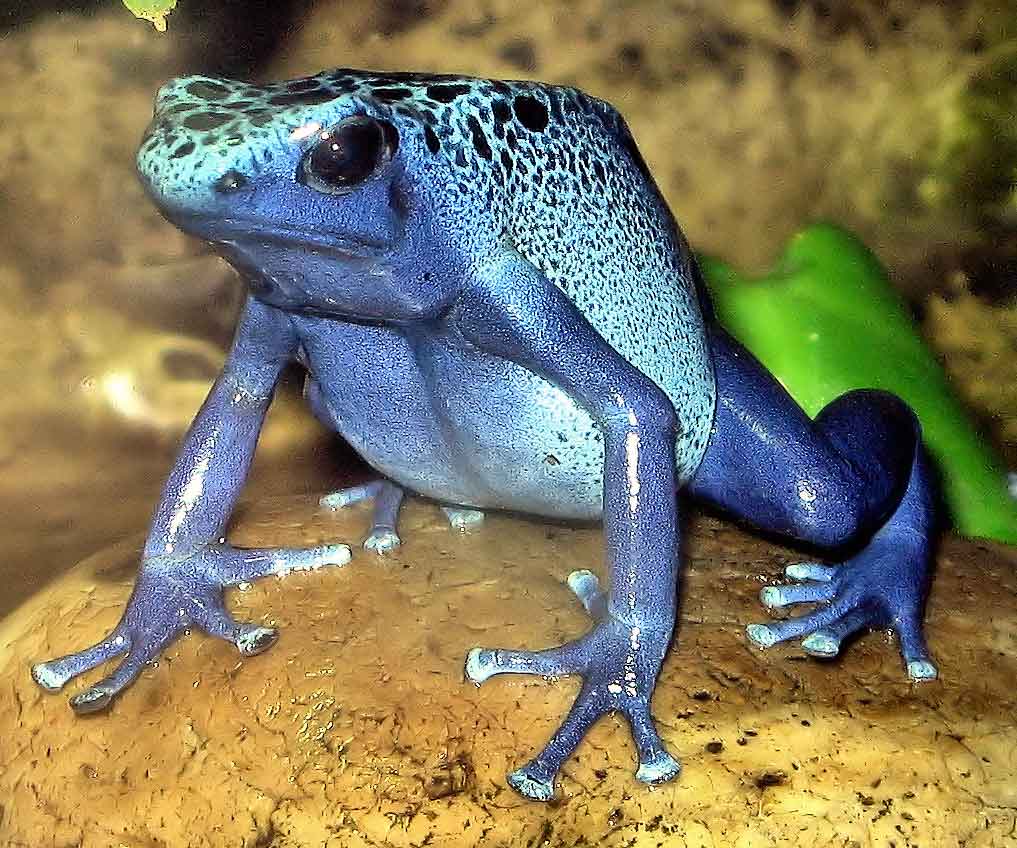
Dendrobates azureus
Dendrobates azureus at Bristol Zoo, England – Arpingstone, Public domain, via Wikimedia Commons

A terrarium for climbing frogs must have some special features: The so-called "terrariums for the species Dendrobatidae» have fine mesh ventilation surfaces (Drosophila hermetic), as well as a gasket between the sliding panes to prevent very small food animals from escaping, like fruit flies, isopods and springtails. The sloping front windows and generously dimensioned ventilation zones prevent the windows from fogging up in high humidity and, together with a drain integrated in the lower glass, help to avoid dangerous flooding.

The terrarium must measure at least 60 x 40 x 50 cm. (length x widht x hight) for a group of maximum 6 animals of the smallest species (until 4 body length cm), for the largest species at least 80 x 40 x 60 cm. (length x widht x hight) for a maximum of 6 specimens.

Fluorescent tubes with a daily light duration of 10 to 12 hours are suitable for lighting. A UV component can have a positive effect on animal welfare. Because the areas of origin are very different, it is important to create the right temperature conditions for each species; for example, highland species do not tolerate higher temperatures. The optimum for the mentioned species is a soil temperature between 24 and 26 °C, with local heating up to 28 °C. At night, the temperature should be reduced to about 23 °C. At night, the temperature should drop to about 23 °C. For the basic temperature, weak heating mats can be used, installed outside the terrarium. They can be used to heat the floor (at most one third of the soil surface!) or the walls. With the help of a thermocontroller, the heating mat can be specifically controlled to prevent overheating.

The humidity should be at least 80 % and sometimes it can reach almost 100 %. This can be achieved by frequently spraying the terrarium with warm water or using a sprinkler system.. Waterfalls or artificial streams, whose moving water provides high humidity, are also suitable. Precise thermometers and hygrometers are needed to measure temperature and humidity.

For the Poison dart frog, 2, preferably 3 sides of the terrarium should be covered with cork, coconut fiber boards or similar. climbing facilities, like the roots, the lianas, the branches, etc., have proven useful. Curved cork bark or halved coconut shells are popular hiding places.

A shallow bowl of water (or a watercourse) also part of the basic equipment. The soil in the terrarium is suitable as a substrate, coco substrate or moss, which should always be kept slightly moist. A drainage layer of expanded clay at the bottom prevents waterlogging. The natural plantation with ferns, perched plants (for example, bromeliads), as well as climbing and creeping plants (for example, hiedra or ficus climbers) creates additional climbing and retreat possibilities and ensures high and uniform humidity.

Nutrition

The Poison dart frog feeds on the smallest insects (live), to which sufficient quantities must be given each day. In addition to small insects or micro-hunters, fruit flies are especially suitable (Drosophila), bean beetles, springtails, etc. Regular administration of a mineral preparation ensures healthy bone growth.

Care

Food scraps and droppings should be removed daily. The water bowls should also be cleaned daily and filled with fresh water.

Animal health must be monitored daily. The most common health problems in tree frogs are softening of the bones, emaciation, balance disorders and skin disorders. The Poison dart frog is especially sensitive to stressors. In case of anomalies, an amphibian vet should be consulted.

Acclimatization and handling

Amphibians are animals of pure observation and should NOT be petted. In the first days in his new home, animals need adequate rest to get used to their new environment. If required, animals must not be caught by hand, but with the help of plastic boxes or similar.

Reproduction

Dendrobates amazonicus
Ranitomeya amazonica, syn. Dendrobates amazonicus by V2, first published on his homepage youngester.com, CC BY-SA 3.0, via Wikimedia Commons

The smallest species spawn mainly on the leaves of plants and trees.. The largest species (Dendrobates tinctorius and Dendrobates auratus) they also spawn in caves. Depending on the species, a spawn comprises between two and 35 eggs. Spawning is preceded by a courtship ritual that can last for hours. The female approaches the male and caresses his back with her front legs. Both then look for a suitable place to spawn. Spawning takes place, for example, on bromeliad leaves above the leaf axils or in the leaf axil itself. The insemination of the eggs by the male occurs externally immediately after their release. The clutches are usually guarded by the male. Some species regularly water their clutches by emptying the contents of their bladder over the eggs..

The poison frogs they are daytime, as their bright colors offer them protection during the day. So that your tadpoles are not at the mercy of predators in rivers and ponds, the tadpoles that hatch after 10 to 16 days of embryonic development are transferred on the back of the male to the smallest accumulations of water in the plants (phytotelmata), like the armpits of leaves filled with water. In some species (for example, the Ranitomeya imitator) this transfer is done individually, in others, eg Epipedobates tricolor, can involve the entire laying at the same time. They later carry their young to the ground in the same way.

Females of some species feed unfertilized proximity eggs to tadpoles until metamorphosis, in others the larvae feed on algae or insects that fall in the axils of the leaves. The development from tadpole to juvenile frog lasts between six and 14 weeks.

Special features

All climbing frogs are subject to species protection legislation and require confirmation of origin. The holder must also comply with the registration obligation (exception: Dendrobates auratus and Dendrobates azureus).

The climbing frogs are highly susceptible to deadly infection by the dangerous chytrid fungus. Before handling the terrarium, all objects must be disinfected and thin rubber gloves must be worn. Newly acquired animals must be kept in strict quarantine for several months.

Although the name of poison frogs is inaccurate, since only a few species can be dangerous to humans, all tree climbing frogs have skin secretions that can cause irritation when they come in contact with human skin. This is another reason why it is advisable to capture the animals only with the help of a small container..

▷ The world of Pets: Dogs, cats, birds, reptiles, amphibians

Boa constrictor
- Boa constrictor

In some countries, the possession of the Boa constrictor is regulated by the regulations on the possession of so-called “potentially dangerous animals”
Boa constrictor
Boa constrictor, Terra Fauna exhibition in the Vaňkovka shopping center in Brno – Pavel Ševela, CC BY-SA 4.0, via Wikimedia Commons

Content

Description

The Boa constrictor bears some of the most distinctive markings of all reptiles. Depending on the habitat in which they try to camouflage themselves, their bodies may be tan in color, green, red or yellow, and display cryptic patterns of jagged lines, Ovals, rhombuses and circles.

Much smaller than anacondas, boas can measure up to 4 meters and weigh more than 45 kg. Their jaws are lined with small hook-shaped teeth to grab and hold prey as they wrap their muscular body around the victim., squeezing it until it suffocates. Boas eat almost everything they can catch, including birds, monkeys and wild pigs. Their jaws can stretch very far to swallow large prey whole.

Habitat

Boa imperator (Boa constrictor imperator)

The Boa constrictor (Boa constrictor) is a giant snake that is distributed in several subspecies from South America to Central America.

Just like their premiums, the Anacondas, they are excellent swimmers, but prefer to stay on dry land, living mainly in hollow logs and abandoned mammal burrows.

Several subspecies are bred in captivity, local forms, as well as crosses and color variants, most often the two subspecies:

  • Red-tailed Boa (Boa constrictor constrictor)
  • Boa imperator (Boa constrictor imperator)

Specimens caught in the wild in the trade can also be found. If possible, specimens bred in captivity should be used.

In many countries, snakes Boas are subject to species protection legislation. The two subspecies mentioned are not subject to registration; However, proof of origin is mandatory for the holder.

In some countries, the possession of the Boa constrictor is regulated by the regulations on the possession of so-called “potentially dangerous animals”.

Sex differences

Sex determination based on external characteristics is difficult. Males have longer spurs; females are usually larger and heavier. Other methods of sex determination, Like "popping" and survey, should only be performed by a veterinarian who is familiar with reptiles, due to the risk of injury.

The Boa constrictor in captivity

Boa constrictor
Boa constrictor

Behavior

The Boa constrictor is a solitary animal, but it can usually be socialized without problems if the animals are expected to be about the same size..

The Boa constrictor it is viviparous. The eggs are not laid by the female - as is often the case with snakes., Rather, they remain in the uterus until the young hatch.. Litter size can be up to 60 pups in large females. So, if breeding is not planned or desired, animals should only be kept individually or in groups of the same sex.

As there is currently an oversupply of Boa imperator and there are hardly any buyers for the young, animals should only mate if there are reliable buyers for the offspring.

The Boa constrictor is twilight and nocturnal, but it also has diurnal phases.

Accommodation (Terrarium)

To keep one or two adult animals, the terrarium must be at least the size 250 x 100 x 200 cm.. For animals with a body size greater than 2 m, even larger base areas needed. Permanent maintenance is not allowed on so-called racking systems.

Terrarium temperature

Like warm-blooded animals, the Boa constrictor you need a temperature gradient in the terrarium that allows you to reach your optimal body temperature. As such, a heating system is installed on the floor outside the terrarium, on one side, to ensure localized heating of up to 35 °C. It is also possible to use radiant heaters with UV components. The soil temperature in the rest of the terrarium should be about 26 – 28 °C; at night the temperature should drop to a few 22 °C.

Terrarium humidity

Humidity should hover between the 60 and the 80 % and can increase up to more than 90 % At night. This can be achieved by spraying the terrarium daily with warm water or using an irrigation system.. Precise thermometers and hygrometers are needed to measure temperature and humidity.

Terrarium lighting

Fluorescent tubes are suitable as basic lighting; the duration of illumination should be 10 to 12 hours. Lighting should be placed out of reach of snakes or secured with a metal mesh basket (Fire danger!).

Terrarium furniture

The shelves, stable rock structures (also imitations), the thickest roots and/or branches, as well as cork tubes and other cave-like hiding places have proven to be suitable. There must be at least one retreat for each animal. The Boa constrictor climb well; Therefore, the furniture must be well installed in the terrarium so that the animals can not harm themselves. The presence of a sufficient number of rough surfaces makes it easier for animals to moult regularly.. It also, a sufficiently large and temperature-controlled water battery, in which animals can also bathe, is part of the basic equipment. An absorbent substrate (for example, bark mulch) is suitable as a substrate, which should always be slightly moist at one point.

Important: There should always be a slightly moist hiding place.

Food

Boa constrictor
Boa constrictor

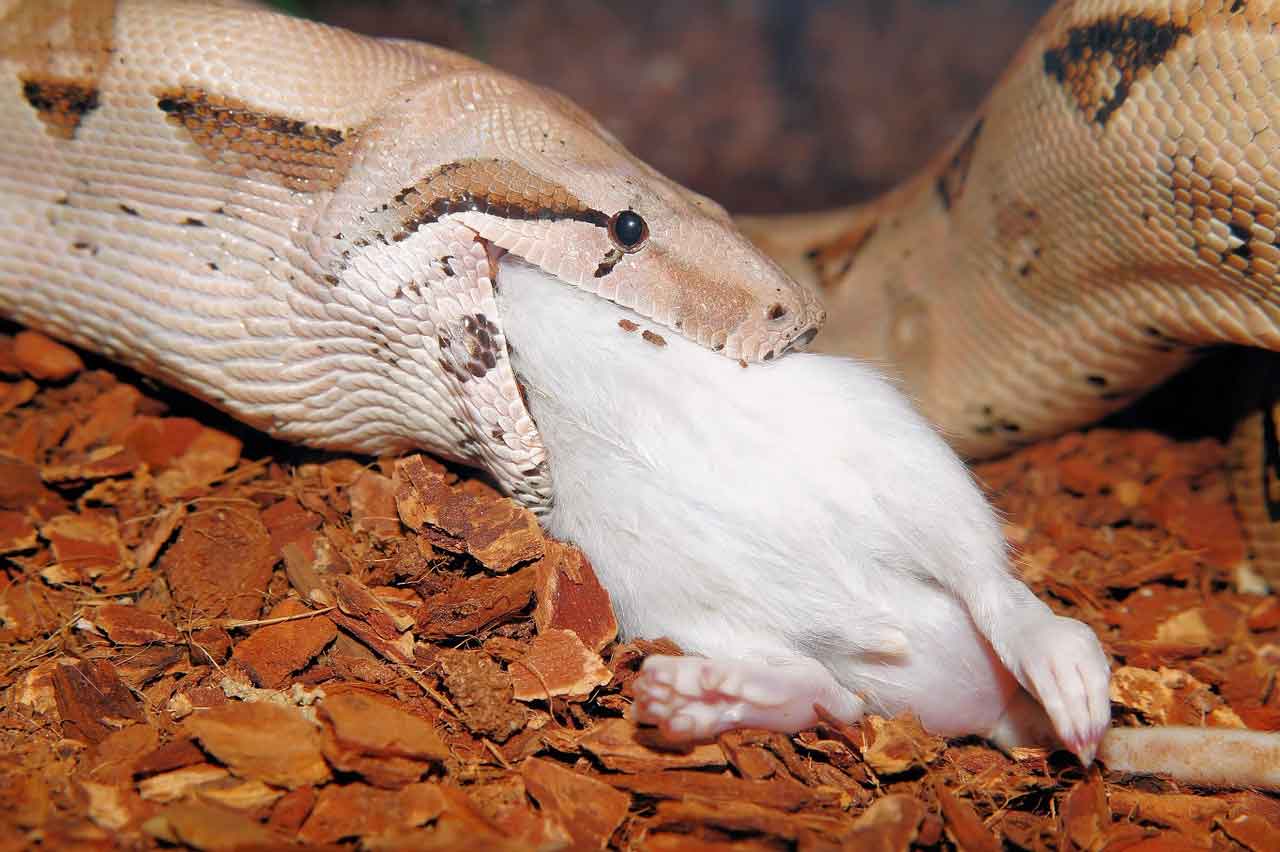
The Boa constrictor feeds mainly on mammals, reptiles and birds in the wild. Usually, can be fed with rodents or frozen rabbits of suitable size, that thaw quickly (for example, in warm water) and are brought to an approximate body temperature (35 – 40 °C) before feeding them. If required, frozen foods can be vitaminized with suitable preparations. Feeding live animals for food should be avoided due to animal welfare aspects and the risk of animal bite injuries for food. Fresh water must be available at all times.

If several animals are kept in the terrarium, they must be placed individually in boxes to be fed or monitored during feeding. after feeding, the animals need several days of rest and should not be disturbed.

Note: In the case of the pups, weekly feeding is adequate; in the case of older specimens, the feeding interval can be extended to 3 or 4 weeks.

Care

Food scraps, molts and droppings should be removed daily. In the case of young animals, water bowls should be cleaned daily. Larger water bowls should be cleaned and filled with fresh water at least once a week or when dirty.

Animal health should be checked daily. The most frequent health problems in the Boa constrictor are the difficulties of molting, skin mites, eating disorders, movement disorders, as well as inflammation of the respiratory tract, skin fungus, feces and mucosal alterations. In case of anomalies, you have to consult a reptile veterinarian. It is recommended to perform fecal examinations once a year to detect endoparasites.

Boas are very susceptible to inclusion body disease, a viral disease that ends up being fatal. As there is still no treatment for this disease, newly acquired animals must be quarantined for at least six months and examined by a veterinarian before they come into contact with the existing population.

The intestinal flora of the Boa constrictor usually includes salmonella, that are harmless to animals, but they can cause disease in humans. Hygiene measures (wash your hands well, etc.) can prevent infection.

Acclimatization and handling

Reptiles are observation animals and NOT companion animals. For this reason, in the first days in their new home, animals need adequate rest to get used to their new environment.

Animals should only be caught if necessary. Boas are usually peaceful, but they can bite sensitively; in the case of aggressive specimens, it is recommended to handle them with the help of gloves and / or a hook for snakes.

Attention: During the molt, animals should not be fed or taken out of the terrarium.

Special features

Colored breeds with reduced pigmentation (for example, albinos) may show increased sensitivity to light.

Buy one Boa constrictor

The price of a Boa constrictor in the exotic animal market ranges from 120 – 150 EUR.

Video Boa constrictor

Boa Constrictor Facts: the Red Tailed Boa facts 🐍 | Animal Fact Files

Alternative names:

1. Red-tailed boa, Common boa (English).
2. Boa devin, Aviosa (French).
3. Königsschlange, Königsboa, Abgottboa (German).
4. Jiboia (Portuguese).
5. Tragavenado, Guio, Mantona, Mazacuata, Tragavenado, Jiboia, Lampalagua, Matacaballo, Limacoa, Ilama (español).

▷ The world of Pets: Dogs, cats, birds, reptiles, amphibians

Turtle feeding
What do turtles eat in the terrarium?

The Turtles they can be carnivorous, omnivorous or herbivorous and there are some species that change their diet as they grow and tend to go from a carnivorous diet to a more omnivorous one.
Turtles in captivity
Even if they seem like it, are not porcelain …, are real, alive and well alive – Get this image at: Flickr

Content

TABLE 1

Classification of Some Turtles
Terrestrial according to their Diet

herbivores Omnivores
Sulcata turtle Box Turtles
Leopard Turtle Terrapenes Turtles
Yellow-footed turtle Articulated Turtles
Radiated Turtle Some Asian box turtles
Chilean turtle
Turtles of the species Testudo

Turtle feeding (chelonians)

The pets, which are very popular today, place high demands on people. Especially when it comes to maintaining and feeding, it is very important to know the conditions in the areas of origin of the turtles and to orient oneself on them. although Turtles can live up to very old, unfortunately it is not uncommon for them to live a few years in captivity. The proper feeding of the species is, therefore, an indispensable factor for successful maintenance. In contrast, incorrect nutrition of turtles is the most common cause of illness and death.

Its original habitat consists of arid and dry landscapes. There, the Turtles you will find slow-growing plants very rich in minerals, trace elements, vitamins, crude fibres and fodder. If you look at this habitat, it is clear that our lush, protein-rich meadows, fruits, cultivated lettuce and vegetables are not part of your natural food supply.

The intestines cannot properly digest this overly soft and sugary food. Even the occasional feeding with fruits, Salads and vegetables lead to an altered balance of microorganisms in the gut. This imbalance in the intestine sometimes leads to severe diarrhea. What, Unfortunately, turtles are not able to distinguish between healthy and unhealthy foods, tomatoes, salads and vegetables are tastefully eaten. The drop, constipation, shell and fatty liver deformities and even death are often the result.

The Turtles they can be carnivorous, omnivorous or herbivorous and there are some species that change their diet as they grow (see tables 1 and 2); for example the aquatic turtles of the gender Trachemys tend to go from a carnivorous to a more omnivorous diet as they grow older; becoming adult vegetarians. This is a reflection of changing dietary requirements, from its phase of greatest development to maturity.

An appropriate one turtle nutrition (chelonians) allows adequate growth, shell conformation and reproductive capacity (48).

Turtle feeding (chelonians) omnivorous

TABLE 2

Classification of Some Aquatic Turtles
according to your Diet

herbivores Omnivores carnivores or
predominantly
carnivorous
There are very few aquatic turtles
herbivores like
Indian Roof Turtle
Painted Turtles European Pond Turtle
Adult Emidids of North America Spotted Turtle along with the
other species of Clemmys
Crocodile and alligator turtle
Map turtles Tortuga Mata mata
Swamp Turtles Soft-shelled turtles
Red-eared turtle Shield turtle
Turtles of the genus Phrynops Long-necked turtles
South American turtles
of the gender Platemys

Most of the omnivorous chelonians they are mainly carnivorous during their youth, but as they mature they increase their consumption of plant matter. It is suggested that their diet in captivity contains plant and animal matter in proportions of 75:25 to 90:10 (49).

In the wild, omnivorous species have access to a wide variety of live foods., frequently insects such as earthworms, snails, slugs, one hundred feet, Pupae, worms, mealybugs, crickets, etc. To get a better idea of the components that a diet may contain for these species in captivity it is recommended to see the table 3 and 4 (50).

TABLE 3

Recommended Components for the
Diet of Omnivorous Terrestrial Turtles

Worms, slugs, snails, myriopods, mealybugs, among other invertebrates
Pinkies (newborn mice)
Skinned and chopped adult mouse
Vegetables and pastures (fungi, lettuce)
fallen fruit (bananas, Peaches, tomatoes)
(McArthur et al, 2004).
TABLE 4

Recommended Components for the
Omnivorous Water Turtles Diet

Pellets for turtles (Tortuguetas [Petmmal], ReptoMin®sticks [Tetra])
Green leaves
Fruits
Low-fat canned dog food
Low-fat rehydrated dog kibble
Pellets for pond fish
Raw whole fish
Fresh meat (liver)
Insects (red worms, tubifex worms, artemias)
Prawns

Since insects contain more phosphorus than calcium (especially the larvae), should be supplemented with vitamins and minerals (calcium), to avoid the presence of nutritional deficiencies. So insects should be fed a diet rich in vitamins and minerals especially calcium, 24h before being offered to the reptile; this is known as "gut loaded" in English, and moments before offering them should also be sprinkled. Occasionally they may be provided with a small amount of meat, fish or dog food «LIGHT» (Normal foods are high in fat), in order to maintain a balanced diet (51).

The frequency of inclusion of animal matter in the diet, depends on the lifestyle of the animal and the degree of meat consumption of the species, excessive amounts of cat food, dogs or monkey, cause metastatic mineralization problems; as it contains high levels of vitamin D3. Most omnivores will refuse to eat fresh vegetables and fruits., showing preference for mature plant material (52).
As for aquatic turtles, they also develop well with a suitable combination of animal and plant material, dried shrimp lack an adequate balance of vitamins and minerals, while greasy fish in large quantities produce steatosis, fatty liver and vitamin B deficiency due to excess thiaminases. So a proper diet is based on a balance of ingredients, a small amount of low-fat dog food can be given 1 once a week occasionally, and natural ingredients should always be preferred (53).
It should be remembered that high-protein diets have a higher content of phosphorus in relation to calcium, so they should be supplemented with calcium (e.g.. Calciosol with fixative) and some fish contain thiaminases, so you also have to supplement with vitamin B1 (e.g.. Thiaminal B-12, Benerva®. Roche Laboratories), to ensure intake (because the animals feed in the water and the supplements are lost) it is recommended to liquefy all the ingredients and then add grenetin to the mixture, to make a gelatin which prevents the loss in the water of calcium and vitamins ensuring its consumption (54).
The key is to prevent animals from being pigeonholed with one or two foods., as they frequently become addicted to meat or fish; which results in a poor diet. It is important to have a separate tank from the main tank so that the animals are transferred to it at feeding time and thus reduce the contamination of the water in the main tank. (55).

Adequate proportions of a diet for red-eared turtles, painted and swamp turtles and stinky:
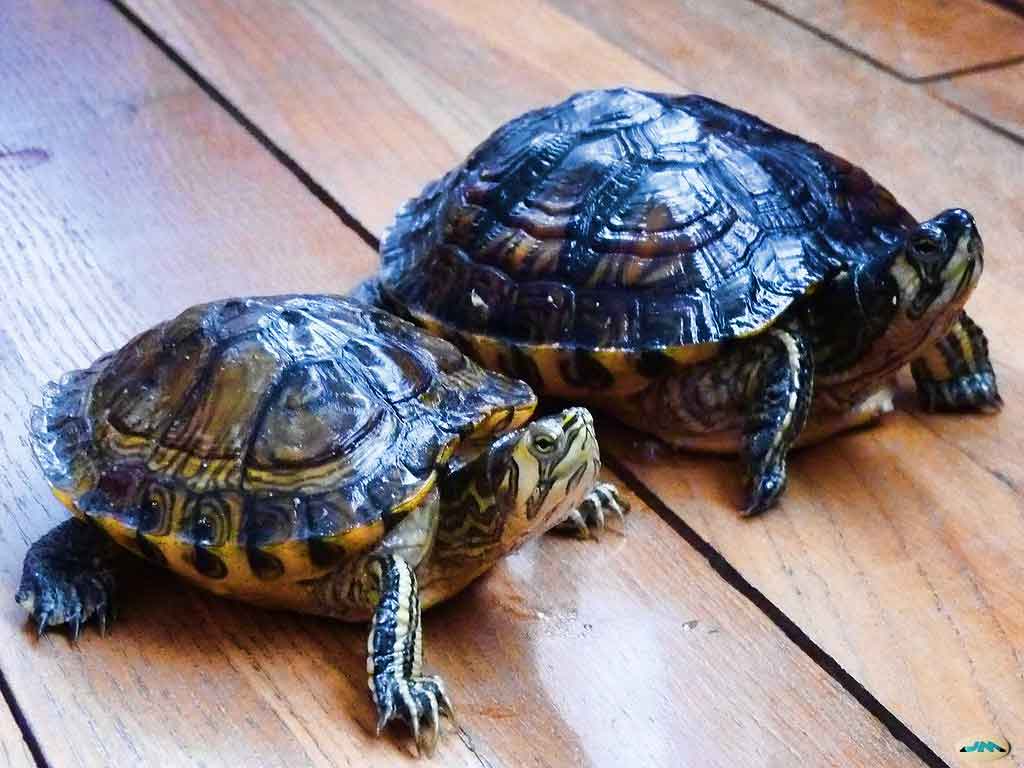
Turtle in captivity
Turtle
  • 60-70% animal matter: sofobas, crickets, waxworm larvae, common earthworm, tubifex, Anemias, aquatic snails, small fish, trout pellets or low-fat dog kibble, avoid using raw or cooked meat, especially in juveniles due to its low calcium content, tubifex and snails can bring parasites.
  • 20-30% green leafy vegetables or aquatic plants.

In the wild they feed on snails, slug, insects, crabs, other aquatic invertebrates, Tadpoles, small fish, carrion, algae and aquatic plants, and as mentioned at the beginning, juvenile omnivorous turtles are more carnivorous and become more herbivorous as they mature. Adults can be fed from 2-3 times a week and only give them an amount of food that they can eat in a 30-40 minutes, it is recommended to give aquatic plants such as duckweed, water lettuce, Water hyacinth along with other aquatic plants and swamp plants, which form a substantial part of adult diets (56).

Feeding of herbivorous turtles

Microbial fermentation of intake occurs in the large intestine, microorganisms digest parts of the intake such as cellulose that the host cannot digest and this flora produces additional protein derivatives by modifying the plant material (57).

The diet of herbivorous reptiles should contain:
  • High-fiber vegetables that make up most of the diet.
  • It must be rich in certain minerals such as calcium.
  • Rich in vitamins such as vitamin A and D3.
  • Must have an adequate calcium and phosphorus balance, which must be at least 1.5-2: 1 That: P. wild chelonian diets contain at least one radius Ca: P of 4: 1.
  • Adequate water content.
  • Low phosphorus.
  • Low in fats and oils.
  • low in protein.
  • Low in thiocyanates, oxalates and phytates. (58).
  • Should be high in slow-digesting carbohydrates (e.g.. cellulose) and low-carb, high-digesting (e.g.. Feints)

Requirements are easily met when fed with wild plants, like flowers, pastures and weeds (be sure they are free of pesticides and pests), as store-bought greens are often high in protein and low in fiber compared to natural forages. Turtles can graze on their own if they are provided with adequate space for this., without the presence of poisonous plants, even so your diet should be supplemented, the species that benefit most from grazing are the leopard turtles and sulcata (59).

The Turtles have food preferences and will only eat 1 or 2 food to the exclusion of others, which can bring deficiencies. To reduce selective feeding it is recommended to liquefy the food, which is supplemented with vitamins and minerals (e.g.. Vitafort-A and Calciosol with fixative) (see Fig. 5), diet ingredients should be fresh and raw. Food must be washed very well to remove pesticide residues (60).

Turtle eating a salad
Fig. 5. Turtle eating a supplemented salad.

Animal protein should not be offered (see table 5) to herbivorous reptiles as it can affect the intestinal flora and predispose to hyperuricemia and therefore to gout, In addition to causing accelerated and abnormal growth in juvenile reptiles (61).

TABLE 5

Foods to Avoid
herbivorous reptiles

Cat food
Meat
Dog food
Bread
Milk
Cheese
Refried beans
Bacon
Ham
Recovery diets for mammals (a/d Hill’s)
Insects: worms, sofobas, tenebrios
Meat
To mention a few
(McArthur et al, 2004; Walls, 1998).

Although pellet-based diets are very popular, some authors do not recommend them as the majority part of the diet, especially in juvenile animals since they provide them with accelerated growth as most are high in protein (>45%), which is detrimental to growth in juveniles, as the shell is deformed; its use in adults is also of dubious benefit to some; however it all depends on the quality and quantity of the ingredients (62).

As mentioned earlier in the green matter section, care should be taken with vegetables containing oxalates and thiocyanates (see table 6), since depending on the amount of these in the diet mineral deficiencies can occur (iodine and calcium) (63).

The herbivorous turtles differ from each other regarding their preferred intake of fiber, Mediterranean turtles are ramoneadoras so they will be better off if they are allowed to ram in gardens with herbaceous plants; While the leopard turtles and sulcata are better off with a diet high in grasses and hay (70-75%) because they require a higher intake of fiber, although it has been seen that in the wild some eat a greater amount of herbaceous plants, it has also kept a record of growth in freedom that can serve as a captive turtle guide, young and subadults grow 7mm/month, adult females grow 5.7mm/month and adult males 3.2mm/month (64).

A diet recommendation for herbivorous tortoises is:

  • Mediterranean turtles: 25% rubiaceae (Nubia, white gallium, coffee family), 22% legumes (bean, peanut, broad bean, lentil, soy, pea and chickpeas), 10% asteraceae or compounds (lettuce, Sunflower, endive, chicory, daisy, chamomile and safflower), 8% ranunculaceae (be careful with these because many are toxic like aconite, knight spur and adonis), these can be grown at home to ensure they are pesticide-free and it is recommended that it be in calcium-rich soils to ensure that the plants have a high content of this mineral..
  • Leopard and sulcata turtles: their diet is similar to that of Mediterranean turtles, but with a higher proportion of pastures (20%) such as achicalada alfalfa and good quality Timothy grass hay (65).

In general, the food should be provided ad libitum per meal. The newly hatched specimens and up to their juvenile stage should eat 2 times per day, chopping the food to obtain particles of the appropriate size. Juveniles and adults can be fed once a day and both juveniles and adults should have access to fresh water for both drinking and bathing. (66).

Canned and dehydrated herbivore diets are commercially available and a small portion may be used in the omnivore diet. (67).

Sources:

Corral Gutiérrez, Karla Marina. (2009). «Development of a manual and interactive disk on nutrition, "Frequent installations and diseases in reptiles used as pets". (Bachelor's Thesis). National Autonomous University of Mexico, Faculty of Higher Studies Cuautitlán, UNAM. Retrieved from https://repositorio.unam.mx/contenidos/3449228
Bibliography:
(48) (Alderton, 2002; Beynon and Cooper, 1999; McArthur et al, 2004).
(49) (Alderton, 2002; Girling and Raiti, 2004; Mader, 2006; Merck Veterinary Manual, 2007; McArthur et al, 2004).
(50) (McArthur et al, 2004; Wissman M. A., 2003).
(51) (McArthur et al, 2004; UNAM Diploma in Medicine and Wildlife Management, 1993).
(52) (McArthur et al, 2004).
(53) (McArthur et al, 2004).
(54) (Girling and Raiti, 2004; McArthur et al, 2004).
(55) (Girling and Raiti, 2004; McArthur et al, 2004).
(56) (Girling and Raiti, 2004; McArthur et al, 2004).
(57) (McArthur et al. 2004).
(58) (Girling and Raiti, 2004; McArthur et al, 2004).
(59) (Mader, 2006; McArthur et al, 2004).
(60) (McArthur et al, 2004; Wissman M. A., 2003; Syria et al., 2002; Walls, 1998).
(61) (McArthur et al, 2004).
(62) (McArthur et al, 2004).
(63) (Mader, 2006).
(64) (Girling and Raiti, 2004).
(65) (Girling and Raiti, 2004).
(66) (IMFAC, Practical Medicine Course in Non-Conventional Companion Species, 2006; McArthur et al, 2004).
(67) (Wissman M. A., 2003).