▷ The world of Pets: Dogs, cats, birds, reptiles, amphibians

Rio Grande cooter
- Pseudemys gorzugi

The Rio Grande cooter it is a medium to large sized aquatic turtle with pronounced sexual dimorphism in body size and other characteristics.
Rio Grande cooter
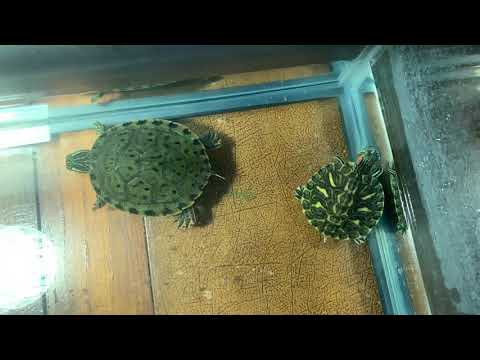
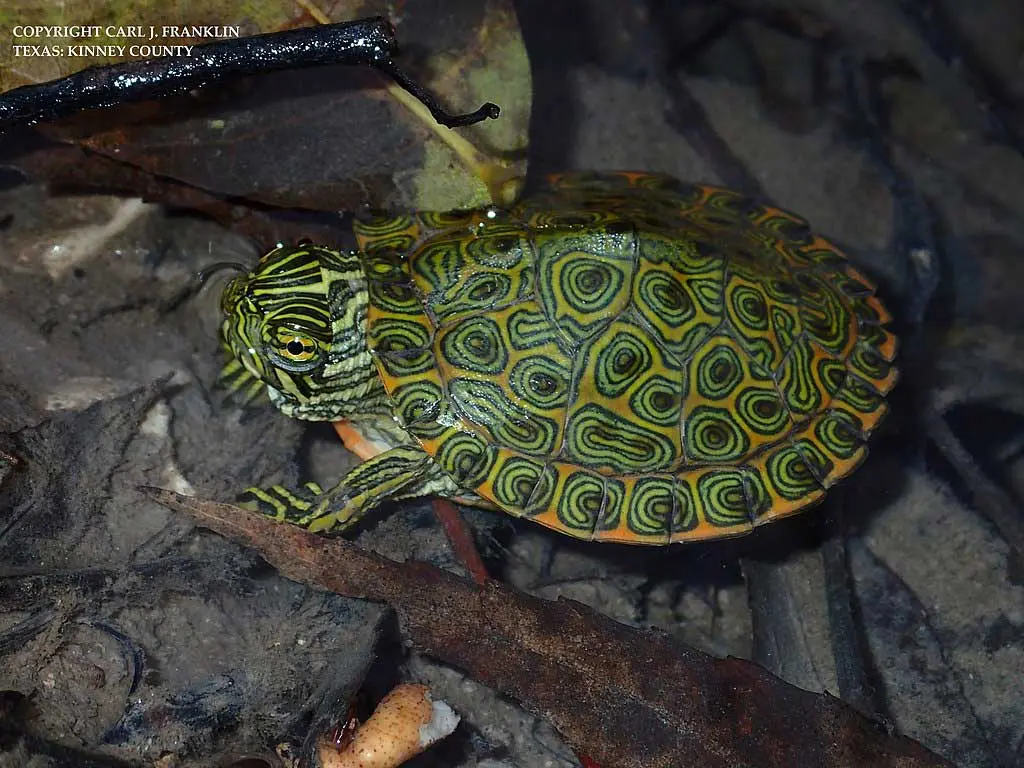
A baby “Rio Grande Turtle” from Kinney County, Texas – Texas Turtles, CC BY-SA 4.0, via Wikimedia Commons

Content

Origin / Distribution

The Rio Grande cooter (Pseudemys gorzugi), It lives in Mexico and the United States. It is distributed along the Rio Grande (= Rio Grande do Norte) from the Big Bend region to the Gulf of Mexico; the Pecos River from southeastern New Mexico to its confluence with the Rio Grande, with an apparent gap from just south of the New Mexico border to Independence Creek in Terrell County, Texas; and in the tributary streams of these two rivers in northeastern Mexico (Coahuila, Nuevo León, Tamaulipas and possibly Chihuahua) and in the southwestern United States (New Mexico and Texas).

Characteristics / Appearance

The Rio Grande cooter it is a medium to large sized aquatic turtle with pronounced sexual dimorphism in body size and other characteristics. The carapace of adults is elongated and oval., more convex in males than in females, and has its tallest point near the center and widest just behind the center. The posterior marginals are toothed and the pleurals are shallow.. Males have significantly longer and thicker tails and longer front legs than females..

Habitat
Rio Grande cooter
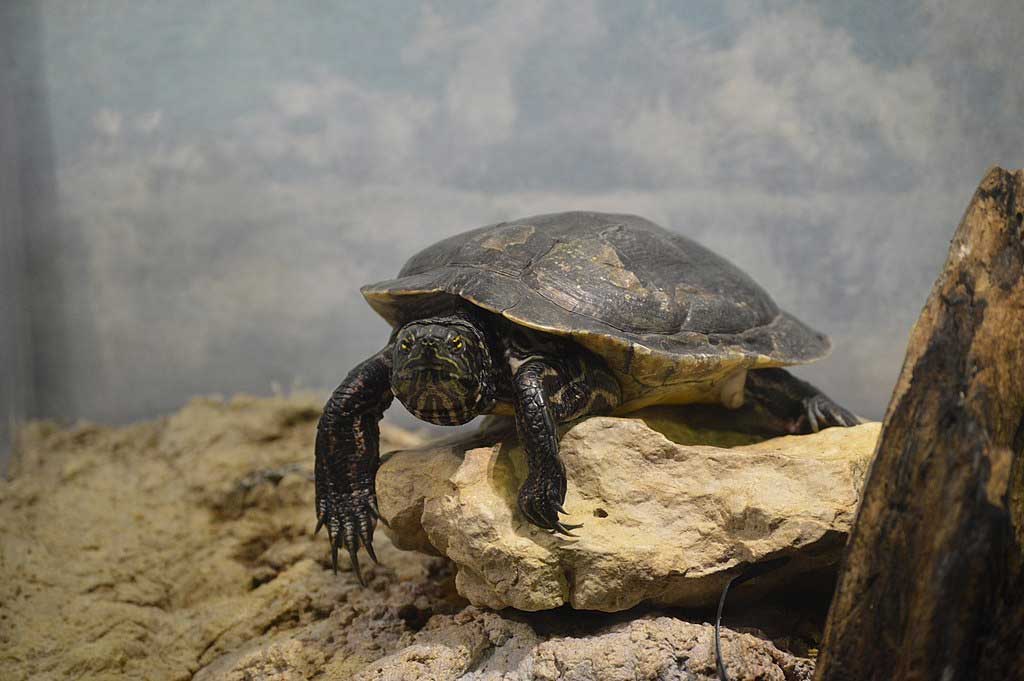
Rio Grande Turtle at the Fort Worth Zoo in Fort Worth, TX, EE.UU. – Sesamehoneytart, CC BY-SA 4.0, via Wikimedia Commons

The Rio Grande cooter found in a variety of freshwater habitats. It has a preference for larger and deeper pools in the streams it occupies., normally, but not always, where are aquatic plants. Substrates in their aquatic habitat vary from muddy or sandy to rocky, including algae covered limestone bedrock, and water quality ranges from clear to cloudy.

The species is found at elevations from near sea level in the lower Rio Grande to about 1100 m in southeastern New Mexico

Behavior

The eating habits of Rio Grande cooter have not been well studied, but the species is apparently omnivorous and feeds opportunistically. As with other Pseudemys, adults are probably more herbivorous than young. Specimens captured in New Mexico have been observed feeding on algae that grow on submerged boulders in the Negro River., and often defecated plant matter, especially green algae.

Threats to the species

State of conservation ⓘ


Near-threatened Near Threatened ⓘ (UICN)ⓘ

The International Union for Conservation of Nature (UICN) has classified the species Pseudemys gorzugi as Near Threatened due to its limited distribution (perhaps less than 2.000 km2), the decline in the quality and quantity of their aquatic habitat and the collection of individuals from wild populations for the pet trade. These multiple threats and other, combined with low genetic diversity and low recruitment of the species, endanger the persistence of the species in many places. In this sense, the Rio Grande cooter is similar to others freshwater turtles from the southwestern United States, facing similar threats.

Predation by other animals appears to affect all life stages of the Rio Grande cooter, from eggs to adults, Although direct evidence is lacking.

The "Rio Grande cooter" in captivity

Aquaterrarium

Smaller individuals can be kept in aquariums or indoor tanks if they are provided with an ultraviolet light source., adults are likely to do better if kept in large open-air ponds or livestock water tanks, equipped with a water circulation and filtration system and with platforms for sunbathing.

The young eat lettuce and other green leafy vegetables., in addition to commercial food for turtles and fish, raw meat and chicken. The pups require ample sunlight or constant exposure to a normal incandescent light bulb to maintain body temperature and induce the formation of vitamin D necessary for proper calcium metabolism.

The young feed on mosquitoes (Gambusia sp.), River Crabs, lettuce, spinach and aquatic plants collected in the wild, and juveniles are fed commercial food such as dry or canned dog food, trout and catfish food or cat food.

Eggs laid in water by captive females can be incubated with excellent results., provided they recover shortly after laying. Depending on the temperature, incubation in captivity can last between 70 and 110 days. You can get a hatching success higher than 90% incubating the eggs in moist newspaper, vermiculite or clean sand.

Buy one "Rio Grande cooter"

The price of a "Rio Grande cooter" at the exotic animal market, ranges between 50 – 80 EUR.

Videos "Rio Grande cooter"

Rio Grande Slider and Rio Grande Cooter

Rio Grande river cooters (Pseudemys gorzugi) from Kinney county, Texas

Alternative names:

1. Rio Grande cooter, Western River Cooter (English).
2. Pseudémyde du Rio Grande (French).
3. Rio-Grande-Schmuckschildkröte (German).
4. Cooter do Rio Grande (Portuguese).
5. "Tortuga del Río Grande", Tortuga de Oreja Amarilla, Jicotéa del Río Bravo, Terrapene del Río Grande (español).
▷ The world of Pets: Dogs, cats, birds, reptiles, amphibians

Carpet chameleon
- Furcifer lateralis

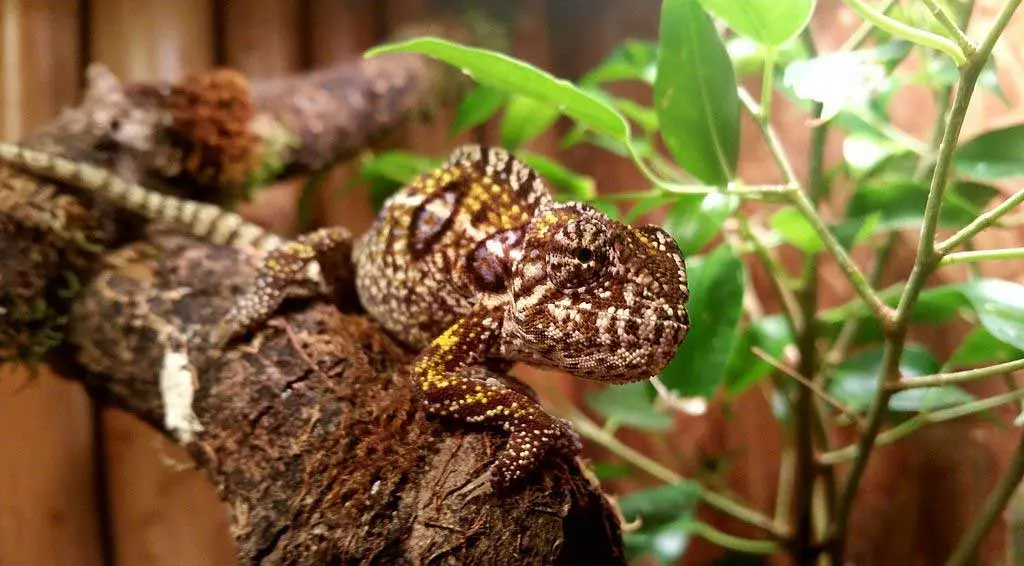
The Carpet chameleon, formerly known as Chamaeleo lateralis, is a beautiful species in high demand for the pet trade.
Carpet chameleon
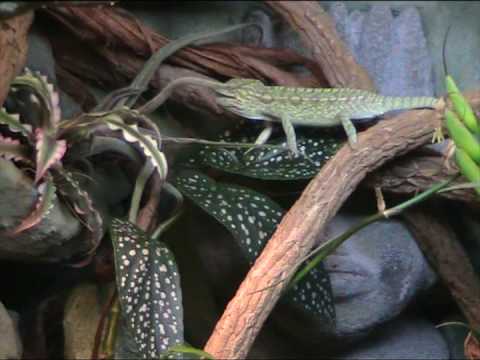
Furcifer lateralis, female – dododotzler, CC BY-SA 4.0, via Wikimedia Commons

Content

Origin / Distribution

The Carpet chameleon (Furcifer lateralis) is native to the island of Madagascar, in the Indian Ocean, and its range covers much of the island.

Characteristics / Appearance

Both males and females of the Carpet chameleon reach a maximum length of between 17 and 25 cm.. Males are generally green with a white midline and a series of dark bands extending from behind the head to the end of the tail.. Females usually have a heavier body and are more colorful (especially when pregnant), with dark bands and white or yellowish lateral ocelli and a poorly defined orange half-lateral stripe on a brownish background. The throat and lips of both sexes are usually scratched. These chameleons can change color and intensity depending on mood and certain environmental factors..

Habitat

The Carpet chameleon is strictly arboreal, and especially likes small trees and shrubs. It is usually found at an altitude of between 600 and 1200 m, usually in areas of moderate shade and high humidity, with access to direct sunlight. This species has also infiltrated the cities of Madagascar, and performs quite well in the private gardens and shrubs of the parks.

Behavior

This species, like most chameleons, is strictly diurnal. Usually, they spend the first part of the day warming their bodies by adopting a very dark coloration and exposing as much surface area as possible to sunlight.. once the desired body temperature has been reached, begin to hunt prey, activity that usually lasts the rest of the daylight hours.

  • Males are very territorial and adopt a series of very elaborate postures., color changes and whistles to try to scare away rival males. They also scare away females that are not in a position to reproduce..
  • The Carpet chameleon is a species that generally follows the same routine every day, to the point of sleeping on the same branch every night.

Reproduction

The Carpet chameleon matures in a very short period of time, and is usually able to reproduce by three months of age. Males are usually very territorial and usually try to attract females to their territory to mate.. Females deposit the clutches of eggs in a depression that they dig into the ground. Typical clutch size ranges from 8 and 23 eggs, and up to three clutches can be laid in a year. Incubation requires about six months at a temperature close to 24°C .

Food

The Carpet chameleon is almost entirely insectivorous, and prefers insects that normally reside in trees or shrubs. Among them are most flies, grasshoppers and crickets, as well as various insect larvae. It is also known that adult specimens consume very small lizards and even small newborn rodents (in captivity). This species hunts its food with the typical chameleon style of slowly crawling through the branches of trees or shrubs., using their excellent eyesight to detect insects. When you select the desired prey, the Carpet chameleon gets as close as possible to its prey and catches it by quickly spreading its tongue (which may be equal to the length of the lizard), capturing the insect on the sticky tip and then quickly retracting its tongue

Threats to the species

State of conservation ⓘ


minor concern Minor Concern ⓘ (UICN)ⓘ

The Carpet chameleon is a relatively popular species in the pet trade, and most of the individuals available today are bred in captivity.

Without a doubt, chameleons help control insect populations in areas where they are common.

Currently, the Carpet chameleon is found quite well in its native habitat, and even seems to benefit from some degree of habitat alteration. It has proven to be quite versatile when moving to urban areas and establishing populations there..

The "Carpet chameleon" in captivity

The Carpet chameleon, formerly known as Chamaeleo lateralis, is a beautiful species in high demand for the pet trade. Wild-caught specimens that enter the pet trade are often in poor health when they arrive at retail markets., and mortality has been very high. Captive-bred pups are easier to keep alive. These animals seem to have a relatively short lifespan even under natural conditions., and few Furcifer lateralis live more than 3 years

The terrarium

Terrarium "Carpet chameleon"

Furcifer lateralis

The Carpet chameleon is reserved and shy, so it's not the kind that hangs on your shoulder. Once they are out of their habitat, can become stressed very quickly, which can cause a wide range of problems for your overall health.

These creatures prefer to be on a branch or trunk sunbathing in their enclosure. They move quietly from branch to branch, no need for space to climb. They like to stay out of sight, hiding under branches and inside hiding places.

How chameleons spend their lives in trees, you will need a terrarium taller than wide. You'll need a space that measures at least 45 x 45 x 90 centimeters for an adult—but more is always better.

The terrarium should be lined with gravel or clay granules for optimal drainage.

Temperature

Like many other cold-blooded creatures, there must be several temperatures available in the enclosure. They have to be able to regulate their body accordingly..

  • Sun area: 32º – 35º
  • Terrarium top: 26º – 29º
  • Bottom of the terrarium: 21º – 24º

Vegetation

Chameleons need leafy, healthy plants within their enclosure to climb and shade..

Some common plants for chameleons are:

  • Weeping fig tree (Ficus Benjamina)
  • Manioc
  • Rubber trees (Hevea brasiliensis)
  • Hibiscus
  • Jade plant (Crassula ovata)

  • Before buying, you have to keep in mind that you will also be responsible for keeping your plants healthy, as well as your chameleon.

    Humidity

    Yet Carpet chameleon loves hot and humid weather. Your enclosure must maintain humidity levels between the 50% and the 60% continuously. You have to put a hydrometer in your terrarium to control the levels.

    Illumination

    Chameleons need lighting that mimics natural light and night cycles. They benefit considerably from double fluorescent lamps.

    Food

    Yet Carpet chameleon loves all kinds of tasty insects.

    Among the appropriate dietary options are:

  • Crickets
  • Mealworms
  • Cockroaches
  • Fruit flies
  • Beetles of beans

  • Juveniles should eat one serving of insects a day, as much as they can in one sitting. Normally, this supposes a total of some 12 insects a day.

    Adults should eat every other day, and eat much less, approximately 6 insects per intake.

    Health and care

    Carpet chameleon
    Carpet chameleon (Furcifer lateralis) – gailhampshire from Cradley, Malvern, U.K, CC BY 2.0, via Wikimedia Commons

    The Carpet chameleon can be a very picky animal and difficult to maintain. They are ultrasensitive to stress and the environmental environment. So, one of the main things you need to do is make sure your chameleon feels as comfortable as possible..

    Before you take your Carpet chameleon at home, you have to find an exotic veterinarian in your area. You can't take a reptile to traditional veterinarians, since they do not have the necessary specialization to serve them efficiently.

    These chameleons are susceptible to various diseases and problems.

    These are the most common problems:

  • Stress
  • Upper respiratory infections
  • Metabolic bone disease
  • Dehydration
  • Egg retention
  • Stomatitis
  • Edema
  • Gout

  • If you notice any peculiar behavior or physical abnormalities, do not hesitate to take him to the veterinarian.

    Reproduction

    Reproduction of the "Carpet chameleon"

    Furcifer lateralis (Chameleon Carpet) with EGGS🥚😱

    If you have no experience, you may want to avoid breeding a Carpet chameleon until you've had a few. Since chameleons are so difficult to care for, their breeding can carry even more risks.

    But if you are familiar with the species, can try to breed.

    A good recommendation is to wait for the female to lay her first eggs before mating.. After a few weeks, you can reintroduce the female with the male. The mating of a Carpet chameleon can last up to an hour, so when it docks, be patient and don't bother.

    Sperm retention is common, which means that one breeding session can fertilize several subsequent clutches. After the females put their first clutch between the 8 and 12 months, remain gravid throughout their lives.

    They can give birth up to 30 offspring at the same time after a gestation of 4 to 6 months.

    Buy one "Carpet chameleon"

    The price of a Carpet chameleon may vary depending on several factors. But, the average cost ranges between 100 and 500 EUR. Sometimes, you can get lucky and find a person who wants to give their chameleon to a good home for free.

    Keep in mind that you also need plenty of supplies to get started.. Don't skip the basics, as these are fragile creatures that need proper care.

    For installation, including enclosures, the substrate, decoration, vegetation and diet, you can spend between 300 and 800 EUR.

    Videos "Carpet chameleon"

    Carpet chameleon (Furcifer lateralis) Care
    Furcifer lateralis

    Alternative names:

    1. Carpet chameleon, White-lined chameleon, Jewelled Chameleon (English).
    2. Caméléon à bandes latérale, Caméléon-joyau (French).
    3. Teppichchamäleon (German).
    4. Camaleão do tapete, Camaleão de linha branca (Portuguese).
    5. "Camaleón de alfombra", Camaleón de líneas blancas (español).
    ▷ The world of Pets: Dogs, cats, birds, reptiles, amphibians

    Von Höhnel's chameleon
    - Trioceros hoehnelii

    The Von Höhnel's chameleon (Trioceros hoehnelii) is a high-altitude species that ascends to more than 3.000 m on Mount Elgon.
    Von Höhnel's chameleon
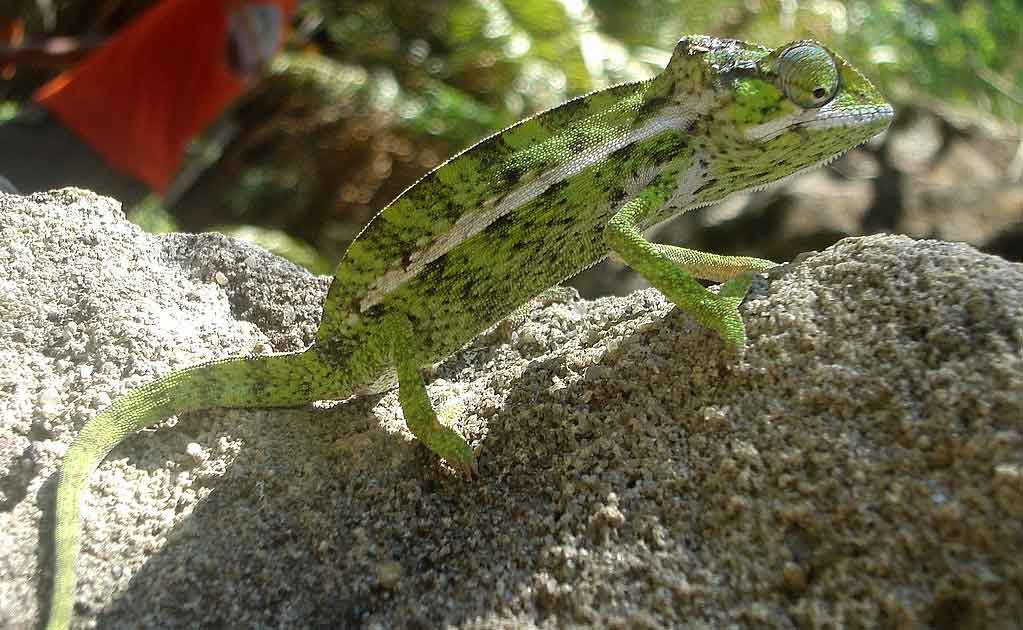
    Von Höhnel's chameleon – Wikipedia

    Content

    Origin / Distribution

    The Von Höhnel's chameleon (Trioceros hoehnelii) found mainly in Kenya, but is represented by a wide range of local variations. The form found on Mount Elgon, in Uganda, is called Trioceros hoehnelii «altaeelgonis«. Whether there are subspecies within this species is disputed.. But, regardless of official status, the breeder and caretaker community has adopted the term "altaeelgonis» for varieties from Uganda.

    Characteristics / Appearance

    The Von Höhnel's chameleon has a very pronounced helmet, which is much more marked in males than in females. Also noteworthy is a small nasal process, which is also higher in males. There are a large number of local and location variations. Especially the helmet and the nasal process are quite different. The species has a coarsely spiny dorsal crest that extends the entire length of the body and tapers towards the end of the tail.. The throat and ventral crest are formed by large spiny scales.. Both sides of the body usually have 2 greatly enlarged plate-like scale rows. Scale and body coloration are highly variable, consisting mainly of shades of brown and green with partially light transverse bands.. There are reddish or brown animals, as well as a well-known color form with a yellow head and green body.

    Male hemipenis pouches are clearly developed by the time they reach sexual maturity. Females show a much more homogeneous scaling, secondary sexual characteristics are less pronounced in them. Males grow to a maximum length of 25 centimeters, females reach a maximum length of 20 centimeters. The life expectancy is of 2 to 4 years.

    Habitat

    The Von Höhnel's chameleon is a high-altitude species that ascends to more than 3.000 m on Mount Elgon. They have developed the ability to regulate their body temperature through sunlight to take into account low ambient temperatures.

    Behavior

    The Von Höhnel's chameleon shows very interesting defensive behavior in the wild. The greatest danger for this species of chameleon is the snakes that live in the trees, as the green mamba. If the chameleon sees a snake, immediately turns deep black, he rolls up his body and drops to the ground, where the snake does not usually follow. Next, the animal remains motionless on the ground until the danger has passed.

    Threats to the species

    State of conservation ⓘ


    minor concern Minor Concern ⓘ (UICN)ⓘ

    This species has a wide distribution and seems to have the ability to adapt to a degradation of its natural habitat., since it also occurs in agricultural and semi-urban areas. It has therefore been classified as a "species of least concern" by the UICN.How is it being captured for the wildlife trade?,The species has been included in Appendix II of CITES to limit its effects.

    The "Von Höhnel's chameleon" in captivity

    "The Ugandan Variation of the Trioceros hoehnelii rarely seen, since Africa's exports come from Kenya, having different varieties of color. There are several populations at different heights, each with a different color scheme.

    Care is very similar to Montane side-striped chameleon (Trioceros ellioti). Thrives in a well planted terrarium. They have been kept in groups from one male to multiple females, but the females can have two litters a year and, therefore, are almost always at some stage of pregnancy and must be separated. So, despite reports that they are not aggressive, the saying is still valid: One chameleon per cage and not to worry.

    They seem to be enjoying their morning sunbath. Taking into account the drastic drop in nighttime temperature in your home environment, they are experts in absorbing all the sun's rays they can. And the decrease in night temperature is important for health. Special care must be taken with the young and the heat.

    Hydration is through a standard chameleon protocol of around three hours of night misting in the early morning with 15 minutes of fogging in the morning and 15 minutes in the afternoon.

    Breeding is not difficult. The gestation is 4 to 6 months. Young females can produce 6 offspring while a mature female can produce 20. They can have two litters of pups a year and become receptive again 40-50 days after delivery. The young are sexually mature after one year..

    The terrarium

    the bigger, best!. Minimum (45 x 45 x 90 cm.).
    Full or hybrid mesh (combination of mesh and glass or panel).
    UVB source (inside or outside).
    natural light source (inside or outside).
    Heat source (exterior).
    Nebulizer at night.
    Manual fogging in the morning and at night.
    full mesh.
    Small fans when using a hybrid cage and/or the air is stagnant.
    live plants (not fake)
    natural branches (no fake vines, no strings, or bleached wood).
    No substrate or bioactives

    Food

    In captivity, animals eat crickets, domestic crickets, all kinds of flying insects and small cockroaches. It also, get vitamins and minerals (pollinating insects). Animals can cover their water needs by lapping up the sprayed water.

    Reproduction

    The Helmeted Chameleon is viviparous in the egg., and there is also fertilization by storage; can get pregnant again right away. In courtship, the male approaches the female, nodding and flattening to one side. When the female is ready to mate, he remains seated and mating occurs, this process can be repeated for several days. Gravid females repel males willing to mate.. If the stress is too great for a pregnant female, must be separated. During pregnancy, females have a greater need to drink and feed. After a gestation period of 150 to 180 days, females give birth between 4 and 22 pups. Before this, the female becomes restless and egg laying takes place in the early morning hours, preferably on thick bark or rough branches. The young are released from the egg case and are immediately independent.. Sexual maturity is reached around 8 months. But, should not be mated before one year.

    For sale "Von Höhnel's chameleon"

    The price of a "Von Höhnel's chameleon" at the exotic animal market, ranges between 50 – 150 EUR.

    Videos "Von Höhnel's chameleon"

    MOUNTAIN CHAMELEONS 🦎 Trioceros hoehnelii ⛰ Care, information...

    George the Trioceros hoehnelii Chameleon

    Alternative names:

    1. Von Höhnel's chameleon, Helmeted chameleon, High-casqued chameleon, Kenyan high-casqued chameleon (English).
    2. Caméléon à casque élevé (French).
    3. Helmchamäleon (German).
    4. Chamaeleo hoehnelii (Portuguese).
    5. "Camaleón de casco" (español).
    ▷ The world of Pets: Dogs, cats, birds, reptiles, amphibians

    Jackson's chameleon
    - Trioceros jacksonii

    The Jackson's chameleon is diurnal and shows a foraging behavior with few movements per minute and a very slow locomotion rate.
    Jackson's chameleon
    Jackson's chameleon (Chamaeleo jacksonii) b. 27-01-2005 1 year Wellington Zoo 22-01-2006, Wellington, New Zealand – Photo credit: Peter Halasz. (User:Pengo)

    Content

    Origin / Distribution

    The Jackson's chameleon (Trioceros jacksonii) is native to Kenya and Tanzania.

    It has been introduced in the US. USA, in California, Hawaii and Florida.

    Subspecies of Trioceros Jacksonii

    Currently there 3 subspecies of "Jackson's chameleon" described:

    • Machakos Hills Jackson’s Chameleon (Trioceros jacksonii jacksonii)

      The Machakos Hills Jackson’s Chameleon is originally from Kenya, and it is the rarest type of chameleon. It measures an average of 20-25 cm long. Males have 3 horns, and the females have 1 or 3 little horns, which can sometimes make sex determination difficult. Females are lighter green in color than males., although sometimes they are red. Males are dark green., sometimes with aquamarine blue head and bright yellow patch on flanks. Individuals with this coloration may soon be described as a separate subspecies.

    • Mount Meru / Dwarf Jackson’s Chameleon (Trioceros jacksonii merumontanus)

      The Dwarf Jackson’s Chameleon comes from Tanzania and is very difficult to find in captivity. Wild-caught specimens are no longer available, as all export of wildlife from Tanzania is prohibited. it is extremely rare, although there are some breeders of the Mount Meru in Europe.

      These chameleons are the smallest of the species, with 17-20 cm length. Males have 3 long narrow horns, while the females only have a diminished horn on the nose. Both sexes have a dark green or blue-green body with much yellow on the face and at the base of the horns.. The eyelids are bluish-green.

    • Yellow-Crested Jackson’s Chameleon (Trioceros jacksonii xantholophus)

      The Yellow-Crested Jackson’s Chameleon is originally from Kenya, specifically from a limited range in the foothills of Mount Kenya and Nyambeni. It is the most common type of Jackson's chameleon. As the largest member of the species, individuals can grow to 36 cm long, and males are known to far outnumber 40 cm.. Males have 3 horns and females do not have horns.

      Invasive populations of the Trioceros jacksonii xantholophus are present in the Hawaiian Islands because a well-meaning pet store owner released some in O'ahu in 1972 in an attempt to restore the health of a wild-caught cargo from Africa. They have since spread to Maui., Hawaii and Kauai.

    Characteristics / Appearance

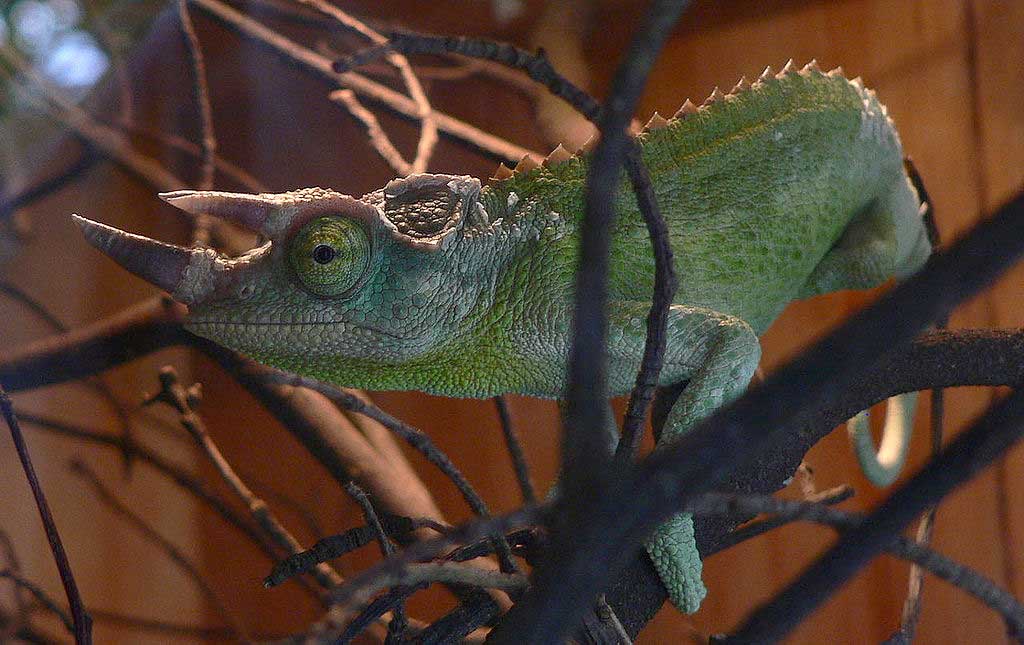
    Most measure approximately between 15 and 35 cm length. They usually have several shades of green, but they can become as dark as black when they are very distressed.. Are sexually dimorphic. Males have three long, pointed horns protruding from the head. These horns are absent or underdeveloped in females. The back of the head has a small crest. There are small spines along the vertebral line. Like other chameleons, the Jackson's chameleon has zygodactyl feet (divided so that two fingers point inward and three point outward) that are specialized for life in trees, and a prehensile tail that is also used for grasping.

    But, the most recognizable feature of all chameleons are their eyes. The pupil is the only visible part from its skin covering. Each eye rotates 180 degrees and is independent of the other. Chameleons have unusually strong control over the curvature of their lenses, and can enlarge an image.

    They are considered a long-lived chameleon (until 10 years).

    Habitat

    The Jackson's chameleon prefers to live in thickets and mountain forests. They need to hide and prefer to live in trees. They rarely venture on the ground, except for laying eggs or mating.

    Behavior

    Males are territorial and fight with their horns, which they can also use to attract females. When two males meet, they stand on their side, flatten their bodies, curl their tails and push their heads forward. They inflate with air to appear larger and become brightly colored. Next, open their mouths to show the varied colors of their interior, while swaying and wiggling with the occasional soft hiss. The submissive male will normally try to hide, freeze on the spot or try to escape the area. Fade into muted colors. When males fight, they hit each other with their horns and try to push themselves from the branches. These fights can cause physical harm to chameleons.

    They use stillness and dull natural coloration to protect themselves from bird predation, Snakes, shrews and lizards.

    Reproduction

    The Jackson's chameleon has a mating ritual that mimics its threat ritual. The male initiates the display of threat to the female, including color changes, inflating of the throat and elevation of the front legs towards the opponent. The female then has two options. May make threatening gestures, in which case you do not want to mate. If you want to mate, make weak threatening gestures or make no gestures at all, in which case the male recognizes his will. Then the male surrounds the female, grabs your neck with your mouth, is placed on your back and inserts the hemipene into the cloacal orifice. This whole process usually takes a few 13 minutes. The female will continue to mate during 11 days, but not with the same male twice in a day. Gestation lasts approximately 190 days. The young are usually born in the morning. The female opens the cloaca and the young are born one at a time on a branch.. They are still surrounded by a gelatinous egg sac and remain asleep until the egg touches the substrate.. The young then wake up and stretch and break the egg sac.. At birth, the offspring measure some 5,5 cm long and weigh some 0,6 Gm. After 20 days females copulate again. The young will reach sexual maturity at the age of 9 or 10 months.

    Food

    The diet of this chameleon consists mainly of insects and spiders. Using your eyes independently, sit completely still and watch if an element of prey crosses your path. When you locate it, both eyes converge and it swings a bit to improve its vision and confirm the distance at which the prey is located.. The prey is captured by projecting the tongue, which has a fleshy tip covered in sticky saliva. The prey is brought back to the mouth, chewed and swallowed. Language, one and a half times the length of the lizard, can reach its full length in a sixteenth of a second.

    They get water by licking the drops from the leaves.

    In the morning, sunbathe, bending one side towards the light and flattening the body and stretching the neck to increase its surface. Once heated, are able to hunt.

    Threats to the species

    State of conservation ⓘ


    minor concern Minor Concern ⓘ (UICN)ⓘ

    The Convention on International Trade in Endangered Species (CITES) classifies all chameleons as threatened. Two reasons for its decline are habitat destruction and the exotic pet trade.. Demand for chameleons encourages pet suppliers to pull them out of the wild and ship them over long distances; the survival rate may be approximately 1 of each 10, and those who survive arrive malnourished and stressed. Proper care methods for these lizards are not well understood, so they can be mistreated without knowing it. Captive breeding has not been very successful, with the exception of the San Diego Zoo and some private breeders.

    The "Jackson's chameleon" in captivity

    The terrarium

    • Size: The bigger, best, minimal 60 x 45 x 90cm.
    • Type of cage: Full or hybrid mesh (combination of mesh and glass or panel)
    • Lights: UVB source (inside or outside), natural light source (window or LED) (inside or outside), Heat source (exterior)
    • Hydration: Nebulizer at night, manual misting in the morning and afternoon
    • Ventilation: full mesh, Small fans when using a hybrid cage and/or the air is stagnant
    • Interior: live plants (not fake), natural branches (no fake vines, non-strings, non-bleached wood), non-substrate.

    Care

    UVB light source: T5 HO 12 hours a day, 5-12% according to the height of the cage
    Visible light: Full spectrum or natural light, 12 hours a day
    Resting point: 26-28°C, 1 time maximum 2 times a day
    Temperature during the day: 21-23°C.
    Temperature at night: Max. 15-17°C, Ideal temperature below 15°C.
    Humidity during the day: 50-70%.
    Humidity at night: 100%, fog
    Hydration: Nebulizer at night, Manual nebulization, Dropper
    Type of feeding: Crickets, Soldier flies, Cockroaches, No vegetables, Fruit-free
    Volume of food: Youth without limit, Adults maximum 1 daily cricket
    Supplement – Every meal: Simple calcium, Bee pollen
    Supplementation – Once every two weeks: Calcium with D3

    Buy one "Jackson's chameleon"

    The price of a "Jackson's chameleon" at the exotic animal market, ranges between 150 – 250 EUR.

    Videos "Jackson's chameleon"

    TRIOCEROS JACKSONII XANTHOLOPHUS - Jackson's Chameleon

    A Chameleon Comes Over to Visit | Trioceros jacksonii | Color Video

    Alternative names:

    1. Jackson's chameleon, Jackson’s horned chameleon, Three-horned chameleon, Kikuyu three-horned chameleon (English).
    2. Caméléon de Jackson, Chamaeleon jacksonii (French).
    3. Dreihornchamäleon (German).
    4. Camaleão-de-jackson, Chamaeleo jacksonii, Camaleão-de-três-chifres (Portuguese).
    5. "Camaleón de Jackson", Trioceros de Jackson (español).

    ▷ The world of Pets: Dogs, cats, birds, reptiles, amphibians

    Chameleons
    - Chamaeleonidae - Maintenance in captivity

    Chameleons are the artists of the transformation of the animal kingdom: Depending on your state of mind, may change color and shape.
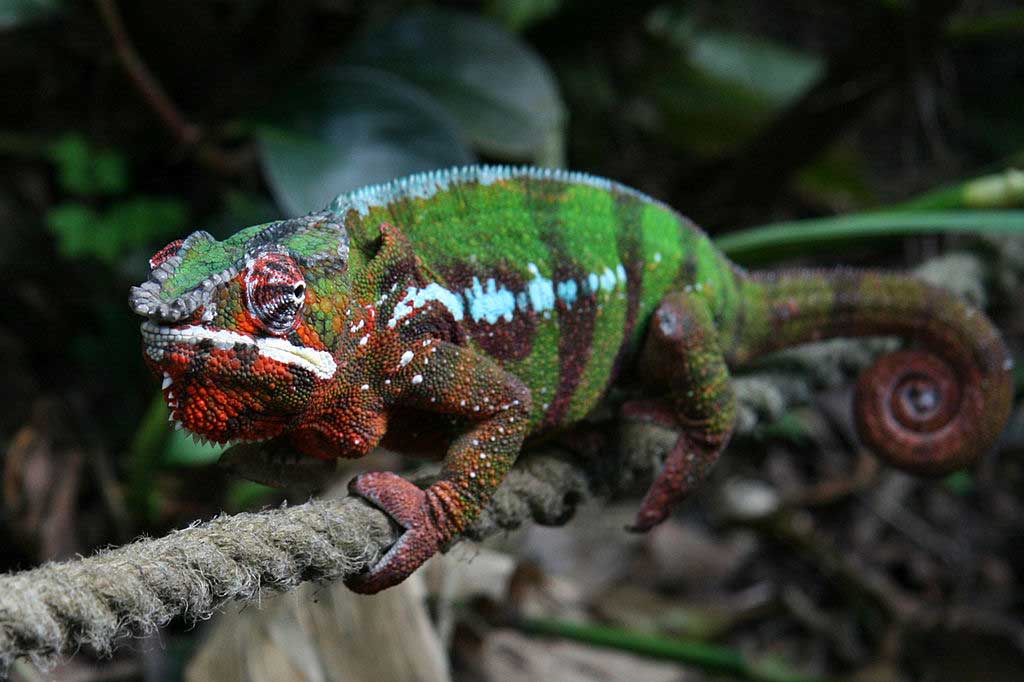
    Panther chameleon
    Panther chameleon at Zurich Zoo, Switzerland – Marc Staub, CC BY-SA 2.0, via Wikimedia Commons

    Content

    What do chameleons look like??

    The Chameleons belong to reptiles (crawlers) and they look like lizards: Have an elongated body, four legs and a long tail.

    The smallest species only measure three and a half centimeters, the largest reach a meter.

    Attention is drawn to the crest of the back and the protrusion in the form of a head helmet.

    Some even have small horns in their nose..

    His eyes are unmistakable: they are big, protrude from the head like small balls and can move independently in different directions. With them, some species can see clearly up to a kilometer away.

    As the top layer of scaly skin is hard, can't grow. So, chameleons have to shed their skin regularly. To make it easier to shed your old skin, animals are often rubbed against branches or stones.

    The Chameleons are perfectly adapted to living in trees.

    They can grip well even in windy conditions because their hands and feet have been transformed into real tweezers.:

    The toes and fingers are fused two by two and three by three.

    The bunch with all three toes or fingers points inward, the two points outward.

    The tail also serves to hold: can wrap the branches and additionally secure the animal.

    That is why it is also especially stable and cannot break and grow back as in other lizards..

    Males and females are distinguished by the heel spur: it is a process on the back of the leg that only males have.

    One of Madagascar's best-known chameleons, for example, is the Panther chameleon (Furcifer pardalis).

    Males come to measure between 40 and 52 centimeters, the females up 30 centimeters.

    Depending on the area of origin, have very different colors.

    Males are green to turquoise in color and have light stripes, sometimes red, on the sides of the body. Females are usually more discreet.

    Although the Panther chameleon originally found only in Madagascar, it was also introduced by man to the islands of Mauritius and Reunion, located east of Madagascar in the Indian Ocean.

    Where do chameleons live??

    The Chameleons they are only found in the so-called Old World, that is to say, in Africa, Southern Europe and South and Southwest Asia.

    Chameleons are arboreal: they stay mainly in the branches of trees and shrubs, sometimes also in the low weeds.

    Species that live in regions where there are few plants are adapted to living in the soil.

    What species of chameleons exist?

    There are some 70 chameleon species. On the island of Madagascar, off the coast of southeast Africa, lives a particularly large number of different species.

    How many years do chameleons live?

    In a terrarium, chameleons live four to five years. It is not known how many years they live in the wild.

    What does a chameleon eat??

    The Chameleons they feed mainly on insects.

    His favorite food is grasshoppers, but also other insects and small lizards.

    in the terrarium, feed them with insects, meal worms, caterpillars and earthworms. Larger chameleons even eat young mice.

    Wild chameleons get water by licking leaf spray in the morning.

    Chameleons in captivity

    The terrarium

    One of the most common chameleons in terrariums is the Chameleon of Yemen. It comes from a high valley (until 2.000 m) from Yemen, in the south of the Arabian Peninsula, where it lives in shrubs and trees.

    The Chameleon from Yemen come to measure some 60 centimeters, females only a little more than 40 centimeters. But, animals kept in terrariums remain smaller.

    The Panther chameleon it is also usually held in terrariums. Comes from the tropical island of Madagascar, where there are dry seasons every year. Thus, this species tolerates better than others fluctuations in temperature and humidity in the terrarium.

    But like the Chameleons they are quite demanding solitaires, they are not animals suitable for pampering. It's best to keep them alone.

    Males don't get along with each other at all, rather you can put two females together in a very large terrarium.

    The Chameleons need a lot of space. The terrarium must be one meter long, one meter wide, at least 50 centimeters deep and, above all, high altitude, as chameleons like to climb.

    The enclosure should be provided with many branches and plants. Normal sand is suitable as soil.

    The Chameleons need heat: the temperature must be 25 at 32° C, and at night of 15 at 18° C. A special lamp in the terrarium provides the necessary heat.

    Chameleon Care Plan

    Water should be sprayed into the terrarium once a day to keep the humidity high enough.

    The Chameleons they should only be fed every two or four days. Receive crickets, flies, grasshoppers and occasional mealworms. Before feeding them, insects are sprinkled with a mixture of vitamins and minerals.

    To drink, chameleons lick plant water or give it to them on a shallow plate.

    How does a chameleon live??

    The Chameleons they are solitary animals and live in trees because there they can camouflage themselves especially well. But, predators, such as snakes or birds of prey, they cannot be chased away by the play of colors. And chameleons can't run away quickly either.. Avoid attacks by camouflaging themselves: with its spasmodic gait, imitate leaves that move back and forth in the wind. This makes animals appear much clumsier than they are.: Chameleons make excellent climbers. They roll up their long prehensile tail, that is normally coiled into your body, around the branches; this gives them additional support.

    With your climbing toes, cling to branches like tweezers. But, these lizards fall off the tree from time to time, but they do it on purpose: if an enemy gets too close, the dead are made and dropped. No harm is done in the process: inflate their huge lungs and thus cushion the fall, as if they had tied a thick pillow.

    How do chameleons reproduce??

    The Chameleons they are also quarrelsome loners in the mating season. This occurs when several males fight fiercely for a female.; but males and females also quarrel with each other, sometimes even during mating.

    The females of chameleon put between 30 and 40 eggs. They have a soft, apergaminated shell and bury themselves in the hot earth.

    After a few months – this varies by species and habitat- the young hatch.

    They are immediately independent and hunt small insects. Some species of chameleons give birth to live young: here the eggs develop in the womb of the female of the chameleon.

    To prevent too many from living Chameleons in the same area, the young quickly go out on their own and search for their own territory.

    The young do not yet have a color as defined as that of their parents, but when they turn one they are already adults and can have their own offspring.

    How do chameleons hunt?

    Chameleons usually sit quietly on a branch and be on the lookout for their prey.. If an insect gets close enough, catches him in an instant with his long tongue.

    It is thickened like a club at the end and has two leaf-shaped lobes with which the prey is grasped..

    This so-called tongue shot is so fast that it is almost invisible..

    What's so special about chameleons??

    When the Chameleons males are "in love", are more colorful. Try to impress the ladies with this colorful show. In general, change color depending on your mood, and that in a few minutes. It's as if animals talk to each other in this way..

    If they are afraid, for example during a fight over a female, many species change to black. This points to the rival: My opponent feels inferior and prefers not to fight. If, on the other hand, lizards are eager to attack, turn red. This then means something like: "Get lost or you'll get it!!». It also, animals change their skin tone based on temperature and time of day.

    In the morning, adopt darker shades to warm up, because dark colors absorb more light and skin, Therefore, absorbs more heat. After a long, hot day, animals are rinsed to cool off.

    For a long time it was a mystery how the Chameleons change color so quickly. Scientists discovered it just a few months ago: Tiny blocks of glass in the skin of lizards are responsible for the chromatic frenzy. When light hits these blocks, reflect it in color.

    The fact that the color changes is due to the fact that the distances between the crystals change according to the mood of the chameleon. Yes a Panther chameleon (Furcifer pardalis), is relaxed, for example, the blocks are close together and glow blue. When the animal is excited, separate and glow red.

    List of chameleons for maintenance in captivity

    No entries found.

    ▷ The world of Pets: Dogs, cats, birds, reptiles, amphibians

    Agamid Lizards
    - Agamidae

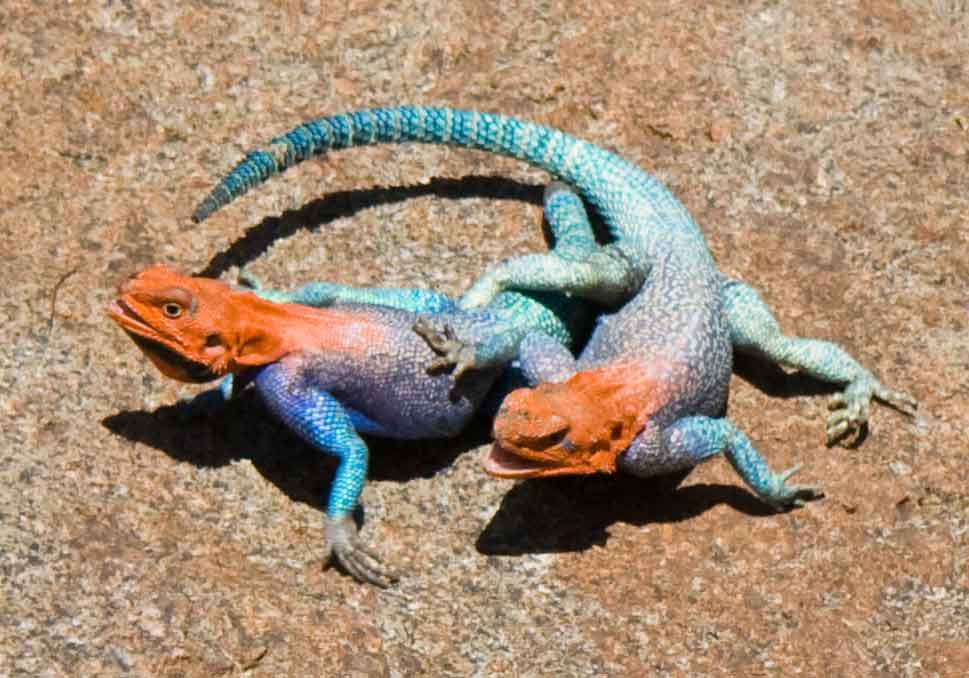
    Red-headed rock agama
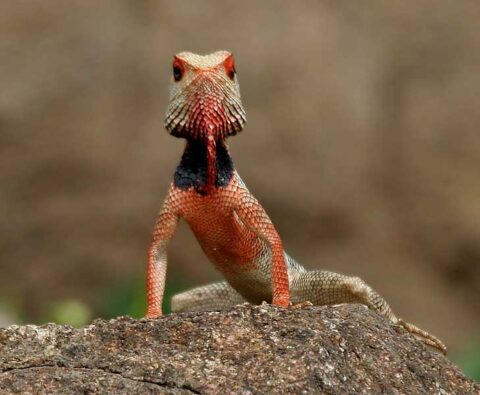
    Red-headed rock agama – Jason Pratt, CC BY 2.0, via Wikimedia Commons

    Content

    The Agamid Lizards are found in Europe, Africa, Asia and Australia. They show an astonishing diversity of forms and behaviors. They inhabit dry deserts, steppes and forests. The Flying dragons of the gender Draco can plan from one tree to another, the Thorny devils (Moloch horridus) have a system of microscopic grooves on their skin to transport rainwater or moisture from fog to their mouth. The Agamid Lizards they have excellent eyesight and hearing. The sense of smell is not very developed, despite the presence of olfactory cells in the nostrils and Jacobson's organ.

    Between the Agamidae, six subfamilies are generally recognized:

  • Agaminae (Africa, Europe and South Asia)
  • Amphibolurinae (Australia and New Guinea, 1 species in Southeast Asia)
  • Draconinae (South and Southeast Asia)
  • Hydrosaurinae ( Hydrosaurus , Papua New Guinea, Philippines and Indonesia)
  • Leiolepidinae ( Leiolepis , Southeast Asia)
  • Uromasticinae ( Saara and Uromastyx , Africa and South Asia)
  • Alternative names:

    1. Agamid Lizards (English).
    2. Agamidés (French).
    3. Agamiden (German).
    4. Agamídeos (Portuguese).
    5. Agámidos (español).

    List of Agamid lizards for maintenance in captivity

    Family
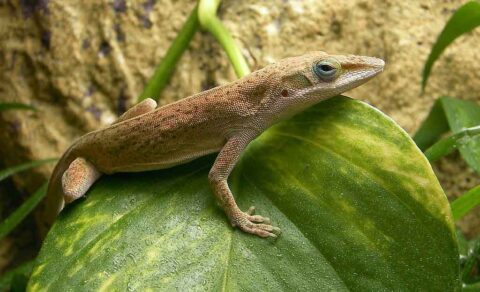
    - Anolis carolinensis
    Green anole

    Green anole

    Very nice tree lizard also called chameleon lizard, due to the ability to change color depending on the environment ...
    Family
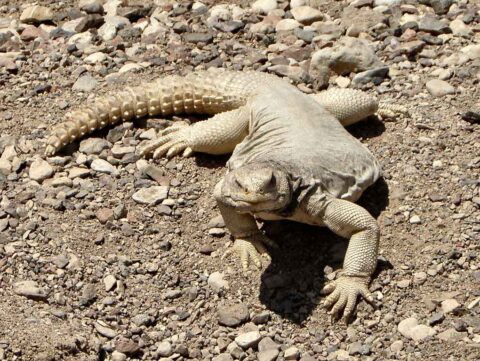
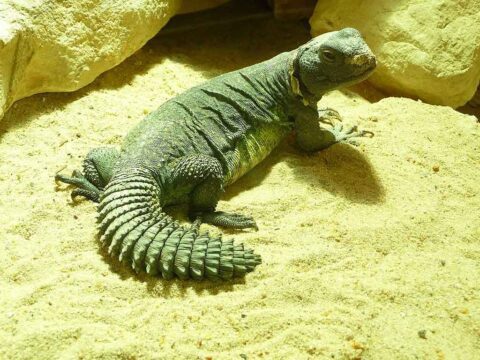
    - Uromastyx aegyptia
    Egyptian spiny-tailed lizard

    Egyptian spiny-tailed lizard

    The Egyptian Spinytail is the largest species of Spiny-tailed Lizards. Contents Characteristics The Spinytail ...
    Family
    - Uromastyx ocellata
    Tail hawthorn ocellated

    Ocellated spinytail

    The ringed spinytail is native to northeastern Africa., where it can be found in southern Egypt, Sudan, ...
    Family
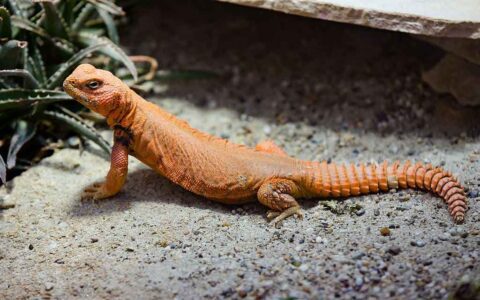
    - Uromastyx ornata
    Ornate mastigure

    Ornate mastigure

    The ornate spiny tail (Uromastyx ornata) is included in the Appendix 2 of the Washington Convention on Trade ...
    Family
    - Calotes versicolor
    Oriental garden lizard

    Oriental garden lizard

    Although the Bloodsucking Tree Dragon can be found relatively frequently and quite cheaply in the trade, ...
    Family
    - Acanthosaura capra
    Acanthosaura capra

    Mountain horned dragon

    The Mountain Horned Dragon is a beautiful lizard that is also called the Asian chameleon., due to your changes of ...
    Family
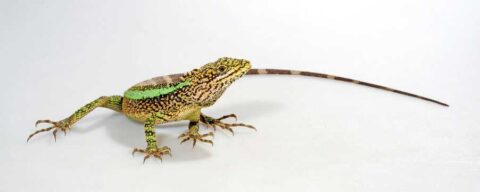
    - Diploderma splendidum
    Green striped tree dragon

    Green striped tree dragon

    The Mountain Dragon is shy in nature and tends to panic. This can be counteracted with ...
    Family
    - Uromastyx acanthinura
    North African mastigure

    North African mastigure

    The North African Spiny-tailed Lizard is one of the most representative reptiles of the Sahara desert ...
    Family
    - Uromastyx geyri
    Saharan spiny-tailed lizard

    Saharan spiny-tailed lizard

    The Sahara Spiny-tailed Lizard is a relatively small and thin species for the genus, with a length ...
    Family
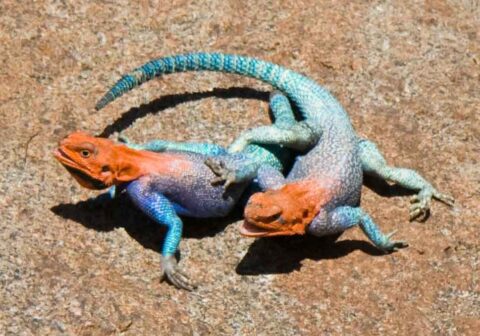
    - Agama agama
    Red-headed rock agama

    Red-headed rock agama

    The Fire Lizard (Agama agama) It is one of the most colored lizards that we can find, since even females ...

    ▷ The world of Pets: Dogs, cats, birds, reptiles, amphibians

    Thick-tailed gecko
    - Underwoodisaurus milii

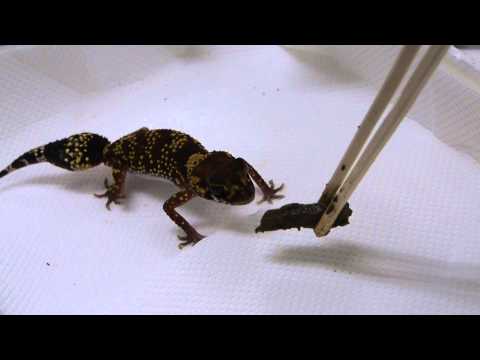
    The Thick-tailed gecko They have the nickname "Barking Gecko" because they can make the corresponding sounds. If they feel upset, may complain loudly and threaten. But they are completely harmless..
    Thick-tailed gecko
    A "Thick-tailed Gecko"(Underwoodisaurus milii) North Sydney – Tnarg 12345 at the English-language Wikipedia, CC BY-SA 3.0, via Wikimedia Commons

    Content

    Origin

    The Thick-tailed gecko (Underwoodisaurus milii) is found in the Southern regions of Australia. Its distribution in Western Australia extends to the southwest, the gold fields, the wheat belt and the nullarbor regions to the east, and to Shark Bay in the north. It is also found in the Abrolhos of Houtman and in the Recherche Archipelago.

    Characteristics

    This interesting species of Gecko inhabits the soil and is crepuscular/nocturnal.

    The Thick-tailed gecko You can live up 10 years. It is reddish-brown with bands of white and yellow spots, and a paler belly. Usually reaches a total length (including the queue) of 120-140 mm. The original tail is black with several pale bands, but the regenerated tail has little drawing.

    Habitat

    The Thick-tailed gecko is found in rocky outcrops, and is slightly more cold tolerant than many other Australian gecko species. It is nocturnal and shelters under rocks or in burrows during the day..

    The "Thick-tailed gecko" in captivity

    Terrarium

    The terrariums for him Thick-tailed gecko must have sufficient floor space, since it is an animal that lives on the ground. As a key to the size of the terrarium we recommend calculating with the head-torso length of the animal.

    The size of the terrarium is calculated as follows for non-adult animals:

  • Terrarium floor space: Four times x three times the head-torso length of the animal.
  • Height of the terrarium: Four times the head-torso length of the animal.
  • Observe the growth of the animal in the coming months (fast-growing animal/slow-growing animal). A terrarium of at least 50 x 50 x 50 cm..

    Terrarium design

    The equipment of the terrarium for him Thick-tailed gecko corresponds to that of Australian dry forests. Arranged around caves -in principle, each animal must have its own shelter-, may seem somewhat stony.

    A little dry wood is also very decorative and expands the habitat of animals, as they also like to climb.
    The substrate Suitable is terrarium sand and mineral granules such as Hobby Terrano Calcium, mixed with a little crust. There is also special sand for caves and burrows, which allows animals to make their own tunnels and burrows and maintains their shape.

    Some artificial plants steppe or semi-desert character are hygienic and decorative in this landscape. The so-called "wet box" is filled with moist moss and the animals like to use it as a "steam sauna" before molting.. The Gecko drink water from a shallow bowl. Droppings and food scraps should be removed daily.

    Terrarium lighting

    The Thick-tailed gecko is native to Australia. Although they are twilight and nocturnal, from time to time it happens that these species of geckos sunbathe, and then they willingly accept a dose of ultraviolet rays.

    How reptiles are thermal animals, you have to emulate their natural habitat in the terrarium: temperature and humidity. This is achieved with various heat/light sources and by spraying water.. One thermometer/hygrometer allows the caregiver to control these values. It also, only an optimal supply of UV-B light provides enough vitamin D3 for young animals to grow optimally and adults to also be in top shape.. We recommend the JBL L-U-W Light, which is available in various powers and in the "Desert" version. This type of lighting provides light, heat and UVA/UVB rays.

    As a caregiver, can get an especially good climate (and easy to control) using a heating mat under part of the floor of your terrarium. In this way, heat the basic temperature from below and provide warm areas both in the sand and in nature. The heating mat must be accompanied by a thermostat. In this way, always get the right climate, as the heating mat turns on automatically when needed. A plus point is the more favorable energy consumption in terms of the environment, since terrariums operated in this way not only require lower power for point lamps, but also, usually, fix themselves with less energy.

    For uniform lighting of your terrarium as decoration of your living space, we recommend the LED lighting across the entire terrarium. Light and heating sources are always turned on and off at a daily rate using a timer, 14h on, 10h off.

    Food

    Thick-tailed gecko
    Underwoodisaurus milii, thick-tailed gecko – by Doug Beckers

    The Thick-tailed gecko is a silent insect hunter. They follow their prey in sight, only to pounce on her "in the last meter". Insects that serve as food (crickets, grasshopper, etc.) are always sprinkled with mixtures of vitamins and minerals. This is the only way to avoid irreversible deficiencies, which can often lead to serious illness or even death in young animals and pregnant females, for example.

    The feed animals must always be adapted to the size of the gecko. Feed only insects that will be eaten directly. Otherwise, feeding animals would disperse in the terrarium, they would hide away and get rid of the attached vitamins/minerals – the result is malnutrition and malnutrition despite food supplies.

    Social behavior and reproduction

    The Thick-tailed gecko can be kept individually or in a group of a male with several females. Males are very territorial and always incompatible with each other..
    One hibernation period of 2-3 months at room temperature favors reproduction. The females then put 2 soft-shelled eggs in a moist substrate up to three times a year. The “wet box” described above is ideal for this purpose.. A 26-27°C, the pups take a few 65 days to hatch.

    Curiosities

    These animals have the nickname "Barking Gecko" because they can make the corresponding sounds. If they feel upset, may complain loudly and threaten. But they are completely harmless..
    For the caregiver's advantage, the Thick-tailed gecko usually always use the same corner of the terrarium to defecate.
    A moonlight lamp allows you to observe the inhabitants of the terrarium at dusk without disturbing them.

    For sale "Thick-tailed gecko"

    The price of the "Thick-tailed gecko" in the exotic animal market, bred in captivity, ranges between 70 – 140 EUR.

    Videos "Thick-tailed gecko"

    Thick-tail gecko enclsure

    Repashy Grub Foot Reptile VS Underwoodisaurus milii

    Alternative names:

    1. Barking gecko, Australian thick-tailed (English).
    2. Gecko aboyeur d’Australie (French).
    3. Underwoodisaurus milii (German).
    4. Lagartixa latindo (Portuguese).
    5. Gecko de cola gruesa, Gecko ladrido (español).

    ▷ The world of Pets: Dogs, cats, birds, reptiles, amphibians

    Ocellated spinytail
    - Uromastyx ocellata

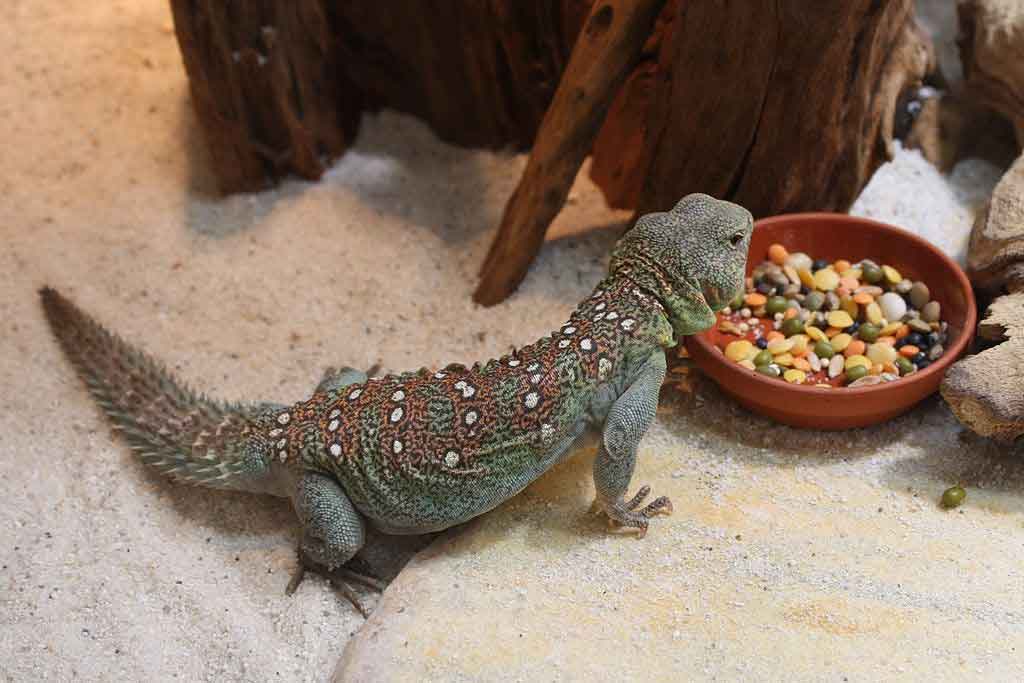
    The Ocellated spinytail is native to northeastern Africa, where it can be found in southern Egypt, Sudan, Eritrea, Djibouti, Ethiopia (near the border with Somalia) and north-western Somalia.
    Tail hawthorn ocellated
    Uromastyx ocellata (male) 3-4 years in terrarium – RaSaX, CC BY 3.0, via Wikimedia Commons

    Content

    Characteristics:

    The Ocellated spinytail reaches a total length of 30 cm., with a head-torso length of some 16,5 cm and a tail length of 13,5 cm.. So, is one of the smallest species in the genus of Spiny-tailed lizards. It is, because, of one of the smallest species in the genus of Spiny-tailed lizards.

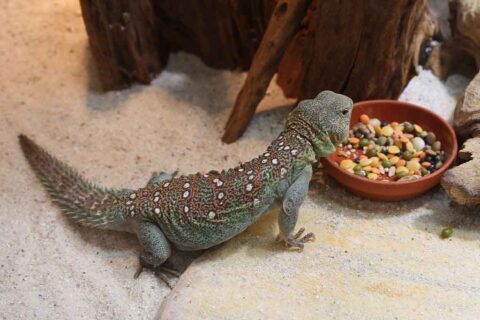
    A characteristic feature of this species is the back decorated with white spots on the eyes on a reddish background.. Males tend to be more colorful. Its head and rump are reddish or greenish in color. The belly usually remains white or yellowish, especially in females. Coloration may vary, depending on heat and light exposure. The claws of the Ocellated spinytail they are especially pronounced for digging underground burrows in which it remains overnight as a diurnal animal.. The tail is endowed with pointed scales. Serves as a defense against predators.

    The Ocellated spinytail lives both alone and in smaller groups. They do not hibernate but, during the winter months, if they do it.

    Terrarium:

    Savannah terrarium (dry terrarium subtype) with excavable substrate of 15-30 height cm. Sturdy stone climbing structures and caves below. The recommended terrarium size to keep the Ocellated spinytail (Uromastyx ocellata) adult in pairs is about 100 x 70 x 50 cm..

    • Pulverize 2-3 times a week in the terrarium.
    • Temperature 27-30°C, at night 16-20°C, sunny islands 40-45°C.
    • Humidity 50-60%.
    • Up to lighting 14 hours. UV irradiation required.

    Maintenance:

    It is recommended to keep the Ocellated spinytailto (Uromastyx ocellata) in pairs. High temperatures are important for digestion, moderate feeding against fat degeneration of the organs. Hibernate during 3 meses a 10-15°C.

    Diet:

    Vine and banana leaves, sunflower seeds, cereal grains, corn, rice, millet. Rarely animal feed.

    Behavior:

    To the Ocellated spinytail (Uromastyx ocellata) likes to dig and climb well. This species defends themselves with tail blows. Like all species of Uromastyx, excrete excess salts through the nasal glands.

    Reproduction:

    The Ocellated spinytail (Uromastyx ocellata) puts between 10 and 23 eggs.

    Buy a "oversized spiny tail"

    The price of a Ocellated spinytail bred in captivity in the exotic animal market ranges from 250 – 300 EUR.

    Alternative names:

    1. Ocellated spinytail (English).
    2. Fouette-queue ocellé (French).
    3. Geschmückte Dornschwanzagame (German).
    4. Cauda espinhosa ocelada (Portuguese).
    5. Cola espinosa ocelada (español).