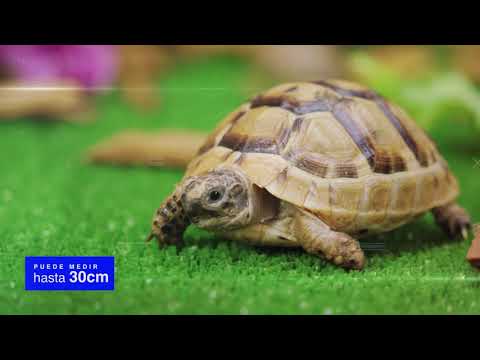
▷ The world of Pets: Dogs, cats, birds, reptiles, amphibians

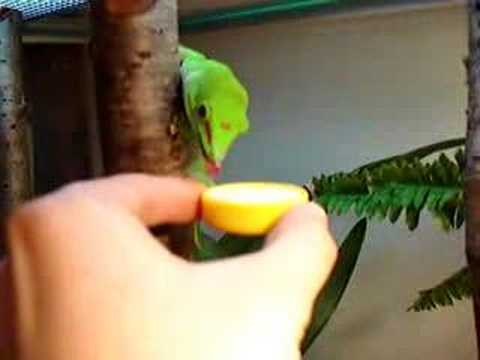
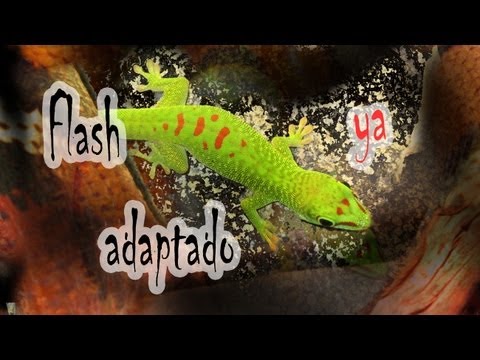
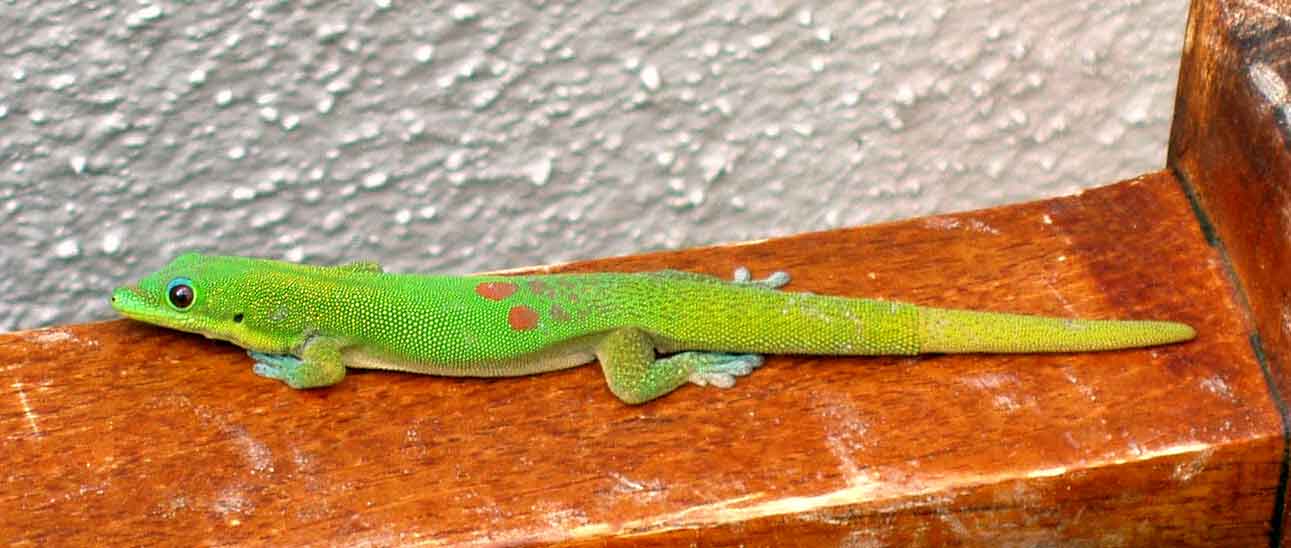
Madagascar day gecko
- Phelsuma madagascariensis

Thanks to the special adhesive foils on your fingers, the Madagascar day gecko not only moves on the smoothest surfaces, but even clings to the glass upside down without problems.
Madagascar day gecko
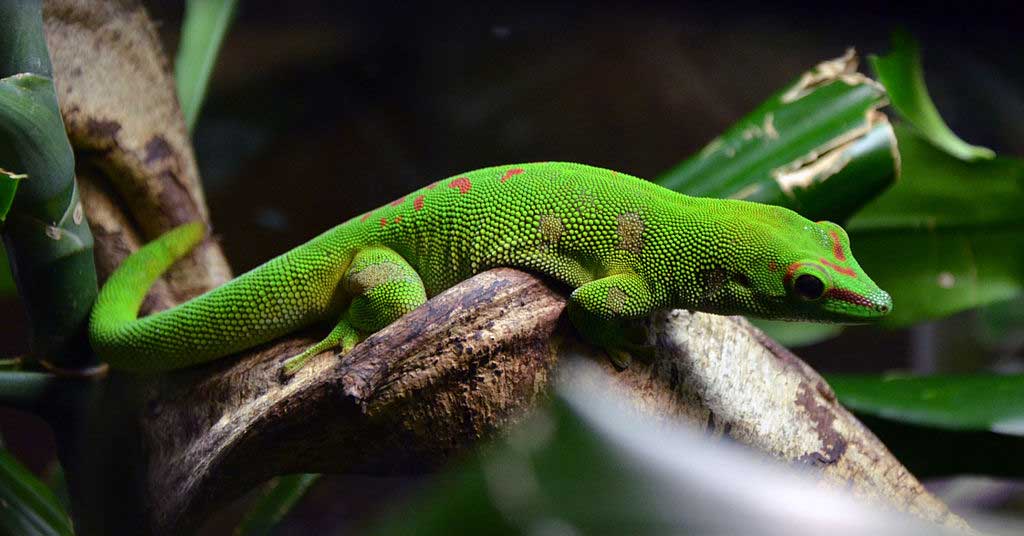
A “Madagascar day gecko” in the Lausanne nursery – Gzzz, CC BY-SA 3.0, via Wikimedia Commons(Switzerland)

Content

Origin

The Madagascar day gecko is native to the eastern coast of Madagascar and usually lives there as a supposed follower of the culture in the proximity of humans. It is not uncommon to find them on the walls of cabins, on rooftops and banana plantations.

Characteristics

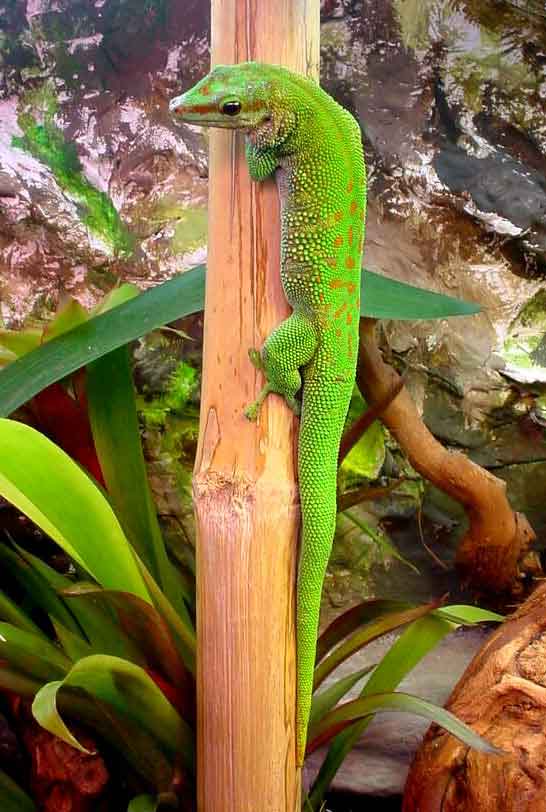
The Madagascar day gecko is a lizard of strong constitution, grows quite a lot, with one head-torso length up to approximately 14 cm.. The basic coloring is green, with dark red spots on the back and top of the head. A distinctive feature is the red line that runs from the nostril, passing through the eye, to the temple: like a red Zorro mask!

In case of stress, discomfort or fear, This Gecko can darken its coloration quickly and intensely.
As they do not have eyelids, His "bulging eyes" have a special charm for us. They clean themselves again and again with their own tongues as if they were dirty glasses.

Habitat

This Gecko lives in the trees of the primary forest, in plantations and even homes. They live in an environment where the degree of humidity is very high (at least the 80%). The daytime temperatures oscillate between the 25 and 30 °C during the day and drop to 20 °C at night. In winter, the temperature drops to about 25°C during the day and 15°C at night, for about two months.

The "Madagascar day gecko" in captivity
Madagascar day gecko
Phelsuma madagascariensis madagascariensis, macho en terrario – Manuel Werner, Nuertingen, Germany, CC BY-SA 2.0, via Wikimedia Commons

With the right care and accommodation, the Madagascar day gecko is a grateful animal that gives a lot of pleasure to its owners. But, the conditions and needs of these animals mentioned here must be met.

Next we want to show you some special characteristics of this species in general for its care in the terrarium. Here, animal welfare comes first.

Terrarium

Terrariums for the Madagascar day gecko must be of sufficient height, since all species are arboreal. As a key to the size of the terrarium we recommend calculating with the head-torso length of the animal. The size of the terrarium is calculated as follows for non-adult animals:

  • Terrarium floor space: Four times x three times the head-torso length of the animal.
  • Height of the terrarium: Four times the head-torso length of the animal.
Terrarium measurements: 100 x 60 x 120 cm. (for 1-2 animals)

Observe the growth of the animal in the coming months (fast-growing animal/slow-growing animal) For adult animals (of legal age), the various institutions in Germany give guidelines on the size of the terrarium.

Terrarium installation

The Madagascar day gecko is an excellent climber, you are almost never seen on the ground. Various cork branches, cork tubes and bamboo canes have a decorative appearance and provide the animal with space to walk, including the coveted spot for sunbathing under the point of ultraviolet light. As such, place a branch or root at the right distance from the light source so that the right temperature is created in it. They will also willingly accept some vertical climbing opportunities..

It also, the terrarium must be well decorated with plants. Artificial plants are a practical option in this case, as they can be easily cleaned of droppings.

The suitable substrate is the bark bed (Also called "crust") and the land of the terrarium. Some moss cushions are decorative and regulate humidity. Droppings and food scraps should be removed daily.

Temperature and lighting of the terrarium

The Madagascar day gecko resides in tropical habitats.

Since reptiles are thermal animals, you have to simulate their natural habitat in the terrarium: temperature and humidity. This is achieved by various heat/light sources and water misting/spraying. (sprinkler system).

One thermometer/hygrometer allows the caregiver to control these values. Animals have excellent eyesight and visual acuity. Depend on sufficient lighting. So, is mandatory a good lighting of the terrarium. They also need a sunny spot in the terrarium. This is created by spot lighting, that provides light, heat and UV rays. The highest quality products are necessary here, because only they are equal to the natural light of the sun.

The Madagascar day gecko see the colors in the ultraviolet range, so you can't perceive your surroundings normally without adequate light. It also, only an optimal supply of UV-B light provides enough vitamin D3 for young animals to grow optimally and adults to also be in top shape and display their bright colors.. We recommend the JBL L-U-W Light, which is available in different powers and in the version «Desert» o «Jungle«. This type of lighting provides light, heat and UVA/UVB rays. As a caregiver, can get an especially good climate (and easy to control) using a heating mat under part of the floor of your terrarium.

Although the Madagascar day gecko does not go down to the ground to warm up, yes it heats the basic temperature of the high terrarium -which by design is similar to a fireplace- from below. These terrariums usually have too low temperatures in the lower half of the terrarium outside of summer., so the fry have a hot back and a cold belly. The heating mat must be accompanied by a thermostat. In this way, always get the right climate, as the heating mat turns on automatically when needed. A plus point is the more favorable energy consumption in terms of the environment, since terrariums operated in this way not only require lower power for point lamps, but also, usually, fix themselves with less energy.

For uniform lighting of your terrarium as decoration of your living space, we recommend the LED lighting across the entire terrarium. Light and heating sources are always turned on and off at a daily rate using a timer, 14h on, 10h off.

Nutrition

Exoterra Day Gecko Food

The Madagascar day gecko is a fast and agile hunter. The insects that serve as food (crickets, grasshopper, etc.) are always sprinkled with mixtures of vitamins and minerals. This is the only way to avoid irreversible deficiencies, which can often lead to serious illness or even death in young animals and pregnant females, for example.

The feed animals they must always be adapted to the size of the diurnal gecko. Feed only insects that will be eaten directly. Otherwise, feeding animals would disperse around the terrarium, they would hide away and get rid of the attached vitamins/minerals – the result is malnutrition and malnutrition despite food supplies.

It also, yet Madagascar day gecko in nature likes to lick overripe fruits and nectar.

Con «Exoterra Day Gecko Food» small glasses are obtained already prepared with a suitable food porridge. Not offered on the ground, but permanently in the so-called "cup holders" at a high height.

Social behavior and reproduction

The Madagascar day gecko can be maintained individually, in pairs or in a group constellation of one male with several females. Males are always incompatible with each other.

The females of the speciesPhelsuma» put 1-2 eggs after a few 28 days, until 5 times a year. Some species stick eggs to the substrate. The eggs harden quickly in air and the females of the “egg glue species” stick together. 2 eggs each. They like to do it in small cavities like bamboo canes or cork tubes.. The young hatch after 42-70 days.

Curiosities

Thanks to the special adhesive foils on your fingers, the Madagascar day gecko not only moves on the smoothest surfaces, but even clings to the glass upside down without problems. In doing so, develop true superpowers through the call adhesion: thanks to their feet covered with billions of fine hairs, make use of the forces of Van der Waals and electrostatic forces.

On the sides of the back of the head they have small "calcium sacs", which serve females to store calcium in preparation for egg formation.

In the wild, They guarantee their survival against predators by shedding their tails and "molting in a startled manner". If a hunter grabs them by the trunk, the skin sheds and the daytime salamander escapes. Tail and skin regenerate in case of emergency.

For sale "Madagascar day gecko"

The price of a Madagascar day gecko at the exotic animal market, bred in captivity, ranges between 50 – 80 EUR.

Videos "Madagascar day gecko"

Phelsuma Madagascariensis Grandis

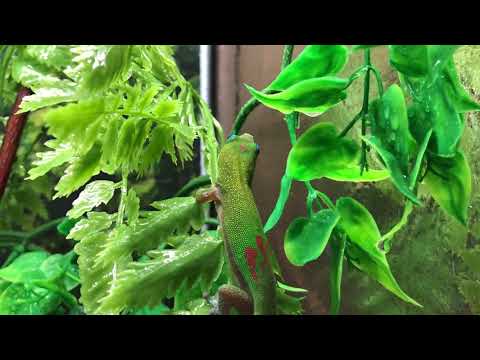
Phelsuma madascariensis already adapted (daytime gecko)

Alternative names:

1. Madagascar Giant Day Gecko (English).
2. Gecko de Madagascar, Gecko diurne géant de Madagascar (French).
3. Phelsuma madagascariensi (German).
4. Gecko gigante do dia (Portuguese).
5. Perenquén diurno de Madagascar (español).
▷ The world of Pets: Dogs, cats, birds, reptiles, amphibians

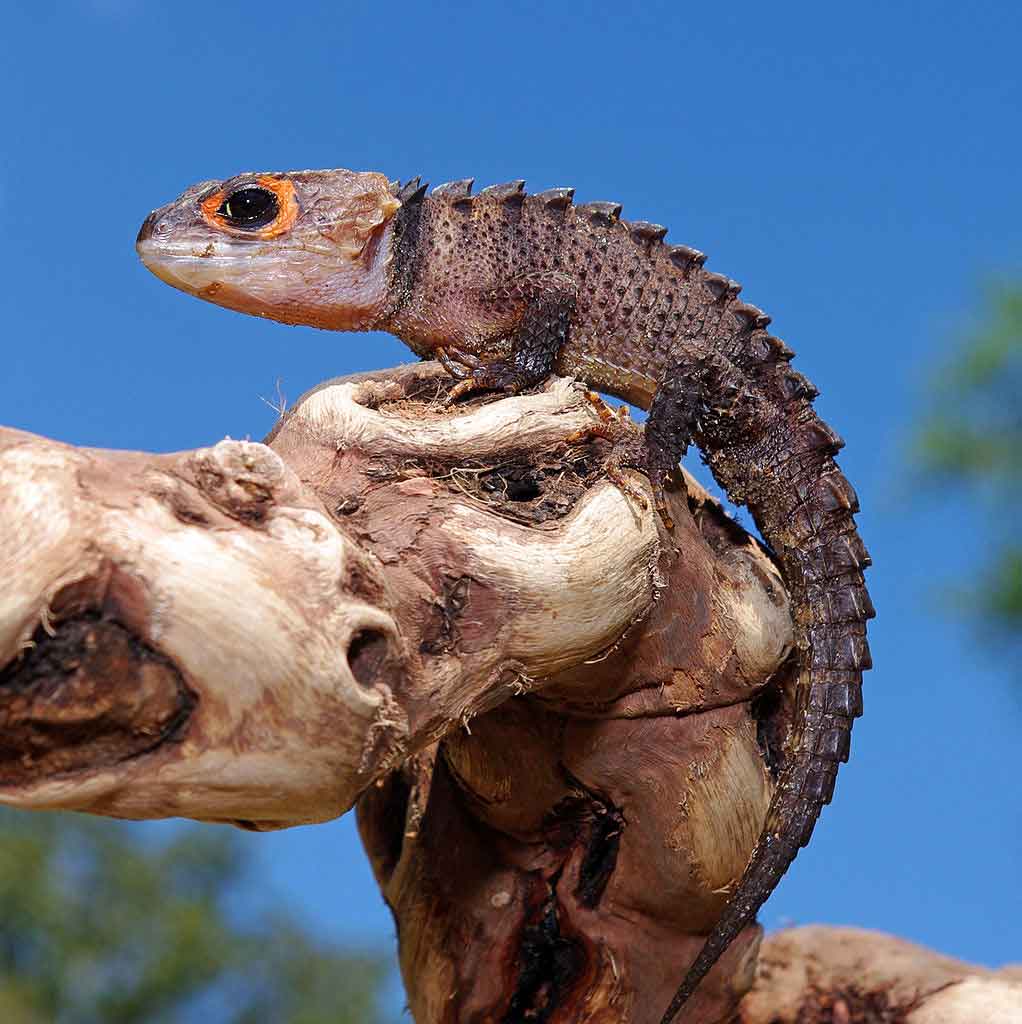
Red-eyed crocodile skink
- Tribolonotus gracilis

Red-eyed crocodile skink

Precious and very rare Indonesian lizard that nowadays is very difficult to find. It likes humid places so we will put a terrarium preferably with moss and a small bathtub in which it can get into, since he likes to even immerse himself completely. Tº aprox. of 27ºC. Insects.

Price ranges from 150 and 250 EUR.

▷ The world of Pets: Dogs, cats, birds, reptiles, amphibians

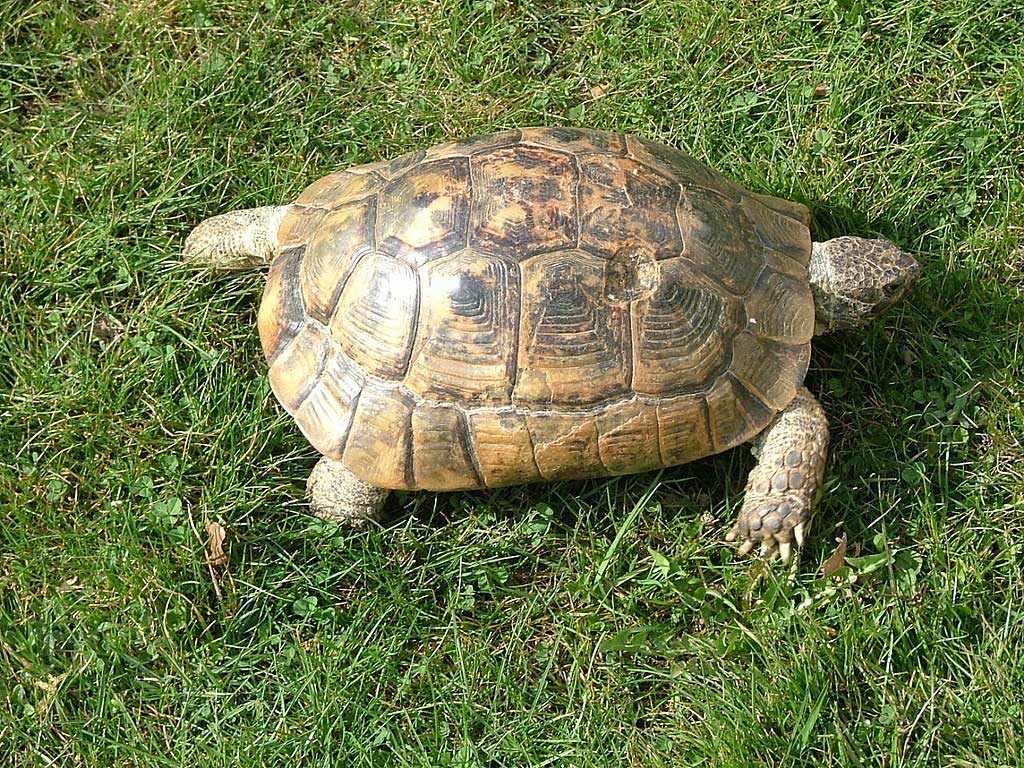
Marginated tortoise
- Testudo marginata

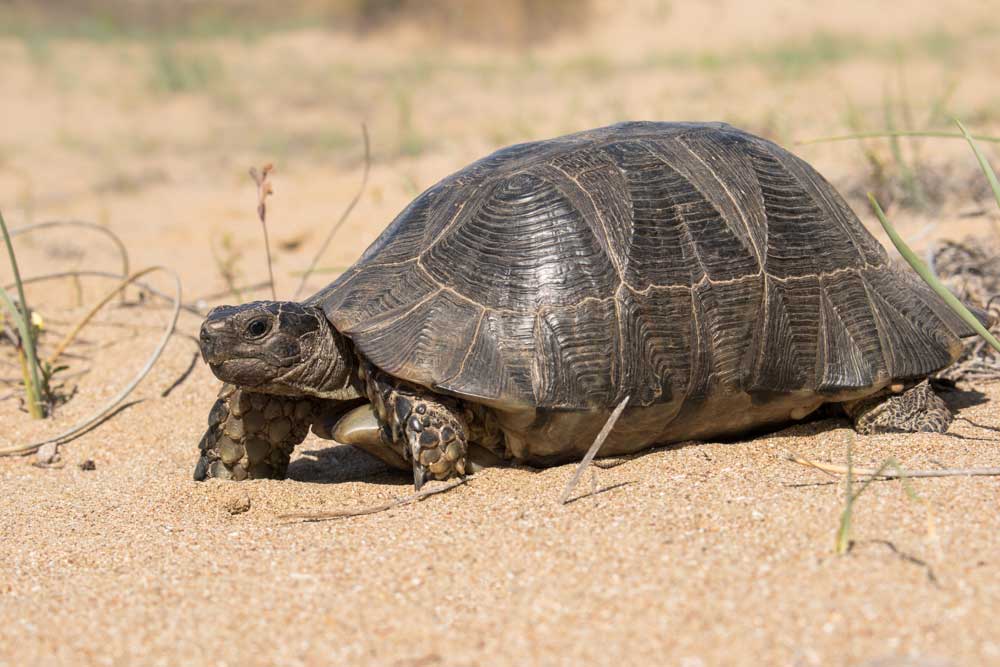
The Marginated tortoise You can live up 100 years. This should be taken into account when buying a young animal. It is advisable to think about inheritance when buying: who will keep my animal then?
Marginated tortoise
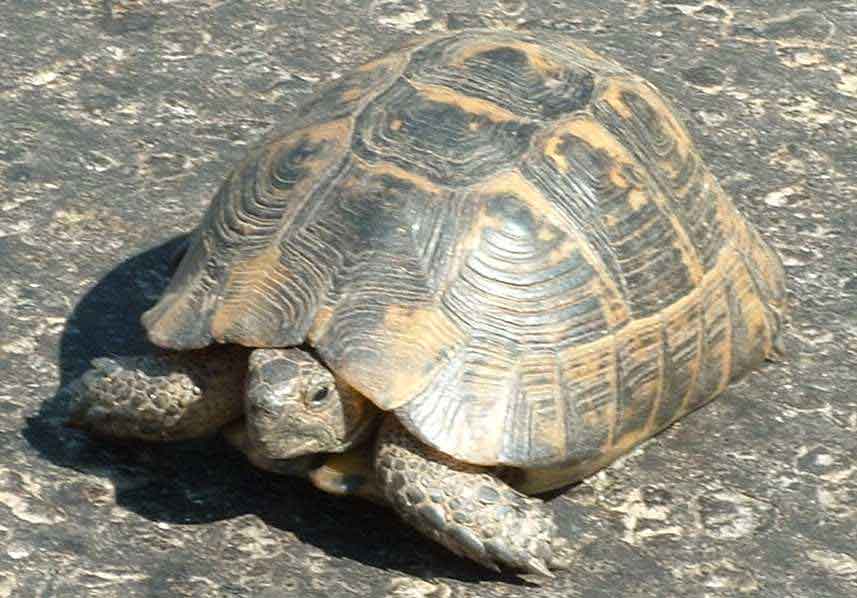
A Marginated tortoise in Achaea, Greece – Konstantinos Kalaentzis, CC BY-SA 4.0, via Wikimedia Commons

Content

Origin

Their presence extends from southern Greece to Albania. In Greece, especially from the Peloponnese to Olympus. In the northeast of Sardinia this type of turtle has also been installed. Now you can see the Marginated tortoise in Italy. But, Italian specimens are considered released specimens.

Characteristics / Aspect

It is the largest European tortoise, and also the largest of the genre Testudo, can weigh more than 5 kg and measure more than 35 cm length.

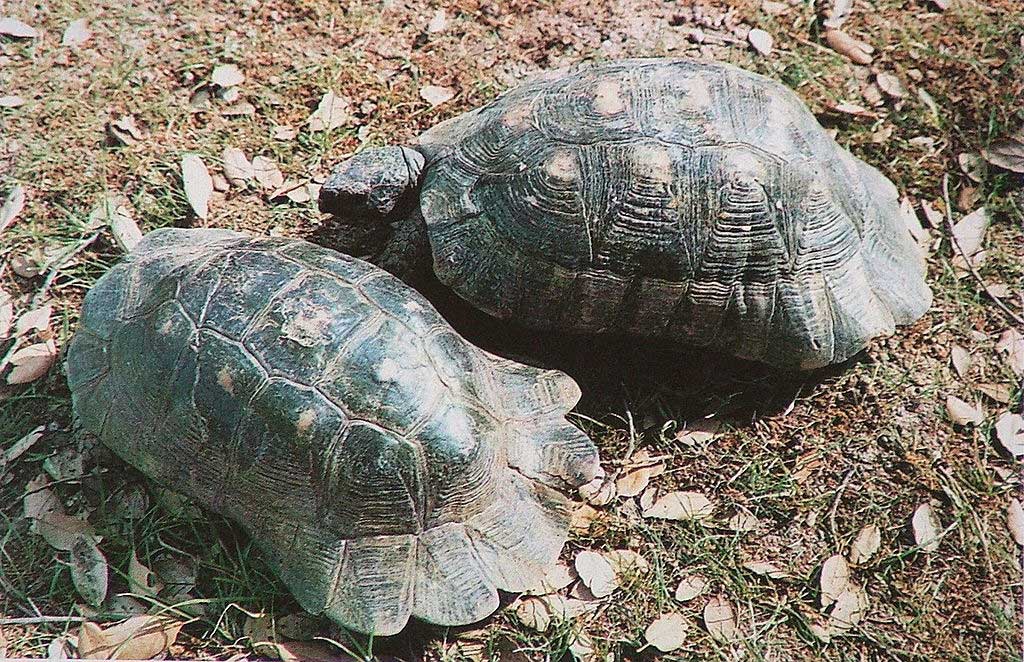
The Marginated tortoise has the posterior marginal scutes well extended backwards and sometimes slightly curved. Otherwise, the shell of the Marginated tortoise it is quite elongated. halfway up, a kind of waist can be seen in many animals.

These turtles have a very dark shell, in adults the background color is almost black. The shell has light spots. Very bright triangular spots can be found on the ventral carapace. Animals that have not yet reached sexual maturity and still count as juveniles usually have a rather rounded shell and not elongated. The color is also much lighter. As the broad scutes on the trailing edge only appear when they are larger, young animals can be recognized by their absence.

Habitat

Testudo marginata
Testudo marginata

The habitat of the Marginated tortoise found more in mountainous regions. Males and females live at altitudes up to 1.600 m. At this point it is important to maintain a sufficient temperature. This is where the Marginated tortoise benefits from its dark-colored shell, which directly absorbs the heat of the smallest rays of the sun and causes the body temperature to rise.

Food

In its habitat it feeds mainly on plants that grow in the meadows of the Mediterranean regions.. The females that carry eggs, as well as the youth, they also feed on animal proteins from earthworms and snails. Turtles prefer to forage for food in the morning.. At noon, when is hot, they hide in the shade and wait for the afternoon temperatures to rise.

Their diet consists mainly of plants that are low in protein but rich in crude fiber.. Typical plants for fodder Marginated tortoise are the dandelion, Swiss cheese plant (Monstera deliciosa), wild mallow, the kidney vetch, calendula and nettle. Grass or hay is also mixed with animal feed.

Hibernation

The hibernation is an important issue for Marginated tortoise. in the habitat, they go into hibernation during the cold season. But, they interrupt it on warm days and continue it afterwards. Unlike Greek tortoise, the Testudo marginata does not necessarily go into hibernation for several months without interruption.

Breeding / Reproduction

Immediately after the hibernation, the turtle begins to mate and this is noticeable, among other things, by the vehemence with which the males pursue the female and urge her to reproduce. For the females to give in, repeatedly and inexorably surrounds them and bites them on the legs. Through an intense thrust, the males further harass the females until they finally bring them up. Reproduction is marked by the distinctive sounds of the male. During this time, the female only stretches her head laterally upwards.

The female buries the eggs in suitable places in a burrow that she digs beforehand.. to the burrow, the female needs soft soil that is suitable for digging. If the soil is too hard, you can soften him by draining water from his anal bladder. Only when the burrow is ready, the eggs are carefully laid and rolled to the end of the burrow. After the laying of the last egg, the burrow closes again and an incubation period of about 100 days. The Marginated tortoise puts up to 15 eggs per clutch and can create up to three clutches in a season. If you want to breed yours in captivity, can expect the first pups after only 60 incubation days. Breeding takes place at 31,5 constant degrees.

Conservation

State of conservation ⓘ


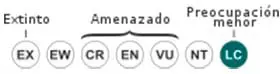
minor concern Minor Concern ⓘ (UICN)ⓘ

The Marginated tortoise (Testudo marginata) is at risk of disappearing in the wild mainly due to anthropogenic factors such as: mechanized agriculture and the use of pesticides, the traffic, the forest fires, the destruction of the environment, the wild urbanization, illegal capture and the threat of new predators. The capture of turtles as food for humans seems non-existent although it existed in the past, the current priority for the conservation of the species is the conservation of its habitat, heavily damaged by the spread of agriculture and urbanization, especially for mass tourism.

The "Marginated tortoise" in captivity

Maintenance

The Marginated tortoise (Testudo marginata) he is a very nice tortoise to keep. It is important to keep the turtle in an outdoor enclosure and never in a terrarium. – the animal grows too much for it and a terrarium does not offer the necessary conditions to keep it. In an outdoor enclosure, a cold enclosure or a greenhouse, both equipped with technology such as heat lamps. The outdoor enclosure must have at least 10 square meters for an adult animal. The food consists of all the wild herbs that can be found in nature. It is advisable to create a self-sufficient diet by planting and growing wild herbs in the enclosure.

Greenhouse

The Marginated tortoise It, by nature, a species that lives in the soil. As a key to the size of the greenhouse we recommend calculating with the length of the animal's carapace. The carapace is the dorsal. The size of the terrarium is calculated as follows for non-adult animals:

  • Greenhouse floor space: eight times x four times the length of the animal's carapace.
  • greenhouse height: Twice the length of the animal's carapace, but not less than 25 cm..

Observe the growth of the animal in the coming months (fast-growing animal/slow-growing animal) For adult animals (of legal age).

What substrate, it is recommended to create different areas. A turtle bed made directly for turtles, a sandy area slightly mixed with calcium gravel (as it is digestible), pine bark and firm clay soil. So the animals have different areas, which are also used differently. They like to bury themselves in the turtle bed when it is slightly damp.. Small roots or stone slabs complete the decoration. Please, make sure this decoration is installed in such a way that it cannot be raised too high. Turtles like to climb, but not very well, of course, and constantly falling on your back stresses animals too much. Vegetable ornaments are eaten, so use artificial plants.

Food

In captivity, care should be taken to ensure a balanced diet. Ideally, only use fresh plants from nature. To ensure that the diet of the Marginated tortoise be varied, it is recommended to selectively cultivate wild herbs. This can also be done directly in the turtles' outdoor enclosure so they can feed themselves..

with special seeds, various wild grasses can be sown from spring to fall.

Buy one "Marginated tortoise"

The price of a "Marginated tortoise" at the exotic animal market, bred in captivity, ranges between 130 – 200 EUR, depending on its size.

Videos "Marginated tortoise"

Marinated tortoise (Testudo marginata) - Marginated Tortoise or Margined Tortoise

Tortuga Testudo Marginata Paradis Pets 2021

Alternative names:

1. Dwarf marginated tortoise (English).
2. Marginata, Tortue marginata (French).
3. Breitrand-Schildkröte (German).
4. Tartaruga-dentada (Portuguese).
5. Tortuga de Grecia (español).
▷ The world of Pets: Dogs, cats, birds, reptiles, amphibians

Greek tortoise
- Testudo graeca

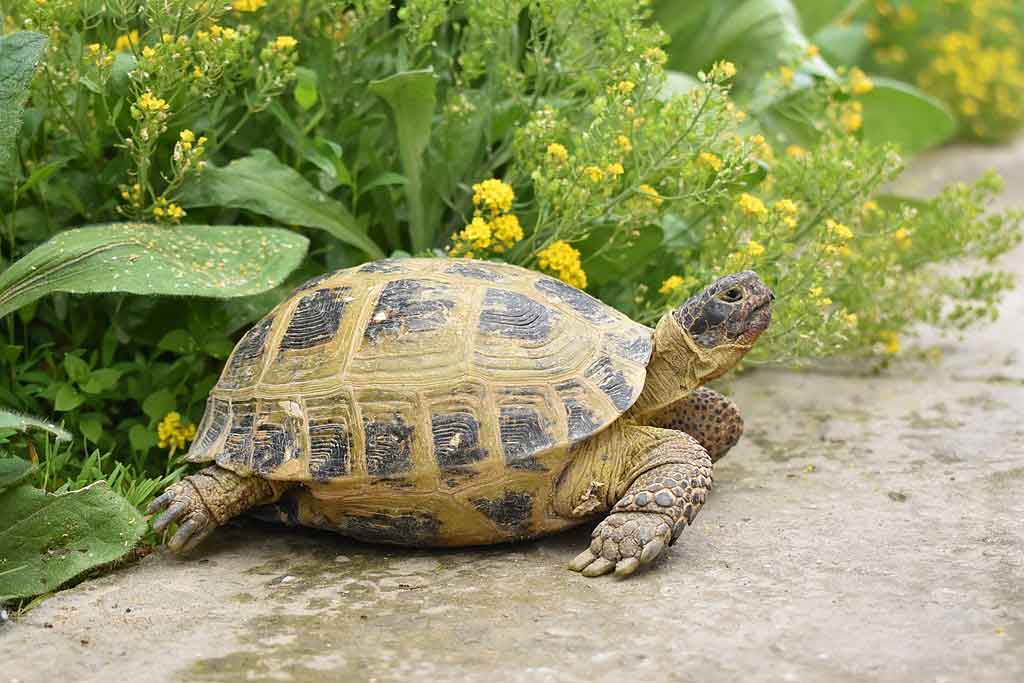
The Greek tortoise You can live up 80 years. This should be taken into account when buying a young animal. So, it is advisable to think about inheritance when buying: who will take my animal?
Greek tortoise
Greek tortoise – Mayer Richard, CC BY-SA 3.0, via Wikimedia Commons

Content

Origin

The Greek tortoise is a representative of the genus Testudo, small to medium size. Its distribution area extends from North Africa to the Balkans and Asia., passing through the eastern Mediterranean. There are also individual populations in southern Spain and the Balearic Islands.. According to the latest discoveries, can be distinguished even 10 subspecies.

Characteristics / Appearance

The largest adult specimens weigh more than 5 kilograms and have a carapace length of up to 35 centimeters.

The Greek tortoise adult has a dorsal shell tall and gently curved. The neck shield is narrow and elongated. Vertebral scutes are trapezoidal in shape and flare downwards. The tail shield is almost always indivisible. Due to its enormous distribution range and associated adaptation to different habitats, the coloration base of the dorsal carapace varies greatly. The spectrum ranges from light brown to olive and from sandy yellow to light gray. The scutes are black to dark brown.. With increasing age, coloration appears faded. The ventral shell it is usually dark in color and clearly thickened in the anterior region. At the end there is a slightly movable hinge.

The Paws of the Greek tortoise they have large horny scales and five claws. typical of the strong hind legs are the horny nipples found next to the tail. The hind legs they have four claws each. The tail short does not have horny nail. This is also the most important characteristic that distinguishes it from the Greek tortoise.. The differentiation of the sexes can be determined by the size of the animals and the different size of the tail.. The female turtles they are usually considerably larger than their male counterparts and have a shorter tail.

These reptiles have a life expectancy of 60 to 80 years in its natural environment. There are also animals that live longer than 100 years.

The subspecies

The categorization of the individual subspecies is as diverse as the inhabited habitat with different climatic influences.. Based on genetic studies, Today we describe some 10 subspecies, divided into oriental species and westerners according to habitat. All species differ in size and weight, in the coloration of the carapace and in the bulging of the rim scutes. The distribution area of the eastern species stretches from the Near East to southeastern Europe and the Arabian Peninsula. The western species They inhabit North Africa to the Iberian Peninsula..

Subspecies

For a long time it was considered that the Greek tortoise was a species with few subspecies, despite its huge distribution area on three continents with different landscapes and climatic zones. But, for some years new varieties have been discovered and described as additional subspecies (for example, Testudo graeca pallasi) or independent species (for example, Testudo graeca perses) or even genres (for example, Testudo graeca nabeulensis), but some of them are not generally recognized. Two recent studies based on genetic studies give the following 10 subspecies for the Greek tortoise.

Eastern subspecies
  • Armenian tortoise, Testudo graeca armeniaca, Chkhikvadze, Bakradze 1991
    This subspecies is characterized by a low carapace shape reminiscent of Testudo horsfieldii and generally quite dark coloration with few contrasting markings.. The maximum size is 20-23 centimeters. After genetic studies, Testudo graeca pallasi, previously described as a separate subspecies, was synonymized with Testudo graeca armeniaca.

    Distribution area: western coastal area of ​​the Caspian Sea, eastern or parts of the central Caucasus in Armenia and Turkey.

  • buxton's tortoise, Testudo graeca buxtoni, Boulenger 1921
    Testudo perses was included in this subspecies.

    Distribution area: Northwestern and central Iran, east caucasus.

  • Asia Minor tortoise, Testudo graeca ibera, Pallas 1814
    This is the largest subspecies. Individual animals reach body sizes of more than 30 centimeters. The shape of the shell is somewhat flatter than in other representatives of the species and from round to oval.. The basic coloration of the carapace when young is olive with light black markings.. With the age, animals tend to darken, especially in the soft parts. Testudo ibera racovitzai and Testudo graeca nikolskii, previously described separately, have also been included in this subspecies.

    Biotope: Open scrub and grasslands, sparse forest edges, sandy coastal strips, steppe and semi-desert.

    Distribution area: south east europe, western Asia Minor, Russian and Georgian Black Sea coast, central caucasus.

    Name's origin: The name of the subspecies «ibera» goes back to an old name of the Kura Valley in Georgia (Iberia) and not to the Iberian Peninsula (Spain).

  • Mesopotamian tortoise, Testudo graeca terrestris Purse 1775
    These animals stand out for their predominantly light coloration., sometimes surprisingly yellow ("golden greek"), shell and soft tissues. Dark pigment spots are rarely black, but rather brown and of reduced extension. The animals are very tall. The head shows a characteristic yellow marking. The maximum size is usually 16 centimeters. Included in this subspecies are Testudo ibera var. bicaudalis, Testudo floweri, Testudo graeca anamurensis and Testudo antakyensis.

    Biotope: steppe with little vegetation, matorral, dry forests.

    Distribution area: southern and eastern Asia Minor, Levantine region

  • Iranian tortoise, Testudo graeca zarudnyi, Nikolsky 1896
    The elongated carapace with a serrated and enlarged posterior margin resembles the Marginated tortoise Testudo marginata. The coloration of the animals is olive to brown, the clear spotting pattern of the juvenile stage only fades later. It is a large subspecies, with carapace lengths greater than 20 centimeters.

    Biotope: Rocky hills and plains up 2500 meters above the sea level.

    Distribution area: east of iran

    Name's origin: This subspecies was named after the Russian zoologist Nikolai Alexeyevich Sarudny..

western subspecies
  • Cyrenaican spur-thighed tortoise, Testudo graeca cyrenaica, Pieh y Perälä 2002
    The cyrenaica tortoise it has narrow forelimbs and only weak defense scales. The shell is notched, with a narrow anterior opening and upwardly puckered posterior margins. The supracaudal scale is comparatively strongly incurved in males..

    Distribution area: Libya

    Name's origin: the name refers to the Cyrenaica region in northeastern Libya.

  • moroccan tortoise, Testudo graeca marokkensis, Pieh y Perälä 2002.
    It has a comparatively flatter dorsal shell than the Greek tortoise. The ocher to yellow background color of the dorsal carapace contrasts with a multitude of fine lines and specks, and the shields have a dark border, partially torn, and spots on the central areola. The ventral carapace is lighter than the back., but it also has black markings. The head is dark with several pale scales., limbs mainly dark with individual lighter scales. Genetic studies have shown that the Testudo graeca lamberti is very closely related to the Testudo graeca moroccoensis and should not be considered as a separate subspecies.

    Biotope: arid landscape with steppe climate.

    Distribution area: north of morocco, on both sides of the Rif

    Name's origin: The name derives from the distribution area in Morocco.

  • Greek tortoise, Testudo graeca graeca, Linnaeus 1758.
    The shell pattern consists of solid markings on a yellow background.. The vertebral scutes have a dark border and also dark spots on the areoles.. The local form described as Testudo graeca whitei genetically belongs to this subspecies.

    Distribution area: Algeria, eastern morocco, Spain (probably introduced here).

  • Souss Valley tortoise, Testudo graeca soussensis, Pieh 2001
    Basic ocher dorsal carapace coloration, low contrast, fine linear markings and almost complete absence of markings on the plastron. The soft parts are brown to sandy., sometimes yellow-orange, with lighter scales, but little contrast, in the head. Juveniles show few or no markings. It's the kind of Moroccan turtle largest, with a dorsal carapace length of up to 25 cm.. The thigh spurs that are usually present in graeca animals are usually absent in the Testudo graeca soussensis, especially in the animals of the Souss valley proper.

    Biotope: Opportunistic colonization of cultivated areas, especially in thorny hedges, that offer protection and food.

    Distribution area: South of Morocco

    Name's origin: the name comes from the Souss valley, in the south of Morocco.

  • Nabeul tortoise, Testudo graeca nabeulensis, Highfield 1990.
    This subspecies has highly contrasting black markings on a yellow background.. Soft tissue skin and limb defense scales are sandy to yellow, sometimes with black tips. The head has a characteristic pattern of bright yellow spots. The Nabeul tortoise is the subspecies graeca smaller. Females usually reach a dorsal carapace length of just over 13 cm and a weight of about 600 g. The males are still much lighter, with a carapace length of just under 12 cm and a mean weight of 375 g.

    Distribution area: Tunisia, eastern algeria, Sardinia and Sicily (probably introduced).

    Name's origin: the name refers to its place of origin.

Testudo graeca subspecies

Different types: Testudo graeca (left) other testudo species (right)
Different subspecies: Tg nabeulensis (left) Iberian Tg (right)
Testudo g. Ibera Heraclea, Turkey
T. g. nabeulensis variety „Sardinian", Sardinian

Habitat

The great expanse of Greek tortoise has made the species adapt to a wide variety of habitats and climatic conditions. Its habitats are dry semi-deserts in the north of the African continent., mild Mediterranean climates in Greece and Turkey, and hot, dry summers with cold winters in the steppes of Asia. The tortoise lives in sandy semi-deserts, scarce forests, grasslands and can be found on the edge of swampy wetlands.

Behavior

The Greek tortoise belongs to the class of reptiles and, like all representatives of this class, is cold-blooded. Body temperature is largely determined by ambient temperature and behavior adapts accordingly. when it's very hot, animals are forced to seek out shady places. If the temperature approaches 40 degrees, they burrow into the ground or seek cool cracks in rocks to prevent their bodies from overheating.

Turtles are diurnal. Thus, in the hot summer months, activities are limited to the early morning and late afternoon. In very hot steppe and desert areas, sometimes the activities stop completely and the tortoise falls into a summer sleep. For the metabolism to work, body temperatures of more than 30 degrees for a few hours a day, that are achieved by sunbathing a lot. If the ambient temperature drops below the 8 degrees, the tortoise can no longer maintain the metabolic cycle and falls into winter torpor. Thus, in the coldest regions, spends the winter buried without activity.

Food

The Greek tortoise it is herbivorous and its diet depends on the vegetation of the corresponding habitat. The herbs, flowering plants and clover are preferred when food is plentiful. Especially the fruits with seeds, buds and young shoots, just like the flowers, are the main foods. in dry habitats, the diet also consists of low-quality plant parts and, in exceptional cases, in insects and invertebrates when food is scarce.

Reproduction

After waking up from hibernation, the mating season begins between February and May. Fierce fights for the female's favor may occur between males. Once the rival has been expelled, mating ritual begins. Females are bitten on the extremities and rammed with the shell to stop them. Once this is done, the act of mating takes place. The male emits the typical screeches.

In spring, the eggs are laid. Up to three clutches of eggs are laid. Females spend a lot of time choosing the best place to lay their eggs.. On average, they stand between 5 and 8 eggs per clutch. As such, the female digs a pit of about 10 centimeters deep in which it lays the eggs. Next, the pit is carefully closed. No more brood care. The incubation period varies between 60 and 100 days. At the end of summer the first young are born, whose dorsal coloration of the carapace is clearly more contrasted than that of adults. Obviously, hatching temperature plays a decisive role in the formation of the sex of turtles. There are indications that an average temperature of more than 30 degrees during the hatching process produces predominantly female animals.

Conservation

State of conservation ⓘ


Vulnerable Vulnerable ⓘ (UICN)ⓘ

The Greek tortoise is in danger of extinction in its countries of origin. According to the Washington Convention on International Trade in Endangered Species of Wild Fauna and Flora of 1976, animals cannot be officially imported into the EU without documentation. In many countries, especially in North Africa, the turtles, or their shells, are put up for sale in the markets. Anyone who tries to import these animals illegally can be prosecuted.. Within the EU, there are certain restrictions on trade in turtles. There is an obligation to demonstrate to the authorities that the animals were acquired legally. There is also an obligation to notify the sale, donation, exchange, breeding or death of a turtle.

The natural enemies of Greek tortoise in their habitat they are mainly small predators such as foxes, martens or stray dogs. But birds of prey and corvids are also a threat to reptiles. As in all species of turtles, nests are the most threatened. It is not uncommon for nests to be raided by rats, Snakes, birds and boars.

The "Greek tortoise" in captivity

Reproduction

Ideally, keep the Greek tortoise in pairs or in a group. During the mating season, you have to be careful that there are many more females than males in the group, since they can develop quite aggressive behavior towards their congeners during this time. After mating, the females will look for a warm and sunny place to lay their eggs after a few weeks. The pit is dug and they are placed between 5 and 8 eggs. The process is repeated at intervals of 2-3 weeks, give place to 3-4 sunsets. Females react very sensitively to temperature fluctuations during egg laying.. So, in our latitudes, they must be compensated with aids such as a heat lamp. after sunset, eggs can be carefully removed and placed in the incubator. As far as possible, you should not change your position. Approximately between 65 and 90 days after laying, the first pups are born. Feeding is done with the same foods as for adult animals.

Maintenance

The Greek tortoise should be kept in an outdoor enclosure in summer. It must be located in a sunny place, because animals need the warm rays of the sun for digestion to work, among other things. Of course, there should be a place to water and hiding places such as roots or bushes should be provided. Pine soil or peat mixed with sand are suitable as a substrate. Small patches of meadow with some grasses are also a source of food for the turtles.. In their natural habitats, the tortoise hibernates in hibernation. Possibilities must be created in the enclosure so that, even in the coldest local weather, the tortoise can make a burrow and thus survive the winter. Soil must be frost free.

all wild herbs, as well as clover, Dandelion, the hibiscus and all the flowering plants, from pansies to lilies, serve as food. In no case should it be fed with animal products, noodles or pasta. These damage the digestive system of animals and can be deadly. Fruit should be an absolute exception on the menu. If there is a sufficient supply of natural foods, you can do without the addition of vitamins.

Keeping this species of tortoise in a species-appropriate manner requires sufficient space. The outer enclosure must be surrounded by a border of 40 height cm. Young animals must also be protected from smaller predators, like martens or foxes, and the largest birds. The easiest way to do this is with a metal mesh cover over the enclosure. Representatives of the eastern subspecies are especially suitable for conservation. The needs of African species are much greater in terms of warmth and susceptibility to stress and disease. The Greek tortoise It is one of the most common species of turtles..

Buy one "Greek tortoise"

how much does one cost "Greek tortoise"?

The price of a "Greek tortoise" at the exotic animal market, bred in captivity, ranges between 100 – 160 EUR, depending on its size.

Videos "Greek tortoise"

Tortuga Tortudo Greek Iberian Paradis Pets 2021

Alternative names:

1. Spur-thighed tortoise (English).
2. Tortue grecque (French).
3. Testudo graeca (German).
4. Testudo graeca (Portuguese).
5. Tortuga griega (español).
▷ The world of Pets: Dogs, cats, birds, reptiles, amphibians

Agamid Lizards
- Agamidae

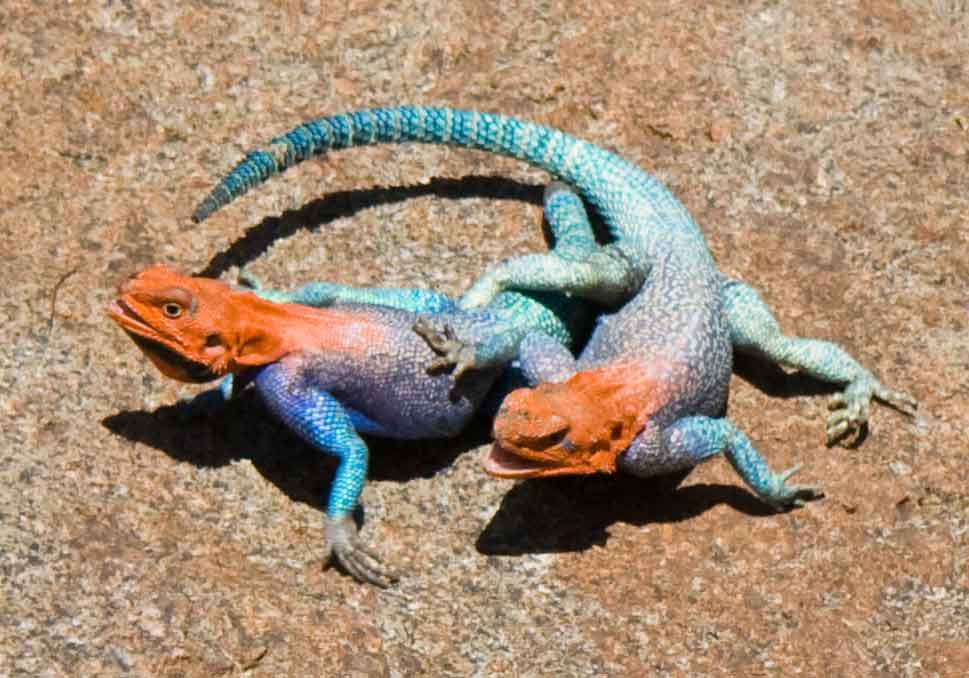
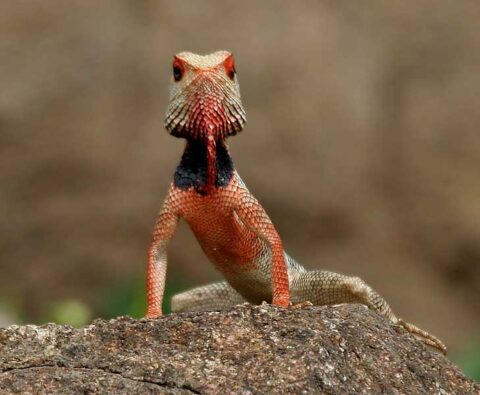
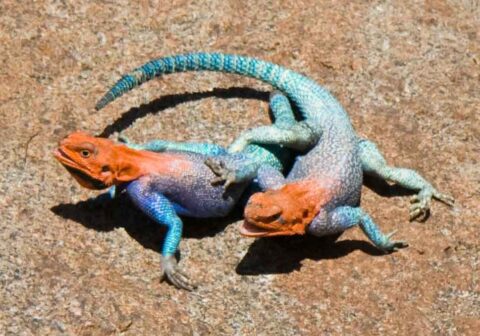
Red-headed rock agama
Red-headed rock agama – Jason Pratt, CC BY 2.0, via Wikimedia Commons

Content

The Agamid Lizards are found in Europe, Africa, Asia and Australia. They show an astonishing diversity of forms and behaviors. They inhabit dry deserts, steppes and forests. The Flying dragons of the gender Draco can plan from one tree to another, the Thorny devils (Moloch horridus) have a system of microscopic grooves on their skin to transport rainwater or moisture from fog to their mouth. The Agamid Lizards they have excellent eyesight and hearing. The sense of smell is not very developed, despite the presence of olfactory cells in the nostrils and Jacobson's organ.

Between the Agamidae, six subfamilies are generally recognized:

  • Agaminae (Africa, Europe and South Asia)
  • Amphibolurinae (Australia and New Guinea, 1 species in Southeast Asia)
  • Draconinae (South and Southeast Asia)
  • Hydrosaurinae ( Hydrosaurus , Papua New Guinea, Philippines and Indonesia)
  • Leiolepidinae ( Leiolepis , Southeast Asia)
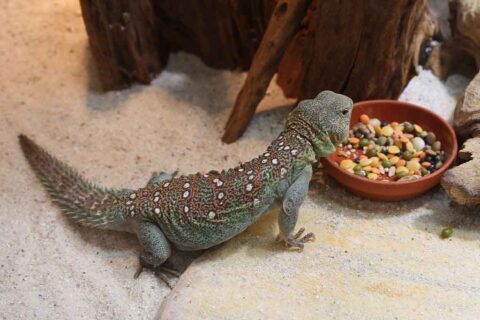
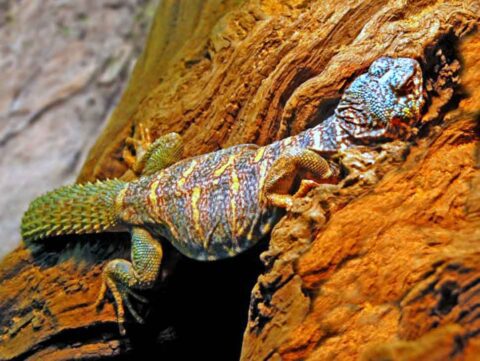
  • Uromasticinae ( Saara and Uromastyx , Africa and South Asia)
  • Alternative names:

    1. Agamid Lizards (English).
    2. Agamidés (French).
    3. Agamiden (German).
    4. Agamídeos (Portuguese).
    5. Agámidos (español).
    List of Agamid lizards for maintenance in captivity

    Family
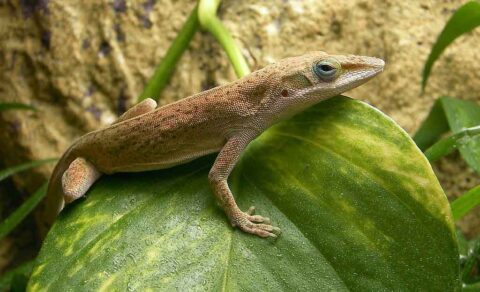
    - Anolis carolinensis
    Green anole

    Green anole

    Very nice tree lizard also called chameleon lizard, due to the ability to change color depending on the environment ...
    Family
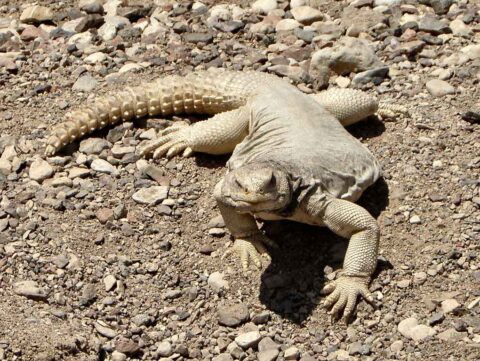
    - Uromastyx aegyptia
    Egyptian spiny-tailed lizard

    Egyptian spiny-tailed lizard

    The Egyptian Spinytail is the largest species of Spiny-tailed Lizards. Contents Characteristics The Spinytail ...
    Family
    - Uromastyx ocellata
    Tail hawthorn ocellated

    Ocellated spinytail

    The ringed spinytail is native to northeastern Africa., where it can be found in southern Egypt, Sudan, ...
    Family
    - Uromastyx ornata
    Ornate mastigure

    Ornate mastigure

    The ornate spiny tail (Uromastyx ornata) is included in the Appendix 2 of the Washington Convention on Trade ...
    Family
    - Calotes versicolor
    Oriental garden lizard

    Oriental garden lizard

    Although the Bloodsucking Tree Dragon can be found relatively frequently and quite cheaply in the trade, ...
    Family
    - Acanthosaura capra
    Acanthosaura capra

    Mountain horned dragon

    The Mountain Horned Dragon is a beautiful lizard that is also called the Asian chameleon., due to your changes of ...
    Family
    - Diploderma splendidum
    Green striped tree dragon

    Green striped tree dragon

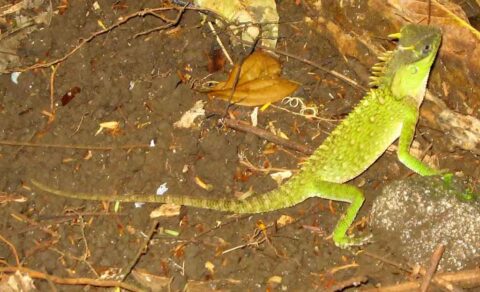
    The Mountain Dragon is shy in nature and tends to panic. This can be counteracted with ...
    Family
    - Uromastyx acanthinura
    North African mastigure

    North African mastigure

    The North African Spiny-tailed Lizard is one of the most representative reptiles of the Sahara desert ...
    Family
    - Uromastyx geyri
    Saharan spiny-tailed lizard

    Saharan spiny-tailed lizard

    The Sahara Spiny-tailed Lizard is a relatively small and thin species for the genus, with a length ...
    Family
    - Agama agama
    Red-headed rock agama

    Red-headed rock agama

    The Fire Lizard (Agama agama) It is one of the most colored lizards that we can find, since even females ...

    ▷ The world of Pets: Dogs, cats, birds, reptiles, amphibians

    Gold dust day gecko
    - Phelsuma laticauda

    The Gold dust day gecko is commonly known as the mascot of GEICO Insurance, and also the main character of the video game series, Gex.
    Gold dust day gecko
    A Gold dust day gecko (Phelsuma laticauda laticauda) in Kona, Hawaii – Pharaoh Hound, CC BY-SA 2.5, via Wikimedia Commons

    Content

    Origin

    Native to northern Madagascar and the Comoros, currently it is also found in the neighboring islands, the Seychelles and Hawaii.

    Characteristics

    With a head-torso length of up to a few 5 cm., the Gold dust day gecko is one of the smallest representatives of its species. The color of the body is a light green, 3 red stripes on the back appear to be applied with a brush. The golden, shiny scales of the neck and front of the back give it its name. The eyes are "painted" turquoise.

    Habitat

    The Gold dust day gecko is often found near settlements. It inhabits various tree species, larger plants such as deciduous trees, coconut trees and other palm trees, sisal agaves, bananas and houses. It shares its habitat with the dull day gecko (Phelsuma dubia).

    This species feeds on insects and other arthropods. They also tastefully eat sweet fruits, pollen and nectar.

    Males of this species of Day gecko can behave quite aggressively. They do not accept other males in the vicinity.

    The "Gold dust day gecko" in captivity

    The Gold dust day gecko has been raised in the care of humans for generations and, of course, you always have to use the pups.

    With the right care and accommodation, the Gold dust day gecko is a grateful pet that gives a lot of pleasure to its owners. But, the conditions and needs of these animals mentioned here must be met. Next we want to show you some special characteristics of day geckos in general for their successful care in the terrarium. Here, animal welfare comes first.

    Terrarium measurements

    The terrarium for him Gold dust day gecko must be of sufficient height, since it is an animal that lives in trees. As a key to the size of the terrarium we recommend calculating with the head-torso length of the animal. The size of the terrarium is calculated as follows for non-adult animals:

  • Terrarium floor space: Four times x three times the head-torso length of the animal.
  • Height of the terrarium: Four times the head-torso length of the animal.
  • Observe the growth of the animal in the coming months (fast-growing animal/slow-growing animal) For adult animals (of legal age).

    As standard measures it is advisable a terrarium of 60 x 40 x 80 cm. (for 1-2 animals).

    Terrarium decoration

    The Gold dust day gecko is an excellent climber, you are almost never seen on the ground. Various cork branches, cork tubes and bamboo shoots have a decorative look and provide the animal with a space to walk, including the coveted spot for sunbathing under the point of ultraviolet light. As such, place a branch or root at the right distance from the light source so that the right temperature is created in it. They will also willingly accept some vertical climbing opportunities.. It also, the terrarium must be well decorated with plants. Artificial plants are a practical option in this case, as they can be easily cleaned of droppings.

    The suitable substrate is the bark bed and earth of the terrarium. Some moss cushions are decorative and regulate humidity. Droppings and food scraps should be removed daily.

    Temperature and lighting of the terrarium

    The Gold dust day gecko inhabits tropical habitats.

    Like the reptiles are warm-blooded animals, you have to simulate their natural habitat in the terrarium: temperature and humidity. This is achieved by various heat/light sources and water misting/spraying. (sprinkler system).

    One thermometer/hygrometer allows the caregiver to control these values. Animals have excellent eyesight and visual acuity. Depend on sufficient lighting. So, It good lighting is mandatory of the terrarium. They also need a sunny spot in the terrarium. This is created by the spot lighting, that provides light, heat and UV rays. The highest quality products are good enough here, because only they are equal to the natural light of the sun. The Gold dust day gecko see the colors in the ultraviolet range, so they can't perceive their surroundings normally without adequate light. It also, only an optimal supply of UV-B light provides enough vitamin D3 for young animals to grow optimally and adults to also be in top shape and display their bright colors.. We recommend the JBL L-U-W Light, which is available in different powers and in the version «Desert» o «Jungle«. This type of lighting provides light, heat and UVA/UVB rays.

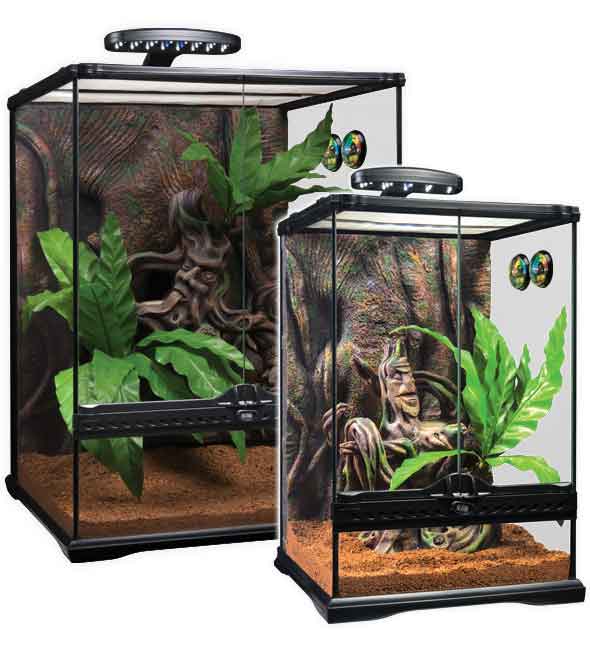
    Terrarium Gecko golden diurnal
    TERRARIUM «Gecko Diurno Dorado» Exoterra

    As a caregiver, you can get an especially good climate (and easy to control) using a heating mat under part of the floor of your terrarium. Although the Gold dust day gecko does not go down to the ground to warm up, yes it heats the basic temperature of the high terrarium -which by design is similar to a fireplace- from below. These terrariums usually have too low temperatures in the lower half of the terrarium outside of summer., so the fry have a hot back and a cold belly.

    The heating mat must be accompanied by a thermostat. In this way, always get the right climate, as the heating mat turns on automatically when needed. A plus point is the more favorable energy consumption in terms of the environment, since terrariums operated in this way not only require lower power for point lamps, but also, usually, fix themselves with less energy. For uniform lighting of your terrarium as decoration of your living space, we recommend the LED lighting across the entire terrarium. Light and heating sources are always turned on and off at a daily rate using a timer, 14h on, 10h off.

    Nutrition

    The Gold dust day gecko is a fast and agile hunter. The feeding insects (crickets, domestic crickets, grasshopper, etc.) they are always sprinkled with mixtures of vitamins and minerals. This is the only way to avoid irreversible deficiencies, which can often lead to serious illness or even death in young animals and pregnant females, for example.

    Feeding animals must always be adapted to the size of the Gold dust day gecko. Feed only insects that will be eaten directly. Otherwise, feeding animals would disperse around the terrarium, they would hide away and get rid of the attached vitamins/minerals – the result is malnutrition and malnutrition despite food supplies.

    It also, to the Gold dust day gecko in nature they like to lick overripe fruits and nectar. With "Exoterra Day Gecko Food" small vessels already prepared with adequate food porridge are obtained. Not offered on the ground, but permanently in the so-called "cup holders" at a high height.

    Social behavior and reproduction

    The Gold dust day gecko can be maintained individually, in pairs or in a group constellation of one male with several females. Males are always incompatible with each other.

    The females of the speciesPhelsuma» put 1-2 eggs after a few 28 days, until 5 times a year. Some species stick eggs to the substrate. The eggs harden quickly in air and the females of the “egg glue species” stick together. 2 eggs each. They like to do it in small cavities like bamboo canes or cork tubes..

    The Gold dust day gecko puts up to 5 pairs of eggs per year, this species uses the indentations of bamboo leaves and tubes or similar cavities. At a constant temperature of 28°C, the colorful dwarfs hatch after a few 40-45 days with a size of something less than 60 mm.

    Curiosities

    It is commonly known as the mascot of GEICO Insurance, and also the main character of the video game series, Gex.

    Thanks to the special adhesive foils on your fingers, the Gold dust day gecko not only moves on the smoothest surfaces, but even clings to the glass upside down without problems. In doing so, develop true superpowers through so-called adhesion: thanks to their feet covered with billions of fine hairs, make use of Van der Waals forces and electrostatic forces.

    On the sides of the back of the head they have small "calcium sacs", which serve females to store calcium in preparation for egg formation.

    In the wild, They guarantee their survival against predators by shedding their tails and "molting in a startled manner". If a hunter grabs them by the trunk, the skin sheds and the Gold dust day gecko escape. Tail and skin regenerate in case of emergency.

    For sale "Gold dust day gecko"

    The price of a "Gold dust day gecko" at the exotic animal market, bred in captivity, ranges between 80 – 100 EUR.

    Videos "Gold dust day gecko"

    Phelsuma Laticauda

    Gold Dust Day Gecko - Phelsuma Laticauda

    Alternative names:

    1. Broad Tailed Day Gecko (English).
    2. Gecko diurne à large queue, Gecko diurne des îles, Gecko poudre-d’or, Gecko vert à trois taches, Phelsume poussière-d’or (French).
    3. Goldstaubtaggecko (German).
    4. Gecko Poudre d’Or (Portuguese).
    5. Gecko diurno del polvo de oro (español).
    ▷ The world of Pets: Dogs, cats, birds, reptiles, amphibians

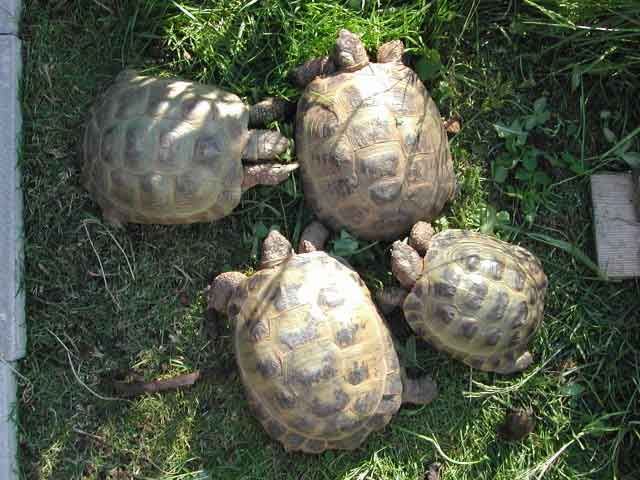
    Russian tortoise
    - Testudo horsfieldii

    The Russian tortoise (Testudo horsfieldii) during very hot summers, they burrow to spend a period of summer dormancy. In countries where summers are mild, this rarely lasts longer than 3 weeks.
    Russian tortoise
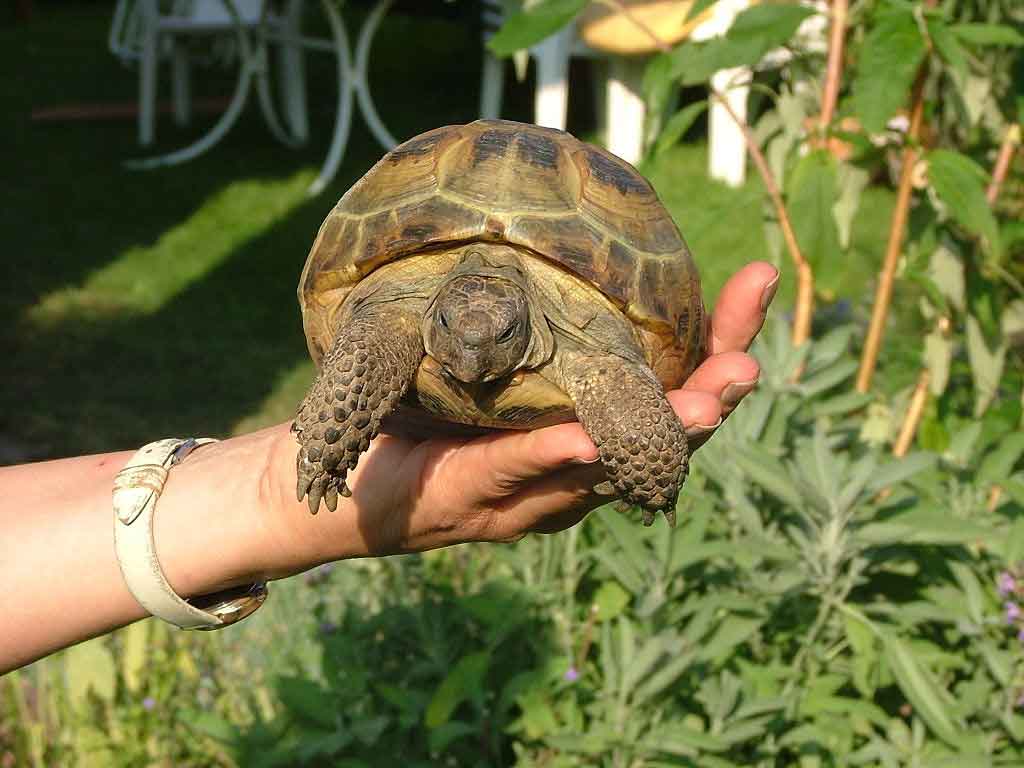
    Russian tortoise – Amirekul, CC BY-SA 4.0, via Wikimedia Commons

    Content

    Origin

    There are four subspecies of the Russian tortoise (Testudo horsfieldii), which can be found from the Caspian Sea, passing through Uzbekistan, Kazakhstan and Tajikistan, to eastern Iran and northern Afghanistan. Sometimes, the Russian tortoise can be found even as far away as western China.

    Subspecies

    This species is traditionally located in Testudo. Due to their clearly different morphological characteristics, in 1966 the monotypic genus was proposed for her Agrionemys. In the news, gender is accepted Agrionemys horsfieldii. DNA sequence analyses usually match, but not too solidly. Some sources also list four separate subspecies of Russian tortoise, but they are not widely accepted by taxonomists:

  • Agrionemys horsfieldii baluchiorum (Annandale, 1906), Balochistan.
  • Agrionemys horsfieldii horsfieldii (John Edward Gray, 1844), Armenia, Azerbaijan, Kyrgyzstan, Tajikistan, Iran, Afghanistan, Pakistan, China.
  • Agrionemys horsfieldii kazajstanica (Chkhikvadze, 1988), Kazakhstan, Turkmenistan, Uzbekistan.
  • Agrionemys horsfieldii rustamovi (Chkhikvadze, Amiranashvili and Ataev, 1990) Turkmenistan, Iran.
  • Characteristics / Appearance

    The species reaches a size of 15 cm. (males) some 25 cm., very rarely 28 body length cm (females) and then weighs between half a kilogram and two kilograms.

    The rather small size of the Russian tortoise it's just a feature, but not one by which it can be definitively recognized. Another feature is the shell. Has an oval dorsal shell, almost circular, which is also quite flat. Much flatter than other species in the genus Testudo. A coloration between yellow and brown and also olive characterizes the basic color of the shell. It also, there are dark spots. The Russian tortoise has basically only four fingers. Other species usually have five fingers.

    The male is recognized by his curved abdominal shell (concave), which makes it easier for you to get on the females and gives them a foothold. Males have a longer and thicker tail than females. On the other hand, females are much larger and have a very flat abdominal shell.

    Habitat

    In their habitats there are always stony and arid tracts of land, so the Russian tortoise it also has its other name, "steppe tortoise". Adapts well in dry and arid areas. But, animals are most often found near rivers.

    Behavior

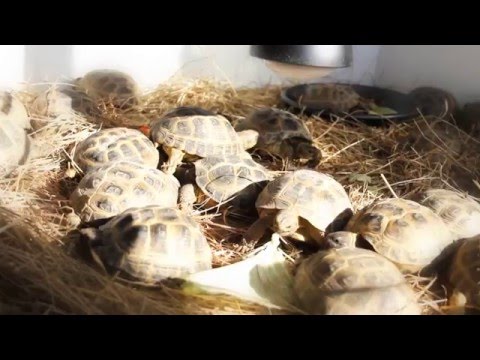
    Russian tortoise
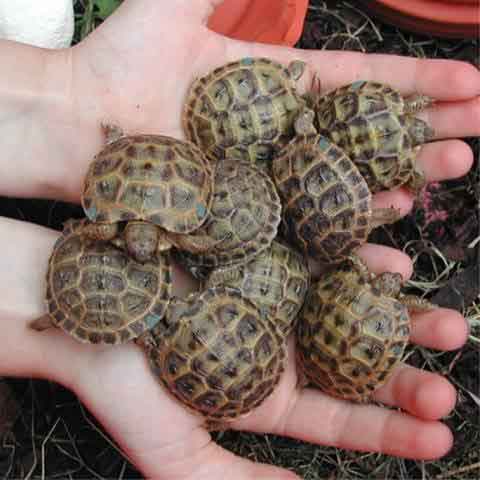
    “Russian Tortoise” Hatchlings

    The strong claws of the front legs and the flat shell allow the Russian tortoise (Testudo horsfieldii) dig burrows up to four meters long, that you use repeatedly. At night, when it's very hot, during summer and winter lethargy, takes refuge in them, as they provide you with security from predators and soil temperatures remain relatively constant. They are often seen sitting at the entrance of the cave in the morning., when the weather is uncertain. In your range, the continental climate is hot and dry in summer and wet and icy in winter. It is characterized by large daily and seasonal temperature swings of up to 40 °C, and often it doesn't rain in the middle of summer. These conditions demand enormous adaptability of animals in their arid habitats..

    The hibernation lasts until mid to late March, until 6 months. No matter how harsh and cold the winters are, the warm season arrives quickly and without transition with an initial abundance of plants. These turtles only have three to five months to feed, grow and reproduce. With the increase in heat in early summer and the onset of drought, finding food during the day becomes increasingly difficult, so you have to take advantage of the morning and night hours for it. In the middle of summer, it is so hot and dry in many habitats that the animals go into a summer lethargy of one to two months. (aestivation) due to lack of food and heat and do not reappear until September, if at all. They take advantage of the short period until hibernation to look for food until they hibernate again in mid to late October due to nighttime temperatures, often very severe, below zero.

    In the wild, sometimes occupy enormously large territories. They are common 10 hectares for a male and even 30 hectares for a female. So, turtles are rarely found. But, it is precisely these circumstances that make the Russian tortoise a highly specialized species that cannot cope with the usual breeding of a species of European turtle long-term.

    Reproduction

    When a male sees a female, approaches her in courtship plan. With the neck stretched out and the head nodding from top to bottom, the potential partner surrounds your chosen one. Finally, bites her front legs to force her to sit still. Males usually have a much longer tail with a nail on the tail, which can cause serious injury to the cloacal region of the female if mating attempts are too frequent.

    During copulation, the male adopts an almost vertical position behind the female. At the same time, the male opens his mouth, the red, fleshy tongue becomes visible and emits picket sounds.

    Females lay surprisingly large eggs between two and four weeks after mating, usually between 2 and 5 (up to a maximum of 9). Its shape is elongated-oval, of about 35-40 millimeters in length and about 15-20 g. of weight. The babies, almost round, hatch after sixty to a maximum of 100 days if eggs are artificially incubated at 28-32°C. A single successful mating is enough to fertilize the eggs of several clutches. For this reason, and by the huge and almost annoying mating desire of males, it makes sense in human care to keep males and females separate from each other outside of the actual mating season to ensure stress-free maintenance..

    Conservation status and danger of extinction

    State of conservation ⓘ


    Vulnerable Vulnerable ⓘ (UICN)ⓘ

    Since 1975, this species is subject to the Washington Convention on International Trade in Endangered Species of Wild Fauna and Flora, where listed in Appendix II. EU Species Protection Regulation includes species in Appendix B. Thus, can only change ownership as a hatchling and only with a certificate of origin stating where and when the turtle was bred. It also, animals must be registered within the EU with the local authority responsible for the protection of species (= free).

    IUCN classifies the Russian tortoise as "in danger" (VU, vulnerable).

    The "Russian tortoise" in captivity

    Russian tortoise
    Agrionemys horsfieldi photographed by Richard Mayer – The original uploader was Mayer Richard at German Wikipedia., CC BY-SA 3.0, via Wikimedia Commons

    In their natural habitats, the Russian tortoise is exposed to very contrasting climatic conditions. While in summer the heat causes even the summer lethargy of the animals, the Russian tortoise is forced to enter winter torpor every year in October due to temperatures of up to -21 °C.

    In captivity, animals usually go into hibernation from mid-November at a temperature of between 2 °C y 4 °C. As such, turtles bury themselves in the ground. As such, turtles dig into the ground. The natural habitat allows tunnels of up to 2 m depth. In outdoor enclosures in captivity, the Russian tortoise is usually buried between 30 and 60 cm depth in the enclosure. As such, many caregivers create an additional hibernation pit, which is protected from predators from below and offers frost protection from above, for example by means of a greenhouse.

    A constant temperature of 2°C to 4°C is important for the Russian tortoise. It should not be hotter than this for hibernation, otherwise proper hibernation will not occur. The Russian tortoise remains in hibernation in an outdoor enclosure for the same time as the Greek tortoise, for example. Normally they are 5 months. Many turtles come out of their burrows in spring, from the month of April, and become active quite quickly.

    Food

    The Russian tortoise it is herbivorous. Prefer dried herbs and grasses. The menu can also be completed with fresh vegetables. Should not be fed too much protein, as animals grow too fast and this can lead to shell deformation.

    Buy one "Russian tortoise"

    how much does one cost "Russian tortoise"?

    Only animals raised in the EU can cross national borders and only these animals can be sold. Despite the fact that possession without official papers is allowed, the origin must be proved. So, if you buy one Russian tortoise, needs a proper proof of origin from the breeder. If the purchase is not made from the breeder but from an owner, he usually has such a certificate from the breeder and delivers it at the time of delivery.

    We strongly discourage the purchase of a Russian tortoise (Testudo horsfieldii) without adequate proof of origin. If the origin and filiation are not correctly demonstrated, turtles can be confiscated.

    Having said that, the price of a "Russian tortoise" in the exotic animal market ranges from 80 – 130 EUR.

    Images "Russian tortoise"

    A case of convergence. Gopherus flavomarginata (above) and Testudo horsfieldii (below). Both have flat shells and powerful arms.
    Airtight tanks make it easy to dig into the ground. This makes soft tissues particularly visible.
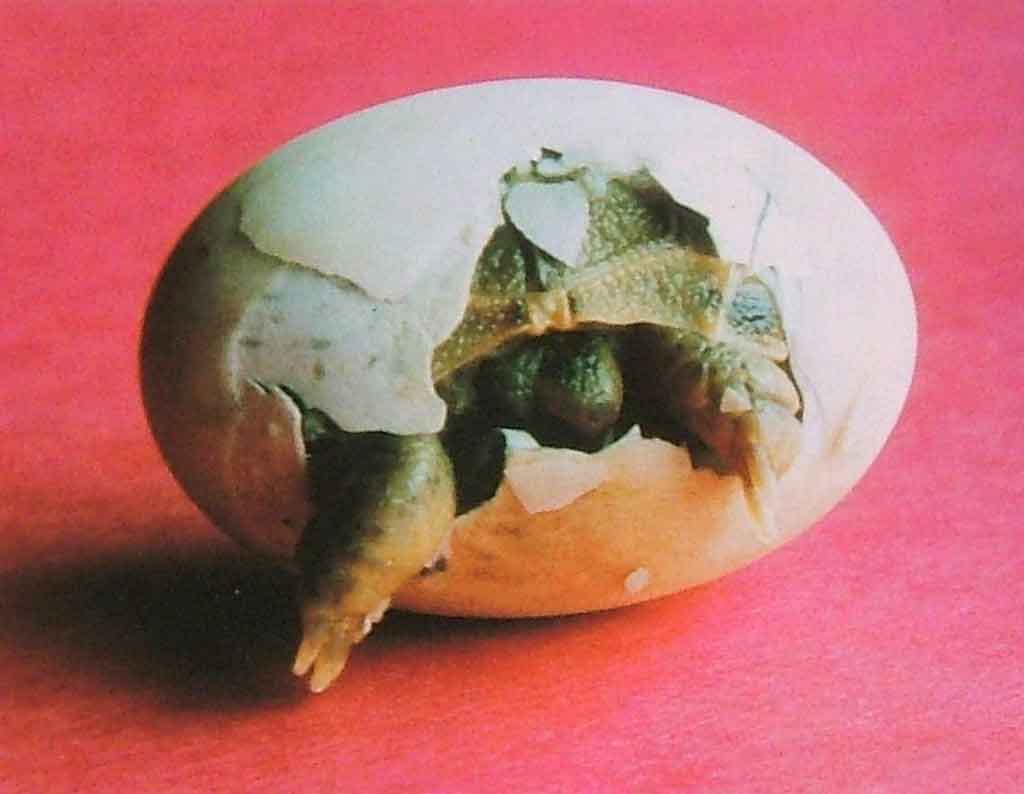
    Young people do not break the egg at the poles, but in the middle
    Youth: a distinctive central keel on the shell recalls the appearance of earlier ancestors
    Agrionemys horsfieldii
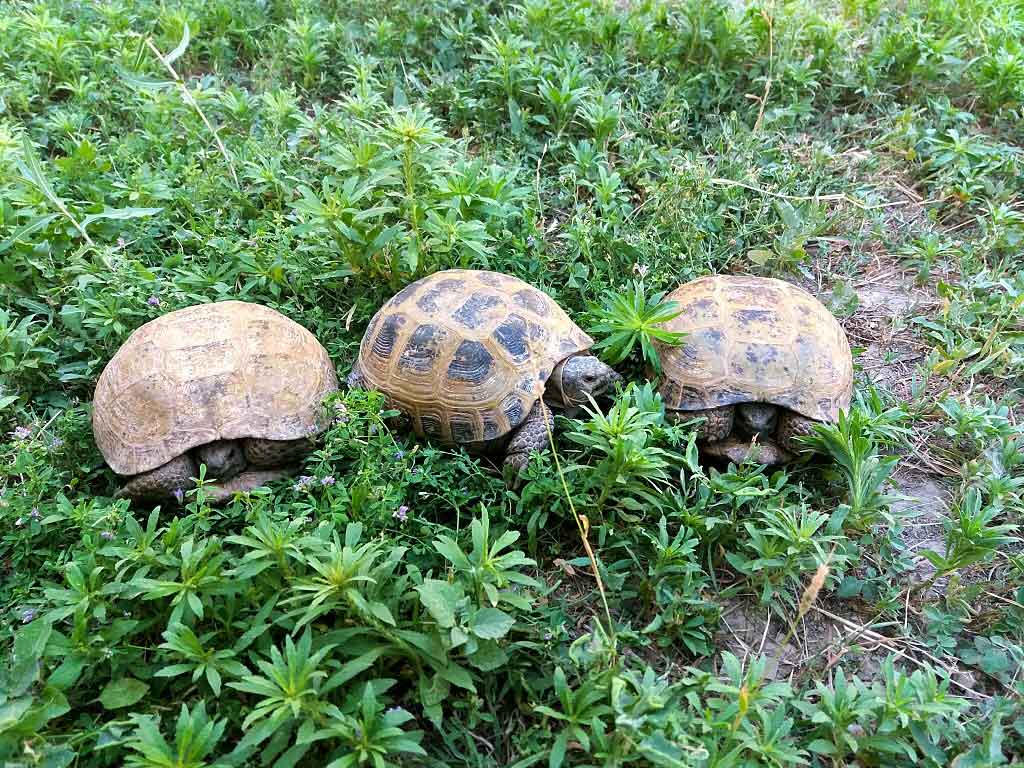
    Male (medium) and two females

    Videos "Russian tortoise"

    tortoise Testudo horsfieldii o tortuga rusa en terrario exterior

    Tartarugas Russas (Testudo horsfieldii)

    Alternative names:

    1. Afghan tortoise, Central Asian tortoise, Horsfield’s tortoise, four-clawed tortoise, (Russian) steppe tortoise (English).
    2. Tortue russe, Tortue des steppes (French).
    3. Steppenschildkröte, Russische Landschildkröte (German).
    4. tartaruga afegã, tartaruga da Ásia Central, tartaruga de Horsfield, tartaruga de quatro garras, e tartaruga de estepe (Portuguese).
    5. Tortuga de la estepa, Tortuga Afgana, Tortuga de cuatro dedos (español).

    ▷ The world of Pets: Dogs, cats, birds, reptiles, amphibians

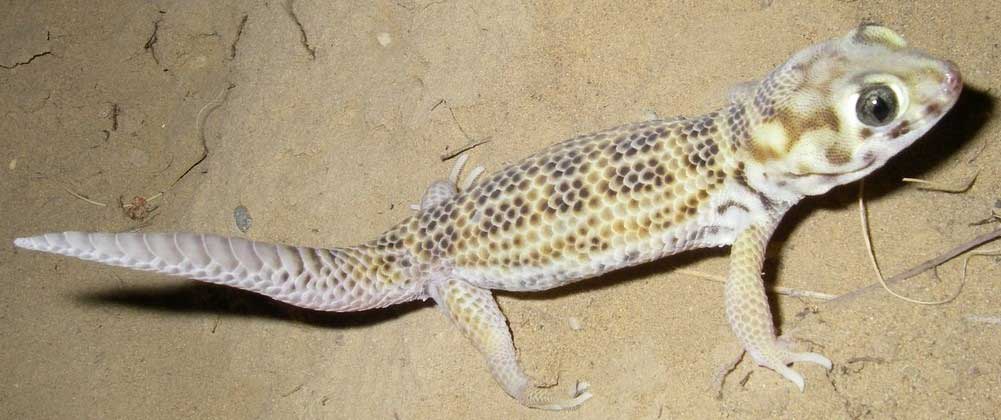
    Common wonder gecko
    - Teratoscincus scincus

    The Common wonder gecko it inhabits the ground in deserts and semi-deserts with sparse vegetation. High daytime and low nighttime temperatures.
    Common wonder gecko
    «Common wonder gecko» Qyzylorda Province – Kvak, Public domain, via Wikimedia Commons

    Content

    Origin

    The geographical range of the Common wonder gecko includes Middle East, Central Asia and the westernmost part of East Asia. It spans central and western Iran, Western Afghanistan, Northern Balochistan and Pakistan, through the area east of the Caspian Sea, western China and the Arabian Peninsula, where there are populations in Kuwait, Qatar, United Arab Emirates, Oman, Kazakhstan, Turkmenistan, Uzbekistan and Tajikistan.

    Two subspecies have been recognized: Teratoscincus scincus rustamowi, of the Ferganskaya Valley, in Uzbekistan, and the nominotypical subspecies Teratoscincus scincus scincus, of the rest of the distribution area. The old Teratoscincus scincus rustamowi has been elevated to full species status as Teratoscincus rustamowi.

    Characteristics

    In 2009 this ancient subspecies of Teratoscincus scincus to the category of species. It is named after Alexander Conde de Keyserling (1815-1891), Estonian geologist and paleontologist.

    It is the largest of all the wonderful geckos. The Common wonder gecko can reach a total length of 18 to 20 centimeters, but usually smaller. The coloration Basic is a camouflage color that usually varies between light yellow and yellow. In the backhas dark drawings, while the tail is grayish and has large scales. Draws attention to the head relatively large and the big ones eyes. This is because the Common wonder gecko has adapted to its nocturnal activity. If he feels threatened or there is a real danger to him, quickly detaches from the tail, but it grows again. The same goes for your skin scales, that come off very easily.

    Unfortunately, most of their breeding lines dried up in the last two decades, which is why hardly any animals available.

    Habitat

    It inhabits the ground in deserts and semi-deserts with sparse vegetation. High daytime and low nighttime temperatures, which will be balanced by the Geckos by retreating to holes dug by themselves.

    The "Common wonder gecko" in captivity

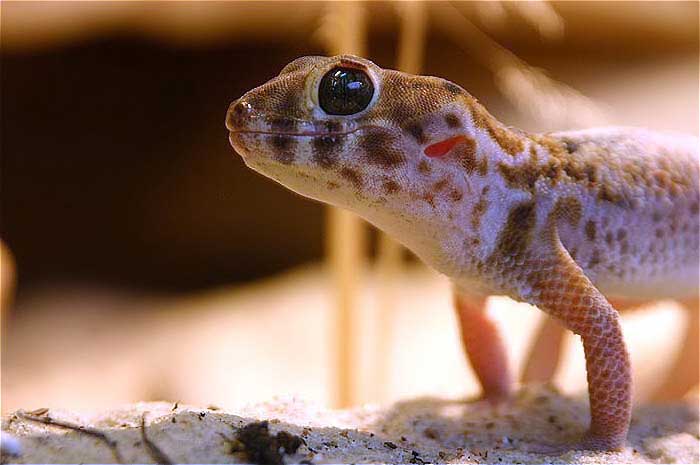
    Gecko common wonder
    Tetratoscincus scincus keyserlingii – Rheinberger Terra-Zoo – Petra Karstedt / www.Tiermotive.de, CC BY-SA 2.0 OF, via Wikimedia Commons

    Terrarium

    The terrarium must have a minimum size of 100 x 60 x 60 cm for a group of two to five Common wonder gecko. As terrarium accessories, provide animals with sufficient shelter, like caves and tree roots. It is also important to note that this species of Gecko you need a desert terrarium with silty terrarium sand in which you can dig and bury yourself enough.

    Temperature

    When it comes to the temperature of the terrarium, you have to allow a basic temperature of about 27°C for your young – use thermal mats for this. Local warming of about 33°C can be achieved with suitable bulbs. At night, the temperature of the terrarium will drop back to room temperature.

    Illumination

    As the Common wonder gecko is twilight or nocturnal, no need to use UV light. Design the terrarium with fluorescent daylight tubes suitable for the species. Make sure that the humidity of the terrarium is always 50-60%.

    Food

    The Common wonder gecko prefers to eat live insects, like crickets, grasshoppers or cockroaches. As an alternative, you can offer prepared food that has been mixed with enough minerals and vitamins. Either in animal food or as a supplement, in general it is important that you regularly feed your Common wonder gecko with minerals and vitamins.

    Reproduction

    Possibility of making couples or groups. It takes a period of 2 cold months (17 °C). Females put up 5 clutches with 2 eggs each in dry sand. Important: Incubate only in dry substrate, otherwise the embryos will die. Incubation at 28 °C for about 100 – 110 days.
    For sale "Common wonder gecko"

    The price of a Common wonder gecko at the exotic animal market, bred in captivity, ranges between 60 – 70 EUR.

    Videos "Common wonder gecko"

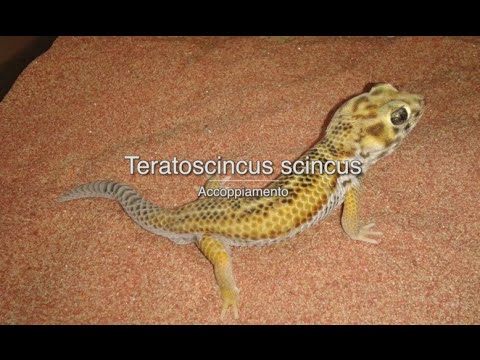
    Teratoscincus scincus - Accoppiamento

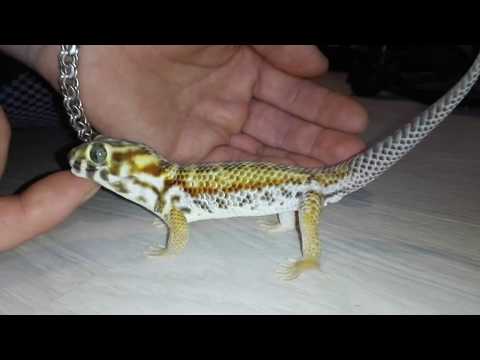
    Skink gecko Teratoscincus scincus

    Alternative names:

    1. Common wonder gecko, Frog-eyed gecko (English).
    2. Gecko aux yeux de grenouille, Teratoscincus scincus (French).
    3. Wundergecko, Teratoscincus scincus (German).
    4. Lagartixa-comum, Lagartixa-de-sapo (Portuguese).
    5. Gecko de ojos de rana (español).