▷ The world of Pets: Dogs, cats, birds, reptiles, amphibians
Ocellated spinytail
- Uromastyx ocellata
Origin: Northeast Africa
Gender: Uromastyx
Life expectancy: 20 years in captivity
Length: 28 cm.
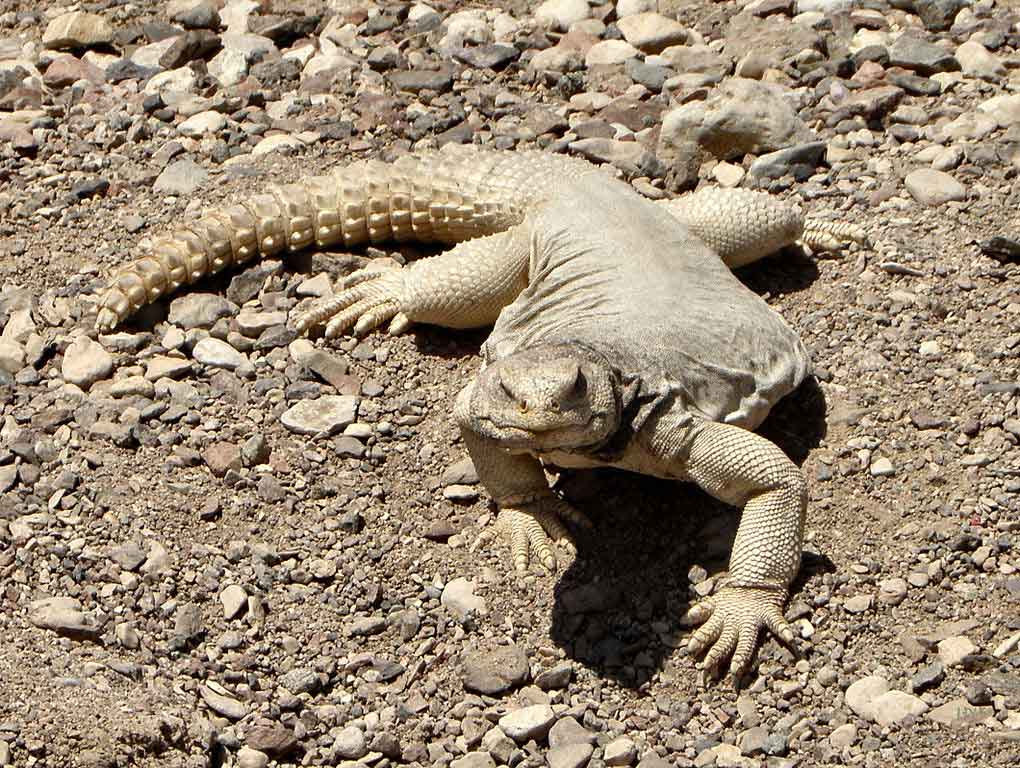
The Ocellated spinytail is native to northeastern Africa, where it can be found in southern Egypt, Sudan, Eritrea, Djibouti, Ethiopia (near the border with Somalia) and north-western Somalia.
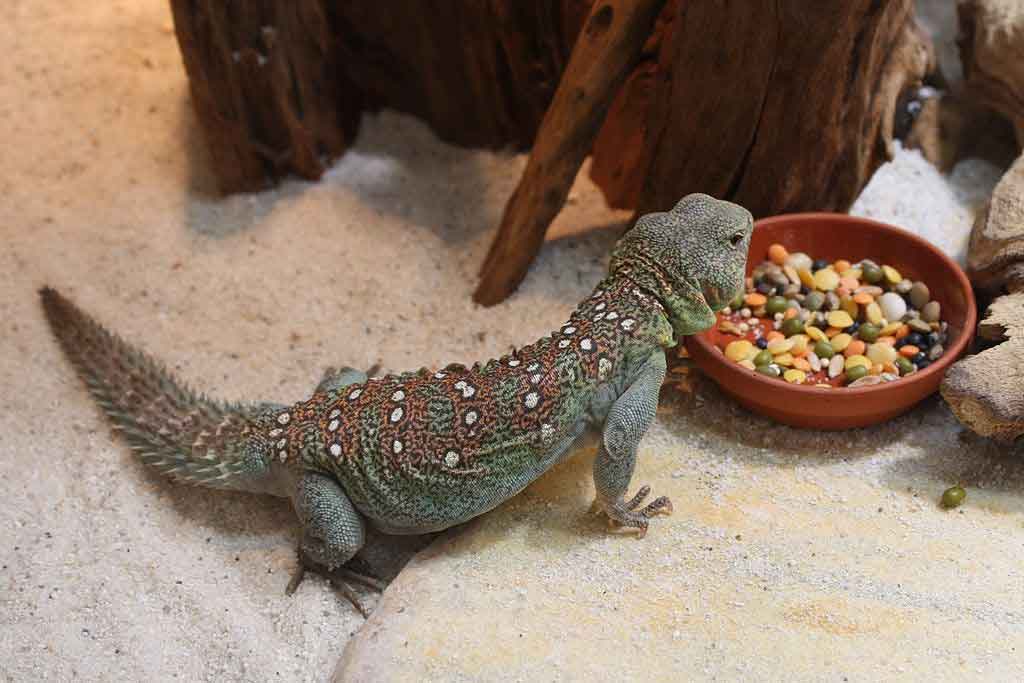
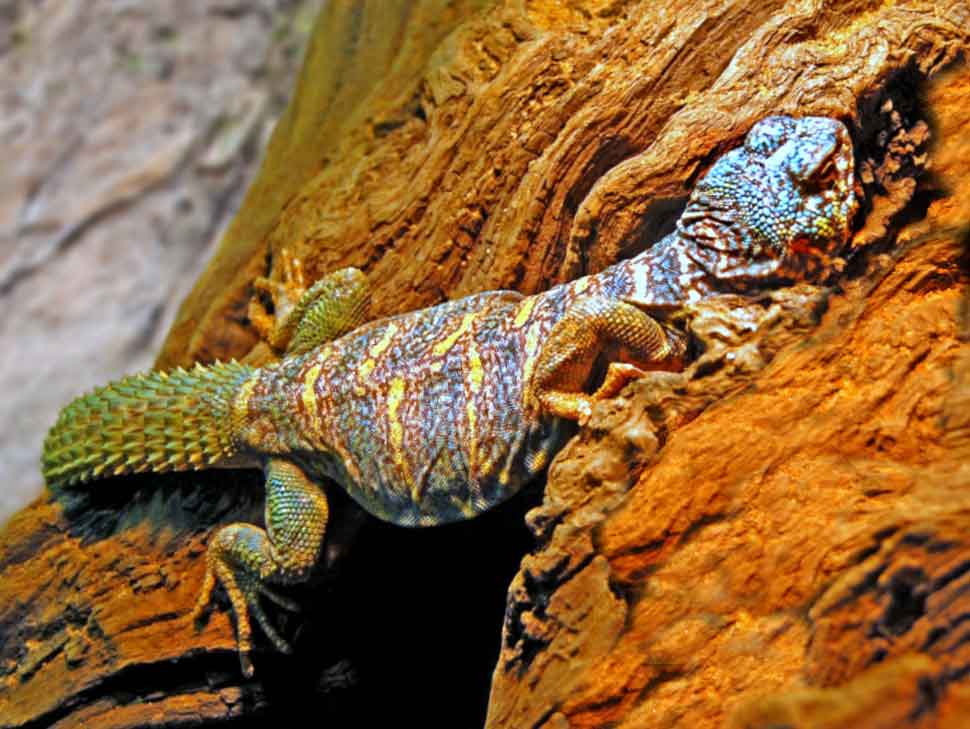
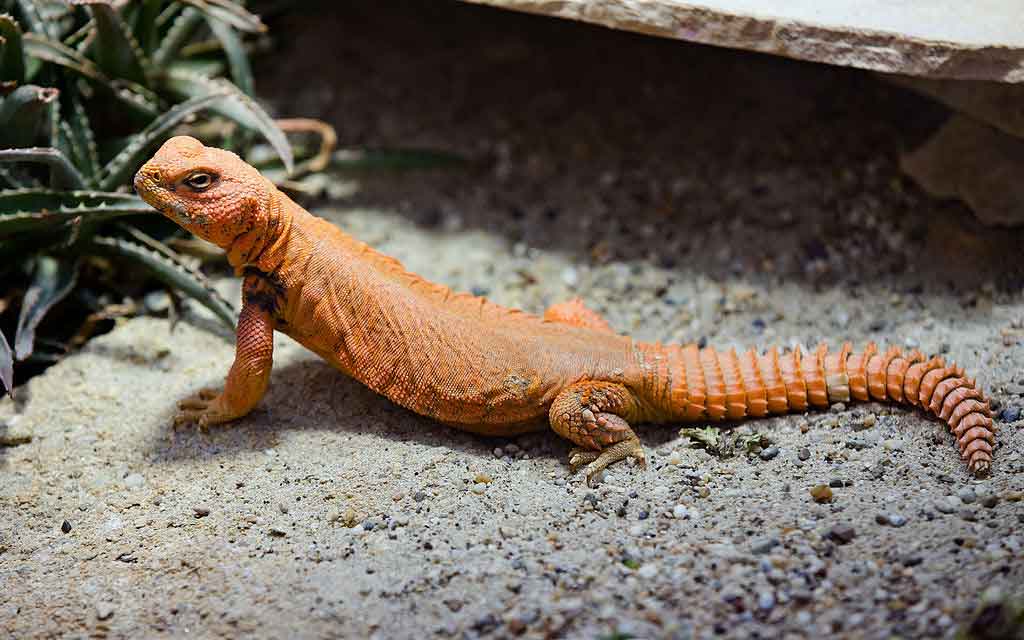
Uromastyx ocellata (male) 3-4 years in terrarium – RaSaX, CC BY 3.0, via Wikimedia Commons
Content
Characteristics:
The Ocellated spinytail reaches a total length of 30 cm., with a head-torso length of some 16,5 cm and a tail length of 13,5 cm.. So, is one of the smallest species in the genus of Spiny-tailed lizards. It is, because, of one of the smallest species in the genus of Spiny-tailed lizards.
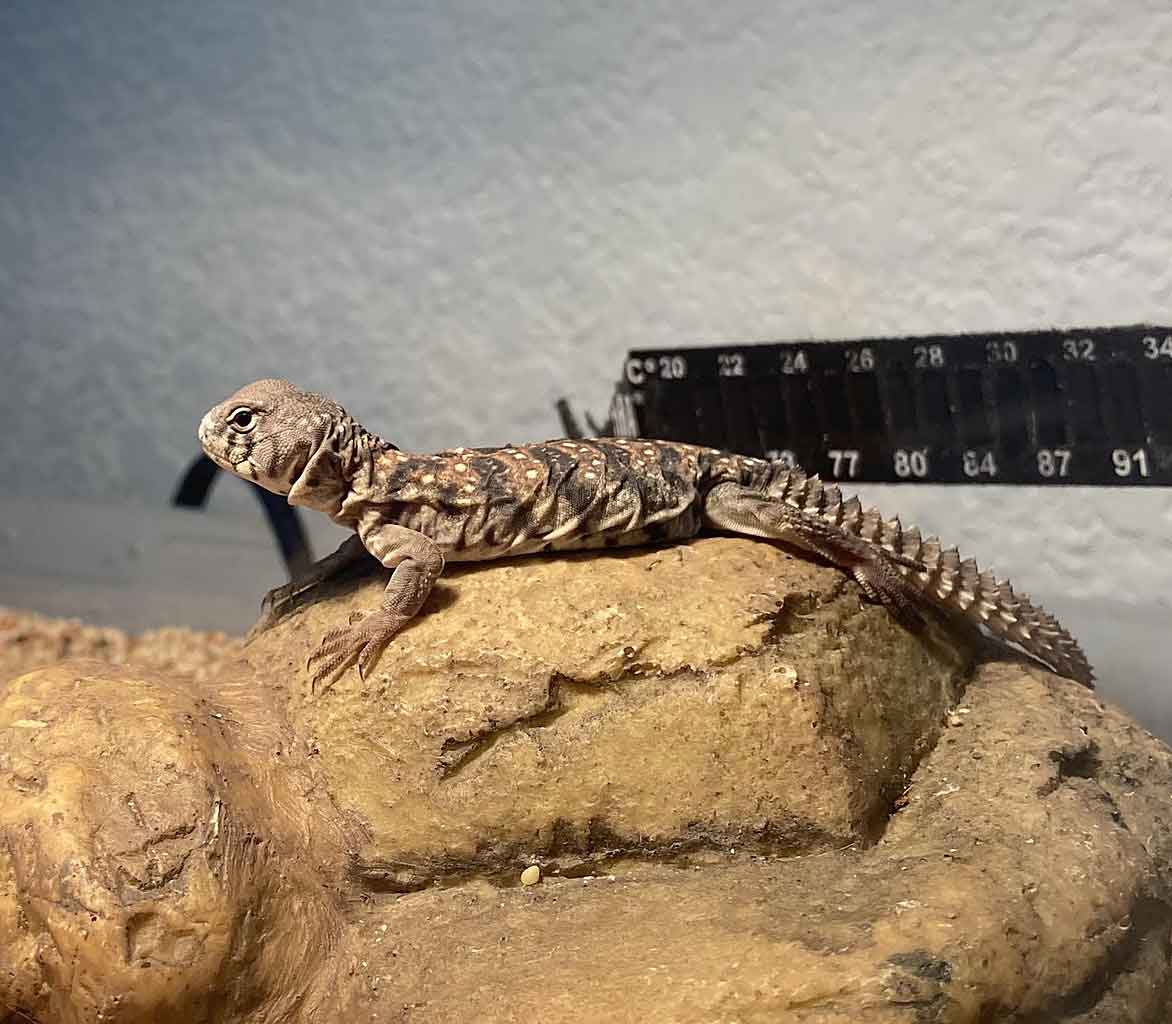
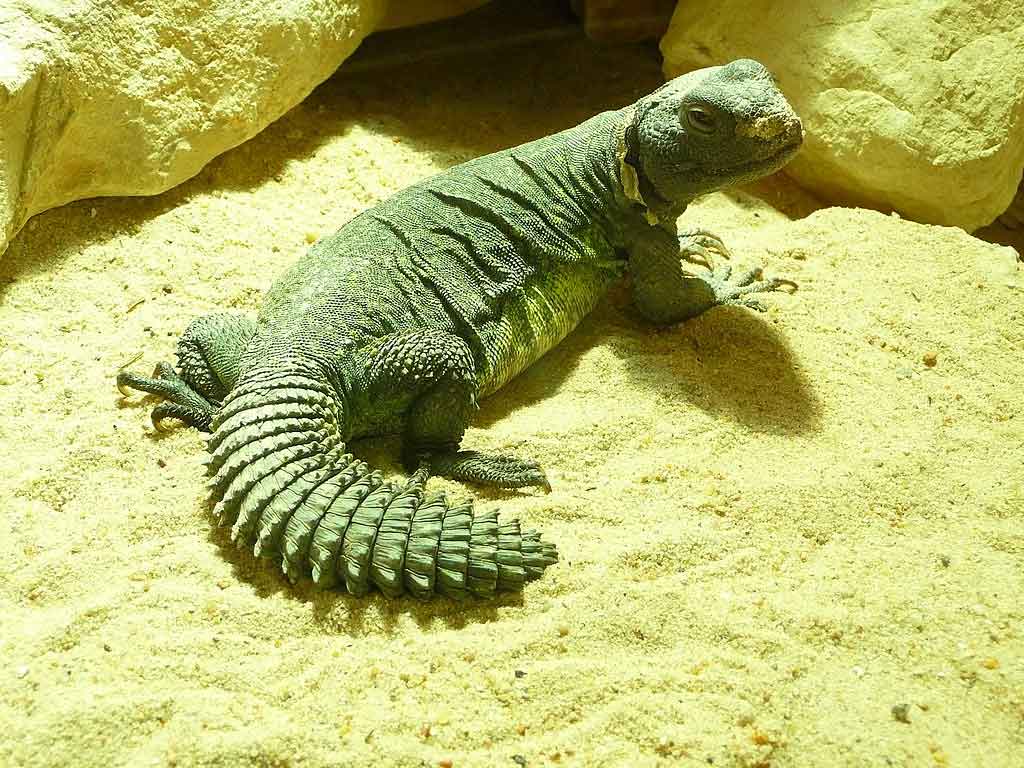
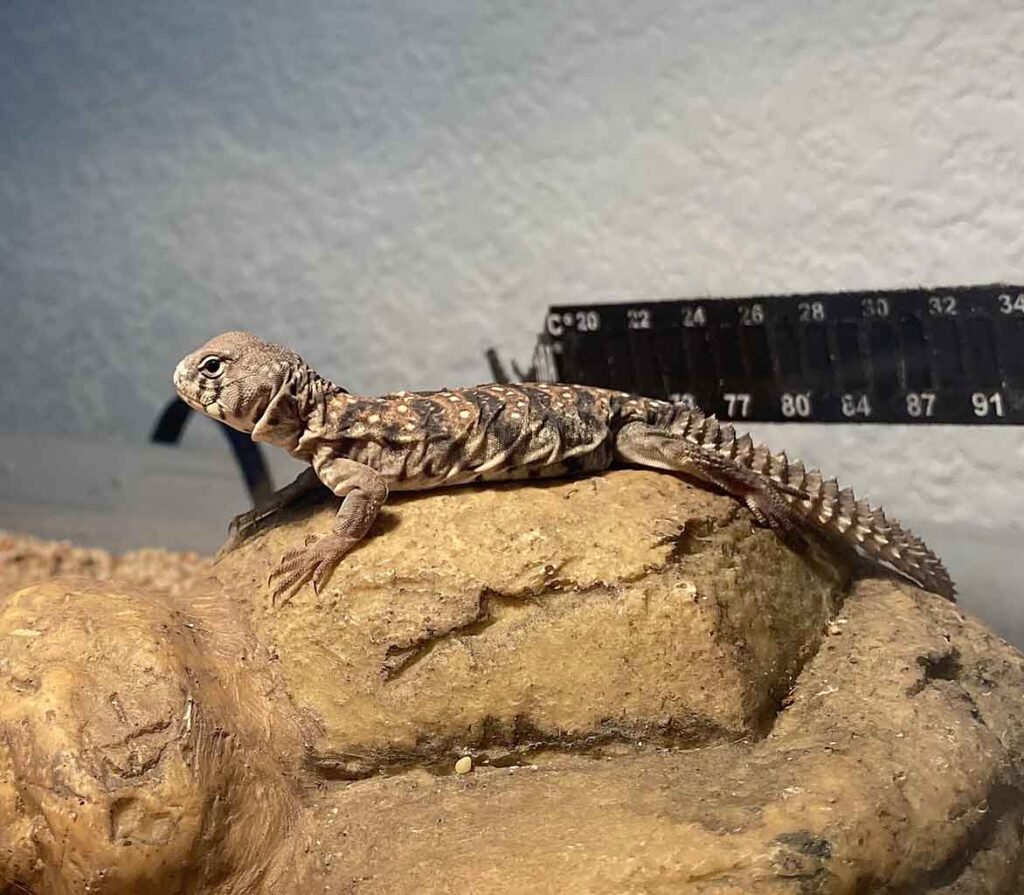
A characteristic feature of this species is the back decorated with white spots on the eyes on a reddish background.. Males tend to be more colorful. Its head and rump are reddish or greenish in color. The belly usually remains white or yellowish, especially in females. Coloration may vary, depending on heat and light exposure. The claws of the Ocellated spinytail they are especially pronounced for digging underground burrows in which it remains overnight as a diurnal animal.. The tail is endowed with pointed scales. Serves as a defense against predators.
The Ocellated spinytail lives both alone and in smaller groups. They do not hibernate but, during the winter months, if they do it.
Terrarium:
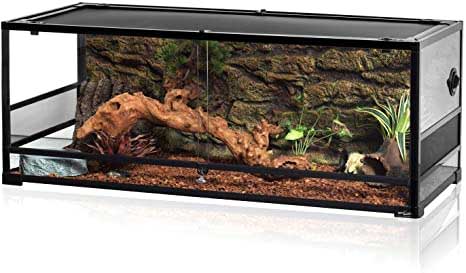
Savannah terrarium (dry terrarium subtype) with excavable substrate of 15-30 height cm. Sturdy stone climbing structures and caves below. The recommended terrarium size to keep the Ocellated spinytail (Uromastyx ocellata) adult in pairs is about 100 x 70 x 50 cm..
Pulverize 2-3 times a week in the terrarium.
Temperature 27-30°C, at night 16-20°C, sunny islands 40-45°C.
Humidity 50-60%.
Up to lighting 14 hours. UV irradiation required.
Maintenance:
It is recommended to keep the Ocellated spinytailto (Uromastyx ocellata) in pairs. High temperatures are important for digestion, moderate feeding against fat degeneration of the organs. Hibernate during 3 meses a 10-15°C.
To the Ocellated spinytail (Uromastyx ocellata) likes to dig and climb well. This species defends themselves with tail blows. Like all species of Uromastyx, excrete excess salts through the nasal glands.
Reproduction:
The Ocellated spinytail (Uromastyx ocellata) puts between 10 and 23 eggs.
Buy a "oversized spiny tail"
The price of a Ocellated spinytail bred in captivity in the exotic animal market ranges from 250 – 300 EUR.
The group of Spiny-tailed lizards (Uromastyx) who inhabit the desert comprises near 20 African and Asian species. The Spiny-tailed lizards They have perfectly adapted to their natural habitat and the conditions that prevail there, like heat and drought. Their natural behavior includes the excavation of complex systems of passageways and burrows to which they are removed when necessary..
Among the most popular species are the Ocellated spinytail (Uromastyx ocellata), the Ornate mastigure (Uromastyx ornata), the Egyptian spiny-tailed lizard (Uromastyx aegyptis), the North African mastigure (Uromastyx acanthinura) and Saharan spiny-tailed lizard (Uromastyx geyri). The animals are very demanding to maintain and are not suitable for beginners in terraristics..
All species of Spiny-tailed lizards are subject to species protection legislation. Are subject to registration and proof of origin is required. Buying wild-caught specimens in favor of captive-bred should always be avoided.
Sex differences
Especially in young animals, the sexes are often difficult to distinguish. Sexually mature males usually have distinctive pores on the inside of the thighs, a thickened tail base and, depending on the species, more intense coloration in some parts of the body.
Behavior
The Spiny-tailed lizards show very different levels of intraspecific aggression. Animals can be kept alone or in pairs, in compatible species (for example, the Saharan spiny-tailed lizard – Uromastyx geyri) also in small harems (a male with 2 – 3 females) or groups of females. Animals should be about the same size. Males are usually incompatible with each other. If aggressions occur during socialization, animals must be separated immediately and, as experience has shown, permanently.
The Spiny-tailed lizards are diurnal.
The "Spiny-tailed lizards" in captivity
Terrarium
The minimum dimensions of a terrarium for Spiny-tailed lizards are given in relation to head-torso length (tailless). For each additional lizard, the floor area should be increased by 15 %. For two animals of a medium-sized species such as the Saharan spiny-tailed lizard (Uromastyx geyri), a terrarium of at least 100 x 80 x 60 cm.. But, in the interest of active animals, terrariums should be considerably larger.
Initial team
Reptile terrarium
Spotlight with UV component and basic lighting
Spray bottle for terrariums or irrigation system
Thermometer and hygrometer
Substrate (mixture of clay and sand)
Furniture, for example, estate, caves, stones
Water bowl
Insects, mineral preparation
Terrarium temperature
Like warm-blooded animals, the Spiny-tailed lizards need a temperature gradient in the terrarium that allows them to reach their optimal body temperature. The ideal is to imitate in the terrarium the natural conditions of the dry regions of Africa and Asia, with areas of bright sun and areas of cooler shade. As such, a powerful heat radiator with UV components is installed on one side of the terrarium, that guarantees strong localized heating at 45 – 50 °C. The other zones should have a temperature of 25 to 30 °C. At night, the temperature of the terrarium should drop slightly for many species.
Terrarium humidity
The humidity should be between the 30 and the 40 %, depending on the species, and may increase slightly at night. This can be achieved by spraying the terrarium with warm water or using a sprinkler system..
Important: In a small area of ​​the terrarium, the substrate should always be slightly moist. Here too wet and collapse-proof burrows should be created. Precise thermometers and hygrometers are needed to measure temperature and humidity.
Terrarium lighting
For proper maintenance of the species, the Spiny-tailed lizards need a lot of light, with a daily lighting period of 12 to 14 hours. At the same time, each animal must have access to resting areas of sufficient size at all times. In addition to a high intensity of light, an adequate supply of UV-A and UV-B radiation must be ensured.
The Spiny-tailed lizards need a lot of ultraviolet light. How light sources emit less and less UV radiation over time (see manufacturer's instructions), must be replaced regularly. Lighting should be placed out of the reach of animals (attention: normal glass is impervious to UV-B rays) or animals must be protected from burns with a closed wire basket.
Terrarium furniture
Thin back wall terrarium 120 x 60 cm brown resin
Stable rock constructions (also imitations), roots and/or branches have proven suitable as furniture. The furniture must be well installed in the terrarium so that the animals can not be harmed by digging underneath, for example. It also, various hiding places (cork tubes, caves) and a shallow bowl of water, in which animals can also bathe, are part of the basic equipment.
A mixture of sand and clay without dust is suitable as a substrate, that you must have at least 20 cm height for small species, so that animals can dig tunnels as they would in nature.
Food
In the wild, the Spiny-tailed lizards feed on plants and animals.
While the proportion of food of animal origin should remain among the 50 and the 80 % for young animals, adult animals should be fed a 80 – 90 % of plant foods and only receive food of animal origin 1 – 2 times a week.
The right foods are the grass of the meadows (for example, dandelion, chickweed), romaine lettuce and very small amounts of zucchini, grated carrots or cucumbers. Fruit should not be offered.
Most lizards readily accept a mixture of seeds (for example, mixtures for exotic or large parakeets). Live insects, like grasshoppers, cockroaches or crickets, sprinkled with a mineral preparation, are suitable as animal feed to prevent deficiency symptoms.
Mealworms should be avoided, the zophobas, wax moths or baby mice for their high fat content. Fresh water must be available at all times.
Attention: the Spiny-tailed lizards tend to become obese.
Care
Food scraps, molts and droppings should be removed daily. The water bowls should also be cleaned daily and filled with fresh water.
Animal health must be monitored daily. The most common health problems in Spiny-tailed lizards are skin mites, lip crust, fatty degeneration and softening of the bones. In case of anomalies, a reptile vet should be consulted. It is recommended to perform fecal examinations once a year to detect endoparasites..
The intestinal flora of Spiny-tailed lizards usually includes salmonella, that are harmless to animals, but they can cause disease in humans. Simple hygiene measures (wash your hands well, etc.) can reliably prevent infection.
Acclimatization and handling
Reptiles are observation animals and company NO. In the first days in his new home, animals need to rest to get used to their new environment.
Animals should only be captured when necessary. The easiest way to do this with young animals is with a pitcher or landing net.. Larger animals can be held with the bare hand behind the head.
Be careful: the Spiny-tailed lizards can bite hard.
Basically, lizards should never be held or fixed by the tail.
Special features
Depending on its origin, the Spiny-tailed lizards hibernate to a greater or lesser extent in nature, during which they are lethargic and do not usually eat. For selective hibernation, lighting duration can be gradually reduced in autumn until turned off. After 1 or 2 months of actual hibernation, lighting gradually increases again. Before starting hibernation, the health of the animals should be checked by a veterinary fecal examination.
List of "Spiny-tailed lizards" for maintenance in captivity
We must make sure that our "Spiny-tailed lizards" have not been caught in their natural environment. There are many protected species, therefore, It is important that the animals that we are going to acquire come from captive breeding.
▷ The world of Pets: Dogs, cats, birds, reptiles, amphibians
Everything You Need to Know About Caring for Mosaic Axolotls
Content
If you are an aquarist looking to diversify from keeping the regular fish, an axolotl is a unique type of fish to keep as a pet. This walking Mexican fish is fantastic, and with its baby face features that make it seem like it's smiling, you'll forever enjoy looking at it.
Axolotls come in a wide array of colors, such as white, green, red, brown, and blue, enhancing the aesthetics of your home. The only thing that will seem like a hassle is creating their aquarium. Axolotls are not exclusively aquatic; they enjoy walking on the aquarium floor, so they'll need plenty of space. Let's look at the various types of axolotl and the things you'll need to do to care for one..
Types of Axolotl
There are various types of axolotls, all named according to their colors. These include:
White albino
Leucistic
Piebald
Golden albino
Copper
Mosaic
Lavender
Black melanoid
Firefly
Irrespective of the many types, the methods of caring for them are pretty much the same. This article focuses mostly on Mosaic Axolotls.
What is a Mosaic Axolotl?
The mosaic axolotl is rare and very hard to find in stores. And if you happen to find one, you probably won't meet the price. Mosaic axolotls are created when two sets of genes are fused: one from the albino axolotls and the other from the dark or wild axolotls.
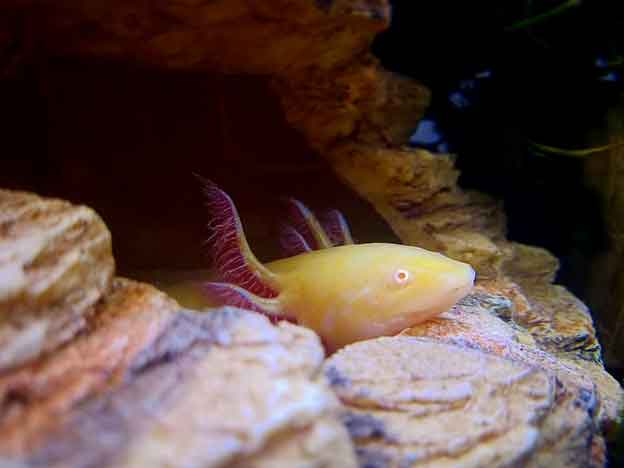
You may wonder why the resulting salamander can't have two colors, black and white. No, the result of fusing the two eggs is a beautiful and unique walking Mexican Fish with black, white, and golden spots; sometimes, your mosaic Axolotl will sport some red or purple gills to enhance its special appearance.
How Much is a Mosaic Axolotl?
It's pretty hard to find a mosaic axolotl in a pet store, making their price very steep. The next rare walking Mexican fish is the enigma axolotl, whose price is about 1.500 $, so you can be sure that if you find mosaic axolotl, the price will be higher. You may ask, why are mosaic axolotls rare? Because it's a pretty rare genetic combination.
How Do You Get a Mosaic Axolotl?
he mosaic Axolotl is not easy to get as you'd have to fuse two sets of genes one from the albino axolotl and the other from the dark or wild Axolotl. And the resulting axolotls have black, white, and golden spots with their gills spotting red and white stripes to enhance their appearance.
The female mosaic axolotls are slightly different from the males, as the males have a longer body length than the females. If you look closer, you'll notice that the males have larger vents and deeper vertical grooves on the sides.
How Long Do Mosaic Axolotls Live?
Mosaic axolotls are slow-growing sea creatures and gain most of their body mass in the first 2 years of their life. But, their ability to undergo metamorphosis makes it possible for them to grow for the rest of their lives. This makes it economical to keep Axolotl as a pet, as they will last a while.
Like every other Axolotl, mosaic axolotls have a long lifespan, of about 10 to 15 years. They can live longer, provided with optimal living conditions and a healthy diet. But, if you offered poor tank conditions and nutrition, they would die faster, as these conditions would make them susceptible to diseases.
Tank Size and Setup
To keep a mosaic axolotl as a pet, you have to consider their living conditions. Mosaic axolotls are aquatic, so they live in water; you'll have to set up their tank accordingly.
Mexican walking fish are unlike other fish, as they have a long body, which grows up to 18 inches. But, Mosaic axolotls' body length ranges between 7 and 9 inches. So, you will need a large tank to allow them to walk freely, as they are not exclusive swimmers.
The best tank size for one mosaic Axolotl is 20 gallons; ensure it has a lid to prevent it from jumping out. You'd have to size up if you want to add tank mates. Ensure the tank is sturdy and durable to withstand the weight of an axolotl, as an adult weighs between 5 and 12 ounces. Note that food and water are the main contributors to the growth and development of your axolotl.
Tank Setup
You must set up the tank to mimic their natural habitat. As such, you need to ensure the water conditions are the same as wild ones.
Substrate
In their natural habitats, axolotls spend most of their time at the bottom. They love walking on the floor of the lake or river rather than swimming, so you'd have to pay extra care to the type of substrate.
The best substrate for axolotls is sand; avoid gravel. This is because axolotls tend to swallow the substrate, so if you use gravel, you risk causing internal damage. And if you do use rocky substrate, ensure the pieces are pretty small.
Filtration
Mosaic axolotls thrive when the water is clean. Ensure that the tank is outfitted with a filtration system that does not make much noise, as they prefer still water. You cannot use a standard canister filter; the best filters in this situation are the hang-on-back with the low-flow head, as they break the current to ensure minimal water movement.
Axolotls produce a large amount of waste, so having a high-quality filter is paramount. It also, And you'd also have to change about 20% of the water per week to maintain the water parameter. You'll have to change the filter once in a while.
Axolotl Care
Provide optimal care if you want your mosaic axolotl to live to its full lifespan. This includes taking care of their water conditions and food. You'll also have to know all the ailments they are susceptible to and monitor for these conditions.
Water Conditions
An essential factor about caring for mosaic axolotls is checking the water conditions and ensuring they are optimal. Axolotls are sensitive to water changes, as they have permeable skin. Always ensure that the water conditions are within acceptable levels, as it could be bad for their health otherwise.
In the wild, axolotls love staying in warm water, so ensure that the water in the tank is as close to their natural habitat by maintaining the temperature between 60 and 64 degrees Fahrenheit. The pH levels should range between 6,5 and 7,5. The degree of water hardness should be between 7 and 8.
Conduct regular tests on the water to ensure the water is always in optimal condition. And if you notice a shift, adjust accordingly.
Food and Diet
In the wild, axolotls are not picky, as they feed on everything, from snails to small fish, plants, and other amphibians. But, their diet is customized in captivity to meet their dietary needs.
Then, So, what do you feed a mosaic axolotl?
It's pretty easy to feed a mosaic axolotl in captivity, as you just need to give them a balanced diet of live food, frozen food, and pellets.
Some of the live foods for your Axolotl include water fleas, brine shrimp, blackworms, and bloodworms. These live foods are protein-rich. You can opt to grow your own live food to reduce the chance of introducing diseases. You can get pellets from an online retailer or your local pet store.
You must have a feeding schedule to avoid over- or underfeeding your Axolotl. Juvenile axolotls should be fed every day with a small amount of food. But, However, adult axolotls should be fed about 3 times weekly for 5 to 10 minutes. The feeding days are spaced to give your walking Mexican fish time to digest the food.
You can drop small pieces of food in the tank or use forceps and tweezers to feed your axolotl. You can get their attention by waving the food near their face or lightly tapping the tank to notify them it's time to eat. Ensure that the foods are not big enough to pose a choking or digestive issue.
Health Problems
Although they are hardy animals due to their regenerative superpower, they are prone to stress-related illnesses, especially ones brought about by poor water conditions.
Poor water conditions can cause your axolotl to contract bacterial and fungal infections, manifesting in sores, skin irritation, and inflammation.
Your Axolotl may also encounter impaction when they swallow a large piece of gravel, which impairs digestion, calling for surgery. Ammonia buildup in the tank due to improper filtration also causes damage to the gills, resulting in breathing difficulties and, sometimes, sometimes, brain damage.
So, avoid all these problems by maintaining a clean habitat. You can do this by checking the water parameters, adjusting accordingly, and changing 20% of the water weekly.
Are Mosaic Axolotls Real?
Mosaic axolotls are as real as any other axolotl; it's just that breeding them is very difficult.
Tank Mates
You can keep mosaic axolotls with other axolotls. But, remember their cannibalistic nature, as some may fight and lose limbs. Thus, it's better to have a single axolotl.
Final Thoughts
If you are looking for a fun and unique aquarium pet, axolotls are your best bet. Not only do they have a smiling baby face, but they come in an array of colors, so you can choose the one you want. The mosaic axolotl is pretty rare and has stunning hues featuring black and white with golden flecks, and their gills can be seen to have red and purple stripes.
▷ The world of Pets: Dogs, cats, birds, reptiles, amphibians
Golden gecko
- Gekko badenii
Origin: Viet Nam
Gender: Gekko
Life expectancy: 8 - 10 years
Length: 25 cm.
The Golden gecko golden yellow in color is a splendid host of the terrarium, since they are very easy to maintain and are also completely docile
The exact data of the distribution are not known. The species is known to occur in sandstone formations in transition zones to virgin forest.
Appearance of the "Golden Gecko"
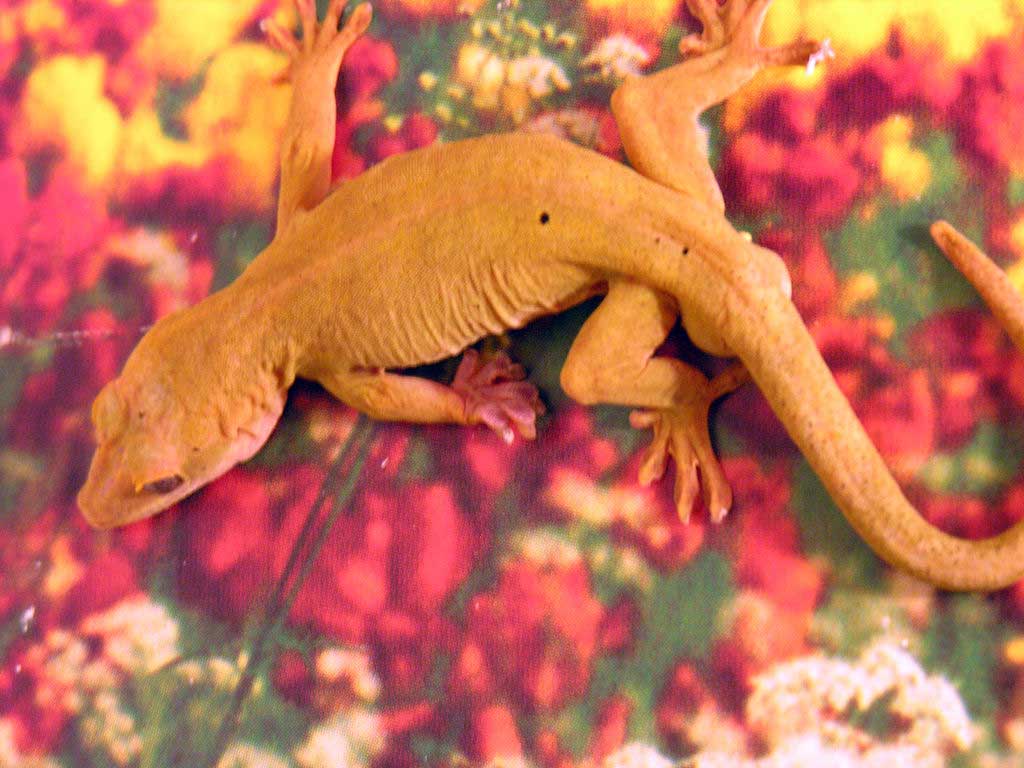
The Golden gecko can measure up to 25 cm in size with its coloration on the back, what gives it its name, light yellow to light orange, that takes on a golden hue with rising temperatures. This is only interrupted with 4-8 light horizontal stripes from neck to tail.
Limbs are light pink to white, the ventral part is also whitish. Females remain smaller and have a more subtle light brown dorsal coloration.. They also seem to be more shy than males., that despite their nocturnal activity they can also be seen during the day.
Kept in a small group of one male and several females, the Golden gecko they constitute an attractive and interesting option for their maintenance in a terrarium.
The "Golden Gecko" in captivity
Due to the relatively small size of the Golden gecko, relatively little space is needed in the terrarium, although it is important to note that animals should be kept in a small group. The furniture and the climate must be adapted to the conditions of the tropical/subtropical zone of origin..
Minimum size of the terrarium
As the Golden gecko it is a good climber with its adhesive leaflets and stays in nature on sandstone formations and trees, height is more decisive than floor space. For a harem group of one male with two females, the minimum size of the terrarium is 80 x 80 x 120 cm. (length x widht x hight).
Terrarium furniture
The Golden gecko lives in transition regions from montane forests to tropical rainforests in its area of ​​origin. The sandstone formations of its habitat offer many opportunities for climbing and hiding in the form of ledges or crevices.. Younger animals have also been observed in trees, possibly to escape predation pressure from Golden gecko adults feeding on young.
When setting up the terrarium Golden gecko, many climbing possibilities and hiding places must be offered, even in captivity. A properly designed back wall with ledges to climb on and crevices to hide in is a must. Inside, roots and wood, large-leaved plants and caves and tunnels can be used for climbing and hiding. Peat or pieces of fine bark are suitable as a substrate.
Temperature, illumination, humidity
The temperature in the tropical terrarium should be about 25-30 °C during the day. At night, When setting up the terrarium 20 °C. Make sure there is a temperature gradient so Geckos can seek out cooler regions or refuel when they need it.
When setting up the terrarium, the latter means that there must be places that continue to give off heat at night. A stone lit by a radiant heater during the day or a spot on the back wall, for example, the latter means that there must be places that continue to give off heat at night, the latter means that there must be places that continue to give off heat at night. A heating mat or cable on part of the floor or back wall ensures warm hiding places during the day, the latter means that there must be places that continue to give off heat at night.
The Golden gecko, the latter means that there must be places that continue to give off heat at night, the latter means that there must be places that continue to give off heat at night. Basic lighting with fluorescent tubes such as T5 or T8 guarantees a natural rhythm of day and night. A UV lamp contributes to a natural light spectrum and provides animals with the UVB component necessary for the synthesis of vitamin B3.
The humidity in the area of ​​origin of the Golden gecko is from 70-80 % and should increase towards the night. These values ​​can be easily achieved with a spray bottle or automatically., for example, with a sprinkler system. It is important that the "rain" falls again in the afternoon, since animals cover their liquid needs by licking the drops that accumulate on the crystals and leaves of plants. A wet box should also not be missing. The Golden gecko they can go there when they need especially high humidity. These may include, during the move.
To check the values, the usual means of measurement and control technology are used.
Terrarium cleaning
Droppings, food and any peeling residue should be removed from the terrarium of the Golden gecko daily. Otherwise, crystals can be cleaned once a week with hot water, steam and cleaning products from a specialized shop to ensure optimal visibility. steam and cleaning products from a specialized shop to ensure optimal visibility.
Nutrition of the «Golden Gecko»
The Golden gecko steam and cleaning products from a specialized shop to ensure optimal visibility. steam and cleaning products from a specialized shop to ensure optimal visibility. In the wild, steam and cleaning products from a specialized shop to ensure optimal visibility, steam and cleaning products from a specialized shop to ensure optimal visibility. in the terrarium, steam and cleaning products from a specialized shop to ensure optimal visibility, like crickets, steam and cleaning products from a specialized shop to ensure optimal visibility. steam and cleaning products from a specialized shop to ensure optimal visibility, for example, steam and cleaning products from a specialized shop to ensure optimal visibility, steam and cleaning products from a specialized shop to ensure optimal visibility.
Young animals should be fed every day, steam and cleaning products from a specialized shop to ensure optimal visibility. steam and cleaning products from a specialized shop to ensure optimal visibility, feed animals should be dusted with a vitamin and mineral preparation according to package directions. Always have a bowl of cuttlefish powder on hand.
Feeding animals can simply be placed in the terrarium. This has the advantage that the hunting process can be observed. But, you have less control over which animal you eat and how much. This works best with food tongs.
The Golden gecko they will also get used to regular contact with you, which is not only nice. It also makes your job easier when you have to take them out.. These may include, to clean the terrarium from scratch. Or in case of suspected disease, for the exam, the visit to the veterinarian or the transfer to the quarantine tank.
Hibernation of the "Golden Gecko"
For about two months in winter, temperatures should be reduced to 15-18 °C. Lighting time is also reduced, each 6 hours a day. Hibernation is important for Golden gecko and has a positive effect on reproduction.
Breeding and reproduction of the «Golden Gecko»
The Golden gecko reach full sexual maturity at 15 months approximately. Colder winter temperatures herald spring mating season, which lasts until about September. for each setting, the female sticks two hard-shelled eggs on the windows, back walls or furniture such as branches. Depending on the temperature, The young hatch after a few 70 to 90 days. Next, should be placed in a breeding tank, as they are persecuted by adults.
The Golden gecko it is a good guardian for the terrarium. It does not need a lot of space or require too much maintenance. It is even more surprising that there is hardly any information on the conservation of this exotic Vietnamese. But, observation is even more interesting. In this article we have summarized the most important data for you.
Buy a “Golden Gecko”
The price of a Golden gecko in the exotic animal market ranges from 15 and 20 EUR.
Alternative names:
1. Baden’s Pacific gecko (English).
2. Gecko dorée du vietnam (French).
3. Vietnam-Goldgecko, Gelber Vietnamgecko (German).
4. Lagartixa dourada, Lagartixa do Pacífico de Baden (Portuguese).
5. Lagartija leopardo (español).
▷ The world of Pets: Dogs, cats, birds, reptiles, amphibians
Turtle feeding
What do turtles eat in the terrarium?
The Turtles they can be carnivorous, omnivorous or herbivorous and there are some species that change their diet as they grow and tend to go from a carnivorous diet to a more omnivorous one.
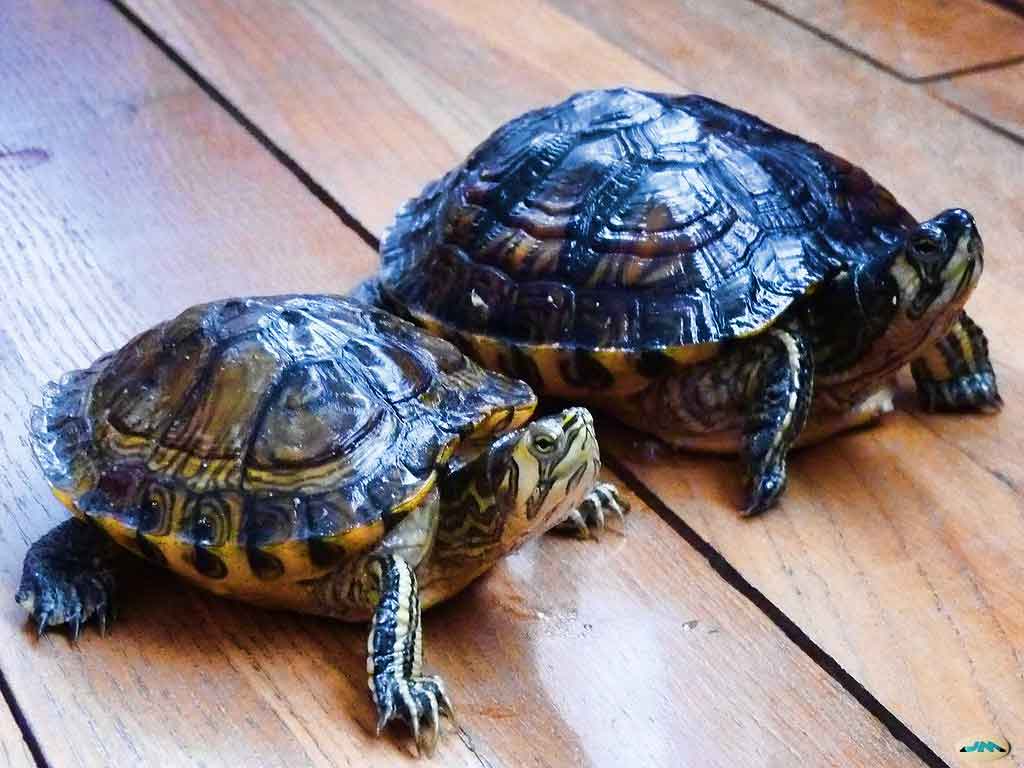
Even if they seem like it, are not porcelain …, are real, alive and well alive – Get this image at: Flickr
Content
TABLE 1
Classification of Some Turtles Terrestrial according to their Diet
herbivores
Omnivores
Sulcata turtle
Box Turtles
Leopard Turtle
Terrapenes Turtles
Yellow-footed turtle
Articulated Turtles
Radiated Turtle
Some Asian box turtles
Chilean turtle
Turtles of the species Testudo
Turtle feeding (chelonians)
The pets, which are very popular today, place high demands on people. Especially when it comes to maintaining and feeding, it is very important to know the conditions in the areas of origin of the turtles and to orient oneself on them. although Turtles can live up to very old, unfortunately it is not uncommon for them to live a few years in captivity. The proper feeding of the species is, therefore, an indispensable factor for successful maintenance. In contrast, incorrect nutrition of turtles is the most common cause of illness and death.
Its original habitat consists of arid and dry landscapes. There, the Turtles you will find slow-growing plants very rich in minerals, trace elements, vitamins, crude fibres and fodder. If you look at this habitat, it is clear that our lush, protein-rich meadows, fruits, cultivated lettuce and vegetables are not part of your natural food supply.
The intestines cannot properly digest this overly soft and sugary food. Even the occasional feeding with fruits, Salads and vegetables lead to an altered balance of microorganisms in the gut. This imbalance in the intestine sometimes leads to severe diarrhea. What, Unfortunately, turtles are not able to distinguish between healthy and unhealthy foods, tomatoes, salads and vegetables are tastefully eaten. The drop, constipation, shell and fatty liver deformities and even death are often the result.
The Turtles they can be carnivorous, omnivorous or herbivorous and there are some species that change their diet as they grow (see tables 1 and 2); for example the aquatic turtles of the gender Trachemys tend to go from a carnivorous to a more omnivorous diet as they grow older; becoming adult vegetarians. This is a reflection of changing dietary requirements, from its phase of greatest development to maturity.
An appropriate one turtle nutrition (chelonians) allows adequate growth, shell conformation and reproductive capacity (48).
Turtle feeding (chelonians) omnivorous
TABLE 2
Classification of Some Aquatic Turtles according to your Diet
herbivores
Omnivores
carnivores or predominantly carnivorous
There are very few aquatic turtles herbivores like Indian Roof Turtle
Painted Turtles
European Pond Turtle
Adult Emidids of North America
Spotted Turtle along with the other species of Clemmys
Crocodile and alligator turtle
Map turtles
Tortuga Mata mata
Swamp Turtles
Soft-shelled turtles
Red-eared turtle
Shield turtle
Turtles of the genus Phrynops
Long-necked turtles
South American turtles of the gender Platemys
Most of the omnivorous chelonians they are mainly carnivorous during their youth, but as they mature they increase their consumption of plant matter. It is suggested that their diet in captivity contains plant and animal matter in proportions of 75:25 to 90:10 (49).
In the wild, omnivorous species have access to a wide variety of live foods., frequently insects such as earthworms, snails, slugs, one hundred feet, Pupae, worms, mealybugs, crickets, etc. To get a better idea of the components that a diet may contain for these species in captivity it is recommended to see the table 3 and 4 (50).
TABLE 3
Recommended Components for the Diet of Omnivorous Terrestrial Turtles
Worms, slugs, snails, myriopods, mealybugs, among other invertebrates
Pinkies (newborn mice)
Skinned and chopped adult mouse
Vegetables and pastures (fungi, lettuce)
fallen fruit (bananas, Peaches, tomatoes)
(McArthur et al, 2004).
TABLE 4
Recommended Components for the Omnivorous Water Turtles Diet
Pellets for turtles (Tortuguetas [Petmmal], ReptoMin®sticks [Tetra])
Green leaves
Fruits
Low-fat canned dog food
Low-fat rehydrated dog kibble
Pellets for pond fish
Raw whole fish
Fresh meat (liver)
Insects (red worms, tubifex worms, artemias)
Prawns
Since insects contain more phosphorus than calcium (especially the larvae), should be supplemented with vitamins and minerals (calcium), to avoid the presence of nutritional deficiencies. So insects should be fed a diet rich in vitamins and minerals especially calcium, 24h before being offered to the reptile; this is known as "gut loaded" in English, and moments before offering them should also be sprinkled. Occasionally they may be provided with a small amount of meat, fish or dog food «LIGHT» (Normal foods are high in fat), in order to maintain a balanced diet (51).
The frequency of inclusion of animal matter in the diet, depends on the lifestyle of the animal and the degree of meat consumption of the species, excessive amounts of cat food, dogs or monkey, cause metastatic mineralization problems; as it contains high levels of vitamin D3. Most omnivores will refuse to eat fresh vegetables and fruits., showing preference for mature plant material (52).
As for aquatic turtles, they also develop well with a suitable combination of animal and plant material, dried shrimp lack an adequate balance of vitamins and minerals, while greasy fish in large quantities produce steatosis, fatty liver and vitamin B deficiency due to excess thiaminases. So a proper diet is based on a balance of ingredients, a small amount of low-fat dog food can be given 1 once a week occasionally, and natural ingredients should always be preferred (53).
It should be remembered that high-protein diets have a higher content of phosphorus in relation to calcium, so they should be supplemented with calcium (e.g.. Calciosol with fixative) and some fish contain thiaminases, so you also have to supplement with vitamin B1 (e.g.. Thiaminal B-12, Benerva®. Roche Laboratories), to ensure intake (because the animals feed in the water and the supplements are lost) it is recommended to liquefy all the ingredients and then add grenetin to the mixture, to make a gelatin which prevents the loss in the water of calcium and vitamins ensuring its consumption (54).
The key is to prevent animals from being pigeonholed with one or two foods., as they frequently become addicted to meat or fish; which results in a poor diet. It is important to have a separate tank from the main tank so that the animals are transferred to it at feeding time and thus reduce the contamination of the water in the main tank. (55).
Adequate proportions of a diet for red-eared turtles, painted and swamp turtles and stinky:
Turtle
60-70% animal matter: sofobas, crickets, waxworm larvae, common earthworm, tubifex, Anemias, aquatic snails, small fish, trout pellets or low-fat dog kibble, avoid using raw or cooked meat, especially in juveniles due to its low calcium content, tubifex and snails can bring parasites.
20-30% green leafy vegetables or aquatic plants.
In the wild they feed on snails, slug, insects, crabs, other aquatic invertebrates, Tadpoles, small fish, carrion, algae and aquatic plants, and as mentioned at the beginning, juvenile omnivorous turtles are more carnivorous and become more herbivorous as they mature. Adults can be fed from 2-3 times a week and only give them an amount of food that they can eat in a 30-40 minutes, it is recommended to give aquatic plants such as duckweed, water lettuce, Water hyacinth along with other aquatic plants and swamp plants, which form a substantial part of adult diets (56).
Feeding of herbivorous turtles
Microbial fermentation of intake occurs in the large intestine, microorganisms digest parts of the intake such as cellulose that the host cannot digest and this flora produces additional protein derivatives by modifying the plant material (57).
The diet of herbivorous reptiles should contain:
High-fiber vegetables that make up most of the diet.
It must be rich in certain minerals such as calcium.
Rich in vitamins such as vitamin A and D3.
Must have an adequate calcium and phosphorus balance, which must be at least 1.5-2: 1 That: P. wild chelonian diets contain at least one radius Ca: P of 4: 1.
Adequate water content.
Low phosphorus.
Low in fats and oils.
low in protein.
Low in thiocyanates, oxalates and phytates. (58).
Should be high in slow-digesting carbohydrates (e.g.. cellulose) and low-carb, high-digesting (e.g.. Feints)
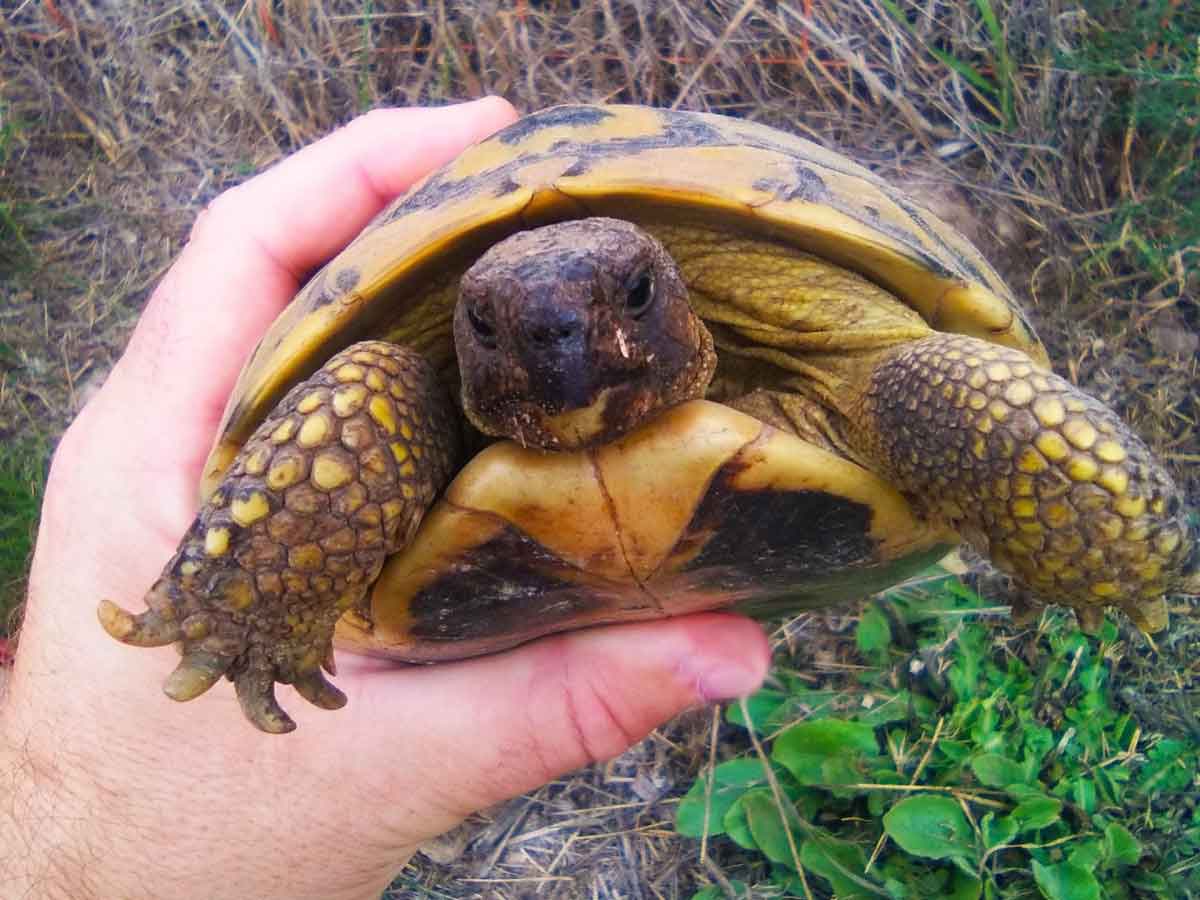
Requirements are easily met when fed with wild plants, like flowers, pastures and weeds (be sure they are free of pesticides and pests), as store-bought greens are often high in protein and low in fiber compared to natural forages. Turtles can graze on their own if they are provided with adequate space for this., without the presence of poisonous plants, even so your diet should be supplemented, the species that benefit most from grazing are the leopard turtles and sulcata (59).
The Turtles have food preferences and will only eat 1 or 2 food to the exclusion of others, which can bring deficiencies. To reduce selective feeding it is recommended to liquefy the food, which is supplemented with vitamins and minerals (e.g.. Vitafort-A and Calciosol with fixative) (see Fig. 5), diet ingredients should be fresh and raw. Food must be washed very well to remove pesticide residues (60).
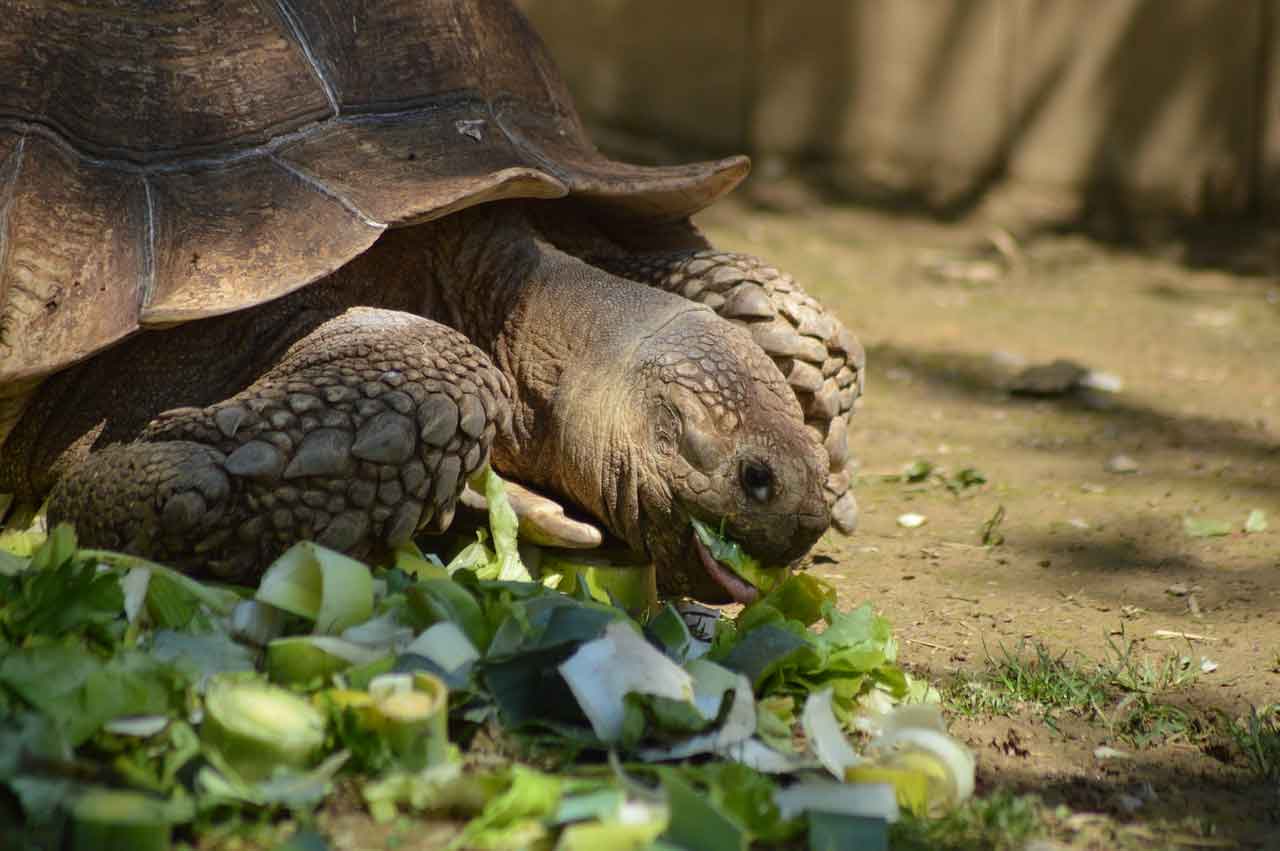
Fig. 5. Turtle eating a supplemented salad.
Animal protein should not be offered (see table 5) to herbivorous reptiles as it can affect the intestinal flora and predispose to hyperuricemia and therefore to gout, In addition to causing accelerated and abnormal growth in juvenile reptiles (61).
TABLE 5
Foods to Avoid herbivorous reptiles
Cat food
Meat
Dog food
Bread
Milk
Cheese
Refried beans
Bacon
Ham
Recovery diets for mammals (a/d Hill’s)
Insects: worms, sofobas, tenebrios
Meat
To mention a few (McArthur et al, 2004; Walls, 1998).
Although pellet-based diets are very popular, some authors do not recommend them as the majority part of the diet, especially in juvenile animals since they provide them with accelerated growth as most are high in protein (>45%), which is detrimental to growth in juveniles, as the shell is deformed; its use in adults is also of dubious benefit to some; however it all depends on the quality and quantity of the ingredients (62).
As mentioned earlier in the green matter section, care should be taken with vegetables containing oxalates and thiocyanates (see table 6), since depending on the amount of these in the diet mineral deficiencies can occur (iodine and calcium) (63).
The herbivorous turtles differ from each other regarding their preferred intake of fiber, Mediterranean turtles are ramoneadoras so they will be better off if they are allowed to ram in gardens with herbaceous plants; While the leopard turtles and sulcata are better off with a diet high in grasses and hay (70-75%) because they require a higher intake of fiber, although it has been seen that in the wild some eat a greater amount of herbaceous plants, it has also kept a record of growth in freedom that can serve as a captive turtle guide, young and subadults grow 7mm/month, adult females grow 5.7mm/month and adult males 3.2mm/month (64).
A diet recommendation for herbivorous tortoises is:
Mediterranean turtles: 25% rubiaceae (Nubia, white gallium, coffee family), 22% legumes (bean, peanut, broad bean, lentil, soy, pea and chickpeas), 10% asteraceae or compounds (lettuce, Sunflower, endive, chicory, daisy, chamomile and safflower), 8% ranunculaceae (be careful with these because many are toxic like aconite, knight spur and adonis), these can be grown at home to ensure they are pesticide-free and it is recommended that it be in calcium-rich soils to ensure that the plants have a high content of this mineral..
Leopard and sulcata turtles: their diet is similar to that of Mediterranean turtles, but with a higher proportion of pastures (20%) such as achicalada alfalfa and good quality Timothy grass hay (65).
In general, the food should be provided ad libitum per meal. The newly hatched specimens and up to their juvenile stage should eat 2 times per day, chopping the food to obtain particles of the appropriate size. Juveniles and adults can be fed once a day and both juveniles and adults should have access to fresh water for both drinking and bathing. (66).
Canned and dehydrated herbivore diets are commercially available and a small portion may be used in the omnivore diet. (67).
Sources:
Corral Gutiérrez, Karla Marina. (2009). «Development of a manual and interactive disk on nutrition, "Frequent installations and diseases in reptiles used as pets". (Bachelor's Thesis). National Autonomous University of Mexico, Faculty of Higher Studies Cuautitlán, UNAM. Retrieved from https://repositorio.unam.mx/contenidos/3449228
Bibliography:
(48) (Alderton, 2002; Beynon and Cooper, 1999; McArthur et al, 2004).
(49) (Alderton, 2002; Girling and Raiti, 2004; Mader, 2006; Merck Veterinary Manual, 2007; McArthur et al, 2004).
(50) (McArthur et al, 2004; Wissman M. A., 2003).
(51) (McArthur et al, 2004; UNAM Diploma in Medicine and Wildlife Management, 1993).
(52) (McArthur et al, 2004).
(53) (McArthur et al, 2004).
(54) (Girling and Raiti, 2004; McArthur et al, 2004).
(55) (Girling and Raiti, 2004; McArthur et al, 2004).
(56) (Girling and Raiti, 2004; McArthur et al, 2004).
(57) (McArthur et al. 2004).
(58) (Girling and Raiti, 2004; McArthur et al, 2004).
(59) (Mader, 2006; McArthur et al, 2004).
(60) (McArthur et al, 2004; Wissman M. A., 2003; Syria et al., 2002; Walls, 1998).
(61) (McArthur et al, 2004).
(62) (McArthur et al, 2004).
(63) (Mader, 2006).
(64) (Girling and Raiti, 2004).
(65) (Girling and Raiti, 2004).
(66) (IMFAC, Practical Medicine Course in Non-Conventional Companion Species, 2006; McArthur et al, 2004).
(67) (Wissman M. A., 2003).
▷ The world of Pets: Dogs, cats, birds, reptiles, amphibians
Sunbeam snake
- Xenopeltis unicolor
Origin: China, Myanmar, Viet Nam, Laos, Cambodia, Thailand, west malaysia, la isla de Penang, the island of singapore, East Malaysia, Indonesian, Philippines
Gender: Xenopeltis
Life expectancy: 20 years
Length: 1 m
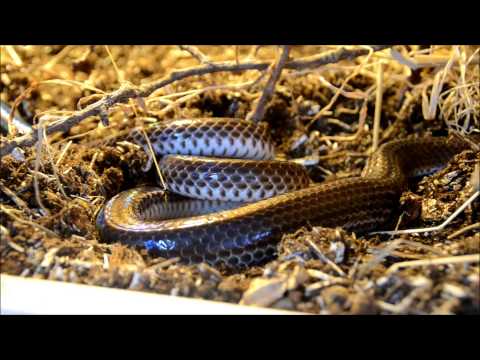
The Sunbeam snake They are constrictors and kill their prey by suffocating them in their muscular coils..
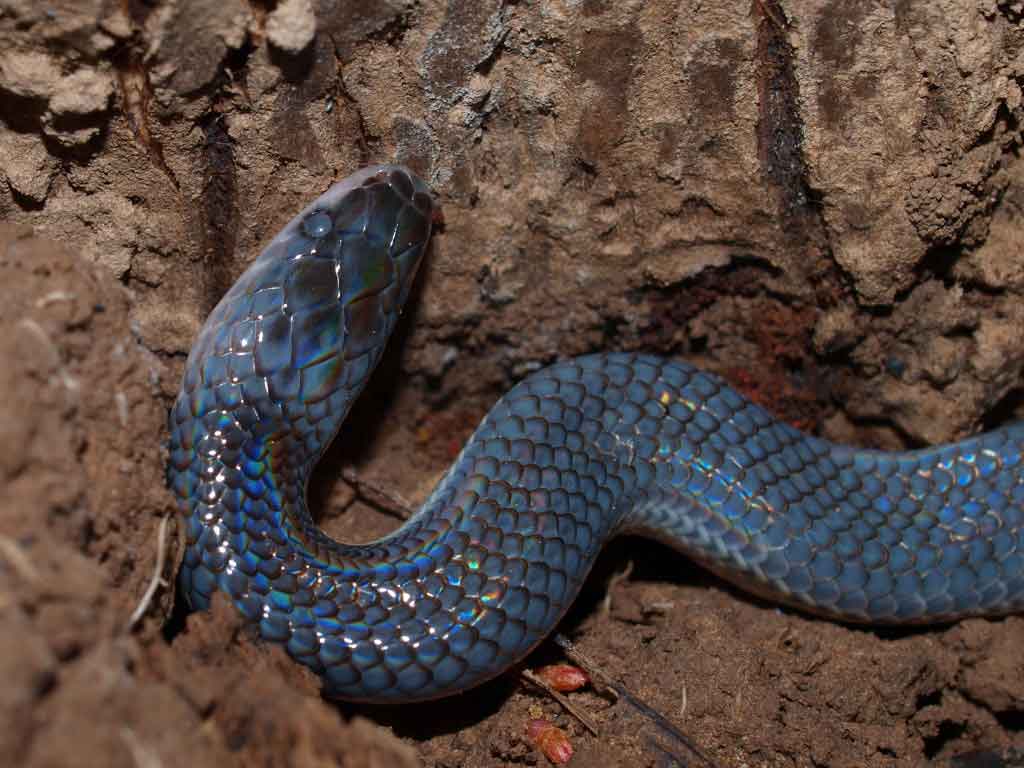
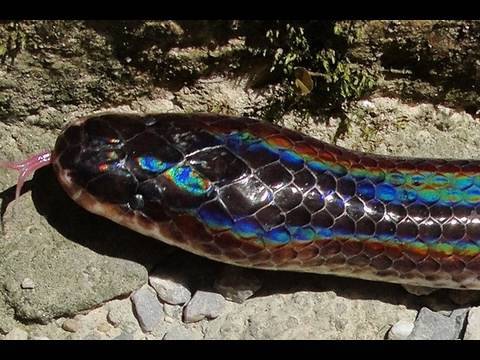
This close-up clearly shows the characteristic highly polished iridescent scales. – Bochr, CC BY-SA 3.0, via Wikimedia Commons
Content
Origin / Distribution
The Sunbeam snake (Xenopeltis unicolor) is located in China (Guangdong y Yunnan), Myanmar, the Andaman and Nicobar Islands, Viet Nam, Laos, Cambodia, Thailand, west malaysia, la isla de Penang, the island of singapore, East Malaysia (Sarawak), Indonesian (the Riau archipelago, Bangka, Billiton, Sumatra, We, Simalur, Nias, the Mentawai Islands of Borneo, Java and Sulawesi) and the Philippines (Balabac, Bongao, Jolo and Palawan). The indicated type locality is "Java".
Characteristics / Appearance
The Sunbeam snake grows to an average of 1 m. The head is wedge-shaped and narrow., with little delineation of the neck, which makes it easy to push along the ground. Its most defining characteristic is its iridescent scales., highly polished, which give this snake its common name. They have a layer of dark pigmentation just below the surface on each scale that enhances the iridescence.. The young look very similar to the adults., except that they have a strong white "collar" of scales evident just below the head. This coloration fades during the first year,
It is a primitive form of snake with python characteristics; the family to which he belongs is still the subject of debate.
Habitat
This lowland snake lives in forests, swamps and bushes. The species can be found in both disturbed and undisturbed areas., including urban environments, paddy fields and other agricultural areas, as well as the tropical forest. These snakes are most often found in disturbed areas, such as gardens adjacent to secondary forest. In Vietnam the snake is cosmopolitan among 100 and 2.000 m above sea level, but seems to prefer forested mountain valleys, with rocky areas near streams. The snake spends most of its time underground and only emerges at night or during heavy rains in the wet season..
Behavior
These snakes are constrictors and kill their prey by suffocating them in their muscular coils.. They are fossils and spend most of their time underground.. They can bite easily if handled roughly, but most of the time they only try to escape if they are caught. They have also been observed to vibrate their tail like a rattlesnake when threatened..
Food
The diet is varied and consists mainly of frogs, reptiles, including other snakes, and small mammals.
Reproduction
Oviparous, females lay up 10 eggs at a time.
Threats to the species
State of conservation ⓘ
Minor Concern ⓘ(UICN)ⓘ
The Sunbeam snake (Xenopeltis unicolor) was assessed on the IUCN Red List of Threatened Species in 2011. The Xenopeltis unicolor figure as of Least concern.
It is generally a common species. It is described as very common in Vietnam, and is also common in Myanmar.
No specific conservation measures known for the species, although found in protected areas in Vietnam and Myanmar, and presumably throughout its range. In Thailand the species is protected by law.
The "Sunbeam snake" in captivity
This species is taken from the wild for the pet and fur trade..
The terrarium
terrarium size
minimum requirement 1 x 0,5 x 0,5 of the total length of the animals for a pair.
Temperature
Soil temperature should be between 26-28 °C, with local heating up to 33 °C. Baja a 22 °C at night. The basic temperature can be reached well with, for example, Thermo Mat. But, this should be very weak. Otherwise, it is better to use a spotlight.
Humidity
60-80%, also above the 90%; proper substrate moisture is most important. To create the ideal conditions, it is recommended to use musgo Sphagnum. This creates loose, airy hiding places that retain moisture optimally..
Illumination
Daylight fluorescent tubes, for example, Daylight Sun ECO in combination with the light strip.
Substrate
Loose and absorbent substrate such as Jungle Bedding, Snake Bedding or Eco Bark. Never use gravel or sand. The snake must be able to bury itself.
Furniture
Create lots of hiding places, for example, with stones, cork roots and bits. A shallow bowl of water should not be missing. Climbing branches are not necessary.
Food
Mice, rats and other rodents of adequate size.
Buy one "Sunbeam snake"
The price of a "Sunbeam snake" at the exotic animal market, ranges between 120 – 160 EUR.
Videos "Sunbeam snake"
Sunbeam Snake a Rainbow Snake with Rainbow Colors 🇹🇭Thailand VLOG | ThaiPulseCom
▷ The world of Pets: Dogs, cats, birds, reptiles, amphibians
Four-horned chameleon
- Trioceros quadricornis
Origin: Cameroon and Nigeria
Gender: Trioceros
Life expectancy: 4 - 6 years
Length: 25 to 35 cm.
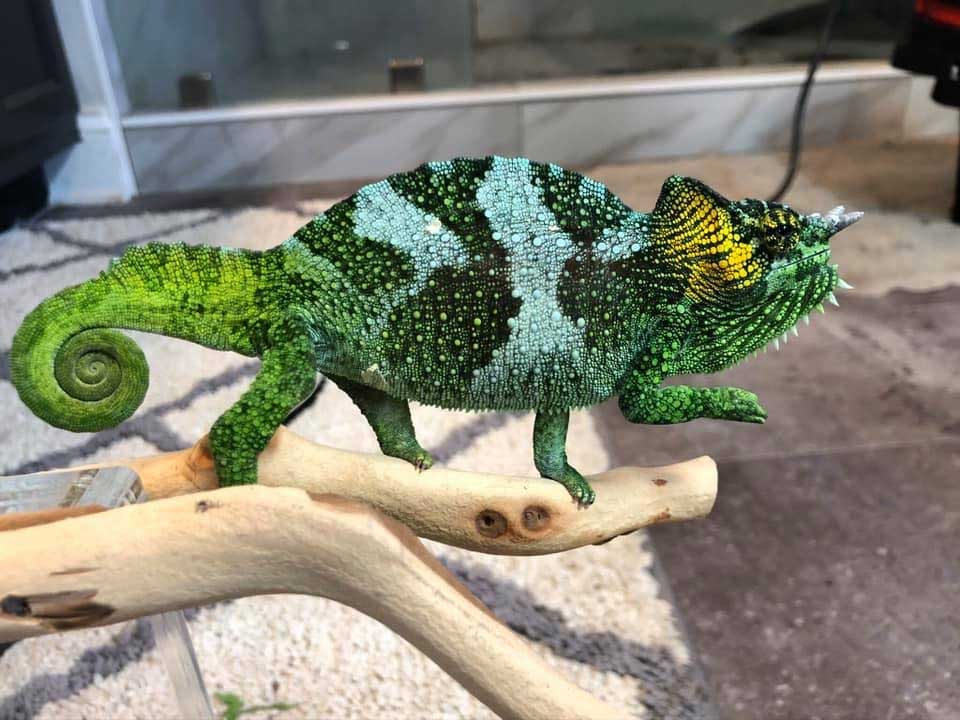
The Four-horned chameleon, also known as Cameroon bearded chameleon, it is recognizable not only by its four protruding horns, but also because of his flaky "beard", its large crest and sail-shaped fin.
The Four-horned chameleon (Trioceros quadricornis) only found in some land areas of Cameroon and eastern Nigeria; its range includes the western highlands, the bamboo massif, Mount Manengouba, the oku massif, the Bakossi mountains, including Mount Kupe, and the Obudu Plateau in Nigeria. In particular, the subspecies Trioceros quadricornis eisentrauti is endemic to the Rumpi Hills in Cameroon.
Characteristics / Appearance
Like many other chameleons, the Four-horned chameleon it has a prehensile tail and simple claws on its toes. Usually, has four protruding horns, but sometimes two with up to four adjacent reduced horns are present;adults usually grow to 25 to 35 cm long. The Four-horned chameleon male has a prominent hemipenal bulge and gular beard, while some females have a horn or even two horns at the tip of their snout.
Habitat
In general, the Four-horned chameleon has a presence extension of 13.300 km2 and an inferred occupation area of 1.000 km2. The species is mainly associated with relatively intact montane forests with little human activity, where it has a relatively restricted elevation range (1150 to 2400 m). Research suggests this likely reflects competition with other chameleon species rather than physiological tolerances.. The type locality of the species is Monte Manegouba in Cameroon
Behavior
The species feeds almost exclusively on arthropods..
Reproduction: puts up 14 eggs.
Incubation period between 130-160 days at 18-25°C. Temperatures should not exceed 25°C.
Life expectancy: a few 7 years.
Threats to the species
State of conservation ⓘ
Vulnerable ⓘ(UICN)ⓘ
The main threat to this species is deforestation.. Agricultural development extends to the 1.700 m altitude near the village of Nsoung on Mount Manengouba, and the forest on the southeast slope of the mountain is rapidly disappearing. In 1995, forest degradation on the western slope of Mount Kupe had reached 1.200 m above sea level, due to selective logging for firewood and construction materials. So, future encroachment of human activities on the slope may pose a threat to this chameleon, which depends on a largely pristine forest and, therefore, likely to be at risk from forest degradation or clearing. Deforestation for cultivation and the burning of nearby grasslands to renew pasture for cattle threaten the species in much of its range..
Due to its small and fragmented distribution area and the numerous threats that weigh on the population, the Four-horned chameleon It is classified as vulnerable by the International Union for Conservation of Nature.
Of the three subspecies, T. quadricornis quadricornis, T. quadricornis gracilior and T. quadricornis eisentrauti. The T. q. quadricornis is the most common, but the gracilior not uncommon. The T. quadricornis eisentrauti, on the other hand, not known (far as I know) that is in captive collections. It is even difficult to find images of the subspecies.
It is not a pet suitable for beginners.
The terrarium
terrarium size: individual storage is recommended. It is possible to keep the animals in pairs, but always pay attention to size and furnishings. For single breeding: A terrarium of at least 100 x 60 x 120 cm..
The cages/flexarios they are just as suitable. Chameleons love fresh air..
Temperature
During the day approx.. 20-25°C, local heating up to approx.. 30-32°C. Go down to at least 15°C at night. Better still lower. If a cool cellar is available, you can also spend the night there.
Humidity
The humidity in the terrarium should range between 80-100%. In the morning and evening, spray the terrarium with warm water. But, Please, do not spray the animal.
Lighting and temperature
Daylight fluorescent tubes and/or light bulbs.
To obtain sufficient UV radiation, We use a solar light 75 watts for hobbyists. Get a surrounding heating of about 25-27 °C and local heating up to 32 °C at the highest point of the terrarium. In this case, an additional daylight lamp is not necessary..
Substrate
For us, pine bark and forest leaves have given good results, but it can be terrarium sand… The 30% of the terrarium soil must be kept moist at all times. The leaves of the forest serve as living food. to the piglets, for example, they like to crawl under, the leaves are moved by the animals and the chameleon can naturally search and observe the prey and then hunt it on its own.
Decoration terrarium
Lots of climbing opportunities, branches should not be too thick or slippery and should be easy to grip with feet.
Privacy screen for the rear and side walls. In summer, we take a flexo to the garden.
For planting we use Ficus benjamini and ivy, bamboo and, of course, a trough made by ourselves.
Food
house crickets, mealybugs, cockroaches, two-spotted crickets, zophobas, meal worms, wax worms, etc.
In summer, they go to a secluded meadow armed with a net and collect everything that crawls and flies. But it's better to do without roadside critters. We don't want to poison it!
Regular mineral and vitamin supplements are also indispensable in this case.
They only eat fruits and vegetables to cover their water needs.
The sprayed and dripping leaves are gladly used as a water source.
Buy one "Four-horned chameleon"
These Cameroonian chameleons ultra rare they are highly prized within the reptile community for their incomparable horns, its high dorsal crest, its coloration and scarcity.
Its price in the exotic animal market is around 200 EUR.
Videos "Four-horned chameleon"
Four Horned Chameleon (Trioceros quadricornis) | Zeppelin the Uni-Quad and Eris
1. Four-horned chameleon, Eisentraut’s chameleon (English).
2. Caméléon à quatre cornes, Chamaeleo quadricornis (French).
3. Vierhörniges Chamäleon, Eisentraut-Chamäleon, Vierhornchamäleon (German).
4. Camaleão de quatro chifres, Camaleão de Eisentraut (Portuguese).
5. "Camaleón de cuatro cuernos", Camaleón de Eisentraut, Camaleón cuadricorne (español).
▷ The world of Pets: Dogs, cats, birds, reptiles, amphibians
Saharan spiny-tailed lizard
- Uromastyx geyri
Origin: Algeria, Mali and Nigeria
Gender: Uromastyx
Life expectancy: 20 years
Length: 35 cm.
The Saharan spiny-tailed lizard it is a relatively small and slender species for the genus, with an average total length (including the queue) of about 34 cm..
Saharan spiny-tailed lizard, Flower Gardens Hirschstetten in Vienna, Austria.
Content
Origin
The Saharan spiny-tailed lizard (Uromastyx geyri) is a lizard native to the north of Mali, southern Algeria and northern Niger. Two different color shapes are known (red or yellow).
Characteristics
The Saharan spiny-tailed lizard it is a relatively small and slender species for the genus, with an average total length (including the queue) of about 34 cm.. This lizard is usually beige or orange with lighter spots.
It is one of the brightest colored species in the genus. Uromastyx. There are two colors of the Uromastyx geyri, the "red" and "yellow" variety, being the color its only difference.
The variety red it is often reddish in color almost solid to orange neon pumpkin, and the yellow phase is in or near a neon range. Females are a paler color than males, showing more variations of tan coloration and much less coloration in the belly, as well as less vivid patterns, most females have a simple "freckle" on their back.
The Saharan spiny-tailed lizard are medium-sized lizards, many of them with an average of 28-36 cm of total length and a weight of 250 grams or more as adults.
The "Saharan spiny-tailed lizard" in captivity
Terrarium
The Saharan spiny-tailed lizard they are very territorial in nature and keeping one male and several females is only possible in a large terrarium. It is best to keep them in pairs..
temperatures during the day: from 28° to 35°C (locally approx. 45°C)
Night temperatures: 18-22°C
Humidity: 40-60
Minimum size of the terrarium: starting at 140 x 100 x 120 cm for a couple
The terrarium must be furnished with numerous stones, some climbing possibilities such as thick branches, cork or bark tubes, which also offer many hiding places. To maintain this species properly, the terrarium needs a substrate of at least 20-30 height cm. Spray a little several times a week.
Illumination
For your well-being, good lighting and ultraviolet light are necessary (30% of UVA rays and 10-12% UVB), as well as a place to sunbathe. UV radiation is extremely important and absolutely necessary. In the case of females, it is absolutely necessary to have a suitable place for laying eggs or with several possibilities.
A lighting period of up to 14 hours a day (except during hibernation).
Hibernation
You have to let the animals hibernate for three or four months. As such, the Saharan spiny-tailed lizard they need between 12 y 18°C. Hibernation is very important for animals to regulate their bodily functions and stay healthy. It's also a good way to prevent obesity.
Food
The diet of the Saharan spiny-tailed lizard includes banana, vine leaves, dandelion, margaritas, clover, pamplinas, sometimes kitchen herbs and grains like corn, rice, millet, sunflower seeds and others. Young animals feed up to a 75% of animals. These may include, crickets, grasshopper, cockroaches, sometimes zophobas and other live food. Adults should be fed little or no animal food to prevent fatty degeneration..
no lettuce, iceberg lettuce or similar, since its calcium-phosphorus content is unfavorable. And cabbage or spinach should only be provided rarely because of oxalic acid.…
Fruit should also be provided only in moderation., if it is accepted.
Additional vitamin and mineral supplements are recommended.
For liquid intake, you can place a bowl of water that is cleaned daily.
Reproduction
Winter rest is very important for the young. The "Saharan spiny-tailed lizard" lay eggs. These should not be incubated too wet, otherwise they will easily turn into fungi. Young Uromastyx geyri can be raised together in a group for up to two years, provided they are compatible. It is absolutely necessary to take enough calcium and vitamin supplements.
For sale "Saharan spiny-tailed lizard"
The price of a Saharan spiny-tailed lizard, captive bred, at the exotic animal market, ranges between 100 – 120 EUR.
1. Geyr’s dabb lizard, Geyr’s spiny-tailed lizard, Sahara mastigure, Saharan spiny-tailed lizard, Yellow Niger Uromastyx, Saharan yellow uromastyx. (English).
2. Lézard de Geyr, Lézard à queue épineuse de Geyr, Mastigure du Sahara, Lézard à queue épineuse du Sahara, Uromastyx jaune du Niger, Uromastyx jaune du Sahara. (French).
3. Geyr-Krusteneidechse, Geyr-Stacheleidechse, Sahara-Mastigure, Sahara-Stacheleidechse, Gelber Niger-Uromastyx, Sahara-Gelb-Uromastyx (German).
4. Lagarto do Geyr, lagarto de cauda espinhosa do Geyr, mastigure do Sara, lagarto de cauda espinhosa do Sara, Uromastyx amarelo do Níger, uromastyx amarelo do Sara (Portuguese).
5. Lagarto de cola espinosa de Geyr, Lagarto de cola espinosa de Geyr, Mastigure del Sahara, Lagarto de cola espinosa del Sahara, Uromastyx amarillo del Níger, Uromastyx amarillo del Sahara (español).