▷ The world of Pets: Dogs, cats, birds, reptiles, amphibians
True toad and Narrow-mouthed frogs
- Bufonidae and Microhylidae
Origin: Everyone
Gender: Anura
Life expectancy: 10 years
Length: 5 - 25 cm.
some species (for example, the Phrynomantis and more toads) can produce a poisonous skin discharge and should never be handled with bare hands.
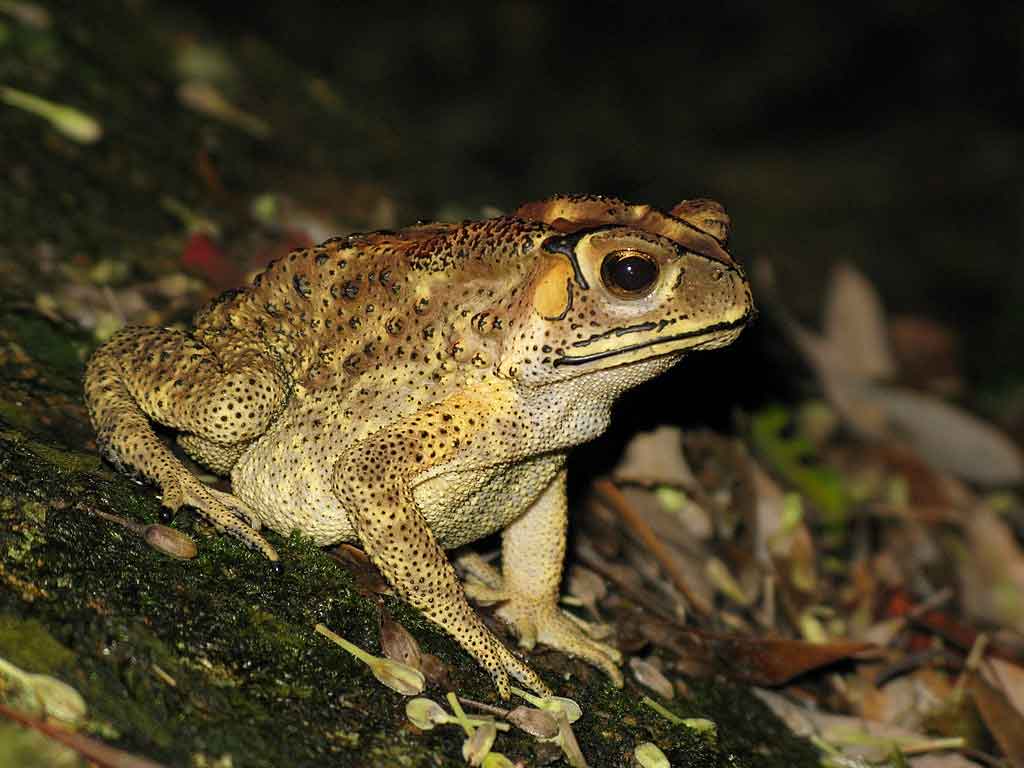
common asian toad (Duttaphrynus melanostictus)
Content
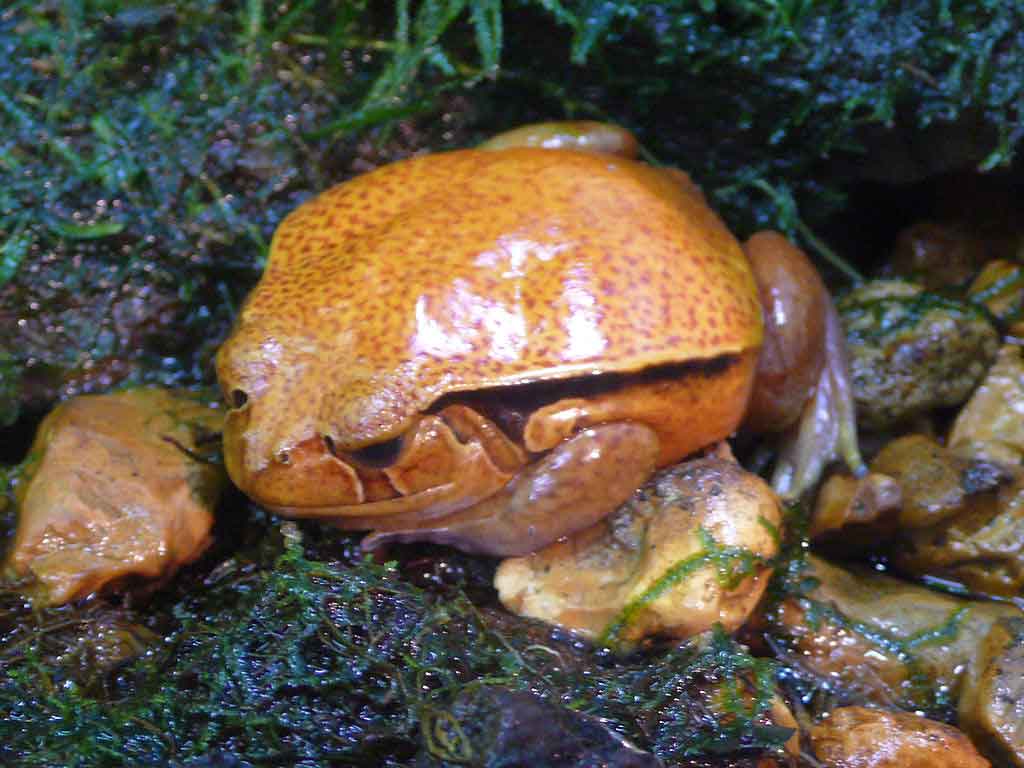
Several representatives of the Toads (Bufonidae) and narrow-mouthed frogs (Microhylidae) are regularly offered in pet stores. The toads Frequently encountered are the following the common asian toad (Duttaphrynus (Bufo) melanostictus) and the North American green toad (Anaxyrus (Bufo) debilis), as well as the false tomato frog (Dyscophus guineti), the Banded bullfrog (Kaloula pulchra) and banded rubber frog (Phrynomantis bifasciatus). Buying wild-caught specimens in favor of captive-bred should always be avoided.
Sex differences
Differentiation of the sexes is only possible in sexually mature animals. The males are usually smaller and in many species they develop calluses on the toes of the front legs.. Males ready to mate call, sometimes very strongly and persistently.
Behavior
The True toad and Narrow-mouthed frogs do not show pronounced social behavior. Most of them are peaceful with each other and can be kept individually, in pairs or groups. But, animals must not differ significantly in size.
The True toad and Narrow-mouthed frogs are mostly crepuscular or nocturnal.
Terrarium
Rana tomate de Madagascar – TimVickers, Public domain, via Wikimedia Commons
Most species like to burrow and need a substrate of corresponding height. One terrarium for a single specimen of the smallest species (for example, the green dwarf toad) should have a floor space of at least 30 x 40 cm., for various animals of 60 x 40 cm.. In the case of the larger species (as the common asian toad, very active), the terrarium should not measure less than 80 x 50 cm. (length x WIDTH) for a single animal or 100 x 50 cm for several specimens. For species that grow a lot (for example, the Cane toad – Rhinella marina), are needed terrariums much bigger. Height terrarium (at least 30 cm.) not especially important for animals that live on the ground.
Fluorescent tubes with a daily lighting time of 10 to 12 hours are suitable for lighting. The optimum is a slight temperature gradient in the terrarium of about 23 – 28 °C with a humidity of 70 % approximately. This can be achieved by spraying the terrarium daily.. At night, the temperature should drop a bit for many species (normally not below 20 °C) and, at the same time, humidity should rise to 90 – 95 %. For the basic temperature, weak heating mats can be used, installed outside the terrarium. They can be used to heat the floor (at most one third of the soil surface!) or the walls. With the help of a thermocontroller, the heating mat can be specifically controlled to prevent overheating. Precise thermometers and hygrometers are needed to measure temperature and humidity.
The height of the excavatable substrate (for example, a terrarium soil mix, bark mulch, moss) must allow animals to fully excavate. The substrate should be slightly damp after daily spraying and should never dry out completely.. We must also avoid waterlogging.
Additional withdrawals (for example, coconut shells), a shallow water basin and natural planting complete the assembly.
Diet
Animals prefer to feed on live insects (crickets, crickets, grasshopper, cockroaches, etc.), worms and slugs. Regular administration of a mineral supplement ensures healthy bone growth. Mealworms, zophobas and wax moths should be fed only rarely due to their high protein and fat content.
Caution: many True toad and Narrow-mouthed frogs tend to gain weight. In the case of adult animals, it is enough to feed them every two or three days.
Care
Food scraps and feces should be removed daily. Animals usually defecate in their own hiding place, so the substrate must be changed regularly. The water bowls should also be cleaned daily and filled with fresh water.
Animal health must be monitored daily. The most common health problems in frogs are softening of the bones, emaciation or fatty degeneration and, above all, changes in the skin (for example, red discoloration of the skin). If there is any abnormality, consult a veterinarian who is familiar with amphibians.
Acclimatization and handling
Amphibians are animals of pure observation and should NOT be petted. In the first days in his new home, animals need some rest to get used to their new environment.
Due to the sensitivity of your skin, amphibians should only be touched in exceptional cases. Only the largest animals can be caught directly by hand. The use of disposable gloves is recommended (moistened). The smallest animals, on the other hand, should always be captured with the help of plastic containers or similar.
Special features
some species (for example, the Phrynomantis and more toads) can produce a poisonous skin discharge and should never be handled with bare hands. Protective gloves should be used for the care and handling of animals..
Attention: all native amphibian species are protected species and should not be taken from the wild. At the 17th CITES Conference of the Parties, held in the fall of 2016, the false tomato frog (Dyscophus guineti) came under the protection of the species (Appendix II). This regulation will soon be transferred to European legislation (obligation to inform, proof of origin required).
▷ The world of Pets: Dogs, cats, birds, reptiles, amphibians
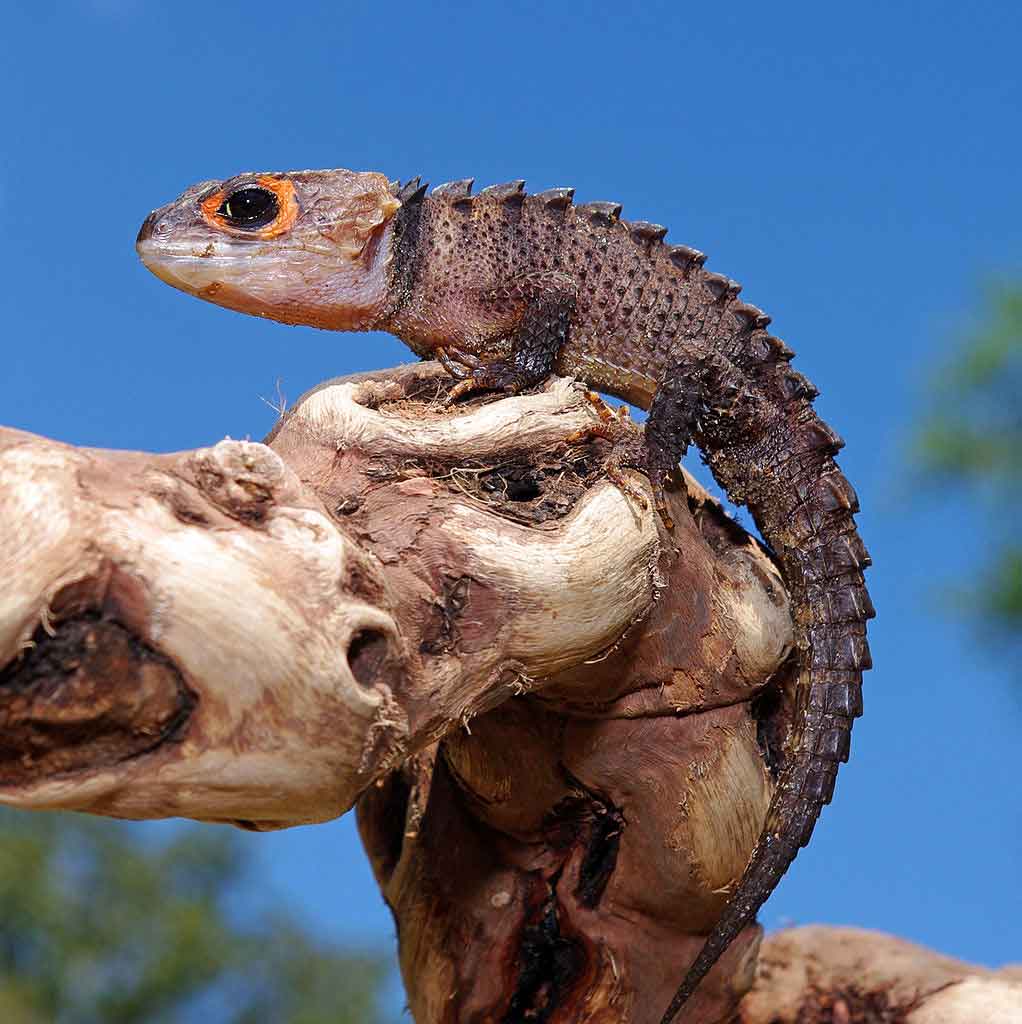
Red-eyed crocodile skink
- Tribolonotus gracilis
Origin: Indonesia and Papua New Guinea
Gender: Tribolonotus
Life expectancy: 10 - 12 years
Length: 17 - 20 cm.
Precious and very rare Indonesian lizard that nowadays is very difficult to find. It likes humid places so we will put a terrarium preferably with moss and a small bathtub in which it can get into, since he likes to even immerse himself completely. Tº aprox. of 27ºC. Insects.
Price ranges from 150 and 250 EUR.
▷ The world of Pets: Dogs, cats, birds, reptiles, amphibians
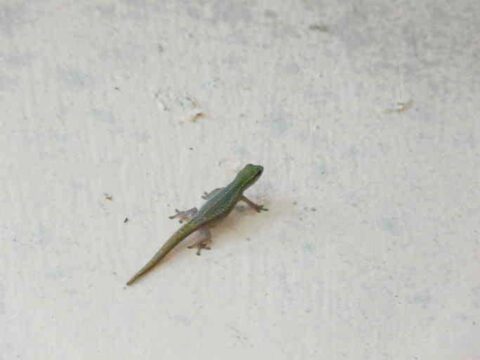
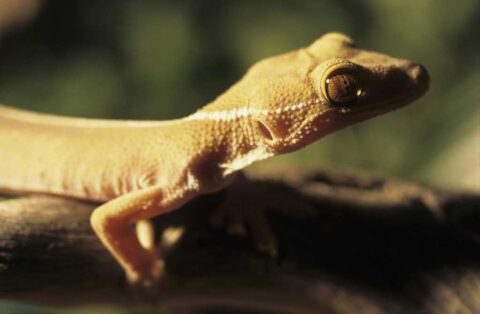
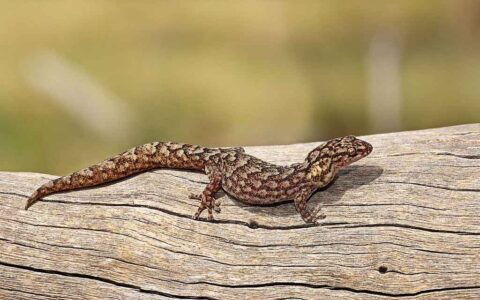
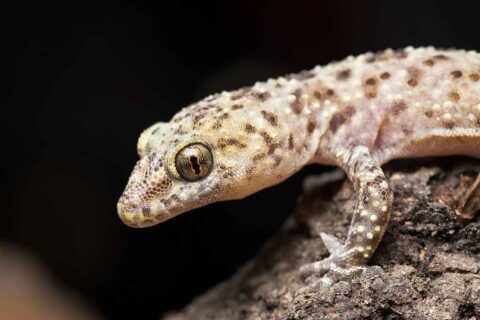
The Geckos are, without a doubt, fascinating animals. Although they are becoming more popular as pets, the Geckos they continue to enjoy a kind of exotic status. The following brief profile aims to introduce a little to these interesting reptiles.
Origin
The Geckos have an impressive adaptability. That is why there is no region of the world in which they are exclusively located.. The Geckos can be found both in temperate climate regions such as in the desert or in the tropics.
Social behaviour
In the wild, most species of Geckos live in loose associations. But, some species are also strictly solitary, and males and females only come together to mate. In pet ownership, the Geckos they are usually kept in groups of two or more per terrarium.
But, if you keep several Geckos in different terrariums, you will be able to observe very well the communication between the animals. If there are others Geckos in the same territory, greeting each other, will threaten or make courtship sounds.
As there are different species of Gecko, the physique of animals is sometimes very different. In total, the respective species reach a length of about 4 to 60 cm.. But, the species of Geckos smaller ones are especially suitable for keeping as pets, as they require less space.
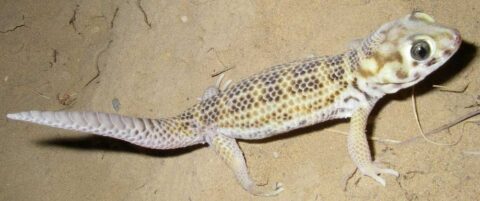
A special feature of the Geckos are its legs, since many species have adhesive sheets with which they can cling to very smooth objects or walk and climb them. Other species, However, have intermediate skins on their fingers and can walk on sand.
Life expectancy
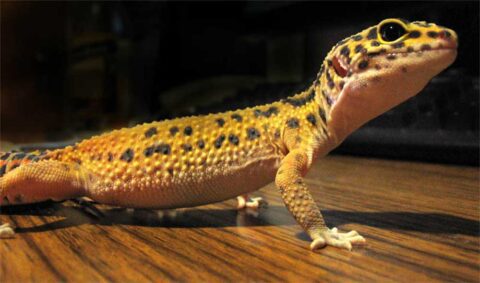
As a rule, the Geckos they live between 8 and 15 years, but there are exceptions. The Leopard gecko, for example, can live 25 years. In principle, you can already tell by the size of the species of Gecko whether the animal can reach a longer life. The smaller a Gecko, the lower your life expectancy will be.
If the Geckos are kept as pets, their life expectancy depends mainly on the conditions in which they are maintained. Keep the Geckos in conditions that are not appropriate for the species usually causes premature death.
Sexual maturity
Sexual maturity in Geckos usually begins at 12-18 months, although there may be differences from one species to another. If the Geckos find abundance of food, females may reach sexual maturity before their physical development is complete. This fact can have fatal consequences for the Gecko.
Gestation period
As for the gestation period, also varies from species to species. In general, However, it can be said that the Geckos have a gestation period of about 45 to 60 days. Depending on the ambient temperature, can pass up to 80 days until hatching. But, in ideal conditions, it only takes a few 50 days.
Food
To maintain the health of the Geckos, depend on a varied and nutritious diet. Between the Geckos there are carnivores, herbivores, omnivores and scavengers. So, the diet can include both insects and snails, green foods and even smaller mammals.
Minimum space required
Before deciding on the terrarium size, you should know what kind of Gecko is and how many animals you want to have together. Basically, the necessary space depends on the body size of adult animals.
So, the species of Geckos smaller require less space than larger ones. If two are maintained Geckos in a terrarium, it is assumed that a minimum space of about 100 cm x 75 cm x 50 cm.. With each additional animal, the need for space increases a 50% more.
Frequently Asked Questions about Geckos
There are questions about the Geckos that are often done. We would like to answer some of them here.
Because the Geckos they can stick to smooth surfaces and thus climb walls?
The secret of the climbing ability of many species of Geckos resides on its special legs. The Geckos have millions of fine hairs on the soles of their feet. These hairs are so fine that even a human hair is hundreds of times thicker.. With the help of these hairs, unique in nature, the Gecko find a foothold even on the smoothest surfaces. This is because a weak electrostatic force acts at the molecular level between each of the tiny hairs and the surface.. For a single hair, this attraction is almost insignificant, but the large number of combined hairs ensures that the Geckos can adhere to almost anywhere.
How do geckos communicate?? do they make sounds?
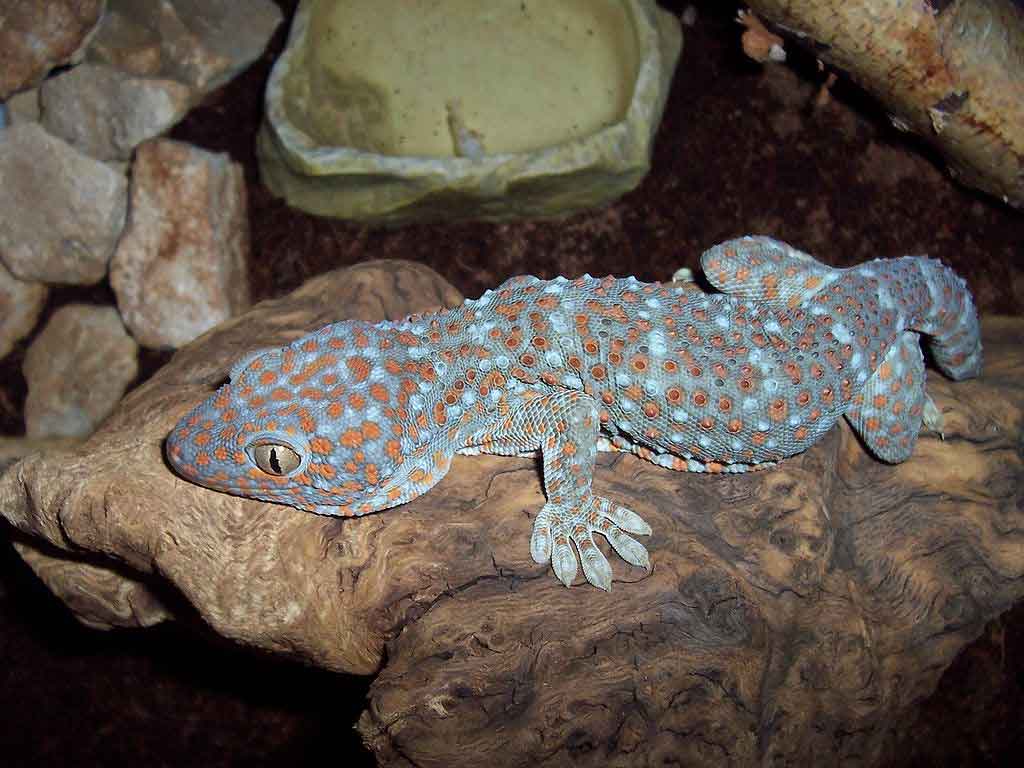
In fact, most species of Geckos they also communicate with each other using their own vocal language. So that, there are typical calls that can be used to clearly identify certain species of geckos (for example, the Tokay gecko (Gekko gecko)). The frequency and volume of the calls differ according to the species. And even within the same species there are individual differences from one animal to another..
Questions before buying a Gecko
Before buying Geckos, there are some basic questions you should ask yourself. It's important to know what you're getting into, because once you have them at home, you have to be prepared to take care of them for several years. During this time, not only will the costs of keeping the animals occur. Of course, the owner also has to invest a lot of work and time in maintaining the Geckos in a way appropriate to the species.
If you are not familiar with the Geckos as pets, first you should thoroughly inform yourself about the requirements for keeping these reptiles before buying them. Once the purchase decision has been made, the question of where you can buy geckos.
But before you do it, you should check if the Geckos are the right pet for you. And if it is suitable for keeping geckos at all. To avoid impulse purchases, you should take a little time and answer the following questions honestly:
I know what breeding is like Geckos appropriate to the species?
Work only starts with purchase. Am I willing to sacrifice time, money and space for animals?
The costs of breeding Geckos are easily underestimated due to their small size. can i afford to buy a Gecko?
The Geckos they can also get sick. Am I willing to pay for any veterinary treatment and medication and can I?
One terrarium needs space and special weather conditions. Do I have a suitable room to accommodate the animals?
The Geckos they are not stuffed animals. the characteristics of the Geckos fit my ideas about a pet?
The Geckos eat live animals. Am I prepared to buy and feed them myself?, and even to raise them?
What are the purchase and maintenance costs that I have to reckon with??
As already mentioned, many people underestimate the costs of maintaining Geckos of appropriate shape to the species due to its small size. But, the costs of keeping pets do not necessarily depend on their size, but of the demands they pose for their maintenance.
Basically, It can be said that the most "exotic" pets, including reptiles such as Geckos, tend to be more expensive to maintain. This is due to the fact that these exotic animals live in nature in completely different climatic conditions than those that prevail here.. The "simulation" of the natural habitat is correspondingly more complex and, Therefore, also more expensive.
Basically, you can distinguish between one-off costs (or rare) and regular to maintain the Geckos.
One-off costs
Acquisition costs of animals
Terrarium
Furnish
Illumination
Heating systems or thermal carpets
Humidifiers or irrigation systems
Thermometer
Hygrometer
Ordinary costs
Food
Minerals
Detergent
Soils
Illuminators
Electricity for heating and lighting
One-time or infrequent costs amount to approximately several hundred euros, because terrariums and the necessary technology are usually not exactly cheap. It also, there are the costs of buying the animals, in which you have to have some 30 to 100 euros per Gecko.
The usual costs of raising Geckos are somewhat minor, although they should not be underestimated. Food and electricity also cost money. And finally, but not less important, do not forget the veterinary expenses. Regular costs should be at least 20 to 50 euros per animal per month.
Are geckos suitable for children?
And again, parents make the mistake of buying their children a Gecko as a pet. They think that a Gecko It is something completely different and that your child will have a "special" pet. But not even the Gecko nor will the child enjoy this decision, because geckos are definitely not pets for children.
Like the Geckos require a lot of attention, knowledge and care, children would quickly be overwhelmed by them. It also, you must be able to ensure that you are aware of the requirements of the Gecko. And the Geckos they are not stuffed animals, although this claim is often used as a sales strategy in the pet trade.
Of course, there is nothing wrong with buying a Gecko and let the children have a part of the new cohabitant. But, children should not be left to take care of the Gecko solos.
Buy a gecko
The Geckos can be purchased in pet stores, to breeders or at reptile fairs. But, the best and safest option is to buy directly from the breeder. The breeder can often give you advice on breeding Geckos or offer help with any questions or problems. You can also ask the breeder to show you where the Geckos and thus decide for yourself whether the breeder is trustworthy and experienced in breeding Geckos.
At the time of buying Geckos, you must first observe the behavior of animals. Only if the Gecko seems to be healthy and alert you should take it home. In the breeder, you can usually take your time to look and then decide which gecko you like best.. You can also make an appointment with the breeder beforehand and see how the animal is fed..
Unfortunately, there are always black sheep among breeders who only take into account the economic aspect and do not care about animals. It is better to avoid this type of breeders, because each purchase guarantees the continuity of the system.
At the time of buying, pay special attention to whether the terrariums are clean, if the Geckos behave fearfully, if they have enough space and fresh water, and what is the feeding of the Geckos. As you already know what a gecko needs, now it's easy to find out if geckos go well where you want to buy them.
Once you have decided on a Gecko, notice the following:
light eyes
No wounds or scars
No deformities in the toes
Age and size
Properly fed
Acclimatization period after purchase
After taking the Gecko at home, you need time to get used to your new environment. It is important that you place the animal in the terrarium ready for use immediately after transport and then only observe or talk to you.. In no case should it be removed Gecko to play the first day. New animals must first settle in their unfamiliar environment and this is already stressful enough for the Geckos. If you start too early with pressure or even coercion, there is a risk that animals will react with fear and shyness.
So that the Gecko feel comfortable, the terrarium must be arranged appropriately to the species. If he Gecko has enough hiding places, will be installed faster. after a few days, you should try to attract the Gecko with food and, when sufficiently domesticated, you can try to get it out. If you're lucky, the Gecko it will come to your hand later on its own, but it's also possible that he's still shy. Both must be accepted, because in the end each animal is its own individual.
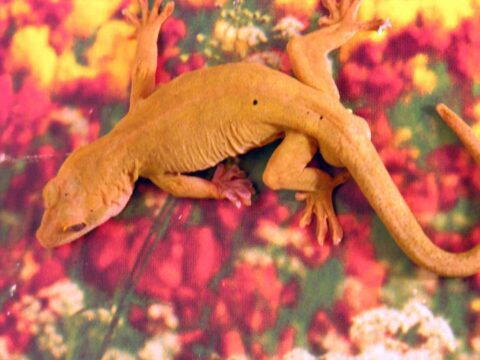
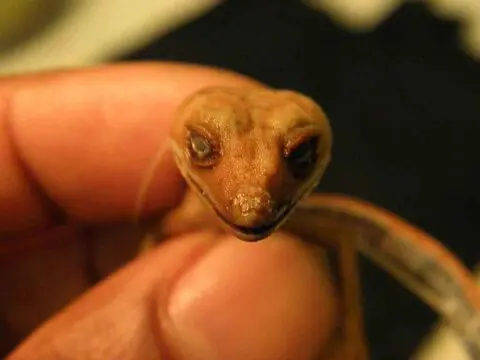
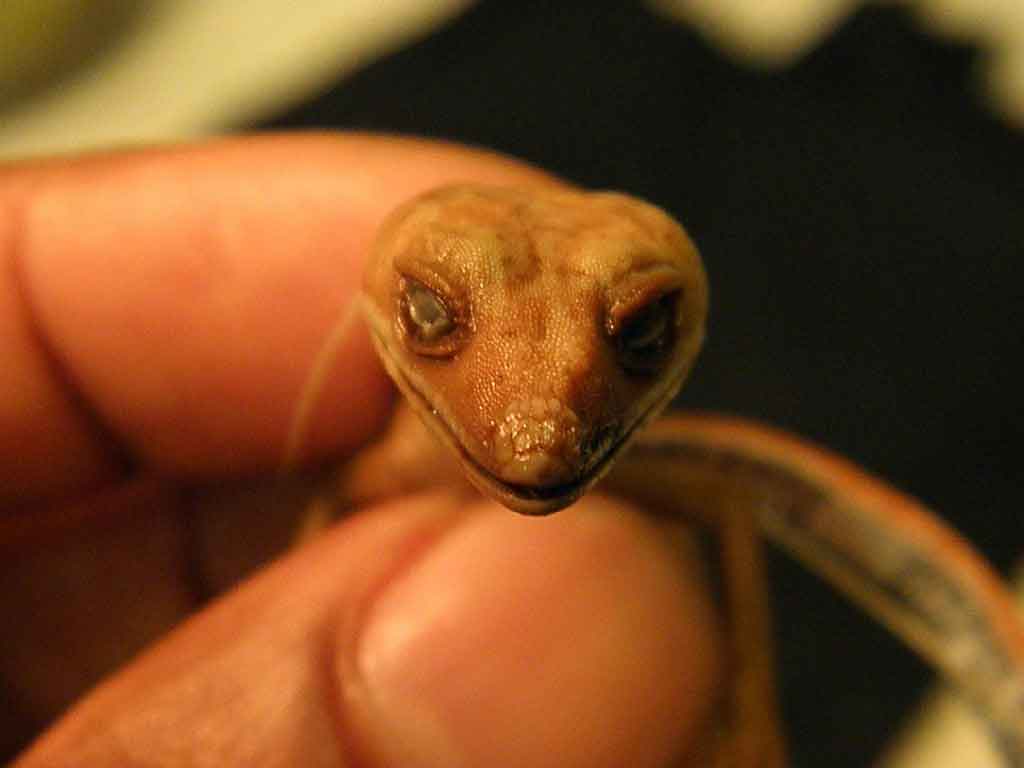
The Cat gecko (Aeluroscalabotes felinus) is a tree species of the family Eublepharidae.
They are found in Indonesia, Malaysia, Singapore and Thailand, where they prefer to live in moist and cool jungles with streams or rivers.
These Geckos occasionally enter the terrarium trade as wild-caught specimens, so most individuals die during transport. Thailand has a law that prohibits the capture, trade, the import and export of gekcos.
Its name comes from its habit of sleeping curled up with its tail over the nose and eyes..
The nominal shape A. felinus felinus was described by Günther in 1864, the subspecies A. felinus multituberculatus was first described by Kopstein in 1927.
The Cat gecko can be measured 12 cm., 21 cm if we add the tail. Males are still smaller.
The head is clearly separated from the body, has an elongated muzzle and is wider than the body.
The neck and body they are flattened laterally and are covered with small dorsal scales, flat and almost uniform. A row of small flat tubers are present, although they may be missing; the ventrals are small, smooth and elongated.
Sexually mature males have an angular row of 25-28 enlarged preanal scales, with 10-23 Pores. Thin limbs end in short, clawed fingers.
The hemipenes clearly visible facilitate sex determination.
The original tail is able to grip, the regenerated one is shorter and bulkier.
Dorsal coloration between dark and reddish-brown, 1 or 2 rows of reddish beige spots, yellow or whitish running from the nape of the neck to the back, often framed in dark color.
The head and limbs are unicolored or with brown patterns; the sides of the body may have irregular and partially indistinct light or dark lines or spots.
Lip and chin protections are whitish, eyes are blackish brown.
The throat is reddish beige, the ventral part is reddish-brown and with small irregular dark spots.
Original tail conspicuous and irregularly stained white. Regenerated tails have only indistinct black and brown spots.
The youth are stronger in their overall coloration.
Habitat
The Cat gecko is an inhabitant of the primary forest from sea level to some 800 m above sea level. There it lies close to the ground, especially moving in the branches of the bushes and possibly also in the trees.
It is a Gecko strictly nocturnal, well hidden during the day. Its mode of locomotion is of a chameleon slowness. Climb skillfully on small branches, using its prehensile tail as an aid to climbing.
The "Cat gecko" in captivity
Terrarium
For a mate or a male with a maximum of 3 females, are enough terrariums of 60 x 40 x 40 cm. (width x depth x height). But, a higher height adapts to the need of this species of Geckos.
The substrate consists of garden soil or a mixture of soil and peat, of about 5 height cm. Make sure the soil is always moist. It is essential that there are branches that animals can climb on., as well as plants, as they like to climb them. Pieces of cork or tubes placed on the ground and in branches serve as a hiding place during the day. Despite constant spraying (at least every two days), you should not miss a bowl of water, since animals visit it frequently and also like to defecate on it. Once a week, spray water should be enriched with a mixture of vitamins.
Terrarium lighting
Lighting is provided by fluorescent tubes, temperatures should be a maximum of 27° C during the day (25°C is better) with a reduction to about 23° C at night.
It is advisable to reduce the lighting time and slightly lower the temperatures in winter.
Food
The Cat gecko eat the usual gecko food in the right size, that is to say, crickets, Little grasshoppers, etc. But, tend to prefer smaller foods. Sprinkle regularly 3-4 times a month with a mixture of lime with vitamins.
Reproduction
Females put 2 elongated soft-shelled eggs several times a year in the moist substrate or in the pot.
At 24-26°C during the day, with an overnight setback at 20-22° C, incubation lasts between 70 and 85 days. The babies measure 43-57 mm y have a length of 75-92 mm.
They must be raised individually.
during breeding, regular vitamin supplementation in the form of lime preparations and in spray water must be guaranteed.
For sale "Cat gecko"
The price of a "Cat gecko" at the exotic animal market, captive bred, ranges between 100 – 300 EUR, depending on its size.
GROSSMANN, W. & C. SHEPHERD (2005): Breeding and propagation experiences of the Cat gecko (Aeluroscalabotes felinus) (GÜNTHER, 1864). — SAURIA, berlin, 27 (1): 33-46.
GROSSMANN, W. (in the press): Cat gecko (Aeluroscalabotes felinus). — Münster, species by species, Terrarium Library (Natur und Tier – Verlag GmbH), 64 p.
MANTHEY, U. & W. GROSSMANN (1997): Amphibians & Reptiles of Southeast Asia. – Münster (Natur und Tier – Verlag), 512 p.
▷ The world of Pets: Dogs, cats, birds, reptiles, amphibians
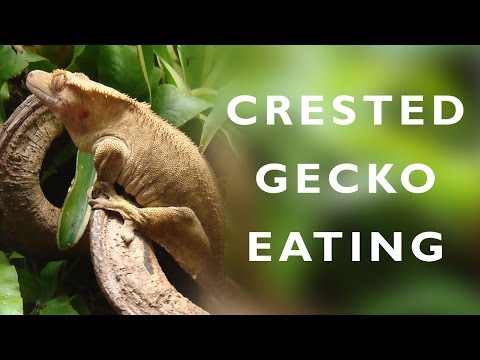
Crested gecko
- Correlophus ciliatus
Origin: New Caledonia
Gender: Correlophus
Life expectancy: 15 - 20 years
Length: 15 - 25 cm. + 10 - 15 cm. (tail)
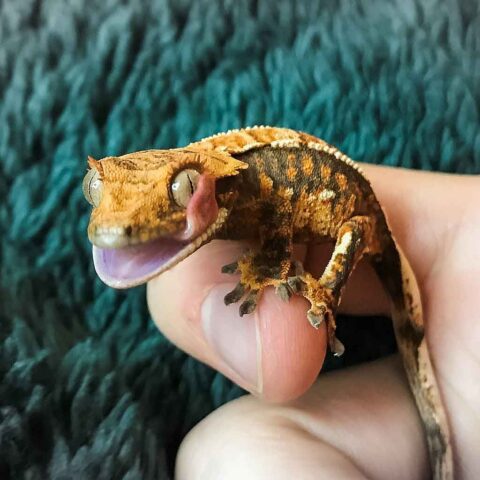
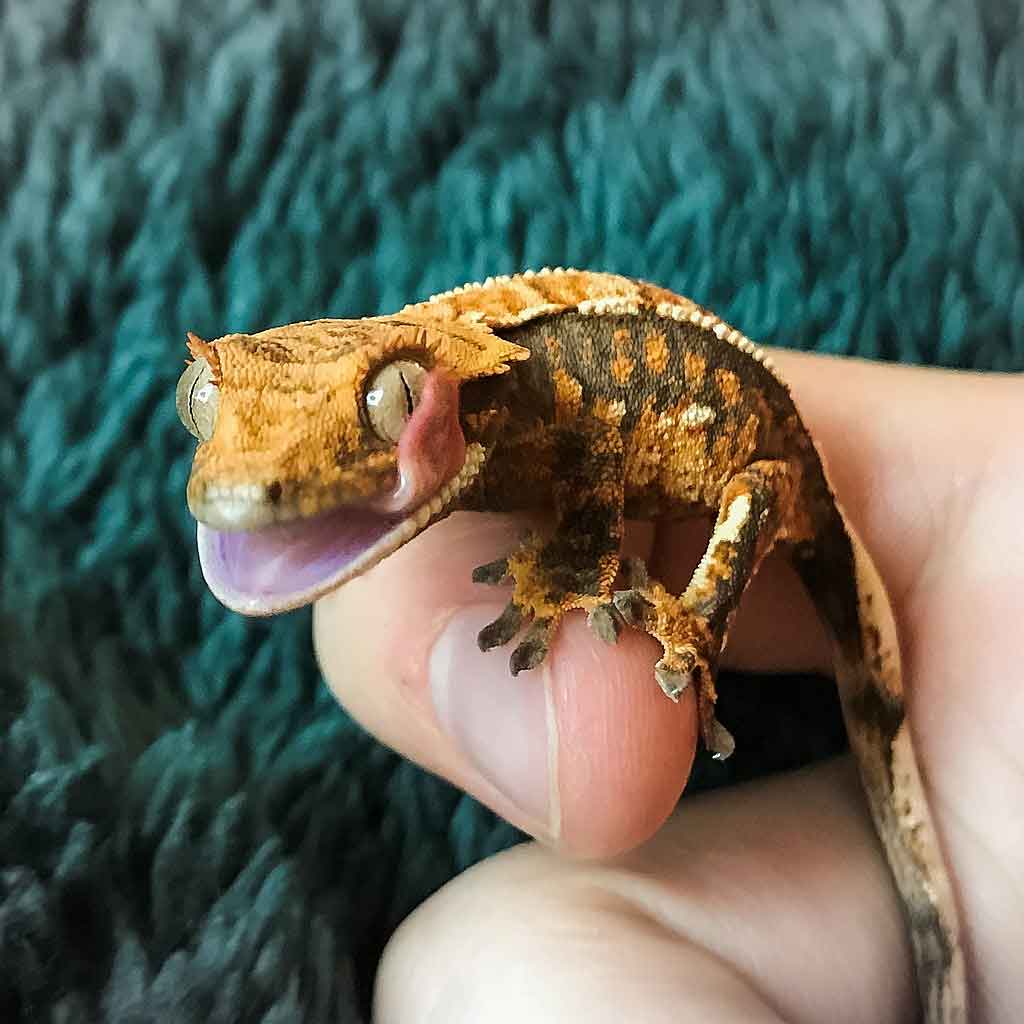
The "Crested Gecko" in captivity is docile and tolerates regular handling – Jazium, CC BY-SA 4.0, via Wikimedia Commons
Content
Origin
The Crested gecko (Correlophus ciliatus) is located at the southern end of Grande Terre, the main island of New Caledonia, and on the island of Pins, what makes it endemic.
Although the natural habitat of the Crested gecko continues to decline due to permanent environmental degradation, unfortunately not subject to any international protection status. It is being considered in protected status by the Convention on International Trade in Endangered Species of Wild Fauna and Flora (CITES).
Description
The Crested gecko usually measures between 15-25 cm length, including between 10-15 cm of tail. Among the most distinctive features of these geckos are the hair-like projections above the eyes., that look a lot like tabs. These projections continue in the form of two rows of spines that run from the eyes to the sides of its wedge-shaped head and continue to the base of its tail..
The Crested gecko no eyelids. In its place, a transparent scale, or glasses, keeps each eye moist, using the tongue to clean up waste.
These geckos have a semi-prehensile tail that they use to climb. Tail can be dropped (via caudal autotomy) to distract predators. The Crested gecko do not regenerate their tail once they have lost it; most adults in the wild lack a tail.
The toes and the tip of the semi-prehensile tail are covered with small hairs called setae. Each mushroom is divided into hundreds of smaller hairs (of about 200 nanometers in diameter) called spatulas. These structures are thought to take advantage of the weak van der Waals force to help the gecko climb most solid surfaces., easier in the flatter and smoothest, like glass or wood. The fingers have small claws that help them climb over surfaces that their fingers can't hold onto..
Habitat
It is arboreal in nature and lives in the treetops of humid forests., hot and dense lowland vegetation.
The Crested gecko perches on tree branches, but also in the holes of the branches that serve as a hiding place. Its period of activity begins at dusk and ends in the early hours of the morning.
Characteristics
The Crested gecko it is a crepuscular and nocturnal gecko and less shy than the species of the genus Rhacodactylus.
She is a skilled climber. For this it has the help of its adhesive sheets and its claws, as well as his tail, which serves as an additional gripping organ and to maintain balance. Like most Geckos, the Crested gecko is able to release the tail in case of danger (autotomy). But, does not form a full regenerate, so there is only a short stump left.
The growth of the Geckos in general it has no comparison with that of many other reptile species.
Its nature is slow growing. While many species of Geckos of the warm regions of the world grow completely in 1 or 2 years maximum, all the Gecko of New Caledonia need more time for their development.
In the case of Crested gecko need 3 years until they have grown at all.
But, in general, each animal must be considered individually.
Even siblings born on the same day and raised the same way can grow up totally different.
There is a wide range of colors on the market, the following types have demonstrated their heritage over time.
No pattern | Exists 1 color Orange, Yellow, White, Negro…
Bicolor | 2 colors with mostly light reverses
Tricolor | The animal is completely stamped or superimposed with 3 colors.
Tiger / Striped | Patterns very rich in contrast, mostly single basic color.
Design harlequin interlaced with dark background tone
Rear stripe mostly white and the rest very dark
Morphs There are many of these on the market, but only the years will show if the inheritance is guaranteed.
The "Crested gecko" in captivity
Terrarium
The terrarium for him Crested gecko must be high enough, as they are inhabitants of trees and are almost never found on the ground. As a key to the size of the terrarium we recommend calculating with the head-torso length of the animal. The size of the terrarium is calculated as follows for non-adult animals:
Terrarium floor space: 4 x 3 times the head-torso length of the animal.
Height of the terrarium: Four times the head-torso length of the animal.
Observe the growth of the animal in the coming months (fast-growing animal/slow-growing animal).
Terrarium decoration
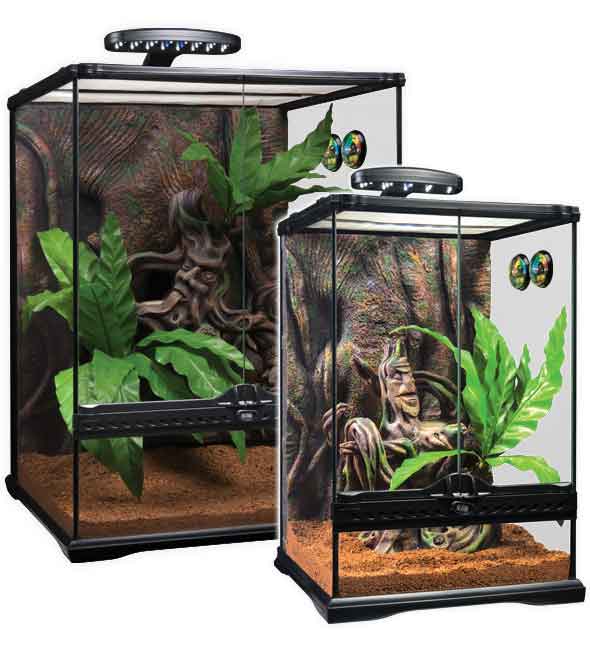
TERRARIUM «GECKO EXOTERER
The Crested gecko it is an excellent climber and needs several cork branches and cork tubes. The bamboo poles also have a decorative aspect and provide the animal with a space to walk, including the coveted heat point under a spotlight. As such, place a branch or root at the right distance from the light source so that the right temperature is created in it. Some vertical climbing possibilities should not be missing.
It also, the terrarium must be well decorated with plants. Artificial plants are a practical option, as they can be easily cleaned of feces.
The substrate suitable is the bark bed (Also called "crust") and the land of the terrarium. Moss cushions are decorative and regulate humidity. Droppings and food scraps should be removed daily.
Temperature and lighting of the terrarium
Although they are twilight and nocturnal, the Crested gecko sometimes sunbathe and will gladly accept a spot of ultraviolet light. It also, only an optimal supply of UV-B light provides enough vitamin D3 for young animals to grow optimally and adults to also be in top shape and display their bright colors.. We recommend the JBL L-U-W Light, which is available in various powers and in the version «Jungle«. This type of lighting provides light, heat and UVA/UVB rays.
As a caregiver, can get an especially good climate (and easy to control) using a heating mat under part of the floor of your terrarium. Although the Crested gecko almost never goes to the ground to warm up there, yes it heats the basic temperature of the high terrarium -which by design is similar to a fireplace- from below. These terrariums usually have too low temperatures in the lower half of the terrarium outside of summer., so the fry have a hot back and a cold belly. The heating mat must be accompanied by a thermostat. In this way, always get the right climate, as the heating mat turns on automatically when needed.
A plus point is the more favorable energy consumption in terms of the environment, since terrariums operated in this way not only require lower power for point lamps, but also, usually, fix themselves with less energy. For one uniform lighting of your terrarium as decoration of your living space, we recommend the LED lighting across the entire terrarium. Light and heating sources are always turned on and off at a daily rate by means of a timer, 14h on, 10h off.
Food
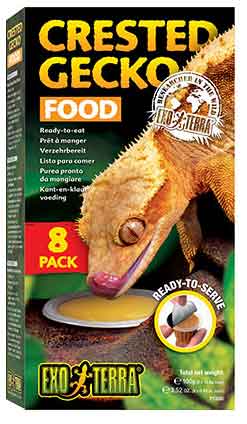
Food-Crested gecko – ExoTerra
The Crested gecko seems very quiet, but he is a good hunter. Feeding insects (crickets, domestic crickets, grasshopper, etc.) they are always sprinkled with mixtures of vitamins and minerals. This is the only way to avoid irreversible deficiencies, which can often lead to serious illness or even death in young animals and pregnant females, for example.
Feeding animals must always be adapted to the size of the Gecko. Feed only insects that will be eaten directly. Otherwise, feeding animals would disperse in the terrarium, they would hide away and get rid of the attached vitamins/minerals – the result is malnutrition and malnutrition despite food supplies. They also like to eat fruit pulp, for example, food for the Crested gecko from Exoterra.
Social behavior and reproduction
The Crested gecko can be held individually or in a group. Males are territorial and incompatible with each other. They can be very demanding with females, so it is not recommended to keep them as a "couple.".
Females put 2 eggs several times a year, that burrow into the moist substrate. After 60-120 days at 21°C to 28°C the young hatch.
For sale "Crested gecko"
The price of a "Crested gecko" at the exotic animal market, bred in captivity, ranges between 60 – 80 EUR.
Videos"Crested gecko"
My Correlophus ciliatus and the aquaterrarium bombinas orientalis | dadenReptilera
1. Eyelash gecko (English).
2. Gecko à cils, Gecko à frange (French).
3. Neukaledonischer Kronengecko (German).
4. Crested gecko (Portuguese).
5. Gecko de pestañas (español).
▷ The world of Pets: Dogs, cats, birds, reptiles, amphibians
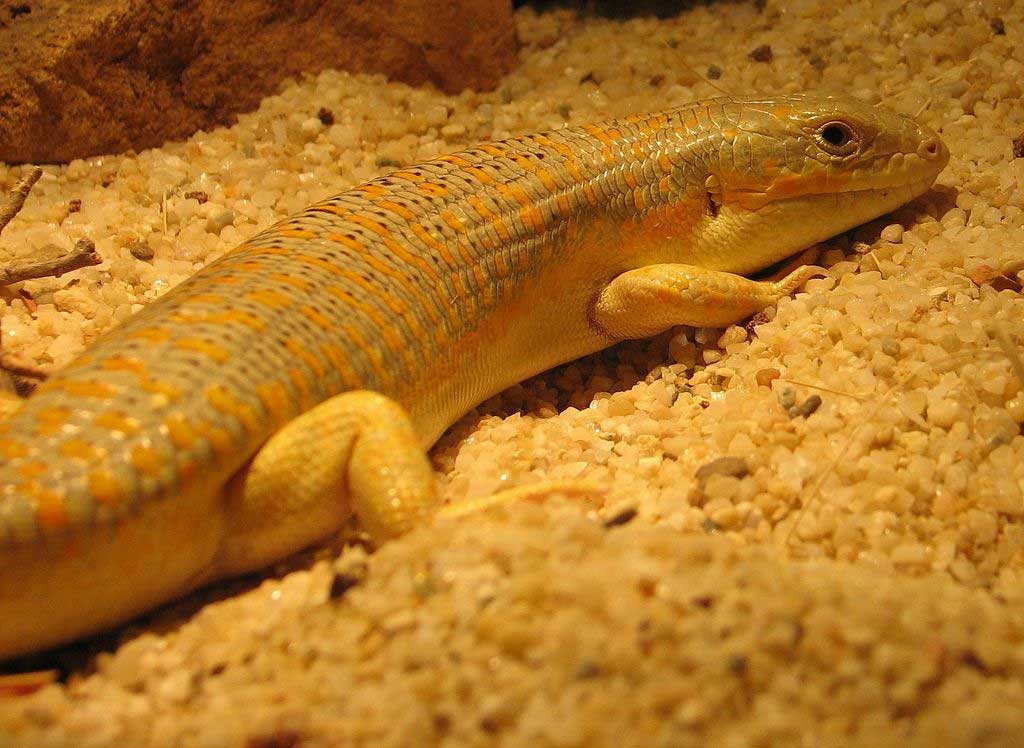
Schneider's skink
- Eumeces schneideri
Origin: Central Asia , West Asia and North Africa
Gender: Eumeces
Life expectancy:
Length: 16,5 cm. + tail 20 cm..
The great skink North Africa and one of the most beautiful we can find, since the orange colors that it has on the back with the yellow sides make it a beautiful animal. feeding, In addition to giving it insects and worms, we can add fruit that it will take with pleasure.. Docile and manageable. Perfect.
Its price ranges from 30 and 40 EUR, 60 euros for the couple.
▷ The world of Pets: Dogs, cats, birds, reptiles, amphibians
Green iguana
- Iguana iguana
Origin: Central America, South America, Caribbean
Gender: Iguana
Life expectancy: 20 years
Length: Among 30 and 40 cm. (Head - trunk)
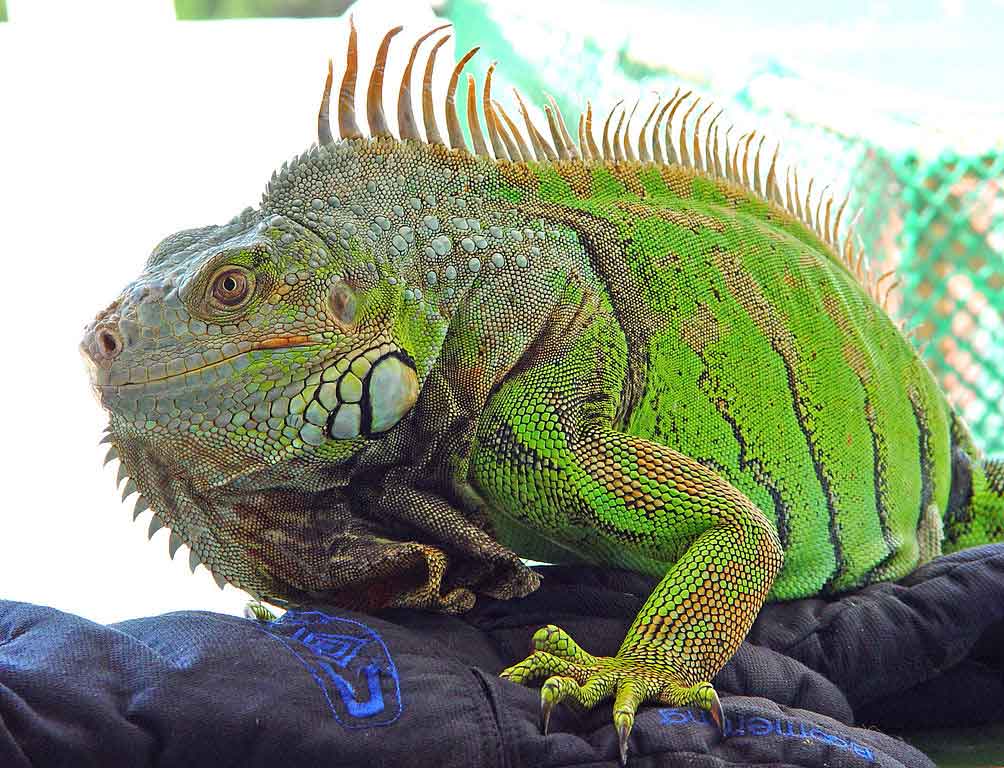
The Green iguana is a large reptile with a powerful body that can reach a length of almost two meters.
The Green iguana (Iguana iguana) belongs to the iguana family (Iguanidae). There are two subspecies, Iguana iguana iguana and Iguana iguana rhinolopha. The latter has two or three horns on the muzzle and thus can be distinguished from the Iguana iguana. A few years ago two other subspecies of the Green iguana: Iguana iguana insularis and Iguana iguana sanctaluciae.
The native range of the Green iguana (Iguana iguana) stretches from southern Mexico to central Brazil, Paraguay and Bolivia and the Caribbean; specifically Grenada, Aruba, Curacao, Trinidad and Tobago, St. Lucia, San Vicente and Útila. They have been introduced in Grand Cayman, Puerto Rico, Hispaniola (in the Dominican Republic), Guadalupe, Texas, Florida, Hawaii and the U.S. Virgin Islands USA. It also, green iguanas colonized the island of Anguilla in 1995 after being swept away by a hurricane. Although the species is not native to Martinique, in the historic Fort of San Luis there is a small wild colony of green iguanas released or escaped.
Characteristics / Appearance
What does a Green iguana?
The Green iguana is a large reptile with a powerful body that can reach a length of almost two meters. But, the average size of a Green iguana is closer to the 1,50 m, much of which is due to its long tail. The body grows to a few 50 cm in males and some 40 cm in females. When fully developed, the Green iguana weighs about ten kilograms. With good care, They can live up to 20 years.
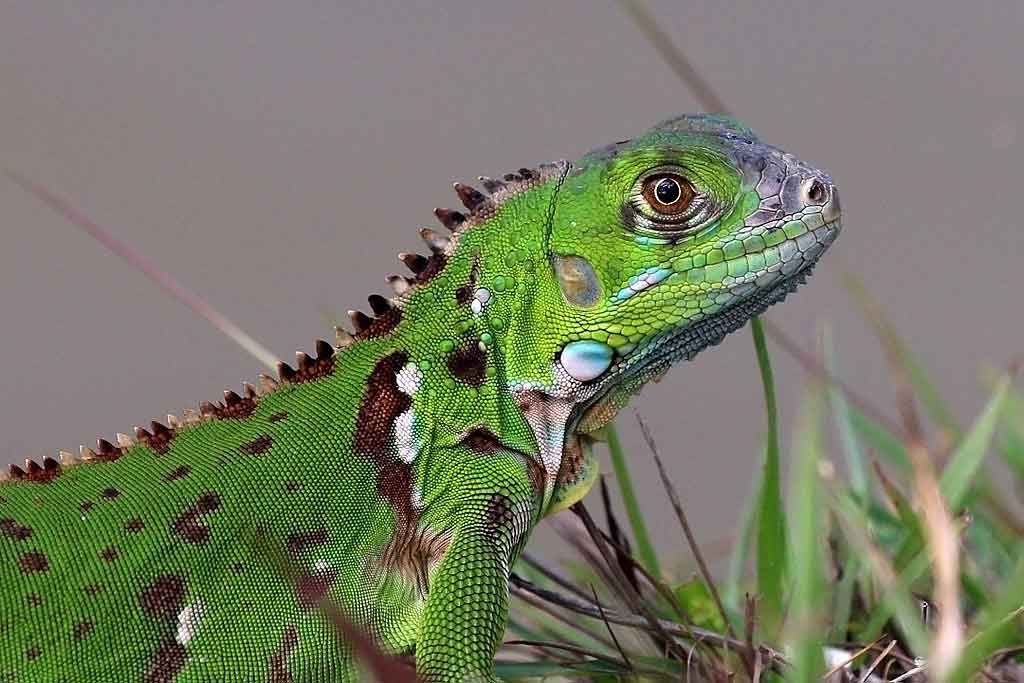
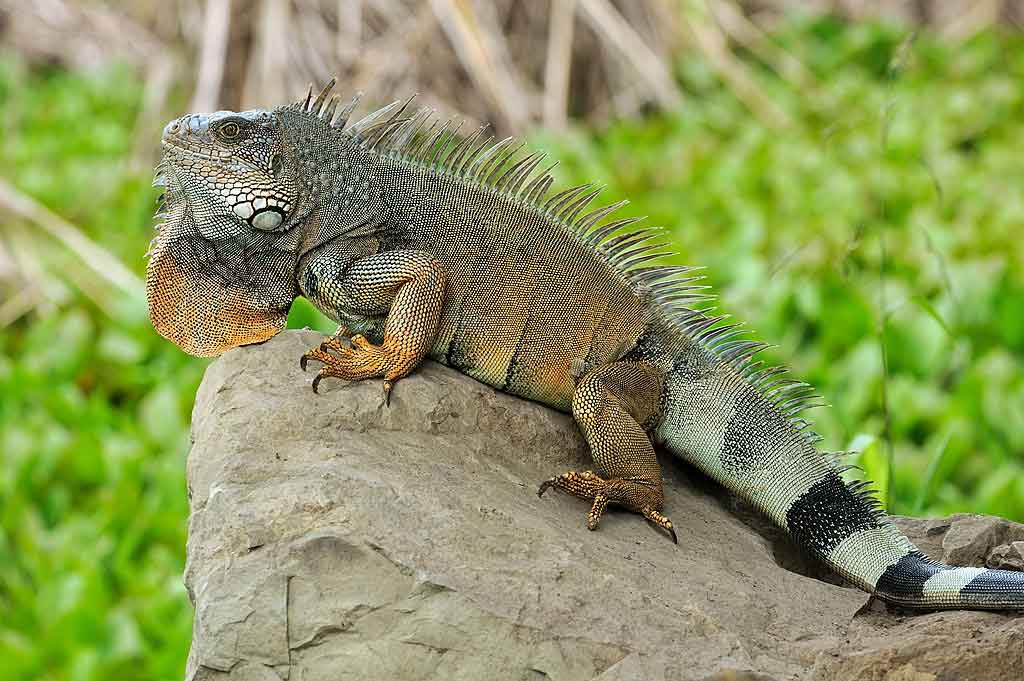
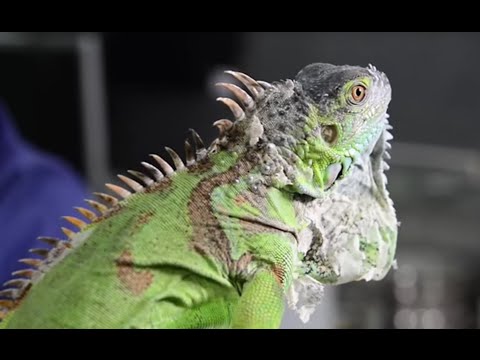
Young iguanas are characterized by a strong green color. With the age, green coloration decreases and becomes darker, sometimes even brown or grayish. They have a crest on the back and tail and usually have dark bands on the body and tail.. The head is characterized by a blunt snout, from which hangs a membranous gular pouch with a large jagged crest.
As inhabitants of the trees, the Green iguana can climb well. Their sharp claws also help them do that.. Diurnal animals can also swim well. As for his character, green iguanas are considered curious, sensitive and relatively confident, although, of course, they are not at all cuddly animals. If the danger threatens, the Green iguana can wag tail like lizards. Then it grows back, but it falls shorter.
Wide variety of colors
Green is not the only color that can be shown by Green iguanas. Its hue is usually bluish and can change throughout your life. Many Green Iguanass become more and more pink, brown, grey or almost black. The Green iguanas are characterized by their scaly and delicate skin. A thorny ridge runs through the back of reptiles; have a double chin under their chin.
Habitat
The natural habitat of the Green iguana are the rainforests of the lowlands, in the vicinity of large bodies of water. Populations in coastal regions with low rainfall are extremely rare.
Behavior
Animals are diurnal and spend most of their time in trees and like to bathe. Although they are considered sociable, there is usually only one adult male in a group. It is important to keep this in mind when keeping them in a terrarium., otherwise fights may occur. A Green iguana can even become meek, which is noticeable in the fact that he greets contact persons by nodding his head..
Threats to the species
State of conservation ⓘ
Minor Concern ⓘ(UICN)ⓘ
The Green iguana is included in Appendix II of the Convention on International Trade in Endangered Species of Wild Fauna and Flora (CITES), which means that international trade is regulated by the CITES permit system. It also, the Green iguana is classified as Least Concern by the IUCN, mentioning that habitat depletion by development is a potential concern for populations of Green iguana in the future. Historically, green iguana meat and eggs have been consumed as a source of protein throughout their range, and are appreciated for their supposed medicinal and aphrodisiac properties. Efforts have been made in the past to breed green iguanas in captivity as a food source in an attempt to encourage more sustainable land use in Panama and Costa Rica..
The "Green iguana" in captivity
The terrarium
Type of terrarium Jungle or tree terrarium
Temperature of 25 to 30 degrees Celsius during the day, 20-25 degrees Celsius at night
Humidity High humidity
Need for sun A sunny place per animal is required with temperatures of approximately 35 – 40 Celsius degrees.
If you want to have a Green iguana, you need a lot of space. Since these animals can reach two meters or more, a medium-sized terrarium is not enough for good conservation. Yes, you Green iguana has to live tight, won't feel comfortable with you. The minimum size of the terrarium for a Green iguana adult should be 300 x 200 x 250 centimeters. Young animals are raised in a smaller terrarium. It is important to have a sufficient height with many climbing branches so that the animals can climb. Animals like to rest on horizontal branches under a spotlight.
If several animals are housed in the same terrarium, they need enough hiding places so they don't look all the time. Thick PVC pipes into which a board or floor is inserted are suitable for this purpose. The ground should be covered with sphagnum, sawdust, linoleum or tiles. Coatings with sharp edges, such as expanded clay or gravel, are absolutely inadequate.
Even with a spacious terrarium, is controversial among terrarium enthusiasts whether the Green iguana must be kept in a terrarium in general. As an alternative, if you have the opportunity, it's a good idea to host the Green iguana in your own reptile room. As long as you can create in it the right weather conditions, this option is preferable to a large terrarium.
Temperature and humidity in the terrarium
Adult green iguana – Cy, CC BY 3.0, via Wikimedia Commons
A rainforest or tree terrarium is suitable for maintaining a Green iguana. It doesn't matter which variant you choose: Temperatures and humidity must be adequate for green iguanas to feel comfortable in them. Temperatures should range from 25 and 35 degrees during the day and at least 20 degrees at night. It also creates a warmer place where the temperature is between 40 and 45 degrees Celsius. If you have several animals in the same terrarium, each of them needs what is called a sun point.
The humidity of the terrarium should be between the 60 and the 80 percent during the day and between 80 and the 95 percent at night. Animals also need UV-B lighting for about twelve hours a day.. To adapt the climate to the natural habitat, animals and terrarium should be sprayed with water daily. During the winter period (December-April), the climate must be maintained 5 cooler and drier degrees Celsius. To avoid bacteria and mold, the terrarium should also be well ventilated.
Tips for decoration
Equip the terrarium or reptile room with enough branches and trunks to climb and rest. Branches for climbing should be at least as thick as the trunk of the lizard. Rocks are also useful, the roots and the cork caves. It is also important to have a water basin with a temperature of about 25 degrees Celsius. It is best to heat it with a bottom heater or a heater in the filter.
You can use real or artificial plants in the terrarium of your iguanas. Real plants are good for the climate, but they can be crushed or eaten. So, real plants must definitely be non-toxic. The substrate must be dry and absorbent.
Care and nutrition
Male Green Iguana (Iguana iguana) of wildlife in the Botanical Garden of Portoviejo, Ecuador – First, CC BY-SA 3.0, via Wikimedia Commons
So that your Green iguana stays well, prudent care is essential. Good care starts with diet. The green iguanas are vegetarian, so animal foods shouldn't be on your menu. Exceptions are young iguanas and pregnant females, whose diet should consist of a 15% of animal feed (insects and eggs).
A varied diet is important to ensure a sufficient supply of nutrients. Leafy greens should make up the main part of the diet, around the 60%. These may include, can be fed with dandelion, Canons, clover, rib or parsley grass. To the green iguanas they also like cabbage. The 40% remaining diet should consist of flowers (30%) and fruits (10%). Papaya, strawberries, mandarins or prickly pear figs are suitable. The foliage of trees is particularly greedily consumed by animals. You can supplement your diet with vitamin and mineral supplements to prevent malnutrition. Animal feed should never exceed the 5%. Its excess can cause kidney problems in animals.
Hygiene also plays an important role in maintaining green iguanas. Infestation with parasites such as mites and worms is relatively common in green iguanas. Thorough hygiene prevents pathogens and, Therefore, diseases. Remove food scraps and droppings every day, change the water daily and clean the entire terrarium regularly. Diseases that are comparatively common in green iguanas include putrefaction of the mouth, tail necrosis and intestinal and respiratory diseases.
How many green iguanas can you keep together?
In the wild, the Green iguana lives in groups consisting of one male and several females. So, you should not maintain a Green iguana individually. You can keep them in pairs or in a small group with a maximum of one male.. The latter option is more relaxed for females, since during the mating season a single female is not too harassed by the male.
It is not recommended to keep several males together. Especially dominant males do not get along with each other. Especially in the season of heat, animals have a marked territorial behavior, which can lead to bloody conflicts between males. In any case, they should only be kept together in very large terrariums with enough hiding places.
Iguanas also get along well with the turtle (Terrapene) of the warmest regions. On the other hand, the Common basilisk (Basiliscus basiliscus) wave Marine iguana (Amblyrhynchus cristatus) should not be kept together with the green iguanas. The similar appearance in terms of physique and color can cause stress in animals.
Are green iguanas suitable for beginners?
It is not the same to have a reptile in the living room of the house than a cat, a dog or rabbit. These exotic inhabitants need adequate climatic conditions and can suffer damage if poorly maintained.. Some species are so demanding that it is desirable or necessary to have previous experience in maintaining terrariums..
The green iguanas fall into this category. They are less forgiving of breeding errors than other reptiles. So, this species of iguana is not the best choice for beginners. Inadequate breeding conditions can lead to illness or premature death of the animal.
Just because of the size of the animals, you should think carefully about whether you can really meet the requirements to have green iguanas. A standard terrarium is usually not enough to keep large reptiles. Don't be dazzled by the small size of very young animals in pet stores. Must be able to offer the animal the space it needs when it has grown.
Buy one "Green iguana"
The green iguanas can be purchased from reputable breeders. Make sure the maintenance conditions are good and the animals look clean, well fed and, in general, healthy. You can also find them at a rescue center or animal shelter.. The pet shop is also a place to go, but here it is not known where the animals come from or under what conditions they have been raised.
For reasons of protection of species and the environment, you should not buy wild-caught animals, especially since they are usually in a worse state of health than the offspring.
The green iguanas cost between 50 and 100 euros per copy. Adult specimens are more expensive, just like the rarest color varieties. The costs of the terrarium and its equipment are much higher than those of the animals themselves. You also have to take into account the costs of food and electricity.
Its natural habitat is in central and central South America., and prefers rainforests and savannah forests with proximity to water. In the news, the iguana is also native to some Caribbean islands and parts of Florida.
What size should a terrarium be for an iguana?
Due to its size, iguanas need very large terrariums with dimensions of approximately 300 x 200 x 250 cm..
How can I distinguish male iguanas from females??
Animals are not easy to distinguish. Male iguanas have a larger throat pouch, larger femoral pores, a thicker tail root and a wider head than females when they are between one and two years old. During the mating season, males have a red color, more intense orange or gold. They are also usually more dominant than females.
How do green iguanas reproduce??
In the wild, animals copulate at the beginning of the dry season, while in captivity they behave differently. In this case, it may be helpful to keep animals apart for a while to stimulate them. If a couple is lying next to each other, sometimes there is a vigorous courtship with head movements that is followed by a mating.
Do iguanas become meek?
If iguanas grow with human contact from an early age, they become tame and you can handle them without leather gloves. Animals that are not used to humans can react aggressively and hit with their tails., scratch with claws and bite. But, with a lot of patience, even the oldest animals can be domesticated by hand.
How are iguanas domesticated??
It is best to feed by hand the green iguanas regularly to get them used to. To feed them, you can also put them on your arm and keep them at eye level while you talk to them.. In this way, you can also show the animals to the veterinarian or move them without problems.
Videos "Green iguana"
IGUANAS - The green iguana as a pet. How is it? What do you need? What do you eat??
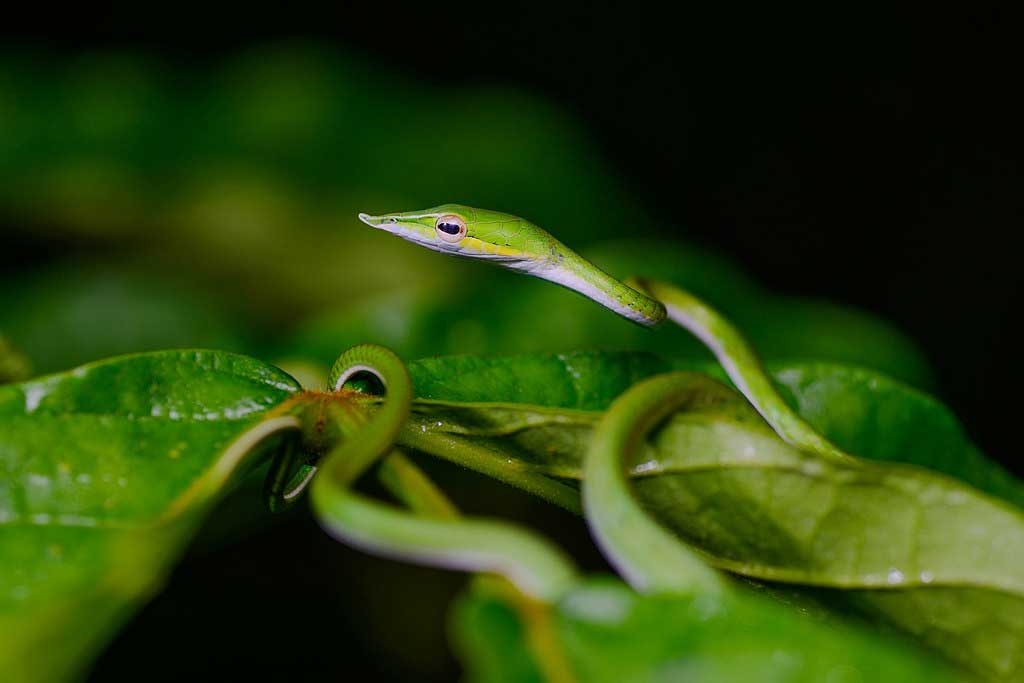
Fine body, long and thin. Smooth scales, long and obliquely arranged. Parrot green or bluish green dorsal color; brown in the variety isabellinus. Regular black intercalary patterns present obliquely from the neck to much of the body.
Ventral body
Completely yellow-green belly without any pattern. Sometimes a white or yellow line separates the dorsal and ventral surfaces. Zigzag paired subcaudal scales.
Head
Long head, clearly wider than the neck, with an extremely pointed muzzle. The color of the upper lip is white or yellow. Oval-shaped eyes have horizontal pupils.
Tail
The tail, very long, thin and thin, ends in tip.
Habitat and behavior
These diurnal snakes inhabit the trees and bushes of farmland and forests.. They feed on frogs, lizards and rodents.
It tends to move very slowly and relies on its leaf-green camouflage.. Due to its thin body and green color, can easily disappear into green bushes. When disturbed, the Sri Lankan green vine snake stretches your body, shows his black and white markings and threatens the disturber with his mouth open. In South India, the legend is widespread that it blinds human victims with its pointed head.. The Sri Lankan green vine snake It, in effect, slightly poisonous and a bite causes swelling. But, symptoms usually subside within three days.
Terrarium
This tree species needs a terrarium based on height. a terrarium of 80 x 80 x 100 cm is suitable for a couple. The ground must be covered with pine chips or a mixture of river sand and peat.
You have to place many branches and plants (preferably artificial) around the terrarium so that the snake feels safe. It also, being an arboreal animal, they are essential. Keep in mind that animals are usually placed in the foliage. Although this species quenches its thirst with water spray (to be sprayed on the foliage and on the animal), a small pile of always clean water will be permanently placed in the terrarium.
Humidity
The humidity of the terrarium should be maintained between 75 and the 85%; this will be achieved with the small pile and by spraying the foliage with lukewarm water several times a week. These sprays are almost essential to maintain a sufficient hygrometry, but above all they will allow the animal to quench its thirst.
Temperature
The ideal temperature is 25-26°C during the day, with a hot spot at 27-28°C. Eliminate hot spot at night. This species tolerates quite low temperatures without problems. (15°C).
The lighting
This species is active during the day and needs high light intensity.. A tube that provides UVB light should be placed. The duration of illumination should be about 12 hours a day.
Food
The biggest problem of this species is food. In fact, this species only consumes lizards, arboreal amphibians and, more rarely, rodents in nature. In captivity, imported animals are more difficult and generally only accept lizards. From time to time they accept small mice, but they cannot be their only food. Captive-born specimens are sometimes less fussy, but it is advisable to breed a species of "easy" small lizards to counteract the rejection of rodents. A vitamin supplement is administered once a week through the dam (subcutaneous injection to the dam).
Reproduction
Breeding remains rare for this species, but it is not a problem if the climatic conditions are respected. You can take a rest period (not required) cutting hot spot during 2 months (January-February). This species is ovoviviparous, the female gives birth 3 and 9 pups (maybe more…) that measure some 29 cm.. The gestation period is about 4 months and a half to 5 months. The young look for food quite quickly, but they usually need to have small lizards. Sometimes they accept pink mouse pups.
Note
It is a very beautiful species., still rare. Maintenance is usually not a problem, what does not happen with food.
This species is not at all recommended for beginners.
Buy one Sri Lankan green vine snake
The price of a Sri Lankan green vine snake in the exotic animal market ranges from 30 and 50 EUR.
1. Long-nosed whip snake (English).
2. Serpent liane (French).
3. Baumschnüffler (German).
4. Cobra-chicote de nariz comprido do Sri Lanka, Cobra-verde-cipó (Portuguese).
5. Serpiente látigo de hocico largo, Serpiente de vid común (español).







.jpg)
_by_Robert_Michniewicz.jpg)
_1055532511.jpg)


_juvenile_head.jpg)


