โ–ท The world of Pets: Dogs, cats, birds, reptiles, amphibians

Red-and-blue Lory
Eos histrio

Eos histrio

Content

Lori-of-them-sangihe-6

Description

31 cm.. length and a weight between 150 and 185 gr.

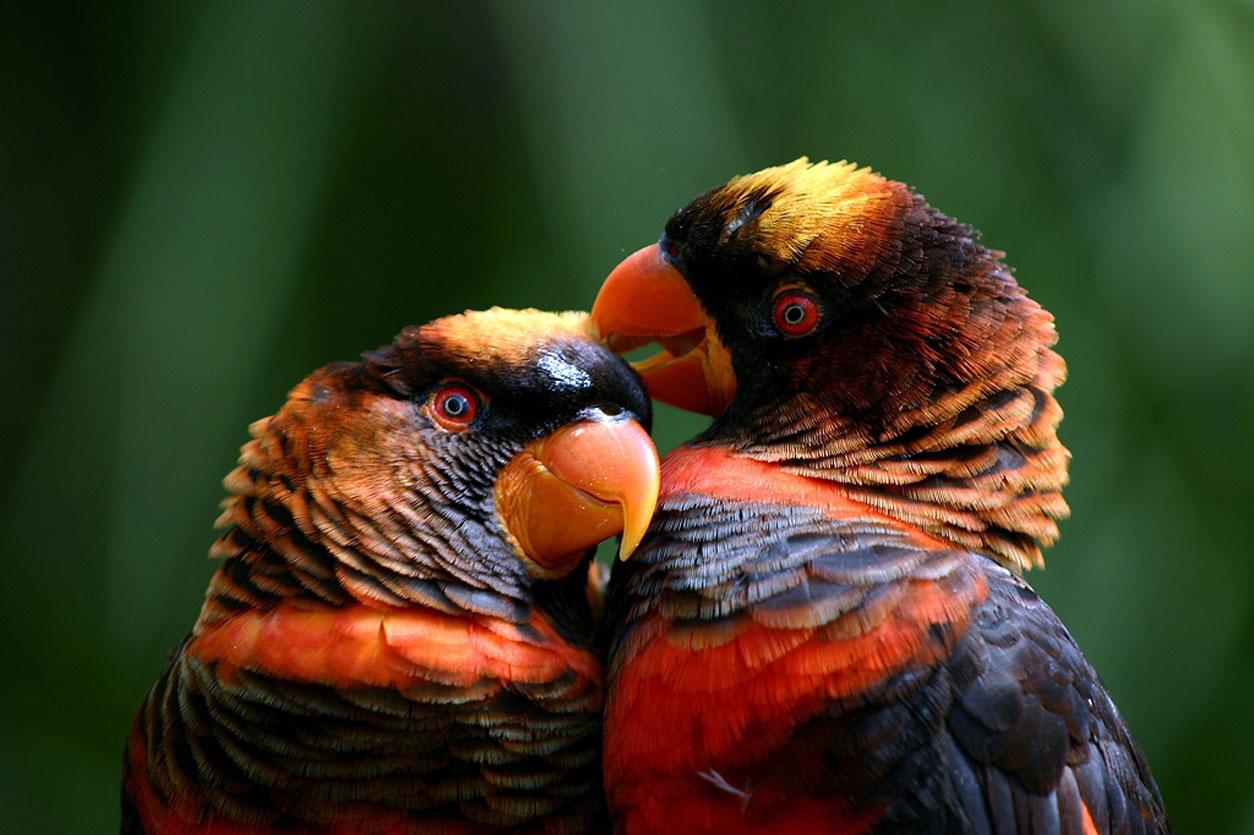
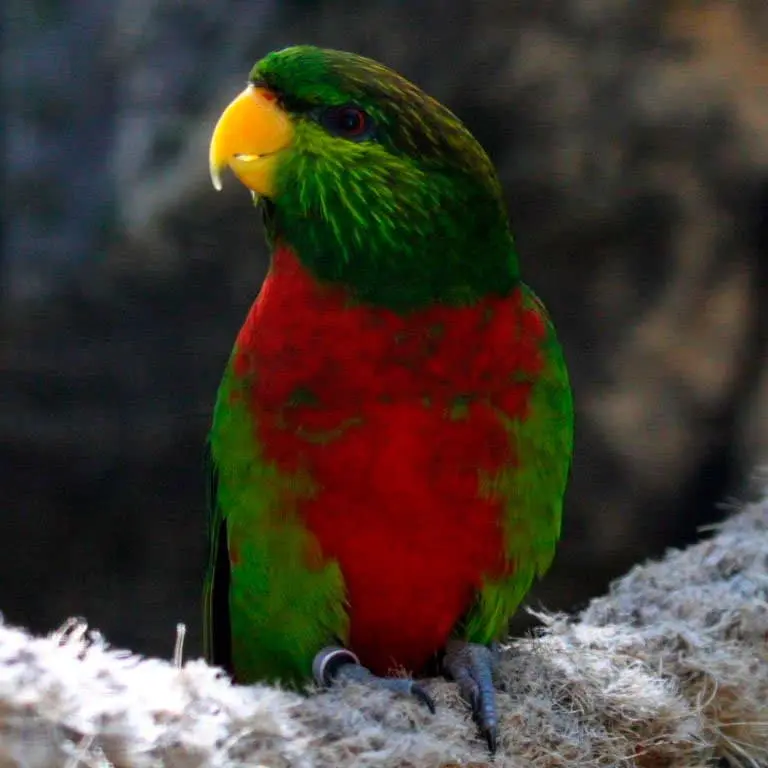
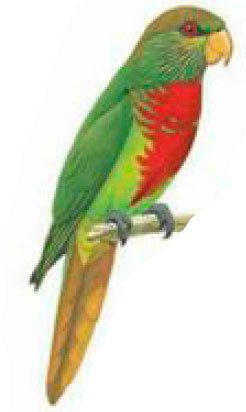
The two main colors of the Red-and-blue Lory (Eos histrio) they are the red and blue.

A broad blue-purple line extends from the eyes through the ears and for the sides of the neck. A broad transverse band blue on the chest. The tail coverts they have blue pink. The feathers of the part superior of the tail they are reddish purple.

The irises is red, the legs grey.

Both sexes are very similar.

In immature, the feathers of the head and the chest they have a dark blue edging. The blue of the crown extends up to the neck and below the eyes. Thighs they are dull purple. The irises They are brown.

Description 3 subspecies

  • Eos histrio challengeri

    (Salvadori, 1891) – The band blue of the chest is of smaller size and mixed with red; the blue band of the eyes does not extend to the the mantle; smaller.


  • Eos histrio histrio

    (Statius Mรผller, 1776) – Nominal.


  • Eos histrio talautensis

    (Meyer,AB & Wiglesworth, 1894) – More black in the corbeteras wing and in the flight feather.

Habitat:

The Red-and-blue Lory they are common in primary forests, and on the hills of the hills. The feed, they made raids in coconut plantations along the coast and in the more open areas.

They make short trips daily. In the Talaud Islands You can see flying from island to island.

Initially, They lived in large flocks and concentrated in large numbers in common dormitories..

Today, in view of its decline, them find in pairs or in small groups. Large gatherings have become extremely rare or virtually non-existent.

In the Karakelong island were seen, However, on two occasions, more groups of 400 birds.

The Red-and-blue Lory they are birds noisy, which makes them quite easy to observe.

Reproduction:

The species nests in holes in tall trees, most belonging to the class canarium family Burseraceae, and the breeding period main seems to be from May to June, Although it is suspected that nesting may include other months.

We find nests, both in the forests and cultivated areas. The spawning usually includes 2 eggs which are incubated for approximately 25 or 26 days. There is no any other information in the natural environment.

Food:

Although they also consume some insect larvae, the Red-and-blue Lory are mostly vegetarian. They feed on coconut plantations, in the fig trees and trees of the genus canarium It produces edible nuts.

Distribution:

Size of the area of distribution (reproduction / resident): 1,000 km2

The Red-and-blue Lory is confined to the Talaud Islands (almost exclusively in Karakelang) front North of Sulawesi, Indonesian

Description 3 subspecies

Conservation:


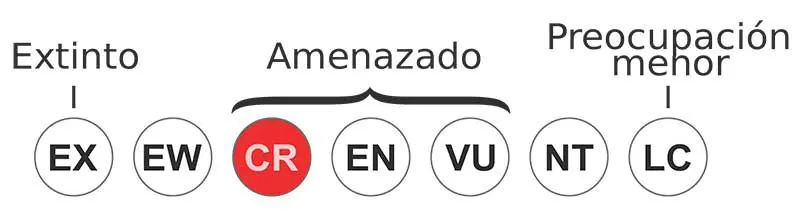
Endangered

โ€ข Current category of the Red List of the UICN: Endangered.

โ€ข Population trend: Decreasing.

This species has a very small range (It is known only in some places), and it is declining due to habitat loss. It has been a downhill fast in the population, largely as a result of their capture for trade, and this is expected to increase in the future. So, qualified as In danger.

Although it was previously abundant, the species has decreased and the population in KarakelongIt was estimated in 8,230-21,400 birds in 1999 (Riley 2003). The subspecies of the nominal of the Sangihe Islands, is likely that has been extinguished.

The encroachment and logging are driving the loss of forests, aggravated by the threat of illegal trade in the species, contribute to the acceleration in the decrease of the population.

In 1999, the investigation concluded that you the 1.000 and 2.000 birds were being captured in Karakelang each year, the 80% (illegally) for the markets of birds of the Philippines.

Ongoing conservation actions:

Since 1995, the project "Action Sampiriยป has been working for the conservation of biodiversity in Sangihe and Talaud, in the implementation of awareness-raising programmes of field work and the conservation and development of ideas for the future use of the land.

Efforts have been made to promote the local support of the species at Talaud, his last bastion.

It has been reported that the poaching and the trade of this species have decreased drastically after the confiscation of assets by Ranger of the forest Department in 2005 (RT Prayudhi in litt., 2008).

The bird is part of the European Association of Zoos, the program Aquariaโ€™s European Endangered [species] and Parrot Taxon Advisory Group (Wilkinson 2000), where it is being bred in captivity (Sweeney, 1998).

"Red-and-blue Lory" in captivity:

It is currently very rare in captivity.

Due to its status in danger of extinction, any specimen that can not be returned to their natural habitat (natural range) should preferably be placed in a well-managed breeding program to ensure the survival of the species.

Alternative names:

Red-and-blue Lory, Blue-tailed Lory, Red & Blue Lory, Red and Blue Lory, Red-blue Lory (ingles).
Lori arlequin, Lori histrion (French).
Harlekinlori (German).
Lรณris-arlequin (Portuguese).
Lori de las Sangihe, Lori Rojo y Azul (espaรฑol).

scientific classification:

Order: Psittaciformes
Family: Psittaculidae
Genus: Eos
Scientific name: Eos histrio
Citation: (Statius Mรผller, 1776)
Protonimo: A player parrot

โ€œSangihe Loryโ€ images:

——————————————————————————————————-

ยซLori de las Sangiheยป (Eos histrio)


Sources:

Avibase, BirdLife.org

Photos:

1 – En Loro Parque (Spain, Tenerife) by Drรคgรผs – Wikimedia
2 – Lori en Loro Parque, Tenerife, Espaรฑa by Drรคgรผs – Wikimedia
3 – En ZooParc de Beauval, France by User:Edhral – Wikimedia
4 – Red-and-blue lory. two in a cage. by TJ Lin – Wikimedia
5 – A Red-and-blue lory in a zoo by jojo nicdao – Wikimedia
6 – The Red and Blue Lory (Eos histrio now Eos histrio histrio) and The Challenger Lory (EOS challengeri now Eos histrio challengeri) Chromolithograph. Plate VII from A monograph of the lories, or brush-tongued parrots, composing the family Loriidae. By St. George Jackson St. Mivart (1827โ€“1900). Artwork by John Gerard Keulemans (1842-1912). This was published by R. H. Porter (London) in 1896. By John Gerard Keulemans [Public domain], via Wikimedia Commons

Sounds: Frank Lambert (Xeno-canto)

โ–ท The world of Pets: Dogs, cats, birds, reptiles, amphibians

Little Lorikeet
Parvipsitta petty


Little Lorikeet

Content

Description

16 to 19 cm.. length and an approximate weight of 40 g.. The Little Lorikeet (Parvipsitta petty) is the smallest of the Parrots Australian.

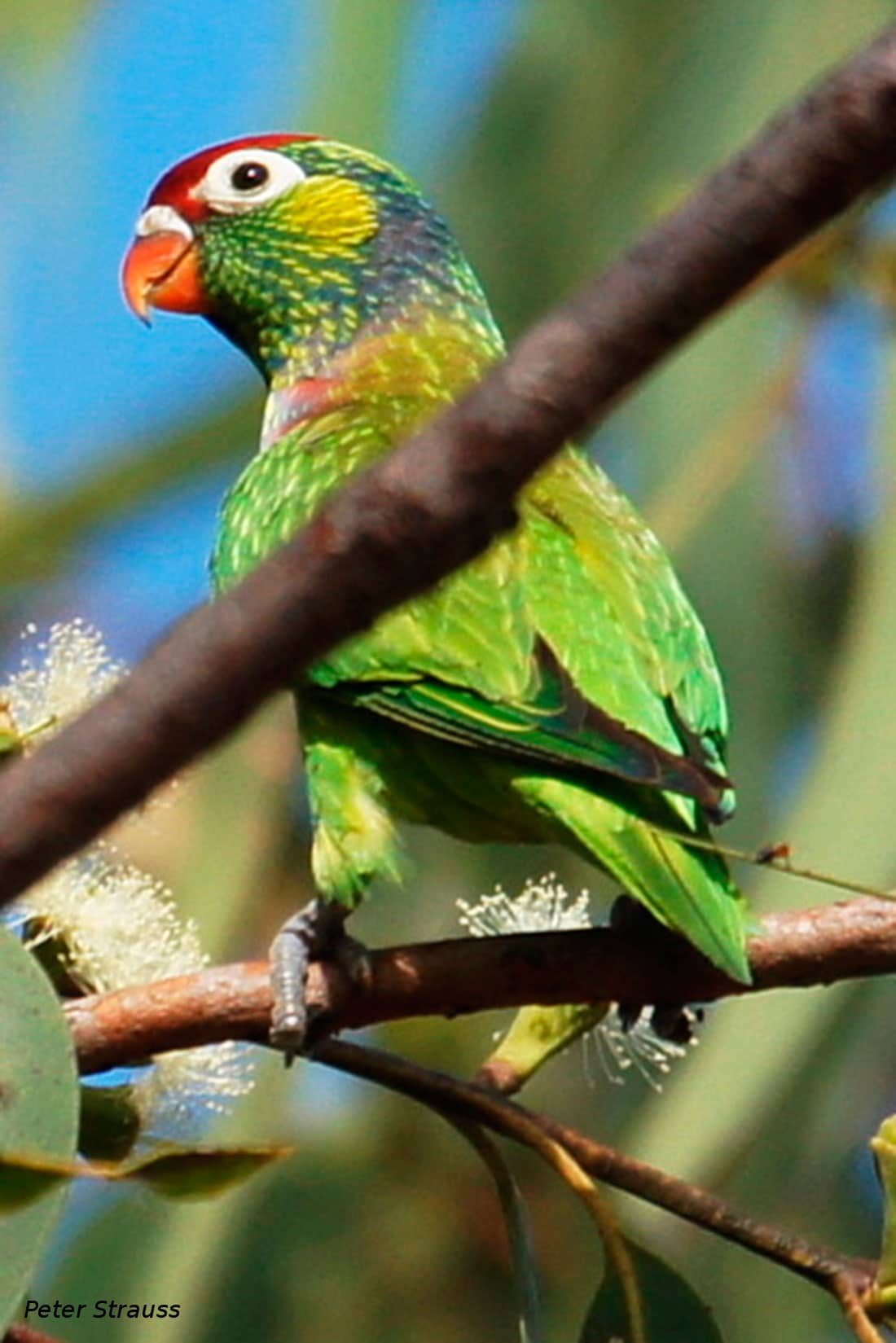
The body is bright green, the area of the nose, the forecrown, the neck, part of the forecrown and cheeks They are red.

The ear-coverts are of color green with stripes of color green light. The neck and back top are brown-green. Under the wings brighter yellowish green. The primary flight feathers they have a very narrow yellowish Board, their underparts is yellowish-green.

The feathers of the tail has reddish orange base, the circle around the eyes is narrow and black, the irises is orange, the legs grayscale and the bill black.

Parvipsitta buttercups

  • Parvipsitta petty
  • Parvipsitta porphyrocephala
  • The immature have more off the Red of the face; the Brown of the upper mantle is minimal. Bill Dark Brown and brown the eye.

    This small Lori is likely to be confused with the Purple-crowned lorikeet (Parvipsitta porphyrocephala).

    Habitat:

    The Little Lorikeet dispatched virtually all areas and at all altitudes with trees. They prefer open areas with flowering or fruit trees and riverbanks.. Found up to one altitude of 1600 m.

    Occasionally seen in orchards and farming areas.

    Son nomads and outside the breeding season they gather in small groups of 4 to 12 birds.

    They prefer tall treetops and are difficult to see due to their small size and green color.. They prefer trees of eucalyptus that they are in bloom and they can attend major meetings when they are feeding, often associated with other lori as the Coconut Lorikeet and the Musk Lorikeet.

    Ruidoso. Their flight is flapping fast and straight, accompanied by shrill calls.

    Reproduction:

    The breeding season It is going may in the North, or August in the South, to December. It nests in the Hollows of trees, where sets of 3 to 5 rounded whitish eggs. The incubation hard ones three weeks.

    Food:

    It feeds mainly from fruits and flowers, including native plants such as those belonging to the genera Xanthorrhoea and (Melaleuca and Loranthus, and introduced plants such as the medlar (Eriobotrya japonica). Occasionally visit orchards.

    Distribution:

    Size of the area of distribution (reproduction / resident): 788.000 km2

    Distribution Lori Carirrojo
    The Little Lorikeet is located in the East and Southeast of Australia, from the vicinity of Cairns to the South by Queensland and New South Wales from the slopes of the Great dividing range until the eastern coasts to most of Victoria and Southeast of Southern Australia. Also located in Tasmania, although there is little abundant.

    Conservation:


    minor concern

    โ€ข Current category of the Red List of the UICN: Least concern.

    โ€ข Population trend: Stable.

    The main threats to these small parrots are the loss of breeding sites and of those resources food by the clearing of land in course. Most breeding records come from the western slopes, where has been a great loss of habitat trees. The loss of trees nest along the verges of Highway, often associated with roadwork, It is still a constant threat.

    "Little Lorikeet" in captivity:

    Although it was exported to Europe for the first time in 1877, the Little Lorikeet rarely seen outside of Australia. And even in the country of which it is native it is rare in captivity. Has a reputation for being difficult to maintain.

    Alternative names:

    Little Lorikeet, Little Red Lorikeet (ingles).
    Lori ร  masque rouge, Petit Loriquet (French).
    Zwergmoschuslori (German).
    Loris Pusilla (Portuguese).
    Lori Carirrojo, Lori de Cabeza Roja (espaรฑol).

    scientific classification:

    Order: Psittaciformes
    Family: Psittaculidae
    Genus: Parvipsitta
    Scientific name: Parvipsitta petty
    Citation: (Shaw, 1790)
    Protonimo: Psittacus Pusillus

    Images ยซRed-faced Loryยป:

    Videos "Little Lorikeet"


    ยซOn Carirrojoยป (Parvipsitta petty)


    Sources:

    Avibase
    Parrots of the World โ€“ Forshaw Joseph M
    Parrots A Guide to the Parrots of the World – Tony Juniper & Mike Parr
    Wikipedia
    environment.NSW.gov.au

    Photos:

    1 – By JJ Harrison (jjharrison89@facebook.com) (Hand darbas) [CC BY-SA 3.0 or GFDL], via Wikimedia Commons
    2 – By Joxerra Aihartza (ร โ€˜ire argazki bilduma / own picture) [FAL], via Wikimedia Commons
    3 – Little Lorikeets by Julian Robinson, on Flickr – Flickr
    4 โ€“ Little Lorikeets (Glossopsitta pusilla) by David Cook, on Flickr – Flickr
    5 – Musk Lorikeet [Glossopsitta concinna] again! by Norm Hanson, on Flickr – Flickr

    Sounds: Marc Anderson (Xeno-canto)

    โ–ท The world of Pets: Dogs, cats, birds, reptiles, amphibians

    New Caledonian Lorikeet
    Charmosyna diadema

    New Caledonian Lorikeet

    Content


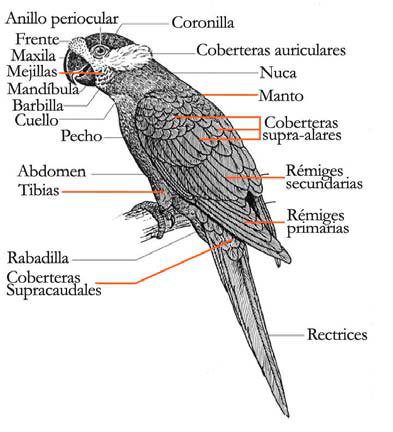
    Anatomy-parrots

    Description

    18 to 19 cm.. length.

    The females of the New Caledonian Lorikeet (Charmosyna diadema) are green in general, with the crown Violet Blue intense and the thighs Blue dark, a face Beige and it bottom side and anal region red. The tail It is green above and yellowish olive below, with the four lateral feathers with red basal markings followed by a band of black, with yellow tip on the bottom. The bill is red-orange, the irises dark orange, probably, similar to the legs.

    The males they have not been registered. On the basis of similar species, they probably have a more red coloration, probably including the face, the bottom of the primaries and the sides of the rump; and it is likely to be slightly larger than. The immature should look like females but paler.

    Habitat:

    This bird is difficult to track because it is Nomad and is relatively little visible. The species is believed to be able to live in moist montane forests but (seasonally). Flying in and out of the lowland forests of Melaleuca. Most reports come from such lowland forests, but this probably reflected only a better accessibility for observation. Mt. Ignambi It is believed that it is an ideal habitat for the species. The report Yacht Lake was an area of low scrub.

    Reproduction:

    Data playback of the New Caledonian Lorikeet (Charmosyna diadema) are only available the of the Red-flanked Lorikeet (Charmosyna placentis) and the Red-fronted Lorikeet (Charmosyna rubronotata). The breeding season, probably, is from July to December, and possibly until February, or even all year round. They dig in the arboreal nests of termites or in epiphytic ferns. Link gives as a result the implementation of two (sometimes three?) White rounded eggs; the incubation period likely to be similar to other species of Loris.

    Food:

    The bird apparently is fed into the tops of the trees.
    Related species eat nectar, pollen, flowers and sometimes delicate fruits, in pairs or small groups feeding (usually less than 10). The Erythrina is specifically mentioned as plants on which this species feeds.

    Distribution:

    Size of the area of distribution (reproduction / resident): 1 km2

    Possibly extinct. Endemic to New Caledonia and known from two female specimens collected in 1859. The species also could have been observed in the forests of the North of the island in the year 1900. and it was identified by the Islanders with the reference of a picture (at Delacour 1966) of Anthony Stokes in December of 1976. One Islander claimed to see a single individual in the Decade of 1920, and another had observed two the 3 in June of 1976 to the West of Monte Panie. This last observation was made by an experienced observer who noticed the birds by their call, and said it was different to Coconut Lorikeet. The authors are in agreement with Necklace et to the. (1994) in the extension of remaining forests in New Caledonia and the size of the island indicate that this species may well still exist and that observations and studies should be within suitable habitat including the Monte Panie, Mount Humboldt and other forest areas of the Highlands. IN DANGER.

    Conservation:


    critical hazard


    โ€ข Current IUCN Red List category: Critical Hazard

    โ€ข Population trend: Unknown

    The population It is estimated between 1 and 49 individuals mature.

    This species has not been recorded with certainty since 1913, despite specific searches in 1998, and it may have decreased as a result of a number of different threats. But, cannot be assumed that they have become extinct, because there were local reports in the Decade of 1950 and in 1976, and lorites of this genus are notoriously difficult to detect, being discreet and nomadic, more studies are needed. Any remaining population is likely to be small, and for these reasons it is in Critical Hazard.

    The montane moist forest is not under threat, but it is possible that this species has a requirement for other habitats, some of which, forests semi-deciduous in particular, the lowlands, they have almost disappeared from the island (Ekstrom et to the. 2000, Ekstrom et to the . 2002). Several Lori headband have suffered severe population decreases and fluctuations by unknown causes (Forshaw 1989). The introduction of any disease is possible (such as malaria, avian) or more likely mammals (especially rats) they may have been one of the causes of the decline of this species.(Bregulla 1992, Ekstrom et to the. 2000, Ekstrom et to the ., 2002).

    "New Caledonian Lorikeet" in captivity:

    Not found in captivity.

    Alternative names:

    New Caledonian Lorikeet, New Caledonia lorikeet (ingles).
    Lori ร  diadรจme, Loriquet ร  diadรจme (French).
    Diademlori (German).
    Lori Diadema (espaรฑol).

    scientific classification:

    Order: Psittaciformes
    Family: Psittaculidae
    Genus: Charmosyna
    Scientific name: Charmosyna diadema
    Citation: (Verreaux,J & Des Murs, 1860)
    Protonimo: Psitteuteles diadem


    ยซLori Diademaยป (Charmosyna diadema)


    Sources:

    • Avibase
    • Parrots of the World โ€“ Forshaw Joseph M
    • Parrots A Guide to the Parrots of the World – Tony Juniper & Mike Parr
    • Birdlife

    • Photos:

    1 – Birds-pet-wallpapers – link

    • Sounds:

    โ–ท The world of Pets: Dogs, cats, birds, reptiles, amphibians

    Yellow-throated hanging parrot
    Loriculus pusillus

    Yellow-throated hanging parrot

    Content


    Anatomy-parrots

    Description

    12 cm.. length between 25 and 30 g. of weight.

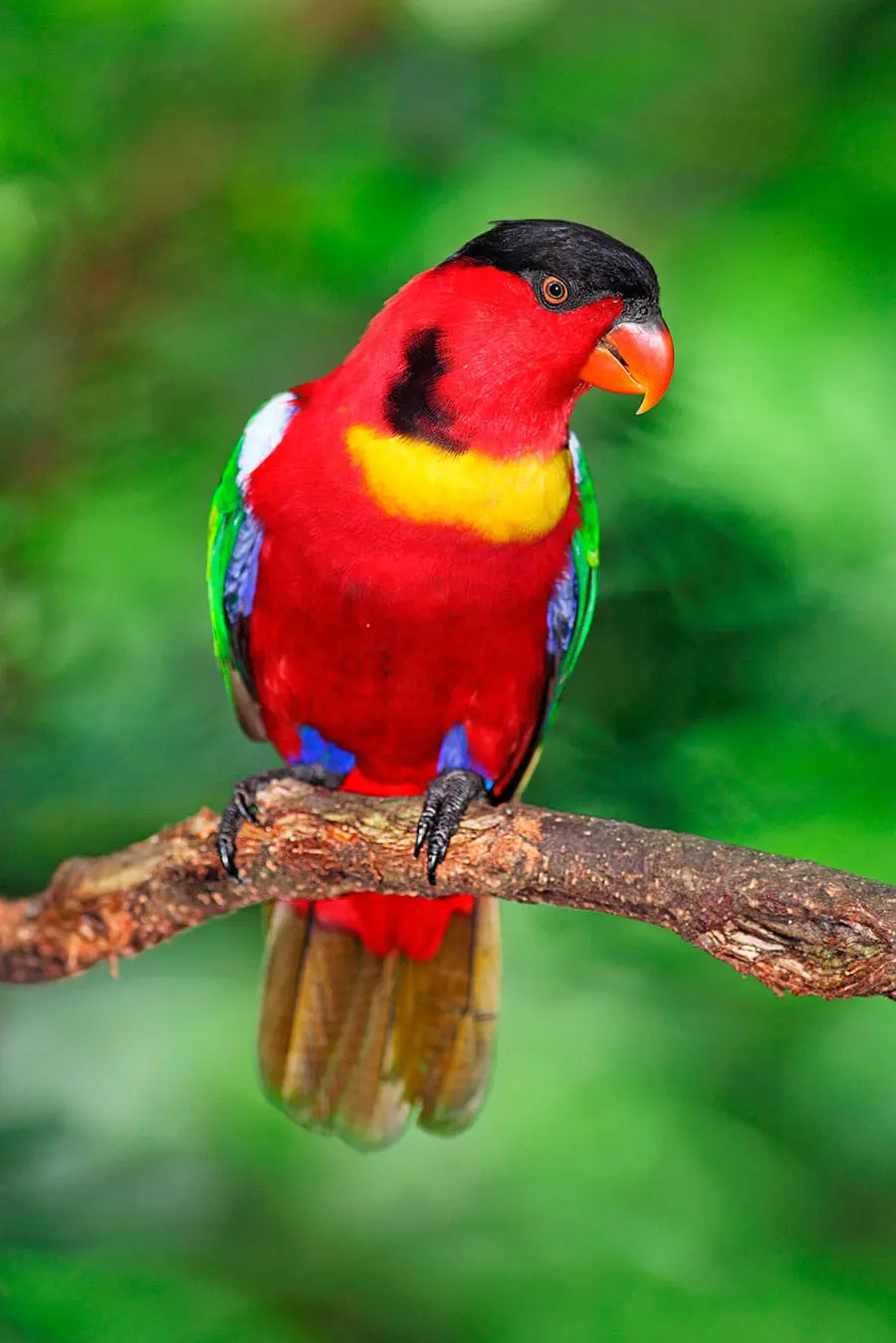
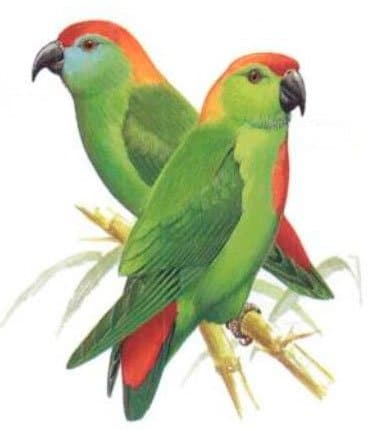
    The head of the Yellow-throated hanging parrot (Loriculus pusillus) is bright green.

    Upperparts green with yellow orange washing pale in the mantle; rump and uppertail-coverts, bright red. Wings green above, undertail, Turquoise with coverts green. Throat bright yellow, rest of the underparts bright green. Feathers of the tail green above, with side coverts yellowed and pale blue below. The bill orange; irises yellowish white; legs oranges.

    Female and immature with yellow throat very small.

    Habitat:

    Reported along the edges of the forest, and in the marshy forests of the lowlands to 1.850 meters above sea level.
    Possibly Nomad in response to local plant phenology.

    The species shows great activity, climbing acrobaticamente on the canopy at time of collection, and resting and sleeping mouth below as well as other members of the genus.

    The birds are alone, in pairs or in groups of up to eight individuals.

    Larger groups sometimes gather in trees to feed.. Although discrete, the Yellow-throated hanging parrot They attract attention, since when flying between the trees they beat their wings emitting a characteristic buzz, accompanied by shrill calls.

    Reproduction:

    The laying tends to be of two eggs, deposited in the hollow of a tree, Palm or arbol-helecho, from time to time in an old nest of a barbet or Woodpecker. The nesting in West Java It was recorded between March and May.

    Food:

    They feed on nectar, fruit (including the Ficus figs), leaves and flower buds, as Cassia and Erythrina.

    Distribution:

    Size of its range (breeding/resident): 167.000 km 2

    Endemic to Java and Bali, where it is usually uncommon. The world's population is thought to be superior to 10.000, but it may have decreased due to the logging of forests

    Conservation:


    Near-threatened

    โ€ข Current IUCN Red List category: Near threatened

    โ€ข Population trend: Decreasing

    The world population It has not been quantified, It is thought to be above 10.000 specimens. The species is generally described as rare throughout its area of distribution (pit et to the., 1997).

    There are no data on population trends; However, the species is suspected decreasing at a moderately fast pace, due to the loss and degradation of its habitat.

    "Yellow-throated hanging parrot" in captivity:

    Rare in captivity.

    Alternative names:

    Yellow-throated Hanging-Parrot, Javan Hanging-Parrot, Little Hanging-Parrot, Yellow throated Hanging Parrot, Yellow-throated Hanging Parrot (ingles).
    Coryllis ร  gorge jaune (French).
    Elfenpapageichen (German).
    Lorรญculo do Java (Portuguese).
    Lorรญculo de Java, Lorรญculo Javanรฉs (espaรฑol).

    scientific classification:

    Order: Psittaciformes
    Family: Psittaculidae
    Scientific name: Loriculus pusillus
    Citation: Gray,GR, 1859
    Protonimo: Loriculus pusillus

    Videos "Yellow-throated hanging parrot"

    ————————————————————————————————

    ยซLoricle of Javaยป (Loriculus pusillus)


    Sources:

    Avibase
    – Parrots of the World โ€“ Forshaw Joseph M
    – Parrots A Guide to the Parrots of the World – Tony Juniper & Mike Parr
    – Birdlife

    Photos:

    (1) – The Bali Childrenโ€™s Project
    (2) – By Jiล™รญ Hruลกka – biolib

    Sounds: Frank Lambert (Xeno-canto)

    โ–ท The world of Pets: Dogs, cats, birds, reptiles, amphibians

    Salvadori's Fig-Parrot
    Psittaculirostris salvadorii

    Salvadori's Fig-Parrot

    Content

    Description

    19 cm.. length and a weight of environment to the 118 g..

    The forecrown and crown of the Salvadori's Fig-Parrot (Psittaculirostris salvadorii) is bright green with a little blue diffusion; cheeks and ear-coverts elongated yellow gold; area behind the eyes, pale blue: yellow the nape.

    Upperparts green; internal parts of flight feather, orange-red at their ends. Under, the wings opaque green. Top of the chest with bright red band, rest of the underparts bright yellowish green, brighter and clearer than the upperparts. Upper, the tail green; Yellow below.

    Bill black; irises red-brown; legs grey,

    Female lacks the band scarlet chest, evident in the male, which it is substituted by a band It is showing some green opaque red feathers on the sides.

    Youth equal to the adult female but duller overall; band pale blue chest, weak or invisible. Iris reddish brown.

    Habitat:

    The Salvadori's Fig-Parrot is distributed in the forests, along their edges, partially cleared areas and close to human settlements. Birds subsist mainly on the seeds of figs, and groups are fed into the cup of fruit trees, sometimes mixed with other species. Hang it upside down to feed, and they can make brief forays above the canopy. The species is found more often in pairs or in small groups, and nests colonies.

    Reproduction:

    Little is known about its ecology.

    Food:

    Their diet consists mainly of figs and other fruit.

    Distribution:

    Size of the area of distribution (reproduction / resident): 81.500 km2

    THE Salvadori's Fig-Parrot (Psittaculirostris salvadorii) is endemic to the North of Irian Jaya, Indonesian. You can see in the forests of lowlands from the eastern edge of the Cenderawasih Bay to the humboldt bay (approximately 137 ยฐ a 141 it is), reaching inside through the northern slopes of the Van Rees mountains to 700 meters above sea level. Not rare within its small range.

    Conservation:


    minor concern


    โ€ข Current IUCN Red List category: Least concern

    โ€ข Population trend: Decreasing

    This species is suspected of slow to moderate decline due to loss of habitat, limited degradation and some pressure for his capture.

    Its population is estimated around the 10,000 specimens.

    In the past, this species has been caught in relatively large numbers for the cage bird trade, both for the domestic and foreign markets, with a total of 1.582 birds exported from Indonesia between 1985 and 1990 (Beehler 1985, Nash 1990b , KD Bishop in litt., 1996, 1997to collar), and 1.791 between 1990 and 2001, When the species registered trade ceased (UNEP-WCMC 2007). But, the true extent of trade is unknown and is likely to be overlooked by many hunters in the preference of the most coveted and abundant species (B. Beehler in litt. 2012).

    "Salvadori's Fig-Parrot" in captivity:

    Susceptible to stress and disease.

    Very rare in captivity.

    Alternative names:

    Salvadori’s Fig-Parrot, Salvadori’s Fig Parrot, Whiskered Fig-Parrot, Yellow-cheeked Fig Parrot (ingles).
    Psittacule de Salvadori (French).
    Salvadorizwergpapagei, Salvadori Zwergpapagei, Salvadori-Zwergpapagei (German).
    Papagaio-dos-figos-de-salvador (Portuguese).
    Lorito de Salvadori (espaรฑol).

    scientific classification:

    Order: Psittaciformes
    Family: Psittaculidae
    Genus: Psittaculirostris
    Scientific name: Psittaculirostris salvadorii
    Citation: (Oustalet, 1880)
    Protonimo: Cyclopsittacus Salvadorii

    Images "Salvadori's Fig-Parrot"

    Videos "Salvadori's Fig-Parrot"

    ————————————————————————————————

    "Lorito de Salvadori" (Psittaculirostris salvadorii)


    Sources:

    Avibase
    – Parrots of the World โ€“ Forshaw Joseph M
    – Parrots A Guide to the Parrots of the World – Tony Juniper & Mike Parr
    – Birdlife

    Photos:

    (1) – Album parrots – parrots

    Sounds: Hans Matheve (Xeno-canto)

    โ–ท The world of Pets: Dogs, cats, birds, reptiles, amphibians

    Luzon Racquet-tail
    Prioniturus montanus

    Content

    Luzon Racquet-tail

    Description

    23 centimeters long, not to mention their racquets, and a weight between 100 and 140 g..

    The Luzon Racquet-tail (Prioniturus montanus) has the head of color green with a strong diffusion of color blue turquoise in the face; point red in the center of the crown. Upperparts dull green. Wings green, vane outside of the flight feather, green; vane grey internal, Yellow-edged; networks internal of secondary marked in color yellow pale.

    green wing feathers, bottom of bluish flight feathers; paler in network interiors to secondary internal. The underparts more green beige that the area of the back. Upper, the tail green in the center, black blue at the ends laterally; undertail, dark, blue margin to vane inner; spatulas blackish.

    Bill blue; irises dark brown; legs black blue.

    Female lacks of the point red and has less blue on the crown; rackets also shorter.

    Young have tail Central with extensions of feathers narrow. Pens eventually lost beards to leave spatulas.

    Habitat:

    Little-known. Is distributed in the moist montane forests at altitudes ranging between the 850 and 2.000 m.

    Reproduction:

    The breeding season you have registered in the months of August and September. A nest was observed in the stump of an oak high (Quercus) at a height between 3 and 4 meters above the ground.

    Food:

    The birds feed on seeds, fruit, berries and nuts, and there have also been incursions into fields in the company of the Green Racquet-tail.

    Distribution:

    Size of the area of distribution (reproduction / resident): 10.400 km2

    Endemic to Luzon. Being common in the Cordillera Central (for example, area Mount Pulag) and Sierra Madre, but threatened by the capture and loss of habitat in other places. The population world is inferior to 10.000 specimens.

    Conservation:


    Near-threatened


    โ€ข Current category of the Red List of the UICN: Near threatened

    โ€ข Population trend: Decreasing

    Lambert et to the. (1993) estimated a maximum of 10.000 individuals.

    The population is suspected of being in decline due to destruction of habitat, hunting and capture for the cage bird trade.

    Conservation Actions Proposed:

    Calculate loss of forests within its altitudinal range in Luzon. Estimate the remaining area of suitable habitat and, through surveys, produce an estimate of density to permit calculation of the size of its population. Protect effectively important tracts of forest right in key places, both in the areas of strict protection. as in multi-use areas.

    "Luzon Racquet-tail" in captivity:

    Its breeding in captivity is unknown..

    Alternative names:

    Luzon Racquet-tail, Luzon Montane Racquet-tail, Montane Racket-tail, Montane Racquet-tail, Montane Racquet-tail (nominal form), Montane Racquet-tail (nominate), Mountain Racket-tailed Parrot, Mountain Racquet-tailed Parrot (ingles).
    Palette momot, Palette momot (nominal), Palette momot (nominale), Palette momot (race nominale) (French).
    Motmotpapagei (German).
    Prioniturus montanus (Portuguese).
    Lorito momoto Montano, Lorito-momoto Montano (espaรฑol).

    scientific classification:

    Order: Psittaciformes
    Family: Psittaculidae
    Genus: Prioniturus
    Scientific name: Prioniturus montanus
    Citation: Ogilvie-Grant, 1895
    Protonimo: Prioniturus montanus

    ————————————————————————————————

    ยซLorito Momoto Montanoยป (Prioniturus montanus)

    Sources:

    Avibase
    – Parrots of the World โ€“ Forshaw Joseph M
    – Parrots A Guide to the Parrots of the World – Tony Juniper & Mike Parr
    – Birdlife

    Photos:

    (1) – PetsHome.ro – Prioniturus montanus
    (2) – By Bram Demeulemeester – Flickr

    Sounds: Romeo B. Galang, Jr (Xeno-canto)

    โ–ท The world of Pets: Dogs, cats, birds, reptiles, amphibians

    Red-fronted Parrot
    Poicephalus gulielmi


    Lorito Frentirrojo

    Content

    Description:

    28 cm. length and an average weight of 220 g..

    The Red-fronted Parrot (Poicephalus gulielmi)has the forecrown and crown bright red; the lores and chin blackish; cheeks, back of the crown and nape dark green with scattered feathers showing blackish centers.

    The mantle feathers and scapulars Black with large green edges that give scalloped appearance; rump and uppertail-coverts bright yellowish green .

    Wing coverts black with a dark green margin; leading edge of the wings from joints carpal to the base of the primaries bright red. The primaries and secondaries black. Under, the wing feathers dark green and black.

    Underparts dark green with scattered feathers showing a black central band; the thighs bright red. The tail black.

    Top of the mandible grey, Blackish towards the tip with pale base stains, lower jawBlackish r; Orange the irises; legs dark grey to black.

    Both sexes similar.

    The youth lack of red color in the forecrown, the edge of the wings and the thighs; Green in a little paler than the adults plumage. Young birds sometimes show red color in the feathers of the wings. The irises is dark brown.

    Description 3 subspecies:

    • Poicephalus gulielmi fantiensis

      (Neumann, 1908) – Smaller that the species nominal. Forehead, leading edge of the wings and the thighs Orange or orange-red (but not red) and more extensive, in some birds. Underparts paler green with fewer black markings.


    • Poicephalus gulielmi gulielmi

      (Jardine, 1849) – Nominal species


    • Poicephalus gulielmi massaicus

      (Fischer & Reichenow, 1884) – Restricted red in the forecrown. Paler than the species nominal, with few or no black marks on the underparts.

    Habitat:

    The Red-fronted Parrot They inhabit montane forests of Juniperus and Podocarpus in Kenya and Tanzania, between 1,800 and 3,250 meters above sea level, where may depend on the primary vegetation.

    Confined in the lowlands the rest of the population rainforest (below 700 metres in West Africa), but are not limited to the primary formations, There are records of the Red-fronted Parrot perched on tall trees of shade coffee plantations in Angola and in secondary forests of Ghana.

    Usually stays in the tree tops, While they feed or rest.

    In general, seen in groups of up to 10 birds, forming large flocks where abundant food. Large congregations, sometimes, in places.

    In Kenya, the Red-fronted Parrot they make long daytime journeys of foraging (60km) along gallery forests, or crossing the savanna forest dominated by Acacia.

    Reproduction:

    The Red-fronted Parrot they breed solitary.

    During the mating, males sway rhythmically, without moving the wings, while standing behind the female's back.

    The nest is located in a cavity between 3 and 12 meters above the ground.

    In the Mount Meru (Tanzania), nests have been recorded in living trees of the genus Hagenia, Podocarpus and Juniperus.

    The egg laying It has been recorded in November to January in Tanzania, September in Zaire and March, June and from September to November in Kenya. The implementation is of between 2 and 4 eggs bright white.

    Food:

    Its diet It is believed that it is composed of a variety of seeds, fruits, flowers and insects. The seeds of Spathodea, oil palm nuts (Elaeis guineensis), fruits of the Podocarpus flowers and seeds of Grevillea robusta. Probably some insects are also part of their diet.

    Sometimes associated with the African Olive-Pigeon (Columba arquatrix) and Sharpe's Starling (Pholia sharpii) when feeding in the Olea capensis.

    Distribution:

    Size of the area of distribution (reproduction / resident): 5.380.000 km2

    Several apparently separated distributions.

    In West Africa are distributed to the East of Liberia until Ivory Coast and South of Ghana.
    In the Center-West of Africa, South of Cameroon to the Northwest of Angola. A seemingly separate population extends to the North of Zaire and South of the Central African Republic to the southwest of Uganda and Rwanda. Also found in the Highlands of Kenya and North of Tanzania.

    Sedentary with local movements. Locally common to abundant in many localities in part of its eastern range, apparently, the decrease in other areas is possibly due to deforestation.

    Distribution 3 subspecies:

    Conservation:


    minor concern


    โ€ข Current Red List of UICN: Least concern

    โ€ข Population trend: Decreasing

    Keep a Red-fronted Parrot as a pet it has steadily increased in popularity in recent years, and as a result, the species has been the subject of intense trade on the market of wild birds. His capture may represent a significant threat to the species, in particular for the population around the Mount Kilimanjaro in Tanzania, fact that could lead to the local extinction of the species in that area.

    The Red-fronted Parrot is also at risk from the deforestation in parts of its area of distribution. But, the species is still distributed over a wide area and is not currently considered globally threatened, even though global population trends have yet to be quantified.

    The Red-fronted Parrot is located in several protected areas, including the Lope-Okanda National Park in Gabon, World Heritage site, the Korup National Park in Cameroon and the Bia National Park in Ghana.

    The species is included in the Appendix II the Convention on international trade in endangered species (CITES), that means that the international trade of the Red-fronted Parrot It must be carefully checked. But, a key problem in many areas is the lack of adequate legislation, and the lack of compliance with the legislation in which it does exist.

    The wild trade in this bird and the destruction of their forest habitat may have a better follow-up to ensure that populations of the Red-fronted Parrot not to suffer future decreases.

    "Red-fronted Parrot" in captivity:

    Probably the first hatchlings of Red-fronted Parrot born in in captivity were achieved in 1978, in Switzerland and England Although already in advance, in the middle of the 90, specimens had arrived at zoos in London and Hamburg.

    The Red-fronted Parrot is little known in Spain, but in other countries it is very common as a pet thanks to its size, its great intelligence, its capacity for imitation and its character quiet and loving, but at the same time playful and naughty.

    It is soft and musical, and their cry is quite bearable. In general, is a bird bit noisy, which can be an asset to a future owner who lives in an apartment.

    They are very destructive, or both must provide them with abundant branches and non-toxic toys for chopping and shredding.

    In terms of their longevity, according to sources, one specimen was still alive after 21 years in captivity.

    Alternative names:

    Red-fronted Parrot, Jardine’s Parrot, Red fronted Parrot, Red-crowned Parrot, Red-headed Parrot, William’s Fig Parrot (English).
    Perroquet ร  calotte rouge, Perroquet ร  front rouge, Perroquet de Jardine, Perroquet vert ร  calotte rouge (French).
    Kongopapagei, Kongo Papagei (German).
    Papagaio-de-jardine (Portuguese).
    Lorito de Jardine, Lorito Frentirrojo, Loro Jardinero (espaรฑol).


    scientific classification:

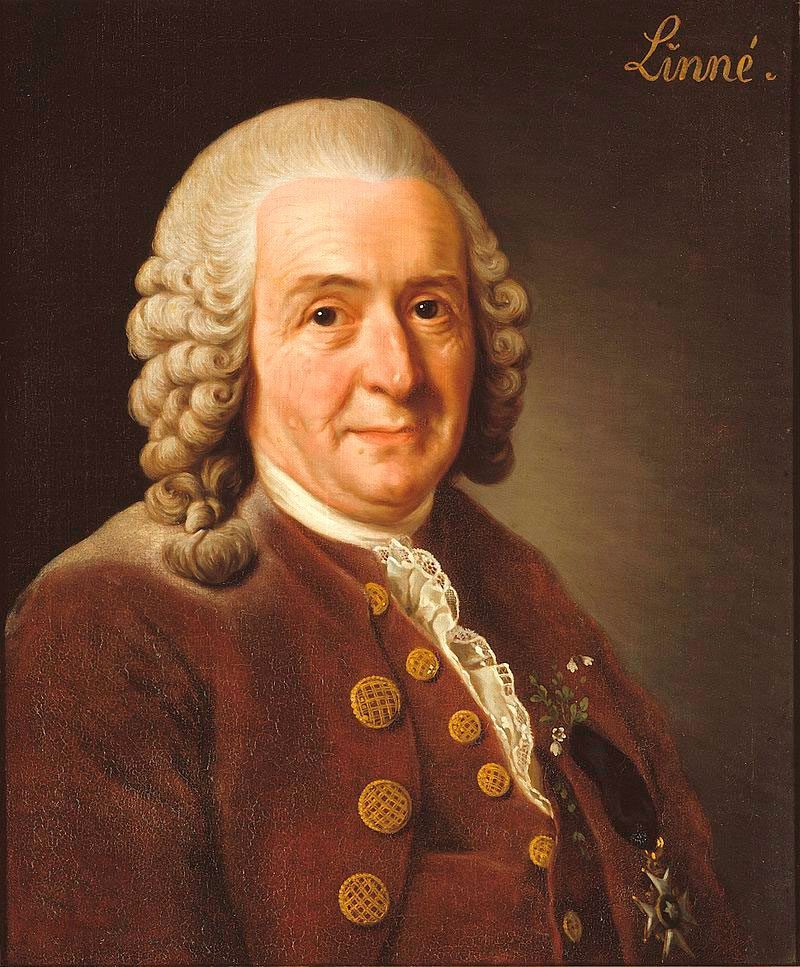
    William Jardine
    William Jardine

    Order: Psittaciformes
    Family: Psittacidae
    Genus: Poicephalus
    Scientific name: Poicephalus gulielmi
    Citation: (Jardine, 1849)
    Protonimo: Parrot gulielmi


    Images "Lorito Frentirrojo":

    ————————————————————————————————

    "Lorito Red Front" (Poicephalus gulielmi)


    Sources:

    Avibase
    – Parrots of the World โ€“ Forshaw Joseph M
    – Parrots A Guide to the Parrots of the World – Tony Juniper & Mike Parr
    – Birdlife
    – Arkive

    Photos:

    (1) – A Red-fronted Parrot at Birds of Eden, South Africa By Dick Daniels (http://carolinabirds.org /) (Own work) [CC BY-SA 3.0 or GFDL], via Wikimedia Commons
    (2) – Photograph of a couple of Poicephalus gulielmi By derivative work: Snowmanradio (talk)Poicephalus_gulielmi_pareja_reproductora. JPG: Juan Caparrรณs (Poicephalus_gulielmi_pareja_reproductora. JPG) [CC BY-SA 3.0 or GFDL], via Wikimedia Commons
    (3) – P. g. fantiensis at Birds of Eden, South Africa By Poicephalus_gulielmi_-Birds_of_Eden_-South_Africa-8a.jpg: Grahamderivative work: Snowmanradio [CC BY-SA 2.0], via Wikimedia Commons
    (4) – A juvenile pet Red-fronted Parrot (also known as Jardineโ€™s Parrot) By Bram Cymet (originally posted to Flickr as Amazon) [CC BY 2.0], via Wikimedia Commons
    (5) – Fledgeling Lesser Jardines Parrot eating vegetables By Kofiwannacracker (Own work) [Public domain], via Wikimedia Commons

    โ–ท The world of Pets: Dogs, cats, birds, reptiles, amphibians

    Norfolk Island Kaka
    Nestor productus โ€ 

    Norfolk Island Kaka

    Content

    Description:

    The Norfolk Island Kaka (Nestor productus) was their large with a bill, wings short and wide, and with legs and feet large.

    Norfolk Island Kaka

    I had 38 centimeters long. The top of his head era gris pardusca, while its face varied from yellow to orange, sometimes with a reddish tint. It was said that his Hip It was greenish yellow, and upperparts, including the wings, they were mostly greyish-brown in color, slightly darker than the top of the head, with the bottom of the back and rump orange or dark red and the tail brown. Upper chest It was brown and gray bottom bright yellow, with the belly and sides reddish orange (Forshaw & Cooper 1981, 2002; Greenway 1958).

    Its social structure and dispersion are not registered, but the Norfolk Island Kaka of New Zealand, he watched alone or in small groups of up 10 individuals (Higgins 1999).

    Habitat:

    Habit in the native forest in the Norfolk Island and about Phillip Island (Greenway 1958). The species could be observed both in the canopy of tall trees, and soil, the rocks (Gould, 1865, Greenway 1958).

    Given its endemism in the Norfolk Island, the Norfolk Island Kaka It was presumably sedentary.

    Reproduction:

    Little is known of reproductive cycle of the Norfolk Island Kaka; just put on record of four eggs in tree holes (Gould 1865).

    Food:

    It is known that he fed on nectar Flowers tree white wood (Lagunaria) (Gould 1865). Definitely should be more varied. The captive birds they ate lettuce and the leaves of other vegetables, as well as dairy meals and fruit juice (Gould 1865). Presumably he foraged in both the soil and the canopy (Gould, 1865).

    Distribution:

    Its range was about 15,5 hectares.

    It was endemic to the Norfolk island (in Australia) and nearby Phillip Island, Australia. It became extinct in the wild in mid-century 19 on Norfolk Island, and possibly a little later Phillip Island.

    The species is believed to have had a very limited ability to move between islands., and probably he spent his whole life on the island of his birth (Gould, 1865).
    In the Norfolk Island Kaka occasionally kept in captivity, as the birds were gentle and easy to capture alive (Gould 1865). The species He survived in captivity until after it had become extinct in the wild (Greenway 1958). There are no known captive populations and none has been reintroduced into the wild. The last known living bird was in captivity in London in 1851 (Garnett et to the., 2011).

    No made extensive studies for this species. But, there have been a series of ornithological studies in the Norfolk Island since the species disappeared from the island (p.ej. Bell 1990, Robinson 1988, Schodde et al., 1983, Smithers y Disney 1969), no signs have been found of the species.

    Conservation:

    โ€ข Current category of the Red List of the UICN: extinct.

    Rationale for the Red List category

    This species was known in the Norfolk Island, but it was Extinguished to mid 1800. It is believed that the elimination of habitat and hunting have been the main drivers.

    According to reports, was tame and, Therefore, hunted strongly convicts and early settlers and easily trapped as a pet.

    No information is available on the population size before its decline.

    "Norfolk Island Kaka" in captivity:

    They were captured by his meekness and they were common in the Norfolk Island

    Alternative names:

    Norfolk Island Kaka, Norfolk Island Kea, Norfolk Island Parrot, Norfolk Kaka (English).
    Nestor de Norfolk (French).
    Dรผnnschnabelnestor, Norfolkkaka, Norfolk-Kaka (German).
    Kฤkฤ-de-norfolk (Portuguese).
    Kaka de Norfolk (espaรฑol).

    John Gould
    John Gould

    scientific classification:


    Order: Psittaciformes
    Family: Strigopidae
    Genus: Nestor
    Scientific name: Nestor productus
    Citation: (Gould, 1836)
    Protonimo: produced Plyctolophus


    ยซNorfolk Kakaยป Images:

    ————————————————————————————————

    Norfolk Island Kaka (Nestor productus)


    Sources:

    Avibase
    – Parrots of the World โ€“ Forshaw Joseph M
    – Parrots A Guide to the Parrots of the World – Tony Juniper & Mike Parr
    Birdlife
    – Australian Government – Department of the Environment and Energy (Nest produced - Norfolk Island Kaka)

    Photos:

    (1) – Natural Science Curatorial Trainee – Birminghamโ€™s Norfolk kaka
    (2) – Nestor productus Gould, 1836 by Huub Veldhuijzen van Zanten / Naturalis [CC BY-SA 3.0], via Wikimedia Commons
    (3) – Nestor productus By Gould, 1836 [CC BY-SA 3.0], via Wikimedia Commons
    (4) – Norfolk Island in Kaka (Nestor productus). The last bird in captivity died in London in 1851. Specimen from the Zoological Museum in Firenze, Italy by Thomas WesenerFlickr
    (5) – Nestor productus By Gould, 1836 [CC BY-SA 3.0], via Wikimedia Commons
    (6) – The Norfolk Island in Kaka (Nestor productus) from the plate in the Bulletin of the Liverpool Museum. From the specimen in the Tring Museum by John Gerrard Keulemans [Public domain], via Wikimedia Commons