โ–ท The world of Pets: Dogs, cats, birds, reptiles, amphibians

Bronze winged Parrot
Pionus chalcopterus


Bronze winged Parrot

Content

Description:

28 to 30 cm.. tall and around 210 weight g.

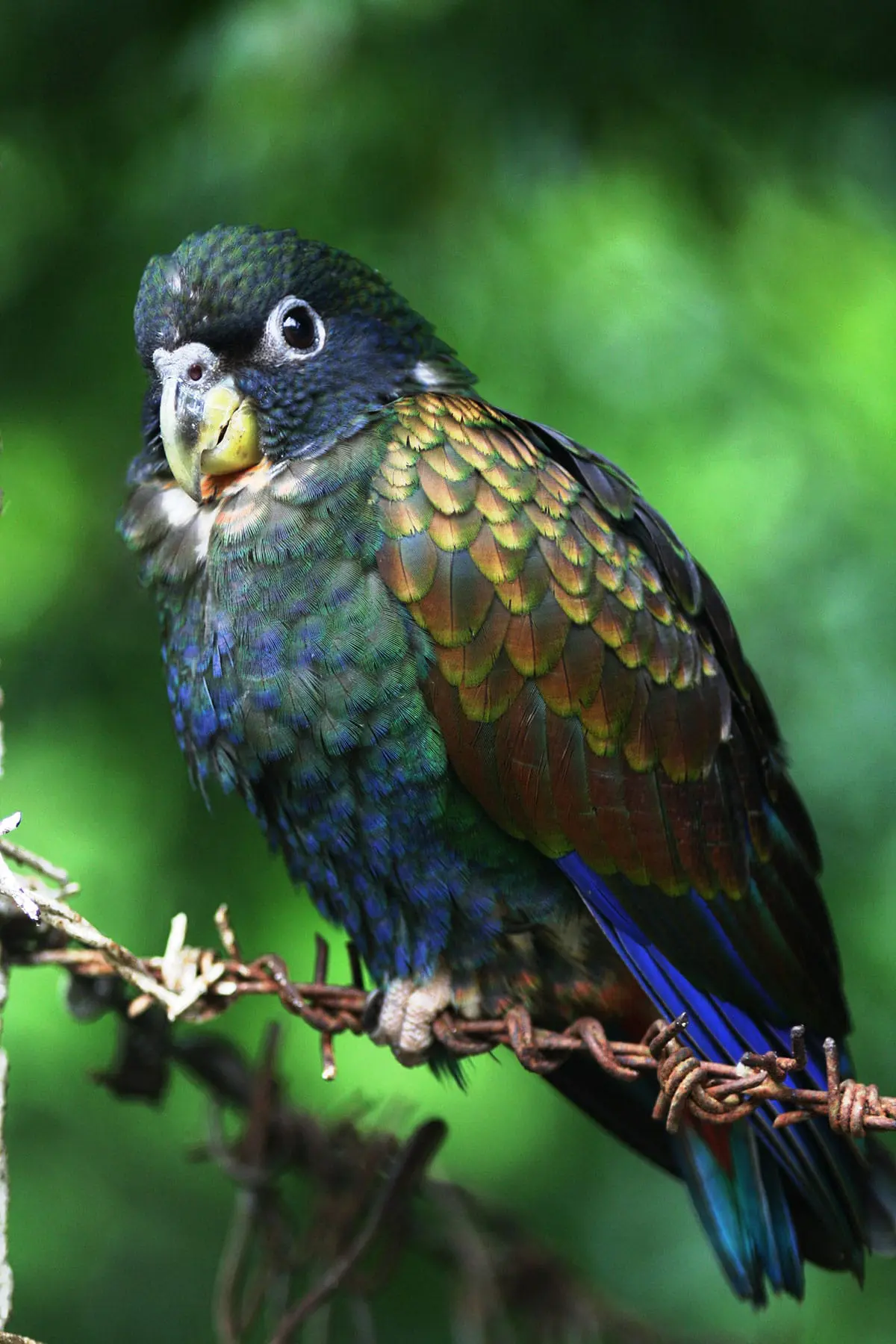
The Bronze winged Parrot (Pionus chalcopterus) has the general Brown, darker in head, neck, chest and flanks, This plumage with blue-violet edge.

The throat whitish and pink; wings bronze green.

Flight is evident violet blue at the top of the wing the Green bottom, that contrasts with the Red of the lower abdomen. Dorsally Violet Blue is notorious in the rump, shoulder and tail. The feathers of the tail are dark blue with a shade of red at the base.

The bill is of color beige, area of naked skin surrounding the eyes of pink. The legs They are pink.

Habitat:

It inhabits in humid jungle, semi-humid, crops and forest edge between 120 and 2800 m.

They are birds gregarious and noisy. Every tomorrow is mobilized in flocks in search of food. Within the flocks are can observe to the couples, that form of life, and who interact with a variety of contact behaviors that reaffirm the marital bond.

Reproduction:

Prefer for their nests broken rods, hollow of logs and palm trees. They nest in the months of October-may. The female often put in two to four eggs they are incubated during three weeks approximately, after which are born them chicks naked or just covered with down. The chicks remain with their parents until the next reproductive shekel.

Food:

Will congregate in cornfields in groups up to of 40 individuals, feeding is of pulp and seeds many fruits and other material ingredients as nectar and flower petals, complementing occasionally its diet with insects.

Distribution:

Its population is distributed by the mountain range of the Andes, from Colombia, Northwest of Venezuela; to the South, by the mountains to the Northwest of Peru.

Conservation:
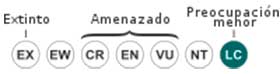

minor concern


โ€ข Red List category of the UICN current: Least concern

โ€ข Population trend: Decreasing

The size of the population World of the Bronze winged Parrot It has not been quantified, but this species is described as ‘rare‘ (Stotz et to the., 1996).

The population was suspected of being in decline due to ongoing habitat destruction.

This species is characterized be decreasing in Colombia and West Ecuador, due to the logging of forest subtropical, which has been severe and quick on the slopes of the Andes (Juniper and Parr 1998).

The evident anecdotal, based on the frequency of sightings, suggests that the species has declined in Pineapples, South of Ecuador, in recent years c.15-20 (M. By D Sanchez. Dรญaz in litt. 2011). Also is says that has been extirpated from areas previously occupied as the slopes of them Andes and valleys of the Cauca and the Magdalena river in Colombia, again due to loss of habitat (Juniper and Parr 1998).

In Venezuela the species is scarce and local, limited, to a large extent, to the slope West of them Andes in Mรฉrida and Sierra de Perija, with occasional records in Tรกchira (CJ Sharpe in litt. 2011). These areas have experienced rapid deforestation for at least the last few 24 years for cultivation and livestock.

Surveys conducted in the Northwest of Peru in the decade of 1990 they appeared to detect a sharp decrease in population from 1993 (Rosales et to the., 2007), although this species is known to be nomadic and its local numbers can fluctuate.

"Bronze winged Parrot" in captivity:

Rare in captivity, It is not a main target of poachers (CJ Sharpe in litt. 2011, R. Clay in litt. 2011), although it is still present in the illegal trade of Peru (F. Angle in litt. 2011)

Intelligent, playful and curious. You can be nervous, loving with your caregiver and aggressive with other people. It has a tendency to obesity.

It requires a spacious cage unless the bird pass periods of time outside of it. Not must keep is to open air where the temperatures fall below them 5 ยฐC.

With feed a wide variety of seeds, fruits and berries.

It is a relatively healthy bird, While it may be more susceptible to infection aspergillosis that other species.

In captivity they lay two eggs the incubation takes 26 days.

Alternative names:

Bronze winged Parrot, Bronze-winged Parrot (English).
Pione noire, Pionus noir (French).
Glanzflรผgelpapagei, Glanzflรผgel-Papagei (German).
Curica-asa-de-bronze (Portuguese).
Cotorra Oscura (Colombia).
Cotorra Negra (Venezuela).
Cotorra Oscura, Loro Alibronceado, Loro de Alas Bronceadas, Cheja alibronceada (espaรฑol).

scientific classification:

Order: Psittaciformes
Family: Psittacidae
Genus: Pionus
Scientific name: Pionus chalcopterus
Citation: (Fraser, 1841)
Protonimo: Psittacus chalcopterus

Images "Bronze winged Parrot"

Videos "Bronze winged Parrot"

ยซLoro Alibronceadoยป (Pionus chalcopterus)

Sources:

  • Avibase
  • Parrots of the World โ€“ Forshaw Joseph M
  • Parrots A Guide to the Parrots of the World – Tony Juniper & Mike Parr
  • Birdlife

  • Photos:

(1) – IBC.lynxeds.com
(2) –
(3) –
(4) –
(5) –

โ–ท The world of Pets: Dogs, cats, birds, reptiles, amphibians

Coconut Lorikeet (massena)
T. haematodus massena


Coconut Lorikeet (massena)

Content

Description (1)

25 cm.. length.

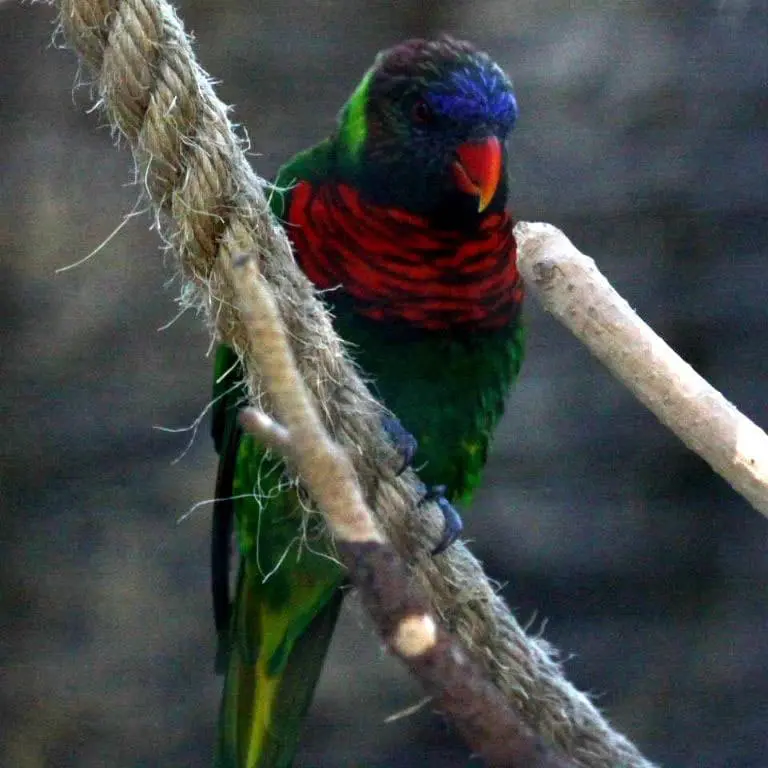
The Coconut Lorikeet (massena) (Trichoglossus haematodus massena) is a variation of the nominal (Trichoglossus Haematodus).

The plumage is similar to the of the Ornate Lory except that it is usually paler. The head is blue, ending at the nape with dark brown feathers interspersed with more Brown clear. The chest is reddish color with a narrow dark blue edging. In some cases, You can see some yellow zones in chest plumage. The abdomen is green; but there may be some kind of marking on the lower abdomen blue-violet.

The eyes are orange brown in juveniles and adult. The beak is orange-red.

Distribution:

Bismarck Archipelago, Solomon Islands and Vanuatu.

Conservation:

This species is endangered due to habitat loss and capture for the pet trade.

Alternative names:

Coconut Lorikeet (massena) (ingles).
Loriquet ร  tรชte bleue (massena) (French).
Allfarblori (massena) (German).
Lรณris-arco-รญris (massena) (Portuguese).
Lori Arcoiris Massena, Tricogloso de Pecho Rojo (massena) (espaรฑol).

scientific classification:

Order: Psittaciformes
Family: Psittaculidae
Scientific name: Trichoglossus haematodus massena
Genus: Trichoglossus
Citation: Bonaparte, 1854
Protonimo: Trichoglossus massena

————————————————————————————————

    (1) – Subspecies Coconut Lorikeet (Trichoglossus haematodus)

————————————————————————————————

ยซLori Arcoiris Massenaยป (Trichoglossus haematodus massena)


Sources:

Avibase

Photos: animalphotos.me

โ–ท The world of Pets: Dogs, cats, birds, reptiles, amphibians

Ultramarine Lorikeet
Vini ultramarina

Ultramarine Lorikeet

Content

Description

The Ultramarine Lorikeet (Vini ultramarina) has a length of 18 cm.. and an approximate weight of 35 g..

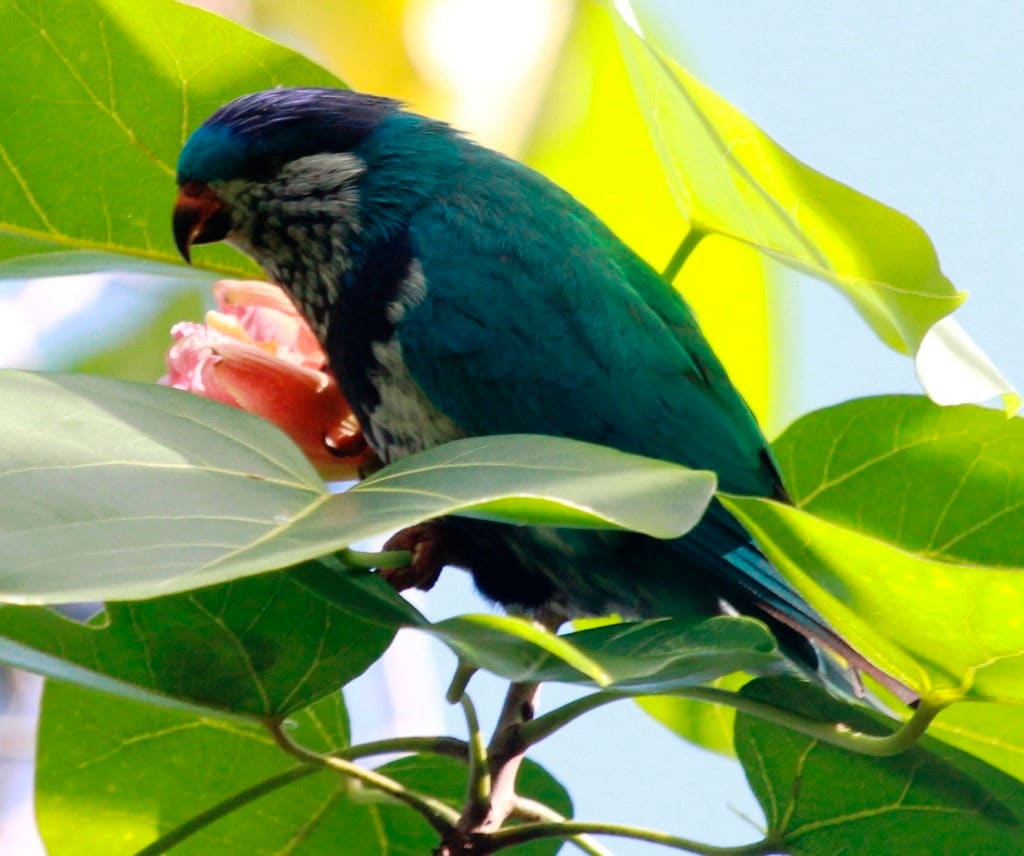
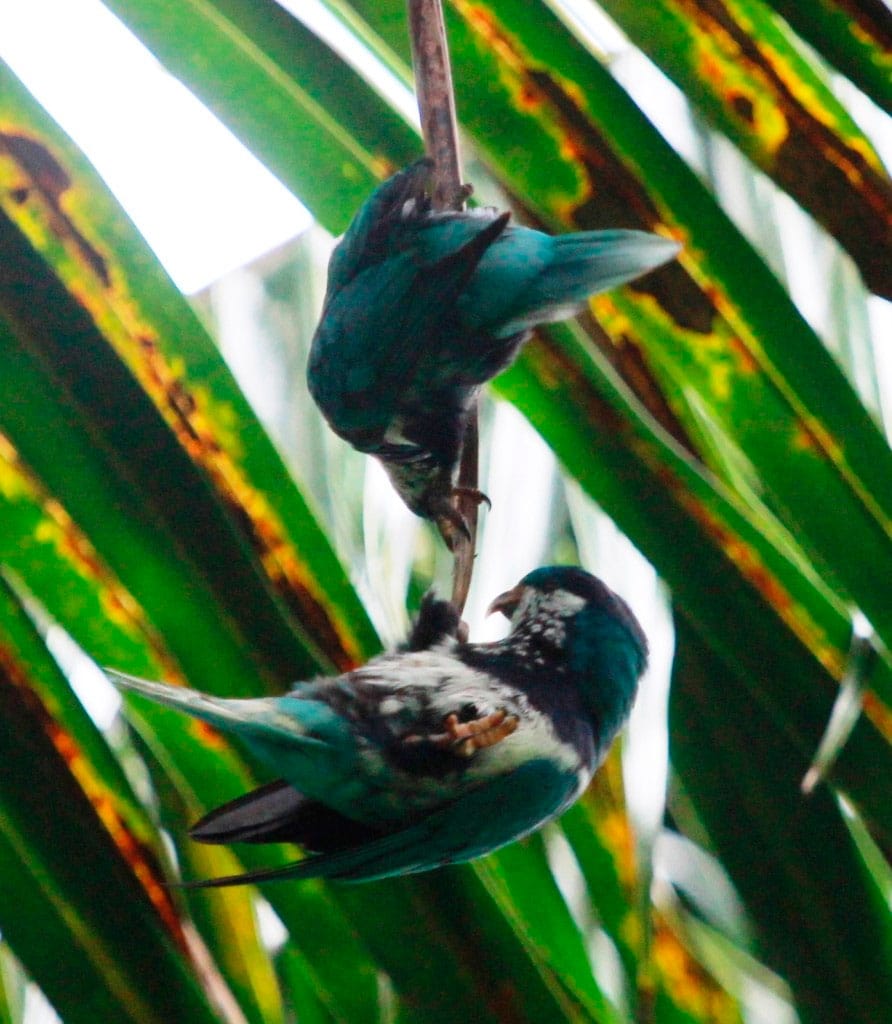
Forehead bright navy blue iridescent; crown and nape Mallow dark blue with streaks of light blue; lores and spots on ear-coverts, white (bases of ear-coverts, purple and blue color). Mantle and covert wing, Navy blue; rump and tail coverts, dark blue light. The flight feather, light blue, blackish internal. Blue off the Underwing coverts. Throat dark blue with white speckles; in the band chest mauve blue with รกrea subterminal pale blue feathers. Belly blank slate bases in feathers, giving a mottled appearance; the thighs dark blue malva; coverts, Turquoise.

The uppertail-coverts, whitish blue with navy blue light diffuse in the outer margins;
undertail coverts whitish merged with navy and some irregular gray markings.

Bill yellow orange, upper jaw, blackish brown at the base; irises brownish yellow; the orange legs.

Both sexes are equal but the female It is slightly smaller.

The immature adult differ by the absence of white on underparts, they are uniformly blackish. Also by bill black, irises Dark Brown and legs orange-brown.

Habitat:

In the Decade of 1970 in Nuku Hiva, these parrots were found only in pristine forests (that they have not been touched and that it is in its original condition) on the 700 m.

There is a similar habitat preferences in UA Pu, where are located mainly in montane forests between 700 and 1.000 m. Populations have also been of Ultramarine Lorikeet in banana plantations, coconut and mango (Mangifera indica), in coastal areas.

The species seems to have a wider range of habitat preferences in UA Pu., being found at altitudes ranging from the coast to wooded crests.

They feed in trees with flowers, especially coconut trees and Erythrina.

Loud and lively; the birds move freely between the canopy and lower floors, allowing the human approach. They usually travel in pairs or groups of up to a dozen of individuals. Most of its flights are made below the level of the trees, but for longer distances they rise spiral up to considerable heights.

Extremely Active, rarely long they stay in a tree and feeds using the peak acrobaticamente support.

Reproduction:

The nesting of these birds is from June to August.

It nests in hollow trees, preferring Artocarpus altilis, Pometia, Pandanus tectorius and Hibiscus tileacus. Sometimes they use the old nest of another species. They lay two white eggs.

A captive breeding record gives the chick eight weeks to become independent.

Food:

It feeds on a great variety of trees in flower, nectar and pollen. Within your preferences are the flowers of the coconut palm, the native tree and banana Hibiscus tileaceus.

It also feeds on fruits, especially mango and insects.

Distribution:

Size of its range (reproduction / resident): 100 km2

The Ultramarine Lorikeet is endemic of the Marquesas Islands, of Nuku Hiva, UA Pu and UA Huka, Although fossil remains show that previously most widely spread.

In UA Pu the population was estimated at 250-300 couples in 1975. But in 1988 had shrunk around the 60%, probably due to the spread of rats Rattus rattus, and a hurricane in 1988, Although its effects on the population of birds are uncertain.

In Nuku Hiva the small population of around of 70 birds that inhabited the high valleys and ridges in the northwestern part of the island, between 700 and 1.000 d., You can that they are now extinct.

The majority of the population, to this day, remains in UA Huka, where the species was introduced in 1940. This population would have grown from 200 to 250 couples in the late 1970s and was considered abundant in 1990 at altitudes environment to the 500 d., with a population estimated between 1.000 and 1.500 birds. The main threat to the species, here, is the potential arrival of rats, and between 1993 and 1994, 14 Ultramarine Lorikeet they were moved to Fatu Hiva in an attempt to keep them safe from rats; But, habitat deterioration by grazing mammals and avian malaria, also they have been and are still potential factors to increase the vulnerability of this species.

Conservation:


Endangered


โ€ข Current IUCN Red List category: Danger.

โ€ข Population trend: Decreasing.

CITES Appendix I. in danger of extinction.

The entire population is located on an island where the species is stable, in other islands recently has been extinguished. The general trend is suspected to be a slow and continuous decrease. If the black rats come to UA Huka the decrease will be quick and severe.

Other threats included are logging in some sectors of the habitat of the Ultramarine Lorikeet to plant crops, fruit trees, and use the trunks for woodcarvings for tourism.

"Ultramarine Lorikeet" in captivity:

Extremely rare.

Alternative names:

Ultramarine Lorikeet, Marquesas Lorikeet, Ultramarine Lory (ingles).
Lori ultramarin, Lori de Goupil, Lori des Marquises (French).
Ultramarinlori (German).
Loris Vini Ultramarine (Portuguese).
Lori Ultramar, Lori Ultramarino (espaรฑol).

scientific classification:

Order: Psittaciformes
Family: Psittaculidae
Scientific name: Vini ultramarina
Citation: (Kuhl, 1820)
Protonimo: Psittacus ultramarinus

Images ยซOverseas Loryยป:

Videos "Ultramarine Lorikeet"

————————————————————————————————

ยซLori Ultramarยป (Vini ultramarina)


Sources:

Avibase
– Parrots of the World โ€“ Forshaw Joseph M
– Parrots A Guide to the Parrots of the World – Tony Juniper & Mike Parr
– Birdlife

Photos:

1 – Miles to the wild – link
2 – Miles to the wild – link
3 – Miles to the wild – link
4 โ€“ An adult bird perched on a palm tree – Author Josep del Hoyo – IBC.lynxeds.com
5- A juvenile bird feeding in a tree. – Author Josep del Hoyo – IBC.lynxeds.com

Sounds: Mark Todd (Xeno-canto)

โ–ท The world of Pets: Dogs, cats, birds, reptiles, amphibians

Red-throated Lorikeet
Charmosyna amabilis

Red-throated Lorikeet

Content

Description

18 cm.. length.

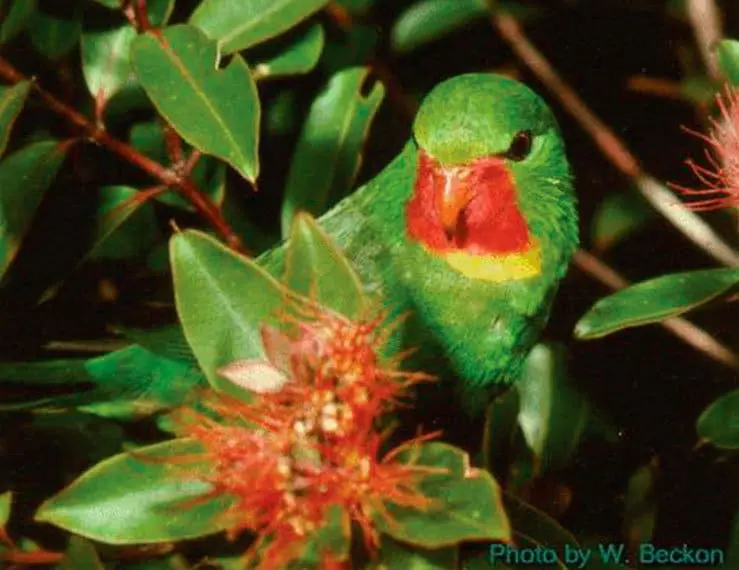
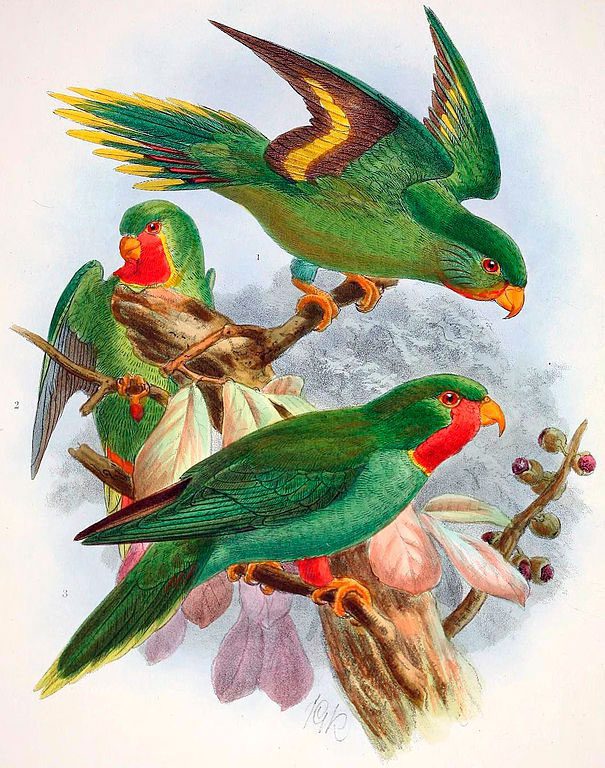
The head of the Red-throated Lorikeet (Charmosyna amabilis) is green with lores and chin red. Upperparts green. Wings internal and ends with green feathers flight feather color black. Throat red, bordered below by a narrow yellow collar; rest of the underparts with a yellowish green that upperparts, particularly in the center of belly; the thighs red. The tail above green a little darker than the rump, with yellow ends; undertail yellow. Bill orange; irises yellow; legs orange-red.

Male and female are equal.

Immature generally duller. The the thighs dull purple. The yellow band throat much weaker than in adults and the red facial and marks throat more restricted.

Habitat:

Move by tropical forests, mainly over the 500 m. Son nomads and fly in pairs or small flocks of 5-8 birds in search of flowering trees, uniting to feed on flowers, nectar and pollen. They prefer to feed in the canopy, and although it is apparently ejected away from the areas of power by the aggressive Collared Lory, Holyoak He found two species feeding on the same tree during his remarks in 1973.

Reproduction:

Breeding and nesting habits unknown.

Food:

They feed actively, to often hung upside down to get to flores.

Distribution:

Size of the area of distribution (reproduction / resident): 37.100 km2

endemic to the Fiji Islands where it is rare and usually only moves above 500 meters and below 1.000 m. Is distributed between in Viti Levu, Ovalau (where it may now be extinct), Vanua Levu and Taveuni. In 1973 Holyoak found at a Red-throated Lorikeet on a wooded Ridge around 250 metres in Viti Levu, species you saw or heard on five different days while exploring Taveuni thinking that the species was widespread in the rainy forests at an altitude between 550 and 1,000 m. The species was also recorded in rainforests between 120 meters and 980 feet by Martyn L. Gorman (1975), but it is said that they are rare. These records are among the few documented sightings of this century. The world's population is believed to be of less than 10.000 specimens. Despite its apparent rarity, This species may be overlooked due to their unobtrusive plumage and behavior.

Conservation:


critical hazard


โ€ข Current IUCN Red List category: Critical Hazard

โ€ข Population trend: Decreasing

Threats to the lowlands and hills of the forest is slowly being erased much of Fiji. But, the rarity and assumed decline of this species is probably largely the result of predation by introduced mammals, especially Black Rat (Rattus rattus) , as it is the case with the closely related New Caledonian Lorikeet (Charmosyna diadema).

Increases in course in the logging and the expansion of the road network, especially around the Highlands of Monasavu and Serua in Viti Levu, It is likely that you have caused an increase of the density of these rats (Watling 2000, G. Dutson in litt. 2005). The Indian Brown Mongoose (Herpestes fuscus) introduced, is also present in the areas of distribution of the Red-throated Lorikeet and it can be a threat (V. Masibalavu in litt. 2012).

Agricultural expansion is encroaching on primary forest in Taveuni. Have a distribution in mountains close to the maximum altitude within its distribution area, It also makes this potentially susceptible species to climate change (BirdLife International).

Is species is protected by the laws of Fiji. In Viti Levu, dwells within the Tomaniivi nature reserve, but this is not large enough to maintain a resident population and, Despite the creation of the extension Wabu proposal to make a reservation of adequate size, this would not provide better protection against rats if the reserve is kept unmanaged (D. Watling in litt. 2000)

"Red-throated Lorikeet" in captivity:

Unknown in captivity.

Alternative names:

Red-throated Lorikeet, Red throated Lorikeet (ingles).
Lori ร  gorge rouge (French).
Rothรถschen (German).
Lori de Garganta Roja, Lori Gorgirrojo (espaรฑol).

scientific classification:

Order: Psittaciformes
Family: Psittaculidae
Scientific name: Charmosyna amabilis
Citation: (Ramsay, 1875)
Protonimo: Trichoglossus (Glossopsitta) amabilis

————————————————————————————————

ยซOn Gorgirroยป (Charmosyna amabilis)


Sources:

Avibase
– Parrots of the World โ€“ Forshaw Joseph M
– Parrots A Guide to the Parrots of the World – Tony Juniper & Mike Parr
– Birdlife

Photos:

1 – (Photo by Bill Beckon, 1973)
2 – Charmosyna amabilis By Artwork by John Gerard Keulemans (1842-1912). [Public domain], via Wikimedia Commons

โ–ท The world of Pets: Dogs, cats, birds, reptiles, amphibians

Sula hanging parrot
Loriculus sclateri

Hanging of the Sula

Content


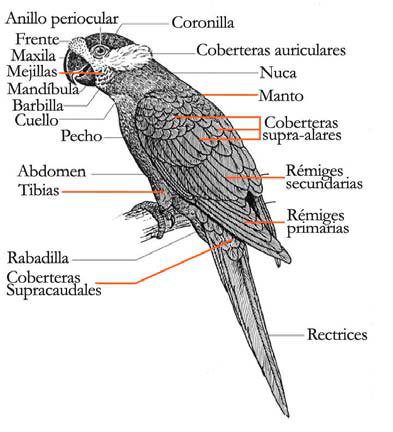
Anatomy-parrots

Description

14 cm.. length.

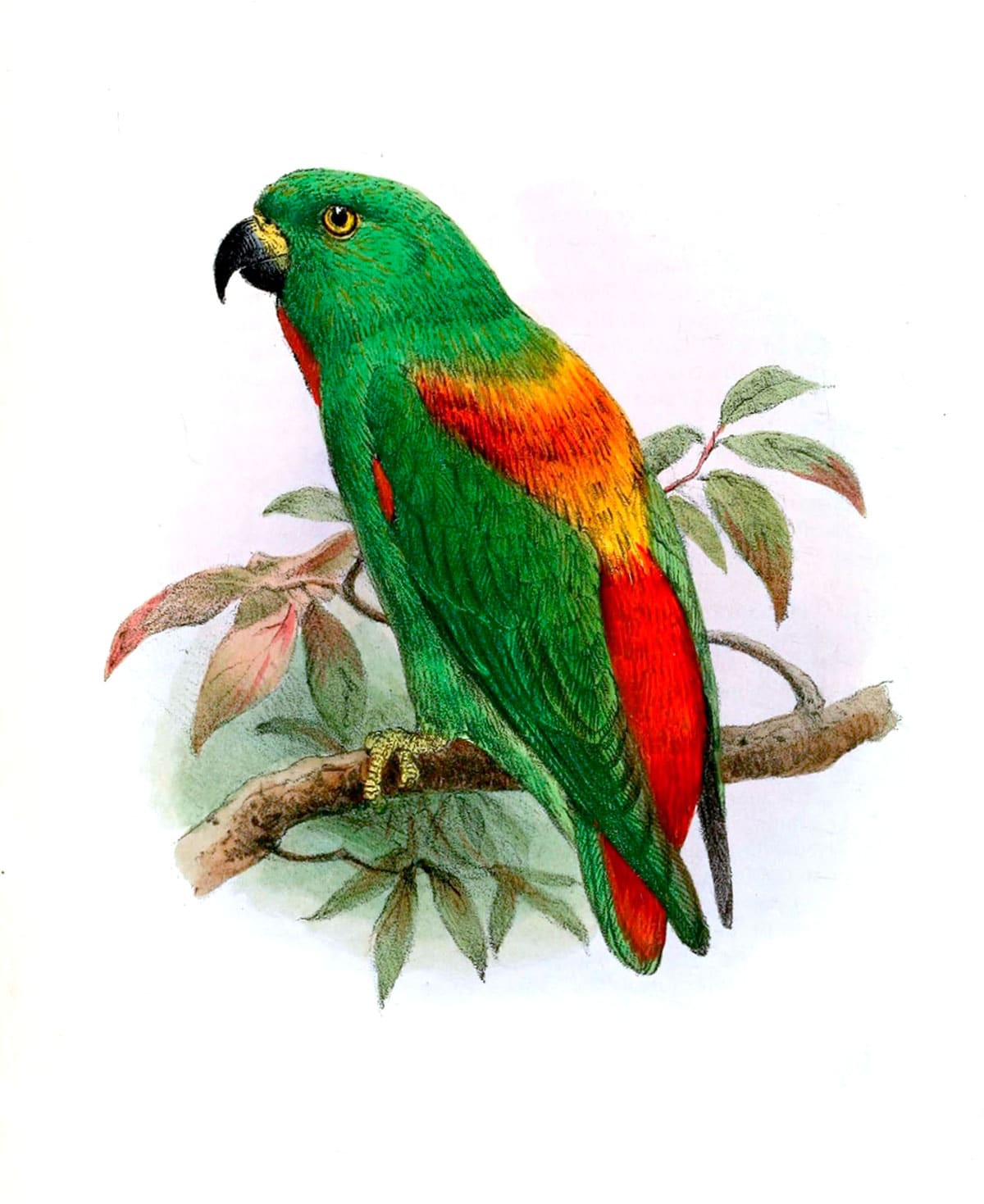
The plumage of the Sula hanging parrot (Loriculus sclateri) is mostly green.

The chin and throat They are red. There are orange-yellow markings on the mantle and in the back. The coverts, rump and tail upper are crimson, extending to the tip of the tail. Carpal edge red (Wing attack on the "shoulder"). The tail It is green with yellow-green tip. The bill is black.

the female has the irises brown, While the male is pale yellow.

To the Sula hanging parrot Sometimes I have treated as a subspecies of the Moluccan hanging parrot, but the two are treated as separate species based on its clear differences in plumage and size.

Description 2 subspecies

  • Loriculus sclateri ruber

    (Meyer,AB & Wiglesworth, 1896) – Similar to the nominal species but red in the mantle and back.


  • Loriculus sclateri sclateri

    (Wallace, 1863) – Nominal.

Habitat:

They are generally distributed in humid areas of subtropical primary and secondary forests or lowland tropical forests. until 450 meters above sea level – mainly on the edge of the forest. Can also be seen in remaining tall trees in plantations and cultivated areas.

viewed solos, or pairs or small groups.

Reproduction:

The first breeding season begins in January and lasts until April; and if conditions are right, breeding activities can once again be observed from July to September.

Nest trunks of dead trees, favor of the narrow hollow long with small entrance holes. Noticed it a female carrying nesting material, that can include pieces of bark, leaves and feathers for lining of the nest. Sunset You can consist of 2 to 4 white eggs. Single the female incubates the eggs during 20 days, While the male feeds it. Each egg measures of ~ 15 mm to 18,7 mm.

Food:

Its diet natural It consists mainly of red fruits – particularly wild figs, guava and berries, as well as flower buds and flowers. They also feed on nectar and seeds.

Distribution:

Size of the area of distribution (reproduction / resident): 30.800 km2

endemic to the Sula Islands (Taliabu, Mangole and Sanana), as well as of Banggai in Sulawesi (formerly known as Celebes)

Distribution 2 subspecies

Conservation:


minor concern


โ€ข Current IUCN Red List category: Least concern

โ€ข Population trend: Stable

The size of the world population It has not been quantified, but the species is described as common in its range (pit et to the. 1997).

The population is suspected to be stable in the absence of evidence of any reduction or substantial threats.

A possible threat to its existence are the capture for the bird trade and habitat loss.

"Sula hanging parrot" in captivity:

Practically unknown in captivity.

Alternative names:

Sula Hanging-Parrot, Sula Hanging Parrot, Sulu Hanging Parrot (ingles).
Coryllis de Sclater, Coryllis des Sula (French).
Sulapapageichen (German).
Loriculus sclateri (Portuguese).
Lorรญculo de las Sula (espaรฑol).

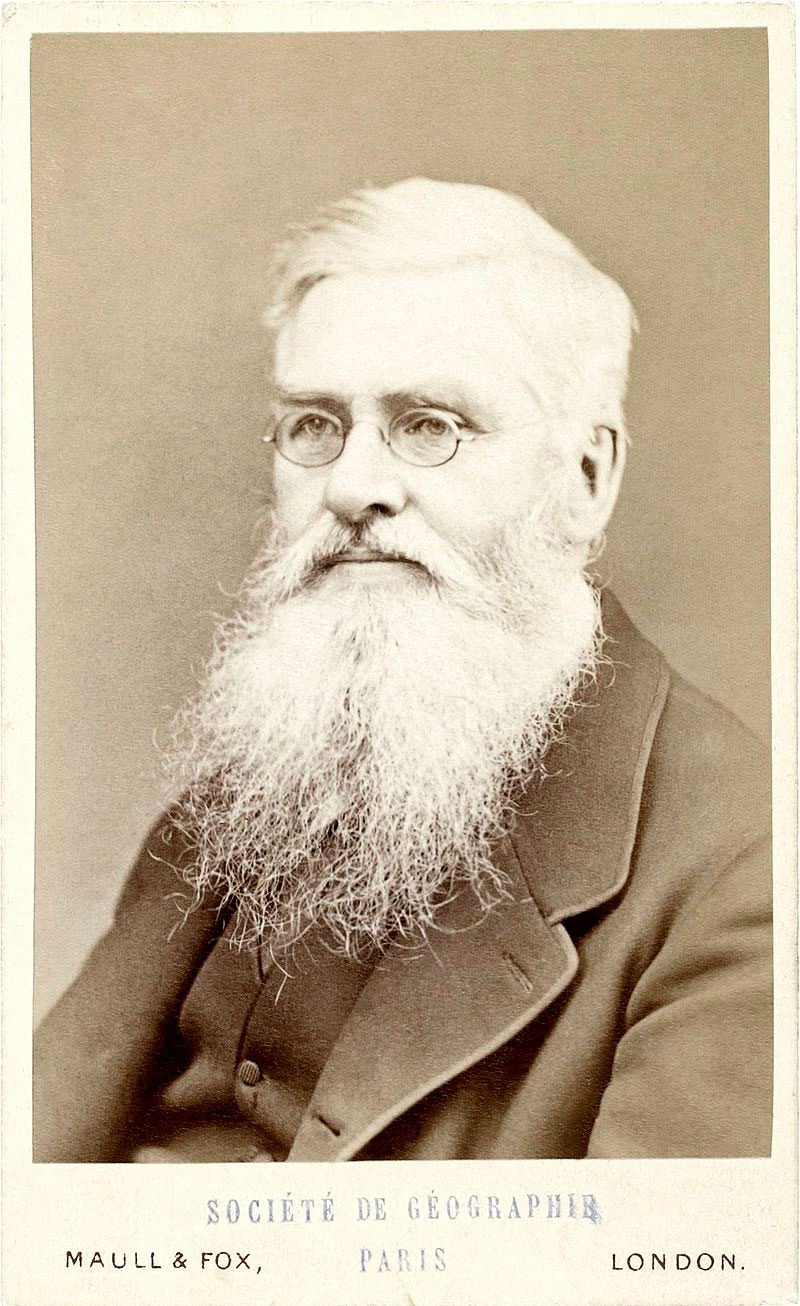
Alfred Russel Wallace

scientific classification:


Order: Psittaciformes
Family: Psittaculidae
Genus: Loriculus
Scientific name: Loriculus sclateri
Citation: Wallace, 1863
Protonimo: Loriculus sclateri


Images "Sula hanging parrot"

Videos "Sula hanging parrot"

————————————————————————————————

"Loricle of the Sula" (Loriculus sclateri)


Sources:

Avibase
– Parrots of the World โ€“ Forshaw Joseph M
– Parrots A Guide to the Parrots of the World – Tony Juniper & Mike Parr
– Birdlife
beautyofbirds

Photos:

(1) – ยซLoriculussclateriwolfยป by Joseph Wolf – Proceedings of the Zoological Society of London 1862 (Web). Licensed under Public Domain via Wikimedia Commons.

Sounds: Peter Wilton (Xeno-canto)

โ–ท The world of Pets: Dogs, cats, birds, reptiles, amphibians

Singing Parrot
Geoffroyus heteroclitus

Parrot Heteroclito

Content

Description

25 cm.. length and a weight between 160 and 195 g..

The Singing Parrot (Geoffroyus heteroclitus) they have the head bright pale yellow.

A band Large blue-gray adorns the back of neck and gradually it fades in green on the the mantle. The throat is bluish grey. All upperparts are light green. The median stained reddish brown. You can see the pale yellow stripes on the innerwebs of the flight feather. The underparts is bright blue. Upper chest is blue-gray, which contrasts with the rest of the underparts, that are of a much lighter green back. The upper part of the tail is green. The bottom of the tail is grey, but with a slight yellow color in the outerweb external feathers tail.

The upper jaw is of color yellow pale, the dark gray lower jaw. The irises are yellow, the legs gray-green.

The sexes are dimorphic. The female has a bill totally dark. Yellow beginning of the head and neck greenish blue are away. In its place, the top It is gray and cheeks They are brownish green.

Immature show greener on the head than females. Its bill is paler and its irises dark.

Description 2 subspecies

  • Geoffroyus heteroclitus heteroclitus

    (Hombron & Jacquinot, 1841) – The nominal.


  • Geoffroyus heteroclitus hyacinthinus

    (Mayr, 1931) – Males have neck gray violรกceo.

Habitat:

The Singing Parrot frequent humid lowlands, undisturbed, Hills generally below and of the 600 meters up to a maximum of 1.760 meters in the South of New Ireland . They are also partially cleared areas, at the edge of forests, in stands of trees in regeneration and in gardens.

The birds, often, they are heard when they make calls from the exposed or isolated trees, or view flying rapidly above the canopy.

They are alone, in pairs, or having relationships in small groups. There have been next to the Cardinal Lory and Duchess Lorikeet in Bougainville. They are often calm and difficult to detect when they remain perched among the dense foliage.

Reproduction:

The nest is a hole dug by the female in a dead tree stump or rotten, but nothing more is known about the breeding ecology of the species.

Food:

The diet It includes seeds, fruit, flowers and buds.

Distribution:

Size of the area of distribution (reproduction / resident): 576.000 km2

The Singing Parrot They are endemic Bismarck Archipelago and Solomon Islands. These birds are found in the following Islands: Umboi, New Britain, Lolobau, Duke of York, New Ireland, New Hanover, Tabar, Lihir, Buka, Bougainville (Papua New Guinea). It can also be seen in Choiseul, Santa Isabel, San Jorge, Malaita, New Georgia, Guadalcanal and all the little Islands Rennell (Solomon Islands).

Distribution 2 subspecies:

  • Geoffroyus heteroclitus heteroclitus

    (Hombron & Jacquinot, 1841) – The nominal.


  • Geoffroyus heteroclitus hyacinthinus

    (Mayr, 1931) – present only in the Rennell island.

Conservation:


minor concern


โ€ข Current category of the Red List of the UICN: Least concern.

โ€ข Population trend: Stable.

The world population it is generally estimated at just less than 100.000 specimens.

The subspecies that lives in Rennell Island is between 5.000 and 20.000 birds.

The Singing Parrot It suffers from the degradation of habitat throughout its area of distribution, but is not in danger.

"Singing Parrot" in captivity:

Extremely shy and touchy; they may die suddenly without discernible cause, possibly due to stress and improper diet.

Not commonly found in poultry.

Alternative names:

Singing Parrot, Song Parrot (ingles).
Perruche hรฉtรฉroclite, Eclectus hรฉtรฉroclite, ร‰clectus hรฉtรฉroclite (French).
Bismarckpapagei (German).
Geoffroyus heteroclitus (Portuguese).
Lorito Cantor, Lorito Heterรณclito (espaรฑol).

scientific classification:

Order: Psittaciformes
Family: Psittaculidae
Genus: Geoffroyus
Scientific name: Geoffroyus heteroclitus
Citation: (Hombron & Jacquinot, 1841)
Protonimo: Psittacus Geoffroyi heteroclitus

Images "Singing Parrot"

Videos "Singing Parrot"

————————————————————————————————

โ€œLorito heterroclitoยป (Geoffroyus heteroclitus)

Sources:

Avibase
– Parrots of the World โ€“ Forshaw Joseph M
– Parrots A Guide to the Parrots of the World – Tony Juniper & Mike Parr
Wikipedia

Photos:

(1) – Birds-pet-wallpapers

Sounds: Mark Todd (Xeno-canto)

โ–ท The world of Pets: Dogs, cats, birds, reptiles, amphibians

Meyer's Parrot
Poicephalus meyeri


Lorito de Meyer

Content


Description:

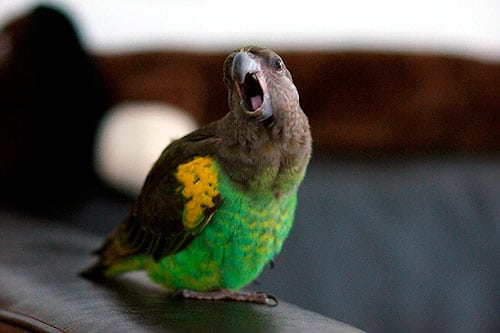
21 cm. and a weight of 100-130 g..

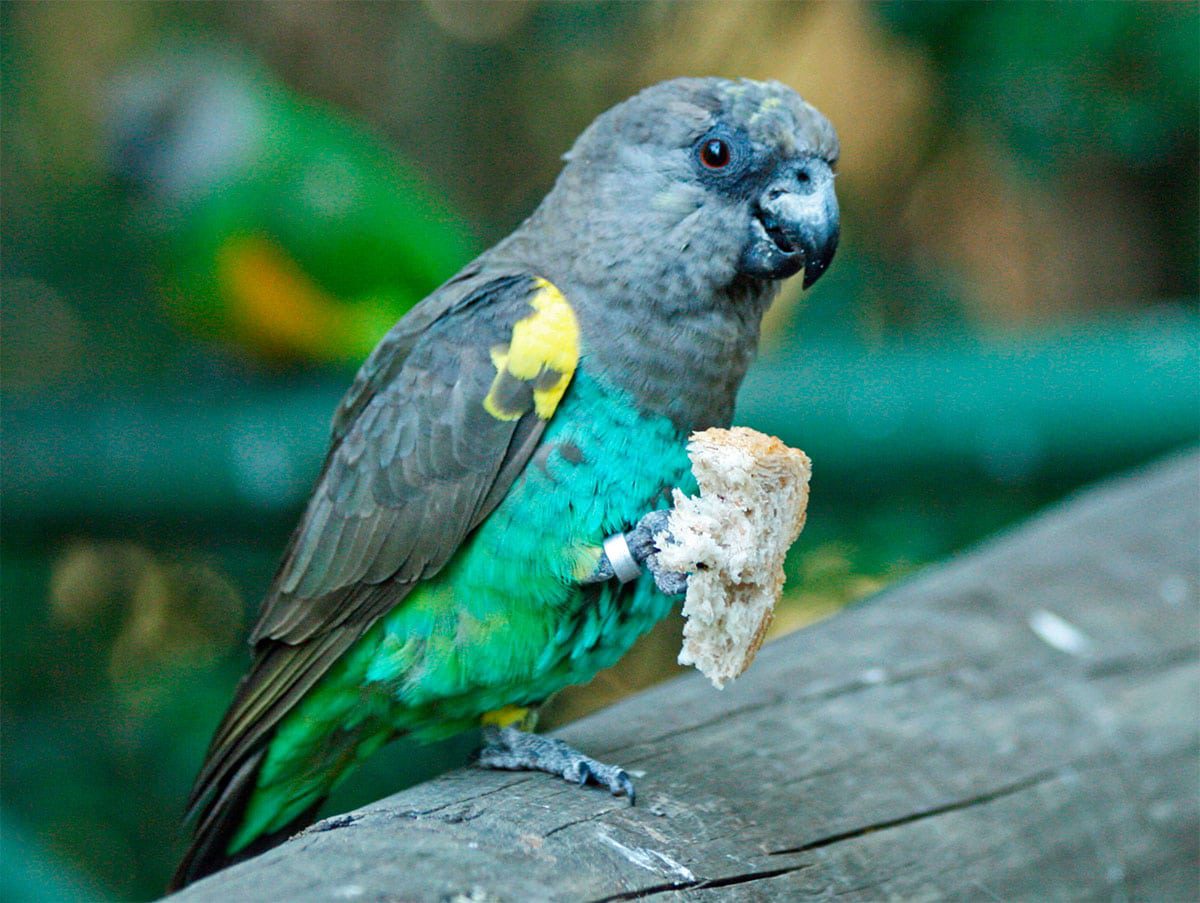
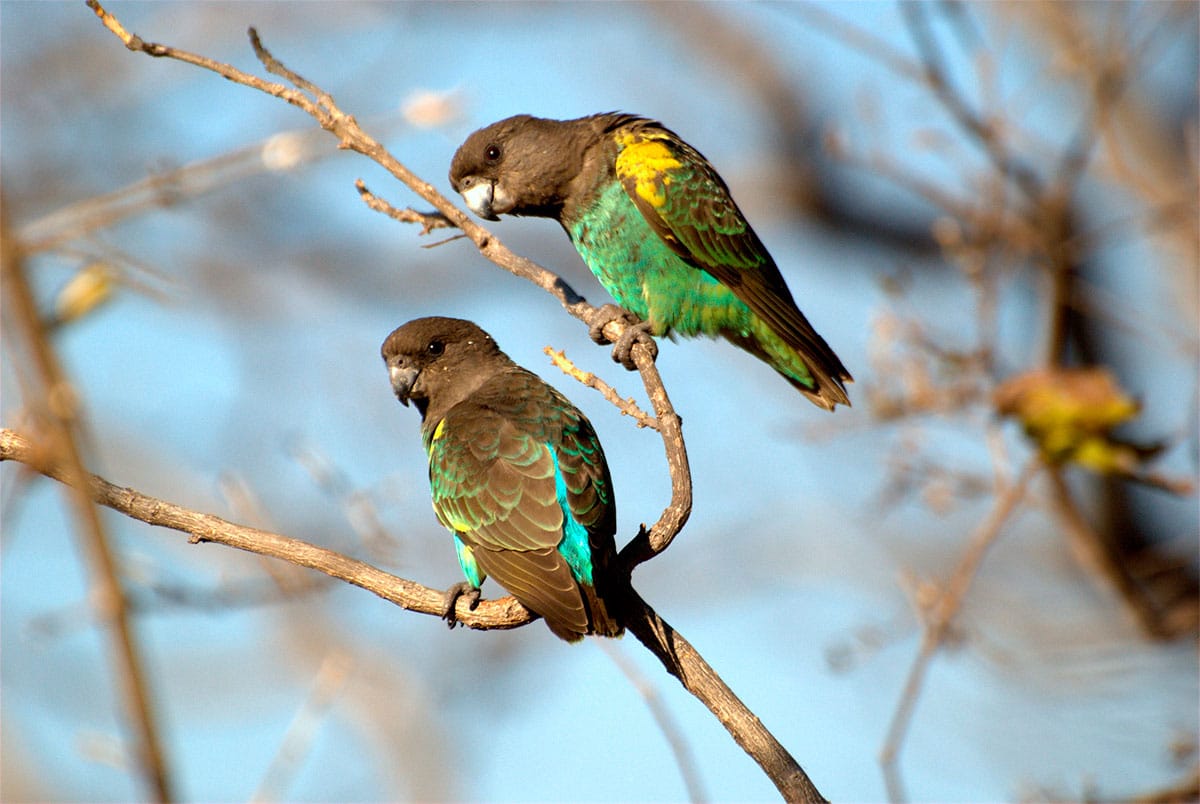
The Meyer's Parrot (Poicephalus meyeri) has the forecrown, lores, cheeks, ear-coverts and ash Brown nape; crown bright yellow. The mantle feathers ash brown edges blue or cyan dye in some birds; scapulars brown ash, some individuals show Tips blue or greenish blue; rump bright turquoise or teal; uppertail-coverts green. Outermost children and wing-coverts above bright yellow, other variables showing green tints, especially towards Tips. The primaries and high schools ash Brown with paler narrow margins to vane outer.

feathers of the wings, undertail, bright yellow in some birds, but grayish-brown in larger in other. The chin, the throat and top of the chest brown ash; remaining chest and belly turquoise or teal; the thighs yellow; undertail- coverts turquoise blue or greenish blue. Tail brown ash.

Bill dark gray or black; cere black; irises orange-red; periophthalmic skin desnuda negruzca; legs blackish.

Both sexes similar.

Youth more generally greenish brown. No yellow in the crown or the the thighs and the yellow area in the wings, at the top, It is lower. Wing coverts, undertail, green and brown with little or no yellow. The underparts mรกs greenish. Iris dark brown.

Subspecies description

Description Meyer's Parrot subspecies
  • Poicephalus meyeri damarensis

    (Neumann, 1898) – No Yellow crown. Paler than subspecies reichenowi. Intergrades with transvaalensis subspecies in the region of the delta del Okavango, Botswana and with subspecies reichenowi in Angola.


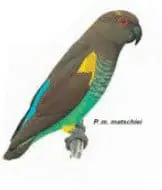
  • Poicephalus meyeri matschiei
    matschiei by Parrots of the World โ€“ Forshaw Joseph M
  • Poicephalus meyeri matschiei

    (Neumann, 1898) – Brown is paler than in the subespecie satisfied and cyan dye to the margins of the scapulars less pronounced than in the species nominal. Green colors are blue (especially below). The female spot shows yellow feathers at the base of the lower jaw.


  • Poicephalus meyeri meyeri

    (Cretzschmar, 1827) – Species nominal


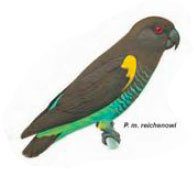
  • Poicephalus meyeri reichenowi

    (Neumann, 1898) – Similar to the subespecie matschiei but with the yellow crown generally absent. Paler blue in the rump. Size larger than the subespecie matschiei.


  • reichenowi by Parrots of the World โ€“ Forshaw Joseph M
    reichenowi by Parrots of the World โ€“ Forshaw Joseph M
  • Poicephalus meyeri saturatus

    (Sharpe, 1901) – darker than species nominal (especially the brown parts), rump less blue than the nominal, showing a bit of green in the feathers. The dark centers feathers on the bottom, giving it a mottled appearance. Intergrades with the subspecies matschiei in Tanzania.


  • Poicephalus meyeri transvaalensis

    (Neumann, 1899) – Brown clearer than in the subespecie matschiei, even bluer in the rump and below. Yellow areas in the crown They are often reduced and, sometimes completely lacking (especially in males). It is thought that can hybridize with the Poicephalus cryptoxanthus.

Habitat:

The Meyer's Parrot It is found in a wide variety of forest habitats from dry savannah to gallery forest and second-growth riparian forest around crops.. Observed in forests dominated by Terminalia laxiflora and Doka Isoberlinia, thickets Combretum acacia grasslands; as well Brachystegia and riparian forests Syzygium-Adina.

Avoid lowland rainforests in the basin Congo and other humid forests including areas of the eastern highlands of the district of Zimbabwe and Cork in Malawi.

Show a preference for the tallest trees in the drier savannah habitats – in particular specimens Adansonia. They may be confined to gallery forests in the drier parts of their range and are generally found in close proximity to water..

Where it is sympatric with the Red-bellied Parrot (Poicephalus rufiventris), the Meyer's Parrot It is limited to riparian forests.

In Kenya, which it is largely in areas with higher annual rainfall 500 mm.

Sometimes observed in suburban areas.

In general, in the lowlands at altitudes of 1,250m in Ethiopia, 2.200m in east Africa and 1.500 meters in the highlands of eastern Zimbabwe.

They are distributed in pairs or small groups 3-5 birds (possibly couples); until 50 birds may congregate in areas where there are food sources in breeding season. Roosts in tree cavities. Usually shy and cautious.

Reproduction:

Solitary nesters in tree cavities at a height between 3 and 10 meters above the ground, during the season, dry (for example Mar-June Zimbabwe, from May to September Zambia and Malawi, July Angola and in December or January Sudan).

The implementation is of 2 to 4 eggs.

Food:

The diet of the Meyer's Parrot fruit is, nuts and seeds, including Ficus, Sound abyssinica, Uapaca nitidula, Monotes glaber, Combretum, Grewia, Sclerocarya, Pseudolachnostylis, fruit of the great growth and riparian trees afzelia quanzensis and Melia volkensii, grown oranges and flowers Schotia brachypetala.

The pulp of the fruit is less important than the hard seeds and the arbolados share, the Meyer's Parrot is one of the few species consume seeds Brachystegia and other leguminous trees.

They also consume grain and is considered as crop pests in some areas.

Eat some insects, including caterpillars.

May vary widely from area to area in search of food during droughts.

Distribution:

Size of the area of distribution (reproduction / resident): 5.840.000 km2

The Meyer's Parrot They are distributed throughout the central and eastern Africa. From the North-East of Cameroon and South of Chad through the North of the Central African Republic, center Sudan and South and West Ethiopia, to the south through Uganda, Kenya Western, east of Democratic Republic of the Congo and Tanzania, coming to Malawi, Zambia, Angola, Northeast of Botswana, Zimbabwe, western end of Mozambique, Namibia and northeast of Sudafrican republic.

A wild population, possibly, is distributed in the eastern province of Cape Town, Sudafrican republic, even if they are probably extinct.

Nomad in some areas during periods of drought, when they distributed outside the normal range; normally resident with local movements.

Distribution Subspecies

Meyer's Parrot subspecies distribution
  • Poicephalus meyeri damarensis

    (Neumann, 1898) – South of Angola, Northeast of Namibia and North of Botswana.


  • Poicephalus meyeri matschiei

    (Neumann, 1898) – Southeast Kenya through eastern and central Tanzania to Southeast Democratic Republic of the Congo, North of Malawi, Zambia and northeast of Angola.


  • Poicephalus meyeri meyeri

    (Cretzschmar, 1827) – Species nominal


  • Poicephalus meyeri reichenowi

    (Neumann, 1898) – North and Central Angola from Malange and sierra central until Huila, possibly also adjacent parts of the Democratic Republic of the Congo


  • Poicephalus meyeri saturatus

    (Sharpe, 1901) – The Far East Democratic Republic of the Congo, through Burundi, Rwanda and east of Uganda, in West and Central East Kenya towards Meru and Local inside Tanzania to the South of the Parque Nacional Ruaha.


  • Poicephalus meyeri transvaalensis

    (Neumann, 1899) – Areas of northern and central Mozambique to northern Save River across the South of Zambia and central and southern Zimbabwe to northeast Botswana and West of Transvaal

Conservation:


minor concern


โ€ข Current Red List of UICN: Least concern

โ€ข Population trend: Stable

The Meyer's Parrot It, in general, common to very common and is the most abundant parrot in some parts of its range (for example, Zimbabue and Angola), although few in other areas and absent from some apparently suitable habitats.

Its population has declined in some parts (for example Transvaal) where is thought to be a result of habitat destruction. I also persecuted in some locations due to crop damage (for example, in the center of Zambezi because of the damage inflicted to the maturation of the berries Boolean).

"Meyer's Parrot" in captivity:

The Meyer's Parrot, is a bird common in captivity, quiet, tender, easy to carry and with a stable temperament.

They are birds social and they tend to bond with everyone in the family, unlike other species that may prefer one person to another. In general, No es voluble – once you liked someone, the person is a friend for life.

They are not as dependent on humans for entertainment as most parrots and therefore no son tan demanding.

They like being handled and petted on the head and neck. A hand-fed hatchling will develop into a fluffy adult if treated properly, and it is not prone to bite, although it may provide a powerful bite if provoked.

You can learn a few words, although They are not known for their ability to speak. They can learn to whistle, making noises, and occasionally they will offer strong squeals. Fortunately, They are not likely to scream or make loud squawks, making good birds for apartment life. Some individuals learn household noises, as the beep of the microwave.

The Meyer's Parrot they are ready to breed at the age of 3 to 4 years and reproduce easily in captivity.

With regard to its longevity, according to sources, Meyer lived a parrot 34,2 years in captivity.

Alternative names:

Meyer’s Parrot, Brown Parrot (English).
Perroquet de Meyer, Perroquet brun, Youyou de Meyer (French).
Goldbugpapagei, Goldbug-Papagei (German).
Papagaio de Meyer, Papagaio-de-meyer (Portuguese).
Lorito de Meyer (espaรฑol).


scientific classification:

Philipp Jacob Cretzschmar

Order: Psittaciformes
Family: Psittacidae
Genus: Poicephalus
Scientific name: Poicephalus meyeri
Citation: (Cretzschmar, 1827)
Protonimo: Psittacus Meyeri


Images "Lorito de Meyer":

Videos "Meyer's Parrot"

————————————————————————————————

"Lorito de Meyer" (Poicephalus meyeri)


Sources:

Avibase
– Parrots of the World โ€“ Forshaw Joseph M
– Parrots A Guide to the Parrots of the World – Tony Juniper & Mike Parr
– Birdlife

Photos:

(1) – A Meyerโ€™s Parrot at Birds of Eden, Western Cape, South Africa. It is eating what looks like a piece of bread By SandyCole (mailto:sandyc@dicksandy.org) (Own work) [CC BY-SA 3.0 or GFDL], via Wikimedia Commons
(2) – Two Meyerโ€™s Parrots in Zimbabwe By Oce Eeco (DSC_0108Uploaded by snowmanradio) [CC BY 2.0], via Wikimedia Commons
(3) – Brown parrot also known as Meyerโ€™s Parrot (Poicephalus meyeri) by Papooga – Flickr
(4) – A Meyerโ€™s Parrot near Kwara Camp, North-West District, Botswana By Benjamin Hollis from Seattle, WA, USA (Meyerโ€™s parrotUploaded by snowmanradio) [CC BY 2.0], via Wikimedia Commons
(5) – A Meyerโ€™s Parrot in Akagera National Park, Rwanda By Lip Kee Yap [CC BY-SA 2.0], via Wikimedia Commons

Sounds: Derek Solomon (Xeno-canto)

โ–ท The world of Pets: Dogs, cats, birds, reptiles, amphibians

Bald Parrot
Pyrilia aurantiocephala

Bald Parrot

Content

Description:

23 cm.. length.

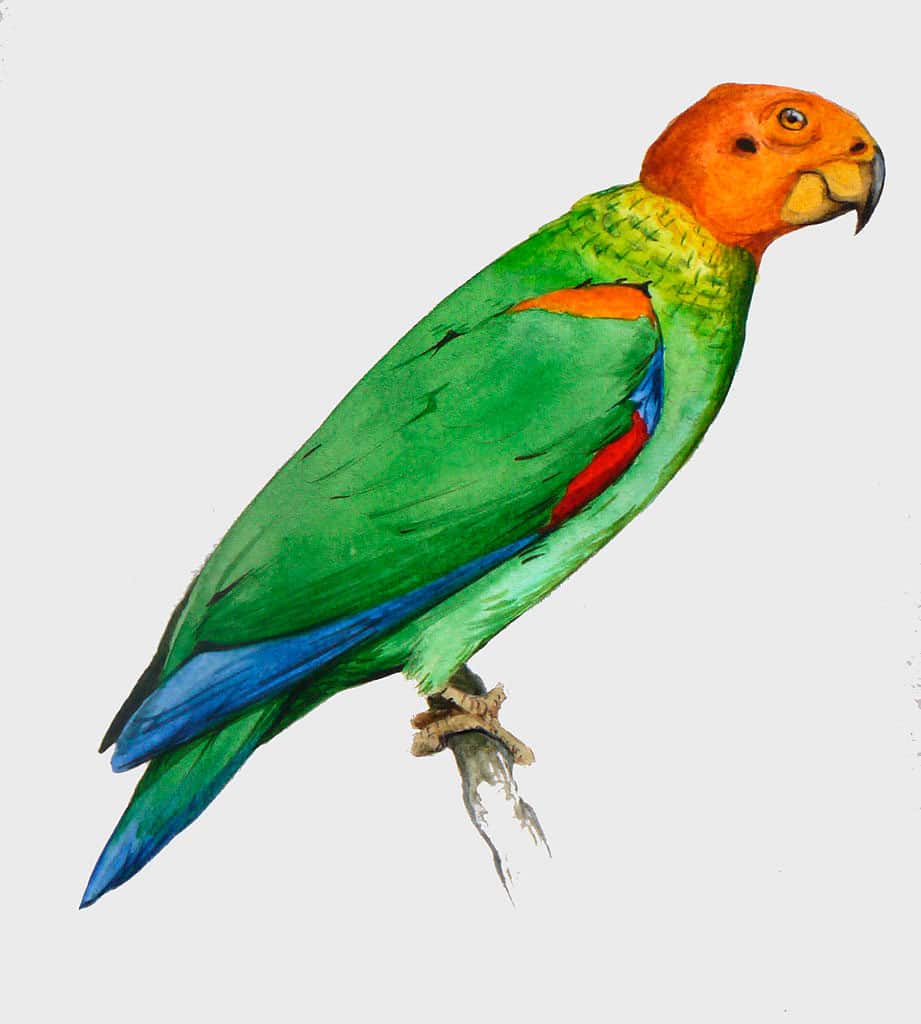
The Bald Parrot (Pyrilia aurantiocephala) has the mandible and the upper maxilla, black with a large orange dot in the base; head naked orange chrome; lores, forecrown, pileum, nape, face and chin no true feathers; coverts only black bristles and some white bristles in lores; true feathers beginning in dorsal area neck, spectrum yellow in proximal half and yellow-green in distal half with black apex, passing rapidly to parrot green as basic color the mantle, back, uropigium, and of the uppertail-coverts; feathers in bend of wing and scapulars, yellowish orange with base scarlet; lesser wing coverts green, except scarlet carpal edge; median and greater wing coverts, with large suffusion of ultramarine blue.

The upper surface of the of remiges black with outerweb shaded with indigo blue; undersurface of remiges black color with a a shamrock greenish on the innerwebs; the outerweb and the apex of the upper surfaces of the rectrices, indigo blue, shaded to varying degrees with green; the base innerwebs of the rectrices, yellow; feathers of the chest with greenish yellow base and apex, forming a large banda pectoral; lower breast, abdomen and crissum, emerald green sprinkled with cyan; underwing-coverts scarlet; the thighs yellow; feet feet orange yellow with suffusion of ochre; irises orange.

The immature with the bare lores to the area around the eyes, orange, the rest of the head feathered dull green; upper breast greenish yellow. Bill yellow in very young birds.

Note:

This parrot was initially believed to be an immature of the species Vulturine Parrot (Pyrilia vulturina) due to the orange color head calva. But, when it was discovered that individuals were sexually mature, He described as a new species. In fact, the youth of both species have feathers head greenish, unlike adults.

Formerly, It was included in the genus Pionopsitta.

  • Sound of the Bald Parrot.

Habitat:

Seen in gallery forest and in forest ‘campinarana‘ (on white sand soils). This region is threatened by logging (Gaban-Lima et al., 2002).

viewed individually, in pairs or small flocks of up to 10 birds. It is most active during the early morning that other parrots, and before going to sleep. It stays in the upper canopy where it is well camouflaged.

Reproduction:

The breeding season possibly either during September; little is known about their breeding habits.

Food:

Feeds of seeds, fruits and possibly larvae of gall wasps (Cynipidae).

Distribution:

Size of its range (breeding/resident): 407.000 km2

The Bald Parrot They are known only in some locations covering the lower basin of Madeira river and the upper basin of Tapajos River in the Brazil Amazon, more specifically in the Sรฃo Benedito river (Field observations) and Cururu-acu River, both tributaries on the right bank of the river Teles Pires, himself a tributary of Tapajรณs.
There are several recent records of this new species from the micro-region of Madeira in the vicinity of Borba.

Since the species is currently known only from Two types of habitat and a relatively small area, it is unlikely that the population is much higher 10.000 individuals, so it is considered that it is near-threatened. It is likely to occur more records now that has been formally recognized as a species, and this may clarify its exact state.

Conservation:


Near-threatened


โ€ข Current category of the Red List of the UICN: Near-threatened.

โ€ข Population trend: Decreasing.

Population size: 6.700 specimens.

Rationale for the Red List category

This species has recently described a moderately small population is declining due to loss of habitat. So, it is classified as near threatened.

Justification of the population

The population is preliminarily estimated with a number of at least 10.000 individuals, approximately equivalent to 6.700 mature individuals. This requires confirmation.

Justification of trend

It is suspected that this species has lost 8,8-13,1% of habitat within its distribution over three generations (21 years) starting from a model of deforestation Amazon (Soares-Filho et to the., 2006, Bird et to the., 2011). So, you suspect your decrease in population <25% durante tres generaciones.

"Bald Parrot" in captivity:

unknown in captivity.

Alternative names:

Bald Parrot, Orange-Headed ParrotT (English).
Caรฏque chauve (French).
Orangekopfpapagei, Langkopfpapagei (German).
Papagaio-de-cabeรงa-laranja (Portuguese).
Lorito Calvo (espaรฑol).

scientific classification:

Order: Psittaciformes
Family: Psittacidae
Genus: Pyrilia
Scientific name: Pyrilia aurantiocephala
Citation: Gaban-Lima, Raposo & Hรถfling, 2002

Images "Bald Parrot"

————————————————————————————————

ยซBald Parrotยป (Pyrilia aurantiocephala)


Sources:

Avibase
– Parrots of the World โ€“ Forshaw Joseph M
– Parrots A Guide to the Parrots of the World – Tony Juniper & Mike Parr
Birdlife
– Department of Zoology, Bioscience Institute, University of Sao Paulo, Rua do Matao, dish 14, not. 101, POCKET 05508-900, Saหœo Paulo, SP, Brazil – Notes

Photos:

(1) – Bald Parrot (Pyrilia aurantiocephala) – Watercolor, Romain Risso. By Gossipguy (Own work) [CC BY-SA 3.0], via Wikimedia Commons