โ–ท The world of Pets: Dogs, cats, birds, reptiles, amphibians

Western Rosella
Platycercus icterotis

Western Rosella

Content


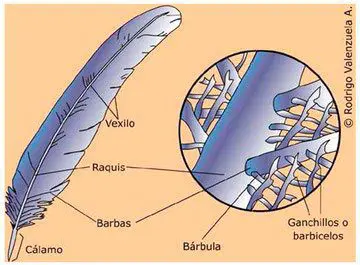
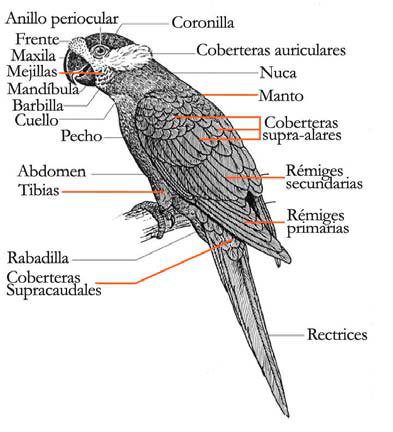
Anatomy-parrots

Description

25 to 26 cm. length and a weight between 52 and 80 g..

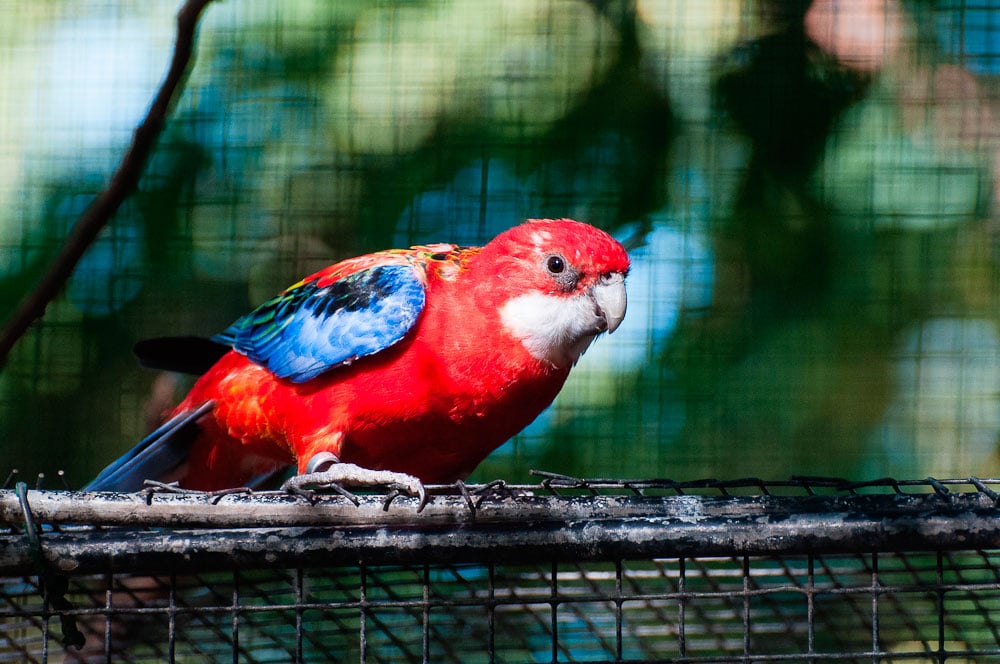
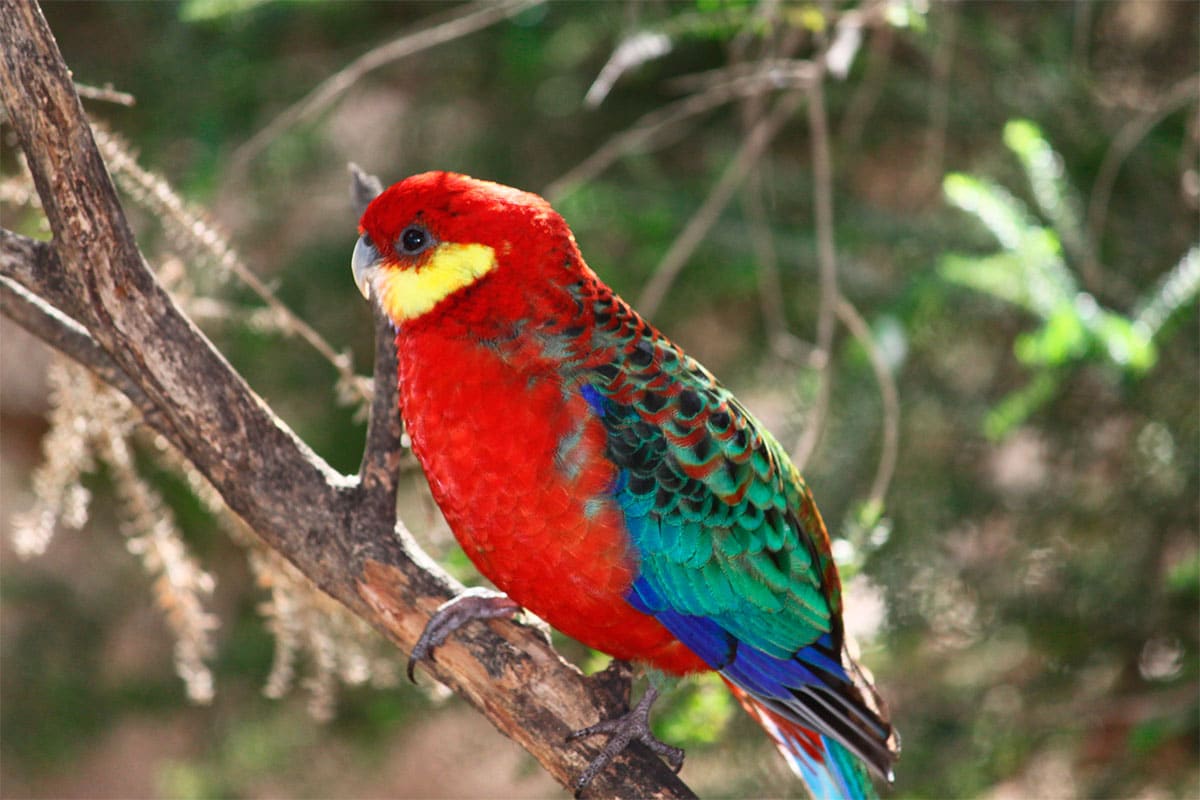
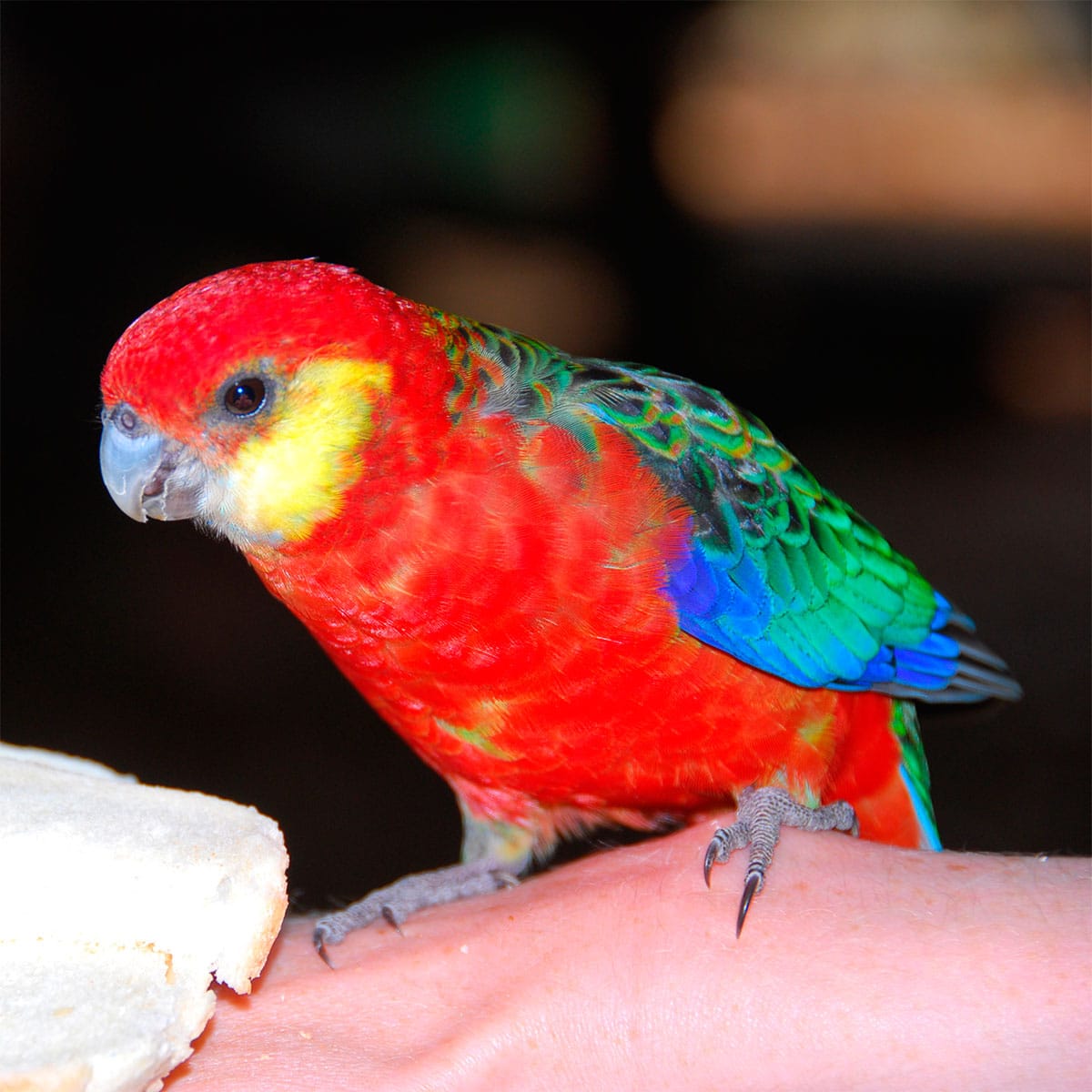
The Western Rosella (Platycercus icterotis) is the smallest of the Platycercus and the only one with big cheeks Yellow.

Adults have a clear dimorphism. The adult male has head and underparts bright red. The the mantle feathers, the back and scapulars They are black with large green edges forming a scalloped effect. The green edges sometimes infiltrated with red. The inner coverts They are dull green, While the external are dark blue. In the Middle, you can see some black on median. The primaries son negruzcas. The rump is dark green. The central tail feathers are dark green, the exteriors are blue with white tips. The underparts It has no stripe.
The bill grey; irises dark brown; legs greyish brown.

The adult female has the forecrown dark red. The crown and the sides of the neck are green. The cheeks are yellow, but duller and less developed than in the male. The underparts They are green with red infiltrations. The under wing wearing a light streak.

The immature are similar to the females. They have head green with a strip of orange red on the front of the forecrown. The cheeks Yellow absent. The underparts is pale green with slight red orange infiltration in young men.
The adult plumage It is reached after a quick complete change to 14 months.

Description 2 subspecies

  • Platycercus icterotis icterotis

    (Temminck & Kuhl 1820) – The nominal.


  • Platycercus icterotis xanthogenys

    (Salvadori 1891) – The cheeks They are paler; black feathers nape; back and shoulders lined with large red brown. Area of the rump and uppertail-coverts, Olive Drab. Female much paler than the nominal.

Habitat and habits:

Western Rosella

The Western Rosella they are not very common. Found in variable densities in stands of eucalyptus and in many types of open forest habitats. They also attend camps with little trees, partly cleared agricultural fields and residual trees lining grain fields or roadsides. They tend to visit the gardens and freshly harvested fields. They occasionally enter the parks, gardens and golf courses.

In areas close to the coast, the Western Rosella, without a doubt, have benefited from the transformation of dense forests into agricultural land. On the other hand, they were driven from the hinterlands by large-scale deforestation programs.

The Western Rosella they suffer the aggressive competition Australian Ringneck (Platycercus zonarius) that shares the same habitat type.

They are birds sedentary. Usually, they live in pairs or in small groups, and it is very rare to find them in flocks. Son quiet and discrete, so very often go unnoticed when they feed in Earth or when they seek refuge in the trees.

Around the houses, the Western Rosella they are very confident, coming into barns and corrals to feed on grain. Unlike other parrots, have a stable flight composed of multiple hits. Move over short distances, preferring to fly from one tree to another, instead of crossing open spaces.

Reproduction:

The nesting season running from August to December.

The nest It is found in the hole of a branch or in the cavity of a tree trunk.. The couple often choose a eucalyptus wandoo the genus eucalyptus salmonophloia. The cavity must be deep enough and the bottom must be lined with a layer of sawdust..

Before mating, the male courts to your partner. It leans forward on its perch uttering very specific cries.. If the female agrees, responds in the same way.

The laying, generally, comprises of 3 to 7 eggs which are incubated during 19 days. The female is responsible for one incubation, but she pauses in the morning and in the afternoon to be resupplied by the male.

The Young people are altricial and do not fly away before reaching the age of 5 weeks.

Food:

They mainly eat seeds of grasses and other plants found in stubble fields.. They also feed on fruits, berries, Jarrah flowers (Eucalyptus marginata) and seeds of the Zamia Palm.

Often in orchards where cause some damage.

Distribution:

Size of its range (reproduction / resident): 308.000 km2

Endemic to Western Australia, where its population is distributed between the vicinity of Dongara, in the North and Israelite Bay, on the South Coast, and reaching the interior in a line that goes more or less through the Lake Dundas, Southern Cross and Moora. Sometimes found in parks in Perth.

The species is common and seems to have benefited from forest clearing and agriculture.. The world's population is of more than 100,000 specimens. A small number of captivity. The birds can be pursued under a permit.

Distribution 2 subspecies

  • Platycercus icterotis icterotis

    (Temminck & Kuhl 1820) – The nominal. Coast and Southwest podrebere Australia.


  • Platycercus icterotis xanthogenys

    (Salvadori 1891) – Southwest Interior Australia.

Conservation:


minor concern


โ€ข Current category of the Red List of the UICN: Least concern

โ€ข Population Trend: Decreasing

The species is relatively common, like most birds that live in open areas, the Western Rosella It has benefited, to some extent, the slimming of the wooded areas. But, its numbers have declined in areas where it faces competition from the aggressive Australian Ringneck. It also, the difficulty to find holes for the construction of nests is a concern in the long run.

The Western Rosella is one protected species, However in some counties, a period was opened to try to regulate or stop the damage caused by this bird in crops.

"Western Rosella" in captivity:

Pretty common in captivity.

Una muestra viviรณ 13,2 years in captivity. Taking into account the longevity of the similar species, the maximum longevity in these birds could be underestimated. In fact it has been reported that these birds can live up to 31,6 years in captivity, data that can be, but it has not been verified; the same study reported that these animals can reproduce, approximately, to the 2 years of age in captivity.

Alternative names:

Western Rosella, Earl of Derby’s Parrot, Stanley Parakeet, Stanley Rosella, West Australian Rosella, Yellow-cheeked Parakeet, Yellow-cheeked Parrot, Yellow-cheeked Rosella (ingles).
Perruche ร  oreilles jaunes, Perruche de Stanley (French).
Gelbwangenrosella (German).
Rosela-do-leste (Portuguese).
Perico Carigualdo, Rosela Oriental (espaรฑol).

scientific classification:

Order: Psittaciformes
Family: Psittaculidae
Genus: Platycercus
Scientific name: Platycercus icterotis
Citation: (Temminck & Kuhl, 1820)
Protonimo: Psittacus icterotis

Images ยซPerico Carigualdoยป:

Videos "Western Rosella"

————————————————————————————————

ยซPerico Carigualdoยป (Platycercus icterotis)


Sources:

Avibase
– Parrots of the World โ€“ Forshaw Joseph M
– Parrots A Guide to the Parrots of the World – Tony Juniper & Mike Parr
– AnAge: The Animal Ageing and Longevity Database – Anagรฉ entry for Platycercus icterotis
– Birdlife

Photos:

(1) – By derivative work: Snowmanradio (talk)Western_Rosella_(Platycercus icterotis)-5.jpg: Robert Young [CC BY 2.0], via Wikimedia Commons
(2) – By Luke Durkin (IMG_0526Uploaded by snowmanradio) [CC BY 2.0], via Wikimedia Commons
(3) – By Hervรฉ (zoo_090912_518.jpgUploaded by snowmanradio) [CC BY-SA 2.0], via Wikimedia Commons
(4) – ยซPlatycercus icterotis1ยซ. Licensed under CC BY 2.0 via Wikimedia Commons.
(5) – By Robert Young (originally posted to Flickr as Mmmm, wet bread) [CC BY 2.0], via Wikimedia Commons
(6) – John Gould [Public domain], via Wikimedia Commons

Sounds: John Graff (Xeno-canto)
โ–ท The world of Pets: Dogs, cats, birds, reptiles, amphibians

Masked Shining-Parrot
Prosopeia personata

Masked Shining-Parrot

Content


Anatomy-parrots

Description

47 cm of length and weight approximate of 322 g..

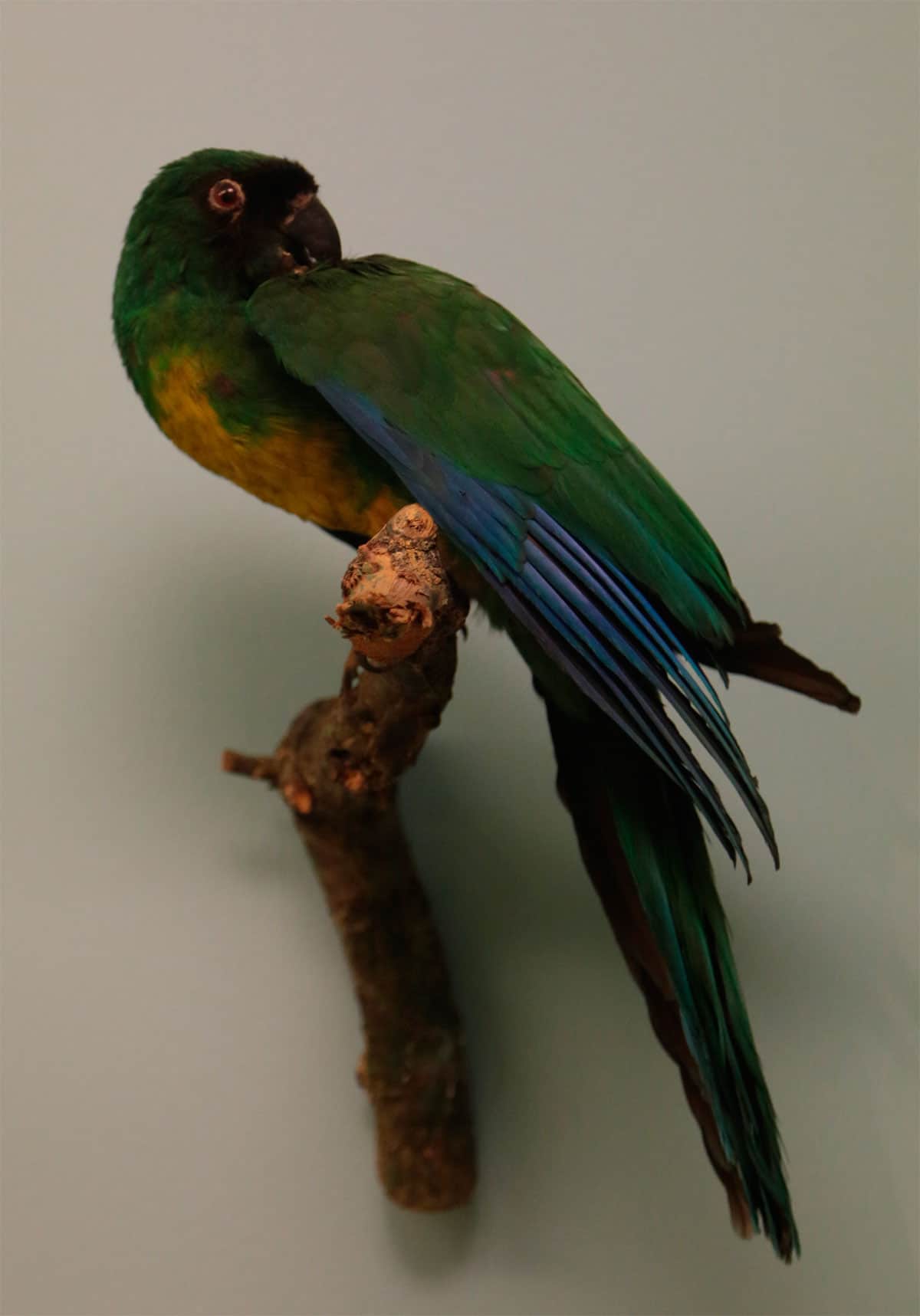
The colorful Masked Shining-Parrot (Prosopeia personata), has a plumage green over most of its body, the front of the crown, lores, cheeks and chin, are black.

The upperparts are bright pale green (with a brighter sheen on the Crown and nape). Large external coverts, primary coverts and primaries are blue with vane inner dark. Wing feathers green. Throat, top of the chest, flanks, and undertail- coverts green; center of chest and the belly bright yellow, a few feathers with the Green Tip, yellow shading in the Orange patch It is located in the lower part of the belly. Upper, the tail green; black for the part below.

The bill black; irises orange-red; legs blackish gray.

The male has the head and the bill larger that the female. The young birds have, peaks paler, less black in the face and irises brown.

El Papagayo Enmascarado (Prosopeia personata) is a large parrot, long tail which is only on an island, in Fiji.

Habitat:

Masked Shining-Parrot

They are distributed Since the sea level, until the 1.200 m altitude, in the forest reacor and secondary growth of the Windward areas and intermediate vegetation, You can also find them in orchards of villages, agricultural fields and mangroves; Often observed along forest edges near agricultural land and in trees bordering forest watercourses.

The Masked Shining-Parrot they are usually sociable and finds them alone, in pairs, or outside the breeding season in herds up to 40 birds.

Birds are sometimes interviews flying rapidly through the forest or wandering above the canopy. Son noisy birds and they are often heard before to be seen; similar to the Red Shining-Parrot, often make calls at the first sign of a human intruder, and they are generally shy and difficult to approach when they are perched on a branch.

Reproduction:

The breeding season occurs between July and September. The nest It is a hole or crack in a tree, or a cavity at the top of a stump. Two or more eggs White deposited inside a hollow form the implementation; the hole is expanded by making use of its powerful beak. Birds emit a strong odor.

Food:

The Masked Shining-Parrot they tend to rest the high parts of the trees, but descend to lower floors to feed on berries, and pick up the fruits of the soil; they can also attack fields.

The diet includes mainly fruit, for example, Mango (Mangifera indica), guava (Psidium guajava), Ficus figs and bananas, Although they can also be powered from flowers, insects, seeds and berries, as well as the cultivated grain.

When feed, They manipulate food with their legs using their beaks to catch small branches. They are powerful and it has been flying with a Mango between its claws.

Distribution:

Size of the area of distribution (reproduction / resident): 10,500 km2

The Masked Shining-Parrot they are endemic in Fiji, distributed only on the island of Viti Levu (Although the species also has been recorded in the nearby island of Ovalau in the past). In Viti Levu, It is not uncommon to see them on the inside of forests, including the surroundings of Nadarivatu and in the North of the Mount Tomanivi. In the center of Nadrau and to the East of the district Vunidawa.

The world population considered that it may be on the 5.000 specimens, but in decline due to habitat loss.

Required large trees for nesting are being felled., and tracts of mature forest are fragmented now in many areas.

The possible detrimental effect of inter-specific competition of the introduced Crimson Shining-Parrot remains study.

Conservation:


Near-threatened


โ€ข Current Red List of UICN: Near threatened

โ€ข Population trend: Decreasing

The most serious threat affecting the Masked Shining-Parrot It is the decline of forests in which inhabits, with less than the 50 per cent of the forests of Viti Levu remaining. This deforestation has led to the fragmentation of remaining forest areas. The huge trees felled during the deforestation are required by the Masked Shining-Parrot nest.

Other potential threats to this species include potential competition with the introduced Crimson Shining-Parrot (Prosopeia splendens). The Masked Shining-Parrot It can also be trafficked for the pet trade, Although the related species, as the Crimson Shining-Parrot It is believed that they are most popular).

Conservation of the โ€œMasked Parrotโ€.

The Masked Shining-Parrot is protected by the law of Fiji. But, current legislation for the capture of wild parrots is difficult to enforce. This Parrot also appears in the Appendix II of the Convention on international trade in endangered species (CITES), which means that international trade in the species must be carefully monitored.

The Masked Shining-Parrot It lives in several reserves and parks, where can you get some protection against deforestation. It has been proposed that community forest reserves must be encouraged in Viti Levu, to prevent further deforestation, and that the population figures of the Masked Shining-Parrot in these protected areas should be monitored. But, None of these measures has been put into action

"Masked Shining-Parrot" in captivity:

Rarely found in captivity.

According to sources, It is known that one as a specimen of this species lived 11,8 years in captivity.

Alternative names:

Masked Shining-Parrot, Masked Parrot, Masked Shining Parrot, Yellow-breasted Musk Parrot, Yellow-breasted Shining-Parrot (ingles).
Perruche masquรฉe, Perruche masquรฉe masquรฉe (French).
Maskensittich, Masken-Sittich (German).
Prosopeia personata (Portuguese).
Papagayo Enmascarado (espaรฑol).

scientific classification:

Order: Psittaciformes
Family: Psittaculidae
Genus: Prosopeia
Scientific name: Prosopeia personata
Citation: (Gray, GR, 1848)
Protonimo: Coracopsis ? personata

Images ยซMasked Parrotยป:

Videos "Masked Shining-Parrot"

————————————————————————————————

ยซMasked Parrotยป (Prosopeia personata)


Sources:

Avibase
– Parrots of the World โ€“ Forshaw Joseph M
– Parrots A Guide to the Parrots of the World – Tony Juniper & Mike Parr
– Birdlife
– ARKive.org

Photos:

(1) – Masked Shining Parrot , Birds Gallery, Natural History Museum, London By John Cummings (Own work) [CC BY-SA 3.0], via Wikimedia Commons
(2) – By Benjamin Waterhouse Hawkins [Public domain], via Wikimedia Commons
(3) – Masked Shining Parrot Prosopeia personata Kula Eco Park – Viti Levu, Fiji ยฉ 2007 Sarah – The Online Zoo
(4) – Masked Shining Parrot Prosopeia personata Kula Eco Park – Viti Levu, Fiji ยฉ 2007 Sarah – The Online Zoo
(5) – A bird resting in a tree by Josep del Hoyo – Lynx
(6) – A close-up of the head of one bird by Josep del Hoyo – Lynx

Sounds: Matthias Feuersenger (Xeno-canto)

โ–ท The world of Pets: Dogs, cats, birds, reptiles, amphibians

Yellow-fronted Parrot
Poicephalus flavifrons


Lorito Carigualdo

Content

Description:

28 cm.. length and a weight between 140 and 205 g..

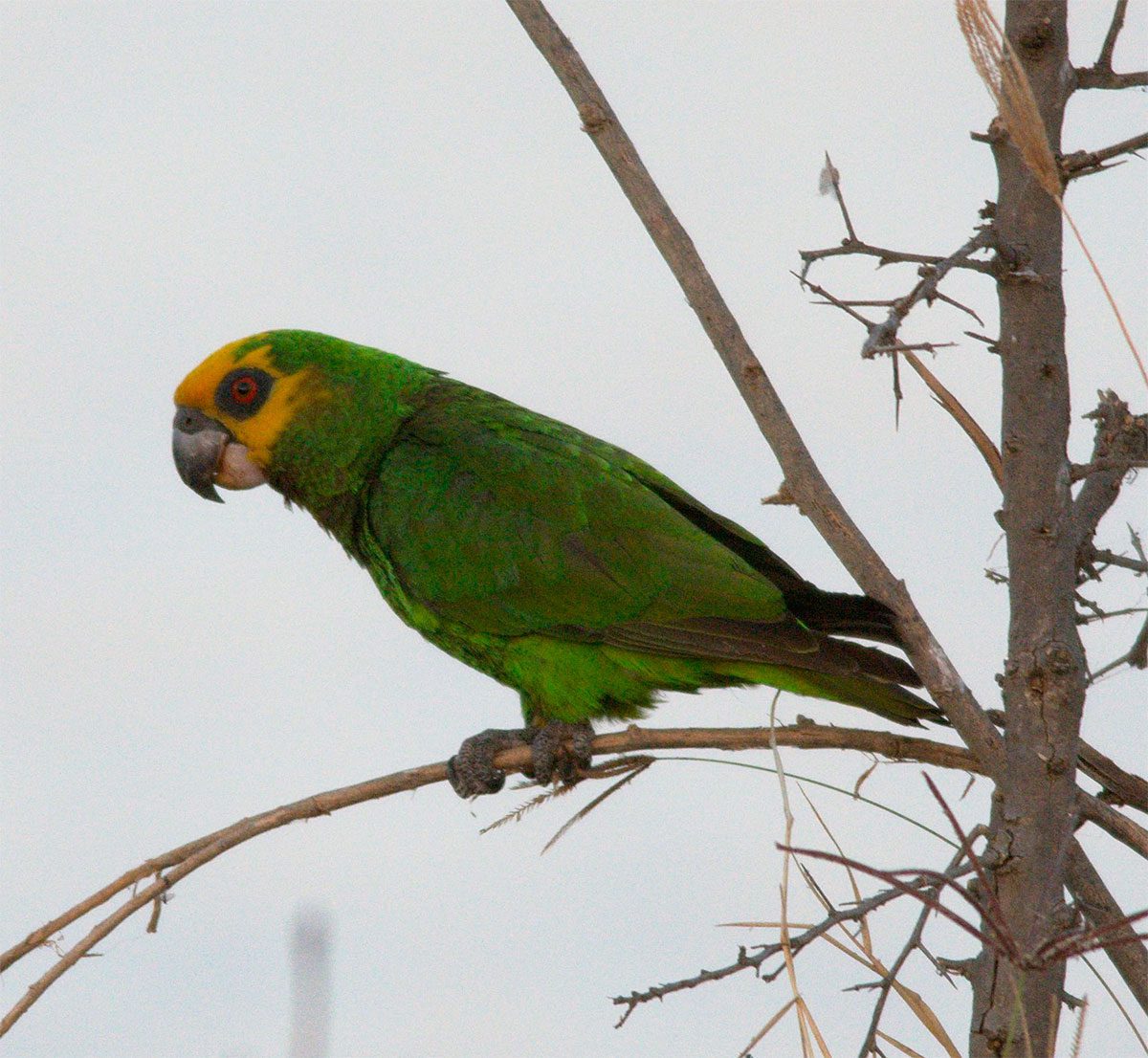
The Yellow-fronted Parrot (Poicephalus flavifrons) has the forecrown, crown, lores, the cheeks and ear-coverts bright yellow, often with an orange colour wash; small area with yellow feathers around the cheek, often with a tinge of Brown-grey color.

The feathers of the nape, the mantle and scapulars dark green with paler areas and most brilliant green margins; rump and uppertail-coverts clearer and more brilliant green as the rest of upper parts.

Upper, the coverts dark green green with light green margins, sometimes with yellow at the edge of the wing and at the base of the primary coverts most important.

The primaries and secondaries brown in color with narrow paler margins on the vane outer. Chin and the thighs sometimes sprinkled with yellow; lower parts of bright green uniform.

Tail blackish brown.

upper jaw blackish gray, lower whitish; irises orange-red; legs brownish-grey.

The mask of the females they lack the Orange wash.

Immature as adults, but the mask is olive green, not yellow.

Habitat:

The Yellow-fronted Parrot, generally, they live in the forests of Juniperus and Podocarpus, at altitudes between 1,800 and 2,900 m, mainly in trees of the genus Hagenia, that are above the 2.900 m. Also found in forest clearings, with Ficus trees intermingled in areas of cultivated plateau and in gallery forests of Acacia savanna. Also in riparian forests of acacias and Ficus, a partir de los 800 m.

Occasionally visit urban areas, for example, gardens and parks in Addis Ababa.
Usually seen in pairs, small groups of relatives or in flocks of up to 20 birds; often in mixed flocks with the Black-winged Lovebird (Agapornis taranta).

The Yellow-fronted Parrot, probably, they use the same products trees every night.

Reproduction:

Breeding habits largely unknown, but it is suspected that nest usually in tree cavities.

The time of incubation is of 28 days. The birds fly from the nest after a few 80 days after the hatching. Even then, by generating it,l feed on the parents until its full independence.

Food:

Your diet, is created that it consists of grains, seeds and fruits. They have also been seen consuming ripe fruits of Dovyalis abyssinica.

Considered a crop pest in some areas, Although of little importance.

Distribution:

Size of its range (breeding/resident): 395.000 km2

Endemic to the Highlands of the West of Ethiopia, Although its exact range is unclear.

Common in wooded areas; more common in the upper parts, to the North of its distribution area.

Probably sedentary Although there have been some periodic movements in Addis Ababa.

Conservation:


minor concern


โ€ข Current Red List of UICN: Least concern

โ€ข Population trend: Stable

The size of the world's population has not been quantified, but the species is reported from frequent to common. It is considered more common in northern parts of its range. (pit et to the. 1997).

The population is suspected to be stable in the absence of evidence of any reduction or substantial threats.

"Yellow-fronted Parrot" in captivity:

It is a kind rare in captivity outside Ethiopia. No hay datos de su reproducciรณn.
Las hembras son prรกcticamente imposibles de conseguir.

Alternative names:

Yellow-faced Parrot, African Yellow-faced Parrot, Yellow fronted Parrot, Yellow-fronted Parrot (English).
Perroquet ร  face jaune (French).
Schoapapagei, Schoa Papagei (German).
Papagaio-de-cara-amarela (Portuguese).
Lorito Carigualdo, Lorito de Cara Amarilla (espaรฑol).

scientific classification:

Order: Psittaciformes
Family: Psittacidae
Genus: Poicephalus
Scientific name: Poicephalus flavifrons
Citation: (Rรผppell, 1842)
Protonimo: Pionus flavifrons

Images "Lorito Carigualdo":

Videos "Yellow-fronted Parrot"

————————————————————————————————

ยซParquet-facedยป (Poicephalus flavifrons)


Sources:

Avibase
– Parrots of the World โ€“ Forshaw Joseph M
– Parrots A Guide to the Parrots of the World – Tony Juniper & Mike Parr
– Birdlife

Photos:

(1) – An adult Yellow-headed Parrot near Bishangari Lodge, Ethiopia By Peter Wilton (Yellow-fronted Parrot) [CC BY 2.0], via Wikimedia Commons
(2) – exploriada.com
(3) – Merenkurkun Lintutieteellinen Yhdistys r.y
(4) – Yellow-fronted Parrot. Photo by Hakan Pohlstrand – Birds of the Bale Mountains National Park
(5) – PET FORO DE VIETNAM

Sounds: Andrew Spencer (Xeno-canto)

โ–ท The world of Pets: Dogs, cats, birds, reptiles, amphibians

Reunion Parakeet
Psittacula eques

Cotorra de Mauricio

Content

Description:

Cotorra de Mauricio

42 cm.. length and a weight between 167 and 193 g..

The Reunion Parakeet (Psittacula eques) has the Lords and cheeks grass-green, deepening the emerald green upper cheeks, the forecrown and crown; wide swaths shaped mustache on the bottom of the cheeks and chin, fading on the sides of neck; narrow black stripes on the neck lined up with bluish patches on ear-coverts and sides neck and below by pink lines extending to the back of the neck, without getting to form an collar full.

Upperparts, including upperwing-coverts, emerald green. Underparts paler and yellowish. Uppertail green; the undertail pale brown.

upper jaw red, lower negruzca; irises pale yellow to greenish yellow; legs blackish.

The female lacks black moustachial stripes, as well as black, pink and blue marks on the sides of neck; dark green tones cheeks with yellowish green at the collar of the back of the neck; dark (almost black) the upper jaw.

The immature they are like the females, but the fledging bill It is red in both sexes, turning darker in females later.

Description 2 subspecies:

  • knight knight knight โ€ 

    (Boddaert, 1783) – Nominal. Extinct.


  • Psittacula eques echo

    (Newton,A & Newton,E, 1876) – On the edge of the extinction.

Habitat:

The Reunion Parakeet It is closely linked to the native vegetation. A part of the population is in an area of รขโ‚ฌโ€นรขโ‚ฌโ€นupland forest containing some of the largest samples, for example, Canarium paniculatum, Syzygium contractum, Mimusops maxima and Labourdonnaisia left in the Mauritius. Scrub forests lower level are also important, especially for food.

They are generally solitary, but they can also be seen in pairs or small groups (especially after breeding), but the extreme shortage should limit the normal social behavior.

Reproduction:

The Reunion Parakeet nests in cavities of large native trees (often Mimusops but also Calophyllum or Canarium) generally between 6-10 meters above the ground. The inlet has a diameter between 10-15cm.

The peak in the egg laying It is late September to early October, although it may take place between August to November, is composed of 2 to 4 eggs. The female incubated eggs for three to four weeks, while teammate bring your food. Both parents then provide for the young until they leave the nest in about two months old.

Food:

The feeding of the Reunion Parakeet It is composed of a wide range of native plant parts, including outbreaks include, sprouts, leaves, flowers, fruits, seeds, remained, sap and bark. Introduced plants rarely eat. Plants which include feed Calophyllum, Canarium paniculatum, Tabernaemontana mauritiana, Diospyros, erythrospermum monticolum, Eugenia, Labourdonnaisia, Mimusops trials, M. petiolaris, Nuxia verticillata and Protium obtusifolium.

The main feeding areas vary with the season.

Distribution:

Size of the area of distribution (reproduction / resident): 60 km2

endemic to Mauritius, Indian Ocean, but also he lived before the Rรฉunion. The rest of the birds confined to the last fragments of native forest vegetation.

In a time, widely distributed, but now reduced to a small relict population in the plateau south-west, around the Black River Gorges National Park and the Monte Cocotte.

Mainly sedentary, but with some slight seasonal changes depending on availability of food.

The main cause, apparently, the decline in the population of the Reunion Parakeet long-term, It is the loss of habitat (natural vegetation used for agriculture and forestry), nest predation by introduced species such as Crab-eating Macaque (Macaca fascicularis) and black rat (Rattus rattus) , competition with Rose-ringed Parakeet (Psittacula krameri) (introduced on 1886) and the effects of disease and storms.

The total area of รขโ‚ฌโ€นรขโ‚ฌโ€นhabitat available It is 50km2. Population between 7-11 birds in 1984, aumentando a 30 birds in the wild and 8 in captivity 1995, with between 40-50 wild birds 1996. An intensive conservation program that includes captive breeding in Mauritius (first successful reproduction 1993-1994), predator control with veterinary assistance for wild birds, ecological research and habitat protection, It is getting a considerable increase in the population of the Reunion Parakeet.

The National Park currently protect the last natural forests, but continuous invasion of exotic flora, It remains a long-term threat.

Distribution 2 subspecies:

Conservation:

State of conservation โ“˜


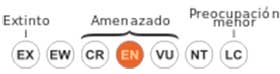
Endangered Endangered โ“˜ (UICN)โ“˜

โ€ข Current Red List of UICN: Danger

โ€ข Population trend: Growing

At the end of the breeding season between 2011/2012, the population was estimated at approximately 580 birds (V. Tatayah in some. 2012).

The population of the Reunion Parakeet It is estimated that it has experienced a very rapid increase in recent 23 years (three generations).

The previous decline in the distribution of this species is for the serious destruction and its native habitat degradation (Jones 1987 Greenwood 1996).

The population decreased probable total of several thousand individuals, as a result of the forest destruction and the replacement of their feeding habitat, upland dwarf forests, plantations (Jones et al., 1998).

In 1996, only the 5% the island was covered with native vegetation (Jones et al. 1998).

The areas of native forests remaining in the highlands still being highly degraded by cyclones, the influences of forestry practices of the past, the spread of introduced plants like Peruvian guava (Invasive cattleianum), privet (Ligustrum robustum) and Pomeroy (Syzygium jambos), as well as the effect of wild mammals introduced as boars (Sus scrofa) and the Timor deer (Cervuss) (Greenwood 1996, Thorsen y Jones 1998).

The production of native fruit, from which the parrot feeds, and regeneration is possible trees nest, because, poor (Greenwood 1996).

Recent research suggests that the food shortage due to deterioration of native forest is the main cause of nest failure; although exotic species can provide an abundant source of food, They are not available throughout the year, not even throughout the breeding season (Thorsen y Jones 1998).

The crab-eating macaque (Macaca fascicularis) and black rats (Rattus rattus) are among a number of introduced tree species representing a threat for the Reunion Parakeet, raiding nests and competing for native fruits (Greenwood 1996).

The European bee (Apis melรญfera), yellowjackets (Polistes hebraeus), termites, the common loptail (Phaethon lepturus), the introduced common mine (Acridotheres tristis) and Rose-ringed Parakeet (Psittacula krameri), They are all competing for nesting sites and can move active breeding pairs (Thorsen y Jones 1998, C. Jones in little. 2000, V. Tatayah in some. 2012).

The decline in the number of old native trees, that perish damaged by storms and senescence, They have intensified competition for nesting cavities (Jones et al., 1998).

Infestations fly larvae in the nests can be severe in some years and, without intervention, would kill many young people (C. Jones in a bit., 2000).

Beak and Feather Disease (PBFD), It has been found in more than 20% of birds sampled, and at least 50% birds observed with PBFD It is believed to have died, However, a considerable number of specimens have been seen to recover from the disease (Richards 2010). Pesticides do not seem to have significantly affected the species (Greenwood 1996).

According to Mauritius Wildlife Foundation (MWF), trying to stop this worrying phenomenon, the origin of evil is attributed to the imported parrots, mostly the Grey Parrot (Psittacus erithacus) and Coconut Lorikeet (Trichoglossus haematodus).

The species has been the subject of a conservation program from 1973 (Jones et al. 1998). The spectacular increase in the population of the species in recent years is undoubtedly due to an intensive program to manage the wild population., combined with a program captive breeding great success since the season 1993/4 Playback (Jones et al., 1998).

"Reunion Parakeet" in captivity:

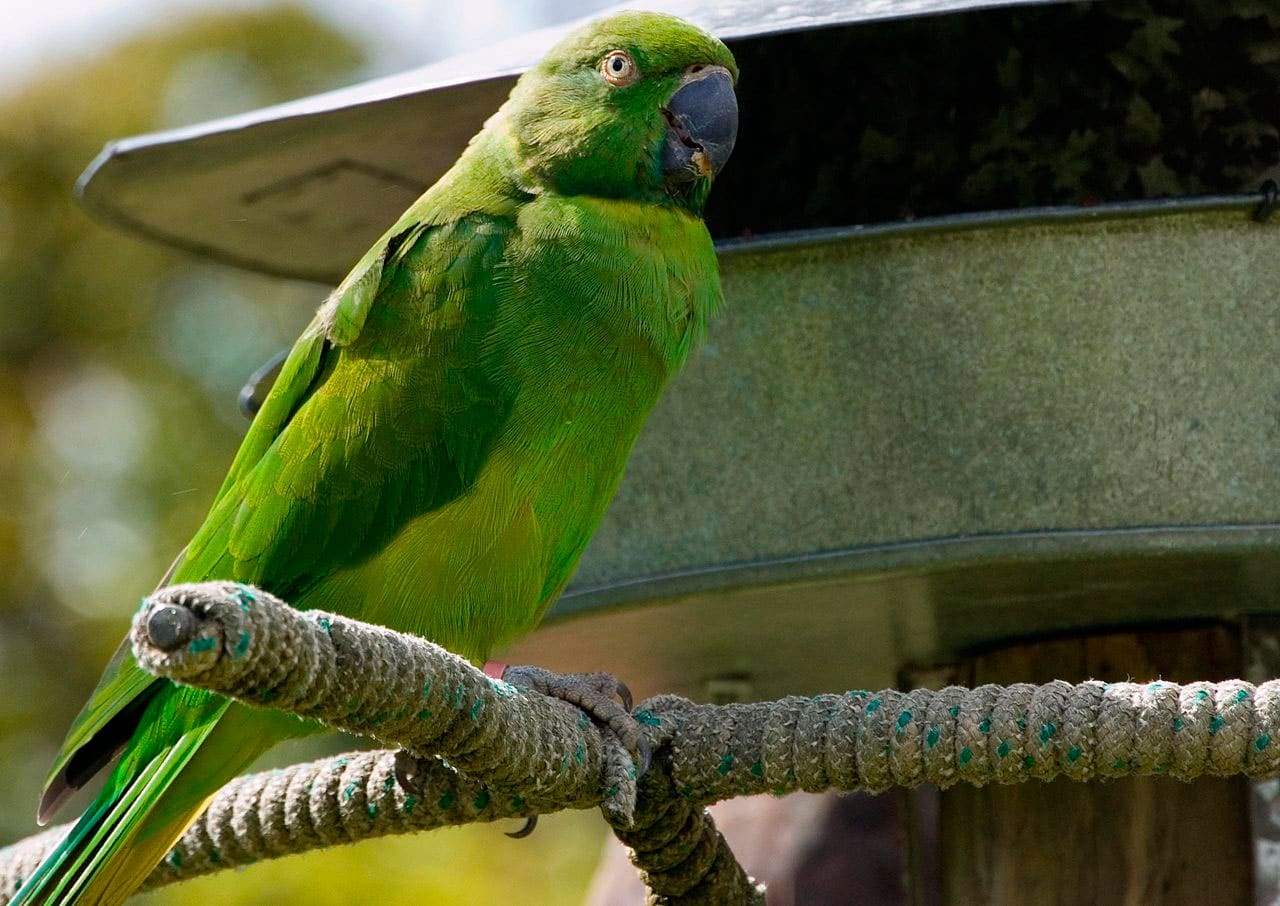
The Reunion Parakeet is the only survivor of the species Psittacula They are inhabiting the islands in the South Indian Ocean, about Madagascar. It is one of the parrots World's rarest existing.

Some specimens bred in captivity (Hand rearing) for reintroduction into the wild; else not bred in captivity.

In the news, the aviary captive population is 18 birds, with successful reproduction of a couple. The place of the old aviary, where the extraordinary work has been achieved in very primitive conditions, now it is being replaced with a new space, once completed this spring, It will house up 12 breeding pairs of the Reunion Parakeet, a large flight cage 60 meters for immature.

Alternative names:

Mauritius Parakeet, Echo Parakeet, Maruitius parakeet, Mascarene Parakeet, Mauritian Parakeet (English).
Perruche de Maurice, Perruche ร  longue queue (French).
Mauritiussittich (German).
Periquito-de-maurรญcio (Portuguese).
Cotorra de Mauricio (espaรฑol).

scientific classification:

Order: Psittaciformes
Family: Psittaculidae
Genus: Psittacula
Scientific name: Psittacula eques
Citation: (Newton, A & Newton, E, 1876)
Protonimo: Palaeornis echo

Reunion Parakeet Images:

Videos "Reunion Parakeet"


Especies del gรฉnero Psittacula

Reunion Parakeet (Psittacula eques)


Sources:

Avibase
– Parrots of the World โ€“ Forshaw Joseph M
– Parrots A Guide to the Parrots of the World – Tony Juniper & Mike Parr
– Birdlife

Photos:

(1) – Echo parakeet (Psittacula eques echo), the rarest Parrokeet in the world, saved from extinction by captive breeding programme at the Durrell trust Blackwater Gorge By colin houston [CC BY 2.0], via Wikimedia Commons
(2) – By Wildlife Preservation Canada – link
(3) – Echo Parakeet, Mauritius by Tara – Miles to the wild
(4) – Echo Parakeet, Mauritius by Tara – Miles to the wild
(5) – Female Echo Parakeet (Psittacula eques) by Johannes Fischer – Mauritius January – July 2013, Petrin, Camp Field Station and Brise Fer
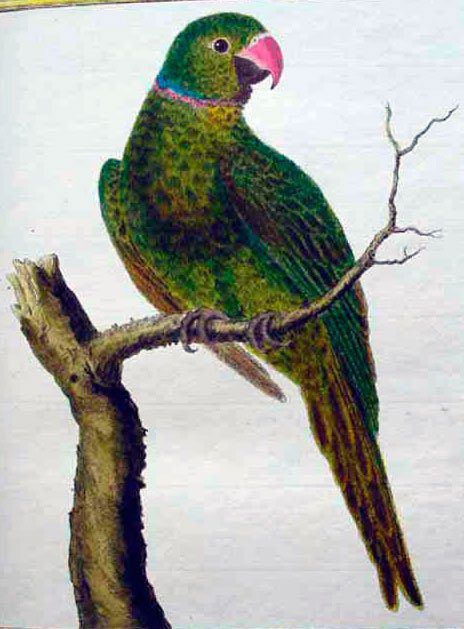
(6) – Psittacula type illustration of a knight on horseback (Martinet in Buffon, 1779) By Franรงois-Nicolas Martinet [Public domain], via Wikimedia Commons

Sounds: George Sangster (Xeno-canto)

โ–ท The world of Pets: Dogs, cats, birds, reptiles, amphibians

Blue-throated Macaw
Ara glaucogularis


Guacamayo barbiazul

Content

Description:

Of 85 cm.. length and a weight between 600 and 1000 g..

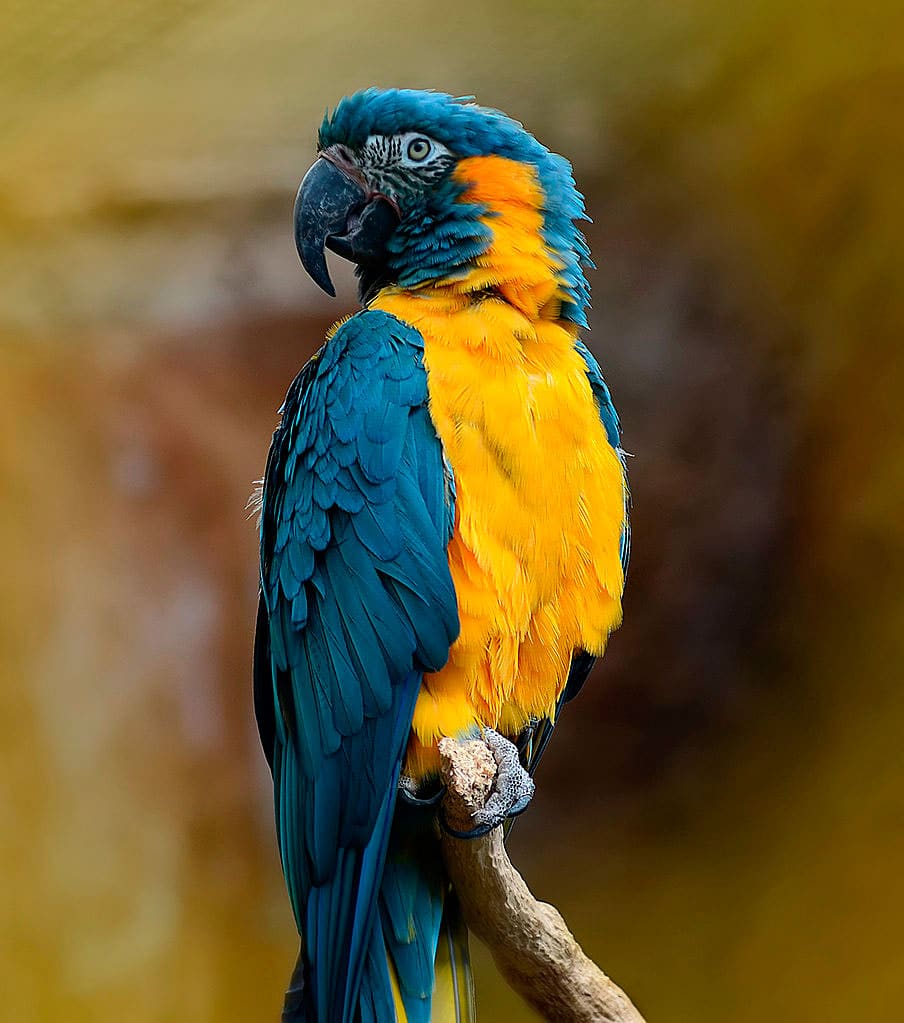
The Blue-throated Macaw (Ara glaucogularis) they have a very vivid coloration. Very similar to the more common Blue-and-yellow Macaw (Ara ararauna), easily differentiated by wide turquoise blue stain that reaches the throat.

These beautiful macaws have bright turquoise blue feathers that cover the throat, crown, the back and the back of your wings and tail. Yellow gold feathers grow in a strip between the crown blue and neck, on the sides of the face and in the ventral part of the body, the wings and tail.

In the face There is a patch sparsely feathered skin near the base of the great bill dark which has 5 or 6 horizontal stripes of blue feathers, unique for each Blue-throated Macaw and that they can be used to individually identify adults. The skin This patch is predominantly white with a tinge of pink around the bill.

The Blue-throated Macaw sample little sexual dimorphism.; However, the males they tend to be a little larger than the females with approximate masses of 600 and 800 g., respectively.

The newborn infants they are completely pink and have no feathers. The gray color of the underparts grows as they age, and is later replaced by colorful feather, fully developed. The irises It also changes color with age. The color of the eyes of a hatchling is initially black and changes to brown shortly after the opening of the eyes.

When is the Macaw one to three years, their eyes Gray become, then white. In the old mature, the irises It turns yellow and will be more golden color to the 10 years, becoming a gold richer with age.

The largest macaws They show a ring dark grey color that surrounds the pupil. This ring can be used to estimate the age of the Macaw.

Habitat:

Very scarce and localised. They inhabit gallery forests and tree islands surrounded by tropical savannah..

Seasonal rains cause floods in October to may and transform the Savannah in a swamp covered with grass that surrounds the high forest islands, permanently dry. The presence of Palms is required Motivate (Attalea phalerata) for the survival of the Blue-throated Macaw Since this species feeds, In addition to using it to build their nests. Also have favoritism by the Acrocomia aculeata.

They are most frequently between the elevations 200 and 300 m. Most of these macaws' habitat is used for cattle ranching.. But, the land is not suitable for cultivation, so there is one alteration of habitat for agriculture.

In general, observed in pairs; apparently less sociable nearby conspecifics than. The young are believed to stay with the parents for only a brief period of time., Perhaps that explains the infrequency in which observed small flocks or family groups. Probably communal roosts, sometimes with the Blue-and-yellow Macaw. They tend to use hangers in tall trees, especially of the species Tabebuia.

Although cattle trample young trees, Palms Motivate mature they are very resilient and resist damage. This Palm is also fire-resistant. As a result, Palms Motivate, often dominate the forest fragments in the Beni savanna (Llanos de Moxos).

Reproduction:

The Blue-throated Macaw are monogamous and they mate for life. It is not known if these macaws are matched with another partner if your original partner, dies. Nothing more is known about systems of mating for this species in the wild.

Usually They nest in cavities of Palm trees, often the species Attalea phalerata, but they will also use other Palm species or trees Tabebuia. You can use the holes previously occupied by other species, for example, woodpeckers.

Dead Palm trees are ideal for nesting, insofar as they are excavated by large larvae after a tree has died.

Some species of macaws, including the Blue-throated Macaw, palm leaves are eaten, causing the death of the tree. The trunk of the Palm will be recessed by larvae, resulting in the creation of a potential nest. It is not yet known if this is a coincidence or if these birds do this intentionally to create nesting sites..

Nesting couples do not remain in a nest consecutive reproductive seasons and generally seek different nesting sites each year.

The reproduction do it once a year if environmental conditions permit; However, If eggs or chicks are lost, the breeding pair can produce a second clutch in the same breeding season.

It has been speculated that the two sub-populations they breed at slightly different times: the population of North from August to November and the population of South from November to March.

The female It puts one to three eggs by laying and incubated during 26 days. The chicks have a mass of about 18 g at hatching; they leave the nest to 13 to 14 weeks and not be completely independent parents for a full year. They will reach their sexual maturity to the 5 years.

Food:

The Blue-throated Macaw do not feed on seeds and nuts to the same extent that other many other species of macaws make it. On the other hand, they eat mainly fruit of large Palm trees, including the of the Attalea phalerata and Acrocomia aculeata.

They supplement their diet with seeds and leaves of Hura crepitans, Inflorescences of Syagrus botryophora and palm trees Astrocaryum vulgare.

Birds consume ripe and near-ripe fruit and drink fluids from immature palm fruits. Attalea.

Distribution:

The Blue-throated Macaw only found in the Beni Department, Bolivia (between 200 and 300 meters above the sea level). In total, They inhabit an area of 2508 square kilometers.

There is a two inhabited areas by two subpopulations, to the Northwest of Trinidad (the capital of Beni), and the other to the South of Trinidad. This separation may have occurred because of the indigenous peoples who historically inhabited this area and who hunted the Blue-throated Macaw in order to use their feathers in their ornamental costumes. This separation could also have been caused more recently by the wild bird trade. With the high population of humans, macaws in those areas would have a higher chance of being caught. The formation of large human settlements in this area also resulted in a loss of suitable habitat and fragmentation of the habitat of this species. So, there are not any Blue-throated Macaw in the vicinity of Trinidad.

Reports of birds in Tarija and Chuquisaca they have not been tested. Stock in Paraguay and North of Argentina they are still being corroborated and seem unlikely. Apparently resident. Scarce and highly dispersed.

Conservation:


critical hazard

โ€ข Current Red List of UICN: critically endangered

โ€ข Population trend: Stable

The Blue-throated Macaw is currently classified as in critical hazard on The IUCN Red list and figure in the Appendix I by the CITES. Trapping for this species is illegal because the Blue-throated Macaw they are protected by the national law of Bolivia and Convention on international trade in endangered species of Fauna and Flora Silvestres (CITES) from 1986. (Strem, 2008; ยซBlue-throated Macawยป, 2009)

The capture for the pet trade It is the main reason that the Blue-throated Macaw are in such critical danger. The rarity of this species drove the selling price, What gives as a result an increase in the pressure of capture. As more birds were captured, the rarity of the Blue-throated Macaw was on the rise. This became a vicious cycle that greatly reduced the wild population of these Macaws to the numbers currently observed.. Currently there is an estimated number of 50 to 250 specimens in the nature. (Hesse and Duffield, 2000; Jorยญdan and Munn, 1993; ยซBlue-throated Macawยป, 2009)

Since the Spix's Macaw (Cyanopsitta spixii) became extinct in the 2000, the species Ara glaucogularis It is now the rarest among macaws in the world. With the low estimated wild population, extreme conservation actions are needed.

The World Parrot Trust has many volunteers and employees who work in the conservation of the Blue-throated Macaw. These people watch over nests to protect the chicks from predation. The chicks are also examined periodically to be sure that they are healthy and receive adequate food from their parents. If the female is not doing as well as expected, is then supplemented with formula. New nest boxes have been built and current nesting sites have been improved. The support of local landowners has also been established. (Giยญlardi, et to the., 2005; Kyle, 2006; Kyle, 2007b; Kyle, 2007to)

"Blue-throated Macaw" in captivity:

The Blue-throated Macaw they are relatively easy to breed in captivity, and the captive population is many times greater than the wild population.

This species of Macaw is now more common in captivity in United States and South Africa in its natural habitat. In a recent study of the species of the Appendix I of the CITES, carried out by the Committee CITES of the AF A, This species was the second more documented; only the Scarlet Macaw had been documented in greater numbers in captivity. It also, most owners have had success in breeding, Although it is uncommon to obtain seed of the second generation (only three owners have reported it). Without a doubt, This will change in the near future, When juveniles reach the age and maturity appropriate to reproduce.

With regard to its longevity, according to sources, a specimen lived during 22 years in captivity. It has been reported that these animals can live up to 32,8 years in captivity, but this has not been verified.

As a special, a specific installation of United States produces more than seventy copies of Blue-throated Macaw a year. The price of this species has experienced the most drastic decline of any parrot species; initially, It was not unusual to see couples of Blue-throated Macaw that were sold for even 10.000 $ americans, While it is now possible to find a pair of unrelated young by 3000 $ American or even less.

On the other hand, export made by breeders of United States to those of other countries is difficult to carry out at this time due to the strict restrictions on trade in this species imposed by the CITES. The legal trade in legal birds would certainly alleviate some of the threat hanging over the remaining flocks of wild birds..

Its feathers have also been used for ornamental costume decoration by indigenous groups..

Only breeders of a long experience with the most common species of Ara should consider obtaining these macaws.

Alternative names:

Blue-throated Macaw, Blue throated Macaw, Caninde Macaw, Wagler’s Macaw (English).
Ara canindรฉ, Ara ร  gorge bleue (French).
Blaukehlara, Kaninde (German).
Arara-de-garganta-azul (Portuguese).
Guacamayo Barbazul, Guacamayo barbiazul, Guacamayo de Barba Azul, Papagayo azul y amarillo (espaรฑol).
Guacamaya caninde, Guacamaya garganta azul (Bolivia).
Andapury, Arara (Guarani).
Bagarรก (Emberรก).
Carรบ (Yucuna).
Koatรก (Tunebo).

scientific classification:

Order: Psittaciformes
Family: Psittacidae
Genus: ARA
Scientific name: Ara glaucogularis
Citation: Dabbene, 1921
Protonimo: Ara glaucogularis

Images Blue-throated Macaw:

Videos "Blue-throated Macaw"

————————————————————————————————

"Blue-chinned macaw" (Ara glaucogularis)


Species of the genus Ara


Sources:

Avibase
– Parrots of the World โ€“ Forshaw Joseph M
– Parrots A Guide to the Parrots of the World – Tony Juniper & Mike Parr
– Birdlife
– Macaws. A Complete Guide by Rick Jordan.

Photos:

(1) – A Blue-throated Macaw at Chester Zoo, Cheshire, England By Steve Wilson – over 2 million views thank you from Chester, UK (Blue throated MacawUploaded by snowmanradio) [CC BY 2.0], via Wikimedia Commons
(2) – Blue-throated Macaws at Chester Zoo, England. Photograph shows upper bodies of two macaws By David Friel [CC BY 2.0], via Wikimedia Commons
(3) – A Blue-throated Macaw at Cincinnati Zoo, Cincinnati, Ohio, USA By Photo by Greg Hume (Greg5030) (Own work) [CC BY-SA 3.0], via Wikimedia Commons
(4) – Blue-throated Macaw at Cincinnati Zoo, USA By Ted (originally posted to Flickr as DSC_0388) [CC BY-SA 2.0], via Wikimedia Commons
(5) – Blue-throated Macaw; photograph shows upper body of pet parrot By Ruth Rogers (originally posted to Flickr as Candinde Macaw) [CC BY 2.0], via Wikimedia Commons
(6) – A Macaw Ara ararauna at Indira Gandhi Zoological Park in Visakhapatnam, Andhra Prades By Adityamadhav83 (Own work) [CC BY-SA 3.0], via Wikimedia Commons
(7) – The back of a Blue-throated Macaw showing the blue over its back and top of head By Eric Savage from USA [CC BY-SA 2.0], via Wikimedia Commons
(8) – Blue-and-yellow macaw Ara ararauna at Himeji Central Park, Hyogo, Japan – opencage.info
(9) – Blue-throated Macaw at Chester Zoo, England By Matt Sims (originally posted to Flickr as DSC_0236) [CC BY 2.0], via Wikimedia Commons

Sounds: (Xeno-canto)
โ–ท The world of Pets: Dogs, cats, birds, reptiles, amphibians

Golden-plumed Parakeet
Leptosittaca branickii


Aratinga de Pinceles

Content


Anatomy-parrots

Description:

Approximately from 36 cm.. of length and a weight of 150 g.
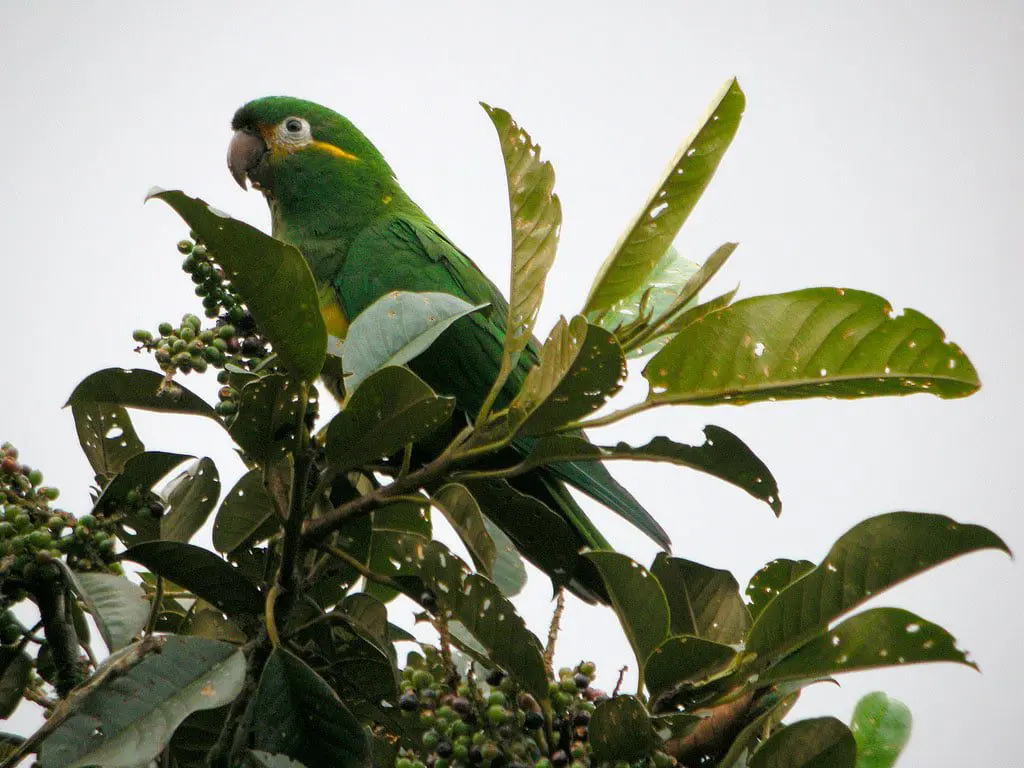
The Golden-plumed Parakeet (Leptosittaca branickii) has the crown, most of the forecrown, the cheeks, the sides of neck and ear-coverts grass-green; close frontal band on bottom of the forecrown orange, extending towards the upper lores; a feature yellowish stripe at the lower lores extending below the eyes to then join in a loop of yellow the part located behind the eyeball.
Upperparts green. above the wings green. Underwing-coverts greenish yellow; underside of feathers opaque yellow flight.

The underparts green, slightly more yellow than the upper, with a large yellow and orange patch at the bottom of the chest.

Upper, the tail of color green with red off on them vane inner; below its long and acute tail opaque reddish.

The bill color horn; cere grey; bare orbital skin pale whitish-grey; Orange the irises; legs grey.

Both sexes similar. The immature not described.

NOTE: Some authors include the species within the genus Aratinga. But, the facial feathers they are distinctive and monotypic, so the gender Leptosittaca is justified for this species.

Habitat:

Video – "Golden-plumed Parakeet" (Leptosittaca branickii)

Near endemic, Golden-plumed Parakeet, Leptosittaca branickii, White River (manizales)

These birds are found in high altitude formations, between 2,400 and 3.400 m, Sometimes you can see them at altitudes lower, about 1.400 m. With distributed in temperate zones, stunted forests, cloud and tree growth limits. Sometimes they cross cleared areas to visit residual plots.

Its distribution is possibly linked to the trees Podocarpus, at least in the Azuay province and parts of Colombia, Although more studies are needed to confirm this.
The Golden-plumed Parakeet make altitudinal movements day towards the Moors, returning to the lower forests for sleep; in the Puracรฉ national natural park This pattern is reversed, and birds perch on community in paramo areas (above 3.000 m), descending to feed during the day.

In general, in flocks (at least outside of breeding season) of up 20 birds (sometimes more).

Reproduction:

The Golden-plumed Parakeet nests on trunks of Palm wax (Ceroxylon quinduense) and encenillo (Weinmania sp.). Played during the first half of the year. Birds in breeding conditions during the month of February, Colombia, and birds mating in August, Ecuador.

The female lays 2-3 eggs they are incubated both during 28 to 32 days. Only the female incubates during the day., while at night, both dealt with the work. The chicks leave the nest 64-68 days after birth and are fed by both parents, While they are in the nest.

Food:

They feed on coniferous seeds, especially of cones of Podocarpus, as well as the seeds and fruits of some plants, among them included the Rosacea, Elaeocarpaceae, Lauraceae, Brunelliaceae, Loranthaceae, Moraceae, Croton, Styrax subargentea, otodectes nitida, Ficus and the corn cultivated. Sometimes it can be powered from leaves.

It forages generally in the canopy (birds frequently moving among the trees), sometimes in the layer of shrubs and fields.

Distribution:

The natural habitat of the Golden-plumed Parakeet It is discontinuous and runs from the North of the Andes from Colombia to the South of Peru.

The species is known in three areas of the Colombian Andes:

In West Cerro Munchique and at the borders of Tolima, Risaralda, Quindio and Caldas; in the Center from the North of Caldas until Cauca, including the Volcano Puracรฉ; in the East, to the East of Nariรฑo.

It has been reported from six or seven areas in Ecuador, including the province of Imbaburato in the North and the mountains of Chilla on The Oro Province, high mountains in the Azuay province and Morona Santiago province, as well as various locations in the Loja province in the South.

In Peru are distributed from the Amazonas Department and South of Departments of Cajamarca through Department of San Martin, Freedom, Department of Huรกnuco and Junin Department until Guzco.

Seasonal and nomadic, unusual and very local, especially in Colombia, in where the drastic decrease of birds is due to the deforestation; in Ecuador It scarce, possibly more common in the southeast, but absent in apparently suitable habitats in the Eastern Andes. In Peru, where is deforestation less severe, It may be more widespread. Your local observation is unpredictable and may be linked to the fructification of your favorite plants.

They are observed (Although perhaps non-resident) in many protected areas, including the Puracรฉ national natural park in the center of the Andes of Colombia, the Podocarpus national park in the South of Ecuador and the Manu National Park, Peru.

VULNERABLE.

Conservation:

State of conservation โ“˜


Vulnerable Vulnerable โ“˜ (UICN)โ“˜

โ€ข Red List category of the UICN current: Vulnerable

โ€ขPopulation trend: Decreasing

You suspect a rapid descent and ongoing in the population of the Aratinga of brushes based on the destruction, degradation and fragmentation of their habitat to large scale.

Currently its population It is estimated within a range between 1.500 and 7.000 mature individuals.

The habitat loss and fragmentation It has been significant throughout its range, with between the 90% and the 93% lost mountain forests in Colombia. In the Peru the loss of habitat is less (Salaman et to the. 1999b, PGW Salaman in litt., 1999).

Logging of the Quindio wax Palm for the services of the Palm Sunday It is a serious problem in some parts of Ecuador. (1999b Salaman et to the.).

The road construction is continuous through many areas of dwarf and humid forests in Peru, causing a severe loss of habitat in areas such as Mรกlaga (H. Lloyd in litt., 2007).

In Colombia, are persecuted as corn pests and as pet birds (1999b Salaman et to the.).

Many protected areas they are affected by the burning and grazing Moor, settlements, cleared for agriculture, logging, Narcotics and the extraction of gold (Wege and Long 1995, Salaman et to the., 1999b).

Conservation Actions Underway:

Appendix II of CITES.

Is known of many protected areas (Wege and Long, 1995), including the national parks Los Nevados and Cave of the Guacharos in Colombia, and the Podocarpus national park in Ecuador (PGW Salaman in litt., 1999, Clements and Shany 2001).

The reserves, Ucumari Regional Natural Park, Puracรฉ National Park (Colombia), Huashapamba native forest (Ecuador) and the Rio Abiseo National Park (Peru) they are apparently well protected (Wege and Long 1995).

In Ecuador, an organized campaign by Birds and conservation and Fundaciรณn Jocotoco with the support of the Government is aimed at reducing the unsustainable exploitation of the Quindio wax Palm. The Fundaciรณn Jocotoco you have installed nest boxes your reservations, that they are being used (even in preference to the natural cavities) for this and other species of parrot (D. Waugh in litt., 2010).

Conservation Actions Proposed:

Assess their condition from Peru (Flanagan et to the., 2000).

Establish the degree of dependence of the Quindio wax Palm in different regions (Sornoza Molina and Lopez-Lanรบs 1999).

Develop a network of mountain protected forest. Protect the Nevado del RuizNevado del Tolima and Cordillera de Chilla in the The Manu National Park (Jacobs and Walker 1999, PGW Salman in litt., 1999, Lรณpez-Lanรบs et al., In press).

"Golden-plumed Parakeet" in captivity:

Very rare in captivity, Some examples in Colombia.

Alternative names:

Golden-plumed Parakeet, Branicki’s Conure, Golden Plumed Conure, Golden plumed Parakeet, Golden-plumed Conure, Golden-plumed Parrot (English).
Conure ร  pinceaux d’or, Perriche ร  pinceaux d’or, Perruche ร  pinceaux d’or (French).
Pinselsittich, Pinsel-Sittich (German).
Papagaio-de-bochechas-douradas (Portuguese).
Aratinga de Pinceles, Cotorra Moteada, Perico Paramuno, Catanica de pรกramo (espaรฑol).
Loro paramuno, Perico Paramuno (Colombia).
Perico de Mejilla Dorada (Peru).
Perico cachetidorado, Cotorra moteada o Loro de mejillas doradas (Ecuador).


scientific classification:

Jan Sztolcman
Jan Sztolcman

Order: Psittaciformes
Family: Psittacidae
Genus: Leptosittaca
Scientific name: Leptosittaca branickii
Citation: von Berlepsch & Stolzmann, 1894
Protonimo: Leptosittaca branickii


Golden-plumed Parakeet images:


Sources:

Avibase
– Parrots of the World โ€“ Forshaw Joseph M
– Parrots A Guide to the Parrots of the World – Tony Juniper & Mike Parr
– Birdlife
– Parrot Book, Parrots and macaws

Photos:

(1) – Golden-plumed Parakeet in Tapichalaca Reserve, Ecuador By markaharper1 [CC BY-SA 2.0], via Wikimedia Commons
(2) – Leptosittaca branickii – Golden-plumed Parakeet by ProAves ColombiaFlickr
(3) – GOLDEN-PLUMED PARAKEET by Bryant OlsenFlickr
(4) – GOLDEN-PLUMED PARAKEET by Bryant OlsenFlickr
(5) – Leptosittaca branickii – Golden-plumed Parakeet by ยฉ Carl Downing – NeotropicalBirds
(6) – Leptopsittaca branickii via Wikimedia Commons

Sounds: (Xeno-canto)

โ–ท The world of Pets: Dogs, cats, birds, reptiles, amphibians

Jandaya parakeet
Aratinga jandaya

Cotorra Jandaya

Content

Description:


Anatomy-parrots

30 cm.. length.

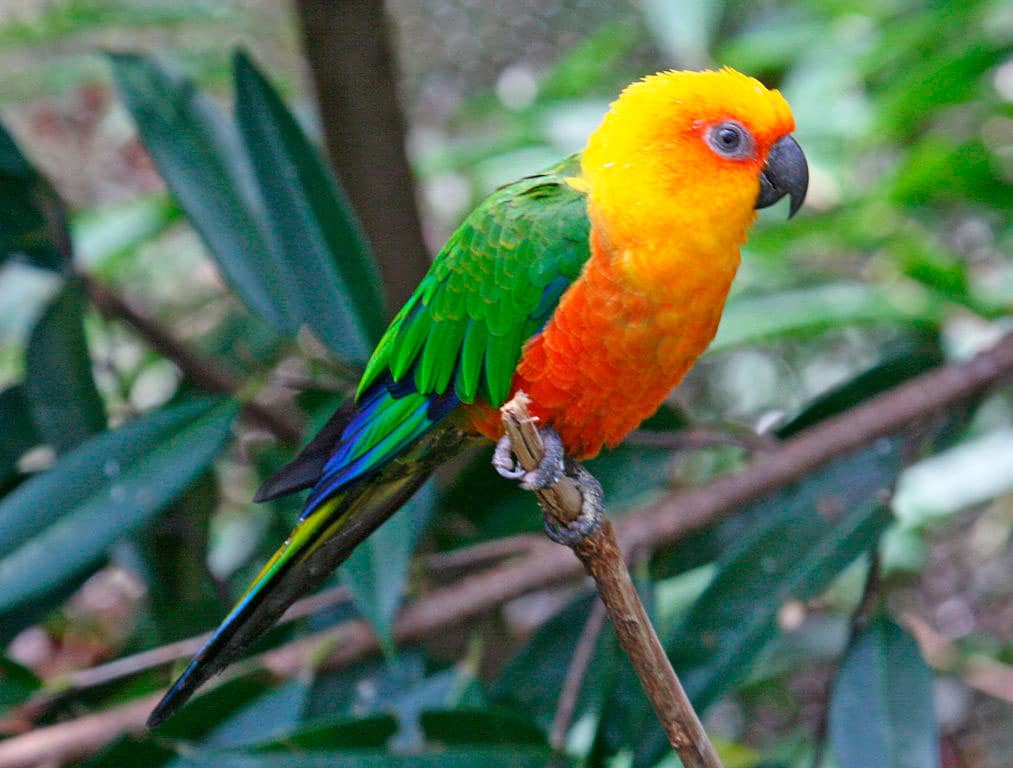
The Jandaya parakeet (Aratinga jandaya) they have both sides of the neck, cheeks, lores, ear-coverts and forecrown orange, deeper in the ear-coverts, around the eyes and in the lores; the crown and nape are yellowish-Orange (Some birds with paler yellow tones in the head).

Mantle and scapulars olive green; back and top of the rump, Green with orange-red horizontal bars; lower rump and uppertail-coverts olive green. Main feathers of the wings blue, the others feathers, green (brightest that in the the mantle). The flight feather blue color above, on the vane outer, Blackish towards the tip and grey below. Underwing-coverts orange-red. The underparts orange-red, slightly paler in the upper part of the chest and in the throat; undertail-coverts green.

Upper, the tail of olive with blue tips; undertail, charcoal grey.

Bill grey-black; bare periophthalmic pale grey; irises brown; legs grey.

Both sexes similar.

The immature has the head yellow and the neck with green markings; Dim Orange below.

Habitat:

The Jandaya parakeet move between deciduous woodlands, closed, thickets and clear areas of humid forest. Sporadically at the edge of the humid forest and in the caatinga. In palm groves of coconut on the coast of Pernambuco. Also frequent croplands and pastures. (Usually in flocks of approximately 12 birds, but sometimes in pairs or individually.

Reproduction:

Nests in tree cavities, at least a 15 metres in height. Observed young in the December nest in Maranhรฃo; eggs hatch between August-December, in the area of Belem. Clutch, probably composed of three eggs.

Food:

Food reported include seeds, berries and fruits of certain Melastomataceae, Mangifera, Palms Mauritia and Cecropia. Sometimes they can damage corn crops.

Distribution:

Distributed by northeast of Brazil. The species extends from the vicinity of Belem, Northeast of For, and Sao Luis, maranhรฃo, from South to North and East of Goiรกs and more eastward through Piauรญ, Cearรก, Rio Grande do Norte, Paraรญba, Pernambuco, Alagoas and probably the north end of Bay.

Locally common, While perhaps decreasing in some areas. It is possible that its range is usually expanding through the colonization of cleared areas of high humid forest., especially in For and Maranhรฃo.

Their status in the East its area of distribution is unknown.

Maintained in captivity with consequences serious, Perhaps derived from the illegal trade internal in Brazil and, possibly, by smuggling towards Asia South-East.

Conservation:

State of conservation โ“˜


minor concern Minor Concern โ“˜ (UICN)โ“˜

โ€ข Red List category of the UICN current: Least concern

โ€ข Population trend: Stable

This species has a range very large, and therefore not approaching the thresholds for vulnerable under the criterion of size range

The size of the world population of Jandaya Parakeet It has not been quantified, but this species has been described as ยซrareยป (Stotz et to the., 1996).

Its population is suspected to be stable in the absence of evidence of any reduction or substantial threats.

"Jandaya parakeet" in captivity:

Pretty common in captivity and easy to raise.

Like all the Parakeets, This species is not characterized by their ability to speak, still, can get to say some words with crystal clarity.

Its feeding is made up of different fruits, vegetables, soaked legumes and specific feed for parrots. There are species Meek and intelligent to which are the trains very well and are playful, What makes them good pet to maintain in a House. Being aves gregarias, is convenient to provide them a companion, Since solo can be quite noisy.

Enjoy the bathrooms, and is advisable to keep them in an Aviary or in cage of good proportions; It is also convenient to let the small flights out of its enclosure.

Its longevity often haunt them 20 years in captivity, being able to get to the 30 years, Depending on your care.

Alternative names:

Jandaya Parakeet, Flaming Conure, Flaming Parakeet, Jandaya Conure (English).
Conure jandaya, Conure ร  tรชte jaune, Perriche jandaya, Perruche ร  tรชte jaune, Perruche jandaya (French).
Jandayasittich, Jendajasittich, Jendayasittich (German).
Jandaia, jandaia-verdadeira (Portuguese).
Aratinga Jandaya, Periquito Rojo (espaรฑol).


scientific classification:

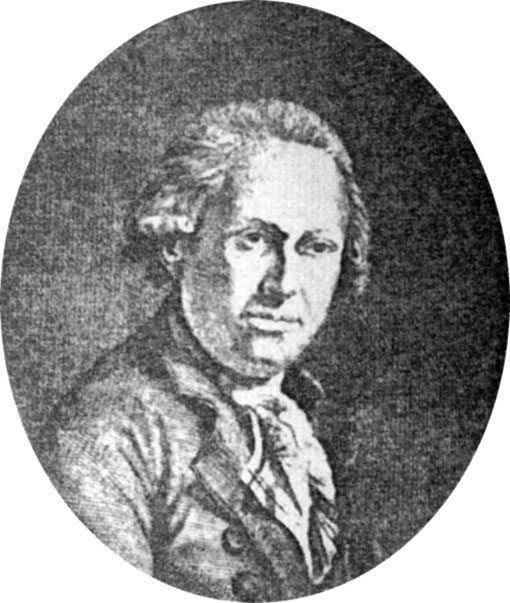
Gmelin Johann Friedrich

Order: Psittaciformes
Family: Psittacidae
Genus: Aratinga
Scientific name: Aratinga jandaya
Citation: (Gmelin, JF, 1788)
Protonimo: Psittacus Jandaya


Images Jandaya Parrot:

Videos "Jandaya parakeet"


Species of the genus Aratinga

Jandaya parakeet (Aratinga jandaya)


Sources:

Avibase
– Parrots of the World โ€“ Forshaw Joseph M
– Parrots A Guide to the Parrots of the World – Tony Juniper & Mike Parr
– Birdlife

Photos:

(1) – Jandaya Parakeet (Aratinga jandaya) aka Janday Conure. Photographed in Puerto Rico at the Mayaquez Zoo By Dick Daniels (http://carolinabirds.org /) (Own work) [CC BY-SA 3.0 or GFDL], via Wikimedia Commons

(2) – Jandaya Parakeet (also known as Jenday Conure) in Beale Park, Reading, Berkshire, England By David Long from London, United Kingdom (IMG_4798Uploaded by Snowmanradio) [CC BY 2.0], via Wikimedia Commons

(3) – Jenday Conure or Jandaya Parakeet in a tree. By GIANNIZZZERO at English Wikipedia [Public domain], via Wikimedia Commons

(4) – Jenday Conure or Jandaya Parakeet (Aratinga jandaya) at Iguaรงu Bird Park, Foz do Iguaรงu, Brazil. Photographed on 23 April 2003 By Arthur Chapman [CC BY 2.0], via Wikimedia Commons

(5) – Jenday Conure (Aratinga jandaya) at the Las Vegas Zoo By ZooFari (Own work) [CC BY-SA 3.0], via Wikimedia Commons

(6) – Aratinga jandaya and Aratinga solstitialis at Kobe Kachoen (Kobe Flowers and Birds Garden) in Kobe, Hyogo prefecture, Japan By Chris Gladis from Kyoto, Japan (Jandaya Parakeet) [CC BY 2.0], via Wikimedia Commons

(7) – Jendayasittiche (Aratinga jandaya) im Karl-Foerster-Garten des Tierparks Berlin-Friedrichsfelde By Lotse (Own work) [GFDL or CC BY-SA 3.0], via Wikimedia Commons

(8) – A Jandaya Parakeet (also known as Jenday Conure) at Beale Park, Lower Basildon, Reading, Berkshire, England By David Long (originally posted to Flickr as IMG_4800) [CC BY 2.0], via Wikimedia Commons

(9) – Jandaya Parakeet (also known as Jenday Conure) in Beale Park, Reading, Berkshire, England By David Long from London, United Kingdom (IMG_4802Uploaded by Snowmanradio) [CC BY 2.0], via Wikimedia Commons

Sounds: GABRIEL MILK (Xeno-canto)

โ–ท The world of Pets: Dogs, cats, birds, reptiles, amphibians

Southern Mealy Parrot
Amazona farinosa

Southern Mealy Parrot

Content

Description:


Anatomy-parrots

38 to 45 cm.. from head to tail and 535 to 766 weight g.

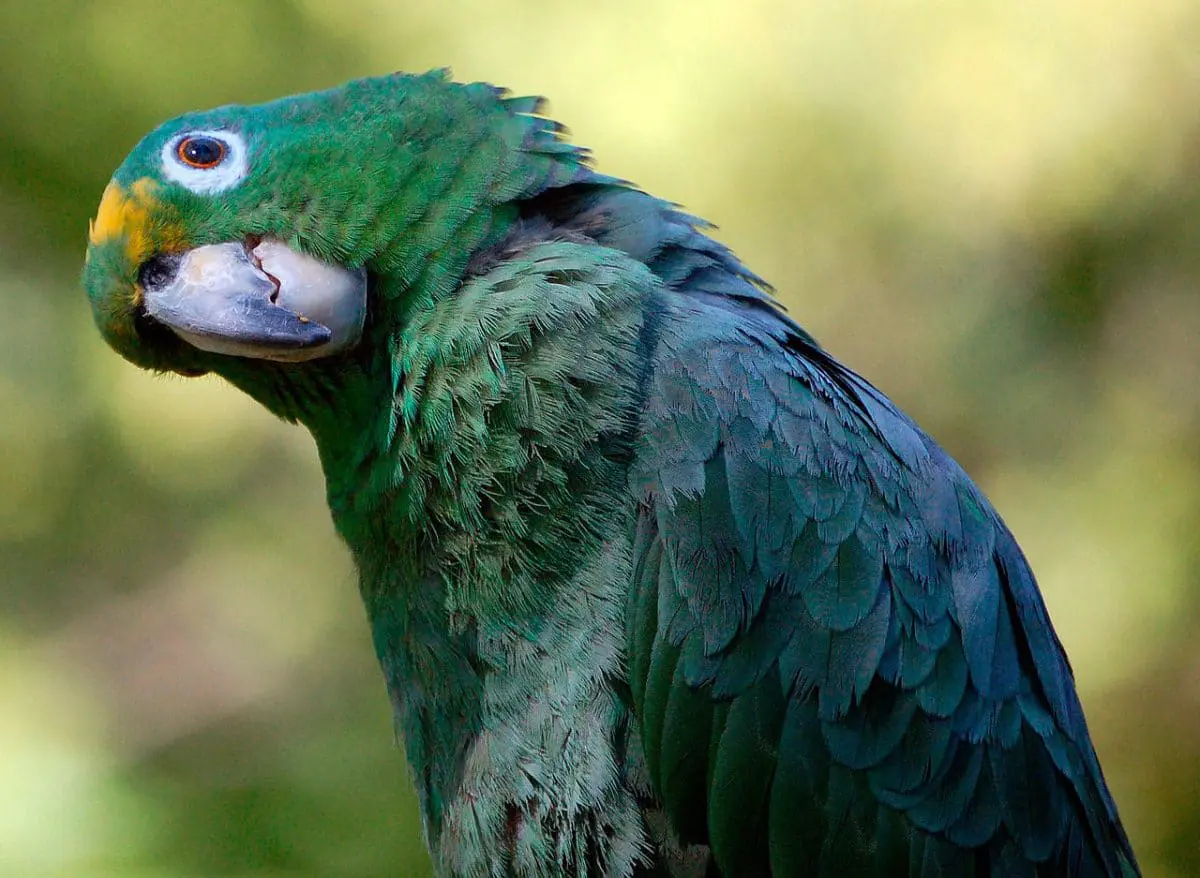
The Southern Mealy Parrot (Amazona farinosa) It is the fifth in size among the amazon parrots of the Americas, and is the Parrot largest in Mexico. The plumage its body is green with a slight yellow tone. Presents some yellow feathers on the crown, Although may not be very well defined.
Is characterized by its crown light blue color that continues to the side of the nape . Their wings are of round shape, and tail is short and square. The primary feathers and secondaries they have the blue-violet end, with a band red in them 4 – 5 Outer secondaries. The feathers of the tail they have a broad band of yellowish-green tip. The irises the eye is red with eye ring white, and the bill horn.

It has no sexual dimorphism and youth they are similar to adults, but with the irises dark brown .

Two more for South America subspecies have been proposed, Chapmani and Inornata but lack of character distinctive clear.

Habitat:

They inhabit in dense, humid tropical forests near clearings, Although also can inhabit in areas forested of the sheets.
You can see in altitudes of 290 to 1,200 m.

The Southern Mealy Parrot are birds very social, often seen flying in pairs or small flocks of up to 20 individuals. Also form groups more large, hundreds of birds, close to breeding season. Very enable, is the view often interacting with other species of parrots, such as macaws (ARA).

Is an of the species of parrot more noisy of the amazon, so they are easier to observe than other species.

Reproduction:

The mating It takes place once a year and usually starts in the spring. Once they mature sexually, the Southern Mealy Parrot they will choose a partner for life.

The breeding It normally varies between the months of November to March. The nesting has place in the cavity of a tree. The laying by year tends to be of three eggs. The eggs are hatch for approximately four weeks, after the hatching the males help females in the upbringing of young people, regurgitating food in the crop of the female. The offspring are ready to leave the nest after a period of about eight weeks..

Food:

It feeds on fruits of various species, some of them are: Euterpe SP.., Brosimum sp., Inga sp., Dussia sp., Eschweilera SP.., Pithecellobium SP.., Tetragastris sp., Dialium guianensis, Peritassa compta, Sloanea grandiflora and It corima macrocarpa. Also consumes flowers, arils of Cassearia sp. and nectar of Tabebuia insignis.

Distribution:

Size of the area of distribution (reproduction / resident): 6.790.000 km2

Are in Mexico, Central America and South America, occupying a wide range from the South of Mexico to the North of Bolivia and South of Brazil. They are more common in Costa Rica and Panama, particularly in the costa Caribbean. Observed in the Middle Magdalena River Valley and to the East of them Andes on San Jacinto Mountain Range, Western base of the Perijรก Mountain Range and the Department of Sucre, in Colombia.

Conservation:

State of conservation โ“˜


Near-threatened Near Threatened โ“˜ (UICN)โ“˜

โ€ข Current category of the Red List of the UICN: Near-threatened.

โ€ข Population trend: Decreasing.

Not are currently identified as a species in crisis. Not comply with the criteria for a decrease of the population, that means a loss of thirty per cent of the population in ten years or three generations, as defined in the Red list of the UICN.

Are considered a least concern species. This, However, It does not suggest that the species is completely free from danger.

The important trade of trade in live birds of this species, and loss of habitat caused by deforestation have a significant impact on the decrease of the population of the Southern Mealy Parrot in certain areas.

The Southern Mealy Parrot in captivity:

Of special interest to the international trade in exotic birds; common in captivity. In some areas, they are also hunted for food, due to its relatively large size. With regard to its ability to speak, It seems that can be good talkative, but is true that there are birds that do not come to make it never.

Alternative names:

Southern Mealy Parrot, Mealy Parrot, Mealy Parrot (nominate), Southern Mealy Amazon (English).
Amazone poudrรฉe, Amazone poudrรฉe (nominal), Amazone poudrรฉe (nominale), Amazone poudrรฉe (race nominale) (French).
Mรผlleramazone (German).
papagaio-moleiro (Portuguese).
Amazona harinosa sureรฑa, Amazona Burrona (espaรฑol).
Lora Real (Colombia).
Loro verde (Costa Rica).
Lora coroniazul (Honduras).
Loro corona-azul (Mexico).
Loro Harinoso (Peru).
Loro Burrรณn (Venezuela).


scientific classification:

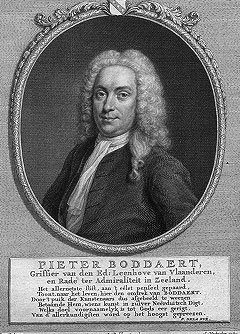
Pieter Boddaert
Pieter Boddaert

Order: Psittaciformes
Family: Psittacidae
Genus: Amazona
Scientific name: Amazona farinosa
Citation: (Boddaert, 1783)
Protonimo: Psittacus farinosus


Southern Mealy Parrot images:


Species of the genus Amazona


Sources:

Avibase
– Parrots of the World โ€“ Forshaw Joseph M
– Parrots A Guide to the Parrots of the World – Tony Juniper & Mike Parr
Birdlife

Photos:

(1) – Mealy Amazon at Elmwood Park Zoo. Photograph shows upper body By Art G. from Willow Grove, PA, USA (African Parrot) [CC BY 2.0], via Wikimedia Commons
(2) – Mealy Parrot (Amazona farinosa), Tambopata Lodge, Peru By D. Gordon E. Robertson (Own work) [CC BY-SA 3.0 or GFDL], via Wikimedia Commons
(3) – Two Mealy Amazons at South Lakes Wild Animal Park, Broughton Road, Dalton in Furness, Cumbria, England By Glen Bowman (originally posted to Flickr as 18:02:2009 14:33:08) [CC BY 2.0], via Wikimedia Commons
(4) – A Mealy Amazon at Kobe Oji Zoo, Kobe, Japan By Jun Y (originally posted to Flickr as Poll Parrot) [CC BY-SA 2.0], via Wikimedia Commons
(5) – Mealy Parrot or Mealy Amazon (Amazona farinosa) of the blue crowned variety. Note the characteristic flour-like surface texture of the feathers on shoulder area By Eightball38 at English Wikipedia [Public domain], via Wikimedia Commons

Sounds: Diego Caiafa (Xeno-canto)