โ–ท The world of Pets: Dogs, cats, birds, reptiles, amphibians

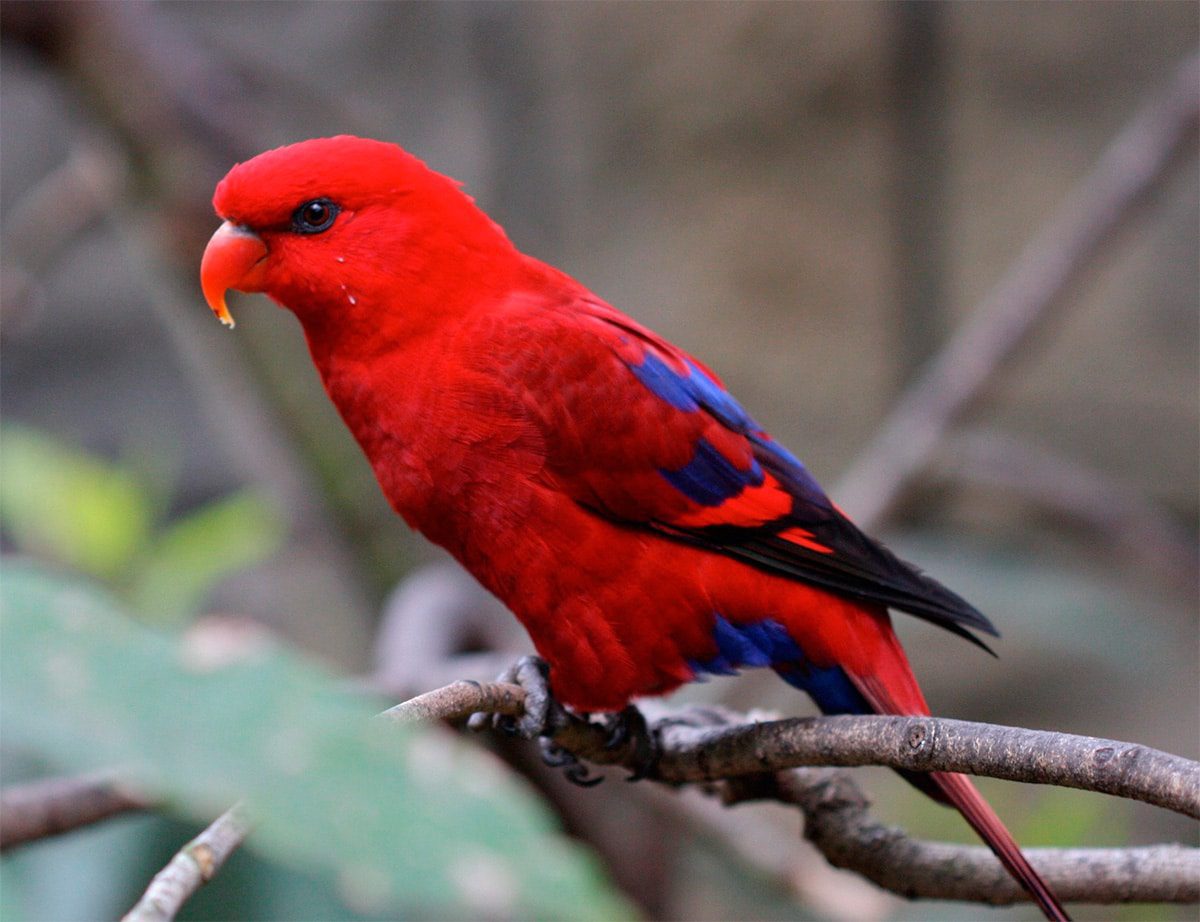
Red Lory
Eos bornea

Red Lory

Content

Description

31 cm.. length and an approximate weight of 170 gr.

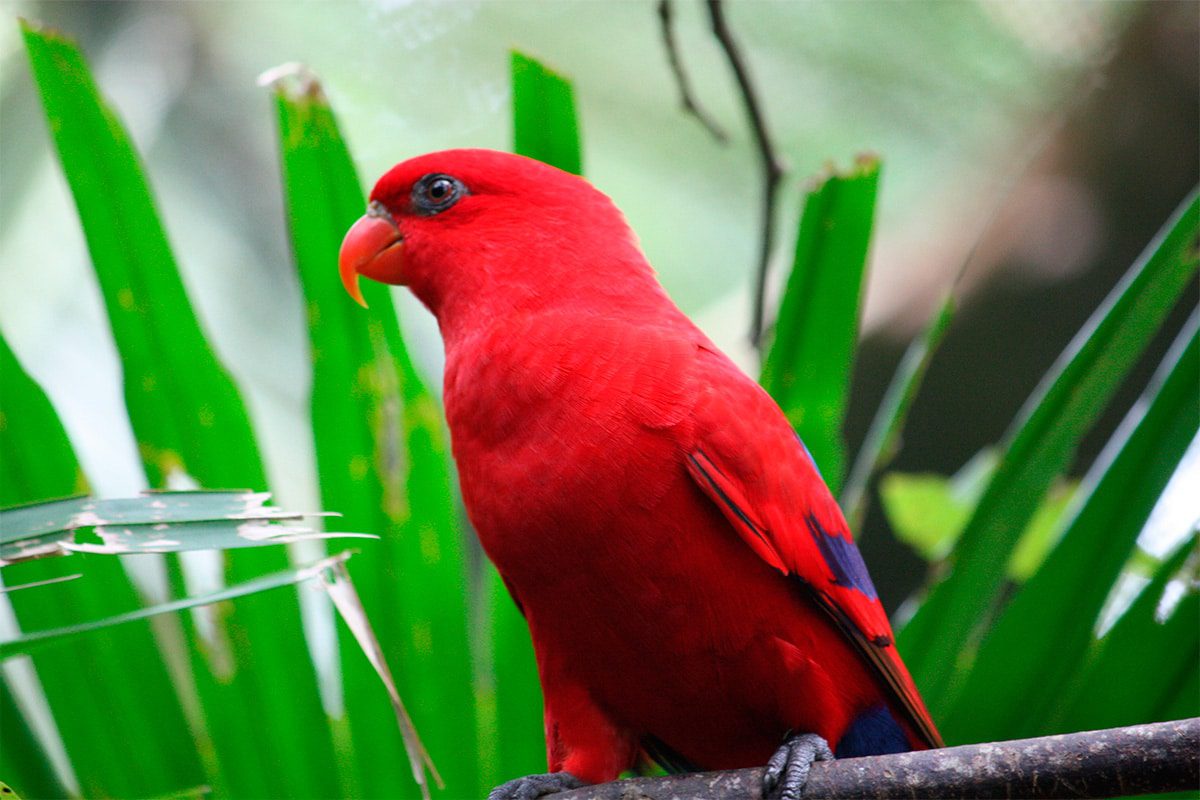
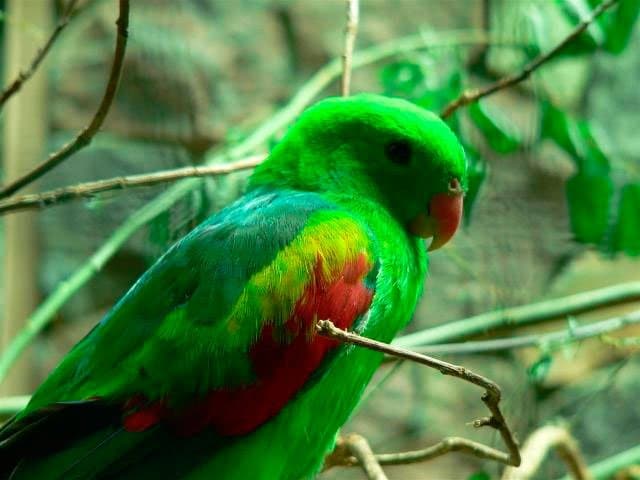
The head and the neck of the Red Lory (Eos bornea) are entirely of a deep red color.

In the adult the primary feathers are black with a large red mirror. The feathers tertiary and the coverts are of color blue. The joint of the feathers of the helmsman they are reddish-brown. The irises they are red, legs grayscale and the bill dark orange.

The immature they tend to be more off than their parents coloring. They show the feathers tertiary grey, lightly stained blue. The ear-coverts Sometimes it tinges of blue. Times, the area of the vent and the thighs it infiltrates with small stains blue. The feathers of the abdomen often carry some edges blue dark. They have the irises brown.

Not exists no sexual dimorphism visible although the males tend to be more corpulent that the females.

Description 2 subspecies

  • Eos bornea bornea

    (Linnaeus, 1758) – Nominal.


  • Eos bornea cyanonotha

    (Vieillot, 1818) – The Red of his plumage is much more dark almost brown.

Habitat:

They are mostly primary forests, in the wooded areas during regeneration, Forest Hills, coconut plantations, in abandoned gardens and mangroves.

They are mainly in coastal areas, What does not climb up to 900 m in the island of Ceram and up 1.800 m in the of Buru.

Throughout its area, the Red Lory are fairly common, However, some populations are more dispersed around the villages, since they are very cautious towards humans.

Behavior:

The Red Lory they live in pairs or in small groups, but sometimes you can observe large flocks of 50 individuals.

They are birds noisy and quite easy to observe, as they often fly above the canopy attracted by the red flowers of the tree of coral (Erythrina).

They have a fast and direct flight and when moving, make your buzz due to its quick flapping.

In the Kai Islands, their movements are common: all days, they cross the arm of sea that separates the different islands flying rapidly and at high altitude.

During the rest hours that occur at noon, the Red Lory they spend most of their time smoothing their feathers in the shade of a tree. Probably, This practice is designed to strengthen marital ties. Parties that enjoy priority are the head and neck; as you can not reach these areas with its beak, you will always need your partner collaboration. The "patient" that undergoes this preferential treatment seems to express a great sense of satisfaction.

Reproduction:

The couples begin to look for the location of the nest between the months of August and September. It is located high in a big tree.
In mid-December some young leaving the nest have observed.

As in all loris, the nesting period is very long and hard 7 to 9 weeks.

In captivity, the Red Lory puts 1 or 2 litters per year. Each spawning has usually 2 white eggs that are incubated for a period ranging from 24 to 26 days.

Food:

In their natural habitats, the Red Lory feed of nectar, pollen, fruits and insects of fashion casual.
Your food รขโ‚ฌยบ seem to be them flowers of the trees of the species Eugenia and Erythrina.

All the Loris they have a language that is especially suited, with a brush tip made up of elongated papillae. This characteristic allows birds to collect pollen from flowers and compress it in a suitable way for swallowing.. They play an important role in the pollination of flowering plants and trees.

Distribution:

Size of the area of distribution (reproduction / resident): 57.900 km2

The Red Lory they have a very restricted distribution area. They live South of the Moluccan Islands, halfway between Sulawesi and the western end of New Guinea.

Distribution 2 subspecies:

Conservation:


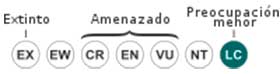
minor concern


โ€ข Current IUCN Red List category: Least concern

โ€ข Population trend: Decreasing

This species has a very large range, and therefore not approaching the thresholds for Vulnerable according to the range size criterion.

The population is suspected of being in decline due to unsustainable levels of exploitation.

The species has undergone intense trade from 1981, When it began trading in Appendix II. 99.834 wild-caught specimens have been recorded in international trade, Although none from 2000 (UNEP-WCMC trade database, January 2005 CITES).

"Red Lory" in captivity:

This lori is considered one of the most widespread within poultry. It's an interesting bird, robust and easy of play, ideal for a start in the world of the loris. It also has a very attractive red color; It playful and is easy for tame.

It is a great conversationalist. Some have entire sentences in their vocabulary. Unfortunately, his voice is sometimes very strong, with a high sharp squeal. Most are docile, even at maturity. They can be prolific breeders and are fairly easy to find as hand-raised pets..

Too much protein in the diet can lead to gout., a type of arthritis that crystals are deposited in the joints. May be a bit uncomfortable due to liquid diet.

Alternative names:


Red Lory, Buru Red Lory (ingles).
Lori รฉcarlate, Lori rouge (French).
Rotlori (German).
Lรณris-vermelho (Portuguese).
Lori Rojo (espaรฑol).

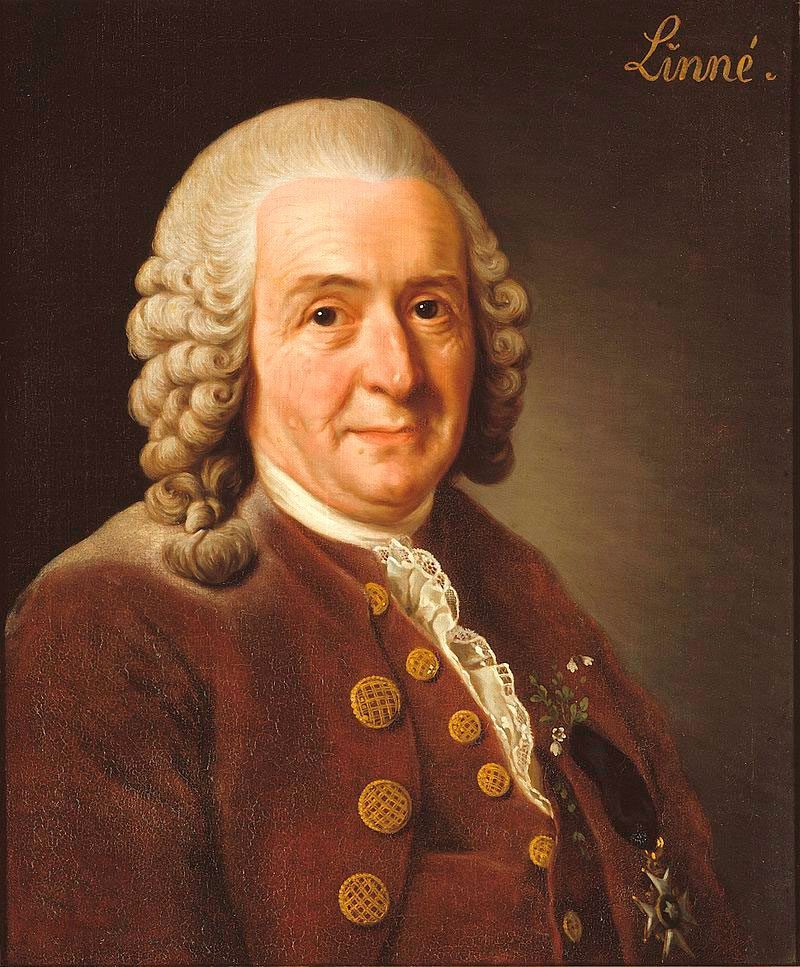
Carl Linnaeus
Carl Linnaeus

scientific classification:


Order: Psittaciformes
Family: Psittaculidae
Genus: Eos
Scientific name: Eos bornea
Citation: (Linnaeus, 1758)
Protonimo: Psittacus borneus


Images "Red Lori":

Videos "Red Lory"

——————————————————————————————————–

ยซLori Rojoยป (Eos bornea)


Sources:

Avibase
– BirdLife.org
– mundoexotics
Oiseaux.NET

Photos:

* A Red Lorry at Taronga Zoo, Sydney, Australia by Navin – wikimdia
* Red Lory (Eos bornea) looking upwards by shahram sharif – Wikimedia
* Red Lory (Eos bornea) at Singapore Zoo by Joost Rooijmans – Wikimedia
* Red Lory – KL Bird Park – Malaysia by diego_cue – Panoramio
* Moluccan Red Lory – Parrots Australia

Sounds: BAS van Balen (Xeno-canto)

โ–ท The world of Pets: Dogs, cats, birds, reptiles, amphibians

Purple-crowned lorikeet
Parvipsitta porphyrocephala

Purple-crowned lorikeet

Content

Description

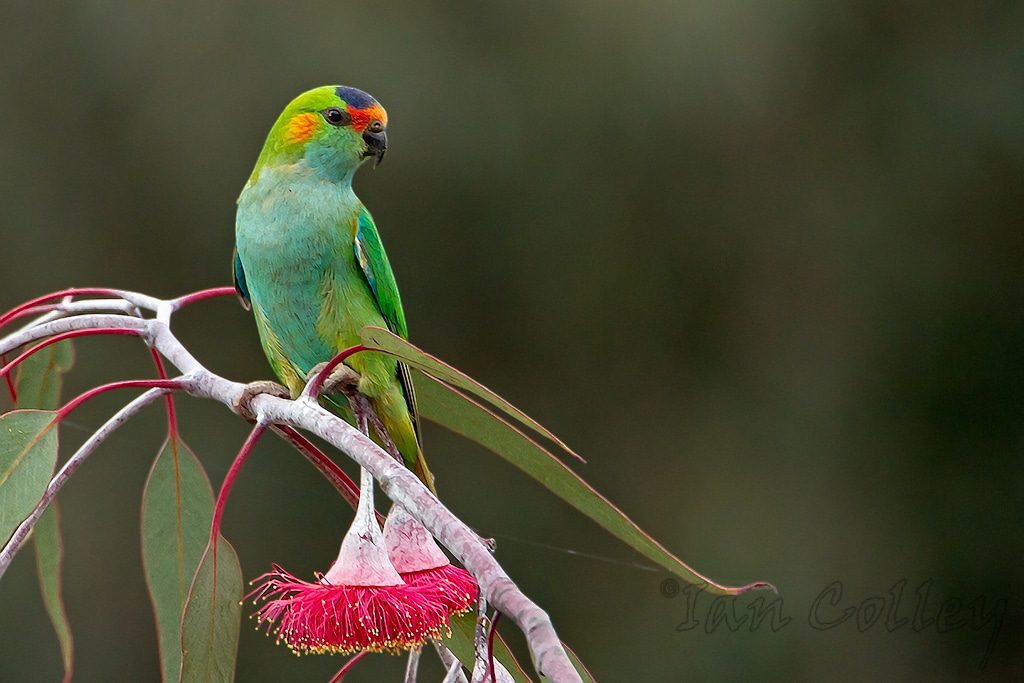
The Purple-crowned lorikeet (Parvipsitta porphyrocephala) has a length of 16 cm.. and a weight between 40 and 50 g..

The part forward of the crown is orange, merging is in red in the lores. Above and in front of the eyes, orange-yellow. Crown dark purple color, merging into green at the nape, also showing a few feathers of orange-red.
The ear-coverts, yellowish-orange, Red Centre. Chin and throat, of color turquoise light.
Upperparts, of color green with washed Brown in the the mantle and rump more bright, slightly greenish-blue.

The upperwing green color, bright blue marked in the curve and on the edge of the carpal area.

The interior of the flight feather color black; fine yellow margins in primaries.
Coverts interiors, red. Breast , neck and upperparts, of color green with a wash light blue turquoise; sides chest top with slight brownish wash; Center of belly washed turquoise with flanks and coverts, of color color green; yellowish stains on the bottom sides of the chest hidden with the wing folded. Green the upper part of the tail and yellow on the inside.

Its small bill curved is black, their legs grayscale and the irises her Brown eyes.

The female is similar but has the irises darker, the ear-coverts lighter and lacks crimson spots.

The immature are more muted tones and lack of purple coloration of the head.

Habitat:

It is a nomadic local that often are found in the forests dried sclerophyllous, especially when the eucalyptus Bloom.
Nomadic flocks may also travel far, Sometimes the inside of the Australian continent.

The flowering of the eucalyptus is mainly responsible of its movements unpredictable, Although in some areas, the birds may be present throughout the year.

Found in diverse areas forming large flocks of hundreds of individuals, often with groups mixed from others Lori including the Musk Lorikeet.

Found commonly in Woods and forests, but also visitors are urban areas, where feed on ornamental flowers.

Casual visitors during the winter of banksias in habitats of Heath.

The Purple-crowned lorikeet is characteristic of drier areas, lightly lined, especially eucalyptus Woods.
Can convert it in a plague to the orchards.

Roosts in large groups, sometimes very far from the feeding areas. Manso and discreet While feeds, except the constant calls. Usually feed on low branches and shrubs.

Reproduction:

The breeding season It includes the months of August to December. The nests are located in holes in trees, preferably a eucalyptus near the water. Several couples often occupy neighboring holes in the same tree.

The cycle of of reproduction in captivity gives a period of incubation of around 22 days, with the young people of 6 to 7 weeks weaned high is after the hatching.

Food:

Feed primarily of nectar and pollen of the flowering of the eucalyptus, but they can also attack the orchards to feed on ripe fruit.

Distribution:

Size of the area of distribution (reproduction / resident): 938.000 km2

The Purple-crowned lorikeet are located in two areas separate from Australia to the Southwest and Southeast of the continent. Separate ranges, but racial differences are not recognized, and it is possible that the birds can travel from time to time between the two areas of distribution. Also located in the Kangaroo Island, Although not found in Tasmania.

Conservation:


minor concern

โ€ข Current IUCN Red List category: Least concern

โ€ข Population trend: Decreasing

The world population It is believed that it is superior to 50.000 individuals.
This species has a very large range, and therefore not approaching the thresholds for Vulnerable according to the range size criterion.

While the trend of the population seems to be decreasing, the descent do not believe that it is sufficiently fast for approaching the thresholds of Vulnerable according to the criterion of population trend.

For these reasons, the species is evaluated as Least concern.

"Purple-crowned lorikeet" in captivity:

It is a bird noisy, sociable and always in motion.

Very rare in captivity out of Australia.

Alternative names:

Purple crowned Lorikeet, Purple-crowned Lorikeet (ingles).
Lori ร  couronne pourpre (French).
Blauscheitellori (German).
Lorikeet Roxo-coroado (Portuguese).
Lori Coronipรบrpura, Lori de Corona Pรบrpura (espaรฑol).

scientific classification:

Order: Psittaciformes
Family: Psittaculidae
Genus: Parvipsitta
Scientific name: Parvipsitta porphyrocephala
Citation: (Dietrichsen, 1837)
Protonimo: Trichoglossus porphyrocephalus

Images "Lori Coronipurpin":

Videos "Purple-crowned lorikeet"


ยซOn Coroniprightยป (Parvipsitta porphyrocephala)


Sources:

Avibase
Parrots of the World โ€“ Forshaw Joseph M
Parrots A Guide to the Parrots of the World – Tony Juniper & Mike Parr
BirdLife.org

Photos:

1 – by Ian Colley – IBC.lynxeds.com
2 – "Purple-crowned Lorikeetvon KeresH – Eigenes Werk. Lizenziert unter CC BY-SA 3.0 รผber Wikimedia Commons.
3 – by Nick Talbot – IBC.lynxeds.com
4 โ€“ by Nick Talbot – IBC.lynxeds.com
5 – gopixpic.com

Sounds: nick talbot (Xeno-canto)

โ–ท The world of Pets: Dogs, cats, birds, reptiles, amphibians

Meek's Lorikeet
Charmosyna meeki

Content

Description

Of 16 cm.. length and a weight between 23 and 32 g..

Meek's Lorikeet

The head of the Meek's Lorikeet (Charmosyna meeki) is bright green, more yellowish in the Chin and throat, darker on crown and streaked on ear coats; patch of dark green blue above and in front of the eye. Green upper parts with fused olive through the mantle.

The wings of green at the top. Under the yellowish-green wing coverts. The yellowish green underparts, lighter in the back and more yellow from the chest to the belly. Top of tail dark green with yellow tip; the yellow bottom. Orange peak; pale red irises; legs Orange.

Both sexes are equal. Immature with the paler beak with base brown color and shorter tail.

Habitat:

Nomad. It is distributed in the humid hills and montane forests, but they have also found found in lowland coconut palms. Usually found alone or in small flocks of about of 10 to 15 birds flying through or above the forest cover. Larger groups can gather in the blooming of trees to feed on pollen and nectar. It can be associated with other parrots as the Duchess Lorikeet, Finsch's Pygmy-Parrot, Yellow-bibbed Lory and Coconut Lorikeet

Reproduction:

Information is not available.

Food:

Its diet includes pollen and nectar.

Distribution:

Endemic to the mountains of the largest islands in the Group of Solomons: Bougainville, New Georgia, Malaita, Kolombangara, Guadalcanal and in the past Santa Isabel. Moves starting from the 300 m, until the 1.700 m, but reportedly rarely in the lowlands or above 1.200 m. The world's population is believed to be below 50,000 exemplary but probably stable.

Conservation:


Near-threatened

โ€ข Current IUCN Red List category: Near threatened
โ€ข Population trend: Decreasing

The size of the world's population has not been quantified, It is believed that it is below 50,000 specimens, but the species is described as abundant at the Summit of Kolombangara.

There is still no evidence of a decline in its population, but would be threatened by any future large-scale export trade

"Meek's Lorikeet" in captivity:

They are not known to be in captivity.

Alternative names:

Meek’s Lorikeet (ingles).
Lori de Meek (French).
Salomonenlori (German).
Lori de Meek (espaรฑol).

scientific classification:

Order: Psittaciformes
Family: Psittaculidae
Scientific name: Charmosyna meeki
Citation: (Rothschild & Hartert, 1901)
Protonimo: Hypocharmosyna meeki

Lori Meek images:

————————————————————————————————

"Lori de Meek" (Charmosyna meeki)


Sources:

Avibase
– Parrots of the World โ€“ Forshaw Joseph M
– Parrots A Guide to the Parrots of the World – Tony Juniper & Mike Parr
– Birdlife

Sounds: Mark Todd (Xeno-canto)

โ–ท The world of Pets: Dogs, cats, birds, reptiles, amphibians

Wallace's hanging parrot
Loriculus flosculus

Wallace's hanging parrot

Content

Description

11 to 12 cm.. length.

The head of the Wallace's hanging parrot (Loriculus flosculus) is green. Upperparts green with faint orange on the back of the neck; rump and uppertail-coverts red.

Wings green above. Chin red; rest of the underparts green, lighter in undertail-coverts. The tail, at the top, green color with a lighter Green Tip; ends of the lateral feathers, orange-red: Under, the tail bluish green. The bill red; Orange the irises; legs yellowish-orange.

Female with red chin reduced or nonexistent.

Immature with the red chin smaller. The color of the bill and legs more off.

Habitat:

Seem to need the humid mountain forests semi-evergreen. Birds have been seen in fruit trees, and outside the breeding season they gather in small flocks of up to 20 birds. Its altitudinal distribution seems to be closely linked to the distribution of fruiting figs.

They easily unnoticed due to its small size and green plumage, and they are most often in flight when they can be identified by the size, strident calls and the buzz of the rapid flapping. They are most frequently, flying above the canopy.

Reproduction:

There are no data from the reproductive process in nature.

Food:

Most sightings in 1993, the Wallace's hanging parrot they were in the fig tree in fruit trees, and dependence or specialization in this food resource is more than likely.
Its diet includes, In addition, nectar, outbreaks, flowers and seeds.

Distribution:

Size of its range (reproduction / resident): 13.400 km2

Endemic to Flowers. Found at semi-annual primary forest at an altitude between 400 and 980 m (more between 850 and 980 meters during the fructification of the Ficus figs) during observations on 1993. These birds were recorded in the area of Tanjung Kerita Mese, about Paku, to the East of Flowers and proposed as protected area.

Conservation:


Endangered


โ€ข Current IUCN Red List category: Danger

โ€ข Population trend: Decreasing

The habitat destruction through the combined effects of collecting firewood, the logging, timber extraction for construction materials and authorization for Agriculture, together they represent more relevant threats. Loss and fragmentation of forests is already widespread in Flowers, where there are semi-annual forest below 1.000 meters included within officially protected areas. These threats are exacerbated by the expansion of human population, with large volumes of wood necessary for housing construction, and the fact that there is little or no government enforcement of laws. Wet deciduous forest, it is currently being extensively destroyed through land grabbing and the establishment of agricultural areas., a factor that is inevitably shrinking the reach and the population of this species. Forest clearing continues on the coastal strip to make way for crops, and illegal logging continues in protected areas.

The population is estimated at a number of 2,500-9,999 mature individuals based on an assessment of the known records, descriptions of the abundance and range size.

Two recent studies have focused on endemic birds of Flowers. Two sites in which inhabits this species for the establishment as protected areas are proposed: Tanjung Kerita Mese and Egon Iliwuli (in Gunung Egon).

"Wallace's hanging parrot" in captivity:

Very rare in captivity.

Alternative names:

Wallace’s Hanging-Parrot, Flores Hanging-Parrot, Wallace’s Hanging Parrot (ingles).
Coryllis de Wallace (French).
Florespapageichen, Flores Papageichen (German).
Lorรญculo do Flores (Portuguese).
Lorรญculo de Flores (espaรฑol).

scientific classification:

Order: Psittaciformes
Family: Psittaculidae
Genus: Loriculus
Scientific name: Loriculus flosculus
Citation: Wallace, 1864
Protonimo: Loriculus flosculus

Images:

————————————————————————————————

Wallace's hanging parrot (Loriculus flosculus)


Sources:

Avibase
– Parrots of the World โ€“ Forshaw Joseph M
– Parrots A Guide to the Parrots of the World – Tony Juniper & Mike Parr
– Birdlife

Photos:

(1) – by ยฉ Hanom Bashari – Oriental Bird Club

Sounds: Allen T. Chartier (Xeno-canto)

โ–ท The world of Pets: Dogs, cats, birds, reptiles, amphibians

Finsch's Pygmy-Parrot
Micropsitta finschii

Finsch's Pygmy-Parrot

Content


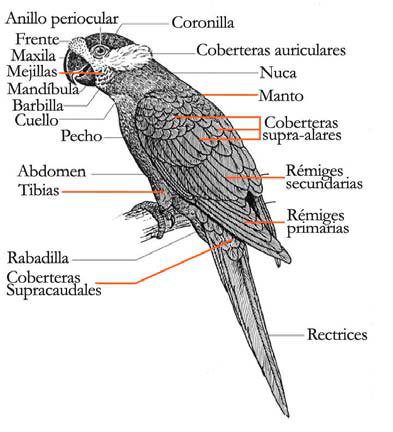
Anatomy-parrots

Description

9,5 cm. length between 12 and 18 g. of weight.

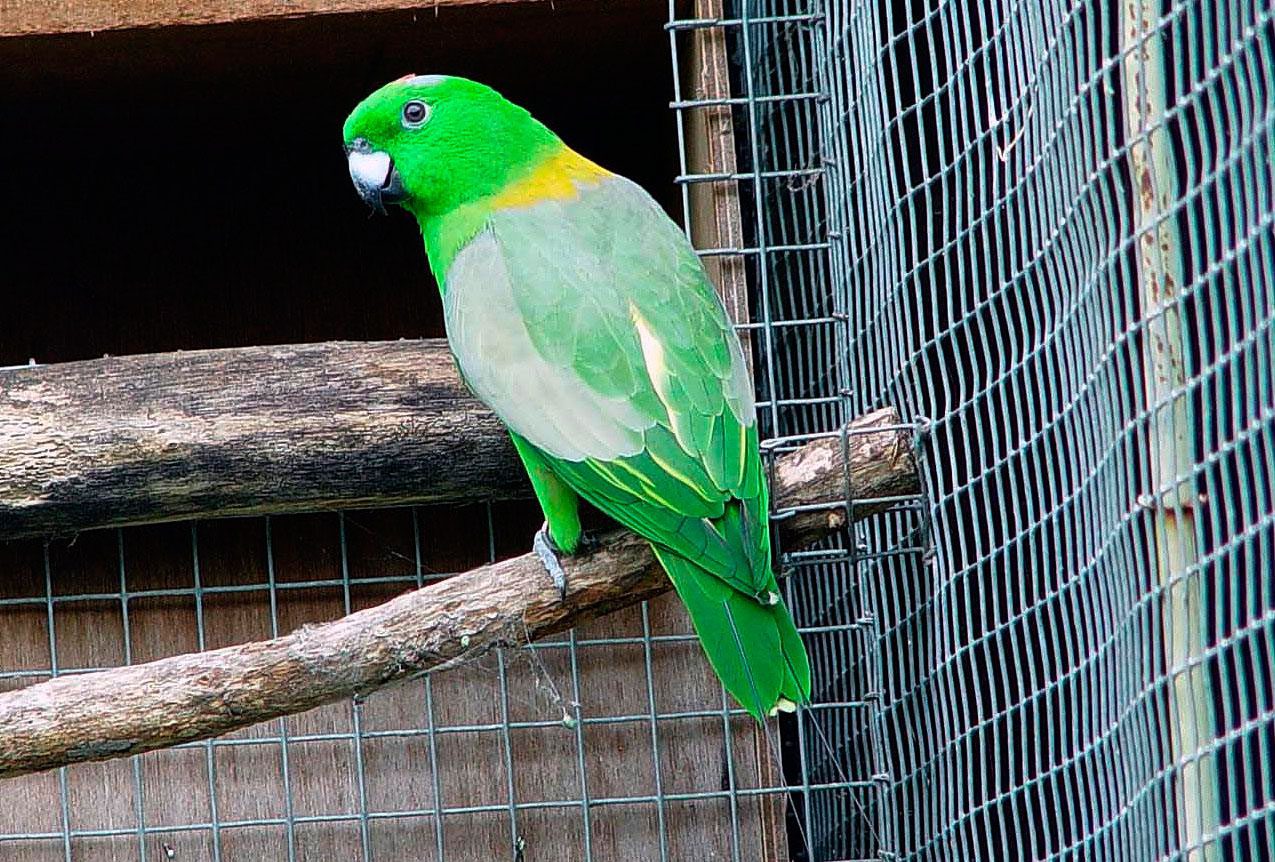
The head of the Finsch's Pygmy-Parrot (Micropsitta finschii) is bright green, slightly yellowish, dotted with pale blue in the chin and throat. Upperparts bright green, with fine darker stripes. The flight feather they are black with fine green edges; wing feathers greenish yellow. The underparts pale yellowish green with fine darker stripes and feather in the center of the belly orange-red; uppertail-coverts yellow, the longest with bluish-green tips. Upper, the tail is off blue, Black in the Center and sides with blue and yellow tips; below, the tail is black with yellow tips.

Bill blackish; cere Pink ; irises orange red; legs grey.

Cere rose in the male, grey in the female. The females they lack the red marks in the underparts and they have pink feathers, not blue, on chin.

Immature with bill grayish and reddish brown, not orange-red, the irises.

In the juvenile birds the cere is greyish in both sexes. Males immature of the species nominal lack of the chin Blue and red markings in the abdomen.

Subspecies description

Description 5 subspecies
  • Micropsitta finschii finschii

    (EP Ramsay, 1881) – The nominal.


  • Micropsitta finschii nanina

    (Tristram, 1891) – The adults have a stain blue in the part superior of the crown.


  • Micropsitta finschii viridifrons

    (Rothschild & ECTION Hartert, 1899) – Adults have a large blue spot at the top of the crown and blue tones to the sides of the face.


  • Micropsitta finschii tristami

    (Rothschild & ECTION Hartert, 1902) – Adults do not have blue spots and orange


  • Micropsitta finschii aolae

    (Ogilvie-Grant, 1888) – adults have the upperparts darker and have a blue spot on the top of the crown.

Habitat:

Finsch's Pygmy-Parrot

Most common in lowland primary forest at mid-altitude, are observed to the 900 meters above sea level (lower boundary of cloud forests where they are replaced by the Red-breasted Pygmy-Parrot, but they are distributed in a variety of habitats, including weed gardens, casuarinas, secondary growth, areas of open scrubland and occasionally coconut (Cocoa nuts). It's a vociferous and active species, difficult to observe. They are alone, in pairs or in groups of 3 to 6 birds. They feed on acrobatic form, down with your head upside down and using their tails as support on the bark of the trees.

Reproduction:

One to two eggs are deposited by the female in an excavated cavity over a period of several weeks in an active tree termite nest. (that is also used for the rest). Adults were observed with young in January 1995 in the South of New Ireland. The breeding period It speculates that may be between March and Mayo.

Food:

Peck the trunks and branches of the tree tops and medium height plants to glean lichens and fungi, also noticed them is feeding of seeds of casuarina.

Distribution:

Are found in the Bismarck Archipelago including New Hanover, Tabar, Lihir and New Ireland, through Bougainville in the Solomon Islands in Choiseul, Santa Isabel, Malaita, Vella Lavella, Gizo, Kolombangara, New Georgia, Rendova, the Russell Islands, the Islands of Florida, Nggela Sule, Guadalcanal, Uki and San Cristรณbal.

Subspecies distribution:

Distribution 5 subspecies

Conservation:


minor concern


โ€ข Current IUCN Red List category: Least concern

โ€ข Population trend: Stable

The size of the world population It has not been quantified, supposedly above 100.000 specimens. The species according to sources, It is abundant within its range (pit et to the. 1997).

The population is suspected to be stable in the absence of evidence of any reduction or substantial threats.


In captivity:

Not found in captivity.
This species has only been kept alive for short periods in captivity.; new birds may refuse foods completely.

Alternative names:

Finsch’s Pygmy-Parrot, Emerald Pygmy Parrot, Finsch’s Pygmy Parrot, Green Pygmy Parrot, Green Pygmy-Parrot (ingles).
Micropsitte de Finsch (francรฉs).
Salomonenspechtpapagei, Salomonen-Spechtpapagei (alemรกn).
Micropsitta finschii (portuguรฉs).
Microloro de Finsch (espaรฑol).

scientific classification:

Order: Psittaciformes
Family: Psittaculidae
Scientific name: Micropsitta finschii
Genus: Meeki
Citation: (Ramsay,EP, 1881)
Protonimo: Nasiterna Finschii

Images "Finsch's Pygmy-Parrot"

Videos "Finsch's Pygmy-Parrot"

————————————————————————————————

ยซFinsch microloreยป (Micropsitta finschii)


Sources:

Avibase
– Parrots of the World โ€“ Forshaw Joseph M
– Parrots A Guide to the Parrots of the World – Tony Juniper & Mike Parr
– Birdlife
Wikipedia

Photos:

(1) – A bird foraging on a trunk by Josep del Hoyo – lynx
(2) – Parrots of the World โ€“ Forshaw Joseph M

Sounds: Mark Todd (Xeno-canto)

โ–ท The world of Pets: Dogs, cats, birds, reptiles, amphibians

Golden-mantled Racquet-tail
Prioniturus platurus


Golden-mantled Racquet-tail

Content

Golden-mantled Racquet-tail

Description

28 cm.. length and a weight between 200 and 225 g..

The head of the Golden-mantled Racquet-tail (Prioniturus platurus) is light green. The crown Violet gray with a red spot on the front edge; rear of the neck Ocre-Naranja. Mantle light grey, changing to green (marked in grey) on the back; rump and uppertail-coverts green. Wing coverts green, strongly impregnated with pale grey (more green in the coverts more internal); primaries Greens with vane Dark internal; secondary internal green with yellow line in the margins; bend of wing grey violet, carpal edge yellow. Wing feathers green; underside of flight feather marked in blue. Underparts brighter yellowish green, more green in the upper part of the chest, and yellow in the undertail-coverts. Upper, the tail green in the center, dotted in bluish black on the sides; undertail, the tail pale blue; spatulas blackish.

Bill pale grey, with the lower jaw and the tip of the bill darker; irises dark brown; legs grey.

The female lacks the color red and blue marks from the crown and of the collar back orange; underparts washed in less differentiated grey; rackets shorter tail.

Immature without rackets the tail.

Subspecies:

  • Prioniturus platurus platurus

    – The nominal.


  • Prioniturus platurus talautensis

    – (Hartert, E, 1898) Paler in general males; less grey on the mantle and the upper wing coverts; stain clear reddish pink on the back of the Crown with most blue patch.
    The female as the nominal species but green with paler
    Juveniles as the nominal species but also with the Green pale


  • Prioniturus platurus sinerubris

    – (Forshaw, 1971) Males with reddish pink spot away from the back of the Crown; mantle and upper wing coverts, green, slightly washed with grey; curve of wing and lesser coverts bathed in purple; smaller.

Habitat:

The Golden-mantled Racquet-tail inhabits the edges of humid forests, forests, orchards and forests of the lowlands Moss, to 2.000 m (most common above 1.000 m). The birds are seen generally in small noisy groups of 5-10 Member, flying over the forest, or during daily movements between the feeding and rest areas.

Reproduction:

A female in breeding condition was observed in October and the nest was in a hollow tree; nothing more is known about the reproductive behavior of the species.

Food:

Have been seen feeding on fruiting mango (Mangifera indica), and the diet includes fruits, seeds and flowers.

Distribution:

Size of the distribution (reproduction / resident): 186.000 km2

Restricted to Sulawesi and nearby islands, including Talaud, Siau, Lembeh, Togian, Group Banggai, Ambon, Muna and Button. Usually, the species is common and the world population is considered to be above 10.000 exemplary and stable: Nominal race numbers are calculated to be above the 10.000 birds and stable, the subspecies talautensis It is less numerous with a population of about of 5.000 specimens, and the sinerubris It is thought that it may be around 10.000 exemplary and probably stable.

Subspecies distribution:

  • Prioniturus platurus platurus

    – The nominal.


  • Prioniturus platurus talautensis

    – (Hartert, E, 1898) Is distributed in the Talaud Islands.


  • Prioniturus platurus sinerubris

    – (Forshaw, 1971) Is distributed in Taliabu and Mangole in the Sula Islands

One of the places where you can see this bird is the Gunung Ambang nature reserve in Sulawesi.

Conservation:


minor concern


โ€ข Current category of the Red List of the UICN: Least concern

โ€ข Population trend: Stable


The size of the world population It has not been quantified, Although it is estimated that it may be between 10,000 and 20,000 specimens. The species is described as common (pit et to the. 1997).

The population is suspected to be stable in the absence of evidence of any reduction or substantial threats.


"Golden-mantled Racquet-tail" in captivity:

Susceptible to fungal infections.
Rare in captivity.

Alternative names:

Golden-mantled Racquet-tail, Gold-backed Racquet-tail, Gold-backed Racquet-tailed Parrot, Golden Mantled Racket-tailed Parrot, Golden mantled Racquet tail, Golden-mantled Racket-tail, Golden-mantled Racket-tailed Parrot, Golden-mantled Racquet-tail Parrot, Golden-mantled Racquet-tailed Parrot, Gold-mantled Racket-tail, Gold-mantled Racket-tailed Parrot, Gold-mantled Racquet-tailed Parrot (ingles).
Palette ร  manteau d’or, Perroquet ร  raquette ร  manteau d’or (French).
Goldmantelpapagei (German).
Prioniturus platurus (Portuguese).
Lorito Momoto Dorado, Lorito momoto Dorsidorado, Lorito-momoto Dorsidorado (espaรฑol).

scientific classification:

Order: Psittaciformes
Family: Psittaculidae
Genus: Prioniturus
Scientific name: Prioniturus platurus
Citation: (Vieillot, 1818)
Protonimo: parrot platurus

Images "Golden-mantled Racquet-tail"

Videos "Golden-mantled Racquet-tail"

————————————————————————————————

ยซLorito momoto dorsidoradoยป (Prioniturus platurus)

Sources:

Avibase
– Parrots of the World โ€“ Forshaw Joseph M
– Parrots A Guide to the Parrots of the World – Tony Juniper & Mike Parr
Wikipedia
– Birdlife

Photos:

(1) – Prioniturus platurus golden mantled racquet tail – Parrot-birds
(2) – ยซPrioniturus platurusยป by John Gould – Gould, John, 1804-1881; Sharpe, Richard Bowdler, 1847-1909: Birds of Asia., Volume 6, London, [2]. Licensed under Public Domain via Wikimedia Commons.

Sounds: Frank Lambert (Xeno-canto)

โ–ท The world of Pets: Dogs, cats, birds, reptiles, amphibians

Olive-shouldered Parrot
Aprosmictus jonquillaceus

Olive-shouldered Parrot

Content


Anatomy-parrots

Description

35 cm.. length and 130 g. of weight.

The Olive-shouldered Parrot (Aprosmictus jonquillaceus) has the head bright pale green. "Mantle" and back darker green color that the of the head and underparts, showing a blue diffusion; rump bright teal pale. Uppertail brighter yellowish green.

Upper, the wing feathers with small coverts fused in color yellow-green; Blue dark greenish in the curve of the wings; outer median coverts bright Scarlet, feathers interiors lit of color green yellowish with a bit of red in the tips. Large external coverts scarlet, feathers interiors light green, some showing red ends; some feathers turquoise green on the edge of the carpus; primary coverts Green with broadcasting blue at the tips of the vane outer; secondary green medium, primaries medium green with blue diffusion in the coats of the feathers outermost. Wing feathers brighter yellowish green; underside of flight feather black. The underparts light green, more yellowish in them the thighs and undertail-coverts. Upper, the tail of color green dark with edges of color yellow, and with vane yellowish external to the lateral feathers; undertail, the tail of color Brown blackish with tips yellow, and with yellowish diffusion in vane outside of lateral feathers.

Bill orange red, with yellow tip; irises orange: legs blackish gray.

The female lacks of the broadcast Blue in the the mantle, shows less contrast between the head and the the mantle, limb yellowish to them greater coverts red, and have them irises more Brown.

Immature has green, No greenish-yellow, in the wing-coverts and irises of Brown pale.

Subspecies description

  • Aprosmictus jonquillaceus wetterensis

    (Salvadori, 1891) – The male as the nominal but the coverts wing lower and Middle are of color green washed with yellow; the mantle and top of the back pale green, with less blue markings; less red on the outer half and the secondary wings covers; smaller.

    The female is like the female of the nominal species, but the uppertail-coverts darker green; slightly smaller in size.

    The youth as the youth of the nominal species, but with the uppertail-coverts darker green; smaller.


  • Aprosmictus jonquillaceus jonquillaceus

    (Vieillot, 1818) – The nominal

Habitat:

In Timor the species is found in forests, acacia savannas, primary and secondary forest, from sea level to the 2.200 m (2.600 meters altitude extreme). In Wetar, observed in 1990 in recently logged forests, near the coast.

The ecology of the species is probably similar to that of the Red-winged Parrot, but it is not well known; observations of birds that fly involve couples and small flocks. A couple allowed a closer approach, observing her in silence to three meters high in a big tree.

Reproduction:

Their reproductive habits are unknown, probably similar to the of the Red-winged Parrot.

Food:

Probably similar to the of the Red-winged Parrot: seeds, fruit, flowers and insects; in the mangroves, the mistletoe is your favorite food.

Distribution:

Size of the area of distribution (reproduction / resident): 28.500 km2

Endemic and quite common in Timor (for example, about Camplong, Kupang, Lelogama, Mutis and Dili), Wetar and Roti.

The world population is estimated at around 10.000 specimens and it is probably stable, although like most Indonesian parrots the species is vulnerable to capture and habitat loss. A moderate number in captivity.

Subspecies distribution:

Conservation:


Near-threatened


โ€ข Current IUCN Red List category: Near threatened

โ€ข Population trend: Decreasing

The total population has been estimated at 10,000 individuals (Lambert et to the., 1993), probably including mature individuals 6,700.

The population is suspected that it may be declining due to the continuous destruction of the habitat and unsustainable levels of exploitation.

Ongoing conservation actions

Appendix II of CITES. Quotas were imposed during the Decade zero of 1990 while uncertainty existed about the total population size, but these are not met.

Conservation Actions Proposed

โ€ข Review estimates of the population of the species and review the impact of trade on their numbers..
โ€ข Determine if declines are still evident.
โ€ข Protect areas of suitable habitat.

"Olive-shouldered Parrot" in captivity:

Game, with low noise level, aggressive with other birds. You can require deworming.

Very rare in captivity

Alternative names:

Olive-shouldered Parrot, Jonquil Parrot, Olive shouldered Parrot, Timor Parrot, Timor Red-winged Parrot (ingles).
Perruche jonquille (French).
Timorsittich, Timor Sittich (German).
Periquito-de-asa-vermelha-de-timor (Portuguese).
Papagayo de Timor (espaรฑol).

scientific classification:

Order: Psittaciformes
Family: Psittaculidae
Genus: Aprosmictus
Scientific name: Aprosmictus jonquillaceus
Citation: (Vieillot, 1818)
Protonimo: Psittacus jonquillaceus

Images "Olive-shouldered Parrot"

————————————————————————————————

ยซTimor parrotยป (Aprosmictus jonquillaceus)


Sources:

Avibase
– Parrots of the World โ€“ Forshaw Joseph M
– Parrots A Guide to the Parrots of the World – Tony Juniper & Mike Parr
– Birdlife

Photos:

(1) – Aprosmictus Jonquillaceus – LoroMania

Sounds: Mike Nelson (Xeno-canto)

โ–ท The world of Pets: Dogs, cats, birds, reptiles, amphibians

Golden-shouldered Parrot
Psephotellus chrysopterygius


Golden-shouldered Parrot

Content


Anatomy-parrots

Description

26 cm. length between 54 and 56 g. of weight.

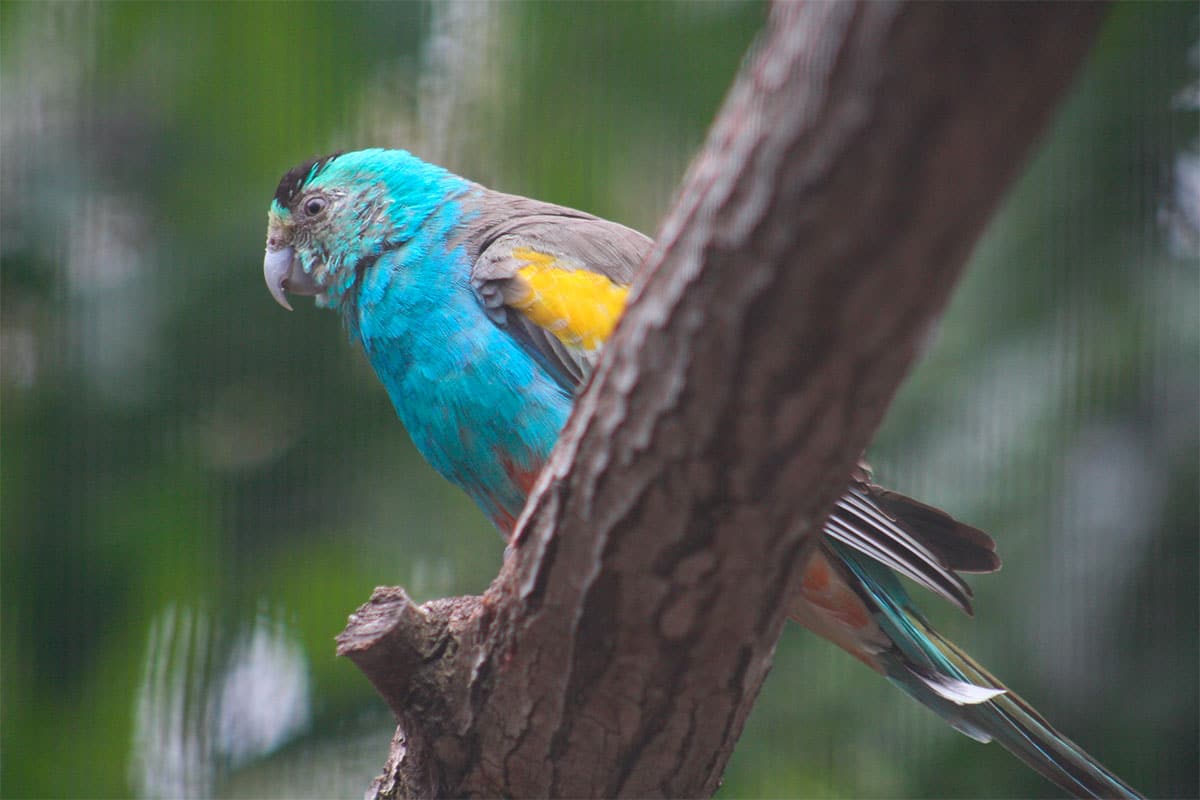
The Golden-shouldered Parrot (Psephotellus chrysopterygius) males have a pileum black, the forecrown, the lores and orbital area yellow, slightly with blue-green tones. The black of the pileum merges gradually with the greyish Brown of the the mantle, with some blue on the back neck pink. The rump shows a beautiful turquesa color that contrasts slightly with the green color of the tail view from above.

The median bright yellow, they form a visible band in the wings. The greater coverts they have a dominant brown-black color with some small patches of Turquoise Blue clear.

The flight feather they are blackish with a turquoise-colored border around the vane outer. The underparts is blue. The lower parts are turquoise blue, except the lower abdomen and the lower part of the tail, that are red with bases and white finishes. The central tail feathers they usually have a bluish-black-tipped bronze color. The lateral tail feathers they are blue-green with white tips. The underside of tail is white with a dark blue finish. The bill is pale-grey. The irises are dark brown, the legs brownish grey.

The females they have a yellowish-grey colour, along with opaque Brown wash on the top. It also, they have the forecrown yellowish. The flanks, bottom of the chest and Hip they are shaded light blue. The belly is whitish grey with red spots. You can see a pale bars on the wings.

The immature are similar to the females, although young male they have a dark CAP and the cheeks more blue. Young people acquire their adult plumage final at the age of 16 months.

Habitat:

Golden-shouldered Parrot

The Golden-shouldered Parrot they are birds sedentary. But, just after the nesting season, they can make short trips that lead to mangroves. At the time of playback, mainly frequent open forests of eucalyptus and logging and whose undergrowth is covered with a thick layer of grass. Within these areas, the Golden-shouldered Parrot nest, mainly, along with small partially invaded by water bowls. In the territory should, mandatory, Haber mounds of earth made by termites, which are essential for the nesting of this species.

The Perico Aligualdor, usually, they live alone, in pairs or small family groups, but they also sometimes gather in flocks of up to 30 individuals. These birds feed and quench your thirst first thing in the morning or in the evening. They rest on the foliage during the hottest times of the day. The Golden-shouldered Parrot they tend to feed on the ground, where venture with confidence. They find refuge in trees if bother them. They walk up to small pools of water where bathing and quench your thirst.

Reproduction:

The time of reproduction extends from April to August. During courtship, the male makes short flights around the female, rising from the front a short feather Crest and waving his chest feathers.

The Golden-shouldered Parrot they dig their nests in a termite mound still damp from recent rains.

There are two types of termite mounds that are usually used by this species:

– built by termites type conical termite mounds Scopulus

– semicircular termite mounds built by termites of the type laurensis.

The first are usually their favorite because the temperature is most constant, while in semicircular termite mounds, they often have the entrance North, which sometimes causes large thermal contrasts. The mound may contain several nesting rooms. The nest entrance is located between 45 and 125 cm above the ground. A long tunnel 15 to 60 cm ends into a round hole in one 25 cm long.

The Golden-shouldered Parrot It lives in symbiosis with a moth:
The Trisyntopa Scatophaga that at the same time it lays its eggs in the nest of the parakeet. The larvae feed on feces and feathers of the juveniles, helping to keep the nest clean waste.

The female lays of 4 to 7 eggs who is responsible for incubating single for almost 20 days. The young man takes around 5 weeks to acquire all their feathers and leaving the nest. A week after hatching, the male joins the female to feed the young. He stands guard at the top of the nest for long periods of the day.. When he brings the food, notifies the female's arrival, emitting loud cries. When it is time to leave the nest, the young are able to fly into the tunnel without landing.. After the trip, continue to be fed by adults for at least 2 weeks. They remain in the family group for quite some time. To the dispersal of family groups, young males are away more of their places of birth than young females.

Food:

outside the breeding season, the Golden-shouldered Parrot they have a diet almost exclusively vegetarian. Subsist on grass seeds Panicum or Eragostris. They often feed on fallen seeds of different plants.. during the rainy season, When these resources become scarcer, It is likely that it depends on the species of plants that can be found throughout the year.

Distribution:

endemic to northeastern Australia, where is distributed only in a small area north of the rรญo Morehead and South of Musgrave, to the North of Queensland. There are currently at least four populations, each with between 30 and 100 birds, so the world's population can be of no more than 500 individuals, or 150 breeding pairs. Other more recent sources estimate the spawning in around 2.500 individuals mature (Garnett et to the., 2011).

A record of 1980 It extended its known range North to the pascoe river, but in general it has contracted markedly in recent 100 years, prior records were situated towards the South, until around Normanton.

They were largely trapped in the past, especially since the mid of 1960 until the beginning of 1970. But, grazing and burning of crop residues, the spread of tea trees Leptospermum, predation by cats and the disruption of nests by tourists, It may have played one major role in the decline of the species.

Despite the fact that is protected, probably some catches continue.
Some individuals in captive.

Conservation:


Endangered


โ€ข Current category of the Red List of the UICN: Danger

โ€ข Population Trend: Decreasing

The breeding population has been estimated at around 2.500 individuals mature (Garnett et to the., 2011)

Historically, There were three confirmed breeding populations: from Coen to Port Stewart, According to sources taken in the decade of 1920, rรญo Musgrave-Moorhead where the population has shrunk considerably and continues to decline, and to the West of Chillagoe where the population persists, with a stable trend. In general, the population is suspected that it may now be decreasing (Garnett and Crowley 2000), Although the likely rate of decline has not been estimated.

The species has suffered terribly from poaching in the Decade of 1960 and the early 70 Although this bird is protected, such practices still exist.
Today, the Golden-shouldered Parrot faced with new threats: the development of new agricultural land and the destruction of traditional habitats where they were distributed.

"Golden-shouldered Parrot" in captivity:

The Golden-shouldered Parrot It has always been a rare guest of aviaries in the world. But, There are now more birds in captivity than exist in the wild., which demonstrates the difficulties encountered by these birds in their natural habitat.

This species is not recommended for beginners; prices already are high enough to discourage potential buyers, only the true, virtually "professional" fans remain.

A small group composed of one male and seven females of Golden-shouldered Parrot they came to Britain in 1897. These birds were forerunners, but the first known result of successful reproduction dates of 1961. Is inscribed with the name of Alan Lendon an Australian.
The second reproductive success corresponds to a German W. Etterich, This was in 1966. R. Burkard from Zurich achieved it in 1968. It also, in 1954, a so-called Australian breeder Edward Hallstrom got sixteen hybrids after the mating of two males of Golden-shouldered Parrot with females of Hooded Parrot.
Nowadays there are many impure birds in hobby aviaries and that is a shame. These are mostly young hybrid females. These birds do not have the opaque yellow band on the front and, Therefore, one can easily recognize, female purebred if they have the yellow tape and a bronze-colored Crown clear.

The Golden-shouldered Parrot does not resist well a temperate maritime climate; are very sensitive to cold humidity. Apart from that, it is a peaceful and active bird, she is not shy and quickly forges a friendship with her caretaker. His voice is melodious, with what does not bother the neighbors. You spend much time on the ground and like, often, bathing. They are aggressive during breeding with other birds and it is not appropriate to keep them outside with other species.; interactions with other birds are often problematic.

Alternative names:

Golden-shouldered Parrot, Antbed Parrot, Anthill Parrot, Chestnut-crowned Parakeet, Chestnut-crowned Parrot, Golden shouldered Parrot, golden-shouldered parakeet, Golden-shouldered Parrot (chrysopterygius), Golden-winged Parakeet, Golden-winged Parrot (ingles).
Perruche ร  ailes d’or, Perruche ร  ailes d’or (chrysopterygius) (francรฉs).
Goldschultersittich (alemรกn).
Periquito-de-asas-douradas (portuguรฉs).
Perico Aligualdo, Perico de Alas Amarillas, Loro Hombroamarillo, Periquito de Espalda Dorada (espaรฑol).

scientific classification:

Order: Psittaciformes
Family: Psittaculidae
Genus: Psephotellus
Scientific name: Psephotellus chrysopterygius
Citation: Gould, 1857
Protonimo: Psephotus chrysopterygius

Images "Golden-shouldered Parrot"

Videos "Golden-shouldered Parrot"

————————————————————————————————

ยซPerico Aligualdoยป (Psephotellus chrysopterygius)


Sources:

Avibase
– Parrots of the World โ€“ Forshaw Joseph M
– Parrots A Guide to the Parrots of the World – Tony Juniper & Mike Parr
– Birdlife

Photos:

(1) – Male Golden-shouldered Parrot at Lone Pine Koala Sanctuary, Brisbane, Queensland, Australia By TheGirlsNY (originally posted to Flickr as Pretty bird) [CC BY-SA 2.0], via Wikimedia Commons
(2) – Golden-shouldered Parakeet (Psephotus chrysopterygius) – watercolor, Romain Risso By Gossipguy (Own work) [CC BY-SA 3.0], via Wikimedia Commons

Sounds: Phil Gregory (Xeno-canto)