โ–ท The world of Pets: Dogs, cats, birds, reptiles, amphibians

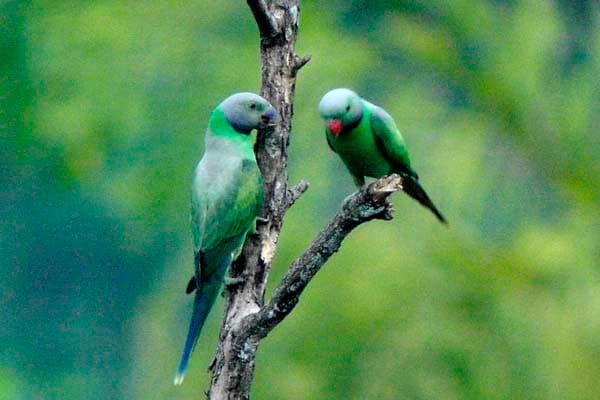
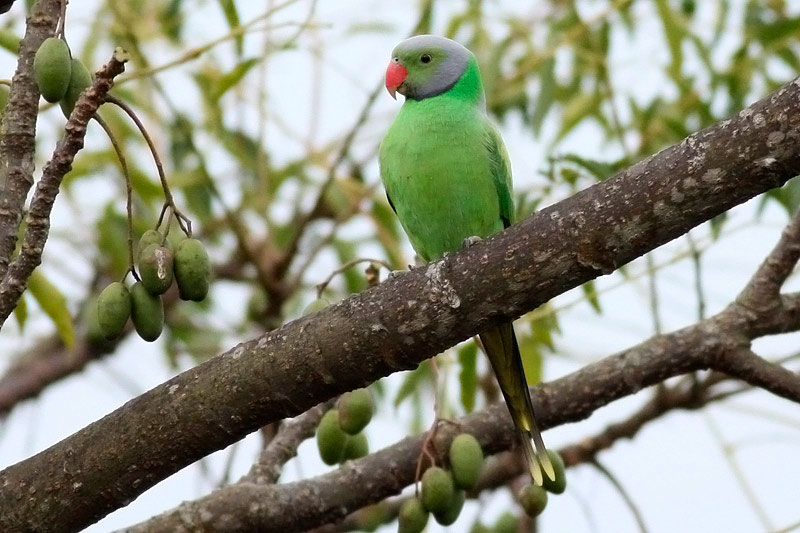
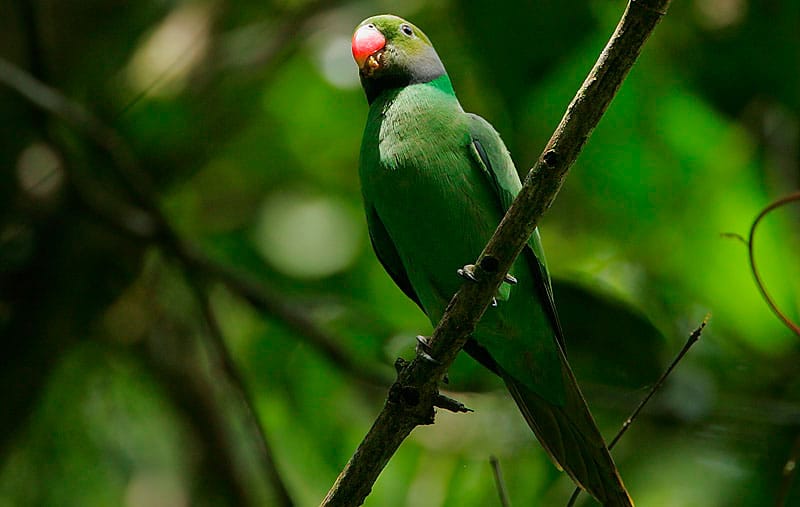
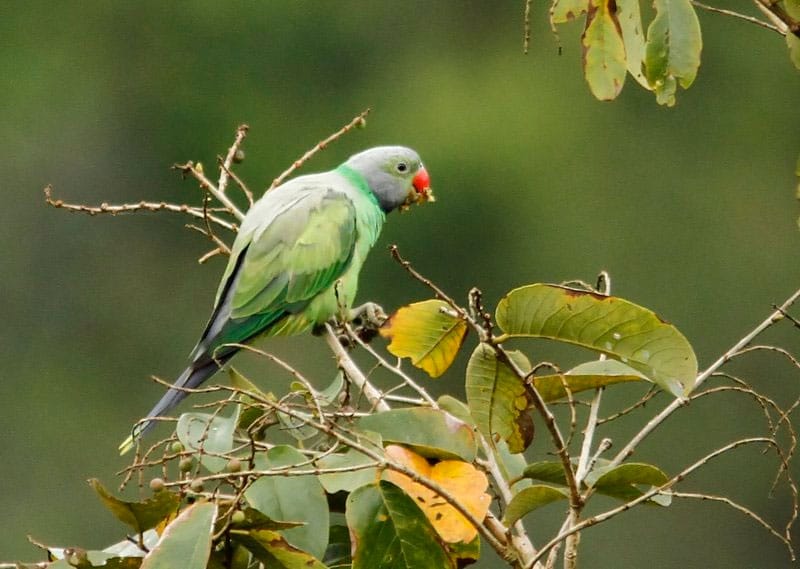
Malabar Parakeet
Psittacula columboides


Cotorra de Malabar

Content

Description:

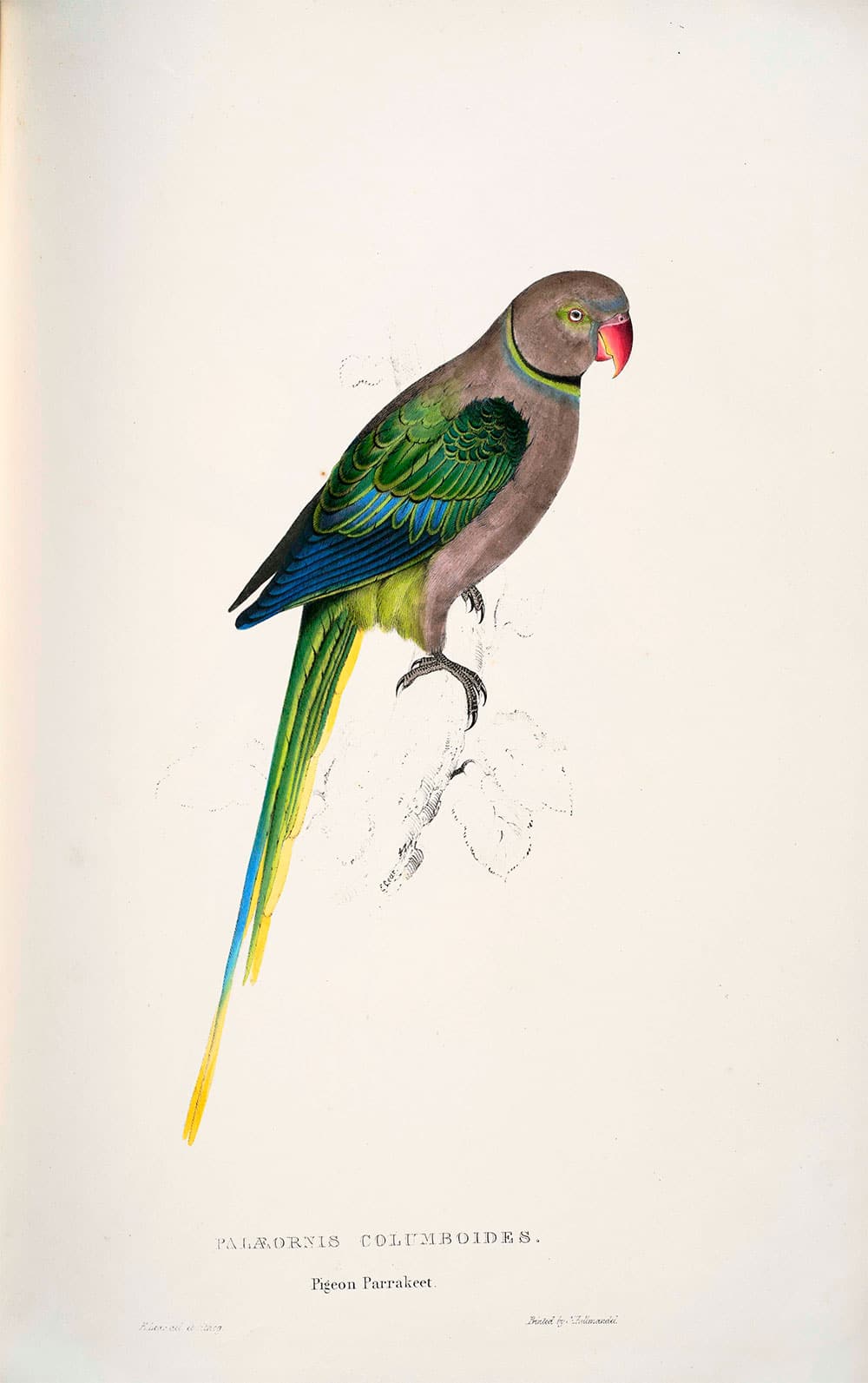
Ilustraciรณn Cotorra de Malabar

Of 36 to 38 cm.. length.

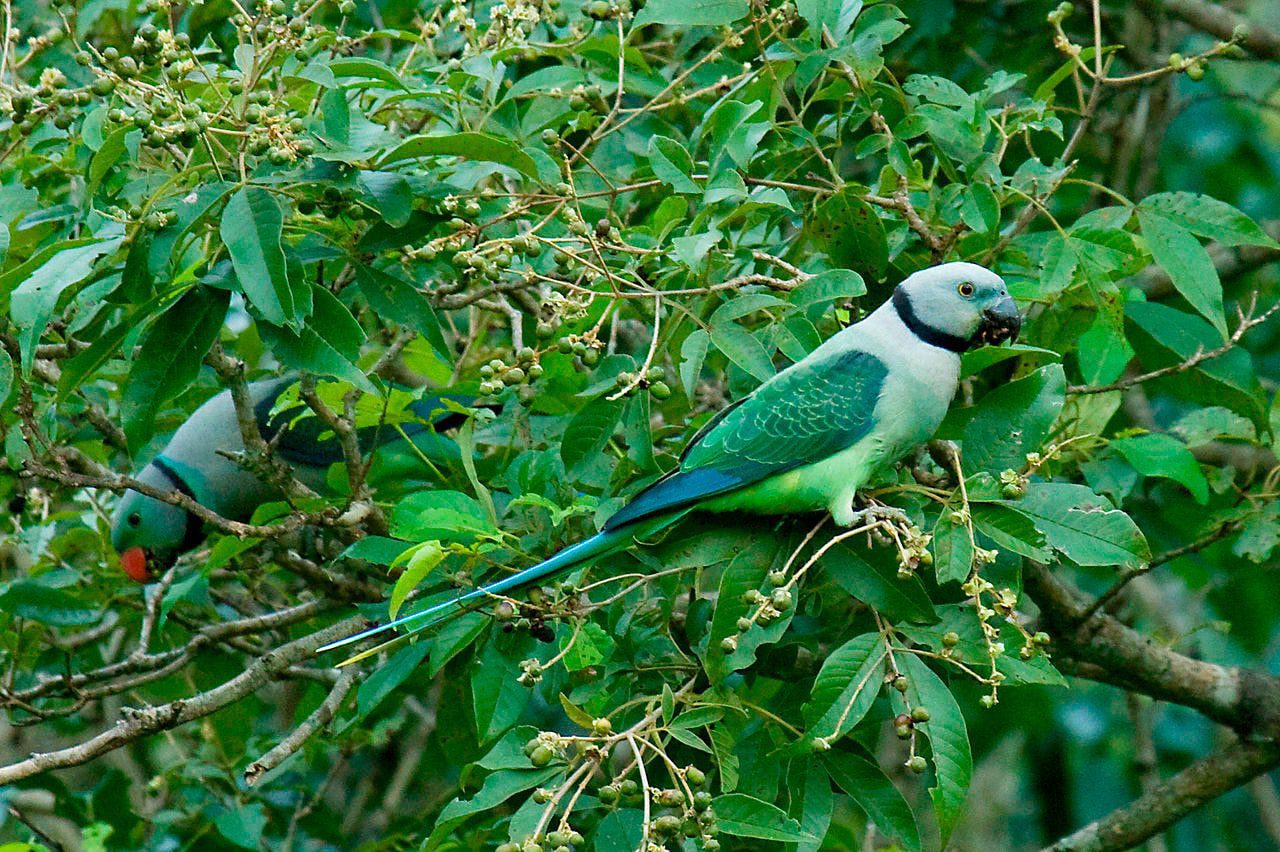
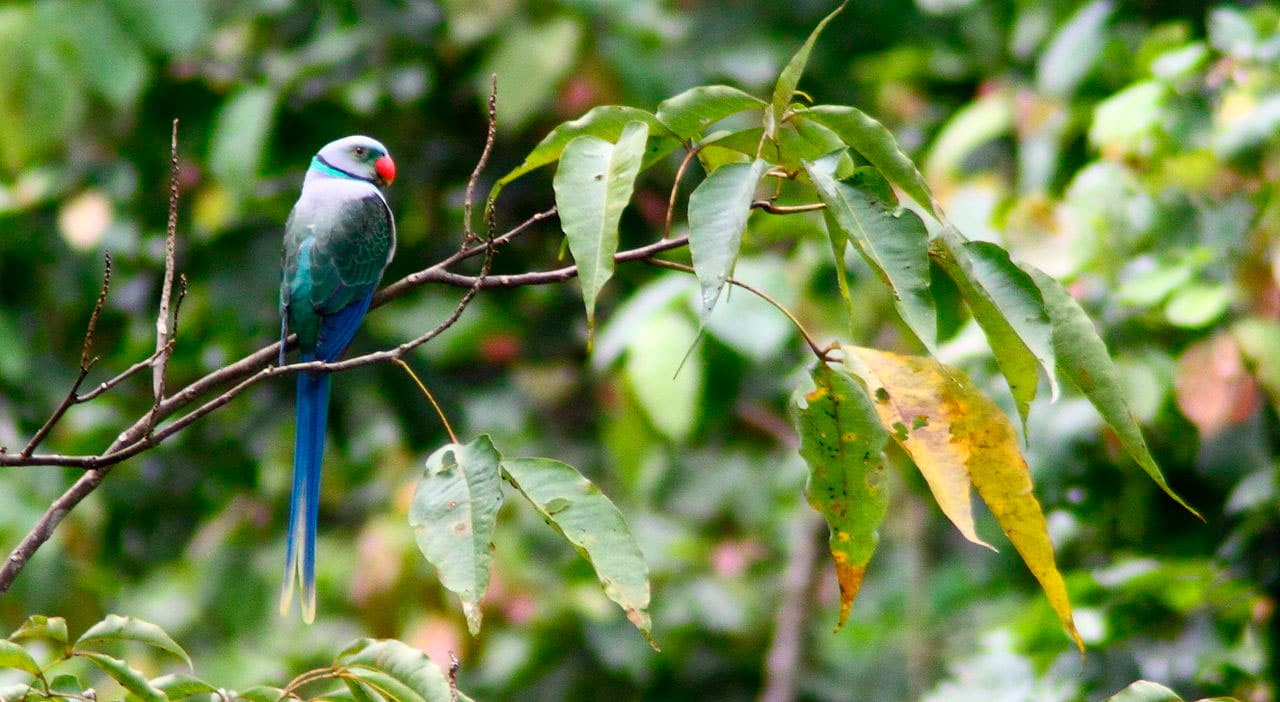
The Malabar Parakeet (Psittacula columboides) has the lores and upper cheeks of green grass, blue tinge on the edges and in the dark pearl gray crown, the lower cheeks, the sides and rear of the neck; with wide black bands at the mustache that attenuate to form a collar black, then bordered with a band of bright blue-green, which extends around the throat.

Mantle dove-grey fading to greyish-green on back and scapulars; rump and uppertail-coverts pale bluish green, sides rump yellowish.

Lesser coverts dark green, subterminally tipped dark grey edged buffish; inner median coverts green with pale buffish margins; alula and greater coverts blue. The primaries and secondaries blue, darker in the vane inner. Underwing-coverts bluish green. Throat bright blue green; yellowish blue discoloration in the rest of the underparts; dove-grey in the chest; blue tinge on the thighs. Uppertail centrally bright blue, tipped yellow, lateral feathers greenish-blue on vane outer, in bright yellow inner; undertail-coverts bright golden-yellow centrally, otherwise brown with yellow tip.

upper jaw bright red with yellow tip, the lower brown, turning orange in the chin; irises light yellow; legs greenish-grey.

The female smaller, with little or no green in face and with both brown jaws. Underparts greyish-yellow. Less grey in the the mantle and tail shorter.

The immature shows grayish green in place of grey-plumage of adults. Collar black and green absent band neck.

Habitat:

To a large degree, the Malabar Parakeet It is confined in forests (primary and secondary) evergreen upland, although according to sources, also observed in other formations, including deciduous forest adjacent to bamboo and especially in plantations coffee and rubber abandoned, and often close to small areas of crops.

Partly inhabit between 450-1.000 m, but exceptionally above 1.600 m, and up to about 60 m.

Usually, observed in family groups or small flocks.

At lower altitudes it is associated with Plum-headed Parakeet (Psittacula cyanocephala), completely replacing it at higher altitudes and in humid forests.

Reproduction:

Escavan their nests on branches or trunks, at a height between 6 and 30 m, sometimes they take advantage of the holes made by woodpeckers or Barbs, expanding the cavity. Los Ceylon ironwood (Mesua iron) are his favorite trees.

Usual clutch 4 eggs.

The breeding season It is between the months of January to March

Food:

Diet Malabar Parakeet It includes seeds and fruits, especially wild figs; regularly eat sprouts, flowers and nectar Erythrina and Grevillea.

They can be very destructive in crops of sorghum and fruit.

Distribution:

The Malabar Parakeet It is distributed by Ghats occidentales, India, on a narrow strip parallel to the west coast, from Pune (19 ยฐ N), Maharashtra, through Karnataka, until Kerala and Tamil Nadu at 8ยฐ 27'N in the south.

Usually residents, but some nomadic movements They occur in response to the availability of food.

Conservation:

State of conservation โ“˜


minor concern Minor Concern โ“˜ (UICN)โ“˜

โ€ข Current Red List of UICN: Least concern

โ€ข Population trend: Stable

The size of the world's population has not been quantified, but the species, according to information, It common throughout the core of its range (pit et to the. 1997).

The population is suspected to be stable in the absence of evidence of any reduction or substantial threats.

The bird trade and loss of habitat have caused, apparently, a decrease in its population, However, It is not sufficient to place this species at risk.

"Malabar Parakeet" in captivity:

The Malabar Parakeet it is rare in the pet trade.

This species was the subject of extensive trade, but now it is illegal in India. He was known in the pet trade as "Loro nonsenseยป and acquired a misleading reputation as a superior talker.

It is a parrot medium-noisy, occasionally noisy; initially shy; It becomes slowly confianda; newly imported birds are very likely; Care must be acclimatised; only it becomes active in a wide aviary; a common aviary with other species of Psittacula only possible outside the breeding season; little bathing but enjoys flying light rain outside; He likes to chop fresh branches; times aggressive during courtship; sensitive to cold and wet conditions.

Pet food variety, including aerosols millet, fruit, vegetables, Sunflower seed mixtures, oats and millet.

Rarely achieved the captive breeding; clutch 3 to 4 eggs; 23 incubation days; incipient period 6 weeks; young independent after 21 days; the calf sometimes aggressive with its mother.

In terms of their longevity, It is known that a Malabar Parakeet lived during 11,2 years in captivity.Given the longevity of similar species, This longevity is probably underestimated for these birds.

Alternative names:

– Malabar Parakeet, Blue-winged Parakeet (English).
– Perruche de Malabar (French).
– Taubensittich (German).
– Periquito-de-malabar (Portuguese).
– Cotorra de Malabar (espaรฑol).

scientific classification:

– Order: Psittaciformes
– Family: Psittaculidae
– Genus: Psittacula
– Scientific name: Psittacula columboides
– Citation: (Vigors, 1830)
– Protonimo: Palaeornis columboides

Malabar Parakeet Images:
Videos "Malabar Parakeet"


Especies del gรฉnero Psittacula

Malabar Parakeet (Psittacula columboides)


Sources:

– Avibase
– Parrots of the World โ€“ Forshaw Joseph M
– Parrots A Guide to the Parrots of the World – Tony Juniper & Mike Parr
– Birdlife

– Photos:

(1) – Blue-winged Parakeet or Malabar Parakeet (Psittacula columboides) pair N. A. Naseer / www.nilgirimarten.com / naseerart@gmail.com [CC BY-SA 2.5 in], via Wikimedia Commons
(2) – Malabar Parakeet (Psittacula columboides). A male at Thattekad, Kerala, India By Lip Kee Yap [CC BY-SA 2.0], via Wikimedia Commons
(3) – Malabar Parakeet – Endemic to the Western Ghats By Suriyakumars (Own work) [CC BY-SA 3.0], via Wikimedia Commons
(4) – The Blue-winged Parakeet By Mailamal (Own work) [CC BY-SA 3.0], via Wikimedia Commons
(5) – Malabar Parakeet or Blue-winged Parakeet (Psittacula columboides) By Joseph Lazer (Personal Collection) [CC BY-SA 2.5 in], via Wikimedia Commons
(6) – A painting of a Malabar Parakeet, also known as the Blue-winged Parakeet, (originally captioned ยซPalaeornis columboides. Pigeon Parrakeet.ยป) by Edward Lear 1812-1888 [Public domain], via Wikimedia Commons

– Sounds: Sudipto Roy (Xeno-canto)
โ–ท The world of Pets: Dogs, cats, birds, reptiles, amphibians

Layard's Parakeet
Psittacula calthrapae


Cotorra de Ceilรกn

Content

Description:

29 cm., including its tail up 13 cm.. and 100 g. of weight.
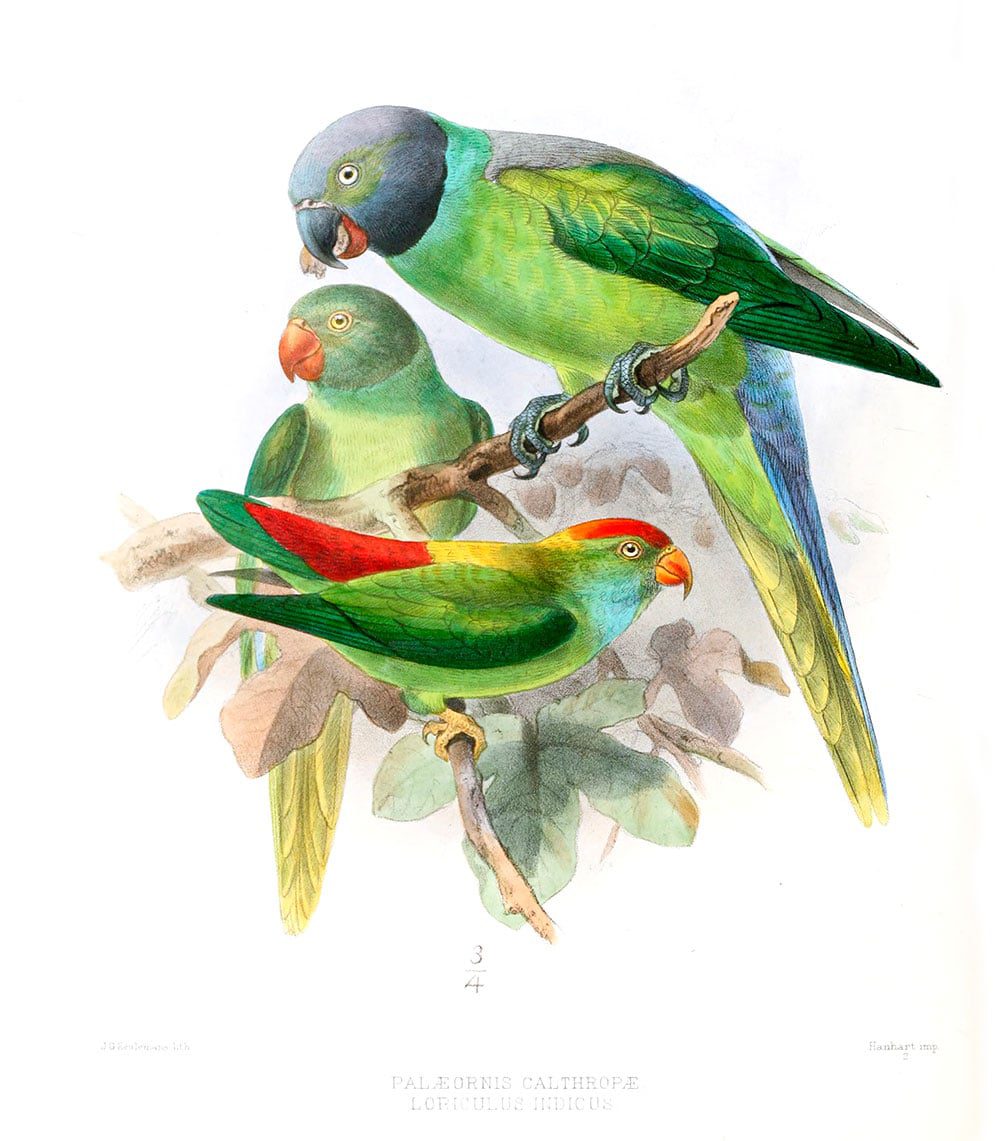
The adult male of the (Psittacula calthrapae) Layard's Parakeet has the head and back bluish grey, separated by a neck green. There is a wide swath in the chin of black color and tail It is blue with a yellow tip. Upper bill the male is red, and the bill bottom is brown.

The female es similar, but has the bill top in black, and dark green stripe on the cheek. Lack the band pink in nape and the neck is greenish yellow. They have the blue tint in the rear of the head if you can see in males. Feathers middle of the tail You are washed with blue.

The immature they are like the females, but with feathers tail shorter, with a plumage mainly green and bill dark red.

Ilustraciรณn Cotorra de Ceilรกn

  • Sound of the Layard's Parakeet.

    Habitat:

    Their preferred habitats are forested areas 1.600 meters above sea level, although registered at altitudes 2.000 m, taking advantage of a wide variety of vegetation types including natural and semi-natural moist forests, tea plantation and botanical gardens; often at the edge of the woods, generally in small groups or couples.

    Sedentary, especially in mountain areas, but extending over the lowlands, especially in humid forests near sea level.

    after feeding, the Layard's Parakeet congregate in trees chattering loud and persistent. Before break, roam issuing strong calls.

    Reproduction:

    The time of reproduction It is around January to May, with a high season from July to September.

    The eggs They are deposited in a natural cavity or disused nest Woody Woodpecker or a bearded, usually at the top of a tree. Competition for nest sites is often intense, especially with Plum-headed Parakeet. The cavity is lined with rotting wood and dust. Two to four white eggs make commissioning. Both sexes share duties incubation and feed on young.

    Food:

    Diet Layard's Parakeet It is believed to be similar to the Rose-ringed Parakeet and Plum-headed Parakeet, although their arboreal habits make them more frugivores and less destructive to crops.

    Registered with the company Brahminy Starling (Sturnia pagodarum) feeding fruit Map peltata (Macaranga tomentosa). Favorite foods include figs and fruit of wild cinnamon (Cinnamomum).

    Distribution:

    Size of the area of distribution (reproduction / resident): 18.900 km2

    The Layard's Parakeet It is endemic in south-central and south-west Sri Lanka. In Provincia Central, North of Matale through highlands around south and west Kandy in Western Province and Sabaragamuwa to the North of On Provincia.

    They are distributed also in the east, around the Gal Oya National Park and to the South, in Uva Province, until Haputale. A record of 1880 a bird against Eastern Province. Registration, unconfirmed, in the Maldives It is believed to come from leaks.

    According to sources, abundant in the 19th century and apparently still numerous in some areas, but declining due to habitat loss arising, for example, conversion of natural and semi-natural forests and plantations capture for trade.

    Conservation:

    State of conservation โ“˜


    minor concern Minor Concern โ“˜ (UICN)โ“˜

    โ€ข Current Red List of UICN: Least concern

    โ€ข Population trend: Decreasing

    The Psittacula calthrapae (del Hoyo and necklace 2014) It was previously listed as Psittacula calthropae.

    The size of the world's population has not been quantified, but the species is reported as locally common (pit et to the. 1997).

    The population is suspected of being in decline due to ongoing habitat destruction.

    "Layard's Parakeet" in captivity:

    Rare captive out of their range.

    Alternative names:

    – Layard’s Parakeet, Emerald-collared Parakeet (English).
    – Perruche de Layard (French).
    – Blauschwanzsittich (German).
    – Periquito-de-colarinho-verde (Portuguese).
    – Cotorra de Ceilรกn (espaรฑol).


    scientific classification:

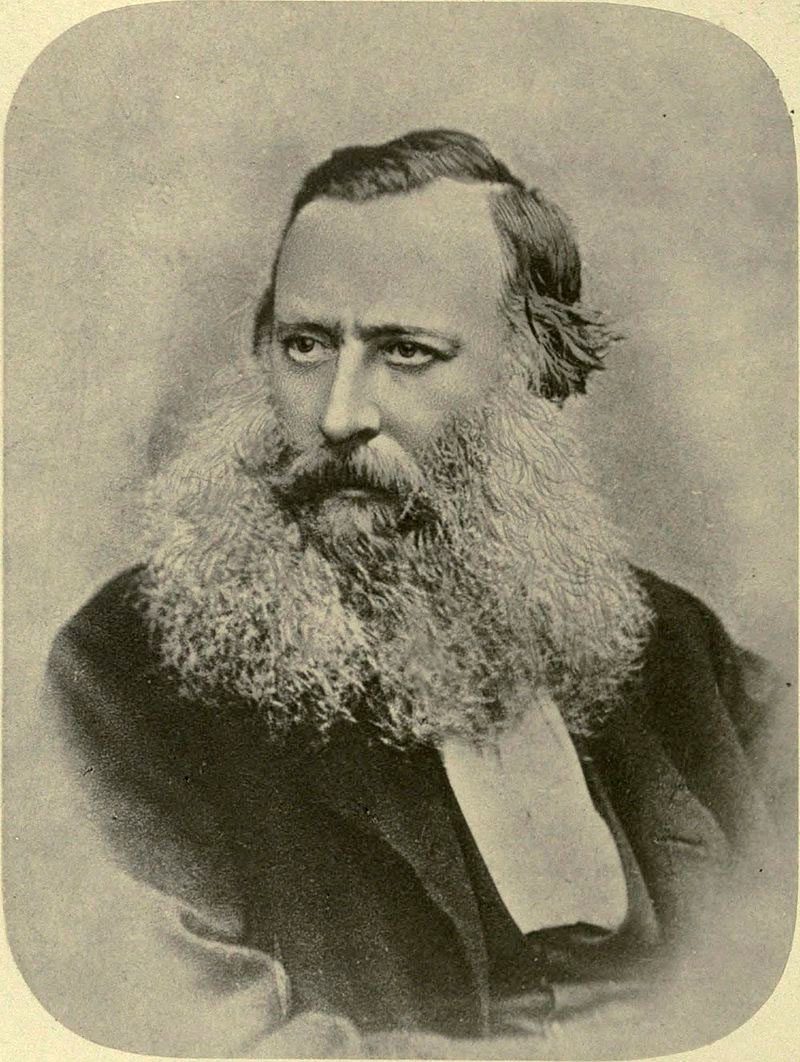
    Edward Blyth
    Edward Blyth

    – Order: Psittaciformes
    – Family: Psittaculidae
    – Genus: Psittacula
    – Scientific name: Psittacula calthrapae
    – Citation: (Blyth, 1849)
    – Protonimo: Palaeornis Calthrapae


    Layard's Parakeet Images:

    Videos "Layard's Parakeet"

    Parrots in the world
  • Psittaciformes (Psittaciformes) from America
  • Psittaciformes (Psittaciformes) Oceanian
  • Psittaciformes (Psittaciformes) from Asia
  • Psittaciformes (Psittaciformes) from Africa
  • Psittaciformes (Psittaciformes) of the world

  • Especies del gรฉnero Psittacula
  • Psittacula finschii
  • Psittacula himalayana
  • Psittacula roseata
  • —- Psittacula roseata juneae
  • —- Psittacula roseata roseata
  • Psittacula cyanocephala
  • Psittacula alexandri
  • —- Psittacula alexandri abbotti
  • —- Psittacula alexandri alexandri
  • —- Psittacula alexandri cala
  • —- Psittacula alexandri dammermani
  • —- Psittacula alexandri fasciata
  • —- Psittacula alexandri kangeanensis
  • —- Psittacula alexandri major
  • —- Psittacula alexandri perionca
  • Psittacula derbiana
  • Psittacula longicauda
  • —- Psittacula longicauda defontainei
  • —- Psittacula longicauda longicauda
  • —- Psittacula longicauda modesta
  • —- Psittacula longicauda nicobarica
  • —- Psittacula longicauda tytleri
  • Psittacula columboides
  • Psittacula calthrapae
  • Psittacula eupatria
  • —- Psittacula eupatria Avensis
  • —- Psittacula eupatria eupatria
  • —- Psittacula eupatria magnirostris
  • —- Psittacula eupatria nipalensis
  • —- Psittacula eupatria siamensis
  • Parrots wardi
  • Psittacula krameri
  • —- Psittacula krameri borealis
  • —- Psittacula krameri krameri
  • —- Psittacula krameri manillensis
  • —- Psittacula krameri parvirostris
  • Psittacula eques
  • —- Parrot knight knightโ€ 
  • —- Psittacula eques echo
  • Parrots
  • Psittacula caniceps

  • Layard's Parakeet (Psittacula calthrapae)


    Sources:

    – Avibase
    – Parrots of the World โ€“ Forshaw Joseph M
    – Parrots A Guide to the Parrots of the World – Tony Juniper & Mike Parr
    – Birdlife

    – Photos:

    (1) – Layardโ€™s Parakeet eating fruit in Sri Lanka. Its beak is not fully black, so it is probably a sub-adult female By Hafiz Issadeen (originally posted to Flickr as Layardโ€™s Parakeet) [CC BY 2.0], via Wikimedia Commons
    (2) – [BirdPhotoIndia] Layardโ€™s parakeet, Sri Lanka – Indian Birds Photography
    (3) – Photo by Steve G near Sinharaja, Sri Lanka, July 28, 2009 – Bird Forum
    (4) – An adult of Layardโ€™s Parakeet – World-Birds
    (5) – Layardโ€™s Parakeet Psittacula calthropae – Starron Bird and Wildlife
    (6) – John Gerrard Keulemans [Public domain], via Wikimedia Commons

    – Sounds: David Farrow (Xeno-canto)
    โ–ท The world of Pets: Dogs, cats, birds, reptiles, amphibians

    Plum-headed Parakeet
    Psittacula cyanocephala


    Cotorra cabeciazul

    Content

    Description:

    Among 33โ€“37 cm. in length and weighing between 56โ€“85 grams.
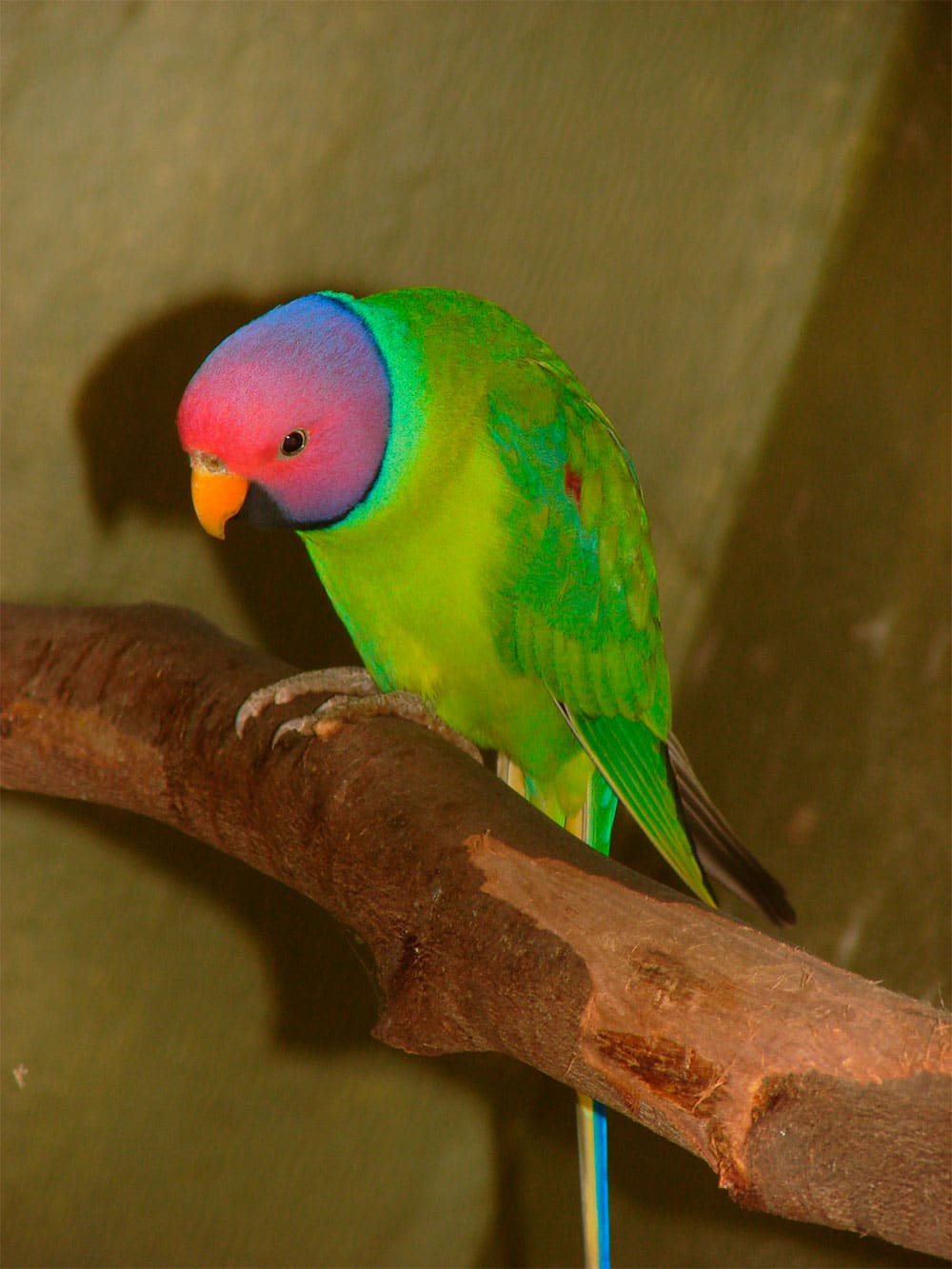
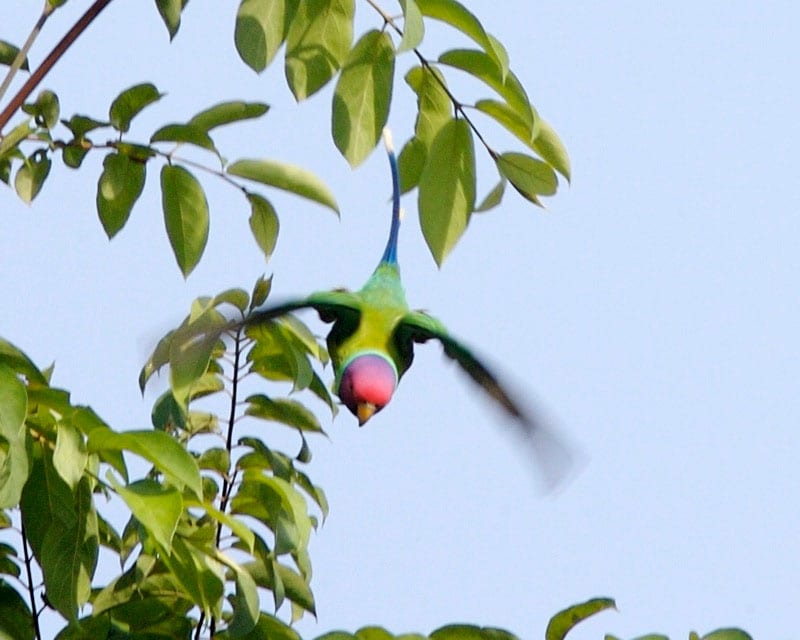
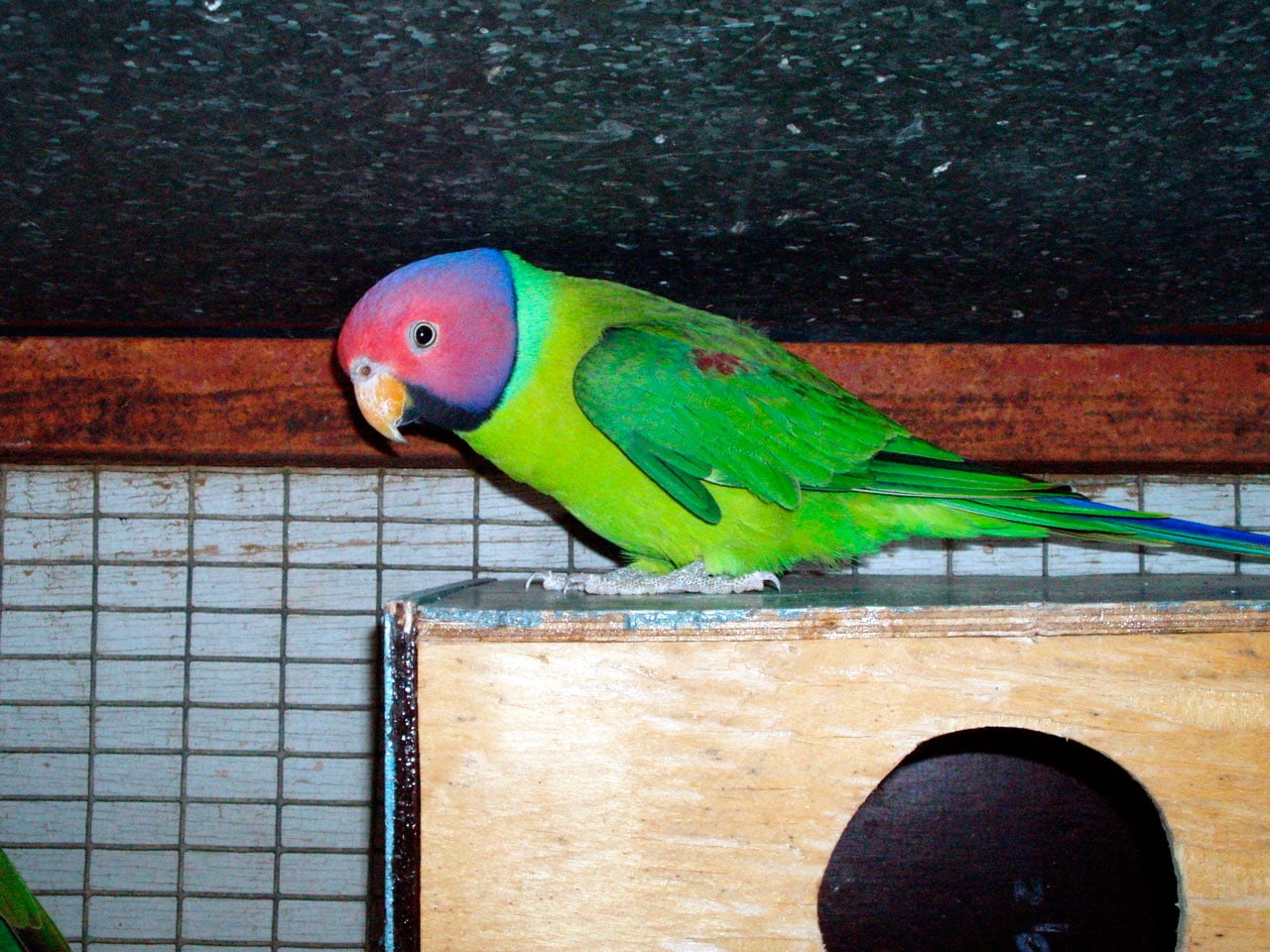
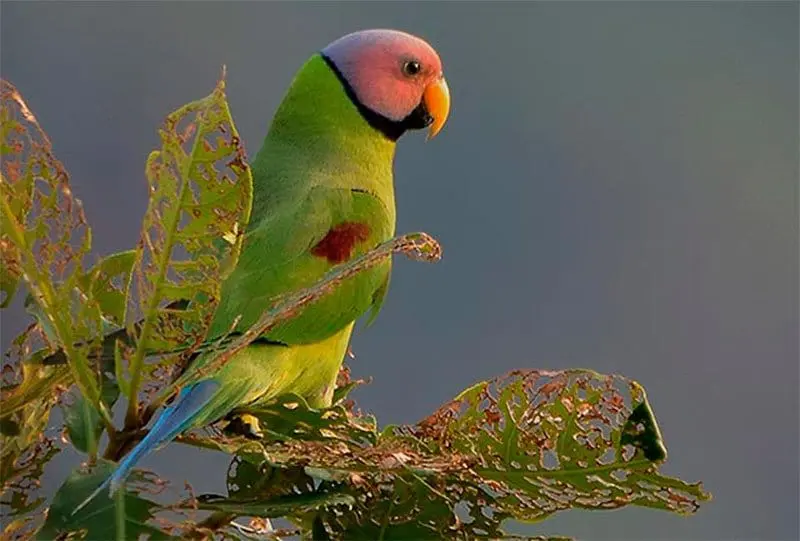
    The Plum-headed Parakeet or Plum headed Parakeet (Psittacula cyanocephala) has the forecrown, lores, cheeks and ear-coverts bright red malva, fading to blue on lower cheeks, the crown and back neck, with the black stripe of the โ€œmustacheโ€ forming a collar black narrow, then bordered by a wide swath of pale green.

    Mantle, back and scapulars dark green; rump and uppertail-coverts bright blue green.
    Upperwing-coverts smaller and medium bright green with brown patch in the minors; greater coverts and alula darker and duller.
    The primaries and secondaries dark green. Underwing-coverts bluish green, underparts brighter yellowish green. Upper, the tail bright color in the center, with white tips, slightly spatulate, outer feathers brighter yellowish green.

    The Upper mandible orange-yellow, and the lower beak blackish, but pale flesh at chin; irises yellowish white; legs greenish-grey.

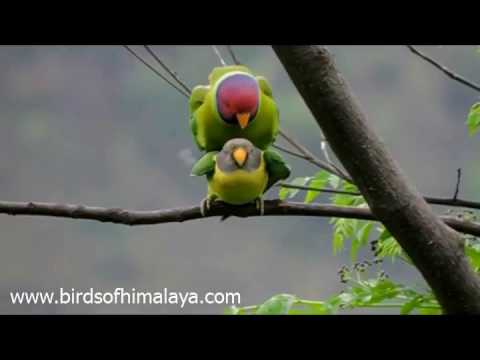
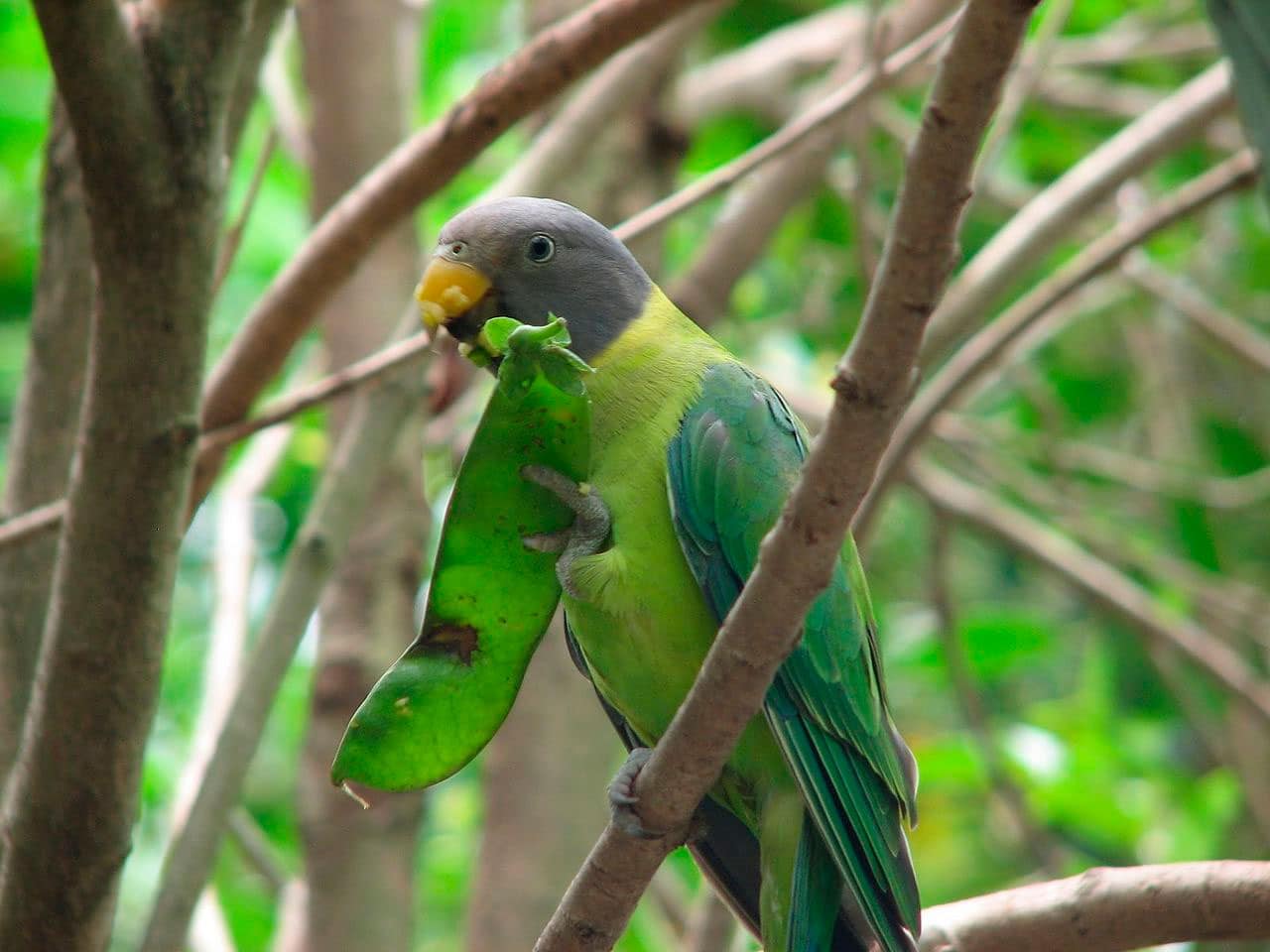
    Head of the female grey-blue, in the beige throat and the sides of the neck, without black markings or maroon on wing-coverts; bill paler, tail somewhat shorter.

    The greenish head of the immature sometimes tinged with gray; central feathers tail shorter.

    The females reach adult plumage to 15 months; young male reach full adult plumage to 30 months.

    Habitat:

    Video – "Plum-headed Parakeet" (Psittacula cyanocephala)

    Plum-headed parakeet (Psittacula cyanocephala)

    Preferred habitat Plum-headed Parakeet They are the mosaic of forests and farmland in the plains and hills, including humid forests deciduous, sal forest (Shorea) and subtropical Pine (Pinus roxburghii), usually below the 500 meters in the north of the range, but locally 1.500 m.

    Move small flocks, although larger congregations are formed in places where food is abundant, particularly during ripening crop, and also, loudly, in communal roosts with bamboo thickets or other dense vegetation.

    They forage in mixed flocks in the company of the Malabar Parakeet and Slaty-headed Parakeet.

    Reproduction:

    The Plum-headed Parakeet nests in holes in the trunk or hamstring, sometimes in an old nest extended "woodpecker" or "bearded". In Pakistan, Tall Pines (Pinus roxburgii), dead or dying, They are favorite nesting.

    The nest chamber no liner except wood shavings produced during construction. Often reproduced in loose colonies. The male defends the nest site from other species (as the Rose-ringed Parakeet) for a few weeks before breeding. The female incubates alone. The breeding season It, mainly, in the months of December / January April; occasionally also in July-August Sri Lanka.

    The laying is of 4-5 eggs, rarely 6.

    Food:

    Registered foods include flowering shrubs (Justicia adhatoda) and wild Granada (Punica granatum), nectar Salmalia, flowers Butea and Bassia, grains, including the sorghum and the corn, fig and apricot fruit, red peppers and chard seeds (Echinops and Cnicus). Preference for bamboo seeds in the Bandhavgarh National Park, sometimes destructive to crops.

    Possibly frugivores than their counterparts, preferring smaller seeds.

    Distribution:

    Size of the area of distribution (reproduction / resident) 2,780,000 km2

    The Plum-headed Parakeet They live in low-lying hills Himalaya, from the North-East of Pakistan through Nepal, Bhutan and West Bengal and through substantially the entire India and Sri Irinka, besides the Islas Rameswaram.

    Usually frequents though, apparently, reducing its population Sri Lanka due to loss of habitat, making birds now, to a large extent, they are absent in the lowlands. It has also reduced its population in the kathmandu valley, Nepal.

    Resident, but locally nomadic outside of breeding season, in response to the food supply; more predictable seasonal movements in some areas.

    Conservation:

    State of conservation โ“˜


    minor concern Minor Concern โ“˜ (UICN)โ“˜

    โ€ข Current Red List of UICN: Least concern

    โ€ข Population trend: Decreasing

    The Intermediate Parakeet (Psittacula intermedia) (Sibley and Monroe 1990, 1993) is now considered a hybrid between the Plum-headed Parakeet (Psittacula cyanocephala) and Slaty-headed Parakeet (Psittacula himalayana) (Rasmussen and Collar (1999))

    The size of the world population Plum-headed Parakeet It has not been quantified, but the species, according to information, it is enough common in nepal and in general, common in india (pit et to the. 1997).

    Its population is suspected to be in decline due to ongoing habitat destruction.

    "Plum-headed Parakeet" in captivity:

    Large captive population. Although this species is not exploited as much as sympatric (in the same geographic region) Alexandrine Parakeet, trade takes its toll on local populations across the range.

    They are birds Smart and many can learn to speak, but not as easily as other larger parrots.

    Most of the Plum-headed Parakeet enjoy being close to your caregiver, However, They do not like caresses.

    They tend to be Shy at the beginning; But, with the time, patience and daily interaction, They do become docile bird quite easily.

    These tend to be parrots assets in an aviary environment and can become apathetic in an environment of cage. Their preferred environment should be an aviary, or an environment that allows them to travel and move freely in a safe environment.

    In a communal aviary, usually they get along with other birds – However, You can be assertive with larger birds.

    Unlike the rest of psittaculas, They are not very vocal and vocalizations, especially male, usually quite melodious.

    It's not a difficult kind of create. Unlike many parrots, the-headed Parrot your partner do not bind for life.

    With regard to its longevity, according to sources, a specimen lived for 18,8 years in captivity. The maximum longevity could be underestimated in this species.. In captivity, estos animales pueden criar, approximately, to the 2 years of age.

    Alternative names:

    – Plum-headed Parakeet, Blossom-headed Parakeet, Plum headed Parakeet (English).
    – Perruche ร  tรชte prune, Perruche ร  tรชte de prune (French).
    – Pflaumenkopfsittich, Plaumenkopfsittich (German).
    – Periquito-cabeรงa-de-ameixa (Portuguese).
    – Cotorra cabeciazul, Cotorra Ciruela, Cotorra de Cabeza Azul (espaรฑol).


    scientific classification:

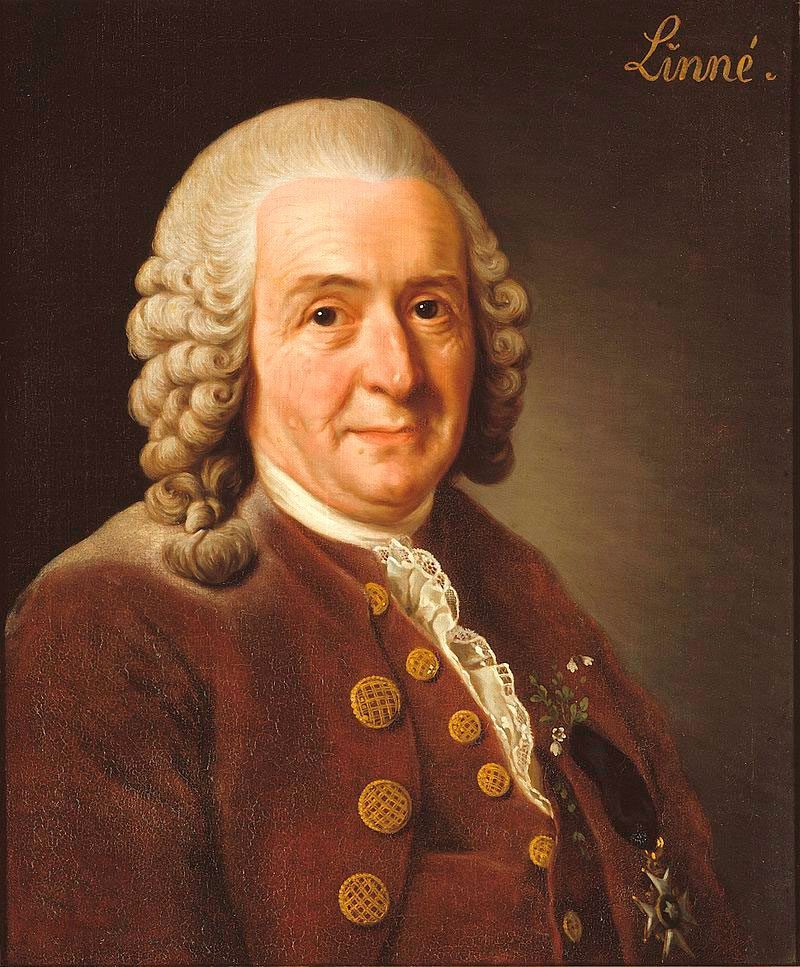
    Carl Linnaeus
    Carl Linnaeus

    – Order: Psittaciformes
    – Family: Psittaculidae
    – Genus: Psittacula
    – Scientific name: Psittacula cyanocephala
    – Citation: (Linnaeus, 1766)
    – Protonimo: Psittacus cyanocephalus


    Plum-headed Parakeet Images:


    Especies del gรฉnero Psittacula

    Sources:

    – Avibase
    – Parrots of the World โ€“ Forshaw Joseph M
    – Parrots A Guide to the Parrots of the World – Tony Juniper & Mike Parr
    – Birdlife

    – Photos:

    (1) – Plum-headed Parakeet (Psittacula cyanocephala) at Bogazici Zoo, By Nevit Dilmen Turkey (Own work) [GFDL or CC-BY-SA-3.0], via Wikimedia Commons
    (2) – Plum-headed Parakeet (Psittacula cyanocephala) at the mini zoo, Kapparis. Standing on a nesting box in a cage By Glen Bowman (originally posted to Flickr as Cyprus-162) [CC BY 2.0], via Wikimedia Commons
    (3) – Plum-headed Parakeet (Psittacula cyanocephala) male in flight Location: Thattekad, Kerala, India By Lip Kee Yap [CC BY-SA 2.0], via Wikimedia Commons
    (4) – An adult female Plum-headed Parakeet at Flying High Bird Sanctuary, Apple Tree Creek, Queensland, Australia By paulgear (Picasa Web Ablums) [CC BY-SA 3.0], via Wikimedia Commons
    (5) – plum-headed parakeet – Psittacula cyanocephala by Dhruvaraj S – Flickr

    – Sounds: Conrad Pinto (Xeno-canto)
    โ–ท The world of Pets: Dogs, cats, birds, reptiles, amphibians

    Blossom-headed Parakeet
    Psittacula roseata


    Cotorra Carirrosa

    Content

    Description:

    Of 30 to 36 cm.. length between 85 and 90 g. of weight.
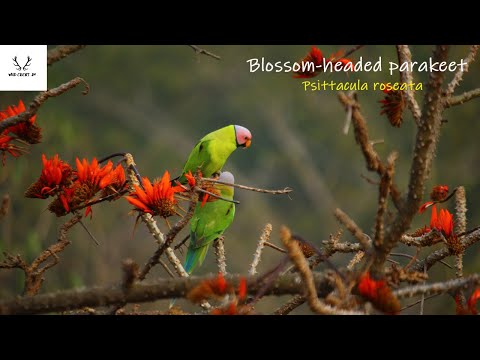
    The Blossom-headed Parakeet (Psittacula roseata) has the forecrown, lores, cheeks and ear-coverts mauve-pink, fading to pale blue in the lower cheeks, the sides of neck, the crown and back neck, with broad black "mustache" stripes to form a narrow collar between black blue head and green body; nape bright green fading to a duller green on upperparts.

    Upperwing-coverts, mostly green with a brown patch coverts smaller and medium; greater coverts outer and alula darker green. The primaries dark green (darker in vane inner) with a margin yellowish narrow in them vane outer.

    Underwing-coverts green. The underparts pale green. Uppertail, centrally bright blue, with creamy white tip; outer feathers green on vane outer, yellowish-green on inner, tipped yellow; undertail-coverts dull yellowish.

    Ilustraciรณn Cotorra Carirrosa

    upper jaw orange-yellow, the lower black: cere whitish; irises yellowish white; legs gray-green.

    The female has the head pale blue-gray, no black "mustache" and collar ring replaced by yellow opaque olive extending from the nape, around the sides of neck; tail slightly shorter. The upper jaw yellow, the lower dark grey.

    The immature has the head greenish, the gray tint chin and the bill yellowish to the 15 months, when both sexes develop similar to plumage adult female; the males acquires adult plumage at about 30 months.

    Subspecies description

    Once considered the same species Psittacula cyanocephala, where he was often wrongly classified as Psittacula cyanocephala rosa.

    • Psittacula roseata juneae

      (Biswas, 1951) – Like species nominal, but the overall color body It is yellower; more extensive stain or red patch shoulder; central feathers tail paler color, side feathers tail yellower.


    • Psittacula roseata roseata

      (Biswas, 1951) – The species nominal.

    Habitat:

    Video – "Blossom-headed Parakeet" (Psittacula roseata)

    Blossom-headed parakeet Call / Psittacula roseata / Bird's Call

    The Blossom-headed Parakeet inhabit open forests, including Savannah, secondary forests, forest edge, clear and cultivated land. Partially deforested areas persists and seems to prefer forest edges adjacent farm.

    Mainly observed in the lowlands to about 1.500 meters above sea level. Usually, in small flocks, form larger congregations where food is plentiful. He joins mixed flocks with Rose-ringed Parakeet, the Plum-headed Parakeet and Red-breasted Parakeet and form communal roosts in dense vegetation.

    Reproduction:

    The nests This species is found in tree cavities, usually at a moderate height; they can dig the hole themselves or modify old nests of other species (for example, woodpeckers or barbets).

    Nest usually in colonies of several couples. The laying is of 4-5 (rarely six); eggs are more spherical than those of other congeners. The breeding season It is from January to April (May sometimes).

    Food:

    Foods are reported: wild flowers and Granada, nectar, including grain sorghum and corn, fruits such as figs and apricots, red peppers and chard seeds. Their diet is very similar to the Plum-headed Parakeet.

    Distribution:

    Distributed by the foothills of Himalaya Oriental until Indochina. Of Sikkim (India) and South of Bhutan through Assam until Bengal and Bangladesh and east along the north and center Burma, South of China (Yunnan, Guangxi and Guangdong province), Thailand, Laos, Kampuchea and Viet Nam.

    Mainly sedentary with seasonal movements in southwest Burma, where Blossom-headed Parakeet They are common in the months of March and April, but otherwise few months, generally common despite apparent decline in some areas (for example, Thailand and Burma), mainly due to large-scale deforestation, and persecution. Few in Viet Nam.

    Resident but with some local movements in relation to the food supply.

    Held captive and apparently the subject of strong catch in some parts.

    Subspecies distribution

    • Psittacula roseata juneae

      (Biswas, 1951) – From East Bangladesh to the North of Burma and east through southern China, Thailand, Laos, Kampuchea and Viet Nam.


    • Psittacula roseata roseata

      (Biswas, 1951) – The species nominal.

    Conservation:

    State of conservation โ“˜


    Near-threatened Near Threatened โ“˜ (UICN)โ“˜

    โ€ข Current Red List of UICN: Near-threatened

    โ€ข Population trend: Decreasing

    This species has been upgraded from Least concern due to new information on population trends. It is listed as Near-threatened on the grounds that it is experiencing rapid moderate decline due to habitat loss, unsustainable levels of exploitation and hunting pressure.

    This species has suffered greatly loss of habitat (Forshaw 2006), What, in combination with capture for trade bird cage and general persecution as a pest, have caused the Blossom-headed Parakeet it becomes rare or rare in Thailand (pit et to the. 1997, Juniper and Parr 1998) and Myanmar (Juniper and Parr 1998).

    The size of the world's population has not been quantified, but the species according to sources, has a population variable through its range

    International trade records showed that 836 birds were exported between 1981 and 1985, but this increased to 6.873 birds between 1986-1990, mainly Viet Nam and Thailand (pit et to the. 1997).

    In Laos, habitat encroachment has been so severe in the lowlands, few remaining areas large enough so that the nests Blossom-headed Parakeet they can escape from theft, and there is little active effort to reduce this pressure (JW Duckworth in litt. 2013).

    In Cambodia, changes in land use in the lowlands have been too quickly (RJ Timmins in litt. 2013), and it is expected that the intended conversion bosque deciduous Dry for agribusiness plantations may cause a decrease of 30% or more in the national population of this species in the next 20 years (F. Goes in some. 2013).

    Actions ongoing:

      The species is known to occur in some protected areas, as the Kirirom National Park, Cambodia (F. Goes in some. 2013).

    Conservation actions proposed:

      – Conduct periodic surveys to track broad population trends.
      – Monitor the rates of loss and degradation of habitat.
      – Quantify the impact of harvesting for trade.
      – List CITES listed species.
      – Increase the area of รขโ‚ฌโ€นรขโ‚ฌโ€นsuitable habitat that are protected.
      – Carry out awareness raising activities to discourage theft of nests and capture.

    "Blossom-headed Parakeet" in captivity:

    The Blossom-headed Parakeet It is a rare bird and very expensive, requiring experienced breeders. Immature of this species are nearly identical to those of the Slaty-headed Parakeet and Plum-headed Parakeet, so when buying an immature Blossom-headed Parakeet, be sure to do so only from a reputable breeder.

    To ensure breeding success, each partner should have their own aviary. No house them with Plum-headed Parakeet wave Slaty-headed Parakeet, in order to avoid hybridisation.

    The Blossom-headed Parakeet, generally, they are not aggressive with other smaller birds, usually calm and they are not very destructive to wood. The female is, usually, the dominant bird; reach breeding age at about the age of 3 years. New pairs should be introduced several months before the start of the breeding season so that the birds have enough time to establish a strong bond with each other.. A good pair bond will usually translate into better breeding results.. However, are very difficult birds to breed in captivity.

    Since Blossom-headed Parakeet It is so rare, we should consider well managed breeding programs, before acquiring one of these copies for your particular pet enjoy. This Parrot You need constant training and behavioral counseling from an early age to ensure its potential owners the enjoyment of a free bird destructive habits and annoying.

    Alternative names:

    – Blossom-headed Parakeet, Blossom headed Parakeet, Eastern Blossom-headed Parakeet (English).
    – Perruche ร  tรชte rose (French).
    – Rosenkopfsittich (German).
    – Periquito-de-cabeรงa-rosa (Portuguese).
    – Cotorra Carirrosa, Cotorra de Cara Rosada (espaรฑol).


    scientific classification:

    Dr. Biswamoy Biswas
    Dr. Biswamoy Biswas

    – Order: Psittaciformes
    – Family: Psittaculidae
    – Genus: Psittacula
    – Scientific name: Psittacula roseata
    – Citation: Biswas, 1951
    – Protonimo: Psittacula roseata


    Blossom-headed Parakeet Images:


    Especies del gรฉnero Psittacula

    Sources:

    – Avibase
    – Parrots of the World โ€“ Forshaw Joseph M
    – Parrots A Guide to the Parrots of the World – Tony Juniper & Mike Parr
    – Birdlife

    – Photos:

    (1) – Rose-headed Parakeet in Guwahati, Assam, India By ยฉ Raj Kamal Phukan – Oriental Bird Images
    (2) – Psittacula roseata blossom headed parakeet – Birds-pet-wallpapers
    (3) – Blossom-headed Parakeet (Psittacula roseata) by Elite-Pets
    (4) – Juvenil Blossom-headed Parakeet (Psittacula roseata) by desbecsetdesplumes
    (5) – Blossom-headed Parakeet (Psittacula roseata) in Tenerife – Loro Parque – link
    (6) – Birds of Asia, Vol. V, Parts XXV-XXX, by John Gould, 1873-1877. Painted by John Gould & Henry C. Richter [Public domain], via Wikimedia Commons

    – Sounds: Frank Lambert (Xeno-canto)

    โ–ท The world of Pets: Dogs, cats, birds, reptiles, amphibians

    Slaty-headed Parakeet
    Psittacula himalayana


    Slaty-headed Parakeet

    Content

    Description:


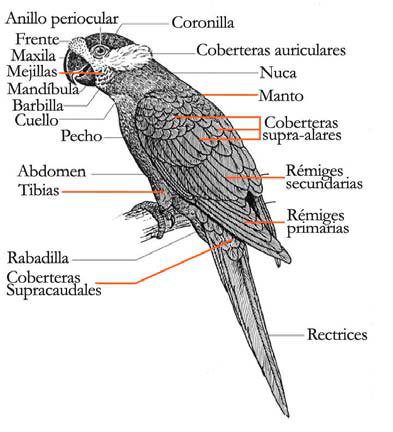
    Anatomy-parrots

    Of 39 to 41 cm.. of length and a weight of 125 g..

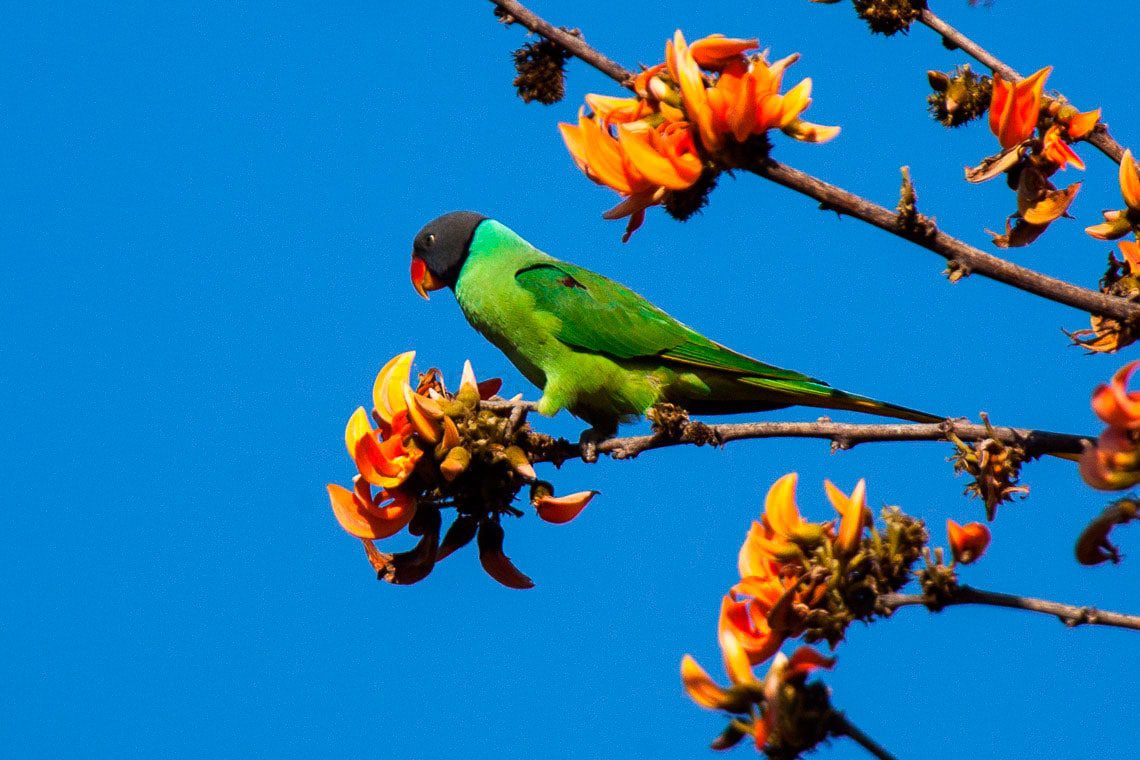
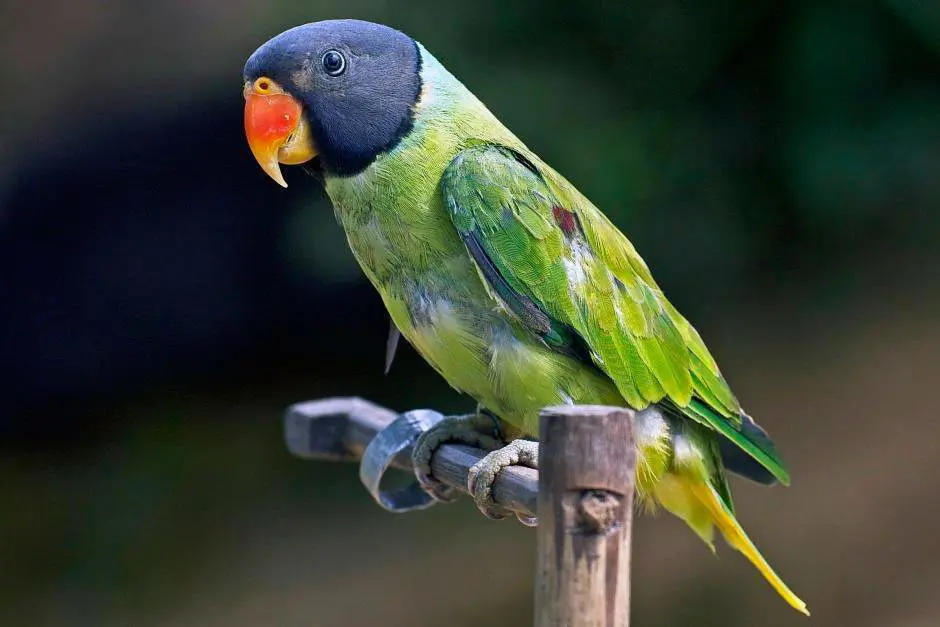
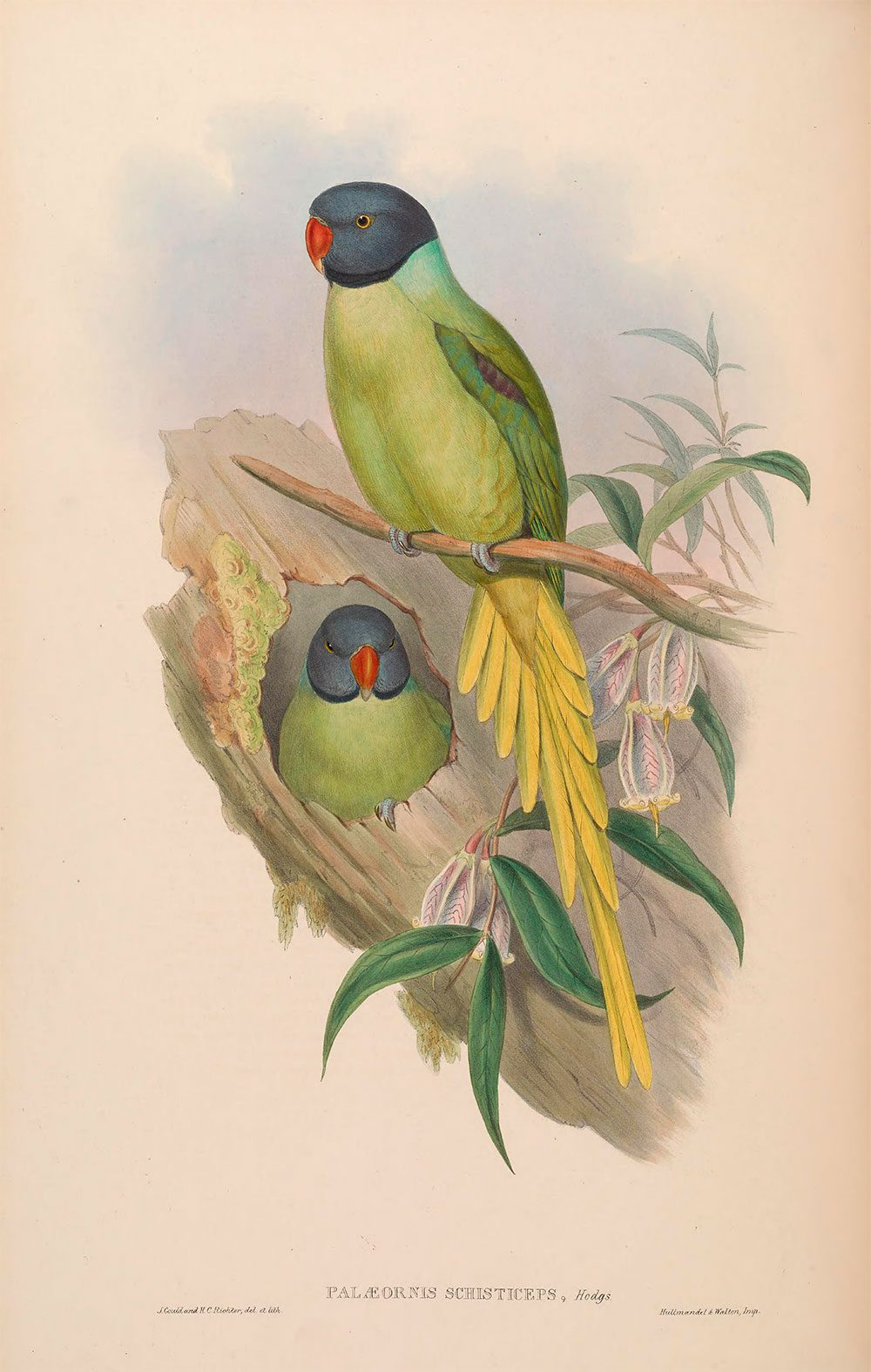
    The Slaty-headed Parakeet (Psittacula himalayana) has the forecrown, crown, lores and ear-coverts slaty-grey; chin and lower cheeks black, extending in the lateral narrow shaped collar black, to mark a clear boundary between the dark head and back neck bright green and nape, whose colour fades to duller green on rest of upperparts..

    Lesser wing-coverts outer, green, brown the inner coverts, with a distinctive patch shoulder; remaining upperwing-coverts green.
    The primaries Green with narrow yellow margins in vane outer; secondaries green. Underwing-coverts bluish green. Underparts bright pale green. Uppertail bright blue green, tipped chrome yellow color in the center, outer feathers green with yellowish tips; undertail-coverts bright yellow.

    upper jaw orange-red, tipped pale yellowish, the lower yellower; cere whitish; irises creamy white; legs yellowish green.

    The female smaller, more opaque in nape, usually with the tail shorter and often they lack the brown in the patch of the shoulders.

    The immature with the head greenish brown opaque; acquire gray slate after first winter. The young birds they have the irises dark.

    Habitat:

    The Slaty-headed Parakeet Mountain forests are distributed, at altitudes around 2.500 meters in summer; rarely above the 250 meters in winter. Otherwise residents, although there are fluctuations depending on local food supply.

    Occupy denser forest than most of its congeners, but preferably in extensions near orchards or farms with high trees. Registered in a variety of slopes and steep wooded valleys, including oak forests, cedars, Oak, rhododendrons and pines.

    Observed, in general, in small flocks or family groups, no large gatherings, although flocks 50 birds have been recorded at the end of the monsoon.
    Also registered with mixed banndadas Rose-ringed Parakeet, the Plum-headed Parakeet and Blossom-headed Parakeet. Registered a flock of 15 males during the month of November Nepal.

    Reproduction:

    The nest Slaty-headed Parakeet usually it located in a recess, on top of a tree, at an altitude between 6 and 20 m above the ground; a rotten branch used to excavate a cavity or modificadan the old nest of other species.

    In East Afghanistan, the nest is ,normally, an old hole made by a Scaly-bellied Woodpecker (Pico squamatus).

    Often several nests are close together.

    The breeding season in the west of the range is between March and May, (maybe later at higher altitudes); they leave the breeding area in July; the laying is of 3 to 5 eggs.

    Food:

    The Slaty-headed Parakeet it feeds on various fruit, cultivated and wild, dried fruits and seeds, depending on the season.

    Registered foods include berries of Cornus, Viburnum and Durant, seeds of Terminalia myriocarpa, seeds of Pine Pinus, acorns OAK wide and seedpods Dalbergia, flowers of Bauhinia purpurea and nectar of Woodfordia fruticosa.

    Although the overall economic impact of this species is probably light, they are considered locally as a pest due to attacks on corn crops, Apple trees (flower and fruit), pear and walnuts Juglans regia.

    Distribution:

    Size of the area of distribution (reproduction / resident): 696.000 km2

    The Slaty-headed Parakeet It is distributed by the Himalaya occidental, where they are, Commonly, above the 1.350 m, from the East of Afghanistan through northern Pakistan, northern India and Nepal until Bhutan, West of Arunachal Pradesh and Assam (about 92 it is) to the North of the Brahmaputra.

    Conservation:

    State of conservation โ“˜


    minor concern Minor Concern โ“˜ (UICN)โ“˜

    โ€ข Current Red List of UICN: Least concern

    โ€ข Population trend: Stable

    The size of the world population Slaty-headed Parakeet It has not been quantified, but the species, according to sources, is usually common, although apparently very poorly documented in recent decades; uncommon in China.

    The population is suspected to be stable in the absence of evidence of any reduction or substantial threats.

    "Slaty-headed Parakeet" in captivity:

    Fairly common in Australia, not so much in other places. In general, trade is not significant.

    Alternative names:

    – Slaty-headed Parakeet, Himalayan Slaty-headed Parakeet (English).
    – Perruche de l’Himalaya, Perruche ร  tรชte ardoisรฉe (French).
    – Himalayasittich, Finsch-Sittich, Schwarzkopf-Edelsittich (German).
    – Periquito-himalayana (Portuguese).
    – Cotorra de Cabeza Pizarra, Cotorra del Himalaya (espaรฑol).


    scientific classification:

    Renรฉ Primevรจre Lesson
    Renรฉ Primevรจre Lesson

    – Order: Psittaciformes
    – Family: Psittaculidae
    – Genus: Psittacula
    – Scientific name: Psittacula himalayana
    – Citation: (Lesson, 1832)
    – Protonimo: Psittacus (conurus) รคฦ’Imlynus

    Images "Slaty-headed Parakeet"

    Videos "Slaty-headed Parakeet"


    Especies del gรฉnero Psittacula

    Slaty-headed Parakeet (Psittacula himalayana)


    Sources:

    – Avibase
    – Parrots of the World โ€“ Forshaw Joseph M
    – Parrots A Guide to the Parrots of the World – Tony Juniper & Mike Parr
    – Birdlife

    – Photos:

    (1) – Slatina-headed Parakeet Psittacula Himalayas, Corbett National Park, India By Francesco Veronesi from Italy (Slaty-headed Parakeet – Corbett NP_1842) [CC BY-SA 2.0], via Wikimedia Commons

    – Sounds: David Farrow (Xeno-canto)

    โ–ท The world of Pets: Dogs, cats, birds, reptiles, amphibians

    Gray-headed Parakeet
    Psittacula finschii


    Cotorra de Finsch

    Content

    Description:

    Of 36 to 40 cm.. length and 120 g. of weight.
    The Gray-headed Parakeet (Psittacula finschii) It is very similar to Slaty-headed Parakeet but smaller, with feathers tail longer, the head slightly paler, upperparts and more yellowish underwing-coverts darker blue-green.

    The Gray-headed Parakeet (Psittacula finschii) has the forecrown, crown, lores and ear-coverts Grey Slate-blue; the chin and the lower part of the cheeks, black, It forming a narrow collar which marks a clear boundary between the head dark and a bright ring greenish blue on the back of the neck.

    Nape brighter yellowish green, duller green fading in the rest of the upper region.

    Upperwing-coverts green except for the brown of the inner coverts, that makes the effect of a distinctive patch on the shoulder; primaries Green with a narrow yellow margin on the vane outer; secondaries green.

    Ilustraciรณn Cotorra de Finsch

    Underwing-coverts dark bluish green. Underparts bright pale green. Uppertail lilac blue with pale yellow tips, outer feathers Greens with vane internal and yellow tips; undertail-coverts ochre-coloured.

    upper jaw coral red to vermilion with yellow tip, lower jaw yellow; cere whitish; irises creamy white to yellow; legs greenish.

    The females and immature as the Slaty-headed Parakeet.

    NOTE:

      Sometimes considered the same species as the Slaty-headed Parakeet, but the lack of intergradation in a possible area of overlap in Bhutan and the northeast of the India (Arunachal Pradesh) suggests appropriate treatment as allospecies.

    Habitat:

    Similar to the Slaty-headed Parakeet. Frequents forests of oak, teak, cedar and pine, wooded hills and open farmland with tall trees. Move altitude between 650 and 3.800 m (in Yunnan, China), rarely drop below 250 m, usually at or near the mountainous terrain.

    Mainly distributed in the forest Viet Nam, but, according to sources, laz away from growing areas and tolerant of lower and more open habitats.

    In general, obsevadas in flocks or or small family groups, but also it is seen in larger numbers than in Burma.

    Reproduction:

    The breeding season in the central and southern Burma It covers the months January, February and March.

    One nest four eggs was observed 12 meter high tree species Xylio dolabiformis.

    Food:

    Diet Gray-headed Parakeet It is thought to resemble that of the Slaty-headed Parakeet; reported items include leaf buds, seeds of Dendrocalamus longispathus, fruit of wild cherries Prunus and flowers.

    Distribution:

    The Gray-headed Parakeet It is distributed in the east of the Himalayas towards Indochina. They range from east to Bhutan towards Arunachal Pradesh and south through Nagaland, Assam (to the South of the rio Brahmaputra). Manipur, Mizoram and Bangladesh oriental (Sylhet and area of Chittagong). Through Burma (South of Tenasserim), al sur-oeste de China (center Sichuan and North of Yunnan), the mountainous districts of northern and southwestern Thailand, South of Laos, Kampuchea and Viet Nam, especially the western slopes of the central mountains.

    Usually common and resident (in some places very common), but lacking in some areas and subject to local fluctuations and irregular appearances.

    Recent decline in Thailand, where it is now rare in more accessible areas. Uncommon in China. Some seasonal altitudinal movements in some parts of the range. Very popular cage bird in some parts of the home territory.

    Conservation:

    State of conservation โ“˜


    Near-threatened Near Threatened โ“˜ (UICN)โ“˜

    โ€ข Current Red List of UICN: Near-threatened

    โ€ข Population trend: Decreasing

    The size of the world population Gray-headed Parakeet It has not been quantified, but the species, according to sources, is rare in China, Variable and elsewhere (pit et to the. 1997).

    The population is suspected rapid decline because of continued habitat loss and trapping. Observations of local trends in some parts, within its range, support this suspicion, for example in Cambodia, at least since the early 1990 (F. Goes in some. 2013, T. Gray in litt. 2013, RJ Timmins in litt. 2013).

    The Gray-headed Parakeet is being widely taken for the cage bird trade and is kept locally as a companion animal, for example, in Laos and China (JW Duckworth in litt. 2013, M. Zhang in some. 2013).

    In China, poaching and illegal trade in this species continues: it was reported that in one village, each family has an individual of this species as a pet (M. Zhang in some. 2013).

    The pressure at which it is subjected for his capture may also be contributing to the observed decrease in Cambodia (F. Goes in some. 2013).

    Lowland forests Indochina They are under intense pressure, above all in Cambodia, because of the authorization for large-scale industrial agriculture. This particularly affects areas with evergreen or semi-evergreen forest, rather than forest deciduous, because the best conditions for growing (S. Mahood in some. 2013).

    This species is dependent areas and forests with evergreens, whereby the effects of logging can seriously affect, especially since it is likely to depend on large trees for nesting. Habitats where large trees are scarce, as forests and hill areas with mixed forest deciduous, patches of evergreen forest and semi-evergreen forest, They are under particular pressure from logging, even for local use (S. Mahood in some. 2013).

    It is expected that the loss of habitat Cambodia bring a devastating impact on this species over the next decade, although there may be a delay before the actual effects were observed in the population (H. Rainey in some. 2013).

    Conservation Actions Underway:

      The species is known to occur in some protected areas across its range, as in the Mondulkiri Protected Forest, Cambodia (T. Gray in litt. 2013).

    "Gray-headed Parakeet" in captivity:

    Cotorra de Finsch

    – Uncommon in captivity outside its range.

    It is unclear how much spread among breeders, as often it was considered a subspecies of the more common Slaty-headed Parakeet. It is a very mountain bird resistant, at low temperatures is not a problem for them, However, must be protected facilities available to avoid sudden changes in temperature and drafts.

    How other Psittacula, the Gray-headed Parakeet You need to nibble fresh branches, although it is not a destructive bird that could demolish a wooden aviary.

    Alternative names:

    – Gray-headed Parakeet, Eastern Slaty-headed Parakeet, Finsch’s Parakeet, Finsch’s Slaty-headed Parakeet, Gray headed Parakeet, Grey headed Parakeet, Grey-headed Parakeet, Slaty-headed parakeet (English).
    – Perruche de Finsch, Perruche ร  tรชte grise (French).
    – Finschsittich, Burma-Schwarzkopfedelsittich, Finschs Edelsittich, Finsch-Sittich, Himalayasittich, Himalayasittich-finschii, Veraguasittich (German).
    – Periquito-de-cabeรงa-cinza (Portuguese).
    – Cotorra de Finsch (espaรฑol).


    scientific classification:

    Allan Octavian Hume
    Allan Octavian Hume

    – Order: Psittaciformes
    – Family: Psittaculidae
    – Genus: Psittacula
    – Scientific name: Psittacula finschii
    – Citation: (Hume, 1874)
    – Protonimo: Palaeornis Finschii

    Images "Gray-headed Parakeet"

    Videos "Gray-headed Parakeet"


    Especies del gรฉnero Psittacula

    Gray-headed Parakeet (Psittacula finschii)


    Sources:

    – Avibase
    – Parrots of the World โ€“ Forshaw Joseph M
    – Parrots A Guide to the Parrots of the World – Tony Juniper & Mike Parr
    – Birdlife

    – Photos:

    (1) – Bird perched on a home made perch. Part of the tail appears to be missing by Vijay Anand Ismavel – Lynx
    (2) – Gould, John, 1804-1881; Sharpe, Richard Bowdler, 1847-1909: Birds of Asia by John Gould [Public domain], via Wikimedia Commons
    (3) – Finschโ€™s Parakeet Psittacula finschii by Raju Kasambe. Photo taken in Imphal Zoo, Manipur, India By Dr. Raju Kasambe (Own work) [CC BY-SA 4.0], via Wikimedia Commons

    – Sounds: Pritam Baruah (Xeno-canto)
    โ–ท The world of Pets: Dogs, cats, birds, reptiles, amphibians

    Derbyan Parakeet
    Psittacula derbiana


    Cotorra de Derby

    Content

    Description:

    50 cm.. of length and a weight of 320 g..

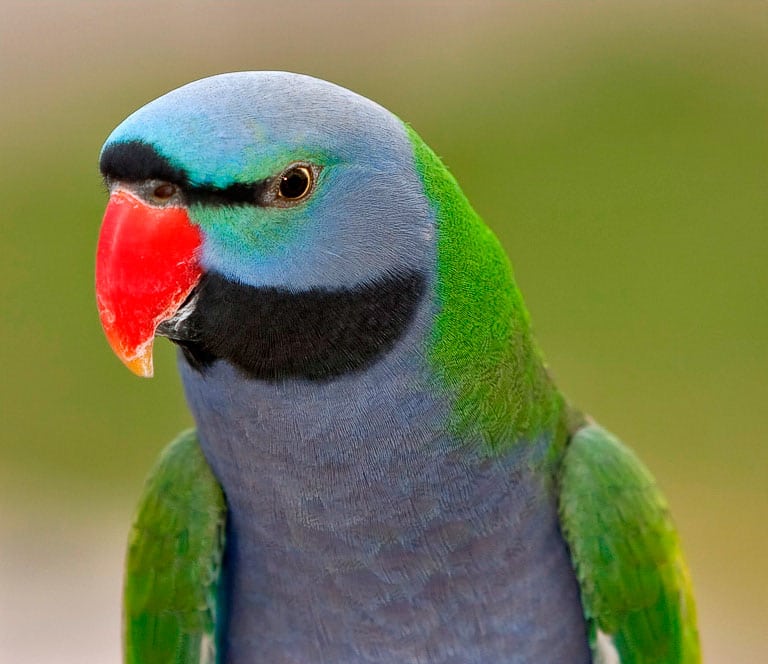
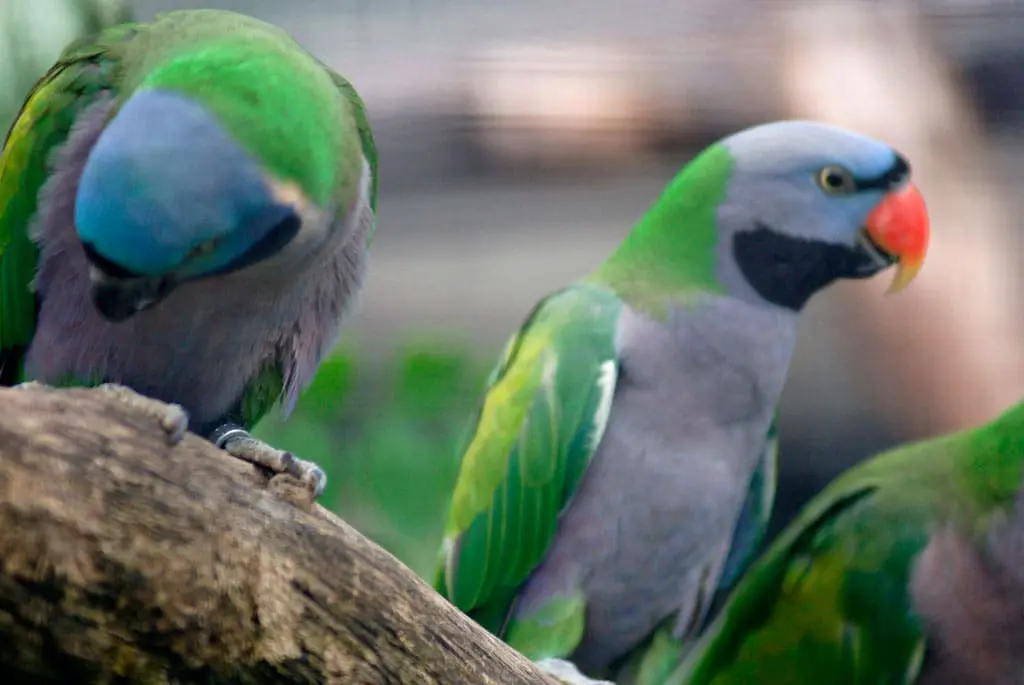
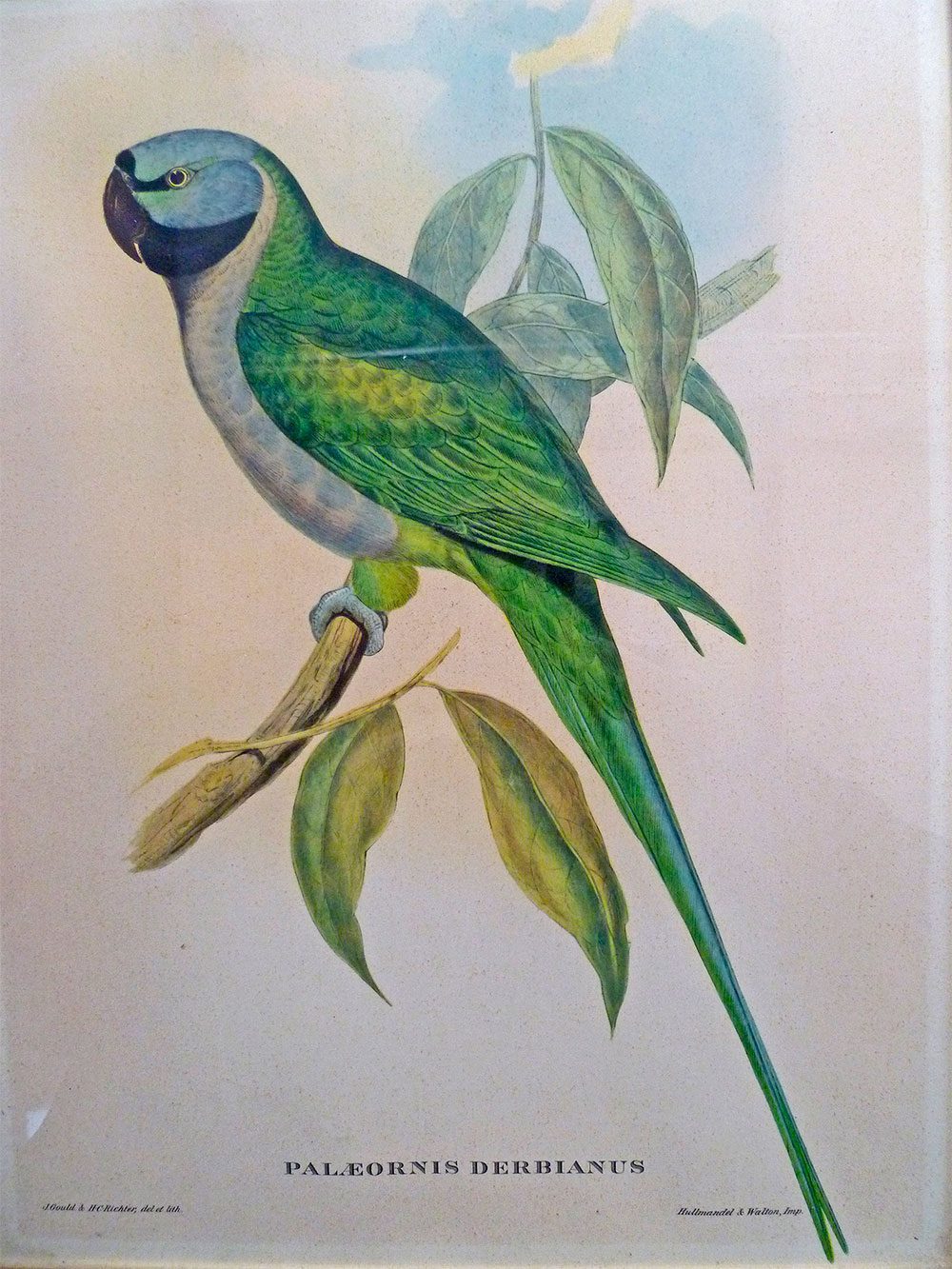
    The Derbyan Parakeet (Psittacula derbiana) has the crown and lower cheeks lavender blue with pale iridescent blue shading on the forecrown and pale green bright in the upper cheeks and periophthalmic region; narrow black stripe that extends horizontally from the eyes to the area above the bill; spacious malar stripes (ยซmoustacheยซ) Black fuse next to the chin to create a great patch.

    Since the nape until uppertail-coverts green, bright in the the mantle. Upperwing-coverts Green with yellow or marginalized feathers with yellow in median and greater coverts, creating distinct pale patch. The primaries and secondaries emerald green.

    The underparts to belly lavender-bue; the thighs, vent and undertail-coverts grass-green. Uppertail centrally blue, outer feathers Blue in vane outer, green on inner.

    Ilustraciรณn Cotorra de Derby

    upper jaw red tipped yellow, the lower black; cere blue-gray, irises straw-colored; legs dark grey.

    The female has the bill black.

    The immature they have the head green and the underparts much paler.
    The very young birds has bill pink, turning black later and then red again in males.

    Habitat:

    Observed in forest, between 1.250 and 4.000 meters above sea level. It is thought that you can make vertical migration seasonal. Views in the Tibet in 3.300 m, even in winter.

    According to reports, have priority for coniferous forests or mixed forests of Pinus and Quercus, also of Alpine growth as the rhododendron. Visit valleys culture, especially during harvest.

    Gregaria, usually seen in noisy flocks of up to several dozen birds. Only rarely are in pairs or individually.

    Reproduction:

    Holes for their nests they are located in tree hollows, usually at a certain height, commonly in a himalayan poplar Populus ciliata.

    The breeding they performed it during the month of June.

    The put in captivity is between 2 and 5 eggs.

    Food:

    Reported foods include barley, the corn, catkins of Populus ciliata, cones of Pinus tabulaefornis and fruit grown according to availability, including peaches; they can be highly destructive crops. It is believed that they may eat some invertebrates, Hoja-brotes and berries.

    Distribution:

    Distributed by the Of the Himalayas and South of the Tibetan plateau. Since Arunachal Pradesh and Assam, India, to the southeast of Tibet and Southwest China in Sichuan Western fence of 32 ยฐN and west of Yunnan to the South up to around Tengchong to 25 ยฐ N.

    Visitors during the summer in the northeast of the India (May-September). Resident elsewhere, apparently with some seasonal altitudinal movements.

    Usually common. Live birds traded in small numbers with a modest population captive outside their area of distribution.

    Conservation:

    State of conservation โ“˜


    Near-threatened Near Threatened โ“˜ (UICN)โ“˜

    โ€ข Current Red List of UICN: Near-threatened

    โ€ข Population trend: Decreasing

    The population of the Derbyan Parakeet It is suspected that it may be suffering a moderately rapid decline mainly due to the pressure that is subjected , not only due to its continuous capture for the cage bird trade, but also by the indiscriminate felling of trees in the nest, together with evidence of local extinctions and declining birds in some parts of its area of distribution.

    Threats:

      – This species was previously threatened by deforestation campaigns, that it resulted in, loss of much of their breeding habitat; However, This threat ended in the Decade of 1990 (Zeidler and Francis 2011).

      – Today, Middle-aged trees, some of which provide the perfect place for the construction of the nest, they are being felled for the construction of housing and firewood, even in protected forests (Zeidler and Francis 2011).

      – Recent observations indicate that this species is subject to a strong pressure catch and the collection of eggs for the pet trade (J. Eaton in litt. 2010, Zeidler and Francis 2011).

      – The collection of eggs and subsequent incubation, for the breeding of Derby Parrots and subsequent sale, is very organized in some areas (Zeidler and Francis 2011).

      – The species is sold openly and are kept, in large numbers, as a pet in its natural distribution area (J. Eaton in litt. 2010, J. Hornskov in litt. 2010, Zeidler and Francis 2011).

    Actions of conservation in CITES Appendix II course.:

      – Is listed in Schedule I of the law of 1972 for nature (Protection) on India (The India Government, 1993) and the collection for the pet trade is illegal in China (Zeidler and Francis 2011).

      – In some areas, as the Shachong valley (Szechwan), the monks provide protection for wildlife, including trap activities (Zeidler and Francis 2011).

    Conservation Actions Proposed:

      – Population trends and monitor hunting pressure.

      – Addressing the threat of trade through the application of the legislation and awareness-raising activities.

      – Steadily increase the number of sites that are protected.

      – Support monks engaged in activities for the protection of wildlife (Zeidler and Francis 2011).

      – Evaluate the effectiveness of a scheme of nest boxes (Zeidler and Francis 2011).

    "Derbyan Parakeet" in captivity:

    The Derbyan Parakeet is a pet very popular at the local level due to the wonderful color of its plumage, his intelligence and its excellent speaking skills, that distinguishes it from other Asian parrots, usually you do not have that voice clarity.
    While these parrots do not have the ability to learn an extensive vocabulary, his manner of speaking looks like the speech of Amazon parrots. Having said that, there are never guarantees that a Derbyan Parakeet you will learn to speak, but most do – even the females.

    It is a bird that needs much stimulation. She loves to chew and can be very destructive, provided that provide it a variety of toys to chew, It will inhibit its destructive behavior and avoid his boredom.

    It is a species with demand among farmers for several reasons, including its striking plumage, its ease of reproduction and its excellent parenting skills.

    The
    Derby Parrot reach sexual maturity between the 2 and 3 years of age. It reported that it may reach sexual maturity later in nature, possibly to the 5 years.

    The typical breeding season It will begin in April or June and average clutch sizes are of 2 – 4 eggs. The incubation period lasts 23 – 28 days, and the chicks leave the nest to the 8 to 9 weeks of age.

    The Derbyan Parakeet It must be kept in an Aviary, or in a large cage, providing a daily time flying out. They are social birds and like to be โ€œpart of a flock.โ€ – which could be a group of birds in an aviary environment or a human family.

    It requires much interaction to keep its meekness. By nature, it is a shy bird to human contact, Although considered usually placid compared to some other parrots.

    If they are kept outdoors they may require periodic deworming – since they spend considerable time at the bottom of your aviaries or cages. Because of this habit, they are also susceptible to fungal infections. Good hygiene is especially important to keep healthy this Parrot.

    Even so, the Derby Parakeet is a rare bird outside its range and with limited breeding.

    Alternative names:

    – Derbyan Parakeet, Chinese Parakeet, Lord Derby’s Parakeet, Upper Yangtze Parakeet (English).
    – Perruche de Derby (French).
    – Chinasittich (German).
    – Periquito-da-china (Portuguese).
    – Cotorra de Derby, Cotorra Verde China (espaรฑol).

    scientific classification:

    – Order: Psittaciformes
    – Family: Psittaculidae
    – Genus: Psittacula
    – Scientific name: Psittacula derbiana
    – Citation: (Fraser, 1852)
    – Protonimo: Palaeornis Derbianus

    Derbyan Parakeet images:

    Videos "Derbyan Parakeet"

    Derbyan Parakeet (Psittacula derbiana)


    Especies del gรฉnero Psittacula

    Sources:

    – Avibase
    – Parrots of the World โ€“ Forshaw Joseph M
    – Parrots A Guide to the Parrots of the World – Tony Juniper & Mike Parr
    – Birdlife

    – Photos:

    (1) – A pair of Lord Derbyโ€™s Parakeet (also known as Derbyan Parakeet)s at Wilhelma Zoo, Stuttgart, Germany By krislorenz (_DSC2098Uploaded by Snowmanradio) [CC BY-SA 2.0], via Wikimedia Commons
    (2) – A male Derbyan Parakeet (also known as Lord Derbyโ€™s Parakeet) in Hangzhou, Zhejiang, China By Michael Vito from South Orange, NJ, USA (Hangzhou RevisitedUploaded by Snowmanradio) [CC BY-SA 2.0], via Wikimedia Commons
    (3) – An adult male Derbyan Parakeet at Shenlong Eco Park, Peopleโ€™s Republic of China By Doug Janson (Own work) [CC BY-SA 3.0 or GFDL], via Wikimedia Commons
    (4) – A male Lord Derbyโ€™s Parakeet (also known as Derbyan Parakeet) in an aviary By Richard J. Blach (Own work (Original text: eigene Fotografie)) [GFDL or CC-BY-SA-3.0], via Wikimedia Commons
    (5) – Derbyan Parakeet (Psittacula derbiana) at Wellington Zoo, New Zealand. A male bird showing red beak by Peter Halasz – Wikipedia
    (6) – Psittacula derbiana, drawing from nature by J. Gould & H.C. Richter By JoJan (Own work) [CC BY 3.0], via Wikimedia Commons

    – Sounds: jon hornbuckle (Xeno-canto)
    + More