▷ The world of Pets: Dogs, cats, birds, reptiles, amphibians

Black-winged Parrot
Hapalopsittaca melanotis


Parrot Alinegro

Content

Description

24 cm. height.

The Black-winged Parrot (Hapalopsittaca melanotis) is distinguishable by the head almost all greyish blue, with blue-billed, ochre around the eye and back of the same black spot defined. Wings with large black patch and purple-blue ends; the tip of the tail blue. The subspecies Hapalopsittaca melanotis peruviana head green, with the spot towards the back of the eye dark orange.

Habitat


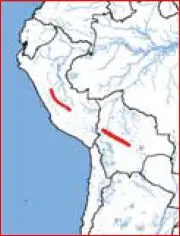
Rare, Although most abundant in Bolivia. It lives in temperate inter-Andean valleys and humid montane forests., between 1500 to 2500 m.. (Occasionally a 3450 m.. in Peru). Usually in pairs or small groups. Seen mostly in pairs or in small groups of 3 to 25 birds. From time to time they gather in groups of up to 50 birds around their favored roosting.

Conservation

Not considered in any of the threat categories, It is very rare in captivity.

They have recorded for this species altitudinal migration, Depending perhaps on the fruiting, Since the fruit is their main source of food.

With reproduced in cavities of trees or places of nesting woodpeckers.

Inhabits intermittently to the East of the Andes, in the center of Peru and in the yunga of Bolivia.

scientific classification:

– Order: Psittaciformes
– Family: Psittacidae
– Genus: Hapalopsittaca
– Scientific name: Hapalopsittaca melanotis
– Citation: (Lafresnaye, 1847)
– Protonimo: Pionus melanotis

Alternative names:

– Black-winged Parrot or Black-eared Parrot (English)
– Lorito celeste (Peru, Bolivia)
– Schwarzflügelpapagei (German)
– Caïque à ailes noires (French)
– Pappagallo alinere, (Italian).

Videos "Black-winged Parrot"

in the

«Black-winged parrot» (Hapalopsittaca melanotis)

Sources:

Parrot Book, Parrots and macaws Neotropical.

Sounds: controles-canto.org

▷ The world of Pets: Dogs, cats, birds, reptiles, amphibians

Red-fronted Parrot
Poicephalus gulielmi


Lorito Frentirrojo

Content

Description:

28 cm. length and an average weight of 220 g..

The Red-fronted Parrot (Poicephalus gulielmi)has the forecrown and crown bright red; the lores and chin blackish; cheeks, back of the crown and nape dark green with scattered feathers showing blackish centers.

The mantle feathers and scapulars Black with large green edges that give scalloped appearance; rump and uppertail-coverts bright yellowish green .

Wing coverts black with a dark green margin; leading edge of the wings from joints carpal to the base of the primaries bright red. The primaries and secondaries black. Under, the wing feathers dark green and black.

Underparts dark green with scattered feathers showing a black central band; the thighs bright red. The tail black.

Top of the mandible grey, Blackish towards the tip with pale base stains, lower jawBlackish r; Orange the irises; legs dark grey to black.

Both sexes similar.

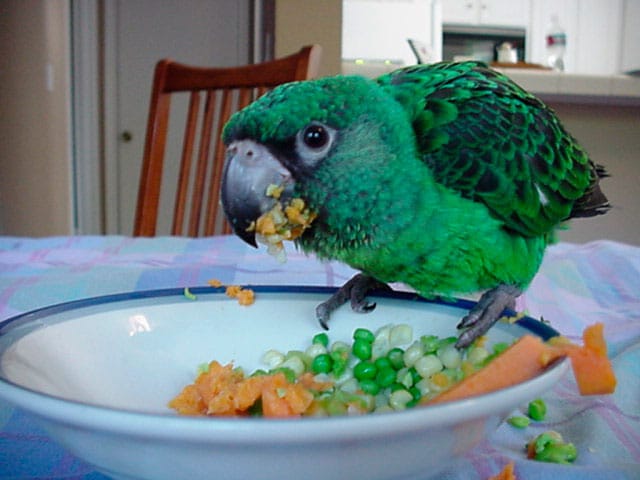
The youth lack of red color in the forecrown, the edge of the wings and the thighs; Green in a little paler than the adults plumage. Young birds sometimes show red color in the feathers of the wings. The irises is dark brown.

Description 3 subspecies:

  • Poicephalus gulielmi fantiensis

    (Neumann, 1908) – Smaller that the species nominal. Forehead, leading edge of the wings and the thighs Orange or orange-red (but not red) and more extensive, in some birds. Underparts paler green with fewer black markings.


  • Poicephalus gulielmi gulielmi

    (Jardine, 1849) – Nominal species


  • Poicephalus gulielmi massaicus

    (Fischer & Reichenow, 1884) – Restricted red in the forecrown. Paler than the species nominal, with few or no black marks on the underparts.

Habitat:

The Red-fronted Parrot They inhabit montane forests of Juniperus and Podocarpus in Kenya and Tanzania, between 1,800 and 3,250 meters above sea level, where may depend on the primary vegetation.

Confined in the lowlands the rest of the population rainforest (below 700 metres in West Africa), but are not limited to the primary formations, There are records of the Red-fronted Parrot perched on tall trees of shade coffee plantations in Angola and in secondary forests of Ghana.

Usually stays in the tree tops, While they feed or rest.

In general, seen in groups of up to 10 birds, forming large flocks where abundant food. Large congregations, sometimes, in places.

In Kenya, the Red-fronted Parrot they make long daytime journeys of foraging (60km) along gallery forests, or crossing the savanna forest dominated by Acacia.

Reproduction:

The Red-fronted Parrot they breed solitary.

During the mating, males sway rhythmically, without moving the wings, while standing behind the female's back.

The nest is located in a cavity between 3 and 12 meters above the ground.

In the Mount Meru (Tanzania), nests have been recorded in living trees of the genus Hagenia, Podocarpus and Juniperus.

The egg laying It has been recorded in November to January in Tanzania, September in Zaire and March, June and from September to November in Kenya. The implementation is of between 2 and 4 eggs bright white.

Food:

Its diet It is believed that it is composed of a variety of seeds, fruits, flowers and insects. The seeds of Spathodea, oil palm nuts (Elaeis guineensis), fruits of the Podocarpus flowers and seeds of Grevillea robusta. Probably some insects are also part of their diet.

Sometimes associated with the African Olive-Pigeon (Columba arquatrix) and Sharpe's Starling (Pholia sharpii) when feeding in the Olea capensis.

Distribution:

Size of the area of distribution (reproduction / resident): 5.380.000 km2

Several apparently separated distributions.

In West Africa are distributed to the East of Liberia until Ivory Coast and South of Ghana.
In the Center-West of Africa, South of Cameroon to the Northwest of Angola. A seemingly separate population extends to the North of Zaire and South of the Central African Republic to the southwest of Uganda and Rwanda. Also found in the Highlands of Kenya and North of Tanzania.

Sedentary with local movements. Locally common to abundant in many localities in part of its eastern range, apparently, the decrease in other areas is possibly due to deforestation.

Distribution 3 subspecies:

Conservation:


minor concern


• Current Red List of UICN: Least concern

• Population trend: Decreasing

Keep a Red-fronted Parrot as a pet it has steadily increased in popularity in recent years, and as a result, the species has been the subject of intense trade on the market of wild birds. His capture may represent a significant threat to the species, in particular for the population around the Mount Kilimanjaro in Tanzania, fact that could lead to the local extinction of the species in that area.

The Red-fronted Parrot is also at risk from the deforestation in parts of its area of distribution. But, the species is still distributed over a wide area and is not currently considered globally threatened, even though global population trends have yet to be quantified.

The Red-fronted Parrot is located in several protected areas, including the Lope-Okanda National Park in Gabon, World Heritage site, the Korup National Park in Cameroon and the Bia National Park in Ghana.

The species is included in the Appendix II the Convention on international trade in endangered species (CITES), that means that the international trade of the Red-fronted Parrot It must be carefully checked. But, a key problem in many areas is the lack of adequate legislation, and the lack of compliance with the legislation in which it does exist.

The wild trade in this bird and the destruction of their forest habitat may have a better follow-up to ensure that populations of the Red-fronted Parrot not to suffer future decreases.

"Red-fronted Parrot" in captivity:

Probably the first hatchlings of Red-fronted Parrot born in in captivity were achieved in 1978, in Switzerland and England Although already in advance, in the middle of the 90, specimens had arrived at zoos in London and Hamburg.

The Red-fronted Parrot is little known in Spain, but in other countries it is very common as a pet thanks to its size, its great intelligence, its capacity for imitation and its character quiet and loving, but at the same time playful and naughty.

It is soft and musical, and their cry is quite bearable. In general, is a bird bit noisy, which can be an asset to a future owner who lives in an apartment.

They are very destructive, or both must provide them with abundant branches and non-toxic toys for chopping and shredding.

In terms of their longevity, according to sources, one specimen was still alive after 21 years in captivity.

Alternative names:

– Red-fronted Parrot, Jardine’s Parrot, Red fronted Parrot, Red-crowned Parrot, Red-headed Parrot, William’s Fig Parrot (English).
– Perroquet à calotte rouge, Perroquet à front rouge, Perroquet de Jardine, Perroquet vert à calotte rouge (French).
– Kongopapagei, Kongo Papagei (German).
– Papagaio-de-jardine (Portuguese).
– Lorito de Jardine, Lorito Frentirrojo, Loro Jardinero (español).


scientific classification:

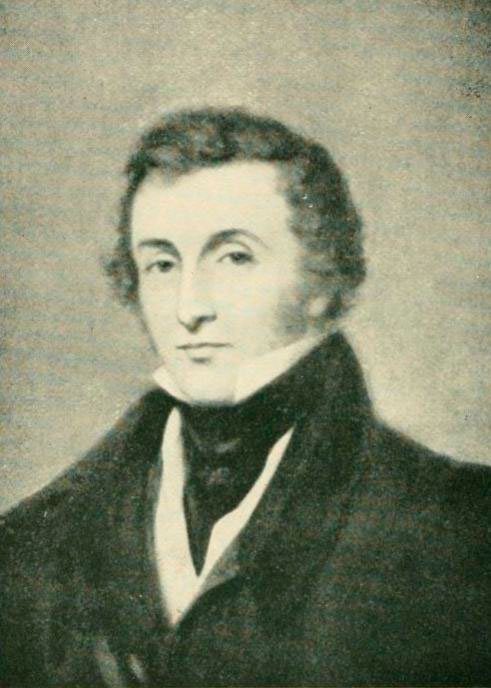
William Jardine
William Jardine

– Order: Psittaciformes
– Family: Psittacidae
– Genus: Poicephalus
– Scientific name: Poicephalus gulielmi
– Citation: (Jardine, 1849)
– Protonimo: Parrot gulielmi


Images "Lorito Frentirrojo":

————————————————————————————————

"Lorito Red Front" (Poicephalus gulielmi)


Sources:

– Avibase
– Parrots of the World – Forshaw Joseph M
– Parrots A Guide to the Parrots of the World – Tony Juniper & Mike Parr
– Birdlife
– Arkive

– Photos:

(1) – A Red-fronted Parrot at Birds of Eden, South Africa By Dick Daniels (http://carolinabirds.org /) (Own work) [CC BY-SA 3.0 or GFDL], via Wikimedia Commons
(2) – Photograph of a couple of Poicephalus gulielmi By derivative work: Snowmanradio (talk)Poicephalus_gulielmi_pareja_reproductora. JPG: Juan Caparrós (Poicephalus_gulielmi_pareja_reproductora. JPG) [CC BY-SA 3.0 or GFDL], via Wikimedia Commons
(3) – P. g. fantiensis at Birds of Eden, South Africa By Poicephalus_gulielmi_-Birds_of_Eden_-South_Africa-8a.jpg: Grahamderivative work: Snowmanradio [CC BY-SA 2.0], via Wikimedia Commons
(4) – A juvenile pet Red-fronted Parrot (also known as Jardine’s Parrot) By Bram Cymet (originally posted to Flickr as Amazon) [CC BY 2.0], via Wikimedia Commons
(5) – Fledgeling Lesser Jardines Parrot eating vegetables By Kofiwannacracker (Own work) [Public domain], via Wikimedia Commons

▷ The world of Pets: Dogs, cats, birds, reptiles, amphibians

Timneh Parrot
Psittacus timneh


Loro Timneh

Content


Anatomy-parrots

Description:

28 to 32 cm.. length and a weight between 275 and 375 g..

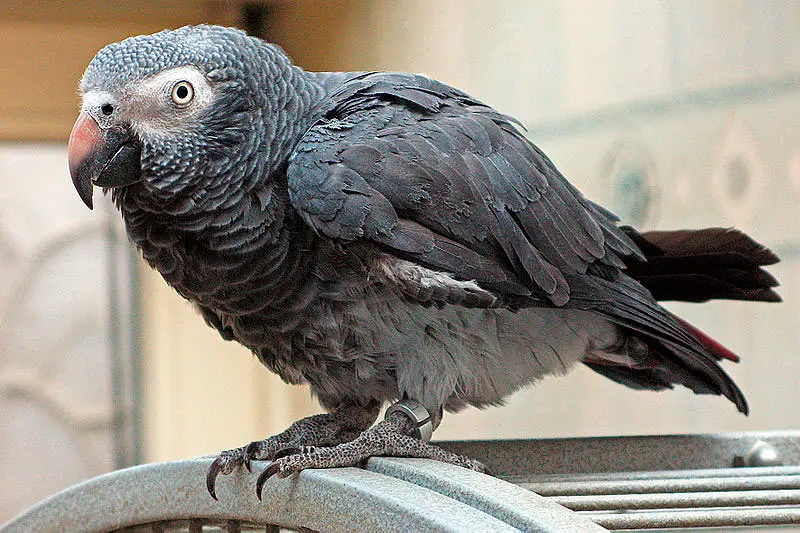
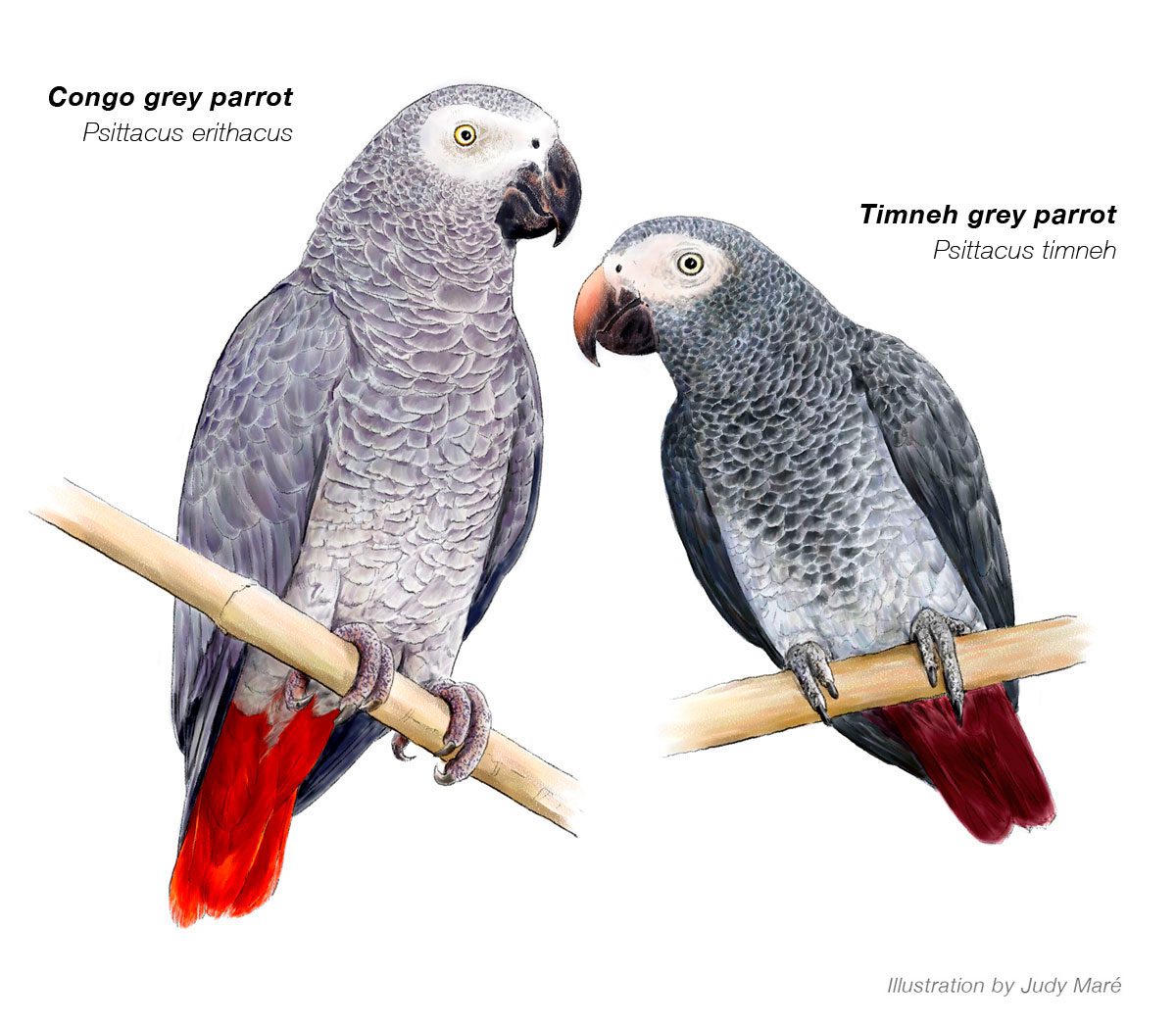
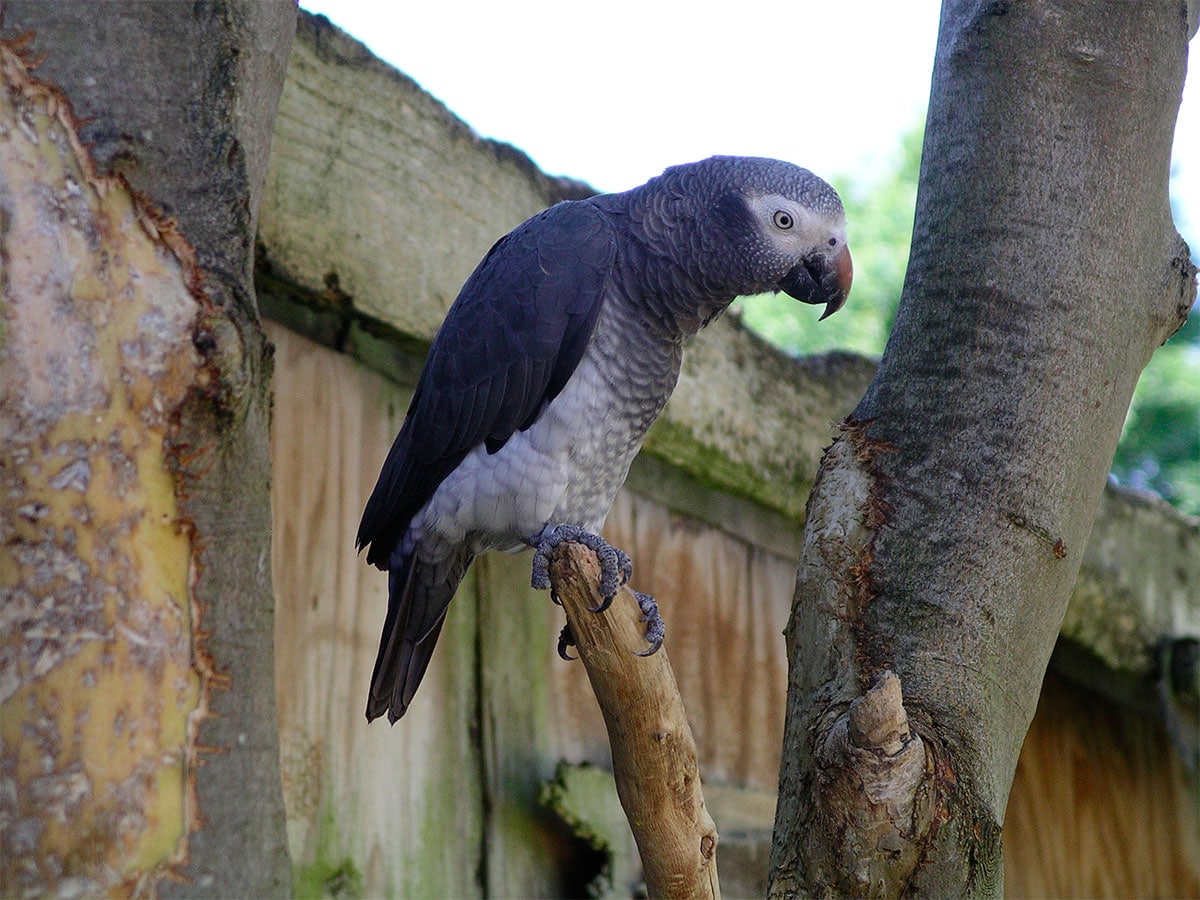
The Timneh Parrot (Psittacus timneh) is darker than Grey Parrot and the Red of the the tail feathers more off, darker and usually Brown (not Scarlet).

The uppertail-coverts son grises, dyed red (not Scarlet).

The bill It is mostly black, but it has an ivory-coloured or pinkish in the upper third of the upper jaw.

There is no visible difference between male and female.

The youth they have black eyes that become a yellowish cream at the age of two years.

Smaller that the Grey Parrot

Description 2 subspecies:

  • Psittacus timneh princeps

    (Alexander, 1909) – Darker and slightly larger than the subspecies Psittacus timneh timneh, although its size is still below the Grey Parrot (Psittacus erithacus). The feathers of the tail are as red as those of Grey Parrot, but marked by a greater contrast with the almost black feathers body, giving a different impression this subspecies. The eyes are yellow, the bill It is black and legs are dark gray.


  • Psittacus timneh timneh

    (Fraser, 1844) – Nominal.

Habitat:

Ilustración por Judy Maré
Illustration by Judy Mare

Although they normally inhabit the dense forests, they are also usually seen at the edges of forests, clear, gallery forest, mangroves, tree-lined sheets, cultivated areas, and even the gardens, Although it is not clear if it's self-sustaining populations.

You can do seasonal movements out of the drier areas of its distribution in the station area dry.

Sometimes travel long distances to feed. They nest in hollow trees high above the ground. Found in small flocks of a few dozen, usually no more. Flocks of birds can be noisy.

Reproduction:

Little known difference with regard to the Grey Parrot.

The breeding season is usually from November to April in the westernmost areas of west africal, probably, especially during the season dry.

During the season of breeding they put in 2 to 4 eggs, every two or three days. These hatch in 28-30 days and the young are independent in 12 to 14 weeks.

Food:

In the wild, the Timneh Parrot they eat seeds, nuts, fruits and vegetables. they climb trees, instead of flying, to collect food and keep it with one leg while eating. They enjoy eating the external Walnut meat of the Palm oil, and have been observed eating snails.

In West Africa, his hobby is known for beads, attacking cornfields and becoming considered pests in certain places.

Distribution:

Size of the area of distribution (reproduction / resident): 541.000 km2

They are distributed in the West, in the humid forest areas of the Upper Guinea and bordering savannahs of West Africa from Guinea-Bissau, Sierra Leone and South of Mali to the East of Ivory Coast, at least a 70 kilometers to the East of the bandama river.

The wild population is distributed along with the species nominal in Abidjan, Ivory Coast.

Distribution 2 subspecies:

  • Psittacus timneh princeps

    (Alexander, 1909) – Principe Island (gulf of guinea).


  • Psittacus timneh timneh

    (Fraser, 1844) – Nominal. South of Guinea, Sierra Leone and Liberia, as well as the western part of Ivory Coast. There are also smaller groups Guinea Bissau and Mali. Populations Senegal They have disappeared fish trade.

Conservation:


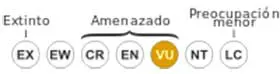
Vulnerable


• Current Red List of UICN: Vulnerable

• Population trend: Decreasing

Its population is estimated between 100,000 and 500,000 exemplary and decreasing.
The P. erithacus, before the division of the timneh, He was put in the Appendix II of CITES with all Psittaciformes in 1981 at the request of Switzerland and Liechtenstein. Due to concerns about the effects of the large number of this species traded, It was the subject of a review of significant trade of the CITES, in which was listed as "possible concern" (Inskipp et to the. 1988).

The Animals Committee of the CITES he imposed a sanction of two years from January of 2007 on exports of timneh from four countries of West Africa (Ivory Coast, Liberia, Sierra Leone and Guinea), and banned the import of wild birds into the EU in 2007 (Anon 2011).

In 2009 Guinea exported 720 timneh, Despite having a share of 0 (Anonymous 2011).

The controlled legal trade by CITES may represent only a small proportion of total numbers caught in the wild.

The species is found in a number of protected areas.

A PhD study assessed the distribution, abundance and the impacts of trade and habitat loss for the timneh started in 2011 (Anon 2011).

Conservation Actions Proposed:

    • Ensure that proposed trade restrictions are enforced.

    • Monitor wild populations to determine ongoing trends..

"Timneh Parrot" in captivity:

Poultry are known in a manner abbreviated as TAG (Timneh African grey).

The Parrot Timneh is equivalent in intelligence and ability of his Congo counterpart, the Grey Parrot, being, generally, less nervous and with a great ability to imitate sounds (they often learn to imitate human sounds before the Grey Parrot). They can have a wide vocabulary of hundreds of words.

Unlike the Parrot Yaco, their voices are not an exact replica of the voice of the person you are copying. The Timneh Parrot they have their own special little voice.

Alternative names:

– Timneh Parrot, Gray Parrot (Timneh), Sierra Leone Gray Parrot, Sierra Leone Grey Parrot, Zambesi Green Pigeon (English).
– Perroquet timneh (French).
– Timnehgraupapagei (German).
– papagaio-timneh (Portuguese).
– Loro timneh, Loro Gris de Cola Vinagre (español).

scientific classification:

– Order: Psittaciformes
– Family: Psittacidae
– Genus: Psittacus
– Scientific name: Psittacus timneh
– Citation: Fraser, 1844
– Protonimo: Psittacus Timneh

«Timneh Parrot» Images:

————————————————————————————————

"Two Timneh" (Psittacus timneh)


Sources:

– Avibase
– Parrots of the World – Forshaw Joseph M
– Parrots A Guide to the Parrots of the World – Tony Juniper & Mike Parr
– Birdlife

– Photos:

(1) – Timneh African Grey Parrot (Psittacus erithacus timneh) Pet parrot sanding on a cage By Peter Fuchs (Flickr) [CC BY-SA 2.0], via Wikimedia Commons
(2) – Two pet Timneh African Grey Parrots perching on a man’s arm By rebeccakoconnor (originally posted to Flickr as Timneh Greys) [CC BY 2.0], via Wikimedia Commons
(3) – Timneh African Grey Parrot (Psittacus erithacus timneh). A pet parrot standing on a cage. Photo shows the maroon tail feathers By Peter Fuchs (originally posted to Flickr as henry tired) [CC BY-SA 2.0], via Wikimedia Commons
(4) – A Timneh African Grey Parrot at Birds of Eden, South Africa By Graham (originally posted to Flickr as IMG_0972) [CC BY-SA 2.0], via Wikimedia Commons
(5) – A Timneh African Grey Parrot that is allowed to fly free in Tropical Birdland, Leicestershire, England I, Snowmanradio [GFDL or CC-BY-SA-3.0], via Wikimedia Commons
(6) Ilustración by Judy Maré – Africa Geographic Magazine

– Sounds: Etienne Leroy (Xeno-canto)

▷ The world of Pets: Dogs, cats, birds, reptiles, amphibians

Geelvink Pygmy-Parrot
Micropsitta geelvinkiana


Geelvink Pygmy-Parrot

Content


Anatomy-parrots

Description

The Geelvink Pygmy-Parrot (Micropsitta geelvinkiana) has 9 cm.. length between 13 and 17 g. of weight.

The coverts headphones are of color brown with fusion to blue-green in the part rear; crown purple-blue; Upperparts green, Middle coverts with centers of color blackish. The flight feather Black with narrow green borders in vane outer. The underparts Green Center of chest and belly ocher-yellow, more warm towards the part superior of the chest. Uppertail Yellow. Central feathers of the tail blue, Green Tips with yellow spots and black exterior.

The bill grey; irises of color red or brown orange; legs grey.

Female with less blue of the crown and underparts greenish yellow.

Immature with the bill mostly yellow in color and gray tipped.

Subspecies description

  • Micropsitta geelvinkiana geelvinkiana

    : (Schlegel, 1871) – The nominal


  • Micropsitta geelvinkiana misoriensis

    : (Salvadori, 1876) – The male has the head Brown marks on the belly yellow and orange. Female with the crown blue and underparts greenish.

Habitat:

Geelvink Pygmy-Parrot

With distributes in lowland, secondary growth, cultivated areas with isolated trees, and around native gardens, until 300 meters or higher altitudes. The birds are found in groups of 4-5. and is them has seen associate it with other birds in them trees low of berries that accrued in the forest. very shy.

Reproduction:

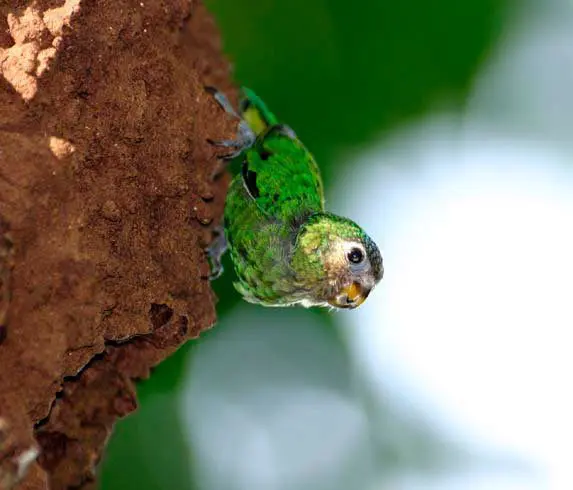
They dig caves in termite tree in which to lay their eggs (also used for rest cavities at night), often close to the ground. The nesting It was observed from mid-June to August. Arndt He found two young in a nest which were visited by the female every two hours. The chamber was filled with dust from the termite mound and contained some broken egg shell and feathers.

Food:

Probably Lichen and fungi from the bark of the trees. As in other Meeki, crushed seeds were found in the stomach of a bird collected.

Distribution:

Size distribution (reproduction / resident): 2,500 km2

Are observed only in Numfor and Biak island, (Indonesian), up to about 300 meters above sea level. In 1991 It was thought that the global population was around of 10.000 and stable, but in 1997 searches for the species over a period of 12 days suggested that it was either rare or easily missed, with observations of a single day, sometimes only with sound contacts.

Subspecies distribution:

  • Micropsitta geelvinkiana geelvinkiana

    : (Schlegel, 1871) – Nominal


  • Micropsitta geelvinkiana misoriensis

    : (Salvadori, 1876) – Present in Biak island.

Conservation:


Near-threatened


• Current IUCN Red List category: Near threatened

• Population trend: Decreasing

The size of the world population It has not been quantified; in 1991 It was estimated in approximately 10,000 specimens. The species is described as well distributed in good numbers in lowland primary and secondary forests. (pit et to the. 1997).

There are no data on population trends, but the species is suspected that it is decreasing at a rate of slow to moderate, due to loss of habitat.

"Geelvink Pygmy-Parrot" in captivity:

Not found in poultry farming.

Alternative names:

– Geelvink Pygmy-Parrot, Geelvink Bay Pygmy Parrot, Geelvink Pygmy Parrot (ingles).
– Micropsitte de Geelvink (French).
– Geelvinkspechtpapagei, Geelvink-Spechtpapagei (German).
– Micropsitta geelvinkiana (Portuguese).
– Microloro de Geelvink (español).

scientific classification:

– Order: Psittaciformes
– Family: Psittaculidae
– Scientific name: Micropsitta geelvinkiana
– Genus: Meeki
– Citation: (Schlegel, 1871)
– Protonimo: Nasiterna pygmaea Geelvinkiana

Images "Geelvink Pygmy-Parrot"

Videos "Geelvink Pygmy-Parrot"

————————————————————————————————

«Microloro de Geelvink» (Micropsitta geelvinkiana)


Sources:

– Avibase
– Parrots of the World – Forshaw Joseph M
– Parrots A Guide to the Parrots of the World – Tony Juniper & Mike Parr
– Birdlife

– Photos:

(1) – A juvenile bird on the termite mount (nest). by mehdhalaouate – lynx
(2) – «Nasiternageelvinkianakeulemans» by John Gerrard Keulemans – Ornithological Miscellany. Volume 1. Licensed under Public Domain via Wikimedia Commons.

– Sounds: George Wagner (Xeno-canto)

▷ The world of Pets: Dogs, cats, birds, reptiles, amphibians

Yellow-crowned Parrot
Amazona ochrocephala

Yellow-crowned Parrot

Content

Description

35 to 41 cm.. height and between 380 and 500 g. of weight.

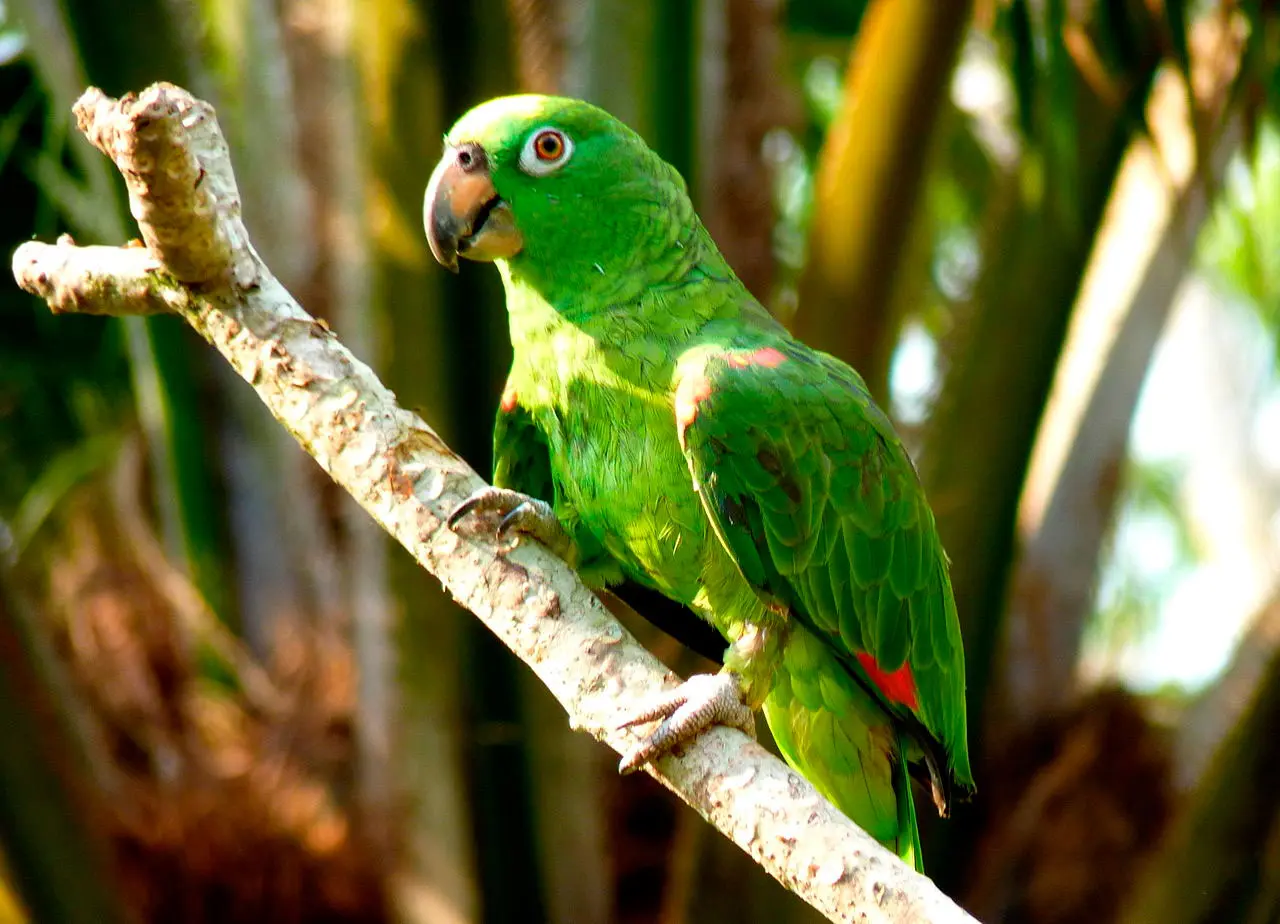
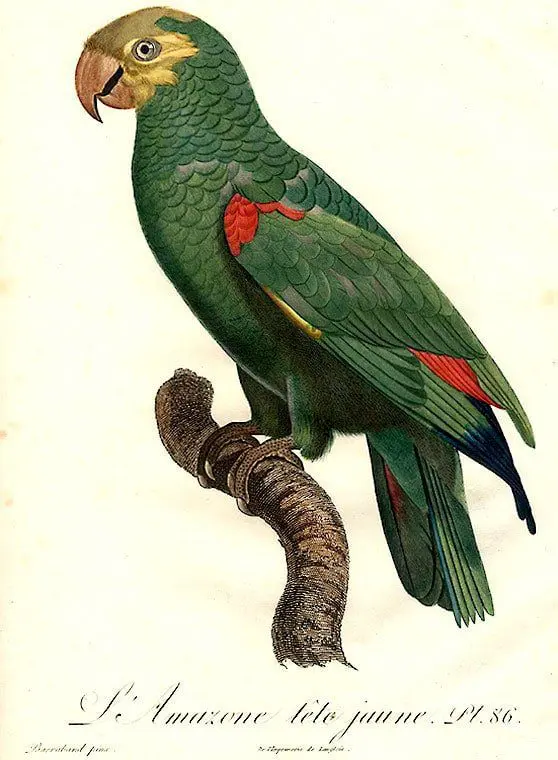
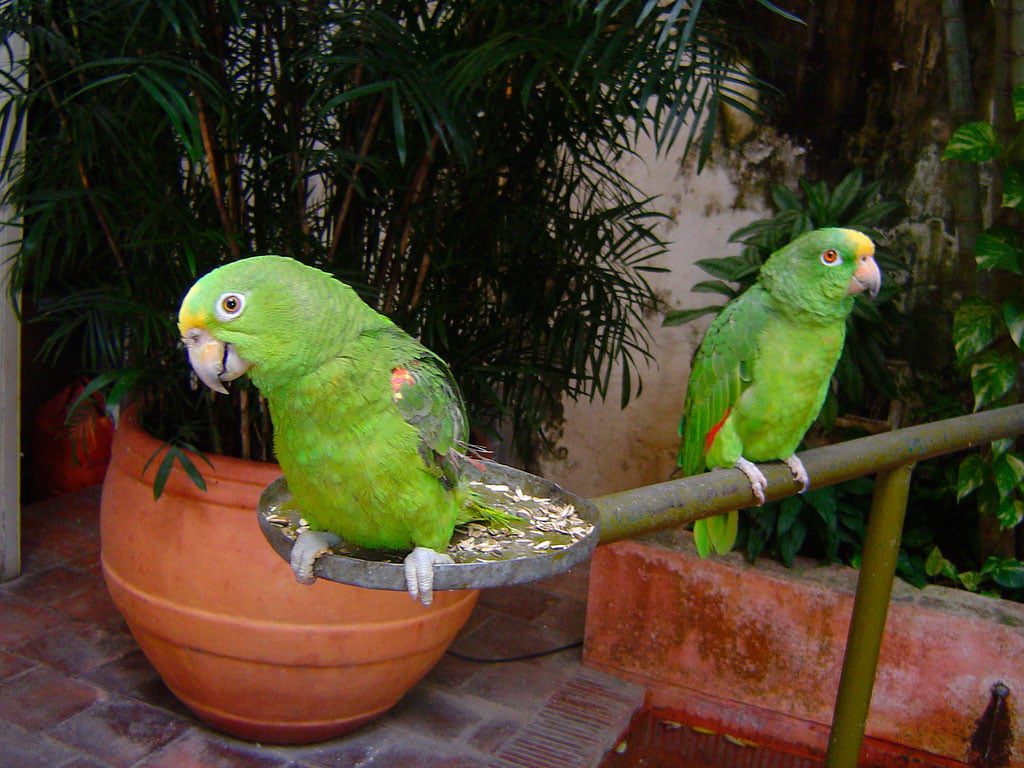
The Yellow-crowned Parrot (Amazona ochrocephala) has the forecrown and front area crown, bright yellow; lores, cheeks and supercilii area, green in most birds, but sometimes with yellow extending over lores and around eyes, and some birds with red bases hidden by yellow feathers crown; sides and back of the neck, nape and the mantle, green with dark margins, giving scalloped effect.


Anatomy-parrots

Upperparts green. coverts lower red, other coverts green; edge front of the wing yellowish; five o'clock outer secondaries They are green with bright red to outerweb forming speculum; flight feather green with blue tips to secondaries and primary outerweb, dark to black in points. Underwing-coverts, dull green with blackish tips. Underparts green with plenty of blue in the chest; yellow feathers on the the thighs (often few and discrete).

Yellow-crowned Parrot

Upper, the tail It is green with yellow stripes; below green with wide yellow ends; both with outer feathers basically red and a bluish puckered in outerweb.

Dark gray Bill, reddish at base of upper jaw; iris orange; legs grey.

Both sexes they are similar. The immature It has a narrower yellow patch on the head, stripes orange-red to yellow feathers crown; less red at the base of feathers tail; feathers of the tail more pointed and irises brown.

Description 4 subspecies
  • Amazona ochrocephala nattereri

    (Finsch, 1865) – Less yellow in the head that the nominal species, with frontal band green. Cheeks, supercilii area and lores with blue tint. Red curve wing often mixed with yellow feathers.

  • Amazona ochrocephala ochrocephala

    (Gmelin, 1788) – Nominal.

  • Amazona ochrocephala panamensis

    (Cabanis, 1874) – Bill horn-colored pink, yellow feathers restricted as V in forecrown and front of the crown. Possibly average smaller than the nominal species.

  • Amazona ochrocephala xantholaema

    (Berlepsch, 1913) – More extensive yellow in the head which extends to the back of the neck, around the eyes, to cheeks and to the ear-coverts. Often with frontal band narrow green. bluish tint in the chest.

Habitat:

Video – "Yellow-crowned Parrot"

They Real (Amazonas Ochrocephala)

They inhabit in open forests, moist forest edges, gallery forests, deciduous forest, open savannas and wetlands in lowland rain forests, also cultivated and suburban areas in some localities, and often near rivers.

The gallery forest It is your preferred Panama where Yellow-crowned Parrot avoid continuous humid forest, being replaced, possibly, there and in many areas of South America, by the Orange-winged Parrot (Amazona amazonica).

Usually observed in the lowlands; reported to 500 metres in Colombia and Venezuela and a 750 metres in Honduras. Usually in pairs or small flocks of 10-30 birds, with occasional gatherings up 300. Birds gather in common trees.

Reproduction:

Son Monogamie, couples joined in for life.

His time of reproduction It is from December to May. During this time, they lay clutches of 2 to 4 eggs, only Por those Nidada Tempordaa. Nest palm trunks and termite mounds.

It takes about 25 days for the eggs to hatch and near 56 days to become fledglings. The young become independent 2 months after hatching. Both male and female Yellow crowned Parrot reach sexual maturity around the 3 years.

Food:

Foods reported in the diet include fruit Immature American Curatella, Pereskia guamacho and other Cactus. Mainly feeds on treetop.
It is considered a plague in some localities for their love of eating bananas (Mussa paradisea), handles and Corn crops.

This species is considered a pest in some areas by his fondness for the consumption of bananas (Mussa paradisea), mangoes and corn crops.

Distribution:

Size of its range (reproduction / resident): 8.010.000 km2

The Yellow-crowned Parrot are in Panama, in Central America and in South America, from south to east Brazil and to the North of Bolivia.

They are present in Panama, mainly on the slope of the peaceful, from Chiriqui, to the West of Darien, but also in the shed Caribbean (for example, in the eastern San Blas Islands); also along the Pearl Islands and Coiba National Park.

They are also distributed in northern Colombia, from the North of the Chocó and lower basin of Atrato River, as well as along the Caribbean coast and tropical zone of the Magdalena River Valley, to the base southeast Sierra Nevada de Santa Marta and western part of the Serrania del Perija.

Observed in the eastern foothills of the Andes and adjacent lowlands Colombia; eastward across the tropical zone Venezuela and south, from the coastal mountains through Bolívar (where apparently it is not known from south) and amazon, until Guyanas and Trinidad (where their status is uncertain due to the captive birds introduced).

Present in the basin Amazonas Brazil, to the south, to the Northwest of Mato Grosso and west, in the lowlands of eastern Ecuador and through the Peruvian Amazon, to the North of Bolivia.

Apparently residents throughout its distribution area. very small numbers in Panama, although locally fairly common, especially in those areas more dry; it is the most common parrot (at least once) in the San Blas Islands. generally common (even locally abundant) in South America, but the numbers are reduced in the more accessible areas due to trade.

Distribution 4 subspecies
  • Amazona ochrocephala nattereri

    (Finsch, 1865) – South of Colombia in Caqueta, is of Ecuador, is of Peru, West of Brazil and North of Bolivia. Possibly integrated with nominal species in border areas Goal and Caquetá in Colombia.

  • Amazona ochrocephala ochrocephala

    (Gmelin, 1788) – Nominal. It is from Colombia, Venezuela, Trinidad, Guianas and North of Brazil south to the tributaries of the lower margin right amazon in amazon and For.

  • Amazona ochrocephala panamensis

    (Cabanis, 1874) – North of Colombia, north and west of the Andes to western Panama, including Pearl Islands and Coiba National Park.

  • Amazona ochrocephala xantholaema

    (Berlepsch, 1913) – Isla Marajó at the mouth of amazon.

Conservation:

State of conservation ⓘ


minor concern Minor Concern ⓘ (UICN)ⓘ

• Current category of the Red List of the UICN: Least concern.

• Population trend: Decreasing.

This species is considered at present as minor concern BirdLife International, and, as a result, also by UICN.
Even though the populations it is believed that are in decline, still do not approach the threshold specified by BirdLife International to evaluate the species as Near-threatened.

It is listed in the Appendix II of the CITES.

The Yellow-crowned Parrot in captivity:

Known for his pranks and excellent skills imitate the human voice. Having said that, the ability to mimic will vary between birds and although many of them are excellent conversadoras, Some will never come to talk. These Amazons are generally affectionate. Its friendly and playful nature make them excellent pets.

Son easily domesticable and easy to train. Known to be very active, What makes them more suited to an environment that enables them to fly.

Son known for their voices. It is said that it is the strongest of all Amazon parrots. People who are not tolerant to noise, they will do well to live with this Parrot.

like most parrots, this horsewoman it can be very destructive. We must "personalize their environment" by providing them with objects to chew such as different toys and branches.

Its longevity should also be a consideration. These parrots They can live between 60 and 80 years.

Alternative names:

– Yellow crowned Parrot, Yellow-crowned Amazon, Yellow-headed Amazon, Yellow-headed Parrot (English).
– Amazone à front jaune, Amazone à tête jaune, Amazone verte de Colombie (French).
– Gelbscheitalamazone, Gelbscheitelamazone, Panama Amazone, Surinamamazone (German).
– papagaio-campeiro, ajurú-apara, papagaio-de-Suriname (Portuguese).
– Amazona Real, Cotorra Cabeciamarilla, Lora Cabeciamarilla, Lora coroniamarilla, Lora Real (español).


scientific classification:

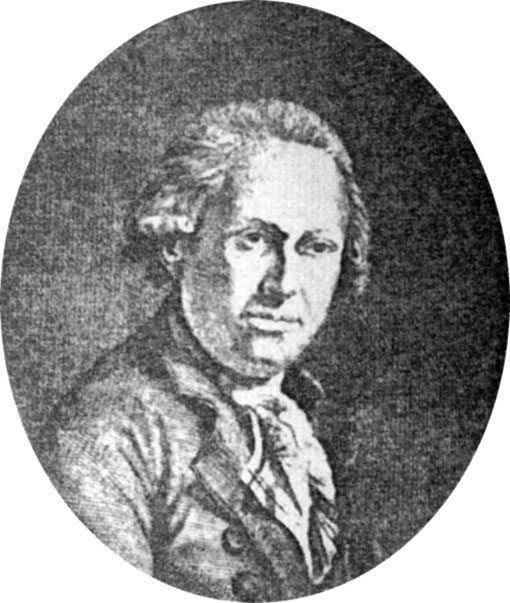
Gmelin Johann Friedrich

– Order: Psittaciformes
– Family: Psittacidae
– Genus: Amazona
– Scientific name: Amazona ochrocephala
– Citation: (Gmelin, JF, 1788)
– Protonimo: Psittacus ochrocephalus


Images Yellow-crowned Parrot:


Species of the genus Amazona


Sources:

avibase
Parrots of the World – Forshaw Joseph M
Parrots A Guide to the Parrots of the World – Tony Juniper & Mike Parr
Birdlife
Parrot Book, Parrots and macaws Neotropical

Photos:

(1) – A pet Yellow-crowned Amazon in Puerto Maldonado, Peru By Kate from UK (Lola) [CC BY-SA 2.0], via Wikimedia Commons
(2) – A pet Yellow-crowned Amazon By Freegiampi (From Giuseppe's farm) [CC BY-SA 2.5], via Wikimedia Commons
(3) – Yellow-crowned Amazon or Yellow-crowned Parrot (Amazona ochrocephala) in captivity By Stephen Joyce from barcelona, Spain (Parrot) [CC BY-SA 2.0], via Wikimedia Commons
(4) – Yellow-crowned Amazon or Yellow-crowned Parrot (Amazona ochrocephala) in captivity in the Parrot’s Garden (Jardim dos Louros), in the Botanical Garden of Funchal, Madeira island, Portugal By jmaximo [CC BY 2.0], via Wikimedia Commons
(5) – A Yellow-crowned Amazon in Gatorland, Florida, USA By greyloch from Washington, DC, area, U.S.A. (green parrot preening) [CC BY-SA 2.0], via Wikimedia Commons
(6) – Amazona ochrocephala panamensis, Panama Amazon (also known as the Panama Yellow-headed Amazon); two in captivity By TJ Lin (originally posted to Flickr as DSCN1005) [CC BY-SA 2.0], via Wikimedia Commons
(7) – A Yellow-headed Amazon (or Parrot) near the Brazil-Peru-Colombia triple junction By Dick Culbert from Gibsons, B.C., Canada (Amazona ochrocephala) [CC BY 2.0], via Wikimedia Commons
(8) – A Yellow-crowned Amazon at Bloedel Floral Conservatory, Vancouver, Canada By Karen Neoh (Parrot) [CC BY 2.0], via Wikimedia Commons
(9) – Yellow-crowned Amazon or Yellow-crowned Parrot (Amazona ochrocephala) in a tree in Venezuela By Rufino (originally posted to Flickr as camouflage) [CC BY-SA 2.0], via Wikimedia Commons
(10) – Amazona ochrocephala From Natural History of Parrots (by Francois Levaillant, 1801-1805) – Wikimedia

Sounds: Edson Guilherme

▷ The world of Pets: Dogs, cats, birds, reptiles, amphibians

Black Parrot
Coracopsis nigra

Black Parrot

Black Parrot

Content


Anatomy-parrots

Description

35 to 40 cm. length and a weight between 215 and 315 gr.

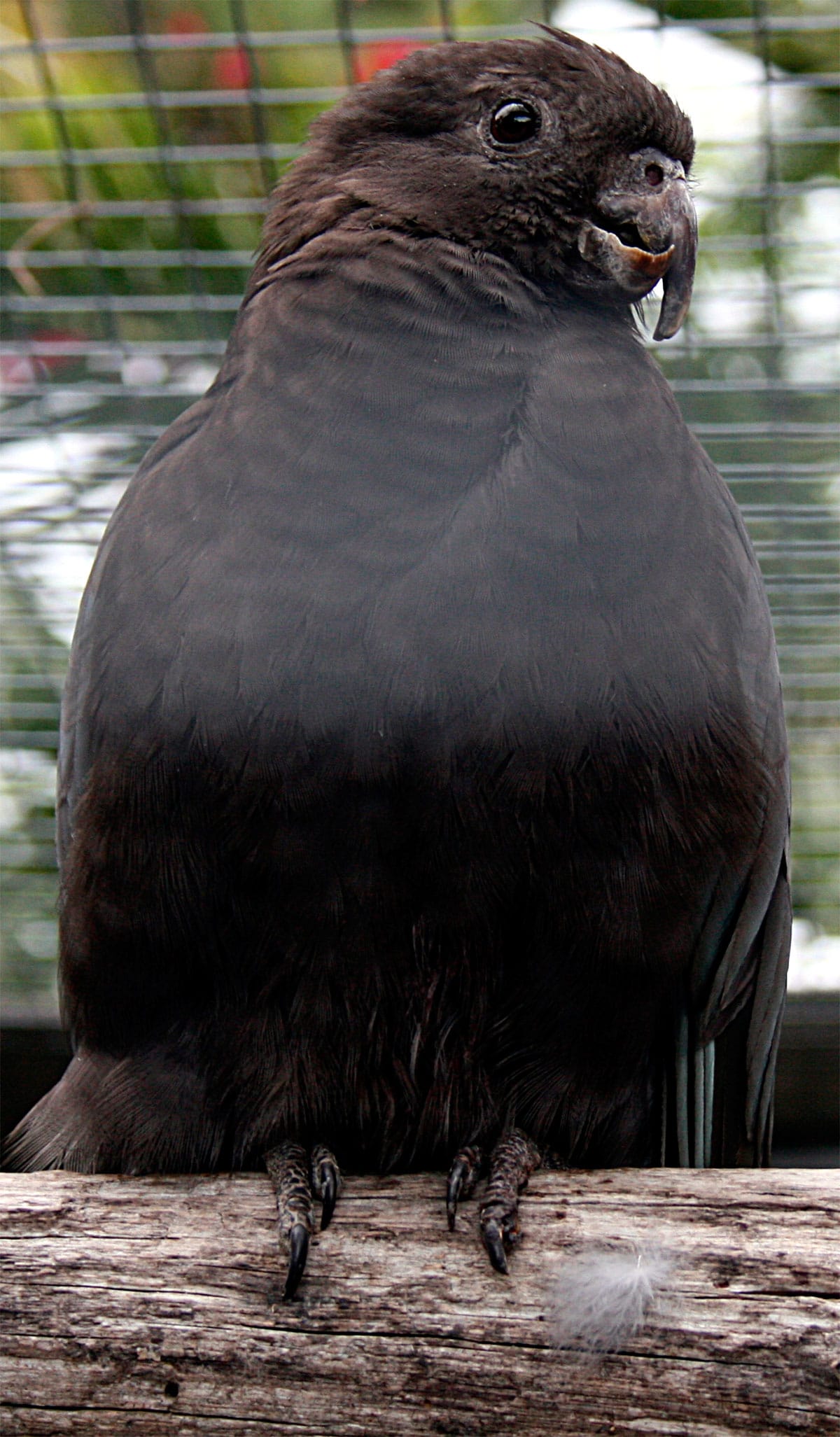
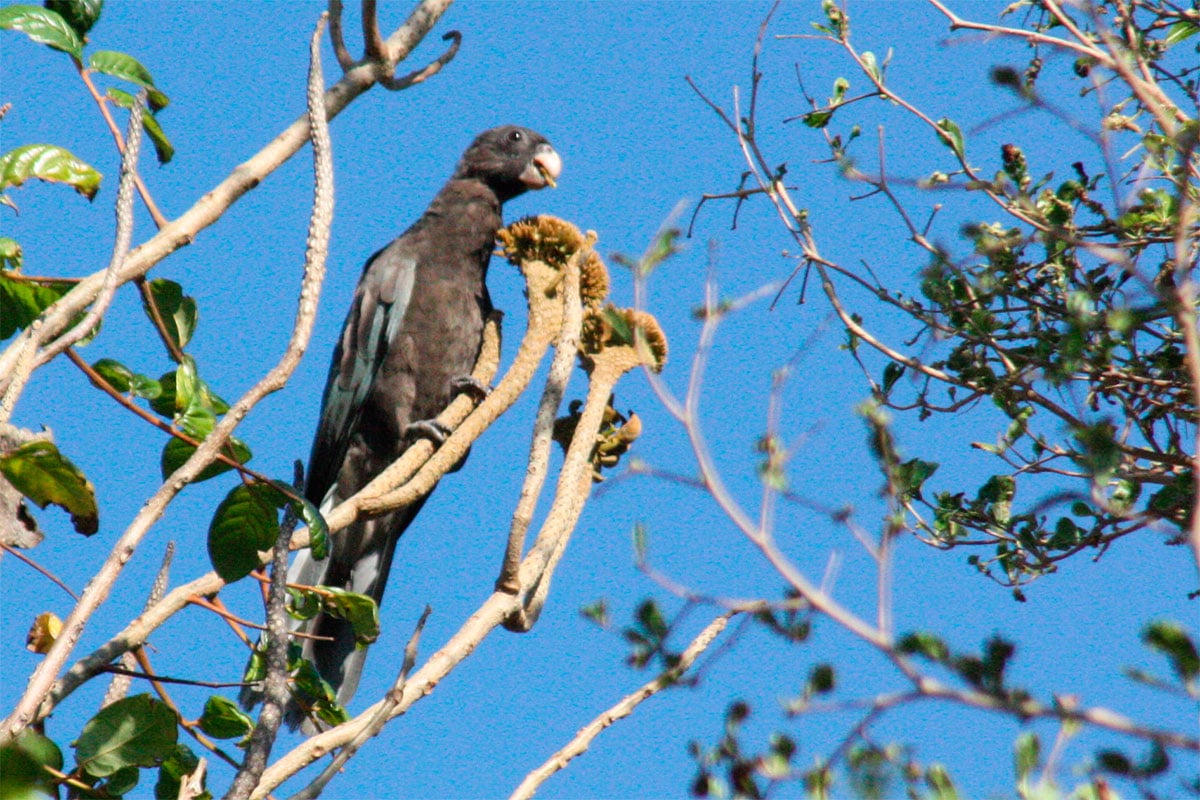
The plumage of the Black Parrot (Coracopsis nigra) It, usually, blackish brown (iridescent green glow during breeding season) with inconspicuous grayish color marks in undertail- coverts and gray in vane external to the primary.

Bottom of flight feathers pale grey. Upper, the tail brown-black color; undertail, light grey: subterminal band dark.

The bill color horn, more off-white to modify the moult; irises dark brown: periophthalmic ring grey-brown (does not reach the peak); legs dark brown.

Sound of the ✩ Black Parrot ✩.

Without sexual dimorphism.

Immature paler than adults with pale undertail- coverts and yellowish tint in the bill; Tips of the feathers of the tail pale grey.

Subspecies description

  • Coracopsis nigra libs

    (Bangs, 1927) – Paler and with the underparts browner than the nominal species; back bluish grey tinted. No dark subterminal band on the tail.

  • Coracopsis nigra nigra

    (Linnaeus, 1758) – Nominal species

  • Coracopsis nigra sibilans

    (Milne-Edwards & Oustalet, 1885) – Smaller, of about 30 cm., and paler than the nominal species. The chocolate color replaces the blackish brown of the nominal. No grey in the vane the primary external

Habitat:

The Black Parrot are resident with some movements of foraging day.

It is found in a wide variety of forests and savanna areas, including ecosystems modified by man, wooded land of cities and towns, as well as primary forests, from the level of the sea up to 2,050 m altitude.

You can see more on the dense forests, swamp forest (including mangroves) and scrublands, that the Vasa Parrot, in order to avoid large areas of humid forests.

Usually seen in small noisy groups, either flying or sitting on the tops of the trees; active on moonlit nights.

In Seychelles, However, the Black Parrot seldom form flocks and in general you seen alone or in pairs, except when the food, locally, they are abundant.

Is not known to form mixed flocks with the Vasa Parrot.

Reproduction:

Nest in the hollow trunk of tree or in a branch, usually above the 15 m.

Breeding probably from November to February.

Clutch of 2 to 8 eggs.

Food:

The Black Parrot they feed on seed, berries, fruits and nuts; more frugivorous than Vasa Parrot.

Specific articles reported on their diet include fruits of Afzelia bijuga and Chassalia, seeds of Cinnamosma fragrans, flowers of Symphonia and some types of leaves.

In Madagascar, according to sources, It has reported consumption of Insect Galls on the part of the Black Parrot.

They attack crops and in the Comoros they are real pests in cocoa plantations, feeding on immature pods.

The main food of the population of Praslin include: Verschaffeltia splendida, Averrhoa bilimbi, Phoenicophorium borsigianum, Deckenia nobilis, Chrysobalanus icaco and Ficus rubra.

Distribution:

Endemic to Madagascar, The Comoros archipelago (Grand Comore and Anjouan) and Praslin island (Seychelles), where it was possibly introduced.

Subspecies distribution

  • Coracopsis nigra libs

    (Bangs, 1927) – Can be found in the West of Madagascar.

  • Coracopsis nigra nigra

    (Linnaeus, 1758) – Nominal species

Conservation:


minor concern


  • Current Red List of UICN: Least concern
  • The population trend: Stable

The species that are found in Madagascar and the Comoros they are generally described as common.

Officially treated as pests in Madagascar where the Black Parrot they are persecuted because of the damage caused in crops; Also hunted as food and as domestic fowl.

Despite their intense persecution, apparently they are not at risk and are distributed in many protected areas of Madagascar.

The size of the world's population has not been quantified.

The subspecies of the Praslin island (Seychelles), found in the The Valle de Mai nature reserve, is located in critical state (probably less than 100 birds). Competition for nesting sites with the common mine (Acridotheres tristis) can be one of the threats of the remaining birds.

The “Black Parrot” in captivity:

It is possible to keep them in community with its kind, but out of breeding period. At first he can be shy. It is a active parrot and nervous, generally outgoing Once accustomed to people and environment, tends to be entrusted, although it also depends a lot on its breeding method (natural or by hand) and earlier experiences.

As a pet it can be a wonderful company., loving, playful and very smart.

With regard to its longevity, sources they indicate that a sample lived 34.1 years in captivity.

Alternative names:

– Black Parrot, Lesser Vasa Parrot, Lesser Vasa-Parrot (English).
– Vaza noir, Perroquet noir (French).
– Rabenpapagei (German).
– Papagaio preto (Portuguese).
– Loro Negro (español).

scientific classification:

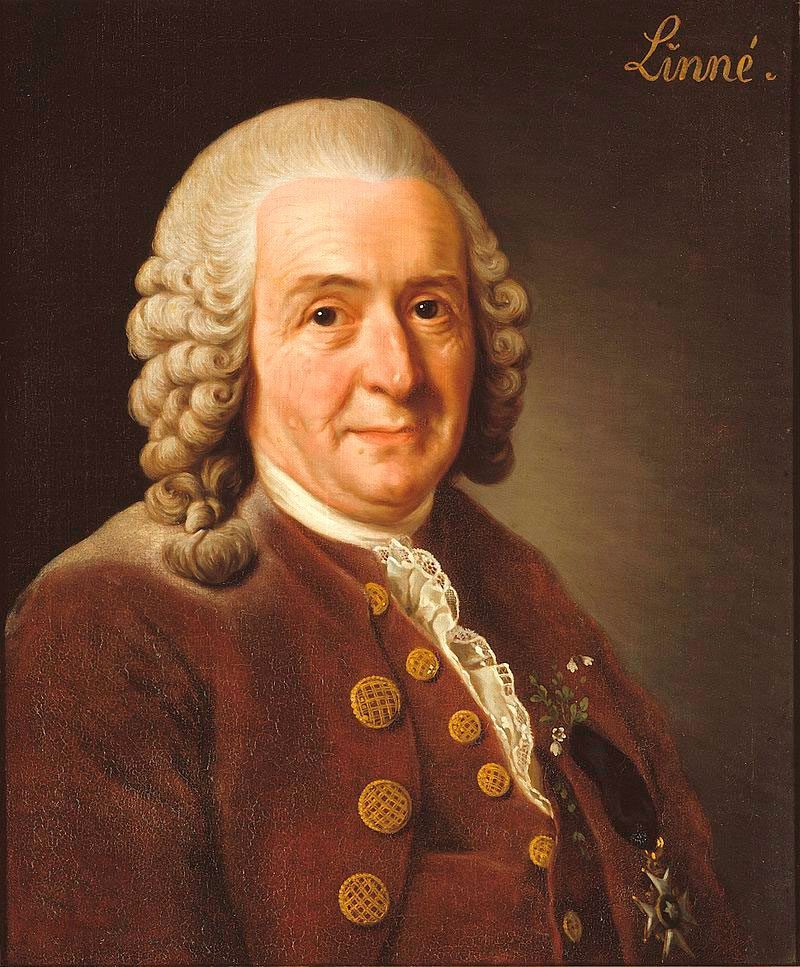
Carl Linnaeus
Carl Linnaeus

– Order: Psittaciformes
– Family: Psittaculidae
– Genus: Coracopsis
– Scientific name: Coracopsis nigra
– Citation: (Linnaeus, 1758)
– Protonimo: Psittacus niger

«Black Parrot» Images:

————————————————————————————————

«Black Parrot» (Coracopsis nigra)

Sources:

– Avibase
– Parrots of the World – Forshaw Joseph M
– Parrots A Guide to the Parrots of the World – Tony Juniper & Mike Parr
– Birdlife
– Parromania

– Photos:

(1) – Madeira_botanischer_garten_Coracopsis_nigra By Hedwig Storch (Own work) [GFDL or CC BY-SA 3.0], via Wikimedia Commons
(2) – Lesser Vasa Parrot (also known as the Black Parrot). Two in a cage with a nestbox By TJ Lin (originally posted to Flickr as pic-264) [CC BY-SA 2.0], via Wikimedia Commons
(3) – Lesser vasa parrot (coracopsis nigra) in Anjajavy Forest, Madagascar By Charlesjsharp (Own work) [CC BY-SA 3.0], via Wikimedia Commons
(4) – Lesser Vasa Parrot or Black Parrot (Coracopsis nigra); picture taken at Mangily, Western Madagascar By Axel Strauss (Own work) [GFDL or CC BY-SA 3.0], via Wikimedia Commons
(5) – Male Lesser Vasa Parrot in an aviary at Tropical Birdland, Leicestershire, England By Snowmanradio (Own work) [CC BY-SA 3.0 or GFDL], via Wikimedia Commons

– Sounds: Mike Nelson (Xeno-canto)

▷ The world of Pets: Dogs, cats, birds, reptiles, amphibians

Kakapo
Strigops habroptila


Kakapo

Content

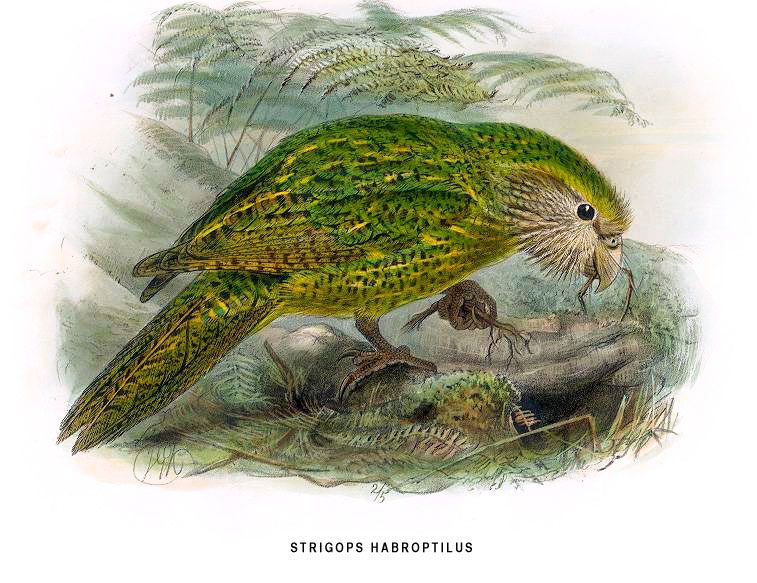
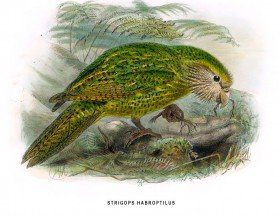
Illustration Kakapo

Description

Males can reach up to 60 cm. and weigh between 3 and 4 kg.

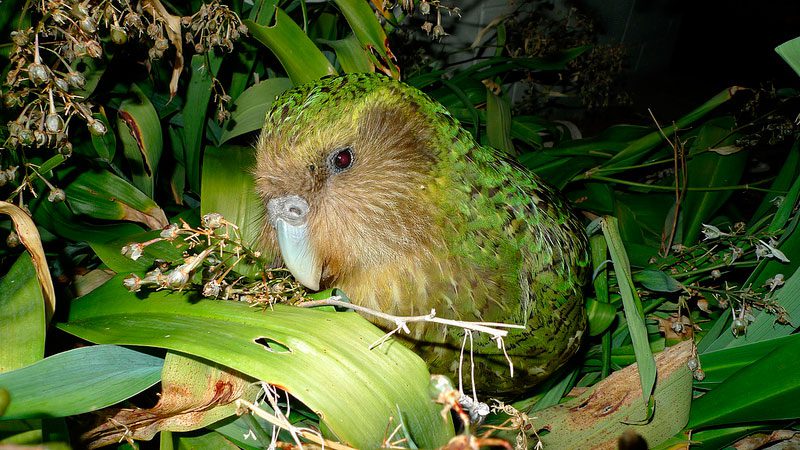
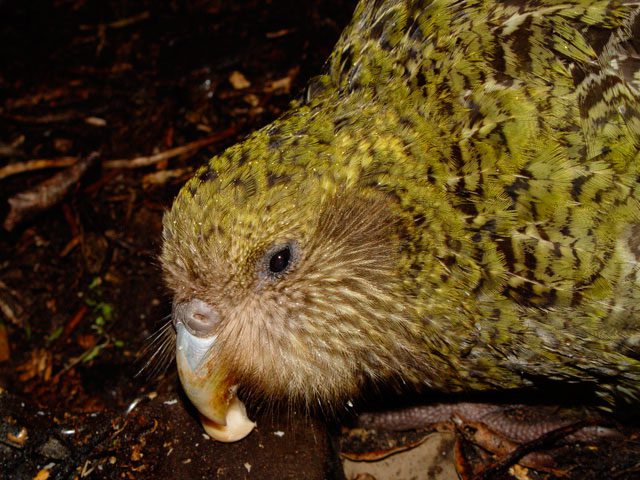
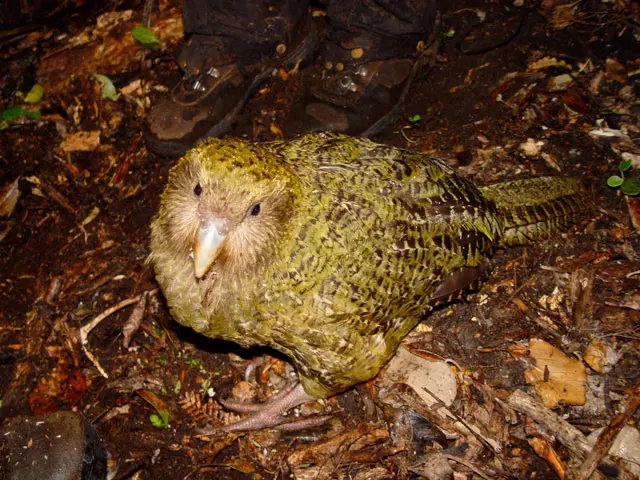
The Kakapo (Strigops habroptila) It is a robust and stocky bird with wings short in relation to the rest of the body.

grown ups, on upperpartsr, are MOSS Green, pulling a beige. All his upperparts they are spotted black and brownish gray, What gives them an excellent camouflage in its environment. The chest and flanks are yellowish green with streaks of yellow. The abdomen, under the tail, the neck and face are yellow, mostly streaked with pale green and imperceptible gray-brown spots.

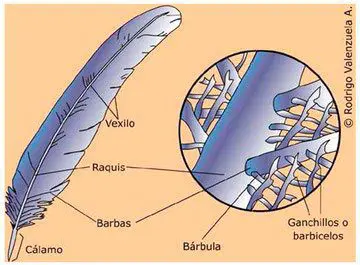
Their feathers they are surprisingly soft, since they do not need the strength and the necessary stiffness for flying birds.

The Kakapo shows a composite facial disc of feathers fine, giving it the appearance of an owl.

Its bill it is surrounded by fine whiskers that are very useful for testing the ground when moving through the undergrowth.

The mandible it is mostly ivory color, but with a bit of blue-gray in the upper jaw.

Their eyes are dark brown. Their long and scaly legs they have long claws which serve to climb.

The end of the feathers of the tail It tends to end up worn down by the continuous friction with the ground.

The females they are very different from your partner. Its head is narrow and has a crown less rounded. Their peaks they are narrow and elongated. Less muscular legs, a grayish pink. Its tail is more elongated. Though their plumage is hardly different from males, appears less mottled beige.

The nesting females they are also distinguished by the cushion of bare skin that develops on the abdomen during the incubation period.

Habitat:

Before the humans arrived to New Zealand, the Kakapo lived in a wide variety of habitats, pastures with clumps of grass, scrub and coastal regions.

They were also the primary forests, including those who were dominated by lush podocarp and false have the gender Nothofagus. In the region of Fiordland, to the southwest of South Island, the Kakapo they frequented areas of avalanches and landslides, small regenerated trees or vegetation with abundant fruit.

These regions contained among other plants, Japanese raspberry wine (Rubus phoenicolasius), Shrubby Veronica (genus Scrophulariaceae) and Coprosmas. It was known as "kakapo gardens»

Given its inability to fly, the Kakapo It, mainly, a terrestrial bird. This is also a excellent climber able to reach the tops of the tallest trees. They leave the foliage practicing a "parachute" descent, spreading their wings in all their amplitude.

When the Kakapo is threatened, simply is still trying to pass unnoticed in the vegetation, with which is camouflaged. This was a great strategy to avoid his great enemy, the gigantic Haast's Eagle, but does not protect against introduced mammals.

Son nocturnal birds. They sit during the day and roam their territory during the night period.. Having lost the ability to fly, the Kakapo they have developed remarkable skills for their long haul. His powerful legs allow them to make long distances at night to feed or during the time of nesting that it takes place from October to January.

During courtship, the males they abandon their traditional territories and walk many kilometers to reach the top of the hills or a crest to establish their mating area, competing in the place to try to conquer the location that appears most advantageous to them. Conflicts often lead to serious injury and are sometimes fatal for the belligerents.

To appeal to the females, the males they emit a kind of explosions that produce dilating a bag in the area of the chest. After a series of 20 explosions, is right and take a break. Then lower the head again to issue a new series of explosions. Inside its cavity, move to make sounds in all directions. on clear days, These explosions can be heard more than one kilometre away. The males get involved in this type of sample for nearly eight hours at night. Each male produces thousands of explosions during 3 or 4 months. During this time, males sometimes lost half of their body mass.

Reproduction:

During the time of reproduction, the Kakapo They use a system ofLek«. He "Lek» is the space dedicated to the parade within which males gather in loose groups in an attempt to attract and seduce females. Females are very attentive spectator and choose your partner according to the quality of your display. Females are not persecuted openly by males.

It is not set no marital bond. He "Lek» is just a meeting place that serves only for mating. The space for processions They consist of one or more small depressions of 10 cm of depth and 50 cm in diameter dug into the soil. The holes are usually do about faces of rocks, banks, or tree trunks, to help the sound bounce. The holes of each male are connected. The various depressions are interconnected by a network of small roads that cleaned thoroughly of all plant debris.

As soon as the male's cry is heard, the female embarks on a long journey to reach the area Lek. As soon as it enters the lek mating area, the male begins its rituals. It sways from side to side emitting clicks with the peak. He turns his back on his future partner, It spreads its wings and walk back towards her. Once mating has occurred, The female returns to her area of ​​origin to lay her eggs and raise her young.. The male stays in place of courtship for try to seduce a new female.

The Kakapo they usually put 3 eggs per season. The nest placed on the ground under vegetation cover or in a hollow of a tree. The female incubated during 30 days, but you must leave the nest at night to feed, leaving the door open to many predators. After the eggs have hatched, She It feeds the chicks for three months, these will still remain in the company of their mother for a few more months. Since they have a life relatively long, the Kakapo have a fairly prolonged adolescence. Males do not begin courting until the age of 5 years and females do not respond to the calls of the males until they have reached the age of 9 or 11 years.

Food:

The peak of the Kakapo It is especially suitable for grinding food finely. For this reason, they have a gizzard less developed than most birds of its size.

The Kakapo they have a menu that is mostly herbivore. They used native plants, seeds, fruit, pollen and even the SAP flowing from the trees.

In a study of 1984, 25 different types of plants have been identified as part of your diet. Is particularly fond of the fruit of the rimu tree, and they feed on it exclusively during seasons when it is abundant. The Kakapo He has a habit of distinctive grab a leaf or frond with a foot and stripping the nutritious parts of the plant with its beak, leaving a non-digestible fiber ball. These small groups of vegetable fibers are a distinctive sign of the presence of the bird.

Distribution:

In the past, the Kakapo they were in the Islands North Island and South Island of New Zealand.

The species has suffered a sharp decline since the European colonization, and now it is one of the rarest birds in the world.
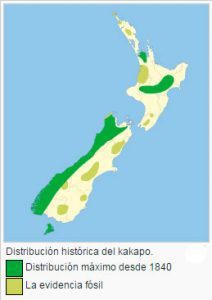
map-kakapo

Despite the fact that it disappeared from most of its original range following human colonization, the species remained abundant in Fiordland and some other places of great rainfall was scarce in the inhabited areas of South Island until the beginning of the 20th century. In 1976, However, the known population had been reduced to 18 birds, all males, all in Fiordland.

In 1977, found to be a rapid decline in the population of birds, about 150, on Stewart Island. Among 1980 and 1992, the 61 other birds of the Stewart Island they were transferred to the islands of the coast, and are currently in Codfish and Anchor island. The last accepted records were in North Island in 1927, three males reported in South Island, in Fiordland in 1987, and the last record in the Stewart Island of a female found and transferred to the Codfish Island in 1997.

In 2009, a male of the transferred four of Stewart Island to Isla Codfish in 1987, It was rediscovered after having been missing for 21 years.

It is likely that it is extinct in its natural distribution area, but, from November of 2005, birds are still present on four islands: Isla Codfish, Chalky, Anchor and Maud island.

In 1999, 26 females and 36 males survived, which includes 50 individuals in reproductive age, six subadults and six juveniles.

The population was stabilized, and has started to increase slowly following the application of intensive management. In the 2005, the population of the Kakapo stood in 86 specimens, of which 52 they were of reproductive age (21 females and 31 males) and 34 they were underage; a productive breeding year in the 2009 He saw the increase of the population up to 124 specimens, and it was known of the existence of 126 birds at the beginning of 2012, including 78 adult players.

Conservation:


critical hazard

• Current Red List of UICN: critically endangered

• Population trend: Increasing

In the Stewart Island, more than the 50% of adults monitored died, each year, attacked by cats (CLOUT and Merton 1998).

An abnormal low fertility and low natural rates of reproduction and mating are the main concerns.

In 2004, three young people died of septicaemia caused by bacteria Erysipelothrix rhusiopathiae (erysipelas), a disease that had not been previously reported in this species (P. Jansen in litt. 2004)

They are subject to a plan of support by the authorities of New Zealand. Their number is currently estimated at little more than one hundred of copies, increases slowly with the plan.

At the beginning of 2012 there was 126 specimens, among them 78 adult players (RJ Moorhouse in litt. 2012).

"Kakapo" in captivity:

The only birds in captivity are those bred in the Recovery program of the Kakapo.

In terms of their longevity, debido a su largo ciclo de vida y la ausencia de depredadores naturales, es posible que el Kakapo viva más de 60 years.

Alternative names:

– Kakapo, Owl Parrot (English).
– Strigops kakapo, Kakapo, Perroquet hibou (French).
– Kakapo, Eulenpapagei (German).
– Kakapo (Portuguese).
– Kakapo (español).

scientific classification:

– Order: Psittaciformes
– Family: Strigopidae
– Genus: Habroptilus
– Scientific name: Strigops habroptila
– Citation: Gray, GR, 1845
– Protonimo: Strigops habroptilus

Images "Kakapo":

Videos "Kakapo"

————————————————————————————————

"Kakapo" (Strigops habroptila)


Sources:

– Avibase
– Parrots of the World – Forshaw Joseph M
– Parrots A Guide to the Parrots of the World – Tony Juniper & Mike Parr
– Birdlife
– Wikipedia

– Photos:

(1) – Pura, a 1-year-old Kakapo (Strigops habroptila) on Codfish Island By Mnolf [GFDL, CC-BY-SA-3.0 or CC BY-SA 2.0], via Wikimedia Commons
(2) – Kakapo Pura on Codfish Island By Mnolf [GFDL, CC-BY-SA-3.0 or CC BY-SA 2.0], via Wikimedia Commons
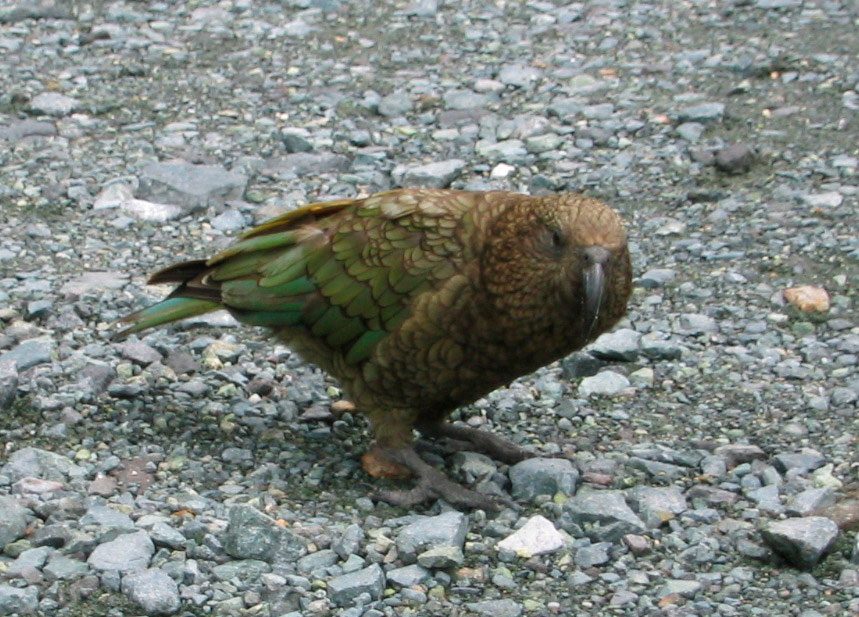
(3) – Kea, on the road to Milford Sound Uploaded by The Rambling Man – Wikipedia
(4) – Kakapo Sirocco amongst the renga renga lillies. Maud Island. Photo: Chris Birmingham, 2012 – Flickr
(5) – Kakapo by jidanchaomian – Flickr
(6) – Birds of New Zealand 1st edition, by Walter Lawry Buller, published in 1873 By John G. Keulemans. Minor edits have been made to the original by User:Msikma; I release these changes into the public domain as well. [Public domain], via Wikimedia Commons

▷ The world of Pets: Dogs, cats, birds, reptiles, amphibians

New Zealand Kaka
Nestor meridionalis

New Zealand Kaka

Content

Illustration of a Kaka.

Description

45 cm.. length and an average weight of 550 g..

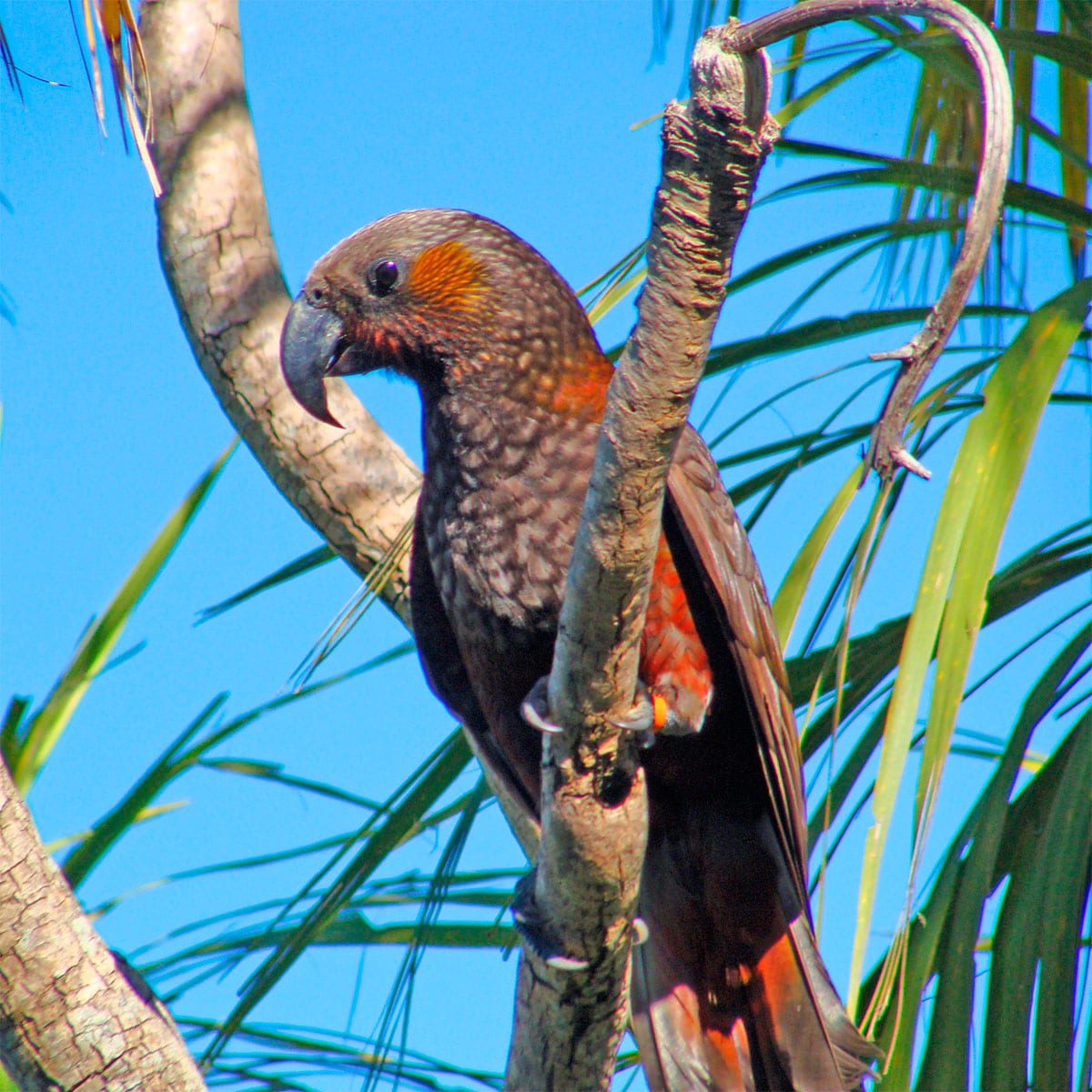
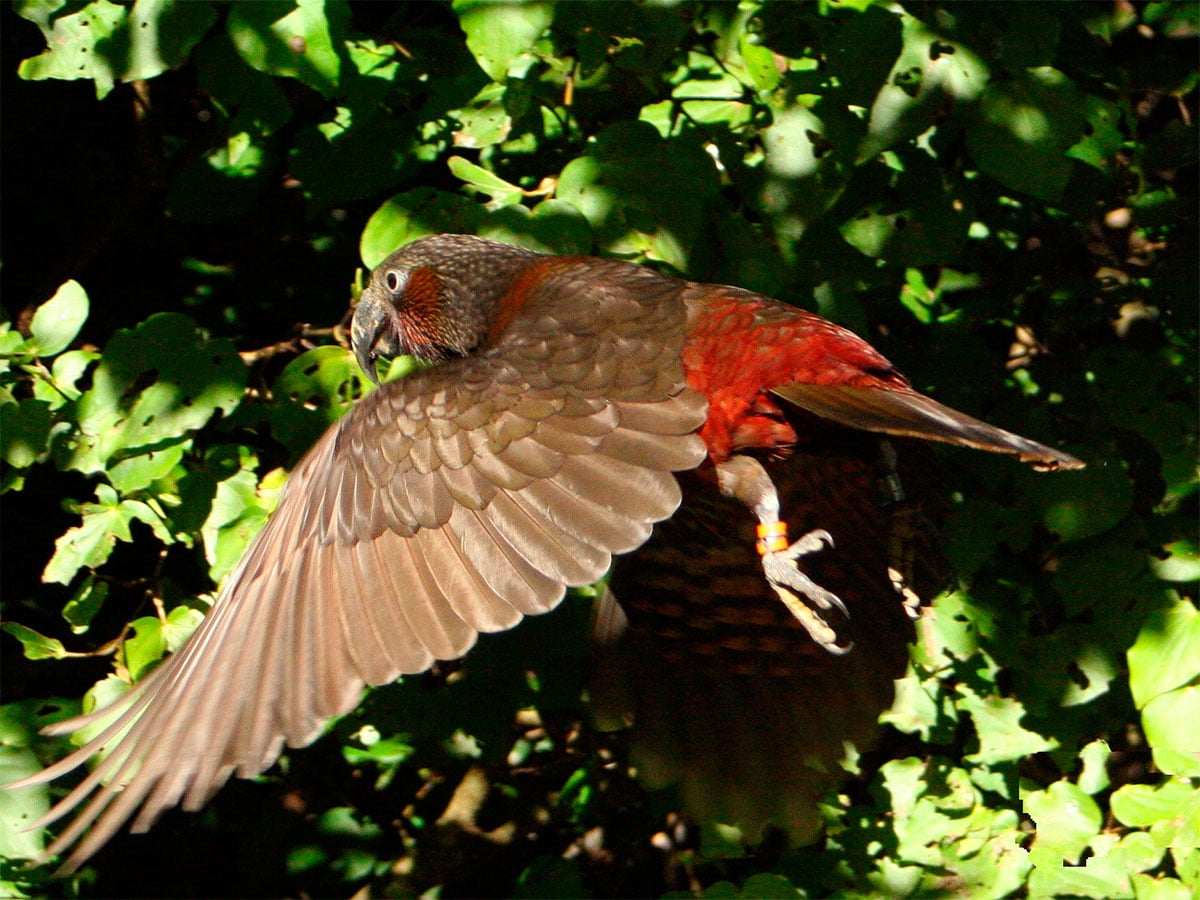
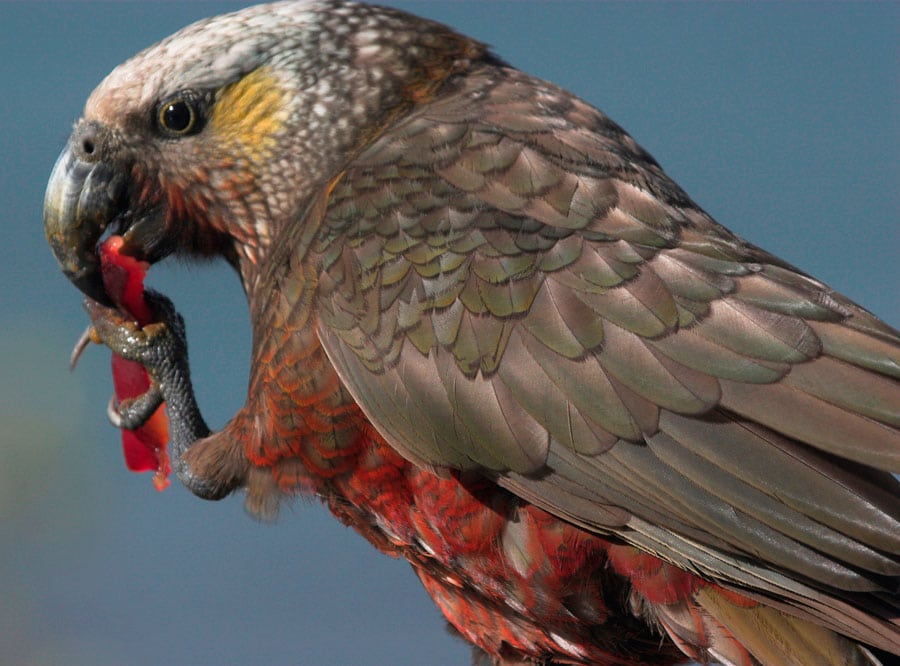
The New Zealand Kaka (Nestor meridionalis) they are some great parrots with a tail of medium length and a plumage predominantly Brown and Red.

The adult male has the crown whitish grey color and the neck with a greyish Brown appearance due to large brown feathers that surround you.

The under eye and the sides of the neck has a bluish grey clear. The lores are greyish Brown, that contrast with the ear-coverts strongly tinged with orange. The sides of the chin they have reddish-brown infiltrations.

The feathers of the upperparts are greenish Brown with darker stripes and stripes. Those in the back of the neck They are crimson red with yellow endings and browner bases..

The the mantle, sometimes, has some red spots. Rump and uppertail-coverts are red with dark brown trim. The lower area of the wings and axillary they are also red.

The feathers of the chest are olive brown in colour with reddish edges subterminales. Belly and undertail-coverts are red with dark edges.

The tail is brown with lighter tip.

The bill is brownish grey, more powerful that the of the Kea. The cere Brown it is decorated with a few whiskers. The irises is dark brown, legs dark gray.

The adult female presents a bill shorter and one mandible less curved top.

The youth they are similar to adults, but have a small yellow spot at the base of the lower jaw.

Subspecies description

  • Nestor meridionalis meridionalis (Gmelin, 1788) – Nominal species

  • Nestor meridionalis septentrionalis (Lorenz von Liburnau, L 1896) – It measures 42 cm approximately. Variation of the nominal (Nestor Meridionalis). More small, in general, and plumage more off. The red band of the neck is more small and dark. The back of the wings olive color is more dark.

Habitat:

The New Zealand Kaka (Nestor meridionalis) they frequent the compact forests of low to medium height, where there are mainly podocarp and beech trees of the genus Nothofagus. Occasionally they come into gardens and orchards, especially in winter.

These birds they tend to live at altitudes between 450 and 850 meters in the summer and from the sea level to the 550 meters in winter. But, from time to time, You can climb up to the 1.500 m.

The New Zealand Kaka they live in pairs or in small groups of up to ten birds.

These birds are not as well known as the Kea (Nestor notabilis), Although in some places come to feed in the hand of the tourists.

We can often see them at the top of trees or simply flying over the canopy.

The birds that are found in the air almost always heard before to be seen.

The New Zealand Kaka they are active during the morning and afternoon. At the hottest time of the day, around midday, They lie between the foliage of the trees.

Around the darkness, they perform a series of acrobatic flights, before returning to their roosts. Screams and calls can be heard well into the night.

In some areas, the New Zealand Kaka they are sedentary. But, most of the time they are erratic or perform short altitudinal migrations. These birds are able to fly long distances. They fly to vigorous banging of wings.

Reproduction:

The season of nesting is from September to March, but it is above all active between November and January.

The nest is located in a tree cavity between 3 and 9 meters above the ground. The pair sometimes enlarges the entrance hole with its beak..

The spawning contains 4 or 5 eggs white. These are deposited on a layer of sawdust that covers the bottom of the cavity.

The incubation, that lasts a few 24 days, It is done solely for the female. She leaves the nest at dawn and dusk to be able to be powered by your partner. an assistant, sometimes, can participate in the feeding of the female during the period in which she incubates.

In the North, the young have white down, While the of the South they have grey down at the bottom.

The juveniles they acquire their full plumage in ten weeks.

For the duration of the stay in the nest, they are fed by both parents.

The breeding success rate is relatively low and they rarely lay more than one egg per year..

Food:

The New Zealand Kaka It has a long tongue terminated tip, What helps you to extract nectar from the flowers and to collect molasses.

In the Spring, in the South of the island, the New Zealand Kaka almost passes the 30% of their time in the trees (Beech) where feeding of honeydew produced by the local cochineal (Ultracoelostoma assimilates). In other stations, This food is a less important resource due to competition with the WaSP, which is also a great consumer.

The larvae of beetles of long antennae they are also a good source of nutrition.

Throughout the year the New Zealand Kaka, regularly, frequent trees, where it used its powerful curved beak to hunt insects hidden beneath the bark.

When opossum populations disperse, the New Zealand Kaka they spend nearly the 60% of their time feeding on flowers and berries. It also, consume sprouts, seeds, nectar and SAP.

Distribution:

Size of the area of distribution (reproduction / resident): 71.100 km2

This species is endemic of New Zealand.

Subspecies distribution

Conservation:


Endangered

• Current Red List of UICN: Danger

• Population trend: Decreasing

This species has a very irregular distribution. in most places, is rather sparse, but in other places, is common locally, especially in some coastal islands.

Its population It is estimated between 3750 and 15,000 specimens.

The main threat is the habitat degradation. It stays within primary forest fragments, showing its very low adaptation to artificial habitats.

The New Zealand Kaka not nest every year in a systematic way. When I was try to reproduce in captivity, the success rate was not very high (on average the 56% eggs not hatched ).

Clutches often suffer from the predation on the part of the weasels It was introduced on the island. For all these reasons that the species is classified as VULNERABLE.

"New Zealand Kaka" in captivity:

Very rare in captivity.

In terms of their longevity, according to sources, a specimen in captivity lived during 15 years.

Taking into account the longevity of the similar species, the maximum longevity of these birds might be underestimated. Other sources indicate that these birds can live up to the 35,5 years in captivity, something that is plausible, pero que no ha sido verificado; el mismo estudio informó que los New Zealand Kaka can reproduce a partir de los 7 years of age in captivity.

Alternative names:

– New Zealand Kaka, Common Kaka, Kaka (English).
– Nestor superbe (French).
– Kaka (German).
– Kākā (Portuguese).
– Kaka (español).

Gmelin Johann Friedrich

scientific classification:

– Order: Psittaciformes
– Family: Strigopidae
– Genus: Nestor
– Scientific name: Nestor meridionalis
– Citation: (Gmelin, JF, 1788)
– Protonimo: Psittacus meridionalis


"Kaka" images:

Videos "New Zealand Kaka"

————————————————————————————————

«Kaka» (Nestor meridionalis)


Sources:

– Avibase
– Parrots of the World – Forshaw Joseph M
– Parrots A Guide to the Parrots of the World – Tony Juniper & Mike Parr
– Birdlife

– Photos:

(1) – Car (Nestor meridionalis) in Wellington, New Zealand By derivative work: Snowmanradio (talk)Kaka_(Nestor meridionalis)-_Wellington_-NZ-8.jpg: PhillipC [CC BY 2.0 or CC BY 2.0], via Wikimedia Commons
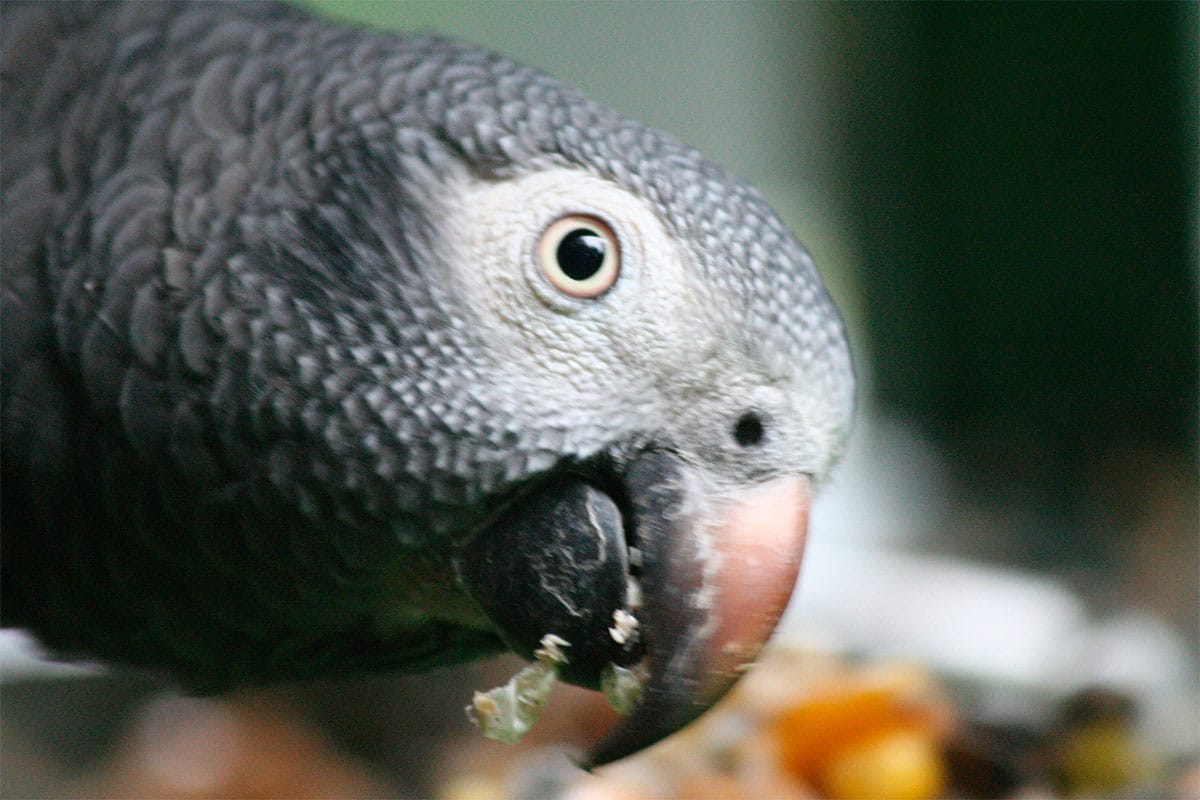
(2) – North Island in Kaka, at Auckland Zoo, New Zealand By Small [CC BY-SA 2.0], via Wikimedia Commons
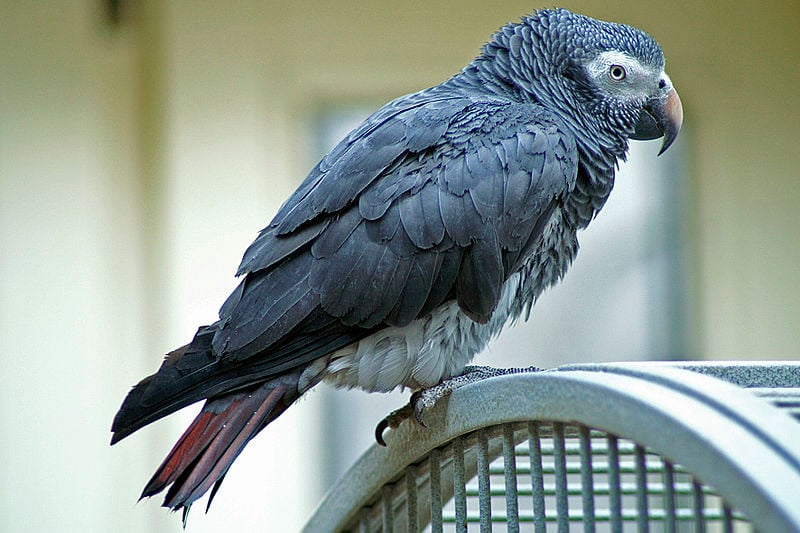
(3) – A New Zealand Kaka in Karori Wildlife Sanctuary, Wellington, North Island, New Zealand By Rosino (the colorful kākāUploaded by Snowmanradio) [CC BY-SA 2.0], via Wikimedia Commons
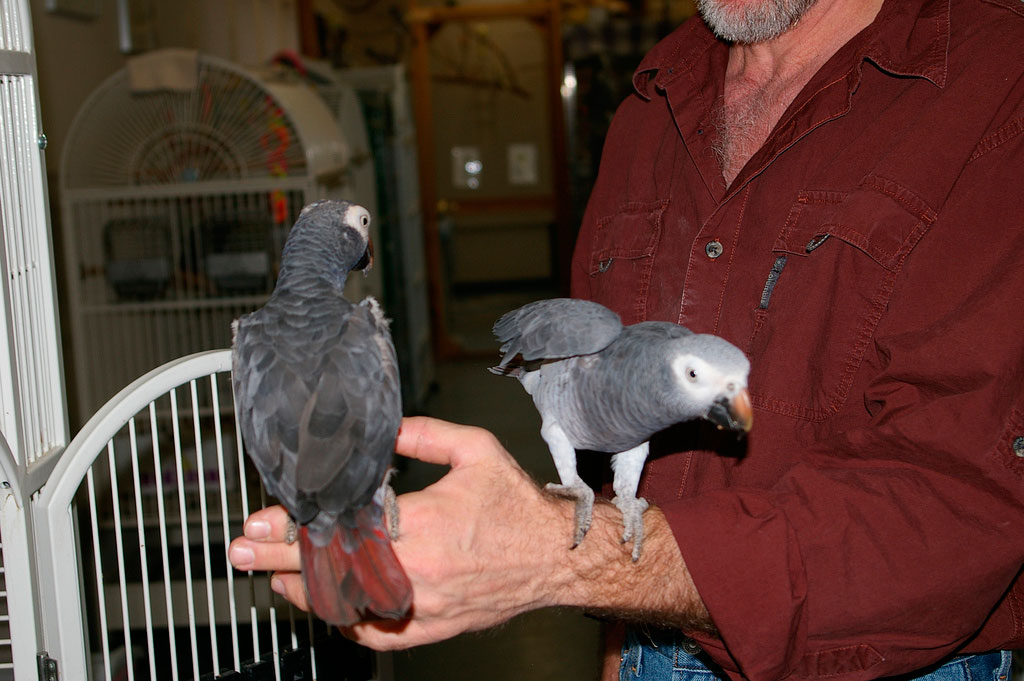
(4) – Nestor meridionalis meridionalis, South Island Turkey, on Stewart Island, New Zealand By derivative work: Snowmanradio (talk)Kaka-parrot_-Stewart-Island.jpg: giles.breton [CC BY 2.0 or CC BY 2.0], via Wikimedia Commons
(5) – Kaka in flight. Karori Wildlife Sanctuary, Wellington, New Zealand. I, Tony Wills [CC BY-SA 3.0], via Wikimedia Commons
(6) – Illustration of a Kaka By J. G. Keulemans, in W.L. Buller’s A History of the Birds of New Zealand. 2nd edition. Published 1888. (New Zealand Electronic Text Centre) [CC BY-SA 3.0 nz], via Wikimedia Commons

– Sounds: Fernand DEROUSSEN (Xeno-canto)