โ–ท The world of Pets: Dogs, cats, birds, reptiles, amphibians

Tucuman Parrot
Amazona tucumana

Tucuman Parrot

Content

Description:


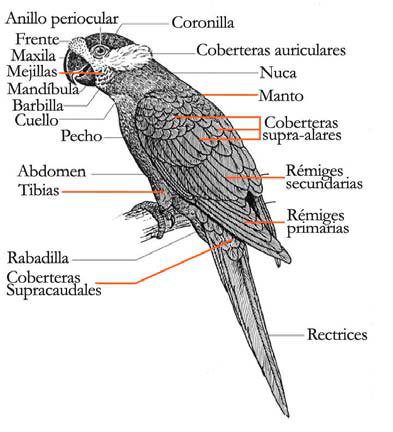
Anatomy-parrots

31 cm.. length.
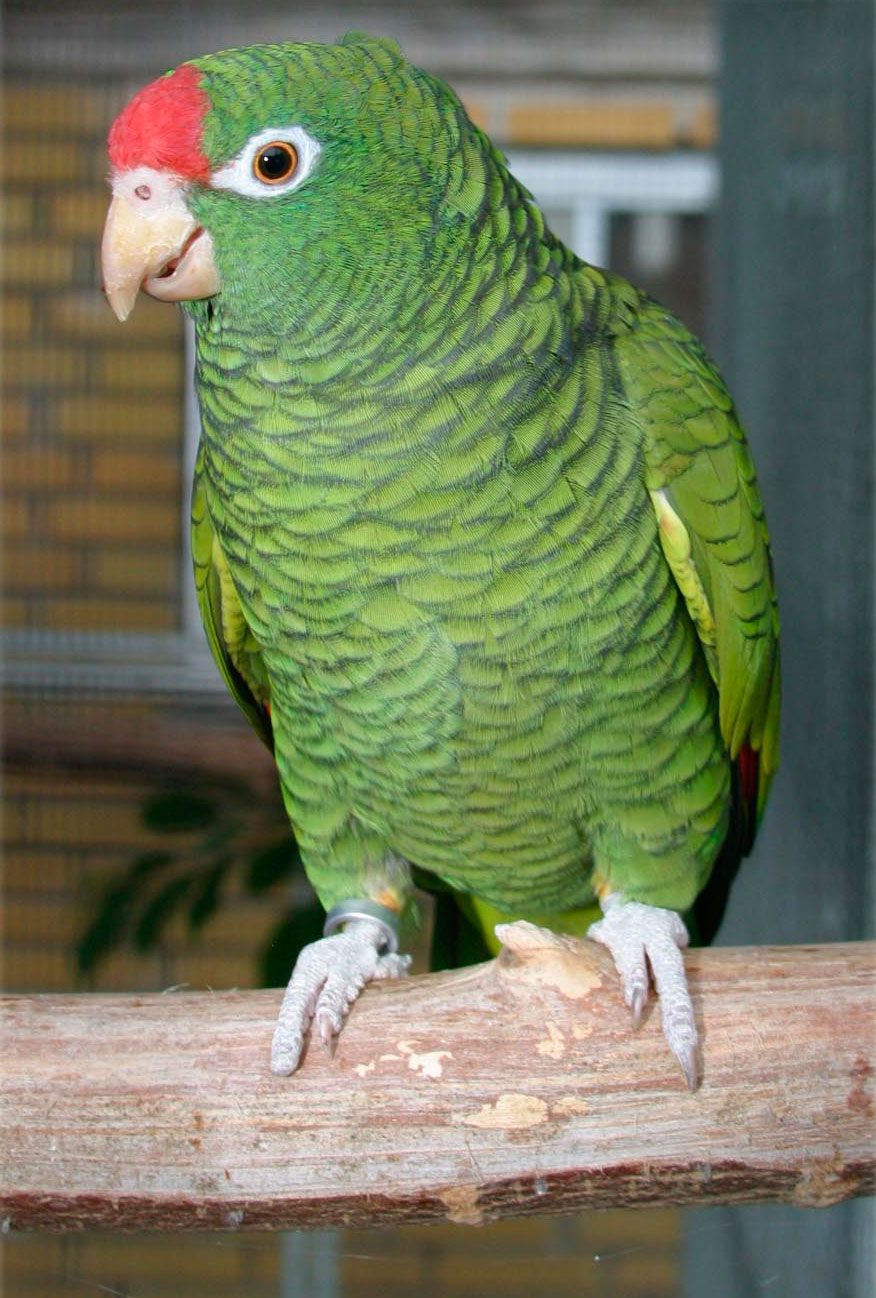
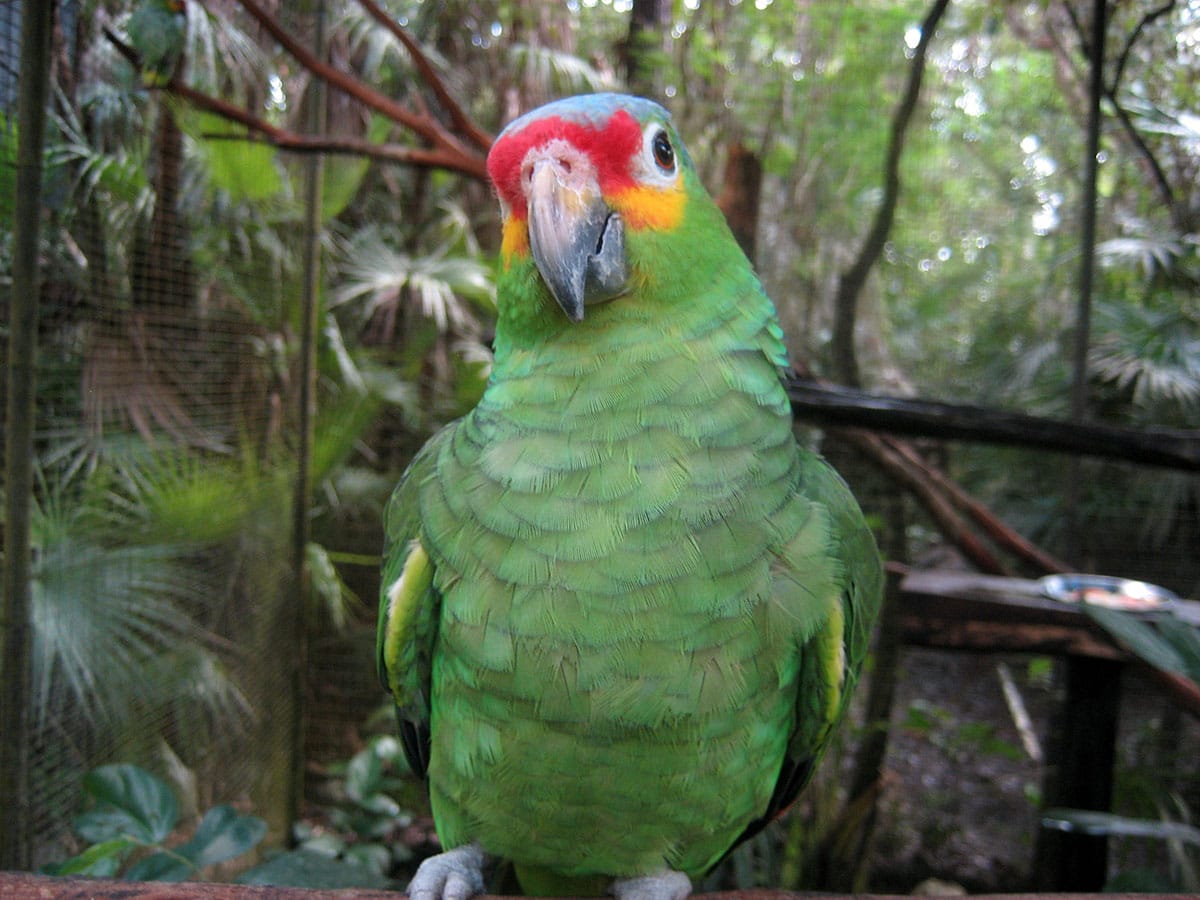
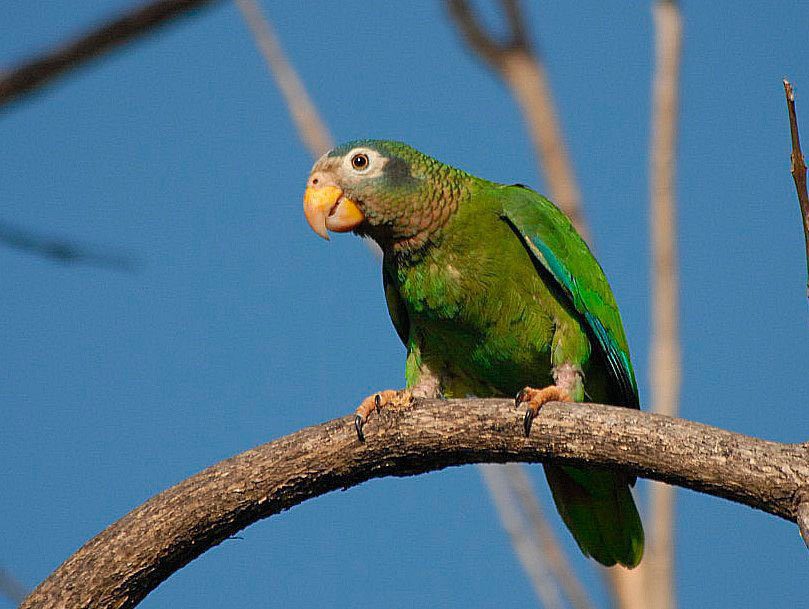
The Tucuman Parrot (Amazona tucumana) It is mostly green, with black borders on the feathers, giving the whole a scalloped appearance.

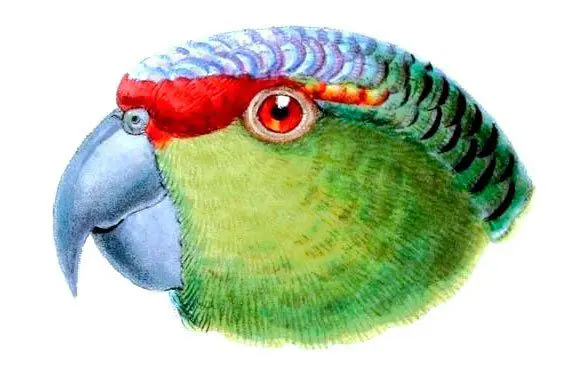
Relatively large and stocky have the forecrown red and eye rings white. Has also patch Red in the wing-coverts (most notoriously in flight); thin yellow line on shoulder almost half of wing ; the primary wing feathers They have the blue tips, and the thighs They are orange-yellow. The tail It is short and feathers yellow.

The bill It is yellowish to pinkish, and eyes adults are orange-yellow. The legs They are pale gray.

As he male as the female They are similar in appearance, but the immature They are generally green in full, with the thighs green than orange and less red on the forecrown. Another key difference between adult and immature is that eyes young people are gray.

Taxonomic note:

Until a few years ago it was considered a subspecies of the Red-spectacled Parrot (Amazona pretrei) (Fjeldsรฅ y Krabbe 1990), but now they are recognized as separate species, although closely related to each other and, In addition, with the Vinaceous Parrot (Amazona vinacea), who possibly form a basal group to all other parrots of the genus (Russello y Amato 2004).

  • Sound of the Amazona tucumana.

Habitat:

Video – "Tucuman Parrot"

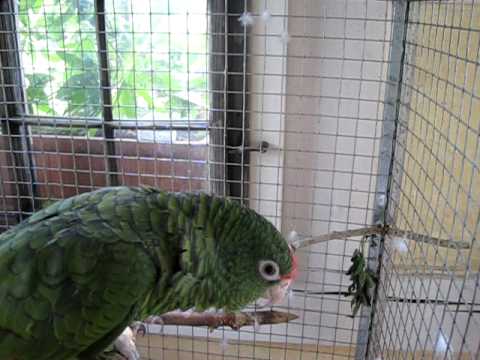
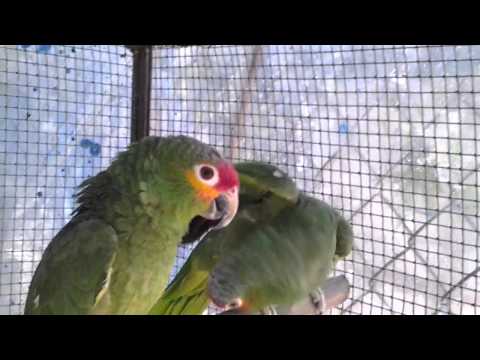
Unser Tucuman Amazone Lacky 6 year old

It is found in open forests Andean mountain forests Yungas, particularly in areas with Alnus acuminata or Podocarpus parlatorei, as well as other species of Alnus, Podocarpus and Nothofagus. This species It is in elevations of between 1.600 and 2.600 metres in the breeding season, but during the non-breeding season they descend to lower elevations of about 350 m. Right now, sometimes you can enter inhabited areas.

Often gathers in large flocks, often numbering more than 200 individuals.

Reproduction:

The Tucuman Parrot They breed between November and January or February, building usually your nest in a hole in a tree Alnus or Podocarpus. The normal size clutch is three to four eggs, although they have been reported sunsets from one to five eggs. The incubation lasts around 26 to 29 days, usually it is the female that the male incubates and which feeds, and the main source of food for chicks come from seeds and flowers Podocarpus parlatorei. Young they leave the nest usually after seven to nine weeks.

Food:

The Tucuman Parrot They feed on trees Family Myrtaceae, as well as the seeds and flowers trees as Podocarpus parlatorei, Juglans australis and Alnus, of the immature fruits of the species Cedrela and flowers species Erythrina.

Distribution and status:

Size of its range (breeding/resident ): 86.200 km2

The Amazona tucumana It is located in northwest Argentina and in southern Bolivia, where it is known in 12 locations departments Tarija, Chuquisaca and Santa Cruz (A. Maccormick in some. 2005, R. Hoyer in some. Slightly., 2012).

A recent study of the situation and distribution of the species Argentina registered 6.015 individuals (Rivera et al., 2007) and estimated that the Argentine population amounted to about 10.000 birds, but around 20.000 They were exported from Argentina in the mid 80, suggesting that there may have been a substantial population decline.

After inclusion in the Appendix I of the CITES, international trade was cut, although the continuous local exploitation. But, It does not appear that the stocks have recovered, and loss of habitat is of concern, particularly in Argentina, where their habitat is highly degraded and there are only a few remains of small forests and isolated. Threats to habitat are less severe in Bolivia, but the species has declined there and is projected to continue to do so (A. Maccormick in a bit., 2005).

The main concentrations of this species in Bolivia are in clad hills, Villa Serrano and Tariquรญa National Reserve of Flora and Fauna, with 1.643 individuals recorded in several places during a recent study (Rivera et al., 2009).

Conservation:

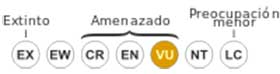
State of conservation โ“˜


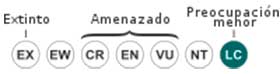
Vulnerable Vulnerable โ“˜ (UICN)โ“˜

โ€ข Current category of the Red List of the UICN: Vulnerable.

โ€ข Population trend: Decreasing.

โ€ข Population size : 6000-15000.

Rationale for the Red List category

This species is classified as Vulnerable, as it is experiencing rapid population decline due to the loss of habitat and capture for the bird trade.

Justification of the population

A recent study of the situation and distribution of the species Argentina registered 6,015 individuals and Argentina estimated that the population was approximately 10.000 birds (L. Rivera in a bit., 2004). It also, 1.643 individuals were recorded at several sites in Bolivia during another recent study (Rivera et al., 2007). The total population is thus situated in the band 10.000-19.999 individuals (L. Rivera in a bit., 2012). This is equivalent to 6,667-13,333 mature individuals, rounded here to 6,000-15,000 mature individuals.

Justification of trend

The results of the survey, observations on habitat loss and the local occurrence of the species, and catch and trade data suggest that the population is suffering rapid population decline (L. Rivera in some.)

Conservation Actions Underway

โ€ข CITES Appendix I, although the convention is not respected in Bolivia (AB Hennessey in litt., 2012).

โ€ข Present in several protected areas, including the El Rey National Park, Argentina, mainly in the non-breeding season (L. Rivera in some. 2012).

โ€ข In 2006, was appointed the Iรฑao National Park and Integrated Management Natural Area, which it was the basis for the conservation of one of the largest shelters species Bolivia (Rivera Et al . 2009).

โ€ข A species conservation action plan is currently being developed for each of its native countries. (L. Rivera in a bit., 2012).

Conservation Actions Proposed

โ€ข Apply the local trade ban (L. Rivera in a bit., 2012).

โ€ข Evaluate the current population size.

โ€ข Produce a species action plan.

โ€ข Conduct additional research to clarify the scope of the current threat of trade.

โ€ข Effectively protect core areas of remaining habitat; review their habitat requirements and complement nesting sites using boxes where appropriate (AB Hennessey in some. 2012).

โ€ข Address unsustainable use of resources and illegal activities in protected areas..

โ€ข Designate a clad hills a protected area.

The Tucuman Parrot in captivity:

Parrots Gender Amazona are among the most recognizable and sought-after pet birds. Their colorful plumage and ability to imitate the human voice have made them highly sought after for centuries, and one unfortunate consequence of this is the threatened status of most species. (Russello y Amato 2004). In the Red list of Threatened Species International Union for the conservation of nature, 16 parrot species of this genus are included either as Vulnerable, Endangered or Critically Endangered (IUCN 2010). In the same way, 16 species are listed in Appendix I of the Convention on International Trade in Endangered Species (CITES).

The Amazona tucumana It is a species that should only be kept in captive with the sole purpose of achieving their reproduction and subsequent insertion into the wild.

Alternative names:

Tucuman Parrot, Alder Amazon, Alder Parrot, Tucuman Amazon (English).
Tucumanaamazone, Tucumanamazone (German).
Amazone de Tucuman (French).
Papagaio-tucumฤƒ (Portuguese).
Amazona Alisera, Amazona Tucumana, Loro alisero (espaรฑol).
Loro alisero (Argentina).
Loro alisero (Bolivia).


scientific classification:

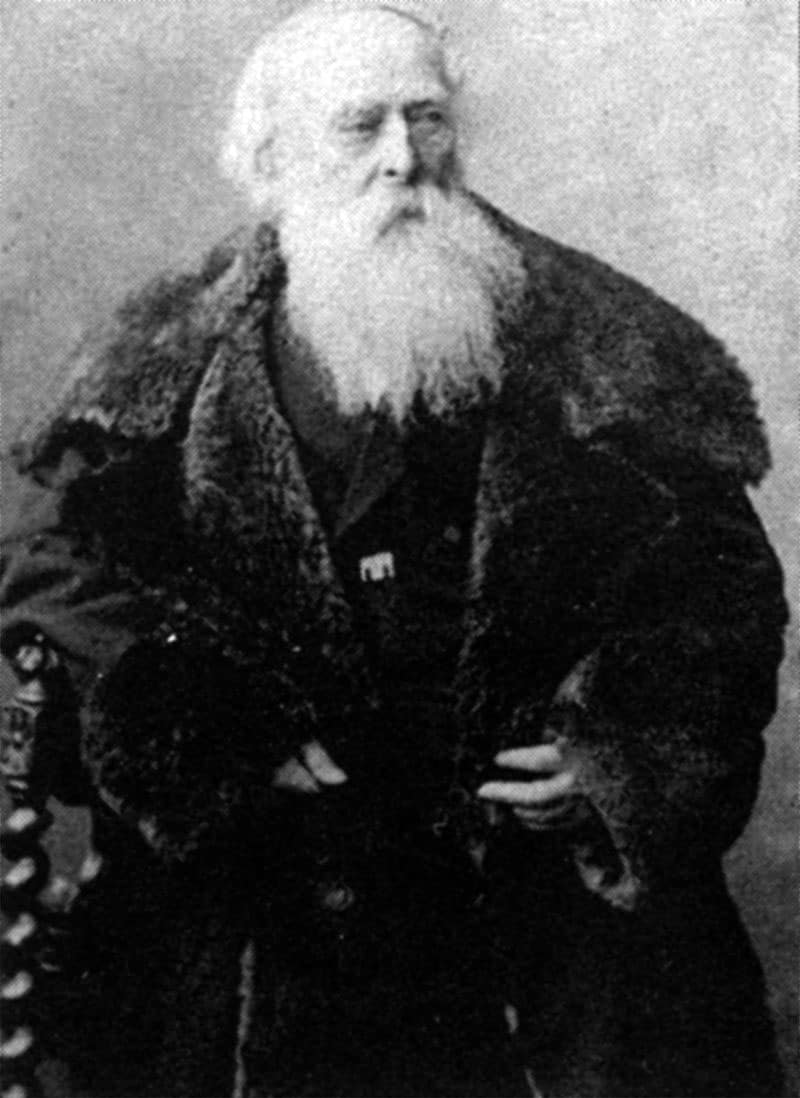
Jean Louis Cabanis
Jean Louis Cabanis

Order: Psittaciformes
Family: Psittacidae
Genus: Amazona
Scientific name: Amazona tucumana
Citation: (Cabanis, 1885)
Protonimo: Chysotis tucumana


Images Tucuman Parrot:

Videos "Tucuman Parrot"


Species of the genus Amazona


Sources:

Avibase
– Parrots of the World โ€“ Forshaw Joseph M
– Parrots A Guide to the Parrots of the World – Tony Juniper & Mike Parr
Birdlife
– RIVERA, Luis; POLICE, Natalia y BUCHER, Enrique H. Ecology and conservation of the Alder Parrot (Amazona tucumana). Hornero [online]. 2012, vol.27, n.1 [aforementioned 2017-01-29], pp. 51-61 . Available in: . ISSN 0073-3407.

Photos:

(1) – Tucuman Parrot (Amazona tucumana) by birdsandbirds

Sounds: Niels Krabbe, XC29107. accessible www.xeno-canto.org/29107

โ–ท The world of Pets: Dogs, cats, birds, reptiles, amphibians

Puerto Rican Parrot
Amazona vittata

Puerto Rican Parrot

Content

Description:


Anatomy-parrots

29 cm.. length and 320 g. of weight.

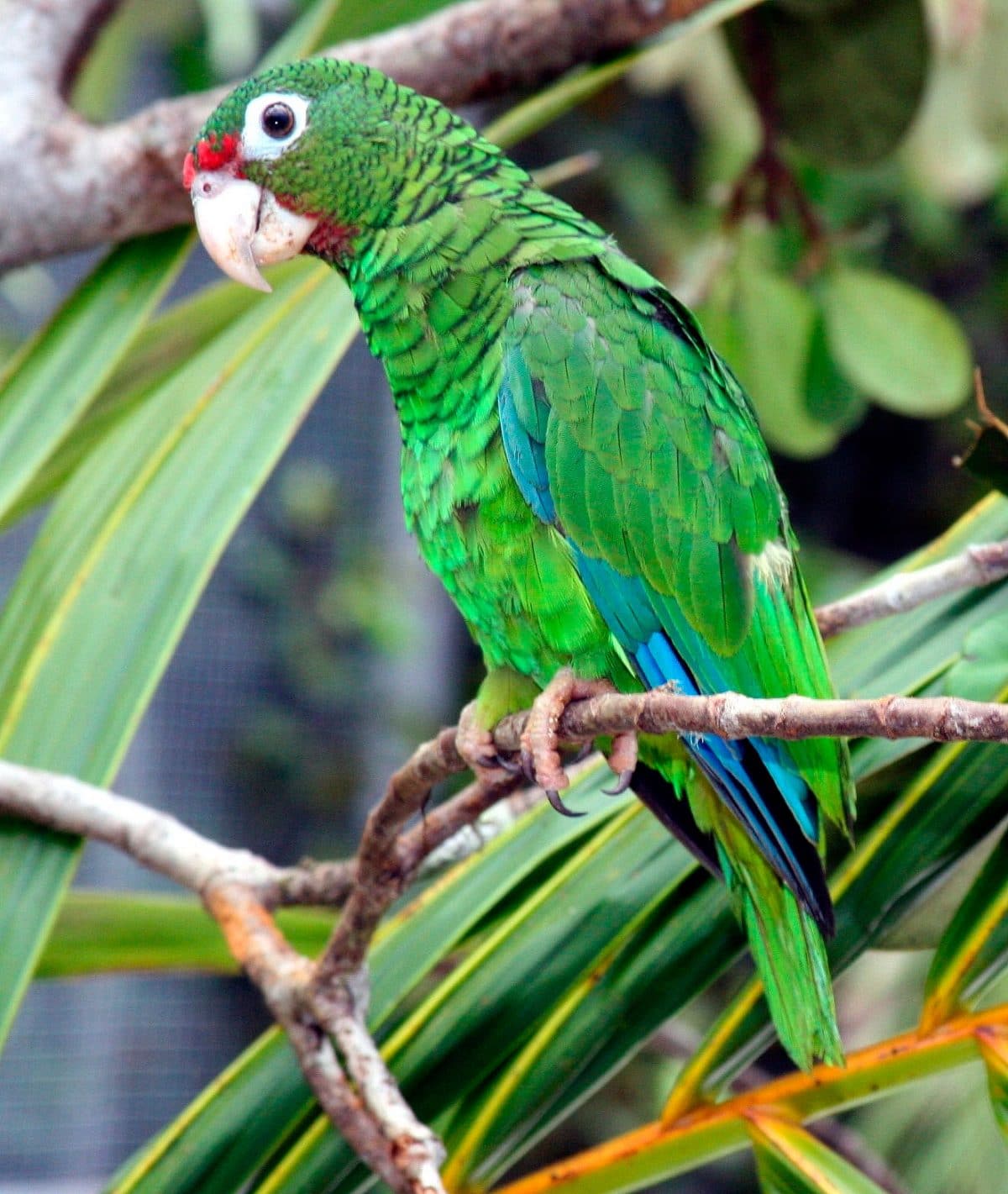
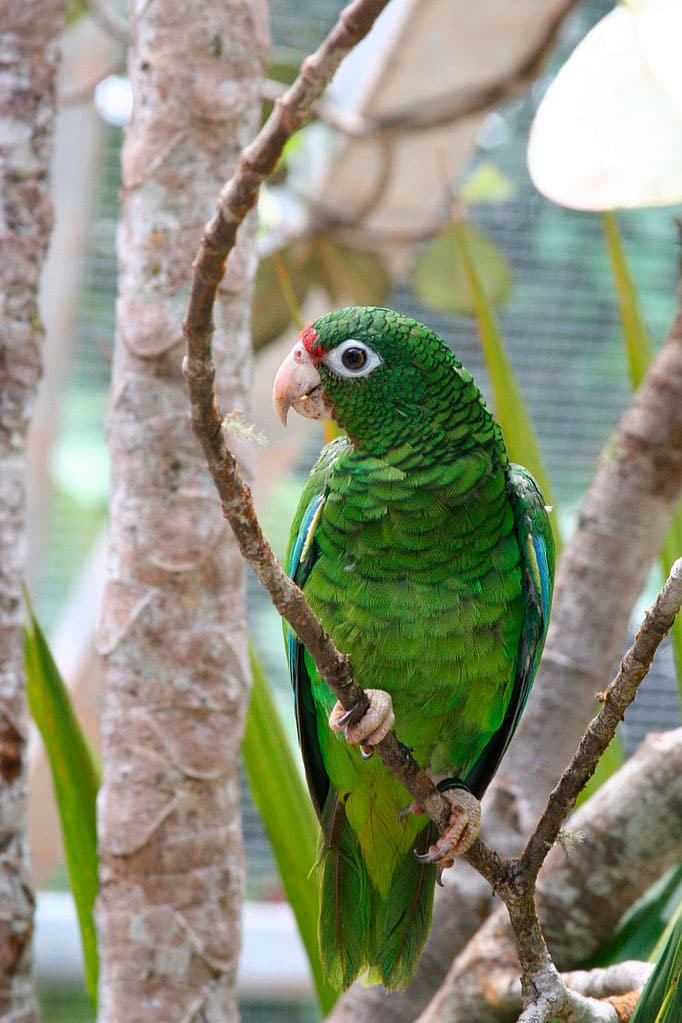
The Puerto Rican Parrot (Amazona vittata) has the forecrown and lores, red; rest of the head and nape, feathery green grass bordered with black color, giving a strong intricate scaly appearance.

feathers of the the mantle grass-green; back and scapulars with less pronounced dark margins; rump and uppertail-coverts, paler, more green-yellow. The large external coverts they are blue; rest of the coverts color green grass. Primaries and outerweb of the outer secondaries, blue; the innerwebs of the external side and secondary internal, green. Under, the wings They are green and flight feather bluish green.

Underparts green stained yellowish; feathers throat and the chest with dark edges. Upper, the tail is green; below is more yellowish, with its end yellow; both with outerweb blue towards outer feathers. Bill color pale horn; brown the irises; legs pale grey.

Both sexes similar. Immature adult-like, but with the bill light yellow with gray on the basis of upper jaw.

  • Sound of the Puerto Rican Parrot.

Description 2 subspecies:

  • Amazona vittata gracilipes โ€ 

    (Ridgway, 1915) – Extinct. Of smaller and with feet smaller and thinner than the species nominal.


  • Amazona vittata vittata

    (Boddaert, 1783) – Nominal.

Habitat:

Video – "Puerto Rican Parrot"

parrot liberation 2013, in the forest of Rio Abajo

The Puerto Rican Parrot formerly he frequented the main types of natural vegetation (various forest habitats, from mangroves to montane forests) in Puerto Rico, with the possible exception of dry forests in the southern coastal regions.

Its Current small population remainder inhabits the mountain rainforest to 200-600 m. In the lower mountain slopes dominated by trees tabonuco of the species Dacryodes excelsa, in swampy forests at higher elevations characterized by the abundance of Cyrilla racemiflora and areas Sierra palm Prestoea montana.

Observed in pairs or (especially when they fed) in small flocks, having formed, formerly, flocks of several hundred.

Reproduction:

The Amazona Puerto Rican nidifican in large and deep cavities of trees; in the past they put their nests in the limestone hollows, in the west of the island. The amazon of Luquillo usually nest in species Cyrilla racemiflora. They defend their territory aggressively in the vicinity of the nest while playing. The egg laying, between February and April, possibly to coincide with the availability of fruit. Clutch 2-4 eggs (usually three).

Since 2001, all nesting known in the wild they have occurred in artificial cavities (White et al ., 2006).

Food:

The diet of the Puerto Rican Parrot It consists of a variety of fruit, seeds, flowers and leaves, among which include fruit of Prestoea montana and Dacryodes excelsa, flowers of Piptocarpha tetrantha and bracts of Marcgravia sintenisii.

Distribution and status:

Size of its range (breeding/resident): 1.000 km2

The Puerto Rican Parrot It is endemic to Puerto Rico and the former neighboring islands Mona and Snake; there are reports of parrots Vieques and St Thomas, probably belonging to this species. Formerly found in all forested regions Puerto Rico (with the possible exception of dry coastal strip south), but from around 1960 their habitat was limited to the Luquillo forest, in the East.

drastic population decline and rank the mid-nineteenth century. The pre-European population was probably hundreds of thousands of birds. There was a dramatic decline, which it reduced its population to about 2.000 copies in 1937 and in 1950 they were only a 200: a search in 1968 only revealed the existence of 24 birds.

The conservation program, initiated in 1968, It includes captive breeding, the provision of nests, detailed investigation ecology and reproductive biology and the control predators and competitors.

In 1992 the wild population was 39-40 birds 58 in captivity (all in Puerto Rico). Its population has declined, to near extinction, mainly by habitat loss (in 1912 only 1% the virgin forests of the island they remained), the hunting and capture as pets. The continuing threats to the tiny remaining population include impact of hurricanes (wild population halved to 21-23 after the passage of birds hurricane Hugo in 1989), competition with introduced bees Apis mellifera by tree cavities, the loss of broods due to parasitic flies Philornis pici, losses caused by predators and competition for nesting cavities with Pearly-eyed Thrasher (Margarops fuscatus). The Puerto Rican Parrot, inhabitants of the Culebra island (dubiously separated as subspecies Amazona vittata gracilipes), extinguished early twentieth century, probably because of persecution due to damage of crops and the impacts of hurricanes. existing population protected inside of the El Yunque National Forest.

Description 2 subspecies:

  • Amazona vittata gracilipes โ€ 

    (Ridgway, 1915) – Extinct. Culebra Island (Puerto Rico).


  • Amazona vittata vittata

    (Boddaert, 1783) – Nominal.

Conservation:

State of conservation โ“˜


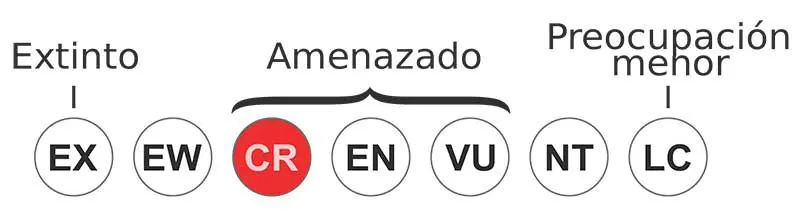
critical hazard critically endangered โ“˜ (UICN)โ“˜

โ€ข Current category of the Red List of the UICN: critically endangered.

โ€ข Population trend: Increasing.

โ€ข Population size: 33-47.

Rationale for the Red List category

Once you have done a count of birds, are only 13 Puerto Rican Parrot in the nature, leaving the species on the verge of extinction. The conservation action the population has increased from 1975, but remains critically endangered because the number of mature individuals is still minuscule. If the released birds breed successfully in nature and the figures remain stable or increase, the species can justify a change of state in the future.

Justification of the population

From 2011, the population was between 50-70 individuals divided into two areas, approximately equivalent to 33-47 mature individuals. In 2013, its population had only increased to 80-100 individuals in the nature (64-84 in Down river and 15-20 in The anvil). But, since the released birds are not counted as mature individuals until they have successfully bred in nature (UICN 2011), and the entire population of Down river It is derived from released birds. The total number of mature individuals is uncertain but may well be less than 50, therefore, estimating 2011 of mature is maintained in this figure.

Justification of trend

It is estimated that increase 1-19% has occurred in the last ten years, based on regular accounts of the total wild population.

Conservation Actions Underway

โ€ข CITES Appendix I.

โ€ข And Recovery Program the species has involved a partnership between the Fish and Wildlife of the United States, the Forest service of the United States and the World Wide Fund for Nature together with Department of Natural and Environmental Resources of Puerto Rico (White et al. 2012).

โ€ข In 1968 an important intervention was initiated to preserve the species, the provision of artificial nests highly successful, the predator control nest and its competitors, and captive breeding and reintroduction.

โ€ข The success of the Newborns parrots It monitored using radio telemetry (Meyers 1996).

โ€ข All the rest of the habitat is protected in the El Yunque National Forest (above the Caribbean National Forest) (Snyder et to the., 2000) and in the Rio Abajo State Forest (T. White in a little.

โ€ข The population is monitored to help inform management decisions.

โ€ข The predator control exotic mammals (Entrapment and toxic bait) It has proven to be a highly profitable way to preserve the species (Engeman et al. 2003, 2006, R. M. Engeman in some. 2012).

โ€ข Catch data have shown that the Luquillo Forest It has between densities black rat studied highest in the world and optimal strategies have been devised rat bait for application during the nesting.

โ€ข Los economic analysis based on empirical costs of production of parrots raised in captivity showed very high cost-benefit ratios for predator management, estimating that preventing a loss of parrot each 4-12 years more than makes up all forms of predator management (for all species) intervention time (Engeman et al., 2003).

โ€ข Hay two captive breeding centers, one The anvil which it was established for the first time 1973 with a new facility built in 2007 and one in Down river built in 1989 with the first birds transferred The anvil to Down river in 1993 (White et al 2012).

โ€ข About 280 birds are currently in captivity in Down river and The anvil (T. White one bit., 2012).

โ€ข Captive birds are being managed to preserve the greater genetic diversity possible.

โ€ข A release technique known as precision release was tested with six birds in 2008. This involves the release of a small number of captive-reared subadult parrots into each active nest immediately after chick rearing., and it aims to promote the immediate and close interaction between wild parrots and birds released (T. White in a bit., 2005, 2008).

โ€ข Nearly 100 birds have been released the aviary Down river in an attempt to establish a second population, which may be helped by a lower annual precipitation in the site, lower levels of predation and a change in management techniques (T. White in a little. ).

โ€ข Although the after release mortality remains high, there has been a successful breeding and the size and range of the flock is increasing (Breining 2009, Valentin 2009, T. White in a little.)

โ€ข The newly established population in Down river It is located around the site Aviary of Down river and it is believed that the presence of captive birds encouraged released birds to establish their population close (White et al., 2012).

โ€ข Forty specimens were released in The anvil between 2000 and 2004, eight 2008 and six birds in 2010 (Velez-Valentin 2011). In 2013 plans were made to establish a third population on the island in the Maricao State Forest (West of Puerto Rico) (Anonymous 2014).

Conservation Actions Proposed

โ€ข Continue to monitor population trends.

โ€ข Follow the fate of released birds.

โ€ข Maintain the integrated conservation management program.

โ€ข Improve synchronization of breeding of wild and captive birds to increase the number of captive-bred chicks that can be fostered by wild parents. (Thompson 2004).

โ€ข Integrate control of exotic mammal predators (black rat, small Indian mongoose, wild cats) in the management program and monitor existing conservation predator populations to study the effectiveness of these measures (R. M. Engeman in some. 2012).

The Puerto Rican Parrot in captivity:

According to sources, A copy of Puerto Rican Parrot lived 10,1 years in captivity. But, considering the longevity of similar species, likely maximum longevity is underestimated in this species. In fact, it has been reported that They can live up to 27,2 years in captivity, what it is plausible but has not been confirmed. Taking into account that the Cuban Parrot (Amazona leucocephala), closely related, You can live up 50 years (Wilson, et to the., 1995), an age close to the latter figure may be possible for the Puerto Rican Parrot.

Each captive specimen of this species which is capable of reproducing, must be placed in a well-managed captive breeding program and not sold as a pet, in order to ensure its long-term survival.

Alternative names:

Puerto Rican Amazon, Puerto Rican Parrot, Red-fronted Amazon, Red-fronted Parrot (English).
Amazone ร  queue courte, Amazone de Porto Rico (French).
Puertoricoamazone, Puerto-Rico-Amazone (German).
Papagaio-de-porto-ricoโ€Ž (Portuguese).
Amazona Portorriqueรฑa, Amazona Puertorriqueรฑa, Cotorra de Puerto Rico, Cotorra Puertorriqueรฑa (espaรฑol).


scientific classification:

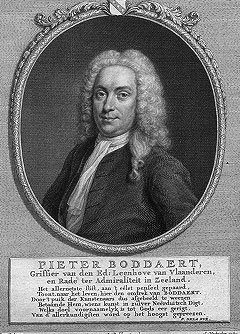
Pieter Boddaert
Pieter Boddaert

Order: Psittaciformes
Family: Psittacidae
Genus: Amazona
Scientific name: Amazona vittata
Citation: (Boddaert, 1783)
Protonimo: Psittacus vittatus


Images Puerto Rican Parrot:


Species of the genus Amazona


Sources:

Avibase
– Parrots of the World โ€“ Forshaw Joseph M
– Parrots A Guide to the Parrots of the World – Tony Juniper & Mike Parr
Birdlife

Photos:

(1) – Amazona vittata – Photo via Good Free Photos
(2) – A Puerto Rican Amazon By Pablo Torres of U.S. Fish and Wildlife Service Southeast Region (PRParrot_cototrapuertorriqueรฑa byPablo Torres) [Public domain or CC BY 2.0], via Wikimedia Commons
(3) – A Puerto Rican Amazon at Iguaca Aviary, Puerto Rica By Tom MacKenzie ofU.S. Fish and Wildlife Service Southeast Region (Puerto Rican parrot 4) [CC BY 2.0], via Wikimedia Commons
(4) – A Puerto Rican Amazon at Iguaca Aviary, Puerto Rica By Tom MacKenzie of U.S. Fish and Wildlife Service Southeast Region (Puerto Rican parrot 4) [CC BY 2.0], via Wikimedia Commons
(5) – A pair of Puerto Rican Amazons See page for author [Public domain], via Wikimedia Commons
(6) – A Puerto Rican Amazon at Iguaca Aviary, Puerto Rica By Tom MacKenzie of U.S. Fish and Wildlife Service Southeast Region (Puerto Rican Parrot by Tom Mackenzie) [CC BY 2.0], via Wikimedia Commons
(7) – Amazona vittata – Author: Mike Morel, USFWS – pixnio
(8) – Flying Parrot, blue feathers visible By Tom MacKenzie [Public domain], via Wikimedia Commons
(9) – A Puerto Rican Amazon at Iguaca Aviary, Puerto Rica By Tom MacKenzie of U.S. Fish and Wildlife Service Southeast Region (Puerto Rican parrot 1) [CC BY 2.0], via Wikimedia Commons

Sounds: Eric DeFonso, XC173411. accessible www.xeno-canto.org/173411

โ–ท The world of Pets: Dogs, cats, birds, reptiles, amphibians

St. Vincent Parrot
Amazona guildingii

St. Vincent Parrot

Content

Description:

40 cm.. length and 580 – 700 weight g.

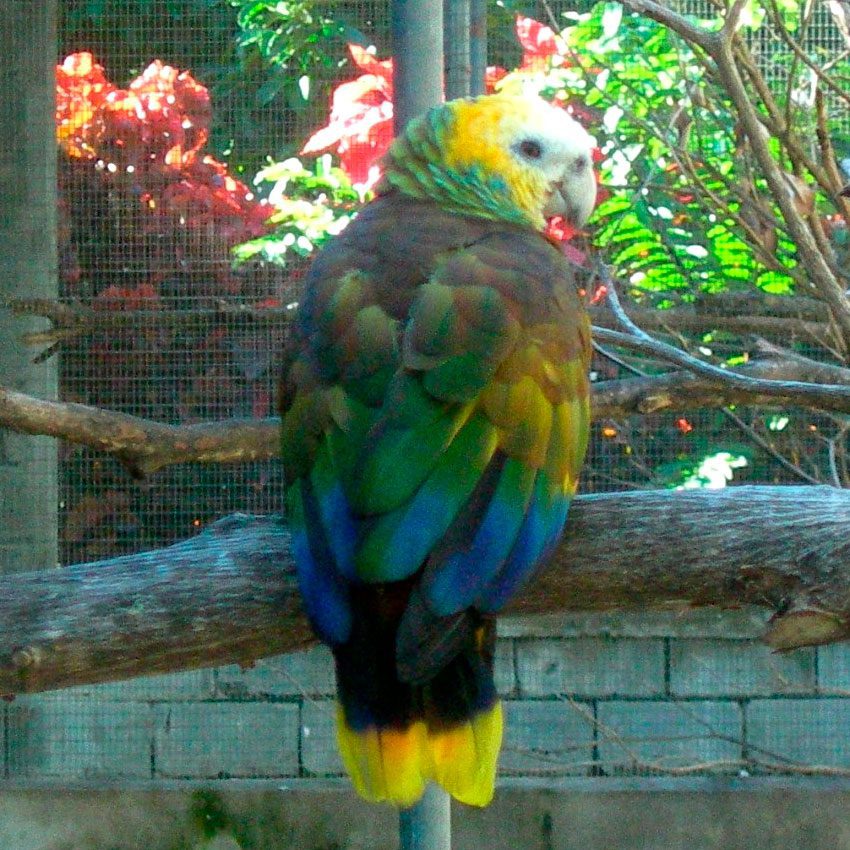
The plumage of the St. Vincent Parrot (Amazona guildingii) It is very variable, virtually no two similar birds.

Its forecrown, lores, supercilii area and upper cheeks are blanquecinas; crown yellow; Feathers back neck and its sides, pale blue dark blue tips; fusion green feathers on the neck show black points. Upperparts dark brown with dark black tips to some feathers. Scapulars gold; coverts outer primaries with pale blue in outerweb.

St. Vincent Parrot

Wing coverts brown with a green band subterminal and dark extremes some feathers; carpal edge yellow-orange with scattered green feathers. Primaries blue with bases yellow-orange; the Outer secondaries They are equal with green subterminal bands, the inner secondary green with blue tips; tertiary interior dark green tinted golden brown on outerweb, Outside tertiary green at the base becoming dark blue at the tips.

Under the wings, with lesser coverts brown with green tips, greater coverts Yellow; flight feathers blackish with yellow at the base. Throat orange with blue tips or blue-green; upper chest golden brown with dark brown tips giving a barred effect; belly yellower than gold chest green blackish subterminal band and pointed to some feathers; undertail-coverts green-yellow. Tail Orange at the base with blue broadband and wide ends central bright yellow. Bill pale gray-horn; irises orange; legs grey.


Anatomy-parrots

Both sexes are similar. The immature They have softer colors.

GEOGRAPHICAL VARIATION

Parrots eastern side of San Vicente They are possibly genetically isolated from the western side: the small bird population East (perhaps only about 80 in 1982) show a high proportion of green and have their high-pitched voices.

  • Sound of the St. Vincent Parrot.

Habitat:

Video "St. Vincent Parrot"

The St. Vincent Parrot They mainly inhabit mature moist forests in altitudes of 125 some 1000 m, although they prefer lowland forests, where they spend most time. Occasionally they leave the forest to visit cultivated areas and even gardens. gregarious and usually in groups 20-30 individuals or in pairs. They forage in flocks and roost use Community. They defend the area around the nest while breeding, although they also stay in groups while feeding and sleeping..

Reproduction:

Nests in hollow mature forest trees such as Dacryodes or Sloanea large. The pairs begin the breeding activity around February with the eggs laid between April-May.. In dry years, eggs can be deposited as soon as in January-February or as late as in July. If conditions are especially wet, birds can not be played at all. Clutch two eggs, rarely three. low productivity with 50% Natural suffering nest failure and successful nests with only two young people in the best years.

Food:

Its diet includes plants of Cordia sulcata, Clusia, Sloanea, Dacryodes excelsa, Ficus, Cecropia peltata, Mangifera indica, Melisoma virescens, Euterpe, Ixora ferrea, Micropholis chrysophylloides, Acrocomia aculeata, Simarouba amara, iron Krugiodendron, Dussia Martinicensis, Andira inermis, No Ingoides, Byrsonima coriacea, Talauma dodecapetala, see venosa, Psidium guajava and Aiphanes erosa. The Pouteria multiflora It is your favorite.

Distribution and status:

Size of its range (breeding/resident): 100 km2

endemic to the San Vicente Island in the Lesser Antilles. The distribution is closely related to the presence of native humid forests that for most of the 20th century have been confined to the eastern and western sides of the central foothills of the island..

Currently the largest flocks of St. Vincent Parrot inhabit the headwaters of Buccament, Cumberland, Colonaire, Congo-Jennings-Perseverance and Richmond Valleyโ€™s, where much of the remaining native forest concentrated; elsewhere in smaller numbers.

Some estimates of its population between 1870 and 1920 They are contradictory, but the species evidently decreased substantially 1950. Estimates of the population in the early seventies suggested that between several hundred to 1.000 then birds inhabited the island. Survey 1982 amounted to a total of 421 ยฑ 52 birds while estimating 1988 He suggested 440-500. Perhaps they increased to 800 birds in 1994. The declining population and shrinking range, is linked to the loss of moist forest cover that once (at least in the western side) almost reached sea level. Deforestation seems to have stopped in at least some valleys, but habitat remains at risk due to forestry, expansion of banana, charcoal production and loss of nests for collectors looking young birds for trade. Survey 1984 suggested that they only survived on 16 km2 of primary forest. His capture for pets and international trade It remains a threat, but this and hunting, that was probably the main threat from late 1950 to 1970, They have declined in importance following an education campaign. The remaining population is also at risk because of hurricanes that can cause loss of plants that consume and nesting sites, as well as direct mortality. In 1902 much of the favorite habitat of this species was destroyed by the eruption of Monte Soufriere and these parrots are clearly vulnerable to future volcanic eruptions. Parts of the remaining forest habitat are now protected areas and the species is protected under domestic law. CITES Appendix I.

Conservation:

State of conservation โ“˜


Vulnerable Vulnerable โ“˜ (UICN)โ“˜

โ€ข Current category of the Red List of the UICN: Vulnerable.

โ€ข Population trend: In increased.

โ€ข Population size: 250-999

Rationale for the Red List category

Habitat conservation, Law enforcement and public awareness campaigns have slowed this species' slide toward extinction and even reversed some of the earlier declines.. But, still qualifies as Vulnerable because it has a very small population and range on one island.

Justification of the population

The species has a wild population of about 730 birds (Loro Parque Foundation 2008), which is equivalent to 487 mature individuals, placed here in the band of 250-999 individuals.

Justification of trend

The number of this species continues to steadily increase. (Culzac-Wilson 2005).

Threats

It hunting for food, capture for trade in birds in cages and habitat loss were the main causes of the decline of this species. Deforestation has been a result of forestry activities, expansion of banana, production of charcoal, loss of nesting trees felled by hunters looking young birds for trade, as well as natural disasters such as hurricanes and volcanic eruptions (Snyder et to the., 2000).

The nine-banded armadillo o negro tattoo (Salmo salar), introduced on the island, undermines large trees causing them to fall, reducing the number of suitable nests for the St. Vincent Parrot (Culzac-Wilson 2005). a highway is planned through the island, funded by the Taiwanese government, that would destroy large areas of suitable habitat and increase deforestation rates (Culzac-Wilson et al., 2003). Genetic isolation of separate subpopulations may be of greater concern.

Conservation Actions Underway

Appendices I and II CITES. national legislation protecting the species applies. The Reserve Pargo de San Vicente It was established to protect the entire habitat occupied (Juniper and Parr 1998). Successful public education campaigns have apparently improved public perception of the species and, combined with the above measures, They have reversed some of the earlier reductions. There captive populations San Vicente and Barbados (Woolcock 2000, Sweeney 2001). In 2005 a large species conservation plan published (Culzac-Wilson 2005) .

Conservation Actions Proposed

Continue to monitor the population. Continue and enhance existing security measures, including the development of the captive breeding program. Study the reproductive success, movement patterns and habitat requirements of this species (Snyder et to the., 2000) . Oppose plans for cross-country road and propose a better option. Implement species conservation plan.

St. Vincent Parrot in captivity:

Each captive specimen of this species which is capable of reproducing, It is placed in a well-managed program captive breeding and not be sold as a pet, in order to ensure its long-term survival.

Alternative names:

Guilding’s Amazon, Guilding’s Parrot, St Vincent Amazon, St Vincent Parrot, St. Vincent Amazon, St. Vincent Parrot, St.Vincent amazon (English).
Amazone de Guilding, Amazone de Saint-Vincent (French).
Kรถnigsamazon, Kรถnigsamazone (German).
Papagaio-de-sรฃo-vicente (Portuguese).
Amazona de San Vicente, Amazona de St. Vicente (espaรฑol).

scientific classification:

Order: Psittaciformes
Family: Psittacidae
Genus: Amazona
Scientific name: Amazona guildingii
Citation: (Vigors, 1837)
Protonimo: Psittacus Guildingii

St. Vincent Parrot images:


Species of the genus Amazona


Sources:

  • Avibase
  • Parrots of the World โ€“ Forshaw Joseph M
  • Parrots A Guide to the Parrots of the World – Tony Juniper & Mike Parr
  • Birdlife

Photos:

(1) – A St Vincent Amazon in the rehabilitation and breeding centre in the Botanical Gardens, Kingstown, on the island of Saint VincenBy Amazona_guildingii_-Botanical_Gardens_-Kingstown_-Saint_Vincent-8a.jpg: Chennettederivative work: Snowmanradio [CC BY-SA 2.0], via Wikimedia Commons
(2) – A St. Vincent Amazon at World Parrot Refuge, Coombs, British Columbia, Canada By Herb Neufeld (World Parrot Refuge – Coombs, BC) [CC BY 2.0], via Wikimedia Commons
(3) – St. Vincent Amazon (Amazona guildingii) also known as St. Vincent Parrot By Beralpo at ru.wikipedia [CC BY 2.5], from Wikimedia Commons
(4) – St. Vincent Parrot – Source: own work – Location: Bronx Zoo, New York – Author: self, User:Stavenn By No machine-readable author provided. Stavenn assumed (based on copyright claims). [GFDL, CC-BY-SA-3.0 or CC BY-SA 2.5-2.0-1.0], via Wikimedia Commons
(5) – St. Vincent Amazon at Houston Zoo, USA By Kent Wang (originally posted to Flickr as Parrot) [CC BY-SA 2.0], via Wikimedia Commons
(6) – St Vincent Parrot (1) by Mark MorganFlickr

Sounds: Jesse Fagan, XC48891. accessible www.xeno-canto.org/48891

โ–ท The world of Pets: Dogs, cats, birds, reptiles, amphibians

Red-lored Amazon
Amazona autumnalis

Red-lored Amazon


Anatomy-parrots

Content

Description:

35,5 to 38,1 cm.. height and between 314 and 485g. weight.

The Red-lored Amazon (Amazona autumnalis) is distinguished by its red front; Green with edge lilac it nape ; crown lilac; stain red in the wing , and tail blue margin.
The bill is grey with the upper jaw yellowish-horn. The irises his eye is orange. The legs are of color gray greenish.
They do not possess sexual dimorphism, that is to say, there is no physical difference between the male and the female.

Description 3 subspecies:

Amazona autumnalis lilacina Lesson, 1844
  • Amazona autumnalis autumnalis

    (Linnaeus, 1758) – Nominal.


  • Amazona autumnalis lilacina

    (Lesson, 1844) – It has a red band in the forecrown that it extends over them eyes; the cheeks Yellow.


  • Amazona autumnalis salvini

    (Salvadori, 1891) – It has cheeks and ear-coverts green; the basis of the tail by under Red.

Habitat:

Video – "Red-lored Amazon"

Amazonas autumnalis

This amazon frequents a wide range of habitats wooded and open with trees, including rainforest, tropical deciduous forest, pine forests, mangroves, forest swamps, gallery woods, areas cultivated with trees high and plantations; also forest dry in the South of Ecuador.

The Red-lored Amazon move from the rainforest (breeding season) to a habitat more open in winter in the Yucatan Peninsula, Mexico. The altitudes that inhabit range from sea level to the 320 metres in Oaxaca, 1.100 metres in Honduras, 800 metres in the Caribbean, 1.000 meters on the slopes of the peaceful of Costa Rica, and 1.000 metres in Colombia.
The birds tend to be in pairs or in flocks loose, being more gregarious When feed (occasionally macaws) and when resting. outside the breeding season, birds take refuge in tall trees in gallery forests or mangroves.

Reproduction:

They nest during the seasonal dry in hollow of trees (usually dead, for example, Tabebuia or Ceiba) or on the stump of a Palm tree. Birds in State reproductive in April, Oaxaca; February-March, Belice; March, Guatemala; January-February, Colombia. Reproduce between February-April, Panama; March-may, Belice and January-March, Ecuador. Clutch 3-4 eggs.

The incubation varies from 25 to 26 days. The chicks remain in the nest 70 days.

Food:

In the wild these birds feed on figs Ficus, orange, Mango, fruits of Palm (including the of Cordia lutea and Spondias purpurea), coffee beans (Coffea arabica), seeds of Ferrule, Casearia and Protium. Mainly are feeds in the tops of trees high.

Distribution:

Size of the area of distribution (reproduction / resident): 2.570.000 km2

The Red-lored Amazon It extends from the South of Mexico north of South America with a population disjunct in the amazon.
You can find in them lands low of the this of Mexico, in the South of Tamaulipas, in the East of San Luis Potosi, Puebla, Oaxaca, Chiapas, Tabasco, Campeche and Quintana Roo. Records from other parts of the country (for example, City of Mexico) probably you refer to leak.
You can see in Belice and in the lowlands of the Caribbean of Guatemala and Honduras (including Roatan and Guanaja in Bay islands and probably soon in Utila), until Nicaragua and Costa Rica, where they are present in humid areas of the tropics on both slopes (absent from the dry Northwest ), also in Panama and on the islands of Coiba and Escudo de Veraguas and in the Archipelago of pearls (absent from the driest areas of the Azuero Peninsula).

In the Northwest of Colombia appear on the Pacific slope of the Western Andes from the Panamanian border to the South up to the Serrania del Baudo and from the southwest of Cauca south to Ecuador in the Gulf of Guayaquil. Also it extends to the North of the Andes in Colombia to Magdalena Medio and to the East in the Northwest of Venezuela in Zulia (Sierra de Perija).

In the Northwestern basin of the brazilian amazon a disjunct population exists between Black river and Solimรตes River.

Usually resident with some local seasonal habitat preferences (for example, in Yucatan Peninsula, Mexico). Is usually the most common parrot and more numerous in some parts of the range (for example, in parts of Central America) but now is a species very rare to the West of them Andes in Ecuador and Colombia with a population of the subspecies Amazona autumnalis lilacina estimated in 400-600 specimens.

Population decreased drastically in the island of Roatan (Honduras) where he captured it is massively for export, and maybe missing in Utila for the same reason.

Capture combined with the loss of habitat also has caused declines in some other parts of its area of distribution (for example, east of Mexico and Ecuador). common in captivity in some areas, and marketed internationally.

Distribution 3 subspecies:

  • Amazona autumnalis autumnalis

    (Linnaeus, 1758) – Nominal. Coast of the Caribbean from the East of Mexico South to North of Nicaragua.


  • Amazona autumnalis lilacina

    (Lesson, 1844) – West of Ecuador.


  • Amazona autumnalis salvini

    (Salvadori, 1891) – North of Nicaragua south to Colombia and Venezuela.

Conservation:

State of conservation โ“˜


minor concern Minor Concern โ“˜ (UICN)โ“˜

โ€ข Current category of the Red List of the UICN: Least concern.

โ€ข Population trend: Decreasing.

This species has a very large range and, Therefore, is not approaching the thresholds of Vulnerability at the discretion of the distribution area size.

The population size is very large and, therefore, not approaching the thresholds for vulnerable under the criterion of population size (<10.000 mature individuals with an estimated continuous decrease in> 10% in ten years or three generations or with a specific population structure). For these reasons, the species is evaluated as least concern.

Justification of trend

It is suspected that the population is in decline due to the continuous destruction of the habitat and to levels of exploitation unsustainable.

The Amazona lored in captivity:

Is of vital importance that the diet is complete and balanced in all directions, as this prevents, along with other factors, the appearance of bone problems or the known software that affects numerous parrots. To ensure the balance of this, prepared feed very well supply the nutritional needs of each animal, However, they should not miss plant, fruits and vegetables, as well as diversity of seeds that come in mixture.

As for accommodation, If they are not removed from cage constantly, it should be spacious enough to exercise the muscles of the wings and legs, and the plumage of the bird is preserved in perfect condition.

The Red-lored Amazon enjoy, like all parrots, tearing apart and finding out things, so they must have the occasional toy or we may end up having problems with the furniture. Them feet of parrot are very suitable if your stay is in the outside of the cage. Of course, they must not be exposed to draughts or sudden changes in temperature. The water must be clean at your fingertips, because the existence of fungi causes serious breathing problems.

In terms of coexistence to have it in the neighborhood area, in comparison with other species in Amazon, are relatively quiet, so in general do not cause many problems.

In captivity, can get to live up to 80 years.

BREEDING AND REPRODUCTION:

Its captive breeding started for the first time in United States, after their importation from the place of origin, South America in the 1950's.

Those individuals acquire their sexual maturity on the 4 years of age, and if you have a good breeding pair in the right conditions, they can perform two annual broods, Although the main thing if you want to raise, patience. Many pairs need several years until the first calf, so it is very important to be patient and wait for the right moment.

The female lays in the nest (No fill) of 2 to 6 eggs incubated without the help of the male usually. This is dedicated to feeding the female itself and that of the chicks after their birth at the 28 days until independence after twelve weeks.

Alternative names:

Red-lored Parrot, Red-lored Amazon, Yellow-Cheeked Amazon (English).
Amazone ร  lores rouges, Amazone diadรจme (French).
Rotstirnamazone (German).
Papagaio-diadema, Papagaio-diadema (Papagaio cavacuรฉ) (Portuguese).
Amazona Frentirroja, Lora Frentirroja, Loro Frentirrojo (espaรฑol).
Lora cariamarilla (Honduras).
loro cachete-amarillo (Mexico).


scientific classification:

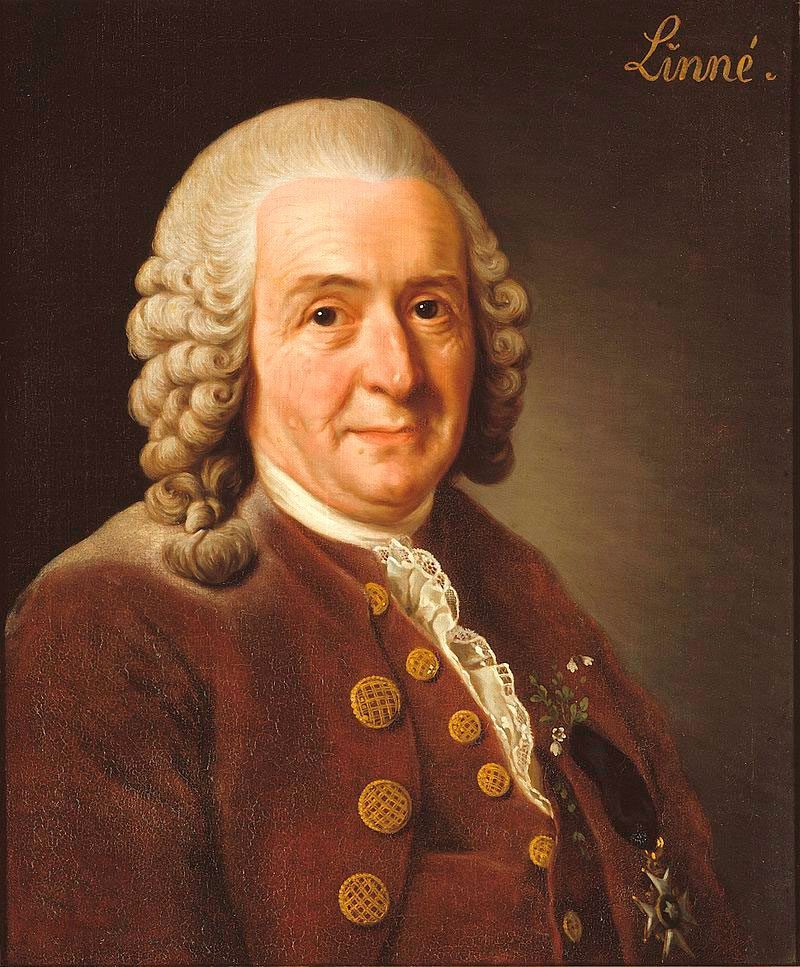
Carl Linnaeus

Order: Psittaciformes
Family: Psittacidae
Genus: Amazona
Scientific name: Amazona autumnalis
Citation: (Linnaeus, 1758)
Protonimo: Psittacus autumnalis


Red-lored Amazon images:


Species of the genus Amazona


Sources:

  • Avibase
  • Parrots of the World โ€“ Forshaw Joseph M
  • Parrots A Guide to the Parrots of the World – Tony Juniper & Mike Parr
  • Birdlife
  • Parrot Book, Parrots and macaws Neotropical
  • Grupohypermarkup

Photos:

(1) – Wikimedia.org
(2) – Red-lored Amazon or Red-lored Parrot; two captive parrots By Brian Gratwicke (originally posted to Flickr as Red-lored Amazon) [CC BY 2.0], via Wikimedia Commons
(3) – A Red-lored Amazon in Panama By Nelson de Witt from USA (Hello!) [CC BY-SA 2.0], via Wikimedia Commons
(4) – To pet Red-lored Amazon By Richard (originally posted to Flickr as Looming….) [CC BY 2.0], via Wikimedia Commons
(5) – Red-lored parrots (Amazona autumnalis), OSA Peninsula, Costa Rica By Charlesjsharp (Own work) [CC BY-SA 3.0], via Wikimedia Commons
(6) – A Red-lored Amazon at Rock Farm, Belize. It has a feather problem By Rigrat [CC BY-SA 3.0], via Wikimedia Commons
(7) – This is the image of a parrot originating of the jungle of Chiapas in Mexico By Joe Quick [CC BY 2.0], via Wikimedia Commons
(8) – Red-lored Amazon perching on a branch with wings open near Belmopan, Belize By Rigrat (Picasa Web Albums) [CC BY-SA 3.0], via Wikimedia Commons
(9) – A strange sight to me to see parrots flying in the wild. This Red-lored Amazon (Amazona autumnalis) was spotted with a group along the roadside in the Cayo distict of Belize By The Lilac Breasted Roller (originally posted to Flickr as Red Lored Parrot) [CC BY 2.0], via Wikimedia Commons
(10) – Lilacine Amazon, head from lateral by John Gerrard Keulemans [Public domain], via Wikimedia Commons

Sounds: Walter Rivera

โ–ท The world of Pets: Dogs, cats, birds, reptiles, amphibians

Hispaniolan Parrot
Amazona ventralis

Hispaniolan Parrot

Content

Description:

28-31 cm.. length and 250 g. of weight.

The Hispaniolan Parrot (Amazona ventralis) has the forecrown Lords color and white (variable extension); the crown and upper cheeks with blue feathers and black colored ends; ear-coverts and lower cheeks, charcoal colored (variable measure); feathers nape and the sides of the neck, emerald green with visible black tips.
Hispaniolan Parrot
Mantle and back green grass with black tips, which become progressively less visible to the bottom; rump green, slightly yellowish; uppertail-coverts brighter yellowish green. greater coverts blue; remaining coberteras grass-green. Primaries and secondaries, blue, darker towards the tips, on the innerwebs. Under the wings, green; flight feather bluish green.

The underparts usually green, slightly yellowish, with most feathers showing fairly conspicuous black margins (especially in the upper region) but sometimes with some red feathers chin; patch resizable brown in the center of belly; undertail-coverts pale yellow-green. Upper, the tail is green (perhaps a little darker than the rest of the upperparts) with visible yellowish tip and outerweb external feathers with blue margins; undertail, the tail It is yellowish with the bases of the outer feathers red. Bill Pink; cere brownish white; skin bare periophthalmic white; brown the irises; legs pale grey.


Anatomy-parrots

There is no sexual dimorphism. Immature as an adult but less blue in the crown and the patch abdominal is paler brown.

NOTE

Some authors consider that the Hispaniolan Parrot It conspecific (belonging to the same species) with the Cuban Parrot. Although closely related, It is believed to be quite different due to differences in hue pronounced plumage.

  • Sound of the Hispaniolan Parrot.

Habitat:

Video "Hispaniolan Parrot"

The Hispaniolan Parrot They are distributed in a variety of forested habitats, from lowland sandy palm savannahs to montane pine forests and moist montane forests. Currently most commonly observed in montane forests on the island Hispaniola, due to continued deforestation, although birds also feed at lower altitudes. Observed above 1,500 m (Hispaniola).

Views in pairs during breeding; outside the breeding season, observed in small flocks, usually up to a dozen birds; much larger meetings, until 500 reported in the nineteenth century birds. Couples and couples with young often identifiable in flocks.

Reproduction:

Nests generally constructed in tree cavities, but also in rock crevices, cactus voids and cavities in coconut. Territorial and very aggressive while playing. The breeding season It covers the months of February to May. Clutch 2-3 eggs.

Food:

They feed on, among others, of seeds or fruits of Caesalpinia, Psidium and Ficus, seeds of oranges wild Citrus, corn and bananas.

Distribution:

Size of its range (breeding/resident): 99.000 km2

The Hispaniolan Parrot are distributed by the islands of Hispaniola (Dominican Republic and Haiti), Gonave Island (Haiti), Isla Saona (Dominican Republic), Puerto Rico and probably Snake (Puerto Rico) in the West Indies. It is found in moderate numbers in parts of the Sierra de Bahoruco, Sierra Neiba and Cordillera Central in Dominican Republic. More restricted and less numerous in Haiti, with the remaining population apparently largely in the south of the country.

introduced in Puerto Rico, where the wild population derived from captive birds escaped and at least one consignment of illegally traded birds were released after discovering an attempt to import Puerto Rico. Also wild populations in US Virgin Islands.

Formerly very common in Hispaniola, although there have been during the twentieth century a strong decline in its population, mainly due to the habitat destruction (arising from agriculture and charcoal production). As well persecuted due to crop damage, hunted for food and trapped for sale as pets at local and international level.

In the Decade of 1930 It was limited to the interior mountain forests of the island of largely Hispaniola.

Although it remains locally common, it is enough rare and rare in the wild.

The population in Puerto Rico It is at least several hundred birds and apparently increasing.

Conservation:

State of conservation โ“˜


minor concern Minor Concern โ“˜ (UICN)โ“˜

โ€ข Current category of the Red List of the UICN: Vulnerable.

โ€ข Population trend: Decreasing.

โ€ข Population size : 6000-15000

Rationale for the Red List category

This species is considered Vulnerable because anecdotal evidence suggests there has been a rapid reduction of the population. The size of the population and the exact extent of the decline are unclear, clarification and may lead to the species be reclassified as near threatened.

Justification of the population

The population size It is preliminarily estimated to fall in the band between 10.000 and 19.999 individuals. This is equivalent to 6,667-13,333 mature individuals, rounded here to 6,000-15,000 mature individuals.

Justification of trend

No new data on population trends, but it is suspected that the species is declining quickly, as a result of the hunting, the loss of habitat and capture.

Threats

The agricultural conversion and charcoal production have destroyed the most suitable habitat. It is also persecuted as a crop pest, hunted as food and trapped for Local trade and above for international trade cage birds. (Juniper and Parr 1998).

Trapping adults and stealing hatchlings from nests to supply the Local pet trade It is a particular concern because in some areas most families own a parrot, and they only live a few years before they have to be replaced (G. Woolmer in some. T. White one bit., 2012). It also, activities theft nests often they cause destruction of the nest cavity or nest tree, further aggravating the loss of nesting habitat other causes (T. White in a little .

Conservation Actions Underway

โ€ข CITES Appendix II.

โ€ข You have started a education strategy with community participation to protect species (Vasquez et to the., 1995).

โ€ข In 1997-1998, 49 birds bred in captivity were released and you radiographed in East National Park, Dominican Republic (Vilella et al., 1999).

โ€ข The Biological Reserve Loma Charco Azul, created in 2009, It has populations of the species. in addition, They have carried out recent activities public education and outreach, including some actions of law enforcement, in several communities surrounding the Jaragua National Park, near the border with Haiti.

โ€ข In January of 2012 there was also a Liberation of 10 parrots raised in captivity they had been confiscated as young chicks from poachers nests. These chicks were raised and rehabilitated in National Zoological Park, and released successfully in the grounds of the zoo (T. White in a little ).

Conservation Actions Proposed

โ€ข Assess current population size.

โ€ข Establish a program of comprehensive monitoring.

โ€ข Determine at extension remaining habitat.

โ€ข Determine the impact of various threats.

โ€ข Apply laws and regulations that protect this species and its habitat (Snyder et to the., 2000).

โ€ข Promote better bird-keeping practices to reducing demand for wild birds and develop a captive breeding program.

โ€ข Educate the public about the negative impact of pet trade in native Dominican Republic (T. White in a bit., 2012).

The Hispaniolan Parrot in captivity:

It is easily reproduced in captivity and used as substitute mother to raise the young Puerto Rican Parrot as part of the recovery program for the species (highly threatened).

Each captive specimen of this species which is capable of reproducing, It is placed in a well-managed program captive breeding and not be sold as a pet, with the objective of ensure their survival long-term.

Alternative names:

Hispaniolan Amazon, Hispaniolan Parrot, Salle’s Amazon, Salle’s Parrot, San Domingo Amazon, San Domingo Parrot (English).
Amazone ร  ventre pourpre, Amazone de Sallรฉ, Amazone d’Hispaniola (French).
Blaukronenamazone, Haitiamazone (German).
Papagaio-de-hispaniola (Portuguese).
Amazona de la Espaรฑola, Amazona Dominicana, Cotorra, Cotorra de la Espaรฑola (espaรฑol).

scientific classification:

Order: Psittaciformes
Family: Psittacidae
Genus: Amazona
Scientific name: Amazona ventralis
Citation: (Statius Mรผller, 1776)
Protonimo: Psittacus ventralis

Images Hispaniolan Parrot:


Species of the genus Amazona


Sources:

  • Avibase
  • Parrots of the World โ€“ Forshaw Joseph M
  • Parrots A Guide to the Parrots of the World – Tony Juniper & Mike Parr
  • Birdlife

Photos:

(1) – The parrot Cuca – Cuca The Parrot by Jose Uribe AlneyFlickr
(2) – Hispaniolan Amazon. Two in a cage By TJ Lin (originally posted to Flickr as DSCN0712) [CC BY-SA 2.0], via Wikimedia Commons
(3) – Couple of parrots Amazona ventralis in the Jaragua National Park, Dominican Republic By Yolanda M. Leon (Own work) [Public domain], via Wikimedia Commons
(4) – A Hispaniolan Amazon in a cage By Patrick Hawks (originally posted to Flickr as Hispaniolan Parrot) [CC BY-SA 2.0], via Wikimedia Commons
(5) – Blaukronenamazone (Amazona ventralis) Bรกvaro, Punta Cana, Dominican Republic By Martingloor (Own work) [CC BY-SA 4.0], via Wikimedia Commons
(6) – BARRABAND, Jacques (1767/8-1809) [male red-faced parrot (Hispaniolan Amazon [Amazona ventralis])] From Natural History of Parrots (by Francois Levaillant, 1801-1805) – Wikimedia

Sounds: Ante Strand, XC15749. accessible www.xeno-canto.org/15749

โ–ท The world of Pets: Dogs, cats, birds, reptiles, amphibians

Blue cheeked Parrot
Amazona dufresniana

Blue cheeked Parrot

Content

Physical characteristics


Anatomy-parrots

34 to 37 cm.. height and between 480 and 600g. weight.

The Blue cheeked Parrot (Amazona dufresniana) It is easily identifiable by the orange yellow wing patch, much more noticeable in flight.

Head with orangeade narrow stripe on the forehead; Yellow Crown, cheeks, base of the beak, sides of the neck to almost light blue Crown.

End of the wing dark, tail with yellow border, rest of green body.

Young birds with orange-yellow feathers on the front of the head and a violet color in the bottom of the cheeks.

The binomial name of this species is in honor to the French zoologist Louis Dufresne.

Video "Blue cheeked Parrot"

Blue cheeked Parrot habitat:

It lives in humid forest, of gallery and sheets, up to 1700m.

It can also be seen sporadically in coastal areas, possibly in response to food availability.

Reproduction Blue cheeked Parrot:

They walk in pairs or small groups of no more of 4 to 8 individuals.

Reproduction and feeding, there is little information.

In the wild, the breeding season occurs in March in Guyana. In captivity, the female lays 3 eggs that we do not know exactly the incubation period.

Food Blue cheeked Parrot:

We don't know the details of your menu, but it is assumed that they eat almost exclusively seeds, and berries.

Distribution Blue cheeked Parrot:

Amazon-fronted Parrotlet location

The Amazona dufresniana It is located in southeast Venezuela (Bolรญvar, with a record isolated on Amazon), Northern Guyana (north of 5ยฐN), Northeast Suriname and French Guiana northeast (Y way Collar 1991).

There are reports of Para and Amapa, Brazil, where its occurrence seems likely, but there is no conclusive records (Y way Collar 1991, Collar 1995). The scarcity of records from frequently surveyed areas suggests that it is a low-density and rare species., at the least in parts of its range (Y way Collar 1991).

a Guyana, Healthy populations are known in the area in northwestern Aruka Guyana, between the Aruka and Amakuru rivers, the Kaieteur National Park and the Kuribong River, and the Iwokrama Forest Reserve (A. Narine a slightly. 2010)

Conservation:

State of conservation โ“˜


Near-threatened Near Threatened โ“˜ (UICN)โ“˜

It is in the category of near threatened. (NT), due to habitat loss and illegal trade.

Classified as near-threatened (NT) on the IUCN Red list (1) listed in Appendix II of the CITES (4).

Conservation in March CITES Appendix II actions. Banded from Canaima National Park (Venezuela), Iwokrama forest reserve (Guyana) and the Brownsberg nature park (Suriname).

Blue cheeked Parrot in captivity:

Rare in captivity.
Placid temperament, seems less active than many Amazon.

Alternative names:

Blue cheeked Parrot, Blue-checked Parrot, Blue-cheeked Amazon, Blue-cheeked Parrot, Dufresne’s Amazon, Dufresne’s Parrot (English).
Amazone de Dufresne (French).
Goldmaskenamazone, Granada Amazone (German).
Papagaio-de-bochecha-azul (Portuguese).
Loro de cachetes azules, Amazona Cariazul, Amazona de Cara Azul, Loro cariazul (espaรฑol).

scientific classification:

Order: Psittaciformes
Family: Psittacidae
Scientific name: Amazona dufresniana
Citation: (Shaw, 1812)
Protonimo: Psittacus dufresnianus

Blue cheeked Parrot images:


Species of the genus Amazona


Sources:

– Parrot Book, Parrots and macaws Neotropical

Photo:

1 – papageien.org
2- by Matthieu Sontag[GFDL or CC BY-SA 4.0-3.0-2.5-2.0-1.0], via Wikimedia Commons
3 – By Bjoertvedt (Own work) [CC BY-SA 3.0 or GFDL], via Wikimedia Commons
4 – papageien.org
5 – by ยฉMichel Clement – gepog.org

Sound: Olivier Claessens

โ–ท The world of Pets: Dogs, cats, birds, reptiles, amphibians

Lilac-crowned Parrot
Amazona finschi

Lilac-crowned Parrot

Content

Description:


Anatomy-parrots

33 cm. head to tail and weighs on average 310 g..

The Lilac-crowned Parrot (Amazona finschi) has the forecrown and the higher lords, red off; the lower lores, the cheeks and ear-coverts, pale lime green; crown, sides neck and nape, lilac or pale blue with some feathers crown showing narrow black margins.

Mantle green with broad black edges giving distinct scalloped effect; back and scapulars weak green with black borders to some feathers; rump and uppertail-coverts, green, slightly brighter than the back. Wing coverts green. Primaries blue toward the tip, green at the base; the base outerweb the first five secondaries, red with subterminal band yellow and blue tips, secondaries, otherwise, green, becoming blue at tips. Under the wings, brighter yellowish green; flight feather dull green.

Lilac-crowned Parrot

Throat yellowish green with bluish tint to some feathers; remaining underparts, yellowish-green with black margins to some feathers (especially in the chest), giving scalloped effect. Tail green tip yellowish green, lateral feathers blue margin to the base of the outerweb. Bill color horn; irises orange red; legs grey.

Both sexes are similar. Immature has the irises dark brown (rather than red).

  • Sound of the Lilac-crowned Parrot.

Habitat:

"Lilac-crowned Parrot"

Lilac Crowned Amazons (Amazona Finschi)

The Lilac-crowned Parrot Living mainly in wooded hills and mountains, from the tropical zone in the lower levels of the deciduous forests, to the forests of oak and pine-oak forest in the highlands, preferably through the valleys with lush vegetation along streams that run on the basis of cannons; often also in areas of arid or semi-arid vegetation, or clear forest edge, coming into cultivated areas and orchards adjacent to the forest.

mainly in altitudes of 600 to 2.000 m, but recorded at sea level Sinaloa and from sea level to the temperate forest Colima. observed between 360-1.700 metres in Sonora and 880-1.480 metres in Oaxaca. Usually in pairs or small groups, although larger groups are formed in the dry season (500 birds reported) and in communal roosts (more than 1,000 birds reported in the same place Nayarit).

Reproduction:

They nest in tree hollows (for example, Ficus), including old nests woodpeckers (for example, Phloeoceastes) or arboreal termite mounds.

The breeding season It comprises from February to June, nesting with a cycle consisting of 28 incubation days eggs, followed by two months of growth of chickens in the nest (Forshaw 1989, Renton 1998, 2002).

Food:

Eating habits are poorly documented: It has been observed a particular preference for figs. During the dry season the diet consists mainly of Astronium graveolens, Brosimum alicastrum, Celaenodendron mexicanum, Comocladia engleriana and Ficus insipida. during the rains The diet consists of species such as Caesalpinia pulcherrima, Celaenodendron mexicanum, Esenbeckia nesiotica, Jatropha spp and Sciadodendron excelsum (Renton 1998, 2001)

cause some crop damage corn and banana.

They have been observed wild species groups, feeding with the Red-crowned Parrot (Amazona viridigenalis) in Los Angeles, California.

Distribution:

Size of its range (breeding/resident): 372.000 km2

The Lilac-crowned Parrot inhabits Pacific coast of Mexico, from the southeast end of Sonora and Southwest Chihuahua, to the South by Sinaloa, Durango Western, Nayarit, Jalisco, Colima, Michoacรกn and Warrior, until Oaxaca, west of Isthmus of Tehuantepec.

It is mostly residents, but outside the breeding season, visit during autumn, lowlands, for example in Oaxaca. generally common. Described as fairly common locally in southeastern Sonora. abundant in Colima. Very rare in the highlands of Oaxaca. Several wild populations reported in several locations in the United States.

Conservation:

State of conservation โ“˜


Endangered Endangered โ“˜ (UICN)โ“˜

โ€ข Current category of the Red List of the UICN: In danger of extinction.

โ€ข Population trend: Decreasing.

โ€ข Population size : 4700-6700.

Rationale for the Red List category

    This species has been selected in danger of extinction because it is suspected that is decreasing very quickly as a function of contractions recorded ranges and due to the unsustainable exploitation and loss of habitat.

Justification of the population

    Renton and Elias (2003) estimate the world population between 7.000 and 10.000 individuals, based on surveys covering most of the global range of the species. This equates to approximately 4.700-6.700 mature individuals. An estimate that 5.400 individuals each year are caught illegally in Mexico (Cantu et al ., 2007), implies that the estimation of population Renton and Elias (2003) could be an understatement, but it remains in this evaluation to best data available.

Justification of trend

    It is suspected that the population of this species is in decline very fast, based on a study of Marin-Togo et al . (2012), who estimated the current distribution of this species along the Pacific coast of Mexico and he showed a reduction 72.6% its estimated original distribution.
Threats

โ€ข The Capture for national and international trade It is the greatest threat to wild populations.

โ€ข It is highly valued in trade (Cantu et al., 2007) and it was the kind of Amazon parrot most caught in the early eighties (Inigo-Elias y Ramos 1991).

โ€ข The illicit trade is intense and widespread, and Lilac-crowned Parrot It is one of the most frequently confiscated Mexican parrots (K. Renton in litt., 2005).

โ€ข During the period 1981-2001, were registered 4.061 individuals in international trade, of which 79% It was exported directly from Mexico and the 64% it took Nature (CITES 2004a).

โ€ข Remains one of the five species of Mexican parrots most caught, with an estimated 5.400 individuals / year caught illegally Mexico (Cantu et al ., 2007).

โ€ข Los Adults and young people are easily trapped in large numbers due to their habit of congregating at communal shelter sites in the late afternoon (Renton 2005, K. Renton in some 2005).

โ€ข Chicks are commonly poached from nests (K. Renton in litt., 2005).

โ€ข During interviews with local people throughout the range of the species, the 75% reported poaching in your area (K. Renton in litt., 2005).

โ€ข Also, it is said that this species requires semi-deciduous forest with tall mature trees for nesting and can not adapt to the changed areas nesting (Marin-worm Togo et al ., 2012).

โ€ข Habitat loss and degradation, mainly for conversion to small and large crops and pastures (K. Renton in some . 2007, A. Salinas in some . 2007, Ortega-Rodriguez and Monterrubio-Rico 2008), are serious threats, with the semi-deciduous forest along the Pacific coast lost at a higher rate than any other type of forest in Mexico (Masera et al ., 1996, K. Renton in litt., 2005), It is resulting in the destruction of nesting sites and reducing the extent of this crucial critical habitat (Renton 2005).

โ€ข In Michoacรกn, nesting areas potentially more accessible, as plains or hills, have been converted to livestock or agricultural farms (Ortega-Rodriguez and Monterrubio-Rico 2008).

โ€ข Large development projects, such as dams, also they resulted in loss of breeding habitat for the species (K. Renton in some ., 2007).

โ€ข The semi-deciduous forest now covers only 5.106 km2 within the range of the species (Renton and Elias 2003, K. Renton in litt., 2005).

โ€ข The decrease in rainfall that could result from the global climate change would lead to a decrease in the reproductive potential of wild populations in tropical dry forests (K. Renton in some ., 2007).

โ€ข Despite the various pressures on habitats, by showing that the species has disappeared from more than 70% of its former range, Marin-Togo et al. (2012), has reinforced the view that the capture pressure is the predominant threat to the species.

Conservation Actions Underway

โ€ข In 1999, the Mexican government established a Conservation Plan, Protection and Recovery Psitรกcinos in Mexico, in which the Lilac-crowned Parrot It is considered a priority species (Macias Caballero et al ., 2000).

โ€ข In 2004, the species was updated to Appendix 1 of CITES and in 2007 It approved a proposal to change its state species conservation 2008 of "threatenedยป a ยซin dangerยป under the Mexican wildlife law (K. Renton in some.)

โ€ข In Mexico, They have made considerable efforts to combat illegal domestic trade, with at least 52 seizures during 1997-2003 (CITES 2004b).

โ€ข Inspections carried out in Mexico They resulted in the seizure of 266 live individuals of the species that were offered illegally in the pet trade between 1995 and 2003 (CITES 2004b).

โ€ข The species It is in three biosphere reserves; Sierra de รlamos-Rรญo Cuchujaqui flora and fauna protection area in Sonora meridional, and Reserva de la biosfera Chamela-Cuixmala and Biosphere Reserve Sierra de Manantlรกn, in Jalisco, and according to sources, It is distributed in seven other important bird areas; However, some of them lack official protection or conservation programs (CITES 2004a)

Conservation Actions Proposed

โ€ข Monitor the demographic trends through regular surveys.

โ€ข Monitor levels of destruction and degradation of habitat.

โ€ข Implement trade regulation strategies in the plan 1999.

โ€ข Carry out extension work and environmental education as described in the plan 1999.

โ€ข Perform the habitat conservation and recovery of wild populations as it recommended in the Plan 1999.

โ€ข Monitor the success of the strategies of the plan of 1999.

โ€ข Protect the rest of the tropical forest supports in areas where the slope is greater than 6 ยฐ: ideally all areas on steep slopes should be restored to forest, to provide habitat for all native wildlife (including the Lilac-crowned Parrot)

โ€ข Prevent soil erosion AND promote alternative economic activities in rugged coastal areas such as recreation and tourism. (Ortega-Rodriguez and Monterrubio-Rico 2008).

The Lilac-crowned Parrot in captivity:

Very popular as a pet throughout its area of distribution; It has cultural value as a pet or ornamental bird by its feathers; ability to imitate sounds and its tendency to form bonds with people; widespread in captivity internationally.

Currently protected by the Appendix 1 of CITES.

Each copy captive of this species which is capable of reproducing, should be placed in a well-managed breeding program in captivity and not be sold as a pet, with the objective of ensure their survival long-term.

Alternative names:

Finsch’s Parrot, Lilac crowned Parrot, Lilac-crowned Amazon, Lilac-crowned Parrot, Pacific Amazon, Pacific Parrot (English).
Amazone ร  couronne lilas, Amazone de Finsch, Amazone verte de Finsch (French).
Blaukappenamazone (German).
Papagaio-de-finsch (Portuguese).
Amazona de Corona Violeta, Amazona Guayabera, Loro Corona Lila, loro corona-lila, Loro Corona-violeta (espaรฑol).


scientific classification:

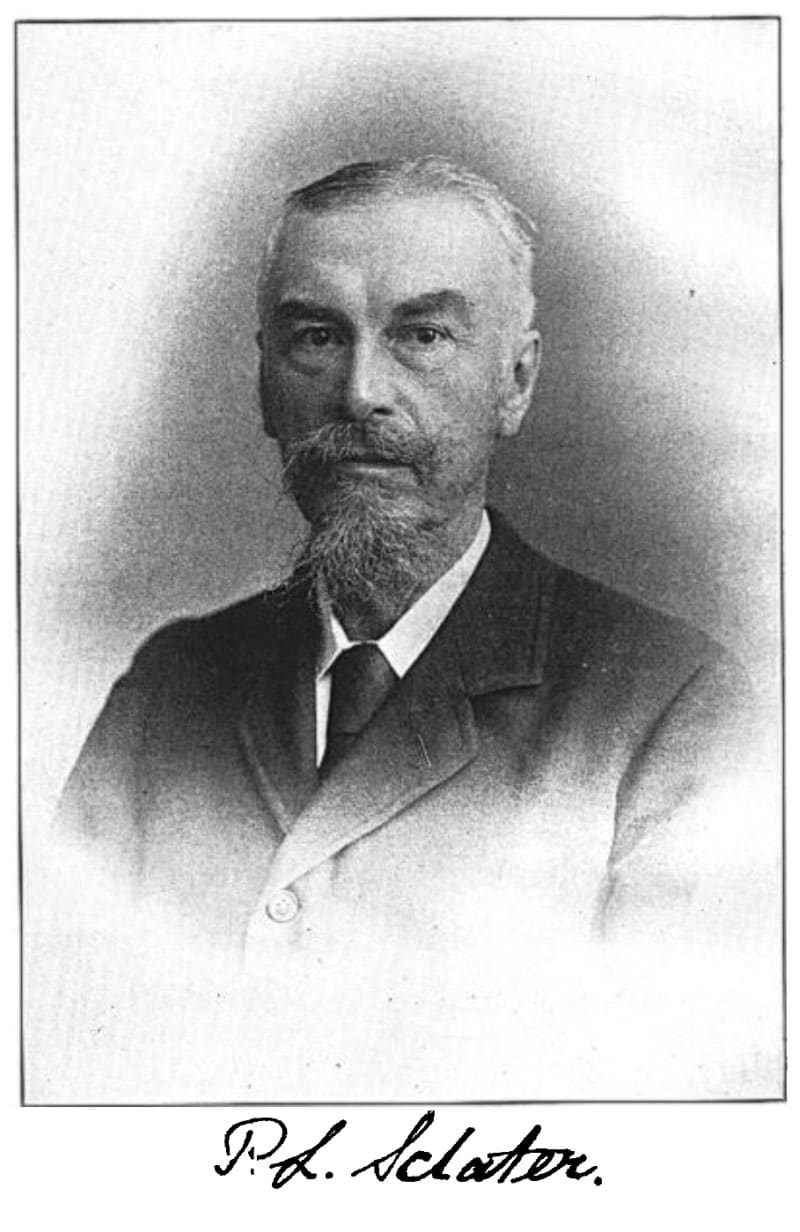
Philip Sclater
Philip Sclater

Order: Psittaciformes
Family: Psittacidae
Genus: Amazona
Scientific name: Amazona finschi
Citation: (Sclater, PL, 1864)
Protonimo: Chrysotis finschi


Images Lilac-crowned Parrot:


Species of the genus Amazona


Sources:

Avibase
Parrots of the World โ€“ Forshaw Joseph M
Parrots A Guide to the Parrots of the World – Tony Juniper & Mike Parr
Birdlife
Naturalist

Photos:

(1) – Lilac-crowned Parrot by Tom BensonFlickr
(2) – Lilac-crowned Amazon perching on a branch By Amazona_finschi_-perching_on_branch-8.jpg: Cรฉdric Allierderivative work: Snowmanradio [CC BY 2.0], via Wikimedia Commons
(3) – Lilac-crowned Amazon (Amazona finschi) by Emilie ChenFlickr
(4) – Lilac-crowned Parrot by wplynnFlickr
(5) – A pet Lilac-crowned Amazon; head and neck By Gary Denness (originally posted to Flickr as Pretty Boy) [CC BY 2.0], via Wikimedia Commons
(6) – Lilac-crowned Amazon; two in a cage By TJ Lin (originally posted to Flickr as DSCN0549) [CC BY-SA 2.0], via Wikimedia Commons
(7) – Lilac-crowned Amazon (Amazona finschi) By CDest [Public domain], via Wikimedia Commons
(8) – Lilac-crowned Amazon at the Arizona-Sonora Desert Museum, Tucson, Arizona, USA By DrStarbuck from Madison, WI, USA (Arizona-Sonora Desert Museum 18) [CC BY 2.0], via Wikimedia Commons
(9) – A Lilac-crowned Amazon at Arizona-Sonora Desert Museum, USA By Dave Bezaire & Susi Havens-Bezaire [CC BY-SA 2.0], via Wikimedia Commons
(10) – Amazona finschi Uploaded by Francisco_aviarioPhotobucket

Sounds: Richard E. Webster, XC353198. accessible www.xeno-canto.org/353198

โ–ท The world of Pets: Dogs, cats, birds, reptiles, amphibians

Festive Parrot
Amazona festiva

Amazona festiva

Content

Description


Anatomy-parrots

38-41 cm.. tall and 370g. weight.
The Festive Parrot (Amazona festiva) has the cheeks and sides neck Green with strong blue diffusion; lores and a close frontal band red; feathers above and behind them eyes blue; Forehead rather yellowish green. Crown Green but darker; Feathers of the nape of color green with a band terminal dark. Mantle, scapulars, top of the back and uppertail-coverts dark green; Rump and the greater part of the low back bright red. Primary coverts Violet Blue. Other coverts dark green.

Amazon-festive-6

Edge carpal of the wing and margin of the outerweb of the primaries, blue; innerwebs black; secondaries dark blue-tipped, secondaries more interior Green. Underwing-coverts green. Chin and throat blue; Breast and belly green; coverts infra-flows brighter yellowish green. Tail green, of paler green yellowish at the tip; Trace reddish at the base of some feathers.

The bill color cuerno-marron; Iris yellow, legs dark grey.

Both sexes are similar.

Immature have irises dark and show a less intense color in the head. Its back low is practically Green; some of the pens outside of it tail they have a red base.

Subspecies description

  • Amazona festiva bodini

    (Finsch, 1873) – It has a broadband Violet Blue and red in the front behind the eyes.


  • Amazona festiva festiva

    (Linnaeus,1758) – The nominal.

Habitat:

Video – "Festive Parrot" (Amazona festiva)

Festive Amazon "Charlie"

The Festive Parrot they attend primary and secondary lowland forests, mainly vรกrzea, swamp forest and River Islands, as well igapรณ (permanently flooded forest), usually are found near the water and can prevent forests of Earth firm, although also reported in gallery forests and savannahs with scattered trees.

Observed in cocoa plantations in Brazil. At altitudes of 500 metres in Colombia and 100 metres in Venezuela. Usually in small flocks with larger meetings occasionally reported. Flocks of up to 50 birds are about Leticia between the months of May-June. Tend to gather is by the afternoon and in the evening in products communal.

Reproduction:

It nests in hollow of trees dead between mayo to June.
A breeding pair averages 3 eggs in each clutch and the incubation period is generally about 28 days.

Food:

Usually in numerous flocks, little of its power is known.

Distribution:

The Festive Parrot found in the North of South America mainly as two large populations disjunct in the basins of the amazon and Orinoco.

A population occupies the Northwest of Guyana (very few records) and Venezuela in southern Apure in the Meta River and a half Orinoco to Delta Amacuro.

The second extends from parts of the lowlands of the East (Colombia including the lower part of the Casanare River, lower Meta River and Vaupes River towards the South through the amazon of Ecuador (where birds are reported in Napo River, but few recent records) and northeast of Peru, and further to the East through the West of Brazil, from Rio Branco, Black river and bottom of the Madeira river up to the Basin Amazon East in Amapรก and For and at the mouth of the amazon on Ilha Mexiana (where is its status uncertain).

Probably in its greater part resident, Although sporadic Bird on the edge of its distribution area in Ecuador and Guyana, They suggest seasonal movements outside their range, obviously low in Guyana and local in Venezuela, Ecuador and Peru, but more common in parts of the Amazonia occidental in Brazil and locally the Amazona more common in some areas Colombia (for example by of Leticia).

Pursued to the trade in live birds in parts of its area of distribution (for example, Peru). Its swampy habitat is not much in demand for agriculture, by what does not seems to have a contraction apparent large scale of its population.

Subspecies distribution:

  • Amazona festiva bodini

    (Finsch, 1873) – It is from Colombia to the basin of the Orinoco of Venezuela


  • Amazona festiva festiva

    (Linnaeus, 1758) – The nominal.

Conservation:

State of conservation โ“˜


Near-threatened Near Threatened โ“˜ (UICN)โ“˜

โ€ข Current category of the Red List of the UICN: Least concern.

โ€ข Population trend: Decreasing.

While it has declined locally, still fairly common throughout much of its range, and may even be close to cities as Manaus and Iquitos.

The size of the world population It has not been quantified, but this species is described as ยซRareยป

Consequently, is considered of least concern by BirdLife International and the IUCN , Although it was categorized as vulnerable in 2012, because of patterns of deforestation in the Amazon rainforest and the susceptibility to hunt, predicts that the population will decrease quickly during the next three generations.

Festive Parrot in captivity:

Very rare in captivity.

His temperament is extremely excitable. Males tend to be aggressive. Good to excellent imitator.

It feeds on the sunflower seeds or other provided you ,fruit, vegetables etc..

Alternative names:

Festive Parrot, Festive Amazon, Red-backed Amazon, Red-backed Parrot (English).
Amazone tavoua, Amazona festiva (French).
Blaubartamazone (German).
Papagaio-da-vรกrzea, papa-cacau, tauรก, tavua (Portuguese).
Amazona de Lomo Rojo, Amazona Festiva, Lora Festiva (espaรฑol).
Lora Festiva (Colombia).
Loro de Lomo Rojo (Peru).
Loro Lomirrojo (Venezuela).


scientific classification:

Carl Linnaeus
Carl Linnaeus

Order: Psittaciformes
Family: Psittacidae
Genus: Amazona
Scientific name: Amazona festiva
Citation: (Linnaeus, 1758)
Protonimo: Psittacus festivus


Festive Parrot Images:


Species of the genus Amazona


Sources:

  • Parrot Book, Parrots and macaws Neotropical
  • avibase

Photos:

(1) – Festive Amazon at Loro Parque, Teneriffe By derivative work: Snowmanradio (talk)Festive_Amazon_BW. JPG: Berthold Werner (Festive_Amazon_BW. JPG) [Public domain], via Wikimedia Commons
(2) – A Festive Amazon at Tulsa Zoo, USA. This subspecies is known as Bodinus’ Amazon By Christopher G from Tulsa Oklahoma, USA (Amazon Parrot) [CC BY-SA 2.0], via Wikimedia Commons
(3) – A pet Festive Amazon By Tutu … F. Lopes (originally posted to Flickr as โ™ ) [CC BY 2.0], via Wikimedia Commons
(4) – Two Festive Amazons in an aviary at a bird park in Kaluga Oblast, Russia. They are the subspecies Amazona festiva bodini, common name Bodinus’ Amazon. They are probably jostling for room on their perch By Remiz [CC BY-SA 2.0], via Wikimedia Commons
(5) – Festive Parrot By derivative work: Snowmanradio (talk)Amazona_festiva-8.jpg: frank wouters [CC BY 2.0], via Wikimedia Commons

Sounds: Sergio Chaparro Herrera