โ–ท The world of Pets: Dogs, cats, birds, reptiles, amphibians

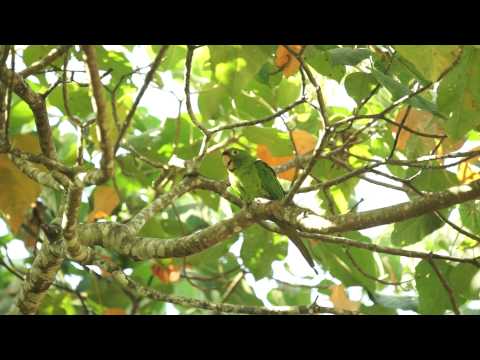
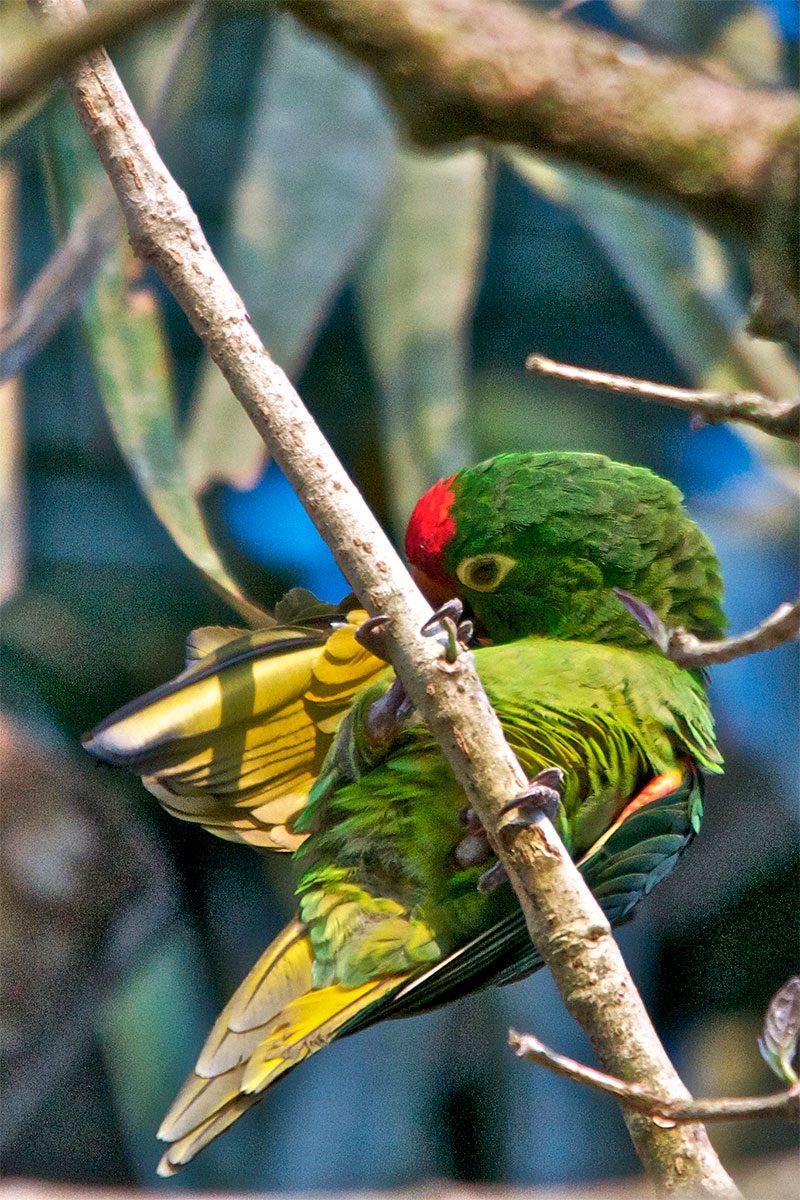
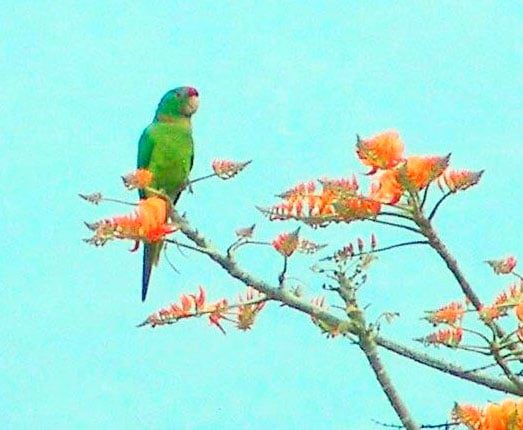
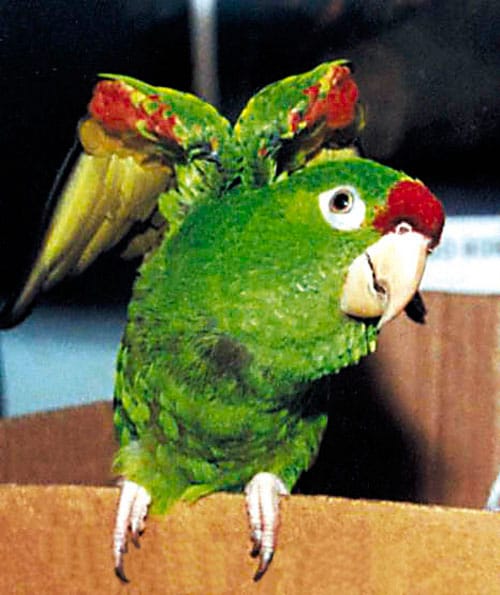
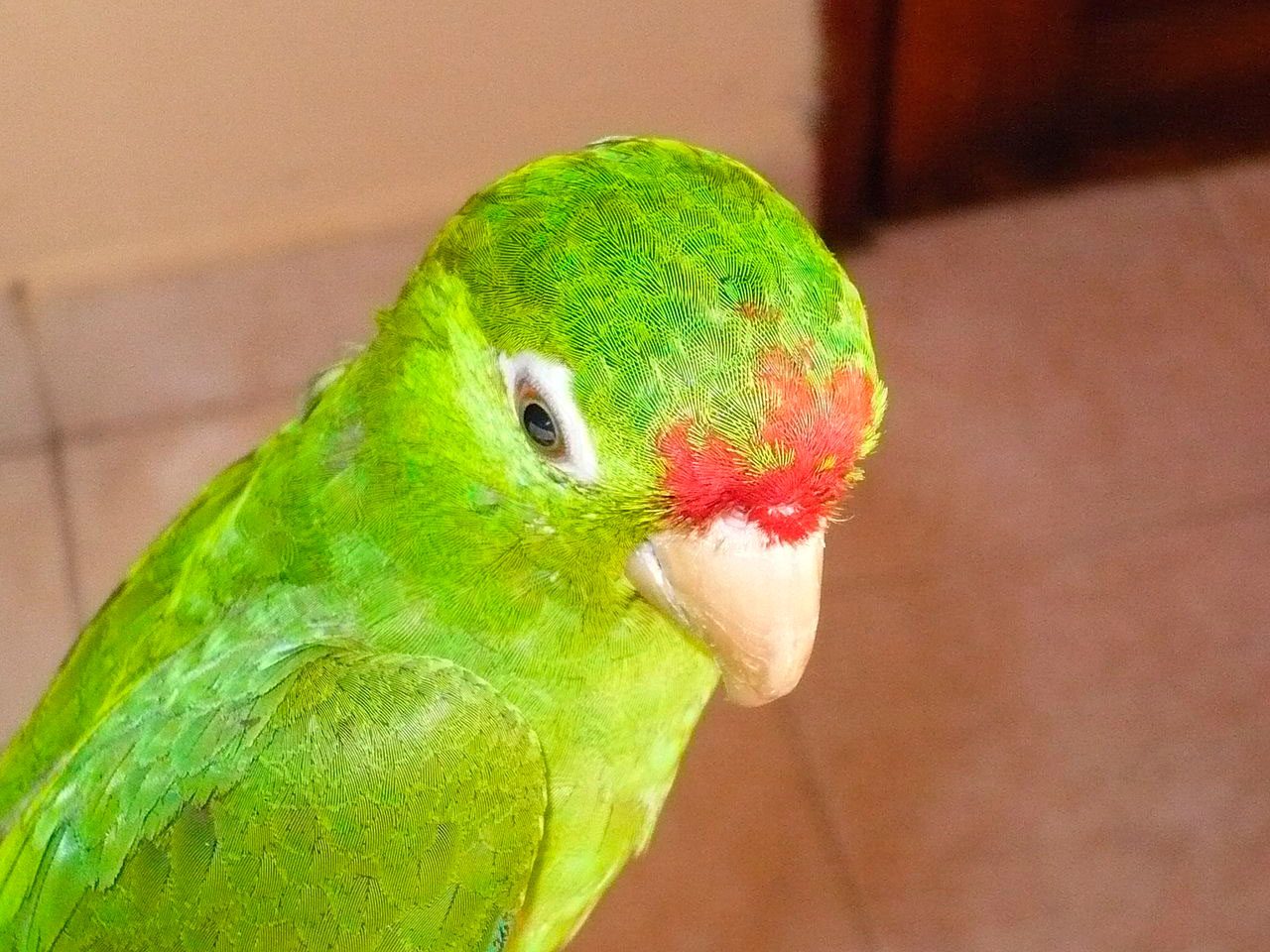
Cliff Parakeet
Myiopsitta luchsi

Cliff Parakeet

Content

Description:

Cliff Parakeet

26-28 cm.. length and a weight between 120 and 140 g..
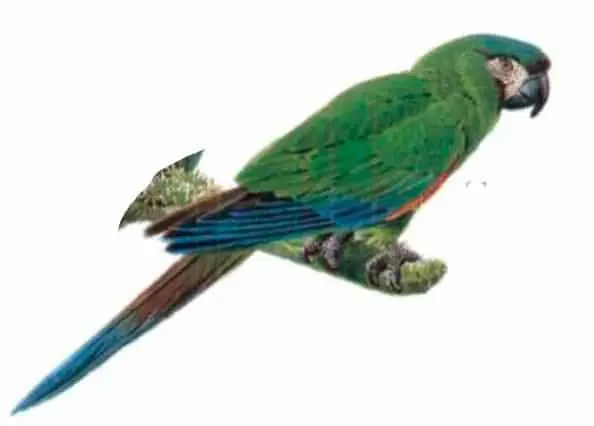
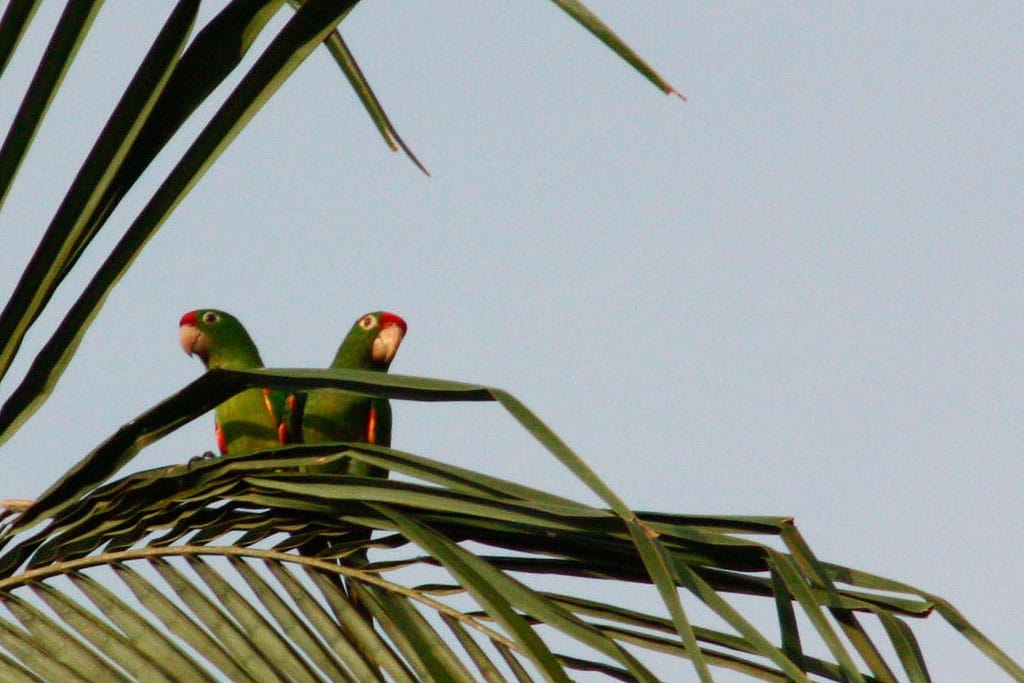
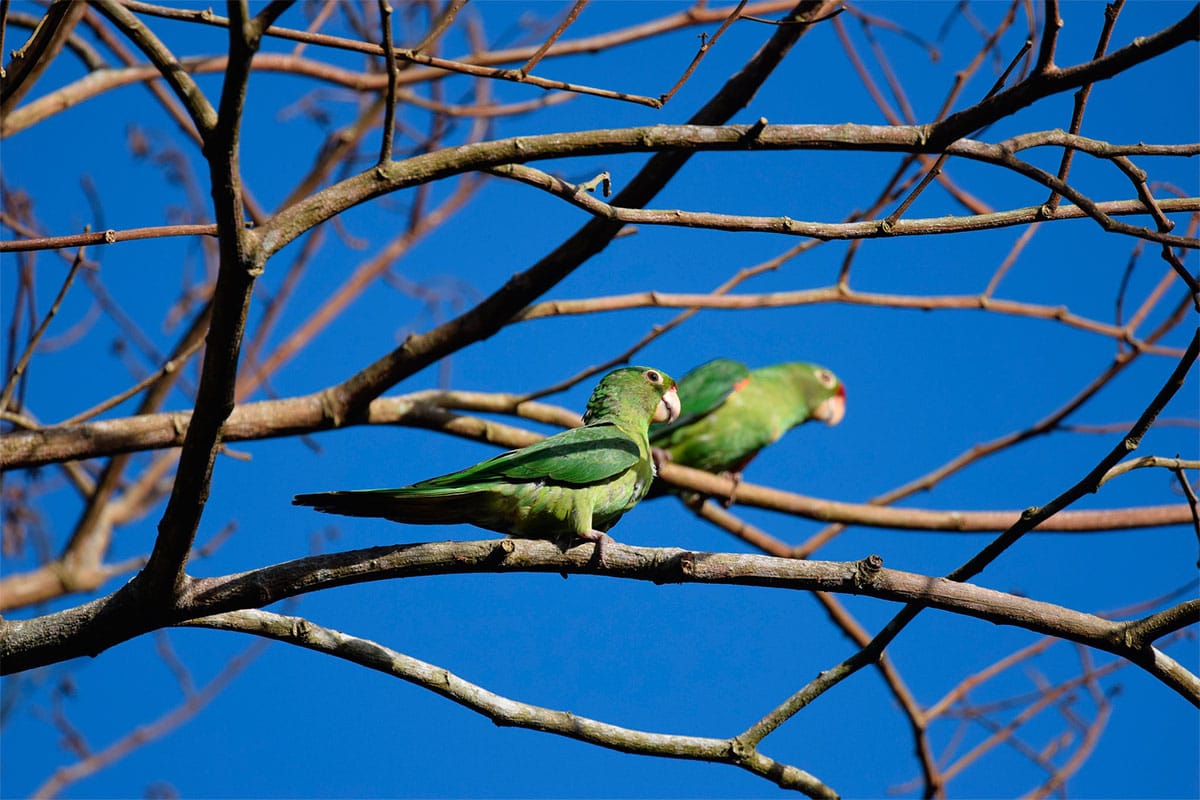
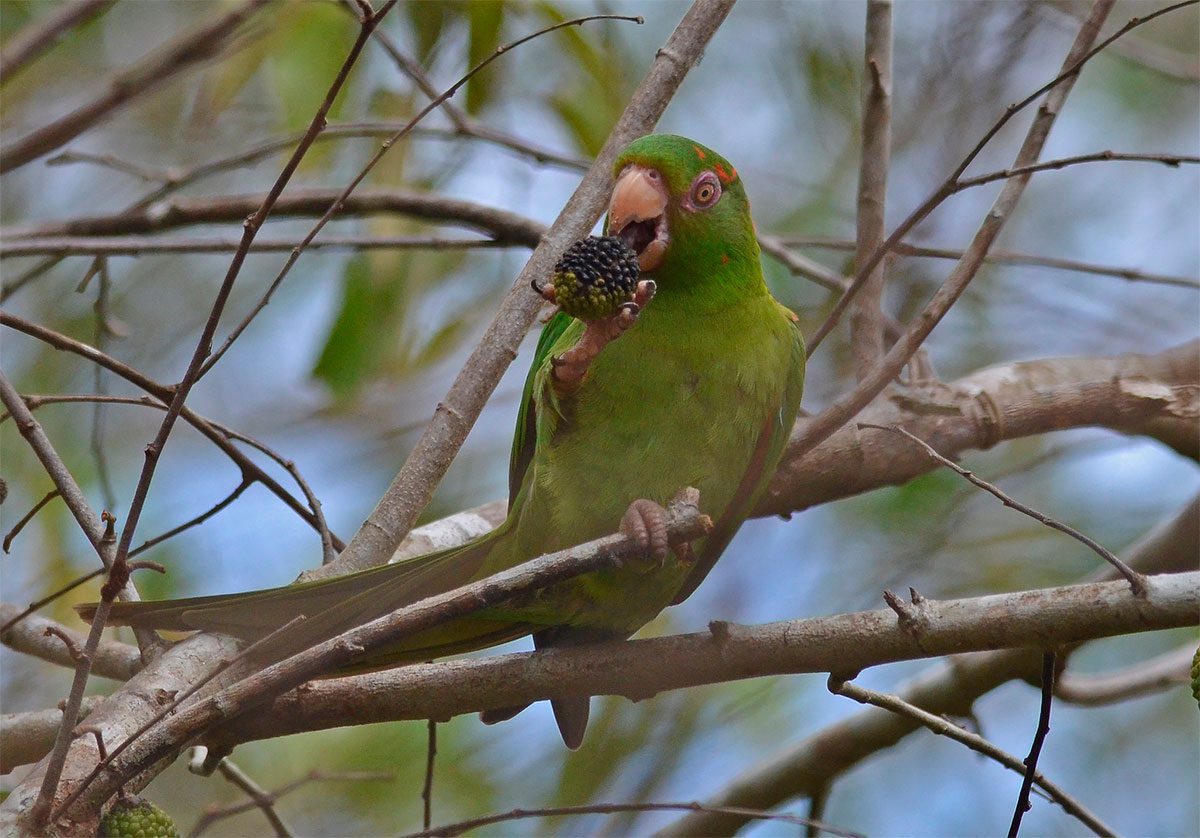
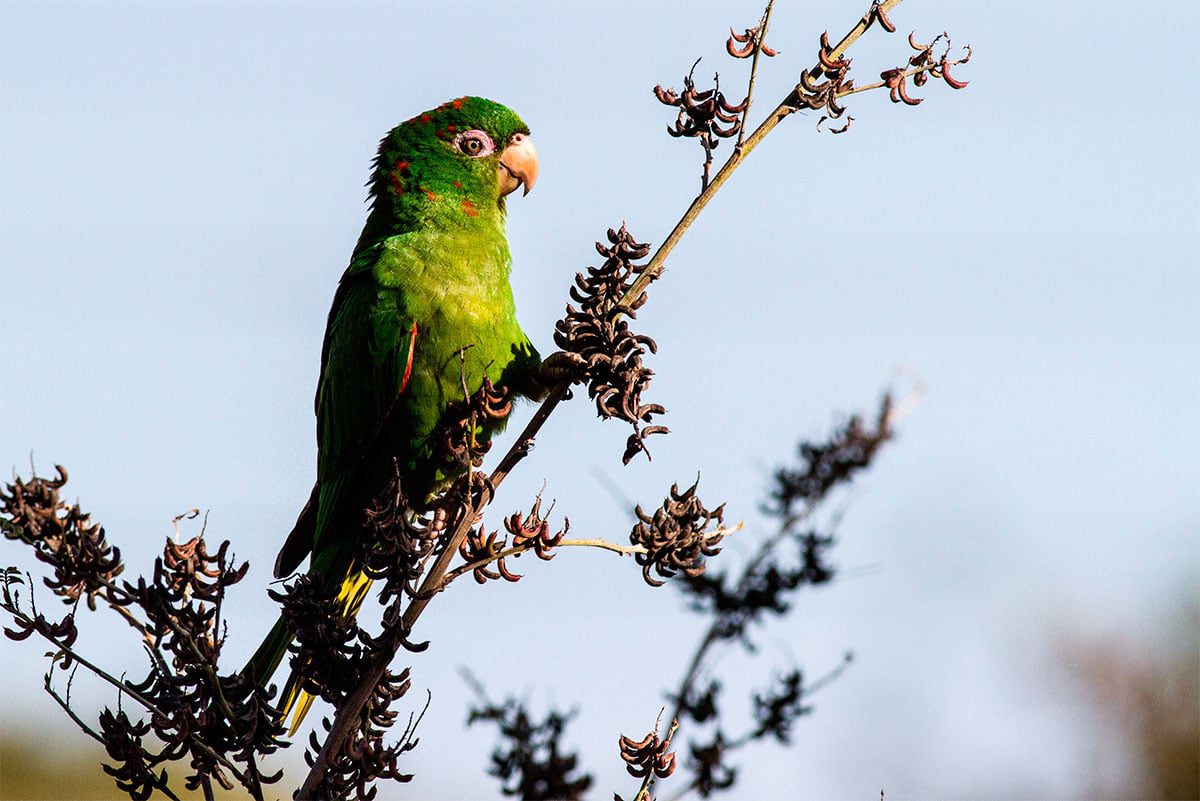
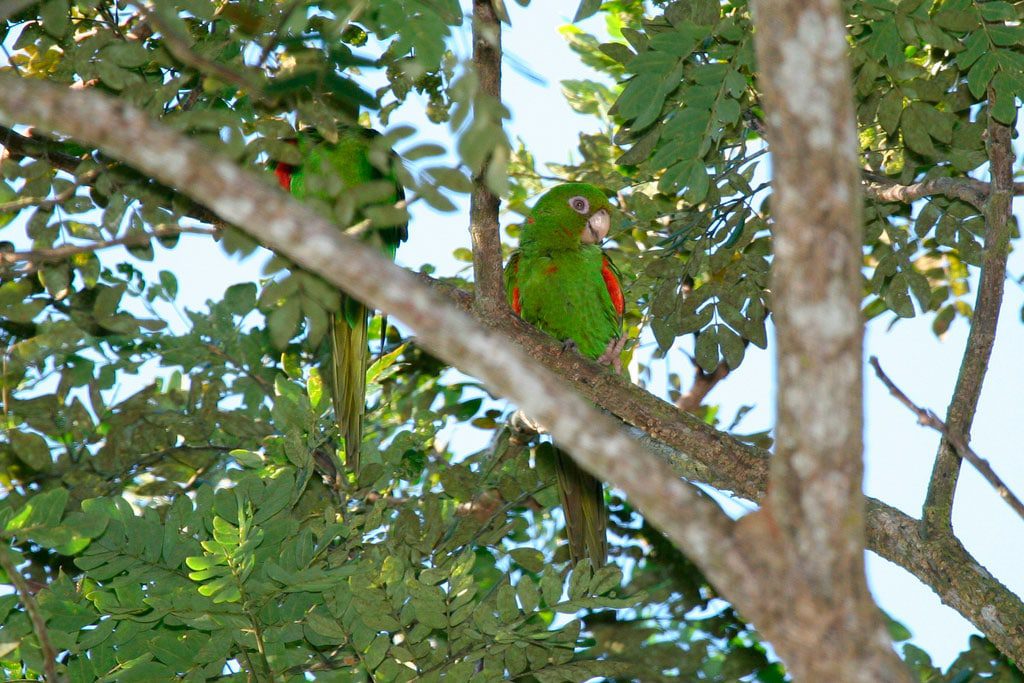
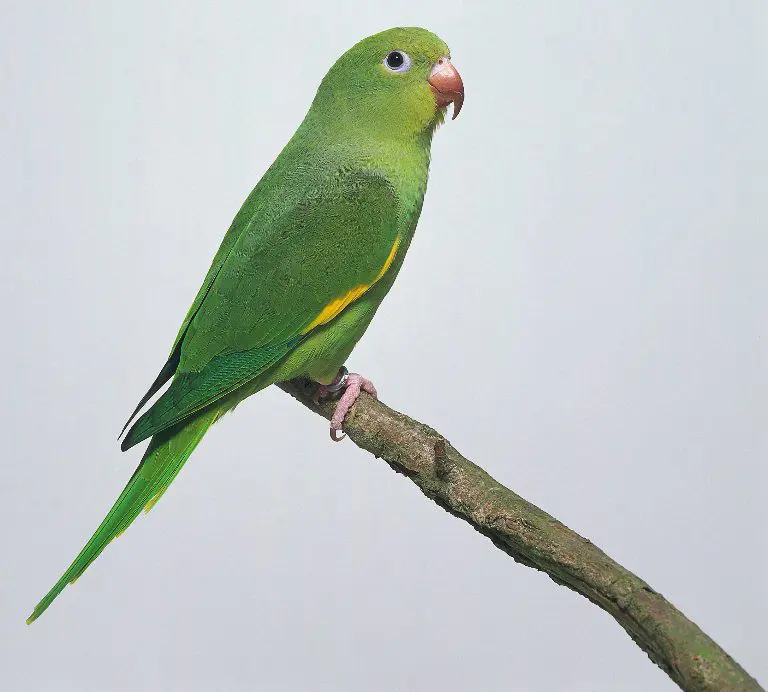
The Cliff Parakeet (Myiopsitta luchsi) It has a medium size and is mainly green; the front of the crown, lower face and the chest, They are whitish, becoming bright yellow on the lower chest and the belly; the primaries and tail (medium-sized long), They are bright metallic blue.
Similar Monk Parakeet has less extensive white color crown, pale yellow instead of bright yellow in the belly and the pale gray chest It has a scaling effect that give centers feathers dark.

Bill color horn.

The immature They are similar to adults but with forecrown gray tinged with green.


Taxonomic note:

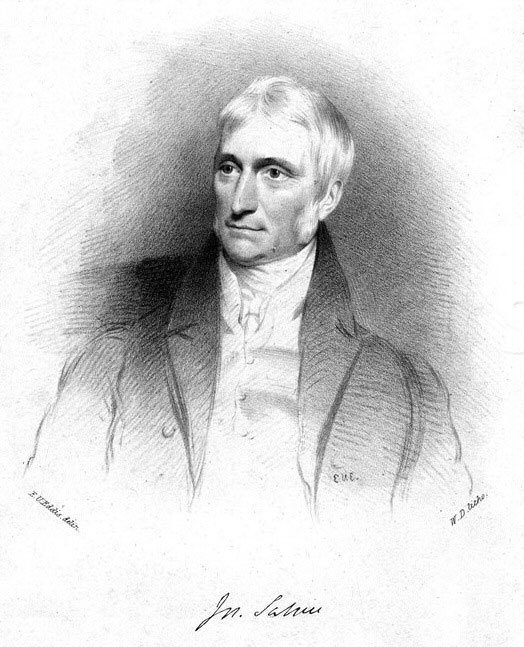
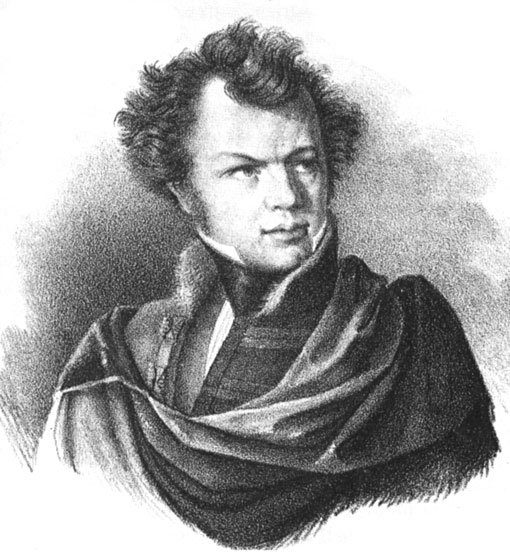
      This species was described in 1868 by Finsch as Bolborhynchus luchsi, with specimens from Bolivia. Later, the species was transferred to the genus Myiopsitta and the name Myiopsitta luchsi It was used apparently to 1918 by Cory. From 1943, Bond & de Schauensee and they treat it as a subspecies of monachus (Myiopsitta monachus luchsi), approach that has been followed by all modern authors, but Necklace (1997) finally he considers that the morphological characters and their way of nesting are sufficient to raise again species level.

Habitat:

Video – "Cliff Parakeet" (Myiopsitta luchsi)

It shares the same habitat with another endemic parrot, the Red-fronted Macaw (Ara rubrogenys), although both species do not compete because they feed on different plants.

They found in dry woodland or open fields including fields with trees gallery woods, isolated groups of trees, Palm trees, forests, savannah and scrubland thorny cactus. It is also found in cultivated areas. Visitors from some urban areas. Until 3000 m.

Reproduction:

The breeding season occurs between December and March in crevices in cliffs, constructing a bulky nest branches. Unlike Monk Parakeet (Myiopsitta monachus), the Cliff Parakeet does not nest commonly, but often the nests are placed immediately adjacent to each other. The female is in charge of making this nest, as well as its maintenance.
Couples are for life. The laying is of 5 to 8 eggs per clutch, and incubation lasts a few 26 days. At six weeks old chicks can now leave their nest.

Food:

It feeds on seeds of various fruits, including those of fruits cactus Neocardenasia herzogiana and seeds of the Acacia furcatispina; It is also known to feed on cultivated corn.

Distribution:

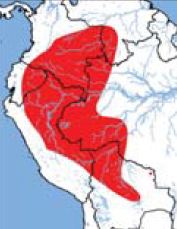
Size of its range (breeding/resident): 148.000 km2

Restricted to xerophytic vegetation, near cliffs in intermountain valleys of eastern Andes of Bolivia, from the southeast of Peace, South of Cochabamba and West Santa Cruz, to the North of Chuquisaca and possibly other areas.

Its range is very similar to the Red-fronted Macaw (Ara rubrogenys).

Conservation:

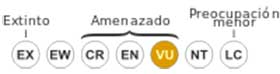
State of conservation โ“˜


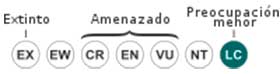
minor concern Minor Concern โ“˜ (UICN)โ“˜

โ€ข Current category of the Red List of the UICN: Least concern.

โ€ข Population trend: Unknown.

Justification of the population

The size of the population has not been estimated, but the species has been described as ยซquite commonยป (pit et to the., 1997) and "possibly quite rare" (Juniper and Parr 1998).

Justification of trend

Population trends are difficult to determine due to uncertainty about the extent and severity of threats to the species..
However, like many parrots, They face the traffic of wildlife and wild captivity. Also they suffer direct and immediate consequences of the destruction of their habitat by deforestation and the advance of the agricultural frontier.

Conservation Actions Underway

The species is listed on Appendix II of CITES.

"Cliff Parakeet" in captivity:

Quite common. Very sociable, but shy with the human being.
It is able to vocalize or imitate words, although this quality is far from possessing the capabilities of some genera of the same family.

Alternative names:

Cliff Parakeet, Bolivean monk parakeet, monk parakeet, Monk Parakeet (Cliff) (English).
Perriche des falaises, Conure de Luchs, Conure des falaises, Conure des rochers (French).
Luchssittich, Bolivien Mรถnchsittich, Bolivien-Mรถnchsittich (German).
Cliff Parakeet (Portuguese).
Cotorra Boliviana (espaรฑol).

Friedrich Hermann Otto Finsch

scientific classification:


Order: Psittaciformes
Family: Psittacidae
Genus: Myiopsitta
Scientific name: Myiopsitta luchsi
Citation: (Finsch, 1868)
Protonimo: Luchs Bolborrhynchus


Images ยซBolivian Parrotยป:

Videos ยซBolivian Parrotยป:


Species of the genus Myiopsitta

Sources:

Avibase
– Parrots of the World โ€“ Forshaw Joseph M
– Parrots A Guide to the Parrots of the World – Tony Juniper & Mike Parr
– Birdlife
– FAUNA – Psittacidae

Photos:

(1) – Bolivian Parrot, Bolivia, Sud Chichas, Churquipampa by giorgetta.ch
(2) – Bolivian Parrot, Bolivia, Sud Chichas, Cerro Elefante by giorgetta.ch
(3) – Bolivian Parrot, Bolivia, Sud Chichas, Churquipampa by giorgetta.ch
(4) – A couple of Bolivian parrots in their nest located in the chalky wall of Churquipampa where its waters fall almost freely 330 meters to the creek. The female is arranging the main entrance of the nest while the male takes delight in watching her work by giorgetta.ch
(5) – Bolivian Parrot, Bolivia, Sud Chichas, Churquipampa by giorgetta.ch
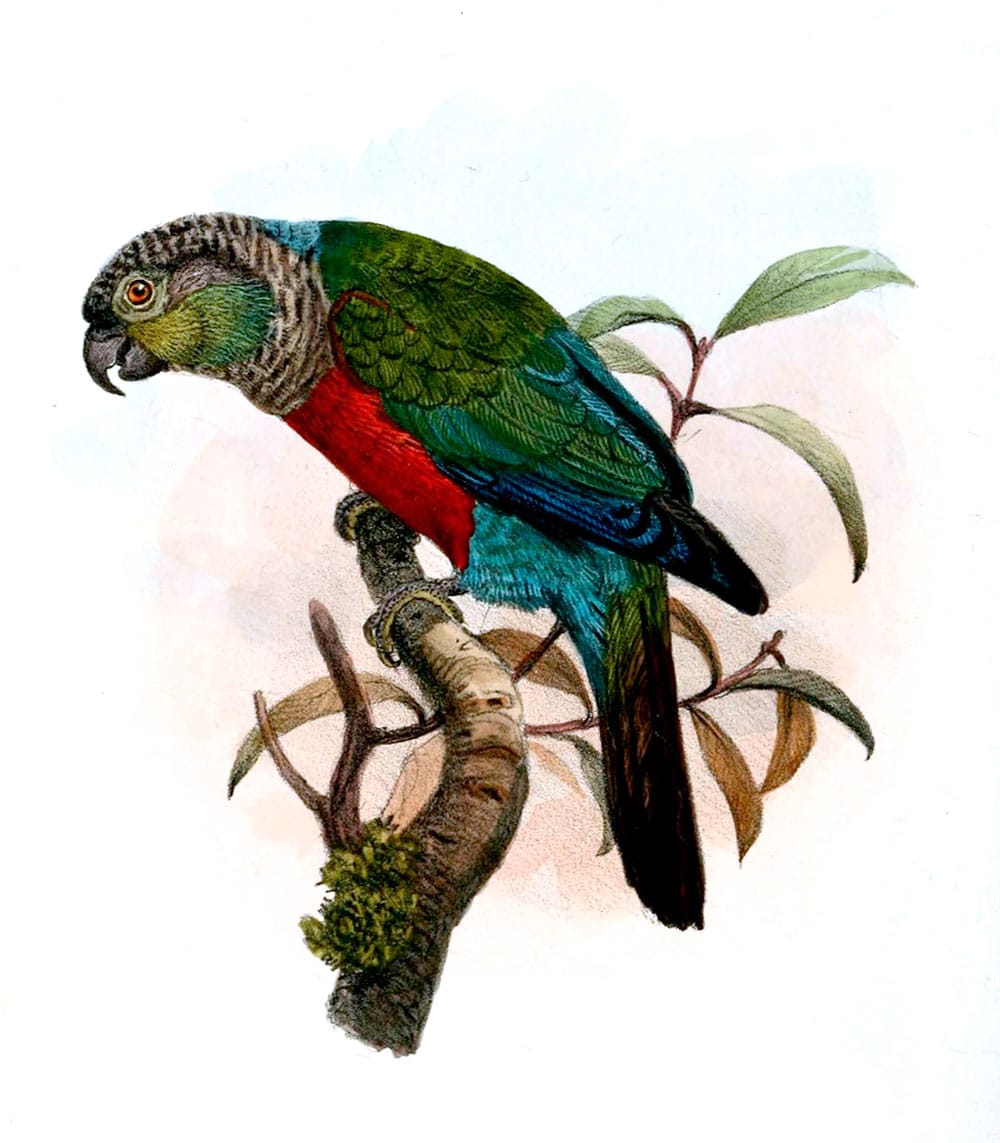
(6) – Myopsittacus luchsi = Myiopsitta (monachus) luchsi, Cliff Parakeet, sometimes treated as a subspecies of the Monk Parakeet by John Gerrard Keulemans [Public domain], via Wikimedia Commons

Sounds: Andrew Spencer (Xeno-canto)

โ–ท The world of Pets: Dogs, cats, birds, reptiles, amphibians

Cardinal Lory
Pseudeos cardinalis


Lori Cardenal

Content

Description

31 cm.. height and weight of 175 to 215 gr.

The Cardinal Lory (Pseudeos cardinalis) has a characteristic shape due to its relatively long tail.

Among adults, There is no sexual dimorphism, the plumage is completely brilliant red, but the upperparts and wings They seem to be darker.

The bill is orange-red with a black color in the base area.
The bare orbital skin is black.

The feathers the lower parts have small yellowish features, What gives a vaguely scaly appearance.
The legs are grey.

The irises is red-orange.

The immature has the back and blankets of Red Wings clear. Its bill It is pale orange with small black marks. Its orbital skin is whitish grey. Their irises are pale yellow.

Habitat:

It is a kind forest. It is very widespread and is locally abundant in primary and secondary forests. It is also in the forests in regeneration in coconut plantations and mangroves where there are trees in flower.

Can rise to 1.200 m above sea level, Although in the Bougainville Island (Papua New Guinea), does not exceed of the 800 m.

It is a bird loud that does not happen easily unnoticed.

It is usually in small flocks of up to 20 birds flying high above the canopy. Also gets into branches higher trees in flower which is notable for its continuous shrieks and its beautiful bright colors.

It is often found in the company of the Coconut Lorikeet (Trichoglossus haematodus) and they particularly appreciate red flowers.

This bird moves constantly in the day, flying from one island to another.

Reproduction:

The breeding season probably starts in June. There are reports of links in August and stops extending to September.

To date, We have found a nest in a high tree cavity, at low altitude above the ground. This is the only information we have about the natural environment.

In captivity, the Cardinal Lory puts two white eggs. Both parents incubate and care for young people.
The incubation period is 24 days.

When out of the shell, chicks weigh in 6 to 7 g.. They are covered with a white quilt, long and dense.

As with all the Loris type Chalcopsitta y Pseudeos the nest is especially long and hard between 65 and 80 days.

Food:

The Cardinal Lory is exclusively vegetarian. Feeds in the canopy and fruit Palms, small berries, flowers, outbreaks, also pollen and nectar.

This Parrot seems to mark a clear preference for the flowers and red fruits.

Distribution:

Distribucion Chalcopsitta cardinalis

The Cardinal Lory It is endemic to the Islands to the East of New Guinea. Its area of distribution covers New Hanover and the islands surrounding (Tabar, Lihir, Thong, FeNi and Nissan). Extends to Buka and Bougainville. In the Solomon Islands occupies a territory that extends to the South of San Cristรณbal.

Conservation:


minor concern

– Current IUCN Red List category: Least concern

– The population trend: Stable

The world population It has not been quantified, but the species is described as abundant (pit et to the. 1997). Sources estimate that the total population in nature exceeds the 100 thousand copies.
The population is suspected to be stable in the absence of evidence of any reduction or substantial threats.

But, is classified by the UICN as a species "in restricted area", which means that it has a territory whose surface is less to 50 000 km, therefore, potential danger.

"Cardinal Lory" in captivity:

Very rare.

In 1989, the Solomon Island allowed that a few Cardinal Lory were exported to the EE.UU.. But, because of the Law on the conservation of wild birds in 1992 The export of the Lori of Solomon Islands to the United States. UU. they banned except that is for authorized reproduction.

Alternative names:

Cardinal Lory (ingles).
Lori cardinal (French).
Kardinallori (German).
Lรณris-cardinal (Portuguese).
Lori Cardenal (espaรฑol).

scientific classification:

Order: Psittaciformes
Family: Psittaculidae
Scientific name: Pseudeos cardinalis
Genus: Dusky
Citation: (Gray,GR, 1849)
Protonimo: cardinal lorius

ยซLori Cardenalยป images:

Videos "Cardinal Lory"


ยซLori Cardenalยป (Pseudeos cardinalis)


Sources:

Avibase, BirdLife.org, Oiseaux.NET

Photos: Wikipedia, Chalcopsitta cardinalis - Cincinnati Zoo (Wikipedia), Ethan Ograngy (IBC.lynxeds.com), Minppu (IBC.lynxeds.com)

Sounds: Niels Krabbe (Xeno-canto)

โ–ท The world of Pets: Dogs, cats, birds, reptiles, amphibians

Cuban Parrot
Amazona leucocephala

Cuban Parrot

Content

Description:


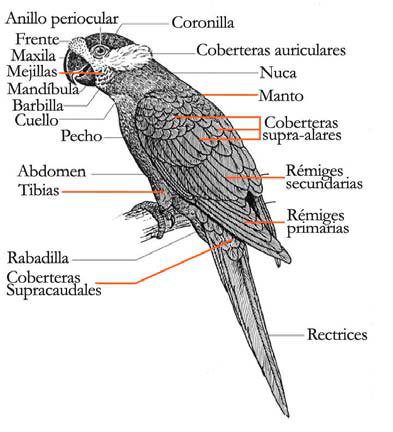
Anatomy-parrots

28-33 cm.. length and 260-301 g. of weight.
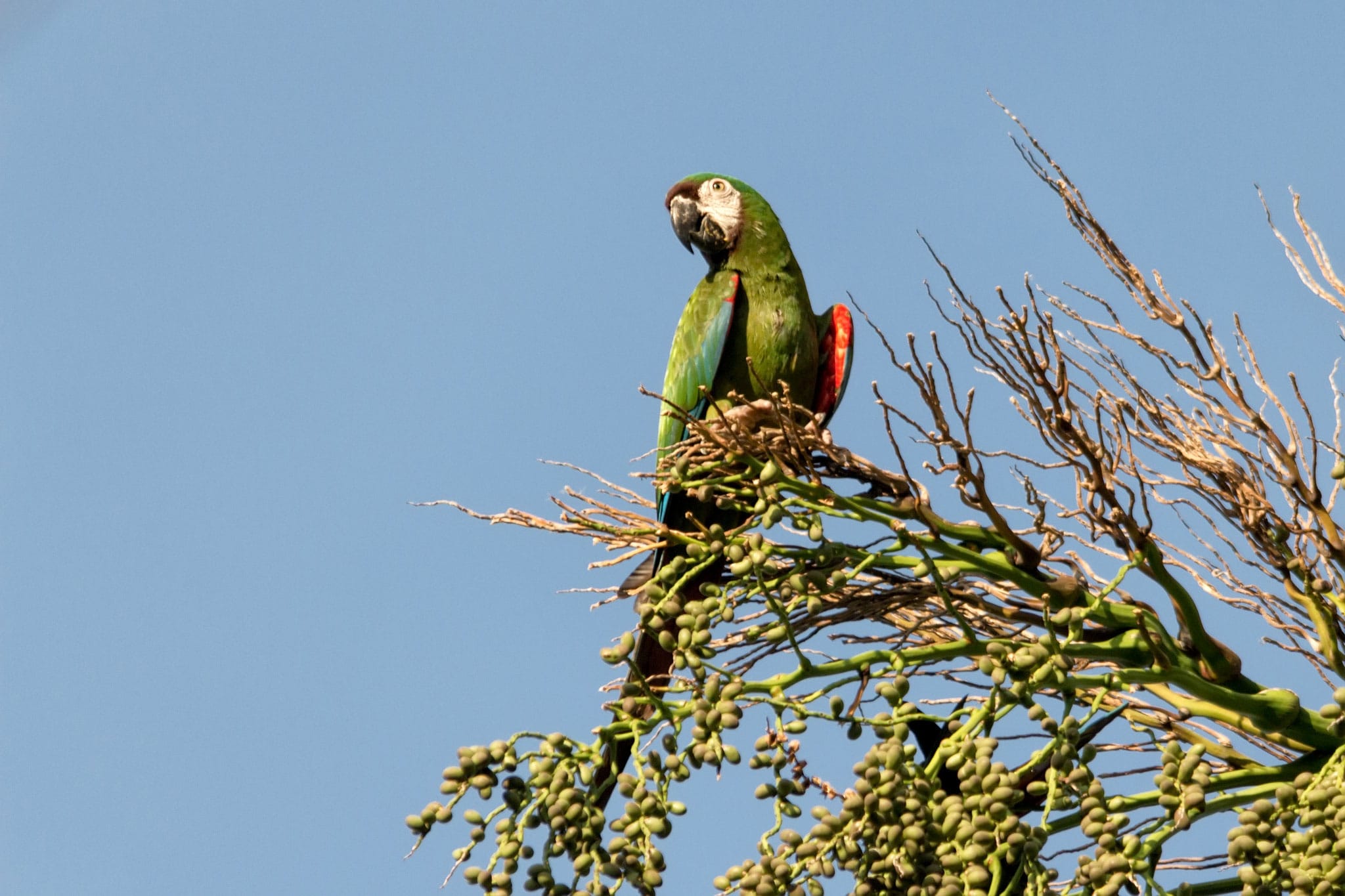
The Cuban Parrot (Amazona leucocephala) has a plumage rather variable, a main color ranging from bright green to olive color,, some birds feathers yellow dispersed in wings and in the back.

Forehead, fore crown, lores and area around eyes, white; lower cheeks and throat, red-pink; feathers the back of the crown and nape, bluish-green with black margins, giving the whole a heavy barred effect; similar pattern on the sides of neck but with the bluish tint absent; ear-coverts charcoal grey. Feathers of the back and the mantle, green with black distal margins but less intense than in the nape and head; rump and uppertail-coverts, dark green with weak margins to some feathers rump.

Cuban Parrot

Alula, greater coverts and flight feather, blue on the outerweb, gray on inner; remaining coberteras green with dark margins, showing most distinct barring on lesser coverts. Under the wings, green with dark margins, flight feather grey. Breast green with dark margins to most feathers; feathers on belly with vinaceous base showing green at margins forming a patch variable-sized, barely noticeable in some birds, striking in other; the thighs green or with some vinaceous feathers; undertail-coverts green. feathers tail green with red at base. Bill yellow-horn: irises reddish brown; legs yellowish brown.

Both sexes are alike, but males of the subspecies caymanenis reportedly larger and brighter than females. Usually, the immature show less black borders on the body feathers and less red wine in the belly.

  • Sound of the Cuban Parrot.

Description 4 subspecies:
  • Amazona leucocephala bahamensis

    (Bryant,H, 1867) – Larger that the nominal species, with slate blue on the back of the crown and more extensive white color head. Pens red wine in the belly, reduced or absent and red at the bottom of the tail less extensive.


  • Amazona leucocephala caymanensis

    (Cory, 1886) – It differs from other subspecies by the turquoise dye in the chest and in the rump and rosacea suffusion (sometimes yellowish) in white feathers head. Plumage Barred yellower and less thick than the nominal species (especially below and on upperwing-coverts), with less white in the head and much less pronounced the patch red wine belly.


  • Amazona leucocephala hesterna

    (Bangs, 1916) – Smaller and darker than the nominal species and that the subspecies caymanensis, most individuals with the red color confined to a point under the eye and patch smaller target in the crown, it lacks the rosy tint of the subspecies caymanensis. Patch red wine in the larger belly than the subspecies caymanensis.


  • Amazona leucocephala leucocephala

    (Linnaeus, 1758) – Nominal.

Habitat:

Cuban Amazon Video

The Cuban Parrot They inhabit in different habitats in different islands. In Cuba They inhabit dense forests; in the Bahamas, in native broadleaf forests and pine forests, and in the Cayman Islands, in dry forests in the plateau ridge and on nearby farmland (Bond 1979, King 1981, Sibley y Monroe 1990). Usually in small groups but forages while forming larger groups in places where food is plentiful; couples or family groups in flocks discernable. More usually in pairs during breeding. They sleep communally outside the breeding season.

Reproduction:

The Cuban Parrot make their nests in cavities or palm tree hollows created by termites or woodpeckers. The population of Abaco It is particularly interesting because nests in natural holes in substrate limestone in the soil (O'Brien et al., 2006); over there, chicks and adults are completely isolated from the frequent fires in the pine forests They are forming their habitat. Breeding March until mid-summer Cuba and Abaco. The laying usually it comprises between 2 and 4 eggs, the incubation period hard of 26 to 28 days and the chicks remain in the nest between 56 and 60 days.

Food:

The diet It includes yema Leaf Roystonea, the cones and new shoots tender the Pinus caribea, sea รขโ‚ฌโ€นรขโ‚ฌโ€นgrape uvifera and Conocarpus erretis, fruits and seeds of Smilax, Sabal, Durant, Exothea, Ernodea, Tabebuia, Acacia, Metopium, Tetrazygia, Swietenia, Cupania and Lisiloma. Sometimes they are persecuted for damage cultivated fruits like Mango (Mangifera) and grain.

Distribution and status:

Size of its range (breeding/resident): 590.000 km2

The Cuban Parrot live in Cuba, Island Pines, Bahamas and Cayman Islands. Formerly observed throughout the island Cuba but now it is difficult to see or is extinct in much of the island. They are still locally distributed throughout the provinces but they are still only common in a few redoubts, including the peninsulas of Zapata and Guanahacabibes and in Sierra de sewage.

You can see in the Isle of Pines (Isle of youth) which dropped dramatically in the twentieth century, especially during the sixties, with most of the population surviving on Lanier Swamp National Park.

Formerly distributed by all the major islands of the Bahamas, but currently extinct, Except in Gran Inagua (spread south, east and north) and Abaco (especially in the southern third). You can visit Little Inagua from Great Inagua.

Mainly in the central and eastern parts of Grand Cayman where habitat loss is less severe. A residual population persists Cayman Brac but it became extinct in little Cayman about 1932.

Mainly resident, but with some seasonal movements, for example in the Isle of youth, where birds possibly (at least once) moved to the coast from the dry interior in the non-breeding season.

The decline across the range is due to the habitat destruction and capture of birds Vivas (for use as pets locally and for export).

Poor breeding success in Grand Cayman in the seventies it was due to mosquito attacks against the pups. Birds that nest on the ground in Abaco attacked by wild cats. The hurricanes They can cause shortages of food and nesting sites. It is likely that Bahamas are stable, but generally decreasing. You can not be considered safe in most of its range.

Distribution 4 subspecies:

Conservation:

State of conservation โ“˜


Near-threatened Near Threatened โ“˜ (UICN)โ“˜

Rationale for the Red List category

The Cuban Parrot It is classified as near threatened because it is suspected to have suffered a reduction in population in Cuba, which has not ceased, mainly due to the capture and destruction of nesting sites.

โ€ข Current category of the Red List of the UICN: Near-threatened.

โ€ข Population trend: Decreasing.

โ€ข Population size : 13600-23000

Justification of the population

Population estimates for Bahamas and Cayman Islands they are as follows: 2.000 in Gran Cayman in 1995 (Bradley 2000), about 450 in Cayman Brac in 2013 (Marsden, 2013), 8.000-13.000 in Great Inagua, 3.000-5.000 in Abaco and around 10 individuals in new Providence (Bahamas National Trust 2016, S. Cant-Woodside in a bit., 2016). It is estimated that the population of Cuba amounts of 7.000 to 14.000 copies based on estimates recorded population density and the fact that it is likely that only a proportion of the estimated extent of occurrence deal. So, the total population It is estimated in 20.460-34.460 individuals, which is equivalent to 13.640-22.973 mature individuals, rounded here to 13.600-23.000 mature individuals.

Justification of trend

It is considered that the species is declining mainly due to the capture and destruction of nesting sites. It is considered that the population of the Bahamas It has remained stable or increased. The population of the Cayman Islands It has increased since the species was protected in 1989 (Bradley 20000). It is believed that the Cuban population has decreased in recent years, mainly due to the poaching (Canizares 2012, M. Canizares in a bit., 2016). Although there is no data on the extent of this decline, the species has been classified as Vulnerable in Cuba (Canizares 2012). So, It is suspected that the total population has decreased 10-20% over three generations.

Conservation Actions Underway

โ€ข CITES Appendix 1.

โ€ข Protected in the Bahamas under the Wild birds Protection Act (Protection).

โ€ข Rightfully protected in the Cayman Islands from 1989.

โ€ข Los artificial nests a variety of designs are in use in several locations Cuba and they have been used by more than 1.300 birds (Waugh 2006). The facts of artificial materials have proved more durable (Waugh 2006).

โ€ข Los volunteers counts in the center of Cuba They have been conducted twice a year since 2009 and more than 1.500 local people are involved in the activity.

โ€ข Important plant species are used for parrot feeding for reforestation and forest enrichment..

Conservation Actions Proposed

โ€ข Discourage the taking of birds from the wild through public education campaigns.

โ€ข Promote better bird-keeping practices to increase the longevity of captive birds and reduce the demand for wild populations.

โ€ข In Abaco, protect vital areas of broadleaf forests.

โ€ข In Cuba, make and erect more artificial nests.

โ€ข Monitor the population trends across its range.

Cuban Parrot in captivity:

Currently international trade Cuban Parrot It is legally prohibited; However, at regional level, the illegal traffic This species is one of the most worrying in Cuba.

Each captive specimen of this species which is capable of reproducing, must be placed in a well-managed captive breeding program and not sold as a pet, in order to ensure its long-term survival.

Alternative names:

bahaman parrot, Caribbean Amazon, Caribbean Parrot, Cuban Amazon, Cuban Parrot, Rose-throated Parrot, White-headed Amazon, White-headed Parrot (English).
Amazone ร  face rouge, Amazone ร  tรชte blanche, Amazone de Cuba (French).
Kubaamazone (German).
Papagaio-de-cuba (Portuguese).
Amazona Cubana, Cotorra (espaรฑol).

Carl Linnaeus

scientific classification:


Order: Psittaciformes
Family: Psittacidae
Genus: Amazona
Scientific name: Amazona leucocephala
Citation: (Linnaeus, 1758)
Protonimo: Psittacus leucocephalus


Images Cuban Parrot:


Species of the genus Amazona


Sources:

(1) Avibase
(2) Parrots of the World โ€“ Forshaw Joseph M
(3) Parrots A Guide to the Parrots of the World – Tony Juniper & Mike Parr
(4) Birdlife

Photos:

(1) – Rose-throated Parrot. Amazona leucocephala Long Beach, Zapata N.P. Cuba by gailhampshireFlickr
(2) – A Cuban parrot (amazona leucocephala) in Naturarte Center. santa Clara, Cuba 2011 by lezumbalaberenjenaFlickr
(3) – A Cuban parrot (Amazona leucocephala) Vega de Palma, Camajuanรญ, Cuba by lezumbalaberenjenaFlickr
(4) – Amazona leucocephala by Ekaterina Chernetsova (Papchinskaya)Flickr
(5) – Amazona leucocephala by Ekaterina Chernetsova (Papchinskaya)Flickr
(6) – Cuban Parrot (Amazona leucocephala) by HeathFlickr
(7) – Cuban Amazon by Eric SavageFlickr
(8) – Two Cuban Amazons in Matanzas, Matanzas Province, Cuba By Laura Gooch (BI110211-174 – Cuban Parrot) [CC BY-SA 2.0], via Wikimedia Commons
(9) – Cuban Amazon parrot on Grand Cayman Island By Lhb1239 (Own work) [CC BY-SA 3.0], via Wikimedia Commons
(10) – Cuban Amazon (also known as the Rose-throated Parrot) at Jungle Island, Miami, USA By Chris Acuna from Miami, USA (Jungle Island-20090823-086) [CC BY 2.0], via Wikimedia Commons
(11) – A Cuban Amazon in Isla de la Juventud, Cuba. It is in a small round cage on a balcony By Alex Graves (Parrot) [CC BY-SA 2.0], via Wikimedia Commons
(12) – A Cuban Amazon flying in Matanzas, Matanzas Province, Cuba By Laura Gooch (BI110211-159 – Cuban Parrot) [CC BY-SA 2.0], via Wikimedia Commons
(13) – Cayman parrot (Amazona leucocephala caymanensis), Grand Cayman By Charlesjsharp (Own work, from Sharp Photography, sharpphotography) [CC BY-SA 4.0], via Wikimedia Commons
(14) – Parrots in captivity /. London :George Bell and Sons,1884-1887 [i.e. 1883-1888] by Biodiversity Heritage LibraryFlickr

Sounds: Hans Matheve, XC256757. accessible www.xeno-canto.org/256757

โ–ท The world of Pets: Dogs, cats, birds, reptiles, amphibians

Coconut Lorikeet (massena)
T. haematodus massena


Coconut Lorikeet (massena)

Content

Description (1)

25 cm.. length.

The Coconut Lorikeet (massena) (Trichoglossus haematodus massena) is a variation of the nominal (Trichoglossus Haematodus).

The plumage is similar to the of the Ornate Lory except that it is usually paler. The head is blue, ending at the nape with dark brown feathers interspersed with more Brown clear. The chest is reddish color with a narrow dark blue edging. In some cases, You can see some yellow zones in chest plumage. The abdomen is green; but there may be some kind of marking on the lower abdomen blue-violet.

The eyes are orange brown in juveniles and adult. The beak is orange-red.

Distribution:

Bismarck Archipelago, Solomon Islands and Vanuatu.

Conservation:

This species is endangered due to habitat loss and capture for the pet trade.

Alternative names:

Coconut Lorikeet (massena) (ingles).
Loriquet ร  tรชte bleue (massena) (French).
Allfarblori (massena) (German).
Lรณris-arco-รญris (massena) (Portuguese).
Lori Arcoiris Massena, Tricogloso de Pecho Rojo (massena) (espaรฑol).

scientific classification:

Order: Psittaciformes
Family: Psittaculidae
Scientific name: Trichoglossus haematodus massena
Genus: Trichoglossus
Citation: Bonaparte, 1854
Protonimo: Trichoglossus massena

————————————————————————————————

    (1) – Subspecies Coconut Lorikeet (Trichoglossus haematodus)

————————————————————————————————

ยซLori Arcoiris Massenaยป (Trichoglossus haematodus massena)


Sources:

Avibase

Photos: animalphotos.me

โ–ท The world of Pets: Dogs, cats, birds, reptiles, amphibians

Cactus Parakeet
Eupsittula cactorum

Cactus Parakeet

Content

Description:


Anatomy-parrots

25 cm.. length and 75-90 g. of weight.

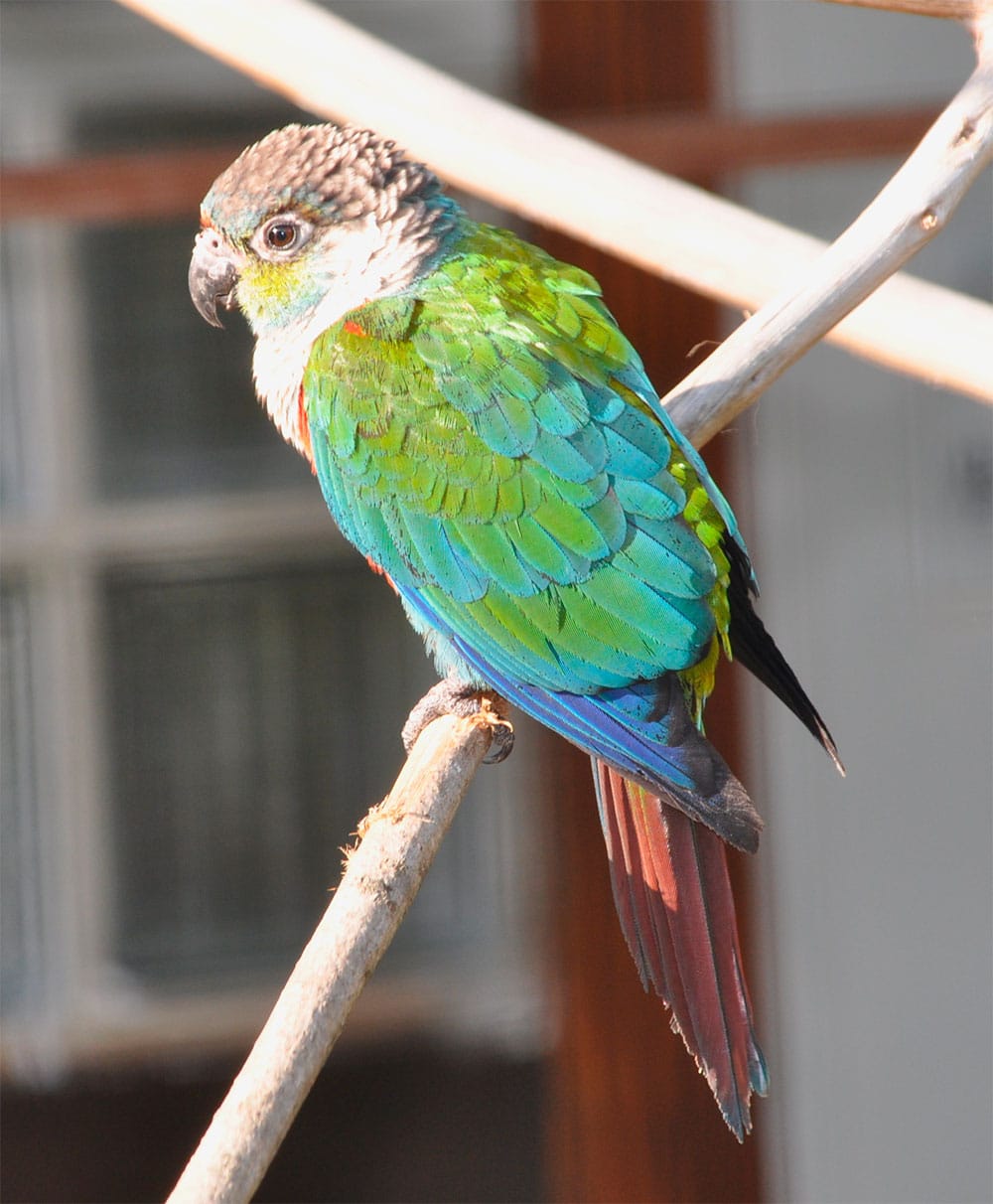
The Cactus Parakeet (Eupsittula cactorum) has the forecrown, lores lower cheeks and brown off; crown with slaty tinge; sides neck, the nape and upperparts up to the rump grass-green.

The primary coverts They are bluish green in the outerweb, the remaining are green grass. Flight feathers (above) green on innerwebs, blue green on outerweb, blue black at the tips (below) gray. Underwing-coverts greenish yellow. Throat and upper breast dull brown; lower breast and belly fairly bright orange-yellow, the thighs and vent greenish-yellow color. Uppertail green, four distal blue central feathers; undertail gray.

Cactus Parakeet

upper jaw horn, greyish at base and lower jaw; perioftรกlmico patch naked white; irises brown-orange; gray-gray legs.

Both sexes similar. Immature paler than adult, with crown green, more olive upper chest and throat, and the irises darker.

  • Sound of the Cactus Parakeet.

Subspecies description:

  • Eupsittula cactorum cactorum

    (Kuhl, 1820) – Nominal.


  • Eupsittula cactorum caixana

    (Spix, 1824) – Generally paler than nominal, with belly yellow instead of orange.

Habitat:

Video – "Cactus Parakeet" (Eupsittula cactorum)

Cactus Parakeet - Caatinga Parakeet - Eupsittula cactorum -

Its distribution area closely matches the dried vegetation and prickly caatinga Northeast Brazil, but it encompasses higher drier semi-desert areas created by overgrazing and dry forests (caatinga arborea) and seasonal savannah lusher (closed). Usually in pairs or (mainly outside the breeding season) flocks of up to 20 birds, most abundant where food is abundant (as rice crops).

Reproduction:

Crianza undocumented released. Clutch six eggs in captivity.

Food:

The diet includes seeds, fruits (including cactus), berries, dried fruits, flowers and cocoons, taken both trees and shrubs and soil. Sometimes it attacks crops (for example rice, grapes and corn).

Distribution and status:

Population expansion (breeding/resident): 1.220.000 km2

Distributed by the interior Northeast Brazil. The Cactus Parakeet extending from the drier parts of Bay and adjacent northeast Minas Gerais, Brazil north through Piauรญ and Southeast of maranhรฃo, up to Pernambuco and Paraรญba, passing by Rio Grande do Norte and Cearรก. Absent in coastal areas: a record of Bethlehem at the mouth of amazon in For It seems wrong or possibly refers to a leak.

It is usually common (the most common parrot in some localities) with a stable population, although the decline is inevitable in some areas due to massive loss of habitat by agriculture and plantations of exotic trees. Continuing degradation and conversion caatinga by grazing and cultivation they represent a long-term threat. Present in the Serra da Capivara National Park. Any Local persecution due to predation crop. Atrapada to trade small numbers in captivity.

Subspecies distribution:

Conservation:

State of conservation โ“˜


minor concern Minor Concern โ“˜ (UICN)โ“˜

โ€ข Current category of the Red List of the UICN: Least concern.

โ€ข Population trend: Stable.

โ€ข Population size : Unknown.

Rationale for the Red List category

The trend population seems to be stable and, therefore, the species does not approach the thresholds for Vulnerable under the criterion of population trend (> 30% decrease in ten years or three generations). The population size has not been quantified, but it is not believed to approach the thresholds for Vulnerable under the criterion of population size (<10.000 mature individuals with an estimated continuous decrease in> 10% in ten years or three generations, or with a specific population structure). For these reasons, the species is evaluated as Least concern.

Justification of the population

The size of the world's population has not been quantified, but this species is described as ยซquite commonยป (Stotz et to the. (1996).

Justification trend

It is suspected that the population is stable the absence of evidence of any reduction or substantial threat.

Threats

Local persecution because of the invasion of crops. This species is also trapped for pet bird trade.

"Cactus Parakeet" in captivity:

Young birds are removed from their nest before they can fly, and then sold, for example, at the fair in inner cities.
These birds can become very tame, and it is not rare to see a Cactus Parakeet living "freely" in the owner's house, as a member of the family so to speak. It however is seeing a rare bird in captivity outside their range. It is not as common as other more familiar species of aratinga. It also, usually they reach very high prices.

The illegal trade It has greatly reduced the population of these Aratingas in nature, and threatens the survival of the species in many areas. Habitat destruction appears to be a minor problem.

For more information – Loro Parque

Alternative names:

Caatinga Conure, Caatinga Parakeet, Cactus Conure, Cactus Parakeet (English).
Conure des cactus, Perriche des cactus, Perruche des cactus (French).
Kaktussittich (German).
Aratinga-vaqueira, giguilim, Jandaia-gangarra, merequรฉm, periquito-da-caatinga, periquito-gangarra (Portuguese).
Aratinga Cactรกcea, Aratinga de los cactos, Periquito de los Cardones (espaรฑol).


scientific classification:

Kuhl, Heinrich
Heinrich Kuhl

Order: Psittaciformes
Family: Psittacidae
Genus: Eupsittula
Scientific name: Eupsittula cactorum
Citation: (Kuhl, 1820)
Protonimo: Psittacus cactorum


Images Cactus Parakeet:


Especies del gรฉnero Eupsittula
  • Eupsittula nana
  • —- Eupsittula nana astec
  • —- Eupsittula nana nana
  • —- Eupsittula nana vicinalis
  • Eupsittula canicularis
  • —- Eupsittula canicularis canicularis
  • —- Eupsittula canicularis clarae
  • —- Eupsittula canicularis eburnirostrum
  • Eupsittula aurea
  • Eupsittula pertinax
  • —- Eupsittula pertinax aeruginosa
  • —- Eupsittula pertinax arubensis
  • —- Eupsittula pertinax chrysogenys
  • —- Eupsittula pertinax chrysophrys
  • —- Eupsittula pertinax griseipecta
  • —- Eupsittula pertinax lehmanni
  • —- Eupsittula pertinax margaritensis
  • —- Eupsittula pertinax ocularis
  • —- Eupsittula pertinax paraensis
  • —- Eupsittula pertinax pertinax
  • —- Eupsittula pertinax surinama
  • —- Eupsittula pertinax tortugensis
  • —- Eupsittula pertinax venezuelae
  • —- Eupsittula pertinax xanthogenia
  • Eupsittula cactorum
  • —- Eupsittula cactorum cactorum
  • —- Eupsittula cactorum caixana

  • Sources:

    • Avibase
    • Parrots of the World โ€“ Forshaw Joseph M
    • Parrots A Guide to the Parrots of the World – Tony Juniper & Mike Parr
    • Birdlife

    • Photos:

    (1) – A pet Caatinga Parakeet in Riachรฃo do Jacuรญpe, Baiano northeast, Brazil By Paulo Marcos from Painted-BA, Brazil (Periquito MartinsUploaded by snowmanradio) [CC BY 2.0], via Wikimedia Commons
    (2) – Caatinga Parakeet (also known as Cactus Parakeet) in Brazil By Phillipe (Picasa Web Albums) [CC BY-SA 3.0], via Wikimedia Commons
    (3) – Eupsittula cactorum – cactus conure – Cactus conure – conure cactus by Florin FeneruFlickr
    (4) – Parakeet CAATINGA (Eupsittula cactorum) by Cantosdanatureza WITH
    (5) – Cactus Parakeet โ€” aratinga cactacea by Animal Encyclopedia 2
    (6) – Cactus parakeet – conographie parrots :.Paris :P. Bertrand,1857.. biodiversitylibrary.org/page/47804387

    โ–ท The world of Pets: Dogs, cats, birds, reptiles, amphibians

    Coconut Lorikeet (deplanchii)
    T. haematodus deplanchii


    Coconut Lorikeet (deplanchii)

    Content

    Description (1)

    26 cm.. of length and a weight of 140 gr.

    The Coconut Lorikeet (deplanchii) (T. haematodus deplanchii) is a variation of the nominal (Trichoglossus Haematodus)

    Similar to the nominal Haematodus, but slightly paler plumage. The head has a bright blue. Reddish orange on the chest, similar to the Trichoglossus haematodus massena, only that more alive. The abdomen is yellowish green and extends to the back of the neck. The thighs and the feathers under the yellow tail and tail olive green top.

    Distribution:

    New Caledonia and Loyalty Islands.

    Alternative names:

    Coconut Lorikeet (deplanchii) (ingles).
    Loriquet ร  tรชte bleue (deplanchii) (French).
    Allfarblori Deplanche (German).
    Loris Arco Iris Deplanchii (Portuguese).
    Lori Deplanche, Lori Arcoiris Deplanche (espaรฑol).

    scientific classification:

    Order: Psittaciformes
    Family: Psittaculidae
    Scientific name: Trichoglossus haematodus deplanchii
    Genus: Trichoglossus
    Citation: Verreaux,J & Des Murs, 1860
    Protonimo: Trichoglossus Deplanchii

    ————————————————————————————————

      (1) – Subspecies Coconut Lorikeet (Trichoglossus haematodus)

    ————————————————————————————————

    ยซLori Arcoiris Deplancheยป (T. haematodus deplanchii)


    Sources:

    Avibase

    Photos: by Klaus Rudloff (kdrudloff@web.de) – biolib.cz

    โ–ท The world of Pets: Dogs, cats, birds, reptiles, amphibians

    Carolina Parakeet โ€ 
    Conuropsis carolinensis

    Carolina parrot

    Content

    Description:

    32 to 34 cm. length and 280 g. of weight.

    Male and female adults of Carolina parrot (Conuropsis carolinensis) They were identical in plumage, however males were slightly larger than females.

    Most of the plumage It was green with underparts light green. The primary feathers They were mainly green, but with yellow edges in outer primary. The shoulders They were yellow, continuing along the outer edge of the wings. The the thighs They were green and yellow up to the feet. The legs and feet They were light brown. The most distinctive feature of this species was the forecrown and face orange. The feathers orange spread to behind the eyes and upper cheeks (lores). The skin around the eyes It was white and bill They were pale flesh color. The plumage of the head It was completely bright.


    Carolina parrot

    The immature They differed slightly in coloration of adults. The face and all body They were green, with underparts paler. They lacked yellow or orange plumage on the face, wings and thighs. The young were covered in mouse-gray gray, up to approximately 39-40 days when the wings and queues green. The chicks had full adult plumage around 1 aรฑo de edad.

    Subspecies description:

    • Conuropsis carolinensis carolinensis โ€ 

      (Linnaeus, 1758) – Nominal.


    • Conuropsis carolinensis ludoviciana โ€ 

      (Gmelin, 1788) –

    Habitat:

    The habitats Preferred of Carolina parrot were the heavily vegetated and heavily forested lands that bordered swamps and rivers.. These parrots also lived on agricultural land and ate the crops.. Anidaban in large groups of hollow shafts. The forests of sicomoro and swamp cypress. (ยป Parakeetsยป, 2000; Fuller, 2001; Mauler, 2001; Snyder and Russell, 2002)

    They were traveling in flocks of 100 to 1000 birds. Anidaban up 30 birds in a nest. They were supposed to be Monogamie. It was about very social birds, it was probably one of the many factors that led to their extinction. When a man shot a bird, fellow herd member flitted over his lost flock, making them vulnerable too. Farmers were shooting all flock to save their crops. It is doubtful that the Carolina parrot migrated, as seen in the northern states during the cold winters. They were attracted to salt pacifiers and were observed ingesting saline waters., earth and sand.

    The Carolina parrot They are walking, They are jumping and climbing trees using their beaks as a third leg. Its flight was registered as a fast and elegant, but very noisy as birds rarely stayed silent during flight. Were involved in cleaning and grooming to keep their social cohesion. During the day they rested, slept or sunbathed. They fed in the morning and evening. (ยซParakeetsยป, 2000;ยปNature Serve, Conuropsis carolinensisยป, 2005; Howell, 1932; Rising, 2004; Snyder and Russell, 2002; Strattersfield y Capper, 2000)

    Reproduction:

    Some sources say that Carolina parrot they were Monogamie, having only one partner for life. But, no studies were conducted on mating systems and many birds apparently shared nests. (Laycock, Audobon Magazine, March of 1969; Snyder and Russell, 2002)

    There is little information available upon the reproduction of this species. They reproduced in spring, producing 2 to 5 eggs These perpetual Nidada, which then incubaban during 23 days. (Snyder and Russell, 2002; Snyder and Russell, 2002)

    Food:

    The Carolina parrot ate mainly seeds of genre Xanthium. They also consumed the fruits and seeds many other plants, as well as flower buds and, occasionally, insects. They were recorded as ruin of many fruit crops. They would pluck the immature fruit from the tree and eat the seeds. Flocks could ruin the fruit of a tree in a matter of minutes. When they ate, the Carolina parrot They are taking food with their beaks, they placed them in their claws and held them while using their beaks to eat them.. (Greenway, JR. 1967; Howell, 1932; Snyder and Russell, 2002; Strattersfield y Capper, 2000; Greenway, JR. 1967; Howell, 1932; Snyder and Russell, 2002; Strattersfield y Capper, 2000)

    Distribution:

    the former Conuropsis carolinensis It was found from southern Florida until North Carolina and in coastal areas as far north as New York City. The Carolina parrot he was in the states Gulf as far west as Texas eastern and northern along the rivers Arkansas, Missouri, Mississippi and Ohio and its tributaries. They were also recorded in South Dakota, Iowa, Wisconsin, Michigan, Ohio and W.V.. The westernmost appearances were in eastern Colorado. (ยป Nature Serve, Conuropsis carolinensisยป, 2005; Fuller, 2001; Laycock, Audobon Magazine, March of 1969; Snyder and Russell, 2002)

    Subspecies distribution:

    • Conuropsis carolinensis carolinensis โ€ 

      (Linnaeus, 1758) – Nominal.


    • Conuropsis carolinensis ludoviciana โ€ 

      (Gmelin, 1788) – Paler overall than the nominal.

    Conservation:

    This species was previously in the southeastern United States, but now it is EXTINCT, primarily as a result of persecution. The last wild records are of the subspecies Conuropsis carolinensis ludoviciana in 1910.

    The main causes of extinction of the species were the persecution (for feeding, crop protection, poultry production and trade of hats for ladies), and also deforestation (especially lowland), probably aggravated by his gregarious nature (Saikku 1991), and competition with introduced bees (McKinley 1960).

    "Carolina Parakeet โ€ " in captivity:

    One of the reasons for his extinction was the hunting of birds in the wild before their attempt to breed in captivity to sell them as pets, possibly because it was more profitable for them and it was difficult for them to breed in captivity. They could live up to 30 years in captivity.

    Alternative names:

    Carolina Conure, Carolina Parakeet, Carolina Paroquet, Louisiana Parakeet (English).
    Conure de Caroline, Perriche ร  tรชte jaune, Perruche ร  tรชte jaune, Perruche de la Caroline du Sud (French).
    Carolinasittich, Karolinasittich (German).
    Periquito-da-carolina (Portuguese).
    Cotorra de Carolina (espaรฑol).


    scientific classification:

    Carlos-Linnaeus
    Carl Linnaeus

    Order: Psittaciformes
    Family: Psittacidae
    Genus: conuropsis
    Scientific name: Conuropsis carolinensis
    Citation: (Linnaeus, 1758)
    Protonimo: Psittacus carolinensis

    Carolina Parakeet Images:


    Sources:

    Avibase
    – Parrots of the World โ€“ Forshaw Joseph M
    – Parrots A Guide to the Parrots of the World – Tony Juniper & Mike Parr
    Birdlife
    – Animal Diversity Web

    Photos:

    (1) – axidermied Carolina Parakeet. Teaching and research collections, Laval University Library By Cephas (Own work) [CC BY-SA 3.0], via Wikimedia Commons
    (2) – Conuropsis carolinensis (Linnaeus, 1758) – the extinct Carolina parakeet (mount, public display, Field Museum of Natural History, Chicago, Illinois, USA). By James St. John (Conuropsis carolinensis (Carolina parakeet) 2) [CC BY 2.0], via Wikimedia Commons
    (3) – Mounted specimen of Conuropsis carolinensis, Museum Wiesbaden, Germany By Fritz Geller-Grimm (Own work) [CC BY-SA 2.5], via Wikimedia Commons
    (4) – Taxodermic bird specimen in the Fairbanks Museum and Planetarium, St. Johnsbury, Vermont, USA. By Daderot (Own work) [CC0], via Wikimedia Commons
    (5) – Conuropsis carolinensis Linnaeus, 1758 by Huub Veldhuijzen van Zanten / Naturalis [CC BY-SA 3.0], via Wikimedia Commons
    (6) – Carolina Parakeet (Conuropsis carolinensis) by Biodiversity Heritage LibraryFlickr

    โ–ท The world of Pets: Dogs, cats, birds, reptiles, amphibians

    Collared Lory
    Phigys solitarius


    Collared Lory

    Content

    Description

    The Collared Lory (Phigys solitarius) has an approximate length of 20 cm.. and a weight ranging between 75 and 85 g..

    The upper zone of the crown it is dark purple, In contrast with the ear-coverts, cheeks and throat that have a bright color red Scarlet;

    The front of the crown, occasionally, with a mottled red light;
    The tail feathers of the neck are of a green living with completion in red and a colorful blanket.
    Under the the mantle, rump and top of the tail, bright green.

    Upper wing green colour with the inside of the flight feather and coverts, in black color.
    Underwing coverts Red and green. Underparts Scarlet Red, but with the bottom of the abdomen, lower side of the rump and the thighs, in dark purple.
    Orange-yellow spot in Central feathers of the tail. Undertail Matt Brown-Green, showing orange spots on the basis.

    Bill orange; Iris from yellow to red; Orange yellow the legs.

    The females has more green under the nape, less red in the the mantle, a pronounced green glow in the crown back and a bright purple on the crown front.

    The immature show freckles slightly purplish color and some greenish hidden spots in the chest; crown Green rear: they lack the elongated feathers red of the nape up to eight months of age. They lack orange spots in the tail. Bill more Brown than adults; irises brown: legs dark.

    Habitat:

    Visible and noisy. Found usually in pairs or in small groups of five to fifteen members, Although flocks have also been of up to 50 birds . They are mainly distributed in the lowlands of humid forest, edge of the forest, plantations and second growth up to 1,200 m, but they can be found anywhere with flowering gardens.

    It is usually more common in wet windward areas, being less common on agricultural leeward coasts.

    The Collared Lory are Mobile and something nomads, they are prepared to travel to almost any habitat with trees in bloom.

    Often seen flying over trees or feeding are loud in acrobatic groups.

    Reproduction:

    The nesting they occur in the second half of the year, especially after August. Two white eggs are placed in a hollow tree. Adults aggressively defend the nesting sites.

    In an instance of captive breeding, the incubation lasted 30 days and the young bird left the nest almost nine weeks later.

    Food:

    The diet of the Collared Lory consists of seeds, nectar and flowers. Trees of your choice include the drala (Erythrina variegata), the coconut tree (Cocoa nuts) and the African tulip introduced and invasive (Spathodea campanulata).
    Also eat fruits as the Mango (Mangifera indica).

    Distribution:

    The Collared Lory is endemic of the Fiji Islands, including the main islands of Vanua Levu and Viti Levu, In addition to Rabbi, Taveuni, Koro, Wakaya, Ovalau, Gau, Ono, Kadavu, Matuku, Moala and some islands in the Lau group (Naitaba, Vatu Vara, Lakeba). In the extreme south of the Fiji Islands group, the Collared Lory It is replaced by the Blue-crowned Lorikeet.

    The species is common and the world population is estimated between 10.000 and 100.000 specimens.

    Some are kept in captivity. Red feathers were previously used by the Samoan and Tongan to make edges of floor mats, but trade does not seem to have had an impact on the abundance of the species in Fiji. Some birds are reported, they have escaped in Tonga and Samoa.

    Conservation:


    minor concern


    – Current IUCN Red List category: Least concern.

    – The population trend: Stable.

    The world's population has not been quantified, but the species is described as common in Viti Levu, the island of Vanua Levu and Makogai and rare in the Ngau island, Fiji.

    The population It is suspected to be stable in the absence of evidence of any reduction or substantial threats.

    "Collared Lory" in captivity:

    Very rare to see them in captivity.

    Alternative names:

    Collared Lory, Solitary Lory, Ruffed Lory, Fiji Lory (ingles).
    Lori des Fidji, Lori phigy (francรฉs).
    Einsiedlerlori (alemรกn).
    Lรณris-solitรกrio (portuguรฉs).
    Lori Solitario (espaรฑol).

    scientific classification:

    Order: Psittaciformes
    Family: Psittaculidae
    Scientific name: Phigys solitarius
    Genus: Phigys
    Citation: (Suckow, 1800)
    Protonimo: lone parrot

    โ€œLonely Loryโ€ Images:

    Videos "Collared Lory"

    ————————————————————————————————

    ยซLonely Loriยป (Phigys solitarius)


    Sources:

    Avibase
    – Parrots of the World โ€“ Forshaw Joseph M
    – Parrots A Guide to the Parrots of the World – Tony Juniper & Mike Parr
    – Birdlife

    Photos:

    1 – ยซPhigys solitarius - San Diego Zoo, California, USA-8a (1)ยป by DerekL123 from Cypress, USA – San Diego Zoo-48.jpgUploaded by snowmanradio. Licensed under CC BY-SA 2.0 via Wikimedia Commons.
    2 – Collared lory (Vini [Phygis] solitarius) handjob by Chlidonias – ZooChat
    3 – Collared Lory Perroquets – computer wallpapers
    4 โ€“ Collared lory [Phigys solitarius] – Birds-pet-wallpapers
    5 – By DickDaniels (http://carolinabirds.org /) (Own work) [CC BY-SA 3.0 or GFDL], via Wikimedia Commons

    Sounds: Matthias Feuersenger (Xeno-canto)