23 cm.. long and about 63 g. of weight.
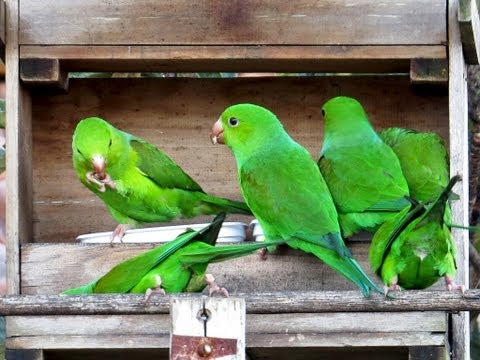
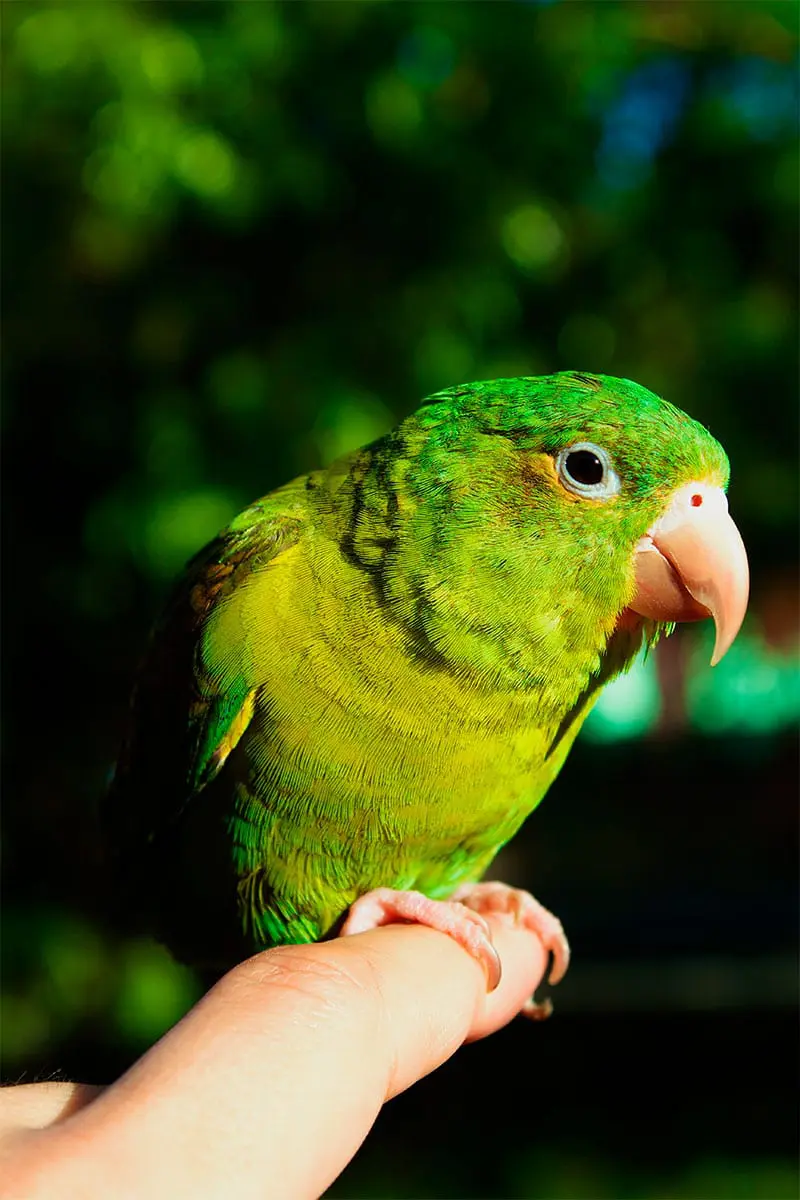
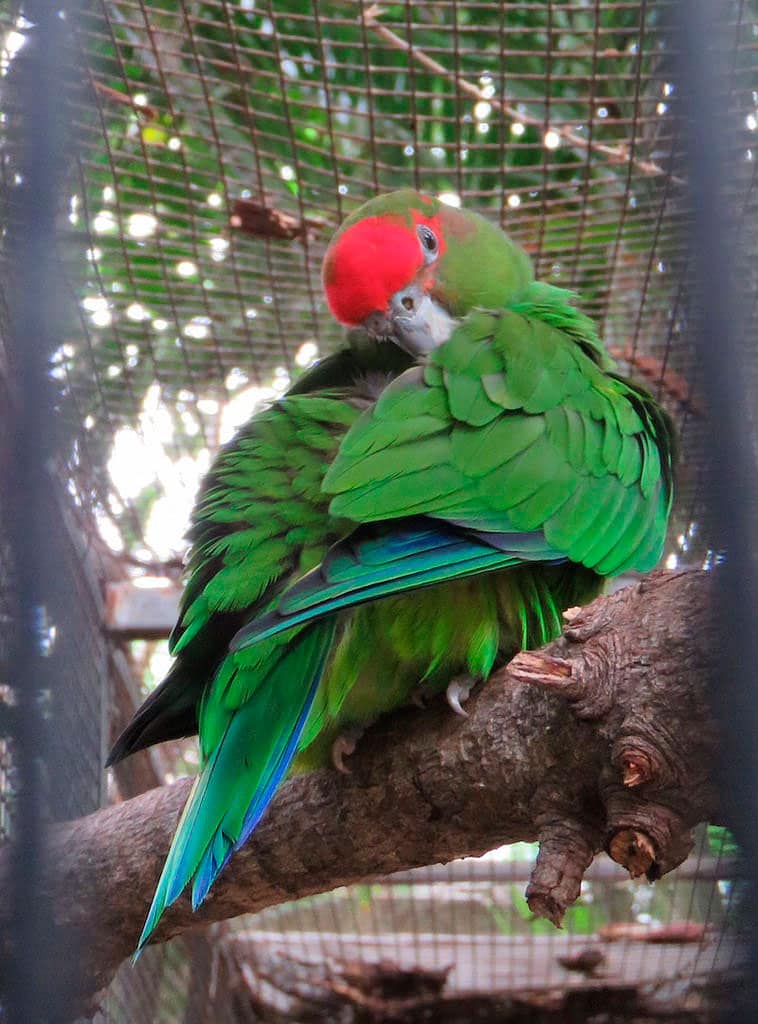
The Plain Parakeet(Brotogeris tirica) has the forecrown, lores, crown and cheeks, pale green with yellowish tint. Sides of the neck and nape, green, duller than in the head.
The upperparts green, slightly darker than the rest of the plumage. Most of the under wing-coverts, green, some feathers dyed olive brown, especially in lesser and median coverts. Primary coverts, primaries and outer secondaries, violet blue with green margins close to outerweb. Underwing-coverts greenish yellow, flight feather, bluish green. Underparts, pale yellowish green, tinged with bluish color on the sides of chest, the the thighs and undertail-coverts; flanks yellowish. Upper, the tail green with bluish tint to the central feathers; undertail, the tail is grayish blue-green. Bill color pale horn: irises brown: legs Rosaceae.
Both sexes are similar. Immature with little or no blue in primary coverts.
The Plain Parakeet They are experts in the art of adaptation; They can be found in a wider range of habitats than any other endemic parrot Brazilian Atlantic forest: in the lowlands and highlands, in the forest canopy and forest edges, parks and gardens (for example, of Rio de Janeiro and São Paulo), farmland with trees, scattered patches of forest and secondary growth. Apparently more numerous in the forest edge habitats. Generally observed in the lowlands, but reported to 1.200 metres in the Itatiaia National Park on the border between the state of Río and São Paulo. Gregaria. Generally seen in pairs or small groups, although sometimes you can see several hundred birds together.
It is the most common parrot in São Paulo, where you can find even in the slums of the city.
Reproduction:
Observed in arboreal termite nests, in the crowns of Palmas or natural openings of trees; in the city of São Paulo nest in crevices of buildings and roofs, regularly using the balconies to feed.
The breeding season It has been recorded in September; observed immature in January. The clutch common in captivity is four eggs. They stay together for life.
Some seasonal movements. Uncommon to fairly common depending on locality, but apparently only reported very common in the city of Sao Paulo. Its population has declined in the Eastern European settlement Brazil, although less than other endemic parrots in the region. Live in several areas protected (for example, Itatiaia National Park).
Conservation:
State of conservation ⓘ
Minor Concern ⓘ(UICN)ⓘ
• Current category of the Red List of the UICN: Least concern.
• Population trend: Stable.
Rationale for the Red List category
This species has a very large range and therefore it is not close to the thresholds for Vulnerable under the criterion of size range (Extension Occurrence <20,000 km2 combinada con un tamaño de rango decreciente o fluctuante, extensión / calidad de hábitat o tamaño de población y un pequeño número De lugares o fragmentación severa). La demographic trend appears to be stable and, therefore, the species does not approach the thresholds Vulnerable under the criteria of population trend (> 30% decline over ten years or three generations). The population size has not been quantified, but it is not believed to be close to the thresholds for Vulnerable under the criterion of population size (<10.000 individuos maduros con un descenso continuo estimado> 10% in ten years or three generations or a population structure). For these reasons the species is evaluated as the least concern.
Justification of the population
The size of the world's population has not been quantified, but this species is described as «common» (Stotz et to the., 1996).
Justification of trend
They suspected that the population is stable in absence of evidence of any decline or threatens substantial.
– Avibase
– Parrots of the World – Forshaw Joseph M
– Parrots A Guide to the Parrots of the World – Tony Juniper & Mike Parr
– Birdlife
– Photos:
(1) – A Plain Parakeet in Morretes, Paraná, Brazil By Ben Tavener from Curitiba, Brazil [CC BY 2.0], via Wikimedia Commons
(2) – Plain Parakeet in Brazil By Jônatas Cunha [CC BY-SA 2.0], via Wikimedia Commons
(3) – Plain Parakeet in captivity By Lucas de Melo [CC BY 2.0], via Wikimedia Commons
(4) – Independence Park, Ipiranga museum, Sao Paulo By Dario Sanches from SAO PAULO, BRAZIL (PERIQUITO-RICO ( Brotogeris tirica)) [CC BY-SA 2.0], via Wikimedia Commons
(5) – Plain Parakeet (Brotogeris tirica) in São Paulo By Dario Sanches [CC BY-SA 2.0], via Wikimedia Commons
(6) – Independence Park, Ipiranga museum, Sao Paulo By Dario Sanches from SAO PAULO, BRAZIL (PERIQUITO-RICO ( Brotogeris tirica)) [CC BY-SA 2.0], via Wikimedia Commons
(7) – Independence Park, Ipiranga museum, São Paulo Species molting By Dario Sanches from SÃO PAULO, BRAZIL (PERIQUITO-RICO ( Brotogeris tirica)) [CC BY-SA 2.0], via Wikimedia Commons
(8) – Brotogeris tirica, Independence Park, Ipiranga museum, Sao Paulo By Dario Sanches from SAO PAULO, BRAZIL (PERIQUITO-RICO ( Brotogeris tirica)) [CC BY-SA 2.0], via Wikimedia Commons
(9) – The Plain Parakeet in the Serra da Cantareira State Park, Sao Paulo, Brazil By Dario Sanches (Flickr: PERIQUITO-RICO (Brotogeris tirica)) [CC BY-SA 2.0], via Wikimedia Commons
(10) – Illustration Ricardo Sanches, parakeets rich(Brotogeris tirica) in ABES-SP
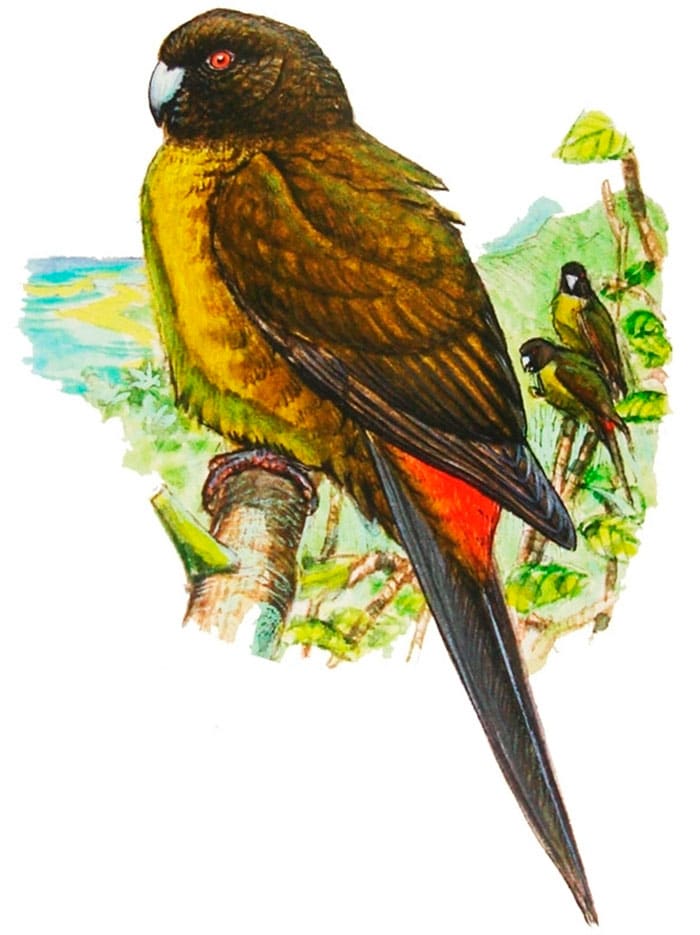
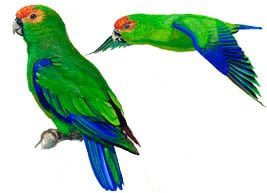
The Raiatea Parakeet (Cyanoramphus ulietanus) had the head blackish brown, paler on neck, Rump and wings. The lower part of the back and tail coverts were brownish-red; and under wing-coverts and outerweb the flight feathers were gray-blue. There was a gray border on the feathers primaries and secondaries. The chest, the abdomen and the under tail were yellow olive. The feathers of the middle tail were olive brown. The outer feathers tail were gray.
The irises were probably orange-red in the adult and juvenile brown. The legs were grayish brown. The bill was pale blue-gray or gray-brown to black tip. The males and females They looked similar.
Habitat:
It is believed that it was a kind forest, when the Society Islands They were all wooded.
Reproduction:
It knows nothing about the reproductive habits of this parrot or why died.
Food:
Nothing is known about the eating habits of this parrot.
Distribution:
Of the Raiatea Parakeet only known from two specimens in Raiatea, in the Society Islands of the french polynesia(Forshaw and Cooper 1989), collected on the trip Cook in 1773, and now Vienna and Tring(Knox y Walters 1994).
Conservation:
• Current category of the Red List of the UICN: EXTINCT.
Rationale for the Red List category
This species was known in the Isla de Raiatea, french polynesia, but now it is extinct, probably as a result of habitat or cleaning action of invasive species.
Justification of the population
There remains no existing population.
It is believed that the two bodies of this parrot that remain dissected in two museums, the Natural History Museum London and the Naturhistorisches Museum, They were collected by Georg Forster in 1773 or 1774 during the second voyage of Capitán Cook(Stresemann 1950). But, Medway (2009), based on the travel journal Joseph Banks, He thought they were collected in November 1777 during the third trip Cook. It seems likely that no collection will be made on Raiatea in 1768 during the first trip Cook, since the natives were hostile, which is why Forster probably obtained both specimens in the second. But, There is some confusion as to the locality, but Forster (1844) he refers to a "Psittacus pacificus" seen en Otaheite (tahiti) and Oriadea(Raiatea), from where Greenway (1967) presumed that found and collected Cyanoramphus zealandicus in Tahiti and C. ulietanus in Raiatea. unusually, Forster He did not consider the two species as different.
Alternative names:
– Raiatea Parakeet, Society Parakeet, Society Parrot (English).
– Kakariki de Raiatea, Perruche de Raiatea (French).
– Braunkopf-Laufsittich, Raiateasittich (German).
– Periquito-de-raiatea (Portuguese).
– Perico de Raiatea (español).
17 to 20 cm.. height.
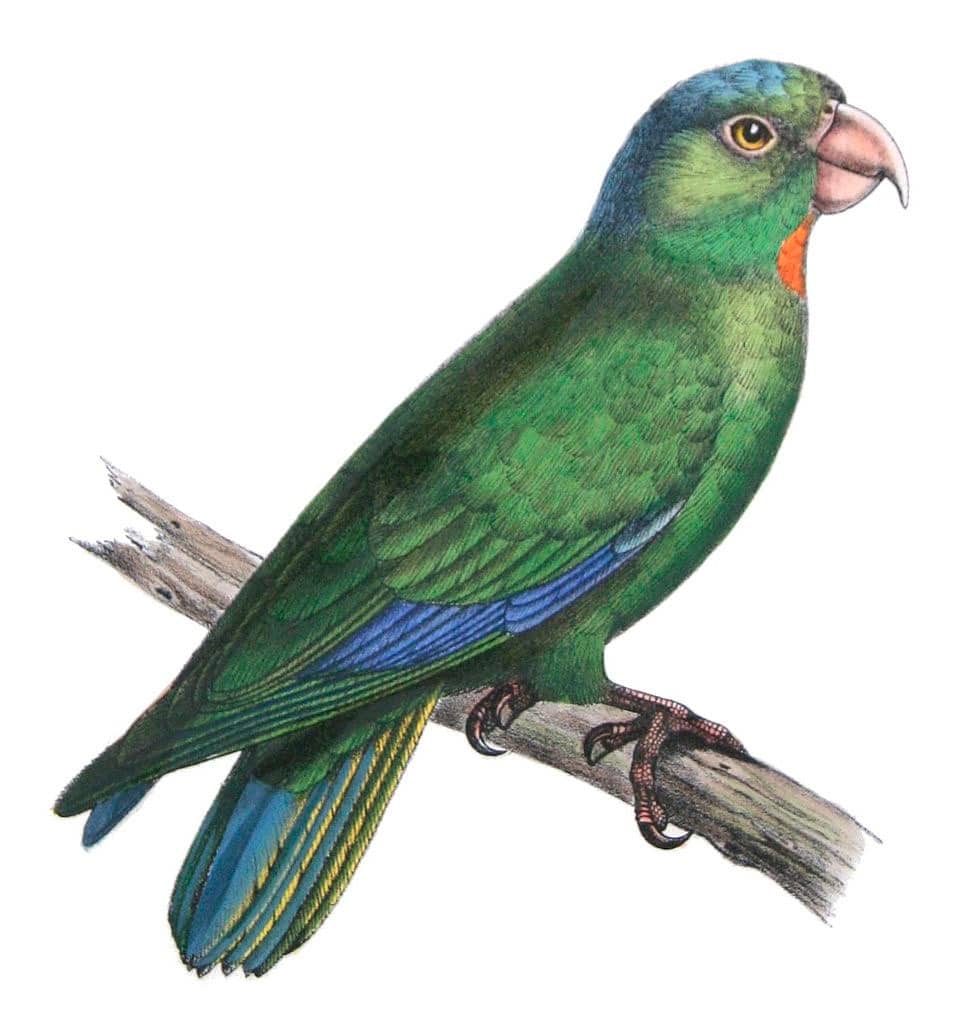
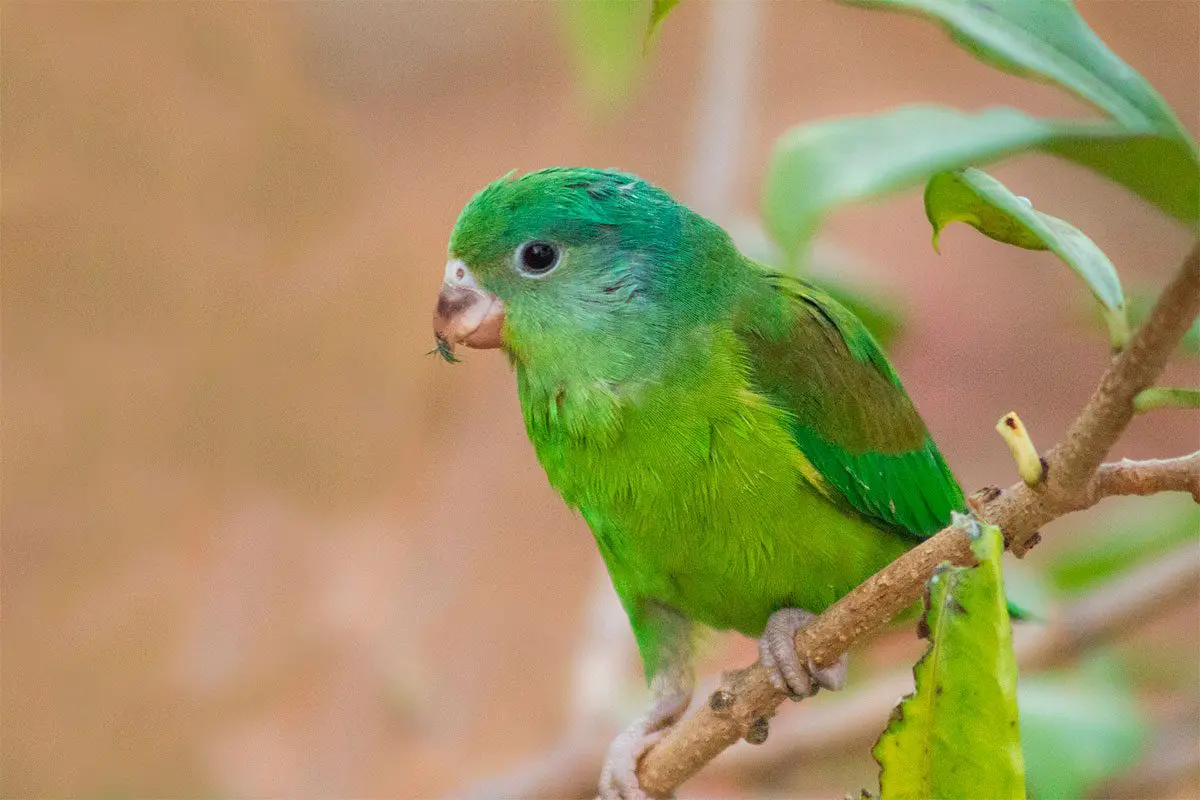
The Orange-chinned Parakeet(Brotogeris jugularis) has the forecrown, crown, back of the neck and upper cheeks, bright green with blue tinge; lores and lower cheeks, duller green with olive tinge. feathers in the the mantle and the top of the back, olive-green with more green tips; Scapulars Green tipped bronce-marrones; lower back and rump, bluish green. Lesser coverts and median, foliage color, with a patch large in the shoulder; Primary coverts blue, greater coverts green. Flight feathers greenish blue above, Blue-Green below with less yellow in the underwing-coverts.
Bright orange stain in the throat, which flying becomes very evident. Underparts brighter yellowish green, more blue from the belly up to the undertail-coverts. Upper, the tail bluish green; by below more pale and yellowish.
Bill color pale horn; bare periophthalmic whitish; irises dark brown; legs pink.
The Orange-chinned Parakeet prefer, generally, forests or partially wooded habitats with bushes, deciduous forest, dry and wet, plantations, edge of light and areas cultivated or grasslands with trees large. It tolerates human presence and it attends the parks and gardens in cities. Most numerous in partially deforested areas, mainly in tropical zone, Although it amounts to subtropical vegetation zones in (for example, the Cordillera de Guanacaste, Costa Rica. Observed at altitudes of 500 m (Guatemala), 900 m (Honduras), 1.360 m (El Salvador), 1.200 m (Costa Rica), 1.000 m (Venezuela). Usually, in pairs or small groups, with large gatherings where abundant food. More gregarious outside of breeding season. Rest communally on rubbers (Ficus sp.) or palms.
Son very good flying, in nature there have been flights of up to 45 kilometres per hour.
Reproduction:
Nest from May to July in tree hollows (including old Woodpecker nests) and termite mounds. A laying, usually, compose of four to six white eggs, What hatch after a few 26 days of incubation. The chicks leave the nest about 42 days after birth.
Sometimes colonial. Reproduction reported in March in Mexico; January in El Salvador; February-April in Panama; January-March in Colombia.
Size of the area of distribution (reproduction / resident): 781.000 km2
This parakeet occupies the lowlands of the southern Pacific slope of Mexico, in Oaxaca and Chiapas (reports of Warrior dubious) and areas adjacent to Guatemala and El Salvador, lowlands of the Honduran Pacific, and slopes of the Pacific and Caribbean Nicaragua.
In Costa Rica is mainly a bird of your side of the peaceful, but comes into the lowlands of the Caribbean adjacent, to the South of the Lake Cocibolca, spreading through the Pacific lowlands and the Caribbean from Panama, including the Islands Coiba and Cebaco.
• Current category of the Red List of the UICN: Least concern.
• Population trend: Stable.
Justification of the population
Partners in Flight estimate your total population in 500,000-4,999,999 individuals (A. Panjabi in litt., 2008).
Justification of trend
They suspected that the population is stable in absence of evidence of any decline or threatens substantial.
"Orange-chinned Parakeet" in captivity:
Very common in captivity does time. It is a bird very shy and easily alarmable but with the passage of time creates a good emotional relationship with his owner. It can be aggressive with other smaller parrots.
– Avibase
– Parrots of the World – Forshaw Joseph M
– Parrots A Guide to the Parrots of the World – Tony Juniper & Mike Parr
– Birdlife
– Photos:
(1) – A pet Orange-chinned Parakeet in Panama By Nelson de Witt from USA (IMG_2058Uploaded by Snowmanradio) [CC BY-SA 2.0], via Wikimedia Commons
(2) – An Orange-chinned Parakeet feeding in Panama By Brian Gratwicke (Flickr: Orange-chinned Parakeet) [CC BY 2.0], via Wikimedia Commons
(3) – Orange-chinned parakeets in Panama City, Rep. of Panama. Aproximadamente tres o cuatro meses de edad By Ricaurte Puga (Own work) [GFDL or CC BY-SA 4.0-3.0-2.5-2.0-1.0], via Wikimedia Commons
(4) – Brotogeris jugularis en El Salvador tomando Coca Cola By Kevinmenendez (Own work) [GFDL or CC BY 3.0], via Wikimedia Commons
(5) – This is the smallest parakeet in El Salvador know as Catalnica, Perico de Lesson, Orange-chinned Parakeet (Brotogeris Jugularis) By ceasol (Flickr) [CC BY-SA 2.0], via Wikimedia Commons
(6) – Orange-chinned Parakeet | Brown wing parakeet (Brotogeris jugularis exsul) by Fernando Flores – Flickr
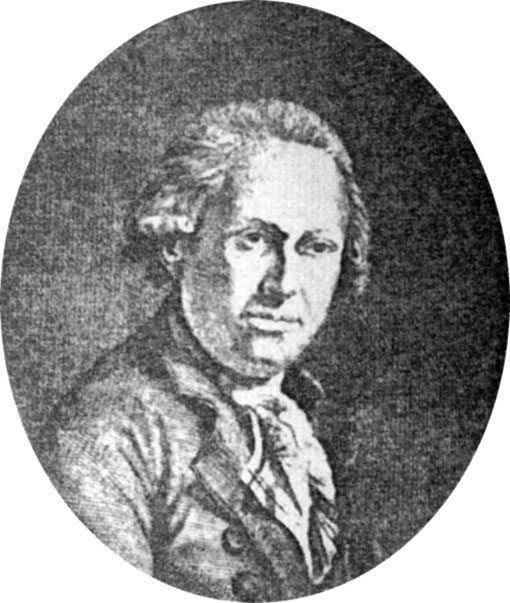
(7) – Conurus jugularis Dev. & Cast. = Brotogeris jugularis (Müller, 1776) by Francis de Laporte de Castelnau [Public domain], via Wikimedia Commons
Measured between 30 to 31 cm.. and a weight between 180 and 245 gr.
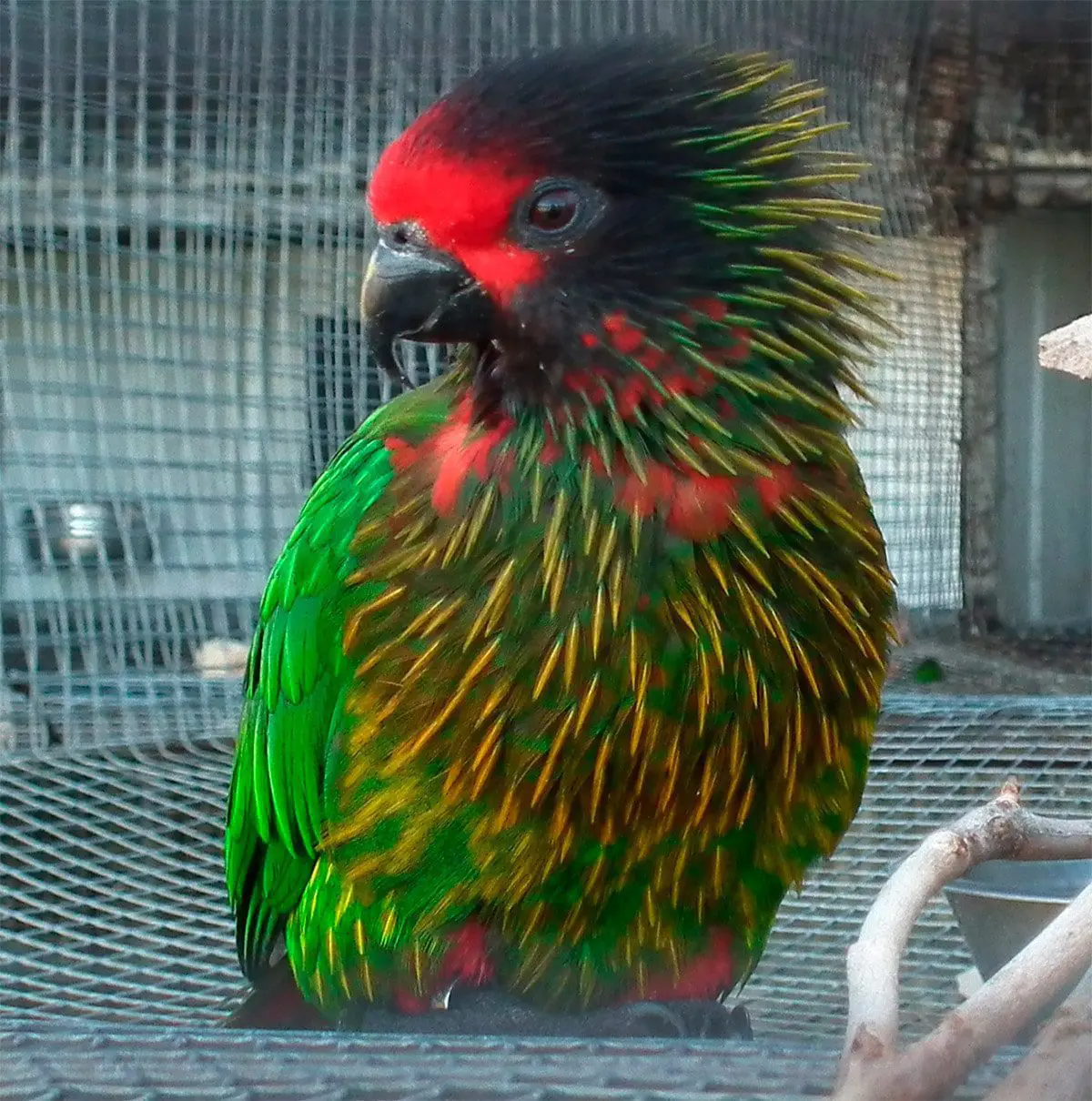
The adults of the species Yellow-streaked Lory(Chalcopsitta scintillata) have plumage dark green, pale green veins in head and the abdomen, and bright yellow bands in the chest and in the the mantle.
Chalcopsitta sintillata rubrifrons
The forecrown, cheeks and the thighs are bright red. The sides of the chest with large red infiltrations.
The under wing
It is crossed by a thick yellow band. The bill is black. Bare skin eye and at the base of bill is dark gray. The irises are orange-red, the legs grey.
There is no sexual dimorphism, but in the female, the front spot It is less pronounced.
The immature They resemble adults, but have less red in the forecrown. The basis of the bill It is less stained yellow. The irises They are brown.
They are particularly visible in the early hours of the day, When the bands fly over canopy, sometimes very large heights.
They have a direct flight with rapid wing beats. In spite of this, they give the impression of moving slowly, almost in a hesitant way. Its neck tense and the tail feathers widely deployed gives them a vision in flight that is very characteristic. Couples often engage in stunts, with many screams.
(Salvadori, 1876) – Adults of this subspecies differ little from those of the nominal species. But, they differ from the latter by the narrower stripes on the plumage. The bottom of your wings They are green or green with red markings.
Chalcopsitta scintillata rubrifrons
(Gray,GR, 1858) – In this subspecies, both adults and juveniles, they are identical to the nominal species, but the veins of body plumage They are more spacious and orange-yellow.
common in the lowlands, in the Savanna They are covering the hills, in plantations cocoteros and in the mangroves.
They are also in the primary forest and secondary adjacent, even in narrow bands of gallery forests bordering rivers in open country.
Occasionally, the Yellow-streaked Lory They sit near or inside Gardens in local villages.
They can fly to 800 m above sea level.
Reproduction:
Typically install their nests in treeholes high. There is not much information about the reproduction in the center of nature.
In captivity, the implementation is of 2 eggs which both parents incubate alternately during 26 days. At hatching, hatchlings weigh 7 u 8 g.. Duration reproductive cycle It is very long and can overcome 80 days. Despite this, There may be a second clutch in the season.
Food:
They feed in the trees.
consume nectar, pollen and fruit. Are said to some insects complete this predominantly vegetarian diet.
Distribution:
Size of its range (breeding/resident): 586.000 km2
These birds are endemic to the Islas Aru and South of Papua New Guinea.
Distribution 3 subspecies
Chalcopsitta scintillata chloroptera
(Salvadori, 1876) – High of the fly river to Southeast Papua New Guinea.
It is not an endangered species. In a study in Southeast New Guinea, its density was estimated at 20 birds per square kilometer.
Its world population approaches the 100.000 birds.
The population suspected to be stable in the absence of evidence of any reduction or substantial threats.
"Yellow-streaked Lory" in captivity:
Pretty common.
They are birds very noisy People who like to let their loud cries are heard. They are playful, they have no fear and they can easily become meek in the hands of your caregiver. They are not only extremely aggressive against other Yellow-streaked Lory, also as with other species.
Alternative names:
– Yellow-streaked Lory, Greater Streaked Lory, Streaked Lory, Yellow streaked Lory, Yellowish-streaked Lory (ingles).
– Lori flamméché, Lori à front jaune, Lori à front rouge, Lori strié (French).
– Schimmerlori (German).
– Lóris-listrado-amarelo (Portuguese).
– Lori Chispeado (español).
The head of the Great hanging parrot(Loriculus stigmatus) is bright green, with bright red crown ending in a clear line across the rear of the crown not extending over the nape.
Green upperparts, lightly impregnated with yellowish-orange in the mantle; rump and uppertail coverts dark crimson. green wings; edge of the carpal bones with small red mark. The underwings of turquoise blue with small green coverts. The lower parts of bright green with red stripe below the Chin and throat Center. Upper, the Green tail; light blue below.
the black beak; pale-yellow IRIS; Pink-Orange legs.
Females lack Red Crown and has a narrow red bib; Iris can be darker.
Young birds lack the Red Crown, It has a bib less clear and more yellowish, yellow edges of the Carpus, and in general a duller Green.
Slight differences in the degree of the orange-yellow colour in the mantle of some populations of the island are not considered sufficient to differentiate them.
• Loriculus stigmatus stigmatus : The nominal.
• Loriculus stigmatus croconotus
• Loriculus stigmatus quadricolor
Habitat:
Little is known about the ecology of the species.. Possible seasonal movements have been observed. According to reports, not found in old-growth forest and most common along forest edges, in the open field, and sometimes around urban centers, until 1.000 meters above sea level. Birds move usually alone or in pairs, whether it is flying above or feeding on the trees in flower. Nest-holes in thick bamboo have been recorded.
Reproduction:
Reproductive activity has been reported in February, from April to June, and in August and October
The Great hanging parrot nests in cavities. It usually lays three eggs. The female incubates the egg during 20 days and after hatching the chicks take time to develop 33 more days
– Current IUCN Red List category: Least concern
– The population trend: Stable
The size of the world's population has not been quantified, Although it is estimated above 100.000 specimens. The species is reportedly common and widespread in most of its range. (pit et to the. 1997).
The population is suspected to be stable in the absence of evidence of any reduction or substantial threats.
"Great hanging parrot" in captivity:
Rare.
Alternative names:
– Sulawesi Hanging-Parrot, Black-billed Hanging-Parrot, Celebes Hanging Parrot, Celebes Hanging-Parrot, Celebes Spotted Hanging-Parrot, Great Hanging Parrot, Maroon-rumped Hanging-Parrot, Red-capped Hanging-Parrot, Sulawesi Hanging Parrot (ingles).
– Coryllis des Célèbes (French).
– Rotplättchen, Rotlättchen (German).
– Lorículo do Célebes (Portuguese).
– Lorículo Celebiano, Lorículo de Célebes (español).
– Avibase
– Parrots of the World – Forshaw Joseph M
– Parrots A Guide to the Parrots of the World – Tony Juniper & Mike Parr
– Birdlife
– Photos:
(1) – By Lip Kee Yap [CC BY-SA 2.0], via Wikimedia Commons
(2) – male perched. by iggino – lynx
(3) – Birds-pet-wallpapers – link
(4) – male hanging by iggino – lynx
(5) – By F. Schulter – papageien.org
27 to 30 cm. length between 55 and 85 g. of weight.
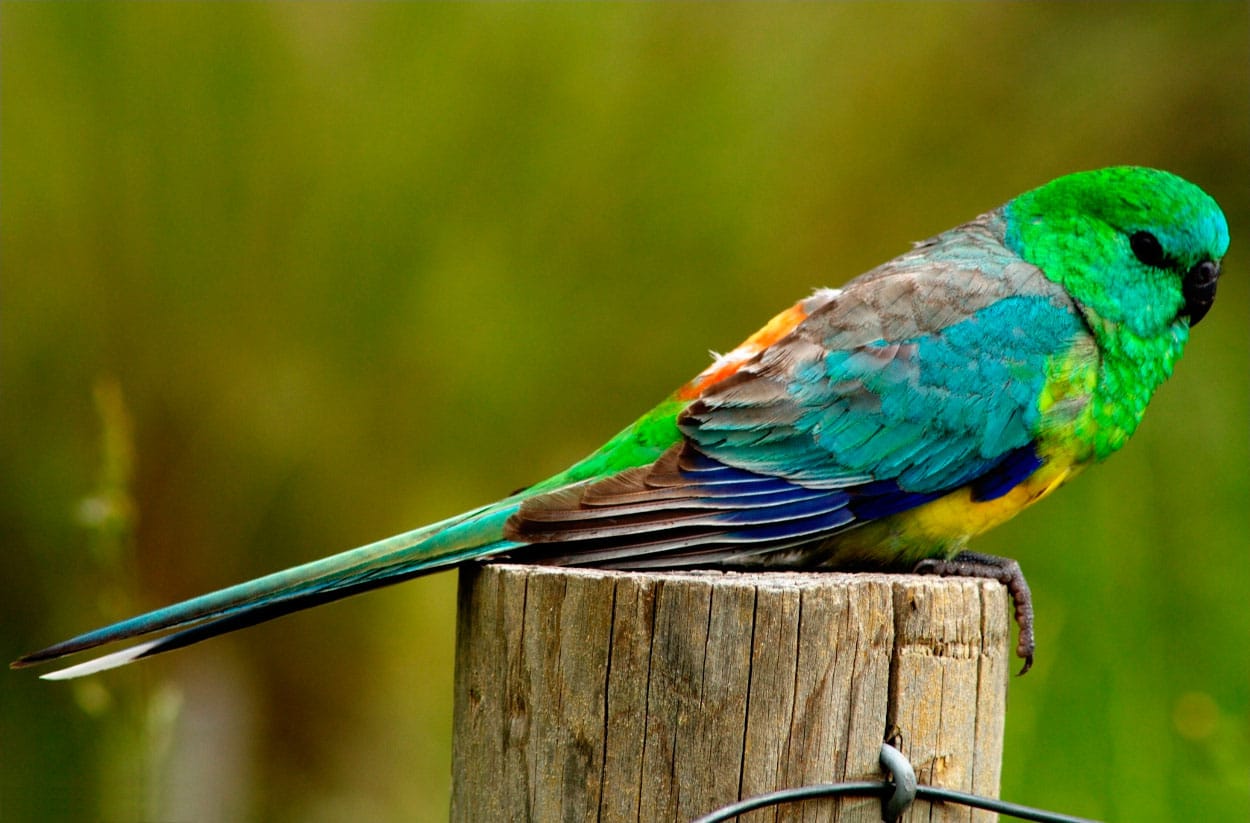
The Red-rumped Parrot(Psephotus haematonotus) It has a bright pale green head, slightly iridescent, with the front of the crown Blue pale and diffusion in the throat. Mantle Green grey with stripes dark fine; floor area of the back and Hip, Scarlet pale; uppertail-coverts bright green. Curve of the wing blue-violet shiny; carpal edge dark blue; small coverts bluish green, the external medium yellow, the inner of a pale blue-green; greater coverts, bluish green, clearer internal; primary coverts dark blue. Flight feathers Blackish with vane external edges and dark blue yellowish; tertiarys grey-green with vane Dark internal. Wing feathers dark blue. Green light the chest with a broadcasting slightly yellow, belly bright yellow, feathers of the chest and belly with stripes more dark very fine; the thighs, vent and undertail- coverts off-white, sometimes blur of yellowish-green. Upper, the tail Green feathered side of greenish-blue with white tips; by down whitish appearance when it is closed.
Bill black; irises brown; legs grey.
The female It is much more off than the male, usually greyish green. With white spots on the ear-coverts, the upper part of the chest is grey olive clear with fringed slightly more dark and the belly whitish with a blue-green light diffusion. The wing-coverts are of a gray olive more uniform that it's the male (medium-sized coverts pale blue). The vane outside of the flight feather they are more muted and more greenish, with the tail green. The bill and the irises are more pale, with some brands shaped pale wing bar.
The immature They also have a pale bar on the wings. Males are darker, with more olive than females and a rump with a narrow margin of Red; The feathers greenish blue begin to show in the head, the chest and wing-coverts first.
The adult plumage was purchased in two or three months, the male young retain the bar of wing
and have it rump more off for another year.
(Condon 1941) – Adults of both sexes are more pale in color, the male is a shade more blue, the Central undertail feathers they have more nuances blue and red of the rump is more pale; the nape and the the mantle of the female are more grayish Green
The Red-rumped Parrot usually sedentary, but some movements of flocks with breeding sites have been recorded at the edges of their range.
They prefer open terrain and trees of ribera, grasslands and croplands until 1.000 meters above sea level, where the annual precipitation is inferior to 800 mm. They are also found in suburban areas, having canevale for golf courses, roadsides and parks, and locally in the mangroves.
They are usually in pairs or small groups, but they are not uncommon flocks of 100 specimens or more during the post-breeding season. In these groups the pair bond is maintained and mutual grooming is common.. The Red-rumped Parrot are sociable, and to retire to the roosts are constantly called.
Reproduction:
The breeding season of the Red-rumped Parrot extends from July to January, Although you can rely more on the rains in the North than elsewhere. The courtship the male consists of head and tail Wiggles, as well as the drooping-wings pose.
The nesting they tend to occur in small colonies, often resulting in disputes between couples. The nest usually in a hollow tree, in different heights, often in a eucalyptus, it can also be located on a tree stump or even the eaves of a building can provide a suitable place. Between two and eight eggs (usually four to five) they form the laying. The female incubates alone for around 20 days, regularly fed by the male.
The pricipio, males remain in small groups, but as the chicks grow, These groups begin to disperse and males joined young people directly in the moments of eating. Young people take to abandon the nest between four to six weeks.
Food:
The Red-rumped Parrot they tend to feed on the ground, but it is also common to see them feeding in trees and shrubs.
The diet comprises a mixture of grasses and herbs, also seed sprouts, leaves, flowers and grain. They rest during the heat of the day and can remain hidden, unless you disturb them.
Distribution:
Size of the area of distribution (reproduction / resident): 1.930.000 km2
The Red-rumped Parrot are confined to the southeast of Australia, from the north of the Peninsula Eyre and Yorke, in the South of Australia, until the Montes Flinders, the basin of the Lake Eyre and Innamincka in the Northeast. The species expands eastward through Victoria, having come up to Melbourne in the middle of the Decade of 1970.
In the news, the species is still scarce in the eastern end of the State. But, in New South Wales can be found around Sydney and along the coast towards the North, extending inward across the fullest part of New South Wales (largely absent in the Northwest of the darling river,).
Its population is common and growing in the north and towards the south coast of Queensland, to the South of New South Wales, benefiting from the expansion of agriculture.
The world population is more of 200.000 specimens and the species is protected by law.
• Current category of the Red List of the UICN: Least concern
• Population Trend: Crecent
The size of the world population It has not been quantified, It is estimated over the 200.000 specimens.
Considered as a bird common to abundant in some parts of its area of distribution, do not believe that the Red-rumped Parrot is in danger of extinction, although there is some evidence that the numbers they may be decreasing slightly. The reasons for this are not clear.
As the Red-rumped Parrot It is immersed in the pet trade, This species is included in the Appendix II the Convention on international trade in endangered species (CITES), which means that all international trade in this species should be carefully controlled.
"Red-rumped Parrot" in captivity:
You have a nice voice. He is active and not especially shy. It can be kept with other parrots outside the breeding season..
The Red-rumped Parrot (Psephotus h. Psephotus) It is one of the species of breeding parakeets more common in captivity. The first imports of Australia they arrived in the middle of the 19TH century. In 1857, the Zoo's London announced the first reproduction successful with this species. Other reproductive successes would follow in Germany and Netherlands, already in 1860.
It's a tough species recommended for novice breeders. The Red-rumped Parrot It is very tolerant of our climate and prefers an Aviary in the open air all year round.
You can play from the age of one year; being two years total maturity age. Playing at the end of the winter, early spring. Usually has two to three young.
The El Perico shrike is also used as a foster parent. Breeders have used their good reproductive dispositions for the breeding of more delicate species such as the Australian King-Parrot (Alisterus scapuleris), the Red-winged Parrot (Apromictus erytropterus) or other species of Polytelis.
The first mutation mentioned back in the middle of the Decade of 1930. This mutation of Australian origin was named as Yellow before later being renamed as Green cake. They are currently known as cinnamon.
Other mutations emerged later as the panache, blue, lutino, opaline, etc … In the news, this species is very common in aviaries. Observations show an unrecognized majority of mutated subjects and a worrying decline in wild-type phenotypes.. Reasonably, it is likely that genetically pure wild type phenotypes are extremely rare today.
According to sources, a sample lived 12,2 years in captivity.
Alternative names:
– Red-rumped Parrot, Grass Parrot, Grassie, Green Leek, Ground Parrot, Red rumped Parrot, Red-backed Parakeet, Red-backed Parrot, Redrump, Red-rumped Grass Parakeet, Red-rumped Parakeet (ingles).
– Perruche à croupion rouge (French).
– Singsittich (German).
– Periquito-dorso-vermelho (Portuguese).
– Perico de Dorso Rojo, Perico Dorsirrojo, Periquito de Rabadilla Roja, Cotorra de rabadilla roja, Espalda roja, Periquito cantor (español).
– Avibase
– Parrots of the World – Forshaw Joseph M
– Parrots A Guide to the Parrots of the World – Tony Juniper & Mike Parr
– AnAge: The Animal Ageing and Longevity Database – Anagé entry for Psephotus haematonotus
– Birdlife
– Photos:
(1) – A male Red-rumped Parrot by Yarra River, Victoria, Australia By Andrea (originally posted to Flickr as rainbow parrot) [CC BY 2.0], via Wikimedia Commons
(2) – A male Red-rumped Parrot near Lake Ginninderra, Canberra, Australia By Duncan McCaskill (Picasa Web Albums) [CC BY 3.0], via Wikimedia Commons
(3) – Red-rumped Parrot in Capertee Valley, Blue Mountains, NSW, Australia. The red rump is seen only in male By Lip Kee Yap from Singapore, Republic of Singapore [CC BY-SA 2.0], via Wikimedia Commons
(4) – Red-rumped Parrot male (Psephotus haematonotus) – Flickr by Patrick_K59
(5) – Red-rumped Parrot (Psephotus haematonotus) Photographed @ Yarra Bend Park, Melbourne, Australia – Flickr
Origin: Mexico, Guatemala, Honduras, Nicaragua, Costa Rica, Panama, Venezuela, Colombia, Ecuador, Peru, Brazil, Guyana, Suriname
Character: Intelligent and social
Life expectancy: 40 years
Height: 85 to 96 cm..
Content
Description:
Of 85 to 96 cm. length and a weight between 1.060 and 1.123 g..
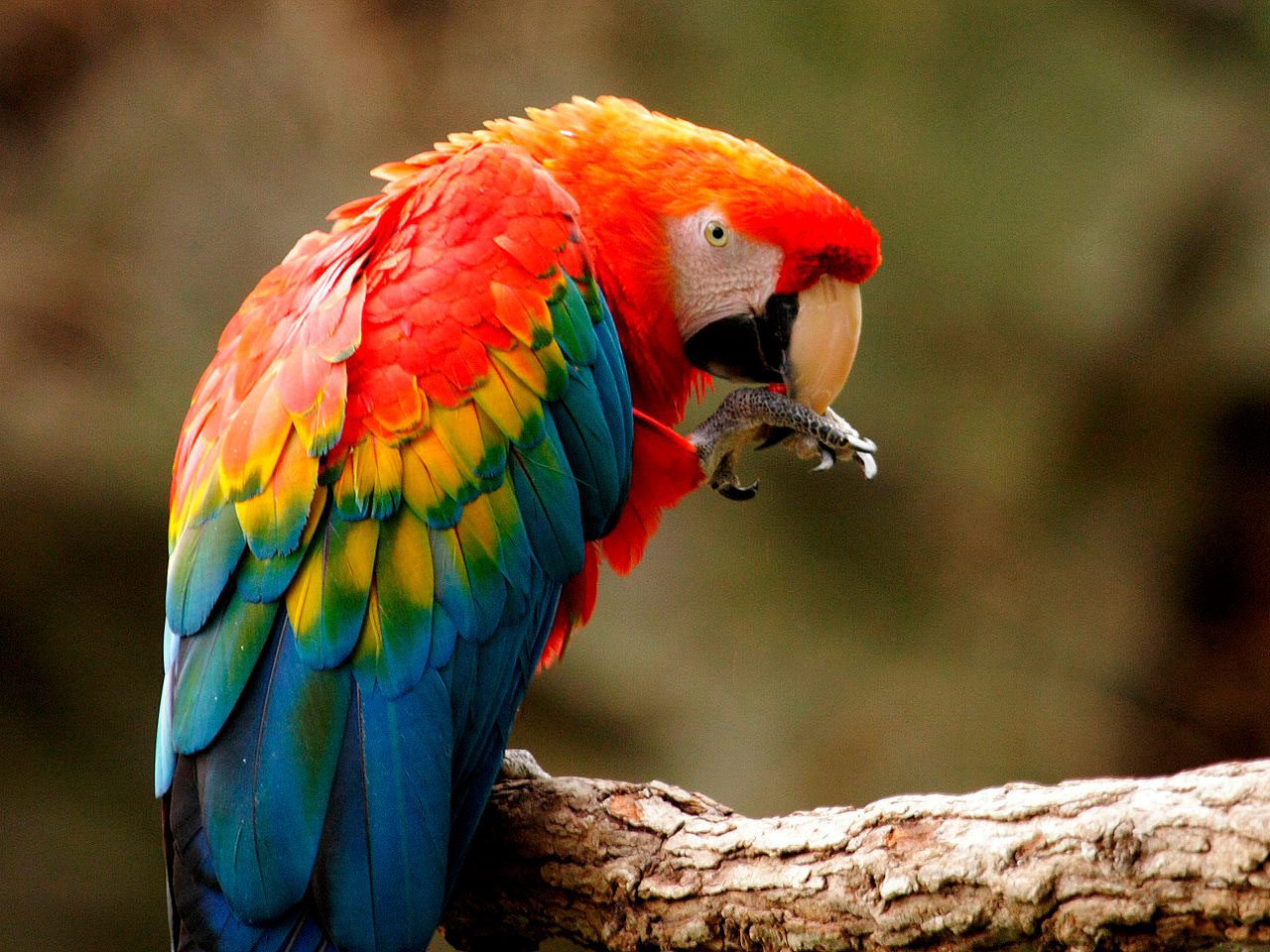
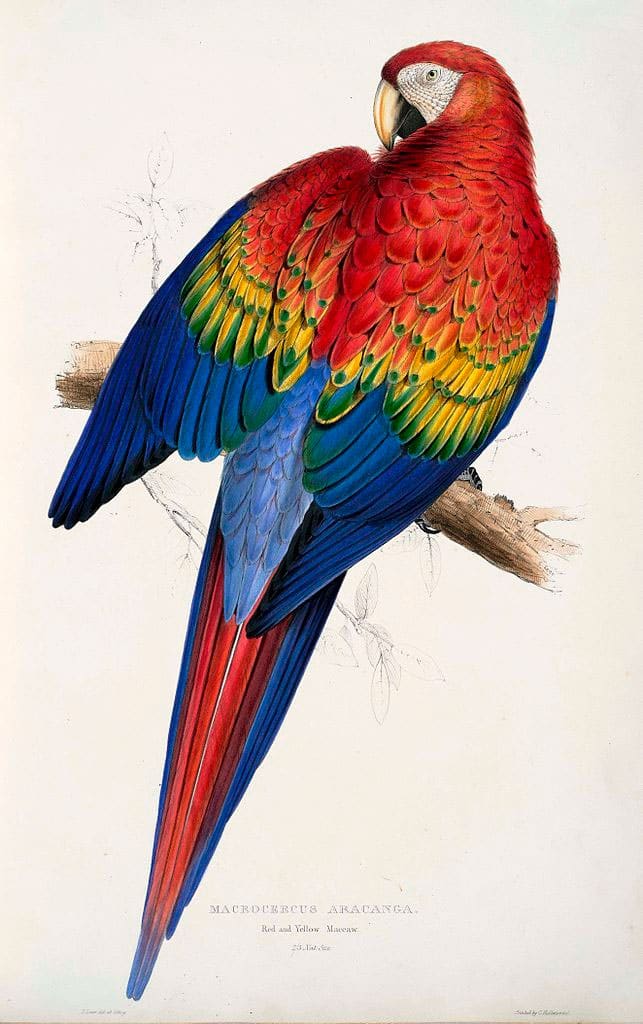
The Scarlet Macaw(Ara macao) has a showy and colorful plumage, predominantly Scarlet red in the head, neck, back, throat, belly, sides and the thighs, as well as in the upper parts of the wings and tail. These pens are a brighter shade of Red, almost Orange, If you are directly exposed to the sunlight.
The feathers greater coverts and stockings of the wings they are yellow, even if the ends of these feathers are green in the subspecies Ara macao macao and blue in Ara macao cyanoptera. The t-shirts, as well as the lower coverts of the obispillo, the of the back and both upper and lower part of the tail they are blue. The internal parts of the tail and of the wings are orange-red, lighter than the predominantly Scarlet plumage.
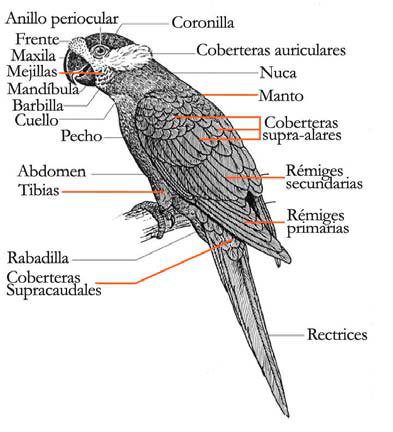
Its bill is hooked, strong enough to cut objects, dig, help climbing and defend themselves, but light in such a way that it does not affect your flight. It consists of two parts, of which the upper is the largest and is off-white, Sometimes a little pink, Besides that it has a small black marks on each side in the region where it joins with the head. It is also black on the tip and base, forming a triangular figure of this color. At its top are its nostrils, almost imperceptible to the naked eye. The under bill, on the other hand, is completely black, like its fleshy language.
The eyes are positioned laterally in the head, and although the exposed part of the cornea is round and seemingly small, the eyeball is large enough reality, even more than the brain. Its irises is light brown on the young but it becomes yellow when reaching the adult age. around the eyes they have an area of skin between whitish and pink which is apparently nude, although in reality it is partially covered by small, almost imperceptible reddish feathers that form thin sinuous lines.
Their legs they are short but strong, because it has powerful flexor muscles and tendons, allowing you to be upright perching. Their legs ‘zigodactilas‘ they are available in four fingers, two forward and two backwards, and are dark gray.
Morphologically, is very similar to the Red-and-green Macaw (Ara chloropterus), However, differ in that the Scarlet Macaw have yellow spots on their wings While in Red-and-green Macaw, as its name implies, stains are completely Green. The same, in the Red-and-green Macaw the thin red lines on the plucked white part of his head they are much more notorious, while the Scarlet Macaw lacks these lines or they are almost imperceptible. Finally, in the Red-and-green MacawScarlet Macaw Red is vivid tone, lighter, Stressing in particular in the nape and crown, where tends to Orange.
It is a species that has a very light sexual dimorphism, because the females they are smaller and their bill is more curved, short and thick, In addition to the tail of the male is slightly longer. Even so, it is difficult to determine its sex with the naked eye; the only reliable way to know him is through a DNA test collected from his blood or his feathers, technical or more invasive as the laparoscopy and sewer exploration.
(Wiedenfeld, 1995) – Larger than the species nominal. A dark Scarlet red in the plumage of the head and the body, a wide yellow stripe in the wings, where many feathers have blue tip, and the central feathers of the tail extremely long and wide whose tip is light blue.
The Scarlet Macaw they are distributed through the tropical forests of lowlands and savannas.
In Mexico in remote areas of humid forest.
In Honduras, on the arid slopes of the peaceful, birds forage in open areas (including growing areas); sometimes in the forests of pines above the rainforest in the Mosquito Coast.
In Costa Rica in deciduous forests, humid and in more open areas and edges with scattered tall trees.
They inhabit intact and partially cleared lowlands of rainforest and gallery forest in Colombia.
In the rainforest, Savannah and plains in Venezuela.
They prefer dry rainforest land in Suriname and the rainforest and savanna in Guyana.
Often near rivers throughout its range.
Below 240 metres in Oaxaca, Mexico, of 1.100 metres in Honduras, 1.500 metres in Costa Rica, 500 metres in Colombia and 450 metres in Venezuela.
The Scarlet Macaw, generally, they can be observed in pairs, in groups of 3/4 birds or in flocks of up to approximately 30 individuals, up to a maximum of 50, in communal roosts in tall trees (including the mangroves).
They often perch on the top of large trees.
Reproduction:
In Central America, the Scarlet Macaw nest during the months of December to June in the time dry (Forshaw, 1989; Iñigo-Elias, 1996; Renton, 1998; Renton et to the., 2003).
The macaws they use large mature trees with the average breast height diameter 129 cm.. (IñigoElias, 1996; Carreon-Brook, 2006). Apparently, the macaws Select the highest cavities for nest, taking an average of 19 height m, and with dimensions of average entry 22 cm.. x 32 cm.. (Iñigo-Elias 1996; Carreon-Brook, 2006). They prefer soft tree species for the entrance to the nest cavity can be modified.
Usually, the nests of the Scarlet Macaw they are separated by more than 3 km. (Carreonarroyo, 2006), which would reduce strong agonistic interactions between nesting pairs, and may cause the failure of nests (Renton, 2004; Renton and Brightsmith, 2009).
In Central America they put in 1 to 3 eggs (Iñigo-Elias, 1996, Renton, 1998; Renton et to the., 2003), even if broods have been recorded of up to 4 eggs in South America (Nycander et to the., 1995). In the Lacandon Jungle of Mexico, recorded an average clutch size of 1.6 eggs/female in 1988-1989 (IñigoElias, 1996) and 2.7 eggs/female in 1998- 1999 (Carreon-Brook, 2006).
Hatch on average 1.5 to 2.0 chicks/pair, managing to fly the nest 0.6 to 1.3 young per nesting pair (Iñigo-Elias, 1996; Carreon-Brook, 2006; Renton and Brightsmith, 2009).
Feeding in the canopy, usually in silence. May be associated with other parrot species where abundant food.
Distribution:
Size of the area of distribution (reproduction / resident): 10.200.000 km2
The Scarlet Macaw are distributed to a large extent of Central America, from the South of Mexico until Panama and apparently scattered in tropics of South America, from the South to the East of Bolivia.
In Mexico, formerly, were observed in the South of Tamaulipas, South of Veracruz, Oaxaca, Tabasto, Chiapas and Campeche and through the lowlands of Guatemala to the most remote areas of Belize, where the most recent records are from the Macal River.
Formerly widespread in Honduras, EI Salvador and Nicaragua; Costa Rica mainly on the Pacific slope.
In Panama confined to the Coiba island, to the southwest of the azuero peninsula and a Chiriqui, where birds once could have flown from Costa Rica.
In Venezuela, in Apure, Northeast of Monagas, Southwest of Sucre, widely distributed through the Plains and inBolívar and amazon.
A sizeable population in Guianas, throughout the Amazon basin of Brazil, to the East of Ecuador and to the East of Peru.
In the North and East of Bolivia, in Santa Cruz, Beni and possibly Pando. Away to the West of Los Andes.
The Scarlet Macaw make seasonal movements in search of fruit and is temporary visitor in some areas. Locally common but obviously in decline range-wide, especially around the centers of development, due to loss of habitat, trade and hunting, both as food and for obtaining their feathers; the population total of Mesoamerica probably not greater than 4.000 individuals.
extinguished the majority of former distribution area in Mexico (not registered in Tamaulipas Since 19th century) and persisting in limited numbers only in the Lacandon Jungle, Chiapas.
Generally rare in Guatemala, although more common in more remote areas, as the West's Petén.
extinct in El Salvador. widespread, Although rare on the Caribbean slope of Honduras; extinct on the slope of the peaceful. Nearly extinct on the Pacific slope of Nicaragua, but persisting in the remote area of the Northeast. Formerly widespread on the slopes of the Caribbean from Costa Rica, now only in the Northeast; few localities on the Pacific slope (for example, the Osa Peninsula). Fairly common in Coiba, Panama. In Venezuela Local. Fairly common in amazon basin and Guianas, especially in the more remote areas. Fewer that the Red-and-green Macaw in Guyana and Venezuela.
Widespread in captivity, but rarely bred. CITES Appendix I.
Subspecies distribution:
Ara macao cyanopterus
(Wiedenfeld, 1995) – They inhabit the area of Mesoamerica between Mexico and Honduras; Currently there are two towns in the southeast of Mexico, one of just 50 individuals in the region of the Chimalapas, Oaxaca (Íñigo et al 2004; Lazcano-Barrero obs. Pers.) and the other in the Lacandon Jungle in Chiapas, with an estimated population of between 150 and 250 individuals (Iñigo Elijah 1996 & Iñigo Elias et al. 2004, Garcia Fair).
Since the Scarlet Macaw they have an extraordinarily wide distribution range—the largest among all birds of the genus Ara—,and its population, Despite being apparently shrinking, do not fast enough to consider it vulnerable, the Red list of endangered species of the IUCN considers it to be a kind of least concern. But, This organism caught attention in his «Conservation action plan and sampling of Psitacidae»Regarding the status of subspecies to. m. cyanoptera, since its population had indeed declined rapidly in a span of twenty years. The species also appears from the 1 in August of 1985 in the Appendix I of the Convention on international trade in endangered species of Wild Fauna and Flora (CITES), that prohibits trade in this species within the signatory countries. Originally entered in Appendix III of this organization in 1976, amounted to Appendix II in 1981 and finally it came to Appendix I in before this date.
It is also protected by various laws and decrees national; for example, in Costa Rica, where he spent to deal with around the 80% of the national territory to only the 20% for the year of 1993. Because of its particularly precarious condition within the territory of Mexico, in that country he is considered from 2000 a priority species for conservation. In Panama, also, It is considered to be one of the two most endangered bird species in the country along with the Cotinga. For its part, in Peru is listed as Vulnerable species (VU) according to Supreme Decree No. 034-2004-AG from September of 2004. In Guatemala was enacted in 1989 Decree No. 4-89 of the Protected Areas Law, same with which created the Guatemalan System of Protected Areas, that ensures the protection of species endangered within its territory, including the Scarlet Macaw. In Belice It is sheltered from 1992 by the Environmental Protection Act, that prohibits their trade or possession. Inside Brazil has a similar protection, Since its trade locally or export or possession is not allowed, unless they are breeding or authorized zoos. In Colombia his criterion is "indeterminate" in the List of Colombian Species on the Way to Extinction, so it is not considered endangered within that country, although it does receive the protection of various national laws. In Venezuela it is considered a vulnerable species and is protected by the Protection law to the wildlife.
Among the main factors threatening the survival of this species are the habitat destruction because of deforestation, the oil industry and intentional burning; the fragmentation of populations, the commercial traffic of feathers, eggs and specimens as such for sale as pets, as well as the fact of being an inbred species with low reproductive rates, and the specialization of the diet of some populations. The problem of the illegal trade It affected him greatly in the 20th century, where among 1975 and 1990 It is estimated that they exported around 1500 specimens. Until the mid of 1980, The main exporting countries were those where the Scarlet Macaw reproduces naturally, as Bolivia, Guyana and Suriname. But, by the end of that decade, countries such as United States, Philippines and Canada they were already major exporters, as local bird breeding has developed sufficiently to sustain its own trade. The main destination of the trade of these birds was always United States. In more recent years, the various national laws have banned the trade of this and other species of birds, Although this illegal practice has not completely eradicated. The main change that has occurred is that most of the birds in trade now come from the reproduction in captivity, What is an advantage for buyers since they tend to be healthier and more domesticated birds.
"Scarlet Macaw" in captivity:
Starting at the century XVI, as a result of the Conquest of America, appeared the European interest to catch various species of parrots, including this one. The traffic of this and other species was growing due to their popularity as pets, by Macaw began to disappear from their habitat in some regions since the 19th century. Its value on the black market, that it can be several thousand dollars, It makes often a more profitable activity for local residents that agriculture, logging of precious woods or even drug trafficking. This is one of the main reasons that have contributed to its disappearance. In fact, the popularity of several species of macaws is such that these animals have become more quoted in the pet market, and they have overcome even the cats and primates.
Sources They point out that a female's Scarlet Macaw was still alive after 33 years in captivity, but it rarely flew probably due to its age; He grew up with a male from 32 years of age, during 22 years, until the two you almost 30 years of age. There are several anecdotal reports that indicate that these birds live longer, However, including a report of a Scarlet Macaw of 37,1 years and a live specimen of 64 years of age. In captivity, these animals have been known of raising starting from 8 years of age.
Some factors that make one Macaw very attractive pet they are your sociable behavior, their colorful plumage and their ability to learn to imitate words, Although it should be noted that this is not one of the species of macaws who better to develop this skill. It also, it should be emphasized that when they "speak" they do not really understand the meaning of what they say: at most they relate the sound to some object or event, but never through a process of reasoning. Anyway, in general terms it is a bird very intelligent, with learning ability similar to that of a child aged between five and seven years.
On the other hand, precisely because it is highly social, In addition to that need plenty of space to exercise, It bustling and it has a beak and strong claws which are capable of damaging objects and even hurt people, It is not ideal to live as a pet, although you can do it, preferably in the company of other birds and especially of the same species, in aviaries and zoos right. In fact, is a bird easy to raise even for poultry farmers with little experience, and today it is one of the most common species for captive breeding around the world. As well, due to its curious nature and its excellent ability to learn tricks, It is a bird very common in zoo and amusement park exhibits.
In 1993, the Scarlet Macaw He was nominated to wildlife symbol of Honduras and declared as the national bird of this nation, according to executive decree no. 36-93 issued by the Honduran national Congress. This bird was also chosen as the mascot of the America's Cup 2007 held in Venezuela, which is representative of this country by carrying the three colors of its national flag in its plumage. The name given to said pet was "Guaky", which wore the burgundy shirt of the soccer team of that country, as well as eight stars on its wings, to highlight the allusion to the Venezuelan flag. More recently, the Scarlet Macaw began to be coined in the face of the coins of 200 weights Colombians that began to circulate in that country from 2012.
– Avibase
– Parrots of the World – Forshaw Joseph M
– Parrots A Guide to the Parrots of the World – Tony Juniper & Mike Parr
– Birdlife
– Wikipedia
– Ara macao cyanoptera (Scarlet Macaw) For: Jesus Gomez Pina and Jose A.. Valero Pérez
– Photos:
(1) – This has the appearance of a Scarlet Macaw, which have a variable amount of green in the wings. The exact pedigree of this zoo parrot may be known by the zoo By Travis Isaacs from Grapevine, TX, USA (zoo355Uploaded by snowmanradio) [CC BY 2.0], via Wikimedia Commons
(2) – Scarlet Macaw (Ara macao). Side view. It is raising one of its legs By Peter (Flickr) [CC BY-SA 2.0], via Wikimedia Commons
(3) – A Scarlet Macaw flying away from the photographe By The original uploader was Robert01 at German Wikipedia [CC BY-SA 3.0 of], via Wikimedia Commons
(4) – Scarlet Macaw at Diergaarde Blijdorp, Rotterdam, Netherlands By Jar0d [CC BY-SA 2.0], via Wikimedia Commons
(5) – Scarlet Macaw in Yucatan, Mexico By Tony Hisgett (originally posted to Flickr as Parrot 2) [CC BY 2.0], via Wikimedia Commons
(6) – Scarlet Macaw at Phoenix Zoo, USA By Khamis Hammoudeh (originally posted to Flickr as <3) [CC BY 2.0], via Wikimedia Commons
(7) – Scarlet Macaws (Ara macao) by Heather Paul – Flickr
(8) – Guacamayo rojo by m.prinke – Flickr
(9) – Ara macao (Scarlet Macaw) Tarcoles, Costa Rica by Juan Zamora – Flickr
(10) – First edition of Illustrations of the Family of Psittacidae, or Parrots. Originally a painting by Edward Lear [Public domain], via Wikimedia Commons
– Sounds:
▷ The world of Pets: Dogs, cats, birds, reptiles, amphibians
The Pileated Parrot(Pionopsitta pileata) has the forecrown, lores, crown anterior upper cheeks to behind eyes, bright red; patch reddish brown in ear-coverts; the lower cheeks, sides and rear of the neck, green.
The upperparts, green. Primaries and greater coverts, alula and feathers bend of wing, violet blue; other coverts, green. Outerwebs of the primary and secondary, violet blue with blue-green edges. Under, the wings bluish green, coverts with some darker blue feathers. Underparts green with bluish tint in the chest and throat, and with a yellowish tint in the belly and undertail-coverts. Upper, the tail centrally green, laterally violet blue; undertail, bluish green.
Bill dark brown, becoming dark horn distally in both jaws; bare periophthalmic naked, pale grey, irises and legs, grayish brown.
The female has most of its head green but with a pretty pale blue in the forecrown.
Immature as female, but with grayish green or green spots and dark spots on the base bill; young male sometimes with red limited in forecrown with a patch orange behind.
Sound of the Pileated Parrot.
Habitat:
They inhabit in forests, including humid tropical forests and forests dominated by araucarias, mainly in lowlands in the south of the mountain range, although penetrating the coastal mountains Brazil, at altitudes of 300 to 1.500 m; also in areas partially cleared. gregarious in groups of approximately 10 birds; apparently rare in greater numbers.
Reproduction:
They nest in the cavities of trees. probably reproduce mainly in the months of November to January. Clutch 3-4 eggs in captivity.
Size of its range (breeding/resident ): 1.650.000 km2
The Pileated Parrot It is located in southeast Brazil, to the South of Bay, through the belt of the Atlantic forest in Espirito Santo, probably east of Minas Gerais, Brazil, Rio de Janeiro, São Paulo, Paraná and Santa Catarina, until Rio Grande do Sul, extending to the east Paraguay and northeast of Argentina in Missions and possibly in Currents (no recent records); also they have been reported east of Chaco in Argentina, where they can arrive as an irregular visitors.
Some seasonal movements occur Paraná, where birds leave the inland coastal plateau after breeding, and in Paraguay where it is in Amambay in October.
Nomad in the Intervales State Park of São Paulo. Its population is widespread but declining due to the extensive loss of forests by urban growth, agriculture and mining.
Described as uncommon to fairly common in Missions, Argentina. Apparently its population is still not at risk due to habitat loss, since birds are still quite numerous where fragments of forest remain. (for example, east of Paraguay) and travel between them on land without trees. More numerous are more extensive where the remains of forest, It is more common in eastern Paraguay and adjacent Paraná and São Paulo in Brazil.
Conservation:
• Current category of the Red List of the UICN: Least concern.
• Population trend: Stable.
Rationale for the Red List category
This species has a very large range and therefore it is not close to the thresholds for Vulnerable under the criterion of size range (Extension Occurrence <20,000 km2 combinada con un tamaño de rango decreciente o fluctuante, extensión / calidad de hábitat o tamaño de población y un pequeño número de lugares o fragmentación severa). La demographic trend appears to be stable and, therefore, the species does not approach the thresholds Vulnerable under the criteria of population trend (> 30% decline over ten years or three generations). The population size It has not been quantified, but it is not believed to be close to the thresholds for Vulnerable under the criterion of population size (<10.000 individuos maduros con un descenso continuo estimado> 10% in ten years or three generations or a population structure). For these reasons the species is evaluated as the least concern.
Justification of the population
The size of the world's population has not been quantified, but this species is described as «Rare» (Stotz et to the., 1996).
Justification of trend
They suspected that the population is stable in absence of evidence of any decline or threatens substantial.
– Avibase
– Parrots of the World – Forshaw Joseph M
– Parrots A Guide to the Parrots of the World – Tony Juniper & Mike Parr
– Birdlife
– Photos:
(1) – Pileated Parrot Loro Parque – Tenerife (Spain) by Florin Feneru – Flickr
(2) – Pileated Parrot Loro Parque – Tenerife (Spain) by Florin Feneru – Flickr
(3) – Pileated Parrot Loro Parque – Tenerife (Spain) by Florin Feneru – Flickr
(4) – Pionopsitta pileata by Taguató yetapa – Flickr
(5) – Red-capped parrot (Pionopsitta pileata) – «Cuiú-Cuiú» Campina Grande do Sul | The Birds of Brazil by Ben Tavener – Flickr
(6) – Catita Cabeza Roja by Argentavis – Birds of Argentina


 Minor Concern ⓘ
(UICN)ⓘ
Minor Concern ⓘ
(UICN)ⓘ












_(2087239475).jpg)
4.jpg)
.jpg)
_(3).jpg)




_-raising_leg.jpg)


