โ–ท The world of Pets: Dogs, cats, birds, reptiles, amphibians

Red-flanked Lorikeet
Charmosyna placentis

Red-flanked Lorikeet

Content

Description:

15 to 18 cms. length and 38 to 48 g. of weight.

The Red-flanked Lorikeet (Charmosyna placentis) has the forecrown and yellowish-green crown; nape green; chin, throat and lores red; ear-coverts dark blue striped strongly light blue. Top green with rump matte blue: uppertail-coverts green. The part superior of the wings It is green with innerwebs and ends the blackish flight feather. Underwing-coverts red; intense yellow band across the innerwebs of the flight feather blackish. Underparts lighter green than yellow upperparts; Strong red marks on the sides of chest and in the flanks below the sides of belly.

The upper part of the tail It is duller green than upperparts, tipped bright yellow, with lateral feathers red in the center of the innerwebs and slightly in outerweb, with a subterminal black mark; lower tail is basal yellow, with black and red marks.

Bill red; irises yellow to orange; legs opaque red.

The female no yellow-green spots on the top of the forecrown, Red in the face, in the chest, in the flanks and at the bottom of the wings (the underwing-coverts are green-yellow). The blue of the ear-coverts It is replaced by a dark patch badly scratched yellow.

Immature as the female, but duller green, and less extensive yellow streaks in ear-coverts (the young male can present a red stain on the face and greenish yellow in forecrown). Iris pale yellow, legs orange-brown.

  • Sound of the Red-flanked Lorikeet.

Subspecies description
  • Charmosyna placentis intensior

    (Kinnear, 1928) – Greener than the species nominal, including the forecrown. Headphones coverts and patch on the rump duller blue-violet.

  • Charmosyna placentis ornata

    (Mayr, 1940) – Mantle green slightly darker than the species nominal, a patch on rump largest darker blue and crown yellower. The Red throat larger in males.

  • Charmosyna placentis pallidior

    (Rothschild & Hartert, 1905) – As the subspecies subplacens, but with upperparts pale green. Headphones coverts light blue in the male.

  • Charmosyna placentis placentis

    (Temminck, 1835) – Nominal.

  • Charmosyna placentis subplacens

    (Sclater,PL, 1876) – It differs from the species nominal by having green, nonblue the rump.

Habitat:

The Red-flanked Lorikeet It, mainly, a kind of lowlands found in primary moist forest, in the forest edge, in Savannah, the secondary high growth, in the monsoon forest, in the swamps of forget (when they are in bloom), in the gallery forest, in eucalypts, in the coastal forest and, occasionally, in the mangroves and coconut palms. It is also found in flowering trees in cultivated areas.

Can be Quiet and discreet and, even when feeding active and noisy, can be difficult to see through thick foliage. They are mostly in pairs, but occasionally in groups 25 or more, looking for food with others Loris with flowers and trees epiphytes or flying through or above the tree tops in small compact and noisy flocks.

Reproduction:

In New Guinea, Several observations of couples investigating arboreal termite mounds They indicate that it is likely that they are preferred for nest. The bases of ferns and moss cultures have also been identified as potential sites nesting. Activity on these sites has been observed between February and October, and it was found that specimens found in eastern Papua New Guinea by Diamond in July and August 1965 They were able to play. In the Vit Islandu, Coates He watched a couple with chicks in mid-August and is likely to play occurring during much of the year.

Food:

Feeds of pollen, nectar, flowers and seeds, mainly in the upper canopy.

Distribution and status:

Extension of the distribution (breeding/resident): 2.800.000 km2

originating Indonesia Oriental, New Guinea and the northern Solomon Islands.

They can be observed from the Moluccan Islands and West Papua New, through lowland West Papua New and Papua New Guinea to Bismarck Archipelago and Bougainville.

Although mostly they found in lowlands, there have been up to 1.600 metres above sea level in Komo, in the highlands of southern Papua New Guinea; They are also common in high altitudes (about 1.150 meters to 1.450 m) in the zone of Karimui, the east, and they do not seem to be anywhere else in the region. reaches 300 metres in New Britain, above which is replaced by the Red-chinned Lory (Charmosyna rubrigularis). In the North of New Guinea It is replaced by the higher altitude Red-fronted Lorikeet (Charmosyna rubronotata).

Widespread and common to locally abundant. It is believed that the world population is at a level of caresses 500.000 individuals and it is stable. small numbers in captivity.

Translation made with the translator www.DeepL.com/Translator

Subspecies distribution

Conservation:


minor concern


โ€ข Current category of the Red List of the UICN: Least concern

โ€ข Population trend: Stable.

โ€ข Population size : Unknown

Rationale for the Red List category

This species has a very extens distribution areato, and therefore does not approach the thresholds for Vulnerable under the criteria of size range (Scope of the presence <20.000 km2 combined with a decreasing area size or fluctuating distribution, extension / habitat quality, o Population size and a small number of locations o Severe fragmentation).

The population trend appears to be stable, and therefore the species does not approach the thresholds for Vulnerable under the criteria of population trend (decrease> 30% in ten years or three generations). The population size has not been quantified, but it is not believed to approach the thresholds for Vulnerable under the criterion of population size (<10.000 mature individuals with an estimated continuous decrease in> 10% in ten years or three generations, or with a specific population structure). For these reasons, the species is assessed as Least concern.

Justification of the population

Global population size has not been quantified, but it has been reported that the species is generally common and sometimes abundant (pit et to the. 1997). Some sources estimate the current population of this Lori in about half a million individuals.

Justification trend

They suspected that the population is stable the absence of evidence of decline or substantial threats.

"Red-flanked Lorikeet" in captivity:

Rare in captivity.

Alternative names:

Blue-eared Lorikeet, Lowland Lorikeet, Red flanked Lorikeet, Red-flanked Lorikeet, Yellow-fronted Blue-eared Lorikeet, Yellow-fronted Blue-eared Lory (English).
Lori coquet, Loriquet ร  croupion bleu, Loriquet joli (French).
Schรถnlori (German).
Loris Charmosyna Placentis (Portuguese).
Lori de Dorso Rojo, Lori Flanquirrojo (espaรฑol).


Temminck Coenraad Jacob

Order: Psittaciformes
Family: Psittaculidae
Gender: Charmosyna
Scientific name: Charmosyna placentis
Subpoena: (Temminck, 1835)
Protonimo: Psittacus placentis

Red-flanked Lorikeet images:

Videos "Red-flanked Lorikeet"


Sources:

โ€ข Avibase
โ€ข Parrots of the World โ€“ Forshaw Joseph M
โ€ข Parrots A Guide to the Parrots of the World – Tony Juniper & Mike Parr
โ€ข Birdlife

Photos:

(1) – A male Red-flanked Lorikeet at Cincinnati Zoo, USA by Ltshears [CC BY 3.0]

(2) – Female Red-flanked Lorikeet at the Louisville Zoo, USA by Ltshears [CC BY-SA 3.0 or GFDL], from Wikimedia Commons
(3) – A pair of Red-flanked Lorikeets at Jurong Bird Park, Singapore by Peter Tan [CC BY-SA 2.0], via Wikimedia Commons
(4) – The image is free from copyright under Creative Commons CC0
(5) – Red-flanked Lorikeet, Male (Charmosyna placentis) at the Louisville Zoo by Ltshears [CC BY-SA 3.0 or GFDL], from Wikimedia Commons

Sounds: Ross Gallardy, XC410521. accessible www.xeno-canto.org/410521.
โ–ท The world of Pets: Dogs, cats, birds, reptiles, amphibians

Lilac-tailed Parrotlet
Touit batavicus

Lilac-tailed Parrotlet

Content

Description:

Lilac-tailed Parrotlet

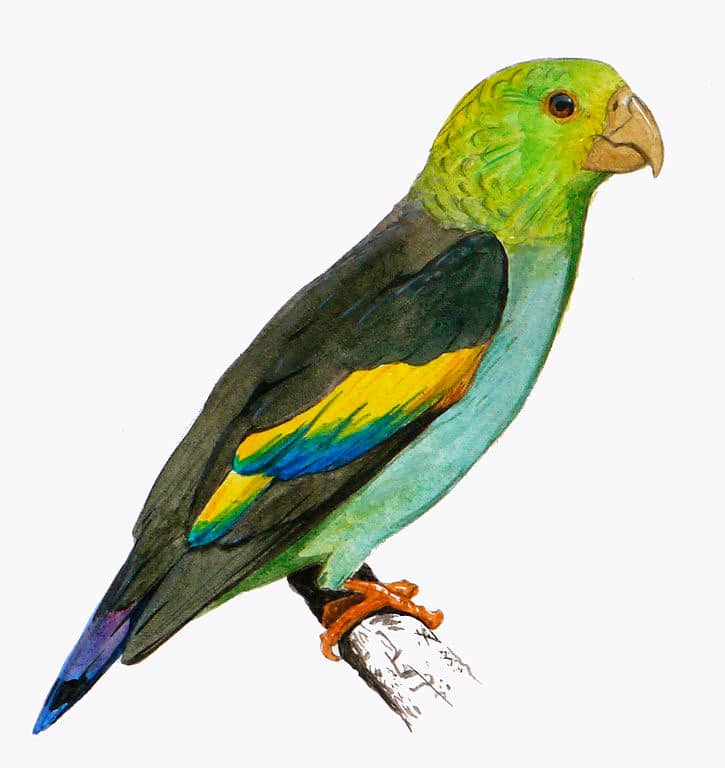
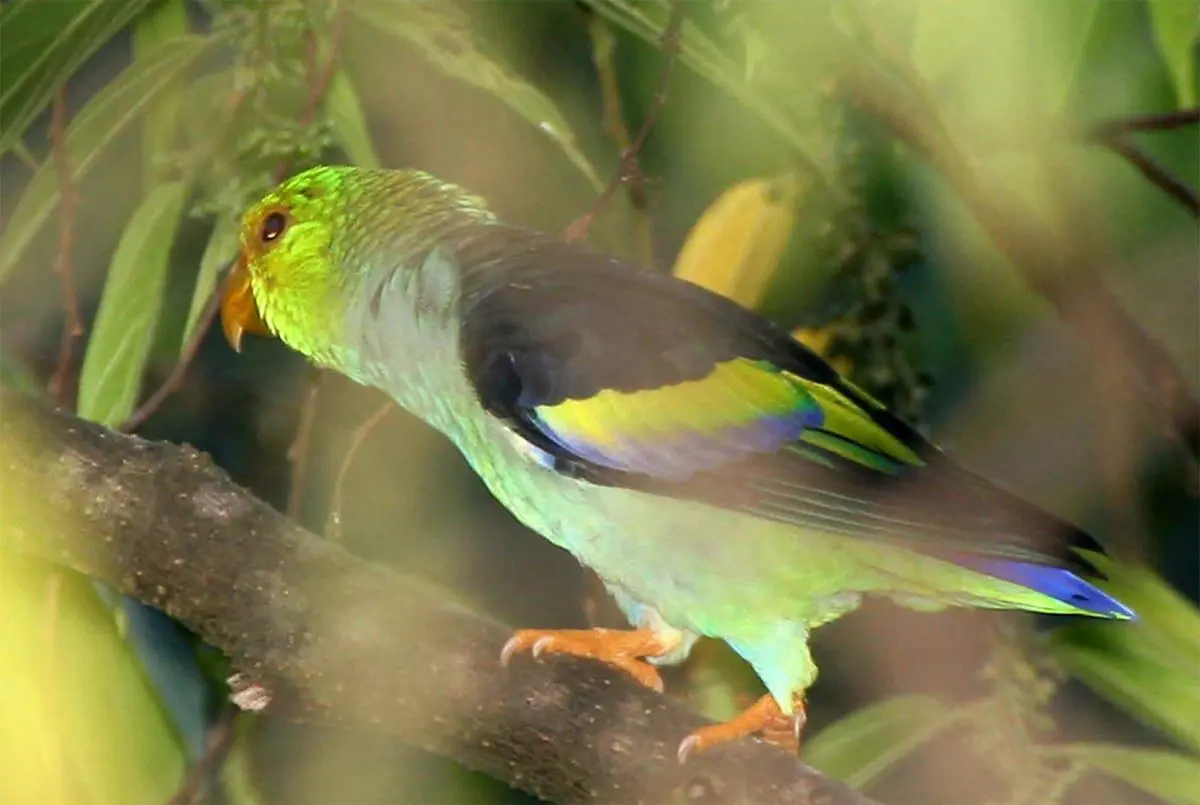
The Lilac-tailed Parrotlet (Touit batavicus) has 14 cm.. height. Usually black in it upperparts (back and wings) and green in it lower. With the crown and nape yellowish-green with black border (What gives a suspiciously aspect). The forecrown, cheeks and chin Yellow Gold, chest Azure Blue, Yellow patch in the wing , tail ends reddish purple and black subterminal edge.

Habitat:

It inhabits in forest dry and jungles cloudy between 400 and 1700 m (in Colombia).
Considered powerful flying, the sharp profile of its wings, They quickly fly over the forest canopy, in groups of 10 to 50 and they are gregarious except in the time reproductive.

It is of a forest Ave, but it can be seen near the shore of the sea in the areas where the edge of the forest close to the coast.

The calls during the flight they are soft and nasal, reaching a high tone, Buzz.

Reproduction:

It nests in hollows in trees or in arboreal termite holes, between the months of February and March. It is thought that it has migratory movements.

Food:

Its diet is composed of flowers, nectar, fruit, outbreaks, berries and seeds.

Distribution:

Size of the area of distribution (reproduction / resident): 330.000 km2

Can be found from the North of Venezuela According to the East up to Guyana, Suriname, French Guiana and in Trinidad and Tobago.

Conservation:

State of conservation โ“˜


minor concern Minor Concern โ“˜ (UICN)โ“˜

โ€ข Current category of the Red List of the UICN: Least concern.
โ€ข Population trend: Decreasing.

Justification of the population

The size of the world population It has not been quantified, but this species is described as ยซquite commonยป (Stotz et to the., 1996).

Justification of trend

They suspect that this species has lost a 8,2-8,4% of habitat suitable within their distribution during three generations (15 years) based on a model of Amazon deforestation (Soares-Filho et to the., 2006, Bird et to the., 2011). Given the susceptibility of the species to the hunting or the capture, It is suspected that will decrease in <25% during three generations.

"Lilac-tailed Parrotlet " in captivity:

It's hard to keep alive captivity, refuses food during the acclimatization period. Deaths occur for this reason and the unbalanced diet.

Images of the "Lilac-tailed Parrotlet "

Videos:

Alternative names:

Lilac-tailed Parrotlet, Black-winged Parrot, Lilac tailed Parrotlet, Scopoli’s Parrot, Seven-colored Parrot, Seven-colored Parrotlet, Seven-coloured Parrot, Seven-coloured Parrotlet (English).
Toui ร  sept couleurs (French).
Siebenfarbenpapagei, Siebenfarben-Papagei (German).
Lilac-tailed Parrotlet (Portuguese).
Cotorrita Sietecolores, Lorito de Siete Colores (espaรฑol).


scientific classification:

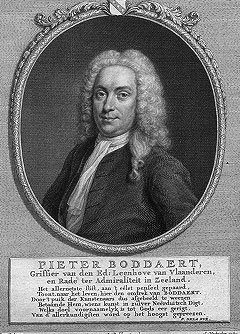
Pieter Boddaert
Pieter Boddaert

Order: Psittaciformes
Family: Psittacidae
Genus: Touit
Scientific name: Touit batavicus
Citation: (Boddaert, 1783)
Protonimo: Psittaca Batavica


Lilac-tailed Parrotlet (Touit batavicus)


Species of the genus Touit


Sources:

  • Avibase
  • Parrots of the World โ€“ Forshaw Joseph M
  • Parrots A Guide to the Parrots of the World – Tony Juniper & Mike Parr
  • Parrot Book, Parrots and macaws Neotropical

Photos:

(1) – birdsoftt
(2) – Lilac-tailed Parrotlet. Watercolor, Romain Risso By Gossipguy (Own work) [CC BY-SA 3.0], via Wikimedia Commons

โ–ท The world of Pets: Dogs, cats, birds, reptiles, amphibians

Black-winged Lory
Eos cyanogenia

Lori Alinegro

Content

Description

30 cm.. height and an approximate weight of 120 gr.

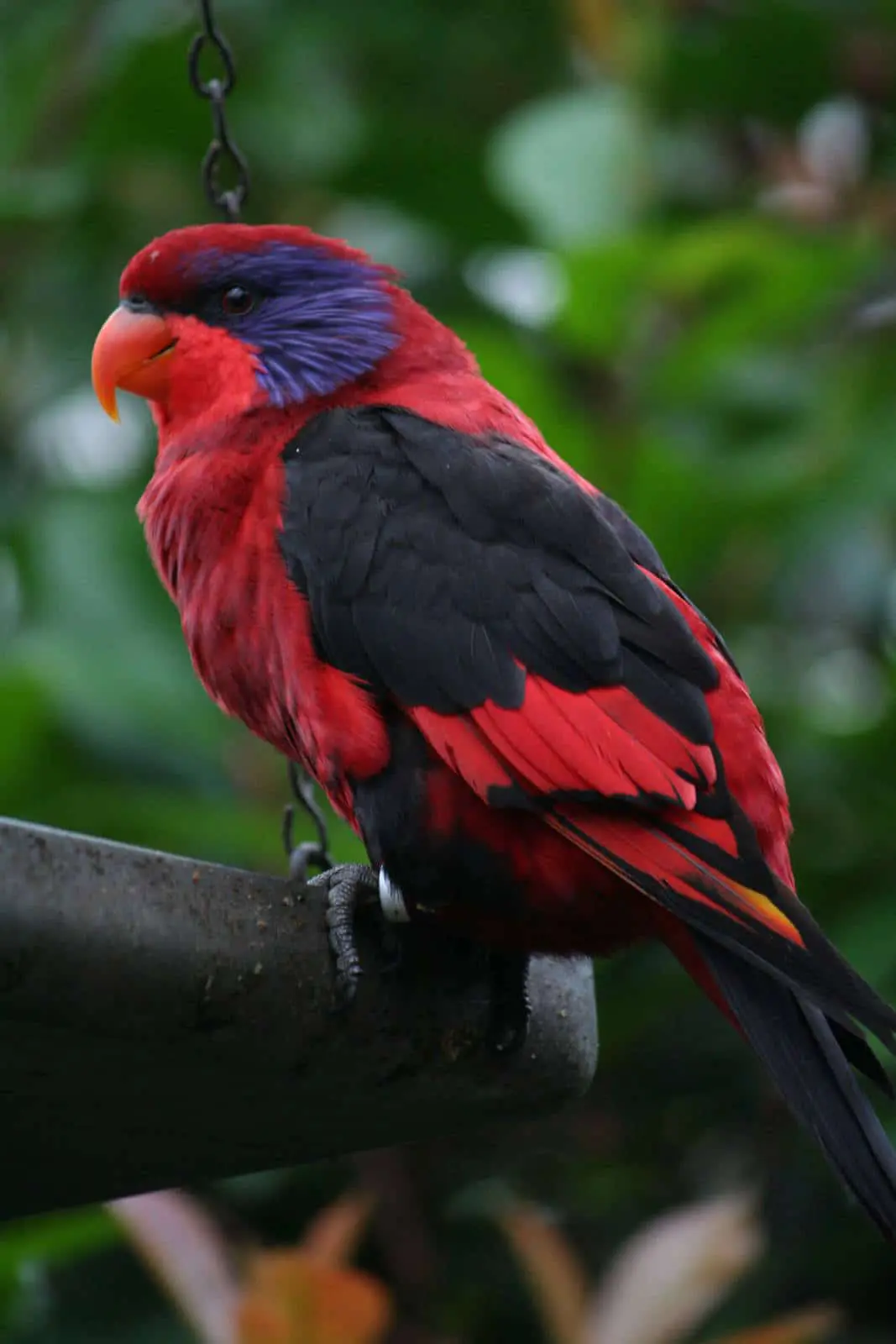
The Black-winged Lory (Eos cyanogenia) has a plumage predominantly red.

Adults have a blue patch surrounding the eyes, cover the tops of the ear and reaches the back of the neck.

Feathers covering the shoulder blade (scapular), small feathers that cover the outside (coverts) and bend of wing are black. The primary and high school they have a black bordered.

The the thighs and flanks they are sprinkled with black. The bottom of the wings shows a wide band Red. The feathers of the tail are black contrasted with red feathers.

The bill is red-orange. The irises they are red, legs grey.

The youth they are more muted than adults. They have blue-black ends in feathers of the head, neck and underparts. The the wing covers are black, with a green light opaque. The bill is of color brown orange, irises brown.

The Black-winged Lory It can be confused with almost all parrots of the genus Eos, but it is the only one of this category that has the covered wing in black color.

Habitat:

The Black-winged Lory they are quite common and widespread in coastal areas, coconut plantations, the forested areas in the process of regeneration, in some large trees scattered in bushes Moors and local gardens.

In some small islands such as Supiori, they are also present in large numbers in inland forests.

Residing in altitudes ranging from sea level to the 460 m.

They live in pairs or in small family groups. They are also often found in flocks of forty individuals or more.

Son noisy birds and easily observable. At the local level are very popular. In the reflection of both, the natives capture them frequently as pet birds.

The Black-winged Lory they have a fly quick and direct. Often you can hear the hum of their wings when they fly over the villages. They are even more recognizable when they often fly low, well below the tops of the trees.

Reproduction:

Little is known of their reproductive ecology., but it was observed the presence of a possible nesting site in a hole in a tall tree in the forest by a couple during the observations in 1982.

The incubation in harsh captivity around 26 days, and as in all loris, the nesting cycle is particularly long and hard between 75 and 89 days.

Food:

They have a regime that differs little from other parrots of the genus Eos. Feed in the trees in flower of nectar of Brugierto and pollen. Your menu will probably be complemented by fruit, berries of the mistletoe and sometimes insects.

Distribution:

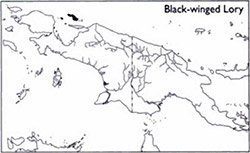
Distribution Lori Alinegro


Being endemic to the islands of the Cenderawasih Bay in the part Indonesia of New Guinea.

They live on most islands (Numfor, Biak, Manim, Pulau Num) but are absent from Yapen, the main island, where are replaced by the Dusky lory (Pseudeos fuscata).


Conservation:


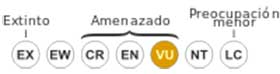
Vulnerable

– Current IUCN Red List category: Vulnerable

– The population trend: Decreasing

The population is estimated at 2,500 to 9,999 mature individuals.

Logging and subsistence agriculture have driven the loss of forests within their range and the hunting pressure remains a threat. Consequently, the species is suspected to be declining at a moderate pace.

Relatively large numbers of birds have been trapped for the national and international trade.

Since December of 1989, the import of the Black-winged Lory It is strictly prohibited in the European Community.

Conservation Actions Proposed:

– Conduct surveys on all the Geelvink Islands to clarify its distribution and current population status.
– Investigation of their ecology and movements to facilitate conservation planning.
– Investigate the species trade and design and implement appropriate controls.
– Estimating the rate of loss of forests within its range.
– Check the register in Supiori and establish a captive breeding program to support future reintroduction and supplementation efforts.

"Black-winged Lory" in captivity:

This species is observed commonly as a pet in Biak (island located in the bahรญa Paradise, off the north coast of Papua).

Due to its status in danger of extinction, any specimen that can not be returned to their natural habitat (natural range) should preferably be placed in a well-managed breeding program to ensure the survival of the species.

Alternative names:

Black winged Lory, Biak Red Lory, Black-winged Lory (ingles).
Lori ร  joues bleues (French).
Schwarzschulterlori (German).
Lรณris-asa-negra (Portuguese).
Lori Alinegro, Lori de Alas Negras (espaรฑol).

scientific classification:

Order: Psittaciformes
Family: Psittaculidae
Scientific name: Eos cyanogenia
Citation: Bonaparte, 1850
Protonimo: Eos cyanogenia

ยซLori Alinegroยป images:

Videos "Black-winged Lory"

————————————————————————————————-

ยซLori Alinegroยป (Eos cyanogenia)


Sources:
Avibase, Oiseaux.NET, BirdLife.org
– Photos: galleryhip.com, Sheri Hanna
– Sounds: Hans Matheve (Xeno-canto)

โ–ท The world of Pets: Dogs, cats, birds, reptiles, amphibians

Sula hanging parrot
Loriculus sclateri

Hanging of the Sula

Content


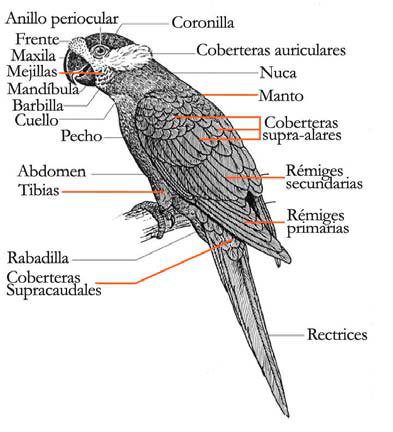
Anatomy-parrots

Description

14 cm.. length.

The plumage of the Sula hanging parrot (Loriculus sclateri) is mostly green.

The chin and throat They are red. There are orange-yellow markings on the mantle and in the back. The coverts, rump and tail upper are crimson, extending to the tip of the tail. Carpal edge red (Wing attack on the "shoulder"). The tail It is green with yellow-green tip. The bill is black.

the female has the irises brown, While the male is pale yellow.

To the Sula hanging parrot Sometimes I have treated as a subspecies of the Moluccan hanging parrot, but the two are treated as separate species based on its clear differences in plumage and size.

Description 2 subspecies

  • Loriculus sclateri ruber

    (Meyer,AB & Wiglesworth, 1896) – Similar to the nominal species but red in the mantle and back.


  • Loriculus sclateri sclateri

    (Wallace, 1863) – Nominal.

Habitat:

They are generally distributed in humid areas of subtropical primary and secondary forests or lowland tropical forests. until 450 meters above sea level – mainly on the edge of the forest. Can also be seen in remaining tall trees in plantations and cultivated areas.

viewed solos, or pairs or small groups.

Reproduction:

The first breeding season begins in January and lasts until April; and if conditions are right, breeding activities can once again be observed from July to September.

Nest trunks of dead trees, favor of the narrow hollow long with small entrance holes. Noticed it a female carrying nesting material, that can include pieces of bark, leaves and feathers for lining of the nest. Sunset You can consist of 2 to 4 white eggs. Single the female incubates the eggs during 20 days, While the male feeds it. Each egg measures of ~ 15 mm to 18,7 mm.

Food:

Its diet natural It consists mainly of red fruits – particularly wild figs, guava and berries, as well as flower buds and flowers. They also feed on nectar and seeds.

Distribution:

Size of the area of distribution (reproduction / resident): 30.800 km2

endemic to the Sula Islands (Taliabu, Mangole and Sanana), as well as of Banggai in Sulawesi (formerly known as Celebes)

Distribution 2 subspecies

Conservation:


minor concern


โ€ข Current IUCN Red List category: Least concern

โ€ข Population trend: Stable

The size of the world population It has not been quantified, but the species is described as common in its range (pit et to the. 1997).

The population is suspected to be stable in the absence of evidence of any reduction or substantial threats.

A possible threat to its existence are the capture for the bird trade and habitat loss.

"Sula hanging parrot" in captivity:

Practically unknown in captivity.

Alternative names:

Sula Hanging-Parrot, Sula Hanging Parrot, Sulu Hanging Parrot (ingles).
Coryllis de Sclater, Coryllis des Sula (French).
Sulapapageichen (German).
Loriculus sclateri (Portuguese).
Lorรญculo de las Sula (espaรฑol).

Alfred Russel Wallace

scientific classification:


Order: Psittaciformes
Family: Psittaculidae
Genus: Loriculus
Scientific name: Loriculus sclateri
Citation: Wallace, 1863
Protonimo: Loriculus sclateri


Images "Sula hanging parrot"

Videos "Sula hanging parrot"

————————————————————————————————

"Loricle of the Sula" (Loriculus sclateri)


Sources:

Avibase
– Parrots of the World โ€“ Forshaw Joseph M
– Parrots A Guide to the Parrots of the World – Tony Juniper & Mike Parr
– Birdlife
beautyofbirds

Photos:

(1) – ยซLoriculussclateriwolfยป by Joseph Wolf – Proceedings of the Zoological Society of London 1862 (Web). Licensed under Public Domain via Wikimedia Commons.

Sounds: Peter Wilton (Xeno-canto)

โ–ท The world of Pets: Dogs, cats, birds, reptiles, amphibians

Elegant Parrot
Neophema elegans


Elegant Parrot

Content


Anatomy-parrots

Description ยซElegant Parakeetยป

21 to 24 cm.. length between 40 and 51 g. of weight.

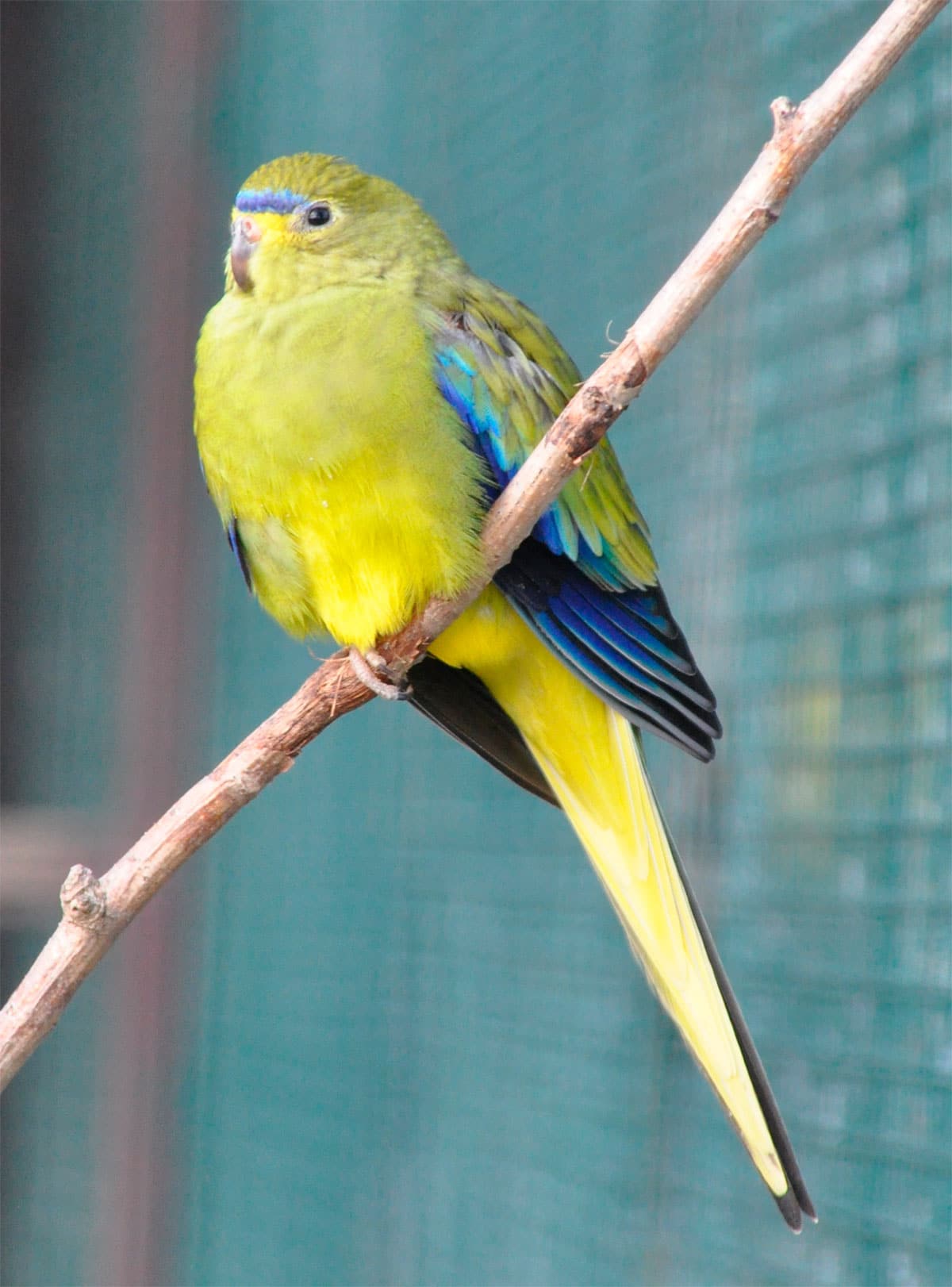
The Elegant Parrot (Neophema elegans) is very similar to the Blue-winged Parrot (Neophema chrysostoma), but its plumage It is brighter and more yellowish especially in the chest.

The crown is olive-green with a front band in dark blue tone and a distinctive and fine light blue on the rear margin. Lords bright yellow; the face Yellow olive.

The the mantle and back are olive green, staining in yellow tones in the area of the rump. The bend of wing they are blue. The wing-coverts more internal are olive green, the median pale blue tips, the large coverts with edge them in blue malva; the primary coverts in blackish shades with margins of violet-blue. The primaries black, with edges in blue violet dark; the secondaries greenish-yellow colour with external margins of blue color in the outermost zone.

The wing feathers blue-violet color. Throat and chest of yellowish-green, becoming bright yellow in the belly and in the undertail- coverts, sometimes with orange patches among the legs. Upper, the tail greyish blue, darker towards tip, Yellow lateral feathers with darker bases.

The bill black; irises dark brown; legs grey.

The plumage of the female is olive green opaque.

Immature females they are similar, except the line forecrown It is barely visible.

The adult plumage WINS in three or four months.

  • Sound of the Elegant Parrot.

โ€œElegant Parakeetโ€ Habitat:

The Elegant Parrot It is a nocturnal migratory bird. It is the least specialized of its kind. It attends the nearshore or coastal dunes, wooded grasslands and Shrublands, areas of Mallee that have the appearance of large shrubs and plots of eucalyptus.

You can also see in the shrubs of Acacia, in areas of low altitude provided Acacias (Acacia caesiella) or fitted with bushes of the salt Plains Saltbush Atriplex. They especially appreciate the groups of trees that are cleared up areas.

outside the breeding season, the Elegant Parrot they form large flocks, often in association with the Blue-winged Parrot, in the Southeast. They gather in grasslands and brushy areas to feed on native or imported seeds or grasses..

These parakeets are partially nomadic, above the outer limits of its range. Local low-intensity movements can also occur. These birds nest in Kangaroo Island, from November to April. after this last month, they move to the Mainland to form their winter quarters.

Reproduction ยซElegant Parakeetยป:

The Elegant Parrot They nest from August to November. Usually install their nest in a cavity in a tree at high altitude. They often use the highest branches of isolated trees. Spawning is composed of 4 or 5 eggs incubation lasts a few 18 days. The chicks are altricial and they leave the nest after one month.

โ€œElegant Parakeetโ€ Feeding:

The Elegant Parrot they are almost exclusively vegetarian. Their menu consists of clover or sunflower seeds and other plants of the type Helianthus, Trifolium and paspalum. Also appreciate the Berberis (Jeffersonia diphylla) and barberry (Berberis vulgaris).

ยซElegant Parakeetยป Distribution:

There is a two morphologically identical populations but well separated, although the species is nomadic so the birds can appear outside the normal range sometimes.

In the Southwest the species occurs west of a line from the environs of Esperance on the southern coast of the North of Western Australia through Merredin until Moora on the Northwest Coast.

They have spread through the wheat belt of the drier areas of the northeast and are now in the vicinity of Perth, as well as sometimes north of Point Cloates and the fortescue river.

In the Southeast are distributed in the South of Southern Australia, on eyre peninsula, on Kangaroo Island (present in summer), and in the districts of South, about Port Augusta, Port Wakefield and about adelaide, in the Lofty Mountains, reaching northward in the northern most part of the Montes Flinders.

The species is irregular East of 140 ยฐ E, with few records from New South Wales, North of Riverina to paroo river; is also irregular in the Northwest of Victoria.

The population of the Southwest It is growing, While in the Southeast believed to be stable although the species is generally less common and its historical range is not easy to determine due to possible confusion with the Blue-winged Parrot.

The world population is estimated over of 30.000 individuals.

โ€œElegant Parakeetโ€ Conservation:


minor concern


โ€ข Current category of the Red List of the UICN: Least concern

โ€ข Population Trend: Growing

According to the Manual of the birds of the world (HBW), This species is not threatened globally. It is common, especially in the southwest of Australia.

Until the Decade of 1930, It grew, After the use of clover in pastures.

The size of the world's population has not been quantified, but the species, according to sources, it is common. (pit et to the. 1997). It is estimated that it may be around the 30,000 specimens.

"Elegant Parrot" in captivity:

The Elegant Parrot they belong to a species that are obtained very good results in reproduction. They are also suitable for fans of parrots.

They are peaceful birds that do very low noise. They are a little shy, but they become confident with time. They are easy to maintain but they have the need to crack, a little bigger, than other species of neophemas, without the destruction of your Aviary. Your bathroom need depends on the individual. Son heat-resistant, but they are very sensitive to cold and wet fog.

To the Elegant Parrot He loves to dig the ground and is therefore susceptible to infection by worms. They are also sensitive to eye infections.

Alternative names:

Elegant Parrot, Elegant Grass-Parakeet, Grass Parakeet, Grass Parrot, Yellow Lowry (ingles).
Perruche รฉlรฉgante (French).
Schmucksittich (German).
Periquito-elegante (Portuguese).
Papagayo Elegante, Periquito Elegante (espaรฑol).

scientific classification:

Order: Psittaciformes
Family: Psittaculidae
Genus: Neophema
Scientific name: Neophema elegans
Citation: (Gould, 1837)
Protonimo: Nanodes elegans

ยซElegant Parakeetยป Images:

Videos "Elegant Parrot"

————————————————————————————————

ยซElegant Parakeetยป (Neophema elegans)


Sources:

Avibase
– Parrots of the World โ€“ Forshaw Joseph M
– Parrots A Guide to the Parrots of the World – Tony Juniper & Mike Parr
– Birdlife

Photos:

(1) – Elegant Parrot in the Walsrode Bird Park, Germany By Quartl (Own work) [CC BY-SA 3.0], via Wikimedia Commons
(2) – By Goura – Elegant parrot Perth, WA, Australia – ZooChat
(3) – Elegant Parrot Neophema elegans – animalphotos
(4) – Elegant Parakeet (Neophema elegans) at Walsrode 2007 by Maguari – ZooChat
(5) – Stirling Range Retreat, Stirling Range National Park, Western Australia, Australia (Monotypic species) by Clive Nealon – Lynx

Sounds: Mark Harper (Xeno-canto)

โ–ท The world of Pets: Dogs, cats, birds, reptiles, amphibians

Military Macaw
Ara militaris

Guacamayo Militar

Content

Description:

70 to 85 cm.. length and a weight between 900 and 1100 g..
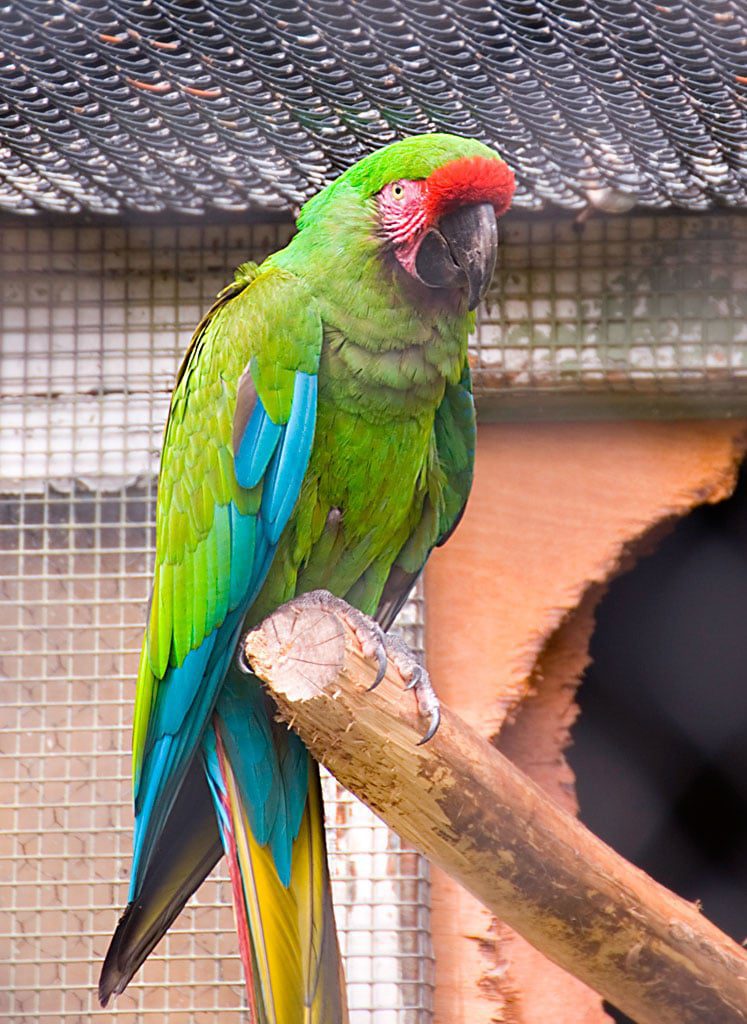
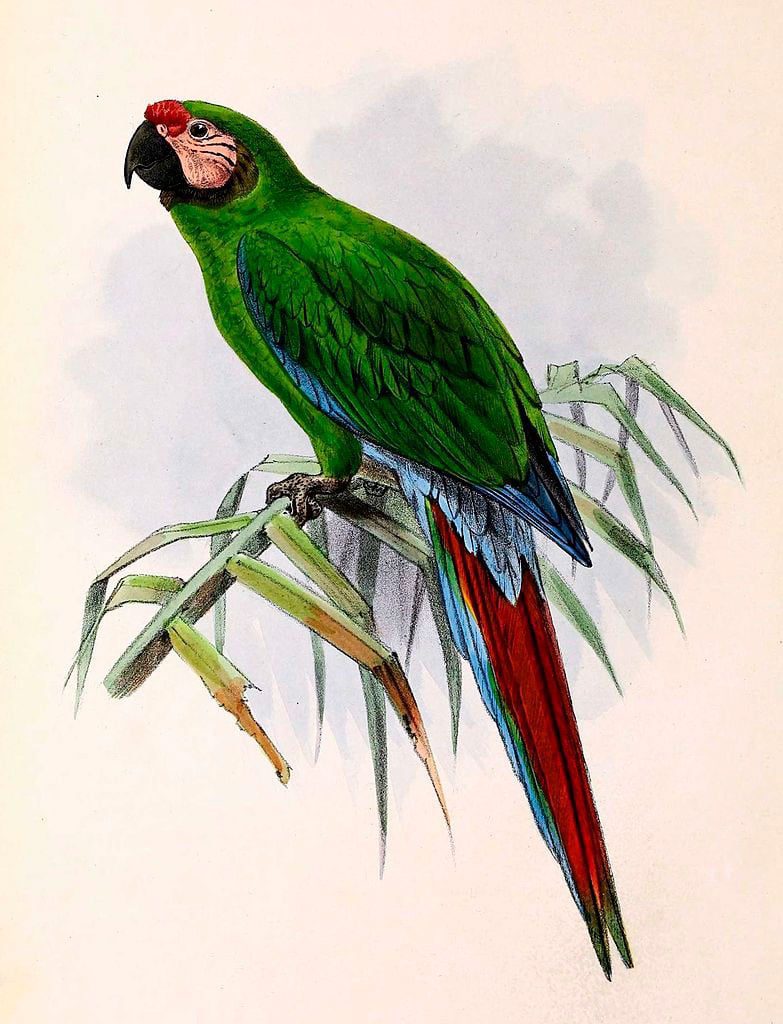
The Military Macaw (Ara militaris) has a dark green color. The head is a green slightly clearer and the crown blue. The back and the top of the wings they have a slightly greenish tone. The rounding of the wings, the edge of the wings and flight feather exterior are light blue.

Illustration military Macaw

The forecrown it is bright red in color and there are a series of purplish-brown lines of feathers on a background of bare skin, since the nose to behind eyes and in the cheeks.

The area of the throat and a narrow strip below the cheeks are olive brown in colour. Breast and belly green; undertail- coverts pale blue.

Upper, the tail orange-red with the ends of the feathers blue; undertail, the tail olive green yellowish.

The eyes has irises yellow. The bill is dark gray, legs dark grey.

Both sexes similar.

Immature not described but as other large macaws, irises probably Brown, tail shorter and the bare facial skin clearer.

Subspecies description:

  • Ara militaris bolivianus

    (Reichenow, 1908) – It differs from the species nominal by the throat reddish brown. The headphones feathers they have a base of reddish and blue present in the wings and at the end of the feathers is a more intense tone.


  • Ara militaris mexicanus

    (Ridgway, 1915) – Almost identical to the species nominal but larger.


  • Ara militaris militaris

    (Linnaeus, 1766) – The nominal species

Habitat:

The Military Macaw they can be mainly observed in foothills of mountainous terrain in woodlands with cannons fields, mostly between 500 and 1, 500 meters above sea level, at the local level to 2.000 m, (3,100 m reported in Peru, to 2,400 m in Bolivia), but also at sea level in the Pacific of Mexico and in the region of Santa Marta, Colombia.

In Mexico, most are distributed in isolated highlands in semi-arid and arid forests, as well as in forests Quercus and Pinus; sometimes in humid, riparian lowland formations, with altitudinal movements to lower altitude to dense scrub forests between November and January.

Observed in humid forests in the Colombian Andes.

In Venezuela, in the rainforest, in some mountainous areas 600 m, sometimes also in more open dry forests.

Usually in pairs or small flocks (until 10 birds), but much larger swarms reported in flights to the roosts. Communal roosts on cliffs or in trees.

Reproduction:

Nest, usually, in crevices of cliffs; sometimes in large trees (for example, Acer, Pinus or Enterolobium).

In Mexico It has been observed to the Military Macaw making use of old nests of the Imperial Woodpecker (Campephilus imperialis) in dead pine.

Breeding pairs are for life.

The egg laying takes place in the month of June in Mexico. They are of two to three eggs that it will take 24 days to hatch, and where the young will remain with the parents for about a year.

The first flights the chicks are produced between the 97 and 140 days old and reach sexual maturity to the 3 or 4 years of age.

Food:

The diet of the Military Macaw It consists of a wide variety of fruits and nuts, including fruit of the Melia azedarach, Ficus and seeds of the Hura crepitans.

Distribution:

Size of the area of distribution (reproduction / resident): 276.000 km2

distributed by Mexico, In addition to several separate populations of South America, heading south to northwest of Argentina.

Widely distributed in Mexico from Sonora (where they have been observed at 28ยฐ 45'N) and Chihuahua in the North, until Chiapas, in the South and the East, where the birds may be geographically isolated.

Absent from the lowlands of the Caribbean; ancient appearances in Guatemala not confirmed.

In Colombia to the West of the Andes to the South of Dagua, of the Magdalena River Valley, and on the West side of the Andes, to the East of the Sierra Nevada de Santa Marta, in the North, through the East of the Ecuadorian Andes until Huanuco in the Peruvian Andes.

Also distributed by the North of Venezuela on Serrania del Perija and from Northwest of Zulia until Federal District.

In Peru, mostly, observed in the East of the Andes, above all in the Maraรฑรณn region, where at least, formerly, It was a common migrant from the slope of the peaceful between September-October(reported on the west slope at 6ยฐ 50'S) to feed on the fruit available seasonally.

In the East of the slopes of the the Bolivian Andes, in Santa Cruz de la Sierra, Chuquisaca and Tarija and Northwest corner of Argentina in Salta and possibly Jujuy.

Seasonal movements in many areas, for example, visitors to the West of Caquetรก in Colombia, from the western slope of the Andes up to this.

Rare in the South of Mexico (in Chiapas possibly extinct), more numerous in the East and Northwest, where flocks of several hundred birds were reported at the end of 1970.

Very local in the Andes and at risk in Venezuela due to habitat loss and trade.

Fairly common in the North of the region of Santa Marta, but sporadic in other parts of Colombia.

Flocks of up to 60 birds observed in the Manu National Park in Peru and in the Amborรณ National Park of Bolivia.

Very rare in Argentina with only sporadic reports in recent years. Recent declines due to low habitat and bird trade, a large number of birds in captivity.

Subspecies distribution:

  • Ara militaris bolivianus

    (Reichenow, 1908) – South of Bolivia and Northwest of Argentina.


  • Ara militaris mexicanus

    (Ridgway, 1915) – Mexico


  • Ara militaris militaris

    (Linnaeus, 1766) – The species nominal

Conservation:


Vulnerable

โ€ข Current Red List of UICN: Vulnerable

โ€ข Population trend: Decreasing

The population size is estimated, provisionally, You can be in the band between 10.000 and 20.0000 individuals.

It is suspected that the population This species can be decreasing due to ongoing habitat loss and capture for national trade.

The loss of habitat and especially the national trade they are major threats to this species, even within the reserves (Snyder et to the. 2000).

In 1991-1995, 96 wild-caught specimens were found in the international trade, with Bolivia and Mexico, possibly, major exporters (Chebez 1994, D. Brightsmith in litt., 2007).

In Mexico, remains one of the most sought after species for the illegal trade of birds in cage; between 1995 and 2005, was the fifth country with the most parrots seized by the Environmental Control Agency from the country, becoming the fourth with more seizures between 2007 and 2010 (JC Cantรบ in litt. 2010).

In many areas it nests in hard-to-reach cavities in cliff faces., that provide some protection against the pressures of plundering of nests. But, the plundering of nests is a serious threat in Jalisco and Nayarit, where the species nests in tree cavities (C. Bonilla in litt. 2007, K. Renton in litt., 2007).

In Jalisco, Mexico, These macaws were not found in deforested areas, even when it was abundant the Hura polyandra (an important source of food), leaving, in the news, as trees to provide shade for cattle (Renton 2004).

An analysis of the GARP believes that the species has undergone a 23% loss of habitat within its distribution area in Mexico (Rios Munoz 2002).

A subpopulation in the Valle del Cauca, Colombia, account for less than 50 mature individuals, little is to be lost as a dam is expected to flood the only nesting cliff (ProAves Foundation 2011).

"Military Macaw" in captivity:

Very popular in poultry.

Although the Macaw Militar is present for more than one century in Europe, He has never enjoyed special interest among the fans, It's a shame, Since it is a being Intelligent. The main reason should be your little flamboyant plumage; especially compared to the one of other macaws. Other failures affect its presence in aviaries: is very loud and has a strong tendency to gnaw.

The power of their vocal organ is much higher than of any other species of Macaw. On the other hand it also good qualities: is very applied to learn, has a great talented imitator and presents an intelligence out of the ordinary.

With regard to its longevity, according to sources, a specimen lived 46 years in captivity. In captivity, these animals have been known that they can raise some 5 years of age.

Alternative names:

Military Macaw (English).
Ara militaire (French).
Soldatenara (German).
Arara-militar (Portuguese).
Guacamaya Verde, Guacamayo Militar, Guacamayo Verde, Papagayo verde (espaรฑol).
Guacamaya verde oscura (Colombia).
Guacamayo verde (Venezuela).
Guacamayo militar (Ecuador).
Maracan, Paraba militar (Bolivia).
Jarcia, Sarea (Chaka).
Panicco (Cofรกn.).

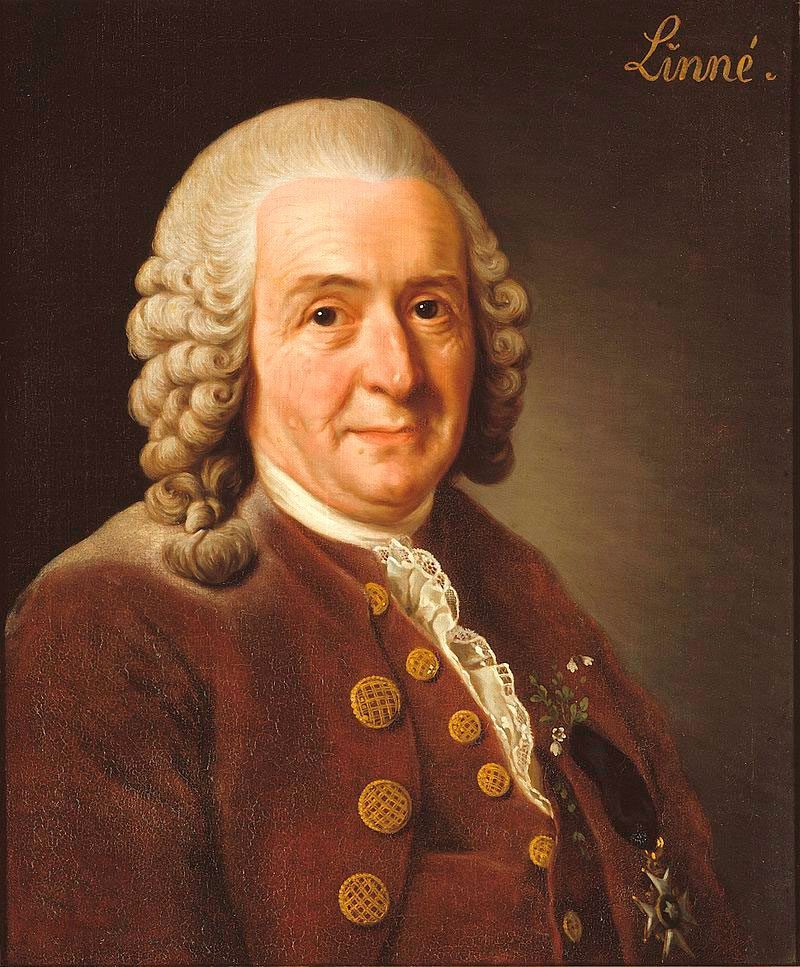
Carl Linnaeus
Carl Linnaeus

scientific classification:


Order: Psittaciformes
Family: Psittacidae
Genus: ARA
Scientific name: Ara militaris
Citation: (Linnaeus, 1766)
Protonimo: parrot military


Images Military Macaw:

Videos "Military Macaw"


Species of the genus Ara


Sources:

Avibase
– Parrots of the World โ€“ Forshaw Joseph M
– Parrots A Guide to the Parrots of the World – Tony Juniper & Mike Parr
– Birdlife

Photos:

(1) – Military Macaw (Ara militaris) at London Zoo, England By jon hanson (originally posted to Flickr as military macaw) [CC BY-SA 2.0], via Wikimedia Commons
(2) – Military Macaw Ara militaris in captivity at Occidental Grand Xcaret Resort, Yucatan, Mexico By Tony Hisgett (originally posted to Flickr as Green Parrot) [CC BY 2.0], via Wikimedia Commons
(3) – Military Macaw flying at Whipsnade Zoo, Bedfordshire, England By Ara_militaris_-Whipsnade_Zoo_-flying-8a.jpg: Alex Smithderivative work: Snowmanradio [CC BY 2.0], via Wikimedia Commons
(4) – Three Military Macaws at Zoolรณgico Los Coyotes, Mexico By Gary Denness (originally posted to Flickr as Squawk No Evil) [CC BY 2.0], via Wikimedia Commons
(5) – Two Military Macaws at Whipsnade Zoo, Bedfordshire, England. The macaw on the left has damaged feathers on its chest and abdomen probably because of a feather plucking habit By Mark Fosh (originally posted to Flickr as Macaw) [CC BY 2.0], via Wikimedia Commons
(6) – Two Military Macaws at Moody Gardens, Galveston, Texas, USA By joannapoe (originally posted to Flickr as 2005-06-18_11-52-47) [CC BY-SA 2.0], via Wikimedia Commons
(7) – A Military Macaw at Whipsnade Zoo, Bedfordshire, England. Some of its feathers are damaged probably due to feather plucking By William Warby from London, England (Military MacawUploaded by Snowmanradio) [CC BY 2.0], via Wikimedia Commons
(8) – Military Macaws in Mexico By Gregg (originally posted to Flickr as YOU WANT SOME?) [CC BY-SA 2.0], via Wikimedia Commons
(9) – Military Macaw (Ara militaris). Details of the head and face By Mary Mueller (Flickr) [CC BY 2.0], via Wikimedia Commons
(10) – Arara militaris by John Gerrard Keulemans [Public domain], via Wikimedia Commons

Sounds: (Xeno-canto)

โ–ท The world of Pets: Dogs, cats, birds, reptiles, amphibians

Vinaceous Parrot
Amazona vinacea

Vinaceous Parrot

Content


Anatomy-parrots

Description:

30 cm.. length and an approximate weight of 370 g..

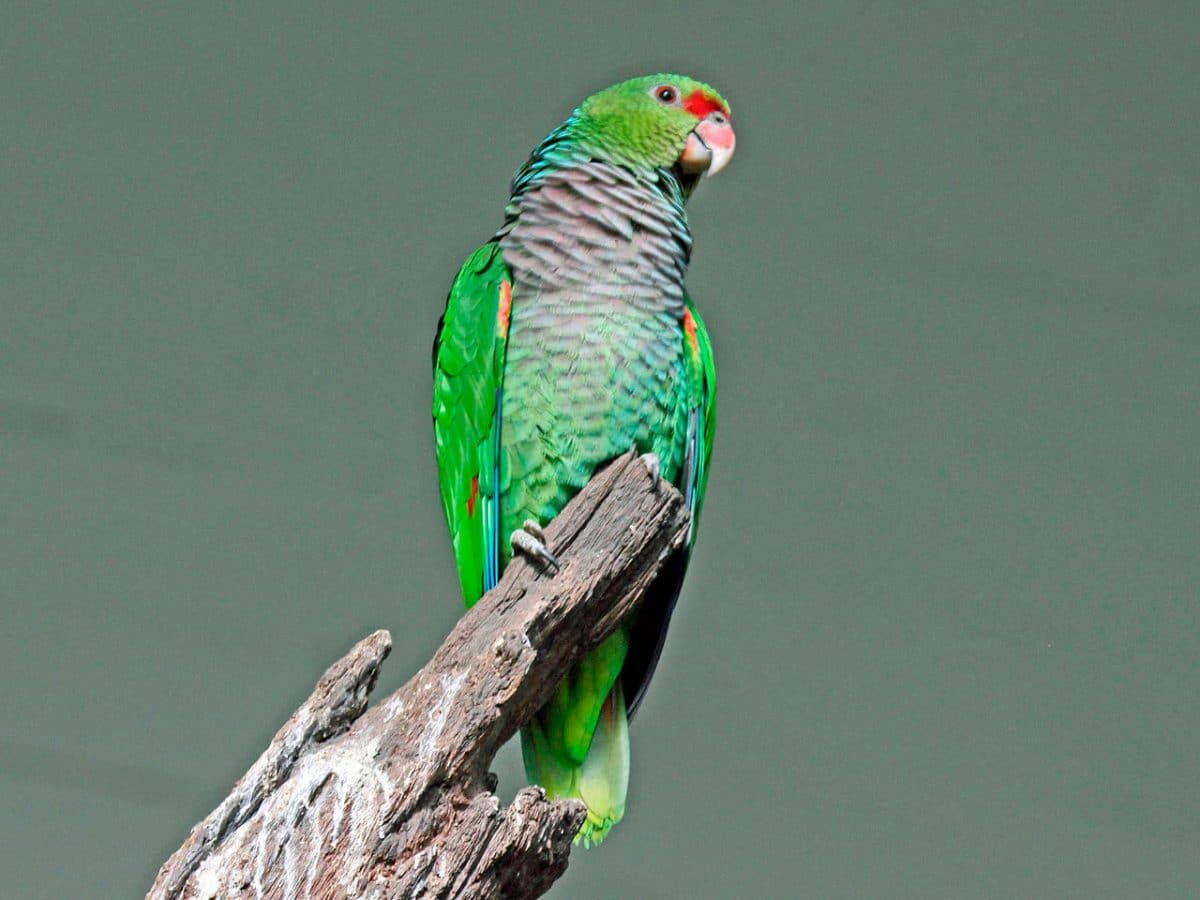
The Vinaceous Parrot (Amazona vinacea) has the lores and forecrown bright red; cheeks and crown green with black tips to some feathers head; elongated feathers on the sides of neck, the nape and the upper mantle, green at the base, subterminally light blue and black tip. The rest of the the mantle, back and scapulars, green with some feathers showing indistinct black tips; uppertail-coverts pale green.

Wing coverts green with red variable and / or yellow in leading edge of wing and the carpal area. Primaries pale bluish-green; Secondary green with blue tips, the base outerweb of the three outer secondaries, red, forming a small looking-glass. Under the wings, green. Throat and chest with shades that vary from strong wine brown to pale blue with a strong vinous diffusion; subterminal dark band at the tips of the feathers gives scalloping pattern; Belly green or yellowish green sometimes with vinous dissemination; undertail-coverts brighter yellowish green. Tail green with yellow green tip; the base lateral feathers in red innerwebs, in purple outerweb. The upper jaw It is red at the base with pale tip, horn-colored lower, reddish at the base; irises orange to reddish brown; legs grey.

Both sexes are similar. The immature It has the green suffusion in chest and the less extensive red on the head (confined to the base upper jaw).

  • Sound of the Vinaceous Parrot.

Habitat:

Video – "Vinaceous Parrot"

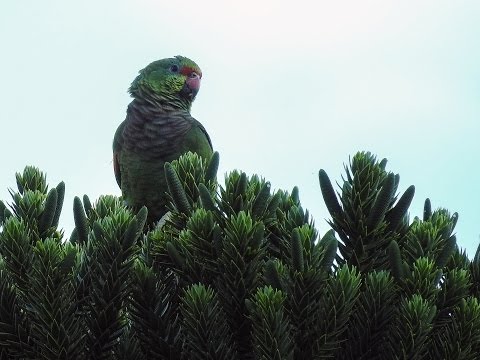
Purple-breasted Parrot in Itamonte - Minas Gerais, Brazil

The Vinaceous Parrot inhabit in tropical and subtropical evergreen mixed forests; in the Brazil in humid coastal forests, in the East of Paraguay They can be found in forests Araucaria angustifolia and Euterpe edulis. The extent of the ecological dependence of this species on coniferous trees (Araucaria and Podocorpus) It is not clear, but the Araucaria angustifolia It is clearly important in Missions, Rio Grande do Sul and Santa Catarina and possibly it was related to the previous distribution further north in southeast Brazil.

Mainly observed in the lowlands, but there are reports of birds seen in hills 1.500-2.000 meters in the southeast of Brazil, where the best forest remnants persist. Usually in pairs or small groups with larger meetings (up to approximately 30) in July-August. In pairs during breeding (usually around September).

Reproduction:

The Vinaceous Parrot nidifica in holes in large trees with obvious preference for the Araucaria angustifolia, including rarely cracks in the cliffs. With reproduce the May in loose colonies. breeding season during the months of September to January. Clutch 2-4 eggs.

After the breeding season (February to July), the species congregate in large groups and community shelters.

Food:

The specific foods of the Vinaceous Parrot include flowers and fruits of Euterpe edulis (which apparently it is important seasonally in East Paraguay), seeds of Araucaria angustifolia, fruits of cocoons of Achatocarpus and new leaves Eucalyptus and seeds of Pilocarpus. It has been reported damagor cause in crops of oranges, but with the current low density of this species, It is unlikely to produce a serious economic impact.

Distribution and status:

Size of its range (player / resident ): 1.230.000 km2

The Vinaceous Parrot It is endemic in Southeast South America.

In Brazil It was found in southern Bay, in West Espirito Santo and scattered localities as Minas Gerais, Brazil (a peripheral register from the sao francisco river, about Januaria), sporadically en Rio de Janeiro (possibly a seasonal visitor), but widely observed in Sรฃo Paulo, Paranรก, Santa Catarina and Rio Grande do Sul.

Records in East Paraguay come from Amambay, Canindeyรบ, Caaguazu, Alto Paranรก, Itapua and Guaira and in the North of Argentina from Missions and possibly the eastern half of Currents.

There are some seasonal movements and post-breeding dispersal, possibly in relation to the food supply (for example, seed availability coniferous trees), with invasions scale reported in Paraguay in the past. Declines in the number of birds occur in Rio Grande do Sul January, with all its people disappeared by March and return in April for the rest of the year.

Formerly abundant and widespread but now there has been a contraction dramatic of its range and population, mainly due to the habitat destruction scale, the expansion of agriculture and floods caused by large hydroelectric dams. also trapped for a long time for bird trade.

Are distributed in several protected areas, but none is large enough to maintain a viable population. The former strongholds in eastern Paraguay They are subject to rapid deforestation, with a recent reduction in its scope and numbers and now probably confined only in Alto Paranรก and Ganindeyu.

Probably extinct (or almost) in Bahia and Espirito Santo, and a few birds are likely to remain in Rio de Janeiro and Minas Gerais, Brazil. Confined to the north and northeast of Santa Catarina and locally common only in forested parts of Sรฃo Paulo and Paranรก, where it is thought that the remaining population survives. Persist in the north and northeast of Rio Grande do Sul.

A census 2007 yielded a minimum of 253 copies in Argentina.
It is perhaps the Amazona more common in populations of Rio Grande do Sul, Santa Catarina and Paranรก (several populations of more than 100 birds), in the South of Brazil, and the low number persists in Minas Gerais, Brazil and Sao Paulo, within an estimated total of 1.500-2.000 birds.

Conservation:

State of conservation โ“˜


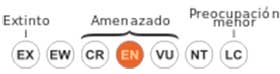
Endangered Endangered โ“˜ (UICN)โ“˜

โ€ข Current category of the Red List of the UICN: In danger of extinction.

โ€ข Population trend: Decreasing.

โ€ข Population size: 600-1700.

Rationale for the Red List category

This species is classified as endangered due to recent population estimates Brazil They indicate that the world population is very small and has suffered a rapid decline due to loss and fragmentation of habitat, aggravated by the trade. It is necessary to clarify whether Brazilian subpopulations exceed 250 specimens.

Justification of the population

Based on estimates 1.500 to 2.000 individuals in Brazil (G. Bencke in some. 2009), 220-400 in Paraguay and 253 in Argentina (K. Cockle in some. 2009), it is estimated that the total population is within the range of 1.970 -2.650 individuals and is probably positioned within the band 1,000-2,499. This is equivalent to 667-1.666 mature individuals, rounded here to 600-1.700 mature individuals.

Justification of trend

rapid and continuous population decline is suspected because of the Poaching of nests, the habitat destruction and persecution as a pest Of crops.

Conservation Actions Underway

โ€ข CITES Appendix I and II and protected by the Brazilian legislation.
โ€ข Nationally considered Vulnerable in Brazil (Urben-Filho et al . 2008, MMA 2014), and Critically Endangered in Argentina and Paraguay.
โ€ข Small populations are found in numerous protected areas (Wege and Long 1995, F. Olmos in some ., 1999).
โ€ข In the Argentina, two young provincial parks are used by the species, but they offer only partial protection because parrots use habitat outside the park for most of its life cycle, including, critically, the reproduction.
โ€ข In the Argentine stronghold of the species between San Pedro and Saint Rose, environmental education is underway to reduce the capture of chicks, and the population has been monitored since 2005 (Selva de Pino Paranรก in litt project., 2007).
โ€ข It has been achieved successful captive breeding.

Conservation Actions Proposed

โ€ข Monitor large populations (in March Argentina).
โ€ข Study reproductive biology and demography throughout the species' range and develop structured captive breeding programs to counter the high level of poaching of wild populations..
โ€ข Protect the general Carneiro (Santa Catarina), Itaipu (Alto Paranรก), RNP Itabรณ Rivas (Canindeyรบ), Estancia Golondrina (Caaguazu) and forests outside reserves Rio de Janeiro (Snyder et to the ., 2000) and between San Pedro and Saint Rose in Missions.
โ€ข Invest in permanently trained park rangers and resolve land tenure problems in Brazilian and Paraguayan reserves. (F. Olmos in some ., 1999, Cockle et al. 2007).
โ€ข Apply laws against the trafficking of species on the roads that connect the Monte Pascoal National Park with South Brazil (Snyder et to the ., 2000), in places where the species is captured and at borders and ports Paraguay and Argentina.
โ€ข Increase local public awareness to reduce nest theft and promote conservation of nesting sites..
โ€ข In Argentina, provide technical support to promote soil conservation, to avoid clearing forests for crops on small farms.

The Vinaceous Parrot in captivity:

The Vinaceous Parrot noted for its easy to imitate the human voice, better and clearer than the Amazona aestiva. Small easily they learn to speak.

Two decades ago, before placement in the Appendix 1 CITES Convention, this species was available in aviculture. It never was imported to Europe in a large number, but nevertheless often it offered for sale. Its price was higher than other species of Amazona available at that time, because of its amazing looks and his talent as an imitator. As the trade in wild birds was coming to an end, the captive population decreased markedly. While this species has been willing to breed for those that provide adequate breeding and have enough individuals to allow natural selection of the mate., captive breeding has been very disappointing, considering the number of birds that were previously available.

In the current avicultura, it seems that there are still a significant number of birds kept in Europe. A survey of amazon parrots in the European zoos, made in 1993 and published in 1994 by the EAZA, he listed in 59 species Vinaceous Parrot conserved in 11 zoological collections: of this, only three, Loro Parque (Spain), Walsrode Bird Park (Germany) and Beauval (France), had recorded breeding successes. It's known, However, that a significant number of Vinaceous Parrot They are held by private poultry farmers Europe and if these owners are willing to work in cooperation with EEP plan that can be started for this species, then the known captive population Europe could be big, enough to be considered as a viable.

The population of this species in captivity is similar to that of other species of the genus Amazona. In Loro Parque a couple is kept in an aviary in the exhibition area of รขโ‚ฌโ€นรขโ‚ฌโ€นthe park, and several more couples are kept in breeding cages suspended in their breeding outside exhibition. Suspended breeding cages are approximately 300 cm long x 95 cm width and height. Each cage has the nest-box placed against the outer rear panel, and there is a cut in the wire hole to allow birds to enter the nest-box. With the nest located outside of the cage, this eliminates the need to enter the service or inspect the nest-box.

The feeding of these birds is done twice a day. To the 7 Morning receive their main dish containing a mixed salad prepared with the following elements: – Apple, pear, tomato, beet, Carrot, alfalfa, lettuce, Peppers, papaya and other fruits and vegetables seasonally available; In addition, They are also used, when available, various fruits that are grown in the park, as nopal cactus plants and berries palmera pindรณ (Syagrus romanzoffiana). A second smaller dish meal in the morning provides birds commercial pellets dietary, and during the breeding season each pair is also given segments of their own supplement "pie" that is made fresh every day. The evening meal is given to 3:00 pm, with a mixture of nuts, seeds and beans cooked.

The Vinaceous Parrot It was raised for the first time Loro Parque in 1990, when one pigeon was raised hand. The couple proved to be very unreliable when it came to the incubation their eggs, why he has always resorted to artificial incubation or host and breeding. This couple Vinaceous Parrot He received on subsequent occasions eggs more common species to give them the opportunity to prove that they are good parents, but so far they remain unreliable.

No offspring were produced in 1991, but the couple tried again in 1992, when he carried out another manually raising and other raised squab. In 1993, when the same pair joined again, the clutch of eggs was transferred to a pair of Red-crowned Parrot (Amazona viridigenalis), which they proved to be excellent foster parents and raised chicks born. The same technique was used in 1994, but only one egg clutch proved to be fertile and the chick was raised successfully by Red-crowned Parrot.

Alternative names:

Vinaceous Parrot, Vinaceous Amazon, Vinaceous-breasted Amazon, Vinaceous-breasted Parrot (English).
Amazone vineuse (French).
Taubenhalsamazone, Taubenhalsamazon (German).
Papagaio-de-peito-roxo, chauรก, coraleiro, corraleiro, crau-crau, curraleiro, jurueba, papagaio-caboclo, papagaio-curraleiro, papagaio-peito-roxo, peito-roxo, quero-quero, tรฉu-tรฉu (Portuguese).
Amazona de Pecho Vinoso, Amazona Vinosa, Loro vinรกceo, Loro vinoso (espaรฑol).


scientific classification:

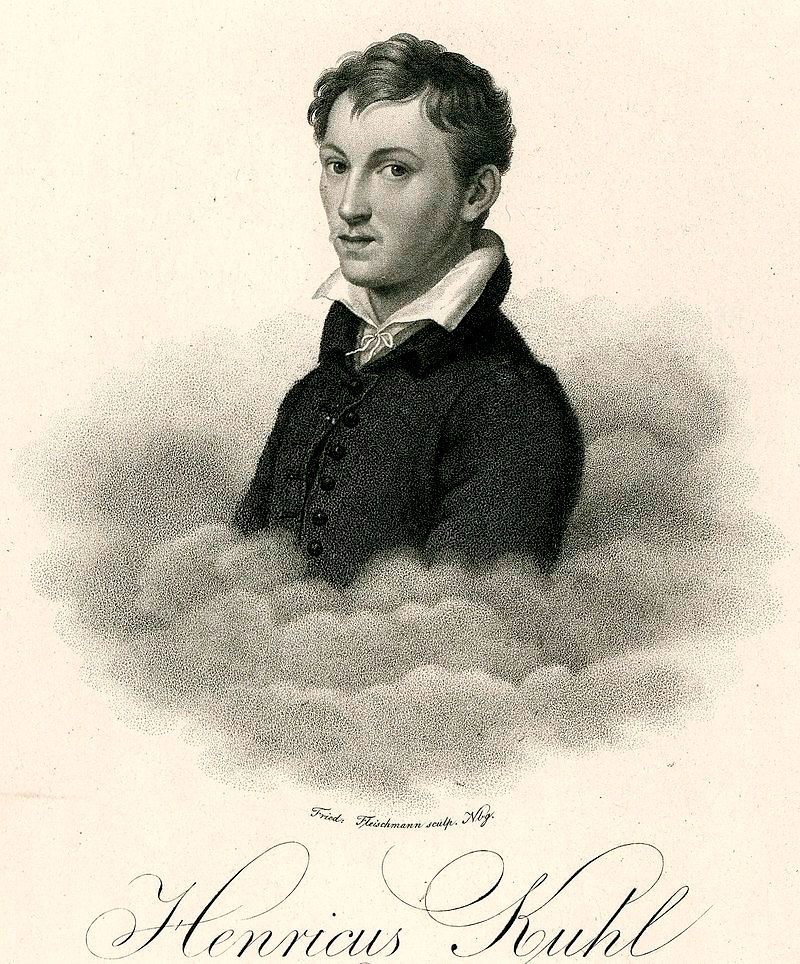
Kuhl, Heinrich
Heinrich Kuhl

Order: Psittaciformes
Family: Psittacidae
Genus: Amazona
Scientific name: Amazona vinacea
Citation: (Kuhl, 1820)
Protonimo: Psittacus vinaceus


Images Vinaceous Parrot:


Species of the genus Amazona


Sources:

Avibase
– Parrots of the World โ€“ Forshaw Joseph M
– Parrots A Guide to the Parrots of the World – Tony Juniper & Mike Parr
Birdlife
– THE VINACEOUS AMAZON Amazona vinacea AT LORO PARQUE – First Published in The Avicultural Magazine Vol. 103 No. 2

Photos:

(1) – Vinaceous-breasted Amazon (Amazona vinacea) – San Francisco Zoo, California By Dick Daniels (http://carolinabirds.org /) (Own work) [CC BY-SA 3.0 or GFDL], via Wikimedia Commons
(2) – Vinaceous Amazon in captivity at the Rare Species Foundation Programme, Florida, USA By derivative work: Snowmanradio (talk)Amazona_vinacea_-RSFP-8a.jpg: Ruth Rogers [CC BY 2.0 or CC BY 2.0], via Wikimedia Commons
(3) – Vinaceous Amazon at the Walsrode Bird Park, Germany By Quartl (Own work) [CC BY-SA 3.0], via Wikimedia Commons
(4) – Vinaceous Amazon; two in a cage By TJ Lin (originally posted to Flickr as Copy of DSCN3375) [CC BY-SA 2.0], via Wikimedia Commons
(5) – flying. Picture taken in Morretes By Leandro Govoni Lacerda (Own work) [CC BY-SA 4.0], via Wikimedia Commons
(6) – A Vinaceous-breasted Amazon at Parque das Aves, Foz do Iguaรงu, Brazil By Kee Yip from Union City, California, USA (IMG_4509_P1040019) [CC BY 2.0], via Wikimedia Commons
(7) – Pigeons neck Amazone (Amazona vinacea) Shot in Palmitospark Gran Canaria By Martingloor (Own work) [CC BY-SA 4.0], via Wikimedia Commons
(8) – Vinaceous-breasted Amazon (Amazona vinacea) – San Francisco Zoo, California By Dick Daniels (http://carolinabirds.org /) (Own work) [CC BY-SA 3.0 or GFDL], via Wikimedia Commons
(9) – Amazone vineuse, Bioparc Doue-la-Fontaine By Melvin TOULLEC (Own work) [CC BY-SA 4.0], via Wikimedia Commons

Sounds: (Xeno-canto)

โ–ท The world of Pets: Dogs, cats, birds, reptiles, amphibians

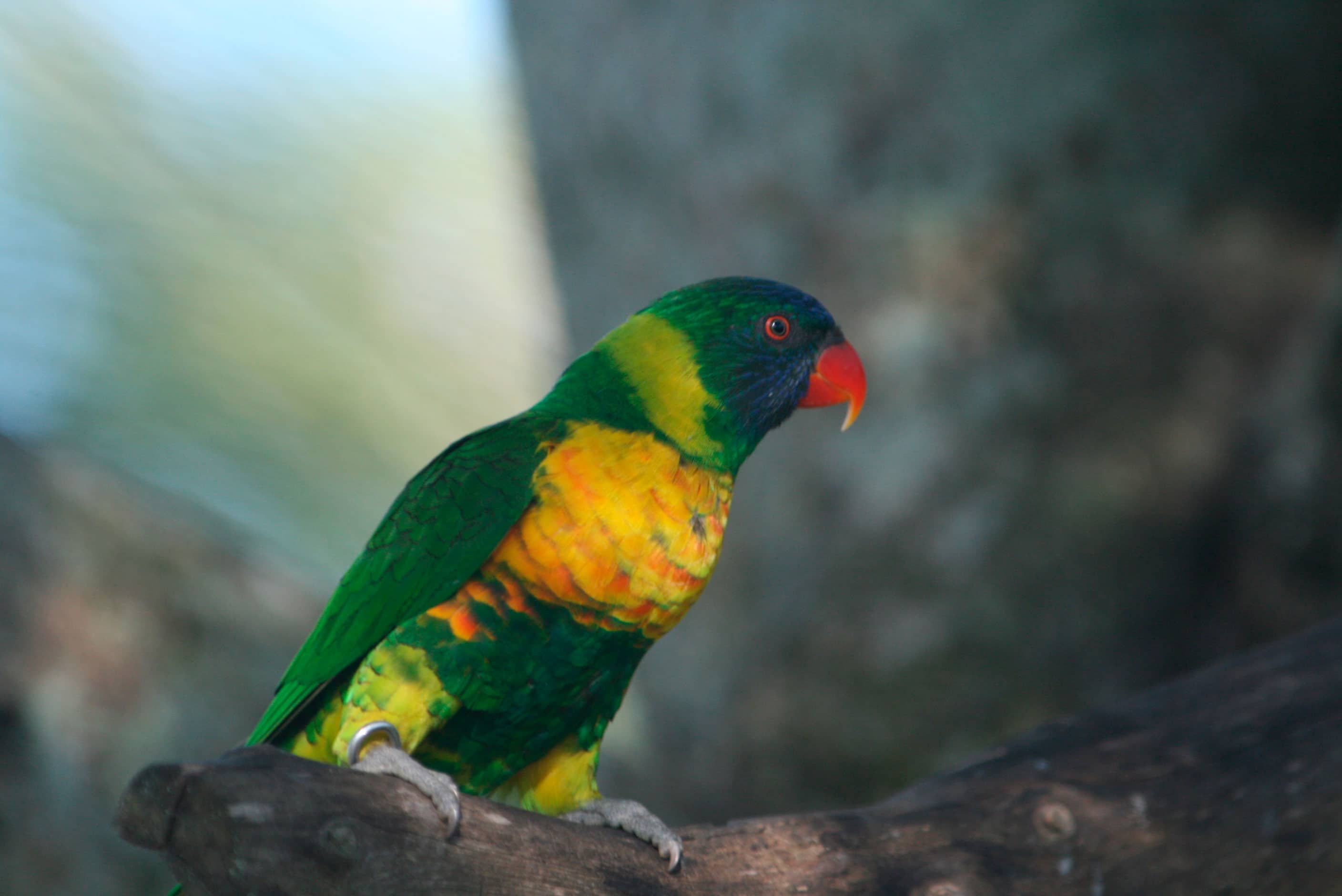
Marigold Lorikeet
Trichoglossus capistratus

Marigold Lorikeet

Content

Description ยซFringed loryยป:

26 cm.. length and a weight between 100-157 g..

The Marigold Lorikeet (Trichoglossus capistratus) has the forecrown, the cheeks and chin, dark blue; and the rest of the head It is green with a broadband yellow-green in nape (part posterior of the neck). The upper breast is yellow with green narrow edges feathers. Underwing-coverts are yellow with scattered orange marks. Males may have some red on their edges. The abdomen is dark green. Their peaks They are hooked.

The males and females and players seem to depend on DNA or endoscopic sexing to determine gender.

Taxonomic status:

This taxon is considered a subspecies of Trichoglossus [haematodus, rosenbergii, moluccana, forsteni, capistratus, weberi] (sensu lato) by some authors.

  • Sound of the Marigold Lorikeet (1).

(1) Some species are under extreme pressure because of traps and harassment. So, the open availability of high-quality recordings of these species may further worsen the problems, this being the reason why downloading these recordings is off. In conclusion, recorders themselves are free to share these files on xeno-canto, but they will have to approve access to these recordings.

We do not take this action lightly, and we wish it wasn't necessary, but we are convinced that the negative impacts of offering easy access to these recordings outweigh the benefits. To access these recordings, You can contact directly with the recorder.

Description 3 subspecies:

  • Trichoglossus capistratus capistratus

    (Bechstein, 1811) – Nominal.

  • Trichoglossus capistratus flavotectus

    (Hellmayr, 1914) – Head green with purple/blue veins on the forecrown up to the cheeks; variability of yellow to deep orange in chest; neck wide and yellow; abdomen dark green to green / black; underwing-coverts yellow with orange markings variables.

  • Trichoglossus capistratus fortis

    (Hartert, 1898) – Head black/brown with purple/blue veins on the forecrown up to the cheeks; lores , throat, line from top to back of the eyes and occiput, green; chest bright yellow with orange but not barred / red marks; abdomen dark green, with occasional shades blue / black; underwing-coverts yellow.

Habitat โ€œBridled Loryโ€:

The Marigold Lorikeet They are in mixed flocks with other parrots; small and noisy groups. Nomads, since they depend on flowering trees. It perches communally in groups of hundreds of birds.

It is more common in lowlands, but it is up to altitudes of 2400 m. Wide variety of areas including settlements, forests, coconut plantations, Savanna, eucalyptus forests and mangroves, including dry forest Roti.

Reproduction ยซBridled Loryยป:

Total of 21 nests found in Sumba between late August and early October 1992, all cavities in large trees (principalmente deciduous).

Feeding ยซFlanged loryยป:

Few specific dietary data, but presumably similar to Trichoglossus haematodus and it is known to take nectar and pollen from native trees, as well as figs and insects.

Distribution ยซFlanged loryยป:

Extension of the distribution (breeding/resident): 171.000 km2

The Marigold Lorikeet It is a species of parrot endemic to the islands of Southeast Asia Sumba, Roti, Wetar and Blend (Indonesian) and Timor (Indonesia and East Timor).

Distribution 3 subspecies:

Conservation ยซFlanged Loryยป:


minor concern


1. Current red list category of the UICN: Least concern.

2. The population trend: Decreasing.

3. Population size : —.

Rationale for the Red List category

Although this species may have a restricted range, It not believed to approach the thresholds Vulnerable under the criterion of size range (Scope of the presence <20.000 km2 combined with a decreasing area size or fluctuating distribution, extension / habitat quality, or population size and a small number of places or severe fragmentation).

While the trend of the population seems to be decreasing, the decline is not believed to be rapid enough to approach the Vulnerable thresholds according to the population trend criterion (decrease of more than 30% in ten years or three generations).
The population size has not been quantified, but it is not believed to approach the thresholds Vulnerable under the criterion of population size (<10.000 mature individuals with an estimated continuous decrease in> 10% in ten years or three generations, or with a specific population structure). For these reasons, the species is assessed as Least concern.

Justification of the population

Global population size has not been quantified, but the species is described as common in Timor (pit et to the. 1997).

Justification trend

They suspected that the population is declining due to unsustainable levels of exploitation.

Threats

The species has been the subject of a intense trade: from 1981, When it was included in the Appendix II of the CITES, they have been 100.388 individuals captured in international trade (UNEP-WCMC CITES Trade Database, January 2005).

In captivity:

It's one of the lori rainbow less noisy although uncommon in captivity except for Dili (Capital of Timor Oriental), where it is quite common. Its longevity It 20 years en libertad, 15-25 years in captivity.

Alternative names

Marigold Lorikeet, Rainbow Lorikeet (Marigold) (English).
Loriquet ร  tรชte bleue (harnachรฉ), Loriquet ร  tรชte bleue [capistratus], Loriquet d’Edward, Loriquet harnachรฉ (French).
Blauwangenlori, Timor-Allfarblori (German).
Periquito-arco-รญris-de-timor, Lรณris-de-timor (Portuguese).
Lori de Calรฉndula, Lori embridado, Lori Arcoiris [capistratus Group] (espaรฑol).


scientific classification:

Johann Matthew Bechstein

Order: Psittaciformes
Family: Psittaculidae
Gender: Trichoglossus
Scientific name: Trichoglossus capistratus
Subpoena: (Bechstein, 1811)
Protonimo: Psittacus capistratus

ยซBridled loryยป images:

Videos "Marigold Lorikeet"


"Bridled lory" (Trichoglossus capistratus)