โ–ท The world of Pets: Dogs, cats, birds, reptiles, amphibians

Black Lory
Chalcopsitta atra

Lori Negro

Content

Description

32 cm.. height and a weight between 230 and 260 gr.

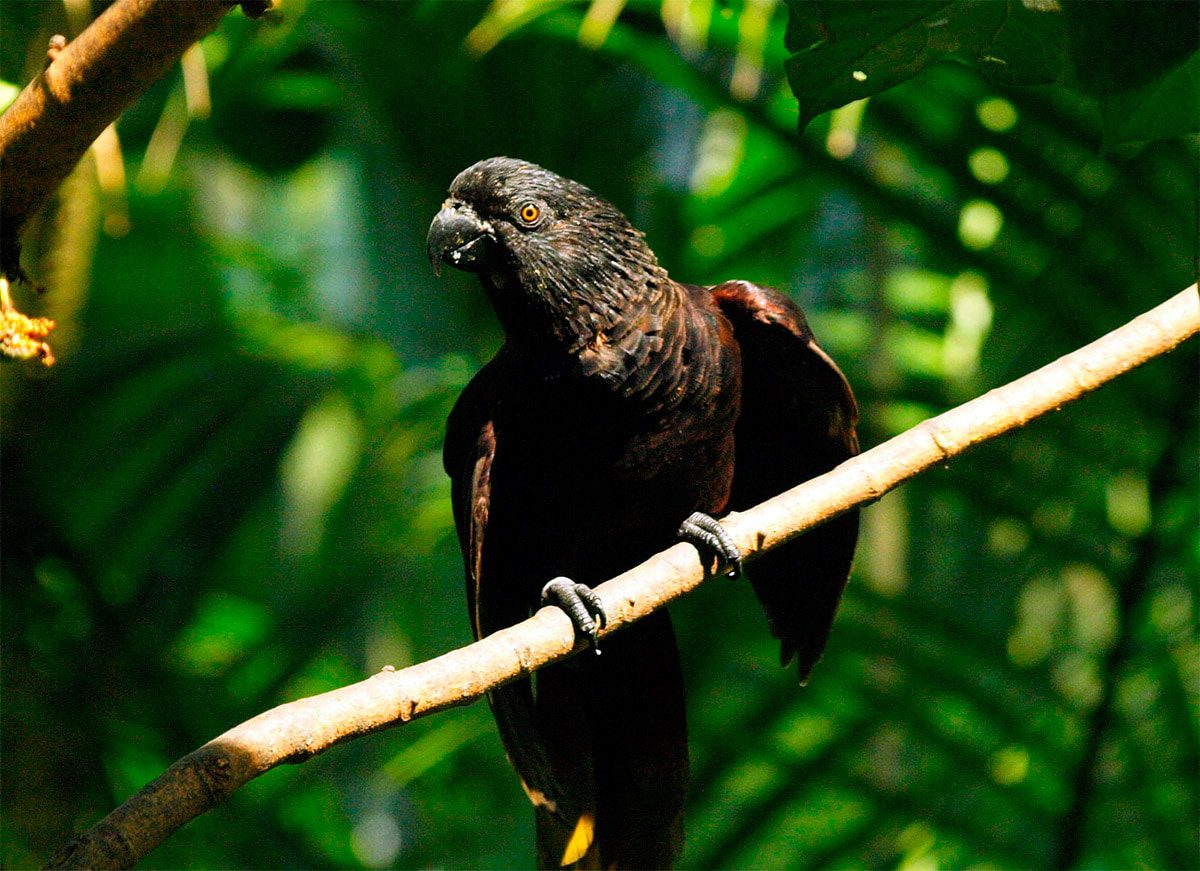
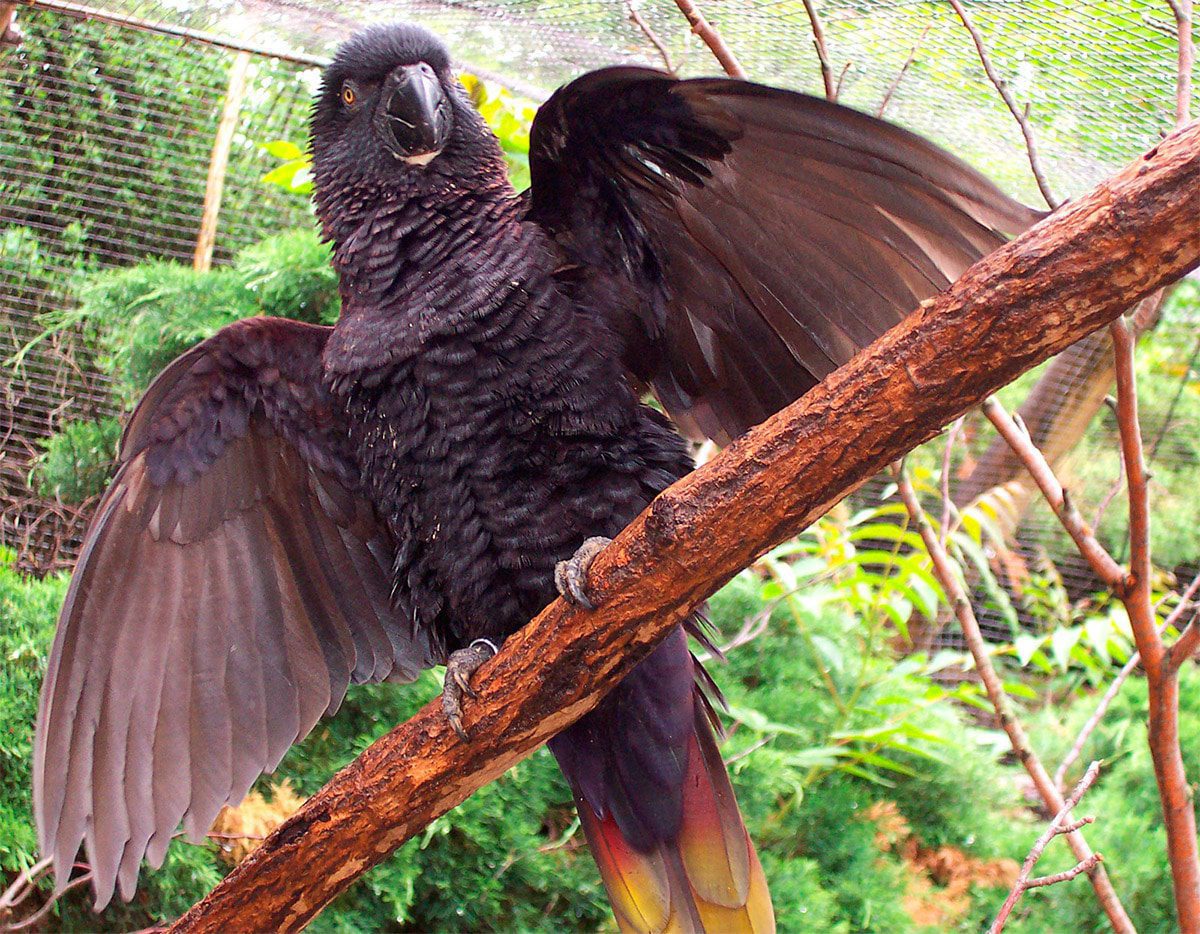
The Black Lory (Chalcopsitta atra) It is the least colorful member of an otherwise very colorful genre. Itร‚ยดs, in poultry, therefore, the least popular. This is unfortunate because it is equally as interesting as the other members of the genus.

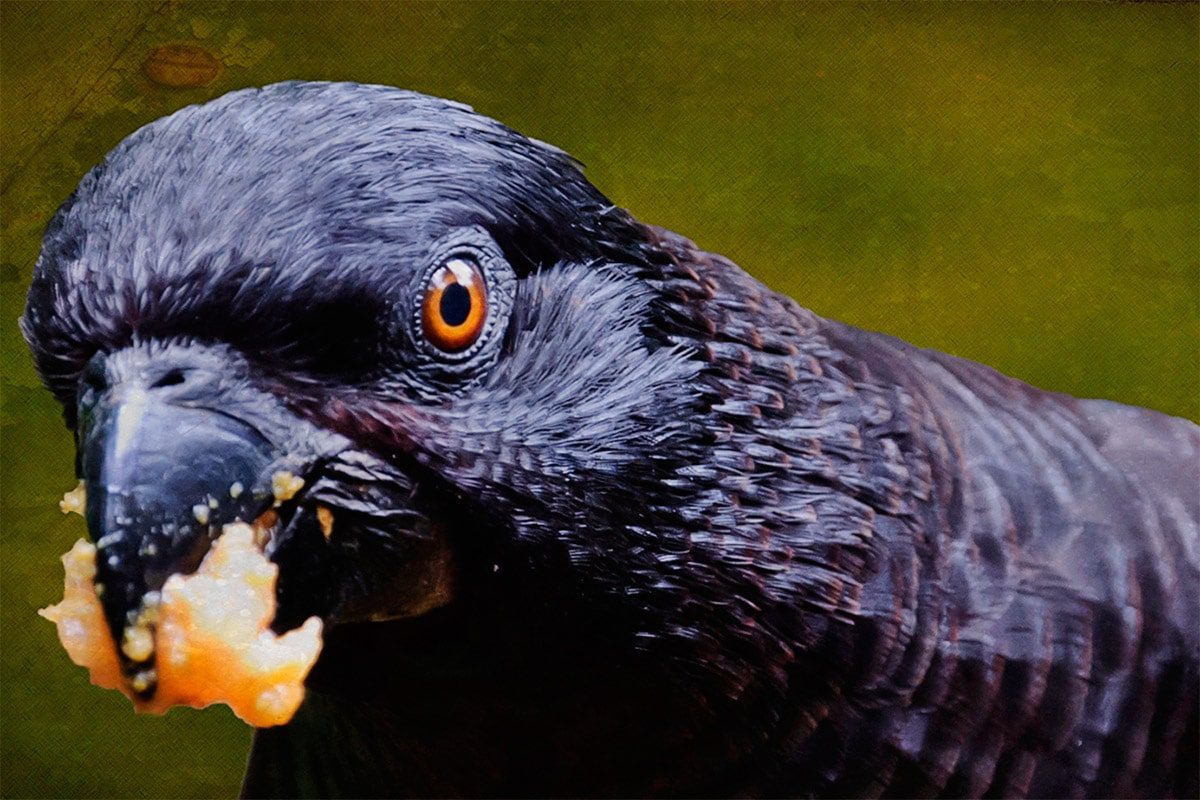
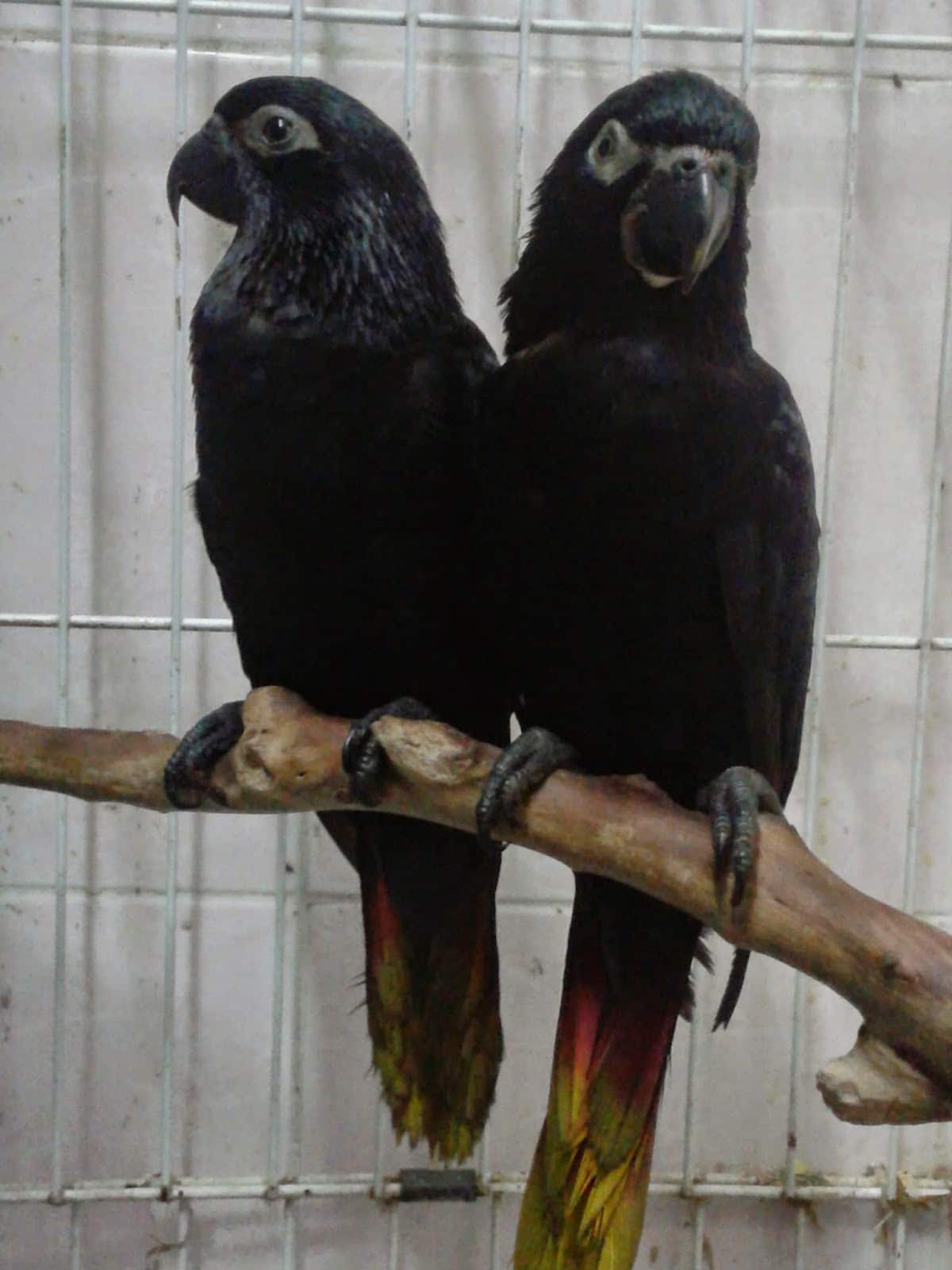
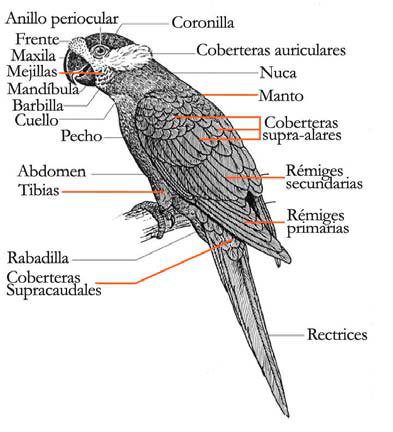
Black in color with a purplish sheen to the plumage that is highly evident in sunlight, which gives it a superficial appearance of a crow. Even their bare parts, as the nose , the skin around the eyes and at the base of the jaws, eyes and claws, they are equally dark. Rump displays a violet blue.

The underside of the tail feathers are color olivaceous with light infusions of red at the base.
The iris is orange-red, the grey legs.

The youth differ little from adults but have an eye-ring and a skin at the base of the peak which are whitish. It is grey.

There is a 3 subspecies, that differ little between if:

  • Chalcopsitta atra atra: Both adults, usually black. The bluish violet rump. The feathers of the bottom of tail olive/yellow washed in red. Naked eye-ring black , black skin at the base of the peak. Orange-red eyes.

  • Chalcopsitta atra bernsteini: Red marks / purple on the forehead and thighs, less evident in females; Blue darker in the rump.

  • Chalcopsitta atra insignis: Head striped gray/blue. The front, the face, the thighs and the underside of the wings are red. The feathers of the throat and underparts with red trim. The rump is dull blue. The lower part of the tail is greyish blue. It is one of the most beautiful parrots that exist. It will be necessary to see any parrot in the light of the Sun to be able to appreciate its beauty.

It is also said that there are other subspecies, the calcopsitta atra spectabilis, resident of the Mamberiok Peninsula, but the data given are running that it was only a hybridization of the Chalcopsitta Atra and the Chalcopsitta Sintillata.

They are nomadic outside of the breeding season., and, they are sometimes found in large groups, associated with the Blackbirds, feeding together on trees in flower.

Habitat:

The Black Lory live in the Plains, rarely above the 200 m. They are very abundant in relatively open habitats, as the mangroves near the coast, swamp forest, coconut plantations, scattered eucalyptus in the Middle areas of meadows and scrub land. From time to time come to the edge of the Woods primary or forest growth. The Black Lory is endemic to New Guinea.

Reproduction:

Most of the information has been obtained from captive birds. In the wild, most of these birds breed between December and February. In captivity, the female lays two white eggs which are incubated for about 25 days. The entire reproductive period is particularly long, lasting approximately 75 days.

The male incubates not, but sometimes it remains in the nest with the female. After birth the chicks remain in the nest approximately one 10 weeks.

Food:

The Black Lory is vegetarian. Primarily feeds on nectar and fruits. Constantly migrates in search of seasonal food. Green corn sprouts and seeds are also in their diet.. Enjoy the Schefflera shrubs.

Distribution:
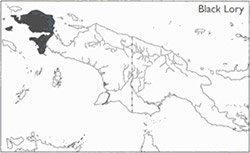
Distribution Lori black
This species is distributed in the westernmost part of West Papua, the Indonesian portion of New Guinea. In particular, they are in the Western Vogelkop, also on the islands of Misool (provinces of Maluku), Batanta (papua province), the Onin and Bomberai and Salawati peninsulas (West Papua), off the coast.

Between the 3 [+] Subspecies:

  • Chalcopsitta atra atra: Distribution. West New Guinea

  • Chalcopsitta atra bernsteini: Distribution. Confined to the island of Misool (Indonesian) in the West of New Guinea.

  • Chalcopsitta atra insignis: Distribution. The Vogelkop, Island Amberpon, Onin, bomberai peninsulas, Northeast of New Guinea.

  • calcopsitta atra spectabilis: Distribution. mamberiok peninsula

Conservation:
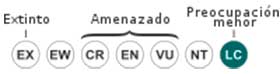

minor concern


This lory is evaluated as least concern on the red list of threatened species. Is included in Appendix II of CITES.


The world population is estimated at 50.000 birds.

This number is probably stable, but data are lacking to say it with certainty.

The commercial import of this species in EC was banned in 1991.


"Black Lory" in captivity:

The Black Lory It is said is among the parrots with the sweetest character. They are easy to tame. Its obvious disadvantage is acute cries that often emit. Not everyone can tolerate them. It is however unusual in captivity.

The subspecies insignis is rare, and the subspecies bernsteini practically non-existent.

Alternative names:

Black Lory, Rajah Lory, Red-quilled Lory (ingles).
Lori noir (francรฉs).
Schwarzlori (alemรกn).
Lรณris-negro (portuguรฉs).
Lori Negro (espaรฑol).

scientific classification:

Order: Psittaciformes
Family: Psittaculidae
Scientific name: Chalcopsitta atra
Citation: (Scopoli, 1786)
Protonimo: Psittacus ater

Images ยซBlack Loryยป:


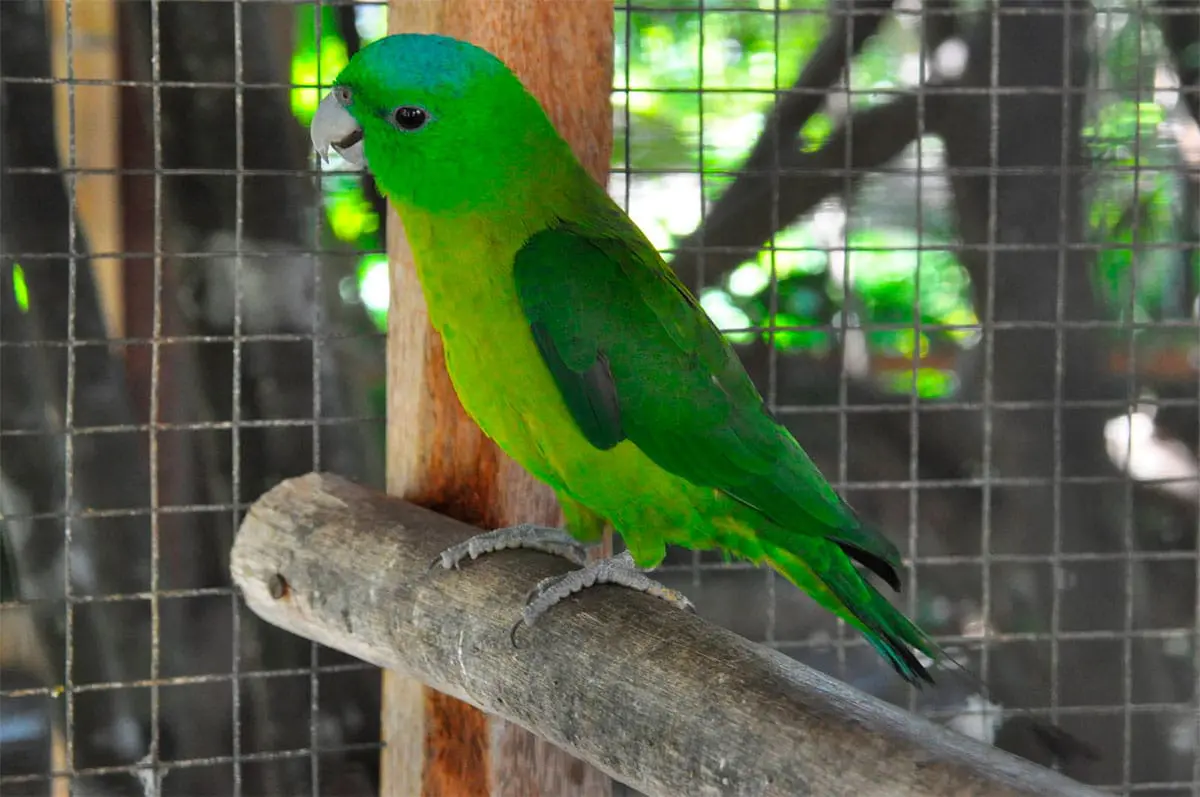
ยซNegro truckยป (Chalcopsitta atra)


Sources:
Avibase
– Photos: sciencio.com,
Goura (zoochat.com), My Birds Region
– Sounds: BAS van Balen (Xeno-canto)
โ–ท The world of Pets: Dogs, cats, birds, reptiles, amphibians

Blue-crowned Racquet-tail
Prioniturus discurus


Blue-crowned Racquet-tail

Content

Description

27 cm. long, 24 without snowshoes, and a weight between 140 and 160 g.

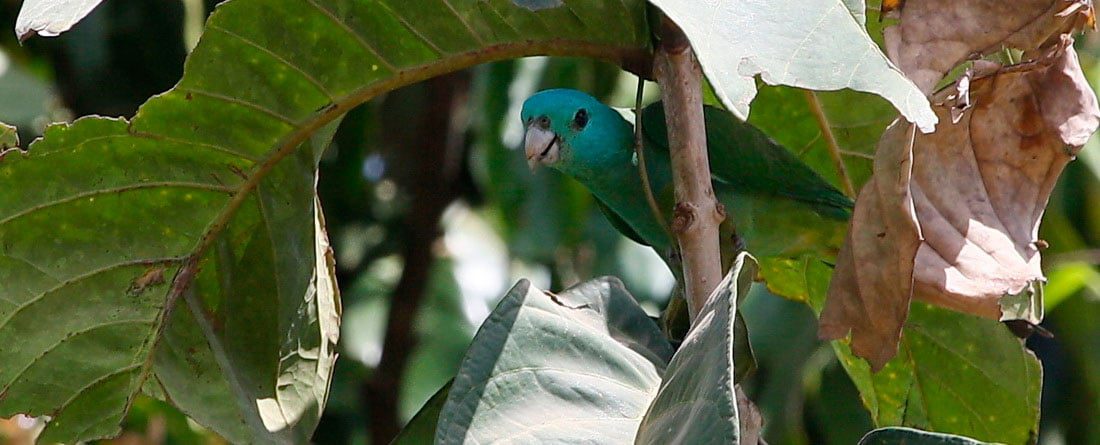
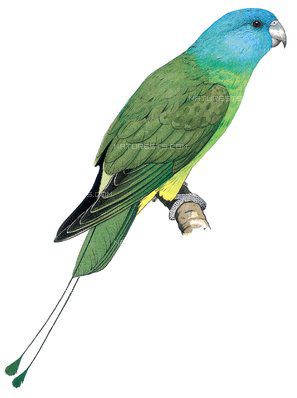
The head of the Blue-crowned Racquet-tail (Prioniturus discurus) bright green is strongly imbued with bright blue in the crown and brighter green in checks and lores.

Upperparts green. Wings green, darker in the vane inmates of the flight feather, with a narrow pale margin along the innermost edge; primary external greenish blue. Wing feathers green, underside of flight feather bluish green. The underparts yellowish-green illuminated. Upper, the lateral feathers of the tail green, Basal Blue with black tips; undertail, the tail strongly impregnated with blue; Blackish spatulas.

Bill whitish; irises dark brown; legs grey.

The female similar to the male but with the the tail rackets shorter.

Young with less blue in the crown and the absence of the rackets.

Subspecies

  • Prioniturus discurus discurus

    (Vieillot, 1822) – The nominal

  • Prioniturus Discurus Whiteheadi

    (Salomonsen, 1953) – Has less blue on the Crown and in the center of this is not clearly defined and merges gradually with the rest of the green of the head.

– Prioniturus discurus and Prioniturus mindorensis (Pit and necklace 2014) they were grouped previously as Prioniturus discurus

– Previously included the Blue-headed Racquet-tail (Prioniturus platenae) in this species.

Habitat:

Rainforests, mangroves, plantations, crops in the lowlands and mountains to 1.750 meters above sea level. Seen flying above the canopy in small noisy groups of five to twelve birds outside of breeding season. Groups gather to feed in fruit trees, including banana.

Reproduction:

breeding season from April to may in Blacks, During may in Leyte and during April in Mindanao.

Food:

The diet includes fruits, berries, nuts and seeds.

Distribution:

Residents of most of the islands of the Philippines, including Luzon, Catanduanes, Masbate, Mindoro, Guimaras, Blacks, Tables, Sibuyan, Cebu, Samar, Leyte, Bohol, Mindanao, Olutanga, Basilan and Jolo.

Subspecies distribution:

Conservation:


minor concern


โ€ข Current category of the Red List of the UICN: Least concern

โ€ข Population trend: Stable

The size of the world population It has not been quantified, is estimated at less of 10.000 specimens. The species according to information, it is generally common even in degraded habitats on heavily deforested islands (pit et to the. 1997).

The population is suspected that it may be in decline due to the capture and loss of habitat.

"Blue-crowned Racquet-tail" in captivity:

Unknown in captivity.

Alternative names:

Blue-crowned Racquet-tail, Blue-crowned Racket-tail (ingles).
Palette ร  couronne bleue (French).
Philippinen-Spatelschwanzpapagei (German).
Prioniturus discurus (Portuguese).
Lorito momoto coroniazul, Lorito-momoto Coroniazul (espaรฑol).

scientific classification:

Order: Psittaciformes
Family: Psittaculidae
Genus: Prioniturus
Scientific name: Prioniturus discurus
Citation: (Vieillot, 1822)
Protonimo: parrot discurus

Images "Blue-crowned Racquet-tail"

Videos "Blue-crowned Racquet-tail"

————————————————————————————————

"Blue-crowned Motmot Parrot" (Prioniturus discurus)

Sources:

Avibase
– Parrots of the World โ€“ Forshaw Joseph M
– Parrots A Guide to the Parrots of the World – Tony Juniper & Mike Parr
– Birdlife

Photos:

(1) – Salomonsen's racquet-tail parrot/Prioniturus discurus whiteheadi by AlexKant – ZooChat

Sounds: Frank Lambert (Xeno-canto)

โ–ท The world of Pets: Dogs, cats, birds, reptiles, amphibians

Blue-bellied Parrot
Triclaria malachitacea

Blue-bellied Parrot

Content


Anatomy-parrots

Description:

28 cm.. length between 110-155 g. of weight.

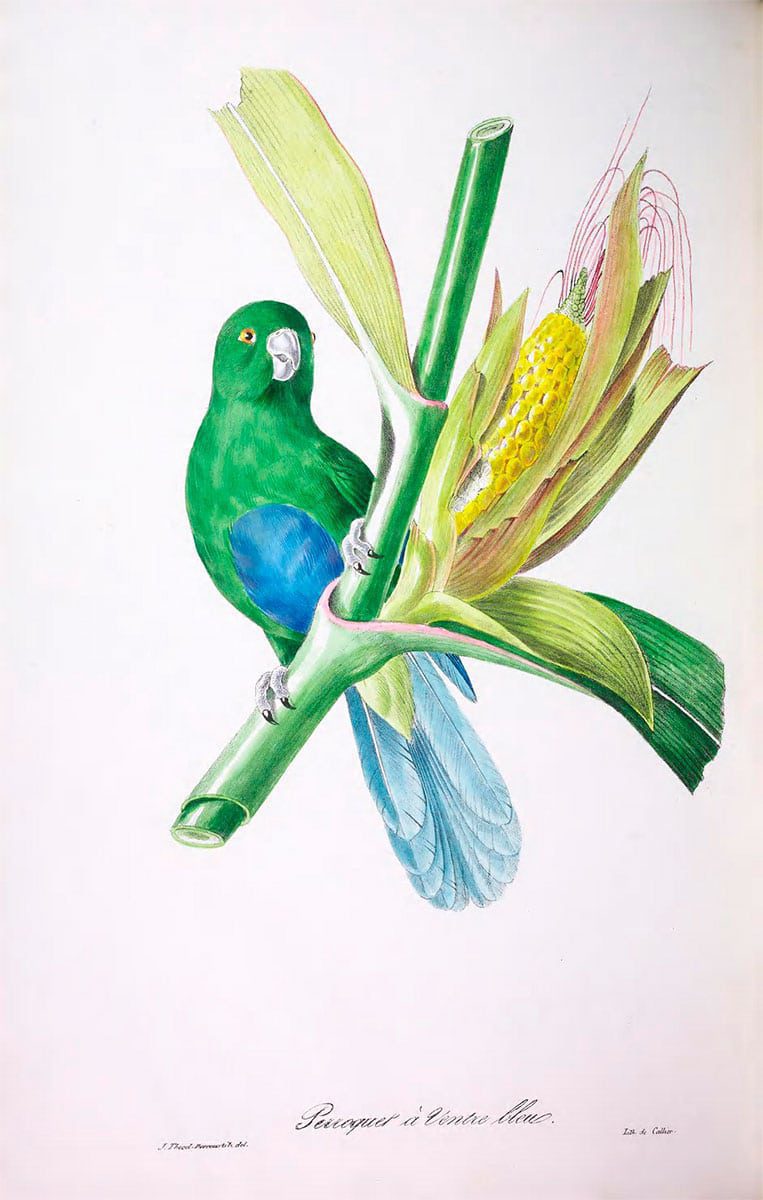
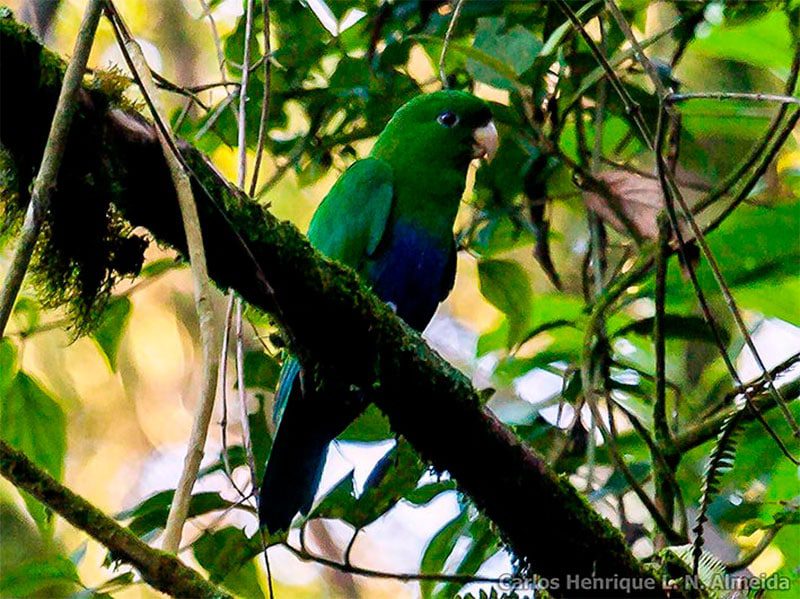
The Blue-bellied Parrot (Triclaria malachitacea) has the head, neck and all the "upper parts" and wing-coverts, grass-green.

Flight feathers grass-green with narrow blue tips to primaries, except the outermost, with a narrow pale blue margin to outerweb. Under, the wings with coverts green, and flight feather, bluish green. The underparts mainly green with large purplish-blue patch on centre of chest and the belly. Upper, the tail It is green with blue tips to central feathers; undertail, bluish green. Bill pink white: cere Pink; brown the irises; legs grey.

The female lacks the patch in the belly blue violet. The immature is as the adult but the respective young male has less blue purple in the underparts.

  • Sound of the Blue-bellied Parrot.

Its singing It is similar to a Thrush (Molothrus).

Habitat:

Blue-bellied Parrot

The Blue-bellied Parrot They live in the humid forests of the low mountains., generally preferring the canopy and the upper floors of tall forest, rich in bromeliads, along watercourses in the valleys. Visit cultivated areas with orchards and plantations and sometimes wooded suburban areas (for example in Sรฃo Paulo).

Mainly observed at altitudes of 300-700 m, perhaps 1,000 meters in some places, but also they inhabit lowlands at sea level. The sporadic nature of reports, with apparent absence of apparently suitable areas, suggests some critical aspects of its little-understood ecology.

Reproduction:

Observed nests in cavities of large trees or stumps of palm. Strongly territorial, at least during breeding, with separation until nests 2 km. The breeding season It covers the months of September to January, maybe a little earlier or later.

Food:

Its diet it's formed, mainly, by fruit, seeds, outbreaks and nectar, some insects and their larvae (looking birds seen flying insects); specific foods include Pachystroma, Actinostemon, Sebastian, Eugenia, Campomanesia and Euterpe edulis, also occasionally Cortex, and citrus plantations.

Distribution and status:

Size of its range (breeding/resident): 361.000 km2

This rare species is endemic Atlantic forests of Southeast Brazil, mainly in Rio de Janeiro, Sao Paulo and Rio Grande do Sul, in the southeast of Brazil. There are additional records South Bahia (none since 1833), Minas Gerais, Brazil (some dubious records), Holy Spirit (four or five sites), Paranรก (three modern records) and Santa Catarina (Mesorregion of the Itajaรญ Valley, Valle de Tijucas and the region of Serra do Mar, in upstate [Rosario 1996, G. Kohler in some. 2011]).

The species is quite common in large forest fragments in the Itajai Valley (G. Kohler in some ., 2011). Due to changes in habitat in the lowlands Santa Catarina, the most recent records in that state come from montane forests (G. Kohler in some ., 2011). Two records in Missions, Argentina, require confirmation. The population was estimated previously less than 5.000 individuals (Lambert et to the ., 1993), But Bencke (1996) suggested that there may be 10.000 in Rio Grande do Sul and significant numbers on the eastern slope of the Serra do Mar; But, the apparent rarity of the species suggests that these figures may be an overestimation (J. Gilardi in litt., 2010). In general, it is suspected that the population is declining, although in the State Park Tres Picos, Rio de Janeiro, It seems to have been stable since 2003 (A. Foster in a bit).

Population little known due to camouflage habits. Perhaps more numerous in the many facing slopes east of the Serra do Mar in Rio de Janeiro and Sรฃo Paulo; habitat loss on a large scale has certainly caused a serious decline in its population, as well as the fragmentation of its distribution area. Although humid upland forests remain in substantial quantities in Serra do Mar, replacement of forests in valleys and on lower slopes with banana plantations could lead to further declines.

Captured for local LBMs and traded in small numbers internationally. There are records of several protected areas, but most of them may be insufficient to support populations of this species due to their low density.

Conservation:


Near-threatened


โ€ข Current category of the Red List of the UICN: Near-threatened.

โ€ข Population trend: decreasing.

Rationale for the Red List category

This species is classified as near threatened because they suspect is in a moderately rapid decline due to loss of habitat and, perhaps to a lesser extent, to the capture for trade bird cage.

Justification of the population

The size of the world's population has not been quantified, but this species is generally described as "rareยป (Stotz et to the ., 1996), although it is locally common in some places.

Justification of trend

Se sospecha una decrease moderate and continuous of the population depending on rates of habitat loss and perhaps, to a lesser extent, capture for the bird trade. The decline is not thought to be faster because the species occurs in montane areas where deforestation is typically less severe., It seems to tolerate mature secondary forests and anecdotal observations suggest that is locally stable, for example in the State Park Tres Picos, Rio de Janeiro. (A. Foster in a bit ., 2013).

The ecology and conservation of the Blue-bellied Parrot in remaining forest fragments in Rio Grande do Sul

This project aims to collect basic information on population, the distribution and ecology of the Blue-bellied Parrot in the center of Rio Grande do Sul, where a large population of the species is rapidly declining due to habitat fragmentation. The use of the radiotelemetry technique will make it possible to determine the area of โ€‹โ€‹use of the species and to evaluate their dispersal capacities.. Biology studies of this species is the objective to determine the elements that make up its diet and collect information on behavior and reproduction.. Through this information, It is intended to outline a regional plan for conservation Blue-bellied Parrot and their habitat, together with local actors. (AU)

Conservation status:

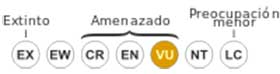
UICN: Vulnerable (with + 2c, d, Cl, Q2a). Previously in danger of extinction (Q2a: see Collar et al., 1994). CITES: Appendix II.

State of national protection: Protected by federal law and included in the list IBAMA of Brazilian species threatened with extinction (Bernardes et al 1990).

"Blue-bellied Parrot" in captivity:

unknown in captivity.

Alternative names:

Blue-bellied Parrot, Blue bellied Parrot, Purple-bellied Parrot (English).
Crick ร  ventre bleu, Caรฏque ร  ventre bleu (French).
Blaubauchpapagei, Blaubauch, Blaubauch-Papagei (German).
Papagaio-de-peito-roxo, araรงoiaba, araรงuaiava, cica, sabiรก-ci, sabiรก-cica (Portuguese).
Loro de vientre azul, Loro Sabiรก-cicรก, Loro Ventriazul (espaรฑol).
araรงoiaba, araรงuaiava, cica, sabiรก-ci, Sabiรก-cica (Brazil).


scientific classification:

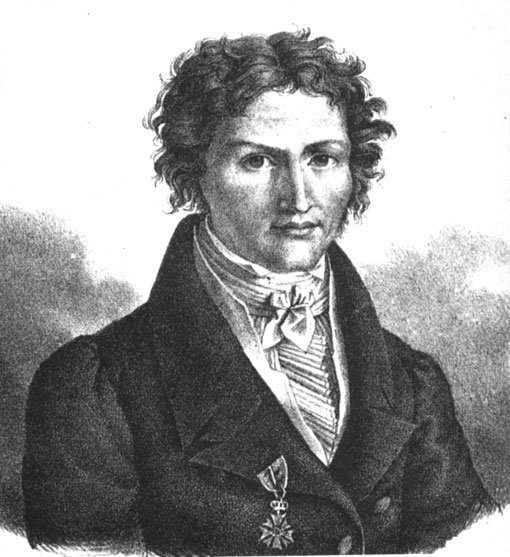
Johann Baptist von Spix

Order: Psittaciformes
Family: Psittacidae
Genus: Triclaria
Scientific name: Triclaria malachitacea
Citation: (von Spix, 1824)
Protonimo: Psittacus malachitaceus


Images ยซBlue-bellied Parrotยป:

Videos "Blue-bellied Parrot"

————————————————————————————————

ยซThem Ventriazulยป (Triclaria malachitacea)


Sources:

Avibase
– Parrots of the World โ€“ Forshaw Joseph M
– Parrots A Guide to the Parrots of the World – Tony Juniper & Mike Parr
– Birdlife

Photos:

(1) – Triclaria malachitacea – Paranapiacaba – Santo Andrรฉ by Carlos HenriqueFlickr
(2) – Blue-bellied Parrot (also known as the Purple-bellied Parrot); two in a cage with a nestbox By TJ Lin [CC BY-SA 2.0], via Wikimedia Commons
(3) – A female Blue-bellied Parrot (also known as Purple-bellied Parrot) at Walsrode Bird Park, Germany By ipfreaks [CC BY-SA 2.0], via Wikimedia Commons
(4) – Rufous-conic (Triclaria malachitacea) – female by Clรกudio Dias TimmFlickr
(5) – Rufous-CICA (Blue-berried Parrot) – Guide to Birds in ePUB by Mรกrcio DuarteFlickr
(6) – Psittacus cyanogaster or Blue-Bellied Parrakeet by Biodiversity Heritage LibraryFlickr

โ–ท The world of Pets: Dogs, cats, birds, reptiles, amphibians

Budgerigar
Melopsittacus undulatus


Common Budgie

Content

Description

18 cm. length and a weight between 22 and 32 g..

Periquito-Comun

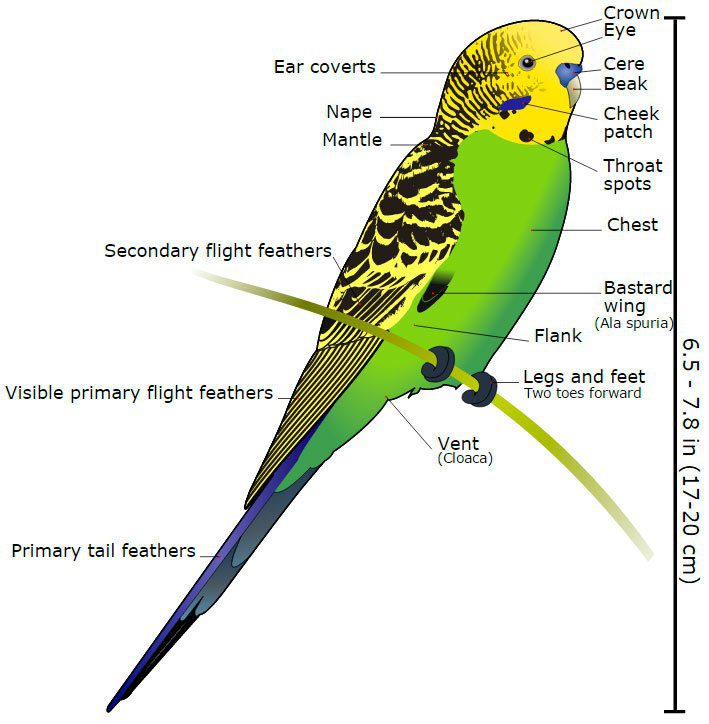
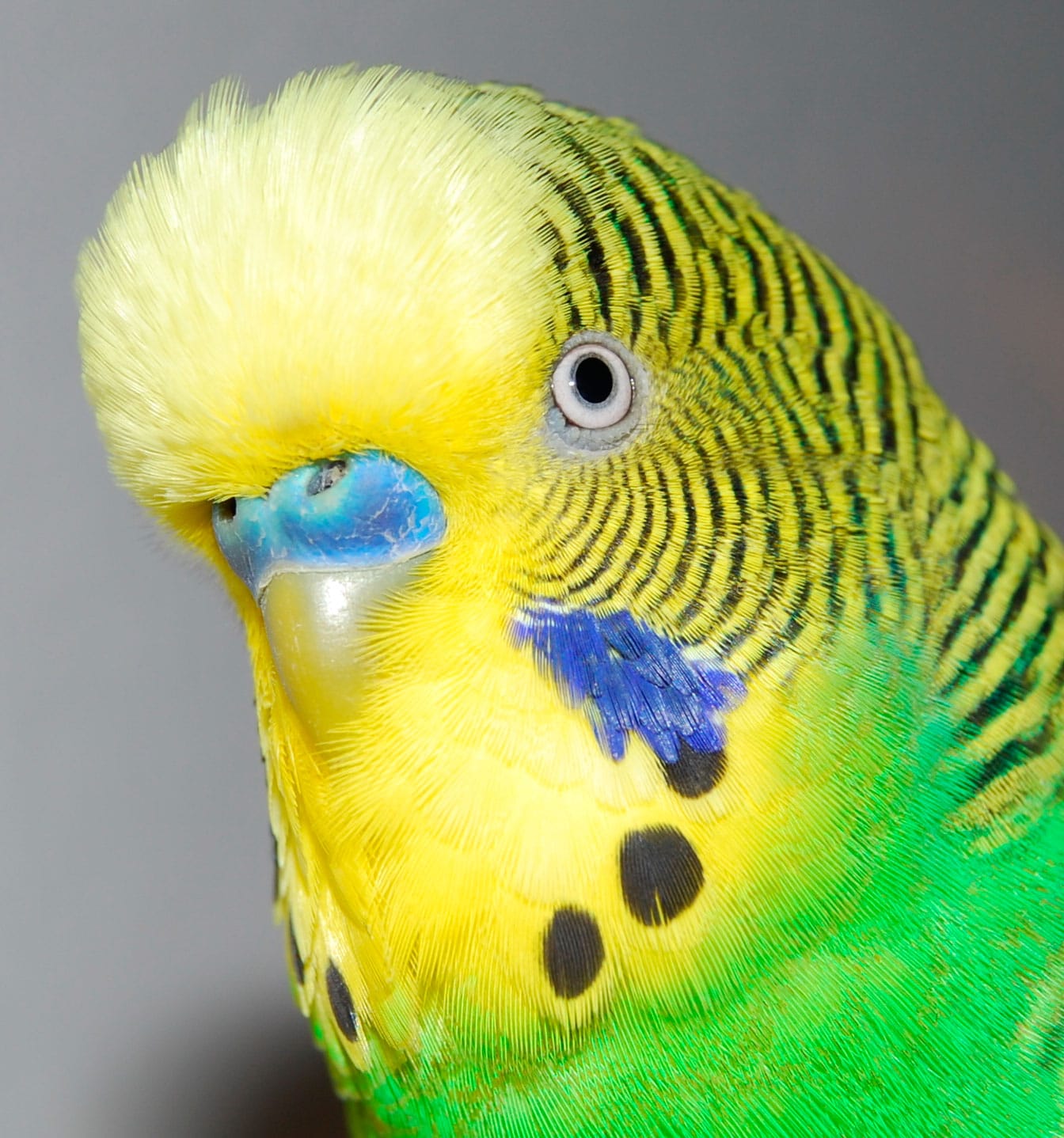
In the Budgerigar (Melopsittacus undulatus) of adults, the cere Blue contrasts with the frontal zone; the front of the face and throat are pale yellow. The latter is covered by a line of black dots. The area which is located below the cheeks it's purple.

The central part of the pileum extending from the rear of the eyes to neck It is covered with alternating thin black bands and bands of pale yellow. These bars are expanded on the the mantle and wing-coverts, forming a scaly effect.

The underparts, the area beneath the wings, the lower part of the back and rump create a beautiful pale green together. The tail is opaque blue tones with a central yellow stripe on the side feathers.

The female has a Brown wax.

The immature they are more turned off with bars on the front. The black spots on the throat they are absent.

Habitat:

The Budgerigar they are distributed by a wide variety of open habitats, including open forests, lightly wooded grasslands and savannas. Also appreciate the areas of Mallee, farmland, vegetation that grows along rivers, drought-adapted scrub and open plains. They come fitted with desert areas of Mulga (Acacia aneura). Although they are able to survive several days without water, These birds are never far from a water source.

In areas where fruit production is constant and in others where it is stable for very long periods, the movements of the Budgerigar they are easily predictable.

In the South end, Pilgrimages exist only in cases of prolonged drought and wandering parakeets return to their territory with the first rains and recolonize when river levels return to normal.

Reproduction:

The Budgerigar they build their nests of June to September in the North its area of distribution. They reproduce between August and January in the South. Nests can be installed at any time of the year after the rains fall. They establish a second brood as soon as conditions are favorable.

These parakeets usually nest in colonial way. The nest is located in a natural cavity in a tree, in a strain, an any fence post, or on a big fallen branch.

The female lays from 4 to 6 eggs and incubation lasts a few 18 days. The chicks remain in place of birth during 30 days before flying.

Food:

The Budgerigar It vegetarian, they eat herbs and seeds of quenopodios. Plants vary in categories and in proportions, according to which regions and times.

The East inside of Australia, These birds feed exclusively on seeds that are on the ground, While in the middle of the continent, There is more variety of plants to select. In the first case, grain size barely exceeds the 2 mm diameter and the second, more than 40 plant varieties make up the diet of these parakeets.

From time to time, the Budgerigar, they come in growing areas and take advantage of the ripe fruits.

Distribution:

The Budgerigar are distributed widely throughout the Interior of Australia, Although they are rare in the coastal districts of the This and the end South-West (absent of Tasmania, Arnhem Land and Cape York Peninsula).

The species may be of common to very abundant, but they are nomadic, and may change from year to year areas.

These parakeets, frequently, they burst from the arid zones to the more humid zones and there are temporary movements towards the south during the summer, but these changes may be affected by annual rainfall patterns.

We have introduced, without success, in a number of places around the world (or they have escaped from captivity and could not be) including South Africa, United Kingdom, Japan, Hong Kong, Puerto Rico, Brazil, Switzerland, Colombia, the Society Islands, New Zealand and Oman.

In the EE.UU. the species has managed to colonize Hawai and California (leaks also occur regularly in the city of New York City). In Florida a population was originally registered in the area of St. Petersburg, in the decade of 1950 and now has more of 3.000 individuals; These birds are mobile and have been recorded along the coast This of all the South from Jacksonville to Miami, and in the West everything Hudson to South of Fort Myers, from time to time go towards the North in Gainsville.

Parakeets, occasionally escaped, they may appear in Tasmania.

The world population is estimated at around 5.000,000 copies.

Conservation:


minor concern


โ€ข Current category of the Red List of the UICN: Least concern

โ€ข Population Trend: Growing

This species is not threatened at all, even they are abundant, and in some places where resources are good, countless flocks darken the sky, to cause branches to break from 4 centimeters in diameter, When large number of birds used them as support for their breaks.

Populations fluctuate widely depending on weather conditions.

Livestock living on farms in central Australia have caused Budgerigar they will benefit from new water supplies. Like this, the number of parakeets are constantly increasing.

These parakeets are the most well known psittacidas in the world.

"Budgerigar" in captivity:

This parakeet was discovered in 1805 and since then it has become the most popular captive bird in the world. While it is considered as domestic fowl, However, is a gregarious and instinctive animal, with the same needs that the parrots who freely roam the lands of Australia.

The Budgerigar It dynamic, curious, melodious and because of its small size, the beauty of their plumage and their entertaining behaviour, truly charming. This is what makes it a coveted bird. But, It is still a bird that needs to fly, play and socialize with their peers. Like any bird, It is sensitive to the social and environmental context. In fact, their real needs are too often overlooked, many parakeets suffer neglect or even abuse.

In captivity, the Budgerigar It is larger than its counterpart in nature. Measures of 20 to 25 cm. from head to tail and weighs between 30 and 45 g.. In addition to the colour of your coat, wild type, There are numerous mutations (other coat colors) associated with the increase in crossings and selections in certain genes, that translates into more spontaneous mutations.

The Budgerigar has two silent by year average, and the first moult occurs between the fourth and sixth month. The molt is complete renovation of the plumage of the bird. Pens fall to others push, includes your tube of keratin that parakeets will open with their beaks to release pen and relieve the irritation that engenders the same thrust. It can be more or less painful and intense. Some plucking is so fast that the bird may experience some difficulties during the flight.

Check the intensity of the change of the parakeet through black head tubes, tiredness and especially the number of feathers on the ground.

The feeding of the Budgerigar is based on the millet and the birdseed, Although it must be complemented with other seeds or vegetables (as the lettuce, Spinach, pepper, Carrot, corn). The fruits are also a good dietary supplement for these birds. Occasionally it can provide a little bread or biscuit, but always with caution that not give them anything very sweet. The avocado, the chocolate and the parsley they are deadly toxic for the Australian parakeets.

The the parakeet cage must be protected from the cold, a temperature between the 20-25 C. It must be of one sufficient size so you have freedom of movement and can exercise. The balusters must be arranged horizontally so that they can climb up them. The cage must be washed at least once a month with a disinfectant, change the water daily and clean the shells of the food. A cat litter tray can be placed to make their needs.
It is also important to let the parakeet out occasionally and fly freely around the room. Windows must be closed and curtains, because you can hit them.
Son very sociable birds and it is better to live with other parakeet. The best couple is formed by a male and a female. This will try to kill its companion if it is of the same gender.

With regard to its longevity, according to sources, these animals can come to live until 21 years in captivity. The same sources indicate that these parakeets suffer from a high incidence with respect to ovarian cancer.

Alternative names:

Budgerigar, Budgerygah, Budgie, Canary Parrot, Grass-Parakeet, Lovebird, Scalloped Parrot, Shell Parakeet, Shell Parrot, Undulated Parrot, Warbling Grass-Parrot, Zebra Parrot (ingles).
Perruche ondulรฉe (French).
Wellensittich (German).
Periquito-australiano (Portuguese).
Periquito Australiano, Periquito Comรบn, Cotorra Australiana, Cata Australiana (espaรฑol).

scientific classification:

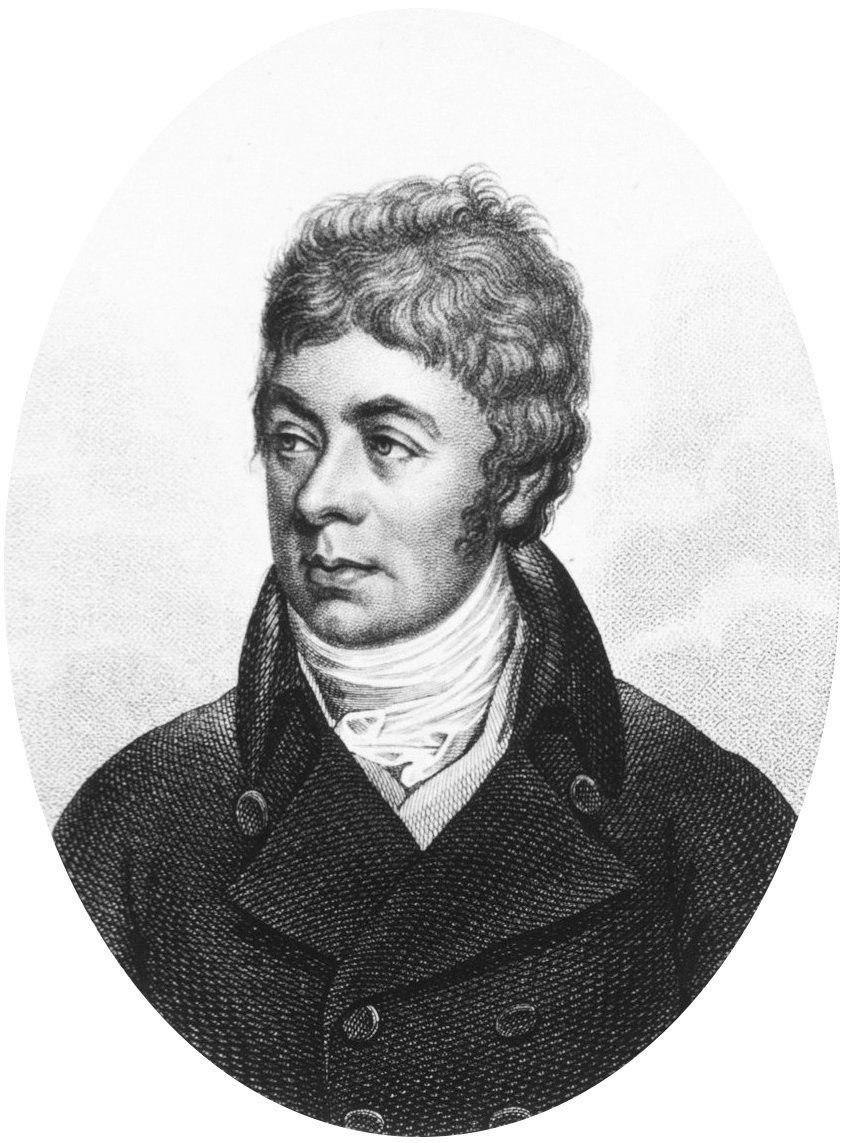
George Shaw


Order: Psittaciformes
Family: Psittaculidae
Genus: Budgerigar
Scientific name: Melopsittacus undulatus
Citation: (Shaw, 1805)
Protonimo: Psittacus undulatus

ยซCommon Parakeetยป Images:

Videos "Budgerigar"

————————————————————————————————

ยซCommon Parakeetยป (Melopsittacus undulatus)


Sources:

Avibase
– Parrots of the World โ€“ Forshaw Joseph M
– Parrots A Guide to the Parrots of the World – Tony Juniper & Mike Parr
– Birdlife

Photos:

(1) – Budgerigar at Zoo Atlanta, USA By TheSussman (Mike) (originally posted to Flickr as Parakeet) [CC BY 2.0], via Wikimedia Commons
(2) – Two budgerigar at Henry Doorly Zoo, USA By Jeff Coffman (originally posted to Flickr as DSC_1265) [CC BY 2.0], via Wikimedia Commons
(3) – male budgerigar. taken near Cameronโ€™s Corner, Qld By Benjamint444 (Own work) [GFDL 1.2], via Wikimedia Commons
(4) – Detail shot of budgerigars head By Kirk (Own work) [CC BY-SA 3.0 or GFDL], via Wikimedia Commons
(5) – Melopsittacus undulatus flock, Karratha, Pilbara region, Western Australia By Jim Bendon from Karratha, Australia (budgies_4) [CC BY-SA 2.0], via Wikimedia Commons
(6) – By User Magnus Manske on en.wikipedia [Public domain], via Wikimedia Commons
(7) – Exterior diagram of a green budgerigar By ZooFari [CC BY-SA 3.0], via Wikimedia Commons

Sounds: Marc Anderson (Xeno-canto)

โ–ท The world of Pets: Dogs, cats, birds, reptiles, amphibians

Brown Lory
Chalcopsitta duivenbodei


Lori Pardo

Content

Description

31 cm.. length and a weight between 200 and 230 gr.

The bottom of the wings of the Brown Lory (Chalcopsitta duivenbodei) are bright yellow narcissus.

Two other features of its plumage that powerfully attract attention are, seen head-on , the yellow that completely surrounds the bill and forecrown and also the contrast of color violet or blue deep in it low back, the thighs and feathers of the tail.

The feathers of the chest have pointed yellow, giving a scaly appearance to the area.

The bill is black, as the eye ring and the skin bare at the base of the bill. The irises are orange-red, the legs are grey.

There is no sexual dimorphism, females are identical to males.

The youth they have more muted colors, with less yellow.

To the Brown Lory may be mistaken for it is a very similar species, the Dusky lory (Pseudeos fuscata). The latter, However, can be distinguished by their underparts predominantly orange or yellow, rump white, their bill Orange and its smaller size.

It is a bird of extraordinary beauty.

Subspecies description

  • Chalcopsitta Duivenbodei Syringanuchalis

    (Neumann, 1915) – 31 cm approx.. Brown is more dark by the area of the head and back. Many specimens with dark violet hue.


  • Chalcopsitta Duivenbodei Duivenbodei

    (Dubois, 1884) – The nominal

Habitat:

They frequent the primary and secondary forests with large mature trees.
They seem to especially appreciate the edges of wooded areas. They are also found in the partially open forests. They seem to be able to adapt to areas that have suffered more or less significant damage.

The Brown Lory It is a bird of lowland, It is usually present below the 200 m.

There is little information about the habits of this species. Often live in pairs or in small groups in that often is associated with other species of parrots dining rooms of nectar or near those trees in flower.

They usually seek food the canopy of the forest and vegetation at ground level. Their activity seems to have no end. At night they retire to dormitories in the branches.

When moving, they have a very characteristic flight made with very accentuated flapping at the tips of the wings.
Their flight is much slower than the Coconut Lorikeet (Trichoglossus hamatodus). Yellow-orange color under the wings are very obvious.

Reproduction:

The breeding season is produced in April. In captivity, the females usually lay two eggs, which hatch in approximately 24 days. The total duration of the nesting is very long. 11 weeks from the construction of the nest to the full autonomy of the young. We don't have more information.

Food:

We don't have many details about their menu. One thing is certain, their diet is almost exclusively vegetarian. It feeds on fruits, seeds and sprouts. Given the fact that spends most of its time in shrubs or flowering trees, pollen and nectar should be an essential resource in your diet.

Distribution:

This species has a patchy distribution along the lowlands of the North coast of New Guinea, since the Cenderawasih Bay between papua and West Papua (Indonesian) to the Astrolabe Bay in Papua New Guinea. In general they are rare (Coates 1985, Beehler et to the., 1986), but it is quite common locally in locations such as the southern zone of Vanimo Puwani River and in the area of the wapoga river (A. Mack in lit. . 1999, KD Bishop in litt. 1999, B. Beehler in litt., 2000).

Subspecies distribution

  • Chalcopsitta Duivenbodei Syringanuchalis

    (Neumann, 1915) – Cenderawasih Bay between Papua and West Papua and Astrolabe Bay, in Papua New Guinea.


  • Chalcopsitta Duivenbodei Duivenbodei

    (Dubois, 1884) – The nominal

Conservation:


minor concern


โ€ข Current IUCN Red List category: Least concern.

โ€ข Population trend: Stable.

The species has a population global estimated at more of 50.000 individuals.
Forests throughout its area of distribution is threatened by commercial logging, but the abundance of the species in secondary forest suggests that it is not threatened.

The fact that are able to adapt to them areas forest exploited or degraded, It is an encouraging sign and the mark of the relative health of the species.

"Brown Lory" in captivity:

It is of a bird rare in captivity, but its breeding is easy.

Information in BeautyofBirds

Alternative names:

Brown Lory, Duyvenbode’s Lory (ingles).
Lori de Duyvenbode (French).
Braunlori (German).
Lรณris-castanho (Portuguese).
(espaรฑol).

scientific classification:

Order: Psittaciformes
Family: Psittaculidae
Genus: Chalcopsitta
Scientific name: Chalcopsitta duivenbodei
Citation: (Dubois, 1884)
Protonimo: Chalcopsittacus Duivenbodei

ยซLori Pardoยป images:

Videos "Brown Lory"

—————————————————————————————————

ยซLori Pardoยป (Chalcopsitta duivenbodei)


Sources:
Avibase, Birdlife International, Oiseaux.NET

Photos: bob|P-&-S (Flickr), Wikimedia, J. Brubaker (IBC.lynxeds.com), iggino (IBC.lynxeds.com), animalphotos.me

Sounds: BAS van Balen (Xeno-canto)

โ–ท The world of Pets: Dogs, cats, birds, reptiles, amphibians

Blue-headed Racquet-tail
Prioniturus platenae


Blue-headed Racquet-tail

Content

Blue-headed Racquet-tail

Description

27 to 28 centimeters length (23,5 not to mention their racquets).

The head of the Blue-headed Racquet-tail (Prioniturus platenae) is clear brilliant blue. Mantle and back of color green light; rump slightly brighter green. Wings green, flight feather with vane blackish internal.

Underwing coverts Turquoise Green, strongly impregnated with blue. Upper abdominal area green, strongly impregnated with blue; undertail-coverts brighter yellowish green, uppertail-coverts bright. Upper, the tail green, Blue-Green lateral feathers with black tips; undertail, the tail dark, bathed in blue; spatulas blackish

Bill blue-white; irises yellowish; legs black.

Female no blue in the underparts (or simply a wash light blue) and a wash light turquoise blue in the head, in the absence of the male light blue Cap; also with extensions in tail shorter.

Habitat:

Little-known. The species is found in moist lowland forests and nearby crops up to altitudes above 300 m. In the islands of the North of Palawan, you have registered in the ultrabรกsico forest, bamboo thickets, mangroves and natural grasslands with scattered trees.. Birds are often recorded in small groups and their habits are presumably similar to those of other Prioniturus.

Reproduction:

There are hardly any data relating to its reproduction. Marked juvenile birds have been collected in January (two) and in August, and a markedly immature, in the month of may.

Food:

There are many data about food. Remains of nuts have been found in the stomachs of the specimens.

Distribution:

Endemic to Palawan and associated Islands, West of Philippines. Registered in Balabac, Dumaran and the islands of the Calamian group (Culion, Calauit, Busuanga). Uncommon and declining due to the destruction of their habitat and indiscriminate capture. The species is uncommon but regular in the Puerto Princesa Subterranean River National Park.

Conservation:


Vulnerable


โ€ข Current category of the Red List of the UICN: Vulnerable

โ€ข Population trend: Decreasing

The population is estimated at 2,500-9,999 individuals based on an assessment of the known records, descriptions of the abundance and range size.

The lack of recent information on this species is opposed to making strong claims about its current trend, but threats by logging, mining and trapping, They suggest that the species is declining rapidly.

The set of Palawan It is classified as a hunting ground, where is hunting illegal, the island was designated as a Biosphere reserve in 1990. But, legislation controlling habitat disturbance and hunting is difficult to enforce effectively.

"Blue-headed Racquet-tail" in captivity:

Not found in captivity.

Alternative names:

Blue-headed Racquet-tail, Blue headed Racquet tail, Blue-headed Racket-Tail, Blueheaded Racket-tailed Parrot, Blue-headed Racquet Tail, Palawan Racket-tailed Parrot, Palawan Racquet-tail, Palawan Racquet-tailed Parrot (ingles).
Palette de Palawan, Palette ร  tรชte bleue, Perroquet ร  raquette de Palawan (French).
Palawan-Spatelschwanzpapagei, Palawan Spatelschwanz-Papagei, Palawanpapagei (German).
Prioniturus platenae (Portuguese).
Lorito Momoto de Palau, Lorito momoto de Palawan, Lorito-momoto de Palawan (espaรฑol).

scientific classification:

Order: Psittaciformes
Family: Psittaculidae
Genus: Prioniturus
Scientific name: Prioniturus platenae
Citation: Blasius,W, 1888
Protonimo: Prioniturus platenae

– Recent phylogenetic study suggests that this species is part of a clade containing also to the P. waterstradti, P. Montanus and P. mindorensis. Formerly treated as a subspecies of the P. discurus, but the treatment recently strengthened as species, considers it Monotypic.

Images "Blue-headed Racquet-tail"

————————————————————————————————

โ€œPalawan Momoto Loritoโ€ (Prioniturus platenae)

Sources:

Avibase
– Parrots of the World โ€“ Forshaw Joseph M
– Parrots A Guide to the Parrots of the World – Tony Juniper & Mike Parr
– Birdlife

Photos:

(1) – Birds of the Philippines – Near Coron Airport, Coron, Palawan. April 2010 – manilaoldtimer
(2) – minghouse.infolinker.com.tw

Sounds: Paul Noakes (Xeno-canto)
โ–ท The world of Pets: Dogs, cats, birds, reptiles, amphibians

Black-collared Lovebird
Agapornis swindernianus


Inseparable Acollarado

Content

Description "Inseparable acoloado":

Inseparable Acollarado

13 cm. length and weight of 39 to 41 g.

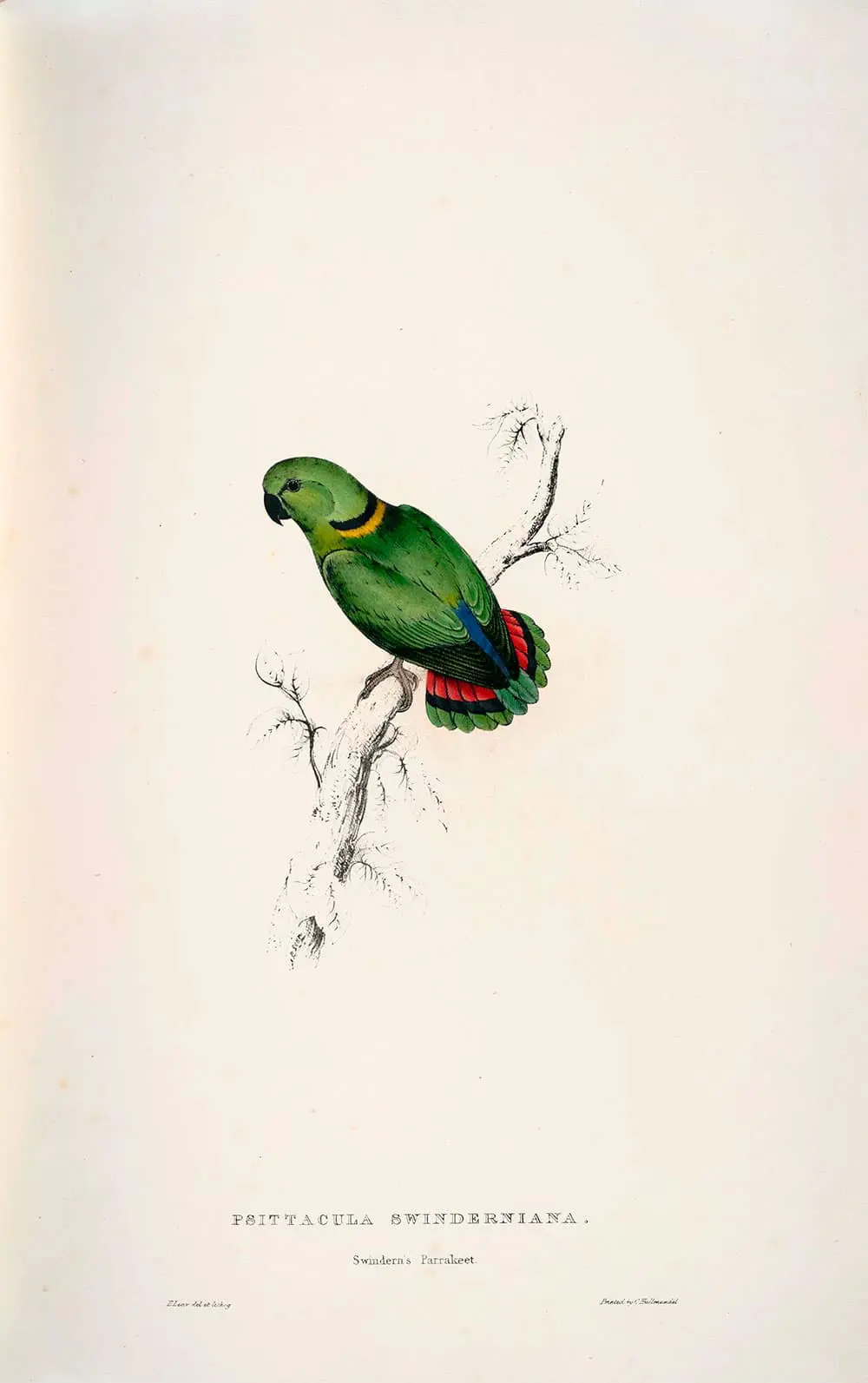
The Black-collared Lovebird (Agapornis swindernianus) has the forecrown, the lores and crown emerald green. Narrow black band at the nape, behind yellow lined. Mantle and scapulars green; rump and coverts bright blue. Upperwing-coverts green. Flight feathers Blackish with vane Green external on the upper face. Underwing-coverts emerald green.

The underparts pale green pretty boring, particularly on chest; flanks brightest. Central feathers of the tail, large black hand with green tips; other red at the base, green tips with broad black subterminal band.

Bill greyish black; irises yellow; legs Dark yellow green.

Both sexes similar.

The immature they are like adult, but without the nuchal collar. The Green head, the Blue rump and red tail, colors are duller than adults. Iris brown. beak pale gray with black spot at the base.

Subspecies description:

  • Agapornis swindernianus emini (Neumann, 1908) – Of 13 cm length. The collar is red and black and is narrower, It does not extend to the beginning of chest.

  • Agapornis swindernianus swindernianus (Kuhl, 1820) – The species nominal

  • Agapornis swindernianus zenkeri (Reichenow, 1895) – Of 13 cm.. length. Under the black band it has reddish coloration extends to the chest diluted.

Habitat "inseparable acoloado":

The Black-collared Lovebird They inhabit lowland tropical evergreen forests, both primary and secondary, generally below the 700 m. although some reports indicate sightings 1.800 metres in Uganda.

Visits occasionally cultivated land. In general, in small flocks (until 20 birds), sometimes in larger groups during the dry season.

It is a bird, generally, arboreal; frequent the treetops, where they can be very difficult to detect when they remain silent.

Forman communal roosts in their favorite places.

"Inseparable acoloado" reproduction:

Reproduction of this species is, to a great extent, unknown; They have been observed in arboreal termite nests and it is suspected that breeding in the northern basin of the congo river It is in July.

"Inseparable acoloado" food:

Their main food is, apparently, seeds Ficus, extracted from its fruits, in mature forests, light areas near the forest and trees growing areas around the villages; They also take millet, corn and other seeds, as well as insects and their larvae.

birds in the distrito de Ituri, Democratic Republic of the Congo, feeding were observed in the rice crops and Sesame.

"Agapornis swindernianus" distribution:

The Black-collared Lovebird they are endemic in West Africa center in at least two (possibly three or four) separate populations.

In West Africa The species is found in Liberia, Ivory Coast (Taรฏ National Park) to the South of Ghana, which recently they occurred in the Bia National Park.

In West Central Africa Its distribution extends from southern Cameroon south on Gabon and east to the north Congo river and extreme southwestern Central African Republic.

You can also see from the basin Congo river in West Uganda.

Subspecies distribution:

  • Agapornis swindernianus emini (Neumann, 1908) – Spread across the center and east of Democratic Republic of the Congo to the west end of Uganda.

  • Agapornis swindernianus swindernianus (Kuhl, 1820) – The species nominal

  • Agapornis swindernianus zenkeri (Reichenow, 1895) – Distributed in southern Cameroon and eastern Gabon to the southwest of Central African Republic and West Democratic Republic of the Congo.

Black-collared lovebird conservation:


minor concern

โ€ข Current Red List of UICN: Least concern

โ€ข Population trend: Stable

The size of the world population Black-collared Lovebird It has not been quantified, but the species, according to sources, It is considered rare in Ghana and probably confined to forest reserves. Described as common in Gabon and Democratic Republic of the Congo and reasonably common in lowlands in Bwamba of Uganda.

The population is suspected to be stable in the absence of evidence of any reduction or substantial threats.

As a curiosity, emphasize that governments Liberia and Uganda stamps have been printed with his image.

The Inseparable Vireo in captivity:

Probably It not kept out of their range; some captured birds died after a few days or weeks; No further information is available.

As with any other pet, it is essential to ensure that the birds one is about to purchase have been captive bred and not wild caught. In addition to conservation and ethical reasons, trapped wild animals are more likely to get sick and die.

Alternative names:

Black-collared Lovebird, Black collared Lovebird (English).
Insรฉparable ร  collier noir, Insรฉparable ร  collier, Insรฉparable du Libรฉria (French).
Grรผkรถpfchen, Grรผnkรถpchen, Grรผnkรถpfchen (German).
Inseparรกvel-acollarado (Portuguese).
Inseparable Acollarado, Inseparable de Cuello Negro (espaรฑol).


scientific classification:

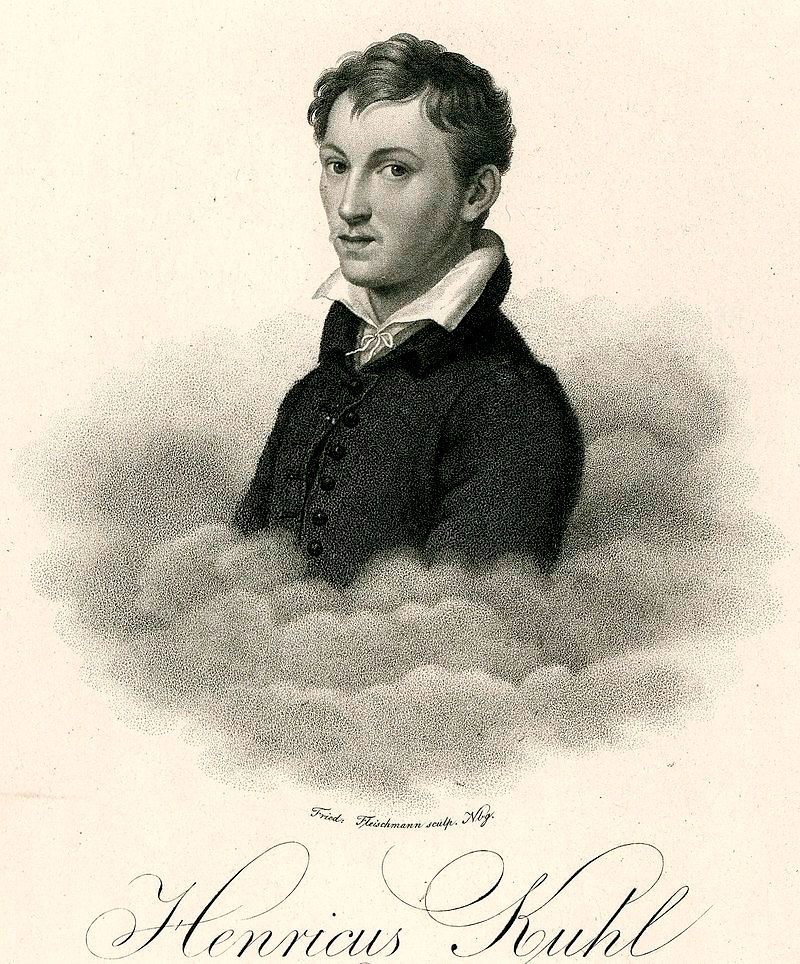
Kuhl, Heinrich
Heinrich Kuhl

Order: Psittaciformes
Family: Psittaculidae
Genus: Lovebirds
Scientific name: Agapornis swindernianus
Citation: (Kuhl, 1820)
Protonimo: Psittacus Swindernianus


Images "Black-collared Lovebird"


Species of the genus Agapornis


ยซYellow-collared lovebirdยป (Agapornis swindernianus)


Sources:

Avibase
– Parrots of the World โ€“ Forshaw Joseph M
– Parrots A Guide to the Parrots of the World – Tony Juniper & Mike Parr
– Birdlife

Photos:

(1) – Black-collared lovebird, the great unknown – fischospi
(2) – A painting of a Black-collared Lovebird (originally captioned ยซPsittacula swinderniana. Swindernโ€™s Parakeetยป) by Edward Lear (1812-1888) [Public domain], via Wikimedia Commons

โ–ท The world of Pets: Dogs, cats, birds, reptiles, amphibians

Bald Parrot
Pyrilia aurantiocephala

Bald Parrot

Content

Description:

23 cm.. length.

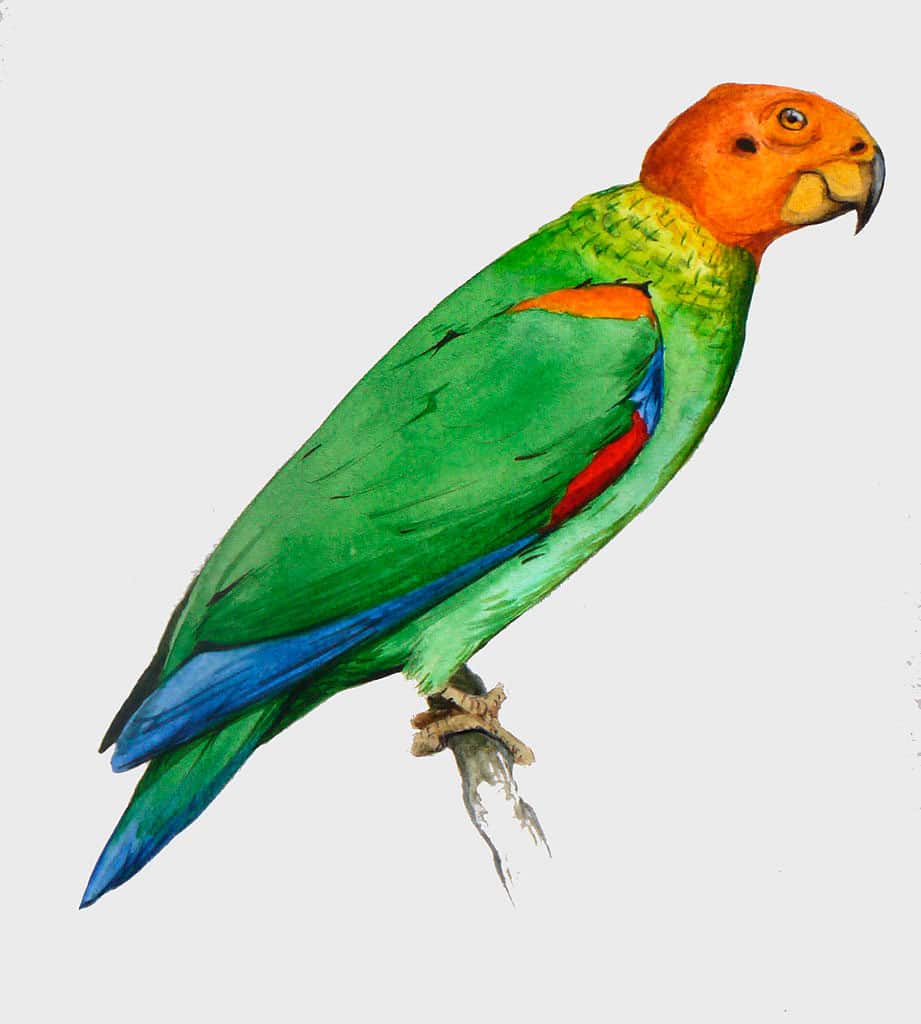
The Bald Parrot (Pyrilia aurantiocephala) has the mandible and the upper maxilla, black with a large orange dot in the base; head naked orange chrome; lores, forecrown, pileum, nape, face and chin no true feathers; coverts only black bristles and some white bristles in lores; true feathers beginning in dorsal area neck, spectrum yellow in proximal half and yellow-green in distal half with black apex, passing rapidly to parrot green as basic color the mantle, back, uropigium, and of the uppertail-coverts; feathers in bend of wing and scapulars, yellowish orange with base scarlet; lesser wing coverts green, except scarlet carpal edge; median and greater wing coverts, with large suffusion of ultramarine blue.

The upper surface of the of remiges black with outerweb shaded with indigo blue; undersurface of remiges black color with a a shamrock greenish on the innerwebs; the outerweb and the apex of the upper surfaces of the rectrices, indigo blue, shaded to varying degrees with green; the base innerwebs of the rectrices, yellow; feathers of the chest with greenish yellow base and apex, forming a large banda pectoral; lower breast, abdomen and crissum, emerald green sprinkled with cyan; underwing-coverts scarlet; the thighs yellow; feet feet orange yellow with suffusion of ochre; irises orange.

The immature with the bare lores to the area around the eyes, orange, the rest of the head feathered dull green; upper breast greenish yellow. Bill yellow in very young birds.

Note:

This parrot was initially believed to be an immature of the species Vulturine Parrot (Pyrilia vulturina) due to the orange color head calva. But, when it was discovered that individuals were sexually mature, He described as a new species. In fact, the youth of both species have feathers head greenish, unlike adults.

Formerly, It was included in the genus Pionopsitta.

  • Sound of the Bald Parrot.

Habitat:

Seen in gallery forest and in forest ‘campinarana‘ (on white sand soils). This region is threatened by logging (Gaban-Lima et al., 2002).

viewed individually, in pairs or small flocks of up to 10 birds. It is most active during the early morning that other parrots, and before going to sleep. It stays in the upper canopy where it is well camouflaged.

Reproduction:

The breeding season possibly either during September; little is known about their breeding habits.

Food:

Feeds of seeds, fruits and possibly larvae of gall wasps (Cynipidae).

Distribution:

Size of its range (breeding/resident): 407.000 km2

The Bald Parrot They are known only in some locations covering the lower basin of Madeira river and the upper basin of Tapajos River in the Brazil Amazon, more specifically in the Sรฃo Benedito river (Field observations) and Cururu-acu River, both tributaries on the right bank of the river Teles Pires, himself a tributary of Tapajรณs.
There are several recent records of this new species from the micro-region of Madeira in the vicinity of Borba.

Since the species is currently known only from Two types of habitat and a relatively small area, it is unlikely that the population is much higher 10.000 individuals, so it is considered that it is near-threatened. It is likely to occur more records now that has been formally recognized as a species, and this may clarify its exact state.

Conservation:


Near-threatened


โ€ข Current category of the Red List of the UICN: Near-threatened.

โ€ข Population trend: Decreasing.

Population size: 6.700 specimens.

Rationale for the Red List category

This species has recently described a moderately small population is declining due to loss of habitat. So, it is classified as near threatened.

Justification of the population

The population is preliminarily estimated with a number of at least 10.000 individuals, approximately equivalent to 6.700 mature individuals. This requires confirmation.

Justification of trend

It is suspected that this species has lost 8,8-13,1% of habitat within its distribution over three generations (21 years) starting from a model of deforestation Amazon (Soares-Filho et to the., 2006, Bird et to the., 2011). So, you suspect your decrease in population <25% durante tres generaciones.

"Bald Parrot" in captivity:

unknown in captivity.

Alternative names:

Bald Parrot, Orange-Headed ParrotT (English).
Caรฏque chauve (French).
Orangekopfpapagei, Langkopfpapagei (German).
Papagaio-de-cabeรงa-laranja (Portuguese).
Lorito Calvo (espaรฑol).

scientific classification:

Order: Psittaciformes
Family: Psittacidae
Genus: Pyrilia
Scientific name: Pyrilia aurantiocephala
Citation: Gaban-Lima, Raposo & Hรถfling, 2002

Images "Bald Parrot"

————————————————————————————————

ยซBald Parrotยป (Pyrilia aurantiocephala)


Sources:

Avibase
– Parrots of the World โ€“ Forshaw Joseph M
– Parrots A Guide to the Parrots of the World – Tony Juniper & Mike Parr
Birdlife
– Department of Zoology, Bioscience Institute, University of Sao Paulo, Rua do Matao, dish 14, not. 101, POCKET 05508-900, Saหœo Paulo, SP, Brazil – Notes

Photos:

(1) – Bald Parrot (Pyrilia aurantiocephala) – Watercolor, Romain Risso. By Gossipguy (Own work) [CC BY-SA 3.0], via Wikimedia Commons