โ–ท The world of Pets: Dogs, cats, birds, reptiles, amphibians

Chatham Parakeet
Cyanoramphus forbesi

Chatham Parakeet

Content


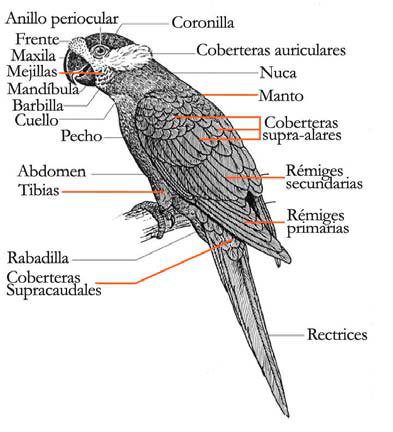
Anatomy-parrots

Description:

23 cm. length and 95 g. of weight.

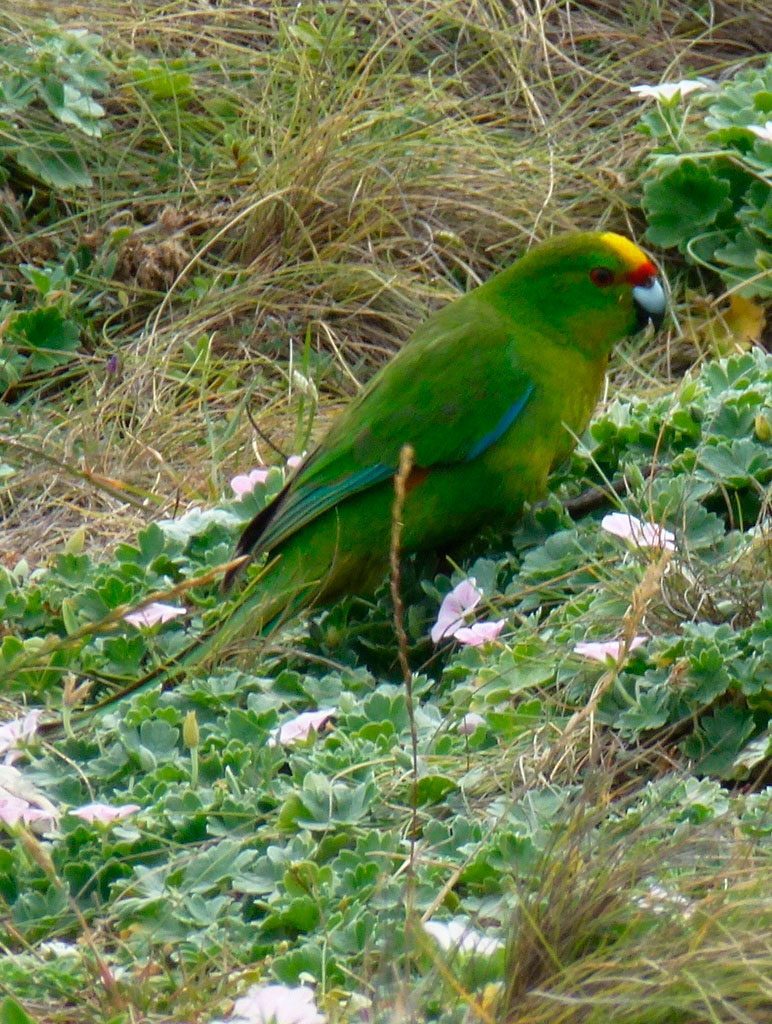
The Chatham Parakeet (Cyanoramphus forbesi) They are one of the two medium bright green parrots of Chatham Islands. Although they look very similar to those Yellow-crowned parakeet (Cyanoramphus auriceps) of New Zealand continental, the color of the crown is not a reliable indicator of taxonomic relationships.

It believes that the Chatham Parakeet descended from an ancient lineage of parrots who reached the Chatham Islands before the division Yellow-crowned parakeet and Red-crowned parakeet happened in New Zealand continental, after which the Red-crowned parakeet (Cyanoramphus novaezelandiae) also they colonized Chatham Islands.

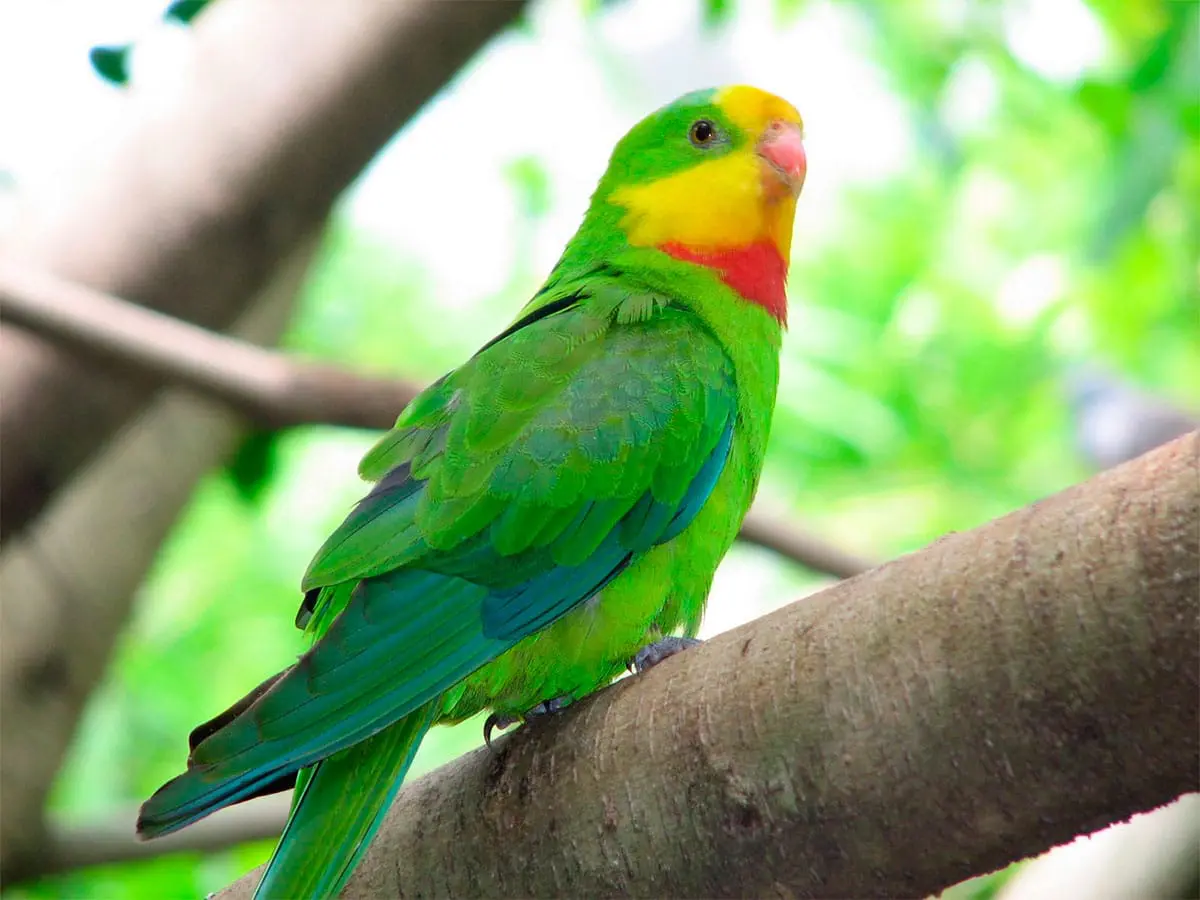
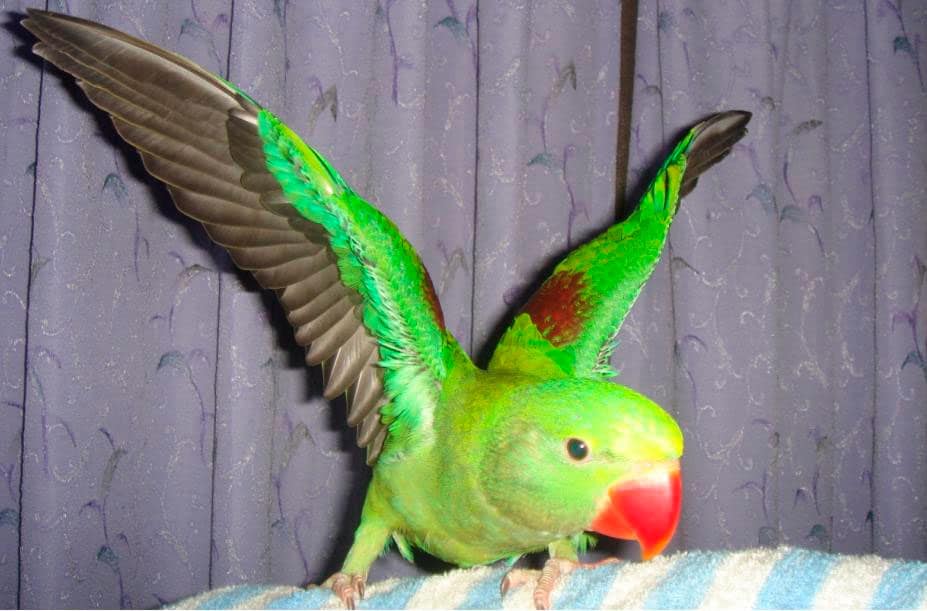
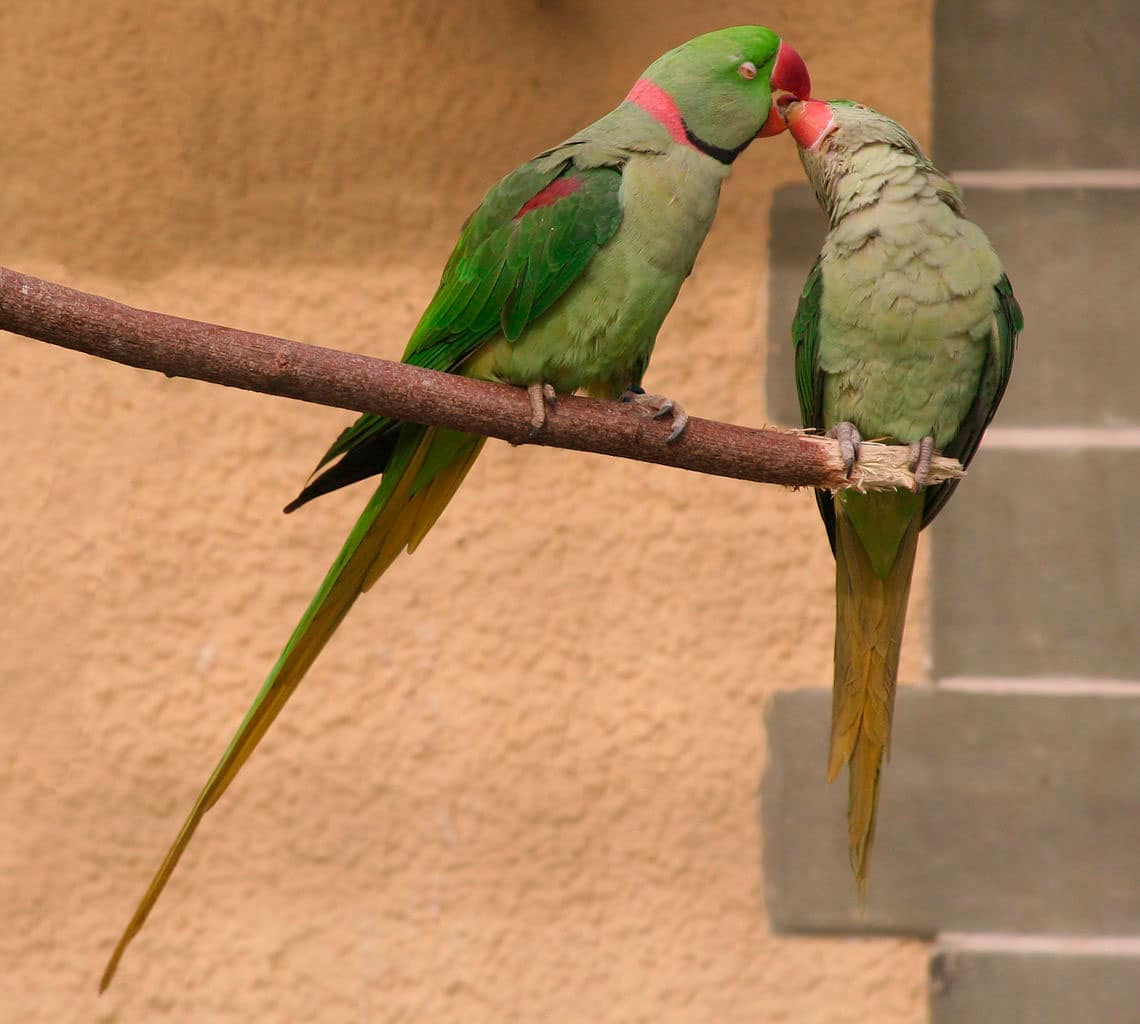
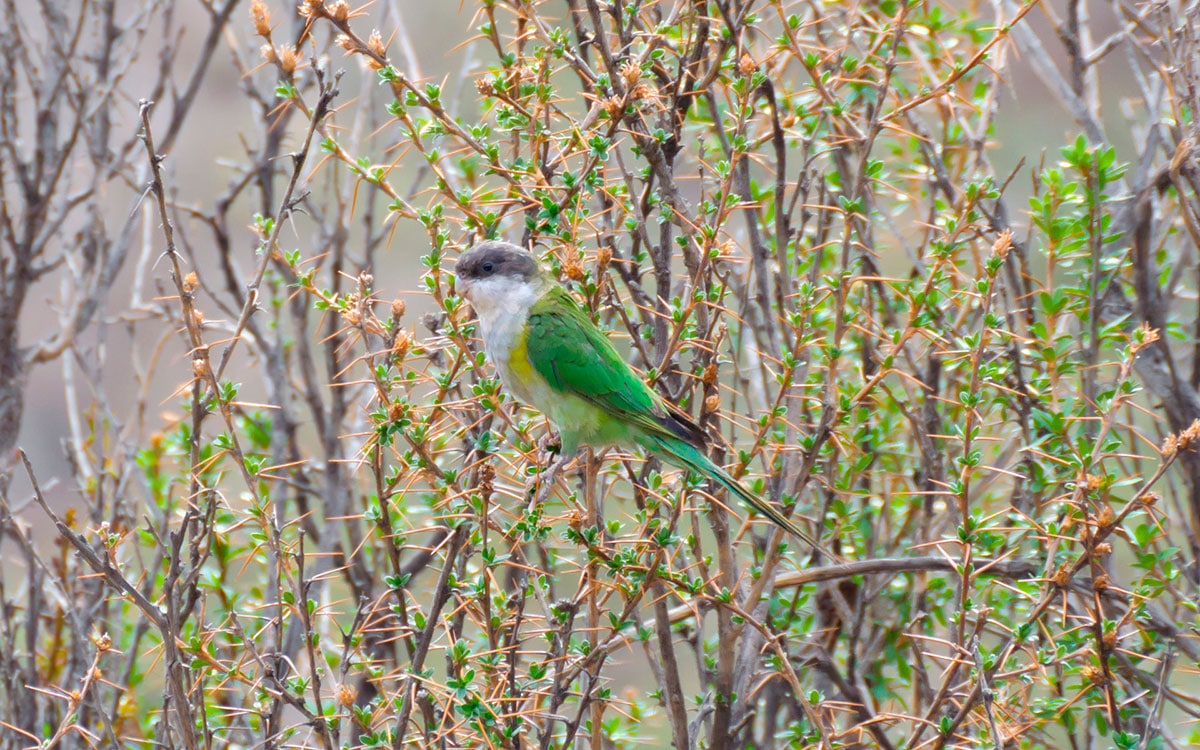
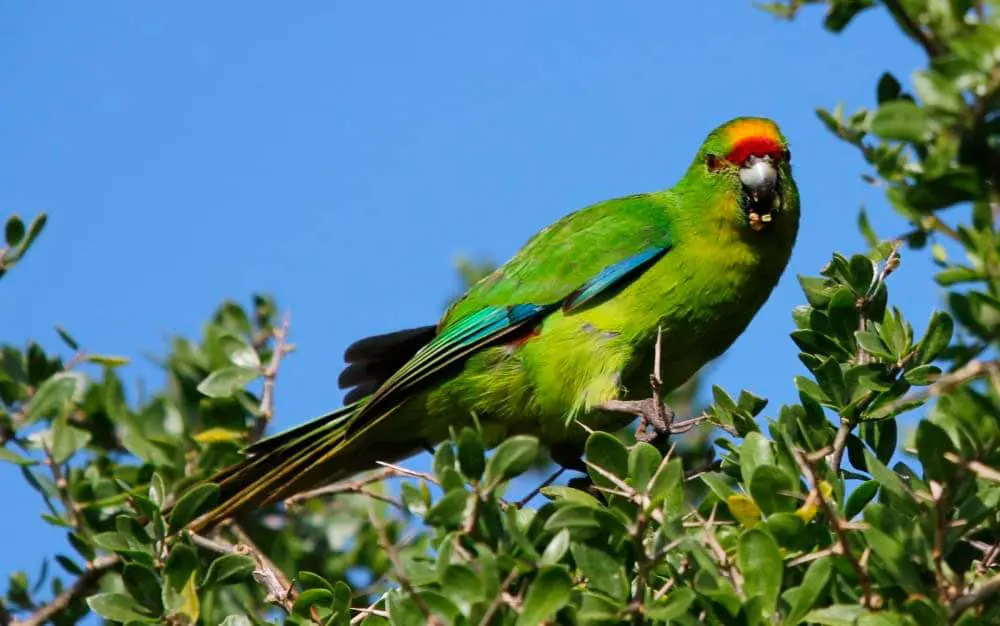
The Chatham Parakeet They are medium-sized parrots, of tail long, with wings wide and rounded and plumage predominantly emerald. have a crown bright yellow front and a crimson front band that does not reach to the eyes, unlike in the Red-crowned parakeet. Males are larger than the females.

taxonomy:

Since 1930 is commonly treated as a subspecies of the Yellow-crowned parakeet (Cyanoramphus auriceps), and clearly the two are closely related; the species differ, However, in size considerably, It is larger species Cyanoramphus forbesi. Currently considered Monotypic.

Habitat:

The Chatham Parakeet They are at higher densities in forests and dense vegetation regenerating areas than in open grassland. Despite its rather erratic flight, They fly hard and move easily between islas Mangere and little Mangere. Occasionally they have been observed Chatham Parakeet individual in the forests of southern Chatham Island (> 20 km from the Mangere Island) and nearby islands Pitt and owner. Their social behavior is similar to other species of parakeets Cyanoramphus. They are strongly territorial around nests, calling loudly and chasing intruders from nearby.

Reproduction:

The Chatham Parakeet have a long breeding season, with eggs laid between October and March. Son nesters cavity, preferring tree holes but also using rock crevices and under dense vegetation. The size medium of laying is of 5 eggs. Like all the other parakeets Cyanoramphus, females are responsible for preparing the nest, incubation, rearing and feeding the chicks until the 10-14 days old. During this period all your food is provided by your partner.. From then on, male and female parrots feed the chicks in the nest until they leave the nest.

The incubation usually begins after the start of the second egg, resulting in chicks within a clutch that vary greatly in age and size. The last chicks to hatch are usually born at a younger age and are less developed than their older brothers.. More than one brood may be attempted if the initial nest fails or if the food supply allows..

Food:

The foods consumed by Chatham Parakeet They are affected by seasonal availability, and include seeds, flowers and leaves of various plants, It is the most important invertebrates in spring. They feed extensively in soil in open areas.

Distribution and status:

Sw extension of its distribution area (reproduction / resident): 3 km2

The Chatham Parakeet It is restricted to of Tapuaenuku ISLA ISLA Pequeรฑa Mangere and Mangere in the Group of chatham islands, New Zealand. In 1930 He quenched in Mangere Island, but in 1973 had recolonized and numbered 40 birds and a small number of hybrids with the subspecies Cyanoramphus novaezelandiae chathamensis (of which there were 12 on the island) (Higgins 1999).

In 1996, two estimates indicated that the population of the Mangere Island It was from 50 to 120 Purebred birds. The population on the small island of little Mangere It is little known because the few visits made (H. Aikman a slightly. 1999). In 1999, it was estimated that the total population was about 120 birds (Aikman et al. 2001), but studies 2003 estimated 900 individuals on Isla Mangere (Aikman y Miskelly 2004, D. Houston y C. Miskelly a slightly. 2008).

A recent study estimated that more than 50% of the population of parakeets in Isla Mangere consisted of individuals hybrids (Chan et al. 2006), but this is expected to decrease due to mating positive range (T. Greene a slightly. 2012); the number of phenotypes forbes It is approaching the threshold management 10% (D. Houston a slightly. 2012) (that is to say, the number above which culling can be resumed as a management tool). There have been birds visiting South isla Chatham, the Pitt island and ISLA ISLA Chief of Sudeste (Taylor 1998, D. Houston y C. Miskelly a slightly. 2008, T. Greene a slightly. 2012).

Conservation:
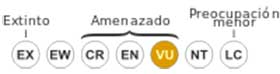

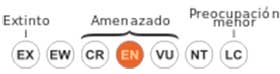
Vulnerable


โ€ข Current category of the Red List of the UICN: Vulnerable.

โ€ข Population trend: Stable.

โ€ข Population size : 250-999 individuals.
Rationale for the Red List category

This species may still have a small purebred adult population.. Possible removal by hybridization has been avoided thanks to three decades of conservation efforts, which they have seen increasing population size. It is restricted to one place (given the proximity of the small islands that lives and mobility), and its small population size means it still deserves to be listed in a threatened category, but it is likely that their population size has been more than 250 mature for more than 5 years, so it has been transferred to the category of Vulnerable.

Justification of the population

The population of phenotypes similar to those of Forbes It has increased dramatically in the Mangere Island, with the best estimates placing the population between 800 and 1.000 individuals. A survey in 2011 It assessed that the phenotypes of interest are in the 10%, the trigger level for management action (D. Houston a slightly. 2012). It is likely that populations have exceeded 250 mature for more than 5 years, so now it is in the range of 250-999 mature individuals.

Justification trend

The population has shown minor fluctuations in recent years, since the species recolonized the Mangere Island over the years 70 and it has benefited from habitat restoration, while hybridization has also suffered. In general, It is estimated that the population has remained stable for the last ten years, and It is probably increasing (T. Greene a slightly. 2012).

Threats

โ€ข Disappeared from Mangere Island due to a combination of deforestation for grazing, decades of burning, the effects of introduced grazing mammals and predation by feral cats (Higgins 1999).

โ€ข The greatest current threat is the hybridization with the Cyanoramphus novaezelandiae chathamensis, subspecies Red-crowned parakeet (Cyanoramphus novaezelandiae) What, despite the sacrifice, still it is settling in Mangere Island (J. Kearvell a slightly. 1999).

โ€ข It is believed that the rate of hybridization High above is the result of the then low population sizes of the two species (D. Houston y C. Miskelly a slightly. 2008).

โ€ข The levels of hybridization They have remained below 10% of the total population of parakeets Mangere Island over the last decade, so no management intervention was not necessary.

Conservation Actions Underway

โ€ข Appendix I and II of CITES. The Mangere Island It has been substantially replanted (Aikman et al. 2001, D. Houston y C. Miskelly a slightly. 2008).

โ€ข An ecological and genetic research program has investigated population dynamics, the hybridization and selection of partners (H. Aikman a slightly. 1999, Chan et al. 2006).

โ€ข During 1976-1999, hybrid birds and individuals of the subspecies Cyanoramphus novaezelandiae chathamensis They were sacrificed population (Nixon 1994).

โ€ข In 1998, 40 hybrids And six Cyanoramphus novaezelandiae chathamensis were killed, leaving 10 copies between hybrids and Cyanoramphus novaezelandiae chathamensis after the operation (H. Aikman a slightly. 1999).

โ€ข Surveys of the relative proportion of hybrids regarding type phenotypes Forbes They are held every two years (D. Houston a slightly. 2012).

โ€ข The translocation a fenced area predator proof in Chatham Island It is planned for 2017 (D. Houston a slightly. 2012).

Conservation Actions Proposed

โ€ข Complete the investigation ecological, biological and genetic, including analysis and dissemination of results.

โ€ข Monitor trends in the extent and quality of forest habitats on the island of Mangere.

โ€ข Restore forest habitats Mangere Island to increase the number and reduce the hybridization.

โ€ข Work for the establishment of one or more populations in the Chatham Island (H. Aikman a slightly. 1999).

"Chatham Parakeet" in captivity:

There are no data from Chatham Parakeet in captivity.

In the wild, its lonjevidad is probably similar to that of Yellow-crowned parakeet (Cyanoramphus auriceps): 10 years.

Alternative names:

Chatham Island Yellow-crowned Parakeet, Chatham Islands Parakeet, Chatham Parakeet, Forbes’s Parakeet (English).
Kakariki de Forbes, Kakariki des รฎles Chatham, Perruche des Chatham, Perruche des รฎles Chatham (French).
Chathamsittich (German).
Periquito-de-peito-amarelo-da-Ilha-chatham (Portuguese).
Perico de las Chatham (espaรฑol).

scientific classification:

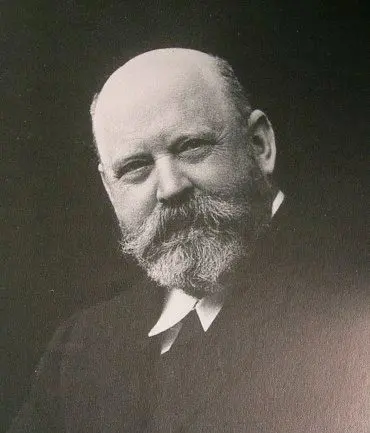
Lionel Walter Rothschild

Order: Psittaciformes
Family: Psittaculidae
Gender: Cyanoramphus
Scientific name: Cyanoramphus forbesi
Subpoena: Rothschild, 1893
Protonimo: Cyanorhamphus [sic] forbes

"Perico de las Chatham" images:
Perico-de-las-Chatham

Sources:

โ€ข Avibase
โ€ข Parrots of the World โ€“ Forshaw Joseph M
โ€ข Parrots A Guide to the Parrots of the World – Tony Juniper & Mike Parr
โ€ข Birdlife
โ€ข Greene, T.C. 2013 [updated 2017]. Forbesโ€™ parakeet. In Miskelly, C.M. (ed.) New Zealand Birds Online. www.nzbirdsonline.org.nz

Photos:

(1) – Chatham Islands Parakeet on Mangere Island by Markanderson72 [CC BY-SA 4.0], from Wikimedia Commons
(2) – Andrew Sutherland, IBC1065693. Photo of Chatham Parakeet Cyanoramphus forbesi at Chatham Islands, New Zealand. Accessible at hbw.com/ibc/1065693.
โ–ท The world of Pets: Dogs, cats, birds, reptiles, amphibians

Red-breasted Pygmy-Parrot
Micropsitta bruijnii

 Microloro Pechirrojo

Content


Anatomy-parrots

Description

9 cm.. length between 12 and 16 g. of weight.
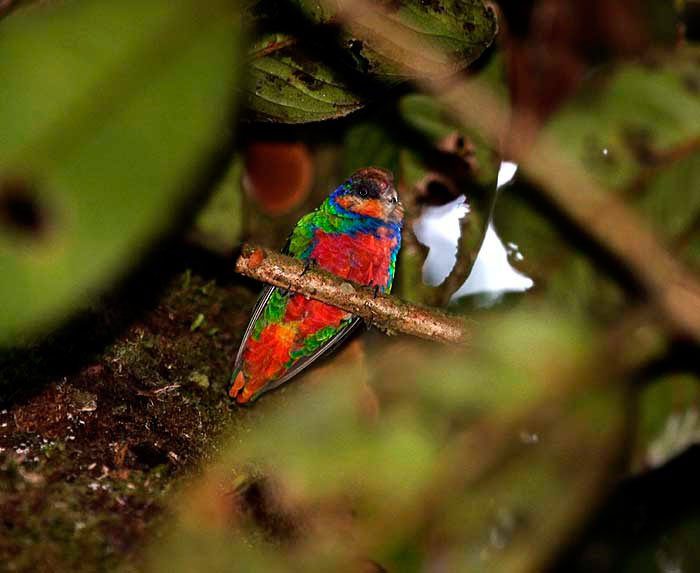
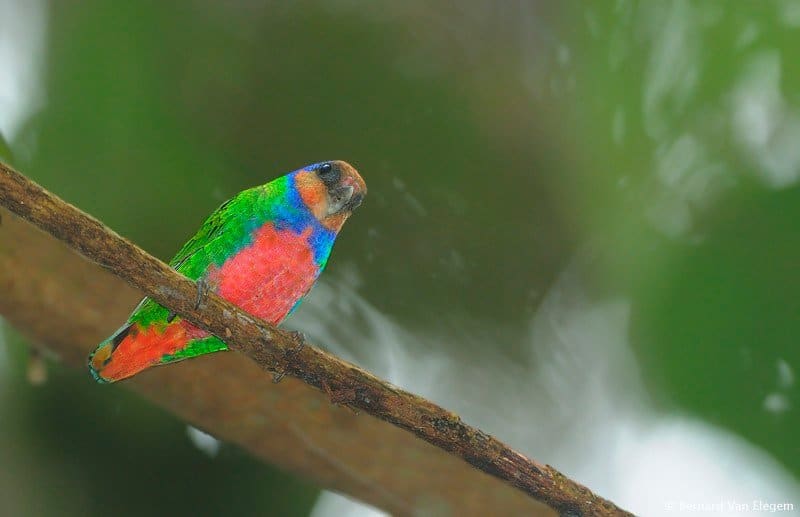
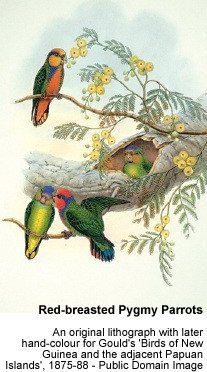
The crown of the tiny Red-breasted Pygmy-Parrot (Micropsitta bruijnii) various of pink to Brown towards the nape; cheeks, chin and ear-coverts, pale pink; line that goes from eyes up to the nape, iridescent blue. Banda wide in the part back from the nape, iridescent blue, rest of the upper region Green with fine dark margins. The flight feather Black finely lined in green; under wing-coverts Green with centers black. feathers of the wings grey-black.

The underparts are pink, with collar narrow blue iridescent in the part superior of the chest, merging is in color green in them lower flanks and blue in the part back from the neck; sides chest, blue. Uppertail Pink dark. Central feathers of the tail of color blue opaque, dotted black; Black yellow-orange-tipped outer.

Bill grey, cere pink, irises brown; legs grey.

Female mainly green and devoid of underparts Roses and the neck Blue of the male. The crown Pink is replaced by the blue (with the exception of the front that is pink), and uppertail-coverts are of color green yellow, not pink. The wing feathers show some brands of color green and the throat is grayish white.

Immature are like females, but are orange in the underparts, and they have forecrown and lores White.

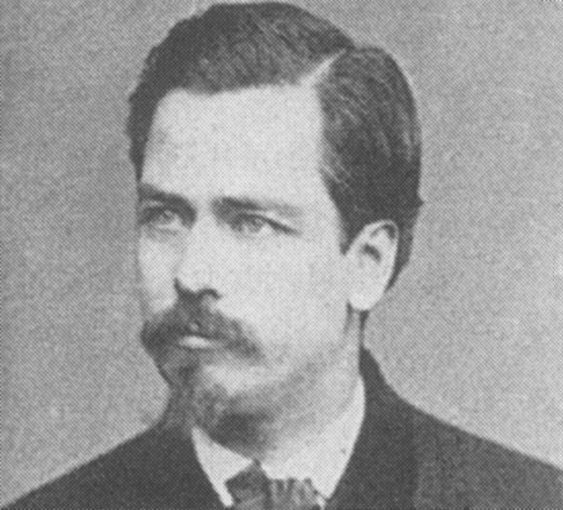
Note: scientific name bruijnii commemorates the Dutch merchant's feathers Antonie Augustus Bruijn.

Subspecies description

Description 5 subspecies
  • Micropsitta bruijnii bruijnii

    (Salvadori, 1875) – Nominal.

  • Micropsitta bruijnii buruensis

    (Arndt, 1999)

  • Micropsitta bruijnii necopinata

    (Hartert, 1925) – Crown the male is brown with a yellowish Center. The cheeks, the throat and the part middle of the chest and abdomen are reddish in colour. The uppertail-coverts are yellow. The female is like the female of the nominal but the crown it's more purple-blue.

  • Micropsitta bruijnii pileata

    (Mayr, 1940) – The male has the crown of color red more dark that the nominal, and extends below, to nuchal collar blue.

  • Micropsitta bruijnii rosea

    (Mayr, 1940) – The Red of the underparts is richer, but restricted to the center of the part inferior of the chest and the abdomen. The Red of the cheeks and Arch of crown also is more rich. Female as the female of the nominal.

  • Note: Birds observed recently in OBI, Center-North of Moluccas, possibly belong to a new subspecies. (Mittermeier, J.C., Cottee-Jones, H.E.W., PURBA, E.C., Attack, M.., Hesdianti E. & Supriatna, J. (2013)
    A survey of the avifauna of Obi island, North Moluccas, Indonesian. Forktail 29: 128โ€“137.)

Habitat:


The microloro pechirrojo they can be observed in primary and secondary forests on mountain, along the forest margins, and also have been recorded in the Albizia moluccana, in coffee plantations. They are usually between 500 and 3.000 m, but they can be found at lower altitudes. There is a record of a wandering bird observed at the level of the sea.

The species is usually found in pairs or in groups of up to 20 individuals, quickly moving in small groups through the second half of upper canopy. They are most commonly found for their high-pitched calls..

Birds prefer dead trees and can "jump" from one branch to another in search of fungi and lichens to feed on.. They also take fruit and flowers.

Unlike other Pygmy parrots, they build their cavities for nesting on the sides of the dead trees, not in termite mounds. The entrance tunnel leads up into the cavity and enters from the rear. One of the registered tunnels had 100 x 55 mm. with a coating of wood inside.

Reproduction:

The breeding season, according to sources, is between the months of December and April. The nest It is a hole in a stump or dead tree to an altitude that ranges between 3 and 4 meters above the ground; apparently one of these nests counted with the presence of one male and two females.

Food:

Fungi and lichens, Sometimes they feed on fruit and flowers.

Distribution:

Size of the area of distribution (reproduction / resident): 269.000 km2

The Red-breasted Pygmy-Parrot are distributed by the islands of Buru and Seram, and in the mountain forests along the New Guinea, the Bismarck Archipelago, and three of the Solomon Islands. In New Guinea, are observed in the mountains Tamrau and Parotia of Vogelkop, along the Onin Peninsula, and through the central mountain range, including the mountains, Kubor, and coming up to Adelbert, Saruwaged and Owen Stanley ranges in the North and Southeast. There are also in New Britain and New Ireland (Hans Meyer Range) and in Bougainville, Kolombangara and Guadalcanal in the Solomon Islands.

Subspecies distribution

Distribution 5 subspecies

    Conservation:


    minor concern


    โ€ข Current IUCN Red List category: Least concern

    โ€ข Population trend: Stable

    The size of the world population It has not been quantified, probably over the 100,000 specimens. The species is released between common and rare due to deforestation and loss of habitat in this limited range.

    The population suspected to be stable in the absence of evidence of any reduction or substantial threats.


    "Red-breasted Pygmy-Parrot" in captivity:

    It is not in captivity. Difficult to keep alive for more than a few hours or days.

    Alternative names:

    Red-breasted Pygmy-Parrot, Mountain Pygmy Parrot, Mountain Pygmy-Parrot, Red breasted Pygmy Parrot, Red-breasted Pygmy Parrot, Rose-breasted Pygmy Parrot (ingles).
    Micropsitte de Bruijn, Perruche pygmรฉe de Bruijn (French).
    Rotbrust-Spechtpapagei (German).
    Papagaio-pigmeu-de-peito-vermelho (Portuguese).
    Microloro de la Montaรฑa, Microloro Pechirrojo (espaรฑol).


    scientific classification:

    Salvadori Tommaso

    Order: Psittaciformes
    Family: Psittaculidae
    Genus: Meeki
    Scientific name: Micropsitta bruijnii
    Citation: (Salvadori, 1875)
    Protonimo: Nasiterna bruijnii


    Images "Microbird Pechirrojo":

    Red-breasted Pygmy-Parrot

    ————————————————————————————————

    ยซMicroloro Pechirrojoยป (Micropsitta bruijnii)


    Sources:

    Avibase
    – Parrots of the World โ€“ Forshaw Joseph M
    – Parrots A Guide to the Parrots of the World – Tony Juniper & Mike Parr
    – Birdlife

    Photos:

    (1) – A pair was found foraging on the trunk of a tree By high mehdhalaouate – lynx
    (2) – ยฉ Bernard I've had enough – bernardvanelegem

    Sounds: Hans Matheve (Xeno-canto)

โ–ท The world of Pets: Dogs, cats, birds, reptiles, amphibians

Green Racquet-tail
Prioniturus luconensis


Green Racquet-tail

Content

Description

29 cm.. length.

The Green Racquet-tail (Prioniturus luconensis) has the head of color green light, impregnated of green yellowish around them lores and the base of the bill. Mantle light green, slightly yellowish. Wings green; vane outer, the first three primaries green, impregnated blue; vane Dark internal, the more internal with pale inner edge. Wing feathers greenish yellow, underside of flight feather impregnated of blue dark. The underparts brighter yellowish green, more yellow in the undertail-coverts. Upper, the tail green, lateral feathers strongly impregnated dark bluish-green and dark-tipped; undertail, the tail bluish.

Bill grey bluish pale ; irises dark brown; legs grey.

The female has the rackets of the tail shorter.

The juveniles they do not have rackets on tail.

Habitat:

Previously reported in the strata media of the land low of forest primary, and in the nearby cornfields, mostly below 700 m. Recent records are from small groups of a maximum of seven birds that live most degraded or selectively, in exploited forests outside of settlements.

Reproduction:

Young have been observed in Luzon during the month of may. The nest It , apparently, a hollow tree. Little more is known about the habits of this rare Parrot.

Food:

The diet includes fruit, Tender corn, rice, seeds and flowers.

Distribution:

Size of the area of distribution (reproduction / resident): 93.500 km2

Endemic to Luzon and Marinduque, North of Philippines. Although the species was considered quite common at the end of the last century in the center of Luzon, seems to have suffered a rapid decline in recent years. Has not been registered in the Cordillera Central in this century, and now you can have their stronghold in the Sierra Madre, where it was reported to be generally rare or uncommon in the decade of 1990. It is rare in all currently considered Luzon except perhaps in the Subic Bay Naval Reserve Forest (Bataan, to the East of Manila). There are no recent records of Marinduque.

Conservation:


Endangered


โ€ข Current category of the Red List of the UICN: Danger

โ€ข Population trend: Decreasing

The population is in the band of 1,000 to 2,499 mature individuals.

The threats by the tala generalized and their captures to the trade of birds of cage, suggest that this species is experiencing a downhill fast in the population.

There is no national legislation to protect trade and hunting, Although this is often violated. It is currently known from two protected areas, the Bataan Natural Park / Subic Bay forest reserve and the Parque Natural del North Sierra Madre. Receive nominal protection in the Maria Aurora Memorial Park.

In captivity:

Parrot moderately loud, with nice voice. New birds are highly susceptible to diseases. Initially shy, but eventually he acclimatizes to the caregiver.

Practically unknown in captivity.

Alternative names:

Green Racquet-tail, Green Racket-tail, Green Racket-tailed Parrot, Green Racquet tail, Green Racquet-tail Parrot, Green Racquet-tailed Parrot, Green recket-tailed parrot, Green-crowned Racket-tailed Parrot, Green-headed Racket-tailed Parrot, Green-headed Racquet-tailed Parrot (ingles).
Palette verte, Perroquet ร  raquette verte (francรฉs).
Luzon-Spatelschwanzpapagei, Luzonpapagei (alemรกn).
Prioniturus luconensis (portuguรฉs).
Lorito momoto de Luzรณn, Lorito Momoto Verde, Lorito-momoto de Luzรณn (espaรฑol).

scientific classification:

Order: Psittaciformes
Family: Psittaculidae
Genus: Prioniturus
Scientific name: Prioniturus luconensis
Citation: Steere, 1890
Protonimo: Prioniturus Luconensis

Images "Green Racquet-tail"

Videos "Green Racquet-tail"

————————————————————————————————

ยซLuzon Motmock Parrotยป (Prioniturus luconensis)

Sources:

Avibase
– Parrots of the World โ€“ Forshaw Joseph M
– Parrots A Guide to the Parrots of the World – Tony Juniper & Mike Parr
– Birdlife

Photos:

(1) – By marco cooked – Forum of The European Ornithological Association

Sounds: Cedric MROCZKO (Xeno-canto)

โ–ท The world of Pets: Dogs, cats, birds, reptiles, amphibians

Superb parrot
Polytelis swainsonii

Superb parrot

Content


Anatomy-parrots

Description

40 cm.. length between 132 and 157 g. of weight.

The Superb parrot (Polytelis swainsonii) has the front, crown, Chin and throat of bright yellow; back of the bright green Crown with turquoise blue wash: headphones coverts and Lords, green. Bright green upper parts. Upper, the wings, bright green, with dark diffusion in the inner margins of the vane internal and blue diffusion in vane outer (fine yellow rear margin for flight feathers); bluish carpal edge: light blue primary coverts; primary elongated.

Wing of bright green feathers; bottom of blackish brown flight feathers. Underparts pale bright green, with thin bright red Ruff between throat yellow and green at the top of the chest. Upper, bright green tail, with dark elongated Central feathers Slightly bulbous tips. outer feathers with bluish edges vane outer. The lower part of the tail is black.

Bill, coral red; yellow-orange irises; Blackish legs.

The female is completely Green, with a bath pink Brown throat and with the headphones cinnamon and the Crown of blue-grey. The mantle is more off, more greenish Brown, contrasting with the Green rump and dark flight feathers. The underparts are paler, orange-red legs. She also has distinctive pink trim and pink tips to yellow vane internal bottom of the queue.

Yellow IRIS.

Immature as females but with Brown iris. Males attain adult plumage in about 12 months.

Habitat:

Superb parrot

A part of the population of the Superb parrot is migratory, wintering in the North of the breeding areas.

Habitat preferences of breeding populations vary slightly from east to west within the slopes of the Great dividing range and open areas in forests of eucalyptus, It is the dominant vegetation type. Here the species nests far from watercourses, and it uses a variety of tree species.
In the region of Riverina, to the West, birds breed almost exclusively on the banks of rivers, in forests of Eucalyptus camaldulensis, feeding on nearby forests of Eucalyptus bicolor, Eucalyptus melliodora and White Pino-CIPRES (Callitris columellaris).

They sometimes also found in farmland and villages.

The size of the flocks are usually small, but groups of up to 100 individuals have been recorded after the breeding season.

The superb Parrot feed in the trees, in the understory, and also in land, where can be accessible, feeding on spilled grain on the roadsides and keeping the company of the Yellow Rosella and Cockatoos.

Reproduction:

The breeding season of the Superb parrot is from September to November.
Male parade making small greetings and nodding his head. Both members of the couple make ritual exchanges of food.

The nest is usually a hollow, full of scrap wood, at the top of a tree dead or alive and a considerable height that is usually between 11 and 51 meters above the ground. The individual sites tend to be reused.

The Superb parrot, they often nest in colonies ranging up to six couples. Spawning contains 4 or 6 eggs which are incubated for at least 20 days. The chicks are altricial and leave the nest after 30 days.

Food:

The diet includes fruits and flowers of Acacia and eucalyptus, fruit shrubs (for example Exocarpos); seeds of crops, pastures, weeds and grasses

Distribution:

Size of the area of distribution (reproduction / resident): 95.300 km2

The Superb parrot they are endemic in Australia, where are distributed only in New South Wales and the north end of Victoria.

The species are concentrated in two main areas: on the South-West slope of the Great dividing range (regions of Cowra, Boorowa, Cootamundra and Yass), and in the area of Riverina, New Wales of the itsr. In the latter the range extends along the murrumbidgee river, from There is a to Darlington Point, Narrandera and Wagga Wagga.

Also found in the North of Goolgowi and the river lachlan, and in South, in the rivers Edward and Murray (Barham. Deniliquin, Tocumwal, Cobram, Getafe and Albury).

In the North of Victoria, concentrated along the rivers Goulburn and Ovens, and in the area of Barmah Forest.

Wandering birds occasionally appear more to the West, along the border of Victoria and New South Wales.

The Superb parrot, do not normally breed above 33ยฐ S, but at least part of the population disperses north to 33ยฐ S at the end of the breeding season.

These birds are found from April to August in the northeast of New South Wales from Gunnedah to Narrabri, Gilgandra and Coonamble, and between river systems to the West (Barwon, Namoi, Macquarie, Castlereagh, Marthaguy Creek).

Occasionally, alleged migratory birds, They fly to the West, about Tottenham and Hermidale.

Escapes have been recorded around Sydney and Melbourne.

A moderate number of captive.

Protected by law.

Conservation:


minor concern


โ€ข Current category of the Red List of the UICN: Least concern

โ€ข Population trend: Stable

Its population, apparently, fell in 1920 as an accidental effect of a poisoning by the crop protection.

A panel of experts considered that it was very likely that the population in 2010 exceeds the 10.000 mature individuals. The current estimate ranges in the Strip between 10.000 and 20.000 specimens.

The general trend of the population of the Superb parrot (Polytelis swainsonii) is uncertain, but there is no evidence of a continuous decline.

In Australia is also classified as vulnerable species the law of protection of the environment and conservation of the biodiversidadad of 1999. In addition, its conservation status varies between states., for example in the law of Victoria (1988) is considered to be threatened species.

"Superb parrot" in captivity:

Take it easy, relatively little aggressive with other birds, and very social.

Una muestra viviรณ 15,1 years in captivity. According to sources, these animals can live up to 24,2 years in captivity, It is possible to, but the source is not verified; the same study reported that these animals can reproduce in approximately 2 years of age in captivity.

Pretty common in captivity, above all in Australia.

Alternative names:

Superb Parrot, Barraband, Barraband Parakeet, Barraband Parrot, Green Leek, Scarlet-breasted Parrot (ingles).
Perruche de Barraband, Perruche Barraband, Perruche superbe (French).
Schildsittich (German).
Periquito-soberbo (Portuguese).
Perico Soberbio, Periquito de Barraband (espaรฑol).

scientific classification:

Order: Psittaciformes
Family: Psittaculidae
Genus: Polytelis
Scientific name: Polytelis swainsonii
Citation: (Desmarest, 1826)
Protonimo: Psittacus Swainsonii

Images ยซSuperb Parakeetยป:

Videos "Superb parrot"

————————————————————————————————

ยซSuperb Parakeetยป (Polytelis swainsonii)


Sources:

Avibase
– Parrots of the World โ€“ Forshaw Joseph M
– Parrots A Guide to the Parrots of the World – Tony Juniper & Mike Parr
– Birdlife
– The Animal Ageing and Longevity Database – Polytelis swainsonii

Photos:

(1) – By paulgear (Picasa Web Albums) [CC BY-SA 3.0], via Wikimedia Commons
(2) – Image Credit: Stuart Harris – Canberra Birds
(3) – Image Credit: Julian Robinson – Canberra Birds
(4) – Image Credit: Stuart Harris – Canberra Birds
(5) – Image Credit: Julian Robinson – Canberra Birds

Sounds: Ding Li Yong (Xeno-canto)

โ–ท The world of Pets: Dogs, cats, birds, reptiles, amphibians

Bluebonnet
Northiella haematogaster


Bluebonnet

Content


Anatomy-parrots

Description

28 cm. length and a weight between 74 and 105 g..

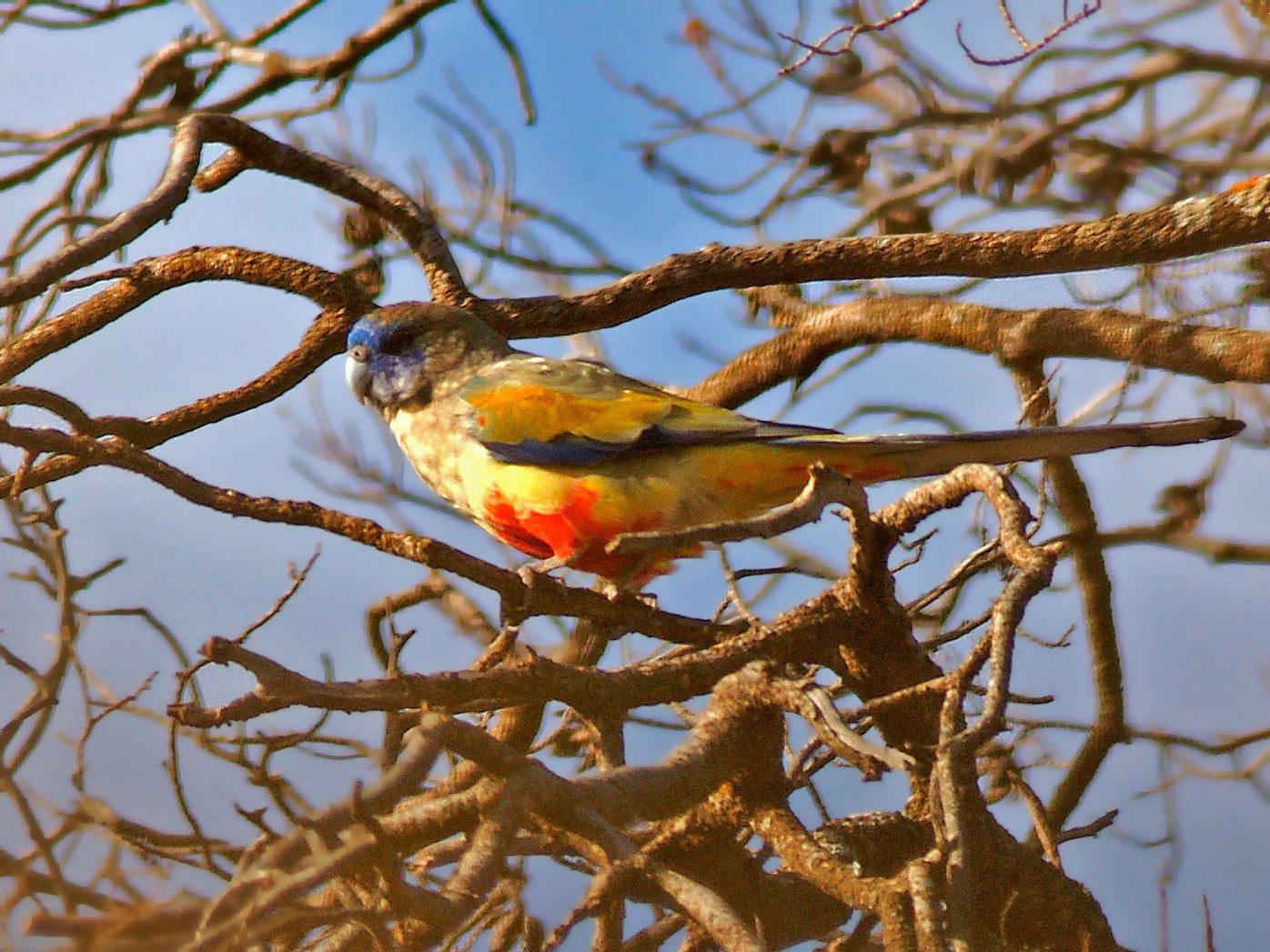
The Bluebonnet (Northiella haematogaster) they have the forecrown, lores and face, blue-violet color. The rest of the head, the chest, the layer, the back and rump It has a beautiful ochre mixed with yellow belly. The abdominal area It is covered by a large red spot.

The curvature of the wings is blue, most of the coverts are a key olive. The outermost feathers are purplish blue. The the wing lower and flight feather they are also blue-purple. The tail color is greenish bronze but the outer feathers they are blue-purple with white tips.
The bill grayish white is; the irises pale grey; legs grey.

The females they are more off, with less blue in the face and a pale bar on the wing .

The immature they resemble females, but the stain abdominal Red is more discrete. The immature plumage is lost after few months. The chicks have the bill yellow.

Subspecies description

  • Northiella haematogaster haematogaster

    (Gould 1838) – The nominal.


  • Northiella haematogaster haematorrhoa

    (Bonaparte 1856) – The curvature of the wing is turquoise blue and the blankets they are redheads. The underparts is red


  • Northiella haematogaster pallescens

    (Salvadori 1891) – The plumage It is similar to the nominal, but the underparts they are paler.


  • *

    Northiella haematogaster narethae

    (White,HL 1921) – The forecrown is blue, and has spots on the chest. The upperparts color is olive, the underparts is yellow with reddish color underneath the tail. Small outer covers red.

  • * A molecular study published in 2015 by Gaynor Dolman and Leo Joseph He confirmed the genetic isolation of the subspecies Northiella haematogaster narethae and recommended that it was restored as a separate species, the Naretha Bluebonnet (Northiella narethae)

Habitat:

The Bluebonnet frequent arid and semi-arid forests dominated by trees of the genus Myoporum, which are perennial shrubs and resistant to salt and drought.

They also appreciate the conifer and the casuarinas that you are home to colonies of caterpillars. They have a certain affection for the acacias and eucalyptus, especially if the weed is made up of small quenopodios.

The Bluebonnet they often visit the grassy plains, dry brush and trees lining the river. Sometimes they come to buildings, farms or small ponds.

In the South of its range, the removal of waste bags of Mallee, located on agricultural land, It seems to have had a very important influence.

The Bluebonnet they live in pairs or in small groups. When resent, loud disperse, but they remain on the ground a short distance from the trees. In the event of alarm, they raise the feathers of her eyebrows.

These birds are very enable, especially early in the morning when the boisterous groups are formed, just before his departure to feed. They are able to run very fast and have a very characteristic straight posture.. They are less active during the heat of the day, staying on the ground in silence.

The Western populations They seem to form larger groups, showing more sociability than the Eastern. They tend to get together with other species of parrots, such as the Mulga Parrot, Pale-headed Rosella and Mallee Ringneck.

During the spawning, the Bluebonnet carried out parades such as greetings with head, movements of the tail and eating ritual exchanges. They also have a ceremonial flight consisting of small flapping.

Reproduction:

The season of nesting extends from July to December, with some variations depending on the rains. The nest is located in a cavity in a tree, except in the subspecies narethae to use scrubby trees, being their favorite nesting place a nest on the ground in a crack in the base of a trunk. This subspecies usually gives preference to a tree of the genus acacia (Acacia papyrocarpa) family Fabaceae.

The spawning contains 4-7 eggs with one incubation lasts a few 19 days. The young chicks are born without feathers and remain in place of birth at least during 30 days.

Food:

The Bluebonnet consume mainly herbaceous seeds, of Atriplex hortensis, of coquia (Kochia scoparia), of bassia and some grown as garden plants.

Sometimes consume fruit, berries and acacia flowers, the mistletoe and the larvae of Lepidoptera that are attracted to the trunks of casuarinas.

When are juveniles, its menu consists mainly of seeds composed of helipterum, that you belong to the same family as sunflowers.

Distribution:

Endemic to Australia, where there are four populations, one of which is isolated in the southeast of Western Australia, from the West of the Nullarbor plain up close Kalgoorlie.

Birds belonging to this western race are also found in western Southern Australia, about Ooldea and Colon, but they are probably coming from exhausts. further east, the range of the species varies through the east of Southern Australia, from the West of Bordertown through Salt Creek, Adelaide, the northern parts of the Cape York Peninsula and Eyre, to the North across the basin of the Lake Eyre to the Simpson Desert, about Commonwealth Hill station (but largely absent from the Montes Flinders).

From the North of Southern Australia, extends to the South of Queensland to the West of the Great dividing range, reaching around to East of Windorah, Charleville, Mitchell and Goondiwindi.

In New South Wales found to the West of the Cordillera Central, and coming east of a line, More or less, that crosses Warialda, Orange and Wagga Wagga (record out of bounds east of Gunning).

In Victoria, from time to time, they arrive as far East as Rochester and Southeast of Bendigo and Beaufort.

The species is common within a suitable habitat.

The world population is probably superior to the 100.000 individuals, although the Western subspecies Nanthae You can have less than 5.000 specimens, having suffered for their catch in the past.

A small number of captivity.

Fully protected by law.

Subspecies distribution

Conservation:


minor concern


โ€ข Current category of the Red List of the UICN: Least concern

โ€ข Population Trend: Decreasing

In accordance with the Manual of the birds of the world (Handbook of the Birds of the World, HBW), the Bluebonnet they are not globally threatened. Son fairly common, except at the extremes of its range. But, the elucidation of native plants must be stopped if we want to preserve the food resources and nesting places.

The spread of the Common Starling (Sturnus vulgaris) It is a real danger in some areas. The subspecies Narethae is prized by poachers and the lots of beautiful feathers.

The proliferation of rabbits and Lagomorphs threatens the equilibrium of the habitat.

"Bluebonnet" in captivity:

The Bluebonnet they were classified for more than one hundred years within the genus Psephotus. On the basis of some essential differences with the species Psephotus, they are currently classified within the independent genre Northiella.

The parakeet more required by lovers of Australian parakeets, are likely to be the Bluebonnet, Although the subspecies Naretha is very rare and scarce. The Bluebonnet pure breed, they are virtually non-existent in Europe.

There are many Bluebonnet non-purebred, since they often interbreed with the of red-bellied (Northiella haematogaster haematorrhoa). The birds that have tones rojas in the coverts infracaudales non-purebred. Be very careful when making their acquisitions.

The first breeding success of the nominal species dates back to the year 1878, in France. With the subspecies of red-bellied (Northiella haematogaster haematorrhoa) also data from 1878, but this time in Belgium.

The first breeding results with the subspecies Northiella narethae they date from 1941 in Australia.

Are capricious in nature. The big problem is that of aggression since they are probably the most aggressive of all the Australian parakeets. Males, above all, they are the protagonists of this bad reputation. Therefore other birds not can be joined with the Bluebonnet, even larger birds.

The aggressiveness of the male reaches their own partner, the Aviary must take into account this, the female should be able to take refuge in case of attack. On the other hand, they are very animated and jugetones.

You spend much time on the ground looking for food, they are moderate rodents and are lovers of bath.

According to sources, a sample lived 15,3 years in captivity. In captivity, these animals have been known that they be reproduced in approximately 2 years of age.

Alternative names:

Bluebonnet, Blue Bonnet, Blue-Bonnet, Bluebonnet Parakeet, Bulloak Parrot, Common Bluebonnet, Common Bluebonnet Parrot, Crimson-bellied Parakeet, Crimson-bellied Parrot, Eastern or Western Bluebonnet, Little Bluebonnet, Naretha Bluebonnet, Naretha Parrot, Oak Parrot, Pallid Parrot, Red-bellied Bluebonnet, Red-vented Bluebonnet, Yellow-vented Bluebonnet, Yellow-vented Parrot (ingles).
Perruche ร  bonnet bleu, Bonnet bleu, Perruche ร  bonnet bleu ou P. de Nareth (French).
Blutbauchsittich (German).
Periquito-de-bluebonnet (Portuguese).
Perico Azul, Perico Cariazul (espaรฑol).

scientific classification:

Order: Psittaciformes
Family: Psittaculidae
Genus: Northiella
Scientific name: Northiella haematogaster
Citation: (Gould, 1838)
Protonimo: Platycercus haematogaster

โ€œBlue-faced Parakeetโ€ images:

Videos "Bluebonnet"

ยซBlue-faced Parakeetยป (Northiella haematogaster)

Sources:

  • Avibase
  • Parrots of the World โ€“ Forshaw Joseph M
  • Parrots A Guide to the Parrots of the World – Tony Juniper & Mike Parr
  • Birdlife

Photos:

(1) – To Blue Bonnett in the Cocoparra National Park (near Griffith), NSW, Australia By David Cook Wildlife Photography [CC BY-SA 2.0], via Wikimedia Commons
(2) – Bluebonnet (Northiella haematogaster) Birdsville Track, South AustraliaBy by Ron Knight – Flickr
(3) – Northiella haematogaster, Photo by Benjamint444 – Animalia Etymology of animal name
(4) – Bluebonnet/Blue Bonnet/Crimson-bellied Parrot – animalphotos
(5) – Blue Bonnet Fact Sheet 26 May 2011, Windorah. QLD – travelling-australia.info

Sounds: Frank Lambert (Xeno-canto)

โ–ท The world of Pets: Dogs, cats, birds, reptiles, amphibians

Antipodes parakeet
Cyanoramphus unicolor

Antipodes parakeet

Content


Anatomy-parrots

Description

32 cm.. of length and a weight of 130 g..

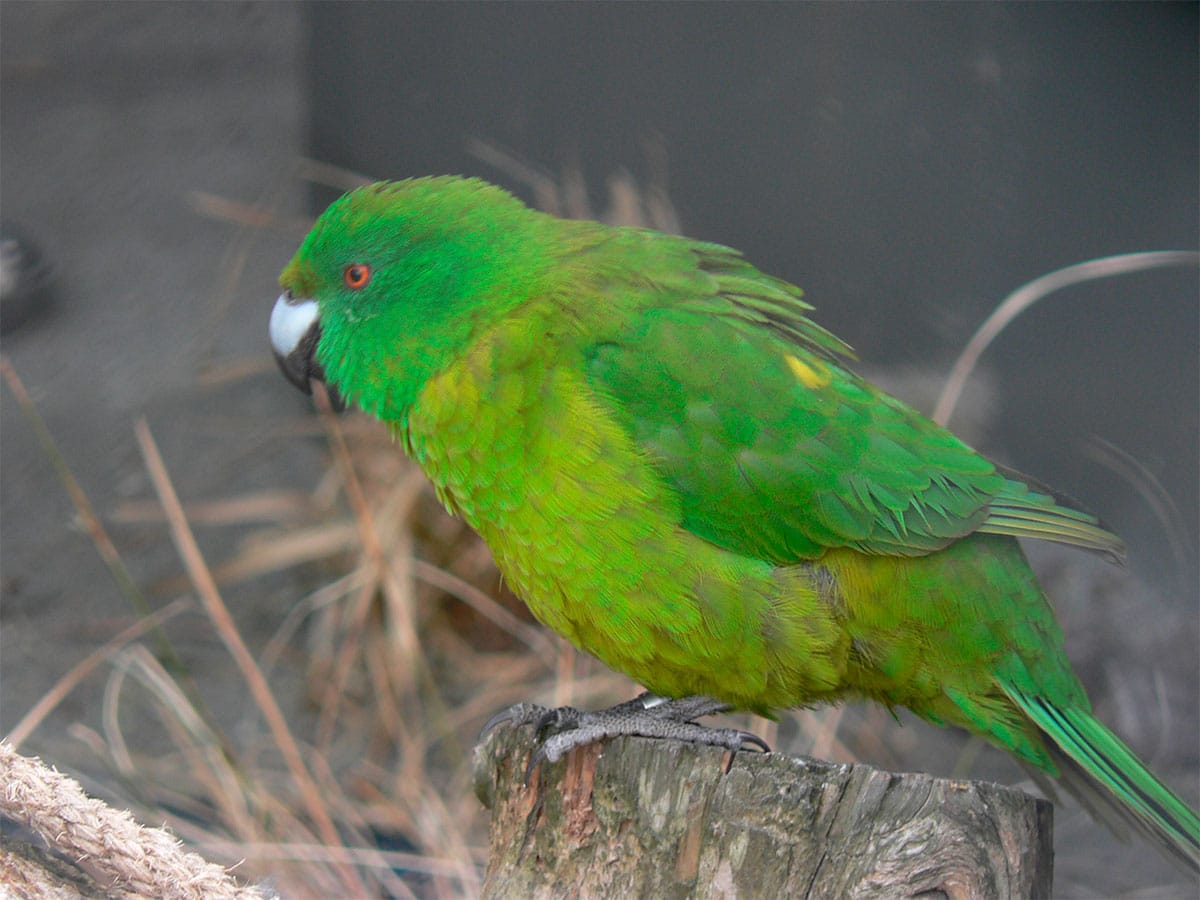
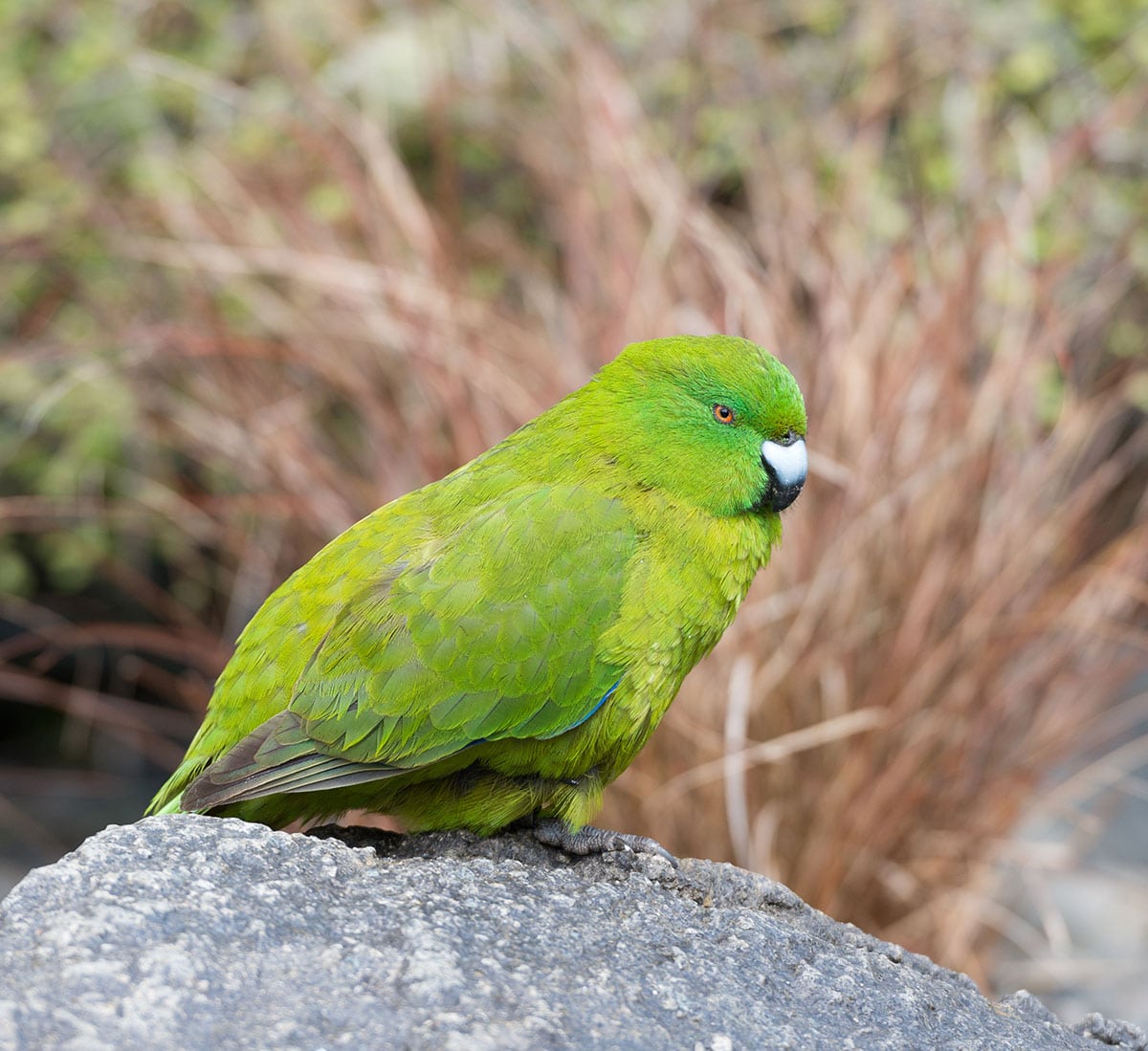
The Antipodes parakeet (Cyanoramphus unicolor) has a plumage brighter yellowish green, more yellowish on the hand down and sometimes with irregular yellow markings at the top. It is the only species that does not have color markings on head and tail. It is the largest of its kind.

The face and top are bright emerald green, and the contrast with the neck and the chest is more off.

At the top of the wings, the outer bands of the flight feather are blue, While the long tail It is green with fine yellow piping.

The great bill is silver-grey with dark end. The eyes are orange-red. The legs and feet are greyish.

Both sexes are identical. The female is slightly smaller than the male.

The young birds they are of tail shorter. The young people have the bill Pink White and the eyes light brown.

Habitat:

Antipodes parakeet

The Antipodes parakeet, usually, they prefer areas with tall grass (POA littorosa), areas of open scrub and sedges (Carex). Can also be seen in areas where thorny ferns grow (Polystichum vestitum) and the bushes (Coprosma antipode).

The birds are most common on steeper slopes and near water courses, alone or in small groups; They walk on the floor and climb among the branches as they seek food, normally during the morning and before nightfall.

These birds are very Meek and curious. When frightened, they disappear among the dense vegetation, keeping silent or giving a short alarm call. More than half of the day is spent sunbathing and grooming in protected areas. They bathe in small ponds and rest in burrows.

Reproduction:

The season of reproduction takes place between October and March. The Antipodes parakeet nest in soils with good drainage, a length of at least one meter. The nests is carved in fibrous peat, under the thick base of the tall grass vegetation. The nesting Chamber It is full of rootlets or fern scales.

The spawning occurs between November and January. The female lays 2-3 white eggs (5-6 in captivity). She carries out most of the duties of nesting, and incubates the eggs for a few 26 days. She cares for and feeds the chicks for nearly two weeks. The male contributes to breeding, feeding the female during this period, as well as feeding the young until their independence, at least two weeks after leaving the nest.

Food:

The diet main consists of leaves; an amount of crushed leaves, still attached to the plant, they are a distinctive sign of the power of the Antipodes parakeet. Also consume seeds, berries, the remains of penguins and petrels dead. They often enter into colonies of the Rockhopper Penguin (Eudyptes chrysocome) and of the Sclater's Penguin (Eudyptes sclateri) between the months of October and may, to feed on their eggs or dead young. It also feeds on the eggs and sometimes on the newborns of the same species.. (The sympatrico Red-crowned parakeet prevents competition by taking advantage of the niche that provide seeds, flowers, berries and small invertebrates.)

Distribution:

Endemic to the main island Antipodes, In addition to Bollons, Leeward, Inner Windward and Islands Archway.

Conservation:


Vulnerable


โ€ข Current Red List of UICN: Vulnerable

โ€ข Population trend: Stable

The world's population of the Antipodes parakeet It is estimated between 2.000 and 3,000 specimens. Although common and stable within its range, the species is permanently at risk due to accidental introduction of predators, problem that could be fixed in no time.

Some birds are kept in captivity in New Zealand.

VULNERABLE.

"Antipodes parakeet" in captivity:

This stocky parakeet can live in community with species with similar characteristics.. It is usually outgoing, Active and depending on their way of breeding (natural or hand) and earlier experiences, It may be a trusted Parrot (hand raised or treated early), even being raised by their parents tends to be entrusted.

As a pet it could be good pet by his way of being cheerful and curious.

It is a rather nice parrot as vocalizations. It is not just loud. He likes to climb, There is no great need to crack and loves to be on the floor. enjoy the baths.

However, due to their vulnerability, is very rare poultry.

Alternative names:

Antipodes Parakeet, Antipodes Green Parakeet, Antipodes Green Parrot, Antipodes Island Parakeet, Antipodes Island Parrot (English).
Perruche des Antipodes, Kakariki des Antipodes, Perruche d’Antipodes (French).
Einfarbsittich (German).
Kakariki dos Antรญpodas (Portuguese).
Perico de Antรญpodas, Perico de las Antรญpodas (espaรฑol).

scientific classification:

Edward Lear
Edward Lear

Order: Psittaciformes
Family: Psittaculidae
Genus: Cyanoramphus
Scientific name: Cyanoramphus unicolor
Citation: (Lear, 1831)
Protonimo: Platycercus unicolor

ยซAntipodean Parakeetยป Images:

Videos "Antipodes parakeet"

ยซAntipodean Parakeetยป (Cyanoramphus unicolor)

Sources:

  • Avibase
  • Parrots of the World โ€“ Forshaw Joseph M
  • Parrots A Guide to the Parrots of the World – Tony Juniper & Mike Parr
  • Birdlife
  • Loromania

  • Photos Antipodean Parakeet:

(1) – Cyanoramphus unicolor at Wellington Zoo, Wellington, New Zealand by Peter Halasz. (User:Pengo) – Wikimedia
(2) – Cyanoramphus unicolor at Wellington Zoo, Wellington, New Zealand by Peter Halasz. (User:Pengo) – Wikimedia
(3) – Antipodes Island Parakeet, Auckland Zoo by russellstreet – Flickr
(4) – Antipodes Island parakeet (Cyanoramphus unicolor) by Chlidonias – zoochat
(5) – Antipodes Island parakeet (Cyanoramphus unicolor) by Chlidonias – zoochat
(6) – A painting of Antipodes Parakeet, also known as Antipodes Island Parakeet, (originally captioned ยซPlatycercus unicolor Uniform Parrakeetยป) by Edward Lear 1812-1888 [Public domain], via Wikimedia Commons

โ–ท The world of Pets: Dogs, cats, birds, reptiles, amphibians

Alexandrine Parakeet
Psittacula eupatria


Alexandrine Parakeet

Content

Description:

Illustration Alexandrine Parrot

From between 50-62cm. in length and weighing between 198โ€“258 grams.
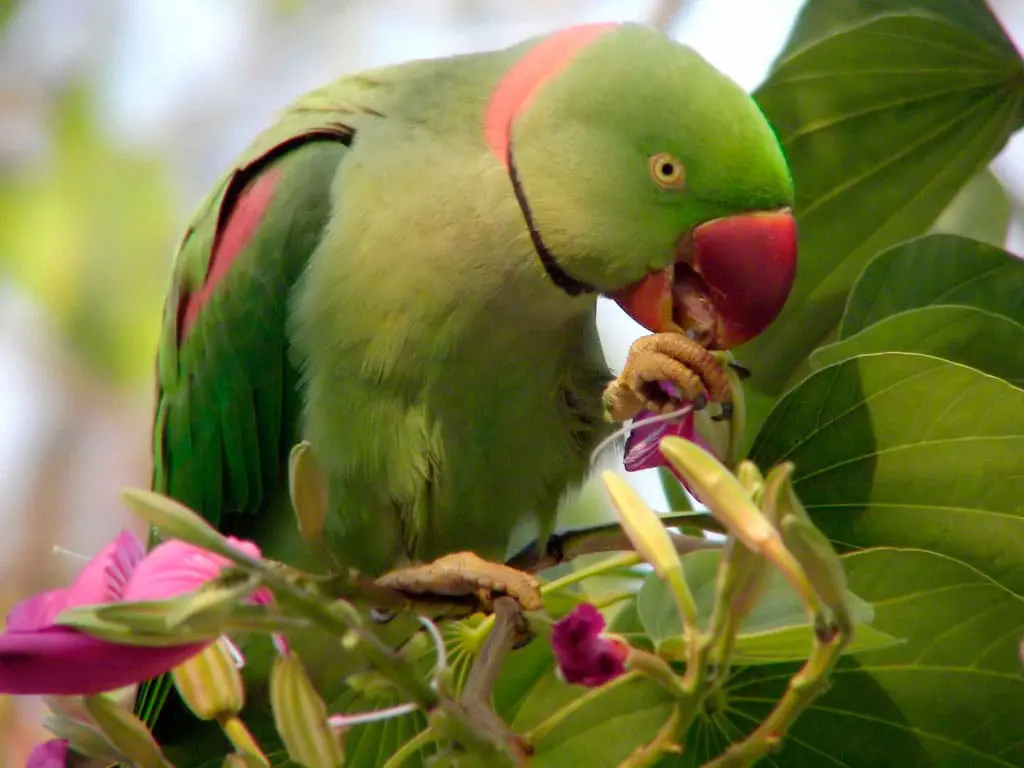
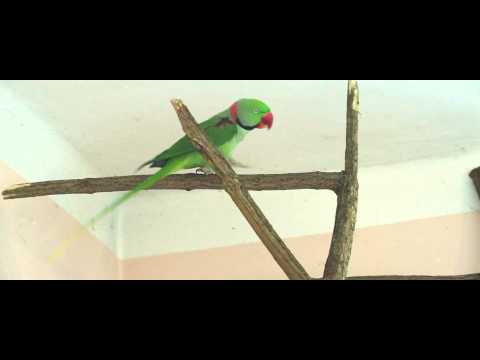
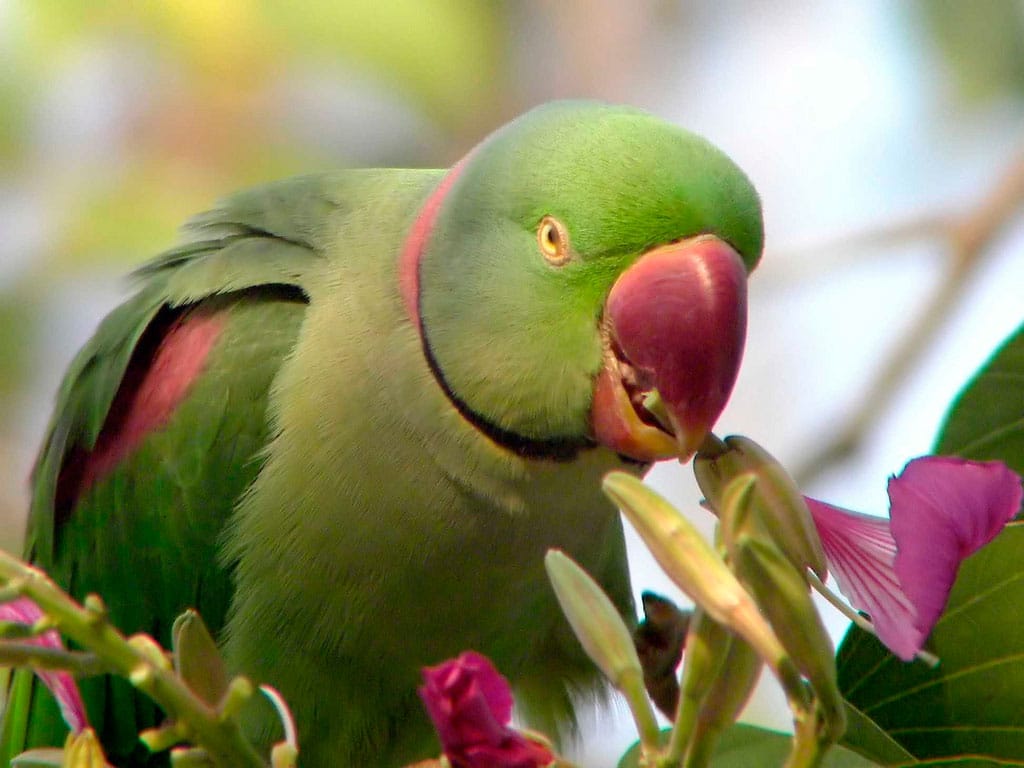
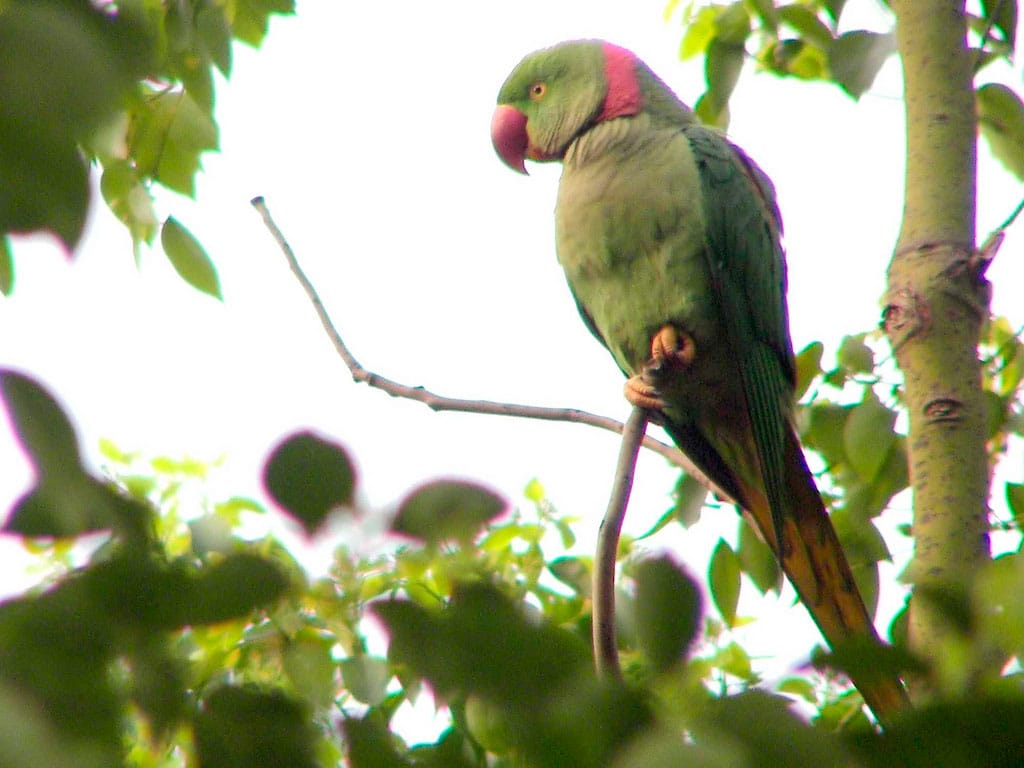
The Alexandrine Parakeet (Psittacula eupatria) has the forecrown, lores and crown bright green, merging to lavender-blue on cheeks, ear-coverts and back of the crown; faint dark line from back of cere to eye ring; narrow black band from the base of bill, laterally across the base of the cheeks, that binds with a wide collar pink around the back of the neck.

Nape, the mantle, scapulars, rump and uppertail-coverts greenish-grey. Upperwing-coverts smaller brown; rest of upperwing-coverts green (brighter and emerald body feathers). The primaries and secondaries greyish green with dark tips to the vane previous interns, Blackish below.

Underwing-coverts gray-green. The underparts brighter yellowish green, chest with grayish tint. Upper, the tail light green with yellow tip; undertail, golden yellow.

Bill red with paler tip: cere whitish; irises pale yellow; legs rose gray.

The female no black and pink markings neck and it is generally duller.

The immature It resembles the female (The males are sometimes distinguished by larger size).

Subspecies description
Subspecies
  • Psittacula eupatria Avensis

    (Kloss, 1917) – Similar to the subspecies Psittacula eupatria magnirostris but with the neck more yellow, the bill smaller and close blue neckband, reduced or absent. Yellower below the subspecies Psittacula eupatria nipalensis.


  • Psittacula eupatria eupatria

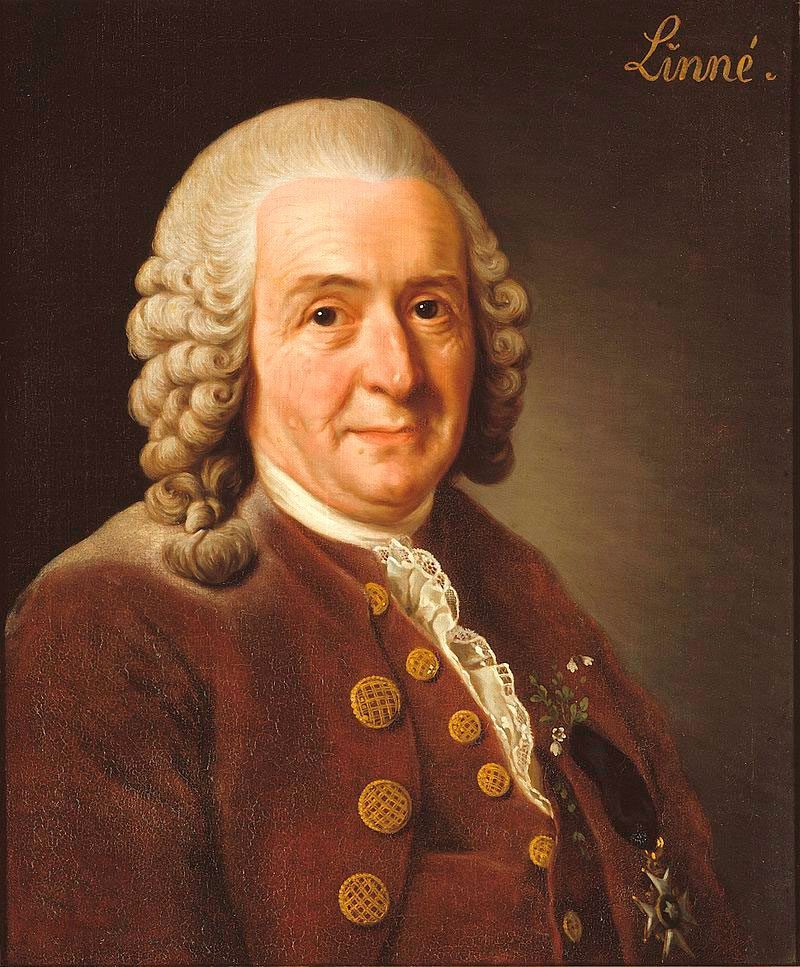
    (Linnaeus, 1766) – The species nominal


  • Psittacula eupatria magnirostris

    (Ball, 1872) – It differs from the subspecies Psittacula eupatria nipalensis by blue coloration above band pink, which it is more limited and sometimes non-existent and the pink band nape that is wider; swe other subspecies differs by having the bill Larger.


  • Psittacula eupatria nipalensis

    (Hodgson, 1836) – Larger and grayer than the species nominal, less lavender in head and wider black stripe mustache.


  • Psittacula eupatria siamensis

    (Kloss, 1917) – Cara and neck yellow, nape bluish. Slightly smaller than the subspecies Psittacula eupatria Avensis.

Habitat:

Video – "Alexandrine Parakeet" (Psittacula eupatria)

PSITTACULA EUPATRIA

The Alexandrine Parakeet It is distributed in a great variety of humid and dry forests and wooded lands., but also they are seen in cultivated areas, mangroves (for example, of Rhizophora mueronata on the islands of the bay of bengal) and coconut plantations, mainly in the lowlands up 900 meters above sea level; on Punjab province (Pakistan) extend areas of subtropical pines (Pinus roxburghii) and penetrates irrigated plantations in desert areas; ascend to the foothills of Himalaya in areas of trees (will Shorea) and riparian forests, rarely above the 1.600 m.

In the Bandhavgarh National Park, the Alexandrine Parakeet prefers forests more dense than the Plum-headed Parakeet (Psittacula cyanocephala) and Rose-ringed Parakeet (Psittacula krameri).

Usually they found in small groups, but sometimes they form large flocks where food is plentiful and communal roosts, where birds can come together in one big tree.

Reproduction:

The nest of the Alexandrine Parakeet They found in tree cavities (for example, of Dalbergia, Shorea or Salmalia), palms or, very rarely, buildings, but generally far from human settlements.

The nest It comprises a chamber filled with wood shavings produced by barbets or woodpeckers during excavation or extension of the cavity; entry generally clean round.

The breeding season usually from November to December and from March to April, depending on the location (for example, February to March in the Punjab and andaman islands and from December to February in the center Burma).

The average size clutch is of 2-4 eggs measuring 34,0 x 26,9 mm. The incubation period average is 28 days usually after the placement of the second egg. The chicks leave the nest at about seven weeks of age. They are bred for about three weeks and usually are weaned between the 12 to 16 weeks of age.

Food:

Diet Alexandrine Parakeet It includes a variety of cultivated and wild seeds, flowers, nectar, grains, fruits and vegetables.

Considered serious pest in some places: the 70% their diet Pakistan comes from cultivated areas.

It feeds mainly early in the morning and afternoon.

Known foods include guava (Psidium guajava), nectar Salmalia, Butea and Erythrina, fleshy petals Bassia latifolia and young leaves of vegetables.

Distribution:

The situation in Afghanistan of the Alexandrine Parakeet is uncertain, possibly some group in the extreme northeast, about Jalalabad.
In Pakistan, isolated colonies Are and Peshawar, most widespread and frequent in the irrigated lowlands of Punjab; They are distributed from Punjab (India), foothills Himalaya and South of Nepal, throughout the India and Sri Lanka, as well as the east through Bangladesh.

In Bhutan and Assam in Burma Central and Southern (not found in northern), extending from northern Thailand, Central and North Cambodia and Laos and north to central and southern Viet Nam.

Present at the Islas Andaman (no al on Ten Degree Channel) and Narcondam (India) and in the Coco Islands (Bangladesh), bay of bengal.

Seasonal movements in some areas and in other locally nomadic.

generally common, but much rarer in the east and sporadically distributed by South India.

Decreasing in Sri Lanka, where it is now rare, especially in the north.

Sharp declines in Thailand and probably in other parts of Indochina.

Its appearance around some urban areas could be due to leaks.

Introduced in parts of Europe (Germany, Belgium, Netherlands, Middle East (Turkey, Bahrein, United Arab Emirates, Iran) and Japan.

Subspecies distribution
Subspecies
  • Psittacula eupatria Avensis

    (Kloss, 1917) – South of Assam (Northeast of India) and Myanmar, but the area of รขโ‚ฌโ€นรขโ‚ฌโ€นcontact with the subspecies Psittacula eupatria nipalensis and Psittacula eupatria siamensis, It is unknown.


  • Psittacula eupatria eupatria

    (Linnaeus, 1766) – The species nominal


  • Psittacula eupatria magnirostris

    (Ball, 1872) – Islands bay of bengal, Andaman, Coconut and Narcondam.


  • Psittacula eupatria nipalensis

    (Hodgson, 1836) – Pakistan through Punjab (India) until Assam, Bangladesh, Nagaland and Manipur, including skirts Himalaya and Nepal, to the South , approximately I8ยฐ north; the contact area with the subspecies Psittacula eupatria Avensis, unknown.


  • Psittacula eupatria siamensis

    (Kloss, 1917) – West and north of Thailand, Laos, Cambodia and Viet Nam.

Conservation:

State of conservation โ“˜


Near-threatened Near Threatened โ“˜ (UICN)โ“˜

โ€ข Current Red List of UICN: Near-threatened

โ€ข Population trend: Decreasing

This species has been upgraded from Least concern based on new information on population trends. Is listed as Near-threatened, Since, although it remains common in some areas and its status is clouded by feral populations, It is suspected to be subjected to population decline moderately fast due to the continuing loss of habitat, to unsustainable levels of exploitation, the pursuit and capture.

The Alexandrine Parakeet It is widely captured and sold as bird cage.

In Cambodia, nests theft and capture adults, They represent the main threats, It is one of the most sought after birds (F. Goes in some. 2013).

Despite the virtual disappearance of the species Thailand, chicks still appear in the illegal trade in bird markets Bangkok, although, possibly, its origin is Cambodia (P. Ronda in a little. 2013).

The illegal trade, as well as the destruction of nesting places, threat to species Pakistan (S. Khan in a little. 2013). in addition, It reported that the species is threatened by extensive poaching at the hands of local tribes Gujarat (V. Vyas in some. 2013).

Habitat loss and degradation are also grave threats. In Cambodia, use changes in the lowlands it has been rapid (R. Timmins in some. 2013) and rates of degradation and loss of lowland forests is expected to impact more on the species (F. Goes in some. 2013). Conversion rates of habitat Laos They are described as severe (JW Duckworth in litt. 2013).

Conservation Actions Proposed:

    – Conduct periodic surveys to monitor the population trend of the species.
    – Conduct surveys and assess the situation in Pakistan (S. Khan in a little. 2013).
    – Monitor rates of habitat loss and degradation through the distribution of the species.
    – Quantify the impact of harvesting for trade.
    – Enforcing trade restrictions.
    – Carry out awareness raising activities to discourage the capture and trade.
    – Increase the amount of suitable habitat that receives protection.

"Alexandrine Parakeet" in captivity:

The Alexandrine Parakeet is a popular bird among poultry. It is ideal for outdoor aviaries and cannot tolerate temperatures below 5ยฐC.. They reproduce well in aviaries. This Psittacula It is one of the oldest species of captive parrots Eurasian continent. Named after the legendary Emperor Alexander the Great, he had numerous specimens exported by his legionnaires back to various Mediterranean countries. Since then, This parrot has been popular with the nobles of all the countries of Anatolia, European and Mediterranean Empire.

This is a kind active, He likes water and readily accepts different or new foods. It has a vigorous beak and therefore it is important to keep the perch free of toxicity and without chemicals such as disinfectants., fungicides, insecticides or pesticides. The Alexandrine Parakeet, like other parrots, They are among the best imitators.

With regard to its longevity, according to sources, one specimen was still alive after 30 years in captivity. In captivity, these parrots have been known that they can raise from the 4 years of age.

These birds Smart They make good pets for those willing to provide ongoing obedience training. If neglected, or appropriate training is given, the Alexandrine Parakeet it becomes prone to tear the feathers and other behavioral problems. The large and powerful beak of the parrot has a strong bite and therefore not recommended as a pet for children. a large cage is required to accommodate their beautiful, long narrow tail.

It is not a difficult species to breed, in fact usually successful.

Alternative names:

Alexandrine Parakeet, Alexandrine Parrot, Andaman Parakeet, Large Indian Parakeet, Large Parakeet, Rose-breasted Parakeet (English).
Perruche alexandre (French).
Grosser Alexandersittich, Alexandersittich (German).
Periquito-grande-alexandre (Portuguese).
Cotorra Alejandrina, Cotorra de Alexander (espaรฑol).


scientific classification:

Carl Linnaeus
Carl Linnaeus

Order: Psittaciformes
Family: Psittaculidae
Genus: Psittacula
Scientific name: Psittacula eupatria
Citation: (Linnaeus, 1766)
Protonimo: Psittacus eupatria


Alexandrine Parakeet Images:


Especies del gรฉnero Psittacula

Sources:

Avibase
– Parrots of the World โ€“ Forshaw Joseph M
– Parrots A Guide to the Parrots of the World – Tony Juniper & Mike Parr
– Birdlife

Photos:

(1) – Alexandrine Parakeet at Kowloon Park, Hong Kong By Charles Lam from Hong Kong, China (YummyUploaded by Snowmanradio) [CC BY-SA 2.0], via Wikimedia Commons
(2) – Alexandrine Parakeet Alexandrine Parrot gold. A 17 year old pet parakeet at home in Mumbai By Rudolph.A.furtado (Own work) [Public domain], via Wikimedia Commons
(3) – Alexandrine Parakeet (also known as the Alexandrine Parrot) at Rainbow Jungle (The Australian Parrot Breeding Centre), Kalbarri, Western Australia By Sheila Bradford [CC BY 2.0], via Wikimedia Commons
(4) – An male Alexandrine Parakeet (also known as Alexandrian Parrot) in a tree By Sammy Sam [CC BY-SA 3.0], via Wikimedia Commons
(5) – Alexandrine Parakeet (Psittacula eupatria). A pair By derivative work: Snowmanradio (talk)Two_species_of_Psittacula_on_perch.jpg: Thomas Guignard [CC BY-SA 2.0], via Wikimedia Commons
(6) – Alexandrine Parakeet flapping her wings By Iamoarampage at English Wikipedia [Public domain], via Wikimedia Commons
(7) – Alexandrine Parakeet at Kowloon Park, Hong Kong By Charles Lam from Hong Kong, China (RestingUploaded by Snowmanradio) [CC BY-SA 2.0], via Wikimedia Commons
(8) – Alexandrine Parakeet at Kowloon Park, Hong Kong By Charles Lam from Hong Kong, China (YummyUploaded by Snowmanradio) [CC BY-SA 2.0], via Wikimedia Commons
(9) – Alexandrine Parakeet Psittacula eupatria Melghat Tiger Reserve Maharashtra By Dr. Raju Kasambe (Own work) [CC BY-SA 3.0], via Wikimedia Commons
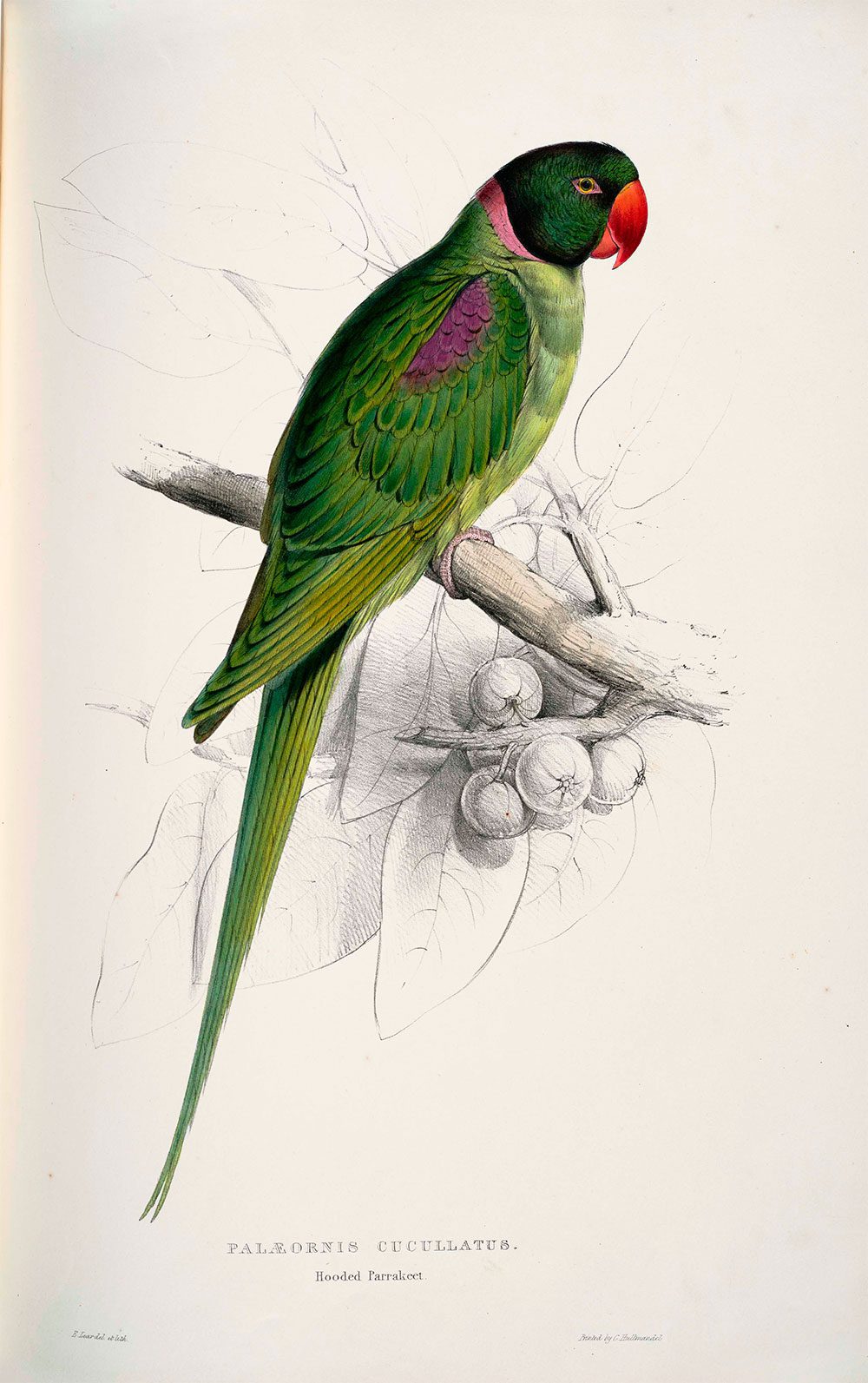
(10) – A painting of an Alexandrine Parakeet, also known at Alexandrian Parrot, (originally captioned ยซPalรฆornis hooded. Hooded Parakeet.ยป) by Edward Lear 1812-1888 [Public domain], via Wikimedia Commons

Sounds: David Edwards (Xeno-canto)

โ–ท The world of Pets: Dogs, cats, birds, reptiles, amphibians

Cliff Parakeet
Myiopsitta luchsi

Cliff Parakeet

Content

Description:

Cliff Parakeet

26-28 cm.. length and a weight between 120 and 140 g..
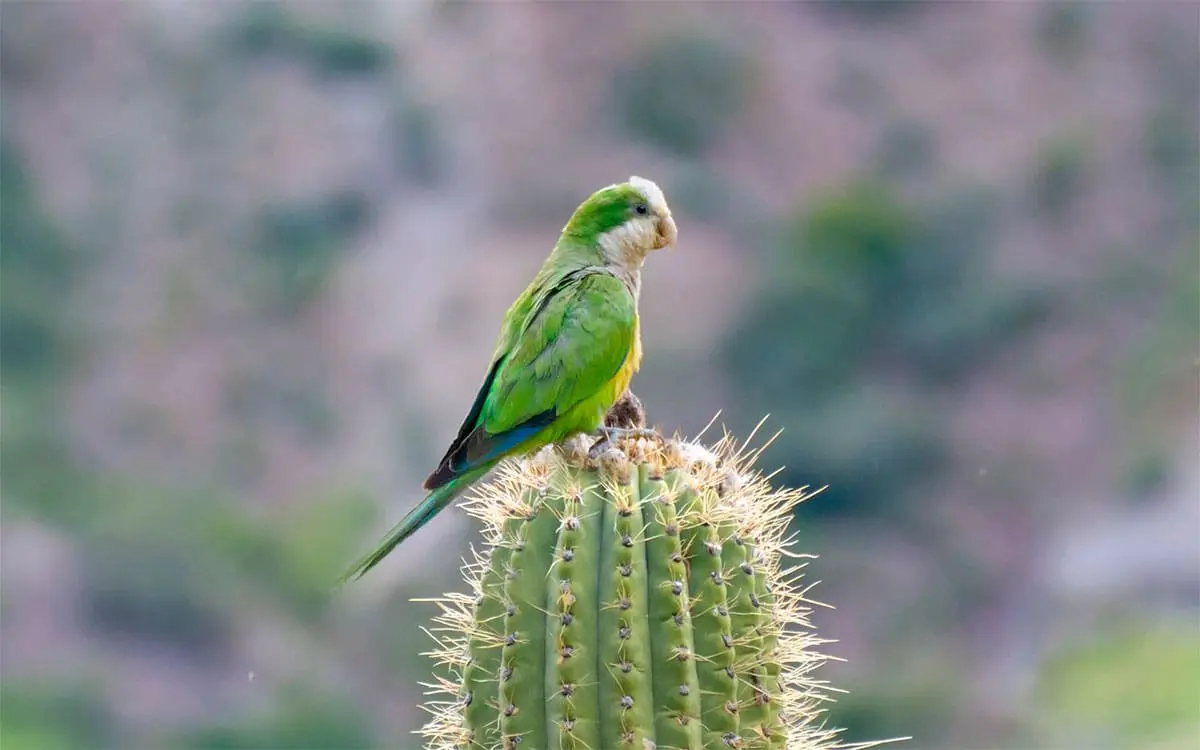
The Cliff Parakeet (Myiopsitta luchsi) It has a medium size and is mainly green; the front of the crown, lower face and the chest, They are whitish, becoming bright yellow on the lower chest and the belly; the primaries and tail (medium-sized long), They are bright metallic blue.
Similar Monk Parakeet has less extensive white color crown, pale yellow instead of bright yellow in the belly and the pale gray chest It has a scaling effect that give centers feathers dark.

Bill color horn.

The immature They are similar to adults but with forecrown gray tinged with green.


Taxonomic note:

      This species was described in 1868 by Finsch as Bolborhynchus luchsi, with specimens from Bolivia. Later, the species was transferred to the genus Myiopsitta and the name Myiopsitta luchsi It was used apparently to 1918 by Cory. From 1943, Bond & de Schauensee and they treat it as a subspecies of monachus (Myiopsitta monachus luchsi), approach that has been followed by all modern authors, but Necklace (1997) finally he considers that the morphological characters and their way of nesting are sufficient to raise again species level.

Habitat:

Video – "Cliff Parakeet" (Myiopsitta luchsi)

It shares the same habitat with another endemic parrot, the Red-fronted Macaw (Ara rubrogenys), although both species do not compete because they feed on different plants.

They found in dry woodland or open fields including fields with trees gallery woods, isolated groups of trees, Palm trees, forests, savannah and scrubland thorny cactus. It is also found in cultivated areas. Visitors from some urban areas. Until 3000 m.

Reproduction:

The breeding season occurs between December and March in crevices in cliffs, constructing a bulky nest branches. Unlike Monk Parakeet (Myiopsitta monachus), the Cliff Parakeet does not nest commonly, but often the nests are placed immediately adjacent to each other. The female is in charge of making this nest, as well as its maintenance.
Couples are for life. The laying is of 5 to 8 eggs per clutch, and incubation lasts a few 26 days. At six weeks old chicks can now leave their nest.

Food:

It feeds on seeds of various fruits, including those of fruits cactus Neocardenasia herzogiana and seeds of the Acacia furcatispina; It is also known to feed on cultivated corn.

Distribution:

Size of its range (breeding/resident): 148.000 km2

Restricted to xerophytic vegetation, near cliffs in intermountain valleys of eastern Andes of Bolivia, from the southeast of Peace, South of Cochabamba and West Santa Cruz, to the North of Chuquisaca and possibly other areas.

Its range is very similar to the Red-fronted Macaw (Ara rubrogenys).

Conservation:

State of conservation โ“˜


minor concern Minor Concern โ“˜ (UICN)โ“˜

โ€ข Current category of the Red List of the UICN: Least concern.

โ€ข Population trend: Unknown.

Justification of the population

The size of the population has not been estimated, but the species has been described as ยซquite commonยป (pit et to the., 1997) and "possibly quite rare" (Juniper and Parr 1998).

Justification of trend

Population trends are difficult to determine due to uncertainty about the extent and severity of threats to the species..
However, like many parrots, They face the traffic of wildlife and wild captivity. Also they suffer direct and immediate consequences of the destruction of their habitat by deforestation and the advance of the agricultural frontier.

Conservation Actions Underway

The species is listed on Appendix II of CITES.

"Cliff Parakeet" in captivity:

Quite common. Very sociable, but shy with the human being.
It is able to vocalize or imitate words, although this quality is far from possessing the capabilities of some genera of the same family.

Alternative names:

Cliff Parakeet, Bolivean monk parakeet, monk parakeet, Monk Parakeet (Cliff) (English).
Perriche des falaises, Conure de Luchs, Conure des falaises, Conure des rochers (French).
Luchssittich, Bolivien Mรถnchsittich, Bolivien-Mรถnchsittich (German).
Cliff Parakeet (Portuguese).
Cotorra Boliviana (espaรฑol).

Friedrich Hermann Otto Finsch

scientific classification:


Order: Psittaciformes
Family: Psittacidae
Genus: Myiopsitta
Scientific name: Myiopsitta luchsi
Citation: (Finsch, 1868)
Protonimo: Luchs Bolborrhynchus


Images ยซBolivian Parrotยป:

Videos ยซBolivian Parrotยป:


Species of the genus Myiopsitta

Sources:

Avibase
– Parrots of the World โ€“ Forshaw Joseph M
– Parrots A Guide to the Parrots of the World – Tony Juniper & Mike Parr
– Birdlife
– FAUNA – Psittacidae

Photos:

(1) – Bolivian Parrot, Bolivia, Sud Chichas, Churquipampa by giorgetta.ch
(2) – Bolivian Parrot, Bolivia, Sud Chichas, Cerro Elefante by giorgetta.ch
(3) – Bolivian Parrot, Bolivia, Sud Chichas, Churquipampa by giorgetta.ch
(4) – A couple of Bolivian parrots in their nest located in the chalky wall of Churquipampa where its waters fall almost freely 330 meters to the creek. The female is arranging the main entrance of the nest while the male takes delight in watching her work by giorgetta.ch
(5) – Bolivian Parrot, Bolivia, Sud Chichas, Churquipampa by giorgetta.ch
(6) – Myopsittacus luchsi = Myiopsitta (monachus) luchsi, Cliff Parakeet, sometimes treated as a subspecies of the Monk Parakeet by John Gerrard Keulemans [Public domain], via Wikimedia Commons

Sounds: Andrew Spencer (Xeno-canto)