▷ The world of Pets: Dogs, cats, birds, reptiles, amphibians

Orange-billed Lorikeet
Neopsittacus pullicauda

Orange-billed Lorikeet

Content

Description

18 cm.. length and a weight between 28 and 40 g..

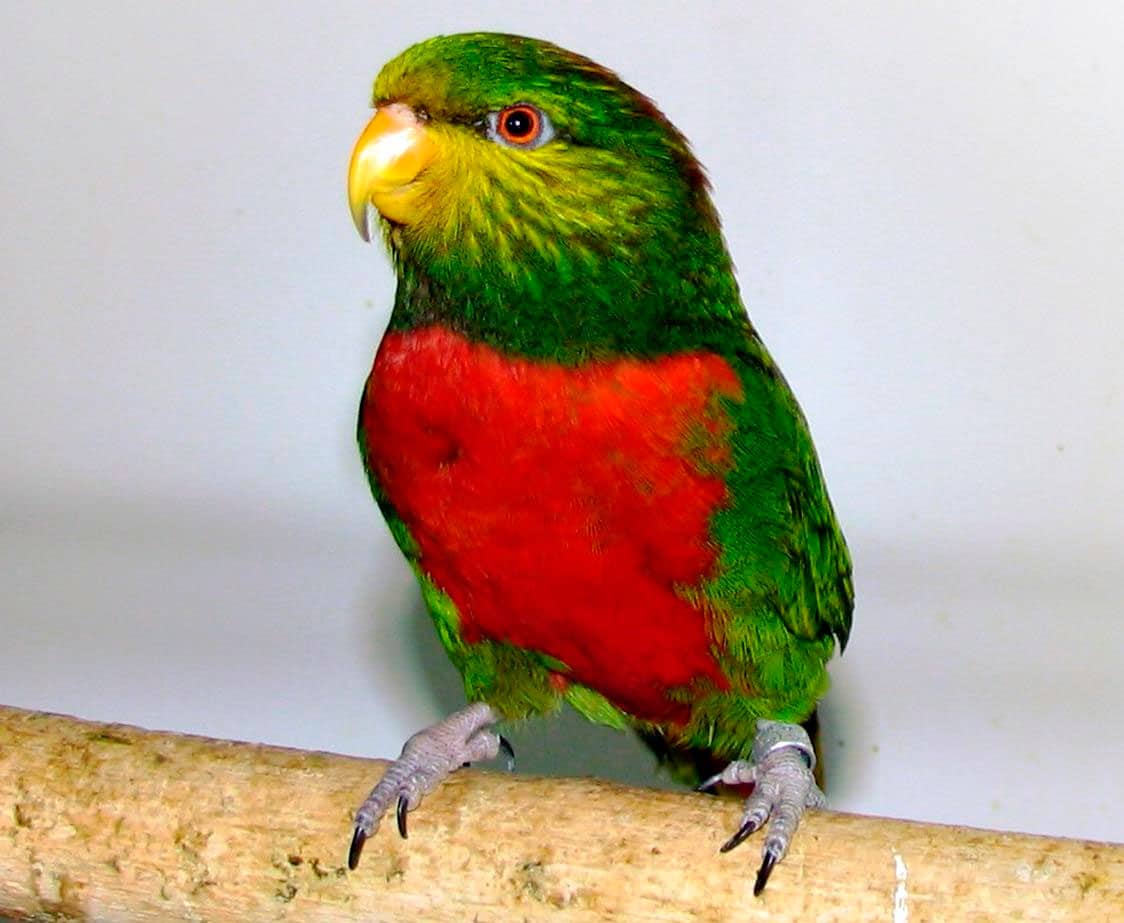
The head of the Orange-billed Lorikeet (Neopsittacus pullicauda) is green, the nape lightly brown tinged with yellow stripes; ear-coverts dark green, showing some streaks of greenish-yellow; chin dark green. Upperparts green. The wings, at the top, green, with vane internal to coverts blackish. Under the wings, the coats red; flight feather Blackish with wide red central stripe. Throat green; top of the chest, Scarlet Red, extending to the belly and ending above the the thighs; flanks green; undertail-coverts brighter yellowish green. Uppertail green; retrizes penas lower color olive brown, marked in red in vane inner.

Bill orange red: irises red; legs grey.

The sexes alike.

Immature more off than adults with much less red (or orange) on the chest and a Brown peak.

Subspecies description

  • Neopsittacus pullicauda pullicauda

    The nominal.


  • Neopsittacus pullicauda alpinus

    It differs from the nominal by the chest Orange which contrasts with the Red of the belly and upperparts darker.


  • Neopsittacus pullicauda socialis

    Similar to the nominal, but darker and showing less Brown at the nape.

Habitat:

Lives in the forests of MOSS and areas surrounding partially cleared, mainly between 2.100 and 3.800 m, with a limit not below 1,600 meters except for some occasionalLori found to 800 m. Normally found at higher altitudes than the Yellow-billed Lorikeet, but there is considerable overlap in lower altitudes to 2.500 m. where the two meet, often feeding in friendly company.

Pretty common and often found in pairs, small groups or groups of up to 30 birds in the trees in flower.

Travel in noisy groups, and it can fly very high above the canopy to and from the feeding areas. Not only feeds in the canopy, but also at low altitude of plants and even at the lowest levels near the ground. Assets and meek.

Reproduction:

Habits of nesting not described, Although it is said that they nest in holes of tall trees and lay two eggs. A male in breeding conditions was observed in October.

Food:

It feeds on pollen, nectar, flowers, fruits and seeds, Although he believes that they are less dependent on seeds as part regular your diet than the Yellow-billed Lorikeet.

Distribution:

Size of the area of distribution (reproduction / resident): 113.000 km2

New Guinea in Irian Jaya (Indonesian) and Papua New Guineto. The range runs from the East of Snow Mountains far reaches the Huon Peninsula e intervals to the Southeast. A small number of captivity.

Subspecies distribution:

  • Neopsittacus pullicauda pullicauda

    The nominal.


  • Neopsittacus pullicauda alpinus

    Snow Mountains, Irian Jaya, to the East with the upper region of the fly river, West of Papua New Guinea


  • >Neopsittacus pullicauda socialis

    Herzog mountains and mountains of the Huon Peninsula, North of Papua New Guinea.

Conservation:


minor concern


• Current IUCN Red List category: Least concern.

• Population trend: Stable.


The world population It has not been quantified, Although it is thought that it may be superior to the 30.000 birds. The species according to sources is common (pit et to the. 1997).

The population suspected to be stable in the absence of evidence of any reduction or substantial threats.


"Orange-billed Lorikeet" in captivity:

Uncommon in captivity.

Shy until getting used to the owner, It is best in coexistence with other loris, playful, they need stimulation to avoid boredom. You can learn to imitate. They are messy due to liquid diet.

Alternative names:

Orange-billed Lorikeet, Emerald Lorikeet, Orange billed Lorikeet, Orange-billed Mountain Lory (ingles).
Lori émeraude, Lori éméraude (French).
Orangeschnabel-Berglori, Orangeschnabelberglori (German).
Lori Montano Chico, Lori Moteado Chico (español).

scientific classification:

Order: Psittaciformes
Family: Psittaculidae
Genus: Neopsittacus
Scientific name: Neopsittacus pullicauda
Citation: Hartert, 1896
Protonimo: Neopsittacus pullicauda

«Lori Montano Chico» images:

Videos "Orange-billed Lorikeet"

————————————————————————————————

«Lori Montano Chico» (Neopsittacus pullicauda)


Sources:

Avibase
– Parrots of the World – Forshaw Joseph M
– Parrots A Guide to the Parrots of the World – Tony Juniper & Mike Parr
– Birdlife

Photos:

(1) – Birds-pet-wallpapers – link
(2) – Birds-pet-wallpapers – link
(3) – Author iggino – lynx
(4) – Animal Photos – link
(5) – Animal Photos – link

Sounds: Hans Matheve (Xeno-canto)

▷ The world of Pets: Dogs, cats, birds, reptiles, amphibians

Buff-faced Pygmy-Parrot
Micropsitta pusio


Buff-faced Pygmy-Parrot

Content


Anatomy-parrots

Description

The Buff-faced Pygmy-Parrot (Micropsitta pusio) has a length 8,4-8,6 cm.. and 11,5 g. of weight, what it becomes in the Parrot more small of the world.

Has the forecrown, face and chin of color Brown mottled dark, eyebrows yellowish; centre of crown blue, merging to green in the area of the nape. Upperparts Greens with wing-coverts Black in the Center. Flight feathers Black with green ends; lower coverts greenish yellow; underside of the primaries greyish, lightly bathed in yellow. The underparts brighter yellowish green, more pale in the center of the chest and the belly; uppertail-coverts Yellow. The tail centrally blue, with a black shaft. Outer feathers Black with yellow spots.

Bill dark grey; irises brown; legs of color grey or pink.

Female slightly more off than the male around the face.

Young with crown greenish blue and less brightness in the face.

Subspecies description

  • Micropsitta pusio pusio

    (PL Sclater, 1866) – Nominal


  • Micropsitta pusio beccarii

    (Salvadori, 1876) – Usually darker than the nominal race especially on the face, including eyebrows.


  • Micropsitta pusio harterti

    (Mayr, 1940) – Brands that most off the nominal head, Blue throat. Less yellow in the parts below that the subspecies Micropsitta pusio stresemanni.


  • Micropsitta pusio stresemanni

    (ECTION Hartert, 1926) – As the subspecies Micropsitta pusio harterti, but slightly larger and more yellow below.

Habitat:

They are found in lowland forests, wooded hills, gallery forest and secondary vegetation, from sea level to the 500 m. It is also locally in the Savannah and areas of coconut trees (Cocoa nuts).

The species is common and trusting, but can be hard to find due to its small size. Birds can also sometimes be glimpsed by flying in small groups above the canopy. They tend to fraternize in pairs or in groups of up to 30 birds.

They frequently stop while they feed on and turn your head to the right, possibly to find predators.

Reproduction:

Tanysiptera-galatea
Common Long-tailed Kingfisher (Tanysiptera galatea)

Nestbox, they dig in tree cavities active termite mounds, for example the (Microcerotermes biroi). A nest was also found in a terrestrial termite, the entry just a meter from the ground. There is a flange on each side of the entry hole and this differentiates their holes of other species that make their nests in termite mounds, such as the Common Long-tailed Kingfisher (Tanysiptera galatea).

Until three white eggs are the implementation. The nesting season has been recorded throughout the year. Adults sleep on community and up to eight birds have been recorded from a cavity.

Food:

It moves rapidly along lianas and trunks or branches of trees (in inverted position) using its long claws to grip and digging lichens and fungi in the barks. Also sometimes feed on seeds, fruits and insects (that it can be accidentally ingested).

Distribution:

Lowlands of North of New Guinea from the West coast of the bahía Paradise, Irian Java, at the Southeast end of Papua New Guinea; absent from the Highlands of the Huon Peninsula and Owen Stanley Ranges above each 500 m, but observed in some of the Northern Islands of New Guinea, including Kairiru, the Schouten Islands, Manam, Karkar and Batangas. The species is found in the lowlands of the West to the coastal region of South on the Purari River. Are also in the Bismarck Archipelago, including Umboi, Tolokiwa, Sakai, the Witu Islands, Lolobau, New Britain, Uatom and Duke of York. Also observed in the d'Entrecasteaux archipelago in Fergusson and in the Louisiade archipelago in Misima Island and Tagula.

Subspecies distribution:

Conservation:


minor concern


• Current IUCN Red List category: Least concern

• Population trend: Stable

The size of the world's population has not been quantified but he is estimated above the 100 000 specimens.

The species according to sources is very rare in its range distribution.

The population suspected to be stable in the absence of evidence of any reduction or substantial threats.

"Buff-faced Pygmy-Parrot" in captivity:

They feed on lichens and fungi., therefore its reproduction and maintenance in captivity it is virtually impossible.

Alternative names:

Buff-faced Pygmy-Parrot, Buff faced Pygmy Parrot, Buff-faced Pygmy Parrot (ingles).
Micropsitte à tête fauve (French).
Braunstirn-Spechtpapagei (German).
Papagaio-pigmeu (Portuguese).
Microloro de Cabeza Azul, Microloro Pusio (español).

scientific classification:

Order: Psittaciformes
Family: Psittaculidae
Genus: Meeki
Scientific name: Micropsitta pusio
Citation: (Sclater,PL, 1866)
Protonimo: Nasiterna pusio

Images «Microloro Pusio»:

Videos "Buff-faced Pygmy-Parrot"

————————————————————————————————

«Microloro Pusio» (Micropsitta pusio)


Sources:

Avibase
– Parrots of the World – Forshaw Joseph M
– Parrots A Guide to the Parrots of the World – Tony Juniper & Mike Parr
– Birdlife

Photos:

(1) – El loro más pequeño del mundo – medioambiente.net
(2) – Photo of Micropsitta pusio [By Katerina Tvardikova] – New Guinea Birds
(3) – A bird feeding on the bark of a tree. Author Carmelo López – lynx
(4) – Photo of Micropsitta pusio [By Katerina Tvardikova] – New Guinea Birds
(5) – Buff-faced Pygmy-Parrot, Micropsitta pusio at Nimbokrang by jon hornbuckle – BIRDING AROUND THE WORLD
(6) – Tanysiptera galatea By Katerina Tvardikova – New Guinea Birds

Sounds: BAS van Balen (Xeno-canto)

▷ The world of Pets: Dogs, cats, birds, reptiles, amphibians

Modest Tiger-Parrot
Psittacella modesta

Parrot-Tiger-modest

Content

Description

14 cm.. length between 42 and 43 g. of weight.

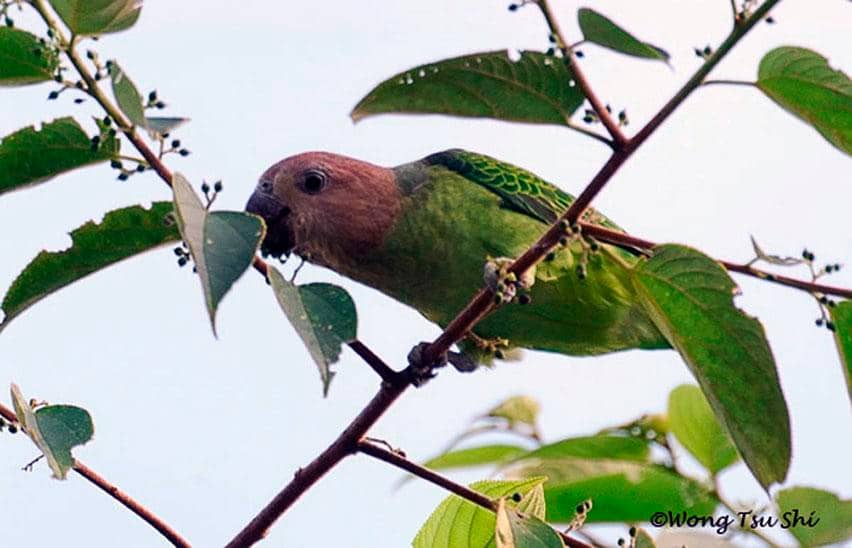
The Modest Tiger-Parrot (Psittacella modesta) has the head Brown olive, with indistinct centers yellow to the feathers of the crown and nape. Mantle dark green, with slightly darker edges to feathers; rump with indistinct greenish-yellow and black mix. Uppertail green, with fringe darker. Wings of color green dark marked in blue on the curve.

Yellow wing feathers. Of flight outer feathers blackish edged green in the bases and with fine yellow margins the vane internal and external. Top of the chest Gris-Oliva below the bend of wing, belly paler, opaque green; undertail-coverts red. Upper, the tail dark green; by down blackish.

The bill grey-blue, whitish tip; irises orange; legs bluish grey.

Female alternating the Brown dark and the pink in the chest, flanks alternating the Green and yellow-green.

Subspecies

  • Psittacella modesta modesta

    (Schlegel, 1871) – Nominal.


  • Psittacella modesta subcollaris

    (Rand, 1941) – Something more dark in General, the collar yellow on the back of the neck is more brilliant and variable, head brown / dark grey.
    The females with the head darker and some with a slight yellow colouring.


  • Psittacella modesta collaris

    (Ogilvie-Grant, 1914) – The neck yellow, irregularly present. Darker hue at the sides of the head.
    The females have mild brands yellow in the part back from the head.

Habitat:

It is found in the humid mountain forests, forest Moss, edges of secondary vegetation and forests, a altitude between 1.200 and 4.000 m (mostly between 1,700-2,800 Metro).

The Modest Tiger-Parrot is a bird quiet, discreet, quite docile and difficult to observe. It tends to prefer medium or lower forest and seeks its food crawling or jumping slowly at ground level. They only fly short distances when bother them.

Birds are found alone or in pairs, and they feed on seeds and small fruits.

The young birds as females.

Reproduction:

There is no information on the breeding ecology, but a male State of reproduction was observed during the month of June.

Food:

Observed feeding is of small fruits; seeds and pieces of berries DURAS were found in their stomachs.

Distribution:

Size of the area of distribution (reproduction / resident): 65.100 km2

New Guinea in Irian Jaya, Indonesian and Papua New Guinea. Scattered through the uplands, observed in the Vogelkop mountains (isolated population), and after all latitude 136ºE, through the central mountain belt, in the central mountain ranges, including the Tari area, the range of Victor Emanuel and the District of Mount Hagen, reaching around of 145 °E. The range overlaps with the species Madarasz's Tiger-Parrot at a length of 1,200 kilometers along the Cordillera central and where the two species overlap. The Modest Tiger-Parrot is usually found in slightly higher altitudes than the Madarasz's Tiger-Parrot. The world's population is thought to be greater of 50.000 specimens. The species is locally common.

Subspecies distribution:

  • Psittacella modesta modesta

    (Schlegel, 1871) – Nominal.


  • Psittacella modesta subcollaris

    (Rand, 1941) – extends from North of the Maoke mountains to the Montes Hindenburg;


  • Psittacella modesta collaris

    (Ogilvie-Grant, 1914) – is located to the South of the Maoke mountains.

Conservation:


minor concern


• Current category of the Red List of the UICN: Least concern

• Population trend: Stable

The size of the world population It has not been quantified, Although deemed superior to the 50.000 specimens. The species is reported as locally common (pit et to the. 1997).

The population is suspected to be stable in the absence of evidence of any reduction or substantial threats.


"Modest Tiger-Parrot" in captivity:

Not found in poultry.

Alternative names:

Modest Tiger-Parrot, Barred Little Parrot, Barred Little Tiger-Parrot, Modest Parrot, Modest Tiger Parrot (ingles).
Perruche modeste, Perruche olive (French).
Olivpapagei, Oliv-Papagei (German).
Psittacella modesta (Portuguese).
Lorito Modesto, Lorito tigre Modesto, Lorito-tigre Modesto (español).

scientific classification:

Order: Psittaciformes
Family: Psittaculidae
Genus: Psittacella
Scientific name: Psittacella modesta
Citation: Schlegel, 1871
Protonimo: Psitacella [sic] modest

Images "Modest Tiger-Parrot"

Videos "Modest Tiger-Parrot"

————————————————————————————————

"Modest tiger parrot" (Psittacella modesta)

Sources:

Avibase
– Parrots of the World – Forshaw Joseph M
– Parrots A Guide to the Parrots of the World – Tony Juniper & Mike Parr
– Birdlife
Wikipedia
– Loromania

Photos:

(1) – By © Wong Tsu Shi – Sooty-headed bulbul

Sounds: Patrik Åberg (Xeno-canto)

▷ The world of Pets: Dogs, cats, birds, reptiles, amphibians

Papuan king parrot
Alisterus chloropterus

Papuan king parrot

Content


Anatomy-parrots

Description

36 cm.. length between 138 and 190 g. of weight.

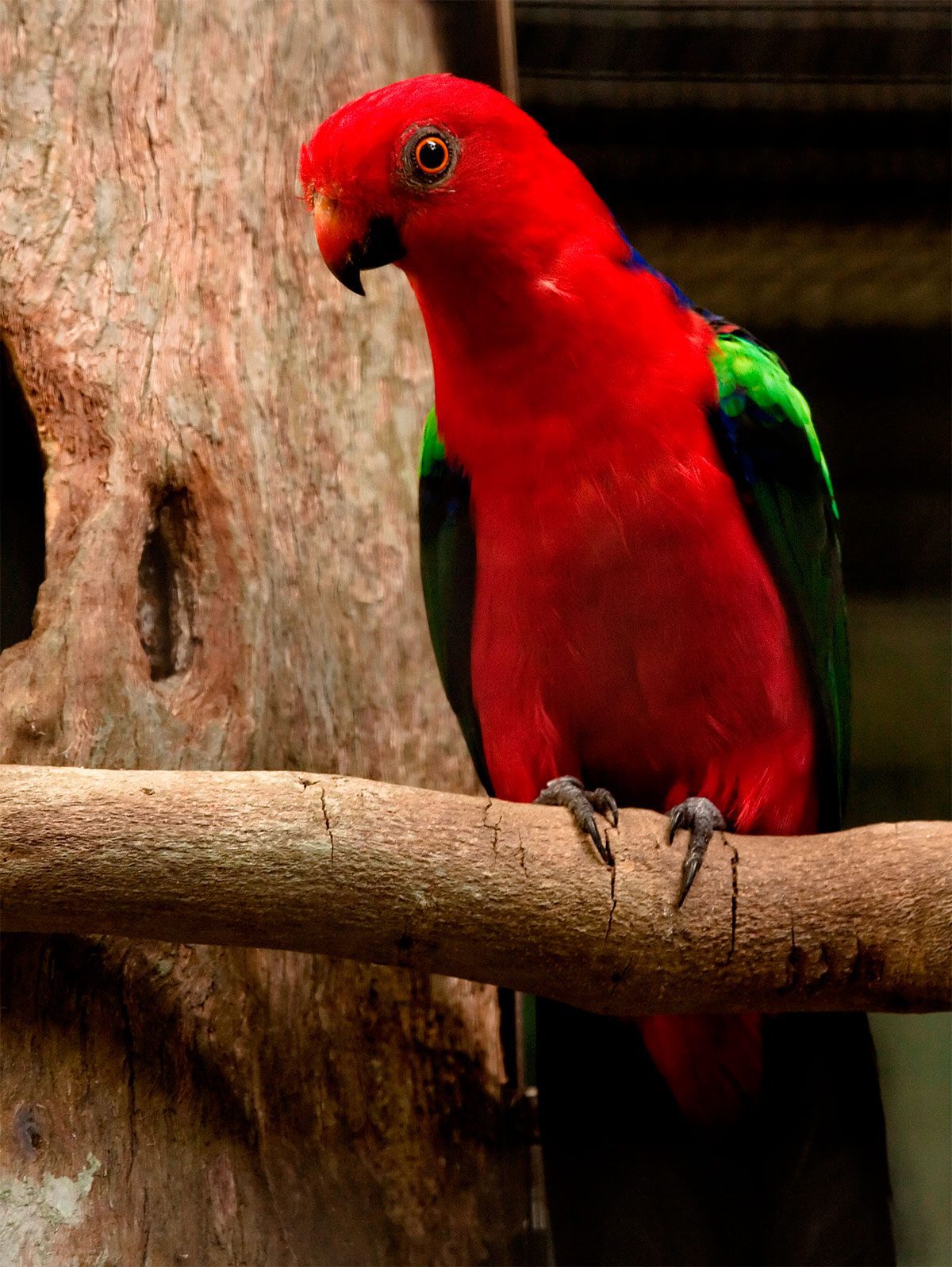
The Papuan king parrot (Alisterus chloropterus) It has a bright red head, wide rear collar of blue stretching at the nape to the back of the Crown and sides of the upper part of the chest. Blackish green mantle, apparently black in the field; lower part of the back, buttocks and supracaudales coverts Dark Violet.

Dark green wings with large patch of yellowish-green through the lower, internal medium and more large inner coverts; Green flight feathers, with vane Dark internal. Under, the wing coverts blue-violet. Bright red bottoms, with hidden dark bases to the coverts infracaudales. Upper, tail bluish black; Black down.

Black bill with red base to upper mandible; Orange iris; feet of color grey blackish.

The female of color green for over, devoid of the pale in wings patch, with a dark blue rump and blackish tail. Head and upper part of the chest of green (reddish mottled), and the rest of of the Red bottoms. Under, the Green wing coverts. Coverts with dark centers infracaudales, but this is less evident in the Australian females. Base with more brown on upper mandible than in males.

Young as females, but with tips to the tail feathers pink, a greener chest, and a peak and iris darker.

Subspecies description

  • Alisterus chloropterus chloropterus

    (Ramsay, EP 1879), the nominal subspecies.


  • Alisterus chloropterus callopterus

    (Albertis & Salvadori 1879) – Male with blue band narrow through the mantle, It does not extend to the rear of the Crown. More green in the mantle.


  • Alisterus chloropterus moszkowskii

    (Reichenow 1911) – Sexes generally similar. Male has no or only shows a blue light in the back of the neck band, and it has the mantle and signs on the sides of the chest of green. Male with violet that extends more down in the back that the nominal species. Both sexes can display tips pink tail feathers. Immature with narrower and more off the wings patch. Green marks on the chest.

Habitat:

They are distributed in the dense forests from close to sea level until the 2.800 m. The birds are also sometimes found in cultivated areas, at higher altitudes, in more open habitats with casuarinas, and in areas of secondary growth. Papagayo Papuans are heard more often than they are seen, and are more frequently asked vislumbrados flying between the trees through breaks in the forest.

Bird alone, couples or groups of up to ten copies, they feed on silently and discreetly in the lower floors and half-height of the forests, and they can be addressed a short distance when they deliberately leave in search of fruits, seeds, berries and nuts; When resent, they usually only fly within walking distance.

Reproduction:

Little-known cycle of reproduction, but nesting, according to sources, begins in the month of March with two or three eggs in the implementation. The period of incubation is of 21 days, and the incipient takes 35 days. Young people reach the independence in 50 days.

Food:

Fruits, seeds, berries and nuts

Distribution:

Size of the area of distribution (reproduction / resident): 324.000 km2

The Papuan king parrot extends from North of Cenderawasih Bay, to the East, about Aitape on the North Coast. Although locally common, the species is probably suffering due to the trade of birds. The world population is estimated at around 70.000 birds.

Subspecies distribution:

Conservation:


minor concern


• Current category of the Red List of the UICN: Least concern

• Population trend: Stable

The size of the world's population has not been quantified, Although it is estimated at around 70,000 specimens.

The species is reported as locally common (pit et to the. 1997).

The population is suspected to be stable in the absence of evidence of any reduction or substantial threats.

"Papuan king parrot" in captivity:

active parrot; need extra space because of the tendency that has to turn into an apathetic or lethargic in a small cage bird. It is not very loud. The dietary changes must occur slowly. It has a tendency to internal parasites.

Very rare in captivity.

Alternative names:

Papuan King-Parrot, Green-winged King Parrot, Green-winged King-Parrot, Papuan King Parrot (ingles).
Perruche à ailes vertes, Perruche royale à ailes vertes, Perruche royale de Papouasie (French).
Papuasittich (German).
Periquito-rei-de-asa-verde (Portuguese).
Papagayo Papú, Papagayo Real de Alas Verdes (español).

scientific classification:

Order: Psittaciformes
Family: Psittaculidae
Genus: Alisterus
Scientific name: Alisterus chloropterus
Citation: (Ramsay, EP, 1879)
Protonimo: Aprosmictus chloropterus

“Papuana Parrot” images:

————————————————————————————————

«Papuan Parrot» (Alisterus chloropterus)

Sources:

Avibase
– Parrots of the World – Forshaw Joseph M
– Parrots A Guide to the Parrots of the World – Tony Juniper & Mike Parr
Wikipedia
– Birdlife

Photos:

(1) – «Alisterus chloropterus-Jurong Bird Park-male-8a» by Peter Tan – originally posted to Flickr as Australian King Parrot. Licensed under CC BY 2.0 via Wikimedia Commons.
(2) – «Alisterus chloropterus -Grant’s picnic ground -in tree-8» by Jade Craven – originally posted to Flickr as King Parrot at Grants Picnic Ground. Licensed under CC BY 2.0 via Wikimedia Commons.
(3) – Birds and Birds – Parrocchetto reale aliverdi
(4) – Bottom view of a male perched on a branch by Carmelo López – Lynx
(5) – franz.kulman

Sounds: Sam Woods (Xeno-canto)

▷ The world of Pets: Dogs, cats, birds, reptiles, amphibians

Red-rumped Parrot
Psephotus haematonotus

Red-rumped Parrot

Content


Anatomy-parrots

Description

27 to 30 cm. length between 55 and 85 g. of weight.

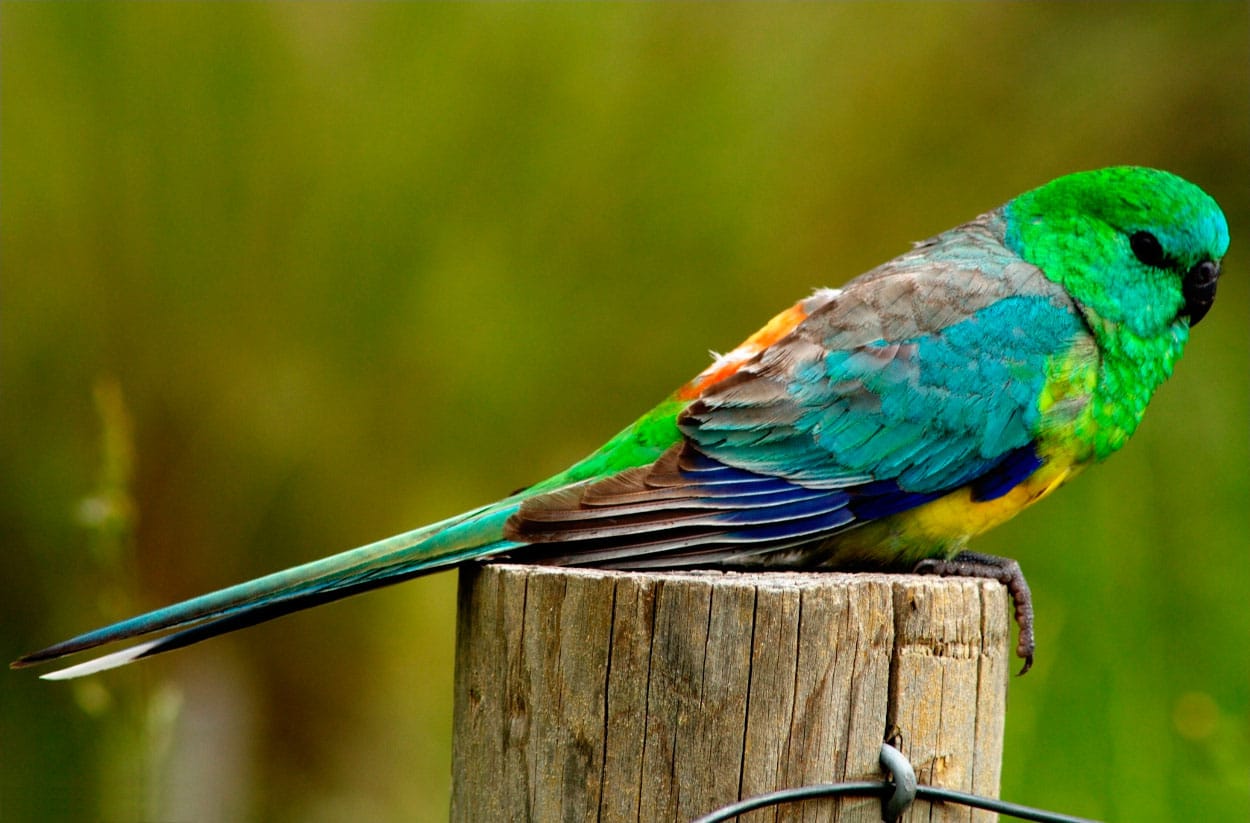
The Red-rumped Parrot (Psephotus haematonotus) It has a bright pale green head, slightly iridescent, with the front of the crown Blue pale and diffusion in the throat. Mantle Green grey with stripes dark fine; floor area of the back and Hip, Scarlet pale; uppertail-coverts bright green. Curve of the wing blue-violet shiny; carpal edge dark blue; small coverts bluish green, the external medium yellow, the inner of a pale blue-green; greater coverts, bluish green, clearer internal; primary coverts dark blue. Flight feathers Blackish with vane external edges and dark blue yellowish; tertiarys grey-green with vane Dark internal. Wing feathers dark blue. Green light the chest with a broadcasting slightly yellow, belly bright yellow, feathers of the chest and belly with stripes more dark very fine; the thighs, vent and undertail- coverts off-white, sometimes blur of yellowish-green. Upper, the tail Green feathered side of greenish-blue with white tips; by down whitish appearance when it is closed.

Bill black; irises brown; legs grey.

The female It is much more off than the male, usually greyish green. With white spots on the ear-coverts, the upper part of the chest is grey olive clear with fringed slightly more dark and the belly whitish with a blue-green light diffusion. The wing-coverts are of a gray olive more uniform that it's the male (medium-sized coverts pale blue). The vane outside of the flight feather they are more muted and more greenish, with the tail green. The bill and the irises are more pale, with some brands shaped pale wing bar.

The immature They also have a pale bar on the wings. Males are darker, with more olive than females and a rump with a narrow margin of Red; The feathers greenish blue begin to show in the head, the chest and wing-coverts first.

The adult plumage was purchased in two or three months, the male young retain the bar of wing and have it rump more off for another year.

Description 2 subspecies

  • Psephotus haematonotus caeruleus

    (Condon 1941) – Adults of both sexes are more pale in color, the male is a shade more blue, the Central undertail feathers they have more nuances blue and red of the rump is more pale; the nape and the the mantle of the female are more grayish Green


  • Psephotus haematonotus haematonotus

    (Gould 1838) – The nominal.

Habitat:

The Red-rumped Parrot usually sedentary, but some movements of flocks with breeding sites have been recorded at the edges of their range.

They prefer open terrain and trees of ribera, grasslands and croplands until 1.000 meters above sea level, where the annual precipitation is inferior to 800 mm. They are also found in suburban areas, having canevale for golf courses, roadsides and parks, and locally in the mangroves.

They are generally replaced by Bluebonnet and Mulga Parrot in wetter areas.

They are usually in pairs or small groups, but they are not uncommon flocks of 100 specimens or more during the post-breeding season. In these groups the pair bond is maintained and mutual grooming is common.. The Red-rumped Parrot are sociable, and to retire to the roosts are constantly called.

Reproduction:

The breeding season of the Red-rumped Parrot extends from July to January, Although you can rely more on the rains in the North than elsewhere. The courtship the male consists of head and tail Wiggles, as well as the drooping-wings pose.

The nesting they tend to occur in small colonies, often resulting in disputes between couples. The nest usually in a hollow tree, in different heights, often in a eucalyptus, it can also be located on a tree stump or even the eaves of a building can provide a suitable place. Between two and eight eggs (usually four to five) they form the laying. The female incubates alone for around 20 days, regularly fed by the male.

The pricipio, males remain in small groups, but as the chicks grow, These groups begin to disperse and males joined young people directly in the moments of eating. Young people take to abandon the nest between four to six weeks.

Food:

The Red-rumped Parrot they tend to feed on the ground, but it is also common to see them feeding in trees and shrubs.

The diet comprises a mixture of grasses and herbs, also seed sprouts, leaves, flowers and grain. They rest during the heat of the day and can remain hidden, unless you disturb them.

Distribution:

Size of the area of distribution (reproduction / resident): 1.930.000 km2

The Red-rumped Parrot are confined to the southeast of Australia, from the north of the Peninsula Eyre and Yorke, in the South of Australia, until the Montes Flinders, the basin of the Lake Eyre and Innamincka in the Northeast. The species expands eastward through Victoria, having come up to Melbourne in the middle of the Decade of 1970.

In the news, the species is still scarce in the eastern end of the State. But, in New South Wales can be found around Sydney and along the coast towards the North, extending inward across the fullest part of New South Wales (largely absent in the Northwest of the darling river,).

In Queensland reaches Windorah, in the West and the surrounding area of Charleville, Chinchilla and Brisbane, in the East.

Its population is common and growing in the north and towards the south coast of Queensland, to the South of New South Wales, benefiting from the expansion of agriculture.

The world population is more of 200.000 specimens and the species is protected by law.

Distribution 2 subspecies

Conservation:


minor concern


• Current category of the Red List of the UICN: Least concern

• Population Trend: Crecent

The size of the world population It has not been quantified, It is estimated over the 200.000 specimens.

Considered as a bird common to abundant in some parts of its area of distribution, do not believe that the Red-rumped Parrot is in danger of extinction, although there is some evidence that the numbers they may be decreasing slightly. The reasons for this are not clear.

As the Red-rumped Parrot It is immersed in the pet trade, This species is included in the Appendix II the Convention on international trade in endangered species (CITES), which means that all international trade in this species should be carefully controlled.

"Red-rumped Parrot" in captivity:

You have a nice voice. He is active and not especially shy. It can be kept with other parrots outside the breeding season..

The Red-rumped Parrot (Psephotus h. Psephotus) It is one of the species of breeding parakeets more common in captivity. The first imports of Australia they arrived in the middle of the 19TH century. In 1857, the Zoo's London announced the first reproduction successful with this species. Other reproductive successes would follow in Germany and Netherlands, already in 1860.

It's a tough species recommended for novice breeders. The Red-rumped Parrot It is very tolerant of our climate and prefers an Aviary in the open air all year round.

You can play from the age of one year; being two years total maturity age. Playing at the end of the winter, early spring. Usually has two to three young.

The El Perico shrike is also used as a foster parent. Breeders have used their good reproductive dispositions for the breeding of more delicate species such as the Australian King-Parrot (Alisterus scapuleris), the Red-winged Parrot (Apromictus erytropterus) or other species of Polytelis.

The first mutation mentioned back in the middle of the Decade of 1930. This mutation of Australian origin was named as Yellow before later being renamed as Green cake. They are currently known as cinnamon.

Other mutations emerged later as the panache, blue, lutino, opaline, etc … In the news, this species is very common in aviaries. Observations show an unrecognized majority of mutated subjects and a worrying decline in wild-type phenotypes.. Reasonably, it is likely that genetically pure wild type phenotypes are extremely rare today.

According to sources, a sample lived 12,2 years in captivity.

Alternative names:

Red-rumped Parrot, Grass Parrot, Grassie, Green Leek, Ground Parrot, Red rumped Parrot, Red-backed Parakeet, Red-backed Parrot, Redrump, Red-rumped Grass Parakeet, Red-rumped Parakeet (ingles).
Perruche à croupion rouge (French).
Singsittich (German).
Periquito-dorso-vermelho (Portuguese).
Perico de Dorso Rojo, Perico Dorsirrojo, Periquito de Rabadilla Roja, Cotorra de rabadilla roja, Espalda roja, Periquito cantor (español).

scientific classification:

Order: Psittaciformes
Family: Psittaculidae
Genus: Psephotus
Scientific name: Psephotus haematonotus
Citation: (Gould, 1838)
Protonimo: Platycercus haematonotus

Images «Red-backed Parakeet»:

Videos "Red-rumped Parrot"

————————————————————————————————

«Red-backed Parakeet» (Psephotus haematonotus)


Sources:

Avibase
– Parrots of the World – Forshaw Joseph M
– Parrots A Guide to the Parrots of the World – Tony Juniper & Mike Parr
– AnAge: The Animal Ageing and Longevity Database – Anagé entry for Psephotus haematonotus
– Birdlife

Photos:

(1) – A male Red-rumped Parrot by Yarra River, Victoria, Australia By Andrea (originally posted to Flickr as rainbow parrot) [CC BY 2.0], via Wikimedia Commons
(2) – A male Red-rumped Parrot near Lake Ginninderra, Canberra, Australia By Duncan McCaskill (Picasa Web Albums) [CC BY 3.0], via Wikimedia Commons
(3) – Red-rumped Parrot in Capertee Valley, Blue Mountains, NSW, Australia. The red rump is seen only in male By Lip Kee Yap from Singapore, Republic of Singapore [CC BY-SA 2.0], via Wikimedia Commons
(4) – Red-rumped Parrot male (Psephotus haematonotus) – Flickr by Patrick_K59
(5) – Red-rumped Parrot (Psephotus haematonotus) Photographed @ Yarra Bend Park, Melbourne, Australia – Flickr

Sounds: Peter Woodall (Xeno-canto)

▷ The world of Pets: Dogs, cats, birds, reptiles, amphibians

Horned Parakeet
Eunymphicus cornutus


Horned parakeet

Content


Anatomy-parrots

Description

32 cm.. length and an approximate weight of 140 g..

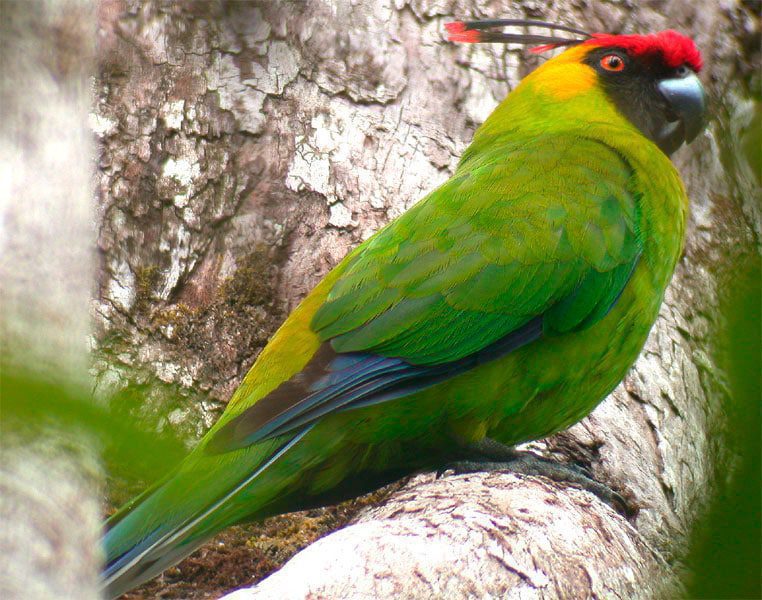
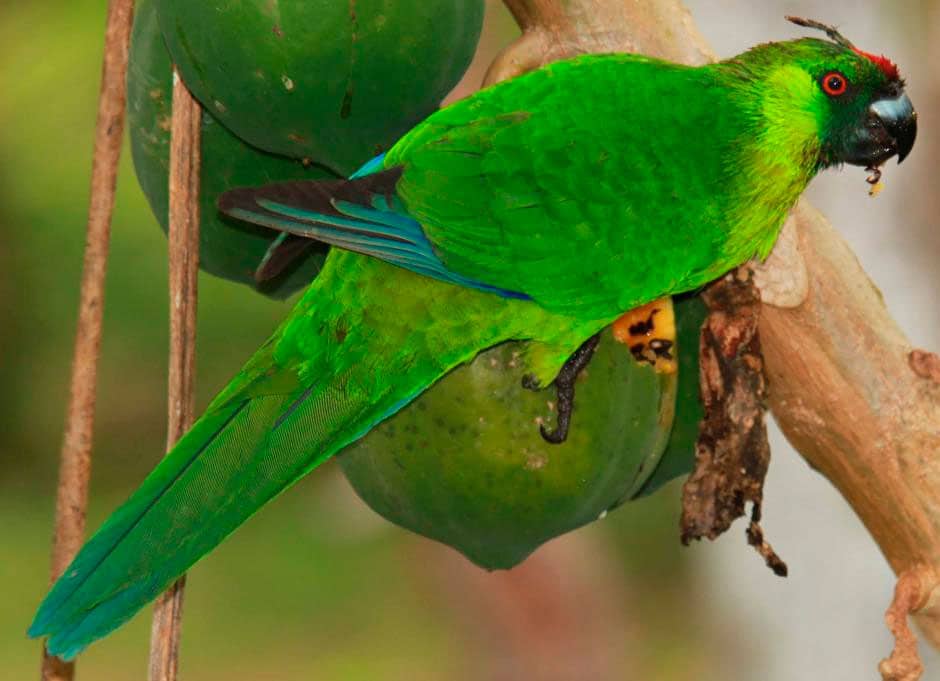
The Horned Parakeet (Eunymphicus cornutus) has a considerable size. It is an incredibly colorful and distinctive bird.. The forecrown is bright red. The front of the crown It has a set of Red curly feathers with black bases. Two long black feathers with Scarlet trim emerge from the center of the crown. The area of the mumps is orange-yellow, that contrasts sharply with the lores and the sides of the cheeks that are black.

The bottom of the cheeks has a greenish black color. Neck and back of the crown bright orange yellow, Turning is gradually to colour green yellow or green bright in the part superior of the the mantle.

The upperparts are green, with the exception of the rump that is greenish-Orange.

The wings covers are green. The primaries are blue-purple on the vane outer, Blackish in the vane inner. The secondaries they are darker on the outer rim.

The underparts is greenish. The lower parts are yellowish green clear. The undertail- coverts they have a slightly bluish in tips. The upper part of the tail is green with strong blue pink, the bottom is dark gray.

The bill It is blue-grey with black tip, irises orange. The legs are black.

Male and female are similar.

The youth they have more gray and less developed facial ornaments. The ear-coverts are pale green, the back of the neck olive green. The bill is color Horn and the irises They are brown.

Taxonomic status:

Until very recently, was generally considered conspecific with the species Eunymphicus uvaeensis. Monotypic.

Subspecies description:

  • Eunymphicus cornutus

    (Gmelin) 1788 – Nominal


  • Eunymphicus uvaeensis

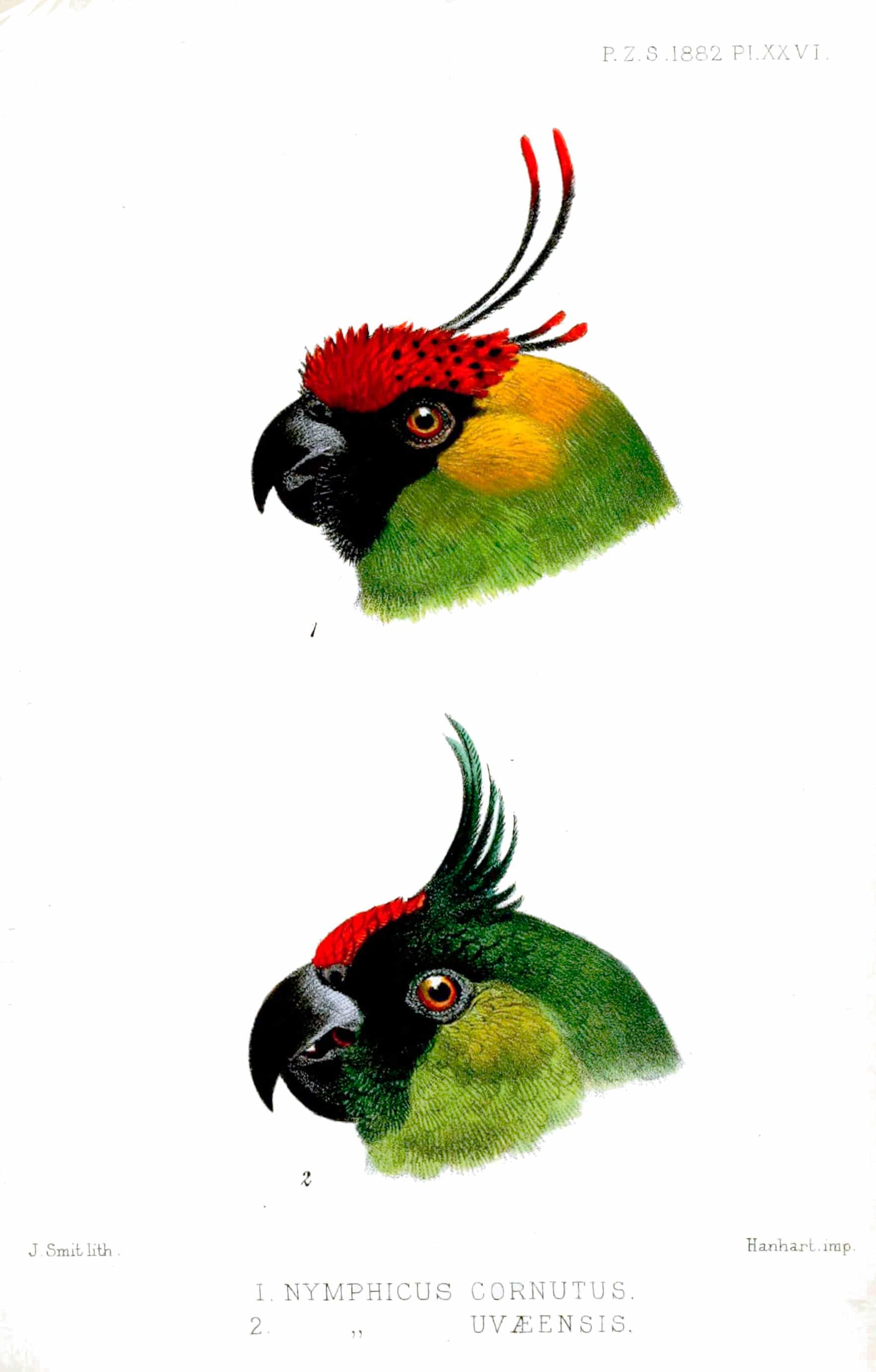
    (Layard,THE & Layard,ELC) 1882 – Of, approximately, 32 cm length. Green color, with the face and dark green head, front with a small red bow and a thin and small dark green Crest. The nape and neck of greenish-yellow, chest and abdomen yellowish green.

    Long tail. black beak.

    It has no sexual dimorphism.

    Today it is considered a kind monotype. See

Habitat:

Horned parakeet, Nymphicus cornutus (above) and Ouvea parakeet, Nymphicus uvaensis (then)

The Horned Parakeet frequent, as a priority, humid forests. They are also areas that are regenerated and scrublands.

The preferred habitat of these birds are the kauris forests (Agathis australis), which are evergreens that are found mainly in the North of New Caledonia. But, They also appreciate the mixed forests with trees of the family Araucaria angustifolia. This species It can live up to the 1200 m. Avoid coconut plantations and areas close to the coast.

endemic to New Caledonia. Its distribution is highly fragmented. These birds are present in the 57% the mountains in the North of the island and in the 42% the mountains of the South. Probably they are very common in the central channel.

The Horned Parakeet they tend to be very prudent, remaining in silence most of the time, and making it difficult to, Therefore, its location.

These parrots they live in pairs or in small flocks of up to ten individuals. When resent, They fly a distance of 100 meters or more before landing at the top of a tree. They rest in the canopy or in the cavity of a tree an hour before dawn., just before starting its activity.

During courtship, the Horned Parakeet, he tries to seduce the female with repeated head inclinations, erect their feathers, shaking his crest and emitting cries intermittently.

Reproduction:

The time of reproduction extends from October to December. The nest is often found in a cavity or on a tree branch healthy, of all of the species of Metrosideros myrtacee. You can also build the nest in the soil, under a rock or under a fallen tree.

The female lays of 3 to 4 eggs, but, generally, only two chicks manage to develop.

In captivity, the incubation lasts a few 21 or 22 days. The young leaves the nest after 5 to 6 weeks.

Food:

The Horned Parakeet they are almost exclusively vegetarian. They feed on flowers, dried fruits, fruit, berries and seeds that are found in shrubs and trees. Also like ripe papaya.

Distribution:

The Horned Parakeet It is endemic to the main island of New Caledonia in the Southwest Pacific, where due to the poor coverage of observers, the status of the species may vary. It is probably stable, but may be threatened to some degree due to trade .

Recent check-ins at Blue River Provincial Park (The Blue River) indicate that it is relatively common in the park. It is almost certainly more common in less accessible areas, over 470 m.

Subspecies distribution:

Conservation:


Vulnerable


• Current Red List of UICN: Vulnerable.

• Population trend: Increasing.

The Horned Parakeet It has a small population that probably has been declining for many years with unknown reasons.
Current populations are threatened by habitat degradation and, probably, by the introduction of other mammals, particularly rats. Fortunately, his capture and poaching do not constitute a significant threat for this species.

Considering their low numbers and the small size of their territory, It classified as vulnerable.

Some of the measures taken for their conservation is the start control against introduced predators. Increase the area of ​​suitable habitat to protect their status and establish captive breeding populations for future reintroductions.

"Horned Parakeet" in captivity:

Very rare poultry.

According to sources, a sample lived during 19,7 years in captivity

Alternative names:

Horned Parakeet, Crested Parakeet, Horned Parakeet (Horned), Long-horned Parakeet (ingles).
Perruche cornue (French).
Hornsittich (German).
Periquito-de-chifres (Portuguese).
Perico Cornudo, Perico Maorí Cornudo (español).


scientific classification:

Gmelin Johann Friedrich

Order: Psittaciformes
Family: Psittaculidae
Genus: Eunymphicus
Scientific name: Eunymphicus cornutus
Citation: (Gmelin, JF, 1788)
Protonimo: Psittacus cornutus

«Horned parakeet» images:

Videos "Horned Parakeet"

"Horned parrot" (Eunymphicus cornutus)

Sources:

  • Avibase
  • Parrots of the World – Forshaw Joseph M
  • Parrots A Guide to the Parrots of the World – Tony Juniper & Mike Parr
  • Birdlife

  • Photos:

(1) – Horned Parakeet By Tunpin.ong (Own work) [CC BY-SA 3.0], via Wikimedia Commons
(2) – Horned Parakeet, Nymphicus cornutus (above) and Uvea Parakeet, Nymphicus uvaensis (below Proceedings of the Zoological Society of London 1882 By Joseph Smit (1836-1929) [Public domain], via Wikimedia Commons
(3) – Horned parakeet by AlexKant – zoochat
(4) – A adult bird perched on a branch by Tomasz Doroń – Lynx
(5) – A bird perched in a tree by Josep del Hoyo – Lynx
(6) – Feeding on papaya in a garden by Julien Baudat-Franceschi – Lynx

▷ The world of Pets: Dogs, cats, birds, reptiles, amphibians

Senegal Parrot
Poicephalus senegalus


Lorito Senegalés

Content

Lorito Senegalés

Description:

Of 25 cm.. length and a weight between 130 and 150 g..

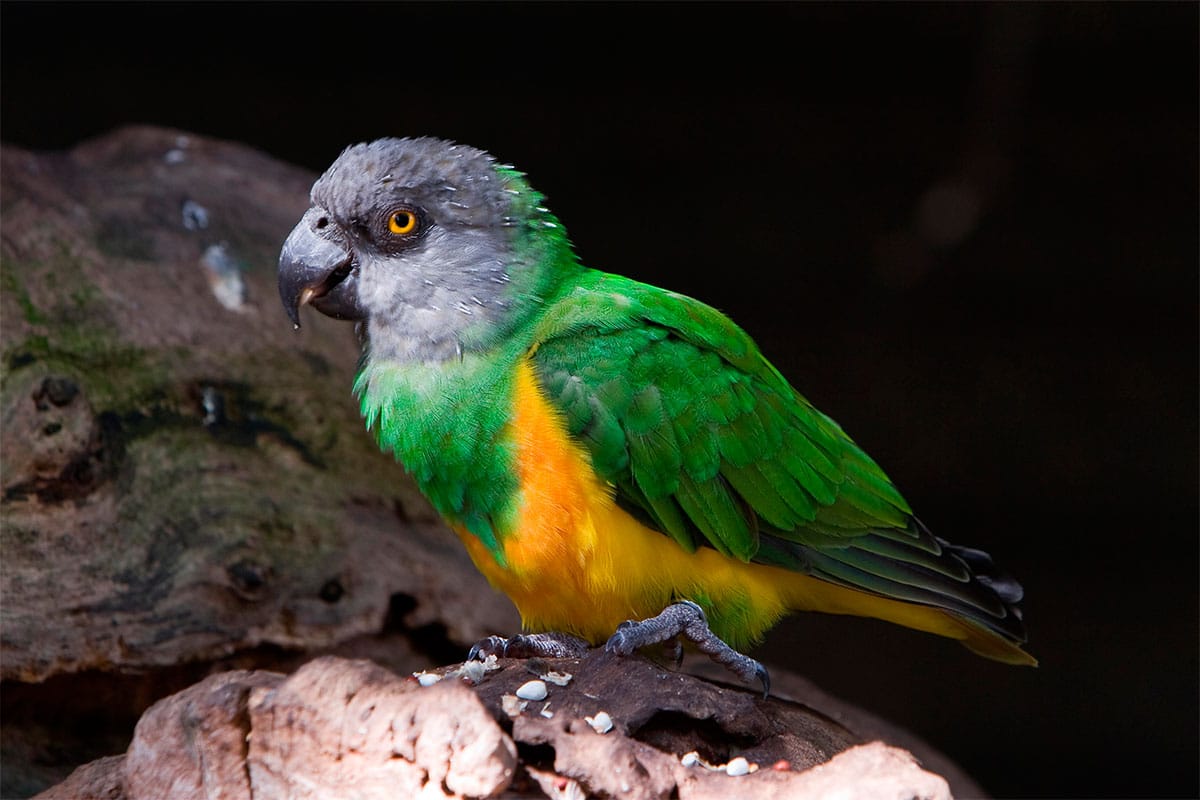
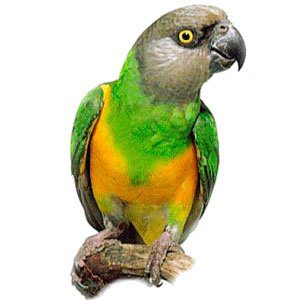
The Senegal Parrot (Poicephalus senegalus) has the forecrown, crown, lores and nape dark slate gray; clear the chin and cheeks; ear-coverts Silver. Mantle, scapulars and back bright green; rump and uppertail-coverts lighter with yellowish tint. Upper, the wing-coverts bright green ; secondaries and primaries of color Brown dark with edges green to them vane outer. Under, the wing-coverts Yellow. Throat grey, merging with the chest green (green lighter on the upper parts); low area chest and belly bright yellow with orange dye plant; the thighs green, undertail- coverts bright yellow. Tail greenish brown.

Bill grey: irises yellow with bare periophthalmic black; Chere blackish: Legs dark brown.

Sexes similar in plumage.

Immature generally paler than the adult with the head in brown tone off, has the ear-coverts Silver; sometimes extends the green on the bottoms shaped yellow patches on the flanks. Iris dark brown.

Subspecies description:

  • Poicephalus senegalus mesotypus

    (Reichenow, 1910) – Similar to the species nominal, but with the green plumage paler and green color chest It is extending into the abdomen, the abdomen It is orange.


  • Poicephalus senegalus senegalus

    (Linnaeus, 1766) – The nominal species


  • Poicephalus senegalus versteri

    (Finsch, 1863) – Similar to the species nominal but the green color the mantle and wings is darker; the lower regions of chest and the abdomen are yellow orange to red in the middle of the abdomen.

Habitat:

The Senegal Parrot They are found in a variety of forest habitats ranging from open field with scattered and palm trees to the dense forests closed.

Its optimal habitat It seems to be the forest savannah, relatively open, with numerous Adansonias typed or Parkia filicoidea.

In Ghana river seen in forests and swamps.

They are probably just below 1.000 meters above sea level.

Gregarious, at least outside the breeding period.

Usually they are seen in couples or groups of up to 20 birds, Larger groups can meet locally to exploit abundant food areas.

They perform diurnal movements and of longer duration in relation to the food supply;. Consequently, of the pobalación Senegal Parrot fluctuates widely in some areas.

Reproduction:

The Senegal Parrot usually they build a nest in the cavity of a tree branch (of Adansonia or Parkia), at a height of 10 m, sometimes more.

The breeding season It seems to vary depending on location. In the wetter areas, breeding season can be prolonged. In the region of Gambia and the rio Senegal, they have been egg production in the months of April, may, August and september, also from November to February. In drier areas (as Mali) the breeding season is probably limited by the rainy season (May to October).

They put of 2 to 4 eggs on alternate days and the period of incubation is of 25 to 28 days, female being fed by the male until hatching. The juveniles to leave the nest 9 weeks of age.

Food:

The diet of the Senegal Parrot It is composed of a variety of fruits, seeds and sprouts leaves.

Registered foods include fruits and seeds Khaya senegalensis, Pterocarpus erinaceus, Ficus, Parkia, Sclerocarya birrea, Butyrospermum Parkt, Vitex cienkowskii, Adansonia, Ximena American and Acacia white. They also feed on cultivated plants, including millet and peanut.

Distribution:

Size of the area of distribution (reproduction / resident): 3.590.000 km2

The Senegal Parrot they are endemic in West Africa. Since Guinea (including the The islands), Senegal, Gambia, South of Mauritania and South of Mali through forest-savanna mosaic of Ivory Coast. Burkina Faso, South of Niger, Ghana (also on the coast). Benin and Togo until Nigeria, Cameroon and Southwest Chad.

Partially sedentary but seasonal visitors in some areas (especially further north), for example, some birds move south on the niger river in Mali with the onset of the driest periods. In the rainy season visitantan Southern Mauritania and some movements Nigeria, with the driest north unemployed, off wet season.

Subspecies distribution:

  • Poicephalus senegalus mesotypus

    (Reichenow, 1910) – East and Northeast Nigeria, South of Niger, North of Cameroon, southwest end Chad and possibly the extreme northwest Central African Republic.


  • Poicephalus senegalus senegalus

    (Linnaeus, 1766) – The nominal species


  • Poicephalus senegalus versteri

    (Finsch, 1863) – Ivory Coast and this from Ghana through Togo and Benin to western Nigeria, North of llorin, Zaria

Conservation:


minor concern


• Current Red List of UICN: Least concern

• Population trend: Stable

The size of the world population Senegal Parrot It has not been quantified, but the species, according to sources, It is often abundant (pit et to the. 1997).

The population is suspected to be stable and may even benefit from the widespread loss of closed canopy forests in the West Africa.

This species has been heavily traded: 1994-2003, more than 410,000 wild individuals were exported from the range States (Trade Database, in October of 2005 UNEP-WCMC CITES). It is one of the most popular pet birds, since it is regarded as a quiet little bird in captivity. Due to the large amount of this kind traded, It was the subject of a review of significant trade of the CITES, in which it was classified as «possible concern» (Inskipp et al. 1988). However, and despite international exports of a large number of birds, trade seems to have not seriously affected this species in general, without significant decreases in reported national population.

EXPORTS:

    Guinea exported in the dates between 1994 and 2003 a few 164.817 specimens.
    Mali exported in the dates between 1994 and 2003 a few 60.742 specimens.
    Senegal exported in the dates between 1994 and 2003 a few 173.794 specimens.
    Liberia not considered diffusion area, however it is known that among 1999 and 2003 some were exported 4.860 specimens, thus becoming the fourth country with the most exports made of Africa.

"Senegal Parrot" in captivity:

The Senegal Parrot It, after the Grey Parrot (Psittacus erithacus), African parrot most traded and raised in captivity. You might say whole sentences and whistle songs. Thanks to its size it is considered a quiet pet and very manageable when it's raised hand (papillero). They are not noisy and create a very emotional bond with family members.

Imported adult birds are always reserved even when they spend a lot of time with their caretaker. Young, on the other hand, They are docile and affectionate, and then adapt to the people.

With regard to its longevity, according to sources, a specimen lived 40 years in captivity.

Alternative names:

Senegal Parrot, Yellow-bellied Parrot (English).
Perroquet youyou, Youyou, Youyou du Sénégal (French).
Mohrenkopf (German).
Periquito-massarongo (Portuguese).
Lorito del Senegal, Lorito Senegalés, You-You (español).


scientific classification:

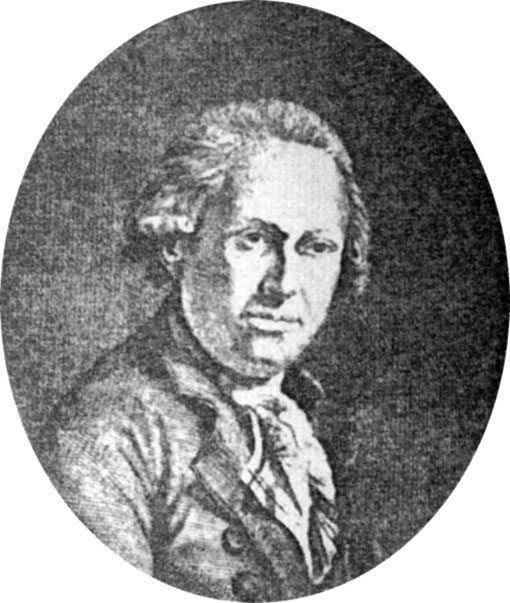
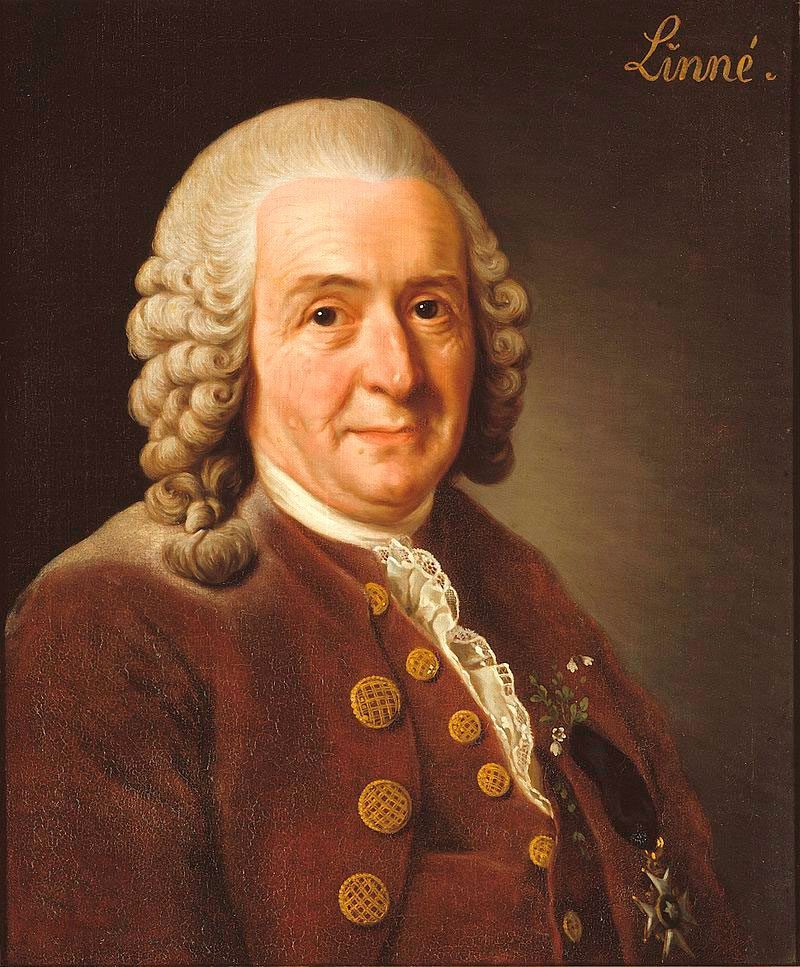
Carl Linnaeus
Carl Linnaeus

Order: Psittaciformes
Family: Psittacidae
Genus: Poicephalus
Scientific name: Poicephalus senegalus
Citation: (Linnaeus, 1766)
Protonimo: Psittacus senegalus

Images "Senegalese Lorito":

Videos "Senegal Parrot"

————————————————————————————————

"Lorito Senegal" (Poicephalus senegalus)


Sources:

Avibase
– Parrots of the World – Forshaw Joseph M
– Parrots A Guide to the Parrots of the World – Tony Juniper & Mike Parr
– Birdlife
Wikipedia

Photos:

(1) – An adult Senegal Parrot at Artis Zoo, Amsterdam, Netherlands. The extent of yellow tends to indicate that it is probably a male By Arjan Haverkamp [CC BY 2.0], via Wikimedia Commons
(2) – An adult Senegal Parrot in Maspalomas, Gran Canaria, Canary Islands, By Juan Emilio Spain from Las Palmas, Spain [CC BY-SA 2.0], via Wikimedia Commons
(3) – Poicephalus senegalus senegalus, the Senegal Parrot By Charlesjsharp (Own work) [CC BY-SA 3.0 or GFDL], via Wikimedia Commons
(4) – A pair of Senegal Parrots in a tree. One parrot (probably the male) is feeding the other (probably the female). Thomas J. Haslam, http://www.flickr.com/photos/tjhaslam/ On 24 February 2007, I took the photos for this montage at the birding site Technopole in Dakar, Senegal. Licensed to Wikipedia under CC-BY 2.5 and GFDL. Published to my Flickr account under the same license.
(5) – A juvenile Senegal Parrot By Brian Holsclaw (originally posted to Flickr as IMG_2807) [CC BY 2.0], via Wikimedia Commons

Sounds: Bram Piot (Xeno-canto)
▷ The world of Pets: Dogs, cats, birds, reptiles, amphibians

Orange-cheeked Parrot
Pyrilia barrabandi


Orange-cheeked Parrot

Content

Parrot-carinaranja-6

Description:

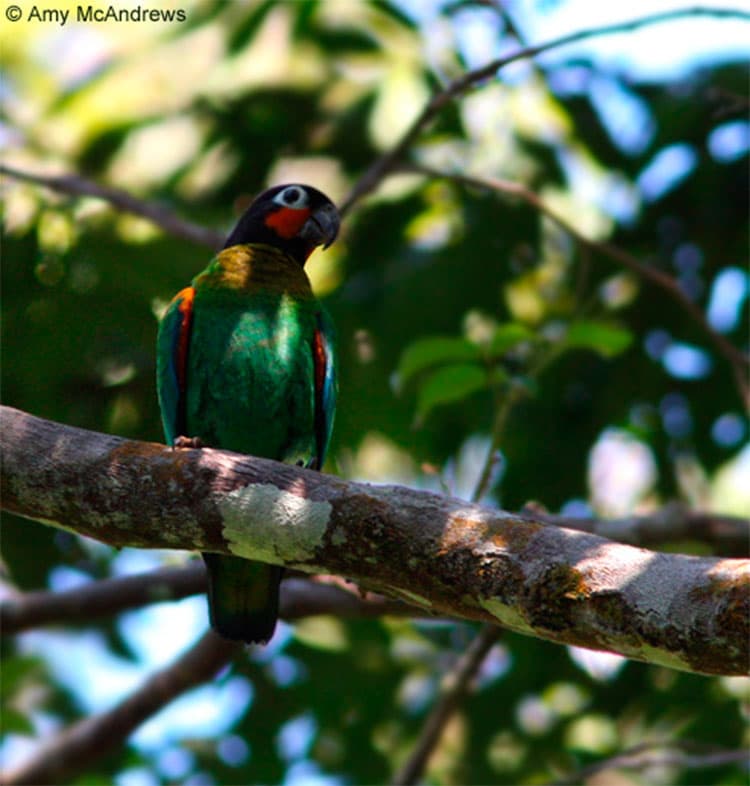
The Orange-cheeked Parrot (Pyrilia barrabandi) measured, approximately, 25 cm., has the head and throat black, except for the bright colored area amarillento-naranja that goes from the base of the bill up to the lower cheek well behind the eyes.

Upperparts green, lesser coverts, yellow-orange; edge front of the wing red; primary coverts blue-black; greater coverts bluish green; other coverts, green. Primary, dark blue at the base and in outerweb, If not black; underwing-coverts, bright red, flight feather opaque green. Upper zone of the chest dorado, its bottom and belly, bright blue green, the thighs with orange-yellow feathers. Tail green with blue tip, with yellow bases to the innerwebs of outer feathers.

Bill grey; brown the irises; legs grey.

Both sexes are similar.

The immature has the head Brown golden colour with yellowish brown in cheeks inferiores. Younger birds also has less yellow in the bend of wing, some green feathers in the underwing-coverts and yellow on the tips of the primaries.

Description 2 subspecies:

  • Pyrilia barrabandi aurantiigena

    (Gyldenstolpe, 1951) – Lesser coverts, curve of the wing and the thighs intense Orange instead of yellow-orange.

  • Pyrilia barrabandi barrabandi

    (Kuhl, 1820) – Nominal.

Habitat:

They inhabit mainly in lowland forests, apparently less frequently in forests and marshes. They are distributed at the edge of forests and partially disturbed forest, occasionally in small groves in deforested areas. Observed in altitudes of 150-300 metres in Venezuela and 500 meters in the southeast of Colombia. Seen individually, in pairs and in small groups of up to 10 individuals (sometimes more in banks of land rich in minerals). Are activated more early, In the morning, than other parrots and will rest later.

Reproduction:

There is no information about the nesting, but that suggests the registration of immature birds in February and March breeding season It can be between the months of September/October until the end of year.

Food:

Observed taking seeds or fruits of Ficus sphenophylla, Pourouma, Pseudolmedia, Mimosa, Pithecellobium and Heisteria and possibly larvae of the gall wasps. Usually, they feed in the canopy of the trees, or just below them; less frequently in low branches. Regularly visit areas with mineral-rich soil in the company of other species of parrots.

Distribution:

Size of the area of distribution(reproduction / resident): 3.470.000 km2

This is a kind of basin of the Western Amazon and the Alto Orinoco. Its length extends from the southeast of Colombia, from the Caquetá Western and bass inirida river, Guainia, until Venezuela in amazon and the Center and South of Bolívar and in Brazil in the upper part of the Amazon to the West, from the rivers Negro and Madeira through the rivers Juruá and Purus and to the South towards Mato Grosso, through the East of Ecuador and East of Peru and to the Northwest of Bolivia, in hand me.

They are generally considered rare throughout its distribution area, Although they are fairly common in the Northwest of Bolivia and many in the sandy Woods of bass Inirida River, to the southeast of Colombia. Its population has fallen locally due to deforestation, Although large tracts of primary forest remain in all range States. Live in several areas protected.

Distribution 2 subspecies:

  • Pyrilia barrabandi aurantiigena

    (Gyldenstolpe, 1951) – Is located in the East of Ecuador and to the East of Peru, where is this in the Manu National Park. In the North of Bolivia is it described as frequent to numerous. The extension also comes to Brazil: is limited by the Amazon in the North and Rio Madeira from the East (pit et to the., 1997).

  • Pyrilia barrabandi barrabandi

    (Kuhl, 1820) – Nominal.

Conservation:


Near-threatened


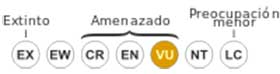
• Current category of the Red List of the UICN: Almost threatened.

• Population trend: Stable.

Justification of the population

The size of the world population It has not been quantified, but this species is described as «Rare» (Stotz et to the., 1996).

Justification of trend

It is suspected that this species has lost 12.1-15% of habitat within its distribution over three generations (21 years) based on a model of Amazon deforestation (Soares-Filho et to the., 2006, Bird et to the., 2011). Given the susceptibility of the species to the fragmentation and degradation of forest and potentially your hunting and/or trapping, It is suspected that its population will decrease at a rate close to the 30% during three generations.

Threats

The main threat This species is the acceleration of the deforestation on amazon basin with large tracts of land used for livestock and soybean production; It is highly susceptible to degradation and fragmentation due to its dependence of primary forests (Soares-Filho et to the. 2006, Bird et to the. 2011, A. Lees in litt. 2011). It can also be vulnerable to the hunt (A. Lees in litt. 2011). The changes proposed by the Forest code of Brazil reduce the percentage of land that a private owner is legally required to maintain as forest and include an amnesty for owners who deforested before July 2008 (who would later be acquitted of the need to reforest illegally cleared land) (Bird et to the. 2011).

"Orange-cheeked Parrot" in captivity:

It is very rare see you in captivity outside of Brazil.

Alternative names:

Orange-cheeked Parrot, Barraband’s Parrot, Orange cheeked Parrot (English).
Caïque de Barraband (French).
Goldwangenpapagei, Goldwangen-Papagei (German).
curica-de-bochecha-laranja, curica, curuca (Portuguese).
Cotorra Cabecinegra, Lorito Carinaranja, Lorito de Mejillas Amarillas (español).
Cotorra Cabecinegra (Colombia).
Loro de Mejilla Naranja (Peru).
Perico Cachete Amarillo (Venezuela).


scientific classification:

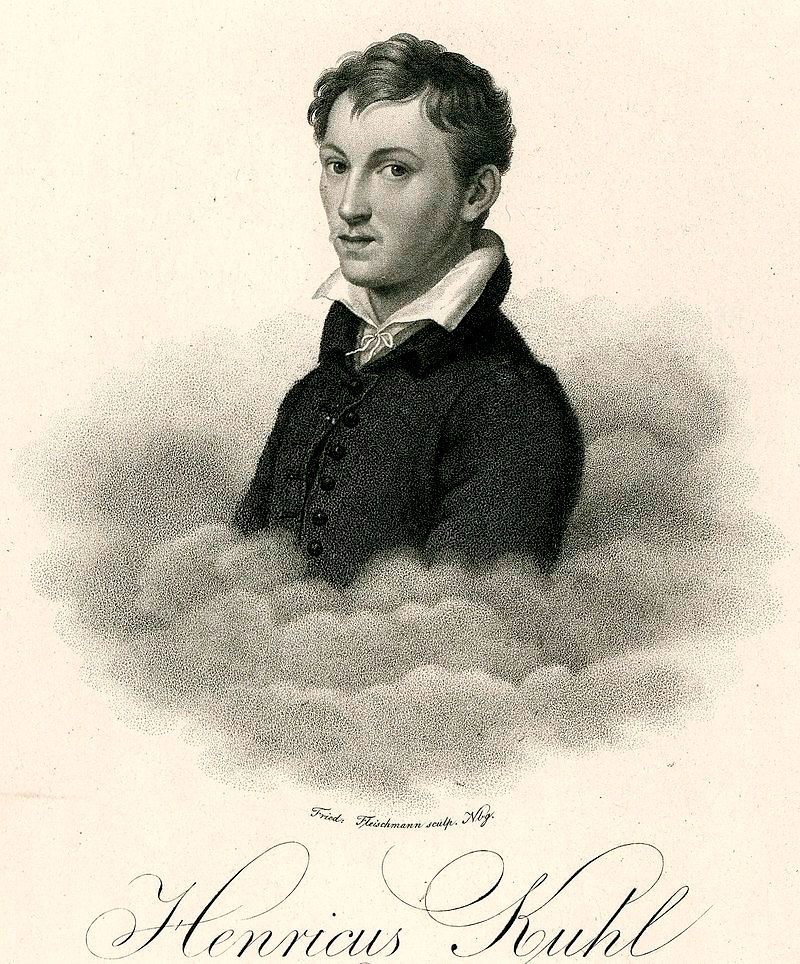
Kuhl, Heinrich
Heinrich Kuhl

Order: Psittaciformes
Family: Psittacidae
Genus: Pyrilia
Scientific name: Pyrilia barrabandi
Citation: (Kuhl, 1820)
Protonimo: Psittacus Barrabandi


Images "Lorito Carinanja":

Videos "Orange-cheeked Parrot"

————————————————————————————————

"Lorito Carinanja" (Pyrilia barrabandi)


Sources:

Avibase
– Parrots of the World – Forshaw Joseph M
– Parrots A Guide to the Parrots of the World – Tony Juniper & Mike Parr
Birdlife

Photos:

(1) – Orange-cheeked Parrot (Pyrilia barrabandi) Cristalino Jungle Lodge, Mato Grosso, Brazil by Amy McAndrewsFlickr
(2) – Orange-cheeked Parrot at Napo Wildlife Reserve, Ecuador by ocelot123Flickr
(3) – Cobalt Winged Parakeet , Scarlet Shouldered Parrotlet and Orange Cheeked Parrot at 3rd lick by Vince SmithFlickr
(4) – Cobalt Winged Parakeet , Scarlet Shouldered Parrotlet and Orange Cheeked Parrot at 3rd lick by Vince SmithFlickr
(5) – Cobalt Winged Parakeet , Scarlet Shouldered Parrotlet and Orange Cheeked Parrot at 3rd lick by Vince SmithFlickr
(6) – Oiseaux brillans du Brésil.. Paris,1834.. biodiversitylibrary.org/page/47697228

Sounds: controles-canto.org