▷ The world of Pets: Dogs, cats, birds, reptiles, amphibians

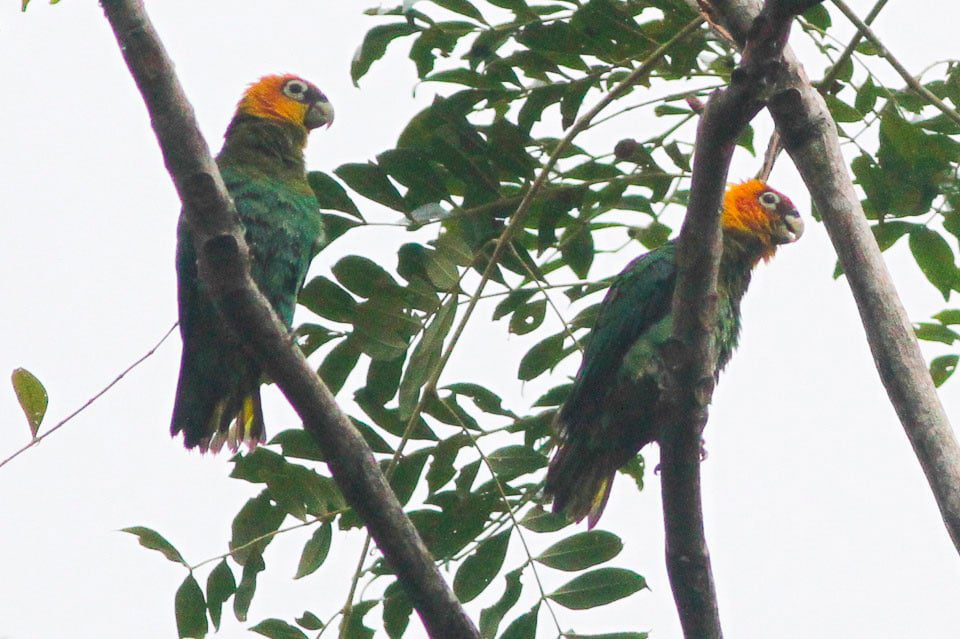
Saffron-headed Parrot
Pyrilia pyrilia

Saffron-headed Parrot

Content

Saffron-headed Parrot

Description:

22,8 to 25,4 cm.. height.

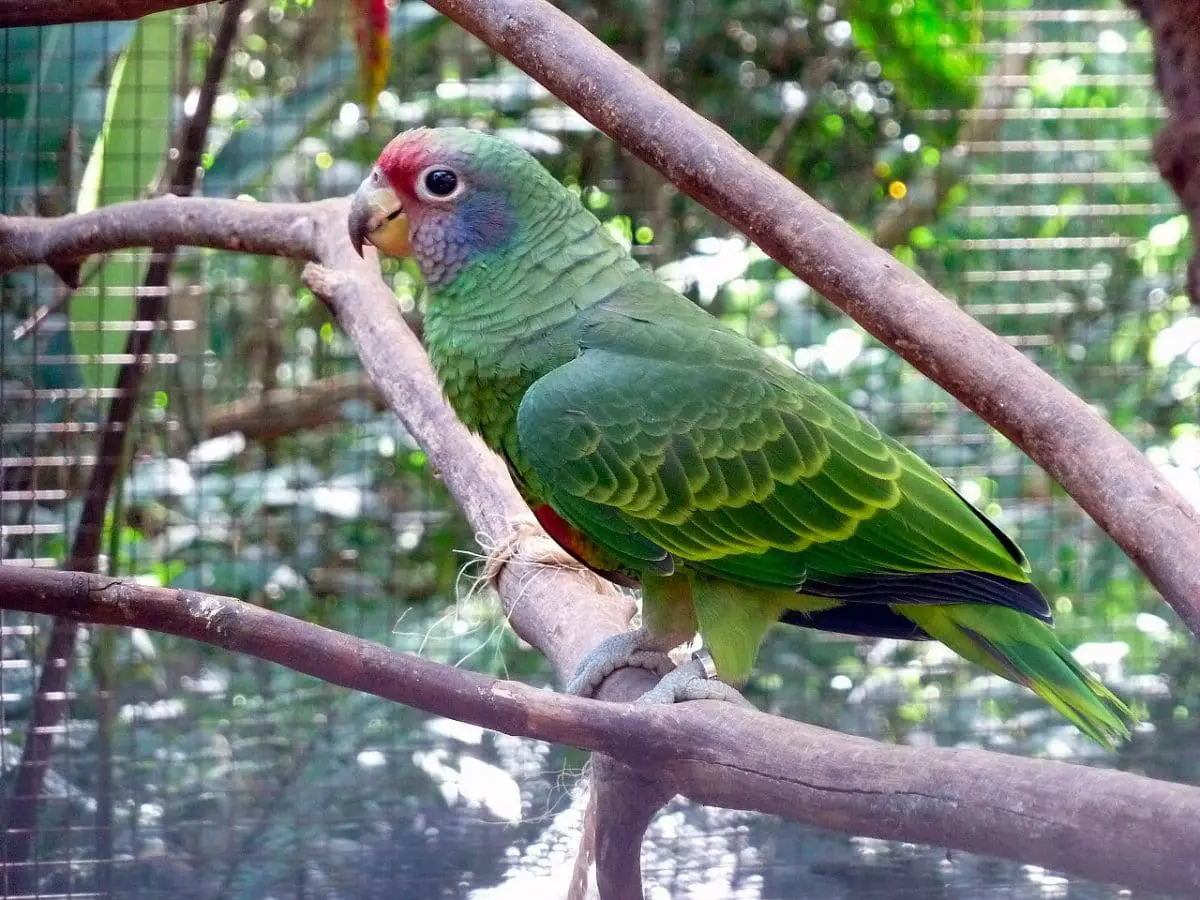
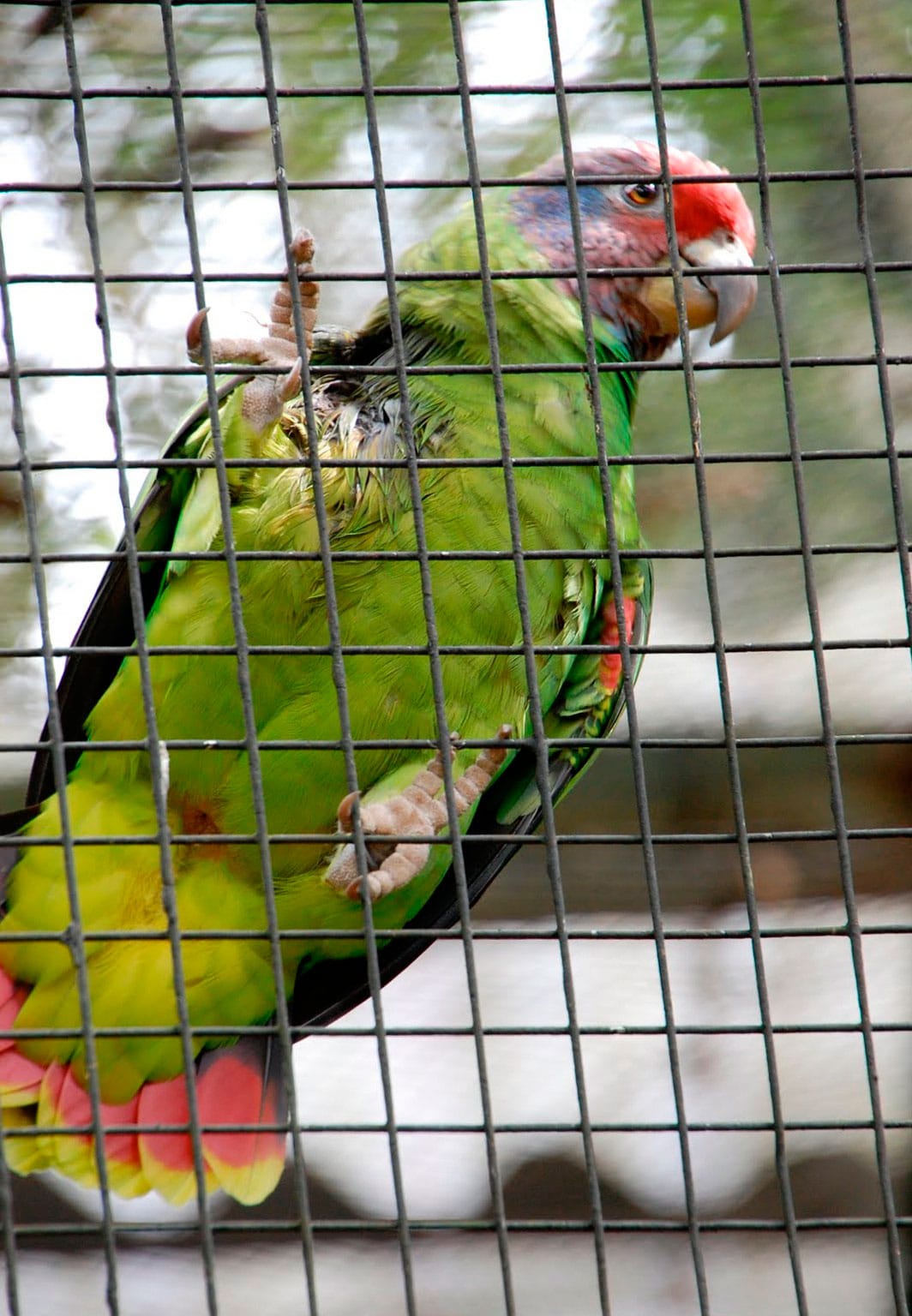
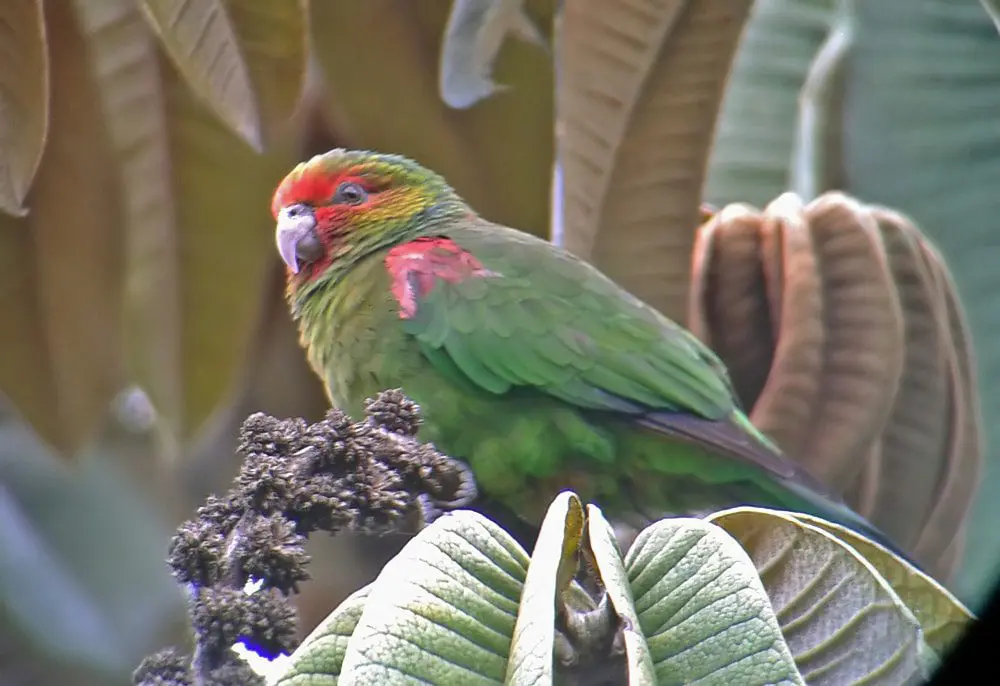
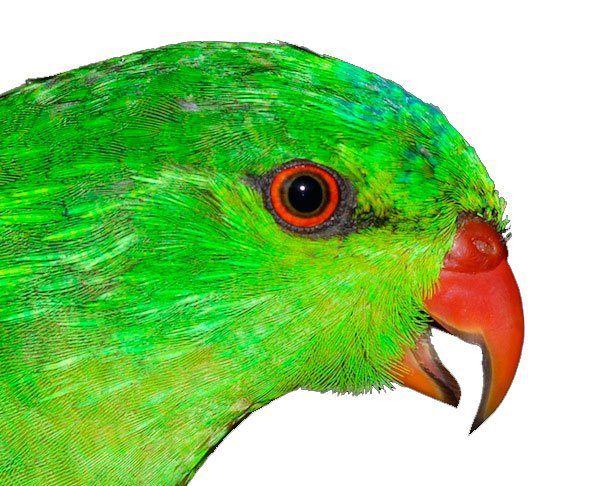
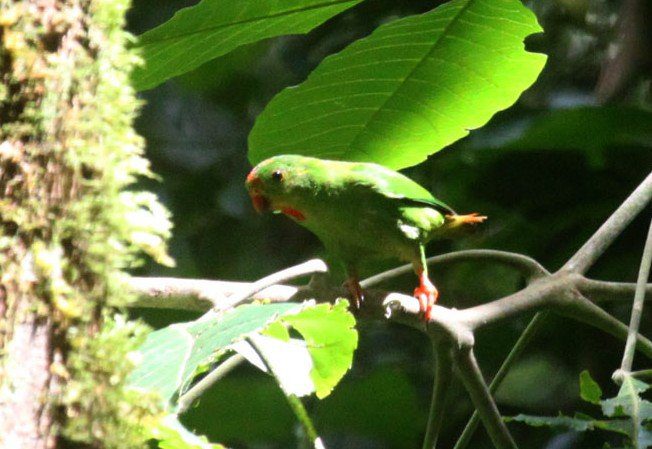
The Saffron-headed Parrot (Pyrilia pyrilia) is characterized by the lores naked; head, rear and both sides of the neck, bright yellow. Upperparts green. The spots of the upperwing-coverts are bright yellow with some red feathers at the base; Red at the front edge of the wing with the external medium upperwing-coverts blue, or green with blue tips. The primary coverts are black, with the coverts remaining of the party top, green, sometimes with blue tips.

Primary and secondary bluish black with narrow green margin to the outerweb; tertiary green. Under the wings and axillary bright red, flight feather of color bluish pale. Breast Yellow olive; belly Green but paler and more yellowish than the top; undertail-coverts green. above the tail with yellow in the innerwebs and blue tips; yellowish below. Bill color pale horn; cere blackish; dark grey skin nude of the lores extends around the eye ring; eye ring whitish; irises dark brown; legs grey.

Both sexes similar. The immature has the crown and shoulders Green with yellow yellowish brown in the face and throat.

Habitat:

Little known throughout its distribution. It inhabits in humid jungles, very wet, high secondary forest and cleared areas, between the 300 to 1700 m. In Venezuela can be seen in tropical and subtropical areas at altitudes of 150-1650 m (perhaps only seasonally to higher altitudes) and 1.000 metres in Colombia. Usually gregarious, seen in groups of up to 10 individuals.

Reproduction:

With reproduce during the first half of the year.
Birds in breeding conditions observed in the months of March-June in Antioquia (Colombia). Immature seen during the month of July in Sierra de Perija (Venezuela and Colombia).

Food:

Just have your feed data, Although it more likely is that your diet is composed of of fruit, berries and seeds.

Distribution:

Size of the area of distribution (reproduction / resident): 577.000 km2

The Saffron-headed Parrot is distributed in the this of the Province of Darien, Panama, to the North of Colombia and Northwest of Venezuela.

There are two records in the Northwest of Ecuador, a wandering pair alleged in the Book ecológica Cotacachi-Cayapas and a flock of about 20 birds in the Pedro Vicente Maldonado Canton, in the Northwest of Pichincha (Ridgely and Greenfield 2001), Although their status is uncertain (JF Freile in litt., 2000, Ridgely and Greenfield 2001).

Today it is rare to see to the Saffron-headed Parrot in accessible areas, Although it is still common Serrania de las Quinchas (Boyacá) and in the Hill of the peace (Santander) (Donegan et to the., 2003), Colombia and is soon likely to have decreased significantly in the Chocó, Colombia, or Darien (GR Angehr in litt., 1999, G. Stiles in litt., 1999).

There are few recent records, but they may still be numerous at the northern base of the Andes, Córdoba, North of Antioquia and Bolívar, and in the Valley of the Magdalena, to the East of Caldas and to the southeast of Antioquia, Colombia (Hilty and Brown 1986, A. Cuervo in litt., 1999).

Seems to have decreased in Venezuela, where recent records are from the area of Merida, the South-East slopes of the Cordillera de Mérida, Barinas (Kirwan and Sharpe 1999, C. Sharpe, J. and F. Rodriguez Rojas-Suarez in litt., 1999) and Sierra de Perija (CJ Sharpe in litt. 2011).

The population total may have fallen below 10.000 individuals (Juniper and Parr 1998, G. Stiles in litt., 1999). In fact, is estimated that the Western population (West of Sinu) is of 2.000 to 4.000 individuals (most habitat intact), the population Center (Serranía de San Lucas) is probably less than 1.000 individuals, the slopes West of the Eastern Cordillera It is estimated at approximately 1.000 individuals and the eastern slope of the Eastern Cordillera and Merida perhaps less than 1.000 individuals (C. Sharpe, J. and F. Rodriguez Rojas-Suarez in litt., 1999).

Conservation:


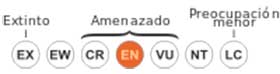
Near-threatened

• Current category of the Red List of the UICN: Near-threatened.

• Population trend: Decreasing.

Rationale for the Red List category

This species has a population moderately small suspected is declining, and therefore qualifies as near-threatened. It is considered nationally vulnerable in Colombia (Renjifo et to the., 2002) and Venezuela (Sharpe 2008).

Justification of the population

The population is estimated at at least 7.000 copies in total, more or less equivalent to 4.700 mature individuals (PGW Salaman in litt., 2006).

Justification of trend

A slow to moderate and continuous decrease in population is suspected on the basis of the rates of habitat loss: its preferred habitat is severely threatened (T. Donegan in litt 2006.).

"Saffron-headed Parrot" in captivity:

Very difficult acclimating to captivity, susceptible to diseases in captive State.

Alternative names:

– Saffron-headed Parrot, Bonaparte’s Parrot, Saffron headed Parrot (English).
– Caïque de Bonaparte (French).
– Goldkopfpapagei, Goldkopf-Papagei (German).
– Saffron-headed Parrot (Portuguese).
– Cotorra Cariamarilla, Lorito Cabecigualdo, Lorito de Cabeza Dorada (español).
– Cotorra Cariamarilla (Colombia).
– Perico Cabecidorado (Venezuela).


scientific classification:
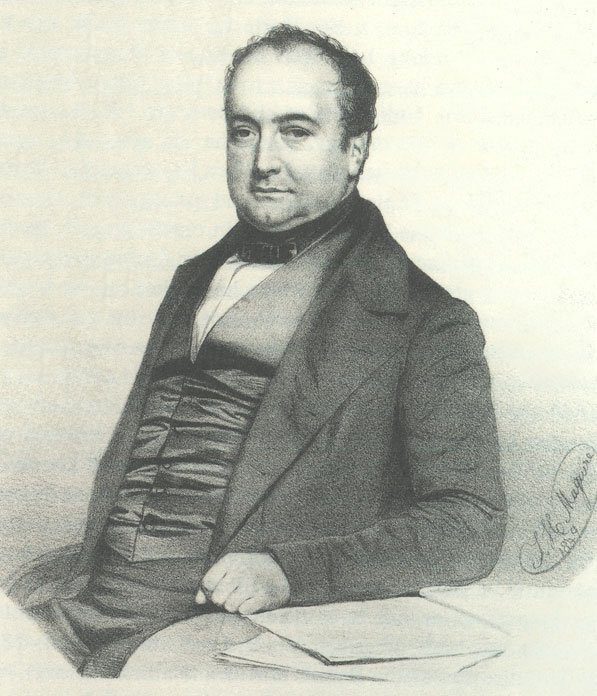
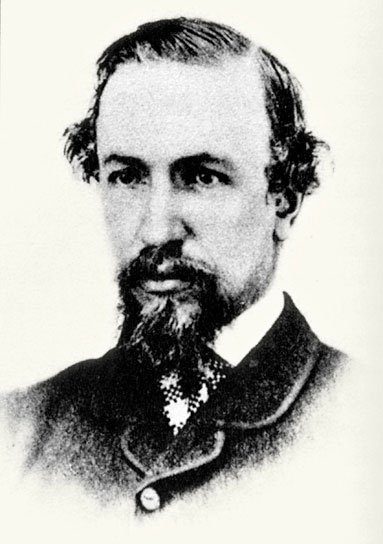
Charles Lucien Bonaparte

– Order: Psittaciformes
– Family: Psittacidae
– Genus: Pyrilia
– Scientific name: Pyrilia pyrilia
– Citation: (Bonaparte, 1853)
– Protonimo: Psittacula pyrilia

Images "Saffron-headed Parrot"

Videos "Saffron-headed Parrot"


“Lorito he head”. (Pyrilia pyrilia)


Sources:

  • Avibase
  • Parrots of the World – Forshaw Joseph M
  • Parrots A Guide to the Parrots of the World – Tony Juniper & Mike Parr
  • Birdlife

  • Photos:

(1) – Saffron-headed Parrot (Pyrilia pyrilia) by Ron Knight – Flickr
(2) – Iconographie des perroquets: Paris :P. Bertrand,1857. by Biodiversity Heritage Library – Flickr

  • Sounds:

▷ The world of Pets: Dogs, cats, birds, reptiles, amphibians

Red-tailed Parrot
Amazona brasiliensis

Red-tailed Parrot

Content

Description:

37 cm.. length and 430 g. of weight.

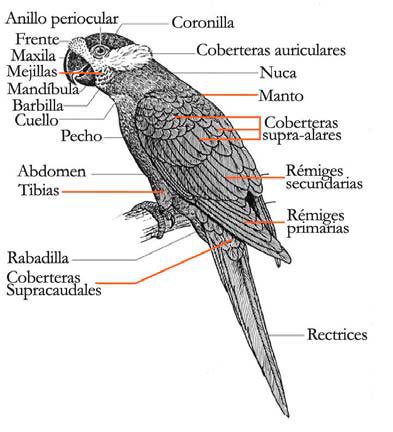
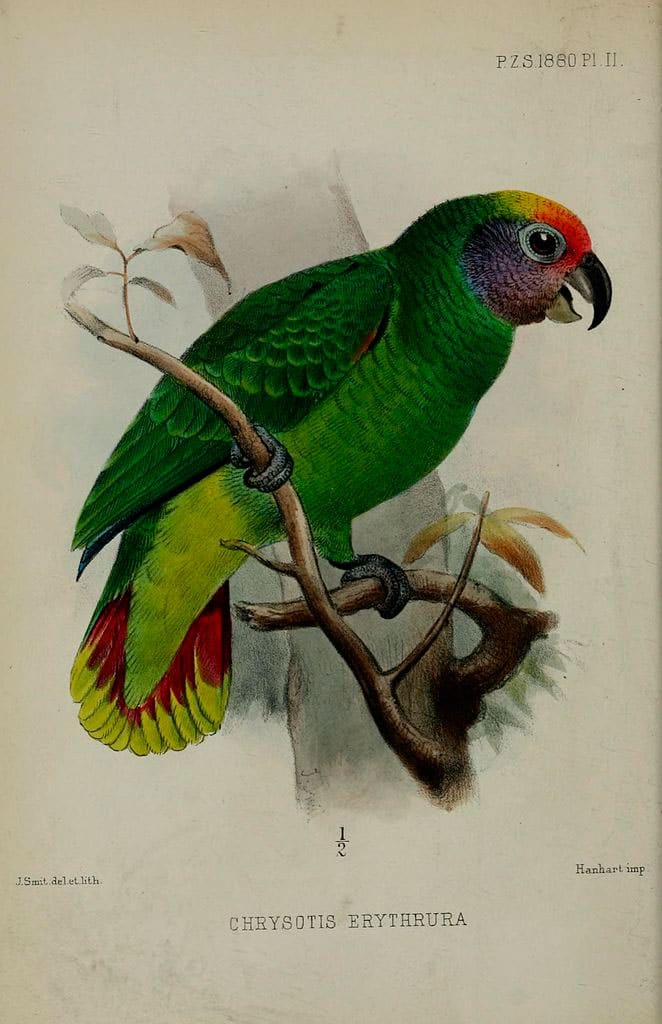
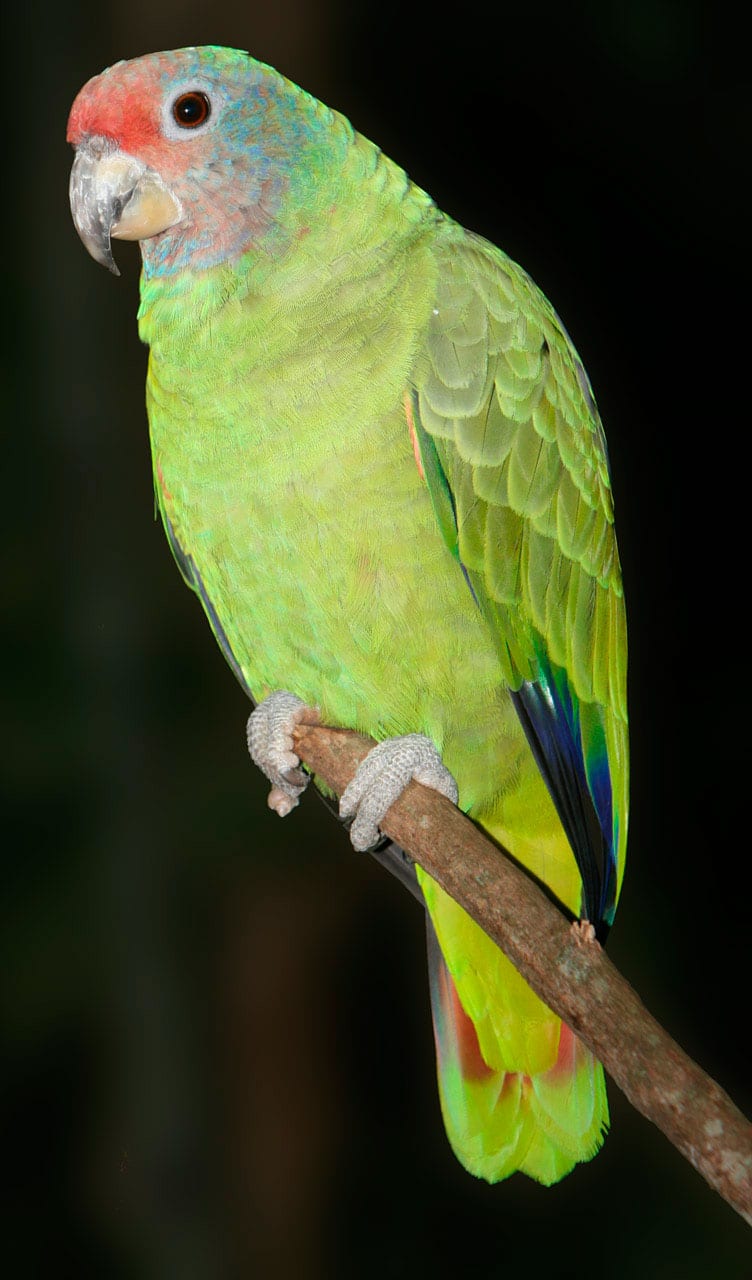
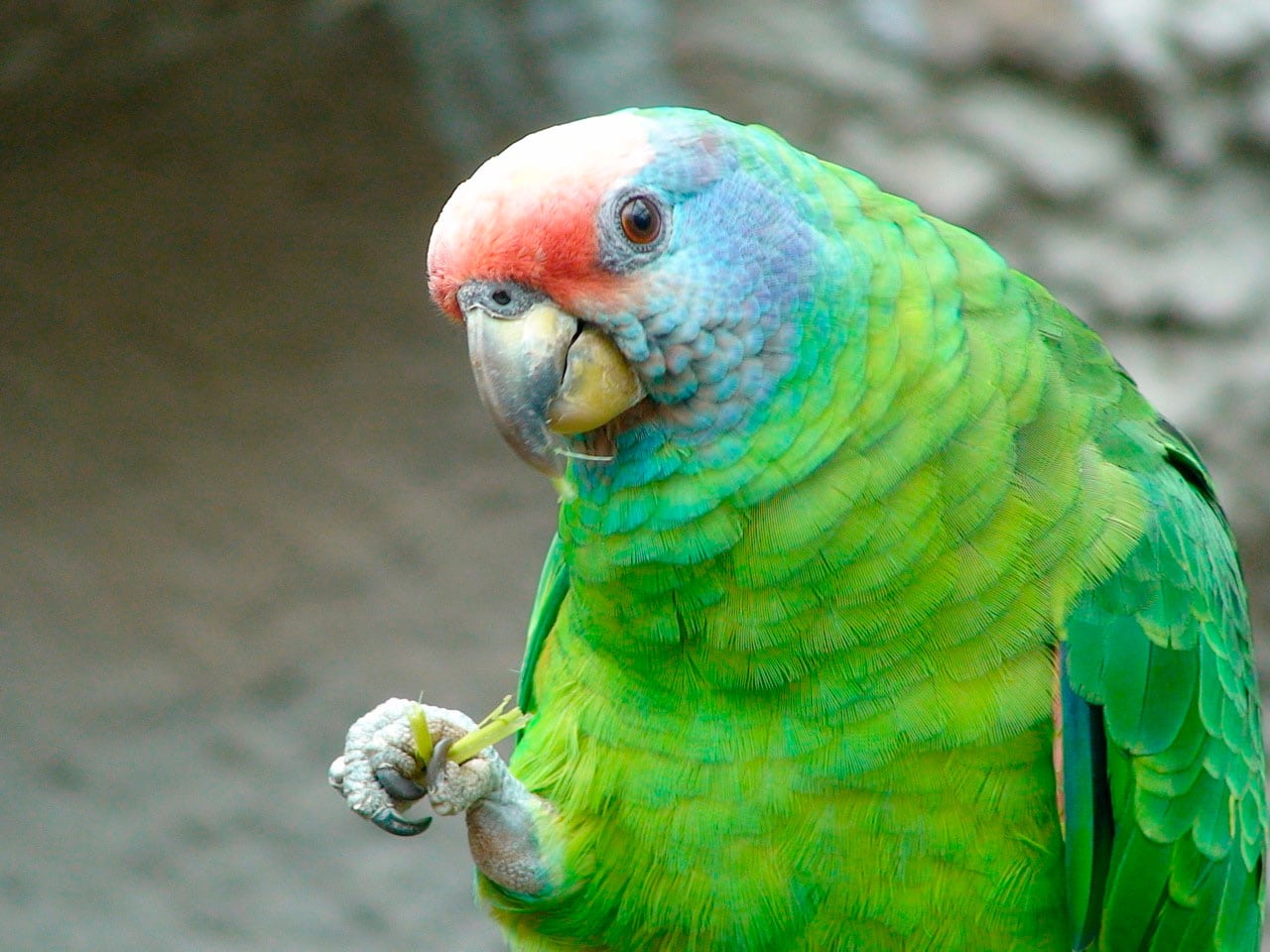
The Red-tailed Parrot (Amazona brasiliensis) has forecrown, front of crown and lores, red; Subsequent red feathers crown with purple tips; cheeks, ear-coverts, sides neck and throat, mauve-blue; back of the crown and nape, green with black tips.

Upperparts green, some feathers rump with yellow points. The median, greater coverts and secondary internal clearly appear yellow; edge front of the wing Red and yellow; primaries grey-black, secondaries green, turning blue towards the tips.


Anatomy-parrots

Under the wings, brighter yellowish green; flight feather of black and blue color on the basis of innerwebs. Underparts brighter yellowish green, paler in undertail-coverts. Tail green with broad greenish-yellow tips, lateral feathers marked basally with purplish-blue on outerweb and tipped yellowish-green with broad subterminal band red.

Red-tailed Parrot

Bill pale horn with dark tip; irises orange; legs pink-gray.

Both sexes are similar. The immature It is less extensive in red head, a plumage darker overall and irises darker.

  • Sound of the Red-tailed Parrot.

taxonomic note:

The molecular study suggests that this species is closest to the Orange-winged Parrot (Amazona amazonica). Previously it thought to form a group with Blue cheeked Parrot (Amazona dufresniana) and Red-browed Parrot (Amazona rhodocorytha), and it has been treated as conspecific with one or both. monotypic.

Habitat:

Video "Red-tailed Parrot"

The Red-tailed Parrot dwells in a restricted area or coastal lowland forest and wetlands with rare species and structural diversity, including moist lowland forests, restinga, freshwater marshes and mangroves. Your preferred coastal habitats have complex channel networks, swamps and wetlands. Trees characteristic of its forest habitat include Luehea and Andira, while the vegetation of the islands, where they sleep and breed, They are dominated by several species Halophyte and formations restinga.

Apparently, some birds are practically living in flooded forests, probably due to increased availability of nests. Sympatric presence and partnership with the Red-spectacled Parrot (Amazona pretrei) in forests Araucaria, probably wrong. Lives in altitudes not exceeding the 300-400 m, Although there are records to 700 metres in Paraná. Forman communal shelters (often in mangroves) during at least part of the year, with more than 750 birds reported at a meeting (1985).

Reproduction:

They nest in the cavity of a living or dead tree, for example, palms Jerivá (Syagrus romanzoffianum) and guanandi (Callophyllum Brasiliense) and occasionally arboreal nests of termites; height generally, but recorded only a nest 1 meter above the floodwater. Usually it played in flooded or swampy areas, including mangroves. breeding season in September to February, in some cases in April. Clutch 5-4 eggs. The eggs are hatch during 27 to 28 days, and the period until nest abandonment is thought to last from 50 to 55 days

Food:

The fruits of Callophyllum Brasiliense They are considered of considerable importance in the diet of the Red-tailed Parrot, with fruits Syagrus romanzoffianum and Psidium cattleyanum also taken in quantity; other registered foods include flowers, fruits of Erythrina speciosa, fruits of Euphorbia and Myrcia and insects in fruit. They feed in pairs or groups up 20 birds.

Distribution and status:

Size of its range (breeding/resident): 10.100 km2

The Amazona Colirroja et is confined to a small area in the southeast coastal of Brazil, in the states of São Paulo and Paraná. In coastal areas São Paulo It extends southwest of Itanhaém, including the isla Long and isla del Cardoso, and virtually all coastal areas of neighboring Paraná, from Guaraquecaba, Antonina and Paianagua, until Guaratuba and several offshore islands adjacent, eg Mel Island.

Possibly they inhabit the extreme northeast Santa Catarina, adjacent to Paraná, but there are no reliable records. An old record Rio Grande do Sul it seems unlikely. possibly some seasonal movements lower in winter (May-August).

The rapid decline in population in the twentieth century it is due in part to the loss of habitat, with most areas densely settled and totally deforested, the remaining threatened are given by urbanization (for example, in isla Long), the felling of trees nesting and feeding, as well as the Palmas for human use (shipbuilding and food) and conversion of wetlands for water buffalo and rice production (birds also face competition from grazing animals for consumption of fruits Erythrina speciosa). But, direct human exploitation of the species is not now a less serious problem, some related to their hunting for food, although most suffer their capture illegal for trade. A recent study 49 showed that nests 41 of them they were illegally stolen their young, while the 1,27% available habitat was lost only in 1993.

Total wild population estimated in 3.600 birds (1995) with rapid decline of several hundreds Predicted. Distribution area probably no more than 6.000 km2, with large parts of this extension susceptible to sea level rise caused by climate change.

protected by national legislation. Live in several areas protected (for example, Isla del Cardoso, Sao Paulo), but in them there is only a very small proportion of birds.

Conservation:

State of conservation ⓘ


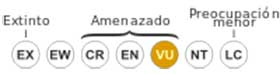
Vulnerable Vulnerable ⓘ (UICN)ⓘ

• Current category of the Red List of the UICN: Vulnerable.

• Population trend: Increasing.

• Population size : 6000-6700.

  • Rationale for the Red List category

The catch for cage bird trade and loss of habitat are the major threats to this species. Despite the heavy pressure to capture the early nineties, It is believed that the range of the species remained essentially the same, and populations have been stable or declined less steeply than feared, According to a recent estimate that suggests a population increase. Due to its small breeding range and highly fragmented habitat, the species qualifies as Vulnerable.

conservation project "Red-tailed Parrot"

Amazona brasiliensis - Puffin of red-tailed - Red Parrot-tailled
  • Justification of the population

The winter counts in 2015 registered 7.464 and individuals in Paraná 1.712 in São Paulo, with both populations continuing to increase (D. Waugh in some ., 2015). The population It is estimated, therefore, between 9.000 and 10.000 individuals, equivalent approximately to 6.000 to 6.700 mature individuals.

  • Justification of trend

It is suspected that the conservation measures long term have contributed to a recent increase in population at a rate unquantified, although habitat fragmentation and poaching remain significant threats (Waugh 2006).

Threats
    In the municipality of Canaanite (a quarter of the distribution of the species) (Freire 1994), has been caught during the breeding period of 1991-1992 for domestic trade and (especially) international with 356 birds. Of 47 controlled nests between 1990 and 1994, six were naturally default and the other 41 stolen by human (Freire 1997). Nest cavities are almost always damaged when the chicks are captured, reducing the number available (Freire 1994). Habitat loss persists for shipbuilding, banana plantations, cattle and buffalo and beach houses (Lalime 1999, Snyder et to the., 2000). They cut the Palmitos for processing in Guaraqueçaba (Lalime 1999). The proposed construction of a bridge to Ilha Comprida increase the pressure of tourism and habitat conversion (Snyder et to the., 2000).
Conservation Actions Underway
    CITES Appendix I and II and protected by Brazilian law. This species is not considered of conservation concern nationwide in Brazil (MMA 2014). They are distributed within 15 protected areas, but these do not apply locally (Freire 1994, Lalime 1999). The Superagui National Park in Paraná, It is a bastion for the protection of the species (R. Bóçon in litt., 2006). The creation of new reserves is hampered by economic interests (Freire 1994). Several programs are increasing local awareness (Freire 1994, Lalime 1999 , Padua et al. 2001). Conservation projects and protected areas created in the area of ​​distribution of species appear to be paying off, although there are still pitfalls. There are herd books and successful captive breeding programs in the European Union and Brazil (Lucker 1998) and the provision of artificial nests and repair of natural nesting cavities is enhancing reproductive success in the wild (Waugh 2006). Conservation Project of the Amazon Redstart is monitoring the population in Paraná (R. Bóçon in litt., 2006).
Conservation Actions Proposed
    Conduct surveys to monitor population trends and support captive breeding programs. Monitoring discount rates for trade. Monitor trade levels. Monitor the rates of loss and degradation of habitat. Apply laws on trafficking, especially in the paths to breeding islands (Lalime 1997, Lalime 1999). effectively protect existing reserves (Lalime 1997, Lalime 1999). formally appoints the Ilha Comprida State Park and Ecological Station Itapanhapina (Snyder et to the., 2000). Expand Superagüi National Park to include Ilha do Pinheiro (Snyder et to the., 2000). Reforest nursery islands (Lalime 1999). Continue and expand awareness efforts (Lalime 1999).

The "Red-tailed Parrot" in captivity:

CITES Appendix I and II and protected by the Brazilian legislation.

Each captive specimen of this species which is capable of reproducing, It is placed in a Program well managed captive breeding and not be sold as a pet, in order to ensure long term survival.

Alternative names:

– Blue-cheeked Parrot, Blue-faced Parrot, Brazilian Green Amazon, Brazilian Green Parrot, Red tailed Parrot, Red-tailed Amazon, Red-tailed Parrot (English).
– Amazone à joues bleues (French).
– Rotschwanzamazone (German).
– papagaio, papagaio-de-cara-roxa (Portuguese).
– Amazona Brasilera, Amazona Colirroja (español).
– Marreco ananai (Brazil)

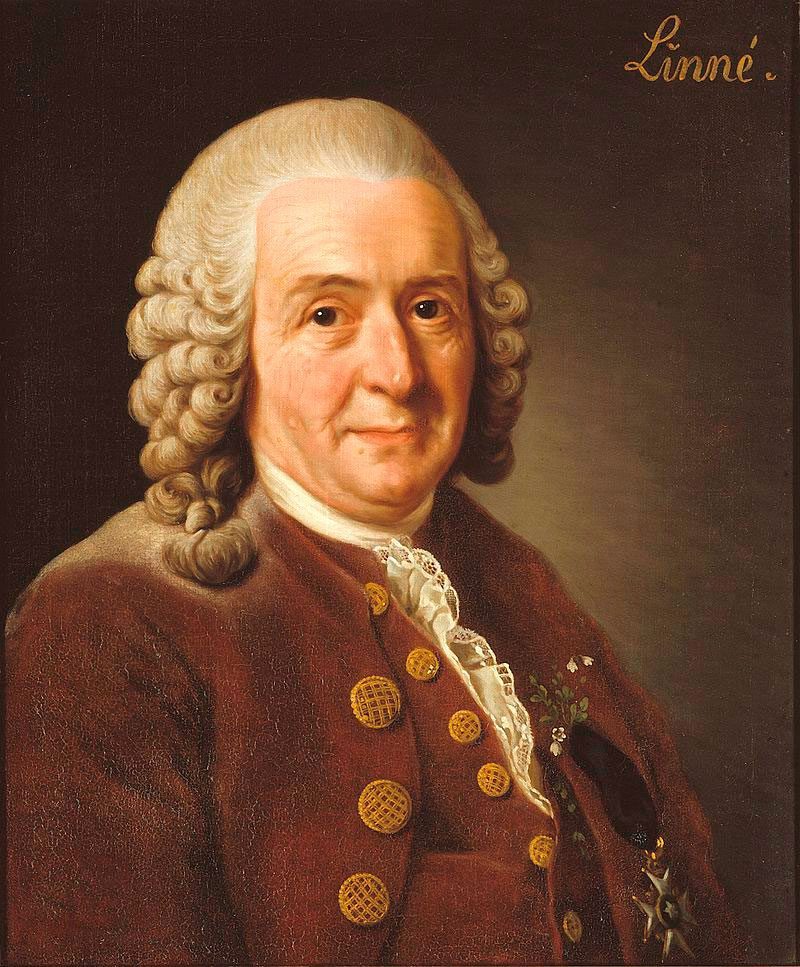
Carl Linnaeus

scientific classification:


– Order: Psittaciformes
– Family: Psittacidae
– Genus: Amazona
– Scientific name: Amazona brasiliensis
– Citation: (Linnaeus, 1758)
– Protonimo: Psittacus brasiliensis


Images Red-tailed Parrot:


Species of the genus Amazona


Sources:

– Avibase
– Parrots of the World – Forshaw Joseph M
– Parrots A Guide to the Parrots of the World – Tony Juniper & Mike Parr
– Birdlife

Photos:

(1) – A Red-tailed Amazon at Parque das Aves, Foz do Iguaçu, Brazil By Kee Yip from Union City, California, USA (IMG_4509_P1040018) [CC BY 2.0], via Wikimedia Commons
(2) – A juvenile Red-tailed Amazon which is grasping something in its right foot, probably to chew or eat it By writhedhornbill (originally posted to Flickr as Red tailed amazon) [CC BY 2.0], via Wikimedia Commons
(3) – Red-tailed Amazon (Amazona brasiliensis) bird Park, Foz do Iguaçu, Brazil By http://www.birdphotos.com (Own work) [GFDL or CC BY 3.0], via Wikimedia Commons
(4) – Red-tailed Amazon at the zoo By Elcio Ferreira [CC BY-SA 2.0], via Wikimedia Commons
(5) – A Red-tailed Amazon at Parque das Aves, Foz do Iguaçu, Brazil By Chad Bordes (Picasa Web Albums) [CC BY 3.0], via Wikimedia Commons
(6) – CHEYSOTIS ERYTHRURA By Zoological Society of London.; Zoological Society of London. [CC BY 2.0 or Public domain], via Wikimedia Commons

Sounds: Antonio Silveira, XC109467. accessible www.xeno-canto.org/109467

▷ The world of Pets: Dogs, cats, birds, reptiles, amphibians

Lord Howe parakeet †
Cyanoramphus subflavescens

Lord Howe Island Parakeet

Content

Lord Howe Island Parakeet

Description:

21-27 cm.. of length and a weight of 80 g..

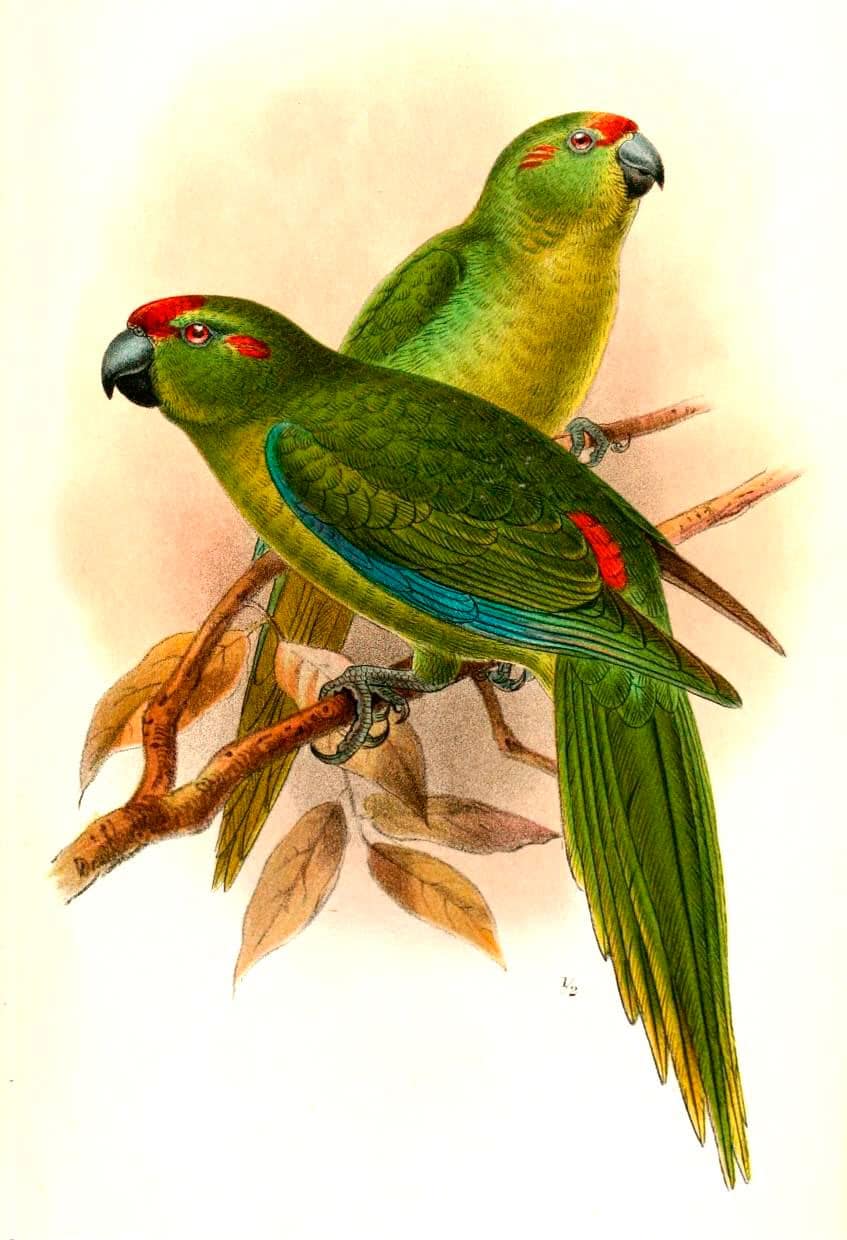
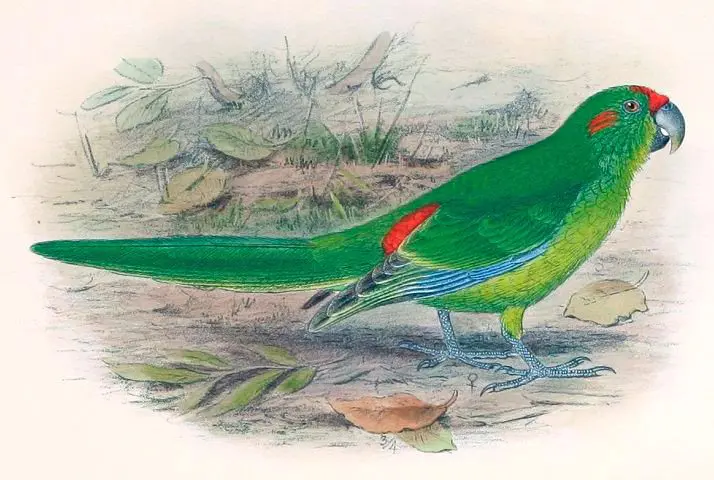
The Lord Howe Island Parakeet (Cyanoramphus subflavescens) was a medium-sized green parrot with a head bright green, the crown crimson red in color and a stripe on the eyes; the eyes were red and bill grey. The upperparts They were bright green with a dark red spot on each side of the rump (usually they are hidden by the wings when resting) and a blue border in wings; the underparts were yellowish green.

Both sexes looked similar, but the female It was smaller.

Taxonomic status:

This taxon is considered a subspecies of Cyanoramphus [novaezelandiae or subflavescens] (sensu lato) by some authors.

In 2012, World Bird List of IOC recognized him as a species [IOC world birdnames Archived 2012-08-06 at the Wayback Machine.].

Habitat:

The Lord Howe Island Parakeet It was occasionally observed in flocks. There is little information on their habitats, They probably lived in inhabited forests and cultivated areas of the Lord Howe Island. No information on the use of different habitats for different activities.

Reproduction:

Nothing is known of sexual maturity, life expectancy and natural mortality of this extinct species. But, It has been estimated that the useful life of the Lord Howe Island Parakeet should be similar to the Norfolk Island Parakeet (Cyanoramphus cookii), About three years. the age of sexual maturity is also known populations of this species, although a juvenile female was seen mating with a male just a week after achieving independence, and captive birds are said to have bred when they were less than a year old.

Little else is known of the breeding of the Lord Howe Island Parakeet, probably reproduced in response to weather conditions and food availability, nesting in tree holes or hollow pipes, in crevices between rocks or cliffs.

Food:

Meal Lord Howe Island Parakeet probably consisted of plant material, as seeds, fruit, buds and leaves of native trees and shrubs. Other extant populations ate mainly seeds, fruits and berries, egg yolks, sprouts and flowers, as well as, occasionally, a small number of invertebrates.

Distribution:

endemic to the isla Lord Howe in the Sea of ​​Tasmania, part of New South Wales, Australia.

Conservation:

• The last record of this species dates from 1869. EXTINCT.

The population declines were mainly due to habitat modification, hunting, poisoning, and the introduction of predators (especially cats and rats).
But, the main threat to the Lord Howe Island Parakeet was the hunting and its capture by settlers. Formerly he abounded in the Lord Howe Island and it was said to be a plague, since it destroyed the crops and orchards of the inhabitants of the island.

There are only two copies of Lord Howe Island Parakeet. From the collection John Gould, taken by John MacGillivray in September of 1853 on tour HMS Herald, and are in the Museum of Natural History [Schodde, R.; & Mason, I.J. (1997). Birds (Columbidae to Coraciidae). In Houston, W.W.K. & Wells, A. (eds) Zoological Catalogue of Australia. Vol. 37.2. CSIRO Publishing: Melbourne. ISBN 0-643-06456-7 p.147.].

Alternative names:

– Lord Howe Island Parakeet, Lord Howe Island red-crowned parakeet, Lord Howe Parakeet, Red-Fronted Parakeet (English).
– Perruche de Lord Howe (French).
– Lord Howe-Laufsittich (German).
– Periquito de Lord Howe (Portuguese).
– Perico de Lord Howe (español).

scientific classification:

Salvadori-Thomas
Salvadori Tommaso

– Order: Psittaciformes
– Family: Psittaculidae
– Gender: Cyanoramphus
– Scientific name: Cyanoramphus subflavescens
– Subpoena: Salvadori, 1891
– Protonimo: Cyanorhamphus subflavescens

Sources:

• Avibase
• Parrots of the World – Forshaw Joseph M
• Parrots A Guide to the Parrots of the World – Tony Juniper & Mike Parr
• Red-crowned Parakeet (Lord Howe Is. subsp.) – profile | NSW Environment & Heritage

Photos:

(1) – Cyanorhamphus subflavescens (Catalogue of the Birds in the British Museum. Volume 20) by John Gerrard Keulemans [Public domain] (2) – Hand coloured lithograph (circa 1928) showing (Cyanorhamphus subflavescens) Which is now a synonym of the Lord Howe Island Red-fronted Parakeet (Gray novaezelandiae subflavescens) From The Birds of Australia (1910-28) by Gregory Macalister Mathews (1876-1949) Artwork by Henrik Gronvold (1858–1940) a Danish bird illustrator. by Henrik Grönvold [Public domain]

▷ The world of Pets: Dogs, cats, birds, reptiles, amphibians

Red-faced Parrot
Hapalopsittaca pyrrhops

Red-faced Parrot

Content


Anatomy-parrots

Description:

23 cm.. height.

The Red-faced Parrot (Hapalopsittaca pyrrhops) It is distinguishable by the intense red in face and pink magenta in shoulder.

Of bill Of course, yellow feathers on the sides of the neck, crown Green with more bluish back.
Dorsally, wing with blue stain and end blackish; tail with blue border.
In flight, wing with armpit red, Blue-Green rest, tail Red with blue tip.
Youth with the face less red.

Habitat:

Rare. It inhabits in the Woods high Andean, near fells, edges and secondary forests, from the 2400 to 3500 m. They are gregarious, usually in pairs or small flocks of 4 to 6 individuals, rarely more.
They are mostly sedentary. But, can arise some movements seasonal altitudinal.

Reproduction:

Nest in the cavities of trees in October-January; the laying of eggs in late November; the chicks are born in early December, and they leave the nest in late January.

Food:

They feed in the canopy of the forest.
Its diet includes outbreaks, flowers, berries and seeds.

Distribution:

Size of the area of distribution (reproduction / resident): 33.800 km2

Inhabits the southern Andes Ecuador and North end of Peru.

Conservation:


Vulnerable


• Current category of the Red List of the UICN: Vulnerable.

• Population trend: Decreasing.

The population is estimated to be a number of 2.500-9.999 mature individuals.

Threats

Its decline is attributed to the destruction and fragmentation of habitat, largely through the conversion of burning forests to small farms (Jacobs and Walker, 1999).

Severe loss of this species can be expected due to deforestation and degradation of forests, by burning and grazing, on Cordillera de Chilla, Loja of Ecuador, although 1995 there were still extensive forest areas (Toyne and Flanagan 1997, Jacobs and Walker 1999).

"Red-faced Parrot" in captivity:

Unknown in the poultry.

Alternative names:

– Red-faced Parrot, Ecuadorian Parrot, Red faced Parrot (English).
– Caïque de Salvin, Caïque à face rouge (French).
– Salvinpapagei, Salvins Zwergpapagei (German).
– Red-faced Parrot (Portuguese).
– Lorito Ecuatoriano (español).
– Loro de Cara Roja (Peru).


scientific classification:

Salvin Osbert
Salvin Osbert

– Order: Psittaciformes
– Family: Psittacidae
– Genus: Hapalopsittaca
– Scientific name: Hapalopsittaca pyrrhops
– Citation: (Salvin, 1876)
– Protonimo: Pionopsitta pyrrhops

Images "Red-faced Parrot"

Videos "Red-faced Parrot"


"Ecuadorian Lorito" (Hapalopsittaca pyrrhops)


Sources:

  • Avibase
  • Parrots of the World – Forshaw Joseph M
  • Parrots A Guide to the Parrots of the World – Tony Juniper & Mike Parr
  • Birdlife
  • Parrot Book, Parrots and macaws Neotropical

  • Photos:

(1) – Red-faced Parrot (Hapalopsittaca pyrrhops) by Dusan M. Brinkhuizen – IBC

▷ The world of Pets: Dogs, cats, birds, reptiles, amphibians

Black-winged Lory
Eos cyanogenia

Lori Alinegro

Content

Description

30 cm.. height and an approximate weight of 120 gr.

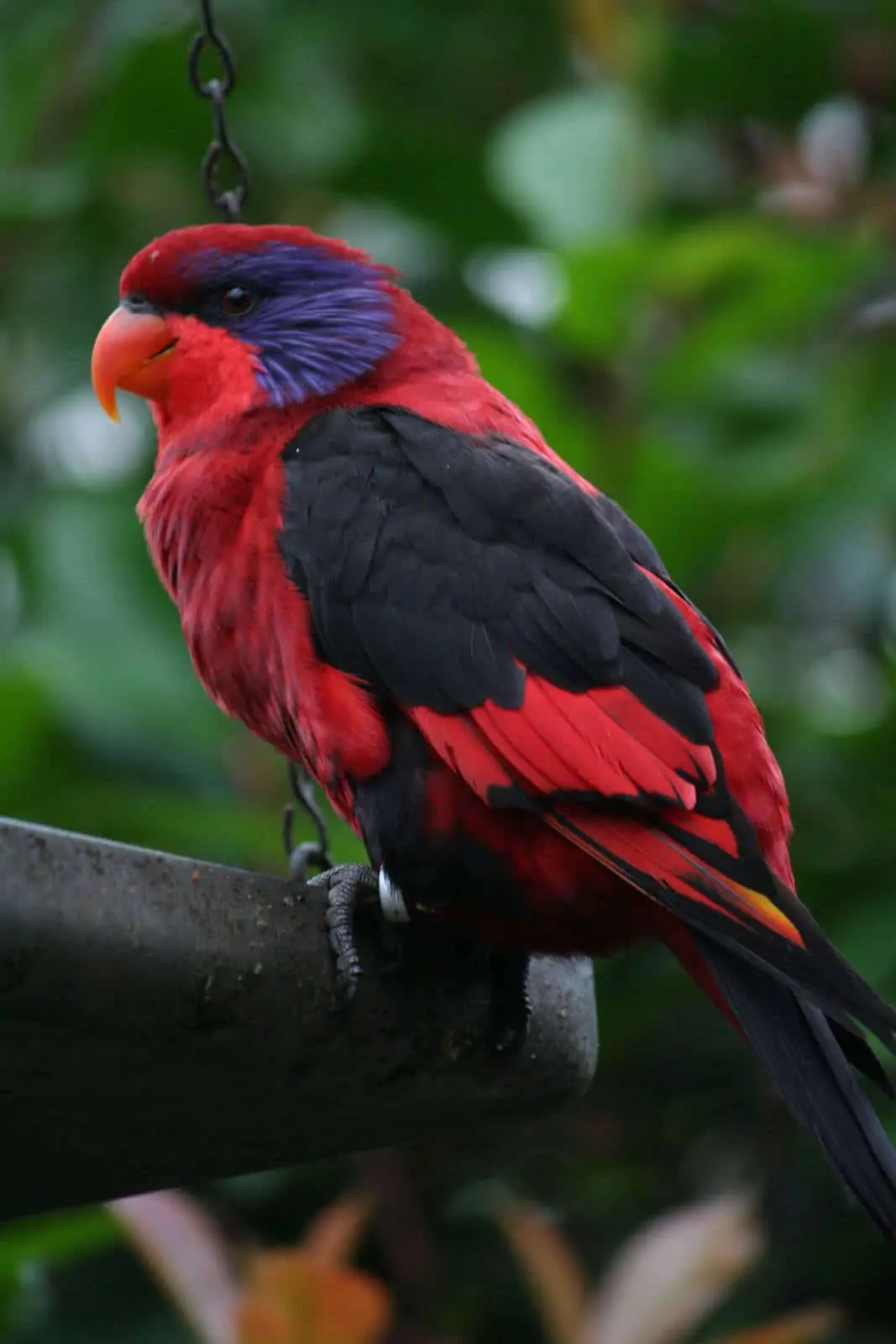
The Black-winged Lory (Eos cyanogenia) has a plumage predominantly red.

Adults have a blue patch surrounding the eyes, cover the tops of the ear and reaches the back of the neck.

Feathers covering the shoulder blade (scapular), small feathers that cover the outside (coverts) and bend of wing are black. The primary and high school they have a black bordered.

The the thighs and flanks they are sprinkled with black. The bottom of the wings shows a wide band Red. The feathers of the tail are black contrasted with red feathers.

The bill is red-orange. The irises they are red, legs grey.

The youth they are more muted than adults. They have blue-black ends in feathers of the head, neck and underparts. The the wing covers are black, with a green light opaque. The bill is of color brown orange, irises brown.

The Black-winged Lory It can be confused with almost all parrots of the genus Eos, but it is the only one of this category that has the covered wing in black color.

Habitat:

The Black-winged Lory they are quite common and widespread in coastal areas, coconut plantations, the forested areas in the process of regeneration, in some large trees scattered in bushes Moors and local gardens.

In some small islands such as Supiori, they are also present in large numbers in inland forests.

Residing in altitudes ranging from sea level to the 460 m.

They live in pairs or in small family groups. They are also often found in flocks of forty individuals or more.

Son noisy birds and easily observable. At the local level are very popular. In the reflection of both, the natives capture them frequently as pet birds.

The Black-winged Lory they have a fly quick and direct. Often you can hear the hum of their wings when they fly over the villages. They are even more recognizable when they often fly low, well below the tops of the trees.

Reproduction:

Little is known of their reproductive ecology., but it was observed the presence of a possible nesting site in a hole in a tall tree in the forest by a couple during the observations in 1982.

The incubation in harsh captivity around 26 days, and as in all loris, the nesting cycle is particularly long and hard between 75 and 89 days.

Food:

They have a regime that differs little from other parrots of the genus Eos. Feed in the trees in flower of nectar of Brugierto and pollen. Your menu will probably be complemented by fruit, berries of the mistletoe and sometimes insects.

Distribution:

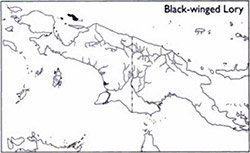
Distribution Lori Alinegro


Being endemic to the islands of the Cenderawasih Bay in the part Indonesia of New Guinea.

They live on most islands (Numfor, Biak, Manim, Pulau Num) but are absent from Yapen, the main island, where are replaced by the Dusky lory (Pseudeos fuscata).


Conservation:


Vulnerable

– Current IUCN Red List category: Vulnerable

– The population trend: Decreasing

The population is estimated at 2,500 to 9,999 mature individuals.

Logging and subsistence agriculture have driven the loss of forests within their range and the hunting pressure remains a threat. Consequently, the species is suspected to be declining at a moderate pace.

Relatively large numbers of birds have been trapped for the national and international trade.

Since December of 1989, the import of the Black-winged Lory It is strictly prohibited in the European Community.

Conservation Actions Proposed:

– Conduct surveys on all the Geelvink Islands to clarify its distribution and current population status.
– Investigation of their ecology and movements to facilitate conservation planning.
– Investigate the species trade and design and implement appropriate controls.
– Estimating the rate of loss of forests within its range.
– Check the register in Supiori and establish a captive breeding program to support future reintroduction and supplementation efforts.

"Black-winged Lory" in captivity:

This species is observed commonly as a pet in Biak (island located in the bahía Paradise, off the north coast of Papua).

Due to its status in danger of extinction, any specimen that can not be returned to their natural habitat (natural range) should preferably be placed in a well-managed breeding program to ensure the survival of the species.

Alternative names:

– Black winged Lory, Biak Red Lory, Black-winged Lory (ingles).
– Lori à joues bleues (French).
– Schwarzschulterlori (German).
– Lóris-asa-negra (Portuguese).
– Lori Alinegro, Lori de Alas Negras (español).

scientific classification:

– Order: Psittaciformes
– Family: Psittaculidae
– Scientific name: Eos cyanogenia
– Citation: Bonaparte, 1850
– Protonimo: Eos cyanogenia

«Lori Alinegro» images:

Videos "Black-winged Lory"

————————————————————————————————-

«Lori Alinegro» (Eos cyanogenia)


Sources:
– Avibase, Oiseaux.NET, BirdLife.org
– Photos: galleryhip.com, Sheri Hanna
– Sounds: Hans Matheve (Xeno-canto)

▷ The world of Pets: Dogs, cats, birds, reptiles, amphibians

Musk Lorikeet
Glossopsitta concinna

Musk Lorikeet

Content

Description

20 to 23 cm.. length and a weight between 52 and 56 g..

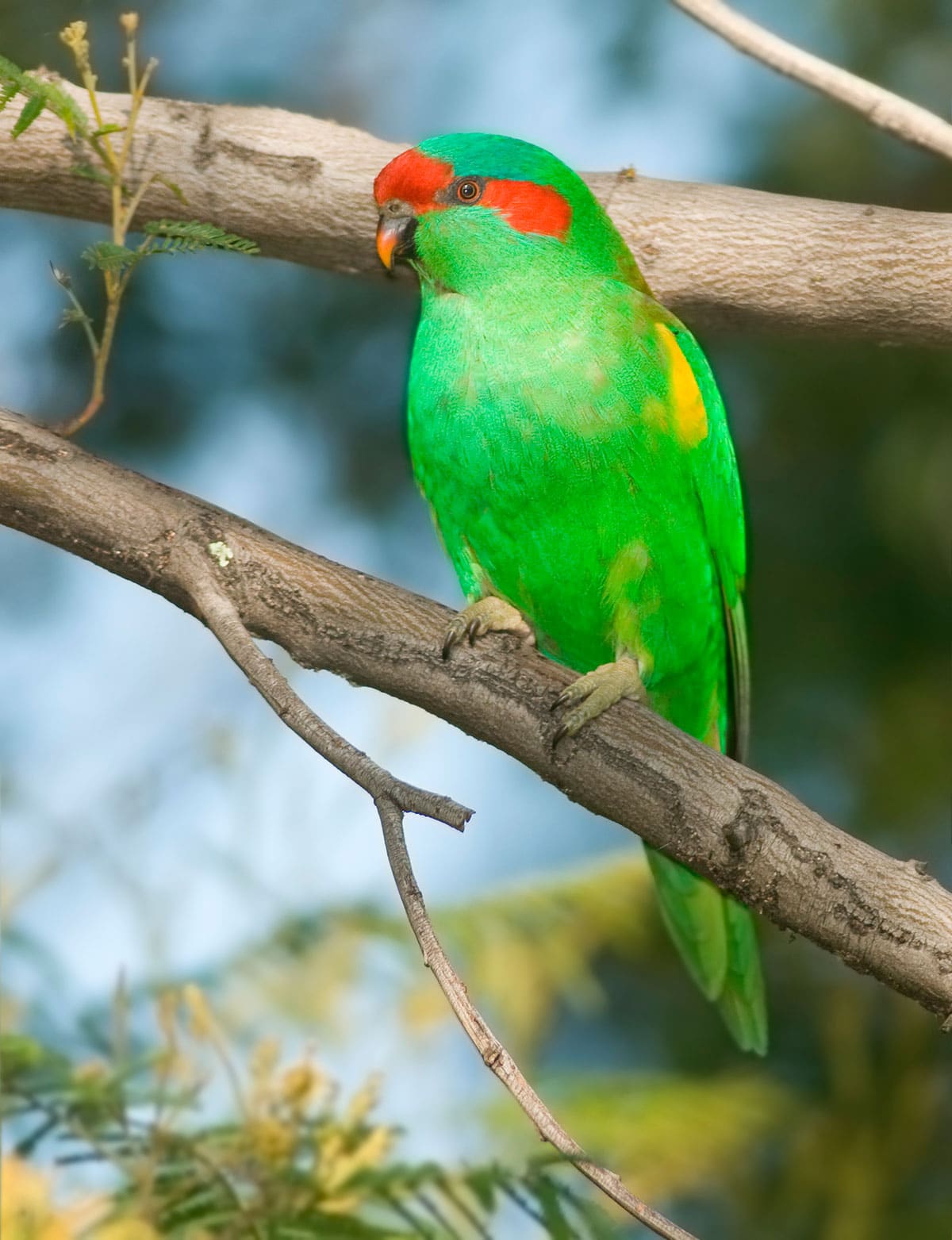
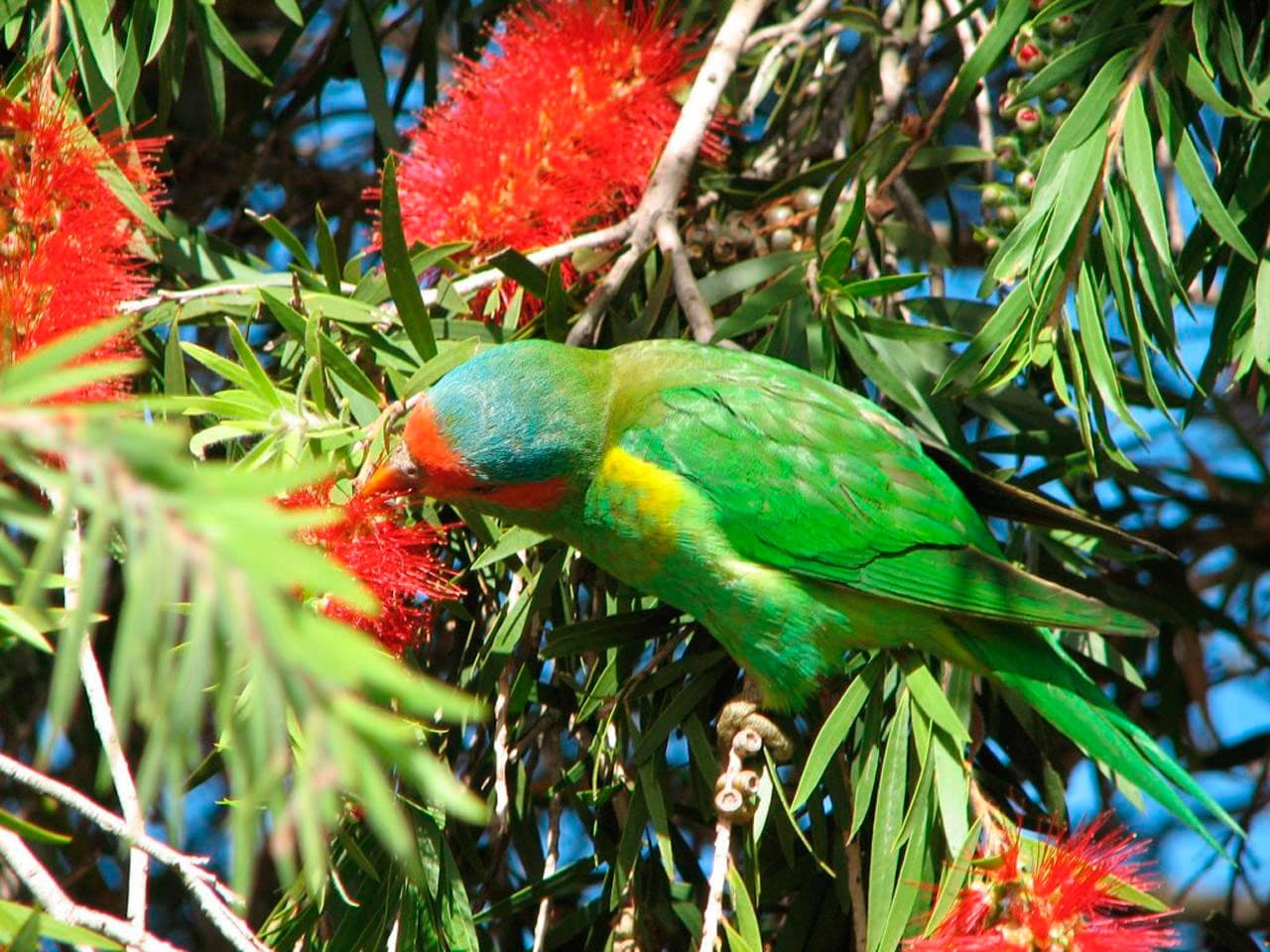
The general plumage of the Musk Lorikeet (Glossopsitta concinna) is green.

The part forward of the crown, lores and coverts headphones are of color Scarlet. Top of the head and cheeks, of color green impregnated of Turquoise under eye. The underparts of color green with a washed Brown olive around the sides of the chest. Green bright it rump. Wing coverts green, flight feather of color gray to black and a band of color yellow in the area of the shoulders. The feathers of the tail with brands reddish orange.
Part back from the neck yellowish green. Beside the edges of the wings colour yellow. Bill black-tipped Red. The irises Orange and the legs greenish Brown.

The blue area in the crown of the female It is smaller and paler which in the male.

The name of the species derives from a musky odor that is said to emit these birds.

Subspecies description:

  • Glossopsitta concinna concinna

    (Shaw, 1791) – Nominal.


  • Glossopsitta concinna didimus

    (Mathews, 1915) – Less blue in the crown, nearly absent in the female.

Habitat:

Seasonally nomadic Depending on the flowering of the eucalyptus, at least at the ends of their range.
Found in many habitats of open forest, agricultural and suburban areas, including forests of eucalyptus, dry forests, dense rainforest (particularly in Tasmania) and riparian forests.

It avoids the high open woods and high altitude. Often found in large flocks of more than one hundred of individuals, where couples who form strong bonds, they often live together. It is extremely trusting when feeds.

Flocks have been seen, frequently, flying at high altitude.

Reproduction:

Season of mating from August to January. The nests they are built in holes of eucalyptus. The two eggs are incubated for about 25 days and the young leave the nest between 6 and 7 weeks after hatching.

Food:

like most others Lori, the diet consists in nectar and pollen, as well as small fruits and some insects. They can RAID orchards, vineyards and crops, forming herds with the Swift Parrot (Lathamus discolor) and other gender lori Glossopsitta.

Distribution:

Size of the area of distribution (reproduction / resident): 664.000 km2

The Musk Lorikeet are located in the East of New South Wales, Victoria, South of Australia and Tasmania.

Subspecies distribution:

  • Glossopsitta concinna concinna

    (Shaw, 1791) – Nominal.


  • Glossopsitta concinna didimus

    (Mathews, 1915) – Tasmania, sometimes King Island. Small population wild in Perth.

Conservation:


minor concern

• Current IUCN Red List category: Least concern

• Population trend: Stable


The world population It has not been quantified, but the species is reported be very common (pit et to the. 1997).

The population suspected to be stable in the absence of evidence of any reduction or substantial threats.


"Musk Lorikeet" in captivity:

Rare out of Australia, small number in the aviaries of United States and United Kingdom.

A delight, playful, more quiet that the Iris Lorikeet; they can imitate sounds; a bit messy due to a diet of nectar.

Alternative names:

– Musk Lorikeet (ingles).
– Lori à bandeau rouge, Loriquet musqué (French).
– Moschuslori (German).
– Loris Musk (Portuguese).
– Lori Almizclero (español).

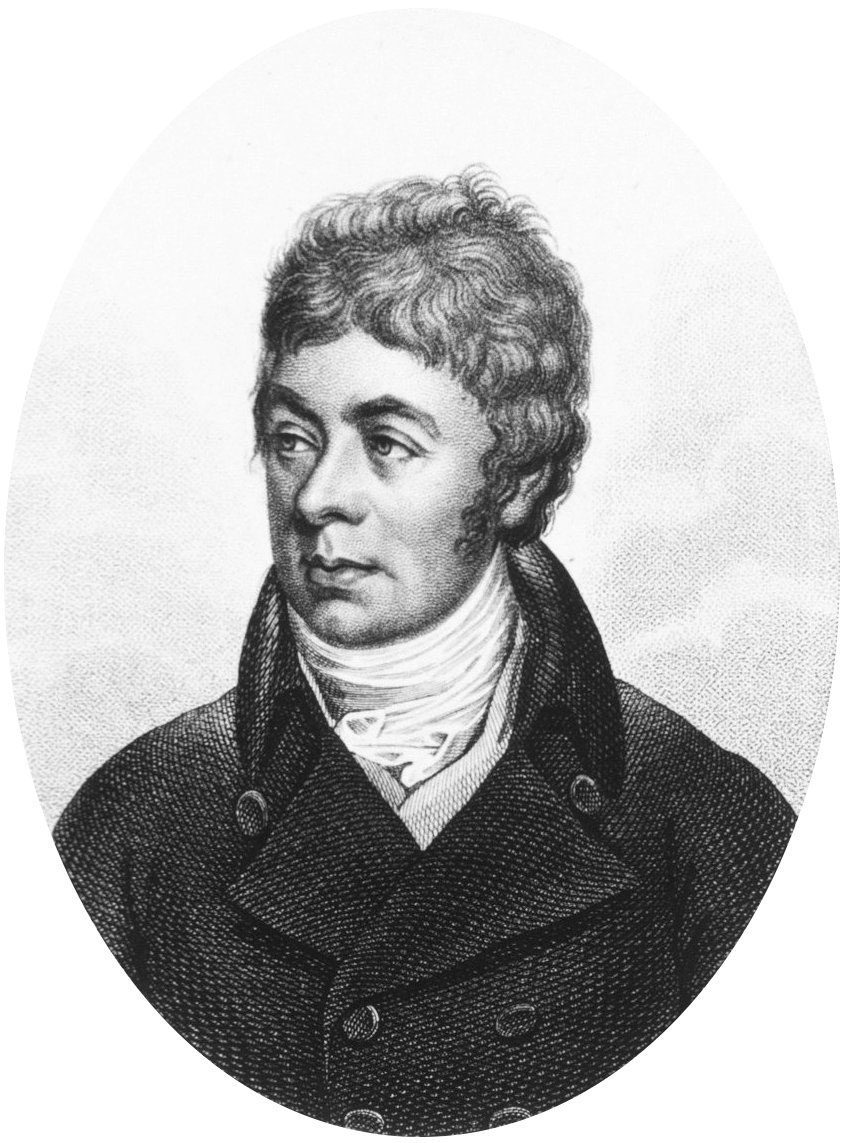
George Shaw
George Shaw

scientific classification:


– Order: Psittaciformes
– Family: Psittaculidae
– Genus: Glossopsitta
– Scientific name: Glossopsitta concinna
– Citation: (Shaw, 1791)
– Protonimo: Annual parrot


Images «Lori AlmizClero»:

Videos "Musk Lorikeet"


«Lori Reader» (Glossopsitta concinna)


Sources:

Avibase
Parrots of the World – Forshaw Joseph M
Parrots A Guide to the Parrots of the World – Tony Juniper & Mike Parr
BirdLife.org

Photos:

1 – By JJ Harrison (jjharrison89@facebook.com) (Own work) [GFDL 1.2 or CC-BY-SA-3.0], via Wikimedia Commons
2 – By Steve (originally posted to Flickr as Musk Lorikeet.) [CC-BY-SA-2.0], via Wikimedia Commons
3 – free-pet-wallpapers.com
4 – «Musk Lorikeet 2" Of JJ Harrison (jjharrison89@facebook.com) – It operates propria. With license CC BY-SA 3.0 Transact Wikimedia Commons.
5 – Image: Steven Kuiter – biodiversitysnapshots.NET.au

Sounds: Marc Anderson (Xeno-canto)

▷ The world of Pets: Dogs, cats, birds, reptiles, amphibians

Meek's Lorikeet
Charmosyna meeki

Content

Description

Of 16 cm.. length and a weight between 23 and 32 g..

Meek's Lorikeet

The head of the Meek's Lorikeet (Charmosyna meeki) is bright green, more yellowish in the Chin and throat, darker on crown and streaked on ear coats; patch of dark green blue above and in front of the eye. Green upper parts with fused olive through the mantle.

The wings of green at the top. Under the yellowish-green wing coverts. The yellowish green underparts, lighter in the back and more yellow from the chest to the belly. Top of tail dark green with yellow tip; the yellow bottom. Orange peak; pale red irises; legs Orange.

Both sexes are equal. Immature with the paler beak with base brown color and shorter tail.

Habitat:

Nomad. It is distributed in the humid hills and montane forests, but they have also found found in lowland coconut palms. Usually found alone or in small flocks of about of 10 to 15 birds flying through or above the forest cover. Larger groups can gather in the blooming of trees to feed on pollen and nectar. It can be associated with other parrots as the Duchess Lorikeet, Finsch's Pygmy-Parrot, Yellow-bibbed Lory and Coconut Lorikeet

Reproduction:

Information is not available.

Food:

Its diet includes pollen and nectar.

Distribution:

Endemic to the mountains of the largest islands in the Group of Solomons: Bougainville, New Georgia, Malaita, Kolombangara, Guadalcanal and in the past Santa Isabel. Moves starting from the 300 m, until the 1.700 m, but reportedly rarely in the lowlands or above 1.200 m. The world's population is believed to be below 50,000 exemplary but probably stable.

Conservation:


Near-threatened

• Current IUCN Red List category: Near threatened
• Population trend: Decreasing

The size of the world's population has not been quantified, It is believed that it is below 50,000 specimens, but the species is described as abundant at the Summit of Kolombangara.

There is still no evidence of a decline in its population, but would be threatened by any future large-scale export trade

"Meek's Lorikeet" in captivity:

They are not known to be in captivity.

Alternative names:

– Meek’s Lorikeet (ingles).
– Lori de Meek (French).
– Salomonenlori (German).
– Lori de Meek (español).

scientific classification:

– Order: Psittaciformes
– Family: Psittaculidae
– Scientific name: Charmosyna meeki
– Citation: (Rothschild & Hartert, 1901)
– Protonimo: Hypocharmosyna meeki

Lori Meek images:

————————————————————————————————

"Lori de Meek" (Charmosyna meeki)


Sources:

– Avibase
– Parrots of the World – Forshaw Joseph M
– Parrots A Guide to the Parrots of the World – Tony Juniper & Mike Parr
– Birdlife

– Sounds: Mark Todd (Xeno-canto)

▷ The world of Pets: Dogs, cats, birds, reptiles, amphibians

Wallace's hanging parrot
Loriculus flosculus

Wallace's hanging parrot

Content

Description

11 to 12 cm.. length.

The head of the Wallace's hanging parrot (Loriculus flosculus) is green. Upperparts green with faint orange on the back of the neck; rump and uppertail-coverts red.

Wings green above. Chin red; rest of the underparts green, lighter in undertail-coverts. The tail, at the top, green color with a lighter Green Tip; ends of the lateral feathers, orange-red: Under, the tail bluish green. The bill red; Orange the irises; legs yellowish-orange.

Female with red chin reduced or nonexistent.

Immature with the red chin smaller. The color of the bill and legs more off.

Habitat:

Seem to need the humid mountain forests semi-evergreen. Birds have been seen in fruit trees, and outside the breeding season they gather in small flocks of up to 20 birds. Its altitudinal distribution seems to be closely linked to the distribution of fruiting figs.

They easily unnoticed due to its small size and green plumage, and they are most often in flight when they can be identified by the size, strident calls and the buzz of the rapid flapping. They are most frequently, flying above the canopy.

Reproduction:

There are no data from the reproductive process in nature.

Food:

Most sightings in 1993, the Wallace's hanging parrot they were in the fig tree in fruit trees, and dependence or specialization in this food resource is more than likely.
Its diet includes, In addition, nectar, outbreaks, flowers and seeds.

Distribution:

Size of its range (reproduction / resident): 13.400 km2

Endemic to Flowers. Found at semi-annual primary forest at an altitude between 400 and 980 m (more between 850 and 980 meters during the fructification of the Ficus figs) during observations on 1993. These birds were recorded in the area of Tanjung Kerita Mese, about Paku, to the East of Flowers and proposed as protected area.

Conservation:


Endangered


• Current IUCN Red List category: Danger

• Population trend: Decreasing

The habitat destruction through the combined effects of collecting firewood, the logging, timber extraction for construction materials and authorization for Agriculture, together they represent more relevant threats. Loss and fragmentation of forests is already widespread in Flowers, where there are semi-annual forest below 1.000 meters included within officially protected areas. These threats are exacerbated by the expansion of human population, with large volumes of wood necessary for housing construction, and the fact that there is little or no government enforcement of laws. Wet deciduous forest, it is currently being extensively destroyed through land grabbing and the establishment of agricultural areas., a factor that is inevitably shrinking the reach and the population of this species. Forest clearing continues on the coastal strip to make way for crops, and illegal logging continues in protected areas.

The population is estimated at a number of 2,500-9,999 mature individuals based on an assessment of the known records, descriptions of the abundance and range size.

Two recent studies have focused on endemic birds of Flowers. Two sites in which inhabits this species for the establishment as protected areas are proposed: Tanjung Kerita Mese and Egon Iliwuli (in Gunung Egon).

"Wallace's hanging parrot" in captivity:

Very rare in captivity.

Alternative names:

– Wallace’s Hanging-Parrot, Flores Hanging-Parrot, Wallace’s Hanging Parrot (ingles).
– Coryllis de Wallace (French).
– Florespapageichen, Flores Papageichen (German).
– Lorículo do Flores (Portuguese).
– Lorículo de Flores (español).

scientific classification:

– Order: Psittaciformes
– Family: Psittaculidae
– Genus: Loriculus
– Scientific name: Loriculus flosculus
– Citation: Wallace, 1864
– Protonimo: Loriculus flosculus

Images:

————————————————————————————————

Wallace's hanging parrot (Loriculus flosculus)


Sources:

– Avibase
– Parrots of the World – Forshaw Joseph M
– Parrots A Guide to the Parrots of the World – Tony Juniper & Mike Parr
– Birdlife

– Photos:

(1) – by © Hanom Bashari – Oriental Bird Club

– Sounds: Allen T. Chartier (Xeno-canto)