▷ The world of Pets: Dogs, cats, birds, reptiles, amphibians

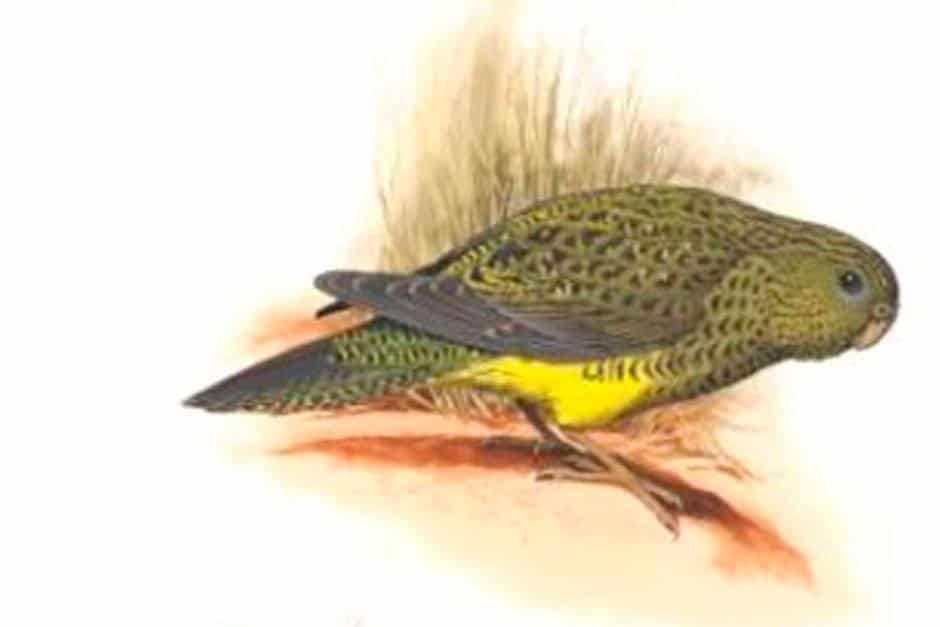
Night Parrot
Pezoporus occidentalis

Night Parrot

Content


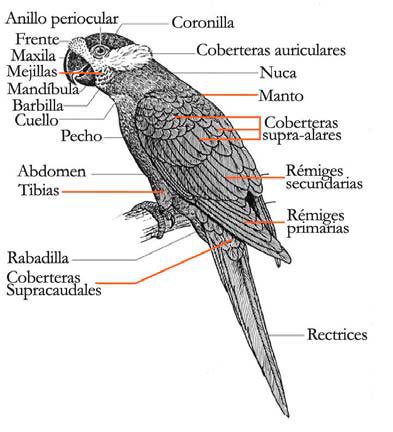
Anatomy-parrots

Description

22 to 25 cm.. length

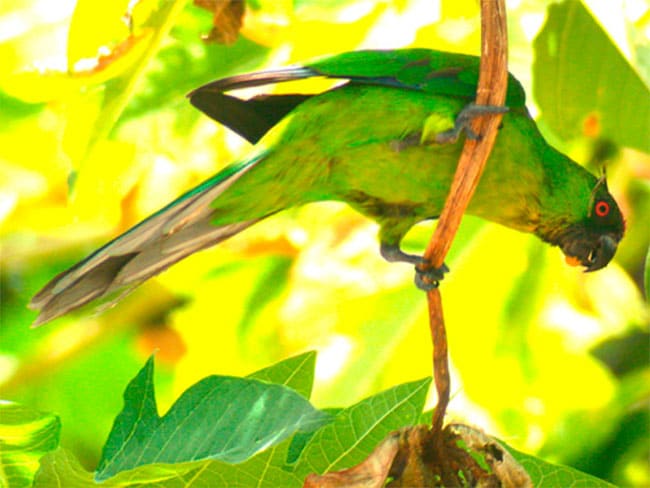
The Night Parrot (Pezoporus occidentalis) It is one of the most elusive and mysterious world of birds.

They have a bill plane, similar to the of the Kakapo (Strigops habroptila), without the apparent hook of the upper jaw. They have feathers around the cere. The tail is short. The legs are relatively elongated, indicating its good predispositions to walk.

The male and female they are similar.

In adults, the upperparts they are generally yellowish-green with dark brown cryptic spots, black and yellow. The front of the neck is greenish yellow. The chest and flanks they have discreet black and yellow stripes. Belly and coats are bright yellow. The flight feather are pale yellow, forming a thin stripe on the lower part of the wing. The central tail feathers are green with a strong yellowish brown shade. The bill is grey-brown, black eyes. Legs long claws dark grey.

In the wild, the Night Parrot It can be confused with the kakapo Parrot, If not we are looking too details which differentiates them.

Habitat:

The Night Parrot It attends a wide variety of habitats in arid or semi-arid land. They are mainly in places where the herbs grow in clumps on rocky peaks, also in the steppes composed of thickets of quenopodios. They also feel a great attraction for the Rock Samphire (A maritime rhythm), plants that are highly resistant to drought and salt.

They are known to flee to the interior areas of Muehlenbeckia, which have a dense foliage. The most recent reports do not come from the areas of Spinifex. It seems that new techniques of fire used to create firewall, They allow you to create favourable conditions for this parakeet.

The night Parrot almost never fly, except when looking for sources of water. To observe them, What has become extremely rare, We must look to the ground, in areas which consists almost exclusively of grasses of the genus Spinifex.

after dark, They fly a short distance until they find a fresh water pond. Once he has satisfied his thirst, they return to the infeed zone.

There is no certainty about the movements of this parakeet. It can be nomadic, Perhaps sedentary. No doubt depend on the climate and territory who attends them. Formerly, when the number of Night Parrot were still substantial, stocks were fluctuating seasonally.

At the end of the 19th century, in Southern Australia, groups of fifteen individuals were local irruptions, a signal that were sensitive to the favorable climatic conditions or were found in the alternative storage sites whose resources were relatively abundant.

All these considerations must be taken with great moderation for the following reason: the well-established notion that birds move through the Plains Spinifex in the direction of places full of thickets of quenopodios according to seasons and seed resources, not always been confirmed in recent reports.

Reproduction:

We know very little about the reproductive habits of this bird. The season of nesting is in July or August. The nest It is a kind of platform built with pieces of wood, on the ground or at low altitude. It is placed in a cavity that has been enlarged and which is accessed by a tunnel whose entrance is in a tuft of grass.. Its diameter is of some 8 centimeters. According to the previous data, the spawning usually contains 4 or 5 eggs. The time of incubation It is unknown.

Food:

The Night Parrot mainly consumed seeds of Spinifex (Triodia). Recent and circumstantial reports, indicate also the absorption of deciduous plants family leaves Poaceae as Enneapogon purpurascens.

Distribution:

Size of the area of distribution (reproduction / resident): 26.300 km2

The Night Parrot (Pezoporus occidentalis) are confined in the arid interior of Australia. Samples or reports come from all Australian States, especially in the Center and North of Western Australia (Mount Farmer, Nichol Spring, to the North of Glenayle, South of Kimberleys and to the West of the cue district), Southern Australia (Lake Eyre, to the South of Oodnadatta, Gawler Ranges, the Eyre Peninsula and Coopers Creek), Northern Territory South-Central and North-Western (Mac Donnell Ranges, Tanami desert), and to the southwest of Queensland (Lake Muncoonie and the surrounding areas of Boulia).

There is a report of 1913 that places them around Murrayville and Cowangie, Victoria, and another around of Ross Springs between 1954 and 1959. There is also a register of 1.897 that placed them in District of Oxleand, New South Wales.

The species has never been common, but it was more frequently toward the end of the last century (for example, 16 sightings in the region of the Lake Eyre, Southern Australia, in the decade of 1870). Due to marauding habits, many sightings remain unconfirmed, and this makes it difficult to assess its true condition. Even so, It seems certain that the population is declining. The cause of this is unknown, but it may be related to the introduction of predators such as cats, Rats, dogs or foxes. Changes in fire regimes, as well as the introduction of camels, they have also influenced its decline.
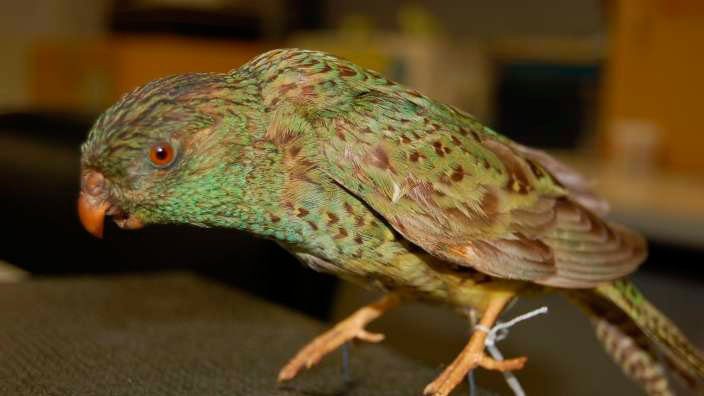
Night Parrot
The Night Parrot seen only as museum specimens for 25 are not extinct. To cat-killed Night Parrot was recovered recently in western Queensland, Australia. (South Australian Museum)

There have been reports in every decade since its discovery, and all states in recent years, except Victoria (the last record was in 1950). The most notable recent sighting was of four birds in the eastern side of the cooper river, to 8 km to the East of the Lake Perigundi, Northeast of Southern Australia, in June of 1979. The birds were arrebolados in tangled shrubs, Sclerolaena intricata and flew away before perederse in the dense forests of Muehlenbeckia florulenta. In 1990 a long dead individual, It was the first specimen in a Museum from the Decade of 1880, was collected in the southwest of Queensland,to 36 km to the North of Boulia. A more recent record of these birds (between March of 1992 and June of 1993) He was picked up in the South of Cloncurry, about 150 km to the North of the area where the dead bird was found, which confirms the local persistence of this species.

The global population is unknown, but it can be very small and is likely to be declining. There are none in captivity.

The Night Parrot has been the subject of a legal protection in Australia since 1937.

Conservation:
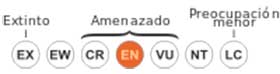

Endangered


• Current category of the Red List of the UICN: Danger

• Population trend: Decreasing

After no record is confirmed from 1990, despite several exhaustive searches and publicity campaigns, This species was rediscovered in 2005 in the region of Pilbara in Western Australia, and a dead juvenile was found in the Diamantina National Park, Queensland in 2006.

It is likely that they have decreased as a result of a series of threats, and the remaining population can be very small and possibly subject to extreme fluctuations.

Based on the records of 2005 and 2006, and because of the shortage of sightings, a Committee of experts concluded that the species was in danger of extinction.

The population of the Night Parrot is supposed to be very small, and is estimated at less of 50 mature individuals based on the scarcity of records. In 2010 a Committee of experts re-evaluó given records of Western Australia in 2005 and Queensland in 2006, and estimated that there could be 50 to 250 birds in total (Garnett et to the. 2011). Therefore, the number of mature individuals is placed in the band of 50-249, but it can become something bigger.

The population It is suspected that it may be in decline due to a combination of threats, including predation by invasive exotic predators.

If a population can be located, the following measures could be introduced:

    • a research and monitoring program
    • control of wild animals in and around the place where the population of the Night Parrot
    • patch burning to limit the possibility, or to prevent the occurrence of fire in the place of the population until better understanding of the situation and the ecological needs of the population
    • minimize disturbance to the population site, which could include leaking information to the public, and the establishment of agreements with landowners and land managers.
    • establish a captive breeding program (Blyth 1996; Garnett and Crowley 2000).

"Night Parrot" in captivity:

There are no records of this bird in captivity.

Alternative names:

– Night Parrot (ingles).
– Perruche nocturne (French).
– Höhlensittich (German).
– Periquito-de-barriga-laranja (Portuguese).
– Perico Nocturno (español).

scientific classification:
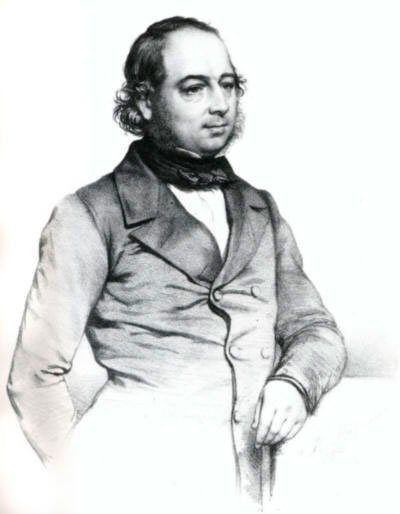
John Gould
John Gould

– Order: Psittaciformes
– Family: Psittaculidae
– Genus: Pezoporus
– Scientific name: Pezoporus occidentalis
– Citation: (Gould, 1861)
– Protonimo: Geopsittacus occidentalis

Images "Night Parrot"

"Night parakeet" (Pezoporus occidentalis)

Sources:

  • Avibase
  • Parrots of the World – Forshaw Joseph M
  • Parrots A Guide to the Parrots of the World – Tony Juniper & Mike Parr
  • Birdlife

  • Night parakeet photos:

(1) – 1971 painting of a night parrot by William Cooper – Enlace
(2) – The Night Parrot seen only as museum specimens for 25 are not extinct. To cat-killed Night Parrot was recovered recently in western Queensland, Australia. (South Australian Museum) – Top Birding Tours
▷ The world of Pets: Dogs, cats, birds, reptiles, amphibians

Meyer's Parrot
Poicephalus meyeri


Lorito de Meyer

Content


Description:

21 cm. and a weight of 100-130 g..

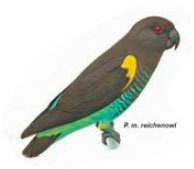
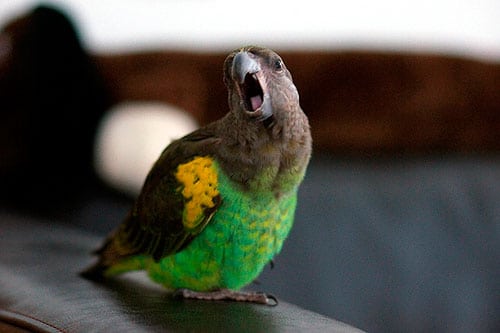
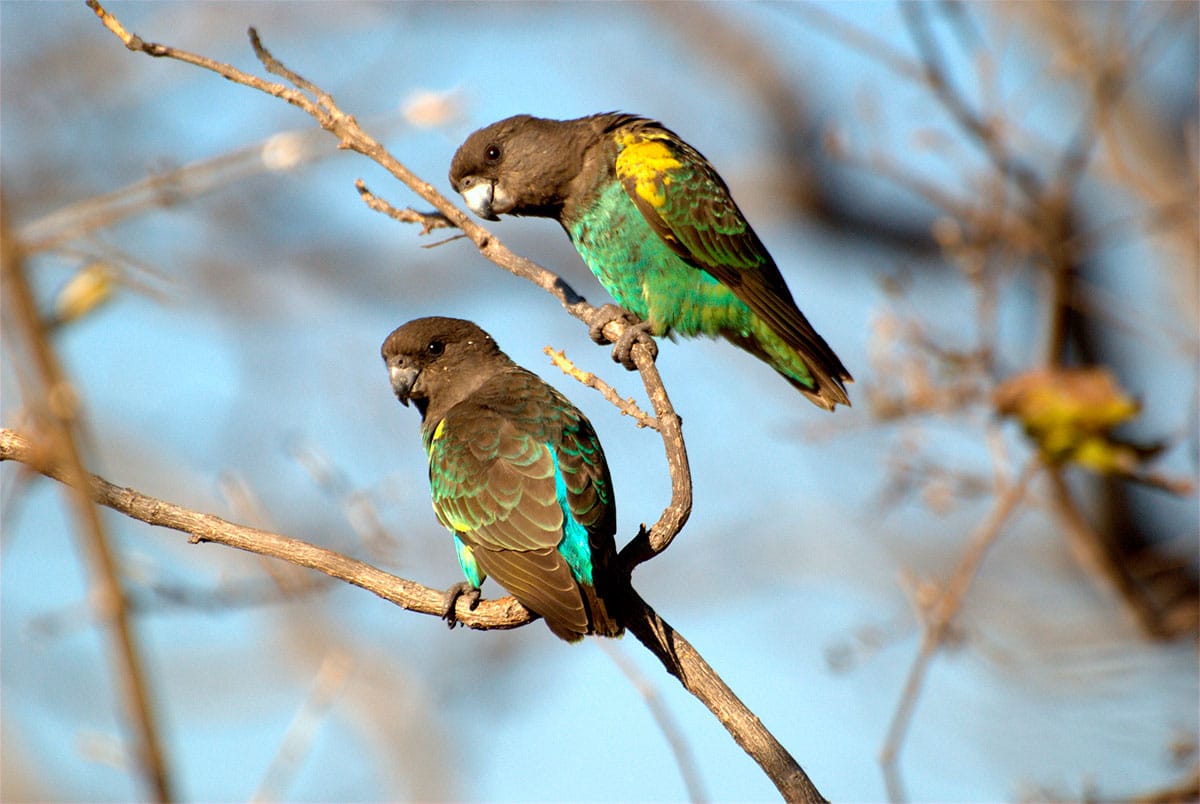
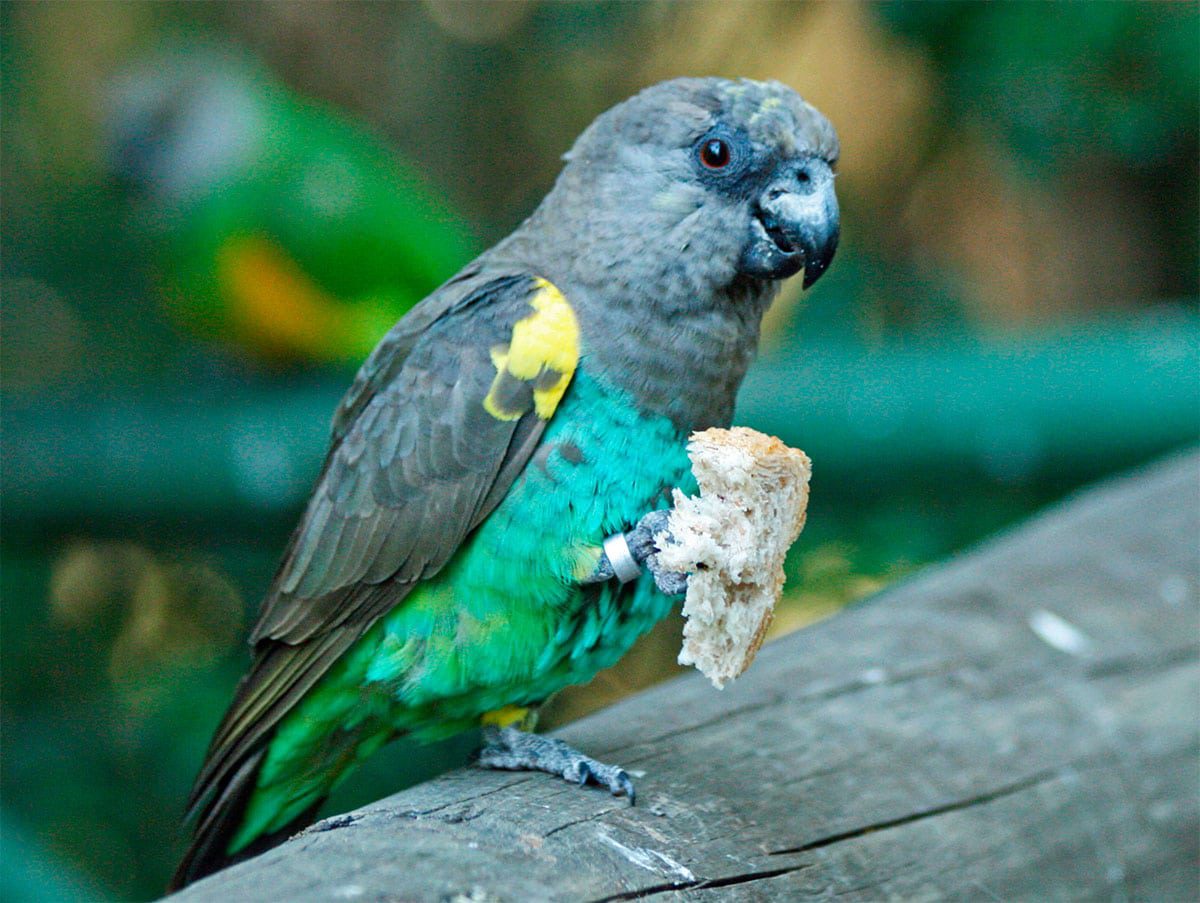
The Meyer's Parrot (Poicephalus meyeri) has the forecrown, lores, cheeks, ear-coverts and ash Brown nape; crown bright yellow. The mantle feathers ash brown edges blue or cyan dye in some birds; scapulars brown ash, some individuals show Tips blue or greenish blue; rump bright turquoise or teal; uppertail-coverts green. Outermost children and wing-coverts above bright yellow, other variables showing green tints, especially towards Tips. The primaries and high schools ash Brown with paler narrow margins to vane outer.

feathers of the wings, undertail, bright yellow in some birds, but grayish-brown in larger in other. The chin, the throat and top of the chest brown ash; remaining chest and belly turquoise or teal; the thighs yellow; undertail- coverts turquoise blue or greenish blue. Tail brown ash.

Bill dark gray or black; cere black; irises orange-red; periophthalmic skin desnuda negruzca; legs blackish.

Both sexes similar.

Youth more generally greenish brown. No yellow in the crown or the the thighs and the yellow area in the wings, at the top, It is lower. Wing coverts, undertail, green and brown with little or no yellow. The underparts más greenish. Iris dark brown.

Subspecies description

Description Meyer's Parrot subspecies
  • Poicephalus meyeri damarensis

    (Neumann, 1898) – No Yellow crown. Paler than subspecies reichenowi. Intergrades with transvaalensis subspecies in the region of the delta del Okavango, Botswana and with subspecies reichenowi in Angola.


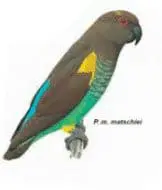
  • Poicephalus meyeri matschiei
    matschiei by Parrots of the World – Forshaw Joseph M
  • Poicephalus meyeri matschiei

    (Neumann, 1898) – Brown is paler than in the subespecie satisfied and cyan dye to the margins of the scapulars less pronounced than in the species nominal. Green colors are blue (especially below). The female spot shows yellow feathers at the base of the lower jaw.


  • Poicephalus meyeri meyeri

    (Cretzschmar, 1827) – Species nominal


  • Poicephalus meyeri reichenowi

    (Neumann, 1898) – Similar to the subespecie matschiei but with the yellow crown generally absent. Paler blue in the rump. Size larger than the subespecie matschiei.


  • reichenowi by Parrots of the World – Forshaw Joseph M
    reichenowi by Parrots of the World – Forshaw Joseph M
  • Poicephalus meyeri saturatus

    (Sharpe, 1901) – darker than species nominal (especially the brown parts), rump less blue than the nominal, showing a bit of green in the feathers. The dark centers feathers on the bottom, giving it a mottled appearance. Intergrades with the subspecies matschiei in Tanzania.


  • Poicephalus meyeri transvaalensis

    (Neumann, 1899) – Brown clearer than in the subespecie matschiei, even bluer in the rump and below. Yellow areas in the crown They are often reduced and, sometimes completely lacking (especially in males). It is thought that can hybridize with the Poicephalus cryptoxanthus.

Habitat:

The Meyer's Parrot It is found in a wide variety of forest habitats from dry savannah to gallery forest and second-growth riparian forest around crops.. Observed in forests dominated by Terminalia laxiflora and Doka Isoberlinia, thickets Combretum acacia grasslands; as well Brachystegia and riparian forests Syzygium-Adina.

Avoid lowland rainforests in the basin Congo and other humid forests including areas of the eastern highlands of the district of Zimbabwe and Cork in Malawi.

Show a preference for the tallest trees in the drier savannah habitats – in particular specimens Adansonia. They may be confined to gallery forests in the drier parts of their range and are generally found in close proximity to water..

Where it is sympatric with the Red-bellied Parrot (Poicephalus rufiventris), the Meyer's Parrot It is limited to riparian forests.

In Kenya, which it is largely in areas with higher annual rainfall 500 mm.

Sometimes observed in suburban areas.

In general, in the lowlands at altitudes of 1,250m in Ethiopia, 2.200m in east Africa and 1.500 meters in the highlands of eastern Zimbabwe.

They are distributed in pairs or small groups 3-5 birds (possibly couples); until 50 birds may congregate in areas where there are food sources in breeding season. Roosts in tree cavities. Usually shy and cautious.

Reproduction:

Solitary nesters in tree cavities at a height between 3 and 10 meters above the ground, during the season, dry (for example Mar-June Zimbabwe, from May to September Zambia and Malawi, July Angola and in December or January Sudan).

The implementation is of 2 to 4 eggs.

Food:

The diet of the Meyer's Parrot fruit is, nuts and seeds, including Ficus, Sound abyssinica, Uapaca nitidula, Monotes glaber, Combretum, Grewia, Sclerocarya, Pseudolachnostylis, fruit of the great growth and riparian trees afzelia quanzensis and Melia volkensii, grown oranges and flowers Schotia brachypetala.

The pulp of the fruit is less important than the hard seeds and the arbolados share, the Meyer's Parrot is one of the few species consume seeds Brachystegia and other leguminous trees.

They also consume grain and is considered as crop pests in some areas.

Eat some insects, including caterpillars.

May vary widely from area to area in search of food during droughts.

Distribution:

Size of the area of distribution (reproduction / resident): 5.840.000 km2

The Meyer's Parrot They are distributed throughout the central and eastern Africa. From the North-East of Cameroon and South of Chad through the North of the Central African Republic, center Sudan and South and West Ethiopia, to the south through Uganda, Kenya Western, east of Democratic Republic of the Congo and Tanzania, coming to Malawi, Zambia, Angola, Northeast of Botswana, Zimbabwe, western end of Mozambique, Namibia and northeast of Sudafrican republic.

A wild population, possibly, is distributed in the eastern province of Cape Town, Sudafrican republic, even if they are probably extinct.

Nomad in some areas during periods of drought, when they distributed outside the normal range; normally resident with local movements.

Distribution Subspecies

Meyer's Parrot subspecies distribution
  • Poicephalus meyeri damarensis

    (Neumann, 1898) – South of Angola, Northeast of Namibia and North of Botswana.


  • Poicephalus meyeri matschiei

    (Neumann, 1898) – Southeast Kenya through eastern and central Tanzania to Southeast Democratic Republic of the Congo, North of Malawi, Zambia and northeast of Angola.


  • Poicephalus meyeri meyeri

    (Cretzschmar, 1827) – Species nominal


  • Poicephalus meyeri reichenowi

    (Neumann, 1898) – North and Central Angola from Malange and sierra central until Huila, possibly also adjacent parts of the Democratic Republic of the Congo


  • Poicephalus meyeri saturatus

    (Sharpe, 1901) – The Far East Democratic Republic of the Congo, through Burundi, Rwanda and east of Uganda, in West and Central East Kenya towards Meru and Local inside Tanzania to the South of the Parque Nacional Ruaha.


  • Poicephalus meyeri transvaalensis

    (Neumann, 1899) – Areas of northern and central Mozambique to northern Save River across the South of Zambia and central and southern Zimbabwe to northeast Botswana and West of Transvaal

Conservation:


minor concern


• Current Red List of UICN: Least concern

• Population trend: Stable

The Meyer's Parrot It, in general, common to very common and is the most abundant parrot in some parts of its range (for example, Zimbabue and Angola), although few in other areas and absent from some apparently suitable habitats.

Its population has declined in some parts (for example Transvaal) where is thought to be a result of habitat destruction. I also persecuted in some locations due to crop damage (for example, in the center of Zambezi because of the damage inflicted to the maturation of the berries Boolean).

"Meyer's Parrot" in captivity:

The Meyer's Parrot, is a bird common in captivity, quiet, tender, easy to carry and with a stable temperament.

They are birds social and they tend to bond with everyone in the family, unlike other species that may prefer one person to another. In general, No es voluble – once you liked someone, the person is a friend for life.

They are not as dependent on humans for entertainment as most parrots and therefore no son tan demanding.

They like being handled and petted on the head and neck. A hand-fed hatchling will develop into a fluffy adult if treated properly, and it is not prone to bite, although it may provide a powerful bite if provoked.

You can learn a few words, although They are not known for their ability to speak. They can learn to whistle, making noises, and occasionally they will offer strong squeals. Fortunately, They are not likely to scream or make loud squawks, making good birds for apartment life. Some individuals learn household noises, as the beep of the microwave.

The Meyer's Parrot they are ready to breed at the age of 3 to 4 years and reproduce easily in captivity.

With regard to its longevity, according to sources, Meyer lived a parrot 34,2 years in captivity.

Alternative names:

– Meyer’s Parrot, Brown Parrot (English).
– Perroquet de Meyer, Perroquet brun, Youyou de Meyer (French).
– Goldbugpapagei, Goldbug-Papagei (German).
– Papagaio de Meyer, Papagaio-de-meyer (Portuguese).
– Lorito de Meyer (español).


scientific classification:

Philipp Jacob Cretzschmar

– Order: Psittaciformes
– Family: Psittacidae
– Genus: Poicephalus
– Scientific name: Poicephalus meyeri
– Citation: (Cretzschmar, 1827)
– Protonimo: Psittacus Meyeri


Images "Lorito de Meyer":

Videos "Meyer's Parrot"

————————————————————————————————

"Lorito de Meyer" (Poicephalus meyeri)


Sources:

– Avibase
– Parrots of the World – Forshaw Joseph M
– Parrots A Guide to the Parrots of the World – Tony Juniper & Mike Parr
– Birdlife

– Photos:

(1) – A Meyer’s Parrot at Birds of Eden, Western Cape, South Africa. It is eating what looks like a piece of bread By SandyCole (mailto:sandyc@dicksandy.org) (Own work) [CC BY-SA 3.0 or GFDL], via Wikimedia Commons
(2) – Two Meyer’s Parrots in Zimbabwe By Oce Eeco (DSC_0108Uploaded by snowmanradio) [CC BY 2.0], via Wikimedia Commons
(3) – Brown parrot also known as Meyer’s Parrot (Poicephalus meyeri) by Papooga – Flickr
(4) – A Meyer’s Parrot near Kwara Camp, North-West District, Botswana By Benjamin Hollis from Seattle, WA, USA (Meyer’s parrotUploaded by snowmanradio) [CC BY 2.0], via Wikimedia Commons
(5) – A Meyer’s Parrot in Akagera National Park, Rwanda By Lip Kee Yap [CC BY-SA 2.0], via Wikimedia Commons

– Sounds: Derek Solomon (Xeno-canto)

▷ The world of Pets: Dogs, cats, birds, reptiles, amphibians

Indigo-winged Parrot
Hapalopsittaca fuertesi


Indigo-winged Parrot

Content

Description:

23-24 cm.. height.

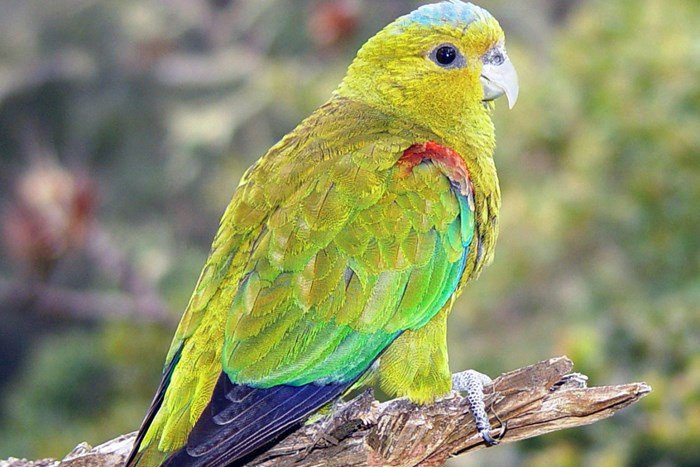
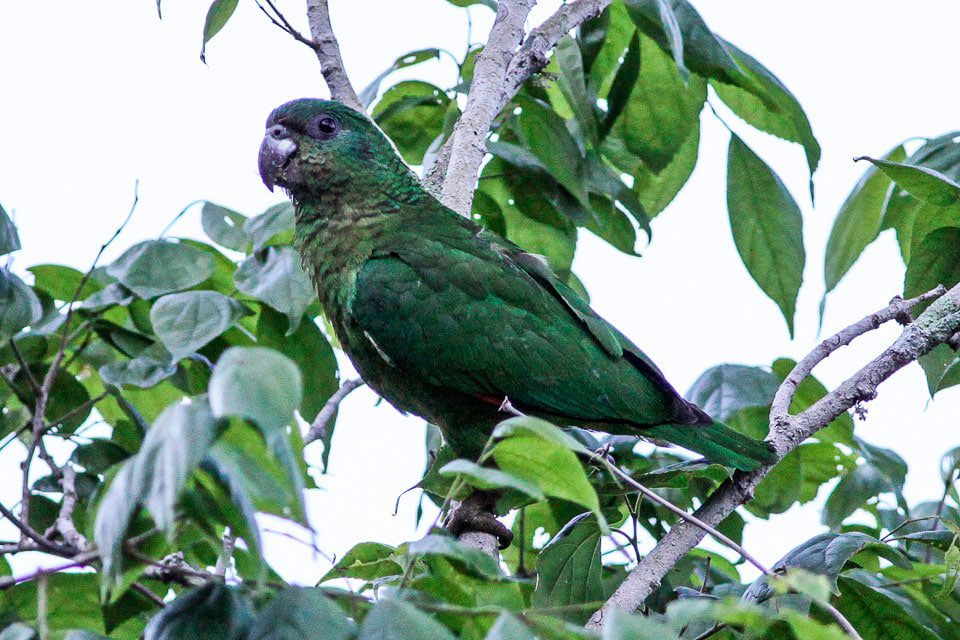
In 2002 It was the rediscovery of the the Indigo-winged Parrot (Hapalopsittaca fuertesi), an enigmatic parrot that had been lost to the world for more than 90 years and continues being one of the birds more rare of the Earth. It has a plumage mainly yellowish-green and is highlighted by the blue of the crown and olive yellow tone of the forecrown (except a strip), cheeks and sides of the eyes, narrow strip in the forecrown, under abdomen and shoulders red. End of the wing blue violet dark, tail Blue with red base.

The bill Horn colored with blue color, Grey at the base of the upper jaw. Iris Green-yellow.

The immature It has less yellow streaks and more off face.

Habitat:

Is a kind of range restricted, very rare and difficult to observe. It inhabits high Andean forests and frequent cloud subparamos, between 2600 and 3800 m on the level of the sea, being the majority of the records between 2.900 and 3.150 m. With guavas, encenillo and laurels where he eats fruits of thematapalo”, and with Oak (Quercus humboldtii).

Observed in fairly open forests, and possibly disturbed, with small Palm trees and tree ferns.

Fly in flocks of 6 to 25 individuals.

Reproduction:

It believes that the nests they make them in cavities of tall, mature trees.

The nesting period takes place from January to may. The average size clutch is three eggs. The incubation is performed only by the female, Although the attention back to the hatching is biparental (Díaz 2006).

Food:

The ecology of breeding and feeding of the Indigo-winged Parrot is practically unknown, but it has been observed the birds feeding of berries, and is likely to show a preference for the berries of mistletoe.

Distribution:

Size distribution (reproduction / resident): 100 km2

Restricted to a small strip on the western slope of the Andes Central of Colombia, near the border of the Quindio, Risaralda and Tolima.

Conservation:


critical hazard


• Current category of the Red List of the UICN: critically endangered.

• Population trend: Decreasing.

According to the categories of UICN is considered in Critical Hazard (CR), due to the accelerated process of deforestation in the Andean forests.

Since ago 90 years it was thought that the bird was extinct until it was rediscovered in 2002, When a few biologists of the ProAves Foundation in the montane forest of the municipality of Genoa, department of Quindío, where the group more large observed consisted of 25 birds and the total population was of approximately 60 individuals.

Currently there are some 300 mature free individuals.
Thanks to the efforts made by different project is have retrieved data of them fluctuations in the abundances of them individuals during the year associated to its reproduction. Is very likely that the offer of the artificial nests This already having a positive impact that the length of the project It has observed an increase in the size population.

"Indigo-winged Parrot" in captivity:

They do not exist in captivity.

Alternative names:

– Indigo-winged Parrot, Fuerte’s Parrot, Fuertes’s Parrot, Indigo winged Parrot (English).
– Caïque de Fuertes, Caïque de Colombie (French).
– Fuertespapagei, Chapmans Zwergamazone, Zwergamazone (German).
– Indigo-winged Parrot (Portuguese).
– Cotorra Aliazul, Lorito de Fuertes (español).
– Cotorra Aliazul, Loro coroniazul (Colombia).


scientific classification:

Frank Chapman
Frank Chapman

– Order: Psittaciformes
– Family: Psittacidae
– Genus: Hapalopsittaca
– Scientific name: Hapalopsittaca fuertesi
– Citation: (Chapman, 1912)
– Protonimo: Pionopsitta fuertesi


Images "Indigo-winged Parrot"

Video of the "Indigo-winged Parrot"

————————————————————————————————

«Lorito de Fuertes» (Hapalopsittaca fuertesi)


Sources:

– Avibase
– Parrots of the World – Forshaw Joseph M
– Parrots A Guide to the Parrots of the World – Tony Juniper & Mike Parr
– Birdlife
– proaves.org
– Parrot Book, Parrots and macaws Neotropical

– Photos:

(1) – Conservationbirding.org

– Sounds: controles-canto.org

▷ The world of Pets: Dogs, cats, birds, reptiles, amphibians

Black-billed Parrot
Amazona agilis

Black-billed Parrot

Content

Description:


Anatomy-parrots

25 cm.. length and 178 g. of weight.

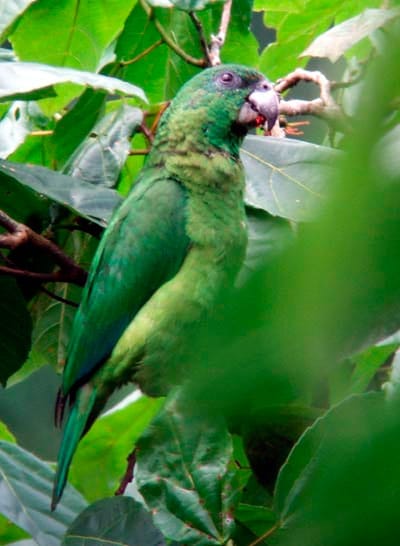
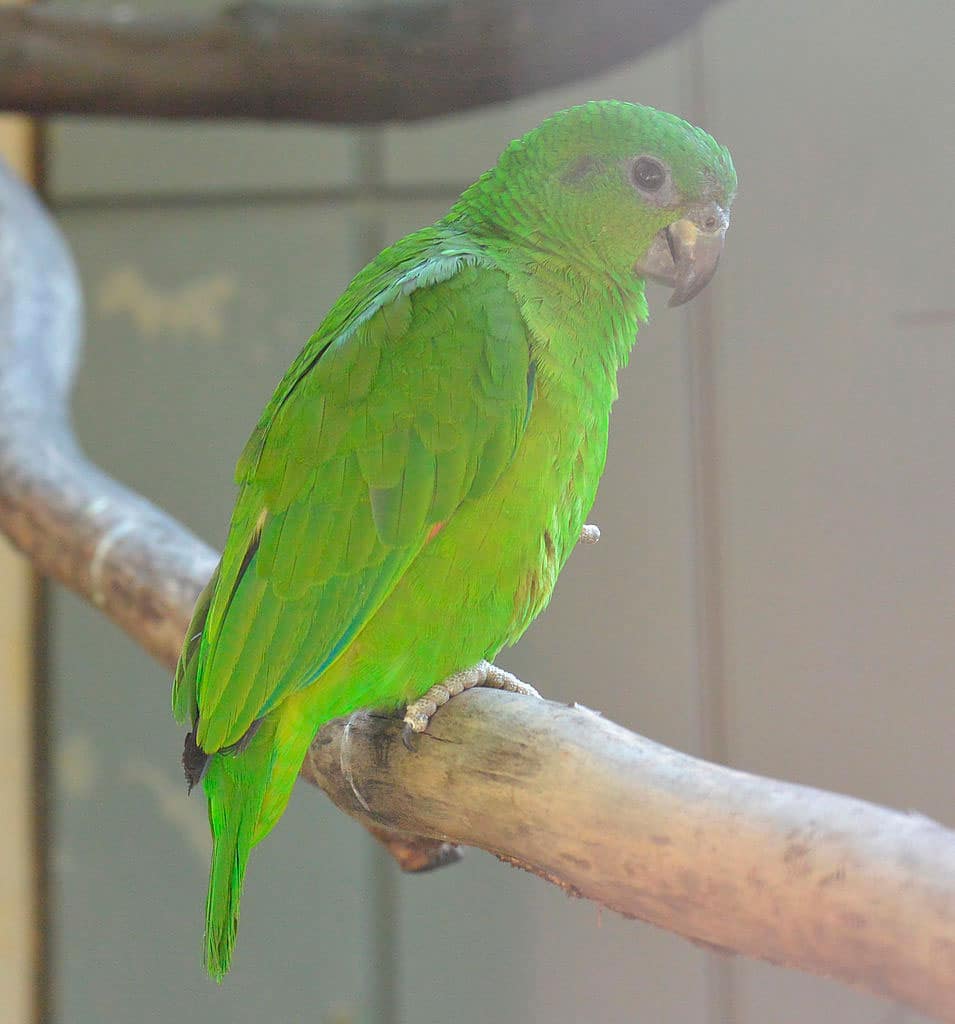
The Black-billed Parrot (Amazona agilis) It is the smallest of the Amazon parrots, and is one of only two species of Amazona endemics Jamaica.

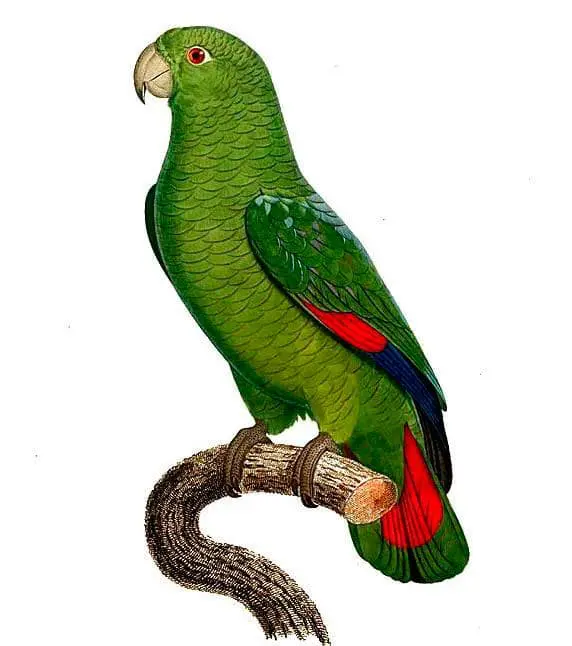
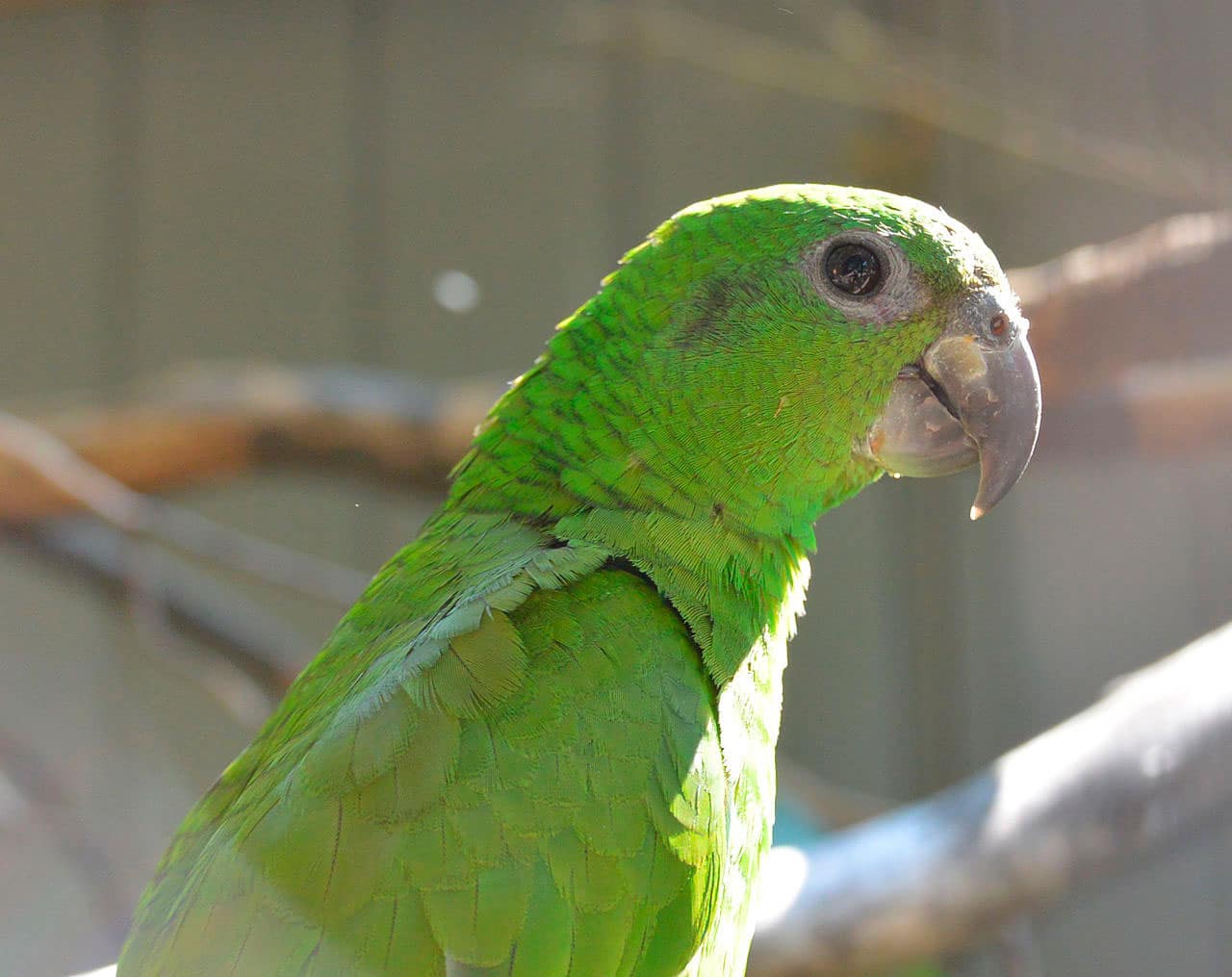
This species, brightly colored, has a plumage, mostly, of color green with them underparts lighter, green or yellow.

The slightly darker edges in feathers of the back of the neck, one dan scalloped effect. Flight feathers darker at the tip; feathers of the tail blue in the margins with red bases to outer feathers. Their eyes They are surrounded by a dark brown ring dark grey, and the bill is black.

Black-billed Parrot

The adult male they have the coverts red on the outer of the wings, While these feathers They are usually green in females and in the immature.

  • Sound of the Black-billed Parrot.

Habitat:

Video "Black-billed Parrot"

Parrots in the world

It is in the humid limestone forests to elevations of 1.600 m. They can be seen in the upper canopy, and they can also be found foraging in cultivated land and plantations near the edge of the forest.

Form groups 6 to 30 individuals.

Reproduction:

The Black-billed Parrot used for nest the tree holes are formed from or related to weathering processes and pathogen attacks insects, at least a 18 meters above the ground. It has reported the use of cavity left by the Jamaican Woodpecker (Melanerpes radiolatus).
Like other species of parrots, the vigorous vocalizations among couples announce nesting territories.

The breeding season It is from March to August. The laying is of 2-4 eggs, with a range of about 48 hours between successive eggs. Eggs are incubated only by the female during 24 days. During this time the male will feed and exchange food with female. The incubation It begins after the first egg is placed, so hatching occurs at intervals, with up to seven days between the first and last hatching. Chicks this amazon They spend up to eight weeks in the nest.

Most nest failures do so in the early mating period., as a result of predation by Jamaican Boa (Epicrates subflavus) (Gruber 1980) and to a lesser extent Jamaican Crow (Corvus jamaicensis).

Food:

The Black-billed Parrot It feeds on fruit, seeds, dried fruits, berries and flowers in the forest canopy. The populations of this species will move in response to the location of food sources. This species also feed on crops and can cause considerable damage to fruit ripening.

Distribution and status:

Size of its range (breeding/resident): 5.100 km2

Its distribution area it is restricted to mid-level moist limestone forests, which have been drastically reduced in recent 40 years. Locally common by all the Cockpit Country, particularly in disturbed edge habitat where it is more common than the Yellow-billed Parrot (Amazona collaria), with which occasionally is associated.

The populations of the Black-billed Parrot also they found in Mount Diablo, in the center of the island. Historical reports also placed at the eastern end of the island, although recent sightings in that area are rare. But, small flocks have been recently in the John Crow Mountains. Preliminary surveys indicate population estimates much higher than those described above, and possibly more than 10.000 individuals in the region of Cockpit Country (C. Levy in some 1999).

Conservation:

State of conservation ⓘ


Vulnerable Vulnerable ⓘ (UICN)ⓘ

• Current category of the Red List of the UICN: Vulnerable.

• Population trend: Decreasing.

• Population size : 6000-15000

Rationale for the Red List category

This species has a range very small within which its habitat is declining in extent, area and quality; and additional reductions of the population are being caused by the trampeo and predation, qualifying the species as Vulnerable. Currently it does not qualify as endangered because the habitat is severely fragmented and is known in more than five places. But, the species can requalify for inclusion in a top list in the future due to population decline likely if the three proposed mining concessions Cockpit Country They are awarded.

Justification of the population

Preliminary population estimates are those that best place the world population in the band between 10.000 and 19.999 individuals (S. Koenig in a bit., 2008). This is equivalent to 6,667-13,333 mature individuals, rounded here to 6,000-15,000 mature individuals. Further studies are needed to get an accurate figure.

Justification of trend

The data suggest that decrease of at least 50% of the population of this species could occur in the next 40-50 years as a result of habitat destruction due to three proposed mining concessions, two of which have recently been granted (Koenig, 2008). But, It is not sure if the third concession is granted (S. Koenig in some. 2010), and as such it is projected to suffer a decrease of species 30-49% over the next 37 years (three generations).

Conservation Actions Underway

• CITES Appendix II. protected under the Protection Act Wildlife Jamaica and Endangered Species Act of 2000, which together prohibit keeping the species as a domestic animal and local and international trade.

• Since 1995 He has worked to delineate its distribution, estimate the size of the population, identify long-term factors limiting reproductive performance and train local people in research methods and techniques for monitoring (Davis 1997, BirdLife Jamaica in little 1998).

• Habitat in the Blue Mountains National Park and John Crow, but the implementation and management of the park are weak (BirdLife Jamaica in little 1998).

• There is a permanent campaign of public awareness high-profile to prevent bauxite mining in Cockpit Country, by having the area declared closed to mining by the Minister's Discretion (S. Koenig in some. 2007, 2009).

• Proponents remain optimistic that, while losing a large area of ​​habitat, a large area of ​​mining habitat will be declared closed (S. Koenig in some. 2007, 2009).

• Discussions have started that may lead to the ban the importation of psittacine to Jamaica to reduce the risk of leakage and hybridisation (S. Koenig in some. 2007, 2009).

• There are populations of captive breeding.

Conservation Actions Proposed

• Survey to delineate the range and evaluate the numbers (BirdLife Jamaica in little 1998).

• To establish a monitoring program long-term.

• Designate a Cockpit Country closed to mining.

• Ensure the de facto protection of the Blue Mountains National Park and John Crow (BirdLife Jamaica in little 1998).

• Design and implement Educational programs in the area occupied by the species and adjacent areas (BirdLife Jamaica in little 1998) and develop a structured captive breeding program.

• Improve the application of the legislation against poaching.

The Black-billed Parrot in captivity:

CITES Appendix II. protected under the Protection Act Wildlife Jamaica and Endangered Species Act of 2000, which together prohibit keeping the species as a domestic animal and local and international trade.

Populations of captive breeding.

Alternative names:

– Black-billed Parrot, Active Amazon, Active Parrot, All-green Amazon, All-green Parrot, Black billed Parrot, Black-billed Amazon (English).
– Amazone verte (French).
– Rotspiegelamazone (German).
– Papagaio-de-bico-preto (Portuguese).
– Amazona de Pico Negro, Amazona Jamaicana Piquioscura (español).


scientific classification:

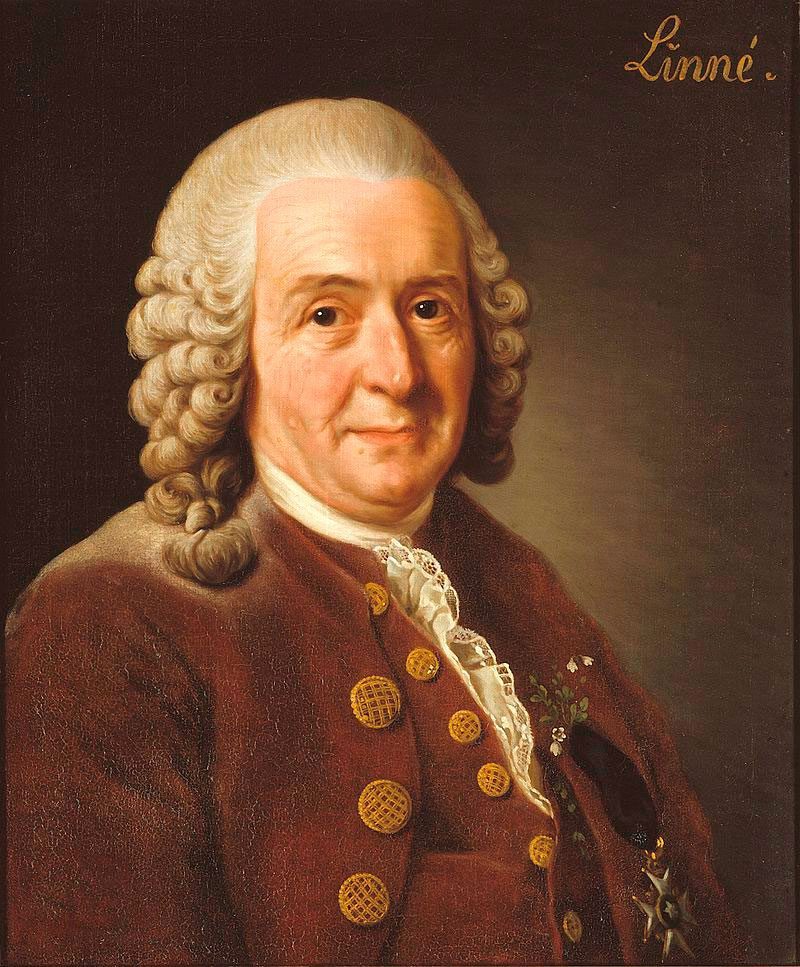
Carl Linnaeus

– Order: Psittaciformes
– Family: Psittacidae
– Genus: Amazona
– scientific numberor: Amazona agilis
– Citation: (Linnaeus, 1758)
– Protonimo: Psittacus agilis


Images Black-billed Parrot:


Species of the genus Amazona


Sources:

Avibase
Parrots of the World – Forshaw Joseph M
Parrots A Guide to the Parrots of the World – Tony Juniper & Mike Parr
Birdlife

Photos:

(1) – A Black-billed Parrot in Jamaica By Ron Knight from Seaford, East Sussex, United Kingdom (Black-billed Parrot) [CC BY 2.0], via Wikimedia Commons
(2) – Amazona agilis in Wuppertal zoo By Simon J. Tonge [CC BY 3.0], via Wikimedia Commons
(3) – A Black-billed Amazon at Vienna Zoo, Schonbrunn Palace, Vienna, Austria By Alois Staudacher (Rotspiegelamazone) [CC BY 2.0], via Wikimedia Commons
(4) – A Black-billed Amazon at Vienna Zoo, Schonbrunn Palace, Vienna, Austria By Alois Staudacher (Rotspiegelamazone) [CC BY 2.0], via Wikimedia Commons
(5) – A Black-billed Parrot in Jamaica By Ron Knight from Seaford, East Sussex, United Kingdom (Black-billed Parrot) [CC BY 2.0], via Wikimedia Commons
(6) – A Black-billed Amazon at Vienna Zoo, Schonbrunn Palace, Vienna, Austria By Alois Staudacher (Rotspiegelamazone) [CC BY 2.0], via Wikimedia Commons
(7) – Black-billed Amazon in the John Crow Mountains, Portland, Jamaica By Brennan Mulrooney (originally posted to Flickr as Black-billed Parrot) [CC BY 2.0], via Wikimedia Commons
(8) – A Black-billed Parrot in Jamaica By Ron Knight from Seaford, East Sussex, United Kingdom (Black-billed Parrot) [CC BY 2.0], via Wikimedia Commons
(9) – Psittacus agilis By Barraband, Jacques; Bouquet; Le Vaillant, François [CC BY 2.0 or Public domain], via Wikimedia Commons
(10) – [Little green parrot (Black-billed Amazon [Amazona agilis])] From Natural History of Parrots (by Francois Levaillant, 1801-1805) by Jacques Barraband – Wikimedia

Sounds: Ross Gallardy, XC308430. accessible www.xeno-canto.org/308430

▷ The world of Pets: Dogs, cats, birds, reptiles, amphibians

Ouvea Parakeet
Eunymphicus uvaeensis

Ouvea Parakeet

Content


Anatomy-parrots

Description:

Of 32cm.. length and 117 g. of weight.

The Ouvea Parakeet (Eunymphicus uvaeensis) is similar to the Horned Parakeet (Eunymphicus cornutus) but with the face and nape green, no yellow, and crest upturned six pens greenish black: the Red of the crown It is limited to the center forecrown.

The Ouvea Parakeet generally bright mid-green. Head green, lighter on ear-coverts with some light shaft-streaks; centre of forecrown red with six wispy blackish-green uperwing feathers forming a small crest; rear-crown darker green; ears and cheeks dark green lower.

The upperparts light green, paler on rump. Wing coverts green; outerweb of primaries greenish-blue with innerwebs black. Underwing-coverts green. Underparts light yellowish-green. Uppertail green with a slight blue suffusion distally and blue edges to lateral feathers; undertail gray.

Bill blue-gray at base, blackish toward tip; irises orange; legs grey.

Both sexes similar.

Taxonomic status:

This taxon is considered a subspecies of Eunymphicus [cornutus or uvaeensis] (sensu lato) by some authors

  • Sound Uvea Parakeet.

Note:

some species, as in the case of Ouvea Parakeet, They are subject to extreme stress due to traps or harassment. The open availability of high-quality recordings of these species may make the problems even worse.. For this reason, transmission and download of these recordings is off. Recorders are free to share in xeno-edge, but they will have to approve access to these recordings.

We do not take this action lightly, and we wish it wasn't necessary, but we are convinced that the negative impacts of offering easy access to these recordings outweigh the benefits. To access these recordings, You can contact directly with the recorder.

Habitat:

It is restricted to areas of old growth forest with holes for nesting, but the highest numbers occur near papaya plantation areas.

The Ouvea Parakeet They are active in early morning and late afternoon, and usually rest in the trees during the heat of the day.

Reproduction:

An average of 2.9 Eggs are laid in one or two broods per year, of which 1.7 chicks hatch, but only 0.75 chicks survive to 30 days (Robinet et al. 1995, Robinet et al. 1996, Robinet and Salas 1999).

Food:

It feeds in the forests and crops of cultivated land adjacent. The Ouvea Parakeet It depends mainly on mature native forests with pines kauri Agathis australis.

Fruits of Ficus spp., there Canaria, scrub and passion fruit. Also forage for seeds. The cultivated papaya (Carica papaya) It is a favorite.

Distribution and status:

Population expansion (breeding/resident): 640 km2

Los Pericos Uvea are confined to 110 km2 in Ouvea island, Loyalty Islands. Introduced unsuccessfully in the nearby Lifou.

The species is found in isolated patches of forest now restricted to the coast, mainly in the district St Joseph between Cape Rossel and Cape Steep. Single 15-25 km2 of suitable habitat was considered to remain on the island in 1993, with about 70-90 birds present, although a more thorough study has suggested a total population of 617 individuals. More recent studies is estimated at 1.780 mature individuals in total (Theuerkauf s suffering. 2016)
In the past, the reduction of individuals to extensive conversion of forests for agriculture due, hunting and trade. The delicate political situation in Uvea, while Kanak Liberation Front struggle for independence France, It has hampered the work of conservation of the species.

It is relying on a captive breeding program based on Forest Park, about Noumea, in New Caledonia. Transfers from island to island also be considered feasible.

Conservation:


Vulnerable


• Current category of the Red List of the UICN: Vulnerable.

• Population trend: Growing.

• Population size : 600-1800 individuals.

Rationale for the Red List category

This species is classified as Vulnerable because it is in one very small island and can be threatened by invasive species, in particular the Black rat, that could bring the species to the category of Critically Endangered or Extinct in no time.

Justification of the population

The population is estimated at 1.780 mature individuals in total (Theuerkauf s suffering. 2016), rounded here to 1.800 mature individuals.

Justification trend

Barré et al (2010) reported that the population has increased in a 29% (of 10 birds / km2 34 birds / km2) between 1993 and 2009, which equates to an increase in population 34% in three generations.

Conservation Actions Underway

1 – Appendix I and II of CITES.

2 – The Association for the Protection of Perico Ouvea (ASPO) It was created in 1993 with members mostly local.

3 – ASPO initiated a long-term study of the biology and ecology of the species as the basis for two recovery plans. (1997-2002 and 2003-2008).

4 – Forest loss is being addressed through awareness programs and community trials to mitigate habitat degradation and improve the quality of forests, particularly in regard to nesting sites.

5 – Ten guides are used, whom, among other tasks, nests located.

6 – Illegal trade is being addressed successfully through increased awareness and enforcement.

7 – A captive breeding program has been discussed, but it hasn't started yet, and the species is found only in small quantities in captivity for a very limited reproductive success (Tap 1996).

8 – In 1998 translocation program began to repopulate southern Ouvea, and the number of birds in the south was 395 individuals in 2011 (Theuerkauf s suffering. 2016).

9 – Black rats were trapped on the island (Theuerkauf s suffering. 2016) and predator control is important.

10 – In 2003 a recovery plan was drawn updated, in which it recommended, among other things, the translocation program was canceled, since the population is considered viable and grow naturally; this Recovery Plan has been accepted by the local indigenous authorities (N. Barré a slightly. 2003, Anon 2004).

11 – Ouvea has been classified as IBA, but a management plan and a protection program involving the communities have not yet been established (Spaggiari et al. 2007).

12 – SCO obtained funding from the British Bird Watching Fair to build and test artificial nests PCV after the failure of trails wooden nest.

13 – ASPO personnel destroyed or removed 187 bee colonies between 2002 and 2008 (L. Verfaille a slightly. 2007, Barré et al. 2010).

14 – The continued presence of local guides is believed to effectively prevent nest poaching. (Barré et al. 2010).

Conservation Actions Proposed

1 – Continue population monitoring (Primotel 2000).

2 – Research interactions with Trichoglossus haematodus.

3 – Investigate the non-use of artificial nests.

4 – Review and strengthen measures to control predators.

5 – Assess progress and update plans for translocations.

6 – Review and update all aspects of the Action Plan.

7 – Maintaining the momentum of awareness and participation of the community and the island (Robinet and Salas 1997).

8 – Establish a project IBAs in Ouvea and fund a protection program (N. Barré a slightly. 2003).

9 – Start a captive breeding program to support future reintroductions.

10 – Carry out surveillance screening BFDV to guide future efforts biosecurity and conservation, and better understand the risk posed by BFDV (Jackson et al. 2014).

"Ouvea Parakeet" in captivity:

The Ouvea Parakeet they are still captured using a rope inside a fruit Upload papaya, and because the island is a plain, exports through an easily accessible atoll are difficult to control. Birds bought from trappers by 50 dollars can be sold by traders up 1.000 Australian dollars.

There is a captive breeding program, but it hasn't started yet, and the species is found only in small quantities in captivity for a very limited reproductive success (Tap 1996).

Alternative names:

– Horned Parakeet (Ouvea), Ouvea Parakeet, Short-horned Parrot, Uvea Parakeet (English).
– Nymphique d’Ouvéa, Perruche cornue (Ouvéa), Perruche d’Ouvéa, Perruche d’Ouvéa (French).
– Ouvéahornsittich, Uveasittich (German).
– Periquito-de-uvea (Portuguese).
– Perico de Uvea (español).

scientific classification:

Edgar Leopold Layard

– Order: Psittaciformes
– Family: Psittaculidae
– Gender: Eunymphicus
– Scientific name: Eunymphicus uvaeensis
– Subpoena: (Layard, THE & Layard, ELC, 1882)
– Protonimo: Nymphicus uvaeensis

Images:

Videos "Ouvea Parakeet"

Sources:

• Avibase
• Parrots of the World – Forshaw Joseph M
• Parrots A Guide to the Parrots of the World – Tony Juniper & Mike Parr
• Birdlife

Photos:

(1) – This Uvea Parakeet was photographed feeding on a papaya at the edge of forest by Tunpin.ong [CC BY-SA 3.0], from Wikimedia Commons

▷ The world of Pets: Dogs, cats, birds, reptiles, amphibians

Canary-winged Parakeet
Brotogeris versicolurus


Catita Versicolor

Content

Description:

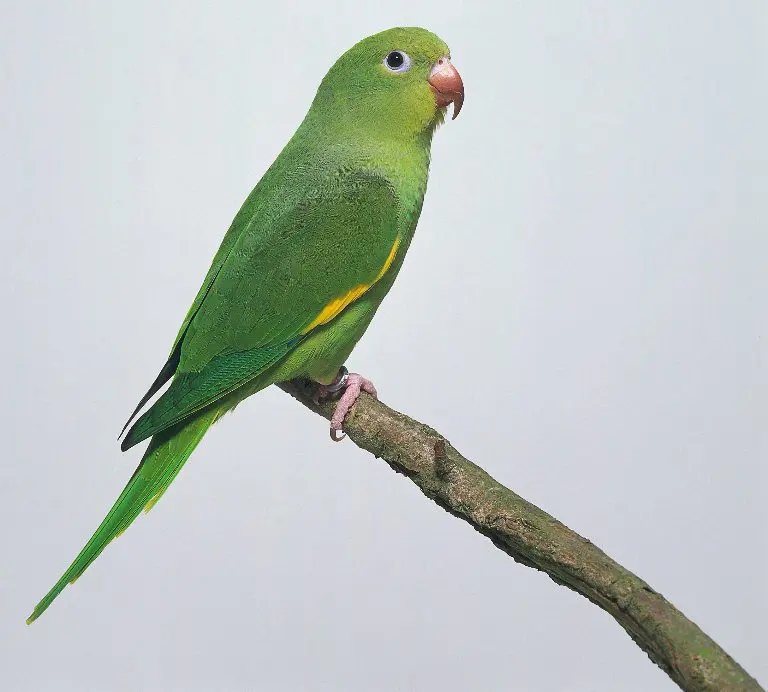
The Canary-winged Parakeet (Brotogeris versicolurus) measured between 24 and 25 height cm. Single parakeet with yellow and white patch and blue tip on the wing , tail green, long and acute (noticeable in flight).

Of overall green coloration, with belly opaque, front and sides of the head grey.
It has no sexual dimorphism.

Habitat:

Video – "Canary-winged Parakeet" (Brotogeris versicolurus)

brotogeris versicolurus whistling

It is found in variety of habitats, humid forest, riparian, edges, stubble, open and urban areas, until 300 m (in Bolivia comes up to the 2700 m).

Abundant trees in cities and towns. They fly high, in pairs or small flocks to large.

Reproduction:

The breeding season includes the months between January and July in South America. The female places of 4 to 5 white eggs. The incubation hard of 23 to 26 days. Usually, the male can stay in the nest at night, but the incubation is main task of females.

It nests in tree hollows and decaying fruit capsules.

Food:

In their natural habitats, the Canary-winged Parakeet, feeds mainly on worms, flowers, seeds and fruit.

Distribution:

Its population is discontinuous. All the banks of the Amazon River, from the East of Ecuador to the South of the French Guiana.

You can also see them out of these places due to its introduction by release of pet; places such as Lima, California, Florida and Puerto Rico.

Conservation:

State of conservation ⓘ


minor concern Minor Concern ⓘ (UICN)ⓘ

It is not considered in any of the threat categories, its trade has decreased in recent decades.

Justification of the population:

The size of the world population Canary-winged Parakeet It has not been quantified, but this species is described as «common» (Stotz et to the. (1996).

Justification trend:

The population suspected to be stable in the absence of evidence of any reduction or substantial threats.

"Canary-winged Parakeet" in captivity:

Years ago it was a very common bird in captivity, at the present time is less.

RECALLS: NEVER COMMAND A PARAKEET IN THE CITY OR IN THE FIELD

aggressive with other bird species. However, It is possible to keep a group of birds of this species together in a large enough space. Easy of tame If it is manipulated from small. Communicates with their owners, making different sounds, for example, to greet us when we see, When you want food, etc.

They are not usually very noisy. Like to climb by what shall provide elements so you can make this activity. In hot season, supplied with a tray of water so that you can bathe.

Alternative names:

– Canary-winged Parakeet, White-winged Parakeet, Yellow-winged Parakeet (English).
– Toui à ailes variées, Conure à ailes blanches, Perruche à ailes blanches, Perruche à ailes jaunes, Toui à ailes jaunes (French).
– Weissflügelsittich (German).
– Periquito-de-asa-branca, periquito-castanha, periquito-da-asa-amarela, periquito-da-campina, periquito-das-ilhas, periquito-de-asas-amarelas, periquito-estrela (Portuguese).
– Catita Chirirí, Catita de patas amarillas, Catita Versicolor, Periquito Aliamarillo, Periquito Aliblanco, Periquito de Alas Blancas, Periquito Versicolor (español).
– Catita Chirirí, Catita de patas amarillas (Argentina).
– Periqquito aliblanco, Periquito Aliblanco (Colombia).
– Periquito Aliamarillo (Dominican Republic).
– Perico de Ala Amarilla (Peru).

scientific classification:

– Order: Psittaciformes
– Family: Psittacidae
– Genus: Brotogeris
– Scientific name: Brotogeris versicolurus
– Citation: (Statius Müller, 1776)
– Protonimo: psittacus versicolurus

Images "Canary-winged Parakeet"


Species of the genus Brotogeris

Sources:

– Avibase
– Parrots of the World – Forshaw Joseph M
– Parrots A Guide to the Parrots of the World – Tony Juniper & Mike Parr
– Birdlife

– Sounds: (Xeno-canto)

▷ The world of Pets: Dogs, cats, birds, reptiles, amphibians

Galah
Eolophus roseicapilla


Cacatúa Galah

Content

Description

Measured around 35 centimeters and between 240 and 330 g. weight.
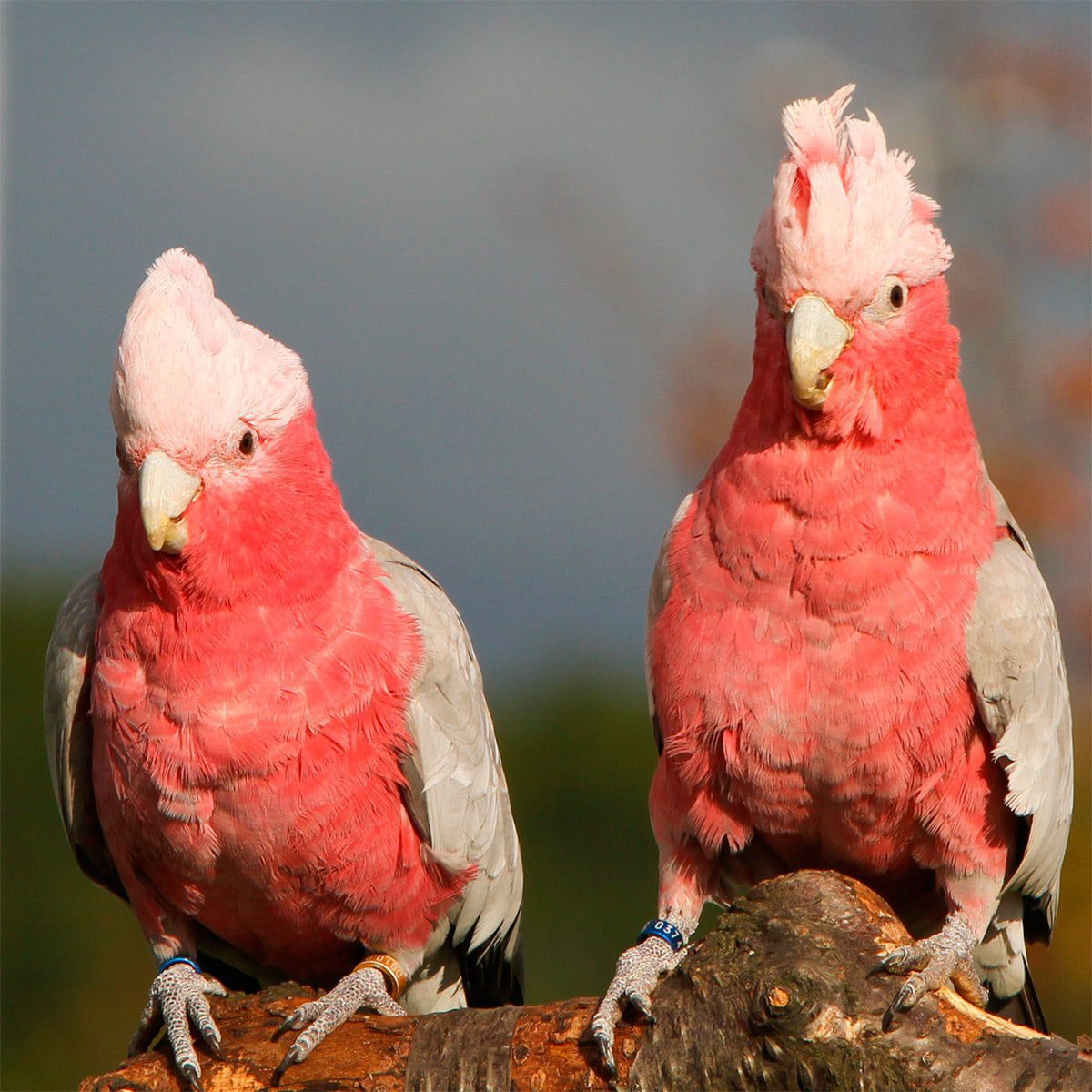
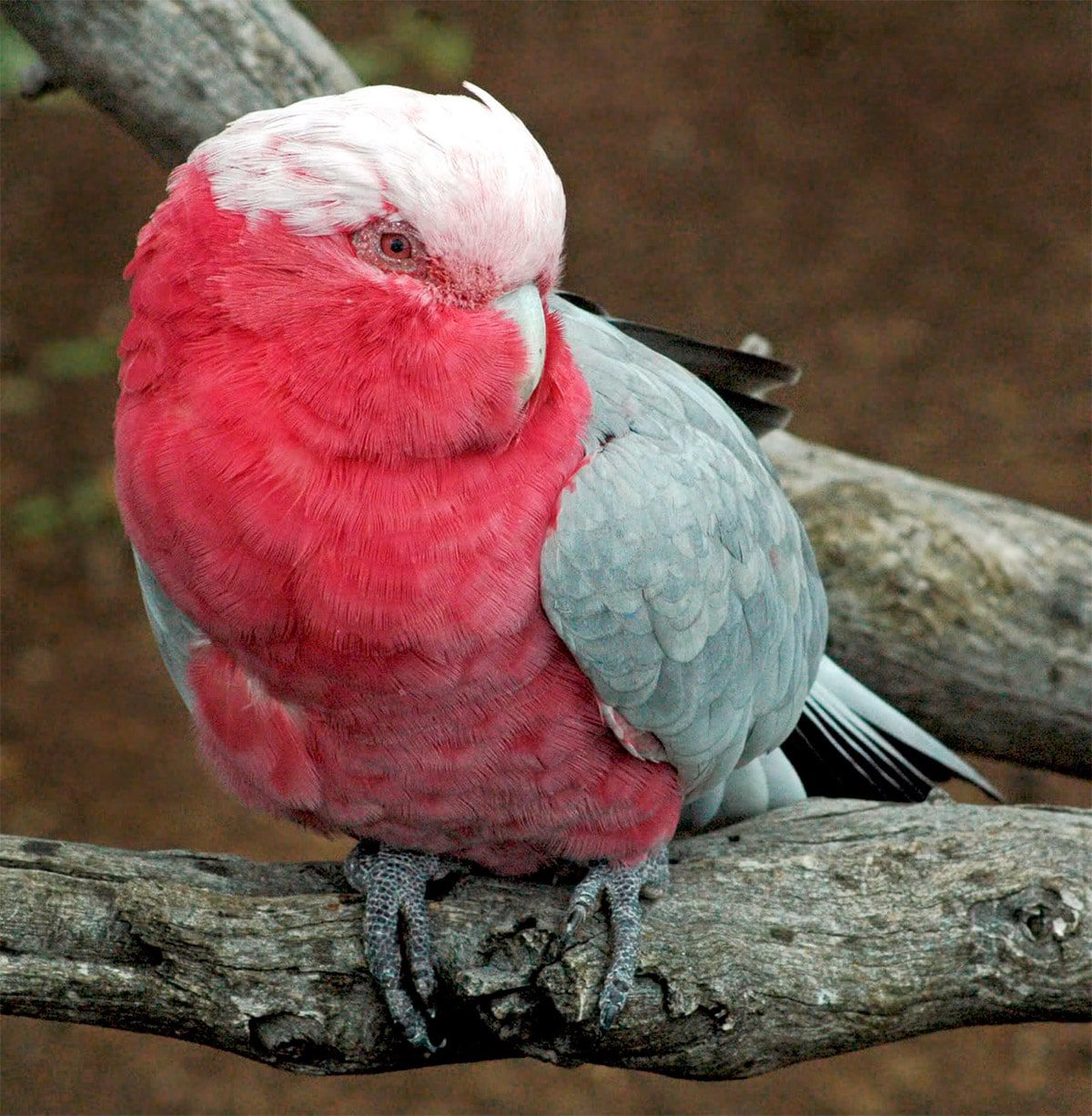
In the Galah (Eolophus roseicapilla) adult, the front, the hoopoe and the cap they form a joint undercover pale pink in white which contrasts slightly with the back of the neck darker. The face, neck and underparts they are deep pink.
The bottom of the flanks, the the thighs and mantas subcaudales are grey clear. The upperparts They show a grey pigeon which is slightly paler on the rump and in their flow rates. Tertiary they are grey and dark grey and medium the flight feather.
The upper part of the tail It is pale grey with a darker terminal tips. The bottom of the tail is uniformly Brown.

The bill is horn. The bare periophthalmic is greyish Red. The irises shows a dark brown hue. The legs are grey.

The female is similar to fellow, outside of the irises red.

The youth can distinguish is from the adults by their underparts grey infiltrated.

Subspecies description

  • Eolophus roseicapilla roseicapilla:

    The species nominal


  • Eolophus roseicapilla albiceps:

    Differs from the nominal by their larger size, the crest whitish instead of pink, and eye ring Red instead of greyish white.


  • Eolophus roseicapilla kuhli:

    It has a plumage paler and a crest shorter.

Habitat:

Video – "Galah" (Eolophus roseicapilla)

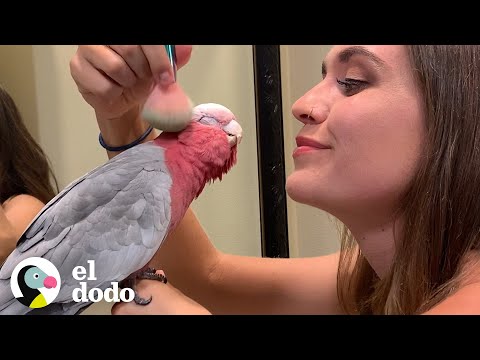
Ave wants to do everything her human mom does I Soul Mates | the dodo

In the North of its distribution area, the Galah frequent mountain forests, While much further South, most tend to live in the temperate forests of the lowlands.
During the summer season, It is more common in high altitude forested areas., staying mainly in small cool and shady ravines, always near a river.

In Winter, He moved to arid forests in more moderate altitudes. At this time of the year, also visit the parks and urban gardens.

The Galah It is a bird of open areas, always avoiding the dense forests.

During the nesting season they live in pairs or in small family groups, but the rest of the year, gather in large flocks where food resources are important. Sometimes can gather up to 1.000 birds in the pastures where they feed.

They are sentinels responsible to give the alarm in case of danger.
The power stations are separated by many miles of the rest areas.
In the evening devoted to drinking and perform aerial stunts before joining the residence. Occasionally it can be active and noisy at night.

Reproduction:

In the North, the reproduction has place between February and June.

During the courtship, the male Struts before his partner making bows, shaking his head, producing low notes and showing a repertoire of stunts.

Most of the time, the nest is a natural cavity in a eucalyptus, between 2 and 20 meters above the ground.
The cacatúa Galah You strum the bark of the trunk around the hole which is the entrance of the nest. This practice is sometimes so excessive that they cause the death of the tree. Cliffs can also be used as a place of nesting.

The same couples usually are mate during all their life and are loyal to the same nesting sites for several consecutive years.

The spawning includes 2-6 eggs. The female lays an egg every one or two days and the incubation period is about 25 days. Both parents incubate at the same time, and they provide assistance to young people. They feed their young every 3 hours, sounding his beak to regurgitate the food. The young remain in the nest during 7 u 8 weeks.

While they are able to fly quickly when they come out of the nest, their survival rate is small. The first days after the flight, they return to the nest for the night. Shortly after, large nurseries are formed in which the parents continue to feed their young.

From time to time, the Galah It has a second litter in a season.

Food:

Consume a wide variety of plants, such as oats or wheat seed or the other many herbaceous plants. In addition to that, They also eat insects and their larvae, berries, outbreaks, flowers and seeds of eucalyptus.

They feed almost exclusively on Earth.

Distribution:

Size distribution (reproduction / resident): 14400000 km2

endemic to Australia where it occupies the entire continent. Most of its population lives in the south-east of New Welsh of the South and in the State of Victoria. In other places, is less abundant.

Subspecies distribution:

  • Eolophus roseicapilla roseicapilla:

    (Western Australia, South of the great desert of sand and probably in the Simpson Desert in the southern part of the territory of the North)


  • Eolophus roseicapilla albiceps:

    (Tasmania and Southeast of Australia, heading north to the 20 degrees latitude South and East)


  • Eolophus roseicapilla kuhli:

    (to the North of the of Australia, from the District of Kimberley to the cape york peninsula)

Conservation:

State of conservation ⓘ


minor concern Minor Concern ⓘ (UICN)ⓘ

• Current category of the Red List of the UICN: Least concern.

• Population trend: In increased.

Although it has a beneficial action stopping the spread of some weeds, the Galah have a considerable potential of destruction and is considered a pest in most of Australia.

Crops, especially cereals, they suffer great losses each year. They often cause the destruction of the trees where they nest or establish their residences. The world population It is estimated in more than 5 millions of individuals and the number is constantly growing.

This remarkable species not is protected in all the regions and can be killed if it causes too much agricultural loss.

"Galah" in captivity:

It´s very common in poultry around the world, for being one of the easiest cockatoos both to raise and to care for and for being highly demanded as a pet both for its physical appearance and for its more manageable character than that of other cockatoos. Her offspring should take into account the different subspecies, Therefore we will avoid possible hybridization between them.

Son parrots extroverts, friendly, playful and affectionate. However, they are still cacatuidos, They therefore require more attention than other psittacine species to be happy animals. Its speaking ability is fairly high within the group of cockatoos, with males that better mimic. It is considered that it might also noisy, especially if you are bored or if it has been poorly educated or poorly maid, so you will have to always buy weaned and well socialized specimens. When they are young and still take porridge his voice is very unpleasant.

They possess a behavior that is similar to the of the small Cockatiel. Males are more talkers and possess a strong character. The females., on the other hand, they are silent and less dominant. They are most appropriate, Therefore, to be adopted as pets.

The males they may become aggressive in mating season.

They have a high tendency to obesity, thing very significantly decreases their hope and quality of life, by what control seriously its diet, providing low number of fats and allowing to do much exercise.

Its life expectancy formerly was around the 15-18 years, probably due to a bad diet popular ignorance of your requirements. Today there is talk of animals up to 40 years of life.

If we opt for a cockatoo for the home, a pink may be the best alternative: less demanding than her sisters, slightly less noisy and, If we chose a female, We have the gentleness and docility secured.

Its price market round the 1.000 €.

Alternative names:

– Galah, Rose Cockatoo, Roseate Cockatoo, Rose-breasted Cockatoo, Willock (ingles).
– Cacatoès rosalbin, Galah (French).
– Rosakakadu (German).
– Cacatua-galah (Portuguese).
– Cacatúa Galah, Cacatúa Rosa (español).

scientific classification:

– Order: Psittaciformes
– Family: Cacatuidae
– Scientific name: Eolophus roseicapilla
– Genus: Eolophus
– Citation: (Vieillot, 1817)
– Protonimo: cockatoo roseicapilla

Images Galah Cockatoo:


Sources:
– Avibase
– Oiseaux
– kktwas
– faunatura

– Photos: de.wikipedia.org , commons.wikimedia.org, David Cook Wildlife Photography (kookr), Richard.fisher

– Sounds: nick talbot (Xeno-canto)

▷ The world of Pets: Dogs, cats, birds, reptiles, amphibians

Olive headed Lorikeet
Trichoglossus euteles

Olive headed Lorikeet

Content

Description

Its length is about 25 cm. and weigh between 80 and 85 gr.

The Olive headed Lorikeet (Trichoglossus euteles) show, in general, a green shade.
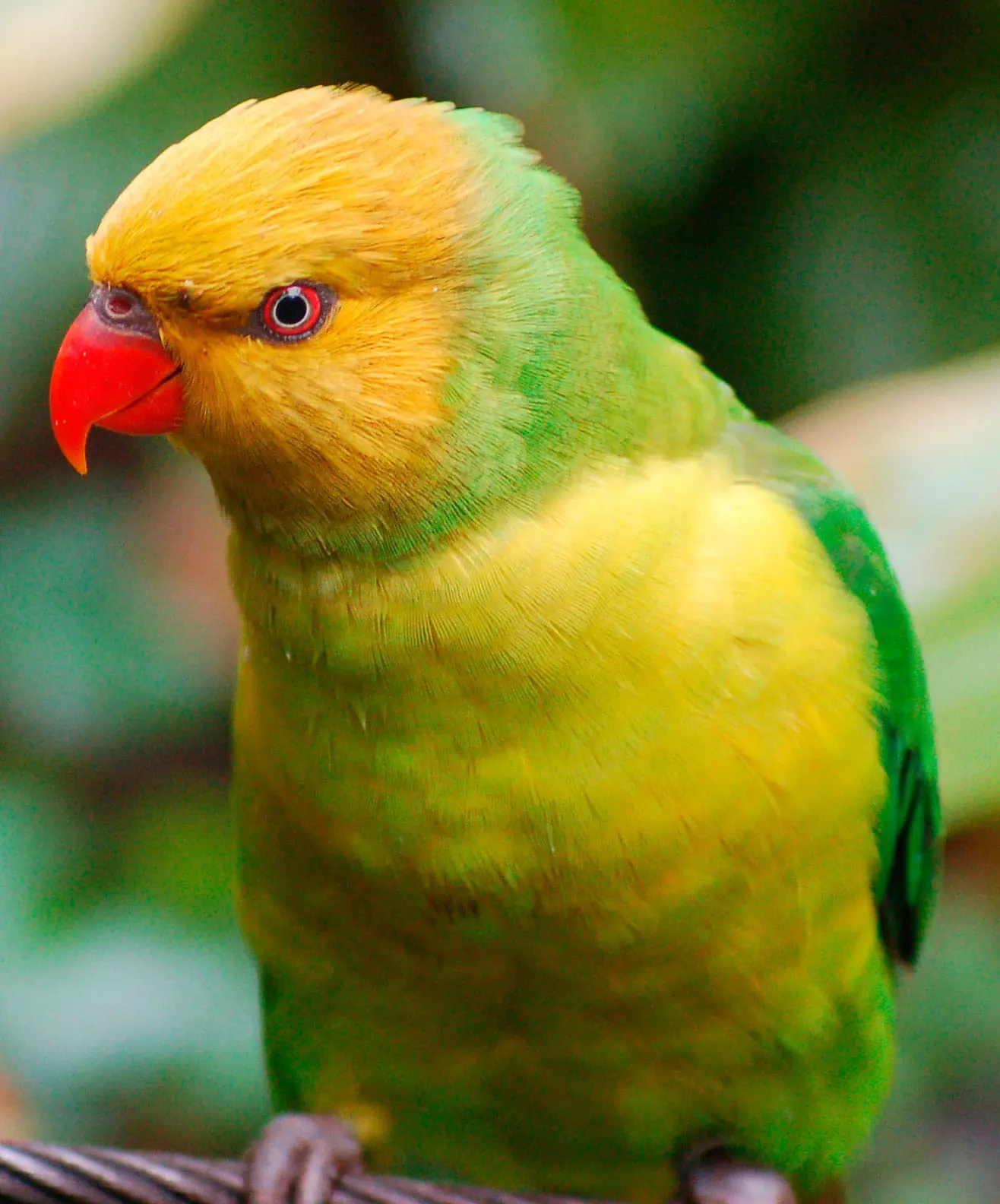
The head color is olive with waves pale mustard and yellow stripes over the entire surface of the top.
The neck and its part rear are surrounded by a collar of color green brilliant that continues until the throat.

The underparts below the throat are entirely greenish-yellow.
The bill is red-orange. The irises they are red, and legs grey.

The youth they are more muted than adults. Its head is slightly greenish with streaks pale. The bill is brown. The irises They are brown. The species is considered monotype.

Habitat:

They frequent humid subtropical forests., secondary forests and wooded meadows. Adapt quite well to cultivated land and the gardens in cities.

In Timor, they are relatively abundant between 1.000 and 2.300 meters above sea level, apparently, substitute to the Coconut Lorikeet in these heights. Also they can be observed at sea level in the island of Timor. In the rest of the Islands it frequents lowland areas.

The Olive headed Lorikeet they live in small groups. They are especially visible when they are in flight because they emit continuously shouts. On the other hand, when feeding or resting in trees, they are very difficult to observe because of their green plumage mixed with the color of the foliage.

They are birds territorial, capable of showing great aggressiveness if the limits of their area of ​​influence are violated.

Usually disperse in search of their food, forming large groups when resources are abundant.

Outside the breeding season they form large roaming flocks of a hundred or more individuals.. Move in flying fast and slightly wavy.

In Timor, during the season, dry, These birds seem to descend below 1.000 meters and are scattered in coastal areas.

Reproduction:

The anidacio seasonn would take place perhaps between September and October, but this information needs to be confirmed.

In captivity, the Olive headed Lorikeet put 3 white eggs that parents are in charge of incubate for a few 23 days. As in the majority of the Lori, the nesting cycle is particularly long.

Food:

Feed primarily of nectar and fruit. They forage in trees in flower and shrubs.

Distribution:

Size of the area of distribution (reproduction / resident): 38.100 km2

Timor and Lesser Sunda Islands, from the East of Lembata until Nila and Babar.

Conservation:


minor concern


• Current IUCN Red List category: Least concern

• Population trend: Stable


The population size This species has not been quantified. Suspected that the population is stable in the absence of evidence of any reduction or substantial threats.

Like most brightly plumaged parrots, the Olive headed Lorikeet It victim of trade bird cage or Aviary.


"Olive headed Lorikeet" in captivity:

Pretty common. They can be housed with others of its kind.

Alternative names:

– Olive headed Lorikeet, Olive-headed Lorikeet, Perfect Lorikeet (ingles).
– Loriquet eutèle (French).
– Gelbkopflori (German).
– Lóris-de-cabeça-amarilla (Portuguese).
– Lori Humilde, Tricogloso Humilde (español).

scientific classification:

– Order: Psittaciformes
– Family: Psittaculidae
– Genus: Trichoglossus
– Scientific name: Trichoglossus euteles
– Citation: (Temminck, 1835)
– Protonimo: Psittacus euteles

Images "Humned Lori":

Videos "Olive headed Lorikeet"

———————————————————————————————–

"Lori humilde» (Trichoglossus euteles)


Sources:

– Avibase
– Parrots of the World – Joseph Forshaw M
– Parrots-A Guide to the Parrots of the World by Tony Juniper & Mike Parr
– BirdLife.org

– Photos:

1 – Photo by and (C)2007 Derek Ramsey (Ram-Man) – Self-photographed – Wikipedia
2 – By James Eaton – IBC.lynxeds.com
3 – «Trichoglossus euteles-captive-8a-ec» by Trichoglossus_euteles_-captive-8a.jpg: Ruth Rogersderivative work: Snowmanradio (talk) – originally posted to Flickr as P8120395 and uploaded to commons at Trichoglossus_euteles_-captive-8a.jpg. Licensed under CC BY 2.0 via Wikimedia Commons.
4 – "Scaly-breasted Lorikeet Kobble Dec06" von Aviceda – Eigenes Werk. Lizenziert unter CC BY-SA 3.0 über Wikimedia Commons.
5 – By Marcella (Picasa Web Albums) [CC-BY-SA-3.0], via Wikimedia Commons

– Sounds: Colin Trainor (Xeno-canto)