▷ The world of Pets: Dogs, cats, birds, reptiles, amphibians

Red-winged Parrot
Aprosmictus erythropterus

Red-winged Parrot

Content


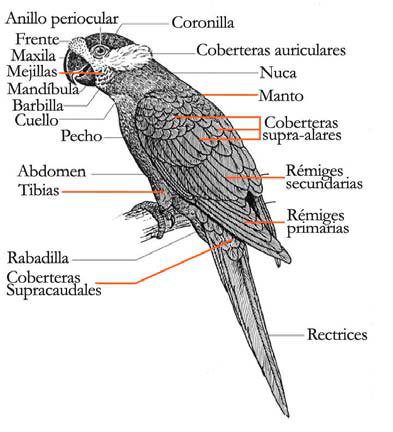
Anatomy-parrots

Description

30 to 33 cm.. length between 120 and 210 g. of weight.

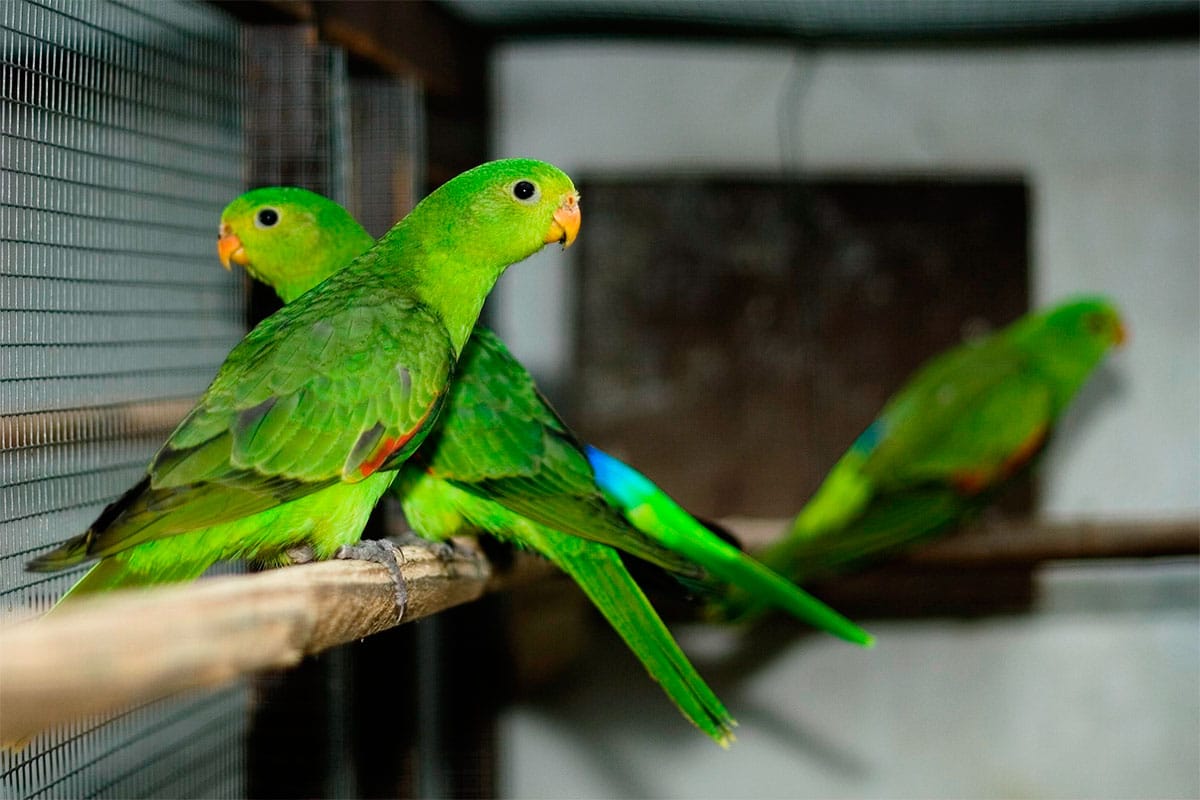
The Red-winged Parrot (Aprosmictus erythropterus) has the head of color green bright with brightness blue green in the crown and nape. Mantle, back and scapulars black. Area low of it back and rump brilliant blue, more clear towards the tail; uppertail-coverts of color green yellowish with broadcasting yellowish at the base. Curve of the wing yellow-green light. Carpal edge blackish. Upper, the wing-coverts, bright Scarlet. Tertiary and primaries marked in black on vane inner, green in vane outer; secondaries also bathed in black in vane outer; primary coverts of color green dark bathed in black. Under, the wing-coverts green. The underparts bright, pale and slightly yellowish-green. Upper, the tail Green dark with tips of color yellow and lateral feathers Blackish in vane internal with yellow tips; undertail, the tail Blackish with tips pale.

Bill coral red; irises reddish brown; legs grey-black.

Female It is predominantly green with a small red spot in the wings (only a point apical on coverts major interiors, but the increase in the external; restricted to the outer feathers of the median) that of the male, and it ain't got no black on it the mantle; vane outside of outer secondaries black. The Green is also more off, and a bit more yellowish in them underparts. The rump is of a blue more off, and the glitter blue in it crown and nape of the male, is absent in the female. Under, the tail has tips yellowish and touches of color pink.

The immature they are similar to the females, but with a irises more Brown and bill yellow from the beginning. Young males attain adult plumage in the third annual moult, but black can show the mantle feathers before this.

Description 3 subspecies

  • Aprosmictus erythropterus coccineopterus

    (Gould) 1865 – Male with more blue in it crown and nape. Both sexes slightly paler, and the female also more off the Green that it nominal species.


  • Aprosmictus erythropterus erythropterus

    (Gmelin) 1788 – The nominal.


  • Aprosmictus erythropterus papua

    (Mayr & Rand) 1936

Habitat:

Resident, Although nomads in the edges of the range. Is semiarid and subtropical forests of eucalyptus and casuarina, boedes of the Woods, riparian forests, thickets of acacia, mangroves, agricultural fields, scrub Cypress pine (Callitris), and the lowlands of the Savannah.

On the inside of Australia are mainly linked to the extension of wooded of the systems fluvial.

They are usually found in small groups of up to fifteen birds, rarely reach more of 50 individuals in a single flock. The largest groups are likely to form late in the breeding season when family groups gather at feeding grounds..

The species is common and conspicuous, but not particularly accessible; When resent, birds can fly some distance, often making strong sounds.

Sometimes associated with the Pale-headed Rosella and Mallee Ringneck, and they feed under the trees, Although it is more usual to see them on Earth to drink.

Reproduction:

The nesting You can start early, in the months of April or may in the North, but august to february is the main breeding season in the south. During the courtship, the male perches near the female, exposing your blue rump, and making sounds.

The nest normally found in a eucalyptus, and the eggs are put into a deep hole covered with scrap wood. Three to six white eggs are They incubated for around 20 days by the female, which is fed by the male until the eggs hatch. The young are cared for by both parents and they leave the nest in a five weeks.

Food:

The diet It includes seeds, fruit, flowers and insects; in the mangroves, the mistletoe (Loranthus) is your favorite diet.

Distribution:

Size of the area of distribution (reproduction / resident): 5.230.000 km2

The Red-winged Parrot (Aprosmictus erythropterus) are confined in Australia, in the coastal districts of the southeast of Irian Jaya (Indonesian) and in the Western Province (Papua New Guinea).

In New Guinea, the species is restricted to the region between the rivers Digul and Fly.

In Australia extends from about Broome, in Western Australia (registered West of Anna Plains, and southwest of the Cordillera de Edgar) through the Kimberley region, including some islands on the coast (Buccaneer and Bonaparte archipelago, Islands Osborne and Sir Graham Moore, and Admiralty Gulf Islands) in the Northern Territory, about Nicholson.

Extends northward up to the peninsula of cobourg and to the South, at the turn of the Cordillera Camfield and Dunmarra Roadhouse, reaching some coastal islands, including Melville and Groote Eylandt.

Extends to the East in Queensland, in the nicholson river, are distributed in the Cape York Peninsula, with records by the coast, about Rockhampton (occasional southernmost), and reaching inside, about Dajarra, to the South of Mount Isa and Southeast, through the lower part of the diamond river, Windorah, Quilpie, Mitchell and San Jorge.

On the inside of New South Wales the end points of the range are in Inverell in the East, Gunnedah, Dubbo and Mudgee in the South and There is a, Menindee and Broken Hill, near the southern border of Australia.

They are also in the North, in the basin of the darling river, and have been recorded in the South-East of Australia, around the Lake Eyre and North of Cooper Creek.

Wandering individuals have been recorded in Renmark and Victory Downs, In this last, possibly from an exhaust.

Leaks have also been observed in Sydney and Melbourne.

The species is common in suitable habitats, except at their range limits.

The world's population is above the 100.000individuals and the species is considered secure.

A moderate number of captive.

Protected by law.

Distribution 3 subspecies:

  • Aprosmictus erythropterus coccineopterus

    (Gould) 1865 – South of New Guinea and Western Australia, to the East through the northern territory of the Cape York Peninsula, Queensland


  • Aprosmictus erythropterus erythropterus

    (Gmelin) 1788 – The nominal


  • Aprosmictus erythropterus papua

    (Mayr & Rand) 1936 – South of New Guinea

Conservation:


minor concern


• Current category of the Red List of the UICN: Least concern

• Population trend: Growing

The size of the world population It has not been quantified, Although it is estimated very above the 100.000 specimens.

The species, according to sources, is usually common and locally abundant (pit et to the. 1997).

The population is suspected that it may be in decline due to ongoing habitat destruction.

"Red-winged Parrot" in captivity:

Fairly common in Australia, not so much in other places.

Active, Acrobat; they require a large birdhouse with plenty of hangers. The male can become aggressive with the female.
Quite quiet and shy.

Una muestra vivió 24,4 years in captivity.

Alternative names:

– Red-winged Parrot, Red winged Parrot (ingles).
– Perruche érythroptère, Perruche erythroptère (French).
– Rotflügelsittich, Rotflügel-Sittich (German).
– Periquito-de-encontro-vermelho (Portuguese).
– Papagayo Alirrojo, Papagayo de Alas Rojas (español).


scientific classification:
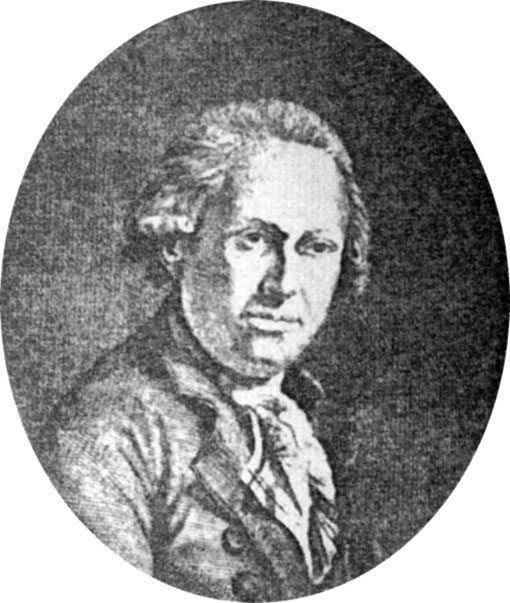
Gmelin Johann Friedrich

– Order: Psittaciformes
– Family: Psittaculidae
– Genus: Aprosmictus
– Scientific name: Aprosmictus erythropterus
– Citation: (Gmelin, JF, 1788)
– Protonimo: Psittacus erythropterus


Images «Papagayo Alirrojo»:

Videos "Red-winged Parrot"

————————————————————————————————

«Papagayo alirrojo» (Aprosmictus erythropterus)

Sources:

– Avibase
– Parrots of the World – Forshaw Joseph M
– Parrots A Guide to the Parrots of the World – Tony Juniper & Mike Parr
– World Parrot Trust – parrots.org
– Birdlife

– Photos:

(1) – By David Cook Wildlife Photography from Wamboin, NSW, Australia [CC BY 2.0], via Wikimedia Commons
(2) – By Jan Harenburg (Own work) [CC BY 3.0], via Wikimedia Commons
(3) – Aprosmictus erythropterus erythropterus – Orde Psittaciformes – Papegaaiachtigen
(4) – Red-Winged Parrot (Aprosmictus erythropterus) Male – Pine Creek, M. 7. – encimages
(5) – «Aprosmictus erythropterus-Australia-pair-8" Of Kitykat79 – originally posted to Flickr as King Parrots!. With license CC BY 2.0 Transact Wikimedia Commons.
(6) – A painting of two Red-winged Parrots (originally captioned «Platycercus erythropterus. Crimson-winged parraket. 1. Male. 2.Female.») by Edward Lear 1812-1888. The painting shows a female behind young male by Edward Lear [Public domain], via Wikimedia Commons

– Sounds: Peter Woodall (Xeno-canto)
▷ The world of Pets: Dogs, cats, birds, reptiles, amphibians

Australian King-Parrot
Alisterus scapularis

Australian King-Parrot

Content


Anatomy-parrots

Description

39-43 cm.. length between 195 and 275 g. of weight.

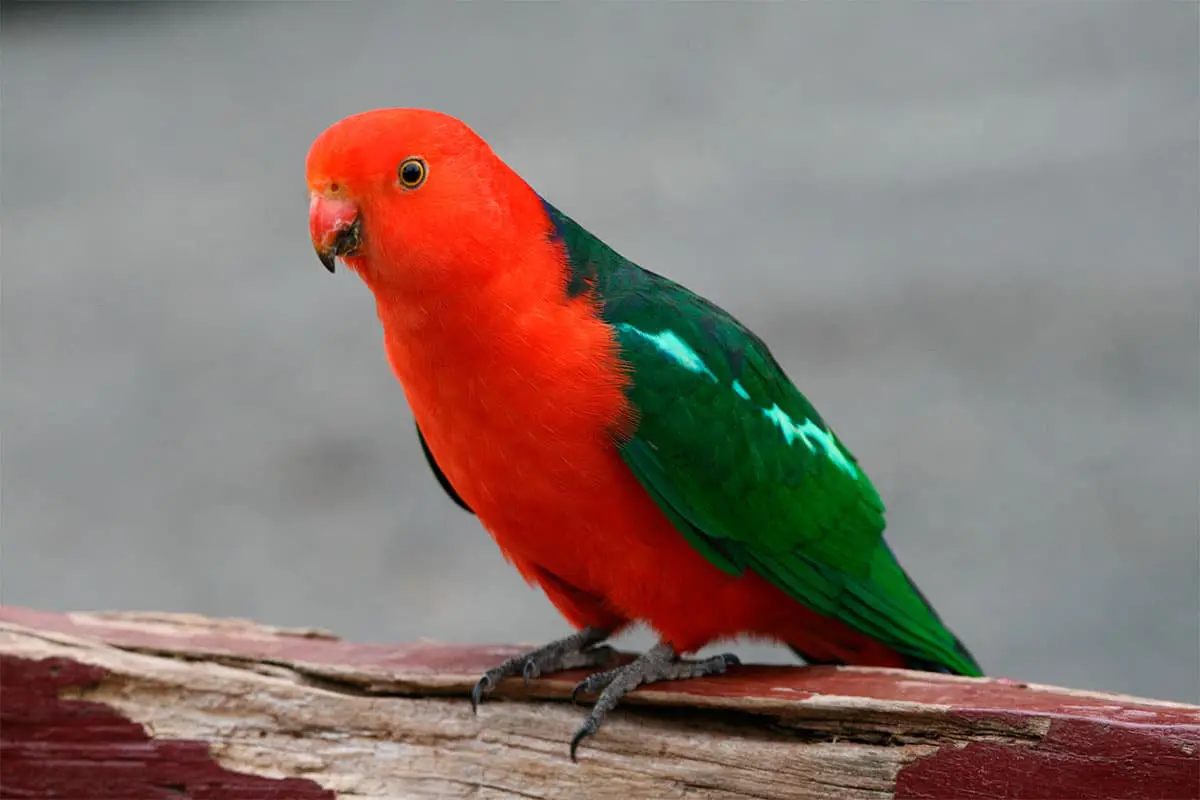
The Australian King-Parrot (Alisterus scapularis) is very similar to the Moluccan King-Parrot, but larger.

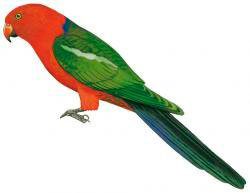
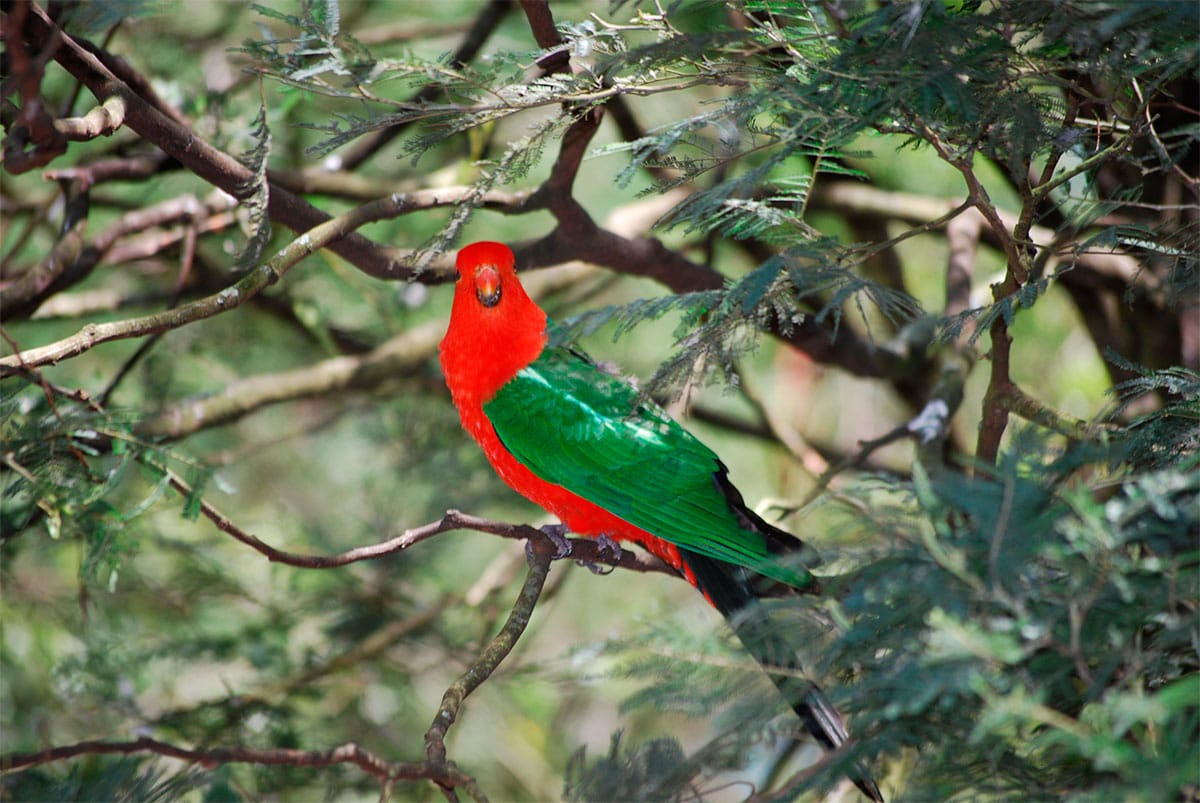
It has the head and bright Scarlet underparts, with the exception of the coverts black infracaudales, with large red tips. Narrow rear necklace with mixture of the dark blue to dark green of the mantle (mantle feathers fringed even darker); lower back and rump, dark blue. Pale necklaces, slightly greenish-blue, forming a distinctive 'brace'; green wing coverts, and green flight feathers with vane blackish internal. Under, feathers dark green bathed in blue wing. Upper, Black tail with a light blue bathroom in the vane external side feathers; undertail, black tail.

Bright coral red beak, with black tips; iris yellow ; grey legs.

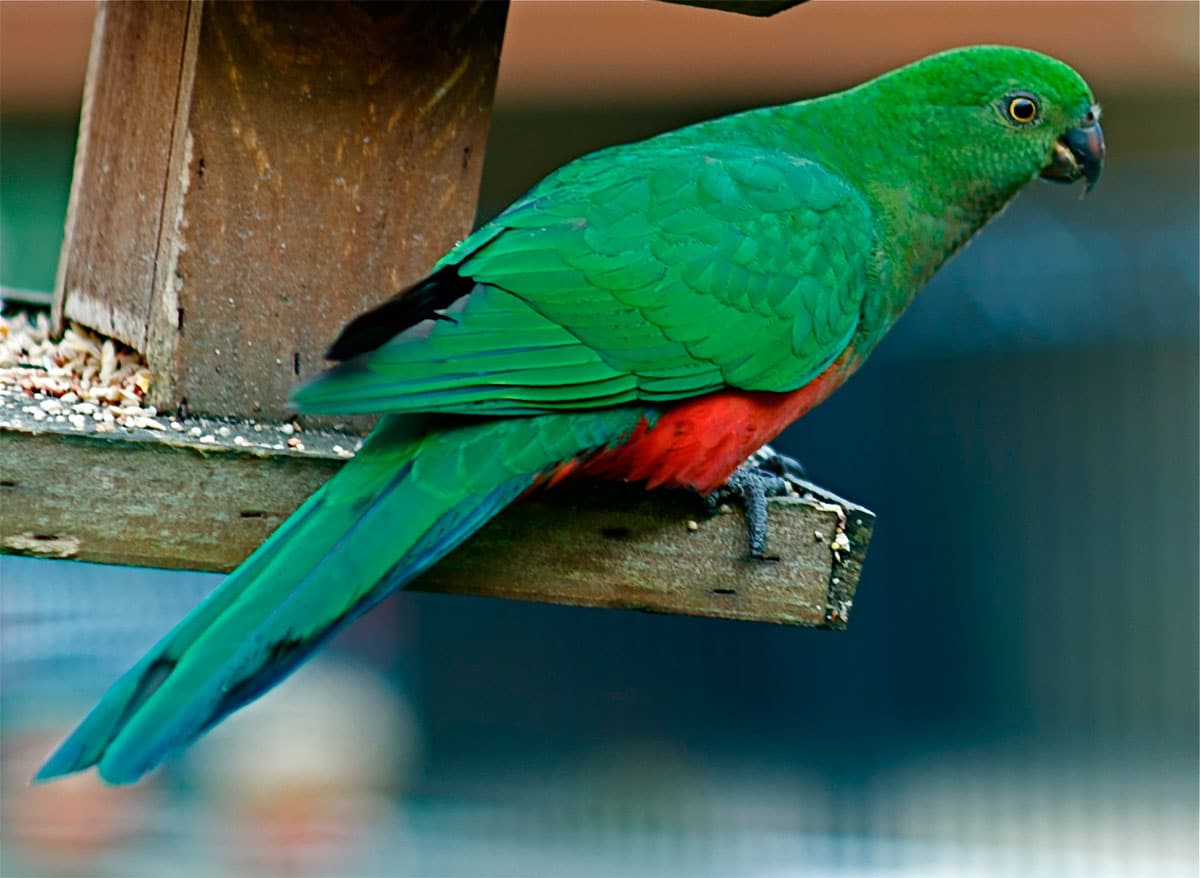
Strong dimorphism in female, with the Crown and green upper parts (including supracaudales coverts and tail, but not the Croup which is a lighter blue than in males). The face and the chest are coloured green opaque with a reddish spread warm. Females may occasionally show some pale necklaces. The infracaudales coverts are green, very red-tipped. The Central tail feathers are green, the lateral blackish with narrow pink tips.

The peak is a blackish brown dark.

The immature birds are like females, but with a pale beak and dark iris.

Younger females are less red below. Males get the adult plumage during a slow change that starts around of the 16 months, and continue for others 14 to 15 months.

Subspecies Alisterus scapularis

  • Alisterus scapularis minor

    Mathews, 1911 – Same as the nominal species, but smaller.

  • Alisterus scapularis scapularis

    (Lichtenstein, 1816) – The nominal

Habitat:

Australian King-Parrot

The Australian King-Parrot disperse, regularly, after the breeding season, in wooded areas, reaching altitudes of 1.625 m, Although rarely seen on top of the 1.200 m, from where come down to more open habitats; they have seen other apparently climate-related movements. They can travel moderate distance; a ringed bird was recovered to 270 kilometers from their place of origin.

During the breeding season, they are often found in dense forests (sclerophyllous forest wet), wooded streams and associated habitats, including more open eucalyptus forests and savannahs bordering riparian forests.

Outside the breeding season, they are in a wider variety of habitats, including the cultivated areas, parks, orchards and occasionally suburban gardens.

They are usually in pairs or small groups, although subsequent flocks of immatures may form groups of up to 50 or more birds. The Australian King-Parrot, often, they sit in a visible way on high exposed branches. When feed, However, the birds are still cautious and fairly quiet. They gather to feed early in the morning, sometimes in mixed groups with Rosella parakeets and other parrots. They remain silent during the hottest part of the day, to re-enable the afternoon.

Noisy flocks, often, they might be returning to the roosts at night.

Reproduction:

During courtship, males move head, the wings and inflate their feathers; the female responds with Wiggles head, and asking for food. The breeding season extends from September to February. The nest is a hollow in a tree dead or alive (often a large eucalyptus with hollow tips). The entrance of the nest is usually at a certain height. Between three and six (usually four) eggs are deposited in a deep hollow on a bed of wood dust. The female incubates alone during 20 days, with the male nearby to provide her with food.

The young remain in the nest during 5 weeks, after which they leave the nest and remain with their parents.

Food:

The diet consists of fruit, berries, nuts, seeds, insect larvae, flowers, outbreaks and other vegetable materials. The species is also fond of mistletoe VISCUM album, eucalyptus and acacia trees. It can cause damage in orchards and fields, usually in search of potato, corn and other crops.

When feed, They argue the food with their legs, and extract with its beak. If you bother, These parrots flying quickly to hide, but they can become tame in some inhabited areas.

Distribution:

The Australian King-Parrot is distributed along the East coast of Australia, in the interior of the western slopes of the Great dividing range, extending from Cooktown in the North of Queensland, to the South, the District of Atherton, then through Eungella, Blackall, MooNiE and in New South Wales, where it reaches inside approximately in Bingara, Mudgee and Albury. In Victoria is limited to the South-East, being Portland its southwestern border.

It is common in Canberra, especially during autumn and winter, and birds Getaways, occasionally seen in adelaide, along the murray river and in the West of Victoria.

The species can also be seen in Fraser, Stradbroke and Broughton Islands.

The world's population is considered that it is far superior to 50.000 specimens and stable, although they may have been affected by trade and to some degree habitat loss.

Distribution subspecies Alisterus scapularis

Conservation:


minor concern


• Current category of the Red List of the UICN: Least concern

• Population trend: Decreasing

The size of the world's population has not been quantified, Although it is estimated above 50,000 specimens.

The species, according to sources, is usually common, but may be declining due to deforestation and the destruction of their habitat in course (pit et to the. 1997).

"Australian King-Parrot" in captivity:

Fairly common in Australia, not so much in other places.

Sweet disposition, tame; will tolerate other species outside of breeding season.

Alternative names:

– Australian King-Parrot, Australian King Parrot, Blood Rosella, King Lory, King Parakeet, King Parrot, King-Red Lory, Queensland King-Parrot, Scarlet-and-Green Parrot, Southern King-Parrot, Spud Parrot (ingles).
– Perruche royale (French).
– Königssittich, Königsittich (German).
– Periquito-rei-australiano (Portuguese).
– Papagayo Australiano, Papagayo Real Australiano (español).

scientific classification:

– Order: Psittaciformes
– Family: Psittaculidae
– Genus: Alisterus
– Scientific name: Alisterus scapularis
– Citation: (Lichtenstein, MHC, 1816)
– Protonimo: Psittacus scapularis

«Australian Parrot» Images:

Videos "Australian King-Parrot"

————————————————————————————————

«Australian Parrot» (Alisterus scapularis)

Sources:

– Avibase
– Parrots of the World – Forshaw Joseph M
– Parrots A Guide to the Parrots of the World – Tony Juniper & Mike Parr
– Birdlife

– Photos:

(1) – «Alisterus scapularis (male) -Bunya Mountains-8» by Arthur Chapman – originally posted to Flickr as Alisterus scapularis (Australian King Parrot). Licensed under CC BY 2.0 via Wikimedia Commons.
(2) – By Andy (originally posted to Flickr as King Parrot Couple) [CC BY-SA 2.0], via Wikimedia Commons
(3) – By Geoff Penaluna from Australia (Female King parrotUploaded by snowmanradio) [CC BY 2.0], via Wikimedia Commons
(4) – By Jan from Singapore, Singapore [CC BY 2.0], via Wikimedia Commons
(5) – «Alisterus scapularis-Commonwealth Park, Canberra, Australia-male-8» by Duncan McCaskill – Picasa Web Albums. Licensed under CC BY 3.0 via Wikimedia Commons.
(6) – HBW Alive – hbw

– Sounds: Diego Caiafa (Xeno-canto)
▷ The world of Pets: Dogs, cats, birds, reptiles, amphibians

Papuan king parrot
Alisterus chloropterus

Papuan king parrot

Content


Anatomy-parrots

Description

36 cm.. length between 138 and 190 g. of weight.

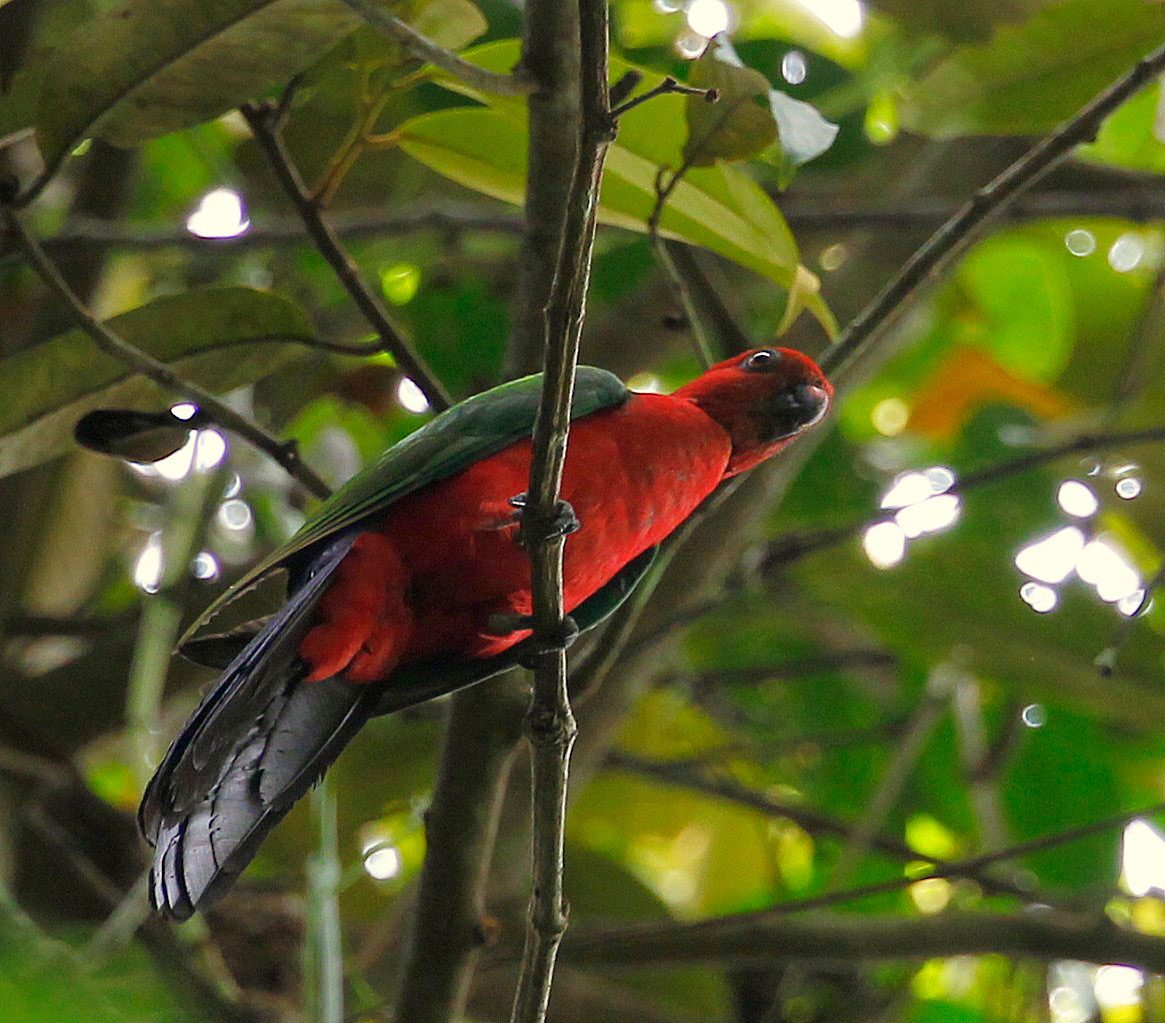
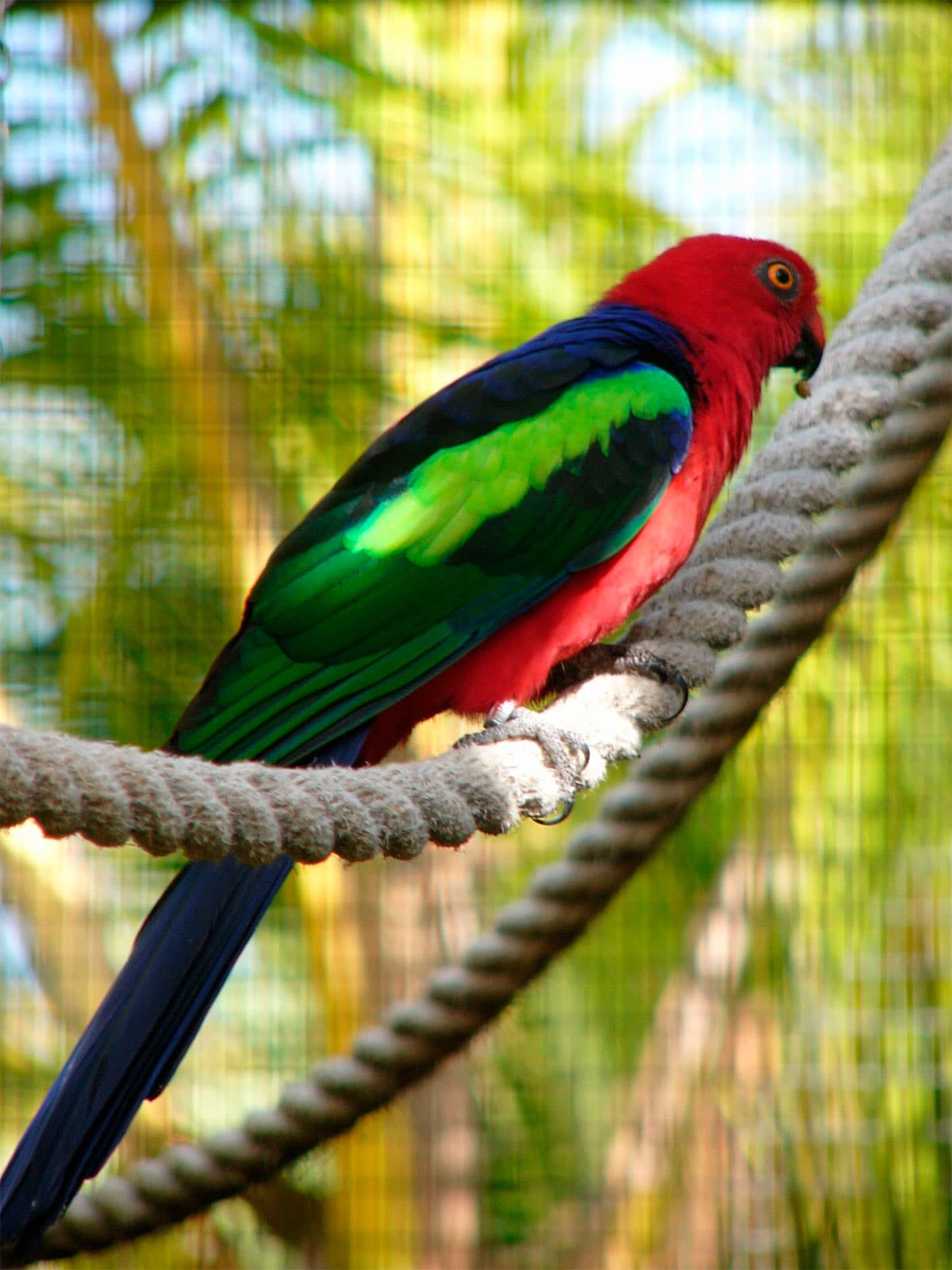
The Papuan king parrot (Alisterus chloropterus) It has a bright red head, wide rear collar of blue stretching at the nape to the back of the Crown and sides of the upper part of the chest. Blackish green mantle, apparently black in the field; lower part of the back, buttocks and supracaudales coverts Dark Violet.

Dark green wings with large patch of yellowish-green through the lower, internal medium and more large inner coverts; Green flight feathers, with vane Dark internal. Under, the wing coverts blue-violet. Bright red bottoms, with hidden dark bases to the coverts infracaudales. Upper, tail bluish black; Black down.

Black bill with red base to upper mandible; Orange iris; feet of color grey blackish.

The female of color green for over, devoid of the pale in wings patch, with a dark blue rump and blackish tail. Head and upper part of the chest of green (reddish mottled), and the rest of of the Red bottoms. Under, the Green wing coverts. Coverts with dark centers infracaudales, but this is less evident in the Australian females. Base with more brown on upper mandible than in males.

Young as females, but with tips to the tail feathers pink, a greener chest, and a peak and iris darker.

Subspecies description

  • Alisterus chloropterus chloropterus

    (Ramsay, EP 1879), the nominal subspecies.


  • Alisterus chloropterus callopterus

    (Albertis & Salvadori 1879) – Male with blue band narrow through the mantle, It does not extend to the rear of the Crown. More green in the mantle.


  • Alisterus chloropterus moszkowskii

    (Reichenow 1911) – Sexes generally similar. Male has no or only shows a blue light in the back of the neck band, and it has the mantle and signs on the sides of the chest of green. Male with violet that extends more down in the back that the nominal species. Both sexes can display tips pink tail feathers. Immature with narrower and more off the wings patch. Green marks on the chest.

Habitat:

They are distributed in the dense forests from close to sea level until the 2.800 m. The birds are also sometimes found in cultivated areas, at higher altitudes, in more open habitats with casuarinas, and in areas of secondary growth. Papagayo Papuans are heard more often than they are seen, and are more frequently asked vislumbrados flying between the trees through breaks in the forest.

Bird alone, couples or groups of up to ten copies, they feed on silently and discreetly in the lower floors and half-height of the forests, and they can be addressed a short distance when they deliberately leave in search of fruits, seeds, berries and nuts; When resent, they usually only fly within walking distance.

Reproduction:

Little-known cycle of reproduction, but nesting, according to sources, begins in the month of March with two or three eggs in the implementation. The period of incubation is of 21 days, and the incipient takes 35 days. Young people reach the independence in 50 days.

Food:

Fruits, seeds, berries and nuts

Distribution:

Size of the area of distribution (reproduction / resident): 324.000 km2

The Papuan king parrot extends from North of Cenderawasih Bay, to the East, about Aitape on the North Coast. Although locally common, the species is probably suffering due to the trade of birds. The world population is estimated at around 70.000 birds.

Subspecies distribution:

Conservation:


minor concern


• Current category of the Red List of the UICN: Least concern

• Population trend: Stable

The size of the world's population has not been quantified, Although it is estimated at around 70,000 specimens.

The species is reported as locally common (pit et to the. 1997).

The population is suspected to be stable in the absence of evidence of any reduction or substantial threats.

"Papuan king parrot" in captivity:

active parrot; need extra space because of the tendency that has to turn into an apathetic or lethargic in a small cage bird. It is not very loud. The dietary changes must occur slowly. It has a tendency to internal parasites.

Very rare in captivity.

Alternative names:

– Papuan King-Parrot, Green-winged King Parrot, Green-winged King-Parrot, Papuan King Parrot (ingles).
– Perruche à ailes vertes, Perruche royale à ailes vertes, Perruche royale de Papouasie (French).
– Papuasittich (German).
– Periquito-rei-de-asa-verde (Portuguese).
– Papagayo Papú, Papagayo Real de Alas Verdes (español).

scientific classification:

– Order: Psittaciformes
– Family: Psittaculidae
– Genus: Alisterus
– Scientific name: Alisterus chloropterus
– Citation: (Ramsay, EP, 1879)
– Protonimo: Aprosmictus chloropterus

“Papuana Parrot” images:

————————————————————————————————

«Papuan Parrot» (Alisterus chloropterus)

Sources:

– Avibase
– Parrots of the World – Forshaw Joseph M
– Parrots A Guide to the Parrots of the World – Tony Juniper & Mike Parr
– Wikipedia
– Birdlife

– Photos:

(1) – «Alisterus chloropterus-Jurong Bird Park-male-8a» by Peter Tan – originally posted to Flickr as Australian King Parrot. Licensed under CC BY 2.0 via Wikimedia Commons.
(2) – «Alisterus chloropterus -Grant’s picnic ground -in tree-8» by Jade Craven – originally posted to Flickr as King Parrot at Grants Picnic Ground. Licensed under CC BY 2.0 via Wikimedia Commons.
(3) – Birds and Birds – Parrocchetto reale aliverdi
(4) – Bottom view of a male perched on a branch by Carmelo López – Lynx
(5) – franz.kulman

– Sounds: Sam Woods (Xeno-canto)

▷ The world of Pets: Dogs, cats, birds, reptiles, amphibians

Blue-naped Parrot
Tanygnathus lucionensis


Blue-naped Parrot

Content


Anatomy-parrots

Description

31 cm.. length between 148 and 231 g. of weight.

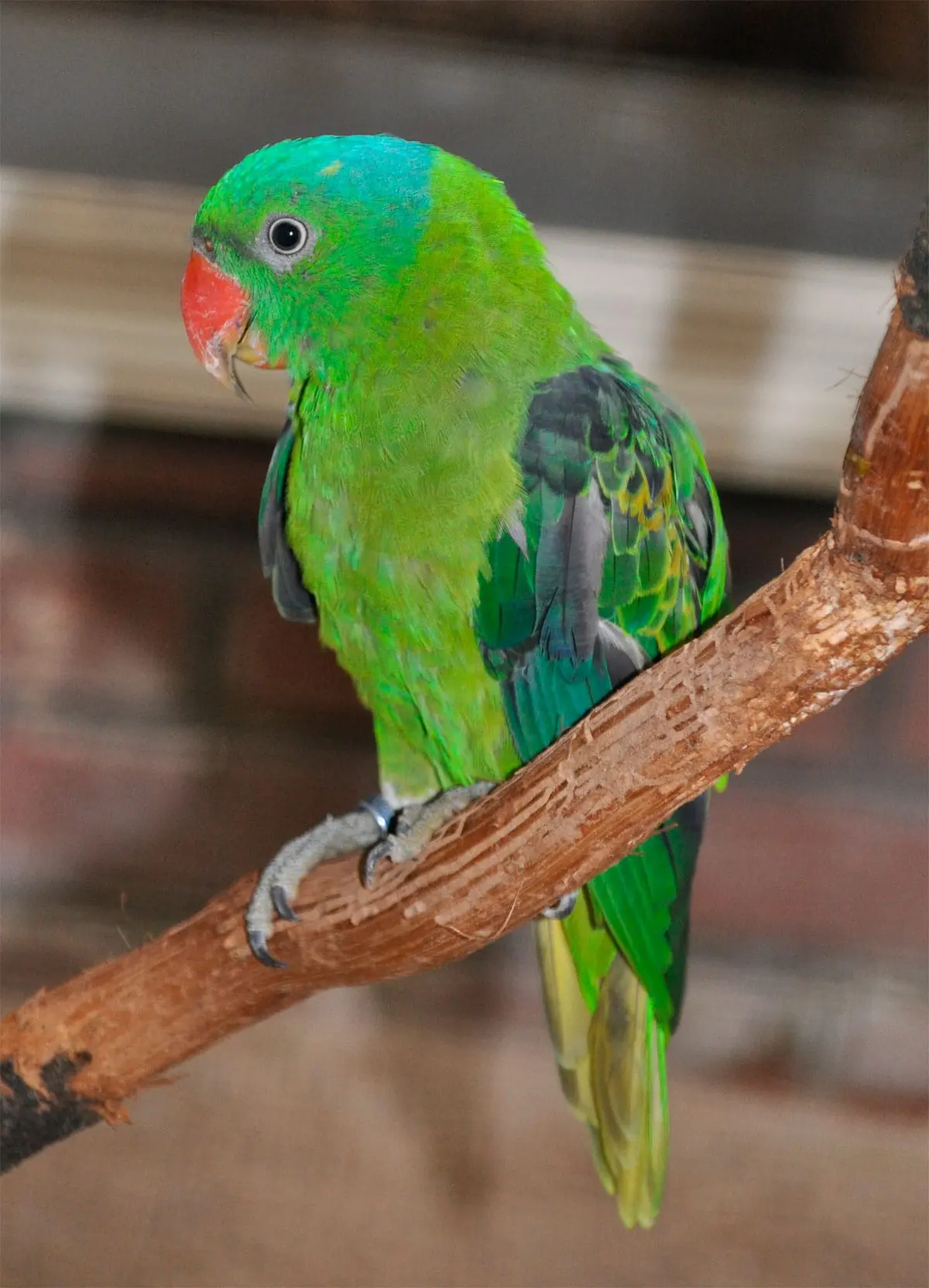
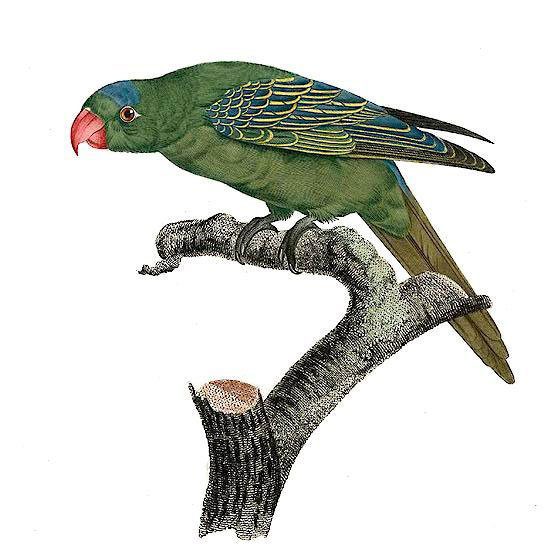
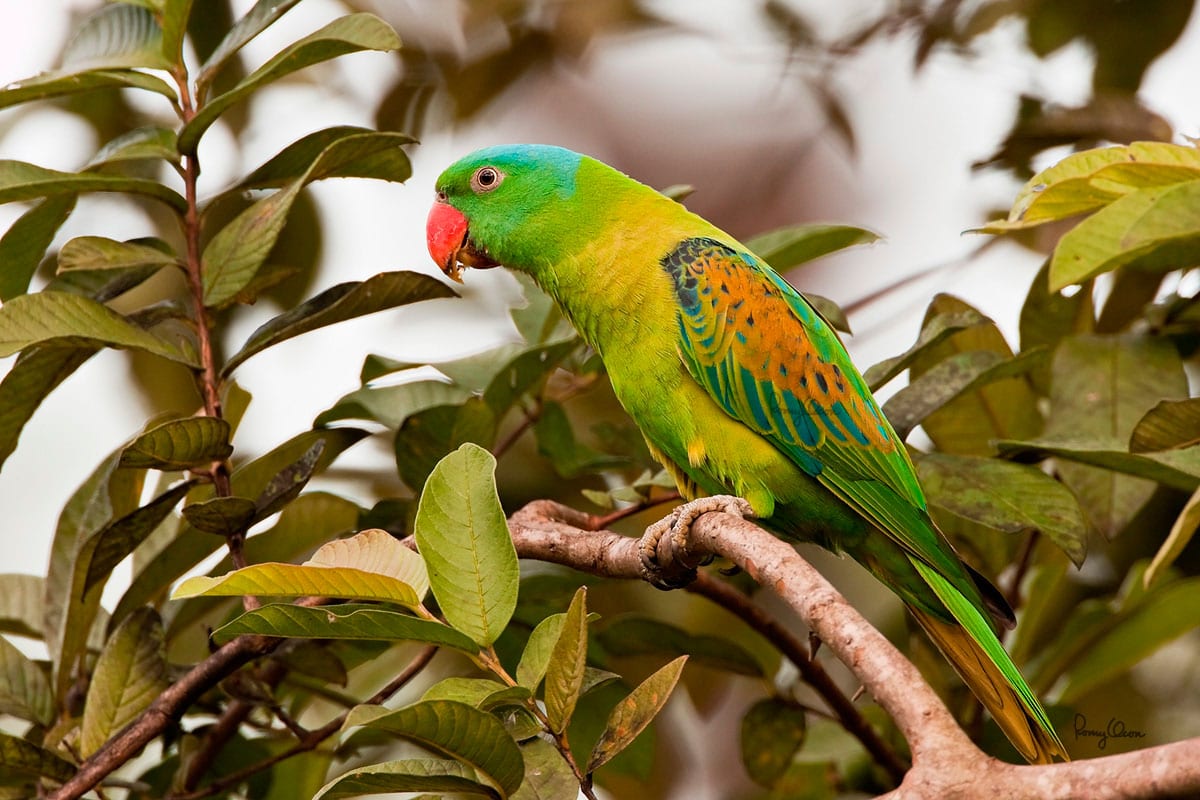
The Blue-naped Parrot (Tanygnathus lucionensis) has the head bright green with a clear bright blue diffusion through the back of the crown and nape.

Upperparts yellowish-green with pale blue illuminated on the back low and the tail; upper tail coverts brighter yellowish green.

Scapulars blue, with green edges; shoulder Black with small coverts Black bordered of blue-green and orange Green; median black and pale blue, large edges of opaque orange brown; greater coverts Blue-Green lined with orange-yellow in the feathers interiors.

Secondary Green with yellow and narrow margins; primaries Greens with vane blackish internal.

Wing feathers green, underside of primaries blackish.

Upper, the tail green, narrow edge and yellowish tip laterally; undertail, the tail yellowish brown opaque.

Bill red, paler at the tip and the lower jaw; irises yellow; legs grey.

Both sexes are equal.

Immature with less blue in the crown and more off the brands of the wings.

Subspecies:

  • Tanygnathus lucionensis lucionensis

    : The nominal.


  • Tanygnathus lucionensis hybridus

    : It has the most extended head blue, with violet tone. Their wings are greener.


  • Tanygnathus lucionensis talautensis

    : No blue in the obispillo and their plumage is less yellowish.


  • Tanygnathus lucionensis [salvadorii u horrisonus]:

Habitat:

Blue-naped Parrot

It is a bird of forests closed and open, including secondary growth, coconut plantations, patches of mangrove and banana to the 1.000 meters above sea level; and not so strongly linked to coastal habitats as the Great-billed Parrot. Is usually found in flocks of up to 12 individuals who sit in community and make regular flights at dawn and in the evening between the feeding and resting areas. Feeds on fruit trees.

Reproduction:

The breeding It has been observed in the months of April to June. Registered a nest the natural cavity or abandoned Woodpecker hole, often a clear. There is no data on the size of the laying.

Food:

Fruits and seeds of forest trees, Palm fruit, young coconuts, the banana and papaya.

Distribution:

The population of the Blue-naped Parrot distributes lengthwise of the Philippines and Talaud Islands, (Indonesian). Specific records found on the islands of Balut, Bantavan, Basilan, Biliran, Bohol, Bongao, Cagayan Islands, Calamian Islands, Caluya, Cebu, Cuimaras, Jolo, Leyte, Luzon, Maestre de Campo, Malanipa, Manuk Manka, Marinduque, Masbate, Mindanao, Mindoro, Blacks, Palawan, Surigao del Sur, Polillo Islands, Romblon, Samar, Sanga Sanga, Sarangani Islands, Samal, Sibay, Sibutu, Sibuyan, Siquijor, Tables, Tawitawi, Ticao, Tumindao and Verde (Philippines); Karakelong and Salibabu (Talaud).

Apparently, small groups of birds in Mantanani Kiss (Northwest Sabah), and SI-Amil (until 100 birds present in 1962) and Maratua off the northeast coast of Borneo; The existence of a wild population was also reported around Kota Kinabalu, (Sabah).

Occasional leaks occur in other parts, including the Sangir Islands.

The species was described as common in Salibabu in the Group of Talaud in 1978 (more numerous there than the Azure-rumped parrot) and they are still regularly seen there and in the nearby Karakelong during observations in 1995 (Numerous in a last record in 1997).

In other areas the species is rare. Recent records in Philippines they come mainly from Mindoro and Palawan, places that seem to be the bastion of the species.

Subspecies:

  • Tanygnathus lucionensis lucionensis

    : The nominal.

  • Tanygnathus lucionensis hybridus

    : (Salomonsen, 1952) – Present in Polillo island, to the North of Philippines.

  • Tanygnathus lucionensis talautensis

    : (AB Meyer & Wiglesworth, 1895) – Talaud Islands (North Moluccas).

  • Tanygnathus lucionensis [salvadorii u horrisonus]:

    (Ogilvie-Grant, 1896) – Philippines, (except North), but it can be rare or extinct on many islands. Also in some small islands off Northwest and northeast of Borneo (If Amil, Mantanani), where it was possibly introduced, especially on this last island.

Conservation:


Near-threatened


• Current category of the Red List of the UICN: Near threatened

• Population trend: Decreasing

The total population is provisionally estimated to be below the 10,000 specimens in 1993 (Lambert et to the. 1993).

The population is suspected to be in decline due to capture for the bird trade and habitat degradation from expansion and logging due to agricultural pressures..

Conservation Actions Proposed Palawan:

– Determine the impact of trade on the population of the species.
– Revise its estimate of the world population.
– Estimate the rates of decline based on the rates of deforestation within its range.
– Protect effectively important extensions of high forest with trees suitable to nest in key places throughout its distribution area, both in the areas of strict protection, such as multi-use areas.

"Blue-naped Parrot" in captivity:

pretty calm.
Occasionally available.

Alternative names:

– Blue-naped Parrot, Blue naped Parrot (ingles).
– Perruche de Luçon, Perroquet à couronne (French).
– Blaunackenpapagei, Blaunacken-Papagei (German).
– Papagaio-de-nuca-azul (Portuguese).
– Loro de Nuca Azul, Loro Nuquiazul (español).

scientific classification:

– Order: Psittaciformes
– Family: Psittaculidae
– Genus: Tanygnathus
– Scientific name: Tanygnathus lucionensis
– Citation: (Linnaeus, 1766)
– Protonimo: Psittacus lucionensis

“Blue-naped Parrot” images:

Videos "Blue-naped Parrot"

————————————————————————————————

«Loro Nuquiazul» (Tanygnathus lucionensis)

Sources:

– Avibase
– Parrots of the World – Forshaw Joseph M
– Parrots A Guide to the Parrots of the World – Tony Juniper & Mike Parr
– Wikipedia
– Birdlife

– Photos:

(1) – By Quartl (Own work) [CC BY-SA 3.0], via Wikimedia Commons
(2) – By Joelle Rene Hughes (originally posted to Flickr as jr_parrot10) [CC BY 2.0], via Wikimedia Commons
(3) – WILD BIRDS of the PHILIPPINES – Subic rainforest, Bataan, December 5, 2007 by Romy Ocon
(4) – By TJ Lin [CC BY-SA 2.0], via Wikimedia Commons
(5) – «Tanygnathus lucionensis qtl2» by Quartl – Own work. Licensed under CC BY-SA 3.0 via Wikimedia Commons.
(6) – « Tanygnathus lucionensis – Barraband ». Licensed public via domain Wikimedia Commons.

– Sounds: Arend Wassink (Xeno-canto)

▷ The world of Pets: Dogs, cats, birds, reptiles, amphibians

Luzon Racquet-tail
Prioniturus montanus

Content

Luzon Racquet-tail

Description

23 centimeters long, not to mention their racquets, and a weight between 100 and 140 g..

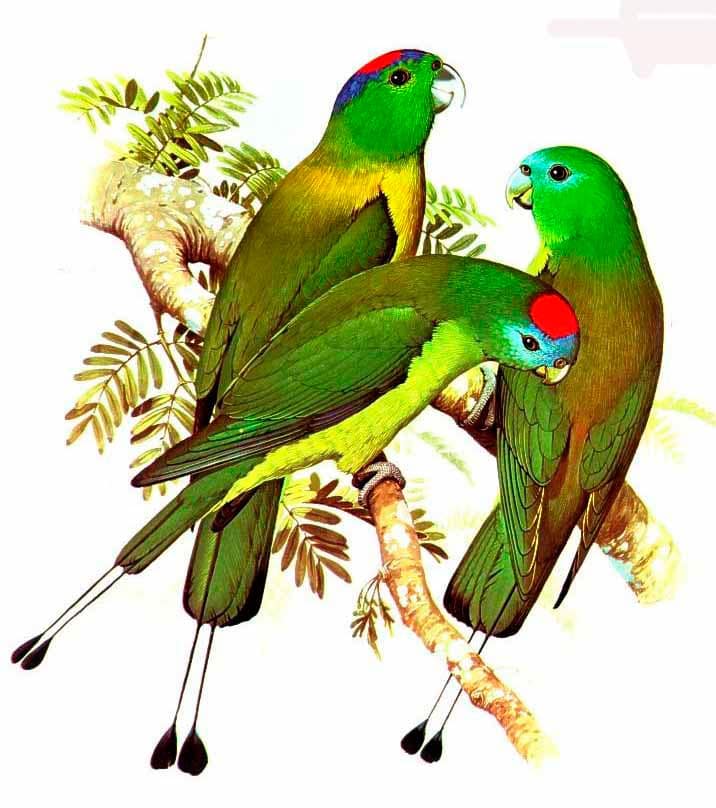
The Luzon Racquet-tail (Prioniturus montanus) has the head of color green with a strong diffusion of color blue turquoise in the face; point red in the center of the crown. Upperparts dull green. Wings green, vane outside of the flight feather, green; vane grey internal, Yellow-edged; networks internal of secondary marked in color yellow pale.

green wing feathers, bottom of bluish flight feathers; paler in network interiors to secondary internal. The underparts more green beige that the area of the back. Upper, the tail green in the center, black blue at the ends laterally; undertail, dark, blue margin to vane inner; spatulas blackish.

Bill blue; irises dark brown; legs black blue.

Female lacks of the point red and has less blue on the crown; rackets also shorter.

Young have tail Central with extensions of feathers narrow. Pens eventually lost beards to leave spatulas.

Habitat:

Little-known. Is distributed in the moist montane forests at altitudes ranging between the 850 and 2.000 m.

Reproduction:

The breeding season you have registered in the months of August and September. A nest was observed in the stump of an oak high (Quercus) at a height between 3 and 4 meters above the ground.

Food:

The birds feed on seeds, fruit, berries and nuts, and there have also been incursions into fields in the company of the Green Racquet-tail.

Distribution:

Size of the area of distribution (reproduction / resident): 10.400 km2

Endemic to Luzon. Being common in the Cordillera Central (for example, area Mount Pulag) and Sierra Madre, but threatened by the capture and loss of habitat in other places. The population world is inferior to 10.000 specimens.

Conservation:


Near-threatened


• Current category of the Red List of the UICN: Near threatened

• Population trend: Decreasing

Lambert et to the. (1993) estimated a maximum of 10.000 individuals.

The population is suspected of being in decline due to destruction of habitat, hunting and capture for the cage bird trade.

Conservation Actions Proposed:

Calculate loss of forests within its altitudinal range in Luzon. Estimate the remaining area of suitable habitat and, through surveys, produce an estimate of density to permit calculation of the size of its population. Protect effectively important tracts of forest right in key places, both in the areas of strict protection. as in multi-use areas.

"Luzon Racquet-tail" in captivity:

Its breeding in captivity is unknown..

Alternative names:

– Luzon Racquet-tail, Luzon Montane Racquet-tail, Montane Racket-tail, Montane Racquet-tail, Montane Racquet-tail (nominal form), Montane Racquet-tail (nominate), Mountain Racket-tailed Parrot, Mountain Racquet-tailed Parrot (ingles).
– Palette momot, Palette momot (nominal), Palette momot (nominale), Palette momot (race nominale) (French).
– Motmotpapagei (German).
– Prioniturus montanus (Portuguese).
– Lorito momoto Montano, Lorito-momoto Montano (español).

scientific classification:

– Order: Psittaciformes
– Family: Psittaculidae
– Genus: Prioniturus
– Scientific name: Prioniturus montanus
– Citation: Ogilvie-Grant, 1895
– Protonimo: Prioniturus montanus

————————————————————————————————

«Lorito Momoto Montano» (Prioniturus montanus)

Sources:

– Avibase
– Parrots of the World – Forshaw Joseph M
– Parrots A Guide to the Parrots of the World – Tony Juniper & Mike Parr
– Birdlife

– Photos:

(1) – PetsHome.ro – Prioniturus montanus
(2) – By Bram Demeulemeester – Flickr

– Sounds: Romeo B. Galang, Jr (Xeno-canto)
▷ The world of Pets: Dogs, cats, birds, reptiles, amphibians

Blue-crowned Racquet-tail
Prioniturus discurus


Blue-crowned Racquet-tail

Content

Description

27 cm. long, 24 without snowshoes, and a weight between 140 and 160 g.

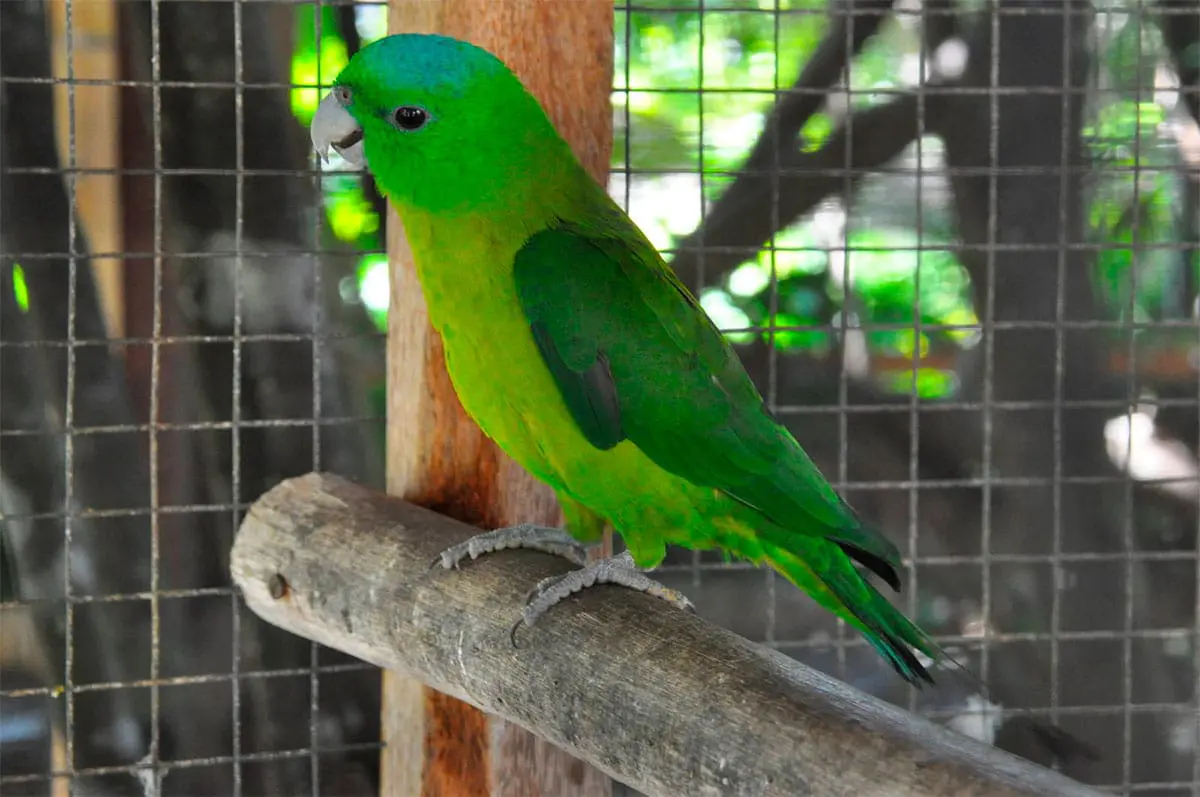
The head of the Blue-crowned Racquet-tail (Prioniturus discurus) bright green is strongly imbued with bright blue in the crown and brighter green in checks and lores.

Upperparts green. Wings green, darker in the vane inmates of the flight feather, with a narrow pale margin along the innermost edge; primary external greenish blue. Wing feathers green, underside of flight feather bluish green. The underparts yellowish-green illuminated. Upper, the lateral feathers of the tail green, Basal Blue with black tips; undertail, the tail strongly impregnated with blue; Blackish spatulas.

Bill whitish; irises dark brown; legs grey.

The female similar to the male but with the the tail rackets shorter.

Young with less blue in the crown and the absence of the rackets.

Subspecies

  • Prioniturus discurus discurus

    (Vieillot, 1822) – The nominal

  • Prioniturus Discurus Whiteheadi

    (Salomonsen, 1953) – Has less blue on the Crown and in the center of this is not clearly defined and merges gradually with the rest of the green of the head.

– Prioniturus discurus and Prioniturus mindorensis (Pit and necklace 2014) they were grouped previously as Prioniturus discurus

– Previously included the Blue-headed Racquet-tail (Prioniturus platenae) in this species.

Habitat:

Rainforests, mangroves, plantations, crops in the lowlands and mountains to 1.750 meters above sea level. Seen flying above the canopy in small noisy groups of five to twelve birds outside of breeding season. Groups gather to feed in fruit trees, including banana.

Reproduction:

breeding season from April to may in Blacks, During may in Leyte and during April in Mindanao.

Food:

The diet includes fruits, berries, nuts and seeds.

Distribution:

Residents of most of the islands of the Philippines, including Luzon, Catanduanes, Masbate, Mindoro, Guimaras, Blacks, Tables, Sibuyan, Cebu, Samar, Leyte, Bohol, Mindanao, Olutanga, Basilan and Jolo.

Subspecies distribution:

Conservation:


minor concern


• Current category of the Red List of the UICN: Least concern

• Population trend: Stable

The size of the world population It has not been quantified, is estimated at less of 10.000 specimens. The species according to information, it is generally common even in degraded habitats on heavily deforested islands (pit et to the. 1997).

The population is suspected that it may be in decline due to the capture and loss of habitat.

"Blue-crowned Racquet-tail" in captivity:

Unknown in captivity.

Alternative names:

– Blue-crowned Racquet-tail, Blue-crowned Racket-tail (ingles).
– Palette à couronne bleue (French).
– Philippinen-Spatelschwanzpapagei (German).
– Prioniturus discurus (Portuguese).
– Lorito momoto coroniazul, Lorito-momoto Coroniazul (español).

scientific classification:

– Order: Psittaciformes
– Family: Psittaculidae
– Genus: Prioniturus
– Scientific name: Prioniturus discurus
– Citation: (Vieillot, 1822)
– Protonimo: parrot discurus

Images "Blue-crowned Racquet-tail"

Videos "Blue-crowned Racquet-tail"

————————————————————————————————

"Blue-crowned Motmot Parrot" (Prioniturus discurus)

Sources:

– Avibase
– Parrots of the World – Forshaw Joseph M
– Parrots A Guide to the Parrots of the World – Tony Juniper & Mike Parr
– Birdlife

– Photos:

(1) – Salomonsen's racquet-tail parrot/Prioniturus discurus whiteheadi by AlexKant – ZooChat

– Sounds: Frank Lambert (Xeno-canto)
▷ The world of Pets: Dogs, cats, birds, reptiles, amphibians

Scaly-naped Amazon
Amazona mercenarius

Scaly-naped Amazon

Content

Description


Anatomy-parrots

33 to 38 cm.. tall and 300 g. of weight.

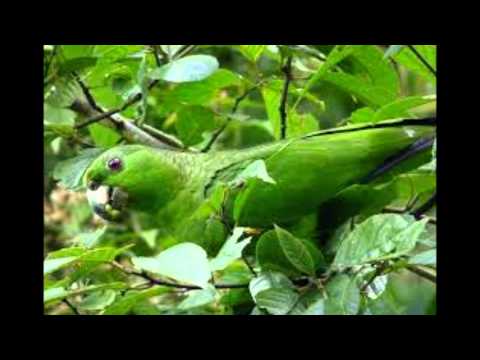
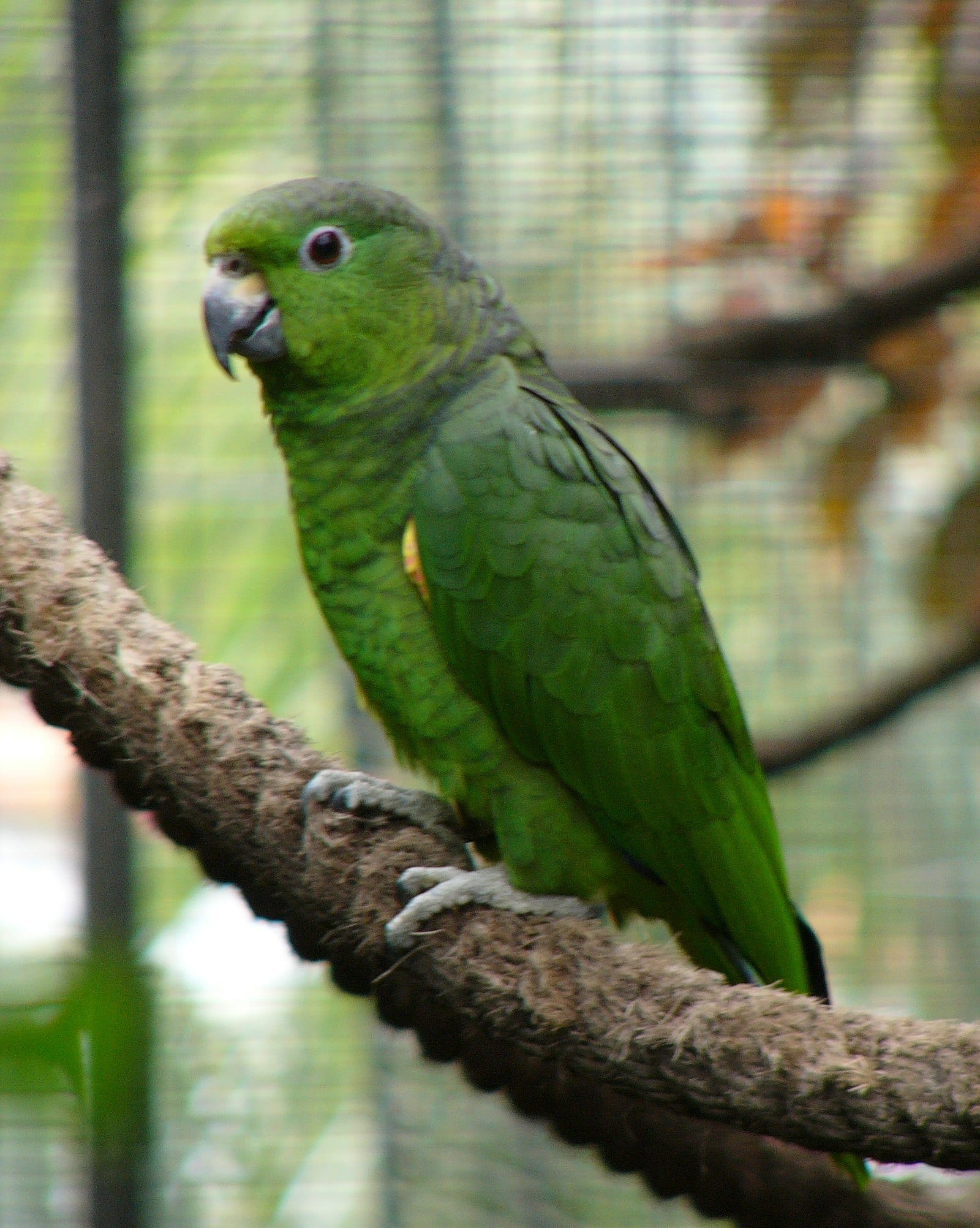
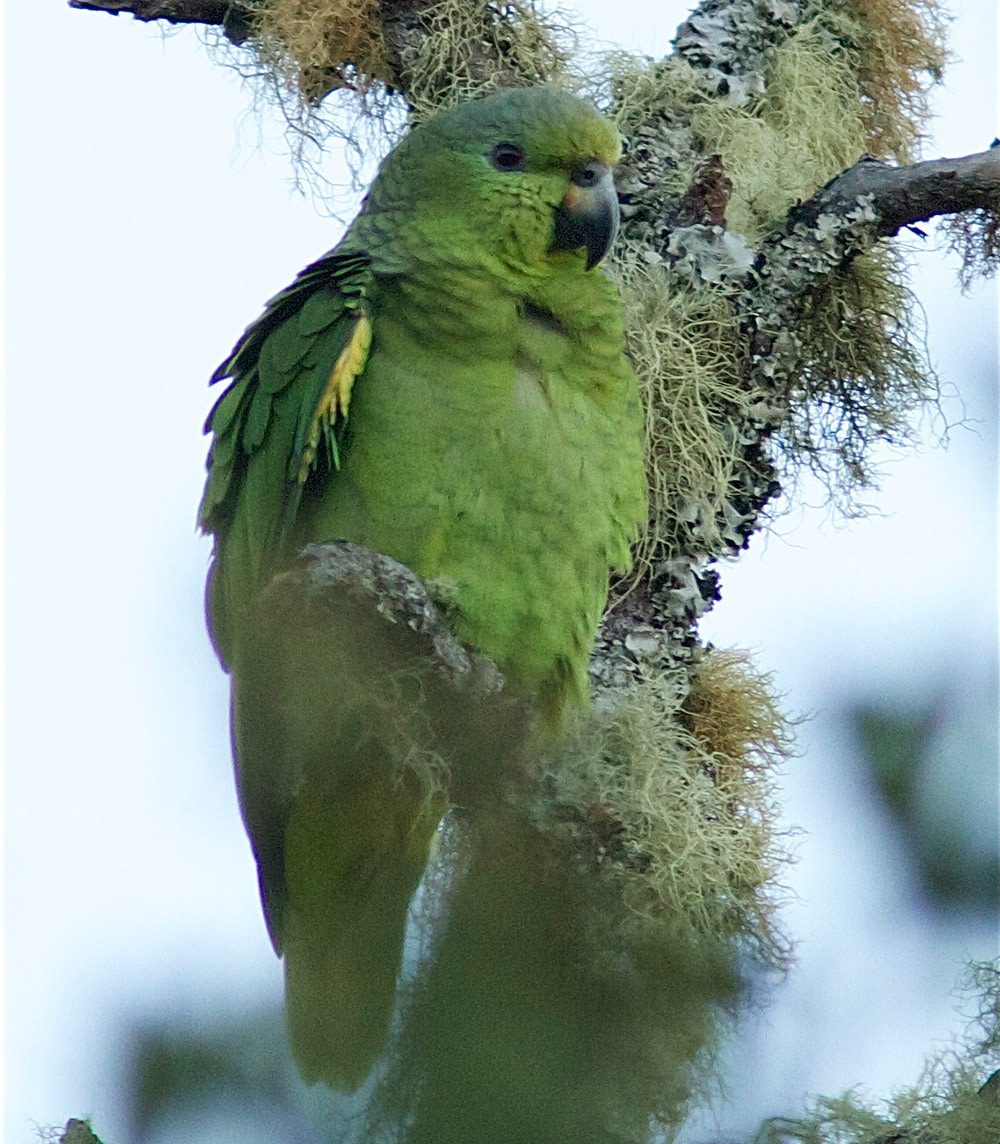
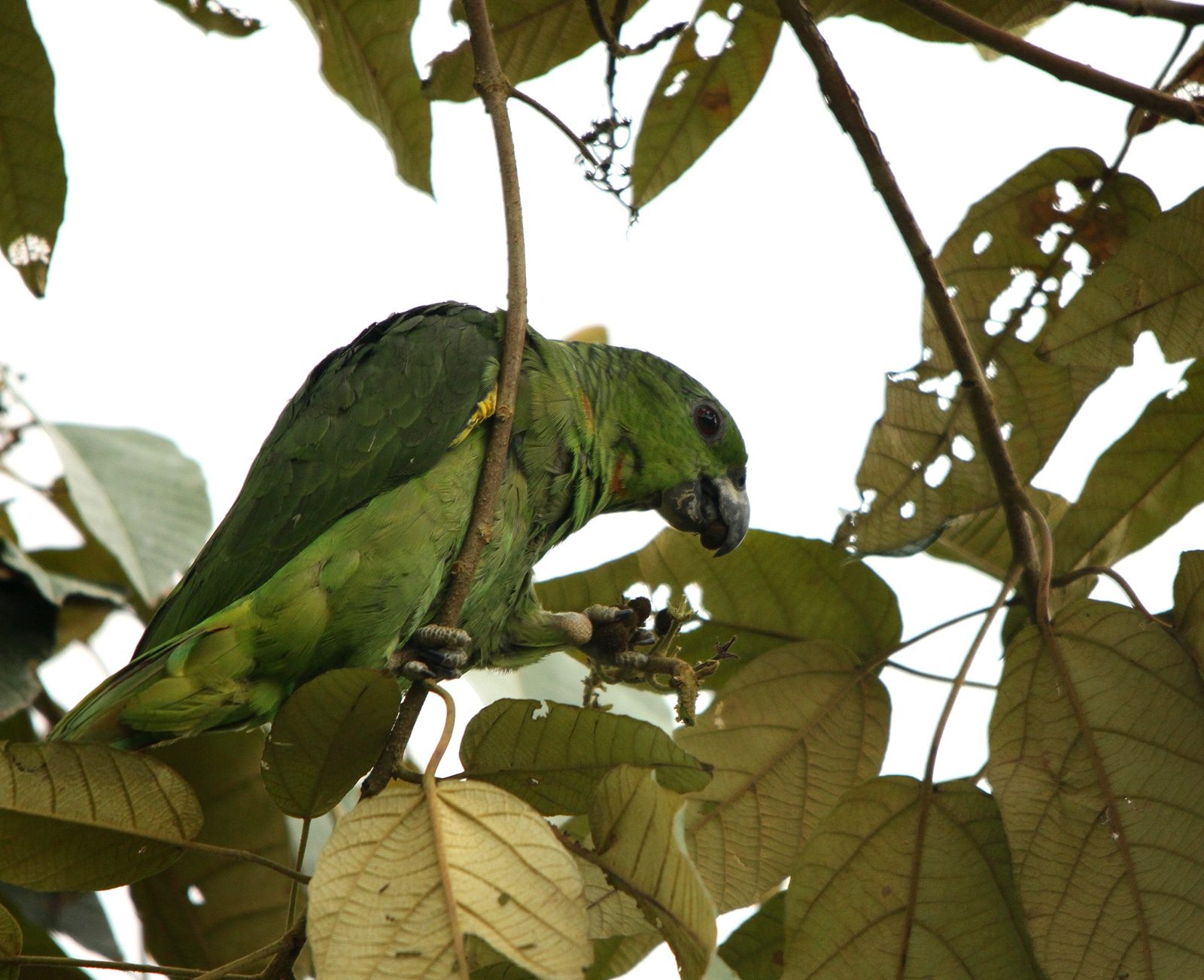
The Scaly-naped Amazon (Amazona mercenarius) it is the only amazon in mountainous areas.

General coloring green, with the feathers of the chest with black border, It is distinguished by having the wingtip yellow with orange spots, and external feathers tail tricolor with blue base, middle part red and yellow tip.

Bill pale gray area at the base of jaw; irises orange; legs brown.

Both sexes are similar. It is thought that immature they are similar to adults.

Description 2 subspecies

  • Amazona mercenarius canipalliata

    (Cabanis, 1874) – Speculum red absent. bases outer secondaries marked with brown spots. Some specimens show scattered red feathers crown, the throat top of the chest.


  • Amazona mercenarius mercenarius

    (Tschudi, 1844) – Nominal.

Habitat:

Video – "Scaly-naped Amazon"

Loro Verde (Mercenary Amazon)

Andean and sub-Andean forests permanently cloudy between 1200 and 3000 m. Occasionally in warm floor and cultivated land.
Usually in pairs or groups of 30 to 40 individuals.

Reproduction:

They have reported evidence reproduction between March and May in Colombia. Nest and eggs not yet described. The incubation period apparently it lasts 25 and 26 days.

Food:

Little information on their diet, but he has seen taking figs and fruit unidentified in Colombia.
In Colombia they have been observed down to attack corn fields.

Distribution:

Size of the area of distribution (reproduction / resident): 3.160.000 km2

Andes from Venezuela to the North of Bolivia.

Distribution 2 subspecies

  • Amazona mercenarius canipalliata

    (Cabanis, 1874) – Andes of Colombia to northwest Venezuela and Ecuador.


  • Amazona mercenarius mercenarius

    (Tschudi, 1844) – Nominal. Andes North of Peru to the North of Bolivia; a single record in Argentina.

Conservation:

State of conservation ⓘ


minor concern Minor Concern ⓘ (UICN)ⓘ

• Current category of the Red List of the UICN: Least concern.

• Population trend: Decreasing.

Justification of the population

The population size World has not been quantified, but this species is described as «quite common» (Stotz et to the., 1996).

Justification of trend

It is suspected that the population is in decline due to the continuous habitat destruction.

The Amazona Mercenary in captivity:

Very rare in captivity.

Alternative names:

– Scaly-naped Amazon, Mercenary Amazon, Mercenary Parrot, Scaly naped Parrot, Scaly-naped Parrot (English).
– Amazone mercenaire (French).
– Soldatenamazone (German).
– Loro verde (Portuguese).
– Amazona Mercenaria, Amazona Verde, Lora Andina, Loro nuca escamada, Lora paramera (español).


scientific classification:

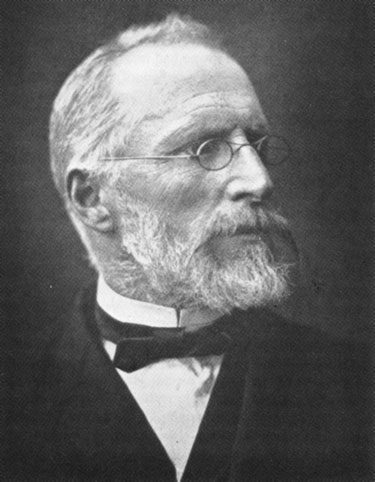
Tschudi-Johann Jakob of

– Order: Psittaciformes
– Family: Psittacidae
– Genus: Amazona
– Scientific name: Amazona mercenarius
– Citation: (Tschudi, 1844)
– Protonimo: parrot hired


Scaly-naped Amazon Pictures:


Species of the genus Amazona


Sources:
– Parrot Book, Parrots and macaws Neotropical
– avibase
– Parrots of the World – Forshaw Joseph M
– Parrots A Guide to the Parrots of the World – Tony Juniper & Mike Parr
– Birdlife

– Photos: papageien.org, IBC.lynxeds.com , chrislansdell.blogspot.com.es, Flickr.com

– Sound: Hans Matheve

▷ The world of Pets: Dogs, cats, birds, reptiles, amphibians

Yellowish-breasted Racquet-tail
Prioniturus flavicans

Yellowish-breasted Racquet-tail

Content

Yellowish-breasted Racquet-tail

Description

37 cm.. length.

The head of the Yellowish-breasted Racquet-tail (Prioniturus flavicans) is bright green, brighter around the lores and the base of the bill.

The front of the crown is green, rest of bright blue with red spot in the center crown. Mantle ocher yellow, well delimited from the blue nape the green of the wings and back; Back and rump green. Wings green, with vane Dark internal to the flight feather and blue to primaries longer. green's Underwing coverts; underside of primaries marked dark blue.

Underparts brighter yellowish green, ocher yellow in the chest. Upper, the outer feathers of the tail green with black and turquoise tips on vane outside of the outer feathers; below, the tail dark colored, bathed in blue at the edges of the vane inner; spatulas blackish.

Bill horn; the dark brown irises; the gray legs.

Female less blue, no red dot on the crown, the underparts and the mantle, greener and rackets (a thin extension of the central tail feathers, almost as hair, It is ending with a more oval-shaped racket) shorter.

Young without rackets.

Habitat:

Found in the primary forest usually below the 1,000 m. But times may vary up to the 1.900 m. They are also observed in trees in cultivated areas.

Reproduction:

Little is known of their reproductive habits.

Food:

The birds they feed on the ground, among the plants of lowland and Hill forests, flocking often in fruit trees. They feed slowly along with other frugivorous birds..

Distribution:

Size of its range (breeding/resident ): 66.700 km2

Are distributed in the North of Sulawesi, Indonesian and on the Islands around, including Bangka, Lembeh and Togian. The species also, possibly, It is distributed in groups of Islands Sangir and Banggai. Although its population may be declining due to habitat loss and trade in birds, It is not considered threatened and is still, relatively, common on reserve Dumoga-Bone. It overlaps, although it is less common, with the Golden-mantled Racquet-tail.

Conservation:


Near-threatened


• Current category of the Red List of the UICN: Near threatened

• Population trend: Decreasing

The population It has been estimated in the order of 45.000 individuals (Walker and Cahill 2000).

It is suspected that this species has diminished recently at a moderately fast pace, due to the continuing loss of forests.

Conservation Actions Proposed:

    – Evaluate the threats to this species. Calculate loss of forests in the lowlands of the North of Sulawesi.
    – Investigate the level of dependency of the forest habitats of the species.
    – Protect effectively important tracts of forest right in key places, both in strict protection areas and in multiple use areas.

"Yellowish-breasted Racquet-tail" in captivity:

Not found in captivity.

Alternative names:

– Yellow-breasted Racquet-tail, Yellow-breasted Racket-tail, Red Spotted Racket-tailed Parrot, Red-spotted Racket-tailed Parrot, Red-spotted Racquet-tail, Red-spotted Racquet-tail Parrot, Red-spotted Racquet-tailed Parrot, Yellowish breasted Racquet tail, Yellowish-breasted Racket-tail, Yellowish-breasted Racket-tailed Pa, Yellowish-breasted Racquet Tail, Yellowish-breasted Racquet-tail, Yellowish-breasted Racquet-tailed P (ingles).
– Palette de Cassin, Perroquet à raquette de Cassin (French).
– Flaggenschwanzpapagei, Flaggen-Schwanzpapagei (German).
– Prioniturus flavicans (Portuguese).
– Lorito momoto Amarillento, Lorito Momoto Amarillo, Lorito-momoto Amarillento (español).


scientific classification:

John Cassin
John Cassin

– Order: Psittaciformes
– Family: Psittaculidae
– Genus: Prioniturus
– Scientific name: Prioniturus flavicans
– Citation: Cassin, 1853
– Protonimo: Prioniturus flavicans


Images «Lorito Momoto Amarillanto»:

Videos "Yellowish-breasted Racquet-tail"

————————————————————————————————

«Lorito Momoto Amarillanto» (Prioniturus flavicans)

Sources:

– Avibase
– Parrots of the World – Forshaw Joseph M
– Parrots A Guide to the Parrots of the World – Tony Juniper & Mike Parr
– Birdlife

– Photos:

(1) – By © Simon van der Meulen – Oriental Bird Images
(2) – «Prioniturus flavicans" for John Gould – [1]. Available under the Public Domain license via Wikimedia Commons.

– Sounds: Mike Nelson (Xeno-canto)