โ–ท The world of Pets: Dogs, cats, birds, reptiles, amphibians

Great Green Macaw
Ara ambiguus


Guacamayo Ambiguo

Content

Description:

Ilustraciรณn Guacamayo Ambiguo

77 to 85 cm.. length and an average weight of 1300 g..
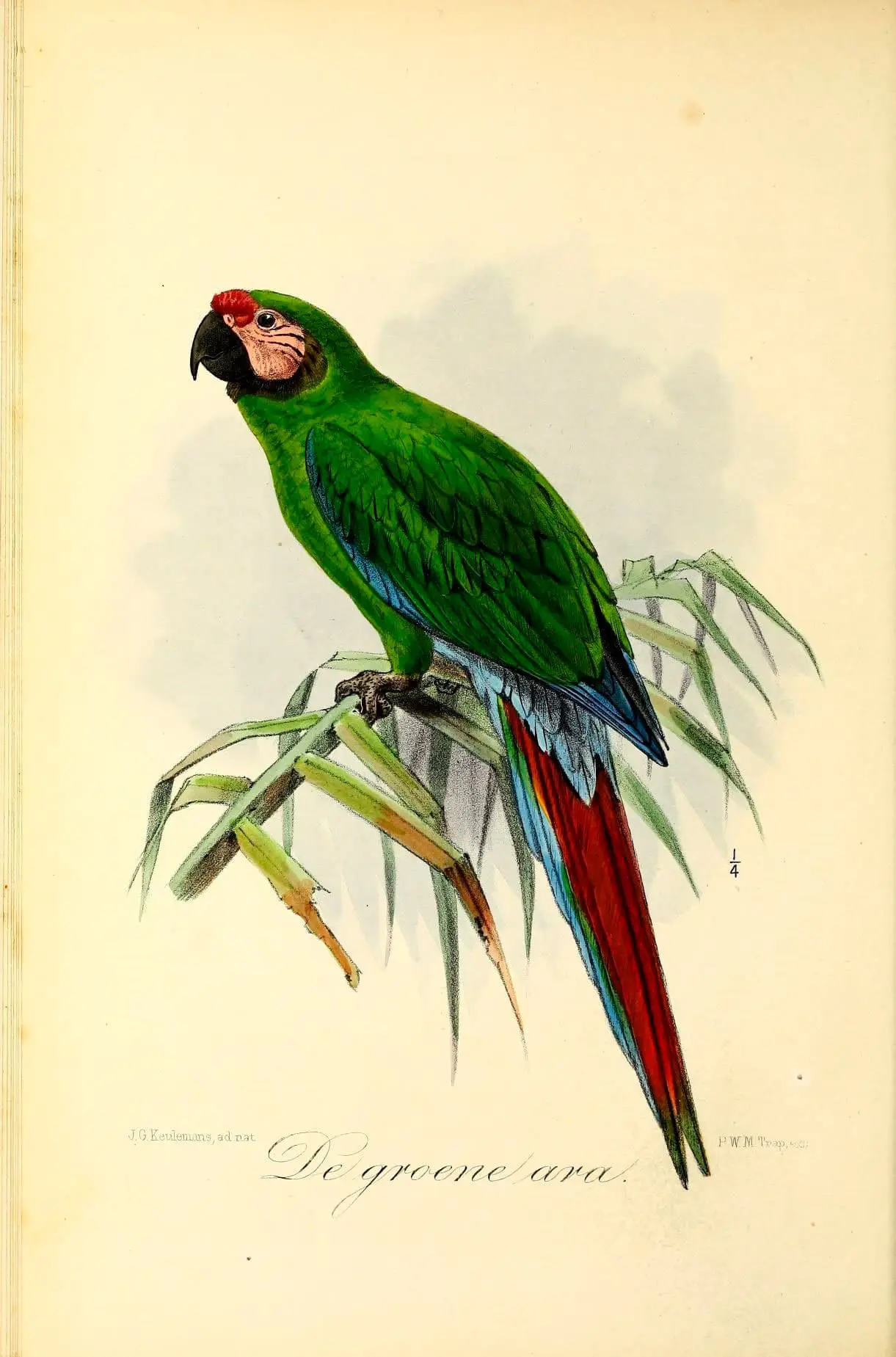
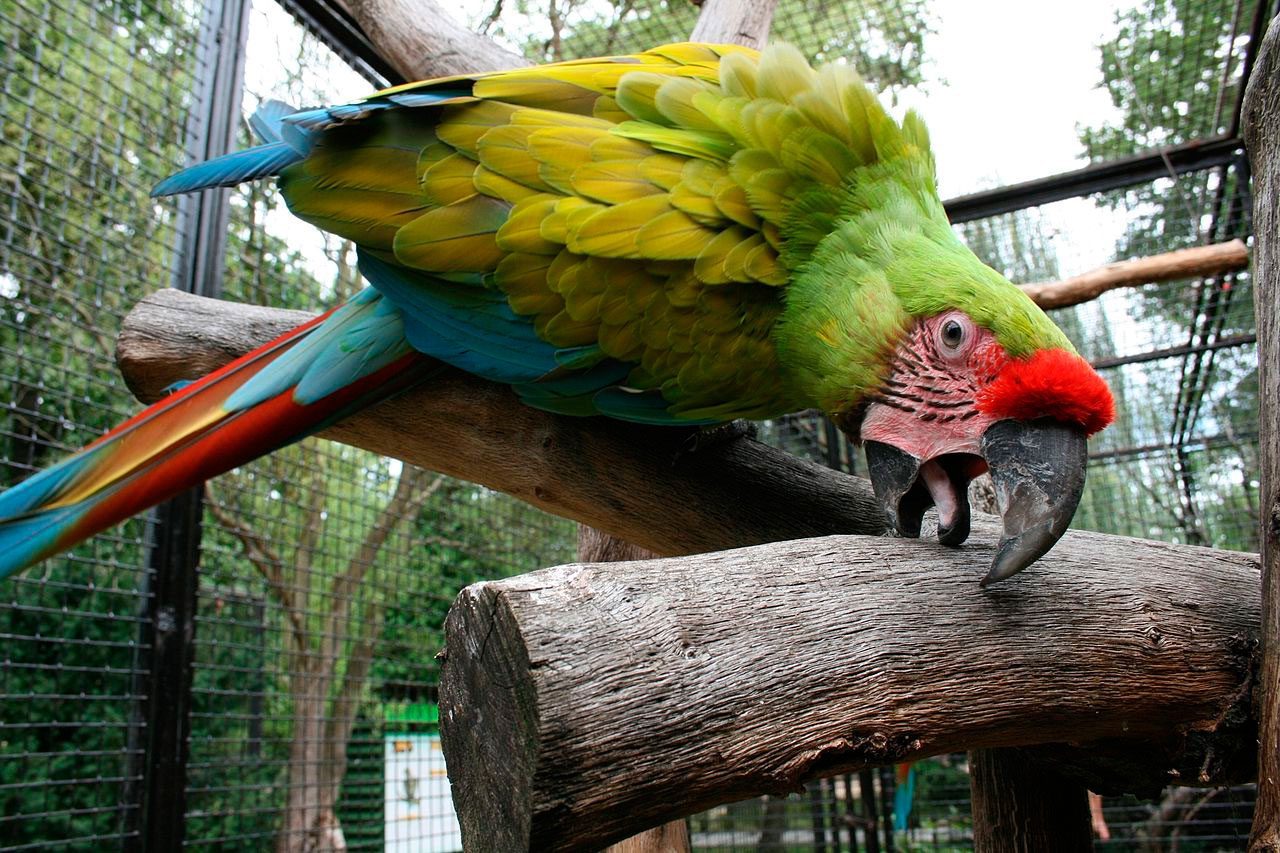
The Great Green Macaw (Ara ambiguus) has the forecrown and the former area of the lores dark red; crown bright green, bluish in the nape. The the mantle and back Green olive: scapulars of the same colour but some with blue tips; rump and uppertail-coverts bright pale blue, lesser and median coverts greenish oliva-marron; greater coverts bluish green. The primaries and secondaries blue, more dark in the margin of the vane inner. Wing feathers color olive; rest of underwing-coverts color oro-oliva.

Black feathers off at the top of the throat bordering the lower jaw; rest of the throat, the chest and the belly brighter yellowish green, feathers on the lower area of the abdomen with red bases hidden; undertail- coverts pale blue. Under, the tail, reddish orange in the Center with blue tips, increasingly blue outer feathers and more completely blue external; undertail, the tail, color oro-oliva.

upper jaw Blackish at the base, color Horn towards the tip and edges, lower jaw negruzca; bare skin of the lores posterior and cheeks of pink color crossed by narrow lines of dark red feathers in sabers and black in the cheeks; irises pale yellow, legs dark grey.

Both sexes similar.

The tail of the immature opaque yellow-tipped, the plumage duller than the adult Green (especially below), the irises brown.

The older adult birds sometimes show patches of Turquoise in the plumage, especially in rear of the neck and the chest.

NOTE:

    The Military Macaw (Ara militaris) is so similar to this species, in German are called minor military Macaw (Militaris) and greater (ambiguous).

    An Ecuadorean specimen intermediate between the Great Green Macaw (Ara ambiguus) and the Military Macaw (Ara militaris) suggests one hybridization, thus increasing the possibility that the two forms are the same species. Although separate from the ecological point of view.

    The Ambiguous macaws and Military could be in contact in the lower part of the Valle del Cauca in Colombia, and in the Northwest of Ecuador and West Colombia. The Great Green Macaw (mainly from moist lowland forests) use deciduous forests, While the Military Macaw (mainly of dry upland forest) are also recorded in humid lowland forests. Both make seasonal movements and in the case of the Military Macaw, they perform movements of long distance between their preferred habitats.

    The length of the tail and of the wings of the Mexican military Macaw and species nominal of the Great Green Macaw, They show a considerable overlap. Waiting to collect more details, the Great Green Macaw and the Military Macaw are here treated as separate species.

Subspecies description:

  • Ara ambiguus ambiguus

    (Bechstein, 1811) – The nominal species


  • Ara ambiguus guayaquilensis

    (Chapman, 1925) – The bill smaller, with a more greenish color under the flight feathers and under the tail.

Habitat:

The Great Green Macaw they are very shy birds and difficult to see, usually found at no lower altitudes of 35 meters in the treetops. They feed in silence and many times could be up to more than five hours in a same tree.

Mainly observed in moist lowland forests, but also in deciduous forests in the Chongon region to the southwest of Ecuador.

In Costa Rica in the primary forest of low and clear land with tall trees, from time to time in the lower montane forests. Crossing open between forest fragments fields and visit remnants of trees of the species Dipteryx on forest pastures.

Remote forests in Panama.

In Ecuador inhabits humid lowlands, deciduous forest and Montane forest low but also visit more open areas for feeding.

They come to the 600 metres in the Cordillera de Guanacaste, Costa Rica; between 1.000 and more rarely 1.500 m, in Darien, Panama.

Less sociable than other large macaws, Although usually seen in pairs, in groups of 3-4, and more rarely in groups of up to twelve birds.

Reproduction:

Form pairs of lifetime and are almost true to their nests, nesting from December to June. Most couples put the first egg at the end of January and by February the nests are already with hatchlings. The female incubates the eggs, While the male brings food to the nest. Both parents are responsible for feeding the pigeons, to do so approximately every two hours. They are birds that take care of their chicks until they can fend for themselves., They even take care of them until that hatch the chicks of the season.

The average clutch consists of 2 – 3 white eggs, they are incubated by the female for a few 26 days. The babies are blind, nude and completely dependent on the care of parents; they weigh around 23 g..

The chicks are fed by both parents and they leave the nest When you have about 12 – 13 weeks of age. At the time they leave the nest, usually weigh between 930-985 g..

A nest in Guayas, Ecuador, in the cavity of a tree of the species Cavanillesia platanifolia. Reported nestings between August-October in Ecuador. Breeding during the dry season (December-April) in Costa Rica.

Food:

The diet of the Great Green Macaw includes fruits of Lecythis costaricensis, Dipteryx panamensis, Sloanea, Dalium guianensis and Ficus, and flowers of Symphonia globulifera.

Feeds in the treetops.

Distribution:

Size of the area of distribution (reproduction / resident): 100,000 km2

Its distribution ranges from the East of Honduras to western Colombia and West of Ecuador.

Observed in the lowlands of the Caribbean from the east of Honduras through this of Nicaragua to the lowlands of Costa Rica especially on the slope of the Caribbean, including the Cordillera de Guanacaste.

In Panama especially on the slope of the Caribbean, but also locally in the peaceful. From East Panama to the tropical zone to the West of Colombia, on Western Cordillera of the Andes and South to the upper area of the Atrato River and Serrania del Baudo (possibly up to Buenaventura) and East towards the north end of the Andes in the West of the upper part of the Sinu river valley.

In West Ecuador observed mostly from the Colonche hills, Northwest of Guayaquil; also further north, in Esmeraldas, possibly in the extreme southwest of Colombia, although the forests here are, Perhaps, too wet (See geographic variation).

Numbers fluctuate locally due to seasonal foraging movements. Local appearances in Costa Rica they often coincide with the fruiting of trees of the species Dipteryx.

Local, being the most common of the great macaws in Panama. But, in general, Rare, with the decline in recent large scale of its population due to obvious deforestation in the range.

Extinguished much of Ecuador, where the population (only 100 birds) It is threatened by loss of habitat due to urbanization and agriculture.

The exploitation of trees of the species Dipteryx It poses a serious threat in Costa Rica.

They occur in several protected areas, including the The Darien biosphere reserve, Panama, Rรญo Plรกtano Biosphere Reserve, Honduras and Cotacachi-Cayapas ecological reserve, Ecuador, but seasonal pilgrimages suggest that these areas are insufficient on their own to preserve populations.

Less common than Military Macaw (Ara militaris) in captivity and bred rarely. CITES Appendix I. VULNERABLE (included as subspecies of the Military Macaw Necklace et to the. 1994).

Subspecies distribution:

  • Ara ambiguus ambiguus

    (Bechstein, 1811) – The nominal species


  • Ara ambiguus guayaquilensis

    (Chapman, 1925) – In critical hazard; they live in the wild in limited sectors of the western part of the Ecuador; its habitat is characteristic in humid tropical and dry forests of the Ecuadorian coast

Conservation:

State of conservation โ“˜


Endangered Endangered โ“˜ (UICN)โ“˜

โ€ข Current Red List of UICN: Danger
โ€ข Population trend: Decreasing

Recent estimates suggest that the population has less than 2.500 mature individuals (or less than 3.700 in total if we include juveniles and immature); the largest subpopulation would be found in Darien, to the East of Panama, with less than 1.700 mature individuals (or less than 2.500 in total). Still you have to be careful, due to that in non-breeding times can form groups of 50 individuals or more, It can be qe will overestimate their populations. It also, Although it is most abundant in Darien, It is found in specific areas, finding numerous areas without copies.

THREATS

LOSS OF HABITAT: In Central America, deforestation among other things to increase banana plantations and cattle ranching, as well as logging for other reasons, they have strongly affected. In fact, annual deforestation rates are very high throughout its range, and deforestation in Panama likely to be superior to the 30% its original range. In other countries like Costa Rica and Ecuador its range has also been reduced in recent 100 years. Urbanization and agriculture that have destroyed their habitat have resulted in great part with the subspecies of the Ecuador.

These may include, the Zona Norte (Costa Rica) has suffered the highest rate of deforestation in the country in the last two decades, both legal and illegal, leaving less than a 30% the forest on foot. But, It is important to mention that several scientific studies highlight the high level of biodiversity of the forests of the North Huetar region, among the most diverse of Central America.

As well, Although there are few protected areas for these birds as the Indio-Maรญz Biological Reserve of Nicaragua, where they found an extensive habitat conducive to its development; However, Incursions by Costa Rican loggers to the other side of the San Juan River, so this reservation, one of the most important of Central America It is also not safe from chainsaws.

CAPTURE ILLEGAL: the illegal trade that exists with the Great Green Macaw for use as a pet is a factor that jeopardizes its existence.
They are also captured because their feathers are used to make paintings about them.

HUNTING: It also seems that sometimes fires them as a pest to crops.

CONSERVATION MEASURES

With regard to the threats, of course it is your hunt forbidden for the trade, power or to obtain their feathers, Although often living standards are not met.

Is located in the CITES both in Appendix I and II as.

RESERVATIONS: It is very important for these birds the Darien biosphere reserve, Panama, and the adjacent Los Katรญos National Natural Park, Colombia. There are also other important reserves in all the countries covered, although they provide little protection for these birds..

In Costa Rica, Although it was a proposed moratorium on logging the almond trees, This finally was not carried out. On the other hand, a Government-backed conservation strategy is being implemented in Ecuador.

Proof that the investigation in these cases is important, is that in 2007, a rapid assessment study looking for last survivors in the Cordillera-Chongon Colonche, Ecuador, gave positive results.

On the other hand, There is a bi-national campaign in the lowlands of the San Juan River (Nicaragua and Costa Rica), which aims to increase knowledge of biology, threats and conservation, and strengthen the management of natural resources.

The Research and conservation of the Great Green Macaw project dedicated since 1994 to the study of the conservation biology of the Great Green Macaw on Zona Norte (Costa Rica) and it has an important biological database on this species, in fact the only information of this type that exists in Central America, according to the same source. This project was initiated to concerns that its population was restricted and that the forest was also be sacrificing at a very fast pace. The project is supported from 1997 by the Tropical Scientific Center, the same body that administers the The Monteverde Cloud forest biological reserve. The concern was justified when the first phase of the study determined that the area of distribution of the Great Green Macaw in Costa Rica had been reduced by 90% Since the beginning of the 20th century.

In Costa Rica have been reproduced in captivity at some sites, as the ZOOAVE Zoo.

PROPOSED CONSERVATION MEASURES:

โ€ข One of them is to make effective the protection in the reserves of Honduras and Nicaragua.

โ€ข Another is to designate the proposed Maquenque National Park, in Costa Rica.

โ€ข Trade should be restricted through law enforcement and educational campaigns.

โ€ข Finally, it would be very interesting to acquire private reserves in certain areas, to ensure the same protection.

"Great Green Macaw" in captivity:

Less common than Military Macaw (Ara militaris) in captivity and bred rarely.

The Great Green Macaw only recommended for experienced handlers and breeders. There are more silent than other macaws and can be kept with other large macaws outside of the breeding season.

Breeding pairs require long flights of at least 15 m. These parrots are not suitable for the interior of a House.

With regard to its longevity, according to sources, one specimen was still alive after 29 years in captivity.

Alternative names:

Great Green Macaw, Buffon’s Macaw, Grand Military Macaw, Green Macaw (English).
Ara de Buffon, Grand Ara vert (French).
Bechsteinara, Bechstein-Ara, Grosser Soldatenara (German).
Arara-militar-grande (Portuguese).
Guacamaya Verdelimรณn, Guacamayo Ambiguo, Guacamayo de Cara Blanca, Guacamayo verde mayor, Guara verde, Lapa Verde (espaรฑol).
Guacamaya Verdelimรณn, Gucamaya verde limรณn (Colombia).
Guacamayo verde mayor, Lapa Verde (Costa Rica).
Guacamayo verde mayor (Ecuador).
Bagarapabara (Emberรก).


scientific classification:

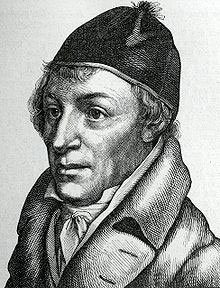
Johann Matthew Bechstein

Order: Psittaciformes
Family: Psittacidae
Genus: ARA
Scientific name: Ara ambiguus
Citation: (Bechstein, 1811)
Protonimo: Psittacus ambiguus


Images Great Green Macaw:

Videos "Great Green Macaw"

ยซAmbiguo Guacamayoยป (Ara ambiguus)


Species of the genus Ara


Sources:

Avibase
– Parrots of the World โ€“ Forshaw Joseph M
– Parrots A Guide to the Parrots of the World – Tony Juniper & Mike Parr
– Birdlife

Photos:

(1) – Great Green Macaw in the zoo in Hodonรญn, Czech Republic By Bohuna Mikulicovรก (Hodonรญn Zoo) [CC BY-SA 3.0], via Wikimedia Commons
(2) – Ara ambigua from Zoo Schmiding By Alois Staudacher (Own work) [GFDL or CC-BY-SA-3.0], via Wikimedia Commons
(3) – Great Green Macaw (also known as Buffonโ€™s Macaw). A male in a cage By Ruth Rogers (originally posted to Flickr as Male Buffonโ€™s Macaw) [CC BY 2.0], via Wikimedia Commons
(4) – Ara ambiguus at the zoo at Paradise Village Resort, Nuevo Vallarta, Nayarit, Mexico By Riley Huntley (Own work) [CC BY-SA 3.0 or GFDL], via Wikimedia Commons
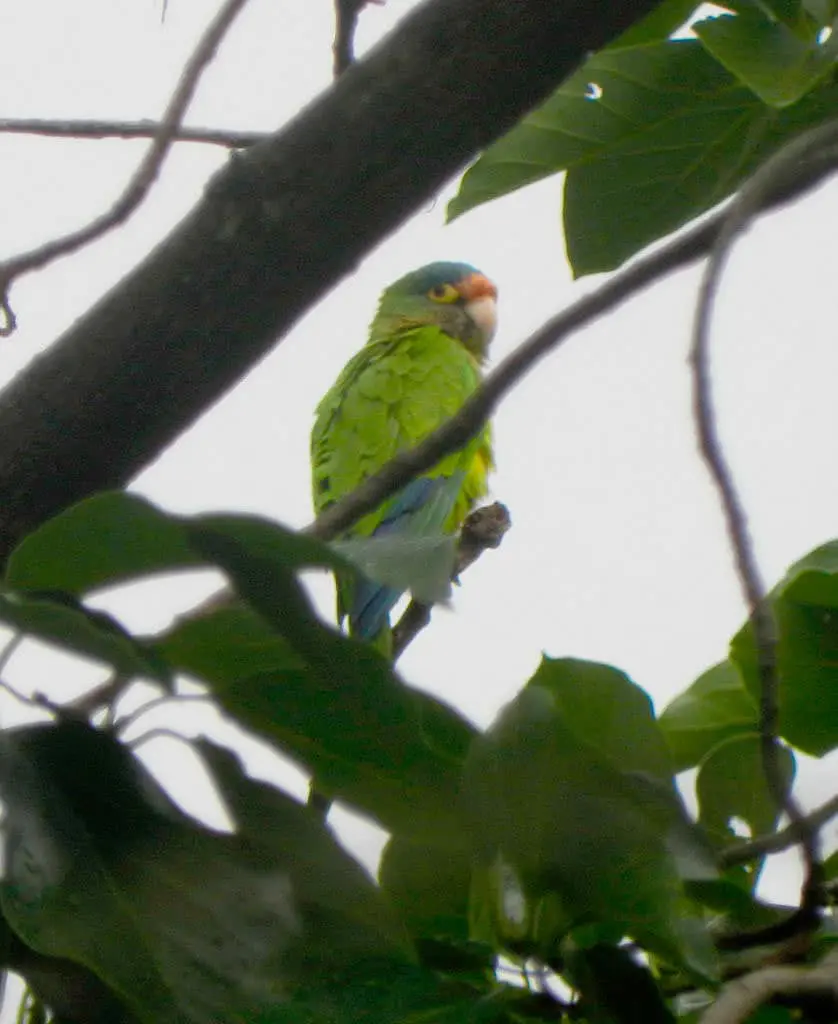
(5) – Ara ambiguus, La Selva, Costa Rica By Don Faulkner (Great Green Macaw) [CC BY-SA 2.0], via Wikimedia Commons
(6) – Onze vogels in huis en tuin By Keulemans, J. G. [CC BY 2.0 or Public domain], via Wikimedia Commons

Sounds: (Xeno-canto)

โ–ท The world of Pets: Dogs, cats, birds, reptiles, amphibians

Pacific parakeet
Psittacara strenuus


Periquito Pacรญfico

Content


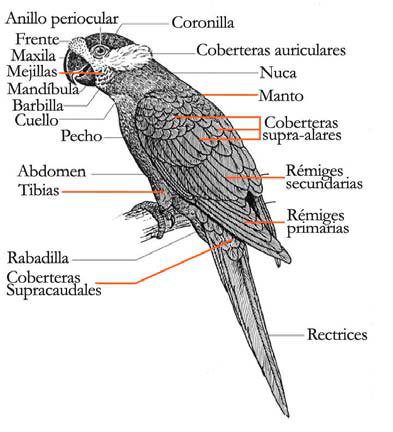
Anatomy-parrots

Description ยซPacific Parakeetยป:

Of 33 cm.. length.

The Pacific parakeet (Psittacara strenuus) has most of its plumage bright green. The underparts are yellowish. Some birds may have some feathers Orange at neck and throat in variable patterns. blue dye in primary coverts and vane outer of the flight feather. Underwing-coverts off yellowish green. The lower feathers of the wings they are yellowish metal.

The bill color horn. Eye ring bare greyish Brown. Iris orange. The legs greyish pale.

The immature they are similar to the adults but with the irises brown.

Note:

The Pacific parakeet (Psittacara strenuus) for a long time it was considered a subspecies of Psittacara holochlorus

Habitat of the โ€œPacific Parakeetโ€:

The Pacific parakeet It is in a wide variety of forest types, including wetlands, semi-Bosque, open scrub forests, plantations and farmland with scattered groves.

In Mexico, they live in semi-deciduous forests, riparian vegetation and in the form of patches of semi-deciduous medium and perennial trees of Manilkara zapota, Ceiba petandra, Cedrela odorata, Enterolobyum ciclocarpum, Cordia allidora, Bursera simaruba, Brosimum alicastrum.

Sedentary, but it probably makes local movements in response to food availability.

Outside the breeding season can be seen in large flocks noisy, often in groups of up to 200 birds or more, especially where is food abundant.

In El Salvador, occupy the suburbs of La Sultana, Antiguo Cuscatlรกn, which it provided an opportunity to estimate the population in the roost, to assess seasonal variations and changes over one year (October 2003 – September 2004). the resting places were also observed in this area and found that these places are used by other parrots as Brotogeris jugularis, Psittacara rubritorquis and other species that probably escaped from captivity.

Reproduction:

Nest in tree cavities, on the walls of rocky cliffs or in termite colonies. Other details about their reproductive behavior remain unknown. The size of the implementation tends to be of 4 eggs.

A colony of the Pacific parakeet (Psittacara strenuus) was studied in the Masaya Volcano National Park in Nicaragua from 1993 until 1994.

The parakeets nested in two craters of the Nindirรญ volcano. They dug their nests in the soft Earth of the wall of the volcano and began to settle on the volcano at the end of the dry season. They nested Once a year, in the rainy season, and they gradually abandoned the volcano toward the end of that season, when their young could fend for themselves. All parakeets left the volcano during the morning and it was a count in the course of the afternoon, When they return from their feeding grounds.

Food:

Little is known about of its diet. They feed on fruits and seeds, they sometimes attack cereal crops.

Distribution of the ยซPacific Parakeetยป:

Endemic to the Pacific slope of the Isthmus of Central America, of Oaxaca up to the middle of Nicaragua, mountainous areas of Guatemala to 2.100 meters and El Salvador, where it is a common permanent resident inhabiting forested or semi-forested regions at altitudes of 1.350 m.

Distribution in Mexico: Pacific slope from the east of Oaxaca until Chiapas. In areas in Chiapas and Oaxaca they have disappeared from tropical forests

Conservation:

The Pacific parakeet is not threatened globally. It is considered one threatened species in Mexican legislation. Threatened on NAME-059-ECOL-2001. CITES Appendix II. This species should be classified as in Danger of extinction by their reduced distribution, deforestation of its Habitat and illegal trafficking.

However,They show a high adaptability to changes in natural ecosystems caused by the human.

There are no programs for the conservation of the species.

The "Pacific Parakeet" in captivity:

Rare in captivity.

Its marketing is prohibited in Mexico.

The illegal trade in parrots and macaws is held thanks to demand from consumers. If the demand for these wild species is reduced, then the offer would be reduced and therefore the illegal capture.

If you create an international demand of these captive-bred parrots, there will be unscrupulous traffickers who will try to meet the demand with illegally captured specimens, which will only serve to undermine more wild populations.

Alternative names:

Pacific Parakeet, Pacific Conure (English).
Conure de Ridgway, Perruche du Pacifique (French).
Mexikosittich, Mexicosittich (German).
Periquito-do-pacรญfico (Portuguese).
Aratinga del Pacรญfico, Perico Centroamericano, Perico Gorgirrojo, Perico Verde Centroamericano, Periquito del Pacรญfico, Periquito Pacรญfico, Perico Chocoyo, Barranqueรฑo (espaรฑol).
Periquito del Pacรญfico (Honduras).
perico centroamericano, Perico Verde Centroamericano, Periquito pacรญfico (Mexico).
Perico Gorgirrojo (Nicaragua).

scientific classification:

Robert Ridgway
Robert Ridgway

Order: Psittaciformes
Family: Psittacidae
Genus: Psittacara
Scientific name: Psittacara strenuus
Citation: (Ridgway, 1915)
Protonimo: Conurus vigorous holochlorus

Images "Pacific parakeet"

Videos "Pacific parakeet"

————————————————————————————————

Sources:

Avibase
– Parrots of the World โ€“ Forshaw Joseph M
– Parrots A Guide to the Parrots of the World – Tony Juniper & Mike Parr
– Colony breeding of the Pacific Parakeet Aratinga strenua Ridgway 1915 in the Masaya Volcano National Park, Nicaragua – researchgate
– pericosmexico
academia.edu

Photos:

(1) – Psittacara strenuus (Chocoyo) on the cruise, Nicaragua By SergioTorresC (Own work) [CC BY-SA 4.0], via Wikimedia Commons

Sounds: Frank Lambert (Xeno-canto)

โ–ท The world of Pets: Dogs, cats, birds, reptiles, amphibians

Coconut Lorikeet
Trichoglossus haematodus

Coconut Lorikeet

Content

Description:

26 cm.. of length and weight 100-157 g.

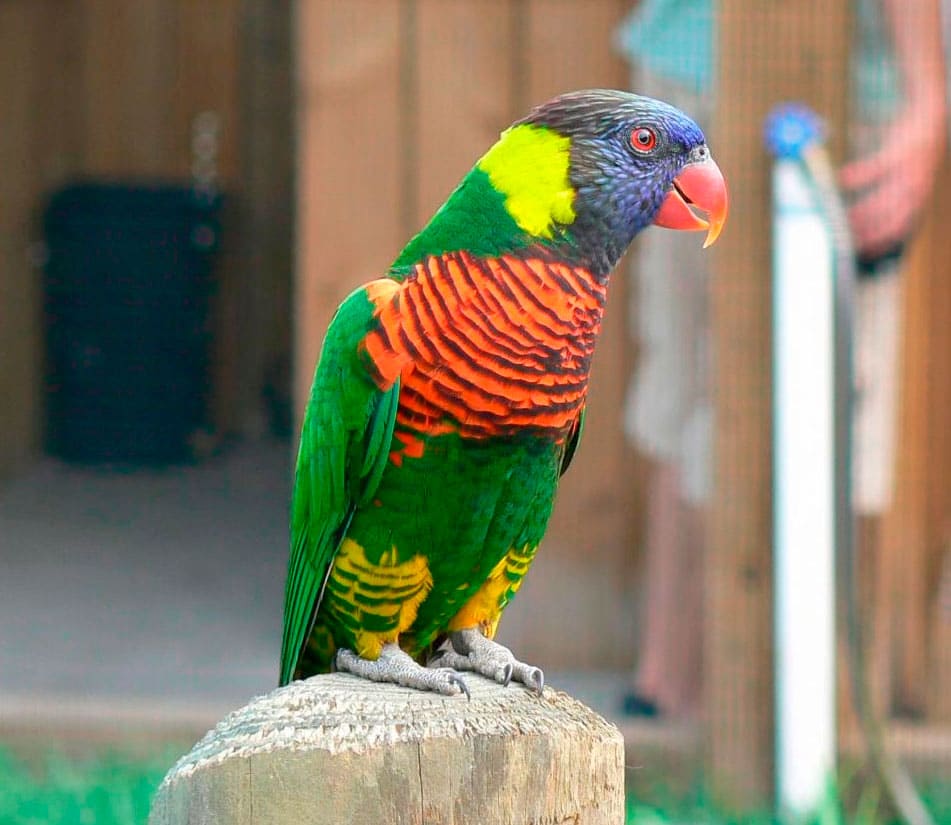
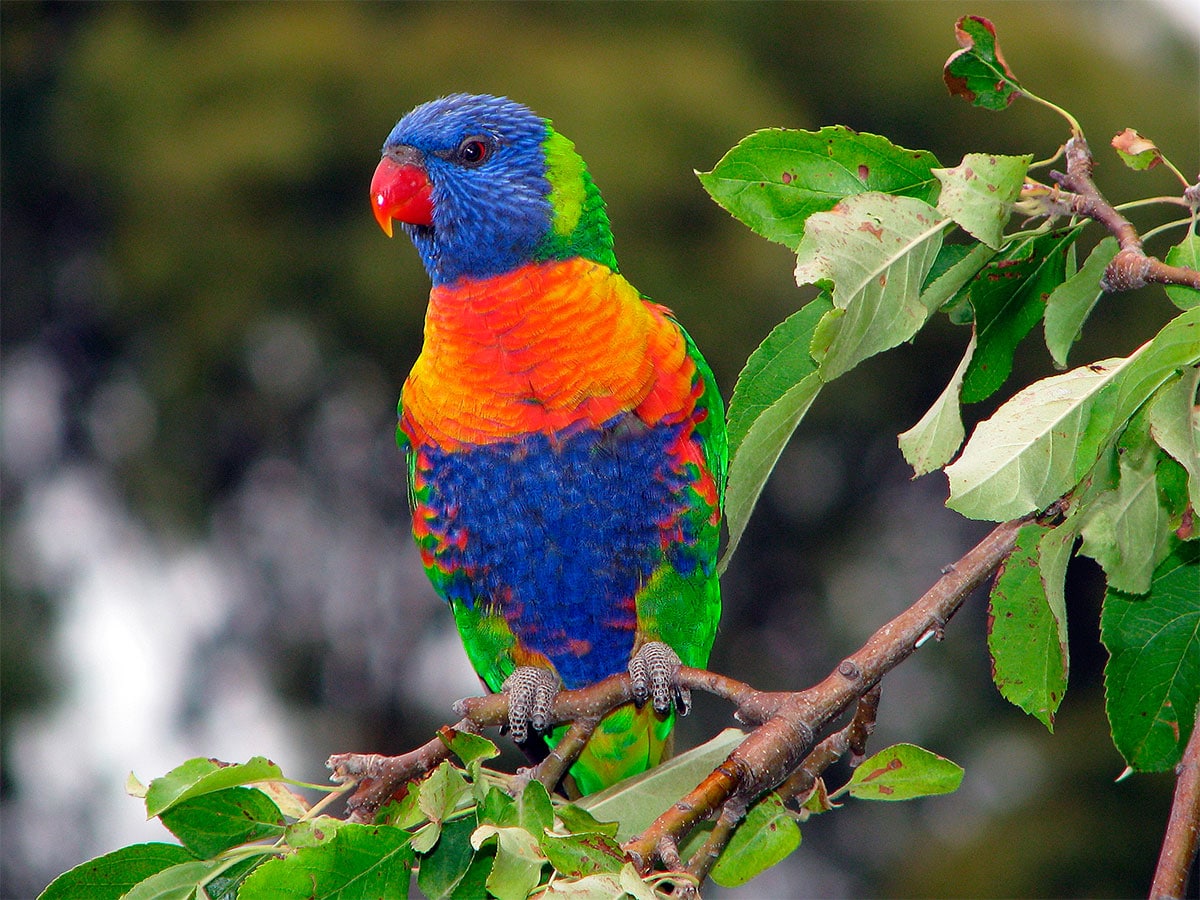
The Coconut Lorikeet (Trichoglossus haematodus) are colourful birds that find us almost all the colours of the Rainbow in their plumage.

Have the front of the crown, face and throat Dark bluish mauve, with violet stripes on the front of the crown, ear-coverts and part low of them cheeks; the rest of the head is dark blue with the bases of feathers brown-black color, especially around the rear of the crown and throat, and with greenish stripes at the rear of the crown.

The upperparts are of color green brilliant with specks of color reddish in the center of the the mantle (bases of feathers), and collar back brighter yellowish green.

The primaries with the tips blackish; a patch bright yellow in the innerwebs of the flight feather, that tends to orange in the secondaries; outerweb of the primaries and under wing-coverts, green. Underwing-coverts orange-red; the flight feather dark gray in tips.

The Breast , the upper part of the abdomen and flanks bright reddish orange top, barred dark blue, tending to green at the bottom of the chest; abdomen with brands of color green in the Center, sometimes forming a discrete patch or interspersed with reddish orange; abdomen and the thighs with a beaming green and yellow with bases of color yellow; undertail-coverts of color yellow with tips of color green glossy. Upper, the tail of color green with them innerwebs of the lateral feathers yellowish: undertail, the tail greyish green in the outerweb, yellow in the innerwebs.

The bill orange red: the irises orange-red; legs gray or greenish gray.

Both sexes are very similar.

The immature they are more muted than adults, with the bill and the irises dark brown and tail more pointed.

  • Sound of the Coconut Lorikeet.

Description of subspecies of Trichoglossus haematodus
  • Trichoglossus haematodus caeruleiceps

    (Albertis & Salvadori, 1879) – The blue of the head is more pale, Red is orange-red with the lined in very narrow and dark blue. Abdomen Blackish and band of the neck yellow.


  • Trichoglossus haematodus deplanchii

    (Verreaux,J & Des Murs, 1860) – 26 cm.. of length and a weight of 140 gr.

    The Coconut Lorikeet (deplanchii) (Trichoglossus haematodus deplanchii) is a variation of the nominal (Trichoglossus Haematodus)

    Similar to the nominal Haematodus, but plumage slightly paler. The head has a very bright blue. Reddish orange on the chest, similar to the Trichoglossus haematodus massena, only that more alive. The abdomen is of color green beige and is extends to the part back from the neck. The the thighs and the feathers under the tail yellow and the upper part of the tail olive green.


  • Trichoglossus haematodus flavicans

    (Cabanis & Reichenow, 1876) – Something bigger, 27 cm approximately in length. Its plumage varies from green to olive green and yellow opaque. Breast and neck reddish colour with fine dark edges. Forehead and contour of eyes violet blue.


  • Trichoglossus haematodus haematodus

    (Linnaeus, 1771) – The nominal


  • Trichoglossus haematodus intermedius

    (Rothschild & Hartert, 1901) – 26 cm approximately in length. The blue of the head extends slightly less. The neck is yellow and the abdomen dark green.


  • Trichoglossus haematodus massena

    (Bonaparte, 1854) – 25 cm.. length.

    The Coconut Lorikeet (massena) (Trichoglossus haematodus massena) is a variation of the nominal (Trichoglossus Haematodus).

    The plumage is similar to the of the Ornate Lory except that it is usually paler. The head is blue, ending at the nape with dark brown feathers interspersed with more Brown clear. The chest is of color reddish with a narrow edging blue dark. In some cases, You can see some areas yellow in the plumage of the chest. The abdomen is green; but there may be some kind of mark on the bottom of the abdomen blue-violet.

    The eyes are of color orange in the adult and Brown in the youth. The bill is red orange.


  • Trichoglossus haematodus micropteryx

    (Stresemann, 1922) – Somewhat smaller, 25 cm approximately in length. The plumage is something more pale, the chest reddish orange with narrow edging of dark blue. Abdomen dark green. Band of the neck greenish yellow.


  • Trichoglossus haematodus nesophilus

    (Neumann, 1929) – 26 cm approximately. Very similar to the Trichoglossus Haematodus Flavicans but with feathers underneath of the tail are green.


  • Trichoglossus haematodus nigrogularis

    (Gray,GR, 1858) – Something bigger, 28 cm., approximately, length. Is similar to the Trichoglossus Haematodus Caeruliceps, but the blue of the head It is more dark and often have more red feathers on the neck.

Habitat:

The Coconut Lorikeet they are parrots of the Plains and Highlands. They are distributed by a wide variety of habitats such as mangrove forests, Moors and heathland near the coast, wooded meadows, tree galleries, reforestation during regeneration and rainforests.
In all cases, they need places with abundant flowers.

The Coconut Lorikeet they have also colonized habitats formed by man: coconut plantations, orchards and gardens on the outskirts of cities. They mark a greater preference for edges and clearings inside the dense jungles. Gladly tolerate the areas with degraded vegetation and plantations of small size in the small atolls.

They are birds sedentary, that does not prevent to do short trips looking for trees in flower. Because of these movements, populations appear to vary locally. Very gregarious, they live in pairs or in bands that can vary from a few birds to several hundred, Depending on the availability of food resources.

These birds are very active and noisy, flying a bit randomly above the tops of the trees or climbing up the branches in search of flowers or fruits.

during their search for food, the Coconut Lorikeet they usually share the space with other species of frugivores.
When they are hidden among the leaves, their cries of call reveal their presence.

They adopt a flight very quick and direct.
Son monogamous. During courtship, the couple is side-by-side, swaying, the neck forward and the pupil dilated. They wave irregularly wings to reveal the clear band that crosses its sub-wing.

Reproduction:

The breeding season performed at different times depending on the distribution area.
The species nominal eat your laying between September and December. Both members of the couple set up their nests in a tree cavity, usually a eucalyptus. Several nests, two or three may be in the same tree, but the entrance of the nest will fiercely defend against any intrusion.

In the the Admiralty Islands, the Coconut Lorikeet Sometimes they nest in the ground. The female normally lays 2 eggs on a bed of wood rotting chips. She incubated alone for a few 25 days.

The young chicks are altricial and need to 8 weeks to fend for if same. As soon as they are autonomous, they bind to the bedrooms and common bands.

Food:

The Coconut Lorikeet they have a bill acute equipped with a language composed of some structures similar to hairs tiny called papilla it help excavate the pollen and the nectar from the flowers.
Also eat fruits, berries, seeds, outbreaks and insect larvae.

In Australia, they forage primarily in eucalyptus trees and trees of the genus Banksia, in particular, coastal Banksia (Banksia integrifolia) and river banksia (seminuda), trees that often exceed the 15 metres in height.
They are also found in farmland, since they are particularly cultivated fruits and seeds Milky enthusiasts.
Easily entering gardens to steal fruit and not disdain approaching feeders

Distribution:

Size of its range (breeding/resident ): 5,310,000km 2

Endemics Oceania, at the edge of the Asian continent.
Can be found in Australia, in the East of Indonesian, Papua New Guinea, New Caledonia, the Solomon Islands and Vanuatu.

In Australia, mostly found on the coast, to the North of Queensland in the South of Australia and Tasmania.

Distribution of subspecies Trichoglossus haematodus

Conservation:


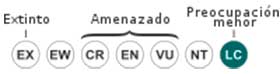
minor concern

โ€ข Red List category of the UICN current: Least concern

โ€ข Population trend: Decreasing

The species has undergone intense trade: from 1981 When it began trading in CITES Appendix II and through the year 2005, 100.388 individuals were captured in the wild and reported in the international trade.

In some places of Australia, It is hunted for food and feathers are later used in ritual ceremonies

"Coconut Lorikeet" in captivity:

I recommend to read first hand information:

KNOWING THE Coconut Lorikeet

Alternative names:

Coconut Lorikeet, Rainbow Lorikeet (Coconut) (English).
Loriquet ร  tรชte bleue (French).
Allfarblori (German).
Lรณris-arco-รญris (Portuguese).
Lori Arcoiris, Lori de cocotero, Tricogloso de Pecho Rojo (espaรฑol).

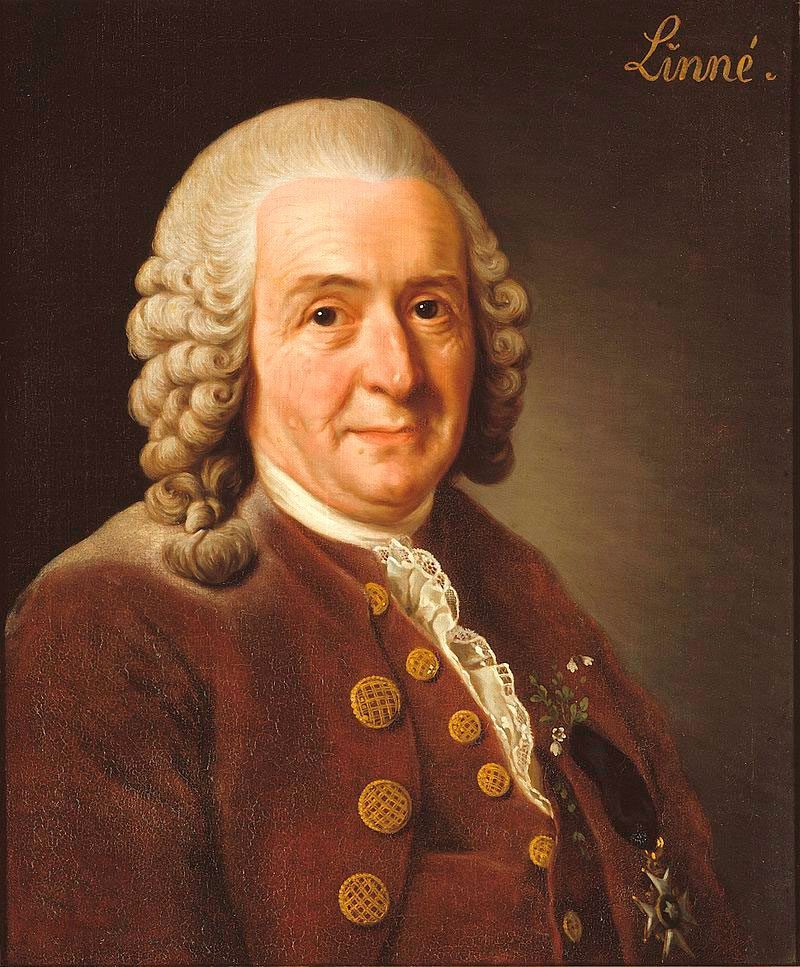
Carl Linnaeus
Carl Linnaeus

scientific classification:


Order: Psittaciformes
Family: Psittaculidae
Scientific name: Trichoglossus haematodus
Citation: (Linnaeus, 1771)
Protonimo: Psittacus haematod . [sic]

โ€œCoconut loryโ€ images:

Videos "Coconut Lorikeet"


"Coconut lory" (Trichoglossus haematodus)


    Sources:

    Avibase
    – Parrots of the World โ€“ Forshaw Joseph M
    – Parrots A Guide to the Parrots of the World – Tony Juniper & Mike Parr
    Birdlife
    Oiseaux.NET

    Photos:

    (1) – Rainbow Lorikeet perching on a wooden post at Tanganyika Wildlife Park, Kansas, USA. by Snowmanradio โ€“ Wikipedia
    (2) โ€“ A Green-naped Lorikeet, T. h. haematodus, a sub-species of Rainbow Lorikeet, Trichoglossus haematodus at Jurong Bird Park, Singapore. by Benjamint444 โ€“ Wikipedia
    (3) โ€“ A Rainbow Lorikeet (Trichoglossus haematodus moluccanus) in Melbourne, Australia. by Alfred Sin โ€“ Wikimedia
    (4) โ€“ Lorikeets feeding on the flowering tree, Corymbia โ€˜Summer Beautyโ€™ (cultivar). Photographed in suburban Brisbane, Australia. by Tatiana Gerus โ€“ Wikimedia
    (5) โ€“ Two birds preening each other. Jervis Bay, New South Wales, Australia by Arnie Hollyman โ€“ ibc.lynxeds.com

    Sounds: Patrik ร…berg, XC215305. accessible www.xeno-canto.org/215305

โ–ท The world of Pets: Dogs, cats, birds, reptiles, amphibians

Saffron-headed Parrot
Pyrilia pyrilia

Saffron-headed Parrot

Content

Saffron-headed Parrot

Description:

22,8 to 25,4 cm.. height.

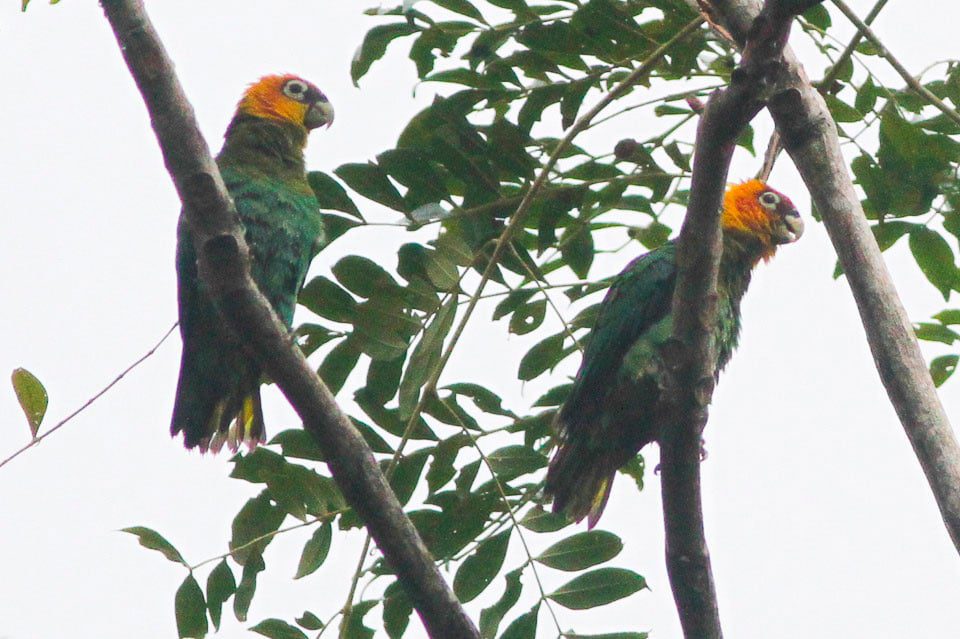
The Saffron-headed Parrot (Pyrilia pyrilia) is characterized by the lores naked; head, rear and both sides of the neck, bright yellow. Upperparts green. The spots of the upperwing-coverts are bright yellow with some red feathers at the base; Red at the front edge of the wing with the external medium upperwing-coverts blue, or green with blue tips. The primary coverts are black, with the coverts remaining of the party top, green, sometimes with blue tips.

Primary and secondary bluish black with narrow green margin to the outerweb; tertiary green. Under the wings and axillary bright red, flight feather of color bluish pale. Breast Yellow olive; belly Green but paler and more yellowish than the top; undertail-coverts green. above the tail with yellow in the innerwebs and blue tips; yellowish below. Bill color pale horn; cere blackish; dark grey skin nude of the lores extends around the eye ring; eye ring whitish; irises dark brown; legs grey.

Both sexes similar. The immature has the crown and shoulders Green with yellow yellowish brown in the face and throat.

Habitat:

Little known throughout its distribution. It inhabits in humid jungles, very wet, high secondary forest and cleared areas, between the 300 to 1700 m. In Venezuela can be seen in tropical and subtropical areas at altitudes of 150-1650 m (perhaps only seasonally to higher altitudes) and 1.000 metres in Colombia. Usually gregarious, seen in groups of up to 10 individuals.

Reproduction:

With reproduce during the first half of the year.
Birds in breeding conditions observed in the months of March-June in Antioquia (Colombia). Immature seen during the month of July in Sierra de Perija (Venezuela and Colombia).

Food:

Just have your feed data, Although it more likely is that your diet is composed of of fruit, berries and seeds.

Distribution:

Size of the area of distribution (reproduction / resident): 577.000 km2

The Saffron-headed Parrot is distributed in the this of the Province of Darien, Panama, to the North of Colombia and Northwest of Venezuela.

There are two records in the Northwest of Ecuador, a wandering pair alleged in the Book ecolรณgica Cotacachi-Cayapas and a flock of about 20 birds in the Pedro Vicente Maldonado Canton, in the Northwest of Pichincha (Ridgely and Greenfield 2001), Although their status is uncertain (JF Freile in litt., 2000, Ridgely and Greenfield 2001).

Today it is rare to see to the Saffron-headed Parrot in accessible areas, Although it is still common Serrania de las Quinchas (Boyacรก) and in the Hill of the peace (Santander) (Donegan et to the., 2003), Colombia and is soon likely to have decreased significantly in the Chocรณ, Colombia, or Darien (GR Angehr in litt., 1999, G. Stiles in litt., 1999).

There are few recent records, but they may still be numerous at the northern base of the Andes, Cรณrdoba, North of Antioquia and Bolรญvar, and in the Valley of the Magdalena, to the East of Caldas and to the southeast of Antioquia, Colombia (Hilty and Brown 1986, A. Cuervo in litt., 1999).

Seems to have decreased in Venezuela, where recent records are from the area of Merida, the South-East slopes of the Cordillera de Mรฉrida, Barinas (Kirwan and Sharpe 1999, C. Sharpe, J. and F. Rodriguez Rojas-Suarez in litt., 1999) and Sierra de Perija (CJ Sharpe in litt. 2011).

The population total may have fallen below 10.000 individuals (Juniper and Parr 1998, G. Stiles in litt., 1999). In fact, is estimated that the Western population (West of Sinu) is of 2.000 to 4.000 individuals (most habitat intact), the population Center (Serranรญa de San Lucas) is probably less than 1.000 individuals, the slopes West of the Eastern Cordillera It is estimated at approximately 1.000 individuals and the eastern slope of the Eastern Cordillera and Merida perhaps less than 1.000 individuals (C. Sharpe, J. and F. Rodriguez Rojas-Suarez in litt., 1999).

Conservation:


Near-threatened

โ€ข Current category of the Red List of the UICN: Near-threatened.

โ€ข Population trend: Decreasing.

Rationale for the Red List category

This species has a population moderately small suspected is declining, and therefore qualifies as near-threatened. It is considered nationally vulnerable in Colombia (Renjifo et to the., 2002) and Venezuela (Sharpe 2008).

Justification of the population

The population is estimated at at least 7.000 copies in total, more or less equivalent to 4.700 mature individuals (PGW Salaman in litt., 2006).

Justification of trend

A slow to moderate and continuous decrease in population is suspected on the basis of the rates of habitat loss: its preferred habitat is severely threatened (T. Donegan in litt 2006.).

"Saffron-headed Parrot" in captivity:

Very difficult acclimating to captivity, susceptible to diseases in captive State.

Alternative names:

Saffron-headed Parrot, Bonaparte’s Parrot, Saffron headed Parrot (English).
Caรฏque de Bonaparte (French).
Goldkopfpapagei, Goldkopf-Papagei (German).
Saffron-headed Parrot (Portuguese).
Cotorra Cariamarilla, Lorito Cabecigualdo, Lorito de Cabeza Dorada (espaรฑol).
Cotorra Cariamarilla (Colombia).
Perico Cabecidorado (Venezuela).


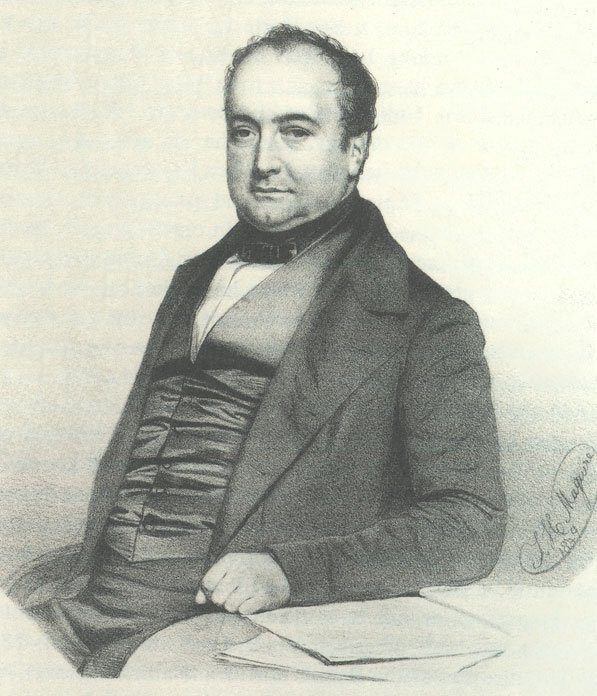
scientific classification:

Charles Lucien Bonaparte

Order: Psittaciformes
Family: Psittacidae
Genus: Pyrilia
Scientific name: Pyrilia pyrilia
Citation: (Bonaparte, 1853)
Protonimo: Psittacula pyrilia

Images "Saffron-headed Parrot"

Videos "Saffron-headed Parrot"


โ€œLorito he headโ€. (Pyrilia pyrilia)


Sources:

  • Avibase
  • Parrots of the World โ€“ Forshaw Joseph M
  • Parrots A Guide to the Parrots of the World – Tony Juniper & Mike Parr
  • Birdlife

  • Photos:

(1) – Saffron-headed Parrot (Pyrilia pyrilia) by Ron KnightFlickr
(2) – Iconographie des perroquets: Paris :P. Bertrand,1857. by Biodiversity Heritage Library – Flickr

  • Sounds:

โ–ท The world of Pets: Dogs, cats, birds, reptiles, amphibians

Blue-bellied Parrot
Triclaria malachitacea

Blue-bellied Parrot

Content


Anatomy-parrots

Description:

28 cm.. length between 110-155 g. of weight.

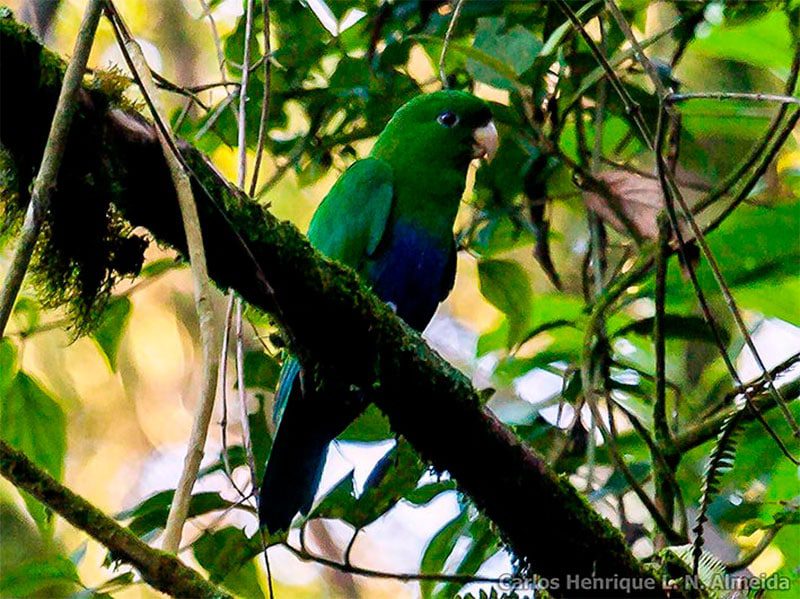
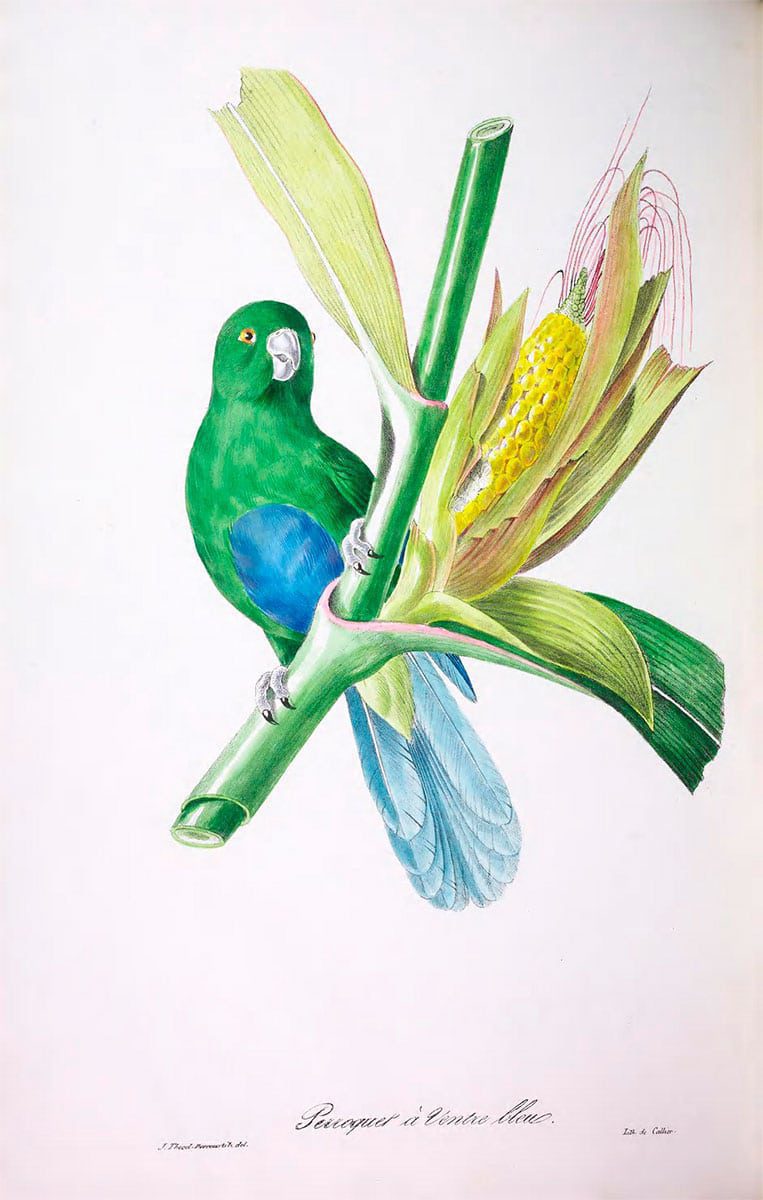
The Blue-bellied Parrot (Triclaria malachitacea) has the head, neck and all the "upper parts" and wing-coverts, grass-green.

Flight feathers grass-green with narrow blue tips to primaries, except the outermost, with a narrow pale blue margin to outerweb. Under, the wings with coverts green, and flight feather, bluish green. The underparts mainly green with large purplish-blue patch on centre of chest and the belly. Upper, the tail It is green with blue tips to central feathers; undertail, bluish green. Bill pink white: cere Pink; brown the irises; legs grey.

The female lacks the patch in the belly blue violet. The immature is as the adult but the respective young male has less blue purple in the underparts.

  • Sound of the Blue-bellied Parrot.

Its singing It is similar to a Thrush (Molothrus).

Habitat:

Blue-bellied Parrot

The Blue-bellied Parrot They live in the humid forests of the low mountains., generally preferring the canopy and the upper floors of tall forest, rich in bromeliads, along watercourses in the valleys. Visit cultivated areas with orchards and plantations and sometimes wooded suburban areas (for example in Sรฃo Paulo).

Mainly observed at altitudes of 300-700 m, perhaps 1,000 meters in some places, but also they inhabit lowlands at sea level. The sporadic nature of reports, with apparent absence of apparently suitable areas, suggests some critical aspects of its little-understood ecology.

Reproduction:

Observed nests in cavities of large trees or stumps of palm. Strongly territorial, at least during breeding, with separation until nests 2 km. The breeding season It covers the months of September to January, maybe a little earlier or later.

Food:

Its diet it's formed, mainly, by fruit, seeds, outbreaks and nectar, some insects and their larvae (looking birds seen flying insects); specific foods include Pachystroma, Actinostemon, Sebastian, Eugenia, Campomanesia and Euterpe edulis, also occasionally Cortex, and citrus plantations.

Distribution and status:

Size of its range (breeding/resident): 361.000 km2

This rare species is endemic Atlantic forests of Southeast Brazil, mainly in Rio de Janeiro, Sao Paulo and Rio Grande do Sul, in the southeast of Brazil. There are additional records South Bahia (none since 1833), Minas Gerais, Brazil (some dubious records), Holy Spirit (four or five sites), Paranรก (three modern records) and Santa Catarina (Mesorregion of the Itajaรญ Valley, Valle de Tijucas and the region of Serra do Mar, in upstate [Rosario 1996, G. Kohler in some. 2011]).

The species is quite common in large forest fragments in the Itajai Valley (G. Kohler in some ., 2011). Due to changes in habitat in the lowlands Santa Catarina, the most recent records in that state come from montane forests (G. Kohler in some ., 2011). Two records in Missions, Argentina, require confirmation. The population was estimated previously less than 5.000 individuals (Lambert et to the ., 1993), But Bencke (1996) suggested that there may be 10.000 in Rio Grande do Sul and significant numbers on the eastern slope of the Serra do Mar; But, the apparent rarity of the species suggests that these figures may be an overestimation (J. Gilardi in litt., 2010). In general, it is suspected that the population is declining, although in the State Park Tres Picos, Rio de Janeiro, It seems to have been stable since 2003 (A. Foster in a bit).

Population little known due to camouflage habits. Perhaps more numerous in the many facing slopes east of the Serra do Mar in Rio de Janeiro and Sรฃo Paulo; habitat loss on a large scale has certainly caused a serious decline in its population, as well as the fragmentation of its distribution area. Although humid upland forests remain in substantial quantities in Serra do Mar, replacement of forests in valleys and on lower slopes with banana plantations could lead to further declines.

Captured for local LBMs and traded in small numbers internationally. There are records of several protected areas, but most of them may be insufficient to support populations of this species due to their low density.

Conservation:


Near-threatened


โ€ข Current category of the Red List of the UICN: Near-threatened.

โ€ข Population trend: decreasing.

Rationale for the Red List category

This species is classified as near threatened because they suspect is in a moderately rapid decline due to loss of habitat and, perhaps to a lesser extent, to the capture for trade bird cage.

Justification of the population

The size of the world's population has not been quantified, but this species is generally described as "rareยป (Stotz et to the ., 1996), although it is locally common in some places.

Justification of trend

Se sospecha una decrease moderate and continuous of the population depending on rates of habitat loss and perhaps, to a lesser extent, capture for the bird trade. The decline is not thought to be faster because the species occurs in montane areas where deforestation is typically less severe., It seems to tolerate mature secondary forests and anecdotal observations suggest that is locally stable, for example in the State Park Tres Picos, Rio de Janeiro. (A. Foster in a bit ., 2013).

The ecology and conservation of the Blue-bellied Parrot in remaining forest fragments in Rio Grande do Sul

This project aims to collect basic information on population, the distribution and ecology of the Blue-bellied Parrot in the center of Rio Grande do Sul, where a large population of the species is rapidly declining due to habitat fragmentation. The use of the radiotelemetry technique will make it possible to determine the area of โ€‹โ€‹use of the species and to evaluate their dispersal capacities.. Biology studies of this species is the objective to determine the elements that make up its diet and collect information on behavior and reproduction.. Through this information, It is intended to outline a regional plan for conservation Blue-bellied Parrot and their habitat, together with local actors. (AU)

Conservation status:

UICN: Vulnerable (with + 2c, d, Cl, Q2a). Previously in danger of extinction (Q2a: see Collar et al., 1994). CITES: Appendix II.

State of national protection: Protected by federal law and included in the list IBAMA of Brazilian species threatened with extinction (Bernardes et al 1990).

"Blue-bellied Parrot" in captivity:

unknown in captivity.

Alternative names:

Blue-bellied Parrot, Blue bellied Parrot, Purple-bellied Parrot (English).
Crick ร  ventre bleu, Caรฏque ร  ventre bleu (French).
Blaubauchpapagei, Blaubauch, Blaubauch-Papagei (German).
Papagaio-de-peito-roxo, araรงoiaba, araรงuaiava, cica, sabiรก-ci, sabiรก-cica (Portuguese).
Loro de vientre azul, Loro Sabiรก-cicรก, Loro Ventriazul (espaรฑol).
araรงoiaba, araรงuaiava, cica, sabiรก-ci, Sabiรก-cica (Brazil).


scientific classification:

Johann Baptist von Spix

Order: Psittaciformes
Family: Psittacidae
Genus: Triclaria
Scientific name: Triclaria malachitacea
Citation: (von Spix, 1824)
Protonimo: Psittacus malachitaceus


Images ยซBlue-bellied Parrotยป:

Videos "Blue-bellied Parrot"

————————————————————————————————

ยซThem Ventriazulยป (Triclaria malachitacea)


Sources:

Avibase
– Parrots of the World โ€“ Forshaw Joseph M
– Parrots A Guide to the Parrots of the World – Tony Juniper & Mike Parr
– Birdlife

Photos:

(1) – Triclaria malachitacea – Paranapiacaba – Santo Andrรฉ by Carlos HenriqueFlickr
(2) – Blue-bellied Parrot (also known as the Purple-bellied Parrot); two in a cage with a nestbox By TJ Lin [CC BY-SA 2.0], via Wikimedia Commons
(3) – A female Blue-bellied Parrot (also known as Purple-bellied Parrot) at Walsrode Bird Park, Germany By ipfreaks [CC BY-SA 2.0], via Wikimedia Commons
(4) – Rufous-conic (Triclaria malachitacea) – female by Clรกudio Dias TimmFlickr
(5) – Rufous-CICA (Blue-berried Parrot) – Guide to Birds in ePUB by Mรกrcio DuarteFlickr
(6) – Psittacus cyanogaster or Blue-Bellied Parrakeet by Biodiversity Heritage LibraryFlickr

โ–ท The world of Pets: Dogs, cats, birds, reptiles, amphibians

Tres Marias Parrot
Amazona tresmariae

Tres Marias Parrot

Content

Description:

38-40 cm.. length and 580-650 g. of weight.

The Tres Marias Parrot (Amazona tresmariae) has head and throat yellow.

The upperparts are green. The underparts They are green but more yellowed than upperparts. Thighs yellow. Primaries and secondaries green, violet-blue becoming the tip. should carpal yellow. Speculum red on the basis of the five outer secondaries. The curve wings, pale red, with some yellow.

The tail is green, with yellowish green tip and lateral feathers basically marked with red on the inner band; outermost feathers fringed blue. The legs They are pale gray. The irises It is orange. The bill is horn-colored, gray towards the base of the upper jaw. Cere dark gray.


Anatomy-parrots

Both sexes are similar. The immature They are completely green head, except the yellow patch in forecrown. The curve wings, green. should carpal yellowish green.

Taxonomic note:

It is granted status species by the International Congress of Ornithology.

Habitat:

Video "Tres Marias Parrot"

They have preference by deciduous forests or evergreen, clear, Savanna Woods, pine forests, dense gallery forests; less commonly in dry thorn forests, mangroves or coastal marshes and cultivated areas with scattered trees.

Resident throughout its area of distribution.

Reproduction:

Nest in holes in tree trunks or fallen branches.

Food:

consume outbreaks, leaves news, fruits palm, seeds of Acacia, fruits of Macuna, figs and some fruits of cultivated land.

Distribution:

Endemic to the Marias Islands, on the west coast of Mexico.

Amazon tresmariae Conservation :

State of conservation โ“˜


minor concern Minor Concern โ“˜ (UICN)โ“˜

โ€ข Current category of the Red List of the UICN: Least concern.

โ€ข Population trend: Decreasing.

The Tres Marias Parrot It has an extremely large range and, therefore, it does not approach the thresholds for Vulnerable at the discretion of the distribution area size (Extension <20,000 km2 combined with a size decreasing or fluctuating range, extent or quality of habitat or population size and a small number of locations or severe fragmentation).

Even though the population trend appears to be declining, It not believed to be declining fast enough to approach the thresholds for Vulnerable under the criteria of population trend (> 30% decline over ten years or three generations).

The population size has not been quantified, but it is not believed that approximates Vulnerable thresholds under the criterion of population size (<10.000 mature individuals with an estimated continuous decline> 10% in ten years or three generations or a population structure). For these reasons, the species is evaluated as Least Concern.

Usually it regarded as a subspecies of the Yellow-crowned Parrot (Amazona ochrocephala).

Tres Marias Parrot in captivity:

These birds belong to Appendix I of the CITES, with special protection because they are highly sought.

Alternative names:

Panama yellow-crowned amazon, Tres Maria Yellow-headed Parrot, Tres Marias Amazon, Tres Marias Parrot, Yellow-headed Parrot (Tres Marias Is.) (English).
Amazone ร  tรชte jaune (forme des Tres Marias), Amazone de Trรชs Marias, Amazone des Tres Marias (French).
Gelbkopfamazone-tresmariae, Tres-Marias-Amazone (German).
Tres Marias Parrot (Portuguese).
Tres Marias Parrot, Tres Marias Amazon, amazona de Tres Marias, Amazona cabeciamarilla de tres marias, Loro de las islas Marรญa (espaรฑol).


Scientific classification Amazona tresmariae:

Edward William Nelson

Order: Psittaciformes
Family: Psittacidae
Genus: Amazona
Scientific name: Amazona tresmariae
Citation: Nelson, 1900<

Tres Marias Parrot images:


Species of the genus Amazona


Sources:

  • Avibase
  • Parrots of the World โ€“ Forshaw Joseph M
  • Parrots A Guide to the Parrots of the World – Tony Juniper & Mike Parr

Photos:

(1) – Amazona tresmariae at Cougar Mountain Zoological Park, USA perching on a zoo keepers left hand By Derrick CoetzeeCamera location47ยฐ 33โ€ฒ 11.72โ€ณ N, 122ยฐ 04โ€ฒ 50.26โ€ณ W View this and other nearby images on: Openstreetmap – Google Earth 47.553255; -122.080628 [CC0], via Wikimedia Commons
(2) – Amazona tresmariae in a cage at Cougar Mountain Zoological Park By Derrick Coetzee from Seattle, USA (Tres Marias Amazon in cage 2) [CC0], via Wikimedia Commons
(3) – Amazona tresmariae at Cougar Mountain Zoological Park, USA. There are two with a woman zoo keeper By Derrick Coetzee [CC0], via Wikimedia Commons
(4) – Tres Marias Amazon in cage by D CoetzeeFlickr
(5) – Yellow-headed Parrot of the Tres Marias Islands by (c) Juan Cruzado Cortรฉs – naturalista.mx

โ–ท The world of Pets: Dogs, cats, birds, reptiles, amphibians

Maroon-bellied Parakeet
Pyrrhura frontalis

Maroon-bellied Parakeet

Content

Description:

24-28 cm.. length and 72-94 g. of weight.

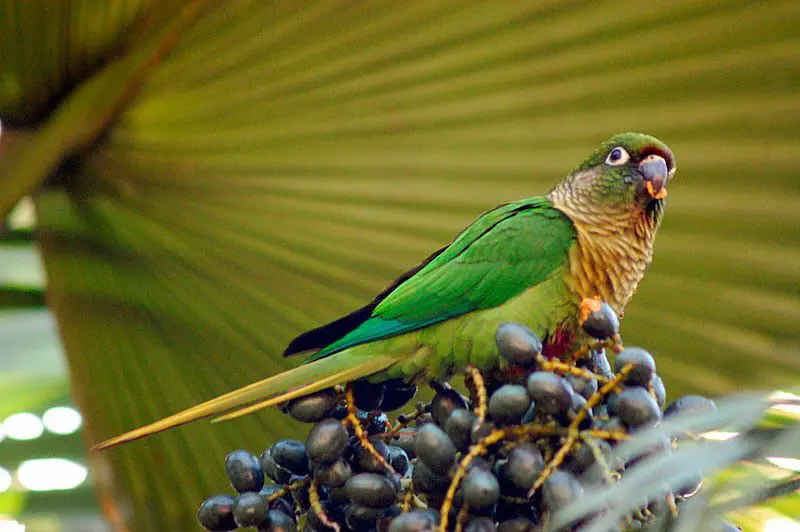
The Maroon-bellied Parakeet (Pyrrhura frontalis) has a frontal band matte red close with a few more bright red feathers behind cere; lores blackish; feathery cheeks and crown, greyish green blackish tips; ear-coverts olive green.

The upperparts They are green grass with a small area reddish at the bottom of the back. Primary coverts bluish green; wing-coverts grass-green, some feathers sometimes with olive tint. Primaries blue in the outerweb. green in the innerwebs, with dark tips; secondaries, mainly green. Sides of neck, throat and chest, brown olivรกceo, feathers subterminally brown and black black tips, giving the whole a scalloped effect; lower breast green with a patch brown in the center of belly; flanks, the thighs and undertail-coverts, green. Upper, green tail in basal half, Shaded bronze to reddish tones on the tips; below, the tail is opaque brown.

Maroon-bellied Parakeet

Bill grey, sometimes paler in base mandible; yellow cere; bare periophthalmic whitish grey; irises dark brown; legs dark gray.

Both sexes are similar. The incipient brown lacks the belly. Immature paler than adult with irises darker.

Taxonomic note:

Closely related to Blaze-winged Parakeet (Pyrrhura devillei), with which it can be conspecific (populations or races that belong to the same species). It has been suggested that the species may also be conspecific with Green-cheeked Parakeet (Pyrrhura molinae).

  • Sound of the Maroon-bellied Parakeet.

Description 2 subspecies:

  • Pyrrhura frontalis chiripepe

    (Vieillot, 1818) – As the nominal, but the upper surface of the tail It is completely green olive. Some orange-red markings on the bend of wing in some birds.


  • Pyrrhura frontalis frontalis

    (Vieillot, 1818) – Subspecies nominal.

Habitat:

Video – "Maroon-bellied Parakeet" (Pyrrhura frontalis)

Pyrrhura frontalis / red forehead snipe / Marron bellied Parakeet

The Maroon-bellied Parakeet They extend through several forest habitats, forests, margins and marshy habitats, including the remaining patches Araucaria (for example, in Rio Grande do Sul). In the Paraguayan Chaco They seem almost confined to coastal areas of growth over the Paraguay River and its main tributaries. In Southeast Brazil They are mainly distributed in the highlands, to 1.400 meters above sea level; in other parts of the lowlands up near 1.000 m, where they are generally tolerant to disturbance, even reaching visit urban parks in the city of Assumption, Rio de Janeiro and Sรฃo Paulo, and feeding in gardens (Rio Grande do Sul). gregarious, usually in flocks of 6-12 birds (until 40).

Reproduction:

They nest in the cavity of the trees. The breeding season It covers the months from October to December. Clutch 5-6 eggs.
The female incubated one for almost 30 days. The young leave the nest after about 45 days, after which they continue to be fed for some time by the two members of the couple.

Food:

In Southeast Brazil, Their diet includes pulp of Euterpe edulis, seeds of Schinus, Xylopia, Cecropia, Croton, Miconia, ficus, Psidium and Pinus; flowers of Ambrosia and Vernonia and aryl of Protium; elsewhere, the Araucaria It is a very important food source, for example in southern Brazil; also they feed dried fruits and fruits of Campomanesia xanthocarpa and Podocarpus lambertii; homoptera sheets Persea pyrifolia and fly larvae. The orange and corn crops sometimes they suffer from their visits, but depredations were lower compared to the damage caused by the Parrot Argentina (Myiopsitta monachus) in cornfields.

Distribution and status:

Size of its range (reproductive / residents): 2.690.000 km2

The Maroon-bellied Parakeet It is endemic in Southeast South America, from the southeast of Brazil to the North of Argentina.

In Brazil They can be observed from south Bay ,through coastal states, until Rio Grande do Sul, and west, in the southeast of Minas Gerais, Brazil and South of Mato Grosso, through Paraguay (extension of records suggests its presence throughout the west end), North of Uruguay and North of Argentina, in Missions, Currents, Formosa, Chaco and sporadically in the past, in the North of Santa Fe (a population in Buenos Aires probably descended from leaks), and southeastern Bolivia.

Resident. Locally common to very common (for example, in Missions) but rare elsewhere (for example Currents) and extinguished in places due to conversion of forests for agriculture.

With He commercialized in large quantities with substantial late eighties exports averaging over 5.000 birds per year. There is a large captive population.

Distribution 2 subspecies:

  • Pyrrhura frontalis chiripepe

    (Vieillot, 1818) – Central and southern Paraguay, northern Uruguay and northern Argentina.


  • Pyrrhura frontalis frontalis

    (Vieillot, 1818) – Subspecies nominal. Southeastern Brazil from southern Bahia to Rio Grande do Sul including southeastern Minas Gerais and south and southeast of Mato Grosso.

Conservation:

State of conservation โ“˜


minor concern Minor Concern โ“˜ (UICN)โ“˜

โ€ข Red List Category: Least concern

โ€ข Population trend: Stable.

Rationale for the Red List category

This species has a extremely large range and, therefore, it does not approach the thresholds for Vulnerable at the discretion of the distribution area size (Extension <20,000 km2 combinada con un tamaรฑo de rango decreciente o fluctuante, extensiรณn o calidad del hรกbitat o tamaรฑo de poblaciรณn y un pequeรฑo nรบmero de lugares o fragmentaciรณn severa). La tendencia de la poblaciรณn parece ser estable, por lo que la especie no se aproxima a los umbrales de Vulnerables bajo el criterio de tendencia poblacional (> 30% decline over ten years or three generations). The population size has not been quantified, but it is not believed to be close to the thresholds for Vulnerable under the criterion of population size (<10.000 individuos maduros con un declive continuo estimado> 10% in ten years or three generations or a population structure). For these reasons, the species is evaluated as least concern.

Justification of the population

The size of the world's population has not been quantified, but this species is described as ยซcommonยป (Stotz et to the., 1996).

Justification of trend

They suspected that the population is stable in absence of evidence of any decline or threatens substantial.

Threats

The species has been marketed strongly: from 1981, when it was included in Appendix II of CITES, 52.523 individuals captured in the wild have been recorded in international trade (Trade database of UNEP-WCMC CITES, January 2005).

"Maroon-bellied Parakeet" in captivity:

The species is listed in Appendix II of the CITES.

There is a large captive population. They are intelligent birds, friendly and active. Readily they adapt to human contact and are easy to train. They are among the quietest cotorras, but its powerful high-pitched voices can become very annoying. Like other parakeets, They tend to express emotion with a series of loud cries, chillidos.

Alternative names:

Maroon bellied Parakeet, Maroon Parakeet, Maroon-bellied Conure, Maroon-bellied Parakeet, Reddish-bellied Parakeet, Scaly-breasted Parakeet (English).
Conure de Vieillot, Conure ou, Perriche de Vieillot, Perruche ร  oreillons bruns, Perruche d’Azara, Perruche de Vieillot (French).
Braunohrsittich, Braunohr-Sittich (German).
cara-suja, periquito, tiriba, Tiriba-de-testa-vermelha, tiriva (Portuguese).
Chiripepe, Chiripepรฉ, Chiripepรฉ cabeza verde, Chiripepรฉ de cabeza verde, Cotorra Chiripepรฉ, Perico de Vientre Rojo (espaรฑol).


scientific classification:

Vieillot, Jean Pierre Louis

Order: Psittaciformes
Family: Psittacidae
Genus: Pyrrhura
Scientific name: Pyrrhura frontalis
Citation: (Vieillot, 1818)
Protonimo: Psittacus frontalis

Images Maroon-bellied Parakeet:


Especies del gรฉnero Pyrrhura

Sources:

Avibase
– Parrots of the World โ€“ Forshaw Joseph M
– Parrots A Guide to the Parrots of the World – Tony Juniper & Mike Parr
– Birdlife

Photos:

(1) – RED-BROWN TIRIBA Botanical Garden of Sรฃo Paulo By Dario Sanches [CC BY-SA 2.0], via Wikimedia Commons
(2) – Maroon-bellied Conure (Pyrrhura frontalis) on a wooden stump. Botanical Garden of Sรฃo Paulo By Dario Sanches [CC BY-SA 2.0], via Wikimedia Commons
(3) – Pyrrhura frontalis Ilhabela-SP By Dario Sanches from Sรฃo Paulo, Brazil (Maroon-bellied parakeet ( Pyrrhura frontalis)) [CC BY-SA 2.0], via Wikimedia Commons
(4) – Maroon-bellied Conure (Pyrrhura frontalis) – Sรฃo Paulo Forest Garden By Dario Sanches [CC BY-SA 2.0], via Wikimedia Commons
(5) – Pyrrhura frontalis – Track dos Tucanos – Tapirai-SP IBA: Paranapiacaba Forest Massif By Jairmoreirafotografia (Own work) [CC BY-SA 4.0], via Wikimedia Commons
(6) – Parrots A Guide to the Parrots of the World โ€“ Tony Juniper & Mike Parr

Sounds: Gustavo Luz, XC344423. accessible www.xeno-canto.org/344423

โ–ท The world of Pets: Dogs, cats, birds, reptiles, amphibians

Cuban macaw โ€ 
Ara tricolor

Cuban Macaw

Content

Cuban Macaw

Description of Cuban Macaw:

The Cuban Macaw (Ara tricolor) ave a great era, had a length between 45 and 50 centimeters, the "forehead" was reddish and orange and the nape.

around the eyes had white areas devoid of feathers. Cara, abdomen, chest and the thighs They were also orange and legs and the tip of the bill brown. The upper portion was a brownish red with festooned with feathers in green, while feathers below tail, on top of this and the lower back region they were blue. Also of this color combined with purplish red were the wings.

The external appearance of both male and the female It was the same. As for the flight, as described, when taking off it opened and exhibited its splendid tail to its full extent in a truly magnificent spectacle.

Habitat:

Little is known about the habits Cuban Macaw. Local people reported the Cuban naturalist, born in Germany, Juan Gundlach (1876) What anidaba in the holes of the palm trees and lived in pairs and family groups. He noted that it had a strong vocalization similar to that of Central American macaws. (Gundlach 1893).

apparently small populations bred in scattered locations.

Reproduction:

Little is known about the reproduction of this species, except that they nested in the holes of the palm trees and lived in pairs and family groups.

Food:

They ate fruits, Palmas, tree seeds cinnamon (Meliรก azedarach), tender shoots and buds (Wiley & Kirwan 2013).

Olson & Suarez (2008) skull suggest that the tablet back-ventral, in other macaw is an adaptation for a strong muscle attachment, is an indication that this species feeds on palm nuts extremely hard shell, and distribution of birds may have been closely related to the availability of this food source.

Distribution:

Distributed in the past by the island of Cuba, and probably the Isle of youth. It is said that there were large populations in the Zapata Swamp to the South of Matanzas. There is no evidence of the historical existence of this guacamayo or another Hispaniola, where it has hinted at the existence of this species (although possibly they were observed on that island, with the last individuals registered in 1820.

Conservation:

โ€ข Current category of the Red List of the UICN: Extinct.

โ€ข Population trend: extinguished.

Justification of the Red List of the Category

This species was known in the island of Cuba, but hunting led to its population to extinction. The last reports of the species date from 1885.

Its extinction was caused by his hunting as food and the felling of trees for nesting capture young birds and their use as pet (Forshaw and Cooper 1989).

It is said that the last specimen known to have existed was shot down in La Vega, about the Zapata Swamp in 1864. Then testimonies of sightings occurred up 1885 which were not confirmed.

"Cuban macaw โ€ " in captivity:

It is believed that the Cuban Macaw was quite common in Cuba. First he began to increase his capture in order to give them to the Kings of Spain. As the nineteenth century progressed increased human population and this not only cut down the trees and forests deforested, but he also hunted the bird for food โ€“ despite the fact that its meat tasted bad โ€“ he plundered its nests to take from pets young birds. This is how their habitats were eliminated, until he ended up becoming extinct.

Alternative names:

Cuban Macaw, Hispaniolan Macaw, Hispaniolan or Cuban Macaw, Hispaniolan, Cuban or Jamaican Macaw (English).
Ara d’Hispaniola, Ara tricolore, Ara tricolore ou A. de Cuba, Ara tricolore, A. de Cuba ou A. de Gosse (French).
Dreifarbenara (German).
arara-vermelha-de-cuba (Portuguese).
Guacamayo cubano (espaรฑol).


scientific classification:

Johann Matthew Bechstein

Order: Psittaciformes
Family: Psittacidae
Genus: ARA
Scientific name: Ara tricolor
Citation: (Bechstein, 1811)
Protonimo: Ara tricolor

Cuban Macaw pictures:


Cuban macaw โ€  (Ara tricolor)


Species of the genus Ara


Sources:

โ€ข Avibase
โ€ข Parrots of the World โ€“ Forshaw Joseph M
โ€ข Parrots A Guide to the Parrots of the World – Tony Juniper & Mike Parr
โ€ข Birdlife
โ€ข cubaconecta

Photos:

(1) – Ara tricolor, recreaciรณn digital By Digitally treated by Rod6807 from the original image of Peter. [CC BY-SA 3.0], via Wikimedia Commons
(2) – Cuban Macaw. Eleven-Thirteenths Natural Sizeโ€”from specimen in Liverpool Museum By John Gerrard Keulemans (1842 – 1912) [Public domain], via Wikimedia Commons
(3) – Now tricolor Bechstein, 1811 by Huub Veldhuijzen van Zanten / Naturalis [CC BY-SA 3.0], via Wikimedia Commons
(4) – Now tricolor Bechstein, 1811 Huub Veldhuijzen van Zanten / Naturalis Biodiversity Center [CC BY-SA 3.0], via Wikimedia Commons
(5) – Ara tricolor By Bechstein, 1811 [CC BY-SA 3.0], via Wikimedia Commons
(6) – Watercolour by Jacques Barraband (circa 1800) of a Cuban Red Macaw (Ara tricolor) by Jacques Barraband [Public domain], via Wikimedia Commons