The largest gender Amazona, measuring up 45 cm.. length.
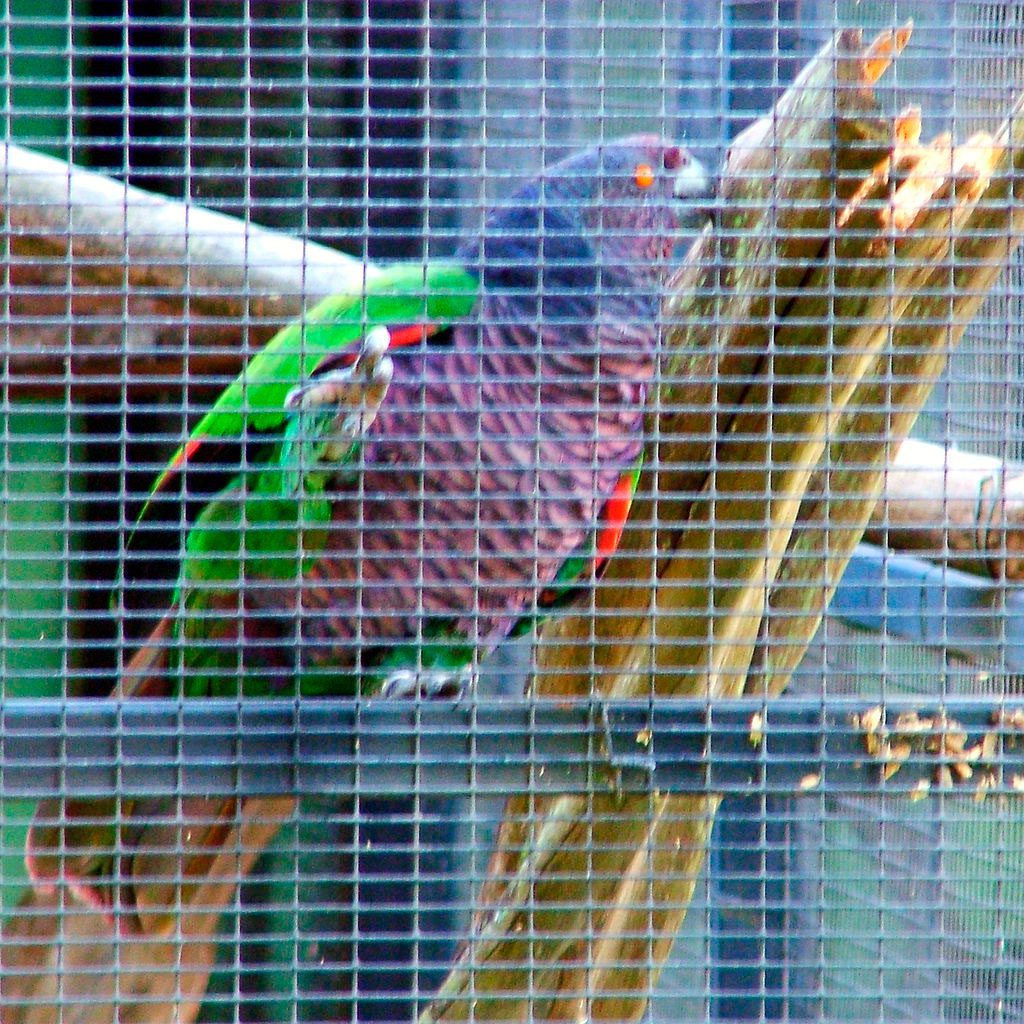
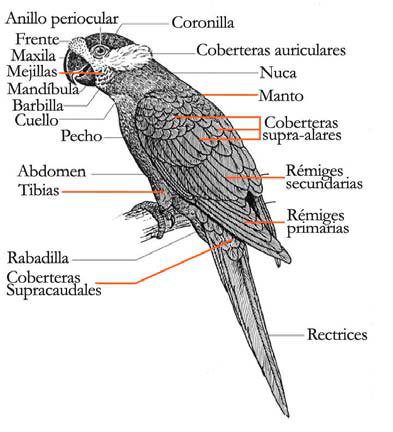
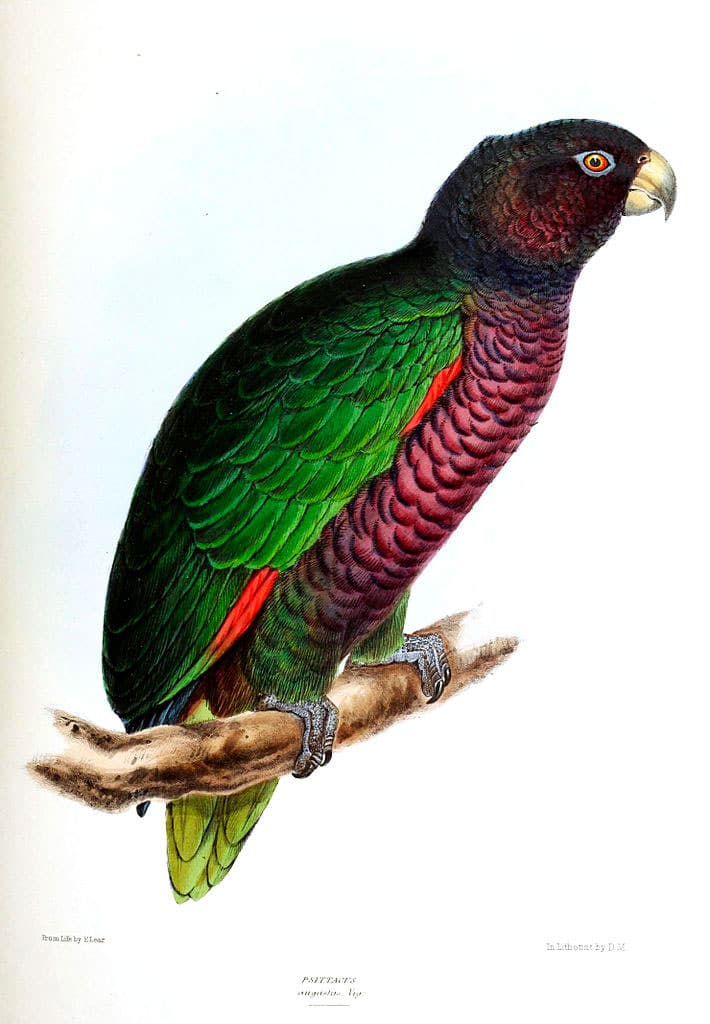
The Imperial Parrot(Amazona imperialis) has the lores and forecrown, deep purple; cheeks and ear-coverts, brown; crown purple with dark emerald edges; sides neck and nape, deep purple with black tips, sometimes with a subterminal band emerald.
Mantle, back and scapulars, green bluish tipped pens some. Wing coverts green with scarlet at bend of wing. Primaries dark brown-black with green at the base of the outerweb; outer secondaries purple with a patch crimson in color outerweb, forming a speculum; inner secondary dark green tipped blue.
Under wings green, coverts with blue tips. Throat, chest and belly, deep purple with black tips; some feathers (especially in the chest) show the subterminal band pinkish-vinous or olive-green, while others (visible from certain angles) bright blue sides and ends; the thighs and sides belly green with blue tips; undertail-coverts green with blue markings and vinous. Tail green at the base with a subterminal band dull reddish-brown and vinous tip. Bill dark horn, paler at the base; irises orange; legs dark gray.
The female is paler. The immature It has green on crown, the nape and lower cheeks.
Sound of the Imperial Parrot.
Habitat:
Video "Imperial Parrot"
First Captive-bred Imperial Parrot (Amazona imperialis)
The Imperial Parrot frequents the canopy of primary rainforest mountain, sometimes dwarf forests (above 1.200 m), preferring areas with mature trees Dacryodes excelsa and palms as Euterpe dominicana.
Mainly they distributed in altitudes of 600-1300 m, but reports at altitudes 150-300 meters when birds fall in response to food shortages or food preferences. The communal roosts They form in traditional sites, for example in large trees Dacryodes or Sloanea berteriana, They are using one year to another (but not necessarily throughout the year.
Reproduction:
Nest in holes in high forest trees, for example Dacryodes or Sloanea. The nesting territory, probably defended throughout the year. Breeding season usually occurs during the dry season between February June, when resources are more abundant. Clutch two eggs. Possibly they breed only every two years, with one calf usually per clutch.
The Imperial Parrot It is endemic to the Dominica Island in the Lesser Antilles. Formerly she lived in the central highlands around Morne Diablotin (1.447 m, the highest mountain in Dominica) in the North of Morne Anglais, in the South. In 1950 It was reduced to two disjoint forest areas, about Morne Diablotin and around Morne Anglais, where the last reliable sight was in 1983. In Morne Diablotin, per se, birds found in increasing altitudes due to habitat loss and alteration on the lower slopes. Probably now absent on the south side, with the northwest side, particularly in the upper valley of Picard River, in the area of Morne Plaisance and Dyer Estates, being of critical importance.
Resident. Early observers believed that the Imperial Parrot It was scarce. further investigation (1870) revealed that it was common to abundant, but the numbers dwindled rapidly due to the loss of habitat, hunting and capture for the pet trade. The census 1975 He suggested a total of 150-250 birds. In 1979, only 16 in Morne Anglais, when a hurricane further reduced the population. In 1987 a survey estimated the total population to 60 specimens. One census 1990 He suggested 80 parrots (possibly, but less than 100), with 80-100 estimated 1993. The species is at serious risk of loss of habitat (mainly due to the conversion of forest tree crop plantations, especially bananas, provided by the new infrastructure) and impacts of hurricanes (to which birds are highly vulnerable in such a restricted range) that destroy food plants and nesting sites. Hunting and gathering for local pet markets have significantly decreased thanks to a Program successful conservation education. Foreign collectors birds remain a persistent threat, but birds are extremely rare in captivity locally or in international trade. Part habitat is protected in the North Forest Reserve, but the important neighboring areas are excluded and remain at risk. Completely protected by national legislation. CITES Appendix I.
Conservation:
State of conservation ⓘ
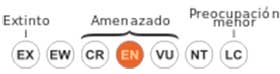
Endangered ⓘ(UICN)ⓘ
• Current category of the Red List of the UICN: In danger of extinction.
• Population trend: Increasing.
• Population size: 160-240
Rationale for the Red List category
Conservation action in recent 30 years has improved the situation of this species. Numbers have increased in recent years, but they can still only stay 250 mature individuals, calling the species as endangered. If the population continues to increase, It will be finally reduced to Vulnerable unless there is concomitant decreases in available habitat.
Justification of the population
The population is estimated at 250-350 individuals in total, approximately equivalent to 160-240 mature individuals (PR Reillo in a bit., 2012).
Justification of trend
No new data on demographic trends, but it is suspected that the species continues to increase at a rate not quantified due to conservation efforts.
Threats
A combination of habitat loss (mainly conversion to plantations, especially bananas (Snyder et to the., 2000) , and hurricane-related damage), It hunting for food and capture for the cage bird trade, They have been the main reasons for the decline of this species to 1990 (PR Reillo in some). Local trade has been considerably reduced, if not eliminated, as a result of a successful education program, but foreign collectors birds may pose a threat (Snyder et to the., 2000). The competition for nesting sites of the largest Red-necked Parrot (Amazona arausiaca) presumably it will be more significant as the lowland forest is lost and the two species are increasingly putting contact (Ministry of Agriculture and Environment of Dominica 2000).
Conservation Actions Underway
Appendices I and II of CITES. It is protected by national legislation. In recent years, They have made considerable efforts to protect adequate habitat and sensitize local citizens to their needs. Successful education programs for conservation have significantly reduced local trade. It is protected in all national parks, Forest Reserve in North and Central Forest Reserve, but important areas adjacent to these reserves remain unprotected (Ministry of Agriculture and Environment of Dominica 2000, Snyder et to the., 2000). An area 33 km 2 of North Forest Reserve it has been designated as Morne Diablotin National Park (Collar (1997to, Wiley et al 2007) . It is also present in small amounts in the Morne Trois Pitons National Park (Reillo 2001, Wiley et al., 2007) . In 2011 reports of the first captive breeding of the species were published (Reillo et al., 2011).
Conservation Actions Proposed
Monitor the population. Continue the implementation of the protection of National Parks Morne Diablotin and Morne Trois Pitons and Forest Reserves North and Central. Study the ecology of this species and the factors that affect its status (including interspecific competition) (Ministry of Agriculture and Environment of Dominica 2000, Zamora y Durand 1998, Wiley et al 2007) . Continue prohibiting trade in this species, exports for captive breeding and importation of non-native psittachines as pets in Dominica (PR Reillo in some. 2012).
The Imperial Parrot captive:
Completely protected by national legislation. CITES Appendix I.
Each captive specimen of this species which is capable of reproducing, It is placed in a well-managed program captive breeding and not be sold as a pet, with the objective of ensure their survival long-term.
Alternative names:
– August Parrot, Dominican Amazon, Dominican Parrot, Imperial Amazon, Imperial Parrot (English).
– Amazone de Bouquet, Amazone de la Dominique, Amazone impériale, Amazone sisserou (French).
– Kaiseramazone (German).
– Papagaio-imperial (Portuguese).
– Amazona Imperial (español).
Avibase
Parrots of the World – Forshaw Joseph M
Parrots A Guide to the Parrots of the World – Tony Juniper & Mike Parr Birdlife
Photos:
(1) – Imperial Amazon (also known as the Imperial Parrot and Sisserou Parrot) at the Parrot Conservation and Research Centre Botanical Gardens, Roseau, Dominica By Amazona_imperialis_-Roseau_-Dominica_-aviary-6a.jpg: Andrew Szymanskiderivative work: Snowmanradio [CC BY-SA 2.0], via Wikimedia Commons
(2) – Amazona imperialis By David William Mitchell (1813–1859) (The Genera of Birds. Volume 2) [Public domain], via Wikimedia Commons
Origin: Mexico, Guatemala, Honduras, Nicaragua, Costa Rica, Panama, Venezuela, Colombia, Ecuador, Peru, Brazil, Guyana, Suriname
Character: Intelligent and social
Life expectancy: 40 years
Height: 85 to 96 cm..
Content
Description:
Of 85 to 96 cm. length and a weight between 1.060 and 1.123 g..
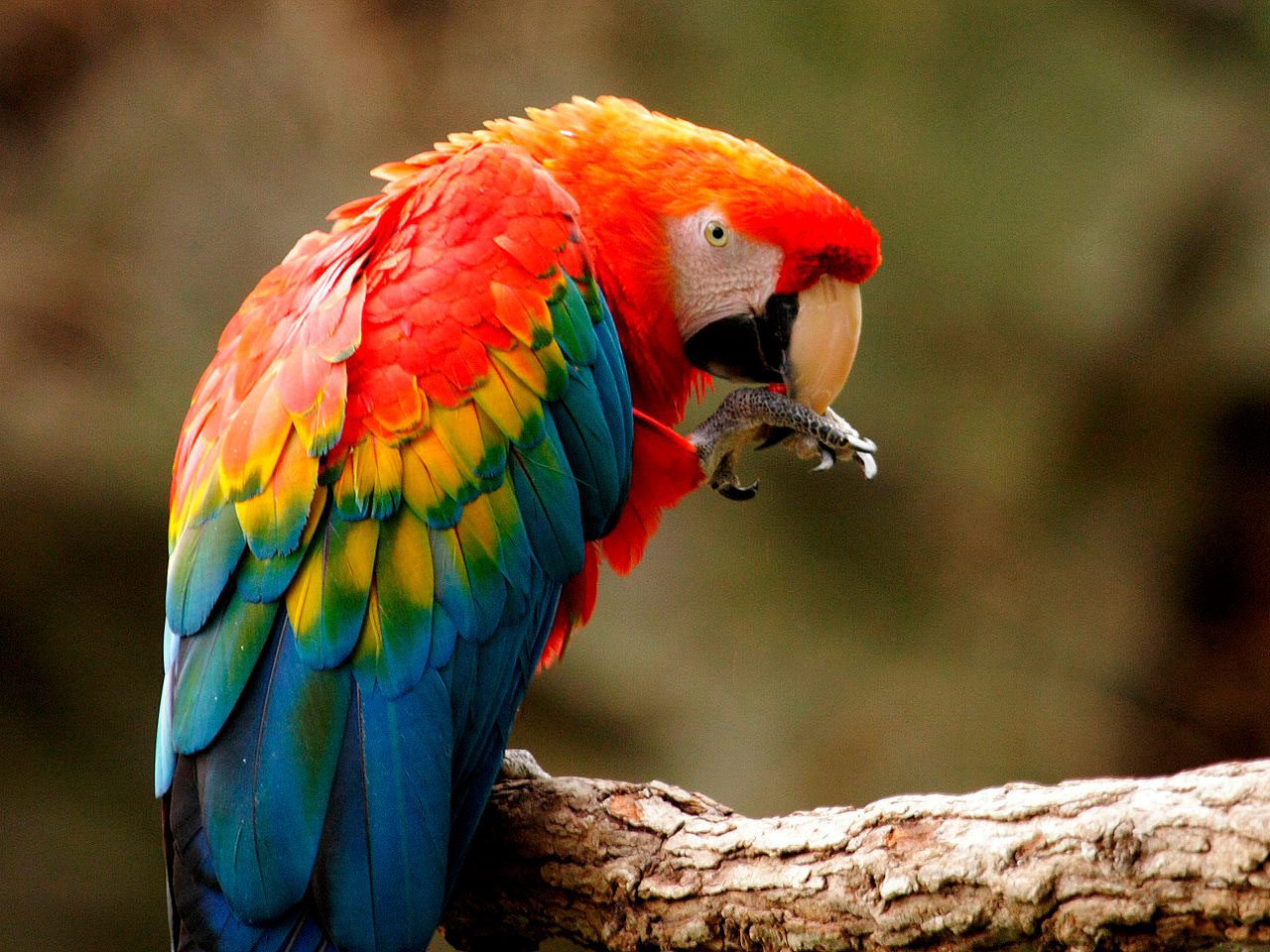
The Scarlet Macaw(Ara macao) has a showy and colorful plumage, predominantly Scarlet red in the head, neck, back, throat, belly, sides and the thighs, as well as in the upper parts of the wings and tail. These pens are a brighter shade of Red, almost Orange, If you are directly exposed to the sunlight.
The feathers greater coverts and stockings of the wings they are yellow, even if the ends of these feathers are green in the subspecies Ara macao macao and blue in Ara macao cyanoptera. The t-shirts, as well as the lower coverts of the obispillo, the of the back and both upper and lower part of the tail they are blue. The internal parts of the tail and of the wings are orange-red, lighter than the predominantly Scarlet plumage.
Its bill is hooked, strong enough to cut objects, dig, help climbing and defend themselves, but light in such a way that it does not affect your flight. It consists of two parts, of which the upper is the largest and is off-white, Sometimes a little pink, Besides that it has a small black marks on each side in the region where it joins with the head. It is also black on the tip and base, forming a triangular figure of this color. At its top are its nostrils, almost imperceptible to the naked eye. The under bill, on the other hand, is completely black, like its fleshy language.
The eyes are positioned laterally in the head, and although the exposed part of the cornea is round and seemingly small, the eyeball is large enough reality, even more than the brain. Its irises is light brown on the young but it becomes yellow when reaching the adult age. around the eyes they have an area of skin between whitish and pink which is apparently nude, although in reality it is partially covered by small, almost imperceptible reddish feathers that form thin sinuous lines.
Their legs they are short but strong, because it has powerful flexor muscles and tendons, allowing you to be upright perching. Their legs ‘zigodactilas‘ they are available in four fingers, two forward and two backwards, and are dark gray.
Morphologically, is very similar to the Red-and-green Macaw (Ara chloropterus), However, differ in that the Scarlet Macaw have yellow spots on their wings While in Red-and-green Macaw, as its name implies, stains are completely Green. The same, in the Red-and-green Macaw the thin red lines on the plucked white part of his head they are much more notorious, while the Scarlet Macaw lacks these lines or they are almost imperceptible. Finally, in the Red-and-green MacawScarlet Macaw Red is vivid tone, lighter, Stressing in particular in the nape and crown, where tends to Orange.
It is a species that has a very light sexual dimorphism, because the females they are smaller and their bill is more curved, short and thick, In addition to the tail of the male is slightly longer. Even so, it is difficult to determine its sex with the naked eye; the only reliable way to know him is through a DNA test collected from his blood or his feathers, technical or more invasive as the laparoscopy and sewer exploration.
(Wiedenfeld, 1995) – Larger than the species nominal. A dark Scarlet red in the plumage of the head and the body, a wide yellow stripe in the wings, where many feathers have blue tip, and the central feathers of the tail extremely long and wide whose tip is light blue.
The Scarlet Macaw they are distributed through the tropical forests of lowlands and savannas.
In Mexico in remote areas of humid forest.
In Honduras, on the arid slopes of the peaceful, birds forage in open areas (including growing areas); sometimes in the forests of pines above the rainforest in the Mosquito Coast.
In Costa Rica in deciduous forests, humid and in more open areas and edges with scattered tall trees.
They inhabit intact and partially cleared lowlands of rainforest and gallery forest in Colombia.
In the rainforest, Savannah and plains in Venezuela.
They prefer dry rainforest land in Suriname and the rainforest and savanna in Guyana.
Often near rivers throughout its range.
Below 240 metres in Oaxaca, Mexico, of 1.100 metres in Honduras, 1.500 metres in Costa Rica, 500 metres in Colombia and 450 metres in Venezuela.
The Scarlet Macaw, generally, they can be observed in pairs, in groups of 3/4 birds or in flocks of up to approximately 30 individuals, up to a maximum of 50, in communal roosts in tall trees (including the mangroves).
They often perch on the top of large trees.
Reproduction:
In Central America, the Scarlet Macaw nest during the months of December to June in the time dry (Forshaw, 1989; Iñigo-Elias, 1996; Renton, 1998; Renton et to the., 2003).
The macaws they use large mature trees with the average breast height diameter 129 cm.. (IñigoElias, 1996; Carreon-Brook, 2006). Apparently, the macaws Select the highest cavities for nest, taking an average of 19 height m, and with dimensions of average entry 22 cm.. x 32 cm.. (Iñigo-Elias 1996; Carreon-Brook, 2006). They prefer soft tree species for the entrance to the nest cavity can be modified.
Usually, the nests of the Scarlet Macaw they are separated by more than 3 km. (Carreonarroyo, 2006), which would reduce strong agonistic interactions between nesting pairs, and may cause the failure of nests (Renton, 2004; Renton and Brightsmith, 2009).
In Central America they put in 1 to 3 eggs (Iñigo-Elias, 1996, Renton, 1998; Renton et to the., 2003), even if broods have been recorded of up to 4 eggs in South America (Nycander et to the., 1995). In the Lacandon Jungle of Mexico, recorded an average clutch size of 1.6 eggs/female in 1988-1989 (IñigoElias, 1996) and 2.7 eggs/female in 1998- 1999 (Carreon-Brook, 2006).
Hatch on average 1.5 to 2.0 chicks/pair, managing to fly the nest 0.6 to 1.3 young per nesting pair (Iñigo-Elias, 1996; Carreon-Brook, 2006; Renton and Brightsmith, 2009).
Feeding in the canopy, usually in silence. May be associated with other parrot species where abundant food.
Distribution:
Size of the area of distribution (reproduction / resident): 10.200.000 km2
The Scarlet Macaw are distributed to a large extent of Central America, from the South of Mexico until Panama and apparently scattered in tropics of South America, from the South to the East of Bolivia.
In Mexico, formerly, were observed in the South of Tamaulipas, South of Veracruz, Oaxaca, Tabasto, Chiapas and Campeche and through the lowlands of Guatemala to the most remote areas of Belize, where the most recent records are from the Macal River.
Formerly widespread in Honduras, EI Salvador and Nicaragua; Costa Rica mainly on the Pacific slope.
In Panama confined to the Coiba island, to the southwest of the azuero peninsula and a Chiriqui, where birds once could have flown from Costa Rica.
In Venezuela, in Apure, Northeast of Monagas, Southwest of Sucre, widely distributed through the Plains and inBolívar and amazon.
A sizeable population in Guianas, throughout the Amazon basin of Brazil, to the East of Ecuador and to the East of Peru.
In the North and East of Bolivia, in Santa Cruz, Beni and possibly Pando. Away to the West of Los Andes.
The Scarlet Macaw make seasonal movements in search of fruit and is temporary visitor in some areas. Locally common but obviously in decline range-wide, especially around the centers of development, due to loss of habitat, trade and hunting, both as food and for obtaining their feathers; the population total of Mesoamerica probably not greater than 4.000 individuals.
extinguished the majority of former distribution area in Mexico (not registered in Tamaulipas Since 19th century) and persisting in limited numbers only in the Lacandon Jungle, Chiapas.
Generally rare in Guatemala, although more common in more remote areas, as the West's Petén.
extinct in El Salvador. widespread, Although rare on the Caribbean slope of Honduras; extinct on the slope of the peaceful. Nearly extinct on the Pacific slope of Nicaragua, but persisting in the remote area of the Northeast. Formerly widespread on the slopes of the Caribbean from Costa Rica, now only in the Northeast; few localities on the Pacific slope (for example, the Osa Peninsula). Fairly common in Coiba, Panama. In Venezuela Local. Fairly common in amazon basin and Guianas, especially in the more remote areas. Fewer that the Red-and-green Macaw in Guyana and Venezuela.
Widespread in captivity, but rarely bred. CITES Appendix I.
Subspecies distribution:
Ara macao cyanopterus
(Wiedenfeld, 1995) – They inhabit the area of Mesoamerica between Mexico and Honduras; Currently there are two towns in the southeast of Mexico, one of just 50 individuals in the region of the Chimalapas, Oaxaca (Íñigo et al 2004; Lazcano-Barrero obs. Pers.) and the other in the Lacandon Jungle in Chiapas, with an estimated population of between 150 and 250 individuals (Iñigo Elijah 1996 & Iñigo Elias et al. 2004, Garcia Fair).
Since the Scarlet Macaw they have an extraordinarily wide distribution range—the largest among all birds of the genus Ara—,and its population, Despite being apparently shrinking, do not fast enough to consider it vulnerable, the Red list of endangered species of the IUCN considers it to be a kind of least concern. But, This organism caught attention in his «Conservation action plan and sampling of Psitacidae»Regarding the status of subspecies to. m. cyanoptera, since its population had indeed declined rapidly in a span of twenty years. The species also appears from the 1 in August of 1985 in the Appendix I of the Convention on international trade in endangered species of Wild Fauna and Flora (CITES), that prohibits trade in this species within the signatory countries. Originally entered in Appendix III of this organization in 1976, amounted to Appendix II in 1981 and finally it came to Appendix I in before this date.
It is also protected by various laws and decrees national; for example, in Costa Rica, where he spent to deal with around the 80% of the national territory to only the 20% for the year of 1993. Because of its particularly precarious condition within the territory of Mexico, in that country he is considered from 2000 a priority species for conservation. In Panama, also, It is considered to be one of the two most endangered bird species in the country along with the Cotinga. For its part, in Peru is listed as Vulnerable species (VU) according to Supreme Decree No. 034-2004-AG from September of 2004. In Guatemala was enacted in 1989 Decree No. 4-89 of the Protected Areas Law, same with which created the Guatemalan System of Protected Areas, that ensures the protection of species endangered within its territory, including the Scarlet Macaw. In Belice It is sheltered from 1992 by the Environmental Protection Act, that prohibits their trade or possession. Inside Brazil has a similar protection, Since its trade locally or export or possession is not allowed, unless they are breeding or authorized zoos. In Colombia his criterion is "indeterminate" in the List of Colombian Species on the Way to Extinction, so it is not considered endangered within that country, although it does receive the protection of various national laws. In Venezuela it is considered a vulnerable species and is protected by the Protection law to the wildlife.
Among the main factors threatening the survival of this species are the habitat destruction because of deforestation, the oil industry and intentional burning; the fragmentation of populations, the commercial traffic of feathers, eggs and specimens as such for sale as pets, as well as the fact of being an inbred species with low reproductive rates, and the specialization of the diet of some populations. The problem of the illegal trade It affected him greatly in the 20th century, where among 1975 and 1990 It is estimated that they exported around 1500 specimens. Until the mid of 1980, The main exporting countries were those where the Scarlet Macaw reproduces naturally, as Bolivia, Guyana and Suriname. But, by the end of that decade, countries such as United States, Philippines and Canada they were already major exporters, as local bird breeding has developed sufficiently to sustain its own trade. The main destination of the trade of these birds was always United States. In more recent years, the various national laws have banned the trade of this and other species of birds, Although this illegal practice has not completely eradicated. The main change that has occurred is that most of the birds in trade now come from the reproduction in captivity, What is an advantage for buyers since they tend to be healthier and more domesticated birds.
"Scarlet Macaw" in captivity:
Starting at the century XVI, as a result of the Conquest of America, appeared the European interest to catch various species of parrots, including this one. The traffic of this and other species was growing due to their popularity as pets, by Macaw began to disappear from their habitat in some regions since the 19th century. Its value on the black market, that it can be several thousand dollars, It makes often a more profitable activity for local residents that agriculture, logging of precious woods or even drug trafficking. This is one of the main reasons that have contributed to its disappearance. In fact, the popularity of several species of macaws is such that these animals have become more quoted in the pet market, and they have overcome even the cats and primates.
Sources They point out that a female's Scarlet Macaw was still alive after 33 years in captivity, but it rarely flew probably due to its age; He grew up with a male from 32 years of age, during 22 years, until the two you almost 30 years of age. There are several anecdotal reports that indicate that these birds live longer, However, including a report of a Scarlet Macaw of 37,1 years and a live specimen of 64 years of age. In captivity, these animals have been known of raising starting from 8 years of age.
Some factors that make one Macaw very attractive pet they are your sociable behavior, their colorful plumage and their ability to learn to imitate words, Although it should be noted that this is not one of the species of macaws who better to develop this skill. It also, it should be emphasized that when they "speak" they do not really understand the meaning of what they say: at most they relate the sound to some object or event, but never through a process of reasoning. Anyway, in general terms it is a bird very intelligent, with learning ability similar to that of a child aged between five and seven years.
On the other hand, precisely because it is highly social, In addition to that need plenty of space to exercise, It bustling and it has a beak and strong claws which are capable of damaging objects and even hurt people, It is not ideal to live as a pet, although you can do it, preferably in the company of other birds and especially of the same species, in aviaries and zoos right. In fact, is a bird easy to raise even for poultry farmers with little experience, and today it is one of the most common species for captive breeding around the world. As well, due to its curious nature and its excellent ability to learn tricks, It is a bird very common in zoo and amusement park exhibits.
In 1993, the Scarlet Macaw He was nominated to wildlife symbol of Honduras and declared as the national bird of this nation, according to executive decree no. 36-93 issued by the Honduran national Congress. This bird was also chosen as the mascot of the America's Cup 2007 held in Venezuela, which is representative of this country by carrying the three colors of its national flag in its plumage. The name given to said pet was "Guaky", which wore the burgundy shirt of the soccer team of that country, as well as eight stars on its wings, to highlight the allusion to the Venezuelan flag. More recently, the Scarlet Macaw began to be coined in the face of the coins of 200 weights Colombians that began to circulate in that country from 2012.
– Avibase
– Parrots of the World – Forshaw Joseph M
– Parrots A Guide to the Parrots of the World – Tony Juniper & Mike Parr
– Birdlife
– Wikipedia
– Ara macao cyanoptera (Scarlet Macaw) For: Jesus Gomez Pina and Jose A.. Valero Pérez
– Photos:
(1) – This has the appearance of a Scarlet Macaw, which have a variable amount of green in the wings. The exact pedigree of this zoo parrot may be known by the zoo By Travis Isaacs from Grapevine, TX, USA (zoo355Uploaded by snowmanradio) [CC BY 2.0], via Wikimedia Commons
(2) – Scarlet Macaw (Ara macao). Side view. It is raising one of its legs By Peter (Flickr) [CC BY-SA 2.0], via Wikimedia Commons
(3) – A Scarlet Macaw flying away from the photographe By The original uploader was Robert01 at German Wikipedia [CC BY-SA 3.0 of], via Wikimedia Commons
(4) – Scarlet Macaw at Diergaarde Blijdorp, Rotterdam, Netherlands By Jar0d [CC BY-SA 2.0], via Wikimedia Commons
(5) – Scarlet Macaw in Yucatan, Mexico By Tony Hisgett (originally posted to Flickr as Parrot 2) [CC BY 2.0], via Wikimedia Commons
(6) – Scarlet Macaw at Phoenix Zoo, USA By Khamis Hammoudeh (originally posted to Flickr as <3) [CC BY 2.0], via Wikimedia Commons
(7) – Scarlet Macaws (Ara macao) by Heather Paul – Flickr
(8) – Guacamayo rojo by m.prinke – Flickr
(9) – Ara macao (Scarlet Macaw) Tarcoles, Costa Rica by Juan Zamora – Flickr
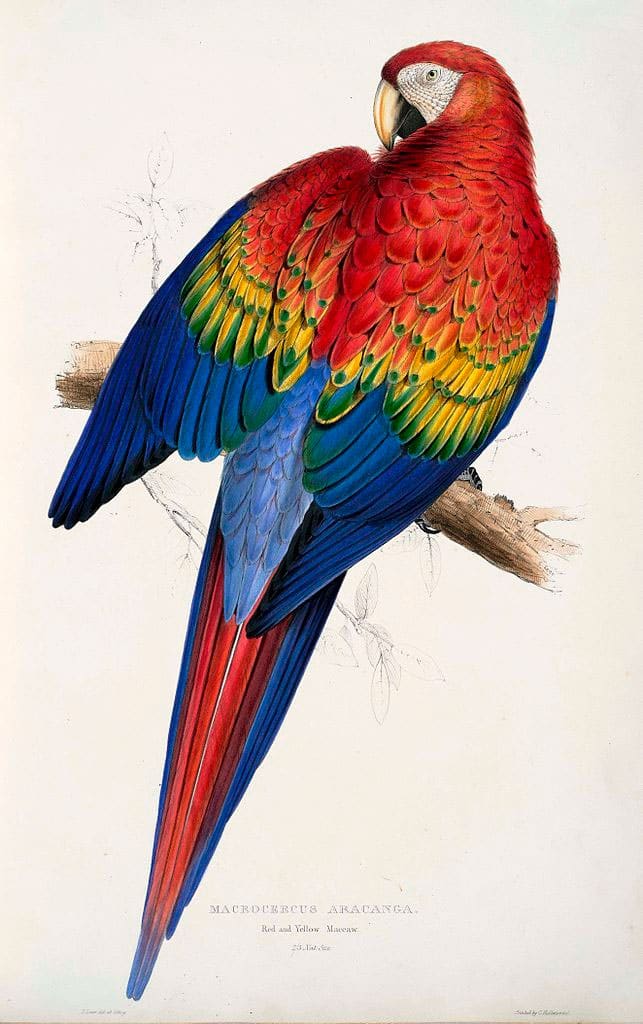
(10) – First edition of Illustrations of the Family of Psittacidae, or Parrots. Originally a painting by Edward Lear [Public domain], via Wikimedia Commons
– Sounds:
▷ The world of Pets: Dogs, cats, birds, reptiles, amphibians
Origin: Mexico, Guatemala, Belice, El Salvador, Honduras, Costa Rica, Nicaragua
Character: active
Life expectancy: 60 years.
Height: 22 to 26 cm..
Content
Description:
22 to 26 cm.. length.
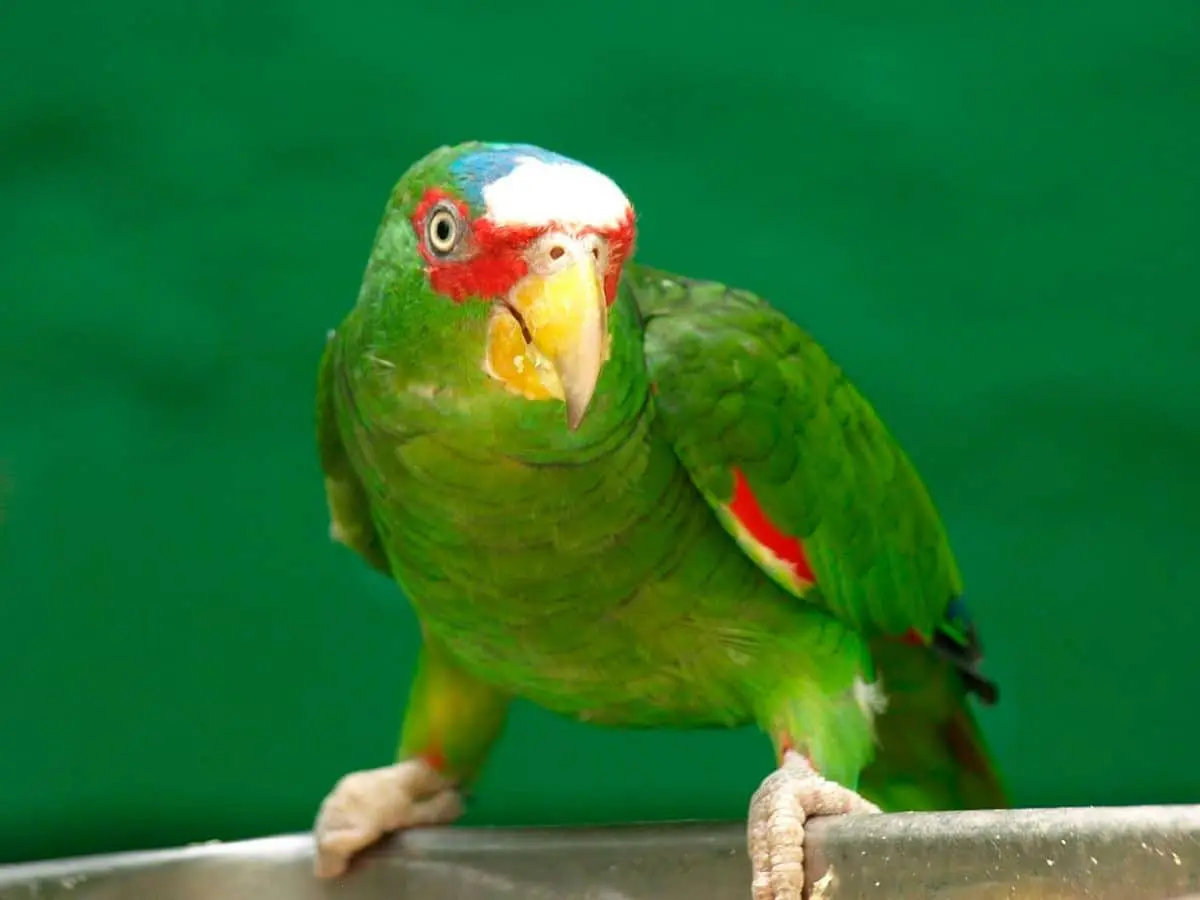
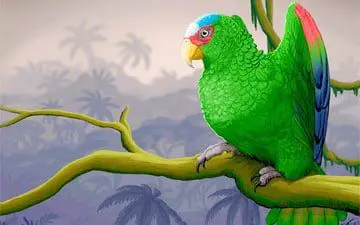
The White-fronted Parrot(Amazona albifrons) has the forecrown white; lores, upper cheeks and ring of feathers around eyes, red; the crown pale blue mingles with the green nape; the feathers with dark margins; sides neck green with narrow black margins. Mantle, back and scapulars, grass-green, sometimes with olive tint; the mantle with indistinct black tips; rump green, perhaps more emerald colors than the rest of the upperparts.
big blankets and alula, red, other coverts green. The outerweb of the primaries, green, They turn blue at the tips; outerweb of the secondaries, blue; innerwebs of the flight feather, blackish. Under, the wings bluish green. Underparts green with weak blackish edges to feathers on throat and the chest. Upper, the tail It is yellow in the center, outer feathers red at the base, blue in the outerweb. Bill light colored horn, darker at the tip; bare periophthalmic pale grey; irises pale yellow; legs pale grey.
It presents an undistinguished sexual dimorphism. The female It differs from the male in the red face It is limited to the region eye ring and it lacks the red hue in wing coverts. The immature male It looks like female but with red on the primary coverts.
(Miller,W, 1905) – smaller the species nominal. Little differentiated from nominal but the green plumage It is perhaps paler, yellower. Some individuals Coast peaceful show some red on the throat.
Amazona albifrons saltuensis
(Nelson, 1899) – Similar to the nominal but the plumage It is heavily steeped in blue. The blue of the crown It extends to the nape.
Habitat:
This adaptable Amazona uses all kinds of wooded habitats and open field with trees, including seasonally moist semi-evergreen semi-evergreen forest (especially at the edge), pine forests, gallery forest, agricultural land with open woods, savannah and tropical arid scrub with cactus, tending to more frequent open areas in the caribbean side.
Usually they prefer drier forests, but where it is simpátrica with Yellow-lored Parrot(Amazona xantholora), tends to prefer more humid and closed vegetation.
In Yucatan the White-fronted Parrot inhabit coastal coconut plantations while breeding. In altitudes of 900 m (Oaxaca), 1.800 m (Honduras) and 1.500 m (Sonora meridional: register only known outside the tropics).
In pairs during the breeding season but usually gregarious, distributed primarily in small groups, with occasional concentrations of hundreds of birds and some communal roosts (for example, mangroves) with several thousand birds.
The White-fronted Parrot nest in trees, cavities of the palm tree termitarium, sometimes in the cavity dug by some woodpecker. species trees Bursera simaruba and Caesalpinia gaumeri are among the favorites to nest in Yucatan. Breeding January July, depending on the location.
A clutch contains 3-5 eggs. Only the female incubates. The incubation lasts around 24 days.
Size of its range (breeding/resident ): 2.330.000 km2
The White-fronted Parrot They extend Mexico, from the South of Sonora (north to about 28 ° N) along the Sinaloa and West Durango south through the Pacific region to Oaxaca and north through Tehuantepec isthmus the Atlantic coast in southern Veracruz and to the East by Tabasco the entire Yucatan Peninsula, including northern Guatemala and Belice.
They are present in southern Chiapas and in the lowlands of the Guatemalan Pacific and, reportedly, in West El Salvador, extending through the lowlands of peaceful, arid and Caribbean lowlands Honduras to the Pacific Northwest Costa Rica and Nicaragua (where distribution is not detailed).
Mainly seasonal residents but visitors in some parts of the range (for example, Yucatan, El Salvador western and eastern mountains Guatemala).
Introduced in urban areas Cozumel Island, in the State of Quintana Roo (Mexico). Their presence only in urban areas of the island, the ability of the species to live successfully in urban areas, the abundance of fruit trees and use as a pet by the islanders allows us to suggest that registered individuals are the result of leakage or were released by their owners.
Usually common and together with the Orange-fronted Parakeet(Eupsittula canicularis), It is the largest parrot in the Pacific slope of Central America; although obviously scarce in some areas. The deforestation It is possibly promoting increases in population Caribbean slope of Central America. Captured for the pet trade and hunted as food, for example in Yucatan, where recently there has been a population decline due to the persecution of parrots that feed on fruit after loss of wild foods cultivated by Hurricane Gilbert. Its capture It is authorized only during the months of October to February in the states of Warrior, Jalisco, Michoacán, Oaxaca, Sinaloa and Tabasco and from September to January in Veracruz.
Distribution 3 subspecies:
Amazona albifrons albifrons
(Sparrman, 1788) – Nominal. Pacific Coast of Mexico from Nayarit to Oaxaca and South of Chiapas in the lowlands Guatemalan Pacific. Birds in the northern Guatemalan lowlands and the arid interior, they can refer to the subspecies Amazona albifrons nana.
• Current category of the Red List of the UICN: Least concern.
• Population trend: Increasing.
Rationale for the Red List category
• This species has a very large range and therefore it is not close to the thresholds for Vulnerable under the criterion of size range (Extent of occurrence below 20,000 km2 combined with a size decreasing or fluctuating range, extension / habitat quality or population size and a small number of sites or severe fragmentation).
• The trend of population appears to be increasing and, therefore, the species does not approach the thresholds Vulnerable under the criteria of population trend (Wholesale 30% decrease in ten years or three generations).
• The population size is very large and, therefore, not approaching the thresholds for vulnerable under the criterion of population size (less than 10.000 mature individuals with continuing decline estimated a higher percentage of 10% in ten years or three generations or with a specific population structure).
• For these reasons the species is evaluated as the least concern.
Justification of the population
• Partners in Flight estimated that the total population of 500.000-4.999.999 individuals (A. Panjabi in a bit., 2008).
Justification of trend
• The population is suspected to be increasing as habitat degradation is creating new areas of suitable habitat.
The White-fronted Parrot in captivity:
Due to the decline of these birds in the wild, especially in the Mexican populations, the White-fronted Parrot is now, unlike other times, offered for sale only rarely. It also, among birds received by importers, the males generally far outweigh the females so it's hard to find a partner.
According to many observations, the White-fronted Parrot captured still quite shy and unsociable, especially if they were mature when they were trapped. The birds immature, which can be stained by the yellowing of his crown, relatively well sympathize with their caregivers and are easily adapted to a life in a cage or aviary. It is said to have some talent to imitate.
According to sources, the first hatchlings in captivity They were born in 1949 in the United States by I.D. Putman; the second in 1977 on German Federal Republic by H. Müller (Walsrode) and a third set in Switzerland in 1979; Since then several European poultry farmers have reported breeding successes.. The latest report came in 1985 from the bird park Metelen Heide in Muen-sterland (Western Germany). there a clutch five eggs produced four hatchlings in mid-June 1984 after an incubation period of 28 days. The young left the nest after about 70 days, but they were still actively cared for and fed, mainly by the parent, for a few weeks more.
Its price in the European market round 1000 EUR. generally silent the Amazons largest. It can be noisy just before and during the breeding season.
These birds can become aggressive in breeding season and can attack the caregiver. The nest boxes are better positioned to nest inspection can be performed from outside the aviary. The inspection of the nest is best when adult birds are out of the nest, however captive breeding has rarely been achieved between individuals.
Susceptible to intestinal infections during the acclimatization period.
Their life expectancy can overcome the 50 years.
Alternative names:
– White-fronted Parrot, Spectacled Amazon, Spectacled Parrot, White fronted Parrot, White-browed Amazon, White-browed Parrot, White-fronted Amazon (English).
– Amazone à front blanc, Amazone à lunettes (French).
– Weißstirnamazone (German).
– Papagaio-de-testa-branca (Portuguese).
– Amazona de Frente Blanca, Amazona Frentialba, Cotorra Frentiblanca, Lora frentiblanca, Loro Frente Blanca, loro frente-blanca, Loro Frentiblanco, Cotorra Guayabera (español).
– Cabeza de Manta, Loro Manglero, Cocha, Cocho, Cucha (Mexico).
Parrots A Guide to the Parrots of the World – Tony Juniper & Mike Parr
Birdlife
The New Parrot Handbook by Werner Lantermann,Matthew M. Vriends
Photos:
(1) – White-fronted Amazon By David Oliva (originally posted to Flickr as Cotorro 007) [CC BY 2.0], via Wikimedia Commons
(2) – White-fronted Amazons in Schönbrunn Zoo By spacebirdy(also known as geimfyglið (:> )=| made with Sternenlaus-spirit) (Own work) [CC BY-SA 3.0 or FAL], via Wikimedia Commons
(3) – white-fronted amazon (Amazona albifrons) By Christoph Anton Mitterer (Flickr: P8155550) [CC BY-SA 2.0], via Wikimedia Commons
(4) – White-fronted Amazon Amazona albifrons pair perching in a tree at Guanacaste, Costa Rica By Steve Jurvetson (originally posted to Flickr as love birds) [CC BY 2.0], via Wikimedia Commons
(5) – White-fronted Amazon, (Amazona albifrons). A pet parrot on a perch. Red feathers on this parrots shoulders indicate that it is a male By ➨ Redvers (Flickr) [CC BY 2.0], via Wikimedia Commons
(6) – White-fronted Amazons in Schönbrunn Zoo By spacebirdy(also known as geimfyglið (:> )=| made with Sternenlaus-spirit) (Own work) [CC BY-SA 3.0 or FAL], via Wikimedia Commons
(7) – A captive White-fronted Amazon in Copán Ruinas, Copán, Honduras By Troy from Charlottesville, USA (Flickr) [CC BY-SA 2.0], via Wikimedia Commons
(8) – A White-fronted Amazon – upper body by sumba [CC BY 2.0 of], via Wikimedia Commons
(9) – A pet juvenile White-fronted Amazon in Poole, Dorset, England By Kyle Payne from England (Odd Looking Seagull) [CC BY-SA 2.0], via Wikimedia Commons
(10) – White-fronted Amazon, Amazona albifrons, Remove alone B. Planet Earth – Flickr
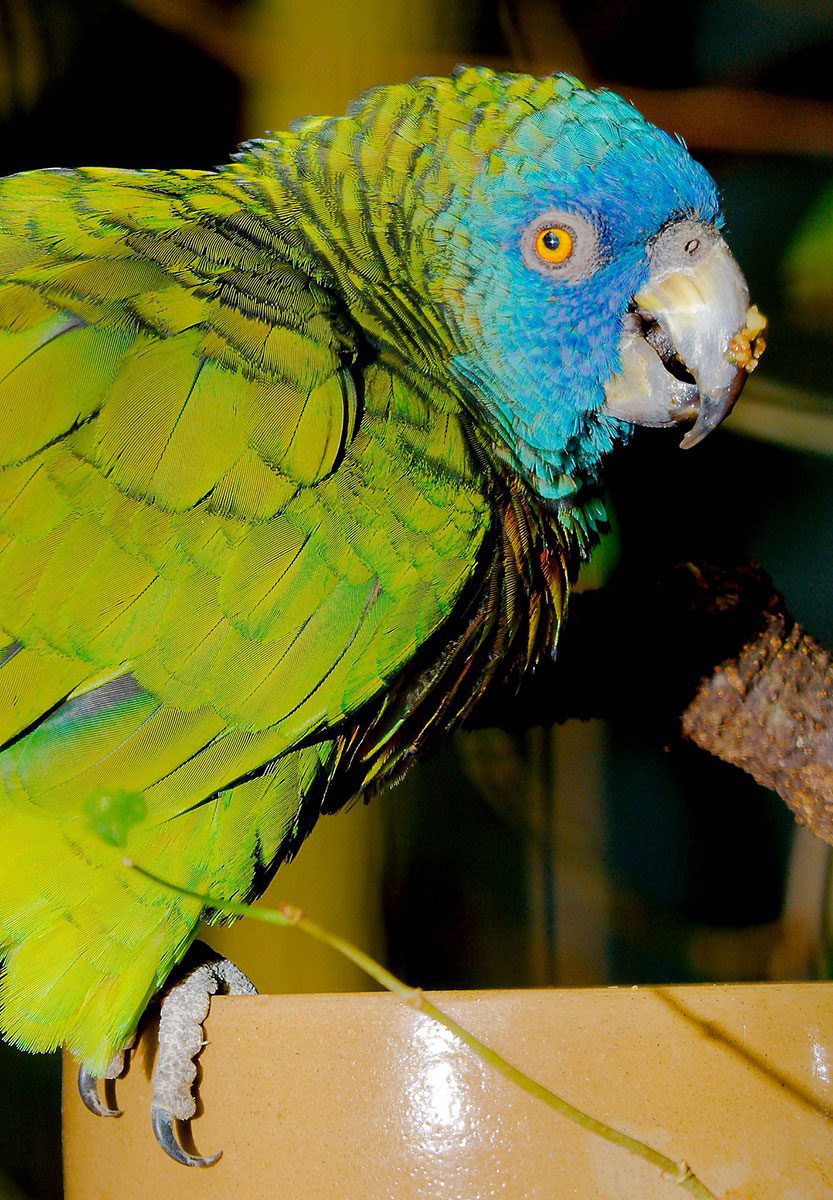
The Saint Lucia amazon(Amazona versicolor) has the lores, cheeks and forecrown, bright blue; crown, ear-coverts and lower cheeks, paler blue with iridescent emerald suffusion from some angles; dark tips to feathers on head.
Hindneck neck, nape and upperparts, yellowish-olive, many feathers with visible black tips, giving the whole a barred effect strong, especially in the upper region. Wing coverts yellowish green olive. Primary coverts dyed blue, rest with black tips to some feathers. Primaries blue; bases of external secondarys forman speculum red, blue tips; secondary internal green and blue at the base to the tips. Underwing, yellowish green with blackish tips to some feathers; flight feather bluish green. Chin and throat, bright blue with blackish tips to feathers; tips of feathers on lower throat and top of the chest, bright red forming a patch distinct red patch or mottled red area; chest and belly rather yellowish-green, blackish tips and brick red in the subterminal area of some feathers, giving scalloped appearance with scattered rusty patches; the thighs and undertail-coverts, green-yellow. Tail bluish green in the center, outer feathers green with large yellowish green tips and hidden red bases. Bill grey; irises orange; legs grey.
Probably no sexual dimorphism.
Immature has irises brown.
Sound of the Saint Lucia amazon.
Habitat:
Video "Saint Lucia amazon"
Mainly they inhabit the canopy montana primary rainforest, but they make inroads into areas of secondary growth to feed. Reported flocks of up 20 birds. living forms community.
Reproduction:
They nest in tree hollows. Nests observed in trees Dacryodes excelsa, Pouleria and Tetracera caribaeum. breeding season in February-August. Clutch usually two eggs, although, usually, only one young per nest thrives.
Food:
Its diet includes flowers and fruits of Clusia, Fruits of Talauma dodecapetala, Acrocomia irenensis, Pouleria, Dacryodes excelsa, Sloanea massoni, Byrsonima martinicensis, Miconia mirabilis, Pterocarpus officinalis and Euterpe globosa; also they have been seen feeding on bananas after the hurricane and presumably due to the depletion of natural food sources. Absence of common areas from August to November possibly linked to the lack of fruitfulness of Clusia.
Distribution and status:
Size of the area of distribution (raising / resident): 230 km2
Confined to St. Lucia in the Lesser Antilles, now in the central and southern mountains, although formerly you were more widespread everywhere where the humid forest grew. The species has suffered a contraction of the range since the nineteenth century and now It occupies an area of ​​only 65-70 km2 from Millet and Mont Lacombe in the North, until Mont Beucop and Calfourc in the East, Piton Pig, St Piton, St Desrache and Big store in the south to Morne Gimie in the west and Mont Houlemon in the Northwest. The results of studies on the species suggest that the southwestern part of this area is the most densely populated of parrots, while relatively few live in the northeast.
Plentiful mid-nineteenth century, but decreasing rapidly to very little in the early twentieth century. Subsequently they recovered, with an estimated population of 1.000 birds in 1950. They declined again sixties, mostly due to hunting; observations in 1977 They estimated that there were more than 100 birds. steady increase since then with an estimated population of 300-350 birds in 1990.
The threats main arise from habitat loss and its hunting for food and pet trade as. Forestry practices that lead to the removal of mature trees (favorite breeding sites) could put additional pressure. They seem to be less susceptible to hurricanes than their counterparts in Dominica, but this may be due to conservation efforts rather than any intrinsic ability to withstand the effects of severe storms.
Can compete for nesting sites with Pearly-eyed Thrasher(Margarops fuscatus), which it has increased considerably since 1950.
Amazona versicolor Conservation:
State of conservation ⓘ
Vulnerable ⓘ(UICN)ⓘ
• Current category of the Red List of the UICN: Vulnerable.
• Population trend: In increased.
• Population size : 230-330
Rationale for the Red List category
Conservation action may have saved this species from extinction. Numbers are now increasing and there is some evidence of a small range extension.. But, the habitat area apparently adequate (but vacated) It may be waning. If this begins to affect the habitat occupied, the species can be described as danger of extinction. In the news, its small population size and small size on one island are calling it Vulnerable.
Justification of the population
The population is estimated at 350-500 individuals, approximately equal to 230-330 mature individuals.
Justification of trend
No new data on population trends, so it is assumed that the species continues increasing.
Threats
The human population St. Lucia It is growing at a considerable rate, increasing the pressure on the forest and resulting in habitat loss(Copsey 1995). The selective logging of mature trees You can significantly reduce breeding sites (Juniper and Parr 1998), and hurricanes, the hunting and the trade pose new threats. There have been recent efforts to raise the moratorium on hunting within forest reserves, what would seriously threaten this species (J. D. Gilardi in litt., 1999).
Conservation Actions Underway
Coat of arms of Saint Lucia
Appendices I and II of CITES. This protected by national legislation (J. D. Gilardi in litt., 1999).
Education programs and awareness have made this bird in a National symbol.
This has eliminated successfully hunting (Juniper and Parr 1998), helped by a moratorium on hunting within forest reserves (J. D. Gilardi in litt., 1999).
In 1975 program was established captive breeding, and in 1995 had developed a total of 19 young birds (Copsey, 1995).
Conservation Actions Proposed
Maintain the moratorium on hunting within all forest reserves. Conduct a studyo Basic feeding and breeding ecology. Designate the remaining habitat protected areas. Reassess the objectives of the program captive breeding.
The Saint Lucian Amazon in captivity:
extremely rare; currently only it found in the Jersey Zoo
Appendices I and II CITES. This protected by national legislation.
Each captive specimen of this species which is capable of reproducing, It is placed in a well-managed program captive breeding and not be sold as a pet, with the objective of ensure their survival long-term.
Alternative names:
– Blue-masked Amazon, Blue-masked Parrot, St Lucia Amazon, St Lucia Parrot, St. Lucia Amazon, St. Lucia Parrot, St.Lucia amazon, Versicolored Parrot, Versicoloured Parrot (English).
– Amazone de Sainte-Lucie, Amazone versicolore, Amazone versicolore de Sainte-Lucie (French).
– Blaumaskenamazone, Blaustirnamazone (German).
– Papagaio-de-santa-lúcia (Portuguese).
– Amazona de Santa Lucia, Amazona de Sta. Lucia (español).
(1) – Saint Lucia Parrot(Amazona versicolor) by Josh More – Flickr
(2) – Chrysotis bouqueti (a.k.a. Amazona versicolor, the St. Lucia amazon, or the St. Lucia parrot) by Joseph Smit [Public domain], via Wikimedia Commons
▷ The world of Pets: Dogs, cats, birds, reptiles, amphibians
Mealy Amazon
Amazona farinosa
Origin: Mexico, Bolivia, Brazil, Costa Rica, Panama, Colombia
Character: Curious
Life expectancy: 50 to 60 years.
Height: 38 to 46 cm..
Content
Description Orange-winged Parrot
38 to 46 cm.. height and between 705 and 766g weight.
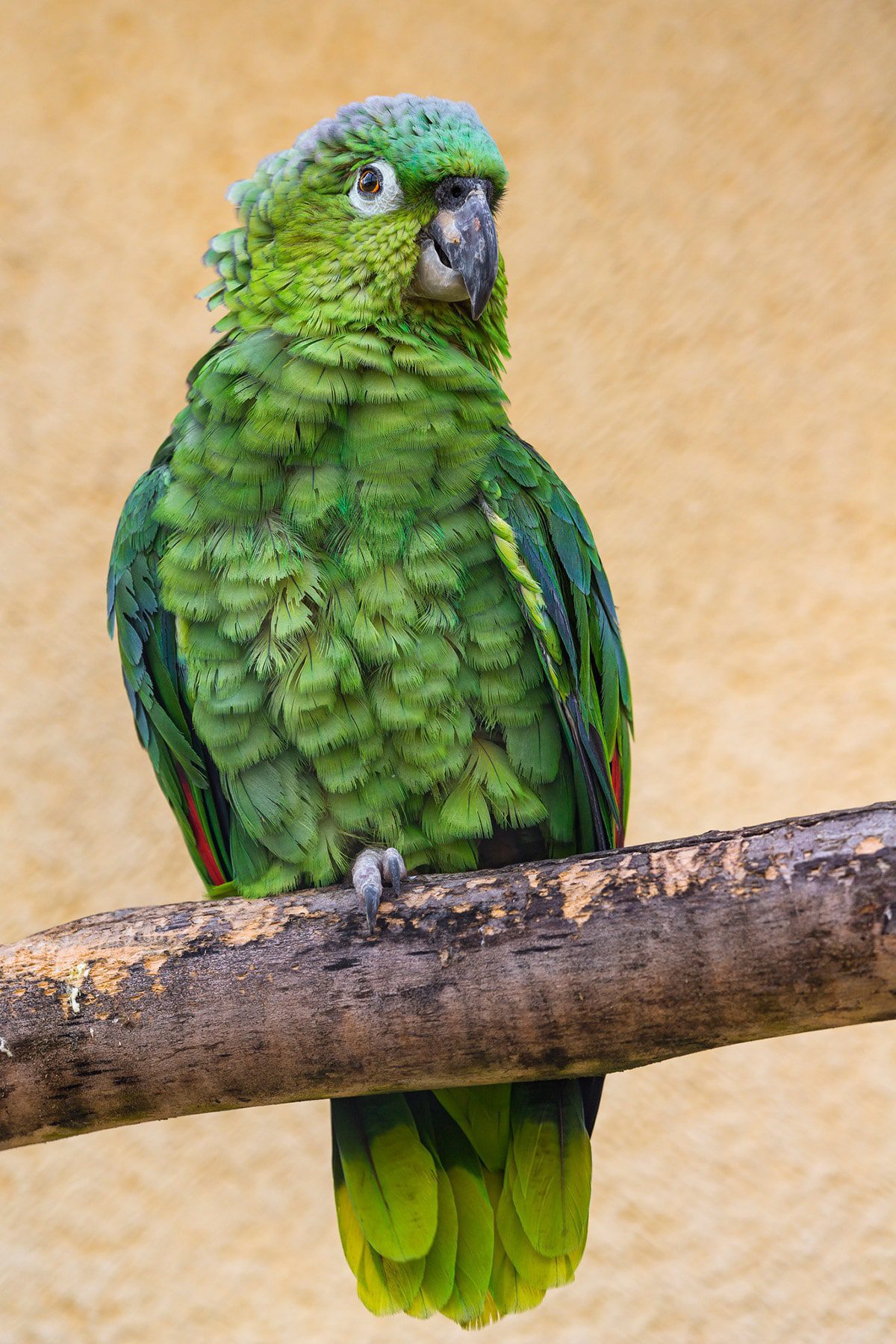
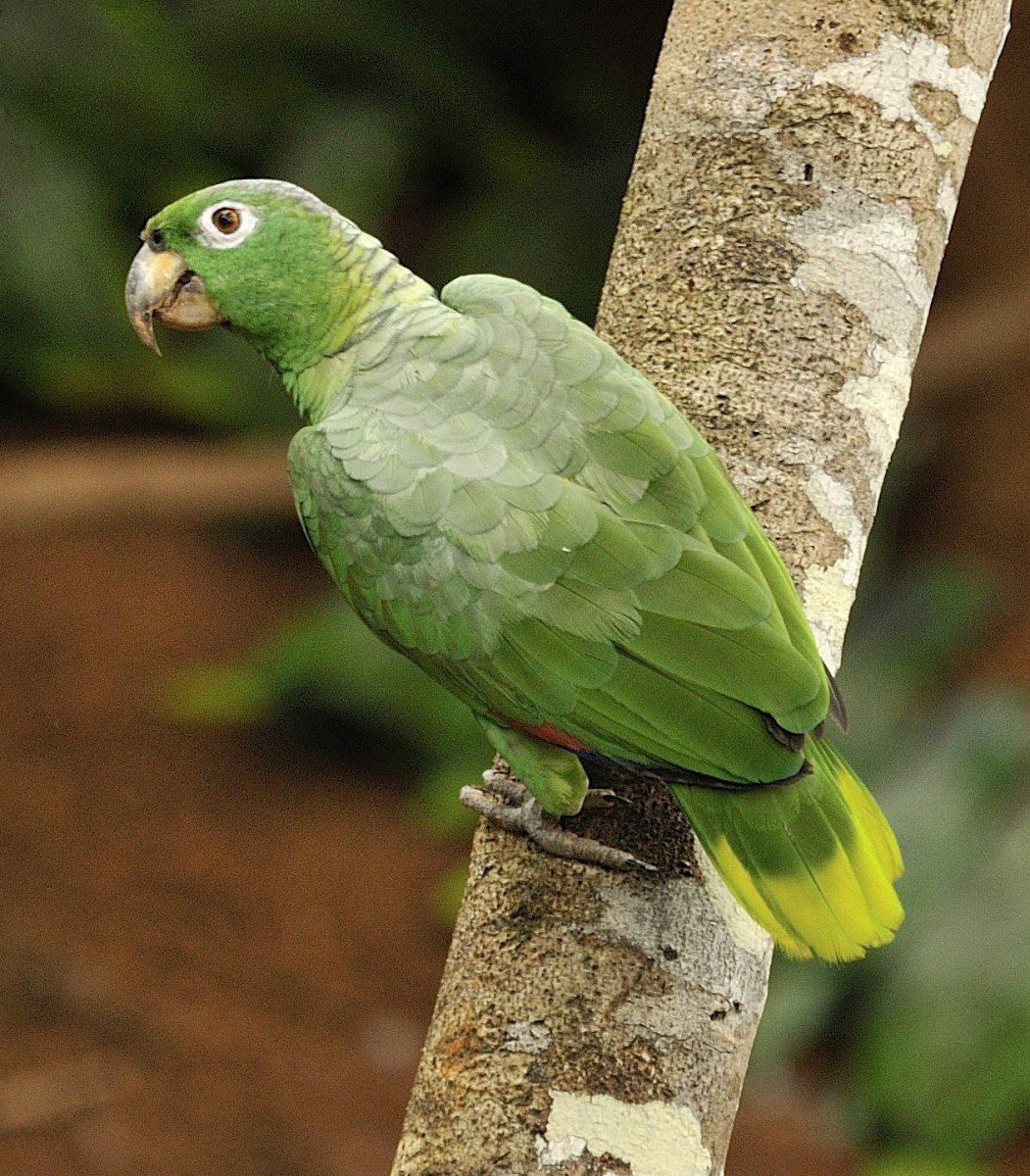
The Mealy Amazon It is distinguishable by its large size and the Ashen green color of dorsal plumage, bluish green feathers with a slight black border in the neck, edge of the Red Wing and tail with two intensities of green.
The young are similar to adults, but with the eyes of Brown.
It is a monogamous species, keeping the couple formation throughout the year.
The mealy Amazon is one of the noisiest species of parrot of the Amazon, so they are easier to observe than other species.
Like all parrots, its most important function in the ecosystem is predatory or disperser of seeds of the canopy.
Subspecies:
– A. f. inornata (Mealy Amazon Inornata)
– A. f. Finch (Mealy Amazon green head or Costa Rica)
– A. f. Archive (Blue Crown or Guatemalan mealy Amazon)
– A. f. farinosa
– A. f. chapmani (Chapman's mealy Amazon)
Lives in humid forests, semi-humid, deciduous and gallery forests, also in stubble to the 1100 m.
Flying in pairs and rarely in flocks.
Reproduction:
Nests in hollow trees and outgoing Rocky possibly during the first quarter of the year.
Food:
Feeds on a variety of fruits including palms.
Seeds, tender leaves, buds of flowers and nectar. Clay in colpas.
Distribution:
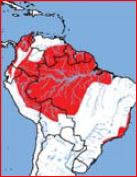
From Mexico South to Western Ecuador, and in Amazon, to the northeast of Bolivia.
Not considered under any category of threat (LC); deforestation and hunting for consumption are its main threats.
Conservation:
Although it appears as little concern by IUCN the species has been captured by the wild bird trade; There is no evidence of a decline in the population.
Hunted for food in French Guiana.
In Mexico in danger of extinction.
In captivity:
Something rare in captivity.
Charming, gentle disposition; It can be noisy at times. Good copycat.
Probably can live among 50 and 60 years.

 Endangered ⓘ (UICN)ⓘ











_-raising_leg.jpg)


_1.jpeg)


