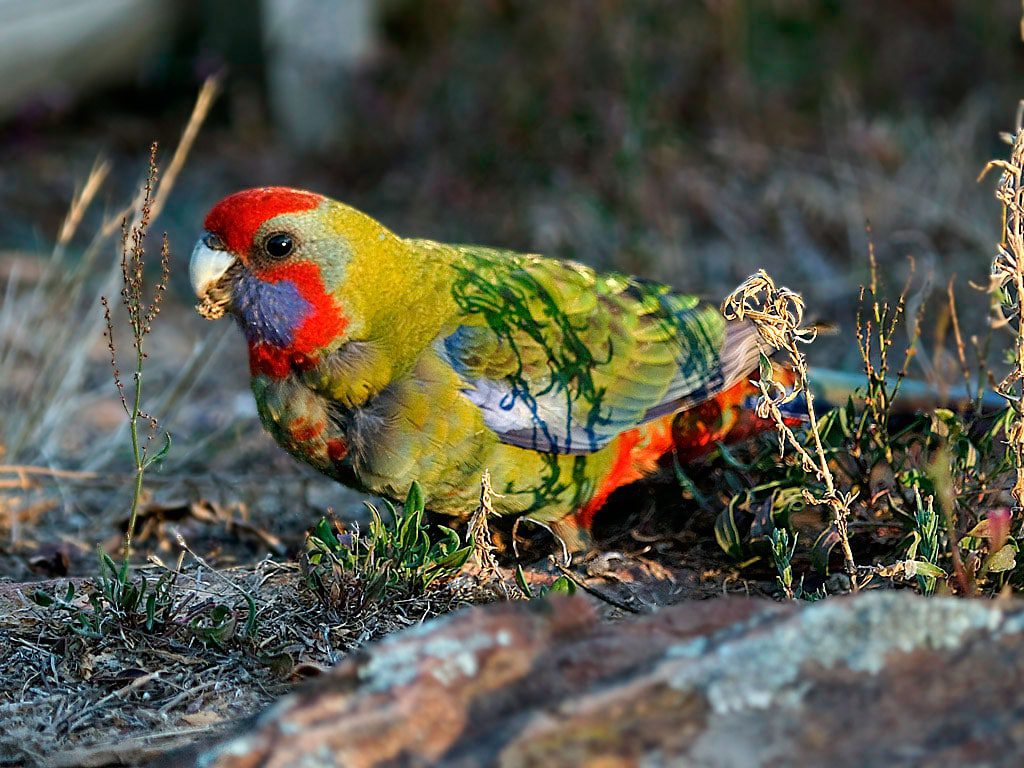
โ–ท The world of Pets: Dogs, cats, birds, reptiles, amphibians

Blue-naped Parrot
Tanygnathus lucionensis


Blue-naped Parrot

Content


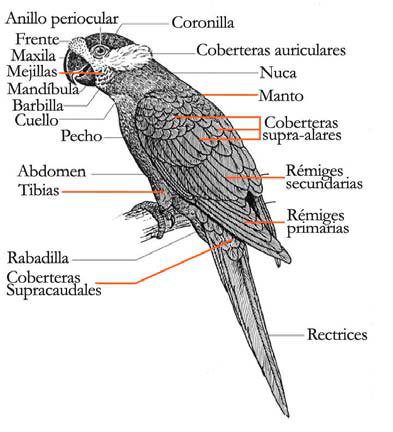
Anatomy-parrots

Description

31 cm.. length between 148 and 231 g. of weight.

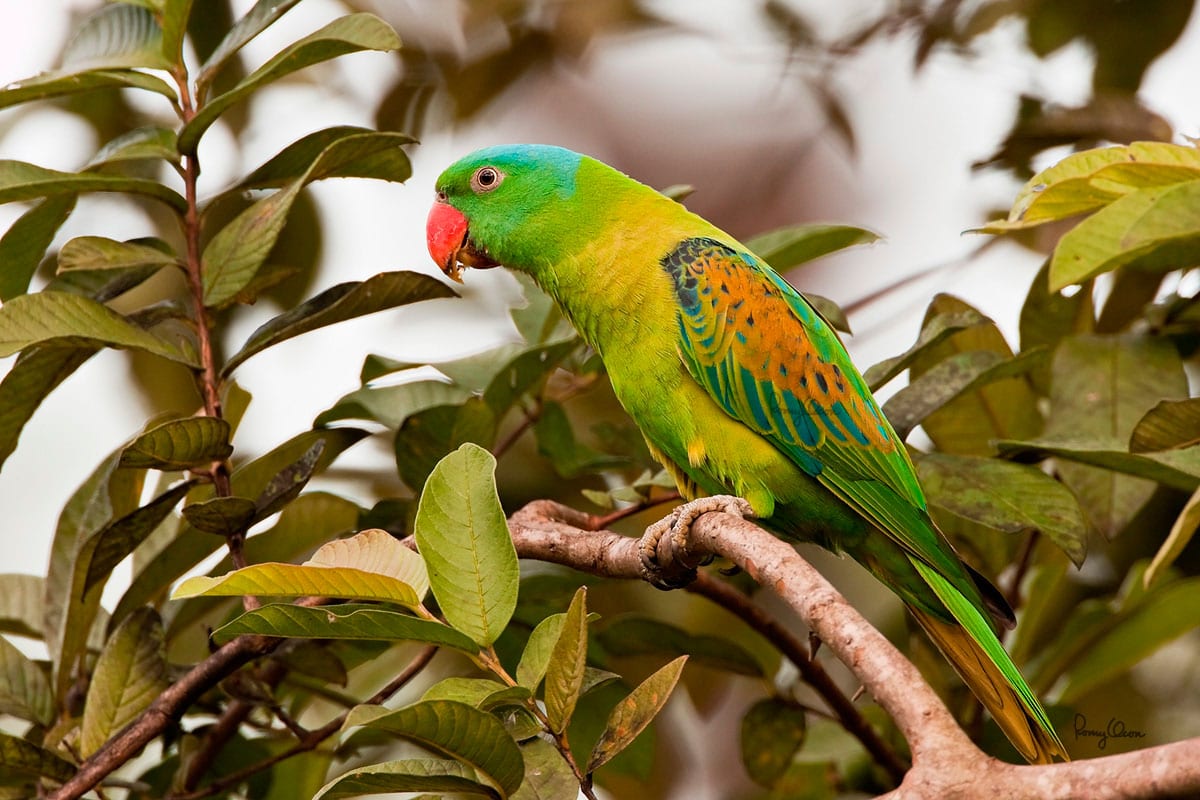
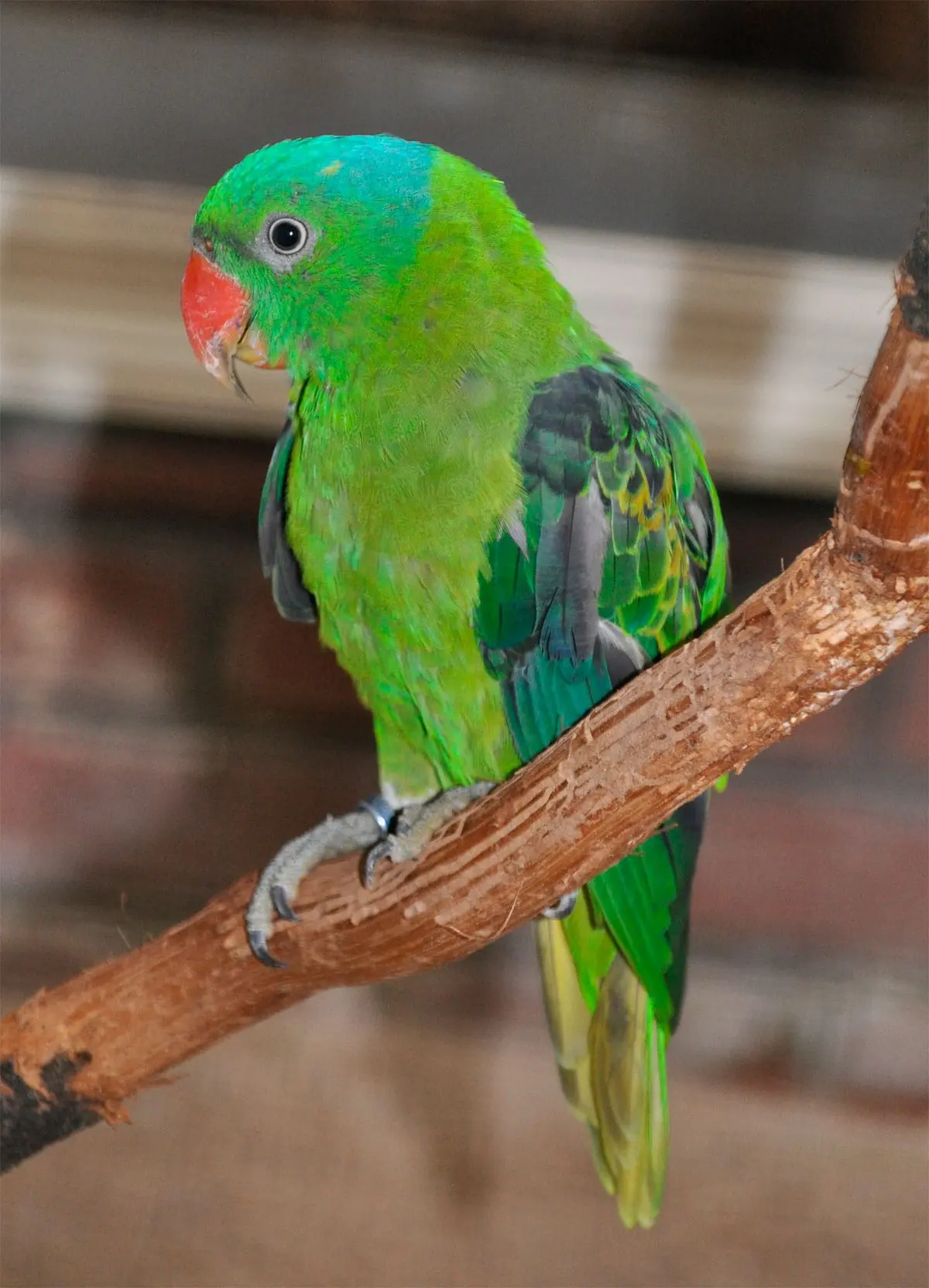
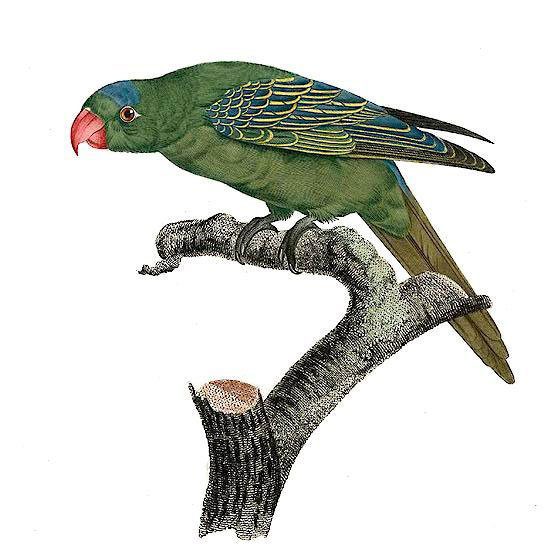
The Blue-naped Parrot (Tanygnathus lucionensis) has the head bright green with a clear bright blue diffusion through the back of the crown and nape.

Upperparts yellowish-green with pale blue illuminated on the back low and the tail; upper tail coverts brighter yellowish green.

Scapulars blue, with green edges; shoulder Black with small coverts Black bordered of blue-green and orange Green; median black and pale blue, large edges of opaque orange brown; greater coverts Blue-Green lined with orange-yellow in the feathers interiors.

Secondary Green with yellow and narrow margins; primaries Greens with vane blackish internal.

Wing feathers green, underside of primaries blackish.

Upper, the tail green, narrow edge and yellowish tip laterally; undertail, the tail yellowish brown opaque.

Bill red, paler at the tip and the lower jaw; irises yellow; legs grey.

Both sexes are equal.

Immature with less blue in the crown and more off the brands of the wings.

Subspecies:

  • Tanygnathus lucionensis lucionensis

    : The nominal.


  • Tanygnathus lucionensis hybridus

    : It has the most extended head blue, with violet tone. Their wings are greener.


  • Tanygnathus lucionensis talautensis

    : No blue in the obispillo and their plumage is less yellowish.


  • Tanygnathus lucionensis [salvadorii u horrisonus]:

Habitat:
Blue-naped Parrot

It is a bird of forests closed and open, including secondary growth, coconut plantations, patches of mangrove and banana to the 1.000 meters above sea level; and not so strongly linked to coastal habitats as the Great-billed Parrot. Is usually found in flocks of up to 12 individuals who sit in community and make regular flights at dawn and in the evening between the feeding and resting areas. Feeds on fruit trees.

Reproduction:

The breeding It has been observed in the months of April to June. Registered a nest the natural cavity or abandoned Woodpecker hole, often a clear. There is no data on the size of the laying.

Food:

Fruits and seeds of forest trees, Palm fruit, young coconuts, the banana and papaya.

Distribution:

The population of the Blue-naped Parrot distributes lengthwise of the Philippines and Talaud Islands, (Indonesian). Specific records found on the islands of Balut, Bantavan, Basilan, Biliran, Bohol, Bongao, Cagayan Islands, Calamian Islands, Caluya, Cebu, Cuimaras, Jolo, Leyte, Luzon, Maestre de Campo, Malanipa, Manuk Manka, Marinduque, Masbate, Mindanao, Mindoro, Blacks, Palawan, Surigao del Sur, Polillo Islands, Romblon, Samar, Sanga Sanga, Sarangani Islands, Samal, Sibay, Sibutu, Sibuyan, Siquijor, Tables, Tawitawi, Ticao, Tumindao and Verde (Philippines); Karakelong and Salibabu (Talaud).

Apparently, small groups of birds in Mantanani Kiss (Northwest Sabah), and SI-Amil (until 100 birds present in 1962) and Maratua off the northeast coast of Borneo; The existence of a wild population was also reported around Kota Kinabalu, (Sabah).

Occasional leaks occur in other parts, including the Sangir Islands.

The species was described as common in Salibabu in the Group of Talaud in 1978 (more numerous there than the Azure-rumped parrot) and they are still regularly seen there and in the nearby Karakelong during observations in 1995 (Numerous in a last record in 1997).

In other areas the species is rare. Recent records in Philippines they come mainly from Mindoro and Palawan, places that seem to be the bastion of the species.

Subspecies:

  • Tanygnathus lucionensis lucionensis

    : The nominal.

  • Tanygnathus lucionensis hybridus

    : (Salomonsen, 1952) – Present in Polillo island, to the North of Philippines.

  • Tanygnathus lucionensis talautensis

    : (AB Meyer & Wiglesworth, 1895) – Talaud Islands (North Moluccas).

  • Tanygnathus lucionensis [salvadorii u horrisonus]:

    (Ogilvie-Grant, 1896) – Philippines, (except North), but it can be rare or extinct on many islands. Also in some small islands off Northwest and northeast of Borneo (If Amil, Mantanani), where it was possibly introduced, especially on this last island.

Conservation:


Near-threatened


โ€ข Current category of the Red List of the UICN: Near threatened

โ€ข Population trend: Decreasing

The total population is provisionally estimated to be below the 10,000 specimens in 1993 (Lambert et to the. 1993).

The population is suspected to be in decline due to capture for the bird trade and habitat degradation from expansion and logging due to agricultural pressures..

Conservation Actions Proposed Palawan:

– Determine the impact of trade on the population of the species.
– Revise its estimate of the world population.
– Estimate the rates of decline based on the rates of deforestation within its range.
– Protect effectively important extensions of high forest with trees suitable to nest in key places throughout its distribution area, both in the areas of strict protection, such as multi-use areas.

"Blue-naped Parrot" in captivity:

pretty calm.
Occasionally available.

Alternative names:

Blue-naped Parrot, Blue naped Parrot (ingles).
Perruche de Luรงon, Perroquet ร  couronne (French).
Blaunackenpapagei, Blaunacken-Papagei (German).
Papagaio-de-nuca-azul (Portuguese).
Loro de Nuca Azul, Loro Nuquiazul (espaรฑol).

scientific classification:

Order: Psittaciformes
Family: Psittaculidae
Genus: Tanygnathus
Scientific name: Tanygnathus lucionensis
Citation: (Linnaeus, 1766)
Protonimo: Psittacus lucionensis

โ€œBlue-naped Parrotโ€ images:

Videos "Blue-naped Parrot"

————————————————————————————————

ยซLoro Nuquiazulยป (Tanygnathus lucionensis)

Sources:

Avibase
– Parrots of the World โ€“ Forshaw Joseph M
– Parrots A Guide to the Parrots of the World – Tony Juniper & Mike Parr
Wikipedia
– Birdlife

Photos:

(1) – By Quartl (Own work) [CC BY-SA 3.0], via Wikimedia Commons
(2) – By Joelle Rene Hughes (originally posted to Flickr as jr_parrot10) [CC BY 2.0], via Wikimedia Commons
(3) – WILD BIRDS of the PHILIPPINES – Subic rainforest, Bataan, December 5, 2007 by Romy Ocon
(4) – By TJ Lin [CC BY-SA 2.0], via Wikimedia Commons
(5) – ยซTanygnathus lucionensis qtl2ยป by QuartlOwn work. Licensed under CC BY-SA 3.0 via Wikimedia Commons.
(6) – ยซโ€ฏTanygnathus lucionensis – Barrabandโ€ฏยป. Licensed public via domain Wikimedia Commons.

Sounds: Arend Wassink (Xeno-canto)
โ–ท The world of Pets: Dogs, cats, birds, reptiles, amphibians

Crimson Rosella
Platycercus elegans

Crimson Rosella

Content


Anatomy-parrots

Description

Among 30 and 37 cm.. length and a weight between 99 and 170 g..

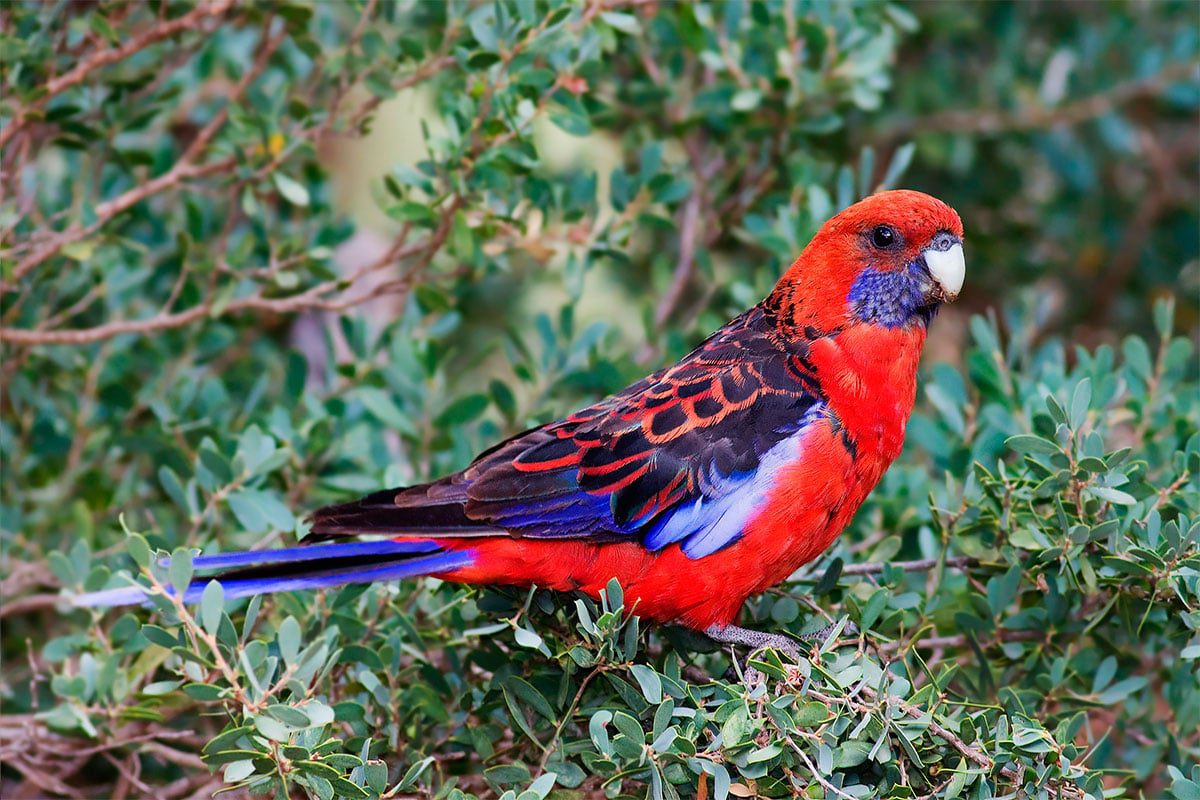
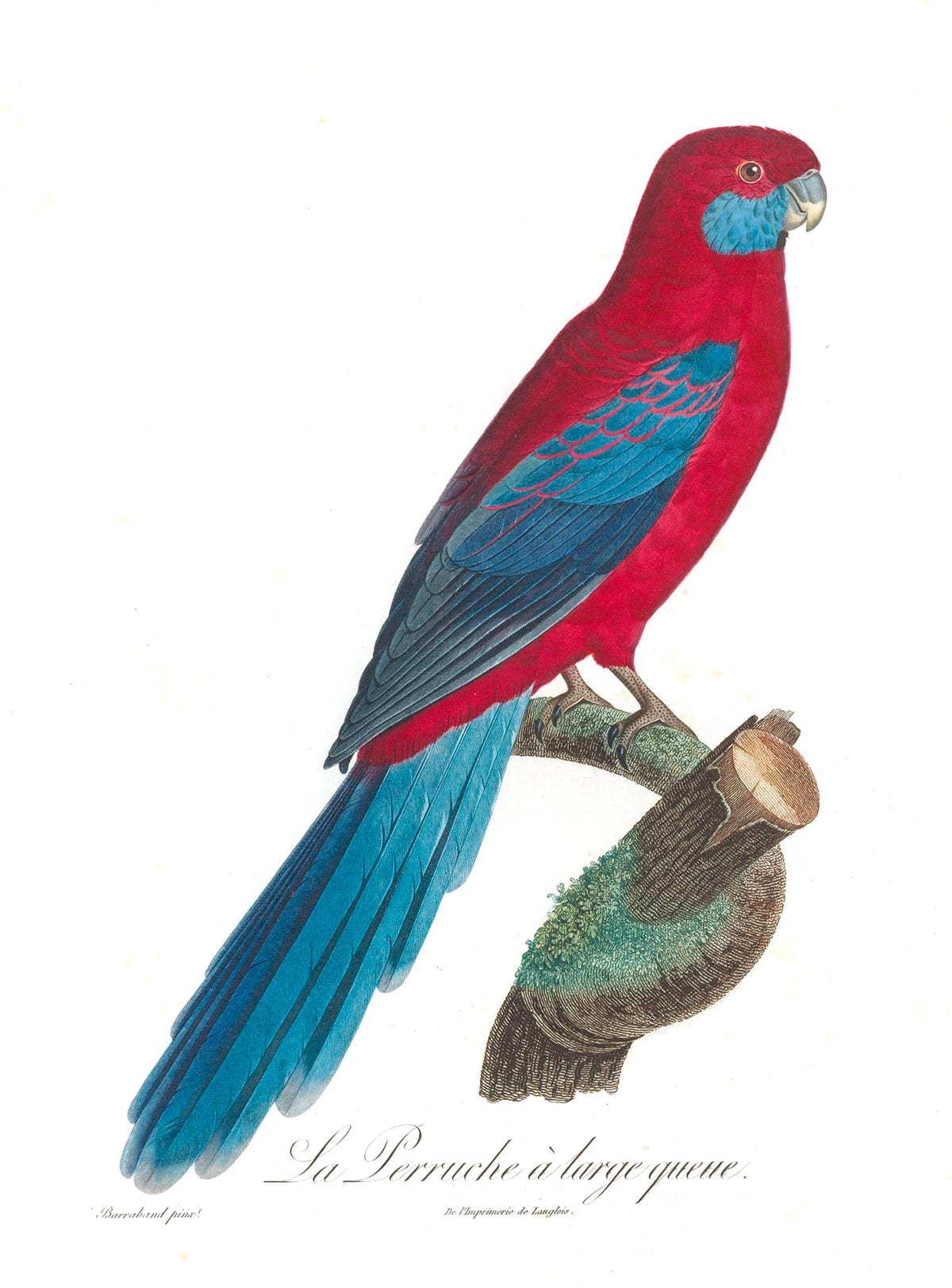
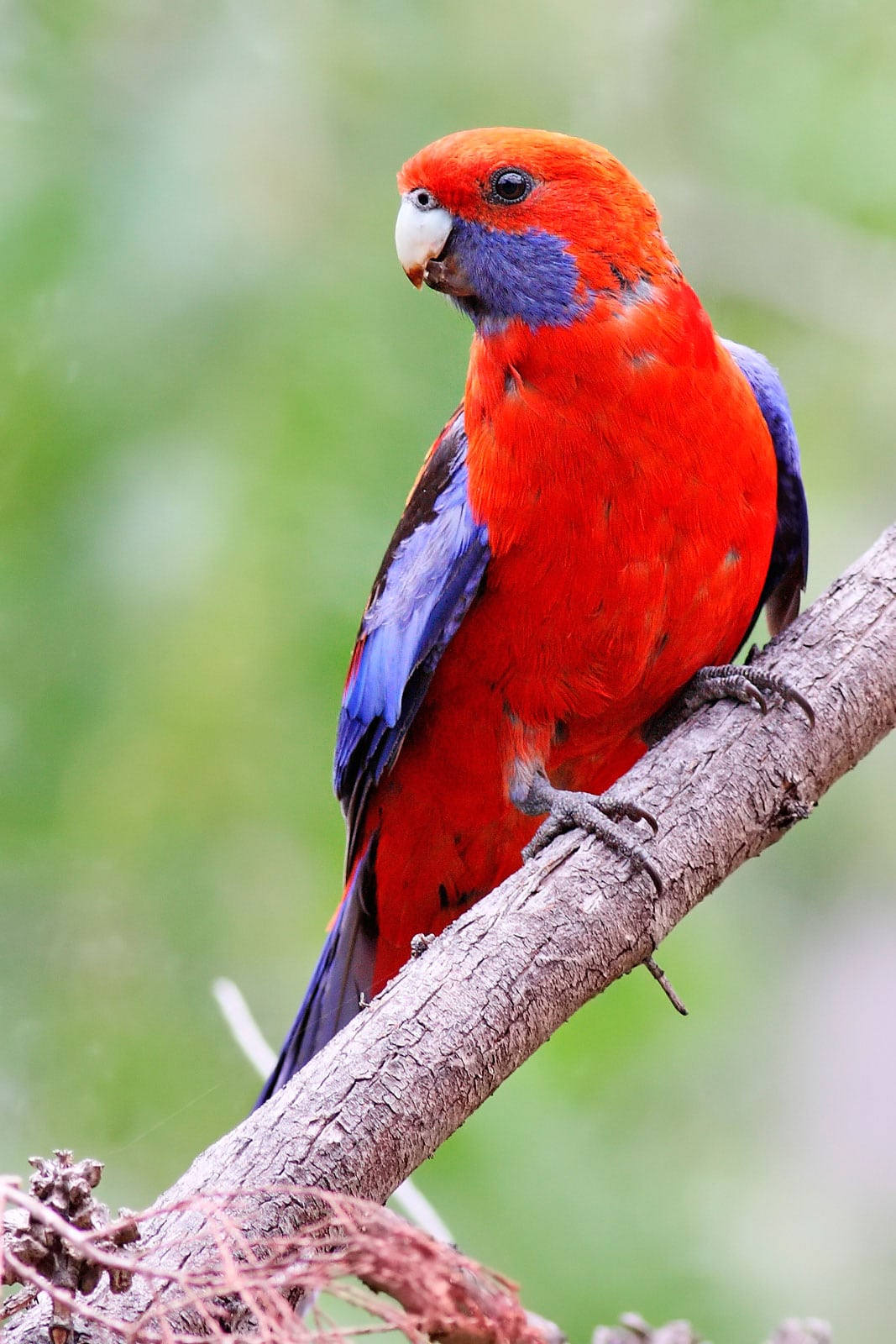
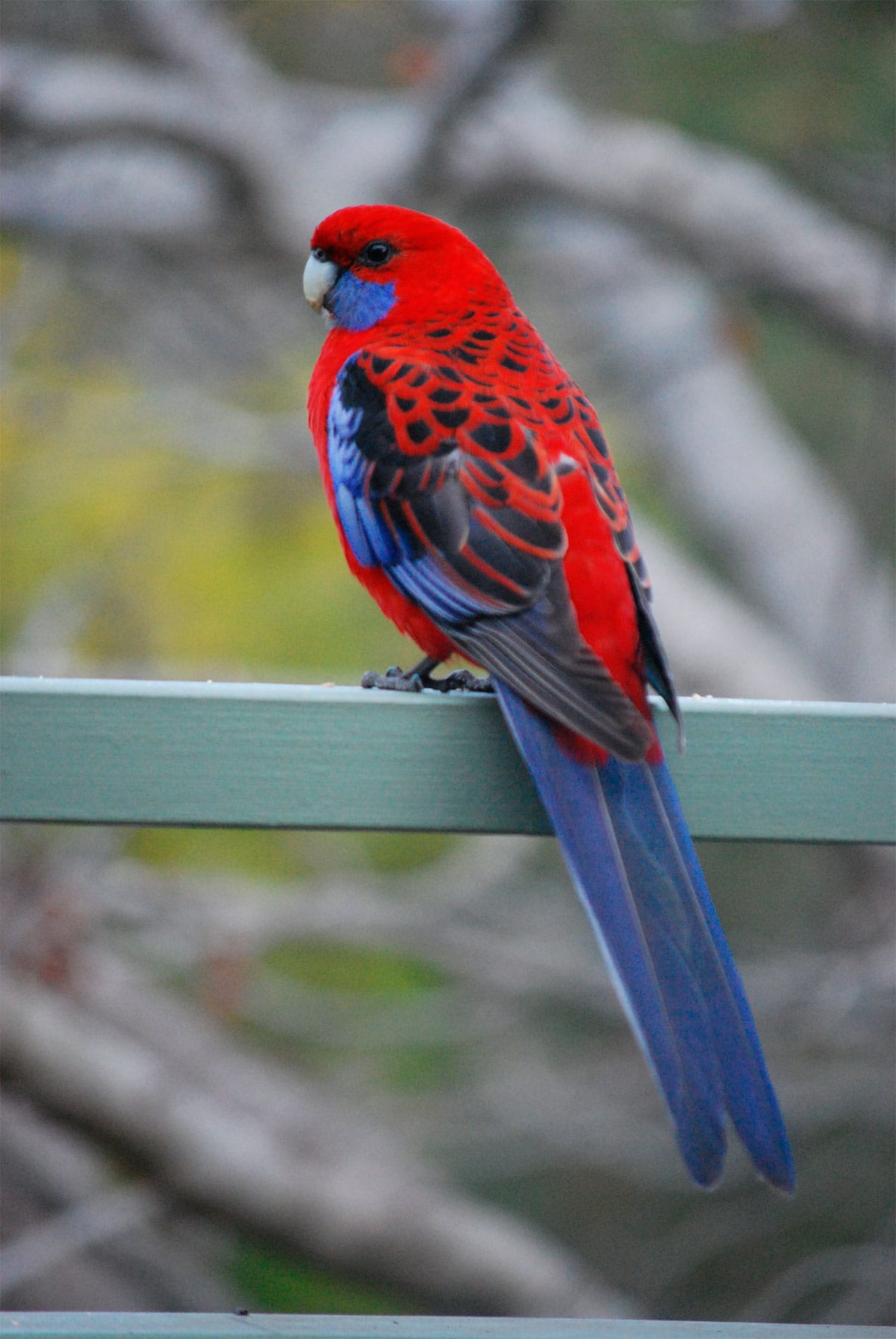
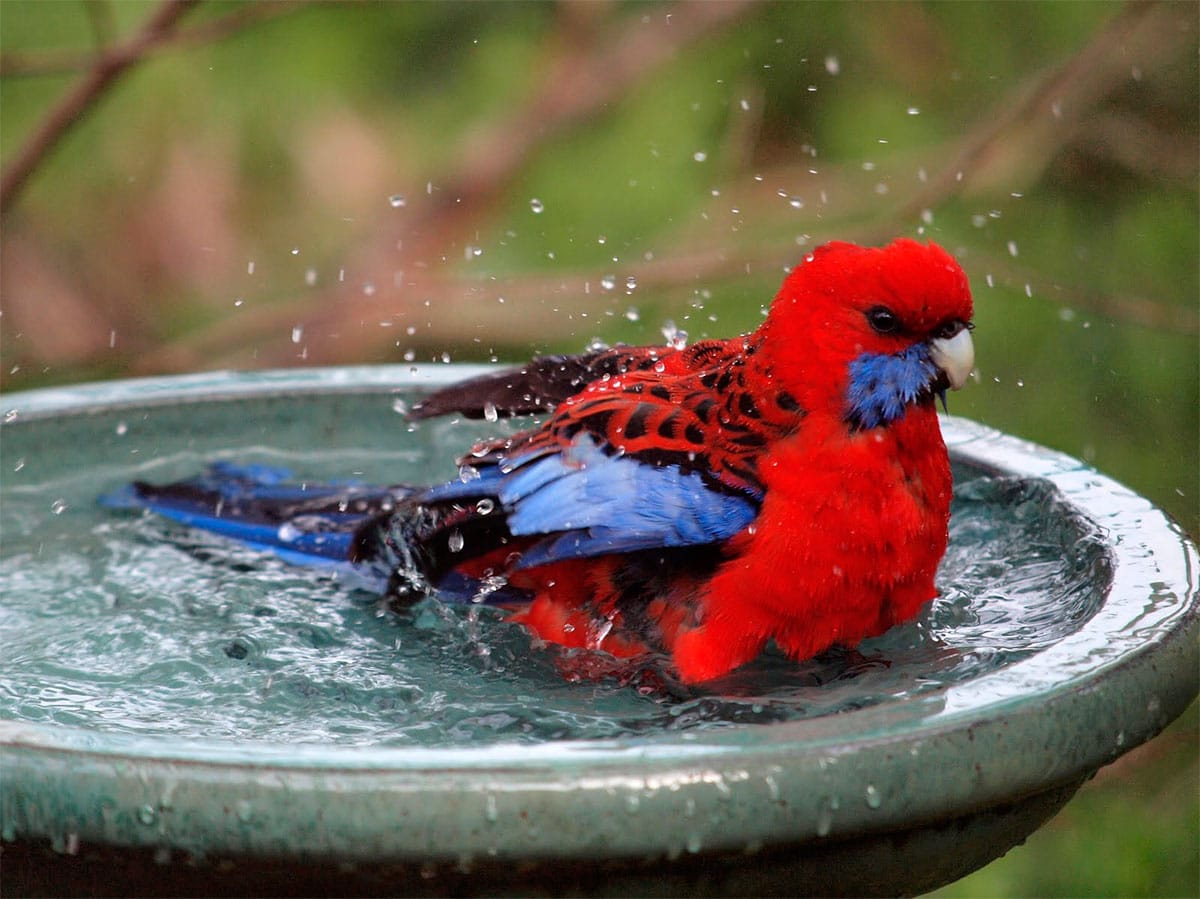
The Crimson Rosella (Platycercus elegans) has a predominantly red plumage.

Its head is bright crimson in color with the lower part of the cheeks and the throat of blue color.. Mantle feathers are black with broad crimson margins of variable intensity.; rump and uppertail coverts crimson.

Medium and lower inner wing coverts black; bend of wing, lesser coverts and medium blue color external; external greater coverts bright blue, Black Interior with red edges giving a scaly appearance to this area; primary coverts blue violet; feathers of flying blackish with thin margin foreign white in them more external and blue violet in vane outer; secondary black with vane external blue violet; tertiary black with red borders.

Under, Blackish wings with blue coats. Underparts showy crimson.

Upper, the tail is blue, the center of green-washed, Foreign feathers with vane Blackish internal and vane Violet Blue outer with pale at both ends; undertail, the tail of pale blue edged blackish when closed.

The peak of grayish-white; dark brown irises; greyish Brown legs.

The female It is smaller with narrower peak. It has no stripe under the wings..

The immature is very different, with upper parts olive green (including the tail at the top), and green underparts greyish.
The centers to the mantle feathers are dark brown, and the black markings of the wings of the adult are replaced by green. Very young birds rump is green Orange. There is a pale stripe on the bottom of the wings (formed by stains pale in vane inner). It shows red feathers on the head, chest, buttocks and subcaudales coverts and move through the first fall.

Adult plumage is reached in a few 15 months. Immatures of the population in the North are mainly red, and there are less green unripe in Norfolk Island than mainland populations.

Subspecies

Description subspecies Platycercus elegans
  • Platycercus elegans elegans

    (Gmelin, 1788) – The nominal species


  • Platycercus elegans flaveolus

    (Gould, 1837) – With 33 cm.. length, approximately, It is but little that the nominal species, Yellow has no orange hue and there is orange in the neck, chest and abdomen.


  • Platycercus elegans fleurieuensis

    (Ashby, 1917) – IMG – It differs from the species rated as having an intense orange color, Red plumage, the mantle and black gray back, with pale orange-red spots; pale blue medium and secondary wing coverts.


  • Platycercus elegans melanopterus

    (North, 1906) – Of 36 cm.. length, approximately. The bordered red are more narrow, with which the back looks more black. Female as the nominal.


  • Platycercus elegans nigrescens

    (Ramsay,EP, 1888) – With 34 cm.. length, It is smaller than the nominal value and the color red is much more dark. Red feathers are more narrow. Female as the nominal.


  • Platycercus elegans subadelaidae

    (Mathews, 1912) – Approximately from 36 cm.. length. Instead of Red Blend Red, Orange and yellow. Orange red forehead, the Crown and face, they turned to brighter red frontal band. Yellow olive from the low back to the supracaudales coverts

Habitat:

Crimson Rosella

The Crimson Rosella they frequent tropical and humid subtropical forests near the coast and the surroundings of montane forests at altitudes up to 1.900 m.

They are mainly on the edges of jungle, in the secondary zones and in the dense forests of eucalyptus they arrive at a good stage of maturity.

To the South of the hunter river in New South Wales, they are distributed at all altitudes.

The nominal species has a preference for thick wooded areas, but often goes into open areas and farmland where it is mixed with the Perico conr (Platycercus eximius).

It also tends to visit plots of pine trees.

In the Kangaroo Island, where is the only parakeet present, He lives in all types of forest habitats, they are also adapting to farmland.

The subspecies subadelaidae and fleurieuensis, sometimes grouped under the term Adelaide parakeet, frequent valleys forest, arboreal galleries that border the rivers or trees on the edge of the roads. They are also present in the orchards and farmland.

The Flaveolus subspecies attends the same types of habitat, that is to say, curtains of trees dominated by red rubber trees along the river.

To feed, move away from rivers and raid agricultural land, flooded Plains, or thickets ยซMalleeยซ.

Adults are sedentary. Usually, they live in pairs or in small groups. On the other hand, juveniles and subadults form noisy groups and many roam locally when leaving dormitory at sunrise.

Its main activity is carried out in the morning and in the evening. in the middle of the day, they rest in the shady foliage. But, If the sky is overcast and the weather is cool, these birds are active during the day.

The Crimson Rosella they seek food on Earth, in trees and shrubs. They often feed in the company of the Eastern Rosella (Platycercus eximius), But if the joint working group is altered during its activity, the two species are separated in flight and taken opposite directions, each seeking refuge by his side.

The Crimson Rosella they are not very shy and can be approached at a very short distance.
In urban areas, they are particularly friendly.

Reproduction:

The breeding season covers the months of August to February and, sometimes even later.

The elegant parakeet build their nests on a branch or in the cavity of a tree trunk. Usually, Choose a healthy or dead eucalyptus, but sometimes they install their nests in a place as strange as the metal beam of a construction crane.

In all cases, the nest is located high above the ground. Spawning usually includes 4 to 7 white eggs, rarely 8, which are incubated during approximately 19 days.

The female incubates the eggs alone, but the chicks receive equal attention from both parents.

The nesting cycle is quite long and it takes around 5 weeks

Food:

The Crimson Rosella they have a mainly vegetarian mixed diet. Consume the seeds of black Cypress of Australia (Callitris endlicheri), figs, seeds of acacia and eucalyptus.

The vegetable part of its menu is complemented by a wide variety of imported plants such as Rosa rubiginosa, clover or chickweed (Stellaria media).

In the South of its range, they eat the fruits or flowers trees of Melaleuca, banksia and casuarina.

Insects are not forgotten in your menu: Hemiptera, psyllids, termites, aphids and larvae of beetles.

These parrots times behave as true pests in orchards, eating apples, Plums, pears and quinces.

Distribution:

Confined to the coastal area of Eastern Australia where are widely distributed in the wooded areas along and East of the Great dividing range.

There is an isolated population in the North between the surrounding of Atherton, Northeast of Queensland, to the South of the mountain range of Clarke and Eungella (the population in Eungella It can also be isolated).

The main population is distributed around Gympie, Southeast of Queensland, in the North, across the border with New South Wales, coming up to the Warrumbungle National Park, Bathurst and Wagga Wagga, where are approaching the eastern end where the Yellow Rosella.

In Victoria extends from the East to the Grampian and the Edenhope district, where spills into the Southeast end of Australia, coming to Kingston at its western end.

There is also an isolated population in the Kangaroo Island.

The species is found in the wild around Sydney, Brisbane and Melbourne, and leaks from birds have been around Perth. There are records in the North of Tasmania and the islands of the bass strait, probably, also refer to birds Getaways.

It is common in the Norfolk Island where it was introduced in the century 19, but is absent in the vicinity of Nepean and Philip Island; an attempt to introduce the species in Lord Howe Island failed.

Was also introduced in New Zealand, showing in the West suburbs of Wellington, and some birds can also persist in the District of Dunedin of South Island where can hybridize with the introduced Perico conr.

The world's population is above 200.000. Moderate numbers in captivity.
The birds can be eradicated with a permit in States where the destruction of crops occurs.

Subspecies

Distribution subspecies Platycercus elegans

Conservation:


minor concern


โ€ข Current category of the Red List of the UICN: Least concern

โ€ข Population Trend: Decreasing

The size of the world's population has not been quantified, Although it is estimated above 200.000 specimens.

The Crimson Rosella they are infrequent at both ends of its distribution area, but in other places, they are locally abundant and common.
In the North, they are slightly less numerous. In the past recent, they have colonized successfully parks and urban gardens, so now are very widespread in the suburbs of Canberra and Adelaide.
In the Norfolk Island, the import is so successful that they now represent a competition and a significant danger to the Red-crowned parakeet (Cyanoramphus novaezelandiae).

"Crimson Rosella" in captivity:

Moderately loud, very active, they are acclimatized to the owner. It is not usually compatible with other birds.
A sample of the subspecies subadelaidae lived 26,8 years in captivity
Rare in captivity.

Alternative names:

Crimson Rosella, Adelaide Parakeet, Beautiful Lory, Blue-cheeked Rosella, Campbell Parakeet, Crimson Rosella (Crimson), Mountain Lowry, Murray Rosella, Murray Smoker, Murrumbidgee Lowry, Murrumbidgee Rosella, Pennant’s Parakeet, Pennant’s Rosella, Red Lory, Red Lowry, Red Parrot, Swamp Lory, Yellow Parakeet, Yellow Parrot (ingles).
Perruche de Pennant (French).
Pennantsittich, Adelaidesittich, Pennant-Sittich (German).
Rosela-Pennant (Portuguese).
Perico Elegante, Rosela Roja, Periquito Pennant, Rosella Carmesรญ (espaรฑol).

scientific classification:

Order: Psittaciformes
Family: Psittaculidae
Genus: Platycercus
Scientific name: Platycercus elegans
Citation: (Gmelin, JF, 1788)
Protonimo: Psittacus elegans

"Elegant Perico" images:

Videos "Crimson Rosella"

Crimson Rosella (Platycercus elegans)

Sources:

  • Avibase
  • Parrots of the World โ€“ Forshaw Joseph M
  • Parrots A Guide to the Parrots of the World – Tony Juniper & Mike Parr
  • Wikipedia
  • Loromania
  • Birdlife
  • AnAge: The Animal Ageing and Longevity Database – Anagรฉ Database

  • Photos:

(1) – An adult Crimson Rosella (Platycercus elegans), Wilsons Promontory National Park, Victoria, Australia By JJ Harrison (jjharrison89@facebook.com) (Own work) [CC BY-SA 3.0], via Wikimedia Commons
(2) – A Crimson Rosella photographed though a window in the Blue Mountains, Australia By John Poulakis from Australia (Crimson RosellaUploaded by Snowmanradio) [CC BY 2.0], via Wikimedia Commons
(3) – Crimson Rosella (Platycercus elegans) photographed taken in Swifts Creek, Victoria, Australia Fir0002 [GFDL, CC-BY-SA-3.0 or GFDL 1.2], via Wikimedia Commons
(4) – A Crimson Rosella in a bird bath Canberra, Australia By Duncan McCaskill (Picasa Web Albums) [CC BY 3.0], via Wikimedia Commons
(5) – Juvenile Crimson Rosella (Platycercus elegans) by David CookFlickr
(6) – An adult Crimson Rosella (Platycercus elegans) Jacques Barraband [Public domain], via Wikimedia Commons

โ–ท The world of Pets: Dogs, cats, birds, reptiles, amphibians

Bourke's Parrot
Neopsephotus bourkii


Bourke's Parrot

Content


Anatomy-parrots

Description

19 cm. length and an approximate weight of 39 g..

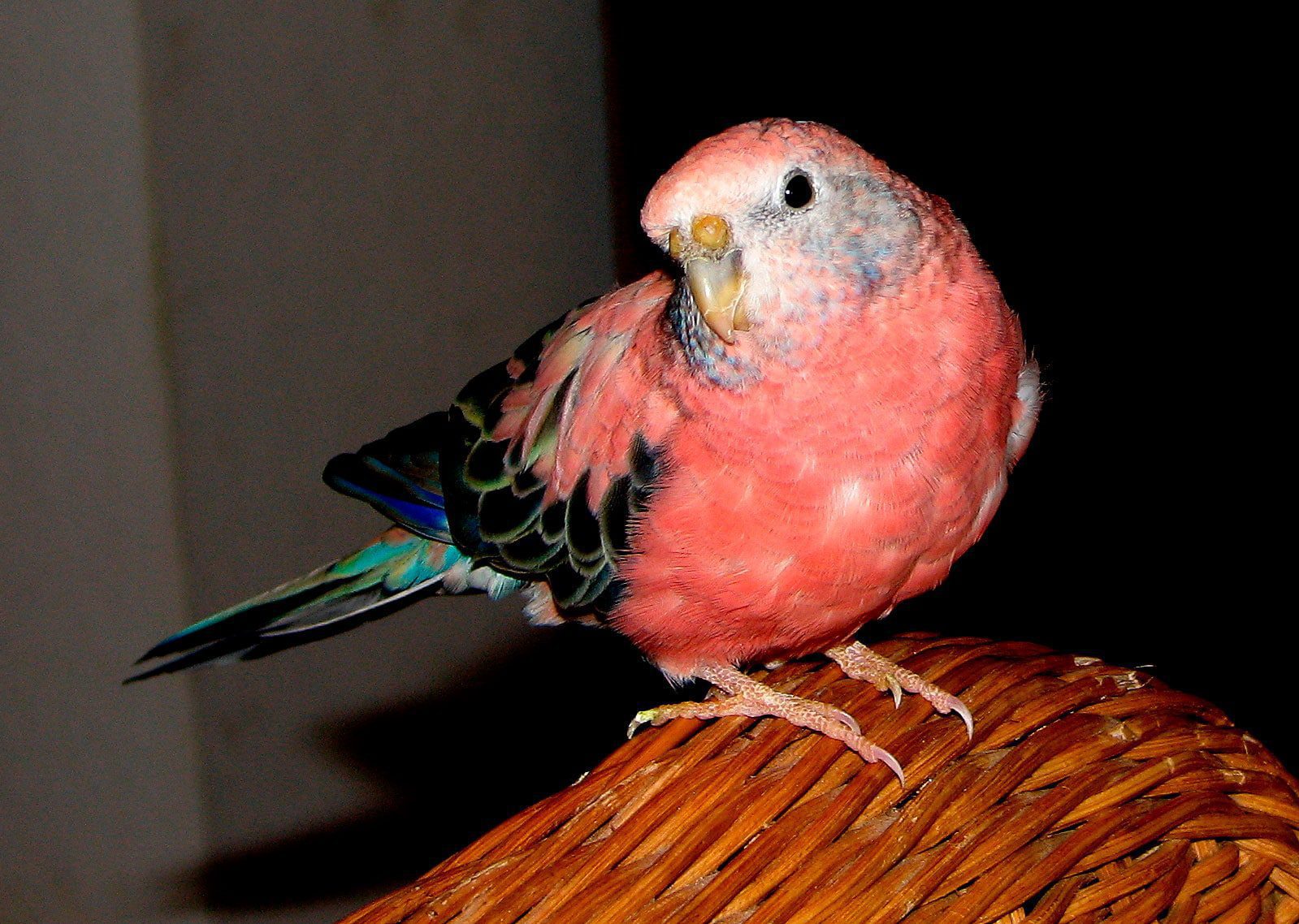
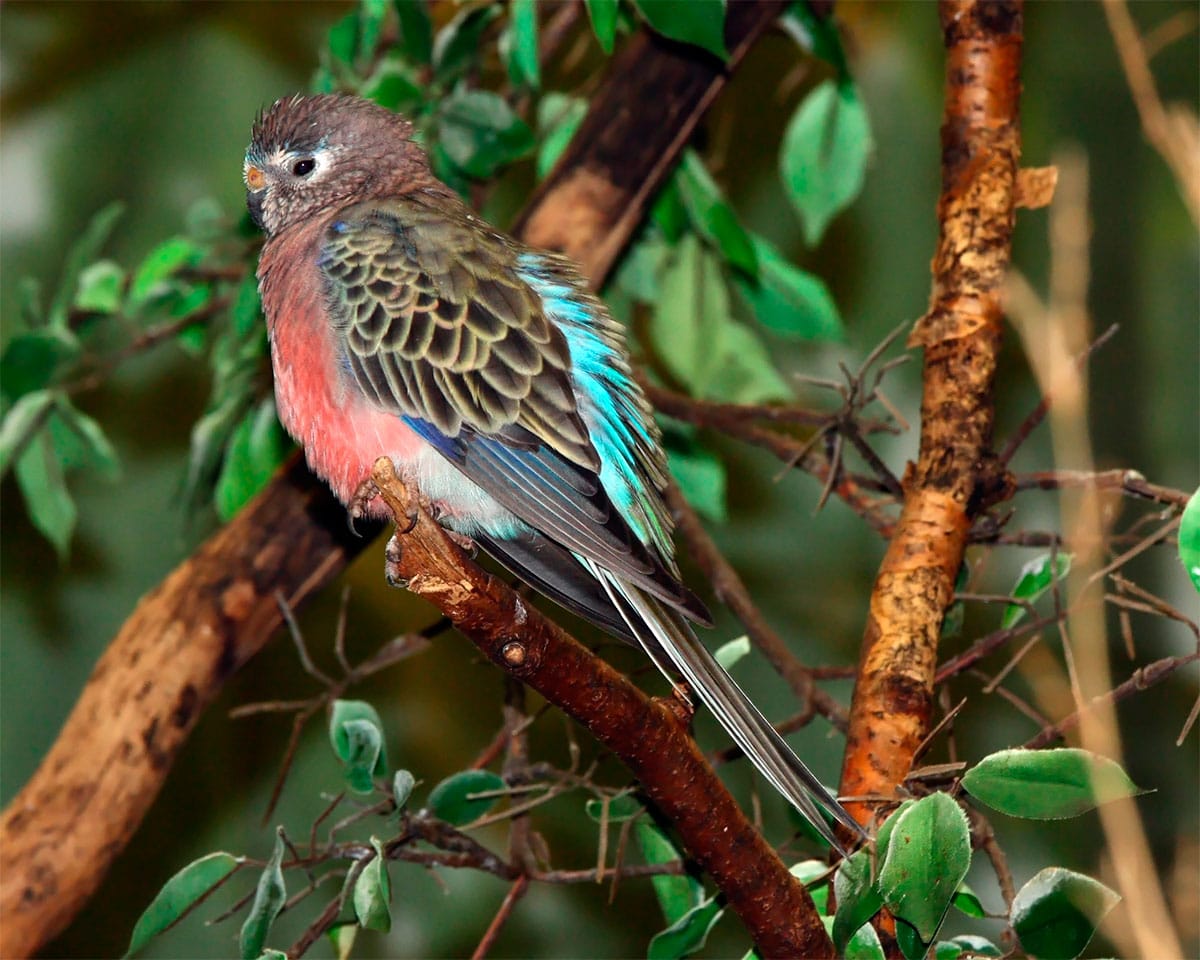
The Bourke's Parrot (Neopsephotus bourkii) has frontal area white. The chin, lores and contour of the eyes they are also white and form a kind of orbital ring clear when seen from a distance.

The ear-coverts and upper cheeks they are dark brown with pink dots and specks. The pileum and the neck are greenish-Brown, with darker edges.

The upperparts are brown-grey color with pale edges on scapulars.

The rump and the top of the tail has darker tones, with some pale blue on the sides. The curvature of the wing is blue.

The small coverts are blue, the median they have light blue, the greater coverts they have a dark tint with yellow-white and blue pink.

The flight feather primaries and secondaries are mostly blue.

The underparts is blue.

The breast feathers are brown with pink ends, giving an appearance of general pinkish brown.

The abdomen is bright pink.

Thighs, lower flanks, side of the rump, under belly and lower area of the tail they have a light blue color. The upper part of the tail infiltrates with bluish-grey.

The bill is greyish black, no hook in upper jaw. The irises They are brown, legs grey-brown.

The female in General, the colors are off and the blue coloration is very little visible or is absent.

The youth they are equal to the female adult but more muted, with a pale band under the wings which is less pronounced in the male juvenile

For a long time, the Bourke's Parrot It was classified in the genus Neophema. A number of ornithologists, more and more, is of the opinion that this parakeet does not belong to this genus and species have been classified in a separate genus called Neopsephotus.

Habitat:

The Bourke's Parrot they are distributed among the driest inland areas.
They mark a strong preference for scattered areas of mulga (Acacia aneura) but does not disdain the plantations of eucalyptus. Can also be observed in plots along streams and afforestation of Callitris which are conifers belonging to the family of cypress.

Son nomads and slightly Twilight. These birds establish themselves in a territory and remain there for several years before disappearing completely.. The Bourke's Parrot they can be very sociable. During periods of drought, You can meet thousands around the water wells and springs.

During the months of summer, We can see them in the morning and in the evening around the ponds.

In Winter, these parakeets come to drink during the day in the company of species of doves such as the common bronze pigeon (Phaps chalcoptera). In places close to the drinking fountains, the Bourke's Parrot They fly in Group emitting loud cries and making whistling wings. But, These parakeets sometimes go unnoticed, they are able to rest or to eat ground in pairs or in small groups. They remain in silence on the floor or hide in the dead wood that serves as camouflage. There are more assets during the sunset.

Reproduction:

The Bourke's Parrot they usually reproduce in August to december, but the season can vary depending on rainfall. The courtship of this bird are similar to those of other species of Parrot Neophema. Males approach the female in upright position with outspread wings and tail.

The nest is located in one a tree cavity, between 1 and 3 meters above the ground. The laying is formed by between 3 and 6 eggs they are incubated during at least 18 days. There are often two broods in the season. The female leaves the nest only once a day in order to be replenished by the male.. The male is also in charge of mounted guard, patrolling and emitting calls in the vicinity of the nest, with the intention to deter intruders.

At birth, the chicks have a white marker, are altricial and remain in the nest for at least 4 weeks. They remain dependent on their parents during a week after feather.

Food:

The Bourke's Parrot they are almost exclusively vegetarian: they eat grass seeds, especially those that are dispersed by the wind. They also eat herbs collected in the soil and in the bushes. These parakeets also appreciate the fresh young shoots and seeds of Acacia or of Bassia, which are small shrubs belonging to the category of Chenopodium album.

Distribution:

Scattered through the interior of Australia, where are nomads but locally common.

The species ranges from the West coast of Western Australia around the inside of Geraldton to rรญo Ashburton and South, through Leonora, and through Gibson and the Great Victoria desert in the South of the Northern Territory, about 20 ยฐS.

Extends from the Northwest of Southern Australia, South-East through Woomera until Port Augusta, that also extends to the North through Oodnadatta and the regions of the Lake Eyre and the Lake Frome.

The birds, to the This of the Montes Flinders You can isolate, since there are no records between 139ยบ and 140 ยฐE.

Apparently, the species has declined in the center of New South Wales due to overgrazing by cattle and rabbits, and is now mainly in the West, from the surroundings of Broken Hill, to paroo river; nomads, However, There have been more towards the This, in the surroundings of Narrandera in the South and the Lightning Ridge in the North.

In the South of Queensland, the Bourke's Parrot are distributed to the This, about Dirranbandi and Cunnamulla. and in the North until Windorah.

Escapes There have been around Brisbane.

The world population is considered to be more of 50.000 specimens.

The species is probably increasing in the west due to agricultural expansion including the provision of artificial irrigation sites..

Conservation:


minor concern


โ€ข Current category of the Red List of the UICN: Least concern

โ€ข Population Trend: Growing

It is estimated one population superior to the 50 000 individuals.

In the western part of its range, the numbers are growing, probably due to the development of agriculture and the installation of new irrigation areas. The reason for its development can also be found in the reduction of sheep farming and the replacement of saline areas with grass..

"Bourke's Parrot" in captivity:

The Bourke's Parrot they are very good birds for beginners amateurs, easy-to-play.

It is a bird peaceful, silent and that it is active only in the first and last hours of the day. Son calm and confident by nature and easy to maintain. It has almost no cravings for crack and your bathroom need depends on the individual. A dry climate supports well, but it is sensitive to cold and wet fog.

Les gusta estar en tierra firme y son susceptibles a la infecciรณn por gusanos, tambiรฉn son susceptibles a infecciones oculares.

With regard to its longevity, according to sources, a sample lived 12,6 years in captivity. In captivity, estos animales pueden criar, approximately, to the 2 years of age.

Alternative names:

Bourke’s Parrot, Blue-vented Parakeet, Blue-vented Parrot, Bourke Grass-Parakeet, Bourke Parakeet, Bourke Parrot, Bourke’s Grass-Parakeet, Night Parrot, Pink-bellied Parakeet, Pink-bellied Parrot, Sundown Parrot (ingles).
Perruche de Bourke (French).
Bourkesittich, Bourke-Sittich (German).
Periquito-rosa (Portuguese).
Papagayo de Bourke, Periquito Rosado (espaรฑol).

scientific classification:

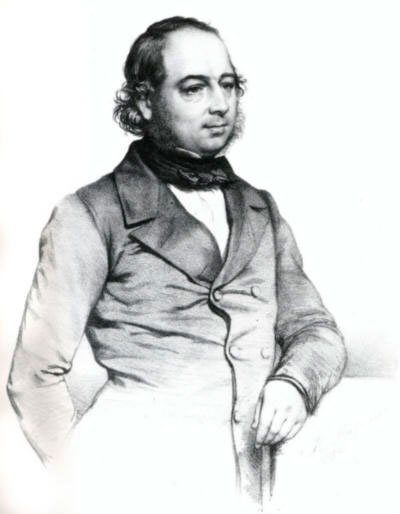
John Gould
John Gould

Order: Psittaciformes
Family: Psittaculidae
Genus: Neopsephotus
Scientific name: Neopsephotus bourkii
Citation: (Gould, 1841)
Protonimo: Euphema Bourkii

Images "Pink Periquito":

Videos "Bourke's Parrot"

————————————————————————————————

"Pink Periquito" (Neopsephotus bourkii)


Sources:

Avibase
– Parrots of the World โ€“ Forshaw Joseph M
– Parrots A Guide to the Parrots of the World – Tony Juniper & Mike Parr
– Birdlife

Photos:

(1) – Bourkeโ€™s parrot (Neopsephotus bourkii) By Flickr user Jan Tik (Flickr) [CC BY 2.0], via Wikimedia Commons
(2) – Bourkeโ€™s Parrot – Neopsephotus bourkii taken at the Cincinnati Zoo and Botanical Gardens By Greg5030 (Own work) [CC BY-SA 3.0], via Wikimedia Commons
(3) – Bourkeโ€™s Parrot Neopsephotus bourkii. Wild pair at Bowra Station, near Cunamulla, Queensland, Australia By Bruce Kendall (Own work) [CC BY-SA 3.0 or GFDL], via Wikimedia Commons
(4) – A male Bourkeโ€™s Parrot at the Flying High Bird Sanctuary, Apple Tree Creek, Queensland, Australia By paulgear (Picasa Web Albums) [CC BY-SA 3.0], via Wikimedia Commons
(5) – Neopsephotus bourkii (formally placed in genus Neophema) By Jan Tik (originally posted to Flickr as Hitchhiker) [CC BY 2.0], via Wikimedia Commons
(6) – By T.H. Maguire (1821โ€“1895) (http://www.birdresearch.dk/dk/jgould.htm) [Public domain], via Wikimedia Commons

Sounds: Tom Tarrant (Xeno-canto)
โ–ท The world of Pets: Dogs, cats, birds, reptiles, amphibians

Timneh Parrot
Psittacus timneh


Loro Timneh

Content


Anatomy-parrots

Description:

28 to 32 cm.. length and a weight between 275 and 375 g..

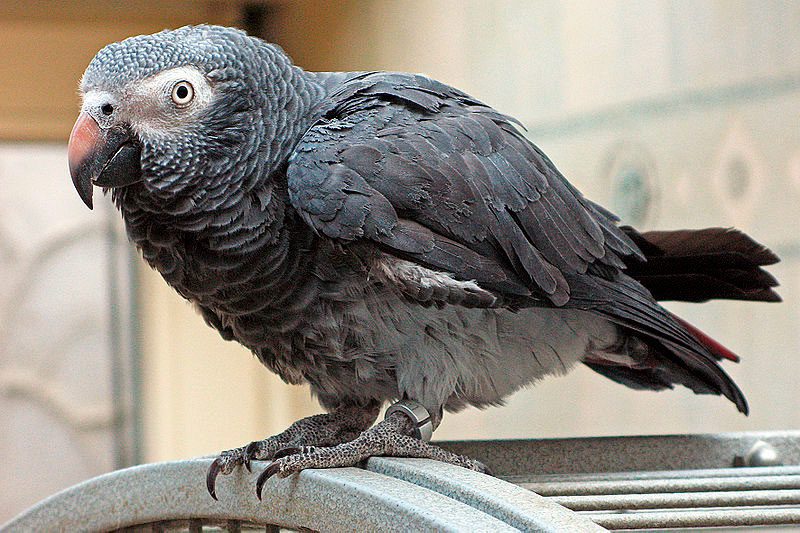
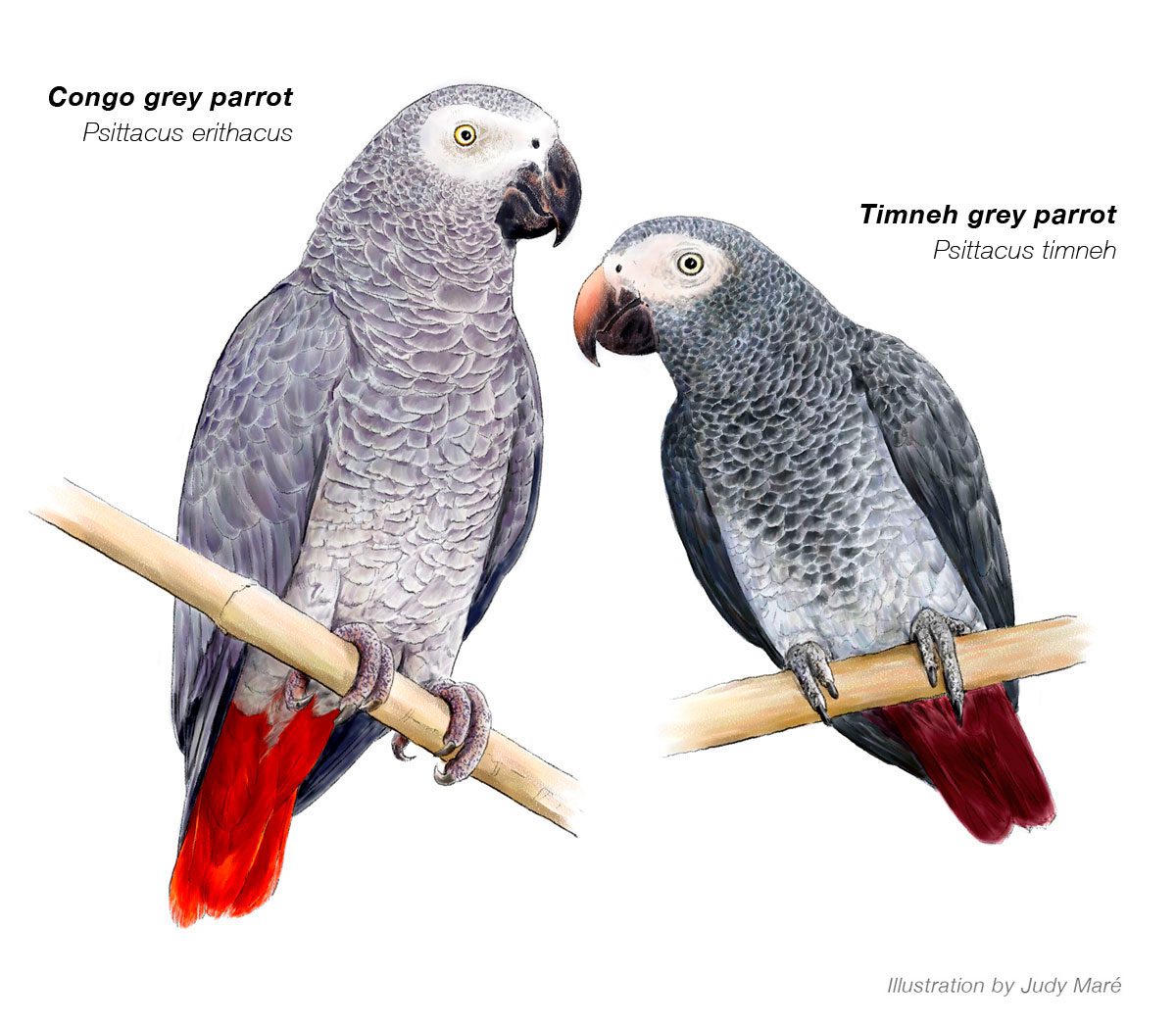
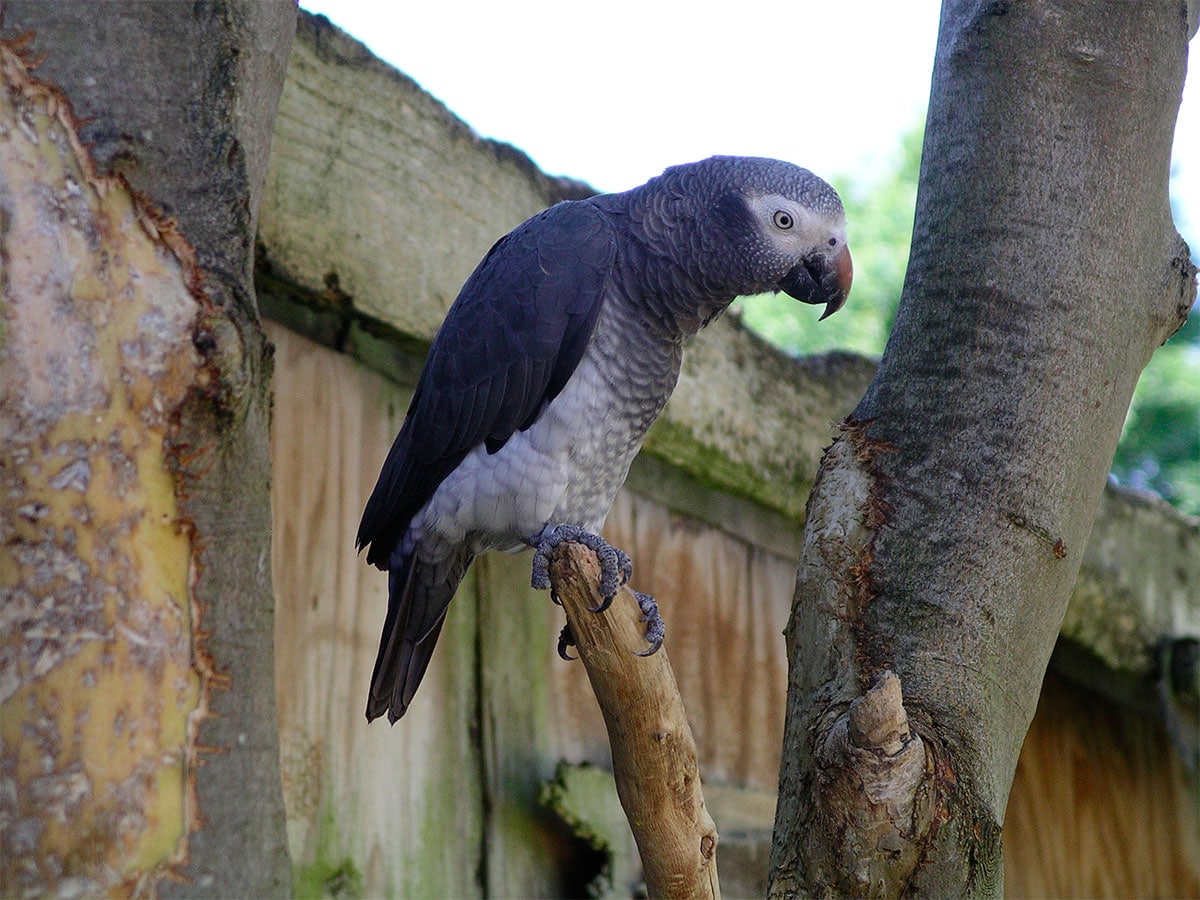
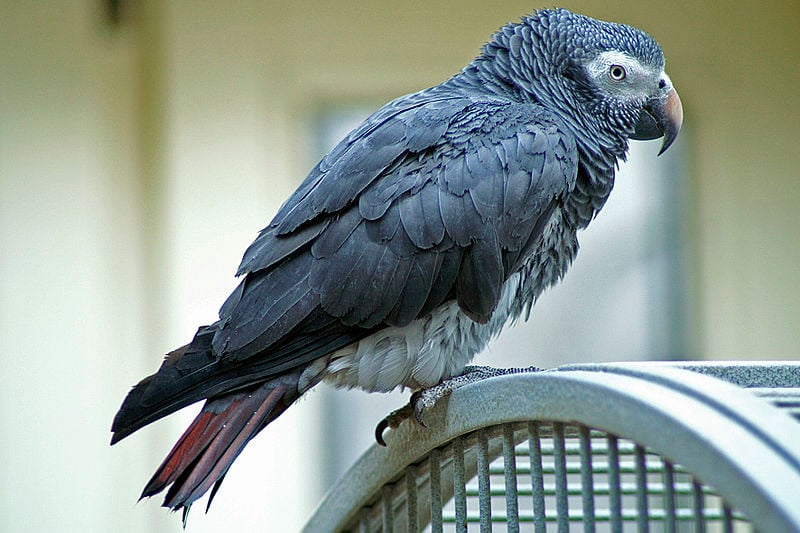
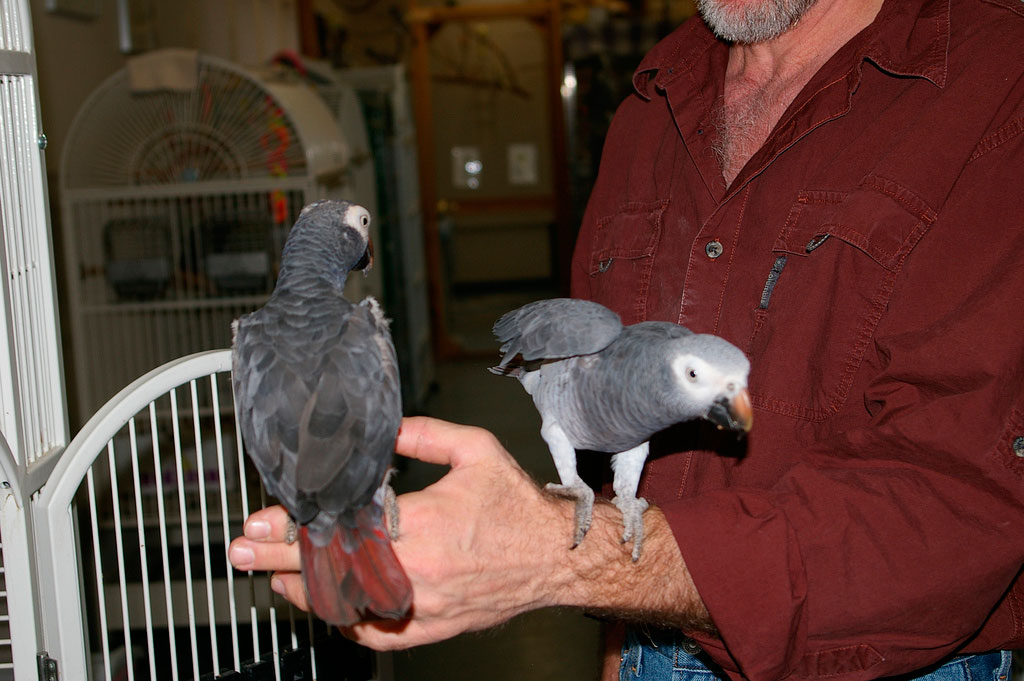
The Timneh Parrot (Psittacus timneh) is darker than Grey Parrot and the Red of the the tail feathers more off, darker and usually Brown (not Scarlet).

The uppertail-coverts son grises, dyed red (not Scarlet).

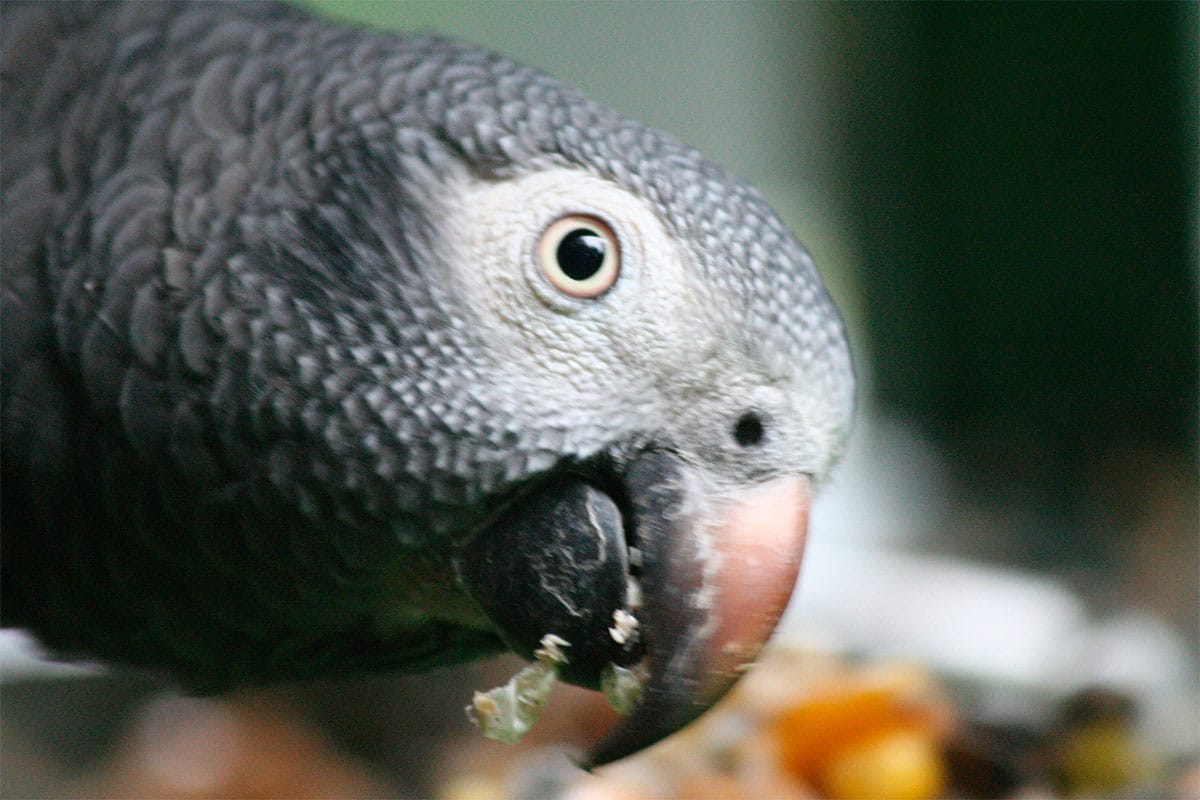
The bill It is mostly black, but it has an ivory-coloured or pinkish in the upper third of the upper jaw.

There is no visible difference between male and female.

The youth they have black eyes that become a yellowish cream at the age of two years.

Smaller that the Grey Parrot

Description 2 subspecies:

  • Psittacus timneh princeps

    (Alexander, 1909) – Darker and slightly larger than the subspecies Psittacus timneh timneh, although its size is still below the Grey Parrot (Psittacus erithacus). The feathers of the tail are as red as those of Grey Parrot, but marked by a greater contrast with the almost black feathers body, giving a different impression this subspecies. The eyes are yellow, the bill It is black and legs are dark gray.


  • Psittacus timneh timneh

    (Fraser, 1844) – Nominal.

Habitat:

Ilustraciรณn por Judy Marรฉ
Illustration by Judy Mare

Although they normally inhabit the dense forests, they are also usually seen at the edges of forests, clear, gallery forest, mangroves, tree-lined sheets, cultivated areas, and even the gardens, Although it is not clear if it's self-sustaining populations.

You can do seasonal movements out of the drier areas of its distribution in the station area dry.

Sometimes travel long distances to feed. They nest in hollow trees high above the ground. Found in small flocks of a few dozen, usually no more. Flocks of birds can be noisy.

Reproduction:

Little known difference with regard to the Grey Parrot.

The breeding season is usually from November to April in the westernmost areas of west africal, probably, especially during the season dry.

During the season of breeding they put in 2 to 4 eggs, every two or three days. These hatch in 28-30 days and the young are independent in 12 to 14 weeks.

Food:

In the wild, the Timneh Parrot they eat seeds, nuts, fruits and vegetables. they climb trees, instead of flying, to collect food and keep it with one leg while eating. They enjoy eating the external Walnut meat of the Palm oil, and have been observed eating snails.

In West Africa, his hobby is known for beads, attacking cornfields and becoming considered pests in certain places.

Distribution:

Size of the area of distribution (reproduction / resident): 541.000 km2

They are distributed in the West, in the humid forest areas of the Upper Guinea and bordering savannahs of West Africa from Guinea-Bissau, Sierra Leone and South of Mali to the East of Ivory Coast, at least a 70 kilometers to the East of the bandama river.

The wild population is distributed along with the species nominal in Abidjan, Ivory Coast.

Distribution 2 subspecies:

  • Psittacus timneh princeps

    (Alexander, 1909) – Principe Island (gulf of guinea).


  • Psittacus timneh timneh

    (Fraser, 1844) – Nominal. South of Guinea, Sierra Leone and Liberia, as well as the western part of Ivory Coast. There are also smaller groups Guinea Bissau and Mali. Populations Senegal They have disappeared fish trade.

Conservation:


Vulnerable


โ€ข Current Red List of UICN: Vulnerable

โ€ข Population trend: Decreasing

Its population is estimated between 100,000 and 500,000 exemplary and decreasing.
The P. erithacus, before the division of the timneh, He was put in the Appendix II of CITES with all Psittaciformes in 1981 at the request of Switzerland and Liechtenstein. Due to concerns about the effects of the large number of this species traded, It was the subject of a review of significant trade of the CITES, in which was listed as "possible concern" (Inskipp et to the. 1988).

The Animals Committee of the CITES he imposed a sanction of two years from January of 2007 on exports of timneh from four countries of West Africa (Ivory Coast, Liberia, Sierra Leone and Guinea), and banned the import of wild birds into the EU in 2007 (Anon 2011).

In 2009 Guinea exported 720 timneh, Despite having a share of 0 (Anonymous 2011).

The controlled legal trade by CITES may represent only a small proportion of total numbers caught in the wild.

The species is found in a number of protected areas.

A PhD study assessed the distribution, abundance and the impacts of trade and habitat loss for the timneh started in 2011 (Anon 2011).

Conservation Actions Proposed:

    โ€ข Ensure that proposed trade restrictions are enforced.

    โ€ข Monitor wild populations to determine ongoing trends..

"Timneh Parrot" in captivity:

Poultry are known in a manner abbreviated as TAG (Timneh African grey).

The Parrot Timneh is equivalent in intelligence and ability of his Congo counterpart, the Grey Parrot, being, generally, less nervous and with a great ability to imitate sounds (they often learn to imitate human sounds before the Grey Parrot). They can have a wide vocabulary of hundreds of words.

Unlike the Parrot Yaco, their voices are not an exact replica of the voice of the person you are copying. The Timneh Parrot they have their own special little voice.

Alternative names:

Timneh Parrot, Gray Parrot (Timneh), Sierra Leone Gray Parrot, Sierra Leone Grey Parrot, Zambesi Green Pigeon (English).
Perroquet timneh (French).
Timnehgraupapagei (German).
papagaio-timneh (Portuguese).
Loro timneh, Loro Gris de Cola Vinagre (espaรฑol).

scientific classification:

Order: Psittaciformes
Family: Psittacidae
Genus: Psittacus
Scientific name: Psittacus timneh
Citation: Fraser, 1844
Protonimo: Psittacus Timneh

ยซTimneh Parrotยป Images:

————————————————————————————————

"Two Timneh" (Psittacus timneh)


Sources:

Avibase
– Parrots of the World โ€“ Forshaw Joseph M
– Parrots A Guide to the Parrots of the World – Tony Juniper & Mike Parr
– Birdlife

Photos:

(1) – Timneh African Grey Parrot (Psittacus erithacus timneh) Pet parrot sanding on a cage By Peter Fuchs (Flickr) [CC BY-SA 2.0], via Wikimedia Commons
(2) – Two pet Timneh African Grey Parrots perching on a manโ€™s arm By rebeccakoconnor (originally posted to Flickr as Timneh Greys) [CC BY 2.0], via Wikimedia Commons
(3) – Timneh African Grey Parrot (Psittacus erithacus timneh). A pet parrot standing on a cage. Photo shows the maroon tail feathers By Peter Fuchs (originally posted to Flickr as henry tired) [CC BY-SA 2.0], via Wikimedia Commons
(4) – A Timneh African Grey Parrot at Birds of Eden, South Africa By Graham (originally posted to Flickr as IMG_0972) [CC BY-SA 2.0], via Wikimedia Commons
(5) – A Timneh African Grey Parrot that is allowed to fly free in Tropical Birdland, Leicestershire, England I, Snowmanradio [GFDL or CC-BY-SA-3.0], via Wikimedia Commons
(6) Ilustraciรณn by Judy Marรฉ – Africa Geographic Magazine

Sounds: Etienne Leroy (Xeno-canto)

โ–ท The world of Pets: Dogs, cats, birds, reptiles, amphibians

Lilian's Lovebird
Agapornis lilianae


Inseparable del Nyasa

Content

Description Lilian's Lovebird

Ilustraciรณn Inseparable del Nyasa

14 cm.. length and a weight between 28 and 37 g..

The colorful plumage of Nyasa small Inseparable (Agapornis lilianae) may cause their extinction, as it faces the constant threat of capture for the cage bird trade.

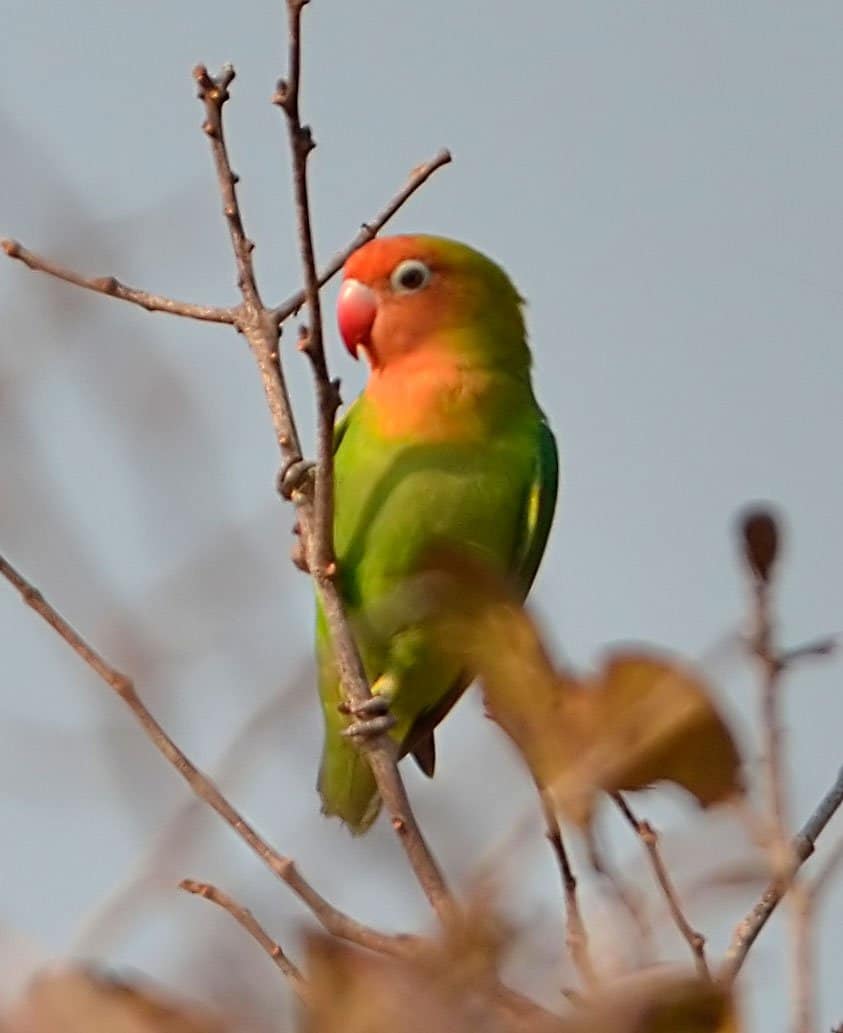
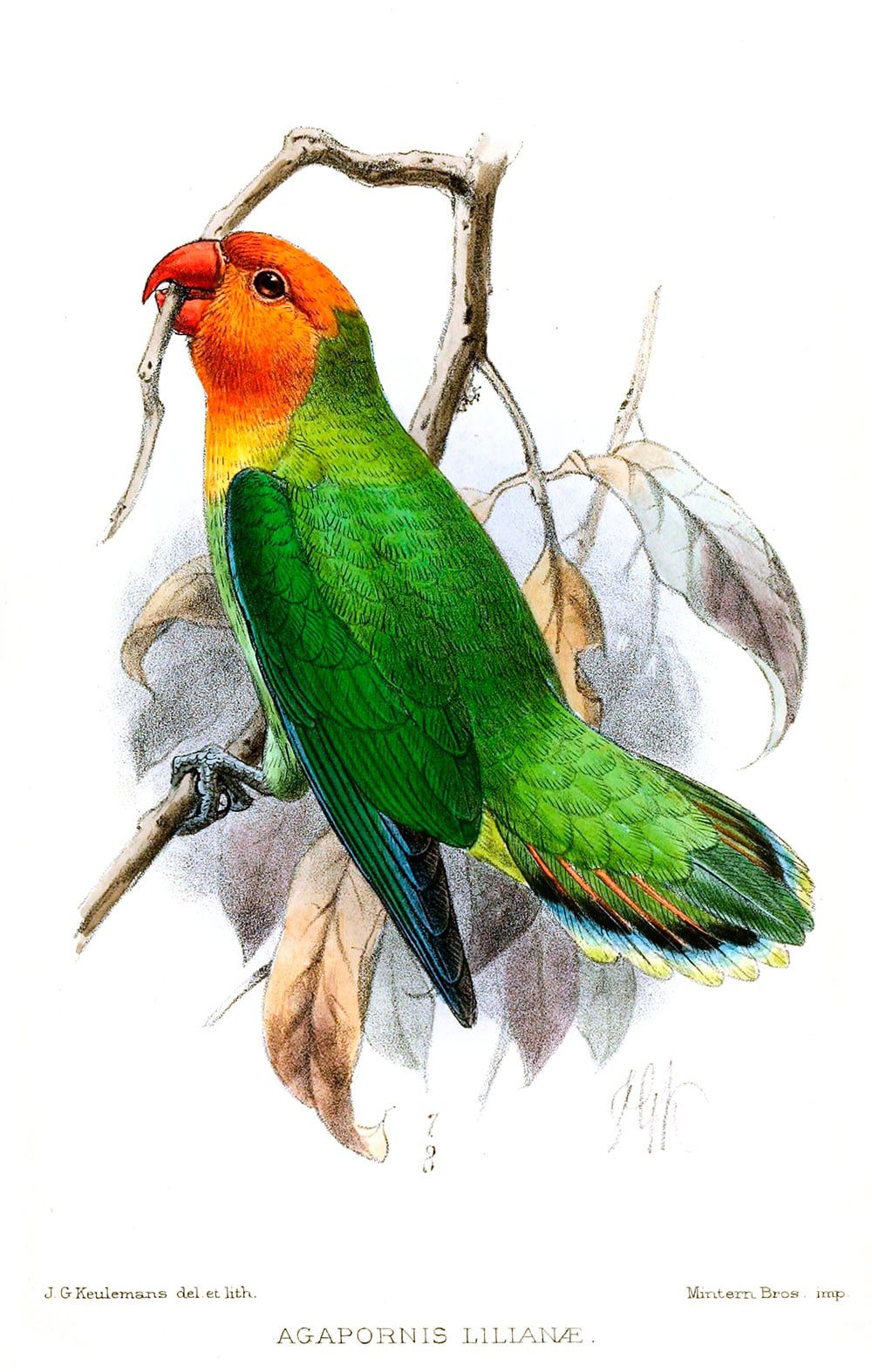
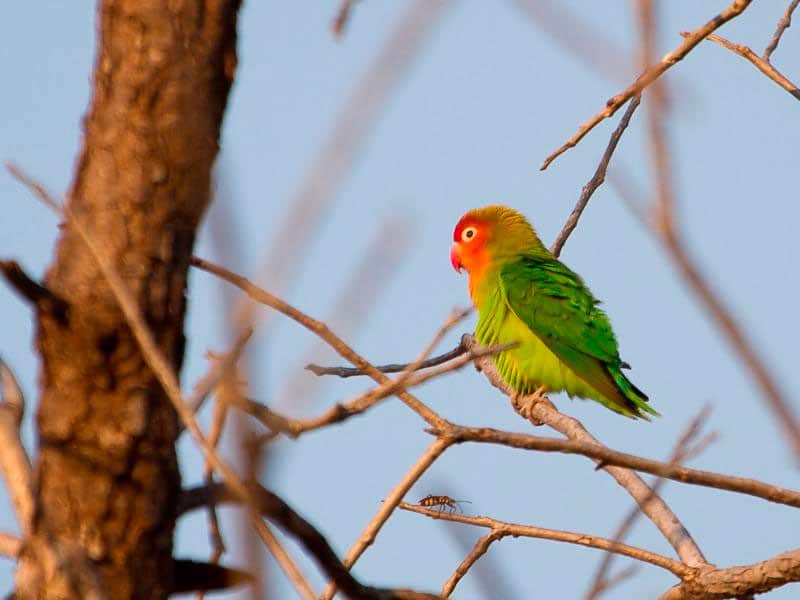
They have forecrown, fore crown, lores and cheeks brick red, merging with an orange and yellow-green wash on the back of the crown, ear-coverts, sides neck and nape, but occasionally (including samples taken in Malawi and unlikely to be hybrids with the Black-cheeked Lovebird (Agapornis nigrigenis)) brick red is replaced by dark crimson and orange by dark brown.

Mantle and scapulars bright green, rump and uppertail-coverts, Also bright green, but lighter. Upper, wing-coverts bright green; sometimes in yellow alula; vane outside of primaries and secondaries green; vane blackish internal. Under, the wing-coverts green with some blue feathers; bottoms of the flight feather blackish. Throat and top of the chest orange-red to pink salmon; bottom of the chest up to the undertail- coverts light green. The tail green, except central feathers with orange-red base and subterminal band dark.

Bill coral red; cere white; irises brown; eye ring white (2mm wide); legs pale grey.

Both sexes similar.

Immature and adults, but in black suffusion ear-coverts and black marks on the basis of upper jaw.

Habitat Lilian's Lovebird

The Lilian's Lovebird It is in groves mopane (Colophospermum mopane) and acacias in alluvial deposits and banks of river valleys, in general, below the 1.000 m, preferring areas with figs. Avoid trees miombo.

Very sociable and usually observed in noisy flocks of 20 to 100 birds, sometimes many more, especially when food is plentiful. The birds are not breeding, forman communal roosts in hollow trees, where between 4 and 20 sleeping birds clinging to the walls of the chamber.

Before settling in the place of descando, the Lilian's Lovebird They engaged, to a great extent, to engage in fights and chases.

Reproduction Lilian's Lovebird

Reproduction colonies.

The nest it is a bulky dome-shaped structure with a tube-shaped entrance built from strips of bark, branches and stems brought to the nest by females at the peak.

They build nests in the cavities of trees Mopane, sometimes in some nest of the White-billed Buffalo-Weaver (Bubalornis albirostris).

Wild birds Lundazi nest in the eaves of buildings. the brood, according to sources, It takes place in the months of January and February (birds possibly introduced), September in Zimbabwe and between January and July Zambia.

The laying you can have between 3 and 8 eggs in captivity.

Food Lilian's Lovebird

The diet Lilian's Lovebird It is mainly composed of grass seeds, including Rice perennial and cultivated varieties like millet (particularly unripe) and the sorghum, also seeds acacias, flowers A. whitish, African Erythrophleum, Vitex duamiana and African Cordyla, berries and leaf buds.

The food is collected directly from plants and soil. Often they need to drink, so usually they live near water sources.

Distribution:

Size of the area of distribution (reproduction / resident): 129.000 km2

Several populations Lilian's Lovebird separated on a restricted area in the southeast africa.

They are distributed in the middle of the valley Zambezi River, from the top of Lake Kariba around East of Binga to province Head in Mozambique, in northern and southern belt Zambezi River, below the 1.000 m, including valleys Angwa and Hunyani in Zimbabwe and valleys Lunsemfwa and Sash in Zambia.

In Northeast Zambia, It is also located north of valle de Luangwa, seemingly isolated from the valley Zambezi River, where possibly they were imported.

In Malawi, There is an isolated population of Inseparable the Nyasa located in forests Mopane in the region of the Lake Malombe, to the South of the Lake Malawi. There is also dispersed populations in southern Tanzania.

Wild birds are believed to exist (at least in the past) in the District of Choma and Mazabuka, to the South of Zambia. Aves on al Namibia are escapes from.

generally common, in some places abundant, but probably overall decline due to habitat loss, for example, in the basin of the Lake Kariba.

Apparently they are sedentary, but you can make local movements in response to the food supply.

There is a large number of Lilian's Lovebird in captivity.

Conservation:


Near-threatened

โ€ข Current Red List of UICN: Near threatened

โ€ข Population trend: Decreasing

The population of the Lilian's Lovebird It is suspected of being in decline due to predation by invasive species and unsustainable levels of exploitation.

Its population has been greatly reduced by the flooding of much of the valley Zambezi by the Lake Kariba, and probably also by the dam Cahorra Low in Mozambique.

They considered a pest, small-scale, by farmers (Harrison et al. 1997). Besides the captura legal large quantities for the international trade in cage birds (more than 10.000 from 1981 when it began to be mentioned in the CITES Appendix II), many are caught and sold locally Mozambique, and the species is also caught and sold in Zimbabwe and Zambia (V. Parker in little . 2003, UNEP-WCMC CITES Trade Database, January 2005).

Conservation Actions Underway:

    – Conduct surveys to obtain an overall estimate of the population.
    – Monitor population trends through regular surveys.
    – Control or stop the capture and trade in order to prevent overfishing.

This species is well studied in South Africa "Research Project" conducted by the "Research Center for Parrot Conservation" of the University of Kwazulu-Natal. Studies to better understand its ecology and conservation.

The Inseparable from the Nyasa in captivity

They were imported to Europe 1926.

Rarely seen among breeders and many crossed with Fischer's Lovebird (Agapornis fischeri).

The Lilian's Lovebird son aves gregarias, that coexist very well in Cologne. They have a character quite scary because not very frequent, they have not yet become very familiar with the human being, but once caught enough confidence spend the day making a racket.

You can keep an aviary with Black-cheeked Lovebird (Agapornis nigrigenis).

They are birds something else complicated to create than other varieties Lovebird, are birds more timid and therefore need more peace of mind, plus the percentage of egg fertility in this species is a 40 % to 60 %.

Apparently they have problems to survive the first moult, so in this case it is recommended to acquire and adults.

With regard to its longevity, according to sources, a specimen lived 19,2 years in captivity.

Alternative names:

Nyasa Lovebird, Black-cheeked Lovebird, Nyassa Lovebird (English).
Insรฉparable de Lilian, Insรฉparable de Liliane, Insรฉparable liliane, Insรฉparable nyasa (French).
Erdbeerkรถpfchen (German).
Inseparรกvel do Niassa, Inseparรกvel-de-niassa (Portuguese).
Inseparable del Nyasa, Inseparable Liliana, Agapornis Lilianae (espaรฑol).

scientific classification:

Order: Psittaciformes
Family: Psittaculidae
Genus: Lovebirds
Scientific name: Agapornis lilianae
Citation: Shelley, 1894
Protonimo: Agapornis lilianae

Images Lilian's Lovebird

Videos "Lilian's Lovebird"


Species of the genus Agapornis


Lilian's Lovebird (Agapornis lilianae)


Sources:

Avibase
– Parrots of the World โ€“ Forshaw Joseph M
– Parrots A Guide to the Parrots of the World – Tony Juniper & Mike Parr
– Birdlife

Photos:

(1) – Lilianโ€™s Lovebird at South Luangwa Valley National Park, Zambia ยฉ Hans Hillewaert/, via Wikimedia Commons
(2) – Three Agapornis lilianae birds By derivative work: Snowmanradio (talk)Agapornis_lilianae.jpg: Wessel van der Veen (Agapornis_lilianae.jpg) [CC BY 3.0], via Wikimedia Commons
(3) – Agapornis lilianae green D (Jade) By Gonzalo Blanco – Linx
(4) – A perched bird By Paul van Giersbergen – Lynx
(5) – Pair By Philip Perry – Lynx
(6) – Illustration by Ibis 1894

Sounds: Derek Solomon (Xeno-canto)
โ–ท The world of Pets: Dogs, cats, birds, reptiles, amphibians

Indigo Macaw
Anodorhynchus leari


Guacamayo de Lear

Content

Description:

Ilustraciรณn Guacamayo de Lear

75 cm.. length and 940 g. of weight.

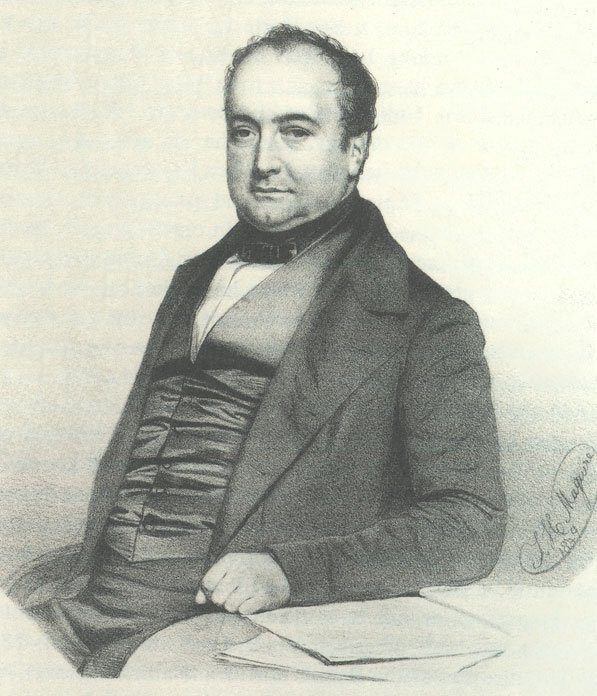
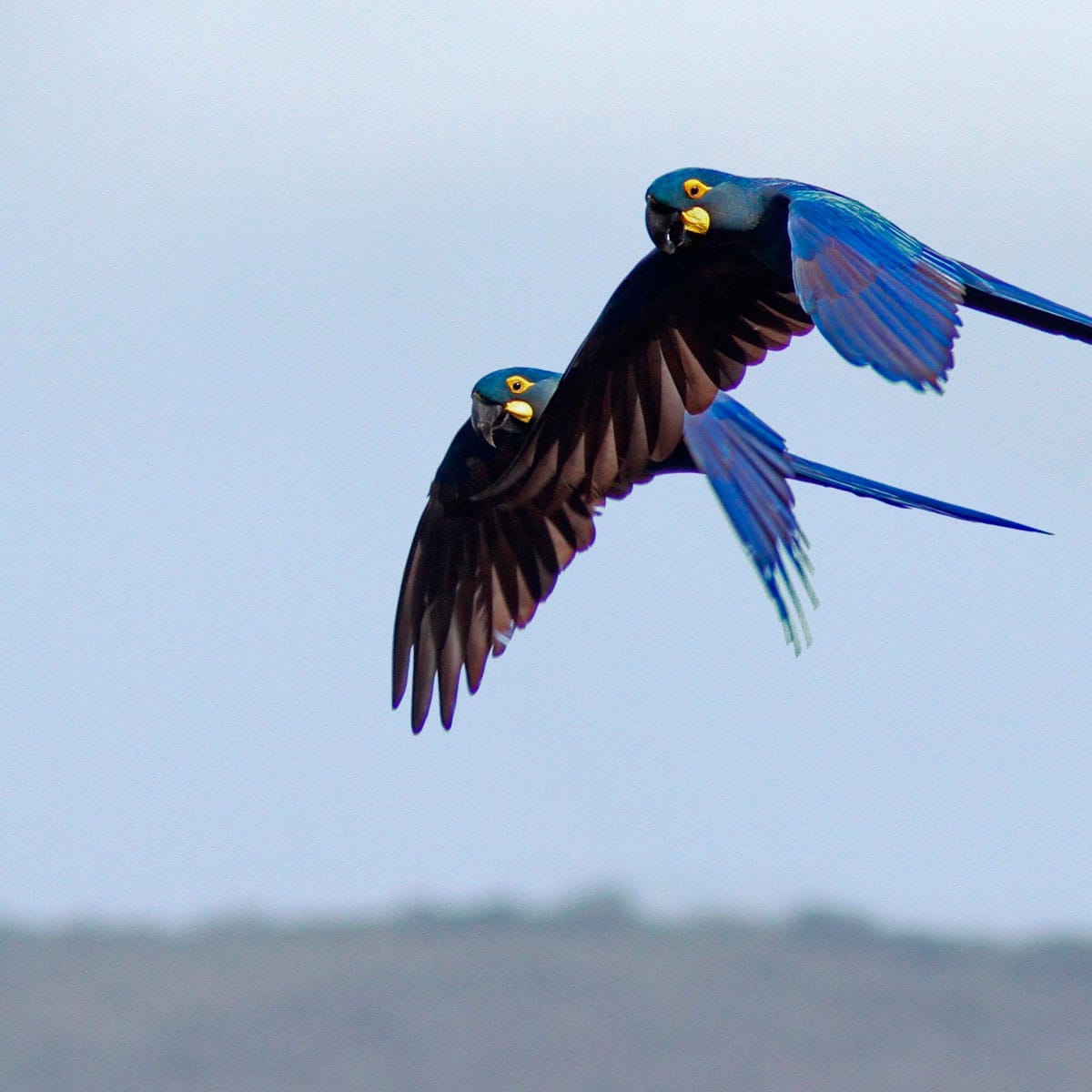
The Indigo Macaw (Anodorhynchus leari) It is a beautiful Blue Parrot with a long tail. Similar to the Hyacinth Macaw, but much smaller and chunky, with a large yellow spot in the cheeks. It was described for the first time in 1858 by the nephew of Napoleon, Lucien Bonaparte, from an illustration by the famous English illustrator and artist known for his absurd poetry, Edward Lear.

This Parrot, However, remained elusive in nature, and it was only accepted as a distinct species in 1978, When the naturalist Helmut Sick finally found a wild population.

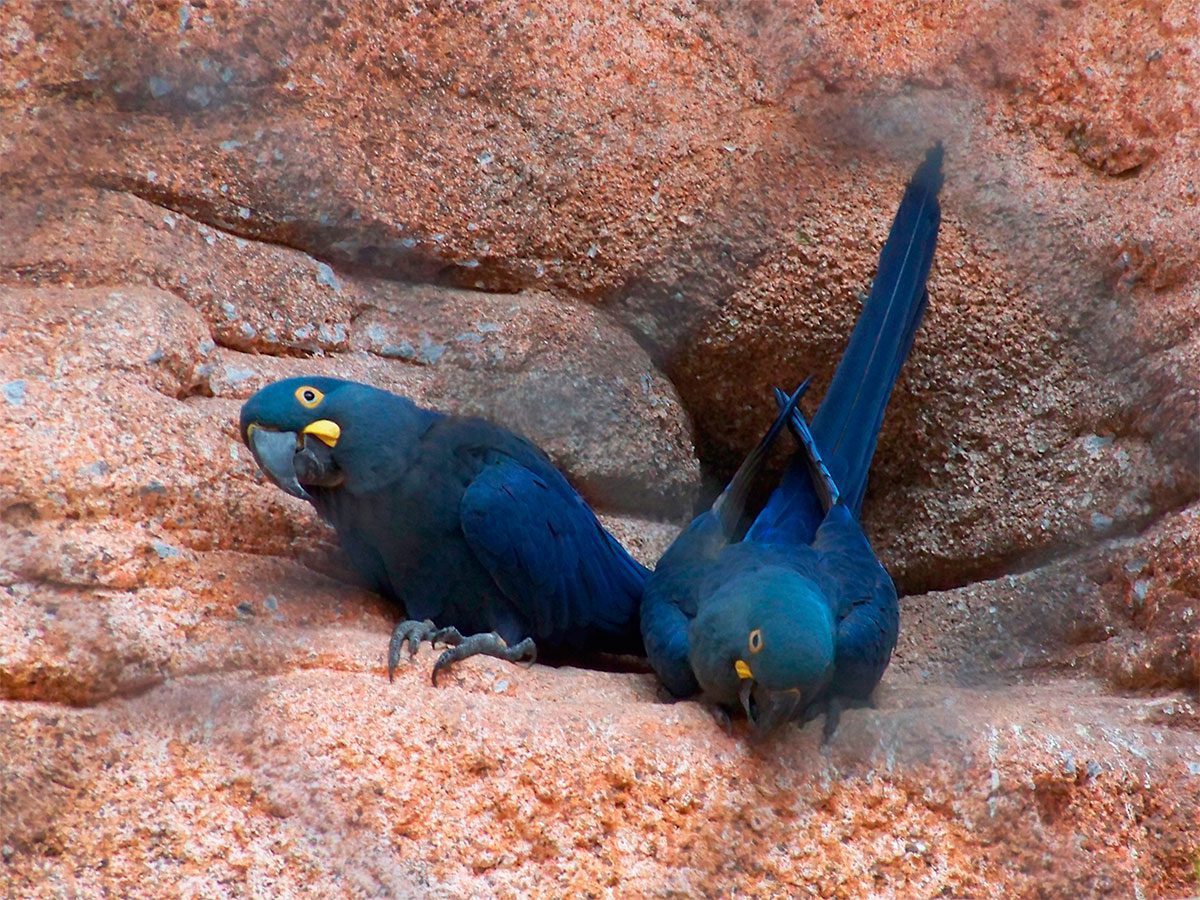
The head, the neck and underparts This Parrot are greenish-blue, While the rest of the body looks like a purple / indigo. The bare skin around the eyes and at the base of the bill It is pale yellow.

The irises are dark brown and the bill, Although predominantly black, You may have a grey stains clear.

Males and females They seem to. The male can have a larger beak and can usually be larger in size, but those differences vary or may be only slight and are not considered reliable for gender identification.

The youth they can be identified by its shorter tail; the upper beak is pale.

Habitat:

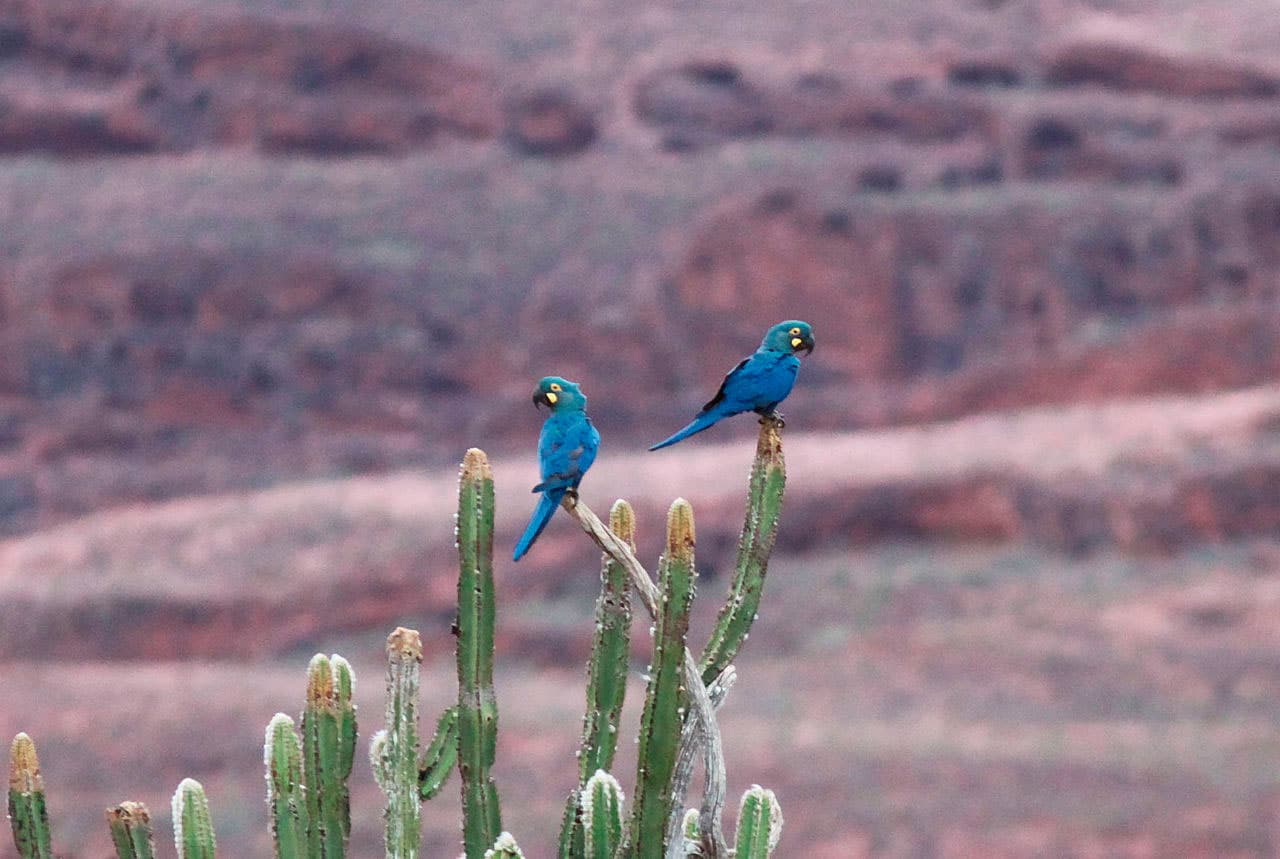
They live in drylands, with resistant vegetation of caatinga (thorny scrub), especially in areas with Palm trees Syagrus coronata.

They require sandstone cliffs to perch and nest.

gregarious and in general in flocks, although usually in very small numbers. Shapes communal roosts in cracks eroded near the top of the walls of canyons of sandstone at altitudes between 30 and 50 m. Many birds perch on the largest holes, while others cling to rocks or rest on the cornices.

The Indigo Macaw leave the roosts in family groups to go to the feeding areas before dawn to return at dusk.

Reproduction:

The nests of the Indigo Macaw they are located in crevices in cliffs, Although sometimes they also nest in shallow tree cavities.

The breeding season It is located in the months February-April, coinciding with the rainy season and possibly coinciding with the maximum availability of palm nuts.
The average clutch size is two to three eggs. The average period of incubation is of 28 days and the average age of feathered is of 16 to 20 weeks.

Food:

The staple food of the Indigo Macaw they are palm nuts Syagrus (a bird can take 350 nuts in a day). Also take seeds from Melanoxylon, above all when the walnuts Syagrus they are scarce (July-September). Other reported foods include fruits of Jatropha pohliana, Dioclea and Spondias tuberosa, flowers Agave and corn.

Fluid from the unripe fruit of Palms is perhaps the main source of moisture.

The Indigo Macaw they feed in the trees and on the ground.

Distribution:

Confined to the plateau Raso da Catarina, to the northeast of Bay in Brazil; mainly occupy an area close to 8,000 km 2 in the center of Rรญo Vasa Neighborhoods, in the South of the plateau. Two main colonies are known, one on each side of the Vasa Barris.

These birds make daytime movements South of Holy and Euclides da Cunha and possibly from the North to the north-western edge of the plateau to feed.

There is a peripheral population smaller at several hundred kilometers of Vasa Barris and there are unconfirmed reports of other small groups in remote northern dry inside of Bay.

Resident, remaining close to the cliffs where nest and their favorite roosting birds.

The population of Indigo Macaw is estimated at 139 birds (117 more 22) with an evident decline during the last 100 years. The pressures arising from the trade in birds, hunting, the loss of plants used as food for livestock, the disturbance and, possibly, inbreeding depression, could quickly lead to extinction in freedom of this beautiful species.

Conservation:

โ€ข Current Red List of UICN: Danger

โ€ข Population trend: Unknown

The Indigo Macaw suffered a historic long-term drop due to the capture, but estimates of population remained fairly stable after its rediscovery in the wild in 1978 until the mid of 1990 when the numbers began to rise rapidly; While this may reflect in part, improvements in the survey methodology, also there has been a real increase due to intense conservation efforts.

According to specialists, they only survive in the world, mainly in zoos, a few 1.300 specimens This species whose natural habitat are the rock walls in the arid interior of the state of bahia (Northeast of Brazil).

For its part, the Spix's Macaw It is considered extinct in the wild since 2000, Although currently survive in captivity a few 90 specimens, that are maintained by institutions from different countries, mostly out of Brazil.

"Indigo Macaw" in captivity:

The Indigo Macaw It is the most uncommon of all the macaws in captivity. There are three known copies in United States and a similar amount in Europe. The Government of Brazil does not recognize any other legal specimen of this species outside its borders. On the other hand, in the zoos of Rio de Janeiro and Sรฃo Paulo in Brazil, they have several copies. Twelve copies of Indigo Macaw with that features the Zoo's Sรฃo Paulo they are isolated and in cages that cannot be visited by the public due to the risk of extinction of the species.

With regard to its longevity, They have News of a captive bird that lived 38,3 years.

During the last ten years, attempts to smuggle this species have been discovered from Brazil and some birds have confiscated, who have been returned to the country.

A Special Committee has been formed by the part of the IBAMA of the Government of Brazil to initiate actions for the conservation of this species. Likewise, other countries that have also signed the treaty CITES they should support Brazil in their attempts to establish pairs of players in captivity and to conserve the habitat of the Indigo Macaw.

If anyone knows the whereabouts of illegal copies of this species must notify the authorities for his immediate intervention. This species is on the verge of extinction and all possible actions to save her must be coordinated through a working group for the conservation.

Notes:

They are accomplished in Brazil the first reproduction in captivity of a Lear's macaw

Alternative names:

Indigo Macaw, Lear’s Macaw (English).
Ara de Lear (French).
Learara, Lear-Ara (German).
Arara-azul-pequeรฑa, arara-azul-de-Lear, arara-azul-pequena (Portuguese).
Arara-azul-de-lear, arara-azul-pequena (Portuguese (Brazil)).
Guacamayo de Lear, Guacamayo Indio (espaรฑol).

Charles Lucien Bonaparte

scientific classification:


Order: Psittaciformes
Family: Psittacidae
Genus: Anodorhynchus
Scientific name: Anodorhynchus leari
Citation: Bonaparte, 1856
Protonimo: Anodorhynchus leari


Images Indigo Macaw:

Videos "Indigo Macaw"


Species of the genus Anodorhynchus

ยซGuacamayo de Learยป (Anodorhynchus leari)


Sources:

Avibase
– Parrots of the World โ€“ Forshaw Joseph M
– Parrots A Guide to the Parrots of the World – Tony Juniper & Mike Parr
– Birdlife
– Wildscreen Arkive
– Macaws. A Complete Guide by Rick Jordan.

Photos:

(1) – Two Learโ€™s Macaws at Rio de Janeiro Zoo, Brazil By Marcos Pereira (originally posted to Flickr as blue macaw couple) [CC BY 2.0], via Wikimedia Commons
(2) – Learโ€™s Macaw Anodorhynchus leari By https://www.flickr.com/photos/jquental [CC BY 2.0], via Wikimedia Commons
(3) – Two Learโ€™s Macaws at Canudos Biological Station, Bahia, Brazil By Miguelrangeljr (Own work) [Public domain], via Wikimedia Commons
(4) – Anodorhynchus lear By Rick elis.simpson (Own work) [CC BY-SA 3.0], via Wikimedia Commons
(5) – PROGRAMA DE CATIVEIRO DA ARARA-AZUL-DE-LEAR by Fabio Nunes – icmbio.gov.br
(6) – Illustration by Edward Lear (1812โ€“88) first published in his book Illustrations of the Family of the Psittacidae, or Parrots in 1832

Sounds: Hans Matheve (Xeno-canto)
โ–ท The world of Pets: Dogs, cats, birds, reptiles, amphibians

Yellow-eared Parrot
Ognorhynchus icterotis


Aratinga Orejigualda

Content

Description:


Anatomy-parrots

42 cm.. of length and a weight of 285 g..
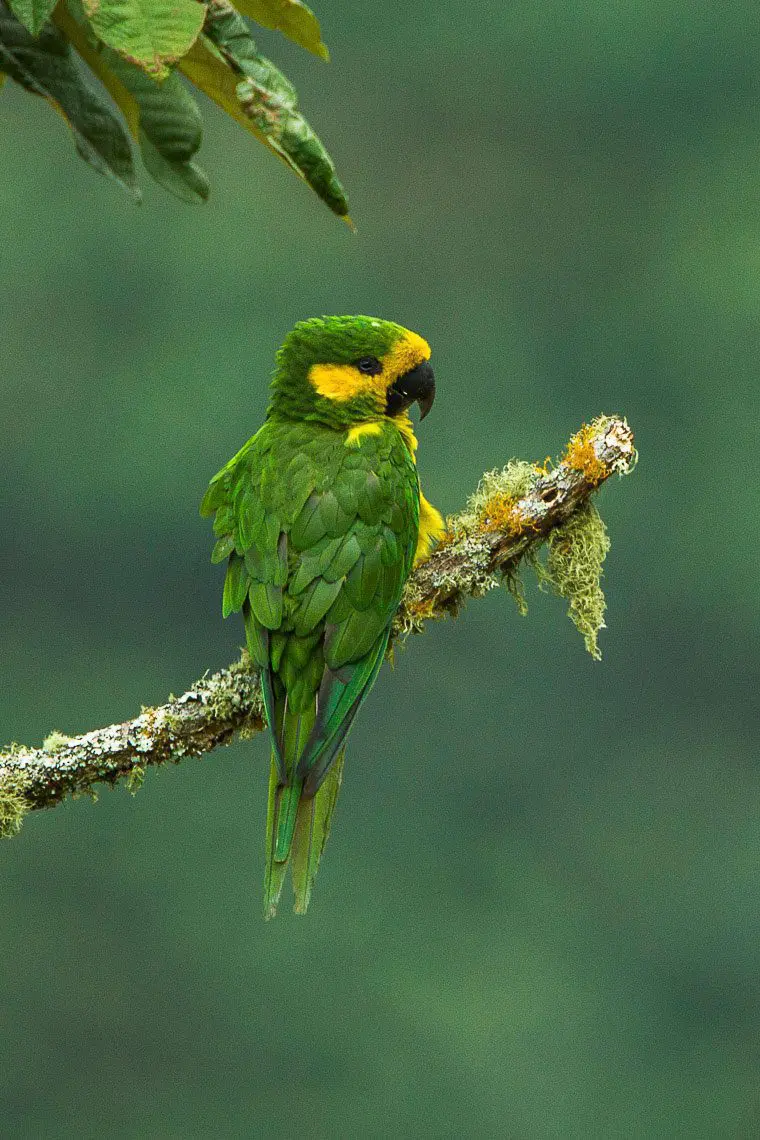
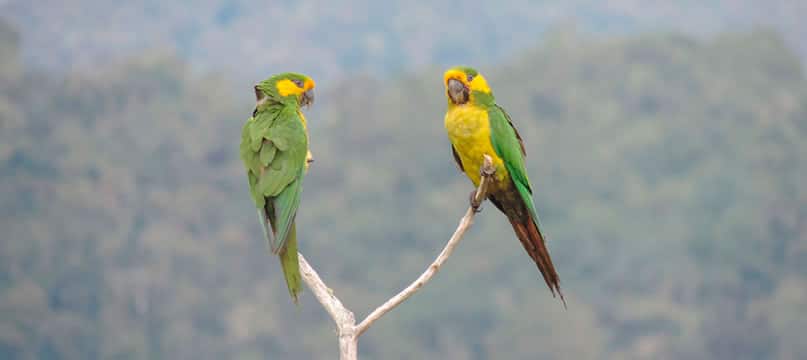
The Yellow-eared Parrot or Yellow-eared Parrot (Ognorhynchus icterotis) is a parrot of medium-sized; has the crown green grass with Emerald suffusion; the forecrown with a wide yellow stripe that extends to the lores, upper cheeks and below the eyes up to the ear-coverts; bottom of the cheeks and both sides of the neck green.

The upperparts, upperwing-coverts and flight feather are green grass. Under the wings yellowish green in coverts, yellowish in the flight feather. The underparts yellowish with increasingly darker green dye in the belly, the the thighs and area of the vent.

Aratinga Orejigualda

Upper, the tail green; down off red. The head is large in proportion to the body, with bill thick, blackish. Orbital ring, pale grey; Orange the irises; legs grey.

Both sexes similar.

The immature not described.

  • Sound of the HTTPS://www.mascotarios.org/wp-content/themes/generatepress_child/sonidos/Yellow-eared Parrot.mp3.

Habitat:

Video – "Yellow-eared Parrot" (Ognorhynchus icterotis)

yellow-eared parrot project 10 years - Ognorhynchus icterotis - ProAves

They inhabit in the humid montane forests in the subtropical high and low temperate zones, sometimes frequent partially cleared areas.

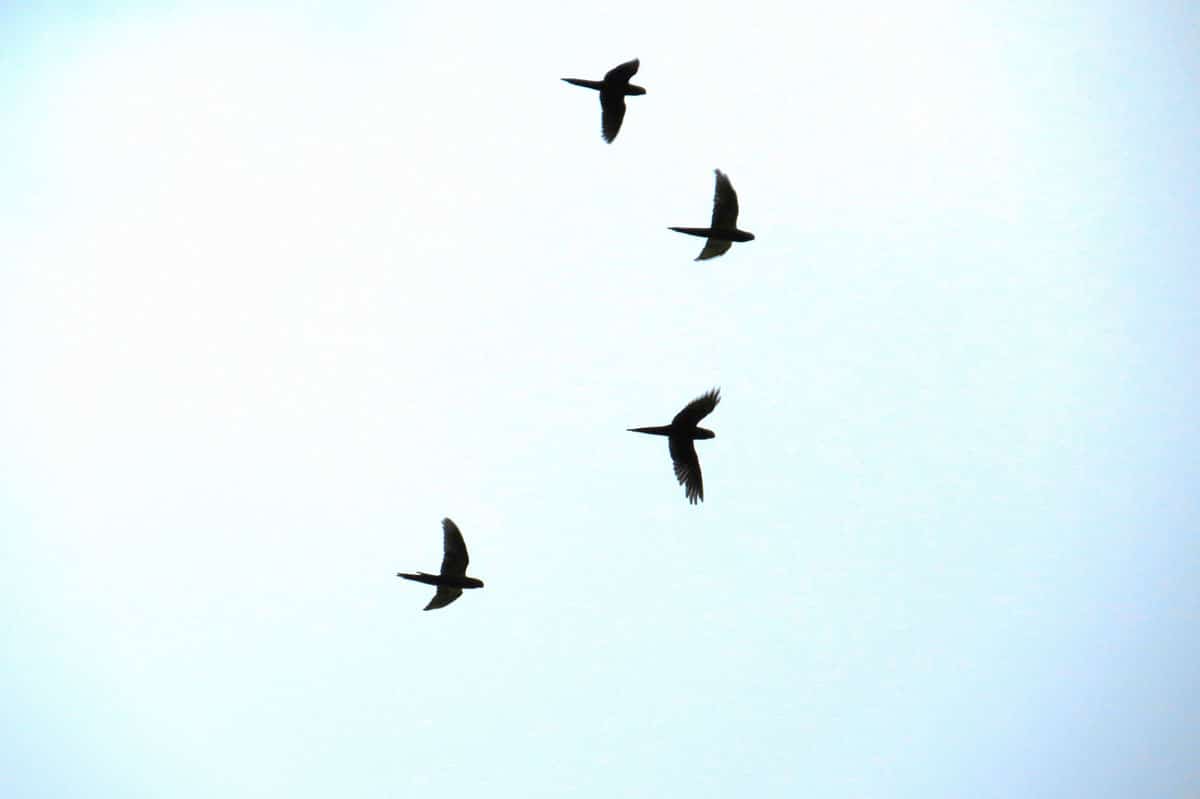
Associated to the wax Palms (Ceroxylon quindiuense), Although the dependence of these species is uncertain since the birds remain absent from those areas in which these palms are abundant. Move, generally, in pairs or small flocks and perform migrations altitudinal and latitudinal, not specified, outside the breeding season.

Reproduction:

They fly in stable couples and they always nest in old nests.
There are reports of nests on wax Palms (Ceroxylon quindiuense) to 25 metres in height
child in the month of may in the North of Tolima and conditions of reproductive birds have been seen in the month of March in Huila. Breeding season July to October in Ecuador.

One of the most unique behaviors in reproduction of the Yellow-eared Parrot is the assistance of a third adult ave sharing the duties of parents, known as "breeding assistants", they have been observed assisting parents in parenting, feeding and caring for the chicks.

Clutch of four eggs.

Food:

It is known that they feed on las Palmas Ceroxylon quindiuense and Ceroxylon alpinum but it probably takes fruits of all other species of this genus; other reported foods include fruits of the Saurauia tomentosa and Sapium.

The Yellow-eared Parrot they sometimes feed in more open areas, returning the forest to rest.

Distribution:

Size of its range (breeding/resident): 168.000 km2

Its distribution is discontinuous.

Limited to the North of the Andes, in the North of Ecuador and West Colombito between 1.200 and 3.400 meters above sea level, (mostly between 2,500-3,000 m).

With distributed (or distributed) in the three chains of the Andes in Colombia; records in the West of the Andes, from a small area in the South, to the North of Cauca and possibly Valle del Cauca; in the Central Andes, from the western slope of Antioquia, Caldas and Cauca and in the eastern slope, in Tolima and Huila; in the East of the Andes from the West side and the East of the basin in Norte de Santander, on the eastern slope of Cundinamarca and in the header of the Magdalena River Valley, in Huila.

Observed to the North of Ecuador, from Carchi, Imbabura and Pichincha.

It is likely that they led by seasonality, with the evidence that are present in Ecuador in the months of November and Colombia during the rest of the year.

Formerly considered common and in some places even abundant, but now is very scarce and local.

Drastic reduction of its population in the century 20 due to deforestation on a large scale on much of its distribution area and perhaps decrease of species of Quindio wax Palm.

Recent records sporadic and the species may now be confined in a few localities in Colombia, including the region of the Munchique national natural park (West of the Andes in Cauca), where some forests remain unchanged, at the front of the Magdalena River Valley, and in the Northwest of the Andes, in Ecuador.

Registered, sporadically, in several protected areas, including the Cueva de los Guรกcharos National Park, Colombia, and Book ecolรณgica Cotacachi-Cayapas in Pichincha, Ecuador.

The total population of the Aratinga Orejigualda is very small and in danger of extinction.

Very rare in captivity and remaining birds could be at risk of capture. Appendix I. critical.

Conservation:

โ€ข Red List category of the UICN current: In danger of extinction

โ€ข Population trend: Growing

The current population It is thought that you understand 1.103 individuals. But, a maximum of only 212 individuals have bred in recent years (Fundaciรณn ProAves in litt., 2010), therefore, This figure is used for the current population of mature individuals. The rest of the population is assumed cautiously being too young to reproduce.

Due to the intensive action conservation of the population has grown from 81 to 1.103 individuals in 2009, of which 212 they are mature (Fundaciรณn ProAves in litt., 2010).

Threats:

– Its distribution area It seems to be strongly restricted by the expansion of exotic forests, Since only occurs in the native forest (CEIA et to the., 2009).

– It has been a considerable loss and fragmentation of habitat (90-93% of Montane forest in Colombia) throughout its area of distribution (Salaman et al the 1999b, Snyder et to the., 2000.); But, several significant areas of habitat are maintained within their historic range, which suggests additional causes of impairment (Krabbe 1998, PGW Salaman in litt., 1999).

– The mortality of the Quindio wax Palm (Ceroxylon quindiuense) It is accelerating and the logging in adjacent areas increases its susceptibility to disease (Krabbe 1998, Salaman et to the. 1999to, Salaman et to the. 1999b, PGW Salaman in litt., 1999).

– The Quindio wax Palm they are incredibly long-lived and slow growing (some more of 500 years of age) (Salaman 2001), and are being exploited unsustainably for use in the celebrations of the Domingo de Ramos within the range of the species.

– In Ecuador, their hunting was prolific as food source (Krabbe and Sornoza 1996, Salaman et to the., 1999b), and capture has had any impact on Colombia, Although the species is very difficult to keep in captivity (Salaman et to the. 1999b, Salaman 2001).

Conservation Actions Underway:

CITES Appendix I and II.

– The traditional breeding place in Ecuador He has bought and is being reforested (Snyder et to the., 2000).

– Surveys were conducted at the beginning of 2008 in Ecuador to determine the status of the species there (O. Jahn in litt., 2007).

– It hopes that an awareness campaign for people who live in close, stop parrots feed hunting (Krabbe 1998).

– In Colombia, awareness to reduce the pressure of the hunting and the impact of the processions of the Domingo de Ramos, It has involved poster campaigns, environmental education, community workshops, radio and school visits (Waugh, 2004).

– In combination with actions on the ground, such as surveys, fencing of sites of play to allow the regeneration of the wax Palm, the restoration of the habitat and the provision of artificial nest boxes (Salaman 2001, the ProAves Foundation in litt. 2012), the size of the population of the species has increased significantly (Waugh's 2004, the ProAves Foundation in litt. 2010, 2012).

ProAves Foundation has two reserves, where this species conservation efforts are focused, about Garden (c.800 hectares) and in Roncesvalles-Tolima (c.10, 000 hectares).

– In 2009, the ProAves Foundation, Loro Parque Foundation, the American Bird Conservancy and other, they established a corridor of more of 16.000 acres (including the acquisition of more of 10.000 acres) for the Yellow-eared Parrot and other threatened parrots on the Cordillera Central of Colombia (ProAves Foundation in litt. 2010, 2012).

– In San Luis of Cubarral, the use of artificial nests started in 2011, and it was reported that the population has increased as a result (by O. Cuts in litt. 2013).

– More information about conservation efforts is provided by Salaman et to the. (2006).

Conservation Actions Proposed:

Search additional subpopulations, with a focus on the definition of the State within the Intag Valley, Ecuador (PGW Salaman in litt., 1999, Snyder et to the., 2000), and prepare maps of habitats of the massif of the The Ruiz-Tolima volcano (Salaman et to the . 1999b).

– Purchase and further protect habitat (Salaman et to the. 1999b, PGW Salaman in litt., 1999, Snyder et to the., 2000).

– Continue with the current program of successful conservation efforts in Colombia, and extend it into any subpopulation identified inside of Ecuador in the future.

"Yellow-eared Parrot" in captivity:

In the news, the Yellow-eared Parrot It is not a bird to keep captive, but you run the risk of being easy prey for poachers, Since It shows no fear toward humans.

In May of the 2000, a nest It was looted to remove a fledgling and use it as pet. But, this practice is apparently not common.

Alternative names:

Yellow-eared Parrot, Yellow eared Parrot, Yellow-eared Conure, Yellow-eared Parakeet (ingles).
Conure ร  joues d’or, Perriche ร  joues d’or, Perruche ร  joues d’or (French).
Gelbohrsittich, Gelbohr-Sittich (German).
Papagaio-de-crista-amarela (Portuguese).
Aratinga Orejigualda, Loro Amarillo, Loro Orejiamarillo (espaรฑol).
Loro orejiamarillo, Perico de pรกramo o Catarnica (Colombia).
Loro caripero (Ecuador).

scientific classification:

Order: Psittaciformes
Family: Psittacidae
Scientific name: Ognorhynchus icterotis
Citation: (Massena & Souance, 1854)
Protonimo: Conurus icterotis

Yellow-eared Parrot images:


Sources:

Avibase
– Parrots of the World โ€“ Forshaw Joseph M
– Parrots A Guide to the Parrots of the World – Tony Juniper & Mike Parr
– Birdlife

Photos:

(1) – Yellow-eared Parrot – Colombia_S4E5367 by Francesco VeronesiFlickr
(2) – Yellow-eared Parrot In the Yellow-eared Parrot Reserve near Jardin, Colombia by Joseph BlowersFlickr
(3) – YELLOW-EARED PARROT Immature by Bryant OlsenFlickr
(4) – YELLOW-EARED PARROTS by Bryant OlsenFlickr
(5) – Reserva Natural de las Aves Loro Orejiamarillo – ProAves
(6) – Ognorhynchus icterotis Syn: Psittacara icterotis By J. Davernes (biodiversitylibrary.org) [Public domain], via Wikimedia Commons

Sounds: (Xeno-canto)
โ–ท The world of Pets: Dogs, cats, birds, reptiles, amphibians

Scarlet-fronted Parakeet
Psittacara wagleri

Scarlet-fronted Parakeet

Content

Description:


Anatomy-parrots

34 to 36 cm.. of length and a weight of 162 to 217 g..
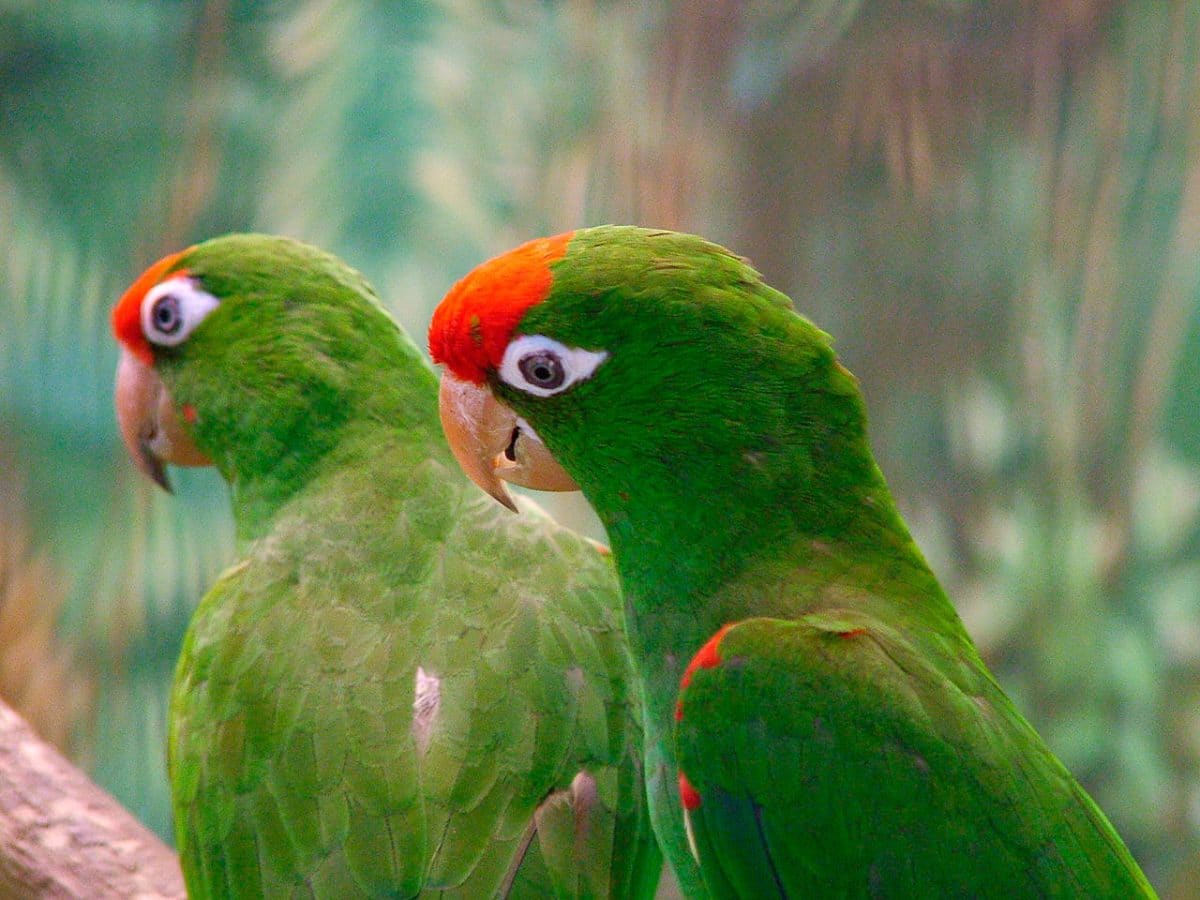
The Scarlet-fronted Parakeet (Psittacara wagleri) He has the crown and forecrown bright red; lores and cheeks dark green with red feathers scattered in some birds. Of the nape even up to the uppertail-coverts dark green. Upperwing-coverts dark green; flight feather green, dyed Emerald above and olivaceous at the bottom. The greater underwing-coverts, also of color olivaceous, the remaining underwing-coverts, green. The underparts brighter yellowish green, sometimes with scattered red feathers on the throat and in the the thighs. Upper, the tail dark green; by down olive green.

The bill color pale horn; bare periophthalmic grey; irises yellow; legs distant.

Ilustraciรณn Aratinga de Wagler

Both sexes similar.

The immature with a reduction (or even absence) Red Feather in the head.

Subspecies Psittacara description wagleri
Subspecies
  • Psittacara wagleri frontatus

    (Cabanis, 1846) – Red of the head vaster than the species nominal, extending to the rear of the eyes. Red in the the thighs and bend of wing in most birds. Larger than the species nominal (40 cm.).


  • Psittacara wagleri minor

    (Carriker, 1933) – Similar to the subspecies Frontata but smaller (38 cm.) and more green with pale red in the wings. Some specimens with yellow on the bend of wing.


  • Psittacara wagleri transilis

    (Peters,JL, 1927) – darker than kind nominal, with less extensive red on the rear of the crown. Smaller that the species nominal (34 cm.).


  • Psittacara wagleri wagleri

    (Gray,GR, 1845) – The species nominal

Habitat:

Video – "Scarlet-fronted Parakeet" (Psittacara wagleri)

Psittacara wagleri RN Victoria Feb016

They inhabit in humid forests, deciduous, from gallery, cloudy and second-growth forests with acacias, Prosopis and Ochroma, mainly in the lower subtropical and upper tropical zones, Although they can also penetrate in sub-templadas areas.

In Peru, observed in cloud forests semi-arid.

Reported at lower elevations in humid plantations, cornfields and cactus thickets. Key requirement in their habitat are the cliffs, in which it breeds and rests.

In general, observed the altitudes of 2.000 m, above the 3.000 metres in Peru. Gregaria, usually in close flocks to the 20 individuals, sometimes up to 300 birds.

Communal hangers on the cliffs with diurnal movements towards the areas of power.

Reproduction:

Nest communally in Rocky steep, between December and June in the North of Colombia and between April and June in Venezuela. Average of the laying of 3 to 4 eggs and the incubation is of 23 or 24 days. The pups they leave the nest after 50 days, with a plumage green.

Food:

Its diet includes a variety of fruits, nuts and seeds; You can include cereal crops and fruit plantations. Usually they feed in the canopy.

Distribution:

Size of the area of distribution (reproduction / resident): 866.000 km2

The Scarlet-fronted Parakeet It is distributed discontinuously in the northwest and west of South America, in the area of the Andes, from Venezuela until Peru.

In Venezuela stretching from West of the Paria Peninsula in the foothills of the Andes (between 500 and 2,000m, more altitude farther south), up to the Serrania del Perija and in the North of Colombia, including the Department of Magdalena and the West and center of the mountain range of the Andes Although apparently absent in the southwestern tip of Colombia.

Their status in the eastern slope of the Andes in Colombia is uncertain. Found around the skirts of the Andes in the South of Ecuador and South of Peru until Tacna at latitudes of I8ยฐ S.

Apparently, observed in the Western Andean slopes in the Peru with some reports from the South of the Valley of the Maranon River until Ayacucho and apurimac, in the central andes.

Usually residents Although seasonal visitors in some areas. Irregularly-common, often abundant, Although scarce or non-existent in many areas; more scarce in the South. Decrease in its population in some areas (for example, Colombia), due to loss of habitat.

Trapped for the trade in live birds, with 16.644 specimens exported from Peru in 1982.

The large number of birds escaped from her cage makes it considered them are introduced in Spain, Florida, Hawaii and California.

Subspecies Psittacara distribution wagleri
Subspecies
  • Psittacara wagleri frontatus

    (Cabanis, 1846) – West of Ecuador and South of Peru, approximately 18ยฐ S


  • Psittacara wagleri minor

    (Carriker, 1933) – South of the Valley of the Maranon River until Ayacucho and apurimac in the center of the Peruvian Andes.


  • Psittacara wagleri transilis

    (Peters,JL, 1927) – The northeastern coastal mountains of Venezuela up to the Paria Peninsula, Sucre. Possibly records in Bethlehem, Caquetรก, on the eastern slope of the East of the Of the Andes in Colombia. Unclear relationship with the species nominal.


  • Psittacara wagleri wagleri

    (Gray,GR, 1845) – The species nominal

Conservation:

State of conservation โ“˜


Near-threatened Near Threatened โ“˜ (UICN)โ“˜

โ€ข Red List category of the UICN current: Near-threatened

โ€ข Population trend: Decreasing

The population trend of the Scarlet-fronted Parakeet apparently it has not quantified, but you suspect that your decline It moderately fast due to the persecution and change of land use (pit et to the., 1997).

The species has been the subject of a intense trade and individuals captured in nature have been recorded in international trade (UNEP-WCMC trade database CITES).

One high internal trade This species has been observed in Venezuela (pit et to the., 1997).

Pursued, due to its status as a crop pest, It can also be contributing to their decline.

Current levels of hunting pressure and persecution are not known, but it is assumed that it is producing a negative trend in their population.

Although this species shows a flexible use of the habitat and makes use of the crops, It is suspected that the the land use change It is contributing to a population decline of the species, and habitat clearance is presumed that it has led to the decline of this species in Colombia (pit et to the. 1997).


Conservation Actions Underway:

โ€ข The species is listed in Appendix II.

Conservation Actions Proposed:

โ€ข Carry out surveys to assess the population size of the species and the trend.

โ€ข Quantify the current impact of entrapment.

โ€ข Monitor trade levels.

โ€ข Carry out awareness activities to reduce the activities of capture and trade of Psittacidas..

โ€ข Increase the area of โ€‹โ€‹suitable natural habitat that receives effective protection..

"Scarlet-fronted Parakeet" in captivity:

The poultry farming of the Scarlet-fronted Parakeet rarely achieved as this species is difficult to obtain and difficult to maintain. This Parrot will only spawn several years kept in captivity.

It is a bird animated, although, initially shy, that is because you provide a environment of Cologne, even in the breeding season. Itร‚ยดs resistant Once you have moved. Pretty noisy, something that must be taken into account if the neighbors are close.

Chomping hard, in need of a steady supply of fresh branches to meet the great need to chew. Enjoy the daily bath.

Alternative names:

Scarlet-fronted Parakeet, Red-fronted Conure, Red-fronted Parakeet, Scarlet fronted Parakeet, Scarlet-fronted Conure (English).
Conure de Wagler, Conure ร  front rouge, Perruche de Wagler (French).
Columbiasittich (German).
Periquito-de-cara-vermelha (Portuguese).
Aratinga de Wagler, Perico Frentirrojo, Periquito de Frente Roja (espaรฑol).
Loro frentirrojo, Perico Frentirrojo, Perico Chocolero (Colombia).
Cotorra de Frente Escarlata (Peru).
Chacaraco (Venezuela).
Perico frentiescarlata (Ecuador).

scientific classification:

Order: Psittaciformes
Family: Psittacidae
Genus: Psittacara
Scientific name: Psittacara wagleri
Citation: (Gray, GR, 1845)
Protonimo: Conurus Wagleri

Scarlet-fronted Parakeet pictures:


Species of the genus Psittacara

Sources:

Avibase
– Parrots of the World โ€“ Forshaw Joseph M
– Parrots A Guide to the Parrots of the World – Tony Juniper & Mike Parr
– Birdlife

Photos:

(1) – Scarlet-fronted Parakeet (Aratinga wagleri) at Jurong BirdPark, Singapore By Michael Gwyther-Jones (originally posted to Flickr as Singapore 2006 249) [CC BY 2.0], via Wikimedia Commons

(2) – Scarlet-fronted Parakeet, also called Scarlet-fronted Conure at Jurong Birdpark, Singapore By Lynn Zheng (bird park_012) [CC BY 2.0], via Wikimedia Commons
(3) – pericon found By the Selimalabi (Own work) [GFDL, CC-BY-SA-3.0 or FAL], via Wikimedia Commons By Selimalabi (Own work) [GFDL, CC-BY-SA-3.0 or FAL], via Wikimedia Commons
(4) – Chacaraco [Scarlet-fronted Parakeet] (Aratinga wagleri transilis) by barloventomagicoFlickr
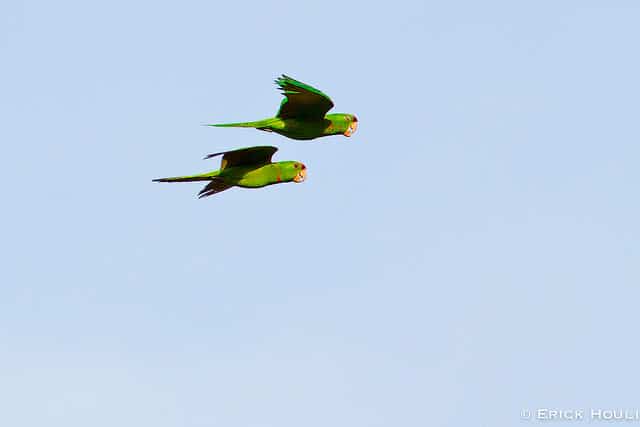
(5) – Chacaraco / Scarlet-fronted Parakeet (Aratinga wagleri) by Erick HouliFlickr

(6) – Illustration By Gray, George Robert; Hullmandel & Walton; Hullmandel, Charles Joseph; Mitchell, D. W. [CC BY 2.0 or Public domain], via Wikimedia Commons

Sounds: (Xeno-canto)