โ–ท The world of Pets: Dogs, cats, birds, reptiles, amphibians

Golden Parakeet
Guaruba guarouba


Golden Parakeet

Content

Description Golden Parakeet:


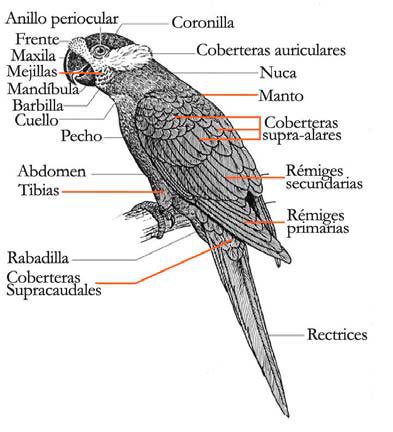
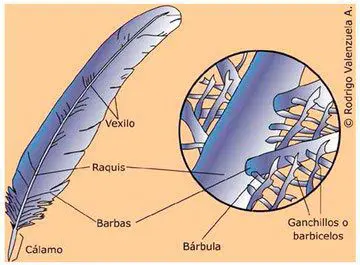
Anatomy-parrots

34 cm. of length and a weight of 270 g.

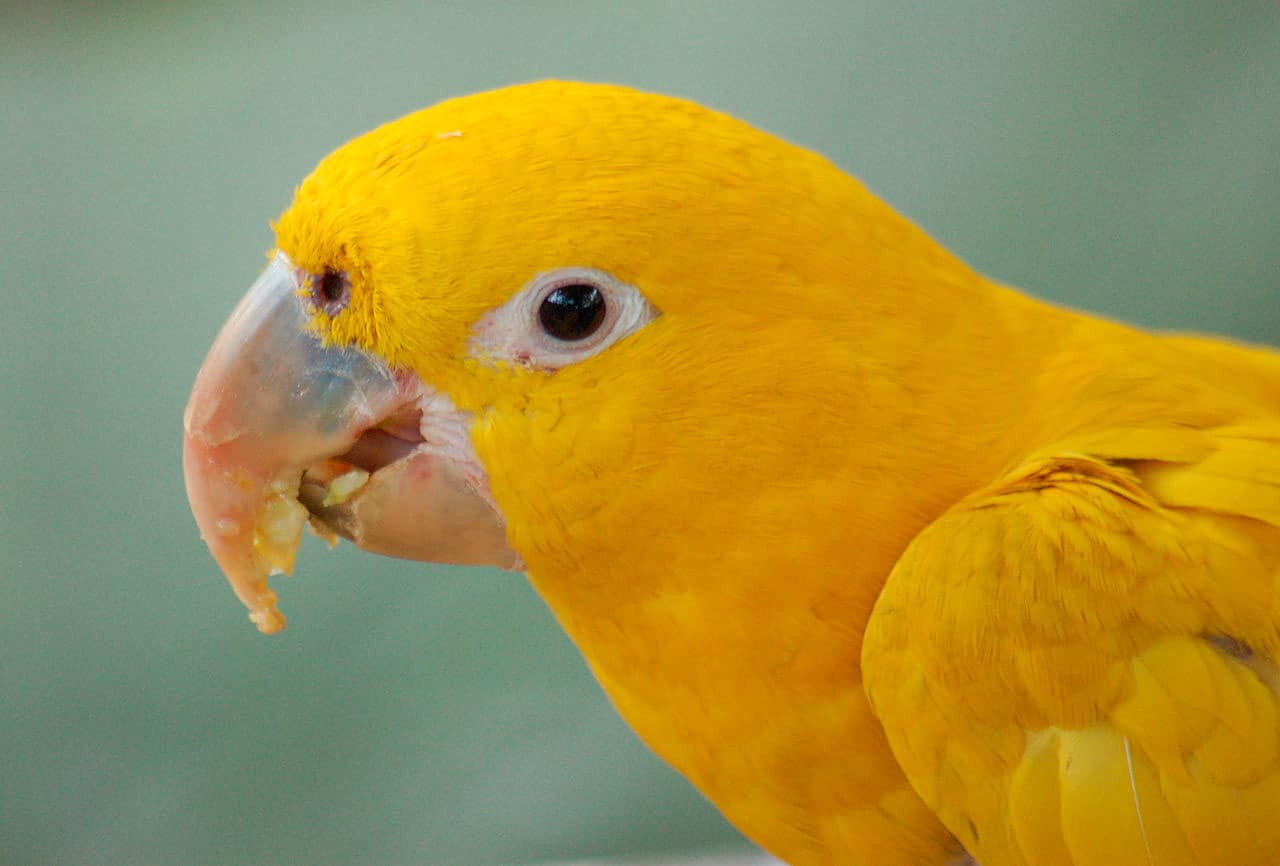
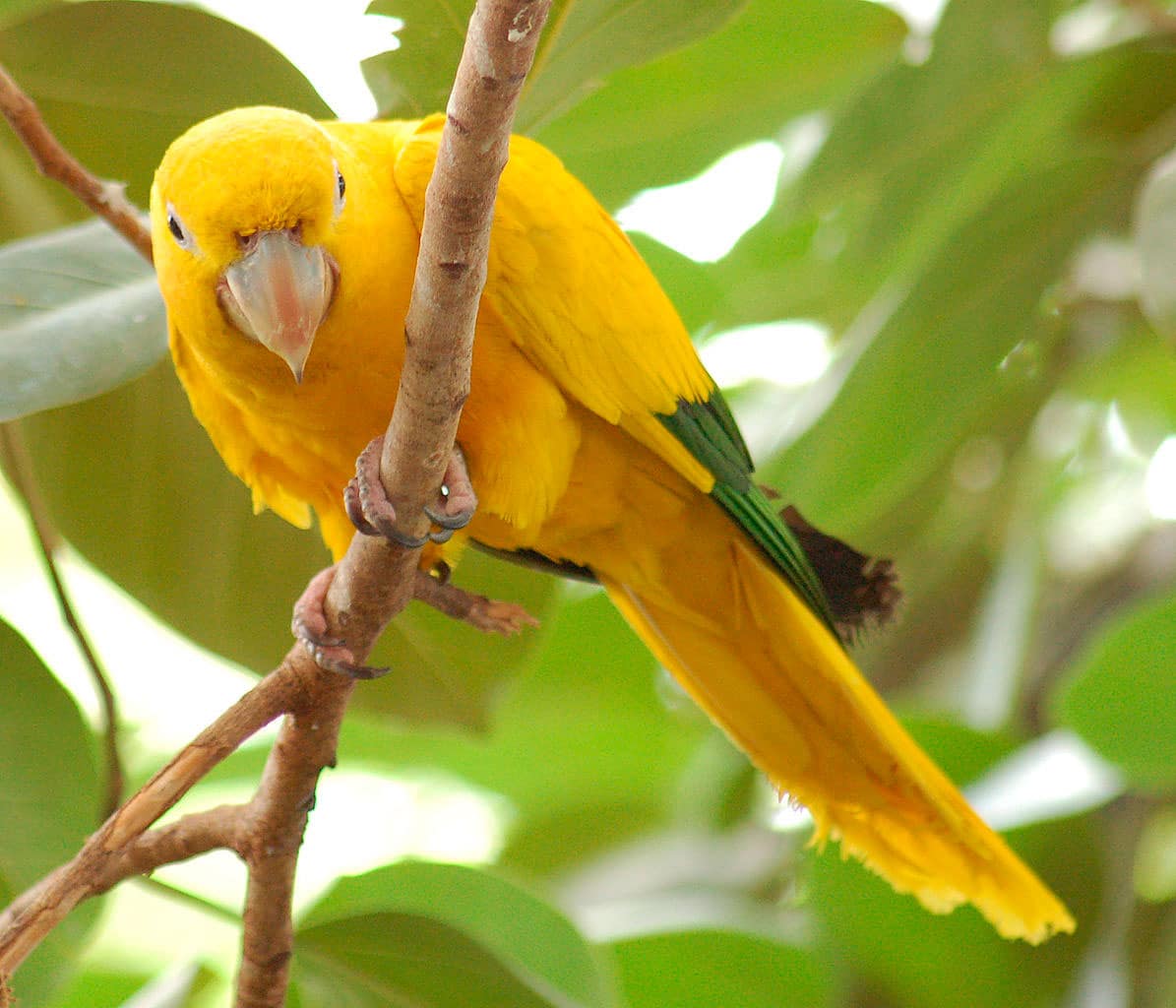
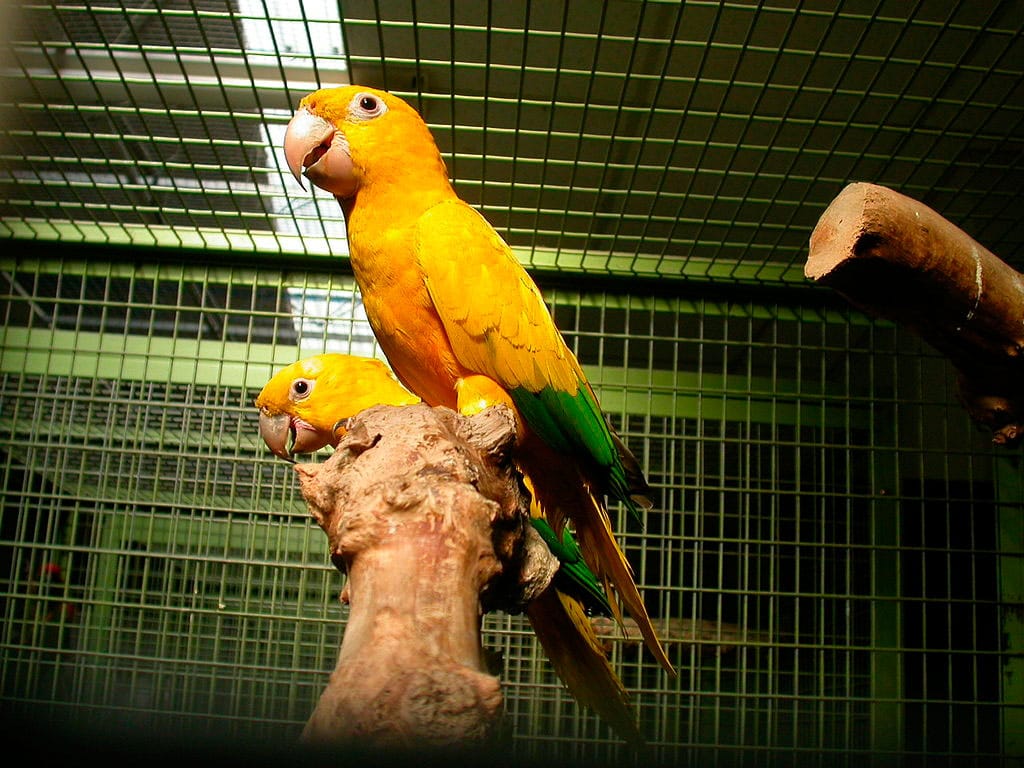
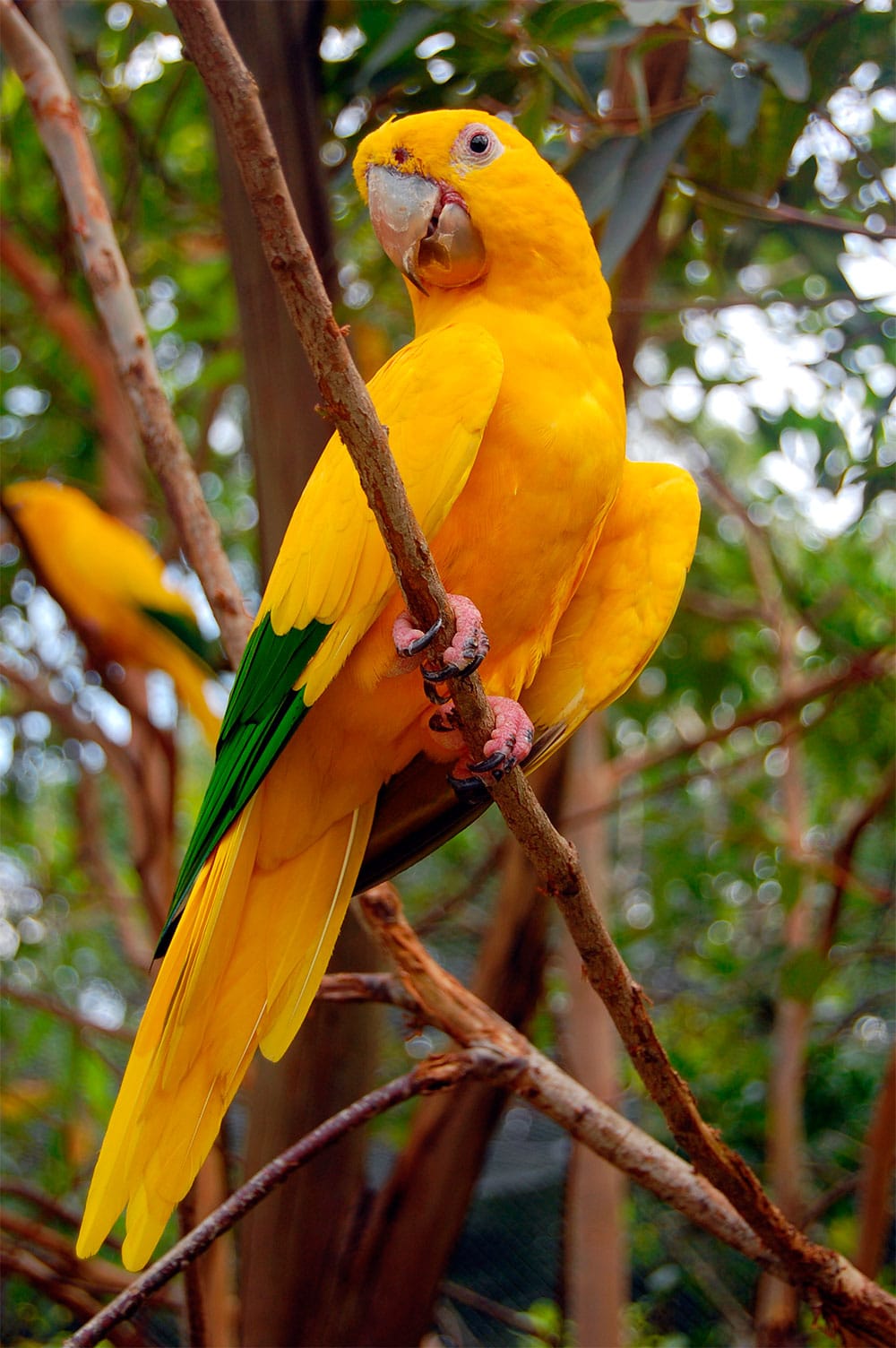
The Golden Parakeet (Guaruba guarouba) has all the head, upperparts, lower andtail , a bright yellow. The greater coverts, primaries and secondaries are dark green (one or two feathers yellow in some birds flying). Underwing-coverts yellow, the bottom of the flight feather dark yellow. Feather shafts of the tail are white.

The bill pale pink, more Brown on the basis of the upper jaw; bare periophthalmic naked whitish; Iris Orange to brownish Orange; legs Rosaceae.
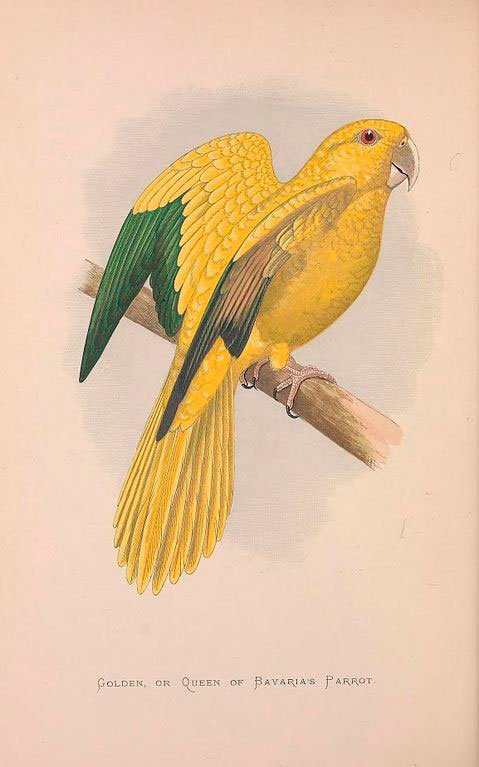
Illustration Aratinga Guaruba

Both sexes similar.

Immature colour olive brown opaque dark green streak. In the transition to adulthood, the head, top of the tail and back They are the last to acquire the bright yellow color of the adult plumage.

Habitat:

Video – "Golden Parakeet" (Guaruba guarouba)

yellow parakeet (Guaruba garouba) - Golden Parakeet - Aratinga guarouba

inhabits the humid tropical forests, avoiding the forests and marshes (seasonally flooded), Although in the immediate breeding period, You can wander through these habitats from the adjacent dry forests.
When is the breeding season, the Golden Parakeet they occupy the forests next to the clear.
Gregarious in all the seasons of the year. Observed in flocks of 3 to 30 birds, Although on a regular basis in groups between 6 and 10.
Forman communal roosts in tree cavities during the non-breeding season, using the holes in the area, alternately in successive nights. The usual and regular use of resting and feeding areas, is suspected to be due to the predictable daily routines. Sometimes seen feeding with other species of parrots.

Reproduction:

Nest at the top of the trunk or main branch of a hollow tree, a height between 15 and 30 m. Nesting tree is usually isolated, but near virgin forests. The old nest of other species It can be used by the Golden Parakeet, expanding its cavity as necessary.

The sexual behavior This species is unusual, and this is one of the most interesting aspects of their biology. With reproduce communally, with several females contributing to the work of the clutch, Although there are also reports of individual couples. Young people at different stages of development sometimes share a same nest.

On the other hand, at breeding sites during the reproductive period, the Golden Parakeet they react defensively to the presence of flocks of the same species, other species of parrots, especially the Scarlet Macaw (Ara macao), and before the approach of birds of prey.

The normal clutch female is of 2 to 4 eggs (perhaps up to six); 14 reported in a single nest chicks in captive, where the six adults helped in the breeding work. The breeding season, usually, takes place from December to April, and it corresponds to the rainy season

Food:

The Golden Parakeet, generally, feed in the forests of height, Although they will too of some cultivated plants; toreported foods (all the fruits or pseudo-fruits), They include the Palm trees of the genus Euterpe, that feels special canevale, Anacardium spruceanum, Anacardium occidentale, Protium and Tetragastris, Visnia quail, Inga, Byrsonima crassifobia, Carapa guianensis, Cecropia and Oenocarpus bacaba; as well flowers and buds (for example Symphonia), and crops as the corn and mango in some areas.

Golden Parakeet distribution:

endemic to the Amazonia, to the South of amazon in Brazil, from the west shore of the Tapajos River, to the East through the basins of the Xingu River and North of Tocantins to 5 ยฐ N, For, and up to the eastern shore of the Turiacu River in West Maranhรฃo.

Are not observed in the Marajรณ island and prevents the forests and marshes (for example, immediately to the South of the Amazonia).

Recent records in Rondร ยดnia and Mato Grosso, far from their known range, They suggest a little-known distribution. Apparently, they are distributed in large areas, but it is not known whether the movements are predictable or related with, for example, the seasonal availability of food.

Rare range-wide and no doubt in decline due to the very wide, fast and continuous deforestation and fragmentation of forests, both in the Amazonia occidental as in the Eastern.

The capture illegal for national and international live bird markets and the hunting for food and sport they pose a serious additional pressures. Protected areas in the range are insufficient and are being violated regularly, for example, with the illegal logging of Mahogany Swietenia macrophylla.

Listed in Appendix 1. In danger of extinction.

Conservation:

โ€ข Red List category of the UICN current: Vulnerable

โ€ข Population trend: Decreasing

The threat most obvious for the survival of the Golden Parakeet is deforestation? The construction of the tucuruรญ dam, which was completed in 1984, displaced 35.000 settlers from their House to adjoining territories and brought rapid deforestation. Prior to the dam construcicรณn, Wildlife in the lower basin of Tocantins It was considered among the richest and most diverse in the world. It is estimated that you a 117 species of mammals and 294 species of birds were displaced. So what 120 species of amphibians and reptiles were affected.

The population of the Golden Parakeet was initially in a range between 1,000-2,499 individuals, based on an assessment of the known records, descriptions of the abundance and range size. But, recent information suggests that the population may be greater. The species has been recorded in several additional places. (Laranjeiras and Cohn-Haft 2009), and a recent survey along of the Tapajos River by Laranjeiras (2011) indicated that it was as common in the study area as other Psittacidae, not threatened.
On the basis of this information, the population is placed on the band's 10,000-19,999 individuals, that means include c.6,600-13,400 mature individuals.

According to records of International Species Information System There is a population of 213 scattered individuals in different zoos.

Conservation Actions Underway:

– CITES Appendix I and II, managed under the Association of Zoos and Aquariums Parrot Taxon Advisory Group and protected by the Brazilian legislation (being proposal as the national bird of Brazil).

– A campaign attacking trade of birds in Bolivia It can help to reduce international trade (AB Hennessey in litt., 2009).

– A population is relatively well protected in the Tapajos National Park, and a remnant population can survive in the Gurupi biological reserve.

– Floresta Nacional do Jamari It is poorly protected and suffer the constant pressure of illegal occupants, loggers and poachers (F. Olmos in litt., 1999).

– The conservation of this species in the reserves is problematic because of its apparent nomadism.

Conservation Actions Proposed:

– Conduct studies to find the populations so far unknown, especially in the South and West of its range.

– The de facto protection the Gurupi biological reserve.

– Maintain the integrity of the Tapajos National Park.

– Protect and manage the land between the existing protected areas to facilitate the movements of nomadic.

– To enforce the legal restrictions on trade, especially in domestic markets.

– Further develop the program captive breeding.

"Golden Parakeet" in captivity:

Date back to the first reproductive outcomes of this kind of 1939 in Sri Lanka.

The Golden Parakeet It is probably the most coveted among all the parrots, being the prices demanded by her extremely high. It is very rare and endangered in its natural habitat, and are therefore protected from import.

Birds reserved for breeding are happier in the presence of members of their species. This is due to the nature of the Golden Parakeet, sociable and cheerful, with an intense need for interaction with their peers.

With regard to its longevity, according to sources, a specimen lived 23,2 years in captivity. It has been reported that these animals can live up to the 60,9 years in captivity, but this has not been verified; the same study reported that these animals can reproduced from the 3 years age in captivity.

Alternative names:

– Golden Parakeet, Golden Conure, Queen of Bavaria’s Conure (English).
– Conure dorรฉe, Conure ou, Garouba jaune, Perriche dorรฉe, Perruche dorรฉe, Perruche guarouba (French).
– Goldsittich (German).
– Arara-juba, ajurujuba, arajuba, Ararajuba, guarajuba, guaruba, guira-juba, marajuba, papagaio-imperial, tanajuba (Portuguese).
– Aratinga Guaruba, Guacamayo Guarouba, Periquito Amarillo (espaรฑol).

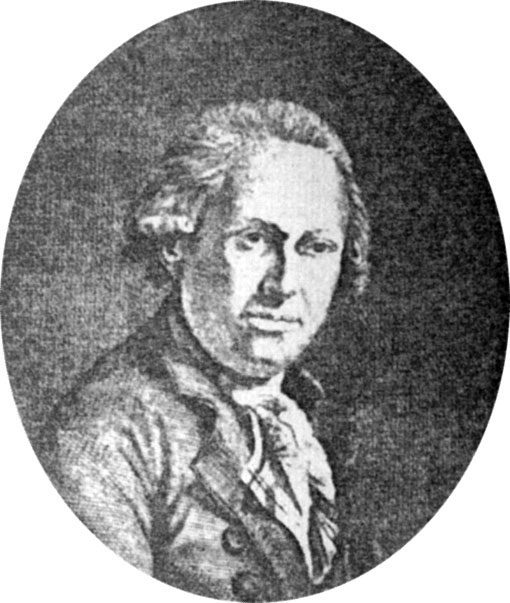
Gmelin Johann Friedrich

scientific classification:

– Order: Psittaciformes
– Family: Psittacidae
– Genus: Guaruba
– Scientific name: Guaruba guarouba
– Citation: (Gmelin, JF, 1788)
– Protonimo: Psittacus Guarouba

Golden Parakeet images:

Sources:

(1) – Avibase
(2) – Parrots of the World โ€“ Forshaw Joseph M
(3) – Parrots A Guide to the Parrots of the World – Tony Juniper & Mike Parr
(4) – Birdlife
(5) – WAZA

  • Photos:

(1) – Golden Parakeet (also known or Golden Conure) at Gramado Zoo, in south Brazil By Ironman br (Own work) [CC BY-SA 3.0], via Wikimedia Commons
(2) – Golden Parakeet or the Queen of Bavaria Conure in Burgers Zoo, Arnhem By frank wouters (originally posted to Flickr as goudparkiet) [CC BY 2.0], via Wikimedia Commons
(3) – Two Golden Parakeets at Gramado Zoo, Rio Grande do Sul, Brazil By diegodobelo (Zoo de GramadoUploaded by Snowmanradio) [CC BY-SA 2.0], via Wikimedia Commons
(4) – Golden Parakeet or the Queen of Bavaria Conure). Two captive By TJ Lin (originally posted to Flickr as Golden Conure) [CC BY-SA 2.0], via Wikimedia Commons
(5) – Photo taken at the National Aviary By Photo by and (C)2007 Derek Ramsey (Ram-Man) (Self-photographed) [GFDL 1.2 or CC BY-SA 2.5], via Wikimedia Commons
(6) – Photo taken at the National Aviary By Photo by and (C)2007 Derek Ramsey (Ram-Man) (Self-photographed) [GFDL 1.2 or CC BY-SA 2.5], via Wikimedia Commons
(7) – Golden Conure at the Parque das Aves, Foz do Iguaรงu, Brazil By Bruno Girin from London, United Kingdom (06680018Uploaded by Snowmanradio) [CC BY-SA 2.0], via Wikimedia Commons
(8) – Photo taken at the National Aviary By Photo by and (C)2007 Derek Ramsey (Ram-Man) (Self-photographed) [GFDL 1.2 or CC BY-SA 2.5], via Wikimedia Commons
(9) – Golden Conure by Jean – Flickr
(10) – Illustration Guaruba guarouba By Dutton, F. G.; Fawcett, Benjamin; Greene, W. T.; Lydon, A. F.; Lydon, A. F. [CC BY 2.0 or Public domain], via Wikimedia Commons

โ–ท The world of Pets: Dogs, cats, birds, reptiles, amphibians

Red-masked Parakeet
Psittacara erythrogenys

Aratinga de Guayaquil

Content


Anatomy-parrots

Description Aratinga of Guayaquil:

33 cm.. length between 165 and 200 g.. weight.

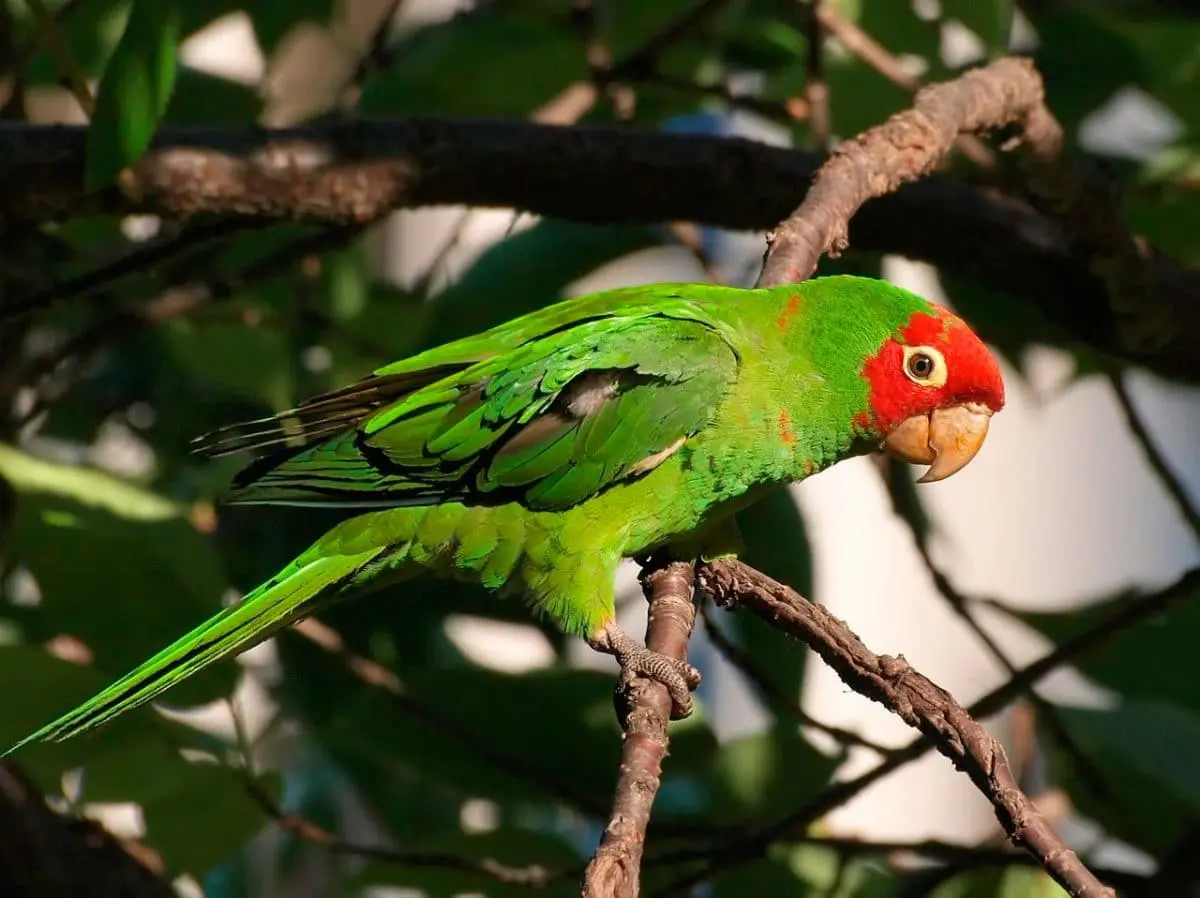
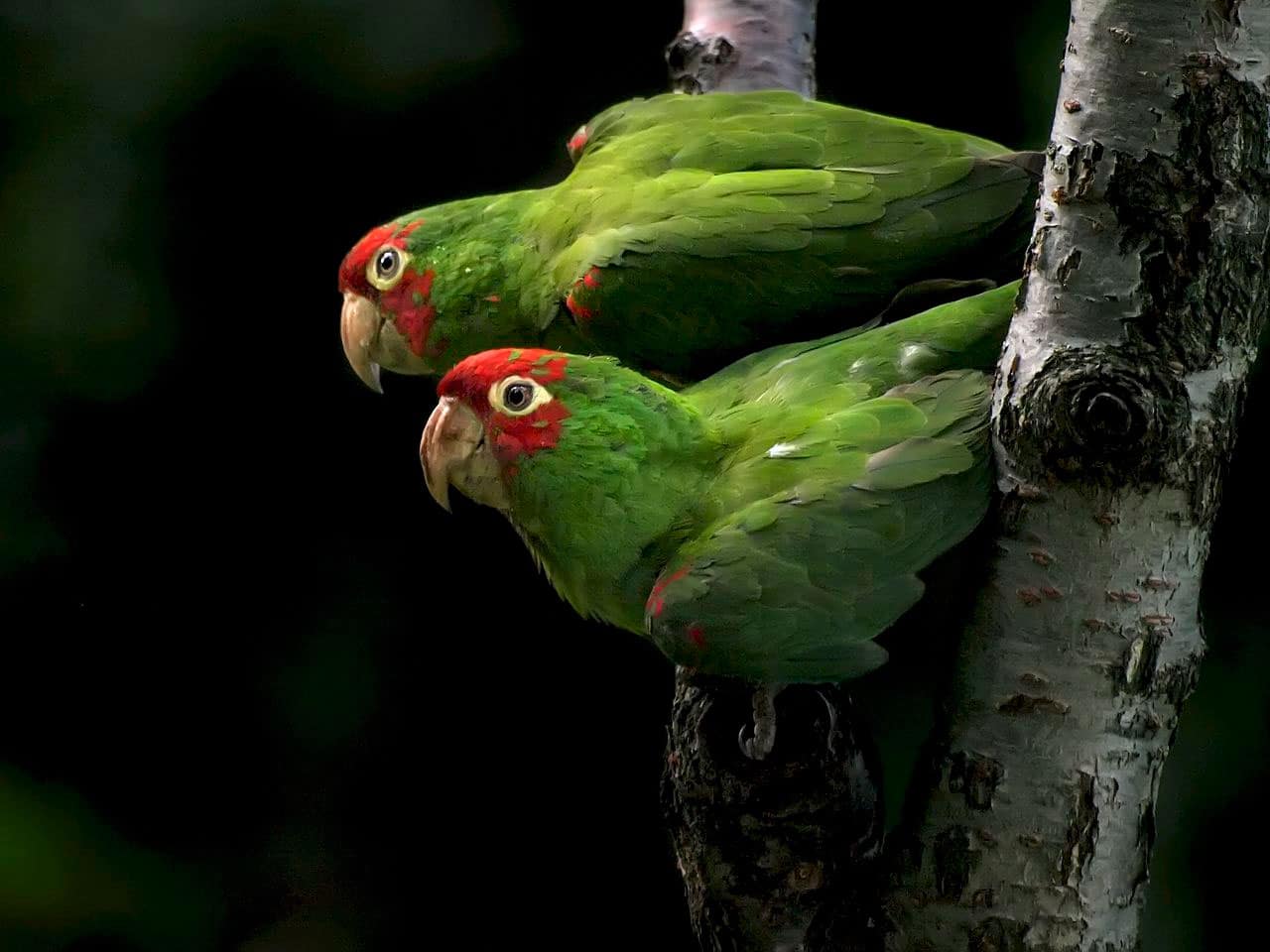
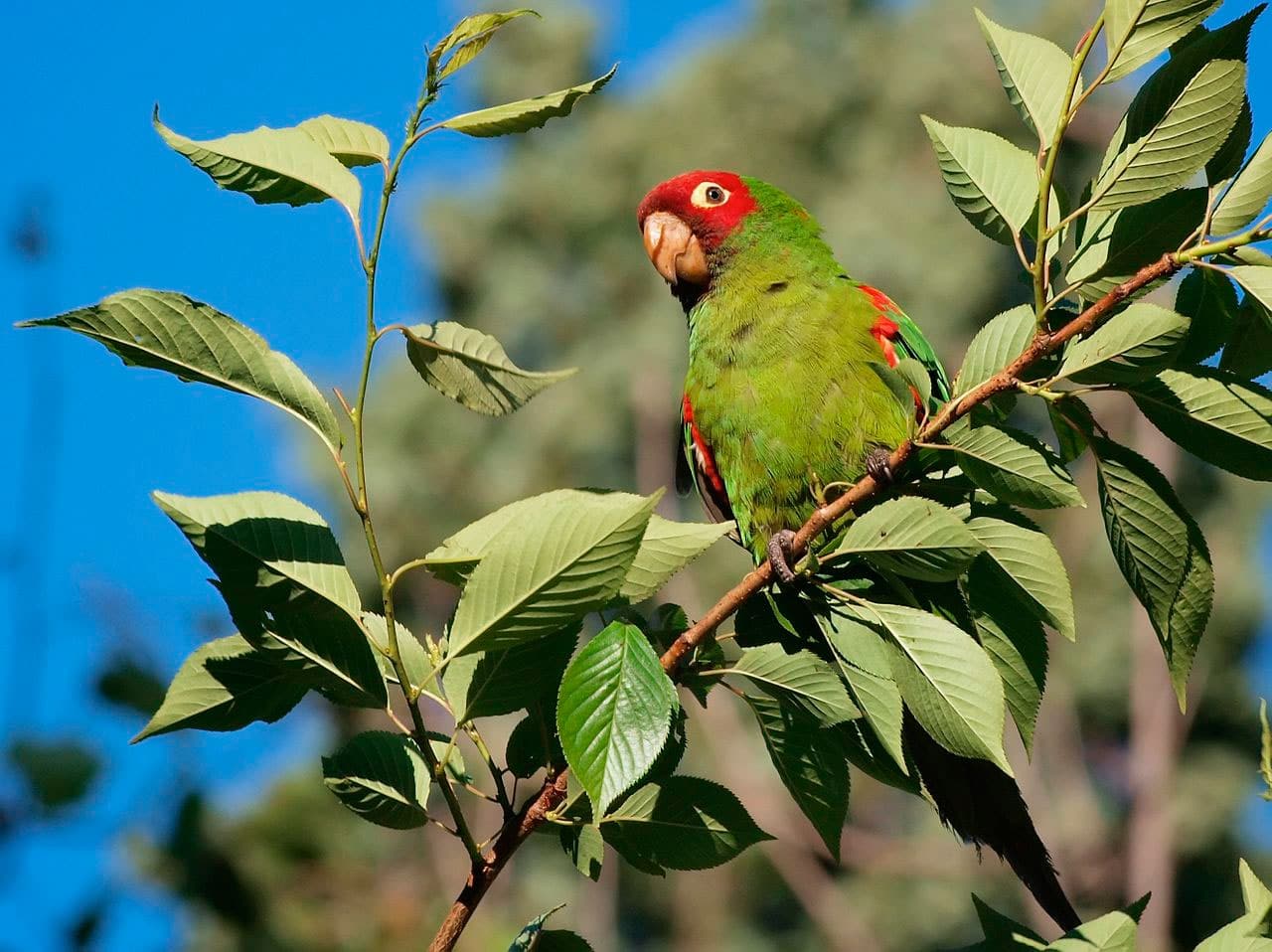
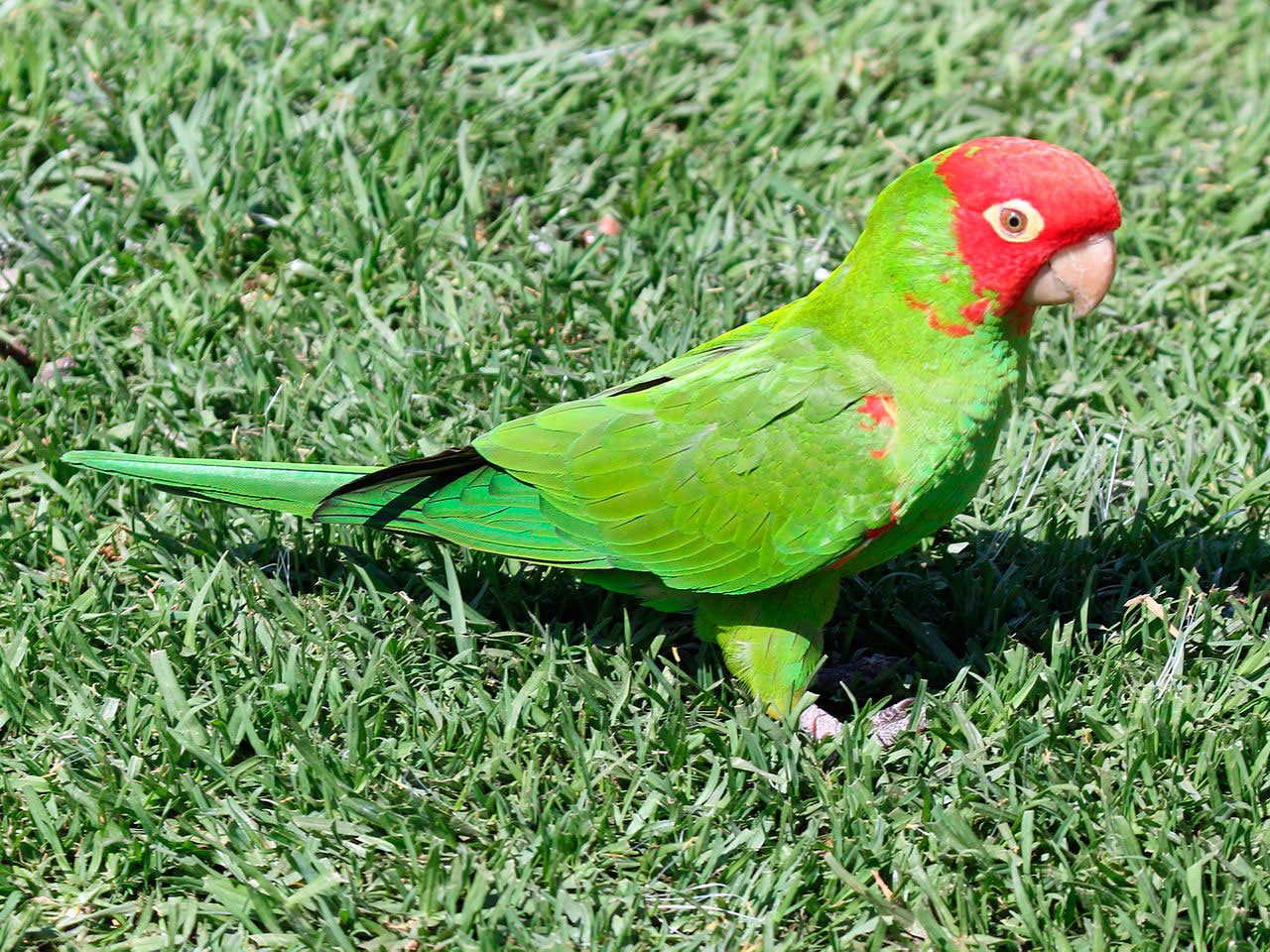
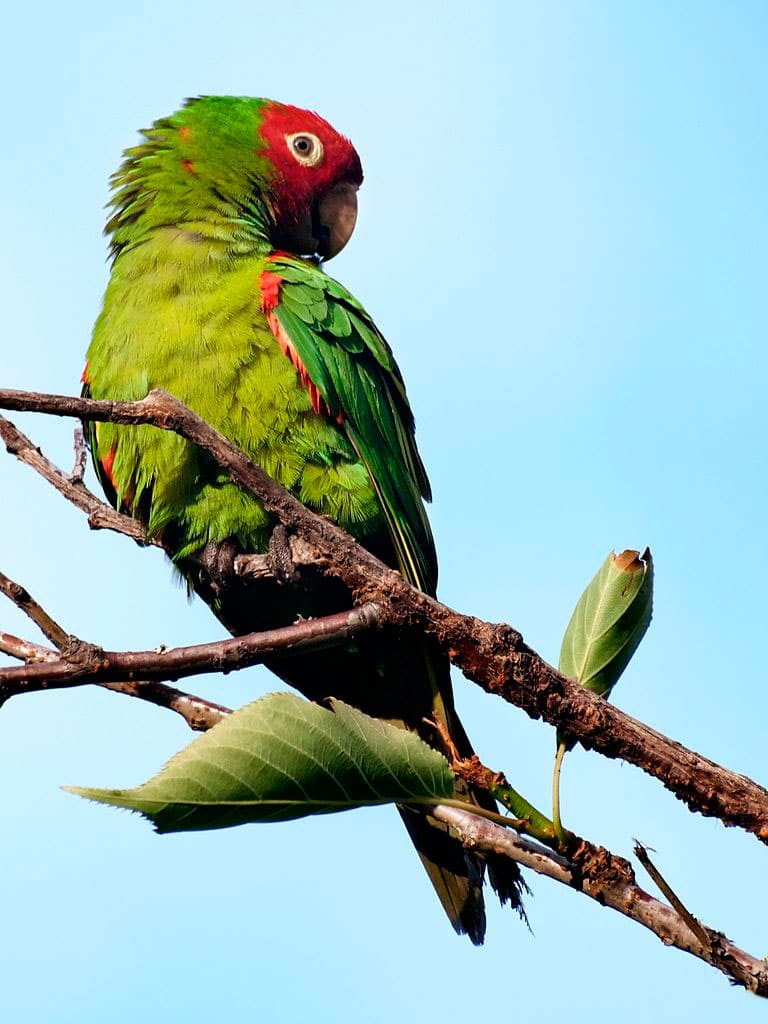
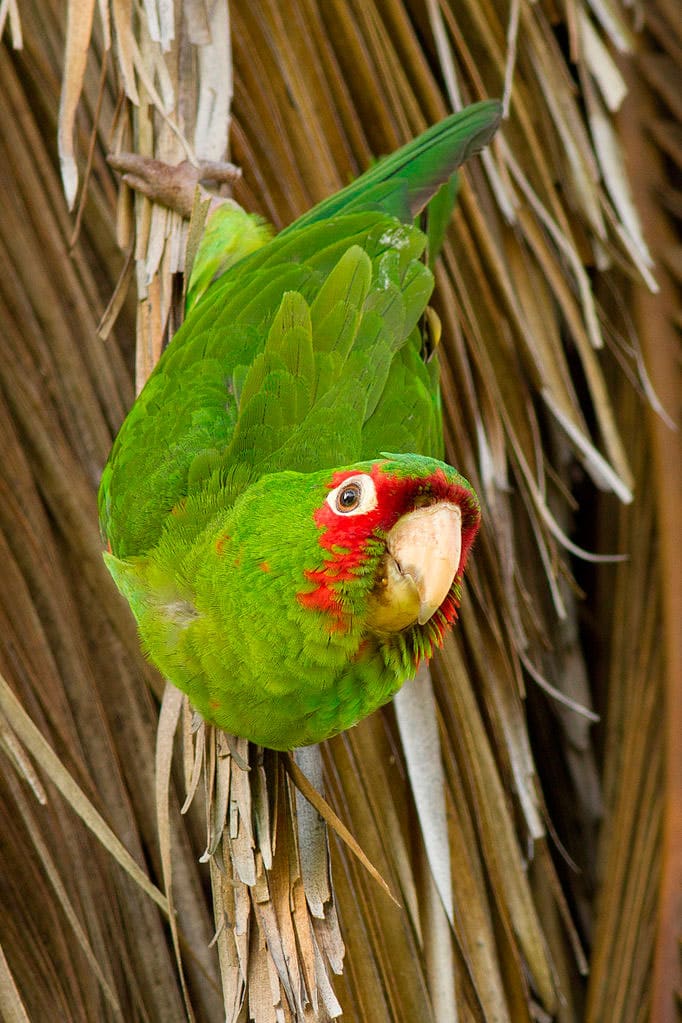
The Red-masked Parakeet (Psittacara erythrogenys) It is very similar to birds Scarlet-fronted Parakeet and to the Mitred Parakeet, but smaller and with more red area in the face, extending continuously up to the throat and nape.

Has the forecrown, crown, lores, the cheeks and the area around the eyes, bright red, generally forming a complete red mask to join to the chin (Sometimes the mask extends up to the throat). Since the nape up to the uppertail-coverts dark green, sometimes with scattered red feathers. The upperwing-coverts children with some feathers of red and the bend of wing red; remaining upperwing-coverts dark green, with dye Emerald to them vane outer the primary. The flight feather Brown Gold below; underwing-coverts minors, bright red, the greater coverts yellowish brown. The underparts brighter yellowish green, sometimes with mottled red and almost always with the the thighs red. Upper, the tail dark green; by below grayish brown.

The bill color pale horn; bare periophthalmic off-white; irises yellow; legs distant.

Both sexes similar.

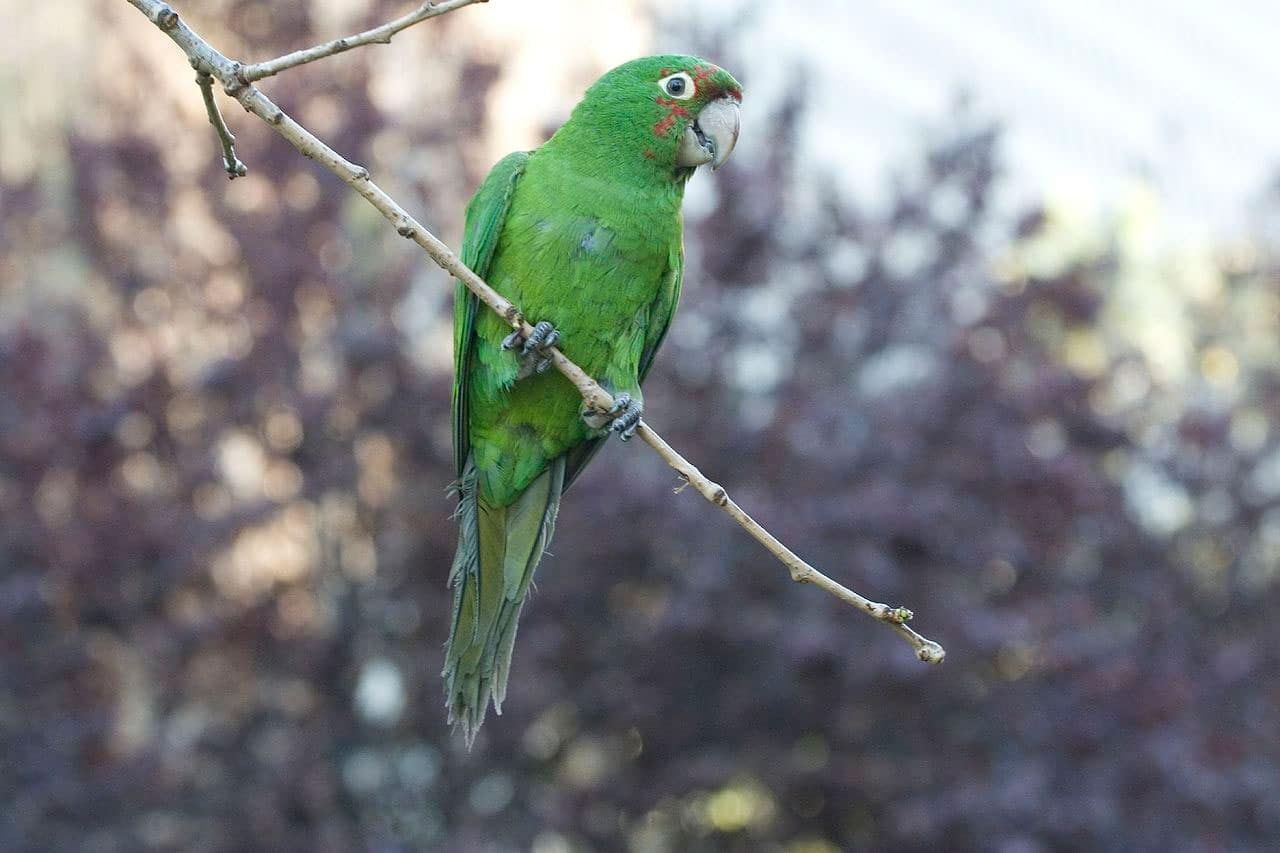
The immature with the head and the thighs green.

Habitat Red-masked Parakeet:

Video – "Red-masked Parakeet" (Psittacara erythrogenys)

Telegraph Hill Parrots January 30, 2008 (HD)

The Red-masked Parakeet It occupies a wide range of vegetation types, from arid zones to rainforests, Since the sea level to altitudes 2.500 m, Although its usual habitat is below of the 1.000 m, in humid forests, deciduous forests, areas of dry thorny scrub and arid with cactus; They also live in degraded forest, areas cultivated with scattered trees, and around the urban areas. They tend to prefer arid and semi-arid habitats, not avoiding moist forest habitats.

Outside the breeding season, is a bird gregarious; in general, observed in pairs or in groups of up to 12 individuals, forming groups of up to 200 birds in the places where their communal roosts are. Formerly registered flocks of thousands of birds in Guayaquil, Ecuador.

Often associated in mixed flocks with the Grey-cheeked Parakeet (Brotogeris pyrrhoptera) and also observed in mixed flocks with the Bronze winged Parrot (Pionus chalcopterus).

Reproduction Red-masked Parakeet:

Nests in holes of mature trees, for example of Ceiba trichistandra or Cochlospermun vitifolium, There are also records of nests in termite mounds, with a report in a nest on a cliff. The breeding season in the southwest of Ecuador recorded during the rainy season (January-March). The laying, between 2 and 4 eggs. The female the incubated eggs during 23 to 24 days. The pups they are born very little developed, blind and naked. They are fed with food previously digested by their mothers.

Food Aratinga of Guayaquil:

Few details exist about food preferences of the Red-masked Parakeet, Although seasonal movements from the more arid areas are probably related to food supply.

Reported foods include fruits of Hieronyma, Anacardiaceae, Oleaceae and Boraginaceae, as well as flowers of Erythrina.

Distribution:

Size of the area of distribution (reproduction / resident): 151.000 km2

The Red-masked Parakeet is distributed to the West of Ecuador and the Northwest corner of Peru.

In Ecuador, the species has been recorded from Manabi near south of the equator, through Pichincha, The rivers, Guayas, Azuay, Gold and Loja, until Tumbes, Piura, Lambayeque and Cajamarca, in the North of Peru and the region of Chachapoyas, amazon (6ยฐ 10โ€™S).

In Ecuador, the distribution of the Red-masked Parakeet is limited to the lowlands of the peaceful, Western slope of the Andes and valleys, Although it is apparently absent from the eastern slope; similar pattern in the Peru most Eastern records in the basin of the amazon (Valley of the Utcubamba River) to 77ยฐ 54โ€™W.

The seasonal movements to and from the more arid areas, otherwise, residents.

Usually considered to be common (described as the most common parrot in various locations in the province of Gold, Ecuador), but numbers fluctuate widely in some locations due to irregular seasonal movements. In some areas there has been a very drastic decrease of copies, reflecting the combined effects of the loss of habitat and your capture for the trade in live birds, for example, in Guayas, Ecuador.

There are at least eight protected areas, of which seven are in Ecuador.

There are leaks in Spain; so also in EE. UU., with breeding populations in the California cities of San Diego, Los Angeles, San Gabriel, Sunnyvale and San Francisco, You can see them eating fruits of cultivated tropical plants, and nesting in Palm trees.

Maintained in captivity at the local level (where is the most common Parrot kept in captivity) and commercialized in large quantities at the international level, especially since Peru.

Conservation:

State of conservation โ“˜


Near-threatened Near Threatened โ“˜ (UICN)โ“˜

โ€ข Red List category of the UICN current: Near-threatened

โ€ข Population trend: Decreasing

The size of the population This species has not been estimated officially, but, in the absence of sufficient data, It is suspected that it may be in around the 10.000 specimens, more or less equivalent to 6.700 mature individuals.

The population of the species is suspected that it may be subjected to a moderately rapid decrease, due to its capture for him pet trade together with the loss of habitat and fragmentation. Further research is required.

Conservation Actions Underway:

  • Appendix II of CITES.

Conservation Actions Proposed:

  • Carry out surveys to get an estimate of the population.
  • The current threat of trade research.
  • Enforcing trade restrictions.
  • Census of population and monitoring.
  • Monitor the rates of loss and fragmentation of habitat.
  • Study its ability to persist in altered and fragmented habitats.

The Red-masked Parakeet in captivity:

Shy and distrustful. Little common in captivity outside its area of distribution.

They may live until 25 years, Although the average tends to be between 10 and 15 years.

Their diet: fruit as, Apple, pear, orange, bananas, grenades, Kiwi, papaya, cactus fruits, they form a 30 percent of the diet. Vegetables, such as: Carrot, celery, green beans and peas in the pod, sweet corn on the cob, green leavess, such as: chard, lettuce , Kale, healer, Dandelion, Aviary grass, spray millet, mixture of small seeds, such as: Millet and small amounts of oats, buckwheat, safflower and hemp.

This species is found threatened from the wild bird trade local in Peru and Ecuador, where are rates of mortality due to mismanagement and stress high.

Never buy these birds in the illegal trade, Since these tend to come from its natural environment and it must be remembered that the Red-masked Parakeet is one endangered species.

Alternative names:

– Red-masked Parakeet, Red Masked Conure, Red masked Parakeet, Red-headed Conure, Red-headed Parakeet, Red-masked Conure (English).
– Conure ร  tรชte rouge, Conure ร  tรชte cerise, Conure ร  tรชte รฉcarlate, Perriche ร  tรชte rouge, Perruche ร  tรชte rouge (French).
– Guayaquilsittich (German).
– Periquito-de-cabeรงa-vermelha (Portuguese).
– Aratinga de Guayaquil, Loro de cara roja, Periquito de Cabeza Roja, Perico Cara Roja (espaรฑol).
– Loro de cara roja (Chile).
– Cotorra de Cabeza Roja (Peru).
– Perico caretirrojo (Ecuador).


scientific classification:

Renรฉ Primevรจre Lesson

– Order: Psittaciformes
– Family: Psittacidae
– Genus: Psittacara
– Scientific name: Psittacara erythrogenys
– Citation: (Lesson, 1844)
– Protonimo: Psittacara (psittacus) Erythrogenys

Red-masked Parakeet pictures:


Species of the genus Psittacara

Sources:

– Avibase
– Parrots of the World โ€“ Forshaw Joseph M
– Parrots A Guide to the Parrots of the World – Tony Juniper & Mike Parr
– Birdlife
– Feather wind

– Photos:

(1) – A feral Red-masked Parakeet (also known as the Red-masked Conure and Cherry-headed Conure) in San Francisco, USA By Ingrid Taylar [CC BY 2.0], via Wikimedia Commons
(2) – Red-masked parakeet, Aratinga erythrogenys. Two birds in a tree in San Francisco, California By Jef Poskanzer (Flickr) [CC BY 2.0], via Wikimedia Commons
(3) – Red-masked Parakeet (Psittacara erythrogenys) at the Presidio, San Francisco, California By Frank Schulenburg (Own work) [CC BY-SA 4.0], via Wikimedia Commons
(4) – Red-masked parakeet (Aratinga erythrogenys). A juvenile parrot which is mostly green and just starting to get some red feathers on its head By Eliya Selhub (Flickr) [CC BY 2.0], via Wikimedia Commons
(5) – Red-masked Parakeet preening on a branch in San Francisco, USA By Ingrid Taylar from San Francisco Bay Area – California, USA [CC BY 2.0], via Wikimedia Commons
(6) – Red-masked Conure at Birds of Eden, South Africa By Dick Daniels (http://carolinabirds.org /) (Own work) [CC BY-SA 3.0 or GFDL], via Wikimedia Commons
(7) – A feral Red-masked Parakeet (also known as the Red-masked Conure and Cherry-headed Conure) in San Francisco, USA By Ingrid Taylar [CC BY 2.0], via Wikimedia Commons
(8) – Two feral Red-masked Parakeets in San Francisco, USA By Ingrid Taylar from San Francisco Bay Area – California, USA (Wild in SFUploaded by Snowmanradio) [CC BY 2.0], via Wikimedia Commons
(9) – Several Red-masked Parakeets eating a discarded apple in San Francisco, USA By Ingrid Taylar from San Francisco Bay Area – California, USA (A Big Find for ParrotsUploaded by Snowmanradio) [CC BY 2.0], via Wikimedia Commons

– Sounds: (Xeno-canto)
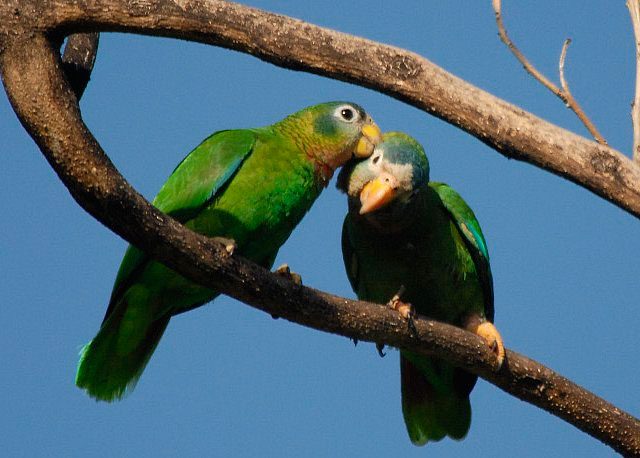
โ–ท The world of Pets: Dogs, cats, birds, reptiles, amphibians

Indigo-winged Parrot
Hapalopsittaca fuertesi


Indigo-winged Parrot

Content

Description:

23-24 cm.. height.

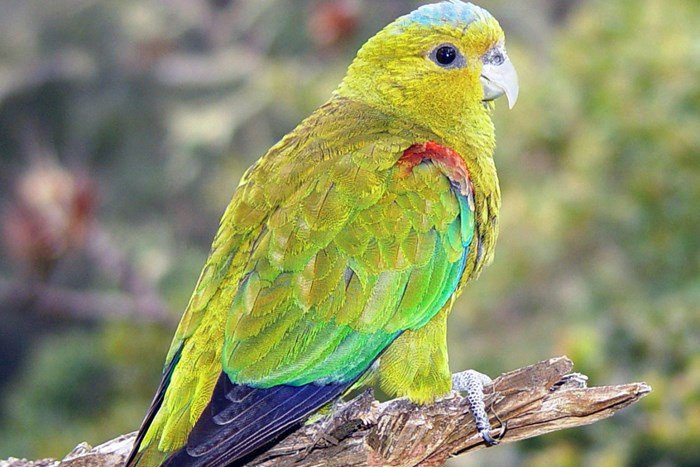
In 2002 It was the rediscovery of the the Indigo-winged Parrot (Hapalopsittaca fuertesi), an enigmatic parrot that had been lost to the world for more than 90 years and continues being one of the birds more rare of the Earth. It has a plumage mainly yellowish-green and is highlighted by the blue of the crown and olive yellow tone of the forecrown (except a strip), cheeks and sides of the eyes, narrow strip in the forecrown, under abdomen and shoulders red. End of the wing blue violet dark, tail Blue with red base.

The bill Horn colored with blue color, Grey at the base of the upper jaw. Iris Green-yellow.

The immature It has less yellow streaks and more off face.

Habitat:

Is a kind of range restricted, very rare and difficult to observe. It inhabits high Andean forests and frequent cloud subparamos, between 2600 and 3800 m on the level of the sea, being the majority of the records between 2.900 and 3.150 m. With guavas, encenillo and laurels where he eats fruits of thematapaloโ€, and with Oak (Quercus humboldtii).

Observed in fairly open forests, and possibly disturbed, with small Palm trees and tree ferns.

Fly in flocks of 6 to 25 individuals.

Reproduction:

It believes that the nests they make them in cavities of tall, mature trees.

The nesting period takes place from January to may. The average size clutch is three eggs. The incubation is performed only by the female, Although the attention back to the hatching is biparental (Dรญaz 2006).

Food:

The ecology of breeding and feeding of the Indigo-winged Parrot is practically unknown, but it has been observed the birds feeding of berries, and is likely to show a preference for the berries of mistletoe.

Distribution:

Size distribution (reproduction / resident): 100 km2

Restricted to a small strip on the western slope of the Andes Central of Colombia, near the border of the Quindio, Risaralda and Tolima.

Conservation:


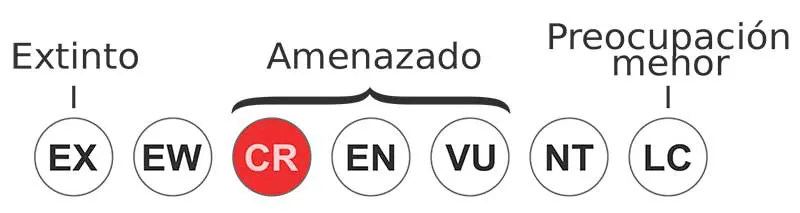
critical hazard


โ€ข Current category of the Red List of the UICN: critically endangered.

โ€ข Population trend: Decreasing.

According to the categories of UICN is considered in Critical Hazard (CR), due to the accelerated process of deforestation in the Andean forests.

Since ago 90 years it was thought that the bird was extinct until it was rediscovered in 2002, When a few biologists of the ProAves Foundation in the montane forest of the municipality of Genoa, department of Quindรญo, where the group more large observed consisted of 25 birds and the total population was of approximately 60 individuals.

Currently there are some 300 mature free individuals.
Thanks to the efforts made by different project is have retrieved data of them fluctuations in the abundances of them individuals during the year associated to its reproduction. Is very likely that the offer of the artificial nests This already having a positive impact that the length of the project It has observed an increase in the size population.

"Indigo-winged Parrot" in captivity:

They do not exist in captivity.

Alternative names:

– Indigo-winged Parrot, Fuerte’s Parrot, Fuertes’s Parrot, Indigo winged Parrot (English).
– Caรฏque de Fuertes, Caรฏque de Colombie (French).
– Fuertespapagei, Chapmans Zwergamazone, Zwergamazone (German).
– Indigo-winged Parrot (Portuguese).
– Cotorra Aliazul, Lorito de Fuertes (espaรฑol).
– Cotorra Aliazul, Loro coroniazul (Colombia).


scientific classification:

Frank Chapman
Frank Chapman

– Order: Psittaciformes
– Family: Psittacidae
– Genus: Hapalopsittaca
– Scientific name: Hapalopsittaca fuertesi
– Citation: (Chapman, 1912)
– Protonimo: Pionopsitta fuertesi


Images "Indigo-winged Parrot"

Video of the "Indigo-winged Parrot"

————————————————————————————————

ยซLorito de Fuertesยป (Hapalopsittaca fuertesi)


Sources:

– Avibase
– Parrots of the World โ€“ Forshaw Joseph M
– Parrots A Guide to the Parrots of the World – Tony Juniper & Mike Parr
– Birdlife
– proaves.org
– Parrot Book, Parrots and macaws Neotropical

– Photos:

(1) – Conservationbirding.org

– Sounds: controles-canto.org

โ–ท The world of Pets: Dogs, cats, birds, reptiles, amphibians

Brown-necked Parrot
Poicephalus fuscicollis

Brown-necked Parrot

Content

Description:

32 cm.. length and weight between 310-400 g..

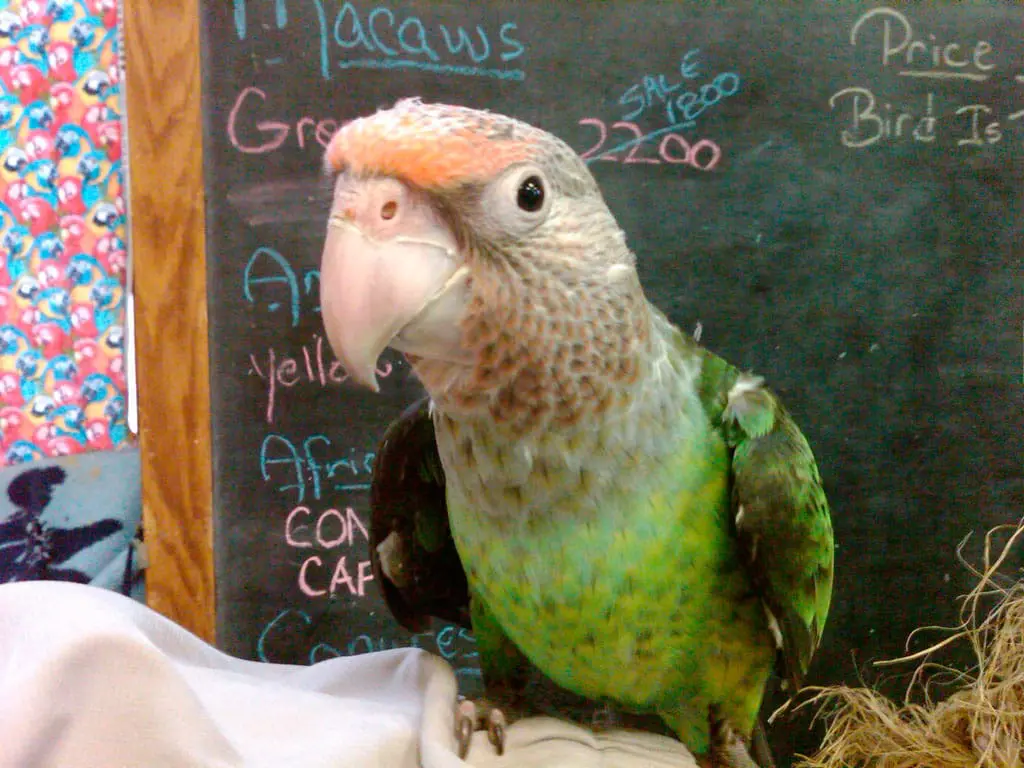
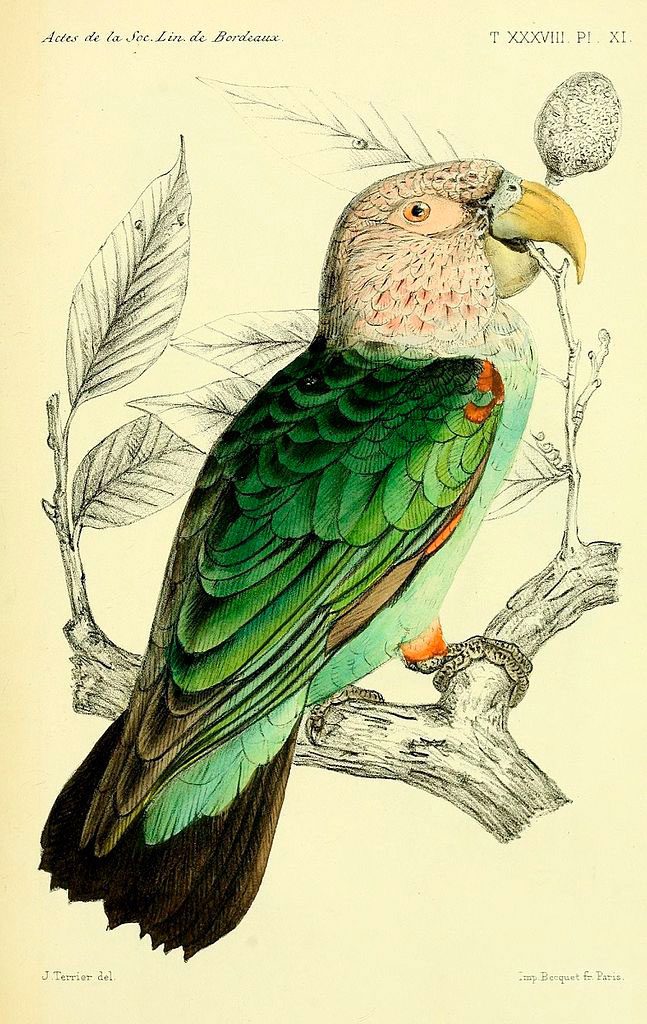
The Brown-necked Parrot (Poicephalus fuscicollis) has a plumage variable; head and gray to brown "neck" / light pink, slightly festooned with orange / brown; band orange / red through crown on female (absent in the males); back and wings, dark green; rump and underparts, green; the thighs, bend of wing and the carpal edge, red / orange; tail black / brown; irises dark brown; eye ring white / grey; bill color horn.

Immature with the head and the neck, green to yellow / brown; body dark green / oliva.

Taxonomic status:

In a study initiated in 1992, the taxonomic status of Lorito was revised Robusto (Poicephalus robustus) (Gmelin), and two species were proposed; Poicephalus robustus, restricted to montane forests of southern Africa, Poicephalus fuscicollis suahelicus, with wider distribution in wooded areas, and Poicephalus fuscicollis fuscicollis, similar to the Poicephalus fuscicollis suahelicus ostensibly, but with discontinuous, restricted to a narrow range of forests and West Africa.

Description 2 subspecies:

  • Poicephalus fuscicollis fuscicollis

    (Their Robust de Kuhl) (Kuhl, 1820) – Nominal.


  • Poicephalus fuscicollis suahelicus
  • Poicephalus fuscicollis suahelicus

    (Gray-headed parrot) (Reichenow, 1898) – With a plumage variable; head and neck silver / grey, festoneado slightly orange / brown; band orange / red through crown on female (absent in the males); back and wings, dark green; rump and lower partess, green / blue ; the thighs, bend of wing and the carpal edge, orange / red; tail black / brown; irises dark brown; eye ring white / grey; bill color horn.

Habitat:

Usually, prefers habitats of forests, as Mopane (Colosphermum mopane), miombo (Brachystegia) and riparian forests.

Most populations are residents but in the dry season become nomads, wandering in search of food.

Reproduction:

Nest in natural cavities of trees, usually on the trunk or at the bottom of a branch. The laying is of 2-4 eggs, they are incubated only by the female during 28-30 days. The male contributes to providing food for the female and chicks. Them They learn to fly when they have a 68-83 days old, only become fully independent 4-5 months later.

Food:

It feeds almost exclusively on fruit, mainly foraging in the upper canopy, using its beak to climb branches. The following foods have been recorded in your diet:

โ€ข Sclerocarya birrea (Marula)
โ€ข Pseudolachnostylis maprouneifolia (Kudu-berry)
โ€ข Commiphora mollis (Velvet cork)
โ€ข Xanthocercis zambesiaca (Nyala tree)
โ€ข Terminalia (cluster leaves)
โ€ข Gmelina arborea (Melina)

Distribution:

It is distributed from South Democratic Republic of the Congo and Tanzania until Zambia, Angola, Malawi and South of Africa; It is rare in the Caprivi Strip (Namibia), North of Botswana, Zimbabwe, Mozambique, the Limpopo and Southeast of South Africa.

Distribution 2 subspecies:

  • Poicephalus fuscicollis fuscicollis

    (Kuhl, 1820) – Nominal. It inhabits most forests including mangroves and can be found in West Africa, from Gambia and South of Senegal to the North of Ghana and Togo.


  • Poicephalus fuscicollis suahelicus

    (Reichenow, 1898) – Is located in South Africa, North of Zimbabue, Mozambique, areas Namibia, Angola, Zambia, North of Tanzania, Burundi, Rwanda and the southern part of the Sudafrican republic.

Conservation:


minor concern


โ€ข Current category of the Red List of the UICN: Least concern.

โ€ข Population trend: Decreasing.

This species has a extremely large range and therefore it is not close to the thresholds for Vulnerable under the criterion of size range (Extension <20,000 km2 combinada con un tamaรฑo de rango decreciente o fluctuante, extensiรณn o calidad de hรกbitat o tamaรฑo de poblaciรณn y un pequeรฑo nรบmero De lugares o fragmentaciรณn severa). A pesar de que la population trend appears to be declining, do not believe that the decline is fast enough for approaching the threshold of vulnerable under the criterion of population trend (> 30% decline in ten years or three generations). The population size has not been quantified, but it is not believed to be close to the thresholds for Vulnerable under the criterion of population size (<10.000 individuos maduros con una disminuciรณn continua estimada> 10% in ten years or three generations or a population structure). For these reasons, the species is evaluated as least concern.

Local and mostly uncommon throughout the range, Although more numerous and frequent in Ghana. South Subspecies considered vulnerable in South Africa where, although the erratic movements give the impression that the population fluctuates, It has suffered a decline due to the capture of the LBMs, the habitat destruction and persecution by farmers of pecan nuts; There are only fragmented patches of native vegetation. Generally rare or rare across West Africa (except Ghana).

We know very little about the biology on the loose subspecies Poicephalus fuscicollis suahelicus.
Although it has a very wide distribution area and is not classified as threatened, an analysis of the UICN and CITES recorded significantly high trafficking of Poicephalus robustus (including the Poicephalus fuscicollis suahelicus) between 1991 and 1995, It is involving a risk to natural populations. The lack of data on the ecology and behavior of this species restricts the establishment of the necessary conservation measures to effectively protect and manage the populations..

"Brown-necked Parrot" in captivity:

It easily adapts to captivity and is seen in the pet trade.

Alternative names:

– Brown-necked Parrot, Angola Brown-necked Parrot, Brown-necked Parrot (Brown-necked), Gambia Brown-necked Parrot, Uncape Parrot (English).
– Perroquet ร  cou brun, Perroquet ร  cou brun (nominal), Perroquet ร  cou brun (nominale), Perroquet ร  cou brun (race nominale) (French).
– Graukopfpapage (German).
– Brown-necked Parrot (Portuguese).
– Loro de Cuello Marrรณn, You You Fuscicollis (espaรฑol).


scientific classification:

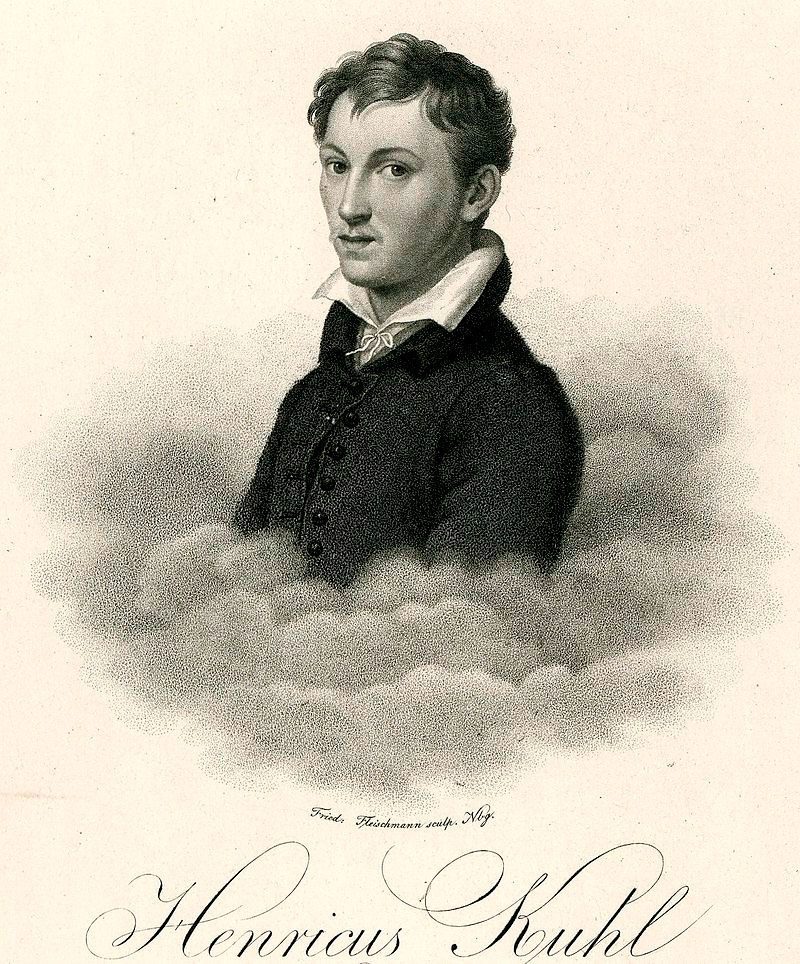
Kuhl, Heinrich
Heinrich Kuhl

– Order: Psittaciformes
– Family: Psittacidae
– Genus: Poicephalus
– Scientific name: Poicephalus fuscicollis
– Citation: (Kuhl, 1820)
– Protonimo: Psittacus fuscicollis


Images "Brown neck parrot":

Poicephalus [robustus or fuscicollis] suahelicus

Poicephalus [robustus or fuscicollis]

Poicephalus [robustus or fuscicollis] suahelicus

Poicephalus [robustus or fuscicollis] suahelicus

Videos "Brown-necked Parrot"

"Brown neck parrot" (Poicephalus fuscicollis)


Sources:

– Avibase
– Parrots of the World โ€“ Forshaw Joseph M
– Parrots A Guide to the Parrots of the World – Tony Juniper & Mike Parr
– Birdlife
– Parrots.org

– Photos:

(1) – Youth, captive, friendly Poicephalus robustus fuscicollis by Bob Corrigan – Flickr
(2) – Brown-necked Parrot By Tremeau de Rochebrune, Alphonse [CC BY 2.0 or Public domain], via Wikimedia Commons

– Sounds: Peter Boesman (Xeno-canto)
โ–ท The world of Pets: Dogs, cats, birds, reptiles, amphibians

Yellow-billed Parrot
Amazona collaria

Yellow-billed Parrot

Content

Description:


Anatomy-parrots

28 cm.. length and 260 g. of weight.

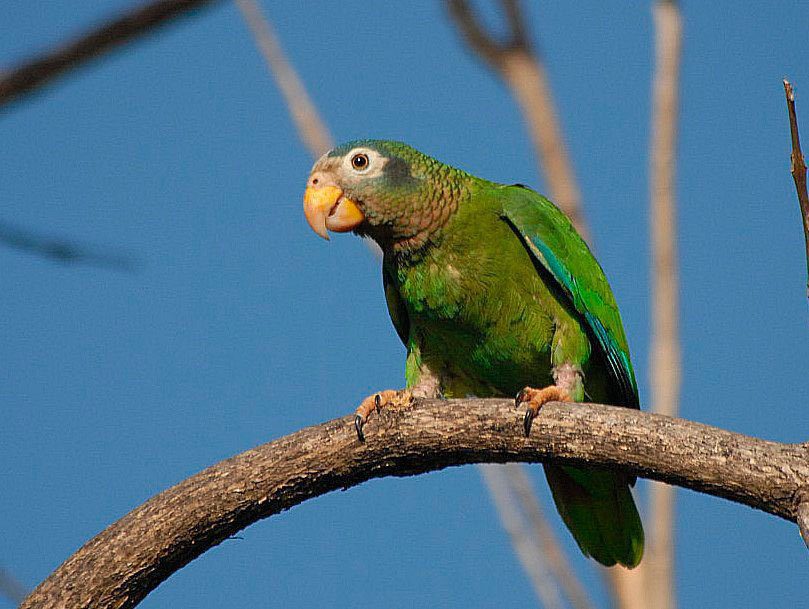
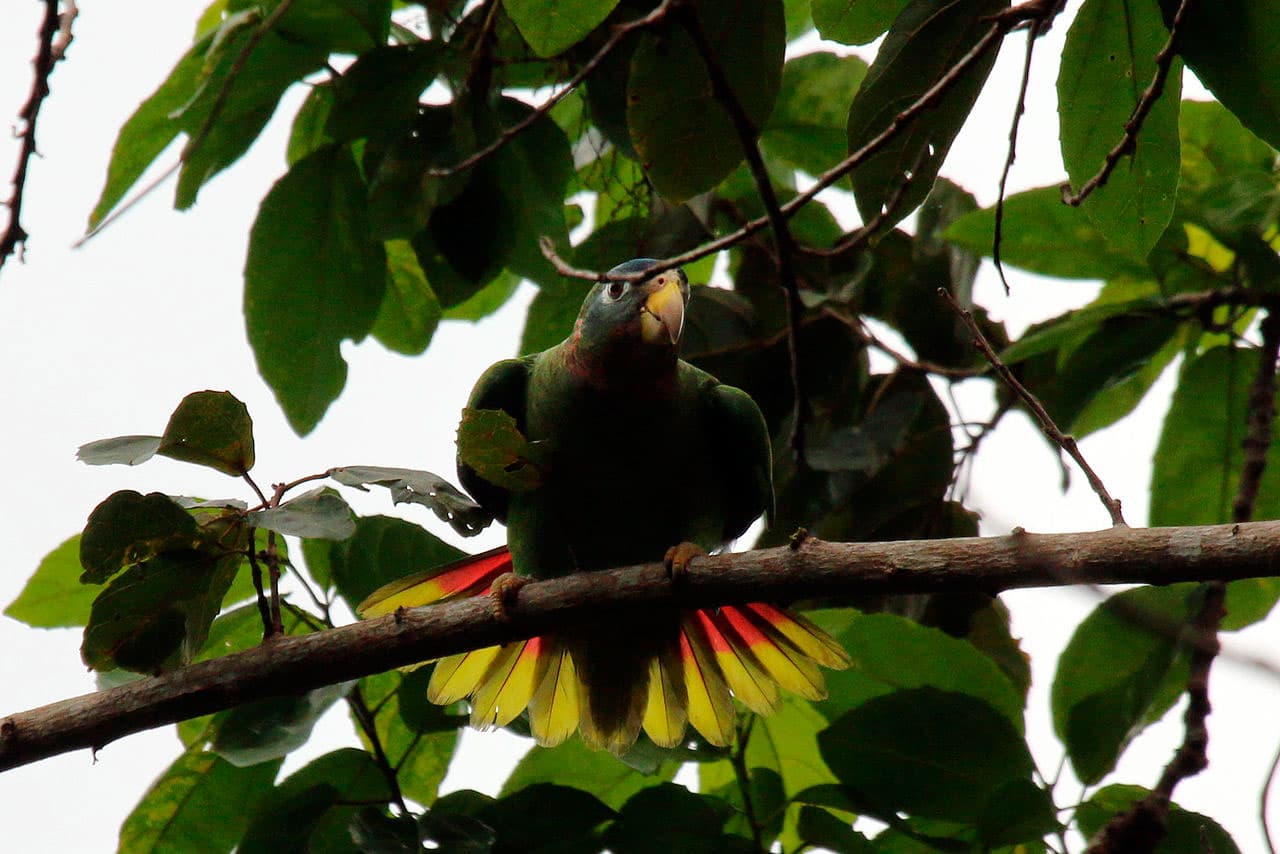
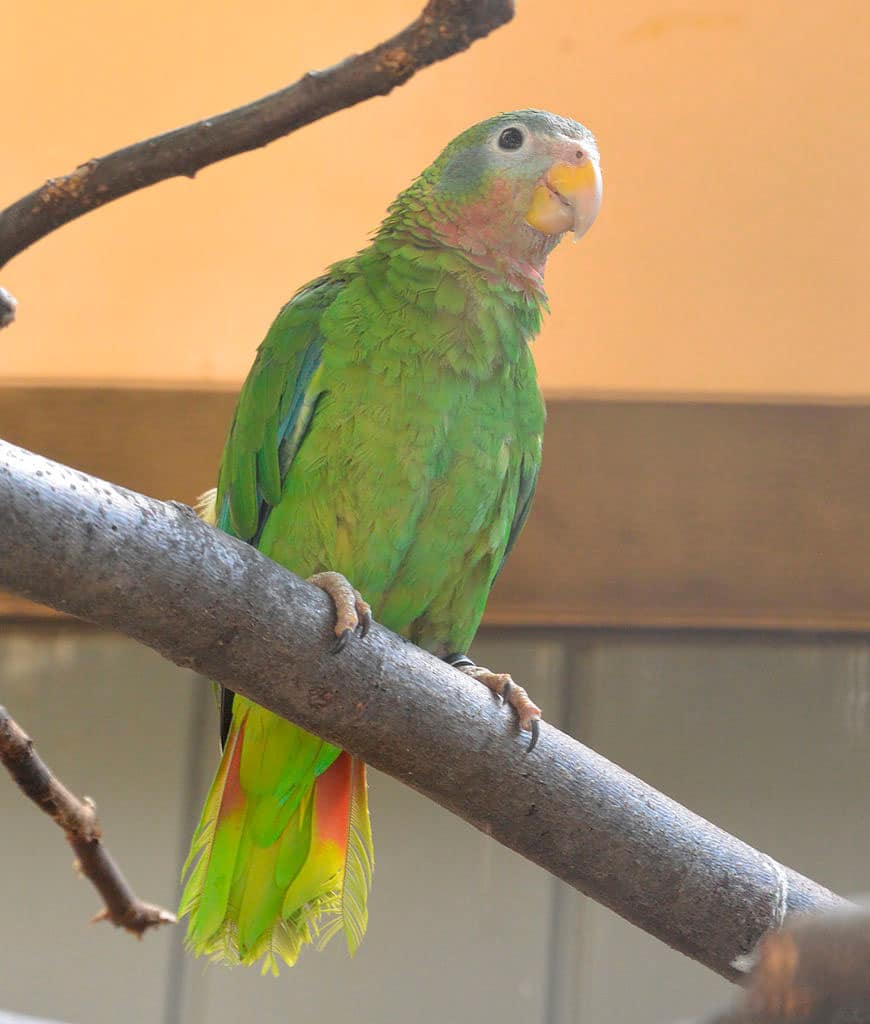
The Yellow-billed Parrot (Amazona collaria) It has a distinctive narrow band on forecrown white; lores and upper cheeks, with pale blue feathers; crown blue with black tips, merging on hindcrown; the sides of neck and nape into green feathers with black tips; feathers on the sides of neck sometimes basally pink; ear-coverts greyish-blue with black tips.

Mantle and back, green apple with black tips (the latter become less pronounced further down); lower back, the rump and uppertail-coverts, brighter yellowish green. big blankets, blue; the rest, green apple. Alula and outerweb of the flight feather, blue; innerwebs, dark gray. Under, the wings green, flight feather, bluish green.

Yellow-billed Parrot

Throat and lower cheeks, Rosaceae, sometimes with green tips; top of the chest to belly, yellowish green apple; undertail-coverts brighter yellowish green. Upper, the tail It is green with yellow and red points on the basis; undertail, paler and olive. Bill yellowish; irises brown; legs Rosaceae.

In the breeding season, the throat pink male it becomes brighter and plumage acquires green metallic tones. Both sexes are similar. Perhaps males average slightly larger. Immature similar to adult.

  • Sound of the Yellow-billed Parrot.

Habitat:

Video "Yellow-billed Parrot"

The Yellow-billed Parrot inhabit, mainly, in the middle level of humid limestone forests (annual rainfall between 1.900-4.500 mm) with (for example) Terminalia latifolia emerging and Cedrela odorata, most arid forests and upland areas planted with trees, especially the edge of the forest; from sea level up 1.200 metres in Cockpit Country.

Usually in pairs or flocks of up to about 40 individuals; larger gatherings where food is plentiful (for example, a report of 60 birds feeding on orange). They form large communal shelters out of breeding season and sometimes seen in association with the Black-billed Parrot (Amazona agilis) and Olive-throated Parakeet (Eupsittula nana). They forage closer to roosts as the day progresses.

Reproduction:

They nest in tree cavities, at higher altitudes the 15 m, frequently Brosimum, with enlarged holes in successive years. Often used initially cavity excavated by the Jamaican Crow (Corvus jamaicensis). Nesting also observed in rock cracks. Courtship registered in January laying of eggs, between 4-5, in March-May.

Food:

Foods reported include catkins of Cecropia, Anacardium occidentale dried fruits, fruits of Pimenta dioica and figs, and seeds of Melia azedarack; feeding birds took only orange seeds, squandering the fleshy part. They forage in middle and high levels.

Distribution and status:

Size of its range (breeding/resident): 7.200 km2

The Yellow-billed Parrot It is endemic to Jamaica, this species remains widespread, more than the other species of Jamaican Amazona, the Black-billed Parrot (Amazona agilis), although extensive surveys have not yet been carried out throughout the entire island. They are observed flocks of 50 to 60 individuals throughout the year, particularly in the non-breeding season, moving from inside the forest to the edge habitat to feed.

This species is particularly Cockpit Country, Mt. Diablo, and John Crow Mountains. A small population (presumably wild) also it sets to Hope Gardens in Kingston.

Recent studies indicate that Amazona collaria it is less abundant than Amazona agilis, possibly as a result of Amazona collaria It is a more colorful and preferred species in trade. while the Amazona agilis It is currently nested in all Cockpit Country, including plantation disturbed along the edges areas, the Amazona collaria now nests almost exclusively in relatively remote hinterlands.

Local reports suggest a significant overall decrease in collaria Amazona in Cockpit Country and a greater degree of threat to other species, the Amazona agilis.

The preliminary population counts suggest 5.000 individuals in Cockpit Country, Mt. Diablo, and John Crow Mountains (C. Levy in lilt, 1999).

Difficult to distinguish from Amazona agilis distance and possible misidentification, They may have affected the validity of some previous reports on their abundance and distribution.

Conservation:

State of conservation โ“˜


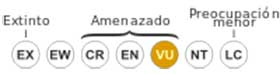
Vulnerable Vulnerable โ“˜ (UICN)โ“˜

โ€ข Current category of the Red List of the UICN: Vulnerable.

โ€ข Population trend: decreasing.

โ€ข Population size : 6000-15000

Rationale for the Red List category

This species is classified as Vulnerable because it has a small and fragmented range, with suitable habitat decline in extent, area and quality, mainly due to speak and forest clearing for bauxite mining. Numbers are also declining due to trampeo.

Justification of the population

The population size is preliminarily estimated to fall in the band between 10.000 and 19.999 individuals. This is equivalent to 6,667-13,333 mature individuals, rounded here to 6,000-15,000 mature individuals.

Justification of trend

No new data on population trends; However, It suspected that the species is declining at a slow pace, as a result of the loss and degradation of habitat and capture.

Conservation Actions Underway

โ€ข CITES Appendix II.

โ€ข protected under the Act Wildlife Protection Jamaica and Endangered Species Act of 2000, which together prohibit keeping the species as a domestic animal and local and international trade.

โ€ข It has been declared as threatened in Jamaica from 1986 (Juniper and Parr 1998).

โ€ข Since 1995 He has worked to delineate its distribution, estimate the size of the population, identify factors limiting reproductive performance and train local people in research methods and techniques for long-term monitoring (BirdLife Jamaica Parrot Project in little 1998, 2000).

โ€ข Habitat in the mountains Blue and John Crow It has been declared National Park, but the implementation and management are weak (BirdLife Jamaica Parrot Project in little 1998, 2000).

โ€ข There is a campaign public awareness high profile to prevent bauxite mining in Cockpit Country, by declaring the area closed to mining by the Minister's Discretion (S. Koenig in some. 2007).

โ€ข Discussions have started that, we wait, will lead to ban the importation of psittacine to Jamaica (S. Koenig in a bit., 2007).

โ€ข Exist captive breeding populations.

Conservation Actions Proposed

โ€ข Survey for delineate the range and evaluate the numbers (BirdLife Jamaica Parrot Project in little 1998, 2000).

โ€ข Declare a Cockpit Country closed to mining.

โ€ข Ensure the de facto protection of the Blue Mountains National Park and John Crow (BirdLife Jamaica Parrot Project in little 1998, 2000).

โ€ข Design and implement Educational programs in the occupied area of รขโ‚ฌโ€นรขโ‚ฌโ€นthe species (BirdLife Jamaica Parrot Project in little. , 1998, 2000) and develop captive breeding populations.

โ€ข Apply legal protection.

โ€ข Prohibit the importation of non-native parrots.

The Yellow-billed Parrot in captivity:

CITES Appendix II. protected under the Law on Protection of Wildlife Act Jamaica and Endangered Species 2000, which together prohibit keeping this species as a domestic animal, as well as local and international trade.
Exist captive breeding populations.

any trade should be avoided with this rare Amazona.
Each captive specimen of this species which is capable of reproducing, It is placed in a well managed captive breeding program and not be sold as a pet, in order to ensure its long-term survival.

Alternative names:

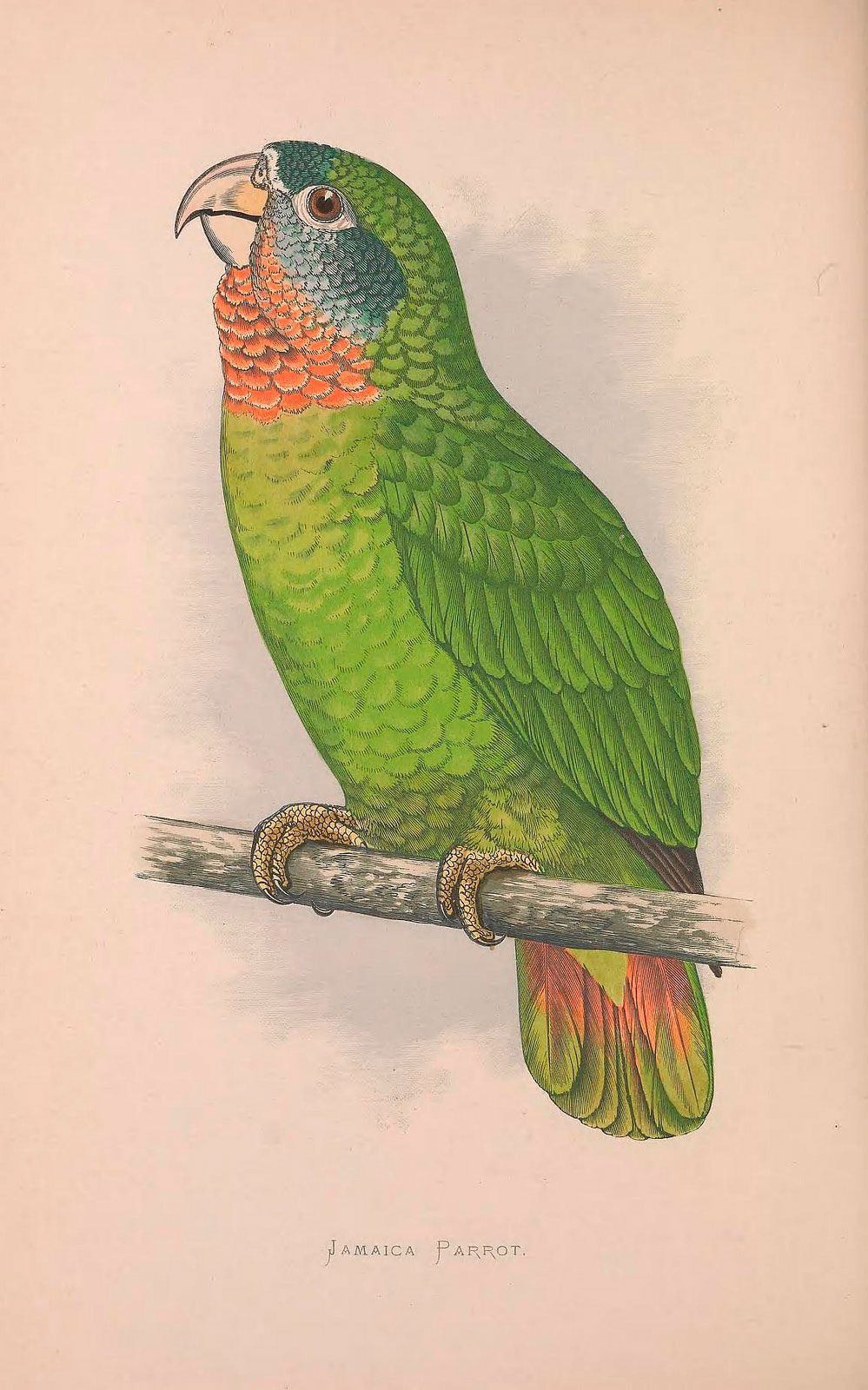
– Yellow-billed Parrot, Jamaican Amazon, Jamaican Parrot, Red-throated Parrot, Yellow billed Parrot, Yellow-billed Amazon (English).
– Amazone sasabรฉ (French).
– Jamaicaamazone, Jamaikaamazone, Jamaikamazone (German).
– Papagaio-da-jamaica (Portuguese).
– Amazona de Pico Amarillo, Amazona Jamaicana Piquiclara (espaรฑol).


scientific classification:

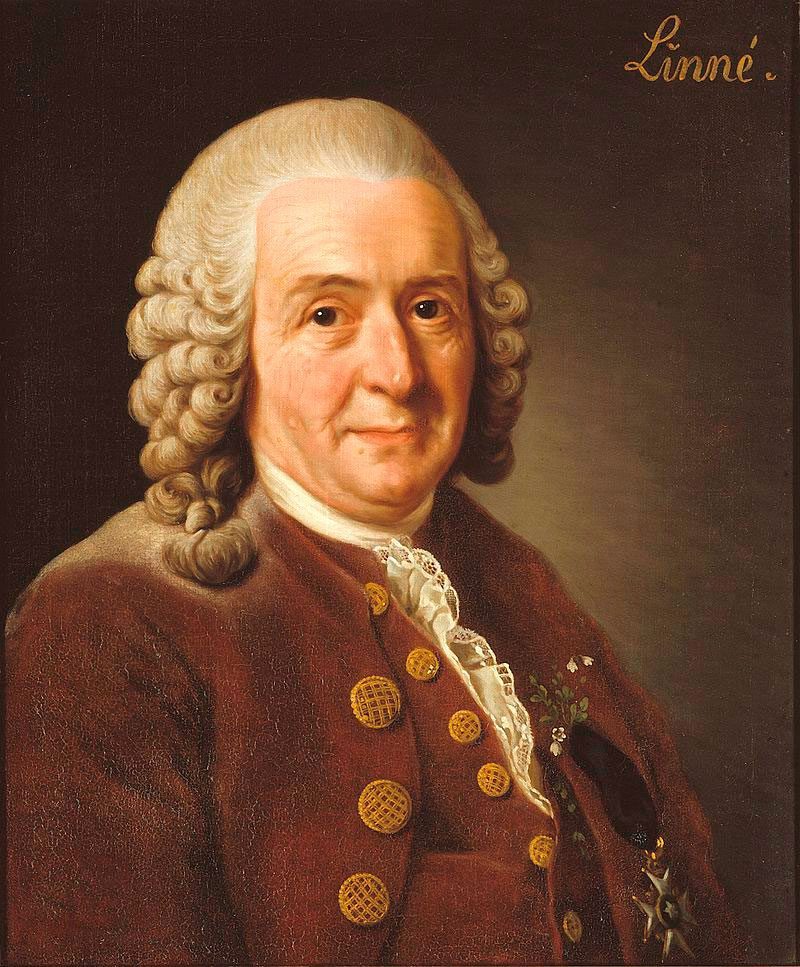
Carl Linnaeus

– Order: Psittaciformes
– Family: Psittacidae
– Genus: Amazona
– Scientific name: Amazona collaria
– Citation: (Linnaeus, 1758)
– Protonimo: Psittacus collarius


Images Yellow-billed Parrot:


Species of the genus Amazona


Sources:

Avibase
Parrots of the World โ€“ Forshaw Joseph M
Parrots A Guide to the Parrots of the World – Tony Juniper & Mike Parr
Birdlife

Photos:

(1) – Yellow-billed Amazon in the St. Andrew, Jamaica By Amazona_collaria_-St.Andrew-Jamaica-8a.jpg: Wayne Sutherland from Kingston, Jamaicaderivative work: Snowmanradio [CC BY-SA 2.0], via Wikimedia Commons
(2) – Amazona_collaria at Vienna Zoo, Schonbrunn Palace, Vienna, Austria By Alois Staudacher (Jamaica Amazone) [CC BY 2.0], via Wikimedia Commons
(3) – Yellow-billed Amazons in the Kingston, St. Andrew, Jamaica By Wayne Sutherland from Kingston, Jamaica (Pair of Yellow Billed Parrots) [CC BY-SA 2.0], via Wikimedia Commons
(4) – Yellow-billed Amazon (Amazona collaria) in Cockpit Country by Ron Knight – Flickr
(5) – Yellow-billed amazon parrot (Amazona collaria), Jamaica By Charlesjsharp (Own work, from Sharp Photography) [CC BY-SA 4.0], via Wikimedia Commons
(6) – Parrots in captivity by Biodiversity Heritage Library – Flickr

Sounds: Nick Komar, XC255118. accessible www.xeno-canto.org/255118.

โ–ท The world of Pets: Dogs, cats, birds, reptiles, amphibians

Northern Mealy Parrot
Amazona guatemalae

Northern Mealy Parrot

Content

Description:


Anatomy-parrots

38 cm.. length and 705-766 g. of weight.

The Northern Mealy Parrot (Amazona guatemalae) is a large parrot, mainly green, with a large bare periophthalmic white; head green, increasingly off toward the area nape.

The youth similar to adults but eyes brown.

taxonomy:

Treated for decades subspecifically within the species Amazona farinosa. Based on a genetic study of the year 2012 They came to be regarded as a full species.

Subspecies description:

  • Amazona guatemalae guatemalae

    (Sclater,PL, 1860) – Mostly green, with the crown, forecrown and lores, blue; carpal edge Green Wing / yellow; Feathers edges wing , blue; Red in the secondary feathers; feathers of the tail dark green to light green at the tip. Bill dark grey. Eye ring white, irises red.


  • Amazona guatemalae virenticeps

    (Salvadori, 1891) – Mostly green with less blue on the crown that the subspecies Amazona guatemalae guatemalae; yellower shades / green; carpal edge green / yellow, with varying shades of red; crown green; lores and forecrown, green tinted blue. Bill black / horn. Eye ring white, irises red.

Habitat:

Video "Northern Mealy Parrot"

They inhabit in dense humid lowland forests, especially near the gaps and edges; also they extend lower montane forest plantations and frequent, crops, gallery forests and deciduous forests.

They are in pairs or groups up 20 individuals, with larger congregations in feeding areas. Form noisy flocks in communal roosts high up in big trees out of breeding season, sometimes with several hundred birds. Well camouflaged while feeding quietly on the upper floors of the forest canopy.

Reproduction:

Season April-May Guatemala. Nests in tree holes, to 3-30 height m, once observed in the crack of a stone wall in a Mayan temple. The laying usually three eggs.

Food:

No known differences with Amazona farinosa.

Distribution:

Size of its range (Standard playback): 919.000 km2

It is present along the slope of Caribbean of Central America, from Veracruz and Oaxaca, Mexico, to the South by Belice, Guatemala, Honduras, Nicaragua and Costa Rica, to western Panama. They are also found in the shed peaceful of Costa Rica and West Panama. Its abundance varies locally, but it is common in many areas.

Subspecies distribution:

  • Amazona guatemalae guatemalae

    (Sclater,PL, 1860) – Caribbean coast from southeast Mexico to the Northwest of Honduras.


  • Amazona guatemalae virenticeps

    (Salvadori, 1891) – Since Honduras (Sula Valley) to western Panama.

Conservation:

State of conservation โ“˜


Near-threatened Near Threatened โ“˜ (UICN)โ“˜

โ€ข Current category of the Red List of the UICN: Near-threatened.

โ€ข Population trend: In decrease.

Rationale for the Red List category

He suspected this species is undergoing a rapid decrease in moderately population due to habitat loss and unsustainable levels of hunting and trapping.

Population size: Unknown

The population trend: In decline.

The Amazona mealy northern captive:

Little known in poultry.

Alternative names:

– Mealy Parrot [guatemalae or virenticeps], Northern Mealy Amazon, Northern Mealy Parrot (English).
– Amazone guatรฉmaltรจque, Amazone poudrรฉe [guatemalae or virenticeps], Amazone poudrรฉe [guatemalae ou virenticeps] (French).
– Guatemalaamazone (German).
– Northern Mealy Parrot (Portuguese).
– Amazona harinosa norteรฑa (espaรฑol).


scientific classification:

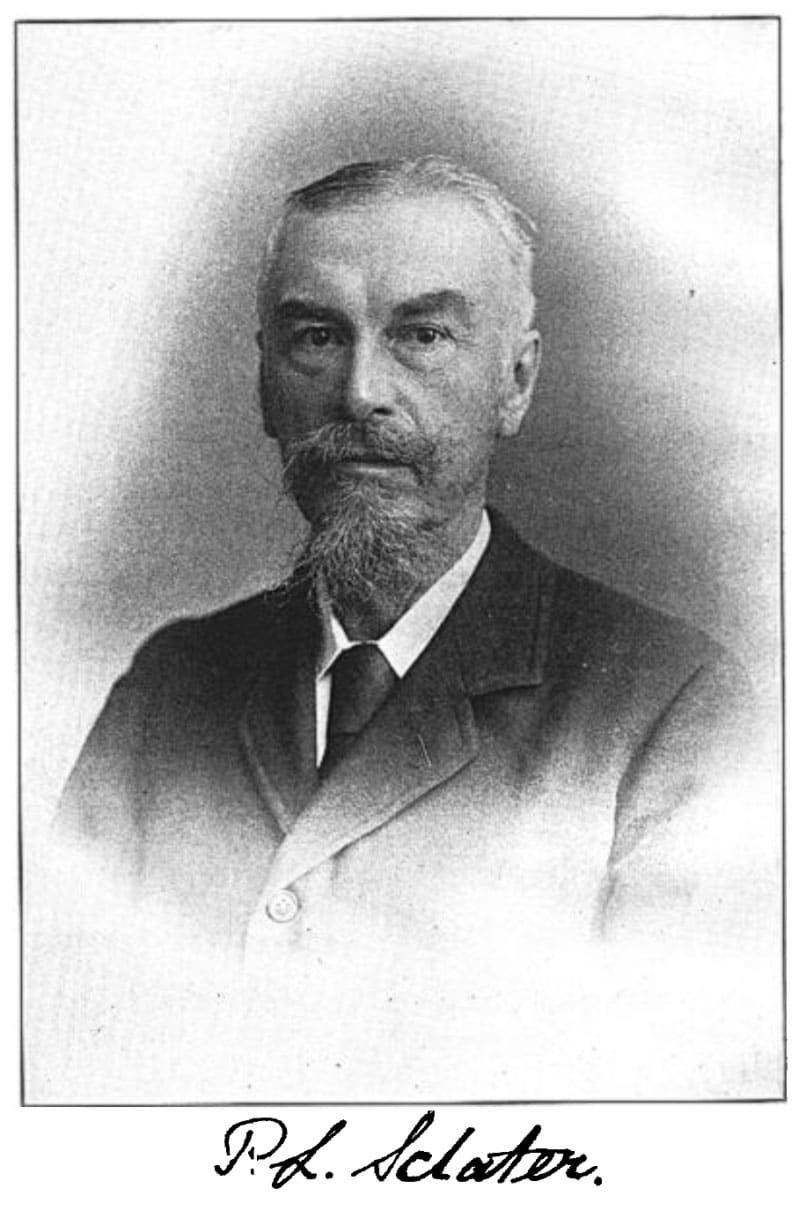
Philip Sclater
Philip Sclater

– Order: Psittaciformes
– Family: Psittacidae
– Genus: Amazona
– Scientific name: Amazona guatemalae
– Citation: (Sclater, PL, 1860)
– Protonimo: Chrysotis guatemalae

Images Northern Mealy Parrot:


Species of the genus Amazona


Sources:

Avibase
Parrots of the World โ€“ Forshaw Joseph M
Parrots A Guide to the Parrots of the World – Tony Juniper & Mike Parr
Birdlife

Photos:

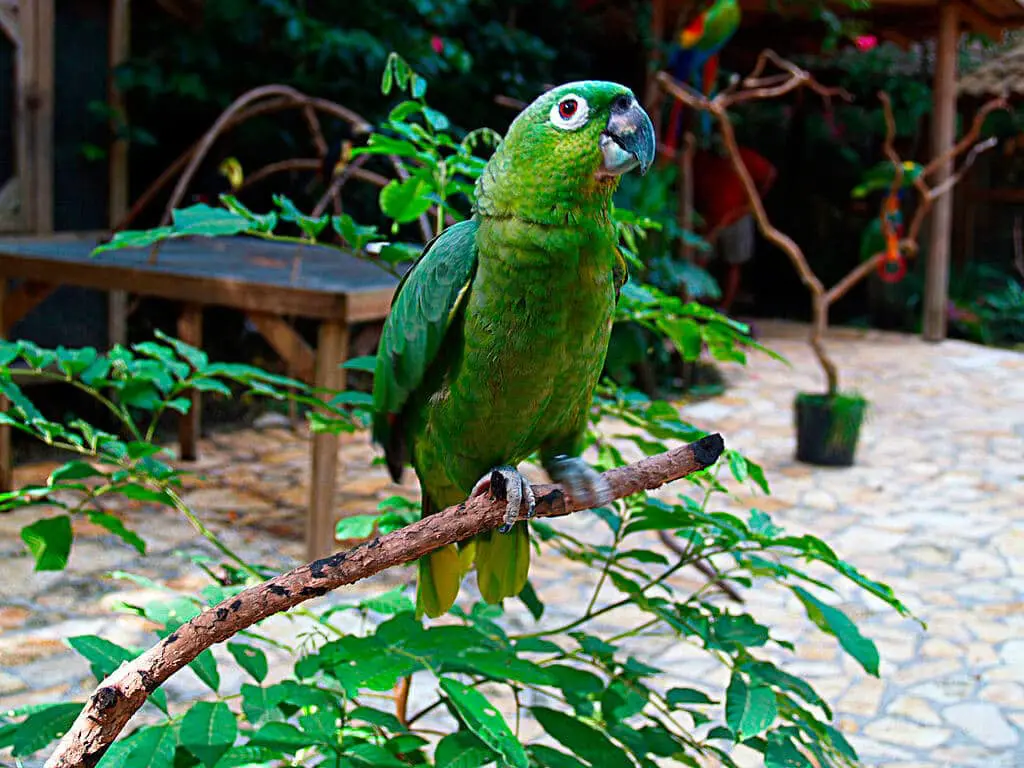
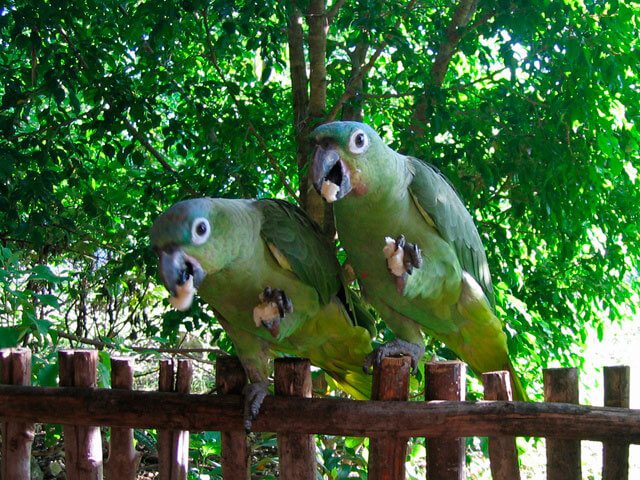
(1) – Amazona farinosa guatemalae By Adalberto Hernandez Vega from Copan Ruinas, Honduras (Macaw Mountain Bird Park – Copan Ruinas, Honduras) [CC BY 2.0], via Wikimedia Commons
(2) – Guatemalaamazone Amazona farinosa guatemalae By Martingloor (Own work) [CC BY-SA 4.0], via Wikimedia Commons
(3) – Amazona farinosa guatemalae by Ulises Muรฑiz – Flickr
(4) – Amazona farinosa guatemalae By Katrin Lorenzen (IMG_4685) [CC BY-SA 2.0], via Wikimedia Commons
(5) –
Amazona farinosa guatemalae By Adalberto Hernandez Vega from Copan Ruinas, Honduras (Macaw Mountain Bird Park – Copan Ruinas, Honduras) [CC BY 2.0], via Wikimedia Commons

โ–ท The world of Pets: Dogs, cats, birds, reptiles, amphibians

Austral Parakeet
Enicognathus ferrugineus

Austral Parakeet

Content

Description:

28โ€“36 cm. length.

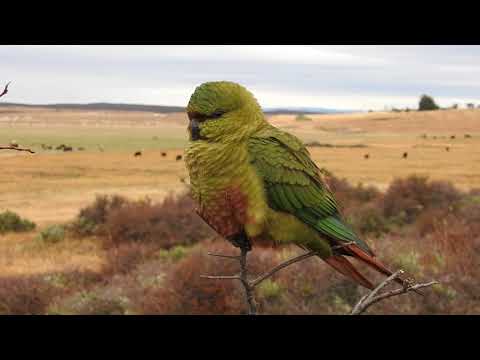
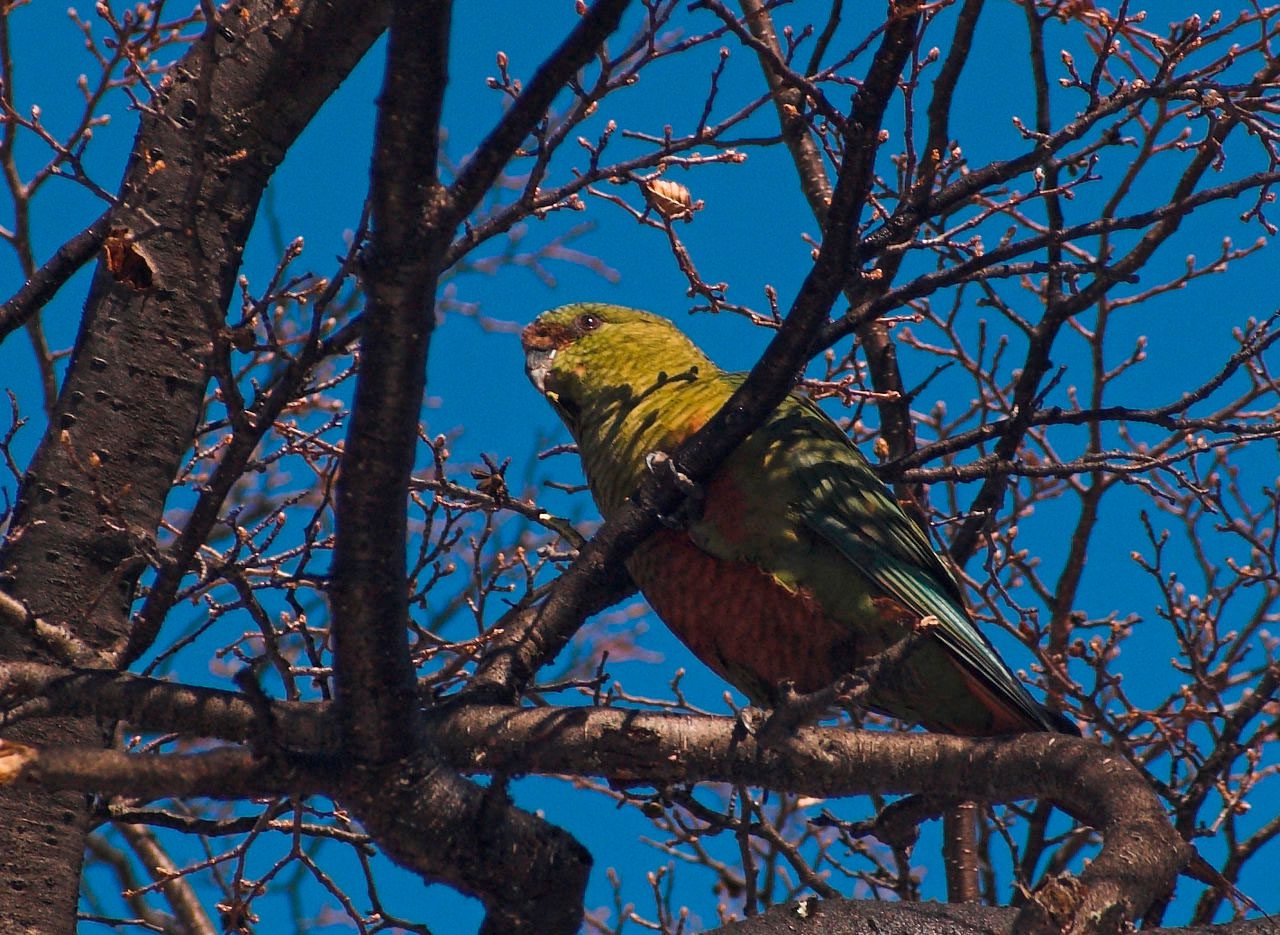
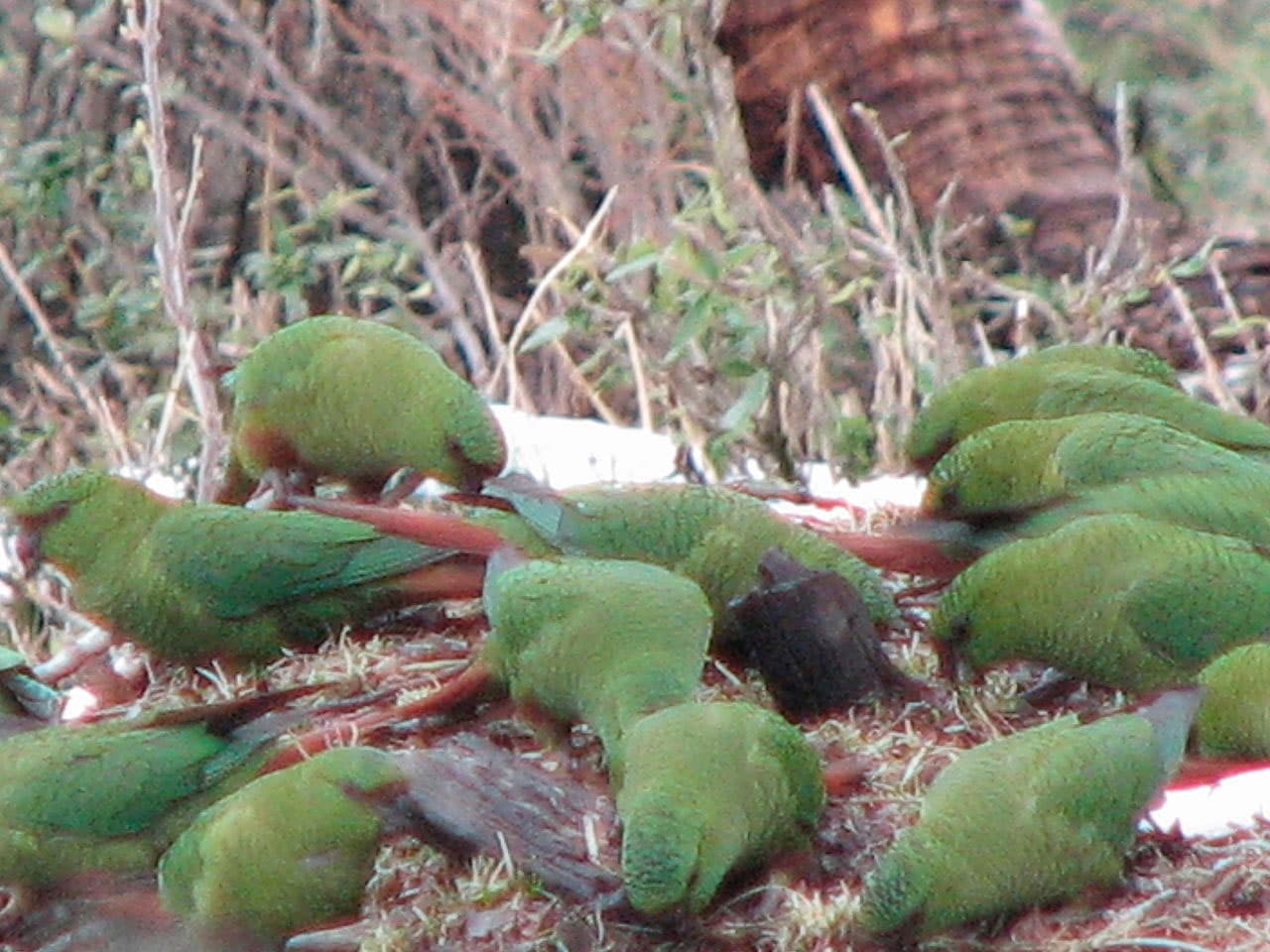
The Austral Parakeet (Enicognathus ferrugineus), is mostly green; the lores and forecrown rather dull brick-red; the front of the crown with yellow and green feathers in the center, and edges dark green olive feathers central part of the crown.

The feathers of the upperparts They are olive green with darker edges, giving a scalloped effect. The upperwing-coverts They are olive color with dark margins. Flight feathers green with metallic blue suffusion. Underwing-coverts green with dark tips; bottom of the flight feather pale grey. The underparts They are mainly pale green olive, with darker margins (except in the the thighs) and a large opaque red spot on the central belly. In the long run tail It is dark red off above; pale grayish below. The upper jaw horn is dark colored with a black tip; the bottom is dark horn-colored; irises reddish brown; legs dark gray.

Austral Parakeet

Both sexes are similar. The immature It has a duller red on the head and patch in the belly red less dense and less extensive.

  • Sound of the Austral Parakeet.

Subspecies description:

  • Enicognathus ferrugineus ferrugineus

    (Statius Mรผller, 1776) – Nominal.


  • Enicognathus ferrugineus minor

    (Chapman, 1919) – Smaller and darker than the nominal, with a abdominal patch Red less extensive (sometimes absent).

Habitat:

Video – "Austral Parakeet" (Enicognathus ferrugineus)

Cachaรฑa (Enicognathus ferrugineus)

The Austral Parakeet occurs mainly in forests, including forests of Nothofagus, Araucaria and Quercus, but also in more open habitats with shrubs Berberis darwinii and Drimys winteri, also they visit cultivated areas, mainly at sea level in the southern part of the range, may reach 1200 meters and even 2.000 meters north. Observed in flocks of 10-15 individuals, coming to meet more than 100 birds outside the breeding period; flocks of 10 or more in Fire land with reports of attacks caused by Red-backed Hawk (Geranoaetus polyosoma).

In April and before the arrival of winter flocks leave the mountains to take refuge in lower valleys of lower altitude.

Reproduction:

They nest in the cavity of the trees, filling very deep holes with twigs and branches where building nests are no cavities available. The breeding season It comprising the months of November to December. Clutch 4-8 eggs. To the 26 days the chicks are born, emplumรกndose to 7-8 weeks.

Food:

predominantly eat seeds (can cause damage to grain crops). Its diet includes herbaceous and bamboo seeds, Drimys winteri, acorns and nuts Araucaria, fruit, berries and sprouts p. Nothofagus and bulbous roots.

Distribution and status:

Extending its range (reproduction / residents): 2.010.000 km2

Distributed by the south end of South America, psittacine distribution is the southernmost in the world.

They can be observed from Land of Fire north through Chile to province Oโ€™Higgins and east of Andes in Argentina, extending through Santa Cruz, Chubut, Black river Western and Neuquรฉn Western.

Usually residents, even in the extreme south, although the foothills move to raise (at least in Land of Fire) with some predictable local movements in the north. generally common, It is very abundant in the wooded coast Land of Fire. Large areas remain intact habitat and inhabiting several large protected areas.

Very rare in captivity.

Subspecies distribution:

Conservation:

State of conservation โ“˜


minor concern Minor Concern โ“˜ (UICN)โ“˜

โ€ข Current category of the Red List of the UICN: Least concern.

โ€ข Population trend: Stable.

โ€ข Population size : Unknown.

Justification of the Red List of the Category

This species has a very large range, and therefore does not approach the thresholds for Vulnerable under the range size criterion. The trend population seems to be stable, and therefore the species does not approach the thresholds for Vulnerable according to the population trend criterion. (> 30% decrease of more than ten years or three generations). The population size has not been quantified, but are not believed to approach the thresholds for Vulnerable based on population size criteria (<10.000 individuos maduros con una disminuciรณn continua estimada en> 10% in ten years or three generations, or in a particular population structure). For these reasons, the species is evaluated as Least concern.

Justification of the population

The world's population has not been quantified, but this species is described as ‘quite common‘ (Stotz et to the. (1996).

Justification trend

The population suspected to be stable in the absence of evidence of any reduction or substantial threats.

"Austral Parakeet" in captivity:

Very rare in captivity.

Chilean law prohibits the purchase, sale and possession of this magpie.

If you have a Austral Parakeet I recommend you give it to SAG or the Center for Rehabilitation of Wildlife of Codeff (rehabilita@codeff.cl, background: 777 25 34 – Santiago), because in that place you will come across many other parrots of the same species that suffered the same process, and specialized people who care very well, TO THEN RETURN THEM TO THEIR NATURAL HABITAT.

Alternative names:

– Austral Conure, Austral Parakeet, Emerald Conure, Emerald Parakeet, Magellan Conure, Magellan Parakeet (English).
– Conure รฉmeraude, Conure magellanique, Perriche magellanique, Perruche magellanique (French).
– Smaragdsittich, Smaragd-Sittich (German).
– Periquito-austral (Portuguese).
– Cachaรฑa, Cachaรฑa austral, Cotorra Austral, Cotorra Cachaรฑa (espaรฑol).

scientific classification:

Formerly separated from the monospecific genus Microsittace.

– Order: Psittaciformes
– Family: Psittacidae
– Genus: Enicognathus
– Scientific name: Enicognathus ferrugineus
– Citation: (Statins Mulller, 1776)
– Protonimo: Psittacus ferrugineus

Images Austral Parakeet:


Species of the genus Enicognathus

Sources:

– Avibase
– Parrots of the World โ€“ Forshaw Joseph M
– Parrots A Guide to the Parrots of the World – Tony Juniper & Mike Parr
– Birdlife

– Photos:

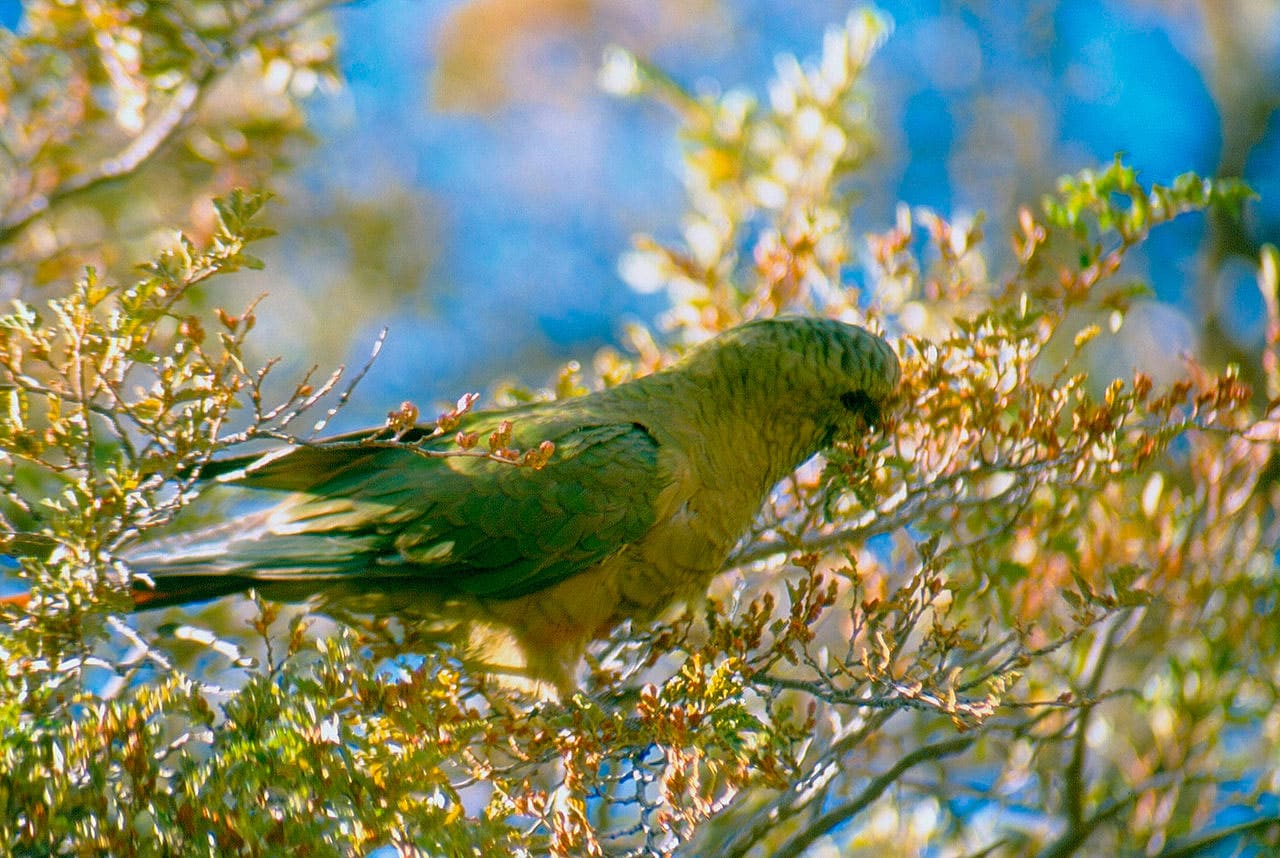
(1) – Austral Parakeet (also known as Austral Conure or Emerald Parakeet) in Torres del Paine National Park, Chile By Miguel Vieira [CC BY 2.0], via Wikimedia Commons
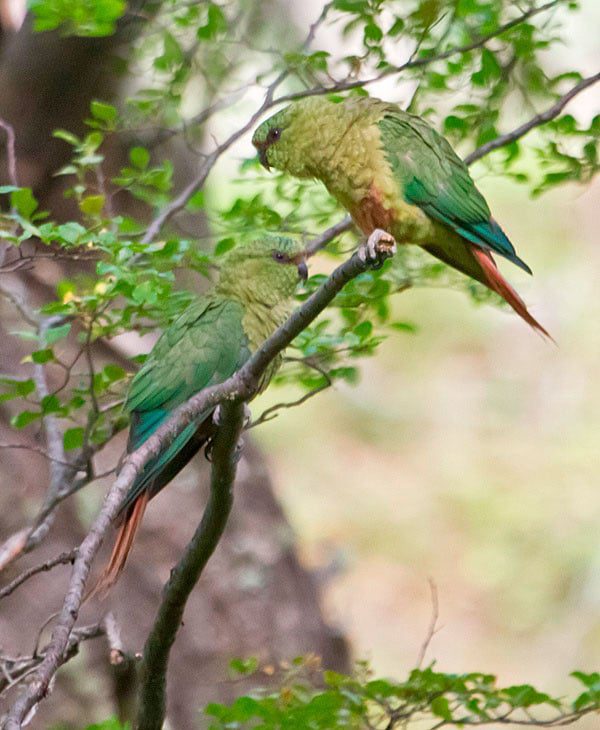
(2) – Two Austral Parakeets in Tierra del Fuego, Argentina By Francesco Veronesi [CC BY-SA 2.0], via Wikimedia Commons
(3) – Austral Parakeet (Enicognathus ferrugineus) seen near Laguna Onelli, Glaciers National Park, Santa Cruz, Argentina By Fabienkhan (Personal Picture) [CC BY-SA 2.5], via Wikimedia Commons – credit : Fabien Dany – www.fabiendany.com
(4) – Cachaรฑas in San Martin de los Andes, Province of Neuquen, Argentina By Ignsal (Own work) [Public domain], via Wikimedia Commons
(5) – An Austral Parakeet in Magallanes Province, Chile By Paulo Fassina (Parrot EatingUploaded by Snowmanradio) [CC BY-SA 2.0], via Wikimedia Commons
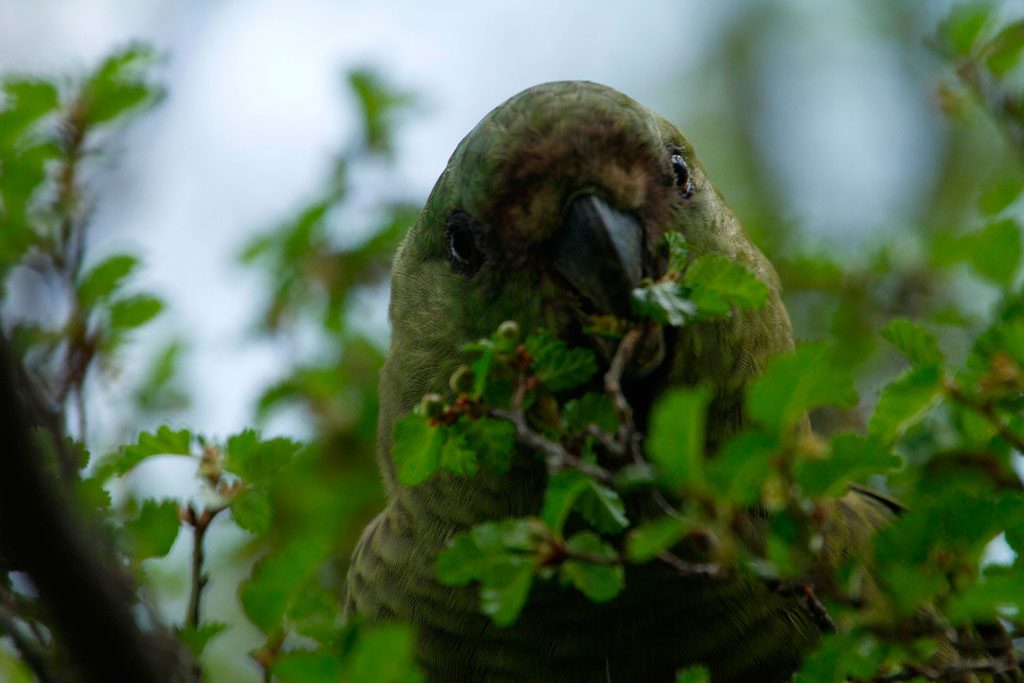
(6) – Austral Parakeet – Torres del Paine National Park, Chile by Eleanor Briccetti – Flickr
– Sounds: Bobby Wilcox, XC236937. accessible www.xeno-canto.org/236937

โ–ท The world of Pets: Dogs, cats, birds, reptiles, amphibians

Crimson Shining-Parrot
Prosopeia splendens

Crimson Shining-Parrot

Content


Anatomy-parrots

Description:

42 cm. length and 280 g. of weight.

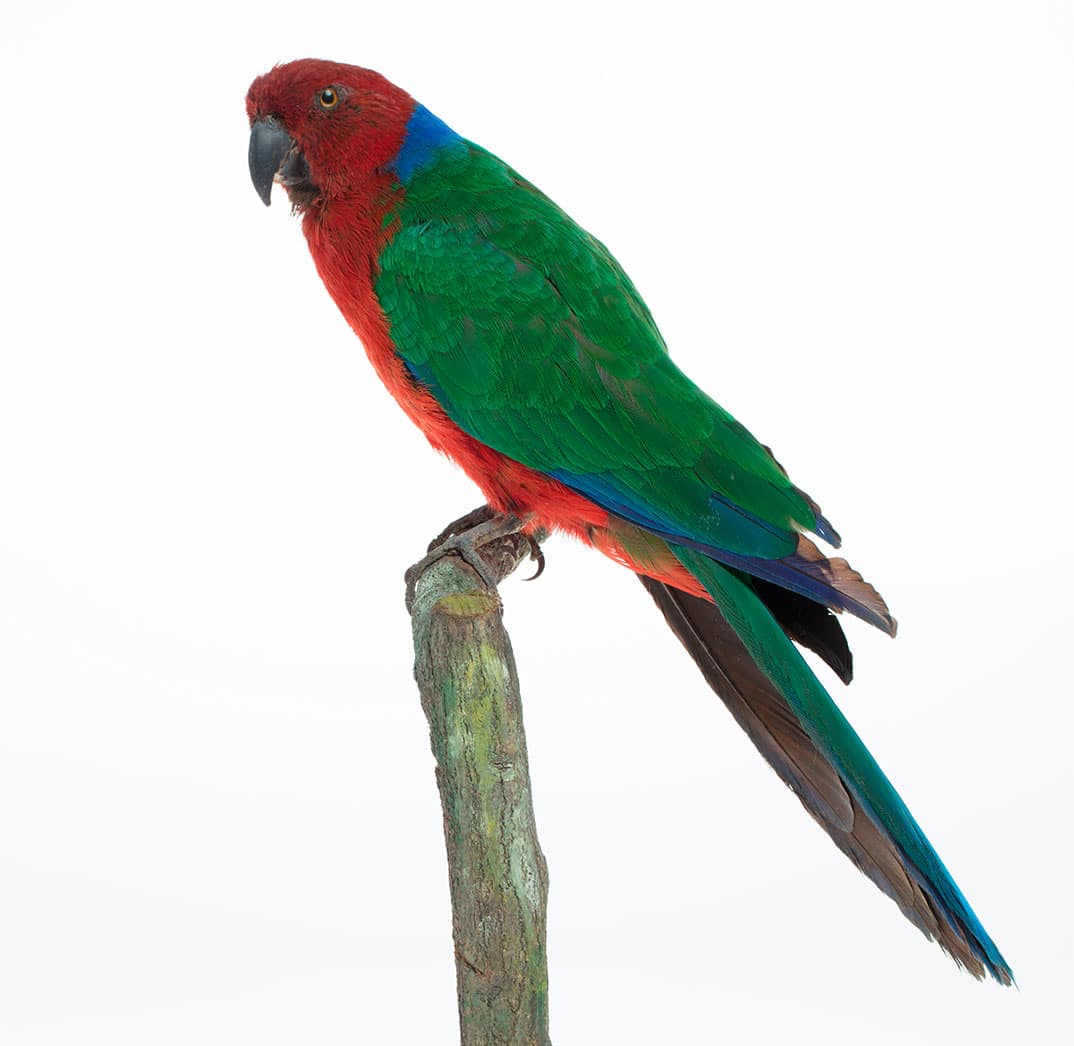
The Crimson Shining-Parrot (Prosopeia splendens) is very similar to the Red Shining-Parrot (Prosopeia tabuensis). has the head and underparts red intense and bright, slightly darker in ears; broad collar rear violet-blue, which becomes turquoise toward the trailing edge. The rest of upperparts bright pale green with darker edges and fine bright in back and wings. Coverts medium green, greater coverts blue green; primary coverts and primaries deep blue-violet with black on innerwebs; secondaries blue to green in the innermost feathers. Underwing-coverts marked blue-green and red; axillary pale green. Uppertail green with blue tip, violet blue with side feathers innerwebs blackish; undertail black. Bill black; irises red-orange; legs black.

The male has the bill and head bigger

taxonomy:

It was generally considered consanguineous with the Prosopeia Tabuensis, but may be closer Prosopeia Personata. Monotypic.

  • Escarlata sound Papagayo.

Habitat:

It is found in forests, farmland and villages, both in the lowlands and hills.

Reproduction:

Food, habits and reproductive behavior presumably similar to those of the Red Shining-Parrot (Prosopeia tabuensis) With which, until very recently, was considered consanguineous.

Food:

Similar al al Red Shining-Parrot (Prosopeia tabuensis).

Distribution:

Extension of the distribution (breeding/resident): 910 km2

It is endemic Fiji, where it is found naturally in islas de Kadavu (including around Vunisea) and Ono. It has also been introduced in Viti Levu and probably in the Group Yasawa and Ovalau in the past (There are no recent records).

Conservation:


Vulnerable


โ€ข Current category of the Red List of the UICN: Vulnerable

โ€ข Population trend: decreasing.

The species may be declining in Viti Levu due to trade, although at present the possible negative effects of competition are not known with Masked Shining-Parrot (Prosopeia personata). It is estimated that the world population lies between 5.000 and 10.000 specimens. NEAR THREATENED.

Justification of the population

Although recent fieldwork on Kadavu has not focused specifically on this species, seems to occur in population densities similar to those of Masked Shining-Parrot (Prosopeia personata) (86 Crimson Shining-Parrot They were recorded in Kadavu 38 standardized observation times in the two studies BirdLife, similar to the average 1,9 of the Masked Shining-Parrot /time recorded in 18 sites across the Viti Levu). The Masked Shining-Parrot It was estimated at around 29 in native lowland forest birds / km2 (Jackson y Jit 2004). The area of รขโ‚ฌโ€นรขโ‚ฌโ€นdense forest and medium density Kadavu it's around of 225 km2 (National Forest Inventory 1991-1993), so a reasonable estimate of the population Crimson Shining-Parrot would be 6.000 birds or 4.000 mature individuals.

Conservation Actions Underway

Appendix II of the CITES. It is protected by law in Fiji, which has recently been revised, the old Law Poultry and game has been partly overtaken by the Law on Protection of Endangered Species, which provides protection (SPREP 2000, D. Watling a slightly. 2007). Conservation projects have reduced the trade in this species (Jackson y Jit 2004). Four communities have declared a protected area covering community 1.535 hectares of forest and local volunteers monitor bird populations and assess the state of the habitat on their own initiative (V. Masibalavu a slightly. 2007). Conservation actions aimed at fire prevention (including awareness following the amendment of the decree concerning arson) have improved in recent years (V. Masibalavu in litt. 2012, M. Tabudravu in little. 2012).

Conservation Actions Proposed

Establish standards for maintenance of parrots in captivity to reduce demand (SPREP 2000). Monitor the numbers caught and transported to Suva. Determining population densities in various habitats. Investigate breeding needs and success. Promote the creation of community forest reserves. Use as set species to promote ecotourism in Kadavu.

"Crimson Shining-Parrot" in captivity:

Captive numbers are unknown., and everything indicates that captive breeding has rarely been achieved. It is caught in small quantities, and islanders returning to the capital, Suva (Watling 2000), the birds are carried as a gift, and there is at least some illegal trade abroad (J. S. Kretzschmar a lie. 2000).

In the nineteenth century it was imported by zoos in London, Berlin and Hamburg. In the United States, He kept San Diego Zoo, which was partially successful with the offspring when a young man born in 1973,

As they are at serious risk of extinction, only the most experienced should attempt to keep them in their aviaries, and all captive bred should be better placed in breeding programs to establish a larger population and participate in the conservation of this bird species.

Alternative names:

– Crimson Shining Parrot, Crimson Shining-Parrot, Kadavu Shining Parrot, Kandavu Shining Parrot, Kandavu Shining-Parrot (inglรฉs).
– Perruche รฉcarlate, Perruche masquรฉe รฉcarlate (francรฉs).
– Fidschi Sittich, Fidschisittich (alemรกn).
– Papagayo Escarlata (portuguรฉs).
– Papagayo Escarlata, Papgayo Escarlata (espaรฑol).

Clasificaciรณn cientรญfica:

Peale, Titian Ramsay


– Orden: Psittaciformes
– Familia: Psittaculidae
– Gรฉnero: Prosopeia
– Nombre cientรญfico: Prosopeia splendens
– Citaciรณn: (Peale, 1848)
– Protรณnimo: Platycercus splendens

Imรกgenes Papagayo Escarlata:

Videos del "Papagayo Escarlata"

Fuentes:

โ€ข Avibase
โ€ข Parrots of the World โ€“ Forshaw Joseph M
โ€ข Parrots A Guide to the Parrots of the World – Tony Juniper & Mike Par
โ€ข Birdlife

Fotos:

(1) – Auckland Museum [CC BY 4.0]