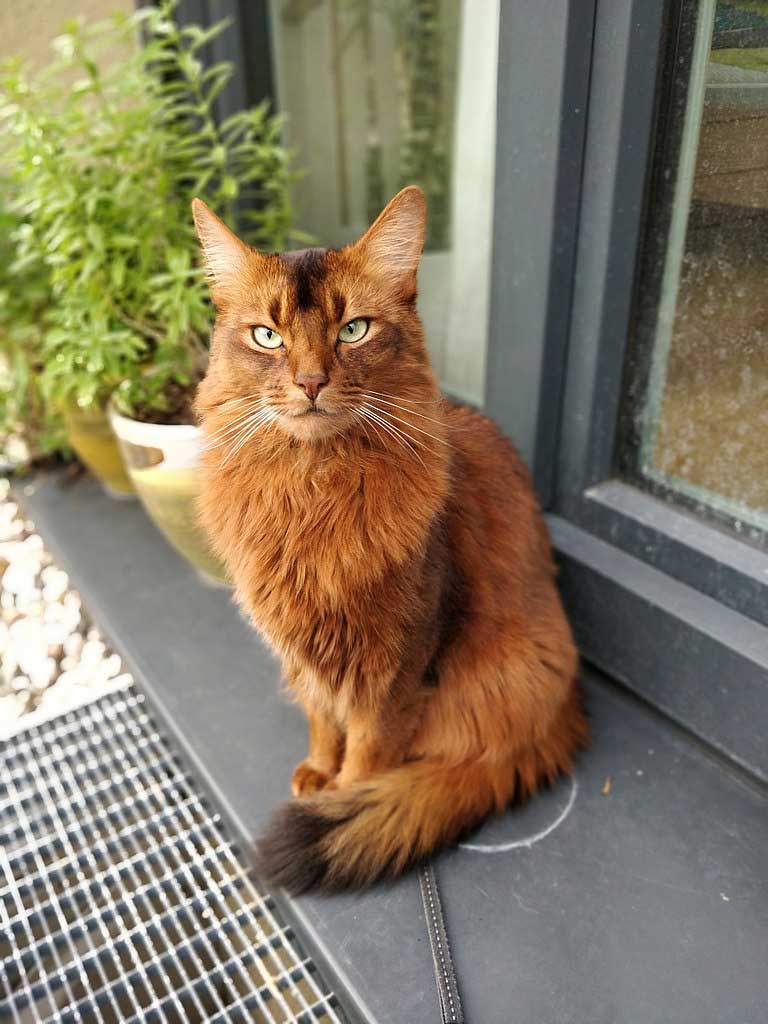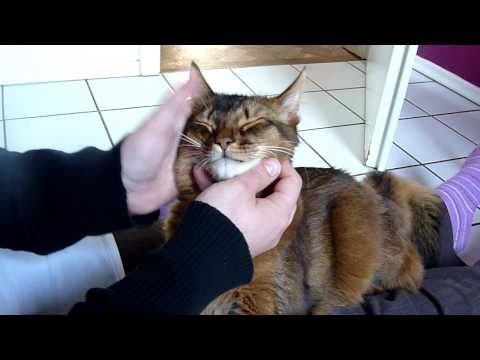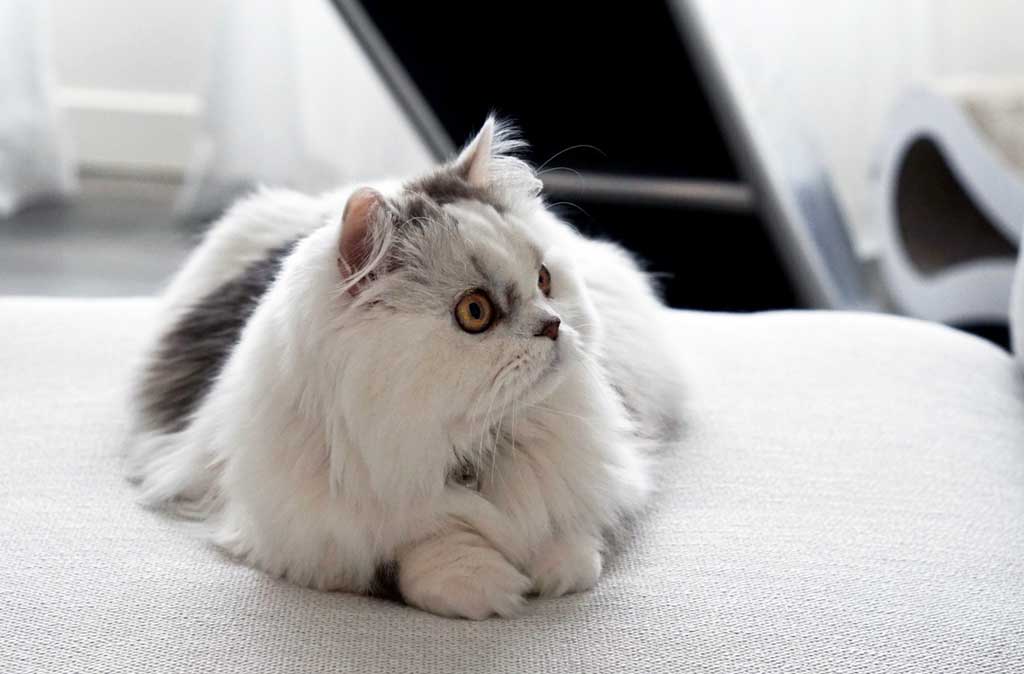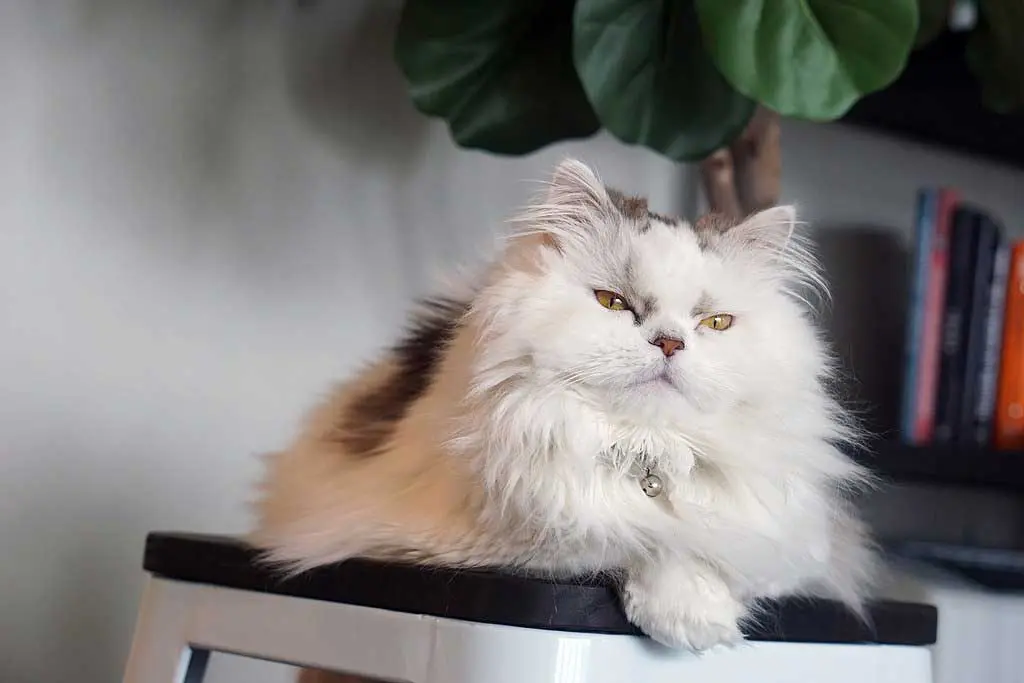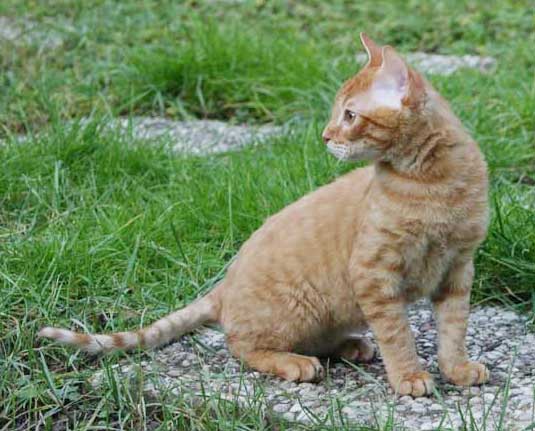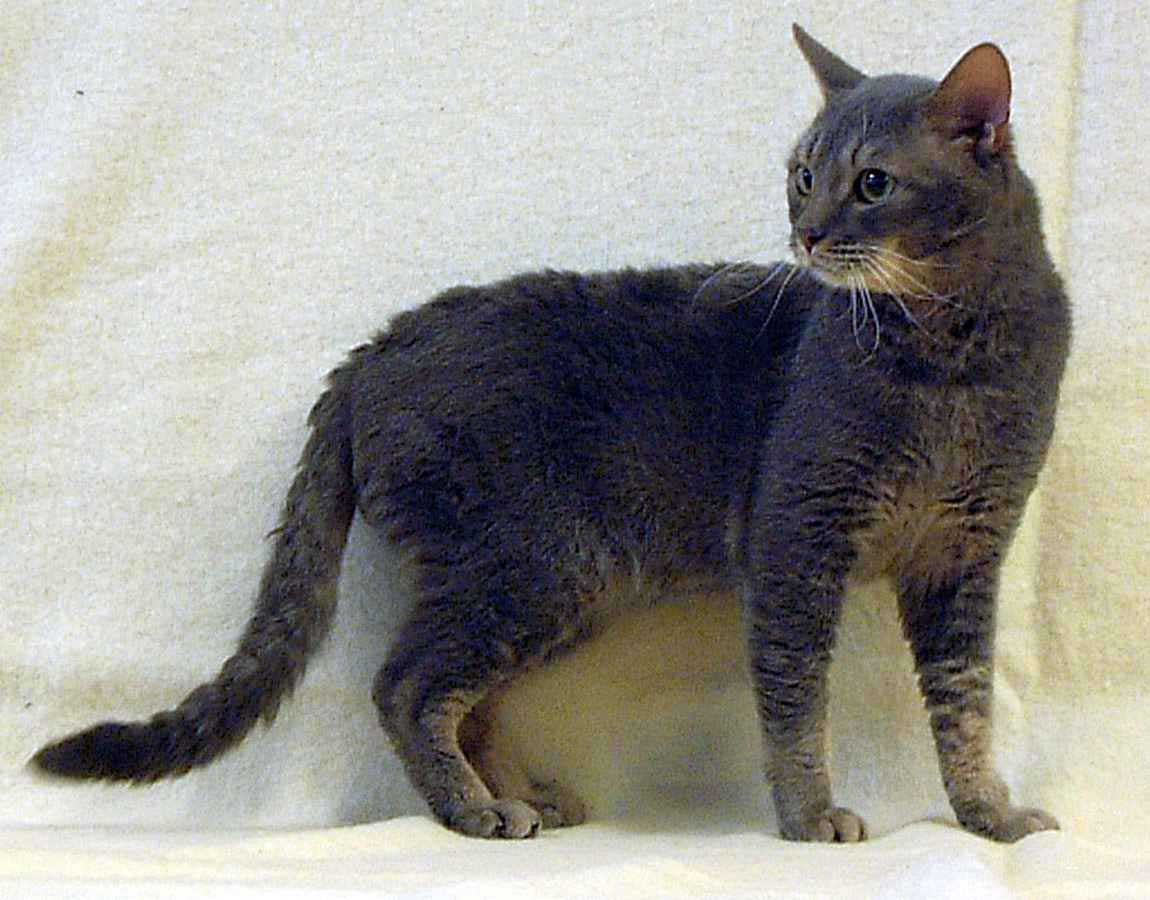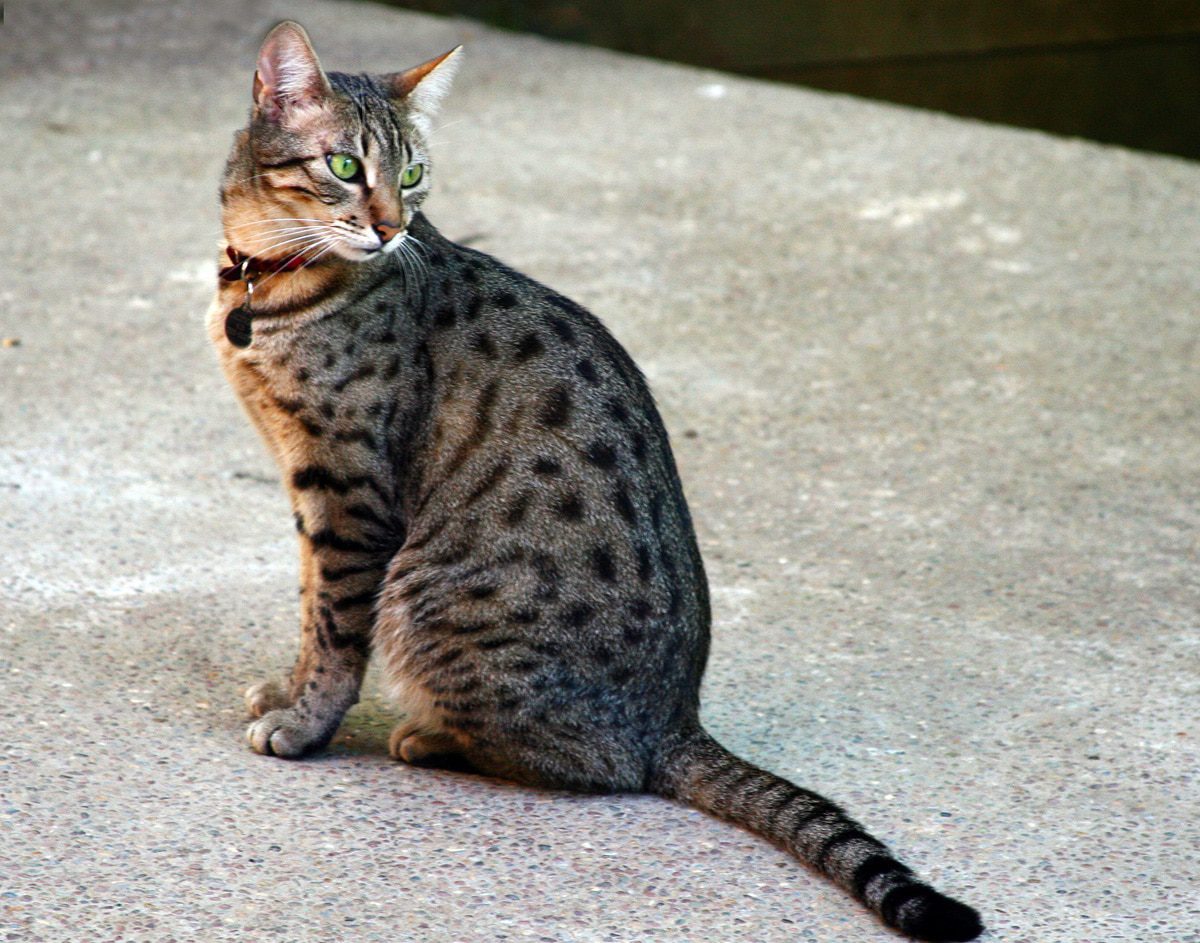
โ–ท The world of Pets: Dogs, cats, birds, reptiles, amphibians

Egyptian Mau
Recognized by the CFA, FIFe, TICA, AACE, ACFA/CAA, CCA-AFC

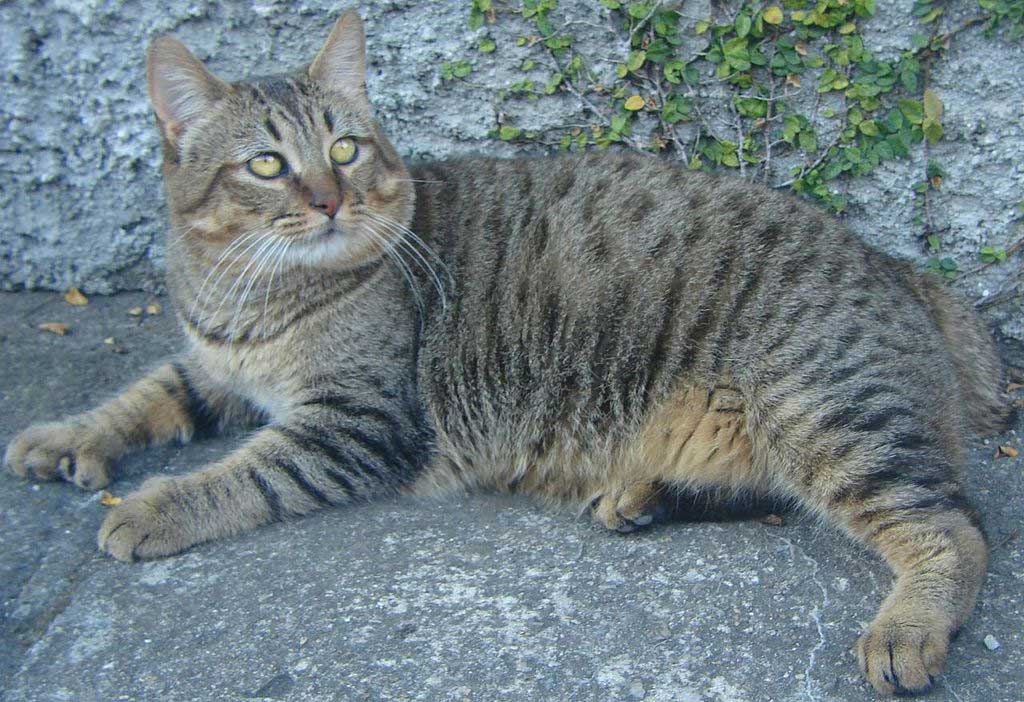
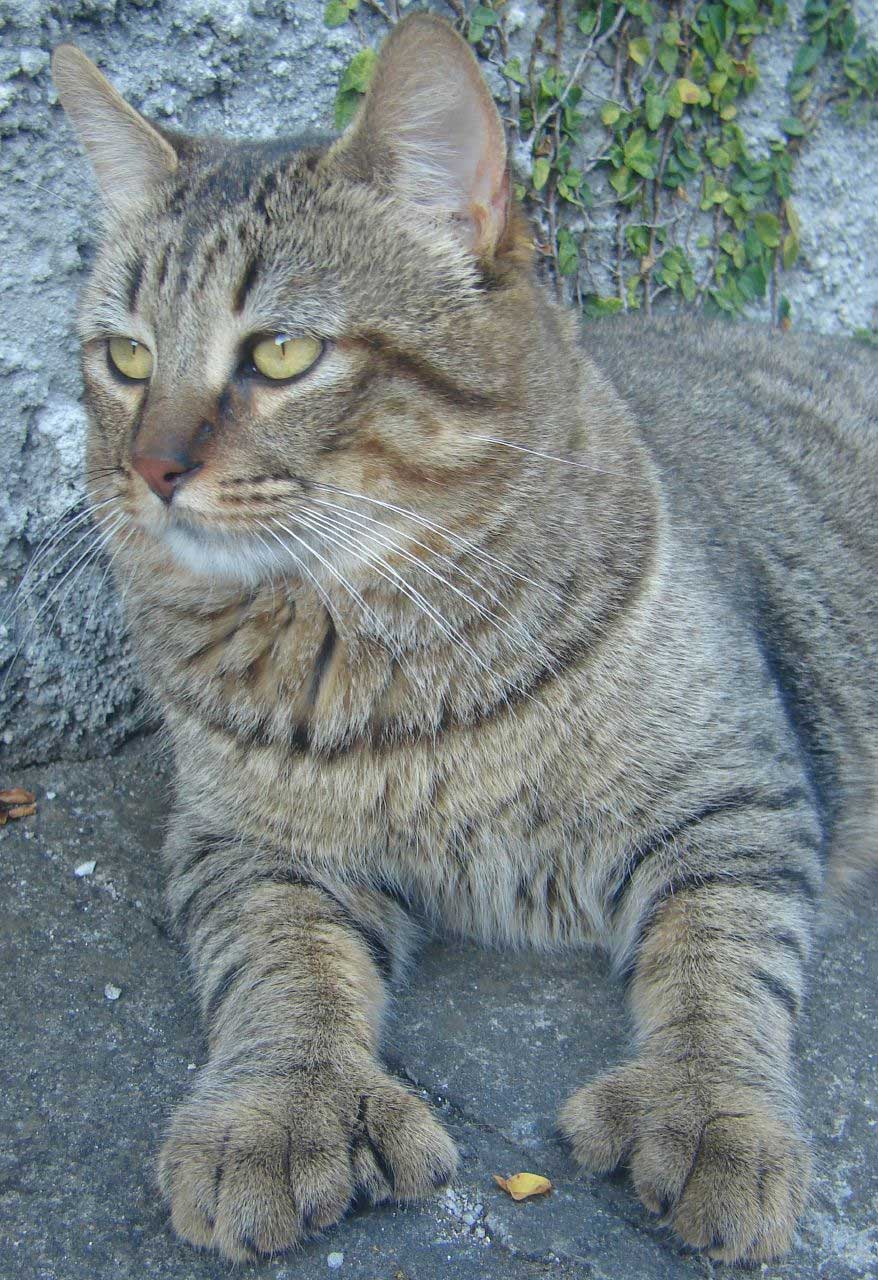
The Egyptian Mau does not give his affection to everyone: to earn their trust, your family should give you all the attention you deserve.

Photo: Wikipedia.org

Content

Characteristics "Egyptian Mau"

Coexistence is important that you have with your new friend. Before considering the acquisition of a cat of the breed "Egyptian Mau" you know certain factors. You must take into account their character, their need for exercise, their interaction with other pets, their care and if you have small children, their level of tolerance towards them.

Joy

5,0 of 5 stars (based on 1 review)

Activity level

5,0 of 5 stars (based on 1 review)

Friendliness to other pets

3,0 of 5 stars (based on 1 review)

Friendliness to children

3,0 of 5 stars (based on 1 review)

Grooming requirements

1,0 of 5 stars (based on 1 review)

Vocality

4,0 of 5 stars (based on 1 review)

Need for attention

4,0 of 5 stars (based on 1 review)

Affection towards its owners

4,0 of 5 stars (based on 1 review)

Docility

1,0 of 5 stars (based on 1 review)

Intelligence

4,0 of 5 stars (based on 1 review)

Independence

3,0 of 5 stars (based on 1 review)

Hardiness

3,0 of 5 stars (based on 1 review)

History


Mau it is an egyptian word that means โ€œcatโ€, and all existing races, the Egyptian Mau It is probably the one that has the most similarity to the domestic cats of Ancient Egypt. This appearance is not due to recreation detailed with various races or varieties, but to the descendants of the race of Egyptian Street cats that may have lived in the same region and have been essentially equal for millennia.

If the appearance of this variety is taken as the date of the race, It is by far the oldest in the world. More recently, the Egyptian Mau as a pedigree breed is the creation of Nathalie Troubetskoy, exiled Russian living in Italy since the second world war, it imported cats of Cairo. Reproduced them and showed the resulting kittens in Europe, and in United States recorded, where is installed in 1956. The full recognition of the breed took another twenty years, and much more in Great Britain, where it was delayed by confusion with similar spotted tabby cats: that used to be called maits and they were part of Oriental shorthair cat, and because of its similarity with the Ocicat cat.

Its international diffusion also continued, so that in the years 90 was present in both America and continental Europe, but also in more distant latitudes, like japan. The Fรฉdรฉration Internationale Fรฉline (FIFรฉ) recognized her in 1992.

But, the United Kingdom, a country with a great feline culture, stayed a little behind, since it was not until 1998 When Melissa Bateson imported the first Egyptian maus to the country, and up 2006 When the British Governing Council of the Cat Fancy (GCCF) granted the definitive recognition to the breed.

Today, the Egyptian Mau is well represented on all continents, but their popularity is still well below the new breeds of cats of wild origin, as the Bengal cat or the Savannah cat. In United States, is around the post 30 of the CFA breed ranking by number of registrations, and it even looks like it`s stagnating, since at the beginning of the decade of 2010 I was around the post 20. In the United Kingdom, the breed was quite popular after its recognition by the GCCF, With almost 200 specimens registered every year around 2010, but his popularity only decreased thereafter, to the point that since 2015 the number has dropped to less than 100 by year.

Physical characteristics
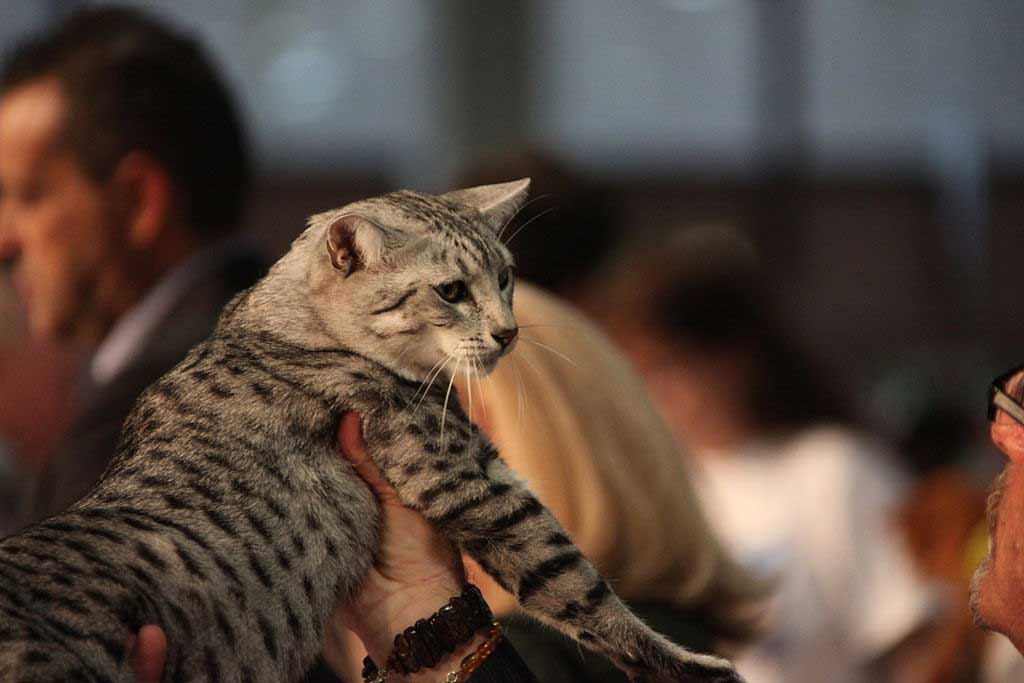
Egyptian Mau
Egyptian Mau – Pieter Lanser from The Netherlands, CC BY 2.0, via Wikimedia Commons

The Egyptian Mau it is a semi-linear cat. Its body he is both muscular and elegant, well settled on long legs (more in the front than in the back) and powerful, to the point of turning him into a speed champion. It is distinguished by an excess of skin between the flanks and the hindquarters, which forms a kind of ventral pouch called "bellows". The tail is medium in size and tapers towards the tip.

Seen from the front, the head of the Egyptian Mau is shaped like a rounded triangle, no straight lines. The forecrown has a very characteristic mark in the form of an M, called "beetle mark". The eyes are wide open and have a color specifically called "currant green.". The ears they are medium in size and have a rounded tip.

The fur of the Egyptian Mau It is of medium length, and its texture depends on the color of the coat. Like this, the black smoke (black marks on charcoal background) and the black (black marks on black background, only visible under certain lighting) they have fine, silky fur. The silver (black marks on silver background) and the bronze (dark brown markings on bronze background) have a dense and flexible coat.

Whatever its color, the fur of the Egyptian Mau is always stained. The Egyptian Mau It is the only breed of domestic cat that has this peculiarity., since the other races in this case were all created by man.

Last, the sexual dimorphism it is well marked: the male is significantly larger and heavier than the female.

Size and weight

  • Male size: Of 28 to 32 cm.
  • female size: 25-28 cm.
  • Male weight: 4-7 kg
  • female weight: 2,5-4,5 kg

Breed standard

The breed standards are documents established by official bodies that list the conditions that a dog must meet. Egyptian Mau to be fully recognized as belonging to the race:

Character and skills

"Egyptian Mau"

Mau egipcio
Eyes of Egyptian Mau change colour according to mood, first pale green – Madame Diana, CC BY-SA 4.0, via Wikimedia Commons

The Egyptian Mau does not give his affection to everyone: to earn their trust, your family should give you all the attention you deserve. He seems to like to be admired and the center of attention, as were their ancestors, who were considered deities in ancient Egypt. Once the link is established, he is completely devoted and loyal, and enjoy spending time playing with his master or being caressed.

But, they are much more wary of strangers and are quite shy and fearful in a noisy environment. To prevent the cat from becoming overly stressed, it is important to get him used to a certain level of activity at home from an early age, as well as the various noises you may face later: television or music at high volume, vaccum cleaner, fire siren, etc. This is especially true for those individuals who are destined to participate in feline shows., since the atmosphere and the agitation that reign in these events can be extremely stressful for a cat that until then has only known the calm of a quiet home.

Being playful, to the Egyptian Mau likes the company of children who know how to behave in the presence of an animal, but he quickly runs away from the little ones and / or those he finds too agitated for his liking. They enjoy the company of other dogs and cats, but they want to remain the center of their family's universe.

On the other hand, how is an excellent hunter, you have to avoid living with rodents, fish or birds, since it is very likely that it will end badly. It also, if you have access to the outside, it should come as no surprise that from time to time he brings a gift to his family, mouse or bird shape. He would not understand that his family was not happy to enjoy the fruits of his efforts, so it is advisable to congratulate him with lots of caresses and some treats, to let you know that your gift is appreciated.

Smart and active breed, the Egyptian Mau quickly learn to return a thrown object, to run after a plastic mouse or to open a door, either the one in the closet where the goodies are kept or the one that offers you the access to the outside that you like so much. However, can live in a flat, but then it is necessary to play with it daily and that the floor is large enough for this little car to run around.

They are also one of the few cat breeds that love water.. Although unlikely to join its owner in the shower, you can play with the water from your bowl or from an open tap for a while. He also likes to jump and position himself high to observe his territory., so it is quite possible that the top of a closet will become your favorite place.

Last, although it is not very vocal, the Egyptian Mau she does not hesitate to make her soft and melodious voice heard when her bowl is empty, or when he is especially happy. It is also capable of emitting clucking sounds quite specific to this breed., while wagging his tail in a rather unusual way.

Health

The Egyptian Mau It is a very resistant feline breed and has hardly been shaped by the hand of man throughout its long history, making you less prone to genetic diseases.

But, are more prone to certain diseases:

  • Leucodistrofia, an extremely rare disease of the nervous system;
  • Umbilical hernias (organ that crosses the abdominal wall), that can be corrected by neutering the cat;
  • The pyruvate kinase deficiency, another rare disease, that affects an enzyme in the blood. Causes anemia in other breeds, but it doesn't seem to have any effect on the Egyptian Mau: even if it is a carrier, does not seem to develop any particular symptoms.

It also, this breed is especially drug sensitive and anesthetics; therefore, before any treatment or operation, make sure that the vet is well aware of this specificity.

Last, the risk of Obesity in cats it is especially pronounced in the Egyptian Mau, especially if they live indoors. It is not a disease in itself, but it can be the cause or an aggravating factor of many health problems.

Life expectancy

Of 12 to 15 years

Grooming
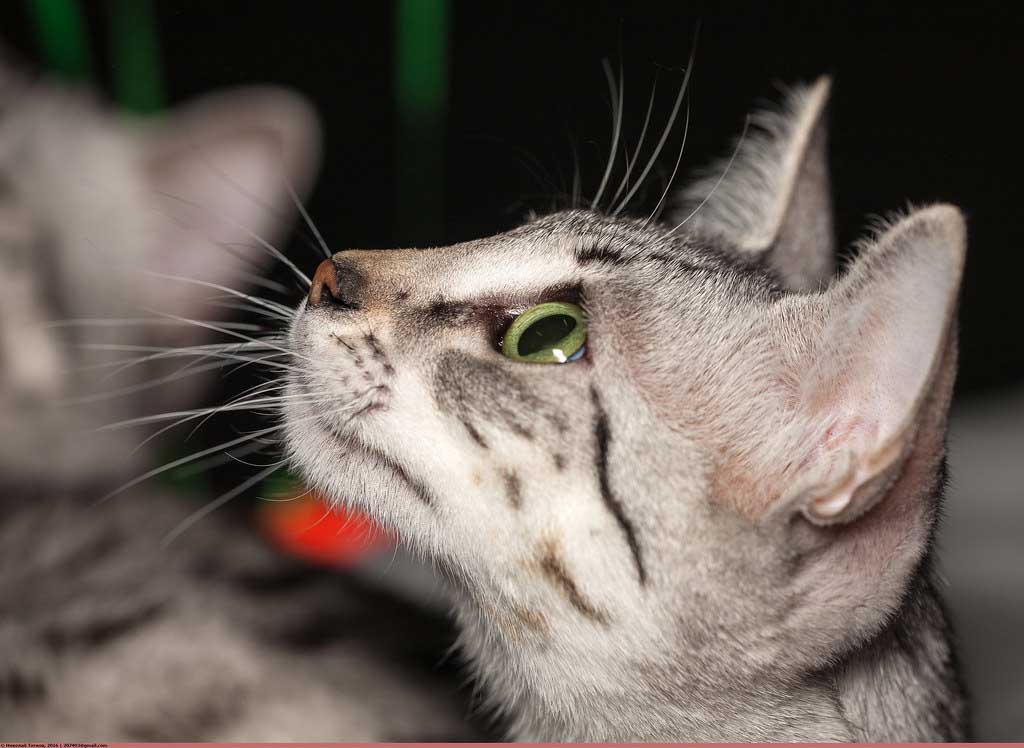
Egyptian Mau
Egyptian Mau – Flickr

The Egyptian Maue is an easy-care cat. In fact, a quick brushing once a week is enough to rid his coat of dead hairs.

This weekly grooming session is also an opportunity to check that your teeth, eyes and ears are clean and to clean if necessary, in order to avoid any risk of infection.

Last, if its claws are too long, you have to cut them with a nail clipper. This is more likely in the case of a person who lives indoors, since there is less natural wear.

Food

The Egyptian Mau he is not picky about his meals and can be fed commercial cat food without any problem. But, These must be of good quality and adapted to your age and activity level, to provide you with everything you need for your health.

How they are quite gluttonous and prone to obesity, it is important to keep a close eye on your daily rations and not leave food available all the time as, unlike other cat breeds, are not capable of self-regulation.

For sale "Egyptian Mau"

The price of a kitten Egyptian Mau it is on average about 1400 EUR.

But, this figure hides great disparities between a subject with a prestigious pedigree and characteristics destined for feline exhibitions, whose price can easily amount to 1800 EUR, and another destined simply to become a pet, that can be found around the 1000 EUR.

In any case, there is no significant price difference between male and female kittens.

โ–ท The world of Pets: Dogs, cats, birds, reptiles, amphibians

Pixie-bob
Federations: TICA, ACFA/CAA, CCA-AFC

Even in america, the distribution of Pixie-bob is still limited, since the number of breeders does not exceed twenty.
Photo: ยฉ Natalie Bent - Pixie-bob.info

Content

Characteristics "Pixie-bob"

Coexistence is important that you have with your new friend. Before considering the acquisition of a cat of the breed "Pixie-bob" you know certain factors. You must take into account their character, their need for exercise, their interaction with other pets, their care and if you have small children, their level of tolerance towards them.

Joy

4,0 of 5 stars (based on 1 review)

Activity level

4,0 of 5 stars (based on 1 review)

Friendliness to other pets

4,0 of 5 stars (based on 1 review)

Friendliness to children

4,0 of 5 stars (based on 1 review)

Grooming requirements

2,0 of 5 stars (based on 1 review)

Vocality

3,0 of 5 stars (based on 1 review)

Need for attention

4,0 of 5 stars (based on 1 review)

Affection towards its owners

5,0 of 5 stars (based on 1 review)

Docility

4,0 of 5 stars (based on 1 review)

Intelligence

4,0 of 5 stars (based on 1 review)

Independence

2,0 of 5 stars (based on 1 review)

Hardiness

5,0 of 5 stars (based on 1 review)

History

The origins of the Pixie-bob they are dyed with fantasy. There is a legend that it is the result of the mating between female domestic cat and male bobcat. This is surely due to the fact that the Pixie-bob looks like "Lynxยซ, but it has no foundation.

What is known is that Carol Ann Brewer, a Washington state breeder, in the northwestern United States, was the creator of the race.

In 1985, through a newspaper ad, adopted and appointed Keba, a male kitten that resembled a bobcat: large, with spots and with a short tail. The owners told him that the father was a bobcat (Lynx rufus).

Carol Ann Brewer I already had a female, call Maggie, which had the same characteristics. Decided to pair them. In the resulting litter, a little kitten was born with features identical to those of her parents. He called Pixie.

Pixie looked like a wild cat, but he was tame and he was loving. Carol Ann Brewer was delighted with this original mix and decided to breed it.

He toured the Cascade Mountains and found 23 males with the same characteristics: short tail, spotted fur, short or long hair. Like this, had enough specimens to start breeding what he decided to call the Pixie-bob: Pixie in reference to the little cat from which all representatives of the breed descend, and Bob by "bobcatยซ, that means Lynx.

Carol Ann Brewer He then gathered around him other breeders who were passionate about the cat and who wanted to contribute to its development.. He exercised strict control over his breeding work, so that together they managed to maintain both the wild appearance of the cat and its domestic temperament.

In 1989 Carol Ann Brewer wrote the first rule for the Pixie-bob. She and her colleagues worked hard to get the International Cat Association (TICA) recognize the breed. One of the ways to do this was to silence the rumor that the animals were hybrids of the bobcat, that is to say, who descended from that species. They knew that it was highly unlikely that the official authorities would agree to register a hybrid cat. Thus, performed genetic tests on the different litters, who scientifically proved that there was no relationship between their cats and wild animals.

In 1993, the organization took a decisive first step in allowing the Pixie-bob will be presented in exhibitions organized under the aegis of the organization, although unable to compete. In 1996, officially granted the Pixie-bob new breed status, and in 1998 the breed received full recognition, allowing your representatives to participate in contests.

At the same time, The "Pixie Bob" began to spread internationally.

This was the case, in particular, from France: a first copy was presented in 1997 in the Festival of the Gato de Pontoise. The reference body of the country, the Livre Officiel des Origines Fรฉlines (LOOF), recognized the breed barely 5 years later, in 2002.

Not everyone has done the same. These may include, the request for recognition made to the Cat Fanciersโ€™Association (CFA) still not successful to this day, contrary to what happened in 2005 with the one carried out at American Cat Fanciersโ€™ Association. In general, few official bodies have accepted the breed. These may include, not even Fรฉdรฉration Internationale Fรฉline (FIFรฉ), neither him Governing Council of the Cat Fancy (GCCF), not even Association Fรฉline Canadienne (CCA), they have taken the step.

Distribution of "Pixie-bob"

Although the Pixie-bob began to be exported outside its country of origin in the years 90 (Canada, France, Italy, etc.), most of its population is still concentrated in the United States. It is still rare and little known abroad.

Even in america, its distribution remains limited, since the number of breeders does not exceed twenty. in Canada, there are less than a dozen.

In France, there are hardly more than a handful of breeders. The number of annual records of Pixie-bob in the Livre Officiel des Origines Fรฉlines (LOOF) around twenty between 2006 and 2008, and then drop to a dozen in the following years, before peaking again at 2018, with more than 30 births per year. In any case, whatever the time, records Pixie-bob shorthair are 2 to 3 times more than those of Pixie-bob longhair.

The breed is also present in Belgium, but there are only a few breeders there.

Physical characteristics

Pixie-bob
Pixie-Bob – Simone Johnsson from Curitiba, Brazil, CC BY-SA 2.0, via Wikimedia Commons

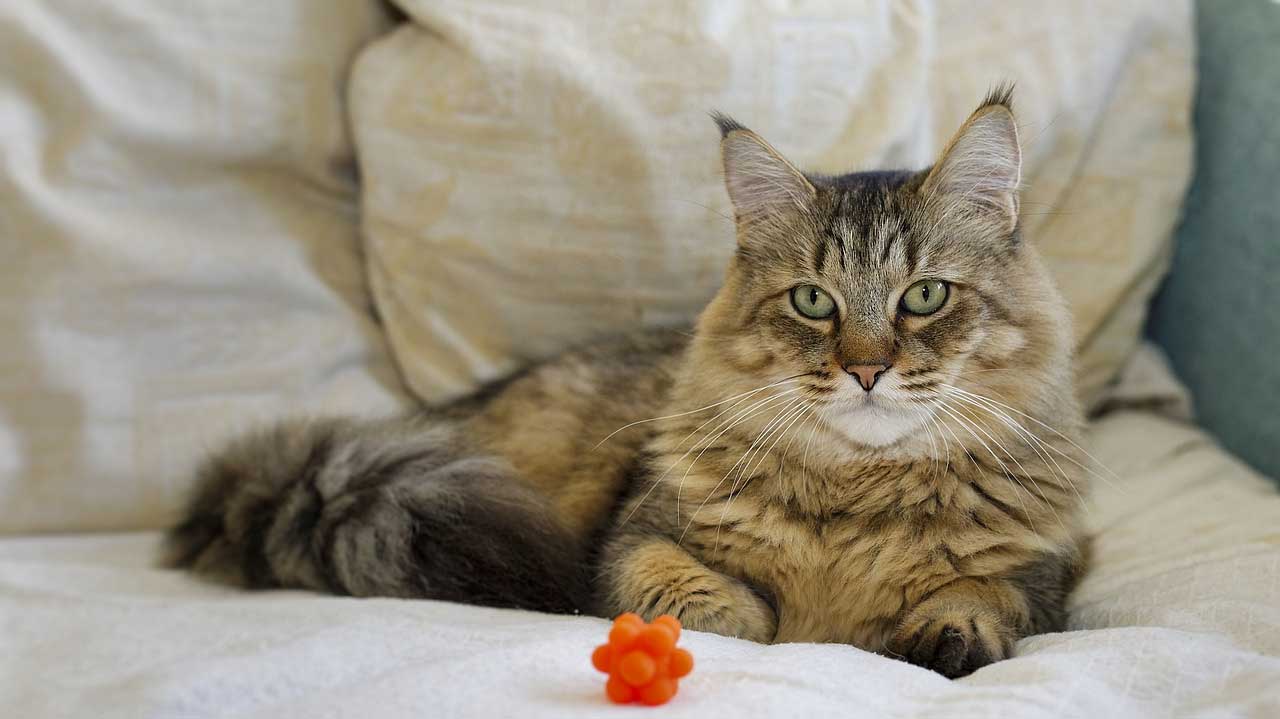
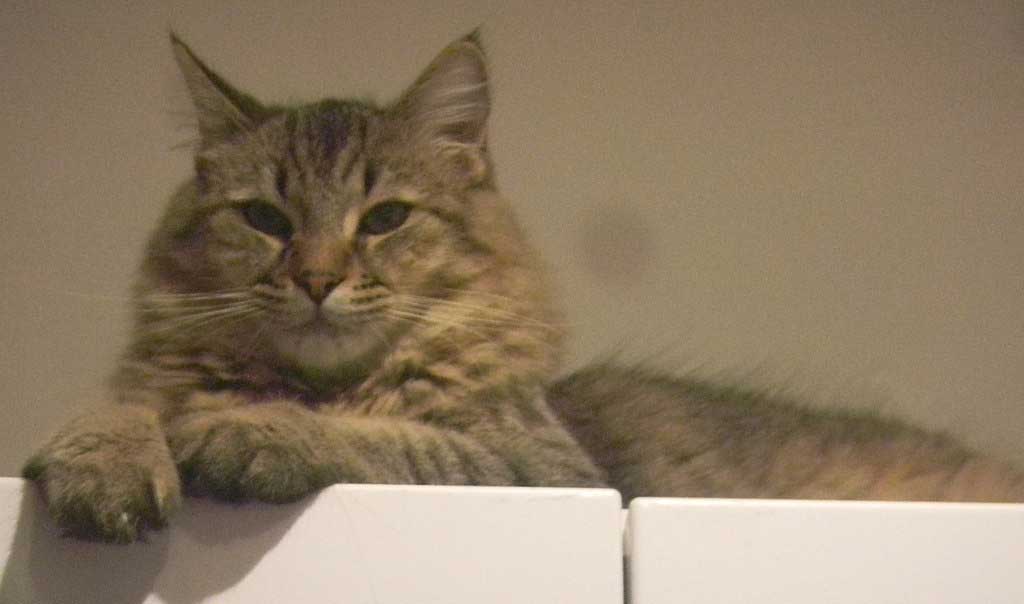
The Pixie-bob is a long and powerful cat with a wild look.

The body it is medium to large size, with strong bones and powerful muscles. The rib cage is broad and well developed. The shoulders are prominent and form a hole in the center, which gives the impression that the Pixie-bob roll when walking. Lower body has a belly pocket. The back forms a slight hollow that goes up to the hips, that are slightly taller than the shoulders.

The tail must have at least 5 cm length, but must not extend beyond the hock when the leg is fully extended.

The legs they are long and powerfully muscular, ending in feet large, wide and almost round. The latter have meaty fingers.

Some individuals have a normally long tail or feet polydactyls. In France, the Livre Officiel des Origines Fรฉlines (LOOF) authorizes its registration and reproduction, but they cannot participate in contests organized under the auspices of the organization. The International Cat Association accepts the Pixie-bob with long tail, as long as the queue does not exceed more than 2 cm from hock when leg is extended, as well as those who are polydactyls (7 fingers maximum).

The head of the Pixie-bob rests on a powerful and muscular neck. It is medium to large in size and has the original shape of an inverted pear.. The forehead is slightly rounded and ends in a slight stop.

The ears they are medium in size and wide at the base, with rounded tip. Subtly leaning out, have feather-shaped tufts of hair at the tip, which gives them an air of resemblance to the Lynx.

The eyes they are widely separated in the shape of a rectangular triangle and their color varies between gold and hazelnut. They are surrounded by a line of creamy white makeup that highlights their contours., and are topped by bushy eyebrows. The eyelids are quite heavy and cover a small part of the eyes, giving to Pixie-bob a slightly indolent and half-asleep appearance. It also, on each side, a black line runs from the outer corner of the eye to the cheek, which is prominent.

The nose it is quite big and wide. It is also slightly arched, forming a small hump, and ends with a brick-colored nose.

Last, the chin is well developed and covered with dense fur.

The Pixie-bob it comes in two varieties, that are differentiated by the length of their fur – all other physical and mental characteristics are identical. There are individuals of shorthair and Longhair. On this last case, However, hair does not exceed 5 cm length.

Both short-haired and long-haired cats have soft fur, woolly and dense, especially on the head, where it is thicker.

The Pixie-bob is a tabby cat whose coat can only have a spotted tabby pattern, that is to say, is stained with small round spots, randomly distributed throughout the body. Undercoat is mouse gray, and the upper one is brown, or of all its lighter or darker shades. The belly contrasts with the rest of the body, as it is creamy white. The same goes for the chin and lower neck, which are lighter in color. On the other hand, the back of the legs, the pads and the tip of the tail are brownish-black or black.

The fur mottled Pixie-bob changes with the seasons. In winter, the fur is very dense, allowing it to withstand very low temperatures. In summer, the coat is less dense and shorter, allowing the spot pattern to be seen. The molt takes place in spring and autumn.

Last, regardless of the variety, there is a certain sexual dimorphism: the male is not much larger than the female, but it's heavier.

Size and weight

"Pixie-bob"

Pixie Bob
Pixie-Bob – Simone Johnsson from Curitiba, Brazil, CC BY-SA 2.0, via Wikimedia Commons
  • Size: 30 cm.
  • Male weight: Of 6 to 10 kg
  • female weight: 3 to 4 kg

Breed standard

The breed standards are documents produced by official bodies that list the conditions that a dog must meet. Pixie-bob to be fully recognized as belonging to the race:

Varieties

The Pixie-bob it comes in two varieties:

  • the Pixie Bob shorthair;
  • the Pixie Bob longhair.

The only difference between them is the length of the hair.: their other physical characteristics are identical, like his temperament. But, the Pixie Bob shorthair it is more common than the long-haired.

It also, although they are not considered varieties in the strict sense, there are both Pixie Bobs short-tailed (the majority) like those with a much longer tail. Both can be short or long hair.

Character and skills

Pixie-bob
Pixie-bob

The Pixie-bob it is a surprising and remarkable cat. In fact, its wild appearance could be misleading, but don't be fooled: this cat has an affectionate and docile character, which is even similar to that of a dog in many respects.

In fact, this outgoing animal, affectionate and easy to carry is ideal for a family. Not an individual cat, but wait - and offer- affection to everyone around him on a daily basis. They like to be the center of family activities and participate in some way. A little talkative, does not hesitate to communicate to demonstrate, for example, that he needs to be caressed.

You can even talk to strangers this way. In fact, the Pixie-bob he is not shy with strangers or guests who come into his house. On the other hand, he stays in the middle of all those people and wants to participate.

If this cuddly feline enjoys cuddling up on the couch with his humans, it is because it is calm and relaxed by nature. A bit addicted to the couch sometimes, he likes the tranquility of his home and being surrounded by his family.

They are able to cope with the excitement of the youngest: loving their company and showing infinite patience with them, without ever being aggressive, It is clearly a recommended breed of cat for children.

But, the fact that it is a good company should not make us forget that a small child and a cat - whatever the breed- they should never be alone together, without adult supervision.

The Pixie-bob is also sociable with other cats, dogs and even small animals like rodents and birds. In fact, tends to easily accept sharing their territory, especially if you have gotten used to it since childhood. But, if another animal enters the family circle when it is no longer a kitten, it is preferable to adapt gradually to minimize the risk of problems. In any case, if you are going to live under the same roof as a dog, it is better to choose a breed of dog that gets along well with cats and can live with them.

Without being destructive, the Pixie-bob is playful, and sometimes even exuberant. So, need space. But, as long as it is a respectable size and its owners allow it to exercise, you can live both in a flat and in a house with a garden. On this last case, it is a good idea to install a cat flap, so you can come and go as you please, both inside and outside.

Regardless of where your cat lives, it is possible to teach him to walk on a leash, especially if you start early enough. This is an interesting option if letting your cat roam freely is not possible or is too dangerous.. The Pixie-bob he also enjoys car rides, but care must be taken to ensure your safety and that of the occupants of the vehicle by placing it in a cat carrier. Either way, He is very fond of family walks and curious, enjoying observing their surroundings.

When your owners can't take you with them, for example to work during the day, It's not too hard for him to face loneliness, as long as he feels safe at home and has interactive toys to keep him busy and stimulate his faculties. This prevents you from finding other objects to entertain yourself with., such as paper towels or toilet paper, that unwinds and grinds with infinite pleasure.

He also likes to chase an object, bring it back and thus interact with the people around you, like a dog would. This can be an easy way to play with him at home.. His intelligence also allows him to learn little tricks and exercise his skills.

like most of his peers, he also likes to climb, so a cat tree is also an essential investment. Last, to complete the package, a scratching post is essential so you can scratch all you want. You better meet this natural and compelling need in this item., than in the furniture or the curtains.

Last, the Pixie-bob it is one of those rare breeds of cats that love water. A leaky faucet is a real source of fun for him: enjoy not only observing the phenomenon, but also playing with the dripping water, even staining in the sink to get wet. He also likes to jump in the bathtub if there is a bottom to play.

Health

Pixie-bob
Young pixie-bob longhair – VanWagn, CC BY-SA 4.0, via Wikimedia Commons

The Pixie-bob It, in general, a healthy dog, which is a testament to the good work that breeders have been doing since the decade of 1980, especially to avoid inbreeding and the problems it causes.

It also, their fur, very dense and waterproof, allows it to withstand quite cold temperatures and bad weather. On the other hand, makes you suffer from the heat when the mercury rises. So, it is more suitable for temperate or cold climates. In any case, if you live in a Mediterranean climate, for example, it is essential that you have an airy and shady place to rest in the cool of the sun, as well as fresh water at your disposal at all times.

Despite your overall good health, the Pixie-bob It, like all races, more prone to certain ailments. In this case, is about:

  • cryptorchidism, which corresponds to the fact that one or two testicles have remained in the abdomen instead of descending into the sac. The animal must then be operated, since the genital gland that is left in the abdomen can become cancerous with age. It also, this prevents the cat from behaving like a non-neutered cat, that is to say, to run away and fight more. But, this condition is still very rare;
  • Dystocia, what is the difficulty to give birth. This may be due to an abnormal position of the fetus., to an excessive weight of the same or to an insufficient dilation or diameter of the pelvic canal. If the cat has more than 12 hours with contractions and they are not effective and, Therefore, has not started to give birth, it is urgent to call the vet. In most cases, the vet performs a cesarean section and then advises neutering the animal, so as not to endanger her life again with another pregnancy.

It also, the Pixie-bob has a tendency to overweight, yes no to obesity. This has consequences for the state of the Pixie-bob: can both aggravate pre-existing health problems and cause new ones to appear.

In any case, the fact that this cat is generally in good health does not mean that you should not turn to a serious breeder of Pixie-bob to have the best chance of having a healthy and well-adapted feline. In effect, a professional worthy of the name goes out of his way not only to socialize kittens from their first weeks, but also to rule out any hereditary disease by having various genetic tests performed on the proposed reproducers and excluding those who present a risk. It also, does not hesitate to carry out several tests on the kittens to confirm their good health. So, can provide the results of the various tests, in addition to a certificate of good health drawn up by a veterinarian and a list of the vaccinations received by the kitten, registered in your health or vaccination card.

Once the adoption is done, it is the owner's responsibility to take care of his partner's health throughout his life. As such, it is essential to carry out a complete health check-up at the vet at least once a year, and even more when the dog gets older. In this way, the professional has the opportunity to diagnose as soon as possible any problems that are not yet visible, to be able to treat it in the best conditions. These regular visits are also an opportunity to remember the cat's vaccinations..

So that the cat is always protected, the owner must make sure to renew the antiparasitic treatments throughout the year, whenever necessary. This applies even to indoor pets.: even if they are less exposed to the risk of parasites, they are not completely safe.

Grooming

"Pixie-bob"

Pixie Bob
Pixie-Bob Female puppy, long tail, short coat, active and very playful – Flickr

The maintenance needs of the Pixie-bob depend on the length of their dense, woolly fur, especially when molting in spring and fall.

In the case of a long-haired cat, brushing twice a week is necessary to remove dead hairs. during moulting periods, in spring and autumn, a quick daily brushing is necessary.

For the Pixie-bob shorthair, brushing once a week is enough, except during the molting period, when it is better to brush twice a week.

Regardless of the length of your hair, you also need to check and clean your ears weekly. This prevents moisture or dirt from accumulating and becoming infected.

You should also take the opportunity to examine the eyes. If required, a damp cloth should be rubbed in the corner of the eyes to remove dirt and prevent possible infection.

Neither should you neglect the maintenance of the cat's teeth, as it can cause the accumulation of dental plaque, which can cause more or less serious diseases if it turns into tartar. Brushing at least once a week with cat toothpaste is the best way to prevent plaque buildup., but it is best to brush more often, or even daily.

It is also a good idea to check your nails every month.. If you have access to the outside, natural wear and tear should be enough to file them down, but it is still essential to check that they are not too long. Yes they are, manual trimming is essential to prevent them from getting in the way, break or even injure the dog. For an individual living in a flat, this should generally be done once a month, even if it has a scratching post.

Maintaining a Pixie-bob not particularly complex. But, either its fur, his ears, his eyes, their teeth or claws, the different steps are not always easy to follow: do not hesitate to ask a specialist for help the first time. In effect, learning them from a veterinarian or professional cat groomer allows you to be effective and not risk harming your pet, or even injure her.

It also, as soon as the proper gestures are mastered, grooming sessions can be privileged moments between the master and his partner, especially because Pixie-bob loves to receive attention and caresses. The sooner you get used to it, more easily accept it and even ask for more.

feeding

Like all its fellow men, the Pixie-bob requires a diet perfectly adapted to your nutritional needs, both in terms of quality and quantity. The latter depend mainly on your age, activity level and health status.

Your daily rations must be rigorously defined, since he has an unfortunate tendency to be overweight. For this reason, unlike most cats, it is better to accustom him to fixed meals instead of leaving him food all day, since he is not able to regulate his own intake.

Good quality industrial food can be quite suitable to feed you. But, unless you are sure it meets your needs, you should avoid offering food intended for humans. Especially since giving leftovers can cause tension and damage the relationship with its owner. They may come to see this as a habit or even an obligation., and they will stubbornly demand it, meowing and expressing their discontent if they don't get it. It also, a cat needs a diet that varies little: any sudden change in your diet can alter your digestion. Last, remember that some foods that are very tasty for humans are toxic to cats.

The owner must always check the weight of his cat every month, but this is even more important for the Pixie-bob, given its tendency to obesity. In case a slip is confirmed or even accentuated in the following measurements, a visit to the vet is essential to see more clearly and know how to remedy the problem. In fact, only a professional can make a reliable diagnosis, as the weight gain may not be related to the diet or activity level of the animal: It can be, for example, a side effect of a medication or a symptom of a disease.

Last, as in the case of any other cat, it is important to keep fresh water available to your Pixie-bob at all times.

For sale "Pixie-bob"

The price of a kitten Pixie-bob usually oscillates between 900 and 1500 EUR.

In all countries, the amount required to adopt a Pixie-bob differs based on the reputation of the kennel, of the lineage from which the animal is descended and, of course, its intrinsic characteristics, especially physical. This last point explains why there are significant price differences within a litter..

Pixie Bobs

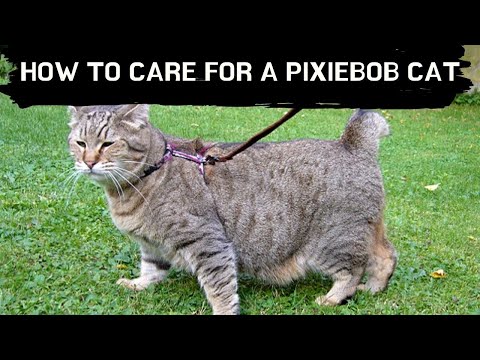
How to care for a Pixiebob cat Updated 2021 || Pixie bob cat kittens

โ–ท The world of Pets: Dogs, cats, birds, reptiles, amphibians

Somali cat
Federations: LOOF, CFA, ACF, ACFA, TICA, FIFรฉ, WCF

Content

Characteristics "Somali cat"

Coexistence is important that you have with your new friend. Before considering the acquisition of a cat of the breed "Somali cat" you know certain factors. You must take into account their character, their need for exercise, their interaction with other pets, their care and if you have small children, their level of tolerance towards them.

Joy

5,0 of 5 stars (based on 1 review)

Activity level

5,0 of 5 stars (based on 1 review)

Friendliness to other pets

3,0 of 5 stars (based on 1 review)

Friendliness to children

2,0 of 5 stars (based on 1 review)

Grooming requirements

3,0 of 5 stars (based on 1 review)

Vocality

1,0 of 5 stars (based on 1 review)

Need for attention

4,0 of 5 stars (based on 1 review)

Affection towards its owners

4,0 of 5 stars (based on 1 review)

Docility

1,0 of 5 stars (based on 1 review)

Intelligence

4,0 of 5 stars (based on 1 review)

Independence

3,0 of 5 stars (based on 1 review)

Hardiness

2,0 of 5 stars (based on 1 review)

History

No one knows for sure when and where the first somali cat; some advocates think that the long coat was a spontaneous natural mutation of the Abyssinian cat. Genetic studies indicate, However, that Somali probably originated around the turn of the century in England, when breeders, few breeders, they used longhair cats in their breeding programs Abyssinians.

At the end of the decade 1910 and at the end of the decade of 1940, during the aftermath of World Wars I and II, when so many races had dwindled to near extinction, breeders were forced to mix other breeds into their bloodlines abisinias to keep the race. Raby Chuffa of Selene, a Abyssinian cat male who came to the United States from Great Britain in 1953, and that appears in the pedigrees of many Abyssinians, is considered the father of the somali race on this continent; all the somalis Canadians and Americans can be traced to this cat.

Somali cat
somali cat, female – FinnFrode, CC BY-SA 4.0, via Wikimedia Commons

The pedigree of Raby Chuffa It dates back to Roverdale Purrkins, a female Abyssinian cat English whose mother, Mrs. Mews, was of unknown ancestry and probably carried the gene for Longhair. Mrs. Mews was given to the breeder Janet Robertson by a sailor during WWII. Mrs. Mews later had two kittens: Roverdale Purrkins, registered as Abyssinian, and an unregistered black male.

Robertson used to Purrkins to start his kennel of Roverdale. Your cats and others Abyssinians of British origin were exported to Europe, Australia, New Zealand, Canada and United States. When long-haired kittens appeared in the litters of Abyssinians (which was possible whenever two Abyssinians who carried the longhair recessive gene), the kittens were discreetly given away, since no breeder wanted their Abyssinian lines to be thought to be "contaminated" with the longhair gene.

It was not until the decade of 1960 when breeders, seeing the appeal of a longhair version of a breed that was rapidly gaining popularity in North America, they began to seriously try to turn these castaways into a race of their own. At the same time, breeders of Canada, Europe, Australia and New Zealand also began working with the new breed. Some breeders of Abyssinians They wanted nothing to do with these long-haired mavericks and they didn't want to foster the connection that the name "longhair abyssinianยป would produce.

the Abyssinian breeder Evelyn Mague, one of the first American breeders to work with the long haired breed after discovering that two of his Abyssinians, Lynn-Lee’s Lord Dublin and Lo-Mi-R’s Trill-By, they were carriers of the long hair gene.

He came up with the name โ€œSomaliโ€ because Somalia borders Ethiopia., the country that used to be called Abyssinia and that gave its name to the Abyssinian cat. In 1972, Mague founded the Somali Cat Club of America and began to gather the enthusiasts of the somalis.

In 1975, the International Somali Cat Club was founded, affiliated with the CFA. La CFA. recognized the breed in 1978. Lynn Lee’s Picasso and Lynn Lee’s Pearl, two somalis from the hatchery of E. Mague, arrived in France in 1979. The FIFe approved the breed in 1982.

This cat is very popular with a growing audience.

Physical characteristics

"Somali cat"

Gato Somali
Picture of a ruddy Somali cat – AbuDun91919, CC BY-SA 4.0, via Wikimedia Commons

The complexion of the Somali cat It is similar to the race it comes from, with long legs and agile and muscular body. Long hair may have up to twelve alternate stripes of dark marks in each hair, What produces an impressive brightness when the cat has all the fur. As all cats, silent substantially in spring, and in the year's hottest months or in warm climates, It may seem almost of short hair. With its winter coat, the tail becomes very hairy, and thanks to its color and complexion it has earned the nickname "fox cat".

Size and weight

  • Size: 30 cm.
  • Weight: 3,5 to 5,5 kg

Breed standard

The breed standards are documents established by official bodies that list the conditions that a dog must meet. Somali cat to be fully recognized as belonging to the race:

BODY

Medium long torso, agile and elegant, showing well-developed muscle strength. The rib cage is rounded; the back is slightly arched, giving the appearance of a cat about to jump; flank is level, without it being collected. The conformation falls somewhere between the extremes of the elongated and slender types.

HEAD

Modified wedge, slightly rounded, without blueprints; the eyebrows, cheeks and profile lines show a smooth contour. A slight lift from the bridge of the nose to the forehead, which should be of a good size with a width between the ears that flows into the arched neck without interruption. The muzzle should follow a smooth contour in accordance with the skull, seen from the front profile. The chin must be complete, neither lower nor higher, with a rounded appearance. The muzzle should not be very pointed, and there should be no evidence of a bite, rash or pinch on whiskers.

EARS

Large, alerts, moderately pointed, wide and hollowed out at the base. The ears should be placed in a line towards the back of the skull. The inner ear should have horizontal strands that reach almost to the other side of the ear.; it is desirable that there are tufts.

EYES

Almond-shaped, large, bright and expressive. Skull opening not round or oriental. Eyes accentuated by dark skin on the eyelid surrounded by a light-colored area. On each of them a short dark vertical stroke with a dark pencil line that continues from the upper eyelid to the ear. The color of the eyes is gold or green, the richer and deeper the color, best.

LEGS & PAWS

Legs in proportion to the torso; oval and compact feet. When it is stopped, the Somali gives the impression of being agile and fast. Toes five in the front and four in the back.

TAIL

With a full brush, thick at the base and slightly tapered. Its length is balanced with the torso.

COAT

Very soft texture to the touch, extremely thin and double-layered. The denser the fur, best. Length: a medium length cloak, except on the shoulders, where slightly shorter length is allowed.

COLOR

Ruddy, red, blue and tawny. Warm and glowing.

  • Ticking: distinct and uniform, with dark colored bands contrasting with lighter colored bands on the hair shafts. Undercoat color is clear and bright relative to skin. Deeper color tones are desired, However, ticking intensity should not be sacrificed for color depth. Preference is given to cats without markings on the underparts, chest and legs; tail without rings.
  • Markings: darker shading along spine continuing to tip of tail; darker shading on the hocks, shading is allowed at the tip of the elbow; dark lines extending from the eyes and eyebrows, shading on cheekbones, dots and shading on whisker pads are desirable enhancements, eyes accentuated by a fine dark line, surrounded by a light colored area.

Character and skills

Under his apparent shyness, he is an intelligent cat and sometimes capable of being bold. Very alert, lively and active, it is not exuberant. He is a lovely companion, whose behavior is often compared to that of a little fox.

Tender and very affectionate, demands a lot of attention, but is said to be less possessive than the Abyssinian cat. Although he is somewhat afraid of the cold, Somali do not tolerate confinement and, Therefore, he does not like life on the flat very much. As a great hunter, a garden is better for him than a flat.

Grooming

The maintenance of its coat only requires a weekly brushing. During the molting period, must be brushed daily.

Videos "Somali cat"

httpv://www.YouTube.com/watch?v=NraQzF2–VI

Muffin - The Somali Cat - My daily grooming

Alternative names:

  • Fox cat; long-haired Abyssinian
  • โ–ท The world of Pets: Dogs, cats, birds, reptiles, amphibians

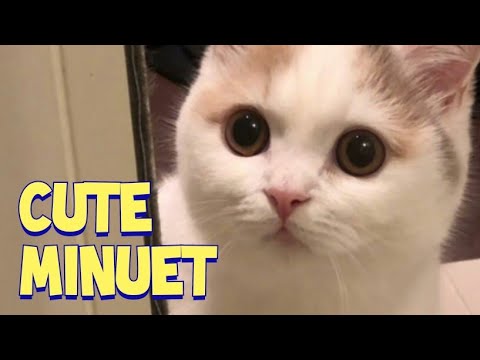
    Minuet cat (Napoleon)
    Federations: TICA

    As often happens with new breeds of cats, the fame of Minuet is essentially limited to your country of origin, United States.
    Minuet
    Long-haired minuet cat with white and gray fur – William Parker, CC BY-SA 4.0, via Wikimedia Commons

    Content

    Characteristics "Minuet cat (Napoleon)"

    Coexistence is important that you have with your new friend. Before considering the acquisition of a cat of the breed "Minuet cat (Napoleon)" you know certain factors. You must take into account their character, their need for exercise, their interaction with other pets, their care and if you have small children, their level of tolerance towards them.

    Joy

    5,0 of 5 stars (based on 1 review)

    Activity level

    4,0 of 5 stars (based on 1 review)

    Friendliness to other pets

    4,0 of 5 stars (based on 1 review)

    Friendliness to children

    5,0 of 5 stars (based on 1 review)

    Grooming requirements

    3,0 of 5 stars (based on 1 review)

    Vocality

    3,0 of 5 stars (based on 1 review)

    Need for attention

    4,0 of 5 stars (based on 1 review)

    Affection towards its owners

    5,0 of 5 stars (based on 1 review)

    Docility

    5,0 of 5 stars (based on 1 review)

    Intelligence

    4,0 of 5 stars (based on 1 review)

    Independence

    2,0 of 5 stars (based on 1 review)

    Hardiness

    4,0 of 5 stars (based on 1 review)

    History

    The Minuet cat or Napoleon It is a recent breed of cat originally from the United States.

    A fine June day 1995, Joseph Smith, an American breeder of Basset hounds, came across a photo of a Munchkin cat and an article in the Wall Street Journal about this cat, also known as basset cat. He was immediately drawn to the breed and its distinctive features: short legs (as the Basset hound that he was raising), round and expressive eyes, and the absence of a stop in the nose. He noticed that individuals with long legs that did not conform to the breed standard looked like feral cats.

    He decided then to create an original breed of cats, including both short-legged and long-legged individuals, being the length of the legs the only difference between both. The first would be the only ones strictly in accordance with the breed standard, but the latter would be kept for use in the breeding program.

    Turned to her friend Deb Kenny, creator of persian cats, who decided to help him in his research and over time became his mentor as his project progressed.

    The two enthusiasts were first interested in the gene for short legs. This is the dominant genre, call M of Munchkin, is a spontaneous genetic mutation. But, an individual who inherits an allele M of each of his parents, that is to say, What is it homozygous for this gene, it is not viable. So, it is not a question of raising two short-legged individuals, since otherwise you will have a litter in which, average, half of the individuals are not viable. The only way to obtain viable short-legged cats is to breed a short-legged individual (a Munchkin) with a long-legged individual. In this way, all kittens are viable: the 50% of them have short legs (are heterozygous in the gene M), and the 50% have normal-sized legs (are homozygous in the gene for long legs).

    Joseph Smith y Deb Kenny They then dedicated themselves to selecting the breeds with which they would cross the Munchkin. His choices were:

    The choice of these races was intended to give the Minuet a rounded overall appearance, a coat with all possible colors (colourpoint or not), and legs that can be both short and long. It also, the exclusion of the possibility of crossing with the Peke Face Persian (flattened nose) allowed to avoid the respiratory problems inherent in this variety.

    The breeding program started in 1996 when Joseph Smith bought a female Munchkin (whose grandmother was Persian) to Penny Squires of Penhaven Munchkin Cattery and Deb Kenny provided him with a male of Exotic shorthair cat. The following year they reproduced and gave birth to their first litter. The initiative was successful, since the kittens obtained had the desired characteristics.

    They called the new breed Napoleon, in reference to the first French emperor, and more specifically its small size.

    Breed recognition

    Minuet
    A long-haired white and gray hair minuet cat – Parkerwh, CC BY-SA 4.0, via Wikimedia Commons

    The Minuet cat (Napoleon) inherited the controversies of the Munchkin and of the Persians.

    In fact, since its creation in the United States in the decade of 1980, the Munchkin cat has been the subject of numerous disputes. In fact, Both breeders and some official bodies considered that raising a breed with a physical malformation (short legs) it was unethical.

    With regard to the Persian, was beginning to be criticized, especially since the then recent appearance of the varieties Himalayan cat and Exotic shorthair. Not to mention the Traditional Persian cat ยซPeke Faceยซ, that had already appeared in the 30s… In effect, your flattened face and flattened nose cause breathing problems, while her bulging eyes are the source of tear duct problems. Remember that Joseph Smith was careful not to introduce any Traditional Persian cat ยซPeke Faceยป in your breeding program, precisely to prevent the Napoleon cat suffer those problems.

    In these conditions, it is easy to understand that the recognition of Minuet cat (Napoleon) by the different feline organizations, whether international or national, it was not a bed of roses.

    Joseph Smith and Deb Kenny they then received the help of important support, in the person of Gloria Stephens, judge of the International Cat Association (TICA) and Solveig Pflueger, president of the organization's genetics committee.

    The former helped them draft the breed standard, while the latter defended it internally. His efforts paid off in 2011, when the TICA recognized the breed provisionally. But, in 2015, TICA decided to change the name to Minuet, much more consensual. In fact, the reference to the French emperor could be considered an insult, although it was indeed small. The following year, the breed obtained the full recognition of the TICA, so their representatives were able to compete in the feline exhibitions organized under the auspices of the organization.

    It could be that the latter emulates in the coming years, but at the moment neither the Fรฉdรฉration Internationale Fรฉline (FIFรฉ), not even World Cat Federation (WCF), have taken the step in turn. The benchmark feline organization in the United States, the Cat Fanciers’ Association (CFA), does not recognize the Minuet, nor do the national organizations of other countries: the Canadian Cat Association (CCA), the Governing Council of the Cat Fancy (GCCF) British, the Livre Officiel des Origines Fรฉlines (LOOF) French… I.e., much work remains to be done to get people to talk about Minuet cat around the world.

    Popularity of "Minuet cat (Napoleon)"

    As often happens with new breeds of cats, the fame of Minuet is essentially limited to your country of origin, United States. even there, this knowledge is relative, although its recognition by The International Cat Association (TICA) in 2016 has obviously given you some visibility. Of course, things could speed up if other organizations followed suit.

    In the meantime, there are about twenty breeders of Minuet in United States, but the breed has also started to spread a bit in other countries.

    There are a handful of breeders in Australia, South Africa and France.

    Physical characteristics

    Minuet cat (Napoleon)
    Minuet cat (Napoleon)

    The Minuet cat It is a breed of cat of the short-lived type (o cobby) distinguished by its short legs, inherited from Munchkin cat. Otherwise, owes most of its physical characteristics to the Persian, starting with its general anatomy all round (body, head, ears, eyes…).
    Built around a wide rib cage, his body is muscular and has a strong bone structure, with firm shoulders and hips. The tail it is medium in size and bushy. If the cat has a long coat, the hair he has is similar to that of feathers.

    The legs they are muscular and short; the front ones are even shorter than the rear ones. May have a slight curve on the inside. The feet They are round, and in long-haired dogs they have tufts of hair.

    The head rests on a short, strong neck and is small and wide. The head contour is completely round from all angles. The cheeks they are round and full, without being rounded. The nose is wide and moderately short, without being crushed. The eyes they are big, well rounded and have a soft and soulful expression. They can be of any color, and some subjects have them vairones (one eye of each color). The ears they are small to medium in size, widely spaced and rounded at the tip.

    The Minuet it comes in two varieties, with shorthair cats and longhair cats. The only difference is the length of the fur, and both have a very dense undercoat.

    On the other hand, regardless of length, the coat is soft and silky. It also, all the colors and patterns are accepted by the breed standard.

    Last, this breed is characterized by the almost absence of sexual dimorphism: males and females are nearly identical in size.

    Also keep in mind that, although officially they are only considered Minuets short-legged individuals, litters also include an average of long-legged individuals. Apart from this difference, they are identical in everything to their brothers and sisters. Its existence is essential for the survival of the race, since reproduction between two short-legged individuals is not possible: a good fraction of the individuals simply would not be viable. So, a short-legged individual can only reproduce with a long-legged individual.

    Breed standard

    The breed standards are documents produced by official bodies that list the conditions that a dog must meet. Minuet cat to be fully recognized as belonging to the race:

    Varieties:

    The Minuet comes in 2 varieties:

    • the Minuet shorthair and short legs;
    • the Minuet longhair and short legs.

    Apart from the length of its fur, there is nothing that distinguishes one from the other, neither in appearance nor in temperament.

    On average, litters also contain kittens with half long legs, that can also be short or long hair. They are not recognized as Minuets for its long legs, but they are absolutely essential for breeding programs. In fact, two short-legged cats cannot breed together, since some of her kittens would be homozygous for the short leg gene and, Therefore, they would not be viable. In any case, apart from the length of its legs, these cats have exactly the same characteristics as those with short legs.

    Character and skills

    "Minuet cat (Napoleon)"

    Gato Minuet (Napoleรณn)
    Minuet cat (Napoleon)

    The Minuet cat has inherited the calm and kindness of his ancestor the Persian cat, but also the energy and curiosity of his other ancestor the Munchkin cat.

    It is a very affectionate cat, who knows how to make his family happy. This is especially true of children.: as soon as they are old enough to know how to treat an animal with delicacy and respect, they find in him an enthusiastic playmate, and vice versa. But, even if it's not aggressive at all, should never be left alone with a small child, and this is applicable to any race.

    But, they are still one-person cats, which means they have their own person, usually the person who spends the most time caring for them. He is very possessive of her, follows her around and doesn't miss the opportunity to snuggle with her or sit on her lap.

    But, the fact that your relationship with a person is special should not hide that you are very sociable and get along well with all members of the family. In fact, it is ideal for him to have a human presence by his side almost all the time, since he is very reluctant to be alone. So, they are not suitable for people who are away from home most of the day, that it would be better if they chose an independent cat breed.

    On the other hand, his fondness for humans is not limited to those he knows. Sociable and confident, do not mistrust strangers, and they even approach them to be caressed. You have to be careful so that this is not counterproductive on occasion.

    His sociability also extends to his peers. Usually, they get along well with other cats in the same house, as long as, of course, don't be aggressive with them. This company can also help you better cope with the temporary absences of your masters.

    They are also among the cat breeds that get along well with a dog., as long as, of course, they themselves be friends with cats. But, if the cat is not used to living with the canine species from an early age, introductions and coexistence should be done very gradually.

    Regarding coexistence with birds and small rodents, being the Napoleon cat peaceful in nature, everything is generally fine, as long as everyone has their own space.

    Last, the Minuet he is very active and playful. Toys for cats that stimulate their intelligence are a good way to stimulate them both physically and mentally, as you tend to be a bit lazy and sleepy if you have nothing to do. In any case, its high level of activity does not make it incompatible with life in a flat, to which he is perfectly capable of adapting if his master does not live in a house with a garden.

    It is also very curious, and does not hesitate to make up for its small size by standing on its hindquarters, how does a ยซSuricataยซ, to better observe in height. It also, although their legs are short, is able to jump on a chair, a bed or a low cabinet. But, better get him a cat tree that fits his size, otherwise you will not be able to fully enjoy it.

    Health

    "Minuet cat (Napoleon)"

    Gato Minuet (Napoleรณn)
    Minuet cat (Napoleon)

    As the Minuet cat it is of recent creation, there is still no information about it, but seems to be in solid health.

    It is able to adapt to all climates. But, in hot weather, it is important to ensure that you always have shade and fresh water at your disposal.

    It is not surprising that the diseases to which he is predisposed are those of his ancestors. Persians and Munckin:

    • waterfalls, that cause degeneration of the lens of the eye and, long-term, the blindness. If the retina is not affected, the animal can be operated on to regain sight;
    • The renal polyquistosis, a hereditary genetic disease that also affects the Persian cat and to the Himalayan cat, and for which there is no treatment. Leads to cysts in the kidneys and leads to life-threatening kidney failure;
    • The feline hypertrophic cardiomyopathy, which can be inherited and causes the myocardium to become abnormally large. It is often asymptomatic, but puts the animal at risk of sudden death. But, can sometimes manifest with a rapid heart rate, vomiting and listlessness. There's no cure, but there are treatments that can improve the daily life of the cat;
    • The lordosis, a genetic deformation that causes excessive curvature of the spine. May cause pain with age;
    • The had, a skin condition caused by a fungus, it is highly contagious and can be transmitted to humans as well as other animals. The most important symptom is the appearance of scaly lesions with hair loss on the skin or at the base of the claws., without the animal frantically scratching.

    As in the case of any race, it is best to go to a breeder of Minuet conscientious to maximize the chances of adopting a healthy kitten. They must be able to provide a veterinary certificate of good health, details of vaccinations administered and the results of any genetic tests performed on the parents or kitten, to reduce the risk of inherited diseases.

    It also, like any other breed of cat, the Minuet you should not miss your review with the vet, that must be done at least once a year. In addition to allowing the professional to check its general condition and detect any problem as soon as possible, it may also be the occasion to carry out your vaccination booster.

    Another rule of thumb to keep your cat healthy is to make sure his worm protection is up to date.. So, it is up to the owner to renew it throughout the year, whenever necessary.

    Grooming

    The Minuet Cat's coat requires different care depending on whether it is short-haired or long-haired.. In the first case, one brushing a week is enough. In the second case, of 4 to 5 brushed is not too much.

    During your annual molt, in spring, it is better in both cases to do a small daily brushing, to help you get rid of dead hairs. This avoids excessively long sessions at less regular intervals, to which I might be reluctant.

    In any case, it's a good idea to start the session with a wide-toothed comb and finish with a wide-bristled backcombing brush.

    Queue can be a problem, since knots are easily formed – especially in long-haired dogs, knots are easily formed. It is useless to insist if they do not unravel: it is better to cut above the knot.

    It's also important to take a few minutes once a week to clean your cat's eyes with a damp cloth.. This is also an opportunity to check that there are no injuries to the eyes., and they are not beginning to be covered by an opaque veil, a sign of cataracts, to which this breed is prone.

    It is also very important to clean their ears with a damp cloth once a week to avoid infections. (otitis, etc.).

    You also need to brush your teeth regularly, using a cat-friendly toothpaste each time. This will prevent tartar build-up., that not only can cause bad breath in cats, it can also be the cause of more or less serious diseases. If your cat is used to daily grooming sessions, it is best to use them to brush your teeth every day. In any case, it is better to avoid doing it less than once a week.

    It is also important to check the length of your nails every month to prevent them from being too long.: they could not only hinder, but also break and potentially injure yourself. If you have access to the outside, natural wear and tear is usually enough to file them down. But, if you do not have access to the outside, it is usually necessary to cut them manually. By the way, if you live in a flat, it is essential that you have a scratching post at your disposal. Otherwise, be tempted to scratch furniture or curtains.

    Every owner must master the necessary gestures for the maintenance of the coat, the eyes, the ears, the teeth and claws of his companion. The first time, it is advisable to learn how to do it with a veterinarian or a professional groomer, because inappropriate gestures could injure or even harm the animal.

    In any case, You should not hesitate to start quickly after the cat arrives at your home.. In fact, the sooner a cat gets used to being handled, more easily accept different treatments. In fact, as long as the owner knows how to do it and does not hesitate to rate them with caresses and small attentions, these maintenance sessions can become privileged moments with your animal, so close to his humans.

    Food

    Like all other races, the Minuet you need a quality diet appropriate to your age and activity level to make sure you get all the nutrients you need.

    It also, although the breed is not prone to obesity, you need to monitor your weight at least once a month. In case of an unjustified weight gain that is confirmed or even accentuated in the following measurements, it is essential to go to a vet. Only a professional can diagnose the origin of the problem (improper diet, drug intolerance, disease, etc.) and indicate how to remedy it.

    The same happens if the little feline loses weight abnormally.; this may be a symptom of polycystic kidney disease, to which you are predisposed.

    Last, like any cat, the Minuet you need fresh water at all times.

    For sale "Minuet cat (Napoleon)"

    The Minuet It is a very recent and not very common breed of cat.. Thus, outside your country of origin, United States, can be difficult to get one, or at least need to wait many months on the waiting list.

    In any case, the price of a kitten Minuet often haunt them 1200 EUR.

    whatever the country, the price depends on the reputation of the breeder, of the lineage from which the animal comes, but also and above all its intrinsic characteristics; It is this last point that explains why different quantities can be given within the same litter..

    In the case of a purchase abroad, It must be taken into account that transport costs and administrative costs are added to the purchase price. It also, we must respect, of course, legislation on the importation of animals.

    Kittens - Minuet kittens and mum

    Alternative names:

  • Napoleon
  • โ–ท The world of Pets: Dogs, cats, birds, reptiles, amphibians

    American Wirehair cat
    Recognized by the CFA - TICA - ACFA/CAA - CCA-AFC - FIFe

    The American Wirehair cat it is a breed of young cat. This type of cat belongs to the category of domestic cats.
    American Wirehair
    Photo: Wilkipedia

    Content

    History

    The American Wirehair cat it was created by chance. In fact, the fault is a genetic defect. In 1966, in a litter of American shorthair cats, one male had an atypical coat. The fur was rough, lean and curly at the ends. The cat breeder lived in Verona, in upstate new york. Four of the kittens in this litter died, but the fifth, a red and white male kitten with this rough hair, survived. His name was Adam.

    Joan Oโ€™Shea, a local breeder, found out about the kitten and immediately fell in love with it. Later he realized that it was probably a new breed and developed a breeding program.. Crosses with him American shorthair cat prevented excessive inbreeding and allowed the development of the breed.

    In United States, was officially recognized in 1967 by the CFA (Cat Fanciers’ Association), but it wasn't until 1978 when this reference organization authorized him to compete in cat shows.

    Uncommon in the United States, this cat is also still very rare in Europe, where it is mainly located in the UK, in very small numbers. In France, only a few births per year are recorded in the LOOF.

    Physical characteristics

    The American Wirehair cat you can't deny your relationship with him American shorthair cat.

    It is a medium to large size cat, semirigid, with an athletic and sporty-looking body and, Therefore, with strong bones.

    American Wirehair
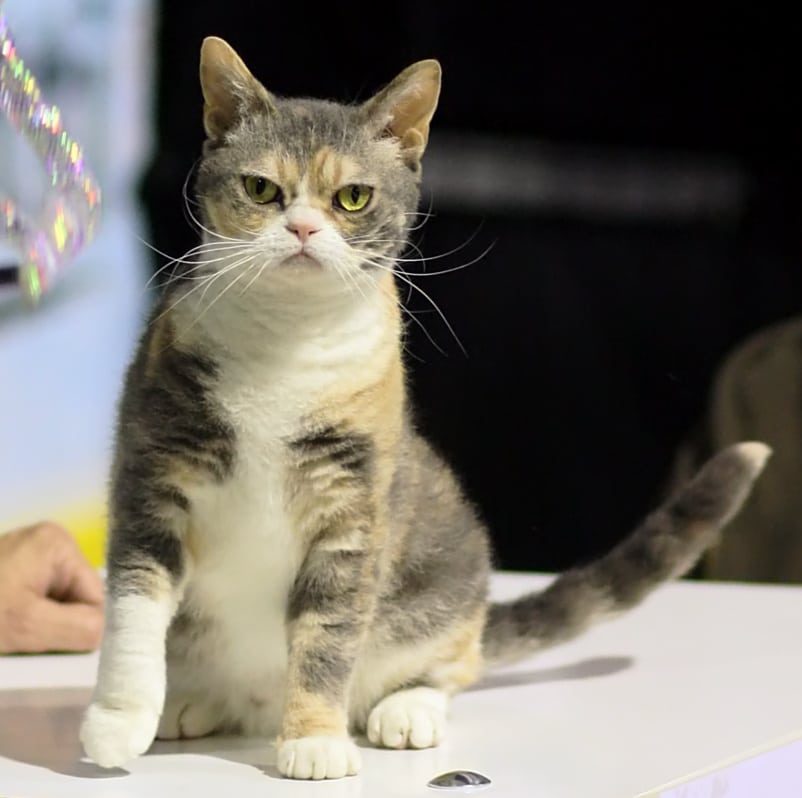
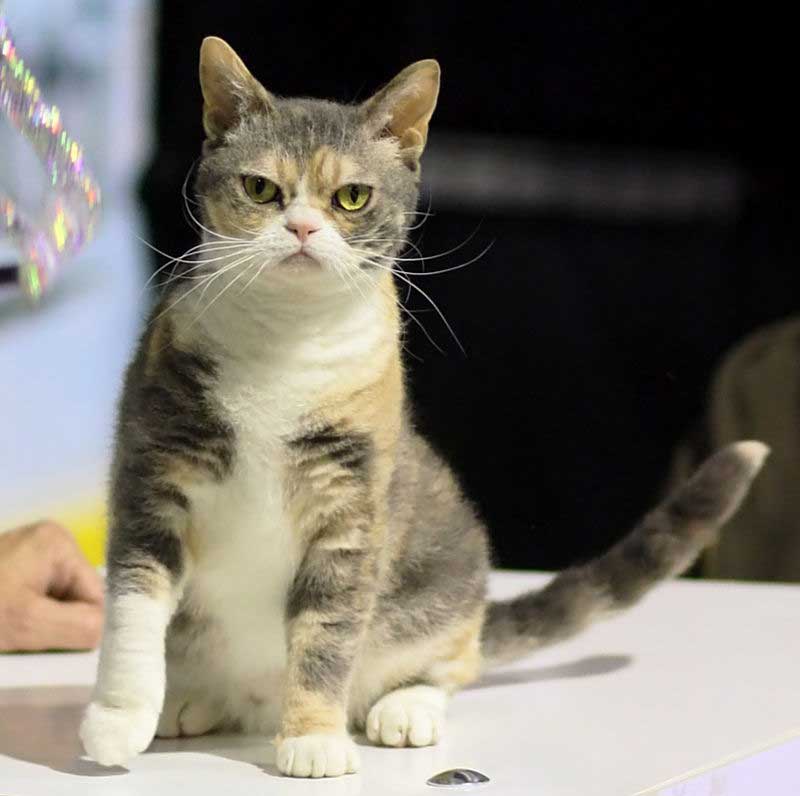
    American Wirehair sitting in a cat show – Heikki Siltala, CC BY 3.0, via Wikimedia Commons

    The head It is round, provided to the body, with cheekbones prominent and a snout well developed, as well as slightly wavy whiskers. The eyes they are big and round, very separate, and express a rather gentle character. They can be of any color.

    The back it is straight and well balanced, the chest rounded and wide (especially in males), like the neck. The tail it is medium size, proportional to the body, and has a rounded tip, similar to the ears, that are quite separate. The legs they are medium in size but muscular. The legs are firm and round, with large pads.

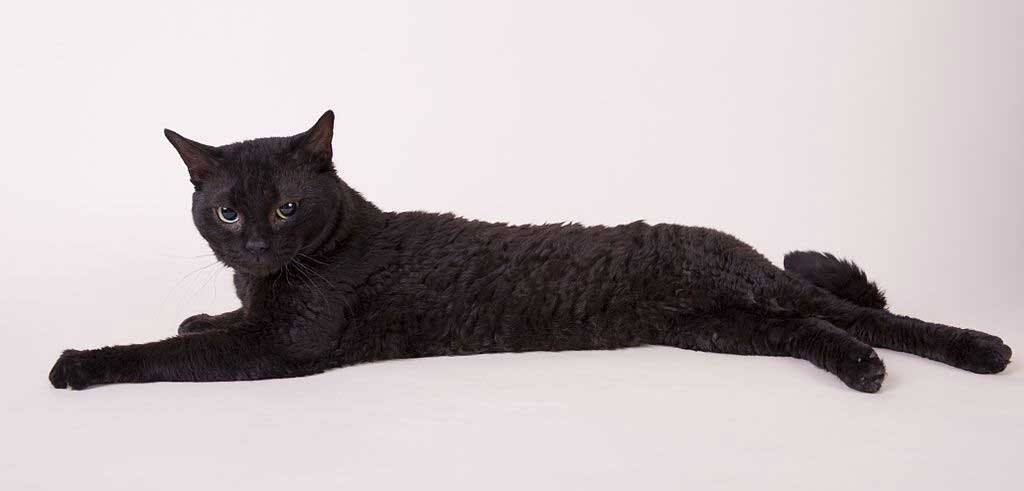
    The fur he is of medium length and has very thick and sticky hair. Their peculiarity is that they are wrinkled, as if they were wrinkled, hooked or curved, and full of vigor. The three-layer coat can be any color, like other breeds of American cats, except for chocolate, the fawn, the lilac and the colourpoint (Dark color, darkened in some parts of the coat).

    according to sex, the height ranges between 30 and 35 cm and the weight between 2,5 and 5 kg.

    Character and skills

    The American Wirehair cat it is robust, vigorous and curious. It is a very active cat, agile and playful, you need to exercise and, Therefore, requires space. Sociable, tender and especially affectionate, is as kind as him American shorthair cat, although it has a great sensitivity of its own. He cannot live alone and will remain very attached to his master.

    American Wirehair
    American Wirehair cat tired – Flickr

    The American Wirehair cat usually purr, what can be a way to offer support to his owner when he needs it, since a cat's purr is known to be beneficial to its owner.

    It also, having a rather playful character and not being a dominant cat, can live with other feline companions, and he will make friends with children and single people. But, it is important to avoid living with rodents such as rabbits or mice, since they don't mix well.

    Care "American Wirehair cat"

    Despite its special appearance, coat care does not take much time. A brief brushing of the coat once a week is sufficient. Your cat will do the rest. Removes dead hairs with its rough tongue. Help your feline with cat grass to get rid of swallowed hairballs.

    Indoor or outdoor cat?

    The American Wirehair is suitable for both types of accommodation. The ideal is to live in a rural area. Here your tiger can become a free roam without hindrance. Whenever you want to. Some cats just sit in the open window to the garden and enjoy the opportunity. Soon you will find out. Ask the neighbors if they see your tiger outside the garden.

    American Wirehair
    American Wirehair

    Do you worry a lot when you are away from home? Then offer your pet a compromise. Fence a part of the garden (similar to a birdhouse). With free access to the house, of course.

    If your purebred cat knows the floor as his living space from an early age, will not miss anything. Another possibility would be an additional cat-proof balcony. If you have your cat in a flat, you will not have problems with the neighbors. The volume of the voice is low. In contrast to the volume of voice of Siamese cats. These โ€œtalkativeโ€ contemporaries can be heard throughout the neighborhood.

    No matter what you choose. Remember: an indoor cat can become an outdoor cat. An outdoor cat will never be an indoor cat again. This is valid for any type of cat, as well as for him American Wirehair cat.

    How much activity does he need? "American Wirehair cat"?

    This question cannot be answered in general. The character of American Wirehair cat is individual. So, some specimens are more playful and others are not. Mostly, sleep during the owner's absence. Give them a chance to take care. There are enough toys on the market to stimulate intelligence and hunting instinct. Take enough time to play at night. A second cat will save you from a guilty conscience.

    Your home must be furnished appropriately for cats. This includes scratching posts with different levels. There are caves to hide, feathers and stuffed mice to play with and much more. if you have a garden, let your cat use it. The more intensely your American Wirehair cat At night, more you will have to think. Remember that this type of cat plays all its life and demands an activity appropriate to its age.

    Health and nutrition

    Due to its origins, the American Wirehair cat you are affected by a hereditary disease called renal polyquistosis or, more rarely, by a Hypertrophic cardiomyopathy, consisting of a thickening of the walls of the heart.

    It also, your hair is especially sensitive to minor allergies, due to its specificity.

    Feeding of the "American Wirehair cat"

    American wirehair
    American wirehair

    The diet of the "American Wirehair cat" must be adapted according to your needs and activities, but also his age and health.

    Feeding your cat in a species-appropriate way is not complicated. But, you should pay attention to healthy ingredients. Your future roommate is a carnivore. The cat's digestive system can't do much with carbohydrates. The ideal combination is muscle meat and offal.

    It is important to monitor the rations that are given to prevent the cat from being overweight or even obese.

    For sale "American Wirehair cat"

    The American Wirehair cat is almost unknown in Europe. If you want to buy one, you should contact an American breed association. The Cat Fan Association will be happy to assist you.. The price depends on the demand and the population. The price of American Wirehair cat is between 800 and 1.200 EUR. Stay away from โ€œbargainโ€ offers on the Internet. Cats from these sources are often contaminated with inherited diseases.

    Characteristics "American Wirehair cat"

    Coexistence is important that you have with your new friend. Before considering the acquisition of a cat of the breed "American Wirehair cat" you know certain factors. You must take into account their character, their need for exercise, their interaction with other pets, their care and if you have small children, their level of tolerance towards them.

    Joy

    4,0 of 5 stars (based on 1 review)

    Activity level

    3,0 of 5 stars (based on 1 review)

    Friendliness to other pets

    3,0 of 5 stars (based on 1 review)

    Friendliness to children

    3,0 of 5 stars (based on 1 review)

    Grooming requirements

    2,0 of 5 stars (based on 1 review)

    Vocality

    3,0 of 5 stars (based on 1 review)

    Need for attention

    3,0 of 5 stars (based on 1 review)

    Affection towards its owners

    4,0 of 5 stars (based on 1 review)

    Docility

    2,0 of 5 stars (based on 1 review)

    Intelligence

    4,0 of 5 stars (based on 1 review)

    Independence

    3,0 of 5 stars (based on 1 review)

    Hardiness

    3,0 of 5 stars (based on 1 review)

    Videos "American Wirehair cat"

    American Wirehair | Cats 101
    American Wirehair | Cats 101
    HTTPS://youtu.be/YFp1I9KbTBw
    American Wirehair: Character, Health and Care

    โ–ท The world of Pets: Dogs, cats, birds, reptiles, amphibians

    British bleu cat
    Federations: FIFE, WCF, TICA, GCCF

    Britรกnico azul

    Content

    History

    The British Shorthair cat (BKH) It is presented in more than 300 recognized color varieties, the best known being the silver tabby and the one with blue fur, the British bleu cat.

    See: British Shorthair cat

    Physical characteristics

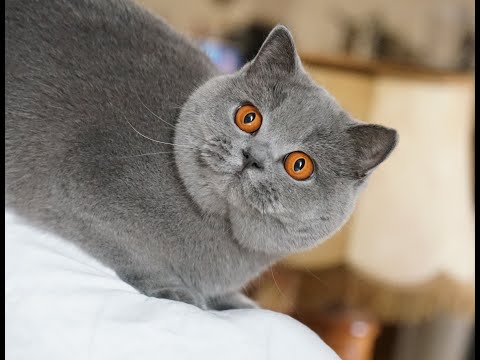
    Like we have already said, the best-known color variant of the British Shorthair cat is the British bleu cat, with a solid blue-gray coat, orange eyes and a medium-sized tail.

    Cats with blue fur have beautiful shades in their fur that will make them especially coveted by potential adopters.. Being able to admire a light gray coat with color reflections in the male or, on the other hand, a gray that really gets into the blue notes is quite rare to admire.

    But, not all cats with a particular gray color are classified as British bleu cat. As such, eye color should be gold to copper. If that is not the case, the cat of this breed will be considered simply as a gray cat.

    The combination of a blue fur with the intensity of that look makes British bleu cat be absolutely beautiful. The two colors contrast perfectly, which is why this cat is so successful.

     British Blue Shorthair
    Buster a British Blue Shorthair – Flickr

    Videos "British bleu cat"

    British Shorthair Cat and Kittens
    British Shorthair Cat and Kittens
    Xara British shorthair bleu

    Xara British shorthair bleu

    โ–ท The world of Pets: Dogs, cats, birds, reptiles, amphibians

    Colorpoint longhair cat
    Himalayan Cat or Javanese Cat

    Like the dog, the Domestic cat can take on many different appearances, especially in terms of coat color. There is something for everyone: black, white, redhead, grey, smooth, bicolor, tricolor, with drawings and effects… Of all possible coats, the Colourpoint is probably one of the most surprising, for some of its amazing features.

    Colorpoint longhair

    Content

    ยซColorpointยป cat breeds

    Colorpoint Longhair or Colourpoint Longhair (among other spellings) is a term in disuse for one of the many varieties of domestic cat, and can refer to:

    Javanese cat, the long-haired variant of the widely accepted Colorpoint shorthair cat (which is essentially a Siamese cat with non-Siamese coloring); notice, However, that the World Cat Federation confusingly uses "Javanese" to refer to the Oriental Longhair cat, related but different.

    Colourpoint, the name of the World Cat Federation for the long-haired version of its definition of Colorpoint shorthair (including both standard and non-standard Siamese coloring); it is a classification of the breed that encompasses what other registries call:

    • The Himalayan cat (essentially, the Javanese cat but with colors limited to those of the Siamese cat); and
    • The Javanese cat (see above), that is to say, a long-haired cat with any of the colorations that are not standard for the Siamese cat and the Himalayan cat, but that are in the Colorpoint shorthair cat, no WCF.
    • Any long-haired, colored mongrel domestic cat (without capital letters and with several spellings, for example, ยซwide hair colorpointยป, etc.)

    Physical characteristics

    The term Colourpoint refers to a coat pattern in cats in which the limbs (face, ears, underside of legs and tip of tail) are darker than the rest of the body. But, not limited to felines, as it is also found in some other mammals, like gerbils and rabbits.

    The cats Colourpoint have several notable features:

    • are born with a smooth or very light coat;
    • they are cats with blue eyes, even as adults;
    • tend to darken over the years;
    • may temporarily change color in certain situations.

    how is a cat Colourpoint?

    A cat Colourpoint limbs are darker than the rest of the body. In particular, This translates into :

    • the face, with a mask that covers at least the forehead, nose and cheeks. Some also have lighter eye contours and, Therefore, they seem to wear some kind of glasses;
    • the back and the contour of the ears, that are dark;
    • legs and tail, that can be colored only at the tips or throughout their length.

    The cats Colourpoint they rarely have a uniform mark, since the pattern fades in some parts to form a kind of gradient from the darkest to the lightest areas of the body. This color gradation is most noticeable on the legs and tail., especially in individuals with brown or even black tips. But, it is not systematic.

    The different types of colors

    There are different types of Colourpoint, depending on the color of the ends (or points):

    Color point type Final color
    Blue point Grey blue
    Chocolate point Chocolate Cafe
    Cinnamon point Cinnamon brown
    Cream point Light cream
    Fawn point Pink beige
    Lilac point Pinkish gray
    Red point Bright orange
    Seal point Dark brown to black

    It also, the boss Colourpoint can also be used with a pattern: instead of smooth, ends can be brindle (this is called tabby point) or tortie / carey, that is to say, black and Red (this is called tortie point).

    Whether the limbs are stamped or not, the rest of the body can be any color, which increases the number of possible combinations. But, the most sought after colors are usually those that offer a good contrast between the two shades and, Therefore, make the drawing stand out Colourpoint: are the bright or dark ends on a rather light body.

    Are there many Colourpoint cats?

    The boss Colourpoint can be quite distinctive, but it is by no means rare among cats. This is not surprising, since some very popular cat breeds, as the Siamese cat, have it as a standard feature.

    The genetics of the coat Colourpoint

    The boss Colourpoint in cats it is caused by a genetic alteration in the C gene, responsible for the production of an enzyme called tyrosinase. This enzyme is involved in the production of melanin, the pigment that gives skin its color, hair and eyes. You need a temperature of about 38-39ยฐC, what is the normal body temperature of a cat.

    But, certain genetic mutations in gene C cause the tyrosinase be more sensitive to heat. So it is unable to work at normal temperature, which reduces the production of melanin in the hair and eyes, thus limiting its coloration. The fur is not as colorful as it would be if the tyrosinase it could have worked, and the iris is still blue instead of darkening to a more classic shade (that is to say, yellow, green or orange).

    Then, the only places where the tyrosinase can act correctly and in which, Therefore, hair acquires its "normal" color are those in which the body temperature is lower, that is to say, the extremities: face, ears, underside of legs and tip of tail.

    This genetic mutation explains why cats Colourpoint they have such a special fur and beautiful blue eyes.

    Color changes in Colourpoint cats

    Like the particular coat of cats Colourpoint is linked to the sensitivity of the enzyme tyrosinase heat, its coloration can change over time depending on various factors, including body temperature.

    Changes in body temperature

    When a cat has an abnormally high body temperature (for example, if you have a fever or hyperthermia), the tyrosinase does not work properly and there is not as much melanin: your body becomes clearer. This explains why a kitten comes into the world smooth or very little marked.: has stayed warm in his mother's womb and, Therefore, has a higher temperature than normal.

    On the other hand, lower body temperature (for example, as a result of hypothermia or hair clipping) makes body hair darker. This is why cats Colourpoint tend to darken as they age: as they age, your metabolism slows down and your body temperature drops, which causes an increase in melanin production.

    But, these color changes do not occur in a matter of hours or minutes, since melanin synthesis and hair growth are not immediate. They only occur if the change in body temperature lasts for at least several days, and very gradually. These may include, a cat colourpoint sleeping next to a radiator doesn't suddenly become lighter.

    Hormone-related changes

    Regardless of the type of coat, the synthesis process melanin is influenced by the production of certain hormones. But, in colourpoint cats, this influence is multiplied by ten, giving rise to color variations that are easily appreciated in some particular cases.

    These may include, it is not uncommon to find that the fur of a cat Colourpoint that has just given birth gets progressively darker as the days go by, due to hormonal changes that occur. Next, will return to its normal color in a few days or weeks, once hormone levels have normalized.

    how to get a cat Colourpoint?

    The genetic mutation responsible for the coat Colourpoint in cats it is transmitted recessively. This means that both parents have to pass the mutation on to the kitten.. If one of the parents does not pass the mutation, but the standard version of the normal gene, the kitten will have a non-colored coat.

    So, the only way to get a kitten Colourpoint is to cross two individuals that are carriers of this genetic characteristic. If you both have two copies, Both are Colourpoint, and the 100% of their kittens will be Colourpoint.

    More concretely, different combinations are possible:

    • of the cats Colourpoint give kittens 100% Colourpoint;
    • a cat Colourpoint and a cat no Colourpoint with the mutation they give an average of 50% Colourpoint kittens;
    • two cats without Colourpoint with the mutation they give an average of 25% of Colourpoint;
    • the marriage between a cat Colourpoint and a cat no Colorpoint does not give rise to offspring Colourpoint. On the other hand, the 100% the offspring inherits the genetic mutation and can in turn pass it on to their offspring;
    • a marriage between a cat no colorpoint with the mutation and a non-carrier cat does not give rise to any offspring Colourpoint. On the other hand, the 50% of the offspring (on average) inherits the genetic mutation and can pass it on to their offspring;
    • a marriage between two cats no Colourpoint who are not carriers of the mutation have no chance of producing a puppy Colourpoint or even a carrier of the mutation.

    โ–ท The world of Pets: Dogs, cats, birds, reptiles, amphibians

    German Rex
    Federations: FIFรฉ, LOOF, WCF

    The German Rex It is one of the rarest and most difficult cat breeds to find..
    German Rex

    Content

    Characteristics "German Rex"

    Coexistence is important that you have with your new friend. Before considering the acquisition of a cat of the breed "German Rex" you know certain factors. You must take into account their character, their need for exercise, their interaction with other pets, their care and if you have small children, their level of tolerance towards them.

    Joy

    4,0 of 5 stars (based on 1 review)

    Activity level

    4,0 of 5 stars (based on 1 review)

    Friendliness to other pets

    4,0 of 5 stars (based on 1 review)

    Friendliness to children

    5,0 of 5 stars (based on 1 review)

    Grooming requirements

    1,0 of 5 stars (based on 1 review)

    Vocality

    3,0 of 5 stars (based on 1 review)

    Need for attention

    3,0 of 5 stars (based on 1 review)

    Affection towards its owners

    5,0 of 5 stars (based on 1 review)

    Docility

    4,0 of 5 stars (based on 1 review)

    Intelligence

    4,0 of 5 stars (based on 1 review)

    Independence

    2,0 of 5 stars (based on 1 review)

    Hardiness

    5,0 of 5 stars (based on 1 review)

    History

    The German Rex It, as the name reflects, a breed of German cat. In 1930, in a village in the Prussian region of Kรถnigsberg (today Kaliningrad, in Russia), Ema Schneider's family had a curly-haired cat. Named Munk and born from a cross between a Angora cat and Russian Blue Cat, it is said to be the first Rex (name given in reference to Astrex rabbits, who also have curly hair) of the modern era. But, specialists consider that Munk is not the true creator of the breed German Rex, since it was never part of a breeding program and its descendants have not been identified.

    German Rex
    black german rex male – Bebopscrx, CC BY-SA 3.0, via Wikimedia Commons
    The first german Rex officially appeared in the summer of 1951, when Dr.. Rose Scheuer-Karpin discovered a curly-haired black cat in the gardens of the hospital where she worked, la Hufelandklinik. Assuming it was a new mutation, he adopted Lรคmmchen ("little lamb" in German) and thus became the first breeder of german Rex.

    The first litters of Lรคmmchen y Blackie, another cat adopted by Mrs Scheuer-Karpin, produced straight-haired kittens. But in 1957 The first two curly-haired kittens were born from the union between Lรคmmchen and one of these kittens named Fridolin.

    When Lรคmmchen he crossed paths with another farm cat in the neighborhood, gave birth to three straight-haired kittens. Rose Scheuer-Karpin decided to stay with one of them, who he called blackie 2. Lamb and Blackie 2 they in turn produced kittens with curly hair, and it was clear that the gene responsible for the mutation was recessive. In other words, to have curly hair and, Therefore, be a Rex, the kitten must receive a mutated gene from each of its parents. On the other hand, an individual who has inherited only one mutated gene keeps his coat smooth, but you can pass on this gene and give birth to curly-furred kittens if crossed with a curly-furred individual, or even with an individual with smooth fur but also a carrier of the recessive gene.

    Lรคmmchen died in 1964, leaving many cats carrying the gene, which were the basis for the development of the breed and were exported to various countries. This was the case in Great Britain, where they met him Cornish Rex, in order to diversify the gene pool of this breed. In France, Marco Polo, A male german Rex property of Professor Letard, It was the first to be exhibited in public in 1960 in a contest organized by the Feline Club of Paris.

    But, due to the lack of a well-structured breeding program, and probably also to the almost simultaneous appearance of other breeds of curly-haired cats in Great Britain, the german Rex developed very little and was even on the brink of extinction in the early years 70.

    In fact, although it was recognized by the Fรฉdรฉration Internationale Fรฉline (FIFรฉ) and the Livre Officiel des Origines Fรฉlines (LOOF) french in 1982, and then for the World Cat Federation (WCF, based in Germany), the german Rex remains confidential. Not recognized by several major organizations, as the British Governing Council of the Cat Fancy (GCCF) or The International Cat Association (TICA), and is rarely present outside of its home country and its German-speaking neighbors (Switzerland and Austria).

    La Cat Fanciers’ Association (CFA) does not recognize the German Rex as a race in its own right, considering that it is actually a Cornish Rex and registering their representatives as such.

    In France, no individual with LOOF has been registered between 2003 and 2018, which makes it without a doubt one of the rarest cat breeds. All over the world, the cumulative number of registrations in the organizations that recognize it barely exceeds a few dozen a year.

    Physical characteristics

    The German Rex It is a medium-sized cat with a strong, muscular body and slender legs.. With regard to its height, corresponds to a European shorthair cat (Common european cat). The tail, average length, ends in a slightly rounded tip. On head round settle some ears slightly rounded with a wide base.

    The most striking feature of the breed is the soft fur and regularly wavy. Due to the lack of top coat, the undercoat plush has a velvety appearance like that of a mole.

    All the colors are allowed, except for chocolate, cinnamon and all its variations. It can also have any coat pattern: bicolor, tricolor, striped, but there should be no bald spots on the fur. The whiskers they are slightly shorter than in other cats and slightly curved.

    Character and skills

    German Rex

    German Rex
    German Rex – I, Bebopscrx, CC BY-SA 3.0, via Wikimedia Commons

    The german rex they are affectionate and form a strong bond with their family, often seeking your attention. They do not tolerate arousal and noise very well, but they are just as reluctant to be alone.

    They are sociable and enjoy the company of other dogs and may even befriend a dog used to cats.. So, it is usually not a problem when adopted by a family that already has animals, except if these are small rodents or birds, in which case some caution must be exercised.

    As a playful and active cat, can be an excellent companion for a child, provided that he has learned to interact with him and respect him. But, if the child is small, you should never be left alone with the animal without adult supervision; this applies to all cats, regardless of race.

    It also, although they are active and love to run, the German Rex it is a breed of cat suitable for a flat environment, to which it fits perfectly. They prefer the cozy comfort of a heated home to the sometimes harsh weather conditions of the outside world, but they enjoy napping on a sunny balcony in summer.

    Intelligent, he likes to be stimulated with games, whether it's going to find an object thrown by its owner or trying to solve a puzzle for cats. Likes family fun and rarely refuses to chase a fake stuffed mouse or roll a ball of yarn around the house.

    Once he's satiated, he likes to cuddle with his owner, that can thus enjoy the softness of its toothed fur and its reassuring purr.

    At the end, His character is very similar to that of his cousin the Cornish Rex.

    Grooming and caring for the "German Rex"

    The German Rex it is an easy cat to care for, since its beautiful coat only needs a weekly brushing to maintain its shine.

    During this grooming session, it is also important to check that the teeth are healthy and without cavities, that the eyes are clean and that the ears have not accumulated dirt. If this is the case, cleaning with a damp cloth will prevent the appearance of infection.

    Last, a cat's nails should be trimmed regularly with a nail clipper, but the time interval between these manicures varies from individual to individual, depending on your level of activity and whether you use a scratching post to a greater or lesser extent.

    Health and nutrition

    German Rex
    German Rex – I am looking for 4 legs
    The German Rex is a healthy cat breed with no known risk of genetic disease. But, keep in mind that, due to its rarity, it is difficult to collect sufficient and reliable information to draw a definitive general conclusion.

    Due to its fine fur, the German Rex, just like the cat Sphynx, you need more energy to maintain your body heat. For this reason, needs more food than other breeds. However, make sure you don't overfeed them and provide all the important nutrients.

    Obesity can cause various heart and/or joint problems. So, it is advisable to weigh your cat regularly to ensure that it maintains a reasonable weight, and consult a vet if you are overweight.

    Life expectancy

    12 to 14 years

    For sale "German Rex"

    The price of a kitten German Rex varies between the 800 and 1.000 EUR, without there being a significant difference between males and females.

    But, the German Rex is a very rare breed of cat, hard to find even in your home country, and there are few kittens available.

    Videos "German Rex"

    German Rex cat catches flies
    German Rex Katze fรคngt Fliegen
    HTTPS://youtu.be/mfHZSyO_ePw
    German Rex. Pros and Cons, Price

    Alternative names: