โ–ท The world of Pets: Dogs, cats, birds, reptiles, amphibians

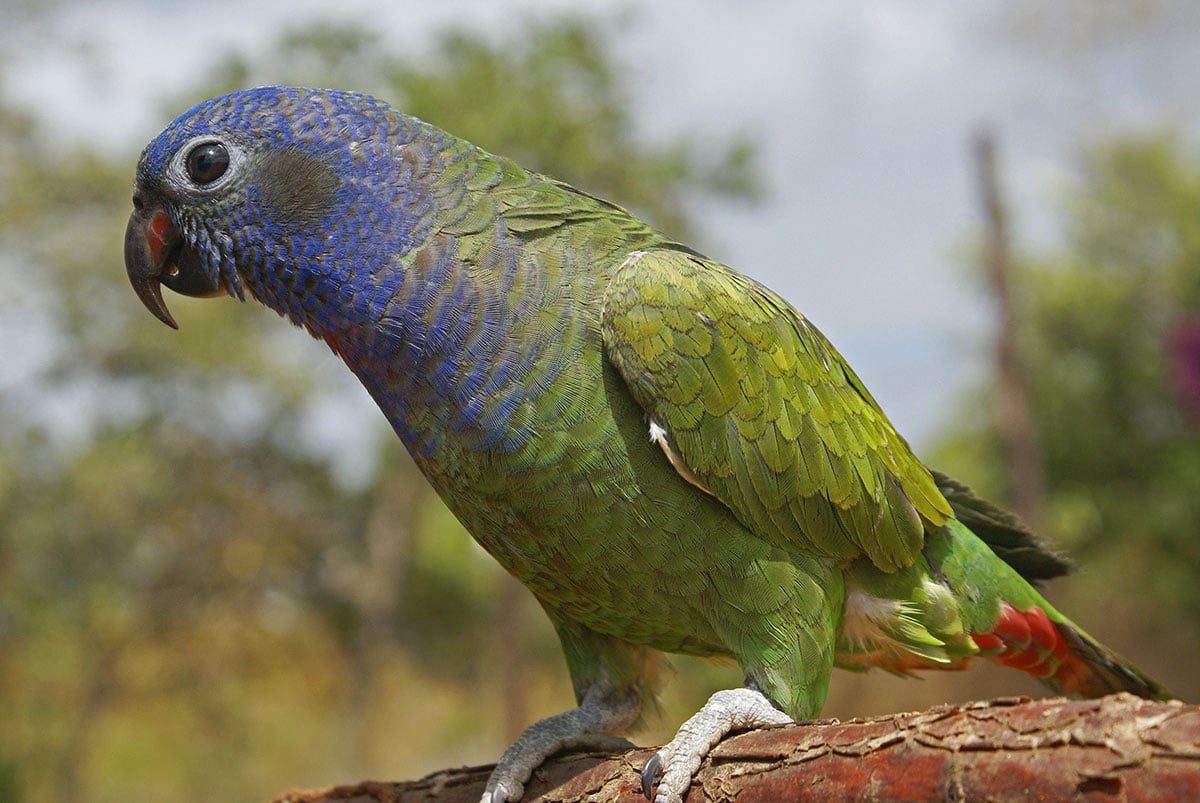
Blue-headed Parrot
Pionus menstruus


Blue-headed Parrot

Content


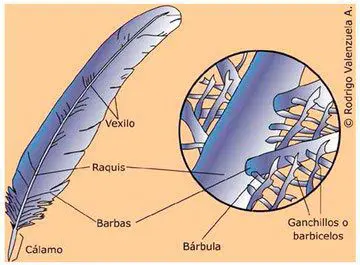
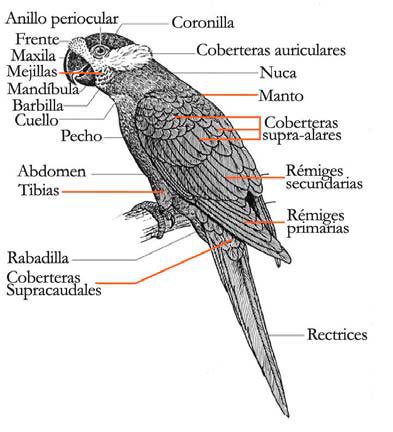
Anatomy-parrots

Description "Loro Cabeciazul":

28 to 30 cm.. height and between 234 and 295g. weight.

The Blue-headed Parrot (Pionus menstruus) is distinguishable by having the head, neck and chest blue; Red in the rump and in the Base ventral of the tail (very visible on the fly), basis of the bill and neck dotted with pink.

Shoulder and end of the wing olive green with yellow border, tail green with blue tip.

Subspecies description:

  • Pionus menstruus menstruus

    (Linnaeus, 1766) – The nominal

  • Pionus menstruus reichenowi

    (Heine, 1884) – Blue head, the neck and darker throat; lower underparts washed with blue green color; coverts red infracaudales with blue ends.

  • Pionus menstruus rubrigularis

    (Cabanis, 1881) – Smaller, head pale blue, neck more extensive and clear Red.

Habitat:

Species very common, lives in humid forests, semi-wet, from gallery, stubble, crop areas until the 1500 m.

Reproduction:

It feeds on various seeds, fruits and flowers.

Food:

It nests in hollows of trees and palms in dry season.

Loro distribution-headed:

They live in freedom from the South of Costa Rica, North of South America to the West of Ecuador. To the East of the Andes, comes to Peru, part of Brazil to the North of Bolivia.

Subspecies description:

  • Pionus menstruus menstruus

    (Linnaeus, 1766) – The nominal

  • Pionus menstruus reichenowi

    (Heine, 1884) – Coastal areas of the northeast of Brazil (Alagoas until Holy Spirit)

  • Pionus menstruus rubrigularis

    (Cabanis, 1881) – Tropical North of Costa Rica to western Colombia and West of Ecuador.

Conservation-headed Parrot:


minor concern


โ€ข Red List category of the UICN current: Least concern

โ€ข Population trend: Decreasing

The size of the world population of the Blue-headed Parrot It has not been quantified, but this species is described as ยซcommonยป (Stotz et to the., 1996).

This species is suspected that it may lose 18,5-23% of habitat within its distribution over three generations (20 years) based on a deforestation model of the Amazon (Soares-Filho et to the., 2006, Bird et to the. 2011). So, they suspected that can decrease in <25% in three generations.

In captivity:

Pretty common in captivity. Intelligent, inquisitive although sometimes shy. Active by nature, they can become overweight if you don't have a wide space where exercise your flight. Mature birds usually match throughout his life with his partner, you will defend with aggression of any intruder.

Its diet in captivity is wide. fruits such as: Apple, pear, orange, banana, granada, cactus fruits, Kiwi, they form around the 30 percent of the diet; vegetables such as: Carrot, celery, green beans and peas in pods; fresh corn; Greens such as: chard, lettuce, Kale, dandelion, healer, chickweed; mixture of small seeds, such as: millet, birdseed, and small amounts of buckwheat, oats, safflower and hemp; soaked and sprouted sunflower; beans, cooked legumes and boiled corn.

Alternative names

– Blue-headed Parrot, Cobalt Parrot (English).
– Schwarzohrpapagei, Schwarzohr-Papagei (German).
– Cotorra Cabeciazul, Loro Cabeciazul, Loro de Cabeza Azul (espaรฑol).
– Pione ร  tรชte bleue, Pionus ร  tรชte bleue (French).
– baitaca, curica, maitaca, maitaca-de-barriga-azulada, maitaca-de-cabeรงa-azul, sijรก, Sรดia, Suia (potuguรฉs).
– Pappagallo testablu (Italian).


scientific classification:
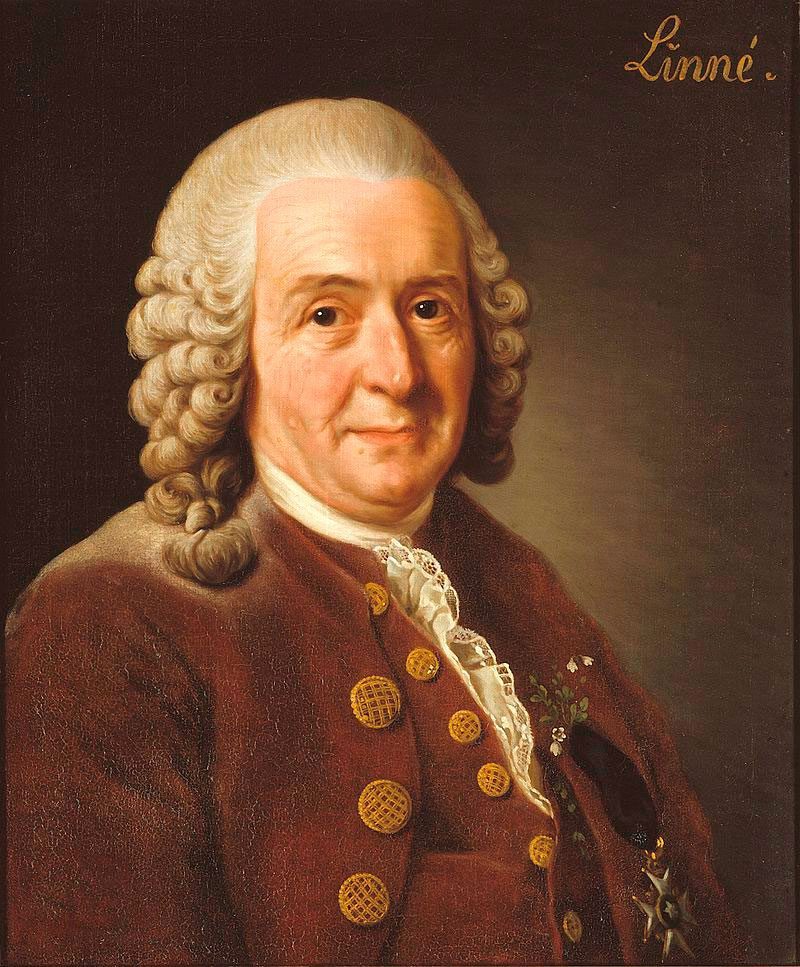
Carl Linnaeus
Carl Linnaeus

– Order: Psittaciformes
– Family: Psittacidae
– Genus: Pionus
– Scientific name: Pionus menstruus
– Citation: (Linnaeus, 1766)
– Protonimo: Psittacus menstruus

Images "Blue-headed Parrot"

Videos "Blue-headed Parrot"

ยซLoro Cabeciazulยป (Pionus menstruus)


โ–ท The world of Pets: Dogs, cats, birds, reptiles, amphibians

Short-billed black cockatoo
Zanda latirostris

Short-billed black cockatoo

Content

Description

54 to 56 cm.. height and a weight between 520 and 790 g.
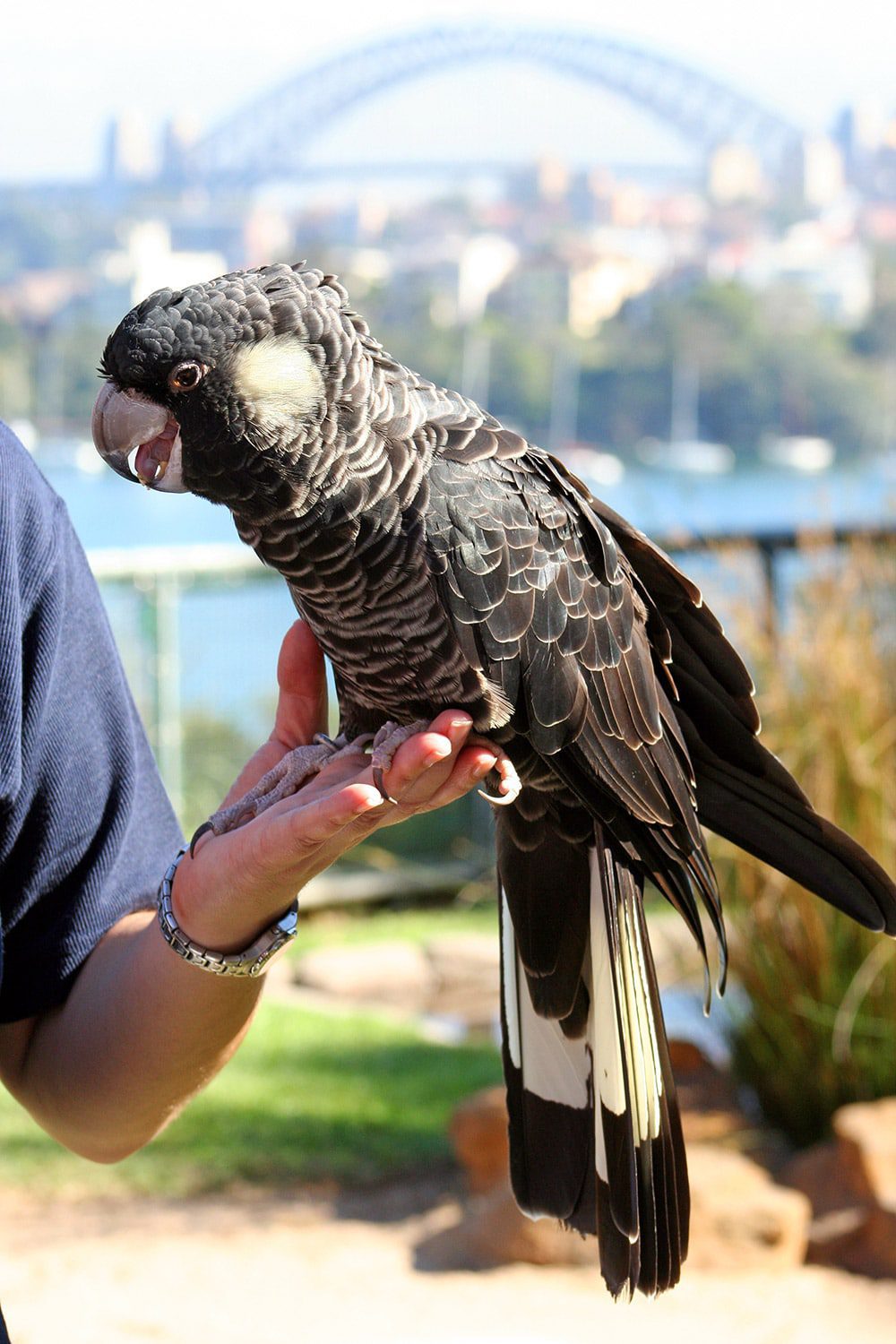
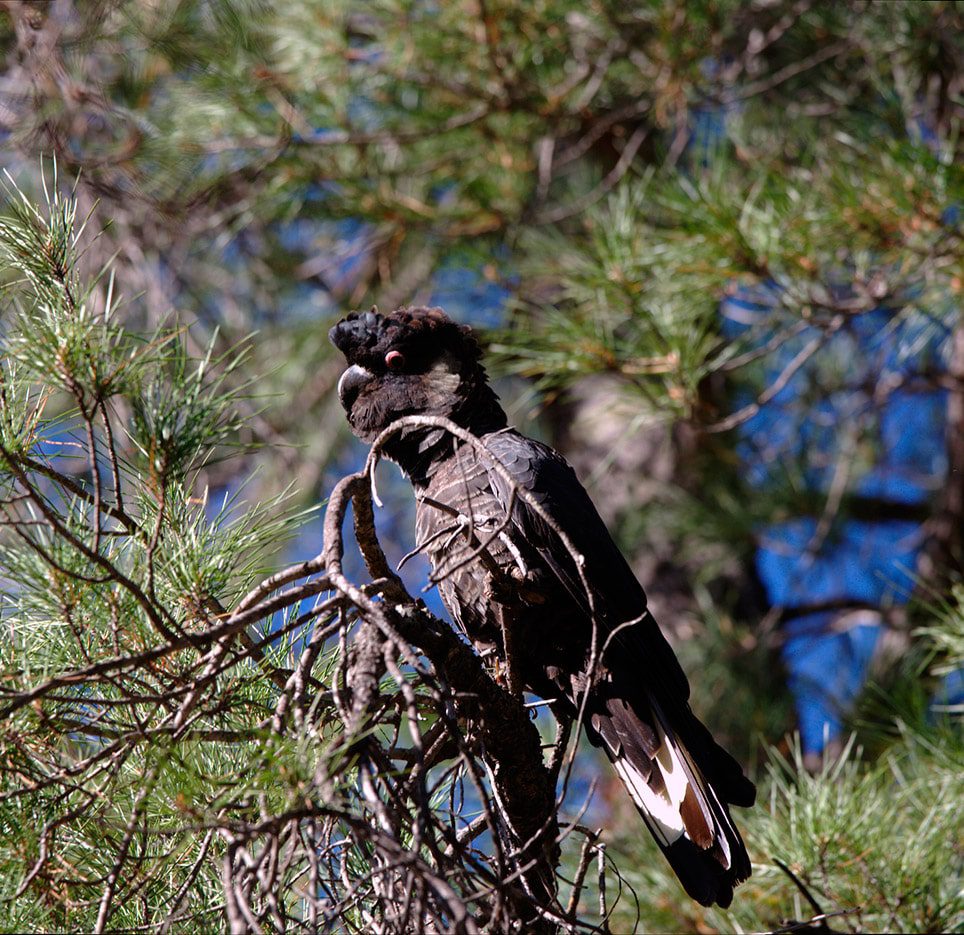
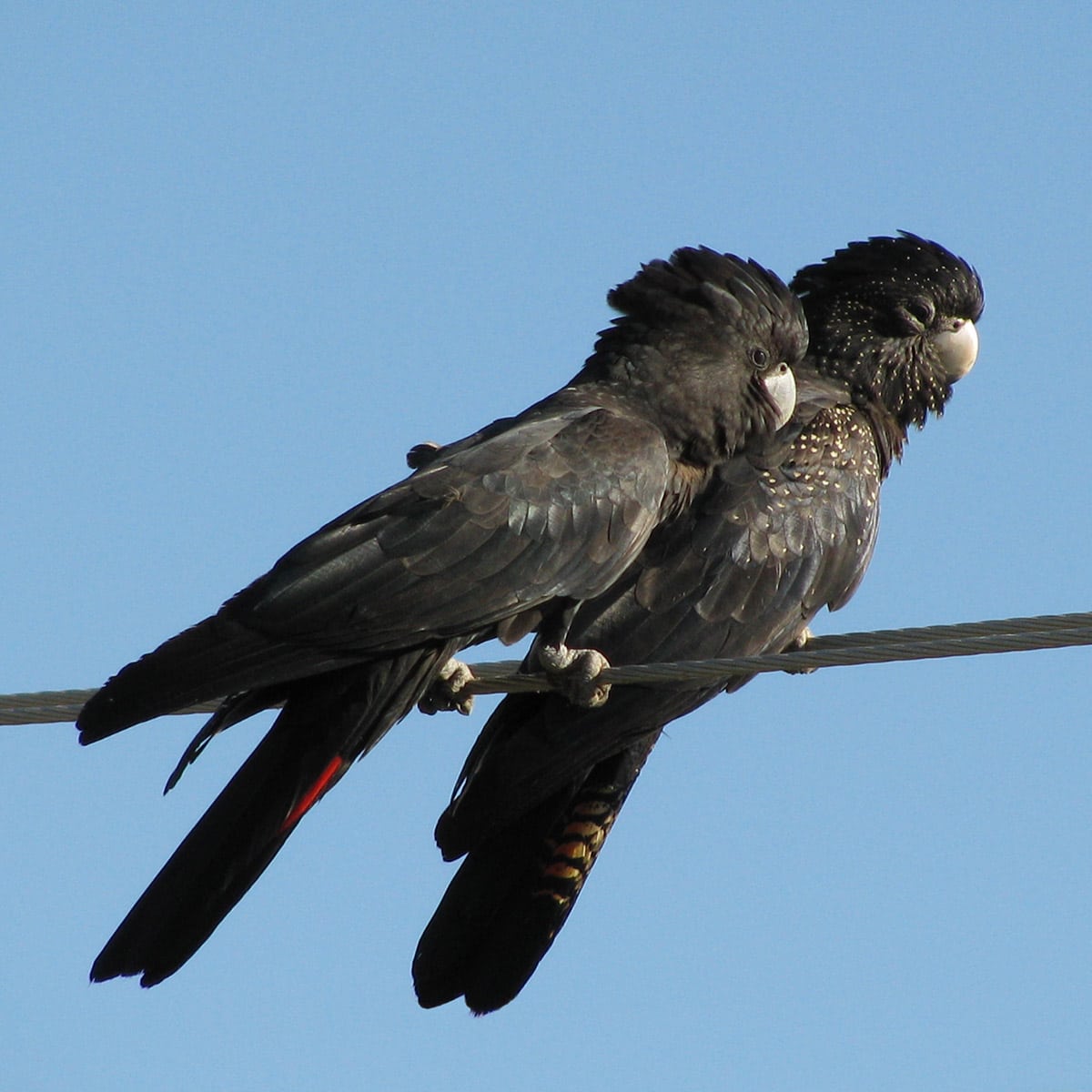
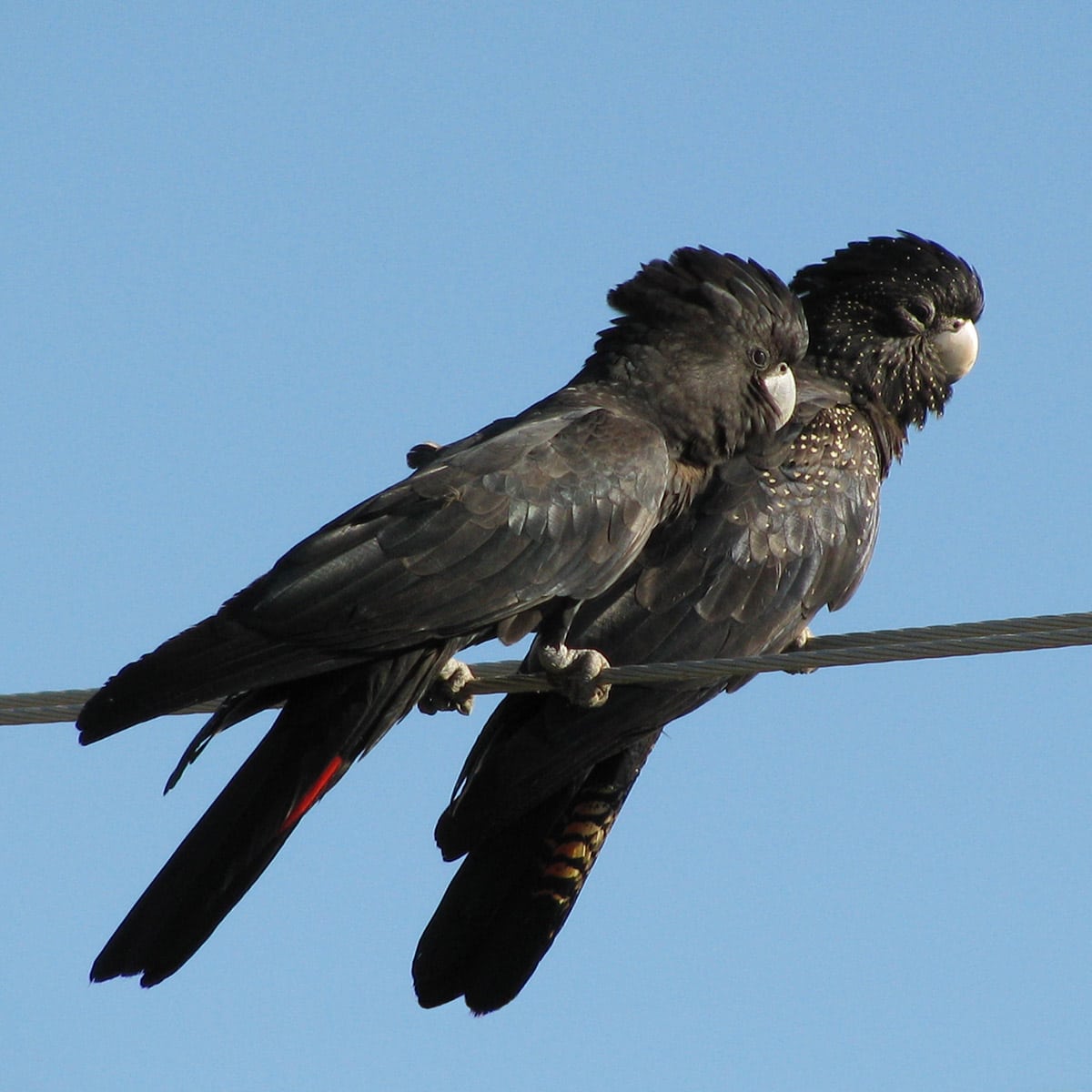
The Short-billed black cockatoo (Zanda latirostris) It is a large black cockatoo..

It has great bill black, crest erectile, white spot in the area ear and white panels on the tail. The female It is similar except patch area ear large and slightly yellowish white.
The immature Similar to adult female.
Closely related to Baudin's black cockatoo (Zanda baudinii). They were formerly treated as a single species.

Habitat:

Mainly inhabits in native forests eucalyptus and shrubland or heathland. Visit temporarily plantations exotic pines.
Sometimes you see them in cities or at the edges of roads. It is also a visible visitor to the gardens containing native plants with hard fruits around Perth.

Usually they see them in groups of three or in small flocks, but occasionally gather in large flocks composed of hundreds or, exceptionally, thousands of birds. Sometimes it is associated with Baudin's black cockatoo (Zanda baudinii) wave Red-tailed black cockatoo (Zanda Banksia) in places where food is plentiful.

The species is said to be Residents in areas of high rainfall They are retaining much native vegetation and are emigrants of the driest regions and places where most of the native vegetation has been removed.

Reproduction:

They do not breed until they are at least four years old..
Adult birds They mate for life, and stay together throughout the year.
Reproduction occurs mainly in the region Wheatbelt, northwest of the Stirling Range about Three Springs, but it has also recorded on the coastal plain in the South West, about Bunbury.
The reproductive activity It is limited to eucalyptus forests. They make their nests in large holes in the top of the eucalyptus.

The eggs They are white or cream, and they have no marks. Son incubated by female only, for a period of 28 to 29 days. The nestlings are fed by both parents, Although during the first 10 to 14 days after hatching they are fed exclusively by the female.

Adults return to the same breeding area each year.

Food:

It feeds mainly from seeds and occasionally nectar, fruit and insect larvae.

Distribution:

Size of the area of distribution (reproduction / resident): 196.000 km2

Endemic southwest Australia.

Conservation:

State of conservation โ“˜


Endangered Endangered โ“˜ (UICN)โ“˜

โ€ข Current category of the Red List of the UICN: In danger of extinction.

โ€ข Population trend: Decreasing.

On the basis of the distribution of birds during the breeding season, the total population of the Short-billed black cockatoo it has been estimated that is between the 11 000 and 60 000 birds, although there are those who affirm that its population could count on less than 10 000 birds.

The decline of this species It is mainly due to the loss and fragmentation of habitat. This has been caused by the clearing of native vegetation, mainly for agricultural purposes, Since the mid-20th century.

No specific information available on future changes in population size. But, the range of the species is thought to continue to contract for some time, which leads to a concomitant decrease in population size.

"Short-billed black cockatoo" in captivity:

A program captive breeding It was established in 1996 by the Department of Conservation and Land Management (CALM), in association with poultry farmers and licensed Zoo of Perth.
The genetic diversity of the captive population is enhanced by an 'abandoned' program’ that rehabilitates injured birds in the wild and then incorporates them into captive breeding.

Some eggs and chicks are caught illegally for sale in the markets of poultry. Although the demand for the species is said to have declined over the past decade, high market prices (approximately 3.000 dollars per bird and 5,000 $ couple) together with the scarce success of breeding captive birds, They suggest that Illegal take of this cockatoo will continue to be a continuing threat to the survival of this species..

scientific classification:

– Order: Psittaciformes
– Family: Cacatuidae
– Genus: Zanda
– Scientific name: Zanda latirostris
– Citation: Carnaby, 1948
– Protonimo: Zanda latirostris

Alternative names:

– Slender-billed Black-Cockatoo, Carnabyโ€™s Black Cockatoo, Mallee Cockatoo, Short-billed Black Cockatoo, Mallee Cockatoo, Short-billed Black Cockatoo, (English).
– Cacatoรจs ร  rectrices blanches, Cacatoรจs de Carnaby (French).
– Carnabys WeiรŸohr-Rabenkakadu, WeiรŸschwanz-RuรŸkakadu (German).
– Cacatua-negra-de-bico-curto (Portuguese).
– Cacatรบa Fรบnebre de Pico Corto, Cacatรบa Fรบnebre Piquicorta (espaรฑol).

Images Black-billed Black Cockatoo:


Species of the genus Zanda
  • Zanda funerea
  • —- Zanda funeral funeral
  • —- Zanda funerea whiteae
  • —- Zanda funerary xanthanota
  • Zanda baudinii
  • Zanda latirostris

  • Sources:
    – Avibase
    – Parrots of the World โ€“ Forshaw Joseph M
    – Parrots A Guide to the Parrots of the World – Tony Juniper & Mike Parr
    – Birdlife

    – Photos: Wikipedia, lostandcold (Flickr), Rabenkakadus โ€“ Wikipedia, Gnangarra…commons.wikimedia.org

    – Sounds: Nigel Jackett

    โ–ท The world of Pets: Dogs, cats, birds, reptiles, amphibians

    Philippine cockatoo
    Cacatua haematuropygia

    Cacatรบa Filipina


    Content

    Description

    It measures 31 cm. and weighs around 300 g..
    To the Philippine cockatoo (Cacatua haematuropygia) It is called locally Katala.
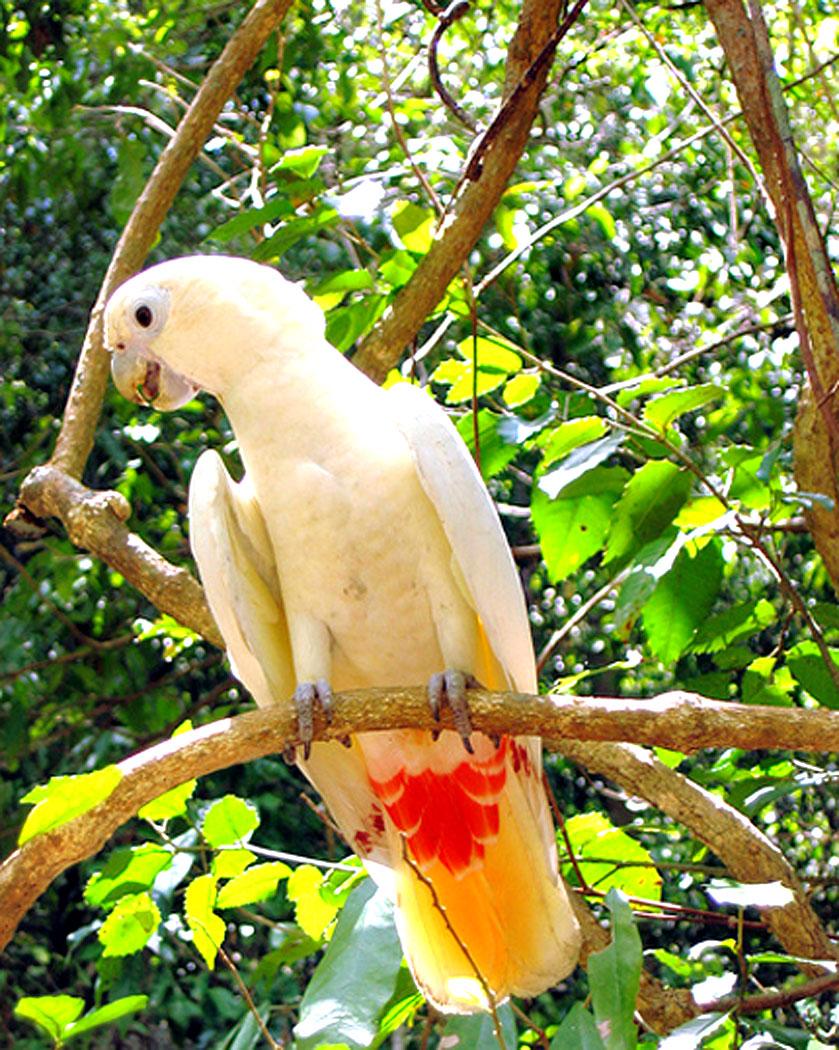
    Its plumage is of a beautiful white color except for the feathers of the crest they are yellow or pink on its base and the bottom of the tail and wings they are yellow and Red.
    The bill is a grayish-white color, and males has irises dark brown, While the of the female are brown-red color.

    Habitat:

    Is restricted to lowland not more than 50 meters above the sea level, in or adjacent to rivers, and in coastal mangrove areas.

    outside the breeding season (March to June, and, times, from February to August), frequents corn and rice crops. This depends on the station where foods are grown and have the available resources, being partially nomadic.

    These birds can fly from their island to the adjacent if they are not more than a few 8 km. distance.

    Reproduction:

    breeding season between February and June. Of one to three eggs they are placed on a nest on a tree branch. The eggs are hatch for a few 28 days, and the chicks remain in the nest for nine to ten weeks after the hatching.

    Food:

    They feed on seeds, vegetables, fruits and berries.
    They are known to attack corn crops in agricultural areas.

    Distribution:

    Size of the area of distribution (reproduction / resident): 22.700 km2

    This cockatoo is endemic in Philippines, and the only representative of the cockatoos that we will find there; This has become a treasure of these islands.

    Conservation:

    State of conservation โ“˜


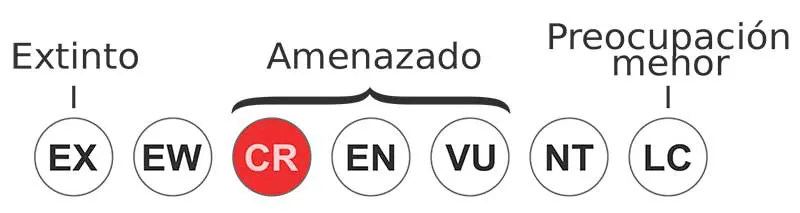
    critical hazard critically endangered โ“˜ (UICN)โ“˜

    โ€ข Current IUCN Red List category: Critical Hazard.

    โ€ข Population trend: Decreasing.

    โ€ข Population size: 370-770 mature individuals.

    In Palawan the capture of the cockatoos for the international illegal trade is particularly serious, something which is reflected in the high price of these birds ($ 160 Americans in Manila in 1997); to have been looted all the visible nests each time the price is higher because it costs more to catch them.

    The deforestation and the destruction of mangroves have been extensive in their range of occupancy and have contributed significantly to their decline.

    It is also hunted and hunted for consumption as food.
    The release of captive birds can introduce diseases into wild populations.

    Conservation Actions Proposed:

      โ€ข Conduct surveys on all range islands to assess species population size and distribution.
      โ€ข Monitor population trends.
      โ€ข Monitor rates of habitat loss and degradation.
      โ€ข Quantify catch levels, persecution and trade.
      โ€ข Designate more protected areas (for example Tawi-Tawi and towns in or near Palawan).
      โ€ข Support the proposal to expand the Puerto Princesa Subterranean River National Park.
      โ€ข Prevent destruction of mangroves.
      โ€ข Promote economically viable alternatives to avoid the capture of this cockatoo.
      โ€ข Continue with education programs and captive breeding programs.
      โ€ข Establish staff at airports and ferry terminals to control the departure of specimens.
      โ€ข Translocate animals to suitable areas such as lowland forests or mangroves..

    Loro Parque Foundation It has warned of the risk of extinction that runs the Philippine cockatoo by the construction of a power plant in Palawan, an island province of Philippines in the region of Western Visayas.

    This Spanish NGO has invested 1,3 millions of dollars and more than 14 years of work in the recovery project of this cockatoo, and fears that with the construction of this station, the less than 1.000 remaining specimens in the world could be electrocuted by high-voltage lines, In addition to being blocked their migration in search of food.

    See more in: (20minutes)

    "Philippine cockatoo" in captivity:

    Very rare in captivity, fortunately.

    Alternative names:

    – Philippine Cockatoo, Philippine Islands Cockatoo, Red-vented cackatoo, Red-vented Cockatoo (ingles).
    – Cacatoรจs des Philippines (French).
    – RotsteiรŸkakadu (German).
    – Catatua-filipina (Portuguese).
    – Cacatรบa Filipina, Cacatรบa Malaya (espaรฑol).

    scientific classification:

    – Order: Psittaciformes
    – Family: Cacatuidae
    – Genus: Cockatoo
    – Scientific name: Cacatua haematuropygia
    – Citation: (Statius Mรผller, 1776)
    – Protonimo: Psittacus haematuropygius

    Philippine Cockatoo Images:


    Species of the genus Cacatua

    Sources:

    – Avibase, BirdLife.org

    – Photos: Kim Arveen homeland, ยฉ Benedict of Laender, Wikimedia.

    – Sounds: Frank Lambert (Xeno-canto)

    โ–ท The world of Pets: Dogs, cats, birds, reptiles, amphibians

    Coconut Lorikeet (deplanchii)
    T. haematodus deplanchii


    Coconut Lorikeet (deplanchii)

    Content

    Description (1)

    26 cm.. of length and a weight of 140 gr.

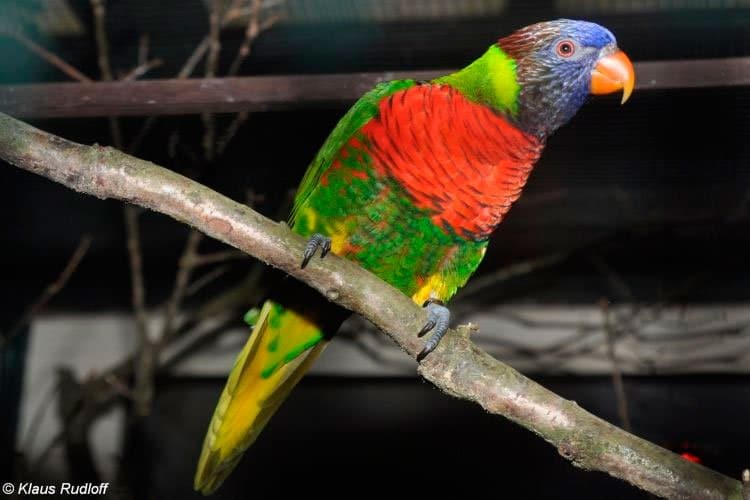
    The Coconut Lorikeet (deplanchii) (T. haematodus deplanchii) is a variation of the nominal (Trichoglossus Haematodus)

    Similar to the nominal Haematodus, but slightly paler plumage. The head has a bright blue. Reddish orange on the chest, similar to the Trichoglossus haematodus massena, only that more alive. The abdomen is yellowish green and extends to the back of the neck. The thighs and the feathers under the yellow tail and tail olive green top.

    Distribution:

    New Caledonia and Loyalty Islands.

    Alternative names:

    – Coconut Lorikeet (deplanchii) (ingles).
    – Loriquet ร  tรชte bleue (deplanchii) (French).
    – Allfarblori Deplanche (German).
    – Loris Arco Iris Deplanchii (Portuguese).
    – Lori Deplanche, Lori Arcoiris Deplanche (espaรฑol).

    scientific classification:

    – Order: Psittaciformes
    – Family: Psittaculidae
    – Scientific name: Trichoglossus haematodus deplanchii
    – Genus: Trichoglossus
    – Citation: Verreaux,J & Des Murs, 1860
    – Protonimo: Trichoglossus Deplanchii

    ————————————————————————————————

      (1) – Subspecies Coconut Lorikeet (Trichoglossus haematodus)

    ————————————————————————————————

    ยซLori Arcoiris Deplancheยป (T. haematodus deplanchii)


    Sources:

    – Avibase

    – Photos: by Klaus Rudloff (kdrudloff@web.de) – biolib.cz

    โ–ท The world of Pets: Dogs, cats, birds, reptiles, amphibians

    Ultramarine Lorikeet
    Vini ultramarina

    Ultramarine Lorikeet

    Content

    Description

    The Ultramarine Lorikeet (Vini ultramarina) has a length of 18 cm.. and an approximate weight of 35 g..

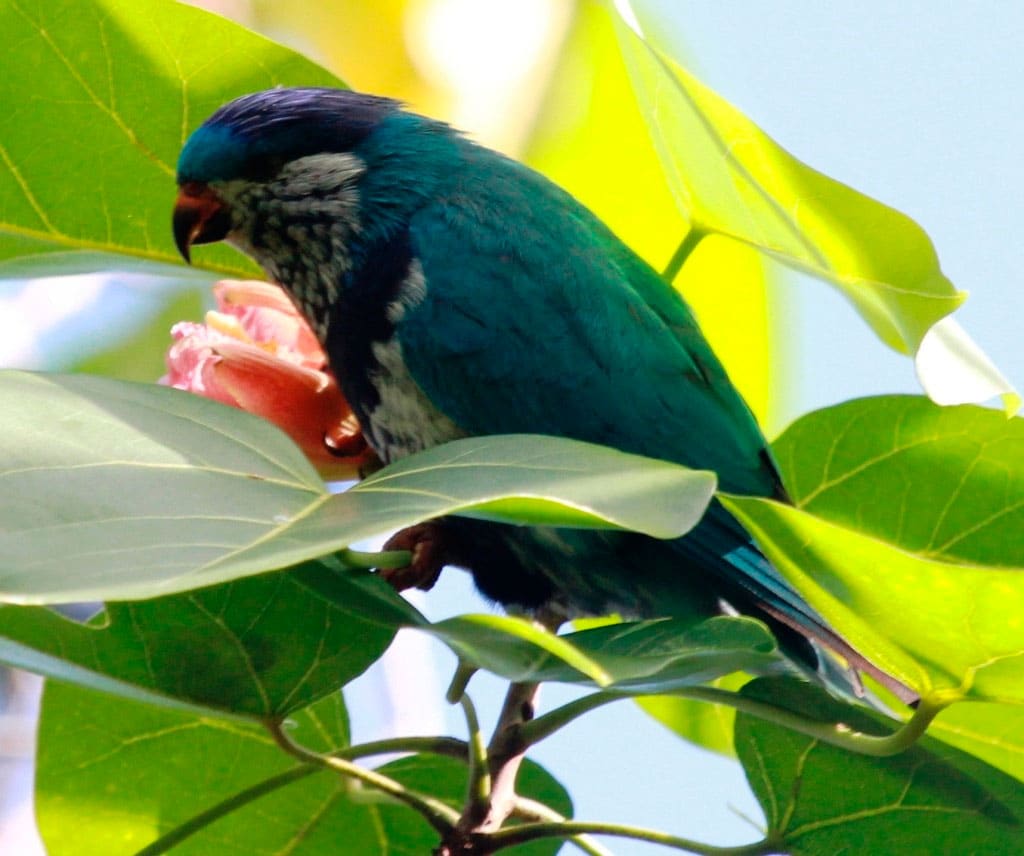
    Forehead bright navy blue iridescent; crown and nape Mallow dark blue with streaks of light blue; lores and spots on ear-coverts, white (bases of ear-coverts, purple and blue color). Mantle and covert wing, Navy blue; rump and tail coverts, dark blue light. The flight feather, light blue, blackish internal. Blue off the Underwing coverts. Throat dark blue with white speckles; in the band chest mauve blue with รกrea subterminal pale blue feathers. Belly blank slate bases in feathers, giving a mottled appearance; the thighs dark blue malva; coverts, Turquoise.

    The uppertail-coverts, whitish blue with navy blue light diffuse in the outer margins;
    undertail coverts whitish merged with navy and some irregular gray markings.

    Bill yellow orange, upper jaw, blackish brown at the base; irises brownish yellow; the orange legs.

    Both sexes are equal but the female It is slightly smaller.

    The immature adult differ by the absence of white on underparts, they are uniformly blackish. Also by bill black, irises Dark Brown and legs orange-brown.

    Habitat:

    In the Decade of 1970 in Nuku Hiva, these parrots were found only in pristine forests (that they have not been touched and that it is in its original condition) on the 700 m.

    There is a similar habitat preferences in UA Pu, where are located mainly in montane forests between 700 and 1.000 m. Populations have also been of Ultramarine Lorikeet in banana plantations, coconut and mango (Mangifera indica), in coastal areas.

    The species seems to have a wider range of habitat preferences in UA Pu., being found at altitudes ranging from the coast to wooded crests.

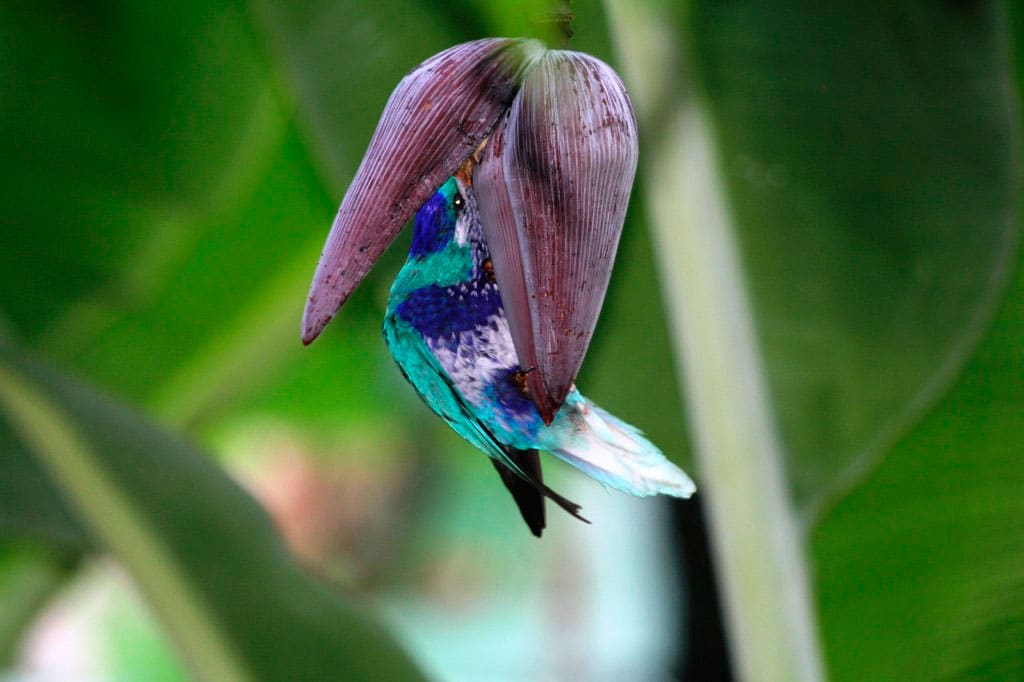
    They feed in trees with flowers, especially coconut trees and Erythrina.

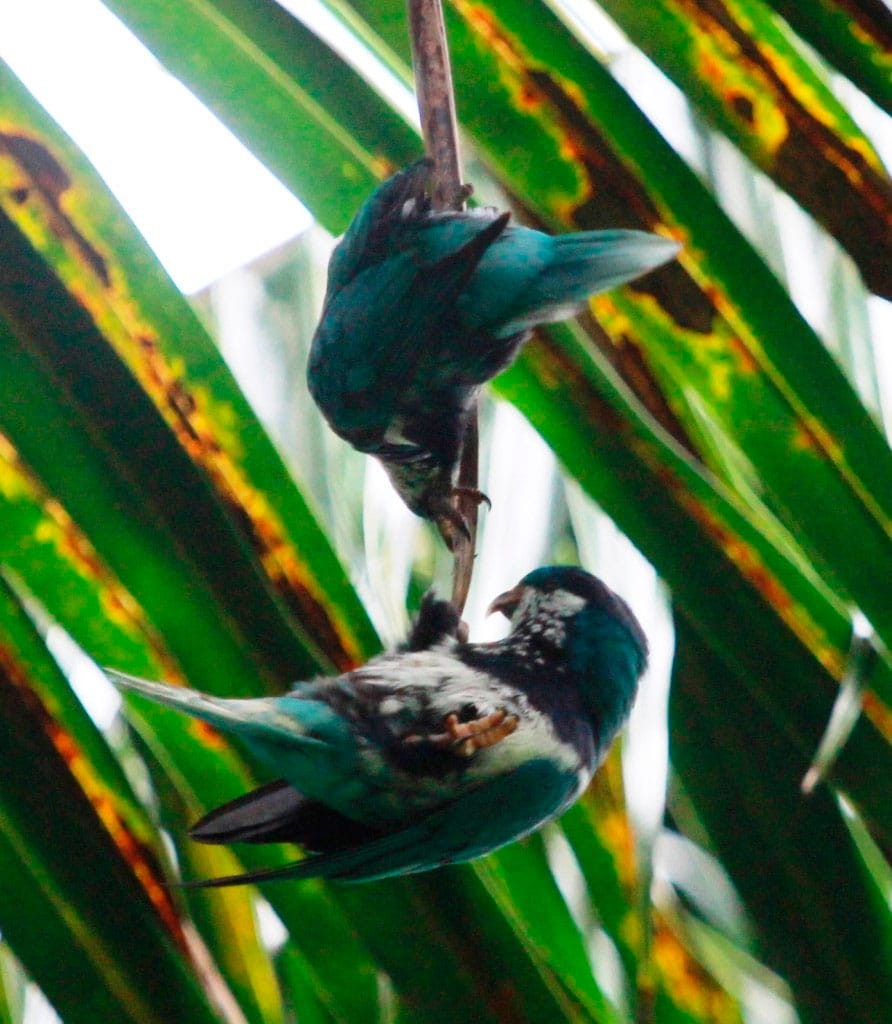
    Loud and lively; the birds move freely between the canopy and lower floors, allowing the human approach. They usually travel in pairs or groups of up to a dozen of individuals. Most of its flights are made below the level of the trees, but for longer distances they rise spiral up to considerable heights.

    Extremely Active, rarely long they stay in a tree and feeds using the peak acrobaticamente support.

    Reproduction:

    The nesting of these birds is from June to August.

    It nests in hollow trees, preferring Artocarpus altilis, Pometia, Pandanus tectorius and Hibiscus tileacus. Sometimes they use the old nest of another species. They lay two white eggs.

    A captive breeding record gives the chick eight weeks to become independent.

    Food:

    It feeds on a great variety of trees in flower, nectar and pollen. Within your preferences are the flowers of the coconut palm, the native tree and banana Hibiscus tileaceus.

    It also feeds on fruits, especially mango and insects.

    Distribution:

    Size of its range (reproduction / resident): 100 km2

    The Ultramarine Lorikeet is endemic of the Marquesas Islands, of Nuku Hiva, UA Pu and UA Huka, Although fossil remains show that previously most widely spread.

    In UA Pu the population was estimated at 250-300 couples in 1975. But in 1988 had shrunk around the 60%, probably due to the spread of rats Rattus rattus, and a hurricane in 1988, Although its effects on the population of birds are uncertain.

    In Nuku Hiva the small population of around of 70 birds that inhabited the high valleys and ridges in the northwestern part of the island, between 700 and 1.000 d., You can that they are now extinct.

    The majority of the population, to this day, remains in UA Huka, where the species was introduced in 1940. This population would have grown from 200 to 250 couples in the late 1970s and was considered abundant in 1990 at altitudes environment to the 500 d., with a population estimated between 1.000 and 1.500 birds. The main threat to the species, here, is the potential arrival of rats, and between 1993 and 1994, 14 Ultramarine Lorikeet they were moved to Fatu Hiva in an attempt to keep them safe from rats; But, habitat deterioration by grazing mammals and avian malaria, also they have been and are still potential factors to increase the vulnerability of this species.

    Conservation:


    Endangered


    โ€ข Current IUCN Red List category: Danger.

    โ€ข Population trend: Decreasing.

    CITES Appendix I. in danger of extinction.

    The entire population is located on an island where the species is stable, in other islands recently has been extinguished. The general trend is suspected to be a slow and continuous decrease. If the black rats come to UA Huka the decrease will be quick and severe.

    Other threats included are logging in some sectors of the habitat of the Ultramarine Lorikeet to plant crops, fruit trees, and use the trunks for woodcarvings for tourism.

    "Ultramarine Lorikeet" in captivity:

    Extremely rare.

    Alternative names:

    – Ultramarine Lorikeet, Marquesas Lorikeet, Ultramarine Lory (ingles).
    – Lori ultramarin, Lori de Goupil, Lori des Marquises (French).
    – Ultramarinlori (German).
    – Loris Vini Ultramarine (Portuguese).
    – Lori Ultramar, Lori Ultramarino (espaรฑol).

    scientific classification:

    – Order: Psittaciformes
    – Family: Psittaculidae
    – Scientific name: Vini ultramarina
    – Citation: (Kuhl, 1820)
    – Protonimo: Psittacus ultramarinus

    Images ยซOverseas Loryยป:

    Videos "Ultramarine Lorikeet"

    ————————————————————————————————

    ยซLori Ultramarยป (Vini ultramarina)


    Sources:

    – Avibase
    – Parrots of the World โ€“ Forshaw Joseph M
    – Parrots A Guide to the Parrots of the World – Tony Juniper & Mike Parr
    – Birdlife

    – Photos:

    1 – Miles to the wild – link
    2 – Miles to the wild – link
    3 – Miles to the wild – link
    4 โ€“ An adult bird perched on a palm tree – Author Josep del Hoyo – IBC.lynxeds.com
    5- A juvenile bird feeding in a tree. – Author Josep del Hoyo – IBC.lynxeds.com

    – Sounds: Mark Todd (Xeno-canto)

    โ–ท The world of Pets: Dogs, cats, birds, reptiles, amphibians

    Red-throated Lorikeet
    Charmosyna amabilis

    Red-throated Lorikeet

    Content

    Description

    18 cm.. length.

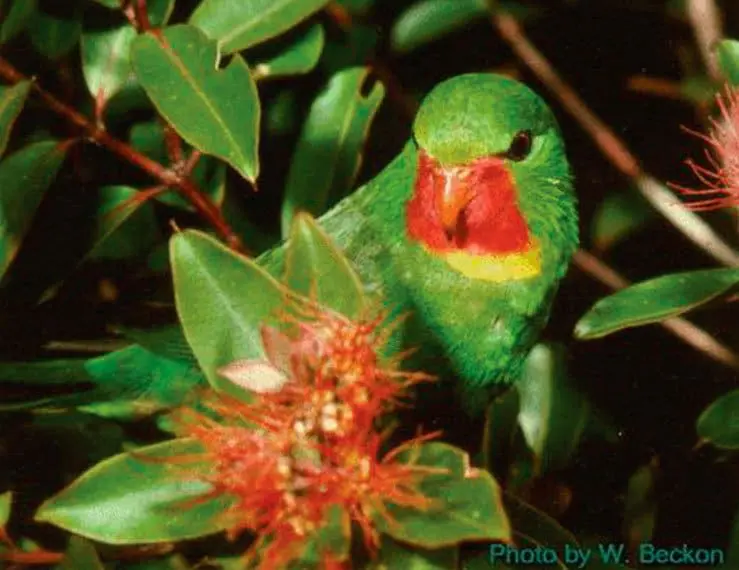
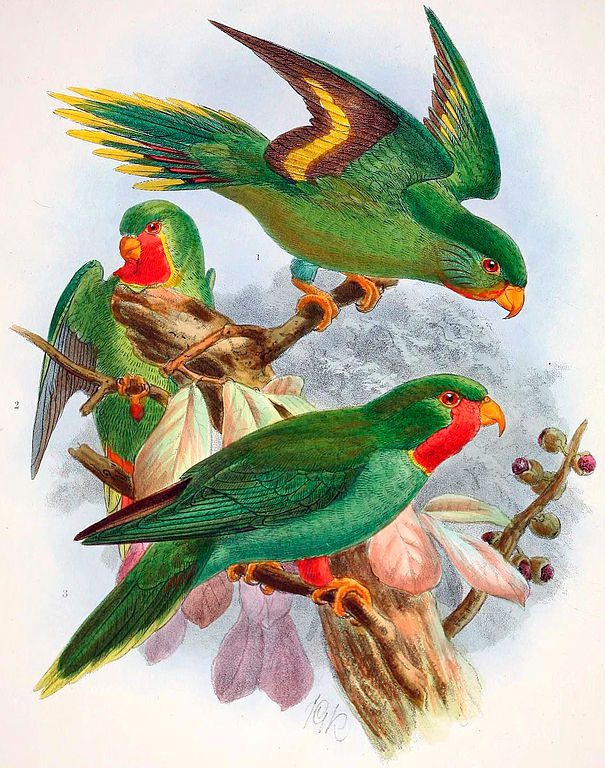
    The head of the Red-throated Lorikeet (Charmosyna amabilis) is green with lores and chin red. Upperparts green. Wings internal and ends with green feathers flight feather color black. Throat red, bordered below by a narrow yellow collar; rest of the underparts with a yellowish green that upperparts, particularly in the center of belly; the thighs red. The tail above green a little darker than the rump, with yellow ends; undertail yellow. Bill orange; irises yellow; legs orange-red.

    Male and female are equal.

    Immature generally duller. The the thighs dull purple. The yellow band throat much weaker than in adults and the red facial and marks throat more restricted.

    Habitat:

    Move by tropical forests, mainly over the 500 m. Son nomads and fly in pairs or small flocks of 5-8 birds in search of flowering trees, uniting to feed on flowers, nectar and pollen. They prefer to feed in the canopy, and although it is apparently ejected away from the areas of power by the aggressive Collared Lory, Holyoak He found two species feeding on the same tree during his remarks in 1973.

    Reproduction:

    Breeding and nesting habits unknown.

    Food:

    They feed actively, to often hung upside down to get to flores.

    Distribution:

    Size of the area of distribution (reproduction / resident): 37.100 km2

    endemic to the Fiji Islands where it is rare and usually only moves above 500 meters and below 1.000 m. Is distributed between in Viti Levu, Ovalau (where it may now be extinct), Vanua Levu and Taveuni. In 1973 Holyoak found at a Red-throated Lorikeet on a wooded Ridge around 250 metres in Viti Levu, species you saw or heard on five different days while exploring Taveuni thinking that the species was widespread in the rainy forests at an altitude between 550 and 1,000 m. The species was also recorded in rainforests between 120 meters and 980 feet by Martyn L. Gorman (1975), but it is said that they are rare. These records are among the few documented sightings of this century. The world's population is believed to be of less than 10.000 specimens. Despite its apparent rarity, This species may be overlooked due to their unobtrusive plumage and behavior.

    Conservation:


    critical hazard


    โ€ข Current IUCN Red List category: Critical Hazard

    โ€ข Population trend: Decreasing

    Threats to the lowlands and hills of the forest is slowly being erased much of Fiji. But, the rarity and assumed decline of this species is probably largely the result of predation by introduced mammals, especially Black Rat (Rattus rattus) , as it is the case with the closely related New Caledonian Lorikeet (Charmosyna diadema).

    Increases in course in the logging and the expansion of the road network, especially around the Highlands of Monasavu and Serua in Viti Levu, It is likely that you have caused an increase of the density of these rats (Watling 2000, G. Dutson in litt. 2005). The Indian Brown Mongoose (Herpestes fuscus) introduced, is also present in the areas of distribution of the Red-throated Lorikeet and it can be a threat (V. Masibalavu in litt. 2012).

    Agricultural expansion is encroaching on primary forest in Taveuni. Have a distribution in mountains close to the maximum altitude within its distribution area, It also makes this potentially susceptible species to climate change (BirdLife International).

    Is species is protected by the laws of Fiji. In Viti Levu, dwells within the Tomaniivi nature reserve, but this is not large enough to maintain a resident population and, Despite the creation of the extension Wabu proposal to make a reservation of adequate size, this would not provide better protection against rats if the reserve is kept unmanaged (D. Watling in litt. 2000)

    "Red-throated Lorikeet" in captivity:

    Unknown in captivity.

    Alternative names:

    – Red-throated Lorikeet, Red throated Lorikeet (ingles).
    – Lori ร  gorge rouge (French).
    – Rothรถschen (German).
    – Lori de Garganta Roja, Lori Gorgirrojo (espaรฑol).

    scientific classification:

    – Order: Psittaciformes
    – Family: Psittaculidae
    – Scientific name: Charmosyna amabilis
    – Citation: (Ramsay, 1875)
    – Protonimo: Trichoglossus (Glossopsitta) amabilis

    ————————————————————————————————

    ยซOn Gorgirroยป (Charmosyna amabilis)


    Sources:

    – Avibase
    – Parrots of the World โ€“ Forshaw Joseph M
    – Parrots A Guide to the Parrots of the World – Tony Juniper & Mike Parr
    – Birdlife

    – Photos:

    1 – (Photo by Bill Beckon, 1973)
    2 – Charmosyna amabilis By Artwork by John Gerard Keulemans (1842-1912). [Public domain], via Wikimedia Commons

    โ–ท The world of Pets: Dogs, cats, birds, reptiles, amphibians

    Sula hanging parrot
    Loriculus sclateri

    Hanging of the Sula

    Content


    Anatomy-parrots

    Description

    14 cm.. length.

    The plumage of the Sula hanging parrot (Loriculus sclateri) is mostly green.

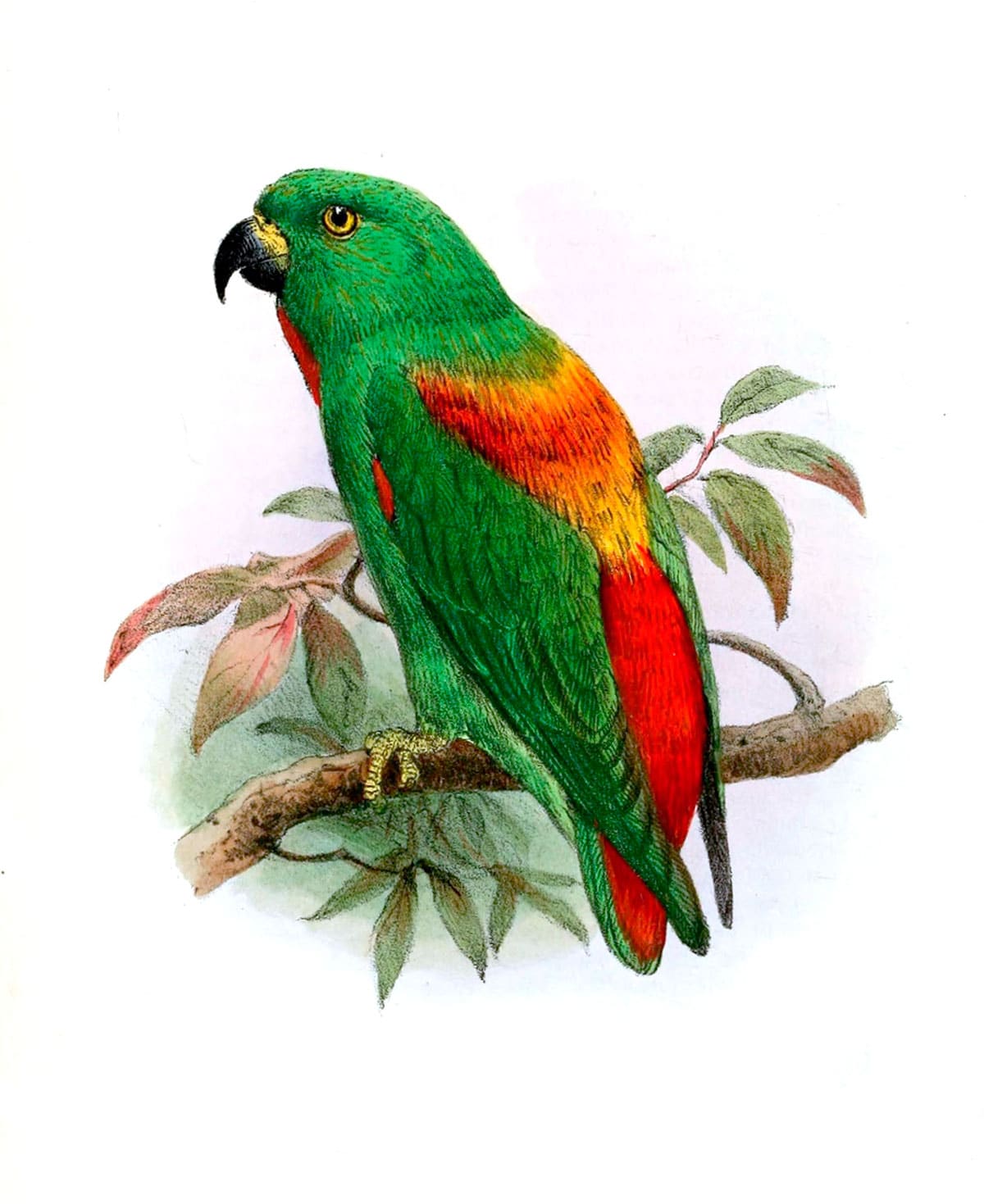
    The chin and throat They are red. There are orange-yellow markings on the mantle and in the back. The coverts, rump and tail upper are crimson, extending to the tip of the tail. Carpal edge red (Wing attack on the "shoulder"). The tail It is green with yellow-green tip. The bill is black.

    the female has the irises brown, While the male is pale yellow.

    To the Sula hanging parrot Sometimes I have treated as a subspecies of the Moluccan hanging parrot, but the two are treated as separate species based on its clear differences in plumage and size.

    Description 2 subspecies

    • Loriculus sclateri ruber

      (Meyer,AB & Wiglesworth, 1896) – Similar to the nominal species but red in the mantle and back.


    • Loriculus sclateri sclateri

      (Wallace, 1863) – Nominal.

    Habitat:

    They are generally distributed in humid areas of subtropical primary and secondary forests or lowland tropical forests. until 450 meters above sea level – mainly on the edge of the forest. Can also be seen in remaining tall trees in plantations and cultivated areas.

    viewed solos, or pairs or small groups.

    Reproduction:

    The first breeding season begins in January and lasts until April; and if conditions are right, breeding activities can once again be observed from July to September.

    Nest trunks of dead trees, favor of the narrow hollow long with small entrance holes. Noticed it a female carrying nesting material, that can include pieces of bark, leaves and feathers for lining of the nest. Sunset You can consist of 2 to 4 white eggs. Single the female incubates the eggs during 20 days, While the male feeds it. Each egg measures of ~ 15 mm to 18,7 mm.

    Food:

    Its diet natural It consists mainly of red fruits – particularly wild figs, guava and berries, as well as flower buds and flowers. They also feed on nectar and seeds.

    Distribution:

    Size of the area of distribution (reproduction / resident): 30.800 km2

    endemic to the Sula Islands (Taliabu, Mangole and Sanana), as well as of Banggai in Sulawesi (formerly known as Celebes)

    Distribution 2 subspecies

    Conservation:


    minor concern


    โ€ข Current IUCN Red List category: Least concern

    โ€ข Population trend: Stable

    The size of the world population It has not been quantified, but the species is described as common in its range (pit et to the. 1997).

    The population is suspected to be stable in the absence of evidence of any reduction or substantial threats.

    A possible threat to its existence are the capture for the bird trade and habitat loss.

    "Sula hanging parrot" in captivity:

    Practically unknown in captivity.

    Alternative names:

    – Sula Hanging-Parrot, Sula Hanging Parrot, Sulu Hanging Parrot (ingles).
    – Coryllis de Sclater, Coryllis des Sula (French).
    – Sulapapageichen (German).
    – Loriculus sclateri (Portuguese).
    – Lorรญculo de las Sula (espaรฑol).

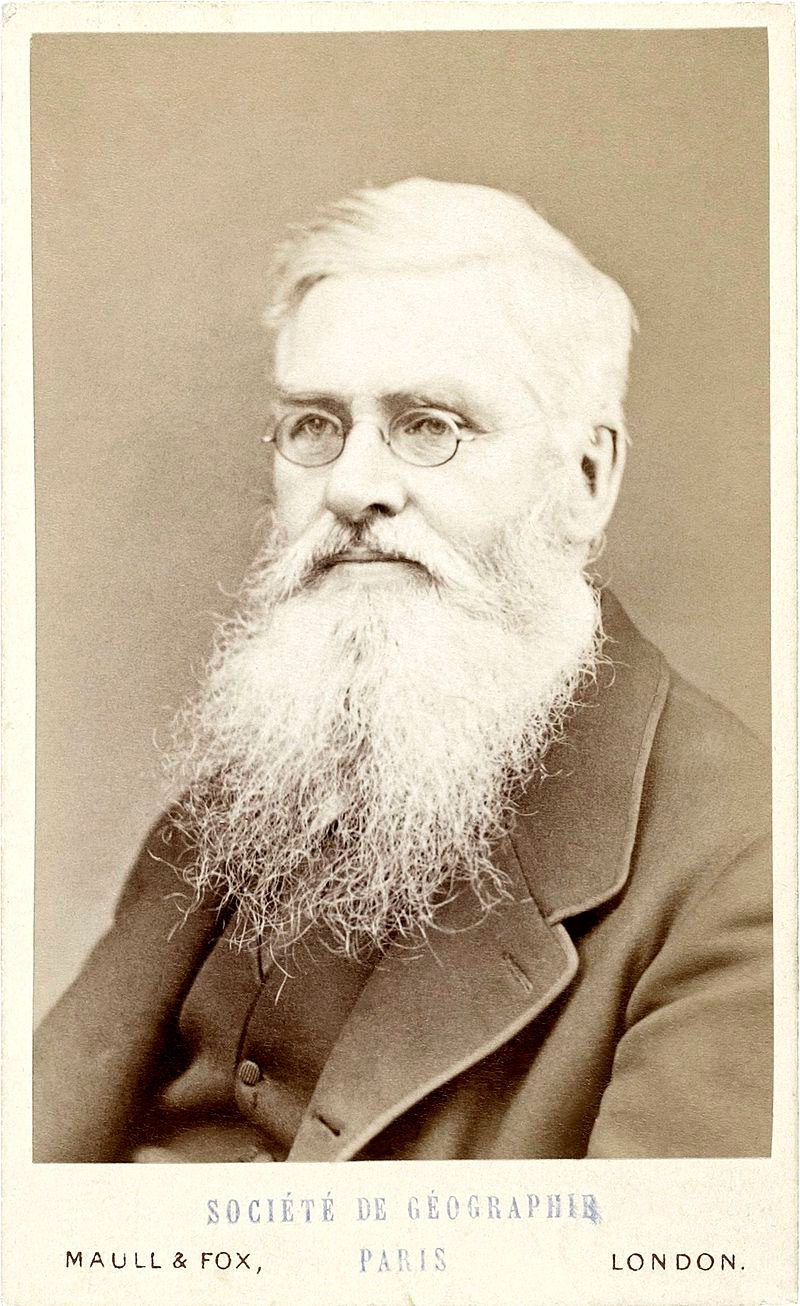
    Alfred Russel Wallace
    Alfred Russel Wallace

    scientific classification:


    – Order: Psittaciformes
    – Family: Psittaculidae
    – Genus: Loriculus
    – Scientific name: Loriculus sclateri
    – Citation: Wallace, 1863
    – Protonimo: Loriculus sclateri


    Images "Sula hanging parrot"

    Videos "Sula hanging parrot"

    ————————————————————————————————

    "Loricle of the Sula" (Loriculus sclateri)


    Sources:

    – Avibase
    – Parrots of the World โ€“ Forshaw Joseph M
    – Parrots A Guide to the Parrots of the World – Tony Juniper & Mike Parr
    – Birdlife
    – beautyofbirds

    – Photos:

    (1) – ยซLoriculussclateriwolfยป by Joseph Wolf – Proceedings of the Zoological Society of London 1862 (Web). Licensed under Public Domain via Wikimedia Commons.

    – Sounds: Peter Wilton (Xeno-canto)

    โ–ท The world of Pets: Dogs, cats, birds, reptiles, amphibians

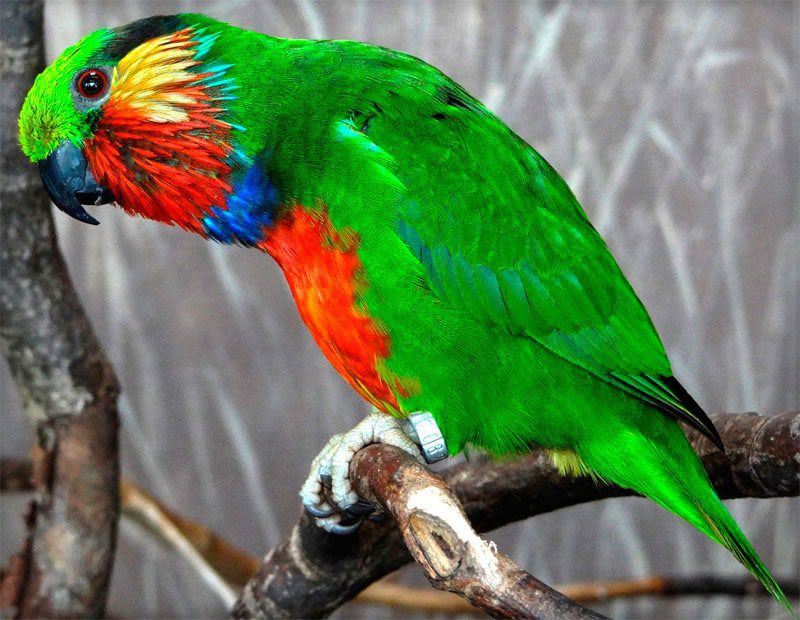
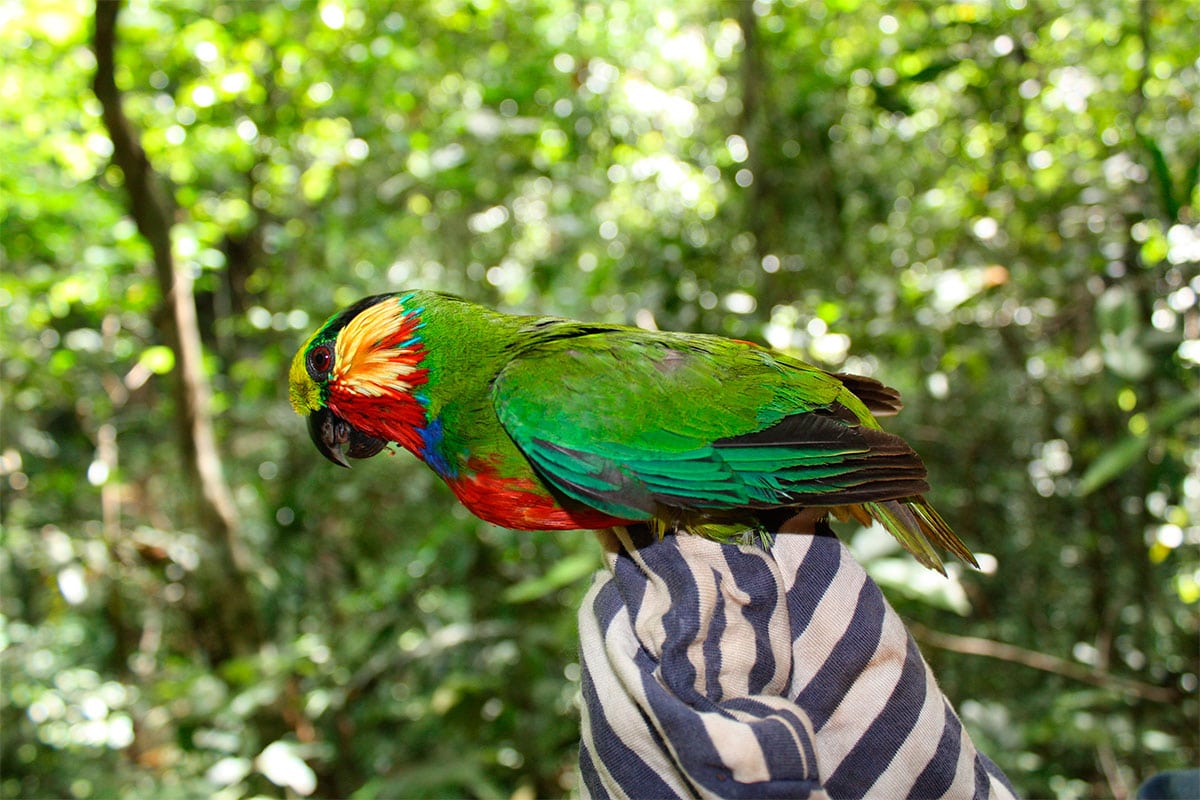
    Edwards' Fig-Parrot
    Psittaculirostris edwardsii


    Edwards' Fig-Parrot

    Content

    Description

    18 cm.. length and weight around 105 g..

    The Edwards' Fig-Parrot (Psittaculirostris edwardsii) you have the front and a bright yellowish-green Crown, with a green stripe on the back; neck greyish-Brown band above the band of gris-negruzco color that extends into the eye; area before and just behind the eyes, green. Elongated lower headset feathers and orange-red fire Gorge, with some green basal feathers interspersed and ends the headphone rear (also elongated) golden yellow with orange.

    Dark green back: curve of the wing marked in blue. Black flight feathers marked with green in vane outer (except the primary outer) and with vane internal yellow, forming a set of bars under her wings; marked inner coverts reddish-orange. The wings of blue-green feathers, the longest with yellow tip. Purple-blue ruff with some lighter green feathers; Centre of the breast and upper belly of a showy orange-red; flanks, supracaudales yellowish-green coverts and thighs. Upper, the Green tail; undertail, opaque yellow olive.

    the black beak; reddish brown to Brown irises; light grey legs.

    The female of the Edwards' Fig-Parrot It lacks the heart of red on the chest and upper abdomen, and has a broader purple-blue band on the chest, inset below with red.

    Immatures resemble females, but with the headphones coverts greenish yellow.

    Habitat:

    The Edwards' Fig-Parrot (Psittaculirostris edwardsii) are distributed among the humid lowland forests, partially cleared areas, wooded edges, as well as near rural areas, up to about 800 meters above sea level.

    The birds are usually found in pairs or small noisy flocks, Although groups have been found for up to 400 birds collected in the canopy of fruit trees.

    Rapid movements are, and usually they hang you upside down to reach food.
    Has been in mixed flocks with the Double-eyed Fig-Parrot.

    Reproduction:

    Nesting behavior of the Edwards' Fig-Parrot they have been observed since January through may. In October he was seen a male rubbing its peak with the female and hovering above its perch. The nest is in a hole, at the top of a tree in the forest.

    Food:

    The diet consists of fruit, including the Ficus figs and casuarinas, nectar and probably insects

    Distribution:

    Endemic to the lowlands of the North of New Guinea in Irian Jaya and Papua New Guinea. It is commonly distributed in the northeast of all Jayapura along the coastal lowlands and inland to around of Pagwi, Chamhri Lake and the jimi river. Observed in the region of the Sepik River, extending eastward to the lowlands of the Huon Peninsula and the markham river. The world's population is believed to be in excess of 100.000.

    Conservation:


    minor concern


    โ€ข Current IUCN Red List category: Least concern

    โ€ข Population trend: Stable

    The size of the world population Edwards' Fig-Parrot It has not been quantified, It is estimated around the 100,000 specimens. The species according to sources, it is common to very frequent, at the local level (pit et to the. 1997).

    The population is suspected to be stable in the absence of evidence of any reduction or substantial threats.

    "Edwards' Fig-Parrot" in captivity:

    active parrot, need space to exercise. It has nice voice, harmless. Initially shy and nervous, It is customary to the caregiver with the time. You can die suddenly without apparent reason.

    It is very rare in poultry.

    Alternative names:

    – Edwards’ Fig-Parrot, Edward’s Fig Parrot, Edwards’ Fig Parrot, Edwards’s Fig Parrot, Edwards’s Fig-Parrot, Scarlet-cheeked Fig Parrot (ingles).
    – Psittacule d’Edwards (French).
    – Edwardszwergpapagei, Edwards Zwergpapagei, Edwards-Zwergpapagei (German).
    – Psittaculirostris edwardsii (Portuguese).
    – Lorito de Eduardo, Lorito de Edwards (espaรฑol).

    scientific classification:

    – Order: Psittaciformes
    – Family: Psittaculidae
    – Scientific name: Psittaculirostris edwardsii
    – Genus: Psittaculirostris
    – Citation: (Oustalet, 1885)
    – Protonimo: Cyclopsittacus Edwardsii

    Images "Edwards' Lorito":

    ————————————————————————————————

    ยซEdwards' parrotยป (Psittaculirostris edwardsii)


    Sources:

    – Avibase
    – Parrots of the World โ€“ Forshaw Joseph M
    – Parrots A Guide to the Parrots of the World – Tony Juniper & Mike Parr
    – Birdlife

    – Photos:

    (1) – Indonesia Traveling Guide – by Farelli in Indonesia Bird
    (2) – Birds-pet-wallpapers
    (3) – ยซPsittaculirostris edwardsiiยป by http://www.birdphotos.com – http://www.birdphotos.com/photos/v/parrots/IMG_3537b.jpg.html. Licensed under CC BY 3.0 via Wikimedia Commons.
    (4) – By Michal Pilar – Methodical Portal
    (5) – By Katerina Tvardikova – New Guinea Birds