
Content |
|---|
All breeds and species.
 Pets
Pets
Content |
|---|
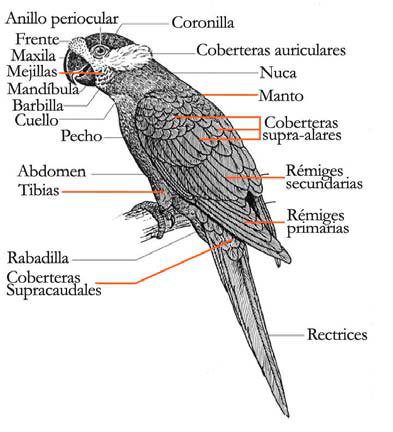
25-28 cm.. length and 200-232 g. of weight.
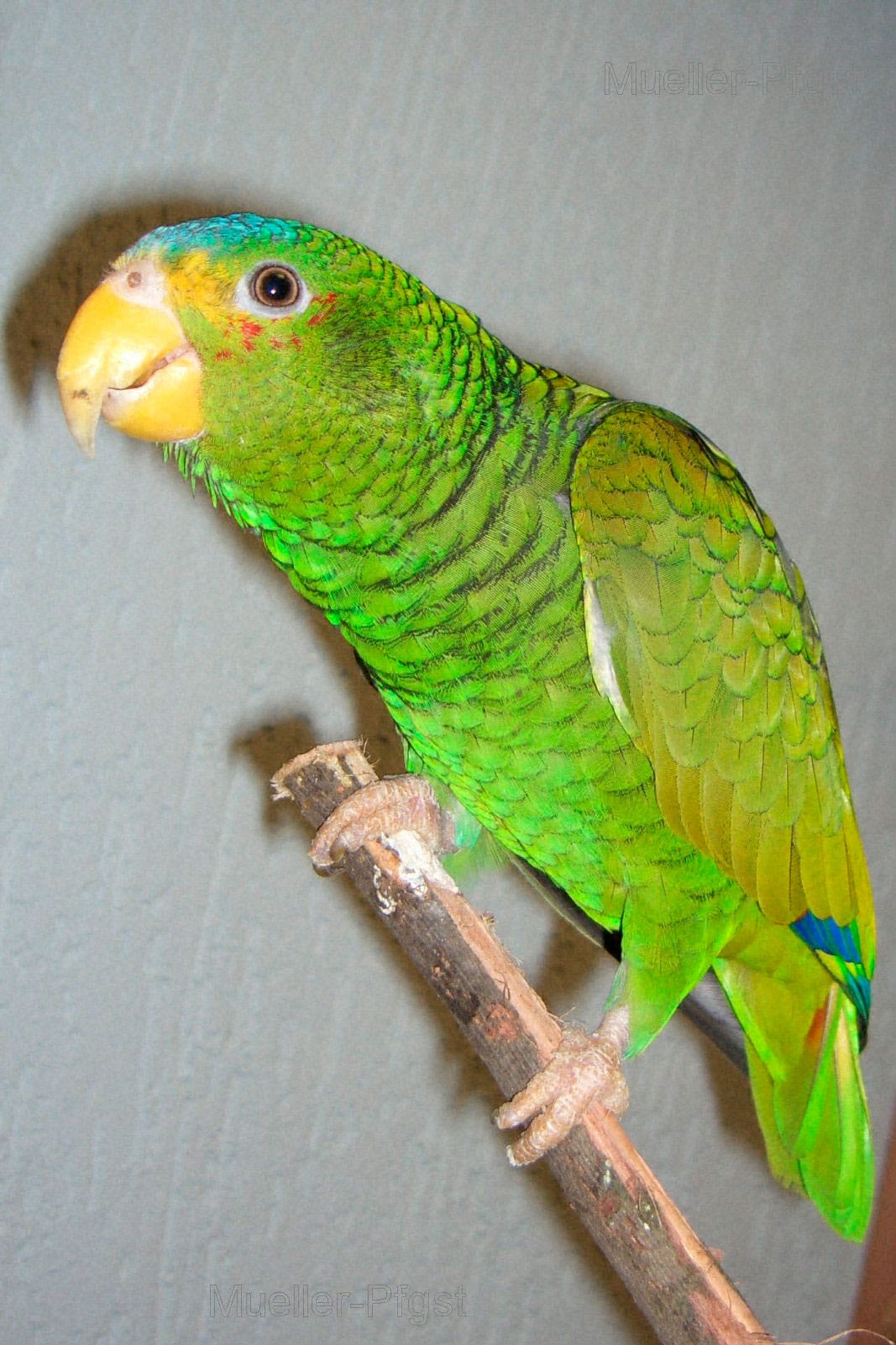
The Yellow-lored Parrot (Amazona xantholora) has the lores and a close frontal band, bright yellow; most of the forecrown and crown, are white; the back of the crown is blue; band wide around the eyes, including upper cheeks, bright red; ear-coverts dark gray.
Top green grass with prominent black tips on feathers giving a scalloped appearance, although uppertail-coverts are yellowish-green. Primary coverts red; remaining coberteras (especially smaller and medium), green with black tips. Flight feathers mostly blue with a green base at primaries. Under the wings, bluish green. Underparts green with black tips on breast feathers, although undertail-coverts are yellowish-green; at the top, the tail is green; below green with yellowish tip and the outer feathers red.
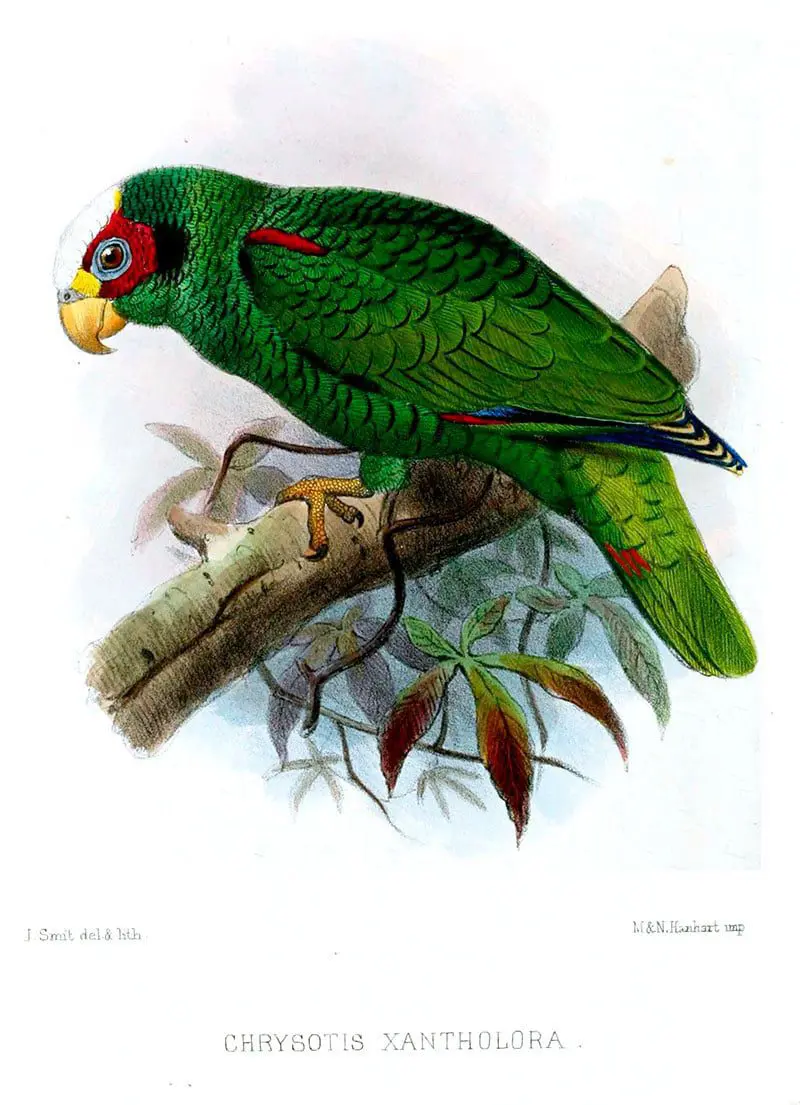
Bill yellow-horn; irises yellow; legs grey.
In this species sexual dimorphism. The female has the crown blue (nonwhite), little or no red around the eye, and primary coverts green. The immature They are like female but with lores paler yellow and crown pale blue.
Video – "Yellow-lored Parrot" |
|---|
In Yucatan, the Yellow-lored Parrot They live mostly in the tropical deciduous forest, probably avoiding dense rain forests. But, their exact preferences are unknown due to the difficulty of distinguishing the White-fronted Parrot (Amazona albifrons). Observed in pine forests and mixed forests of pines and oaks Quercus in the North of Belice, and pine forests in the highlands in Roatan.
They are distributed at altitudes between 100 and 250 m.
Usually views in flocks, to form communal roosts coming up 1.500 birds from roosting and dispersed in small herds forage.
They lay their nests in tree cavities on agricultural land and around cornfields where dead trees have been left standing after forests have been cleared and burned. also can nest in cracks of trees, rock walls or termiteros.
It has been observed to Yellow-lored Parrot in breeding condition in March in the yucatan peninsula, and young in the nest in April-May Belice. The laying is of 1 to 3 eggs; the incubation similar in duration to that of White-fronted Parrot (Amazona albifrons), that is to say, of 25 to 28 days.
Foods reported include guilt of Acacia gaumeri, corn and citrus. The Yellow-lored Parrot They feed mainly in the treetops.
Size of its range (reproduction / resident): 157.000 kilometros2
The Yellow-lored Parrot It is found mainly in the Eastern and Central parts of the Yucatan Peninsula, Mexico, in Yucatan, Campeche and Quintana Roo; in the northern parts of Belice; and in the islands of Cozumel (Mexico) and possibly Roatan (Honduras), where the recent field work could not confirm its current (or previous) existence. Common to quite common in the East of Yucatan and in Cozumel, but considered quite rare in some other parts (especially at the edges) Mexican range. It is thought to be scarcer than the White-fronted Parrot (Amazona albifrons) with which it is closely related, although in some areas, the Yellow-lored Parrot it's more common, especially towards the center of its range.
Live in several areas protected. Situation in Northern Belice unknown.
State of conservation ⓘ |
||
|---|---|---|
 Minor Concern ⓘ
(UICN)ⓘ
Minor Concern ⓘ
(UICN)ⓘ
| ||
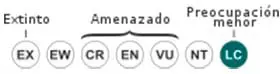
• Current category of the Red List of the UICN: Least concern.
• Population trend: Stable.
• Population size: 20,000-49,999.
This species has a range very large, and therefore not approaching the thresholds for vulnerable under the criterion of size range (extent of occurrence <20.000 km2 combinan con un tamaño gama disminución o fluctuante, hábitat medida / calidad, o de la población tamaño y un pequeño número de lugares o fragmentación severa). La population trend appears to be stable, and therefore the species does not approach the thresholds for Vulnerable according to the population trend criteria. (> 30% decrease of more than ten years or three generations). The population size It can be moderately small to large, but are not believed to approach the thresholds for Vulnerable based on population size criteria (<10.000 individuos maduros con una disminución continua estima en> 10% in ten years or three generations, or with a specific population structure). For these reasons, the species was evaluated as Least concern.
Partners in Flight estimates the population at fewer than 50.000 individuals (A. they Panjabi a slightly. 2008), by what is placed in the band 20,000-49,999 individuals here.
The population suspected to be stable in the absence of evidence of any reduction or substantial threats.
The main threats to this species are the deforestation, the catch eggs and chicks directly from their nests, just like him illegal trade adult individuals. Moreover and, considering the differential distribution of this species within the Peninsula, You may think that areas are susceptible to drastic declines in these species (Beissinger and Snyder 1992).
Very rare in captivity. Convention CITES regulates international trade under the Appendix II (Species not necessarily threatened with extinction, but in which trade must be controlled in order to avoid utilization incompatible with their survival).
– Yellow Lored Amazon, Yellow lored Parrot, Yellow-faced Amazon, Yellow-lored Amazon, Yellow-lored Parrot, Yucatan Amazon, Yucatan Parrot (English).
– Amazone du Yucatan, Amazone xantholore (French).
– Goldflügelamazone, Goldzügelamazone (German).
– Papagaio-de-iucatã (Portuguese).
– Amazona de Yucatán, Amazona Yucateca, Lora de Roatán, Loro Yucateco (español).
– Order: Psittaciformes
– Family: Psittacidae
– Genus: Amazona
– Scientific name: Amazona xantholora
– Citation: (Gray, GR, 1859)
– Protonimo: Chrysotis xantholora



Sources:
– Avibase
– Parrots of the World – Forshaw Joseph M
– Parrots A Guide to the Parrots of the World – Tony Juniper & Mike Parr
– Birdlife
– Naturalist
– Photos:
(1) – Amazon Yucatan, Mexico, Quintana Roo, Xcaret By philippe from FRANCE, You can search by name, by commission or family for birds and insects, using tags [CC BY-SA 2.0], via Wikimedia Commons
(2) – A female Yellow-lored Amazona also known as the Yucatan Amazona at Xcaret Eco Park, Quintana Roo, Mexico. By philippe from FRANCE, You can search by name, by commission or family for birds and insects, using tags [CC BY-SA 2.0], via Wikimedia Commons
(3) – Amazona species xantholora. His name is Poll By GuillermoPech (Own work) [CC BY-SA 4.0], via Wikimedia Commons
(4) – Yellow-lored Amazon By Andreas Mueller Pfgst (Picture yourself created) [GFDL or CC BY-SA 3.0], via Wikimedia Commons
(5) – Yellow-Lored Parrot by James Diedrick – Flickr
(6) – Chrysotis xantholora = Amazona xantholora by Joseph Smit [Public domain], via Wikimedia Commons
– Sounds: Oliver Komar, XC182833. accessible www.xeno-canto.org/182833

Content |
|---|
37 cm.. length and 430 g. of weight.
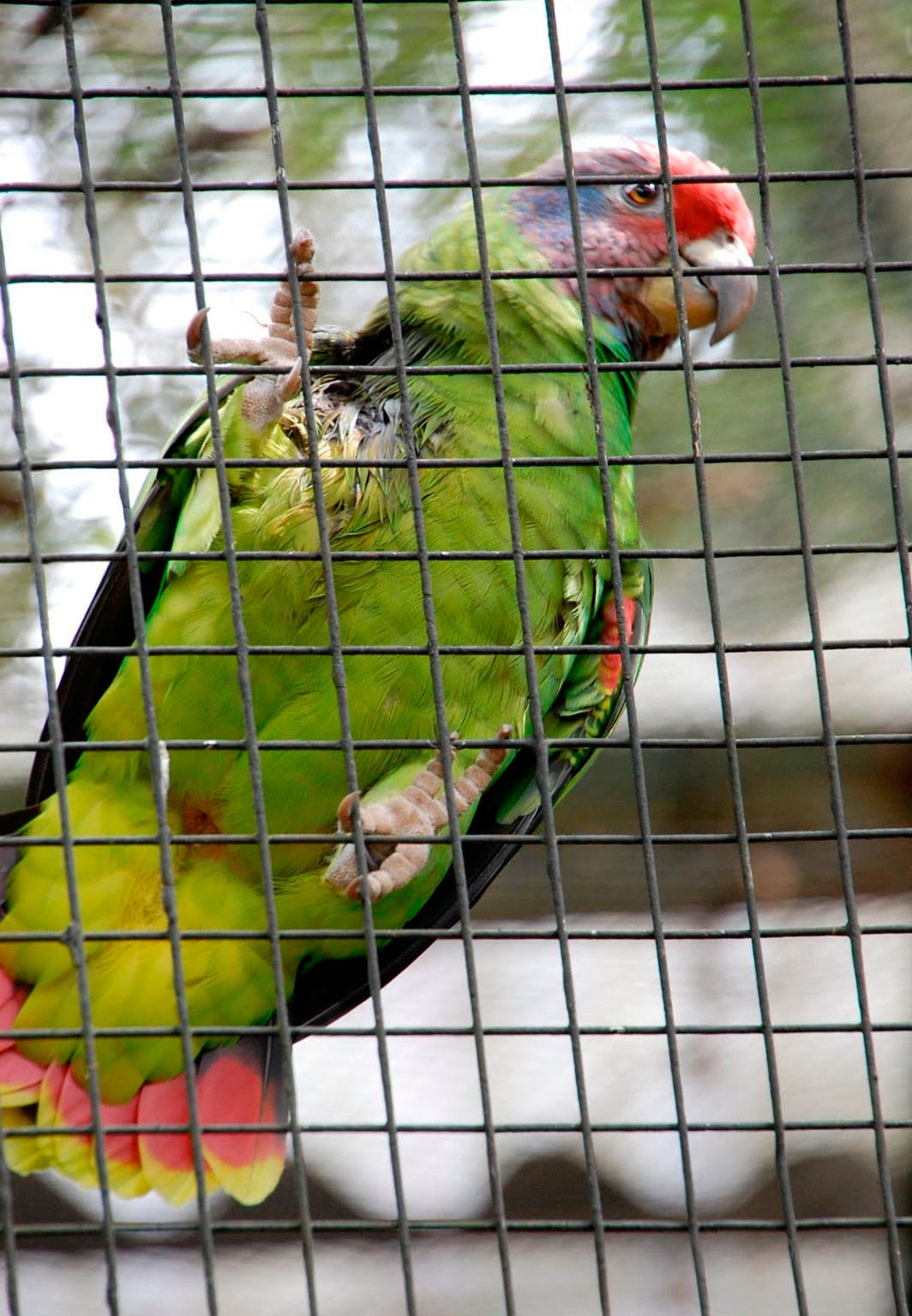
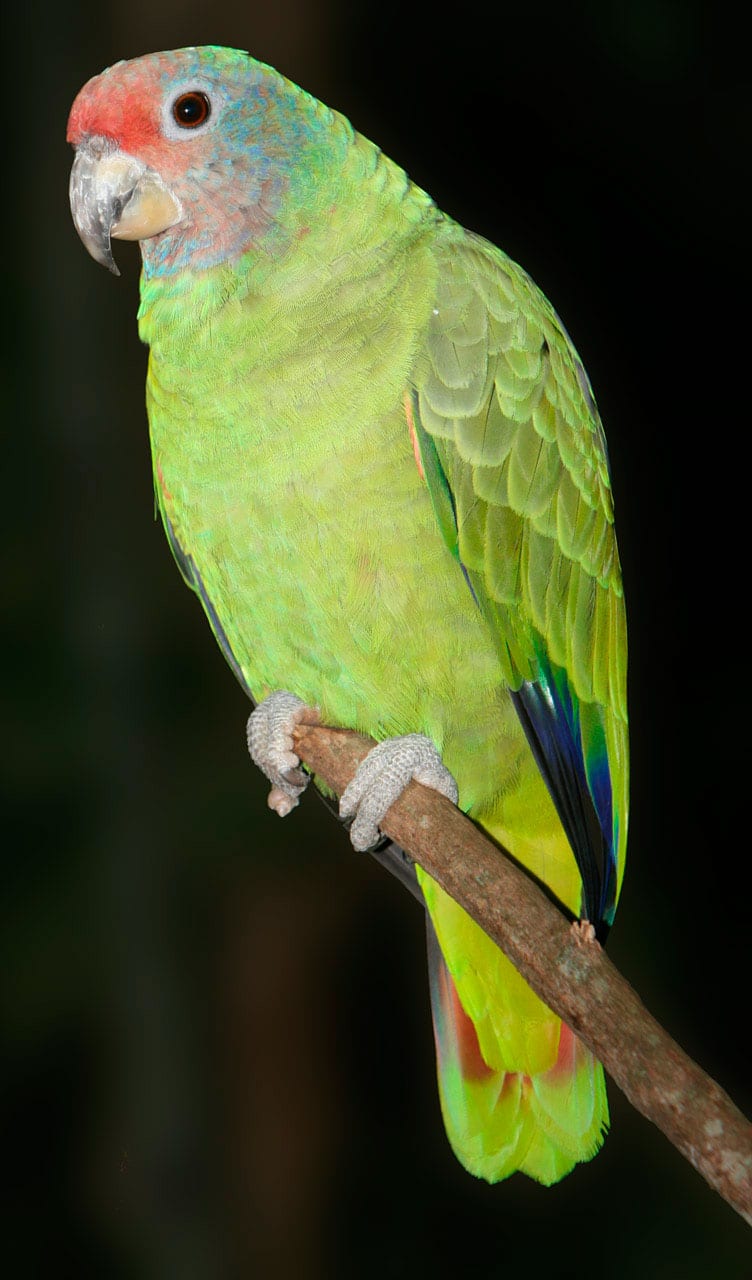
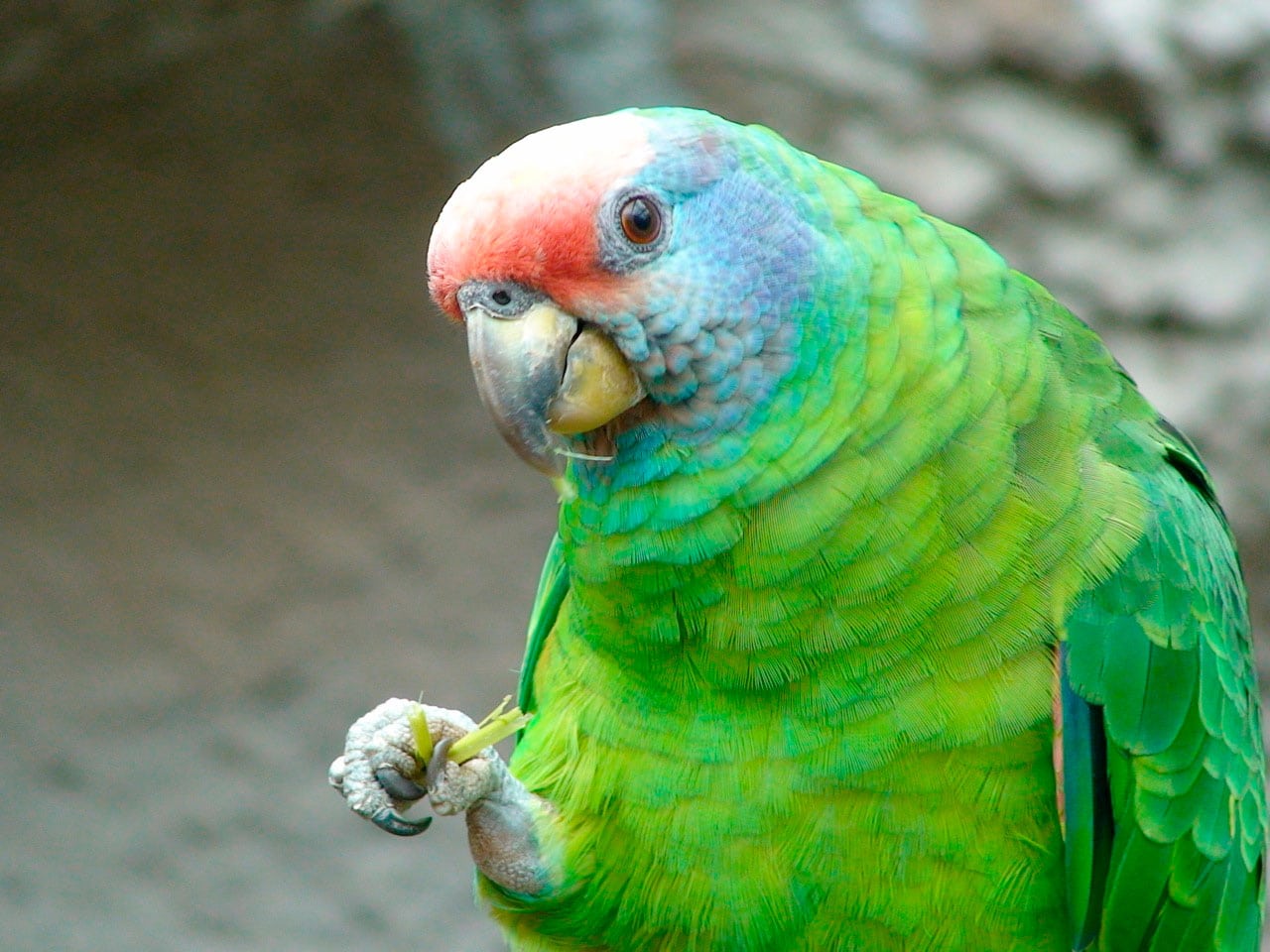
The Red-tailed Parrot (Amazona brasiliensis) has forecrown, front of crown and lores, red; Subsequent red feathers crown with purple tips; cheeks, ear-coverts, sides neck and throat, mauve-blue; back of the crown and nape, green with black tips.
Upperparts green, some feathers rump with yellow points. The median, greater coverts and secondary internal clearly appear yellow; edge front of the wing Red and yellow; primaries grey-black, secondaries green, turning blue towards the tips.
Under the wings, brighter yellowish green; flight feather of black and blue color on the basis of innerwebs. Underparts brighter yellowish green, paler in undertail-coverts. Tail green with broad greenish-yellow tips, lateral feathers marked basally with purplish-blue on outerweb and tipped yellowish-green with broad subterminal band red.
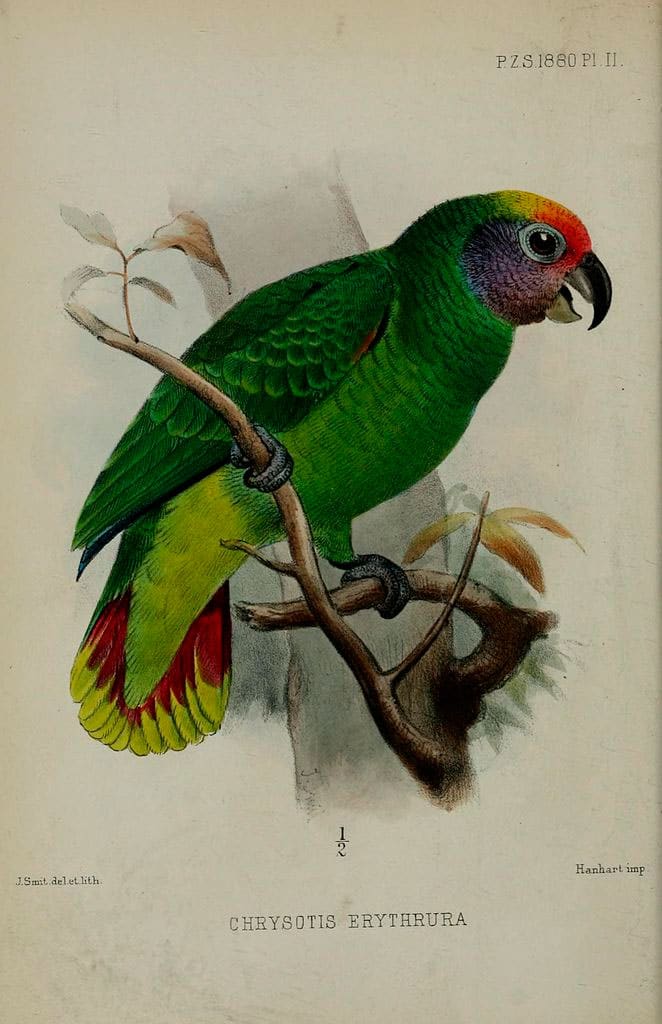
Bill pale horn with dark tip; irises orange; legs pink-gray.
Both sexes are similar. The immature It is less extensive in red head, a plumage darker overall and irises darker.
taxonomic note:
The molecular study suggests that this species is closest to the Orange-winged Parrot (Amazona amazonica). Previously it thought to form a group with Blue cheeked Parrot (Amazona dufresniana) and Red-browed Parrot (Amazona rhodocorytha), and it has been treated as conspecific with one or both. monotypic.
Video "Red-tailed Parrot"
|
|---|
The Red-tailed Parrot dwells in a restricted area or coastal lowland forest and wetlands with rare species and structural diversity, including moist lowland forests, restinga, freshwater marshes and mangroves. Your preferred coastal habitats have complex channel networks, swamps and wetlands. Trees characteristic of its forest habitat include Luehea and Andira, while the vegetation of the islands, where they sleep and breed, They are dominated by several species Halophyte and formations restinga.
Apparently, some birds are practically living in flooded forests, probably due to increased availability of nests. Sympatric presence and partnership with the Red-spectacled Parrot (Amazona pretrei) in forests Araucaria, probably wrong. Lives in altitudes not exceeding the 300-400 m, Although there are records to 700 metres in Paraná. Forman communal shelters (often in mangroves) during at least part of the year, with more than 750 birds reported at a meeting (1985).
They nest in the cavity of a living or dead tree, for example, palms Jerivá (Syagrus romanzoffianum) and guanandi (Callophyllum Brasiliense) and occasionally arboreal nests of termites; height generally, but recorded only a nest 1 meter above the floodwater. Usually it played in flooded or swampy areas, including mangroves. breeding season in September to February, in some cases in April. Clutch 5-4 eggs. The eggs are hatch during 27 to 28 days, and the period until nest abandonment is thought to last from 50 to 55 days
The fruits of Callophyllum Brasiliense They are considered of considerable importance in the diet of the Red-tailed Parrot, with fruits Syagrus romanzoffianum and Psidium cattleyanum also taken in quantity; other registered foods include flowers, fruits of Erythrina speciosa, fruits of Euphorbia and Myrcia and insects in fruit. They feed in pairs or groups up 20 birds.
Size of its range (breeding/resident): 10.100 km2
The Amazona Colirroja et is confined to a small area in the southeast coastal of Brazil, in the states of São Paulo and Paraná. In coastal areas São Paulo It extends southwest of Itanhaém, including the isla Long and isla del Cardoso, and virtually all coastal areas of neighboring Paraná, from Guaraquecaba, Antonina and Paianagua, until Guaratuba and several offshore islands adjacent, eg Mel Island.
Possibly they inhabit the extreme northeast Santa Catarina, adjacent to Paraná, but there are no reliable records. An old record Rio Grande do Sul it seems unlikely. possibly some seasonal movements lower in winter (May-August).
The rapid decline in population in the twentieth century it is due in part to the loss of habitat, with most areas densely settled and totally deforested, the remaining threatened are given by urbanization (for example, in isla Long), the felling of trees nesting and feeding, as well as the Palmas for human use (shipbuilding and food) and conversion of wetlands for water buffalo and rice production (birds also face competition from grazing animals for consumption of fruits Erythrina speciosa). But, direct human exploitation of the species is not now a less serious problem, some related to their hunting for food, although most suffer their capture illegal for trade. A recent study 49 showed that nests 41 of them they were illegally stolen their young, while the 1,27% available habitat was lost only in 1993.
Total wild population estimated in 3.600 birds (1995) with rapid decline of several hundreds Predicted. Distribution area probably no more than 6.000 km2, with large parts of this extension susceptible to sea level rise caused by climate change.
protected by national legislation. Live in several areas protected (for example, Isla del Cardoso, Sao Paulo), but in them there is only a very small proportion of birds.
State of conservation ⓘ |
||
|---|---|---|
 Vulnerable ⓘ (UICN)ⓘ
| ||
• Current category of the Red List of the UICN: Vulnerable.
• Population trend: Increasing.
• Population size : 6000-6700.
The catch for cage bird trade and loss of habitat are the major threats to this species. Despite the heavy pressure to capture the early nineties, It is believed that the range of the species remained essentially the same, and populations have been stable or declined less steeply than feared, According to a recent estimate that suggests a population increase. Due to its small breeding range and highly fragmented habitat, the species qualifies as Vulnerable.
conservation project "Red-tailed Parrot" |
|---|
The winter counts in 2015 registered 7.464 and individuals in Paraná 1.712 in São Paulo, with both populations continuing to increase (D. Waugh in some ., 2015). The population It is estimated, therefore, between 9.000 and 10.000 individuals, equivalent approximately to 6.000 to 6.700 mature individuals.
It is suspected that the conservation measures long term have contributed to a recent increase in population at a rate unquantified, although habitat fragmentation and poaching remain significant threats (Waugh 2006).
CITES Appendix I and II and protected by the Brazilian legislation.
Each captive specimen of this species which is capable of reproducing, It is placed in a Program well managed captive breeding and not be sold as a pet, in order to ensure long term survival.
– Blue-cheeked Parrot, Blue-faced Parrot, Brazilian Green Amazon, Brazilian Green Parrot, Red tailed Parrot, Red-tailed Amazon, Red-tailed Parrot (English).
– Amazone à joues bleues (French).
– Rotschwanzamazone (German).
– papagaio, papagaio-de-cara-roxa (Portuguese).
– Amazona Brasilera, Amazona Colirroja (español).
– Marreco ananai (Brazil)
– Order: Psittaciformes
– Family: Psittacidae
– Genus: Amazona
– Scientific name: Amazona brasiliensis
– Citation: (Linnaeus, 1758)
– Protonimo: Psittacus brasiliensis

Sources:
– Avibase
– Parrots of the World – Forshaw Joseph M
– Parrots A Guide to the Parrots of the World – Tony Juniper & Mike Parr
– Birdlife
Photos:
(1) – A Red-tailed Amazon at Parque das Aves, Foz do Iguaçu, Brazil By Kee Yip from Union City, California, USA (IMG_4509_P1040018) [CC BY 2.0], via Wikimedia Commons
(2) – A juvenile Red-tailed Amazon which is grasping something in its right foot, probably to chew or eat it By writhedhornbill (originally posted to Flickr as Red tailed amazon) [CC BY 2.0], via Wikimedia Commons
(3) – Red-tailed Amazon (Amazona brasiliensis) bird Park, Foz do Iguaçu, Brazil By http://www.birdphotos.com (Own work) [GFDL or CC BY 3.0], via Wikimedia Commons
(4) – Red-tailed Amazon at the zoo By Elcio Ferreira [CC BY-SA 2.0], via Wikimedia Commons
(5) – A Red-tailed Amazon at Parque das Aves, Foz do Iguaçu, Brazil By Chad Bordes (Picasa Web Albums) [CC BY 3.0], via Wikimedia Commons
(6) – CHEYSOTIS ERYTHRURA By Zoological Society of London.; Zoological Society of London. [CC BY 2.0 or Public domain], via Wikimedia Commons
Sounds: Antonio Silveira, XC109467. accessible www.xeno-canto.org/109467

Content |
|---|
40 cm.. length and 650 g. of weight.
The Red-necked Parrot (Amazona arausiaca) has the lores, forecrown, front of crown, orbital area and upper cheeks, bright blue; back of the crown, nape and sides neck, with dark blue or blackish margins.
Mantle, back and scapulars, green with narrow faint dark margins giving subtle barred effect. Wing coverts green; carpal edge brighter yellowish green. Primaries green with blue tips; the three outer secondaries, red at the base, yellow and blue at the tips; four secondaries yellow and blue tips. The remaining secondary they are green. Under the wings, the coverts green; flight feather Bluish.

Chin and top of the throat, blue; the bottom throat and, sometimes, upper region chest, with patch resizable bright red; remaining chest and of the belly, green; undertail-coverts, brighter yellowish green. Tail bright green in the center, their outer feathers green tip yellowish green and red marks on the basis of the innerwebs. Bill horn; iris orange; legs grey
Both sexes are similar. It is thought that the immature It is similar to adult but with irises brown. The young fledglings They are significantly smaller than of adults during its first year.
Video "Red-necked Parrot" |
||
|---|---|---|
|
| ||
The Red-necked Parrot inhabits the canopy mountain rainforest, preferring forest areas with trees Tabonuco (Dacryodes excelsa), especially among 300-800 m (the highest density is found and altitudes 500-600 m) although occasionally they reported to 1.200 meters and formerly was a regular visitor (August October ) of the Coast zones.
Usually in small flocks or pairs; more numerous flocks feeding areas, outside the breeding season. Communal roosting in traditional sites, for example in large trees Dacryodes excelsa or Sloanea berteriana, They are using from year to year (but not necessarily all year).
Nests in a large tree cavity with most nests reported in Dacryodes or Sloanea. breeding season February-June. low productivity probably just a clutch every two years and usually only one young per nest.
The diet It includes fruits of Dacryodes excelsa, Licania ternatensis, Richeria grandis, Amanoa caribaea, Simarouba amara, Symphonia globulifera, Chimarrhis cymosa, Pouteria pallida, Cordia elliptica, C. laevigata, Pithecellobium jupunba, Byrsonima martinicensis, Dussia martinicensis, Ormosia monosperma, Buchenavia capitata and Palmas Euterpes, egg yolks of Anacardium occidentale and fruits and buds of Lonchocarpus, as well orange crops, etc. Forages mainly in the canopy but also in sub-canopy and occasionally ground level. Usually it is fed in the morning and evening.
Size of its range (reproduction / resident): 190 km2
The Red-necked Parrot It is endemic to the Dominica Island in the Lesser Antilles. Formerly it spreads through the mountainous interior, including the northern peninsula. Contraction range from about 1950 with the existing population centered Morne Diablotin (1.447 m, the highest mountain Dominica) which it may have always been his main strength but whose southern slopes birds have been absent from the hurricane 1992.
small populations, reportedly, in the north of the peninsula (where apparently they are resident) and in the eastern center of the island. They can remain very small populations in the south. Recent sporadic observations of birds in low-lying areas of the north and east; other towns in the south suggest the gradual recolonization of the parts of the former range.
mainly residents but maybe (at least once) some regular seasonal foraging movements and some November-January nomadism. Although historical accounts tell of the abundance of this species, the drastic contraction in range and population have occurred since the mid-twentieth century with its gradual retreat in the most remote forests of northern and eastern. The decline is due to the loss of habitat, the hunting and capture bird cage.
The small existing population It is especially vulnerable to the loss of food plants and nesting sites due to hurricane damage. Although the effects of habitat loss may have been especially severe because of the preference of birds through the forests of low level (which it has been under pressure) They tolerate any disturbance and returned to the old feeding areas recently after conversion to plantations of fruit trees. The hunting It was probably the greatest threat to the seventies. Capture for local pet trade now under control due to a successful education campaign.
The population 1977 It was at least 350 birds (probably), but halved by the effects of hurricanes between 1979 and 1980. A Recovery since then 350 estimated birds 1990 and evidence of further increases to more than 500 in 1992. The remaining habitat is partially protected in the North Forest Reserve, but does not include neighboring critically important areas for conservation. Completely protected by national legislation.
State of conservation ⓘ |
||
|---|---|---|
|
Vulnerable ⓘ (UICN)ⓘ
| ||
• Current category of the Red List of the UICN: Vulnerable.
• Population trend: Increasing.
• Population size: 850-1000.
The conservation actions He has helped this species to recover a population down from 1980. Still rated as vulnerable because its population is still very small and its range of small extent and restricted to a single island. But, if future declines in habitat available, could be reclassified as danger of extinction.
Estimating population most recent is 850-1,000 mature individuals (PR Reillo a slightly. 2012), more or less equivalent to 1.200-1.500 individuals in total.
The population size has increased possibly only 150 birds in 1980, possibly even 1.200 birds currently, based on recent surveys and density estimates (PR Reillo in some. 2016). There is no new data on the evolution of the population, but the species is supposed to still rising.
CITES Appendix I and II. It is fully protected by national legislation.
– Bouquet’s Parrot, Dominican Blue-faced Amazon, Dominican Blue-faced Parrot, Jacquot, Red necked Parrot, Red-necked Amazon, Red-necked Parrot (English).
– Amazone à cou rouge, Amazone de Bouquet (French).
– Blaukopfamazaone, Blaukopfamazone (German).
– Papagaio-de-colar-vermelho (Portuguese).
– Amazona de Cuello Rojo, Amazona Gorgirroja, Amazona gorjirroja, Jaco, loro de cuello rojo (español).
– Order: Psittaciformes
– Family: Psittacidae
– Genus: Amazona
– Scientific name: Amazona arausiaca
– Citation: (Statius Müller, 1776)
– Protonimo: parrot arausiacus


Sources:
Photos:
(1) – Red-necked Amazon (Amazona arausiaca) – Author: mikko.pyhala – HBW
(2) – Red-necked Amazons at the Parrot Conservation and Research Centre Botanical Gardens, Roseau, Dominica By Andrew Szymanski (originally posted to Flickr as DSCF0031) [CC BY-SA 2.0], via Wikimedia Commons
(3) – Red-necked Amazons at the Parrot Conservation and Research Centre Botanical Gardens, Roseau, Dominica By Amazona_arausiaca_-Roseau_-Dominica_-aviary-6a.jpg: Andrew Szymanskiderivative work: Snowmanradio [CC BY-SA 2.0], via Wikimedia Commons
(4) – Amazona arausiaca Sunday, West Indies by Don Faulkner – Flickr
(5) – BARRABAND, Jacques (1767/8-1809) [Parrot Bouquet (Red-necked Amazon, Amazona arausiaca)] From Natural History of Parrots (by Francois Levaillant, 1801-1805) – Wikimedia
(6) – Natural history of parrots /. In Paris :chez Levrault … ;an IX (1801)-an XIII (1805).. by Biodiversity Heritage Library – Flickr
Sounds: Aristides Elias Elias, XC211593. accessible www.xeno-canto.org/211593
Content |
|---|
43 cm.. length and 700-800 g. of weight.

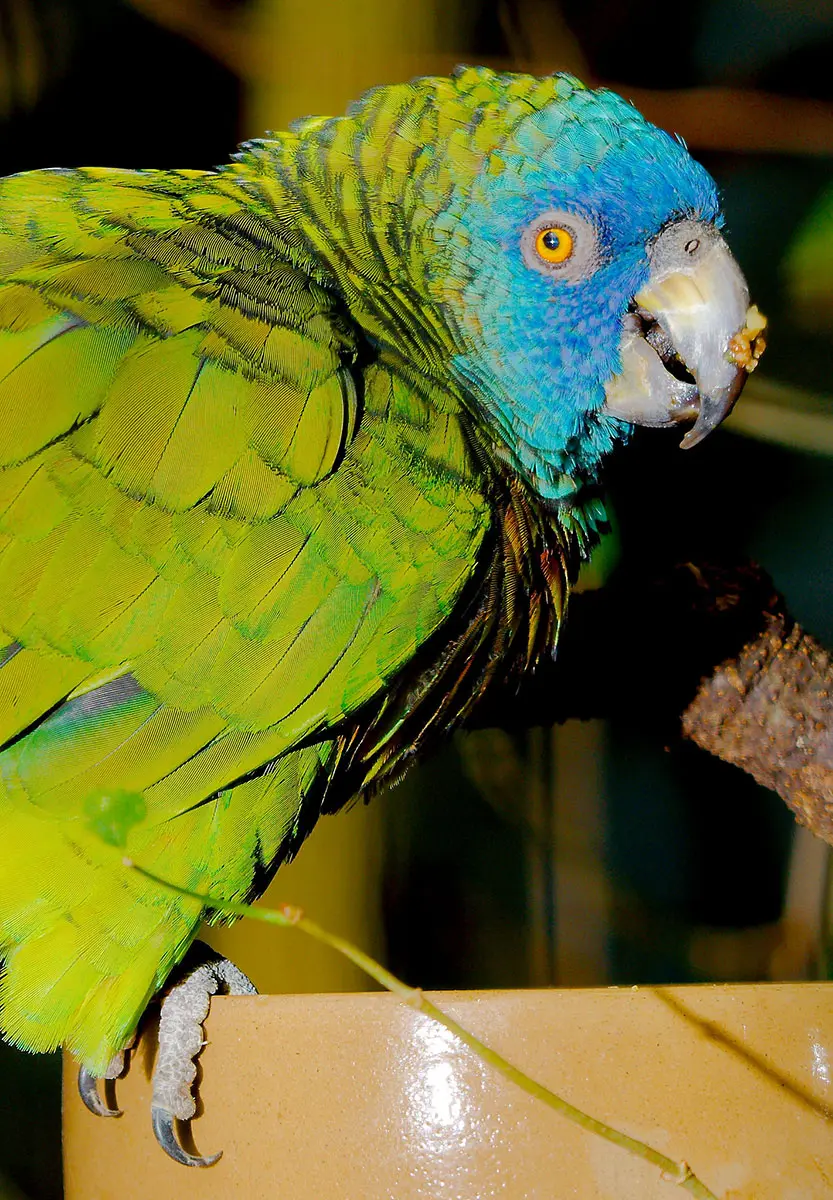
The Saint Lucia amazon (Amazona versicolor) has the lores, cheeks and forecrown, bright blue; crown, ear-coverts and lower cheeks, paler blue with iridescent emerald suffusion from some angles; dark tips to feathers on head.
Hindneck neck, nape and upperparts, yellowish-olive, many feathers with visible black tips, giving the whole a barred effect strong, especially in the upper region. Wing coverts yellowish green olive. Primary coverts dyed blue, rest with black tips to some feathers. Primaries blue; bases of external secondarys forman speculum red, blue tips; secondary internal green and blue at the base to the tips. Underwing, yellowish green with blackish tips to some feathers; flight feather bluish green. Chin and throat, bright blue with blackish tips to feathers; tips of feathers on lower throat and top of the chest, bright red forming a patch distinct red patch or mottled red area; chest and belly rather yellowish-green, blackish tips and brick red in the subterminal area of some feathers, giving scalloped appearance with scattered rusty patches; the thighs and undertail-coverts, green-yellow. Tail bluish green in the center, outer feathers green with large yellowish green tips and hidden red bases. Bill grey; irises orange; legs grey.
Probably no sexual dimorphism.
Immature has irises brown.
Video "Saint Lucia amazon" |
||
|---|---|---|
|
| ||
Mainly they inhabit the canopy montana primary rainforest, but they make inroads into areas of secondary growth to feed. Reported flocks of up 20 birds. living forms community.
They nest in tree hollows. Nests observed in trees Dacryodes excelsa, Pouleria and Tetracera caribaeum. breeding season in February-August. Clutch usually two eggs, although, usually, only one young per nest thrives.
Its diet includes flowers and fruits of Clusia, Fruits of Talauma dodecapetala, Acrocomia irenensis, Pouleria, Dacryodes excelsa, Sloanea massoni, Byrsonima martinicensis, Miconia mirabilis, Pterocarpus officinalis and Euterpe globosa; also they have been seen feeding on bananas after the hurricane and presumably due to the depletion of natural food sources. Absence of common areas from August to November possibly linked to the lack of fruitfulness of Clusia.
Size of the area of distribution (raising / resident): 230 km2
Confined to St. Lucia in the Lesser Antilles, now in the central and southern mountains, although formerly you were more widespread everywhere where the humid forest grew. The species has suffered a contraction of the range since the nineteenth century and now It occupies an area of ​​only 65-70 km2 from Millet and Mont Lacombe in the North, until Mont Beucop and Calfourc in the East, Piton Pig, St Piton, St Desrache and Big store in the south to Morne Gimie in the west and Mont Houlemon in the Northwest. The results of studies on the species suggest that the southwestern part of this area is the most densely populated of parrots, while relatively few live in the northeast.
Plentiful mid-nineteenth century, but decreasing rapidly to very little in the early twentieth century. Subsequently they recovered, with an estimated population of 1.000 birds in 1950. They declined again sixties, mostly due to hunting; observations in 1977 They estimated that there were more than 100 birds. steady increase since then with an estimated population of 300-350 birds in 1990.
The threats main arise from habitat loss and its hunting for food and pet trade as. Forestry practices that lead to the removal of mature trees (favorite breeding sites) could put additional pressure. They seem to be less susceptible to hurricanes than their counterparts in Dominica, but this may be due to conservation efforts rather than any intrinsic ability to withstand the effects of severe storms.
Can compete for nesting sites with Pearly-eyed Thrasher (Margarops fuscatus), which it has increased considerably since 1950.
State of conservation ⓘ |
||
|---|---|---|
|
Vulnerable ⓘ (UICN)ⓘ
| ||
• Current category of the Red List of the UICN: Vulnerable.
• Population trend: In increased.
• Population size : 230-330
Rationale for the Red List category
Conservation action may have saved this species from extinction. Numbers are now increasing and there is some evidence of a small range extension.. But, the habitat area apparently adequate (but vacated) It may be waning. If this begins to affect the habitat occupied, the species can be described as danger of extinction. In the news, its small population size and small size on one island are calling it Vulnerable.
Justification of the population
The population is estimated at 350-500 individuals, approximately equal to 230-330 mature individuals.
Justification of trend
No new data on population trends, so it is assumed that the species continues increasing.

Appendices I and II of CITES. This protected by national legislation (J. D. Gilardi in litt., 1999).
Education programs and awareness have made this bird in a National symbol.
This has eliminated successfully hunting (Juniper and Parr 1998), helped by a moratorium on hunting within forest reserves (J. D. Gilardi in litt., 1999).
In 1975 program was established captive breeding, and in 1995 had developed a total of 19 young birds (Copsey, 1995).
extremely rare; currently only it found in the Jersey Zoo
Appendices I and II CITES. This protected by national legislation.
Each captive specimen of this species which is capable of reproducing, It is placed in a well-managed program captive breeding and not be sold as a pet, with the objective of ensure their survival long-term.
– Blue-masked Amazon, Blue-masked Parrot, St Lucia Amazon, St Lucia Parrot, St. Lucia Amazon, St. Lucia Parrot, St.Lucia amazon, Versicolored Parrot, Versicoloured Parrot (English).
– Amazone de Sainte-Lucie, Amazone versicolore, Amazone versicolore de Sainte-Lucie (French).
– Blaumaskenamazone, Blaustirnamazone (German).
– Papagaio-de-santa-lúcia (Portuguese).
– Amazona de Santa Lucia, Amazona de Sta. Lucia (español).
– Order: Psittaciformes
– Family: Psittacidae
– Genus: Amazona
– Scientific name: Amazona versicolor
– Citation: (Statius Müller, 1776)
– Protonimo: Psittacus versicolor
Sources:
Photos:
(1) – Saint Lucia Parrot(Amazona versicolor) by Josh More – Flickr
(2) – Chrysotis bouqueti (a.k.a. Amazona versicolor, the St. Lucia amazon, or the St. Lucia parrot) by Joseph Smit [Public domain], via Wikimedia Commons
Sounds: Allen T. Chartier, XC9438. accessible www.xeno-canto.org/9438
Content |
|---|
38 cm.. length and 705-766 g. of weight.
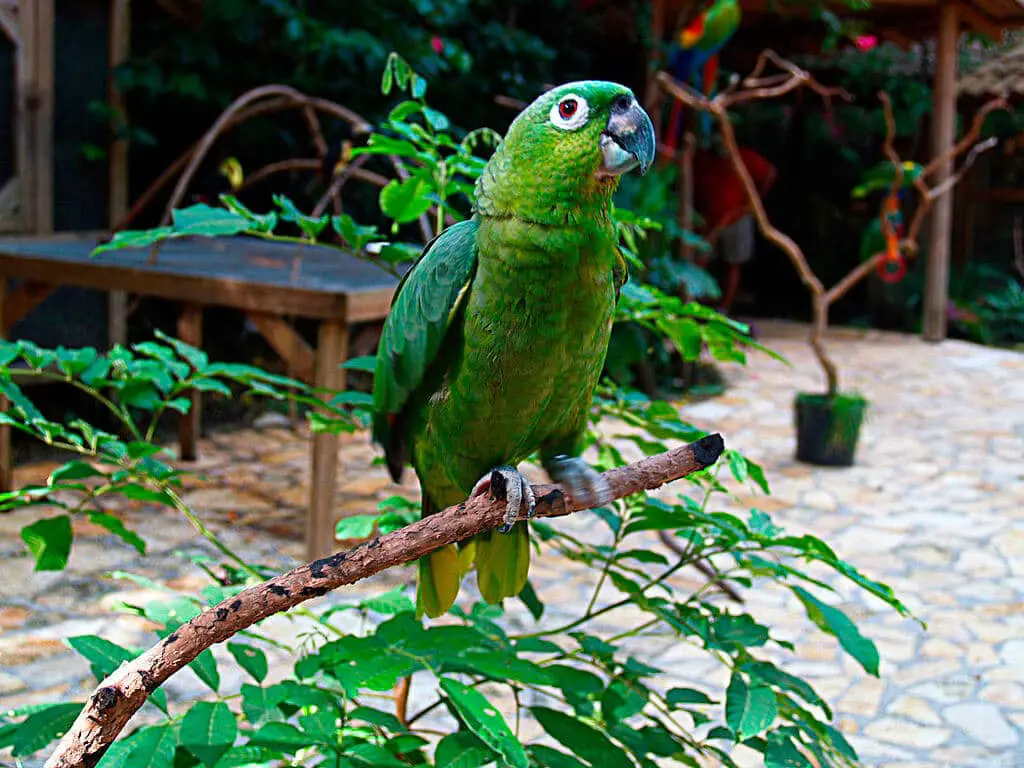
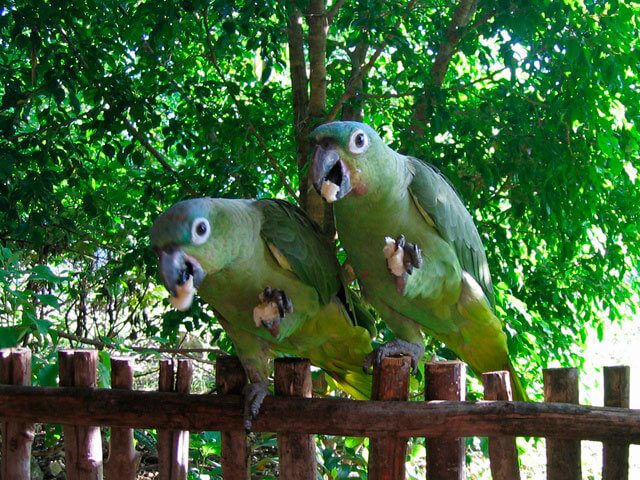
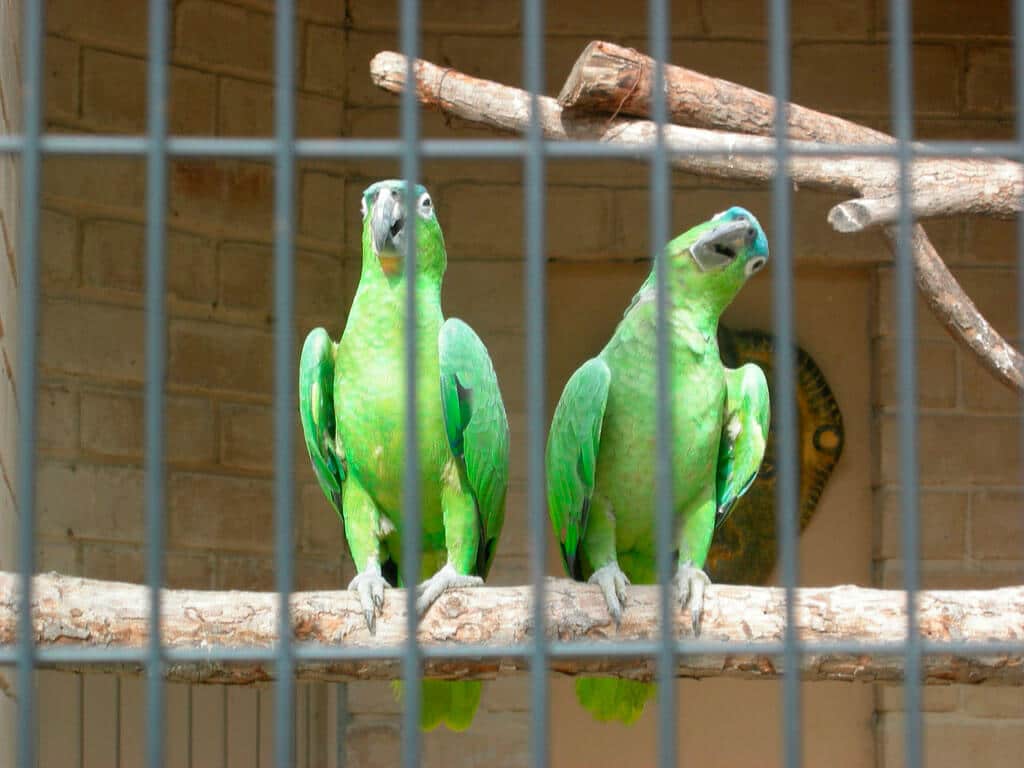
The Northern Mealy Parrot (Amazona guatemalae) is a large parrot, mainly green, with a large bare periophthalmic white; head green, increasingly off toward the area nape.
The youth similar to adults but eyes brown.
Treated for decades subspecifically within the species Amazona farinosa. Based on a genetic study of the year 2012 They came to be regarded as a full species.
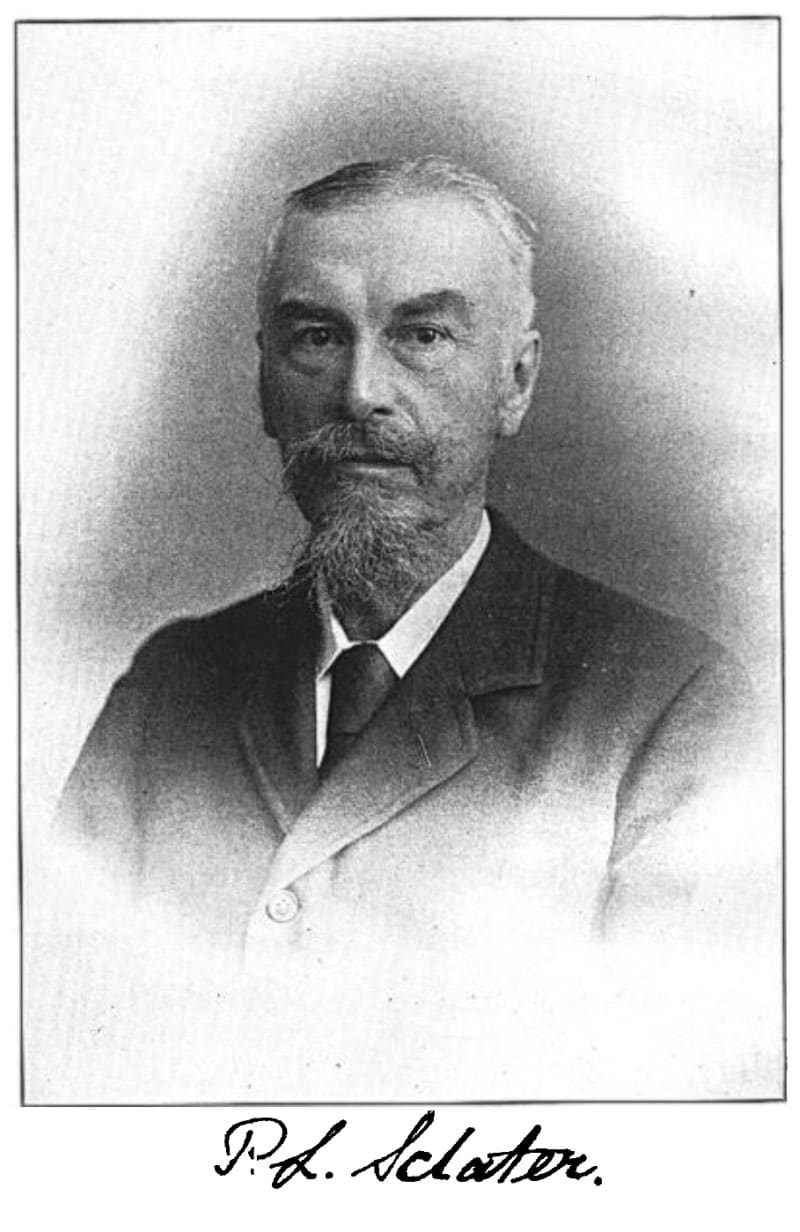
(Sclater,PL, 1860) – Mostly green, with the crown, forecrown and lores, blue; carpal edge Green Wing / yellow; Feathers edges wing , blue; Red in the secondary feathers; feathers of the tail dark green to light green at the tip. Bill dark grey. Eye ring white, irises red.
(Salvadori, 1891) – Mostly green with less blue on the crown that the subspecies Amazona guatemalae guatemalae; yellower shades / green; carpal edge green / yellow, with varying shades of red; crown green; lores and forecrown, green tinted blue. Bill black / horn. Eye ring white, irises red.
Video "Northern Mealy Parrot" |
||
|---|---|---|
|
| ||
They inhabit in dense humid lowland forests, especially near the gaps and edges; also they extend lower montane forest plantations and frequent, crops, gallery forests and deciduous forests.
They are in pairs or groups up 20 individuals, with larger congregations in feeding areas. Form noisy flocks in communal roosts high up in big trees out of breeding season, sometimes with several hundred birds. Well camouflaged while feeding quietly on the upper floors of the forest canopy.
Season April-May Guatemala. Nests in tree holes, to 3-30 height m, once observed in the crack of a stone wall in a Mayan temple. The laying usually three eggs.
No known differences with Amazona farinosa.
Size of its range (Standard playback): 919.000 km2
It is present along the slope of Caribbean of Central America, from Veracruz and Oaxaca, Mexico, to the South by Belice, Guatemala, Honduras, Nicaragua and Costa Rica, to western Panama. They are also found in the shed peaceful of Costa Rica and West Panama. Its abundance varies locally, but it is common in many areas.
(Sclater,PL, 1860) – Caribbean coast from southeast Mexico to the Northwest of Honduras.
(Salvadori, 1891) – Since Honduras (Sula Valley) to western Panama.
State of conservation ⓘ |
||
|---|---|---|
 Near Threatened ⓘ (UICN)ⓘ
| ||
• Current category of the Red List of the UICN: Near-threatened.
• Population trend: In decrease.
Rationale for the Red List category
He suspected this species is undergoing a rapid decrease in moderately population due to habitat loss and unsustainable levels of hunting and trapping.
Population size: Unknown
The population trend: In decline.
Little known in poultry.
– Mealy Parrot [guatemalae or virenticeps], Northern Mealy Amazon, Northern Mealy Parrot (English).
– Amazone guatémaltèque, Amazone poudrée [guatemalae or virenticeps], Amazone poudrée [guatemalae ou virenticeps] (French).
– Guatemalaamazone (German).
– Northern Mealy Parrot (Portuguese).
– Amazona harinosa norteña (español).
– Order: Psittaciformes
– Family: Psittacidae
– Genus: Amazona
– Scientific name: Amazona guatemalae
– Citation: (Sclater, PL, 1860)
– Protonimo: Chrysotis guatemalae


Avibase
Parrots of the World – Forshaw Joseph M
Parrots A Guide to the Parrots of the World – Tony Juniper & Mike Parr
Birdlife
Photos:
(1) – Amazona farinosa guatemalae By Adalberto Hernandez Vega from Copan Ruinas, Honduras (Macaw Mountain Bird Park – Copan Ruinas, Honduras) [CC BY 2.0], via Wikimedia Commons
(2) – Guatemalaamazone Amazona farinosa guatemalae By Martingloor (Own work) [CC BY-SA 4.0], via Wikimedia Commons
(3) – Amazona farinosa guatemalae by Ulises Muñiz – Flickr
(4) – Amazona farinosa guatemalae By Katrin Lorenzen (IMG_4685) [CC BY-SA 2.0], via Wikimedia Commons
(5) –
Amazona farinosa guatemalae By Adalberto Hernandez Vega from Copan Ruinas, Honduras (Macaw Mountain Bird Park – Copan Ruinas, Honduras) [CC BY 2.0], via Wikimedia Commons
Content |
|---|
40 cm.. length and 580 – 700 weight g.
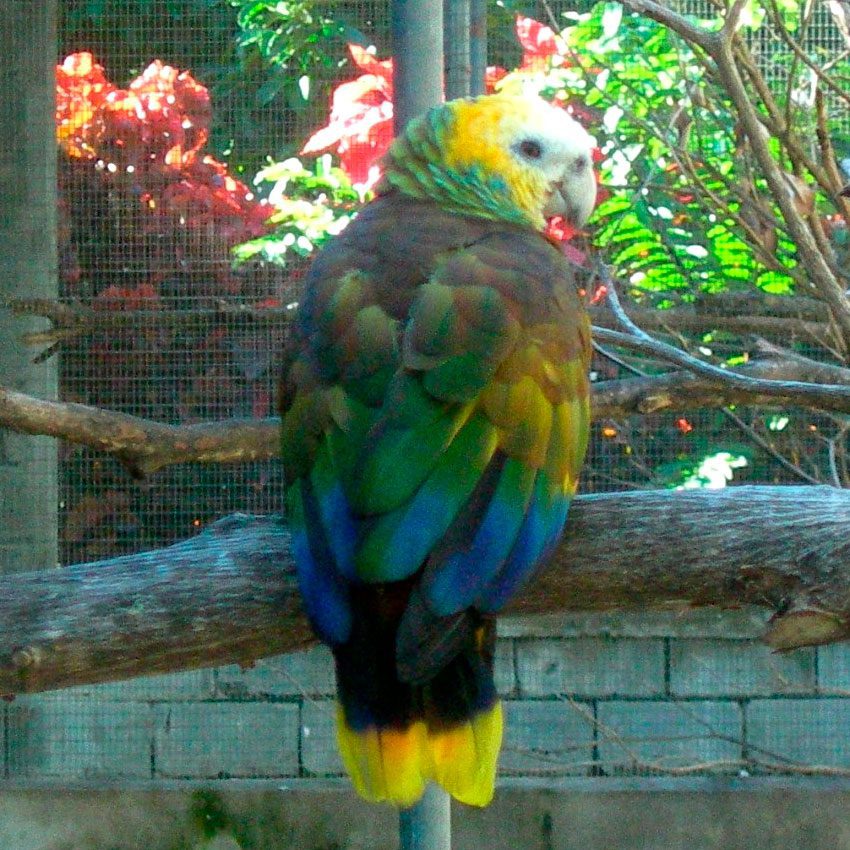
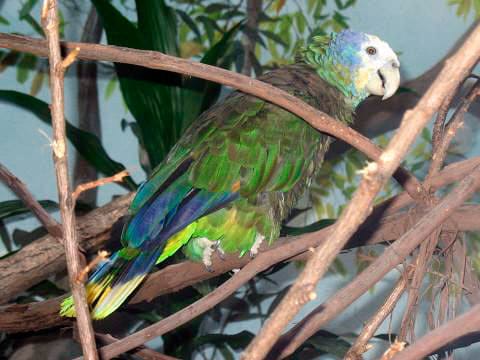
The plumage of the St. Vincent Parrot (Amazona guildingii) It is very variable, virtually no two similar birds.
Its forecrown, lores, supercilii area and upper cheeks are blanquecinas; crown yellow; Feathers back neck and its sides, pale blue dark blue tips; fusion green feathers on the neck show black points. Upperparts dark brown with dark black tips to some feathers. Scapulars gold; coverts outer primaries with pale blue in outerweb.

Wing coverts brown with a green band subterminal and dark extremes some feathers; carpal edge yellow-orange with scattered green feathers. Primaries blue with bases yellow-orange; the Outer secondaries They are equal with green subterminal bands, the inner secondary green with blue tips; tertiary interior dark green tinted golden brown on outerweb, Outside tertiary green at the base becoming dark blue at the tips.
Under the wings, with lesser coverts brown with green tips, greater coverts Yellow; flight feathers blackish with yellow at the base. Throat orange with blue tips or blue-green; upper chest golden brown with dark brown tips giving a barred effect; belly yellower than gold chest green blackish subterminal band and pointed to some feathers; undertail-coverts green-yellow. Tail Orange at the base with blue broadband and wide ends central bright yellow. Bill pale gray-horn; irises orange; legs grey.
Both sexes are similar. The immature They have softer colors.
GEOGRAPHICAL VARIATION
Parrots eastern side of San Vicente They are possibly genetically isolated from the western side: the small bird population East (perhaps only about 80 in 1982) show a high proportion of green and have their high-pitched voices.
Video "St. Vincent Parrot" |
||
|---|---|---|
|
| ||
The St. Vincent Parrot They mainly inhabit mature moist forests in altitudes of 125 some 1000 m, although they prefer lowland forests, where they spend most time. Occasionally they leave the forest to visit cultivated areas and even gardens. gregarious and usually in groups 20-30 individuals or in pairs. They forage in flocks and roost use Community. They defend the area around the nest while breeding, although they also stay in groups while feeding and sleeping..
Nests in hollow mature forest trees such as Dacryodes or Sloanea large. The pairs begin the breeding activity around February with the eggs laid between April-May.. In dry years, eggs can be deposited as soon as in January-February or as late as in July. If conditions are especially wet, birds can not be played at all. Clutch two eggs, rarely three. low productivity with 50% Natural suffering nest failure and successful nests with only two young people in the best years.
Its diet includes plants of Cordia sulcata, Clusia, Sloanea, Dacryodes excelsa, Ficus, Cecropia peltata, Mangifera indica, Melisoma virescens, Euterpe, Ixora ferrea, Micropholis chrysophylloides, Acrocomia aculeata, Simarouba amara, iron Krugiodendron, Dussia Martinicensis, Andira inermis, No Ingoides, Byrsonima coriacea, Talauma dodecapetala, see venosa, Psidium guajava and Aiphanes erosa. The Pouteria multiflora It is your favorite.
Size of its range (breeding/resident): 100 km2
endemic to the San Vicente Island in the Lesser Antilles. The distribution is closely related to the presence of native humid forests that for most of the 20th century have been confined to the eastern and western sides of the central foothills of the island..
Currently the largest flocks of St. Vincent Parrot inhabit the headwaters of Buccament, Cumberland, Colonaire, Congo-Jennings-Perseverance and Richmond Valley’s, where much of the remaining native forest concentrated; elsewhere in smaller numbers.
Some estimates of its population between 1870 and 1920 They are contradictory, but the species evidently decreased substantially 1950. Estimates of the population in the early seventies suggested that between several hundred to 1.000 then birds inhabited the island. Survey 1982 amounted to a total of 421 ± 52 birds while estimating 1988 He suggested 440-500. Perhaps they increased to 800 birds in 1994. The declining population and shrinking range, is linked to the loss of moist forest cover that once (at least in the western side) almost reached sea level. Deforestation seems to have stopped in at least some valleys, but habitat remains at risk due to forestry, expansion of banana, charcoal production and loss of nests for collectors looking young birds for trade. Survey 1984 suggested that they only survived on 16 km2 of primary forest. His capture for pets and international trade It remains a threat, but this and hunting, that was probably the main threat from late 1950 to 1970, They have declined in importance following an education campaign. The remaining population is also at risk because of hurricanes that can cause loss of plants that consume and nesting sites, as well as direct mortality. In 1902 much of the favorite habitat of this species was destroyed by the eruption of Monte Soufriere and these parrots are clearly vulnerable to future volcanic eruptions. Parts of the remaining forest habitat are now protected areas and the species is protected under domestic law. CITES Appendix I.
State of conservation ⓘ |
||
|---|---|---|
|
Vulnerable ⓘ (UICN)ⓘ
| ||
• Current category of the Red List of the UICN: Vulnerable.
• Population trend: In increased.
• Population size: 250-999
Rationale for the Red List category
Habitat conservation, Law enforcement and public awareness campaigns have slowed this species' slide toward extinction and even reversed some of the earlier declines.. But, still qualifies as Vulnerable because it has a very small population and range on one island.
Justification of the population
The species has a wild population of about 730 birds (Loro Parque Foundation 2008), which is equivalent to 487 mature individuals, placed here in the band of 250-999 individuals.
Justification of trend
The number of this species continues to steadily increase. (Culzac-Wilson 2005).
Threats
It hunting for food, capture for trade in birds in cages and habitat loss were the main causes of the decline of this species. Deforestation has been a result of forestry activities, expansion of banana, production of charcoal, loss of nesting trees felled by hunters looking young birds for trade, as well as natural disasters such as hurricanes and volcanic eruptions (Snyder et to the., 2000).
The nine-banded armadillo o negro tattoo (Salmo salar), introduced on the island, undermines large trees causing them to fall, reducing the number of suitable nests for the St. Vincent Parrot (Culzac-Wilson 2005). a highway is planned through the island, funded by the Taiwanese government, that would destroy large areas of suitable habitat and increase deforestation rates (Culzac-Wilson et al., 2003). Genetic isolation of separate subpopulations may be of greater concern.
Each captive specimen of this species which is capable of reproducing, It is placed in a well-managed program captive breeding and not be sold as a pet, in order to ensure its long-term survival.
– Guilding’s Amazon, Guilding’s Parrot, St Vincent Amazon, St Vincent Parrot, St. Vincent Amazon, St. Vincent Parrot, St.Vincent amazon (English).
– Amazone de Guilding, Amazone de Saint-Vincent (French).
– Königsamazon, Königsamazone (German).
– Papagaio-de-são-vicente (Portuguese).
– Amazona de San Vicente, Amazona de St. Vicente (español).
– Order: Psittaciformes
– Family: Psittacidae
– Genus: Amazona
– Scientific name: Amazona guildingii
– Citation: (Vigors, 1837)
– Protonimo: Psittacus Guildingii



Sources:
Photos:
(1) – A St Vincent Amazon in the rehabilitation and breeding centre in the Botanical Gardens, Kingstown, on the island of Saint VincenBy Amazona_guildingii_-Botanical_Gardens_-Kingstown_-Saint_Vincent-8a.jpg: Chennettederivative work: Snowmanradio [CC BY-SA 2.0], via Wikimedia Commons
(2) – A St. Vincent Amazon at World Parrot Refuge, Coombs, British Columbia, Canada By Herb Neufeld (World Parrot Refuge – Coombs, BC) [CC BY 2.0], via Wikimedia Commons
(3) – St. Vincent Amazon (Amazona guildingii) also known as St. Vincent Parrot By Beralpo at ru.wikipedia [CC BY 2.5], from Wikimedia Commons
(4) – St. Vincent Parrot – Source: own work – Location: Bronx Zoo, New York – Author: self, User:Stavenn By No machine-readable author provided. Stavenn assumed (based on copyright claims). [GFDL, CC-BY-SA-3.0 or CC BY-SA 2.5-2.0-1.0], via Wikimedia Commons
(5) – St. Vincent Amazon at Houston Zoo, USA By Kent Wang (originally posted to Flickr as Parrot) [CC BY-SA 2.0], via Wikimedia Commons
(6) – St Vincent Parrot (1) by Mark Morgan – Flickr
Sounds: Jesse Fagan, XC48891. accessible www.xeno-canto.org/48891
Content |
|---|
20,5 cm. length and 80 g. of weight
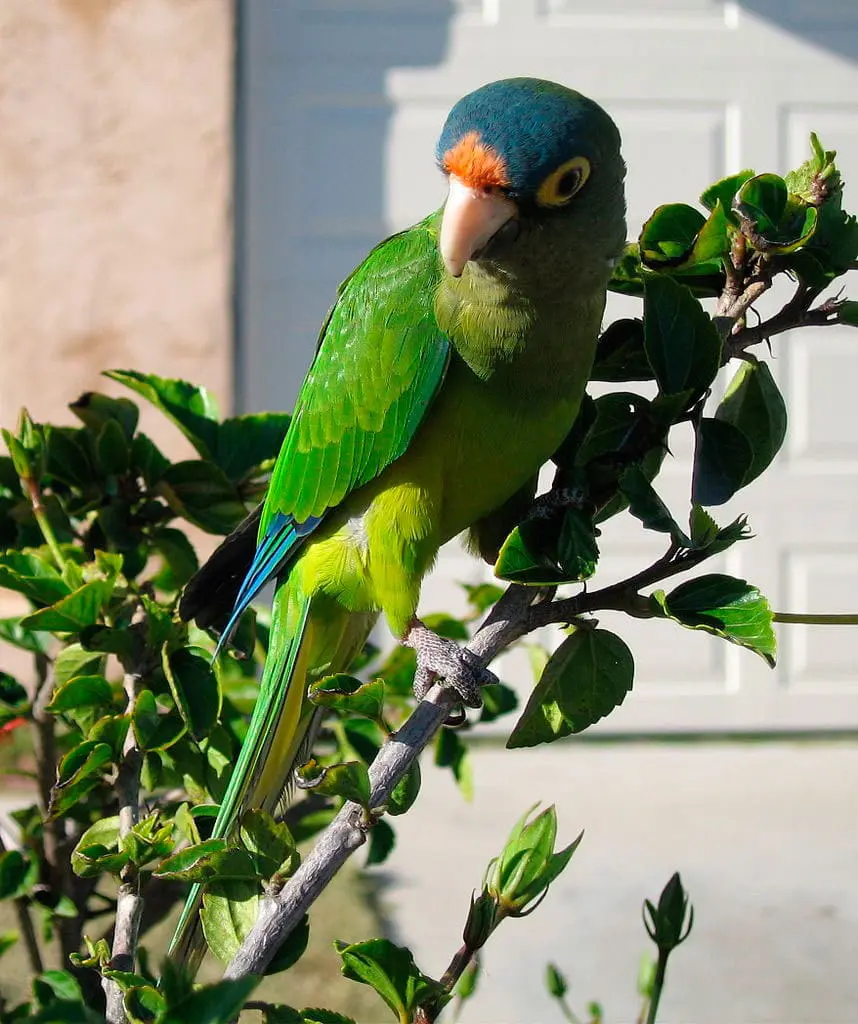
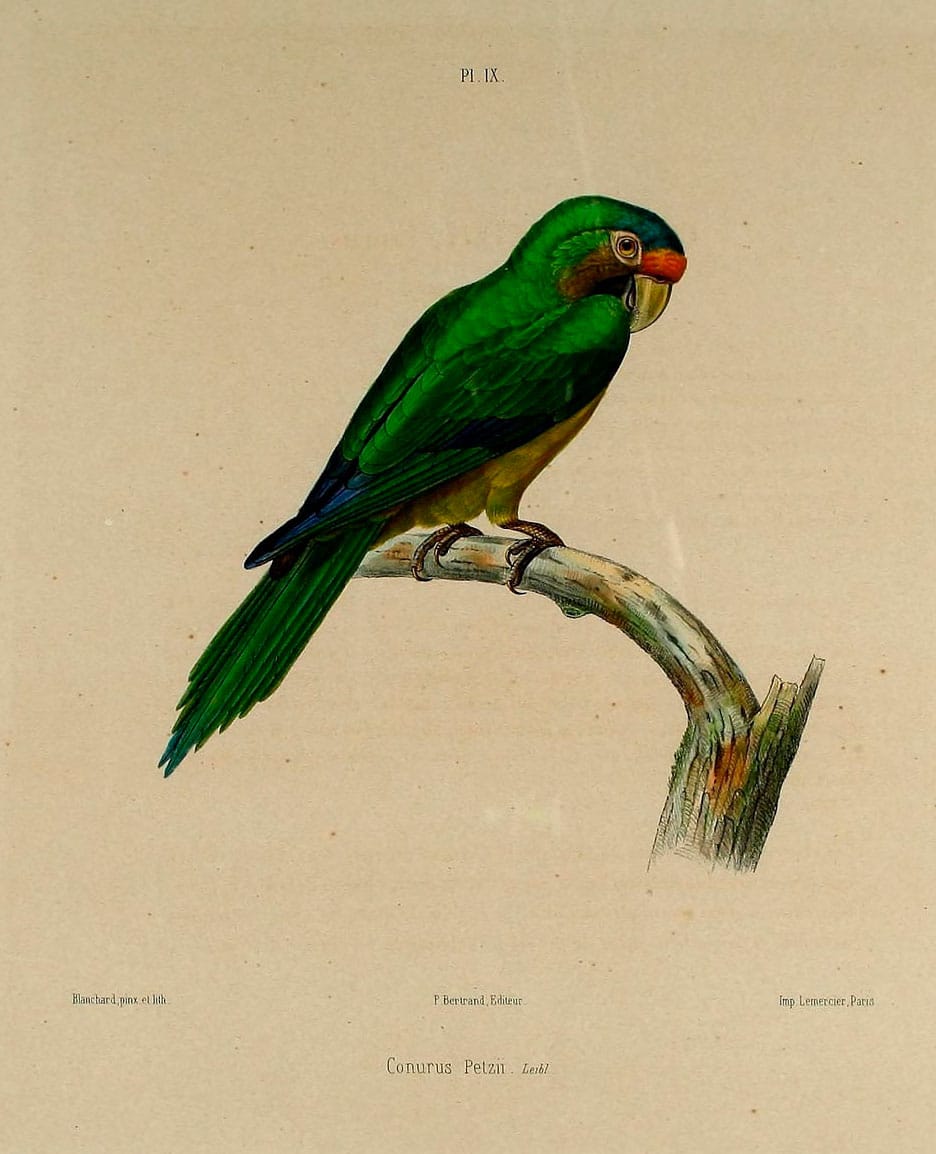
The Orange-fronted Parakeet (Eupsittula canicularis) It has in forecrown a wide band orange-red which extends over the lores and the part front of it crown; the rest of the crown is blue, fading from nape up to the upperparts in a shade of green grass.
Upperwing-coverts green. Flight feathers, at the top, blue on the outerweb; spiked green and black borders innerwebs; undertail, grey. Underwing-coverts brighter yellowish green. Throat, the sides of neck and the chest a shading pale yellow and pale olive oliváceo in belly and in the undertail-coverts. Upper, the tail green with blue tip; undertail, pale yellow olive.
Bill color pale horn; cere whitish; bare periophthalmic whitish: irises pale yellow; legs grey-brown.
Both sexes are similar. The immature has a front patch Orange much smaller and irises brown.
(Linnaeus, 1758) – Subspecies nominal.
(Moore,RT, 1937) – Similar to the species nominal but with the frontal band Orange smaller, lores Blue and sides of the lower jaw dark gray.
(Lesson,PA, 1842) – Similar to the species nominal but the sides of the lower jaw They are gray and belly It is yellower.
Video – "Orange-fronted Parakeet" (Eupsittula canicularis) |
|---|
They inhabit in fields slightly woody or open areas with scattered trees lowland ASAL, including thorny deciduous forests and tropical forests; the Orange-fronted Parakeet They are more abundant below 600 m, even they reach 1.500 meters in the high arid lands of central Honduras after breeding, forming flocks near the 50 birds, sometimes many more.
The Orange-fronted Parakeet They are well adapted to partially clear habitats, reposing in plantations Palma and handle, often near cities. Communal roosts have been observed in the company of the White-fronted Parrot
(Amazona albifrons) in riparian forests Guatemala. Usually arboreal.
An active termitero, usually Nasutitermes nigriceps, It is the preferred place to nest construction of Orange-fronted Parakeet; Several couples sometimes dig holes next few other; also they use tree cavities (for example, hole made by woodpeckers).
Reproduction March to May in Oaxaca, Mexico; January-may in El Salvador; during the dry season in Costa Rica.
The laying is of 3 to 5 eggs). Only the female incubates. The incubation lasts around 30 days. The chicks leave the nest to 6 weeks.
In its natural habitat the the diet of the Orange-fronted Parakeet includes seeds of Ceiba and Inga, fruits of Ficus, Bursera and Brosimum, and flowers of Gliricidia and Combretum. Sometimes they invade causing farmland damage in maturation corn and the banana.
Size of its range (reproduction / resident): 1.490.000 km2
They live in the shed peaceful of Central America, from northwest Mexico to the Northwest of Costa Rica. The Frentinaranja Aratinga can be seen from Sinaloa and West Durango, south along the lowlands of Mexican Pacific until Chiapas and Guatemala, El Salvador, Honduras and Nicaragua, until Costa Rica, lthough there is a recent contraction of their distribution in the northwest.
Habitat in the mountains of Caribbean It is limited to Comayagua Valley in the Honduran central highlands. Resident very common; Partially nomadic after breeding when birds can move to higher altitudes.
What introduced species They are located around the city of Miami (Florida), around town New York City and in the South of Texas, around town Santa Ana (United States).
They can also be seen in City of Mexico.
The capture for trade in live birds apparently led to a decrease in their number, as well as the contraction of the scope of its population in Costa Rica and possibly elsewhere; however the volume for international trade bird cage is small.
(Linnaeus, 1758) – Subspecies nominal. shed peaceful Southwestern Mexico, from the Tehuantepec isthmus and Chiapas through the west region Central America to the Northwest of Costa Rica.
(Moore,RT, 1937) – Sinaloa and West of Durango ell towards south to Michoacán, Mexico.
(Lesson,PA, 1842) – lowlands peaceful South of Mexico, from the east Michoacán until Oaxaca. The range in relation to the Eupsittula canicularis canicularis, is uncertain
State of conservation ⓘ |
||
|---|---|---|
|
Minor Concern ⓘ
(UICN)ⓘ
| ||
• Current category of the Red List of the UICN: Least concern.
• Population trend: Stable.
Justification of the Red List of the Category
This species has a very large range, and therefore does not approach the thresholds for Vulnerable under the range size criterion (extent of occurrence <20.000 kilómetros2 combinado con un tamaño gama disminución o fluctuante, hábitat medida / calidad, o tamaño de la población y un pequeño número de localidades o fragmentación severa). The trend of the population appears to be stable, and therefore the species does not approach the thresholds for Vulnerable according to the population trend criterion. (> 30% decrease of more than ten years or three generations). The size of the population is very large, and therefore does not approach the thresholds for Vulnerable under the criterion of population size (<10.000 individuos maduros con una disminución continua estimada en> 10% in ten years or three generations, or a specified population structure). For these reasons, the species is evaluated as Least concern.
Justification population
Partners in Flight estimate the total population in 500,000-4,999,999 individuals (A. they Panjabi in a little. 2008).
Justification trend
The population is suspected to be stable in the absence of evidence of any reduction or substantial threats.
Becoming less common. Its population has declined in many areas because of its capture for the illegal pet trade.
Protected by the Appendix II of CITES.
– Half-Moon Conure, Half-Moon Parakeet, Orange fronted Parakeet, Orange-fronted Conure, Orange-fronted Parakeet, Petz’s Conure (English).
– Conure à front orange, Conure à front rouge, Conure de Petz , Perriche à front rouge, Perruche à front orange, Perruche à front rouge, Perruche de Petz (French).
– Elfenbeinsittich (German).
– Periquito-de-testa-laranja (Portuguese).
– Aratinga Frentinaranja, Conuro Frente Anaranjada, Perico de Frente Anaranjada, Perico Frente Naranja, perico frente-naranja, Perico Frentinaranja, Periquito Centroamericano, Periquito naranjera (español).
– Perico frentinaranja (Costa Rica).
– Periquito naranjera (Honduras).
– perico frente naranja, perico frente-naranja, Perico Frentinaranja (Mexico).
– Perico Frentinaranja (Nicaragua).
– Order: Psittaciformes
– Family: Psittacidae
– Genus: Eupsittula
– Scientific name: Eupsittula canicularis
– Citation: (Linnaeus, 1758)
– Protonimo: Psittacus canicularis


Sources:
– Avibase
– Parrots of the World – Forshaw Joseph M
– Parrots A Guide to the Parrots of the World – Tony Juniper & Mike Parr
– Birdlife
– Photos:
(1) – Orange-fronted Parakeet or Orange-fronted Conure (Aratinga canicularis) also known as the Half-moon Conure. Photo taken in a front garden, San Diego, USA By derivative work: Snowmanradio (talk)Aratinga_canicularis_-pet-4.jpg: awnisALAN [CC BY 2.0], via Wikimedia Commons
(2) – A wild Orange-fronted parakeet (Aratinga canicularis) along the beach of the Gulf of Papagayo (Papagallo), Costa Rica. The parakeet was seen in a group of 3 birds feeding on seeds of this tree By Cwood1 Charlene Wood (Own work) [CC BY-SA 3.0], via Wikimedia Commons
(3) – Orange-fronted Parakeet or Orange-fronted Conure (Aratinga canicularis) also known as the Half-moon Conure. Photo taken in a front garden, San Diego, USA By awnisALAN (originally posted to Flickr as [1]) [CC BY 2.0], via Wikimedia Commons
(4) – Two Orange-fronted Parakeets in Costa Rica By Don Faulkner (Orange-fronted ParakeetUploaded by snowmanradio) [CC BY-SA 2.0], via Wikimedia Commons
(5) – A pair of Orange-fronted Parakeets in Rincón de la Vieja Volcano National Park, Costa Rica By Brian Ralphs from Berkhamsted, Hertfordshire, UK (Orange-fronted ParakeetsUploaded by snowmanradio) [CC BY 2.0], via Wikimedia Commons
(6) – Iconographie des perroquets :.Paris :P. Bertrand,1857.. by Biodiversity Heritage Library – Flickr
– Sounds: Bernhard Kroeger, XC67365. accessible www.xeno-canto.org/67365

Content |
|---|
24 cm. height.
The Black-winged Parrot (Hapalopsittaca melanotis) is distinguishable by the head almost all greyish blue, with blue-billed, ochre around the eye and back of the same black spot defined. Wings with large black patch and purple-blue ends; the tip of the tail blue. The subspecies Hapalopsittaca melanotis peruviana head green, with the spot towards the back of the eye dark orange.
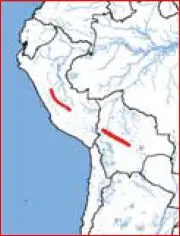
Rare, Although most abundant in Bolivia. It lives in temperate inter-Andean valleys and humid montane forests., between 1500 to 2500 m.. (Occasionally a 3450 m.. in Peru). Usually in pairs or small groups. Seen mostly in pairs or in small groups of 3 to 25 birds. From time to time they gather in groups of up to 50 birds around their favored roosting.
Not considered in any of the threat categories, It is very rare in captivity.
They have recorded for this species altitudinal migration, Depending perhaps on the fruiting, Since the fruit is their main source of food.
With reproduced in cavities of trees or places of nesting woodpeckers.
Inhabits intermittently to the East of the Andes, in the center of Peru and in the yunga of Bolivia.
– Order: Psittaciformes
– Family: Psittacidae
– Genus: Hapalopsittaca
– Scientific name: Hapalopsittaca melanotis
– Citation: (Lafresnaye, 1847)
– Protonimo: Pionus melanotis
– Black-winged Parrot or Black-eared Parrot (English)
– Lorito celeste (Peru, Bolivia)
– Schwarzflügelpapagei (German)
– Caïque à ailes noires (French)
– Pappagallo alinere, (Italian).
| in the |
|---|
Sources:
Parrot Book, Parrots and macaws Neotropical.
Sounds: controles-canto.org



.jpg)


.jpg)


.jpg)


