โ–ท The world of Pets: Dogs, cats, birds, reptiles, amphibians

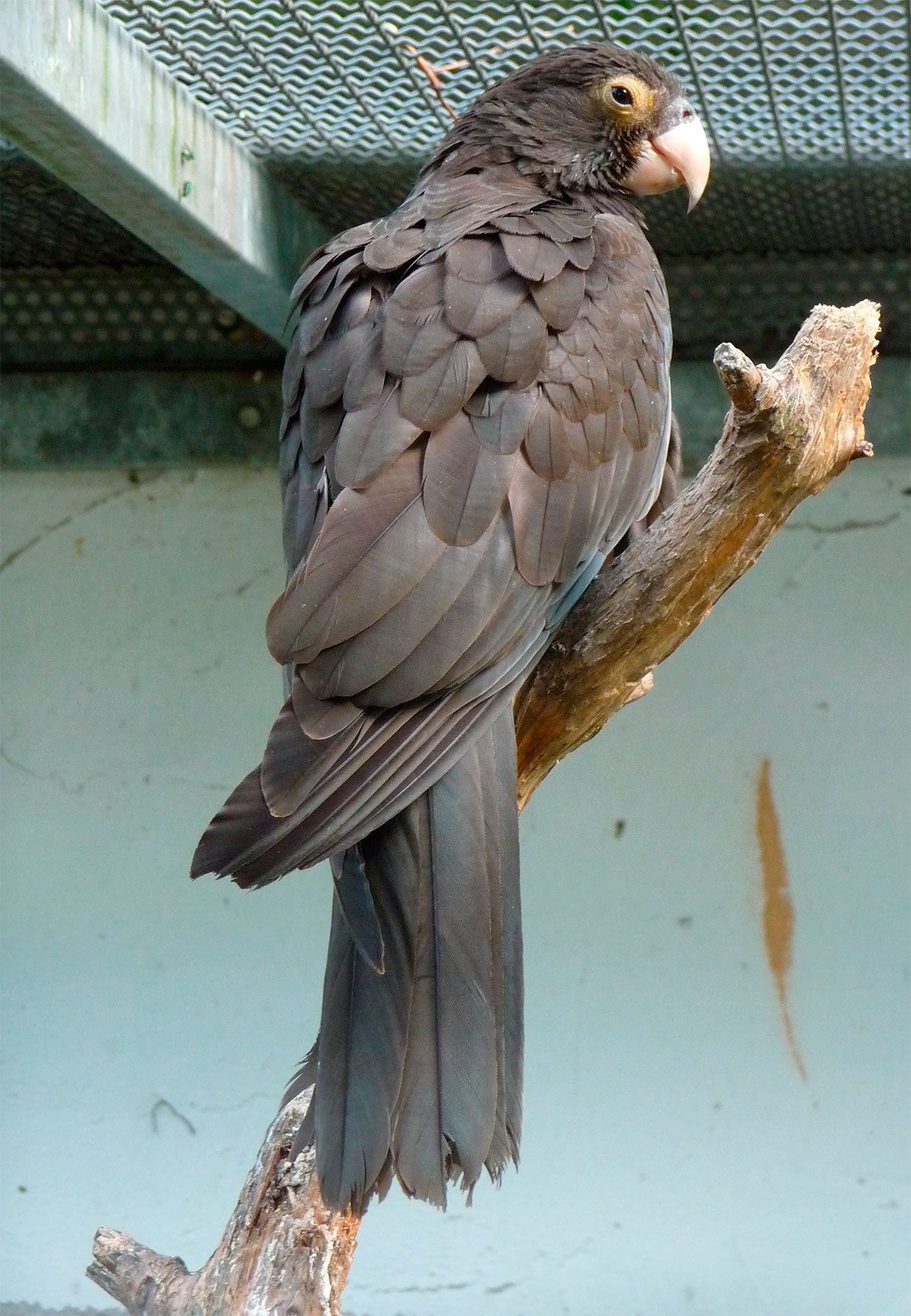
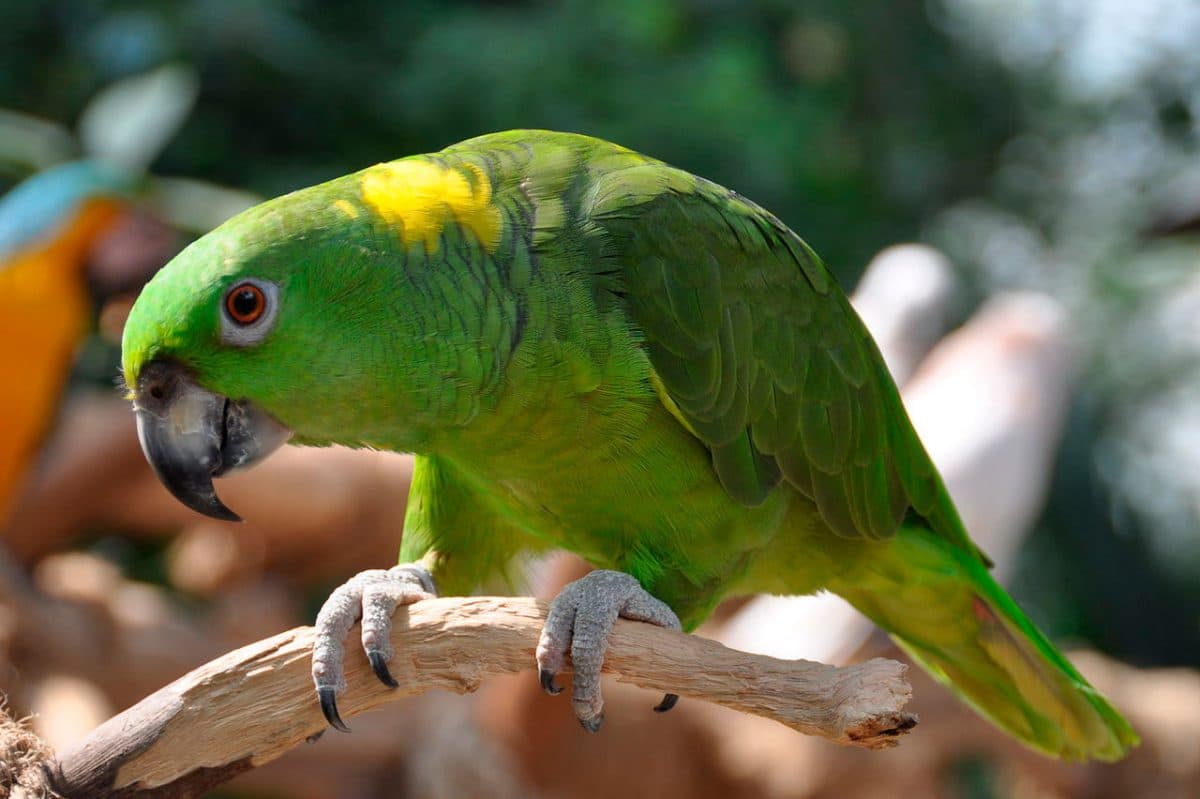
Yellow-billed Parrot
Amazona collaria

Yellow-billed Parrot

Content

Description:


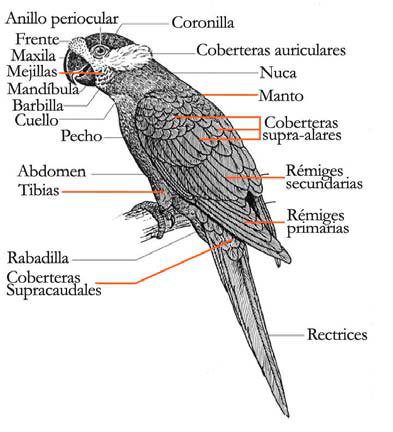
Anatomy-parrots

28 cm.. length and 260 g. of weight.

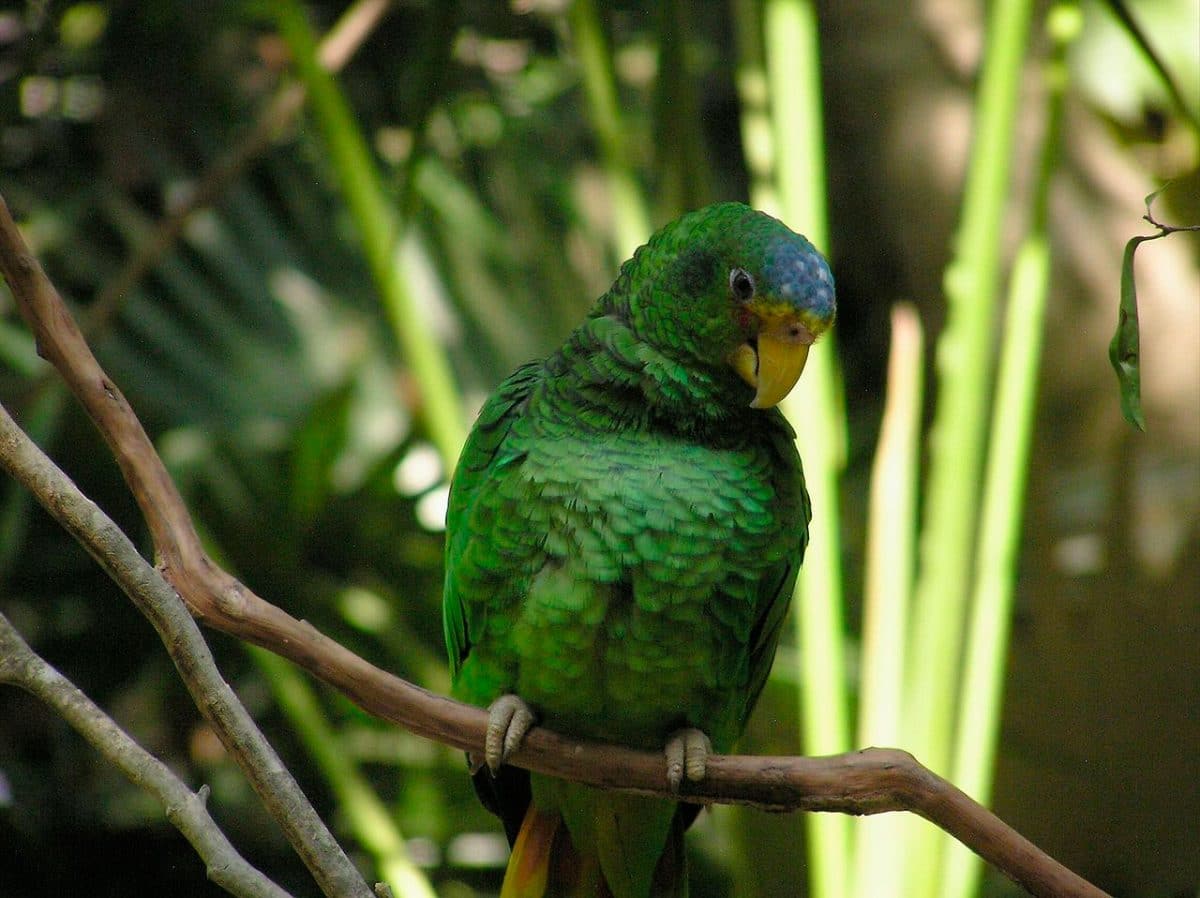
The Yellow-billed Parrot (Amazona collaria) It has a distinctive narrow band on forecrown white; lores and upper cheeks, with pale blue feathers; crown blue with black tips, merging on hindcrown; the sides of neck and nape into green feathers with black tips; feathers on the sides of neck sometimes basally pink; ear-coverts greyish-blue with black tips.

Mantle and back, green apple with black tips (the latter become less pronounced further down); lower back, the rump and uppertail-coverts, brighter yellowish green. big blankets, blue; the rest, green apple. Alula and outerweb of the flight feather, blue; innerwebs, dark gray. Under, the wings green, flight feather, bluish green.

Yellow-billed Parrot

Throat and lower cheeks, Rosaceae, sometimes with green tips; top of the chest to belly, yellowish green apple; undertail-coverts brighter yellowish green. Upper, the tail It is green with yellow and red points on the basis; undertail, paler and olive. Bill yellowish; irises brown; legs Rosaceae.

In the breeding season, the throat pink male it becomes brighter and plumage acquires green metallic tones. Both sexes are similar. Perhaps males average slightly larger. Immature similar to adult.

  • Sound of the Yellow-billed Parrot.

Habitat:

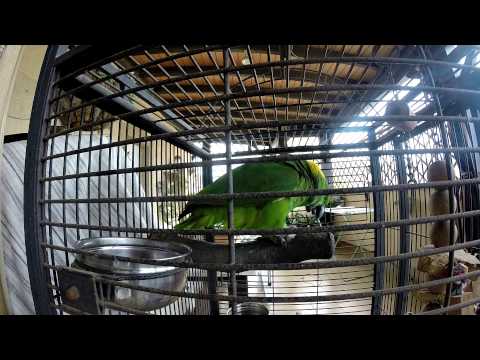
Video "Yellow-billed Parrot"

The Yellow-billed Parrot inhabit, mainly, in the middle level of humid limestone forests (annual rainfall between 1.900-4.500 mm) with (for example) Terminalia latifolia emerging and Cedrela odorata, most arid forests and upland areas planted with trees, especially the edge of the forest; from sea level up 1.200 metres in Cockpit Country.

Usually in pairs or flocks of up to about 40 individuals; larger gatherings where food is plentiful (for example, a report of 60 birds feeding on orange). They form large communal shelters out of breeding season and sometimes seen in association with the Black-billed Parrot (Amazona agilis) and Olive-throated Parakeet (Eupsittula nana). They forage closer to roosts as the day progresses.

Reproduction:

They nest in tree cavities, at higher altitudes the 15 m, frequently Brosimum, with enlarged holes in successive years. Often used initially cavity excavated by the Jamaican Crow (Corvus jamaicensis). Nesting also observed in rock cracks. Courtship registered in January laying of eggs, between 4-5, in March-May.

Food:

Foods reported include catkins of Cecropia, Anacardium occidentale dried fruits, fruits of Pimenta dioica and figs, and seeds of Melia azedarack; feeding birds took only orange seeds, squandering the fleshy part. They forage in middle and high levels.

Distribution and status:

Size of its range (breeding/resident): 7.200 km2

The Yellow-billed Parrot It is endemic to Jamaica, this species remains widespread, more than the other species of Jamaican Amazona, the Black-billed Parrot (Amazona agilis), although extensive surveys have not yet been carried out throughout the entire island. They are observed flocks of 50 to 60 individuals throughout the year, particularly in the non-breeding season, moving from inside the forest to the edge habitat to feed.

This species is particularly Cockpit Country, Mt. Diablo, and John Crow Mountains. A small population (presumably wild) also it sets to Hope Gardens in Kingston.

Recent studies indicate that Amazona collaria it is less abundant than Amazona agilis, possibly as a result of Amazona collaria It is a more colorful and preferred species in trade. while the Amazona agilis It is currently nested in all Cockpit Country, including plantation disturbed along the edges areas, the Amazona collaria now nests almost exclusively in relatively remote hinterlands.

Local reports suggest a significant overall decrease in collaria Amazona in Cockpit Country and a greater degree of threat to other species, the Amazona agilis.

The preliminary population counts suggest 5.000 individuals in Cockpit Country, Mt. Diablo, and John Crow Mountains (C. Levy in lilt, 1999).

Difficult to distinguish from Amazona agilis distance and possible misidentification, They may have affected the validity of some previous reports on their abundance and distribution.

Conservation:

State of conservation โ“˜


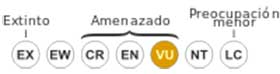
Vulnerable Vulnerable โ“˜ (UICN)โ“˜

โ€ข Current category of the Red List of the UICN: Vulnerable.

โ€ข Population trend: decreasing.

โ€ข Population size : 6000-15000

Rationale for the Red List category

This species is classified as Vulnerable because it has a small and fragmented range, with suitable habitat decline in extent, area and quality, mainly due to speak and forest clearing for bauxite mining. Numbers are also declining due to trampeo.

Justification of the population

The population size is preliminarily estimated to fall in the band between 10.000 and 19.999 individuals. This is equivalent to 6,667-13,333 mature individuals, rounded here to 6,000-15,000 mature individuals.

Justification of trend

No new data on population trends; However, It suspected that the species is declining at a slow pace, as a result of the loss and degradation of habitat and capture.

Conservation Actions Underway

โ€ข CITES Appendix II.

โ€ข protected under the Act Wildlife Protection Jamaica and Endangered Species Act of 2000, which together prohibit keeping the species as a domestic animal and local and international trade.

โ€ข It has been declared as threatened in Jamaica from 1986 (Juniper and Parr 1998).

โ€ข Since 1995 He has worked to delineate its distribution, estimate the size of the population, identify factors limiting reproductive performance and train local people in research methods and techniques for long-term monitoring (BirdLife Jamaica Parrot Project in little 1998, 2000).

โ€ข Habitat in the mountains Blue and John Crow It has been declared National Park, but the implementation and management are weak (BirdLife Jamaica Parrot Project in little 1998, 2000).

โ€ข There is a campaign public awareness high profile to prevent bauxite mining in Cockpit Country, by declaring the area closed to mining by the Minister's Discretion (S. Koenig in some. 2007).

โ€ข Discussions have started that, we wait, will lead to ban the importation of psittacine to Jamaica (S. Koenig in a bit., 2007).

โ€ข Exist captive breeding populations.

Conservation Actions Proposed

โ€ข Survey for delineate the range and evaluate the numbers (BirdLife Jamaica Parrot Project in little 1998, 2000).

โ€ข Declare a Cockpit Country closed to mining.

โ€ข Ensure the de facto protection of the Blue Mountains National Park and John Crow (BirdLife Jamaica Parrot Project in little 1998, 2000).

โ€ข Design and implement Educational programs in the occupied area of รขโ‚ฌโ€นรขโ‚ฌโ€นthe species (BirdLife Jamaica Parrot Project in little. , 1998, 2000) and develop captive breeding populations.

โ€ข Apply legal protection.

โ€ข Prohibit the importation of non-native parrots.

The Yellow-billed Parrot in captivity:

CITES Appendix II. protected under the Law on Protection of Wildlife Act Jamaica and Endangered Species 2000, which together prohibit keeping this species as a domestic animal, as well as local and international trade.
Exist captive breeding populations.

any trade should be avoided with this rare Amazona.
Each captive specimen of this species which is capable of reproducing, It is placed in a well managed captive breeding program and not be sold as a pet, in order to ensure its long-term survival.

Alternative names:

Yellow-billed Parrot, Jamaican Amazon, Jamaican Parrot, Red-throated Parrot, Yellow billed Parrot, Yellow-billed Amazon (English).
Amazone sasabรฉ (French).
Jamaicaamazone, Jamaikaamazone, Jamaikamazone (German).
Papagaio-da-jamaica (Portuguese).
Amazona de Pico Amarillo, Amazona Jamaicana Piquiclara (espaรฑol).


scientific classification:

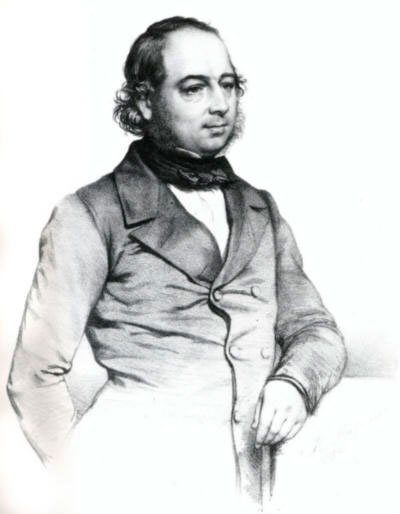
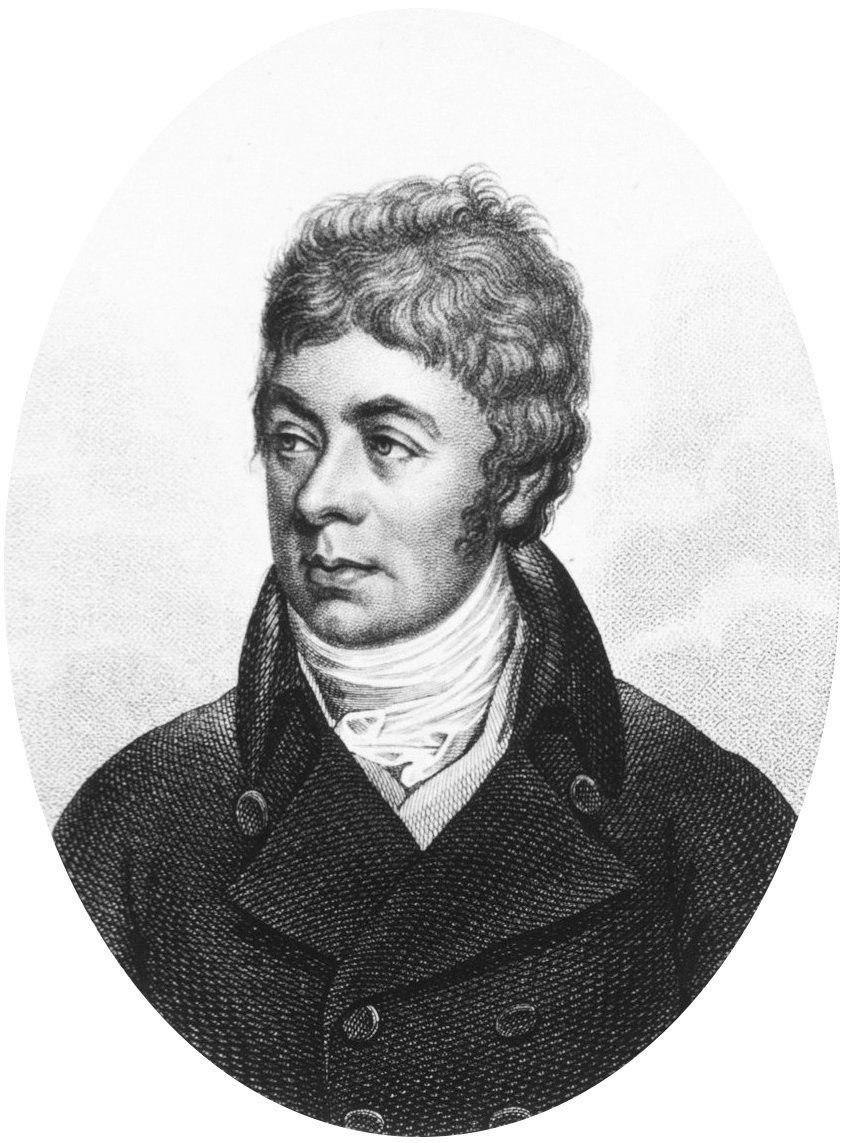
Carl Linnaeus

Order: Psittaciformes
Family: Psittacidae
Genus: Amazona
Scientific name: Amazona collaria
Citation: (Linnaeus, 1758)
Protonimo: Psittacus collarius


Images Yellow-billed Parrot:


Species of the genus Amazona


Sources:

Avibase
Parrots of the World โ€“ Forshaw Joseph M
Parrots A Guide to the Parrots of the World – Tony Juniper & Mike Parr
Birdlife

Photos:

(1) – Yellow-billed Amazon in the St. Andrew, Jamaica By Amazona_collaria_-St.Andrew-Jamaica-8a.jpg: Wayne Sutherland from Kingston, Jamaicaderivative work: Snowmanradio [CC BY-SA 2.0], via Wikimedia Commons
(2) – Amazona_collaria at Vienna Zoo, Schonbrunn Palace, Vienna, Austria By Alois Staudacher (Jamaica Amazone) [CC BY 2.0], via Wikimedia Commons
(3) – Yellow-billed Amazons in the Kingston, St. Andrew, Jamaica By Wayne Sutherland from Kingston, Jamaica (Pair of Yellow Billed Parrots) [CC BY-SA 2.0], via Wikimedia Commons
(4) – Yellow-billed Amazon (Amazona collaria) in Cockpit Country by Ron KnightFlickr
(5) – Yellow-billed amazon parrot (Amazona collaria), Jamaica By Charlesjsharp (Own work, from Sharp Photography) [CC BY-SA 4.0], via Wikimedia Commons
(6) – Parrots in captivity by Biodiversity Heritage LibraryFlickr

Sounds: Nick Komar, XC255118. accessible www.xeno-canto.org/255118.

โ–ท The world of Pets: Dogs, cats, birds, reptiles, amphibians

Yellow-tailed black cockatoo
Calyptorhynchus funereus

Yellow-tailed black cockatoo

Content

Description

55 to 65 cm.. length and a weight of up to 900 g..
The Yellow-tailed black cockatoo (Calyptorhynchus funereus) stands out clearly by its plumage mostly black, patch yellow in cheek and yellow panels in tail.

The body feathers They are lined with yellow giving it a scalloped appearance. It has a crest short and moving on top of her head.
The female It has a yellow stain on the cheek more defined and larger than the male, Bello to singr pale gray (Pink in males)
The juveniles has plumage duller overall.
The bill top of immature male black obscures two years old, While the lower peak black four years.

Description 3 subspecies

  • Calyptorhynchus funereus funereus

    (Shaw, 1794) – Nominal. Larger and tail longer dark mottled.


  • Calyptorhynchus funereus whiteae

    (Mathews, 1912)


  • Calyptorhynchus funereus xanthanotus

    (Gould, 1838) – Smaller size, tail shorter dark mottled.

Habitat:

Variety of types habitats, including forests of eucalyptus, heaths, subalpine areas, pine plantations and occasionally in urban areas.
They are often seen flying in pairs or trios formed by a pair and their young., although outside the breeding season they can join in more numerous flocks.

Reproduction:

have a long breeding season, that varies throughout its range, although Tasmania in general it is from October to February. Both sexes construct the nest in holes of mature trees, high, generally eucalyptus. Fill the hole of wood chips. The same tree can be used for many years.

One or two eggs form a clutch. Only the female incubates the eggs, While the male supplies the food. Both parents help rear the chicks, Although usually only one chick survives. The chicks leave the nest about three months after hatching and remain in the company of their parents until the next breeding season.

Food:

Seeds native trees, terrestrial plants and pine cones. Some insects also part of their diet. Unlike other cockatoos, a significant proportion of the diet up wood borers worms. The bird put his ear against the surface of dead trees to hear the sound of worms. If a worm is detected, the bird will use their powerful beaks to pull pieces of the tree until you get to the meal, often leaving a pile of wood chips at the base of the tree. These scars on dead trees are a common sight in the forests of Tasmania.

Distribution:

Size of its range (breeding/resident ): 2.700.000 km2

It is up to the 2000 meters throughout Southeast Australia, from South Eyre Peninsula to the east-central Queensland.
Your number is declining in parts of its range due to habitat fragmentation and loss of large trees used for breeding.
In Tasmania is common and nomadic. They can be seen in many parts of the state and in the larger islands Bass Strait.

Distribution 3 subspecies

Conservation:

State of conservation โ“˜


minor concern Minor Concern โ“˜ (UICN)โ“˜

โ€ข Current category of the Red List of the UICN: Least concern.

โ€ข Population trend: Stable.

This species has a very large range, and therefore not approaching the threshold of vulnerable. Not threatened worldwide. CITES II. As with most other cockatoos, its long-term existence depends on the continued availability of hollow trees for nesting,

The population is estimated at at least 25.000 birds.

The population trend appears to be stable.

"Yellow-tailed black cockatoo" in captivity:

In the poultry industry this species is extremely rare and expensive. In Australia It has attained breed in captivity.
Like all cockatoos, they come to live over 40 years.

Alternative names:

Yellow-tailed Black-Cockatoo, Black Cockatoo, Common Black-Cockatoo, Funeral Cockatoo (English).
Cacatoรจs funรจbre, Cacatoรจs noir ร  queue jaune (French).
Gelbohrkakadu, Gelbschwanz-RuรŸkakadu, RuรŸkakadu (German).
Cacatua-negra-de-cauda-amarela (Portuguese).
Cacatรบa Fรบnebre Coliamarilla, Cacatรบa Fรบnebre de Cola Amarilla (espaรฑol).

George Shaw
George Shaw

scientific classification:


Order: Psittaciformes
Family: Cacatuidae
Genus: Calyptorhynchus
Scientific name: Calyptorhynchus funereus
Citation: (Shaw, 1794)
Protonimo: Psittacus funereus


Images Cockatoo Fรบnebre Coliamarilla:


Sources:

www.parks.tas.gov.au
avibase
Birdlife

Photos: David Cook

Sounds: Nigel Jackett

โ–ท The world of Pets: Dogs, cats, birds, reptiles, amphibians

Western Rosella
Platycercus icterotis

Western Rosella

Content


Anatomy-parrots

Description

25 to 26 cm. length and a weight between 52 and 80 g..

The Western Rosella (Platycercus icterotis) is the smallest of the Platycercus and the only one with big cheeks Yellow.

Adults have a clear dimorphism. The adult male has head and underparts bright red. The the mantle feathers, the back and scapulars They are black with large green edges forming a scalloped effect. The green edges sometimes infiltrated with red. The inner coverts They are dull green, While the external are dark blue. In the Middle, you can see some black on median. The primaries son negruzcas. The rump is dark green. The central tail feathers are dark green, the exteriors are blue with white tips. The underparts It has no stripe.
The bill grey; irises dark brown; legs greyish brown.

The adult female has the forecrown dark red. The crown and the sides of the neck are green. The cheeks are yellow, but duller and less developed than in the male. The underparts They are green with red infiltrations. The under wing wearing a light streak.

The immature are similar to the females. They have head green with a strip of orange red on the front of the forecrown. The cheeks Yellow absent. The underparts is pale green with slight red orange infiltration in young men.
The adult plumage It is reached after a quick complete change to 14 months.

Description 2 subspecies

  • Platycercus icterotis icterotis

    (Temminck & Kuhl 1820) – The nominal.


  • Platycercus icterotis xanthogenys

    (Salvadori 1891) – The cheeks They are paler; black feathers nape; back and shoulders lined with large red brown. Area of the rump and uppertail-coverts, Olive Drab. Female much paler than the nominal.

Habitat and habits:

Western Rosella

The Western Rosella they are not very common. Found in variable densities in stands of eucalyptus and in many types of open forest habitats. They also attend camps with little trees, partly cleared agricultural fields and residual trees lining grain fields or roadsides. They tend to visit the gardens and freshly harvested fields. They occasionally enter the parks, gardens and golf courses.

In areas close to the coast, the Western Rosella, without a doubt, have benefited from the transformation of dense forests into agricultural land. On the other hand, they were driven from the hinterlands by large-scale deforestation programs.

The Western Rosella they suffer the aggressive competition Australian Ringneck (Platycercus zonarius) that shares the same habitat type.

They are birds sedentary. Usually, they live in pairs or in small groups, and it is very rare to find them in flocks. Son quiet and discrete, so very often go unnoticed when they feed in Earth or when they seek refuge in the trees.

Around the houses, the Western Rosella they are very confident, coming into barns and corrals to feed on grain. Unlike other parrots, have a stable flight composed of multiple hits. Move over short distances, preferring to fly from one tree to another, instead of crossing open spaces.

Reproduction:

The nesting season running from August to December.

The nest It is found in the hole of a branch or in the cavity of a tree trunk.. The couple often choose a eucalyptus wandoo the genus eucalyptus salmonophloia. The cavity must be deep enough and the bottom must be lined with a layer of sawdust..

Before mating, the male courts to your partner. It leans forward on its perch uttering very specific cries.. If the female agrees, responds in the same way.

The laying, generally, comprises of 3 to 7 eggs which are incubated during 19 days. The female is responsible for one incubation, but she pauses in the morning and in the afternoon to be resupplied by the male.

The Young people are altricial and do not fly away before reaching the age of 5 weeks.

Food:

They mainly eat seeds of grasses and other plants found in stubble fields.. They also feed on fruits, berries, Jarrah flowers (Eucalyptus marginata) and seeds of the Zamia Palm.

Often in orchards where cause some damage.

Distribution:

Size of its range (reproduction / resident): 308.000 km2

Endemic to Western Australia, where its population is distributed between the vicinity of Dongara, in the North and Israelite Bay, on the South Coast, and reaching the interior in a line that goes more or less through the Lake Dundas, Southern Cross and Moora. Sometimes found in parks in Perth.

The species is common and seems to have benefited from forest clearing and agriculture.. The world's population is of more than 100,000 specimens. A small number of captivity. The birds can be pursued under a permit.

Distribution 2 subspecies

  • Platycercus icterotis icterotis

    (Temminck & Kuhl 1820) – The nominal. Coast and Southwest podrebere Australia.


  • Platycercus icterotis xanthogenys

    (Salvadori 1891) – Southwest Interior Australia.

Conservation:


minor concern


โ€ข Current category of the Red List of the UICN: Least concern

โ€ข Population Trend: Decreasing

The species is relatively common, like most birds that live in open areas, the Western Rosella It has benefited, to some extent, the slimming of the wooded areas. But, its numbers have declined in areas where it faces competition from the aggressive Australian Ringneck. It also, the difficulty to find holes for the construction of nests is a concern in the long run.

The Western Rosella is one protected species, However in some counties, a period was opened to try to regulate or stop the damage caused by this bird in crops.

"Western Rosella" in captivity:

Pretty common in captivity.

Una muestra viviรณ 13,2 years in captivity. Taking into account the longevity of the similar species, the maximum longevity in these birds could be underestimated. In fact it has been reported that these birds can live up to 31,6 years in captivity, data that can be, but it has not been verified; the same study reported that these animals can reproduce, approximately, to the 2 years of age in captivity.

Alternative names:

Western Rosella, Earl of Derby’s Parrot, Stanley Parakeet, Stanley Rosella, West Australian Rosella, Yellow-cheeked Parakeet, Yellow-cheeked Parrot, Yellow-cheeked Rosella (ingles).
Perruche ร  oreilles jaunes, Perruche de Stanley (French).
Gelbwangenrosella (German).
Rosela-do-leste (Portuguese).
Perico Carigualdo, Rosela Oriental (espaรฑol).

scientific classification:

Order: Psittaciformes
Family: Psittaculidae
Genus: Platycercus
Scientific name: Platycercus icterotis
Citation: (Temminck & Kuhl, 1820)
Protonimo: Psittacus icterotis

Images ยซPerico Carigualdoยป:

Videos "Western Rosella"

————————————————————————————————

ยซPerico Carigualdoยป (Platycercus icterotis)


Sources:

Avibase
– Parrots of the World โ€“ Forshaw Joseph M
– Parrots A Guide to the Parrots of the World – Tony Juniper & Mike Parr
– AnAge: The Animal Ageing and Longevity Database – Anagรฉ entry for Platycercus icterotis
– Birdlife

Photos:

(1) – By derivative work: Snowmanradio (talk)Western_Rosella_(Platycercus icterotis)-5.jpg: Robert Young [CC BY 2.0], via Wikimedia Commons
(2) – By Luke Durkin (IMG_0526Uploaded by snowmanradio) [CC BY 2.0], via Wikimedia Commons
(3) – By Hervรฉ (zoo_090912_518.jpgUploaded by snowmanradio) [CC BY-SA 2.0], via Wikimedia Commons
(4) – ยซPlatycercus icterotis1ยซ. Licensed under CC BY 2.0 via Wikimedia Commons.
(5) – By Robert Young (originally posted to Flickr as Mmmm, wet bread) [CC BY 2.0], via Wikimedia Commons
(6) – John Gould [Public domain], via Wikimedia Commons

Sounds: John Graff (Xeno-canto)

โ–ท The world of Pets: Dogs, cats, birds, reptiles, amphibians

Yellow-headed Parrot
Amazona oratrix

Yellow-headed Parrot

Content


Anatomy-parrots

Description:

35-38 cm. in length weighing up 500 g..

Yellow-headed Parrot

The Yellow-headed Parrot (Amazona oratrix) has head and nape bright yellow; sides neck sometimes with scattered green feathers.

Upperparts green grass with ends of darker green in some feathers; uppertail-coverts paler. Wing coverts green, sometimes with paler yellow margins on some feathers; edge front of the wing and carpal area with red marks and / or yellow variables. Primaries and secondaries green at the base (more emerald than coverts), blue at the tips; five base outer secondaries bright red, forming a speculum. Under wings green. The chin is bright yellow, the throat variable green and dark blue suffusion margins in the feathers of some birds; chest and belly green with yellowish suffusion in some birds, bluish suffusion in other; the thighs with yellow feathers in some birds. Tail green with red tips yellow and green at the base of the innerwebs of the lateral feathers. Bill gray horn; bare periophthalmic whitish; irises orange; legs grey.

Both sexes are similar.

Immature It is very green part with little or no yellow in the head without red and yellow in the wings.

  • Sound of the Yellow-headed Parrot.

Geographic Variation:

All birds puerto Barios at the East end of Guatemala show yellow concentrate lores and crown. While it described as near the subspecies belizensis, the birds of puerto Barios at the northwest end of Honduras They may represent another subspecies of oratrix (not yet formally described) provisionally named guatemalensis (see belizensis below). The hondurensis, described below, It was widely regarded as a subspecies of undescribed Yellow-crowned Parrot (Amazona ochrocephala), but now treated at the southern end as a cline (gradual change of phenotypic traits of the same species due to environmental influences and conditions) Yellow decreasing in head Group of birds yellowhead.

Description 3 subspecies:

  • Amazona oratrix belizensis

    Monroe,BL Jr & Howell,TR, 1966) – Less yellow in the head that the nominal species, without yellow on the throat. Cheeks green, bare periophthalmic grayish-white and probably on average smaller. Fowl Guatemala, to the Northwest of Honduras, sometimes show yellow in head as a patch wide in front of the crown and around eyes, and perhaps they represent a species not yet described (known as guatemalensis); although some birds also show yellow feathers on nape (see geographic variation in Yellow-naped Parrot (Amazona auropalliata).


  • Amazona oratrix hondurensis

    (Lousada & Howell,SNG, 1997) – Yellow on head limited to forecrown and in front of the crown, some birds show patch yellow in nape. One bill paler and more extensive yellow on the nape and the head subspecies caribea of the Yellow-naped Parrot. The patch Yellow crown It is also rounded or triangular, against a narrowband subspecies caribea. The subspecies panamensis of the Yellow-crowned Parrot has a bill darker and lacks the patch yellow in nape.


  • Amazona oratrix oratrix

    (Ridgway, 1887) – Nominal.

Habitat:

The Yellow-headed Parrot frequent savannas, Bosques Tropicales deciduous (including clear), dense forests of thorns, marshy forests peaceful, flood forest evergreen, dense gallery forest, forests Pinus caribea (Belice) and cultivated land with trees, mainly in lowlands below 500 m.

Mainly observed in pairs or in large groups in communal roosts and feeding areas favorites. They snuggle into pine-covered ridges in Belice, moving to nearby humid forests to feed. Apparently, only flocks form in Tamaulipas.

Reproduction:

The Yellow-headed Parrot put their nests in cavities of trees 6-15 meters and in the holes of the palmeras Roystonea. Along the Pacific coast of Michoacรกn in Mexico, the Yellow-headed Parrot nests in trees Astronium graveolens, Brosimum allicastrum and at least five other species of trees (T. Monterrubio-Rico et al., In 2007)

In Belice, preferred pines nest. Breeding season in the months of February to May in the south, to June in the north (for example in Tamaulipas). Clutch, usually 2-3 eggs, they are incubated between 27 and 28 days. The young leave the nest at eight weeks.. On average, only 1.2 hatchlings reach adulthood in each clutch.

Food:

Food in diet of the Yellow-headed Parrot include outbreaks, leaves news, fruits of Palma, seeds of Acacia, fruits of Macuna, Ficus, Zuelania guidonia, Bumelia laetivirens, Solanum and Pithecellobium flexicaule.

They can cause damage to crops, including corn, mango and green bananas.

Distribution and status:

Size of its range (breeding/resident ): 1.020.000 km2

The Yellow-headed Parrot It is confined to Central America in Mexico, Belice, the east end Guatemala and the Northwest corner of Honduras. They are distributed by the slope of peaceful of Mexico in Colima, Michoacรกn, Warrior, Oaxaca (two disjunct populations on the slopes of peaceful and of the Gulf on Isthmus region) and Chiapas. also observed in the shed Gulf from the central and southern Tamaulipas, to the East of San Luis Potosi, Puebla, Veracruz, Tabasco and Campeche, as well as in Belice and around puerto Barios at the East end of Guatemala to the northwest corner of Honduras in the Sula Valley.

Distribution in the east of its range poorly documented, with dubious appearances Campeche and in the region of Petรฉn in the North of Guatemala, confirmed only 1993.

Reports Yellow-headed Parrot outside the normal range Mexico (for example, City of Mexico) probably involving leaks. Wild populations Miami (Florida) and Puerto Rico.

local residents, and rare sparsely distributed along most of its distribution (perhaps locally common in parts of Belice) with diminished by the loss of habitat populations and their capture for live bird markets.

The population of Sula Valley survives as remainder. marketed widely both within and outside the species range, being one of the most searched Neotropical parrots pet (reputedly one of the best talkers). The most drastic falls have probably been in the northeast of Mexico, where habitat loss has been more rapid and severe. The wild population is probably less than 7.000 individuals (1994).

Distribution 3 subspecies:

  • Amazona oratrix belizensis

    Monroe,BL Jr & Howell,TR, 1966) – Belice.


  • Amazona oratrix hondurensis

    (Lousada & Howell,SNG, 1997) – Sula Valley, Honduras.


  • Amazona oratrix oratrix

    (Ridgway, 1887) – Nominal.

Conservation:


Endangered


โ€ข Current category of the Red List of the UICN: In danger of extinction.

โ€ข Population trend: Decreasing.

โ€ข Population size: 4700

Rationale for the Red List category

    This species qualifies as in danger of extinction due to demographic decline very fast. The population is now so small that it is likely to fall (but still very significant) rates decrease in the future (Collar et al., 1992).

Justification of the population

    The population It was estimated 7.000 copies in 1994. This is roughly equivalent to 4.700 mature individuals.

Justification of trend

    It is estimated that the population of the species is declining very fast, due to the loss and degradation of habitat and the levels of capture and persecution. On the coast of Michoacรกn, Mexico, it is estimated that the species occupies the 45.6% its estimated historical distribution (Monterrubio-Rico et al ., 2007 ). Throughout all Pacific coast of Mexico, its historical range has contracted by a 79% (Monterrubio-Rico et al ., 2010). The population of Punta de Manabique It decreased by 30% between 1994 and 2001 mainly due to the Poaching of nests (our man 2003 , Eisermann in a bit., 2007).
Threats

โ€ข The habitat loss It has been extensive, with the 80% lowlands of Tamaulipas cleared for agriculture and pasture, and growing settlements along the Autopista del Oeste in Belice (Somerville 1997).

โ€ข In Belice, where much of the suitable habitat is outside the sistema national protected area, the regions occupied by species remain under heavy development pressure (B. Miller in a little ., 2007).

โ€ข Las palm savannas at the only known breeding site in Guatemala They are used for no intensive cattle grazing (our man 2003), who is still a threat here (Fundary et al ., 2006).

โ€ข Many thousands of Individuals of this species are exported illegally from Mexico and some from Belice each year, and it is popular in domestic markets (Low 1995b, Miller and Miller 1997, Somerville 1997).

โ€ข The illegal internal traffic is intense in Mexico and may represent the 38% of recent species loss distributive (T. Monterrubio-Rico et al., In 2007).

โ€ข In the Mexican states of Michoacรกn, Warrior and Oaxaca, They are mainly pups those taken to the pet trade (T. Monterrubio-Rico et al., In 2007).

โ€ข In Guatemala, It is reported that Local military authorities are complicit in the illegal trade of this species, and poachers frequent nest nesting site of the species (our man 2003, Eisermann in some). It also, has reported its hunting for food from local fishermen in Guatemala (our man 2003, Eisermann in some ., 2007).

โ€ข In Belice, It is hunted and persecuted by damage to crops (SNG Howell in some 1998) and it remains a victim of the illegal pet trade, whose capture involves logging nesting (B. Miller in a little ., 2007).

โ€ข It is estimated that its extension around the coast of Michoacรกn It has decreased 1.507 km2 , of which 576 km2 can not be attributed to habitat loss and, therefore, They may be due to the poaching for trade (Monterrubio-Rico et al., 2007).

Conservation Actions Underway

โ€ข CITES Appendix I.

โ€ข In Mexico It is distributed in nine protected areas (T. Monterrubio-Rico et al., In 2007).

โ€ข The nominal subspecies inhabits Biosphere Reserves of Heaven, Los Tuxtlas, Swamps Centla and Terms Lagoon.

โ€ข The species Tres Marias Parrot (Amazona tresmariae), considered by some authors as a subspecies of Amazona [oratrix gold tresmariae], It is protected in Islas Marรญas Biosphere Reserve.

โ€ข The nominal subspecies It is in the Reserva Chamela-Cuixmala, in the Lagunas de Chacahua, in the Huatulco National Park, and in the Biosphere Reserve Zicuirรกn-Infiernillo in Michoacรกn (T. Monterrubio-Rico et al., 2007), as well as in seven protected areas in Belice (EC Enkerlin-Hoeflich in some 1994, Miller and Miller 1997, Snyder et to the., 2000).

โ€ข The only one breeding population known in Guatemala It was declared Wildlife Refuge in 2005, but effective protection is difficult due to organized crime in the area (Eisermann in some ., 2007).

โ€ข There are several awareness campaigns nationally in Mexico (Roberson y Carratello, 1997).

โ€ข It is bred in captivity, but the reintroduction of captive bred birds is unfeasible (Baja 1995b).

Conservation Actions Proposed

โ€ข Carry out surveys for an updated estimate of population size.

โ€ข Monitor rates of habitat loss and degradation.

โ€ข Monitor hunting levels, catch and trade.

โ€ข Apply the trade restrictions.

โ€ข To protect effectively as key sites Las Colorados Ranch, Soto La Marina / Fishing, Tamaulipas, orange river, focused on Las Abritas (San Luis Potosi) and Punta de Manabique.

โ€ข Survey to identify other important sites.

โ€ข Investigate habitat use and local movements.

โ€ข Continue zooming awareness campaigns.

โ€ข Develop structured captive breeding programs and investigate the possibility of future release.

"Yellow-headed Parrot" in captivity:

The Yellow-headed Parrot are popular in domestic markets.

protected by CITES Appendix I (Species that are endangered. Prohibited international trade of specimens of those species, except when the import is non-commercial purposes).

In Mexico It is listed as endangered in both the NAME-059-SEMARNAT-2001, as in the NAME-059-SEMARNAT-2010, and by the Article 60 Bis of the General Law on Wildlife removal of specimens from the environment is prohibited, marketing, tenure, import, export, use of any of its parts. They are up 9 years in prison and fines very high who are surprised by the Profepa with specimens of this species in their possession and do not have papers proving their legal provenance.

Should be avoided in all cases buy this or any of the protected species by different appendices CITES.

Alternative names:

Yellow-headed Amazon, Yellow-headed Parrot, Yellow-headed Parrot (Mainland) (English).
Amazone ร  tรชte jaune, Amazone ร  tรชte jaune (continentale), Amazone ร  tรชte jaune (forme continentale) (French).
Gelbkopfamazone (German).
papagaio-de-cabeรงa-amarela (Portuguese).
Loro Cabeza Amarilla, Amazona cabecigualda (espaรฑol).


scientific classification:

Robert Ridgway
Robert Ridgway

Order: Psittaciformes
Family: Psittacidae
Genus: Amazona
Scientific name: Amazona oratrix
Citation: Ridgway, 1887
Protonimo: Amazona oratrix


ยซYellow Headed Parrotยป Images:

Videos "Yellow-headed Parrot"

————————————————————————————————

ยซYellow Headed Parrotยป (Amazona oratrix)


Sources:

Avibase
– Parrots of the World โ€“ Forshaw Joseph M
– Parrots A Guide to the Parrots of the World – Tony Juniper & Mike Parr
Birdlife

Photos:

(1) – A Yellow-headed Amazon (also known as the Double Yellow-headed Amazon) in an aviary By Ernst Vikne (IMG_4451.JPG) [CC BY-SA 2.0], via Wikimedia Commons
(2) – Yellow-headed Amazon at Baltimore Aquarium, USA By Christine Schmidt from Laurel, USA (Parrot pair) [CC BY 2.0], via Wikimedia Commons
(3) – Yellow-headed Amazon, also known as the Yellow-headed Parrot or Double Yellow-headed Amazon, at Lion Country Safari, West Palm Beach, Florida, USA. Photograph is a close up of head By Duncan Rawlinson from Vancouver, BC (Parrot) [CC BY 2.0], via Wikimedia Commons
(4) – Yellow-headed Amazon (Amazona oratrix) playing on his cage by Mbtskysurfer at English Wikipedia [GFDL or CC BY 3.0], via Wikimedia Commons
(5) – Yellow-headed Amazon (Amazona oratrix) also known as the Yellow-headed Parrot, Double Yellow-headed Amazon. Two parrots on a perch By Gary Denness (originally posted to Flickr as Parrot Portrait) [CC BY-SA 2.0], via Wikimedia Commons
(6) – Yellow-headed Amazon (also known as the Yellow-headed Parrot and the Double Yellow-headed Amazon) at Vancouver Aquarium, Canada By Lizzy Foulkes (originally posted to Flickr as Hello, Goregous) [CC BY-SA 2.0], via Wikimedia Commons
(7) – A Yellow-headed Amazon at Palmitos Park, Gran Canaria, Canary islands, Spain By William Warby (Flickr: Parrot) [CC BY 2.0], via Wikimedia Commons
(8) – A Yellow-headed Amazon in Jungle Island, Miami, Florida, USA By Humberto Moreno (Parrot Jungle, Miami) [CC BY 2.0], via Wikimedia Commons
(9) – Yellow-headed Amazon (also known as the Yellow-headed Parrot and the Double Yellow-headed Amazon) at Dallas World Aquarium, USA By texas_mustang (Dallas Aquarium 2008 with Meredith) [CC BY 2.0], via Wikimedia Commons

Sounds: Peter Boesman, XC218407. accessible www.xeno-canto.org/218407

โ–ท The world of Pets: Dogs, cats, birds, reptiles, amphibians

White cockatoo
Cacatua alba

Cacatรบa Blanca

Content

Description White Cockatoo


Anatomy-parrots

40 to 50 cm.. length and a weight of approximately 550 gr.
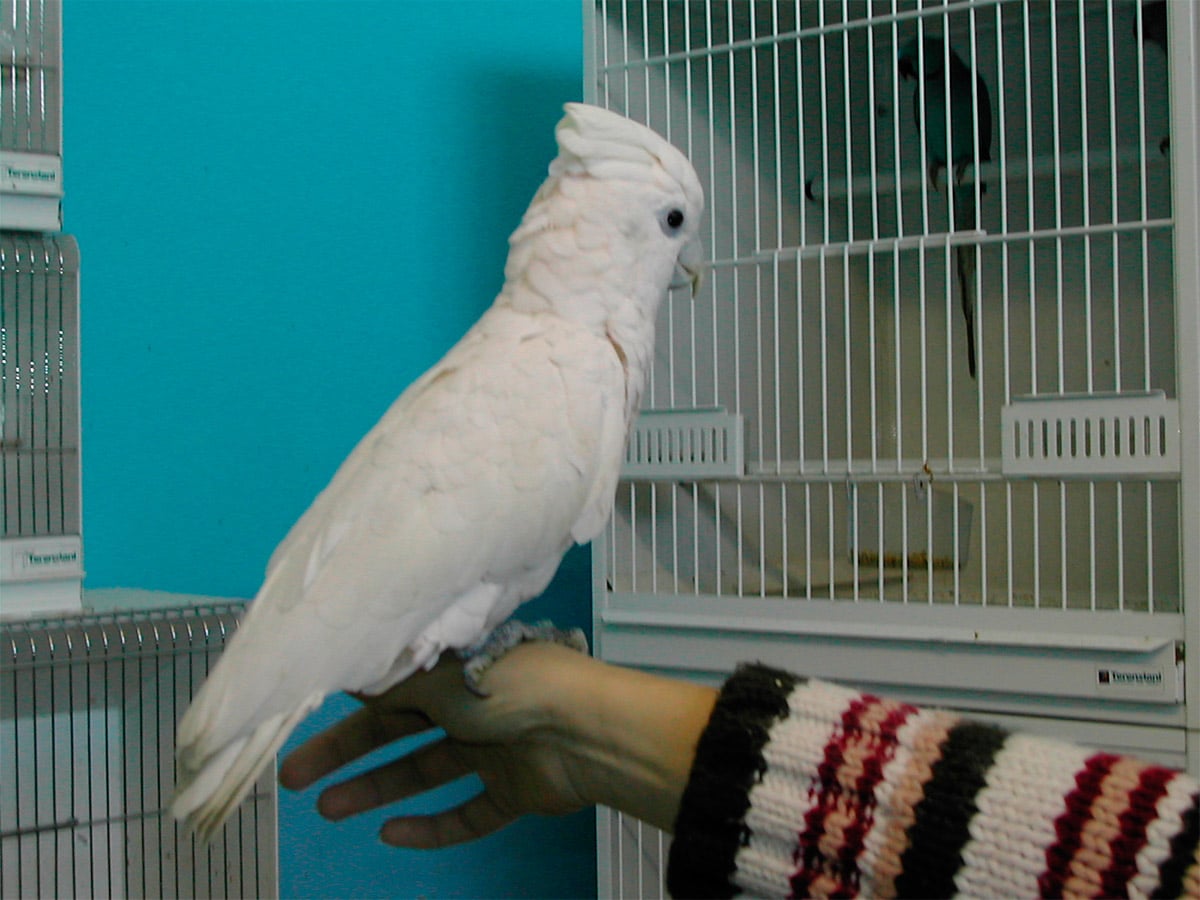
The White cockatoo (Cacatua alba) is completely white, with yellowing below wings, bill black and legs dark gray.

The eye ring is blue.
It has a crest exuberant, that is elevated or low, Depending on your state of mind. The wings They are tapered or rounded.

If he irises is brown, then it is male, if reddish, it is female. The females has bill smaller.

The juveniles only they differ by color irises.

White Cockatoo Behavior:

They usually fly solo, in pairs, small groups, or in flocks of up to fifteen birds. In the afternoon, they gather in groups of up to fifty birds. even though they are social, with the exception of mating pairs, usually, they do not form close ties with others. As a result, There is no firmly defined order of dominant position in the community. Son day and they tend to be sedentary, Although some can be nomadic and wander in search of food.

The white cockatoos they are very bright and curious birds. They have the ability to use tools, as the use of a branch to scratch your back. They are monogamous, with couple bonds lasting lifetime. They can fall into a deep depression if you lose your partner.

Habitat White Cockatoo:

Video – "White cockatoo" (Cacatua alba)

Presentation of the cockatoo alba

They live in lowland forests below 900 m, as well as in mangrove forests, plantations and agricultural land.
they are particularly common around the edge of clearings and rivers. They spend most of their time in the tops of the trees. The secondary vegetation high is its preferred habitat.

White Cockatoo Reproduction:

It nests in the hollows of trees. They lay two eggs and two birds hatch for a few 28 days. The larger hatchling tends to take dominance over the smaller hatchling, which will not be able to survive.. The chicks leave the nest to the 84 days old and are independent around 15-18 weeks. These birds reach sexual maturity at the age of 3-4 years.

White Cockatoo feeding:

In nature it feeds mainly on Tree fruits. They are often seen feeding on papaya, Durian, complexioned and rambutan. It has also seen them will eat crickets and lizards. They often feed on corn that grows in the fields, sometimes doing considerable damage.

Distribution:

Size of its range (reproduction / resident): 51.400 km2

The white cockatoo It found in rainforests on the islands of Halmahera, Bacan, Ternate, Ternate, Kasiruta and Mandioli in the north of the Moluccas of Indonesian.

Conservation:

Appears as vulnerable by the IUCN and placed in Appendix II in 1981.

In their natural environment, the white cockatoo is a species vulnerable Due to the decrease in number due to habitat loss natural, as well as for the capture for the illegal bird trade. There are restrictions on the number of birds that can be exported, but BirdLife International He says that this is being exceeded by up to 18 times the agreed number in some areas.

It can cause substantial damage to Corn crops.

World population: 43,000 – 183,000 individuals.

The White Cockatoo in captivity:

The White cockatoo You can live more than 60 years. It is very common in poultry farming and it is perhaps one of the most frequent pet cockatoos.

They are sympathetic, calm, beautiful, sweets and easy to domesticate. Bred to porridge they are usually wonderful pets, You can play some words but are not good talkers. These birds in captivity require mental stimulation almost constant. They are in constant motion, up and doing gymnastics. When lack of mental stimulation, often they are become neurotic, booting the feathers to the point of causing areas of baldness.

They are known for being very affectionate with their human companions, acting more like a dog than a bird in this regard as.

In the absence of a partner, captive white cockatoos will bond with their keeper as if that person were their mate.

Alternative names:

White cackatoo, Great White Cockatoo, White Cockatoo, White-crested Cockatoo (ingles).
Cacatoรจs blanc, Grand Cacatoรจs blanc (French).
WeiรŸhaubenkakadu (German).
Catatua-branca (Portuguese).
Cacatรบa Alba, Cacatรบa Blanca, Cacatรบa Copete Blanco, Cacatรบa de Goffin (espaรฑol).

scientific classification:

Order: Psittaciformes
Family: Cacatuidae
Genus: Cockatoo
Scientific name: Cacatua alba
Citation: (Statius Mรผller, 1776)
Protonimo: Psittacus albus

White Cockatoo Images:


Species of the genus Cacatua

Sources:

Avibase
– Parrots of the World โ€“ Forshaw Joseph M
– Parrots A Guide to the Parrots of the World – Tony Juniper & Mike Parr
Birdlife
avimarparrots.es

Photos:

(1) – commons.wikimedia.org
(2) – Adam Lysican

Sounds: Mike Nelson (Xeno-canto)

โ–ท The world of Pets: Dogs, cats, birds, reptiles, amphibians

Yellow-crowned parakeet
Cyanoramphus auriceps

Yellow-crowned parakeet

Content


Anatomy-parrots

Description

23 cm.. length and an approximate weight of 95 g..

In the distance, the Yellow-crowned parakeet (Cyanoramphus auriceps) appears as a fully green Parrot, light and bright above that below.

It has a yellow spot in the forecrown, above a red stripe that goes from the bill both eyes. It can be confused with the Red-crowned parakeet (Cyanoramphus novaezelandiae) who lives in the same circles.

The upperparts they are green with a red patch on each side of the rump. Alula, primary covertss and vane outside of the primaries are blue-violet color.

feathers of the wings Green with blue at the edges of the previous; a wing bar at present times.

The underparts more yellowish green, sometimes with yellow marks.

Tail of color green for over, dark grey below.

The bill blue grey at the base, Blackish at tip; irises orange-red; legs greyish brown.

The females they are slightly smaller than males.

The young birdss have the peaks paler, queues shorter and the irises light brown.

Both females as the juveniles They show a drawing in the form of bar under the wings.

Habitat:

Yellow-crowned parakeet

On the Mainland, the Yellow-crowned parakeet, they are mainly distributed among the lush native forests, mainly in the provided ecosystems of Nothofagus and Podocarpus, at an altitude of about 600 m. Although these birds are at much lower altitudes, the species tends to move at altitudes which are the Red-crowned parakeet, especially when their habitats overlap.

The Yellow-crowned parakeet they are more common in closed areas of scrub, less common in open spaces by which moves the Red-crowned parakeet.

It is more common on offshore islands, where predation by introduced mammals is reduced.

Birds are found more often in pairs or small groups, feeding in the middle or upper floor of forest or large shrubs. Although it is, generally, more arboreal than the Red-crowned parakeet, they tend to feed on land in the islands of the coast.

Reproduction:

The breeding habits they are similar to the of the Red-crowned parakeet, but these birds seem to be more territorial around the nest.

The Yellow-crowned parakeet They nest in tree holes.

The implementation is performed between the months of October to December but have been observed nesting in almost every month, presumably in response to food availability. Of five to nine eggs whites make up the implementation, with one incubation between 18 and 20 days. The calf is fed by the female who in turn receives food from the male., the young remain in the nest from five to six weeks.

Food:

The diet consists of plant material including outbreaks, berries, flowers and seeds, as well as invertebrates such as larvae, for example, Heliostibes vibratrix and mealybugs Ultracoelostoma assmile. The insects They seem to be more important in the diet of the Yellow-crowned parakeet that in the of the Red-crowned parakeet.

Distribution:

The Yellow-crowned parakeet they can be found in New Zealand and in some islands of the coast.
They are absent, to a large extent, in the North of Auckland, but they are moderately common in some of the largest forested areas, including Urewera, Montes Raukumara, the area of the motu river, Pirongia, Pureora, Ruahine mountains, Tararua mountains, and in the South Island in the National Park Abel Tasman, the Nelson district, the Paparoa mountain range, Arthur's pass, Districts the Hope River and Canterbury, and in Fiordland about Te Anau and Cascade Creek.

Yes the aclaramineto of their continuous habitat, It might be a threat to the species.

The Yellow-crowned parakeet also you can find in the following islands of the coast: Three Kings, Polla, Big Chicken, Little Barrier, Great Barrier (rare), Kapiti (rare), the Chetwode Islands (absent the Red-crowned parakeet), Stewart Island e satellite islets, Codfish, Solander, Ruapuke and Auckland Islands, including the Adams island.

The species is also found in the chatham islands, where the Chatham Parakeet It has suffered from habitat loss, as well as competition and hybridization with the Red-crowned parakeet: both hybrids together with the Red-crowned parakeet, they survive better in open areas, helped by the improvement of the habitat and hybridisation control, so getting a slow recovery.

Conservation:


Near-threatened


โ€ข Current Red List of UICN: Near threatened

โ€ข Population trend: Decreasing

In the past the population of the Yellow-crowned parakeet has declined in number and the species is now rare throughout its range. As a result, is suspected to have one moderately low population. The world's population believed that it is inferior to the 5.000 specimens.

It is believed that this species has been adversely affected by the logging of forests, introduced predators, (cats, stoats and rats) and hybridization. Consequently, that you have been moderate declines in population to this day.

In the islands of the coast, the Red-crowned parakeet is usually much more common (Heather and Robertson 1997) and can be replaced by full to the Yellow-crowned parakeet in Solander Island. In Auckland Islands, There is an abnormally high rate of hybridization between the two species.

"Yellow-crowned parakeet" in captivity:

not as common as Red-crowned parakeet.

For its upbringing it is enough to have previous experience in the breeding of any of the smaller Australian parrots..

Reasonably hardy to cold, It has a thick plumage on their underparts which gives them a good insulation against the harsh winters; they withstand a cooler climate than most Australian species.

The sound of their voices is not strong or offensive and consists of pleasant chattering.

In terms of their longevity, according to sources, one specimen was still alive after 9.3 years in captivity

Alternative names:

Yellow-fronted Parakeet, Kakariki, Yellow-crowned Parakeet (English).
Perruche ร  tรชte d’or (French).
Springsittich (German).
Kakariki-fronte-amarela (Portuguese).
Perico Maorรญ Amarillo, Perico Maorรญ Cabecigualdo (espaรฑol).

scientific classification:


Order: Psittaciformes
Family: Psittaculidae
Genus: Cyanoramphus
Scientific name: Cyanoramphus auriceps
Citation: (Kuhl, 1820)
Protonimo: Psittacus auricep

ยซWild-headed Maori Parakeetยป images:

Videos "Yellow-crowned parakeet"

Yellow-crowned parakeet (Cyanoramphus auriceps)

Kuhl, Heinrich
, via Wikimedia Commons
(2) – Yellow-crowned Parakeet, (Cyanoramphus auriceps) Nga Manu, Nr. Wellington, New Zealand. By Phillip Capper [CC BY 2.0], via Wikimedia Commons
(3) – A Yellow-crowned Parakeet in Otorohanga Kiwi House, New Zealand By Takver from Australia [CC BY-SA 2.0], via Wikimedia Commons
(4) – A captive Yellow-crowned Parakeet By Nrg800 (Own work) [CC BY-SA 3.0 or GFDL], via Wikimedia Commons
(5) – Photo of Kakariki (Cyanoramphus auriceps) taken during Routeburn Classic 2012 By Grapeman4 (Own work) [CC BY-SA 3.0], via Wikimedia Commons
(6) – Yellow headed parakeet Cyanoramphus auriceps (1884) By William Thomas Greene (Birds in captivity) [Public domain], via Wikimedia Commons

โ–ท The world of Pets: Dogs, cats, birds, reptiles, amphibians

Yellow-naped Parrot
Amazona auropalliata

Yellow-naped Parrot

Content

Description:


Anatomy-parrots

35,5-38 cm.. length and 480 g. of weight.

The Yellow-naped Parrot (Amazona auropalliata) It has a large size; their forecrown and front of the crown, usually, pale bluish green, sometimes with narrow frontal band yellow that extends to the front of the crown.

back of the crown pale bluish green; lores, cheeks and sides neck, green; nape with broad golden-yellow ban. Upperparts green with some feathers in the the mantle and in the back with blackish edges; rump and uppertail-coverts slightly brighter than the rest of the upperparts. The wing-coverts green but more emerald than upper body; feathers yellow feathers on leading edge of wing in some birds. Outerwebs of the four outer secondaries, bright red as speculum; primaries and secondaries violet blue outerweb and towards tips. Under, the wings are green. Underparts pale green with a slight bluish tinge throat.

Yellow-naped Parrot

Tail green with a wide terminal band brighter yellowish green, red at the base with outerweb of the outer feathers, blue. Bill blue, black tip; bare periophthalmic grey; irises orange; legs grey.

Both sexes are similar. The immature has the nape green with yellow feathers appearing at end of first year; irises brown.

  • Yellow-naped Parrot sound.

Description 3 subspecies:

Birds of Bay islands often they treated as parvipes, not as caribaea. Some copies of Guatemalan Pacific show forecrown yellow, but apparently not consistent racial difference.

  • Amazona auropalliata auropalliata

    (Lesson,PA, 1842) – Nominal.


  • Amazona auropalliata caribaea

    (Lousada, 1989) – Similar to the subespecie parvipes but with olive below and bill paler colored horn (especially lower jaw). usually adults patch yellow triangular in front of the crown. Young birds show little yellow in the head wave nape.


  • Amazona auropalliata parvipes

    (Monroe,BL Jr & Howell,TR, 1966) – Less than nominal species, with red feathers on the curve wing , otherwise similar.

Note:

The Amazona auropalliata, It is often considered conspecific with the Amazona ochrocephala and Amazona oratrix.

Habitat:

Video – "Yellow-naped Parrot"

My Yellow-naped Amazon talking and whistling

The Yellow-naped Parrot inhabits semiarid forests, arid scrubland and savannas (including those of Pinus), openings in deciduous tropical forests and swamps peaceful, evergreen gallery forests and, sometimes, second growth in agricultural areas. Observed to 600 metres in Guatemala and a 700 metres in Honduras. Usually in pairs or small groups, sometimes in larger meetings, but the decline of the population may now obscures large flocks in some areas. They meet at communal roosts.

Reproduction:

Monรณgama; It maintains the union of couples throughout the year.
It nests in natural cavities in trees, such as holes in old trunks or dead, including pines Nicaragua and Bay islands. breeding season in February Oaxaca and El Salvador; March Roatan. Clutch 2-3 eggs.

In captivity cycle nesting of the Yellow-naped Parrot complete with 29 days of incubation eggs, followed by two months increase of the young in the nest.

Food:

Foods reported include seeds of Cachlospermum, Curatella, Higos Ficus and fruit mature Terminalia. The birds in the Bay islands observed feeding on cones Pinus caribaea, with high seasonal dependence on this resource.

Distribution:

Size of its range (breeding/resident): 580.000 km2

The Yellow-naped Parrot It is confined to Central America. They are distributed in the lowlands Eastern Pacific of Mexico (Oaxaca and Chiapas), Guatemala (a sample taken in Petรฉn but his status there is uncertain), El Salvador (arid lowland tropical zone), Honduras and Nicaragua, to the Northwest of Costa Rica from the south end of Gulf of Nicoya northward. They can also be seen in the Caribbean slope of Honduras and in the Mosquito Coast from Honduras, as well as in the neighboring area of โ€‹โ€‹northeast Nicaragua. found in Roatan and Guanaja, in the Bay islands but absent in Utila.

Resident. Apparently uncommon in Oaxaca and rare and declining in Costa Rica. Birds observed in the Sula Valley, Honduras, previously attributed to this species but now included within the species Yellow-headed Parrot.

Formerly common and locally abundant, but probably now declining throughout its entire range due to conversion of habitat for agricultural uses and its capture for trade local and international. Not yet considered endangered, but its long-term status is uncertain if its population decline continues.

Although Guanaja reasonable numbers remain, the species inhabiting the Bay islands (caribaea), It is in serious decline due to capture for export (practically 100% of hatchlings are caught each year); also at risk from tourism development, especially in Roatan.

Distribution 3 subspecies:

  • Amazona auropalliata auropalliata

    (Lesson,PA, 1842) – Nominal. Pacific Coast of Central America, from Oaxaca, Mexico, to the Northwest of Costa Rica.


  • Amazona auropalliata caribaea

    (Lousada, 1989) – Bay islands, Honduras.


  • Amazona auropalliata parvipes

    (Monroe,BL Jr & Howell,TR, 1966) – Mosquito Coast in Honduras and northeast of Nicaragua.

Conservation:

State of conservation โ“˜


Vulnerable Vulnerable โ“˜ (UICN)โ“˜

โ€ข Current category of the Red List of the UICN: Vulnerable.

โ€ข Population trend: Decreasing.

โ€ข Population size : 20000-49999.

Rationale for the Red List category

    This species has been uploaded to Vulnerable because information on levels exploitation and habitat loss, and trends of the local population, They suggest that the species is suffering at least one rapid population decline. In fact, the rate of decline can be very rapid; However, Additional data are needed to confirm this, in which case the species may qualify for elevation In danger of extinction.

Justification of the population

    Partners in Flight estimated that the population in number of less than 50.000 individuals (A. Punjabi in some. 2008), so it is placed in the band 20.000 to 49.999 individuals on freedom.

Justification of trend

    It is suspected that the population is in rapid decline due to the continuous habitat destruction and unsustainable levels of hunting, a suspicion that is supported by the observations of trends of the local population.
Conservation Actions Underway

โ€ข CITES Appendix I (Endangered species, which they are or may be affected by international trade. Only trade in the species is authorized in the Appendix I in exceptional circumstances, and it must not have a primarily commercial purpose.)

โ€ข The species occurs in a number of protected areas.

โ€ข Efforts have been made to obtain an area of 4.000 hectares east of Monterrico on Pacific coast of Guatemala declared as protected area (C. Muccio in some . 2011).

โ€ข The species has been the subject of a number of local studies, some ongoing, aimed at gathering information on population trends and threats.

โ€ข The extent of exploitation of wildlife for the trade It has been highlighted by the local media, for example in Honduras ( by O. Andino in some . 2011).

Conservation Actions Proposed

โ€ข Carry out surveys coordinated through the range of the species to quantify the Total population size.

โ€ข Monitor the demographic trends through regular surveys.

โ€ข Monitor harvest rates for the trade through regular surveys of the local population and officials.

โ€ข Monitor rates of loss and degradation of habitat throughout the range of the species.

โ€ข Accomplish awareness activities to reduce exploitation.

โ€ข Increase the area of โ€‹โ€‹suitable habitat that receives effective protection..

The Yellow-naped Parrot in captivity:

The populations of the Amazon nuquigualda have suffered strong pressure by national and international trade (Ridgely, 1981, Iรฑigo- Elias and Ramos, 1992). There is now an illegal heavy traffic this species, both for domestic and international trade, Parrot's being seized in the Mexico-Texas border, with 648 copies confiscated during 1990-1993 (Gobbi, et to the., 1996).

protected by CITES Appendix I species (Endangered species, which they are or may be affected by international trade. Only trade in the species included in Appendix I authorized in exceptional circumstances, and it must not have a primarily commercial purpose.)

Each captive specimen of this species which is capable of reproducing, must be placed in a well-managed captive breeding program and not sold as a pet, in order to ensure its long-term survival.

Alternative names:

Yellow naped Parrot, Yellow-naped Amazon, Yellow-naped Parrot, Yellow-naped Parrot (incl. ssp. caribaea, parvipes),
(English).
Amazone ร  nuque d’or, Amazone ร  nuque jaune, Amazone verte ร  nuque jaune (French).
Gelbnackenamazone (German).
Papagaio-de-nuca-amarela (Portuguese).
Amazona nuquigualda, Lora de Nacu Amarilla, Lora de nuca amarilla, Lora nuca amarilla, Loro Nuca Amarilla, loro nuca-amarilla, Loro Nuquiamarillo (espaรฑol).
Lora de nuca amarilla (Costa Rica).
Lora nuca amarilla (Honduras).
loro nuca amarilla, loro nuca-amarilla, Loro Nuquiamarillo (Mexico).
Loro Nuquiamarillo (Nicaragua).


scientific classification:
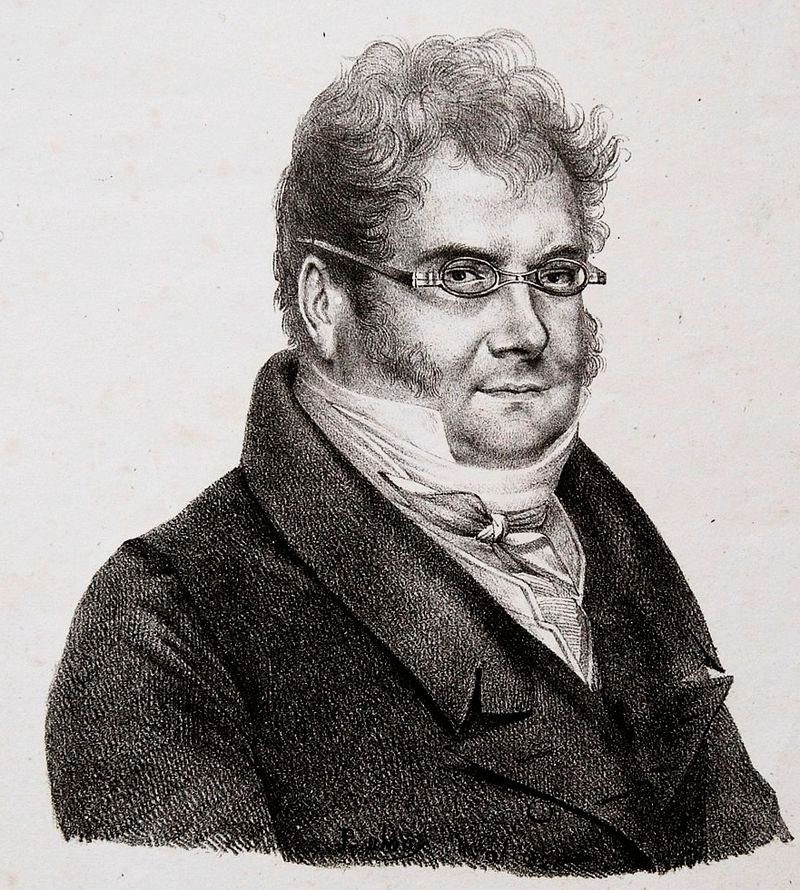
drawn portrait of Adolphe Pierre Lesson
Pierre Adolphe Lesson

Order: Psittaciformes
Family: Psittacidae
Genus: Amazona
Scientific name: Amazona auropalliata
Citation: (Lesson, 1842)
Protonimo: Psittacus auropalliatus


Images Yellow-naped Parrot:


Species of the genus Amazona


Sources:

Avibase
– Parrots of the World โ€“ Forshaw Joseph M
– Parrots A Guide to the Parrots of the World – Tony Juniper & Mike Parr
Birdlife

Photos:

(1) – A Yellow-naped Amazon at Jurong Bird Park, Singapore By Michael Gwyther-Jones from UK (Flickr) [CC BY 2.0], via Wikimedia Commons
(2) – Yellow-naped Parrot or Yellow-naped Amazon (Amazona auropalliata) at Gatorland By Josh Hallett [CC BY 2.0], via Wikimedia Commons
(3) – Yellow-naped Parrot, also known as Yellow-naped Amazon, in an aviary at Leeds Castle, Kent, England By Martin Pettitt [CC BY 2.0], via Wikimedia Commons
(4) – Yellow-naped Parrot or Yellow-naped Amazon (Amazona auropalliata) in captivity. Upper body By whiskymac (Flickr) [CC BY 2.0], via Wikimedia Commons
(5) – Yellow-naped Amazon (also called Yellow-naped Parrot) in a cage. A blue colour mutant variety bred in aviculture By Ruth Rogers (originally posted to Flickr as Blue Amazon) [CC BY 2.0], via Wikimedia Commons
(6) – Yellow-naped amazon by Ecocientificos 2 IE PIO XIIFlickr
(7) – Roatรกn-Gelbnackenamazone (Amazona auropalliata caribaea) By Martingloor (Own work) [CC BY-SA 4.0], via Wikimedia Commons
(8) – Yellow-naped Parrot or Yellow-naped Amazon (Amazona auropalliata) By Just chaos [CC BY 2.0], via Wikimedia Commons
(9) – Yellow naped Amazon parrot Matt edmonds at the English language Wikipedia [GFDL or CC-BY-SA-3.0], via Wikimedia Commons
(10) – Amazona auropalliata – The zoology of the voyage of H.M.S. Sulphur :. London :Smith, Elder,1844 [i.e. 1843-1846]. by Biodiversity Heritage LibraryFlickr

Sounds: Marcio Martinez, XC239997. accessible www.xeno-canto.org/239997

โ–ท The world of Pets: Dogs, cats, birds, reptiles, amphibians

Western corella
Cacatua pastinator

Cacatรบa Cavadora

Content

Description

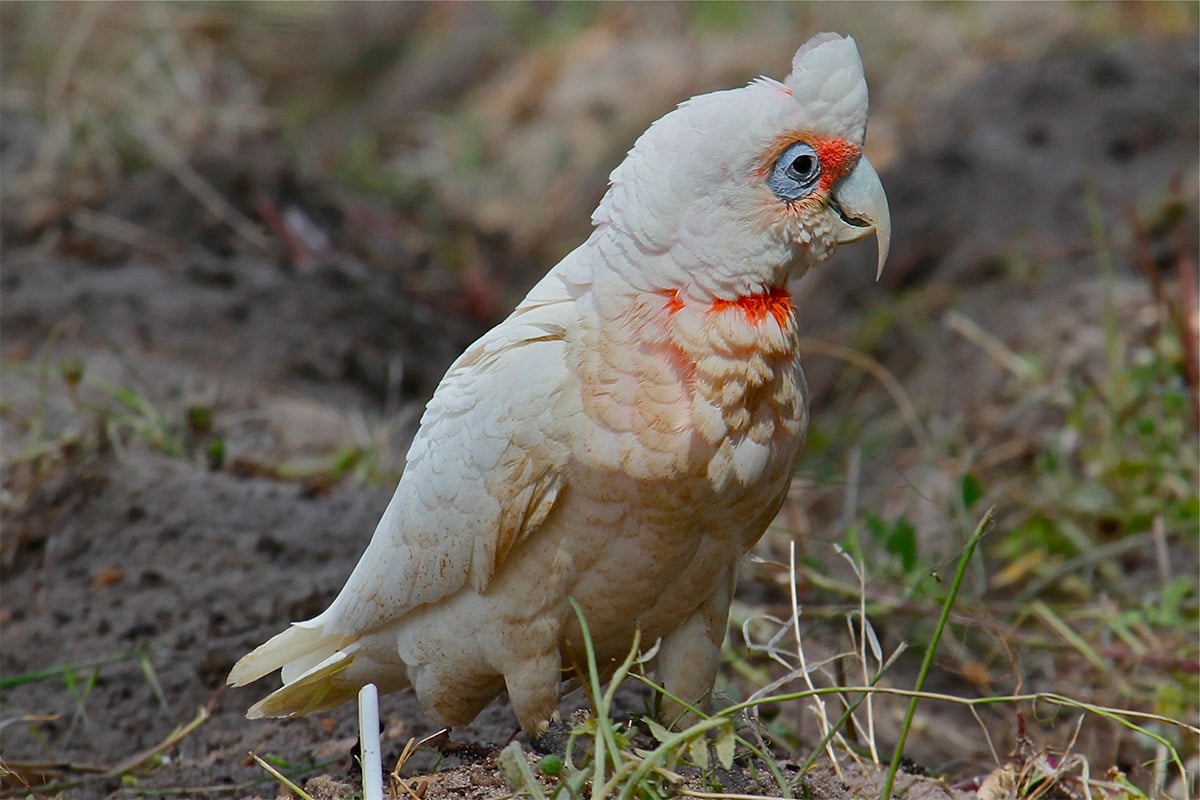
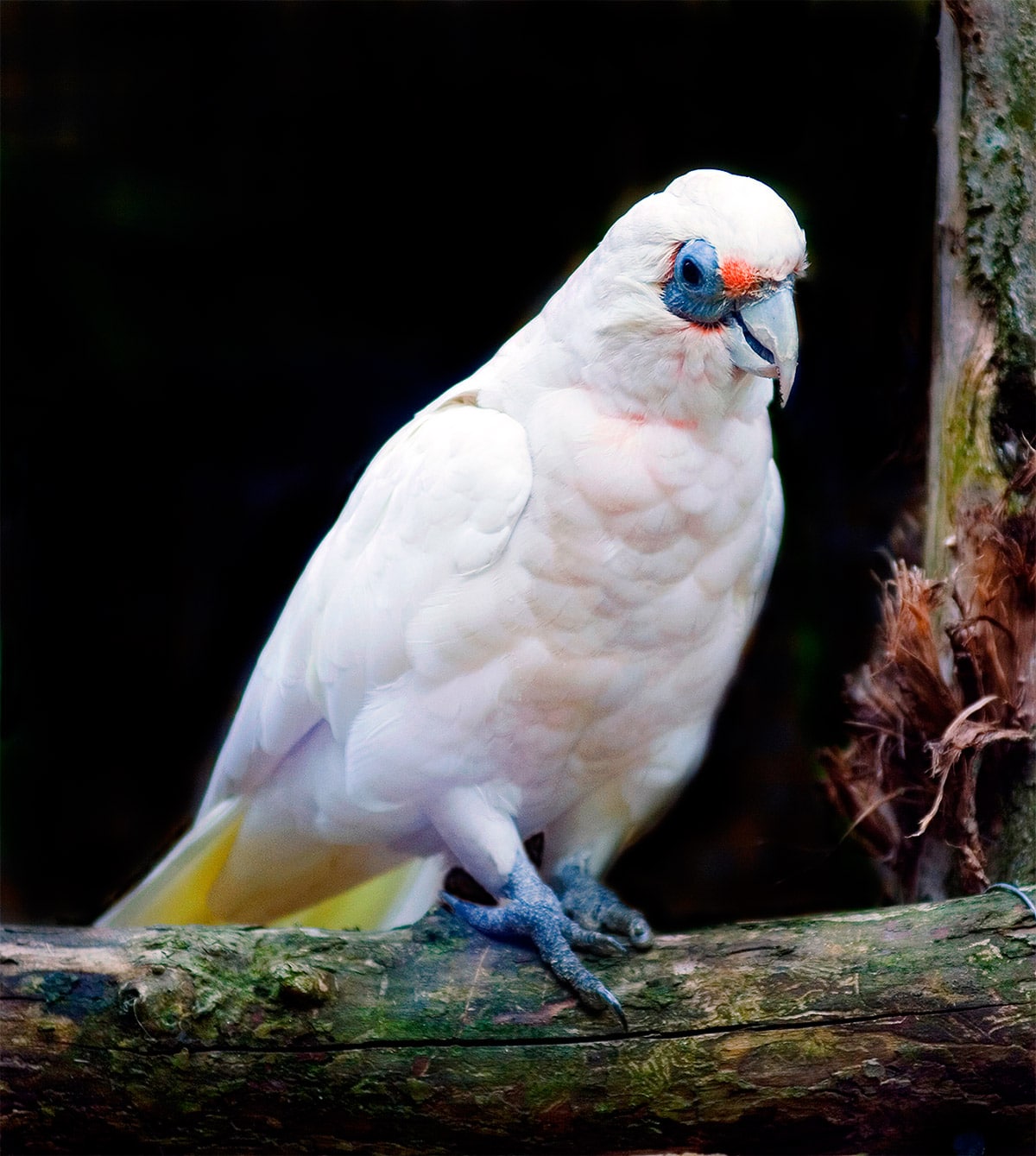
The Western corella (Cacatua pastinator) is a cockatoo of medium size and quite stocky; 43-48 cm.. in length and a weight ranging from 560 and 815 gr.

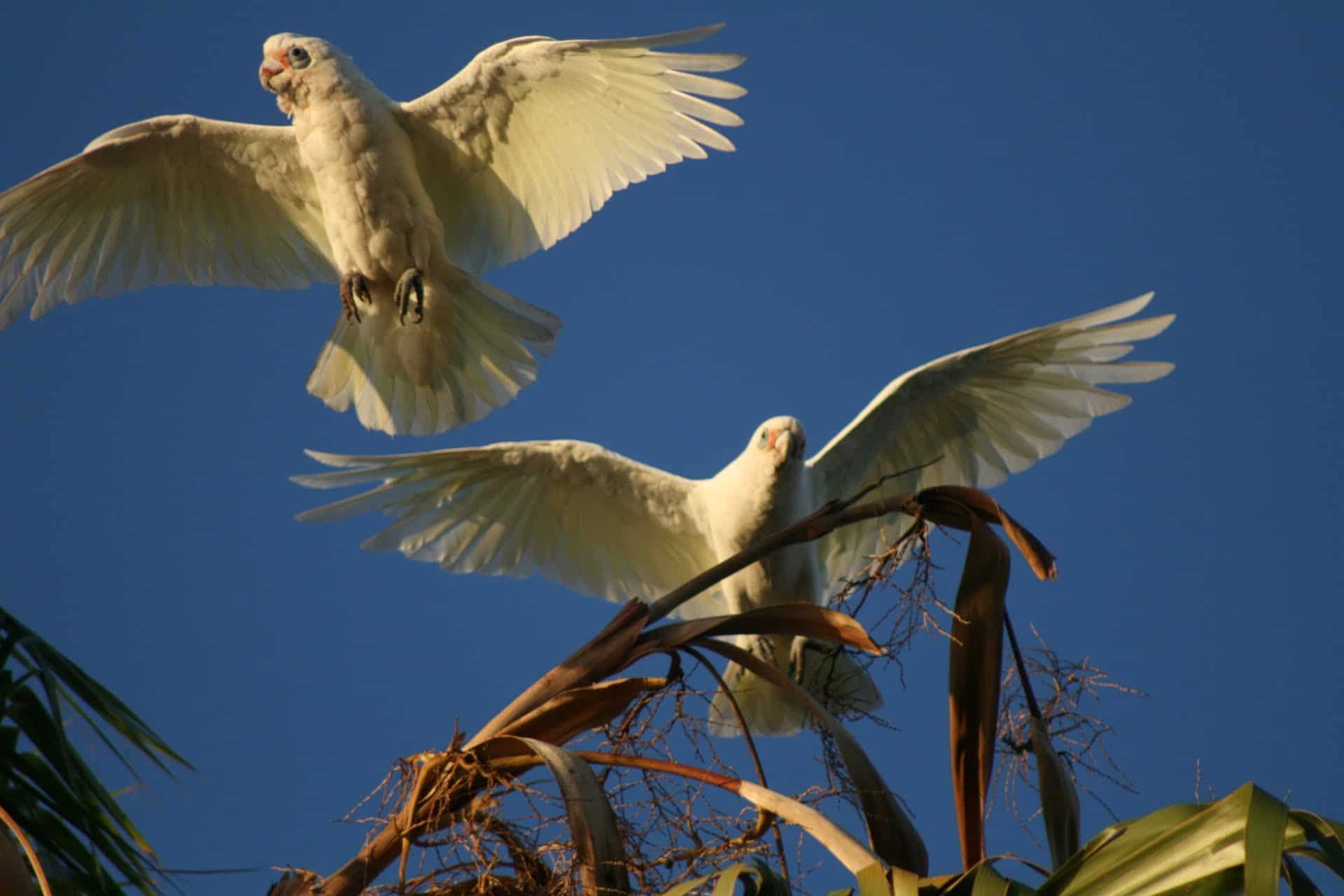
Mostly white with a wash of red orange color in prominent lores, a strong washing yellow at the bottom of the wings and tail, orbital ring blue-gray; bill pale grey, and legs and feet grey.

It also, the feathers of the head, the neck and the chest have bases red orange that, Although normally hidden, they may be exposed during the Act of grooming or stands by the wind.

The male and female look the same.

The immature They are very similar to adult birds, but they can be distinguished when viewed up close; the texture Nonsquamous bill, washing pale yellow in ear-coverts, the upper jaw shorter and pale and bare periophthalmic less pronounced.

Description 2 subspecies

  • Cacatua pastinator derbyi

    (Mathews, 1916) – Significantly smaller and with a bill shorter.


  • Cacatua pastinator pastinator

    (Gould, 1841) – Nominal.

Habitat:

The habitat of the Western corella seems very fragmented. Much of the original habitat has been lost due to logging, the dieback of the field due to processes as soil salinization and degradation.

the Western corella It is now confined to small remnants of their former habitat, including trees isolated in areas cleared of native vegetation. It has been able to persist in small remnants of habitat in agricultural regions because these regions provide permanent water and an abundant food source., but many of these areas are now being converted into plantations Eucalytpus globulus or vegetable crops, which are not suitable for this species.

Reproduction:

The breeding season, generally, It covers the months from September to November.
It lays its eggs in rotten wood or at the base of a hollow wood dust, or hole in a dead tree trunk, especially eucalyptus (Corymbia calophylla and Eucalyptus marginata).

Pairs may use a different tree hollow for breeding each year or may use the same hollow for up to three consecutive seasons.

The clutches They consist of a four white eggs are incubated for a period of 26 to 29 days.
The role of parents in the incubation of the eggs and the care of young people has not been registered, but it is likely that both parents hatch the eggs and feed the young.

The incipient period and the period of independence It is not registered, but it is likely that the young remain in the nest during 53 to 67 days and become independent three months after leaving the nest.

The survival rates adult and immature birds are unknown, but the younger, they probably die until they are able to reproduce.

Food:

It feeds mainly from seeds but also takes insect larvae, bulbs, tubers, fruits and possibly nectar.

There is little information available about seasonal variation in the diet, but the seeds of cereal grasses are important in summer and early autumn, and seeds and bulbs R. rosea, that they are common in the diet throughout the year, they are probably the main source of food from late autumn to spring.

Itร‚ยดs gregarious. use your upper jaw long to unearth the underground parts of various native plants growing in the forest. Also pulls bulbs when soil is moist, and unearths the cereals in germination.

Distribution:

Size of its range (reproduction / resident): 258.000 km2

Currently is recognized two separate populations, both confined in southwest Western Australia.
You can find up to 400 meters above sea level.

Distribution 2 subspecies

  • Cacatua pastinator derbyi

    (Mathews, 1916) – It is located in the northern wheat belt of Western Australia.


  • Cacatua pastinator pastinator

    (Gould, 1841) – Nominal. It is found in most southwest Australia, to the South of Perth from the rivers Swan and Avon in the North, to Augusta in the west and Broome in the East.

Conservation:

โ€ข Current IUCN Red List category: Least concern.

โ€ข Population trend: Growing

The total world population not known, It is estimated in 3000 individuals, but it is believed that it may be expanding due to the increase in agricultural areas and with it a greater availability of food. The legal protection by the legislation also plays an important role for the survival of these species.

The decrease in the population of the south is attributed to persecution by farmers who regard the species as a pest for crops.

It keeps in captivity in the Perth Zoo and by licensed poultry farmers as part of a captive breeding program initiated by the Department of Conservation and Land Management WA en 1995.

The Burrowing Cockatoo in captivity:

Very rare in captivity.

It can be loud and aggressive with other birds. Has the ability to imitate and creates strong bonds with their caregivers.
In captivity it can live more than 50 years.

Alternative names:

Western Corella, Bare-eyed Long-billed Corella, Corella, Eastern Long-billed Corella, Western Long-billed Cockatoo, Western Long-billed Corella (ingles).
Cacatoรจs laboureur, Cacatoรจs ร  nez rose, Cacatoรจs ร  oeil nu, Cacatoรจs ร  oil nu (French).
Wรผhlerkakadu (German).
Cacatua-pastinator (Portuguese).
Cacatรบa Cavadora (espaรฑol).

John Gould
John Gould

scientific classification:


Order: Psittaciformes
Family: Cacatuidae
Genus: Cockatoo
Scientific name: Cacatua pastinator
Citation: (Gould, 1841)
Protonimo: Licmetis pastinato


Images Burrowing Cockatoo:


Species of the genus Cacatua