โ–ท The world of Pets: Dogs, cats, birds, reptiles, amphibians

Seychellois cat
Federations: FIFe

The Seychellois cat still a very confidential breed around the world, and is mainly found in the UK and continental Europe, including France.
Seychellois cat
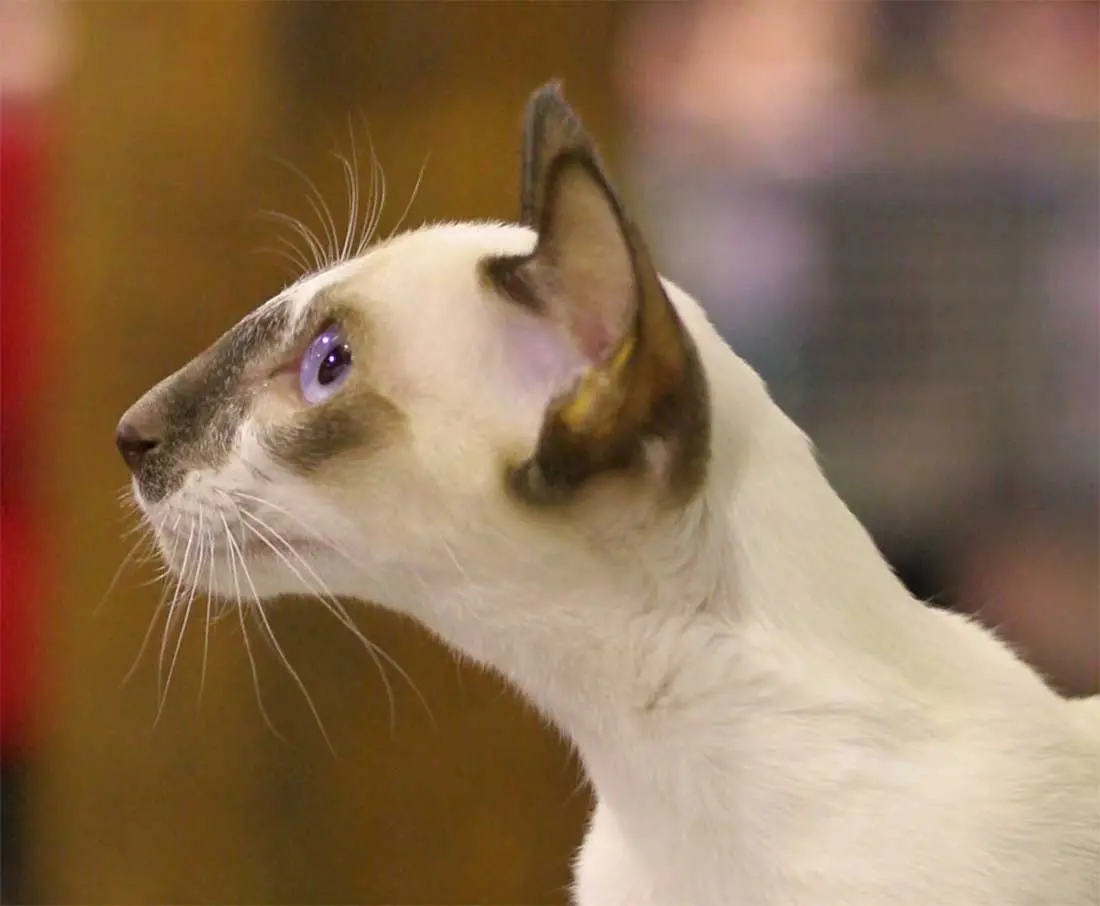
Larabii of Gentle Mind, Seychellois at Helsinki Cat Show – Heikki Siltala, CC BY 3.0, via Wikimedia Commons

Content

Characteristics "Seychellois cat"

Coexistence is important that you have with your new friend. Before considering the acquisition of a cat of the breed "Seychellois cat" you know certain factors. You must take into account their character, their need for exercise, their interaction with other pets, their care and if you have small children, their level of tolerance towards them.

Joy

5,0 of 5 stars (based on 1 review)

Activity level

5,0 of 5 stars (based on 1 review)

Friendliness to other pets

3,0 of 5 stars (based on 1 review)

Friendliness to children

5,0 of 5 stars (based on 1 review)

Grooming requirements

3,0 of 5 stars (based on 1 review)

Vocality

4,0 of 5 stars (based on 1 review)

Need for attention

4,0 of 5 stars (based on 1 review)

Affection towards its owners

5,0 of 5 stars (based on 1 review)

Docility

2,0 of 5 stars (based on 1 review)

Intelligence

5,0 of 5 stars (based on 1 review)

Independence

2,0 of 5 stars (based on 1 review)

Hardiness

4,0 of 5 stars (based on 1 review)

History

The Seychellois it is a rather rare domestic cat of very recent origin. In the Decade of 1980, a London-based geneticist and breeder named Patricia Turner wanted to start a cat breeding project based on the characteristics of a cat that was once endemic to the Seychelles. He had learned about this animal through reading the travelogues written by explorers who had visited the Indian Ocean archipelago.. Passionate about breeding purebred cats, the Mrs. Turner had already participated in the sixties in the registry of the Scottish Fold -and, Therefore, of the Scottish Straight– in the Governing Council of the Cat Fancy (GCCF), the leading British feline association.

To create the Seychellois cat, the breeder began to cross Siamese with Persians bicolor and the Oriental shorthair cat. Later, breeders began to cross Siamese and longhair balinese within the new breed, which resulted in a variety of Seychellois cat long and semi-long hair.

The race Seychellois is recognized by the Fรฉdรฉration Internationale Fรฉline (FIFรฉ), Europe's leading feline association, that in 2005 allowed him to participate in the championships organized under his auspices. But, being quite rare, only seen quite occasionally at cat shows.

In 2011, the FIFรฉ decided to combine the Breed Councils and the Siamese Cat standards, the balinese cat, the Oriental shorthair cat and the Oriental Longhair cat. at the end of 2013, Seychellois Shorthair and Seychellois Longhair were integrated into this group. Later, the organization announced that, starting at the 1 in January of 2016, the Short-haired Seychellois would be called Siamese (with white) and the Longhair Seychellois would be called balinese (with white).

At the end, the Seychellois cat still a very confidential breed around the world, and is mainly found in the UK and continental Europe, including France.

Physical characteristics

Seychellois cat
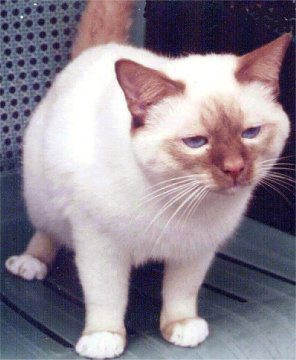
Larabii of Gentle Mind, Seychellois at Helsinki Cat ShowHeikki Siltala, CC BY 3.0, via Wikimedia Commons

The Seychellois cat share the same breed standard FIFรฉ (Fรฉdรฉration Internationale Fรฉline) with the Siamese, the Balinese cat, the Oriental shorthair cat and the Oriental Longhair cat. Similar to the Siamese, it is a medium size cat, which measures approximately 30 cm to the cross. Weighs 4 to 6,5 kilos in adulthood. His body is muscular, graceful and slim, and its legs are long and thin.

The eyes are almond-shaped and a remarkable azure blue, located in a head elongated, triangular in shape and attached to the trunk by a neck Strait. The cat has a ears quite large and a tail long, thin and pointed.

The fur is short, except in the varieties balinese and Oriental Longhair cat. The coat is silky and smooth and the extremities -face, ears, legs and tail- are at least partially colored. The kitties, like their cousins Siamese, they are white at birth. Only in the following days and weeks do their colors appear.

Color variations

The Seychellois comes in three color variants, according to the area occupied by the white spots on its fur. They are due to the gene piebald, responsible for the presence of random white spots in the animal kingdom. It is not only present in domestic cats -including the Seychellois– but also, for example, in dogs and snakes.

There is a classification system -del 1 to the 10- according to the surface of the animal's body covered by white spots. Individuals classified as "1" are almost all black, while those classified as "10" are almost all white. The high degree of whiteness present in Seychellois place them in categories 7 to 9.

More concretely, the three variants of piebald present in the Seychellois are:

  • Seychellois 7: the body is white, while the tail is colored, as well as parts of the head, body and legs;
  • Seychelles 8: the body is white, but small areas of the head and legs are colored;
  • Seychelles 9: the body is white, the tail is colored and there are small areas of color on the head.

Size and weight

  • Size: Of 30 to 35 cm.
  • Weight: Of 3 to 5 kg

Varieties of "Seychellois cat"

Originally, cats Seychellois from the breeding project of the British breeder and geneticist Patricia Turner they were shorthair cats. The cats that were then used for crossing were the Siamese, the bicolor Persian and Oriental shorthair cats.

A new variety of cat Longhair or semilargo appeared most recently, When the Balinese cat were incorporated into the development of this breed.

Character and skills

"Seychellois cat"

Gato Seychellois
Seychellois at Jรคmsรค Cat show. maleSeychellois-Jรคmsรค_show.JPG: Heikki Siltaladerivative work: Abujoy, CC BY 3.0, via Wikimedia Commons

Like his close cousin, the Siamese, the Seychellois cat he is a lively cat, energetic and very active. They love to play, jump and climb, and they really appreciate having cat toys and a cat tree. As they are intelligent and curious, it is advisable to keep valuables out of reach, fragile or potentially harmful.

The Seychellois He is also affectionate and very attached to his owner. They need their owner to return affection and give them enough time and attention; they should not be left alone too often or for too long. This makes it an ideal companion for people who live alone., as long as, of course, be able to take care of it.

His love of play also makes him a cat who appreciates the presence of children.. But, you have to teach them not to rush with their little friend, since this one does not take it well. On the other hand, the Seychellois cat tends to adapt well to the presence of other domestic animals.

Last, the Seychellois is known to be very vocal, although a little less than his cousin the Siamese, which also has a slightly more powerful voice.

Health

The Seychellois has a half-life of about 12 years.

Being a very new breed, there is still little evidence of predisposition to certain diseases, but is currently considered to be in good health and does not appear to be affected by hereditary or congenital diseases, unlike other domestic cats.

Life expectancy

  • 12 years

Grooming

The short and dense coat of the Seychellois does not require particularly careful maintenance.

A weekly brushing of the cat's coat is sufficient. The new variety of longhair cat requires more care: you have to brush it about three times a week.

Videos "Seychellois cat"

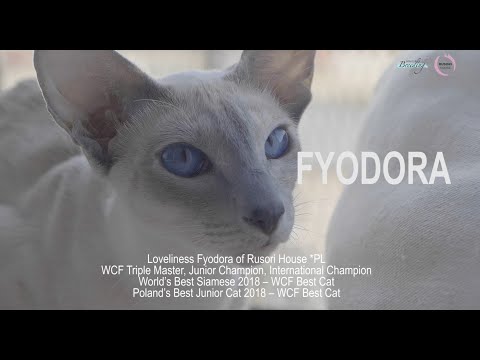
RUSORI HOUSE *PL Siamese Seychellois and Oriental cats 2019

Seychellois Cat Wilkie Capri Happy Jungle RU SYS f 03 21 (M.T. Thousands) (www.baltior.eu) 20090613

โ–ท The world of Pets: Dogs, cats, birds, reptiles, amphibians

Longhair Japanese Bobtail
Recognized by the TICA, CFA

The Longhair Japanese Bobtail is a natural variant of the Shorthair japanese bobtail.

Longhair Japanese Bobtail

This breed of Long hair bobtail, sociable and curious, it is very small. On a global scale, very few breed it since the gene for long hair is masked when short-haired cats are mated with long-haired cats., and by the lack of long-haired cats, mating them exclusively with each other could lead to severe inbreeding.

It was not recognized by the CFA (Association of amateurs of cats) until 1993, while the TICA considers it a feline breed in its own right.

โ–ท The world of Pets: Dogs, cats, birds, reptiles, amphibians

Dragon Li cat
Federations: CFA

It is considered that Dragon Li Cats have above-average intelligence. Mental stimulation is a must and these cats appreciate the company.

Dragon Li

Content

History

The Dragon Li cat, also called "Li Huaยป or ยซgato chinoยป, ยซLi Hua Maoยซ, ยซLi Hua Mauยป o ยซMao Liยป descended from wild cats (Puma Bieti) who live in the chinese mountains. It is said that it has been domesticated over time to get closer to the Chinese people.

It is not known exactly how long the Dragรณn Li (Li Hua), but it is likely that it has existed for several centuries. In fact, Stories of this animal can be found in Chinese folklore.

Recently, in 2003, breeders were interested in him Dragon Li cat (or Li Hua) and started breeding programs for this breed. That same year it was approved as an experimental breed and presented in Beijing..

The Cat Fanciers’ Association CFA allows you to participate in feline exhibitions from 2010. But, most international cat federations do not recognize it.

This cat is now very rare and is hardly known outside of China.

Physical characteristics

The Dragon Li cat (Li Hua) looks wild and powerful. The body is compact and muscular. Weighs between 4 and 5 kg.

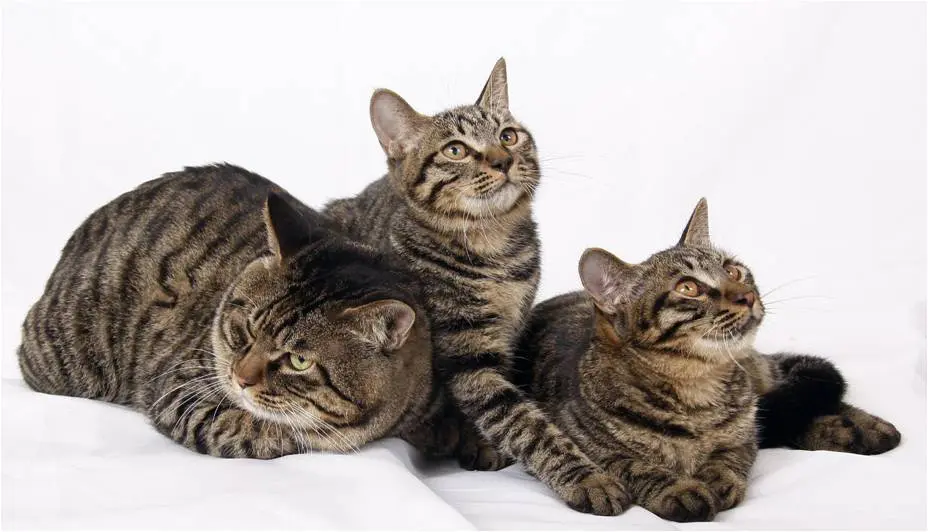
  • The fur is short, brindle mackerel.
  • The head it is wide and rounded.
  • The eyes they are big, almond-shaped. They are very bright, yellow or green.
  • The ears they are round and of medium size. May be covered in hair.
  • The legs they are muscular.
  • The feet They are round.
  • The tail of the Dragon Li cat (Li Hua) it is relatively short. Its tip is black.

Character and skills

The Dragon Li cat (or Li Hua) he is very playful and curious. You want to know everything that happens in your environment.

It is a sociable animal. But, he is not the most affectionate of cats. These may include, unlikely to come snuggle in your lap. His way of getting along with his master is to play with him.

The Dragรณn Li (Li Hua) gets along well with other animals in the house, especially with dogs.

Needs a lot of space to live and be able to play outside. He has kept his wild and hunter side deep inside. That is why it is important that it can thrive in a large garden.. Flat life is not for him. in addition, it is not the ideal cat to live with young children.

Indoor or outdoor cat?

It is very important to note that these unique felines do not like small, enclosed indoor spaces.. While most cats are perfectly happy sharing an apartment with an attentive human family, the Dragon Li cat needs a large house with plenty of room to roam if kept completely indoors. Clearly, this cat requires special circumstances and is not the best breed for everyone.

How much activity does he need? "Dragon Li cat"?

Unfortunately, for those who prefer lap cats, this particular breed does not like cuddling at all. In fact, these cats can become anxious when time and space are not given to them.

The Dragon Li Cats appreciate the outdoors and are excellent hunters. They are happiest when they are allowed access to closed and safe outdoor spaces, like the patios, and when they are taught to walk on a leash from an early age.

Dragon Li
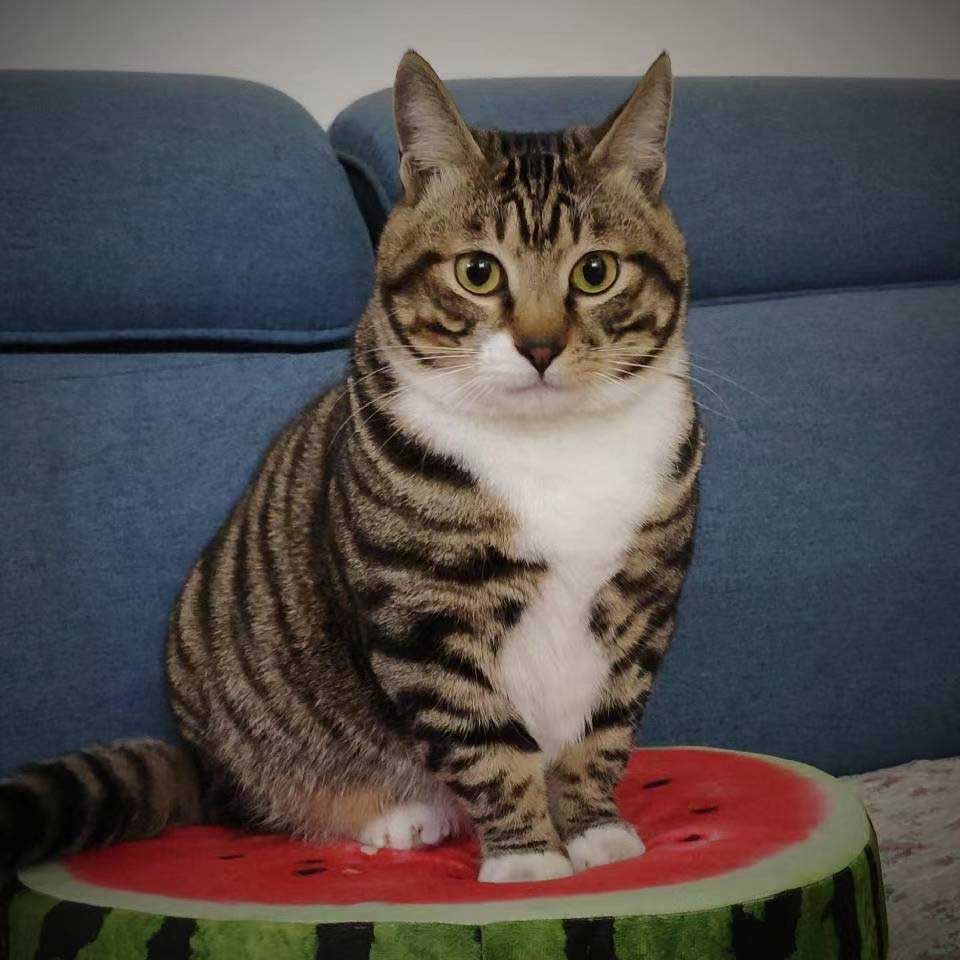
A tabby cat named "Pipi" – Painjet, CC BY-SA 4.0, via Wikimedia Commons

Grooming and health

Does not require any special maintenance. A simple brushing once a week will suffice.

Provide an anti-flea and anti-parasitic treatment according to the age of the cat and the type of treatment you opt for. Avoid bathing your cat unless absolutely necessary, as this can remove some of the natural oils that protect your coat. Regular baths will leave your cat with irritable skin and a rash..

The race Dragรณn Li (or Li Hua) is rare and relatively recent, so we don't have enough information on the general health of this cat. A priori, does not seem to declare any specific genetic disease.

Their life expectancy is of 12 – 15 years.

Videos "Dragon Li cat"

Dragon Li's, Rodimus and Optimus Prime...
Dragon Li’s, Rodimus and Optimus Prime…
Dragon Li Cat

Photo: catdiaries.com.au

โ–ท The world of Pets: Dogs, cats, birds, reptiles, amphibians

American Burmese cat
Federations: CFA, TICA

Burmรฉs americano

Content

History of the "American Burmos Cat"

The race Burmese Modern was developed in the United States and Great Britain under different breed standards. Such an unusual breeding program resulted in the development of a number of different characteristics between the two groups., but most cat registries still do not formally recognize them as distinct breeds.

The breed was recognized by the Cat Hobbyists Association (CFA) in 1936, but it was discontinued a decade later due to extensive crossings with Siamese triggered by increased popularity. American breeders continued to refine the single standard of the Burmese cat, and the CFA eventually lifted the suspension in 1954. At the same time, British breeders tried to breed Burmese cats through a distinct breeding program comprised of a variety of cats, including some imported from America.

In 1952, the European Burmes cat was finally recognized by the Governing Council of the Cat Fancy (GCCF) of United Kingdom. The GCCF prohibited crossing with the American Burmese cat In an effort to preserve the "traditional" line. Today, the American and European versions of the breed are kept strictly genetically differentiated.

Physical characteristics

American Burmese
Charlie, Sabal American Burmese cat – Digitalzen, CC BY-SA 4.0, via Wikimedia Commons

The European Burmes cat (O Burmes ยซTraditionalยป The British) has a long slim body, long legs and oval legs. The head is wedge-shaped with a long snout and almond-shaped eyes.. The tail is usually medium long.

The American Burmese cat (The "contemporary" Burmes) it has a much more robust body and its legs are proportional to the body. The head is much wider, the shorter and flattened muzzle and the eyes are round. The ears are wider at the base compared to the British variant. The shape of the legs and the length of the tail are similar in both groups..

Both the European Burmese cats like americans are small to medium size, and usually weigh between 4 and 6 kg. They are always very muscular and strong, so they often feel heavier when held than they actually are. Hence his nickname "brick wrapped in silk".

The coat is always short, silky and shiny. Originally, all Burmese Cats were deep dark brown (sable en EE.UU., brown in the UK and Australia and seal in New Zealand), but today a wide range of colors is allowed.

The standard sable color is the result of the so-called Burmese gene (cb) causing a reduction in pigment production. This distorts the usual expression of color creating a faded color dot effect. (that is to say, turns black coloring to brown). But, color must always be solid, only with a slight, faint tint towards the lighter underparts. Their eyes are green and gold and no stains are allowed on the coat.

Character and skills

The Burmeses they make excellent companion animals due to their affectionate nature, affectionate and playful. They are considered attention seekers and tend to cling to their human companions whenever they can.. Due to its clingy personality and puppy-like behavior, the Burmeses are often regarded as the dogs of the cat world.

These people-oriented cats tend to maintain their energetic and playful kitty personality into old age as well.. Like their ancestors Siamese, the Burmeses they are very vocal, loving and sweet. They are not independent and do not like to be alone for a long time. They get along very well with children and other pets, including dogs.

Health

Some published studies have recognized that Burmese cats, among other races, are at increased risk of diabetes (Cooper RL et al, 1997-2007 y Ohlund M et al, 2015). Diabetes mellitus (DM) is a metabolic disorder in which blood sugar levels remain high for long periods of time. This occurs when not enough insulin is produced in the body or the body does not respond to it..

It has also been identified and associated with Burmese cats hypokalemia, a recessive genetic disease characterized by low serum potassium levels. Apart of this, the race Burmese it is considered a fairly healthy and strong breed, with a half-life of 10 to 17 years.

"Burmรฉs cat" data

1. The name of the Burmese race in Thai means ยซbeautiful, Fortunate and splendid -looking ยป. We think these elegant and good-looking cats are worthy of this title.

2. To the Burmeses they love to investigate. Call a Burmese curious would be a bold euphemism. This is the cat that will be attentive to absolutely everything and everyone around him. With a Burmese, you will have the most committed and involved supervisor in almost everything you do.

3. They're the best friends. They are said to look a lot like puppies, and his kindness is definitely one of them. They adore their kittens, other cats and dogs, and they will be happier when you are home. They are known to even comfort their humans when they are sick or sad.

4. They do not adapt well to the outside. This curious cat is overconfident and easily gets into trouble. His survival skills aren't among the best in the feline world, either.. For this reason, in general, it is not recommended to let them roam freely outside.

5. Together with the Siamese, were the founders of the Tonkinese cat. The Tonkinese cat were created in Canada through a crossover program between the Siamese and the Burmese cat, with the aim of creating the perfect combination of the best characteristics of the two breeds. The Tonkinese was officially recognized as a breed in 2001.

โ–ท The world of Pets: Dogs, cats, birds, reptiles, amphibians

Kucing Malaysia
Experimental cats

Kucing Malasia

Content

History

The idea of a cat that could identify with Malaysia arose at the end of 1994. Opinions were requested from the different international judges who were in Malaysia. For almost a year these opinions were collected and finally the President of the FIFe and also a member of the Council of the International World Organization for the maintenance and regulation of breed standards, the Mrs. Alva Uddin, proposed the selection of Kucing Malaysia or Malaysian cat.

The breed is recognized by the Malaysian Cat ClubKelab Kucing Malaysia (KKM).

Physical characteristics

It is the first cat of breed Malaysia. It has a conformation similar to that of Tonkinese cat While its color is similar to the Ragdoll. These cats have a white spot on the face and muzzle with white markings on legs colorpoint.

The model for the Kucing Malaysia or Malaysian cat It is that of a medium-sized cat with a muscular body. The main feature is the head egg-shaped that together with the opening of the eyes, should give the characteristic alert appearance of the breed.

The head, wide and rounded at the top has a good height and smooth rounded lines. Cheeks full, the nose long to medium, with the chin moderate. Profile showing a convex curve smooth giving an oval impression.

The hair short and glued to the body, silky, with an inner layer almost hairless.

Videos "Kucing Malaysia"

kucing malaysia

โ–ท The world of Pets: Dogs, cats, birds, reptiles, amphibians

Peterbald cat
Federations: LOOF, FIFรฉ, WCF

Despite its recognition by several leading organizations and its presence around the world, the Peterbald it is still a very rare feline breed that is still under development.
Photo: purrsiaoriental.com

Content

Characteristics "Peterbald cat"

Coexistence is important that you have with your new friend. Before considering the acquisition of a cat of the breed "Peterbald cat" you know certain factors. You must take into account their character, their need for exercise, their interaction with other pets, their care and if you have small children, their level of tolerance towards them.

Joy

5,0 of 5 stars (based on 1 review)

Activity level

5,0 of 5 stars (based on 1 review)

Friendliness to other pets

4,0 of 5 stars (based on 1 review)

Friendliness to children

4,0 of 5 stars (based on 1 review)

Grooming requirements

2,0 of 5 stars (based on 1 review)

Vocality

3,0 of 5 stars (based on 1 review)

Need for attention

4,0 of 5 stars (based on 1 review)

Affection towards its owners

5,0 of 5 stars (based on 1 review)

Docility

4,0 of 5 stars (based on 1 review)

Intelligence

4,0 of 5 stars (based on 1 review)

Independence

2,0 of 5 stars (based on 1 review)

Hardiness

3,0 of 5 stars (based on 1 review)

History

The Peterbald It is a recent Russian feline breed, originated in Saint Petersburg in the early 1990.

Olga S. Mironova, an expert on cats who conquered the style of the Donskoy (Don Sphynx), a breed of naked cats that appeared over the years 80 en Rostov del Don (also in russia), decided to cross them with him Oriental shorthair cat. I wanted to create an oriental type cat but without hair, so that you could admire his fine and elegant musculature.

so in 1993 crossed to Afinguen Myth, A male Don Sphynx, con Radma from Jagerhov, a female Eastern who had won several feline shows. The first two litters gave birth to four kittens: Mandarรญn iz Murino, Moscatel iz Murino, Nezhenka iz Murino y Nocturne iz Murino. They are the creators of the race Peterbald, and Nocturne iz Murino, that was used as a stallion, is present today in the line of all Peterbald with pedigree.

In 1996, the Russian Federation of Selection Felines (SFF) developed the first standard for this breed. It was called Peterbald, in honor of the city of Saint Petersburg, where are they from?. Russian breeders quickly became interested in the breed and began to develop it.

In order to preserve the morphology of the Oriental, crossing with Donskoys, to prevent the special characteristics of these cats from being lost. Since the hairless gene has already been introduced into the breed, Russian breeders decided to use only Oriental, Siamese and balinese for the crossing.

But, the functioning of this gene is difficult to understand, and even today genetics cannot clearly explain its functioning and transmission, which leads some geneticists to think that several genes are responsible for the appearance of the Peterbald. Like this, these cats may be hairless, have an extremely short coat, have a long coat, or a combination of these different settings (for example, hairless on some parts of the body and hair on others).

The Peterbald cat soon attracted everyone's interest, and the first specimens were exported to Europe and North America in the late 1990s. 1990. The International Cat Association (TICA) granted to Peterbald the title of experimental breed in 1997, and was recognized by the World Cat Federation (WCF) in 2003. In 2006, obtained the full recognition of the TICA, which allowed him to participate in exhibitions organized under the auspices of the organization. The Fรฉdรฉration Internationale Fรฉline (FiFรฉ) also recognized him in 2012.

But, neither him Governing Council of the Cat Fancy (GCCF) not even Cat Fanciersโ€™ Association (CFA) have yet taken the step.

In fact, despite its recognition by several major organizations and its presence around the world, the Peterbald it is still a very rare feline breed that is still under development.

In France, the first Peterbalds they enrolled in the Livre Officiel des Origines Fรฉlines in 2006, and in 2008 some 30 copies per year. This number remained stable until 2015, before descending to solo 6 copies in 2018. With a total population of just over 300 specimens, the Peterbald it is a rare cat in France.

Physical characteristics

"Peterbald cat"

Peterbald
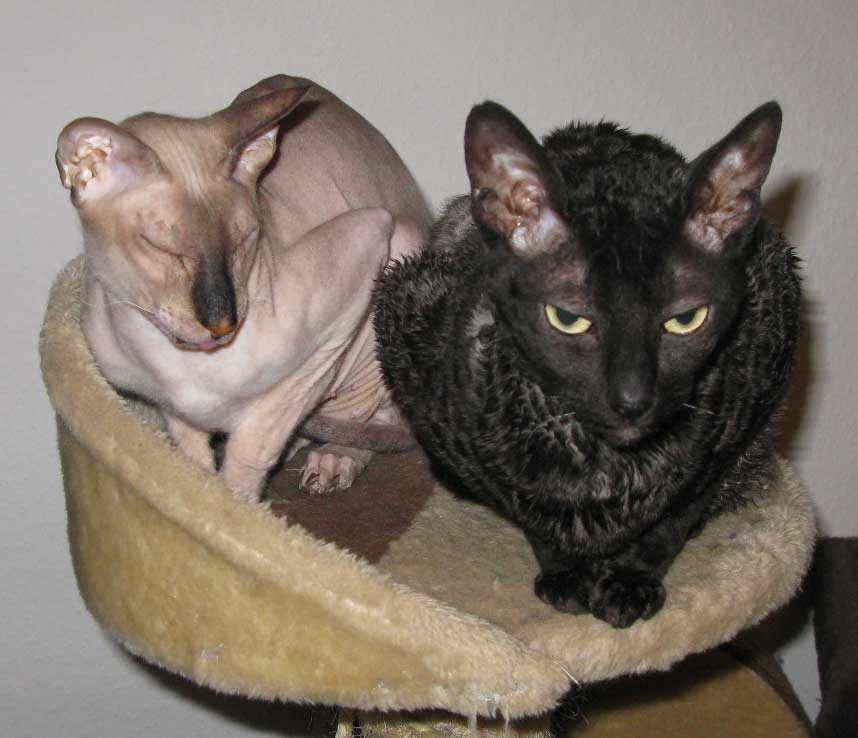
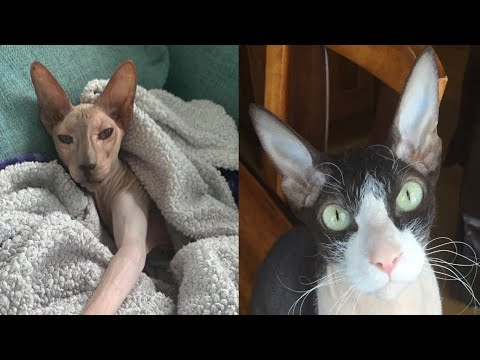
Yanek of the Iris, Breed Peterbald and Sansha, a Cornish rex cat – Jiel Beaumadier, CC BY-SA 4.0, via Wikimedia Commons

The Peterbald has a slim or oriental complexion. His long body is lean and muscular, which gives it an elegant look. The same slenderness is evident in the long legs and whip-shaped tail..

The head is triangular seen from the front and the huge ears, broad at the base, are located in the continuation of this triangle. Profile, the line from the top of the skull to the tip of the nose is perfectly straight. The eyes they are medium in size and almond shaped, and they can be blue, green or odd (one green eye and one blue).

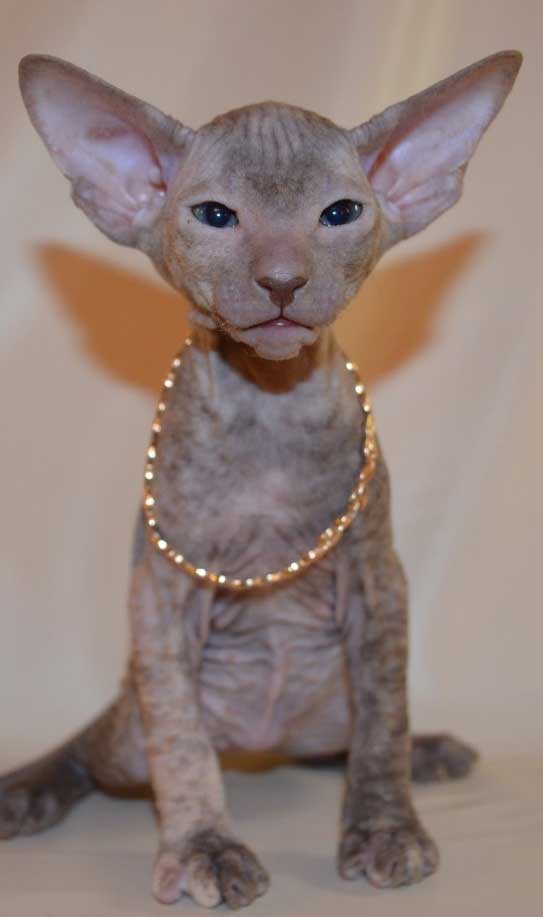
The fur of the Peterbalds varies from individual to individual: according to the rules, there are three to five categories. Some cats are completely hairless and their skin is elastic and rubbery to the touch, while others have a soft and more or less long coat all over the body. Some have a short but hard and curly coat, which can also be unevenly distributed throughout the body. Others have a coat that can be described as "normal.", similar to a shorthair cat.

It also, things are not fixed in time: if a kitten that is born without hair is left without it, another born with hair can keep it or lose it, partially or fully. Like this, some individuals who are born hairy end up naked as adults.

It also, all coat colors are accepted by the breed standard. Hairless individuals have different colors, since their skin is the same color that their hair would have if they had it.

Last, the sexual dimorphism it is well marked, being the male larger than the female.

Size and weight

  • Male size: 22 to 25 cm.
  • female size: 20-23 cm.
  • Male weight: 3,5-4,5 kg
  • female weight: 2,5-3,5 kg

Breed standard

The breed standards are documents issued by official bodies that list the conditions that a Peterbald must meet to be fully recognized as belonging to the breed:

Varieties

The Peterbald cat can have different types of fur, so it exists in several varieties:

  • Hairless

    These individuals do not have hair and the touch of their skin is reminiscent of rubber.. One Peterbald desnudo he does not usually have a mustache.

  • Chamois

    They are covered with a fine down, less than 1 mm, that feels like the famous suede leather. One Peterbald Chamois has short mustaches.

  • Velour

    They have a very short coat, of only 2 or 3 mm, soft to the touch and velvet texture. One Peterbald Velour he also has short mustaches.

  • brush

    They have short, hard hair, usually curly. One Peterbald type brush usually has curly whiskers.

  • Short-haired fur

    This variety includes all Peterbalds whose coat does not correspond to the previous varieties. Hair can be of different lengths on different parts of the body, from completely hairless to medium length. These cats are well registered as Peterbalds, but they are not allowed to compete in cat shows.

Character and skills

"Peterbald cat"

Peterbald
Peterbald famele Bonita DeMauntiful – Ivan Menshenin Cattery DeMauntiful, CC BY-SA 4.0, via Wikimedia Commons

The Peterbald cat it is a very affectionate cat that is never far from its owner. Follows him around the house, sits on your lap or shoulder whenever possible, and sleep next to him. Accompanies him to the door, and it is behind this very door that his master finds him when he returns.

This affection can be overwhelming at times., especially for those who have never had a pet: have a Peterbald at home means having someone around all the time. And their presence is not always discreet, since he likes to start a conversation.

Like is logic, this attachment makes him not like being alone. Being alone while his owner is at work is not a problem for him, but you may suffer from separation anxiety and destructive behavior if you are left alone for a weekend. On the other hand, being much more attached to his master than to his house, the Peterbald travels with ease: therefore, you can perfectly plan to go on vacation with your cat without having to fear great difficulties.

It also, is sociable and gets along with everyone. Receive guests at the door and do not hesitate to chat with them. It is also a breed of cat suitable for children: as long as they know how to behave with a cat and respect it, you will enjoy playing with them for hours.

He also gets along well with other cats, but also with dogs that are used to cats. On the other hand, their sociability with small rodents or reptiles can be problematic: has no hunting instinct towards them, but what is just a game for him can cause them some stress.

Extremely active, the Peterbald run, jump, scratch and play all day. The only thing he likes more than chasing a ball is playing with its owner.. Loves varied cat games, including those that stimulate your intelligence.

Yes indeed, although he loves to play, it is not a cat made for the outdoors, so you have to keep it indoors: your skin is sensitive to the sun's rays, as well as bad weather and dirt. It also, his sociable character - even naive- could put you in dangerous situations.

Health

"Peterbald cat"

Peterbald
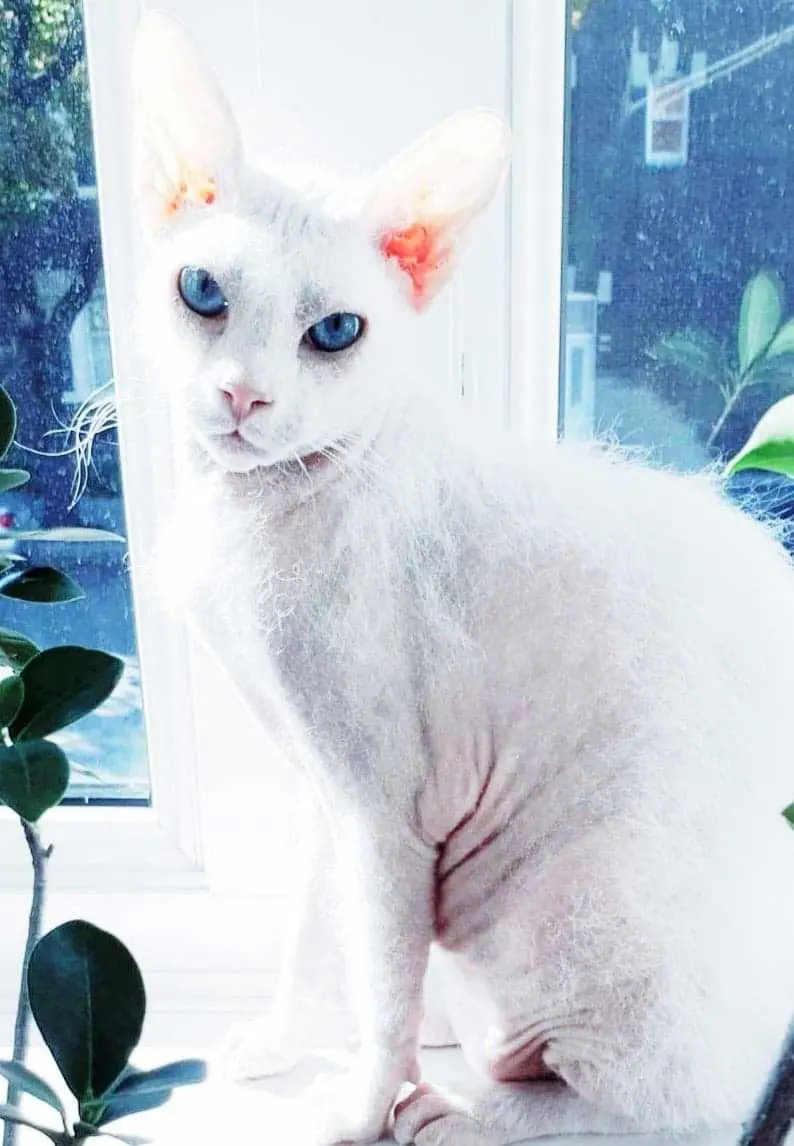
Gato blanco Peterbald type ยซbrushยป – Acracrabe, CC0, via Wikimedia Commons

The Peterbald cat It is a breed of cats with few health problems and no known risk of genetic diseases. As the breed is new, it is still too early to draw definitive conclusions, but it is reasonable to assume that if a serious illness affected her, cases would have already appeared.

On the other hand, the lack of fur makes their skin more sensitive than that of other cats. Like this:

  • It is a breed of cat sensitive to cold, so you must live in a warm enough place;
  • There is also that protect them from the sun, using specific sun cream for animals if they have to leave the house;
  • Sebum tends to accumulate in your body, creating an oily film that can quickly collect dirt.

Last, although the risk of obesity is low in this breed, remains one of the main health hazards of any indoor cat, so owners should weigh their cat regularly and ensure that it does not exceed its body weight.

Life expectancy

Of 12 to 15 years

Grooming

The Peterbald cat it is easy to care, but it requires more attention than you think. In effect, their lack of fur prevents brushing sessions, but her bare skin perspires, and the tallow retains the dust. To avoid the accumulation of dirt that can cause the appearance of bacteria, body odor and possibly skin problems, it is necessary to bathe your cat every week with a special shampoo.

But, this bathroom shouldn't be a problem, since at Peterbald he likes to be bathed in hot water, especially if you have gotten used to it since childhood.

To end this weekly grooming session, you have to inspect your teeth, eyes and ears to make sure they are clean, and possibly clean them with a damp cloth.

Last, if natural wear and tear is not enough, you need to trim your cat's nails.

Food

The Peterbald cat can be fed with industrial cat food available in specialized stores. Whether it's croquettes or food, it must be a good quality diet, adapted to your age and activity level. This ensures that your cat receives all the nutrients it needs and remains healthy..

The risk of obesity is low in this hyperactive cat, and can be left with food on hand at all times, since it is capable of self-regulation. But, care must be taken that the weight of the cat remains stable, and you should consult your vet to establish an adequate diet if you deviate from your ideal weight.

For sale "Peterbald cat"

To adopt a kitten Peterbald, you will have to pay some 1250 euros if it is a male, and 1100 euros if it is a female.

Who wants to adopt a Peterbald Because of his character and not because of his "hairless" appearance, he can resort to an individual with straight hair. These kittens with longer or shorter coats are born to pedigreed parents and, therefore, are recorded as Peterbalds, but they cannot be shown in cat shows. Thus, its price is usually much more affordable, since it is possible to find them around the 600 or 700 EUR.

PETERBALD CATS 2021

oscar peterbald cat

โ–ท The world of Pets: Dogs, cats, birds, reptiles, amphibians

Templecat
Registration: CATZ Inc

Content

History

The Templecat is the equivalent of shorthair of the already well established race of the Burmese cat, (known as the Sacred Cat of Burma).

In the same way as the Exotic shorthair cat developed by crossing the Persian cat with others Shorthair cats, the Templecat was also the product of a cross with a Shorthair cat.

"Templecat"

Cinnamonpoint Templecat - Photo: catzinc.org

In the case of the Templecat, a Sacred Cat of Burma was crossed with a Oriental shorthair cat tan tabby, the first offspring being a ยซshorthair sealpointยป and a โ€œclassic chocolate-colored tabby kittenโ€, thus proving that the line of Burmese used was a classic tabby under its pattern pointed and also that the "oriental brindle" that had come from a long line of matings between Oriental had retained the gene pointing, a very pleasant surprise.

The Templecat It was an idea of รขโ‚ฌโ€นรขโ‚ฌโ€นthe Mrs. June Mateer, founding member of Birman Cat Club of New Zealand and member of the NZCF Genetics Advisory Committee. From the first filial crossing, June progressed to the full record of the Shorthair burmese, in Seal, Blue, Chocolate, Lilac, Cinnamon and Fawn. Generational advances are only achieved through crosses.

The challenge was to produce a cat of type and conformation Sacred Cat of Burma (Birman), along with the classic Roman profile and correct markings on both gloves and gauntlets, but with a short, easy-care coat. This was no feat. Similar to the Exotic Shorthair he could not hide his conformational flaws under a long flowing coat, nor could the โ€œShort-haired Burmeseโ€ in development.

The breed was recognized as a provisional breed by CATZ Inc. under the temporary name of "Short-haired Burmese", understanding that another breed name would have to be applied for within a specified period. The breed name โ€œTemplecatโ€ was later requested., thus linking the new breed to its already famous progenitors, and this name was granted by the Board of CATZ Inc in August 2001.

Physical characteristics

"Templecat"

Templecat
Cinnamonpoint Templecat – Photo: catzinc.org

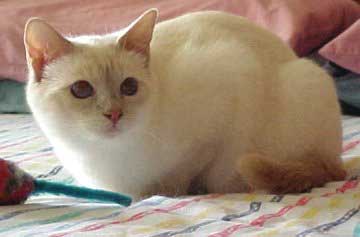
CATZ Inc recognizes the Templecat in the eight base colors of Seal, Blue, Chocolate, Lilac, Red, Cream, Cinnamon & Fawn, including variations Tortie and Lynx. The introduction of colors Cinnamon and Fawn has been of special interest to him Templecat. The Templecat Cinnamonpoint they sport a gleaming white coat that contrasts with the warm cinnamon tobacco color of the points.

Character and skills

Similar to the Sacred Cat of Burma (Birman), the Templecat It is a cat with a warm and people-friendly nature, with a cheerful but docile disposition.

Grooming

The coat is short and easy to maintain, with a slightly elastic texture, although still moderately silky to the touch.

Source: catzinc

โ–ท The world of Pets: Dogs, cats, birds, reptiles, amphibians

Safari cat
Unrecognized breed.

Content

"Safari cat"

Gato Safari
Safari cat

History

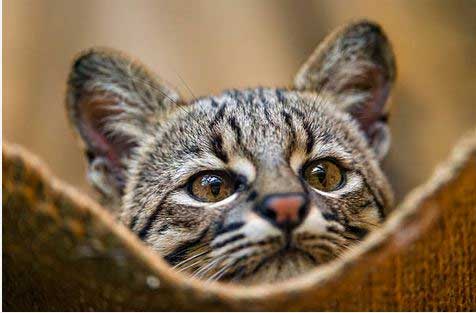
The Safari it is a relatively new breed of cat, dating back to the years 70. It is a hybrid between Domestic cat (or "street cat") and the Geoffroy's cat (Leopardus geoffroyi). The latter is a small wild cat -some 4 kg adult- whose habitat is southern South America, from Bolivia to Patagonia. The breed was first called "Criollo" and then "Appaloosa.". Finally, the name of Safari, to refer to its exotic and wild origin.

It is not recognized by American organizations such as the American Cat Fanciers’ Association (ACFA), the Cat Fanciers’ Association (CFA) or The International Cat Association (TICA), nor by European organizations such as Governing Council of the Cat Fancy (GCCF), the World Cat Federation (WCF) wave Fรฉdรฉration Internationale Fรฉline (FIFรฉ). However, some have been registered 100 specimens in the TICA, which makes the Safari in a very rare cat. For this reason and for its price, Some have even called it the โ€œRolls Royce of cats.โ€.

The first Safaris were created in the United States in the decade of 1970 by Washington State University for use in a leukemia research program. In particular, were used as guinea pigs for stem cell studies and the like.

Upon completion of the medical research project, the hybridization program was abandoned by university researchers due to difficulties encountered. The cells of the geoffrey cat and those of Domestic cat do not contain the same number of chromosomes. The private breeders who have taken over have had to face the same genetic problem. In particular, lack of male fertility makes the breed very difficult to develop. This is the reason why the Safari cat still so rare today.

Physical characteristics

As the breed is not recognized, no standard has yet been established for the Safari cat. But his genetic heritage makes him a tabby and exotic-looking cat.: its fur is reminiscent of a leopard.

It is a Domestic cat large: first-generation hybrids can weigh up to 15 kg. But, size tends to decrease in subsequent generations, stabilizing around the 11 kilos for males and 8 kilos for females.

Size and weight

  • Size: Of 40 to 45 cm.
  • Weight: Of 6 to 12 kg

Character and skills

"Safari cat"

Gato Safari
Safari cat – Stock Credit; iStock

There are a growing number of "breeds" that are being developed through the crossing of our Domestic cat Felis catus with wild cats. Apart from the first generations, these cats are being bought by people who want a pet with something different, but the character and behavior of cats is uncertain and many of them are quite large cats. To this must be added the problems if they go outside and are aggressive and very territorial with other cats., or are they much more avid hunters causing the devastation of the fauna.

What is not taken into account is the welfare of the wild cats kept for breeding, the danger to domestic cats that mate with wild ones and the welfare of the first generations that cannot be sold as pets but must be kept as wild cats.

Keeping them confined may not contribute much to your own well-being. hybrid cat.

In conclusion, no need to hybridize domestic cats with wild cats and the resulting races, as the Safari cat, they have many welfare issues and should not be bred or kept as pets.

Health

The small number of individuals makes it difficult to identify the specific health problems of the Safari cat.

But, males are known to be infertile, which makes it difficult to breed the breed. The breeders of Safari they usually stay with the females for breeding, so the cats available for adoption are mostly infertile males.

Observation

In general, the races with pedigree use a much smaller gene pool for breeding than domestic cats and, therefore, are at increased risk of developing inherited disorders. It also, A number of "newer" pedigree breeds are derived from crosses between one or more "older" breeds., and in these situations hereditary problems seen in older breeds are likely to be perpetuated within newer breeds.

Grooming

As it is a very rare breed, no specific care requirements have been mentioned so far Safari cat. All you have to do is provide the general care any domestic cat needs.. How is a shorthair cat, a weekly brushing is enough.

For sale "Safari cat"

The price of a Safari cat varies greatly from farm to farm. On average, it can cost from 4.000 at โ‚ฌ6,000 given the rarity of this breed. Your sex, the uniqueness of your lineage or your age can influence the price of a Safari. You have to calculate, In addition, around โ‚ฌ50 per month to ensure you have a quality meal and keep you in good health.
Special care must be taken with fraudulent breeders who try to sell cats of other breeds under the name of "Safariโ€.