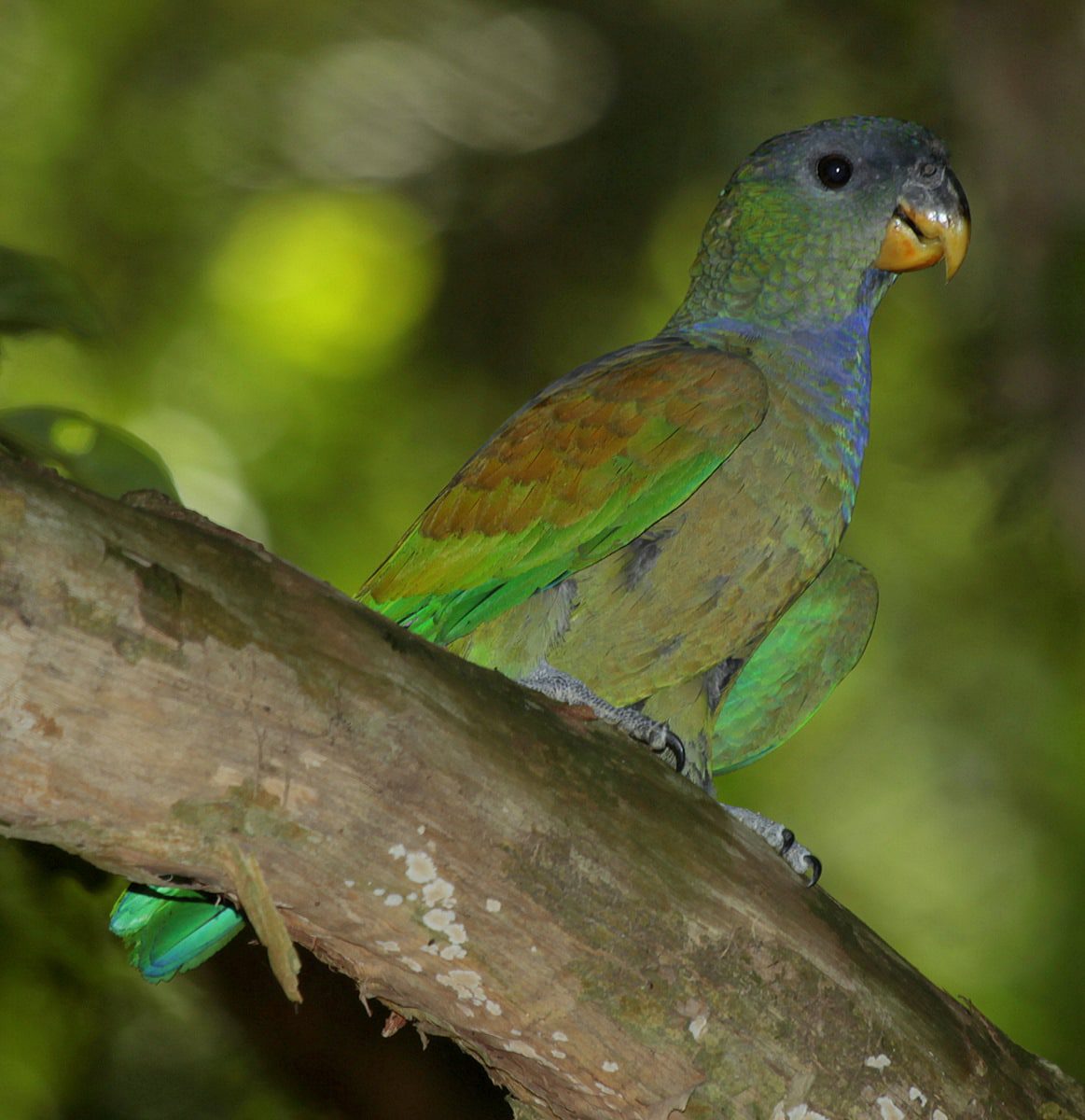
โ–ท The world of Pets: Dogs, cats, birds, reptiles, amphibians

Plain Parakeet
Brotogeris tirica

Plain Parakeet

Content

Description:

Plain Parakeet

23 cm.. long and about 63 g. of weight.
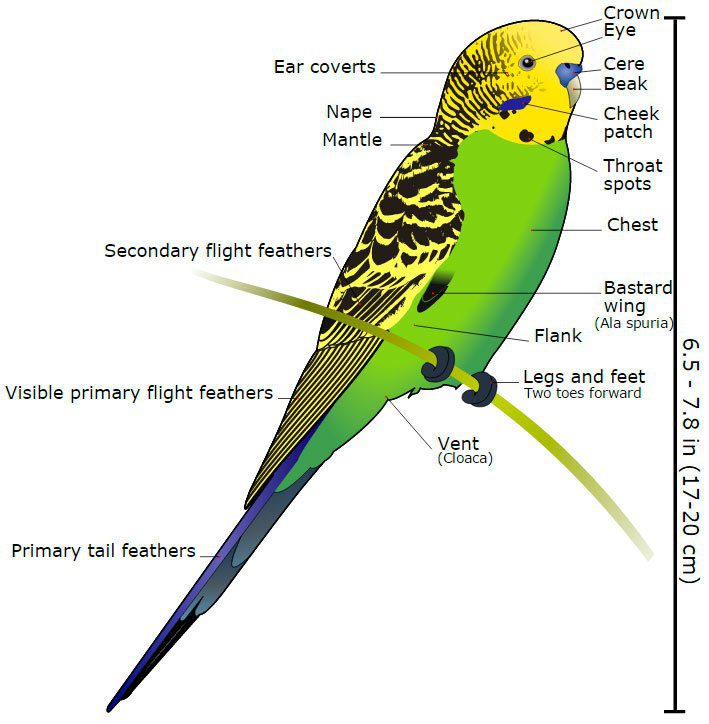
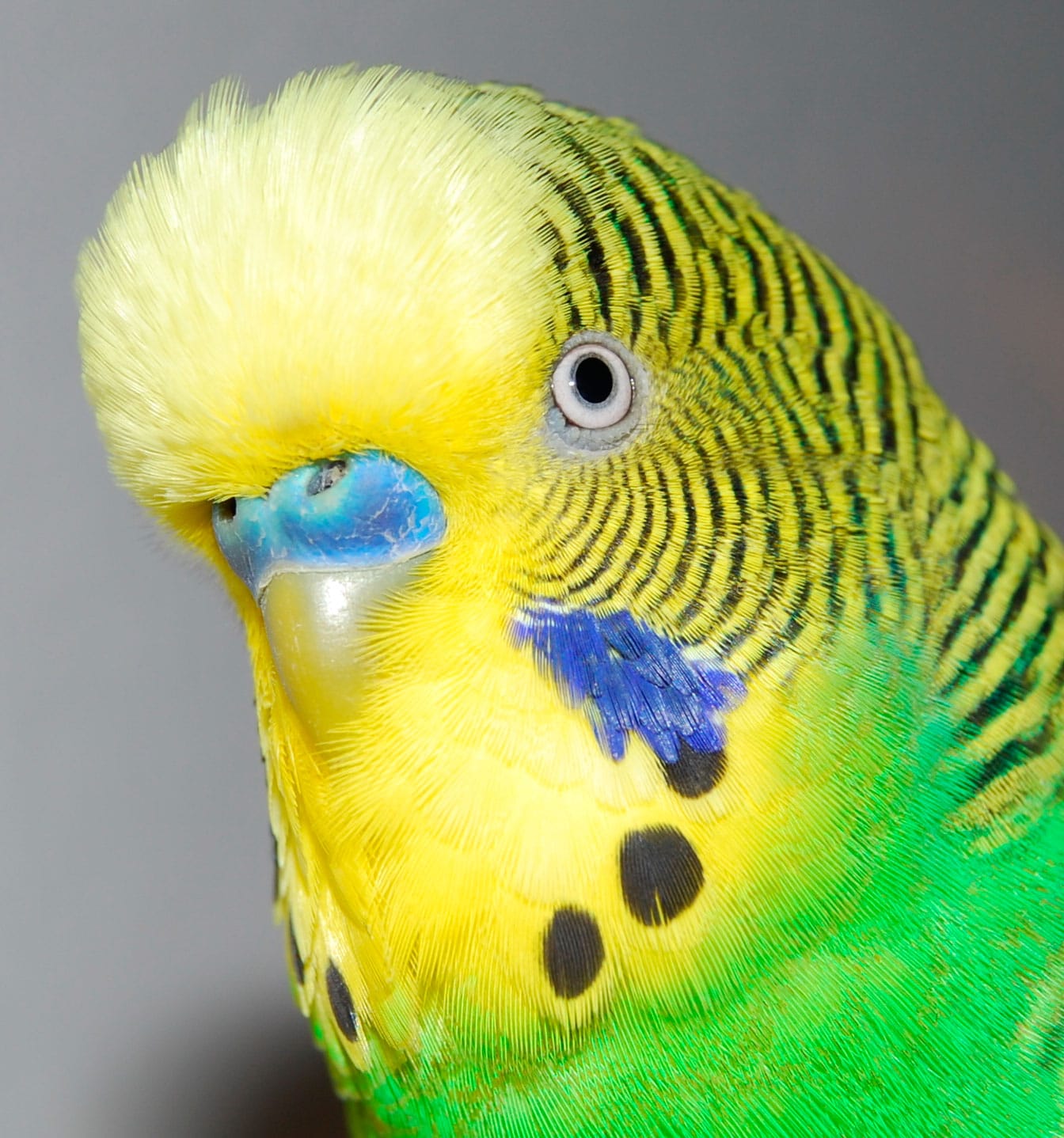
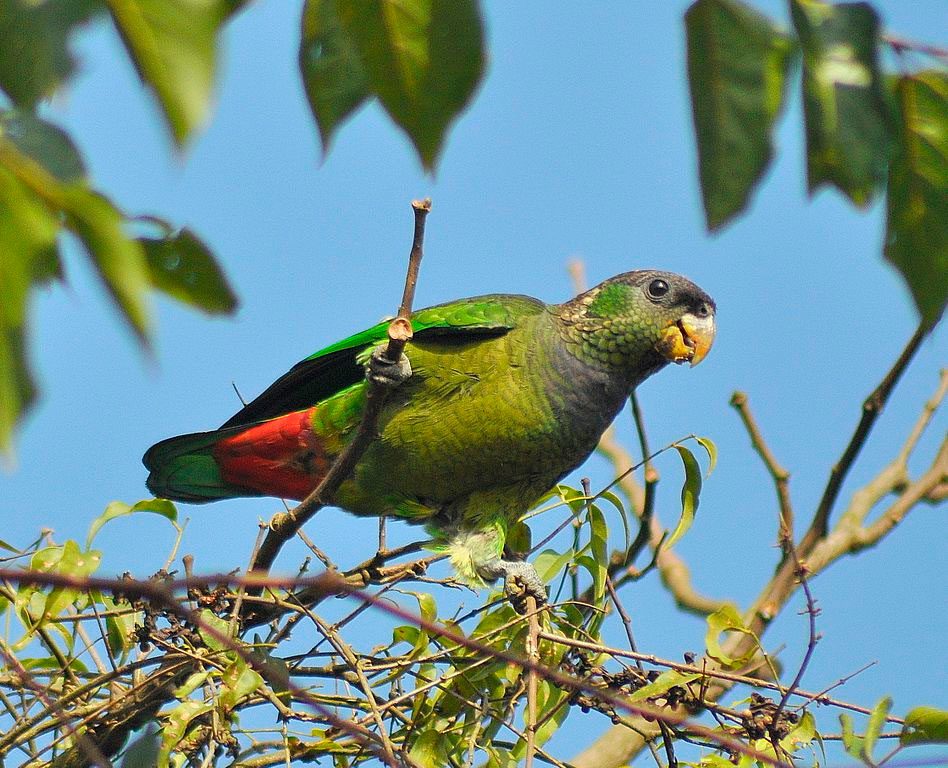
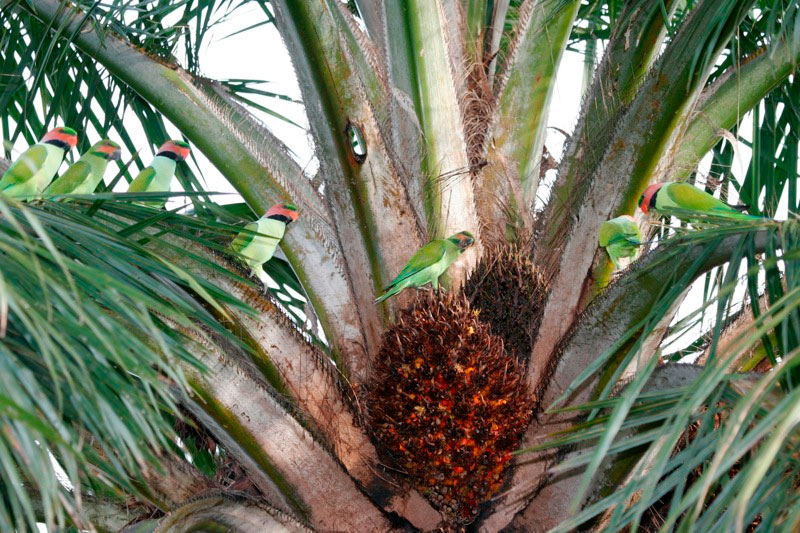
The Plain Parakeet (Brotogeris tirica) has the forecrown, lores, crown and cheeks, pale green with yellowish tint. Sides of the neck and nape, green, duller than in the head.

The upperparts green, slightly darker than the rest of the plumage. Most of the under wing-coverts, green, some feathers dyed olive brown, especially in lesser and median coverts. Primary coverts, primaries and outer secondaries, violet blue with green margins close to outerweb. Underwing-coverts greenish yellow, flight feather, bluish green. Underparts, pale yellowish green, tinged with bluish color on the sides of chest, the the thighs and undertail-coverts; flanks yellowish. Upper, the tail green with bluish tint to the central feathers; undertail, the tail is grayish blue-green. Bill color pale horn: irises brown: legs Rosaceae.

Both sexes are similar. Immature with little or no blue in primary coverts.

Habitat:

Video – "Plain Parakeet" (Brotogeris tirica)

Green parakeets at the feeder - Brotogeris tirica (Plain Parakeet)

The Plain Parakeet They are experts in the art of adaptation; They can be found in a wider range of habitats than any other endemic parrot Brazilian Atlantic forest: in the lowlands and highlands, in the forest canopy and forest edges, parks and gardens (for example, of Rio de Janeiro and Sรฃo Paulo), farmland with trees, scattered patches of forest and secondary growth. Apparently more numerous in the forest edge habitats. Generally observed in the lowlands, but reported to 1.200 metres in the Itatiaia National Park on the border between the state of Rรญo and Sรฃo Paulo. Gregaria. Generally seen in pairs or small groups, although sometimes you can see several hundred birds together.

It is the most common parrot in Sรฃo Paulo, where you can find even in the slums of the city.

Reproduction:

Observed in arboreal termite nests, in the crowns of Palmas or natural openings of trees; in the city of Sรฃo Paulo nest in crevices of buildings and roofs, regularly using the balconies to feed.

The breeding season It has been recorded in September; observed immature in January. The clutch common in captivity is four eggs. They stay together for life.

Food:

Its diet it is very varied, It includes pulp of Posoqueria latifolia; seeds of Ficus, Trema micrantha, Xylopia brasiliensis, Vriesea, rhipsalis, Cecropia glazioui, Hyeronima alchorneoides and Merostachis; seeds and flowers of Tibouchina mutabilis and Psitticanthus; flowers of Norantea brasilensis and Eucatyptus and nectar of Pseudobombax. Sometimes they feed of insects and their larvae.

Distribution:

Size of its range (breeding/resident ): 1.010.000 km2

The Plain Parakeet They found in southeast Brazil, from Alagoas south through the eastern and southern Bay, Espirito Santo, in the South of Minas Gerais, Rio de Janeiro, is of Sรฃo Paulo and Paranรก until Santa Catarina.

The only records of Rio Grande do Sul and Goiรกs They are considered doubtful.

Some seasonal movements. Uncommon to fairly common depending on locality, but apparently only reported very common in the city of Sao Paulo. Its population has declined in the Eastern European settlement Brazil, although less than other endemic parrots in the region. Live in several areas protected (for example, Itatiaia National Park).

Conservation:

State of conservation โ“˜


minor concern Minor Concern โ“˜ (UICN)โ“˜

โ€ข Current category of the Red List of the UICN: Least concern.

โ€ข Population trend: Stable.

Rationale for the Red List category

This species has a very large range and therefore it is not close to the thresholds for Vulnerable under the criterion of size range (Extension Occurrence <20,000 km2 combinada con un tamaรฑo de rango decreciente o fluctuante, extensiรณn / calidad de hรกbitat o tamaรฑo de poblaciรณn y un pequeรฑo nรบmero De lugares o fragmentaciรณn severa). La demographic trend appears to be stable and, therefore, the species does not approach the thresholds Vulnerable under the criteria of population trend (> 30% decline over ten years or three generations). The population size has not been quantified, but it is not believed to be close to the thresholds for Vulnerable under the criterion of population size (<10.000 individuos maduros con un descenso continuo estimado> 10% in ten years or three generations or a population structure). For these reasons the species is evaluated as the least concern.

Justification of the population

The size of the world's population has not been quantified, but this species is described as ยซcommonยป (Stotz et to the., 1996).

Justification of trend

They suspected that the population is stable in absence of evidence of any decline or threatens substantial.

"Plain Parakeet" in captivity:

They are not very common in aviculture.

Alternative names:

Plain Parakeet, All-green Parakeet, Tirica Parakeet (English).
Toui tirica, Perruche tirica (French).
Tirikasittich, Tiricasittich (German).
periquito-rico, periquito, periquito-verdadeiro, periquito-verde, tuim (Portuguese).
Catita Tirica, Periquito Amarillento (espaรฑol).


scientific classification:

Gmelin Johann Friedrich

Order: Psittaciformes
Family: Psittacidae
Genus: Brotogeris
Scientific name: Brotogeris tirica
Citation: (Gmelin, JF, 1788)
Protonimo: Psittacus Tirica


Images Plain Parakeet:


Species of the genus Brotogeris

Sources:

Avibase
– Parrots of the World โ€“ Forshaw Joseph M
– Parrots A Guide to the Parrots of the World – Tony Juniper & Mike Parr
Birdlife

Photos:

(1) – A Plain Parakeet in Morretes, Paranรก, Brazil By Ben Tavener from Curitiba, Brazil [CC BY 2.0], via Wikimedia Commons
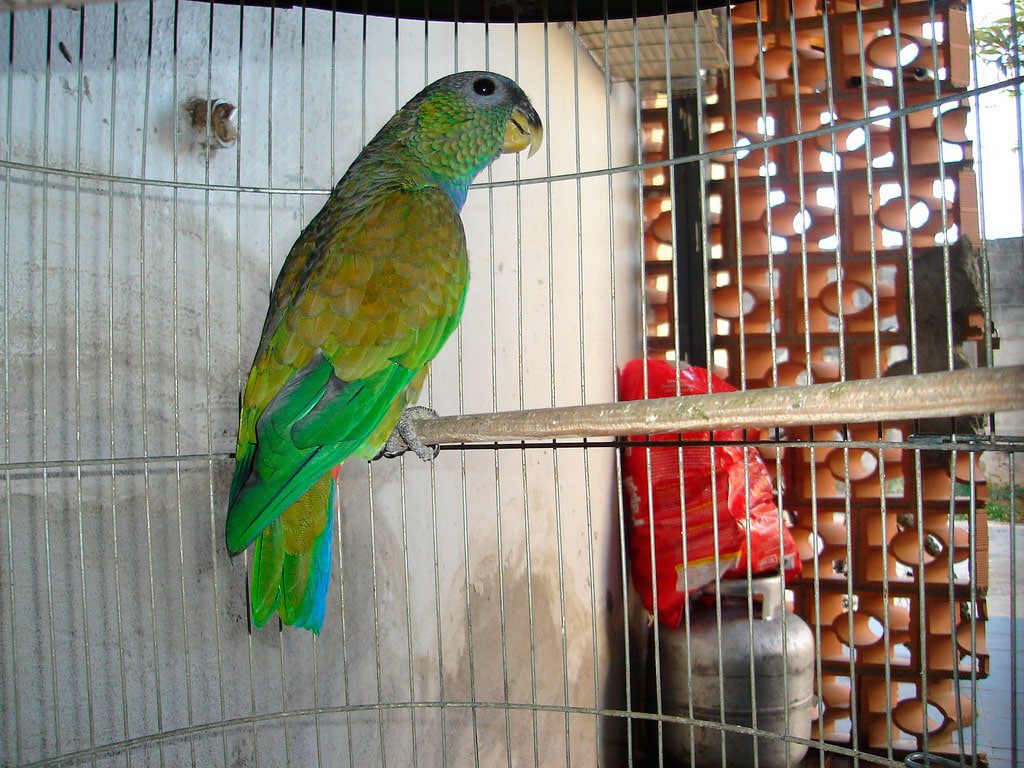
(2) – Plain Parakeet in Brazil By Jรดnatas Cunha [CC BY-SA 2.0], via Wikimedia Commons
(3) – Plain Parakeet in captivity By Lucas de Melo [CC BY 2.0], via Wikimedia Commons
(4) – Independence Park, Ipiranga museum, Sao Paulo By Dario Sanches from SAO PAULO, BRAZIL (PERIQUITO-RICO ( Brotogeris tirica)) [CC BY-SA 2.0], via Wikimedia Commons
(5) – Plain Parakeet (Brotogeris tirica) in Sรฃo Paulo By Dario Sanches [CC BY-SA 2.0], via Wikimedia Commons
(6) – Independence Park, Ipiranga museum, Sao Paulo By Dario Sanches from SAO PAULO, BRAZIL (PERIQUITO-RICO ( Brotogeris tirica)) [CC BY-SA 2.0], via Wikimedia Commons
(7) – Independence Park, Ipiranga museum, Sรฃo Paulo Species molting By Dario Sanches from SรƒO PAULO, BRAZIL (PERIQUITO-RICO ( Brotogeris tirica)) [CC BY-SA 2.0], via Wikimedia Commons
(8) – Brotogeris tirica, Independence Park, Ipiranga museum, Sao Paulo By Dario Sanches from SAO PAULO, BRAZIL (PERIQUITO-RICO ( Brotogeris tirica)) [CC BY-SA 2.0], via Wikimedia Commons
(9) – The Plain Parakeet in the Serra da Cantareira State Park, Sao Paulo, Brazil By Dario Sanches (Flickr: PERIQUITO-RICO (Brotogeris tirica)) [CC BY-SA 2.0], via Wikimedia Commons
(10) – Illustration Ricardo Sanches, parakeets rich(Brotogeris tirica) in ABES-SP

Sounds: Jerome Fischer (Xeno-canto)
โ–ท The world of Pets: Dogs, cats, birds, reptiles, amphibians

Tres Marias Parrot
Amazona tresmariae

Tres Marias Parrot

Content

Description:

38-40 cm.. length and 580-650 g. of weight.

The Tres Marias Parrot (Amazona tresmariae) has head and throat yellow.

The upperparts are green. The underparts They are green but more yellowed than upperparts. Thighs yellow. Primaries and secondaries green, violet-blue becoming the tip. should carpal yellow. Speculum red on the basis of the five outer secondaries. The curve wings, pale red, with some yellow.

The tail is green, with yellowish green tip and lateral feathers basically marked with red on the inner band; outermost feathers fringed blue. The legs They are pale gray. The irises It is orange. The bill is horn-colored, gray towards the base of the upper jaw. Cere dark gray.


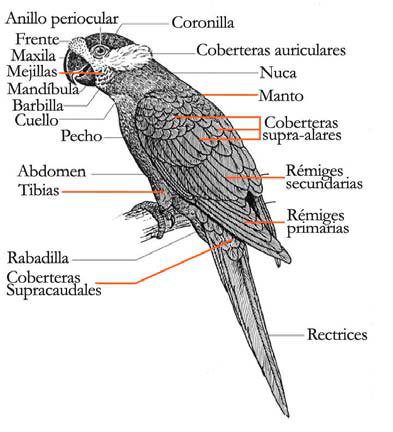
Anatomy-parrots

Both sexes are similar. The immature They are completely green head, except the yellow patch in forecrown. The curve wings, green. should carpal yellowish green.

Taxonomic note:

It is granted status species by the International Congress of Ornithology.

Habitat:

Video "Tres Marias Parrot"

They have preference by deciduous forests or evergreen, clear, Savanna Woods, pine forests, dense gallery forests; less commonly in dry thorn forests, mangroves or coastal marshes and cultivated areas with scattered trees.

Resident throughout its area of distribution.

Reproduction:

Nest in holes in tree trunks or fallen branches.

Food:

consume outbreaks, leaves news, fruits palm, seeds of Acacia, fruits of Macuna, figs and some fruits of cultivated land.

Distribution:

Endemic to the Marias Islands, on the west coast of Mexico.

Amazon tresmariae Conservation :

State of conservation โ“˜


minor concern Minor Concern โ“˜ (UICN)โ“˜

โ€ข Current category of the Red List of the UICN: Least concern.

โ€ข Population trend: Decreasing.

The Tres Marias Parrot It has an extremely large range and, therefore, it does not approach the thresholds for Vulnerable at the discretion of the distribution area size (Extension <20,000 km2 combined with a size decreasing or fluctuating range, extent or quality of habitat or population size and a small number of locations or severe fragmentation).

Even though the population trend appears to be declining, It not believed to be declining fast enough to approach the thresholds for Vulnerable under the criteria of population trend (> 30% decline over ten years or three generations).

The population size has not been quantified, but it is not believed that approximates Vulnerable thresholds under the criterion of population size (<10.000 mature individuals with an estimated continuous decline> 10% in ten years or three generations or a population structure). For these reasons, the species is evaluated as Least Concern.

Usually it regarded as a subspecies of the Yellow-crowned Parrot (Amazona ochrocephala).

Tres Marias Parrot in captivity:

These birds belong to Appendix I of the CITES, with special protection because they are highly sought.

Alternative names:

Panama yellow-crowned amazon, Tres Maria Yellow-headed Parrot, Tres Marias Amazon, Tres Marias Parrot, Yellow-headed Parrot (Tres Marias Is.) (English).
Amazone ร  tรชte jaune (forme des Tres Marias), Amazone de Trรชs Marias, Amazone des Tres Marias (French).
Gelbkopfamazone-tresmariae, Tres-Marias-Amazone (German).
Tres Marias Parrot (Portuguese).
Tres Marias Parrot, Tres Marias Amazon, amazona de Tres Marias, Amazona cabeciamarilla de tres marias, Loro de las islas Marรญa (espaรฑol).


Scientific classification Amazona tresmariae:

Edward William Nelson

Order: Psittaciformes
Family: Psittacidae
Genus: Amazona
Scientific name: Amazona tresmariae
Citation: Nelson, 1900<

Tres Marias Parrot images:


Species of the genus Amazona


Sources:

  • Avibase
  • Parrots of the World โ€“ Forshaw Joseph M
  • Parrots A Guide to the Parrots of the World – Tony Juniper & Mike Parr

Photos:

(1) – Amazona tresmariae at Cougar Mountain Zoological Park, USA perching on a zoo keepers left hand By Derrick CoetzeeCamera location47ยฐ 33โ€ฒ 11.72โ€ณ N, 122ยฐ 04โ€ฒ 50.26โ€ณ W View this and other nearby images on: Openstreetmap – Google Earth 47.553255; -122.080628 [CC0], via Wikimedia Commons
(2) – Amazona tresmariae in a cage at Cougar Mountain Zoological Park By Derrick Coetzee from Seattle, USA (Tres Marias Amazon in cage 2) [CC0], via Wikimedia Commons
(3) – Amazona tresmariae at Cougar Mountain Zoological Park, USA. There are two with a woman zoo keeper By Derrick Coetzee [CC0], via Wikimedia Commons
(4) – Tres Marias Amazon in cage by D CoetzeeFlickr
(5) – Yellow-headed Parrot of the Tres Marias Islands by (c) Juan Cruzado Cortรฉs – naturalista.mx

โ–ท The world of Pets: Dogs, cats, birds, reptiles, amphibians

Seychelles Black Parrot
Coracopsis barklyi

Seychelles Black Parrot

Content


Anatomy-parrots

Description:

35-40 cm. length and 132-153 g. of weight.

The Seychelles Black Parrot (Coracopsis barklyi) They have a pale brown, less black than the plumage Black Parrot (Coracopsis nigra), but gray / blue reflections in the outer layers of the primary feathers; pale brown patches with slight pale streaks on the crown.

The tone becomes slightly paler in uppertail-coverts.

The underparts They are pale grayish brown. We can see some short lines in throat, while the chest and the belly show a diffuse pale obstruction. The tail is pale-grey.
The bill dark gray becomes paler during the breeding season. The eyes are dark brown, surrounded by a naked orbital gray area. Legs and feet are dark gray to bluish gray.

Both sexes are very similar.

Youth colorization:

Immature paler than adults with a yellowish tinge bill and tips of the feathers tail with pale gray.

Taxonomic status:

Formerly a subspecies of Black Parrot (Coracopsis nigra), originating from Madagascar. Parrots Gender Coracopsis only found in the Western Indian Ocean.

Habitat:

Seychelles Black Parrot

The Seychelles Black Parrot (Coracopsis barklyi) inhabits native and mixed woodland in Praslin, (Rocamora and Laboudallon 2013, A. Reuleaux y N. Bunbury a slightly. 2016). It is also found in cultivated areas and residential areas with gardens, habitats that are suitable feed (A. Reuleaux y N. Bunbury a slightly. 2016). They are usually seen alone or in pairs.

Reproduction:

Their main breeding areas They are in a forest dominated by endemic palms coco de mer (Lodoicea maldivica). The tree species nests in cavities primarily in mer coconut dead, but also registered that nests in cavities and other palms living trees broadleaf (Reuleaux et al. 2014to), with reproductive activity October to March (Rocamora and Laboudallon 2013, Reuleaux et al. 2014to). Preferred deep cavities of hollow logs of L. maldivica with a dense cover canopy over the entrance (Reuleaux et al. 2014to). The reproductive activity fluctuates widely between years (A. Reuleaux y N. Bunbury a slightly. 2016). In a study, the 53% of nests they were successful in 36 nesting attempts, with a 57% incipient year survival (Reuleaux et al. 2014to).

Food:

The Seychelles Black Parrot It feeds on a variety of plant species, most of which are endemic and native (Reuleaux et al. 2014b), mainly from the fruit pulp, seeds and buds, with occasional observations feeding on leaves, flowers, crusts and scale insects (Reuleaux et al. 2014b).

Distribution:

Extending its range (breeding/resident): 70 km2

The Seychelles Black Parrot (Coracopsis barklyi) reside in Praslin, with occasional records in Curieuse (to 1 km to the North of Praslin), Seychelles (Reuleaux et al. 2013).

No individual was detected in curious during spot counts over four days and during supplementary fieldwork, so it is assumed that there is no resident population there (Reuleaux et al. 2013).

Conservation:


Vulnerable


โ€ข Current category of the Red List of the UICN: Vulnerable.

โ€ข Population trend: Stable.

โ€ข Population size : 340-600 individuals.

Rationale for the Red List category

This newly divided species is listed as Vulnerable because, but it appears to be stable or possibly increasing, their population is still very small, and therefore it is at risk of stochastic events and human impacts.

Justification of the population

Count surveys conducted in Praslin points in 2010 and 2011 They found a density of 0.14-0.24 individuals / ha, as resultadi giving an estimate of the Total population 520-900 individuals (confidence intervals 95%) obtained through the distance sampling methodology (Reuleaux et al. 2013). After reviewing recent survey results, Rocamora and Laboudallon (2013) estimated total breeding population less than 200 couples, suggesting that there might be less than 400 mature individuals. Based on these data, it is assumed that there 340-600 mature individuals in the population.

Justification trend

They suspected that the population is stable the absence of evidence of any reduction or immediate threat. It is believed that the species has increased at least until the beginning of the century, but it is not clear if it is still increasing (Reuleaux et al. 2013, Rocamora and Laboudallon 2013).

Threats

It is believed that the decline of Seychelles Black Parrot before age 60 It was mainly due to predation by introduced rats and hunting conducted by settlers and farmers (Rocamora and Laboudallon 2013). Other causes of increased mortality include capture as pets and trade, and bycatch when targeting other species.

The most serious current threats for the species include diseases such as disease Beak and feather, continuous nest predation by rats and cats, competition from introduced species of birds for food and nesting sites, poaching of their main nesting tree (coco de mer), and habitat destruction caused by fires, with potential threats including persecution, pesticides, bats and kinship networks (Rocamora and Laboudallon 2013, Seychelles Islands Foundation in litt. 2014).

The forest fires They may represent the most serious threat to the species, with records since the beginning of the decade 1980 showing that approximately every 10 years a major fire occurs (The Seychelles Islands Foundation in litt. 2014). The availability of nesting cavities can be a limiting factor in years of very active reproduction, some females occupying suboptimal cavities.

Collection sea รขโ‚ฌโ€นรขโ‚ฌโ€นcoconuts probably reduce the area of รขโ‚ฌโ€นรขโ‚ฌโ€นpalm forest long term.

The presence of the Rose-ringed Parakeet (Psittacula krameri) in Mahe, one of which is registered Praslin, increases the risk of disease.

The impacts of introduced species causing nest predation and competition for nesting sites can not be serious enough to limit the population; However, mice are increasing in Praslin.

The crazy ants or zanconas ants (anoplolepis gracilipes) not appear to have impacted the species so far, probably because they use dead palms, where the appropriate cavities Seychelles Black Parrot.

Chicks predation by cats and dogs is probably limited, and post-harvest mortality is not currently a major concern. The persecution of the species by farmers is considered a minor threat.

Other risk factors for the species include their low genetic diversity and unexplained large fluctuations in reproductive activity of one station to another (Seychelles Islands Foundation in litt. 2014).

conservation actions

Conservation actions underway

The species is protected by law from 1966 (Rocamora and Laboudallon 2013). Endemic palms have been protected from 1991, and the restoration of native palm forest on Praslin and Curieuse is underway. The species is found in the Praslin National Park, created in 1979, and Vallรฉe de Mai It was declared a World Heritage Site in 1983. The Background islas Ferdinand curious y They are administered as nature reserves, but no official protection. Among 1983 and 2005 boxes were provided artificial nesting (Rocamora and Laboudallon 2013, A. Reuleaux y N. Bunbury a slightly. 2016).

In Vallรฉe de Mai there is a firebreak around the brood nucleus, but it is not guaranteed to work in the event of a large fire that can not be contained quickly (The Seychelles Islands Foundation in litt. 2014), However, It has only proved partially effective when a fire destroyed several hectares of breeding habitat high quality 2010 (A. Reuleaux y N. Bunbury a slightly. 2016). Poaching coco de mer nuts it being countered with increased security and a program regeneration, and they have carried out awareness activities to reduce the persecution by farmers. Measures are being taken to eradicate the presence of the Rose-ringed Parakeet (Psittacula krameri) and also they are conducting tests for the virus Psittacine Beak and Feather Disease Virus (The Seychelles Islands Foundation in litt. 2014).

In 2009 a national plan of action was drawn up for the species, It is including plans to introduce the species Silhouette, along with captive breeding in Frigate y North Island, if you can carry out a proper restoration and habitat management (reviewed by Rocamora and Laboudallon 2013). Other conservation identified for this species include control of introduced, the renovation and improvement of nests, population monitoring and public awareness campaigns (reviewed by Rocamora and Laboudallon 2013). Analysis using statistical models is intended to 2014, after annual counts have been made for three years without interruption, and conclusions on the trend of the species will be published from 1982 (G. Rocamora in litt. 2014). Repeating the remote sampling survey is scheduled at intervals 5-10 years (A. REuleaux y N. Bunbury a slightly. 2016).

Conservation Actions Proposed

Carry out further surveys to get a more accurate estimate population size and to monitor the demographic trend. Conduct research on the impacts of potential threats. Protect additional areas of native forest of palms. Suitable restore native habitats. Continue awareness activities to eliminate any residual persecution.

"Seychelles Black Parrot" in captivity:

This species is protected by law from 1966. No copy of Seychelles Black Parrot should be kept in captivity, unless it was under a controlled breeding program in order to reintroduce birds of this species to their habitat.

Alternative names:

Seychelles Black Parrot, Seychelles Lesser Vasa Parrot, Seychelles Parrot (English).
Vasa des Seychelles, Vaza des Seychelles (French).
Seychellenpapagei (German).
Seychelles Black Parrot (Portuguese).
Loro de Seychelles (espaรฑol).


scientific classification:

Newton Edward
Newton Edward

Order: Psittaciformes
Family: Psittaculidae
Genus: Coracopsis
Scientific name: Coracopsis barklyi
Citation: Newton, E, 1867
Protonimo: Coracopsis barklyi

ยซSeychelles parrotยป images:

Videos "Seychelles Black Parrot"

Seychelles Black Parrot (Coracopsis barklyi)

Sources:

Avibase
Parrots of the World โ€“ Forshaw Joseph M
Parrots A Guide to the Parrots of the World – Tony Juniper & Mike Parr
Birdlife

Photos:

(1) – Coracopsis barklyi (=Coracopsis nigra barklyi) by Joseph Wolf [Public domain], via Wikimedia Commons
(2) – Coracopsis barklyi By Post of Seychelles ([1]) [Public domain], via Wikimedia Commons

โ–ท The world of Pets: Dogs, cats, birds, reptiles, amphibians

Flores Lorikeet
Trichoglossus weberi

Flores Lorikeet

Content

 Flores Lorikeet

Description Lori Flores:

25 cm. length and 100-150 g. of weight.

The Flores Lorikeet (Trichoglossus weberi) is generally Green; light green / blue stripes on the forecrown and lores, the rest of the head with brighter green stripes; underwing-coverts yellow / green. The chest and the thighs are yellowish or reddish. The bill It is orange-red and irises orange-red. The legs son grises. Smaller size than other species Trichoglossus.

The youth they are similar to adults.

    taxonomy:

Sometimes you think you're closer Olive headed Lorikeet (Trichoglossus euteles). With one exception, so far it has been treated as a subspecies within the complex Coconut Lorikeet (Trichoglossus haematodus), but differs in its chest rather pale green; abdominal patch medium green; head dark green with streaks of bright green; small size (less than a Scarlet-breasted Lorikeet (Trichoglossus forsteni) relatively small). Monotypic.

  • Sound of the Flores Lorikeet. (1)

(1) Some species are under extreme pressure because of traps and harassment. The open availability of high-quality recordings of these species may make the problems even worse.. For this reason, transmission and download of these recordings is off. Recorders are free to share in xeno-edge, but they will have to approve access to these recordings.

Habitat:

It's more common in the lowlands, but it is up 2400 meters above sea level. Wide variety of areas including settlements, forests, coconut plantations, Savanna, eucalyptus forests and mangroves.

It is found in mixed flocks with other parrots; small and noisy groups. Nomads, since they depend on flowering trees. It perches communally in groups of hundreds of birds.

Reproduction:

Birds have been recorded in conditions reproduction in June and is reported reproduction between February and August (White and Bruce 1986, Reeve y Rabenak 2016).

It will nest on the ground in some of the predator-free islands.

Food:

It feeds mainly from nectar, but also feeds on figs, insects and can be found around artificial feeding stations.

Distribution:

Extension of the distribution (breeding/resident): 25.500 km2

The Lori Flores are endemic to the flower island, Indonesian, where it is described as common (pit et to the. 1997).

Conservation Lori Flores:


Near-threatened

1. Current red list category of the UICN: Near-threatened.

2. The population trend: Decreasing.

3. Population size : 10000-19999 individuals.

    Rationale for the Red List category

It is believed that this species has recently split a moderately small population (approaching 10.000 mature individuals), forming one subpopulation, inferring that is suffering moderately rapid decreases due to the pressure of capture and loss of habitat. So, It has been classified as Near threatened, but more information on population size, trends and threats can lead to a reassessment of their status.

    Justification of the population

It is believed that the population of Flores Lorikeet It is moderately small (that is to say, approaching 10.000 mature individuals).

    Justification trend

They suspected that the population is declining due to loss of habitat and unsustainable levels of exploitation.

    Threats

The habitat destruction through the combined impacts of firewood collection, commercial logging, timber extraction for construction materials and clearance for agriculture may represent the most relevant threat.

The loss and fragmentation of forests It is already extensive in Flowers, where no semi-permanent forest below the 1.000 meters is included within the protected areas published in the Official Gazette. These threats are exacerbated by the expansion of human population, with large volumes of wood needed for housing construction, and the fact that the application of the laws by the government is little or no.

The moist deciduous forest is being cleared extensively through land grabbing and the establishment of agricultural areas, a factor that is inevitably reducing the range and population of this species. Forest clearing continues in the coastal belt to make way for crops, and illegal logging continues in protected areas.

It is presumed that the capture for trade in wild birds It represents an additional threat, as for other subspecies of the complex (Trichoglossus haemotodus).

Conservation actions and research in progress

Appendix II of the CITES. CMS Appendix II. It has been recorded in the Mbeliling Forest Reserve (Reeve y Rabenak 2016).

Proposed Research and Conservation Actions

1 – Estimate the population and assess population trends and scale of the pressure catch.

2- Conduct a species-specific study to identify important sites, in order to provide protection.

3- Carry out research on their status and habitat use (with special attention to feeding ecology and forest fragmentation) so that long-term management of the species facilitate.

4- Monitor trade to investigate whether this represents a significant threat.

5- Initiate campaigns sensitization to get the support of local people in forest protection.

In captivity:

In captivity it is kind enough rare de lori. He was raised for the first time Great Britain, in 1969, in Germany in 1984.

Because of its endangered status, Any suitable specimen can not be released back into their natural habitat (native range) It should preferably be placed in a breeding program well managed to ensure the continued survival of this species.

Alternative names

Flores Island rainbow lory, Flores Lorikeet, Leaf Lorikeet, Rainbow Lorikeet (Leaf) (English).
Loriquet ร  tรชte bleue (Weber), Loriquet ร  tรชte bleue (weberi), Loriquet de Flores, Loriquet de Weber (French).
Flores Blauwangenallfarblori, Flores-Allfarblori, Webers Lori (German).
Periquito-arco-รญris (weberi) (Portuguese).
Lori de Flores, Lori Arcoiris (weberi) (espaรฑol).

scientific classification:

Order: Psittaciformes
Family: Psittaculidae
Gender: Trichoglossus
Scientific name: Trichoglossus weberi
Subpoena: (Buttikofer, 1894)
Protonimo: Psitteuteles weber

"Lori de Flores" images:

Videos "Flores Lorikeet"


ยซLori de Floresยป (Trichoglossus weberi)


    Sources:

    1. Avibase
    2. Parrots of the World โ€“ Forshaw Joseph M
    3. Parrots A Guide to the Parrots of the World – Tony Juniper & Mike Parr
    4. Birdlife

    Photos:

    (1) – Flores Lorikeet, Trichoglossus (haematodus) weberi, at New Port Aquarium, Cincinnati, USA by derivative work: Snowmanradio (talk)Trichoglossus_haematodus_weberi_-New_Port_Aquarium-8.jpg: Serge Melki [CC BY 2.0], via Wikimedia Commons
    (2) – Weberโ€™s Lorikeets (Trichoglossus haematodus weberi) at Newport Aquarium by Ltshears [CC BY-SA 3.0 or GFDL], from Wikimedia Commons
    (3) – Fig. 1: Flores Lorikeet (Trichoglossus = Psitteuteles Weber Weber)
    Fig. 2: Olive-headed Lorikeet (Trichoglossus euteles = Psitteuteles euteles) by A Weberโ€™s lorikeet (Trichoglossus weberi) at the Jerusalem Biblical Zoo by SuperJew [CC BY-SA 4.0], from Wikimedia Commons
    (4) – Trichoglossus haematodus weberi Buttikofer, 1894 bt Huub Veldhuijzen van Zanten / Naturalis Biodiversity Center [CC BY-SA 3.0]

    (5) – Weberโ€™s lorikeet, Picture taken at Loro Parque in Puerto de la Cruz / Tenerife by Dominik DeobaldFlickr
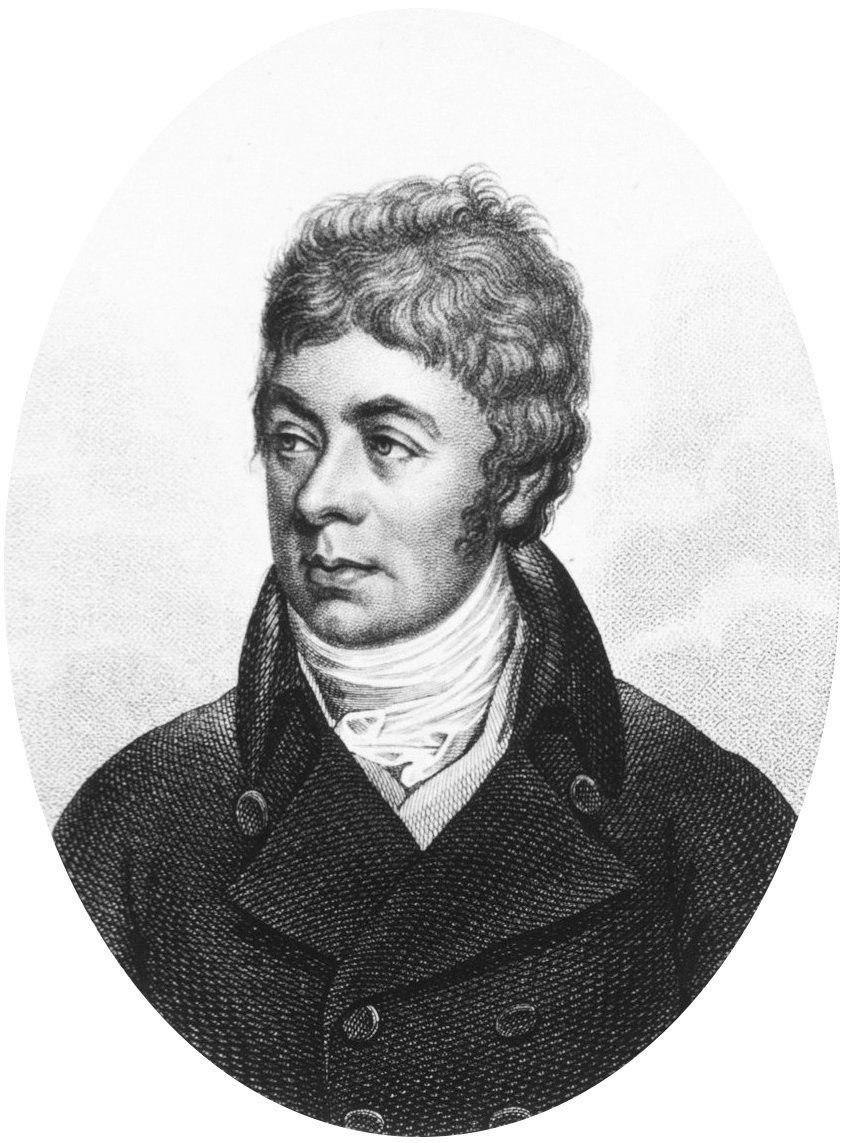
    (6) – Johann Buttikofer [Public domain], via Wikimedia Commons

    Sounds: Raf Floats, XC350575. accessible www.xeno-canto.org/350575

โ–ท The world of Pets: Dogs, cats, birds, reptiles, amphibians

Mountain Parakeet
Psilopsiagon aurifrons


Mountain Parakeet

Content

Description:


Anatomy-parrots

17 to 19 cm.. height.
The Mountain Parakeet (Psilopsiagon aurifrons) is distinguishable by the face yellow and the belly yellow with dye-Green, bill pale, wing with extreme blue (notorious is when closed), tail long. Bill and legs color clear. Iris black.
The female with face green and belly yellow-green.
Treated above as Bolborhynchus aurifrons.

Subspecies description:

  • Psilopsiagon aurifrons aurifrons

    (Lesson, 1830) – The nominal,

  • Psilopsiagon aurifrons margaritae

    (Berlioz & Dorst, 1956) – With very little or nothing of yellow and very little dimorphic sexual, they resemble females of the subspecies nominal and robertsi. The females sometimes have the bill grey;

  • Psilopsiagon aurifrons robertsi

    (Carriker, 1933) – It has yellow only in the forecrown, sides bill, throat with green dye, and belly green with yellow line on the sides.

  • Psilopsiagon aurifrons rubrirostris

    (Burmeister, 1860) – With mask facial blue sky and no sexual dimorphism

Habitat:

Video – "Mountain Parakeet" (Psilopsiagon aurifrons)

Serrano catita girl (Psilopsiagon aurifrons): VOICE

It is found in variety of ecosystems, forest in gallery, Puna and crops, from 1000 to 2900 m (sometimes from sea level up to 4500 m). It is possible to carry out local migration after reproduction. gregarious.

Reproduction:

Sometimes They nest colonially, in cracks or holes in inaccessible Rocky escarpments.
breeding station: From October to December, North of Chile, February/March, Argentina.

Food:

It feeds on shoots, seeds, vegetables and fruits.

Distribution:

Size of the distribution (reproduction / resident): 820.000 km2

Can be found in the Centre and South of the Andes, from Peru until Argentina and Chile.

Subspecies distribution:

  • Psilopsiagon aurifrons aurifrons

    (Lesson, 1830) – The nominal,

  • Psilopsiagon aurifrons margaritae

    (Berlioz & Dorst, 1956) – The Andean slopes in the South of Peru, Bolivia, North of Chile and Northwest of Argentina.

  • Psilopsiagon aurifrons robertsi

    (Carriker, 1933) – The Valley of the Maranon River in the Center-North of Peru.

  • Psilopsiagon aurifrons rubrirostris

    (Burmeister, 1860) – The sheds Andean of the Northwest Argentine, between Catamarca and Cรณrdoba, and South of Chile

Conservation:

State of conservation โ“˜


minor concern Minor Concern โ“˜ (UICN)โ“˜

โ€ข Current category of the Red List of the UICN: Least concern.

โ€ข Population trend: Stable.

This species has a very large range, and therefore not it approaches the threshold of Vulnerable on the criterion of size of the area.

The trend of the population seems to be stable, and therefore, the species is not approaching thresholds for vulnerable under the trend of criterion.

For these reasons, the species is evaluated as Least concern.

"Mountain Parakeet" in captivity:

Itร‚ยดs rare in captivity. They are very susceptible to stress and disease, so many die during the process of acclimatization. It is good to acclimatize it in a large aviary with other birds. Prone to deficiency of vitamin D3.

Need of hiding places so that they may disappear from view.

Alternative names:

Mountain Parakeet, Golden-fronted Parakeet (English).
Toui ร  bandeau jaune, Perruche ร  bandeau jaune (French).
Zitronensittich, Zitronen-Sittich (German).
Periquito-da-cordilheira (Portuguese).
Catita de Frente Dorada, Catita Frentidorada, Catita serrana chica, Perico cordillerano (espaรฑol).
Catita serrana chica (Argentina).
Perico cordillerano (Chile).
Perico Cordillerano (Peru).
Cialla (Aymara).

scientific classification:

Renรฉ Primevรจre Lesson

Order: Psittaciformes
Family: Psittacidae
Genus: Psilopsiagon
Scientific name: Psilopsiagon aurifrons
Citation: (Lesson, 1831)
Protonimo: Psittacus (Lathamus) aurifrons

Images "Mountain Parakeet"

Mountain Parakeet

Two Mountain Parakeet views between Uquia and Yavi, Salta, Argentina


Species of the genus Psilopsiagon

Sources:

Avibase
– Parrots of the World โ€“ Forshaw Joseph M
– Parrots A Guide to the Parrots of the World – Tony Juniper & Mike Parr
Birdlife
– Parrot Book, Parrots and macaws Neotropical

Photos:

(1) – Mountain Parakeet; two in a cage By TJ Lin (originally posted to Flickr as mountain oarakeet) [CC BY-SA 2.0], via Wikimedia Commons
(2) – Two Mountain Parakeets seen between Uquia to Yavi, Salta, Argentina By Ron Knight from Seaford, East Sussex, United Kingdom (Mountain ParakeetUploaded by snowmanradio) [CC BY 2.0], via Wikimedia Commons

Sounds: (Xeno-canto)
โ–ท The world of Pets: Dogs, cats, birds, reptiles, amphibians

Red-lored Amazon
Amazona autumnalis

Red-lored Amazon


Anatomy-parrots

Content

Description:

35,5 to 38,1 cm.. height and between 314 and 485g. weight.

The Red-lored Amazon (Amazona autumnalis) is distinguished by its red front; Green with edge lilac it nape ; crown lilac; stain red in the wing , and tail blue margin.
The bill is grey with the upper jaw yellowish-horn. The irises his eye is orange. The legs are of color gray greenish.
They do not possess sexual dimorphism, that is to say, there is no physical difference between the male and the female.

Description 3 subspecies:

Amazona autumnalis lilacina Lesson, 1844
  • Amazona autumnalis autumnalis

    (Linnaeus, 1758) – Nominal.


  • Amazona autumnalis lilacina

    (Lesson, 1844) – It has a red band in the forecrown that it extends over them eyes; the cheeks Yellow.


  • Amazona autumnalis salvini

    (Salvadori, 1891) – It has cheeks and ear-coverts green; the basis of the tail by under Red.

Habitat:

Video – "Red-lored Amazon"

Amazonas autumnalis

This amazon frequents a wide range of habitats wooded and open with trees, including rainforest, tropical deciduous forest, pine forests, mangroves, forest swamps, gallery woods, areas cultivated with trees high and plantations; also forest dry in the South of Ecuador.

The Red-lored Amazon move from the rainforest (breeding season) to a habitat more open in winter in the Yucatan Peninsula, Mexico. The altitudes that inhabit range from sea level to the 320 metres in Oaxaca, 1.100 metres in Honduras, 800 metres in the Caribbean, 1.000 meters on the slopes of the peaceful of Costa Rica, and 1.000 metres in Colombia.
The birds tend to be in pairs or in flocks loose, being more gregarious When feed (occasionally macaws) and when resting. outside the breeding season, birds take refuge in tall trees in gallery forests or mangroves.

Reproduction:

They nest during the seasonal dry in hollow of trees (usually dead, for example, Tabebuia or Ceiba) or on the stump of a Palm tree. Birds in State reproductive in April, Oaxaca; February-March, Belice; March, Guatemala; January-February, Colombia. Reproduce between February-April, Panama; March-may, Belice and January-March, Ecuador. Clutch 3-4 eggs.

The incubation varies from 25 to 26 days. The chicks remain in the nest 70 days.

Food:

In the wild these birds feed on figs Ficus, orange, Mango, fruits of Palm (including the of Cordia lutea and Spondias purpurea), coffee beans (Coffea arabica), seeds of Ferrule, Casearia and Protium. Mainly are feeds in the tops of trees high.

Distribution:

Size of the area of distribution (reproduction / resident): 2.570.000 km2

The Red-lored Amazon It extends from the South of Mexico north of South America with a population disjunct in the amazon.
You can find in them lands low of the this of Mexico, in the South of Tamaulipas, in the East of San Luis Potosi, Puebla, Oaxaca, Chiapas, Tabasco, Campeche and Quintana Roo. Records from other parts of the country (for example, City of Mexico) probably you refer to leak.
You can see in Belice and in the lowlands of the Caribbean of Guatemala and Honduras (including Roatan and Guanaja in Bay islands and probably soon in Utila), until Nicaragua and Costa Rica, where they are present in humid areas of the tropics on both slopes (absent from the dry Northwest ), also in Panama and on the islands of Coiba and Escudo de Veraguas and in the Archipelago of pearls (absent from the driest areas of the Azuero Peninsula).

In the Northwest of Colombia appear on the Pacific slope of the Western Andes from the Panamanian border to the South up to the Serrania del Baudo and from the southwest of Cauca south to Ecuador in the Gulf of Guayaquil. Also it extends to the North of the Andes in Colombia to Magdalena Medio and to the East in the Northwest of Venezuela in Zulia (Sierra de Perija).

In the Northwestern basin of the brazilian amazon a disjunct population exists between Black river and Solimรตes River.

Usually resident with some local seasonal habitat preferences (for example, in Yucatan Peninsula, Mexico). Is usually the most common parrot and more numerous in some parts of the range (for example, in parts of Central America) but now is a species very rare to the West of them Andes in Ecuador and Colombia with a population of the subspecies Amazona autumnalis lilacina estimated in 400-600 specimens.

Population decreased drastically in the island of Roatan (Honduras) where he captured it is massively for export, and maybe missing in Utila for the same reason.

Capture combined with the loss of habitat also has caused declines in some other parts of its area of distribution (for example, east of Mexico and Ecuador). common in captivity in some areas, and marketed internationally.

Distribution 3 subspecies:

  • Amazona autumnalis autumnalis

    (Linnaeus, 1758) – Nominal. Coast of the Caribbean from the East of Mexico South to North of Nicaragua.


  • Amazona autumnalis lilacina

    (Lesson, 1844) – West of Ecuador.


  • Amazona autumnalis salvini

    (Salvadori, 1891) – North of Nicaragua south to Colombia and Venezuela.

Conservation:

State of conservation โ“˜


minor concern Minor Concern โ“˜ (UICN)โ“˜

โ€ข Current category of the Red List of the UICN: Least concern.

โ€ข Population trend: Decreasing.

This species has a very large range and, Therefore, is not approaching the thresholds of Vulnerability at the discretion of the distribution area size.

The population size is very large and, therefore, not approaching the thresholds for vulnerable under the criterion of population size (<10.000 mature individuals with an estimated continuous decrease in> 10% in ten years or three generations or with a specific population structure). For these reasons, the species is evaluated as least concern.

Justification of trend

It is suspected that the population is in decline due to the continuous destruction of the habitat and to levels of exploitation unsustainable.

The Amazona lored in captivity:

Is of vital importance that the diet is complete and balanced in all directions, as this prevents, along with other factors, the appearance of bone problems or the known software that affects numerous parrots. To ensure the balance of this, prepared feed very well supply the nutritional needs of each animal, However, they should not miss plant, fruits and vegetables, as well as diversity of seeds that come in mixture.

As for accommodation, If they are not removed from cage constantly, it should be spacious enough to exercise the muscles of the wings and legs, and the plumage of the bird is preserved in perfect condition.

The Red-lored Amazon enjoy, like all parrots, tearing apart and finding out things, so they must have the occasional toy or we may end up having problems with the furniture. Them feet of parrot are very suitable if your stay is in the outside of the cage. Of course, they must not be exposed to draughts or sudden changes in temperature. The water must be clean at your fingertips, because the existence of fungi causes serious breathing problems.

In terms of coexistence to have it in the neighborhood area, in comparison with other species in Amazon, are relatively quiet, so in general do not cause many problems.

In captivity, can get to live up to 80 years.

BREEDING AND REPRODUCTION:

Its captive breeding started for the first time in United States, after their importation from the place of origin, South America in the 1950's.

Those individuals acquire their sexual maturity on the 4 years of age, and if you have a good breeding pair in the right conditions, they can perform two annual broods, Although the main thing if you want to raise, patience. Many pairs need several years until the first calf, so it is very important to be patient and wait for the right moment.

The female lays in the nest (No fill) of 2 to 6 eggs incubated without the help of the male usually. This is dedicated to feeding the female itself and that of the chicks after their birth at the 28 days until independence after twelve weeks.

Alternative names:

Red-lored Parrot, Red-lored Amazon, Yellow-Cheeked Amazon (English).
Amazone ร  lores rouges, Amazone diadรจme (French).
Rotstirnamazone (German).
Papagaio-diadema, Papagaio-diadema (Papagaio cavacuรฉ) (Portuguese).
Amazona Frentirroja, Lora Frentirroja, Loro Frentirrojo (espaรฑol).
Lora cariamarilla (Honduras).
loro cachete-amarillo (Mexico).


scientific classification:

Carl Linnaeus

Order: Psittaciformes
Family: Psittacidae
Genus: Amazona
Scientific name: Amazona autumnalis
Citation: (Linnaeus, 1758)
Protonimo: Psittacus autumnalis


Red-lored Amazon images:


Species of the genus Amazona


Sources:

  • Avibase
  • Parrots of the World โ€“ Forshaw Joseph M
  • Parrots A Guide to the Parrots of the World – Tony Juniper & Mike Parr
  • Birdlife
  • Parrot Book, Parrots and macaws Neotropical
  • Grupohypermarkup

Photos:

(1) – Wikimedia.org
(2) – Red-lored Amazon or Red-lored Parrot; two captive parrots By Brian Gratwicke (originally posted to Flickr as Red-lored Amazon) [CC BY 2.0], via Wikimedia Commons
(3) – A Red-lored Amazon in Panama By Nelson de Witt from USA (Hello!) [CC BY-SA 2.0], via Wikimedia Commons
(4) – To pet Red-lored Amazon By Richard (originally posted to Flickr as Looming….) [CC BY 2.0], via Wikimedia Commons
(5) – Red-lored parrots (Amazona autumnalis), OSA Peninsula, Costa Rica By Charlesjsharp (Own work) [CC BY-SA 3.0], via Wikimedia Commons
(6) – A Red-lored Amazon at Rock Farm, Belize. It has a feather problem By Rigrat [CC BY-SA 3.0], via Wikimedia Commons
(7) – This is the image of a parrot originating of the jungle of Chiapas in Mexico By Joe Quick [CC BY 2.0], via Wikimedia Commons
(8) – Red-lored Amazon perching on a branch with wings open near Belmopan, Belize By Rigrat (Picasa Web Albums) [CC BY-SA 3.0], via Wikimedia Commons
(9) – A strange sight to me to see parrots flying in the wild. This Red-lored Amazon (Amazona autumnalis) was spotted with a group along the roadside in the Cayo distict of Belize By The Lilac Breasted Roller (originally posted to Flickr as Red Lored Parrot) [CC BY 2.0], via Wikimedia Commons
(10) – Lilacine Amazon, head from lateral by John Gerrard Keulemans [Public domain], via Wikimedia Commons

Sounds: Walter Rivera

โ–ท The world of Pets: Dogs, cats, birds, reptiles, amphibians

Red-breasted Pygmy-Parrot
Micropsitta bruijnii

 Microloro Pechirrojo

Content


Anatomy-parrots

Description

9 cm.. length between 12 and 16 g. of weight.

The crown of the tiny Red-breasted Pygmy-Parrot (Micropsitta bruijnii) various of pink to Brown towards the nape; cheeks, chin and ear-coverts, pale pink; line that goes from eyes up to the nape, iridescent blue. Banda wide in the part back from the nape, iridescent blue, rest of the upper region Green with fine dark margins. The flight feather Black finely lined in green; under wing-coverts Green with centers black. feathers of the wings grey-black.

The underparts are pink, with collar narrow blue iridescent in the part superior of the chest, merging is in color green in them lower flanks and blue in the part back from the neck; sides chest, blue. Uppertail Pink dark. Central feathers of the tail of color blue opaque, dotted black; Black yellow-orange-tipped outer.

Bill grey, cere pink, irises brown; legs grey.

Female mainly green and devoid of underparts Roses and the neck Blue of the male. The crown Pink is replaced by the blue (with the exception of the front that is pink), and uppertail-coverts are of color green yellow, not pink. The wing feathers show some brands of color green and the throat is grayish white.

Immature are like females, but are orange in the underparts, and they have forecrown and lores White.

Note: scientific name bruijnii commemorates the Dutch merchant's feathers Antonie Augustus Bruijn.

Subspecies description

Description 5 subspecies
  • Micropsitta bruijnii bruijnii

    (Salvadori, 1875) – Nominal.

  • Micropsitta bruijnii buruensis

    (Arndt, 1999)

  • Micropsitta bruijnii necopinata

    (Hartert, 1925) – Crown the male is brown with a yellowish Center. The cheeks, the throat and the part middle of the chest and abdomen are reddish in colour. The uppertail-coverts are yellow. The female is like the female of the nominal but the crown it's more purple-blue.

  • Micropsitta bruijnii pileata

    (Mayr, 1940) – The male has the crown of color red more dark that the nominal, and extends below, to nuchal collar blue.

  • Micropsitta bruijnii rosea

    (Mayr, 1940) – The Red of the underparts is richer, but restricted to the center of the part inferior of the chest and the abdomen. The Red of the cheeks and Arch of crown also is more rich. Female as the female of the nominal.

  • Note: Birds observed recently in OBI, Center-North of Moluccas, possibly belong to a new subspecies. (Mittermeier, J.C., Cottee-Jones, H.E.W., PURBA, E.C., Attack, M.., Hesdianti E. & Supriatna, J. (2013)
    A survey of the avifauna of Obi island, North Moluccas, Indonesian. Forktail 29: 128โ€“137.)

Habitat:


The microloro pechirrojo they can be observed in primary and secondary forests on mountain, along the forest margins, and also have been recorded in the Albizia moluccana, in coffee plantations. They are usually between 500 and 3.000 m, but they can be found at lower altitudes. There is a record of a wandering bird observed at the level of the sea.

The species is usually found in pairs or in groups of up to 20 individuals, quickly moving in small groups through the second half of upper canopy. They are most commonly found for their high-pitched calls..

Birds prefer dead trees and can "jump" from one branch to another in search of fungi and lichens to feed on.. They also take fruit and flowers.

Unlike other Pygmy parrots, they build their cavities for nesting on the sides of the dead trees, not in termite mounds. The entrance tunnel leads up into the cavity and enters from the rear. One of the registered tunnels had 100 x 55 mm. with a coating of wood inside.

Reproduction:

The breeding season, according to sources, is between the months of December and April. The nest It is a hole in a stump or dead tree to an altitude that ranges between 3 and 4 meters above the ground; apparently one of these nests counted with the presence of one male and two females.

Food:

Fungi and lichens, Sometimes they feed on fruit and flowers.

Distribution:

Size of the area of distribution (reproduction / resident): 269.000 km2

The Red-breasted Pygmy-Parrot are distributed by the islands of Buru and Seram, and in the mountain forests along the New Guinea, the Bismarck Archipelago, and three of the Solomon Islands. In New Guinea, are observed in the mountains Tamrau and Parotia of Vogelkop, along the Onin Peninsula, and through the central mountain range, including the mountains, Kubor, and coming up to Adelbert, Saruwaged and Owen Stanley ranges in the North and Southeast. There are also in New Britain and New Ireland (Hans Meyer Range) and in Bougainville, Kolombangara and Guadalcanal in the Solomon Islands.

Subspecies distribution

Distribution 5 subspecies

    Conservation:


    minor concern


    โ€ข Current IUCN Red List category: Least concern

    โ€ข Population trend: Stable

    The size of the world population It has not been quantified, probably over the 100,000 specimens. The species is released between common and rare due to deforestation and loss of habitat in this limited range.

    The population suspected to be stable in the absence of evidence of any reduction or substantial threats.


    "Red-breasted Pygmy-Parrot" in captivity:

    It is not in captivity. Difficult to keep alive for more than a few hours or days.

    Alternative names:

    Red-breasted Pygmy-Parrot, Mountain Pygmy Parrot, Mountain Pygmy-Parrot, Red breasted Pygmy Parrot, Red-breasted Pygmy Parrot, Rose-breasted Pygmy Parrot (ingles).
    Micropsitte de Bruijn, Perruche pygmรฉe de Bruijn (French).
    Rotbrust-Spechtpapagei (German).
    Papagaio-pigmeu-de-peito-vermelho (Portuguese).
    Microloro de la Montaรฑa, Microloro Pechirrojo (espaรฑol).


    scientific classification:

    Salvadori Tommaso

    Order: Psittaciformes
    Family: Psittaculidae
    Genus: Meeki
    Scientific name: Micropsitta bruijnii
    Citation: (Salvadori, 1875)
    Protonimo: Nasiterna bruijnii


    Images "Microbird Pechirrojo":

    Red-breasted Pygmy-Parrot

    ————————————————————————————————

    ยซMicroloro Pechirrojoยป (Micropsitta bruijnii)


    Sources:

    Avibase
    – Parrots of the World โ€“ Forshaw Joseph M
    – Parrots A Guide to the Parrots of the World – Tony Juniper & Mike Parr
    – Birdlife

    Photos:

    (1) – A pair was found foraging on the trunk of a tree By high mehdhalaouate – lynx
    (2) – ยฉ Bernard I've had enough – bernardvanelegem

    Sounds: Hans Matheve (Xeno-canto)

โ–ท The world of Pets: Dogs, cats, birds, reptiles, amphibians

Blue-headed Racquet-tail
Prioniturus platenae


Blue-headed Racquet-tail

Content

Blue-headed Racquet-tail

Description

27 to 28 centimeters length (23,5 not to mention their racquets).

The head of the Blue-headed Racquet-tail (Prioniturus platenae) is clear brilliant blue. Mantle and back of color green light; rump slightly brighter green. Wings green, flight feather with vane blackish internal.

Underwing coverts Turquoise Green, strongly impregnated with blue. Upper abdominal area green, strongly impregnated with blue; undertail-coverts brighter yellowish green, uppertail-coverts bright. Upper, the tail green, Blue-Green lateral feathers with black tips; undertail, the tail dark, bathed in blue; spatulas blackish

Bill blue-white; irises yellowish; legs black.

Female no blue in the underparts (or simply a wash light blue) and a wash light turquoise blue in the head, in the absence of the male light blue Cap; also with extensions in tail shorter.

Habitat:

Little-known. The species is found in moist lowland forests and nearby crops up to altitudes above 300 m. In the islands of the North of Palawan, you have registered in the ultrabรกsico forest, bamboo thickets, mangroves and natural grasslands with scattered trees.. Birds are often recorded in small groups and their habits are presumably similar to those of other Prioniturus.

Reproduction:

There are hardly any data relating to its reproduction. Marked juvenile birds have been collected in January (two) and in August, and a markedly immature, in the month of may.
Food:

There are many data about food. Remains of nuts have been found in the stomachs of the specimens.

Distribution:

Endemic to Palawan and associated Islands, West of Philippines. Registered in Balabac, Dumaran and the islands of the Calamian group (Culion, Calauit, Busuanga). Uncommon and declining due to the destruction of their habitat and indiscriminate capture. The species is uncommon but regular in the Puerto Princesa Subterranean River National Park.

Conservation:


Vulnerable


โ€ข Current category of the Red List of the UICN: Vulnerable

โ€ข Population trend: Decreasing

The population is estimated at 2,500-9,999 individuals based on an assessment of the known records, descriptions of the abundance and range size.

The lack of recent information on this species is opposed to making strong claims about its current trend, but threats by logging, mining and trapping, They suggest that the species is declining rapidly.

The set of Palawan It is classified as a hunting ground, where is hunting illegal, the island was designated as a Biosphere reserve in 1990. But, legislation controlling habitat disturbance and hunting is difficult to enforce effectively.

"Blue-headed Racquet-tail" in captivity:

Not found in captivity.

Alternative names:

Blue-headed Racquet-tail, Blue headed Racquet tail, Blue-headed Racket-Tail, Blueheaded Racket-tailed Parrot, Blue-headed Racquet Tail, Palawan Racket-tailed Parrot, Palawan Racquet-tail, Palawan Racquet-tailed Parrot (ingles).
Palette de Palawan, Palette ร  tรชte bleue, Perroquet ร  raquette de Palawan (French).
Palawan-Spatelschwanzpapagei, Palawan Spatelschwanz-Papagei, Palawanpapagei (German).
Prioniturus platenae (Portuguese).
Lorito Momoto de Palau, Lorito momoto de Palawan, Lorito-momoto de Palawan (espaรฑol).

scientific classification:

Order: Psittaciformes
Family: Psittaculidae
Genus: Prioniturus
Scientific name: Prioniturus platenae
Citation: Blasius,W, 1888
Protonimo: Prioniturus platenae

– Recent phylogenetic study suggests that this species is part of a clade containing also to the P. waterstradti, P. Montanus and P. mindorensis. Formerly treated as a subspecies of the P. discurus, but the treatment recently strengthened as species, considers it Monotypic.

Images "Blue-headed Racquet-tail"

————————————————————————————————

โ€œPalawan Momoto Loritoโ€ (Prioniturus platenae)
Sources:

Avibase
– Parrots of the World โ€“ Forshaw Joseph M
– Parrots A Guide to the Parrots of the World – Tony Juniper & Mike Parr
– Birdlife

Photos:

(1) – Birds of the Philippines – Near Coron Airport, Coron, Palawan. April 2010 – manilaoldtimer
(2) – minghouse.infolinker.com.tw

Sounds: Paul Noakes (Xeno-canto)