▷ The world of Pets: Dogs, cats, birds, reptiles, amphibians

Red-bellied Parrot
Poicephalus rufiventris


Lorito Ventrirrojo

Content

Description:

22 cm.. length and an average weight of 130 g..

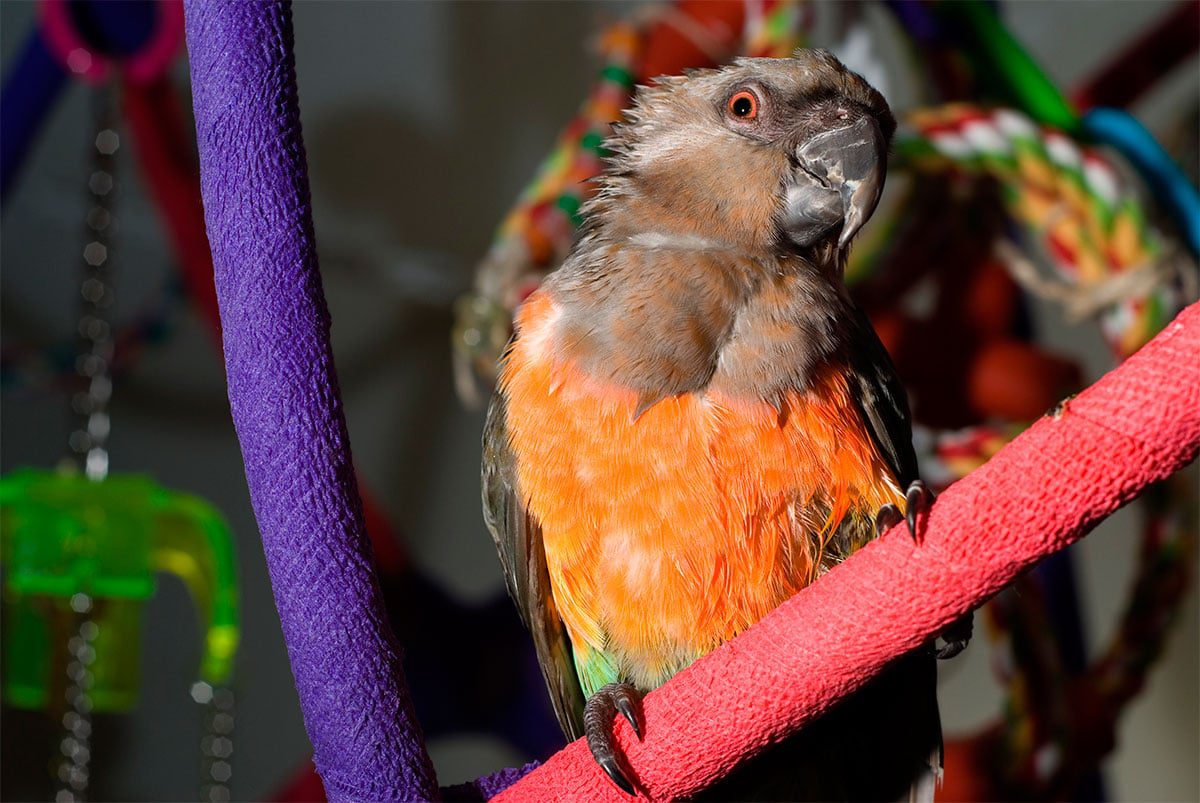
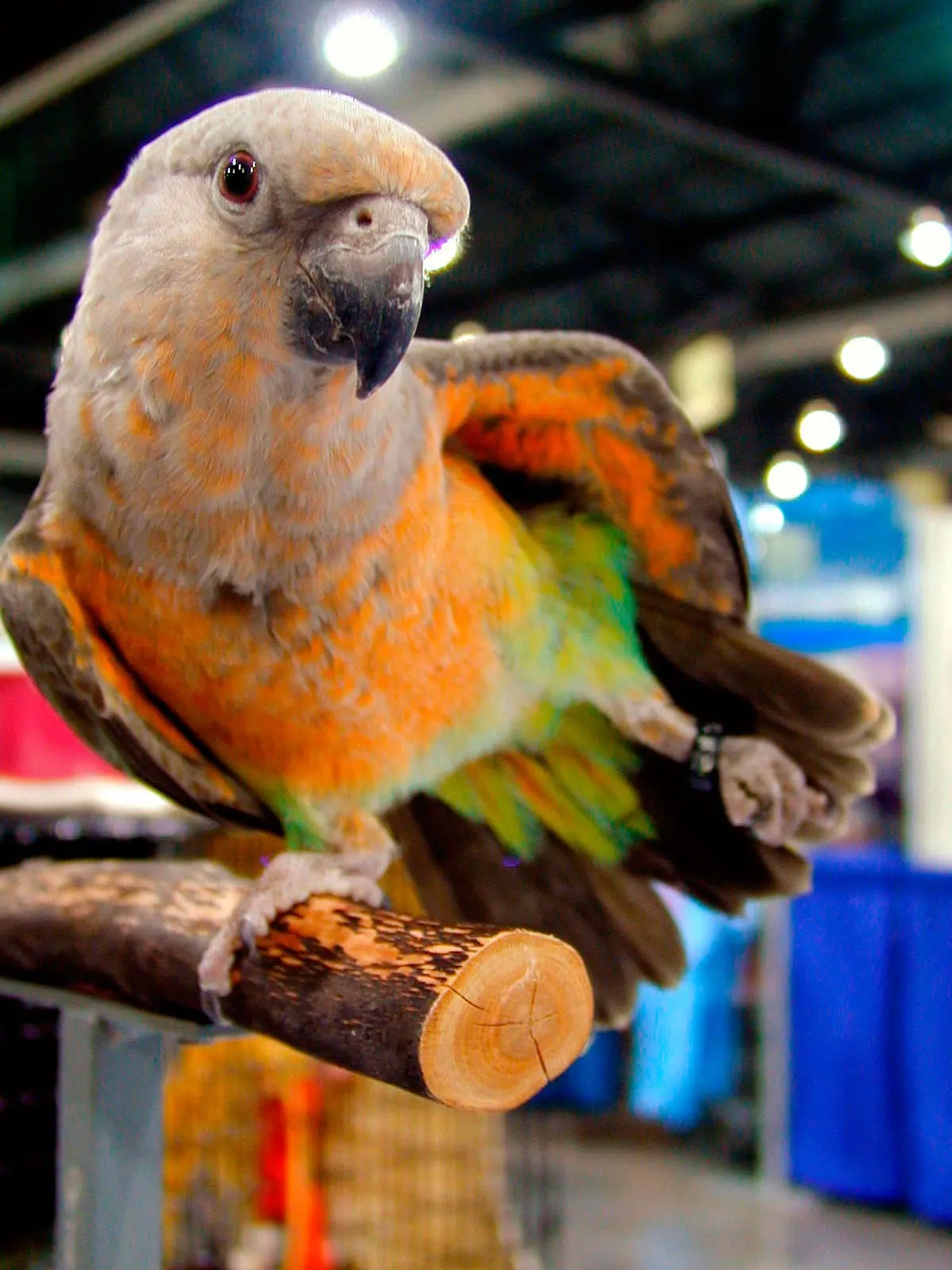
The Red-bellied Parrot (Poicephalus rufiventris) has the crown, nape and lores brown ash, the cheeks sometimes with orange tips; ear-coverts slightly paler. Mantle and scapulars brown ash; the back blue-black; rump iridescent pale blue or bluish green. Upper, the wings slightly darker than the head and back: the primaries brown. Under, the feathers of orange wings; underside of feathers Light brown flight. Throat and the chest ash brown with orange tint; top of the chest orange; belly up to undertail- coverts pale green sometimes shows Orange-tinged feathers. Tail dark brown ash.

Bill, cere and orbital skin black; irises orange-red; legs black.

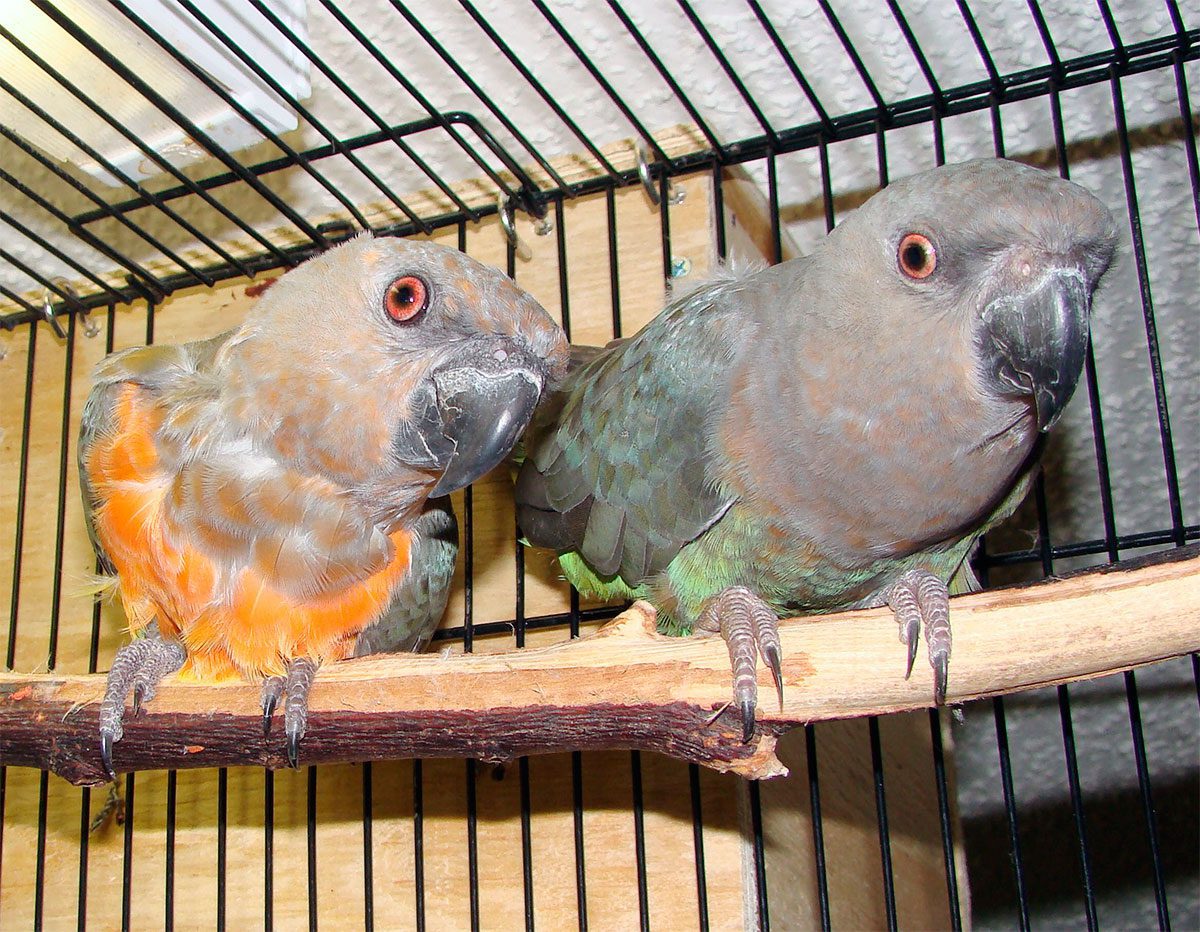
The female You have the upper chest grey, the pale green underside sometimes dyed orange. The head paler and grayer than male. Feathers of the wings greyish.

Immature, generally, similar to females, but the young males have orange feathers Wings below and can show brown marks on the chest.

Description 2 subspecies:

  • Poicephalus rufiventris pallidus

    (Someren, 1922) – head of color Brown and throat clearer than the one of the species nominal..


  • Poicephalus rufiventris rufiventris

    (Ruppell, 1842) – The species nominal.

Habitat:

Usually associated with semiarid vegetation, including areas of dry scrub and forest steppe Acacia Commiphora. It tends to avoid the dense foliage and, often it perches on dead branches.

In the south of the range, He prefers savannas Adansonia.

Where it is sympatric with the Meyer's Parrot (West range) the Red-bellied Parrot riparian forests and avoid living in the most open savannas.

In Ethiopia They can be observed in areas of savannah Acacia-Chrysopogon, up to 2,000m. altitude.

In Somalia They are subject to seasonal altitudinal movements in relation to the food supply, moving in altitude of about 2,000m from July to September in search of wild figs Ficus. Otherwise, generally below 1,400m.

Usually, seen in pairs or in family groups 3-4 birds; rarely in larger flocks.

Reproduction:

Nest in cavities within terrestrial termite mounds, between 2 and 3 meters above ground or 10 meters or more, in some dead tree.

The female incubates the eggs while the male goes in search of food, these eggs hatch after a few 28 days and start flying to the 60 days after hatching.

A female was recorded under breeding conditions during the month of March (Tanzania) and feeding immature in July and October. Registered one laying in the months of May and June Ethiopia; In Somalia, between January and May; also recorded half-grown chicks in January. In Somalia in colonial times, with individual couples baobab, between 100 and 200 meters away. The implementation is of 1 to 2 eggs.

Food:

They feed on, besides the figs, seed (including Acacia), fruits of Egyptian balanites, Cordia ovation and Dalbergia melanoxylon, including the corn.

They drink frequently and often they can be found near the water.

Due to the limited food that is in their respective regions, the Red-bellied Parrot They reach the fields and harvest crops eaten, so they are often hunted by farmers.

Distribution:

Size of the area of distribution (reproduction / resident): 1.540.000 km2

endemic to eastern Africa, from the North-East of Tanzania, eastern and northern Kenya, in the horn of africa in the southern and eastern Ethiopia (included Rift Valley) and western and northern zone Somalia.

Usually common within its range. Absent in the coastal lowlands, mainly sedentary with seasonal movements in some areas.

Distribution 2 subspecies:

  • Poicephalus rufiventris pallidus

    (Someren, 1922) – It is found exclusively in eastern Ethiopia.


  • Poicephalus rufiventris rufiventris

    (Ruppell, 1842) – The species nominal.

Conservation:


minor concern


• Current Red List of UICN: Least concern

• Population trend: Stable

The Red-bellied Parrot It is included in the Appendix II according to CITES (The Convention on International Trade in Endangered Species of Wild Fauna and Flora) from 1981 and established as a lesser concern in the Red List of Threatened Species of the UICN since the population has fallen by more than 30% in the last 10 years. The Red-bellied Parrot it began exporting significant quantities primarily in Tanzania over the years 80. Years before it began to export to Great Britain in very small quantities.

"Red-bellied Parrot" in captivity:

In captivity is rare, although Spain Some important breeding centers have managed to bring them up without difficulty. This parrot can be purchased directly from a specialized breeding.

What pet They are very cheerful, Playful, Intelligent and affectionate, a generally peaceful nature.

They are not very noisy. He likes to climb and climb, great need to crack and it is always advisable a regular supply of fresh branches. They like to bathe.

With regard to its longevity, according to sources, a specimen lived 33,4 years in captivity.

Alternative names:

Red-bellied Parrot, African Orange-bellied Parrot, Orange-bellied Parrot, Red bellied Parrot (English).
Perroquet à ventre rouge (French).
Rotbauch-Mohrenkopf (German).
Papagaio-de-ventre-vermelho (Portuguese).
Lorito de Vientre Rojo, Lorito Ventrirrojo, Loro Abisinio (español).

scientific classification:

Order: Psittaciformes
Family: Psittacidae
Genus: Poicephalus
Scientific name: Poicephalus rufiventris
Citation: (Rüppell, 1842)
Protonimo: Pionus rufiventris

Images "Red Ventriloid Lori":

Videos "Red-bellied Parrot"

"Red Ventriloid Lori" (Poicephalus rufiventris)

Sources:

  • Avibase
  • Parrots of the World – Forshaw Joseph M
  • Parrots A Guide to the Parrots of the World – Tony Juniper & Mike Parr
  • Birdlife
  • Wikipedia
  • Loromania

  • Photos:

(1) – Red-bellied Parrot; a male juvenile pet parrot on a wooden perch stretching By Ruth Rogers [CC BY 2.0], via Wikimedia Commons
(2) – Mature breeding pair of Red-Bellied Parrots (Poicephalus rufiventris) on a perch in a cage. Picture taken by user:Fruitwerks at home By Fruitwerks at English Wikipedia(Original text: User:Fruitwerks on en wiki) (Transferred from en.wikipedia to Commons.) [Public domain], via Wikimedia Commons
(3) – A adult male pet Red-bellied Parrot perching on a bright red perch. Photography: one SB-600, diffused, hand held to the left and below Joey, fired with CLS, on TTL with no Compensation. By Bram Cymet [CC BY 2.0], via Wikimedia Commons
(4) – Red-bellied Parrot; a juvenile male pet parrot on a wooden perch. Shows back By Ruth Rogers [CC BY 2.0], via Wikimedia Commons
(5) – A Red-bellied Parrot at San Antonio Zoo, USA. In the male the abdomen is red-orange and in the female the abdomen is green, but the abdomen is not visible making it difficult to sex this parrot from the view shown By Zach Welty (originally posted to Flickr as Parrot 2) [CC BY-SA 2.0], via Wikimedia Commons

▷ The world of Pets: Dogs, cats, birds, reptiles, amphibians

Southern Mealy Parrot
Amazona farinosa

Southern Mealy Parrot

Content

Description:


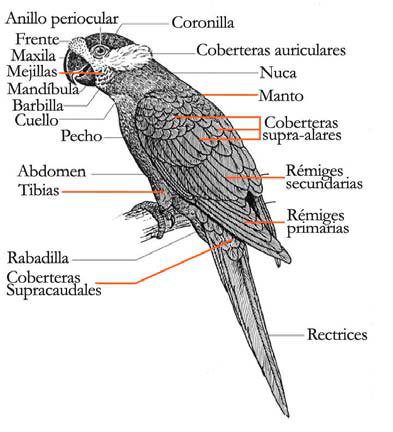
Anatomy-parrots

38 to 45 cm.. from head to tail and 535 to 766 weight g.

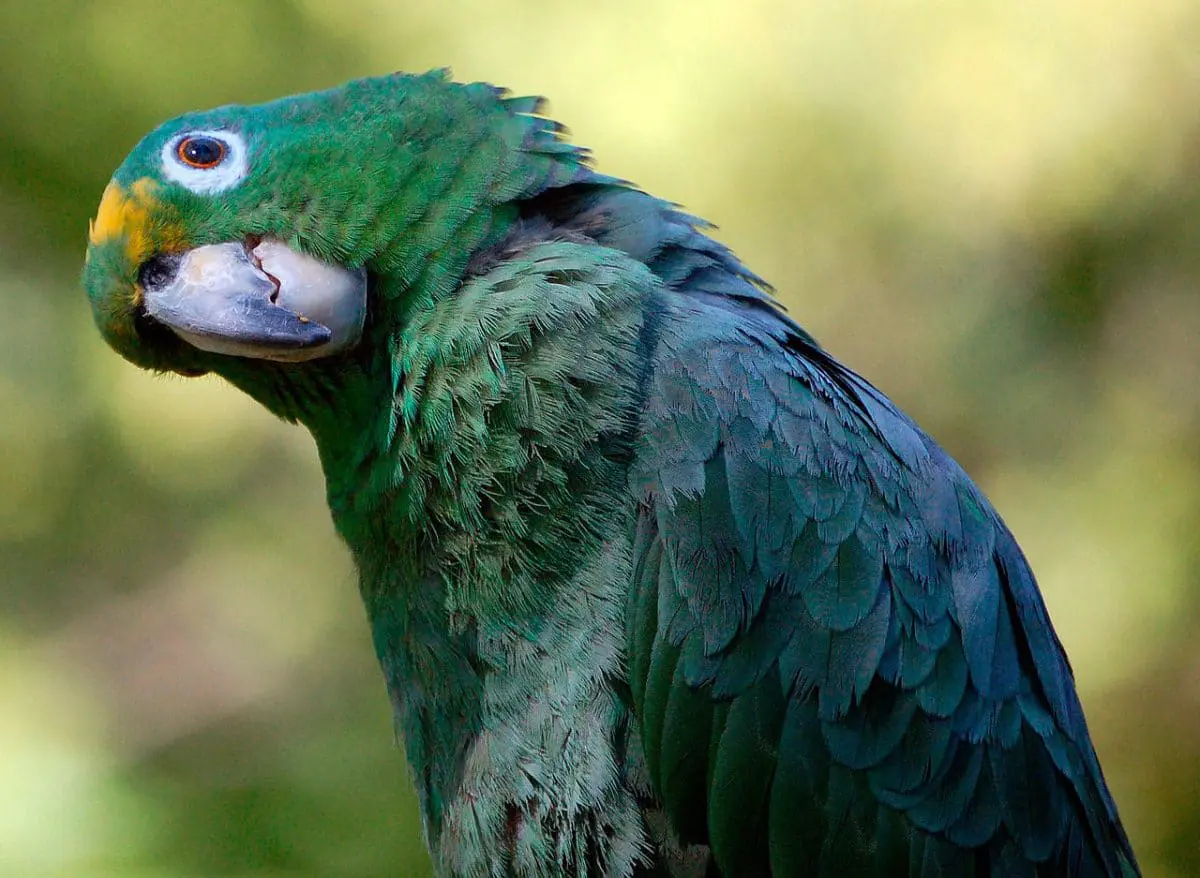
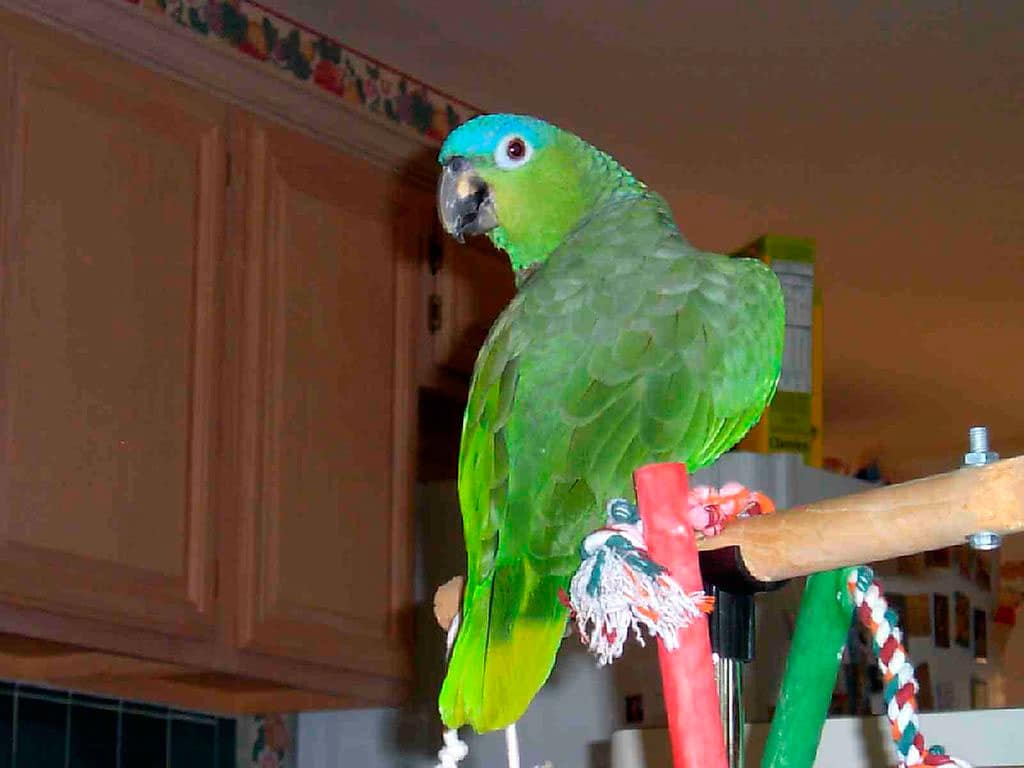
The Southern Mealy Parrot (Amazona farinosa) It is the fifth in size among the amazon parrots of the Americas, and is the Parrot largest in Mexico. The plumage its body is green with a slight yellow tone. Presents some yellow feathers on the crown, Although may not be very well defined.

Is characterized by its crown light blue color that continues to the side of the nape . Their wings are of round shape, and tail is short and square. The primary feathers and secondaries they have the blue-violet end, with a band red in them 4 – 5 Outer secondaries. The feathers of the tail they have a broad band of yellowish-green tip. The irises the eye is red with eye ring white, and the bill horn.

It has no sexual dimorphism and youth they are similar to adults, but with the irises dark brown .

Two more for South America subspecies have been proposed, Chapmani and Inornata but lack of character distinctive clear.

Habitat:

They inhabit in dense, humid tropical forests near clearings, Although also can inhabit in areas forested of the sheets.
You can see in altitudes of 290 to 1,200 m.

The Southern Mealy Parrot are birds very social, often seen flying in pairs or small flocks of up to 20 individuals. Also form groups more large, hundreds of birds, close to breeding season. Very enable, is the view often interacting with other species of parrots, such as macaws (ARA).

Is an of the species of parrot more noisy of the amazon, so they are easier to observe than other species.

Reproduction:

The mating It takes place once a year and usually starts in the spring. Once they mature sexually, the Southern Mealy Parrot they will choose a partner for life.

The breeding It normally varies between the months of November to March. The nesting has place in the cavity of a tree. The laying by year tends to be of three eggs. The eggs are hatch for approximately four weeks, after the hatching the males help females in the upbringing of young people, regurgitating food in the crop of the female. The offspring are ready to leave the nest after a period of about eight weeks..

Food:

It feeds on fruits of various species, some of them are: Euterpe SP.., Brosimum sp., Inga sp., Dussia sp., Eschweilera SP.., Pithecellobium SP.., Tetragastris sp., Dialium guianensis, Peritassa compta, Sloanea grandiflora and It corima macrocarpa. Also consumes flowers, arils of Cassearia sp. and nectar of Tabebuia insignis.

Distribution:

Size of the area of distribution (reproduction / resident): 6.790.000 km2

Are in Mexico, Central America and South America, occupying a wide range from the South of Mexico to the North of Bolivia and South of Brazil. They are more common in Costa Rica and Panama, particularly in the costa Caribbean. Observed in the Middle Magdalena River Valley and to the East of them Andes on San Jacinto Mountain Range, Western base of the Perijá Mountain Range and the Department of Sucre, in Colombia.

Conservation:

State of conservation ⓘ


Near-threatened Near Threatened (UICN)ⓘ

• Current category of the Red List of the UICN: Near-threatened.

• Population trend: Decreasing.

Not are currently identified as a species in crisis. Not comply with the criteria for a decrease of the population, that means a loss of thirty per cent of the population in ten years or three generations, as defined in the Red list of the UICN.

Are considered a least concern species. This, However, It does not suggest that the species is completely free from danger.

The important trade of trade in live birds of this species, and loss of habitat caused by deforestation have a significant impact on the decrease of the population of the Southern Mealy Parrot in certain areas.

The Southern Mealy Parrot in captivity:

Of special interest to the international trade in exotic birds; common in captivity. In some areas, they are also hunted for food, due to its relatively large size. With regard to its ability to speak, It seems that can be good talkative, but is true that there are birds that do not come to make it never.

Alternative names:

Southern Mealy Parrot, Mealy Parrot, Mealy Parrot (nominate), Southern Mealy Amazon (English).
Amazone poudrée, Amazone poudrée (nominal), Amazone poudrée (nominale), Amazone poudrée (race nominale) (French).
Mülleramazone (German).
papagaio-moleiro (Portuguese).
Amazona harinosa sureña, Amazona Burrona (español).
Lora Real (Colombia).
Loro verde (Costa Rica).
Lora coroniazul (Honduras).
Loro corona-azul (Mexico).
Loro Harinoso (Peru).
Loro Burrón (Venezuela).


scientific classification:

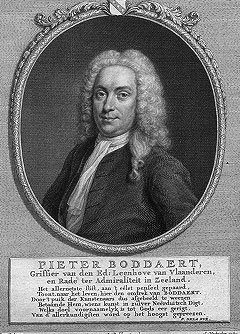
Pieter Boddaert
Pieter Boddaert

Order: Psittaciformes
Family: Psittacidae
Genus: Amazona
Scientific name: Amazona farinosa
Citation: (Boddaert, 1783)
Protonimo: Psittacus farinosus


Southern Mealy Parrot images:


Species of the genus Amazona


Sources:

Avibase
– Parrots of the World – Forshaw Joseph M
– Parrots A Guide to the Parrots of the World – Tony Juniper & Mike Parr
Birdlife

Photos:

(1) – Mealy Amazon at Elmwood Park Zoo. Photograph shows upper body By Art G. from Willow Grove, PA, USA (African Parrot) [CC BY 2.0], via Wikimedia Commons
(2) – Mealy Parrot (Amazona farinosa), Tambopata Lodge, Peru By D. Gordon E. Robertson (Own work) [CC BY-SA 3.0 or GFDL], via Wikimedia Commons
(3) – Two Mealy Amazons at South Lakes Wild Animal Park, Broughton Road, Dalton in Furness, Cumbria, England By Glen Bowman (originally posted to Flickr as 18:02:2009 14:33:08) [CC BY 2.0], via Wikimedia Commons
(4) – A Mealy Amazon at Kobe Oji Zoo, Kobe, Japan By Jun Y (originally posted to Flickr as Poll Parrot) [CC BY-SA 2.0], via Wikimedia Commons
(5) – Mealy Parrot or Mealy Amazon (Amazona farinosa) of the blue crowned variety. Note the characteristic flour-like surface texture of the feathers on shoulder area By Eightball38 at English Wikipedia [Public domain], via Wikimedia Commons

Sounds: Diego Caiafa (Xeno-canto)

▷ The world of Pets: Dogs, cats, birds, reptiles, amphibians

Yellow-billed Parrot
Amazona collaria

Yellow-billed Parrot

Content

Description:


Anatomy-parrots

28 cm.. length and 260 g. of weight.

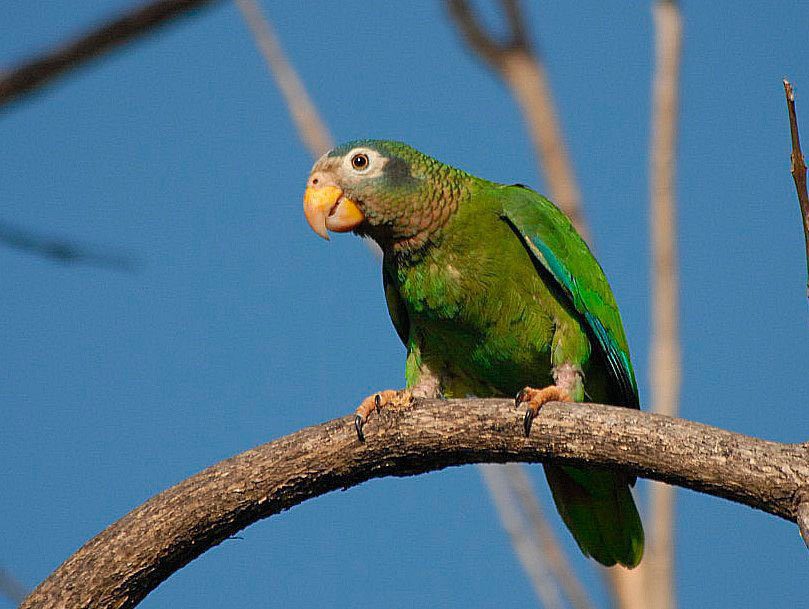
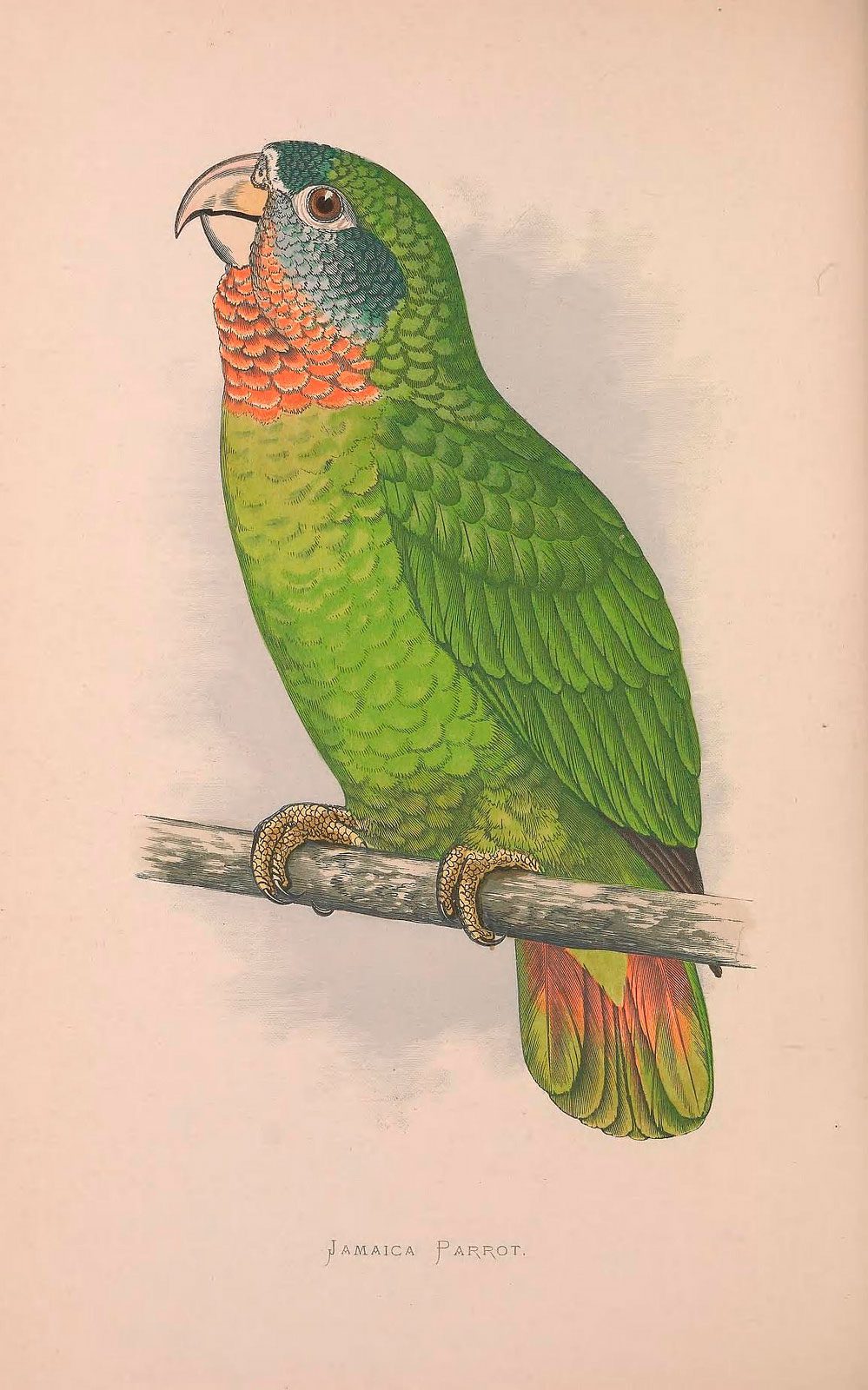
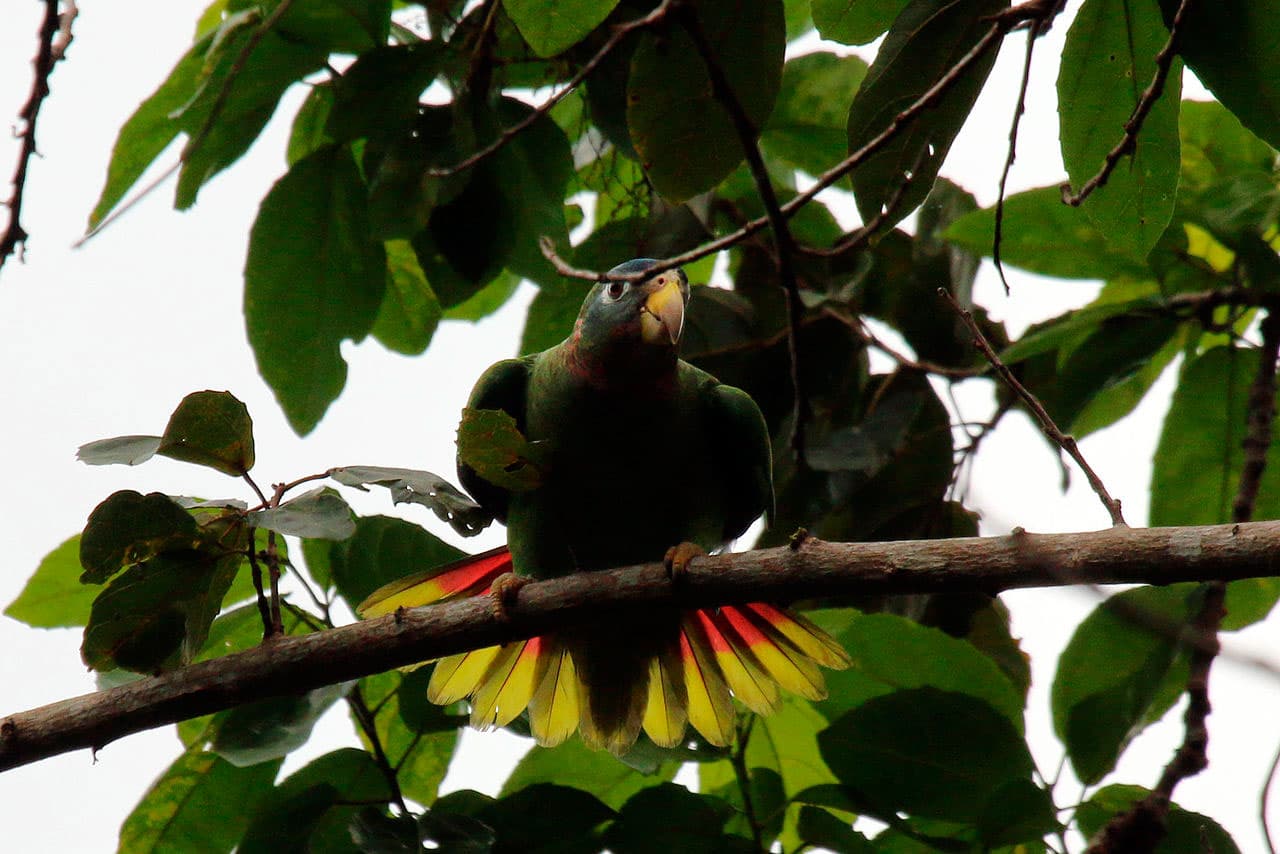
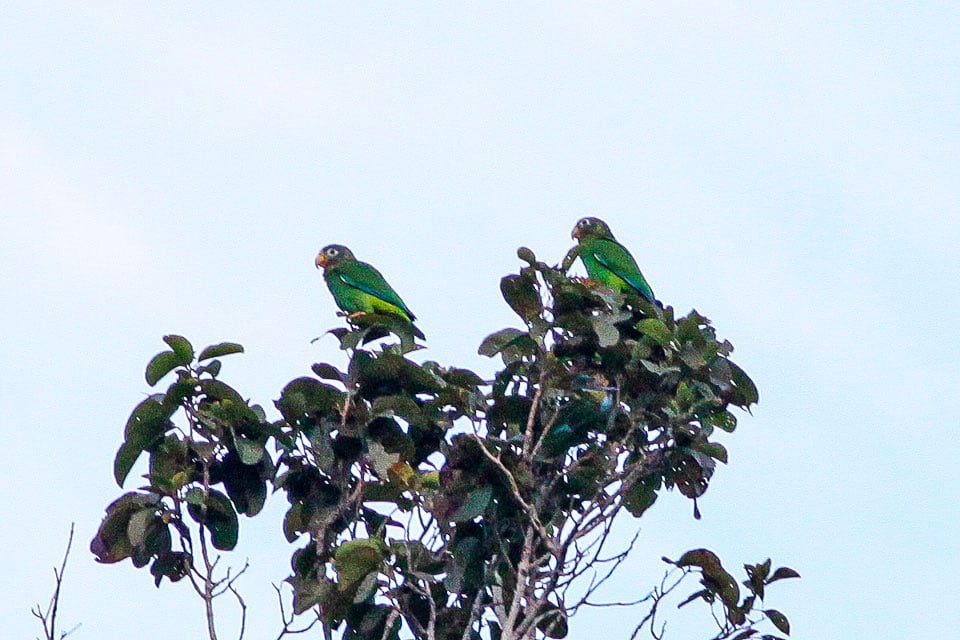
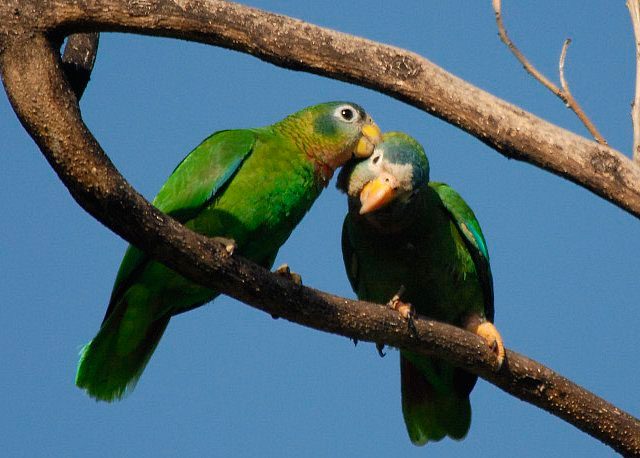
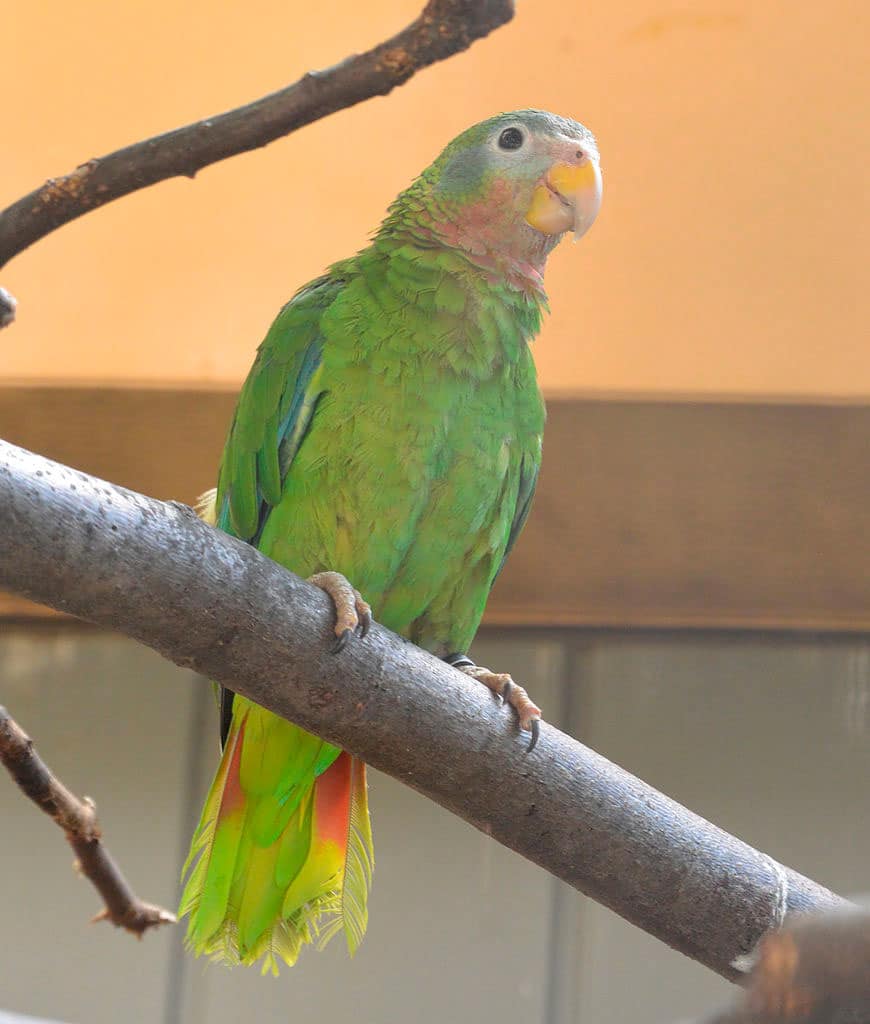
The Yellow-billed Parrot (Amazona collaria) It has a distinctive narrow band on forecrown white; lores and upper cheeks, with pale blue feathers; crown blue with black tips, merging on hindcrown; the sides of neck and nape into green feathers with black tips; feathers on the sides of neck sometimes basally pink; ear-coverts greyish-blue with black tips.

Mantle and back, green apple with black tips (the latter become less pronounced further down); lower back, the rump and uppertail-coverts, brighter yellowish green. big blankets, blue; the rest, green apple. Alula and outerweb of the flight feather, blue; innerwebs, dark gray. Under, the wings green, flight feather, bluish green.

Yellow-billed Parrot

Throat and lower cheeks, Rosaceae, sometimes with green tips; top of the chest to belly, yellowish green apple; undertail-coverts brighter yellowish green. Upper, the tail It is green with yellow and red points on the basis; undertail, paler and olive. Bill yellowish; irises brown; legs Rosaceae.

In the breeding season, the throat pink male it becomes brighter and plumage acquires green metallic tones. Both sexes are similar. Perhaps males average slightly larger. Immature similar to adult.

  • Sound of the Yellow-billed Parrot.

Habitat:

Video "Yellow-billed Parrot"

The Yellow-billed Parrot inhabit, mainly, in the middle level of humid limestone forests (annual rainfall between 1.900-4.500 mm) with (for example) Terminalia latifolia emerging and Cedrela odorata, most arid forests and upland areas planted with trees, especially the edge of the forest; from sea level up 1.200 metres in Cockpit Country.

Usually in pairs or flocks of up to about 40 individuals; larger gatherings where food is plentiful (for example, a report of 60 birds feeding on orange). They form large communal shelters out of breeding season and sometimes seen in association with the Black-billed Parrot (Amazona agilis) and Olive-throated Parakeet (Eupsittula nana). They forage closer to roosts as the day progresses.

Reproduction:

They nest in tree cavities, at higher altitudes the 15 m, frequently Brosimum, with enlarged holes in successive years. Often used initially cavity excavated by the Jamaican Crow (Corvus jamaicensis). Nesting also observed in rock cracks. Courtship registered in January laying of eggs, between 4-5, in March-May.

Food:

Foods reported include catkins of Cecropia, Anacardium occidentale dried fruits, fruits of Pimenta dioica and figs, and seeds of Melia azedarack; feeding birds took only orange seeds, squandering the fleshy part. They forage in middle and high levels.

Distribution and status:

Size of its range (breeding/resident): 7.200 km2

The Yellow-billed Parrot It is endemic to Jamaica, this species remains widespread, more than the other species of Jamaican Amazona, the Black-billed Parrot (Amazona agilis), although extensive surveys have not yet been carried out throughout the entire island. They are observed flocks of 50 to 60 individuals throughout the year, particularly in the non-breeding season, moving from inside the forest to the edge habitat to feed.

This species is particularly Cockpit Country, Mt. Diablo, and John Crow Mountains. A small population (presumably wild) also it sets to Hope Gardens in Kingston.

Recent studies indicate that Amazona collaria it is less abundant than Amazona agilis, possibly as a result of Amazona collaria It is a more colorful and preferred species in trade. while the Amazona agilis It is currently nested in all Cockpit Country, including plantation disturbed along the edges areas, the Amazona collaria now nests almost exclusively in relatively remote hinterlands.

Local reports suggest a significant overall decrease in collaria Amazona in Cockpit Country and a greater degree of threat to other species, the Amazona agilis.

The preliminary population counts suggest 5.000 individuals in Cockpit Country, Mt. Diablo, and John Crow Mountains (C. Levy in lilt, 1999).

Difficult to distinguish from Amazona agilis distance and possible misidentification, They may have affected the validity of some previous reports on their abundance and distribution.

Conservation:

State of conservation ⓘ


Vulnerable Vulnerable (UICN)ⓘ

• Current category of the Red List of the UICN: Vulnerable.

• Population trend: decreasing.

• Population size : 6000-15000

Rationale for the Red List category

This species is classified as Vulnerable because it has a small and fragmented range, with suitable habitat decline in extent, area and quality, mainly due to speak and forest clearing for bauxite mining. Numbers are also declining due to trampeo.

Justification of the population

The population size is preliminarily estimated to fall in the band between 10.000 and 19.999 individuals. This is equivalent to 6,667-13,333 mature individuals, rounded here to 6,000-15,000 mature individuals.

Justification of trend

No new data on population trends; However, It suspected that the species is declining at a slow pace, as a result of the loss and degradation of habitat and capture.

Conservation Actions Underway

CITES Appendix II.

protected under the Act Wildlife Protection Jamaica and Endangered Species Act of 2000, which together prohibit keeping the species as a domestic animal and local and international trade.

• It has been declared as threatened in Jamaica from 1986 (Juniper and Parr 1998).

• Since 1995 He has worked to delineate its distribution, estimate the size of the population, identify factors limiting reproductive performance and train local people in research methods and techniques for long-term monitoring (BirdLife Jamaica Parrot Project in little 1998, 2000).

• Habitat in the mountains Blue and John Crow It has been declared National Park, but the implementation and management are weak (BirdLife Jamaica Parrot Project in little 1998, 2000).

• There is a campaign public awareness high profile to prevent bauxite mining in Cockpit Country, by declaring the area closed to mining by the Minister's Discretion (S. Koenig in some. 2007).

• Discussions have started that, we wait, will lead to ban the importation of psittacine to Jamaica (S. Koenig in a bit., 2007).

• Exist captive breeding populations.

Conservation Actions Proposed

• Survey for delineate the range and evaluate the numbers (BirdLife Jamaica Parrot Project in little 1998, 2000).

• Declare a Cockpit Country closed to mining.

• Ensure the de facto protection of the Blue Mountains National Park and John Crow (BirdLife Jamaica Parrot Project in little 1998, 2000).

• Design and implement Educational programs in the occupied area of ​​the species (BirdLife Jamaica Parrot Project in little. , 1998, 2000) and develop captive breeding populations.

Apply legal protection.

Prohibit the importation of non-native parrots.

The Yellow-billed Parrot in captivity:

CITES Appendix II. protected under the Law on Protection of Wildlife Act Jamaica and Endangered Species 2000, which together prohibit keeping this species as a domestic animal, as well as local and international trade.
Exist captive breeding populations.

any trade should be avoided with this rare Amazona.
Each captive specimen of this species which is capable of reproducing, It is placed in a well managed captive breeding program and not be sold as a pet, in order to ensure its long-term survival.

Alternative names:

Yellow-billed Parrot, Jamaican Amazon, Jamaican Parrot, Red-throated Parrot, Yellow billed Parrot, Yellow-billed Amazon (English).
Amazone sasabé (French).
Jamaicaamazone, Jamaikaamazone, Jamaikamazone (German).
Papagaio-da-jamaica (Portuguese).
Amazona de Pico Amarillo, Amazona Jamaicana Piquiclara (español).


scientific classification:

Carl Linnaeus

Order: Psittaciformes
Family: Psittacidae
Genus: Amazona
Scientific name: Amazona collaria
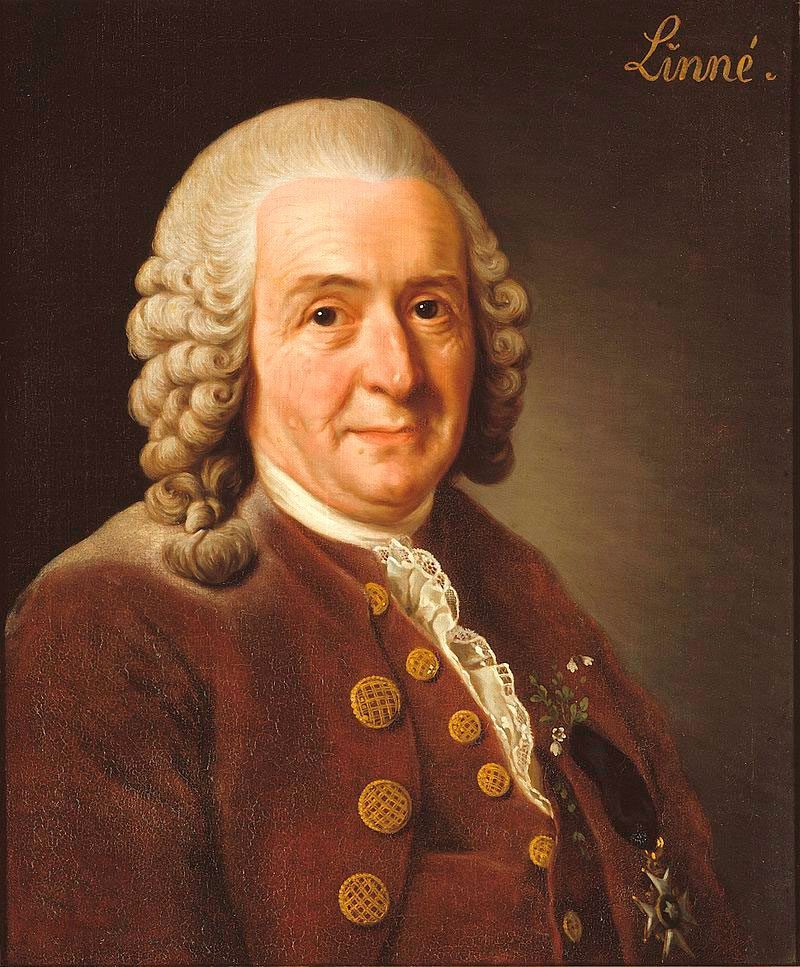
Citation: (Linnaeus, 1758)
Protonimo: Psittacus collarius


Images Yellow-billed Parrot:


Species of the genus Amazona


Sources:

Avibase
Parrots of the World – Forshaw Joseph M
Parrots A Guide to the Parrots of the World – Tony Juniper & Mike Parr
Birdlife

Photos:

(1) – Yellow-billed Amazon in the St. Andrew, Jamaica By Amazona_collaria_-St.Andrew-Jamaica-8a.jpg: Wayne Sutherland from Kingston, Jamaicaderivative work: Snowmanradio [CC BY-SA 2.0], via Wikimedia Commons
(2) – Amazona_collaria at Vienna Zoo, Schonbrunn Palace, Vienna, Austria By Alois Staudacher (Jamaica Amazone) [CC BY 2.0], via Wikimedia Commons
(3) – Yellow-billed Amazons in the Kingston, St. Andrew, Jamaica By Wayne Sutherland from Kingston, Jamaica (Pair of Yellow Billed Parrots) [CC BY-SA 2.0], via Wikimedia Commons
(4) – Yellow-billed Amazon (Amazona collaria) in Cockpit Country by Ron KnightFlickr
(5) – Yellow-billed amazon parrot (Amazona collaria), Jamaica By Charlesjsharp (Own work, from Sharp Photography) [CC BY-SA 4.0], via Wikimedia Commons
(6) – Parrots in captivity by Biodiversity Heritage LibraryFlickr

Sounds: Nick Komar, XC255118. accessible www.xeno-canto.org/255118.

▷ The world of Pets: Dogs, cats, birds, reptiles, amphibians

Raiatea parakeet †
Cyanoramphus ulietanus

Raiatea Parakeet

Content

Description:

25 cm.. length.

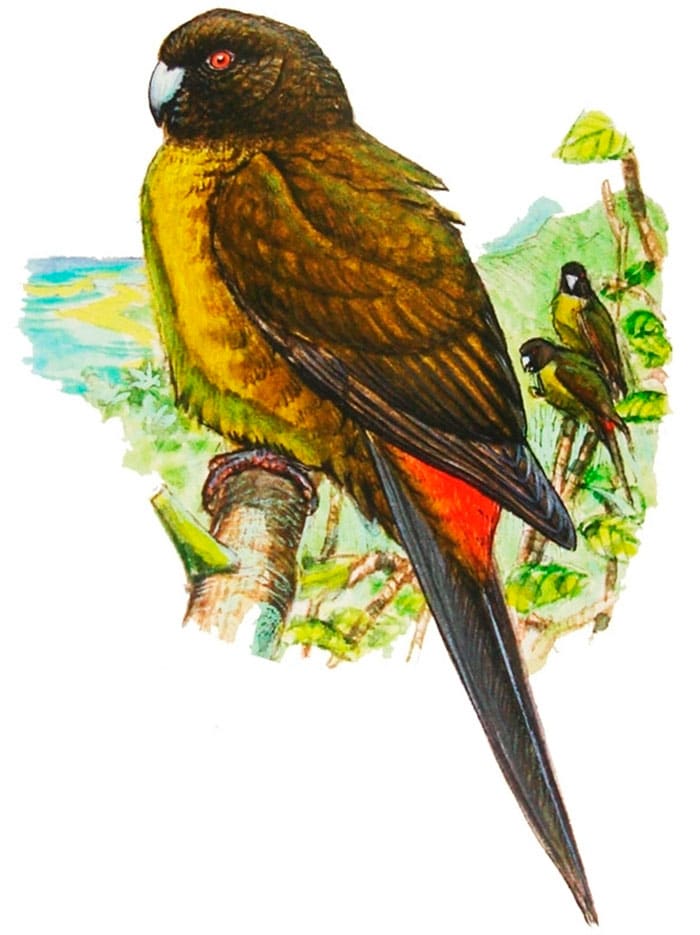
The Raiatea Parakeet (Cyanoramphus ulietanus) had the head blackish brown, paler on neck, Rump and wings. The lower part of the back and tail coverts were brownish-red; and under wing-coverts and outerweb the flight feathers were gray-blue. There was a gray border on the feathers primaries and secondaries. The chest, the abdomen and the under tail were yellow olive. The feathers of the middle tail were olive brown. The outer feathers tail were gray.

The irises were probably orange-red in the adult and juvenile brown. The legs were grayish brown. The bill was pale blue-gray or gray-brown to black tip. The males and females They looked similar.

Habitat:

It is believed that it was a kind forest, when the Society Islands They were all wooded.

Reproduction:

It knows nothing about the reproductive habits of this parrot or why died.

Food:

Nothing is known about the eating habits of this parrot.

Distribution:

Of the Raiatea Parakeet only known from two specimens in Raiatea, in the Society Islands of the french polynesia (Forshaw and Cooper 1989), collected on the trip Cook in 1773, and now Vienna and Tring (Knox y Walters 1994).

Conservation:

• Current category of the Red List of the UICN: EXTINCT.

Rationale for the Red List category

This species was known in the Isla de Raiatea, french polynesia, but now it is extinct, probably as a result of habitat or cleaning action of invasive species.

Justification of the population

There remains no existing population.

It is believed that the two bodies of this parrot that remain dissected in two museums, the Natural History Museum London and the Naturhistorisches Museum, They were collected by Georg Forster in 1773 or 1774 during the second voyage of Capitán Cook (Stresemann 1950). But, Medway (2009), based on the travel journal Joseph Banks, He thought they were collected in November 1777 during the third trip Cook. It seems likely that no collection will be made on Raiatea in 1768 during the first trip Cook, since the natives were hostile, which is why Forster probably obtained both specimens in the second. But, There is some confusion as to the locality, but Forster (1844) he refers to a "Psittacus pacificus" seen en Otaheite (tahiti) and Oriadea (Raiatea), from where Greenway (1967) presumed that found and collected Cyanoramphus zealandicus in Tahiti and C. ulietanus in Raiatea. unusually, Forster He did not consider the two species as different.

Alternative names:

Raiatea Parakeet, Society Parakeet, Society Parrot (English).
Kakariki de Raiatea, Perruche de Raiatea (French).
Braunkopf-Laufsittich, Raiateasittich (German).
Periquito-de-raiatea (Portuguese).
Perico de Raiatea (español).

scientific classification:

Gmelin Johann Friedrich

Order: Psittaciformes
Family: Psittaculidae
Gender: Cyanoramphus
Scientific name: Cyanoramphus ulietanus
Subpoena: (Gmelin, JF, 1788)
Protonimo: Psittacus ulietanus

Sources:

Avibase
• Parrots of the World – Forshaw Joseph M
• Parrots A Guide to the Parrots of the World – Tony Juniper & Mike Parr
Birdlife

Photos:

(1) – Illustration of the society parakeet (Cyanoramphus ulietanus) by Mr thrice [CC BY-SA 4.0], from Wikimedia Commons

▷ The world of Pets: Dogs, cats, birds, reptiles, amphibians

Rose-faced Parrot
Pyrilia pulchra

Lorito Carirrosado

Content


Anatomy-parrots

Description:

23 to 26 cm.. height.

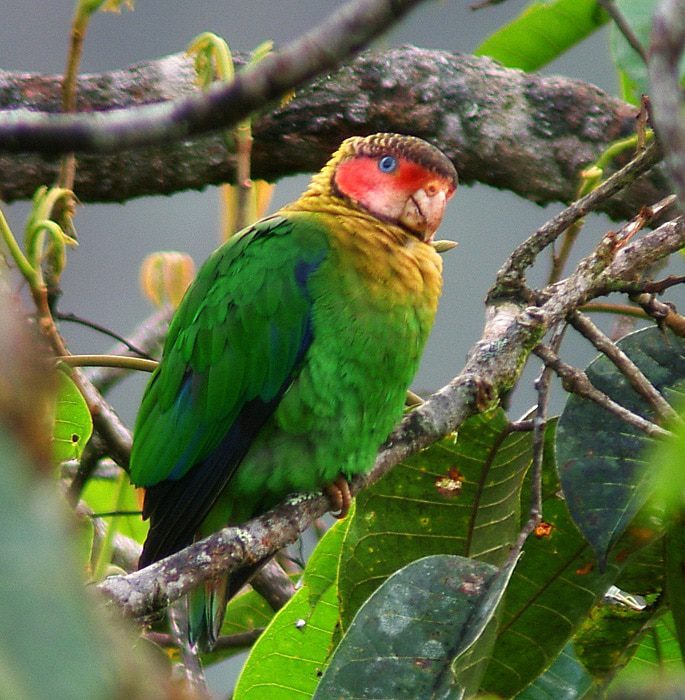
The Rose-faced Parrot (Pyrilia pulchra) be distinguished easily by your face and both sides of neck purple-red with black margin; crown and throat grayish coffee. General green olive in the back and beige in the belly. Wings with the part superior mixed with yellow or red orange and the rest green blue.

Stubby-looking and tail short. The immature they have only have a red line on the eye and the ear While their cheeks are coffee Green.

Habitat:

The Rose-faced Parrot is a parrot little known, which is commonly found between 1,200 and 2,100 m above sea level, Although has been observed at altitudes as low as 200 m. Inhabits humid and semi-deciduous forests of lowlands and temperate. According to the information available, is known that this Parrot is often feed is on the canopy of forests, Although visit disturbed areas and crops. Flying in pairs or groups of size variable up to of 25 or more.

Reproduction:

The data on reproduction are scarce. But, they have observed individuals with gonads developed between November and February in the Chocó, in Colombia and Ecuador.

Food:

Its diet It is little known, but some observations indicate that includes in its feeding fruits of Oenocarpus bataua (Arecaceae) and other fruits from species wild and plants cultivated as banana and corn.

Distribution:

Size of the area of distribution (reproduction / resident): 195.000 km2

Are you can observe in freedom from the West of Colombia to the West of Ecuador.

Conservation:


minor concern


• Current category of the Red List of the UICN: Least concern.

• Population trend: Stable.

Justification of the population

The population size World has not been quantified, but this species is described as "uncommon and irregularly distributed" (Stotz et to the., 1996).

Justification of trend

It is suspected that the population is stable in absence of evidence of any decline or threatens substantial.

"Rose-faced Parrot" in captivity:

Not usually seen in aviculture. Extremely sensitive, has ever survived more than one couple of months in captivity.

Alternative names:

Rose-faced Parrot, Beautiful Parrot, Rose faced Parrot (English).
Caïque à joues roses (French).
Rosenwangenpapagei, Rosenwangen-Papagei (German).
Rose-faced Parrot (Portuguese).
Cotorra Carirrosada, Lorito Carirrosado, Lorito de Cara Rosada (español).

scientific classification:

Order: Psittaciformes
Family: Psittacidae
Genus: Pyrilia
Scientific name: Pyrilia pulchra
Citation: von Berlepsch, 1897
Protonimo: Pionopsitta pulchra

Images "Rose-faced Parrot"

Videos "Rose-faced Parrot"

«Pink-faced Parrot» (Pyrilia pulchra)


Sources:

  • Avibase
  • Parrots of the World – Forshaw Joseph M
  • Parrots A Guide to the Parrots of the World – Tony Juniper & Mike Parr
  • Birdlife
  • Parrot Book, Parrots and macaws Neotropical
  • parrots.org
  • Rodriguez–Mahecha & Hernandez–Camacho 2002

  • Photos:

(1) – photo ©stolmstead Flickr.com

▷ The world of Pets: Dogs, cats, birds, reptiles, amphibians

Yellow-streaked Lory
Chalcopsitta scintillata

Lori Chispeado

Content

Description

Measured between 30 to 31 cm.. and a weight between 180 and 245 gr.

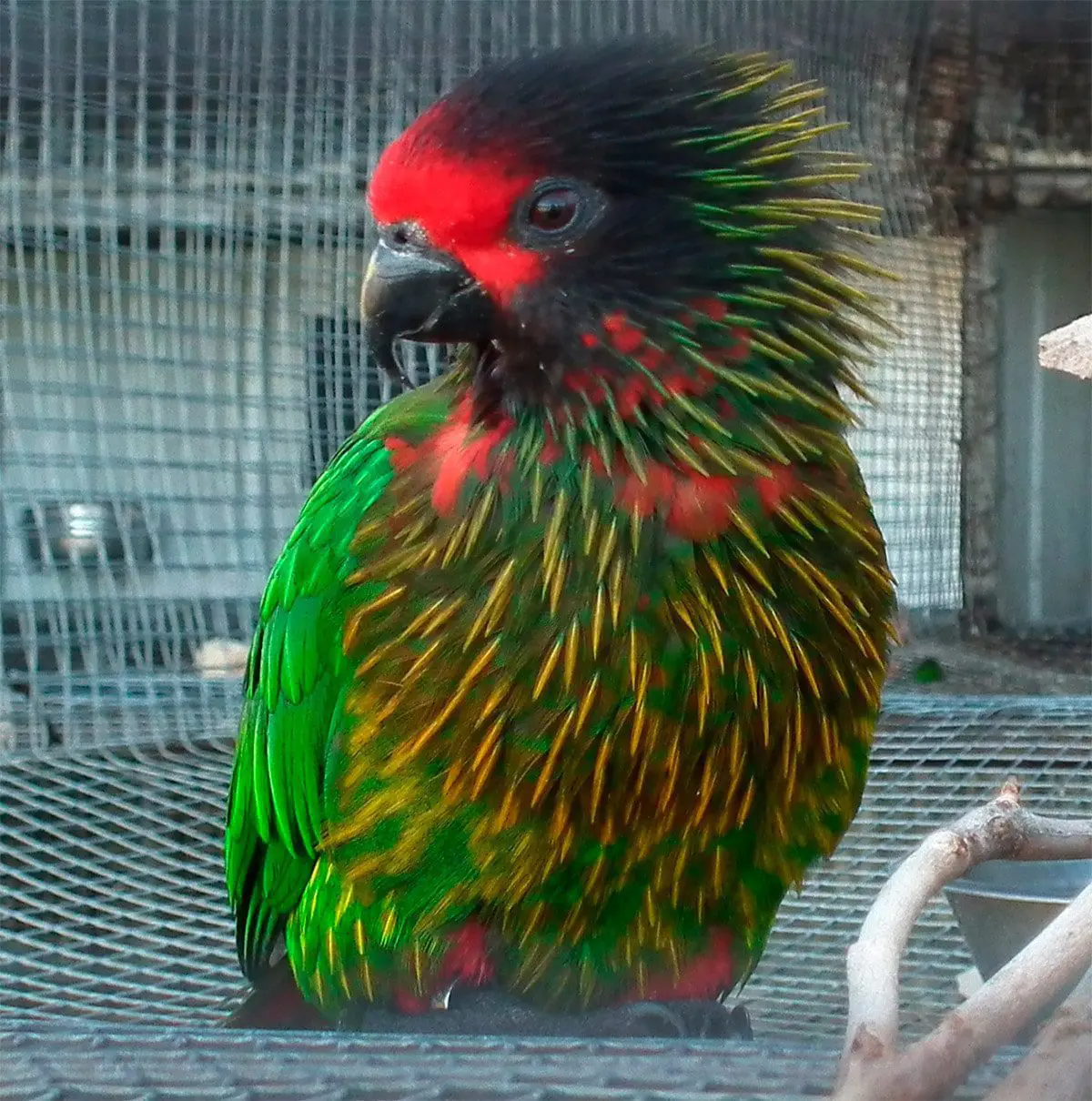
The adults of the species Yellow-streaked Lory (Chalcopsitta scintillata) have plumage dark green, pale green veins in head and the abdomen, and bright yellow bands in the chest and in the the mantle.

Chalcopsitta sintillata rubrifrons

The forecrown, cheeks and the thighs are bright red. The sides of the chest with large red infiltrations.

The under wing It is crossed by a thick yellow band. The bill is black. Bare skin eye and at the base of bill is dark gray. The irises are orange-red, the legs grey.

There is no sexual dimorphism, but in the female, the front spot It is less pronounced.

The immature They resemble adults, but have less red in the forecrown. The basis of the bill It is less stained yellow. The irises They are brown.

They are particularly visible in the early hours of the day, When the bands fly over canopy, sometimes very large heights.

They have a direct flight with rapid wing beats. In spite of this, they give the impression of moving slowly, almost in a hesitant way. Its neck tense and the tail feathers widely deployed gives them a vision in flight that is very characteristic. Couples often engage in stunts, with many screams.

Description 3 subspecies

  • Chalcopsitta scintillata chloroptera

    (Salvadori, 1876) – Adults of this subspecies differ little from those of the nominal species. But, they differ from the latter by the narrower stripes on the plumage. The bottom of your wings They are green or green with red markings.


  • Chalcopsitta scintillata rubrifrons

    (Gray,GR, 1858) – In this subspecies, both adults and juveniles, they are identical to the nominal species, but the veins of body plumage They are more spacious and orange-yellow.


  • Chalcopsitta scintillata scintillata

    (Temminck, 1835) – Nominal.

Habitat:

common in the lowlands, in the Savanna They are covering the hills, in plantations cocoteros and in the mangroves.
They are also in the primary forest and secondary adjacent, even in narrow bands of gallery forests bordering rivers in open country.
Occasionally, the Yellow-streaked Lory They sit near or inside Gardens in local villages.
They can fly to 800 m above sea level.

Reproduction:

Typically install their nests in treeholes high. There is not much information about the reproduction in the center of nature.

In captivity, the implementation is of 2 eggs which both parents incubate alternately during 26 days. At hatching, hatchlings weigh 7 u 8 g.. Duration reproductive cycle It is very long and can overcome 80 days. Despite this, There may be a second clutch in the season.

Food:

They feed in the trees.

consume nectar, pollen and fruit. Are said to some insects complete this predominantly vegetarian diet.

Distribution:

Size of its range (breeding/resident): 586.000 km2

These birds are endemic to the Islas Aru and South of Papua New Guinea.

Distribution 3 subspecies

  • Chalcopsitta scintillata chloroptera

    (Salvadori, 1876) – High of the fly river to Southeast Papua New Guinea.


  • Chalcopsitta scintillata rubrifrons

    (Gray,GR, 1858) – Only in the islas Aru.


  • Chalcopsitta scintillata scintillata

    (Temminck, 1835) – Nominal. South of New Guinea (triton bay to lower fly river.

Conservation:


minor concern

• Current IUCN Red List category: Least concern.

• Population trend: Stable.

It is not an endangered species. In a study in Southeast New Guinea, its density was estimated at 20 birds per square kilometer.
Its world population approaches the 100.000 birds.

The population suspected to be stable in the absence of evidence of any reduction or substantial threats.

"Yellow-streaked Lory" in captivity:

Pretty common.

They are birds very noisy People who like to let their loud cries are heard. They are playful, they have no fear and they can easily become meek in the hands of your caregiver. They are not only extremely aggressive against other Yellow-streaked Lory, also as with other species.

Alternative names:

Yellow-streaked Lory, Greater Streaked Lory, Streaked Lory, Yellow streaked Lory, Yellowish-streaked Lory (ingles).
Lori flamméché, Lori à front jaune, Lori à front rouge, Lori strié (French).
Schimmerlori (German).
Lóris-listrado-amarelo (Portuguese).
Lori Chispeado (español).

scientific classification:

Order: Psittaciformes
Family: Psittaculidae
Genus: Chalcopsitta
Scientific name: Chalcopsitta scintillata
Citation: (Temminck, 1835)
Protonimo: Psittacus sintillatus

“Sparkling Lori” Images:

Videos "Yellow-streaked Lory"

————————————————————————————————-

"Sparkling Lori" (Chalcopsitta scintillata)


Sources:
Avibase, Oiseaux.NET

Photos:

Wikipedia
– Goura (zoochat.com)
– loryland.NET
Wikimedia
Wikipedia
– Chalcopsitta rubrifrons = Chalcopsitta sintillata rubrifrons by Joseph Wolf [Public domain], via Wikimedia Commons

Sounds: BAS van Balen (Xeno-canto)

▷ The world of Pets: Dogs, cats, birds, reptiles, amphibians

Mindanao Lorikeet
Trichoglossus johnstoniae

Mindanao Lorikeet

Content

Description

20 cm.. length and a weight between 48 and 62 gr.

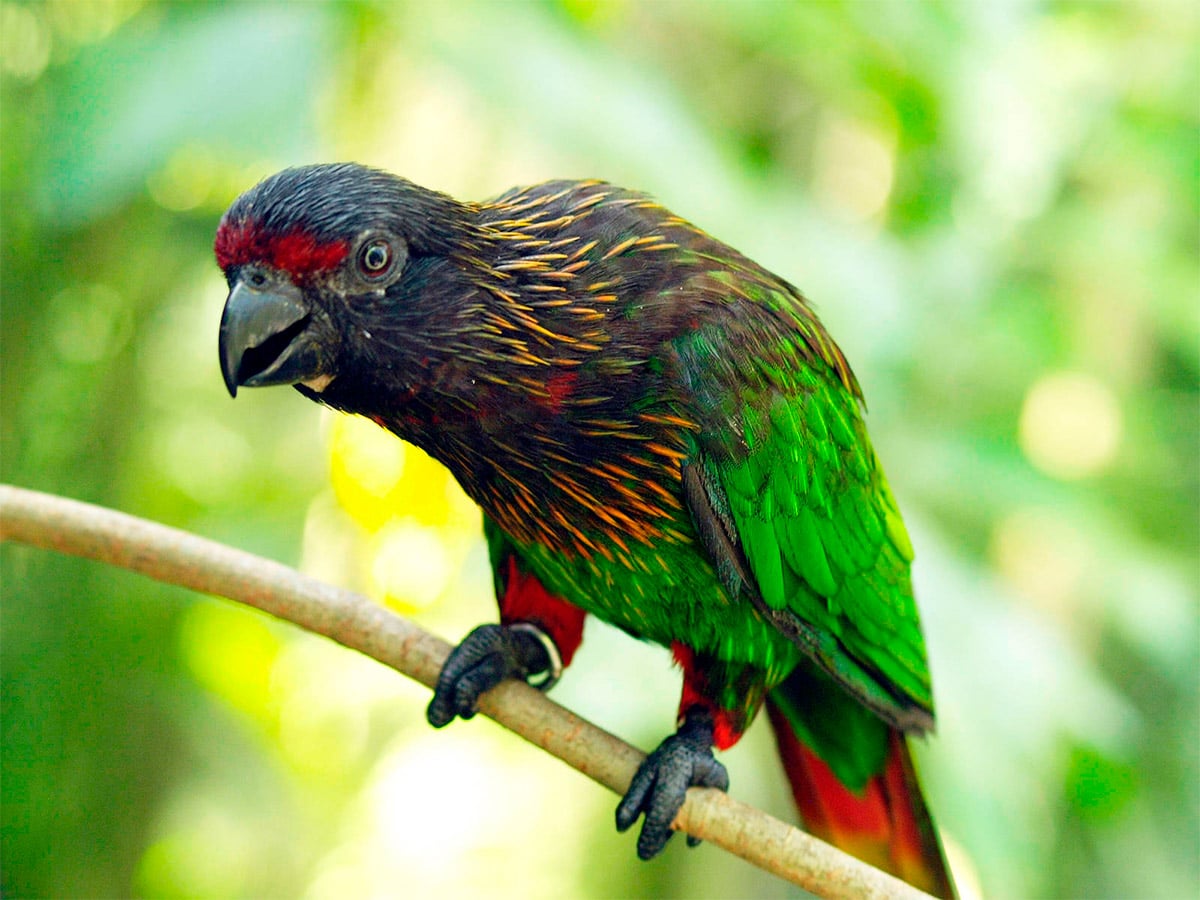
The plumage of the Mindanao Lorikeet (Trichoglossus johnstoniae) is usually Green. The facial area It is red with a tendency to pink. The band that goes from the eye until the part back from the neck it is dark purple.

The underparts are yellow, scalloped with green resembling scales. They have the Underwing coverts and subcaudales yellowish green. The band less of them wings is yellow. Its bill is reddish orange, the legs grayscale and the eye ring dark gray. The eyes orange-red.

The birds immatures have less red on the face. Instead of the band dark purple in adults, young birds have an off color lilac and a Brown stain behind the eye. The rings of the eyes are of color grey white. The eyes They are brown.

There are no significant differences between males and females.

  • Sound of the Mindanao Lorikeet.

Habitat:

Found of 1.000 to 2.500 m in the Mount Apo and 1.000 1,700 m in the Mount Malindang.

The Mindanao Lorikeet they prefer mossy forests, but also you can see them along the edge of the forest and in degraded areas.

Usually noisy during the flight, but when they feed on, remain calm. They migrate daily between different altitudes in the morning looking for food in the Highlands and in the evening return to their resting places in the lower areas.

They move higher during the day, in flocks of up to 50 birds, to feed on trees with flowers and shrubs. At sunset, they return to the lower slopes to rest.

Reproduction:

Little is known about the ecology of reproduction.. Probably it breeding is performed between months of March and may.

Captive breeding records indicate that the laying tends to be of two eggs, the incubation of some three weeks and that the young leave the nest between three weeks and a month more afternoon.

Food:

With feeds nectar, flowers, fruits, pollen and insects.

Distribution:

Size of the area of distribution (reproduction / resident): 8.700 km2

Endemic to the mountains of Mindanao (Philippines)

Conservation:


Near-threatened

• Current IUCN Red List category: Near threatened

• Population trend: Decreasing

Its habitat favorite is relatively unlikely that is affected by human activities in the medium term, but logging and capture should remain concerns.

The world population apparently not been quantified formally, but the species is described as very rare and there are those who think that there are less than 10.000 individuals.

"Mindanao Lorikeet" in captivity:

Very rare in captivity.

Due to its decreasing trend in terms of its population, any specimen that can not be returned to their natural habitat (natural range) should preferably be placed in a well-managed breeding program to ensure the survival of the species.

Alternative names:

Mindanao Lorikeet, Apo Lorikeet, Johnstone’s Lorikeet (ingles).
Loriquet de Johnstone (French).
Mindanaolori, Mindanao-Lori (German).
Loris johnstoniae (Portuguese).
Lori de Mindanao, Tricogloso de Mindano (español).

scientific classification:

Order: Psittaciformes
Family: Psittaculidae
Genus: Trichoglossus
Scientific name: Trichoglossus johnstoniae
Citation: Hartert, 1903
Protonimo: Trichoglossus johnstoniae

“Mindanao Lory” Images:

————————————————————————————————

«Lori de Mindanao» (Trichoglossus johnstoniae)


Sources:

Avibase
– Parrots of the World – Forshaw Joseph M
– Parrots A Guide to the Parrots of the World – Tony Juniper & Mike Parr
– BirdLife.org

Photos:

1 – «Trichoglossus johnstoniae - London Zoo, England-8a» by William Warby from London, England – Unknown-Tropical BirdUploaded by Snowmanradio. Licensed under CC BY 2.0 via Wikimedia Commons.
2 – «Mindanao Lorikeet (Trichoglossus johnstoniae)-3c» by Mindanao_Lorikeet_(Trichoglossus johnstoniae).jpg: Elizabeth Ellisderivative work: Snowmanradio (talk) – originally posted to Flickr as lovebird and uploaded to commons at Mindanao_Lorikeet_(Trichoglossus johnstoniae).jpg. Licensed under CC BY-SA 2.0 via Wikimedia Commons.
3 – by Jonathan Beilby – IBC.lynxeds.co
4 – zoochat.com
5 – papageien.org

Sounds: Kennedy, Robert S. – © 2014 Cornell University

▷ The world of Pets: Dogs, cats, birds, reptiles, amphibians

Chattering Lory
Lorius garrulus


Chattering Lory

Content

Description

30 cm.. length and a weight between 180 and 250 g..

The Chattering Lory (Lorius garrulus) has the head, the nape and the the mantle top of color Scarlet bright. Great stain yellow in the center of the the mantle surrounded above and below a light spread of green opaque; scapulars Scarlet, a little darker than the the mantle; rump and top of the tail, bright Scarlet.

the flight feathers green up; coverts a little more pale and with a vague diffusion in bronze. The great coverts a dark gray at their ends; the alula Blackish green with yellow spot in the bend of wing and along the edge of the carpus.

Lori White ilustracion

The bottom of the flight feather of color black with band broadband of color tints in the Center, the coverts yellowish green. Underparts bright Scarlet; green thighs. The feathers of the tail red, with the black end fade Green. The bill orange; irises Orange to yellowish brown; legs grisaceo-negro color.

Both sexes are equal.

Immature with the bill brown, and the irises dark brown.

Description and distribution of subspecies

  • Lorius garrulus garrulus

    (Linnaeus, 1758) – (Halmahera, the Widi Islands and Ternate) The nominal


  • Lorius garrulus flavopalliatus

    (Salvadori, 1877) – (Bacan and OBI) Large yellow patch in the the mantle with much less greenish broadcasting.


  • Lorius garrulus morotaianus

    (Bemmel, 1940) – (Morotai and Riau) Small yellow patch in the mantle of green-dyed.

  • Sound of the Chattering Lory
[audio:HTTPS://www.mascotarios.org/wp-content/themes/generatepress_child/sonidos/Lori Garrulo.mp3]

Habitat:

Though White and Bruce they say the species is common in coastal lowlands with coconut palms, recent observations seem to point to forested areas of high land as their main habitat. It is unclear if the capture is responsible for the apparent absence of their previously preferred habitat. Seasonal movements or nomadic behavior could also be factors for this absence from the coastal lowlands.. The Chattering Lory they occur more often in mature primary and secondary forests, far from human settlements from the lowlands up to 1.300 m.

They are usually in pairs, and are noisy and visible in flight but, like many other parrots, can become difficult to spot when feeding quietly in the forest canopy.

Reproduction:

Little is known about the reproduction of the species in the wild. A couple was seen building a nest in June, other records include the observation of a calf feeding during October and November, and a couple occupying a nest high in a dead tree, also during October.

In captivity, the laying is of two eggs and the abandonment of the nest of the young at 76 days.

Food:

The primary food of the Chattering Lory It is believed to be the nectar and pollen, with local reports of feeding on the flowers of coconut along the coast, although fruits and corn are also included in their diet.

Distribution:

Endemic to the North of the Moluccan Islands, Indonesian, from Morotai, Riau, Halmahera, Ternate, Bacan, OBI and, possibly, Kasiruta and Obilatau. The Chattering Lory has also been released in Sangihe, to the North of Sulawesi.

Locally common, but around human settlements have apparently been reduced by means of traps. It is very popular in the trade because of its imitative abilities.

Conservation:


Vulnerable


• Current IUCN Red List category: Vulnerable.

• Population trend: Decreasing.

The main threat comes from the capture for the cage bird trade. This is the most popular bird exported from the East of Indonesian, largely due to his large imitative abilities. Thousands of copies were legally caught each year in your environment during the Decade of 1980 and principles of 1990, but the real value is probably much higher.

The legal trade was reduced at the end of the Decade of 1990 and ceased in 2003; But, illegal trade continues: in 2007 about 2.800 birds were recorded as looted and in the 2008, 60 were recorded for trade in the markets of birds of Java.

Forests within its area of distribution are largely intact since the beginning of the Decade of 1990, but the exploitation by timber companies has become intensive. Important nesting trees are felled because of its large size, and logging roads greatly facilitating access for trappers, create the perfect combination to bring to the Chattering Lory as threatened species.

Ongoing conservation actions –> Ver and Birdlife

"Chattering Lory" in captivity:

Previously it was very common, now not so much.

Smart, playful and good imitators. The Chattering Lory, However, is very aggressive with other birds. Also messy mainly due to the liquid in his diet.

Alternative names:

Chattering Lory (ingles).
Lori noira, Lori des Moluques, Lori noir (French).
Prachtlori, Gelbmantelllori (German).
Lóris-amor-amor (Portuguese).
Lori Gárrulo, Tricogloso Gárrulo (español).

scientific classification:

Order: Psittaciformes
Family: Psittaculidae
Scientific name: Lorius garrulus
Genus: Lorius
Citation: (Linnaeus, 1758)
Protonimo: Psittacus garrulus

Images «Lori Gárrulo»:

Videos "Chattering Lory"

————————————————————————————————

«On the garrison» (Lorius garrulus)


Sources:

Avibase
– Parrots of the World – Forshaw Joseph M
– Parrots A Guide to the Parrots of the World – Tony Juniper & Mike Parr
– Birdlife

Photos:

1 – By Benjamint444 (Own work) [GFDL 1.2], via Wikimedia Commons
2 – Birds-pet-wallpapers – link
3 – by Alexkant in Israel. Kiryat Motzkin – zoochat
4 – Photos Zoochat – link
5 – by Josep de el Hoyo – lynx
6 – riscosapenas – link

Sounds: Marc Thibault (Xeno-canto)