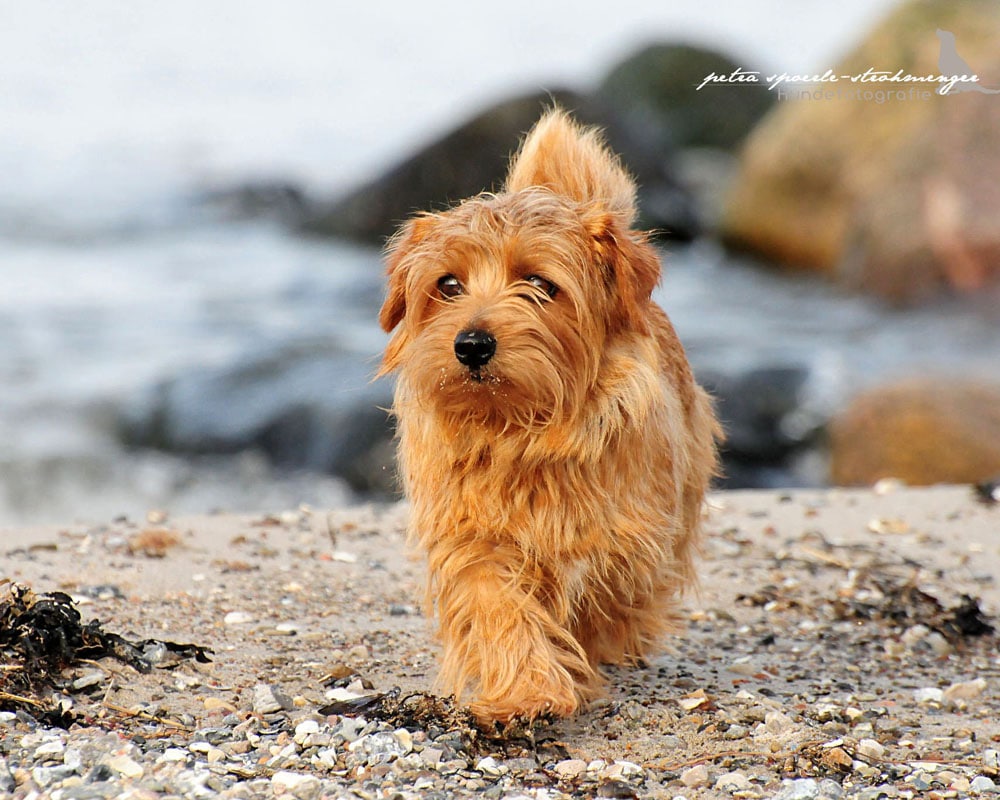
โ–ท The world of Pets: Dogs, cats, birds, reptiles, amphibians

Norwegian Lundehund
Noruega FCI 265 - Nordic Hunting Dogs

Lundehund

Most of the Norwegian Lundehund live in Norway and Finland, it is believed that there are some 2000 copies around the world.

Content

History

The Lundehund (Norsk Lundehund or Norwegian Puffin Dog) It is a small breed of dog of Spitz type, originally from Norway. Its name is composed of the prefix Lunde, Norwegian lundefugl (puffins), and the suffix hund, What dog. The breed was developed to hunt these birds and their eggs.

The Norwegian Lundehund is a small, rectangular Spitz, with a wide variety of mobility in the joints of your bones, What makes him able to enter through small and intricate passages.
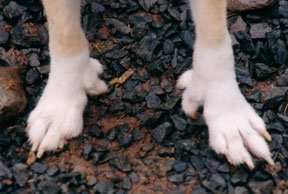
They remain able to rotate the head back on the backbone and bend the hind legs to the side at an angle of 90 degrees such as the arms of humans, In addition to six toes on the feet.

The breed has a long history. Already in 1600 It was used for hunting puffins along the Norwegian coast. Its flexibility and extra toes were ideal for hunting of birds in their places of nesting in the inaccessible cliffs and caves.

Video ยซNorwegian Lundehundยป


My lundehund

Interest in the breed declined as new hunting methods for puffins, as for example, the use of networks…, and this ex officio contortionist, was no longer needed. Puffins were a precious object of hunting, the meat was horse and kept and feathers were used to make quilts.

The breed was nearly extinct around World War II, when the canine distemper hit Vรฆrรธy and the islands surrounding. In 1963, the population was decimated… Only six copies of Lundehund (one Vรฆrรธy and 5 in Soon, to the South of Norway), These five puppies was of the same litter.

Due to the care of the brood with the strict guidelines, currently there are approximately 1500 or 2000 copies of Lundehund around the world, of this population around 1.100 are in Norway and almost 350 in the United States.

The official registration of the Lundehund was approved by the American Kennel Club's in the miscellaneous class. 1 in July of 2008, After a unanimous vote of the Board the 13 in November of 2007. The race debuted at the AKC National Championship / Eukanuba in Long Beach, California (United States), the 13 and 14 in December of 2008, being one of the most important events of the American canine world.

The 12 in February of 2010, The American Kennel Club Board of Directors voted to accept the Lundehund in the AKC Book of Origins and became part of it on 1 in December of 2010. The 1 in January of 2011, became part of the "Non-Sports Group".

For the American Kennel Club and Canadian Kennel Club, the non-sports group is a diverse classification that comprises a variety of robust dogs with different personalities and appearances as the Chow Chow , and the Keeshond, among others. Covered by the non-sporting group breeds, It is very diverse in terms of appearance, size, layer, personality and, in general.

According to the FCI classification it is located in the Group 5 Spitz-type dogs and primitive type. Section 2 Nordic Hunting Dogs.

Physical characteristics

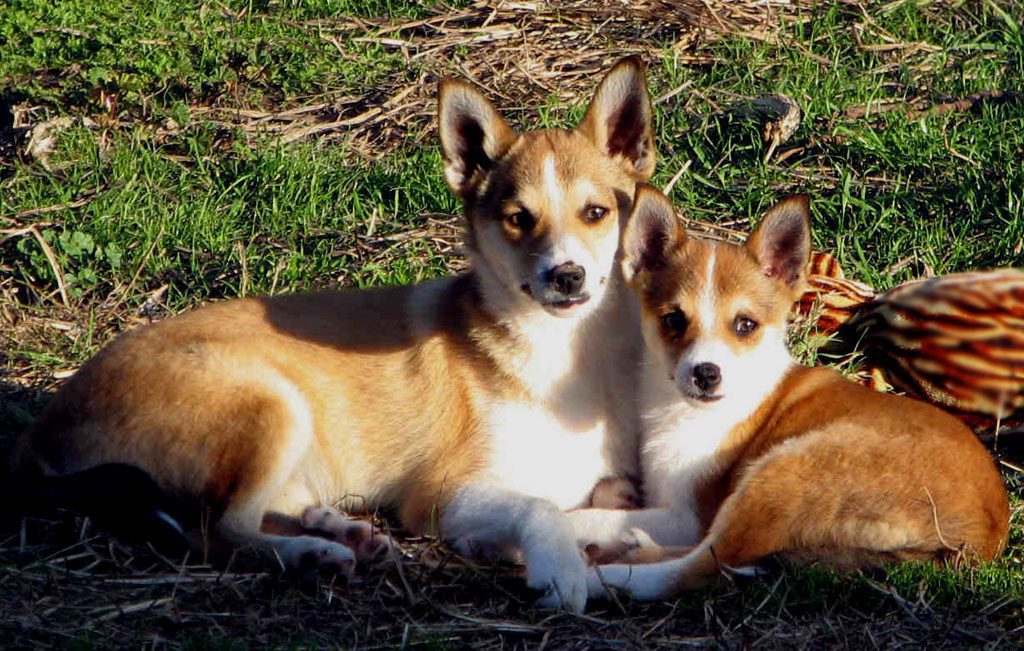
The Lundehund medium in size looks a bit like a fox and is, also because it is one of the rare races, sometimes mistaken for a mestizo, a Nordic mongrel. On the contrary, is very specialized: The Lundehund has been bred for hunting puffins, a species of bird that breeds in burrows. This brings with it some unique physical characteristics: your shoulder joints are more flexible, allowing it to turn its front legs 90ยฐ to the side. It also, this dog can close his pointed, upright ears, allowing you to dive better.

The most striking features are undoubtedly the six toes of each foot and the up to eight pads, which give the ancient cliff hunter immense security. Some of these dogs also lack molars, which facilitated the transport of the captured birds without damaging them.

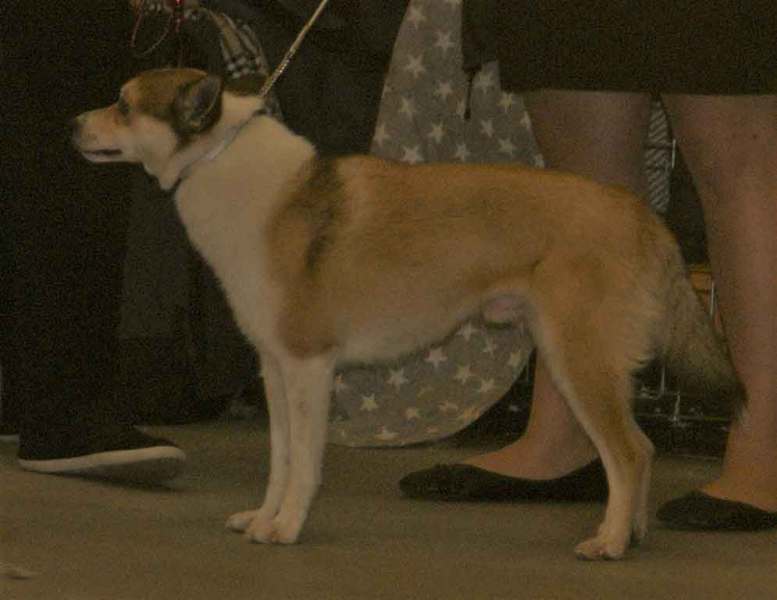
The Norwegian Lundehund It has a height at the withers of up to 38 cm and weighs 7 kg. sporty and light. The dense coat is short and red to fawn, with black hair tips in places. have a smooth undercoat, very fine and a rough top coat.

Character and skills

The Norwegian Lundehund is a four legged friend, simple and skillful, but he has a lot of energy and wants to live it. Due to its independent nature – the Lundehund was left to fend during the hunt – always kept his own head and thus will never fully subordinate himself. Who respects this, win with him Lundehund an easy to train and loyal friend for life.

Basically the breed is considered to be quite shy, so a close relationship with its owner is especially important – that's how your Lundehund gain security. Towards strangers he is usually reserved – it is also considered to be alert. He usually gets along well with other dogs. The Lundehund not a typical hunting dog, but is also wonderfully suitable as a companion dog.

The education of the Norwegian Lundehund

This is a breed of dog with a stubborn and stubborn character, even so they are easy to train and learn the basic commands with great motivation.

Although the breed belongs to hunting dogs, the Lundehund can accompany you, with some effort in their education, on your nature walks without the need for a leash, since it is not an elusive dog, nor a traditional prey tracker. A major challenge is getting our dogs out of the habit of barking: Lundehund, like all nordic dogs, announce aloud all the supposedly interesting things in their environment – and that in part is quite persistent. So patience is absolutely necessary when training a Lundehund. Already in puppyhood, be sure to keep this in mind when training your dog. Play lessons for puppies, as well as attendance at a canine school, have a positive effect on Lundehund – here you can not only socialize him more with other four-legged friends, but you will surely also get some tips and tricks for the education of this dog.

Health: the syndrome Lundehund

Since the population dates back to only five dogs, Controlled breeding of the breed made a new start in the 1990s. 1960, with what the Lundehund has a very small gene pool. One of the five founding dogs developed stomach and intestinal symptoms at the age of about three years, which have spread further among the descendants. Today, this is known as the lundehund syndrome: a chronic, inflammatory bowel disease that is associated with increased protein loss through the intestines. About half of the population is affected by it, although to varying degrees. A genetic test can be used to determine if a dog intended for breeding is a carrier, so that the risk of Lundehund syndrome can be reduced. There is no cure for this disease, only the symptoms can be relieved. While some dogs are barely limited by the disease and have long symptom-free phases, other affected quadrupeds have a more severe course and ultimately lead to death.

Before deciding to acquire a representative of this breed, must be informed in detail about the lundehund syndrome and the corresponding genetic test and its meaning. The Nordic Dog Clubs can also provide you with more information on this.. The healthy ones Norwegian Lundehund are, for the rest, very robust and can reach an age of about 14 years.

Norwegian Lundehund "care

The coat of this Norwegian Coastal Dog is insensitive to weather conditions and requires little grooming. But, the more you brush, less hair is distributed in your home – especially during coat change a daily brushing may make sense, because the Lundehund then lose a lot of hair. Otherwise, care is quite simple: dirt brushes better when dry. By the way, the Norwegian Lundehund It is one of the few dogs that really enjoys grooming. If you support them with the brush, you are also doing something for their bonding.

Check the ears and eyes regularly and clean them with special ear and eye cleaners if necessary. If the eyes get wet, what happens in many dogs due to narrow tear ducts, it is enough to gently clean and dry them once a day with clear water. Some dog owners opt for daily dental care in the form of toothbrushing with dog toothpaste and toothbrush.. If you already introduce your puppy to this ritual, is an optimal prevention against tartar and associated secondary diseases.

Activities ยซLundehund Norwegianยป

Long walks in nature, enjoying the wind and the weather are the base of activity of this Norwegian breed. It also, most of these dogs love to swim. Make your partner happy and give him the opportunity to do it!! But you should also encourage and challenge their brain and skills. There is a wide range of joint activity possibilities at your disposal: Dog lovers can enjoy almost all types of sports with dogs, with the exception of sports with training dogs. Due to his great independence you should not expect unconditional obedience from him, but a relaxed approach to the respective human-animal hobby jointly. Try together with your animal companion which sport you like the most!!

Is a "Norwegian Lundehund"?

One Norwegian Lundehund fits well in a sporty family, where at least one family member already has experience with dogs. Learn easily and with pleasure, but for education you still need a certain knowledge and consistency. It also, it is important to use the dog to its full potential – the small Lundehund not a couch dog, needs a lot of outdoor exercise and a lot of time.

He is usually very fond of children and can also make friends with cats, especially if you met them as a puppy. This dog can also live in a medium-sized apartment, but of course also enjoy a garden (leak proof). It is important to direct the joy of the breed's barking in a controlled manner.

Before moving, make sure no one in your home has allergies to pet hair and consider whether you can and want to take the dog on vacation – many hotels today welcome four-legged friends – or how you organize care. Although the Lundehund it's more like a small dog, can be quite expensive in terms of regular costs: Apart from a high quality diet with a high content of fish, this includes taxes and dog insurance, as well as visits to the vet. It also, is, of course, the not inconsiderable purchase price of this rare four-legged friend – with possible travel expenses – and if necessary the basic equipment.

Where can I find my "Norwegian Lundehund"?

First of all: One Norwegian Lundehund It's very weird. In total, there are some 1.300 specimens all over the world. So, you may very well have to wait a long time and travel many miles to get hold of such a rare dog. Most of the Lundehunds they live in norway. Check with a Norwegian dog club in your country to find out how to contact breeders of the Norwegian Lundehund. Ask your potential dog breeder about the lundehund syndrome and the diet of the breed.

His young Lundehund will move in with you at the earliest at the age of eight weeks – if you come from a European country, you will normally need a valid rabies vaccine for the trip in addition to the necessary papers. It is essential that you remember booster shots and also talk to your vet about regular deworming of your four-legged friend.

It is extremely unlikely to find an adult dog, especially outside of norway. So if you're looking for a four-legged adult friend, it is advisable to contact a Nordic dog club. There are also often wonderful mongrel dogs looking for a new home., value the adoption of one of them.

We wish you much joy with your extraordinary Norwegian Lundehund!

Characteristics "Norwegian Lundehund"

Coexistence is important that you have with your new friend. Before considering the acquisition of a dog of the breed "Norwegian Lundehund" you know certain factors. Not all breeds of dogs are apt to live in an apartment, you must take into account his character, their need for exercise, their interaction with other pets, their care and if you have small children, their level of tolerance towards them.

Adaptation โ“˜

3,0 of 5 stars (based on 1 review)

friendly dog โ€‹โ€‹โ“˜

3,0 of 5 stars (based on 1 review)

hair loss โ“˜

4,0 of 5 stars (based on 1 review)

Affection level โ“˜

4,0 of 5 stars (based on 1 review)

Need for exercise โ“˜

4,0 of 5 stars (based on 1 review)

Social need โ“˜

4,0 of 5 stars (based on 1 review)

Home โ“˜

4,0 of 5 stars (based on 1 review)

Toilet โ“˜

5,0 of 5 stars (based on 1 review)

Friendly with strangers โ“˜

3,0 of 5 stars (based on 1 review)

barking โ“˜

4,0 of 5 stars (based on 1 review)

Health โ“˜

2,0 of 5 stars (based on 1 review)

Territorial โ“˜

4,0 of 5 stars (based on 1 review)

Cat friendly โ“˜

3,0 of 5 stars (based on 1 review)

Intelligence โ“˜

3,0 of 5 stars (based on 1 review)

Versatility โ“˜

3,0 of 5 stars (based on 1 review)

Child friendly โ“˜

3,0 of 5 stars (based on 1 review)

Surveillance โ“˜

4,0 of 5 stars (based on 1 review)

joy โ“˜

4,0 of 5 stars (based on 1 review)

Images "Norwegian Lundehund"

photos:

1 – "Norwegian Lundehund" by http://www.petsadviser.com/
2 – "Norwegian Lundehund" by https://pxhere.com/es/photo/754827
3 – "Norwegian Lundehund" by https://pxhere.com/es/photo/880994
4 – Norwegian puffin town Andrva / CC BY-SA
5 – "Norwegian Lundehund" by https://commons.m.wikimedia.org/wiki/File:Lundehund.jpg
6 – The Norwegian Lundehund ยซGydaยป looking out at the ocean on the north side of the island Vรฆrรธy in Northern Norway. The island on the top, in the middle, is ยซMoskenยป, the island in the top left is ยซMoskenesยป by ZorroIII / CC BY-SA

Type and recognitions:

  • FCI CLASSIFICATION:
  • Group :
  • Section : . .

Federations:

  • FCI – Group 5 – Section 2 Nordic Hunting Dogs. โ“˜
  • AKC – Nordic Hunting Dogs. โ“˜
  • CKC – Nordic Hunting Dogs. โ“˜
  • UKC – Nordic Hunting Dogs. โ“˜

FCI breed standard "Norwegian Lundehund"

Origin:
Norway

Date of publication of the valid original standard:
10.11.2011

Use:

Its anatomical peculiarities train these dogs for the hunting of the frailecillos in the steep rocks around the fjords and in the cliffs.


General appearance:

The "Norwegian Lundehund" is a Spitz type dog, rectangular, small, flexible, relatively light, with well -defined sexual characteristics.


Behavior / temperament:

Alert, energetic and vivacious.

Head:

Dry, medium width, wedge shaped.

Cranial region:
  • Skull: Slightly rounded, protruding supraciliary arches
  • Stop: Pronounced but without excess.

facial region:

  • Horcico: Cuneiform, medium long. Slightly convex muzzle.
  • Jaws / Teeth: Preferably scissor bite. Pincer bite and moderate undershot are acceptable. The lack of premolars in both jaws is allowed.
  • Eyes: Slightly oblique, not outstanding. The iris is yellowish brown. The pupil is surrounded by a dark colored ring.
  • Obars: The triangular ears are medium in size, wide at its base, carried erect and very mobile. They have the special characteristic that the pavilion cartilage can be contracted and the external part can be bent or specially crooked (backwards or upwards at right angles), so that the ear canal is closed.

Neck:

Delgado, medium long, quite strong and covered in a relatively abundant collar.

Body:

Rectangular.

  • top line: Straight.
  • Back: Strong.
  • Glikeness: Slightly inclined.
  • Pecho: Elongate, average amplitude, proportionally deep and spacious; it is not barrel shaped.
  • Lรญnand the bottom: Slightly retracted belly.

Tail:

Insertionmoderatelyhigh, medium long, well covered with dense hair, but without forming feathers. Carried in shapemildringon the back, or he wears it hanging. The tip of the tail must not be carried too high on the back or fall next to the flanks.

Tips

PREVIOUS MEMBERS:

  • Apgeneral arience: Moderately angled.
  • Antarm: Straight.
  • Pinis previous: Oval, slightly deflected out. Feet with a minimum of six fingers, of which five step on the ground. Eight pads on each foot. Anatomically the two inner fingers are formed by a finger with three phalanges and one with two phalanges with the corresponding tendon and muscular apparatus. Gives the foot a very strong appearance.

LATER MEMBERS:

  • Apgeneral arience: The position of the hind limbs is a bit narrow.
  • Thighs: Muscular and strong.
  • Rodinllto: Moderately angled.
  • PinScheme: Muscular and strong.
  • Pinis later: Oval, Something diverted out with a minimum of six fingers, of which four step on the ground. Seven pads on each foot. The middle pad, the most important for its size, attached to the inner pad corresponding to the middle fingers. When the dog is normally standing on a flat surface, your body weight is evenly distributed over all pads.

Movement:

Light and elastic. The movement of the anterior members has a characteristic turn of the race and movement of the posterior members is a bit narrow.

Mantle

  • Plink: Soft inner fluff, dense and rough outer coat. The hair is short on the head and the anterior part of the extremities. Thicker fur around the neck and on the back of the thighs. Dense tail hair, but without forming feathers.
  • Colorr: Always in combination with white. From reddish to more or less mixed with hairs with black tips Fawn; white with dark markings. Usually, the adult specimen presents more hairs with black tips to the young dog.


Size and weight:

Alturto the cross:

  • Males from 35 cm to 38 cm.,
  • Females from 32 cm to 35 cm..

Pthat:

  • Males approximately 7 kg,
  • Females approximately 6 kg.


Fouls:

Any deviation from the aforementioned criteria is considered as a fault and the severity of this is considered to the degree of the deviation to the standard and its consequences on the health and well-being of the dog..

FALTAS DISQUALIFYING:

  • Aggressiveness or extreme shyness.
  • Any dog โ€‹โ€‹showing clear signs of physical or behavioral abnormalities must be disqualified..


N.B.:
  • Males should have two normal-appearing testicles fully descended into the scrotum..
  • Only functionally and clinically healthy dogs, with the typical conformation of the breed, should be used for parenting.

Itlatest changes are in bold.

Source: F.C.I - International Cynological Federation

Alternative names:

1. Norsk Lundehund, lundehund, Norwegian Puffin Dog (English).
2. lundehund (French).
3. Norsk Lundehund (German).
4. Cรฃo de papagaio-do-mar (Portuguese).
5. Perro frailecillo, Lundehund (espaรฑol).

โ–ท The world of Pets: Dogs, cats, birds, reptiles, amphibians

Norwich Terrier
Inglaterra FCI 72 . Small sized Terriers.
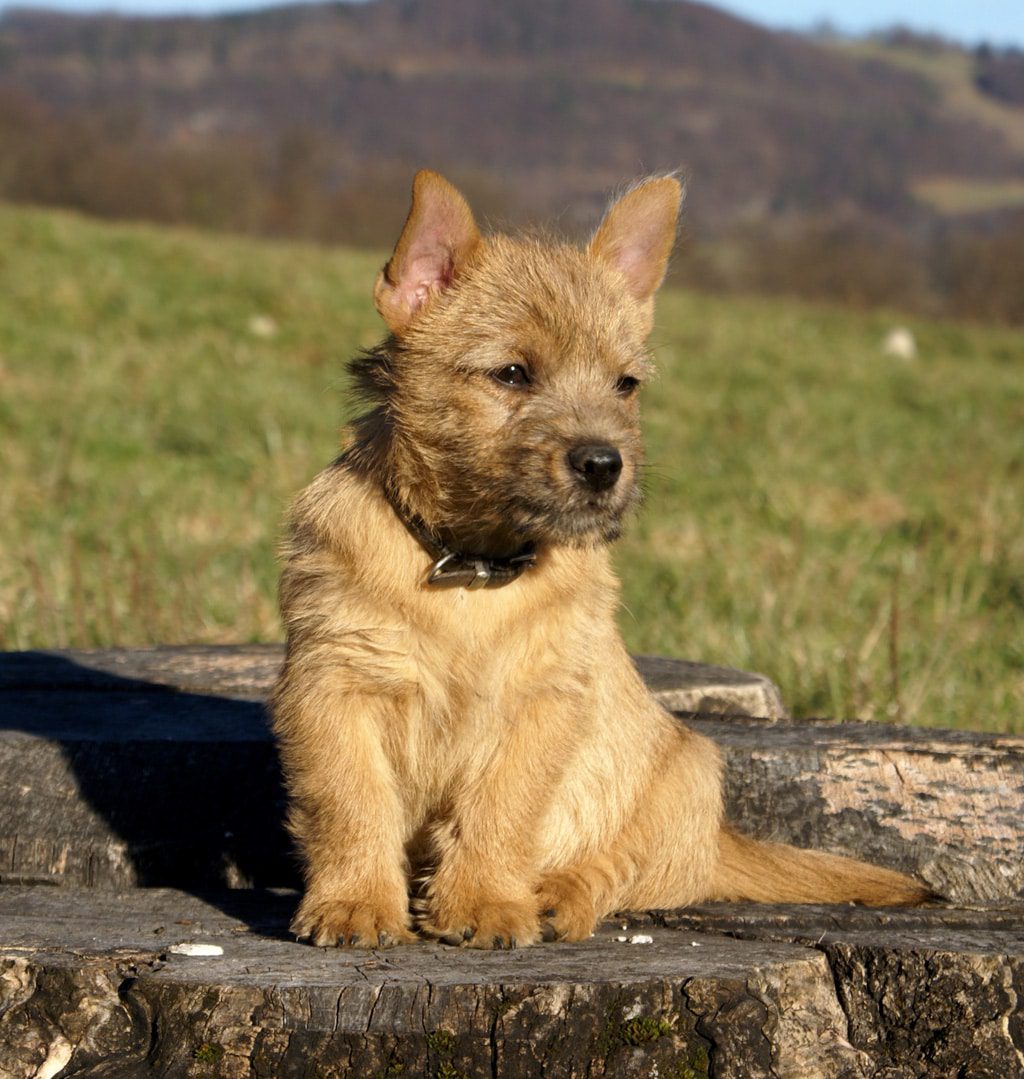
Norwich Terrier

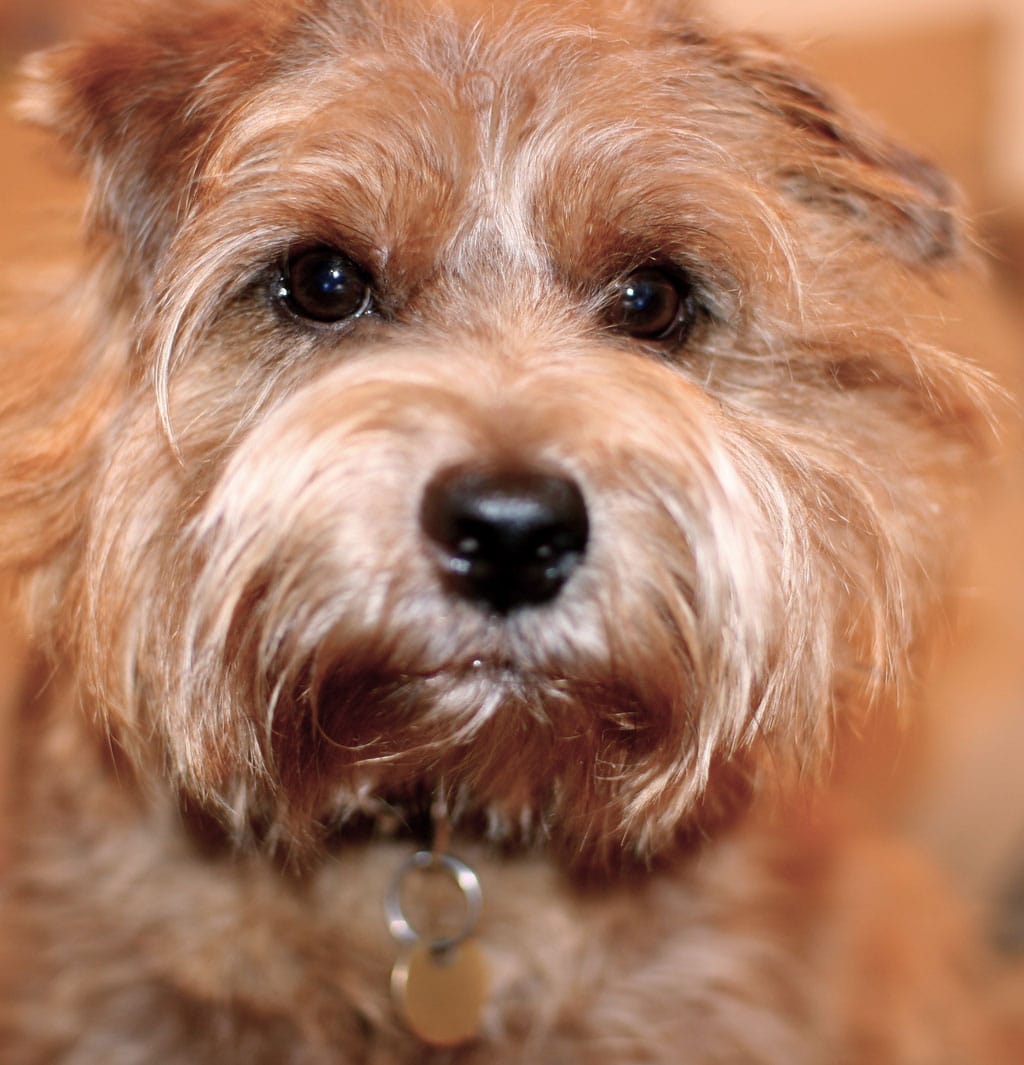
The Norwich Terrier, has lively character, joyful, affectionate and is curious by nature.

Content

History

One of the reasons there are so many Terrier breeds is because many were created to measure for a given area or population.. The Norwich comes from the East Anglia of England, Cambridge University Headquarters. Like college students of any age, Cambridge students of the decade 1880 they thought it was a lot of fun betting on sporting events, including your dogs' mouseing skills. Los terrier, including those in yorkshire and ireland, they were bred to develop small red or black and tan dogs with a spirit of play. They were known as Terriers Trumpington.

A Trumpington named Rags, he was a stable dog near the city of Norwich, He had such a reputation as a buzzard that he had a profound influence on what would become known as Norwich Terrier. Rags and their descendants were crossed with other Terriers, including a small Staffordshire Terrier, and became known for a new skill: get foxes out of their burrows.

Since the 19th century there are documented sources that confirm the breeding of the Norwich Terrier. But, At that time there was also Norfolk Terrier, which is closely related to the Norwich Terrier. Back then it was considered the same race, nowadays they differ in insignificant points. Since the decade of 1960 the two races have been handled differently.

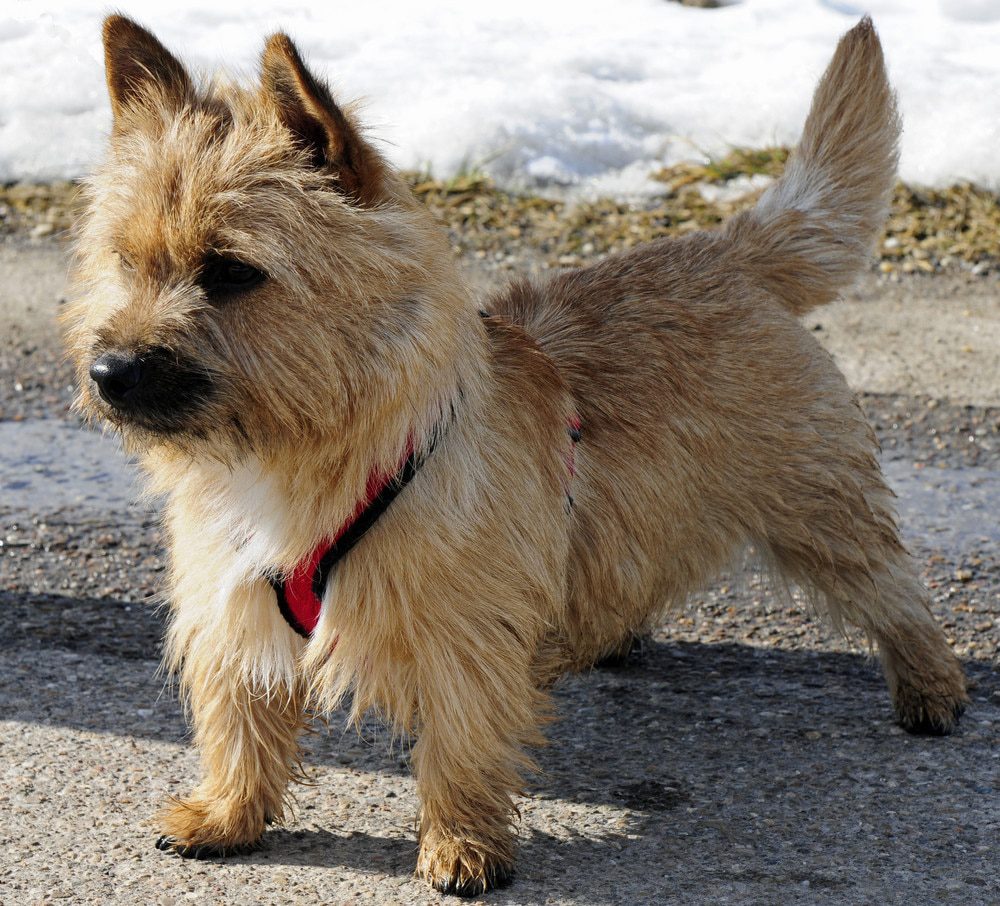
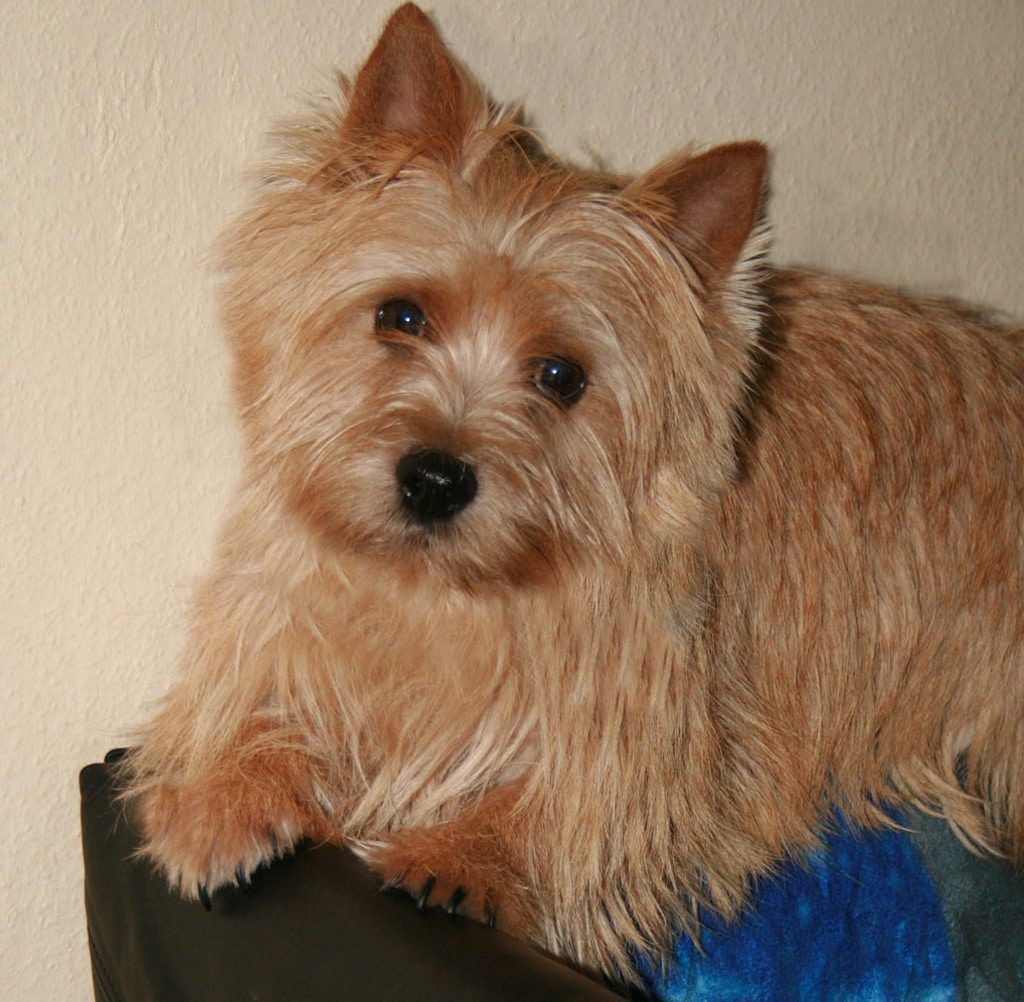
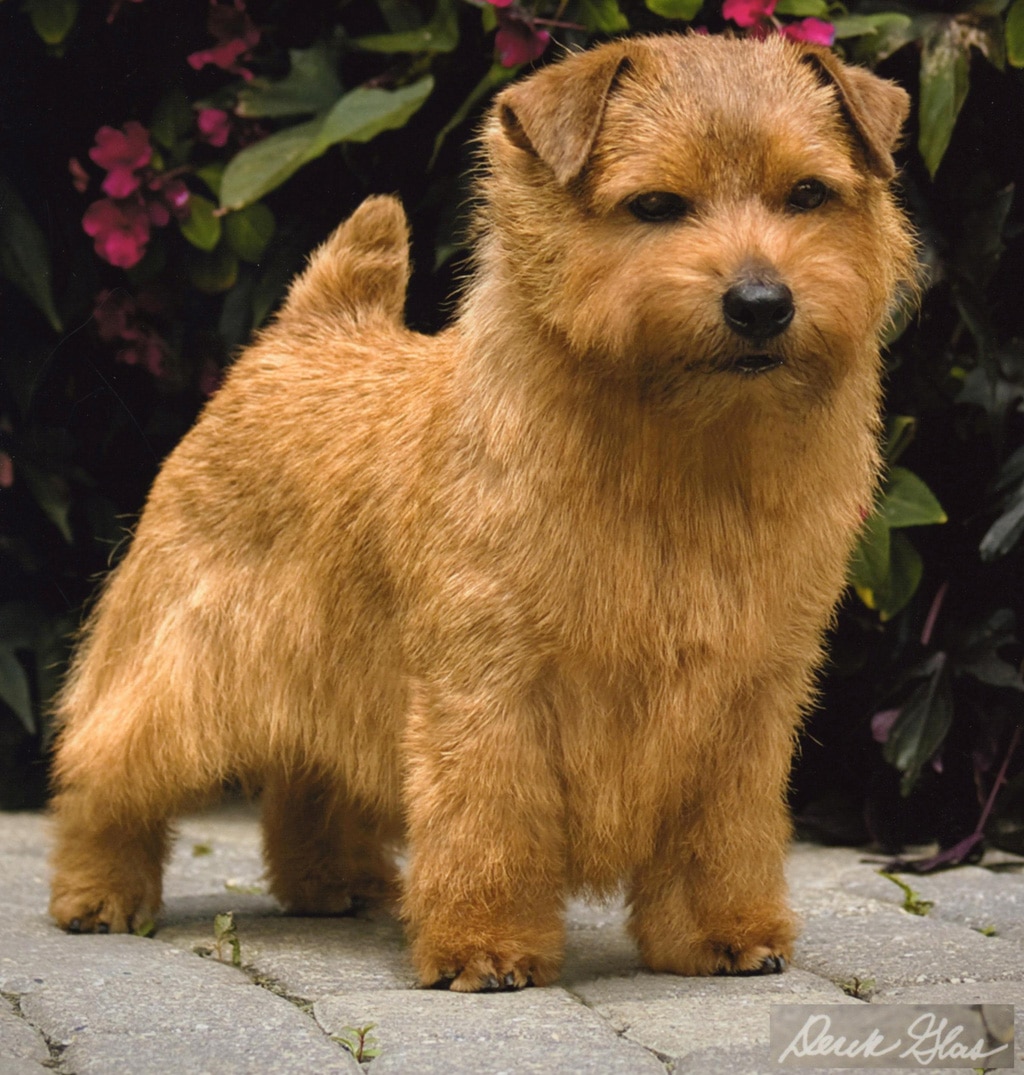
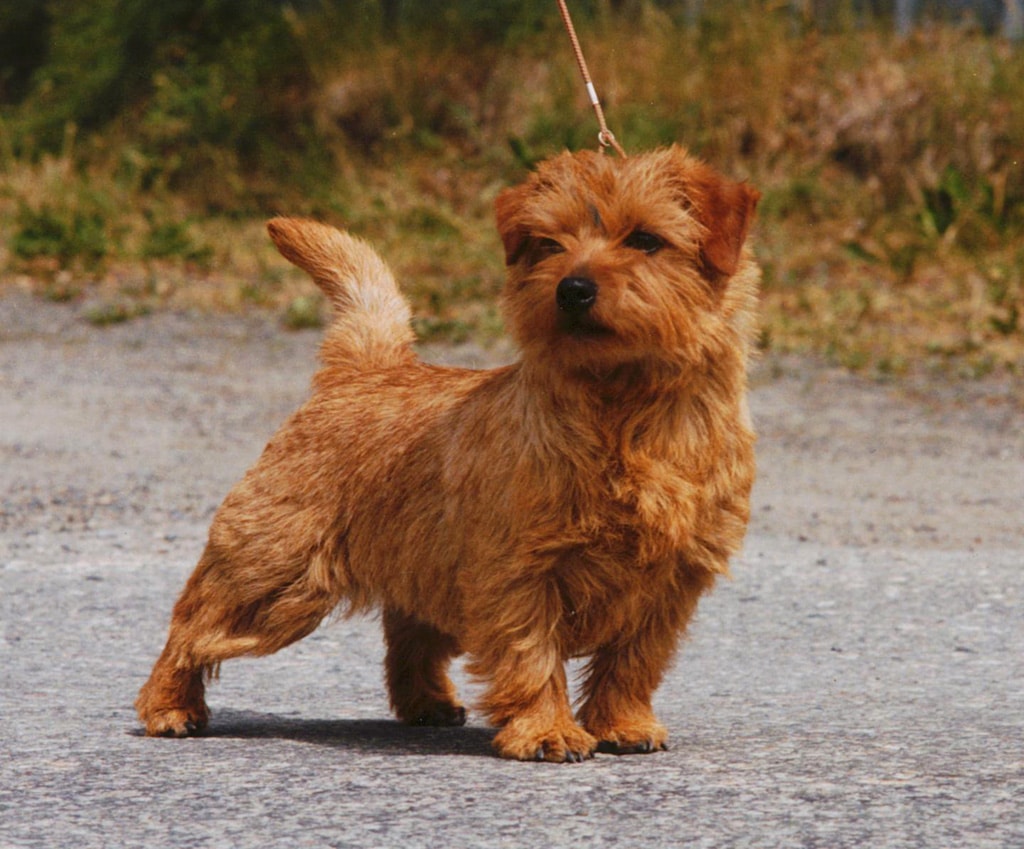
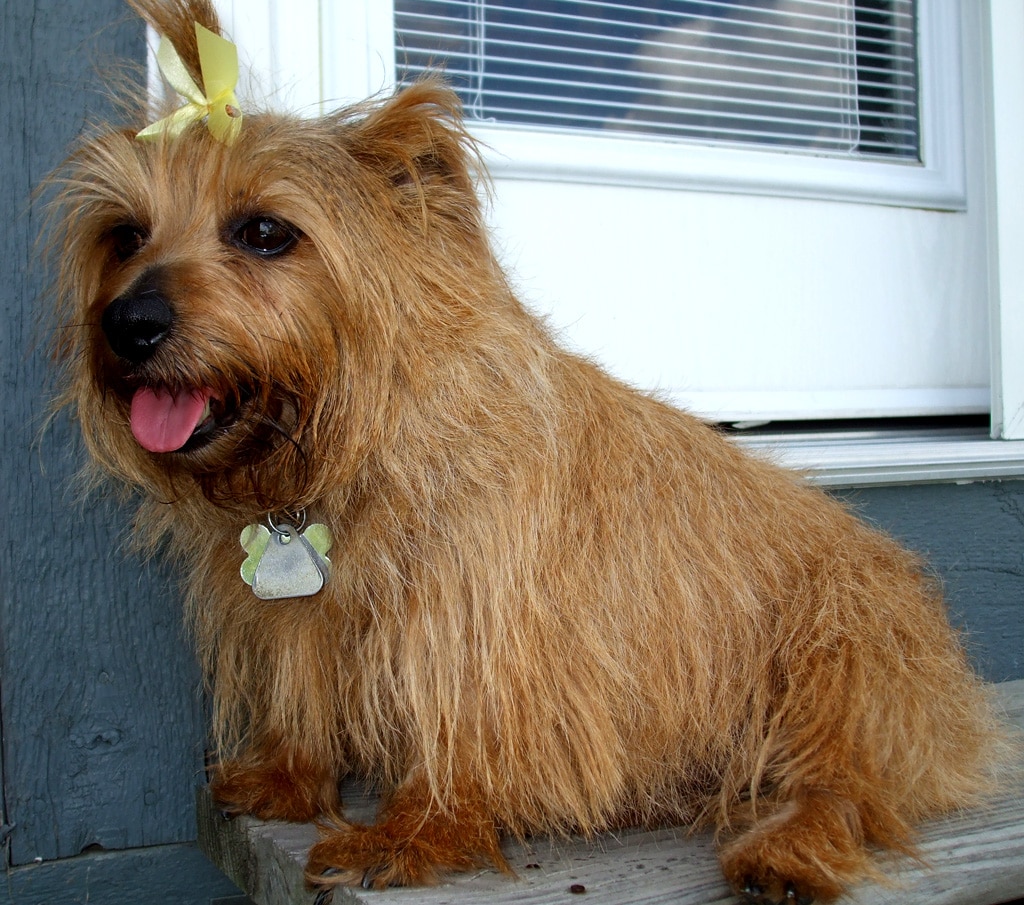
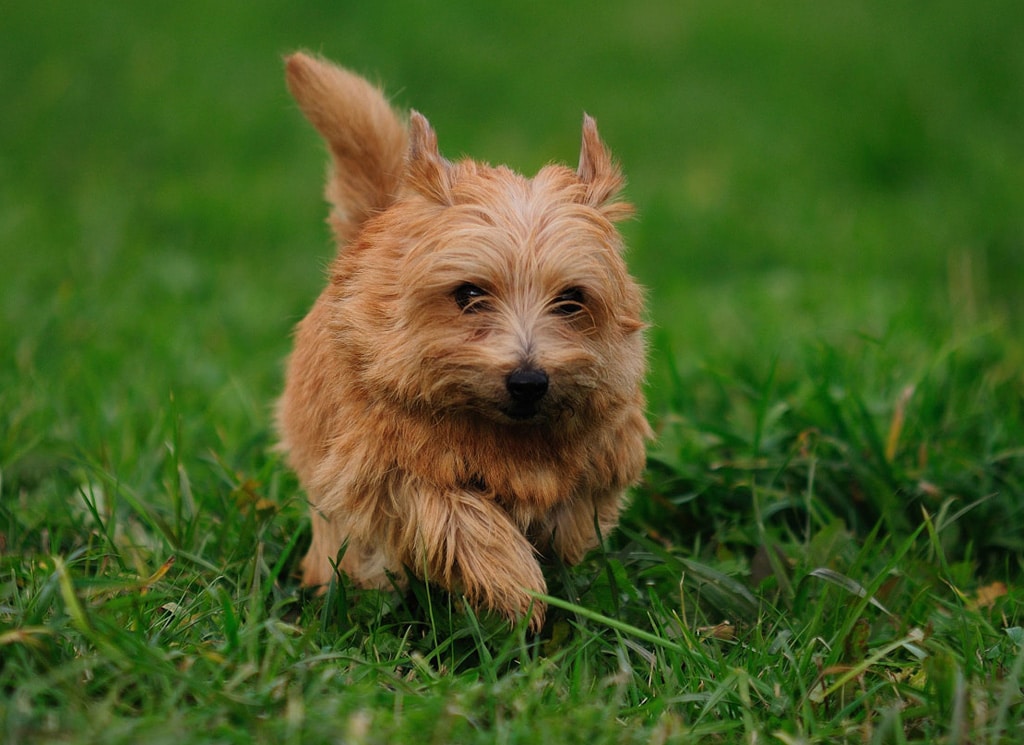
A particularly different trait is the ears, in the Norwich Terrier tend to be more upright, While in the Norfolk Terrier they are slightly bent. After many years of upbringing, you can see some character differences. The Norwich Terrier, for example, is considered more affectionate than the Norfolk Terrier. At that time animals were especially used as rat catchers and were often used on farms.

Physical characteristics

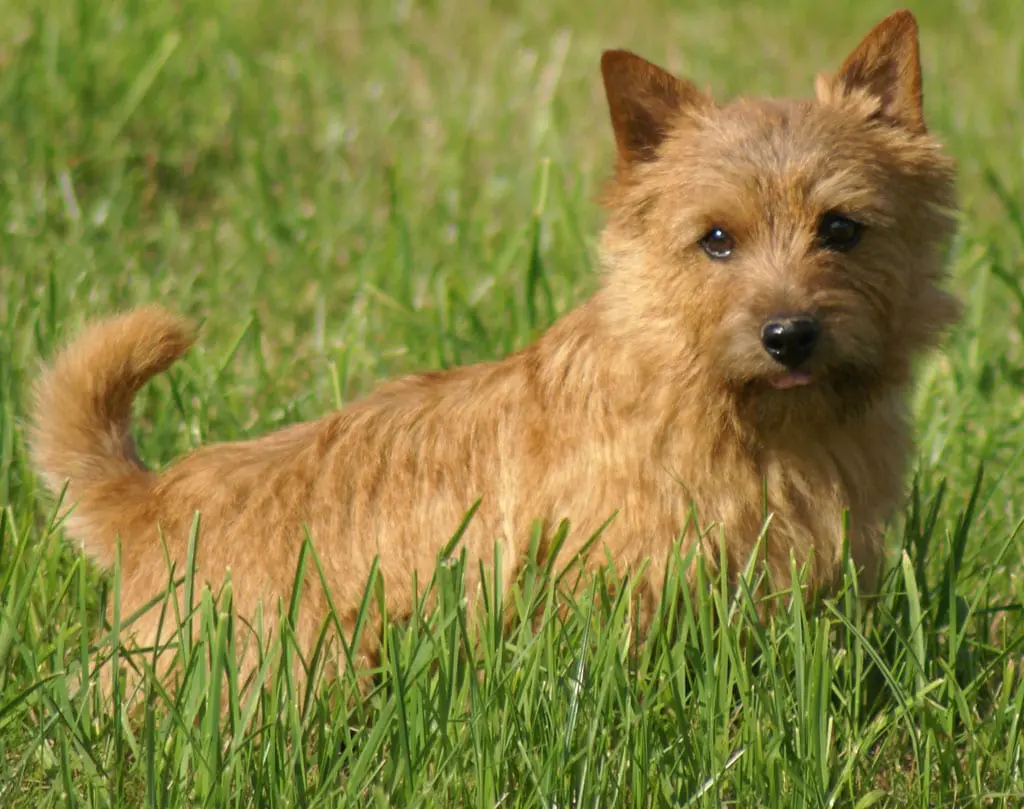
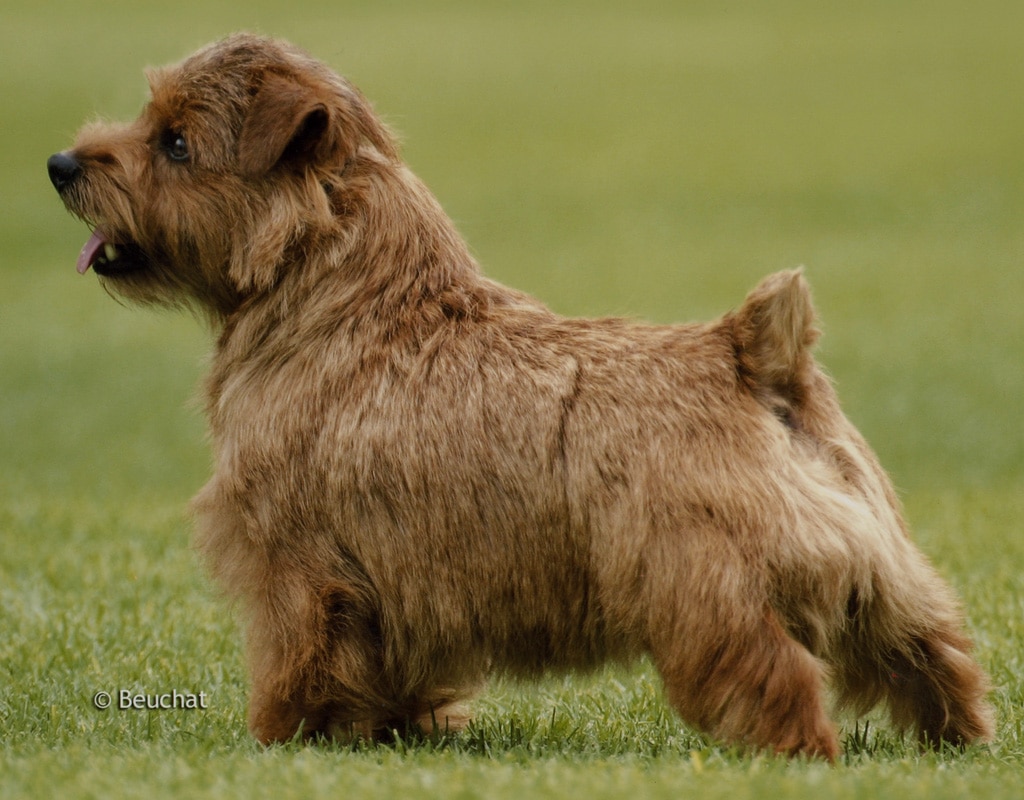
It is one the smaller Terrier its height is maximum 25 cm the cross and his weight is between 5 and 5.5 kg.

Recently on United States, There has been a great fraud with these dogs, they sold fake Norwich Terriers with pedigree, by Internet.

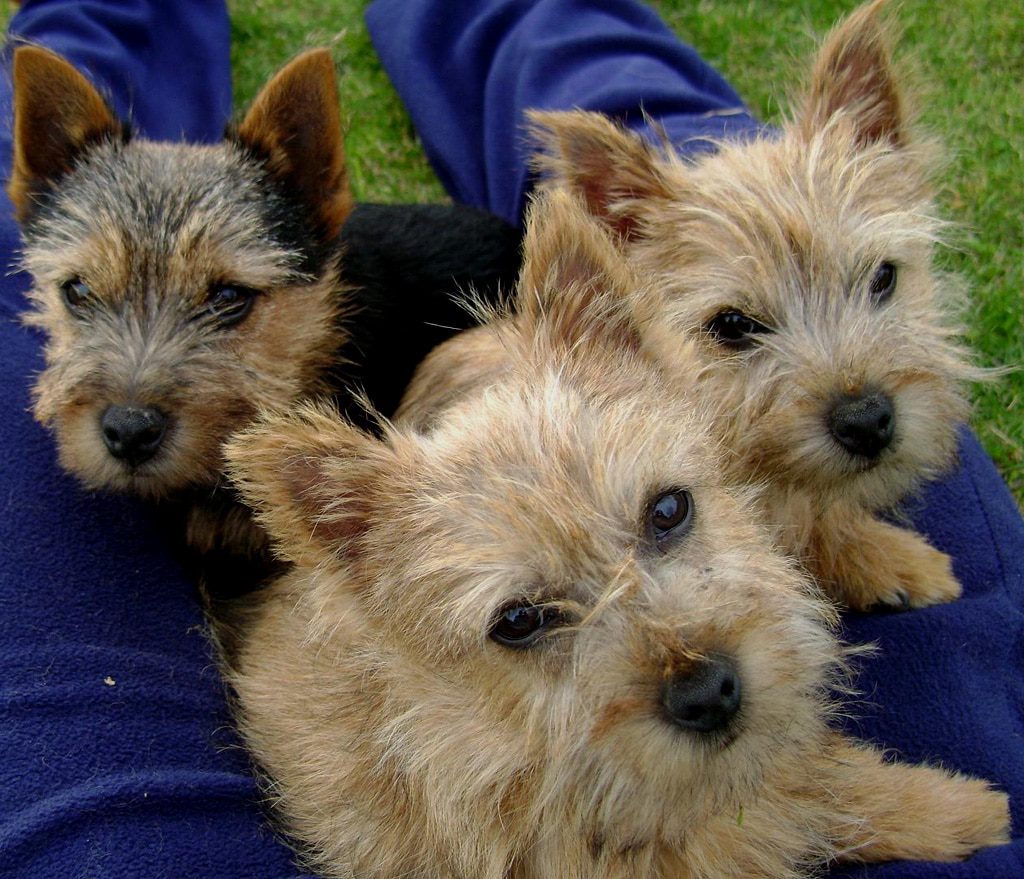
Son difficult to create because their births tend to be by caesarean section. His cloak is twofold and can be red, Red wheat, Black fire or salt and pepper (grey).

Norwich Terrier has a fur two layers, a foreign finish hard, rough and a warm and soft layer, attached to the skin.

Ideally, styling it once a week to remove the loose hairs killed.

As minimum, the hair should be stripped once in the fall and once in the spring.

Observations

The cut or Court it adversely affects the appearance of the natural colors of the layer and texture.

Character and skills

The Norwich Terrier, they have a character lively, joyful, loving and they are curious by nature.

One advantage is that they are not anti-social dogs or they tend to show aggressiveness.

They were originally bred to hunt burrowing animals but today they have become excellent companion animals..

These small but sturdy dog, brave, Smart and very loving. They were bred for chasing varmints and accompanied their owners farmers on horseback. A good daily walk is therefore, the minimum necessary to meet exercise requirements, and give a healthy lifestyle.

They are sensitive to the scolding, as the 100% Terrier. Much like family life, and very little loneliness. It is not meaningless ladrador, But if you notice something strange, It will be.

It is a dog that She loves children. They adapt perfectly to other pets.

The life expectancy the Norwich Terrier is 12 to 16 years.

Characteristics "Norwich Terrier"

Coexistence is important that you have with your new friend. Before considering the acquisition of a dog of the breed "Norwich Terrier" you know certain factors. Not all breeds of dogs are apt to live in an apartment, you must take into account his character, their need for exercise, their interaction with other pets, their care and if you have small children, their level of tolerance towards them.

Adaptation โ“˜

5,0 of 5 stars (based on 1 review)

friendly dog โ€‹โ€‹โ“˜

5,0 of 5 stars (based on 1 review)

hair loss โ“˜

2,0 of 5 stars (based on 1 review)

Affection level โ“˜

4,0 of 5 stars (based on 1 review)

Need for exercise โ“˜

4,0 of 5 stars (based on 1 review)

Social need โ“˜

3,0 of 5 stars (based on 1 review)

Home โ“˜

4,0 of 5 stars (based on 1 review)

Toilet โ“˜

3,0 of 5 stars (based on 1 review)

Friendly with strangers โ“˜

2,0 of 5 stars (based on 1 review)

barking โ“˜

4,0 of 5 stars (based on 1 review)

Health โ“˜

2,0 of 5 stars (based on 1 review)

Territorial โ“˜

3,0 of 5 stars (based on 1 review)

Cat friendly โ“˜

4,0 of 5 stars (based on 1 review)

Intelligence โ“˜

4,0 of 5 stars (based on 1 review)

Versatility โ“˜

2,0 of 5 stars (based on 1 review)

Child friendly โ“˜

4,0 of 5 stars (based on 1 review)

Surveillance โ“˜

4,0 of 5 stars (based on 1 review)

joy โ“˜

3,0 of 5 stars (based on 1 review)

Norwich Terrier Images

Norwich Terrier Videos

Type and recognitions:

  • FCI CLASSIFICATION:
  • Group :
  • Section : . .

Federations:

  • FCI – Terriers 2 Small sized Terriers. โ“˜
  • AKC – Terriers โ“˜
  • ANKC – Terriers โ“˜
  • CKC – Terriers โ“˜
  • โ€‹KC – Terriers โ“˜
  • NZKC – Terriers โ“˜
  • UKC – Terriers โ“˜

FCI breed standard "Norwich Terrier"

Origin:
United Kingdom

Date of publication of the valid original standard:
13.10.2010.

Use:

Terrier


General appearance:

One of the smallest terriers. It's a cunning dog, short limb, compact and strong, with good structure and skeleton. Honorable scars resulting from deterioration and natural tears should not be unfairly penalized.


Behavior / temperament:

One of the smallest ground dogs. Loving but not quarrelsome, tremendously active and robustly built. Cheerful and brave.

Head:

---

Cranial region:
  • Skull: Wide and slightly rounded, with good width between the ears.
  • Depression links (Stop): Well defined.

facial region:

  • Snout: Strong and wedge-shaped (its length is less than a third of the distance measured from the occipital to the base of the naso-frontal depression).
  • Lips: Glued.
  • Jaws / Teeth: Strong and sharp jaws. Pretty big teeth, strong, with healthy teeth, complete and scissor bite, that is to say, that the inner face of the upper incisors is in close contact with the outer face of the lower incisors; the teeth should be set at right angles in the jaws.
  • Eyes: relativelysmall, oval-shaped, dark, full of expression, bright and lively.
  • Ears: erect, placed well apart on the skull. Medium-sized and pointed. When the dog is excited he carries them perfectly erect and can throw them back when he is not attentive.

Neck:

Strong and of good length, in proportion to the overall balance of the dog, and it descends harmoniously towards the well inclined shoulders.

Body:

Compact

  • top line: Level.
  • Back: Short
  • Pork loin: Short.
  • Breast : Long, well-rounded chest. With good depth.

Tail:

Previously optional tail amputation.
  • Medium amputation: High implementation, completing a perfectly level dorsal line. Carried upright.
  • Without amputation: Tail of moderate length to give the dog a general balance, thick at the base and is tuned toward the tip, as straight as possible, live, but not too happy, completing a perfectly level dorsal line.


Tips

PREVIOUS MEMBERS:

  • Elbows: Glued to the body.
  • Forearm: Short limbs, powerful and straight.
  • Metacarpus: Firm and straight.
  • Previous feet: Round, with thick, cat-like foot pads. Headed straight forward when the dog moves or stands.

LATER MEMBERS:

  • General appearance: Widths, strong and muscular.
  • Knee : good angulation.
  • Metatarsus: Hockslowered with great pushing capacity.
  • Hind feet: Round, with thick, cat-like foot pads. Headed straight forward when the dog moves or stands.

Movement:

The forelimbs should move forward in a straight line when the dog is moving.; the hind limbs follow the tread of the forelimbs; hocks are parallel and flex to show pads.

Mantle

  • Fur: Lasted, rough texture, straight and close to the body, with a dense undercoat. Longer and rougher at the neck forming a collar that frames the face. The hair on the head and ears is short and straight, except for slight eyebrows and a mustache.
  • Color: All shades of red, wheat, black and Tan or grey. Stains or white markings are undesirable.


Size and weight:

The ideal height to cross is between 25 cm..


Fouls:

Any deviation from the aforementioned criteria is considered as a fault and the severity of this is considered to the degree of the deviation to the standard and its consequences on the health and well-being of the dog..

FALTAS DESCALIFICANTES:

  1. Aggressiveness or extreme shyness.
  2. Any dog โ€‹โ€‹showing clear signs of physical or behavioral abnormalities must be disqualified..


N.B.:
  1. Males should have two normal-appearing testicles fully descended into the scrotum..
  2. Only functionally and clinically healthy dogs, with the typical conformation of the breed, should be used for parenting.

The latest changes are in bold.

TRANSLATION: Brรญgida Nestler / Original version: (IN) Technical supervision: Miguel Angel Martinez

Source: F.C.I - International Cynological Federation

Alternative names:

1. Norwich (English).
2. Norwich (French).
3. Norwich (German).
4. Norwich (Portuguese).
5. Terrier de Norwich (espaรฑol).

โ–ท The world of Pets: Dogs, cats, birds, reptiles, amphibians

Norfolk Terrier
Inglaterra FCI 272 . Small sized Terriers.

Norfolk Terrier

The Norfolk Terrier is lively, cheerful and adapts both the countryside and the city.

Content

History

The Norfolk Terrier he is a very small terrier, low rise. Until 1964 formed a dog breed along with the Norwich Terrier. Both differ only in the shape of their ears. While the Norfolk Terrier has slanted ears, the Norwich Terrier has standing ears. In the past these dogs were raised together and it was always a surprise that puppies had ears. Because the judges at the shows at least felt they preferred lop-eared dogs, wanted to have floppy or tilted ears in a class of their own. But, either standing or with ears hanging, they are wonderful terriers, vivacious little ones you can enjoy. They come from the Middle East of England. There these little terriers served the town for many years as watchdogs and hunters at home and at court..

Keeping rats and mice, driving away a marten or fox that wanted to feed on chickens or pigeons at night, they proved to be useful helpers at home and in court. But, the small Norfolk Terrier was not, like many other somewhat larger terriers, used for active fox hunting, the marten and the otter. Didn't have to go in pursuit of these predators. He would not have lacked courage and determination. The Terriers de Norwich and Norfolk they were useful as a cat, but much more defensive and effective, especially when it came to fighting rats. They also had the added value of being watchdogs and danger alarms and were better able to deal with harsh, wet and cold weather conditions of central England.

So these little terriers were already widespread in cities centuries ago.. Consequently, they were bred solely for their suitability for their tasks. Either with upturned or drooping ears, it did not matter. As their tasks drifted away from rats to accompany the human psyche, the subtleties of his outward appearance also came into play. One separated the terrier into two breeds. In 1954, both were officially recognized by the FCI under the name of Norwich Terrier. The tipped-ear variant was recognized as a separate breed in 1962.

Physical characteristics

It is a small dog, clever, short limb, compact and vigorous; It has short back and its structure and strong bones.

Norfolk Terrier has a hair double layer: a hard top layer, ribbed and a warm and soft layer.

Ideally, is due comb the hair once a week to remove the loose hairs, dead and prevent mat.

Itร‚ยดs one of the smaller Terrier dogs, a "demon" for its size. Affectionate but not quarrelsome, robust Constitution.

The tail amputation is optional. Medium amputation, set level with the dorsal line and carried erect. Tail of moderate size to give the dog an overall balance, thick at the base and is tuned toward the tip, as straight as possible, happily held, but not in an excessive manner.

Its movement is natural, low and high thrust. Previous members directed straight forward from the shoulders. A good angulation of the hindlimbs provides you with a great driving force.

The Member posterior move in line with the anterior, with free movements from the hips, and they must bend well at the knees and hocks. level top line.

The hair It hard, rough texture (wire), straight and well attached to the body. Long and rough in the neck and shoulders.

The hair is short and smooth on the head and ears, with the exception of a few light eyebrows and mustache.

With regard to the color, We find all the shades of reddish, wheat, black and Tan or grey. Stains or white markings are undesirable, but allowed.

The height ideal to the cross is between 25 and 26 cm..

Character and skills

Norfolk Terrier should not be aggressive despite being able to defend itself if necessary. Them, along with Norwich Terrier and the Border Terrier, has the softer temperament of the Terrier group.

Videos of the Norfolk Terrier
Two norfolk terriers playing
Norfolk TerrierLightbox for Video by VideoLightBox.com v1.11

Like fellow, they love people and children and they are good pets. His level of activity is generally a reflection that the pace of its environment.

This breed should not stay or live outside, that thrive with human contact. In general, Norfolk Terrier does not generally dig, but, like any dog, will dig out of boredom when left alone for too long a period.

Usually, living well with other pets when introduced as a dog. In the open air, they are natural hunters and have a strong instinct for prey to small bugs.

The Norfolk Terrier is a dog self-confident, they are elegant, they are erect tail and head. A Norfolk Terrier that is shy or tucks its tail between its legs is unusual..

The typical Norfolk Terrier temperament is happy, cheerful and self-confident. His greatest punishment would be to be ignored by the family..

Norfolk Terrier were bred as barn dogs to rid the stables of animal pests. Today, they are household companions and must have a pleasant willingness to live with the people.

The life expectancy of a Norfolk Terrier is of 12 to 15 years.

Observations

Today, the demand for Norfolk Terrier is much more to offer

They are dogs that tend to have small litters and responsible breeders developed the breed, they only breed healthy dogs that are of good temperament, lineage, good pedigree and those that best reflect the breed standard.

Norfolk Terrier Education

The education of this breed is an often underestimated chapter. Although the already little dog looks so cute, especially in his first months of life, he is a true terrier very sure of himself. And such a terrier wants to be educated and guided. So, the Norfolk Terrier requires consequences in education from puppy age. Although small, dreams like most terriers in some corner of his brain of assuming leadership of the pack. Deep down he feels loose like a mastiff or a great dane. So you just have to take your education seriously.. Otherwise, there is no problem. He wants and needs the guidance of his master or mistress and is a docile companion., friendly and sociable, that always brings a smile to our faces.

Norfolk Terrier Health and Care

The coat should be regularly groomed. The Norfolk does not know a change of coat. Two or three times a year dead hair should be trimmed, that is to say, ripped – but with moderation.

The small Norfolk Terrier it is a fairly robust breed of dog.

Nutrition / Food

Norfolk Terrier nutrition has no problems.

Norfolk Terrier life expectancy

The Norfolk Terrier they tend to have robust health and an average life expectancy of 15 years and more.

Buy a Norfolk Terrier

The best way to buy your puppy Norfolk is to buy it locally from an FCI member breeder or take a look at the shelter. A dog of this breed costs around 1.000 EUR.

Characteristics "Norfolk Terrier"

Coexistence is important that you have with your new friend. Before considering the acquisition of a dog of the breed "Norfolk Terrier" you know certain factors. Not all breeds of dogs are apt to live in an apartment, you must take into account his character, their need for exercise, their interaction with other pets, their care and if you have small children, their level of tolerance towards them.

Adaptation โ“˜

5,0 of 5 stars (based on 1 review)

friendly dog โ€‹โ€‹โ“˜

4,0 of 5 stars (based on 1 review)

hair loss โ“˜

4,0 of 5 stars (based on 1 review)

Affection level โ“˜

4,0 of 5 stars (based on 1 review)

Need for exercise โ“˜

4,0 of 5 stars (based on 1 review)

Social need โ“˜

3,0 of 5 stars (based on 1 review)

Home โ“˜

4,0 of 5 stars (based on 1 review)

Toilet โ“˜

1,0 of 5 stars (based on 1 review)

Friendly with strangers โ“˜

4,0 of 5 stars (based on 1 review)

barking โ“˜

4,0 of 5 stars (based on 1 review)

Health โ“˜

4,0 of 5 stars (based on 1 review)

Territorial โ“˜

3,0 of 5 stars (based on 1 review)

Cat friendly โ“˜

4,0 of 5 stars (based on 1 review)

Intelligence โ“˜

4,0 of 5 stars (based on 1 review)

Versatility โ“˜

5,0 of 5 stars (based on 1 review)

Child friendly โ“˜

4,0 of 5 stars (based on 1 review)

Surveillance โ“˜

4,0 of 5 stars (based on 1 review)

joy โ“˜

5,0 of 5 stars (based on 1 review)

Norfolk Terrier pictures

Norfolk Terrier Videos

Type and recognitions:

  • FCI CLASSIFICATION:
  • Group :
  • Section : . .

Federations:

  • FCI – Terriers 2 Small sized Terriers. โ“˜
  • AKC – Terriers โ“˜
  • ANKC – Terriers โ“˜
  • CKC – Terriers โ“˜
  • โ€‹KC – Terriers โ“˜
  • NZKC – Terriers โ“˜
  • UKC – Terriers โ“˜

FCI breed standard "Norfolk Terrier"

Origin:
United Kingdom

Date of publication of the valid original standard:
13.10.2010

Use:

Terriers


General appearance:

It is one of the smallest ground dogs. Crafty, short limb, compact and vigorous; It has short back and its structure and strong bones. Honorable scars resulting from deterioration are allowable.


Behavior / temperament:

He is a "demon" for his size. Affectionate but not quarrelsome, robust Constitution. Alert and brave.

Head:

---

Cranial region:
  • Skull: Width, just slightly rounded and wide between the ears.
  • Depression links (Stop): Well defined.

facial region:

  • Snout: Strong and wedge-shaped; its length is less than a third of the distance measured from the occipital to the frontal-nasal depression (Stop).
  • Lips: Attached.
  • Bite / Teeth : Robust jaws, strong and fairly large teeth, with healthy teeth, complete and scissor bite, that is to say that the internal face of the upper incisors is in contact with the external face of the lower incisors; teeth should be set at right angles in the jaws.
  • Eyes: Oval, dark brown or black, with an alert expression and a smart and lively look.
  • Ears: Medium-sized and V-shaped, slightly rounded at the tip, carried forward along the cheeks.


Neck:

Strong and medium length.

Body:

Compact, short, level back, well rounded ribs.

Tail:

Previously optional tail amputation.
  1. Medium amputation, tail set level with dorsal line and carried erect.
  2.  Tail of moderate size to give the dog an overall balance, thick at the base and is tuned toward the tip, as straight as possible, happily held, but not in an excessive manner.


Tips

PREVIOUS MEMBERS:

  • General appearance: Sharp.
  • Shoulder: Well leaning back and approximately arm length.
  • Forearm: Short forelimbs, powerful and upright.
  • Previous feet: Round and with thick pads.

LATER MEMBERS:

  • General appearance: Well muscled.
  • Knee: Well angulated.
  • Metatarsus: Hockswell descended and straight when viewed from behind, endowed with great driving force.
  • Hind feet: Round and with thick pads.

Movement:

Natural, low and high thrust. The forelimbs are directed straight forward from the shoulders. A good angulation of the hindlimbs provides you with a great driving force. The hind limbs move in line with the forelimbs., with free movements from the hips, and they must bend well at the knees and hocks. level top line.

Mantle

  • Fur: Lasted, rough texture (wire), straight and close to the body. Long and rough in the neck and shoulders. The hair is short and smooth on the head and ears, with the exception of a few light eyebrows and mustache. Excessive grooming is undesirable.
  • Color: All shades of red, wheat, black and Tan or grey. Stains or white markings are undesirable, but allowed.


Size and weight:

The ideal height at the withers is: 25 cm..


Fouls:

Any deviation from the aforementioned criteria is considered as a fault and the severity of this is considered to the degree of the deviation to the standard and its consequences on the health and well-being of the dog..

FALTAS DESCALIFICANTES:

  • Aggressiveness or extreme shyness.
  • Any dog โ€‹โ€‹showing clear signs of physical or behavioral abnormalities must be disqualified..


N.B.:
  • Males should have two normal-appearing testicles fully descended into the scrotum..
  • Only functionally and clinically healthy dogs, with the typical conformation of the breed, should be used for parenting.

The latest changes are in bold.

TRADUCCION: Brรญgida Nestler / Original version: (IN) Technical supervision: Miguel Angel Martinez

Source: F.C.I - International Cynological Federation

Alternative names:

1. Norfolk (English).
2. Norfolk (French).
3. Norfolk (German).
4. Norfolk (Portuguese).
5. Terrier de Norfolk (espaรฑol).