โ–ท The world of Pets: Dogs, cats, birds, reptiles, amphibians

Norwich Terrier
Inglaterra FCI 72 . Small sized Terriers.

Norwich Terrier

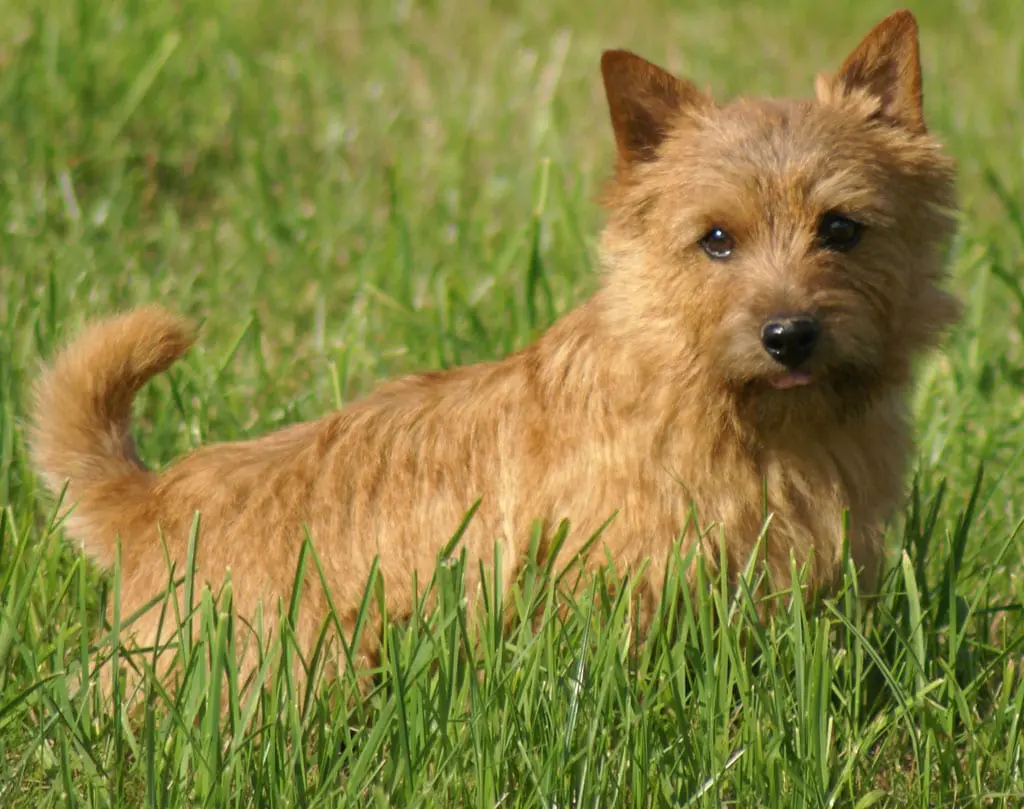
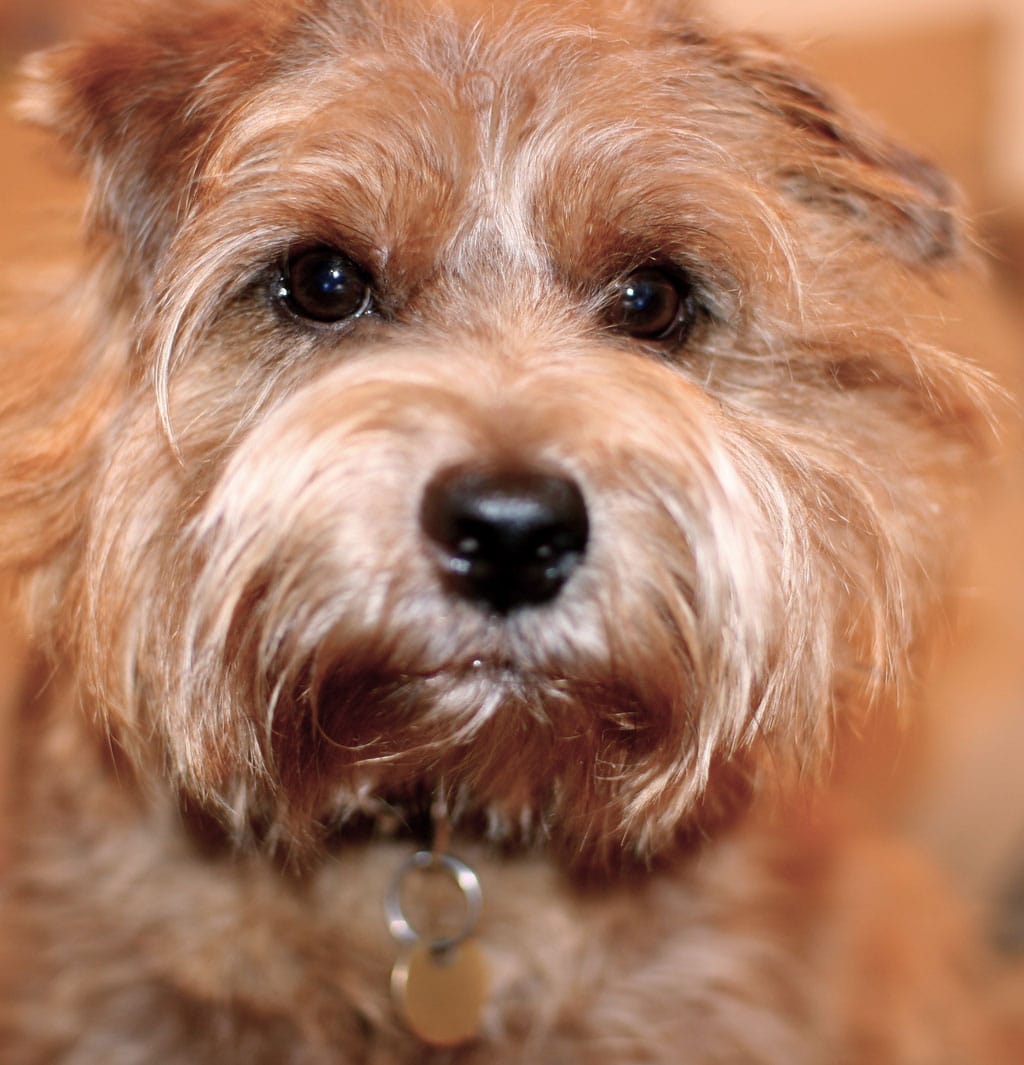
The Norwich Terrier, has lively character, joyful, affectionate and is curious by nature.

Content

History

One of the reasons there are so many Terrier breeds is because many were created to measure for a given area or population.. The Norwich comes from the East Anglia of England, Cambridge University Headquarters. Like college students of any age, Cambridge students of the decade 1880 they thought it was a lot of fun betting on sporting events, including your dogs' mouseing skills. Los terrier, including those in yorkshire and ireland, they were bred to develop small red or black and tan dogs with a spirit of play. They were known as Terriers Trumpington.

A Trumpington named Rags, he was a stable dog near the city of Norwich, He had such a reputation as a buzzard that he had a profound influence on what would become known as Norwich Terrier. Rags and their descendants were crossed with other Terriers, including a small Staffordshire Terrier, and became known for a new skill: get foxes out of their burrows.

Since the 19th century there are documented sources that confirm the breeding of the Norwich Terrier. But, At that time there was also Norfolk Terrier, which is closely related to the Norwich Terrier. Back then it was considered the same race, nowadays they differ in insignificant points. Since the decade of 1960 the two races have been handled differently.

A particularly different trait is the ears, in the Norwich Terrier tend to be more upright, While in the Norfolk Terrier they are slightly bent. After many years of upbringing, you can see some character differences. The Norwich Terrier, for example, is considered more affectionate than the Norfolk Terrier. At that time animals were especially used as rat catchers and were often used on farms.

Physical characteristics

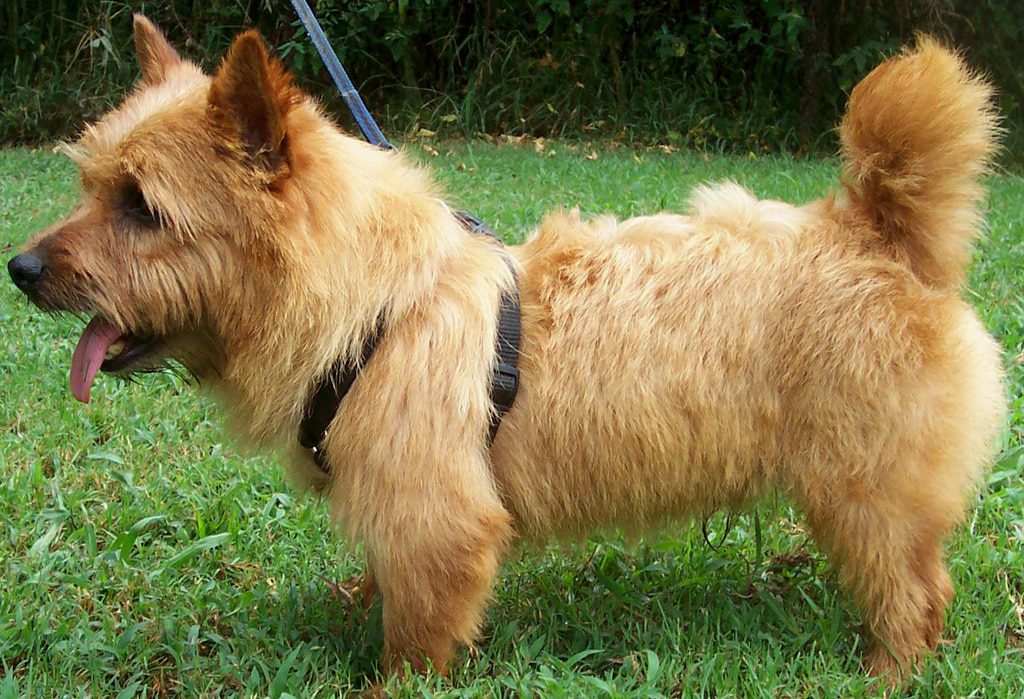
It is one the smaller Terrier its height is maximum 25 cm the cross and his weight is between 5 and 5.5 kg.

Recently on United States, There has been a great fraud with these dogs, they sold fake Norwich Terriers with pedigree, by Internet.

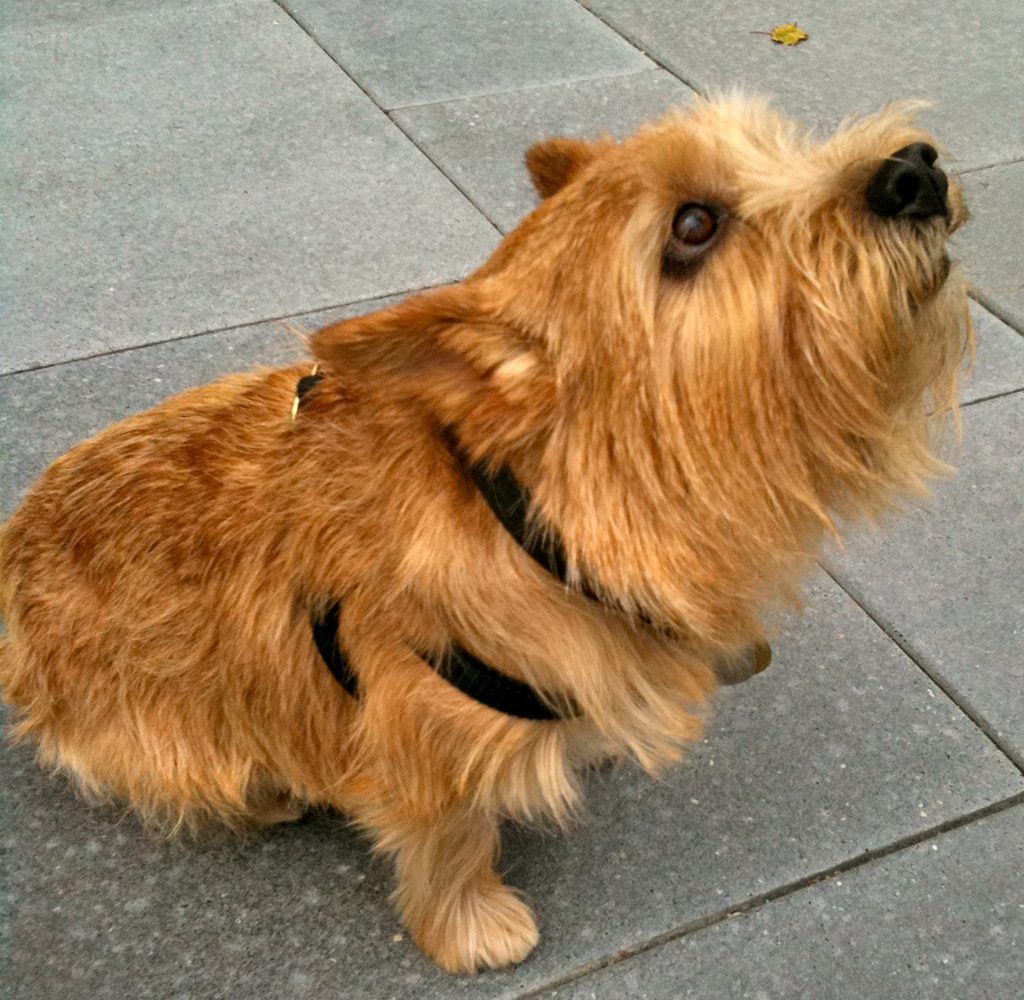
Son difficult to create because their births tend to be by caesarean section. His cloak is twofold and can be red, Red wheat, Black fire or salt and pepper (grey).

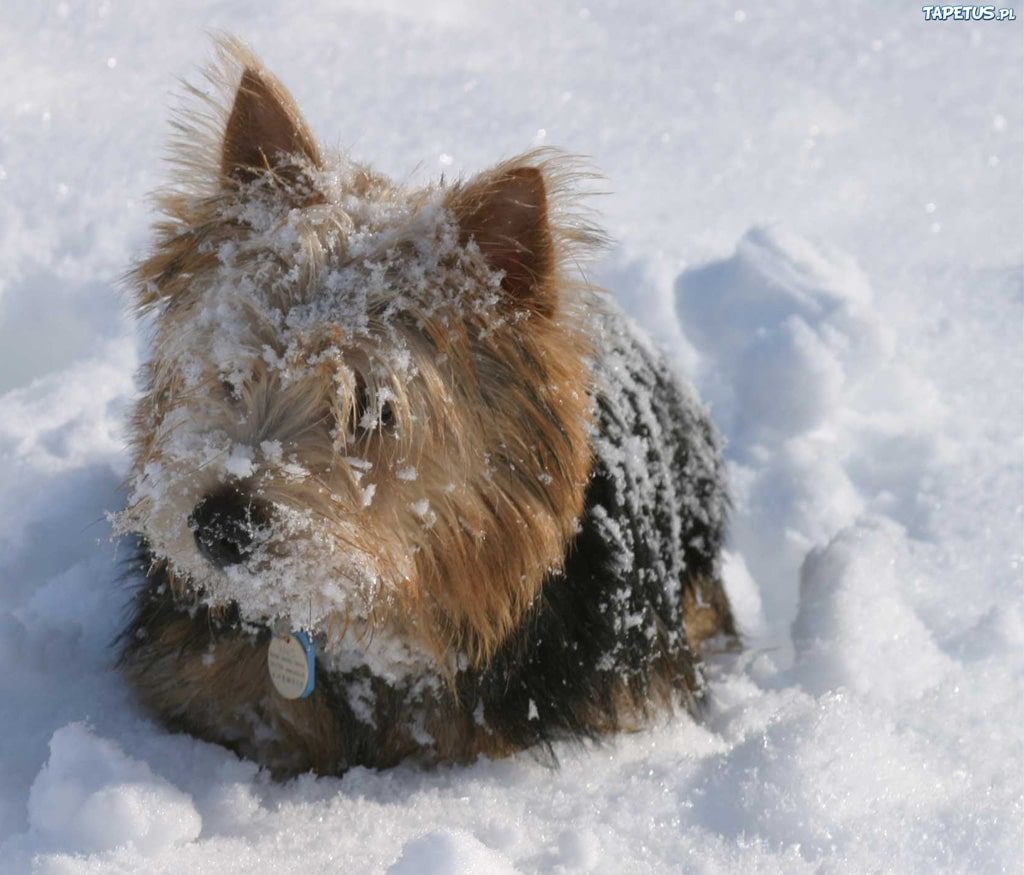
Norwich Terrier has a fur two layers, a foreign finish hard, rough and a warm and soft layer, attached to the skin.

Ideally, styling it once a week to remove the loose hairs killed.

As minimum, the hair should be stripped once in the fall and once in the spring.

Observations

The cut or Court it adversely affects the appearance of the natural colors of the layer and texture.

Character and skills

The Norwich Terrier, they have a character lively, joyful, loving and they are curious by nature.

One advantage is that they are not anti-social dogs or they tend to show aggressiveness.

They were originally bred to hunt burrowing animals but today they have become excellent companion animals..

These small but sturdy dog, brave, Smart and very loving. They were bred for chasing varmints and accompanied their owners farmers on horseback. A good daily walk is therefore, the minimum necessary to meet exercise requirements, and give a healthy lifestyle.

They are sensitive to the scolding, as the 100% Terrier. Much like family life, and very little loneliness. It is not meaningless ladrador, But if you notice something strange, It will be.

It is a dog that She loves children. They adapt perfectly to other pets.

The life expectancy the Norwich Terrier is 12 to 16 years.

Characteristics "Norwich Terrier"

Coexistence is important that you have with your new friend. Before considering the acquisition of a dog of the breed "Norwich Terrier" you know certain factors. Not all breeds of dogs are apt to live in an apartment, you must take into account his character, their need for exercise, their interaction with other pets, their care and if you have small children, their level of tolerance towards them.

Adaptation โ“˜

5,0 of 5 stars (based on 1 review)

friendly dog โ€‹โ€‹โ“˜

5,0 of 5 stars (based on 1 review)

hair loss โ“˜

2,0 of 5 stars (based on 1 review)

Affection level โ“˜

4,0 of 5 stars (based on 1 review)

Need for exercise โ“˜

4,0 of 5 stars (based on 1 review)

Social need โ“˜

3,0 of 5 stars (based on 1 review)

Home โ“˜

4,0 of 5 stars (based on 1 review)

Toilet โ“˜

3,0 of 5 stars (based on 1 review)

Friendly with strangers โ“˜

2,0 of 5 stars (based on 1 review)

barking โ“˜

4,0 of 5 stars (based on 1 review)

Health โ“˜

2,0 of 5 stars (based on 1 review)

Territorial โ“˜

3,0 of 5 stars (based on 1 review)

Cat friendly โ“˜

4,0 of 5 stars (based on 1 review)

Intelligence โ“˜

4,0 of 5 stars (based on 1 review)

Versatility โ“˜

2,0 of 5 stars (based on 1 review)

Child friendly โ“˜

4,0 of 5 stars (based on 1 review)

Surveillance โ“˜

4,0 of 5 stars (based on 1 review)

joy โ“˜

3,0 of 5 stars (based on 1 review)

Norwich Terrier Images

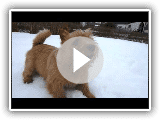
Norwich Terrier Videos

Type and recognitions:

  • FCI CLASSIFICATION:
  • Group :
  • Section : . .

Federations:

  • FCI – Terriers 2 Small sized Terriers. โ“˜
  • AKC – Terriers โ“˜
  • ANKC – Terriers โ“˜
  • CKC – Terriers โ“˜
  • โ€‹KC – Terriers โ“˜
  • NZKC – Terriers โ“˜
  • UKC – Terriers โ“˜

FCI breed standard "Norwich Terrier"

Origin:
United Kingdom

Date of publication of the valid original standard:
13.10.2010.

Use:

Terrier


General appearance:

One of the smallest terriers. It's a cunning dog, short limb, compact and strong, with good structure and skeleton. Honorable scars resulting from deterioration and natural tears should not be unfairly penalized.


Behavior / temperament:

One of the smallest ground dogs. Loving but not quarrelsome, tremendously active and robustly built. Cheerful and brave.

Head:

---

Cranial region:
  • Skull: Wide and slightly rounded, with good width between the ears.
  • Depression links (Stop): Well defined.

facial region:

  • Snout: Strong and wedge-shaped (its length is less than a third of the distance measured from the occipital to the base of the naso-frontal depression).
  • Lips: Glued.
  • Jaws / Teeth: Strong and sharp jaws. Pretty big teeth, strong, with healthy teeth, complete and scissor bite, that is to say, that the inner face of the upper incisors is in close contact with the outer face of the lower incisors; the teeth should be set at right angles in the jaws.
  • Eyes: relativelysmall, oval-shaped, dark, full of expression, bright and lively.
  • Ears: erect, placed well apart on the skull. Medium-sized and pointed. When the dog is excited he carries them perfectly erect and can throw them back when he is not attentive.

Neck:

Strong and of good length, in proportion to the overall balance of the dog, and it descends harmoniously towards the well inclined shoulders.

Body:

Compact

  • top line: Level.
  • Back: Short
  • Pork loin: Short.
  • Breast : Long, well-rounded chest. With good depth.

Tail:

Previously optional tail amputation.
  • Medium amputation: High implementation, completing a perfectly level dorsal line. Carried upright.
  • Without amputation: Tail of moderate length to give the dog a general balance, thick at the base and is tuned toward the tip, as straight as possible, live, but not too happy, completing a perfectly level dorsal line.


Tips

PREVIOUS MEMBERS:

  • Elbows: Glued to the body.
  • Forearm: Short limbs, powerful and straight.
  • Metacarpus: Firm and straight.
  • Previous feet: Round, with thick, cat-like foot pads. Headed straight forward when the dog moves or stands.

LATER MEMBERS:

  • General appearance: Widths, strong and muscular.
  • Knee : good angulation.
  • Metatarsus: Hockslowered with great pushing capacity.
  • Hind feet: Round, with thick, cat-like foot pads. Headed straight forward when the dog moves or stands.

Movement:

The forelimbs should move forward in a straight line when the dog is moving.; the hind limbs follow the tread of the forelimbs; hocks are parallel and flex to show pads.

Mantle

  • Fur: Lasted, rough texture, straight and close to the body, with a dense undercoat. Longer and rougher at the neck forming a collar that frames the face. The hair on the head and ears is short and straight, except for slight eyebrows and a mustache.
  • Color: All shades of red, wheat, black and Tan or grey. Stains or white markings are undesirable.


Size and weight:

The ideal height to cross is between 25 cm..


Fouls:

Any deviation from the aforementioned criteria is considered as a fault and the severity of this is considered to the degree of the deviation to the standard and its consequences on the health and well-being of the dog..

FALTAS DESCALIFICANTES:

  1. Aggressiveness or extreme shyness.
  2. Any dog โ€‹โ€‹showing clear signs of physical or behavioral abnormalities must be disqualified..


N.B.:
  1. Males should have two normal-appearing testicles fully descended into the scrotum..
  2. Only functionally and clinically healthy dogs, with the typical conformation of the breed, should be used for parenting.

The latest changes are in bold.

TRANSLATION: Brรญgida Nestler / Original version: (IN) Technical supervision: Miguel Angel Martinez

Source: F.C.I - International Cynological Federation

Alternative names:

1. Norwich (English).
2. Norwich (French).
3. Norwich (German).
4. Norwich (Portuguese).
5. Terrier de Norwich (espaรฑol).

โ–ท The world of Pets: Dogs, cats, birds, reptiles, amphibians

Norfolk Terrier
Inglaterra FCI 272 . Small sized Terriers.

Norfolk Terrier

The Norfolk Terrier is lively, cheerful and adapts both the countryside and the city.

Content

History

The Norfolk Terrier he is a very small terrier, low rise. Until 1964 formed a dog breed along with the Norwich Terrier. Both differ only in the shape of their ears. While the Norfolk Terrier has slanted ears, the Norwich Terrier has standing ears. In the past these dogs were raised together and it was always a surprise that puppies had ears. Because the judges at the shows at least felt they preferred lop-eared dogs, wanted to have floppy or tilted ears in a class of their own. But, either standing or with ears hanging, they are wonderful terriers, vivacious little ones you can enjoy. They come from the Middle East of England. There these little terriers served the town for many years as watchdogs and hunters at home and at court..

Keeping rats and mice, driving away a marten or fox that wanted to feed on chickens or pigeons at night, they proved to be useful helpers at home and in court. But, the small Norfolk Terrier was not, like many other somewhat larger terriers, used for active fox hunting, the marten and the otter. Didn't have to go in pursuit of these predators. He would not have lacked courage and determination. The Terriers de Norwich and Norfolk they were useful as a cat, but much more defensive and effective, especially when it came to fighting rats. They also had the added value of being watchdogs and danger alarms and were better able to deal with harsh, wet and cold weather conditions of central England.

So these little terriers were already widespread in cities centuries ago.. Consequently, they were bred solely for their suitability for their tasks. Either with upturned or drooping ears, it did not matter. As their tasks drifted away from rats to accompany the human psyche, the subtleties of his outward appearance also came into play. One separated the terrier into two breeds. In 1954, both were officially recognized by the FCI under the name of Norwich Terrier. The tipped-ear variant was recognized as a separate breed in 1962.

Physical characteristics

It is a small dog, clever, short limb, compact and vigorous; It has short back and its structure and strong bones.

Norfolk Terrier has a hair double layer: a hard top layer, ribbed and a warm and soft layer.

Ideally, is due comb the hair once a week to remove the loose hairs, dead and prevent mat.

Itร‚ยดs one of the smaller Terrier dogs, a "demon" for its size. Affectionate but not quarrelsome, robust Constitution.

The tail amputation is optional. Medium amputation, set level with the dorsal line and carried erect. Tail of moderate size to give the dog an overall balance, thick at the base and is tuned toward the tip, as straight as possible, happily held, but not in an excessive manner.

Its movement is natural, low and high thrust. Previous members directed straight forward from the shoulders. A good angulation of the hindlimbs provides you with a great driving force.

The Member posterior move in line with the anterior, with free movements from the hips, and they must bend well at the knees and hocks. level top line.

The hair It hard, rough texture (wire), straight and well attached to the body. Long and rough in the neck and shoulders.

The hair is short and smooth on the head and ears, with the exception of a few light eyebrows and mustache.

With regard to the color, We find all the shades of reddish, wheat, black and Tan or grey. Stains or white markings are undesirable, but allowed.

The height ideal to the cross is between 25 and 26 cm..

Character and skills

Norfolk Terrier should not be aggressive despite being able to defend itself if necessary. Them, along with Norwich Terrier and the Border Terrier, has the softer temperament of the Terrier group.

Videos of the Norfolk Terrier
Two norfolk terriers playing
Norfolk TerrierLightbox for Video by VideoLightBox.com v1.11

Like fellow, they love people and children and they are good pets. His level of activity is generally a reflection that the pace of its environment.

This breed should not stay or live outside, that thrive with human contact. In general, Norfolk Terrier does not generally dig, but, like any dog, will dig out of boredom when left alone for too long a period.

Usually, living well with other pets when introduced as a dog. In the open air, they are natural hunters and have a strong instinct for prey to small bugs.

The Norfolk Terrier is a dog self-confident, they are elegant, they are erect tail and head. A Norfolk Terrier that is shy or tucks its tail between its legs is unusual..

The typical Norfolk Terrier temperament is happy, cheerful and self-confident. His greatest punishment would be to be ignored by the family..

Norfolk Terrier were bred as barn dogs to rid the stables of animal pests. Today, they are household companions and must have a pleasant willingness to live with the people.

The life expectancy of a Norfolk Terrier is of 12 to 15 years.

Observations

Today, the demand for Norfolk Terrier is much more to offer

They are dogs that tend to have small litters and responsible breeders developed the breed, they only breed healthy dogs that are of good temperament, lineage, good pedigree and those that best reflect the breed standard.

Norfolk Terrier Education

The education of this breed is an often underestimated chapter. Although the already little dog looks so cute, especially in his first months of life, he is a true terrier very sure of himself. And such a terrier wants to be educated and guided. So, the Norfolk Terrier requires consequences in education from puppy age. Although small, dreams like most terriers in some corner of his brain of assuming leadership of the pack. Deep down he feels loose like a mastiff or a great dane. So you just have to take your education seriously.. Otherwise, there is no problem. He wants and needs the guidance of his master or mistress and is a docile companion., friendly and sociable, that always brings a smile to our faces.

Norfolk Terrier Health and Care

The coat should be regularly groomed. The Norfolk does not know a change of coat. Two or three times a year dead hair should be trimmed, that is to say, ripped – but with moderation.

The small Norfolk Terrier it is a fairly robust breed of dog.

Nutrition / Food

Norfolk Terrier nutrition has no problems.

Norfolk Terrier life expectancy

The Norfolk Terrier they tend to have robust health and an average life expectancy of 15 years and more.

Buy a Norfolk Terrier

The best way to buy your puppy Norfolk is to buy it locally from an FCI member breeder or take a look at the shelter. A dog of this breed costs around 1.000 EUR.

Characteristics "Norfolk Terrier"

Coexistence is important that you have with your new friend. Before considering the acquisition of a dog of the breed "Norfolk Terrier" you know certain factors. Not all breeds of dogs are apt to live in an apartment, you must take into account his character, their need for exercise, their interaction with other pets, their care and if you have small children, their level of tolerance towards them.

Adaptation โ“˜

5,0 of 5 stars (based on 1 review)

friendly dog โ€‹โ€‹โ“˜

4,0 of 5 stars (based on 1 review)

hair loss โ“˜

4,0 of 5 stars (based on 1 review)

Affection level โ“˜

4,0 of 5 stars (based on 1 review)

Need for exercise โ“˜

4,0 of 5 stars (based on 1 review)

Social need โ“˜

3,0 of 5 stars (based on 1 review)

Home โ“˜

4,0 of 5 stars (based on 1 review)

Toilet โ“˜

1,0 of 5 stars (based on 1 review)

Friendly with strangers โ“˜

4,0 of 5 stars (based on 1 review)

barking โ“˜

4,0 of 5 stars (based on 1 review)

Health โ“˜

4,0 of 5 stars (based on 1 review)

Territorial โ“˜

3,0 of 5 stars (based on 1 review)

Cat friendly โ“˜

4,0 of 5 stars (based on 1 review)

Intelligence โ“˜

4,0 of 5 stars (based on 1 review)

Versatility โ“˜

5,0 of 5 stars (based on 1 review)

Child friendly โ“˜

4,0 of 5 stars (based on 1 review)

Surveillance โ“˜

4,0 of 5 stars (based on 1 review)

joy โ“˜

5,0 of 5 stars (based on 1 review)

Norfolk Terrier pictures

Norfolk Terrier Videos

Type and recognitions:

  • FCI CLASSIFICATION:
  • Group :
  • Section : . .

Federations:

  • FCI – Terriers 2 Small sized Terriers. โ“˜
  • AKC – Terriers โ“˜
  • ANKC – Terriers โ“˜
  • CKC – Terriers โ“˜
  • โ€‹KC – Terriers โ“˜
  • NZKC – Terriers โ“˜
  • UKC – Terriers โ“˜

FCI breed standard "Norfolk Terrier"

Origin:
United Kingdom

Date of publication of the valid original standard:
13.10.2010

Use:

Terriers


General appearance:

It is one of the smallest ground dogs. Crafty, short limb, compact and vigorous; It has short back and its structure and strong bones. Honorable scars resulting from deterioration are allowable.


Behavior / temperament:

He is a "demon" for his size. Affectionate but not quarrelsome, robust Constitution. Alert and brave.

Head:

---

Cranial region:
  • Skull: Width, just slightly rounded and wide between the ears.
  • Depression links (Stop): Well defined.

facial region:

  • Snout: Strong and wedge-shaped; its length is less than a third of the distance measured from the occipital to the frontal-nasal depression (Stop).
  • Lips: Attached.
  • Bite / Teeth : Robust jaws, strong and fairly large teeth, with healthy teeth, complete and scissor bite, that is to say that the internal face of the upper incisors is in contact with the external face of the lower incisors; teeth should be set at right angles in the jaws.
  • Eyes: Oval, dark brown or black, with an alert expression and a smart and lively look.
  • Ears: Medium-sized and V-shaped, slightly rounded at the tip, carried forward along the cheeks.


Neck:

Strong and medium length.

Body:

Compact, short, level back, well rounded ribs.

Tail:

Previously optional tail amputation.
  1. Medium amputation, tail set level with dorsal line and carried erect.
  2.  Tail of moderate size to give the dog an overall balance, thick at the base and is tuned toward the tip, as straight as possible, happily held, but not in an excessive manner.


Tips

PREVIOUS MEMBERS:

  • General appearance: Sharp.
  • Shoulder: Well leaning back and approximately arm length.
  • Forearm: Short forelimbs, powerful and upright.
  • Previous feet: Round and with thick pads.

LATER MEMBERS:

  • General appearance: Well muscled.
  • Knee: Well angulated.
  • Metatarsus: Hockswell descended and straight when viewed from behind, endowed with great driving force.
  • Hind feet: Round and with thick pads.

Movement:

Natural, low and high thrust. The forelimbs are directed straight forward from the shoulders. A good angulation of the hindlimbs provides you with a great driving force. The hind limbs move in line with the forelimbs., with free movements from the hips, and they must bend well at the knees and hocks. level top line.

Mantle

  • Fur: Lasted, rough texture (wire), straight and close to the body. Long and rough in the neck and shoulders. The hair is short and smooth on the head and ears, with the exception of a few light eyebrows and mustache. Excessive grooming is undesirable.
  • Color: All shades of red, wheat, black and Tan or grey. Stains or white markings are undesirable, but allowed.


Size and weight:

The ideal height at the withers is: 25 cm..


Fouls:

Any deviation from the aforementioned criteria is considered as a fault and the severity of this is considered to the degree of the deviation to the standard and its consequences on the health and well-being of the dog..

FALTAS DESCALIFICANTES:

  • Aggressiveness or extreme shyness.
  • Any dog โ€‹โ€‹showing clear signs of physical or behavioral abnormalities must be disqualified..


N.B.:
  • Males should have two normal-appearing testicles fully descended into the scrotum..
  • Only functionally and clinically healthy dogs, with the typical conformation of the breed, should be used for parenting.

The latest changes are in bold.

TRADUCCION: Brรญgida Nestler / Original version: (IN) Technical supervision: Miguel Angel Martinez

Source: F.C.I - International Cynological Federation

Alternative names:

1. Norfolk (English).
2. Norfolk (French).
3. Norfolk (German).
4. Norfolk (Portuguese).
5. Terrier de Norfolk (espaรฑol).