▷ The world of Pets: Dogs, cats, birds, reptiles, amphibians

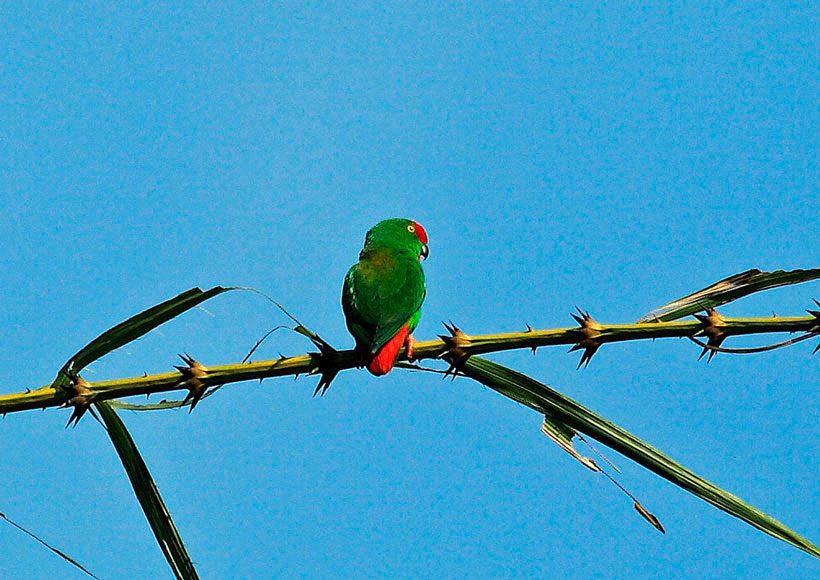
Moluccan hanging parrot
Loriculus amabilis

 Moluccan hanging parrot

Content

Description

11 cm.. length between 25 and 38 g. of weight.

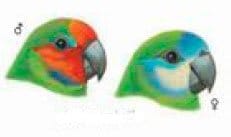
The Moluccan hanging parrot (Loriculus amabilis)(Loriculus amabilis) has the head of color green with the front of the crown red. The the mantle slightly tinted Orange; rump and uppertail-coverts dark red. The latter extends almost to the tip of the tail. Wings green; Red and yellow mark in the carpus. Under, the wings blue with coverts greenish blue. Chin red; rest of the underparts more green yellowish to them upperparts, especially the coverts at the bottom of the tail. The tail, at the top, green, by down Bluestone with fine yellowish tips.

The bill black; irises yellowish white; legs oranges.

Female with the crown green, red dots on the forecrown and throat. Iris brown.

The young birds with trademark yellow around the bib, and at the edge of the carpus. Iris pale brown.

Habitat:

It is distributed by primary and secondary forests, in the lowlands until 800 m, along the edges of forests, in the mangroves and the casuarinas coastal, on the edges of agricultural land, around the villages and occasionally in forests of coconut trees.

The species is observed more frequently in solitary, in pairs or in small groups in the vicinity of the trees in flower.

Reproduction:

Little is known of the habits of nesting, only periods of courtship have been recorded.

Food:

Their natural diet consists of nectar, fruit, outbreaks, flowers and seeds.

Distribution:

Size of the area of distribution (reproduction / resident) 23.000 km2

Endemic to Indonesian, where are distributed by the islands off the northeast of Sulawesi including the archipelagos of the Banggai (Peleng. Labobo) and Sula (Seho, Taliabu, Mangole, Sulabesi), and in the North of Moluccas in Kasiruta, Bacan, Halmahera and Morotai.

In the Sula Islands It is rare, its population is probably around of 5.000 birds due to habitat loss. The status of the species in Banggai and Peleng It is insufficiently known.

Conservation:


minor concern


• Current IUCN Red List category: Least concern

• Population trend: Stable

The size of the world population It has not been quantified, Although it is believed that it is superior to the 20.000. specimens. The species is described as moderately common, although rarer in primary forest and common in secondary forest (pit et to the. 1997).

The population is suspected to be stable in the absence of evidence of any reduction or substantial threats, Although slightly affected by trade.

"Moluccan hanging parrot" in captivity:

Unknown.

Alternative names:

Moluccan Hanging-Parrot, Halmahera Hanging-Parrot, Moluccan Hanging Parrot, Wallace’s Hanging-Parrot (ingles).
Coryllis des Moluques, Coryllis des Moluques (nominal), Coryllis des Moluques (nominale), Coryllis des Moluques (race nominale) (French).
Zierpapageichen (German).
Loriculus amabilis (Portuguese).
Lorículo Amable (español).

scientific classification:

Order: Psittaciformes
Family: Psittaculidae
Scientific name: Loriculus amabilis
Citation: Wallace, 1862
Protonimo: Loriculus amabilis

images of "Moluccan hanging parrot"

Videos "Moluccan hanging parrot"

————————————————————————————————

Moluccan hanging parrot (Loriculus amabilis)


Sources:

Avibase
– Parrots of the World – Forshaw Joseph M
– Parrots A Guide to the Parrots of the World – Tony Juniper & Mike Parr
– Birdlife

Photos:

(1) – Single bird on a branch by nvoaden – lynx

Sounds: Mike Nelson (Xeno-canto)

▷ The world of Pets: Dogs, cats, birds, reptiles, amphibians

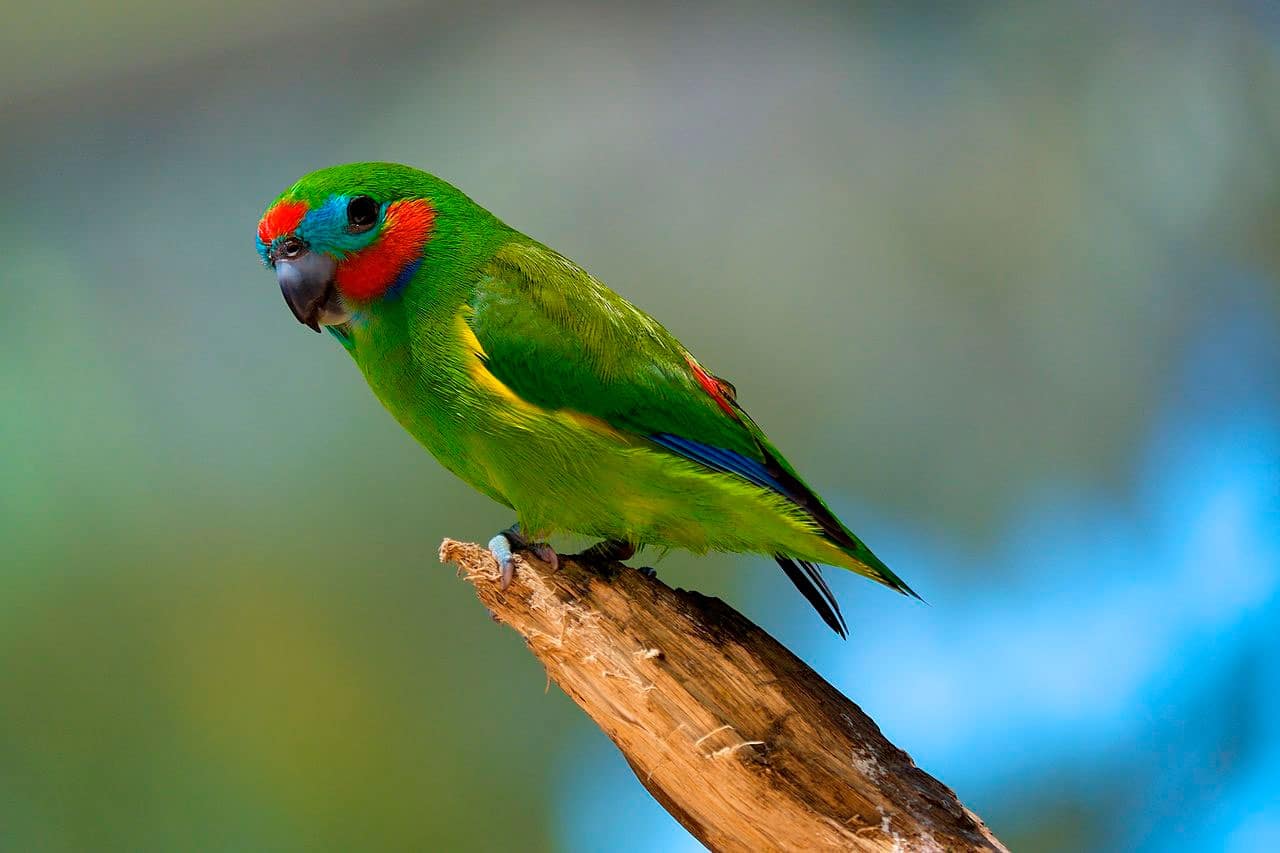
Double-eyed Fig-Parrot
Cyclopsitta Diophthalma


Double-eyed Fig-Parrot

Content

Description

13 to 16 cm.. length and a weight between 25 and 56 g..

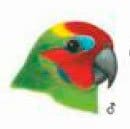
The Double-eyed Fig-Parrot (Cyclopsitta Diophthalma) half of the crown, lores, cheeks and headphones feathers bright Scarlet color with some slightly elongated feathers; bright turquoise brand above and in front of the eyes, that it extends slightly backwards above and below; green line above and behind the eyes; brand violet-blue light under the red on the back of the headphones feathers that extends to the throat; narrow yellowish Orange behind the red band of the crown, Fusion to the green in the part back from the crown.

Upperparts with indistinct diffusion of color bright green olive on the the mantle. Wing coverts, bright green; primary coverts blue; primaries with vane external of color blue turquoise pale and vane blackish internals; flight feather (except the primary outer) with band of yellowish white color visible from below; inner coverts marked in red, wing feathers bordered with yellow green.

The underparts paler; Green over yellow that the upperparts, with a strong Flash of yellow along the flank, about the bend of wing. Upper, the tail green; grey below.

Robust bill, notched grey lead and a blackish tip; cere dark grey; irises dark brown; legs Green grey.

The female has the cheeks brown, not red.

Immature as the females. The young male acquire the plumage adult in 14 months.

Subspecies description

Subspecies description
  • Cyclopsitta diophthalma diophthalma

    : (Hombron and Jacquinot, 1841) – The nominal

  • Diophthalma diophthalma aruensis - male

  • Cyclopsitta diophthalma aruensis

    : (Schlegel, 1874) – Of 14 cm.. length. The plumage is greenish-yellow, the blue area on the eyes has greenish hue , Blue cheeks are lined with mauve colouration and extends to the bottom of the peak.

    Female similar to the male but all the red marks are replaced by a pale blue.

  • Diophthalma diophthalma coccineifrons

  • Cyclopsitta diophthalma coccineifrons

    : (Sharpe, 1882) – Of 14 cm.. length.

    It is usually something more dark. The Crown is red bordered with a broad yellow band.

    The female has less yellowish white.

  • Diophthalma diophthalma virago - male

  • Cyclopsitta diophthalma virago

    : (ECTION Hartert, 1895) – Of 14 cm.. length.

    Green is more pale, the red zones of the face are less extensive and more pale.
    Yellow edge of the very weak Crown.

    Juveniles as adult females

  • Diophthalma diophthalma inseparabilis

  • Cyclopsitta diophthalma inseparabilis

    : (ECTION Hartert, 1898) – Of 14 cm.. length.

    The Red coloration is reduced to a small spot on the forehead, the rest of the forehead is bluish.

    Similar to males females.

    Juveniles as adult females.

  • Diophthalma diophthalma macleayana

  • Cyclopsitta diophthalma macleayana

    : (EP Ramsay, 1874) – Of 14 cm.. length.

    The Red is reduced to a red spot in the front area and lower cheeks. The yellow border in the area of the Crown is absent, sides of the forehead and eyes blue with green. The azul-violaceos edges of the cheek extends to below the peak.

    Females more yellowish and the bottom of the cheeks is white Brown.

    Equal to the adult female juveniles.

  • Diophthalma diophthalma marshalli

  • Cyclopsitta diophthalma marshalli

    : (Iredale, 1946) – Of 14 cm.. length.

    Green is more beige and the azul-malva coloration extends to the area under the peak.

    Females have pale blue color where the male has red and blackish brown cheek bottom area.

    Juveniles as adult females.

  • Diophthalma diophthalma coxeni

  • Cyclopsitta diophthalma coxeni

    : (Gould, 1867) – It's a bit more large, of about 15 cm.. approximately, No red forehead and face with some reddish feathers, the cheeks and orange headphones feathers. Blue front clear and without yellow stripe. The area of the eyes is absent blue. Blue edges of the bottom of the cheeks is variable.

    The females are more yellowish with less or absent red in the face.

    Equal to the adult female juveniles.

Habitat:

The Double-eyed Fig-Parrot are sedentary, with some dispersion after the breeding season. It is in a range of habitats from low to medium altitude, including jungle, secondary vegetation, on the edge of the Woods, riparian forest and occasionally dry forests and open forests of eucalyptus.

In Australia There are also birds in parks, Gardens, scrub, cultivated areas and mangroves; the Diophthalma diophthalma coxeni, probably, concentrated in the alluvial forest, but it was also visible in the forests of dry lowlands and hills of rainforest.

The species is highly dependent of the Ficus figs in all habitats.

The birds are usually found in pairs or in small groups, calling the attention with their constant calls acute while flying above the canopy.

They feed in silence, moving quietly through the foliage, often giving away their presence only by falling debris, Since break the shell of the fruit to reach its seeds.
outside the breeding season, groups of up to 200 birds can be nested together, dissolving into smaller groups to feed themselves during the morning and afternoon.

When alarmed, they move their wings in an agitated manner.

during the rains, the bath is carried out with wet foliage, and mutual grooming is common.

Reproduction:

The breeding season of the Double-eyed Fig-Parrot, probably begins in New Guinea during the month of March, in Australia the main season runs from August to November.

When the birds are played are divided into pairs, territorial around their food trees. The nest It is a cavity that is expanded in a trunk at a height between 8 and 20 meters above the ground. Most of the nest preparation is carried out by the female., that takes refuge in the hole and spends a large part of the day there during its excavation. She can experiment with more than one nest.

Courtship feeding is common. The entrance hole is about 4 cm in diameter, and putting two white eggs are deposited, at intervals of 48 hours, in one camera, some 20 centimetres below the entry hole.

The incubation hard 18 days and the young will leave the nest in 7-8 weeks, After having been fed during the first 3 to 4 weeks, only for the female. They return to settle in the hollow for a short period of time after having left the nest.

Food:

The fig seeds they are their main food, birds often return to the same ripe fruits ending all their seeds. The diet also includes whole fruits small, nectar, insect larvae and fungi or lichens collected from the barks. Birds may feed in groups with others Fig parrots and, in Australia, with Rosella parakeets and other species of parrots.

Distribution:

The Double-eyed Fig-Parrot is distributed throughout much of New Guinea and parts of the northeast of Australia. At the West end is located in Waigeo, Salawati, Misool and Rafiau in the West Papua islands, Indonesian.

Is widespread but distributed unevenly through the continental part of New Guinea, absent only in the center of the Doberai Peninsula and the central belt of mountains above the 1.600 m, Although there have previously been to 1.800 meters at the local level.

You can see in the islas Aru and Fergusson, in the Islands Goodenough in the D'Entrecasteaux Group, and in Tagula in the Louisiade group.

In Australia, the most northerly of the three isolated populations, is the tip of the Cape York Peninsula, from Jardine River in the northwest of the country, to the South, around East of Lockhart River, sometimes in the South to the extreme north of the Princess Charlotte Bay; the population Centre occupies the coastal district of everything Cooktown in the North through Cairns and the District Atherton, about South of Townsville; the southern-most population, now very reduced, with less than 50 records in the last century, formerly extended from Gympie, Queensland, to the South, about Richmond River, New South Wales, arriving inland up to the Bunya mountains (in 1976 two birds were about the Koreelah National Park, in February and two close Lamington National Park in December).

The estimate of the world population is above the 100.000 individuals and stable, but the State two of its subspecies is less secure:

– Cyclopsitta Diophthalma macleayana: has a population of 5.000 individuals and may be in decline, Although multiply in parks and gardens around Cairns.
– Cyclopsitta Diophthalma coxeni: just left 200 birds, After having reduced its population as a result of the destruction of the forests of lowlands along its limited distribution area.
– The third Australian subspecies, Cyclopsitta Diophthalma marshalli it's still pretty common.

In New Guinea, the species dispersed, and is considered to be rare in the Doberai Peninsula and absent from many parts of the lowlands of the South, is mainly distributed in the Highlands of the South basin. The Orange-breasted Fig-Parrot It probably replaces this species in much of this area. It is likely that the species has not been recorded accurately due to its small size and discreet habits. Protected by law in Australia. The Diophthalma diophthalma coxeni appears in the Appendix I of the CITES

Subspecies distribution

Subspecies distribution

Conservation:


minor concern


• Current IUCN Red List category: Least concern

• Population trend: Stable

The size of the world population Double-eyed Fig-Parrot It has not been quantified, Although it is estimated at more than 100,000 specimens. But, the Diophthalma diophthalma coxeni is in critical hazard, with a population between 50 and 200 individuals; the Diophthalma diophthalma macleayana with a population of some 5.000 individuals and the Diophthalma diophthalma marshalli generally uncommon

The population, of the nominal species, is suspected to be stable in the absence of evidence of any reduction or substantial threats.

"Double-eyed Fig-Parrot" in captivity:

Rare in captivity.
Not social with people. Welcome in the distance.

Alternative names:

Double-eyed Fig-Parrot, Double eyed Fig Parrot, Double-eyed Fig Parrot, Two-eyed Fig Parrot (ingles).
Psittacule double-oeil (French).
Rotwangen-Zwergpapagei (German).
Papagaio-do-figo-de-cara-azul (Portuguese).
Lorito de Cuatro Ojos, Lorito Dobleojo, Lorito de la higuera de doble ojo (español).

scientific classification:

Order: Psittaciformes
Family: Psittaculidae
Scientific name: Cyclopsitta Diophthalma
Genus: Cyclopsitta
Citation: (Hombron & Jacquinot, 1841)
Protonimo: Psittacula diophthalma

Images "Lorito double":

Videos "Double-eyed Fig-Parrot"

————————————————————————————————

«Lorito Doublerojo» (Cyclopsitta Diophthalma)


Sources:

– Avibase
– Parrots of the World – Forshaw Joseph M
– Parrots A Guide to the Parrots of the World – Tony Juniper & Mike Parr
– Loromania

Photos:

(1) – «Cyclopsitta diophthalma-Birdworld Kuranda, Queensland, Australia-male-8a» by ShotophotoDouble Eyed Fig ParrotUploaded by snowmanradio. Licensed under CC BY-SA 2.0 via Wikimedia Commons.
(2) – John Gerrard Keulemans [Public domain], via Wikimedia Commons
(3) – «Cyclopsitta diophthalma-Mossman Gorge, Daintree National Park, Queensland, Australia-male-8» by James Island from Brisbane, Australia – Double-Eyed Fig-ParrotUploaded by snowmanradio. Licensed under CC BY 2.0 via Wikimedia Commons.
(4) – «Cyclopsitta Diophthalma (female) -Cairns-8» by David Cook Wildlife Photography – originally posted to Flickr as Double-eyed Fig-Parrot (Cyclopsitta Diophthalma). Licensed under CC BY-SA 2.0 via Wikimedia Commons.
(5) – Birds-pet-wallpapers
(6) – By tamandua – PBase

Sounds: Andrew Spencer (Xeno-canto)

▷ The world of Pets: Dogs, cats, birds, reptiles, amphibians

Blue-headed Racquet-tail
Prioniturus platenae


Blue-headed Racquet-tail

Content

Blue-headed Racquet-tail

Description

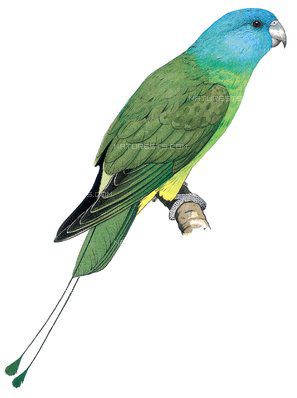
27 to 28 centimeters length (23,5 not to mention their racquets).

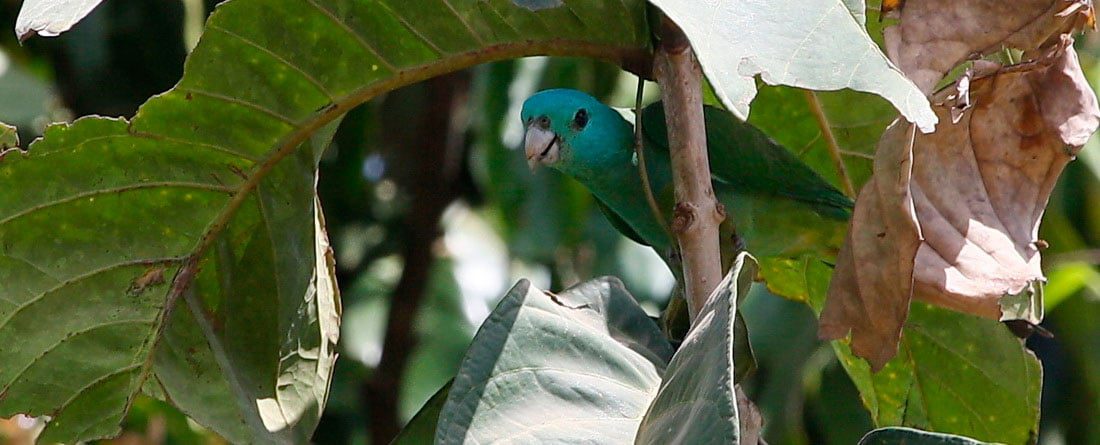
The head of the Blue-headed Racquet-tail (Prioniturus platenae) is clear brilliant blue. Mantle and back of color green light; rump slightly brighter green. Wings green, flight feather with vane blackish internal.

Underwing coverts Turquoise Green, strongly impregnated with blue. Upper abdominal area green, strongly impregnated with blue; undertail-coverts brighter yellowish green, uppertail-coverts bright. Upper, the tail green, Blue-Green lateral feathers with black tips; undertail, the tail dark, bathed in blue; spatulas blackish

Bill blue-white; irises yellowish; legs black.

Female no blue in the underparts (or simply a wash light blue) and a wash light turquoise blue in the head, in the absence of the male light blue Cap; also with extensions in tail shorter.

Habitat:

Little-known. The species is found in moist lowland forests and nearby crops up to altitudes above 300 m. In the islands of the North of Palawan, you have registered in the ultrabásico forest, bamboo thickets, mangroves and natural grasslands with scattered trees.. Birds are often recorded in small groups and their habits are presumably similar to those of other Prioniturus.

Reproduction:

There are hardly any data relating to its reproduction. Marked juvenile birds have been collected in January (two) and in August, and a markedly immature, in the month of may.

Food:

There are many data about food. Remains of nuts have been found in the stomachs of the specimens.

Distribution:

Endemic to Palawan and associated Islands, West of Philippines. Registered in Balabac, Dumaran and the islands of the Calamian group (Culion, Calauit, Busuanga). Uncommon and declining due to the destruction of their habitat and indiscriminate capture. The species is uncommon but regular in the Puerto Princesa Subterranean River National Park.

Conservation:


Vulnerable


• Current category of the Red List of the UICN: Vulnerable

• Population trend: Decreasing

The population is estimated at 2,500-9,999 individuals based on an assessment of the known records, descriptions of the abundance and range size.

The lack of recent information on this species is opposed to making strong claims about its current trend, but threats by logging, mining and trapping, They suggest that the species is declining rapidly.

The set of Palawan It is classified as a hunting ground, where is hunting illegal, the island was designated as a Biosphere reserve in 1990. But, legislation controlling habitat disturbance and hunting is difficult to enforce effectively.

"Blue-headed Racquet-tail" in captivity:

Not found in captivity.

Alternative names:

Blue-headed Racquet-tail, Blue headed Racquet tail, Blue-headed Racket-Tail, Blueheaded Racket-tailed Parrot, Blue-headed Racquet Tail, Palawan Racket-tailed Parrot, Palawan Racquet-tail, Palawan Racquet-tailed Parrot (ingles).
Palette de Palawan, Palette à tête bleue, Perroquet à raquette de Palawan (French).
Palawan-Spatelschwanzpapagei, Palawan Spatelschwanz-Papagei, Palawanpapagei (German).
Prioniturus platenae (Portuguese).
Lorito Momoto de Palau, Lorito momoto de Palawan, Lorito-momoto de Palawan (español).

scientific classification:

Order: Psittaciformes
Family: Psittaculidae
Genus: Prioniturus
Scientific name: Prioniturus platenae
Citation: Blasius,W, 1888
Protonimo: Prioniturus platenae

– Recent phylogenetic study suggests that this species is part of a clade containing also to the P. waterstradti, P. Montanus and P. mindorensis. Formerly treated as a subspecies of the P. discurus, but the treatment recently strengthened as species, considers it Monotypic.

Images "Blue-headed Racquet-tail"

————————————————————————————————

“Palawan Momoto Lorito” (Prioniturus platenae)

Sources:

Avibase
– Parrots of the World – Forshaw Joseph M
– Parrots A Guide to the Parrots of the World – Tony Juniper & Mike Parr
– Birdlife

Photos:

(1) – Birds of the Philippines – Near Coron Airport, Coron, Palawan. April 2010 – manilaoldtimer
(2) – minghouse.infolinker.com.tw

Sounds: Paul Noakes (Xeno-canto)

▷ The world of Pets: Dogs, cats, birds, reptiles, amphibians

Australian Ringneck
Barnardius zonarius

Australian Ringneck

Content


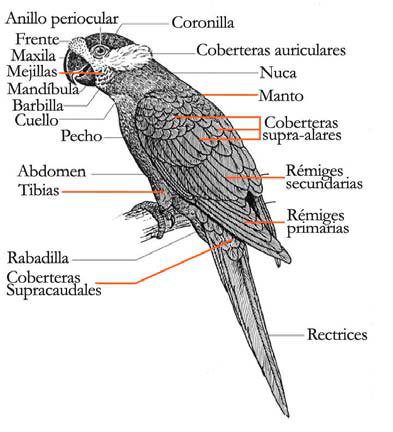
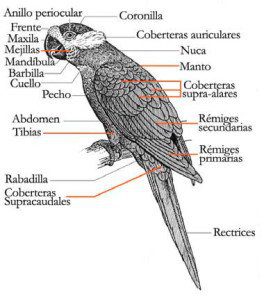
Anatomy-parrots

Description

Among 32 to 44 cm.. length and a weight between 121 and 200 g..

Two species were traditionally recognized in the genus Barnardius, Barnardius zonarius and Barnardius barnardi, but both hibridaban in the contact area and are currently considered a single species.
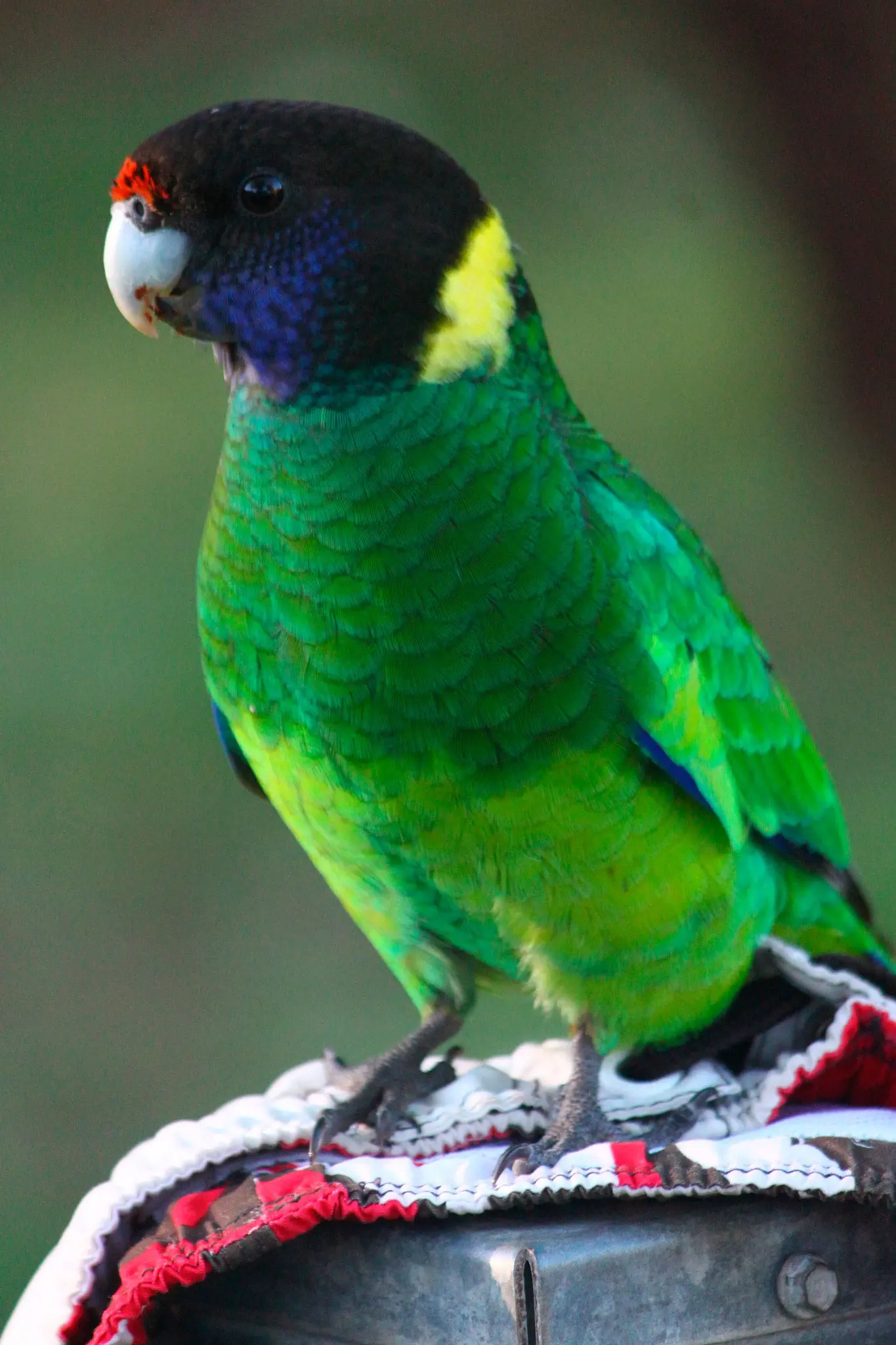
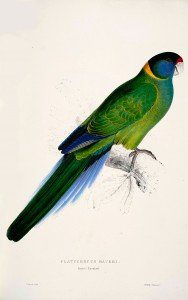
The Australian Ringneck (Barnardius zonarius) It has the head of blackish brown with cheeks, both sides of the throat and underside of the headset coverts densely dotted with dark blue (You can display a few red spots on the front of the Crown); the back of the neck of bright yellow.
Middle of the mantle of dark green with thin dark stripes; slightly more bright green rump; a little more off than the rump supracaudales coverts.

External Middle coverts slightly greenish-yellow color, Green the inner coverts, the large green with blue-green and pale inner margins coverts green outer margins in the outermost feathers; curve of the wing of Turquoise, It extends slightly towards small coverts; primary coverts dark brown with vane dark blue external; blackish flight feathers, strongly marginalized in foreign feathers, showing fusion from the blue color in the vane external to the blue gray of the tips.

Under, with turquoise coverts blackish flight feathers. Dark green chest with fine dark stripes; upper part of the abdomen of bright yellow, Green the lower belly area, slightly impregnated yellow; subcaudales coverts greenish-yellow. Central tail feathers of dark green merging to dark blue, the external of pale blue with dark bases and white tips. Under, pale blue tail.

The greyish white Peak: the Brown irises; legs grey

The female It has peak and smaller head, the slightly Browner head, and you can display a mark in the form of bar at the bottom of the wings.

The immature, they are a brand of pale bar on the wings (disappearing earlier in males than in females); they are more turned off, with a head of Brown and dissemination of greyish-Brown mantle and upper chest area; the tail is green above. Adult plumage is reached between 12 and 15 months.

Subspecies Barnardius zonarius

  • Barnardius zonarius semitorquatus

    (Quoy and Gaimard, 1830) – Of 40 cm.. length approximately. It is more than nominal, but with the red front, abdomen green more off, Pico mas grande. Female plumage more pale and head color more Brown, the Red coloration of the forehead is narrower in some absentee.

  • Barnardius zonarius zonarius

    (Shaw, 1805) – Equal to the Barnardius zonarius collared, but with a yellow abdomen and without the prominent crimson red stripe on the forehead, that if you have the subspecies collared.

  • Barnardius zonarius macgillivrayi

    (North, 1900) – Cloncurry Ringneck – Crown and nape of an intense green color and some reddish tones on the cheeks. Is lighter green shades, No red frontal band, and with a broad band uniform across your abdomen. Not recognized by all experts.

  • Barnardius zonarius barnardi

    (Vigors and Horsfield, 1827) – It has an intense green crown and nape and certain reddish tones on the cheeks.. Their underparts are Turquoise green with an irregular band yellow orange across the abdomen. Your back and mantle are blackish blue and also this subspecies has a red band on the forehead.
    Presumably either the nominal race.
Habitat:

Australian Ringneck

The Australian Ringneck is mainly sedentary, with occasional movements during extreme weather conditions. The species occupies a range of habitats, including eucalyptus red zones (Eucalyptus camaldulensis), along water courses, acacia scrub and mallee (Eucalyptus gracilis), eucalyptus open woodlands, agricultural fields, desert shrubland and suburban areas.

In general has adapted better to the effects produced by settlements that the Mallee Ringneck, and it has been particularly successful in the South-West wheat belt, in where the birds are observed while they eat at road verges. The subspecies collared has a more specific habitat, preferring the high forests of coastal eucalyptus, particularly marri (Eucalyptus calophylla).

The Australian Ringneck form strong pair bonds and, normally, is found in small family parties or groups of up to eight birds. They are usually visible, loud and inquisitive, being more active during the morning and evening. They tend to remain silent while they feed on the ground, but they chatter loudly when feeding in the canopy and when gathering to sleep after drinking, remaining assets after the sunset.

Reproduction:

The time of nesting is from June to February, starting earliest in the North.

The birds are territorial around the nest, and there are many fights at the beginning of the breeding season. In courtship, the male drops his wings, WAGs tail producing a buzzing sound, He chatters loudly and shakes head. Courtship feeding is also common. The nest is built at different heights, usually in the natural hollow of a tree based on decomposition of waste wood inside.

Between four and seven (normally five) white eggs are laid during the implementation, sometimes producing two offspring. The female incubates during 19 days and leaves the nest only to feed herself or be fed by the male. At the beginning, She feeds the chicks alone, but a week after hatching, the male joins food tasks. The young leave the nest about four weeks after. Family groups remain together for some time after the chicks have fled the nest..

Food:

The diet consists of nectar, flowers, seeds, fruit, insects and their larvae (that sometimes stripping the bark of lso trees). The cereal crops and orchards are often attacked by the Australian Ringneck, registering birds digging up onion bulbs (Romulea longifolia).

The more arboreal southwestern subspecies has preference by the ripe fruits of eucalyptus, especially those of marri.

Distribution:

The Australian Ringneck they are in the West, Central and South of Australia. Is distributed from Port Augusta, the Eyre Peninsula and Cordillera Gawler, to the North, through the center of Southern Australia in the Northern Territory, where stretches through of the MacDonnell Ranges and lies to the North of Newcastle Waters and Winnecke Creek.

Birds may also go more towards the East, sometimes up to the border of Queensland, and an off-eastern boundary record comes from Pine Creek in New South Wales.

In Western Australia, the species is increasing in the South West which concentrates around King George Sound, in the South, to murchison river, in the North, reaching inside for Kalgoorlie and Wiluna the east. Further north, is scattered through the Northwest corner, and extends eastward to the upper part of the Grey River system.

There is a small isolated population, probably, at the East end of Western Australia in the Gardiner Range region. Escapes have been recorded in the District of Port Wakefield, about Melbourne, Canberra, Sydney, Darwin and Hobart, in Tasmania.

A population of probable leak in the Lofty Mountains It was destroyed to prevent cross-breeding with the Mallee Ringneck, but there is a zone of hybridization with the Mallee Ringneck in the Montes Flinders. The two species are found and hybridize in other places also.

The world's population is piobablemente well above the current estimate of 100.000 specimens given by Lambert (1993).

A moderate number of captive.

The birds can be low temperatures under permit in some districts to prevent damage in orchards.

Subspecies B distribution. zonarius

Conservation:


minor concern


• Current category of the Red List of the UICN: Least concern

• Population trend: Growing
The size of the world's population has not been quantified, It is estimated over 100 000 specimens. The species, according to sources, is the most common species of birds in the wheat belt of Australia (pit et to the. 1997).

The population is suspected that it may be increasing. To mitigate the effects of the degradation of the habitat, new areas of suitable habitat are being created.

In the East, numbers are affected by scrub clearing Mallee and forests for agriculture. The Australian Ringneck they were considered vermin in Western Australia and in the seasons of hunting by be considered pests of orchards. Fugadas birds in aviaries are seen around the urban areas in the East.

"Australian Ringneck" in captivity:

Son aggressive toward other birds, especially during the breeding season, and it is better to accommodate them with a couple by Aviary.

Although friendly, they are not as sociable with people like other parrots. They are formidable chewing and require a heavy duty cage. You can learn to imitate.

Una muestra vivió 17,9 years in captivity. According to some sources, these animals can live up to 31,6 years in captivity, but this has not been verified.

Common in Europe, less in the United Kingdom and United States. UU.

Alternative names:

Australian Ringneck, Banded Parakeet, Banded Parrot, Barnard’s Parakeet, Barnard’s Parrot, Bauer’s Parakeet, Buln Buln, Buln-buln Parakeet, Buln-buln Parrot, Cloncurry Buln-buln, Cloncurry Parrot, Eastern Ringneck, Mallee Parrot, Mallee Ringneck, Mallee Ringneck-Parrot, Mrs Morgan’s Parrot, North Parakeet, Northern Buln-buln, North’s Parrot, Port Lincoln Parrot, Port Lincoln Ringneck, Port Lincoln Ringnecked Parrot, Ringneck, Ring-necked Parrot, Scrub Parrot, Twenty-eight Parakeet, Twenty-eight Parrot, Western Banded Parakeet, Western Ringneck, Yellow-banded Parrot, Yellow-collared Parakeet, Yellow-collared Parrot, Yellow-naped Parakeet, Yellow-naped Parrot (ingles).
Perruche à collier jaune, Perruche de Bauer, Perruche de Port Lincoln (French).
Ringsittich (German).
Periquito-port-lincoln (Portuguese).
Perico de Port Lincoln (español).

scientific classification:

Order: Psittaciformes
Family: Psittaculidae
Genus: Barnardius
Scientific name: Barnardius zonarius
Citation: (Shaw, 1805)
Protonimo: Psittacus zonarius

Images «Port Lincoln Parakeet»:

Videos "Australian Ringneck"

————————————————————————————————

«Perico de Port Lincoln» (Barnardius zonarius)

Sources:

Avibase
– Parrots of the World – Forshaw Joseph M
– Parrots A Guide to the Parrots of the World – Tony Juniper & Mike Parr
– Parromania
Wikipedia
– AnAge: The Animal Ageing and Longevity Database – Genomics.senescence.info
– Birdlife

Photos:

(1) – An Australian Ringneck in Perth, Western Australia, Australia By Luke Durkin (Img_9967 (3)Uploaded by snowmanradio) [CC BY 2.0], via Wikimedia Commons
(2) – An Australian Ringneck at Gloucester National Park, Western Australia, Australia By Ken & Nyetta (Ring Necked CocatooUploaded by Snowmanradio) [CC BY 2.0], via Wikimedia Commons
(3) – A Australian Ringneck in Karratha, Pilbara, Western Australia, Australia By Jim Benton from Karratha, Australia (ring necked parrot_1Uploaded by snowmanradio) [CC BY-SA 2.0], via Wikimedia Commons
(4) – Twenty Eight Parrot (Barnardius zonarius collared) at Mundaring Weir picnic reserve. It is eating by holding food in is left foot By Casliber (Own work) [CC BY-SA 3.0 or GFDL], via Wikimedia Commons
(5) – «Barnardius zonarius macgillivrayi – Buffalo Zoo» by Dave PapeOwn work. Licensed under Public Domain via Wikimedia Commons.
(6) – A painting of an jpg Australian Ringneck (originally captioned «Platycercus baueri. Bauer’s Parrakeet.» by Edward Lear 1812-1888. – Edward Lear [Public domain], via Wikimedia Commons

Sounds: Patrik Åberg (Xeno-canto)

▷ The world of Pets: Dogs, cats, birds, reptiles, amphibians

Rock Parrot
Neophema petrophila

Rock Parrot

Content


Anatomy-parrots

Description

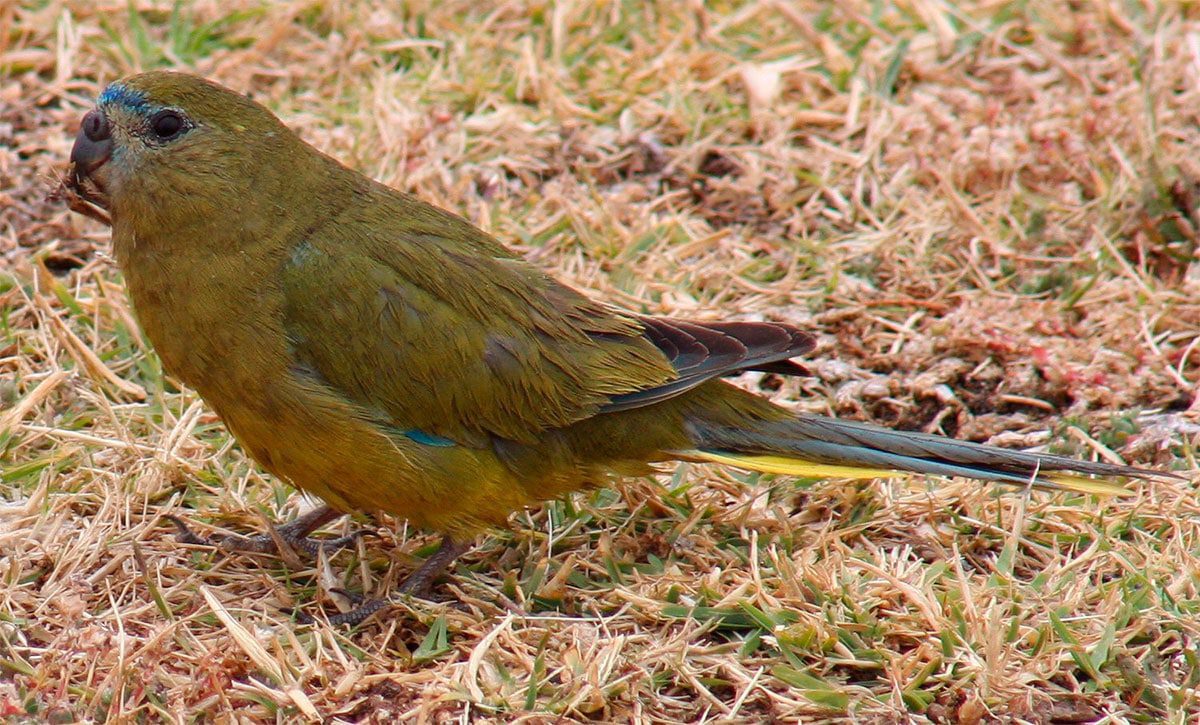
22 cm. height and a weight between 47 and 54 g..

The male of the Rock Parrot (Neophema petrophila) has a band front of color blue dark that is surrounded by a small and striking edge blue marine. The blue becomes even a little bit behind the eye. The area between the eyes and ears, the region of the eye and the anterior part of the cheeks are Navy Blue. The upper part of the crown, the neck, the the mantle, the back, rump and covered wing are olive green. The cheeks, except the front edge, the region of the throat and the chest are olive-gray color. The belly, flanks, the thighs and anal region are opaque yellow.

The curvature of the wing and feathers of the median of the wings are Navy Blue. The flight feather are black with a dark blue marks.

The feathers of the uppertail-coverts are an olive green-brown color and the undertail yellow. The upper part of the feathers of the tail are matte blue streaked olive green. The bottom is dark gray. The irises the eye is dark brown, the bill is dark gray, the cere is brown, legs grayscale and nails dark grey.

The female: is very similar to the male, but its colors are more opaque, especially the blue. The frontal band is a little thinner.

The immature do not have the frontal band blue. The only decoration is a bare periophthalmic characteristic white.

2 subspecies

  • Neophema petrophila petrophila

    (Gould, 1841)


  • Neophema petrophila zietzi

    (Mathews, 1912)

Habitat:

The Rock Parrot they frequent the coastal dunes, mangroves, marshes, agricultural areas, lightly treed savanna, areas of mallee (Eucalytus slender), scrublands abound where the Salt plants (Atriplex). Also visit the coast, where small rivers flow into estuaries. They appreciate the plantations of casuarina and margins of brackish water bordering the coasts and rocky islets where nests are less susceptible to predation. Throughout the year, These birds do not deviate more than several hundred meters from the sea.

Large gatherings of the Rock Parrot, sometimes, There are land, When there is abundance of food. But, like most of Neophema, this parakeet can be hard to spot, and it will only be visible when you take flight due to some danger.

Their plumage is not anti-absorbente and often remains wet, which gives it a darker shade. They tend to use the same Burrows to the Pacific Shearwater (Puffinus pacificus), the 2 species sometimes have the same habits and the same mating rituals.

Reproduction:

The Rock Parrot reproduced from august to december, sometimes in February. Occasionally, There is a second litter.

The nest is placed in the crevice of a low cliff, on a facade or on some rocky ledge. Since relatively recently, they have come to nest on small islands of limestone, the entry hole is often hidden behind a curtain of vegetation.

Sometimes, abandoned Burrows of the Pacific Shearwater (Puffinus pacificus) they are used as a nest by the Rock Parrot. In other cases, These parakeets usurp active nests of the Paíno Pechialbo (Pelagodroma marina).

Spawning contains 4 or 5 eggs and your incubation lasts a few 18 days. The chicks are altricial and stay in the nest during 30 days.

Food:

The Rock Parrot are, above all, vegetarian. They like to eat cultivated seeds, fruits and a variety of herbs. They also eat young shoots, shrubs and plants that are tolerant of saline environments.

Distribution:

Size of the area of distribution (reproduction / resident): 1.700.000 km2

There are two separate populations by the Great Australian Bight, which does not offer the suitable coastal islands for nesting.

The Eastern population extends from about Robe, Southern Australia, in the East, to Nuyts archipelago, approximately 133 °E in the west (although breeding records in Kangaioo Island, they have not been confirmed).

The Western population extends from Israelite Bay to archipelago of the Recherche.

In Western Australia, to the West around the Cabo Leeuwin and to the North of Shark Bay.

To the North of Perth the species nests in the continent, but in other parts, birds occupy the coastal islands, at least for breeding, also sometimes traveling from the Mainland to settle on the islands of the coast.

The population of the Rottnest Island on the coast of Perth suffered, in the past, illegal capture, but has grown rapidly in recent years.

The Rock Parrot they are considered common and partially nomadic residents throughout its area of distribution; so far, coastal islands have not been subjected to the same pressures of development than continental zones.

Conservation:


minor concern


• Current category of the Red List of the UICN: Least concern.

• Population Trend: Decreasing.

In accordance with Handbook of the Birds of the World, This species is not threatened at the global level. His surprising absence from the region of the Great Australian Bight It can be explained by the lack of sites available in which to nest. In these places, rocks are in fact very limited in number, so the nests bad are protected in the absence of rocks and crevices where they serve this species as a refuge against the attacks of predators. The Rock Parrot they prefer to nest on the islets off the coast, Surely in order not to deal with rats, foxes, cats, lizards, monitors and monitor lizards.

Its population is estimated above of the 20,000 individuals.

"Rock Parrot" in captivity:

The Rock Parrot they are extremely rare in captivity and is likely to be more present in the aviaries of Europe.

In Australia they are only in the hands of some fans.

These parrots are extremely slow, within the genus Neophema, is the least active, so these birds tend to the Obesity, which is very damaging for the fertility.

The Rock Parrot they are birds peaceful in the nature, that make noise. They are birds that they spend too much time on the ground and they bathe regularly. The first generations in captivity will be very susceptible to various infections, including, among others, intestinal parasites. These birds also regularly die without apparent reason.

Alternative names:

Rock Parrot, Rock Elegant, Rock Elegant-Parakeet, Rock Grass-Parakeet, Rock Parakeet, Western Rock-Parrot (ingles).
Perruche des rochers, Perruche pétrophile (French).
Klippensittich (German).
Periquito-da-rocha (Portuguese).
Papagayo de las Rocas, Periquito Roquero (español).

scientific classification:

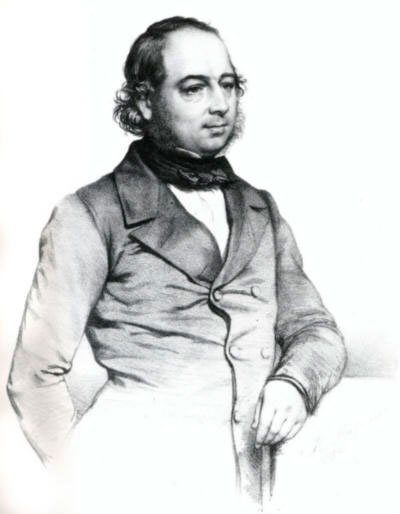
John Gould
John Gould

Order: Psittaciformes
Family: Psittaculidae
Genus: Neophema
Scientific name: Neophema petrophila
Citation: (Gould, 1841)
Protonimo: Euphema petrophila

Images "Rochequet Paraquito":

Videos "Rock Parrot"

————————————————————————————————

"ROQUERO PARQUITO" (Neophema petrophila)


Sources:

Avibase
– Parrots of the World – Forshaw Joseph M
– Parrots A Guide to the Parrots of the World – Tony Juniper & Mike Parr
Birdlife

Photos:

(1) – A Rock Parrot with grass seed in rain near Cape Leeuwin Lighthouse, Cape Lioness, Western Australia, Australia By Cas Liber (CAs Liber) [Public domain], via Wikimedia Commons
(2) – A Rock Parrot at Greens Pool, Western Australia, Australia By butupa (IMGP8254Uploaded by snowmanradio) [CC BY 2.0], via Wikimedia Commons
(3) – Neophema petrophila rock parrot free wallpaper in free pet category – free-pet-wallpapers
(4) – Neophema petrophila free wallpaper in free pet category – free-pet-wallpapers
(5) – Grass Parrots {Neopherma} – myparrots

▷ The world of Pets: Dogs, cats, birds, reptiles, amphibians

Timneh Parrot
Psittacus timneh


Loro Timneh

Content


Anatomy-parrots

Description:

28 to 32 cm.. length and a weight between 275 and 375 g..

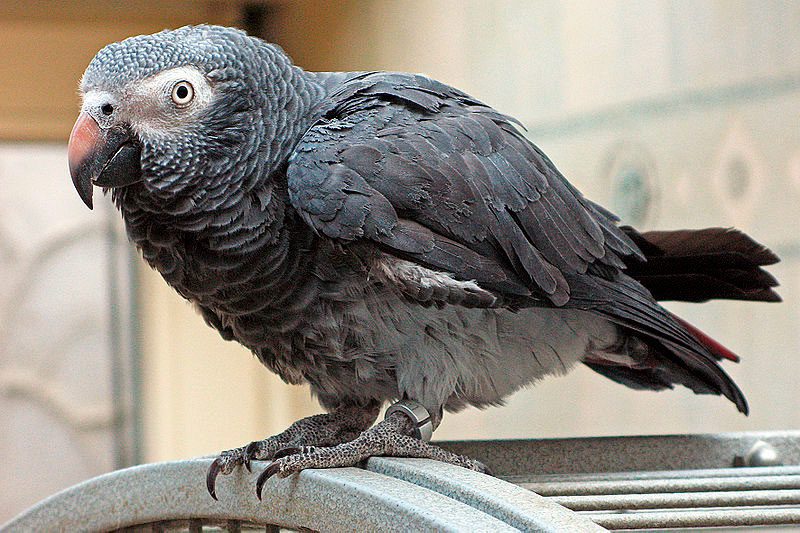
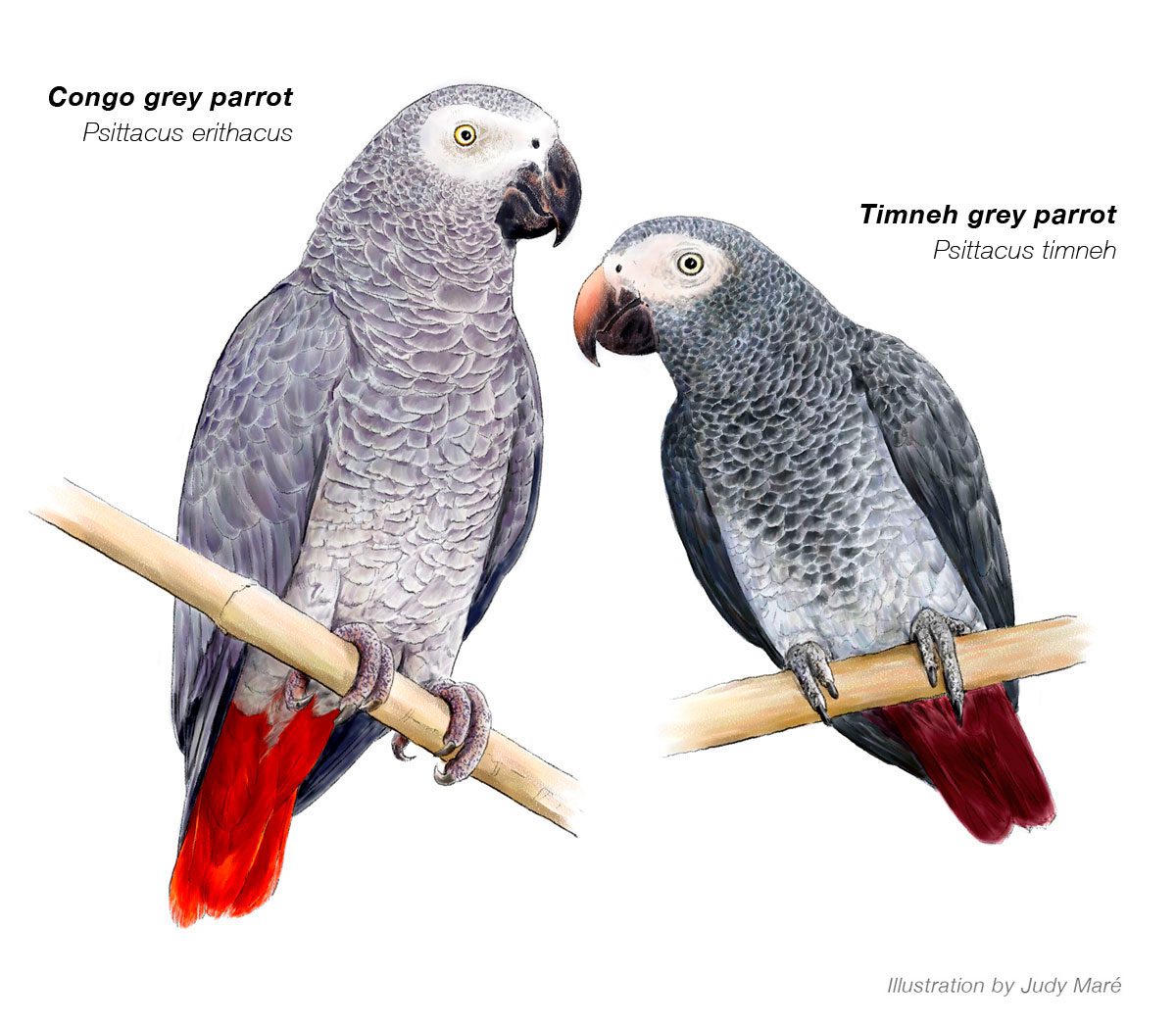
The Timneh Parrot (Psittacus timneh) is darker than Grey Parrot and the Red of the the tail feathers more off, darker and usually Brown (not Scarlet).

The uppertail-coverts son grises, dyed red (not Scarlet).

The bill It is mostly black, but it has an ivory-coloured or pinkish in the upper third of the upper jaw.

There is no visible difference between male and female.

The youth they have black eyes that become a yellowish cream at the age of two years.

Smaller that the Grey Parrot

Description 2 subspecies:

  • Psittacus timneh princeps

    (Alexander, 1909) – Darker and slightly larger than the subspecies Psittacus timneh timneh, although its size is still below the Grey Parrot (Psittacus erithacus). The feathers of the tail are as red as those of Grey Parrot, but marked by a greater contrast with the almost black feathers body, giving a different impression this subspecies. The eyes are yellow, the bill It is black and legs are dark gray.


  • Psittacus timneh timneh

    (Fraser, 1844) – Nominal.

Habitat:

Ilustración por Judy Maré
Illustration by Judy Mare

Although they normally inhabit the dense forests, they are also usually seen at the edges of forests, clear, gallery forest, mangroves, tree-lined sheets, cultivated areas, and even the gardens, Although it is not clear if it's self-sustaining populations.

You can do seasonal movements out of the drier areas of its distribution in the station area dry.

Sometimes travel long distances to feed. They nest in hollow trees high above the ground. Found in small flocks of a few dozen, usually no more. Flocks of birds can be noisy.

Reproduction:

Little known difference with regard to the Grey Parrot.

The breeding season is usually from November to April in the westernmost areas of west africal, probably, especially during the season dry.

During the season of breeding they put in 2 to 4 eggs, every two or three days. These hatch in 28-30 days and the young are independent in 12 to 14 weeks.

Food:

In the wild, the Timneh Parrot they eat seeds, nuts, fruits and vegetables. they climb trees, instead of flying, to collect food and keep it with one leg while eating. They enjoy eating the external Walnut meat of the Palm oil, and have been observed eating snails.

In West Africa, his hobby is known for beads, attacking cornfields and becoming considered pests in certain places.

Distribution:

Size of the area of distribution (reproduction / resident): 541.000 km2

They are distributed in the West, in the humid forest areas of the Upper Guinea and bordering savannahs of West Africa from Guinea-Bissau, Sierra Leone and South of Mali to the East of Ivory Coast, at least a 70 kilometers to the East of the bandama river.

The wild population is distributed along with the species nominal in Abidjan, Ivory Coast.

Distribution 2 subspecies:

  • Psittacus timneh princeps

    (Alexander, 1909) – Principe Island (gulf of guinea).


  • Psittacus timneh timneh

    (Fraser, 1844) – Nominal. South of Guinea, Sierra Leone and Liberia, as well as the western part of Ivory Coast. There are also smaller groups Guinea Bissau and Mali. Populations Senegal They have disappeared fish trade.

Conservation:


Vulnerable


• Current Red List of UICN: Vulnerable

• Population trend: Decreasing

Its population is estimated between 100,000 and 500,000 exemplary and decreasing.
The P. erithacus, before the division of the timneh, He was put in the Appendix II of CITES with all Psittaciformes in 1981 at the request of Switzerland and Liechtenstein. Due to concerns about the effects of the large number of this species traded, It was the subject of a review of significant trade of the CITES, in which was listed as "possible concern" (Inskipp et to the. 1988).

The Animals Committee of the CITES he imposed a sanction of two years from January of 2007 on exports of timneh from four countries of West Africa (Ivory Coast, Liberia, Sierra Leone and Guinea), and banned the import of wild birds into the EU in 2007 (Anon 2011).

In 2009 Guinea exported 720 timneh, Despite having a share of 0 (Anonymous 2011).

The controlled legal trade by CITES may represent only a small proportion of total numbers caught in the wild.

The species is found in a number of protected areas.

A PhD study assessed the distribution, abundance and the impacts of trade and habitat loss for the timneh started in 2011 (Anon 2011).

Conservation Actions Proposed:

    • Ensure that proposed trade restrictions are enforced.

    • Monitor wild populations to determine ongoing trends..

"Timneh Parrot" in captivity:

Poultry are known in a manner abbreviated as TAG (Timneh African grey).

The Parrot Timneh is equivalent in intelligence and ability of his Congo counterpart, the Grey Parrot, being, generally, less nervous and with a great ability to imitate sounds (they often learn to imitate human sounds before the Grey Parrot). They can have a wide vocabulary of hundreds of words.

Unlike the Parrot Yaco, their voices are not an exact replica of the voice of the person you are copying. The Timneh Parrot they have their own special little voice.

Alternative names:

Timneh Parrot, Gray Parrot (Timneh), Sierra Leone Gray Parrot, Sierra Leone Grey Parrot, Zambesi Green Pigeon (English).
Perroquet timneh (French).
Timnehgraupapagei (German).
papagaio-timneh (Portuguese).
Loro timneh, Loro Gris de Cola Vinagre (español).

scientific classification:

Order: Psittaciformes
Family: Psittacidae
Genus: Psittacus
Scientific name: Psittacus timneh
Citation: Fraser, 1844
Protonimo: Psittacus Timneh

«Timneh Parrot» Images:

————————————————————————————————

"Two Timneh" (Psittacus timneh)


Sources:

Avibase
– Parrots of the World – Forshaw Joseph M
– Parrots A Guide to the Parrots of the World – Tony Juniper & Mike Parr
– Birdlife

Photos:

(1) – Timneh African Grey Parrot (Psittacus erithacus timneh) Pet parrot sanding on a cage By Peter Fuchs (Flickr) [CC BY-SA 2.0], via Wikimedia Commons
(2) – Two pet Timneh African Grey Parrots perching on a man’s arm By rebeccakoconnor (originally posted to Flickr as Timneh Greys) [CC BY 2.0], via Wikimedia Commons
(3) – Timneh African Grey Parrot (Psittacus erithacus timneh). A pet parrot standing on a cage. Photo shows the maroon tail feathers By Peter Fuchs (originally posted to Flickr as henry tired) [CC BY-SA 2.0], via Wikimedia Commons
(4) – A Timneh African Grey Parrot at Birds of Eden, South Africa By Graham (originally posted to Flickr as IMG_0972) [CC BY-SA 2.0], via Wikimedia Commons
(5) – A Timneh African Grey Parrot that is allowed to fly free in Tropical Birdland, Leicestershire, England I, Snowmanradio [GFDL or CC-BY-SA-3.0], via Wikimedia Commons
(6) Ilustración by Judy Maré – Africa Geographic Magazine

Sounds: Etienne Leroy (Xeno-canto)

▷ The world of Pets: Dogs, cats, birds, reptiles, amphibians

Alexandrine Parakeet
Psittacula eupatria


Alexandrine Parakeet

Content

Description:

Illustration Alexandrine Parrot

From between 50-62cm. in length and weighing between 198–258 grams.
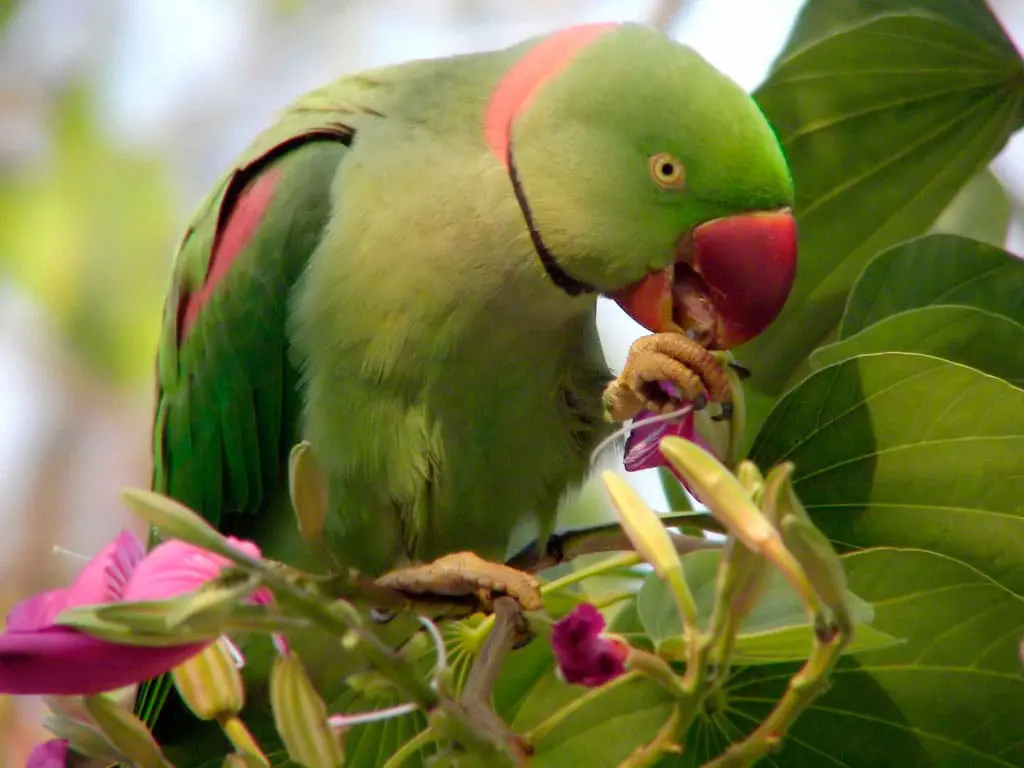
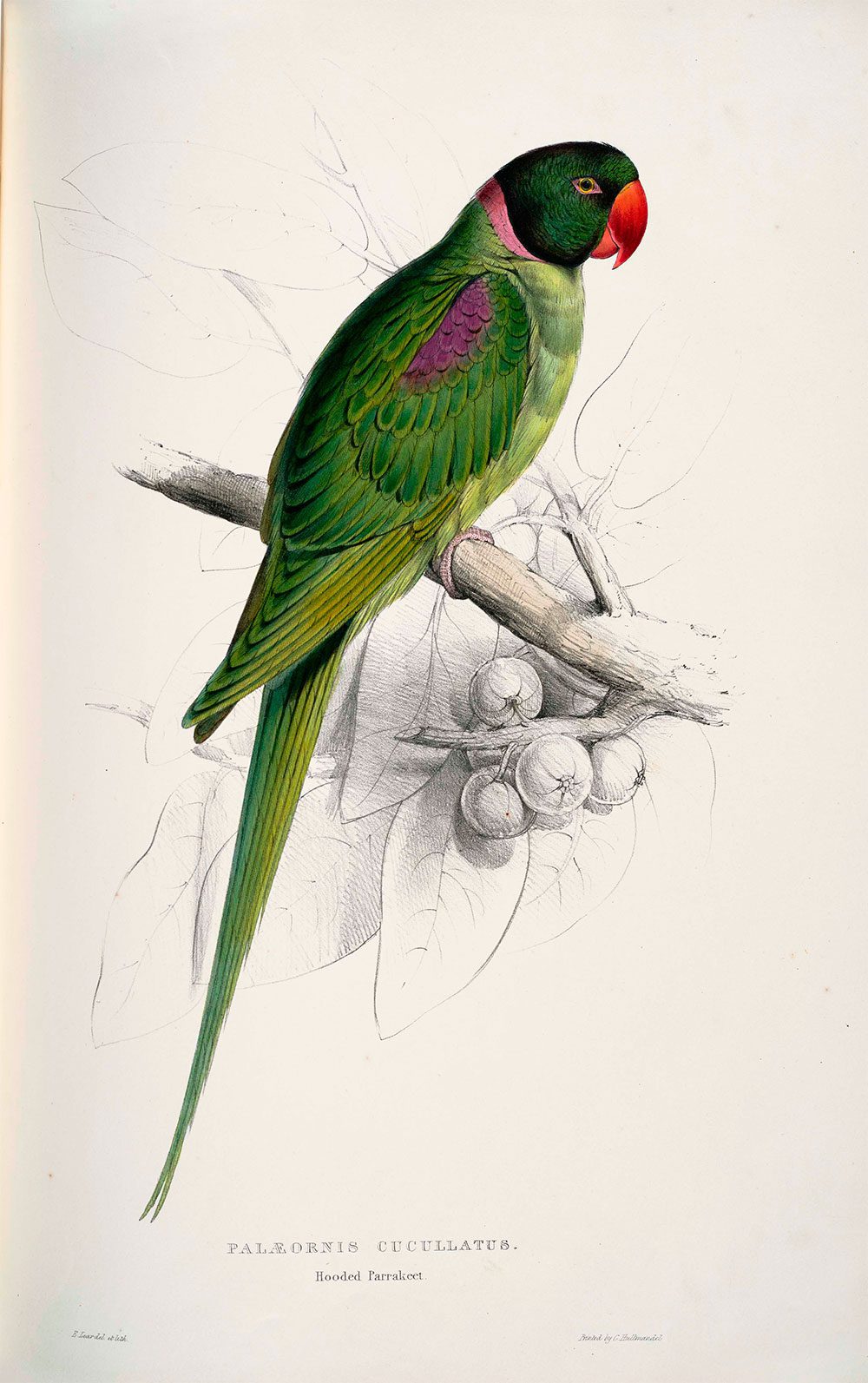
The Alexandrine Parakeet (Psittacula eupatria) has the forecrown, lores and crown bright green, merging to lavender-blue on cheeks, ear-coverts and back of the crown; faint dark line from back of cere to eye ring; narrow black band from the base of bill, laterally across the base of the cheeks, that binds with a wide collar pink around the back of the neck.

Nape, the mantle, scapulars, rump and uppertail-coverts greenish-grey. Upperwing-coverts smaller brown; rest of upperwing-coverts green (brighter and emerald body feathers). The primaries and secondaries greyish green with dark tips to the vane previous interns, Blackish below.

Underwing-coverts gray-green. The underparts brighter yellowish green, chest with grayish tint. Upper, the tail light green with yellow tip; undertail, golden yellow.

Bill red with paler tip: cere whitish; irises pale yellow; legs rose gray.

The female no black and pink markings neck and it is generally duller.

The immature It resembles the female (The males are sometimes distinguished by larger size).

Subspecies description
Subspecies
  • Psittacula eupatria Avensis

    (Kloss, 1917) – Similar to the subspecies Psittacula eupatria magnirostris but with the neck more yellow, the bill smaller and close blue neckband, reduced or absent. Yellower below the subspecies Psittacula eupatria nipalensis.


  • Psittacula eupatria eupatria

    (Linnaeus, 1766) – The species nominal


  • Psittacula eupatria magnirostris

    (Ball, 1872) – It differs from the subspecies Psittacula eupatria nipalensis by blue coloration above band pink, which it is more limited and sometimes non-existent and the pink band nape that is wider; swe other subspecies differs by having the bill Larger.


  • Psittacula eupatria nipalensis

    (Hodgson, 1836) – Larger and grayer than the species nominal, less lavender in head and wider black stripe mustache.


  • Psittacula eupatria siamensis

    (Kloss, 1917) – Cara and neck yellow, nape bluish. Slightly smaller than the subspecies Psittacula eupatria Avensis.

Habitat:

Video – "Alexandrine Parakeet" (Psittacula eupatria)

PSITTACULA EUPATRIA

The Alexandrine Parakeet It is distributed in a great variety of humid and dry forests and wooded lands., but also they are seen in cultivated areas, mangroves (for example, of Rhizophora mueronata on the islands of the bay of bengal) and coconut plantations, mainly in the lowlands up 900 meters above sea level; on Punjab province (Pakistan) extend areas of subtropical pines (Pinus roxburghii) and penetrates irrigated plantations in desert areas; ascend to the foothills of Himalaya in areas of trees (will Shorea) and riparian forests, rarely above the 1.600 m.

In the Bandhavgarh National Park, the Alexandrine Parakeet prefers forests more dense than the Plum-headed Parakeet (Psittacula cyanocephala) and Rose-ringed Parakeet (Psittacula krameri).

Usually they found in small groups, but sometimes they form large flocks where food is plentiful and communal roosts, where birds can come together in one big tree.

Reproduction:

The nest of the Alexandrine Parakeet They found in tree cavities (for example, of Dalbergia, Shorea or Salmalia), palms or, very rarely, buildings, but generally far from human settlements.

The nest It comprises a chamber filled with wood shavings produced by barbets or woodpeckers during excavation or extension of the cavity; entry generally clean round.

The breeding season usually from November to December and from March to April, depending on the location (for example, February to March in the Punjab and andaman islands and from December to February in the center Burma).

The average size clutch is of 2-4 eggs measuring 34,0 x 26,9 mm. The incubation period average is 28 days usually after the placement of the second egg. The chicks leave the nest at about seven weeks of age. They are bred for about three weeks and usually are weaned between the 12 to 16 weeks of age.

Food:

Diet Alexandrine Parakeet It includes a variety of cultivated and wild seeds, flowers, nectar, grains, fruits and vegetables.

Considered serious pest in some places: the 70% their diet Pakistan comes from cultivated areas.

It feeds mainly early in the morning and afternoon.

Known foods include guava (Psidium guajava), nectar Salmalia, Butea and Erythrina, fleshy petals Bassia latifolia and young leaves of vegetables.

Distribution:

The situation in Afghanistan of the Alexandrine Parakeet is uncertain, possibly some group in the extreme northeast, about Jalalabad.
In Pakistan, isolated colonies Are and Peshawar, most widespread and frequent in the irrigated lowlands of Punjab; They are distributed from Punjab (India), foothills Himalaya and South of Nepal, throughout the India and Sri Lanka, as well as the east through Bangladesh.

In Bhutan and Assam in Burma Central and Southern (not found in northern), extending from northern Thailand, Central and North Cambodia and Laos and north to central and southern Viet Nam.

Present at the Islas Andaman (no al on Ten Degree Channel) and Narcondam (India) and in the Coco Islands (Bangladesh), bay of bengal.

Seasonal movements in some areas and in other locally nomadic.

generally common, but much rarer in the east and sporadically distributed by South India.

Decreasing in Sri Lanka, where it is now rare, especially in the north.

Sharp declines in Thailand and probably in other parts of Indochina.

Its appearance around some urban areas could be due to leaks.

Introduced in parts of Europe (Germany, Belgium, Netherlands, Middle East (Turkey, Bahrein, United Arab Emirates, Iran) and Japan.

Subspecies distribution
Subspecies
  • Psittacula eupatria Avensis

    (Kloss, 1917) – South of Assam (Northeast of India) and Myanmar, but the area of ​​contact with the subspecies Psittacula eupatria nipalensis and Psittacula eupatria siamensis, It is unknown.


  • Psittacula eupatria eupatria

    (Linnaeus, 1766) – The species nominal


  • Psittacula eupatria magnirostris

    (Ball, 1872) – Islands bay of bengal, Andaman, Coconut and Narcondam.


  • Psittacula eupatria nipalensis

    (Hodgson, 1836) – Pakistan through Punjab (India) until Assam, Bangladesh, Nagaland and Manipur, including skirts Himalaya and Nepal, to the South , approximately I8° north; the contact area with the subspecies Psittacula eupatria Avensis, unknown.


  • Psittacula eupatria siamensis

    (Kloss, 1917) – West and north of Thailand, Laos, Cambodia and Viet Nam.

Conservation:

State of conservation ⓘ


Near-threatened Near Threatened (UICN)ⓘ

• Current Red List of UICN: Near-threatened

• Population trend: Decreasing

This species has been upgraded from Least concern based on new information on population trends. Is listed as Near-threatened, Since, although it remains common in some areas and its status is clouded by feral populations, It is suspected to be subjected to population decline moderately fast due to the continuing loss of habitat, to unsustainable levels of exploitation, the pursuit and capture.

The Alexandrine Parakeet It is widely captured and sold as bird cage.

In Cambodia, nests theft and capture adults, They represent the main threats, It is one of the most sought after birds (F. Goes in some. 2013).

Despite the virtual disappearance of the species Thailand, chicks still appear in the illegal trade in bird markets Bangkok, although, possibly, its origin is Cambodia (P. Ronda in a little. 2013).

The illegal trade, as well as the destruction of nesting places, threat to species Pakistan (S. Khan in a little. 2013). in addition, It reported that the species is threatened by extensive poaching at the hands of local tribes Gujarat (V. Vyas in some. 2013).

Habitat loss and degradation are also grave threats. In Cambodia, use changes in the lowlands it has been rapid (R. Timmins in some. 2013) and rates of degradation and loss of lowland forests is expected to impact more on the species (F. Goes in some. 2013). Conversion rates of habitat Laos They are described as severe (JW Duckworth in litt. 2013).

Conservation Actions Proposed:

    – Conduct periodic surveys to monitor the population trend of the species.
    – Conduct surveys and assess the situation in Pakistan (S. Khan in a little. 2013).
    – Monitor rates of habitat loss and degradation through the distribution of the species.
    – Quantify the impact of harvesting for trade.
    – Enforcing trade restrictions.
    – Carry out awareness raising activities to discourage the capture and trade.
    – Increase the amount of suitable habitat that receives protection.

"Alexandrine Parakeet" in captivity:

The Alexandrine Parakeet is a popular bird among poultry. It is ideal for outdoor aviaries and cannot tolerate temperatures below 5°C.. They reproduce well in aviaries. This Psittacula It is one of the oldest species of captive parrots Eurasian continent. Named after the legendary Emperor Alexander the Great, he had numerous specimens exported by his legionnaires back to various Mediterranean countries. Since then, This parrot has been popular with the nobles of all the countries of Anatolia, European and Mediterranean Empire.

This is a kind active, He likes water and readily accepts different or new foods. It has a vigorous beak and therefore it is important to keep the perch free of toxicity and without chemicals such as disinfectants., fungicides, insecticides or pesticides. The Alexandrine Parakeet, like other parrots, They are among the best imitators.

With regard to its longevity, according to sources, one specimen was still alive after 30 years in captivity. In captivity, these parrots have been known that they can raise from the 4 years of age.

These birds Smart They make good pets for those willing to provide ongoing obedience training. If neglected, or appropriate training is given, the Alexandrine Parakeet it becomes prone to tear the feathers and other behavioral problems. The large and powerful beak of the parrot has a strong bite and therefore not recommended as a pet for children. a large cage is required to accommodate their beautiful, long narrow tail.

It is not a difficult species to breed, in fact usually successful.

Alternative names:

Alexandrine Parakeet, Alexandrine Parrot, Andaman Parakeet, Large Indian Parakeet, Large Parakeet, Rose-breasted Parakeet (English).
Perruche alexandre (French).
Grosser Alexandersittich, Alexandersittich (German).
Periquito-grande-alexandre (Portuguese).
Cotorra Alejandrina, Cotorra de Alexander (español).


scientific classification:

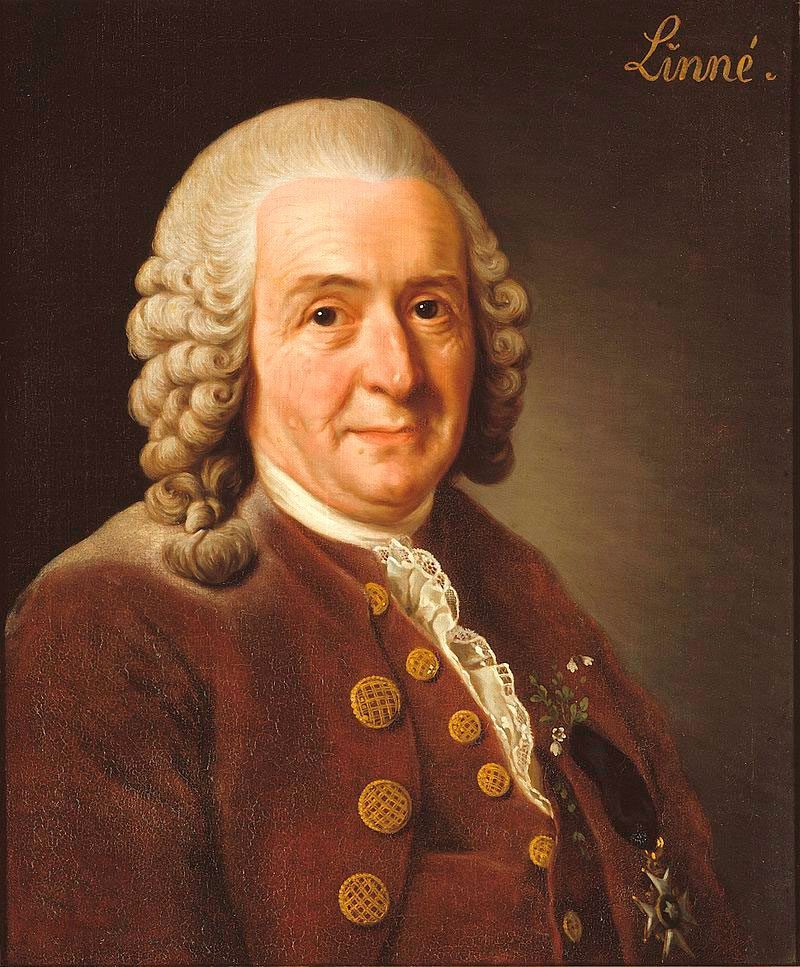
Carl Linnaeus
Carl Linnaeus

Order: Psittaciformes
Family: Psittaculidae
Genus: Psittacula
Scientific name: Psittacula eupatria
Citation: (Linnaeus, 1766)
Protonimo: Psittacus eupatria


Alexandrine Parakeet Images:


Especies del género Psittacula

Sources:

Avibase
– Parrots of the World – Forshaw Joseph M
– Parrots A Guide to the Parrots of the World – Tony Juniper & Mike Parr
– Birdlife

Photos:

(1) – Alexandrine Parakeet at Kowloon Park, Hong Kong By Charles Lam from Hong Kong, China (YummyUploaded by Snowmanradio) [CC BY-SA 2.0], via Wikimedia Commons
(2) – Alexandrine Parakeet Alexandrine Parrot gold. A 17 year old pet parakeet at home in Mumbai By Rudolph.A.furtado (Own work) [Public domain], via Wikimedia Commons
(3) – Alexandrine Parakeet (also known as the Alexandrine Parrot) at Rainbow Jungle (The Australian Parrot Breeding Centre), Kalbarri, Western Australia By Sheila Bradford [CC BY 2.0], via Wikimedia Commons
(4) – An male Alexandrine Parakeet (also known as Alexandrian Parrot) in a tree By Sammy Sam [CC BY-SA 3.0], via Wikimedia Commons
(5) – Alexandrine Parakeet (Psittacula eupatria). A pair By derivative work: Snowmanradio (talk)Two_species_of_Psittacula_on_perch.jpg: Thomas Guignard [CC BY-SA 2.0], via Wikimedia Commons
(6) – Alexandrine Parakeet flapping her wings By Iamoarampage at English Wikipedia [Public domain], via Wikimedia Commons
(7) – Alexandrine Parakeet at Kowloon Park, Hong Kong By Charles Lam from Hong Kong, China (RestingUploaded by Snowmanradio) [CC BY-SA 2.0], via Wikimedia Commons
(8) – Alexandrine Parakeet at Kowloon Park, Hong Kong By Charles Lam from Hong Kong, China (YummyUploaded by Snowmanradio) [CC BY-SA 2.0], via Wikimedia Commons
(9) – Alexandrine Parakeet Psittacula eupatria Melghat Tiger Reserve Maharashtra By Dr. Raju Kasambe (Own work) [CC BY-SA 3.0], via Wikimedia Commons
(10) – A painting of an Alexandrine Parakeet, also known at Alexandrian Parrot, (originally captioned «Palæornis hooded. Hooded Parakeet.») by Edward Lear 1812-1888 [Public domain], via Wikimedia Commons

Sounds: David Edwards (Xeno-canto)

▷ The world of Pets: Dogs, cats, birds, reptiles, amphibians

Plain Parakeet
Brotogeris tirica

Plain Parakeet

Content

Description:

Plain Parakeet

23 cm.. long and about 63 g. of weight.
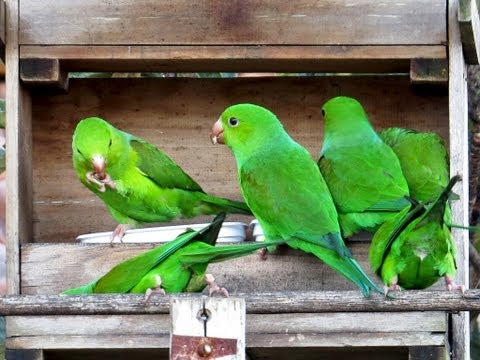
The Plain Parakeet (Brotogeris tirica) has the forecrown, lores, crown and cheeks, pale green with yellowish tint. Sides of the neck and nape, green, duller than in the head.
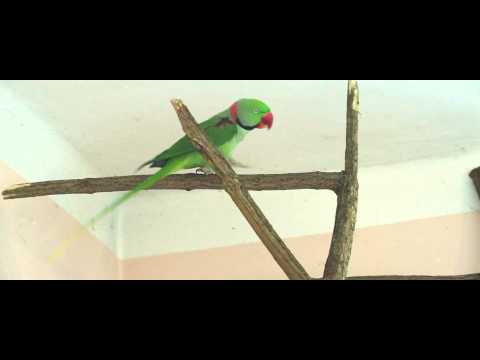
The upperparts green, slightly darker than the rest of the plumage. Most of the under wing-coverts, green, some feathers dyed olive brown, especially in lesser and median coverts. Primary coverts, primaries and outer secondaries, violet blue with green margins close to outerweb. Underwing-coverts greenish yellow, flight feather, bluish green. Underparts, pale yellowish green, tinged with bluish color on the sides of chest, the the thighs and undertail-coverts; flanks yellowish. Upper, the tail green with bluish tint to the central feathers; undertail, the tail is grayish blue-green. Bill color pale horn: irises brown: legs Rosaceae.

Both sexes are similar. Immature with little or no blue in primary coverts.

Habitat:

Video – "Plain Parakeet" (Brotogeris tirica)

Green parakeets at the feeder - Brotogeris tirica (Plain Parakeet)

The Plain Parakeet They are experts in the art of adaptation; They can be found in a wider range of habitats than any other endemic parrot Brazilian Atlantic forest: in the lowlands and highlands, in the forest canopy and forest edges, parks and gardens (for example, of Rio de Janeiro and São Paulo), farmland with trees, scattered patches of forest and secondary growth. Apparently more numerous in the forest edge habitats. Generally observed in the lowlands, but reported to 1.200 metres in the Itatiaia National Park on the border between the state of Río and São Paulo. Gregaria. Generally seen in pairs or small groups, although sometimes you can see several hundred birds together.

It is the most common parrot in São Paulo, where you can find even in the slums of the city.

Reproduction:

Observed in arboreal termite nests, in the crowns of Palmas or natural openings of trees; in the city of São Paulo nest in crevices of buildings and roofs, regularly using the balconies to feed.

The breeding season It has been recorded in September; observed immature in January. The clutch common in captivity is four eggs. They stay together for life.

Food:

Its diet it is very varied, It includes pulp of Posoqueria latifolia; seeds of Ficus, Trema micrantha, Xylopia brasiliensis, Vriesea, rhipsalis, Cecropia glazioui, Hyeronima alchorneoides and Merostachis; seeds and flowers of Tibouchina mutabilis and Psitticanthus; flowers of Norantea brasilensis and Eucatyptus and nectar of Pseudobombax. Sometimes they feed of insects and their larvae.

Distribution:

Size of its range (breeding/resident ): 1.010.000 km2

The Plain Parakeet They found in southeast Brazil, from Alagoas south through the eastern and southern Bay, Espirito Santo, in the South of Minas Gerais, Rio de Janeiro, is of São Paulo and Paraná until Santa Catarina.

The only records of Rio Grande do Sul and Goiás They are considered doubtful.

Some seasonal movements. Uncommon to fairly common depending on locality, but apparently only reported very common in the city of Sao Paulo. Its population has declined in the Eastern European settlement Brazil, although less than other endemic parrots in the region. Live in several areas protected (for example, Itatiaia National Park).

Conservation:

State of conservation ⓘ


minor concern Minor Concern ⓘ (UICN)ⓘ

• Current category of the Red List of the UICN: Least concern.

• Population trend: Stable.

Rationale for the Red List category

This species has a very large range and therefore it is not close to the thresholds for Vulnerable under the criterion of size range (Extension Occurrence <20,000 km2 combinada con un tamaño de rango decreciente o fluctuante, extensión / calidad de hábitat o tamaño de población y un pequeño número De lugares o fragmentación severa). La demographic trend appears to be stable and, therefore, the species does not approach the thresholds Vulnerable under the criteria of population trend (> 30% decline over ten years or three generations). The population size has not been quantified, but it is not believed to be close to the thresholds for Vulnerable under the criterion of population size (<10.000 individuos maduros con un descenso continuo estimado> 10% in ten years or three generations or a population structure). For these reasons the species is evaluated as the least concern.

Justification of the population

The size of the world's population has not been quantified, but this species is described as «common» (Stotz et to the., 1996).

Justification of trend

They suspected that the population is stable in absence of evidence of any decline or threatens substantial.

"Plain Parakeet" in captivity:

They are not very common in aviculture.

Alternative names:

Plain Parakeet, All-green Parakeet, Tirica Parakeet (English).
Toui tirica, Perruche tirica (French).
Tirikasittich, Tiricasittich (German).
periquito-rico, periquito, periquito-verdadeiro, periquito-verde, tuim (Portuguese).
Catita Tirica, Periquito Amarillento (español).


scientific classification:

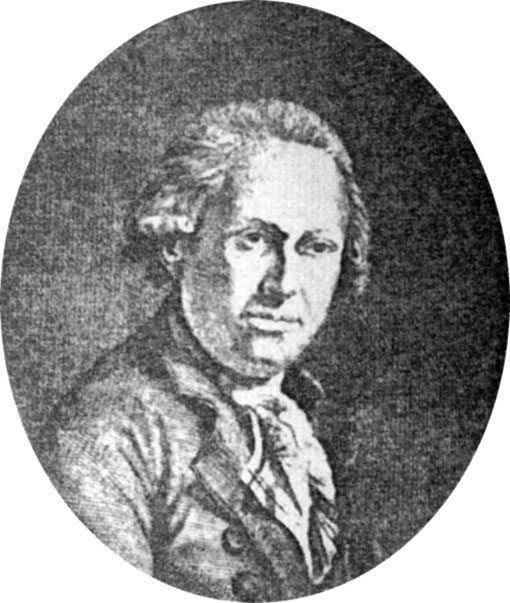
Gmelin Johann Friedrich

Order: Psittaciformes
Family: Psittacidae
Genus: Brotogeris
Scientific name: Brotogeris tirica
Citation: (Gmelin, JF, 1788)
Protonimo: Psittacus Tirica


Images Plain Parakeet:


Species of the genus Brotogeris

Sources:

Avibase
– Parrots of the World – Forshaw Joseph M
– Parrots A Guide to the Parrots of the World – Tony Juniper & Mike Parr
Birdlife

Photos:

(1) – A Plain Parakeet in Morretes, Paraná, Brazil By Ben Tavener from Curitiba, Brazil [CC BY 2.0], via Wikimedia Commons
(2) – Plain Parakeet in Brazil By Jônatas Cunha [CC BY-SA 2.0], via Wikimedia Commons
(3) – Plain Parakeet in captivity By Lucas de Melo [CC BY 2.0], via Wikimedia Commons
(4) – Independence Park, Ipiranga museum, Sao Paulo By Dario Sanches from SAO PAULO, BRAZIL (PERIQUITO-RICO ( Brotogeris tirica)) [CC BY-SA 2.0], via Wikimedia Commons
(5) – Plain Parakeet (Brotogeris tirica) in São Paulo By Dario Sanches [CC BY-SA 2.0], via Wikimedia Commons
(6) – Independence Park, Ipiranga museum, Sao Paulo By Dario Sanches from SAO PAULO, BRAZIL (PERIQUITO-RICO ( Brotogeris tirica)) [CC BY-SA 2.0], via Wikimedia Commons
(7) – Independence Park, Ipiranga museum, São Paulo Species molting By Dario Sanches from SÃO PAULO, BRAZIL (PERIQUITO-RICO ( Brotogeris tirica)) [CC BY-SA 2.0], via Wikimedia Commons
(8) – Brotogeris tirica, Independence Park, Ipiranga museum, Sao Paulo By Dario Sanches from SAO PAULO, BRAZIL (PERIQUITO-RICO ( Brotogeris tirica)) [CC BY-SA 2.0], via Wikimedia Commons
(9) – The Plain Parakeet in the Serra da Cantareira State Park, Sao Paulo, Brazil By Dario Sanches (Flickr: PERIQUITO-RICO (Brotogeris tirica)) [CC BY-SA 2.0], via Wikimedia Commons
(10) – Illustration Ricardo Sanches, parakeets rich(Brotogeris tirica) in ABES-SP

Sounds: Jerome Fischer (Xeno-canto)