โ–ท The world of Pets: Dogs, cats, birds, reptiles, amphibians

Northern Mealy Parrot
Amazona guatemalae

Northern Mealy Parrot

Content

Description:


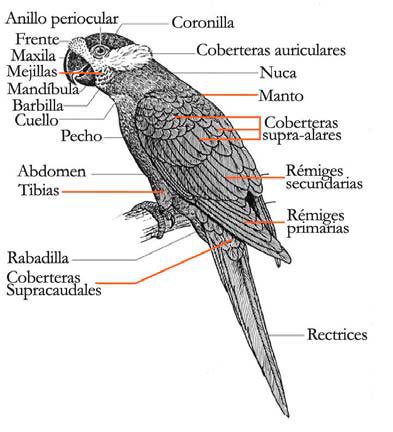
Anatomy-parrots

38 cm.. length and 705-766 g. of weight.

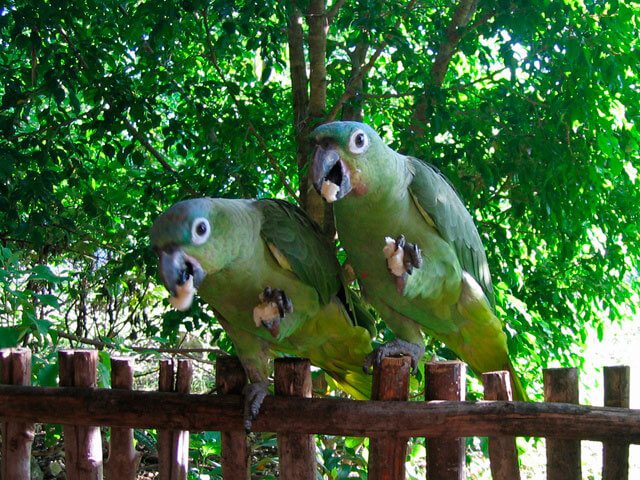
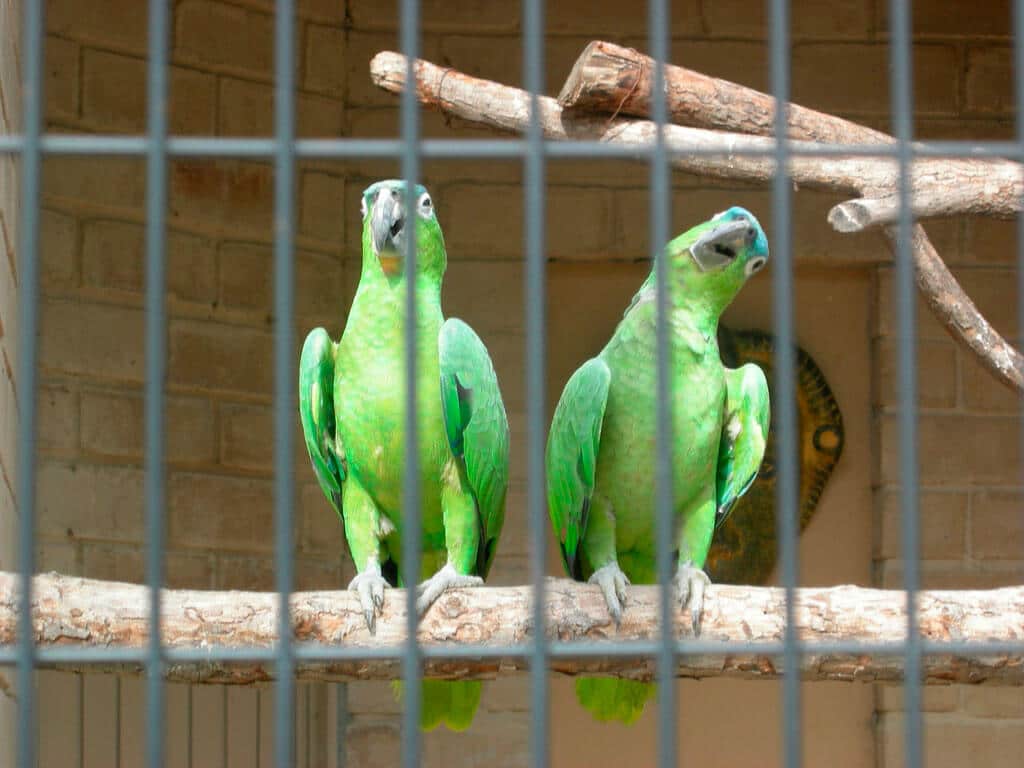
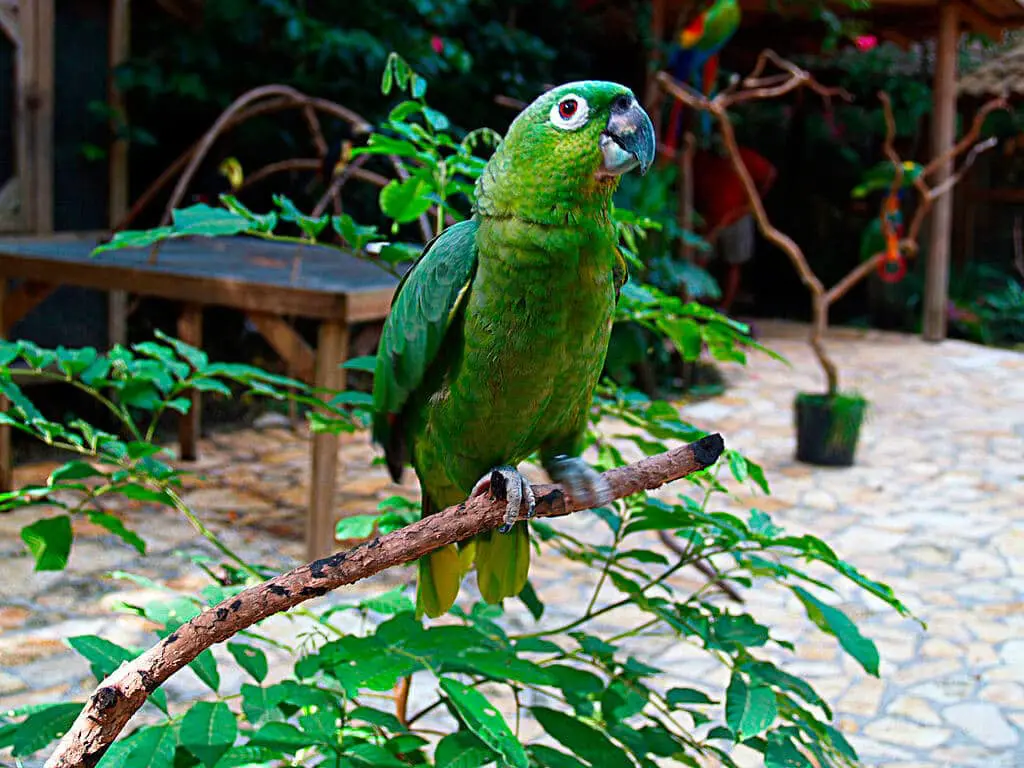
The Northern Mealy Parrot (Amazona guatemalae) is a large parrot, mainly green, with a large bare periophthalmic white; head green, increasingly off toward the area nape.

The youth similar to adults but eyes brown.

taxonomy:

Treated for decades subspecifically within the species Amazona farinosa. Based on a genetic study of the year 2012 They came to be regarded as a full species.

Subspecies description:

  • Amazona guatemalae guatemalae

    (Sclater,PL, 1860) – Mostly green, with the crown, forecrown and lores, blue; carpal edge Green Wing / yellow; Feathers edges wing , blue; Red in the secondary feathers; feathers of the tail dark green to light green at the tip. Bill dark grey. Eye ring white, irises red.


  • Amazona guatemalae virenticeps

    (Salvadori, 1891) – Mostly green with less blue on the crown that the subspecies Amazona guatemalae guatemalae; yellower shades / green; carpal edge green / yellow, with varying shades of red; crown green; lores and forecrown, green tinted blue. Bill black / horn. Eye ring white, irises red.

Habitat:

Video "Northern Mealy Parrot"

They inhabit in dense humid lowland forests, especially near the gaps and edges; also they extend lower montane forest plantations and frequent, crops, gallery forests and deciduous forests.

They are in pairs or groups up 20 individuals, with larger congregations in feeding areas. Form noisy flocks in communal roosts high up in big trees out of breeding season, sometimes with several hundred birds. Well camouflaged while feeding quietly on the upper floors of the forest canopy.

Reproduction:

Season April-May Guatemala. Nests in tree holes, to 3-30 height m, once observed in the crack of a stone wall in a Mayan temple. The laying usually three eggs.

Food:

No known differences with Amazona farinosa.

Distribution:

Size of its range (Standard playback): 919.000 km2

It is present along the slope of Caribbean of Central America, from Veracruz and Oaxaca, Mexico, to the South by Belice, Guatemala, Honduras, Nicaragua and Costa Rica, to western Panama. They are also found in the shed peaceful of Costa Rica and West Panama. Its abundance varies locally, but it is common in many areas.

Subspecies distribution:

  • Amazona guatemalae guatemalae

    (Sclater,PL, 1860) – Caribbean coast from southeast Mexico to the Northwest of Honduras.


  • Amazona guatemalae virenticeps

    (Salvadori, 1891) – Since Honduras (Sula Valley) to western Panama.

Conservation:

State of conservation โ“˜


Near-threatened Near Threatened โ“˜ (UICN)โ“˜

โ€ข Current category of the Red List of the UICN: Near-threatened.

โ€ข Population trend: In decrease.

Rationale for the Red List category

He suspected this species is undergoing a rapid decrease in moderately population due to habitat loss and unsustainable levels of hunting and trapping.

Population size: Unknown

The population trend: In decline.

The Amazona mealy northern captive:

Little known in poultry.

Alternative names:

– Mealy Parrot [guatemalae or virenticeps], Northern Mealy Amazon, Northern Mealy Parrot (English).
– Amazone guatรฉmaltรจque, Amazone poudrรฉe [guatemalae or virenticeps], Amazone poudrรฉe [guatemalae ou virenticeps] (French).
– Guatemalaamazone (German).
– Northern Mealy Parrot (Portuguese).
– Amazona harinosa norteรฑa (espaรฑol).


scientific classification:

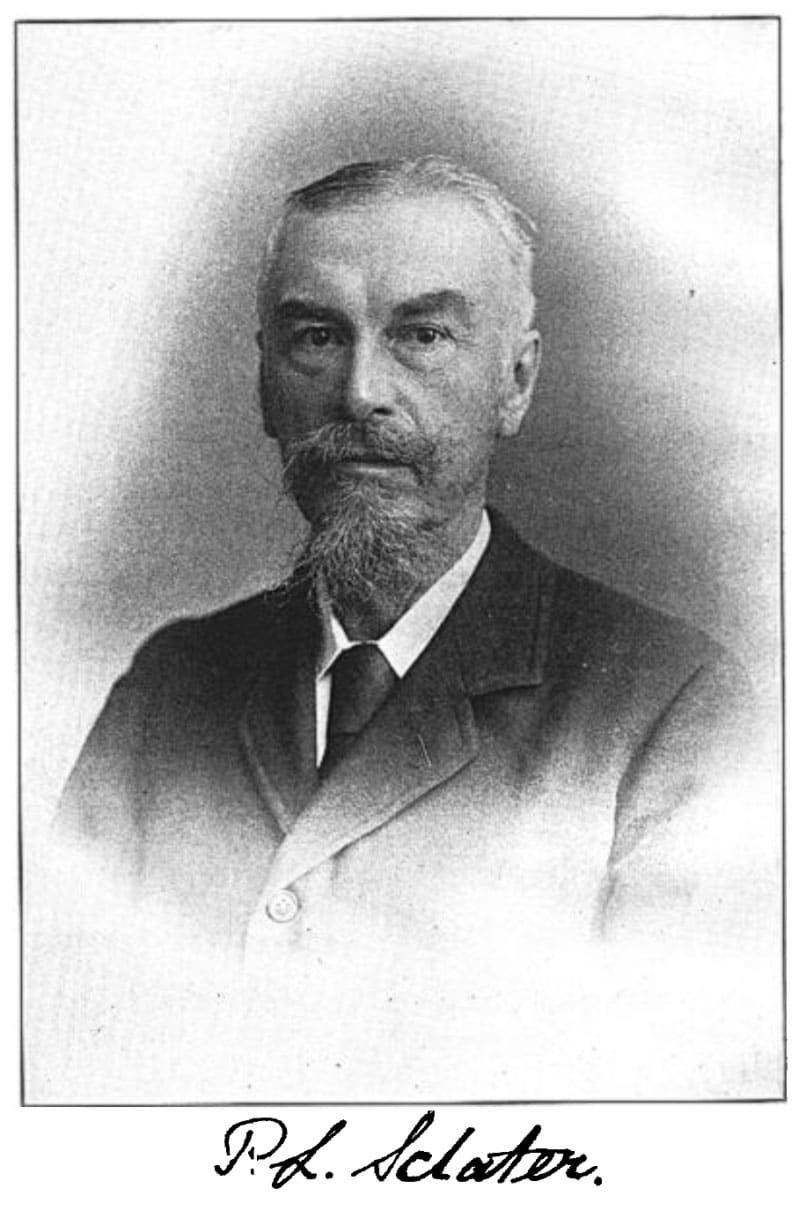
Philip Sclater
Philip Sclater

– Order: Psittaciformes
– Family: Psittacidae
– Genus: Amazona
– Scientific name: Amazona guatemalae
– Citation: (Sclater, PL, 1860)
– Protonimo: Chrysotis guatemalae

Images Northern Mealy Parrot:


Species of the genus Amazona


Sources:

Avibase
Parrots of the World โ€“ Forshaw Joseph M
Parrots A Guide to the Parrots of the World – Tony Juniper & Mike Parr
Birdlife

Photos:

(1) – Amazona farinosa guatemalae By Adalberto Hernandez Vega from Copan Ruinas, Honduras (Macaw Mountain Bird Park – Copan Ruinas, Honduras) [CC BY 2.0], via Wikimedia Commons
(2) – Guatemalaamazone Amazona farinosa guatemalae By Martingloor (Own work) [CC BY-SA 4.0], via Wikimedia Commons
(3) – Amazona farinosa guatemalae by Ulises Muรฑiz – Flickr
(4) – Amazona farinosa guatemalae By Katrin Lorenzen (IMG_4685) [CC BY-SA 2.0], via Wikimedia Commons
(5) –
Amazona farinosa guatemalae By Adalberto Hernandez Vega from Copan Ruinas, Honduras (Macaw Mountain Bird Park – Copan Ruinas, Honduras) [CC BY 2.0], via Wikimedia Commons

โ–ท The world of Pets: Dogs, cats, birds, reptiles, amphibians

Blue cheeked Parrot
Amazona dufresniana

Blue cheeked Parrot

Content

Physical characteristics


Anatomy-parrots

34 to 37 cm.. height and between 480 and 600g. weight.

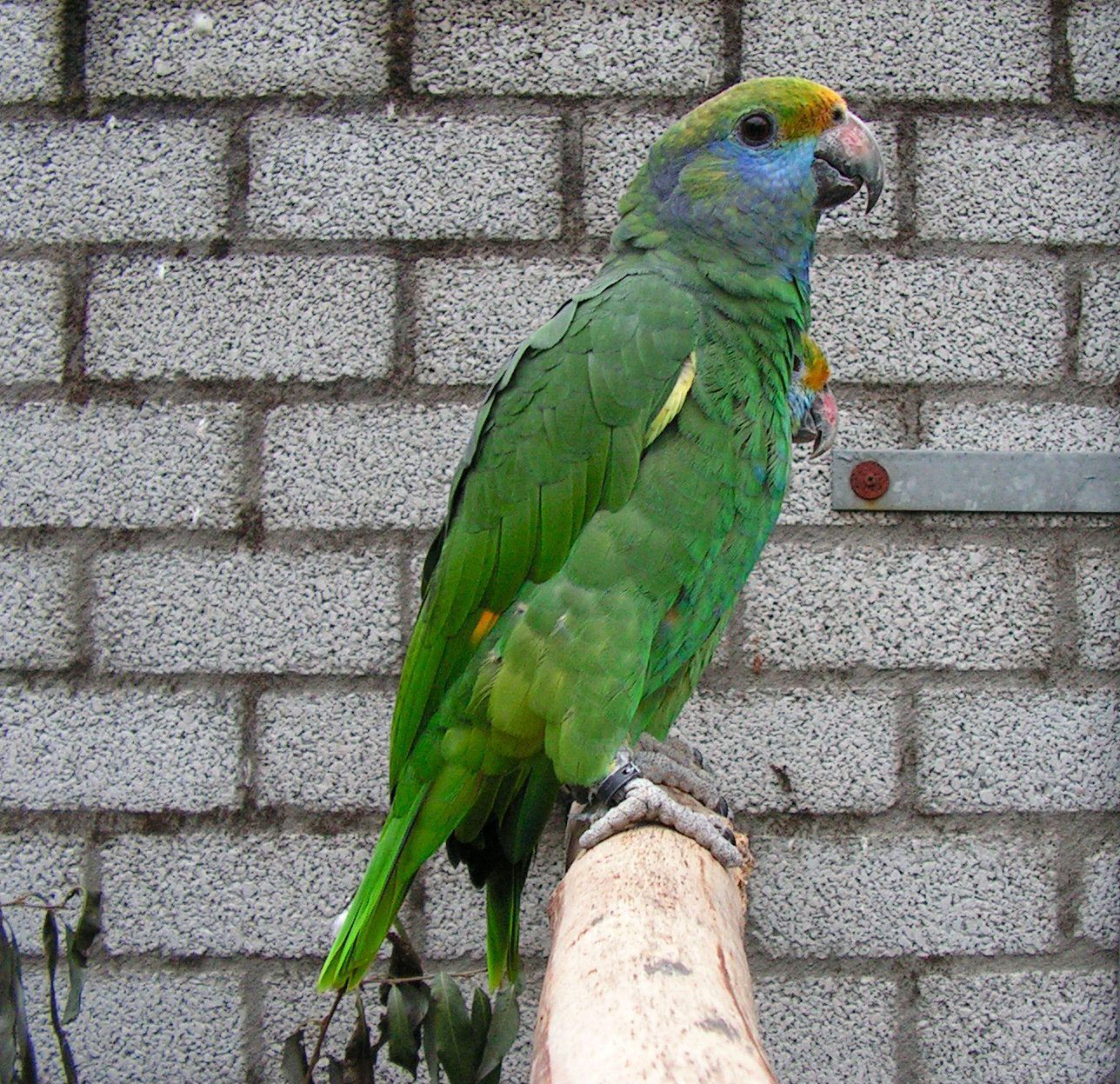
The Blue cheeked Parrot (Amazona dufresniana) It is easily identifiable by the orange yellow wing patch, much more noticeable in flight.

Head with orangeade narrow stripe on the forehead; Yellow Crown, cheeks, base of the beak, sides of the neck to almost light blue Crown.

End of the wing dark, tail with yellow border, rest of green body.

Young birds with orange-yellow feathers on the front of the head and a violet color in the bottom of the cheeks.

The binomial name of this species is in honor to the French zoologist Louis Dufresne.

Video "Blue cheeked Parrot"

Blue cheeked Parrot habitat:

It lives in humid forest, of gallery and sheets, up to 1700m.

It can also be seen sporadically in coastal areas, possibly in response to food availability.

Reproduction Blue cheeked Parrot:

They walk in pairs or small groups of no more of 4 to 8 individuals.

Reproduction and feeding, there is little information.

In the wild, the breeding season occurs in March in Guyana. In captivity, the female lays 3 eggs that we do not know exactly the incubation period.

Food Blue cheeked Parrot:

We don't know the details of your menu, but it is assumed that they eat almost exclusively seeds, and berries.

Distribution Blue cheeked Parrot:

Amazon-fronted Parrotlet location

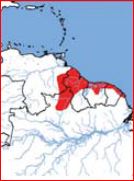
The Amazona dufresniana It is located in southeast Venezuela (Bolรญvar, with a record isolated on Amazon), Northern Guyana (north of 5ยฐN), Northeast Suriname and French Guiana northeast (Y way Collar 1991).

There are reports of Para and Amapa, Brazil, where its occurrence seems likely, but there is no conclusive records (Y way Collar 1991, Collar 1995). The scarcity of records from frequently surveyed areas suggests that it is a low-density and rare species., at the least in parts of its range (Y way Collar 1991).

a Guyana, Healthy populations are known in the area in northwestern Aruka Guyana, between the Aruka and Amakuru rivers, the Kaieteur National Park and the Kuribong River, and the Iwokrama Forest Reserve (A. Narine a slightly. 2010)

Conservation:

State of conservation โ“˜


Near-threatened Near Threatened โ“˜ (UICN)โ“˜

It is in the category of near threatened. (NT), due to habitat loss and illegal trade.

Classified as near-threatened (NT) on the IUCN Red list (1) listed in Appendix II of the CITES (4).

Conservation in March CITES Appendix II actions. Banded from Canaima National Park (Venezuela), Iwokrama forest reserve (Guyana) and the Brownsberg nature park (Suriname).

Blue cheeked Parrot in captivity:

Rare in captivity.
Placid temperament, seems less active than many Amazon.

Alternative names:

– Blue cheeked Parrot, Blue-checked Parrot, Blue-cheeked Amazon, Blue-cheeked Parrot, Dufresne’s Amazon, Dufresne’s Parrot (English).
– Amazone de Dufresne (French).
– Goldmaskenamazone, Granada Amazone (German).
– Papagaio-de-bochecha-azul (Portuguese).
– Loro de cachetes azules, Amazona Cariazul, Amazona de Cara Azul, Loro cariazul (espaรฑol).

scientific classification:

– Order: Psittaciformes
– Family: Psittacidae
– Scientific name: Amazona dufresniana
– Citation: (Shaw, 1812)
– Protonimo: Psittacus dufresnianus

Blue cheeked Parrot images:


Species of the genus Amazona


Sources:

– Parrot Book, Parrots and macaws Neotropical

Photo:

1 – papageien.org
2- by Matthieu Sontag[GFDL or CC BY-SA 4.0-3.0-2.5-2.0-1.0], via Wikimedia Commons
3 – By Bjoertvedt (Own work) [CC BY-SA 3.0 or GFDL], via Wikimedia Commons
4 – papageien.org
5 – by ยฉMichel Clement – gepog.org

Sound: Olivier Claessens

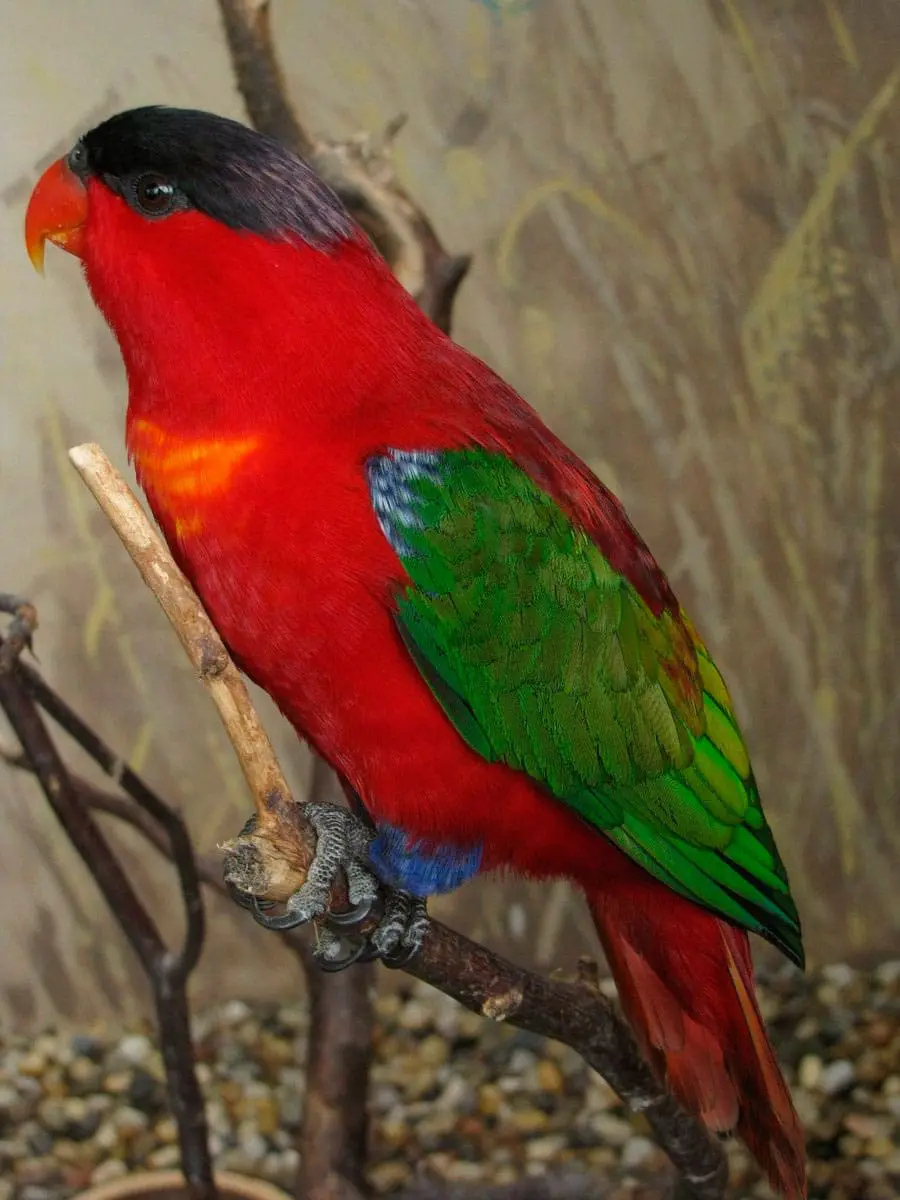
โ–ท The world of Pets: Dogs, cats, birds, reptiles, amphibians

Purple-naped Lory
Lorius domicella

Purple-naped Lory

Content

Lori damsel drawing

Description

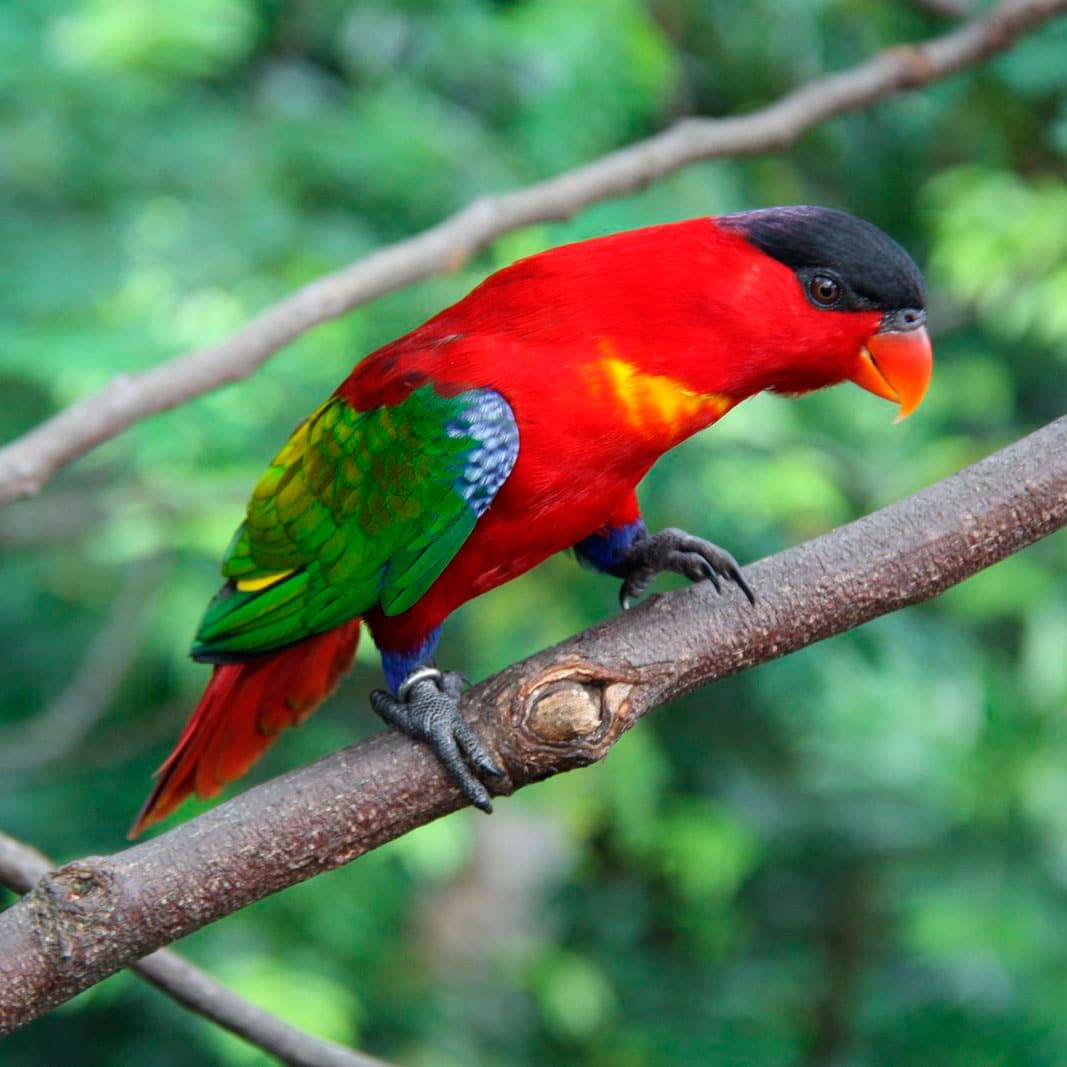
The Purple-naped Lory (Lorius domicella) has a length of 28 cm.. and an approximate weight of 235 g..

The forecrown, crown and nape black, with variable purple spots on the back of the top. The cheeks, lores and ear-coverts red. Upperparts red, darker in the center of the the mantle. Upper wing Green with white and purple patch in the shoulder. Color bronze in all the upper inner coverts, the most marked inside opaque red. the flight feather Blackish with area central in the interior of color yellow. Underwing-coverts Violet Blue impregnated white. Underwing coverts black; blue purple in them axillary. Parts low Red with band yellow, variable at the top of the chest; Violet Blue the the thighs, slightly impregnated in green. Tail red, reddish brown tipped. Bill orange; irises reddish brown; dark grey the legs.

Males and females are equal.
Immature with yellow stripe in the chest more extensive and more diffuse. Bill Brown in very young birds.

There is no geographic variation

Habitat:

In Seram the Purple-naped Lory found in montane and submontane forests, both primary and secondary, a altitude between 400 and 1.050 m; also in the jungle in the this of the island and in the areas cultivated. They move in pairs, rarely in groups and can be territorial. reproductive ecology of the species in the wild is unknown. Forshaw gives details of an instance of poultry farming in which two eggs were laid., hatching around the 25 days; the young are independent only three months more afternoon.

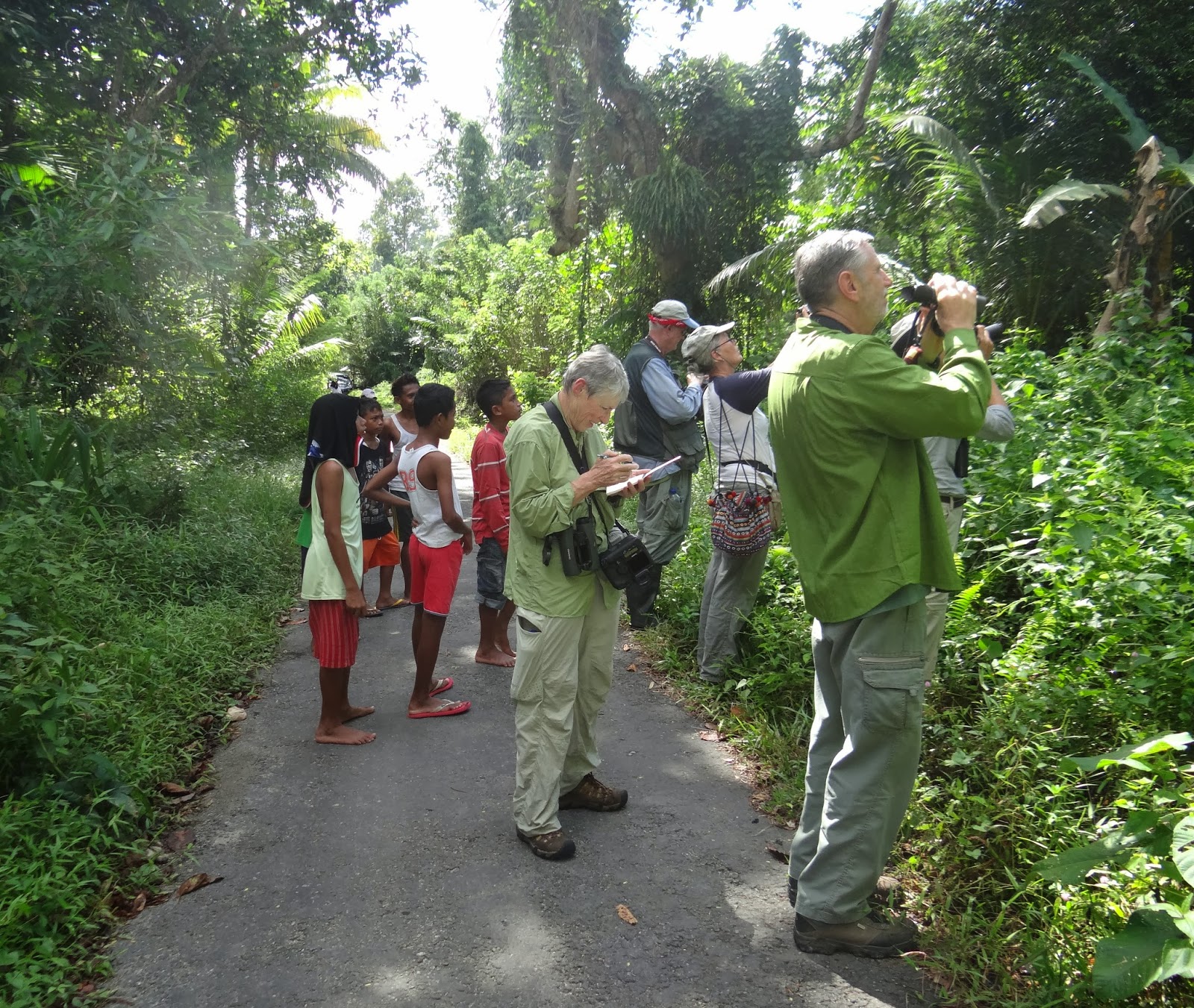
A group birding in Ambon

Reproduction:

The reproduction of the species in the wild is unknown. Details of breeding in poultry farming establish a clutch of two eggs, incubation in a few 25 days, and the young three months after independence.

Food:

Feed on fruits of Pandanus scattered.

Distribution:

Size of the area of distribution (reproduction / resident): 6.300 km2

endemic to the Seram Islands and Ambon (has also been seen in Buru: probably an escaped bird), in Indonesian. There are no recent records of Ambon or Buru. The current records come from the Manusela National Park (uncommon) and the center of Seram and WAE Fufa (locally common).

In 1987 Bowler and Taylor they found a rate of 0,7 birds per hour in Kineke, in the Manusela National Park; But during nearly two months of observations in 1990, they only saw 10 individuals.

The species is a bird people of cage in Seram and throughout the province of Maluku and the expansion of foreign trade could pose a threat to their survival.

The population worldwide is estimated at less than 20.000 individuals in 1991, but currently, the population, is considered on the rise. VULNERABLE.

Conservation:


Endangered

โ€ข Current IUCN Red List category: Danger.

โ€ข Population trend: Decreasing.

This species has been upgraded to In danger Since its population It is suspected that has fallen below 2.500 individuals mature, with more than 250 in any subpopulation mature individuals.

Capture unsustainable for local and national trade, as well as the loss of forests due to logging, oil extraction and hydroelectric power combinations.

These facts, It is suspected, they are causing an downhill fast and constant in the species.

"Purple-naped Lory" in captivity:

Very rare.

Alternative names:

– Purple-naped Lory, Purple naped Lory (ingles).
– Lori des dames (French).
– Erzlori (German).
– Loris-de-nuca-roxa (Portuguese).
– Lori Damisela, Lori Domicela (espaรฑol).

scientific classification:

– Order: Psittaciformes
– Family: Psittaculidae
– Genus: Lorius
– Scientific name: Lorius domicella
– Citation: (Linnaeus, 1758)
– Protonimo: Psittacus Domicella

โ€œDamsel Loriโ€ Images:

Videos "Purple-naped Lory"

————————————————————————————————

ยซLori Damiselaยป (Lorius domicella)


Sources:

– Avibase
– Parrots of the World โ€“ Forshaw Joseph M
– Parrots A Guide to the Parrots of the World – Tony Juniper & Mike Parr
– Birdlife

– Photos:

1 – Zoolรณgico de Praga: Pรบrpura-naped Lory – animalphotos
2 – ยซLorius domicella-Artis Zoo-Netherlands-8aยป by Arjan Haverkamp – originally posted to Flickr as Img_4196e. Licensed under CC BY 2.0 via Wikimedia Commons.
3 – ยซLorius domicella-Banda Islands-Indonesia-upper body-8ยป by Henri – originally posted to Flickr as Lory = green-tailed lory. Licensed under CC BY 2.0 via Wikimedia Commons.
4 – Birds-pet-wallpapers – link
5 – ยซLorius domicella-Jurong Bird Park, Singapore-8a-tocยป by Lorius domicella-Jurong Bird Park,_Singapore-8a.jpg: kwang chongderivative work: Snowmanradio (talk) – originally posted to Picasa Web Albums as Picasa Web Albums and uploaded to Commons as Lorius domicella-Jurong Bird Park,_Singapore-8a.jpg. Licensed under CC BY-SA 3.0 via Wikimedia Commons.
6 – Illustrations ยฉ2010 by Frank Knight

– Sounds: George Wagner (Xeno-canto)

โ–ท The world of Pets: Dogs, cats, birds, reptiles, amphibians

Western Rosella
Platycercus icterotis

Western Rosella

Content


Anatomy-parrots

Description

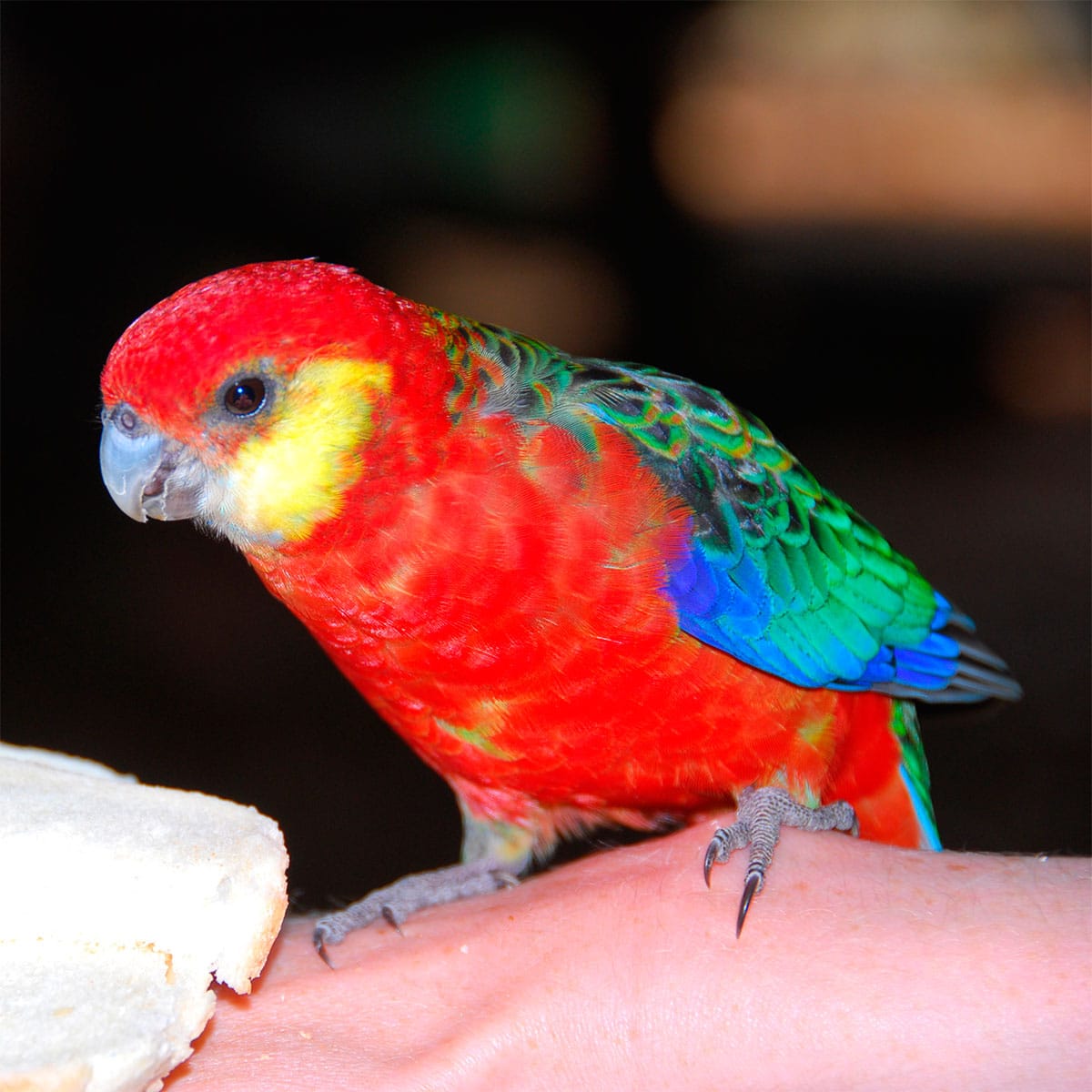
25 to 26 cm. length and a weight between 52 and 80 g..

The Western Rosella (Platycercus icterotis) is the smallest of the Platycercus and the only one with big cheeks Yellow.

Adults have a clear dimorphism. The adult male has head and underparts bright red. The the mantle feathers, the back and scapulars They are black with large green edges forming a scalloped effect. The green edges sometimes infiltrated with red. The inner coverts They are dull green, While the external are dark blue. In the Middle, you can see some black on median. The primaries son negruzcas. The rump is dark green. The central tail feathers are dark green, the exteriors are blue with white tips. The underparts It has no stripe.
The bill grey; irises dark brown; legs greyish brown.

The adult female has the forecrown dark red. The crown and the sides of the neck are green. The cheeks are yellow, but duller and less developed than in the male. The underparts They are green with red infiltrations. The under wing wearing a light streak.

The immature are similar to the females. They have head green with a strip of orange red on the front of the forecrown. The cheeks Yellow absent. The underparts is pale green with slight red orange infiltration in young men.
The adult plumage It is reached after a quick complete change to 14 months.

Description 2 subspecies

  • Platycercus icterotis icterotis

    (Temminck & Kuhl 1820) – The nominal.


  • Platycercus icterotis xanthogenys

    (Salvadori 1891) – The cheeks They are paler; black feathers nape; back and shoulders lined with large red brown. Area of the rump and uppertail-coverts, Olive Drab. Female much paler than the nominal.

Habitat and habits:

Western Rosella

The Western Rosella they are not very common. Found in variable densities in stands of eucalyptus and in many types of open forest habitats. They also attend camps with little trees, partly cleared agricultural fields and residual trees lining grain fields or roadsides. They tend to visit the gardens and freshly harvested fields. They occasionally enter the parks, gardens and golf courses.

In areas close to the coast, the Western Rosella, without a doubt, have benefited from the transformation of dense forests into agricultural land. On the other hand, they were driven from the hinterlands by large-scale deforestation programs.

The Western Rosella they suffer the aggressive competition Australian Ringneck (Platycercus zonarius) that shares the same habitat type.

They are birds sedentary. Usually, they live in pairs or in small groups, and it is very rare to find them in flocks. Son quiet and discrete, so very often go unnoticed when they feed in Earth or when they seek refuge in the trees.

Around the houses, the Western Rosella they are very confident, coming into barns and corrals to feed on grain. Unlike other parrots, have a stable flight composed of multiple hits. Move over short distances, preferring to fly from one tree to another, instead of crossing open spaces.

Reproduction:

The nesting season running from August to December.

The nest It is found in the hole of a branch or in the cavity of a tree trunk.. The couple often choose a eucalyptus wandoo the genus eucalyptus salmonophloia. The cavity must be deep enough and the bottom must be lined with a layer of sawdust..

Before mating, the male courts to your partner. It leans forward on its perch uttering very specific cries.. If the female agrees, responds in the same way.

The laying, generally, comprises of 3 to 7 eggs which are incubated during 19 days. The female is responsible for one incubation, but she pauses in the morning and in the afternoon to be resupplied by the male.

The Young people are altricial and do not fly away before reaching the age of 5 weeks.

Food:

They mainly eat seeds of grasses and other plants found in stubble fields.. They also feed on fruits, berries, Jarrah flowers (Eucalyptus marginata) and seeds of the Zamia Palm.

Often in orchards where cause some damage.

Distribution:

Size of its range (reproduction / resident): 308.000 km2

Endemic to Western Australia, where its population is distributed between the vicinity of Dongara, in the North and Israelite Bay, on the South Coast, and reaching the interior in a line that goes more or less through the Lake Dundas, Southern Cross and Moora. Sometimes found in parks in Perth.

The species is common and seems to have benefited from forest clearing and agriculture.. The world's population is of more than 100,000 specimens. A small number of captivity. The birds can be pursued under a permit.

Distribution 2 subspecies

  • Platycercus icterotis icterotis

    (Temminck & Kuhl 1820) – The nominal. Coast and Southwest podrebere Australia.


  • Platycercus icterotis xanthogenys

    (Salvadori 1891) – Southwest Interior Australia.

Conservation:


minor concern


โ€ข Current category of the Red List of the UICN: Least concern

โ€ข Population Trend: Decreasing

The species is relatively common, like most birds that live in open areas, the Western Rosella It has benefited, to some extent, the slimming of the wooded areas. But, its numbers have declined in areas where it faces competition from the aggressive Australian Ringneck. It also, the difficulty to find holes for the construction of nests is a concern in the long run.

The Western Rosella is one protected species, However in some counties, a period was opened to try to regulate or stop the damage caused by this bird in crops.

"Western Rosella" in captivity:

Pretty common in captivity.

Una muestra viviรณ 13,2 years in captivity. Taking into account the longevity of the similar species, the maximum longevity in these birds could be underestimated. In fact it has been reported that these birds can live up to 31,6 years in captivity, data that can be, but it has not been verified; the same study reported that these animals can reproduce, approximately, to the 2 years of age in captivity.

Alternative names:

– Western Rosella, Earl of Derby’s Parrot, Stanley Parakeet, Stanley Rosella, West Australian Rosella, Yellow-cheeked Parakeet, Yellow-cheeked Parrot, Yellow-cheeked Rosella (ingles).
– Perruche ร  oreilles jaunes, Perruche de Stanley (French).
– Gelbwangenrosella (German).
– Rosela-do-leste (Portuguese).
– Perico Carigualdo, Rosela Oriental (espaรฑol).

scientific classification:

– Order: Psittaciformes
– Family: Psittaculidae
– Genus: Platycercus
– Scientific name: Platycercus icterotis
– Citation: (Temminck & Kuhl, 1820)
– Protonimo: Psittacus icterotis

Images ยซPerico Carigualdoยป:

Videos "Western Rosella"

————————————————————————————————

ยซPerico Carigualdoยป (Platycercus icterotis)


Sources:

– Avibase
– Parrots of the World โ€“ Forshaw Joseph M
– Parrots A Guide to the Parrots of the World – Tony Juniper & Mike Parr
– AnAge: The Animal Ageing and Longevity Database – Anagรฉ entry for Platycercus icterotis
– Birdlife

– Photos:

(1) – By derivative work: Snowmanradio (talk)Western_Rosella_(Platycercus icterotis)-5.jpg: Robert Young [CC BY 2.0], via Wikimedia Commons
(2) – By Luke Durkin (IMG_0526Uploaded by snowmanradio) [CC BY 2.0], via Wikimedia Commons
(3) – By Hervรฉ (zoo_090912_518.jpgUploaded by snowmanradio) [CC BY-SA 2.0], via Wikimedia Commons
(4) – ยซPlatycercus icterotis1ยซ. Licensed under CC BY 2.0 via Wikimedia Commons.
(5) – By Robert Young (originally posted to Flickr as Mmmm, wet bread) [CC BY 2.0], via Wikimedia Commons
(6) – John Gould [Public domain], via Wikimedia Commons

– Sounds: John Graff (Xeno-canto)

โ–ท The world of Pets: Dogs, cats, birds, reptiles, amphibians

Slaty-headed Parakeet
Psittacula himalayana


Slaty-headed Parakeet

Content

Description:


Anatomy-parrots

Of 39 to 41 cm.. of length and a weight of 125 g..

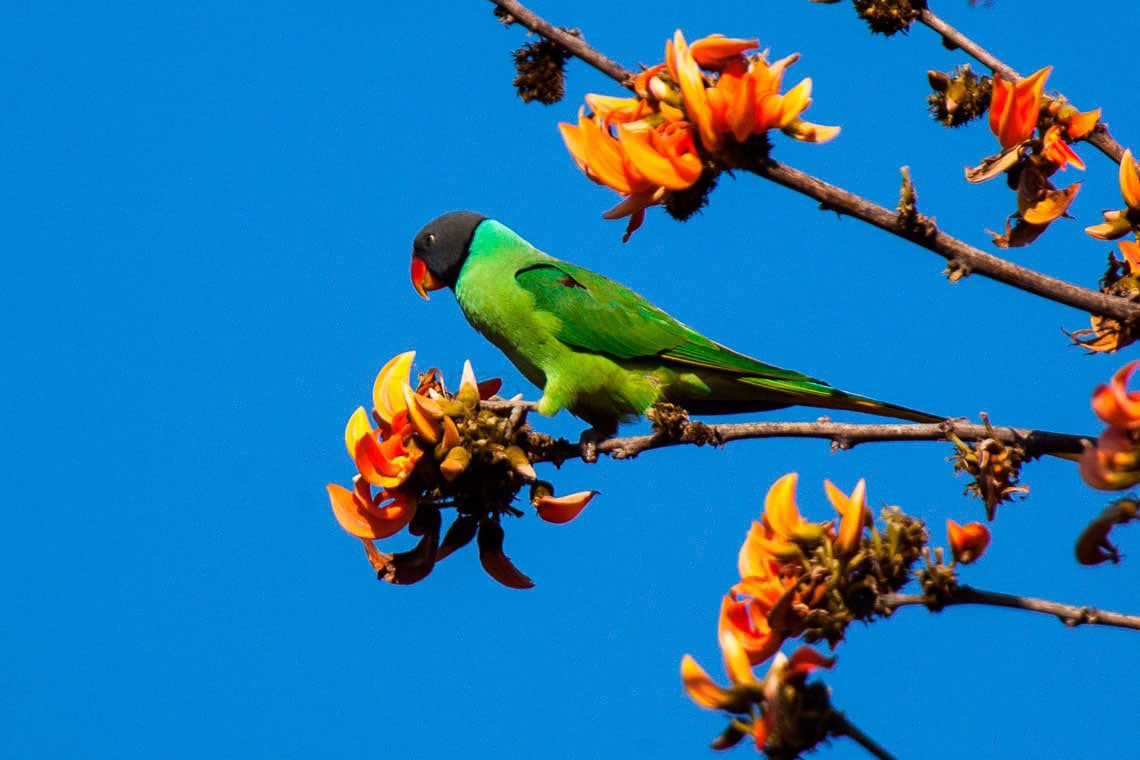
The Slaty-headed Parakeet (Psittacula himalayana) has the forecrown, crown, lores and ear-coverts slaty-grey; chin and lower cheeks black, extending in the lateral narrow shaped collar black, to mark a clear boundary between the dark head and back neck bright green and nape, whose colour fades to duller green on rest of upperparts..

Lesser wing-coverts outer, green, brown the inner coverts, with a distinctive patch shoulder; remaining upperwing-coverts green.
The primaries Green with narrow yellow margins in vane outer; secondaries green. Underwing-coverts bluish green. Underparts bright pale green. Uppertail bright blue green, tipped chrome yellow color in the center, outer feathers green with yellowish tips; undertail-coverts bright yellow.

upper jaw orange-red, tipped pale yellowish, the lower yellower; cere whitish; irises creamy white; legs yellowish green.

The female smaller, more opaque in nape, usually with the tail shorter and often they lack the brown in the patch of the shoulders.

The immature with the head greenish brown opaque; acquire gray slate after first winter. The young birds they have the irises dark.

Habitat:

The Slaty-headed Parakeet Mountain forests are distributed, at altitudes around 2.500 meters in summer; rarely above the 250 meters in winter. Otherwise residents, although there are fluctuations depending on local food supply.

Occupy denser forest than most of its congeners, but preferably in extensions near orchards or farms with high trees. Registered in a variety of slopes and steep wooded valleys, including oak forests, cedars, Oak, rhododendrons and pines.

Observed, in general, in small flocks or family groups, no large gatherings, although flocks 50 birds have been recorded at the end of the monsoon.
Also registered with mixed banndadas Rose-ringed Parakeet, the Plum-headed Parakeet and Blossom-headed Parakeet. Registered a flock of 15 males during the month of November Nepal.

Reproduction:

The nest Slaty-headed Parakeet usually it located in a recess, on top of a tree, at an altitude between 6 and 20 m above the ground; a rotten branch used to excavate a cavity or modificadan the old nest of other species.

In East Afghanistan, the nest is ,normally, an old hole made by a Scaly-bellied Woodpecker (Pico squamatus).

Often several nests are close together.

The breeding season in the west of the range is between March and May, (maybe later at higher altitudes); they leave the breeding area in July; the laying is of 3 to 5 eggs.

Food:

The Slaty-headed Parakeet it feeds on various fruit, cultivated and wild, dried fruits and seeds, depending on the season.

Registered foods include berries of Cornus, Viburnum and Durant, seeds of Terminalia myriocarpa, seeds of Pine Pinus, acorns OAK wide and seedpods Dalbergia, flowers of Bauhinia purpurea and nectar of Woodfordia fruticosa.

Although the overall economic impact of this species is probably light, they are considered locally as a pest due to attacks on corn crops, Apple trees (flower and fruit), pear and walnuts Juglans regia.

Distribution:

Size of the area of distribution (reproduction / resident): 696.000 km2

The Slaty-headed Parakeet It is distributed by the Himalaya occidental, where they are, Commonly, above the 1.350 m, from the East of Afghanistan through northern Pakistan, northern India and Nepal until Bhutan, West of Arunachal Pradesh and Assam (about 92 it is) to the North of the Brahmaputra.

Conservation:

State of conservation โ“˜


minor concern Minor Concern โ“˜ (UICN)โ“˜

โ€ข Current Red List of UICN: Least concern

โ€ข Population trend: Stable

The size of the world population Slaty-headed Parakeet It has not been quantified, but the species, according to sources, is usually common, although apparently very poorly documented in recent decades; uncommon in China.

The population is suspected to be stable in the absence of evidence of any reduction or substantial threats.

"Slaty-headed Parakeet" in captivity:

Fairly common in Australia, not so much in other places. In general, trade is not significant.

Alternative names:

– Slaty-headed Parakeet, Himalayan Slaty-headed Parakeet (English).
– Perruche de l’Himalaya, Perruche ร  tรชte ardoisรฉe (French).
– Himalayasittich, Finsch-Sittich, Schwarzkopf-Edelsittich (German).
– Periquito-himalayana (Portuguese).
– Cotorra de Cabeza Pizarra, Cotorra del Himalaya (espaรฑol).


scientific classification:

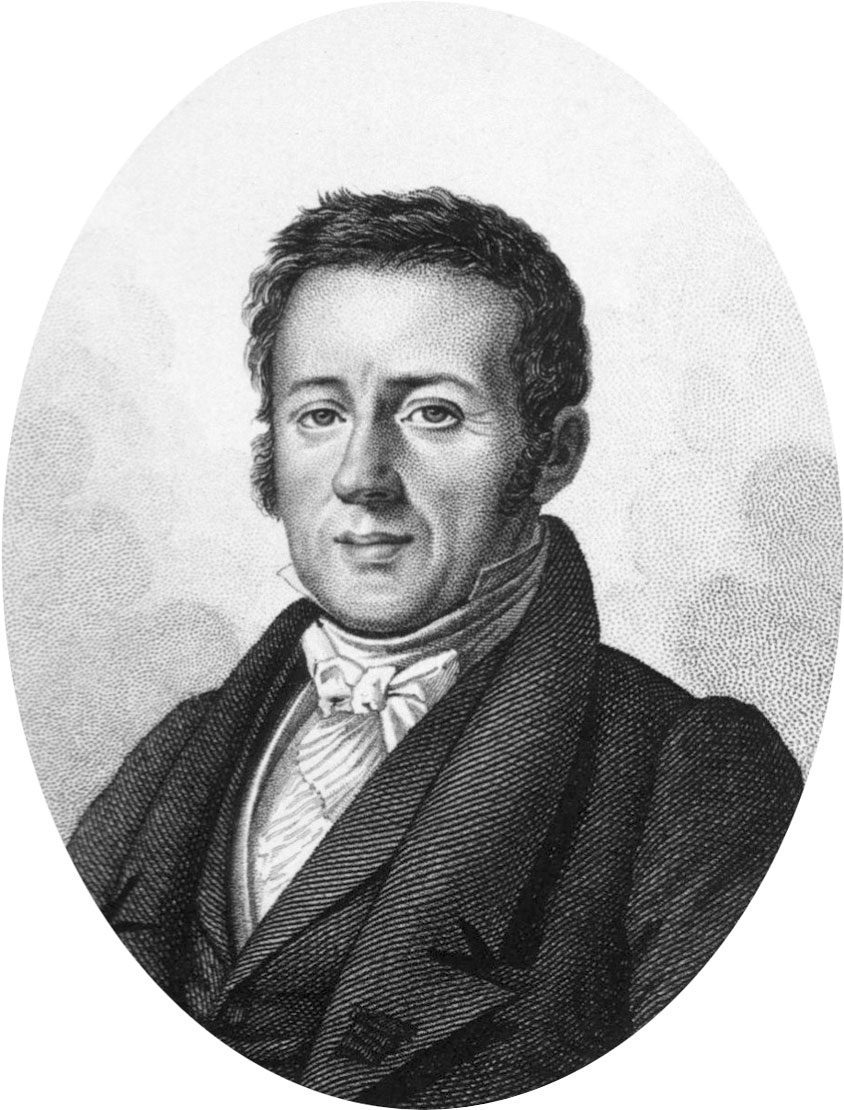
Renรฉ Primevรจre Lesson

– Order: Psittaciformes
– Family: Psittaculidae
– Genus: Psittacula
– Scientific name: Psittacula himalayana
– Citation: (Lesson, 1832)
– Protonimo: Psittacus (conurus) รคฦ’Imlynus

Images "Slaty-headed Parakeet"

Videos "Slaty-headed Parakeet"


Especies del gรฉnero Psittacula

Slaty-headed Parakeet (Psittacula himalayana)


Sources:

– Avibase
– Parrots of the World โ€“ Forshaw Joseph M
– Parrots A Guide to the Parrots of the World – Tony Juniper & Mike Parr
– Birdlife

– Photos:

(1) – Slatina-headed Parakeet Psittacula Himalayas, Corbett National Park, India By Francesco Veronesi from Italy (Slaty-headed Parakeet – Corbett NP_1842) [CC BY-SA 2.0], via Wikimedia Commons

– Sounds: David Farrow (Xeno-canto)

โ–ท The world of Pets: Dogs, cats, birds, reptiles, amphibians

Pacific Parrotlet
Forpus coelestis


Pacific Parrotlet

Content

Description:


Anatomy-parrots

12-13 cm.. height.

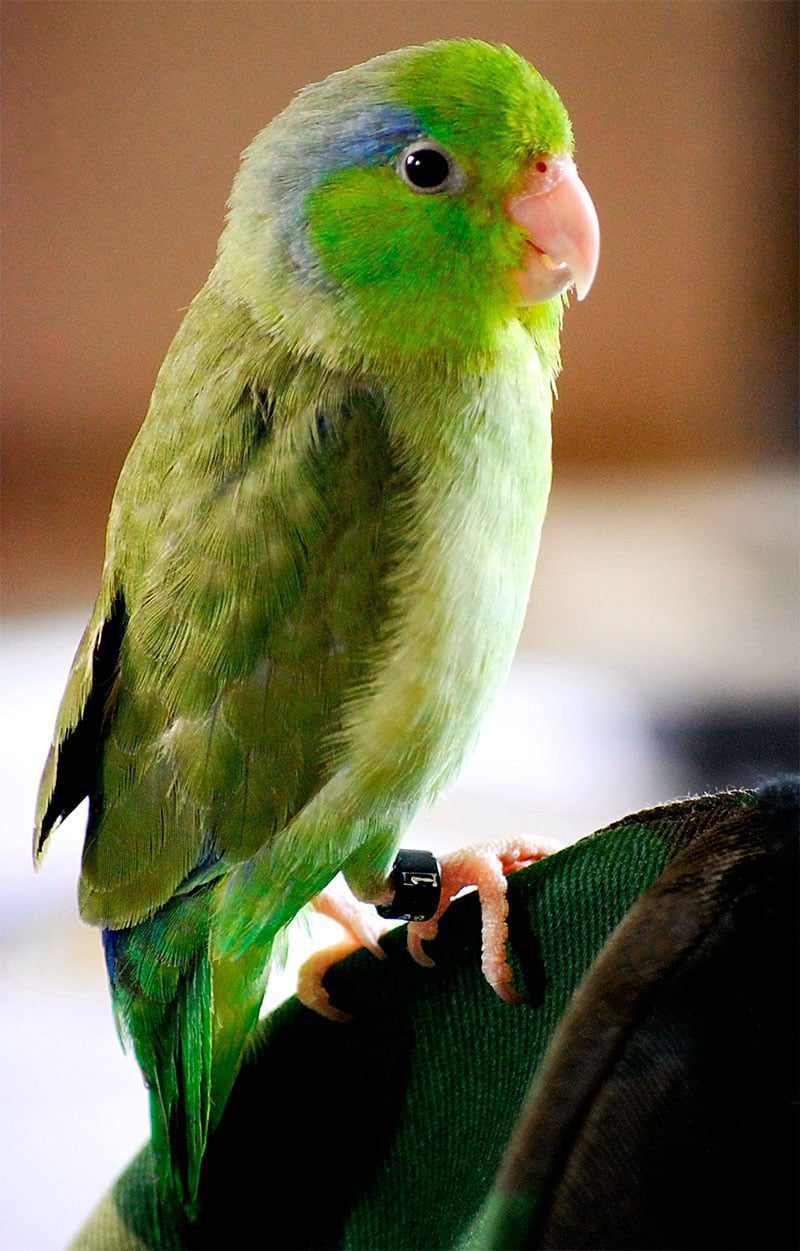
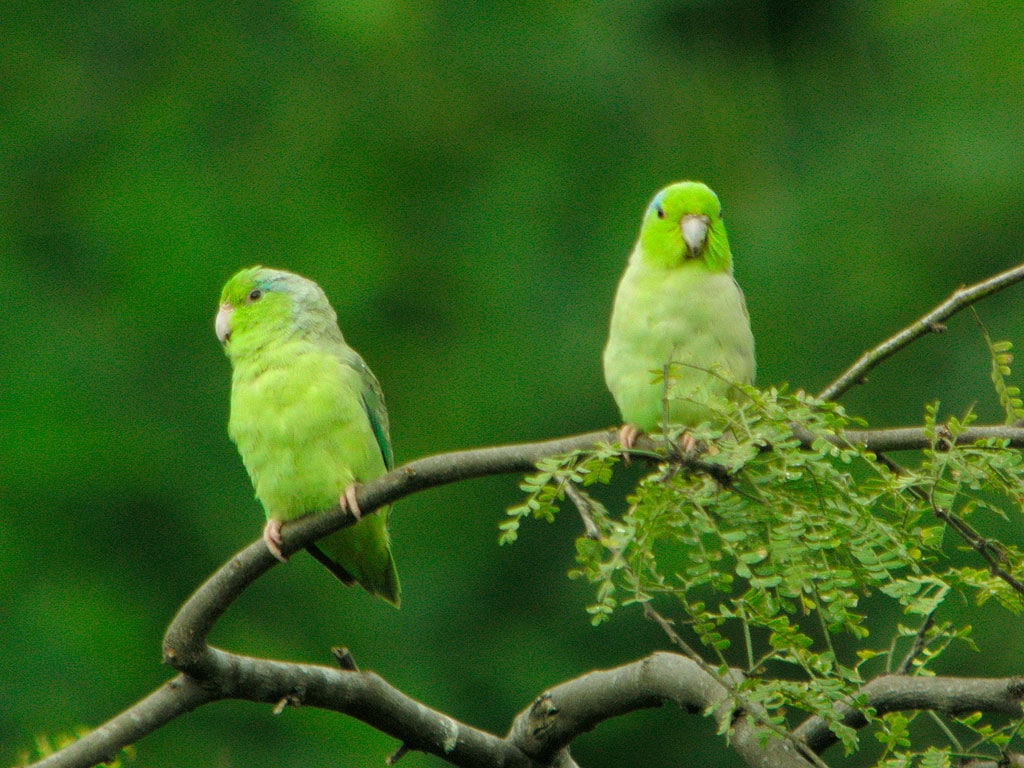
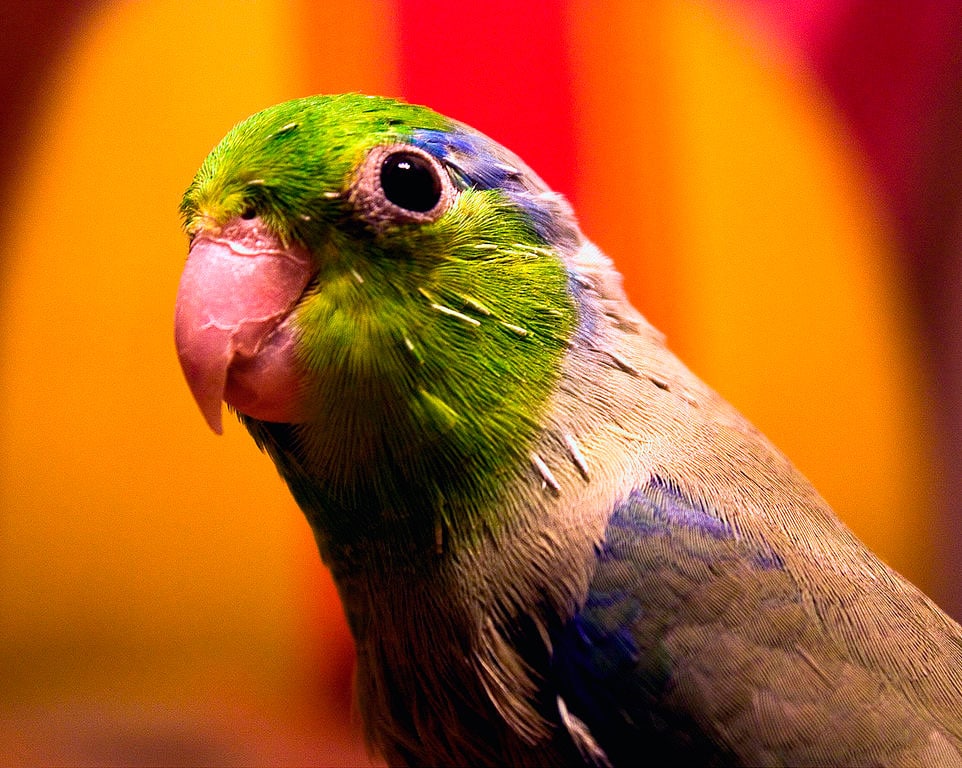
The Pacific Parrotlet (Forpus coelestis) It is a small bird, chubby with a tail short and finished in tip. Distinguishable in flight by the blue and Brown on the inside of the wings. It has blue behind the eye and in the middle of the wing at the top. The female does blue stain on the top of the wing and the blue behind the eye is paler. The Immature males they are similar to the adult male, but more pale and with back brownish.

Habitat:

The Pacific Parrotlet frequent most dry woodland habitats, such as scrub thorny, bosque deciduous, dense thickets of Captus with balsa trees, plantations of banana and mango, riparian zone, irrigated fields in Savannah and gardens, although their preferred areas are those of humid tropical vegetation such as the coastal mangales.

Older records of this species are from below sea level of 1.000 m, but are to 2.150 meters on the West side of the Andes in Huancabamba, is of Piura, Peru, and a 1.370-1.650 meters in the South of Loja, Ecuador.

Usually gregarious; they form large flocks where abundant food.

Reproduction:

It nests in the cavity of trees, in cactus, fence posts, pipes or the nests of the Pale-legged Hornero (Furnarius leucopus), of the Tie Neck Pijuรญ (Synallaxis stictothorax) or Fasciated Wren (Campylorhynchus fasciatus).

The breeding season includes the months of January to may. Sometimes, they breed a second time throughout the year. The laying of eggs 4-6.

Food:

The diet of the Pacific Parrotlet includes seeds grass, berries, fruit (example, of Tamarindus, Amaranthus spinosus) and cactus fruits. It forages among the vegetation and land.

Distribution:

Size of the area of distribution (reproduction / resident): 147.000 km2

This species is found in the West of Ecuador, in Manabi Since the latitude of the Valley of the Chone River to the South across the South of Pichincha, The rivers and Guayas (including the Isla Puna), until Gold and Loja, entering the Northwest of Peru, in Tumbes, Piura, Lambayeque and South of Cajamarca, until Freedom and Trujillo.

irregularly common, sometimes abundant; most numerous in arid areas. The population has apparently not yet been severely affected by the trade in live birds or the conversion of natural and semi-natural habitats for the Agriculture. The species is probably Forpus most numerous in captivity.

Conservation:

State of conservation โ“˜


minor concern Minor Concern โ“˜ (UICN)โ“˜

โ€ข Current category of the Red List of the UICN: Least concern.

โ€ข Population trend: Stable.

Justification of the population

The size of the world population It has not been quantified, but this species is described as ยซcommonยป (Stotz et to the., 1996).

Justification of trend

Suspected that the population is stable in absence of evidence of any decline or threatens substantial.

"Pacific Parrotlet" in captivity:

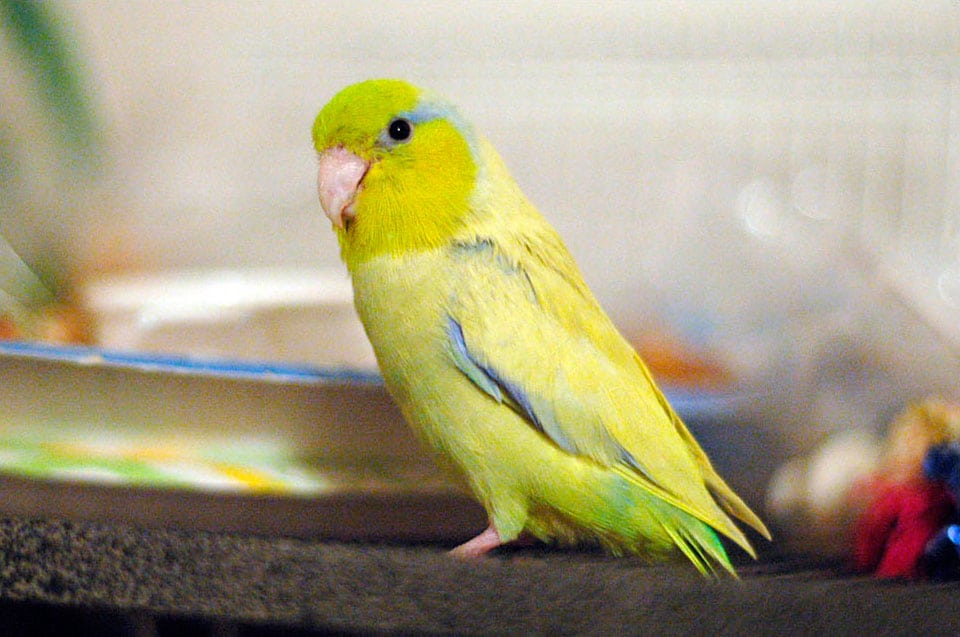
Colorful, charming and intelligent. These small birds have become in very popular pets in recent years. Its small size and quiet nature make of the Pacific Parrotlet an ideal choice for people living in apartments. Nicknamed โ€œpocket parrotsโ€ in the pet trade, These parakeets are actually the smallest of the family of parrots, and they are as smart as many larger species. Some learn to speak quite well, Although the species is not particularly known for the ability to speak.
An interesting fact upon the Pacific Parrotlet is that its closest relative is the Amazon parrot. Although the two species differ greatly in size, owners often report striking similarities between them. Despite being small birds, they are by no means โ€œlow maintenance birdsโ€. While it is true that they are, course, easy to clean, in comparison with the larger birds, However require your daily care to keep them docile, socialization at an early age is the key to be in a future good behavior.
They have tendency to obesity. They must be able to get out of their cages, spread your wings, and exercise your muscles to maintain your physical and mental health.

Their metabolism is very high, and they should have food available at all times. They are known for their appetite voracious, and occur in one diet varied that consists in fruits and vegetables fresh, small seeds such as millet, the high-quality commercial pellets, and protein sources from hard boiled egg.

There are many mutations.

Alternative names:

– Pacific Parrotlet, Western Parrotlet (English).
– Toui cรฉleste, Perruche-moineau cรฉleste (French).
– Himmelsperlingspapagei, Himmelspapagei (German).
– Tuim-peruano (Portuguese).
– Catita Enana Amarilla, Cotorrita de Piura, Cotorrita Celestial (espaรฑol).
– Periquito Esmeralda (Peru).

scientific classification:

Renรฉ Primevรจre Lesson

– Order: Psittaciformes
– Family: Psittacidae
– Genus: Forpus
– Scientific name: Forpus coelestis
– Citation: (Lesson, 1847)
– Protonimo: agapornis heavenly

Pacific Parrotlet images:

Videos of the "Pacific Parrotlet"

Pacific Parrotlet (Forpus coelestis)


Species of the genus Forpus

Sources:

  • Avibase
  • Parrots of the World โ€“ Forshaw Joseph M
  • Parrots A Guide to the Parrots of the World – Tony Juniper & Mike Parr
  • Birdlife
  • Parrot Book, Parrots and macaws.

Photos:

(1) – Male Green Pacific Parrotlet, named Jackson By Susan C. Griffin (Own work) [CC BY-SA 3.0], via Wikimedia Commons
(2) – Pacific Parrotlets (also known as Lessonโ€™s Parrotlet and Celestial Parrotlet) at Wilhelma Zoo, Stuttgart, Germany By Undertable [CC BY 2.0], via Wikimedia Commons
(3) – A pet Pacific Parrotlet – yellow colour mutation By Becky Wetherington (originally posted to Flickr as 82/365 – Good bird.) [CC BY 2.0], via Wikimedia Commons
(4) – A pet male Pacific Parrotlet (also known as Lessonโ€™s Parrotlet and Celestial Parrotlet) By Erin Purcell (originally posted to Flickr as [1]) [CC BY 2.0], via Wikimedia Commons
(5) – Pacific Parrotlet (also known as Lessonโ€™s Parrotlet and Celestial Parrotlet) in El Empalme, El Oro Province, coastal SW Ecuador By markaharper1 [CC BY-SA 2.0], via Wikimedia Commons

Sounds: (Xeno-canto)

โ–ท The world of Pets: Dogs, cats, birds, reptiles, amphibians

Orange-fronted Parakeet
Eupsittula canicularis

Orange-fronted Parakeet

Content

Description:


Anatomy-parrots

20,5 cm. length and 80 g. of weight
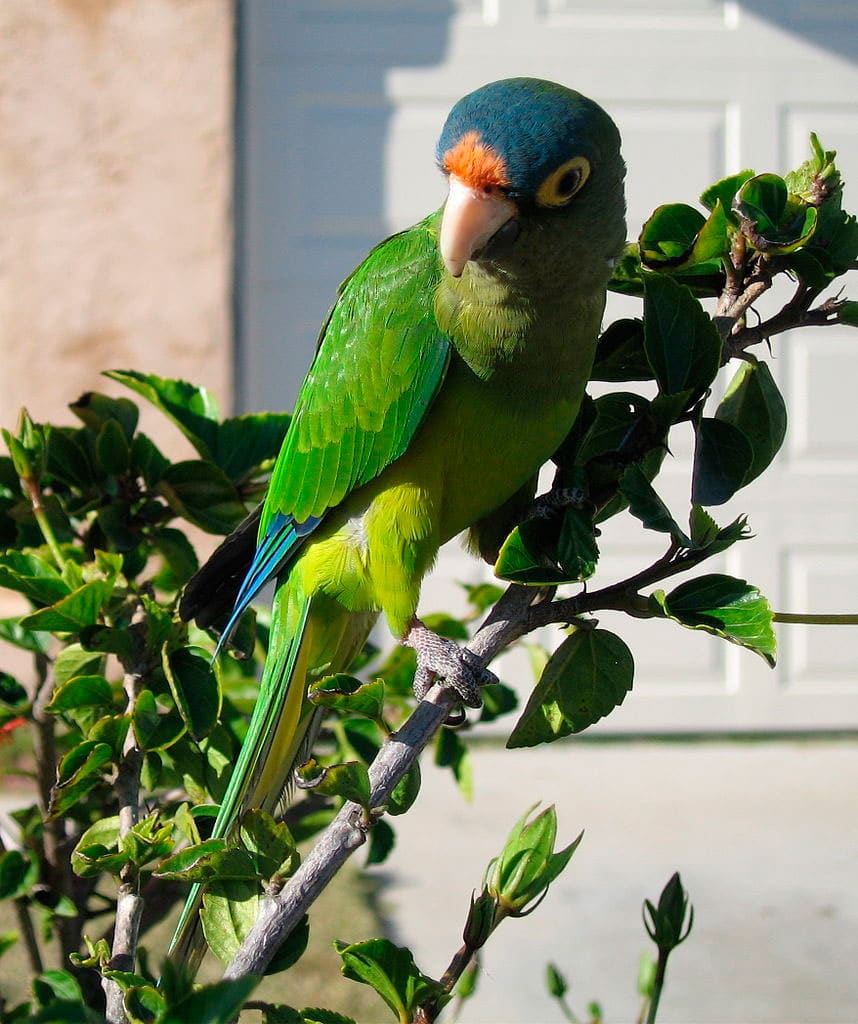
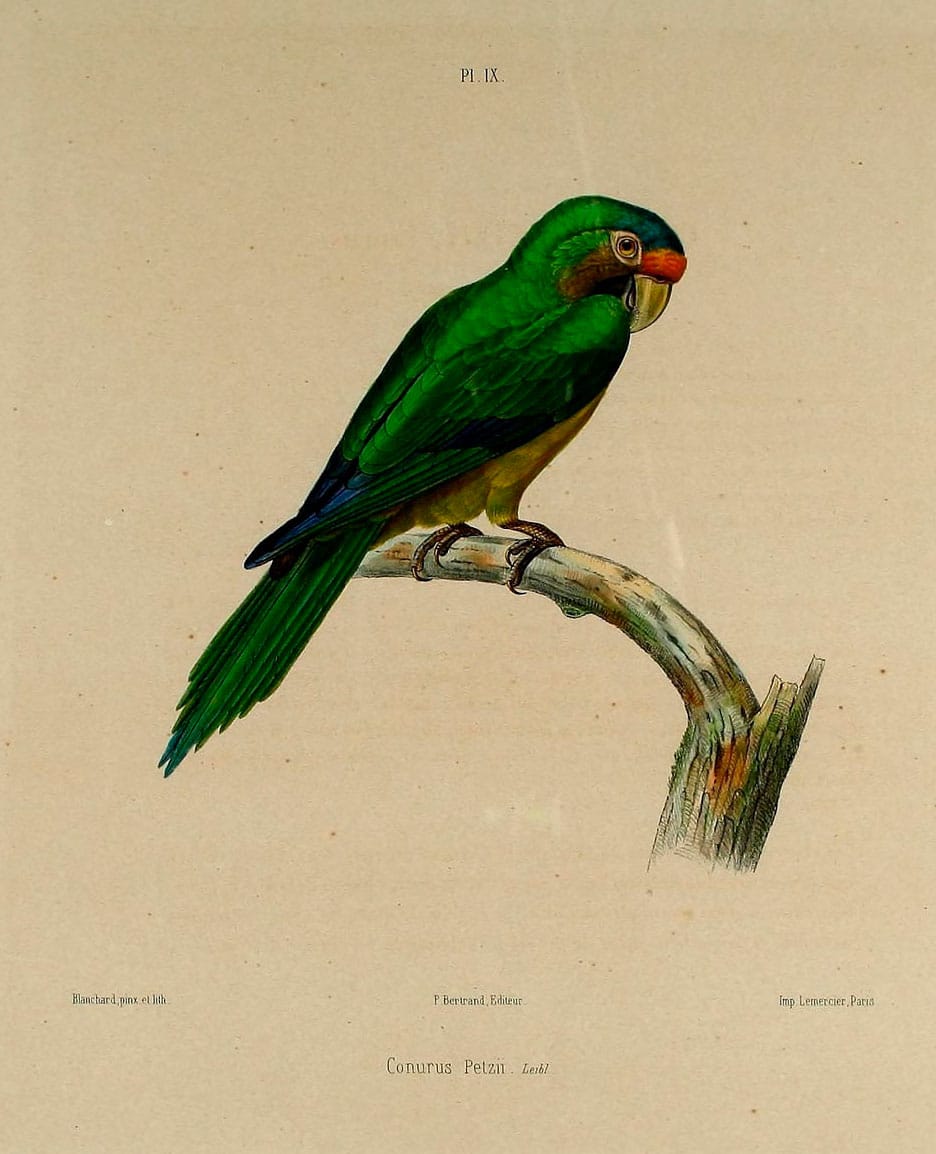
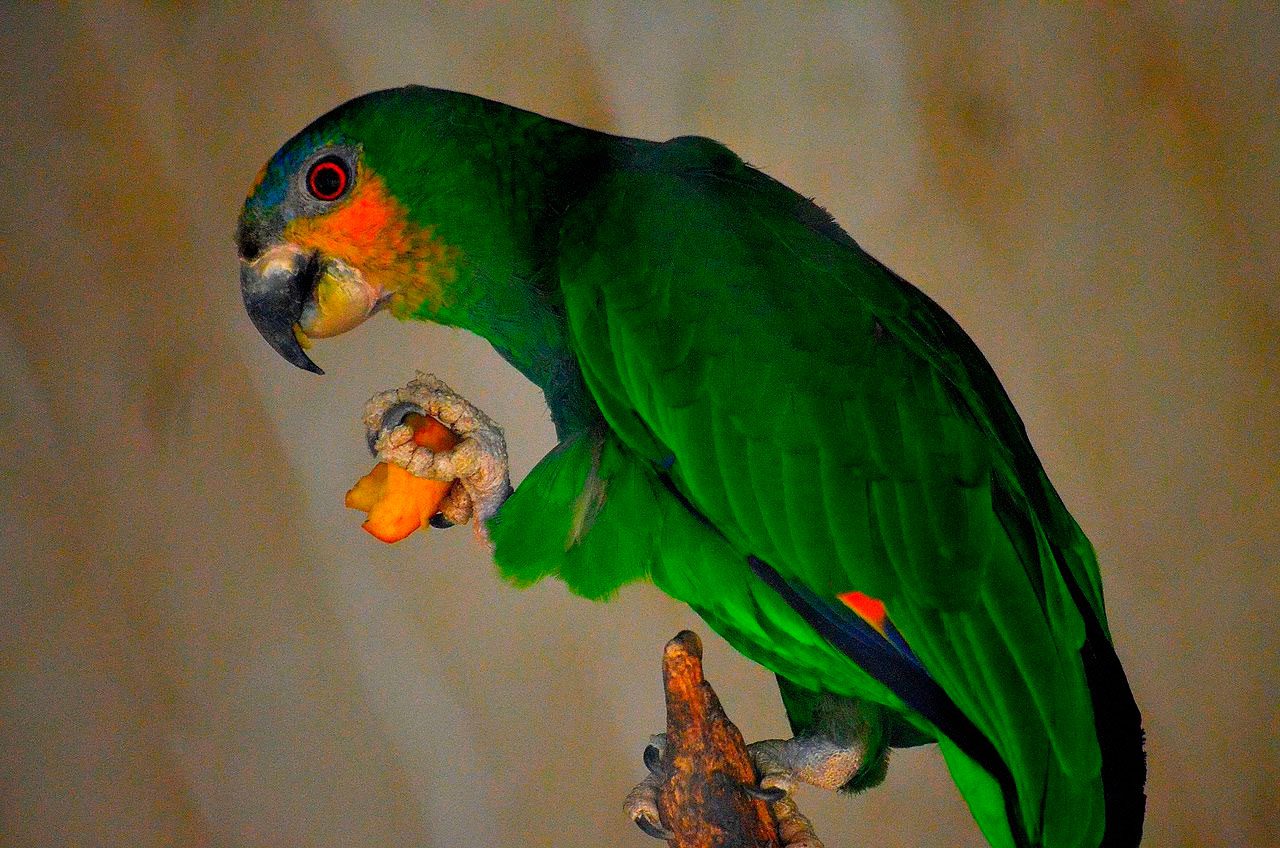
The Orange-fronted Parakeet (Eupsittula canicularis) It has in forecrown a wide band orange-red which extends over the lores and the part front of it crown; the rest of the crown is blue, fading from nape up to the upperparts in a shade of green grass.

Upperwing-coverts green. Flight feathers, at the top, blue on the outerweb; spiked green and black borders innerwebs; undertail, grey. Underwing-coverts brighter yellowish green. Throat, the sides of neck and the chest a shading pale yellow and pale olive olivรกceo in belly and in the undertail-coverts. Upper, the tail green with blue tip; undertail, pale yellow olive.

Bill color pale horn; cere whitish; bare periophthalmic whitish: irises pale yellow; legs grey-brown.
Both sexes are similar. The immature has a front patch Orange much smaller and irises brown.

  • Sound of the Orange-fronted Parakeet.

Description 3 subspecies:

Orange-fronted Parakeet

  • Eupsittula canicularis canicularis

    (Linnaeus, 1758) – Subspecies nominal.


  • Eupsittula canicularis clarae

    (Moore,RT, 1937) – Similar to the species nominal but with the frontal band Orange smaller, lores Blue and sides of the lower jaw dark gray.


  • Eupsittula canicularis eburnirostrum

    (Lesson,PA, 1842) – Similar to the species nominal but the sides of the lower jaw They are gray and belly It is yellower.

Habitat:

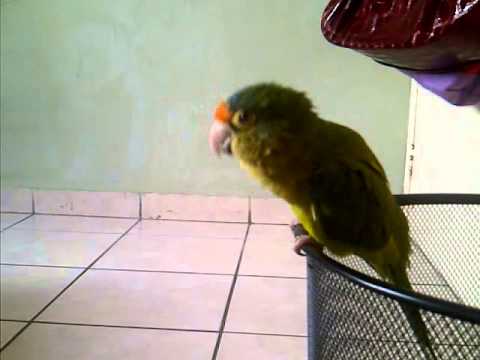
Video – "Orange-fronted Parakeet" (Eupsittula canicularis)

orange fronted parakeet / aratinga canicularis

They inhabit in fields slightly woody or open areas with scattered trees lowland ASAL, including thorny deciduous forests and tropical forests; the Orange-fronted Parakeet They are more abundant below 600 m, even they reach 1.500 meters in the high arid lands of central Honduras after breeding, forming flocks near the 50 birds, sometimes many more.

The Orange-fronted Parakeet They are well adapted to partially clear habitats, reposing in plantations Palma and handle, often near cities. Communal roosts have been observed in the company of the White-fronted Parrot
(Amazona albifrons) in riparian forests Guatemala. Usually arboreal.

Reproduction:

An active termitero, usually Nasutitermes nigriceps, It is the preferred place to nest construction of Orange-fronted Parakeet; Several couples sometimes dig holes next few other; also they use tree cavities (for example, hole made by woodpeckers).

Reproduction March to May in Oaxaca, Mexico; January-may in El Salvador; during the dry season in Costa Rica.
The laying is of 3 to 5 eggs). Only the female incubates. The incubation lasts around 30 days. The chicks leave the nest to 6 weeks.

Food:

In its natural habitat the the diet of the Orange-fronted Parakeet includes seeds of Ceiba and Inga, fruits of Ficus, Bursera and Brosimum, and flowers of Gliricidia and Combretum. Sometimes they invade causing farmland damage in maturation corn and the banana.

Distribution and status:

Size of its range (reproduction / resident): 1.490.000 km2

They live in the shed peaceful of Central America, from northwest Mexico to the Northwest of Costa Rica. The Frentinaranja Aratinga can be seen from Sinaloa and West Durango, south along the lowlands of Mexican Pacific until Chiapas and Guatemala, El Salvador, Honduras and Nicaragua, until Costa Rica, lthough there is a recent contraction of their distribution in the northwest.

Habitat in the mountains of Caribbean It is limited to Comayagua Valley in the Honduran central highlands. Resident very common; Partially nomadic after breeding when birds can move to higher altitudes.

What introduced species They are located around the city of Miami (Florida), around town New York City and in the South of Texas, around town Santa Ana (United States).
They can also be seen in City of Mexico.

The capture for trade in live birds apparently led to a decrease in their number, as well as the contraction of the scope of its population in Costa Rica and possibly elsewhere; however the volume for international trade bird cage is small.

Distribution 3 subspecies:

  • Eupsittula canicularis canicularis

    (Linnaeus, 1758) – Subspecies nominal. shed peaceful Southwestern Mexico, from the Tehuantepec isthmus and Chiapas through the west region Central America to the Northwest of Costa Rica.


  • Eupsittula canicularis clarae

    (Moore,RT, 1937) – Sinaloa and West of Durango ell towards south to Michoacรกn, Mexico.


  • Eupsittula canicularis eburnirostrum

    (Lesson,PA, 1842) – lowlands peaceful South of Mexico, from the east Michoacรกn until Oaxaca. The range in relation to the Eupsittula canicularis canicularis, is uncertain

Conservation:

State of conservation โ“˜


minor concern Minor Concern โ“˜ (UICN)โ“˜

โ€ข Current category of the Red List of the UICN: Least concern.

โ€ข Population trend: Stable.

Justification of the Red List of the Category

This species has a very large range, and therefore does not approach the thresholds for Vulnerable under the range size criterion (extent of occurrence <20.000 kilรณmetros2 combinado con un tamaรฑo gama disminuciรณn o fluctuante, hรกbitat medida / calidad, o tamaรฑo de la poblaciรณn y un pequeรฑo nรบmero de localidades o fragmentaciรณn severa). The trend of the population appears to be stable, and therefore the species does not approach the thresholds for Vulnerable according to the population trend criterion. (> 30% decrease of more than ten years or three generations). The size of the population is very large, and therefore does not approach the thresholds for Vulnerable under the criterion of population size (<10.000 individuos maduros con una disminuciรณn continua estimada en> 10% in ten years or three generations, or a specified population structure). For these reasons, the species is evaluated as Least concern.

Justification population

Partners in Flight estimate the total population in 500,000-4,999,999 individuals (A. they Panjabi in a little. 2008).

Justification trend

The population is suspected to be stable in the absence of evidence of any reduction or substantial threats.

"Orange-fronted Parakeet" in captivity:

Becoming less common. Its population has declined in many areas because of its capture for the illegal pet trade.
Protected by the Appendix II of CITES.

Alternative names:

– Half-Moon Conure, Half-Moon Parakeet, Orange fronted Parakeet, Orange-fronted Conure, Orange-fronted Parakeet, Petz’s Conure (English).
– Conure ร  front orange, Conure ร  front rouge, Conure de Petz , Perriche ร  front rouge, Perruche ร  front orange, Perruche ร  front rouge, Perruche de Petz (French).
– Elfenbeinsittich (German).
– Periquito-de-testa-laranja (Portuguese).
– Aratinga Frentinaranja, Conuro Frente Anaranjada, Perico de Frente Anaranjada, Perico Frente Naranja, perico frente-naranja, Perico Frentinaranja, Periquito Centroamericano, Periquito naranjera (espaรฑol).
– Perico frentinaranja (Costa Rica).
– Periquito naranjera (Honduras).
– perico frente naranja, perico frente-naranja, Perico Frentinaranja (Mexico).
– Perico Frentinaranja (Nicaragua).


scientific classification:

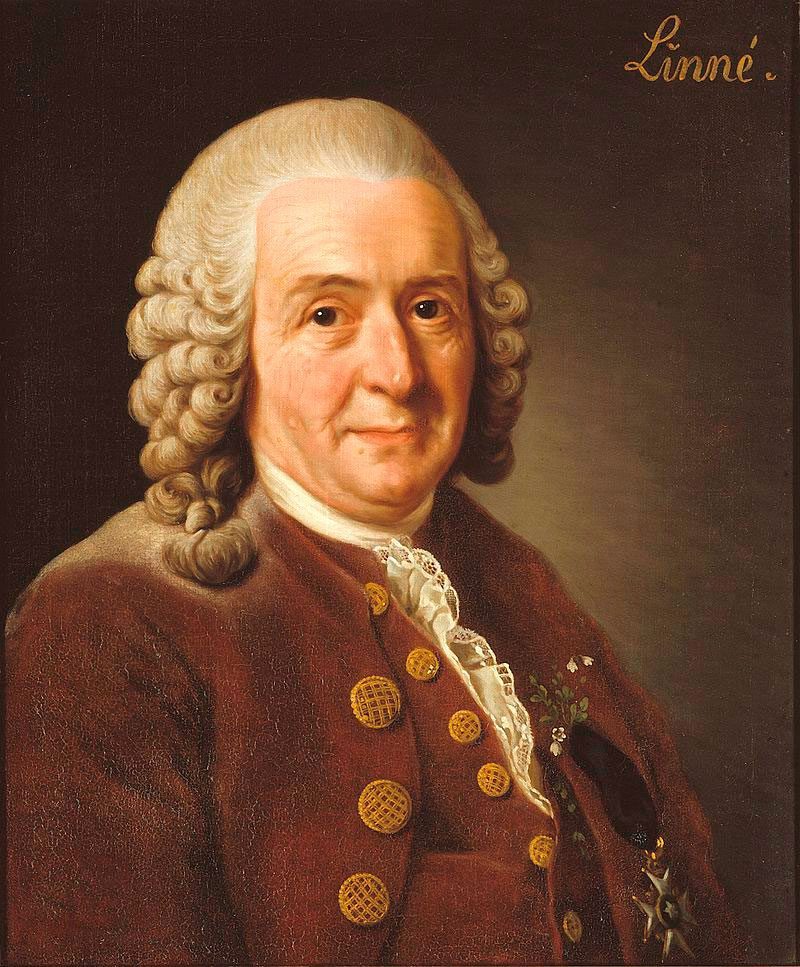
Carlos-Linnaeus
Carl Linnaeus

– Order: Psittaciformes
– Family: Psittacidae
– Genus: Eupsittula
– Scientific name: Eupsittula canicularis
– Citation: (Linnaeus, 1758)
– Protonimo: Psittacus canicularis

Images Orange-fronted Parakeet:


Especies del gรฉnero Eupsittula
  • Eupsittula nana
  • —- Eupsittula nana astec
  • —- Eupsittula nana nana
  • —- Eupsittula nana vicinalis
  • Eupsittula canicularis
  • —- Eupsittula canicularis canicularis
  • —- Eupsittula canicularis clarae
  • —- Eupsittula canicularis eburnirostrum
  • Eupsittula aurea
  • Eupsittula pertinax
  • —- Eupsittula pertinax aeruginosa
  • —- Eupsittula pertinax arubensis
  • —- Eupsittula pertinax chrysogenys
  • —- Eupsittula pertinax chrysophrys
  • —- Eupsittula pertinax griseipecta
  • —- Eupsittula pertinax lehmanni
  • —- Eupsittula pertinax margaritensis
  • —- Eupsittula pertinax ocularis
  • —- Eupsittula pertinax paraensis
  • —- Eupsittula pertinax pertinax
  • —- Eupsittula pertinax surinama
  • —- Eupsittula pertinax tortugensis
  • —- Eupsittula pertinax venezuelae
  • —- Eupsittula pertinax xanthogenia
  • Eupsittula cactorum
  • —- Eupsittula cactorum cactorum
  • —- Eupsittula cactorum caixana

  • Sources:

    – Avibase
    – Parrots of the World โ€“ Forshaw Joseph M
    – Parrots A Guide to the Parrots of the World – Tony Juniper & Mike Parr
    – Birdlife

    – Photos:

    (1) – Orange-fronted Parakeet or Orange-fronted Conure (Aratinga canicularis) also known as the Half-moon Conure. Photo taken in a front garden, San Diego, USA By derivative work: Snowmanradio (talk)Aratinga_canicularis_-pet-4.jpg: awnisALAN [CC BY 2.0], via Wikimedia Commons
    (2) – A wild Orange-fronted parakeet (Aratinga canicularis) along the beach of the Gulf of Papagayo (Papagallo), Costa Rica. The parakeet was seen in a group of 3 birds feeding on seeds of this tree By Cwood1 Charlene Wood (Own work) [CC BY-SA 3.0], via Wikimedia Commons
    (3) – Orange-fronted Parakeet or Orange-fronted Conure (Aratinga canicularis) also known as the Half-moon Conure. Photo taken in a front garden, San Diego, USA By awnisALAN (originally posted to Flickr as [1]) [CC BY 2.0], via Wikimedia Commons
    (4) – Two Orange-fronted Parakeets in Costa Rica By Don Faulkner (Orange-fronted ParakeetUploaded by snowmanradio) [CC BY-SA 2.0], via Wikimedia Commons
    (5) – A pair of Orange-fronted Parakeets in Rincรณn de la Vieja Volcano National Park, Costa Rica By Brian Ralphs from Berkhamsted, Hertfordshire, UK (Orange-fronted ParakeetsUploaded by snowmanradio) [CC BY 2.0], via Wikimedia Commons
    (6) – Iconographie des perroquets :.Paris :P. Bertrand,1857.. by Biodiversity Heritage Library – Flickr

    – Sounds: Bernhard Kroeger, XC67365. accessible www.xeno-canto.org/67365

    โ–ท The world of Pets: Dogs, cats, birds, reptiles, amphibians

    Yellow-faced Parrot
    Alipiopsitta xanthops

    Yellow-faced Parrot

    Content

    Description

    Yellow-faced Parrot

    26 to 27 cm.. tall and about 260g. weight.

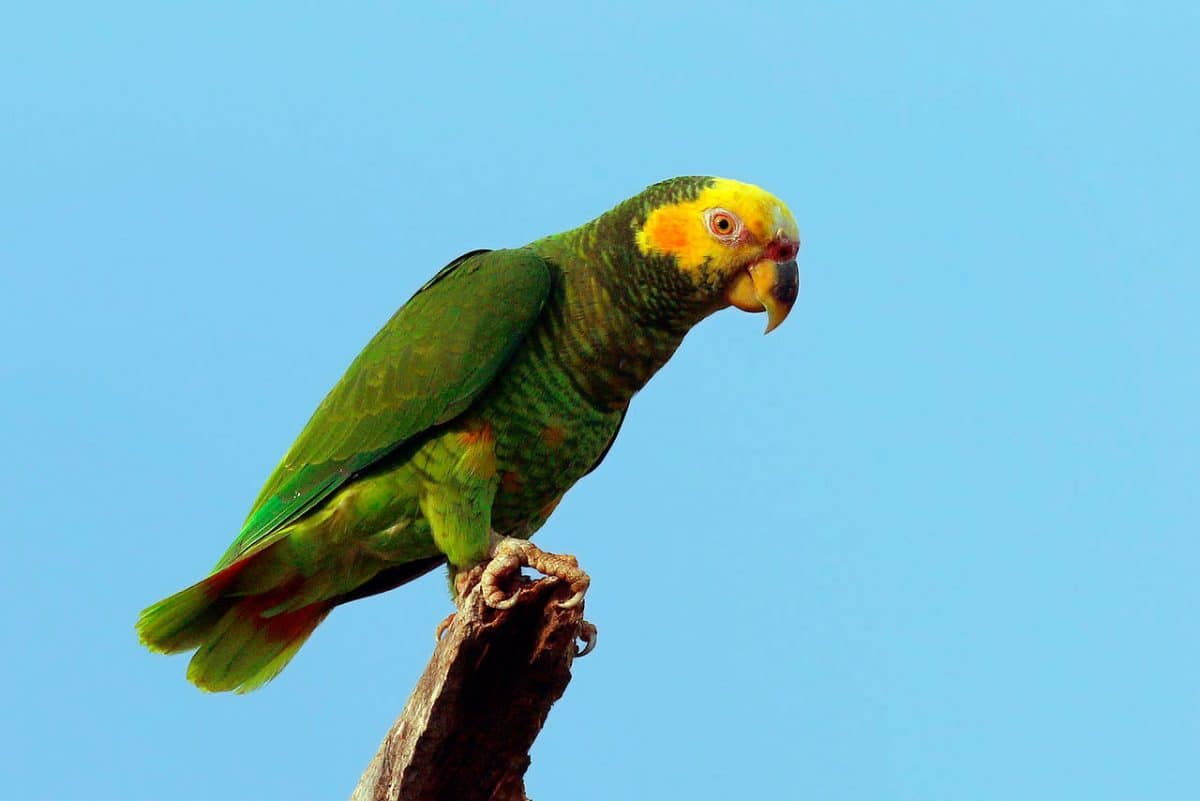
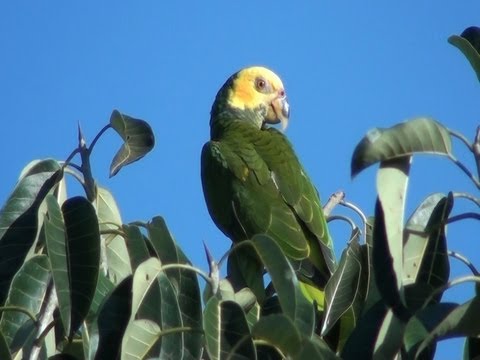
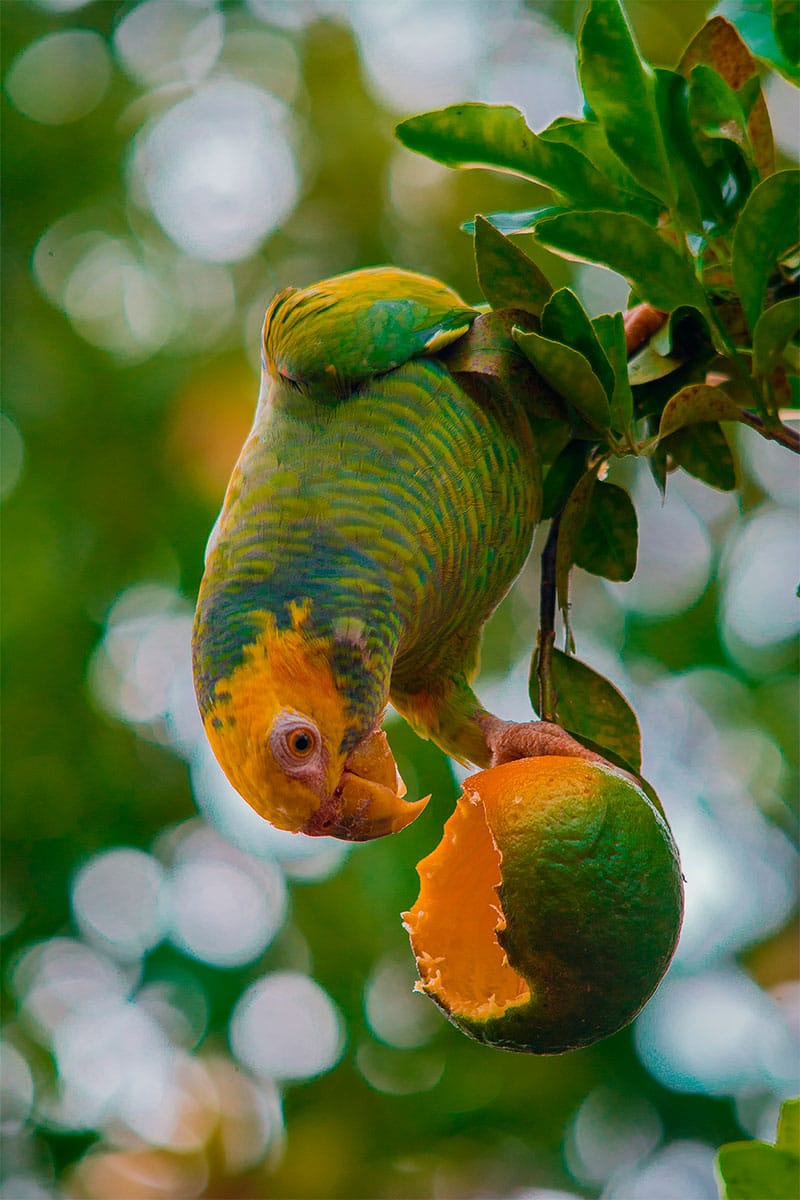
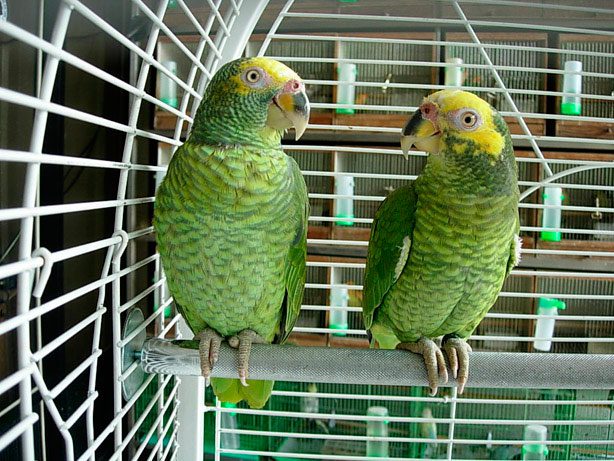
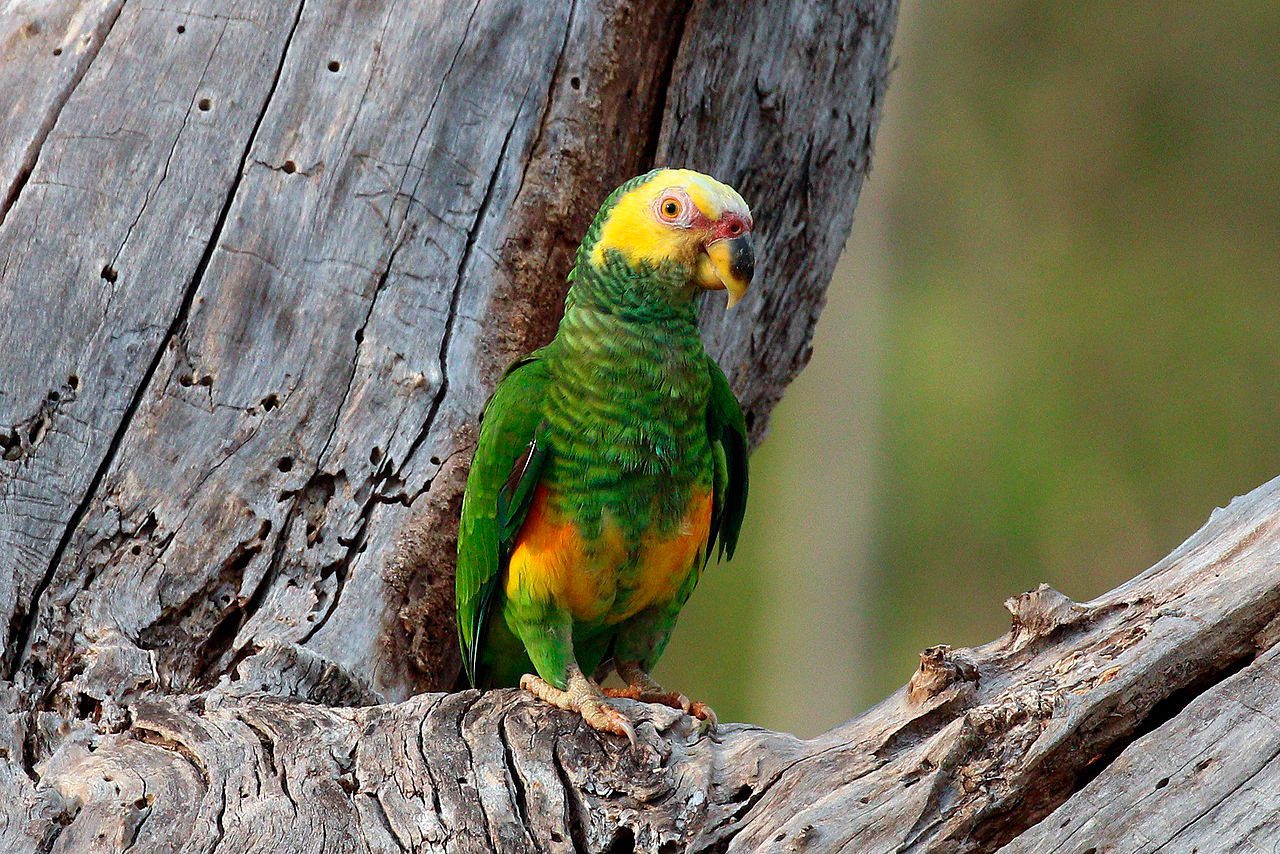
    The Yellow-faced Parrot (Alipiopsitta xanthops) It is distinguished by the large area of รขโ‚ฌโ€นรขโ‚ฌโ€นyellow in the head, with green tint nape; orange to the sides of body and upper base of the tail; collar yellowish green, belly almost all yellow, the thighs and green inner core tail green; the back it is usually green with yellow tints.

    blackish brown with yellow edges; iris yellow .

    The youth less yellow in body.


    Anatomy-parrots

    Habitat:

    It inhabits in dry forests, also called deciduous forests, in lowlands, with the presence of palmas Mauritia, Although they prefer water courses.
    They can be seen in pairs or flocks of up 50 specimens.

    Reproduction:

    Video – "Yellow-faced Parrot"

    Canto-galego parrot (ALIPIOPSITTA XANTHOPS), YELLOW-FACED PARROT, Curraleiro, CURAU PARROT.

    Although little information regarding this is available, it is known that nest in the hollows of the highest trees closed; the laying usually three eggs and the incubation period is 23-24 days.

    Food:

    It's a species of which there are few studies of their natural habitat. Its main food It consists mainly of fruits and seeds. Very fond of mangoes, usually visit their trees full of fruit.

    Distribution:

    Size of its range (reproduction / resident): 2.700.000 km2

    Inside of Brazil and adjacent area to the east of Bolivia and Horqueta, in the East of Paraguay.

    Conservation Alipiopsitta xanthops:

    State of conservation โ“˜


    Near-threatened Near Threatened โ“˜ (UICN)โ“˜

    โ€ข Current category of the Red List of the UICN: Near-threatened.

    โ€ข Population trend: Decreasing.

    In 1993 two thirds of the Cerrado, This species inhabited, had been moderately or severely altered by agriculture, heavy cattle farming, invasive grasses, the use of pesticides and annual burning.

    Conservation Actions Proposed:

    โ€ข Collate sample data and recent records to provide an improved assessment of distribution and status.

    โ€ข Estimate the total wild population (Bianchi 2009).

    โ€ข Assess the impact of habitat loss (Snyder et to the . 2000).

    โ€ข Create a network of large reserves in Bahia, maranhรฃo and Piauรญ.

    Yellow-faced Parrot in captivity:

    Ave Rare in the world of poultry farming.

    active, curious and playful. Aggressive with other parrots. They can become very noisy. Prone to obesity

    Its reproduction rarely been achieved in captivity. The basic requirement would be to isolate a compatible pair during the breeding season due to increased aggression towards other birds during this period.; also require spacious accommodations and a nest box of 25 x 25 x 60 cm. . with input from 8 cm in diameter.

    They tend to be aggressive toward their caregivers. The breeding season begins in early May. The implementation is of 2 to 4 eggs, which are incubated during 26 days. The young leave the nest when they are near the 8 weeks of age.

    Alternative names:

    – Yellow faced Parrot, Yellow-crowned Amazon, Yellow-crowned Parrot, Yellow-faced Amazon (English).
    – Amazone ร  face jaune (French).
    – Goldbauchamazone, Schoapapagei (German).
    – Papagaio-galego, chorรฃo, curau, papagaio-acurau, papagaio-curraleiro, papagaio-de-barriga-amarela (Portuguese).
    – Amazona Chica, Amazona del Cerrado, Loro cara amarilla, Lora chica (espaรฑol).


    Scientific classification Alipiopsitta xanthops:

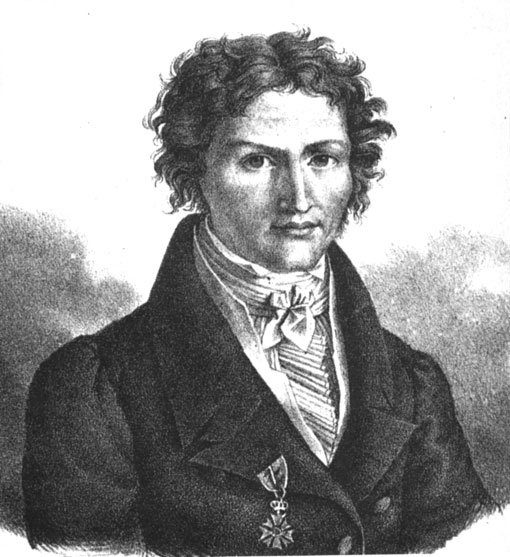
    Johann Baptist von Spix

    – Order: Psittaciformes
    – Family: Psittacidae
    – Genus: Alipiopsitta
    – Scientific name: Alipiopsitta xanthops
    – Citation: (von Spix, 1824)
    – Protonimo: Psittacus xanthops


    Images Yellow-faced Parrot:


    Species of the genus Amazona


    Sources:

    • Parrot Book, Parrots and macaws Neotropical
    • avibase
    • parrots.org
    • Parrots of the World โ€“ Forshaw Joseph M
    • Parrots A Guide to the Parrots of the World – Tony Juniper & Mike Parr
    • Birdlife

    Photos:

    (1) – Yellow-faced parrot (Alipiopsitta xanthops) green morph, the Pantanal, Brazil By Charlesjsharp (Own work, from Sharp Photography, sharpphotography) [CC BY-SA 4.0], via Wikimedia Commons
    (2) – Yellow-faced parrot (Alipiopsitta xanthops) yellow morph, the Pantanal, Brazil By Charlesjsharp (Own work, from Sharp Photography, sharpphotography) [CC BY-SA 4.0], via Wikimedia Commons
    (3) – Alipiopsitta xanthops, Yellow-faced Parrot; two in a cage By TJ Lin (originally posted to Flickr as yellow-faced amazon) [CC BY-SA 2.0], via Wikimedia Commons
    (4) – Yellow-faced Parrot in Giza Zoo By Hatem Moushir (Own work) [CC BY-SA 3.0], via Wikimedia Commons
    (5) – Record made in the city of Trรชs Lagoas-MS, urban area. A flock landed on a ponca tree to feed By Jairmoreirafotografia (Own work) [CC BY-SA 4.0], via Wikimedia Commons
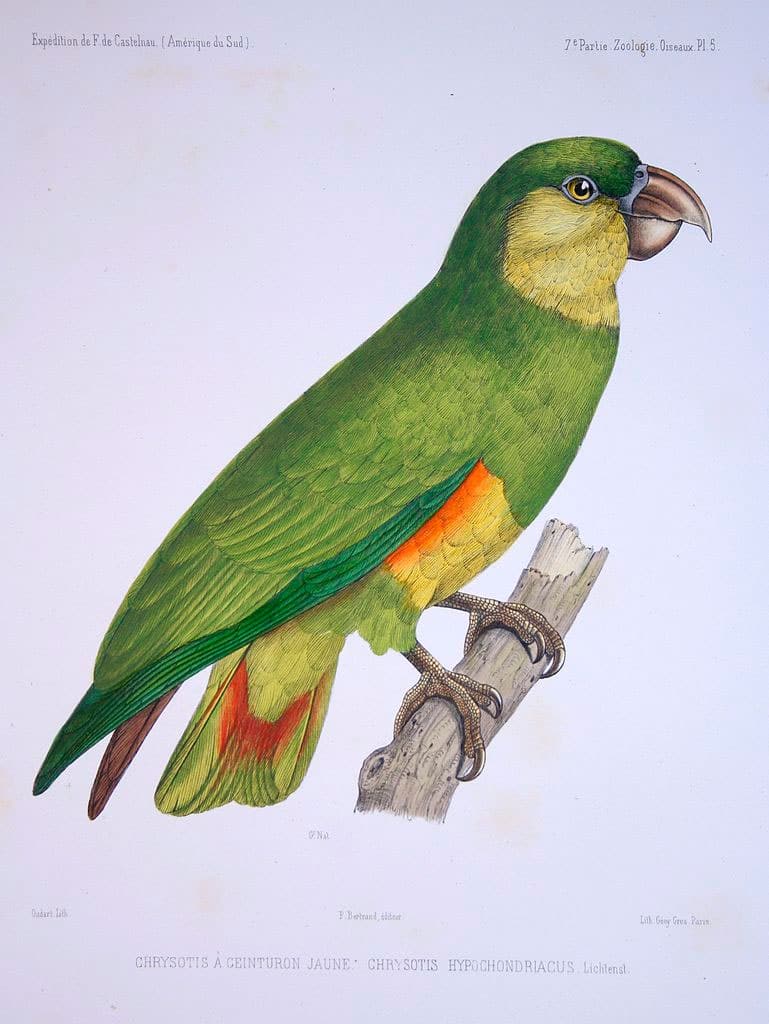
    (6) – Illustration does not look like A. xanthops (Yellow-faced Parrot). Fisch's Papageien monograph discusses this dubious specimen by Francis de Laporte de Castelnau [Public domain], via Wikimedia Commons
    Sounds: Joao Antonio de B.. Vitto