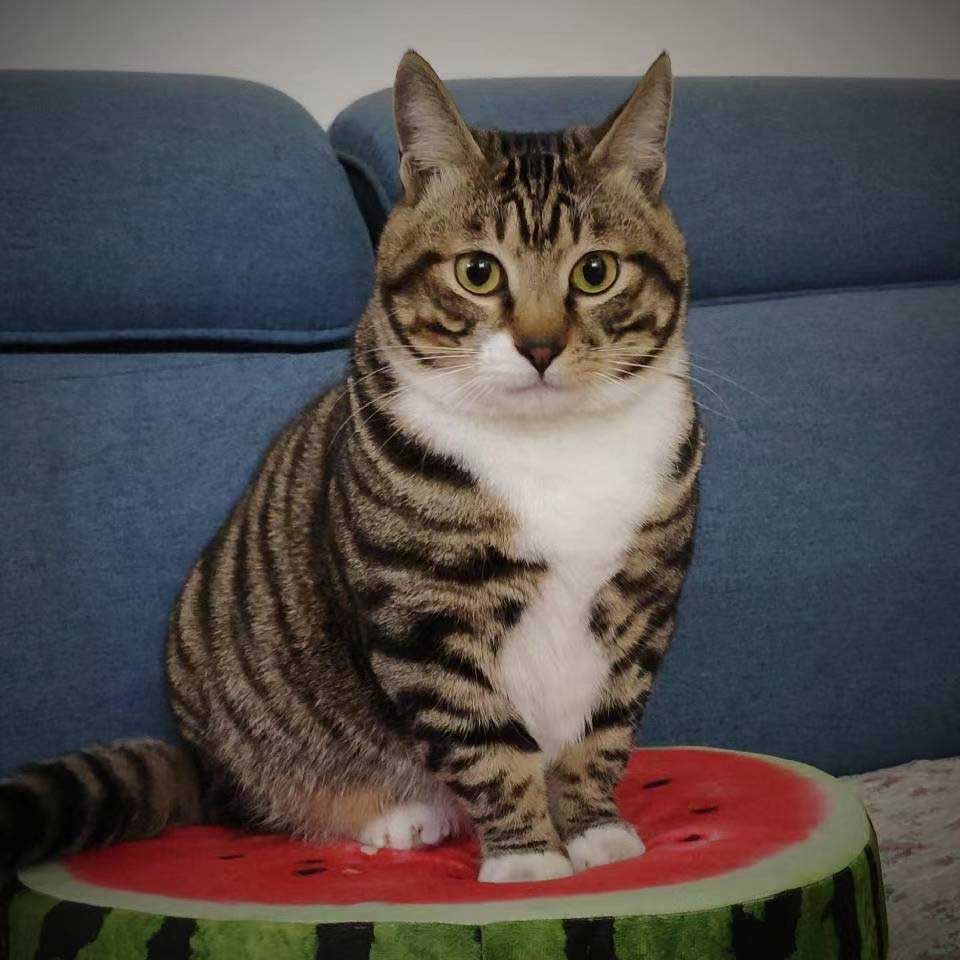
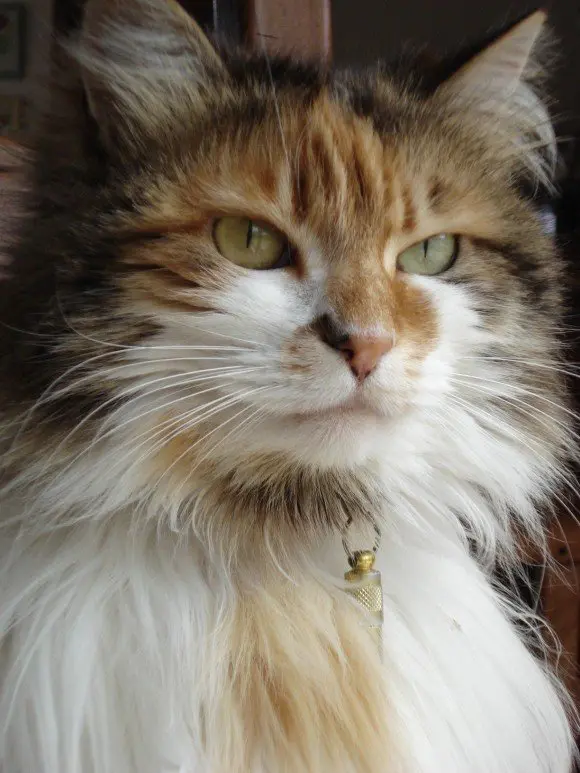
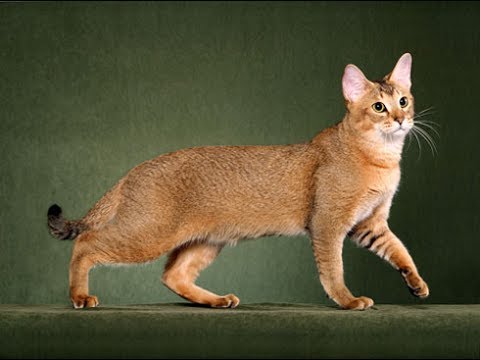
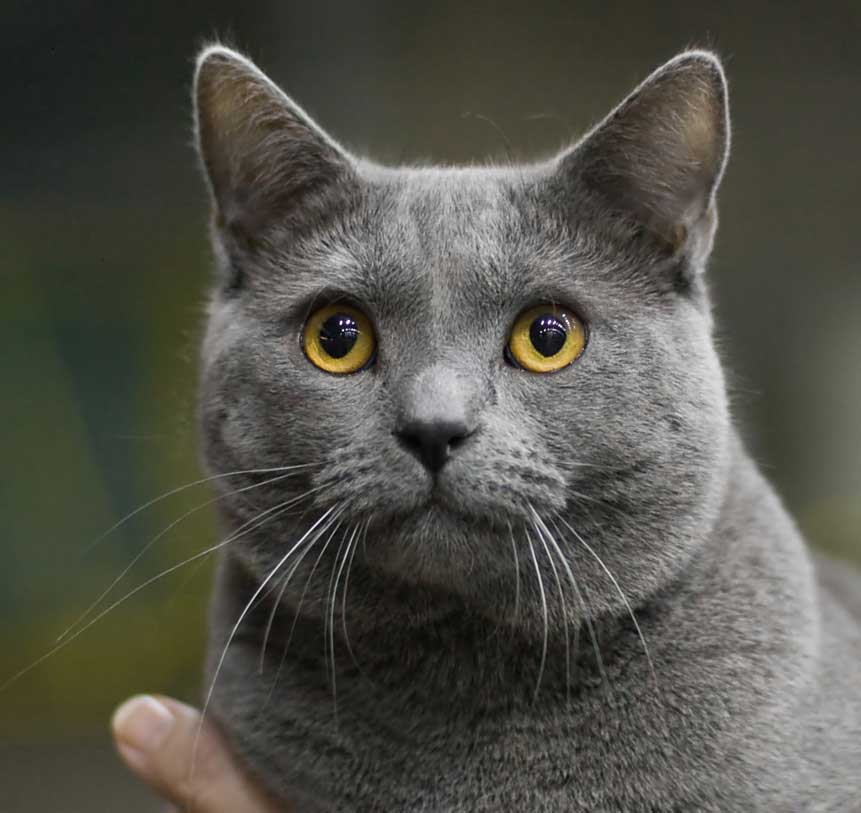
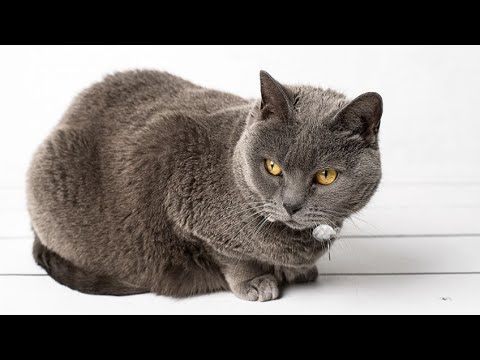
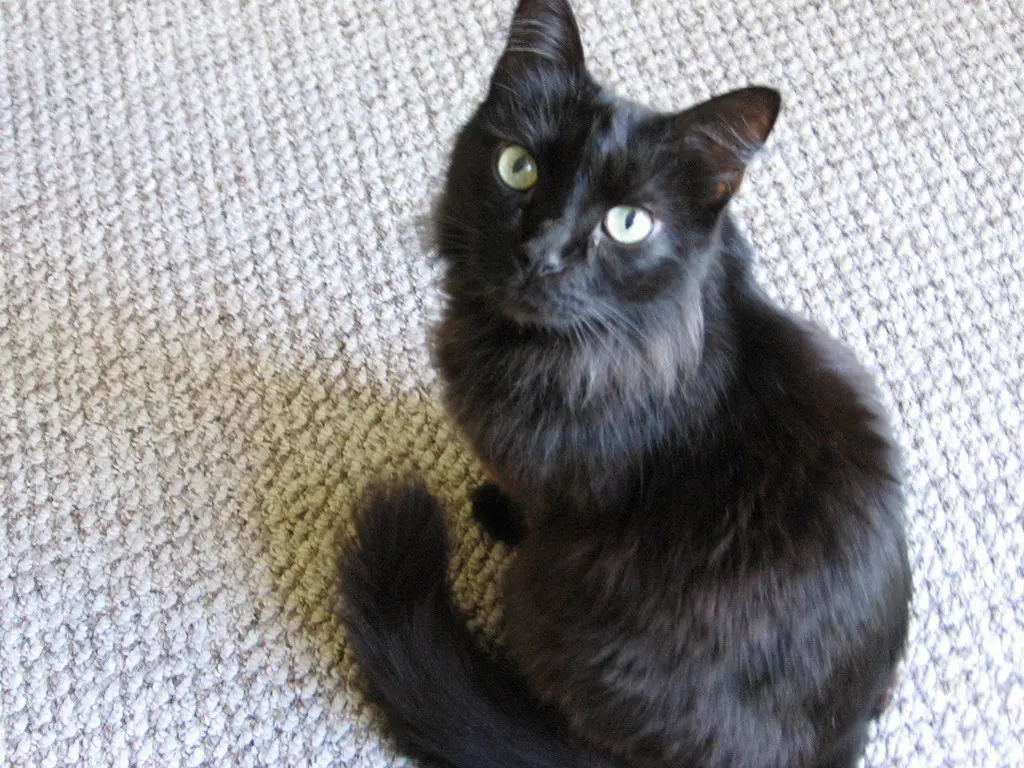
It is considered that Dragon Li Cats have above-average intelligence. Mental stimulation is a must and these cats appreciate the company.
Content
History
The Dragon Li cat, also called "Li Hua» or «gato chino», «Li Hua Mao«, «Li Hua Mau» o «Mao Li» descended from wild cats (Puma Bieti) who live in the chinese mountains. It is said that it has been domesticated over time to get closer to the Chinese people.
It is not known exactly how long the Dragón Li (Li Hua), but it is likely that it has existed for several centuries. In fact, Stories of this animal can be found in Chinese folklore.
Recently, in 2003, breeders were interested in him Dragon Li cat (or Li Hua) and started breeding programs for this breed. That same year it was approved as an experimental breed and presented in Beijing..
The Cat Fanciers’ Association CFA allows you to participate in feline exhibitions from 2010. But, most international cat federations do not recognize it.
This cat is now very rare and is hardly known outside of China.
Physical characteristics
The Dragon Li cat (Li Hua) looks wild and powerful. The body is compact and muscular. Weighs between 4 and 5 kg.
The fur is short, brindle mackerel.
The head it is wide and rounded.
The eyes they are big, almond-shaped. They are very bright, yellow or green.
The ears they are round and of medium size. May be covered in hair.
The legs they are muscular.
The feet They are round.
The tail of the Dragon Li cat (Li Hua) it is relatively short. Its tip is black.
Character and skills
The Dragon Li cat (or Li Hua) he is very playful and curious. You want to know everything that happens in your environment.
It is a sociable animal. But, he is not the most affectionate of cats. These may include, unlikely to come snuggle in your lap. His way of getting along with his master is to play with him.
The Dragón Li (Li Hua) gets along well with other animals in the house, especially with dogs.
Needs a lot of space to live and be able to play outside. He has kept his wild and hunter side deep inside. That is why it is important that it can thrive in a large garden.. Flat life is not for him. in addition, it is not the ideal cat to live with young children.
Indoor or outdoor cat?
It is very important to note that these unique felines do not like small, enclosed indoor spaces.. While most cats are perfectly happy sharing an apartment with an attentive human family, the Dragon Li cat needs a large house with plenty of room to roam if kept completely indoors. Clearly, this cat requires special circumstances and is not the best breed for everyone.
How much activity does he need? "Dragon Li cat"?
Unfortunately, for those who prefer lap cats, this particular breed does not like cuddling at all. In fact, these cats can become anxious when time and space are not given to them.
The Dragon Li Cats appreciate the outdoors and are excellent hunters. They are happiest when they are allowed access to closed and safe outdoor spaces, like the patios, and when they are taught to walk on a leash from an early age.
Does not require any special maintenance. A simple brushing once a week will suffice.
Provide an anti-flea and anti-parasitic treatment according to the age of the cat and the type of treatment you opt for. Avoid bathing your cat unless absolutely necessary, as this can remove some of the natural oils that protect your coat. Regular baths will leave your cat with irritable skin and a rash..
The race Dragón Li (or Li Hua) is rare and relatively recent, so we don't have enough information on the general health of this cat. A priori, does not seem to declare any specific genetic disease.
This feline breed is listed as one of the category VI breeds. under the clause 307.7 of the TICA rules (International Cat Association). The Chinese Harlequin Cat has, of course, the word "Chinese" in the name, but I don't think this cat is from China or a Chinese feline breed. The TICA, from what i see, does not explain the meaning of Category VI, except it's the lowest category. The first four categories are Established Breeds (category 1), Natural breeds (category 2), Variant Breed / Mutation (category 3) and Domestic Hybrid Breed (category 4).
The color pattern of the chinese harlequin is called Van. This pattern is also found in cats Turkish van, but this cat is long-haired.
It is a domestic breed, hair short, bicolor: a predominantly white cat, but with a black tail and black spots on the head and body.
The Chinese Harlequin Cat can be found elsewhere in China, but they are rare. They are accepted as a thoroughbred by the International Cat Association.
They are represented in a large number of ancient Chinese art.
It said that it was an attempt to re-create the old Chinese cat, a race that disappeared.
Character and skills
The Chinese Harlequin Cats they are known for their kind and sweet personality, and they are very popular as pets. Unlike many other cat breeds, this breed is very active and playful, and they love to play and explore. It also, they are very friendly and easy to train, so they are a good option for families with children and other pets. But, it is important to note that the Chinese Harlequin Cats require regular care, including proper nutrition, exercise and regular veterinary care.
▷ The world of Pets: Dogs, cats, birds, reptiles, amphibians
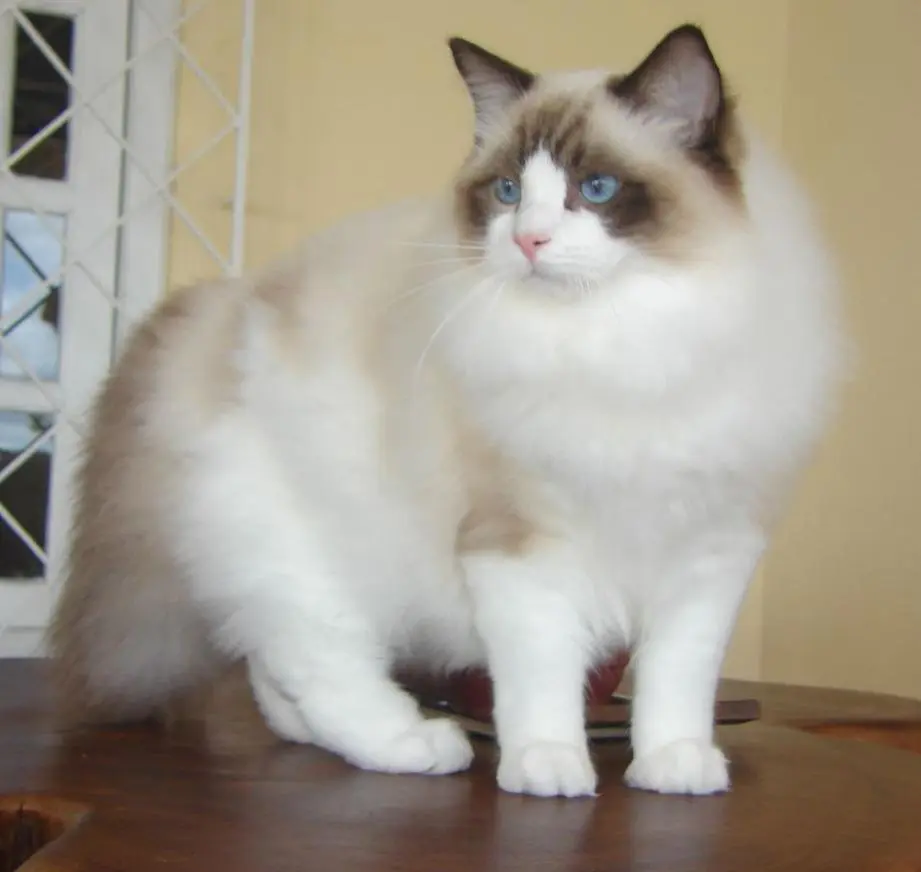
Coexistence is important that you have with your new friend. Before considering the acquisition of a cat of the breed "Ragdoll cat" you know certain factors. You must take into account their character, their need for exercise, their interaction with other pets, their care and if you have small children, their level of tolerance towards them.
Joy
3,0 of 5 stars (based on 1 review)
Activity level
2,0 of 5 stars (based on 1 review)
Friendliness to other pets
4,0 of 5 stars (based on 1 review)
Friendliness to children
4,0 of 5 stars (based on 1 review)
Grooming requirements
4,0 of 5 stars (based on 1 review)
Vocality
2,0 of 5 stars (based on 1 review)
Need for attention
2,0 of 5 stars (based on 1 review)
Affection towards its owners
4,0 of 5 stars (based on 1 review)
Docility
5,0 of 5 stars (based on 1 review)
Intelligence
4,0 of 5 stars (based on 1 review)
Independence
2,0 of 5 stars (based on 1 review)
Hardiness
3,0 of 5 stars (based on 1 review)
History
The Ragdoll cat He is originally from California, United States. At the beginning of the Decade of 1960, Ann Baker, a breeder of persian cats, a white cat began to cross, semi-wild and looking like Turkish Angora cat call Josephine with several street cats. Josephine gave birth, among others, to two cats named Buckwheat and Fugianna.
They were large and docile in temperament and tended to relax completely when picked up., becoming real "Ragdolls".
Two males were added to the breeding program of the Mrs. Barker: Blackie, a black guy looking like Burmese cat, and Daddy Warbucks, dark in color and with white tips of the legs. These five cats interbred and gave rise to the breed Ragdoll as we know it today.
Aware that he had a new breed of cat on his hands, Ann Baker decided not to have her recognized by feline associations and, Instead, chose to register the trademark Ragdoll and create your own record, the International Ragdoll Cat Association (IRCA), in 1971. At the same time, prohibited anyone from using the name Ragdoll, breed these cats outside the strict conditions imposed to preserve the purity of the breed or register them with another feline association.
Although the eccentric claims of Ann Baker about what Josephine was genetically altered by aliens in a car accident are not credible, it seems likely that he had a unique genetic makeup, probably a natural genetic mutation, which was later passed on to their offspring.
The eccentricities of Ann Baker sparked dissension among other breeders of the Ragdoll cat, especially because of the high level of inbreeding caused by the strict restrictions imposed by. In 1975, Denny and Laura Dayton they were among the first to distance themselves from the breed and attempt to give it a legitimate existence under the umbrella of recognized feline associations. They drew up the standard that was used later when it was recognized by the Fédération Internationale Féline (FIFé) in 1991 and for the American Cat Fanciers’ Association (CFA) in 1993.
In the meantime, the Ragdoll had arrived in Britain already in 1981, when breeders Pat Brownsell and Lulu Rowley they imported the first specimens and began to breed this cat that little by little would conquer British cat lovers. A few years later, in 1986, made its appearance in France.
In the news, the Ragdoll is recognized by most major national and international feline associations: is the case, in particular, of the Governing Council of the Cat Fancy (GCCF) British, of the Livre Officiel des Origines Félines (LOOF) French, of the International Cat Association (TICA) and of the World Cat Federation (WCF).
Well established in both North America and Europe, and its success is undeniable. In United States, it is one of the most popular breeds in terms of number of registrations in the CFA, and even ranked first in 2018. In the United Kingdom, has firmly established itself in second place since 2010; with about 3.000 kittens registered every year, it only represents around the 15% of the country's cat population.
It is also one of the five most popular cat breeds in France., and its growth is dazzling: While in 2003 less than 100 specimens in the LOOF, in 2010 more than 1.000 and in 2019 more than 2.600, surpassing the Persian for the first time. So, represents almost the 6% of births registered in the country.
Physical characteristics
Ragdoll
The Ragdoll it is one of the largest breeds of domestic cats, but it grows slowly and in fits and starts, and does not reach maturity until four years.
Has a kind of body long and mighty. His body is wide and imposing, with a solid bone structure and supported by medium-sized muscular legs that end in legs round and wide. The tail is quite long and tapers slightly towards the tip.
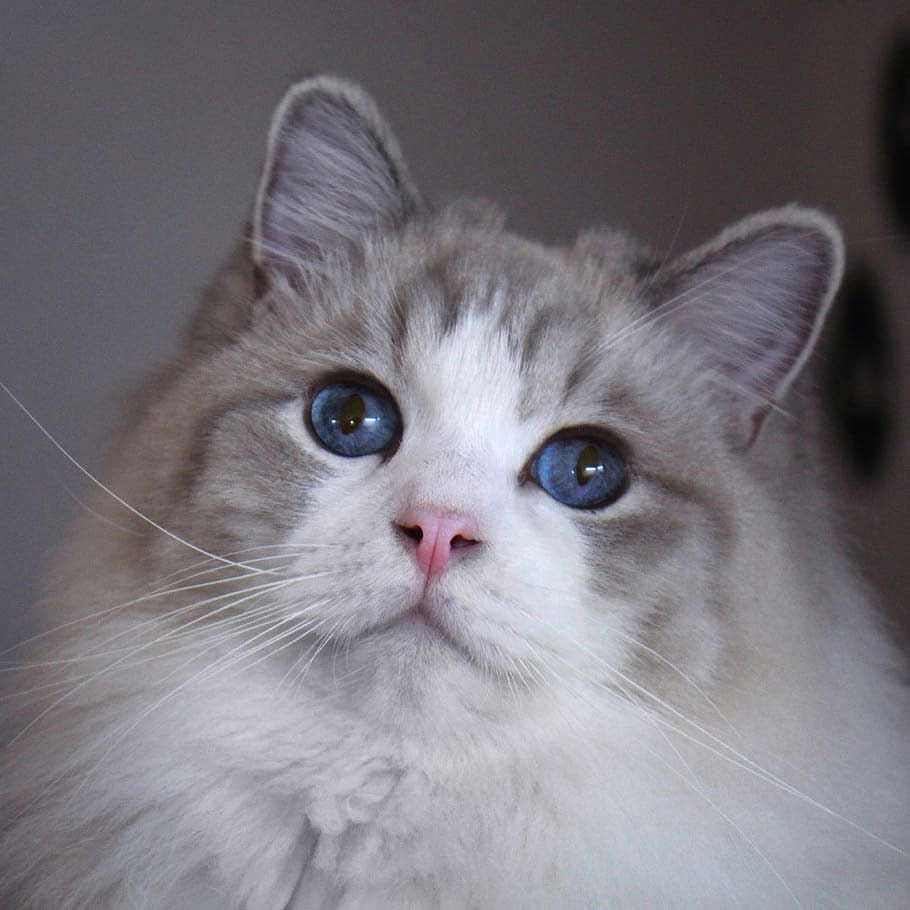
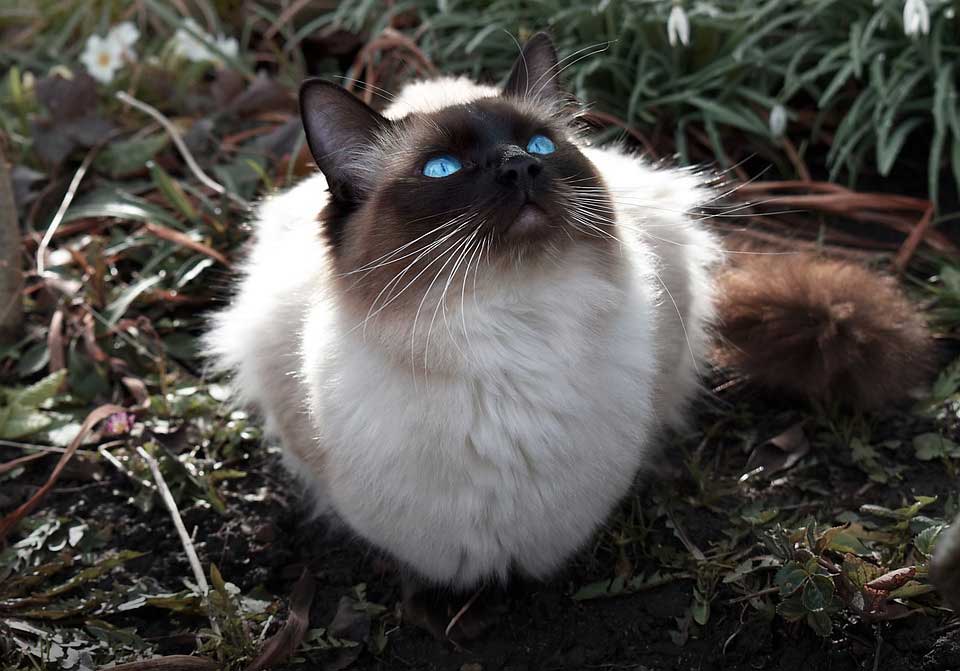
The head forms an equilateral triangle viewed from the front. Profile, the rounded forehead is prolonged with a slide-shaped depression at the nose. The ears are size medium, point forward and end in a rounded shape. The eyes they are big, oval and of an intense blue color that rarely leaves you indifferent.
The fur of the Ragdoll, composed of a sparse undercoat and a medium length topcoat, it is silky and close to the body. Tends to elongate in winter and is densest in the back of the body, and the queue is particularly crowded. It also, some dogs have a well-developed mane.
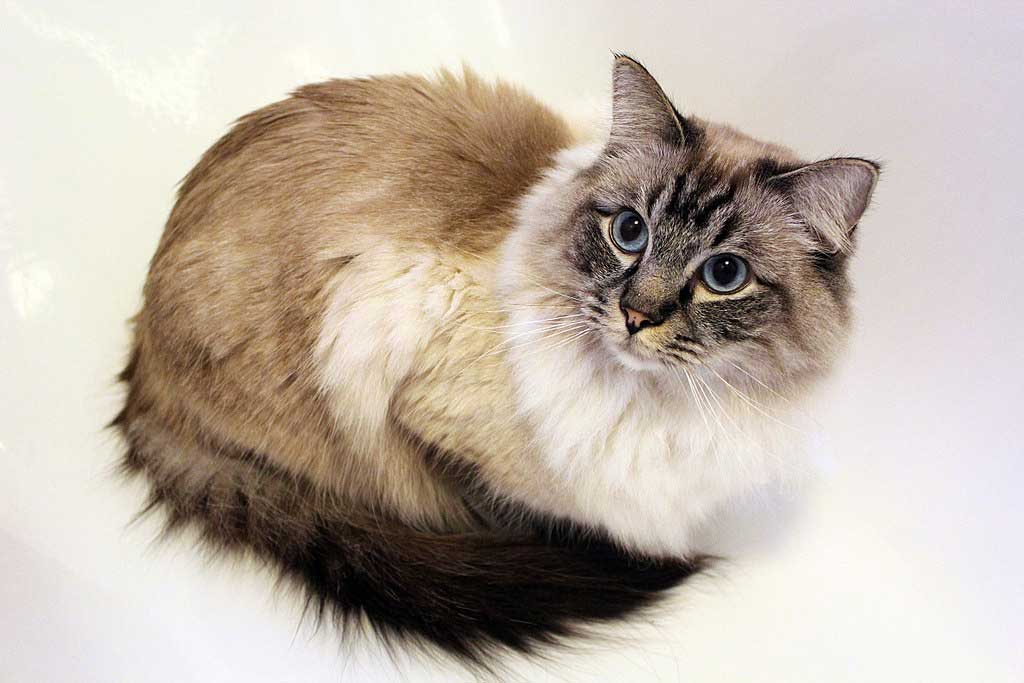
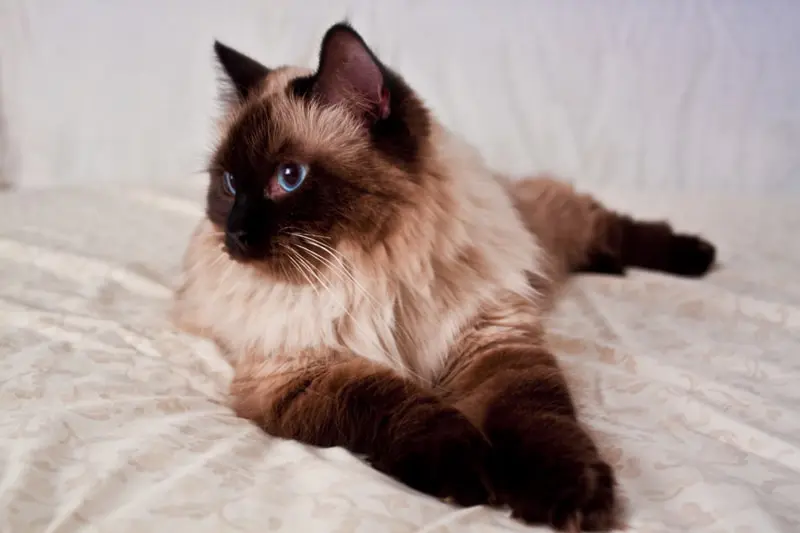
The fur tends to be colourpoint (a light color and dark tips), but it can also be gloved or bicolor. In United States, the CFA (Cat Fanciers’ Association) also allows pattern van, or Seychelles, which is a white individual with a colored tail and head, and spots on the body. The colors allowed by the standards of the different organizations that recognize the breed are the seal, the blue, chocolate, the lilac, red and cream. These colors can be found in tortoiseshell patterns (black and Red) or tabby (striped), which gives rise to a large number of possible combinations and, Therefore, to as many cats with different appearances.
Last, the sexual dimorphism it is very marked, being the male much more imposing than the female.
Size and weight
Male height: Of 30 to 35 cm.
Female height: 28-32 cm.
Male weight: 5-9 kg
female weight: 4-7 kg
Breed standard
The breed standards are documents established by official bodies that list the conditions that a dog must meet. Ragdoll to be fully recognized as belonging to the race:
Male Ragdoll, about three years old, with prototypical tabby patterns in the head region – BlackIceNRW, CC BY-SA 3.0, via Wikimedia Commons
Docile and devoted, the Ragdoll he loves the company of his family and follows them around the house, greeting them at the door when they arrive. He is a gentle and loving companion, who just wants to get into his master's lap to warm him up and relax him with a lot of purring after a hard day's work.
Very sociable, he has no problem greeting guests. If they take it in their arms, he behaves as he would with his masters: relax all your muscles, which reminds us why it's called "Ragdoll".
Its quiet character, relaxed and easygoing makes it an excellent choice for a cat breed with children, especially if they have learned to interact with an animal. But even if they are not treated with respect, for example, if they are carried around the house for a long time, it is very rare that they remove their claws. And if there is a cat that is willing to be dressed like a doll and then carried in a stroller, it's the ragdoll. Of course, make sure that the child does not cross the line and abuse their indulgent nature.
It is not a problem of coexistence with other dogs, as long as they don't chase you around the house. It can even live with small rodents or fish, but it is advisable not to tempt the devil: the Ragdoll still a feline, and his hunting instincts can resurface at any moment.
Its flexible and calm personality makes it a cat that adapts well to changes and is capable of living in almost any environment. A move with a cat goes much better if it is a Ragdoll that a race that does not share this quality. The owner can also perfectly consider taking his cat on vacation, without fear that your partner will be completely disoriented and not enjoy the change of scenery. It is also possible to take your cat around your holiday destination on a leash, since it is something that this breed accepts very well.
Despite its impressive size, the Ragdoll adapts perfectly to life in a flat, as long as you have everything you need: the warmth and comfort of a cozy home, the affection of his family and a little space to play. Even if you live in a house and have free access to the outside, it's more of an indoor cat: rarely goes outside to explore the garden or surroundings.
On the other hand, his closeness to humans and his patience make him suitable for friendship with anyone, and turn you into a excellent therapy cat. His presence and willingness to interact with people also means that he can be a real comfort to his owner when he is going through a difficult time., and he knows that he has a support in him that he can trust in those circumstances. On the other hand, It is not for someone who likes to be alone and does not want a companion who is a little "clingy", who prefers to opt for a more independent breed.
The Ragdoll is moderately active, but enjoy chasing a cloth mouse, especially because he retains a playful side throughout his life. They are also able to learn some tricks, especially if the owner uses positive reinforcement techniques with praise and treats. It also, if given the opportunity, they love to play fetch for an object thrown by its owner, how would a dog. But don't expect him to constantly jump on the kitchen table or climb on furniture.: prefers to run rather than jump and does not venture beyond the living room sofa or bed. Like this, unlike most of his peers, does not seek a high position to observe its surroundings from above, but choose a place that facilitates contact with your family.
It also, against a legend, not insensitive to pain, and reacts like any other cat if someone steps on its tail: cries out in pain and then walks away with a reproachful look at the offender.
Last, has a soft and musical voice, but he rarely uses it, except when you order your food.
Health
"Ragdoll cat"
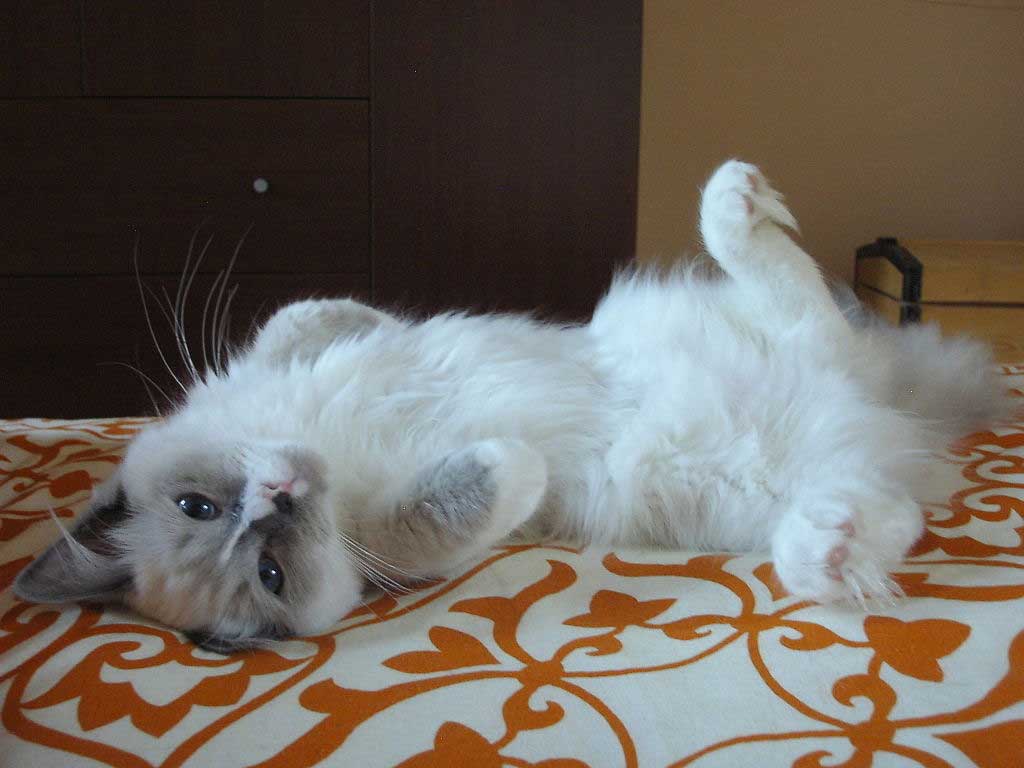
Male Ragdoll of 4 months. Blue mitted with a blaze – CalistaZ, CC BY-SA 3.0, via Wikimedia Commons
The Ragdoll cat it is a fairly robust breed with few genetic predispositions.
But, you are not immune to certain health problems. Among the possible risks, the most common are:
The feline hypertrophic cardiomyopathy, a growth of heart tissue that can have serious consequences. But, from 2007 there is a DNA test to detect the responsible gene, so serious breeders of Ragdoll have taken all precautions to minimize this risk;
Bladder lithiasis, that is to say, stone formation in the bladder;
The urolitiasis, what is stone formation in the urethra.
These last two conditions can cause the cat to be unable to urinate, a serious situation that requires the urgent intervention of the veterinarian.
Life expectancy
Of 12 to 15 years
Grooming
The Ragdoll it is a breed of cat that is easy to care for: the brushed once a week removes dead hairs and knots that may form. This session is usually appreciated by the receiver, who enjoys the attention and caresses he receives.
Although they do not shed excessively (especially because its undercoat is not very abundant), it is advisable to increase the frequency of grooming sessions during their shedding periods, in autumn and spring.
The teeth, the eyes and ears should also be checked and maintained once a week to make sure they are clean and free of infection.
It also, depending on wear and tear and how often your dog uses the scratching post, its claws need to be trimmed more or less frequently.
Last, keep in mind that, given its size, a large litter box is necessary so that she can turn over without difficulty.
Food
Ragdoll
The Ragdoll it does not pose any difficulties in terms of feeding and adapts very well to industrial cat foods available on the market. But, food must be of good quality, adapted to your age and activity level, to provide you with everything you need to stay healthy.
Kittens of this breed can experience large growth spurts, so it is important that they always have food at their disposal to develop properly. This is especially true as they are capable of self-regulation., so the risk of being overweight is very limited. This is not a sign of obesity, but a normal morphological characteristic of the breed.
Adults are also capable of self-regulation and can also have food at all times without this generally posing a problem.
But, your dog's weight should be monitored regularly and a veterinarian should be consulted in the event of a pronounced increase.
What is the price of a "Ragdoll cat"?
The price of a kitten Ragdoll round the 1100 euros on average, whether it is a male or a female.
But, this stocking hides a fairly wide range of prices, since it goes from the 600 euros of the cats with the characteristics furthest from the standard up to almost 3.000 euros of the specimens belonging to a prestigious lineage and destined for their physical attributes to shine in feline exhibitions.
Interesting data
Do "Ragdolls" have a reduced sense of pain?
Since the Ragdoll hangs limply when caught and lets everything hang over him, some researchers assumed the breed has a lower sense of pain than other cats. For some time, experiments were done on the poor animals. It is even believed that the founder of the breed, Ann Baker, made this claim to better market his breed. At the end, the tests led to the conclusion that there are no differences with other cats.
The "Ragdolls" on social networks
Their funny and clumsy character makes cats Ragdoll be real stars on the internet. There is hardly a compilation of "funny cat videos" in which this breed does not appear.. The Ragdolls most famous on Instagram are the three cats Lola, Nina and Olan, whose day to day you can follow under the name of @ladylolathecat. The three cats live with their owner in a floating house and delight 139.000 subscribers almost daily with funny videos and images.
The "premium" breed known today as Ragdoll cat is an early descendant of a line of Cherubim cats.
Photo: KRO-Media - Flicker
Content
History
Before becoming the RagaMuffins cat on ACFA ⓘ , This breed of cat was collectively known as Cherubim cat and registered in the IRCA registry of Ann Baker, the International Association of Ragdoll cats.
The efforts of Ann Baker by breeding cats began in the early s 60 and were officially established in 1971 with the formation of IRCA, developing his first line of cats, the Ragdoll cat who was selected to be just a colored cat.
During the following 23 years he continued to develop other breeding lines using other breeds and increasing genetic diversity; these lines included all the colors and patterns. All breeding lines developed throughout those years were collectively referred to as Cherubim cats and registered in the IRCA for their lines of development – all these lines together were the original founding breeding lines. The Cherubim cats.
NOTE: The "premium" breed known today as Ragdoll cat is an early descendant of a line of Cherubim cats -> los Ragdolls of the IRCA ⓘ only.
The founders were actively breeding the entire spectrum of lines of Cherubim cats in the IRCA ⓘ until 1992, When, due to the deterioration of the health and stability of Ann Baker, they decided to leave the IRCA ⓘ and seek recognition as a race within the formal organizations of Cat Fancy.
Contracts with Ann Baker stipulated that if breeders continued to breed cats of the IRCA ⓘ off your record, The name "Ragdoll" could not be used to describe cats bred. The name Cherubim had also been recorded by Ann at that time. So, even though the RagaMuffin cats were in fact the Cherubim cats original, and that the logical thing would have been to keep Cherubim as breed name, The need arose to "change their name" to remain ethically faithful to their contracts.
Today, the RagaMuffin cat continues the legacy of its founders by preserving the original focus of the Cherubim cat in personality, the sweet appearance and the genetically diverse and solid health.
▷ The world of Pets: Dogs, cats, birds, reptiles, amphibians
Despite its wild origins, the Chausie cat has all the features of a domestic cat. Very attached to its owner.
Photo: courtneyBolton (Filckr)
Content
Characteristics "Chausie cat"
Coexistence is important that you have with your new friend. Before considering the acquisition of a cat of the breed "Chausie cat" you know certain factors. You must take into account their character, their need for exercise, their interaction with other pets, their care and if you have small children, their level of tolerance towards them.
Joy
5,0 of 5 stars (based on 1 review)
Activity level
5,0 of 5 stars (based on 1 review)
Friendliness to other pets
3,0 of 5 stars (based on 1 review)
Friendliness to children
1,0 of 5 stars (based on 1 review)
Grooming requirements
2,0 of 5 stars (based on 1 review)
Vocality
2,0 of 5 stars (based on 1 review)
Need for attention
4,0 of 5 stars (based on 1 review)
Affection towards its owners
4,0 of 5 stars (based on 1 review)
Docility
3,0 of 5 stars (based on 1 review)
Intelligence
5,0 of 5 stars (based on 1 review)
Independence
2,0 of 5 stars (based on 1 review)
Hardiness
3,0 of 5 stars (based on 1 review)
History
According to legend, the Chausie cat it is a distant cousin of wild cats domesticated in honor of the goddess Bastet in ancient Egypt. In fact, the reality is quite different, despite the eerie similarities between the Chausie real and the artistic representations of some cats of the time.
Born at the end of the years 60 or early 70 in United States, the Chausie would be the first hybrid breed resulting from the cross between a jungle cat (Felis chaus) who lived essentially in Egypt, India, Central Asia and Southeast Asia, and domestic short-haired cats of various breeds, having in common physical characteristics close to those of the Felis chaus.
The idea behind the creation of this hybrid was to create a "domesticated jungle cat" that looked like a Felis chaus but that he was as tame as a domestic cat. The Chausie cat It was intended to attract both daring people trying to domesticate real wild cats and lovers of "exotic" cats.. The bet paid off over the years 90: passionate breeders managed to stabilize the characteristic traits of the breed and consolidate the genetic stock to facilitate breeding.
Thanks to the efforts of these breeders, the International Cat Association (the TICA, an organization that lists and registers all existing cat pedigrees in the world) recognized the breed in 1995. In 2003, gave the owners of the Chausie the opportunity to present your companion in the feline shows organized under your aegis, granting him the title of New Race. But, in the news, they cannot participate in the competitions by themselves.
In France, el LEAF (Livre Officiel des Origines Félines, an association with missions similar to the TICA) follow the position of the TICA and allow owners to participate in exhibitions, but not compete.
As for the other feline associations in the world, and in particular the FIFE (Fédération Internationale Féline), they still don't recognize the breed.
Today, the breeders of Chausie cat they keep working to get new generations closer and closer physically to their wild cousin, especially through crosses with the Abyssinian cat. The breed is found primarily in the United States and Europe, but it also has a following in South Asia and India, although its dissemination is more confidential.
The Chausie it's a big cat (especially the males) with a long powerful guy and a long rectangular body. Has a sleek appearance and powerful musculature, but it is not very showy. The rib cage is wide, the legs are of medium length with stronger hind legs than most other cat breeds. The tail is shorter than that of other breeds and reaches the hock.
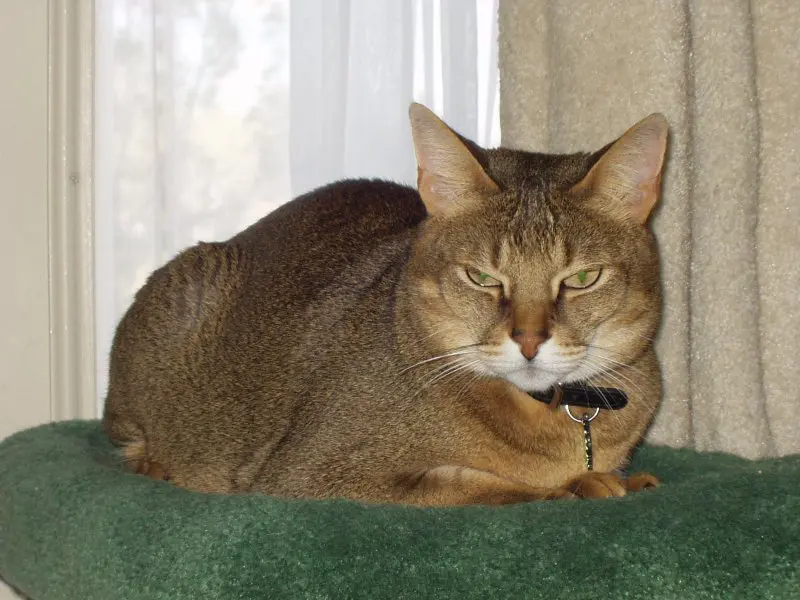
In the face, the Chausie has a broad, triangular head with prominent cheekbones, a rounded forehead and a long muzzle. The ears are wide at the base and wide open. Feathers are very popular with breeders of this breed. The eyes, oval in shape and slightly flattened on top, are generally golden yellow hazelnut in color. Light green tones are also accepted.
This cat's coat has a dense coat of short to medium length. The fur is reminiscent of its wild ancestor, the jungle cat Felis chaus, especially for its ticking. The more ticking (several colored stripes on the same coat), more appreciated will be the cat in the feline exhibitions.
Size and weight
Size: Of 40 to 50 cm.
Male weight: Of 6 to 11 kg
female weight: 6-9 kg
Varieties of "Chausie cat"
Currently, the standards TICA y LOOF they only recognize three colors. There may be a Chausie cat with other colors, but they cannot be registered in the LOOF and / or TICA.
Full black
The kitties Chausie negros may show slight brindle markings that disappear as the kitten grows older. Prolonged exposure to the sun can cause your black to turn brown.
Gray-haired black tabby
The black tabby pattern is a direct descendant of the wild cat Felis chaus and is exclusive to Chausie. In fact, no other domestic cat has this pattern, unless you have a wild ancestor in your family tree. So, it is easy to understand why this variety is the most sought after, since it is the most similar to the fur of the jungle cat.
The kitties, originally black, show black brindle markings as they grow, while her fur becomes lighter. The coat of the black tabby has a ticking that changes depending on the part of the body, ranging from dark mouse gray with black tips to a three-striped ticking (mouse gray, black and white) in the finest specimens. This characteristic reaches its full and definitive expression when the cat has 3 years.
Some Chausies gray-haired blacks can be mistaken for a Chausie negro when silver ticking is scarce.
Brown tabby
The brown tabby has a black tabby marking on a brown background, with stripes on the inside of the legs and on the tip of the tail. The shade of brown can vary from cat to cat, as long as it doesn't get too close to the Abyssinian. As with the first two colors, the final color of the Chausie brown ticked tabby not fixed until 3 years of age.
Despite its wild origins, the Chausie cat has all the features of a domestic cat. Very attached to his master, even exclusive, it is a sociable cat that demands a lot of attention and barely supports loneliness. Very affectionate, You can enjoy both being indoors with their owners at home and playing with the other animals in the family. This cat also adapts very well to the presence of children, for whom it can be a good playmate, provided he is taught to control his claws from a young age.
In effect, even if it is a good domestic cat, the Chausie also has a strong character, is often stubborn and may have aggressive reactions, inherited from its wild origins. Your fearlessness can also play tricks on you, especially when it goes outside. In any case, he needs a teacher capable of having authority and patience to reveal all his qualities and temper his predatory side.
True athlete, has a reputation for being a tireless gamer and spending without sparing expense. In fact, they do better in a house with a garden or in a very large apartment, that provides them with enough space and plenty of opportunities to play and run around in the absence of their owner.
Last, the Chausie cat distinguished by high intelligence and hunting instincts superior to those of other domestic breeds. It is one of those cats that likes to learn tricks, look for the ball, walk with harness… but also open taps and doors in the absence of supervision. Thus, it is recommended to use cat toys and stimulate their attention as much as possible, both for your well-being and for the living room furniture.
Care and grooming of the "Chausie cat"
The coat of the Chausie is slightly longer than that of normal domestic cats, but still easy to care. Regular brushing and removal of dead hairs ensure a shiny coat.
Indoor or outdoor cat?
Due to his offspring from a kind of wild cat, the Chausie cat he is very fond of freedom. This athletic cat also has a strong drive to move and can easily jump six feet from a standing position.. Thus, keeping them indoors is only possible under special conditions. If you cannot provide access to the outside, the cat must have a large outdoor enclosure. You must be able to live your natural instincts, ideally hunting mice and birds, to be happy. If you have your cat in an outdoor enclosure, You should be prepared to regularly receive “gifts” from your cat in the form of prey..
How much activity does he need? "Chausie cat"?
This affectionate cat likes to be around his owners and is reluctant to stay home alone. If you are a person who works, it is better to have two cats so that the animals do not get bored. A large, sturdy scratching post and several cat toys will keep them busy and provide variety around the home.. They love to play catch and chase mice and balls. You can also give your cat, water lover, a special treat with a soak in the tub or a bubbly drinking fountain. Some cats like water so much that they will even follow you into the shower.
The Chausie is a relatively recent hybrid. Thus, There is very little scientific literature on health problems specific to this breed..
But, analyzes of animals born from two different species draw a picture of pathologies that Chausies, as hybrids, can present: male infertility prevalence, fluctuating physical development (very large or very small individuals), digestive problems, behavioral instability (this cat is still more aggressive than a real house cat) and, in rare cases, heart problems due to malformations of the heart muscle.
Generations of Chausies They are classified according to their "closeness" to their wild ancestor on a scale from F1 to F4 and higher, F1 being the generation born directly from hybridization between a domestic cat (Felis sylvestris catus) and a wild cat (Felis chaus). Males of generations F1 to F3, or even F4, are generally sterile, which considerably complicates the work of breeders of Chausie to develop this breed.
Last, due to its wild origins, this cat has inherited a shorter digestive tract than other breeds. This makes them more susceptible to certain intestinal problems., including inflammation from food allergies, and predisposes them to gluten intolerance.
Life expectancy
12 to 14 years
Food
As their direct ancestors are wild animals, a high-protein diet is even more important for the breed than for other cats. Ideally, feed them their own BARF food. In this way, your cat will have all the important components of a healthy diet that it would get in the wild.
For sale "Chausie cat"
Before buying a Chausie cat, you must be absolutely sure that the hybrid cat suits you. If you can't offer enough exercise, you don't even have to think about getting a cat that likes to move. In any case, in Europe it will be difficult for you to find a breeder. The breed is not very common outside its country of origin.. If you find a breeder, you must check first if he is responsible and takes care of the health of his breeding animals. Due to its rarity, the kitties Chausie they naturally have their price. Depending on the breeder, you can spend up to 10.000 euros for a purebred F1 kitten.
To understand the Chausie cat, it is also important to know the jungle cat(Felis chaus).
The jungle cat found in nine subspecies in Asia, Middle East and Egypt.
With his black plumes in his ears, resembles a lynx, which also earned it the name "swamp fox.".
In the wild, the jungle cats they are solitary animals and they hunt at sunset.
Its habitat is mainly near water bodies or wetlands in inaccessible reed thickets or swampy riparian forests. So, they are not afraid of water and can swim excellently.
In captivity, the jungle cats they become very tame and it is said that the ancient Egyptians even trained them to hunt.
Coexistence is important that you have with your new friend. Before considering the acquisition of a cat of the breed "Chartreux cat (Carthusian)" you know certain factors. You must take into account their character, their need for exercise, their interaction with other pets, their care and if you have small children, their level of tolerance towards them.
Joy
3,0 of 5 stars (based on 1 review)
Activity level
3,0 of 5 stars (based on 1 review)
Friendliness to other pets
4,0 of 5 stars (based on 1 review)
Friendliness to children
4,0 of 5 stars (based on 1 review)
Grooming requirements
2,0 of 5 stars (based on 1 review)
Vocality
1,0 of 5 stars (based on 1 review)
Need for attention
3,0 of 5 stars (based on 1 review)
Affection towards its owners
4,0 of 5 stars (based on 1 review)
Docility
4,0 of 5 stars (based on 1 review)
Intelligence
4,0 of 5 stars (based on 1 review)
Independence
3,0 of 5 stars (based on 1 review)
Hardiness
4,0 of 5 stars (based on 1 review)
History
The Chartreux cat, also called Carthusian Cat, it is an ancient cat breed: exists for several centuries (at least the XVIII), but its history is quite difficult to trace. In fact, only recently has genetic research been able to prove its Persian origin.
But, the vagueness of its history has allowed the existence of various accounts, before genetics has been able to clarify the true context of its appearance. The most popular is that it was created and raised in the Middle Ages by the monks of the Grande Chartreuse monastery, located north of Grenoble, in southeastern France. It is said that in his spare time, between prayers and the making of a famous green liquor, the monks were engaged in developing a calm breed of cat with a low-pitched meow, so as not to disturb during meditation sessions and moments of recollection. But, this beautiful story is really just a legend, since no written record of the monastery mentions the presence of any cat in its bosom. Another version is that the Carthusian cat was brought from the Near East by knights returning from the crusades between the 11th and 13th centuries..
Whatever the true story of its appearance, its presence in Europe was first documented in the 18th century. In the Dictionnaire universel du commerce, de l’histoire naturelle et des arts et métiers, written by the Frenchman Jacques Savary des Brûlons and published in 1723, we find the first reference to the name Chartreux in reference to the blue-robed cats. The author especially insists on his beautiful skin, which at that time was highly coveted for clothing.
It is also mentioned in the Systema naturae, written by Carl von Linné and published in 1735. This Swedish naturalist, who initiated the scientific classification of species, dio al Chartreux el nombre latino de Felis catus coeruleus. Georges-louis leclerc, Earl of Buffon, Nor did he stop including it in his monumental Natural History, published in 1749 and the fruit of several decades of work. In fact, one of the volumes lists the four breeds of cats that were common in various European countries at the time: the domestic cat, Angora, the spanish cat and the Chartreux.
But, some speculate that this cat - or at least one of its ancestors- was mentioned long before, in 1558, by the poet Joachim du Bellay. The latter owned a gray feline named Belaud, whom he described in his poem Epitaphe d’un chat like an excellent rat catcher. But, This description is too vague to suggest with certainty that it was a Carthusian cat. The fact that du Bellay specifies that it is "white below as an ermine" suggests even the opposite..
According to the book Le chat des Chartreux published in 1980 and written by Jean Simonnet, a breed enthusiast, the Chartreux is originally from the Middle East, and an animal identified as the Syrian Cat by the Italian naturalist Ulisse Aldrovandi (1522-1605) is probably one of your ancestors. The book even includes an illustration - based on Aldrovandi's research- of this stocky blue Syrian cat with copper and almond eyes. The drawing also shows a mouse curled up at his feet., symbolizing the cat's strong hunting instinct. It was for this particular reason that the Chartreux cat became popular and that his descendant became a popular companion.
The Chartreux it was probably brought to Europe by merchant ships from the Near East, more specifically from Persia (the current Iran), and quickly established itself as a French feline breed.
Its survival in Europe is proof of its great strength. In the 18th century (or even long before), lived mainly on the street and was used in stables, shops or houses for your hunting skills. But, her beautiful skin was used in the textile industry, so it was hunted for many years and had to learn to adapt.
Until the beginning of the 20th century, groups of stray cats with typical features of Chartreux continued to roam the streets of Paris and other parts of France, for example some Breton islands and the Massif Central. It was not until after World War I that lovers of the country's feline species decided to preserve the breed.. A great deal of work was done to gather as many individuals as possible with similar characteristics, and in the process a standard was developed.
You can't talk about the origins of the Chartreux not to mention sisters Christine and Suzanne Léger who, in 1920, discovered a group of blue shorthair cats in the town of Palais, in Belle-Île-en-Mer, off the coast of Brittany. This group, then wild, lived near the local hospital, -casually directed- by a religious order. The townspeople called them "the hospital cats.". Captivated by the beauty of these felines, the two sisters also began to work on the development of the breed, which was first shown at a cat show in Paris in 1931.
The breed quickly became very popular with the public, but the Second World War was about to decimate it. After the war, none of these cats were found in the wild, but there were still some domesticated representatives. They were crossed with the British Shorthair cat blue, the Russian Blue Cat and the Persian cat, in order to maintain bloodlines without the risk of inbreeding problems.
These crosses came very close to Chartreux cat and to the British Shorthair cat, that ended up being very similar. The Fédération Internationale Féline (FIFé), that in 1949 had recognized the Chartreux as a breed in its own right, came to merge the two standards in 1970, considering that the two cats were now one. Many enthusiasts of the Chartreux they expressed their discontent, especialmente a tal Jean Simonnet, who set out to restore the race to its former characteristics. In fact, the Chartreux has a shagier coat texture than the British Shorthair cat. It is also less massive, taller and has longer ears and tails. Simonnet founded a breed club in 1977, the Club of Chartreux cat, which still exists today and continues to work for the preservation of the breed. Thanks to these works, the cat regained its original appearance and continues today to correspond to the descriptions established at the beginning of its history. In 1977, FIFé decided to separate the two races again and the Chartreux had its own standard. Today, the organization prohibits crosses between both races; a Chartreux cat can only be crossed with a Chartreux, and the same goes for the British Shorthair cat.
The Chartreux entered the United States in 1970 by Helen Gamon de La Jolla, who imported the first representative from France to California and then started a breeding program. Still today, many of the lines present in North America are the result of his work.
The International Cat Association (TICA) recognized the Chartreux in 1979, and the Cat Hobbyists Association (CFA) did the same in 1987.
The Chartreux cat still a relatively unknown breed in North America, occupying the position 35 of 42 in the ranking of the most popular cat breeds in the United States, according to the number of annual registrations in the CFA. There has even been a certain decrease in interest, passing the post 25 to the 30 at the beginning of 2010.
Not much better in Canada, with little more than 50 cumulative births registered with the Canadian Cat Association (CCA) between 2016 and 2018.
The Chartreux cat, on the other hand, is much more present in what is considered its country of origin, that is to say, France. With an average of just over 2.000 births per year registered in the Livre Officiel des Origines Félines (LOOF), is even among the 10 favorite feline breeds of the French, representing something more than 4% of the population of purebred cats in the country.
But, even in europe, its popularity does not seem to have really crossed the borders of France. In Switzerland, bordering country with France and partly francophone, only a few are registered 60 births per year in the Fédération Féline Helvétique (FFH). This figure is in decline, since there were more than 100 since the beginning of the decade of 2000 until mid 2010.
The situation is not much better in Britain, with less than 50 records per year in the Governing Council of the Cat Fancy (GCCF). But, This can be explained by the fact that the body has only recognized race since 2017.
Chartreux cat
Physical characteristics
The Chartreux is a medium-sized cat with a general appearance that, without being rough, it's quite primitive, what gives it robustness and solidity. It is medium in size, with broad shoulders and a deep chest. Despite these physical characteristics, not at all clumsy, it is extremely flexible and agile.
The legs they are relatively short, straight and very robust. Feet are round, medium-sized, and they seem quite small compared to their muscular overall look. This feature sometimes leads to an unflattering comparison to a potato on a stick..
The tail It is of medium length, heavy at the base and tapers to the rounded tip.
The head it is round and wide, with a powerful jaw and well-furnished cheeks. Your forehead is quite straight, just like your nose, which is medium length. It has a friendly expression, and the shape of his mouth could suggest that he smiles constantly.
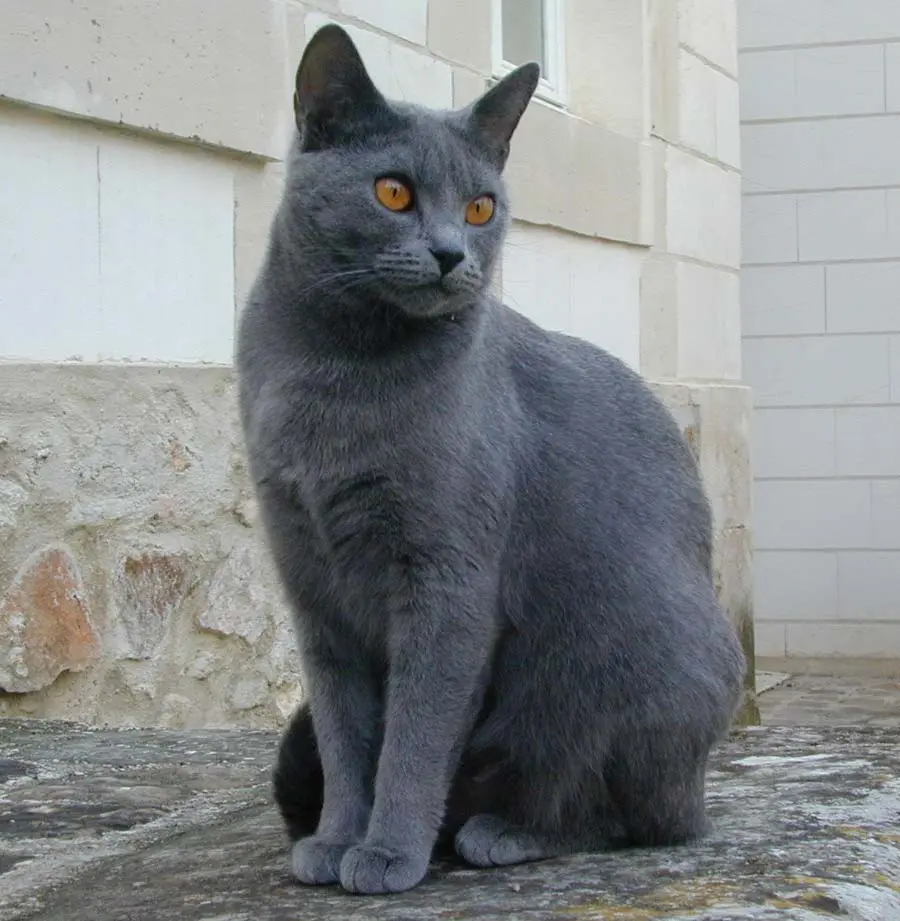
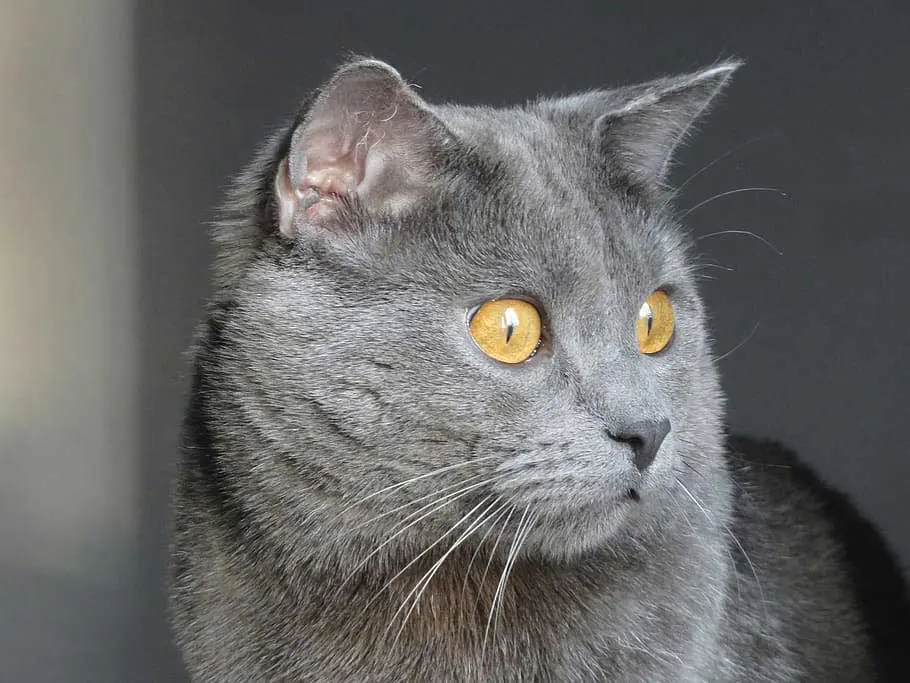
Their ears they are medium in size and are placed high on the head. The eyes are rounded and wide, which gives a lively and intelligent expression. Slightly curved up, they can be orange, copper or gold, and they must be bright. The color of the eyes, along with the charcoal fur, is the hallmark of this cat, along with coat color.
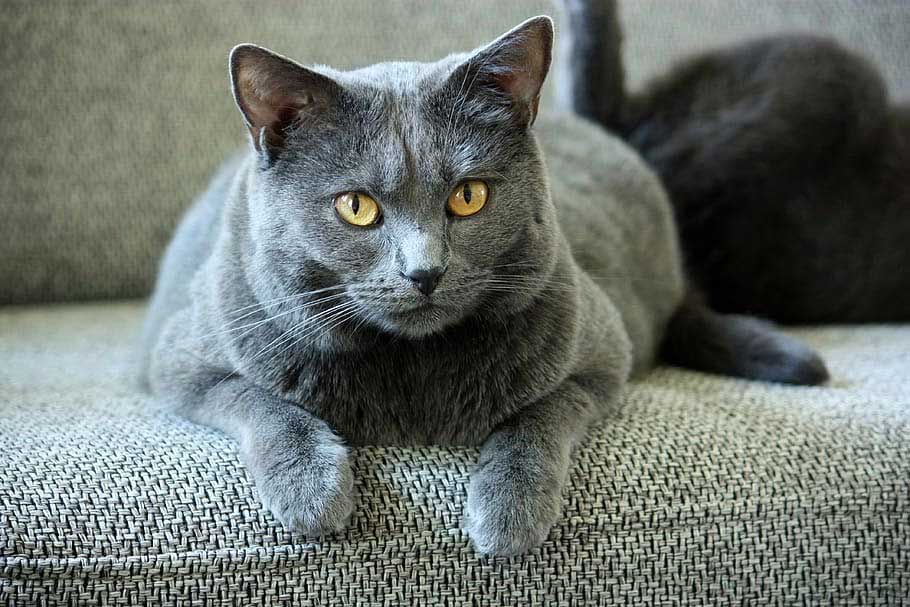
The fur consists of a very dense undercoat and a short, slightly woolly topcoat. The coat of the Chartreux is especially water-repellent, which protects you from both moisture and water. But, the appearance and the amount of coat depend on both the age and the sex of the individual. These may include, an adult male has a full coat, while females and juveniles under 2 years have a softer and finer coat.
In any case, the cat's coat color is the same: blue, uniform, no stains and preferably shiny. All shades of blue are accepted, and slight silver reflections are appreciated. In kittens, slight tabby tones can be seen, but these should disappear as they approach adulthood.
Last, It should be noted that the Chartreux grows slowly, and only reaches full physical maturity among 4 and 5 years of age. This is especially true of the male., whose growth is slower than that of the female.
This breed is also characterized by a sexual dimorphism very marked, since the male is usually much heavier and taller than the female.
Size and weight
Male size: Of 27 – 33 cm.
female size: 25 – 30 cm.
Male weight: 4 – 7 kg
female weight. 3 – 5 kg
Chartreux cat
Character and skills
The Chartreux cat could be compared to a mime: quiet but very communicative.
Before they were used as hunters, are now employed as an excellent family company, although they continue to show their predatory abilities to protect the house and garden from rodents (and from vermin in general) whenever the opportunity presents itself. Its popularity as a pet is not free, as this loyal and very loving friend quickly finds a place in the home. They are known to live alongside their owners and have a sometimes close relationship with them, following them around the house and being aware of everything that happens.
When they get home, never fails to greet them with his enigmatic smile and soft purr. It´s, in effect, a purring cat of the first order, who knows very well how to express his satisfaction and well-being by this means. This well-being can also be communicated: this is the miracle of purr therapy.
Apart from this propensity to purr a lot, the Chartreux cat not at all a noisy companion. It's not the kind of animal that meows all the time, for example to order food. But, often opens his mouth and pretends to make noises, but no sound comes out.
The Chartreux much appreciates the attention, especially if it comes in the form of stroking and scratching under the chin or between the ears. But, as with food, they are not usually the kind that ask for it, content with what is given to them. It is important to get used to observing and paying attention to it, since he is not one of those who express his discontent, your discomfort or even your suffering, for example when you are the victim of a health problem.
In general, has a uniform personality (neither exuberant nor too shy) and is much more adaptable than most of his peers. These characteristics make it the favorite of truckers looking for animal company on long trips..
They can easily stay home alone while their owner is at work, but they are even happier if they have a playmate to entertain them during those times. They are quite sociable and generally get along well with other cats.. Living with a dog is also possible, as long as he is not too aggressive with him. On the other hand, in view of his strong hunting instinct, trying to get it to share the same roof as a rodent or bird is not recommended, since the experience could be a failure.
Inside to the family, this feline tends to form a very strong bond with a particular person. But, remain friendly and cuddly with everyone else. As for the children, get along with them, as long as they are calm with him. So, it is necessary to teach them to behave with this cat, who especially does not like being carried around the house by unruly children. Having said that, even though i'm irritated, is never aggressive: if you feel embarrassed by someone's behavior, it just walks away.
If a stranger comes to the house, does not rush to greet him, like some cats do, not the kind of event to blow it up. Has a little trouble accepting the newcomer, but then he goes on quietly with his life, without looking too annoying.
Your character traits, in particular their calm and collected character and the fact that they love to spend time on their owner's lap, make them an ideal cat breed for seniors. But, do not ignore the need for activity of this playful animal with a highly developed sense of humor. They love to playfully interact with their humans and are especially fond of feathery toys that swirl in the air., which stimulates one of your strongest instincts: the hunter. In the same line, chasing balls is also one of his favorite activities. He is a great climber and is known to be capable of impressive stunts during play sessions..
In addition to physical exercise, likes to stimulate himself with games that test his great intelligence. It is this intelligence that makes him quickly recognize your name and teach you tricks.. But, do not deprive yourself of learning by yourself, as when it comes to inserting drawers or opening doors… Wide awake and always alert, he is fascinated by everything that happens inside and outside the house. Loves looking out the window or watching TV shows, for example.
Don't be fooled by its quiet and discreet character. They are cunning and clever with their paws, But they will soon flee from their owners when curiosity wins them over and the opportunity presents itself.. In fact, has an amazing ability to find ways to get out of the house, including opening doors or shutters.
It follows from the above that you need an environment with many stimuli and that access to the outdoors is highly recommended for your physical and psychological well-being..
As long as they are comfortable on their legs, the Chartreux they are easy to conform and are not the boisterous type. It is fairly easy to train and understands basic household rules very quickly.. He even seems especially aware of them, as if he wanted to preserve his reputation as a polite and respectful partner.
IC Blue Melody Flipper [NO] macho EX1 CACIB, Carthusian male featured in Vantaa feline show in 2008. – Heikki Siltala – catza.net, CC BY 3.0, via Wikimedia Commons
Grooming and caring for the "Chartreux cat (Carthusian)"
The Chartreux it is an easy cat to care for. Apart from their shedding periods (in spring and autumn), she changes very little, and a weekly brushing is more than enough. It is better to comb than brush your cat's fur to maintain its beautiful woolly texture. Another days, just run your hand through its fur to remove the little hair that falls out, and he loves it!
A bath is seldom necessary, but if you have to, either because it has become dirty or because a harmful product has been spilled on its fur, you have to let some time pass: their fur, which is especially waterproof, it takes a long time to get really wet.
Otherwise, as with any cat, the eyes should be examined once a week and cleaned with a cloth soaked in water.
The same goes for the ears.: weekly cleaning is recommended to limit the risk of infection.
Last, you need to maintain your cat's nails by trimming them when necessary, normally every fortnight. In very active and activist people, this may not be necessary, since natural wear will take effect; However, it is advisable to check them regularly to avoid them becoming too long and hindering your movements or even injuring you.
Indoor or outdoor cat?
Like any indoor cat, the Chartreux he is delighted to go abroad, but their desire to do it is not so developed. But, if you can give the cat a safe opportunity to explore the outdoors, should let you do it. Like outdoor cats, they spend a lot of time outside and the males, in particular, they have a great territory. When the opportunity presents itself, the gray cat likes to hunt mice or other small animals to take them to its owner. The robust and dense coat keeps the velvet paws warm outside even in winter, which makes them ideal cats for the outdoors. But, if they are given enough space and opportunities for activity, they can also be happy as indoor cats.
How much activity does he need? "Chartreux cat (Carthusian)"?
One Carthusian cat with access to the outside you can easily entertain yourself and like to take long walks in nature. If you only stay inside, you will have to offer them appropriate activities as a substitute. These beautiful cats are happy to accept smart toys and also like to chase toy mice or balls. At an early age, with a little patience, the cat can even be taught to recover. But, the Chartreux he is an easy and calm cat, you don't need to be constantly entertained. Especially in old age, prefer to lie down in a warm place and enjoy the peace and quiet.
Health and nutrition
The Chartreuxx is in good general health. It is a robust cat breed, who doesn't get sick often.
But, is especially exposed to certain diseases:
The renal polyquistosis, characterized by the appearance of cysts that compress the kidney tissue and prevent the proper functioning of the kidneys. This inherited disease can be detected by genetic testing. So, when adopting a kitten from a breeder in Chartreux, it is strongly advised to ask for the results of genetic tests on the subject to minimize the probability of adopting an individual who develops the disease;
The struvite stones, which consist of the formation of "pebbles" in the urine. If these stones get stuck in the urethra, difficulty urinating, vomiting, coma and even death in the most severe cases. In general, females are more affected by this disease than males;
Patella luxation, a malformation that causes the patella to slip out of the femoral groove. Mild cases are not really a problem, since they are not painful, but severe cases cause lameness and can be relieved with surgery.
Chartreux cat
Life expectancy
13 to 16 years
For sale "Chartreux cat (Carthusian)"
You buy a Carthusian cat, will commit to the animal for a long time, with a life expectancy of more than 15 years.
Before buying, you must make sure and know all the characteristics of the breed. If you want to buy a Carthusian cat purebred and healthy, it is best to go to a reputable breeder. Ideally, go to a breeder who is a member of the Association of Breeders and Lovers of the Chartreux and have experience in breeding. Here you will pay a higher price, 700 EUR, but you will be guaranteed to get a healthy, purebred kitten.
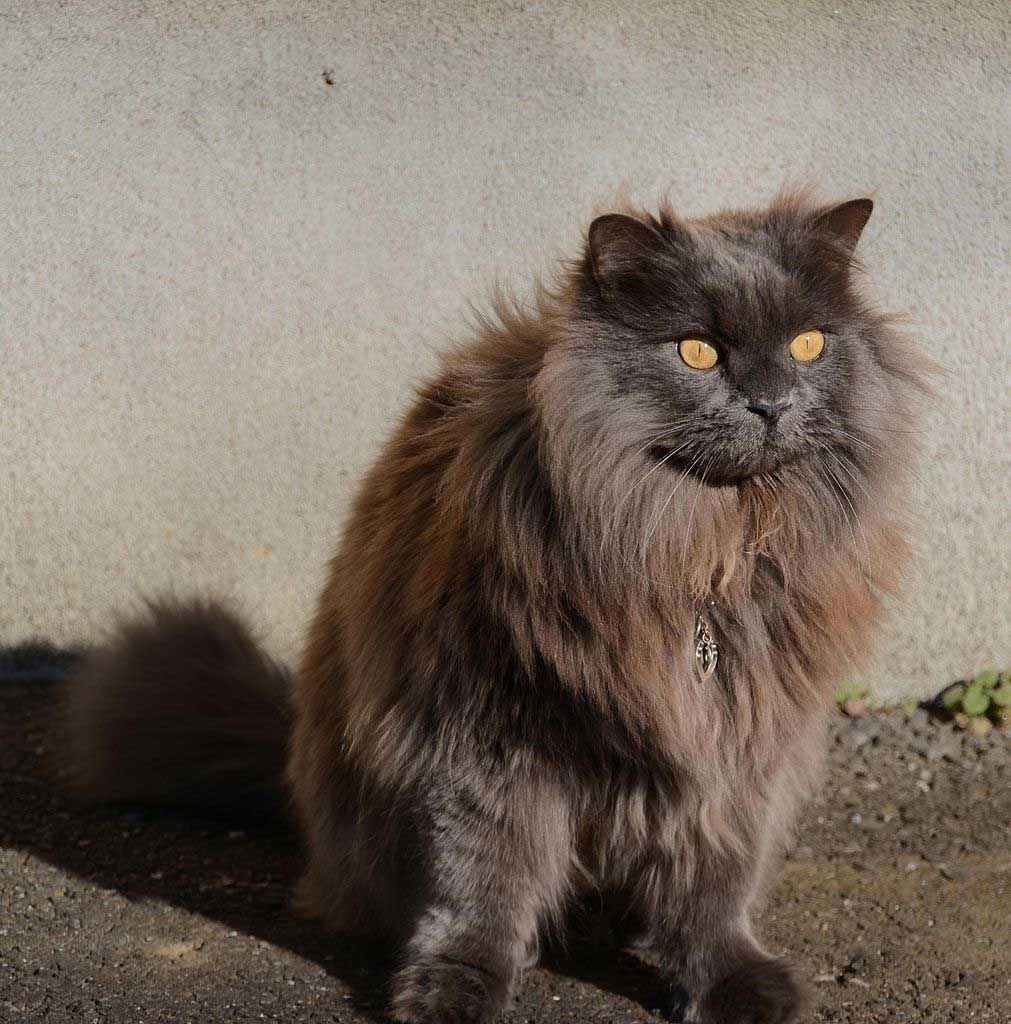
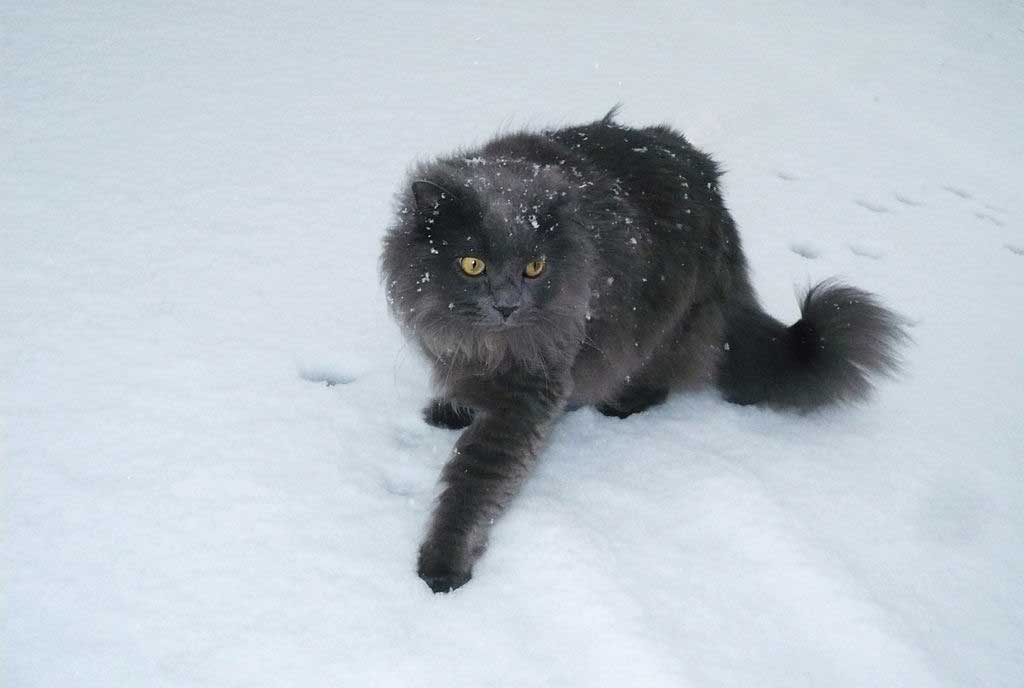
The Chantilly-Tiffany Cat has only existed for a few 50 years, and has struggled to gain recognition compared to other recent cat breeds that have quickly achieved success.
Content
History
The Chantilly He is originally from the United States. His story began when, in 1967, a breeder from New York, Jennie Robinson, came across some pretty unusual items at a yard sale: two cats of an unknown breed whose owner had recently died. I buy them, motivated by the desire to save them from a worse fate.
The two animals had semi-long chocolate-colored hair and golden eyes.. They were very similar, which led Mrs. Robinson to assume that they had at least one parent in common. Estimated Thomas's age, the male, in a few 18 months and that of the female, Shirley, in a few 6 months. Neither of us was neutered.
In May of 1969, Thomas and Shirley had their first litter of 6 kittens. Like his parents, the kittens were all smooth, with a medium chocolate-colored coat and pink pads on the legs.
Jennie Robinson realized that these cats did not belong to any recognized breed.. They seemed beautiful and decided to start a breeding program. He also promoted them, showing Thomas and some of the kittens at various cat shows in the New York area in the early years 70.
In 1970, the American Cat Association (ACA) agreed to register Thomas, Shirley and her offspring as Sable Foreign Longhair.
The first litter was followed by many more, so that in just 7 years the Neotype kennel (Jennie Robinson's name for her kennel) saw the birth of some 60 kittens. Other Connecticut and Long Island breeders became interested in the new breed and bought some of the kittens, which in turn were exhibited in exhibitions.
Many professionals were convinced that the Sable Foreign Longhair He was a descendant of the Burmese cat. More concretely, they thought it was just the long-haired version. This confusion continued for many years and was later expanded.
In fact, in the mid 70, Jennie Robinson gave up breeding him Sable Foreign Longhair. He sold the cats he still owned to a Florida breeder, Sigyn Lun, which in turn started a breeding program. This breeder basically bred burmese cats, which contributed to the belief that the Sable Foreign Longhair was a Long Haired Burmese cat.
But, in some of the exhibitions in which these cats were shown, the judges commented that the name was too vague to designate a breed. Sigyn Lun decided to call them Tiffanie in reference to the eponymous theater in Los Angeles, a symbol of luxury and glamor for her. In fact, considered the cat to be the very embodiment of elegance and grace.
But, how the cat had become too weird, the ACA stopped accepting your registration.
In 1979, the International Cat Association (TICA) recognized the Burmese and formed a group with him Burmese and the Tiffanie, which was recognized at the same time. In other words, even a major international feline organization was convinced that the second was simply a long-haired equivalent of the first.
At the beginning of the Decade of 1980, Sygin Lun decided to stop raising the cat Tiffanie, that was on the verge of extinction. But a Canadian breeder probably saved the breed…
The second life of the Chantilly-Tiffany Cat started in canada, more specifically in the province of Alberta, When in 1973 a chocolate-colored cat with golden eyes came to give birth on a farm. She gave birth to a litter of kittens, all of them chocolate-colored and similar to Tiffanie. The farm was owned by a breeder, Tracy Oraas, who decided to start raising cats after falling in love with their grace and beauty.
Before embarking on this new project, and noting the similarities with the Burmese cats, tried to establish if there was any link, and got in touch with Jennie Robinson and Sygin Lun. Based on your research and the information provided to you, concluded that Tiffanie They had no relationship with the Burmese cats.
He teamed up with a Siamese breeder friend, Jan de Regt, to create a breeding program. They decided to cross the Tiffanie with the Angora cat, the Havana Brown cat Brown, the Somali cat and the Nebelung cat. In effect, given the small population of the breed, These marriages made it possible to expand the gene pool and, Therefore, develop it in the best conditions, reducing the risks of inbreeding. They also offered the possibility of diversifying the range of coat colors, since thanks to them the cinnamon colors were added, leonado, lilac and blue.
Since the beginning of the years 80, other breeders joined the program. The exchanges between all these enthusiasts allowed the Chantilly progress slowly but surely in Canada.
But, just when the information about the Chantilly it was finally clearing up, since it was no longer confused with the Burmese, in 1992 Canadian breeders were asked to choose another name. The name "Tiffanie" was used in Great Britain to refer to a new breed in development.. Although the spelling was not exactly the same, it was confusing. Tracy Oraas decided to change the name of Tiffanie for that of Chantilly to keep the idea of ​​elegance and refinement, while remembering the idea of ​​a floaty coat.
The cat regained importance in the United States in 2001, when an Illinois foodie, Anne Davenport-Parini, founded the Amorino kennel. Hershey Nugget, a handsome chocolate-colored male, he was the father of the first generation of kittens. Also in this case several matings with representatives of other races were necessary.. It's about him brown havana (for its beautiful chocolate color), The somali (for his thicker fur in his pants, the gola and the tail), the Abyssinian (origin of the somali) and, finally, the Nebelung (by the length and texture of its fur).
In 2012, the hatchery was completely destroyed by a fire. One of the surviving cats, Frosty, was purchased by a Norwegian Nebelung breeder, Norma Hubenbecker. Norma Hubenbecker tried to start a breeding program for the Chantilly, but his attempt was unsuccessful. Frosty only sired a puppy, called Acey. In 2015, Frosty died of cancer and the breeder castrated Acey, ending the experiment.
In fact, it seems that the Chantilly-Tiffany cat he wasn't exactly born under a lucky star: from its inception to today, its history has been full of pitfalls and confusion, which has inevitably greatly limited its growth.
Today, there are less than twenty breeders (concentrated in Canada and the United States) who are dedicated to the breed and give all their energy to try to develop and perpetuate it.
Chantilly recognition
The Chantilly-Tiffany Cat has only existed for a few 50 years, and has struggled to gain recognition compared to other recent cat breeds that have quickly achieved success.
Since 1967, the beginning of its history, his path has been complicated and has been strewn with pitfalls, which obviously did not facilitate its recognition by the different recalcitrant official bodies. In addition to the various twists, the latter also noted the successive name changes, which obviously didn't help things.
However, the International Cat Association (TICA) granted recognition in 1979, at the same time as Burmese: formed a group composed of these two races, considering that one was the long-haired version of the other. But, realizing that this was not really the case and that the population of Tiffanie didn't really take off, in 1992 backtracked on acknowledging the latter.
Two years later, in 1994, TICA accepted it again, this time as a different race and with the name of Chantilly… before changing my mind shortly after.
In the year 2000, another change: the organization recognized him Chantilly as an experimental breed. This allowed their representatives to appear in the halls organized under the auspices of the organization., without entering competition. A few years later, the breed suffered another setback: while admission as an experimental breed is usually the prelude to full recognition, the association simply stopped recognizing the Chantilly, due to lack of enough specimens.
The Canadian Cat Association (CCA) accepted the Chantilly as an experimental breed in 1992, and granted him full recognition in 1996. But, observing that its population did not increase -and even decreased-, downgraded her to the rank of experimental breed in 2011.
Either internationally or nationally, other important feline organizations such as the Fédération Internationale Féline (FIFé), the American Cat Fanciers’ Association (CFA), the British Governing Council of the Cat Fancy (GCCF) or the Livre Officiel des Origines Félines (LOOF) they don't recognize the Chantilly.
Like this, more than half a century after the creation of this breed, almost everything remains to be done in terms of recognition.
Physical characteristics
The Chantilly-Tiffany cat It is of medium size and semi-linear type.
Its body it is rectangular in shape with a flat back and a rounded rump. His moderate musculature is based on a medium bone structure.
The tail is proportional to the length of the body. Tapers from base to tip and has a coat of feathers.
The legs they are of equal length in front and behind. They end in oval feet.
The head it is medium in size and harmonious in outline, resting on a rather short and thick neck. The skull is rounded and the forehead a little flattened. The profile shows a slight stop just below the eyes.
The ears they are widely spaced and medium in size, slightly angled outwards and forwards. Wide at the base, tapers to a rounded tip. The breed standard states that it is desirable that they have hair on the inside.
The eyes they are also widely separated and oval in shape. Its color ranges from dark yellow, gold and amber. In any case, it is preferable that it is as intense as possible, and a green ring is accepted around the pupil. The upper lash line is straight, while the lower one is rounded.
The cheeks they are tall and prominent.
The nose it is moderately long and ends in a broad muzzle, short and square. Whisker pads are flat. The complexion is dominated by wide jaws and a slightly prominent chin..
This cat has no undercoat, but it is distinguished by its semi-long coat, silky, light and very soft. This is what gives this animal its elegance, since its coat is reminiscent of an airy and vaporous whipped cream.
Should have 5 cm length, but it can be a bit longer as long as the texture remains light and silky. In any case, up to two years of age this cat does not have its final coat. The fur appears first on the tail and then on the rest of the body. The male has a fuller ruff and a heavier coat than the female.. Regardless of gender, the hair on the hind legs is similar to that of the feathers, forming a small petticoat on the legs.
Originally, the Chantilly-Tiffany cat appeared with a chocolate brown fur, which is still the most popular today. But, crosses with the Angora Cat, the Oriental, the havana, the Nebelung and the Somali have expanded the range of colors. There's also Chantilly black, blue, cinnamon, tawny and lilac. The coat patterns are also more varied: may be agouti, stained or tabby.
In all cases, the color should be bright and deep. But, lighter shades of brindle on throat and muzzle are acceptable.
Last, there is true sexual dimorphism in this breed, since the male is bigger and heavier than the female.
Size and weight
Male size: Of 25 to 30 cm.
female size: 20-25 cm.
Male weight: 4-5 kg
female weight: 3 to 4 kg
Varieties:
The Canadian Cat Association (CCA) is the only official body that recognizes the Chantilly, with experimental character, by the way. Allows crosses with the following breeds:
Photograph of a Tiffany cat called Kumori (Cloudy). Tsukuba, Japan –
Character and skills
The Chantilly-Tiffany cat it is an ideal cat for a family, since its balanced character makes it adorable and easy to live with.
He is especially attached to the person he considers his teacher. Devoted and faithful, follows her everywhere and scrutinizes her every move at all times. It can also be perfectly placid, for example, snuggling into or against your lap for hours, or inviting himself to her bed. He likes to be caressed and gives all the attention he receives, But it's clearly not for someone who doesn't want a "sticky" companion..
Although they have a very strong relationship with their owner, this cat has a broader love for all humans in the home, and you need your company to be happy. This makes it an excellent companion for the whole family., since it is the type of cat that establishes a good relationship with each member of the family. He will be happy to play with them or to seek pampering.
Playing is also a favorite activity, making it an excellent entertainment companion for children. You just have to make sure children treat you with respect, like any other cat. In any case, for the good of both parties, a young child should never be left alone with a cat without adult supervision, regardless of race.
Very comfortable in your family environment, the Chantilly-Tiffany cat It, on the other hand, much more reserved with strangers. Without being fearful, prefers to stay away when strangers enter its domain. A tree for cats, essential for every small cat, it is an ideal place to take refuge on those occasions.
The fact that this cat loves the company of its humans goes hand in hand with the fact that it does not like to be alone.. Obviously, not recommended for owners who are away for long periods of time. In fact, if left alone for hours, quickly becomes anxious and melancholic. Leaving him toys cannot replace the presence of the people who usually surround him and allow him to flourish..
On the other hand, having him share his home with a small companion is an interesting option. In fact, tends to live easily with another cat, delighted as he is to share moments of play with him. Living under the same roof as a dog is usually not a problem, especially if it is a breed of dog that gets along well with cats. But, in either case, it is always preferable that the two of you join at a young age: then the other is considered a full member of the family from the beginning, and the relationship is much better for it. Otherwise, it is preferable to establish coexistence gradually, to minimize the risk of problems.
The Chantilly-Tiffany cat it can also live in the same house as birds or small rodents. They are quiet, peaceful and not aggressive. But, some caution must be exercised when the animal is outside: should be kept in a separate room or cage.
It also, Even if I'm not the hyperactive type, this cat is very playful and needs his little crazy moments. Providing a variety of interactive toys is a great way to satisfy their curiosity and develop their skills.. But, this does not mean that you do not have to play with your cat: he likes very much to interact with the people around him in this way.
As long as your need for entertainment is met and you have enough space to play, the Chantilly-Tiffany cat you can live both in a flat and in a house with a garden. On this last case, It is highly recommended to install a cat flap so that you can come and go as you please.
In any case, like any cat, must have an easily accessible scratching post. In effect, scratching is a compelling need that you cannot give up; without this accessory, would have no choice but to resort to furniture or curtains, for example.
Last, the Chantilly is known to be a very talkative cat. As he follows his master throughout the day and shares his activities, does not hesitate to tell you his life and give his opinion on everything. His way of communicating is, However, nice, since its meow is not very loud and is comparable to a screech.
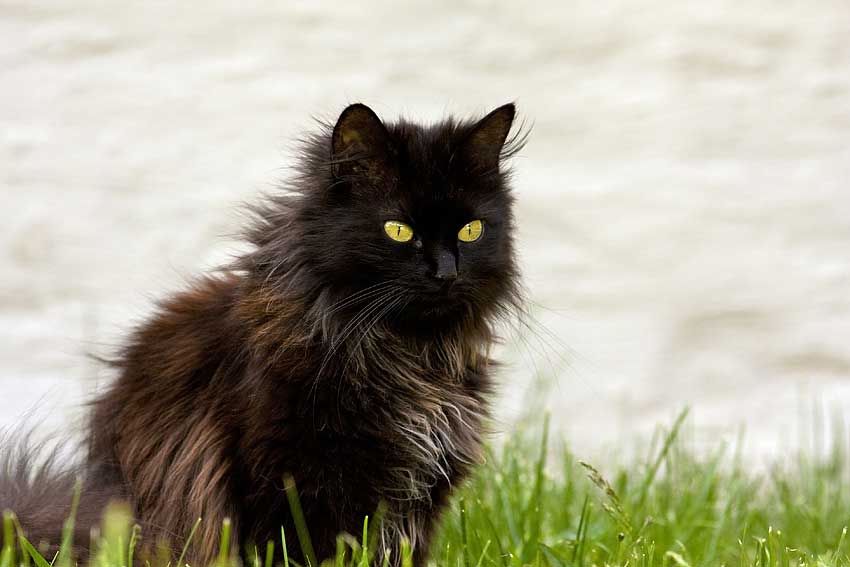
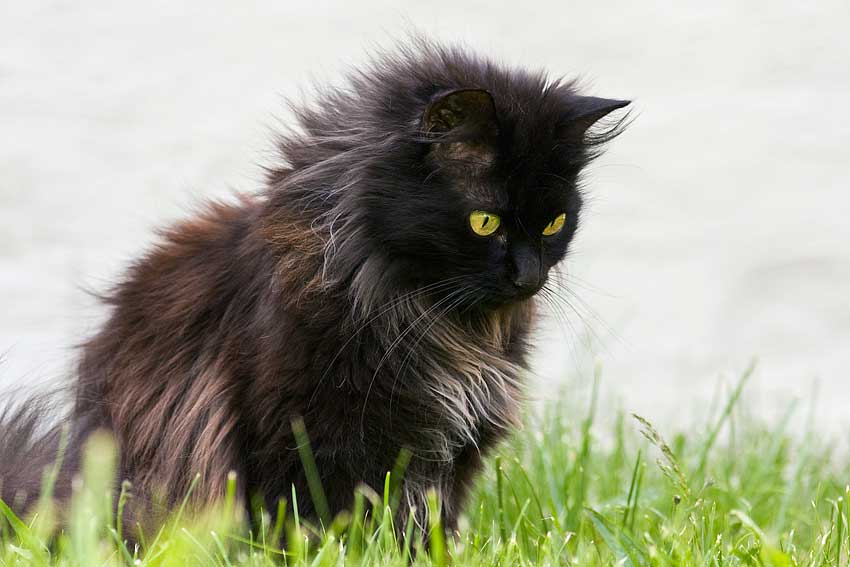
«Black smoke». Our cat «Sarah» outside our house in the suburb of Selfors, in Rana municipality, Nordland, Norway. – Magne Aga, CC BY-SA 4.0, via Wikimedia Commons
Health
Because the breed's population has always been very small, little is known about the health of Chantilly-Tiffany cat. But, appears to be in robust health.
It also, is able to adapt to all climates and, Therefore, to live in almost all latitudes. It is only important to ensure that you always have access to fresh water and a shady area during hot periods., and to a sheltered and warm place when the temperature is very low.
But, it is known to have a delicate digestion and is especially sensitive to cellulose, that decomposes with difficulty during assimilation and digests poorly. So, It is important not to hesitate to consult a veterinarian or a nutritionist to identify the most suitable food and, in any case, to avoid, for example, those based on corn, containing a large amount of cellulose.
It is also important that you always receive the same food, even if it is left in a cattery when its owners are away. In any case, even more than with other breeds, a change in the cat's diet (for example, for health reasons) requires a very gradual transition to the new food, so that the digestive system can gradually get used to the new food.
On the other hand, the Chantilly-Tiffany cat have an unfortunate tendency to be overweight or even obese, especially if you live indoors and, Therefore, are less likely to exercise. This problem should not be taken lightly, as excess weight can both aggravate existing diseases and cause new ones.
Ears of the Chantilly they also require special attention. In fact, the presence of hair makes it less able to clean itself in this area. Thus, wax and dirt can build up and lead to ear infections (for example, otitis).
As in the case of any race, turning to a serious breeder is the best way to adopt a healthy and well-endowed kitten. In effect, a professional worthy of the name spares no effort to socialize the little ones from a very young age and make them grow up in an ideal environment. In any case, at the time of sale, must be able to present a certificate of good health issued by a veterinarian, as well as the list of vaccines applied to the animal, registered in the health or vaccination card of this.
Once the adoption is done, it is the responsibility of the new owner to take care of the health of his little companion while he is alive. Taking the cat to the vet at least once a year is one of the golden rules to keep it healthy. In fact, this not only allows the administration of the necessary booster vaccines, but also a complete health check of the animal, which sometimes makes it possible to detect a possible problem and treat it in the best conditions. It also, do not hesitate to increase the frequency as the cat grows.
Continuing with the theme of prevention, the owner must ensure that his partner's antiparasitic treatments are regularly renewed, so that you are continuously protected. This applies even to cats that do not have access to the outdoors.: even if the risk is lower, are still exposed to certain parasites.
The Chantilly-Tiffany cat has no undercoat and sheds very little. On the other hand, their fluffy, silky fur tangles easily. Brushing every other day not only removes dead hair, it also avoids tangles, allowing the dog to maintain its appearance. During their shedding periods, in autumn and spring, it is even preferable to brush daily.
It is also essential to check your ears once a week. This is because the tufts of hair at the entrance of the ears make it difficult to clean the dog and, Therefore, facilitate the accumulation of earwax and dirt. If cleaned with a damp cloth, impurities that may become infected will be removed.
This weekly grooming session should be used to check the eyes. If they are dirty, wiping the corners of the eyes with a damp cloth is necessary to remove dirt and prevent infection.
The maintenance of a cat's teeth is also very important, whatever the race. This is because it helps prevent plaque build-up., which can cause more or less serious diseases when it becomes tartar. So, you should brush your pet's teeth at least once a week, but the ideal is to do it daily. In any case, it is essential to use a toothpaste specially designed for felines
Whether your cat lives exclusively indoors or has access to the outdoors, it is also essential to inspect your nails once a month. If the natural wear and tear is not enough and they become too long, must be trimmed manually. This will prevent them from getting in the way or even breaking and / or injuring the dog. But, It should be noted that caring for your cat's nails does not mean you don't have to provide a scratching post. If you don't, You shouldn't be surprised if your cat falls on furniture or curtains..
coat care, the ears, the eyes, the teeth and claws of his Chantilly-Tiffany cat does not require any special skills. But, it is a good idea to learn from a cat groomer or vet the first time, so you can learn the right techniques and then do it yourself. In this way, better results are achieved and the risk of injuring or even traumatizing the animal is reduced..
As long as the owner does it correctly and does not hesitate to add caresses, the grooming sessions of the Chantilly-Tiffany cat will become privileged moments between the two protagonists. In fact, by liking the proximity of its owner, delighted that they pay attention to him and even more that they caress him, you probably appreciate it. It is common for him to let you know with sweet little meows.
«Black smoke». Our cat «Sarah» outside our house in the suburb of Selfors, in Rana municipality, Nordland, Norway. – Magne Aga, CC BY-SA 4.0, via Wikimedia Commons
Food
Like any cat, the Chantilly-Tiffany cat you need a diet that matches your nutritional needs, both qualitatively and quantitatively. As such, must suit your age, your level of physical activity and your health status.
In any case, the tendency to be overweight - and even obese- forces you to carefully define your daily food intake. It also, unlike most of his peers, has difficulty regulating himself, so it is better to avoid giving free access to food, since it is likely that he will binge and eat the entire ration for the day in a few minutes. Fixed meal times are a much better solution.
Industrial cat foods are suitable, as long as they are of good quality. But, the choice should not be made at random, since your cat has a delicate digestion. In particular, avoid corn-based products, since they contain a lot of cellulose, which is difficult for the cat's body to digest. Ideally, seek the help of a veterinarian or feline nutrition specialist to identify the most appropriate.
In any case, once you have found a suitable product, it is best to avoid changing it, unless, Of course, that your health justifies it. This is true of any cat, but even more so for cats whose digestive system has a harder time adjusting to a change in diet.
Unless carefully selected, human food is not made for cats: is unlikely to meet your nutritional needs and, on the other hand, it can be a source of deficiencies or excesses. It also, in the case of Chantilly-Tiffany cat, there is also the problem of its digestion capacity. Like this, give small pieces during the meal, table scraps at the end of the table or letting him rummage through the trash is not a gift to keep him healthy. Some foods that are popular with humans are even toxic to cats.
Your propensity for obesity also means you have to control your weight by weighing it every month. If successive weighings indicate that your cat is getting fat, it is important to take him to the vet. Only a healthcare professional can reliably diagnose the cause of the problem, which may be a feeding problem, but also a disease or a reaction to medication.
Last, like any cat, the Chantilly-Tiffany cat you must have fresh water at all times.
The Chantilly-Tiffany cat it is one of the rarest cat breeds in the world, and it is almost impossible to find one outside the United States or Canada. Even in these countries, you have to be prepared to sometimes wait for many months and / or travel long distances to be able to adopt a cat of this breed.
in Canada, there are very few breeders and they usually sell their kittens between 500 and 800 canadian dollars.
One solution is to look at the United States, where there are just under a dozen breeders. The price of a Chantilly-Tiffany cat usually oscillates between 300 and 600 USD.
In the case of an adoption abroad, must take into account, However, that transport costs and administrative costs are added to the purchase price. It is also necessary to know and comply with the legislation regarding the importation of animals.
whatever the country, the asking price depends on the reputation of the breeding, from the line from which the animal descends and, above all, its intrinsic characteristics, especially the physical ones. For this reason, quantity can vary within a litter.
Characteristics "Chantilly-Tiffany cat"
Coexistence is important that you have with your new friend. Before considering the acquisition of a cat of the breed "Chantilly-Tiffany cat" you know certain factors. You must take into account their character, their need for exercise, their interaction with other pets, their care and if you have small children, their level of tolerance towards them.
The Antipodean cat was previously known as the New Zealand shorthair cat and / or the Australian longhair cat.
Content
History
The New Zealand cat (domestic) shorthair or longhair is New Zealand's own breed, whose ancestors are the cats that reached the antipodes with the first pioneers of Europe. These early cats were brought by early settlers to hunt rats that threatened the food supply and later worked as "farm cats" and "store cats" in the new colonies..
For more than 150 years, these robust cats have flourished, establishing itself as New Zealand's indigenous house cat, facing the cold of the mountain ranges, to the humidity of subtropical forests, to the dry tundra that borders desert regions and the dangers of a busy life within the confines of the growing city.
Physical characteristics
The Antipodes can be long-haired or short-haired and brindle in color, solid or percal. Cats with points of color (that is to say, Siamese) cannot be considered true Antipodean cats.
The Antipodean cat has a body medium, solidly built, is a muscular cat. Count with one chest broad and rounded, the shoulders well developed, and a level backward, equally broad of shoulder to the hip.
The head is a slightly truncated triangular wedge. The Antipodes has the cheeks full, the jaws large, a forecrown smoothly rounded, and nose straight or slightly curved down.
The ears are slightly rounded at the tips. The eyes they are big and bright, between rounds and almond-shaped. The color of the eyes of the antipodes can be green, Turquoise Blue, yellow, oro, copper, including blue.
It has legs average length, proportional to the body and legs are firm and forward. The tail is heavier at the base and tapers smoothly at the tip.
The New Zealand Shorthair cat and the of Longhair are now registrable with CATZ Inc. Almost any domestic cat can qualify to be included in the open registry of this new breed. But, there are some rating factors…
First of all, cats must be WHOLE and approved for a registered breeding program. This means they must be used to produce PEDIGRED New Zealand Shorthairs and Longhairs or used in another breeding program where New Zealand Shorthairs and Longhairs are an approved cross..
In second place, although the breed comes in a range of over 90 colors, including all standard solids, tabbies, silver tabbies, bicoloured, calicos and vans, must not show any evidence of HYBRIDIZATION. As with the American Shorthair, cannot be color POINTED, of SEPIA of MINK, Neither CHOCOLATE or LILAC, o CINNAMON o FAWN, all colors showing evidence of Hybridization with the Siamese (himalayan pattern) or the Birman (Sepia pattern), or the Tonkinese (Mink pattern), or the Abyssinian (Where did the Cinnamon and the Fawn come from).
Character and skills
Both shorthair and longhair New Zealand are the family of the cats of the antipodes , and it can be a friendly companion and a playmate for children. The shorthaired antipodes is known for its longevity, good health, and by its ability to easy treatment, they are cordial, happy and loyal. They are recognized for their ability to deal with all climates and conditions.