▷ The world of Pets: Dogs, cats, birds, reptiles, amphibians

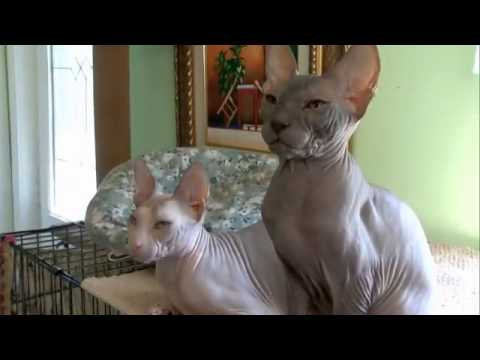
Donskoy (Don Sphynx)
Federations: LOOF, TICA, FIFé, WCF

The Donskoy they are very loyal; in fact, their loyalty is often compared to that of dogs.

Don Sphynx

Content

Characteristics "Donskoy (Don Sphynx)"

Coexistence is important that you have with your new friend. Before considering the acquisition of a cat of the breed "Donskoy (Don Sphynx)" you know certain factors. You must take into account their character, their need for exercise, their interaction with other pets, their care and if you have small children, their level of tolerance towards them.

Joy

4,0 of 5 stars (based on 1 review)

Activity level

4,0 of 5 stars (based on 1 review)

Friendliness to other pets

4,0 of 5 stars (based on 1 review)

Friendliness to children

4,0 of 5 stars (based on 1 review)

Grooming requirements

2,0 of 5 stars (based on 1 review)

Vocality

2,0 of 5 stars (based on 1 review)

Need for attention

4,0 of 5 stars (based on 1 review)

Affection towards its owners

5,0 of 5 stars (based on 1 review)

Docility

5,0 of 5 stars (based on 1 review)

Intelligence

4,0 of 5 stars (based on 1 review)

Independence

2,0 of 5 stars (based on 1 review)

Hardiness

3,0 of 5 stars (based on 1 review)

History

Until the end of the years 80, the Canadian sphynx it was the only known hairless cat. The discovery of Donskoy in Russia this situation changed. This cat is also known as Don Sphynx or Don Hairless, in reference to the place where it first appeared and its resemblance to the Sphynx cat.

The history of the appearance of Donskoy It is worthy of a children's story: in 1987, in the city of Rostov-on-Don, located in southwestern Russia, near the Sea of ​​Azov and the Black Sea, a teacher named Elena Kovaleva took in a kitten that had been mistreated by children who had used it as a soccer ball. Called her Varvara. As the kitten grew, he started to lose his hair, suggesting skin diseases or parasitic infections such as ringworm. Various treatments were administered to try to fix the problem, But it was in vain. When Varvara gave birth to her first litter of kittens a few years later, some were born with hair and others without hair.

As the kittens grew, those born with hair also began to lose it, as his mother had done. This particularity caused a strong rejection by its owners, that most of them decided to abandon them because they considered that they were in poor health. It was then that a breeder named Irina Nemikina, seduced by these original looking cats, decided to recover one of them and start a breeding program to make it a breed in its own right. The cat in question and its descendants then interbred with the Persian cat, European shorthair cat and the Siberian cat to expand the range.

The gene responsible for the hairlessness of Donskoy (Don Sphynx) is dominant, meaning both parents don't have to be hairless for their offspring to be. For this reason, the cats obtained from these crosses kept the particularity of their ancestor Varvara, although they also had the blood of long-haired cat breeds in their veins, like persian. This genetic characteristic distinguishes the Donskoy of the Sphynx, that it can only transmit its hairless appearance to its offspring if both parents have this characteristic: en el Donskoy, the gene that causes this morphological characteristic is recessive.

The Donskoy also crossed with him Oriental shorthair cat to create a hairless oriental: that's how he was born Peterbald cat in 1994 in St. Petersburg, the city that gave it its name.

The Don Hairless It was recognized in 1997 by the World Cat Federation (WCF), and then in 2005 by the The International Cat Association (TICA). But, was not up 2016 when the latter allowed him to participate in cat shows organized under its auspices. The International Feline Federation (FIFé) also recognized the breed in 2011. On the other hand, the Cat Fanciers’ Association (CFA) y el Governing Council of the Cat Fancy (GCCF) they have not yet taken the step.

Hereinafter, some organizations will not allow any crossing of the Donskoy with other breeds. This is the case of the WCF and the Livre Officiel des Origines Félines (LOOF) French. The TICA allows crossing with street cats.

Despite its recognition by some leading organizations, the Don Sphynx still one of the rarest cat breeds. These may include, in France, only 126 cats have registered in the LOOF between 2003 and 2019. More broadly, worldwide, currently there are only about fifty breeders of Donskoy (Don Sphynx), while there are more than 1500 for him Sphynx.
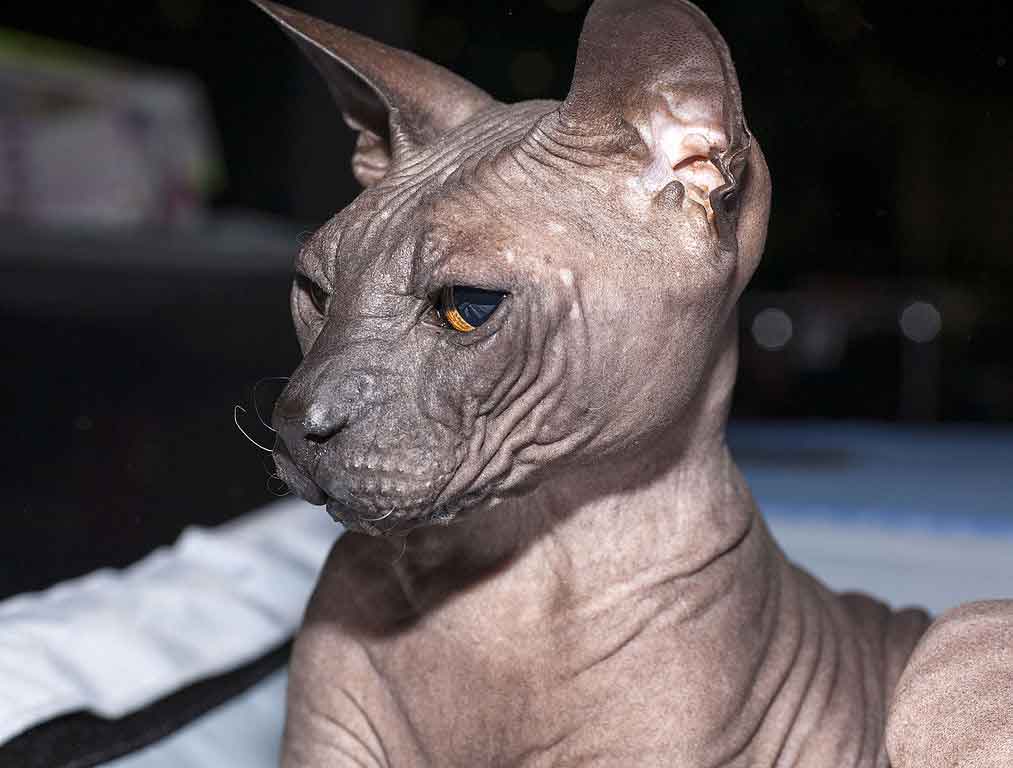
Donskoy
Donskoy – Nickolas Titkov from Moscow, Russian Federation, CC BY-SA 2.0, via Wikimedia Commons

Physical characteristics

The Donskoy (Don Sphynx) is a midline cat with a semi-foreal subtype. He has an unusual physique, compact, elegant and athletic. His muscular form, strong bone structure and relatively broad torso and rump give an impression of strength. Groin area and abdomen are well defined, so that the abdomen resembles a "belly" where fat is stored during the winter. In fact, despite the impression of vulnerability given by the absence of fur, the Don Sphynx is actually a robust breed.

They have skin dotted with "wrinkles", but very pleasant to the touch, as it is warm and velvety. These numerous wrinkles are characteristic of the breed and are due to its great elasticity.. They are mostly seen on the head, cheeks, the double chin and under the chin, as well as on the top of the head, with vertical pleats on the forehead, that separate the ears and then spread out in horizontal folds around the eyes. In the body, hug the base of the neck, the chest, the base of the tail, the back and the side of the legs, and then they go from the flanks to the lower abdomen and groin.

There are four varieties of Donskoys: one is born and remains hairless (the Rubber Bald), another is born with hair that is losing as it grows (the Flocked), a third keeps hair only in some places on the body (the Velour), and the latter retains much of its fine fur as an adult (the Brush).

In all four cases, the lightest coat of the Donskoy (Don Sphynx) makes it a hypoallergenic cat breed, which means that the risk of cat allergy is much lower than with other breeds. But, you have to know that there is no zero risk and that all cats can cause an allergic reaction, even the ones who are completely naked.

It also, it is the only breed that potentially acquires winter fur. During this time of year, a soft fur may appear on the chest, as well as hair on the tips of the legs. When the weather heats up, this fur disappears again, and the cat returns to its usual appearance.

In addition to this feature, the skin of the Don Hairless has original similarities with that of humans: sweat in hot weather and can even tan in the sun.

Their Paws they are shorter than the rear ones, but they are still well proportioned to the rest of the body. At the end of the Paws there are surprisingly long fingers separated by membranes, with large inward curved foot pads. The set does not differ from the fingers of a monkey. The tail is moderately long, fine and sharp from base to tip.

The head is V-shaped and angular. The eyes are almond-shaped and the ears they are very big.

Last, this breed is characterized by a certain sexual dimorphism. Males tend to be longer and more muscular than females. It also, have stronger cheeks and a neck, wider shoulders and head.

Size and weight

  • Male size: 20-25 cm.
  • female size: 20-23 cm.
  • Male weight: 3-7 kg
  • female weight: 3-7 kg

Varieties of "Donskoy (Don Sphynx)"

Contrary to what his hairlessness as an adult might lead you to believe, actually exist 4 varieties of Donskoy (Don Sphynx), 3 of which have fur at birth, before it disappears totally or partially:

  • The Donskoy Rubber Bald completely hairless from birth and remain so throughout their lives;
  • The Donskoy Flocked is born with a light down that is similar to that of a Siamese cat touch. This may go away over time and the cat may bald.;
  • The Donskoy Velour is usually born bald on the top of the head and with a soft, wavy coat all over the body. During the first year of life, the hair becomes progressively stiffer and disappears, except for the hair on the head, legs and tail. Some individuals lose their hair completely and go hairless like the Donskoy Rubber Bald;
  • The Donskoy Brush retains part of its fur as an adult. The coat is usually smooth, but it can also be wavy. Baldness usually appears on the head, upper neck and back.
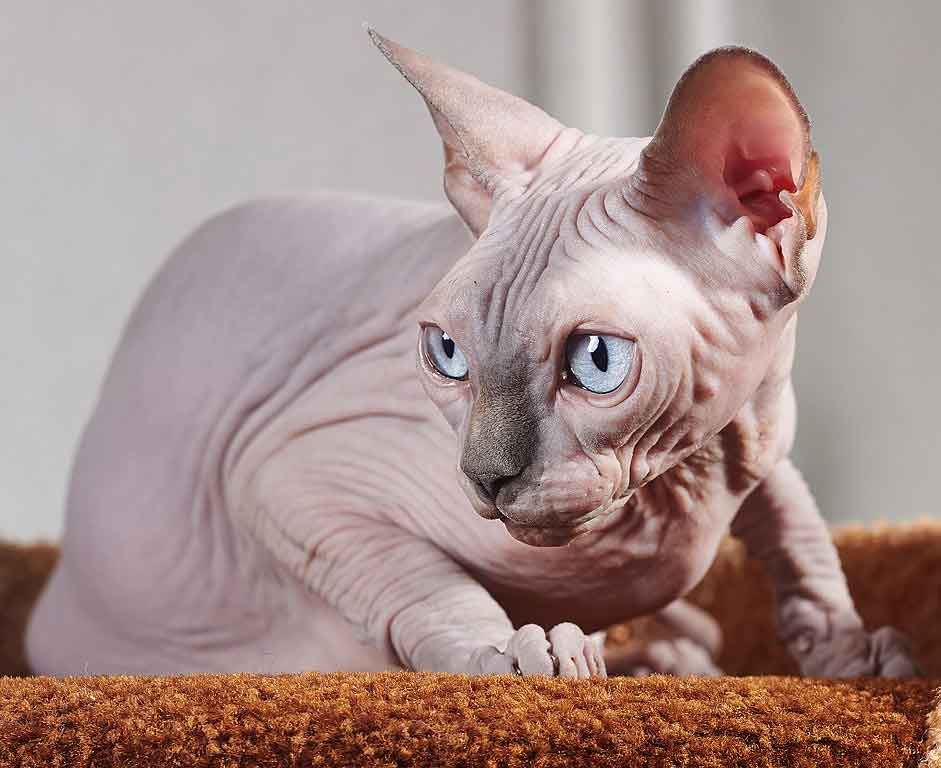
Cat Sphynx
Cat Sphynx – Dmitry Makeev, CC BY-SA 4.0, via Wikimedia Commons

Character and skills

If the appearance of Don Sphynx can arouse surprise, and even some negative preconceptions for their originality, worth going further. In fact, this cat is not only distinguished by its appearance: he is also endowed with immense qualities that make him an especially appreciated life partner.

The Don Sphynx not only is he a smart cat, but also has a temperate and affectionate character. The absence of fur does not prevent him from enjoying the caresses. It also, its soft and warm fur is very pleasant to the touch. It also, with his good character, grooming your cat will not become a test of strength, since it is easy to handle.

Being active, especially curious and lively, explores its environment with enthusiasm and is very prone to inventing all kinds of games in search of new stimuli.

The Donskoy it is also a very sociable breed of cat. Enjoy the company of its owners and the visitors that pass by, whose attention you would like to have.

His sociability is not limited to humans, since he is also willing to share his space and time with other animals. It is, Therefore, of a breed of cat suitable to live with a dog or other pet, which may simply be one of your companions. It is even especially advisable to offer him a playmate in case of long and frequent absences, to avoid being isolated at home too often and for too long. In the end, he is in great need of company, whatever form it takes.

It must be said that this cat has plenty of affection, and is particularly loyal to its owners. He deserves the nickname "dog cat", since it likes to follow its owners in all their daily activities. This closeness to its owner also means that it is possible to teach your cat commands or tricks., that you will probably gladly carry out.

The other side of the coin of his kindness and his total lack of aggressiveness is that he is not very suspicious of the danger that possible attacks from other cats or other animals could represent.. For this reason, it is a recommended cat for life in a flat rather than for life outdoors.

Care "Donskoy (Don Sphynx)"

Due to the lack of hair, the care of Donskoy they are somewhat more complex. It is recommended to bathe the animals every fortnight approximately. There is no consensus on the exact procedure for bathing. The use of a mild body soap or mild facial soap is often recommended.. It is important to use a neutral pH soap. Too frequent baths should be avoided. If the correct pH is not respected, skin problems may occur.

With the time, a thin film of sebum forms on the skin because there is no fur to absorb the oil produced. The film provides some protection, but it looks unsightly. It can be cleaned in the shower or with the help of a damp cloth.. If a cloth is used, cleaning is done quickly. But, the effect is less durable than in the shower. You can use a microfiber cloth and water to clean. Soap should not be used. How animals are used to bathing from an early age, showering is usually not a problem. The water should be lukewarm.

You can place your Donskoy in the shower tray and have a towel spread out. Spread some washing lotion on the cat's back. Now you have to run a little water down your back and then you can massage the lotion. Avoid getting water into the nose, mouth, ears or eyes. Rinse the water well and place the cat on the prepared towel. It is important that you dry the cat well.

It also, as with any other race, it is important to check the condition of your ears at least once a week. Dirt or excess earwax can accumulate in the cartilage folds and cause discomfort or even infection.. Cleaning your cat's ears whenever they look dirty will go a long way in preventing this from happening..

Similarly, it is advisable to check your cat's eyes once a week to detect any abnormalities or infections, and clean them when necessary.
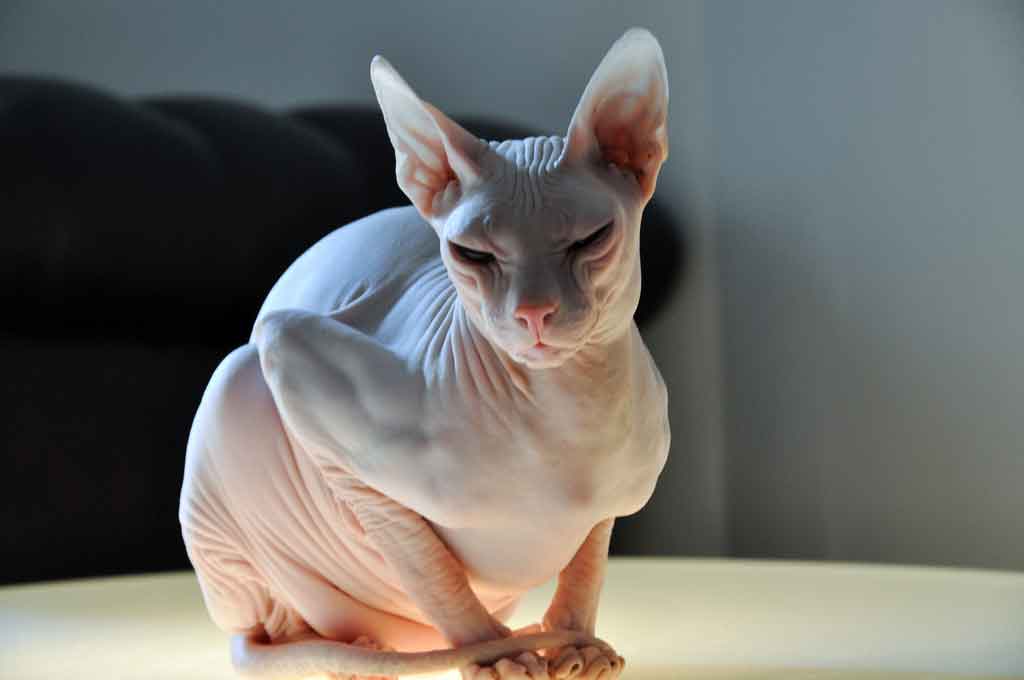
donskoy
Male donskoy/don sphynx – ooznu, CC BY-SA 2.0, via Wikimedia Commons

Indoor or outdoor cat?

Keep your Don Sphynx inside. These cats are not only susceptible to problems with extreme temperatures, but also, because they are rare, someone may be tempted to steal them.

It also, Your cat's friendly nature means she may not assess dangers properly.

How much activity does he need? "Donskoy (Don Sphynx)"?

To the Donskoy they love to be manipulated by humans and will always want to be the center of attention when you are at home. It is vital to understand that the breed needs company, so this is not the best cat to adopt if you are away for long periods of the day due to work commitments or if you travel a lot.

The Donskoy es an intelligent and inquisitive gato, so you'll also want to provide an environment where the breed can explore and seek new adventures on their own. The strategic use of smart and interactive toys can help keep your cat stimulated and satisfied..

Health and nutrition

The Donskoy have an elevated body temperature and, Therefore, is better protected against infection.

The Donskoy adults are relatively immune to many diseases. But, make sure that the cat does not stay in a drafty place. They suffer much less from heart disease than their peers. The heart is healthy and strong in many representatives of the breed.

People with allergies to cats or cat hair do not usually react allergic to it. Donskoy. But, it has been observed that people who did not previously have an allergy may have allergic reactions specifically to Don Sphynx.

Since when buying a cat you commit to the animal, you must exclude the possibility that it is allergic. Maybe you know a cat of this breed in your circle of acquaintances and you can try to get in touch with him. Or you can ask a breeder or animal shelter to check the cat's reaction..

The Donskoy they have no eyelashes, so dust can quickly build up around the eyes. It is usually discharged through tear fluid., which is present in large quantities. In cats of this breed, eye slits are narrower, which means that tear fluid can collect in the corners of the eyes.
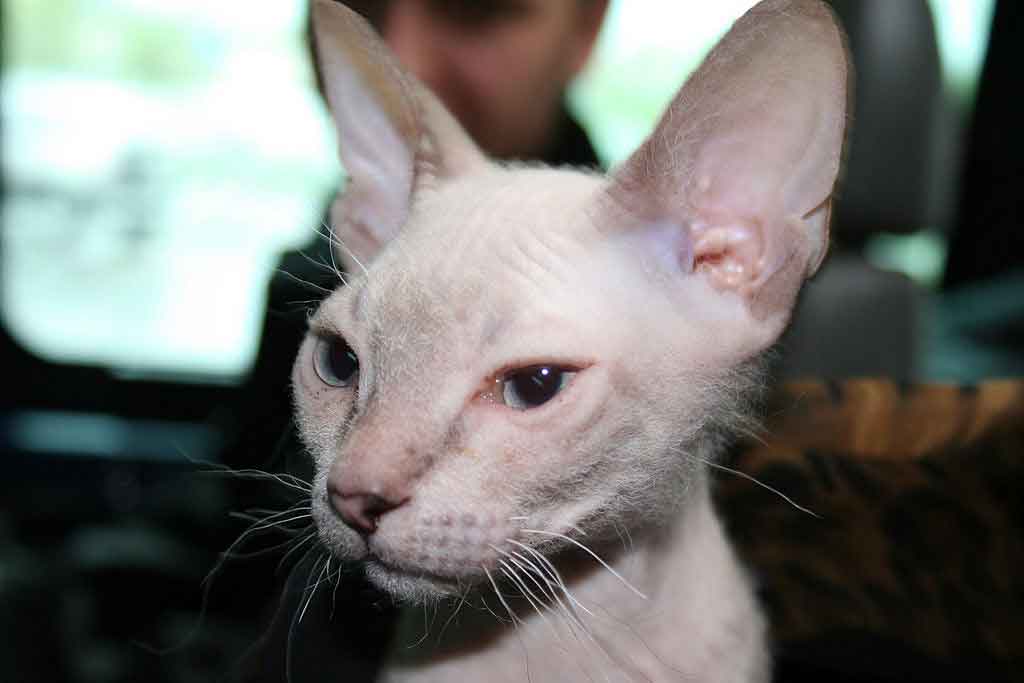
Donskoy Sphinx
Kitty of the sort Donskoy Sphinx – Alex Rave, CC BY-SA 2.5, via Wikimedia Commons

Life expectancy

Of 12 to 15 years

Food

The Donskoy has no particular sensitivity to food: is quite happy with industrial cat food.

But, due to its lack of fur, has more difficulty than other breeds in regulating its body temperature and, Therefore, you should eat more at low temperatures to compensate. So, your diet should not only be of good quality, but also rich. Having said that, despite your greed, it is not a breed of cat with a pronounced risk of being overweight.

For sale "Donskoy (Don Sphynx)"

The price of a kitten Donskoy ranges between 1200 and 1500 EUR. This high price compared to most other breeds is largely due to their great rarity..

There does not appear to be any significant price difference between the two breeds, nor between males and females. But, the number of representatives of the breed and transactions is reduced, so it remains uncertain to extract any general rule.

Videos "Donskoy (Don Sphynx)"

Cats 101 Animal Planet - Don Sphynx ** High Quality **
Cats 101 Animal Planet – Donskoy
Donskoy cat or Don Sphynx or Russian Hairless.

Alternative names:

  • Don Hairless, Don Sphynx, Russian Hairless, Donskoy
▷ The world of Pets: Dogs, cats, birds, reptiles, amphibians

Asian Smoke Cat
Registered by the GCCF

At the beginning, he was known as Cat Burmoire because its origin seems to come from the cross between the Burmilla cat and the European Burmese Cat.
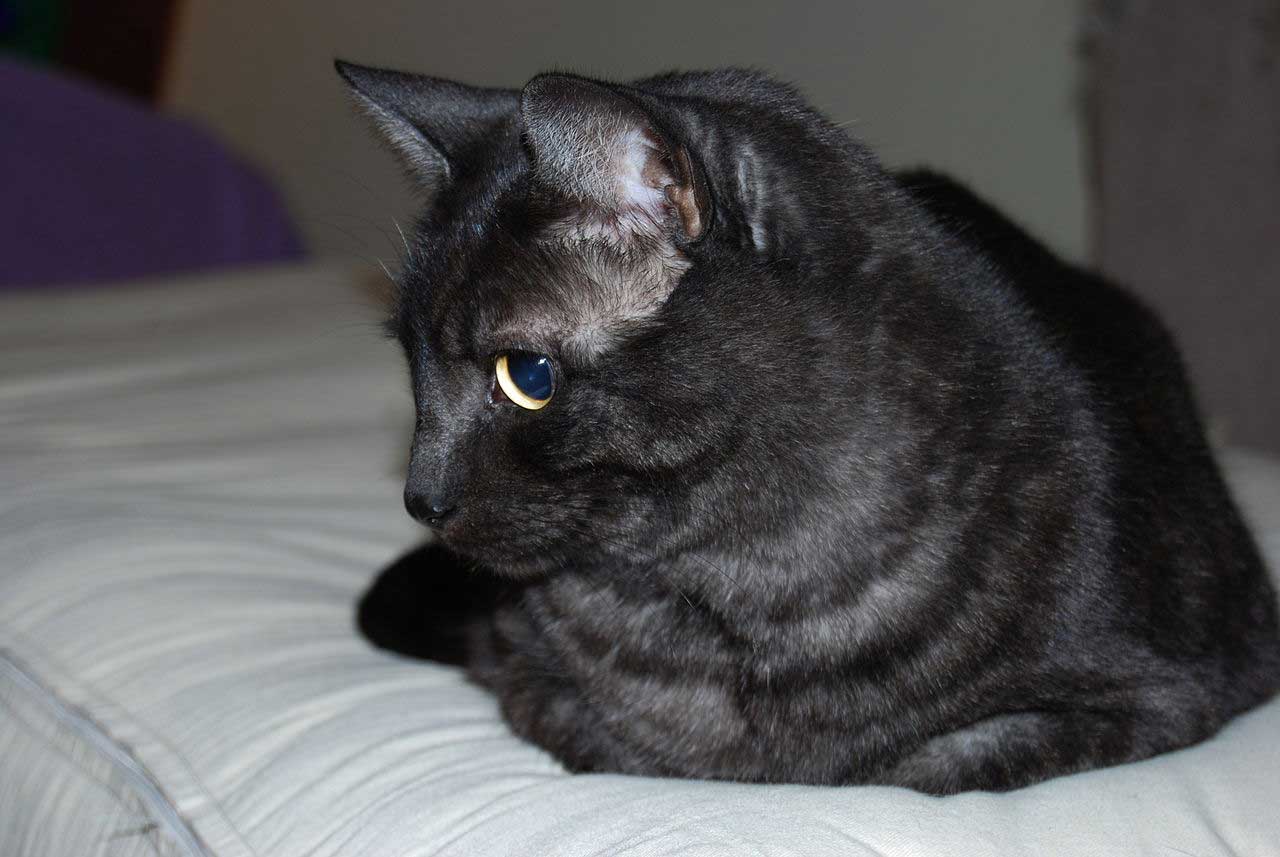
Asian Smoke Cat
Asian cat – Asian smoke (black) colour – Pigeon-camera, Public domain, via Wikimedia Commons

Content

History

It was developed in Great Britain, through crosses of this breed with others that will provide its unique characteristics. The goal was that he could hunt mice.

In a time when old, low-ceilinged houses were plentiful, the presence of these small rodents was worrisome. For this reason, At the end of the 19th century, they began to look for a way to create new breeds of cats that were faster, quieter and with better hunting instincts and other qualities that serve to eliminate these annoying pests.

But, due to the large number of races that emerged at that time, people considered this cat much more than just a rodent hunter. Maybe because of its beauty or because of its friendly nature, the truth is that the villagers of the time began to contemplate the possibility of having it as a pet.

Precisely at this moment, the Asian Smoke Cat began to gain popularity. And is that her beauty, very similar to that of a tiger, and her beautiful personality, along with how quiet it is, made many people want to have one at home.

Physical characteristics

It is a very muscular medium-sized cat, especially in the area of ​​the legs and chest. Thus, has an air of imposing superiority over other races. This, added to its elegance when it moves, makes him one of the most wanted cats in the world.

Has a rounded head, pointed ears and round but slanted eyes. Although their eyes can vary in color, they are always greenish or yellowish.

Colors

It also, its pelage is short, soft and can be in multiple colors and patterns. Accepted colors are blue, chocolate, the lilac, the reddish, The candy, the cream and the black.

However, feline clubs accept some special specimens if they have a very different color. We refer to those that resemble the Burmese cat and have white or silver tones.

in addition, its tail is neither thick nor extremely hairy. It also, it is wide at its base and narrow at its end. Looking at your limbs, it should be noted that the rear ones are slightly longer than the front ones, an advantage when it comes to running and jumping.

Character and skills

The Asian Smoke Cat has a calm and friendly character. So, can be easily adapted to home environments. It does not matter if they are formed by a single member or by large families. It adapts to all types of people and can also live with other animals without problems.

This cat is tolerant and docile, ideal for children because they always want to play and are never aggressive. A curious fact is that it is somewhat more intelligent than other cats, which will make you unconsciously prefer the smartest member of the family.

Health and care

The health of the Asian Smoke Cat is generally healthy and without much predisposition to congenital diseases. Some of the most common difficulties that can affect you are hair loss, as well as visual defects, including cornea (that is to say, a small wart with hair in the corneal eye area) and cataracts.

Proper coat care does not require extreme grooming, as it is not very long and is not prone to unnecessary tangles. A regular brushing can be enough to give you a shiny and healthy look..

Although the amount of hair is not very excessive, as a cat it can suffer at some point from hair in the digestive system. If this is the case, a paraffin solution can be used as a remedy.

Life expectancy

10 – 15 years.

▷ The world of Pets: Dogs, cats, birds, reptiles, amphibians

Aegean cat
Unrecognized breed.

Gato del Egeo

Content

History

The Aegean cat is a natural breed of cat from the Cyclades islands of Greece.

This species likely dates back many millennia. Archaeologists have found evidence that the first domesticated cats lived on the island of Cyprus, neighboring Greece, ago 10.000 years. It seems reasonable that, over the years, some of those cats will emigrate to Greece on fishing or trading boats, where they were undoubtedly well received for their ability to mouse. The Aegean cat They may also be related to Turkish cat breeds, as the Angora.

Very often we can see many cats of this type sitting in the ports, waiting for the return of the fishermen, who won't let them miss their share of the catch. They are not afraid of water, so they can fish independently while diving in shallow water.

These cats, common in their homeland, they have only been recognized as a distinct breed in the last two decades. Some consider them a Greek national treasure. So far, they have not been recognized by any cat registry, as the Cat Fanciers’ Association (CFA) wave The International Cat Association (TICA).

Photo: maragreg@Hotmail.gr

Physical characteristics

Aegean cat
Chelinchan24, CC BY-SA 4.0, via Wikimedia Commons

This is a medium sized cat with a slim but muscular build. The chest is wide and the belly is elevated. The legs are long and muscular in relation to the body. In terms of weight, males can reach 4.500 kg, females one kilo less.

The head is not very big, but it is wide compared to the body. The ears they are well spaced, quite wide at the base with rounded tips, the eyes macaroons, with the outer ends slightly tilted up, they are very expressive and can be of various shades of a surprising green color.

Finally, the fur characterized by a two or three tone pattern, and the target usually occupies two thirds of the total area. Colors can be black, blue, grey, cream, red. The hair, soft and silky, is usually of medium length, glued to the body; there is no undercoat.

Character and skills

The Aegean cat tends to be smart and lively, with good communication skills. Usually, they are kind to people and can be excellent cats for families with children.

True to their heritage as island cats, the Egeos they do not disdain the water and can even go fishing by themselves. Consider this cat if you've always wanted a feline fishing buddy. But, if you have an aquarium or koi pond, should ensure that its inhabitants are protected from a curious cat with a claw.

The Aegean Cat likes to be part of the family and adapts well to most homes.. You will appreciate having an enclosed outdoor area where you can climb or lie in the sun, but he shouldn't be allowed to roam.

Care "Aegean cat"

Aegean cat
Sam Holt, CC BY-SA 4.0, via Wikimedia Commons

The Aegean cat has a semi-long coat that requires relatively little maintenance in terms of grooming, although its silky fur is thicker in winter. The shedding is usually moderate and brushing twice a week is sufficient.

In spring, tends to shed excess hair for a fresh, summery style. But, cats that live indoors tend to shed some hair throughout the year. This is because they live in artificial light conditions., what affects the growth cycle of your coat.

As with all races, be on the lookout for mats that may start to develop while grooming the cat. Remember that regular brushing will help keep the cat's coat clean and healthy..

Regarding the weather, is generally considered an adaptable cat that can live happily in most climates. Remember to always make sure there is shade and cool water when the temperature spikes.

Indoor or outdoor cat?

If you have ever been on vacation to the Greek islands of Andros, Delos, Mykonos, Naxos or Santorini, you may have seen these medium-sized, semi-longhaired cats hanging around fishing boats, lounging in the shade of a coffee chair or sunbathing on a balcony.

The Aegean cat, named after the sea that surrounds it, believed to be one of the oldest types of domesticated cats. It can be a pet in your country of origin, but some lead a wild life, subsisting on their own hunting prowess or the handouts of fishermen.

It is not a breed of cat to be kept in an apartment. You need the freedom you have been used to for thousands of years.

How much activity does he need? "Aegean cat"?

Aegean cat
Seven month old domesticated Aegean cat. Ursula Valentine, CC BY-SA 4.0, via Wikimedia Commons

It is a sociable pet that tolerates life in a flat quite well, but you need some freedom and exercise. He is very independent and tends to be especially attached to one person in the family, but he loves to play, so it is also suitable for families with children and does not have problems with other cats or dogs.

Although he is very affectionate and sociable, this cat has its own personality, does not like to stay snuggled in the lap of his owner, but he knows how to show his affection in another way. It can accompany you in your movements around the house, and is often a meow that seeks the attention of its favorite human.

It is a very active cat, so you need stimuli such as games and outdoor activities, especially if it can run and chase small prey there. Although it is an independent cat, prolonged periods of loneliness may be too much for her.
On the one hand, the Aegean cat live quietly with humans, but on the other hand, retains its independence and feline instincts.

Health and nutrition

The Aegean cat is generally healthy. Since they are not the product of selective breeding, they are less likely to carry genetic diseases. However, it is always a good idea to choose a breeder that offers a written health guarantee against genetic diseases for the first two years of the cat's life.

She is not a complicated cat when it comes to feeding. Fish of any kind will be a delight for our Aegean cat

For sale "Aegean cat"

Probably, the best way to acquire a Aegean cat is to go to Greece and take one home.

If you bring a cat from Greece, must have an International Health Certificate from a veterinarian indicating that he is healthy and in good condition to be transported by air.

The cat may also need a valid rabies vaccination certificate, unless it comes from an area considered rabies free, have less than 4 months or travel to a state that does not require vaccination. The vaccine must be administered at least 30 days before departure.

Characteristics "Aegean cat"

Coexistence is important that you have with your new friend. Before considering the acquisition of a cat of the breed "Aegean cat" you know certain factors. You must take into account their character, their need for exercise, their interaction with other pets, their care and if you have small children, their level of tolerance towards them.

Joy

4,0 of 5 stars (based on 1 review)

Activity level

3,0 of 5 stars (based on 1 review)

Friendliness to other pets

4,0 of 5 stars (based on 1 review)

Friendliness to children

4,0 of 5 stars (based on 1 review)

Grooming requirements

3,0 of 5 stars (based on 1 review)

Vocality

4,0 of 5 stars (based on 1 review)

Need for attention

3,0 of 5 stars (based on 1 review)

Affection towards its owners

5,0 of 5 stars (based on 1 review)

Docility

3,0 of 5 stars (based on 1 review)

Intelligence

3,0 of 5 stars (based on 1 review)

Independence

5,0 of 5 stars (based on 1 review)

Hardiness

5,0 of 5 stars (based on 1 review)

Videos "Aegean cat"

youtu.be/Jwpb82qLfUE

Aegean | Cats 101

youtu.be/Ccvcxkz62-o

Aegean Greek cat swimming

▷ The world of Pets: Dogs, cats, birds, reptiles, amphibians

Sacred Cat of Burma (Birman)
Federations: CFA, FIFé, ACF, LOOF

Birmano de pies blancos
Photo: hizapearls.com

Content

Characteristics "Sacred Cat of Burma (Birman)"

Coexistence is important that you have with your new friend. Before considering the acquisition of a cat of the breed "Sacred Cat of Burma (Birman)" you know certain factors. You must take into account their character, their need for exercise, their interaction with other pets, their care and if you have small children, their level of tolerance towards them.

Joy

3,0 of 5 stars (based on 1 review)

Activity level

2,0 of 5 stars (based on 1 review)

Friendliness to other pets

4,0 of 5 stars (based on 1 review)

Friendliness to children

4,0 of 5 stars (based on 1 review)

Grooming requirements

4,0 of 5 stars (based on 1 review)

Vocality

1,0 of 5 stars (based on 1 review)

Need for attention

4,0 of 5 stars (based on 1 review)

Affection towards its owners

4,0 of 5 stars (based on 1 review)

Docility

5,0 of 5 stars (based on 1 review)

Intelligence

3,0 of 5 stars (based on 1 review)

Independence

2,0 of 5 stars (based on 1 review)

Hardiness

3,0 of 5 stars (based on 1 review)

History

The Sacred Cat of Burma (Birman) has recently appeared in Europe and its origin remains mysterious. It is said that some Englishmen brought a couple of cats from Burma from the so-called Lao-Tsun temple.

It is said that one such Mrs. Leotardi, In the south of france, was the owner of Madalpour doll, a burmese cat Seal point, exhibited in Paris in 1926, whose parents came from Burma and were given to him by a certain Mrs. Thadde-Haddish.

In fact, the first subjects would be the result of crossing a Siamese cat marked in white at the end of the legs with a longhair cat (angora the persian) practiced in the twenties, in the Nice region.

About 1930, the God of arakan, A male Seal point, became the star of feline shows.

After the Second World War, during which the race was about to disappear, blood infusions were made from a Persian cat colourpoint to limit inbreeding.

In 1950, the breed was renamed as Sacred Cat of Burma (Birman) to avoid confusion with the Burmese cat.

Introduced in the United States in 1959-1960 and in Great Britain in 1965, where it was recognized, this breed is very popular with the public and has great success.

Physical characteristics

Sacred Cat of Burma (Birman)

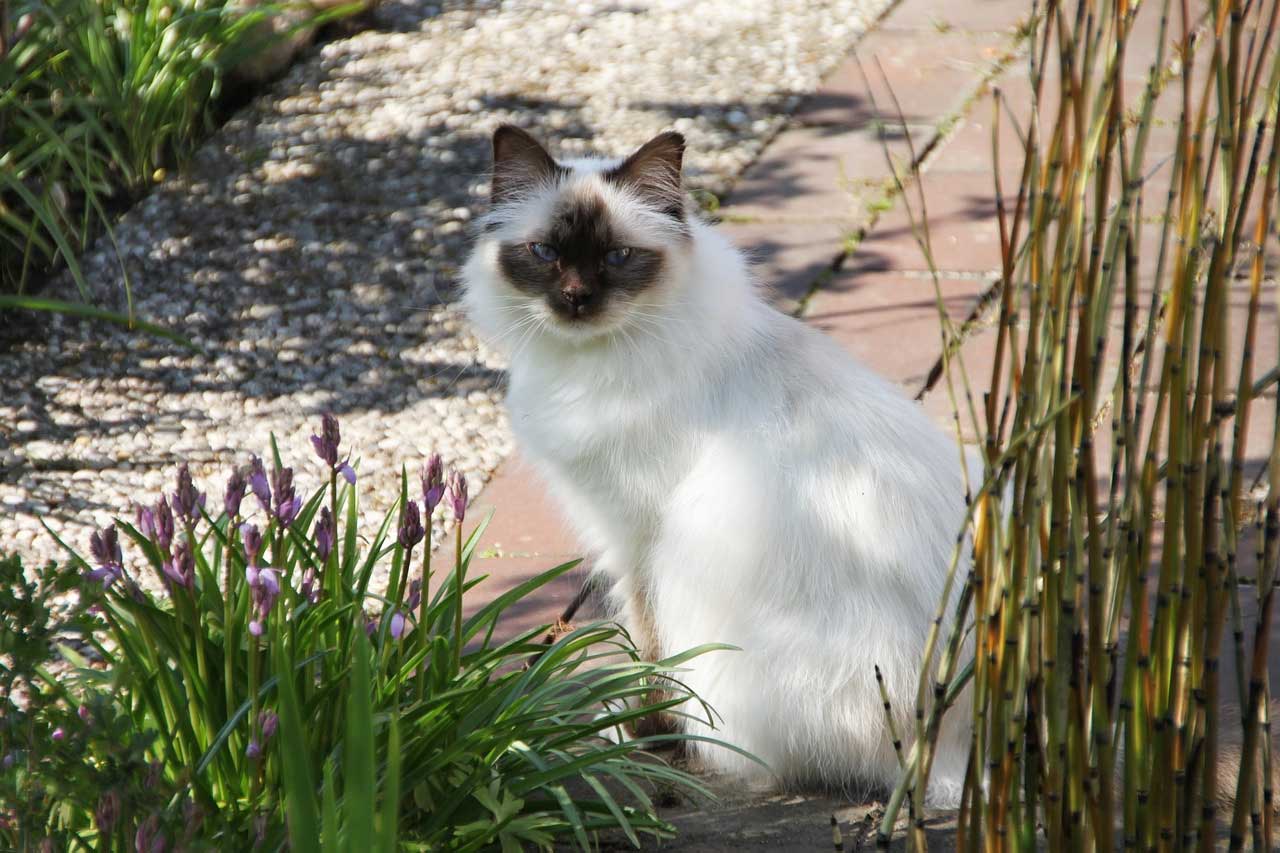
The Sacred Cat of Burma he's a long and powerful guy. He is relatively burly, with one head wide and round with large ears and eyes deep, almost round, light blue.

The face it is not flattened and the nose is rather long and straight. The body is elongated and the legs are long..

The fur is long, silky, more dense in the neck. The belly has slightly curly hair.

A characteristic feature of this breed is the presence of symmetrical white markings on the legs., called "gloves".

Colors points: seal, blue, lilac, Red and cream. Tortoise shell of all colors, except red and cream.

Size and weight

  • Size: 30 cm.
  • Weight: Of 4 to 6 kg

Breed standard

The breed standards are documents produced by official bodies that list the conditions that a Burmese must meet to be fully recognized as belonging to the breed.:

Character and skills

"Sacred Cat of Burma (Birman)"

Gato Sagrado de Birmania (Birmano)
A Seal Point Birman Cat called Strofe – Kristin Kokkersvold, Copyrighted free use, via Wikimedia Commons

Halfway between the Persian and the Siamese, this cat is calm, balanced, neither passive nor exuberant.

Less docile than Persian, it is however calmer, quiet and less active than Siamese.

Kind, affectionate (especially the males), often a bit possessive, Can't stand indifference and less loneliness, although it seems a bit individualistic. His voice is soft.

He is sociable with his peers.

Playful, it is a nice companion for children. But he also likes peace and quiet.

Abroad, they are robust, athletic and great hunters.

The females., adults of about 7 months of age, They are mothers who are very concerned about their pups..

Grooming

The maintenance of the coat is relatively easier than that of the Persian, since knots and tangles are rare.

In normal times, weekly brushing and combing is sufficient to maintain the coat. But, during the move, daily brushing and combing is necessary.

Videos "Sacred Cat of Burma (Birman)"

Burmese Cat Routine

▷ The world of Pets: Dogs, cats, birds, reptiles, amphibians

British longhair cat
Federations: LOOF, TICA, WCF

The British longhair cat was recognized as a breed by the International Cat Association (TICA) in 2009. Some other registration organizations still do not consider it a breed of its own..

Photo: wilkipedia

Content

History

The British longhair cat originated in Great Britain at the beginning of the 20th century and is the result of crossing the British Shorthair cat and the Persian cat. The British Shorthair cat They had long interbred with the persian cats, but the resulting cats that showed the long-haired gene of the Persian they were considered unusual.

Because the breed has only recently been bred for its specific traits, have achieved race status in recent history. Much of the history of British longhair cat is associated with its relationship with its namesake and ancestor, the British Shorthair cat.

Physical characteristics

The British longhair cats are size medium, with long hair and a nice round face. His big round eyes, their sweet expressions and fluffy fur give this breed adorable charm. Under all your fluff, these cats have muscular and robust bodies. The british long hair usually weigh between 3 and 7 kg, and males tend to weigh more.

The coat of the British longhair it's dense and straight, and moves away from the body to make these cats appear larger than they really are. Its fur is also soft, thick and available in many colors, like black, the lilac, chocolate or gold. They can also have a bicolor pattern, ticked o colorpoint. These cat breeds shed little compared to other long-haired breeds, but they have a thick undercoat.

The British longhair cat is often compared to the British Shorthair cat and with the Persian cat as for its appearance, And for good reason: This breed of cat follows the same breed standard as the British Shorthair cat, except for their long, soft fur. The magnificent mane of British longhair is the result of the side of Persian cat of his genealogy.

British longhair cat
British longhair cat Bounty Amouge, No. 4 according to the catalog of the international cat exhibition of the RosKosh club «Golden Autumn-2014» (WCF). – Nickolas Titkov from Moscow, Russian Federation, CC BY-SA 2.0, via Wikimedia Commons

Character and skills

These sweet cats are as personable as their smiling faces would suggest.. The British longhair cat He is known for his smooth, calm demeanor and easygoing demeanor. These cats are not easily upset – some might even call them lazy!! Although sometimes they behave like typical playful kittens, they are significantly less active than most cat breeds and become less active with age. They also sleep quite a bit, even by cat standards.

But these cuddly cats are so much more than just sofa companions.. They are incredibly smart, social and loving. The British longhair is a loyal breed that loves people and tolerates most environments.

Although they are very sociable, these cats also have an independent vein, and they often feel good doing their own thing. That does not mean that these cats always leave you alone.; in fact, They have been described as small "private investigators". True to the cats of pop culture, these cats are quite curious. Don't be surprised if you find these cats pawing at your personal belongings or looking closely to see what you are doing..

The British longhair cat He is affectionate and tolerant with children, but he doesn't like to be caught. Parents will have to spend time teaching their little ones not to pick up these adorable cats and to meet them on the floor to pet and play.

Needs of the "British longhair cat"

Thanks to his laid-back temperament, the British longhair adapts to a wide variety of environments. Their gentle and carefree demeanor makes them patient and loving pets for families with young children and frequent guests.. These friendly felines are sociable and adapt to changes, they tolerate curious young children and noisy dinners.

They are far from sticky, and they don't mind being left alone while you go to work or your social activities. This independent spirit also means that the British longhair can be a bit stubborn. They prefer to do things their own way, and often do not respond to owners starting the game when they prefer to lie down. But, this does not mean that your british longhair cat does not want to know anything about you. On the contrary, you will have to spend time showing your love and affection. Lots of pampering, attention and the presence of other pets will keep you from feeling lonely.

These cats love to chat and will have small conversations with you often to let you know that they are hungry., thirsty or just to get your attention. If you have roommates who are easily irritated or you live in an apartment with thin walls, this breed might not be the most suitable.

If what you are looking for is a friendly and cuddly companion that adapts to different lifestyles and living spaces, the British longhair cat it's a good option. This calm cat adapts well to family life, to frequent travel and most life situations, as long as I receive a lot of love and care.

Health

The british longhair cats they are not more prone to disease than other cats, but they have a certain incidence of health problems. This breed has a life expectancy of between 15 and 17 years.

«It is important to check for polycystic kidney disease, in which cysts develop in the kidneys causing decreased function and, finally, "kidney failure". DNA tests are now available to detect the risk of this disease in parents, so it is advisable to do a previous screening. This disease is also very common in the Persian ancestors of the British longhair.

Responsible breeders will test kittens for genetic health problems, but it is important to keep regularly scheduled veterinary appointments and follow the advice of your cat's veterinarian. Health problems can develop later in life and will need to be managed.

British longhair cat

Grooming and care

British longhair mainly handles that task itself. Because of all this self-grooming, your British longhair cat is prone to swallowing a lot of hair and developing hairballs. Help your cat by brushing more frequently or offering hairball relief treatments.

The British longhair cat tends to be a bit lazy, and owners will have to motivate them to move. Encourage play often, provide trees to climb and interactive toys to play with.

«Weight control is very important with these cats because they tend to be less active as adults compared to other cat breeds.. «They are prone to being overweight, Therefore, daily exercise is essential..

How are they smart, these cats are usually easy to train to perform simple tasks, how to use the litter box or scratching post. These food-loving cats will always appreciate a treat to reward good behavior.

Socialization should be easy with this easygoing breed. Kittens british long hair those who are introduced to people and pets at a young age are usually easy to get along with and accept unfamiliar faces well.

Food

The British longhair cat should be fed a high-quality diet approved by your veterinarian. Look for protein ingredients primarily of animal origin. Your cat can be fed dry or wet food. This breed is prone to obesity, so it is important to monitor your food intake.

British longhair
A bluish-white long-haired British cat from the McQueen Cattery. – Felinology, CC BY-SA 4.0, via Wikimedia Commons

For sale "British longhair cat"

Kittens british long hair from a reputable breeder usually cost between 700 and 1.100 EUR, depending on pedigree.

Characteristics "British longhair cat"

Coexistence is important that you have with your new friend. Before considering the acquisition of a cat of the breed "British longhair cat" you know certain factors. You must take into account their character, their need for exercise, their interaction with other pets, their care and if you have small children, their level of tolerance towards them.

Joy

3,0 of 5 stars (based on 1 review)

Activity level

2,0 of 5 stars (based on 1 review)

Friendliness to other pets

3,0 of 5 stars (based on 1 review)

Friendliness to children

3,0 of 5 stars (based on 1 review)

Grooming requirements

4,0 of 5 stars (based on 1 review)

Vocality

2,0 of 5 stars (based on 1 review)

Need for attention

3,0 of 5 stars (based on 1 review)

Affection towards its owners

4,0 of 5 stars (based on 1 review)

Docility

4,0 of 5 stars (based on 1 review)

Intelligence

4,0 of 5 stars (based on 1 review)

Independence

3,0 of 5 stars (based on 1 review)

Hardiness

3,0 of 5 stars (based on 1 review)

Videos "British longhair cat"

Cat British Longhair Blue Aquanatura Barcelona
Gato British Longhair Azul Aquanatura Barcelona
British Longhair Cats - Everything You Need To Know
British Longhair Cats – Everything You Need To Know

▷ The world of Pets: Dogs, cats, birds, reptiles, amphibians

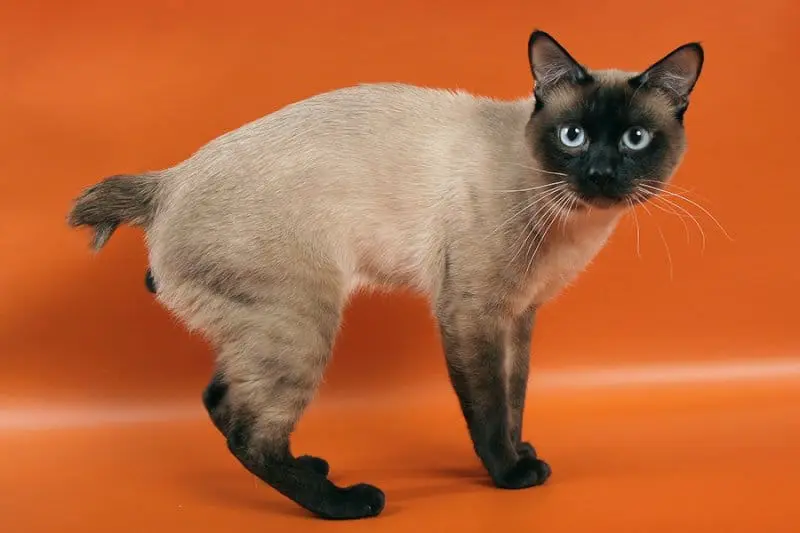
Mekong Bobtail cat
Federations: WCF

The Mekong Bobtail cat still a rare breed of cat, since at the beginning of the decade of 2010 its population barely exceeded 600 registered copies.
Bobtail Mekong
Photos By Sinitsyn

Content

Characteristics "Mekong Bobtail cat"

Coexistence is important that you have with your new friend. Before considering the acquisition of a cat of the breed "Mekong Bobtail cat" you know certain factors. You must take into account their character, their need for exercise, their interaction with other pets, their care and if you have small children, their level of tolerance towards them.

Joy

5,0 of 5 stars (based on 1 review)

Activity level

5,0 of 5 stars (based on 1 review)

Friendliness to other pets

3,0 of 5 stars (based on 1 review)

Friendliness to children

5,0 of 5 stars (based on 1 review)

Grooming requirements

1,0 of 5 stars (based on 1 review)

Vocality

2,0 of 5 stars (based on 1 review)

Need for attention

4,0 of 5 stars (based on 1 review)

Affection towards its owners

5,0 of 5 stars (based on 1 review)

Docility

4,0 of 5 stars (based on 1 review)

Intelligence

4,0 of 5 stars (based on 1 review)

Independence

2,0 of 5 stars (based on 1 review)

Hardiness

5,0 of 5 stars (based on 1 review)

History

The Mekong Bobtail it is a natural breed originating from Thailand, for which it has long been known as Thai bobtail. It has been present in Southeast Asia for many centuries, and legend has it that his courage led the kings of Siam to use him as a guard to protect the treasure chamber from possible theft.

In the 19th century, these cats were considered symbols of loyalty. Royalty used to gift them to the nobility to reinforce their good relations. So it is not surprising that, at the end of the 19th century, el rey Somdetch Phra Paramindr Maha Chulalongkorn, better known as Rama V, give away 200 from them to Tsar Nicholas II of Russia.

Several of them were Mekong Bobtail, that sparked some interest in Russia, so more specimens were imported in the following years. These cats and their descendants are the origin of the breed we know today.. In other words, although it is basically a Thai cat breed, it was the Russians who allowed it to develop and flourish, without modifying it.

But, the breed could not develop under the communist regime, and it was not until the decade of 1980 when Olga Mironova, a renowned cat specialist, took an interest in her and decided that she should be recognized. With the help of Ludmila Esina, Russian breeder and cat specialist, drew up the first standard and adopted the name Mekong Bobtail, in tribute to the river that runs through Southeast Asia.

This cat was first presented at an international feline show in November 2003, during the «Royal Canine Grand Prix» held in Moscow. A few months later, in august 2004, received the recognition of the World Cat Federation (WCF). WCF has not been followed by other organizations since., so it remains the only major feline association that recognizes the breed.

In fact, the Mekong Bobtail cat still a rare breed of cat, since at the beginning of the decade of 2010 its population barely exceeded 600 registered copies. The vast majority are in the former Soviet countries, mainly in Russia and Ukraine. It is almost non-existent in Western Europe and North America.

Gato Bobtail Mekong
MEKONG BOBTAIL cat of rare lynx-point colour Dona Miya Ayutthaya. Cofein Pride cattery (WCF). – Alex opryatin, CC BY-SA 3.0, via Wikimedia Commons

Physical characteristics

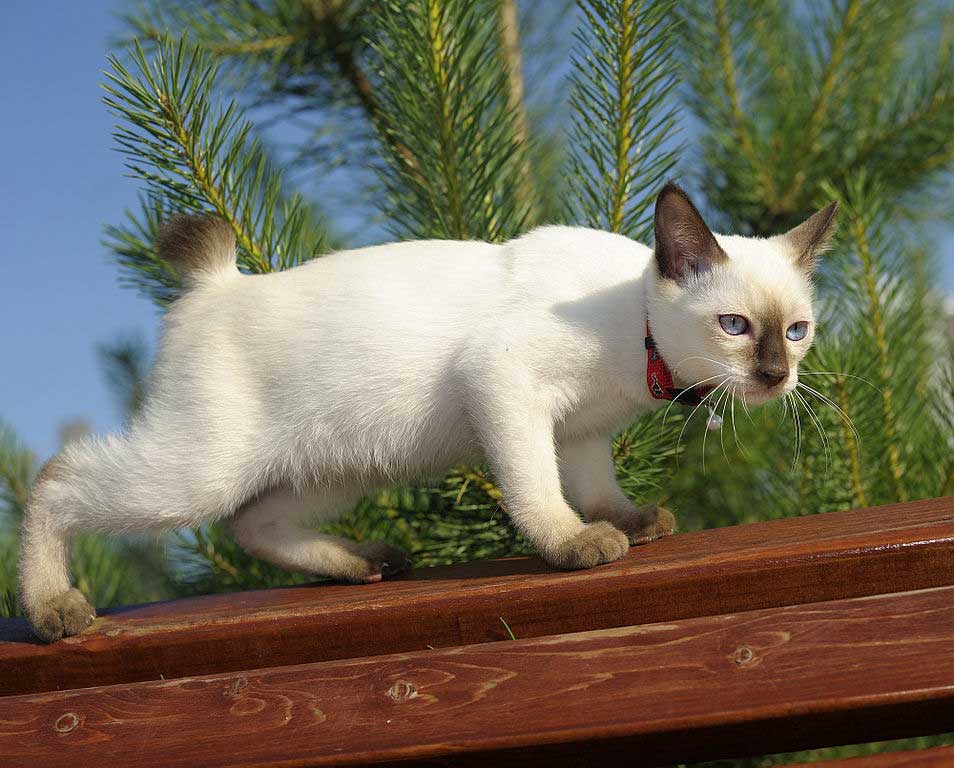
The body structure of the Mekong Bobtail is similar to that of Siamese cat. With its long, muscular body and its long, thin legs, has preserved the refined elegance of Thai cats. The strong stature in combination with the beautifully modeled head give the animal a noble appearance. The characteristic feature is the short tail. It is a quarter the length of the body and has different combinations of curves and folds. According to the international breed standard, its length is at least three vertebrae.

The coat color of the Mekong Bobtail reminds of the Siamese cat. Belonging to typical cats point, breed standard allows all colors point no target. Cats often appear with sandy to cinnamon colored fur. The coat is soft and silky to the touch. Hugs the body closely. The effect is produced because the purebred cat has hardly any undercoat.

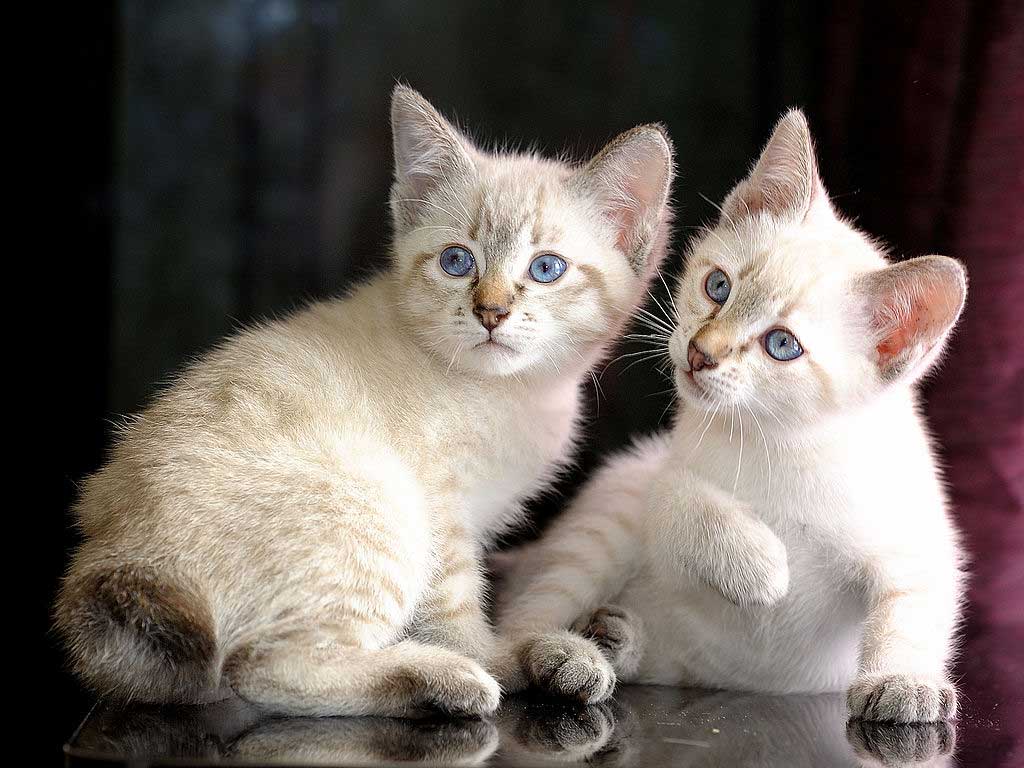
If you look at the cat's face, you will notice the large ears with the rounded tips. They perch on top of the animal's head and give it an attentive impression. This is enhanced by the slightly outwardly curved ears.. Similar to the Siamese, the breed is characterized by its large, oval eyes. Its deep blue color contributes to the exotic beauty of this rare breed of cat..

Last, sexual dimorphism is well marked, being the males larger than the females.

Size and weight

  • Height: 30 cm.
  • Weight: Of 3 to 5 kg

  • Character and skills

    The Mekong Bobtail cat he is an affectionate cat who enjoys the company of humans. They are very faithful and devoted to their owner and constantly seek their company.. Demands a lot of attention, that returns multiplied by a hundred in affection.

    Sociable and curious by nature, this cat loves to hang out with new people, especially if they give you the attention you seek. Calm and balanced, it is an ideal cat breed for children, as long as, of course, have learned to behave with animals: his patience has limits and he runs the risk of biting, even more than scratching, to those who amuse themselves by pulling their tail or whiskers.

    The sociability of Mekong Bobtail spreads to other animals, and enjoy the company of other dogs, as well as other cats. The presence of other animals in the home is an option to be seriously considered by any owner who has to be away for long periods of time each day., since it is a breed of cat that does not tolerate loneliness. On the other hand, coexistence with small rodents or reptiles should be avoided, since his hunting instinct can overcome his good manners at any moment.

    On the other hand, the Mekong Bobtail easily adapts to a new environment, and traveling by car with your cat should not be a problem. So, they are an ideal option for those who move regularly or want to take their cat on vacation.

    Active and athletic, to the Mekong Bobtail he loves to run around the house, jump on the furniture and perch on the closet. With this energy level, ideally they should have access to the outdoors, where they can run and have fun before returning to their owner to rest quietly. But, can live in a flat, as long as his owner makes sure he gets enough exercise by playing with him often, or even taking him out on a leash.

    If you have free access to the outside, it is recommended to put a necklace with a locket in which your name and phone number appear, In addition, of course, of the essential identification of the cat by chip or tattoo. In effect, although he is very close to his master and wants nothing more than to return to his side, his curiosity and the fact that he likes the company of humans can take him away from home; the risk is that you realize too late that you don't know how to get home

    Last, it is a breed of cat that usually meows, either to let its owner know that it is time to eat or that it is time to open the door to go chase the birds.

    Gato Bobtail Mekong
    Rare MEKONG BOBTAIL kittens, color tabby-point. Mekong bobtail hatchery Cofein Pride – Alex opryatin, CC BY-SA 3.0, via Wikimedia Commons

    Health

    The Mekong Bobtail it is a robust breed with no known genetic predisposition to disease.

    But, can be prone to several conditions common to all cats:

  • The feline idiopathic cystitis, a common bladder infection in cats that can have serious consequences if left untreated;
  • Various eye problems: secretion, redness or even a color change in the eyes;
  • Gastrointestinal disorders: vomiting, flatulence, diarrhea or constipation. These problems are usually due to diet and can pass within a few days or persist for several weeks..

  • It also, as with any breed, care must be taken to avoid being overweight or obese, that could cause serious health problems. Adequate nutrition and sufficient activity levels will normally avoid this problem..

    Grooming

    The Mekong Bobtail cat is a low maintenance cat breed. His short-haired coat only needs to be brushed once a week to remove dead hairs and keep it looking its best..

    It is advisable to prolong the grooming session a bit to take time to check the teeth, ears and, above all, the cat's eyes to make sure they are clean. They can be cleaned with a damp cloth.

    Last, depending on the activity level of the cat and the use of the scratching post, nails may need to be trimmed with nail clippers.

    Gato Bobtail Mekong
    Rare MEKONG BOBTAIL chocolate tip color – Talestra of Cofein Pride – Alex opryatin, CC BY-SA 3.0, via Wikimedia Commons

    For sale "Mekong Bobtail cat"

    The price of a Mekong Bobtail cat is of some 20.000 hryvnia in Ukraine or 50.000 rubles in Russia, what corresponds to some 700-800 EUR.

    As this breed is not yet common in Europe and America, it is usually necessary to import it. In this case, the cost of transport and possible customs duties must be added to the purchase price.

    Videos "Mekong Bobtail cat"

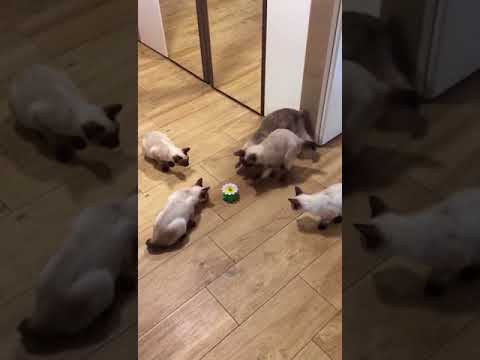
    Mekong Bobtail
    A litter of five little ones Mekong Bobtail discover a new game that seems to captivate them.
    Mekong bobtail play with circuit roller ball

    ▷ The world of Pets: Dogs, cats, birds, reptiles, amphibians

    Moggy cat
    cat without pedigree

    For those of you that you are not familiar with the English language, «Moggy» is an informal name for a cat – «Mog» o «Moggy» is the singular, «Moggies» is the plural.

    Content

    Origins of the word "Moggy"

    The definition of a Moggy, It is a cat or a kitten, It does not belong to any recognized race. It is also an informal name at United Kingdom for a cat, If the cat is a breed recognized or not. It seems a bit confusing this from the English language!. The word was originally a nickname for a cow!! The origin of the word kitten is not a corruption of the word "mestizo" , as many believe. Recognized the word for the first time in 1911, is possibly derived from Maggie, Margie or mog, all short of wife Margaret name forms. It is believed that this was first used to describe a clumsy, clumsy old cow, and even could have been a child of a farm which was called that way any cow, given that "Moggy» was used during the 18th century in various English dialects as a "pet name" for cow.

    How farmers flocked to cities from rural areas during the latter part of the Industrial Revolution, it is likely that the cow became moggy maggie, implemented as an insult to a scruffy woman, old or prostitute.
    The origin is unclear, but as the 20th century, London streets were filled with a lot of little healthy Street cats, it would have been natural to apply the term Moggy to describe these unhappy. In some parts of Lancashire, England «moggy» means mouse. A cat was known as "the hunter of moggies. It has been suggested that this could be the etymology of the word meaning moggy «gato».

    History

    There are more than 100 millions of cats in the world. Of these, the vast majority are cats without pedigree or mestizos, their filiation may be unknown, not even the parents have a registered pedigree.

    Until the end of the 19th century, people used cats to keep their houses and barns free of rodents. But, like any proud owner knows, a healthy and happy Moggy, in the fullness of his life, can be as magnificent in appearance and form as a pedigree cat. Given that the gene to determine the short hair is dominant, most mongrel cats are shorthaired, but there is no standard cross type, they come in all imaginable varieties of hair and color.

    Physical characteristics

    Many mestizos cats are atigrados, It is the variety closest to the ancestors of the cats, the African wild cats. The tabby pattern or scratched is the original, but the classic spotted tabby pattern is more common. More rare is the spotted striped, being selectively bred into new pedigree lines, these new lines aimed at achieving a wild look. The solid colors are also abundant: black, white, Ginger (Jam), and blue.

    The ginger colouration is linked to the sex, and the males outnumber the females jam by 2 to 1. On the other hand, the carey or the pattern of percale in Orange and black is only possible in females (with rare exceptions of sterile males). white is common, both by his own account, combination with other colors solid and atigrados. The Siamese style points are rarely mixed cats, but it can occur, without a doubt. Aside from color and coat, mongrel cats differ much less from each other than pure breeds.

    Most have a moderate physique, typical of British Shorthair cat and American, not being thin like him Siamese cat, neither big and heavy like the Persian cat or the Maine Coon. Circumstances have helped the cats of tropical climates tend to have a slightly more elegant way, and those from cold climates to have a more robust body.

    The head wedge-shaped and flattened face are unusual at a junction, but it can appear if the recent family tree of one of the parents includes a cat with genes Siamese and Persian.

    Character and skills

    The reproduction random means that the cat without a pedigree does not have a certain appearance or temperament.
    But, the character traits of short-haired domestic cats they make it universally loved and admired.

    Cats are wonderful companions and enjoy being part of a family, but still maintain their independence much more than domestic dogs. They can be adapted to an existence in a House, Although you will enjoy any freedom that is offered (deliberately or not), because it must be said that the Domestic cat it is a relentless predator of small rodents and birds. Even when well fed, most mongrel cats they will enjoy bringing home the hunting trophies, true to its thousands of years of history as experts in pest control. The mongrel cat has naturally thrived in the selection of the strongest and most successful animals.

    Health

    The cats mestizos natural have a much lower concentration of undesirable genes. With proper care, It is robust and will live a long life. the typical mongrel, If you choose with care, is a beautiful, Intelligent, playful, low-maintenance, and above all partner with independent trends. It will be a loving and devoted member of your household. who could ask for more?

    Advantages of a mongrel cat:

    • You will not have to contact a breeder, they can be obtained from shelters or private houses.
    • You will have to pay very little. Most of the mongrels are distributed free.
    • Mixed cats are robust and long-lived.
    • They suffer fewer health problems that cats of race.

    ▷ The world of Pets: Dogs, cats, birds, reptiles, amphibians

    Clippercat
    Registration: CATZ

    Content

    What are Clippercats?

    They are a recently recognized breed, which is being developed under strict guidelines.

    In a nutshell, the Clippercat is the New Zealand shorthair cat and / or the Australian longhair cat. with polydactyl feet. Poly– means "many" and Dactulos – means "fingers".

    Cats usually have 5 claws on its front legs.. (4 plus a snail claw) and 4 on each hind leg. Cats with the polydactyl mutation can have between 5 and 7 fingers on the front legs and between 4 and 7 in the rear.

    History

    In New Zealand and Australia, between the years 1850 and 1900, a large number of immigrants arrived on the Clipper ships that sailed the seas between England and the Antipodes.

    Many of these ships docked in Auckland and the Hauraki Gulf, where today we find the highest concentrations of polydactyl cats.

    Following the CATZ Inc policy of inclusion and establishment of rules for the responsible registration of cats, these cats, which are a natural mutation, and an expression of an incomplete autosomal dominant gene, They can now be registered with CATZ Inc under the breed name "Clippercats", formerly called Antipodean cat, with the addition of the polydactyl mutation..

    Unlike the United States.UU., the Clippercats (Polydactyls of Domestic / Antipodean origin) cannot be raised with others Clippercats, and there are strict guidelines set by the Registry for their breeding to ensure that all Clippercats recorded are the Heterozygous form of this mutation.

    Right now, if you have a polydactyl cat, you can register it in the open registry as Clippercat, if you meet very specific guidelines.

    Breeding conventions include recording the number of toes on each foot and the breed standard includes both a limit on the number of toes allowed and restricts the structure of the feet to three accepted structural formats..

    The Clippercats they can only be bred with short hairs / New Zealander longs and the breed standard calls for the New Zealand SH / LH type with the addition of the polydactyl mutation.

    The Clippercats cannot be crossed with any other currently recognized championship breed.

    Where do polydactyls come from??

    The polydactyl cats they have a long and interesting history. For many centuries they have roamed south-west Britain and there is evidence of polydactyl cats in countries as far away as Norway, although reports in Europe are few and far between, due mostly to the perceived relationship between cats and witchcraft.

    The polydactyly is a trait allowed in the breed of Pixie Bob cat, which is classified as a natural breed, and that competes in the TICA championship, the International Cat Association. (USA)

    It was also a dominant trait in many of the early Maine Coons, and it was considered that it helped those cats to overcome the heavy snows of the winters of the State of Maine. Breeders, However, selected to remove the trait from that specific breed.

    There are several reports of a folklore in southern England, which states that when people found cats with too many fingers, They offered them to the captains of the ships, who apparently considered them "lucky cats" and very suitable for a sailor's life. They were also considered gifted buzzards and, thanks to your extra fingers, more fit for life on mobile covers.

    Large populations of cats with this mutation were seen in and around the Boston area, where they were commonly called "Boston thumb cats". An article published in the magazine «Cat Watch» from Cornell University in 1998 analyzed the studies carried out on polydactyl cats between 1940 and 1970 and tentatively concluded that the trait probably occurred in cats that came from England to the Boston area with the Puritans in the mid-17th century. These studies focused on the unusually high concentration of polydactyls in that area., and in other east coast ports with strong shipping links to the British Isles, like Halifax and Yarmouth, and in Nova Scotia, where there were also higher concentrations of polydactyl cats.

    The author Ernest Hemingway is also recorded as a gift from a ship captain polydactyl cat of the race Maine Coon cat, and this cat is believed to be the progenitor of the many polydactyl cats now cared for in the trust established for them on the author's home island in the Florida Keys. Apparently, This led to the polydactyl cats They were sometimes called "Hemingway cats.".

    There are currently three separate private registries in the United States where polydactyl breeders can register their specimens.. These cats are often called "American Polydactyl Cat«.

    But, it would be very conceited to consider them solely native to the United States, when its story is rather associated with the many boat cats that traveled with immigrants from England and Europe to the United States and other parts of the world between 1620 and 1900. Even the famous "Mayflower" was a merchant ship before its well-known voyage to the United States.. and in those days he made several trips between England and Norway before being chartered by the pilgrims.

    Source: catzinc.org